
Carbidopa and levodopa interactions
Carbidopa and levodopa (Sinemet, Rytary, Duopa), a dopaminergic drug has 143 documented interactions across the FDA labels and fact sheets we index: 9 major, 133 moderate, 1 minor, and 0 where a label reports no significant interaction. Each entry below quotes the sentence behind it. This drug page is a starting point, not a verdict for your situation.
What Carbidopa and levodopa looks like
All 77 versions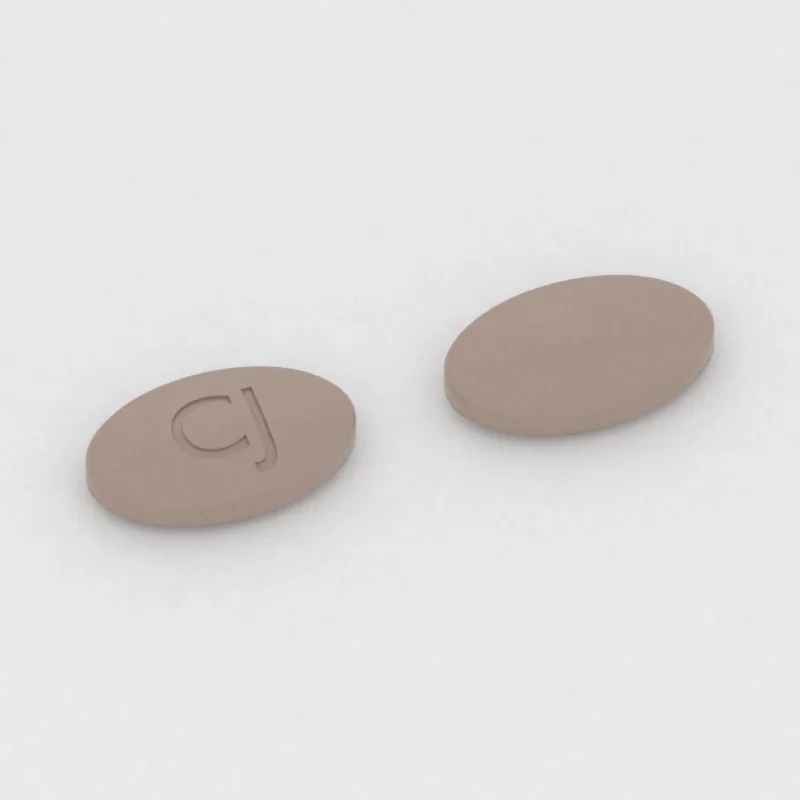
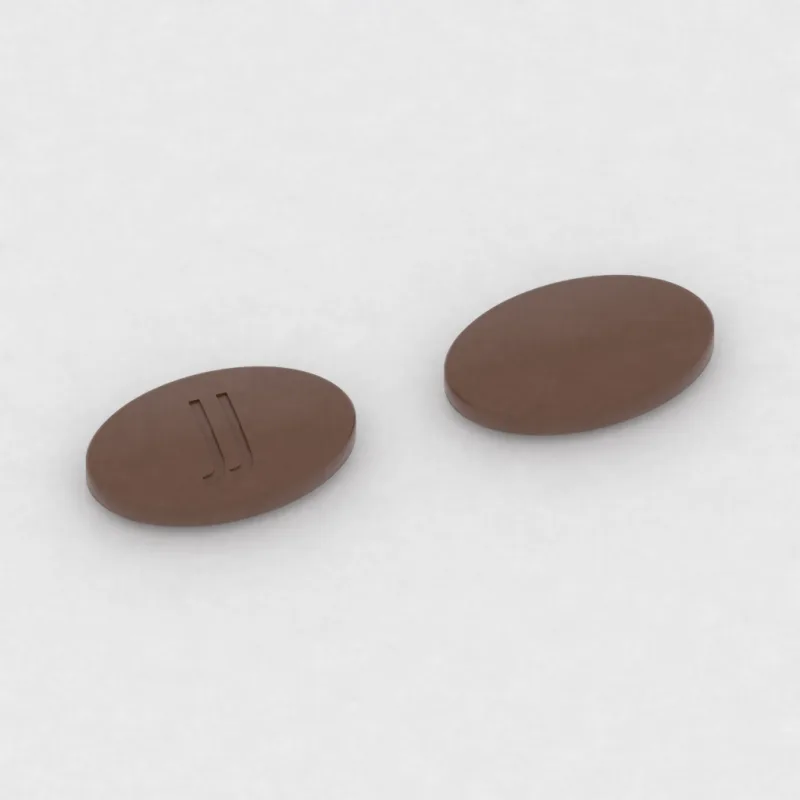
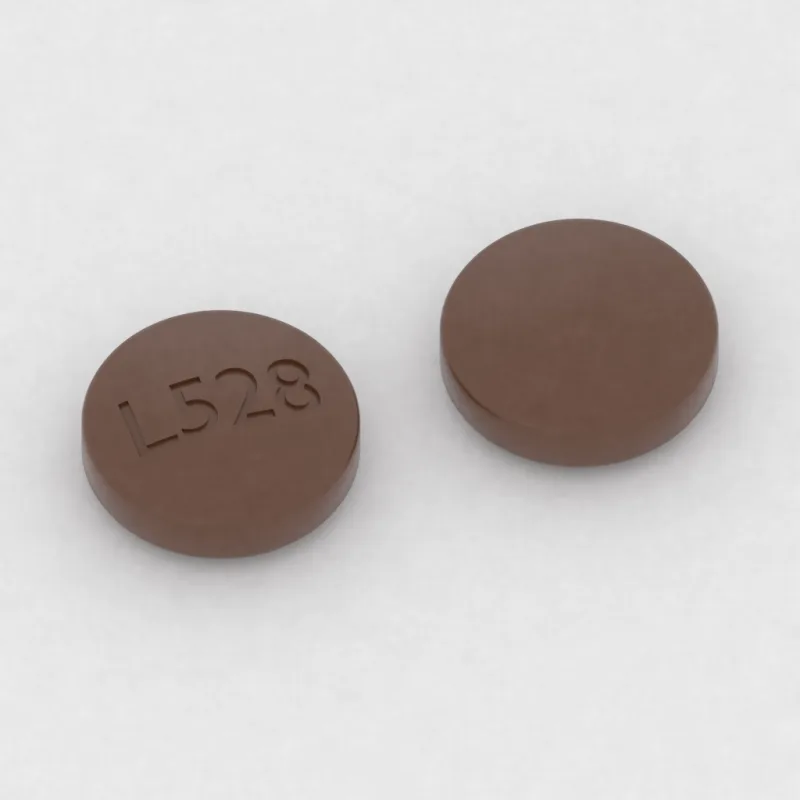
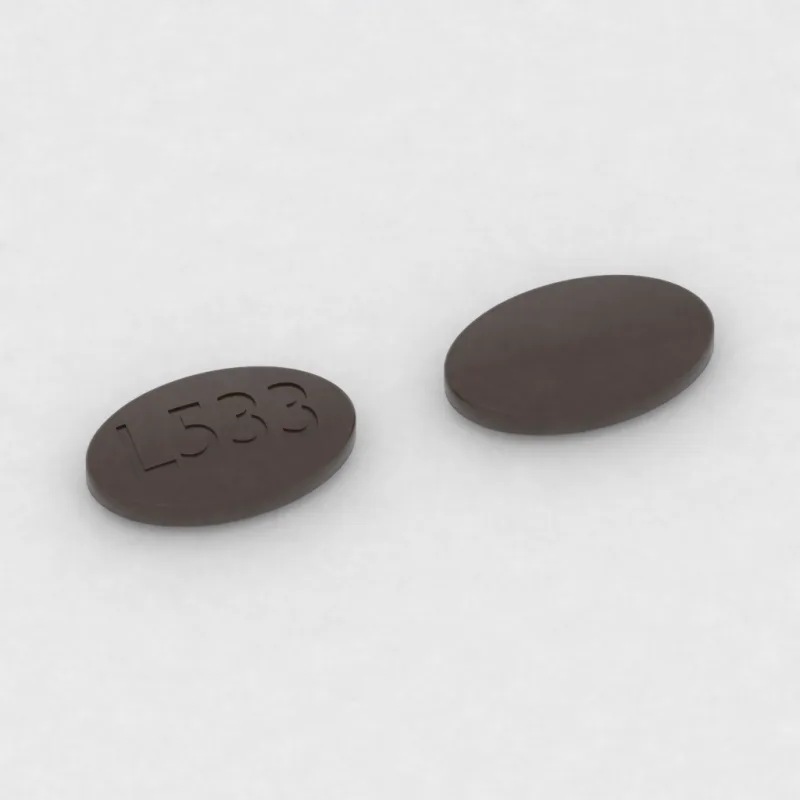
Renderings from the FDA labels' product listings: color, shape, size, and imprint. 77 documented versions from 23 labelers.
Interactions from the label
Major interactions (9)
- CarbidopaMajor
Nonselective monoamine oxidase (MAO) inhibitors are contraindicated for use with levodopa or carbidopa-levodopa combination products with or without carbidopa. (Carbidopa label, Contraindications)
DUOPA is contraindicated in patients who are currently taking a nonselective monoamine oxidase (MAO) inhibitor (e.g., phenelzine and tranylcypromine) or have recently (within 2 weeks) taken a nonselective MAO inhibitor. (Carbidopa and levodopa label, Contraindications)
DUOPA is contraindicated in patients who are currently taking a nonselective monoamine oxidase (MAO) inhibitor (e.g., phenelzine and tranylcypromine) or have recently (within 2 weeks) taken a nonselective MAO inhibitor. (Carbidopa and levodopa label, Contraindications)
DUOPA is contraindicated in patients who are currently taking a nonselective monoamine oxidase (MAO) inhibitor (e.g., phenelzine and tranylcypromine) or have recently (within 2 weeks) taken a nonselective MAO inhibitor. (Carbidopa and levodopa label, Contraindications)
DUOPA is contraindicated in patients who are currently taking a nonselective monoamine oxidase (MAO) inhibitor (e.g., phenelzine and tranylcypromine) or have recently (within 2 weeks) taken a nonselective MAO inhibitor. (Carbidopa and levodopa label, Contraindications)
DUOPA is contraindicated in patients who are currently taking a nonselective monoamine oxidase (MAO) inhibitor (e.g., phenelzine and tranylcypromine) or have recently (within 2 weeks) taken a nonselective MAO inhibitor. (Carbidopa and levodopa label, Contraindications)
DUOPA is contraindicated in patients who are currently taking a nonselective monoamine oxidase (MAO) inhibitor (e.g., phenelzine and tranylcypromine) or have recently (within 2 weeks) taken a nonselective MAO inhibitor. (Carbidopa and levodopa label, Contraindications)
- TolcaponeMajor
WARNING Because of the risk of potentially fatal, acute fulminant liver failure, Tolcapone tablets should ordinarily be used in patients with Parkinson's disease on l-dopa/carbidopa who are experiencing symptom fluctuations and are not responding satisfactorily to or are not appropriate candidates for other adjunctive therapies (see INDICATIONS and DOSAGE AND… (Tolcapone label, Boxed warning)
DUOPA is contraindicated in patients who are currently taking a nonselective monoamine oxidase (MAO) inhibitor (e.g., phenelzine and tranylcypromine) or have recently (within 2 weeks) taken a nonselective MAO inhibitor. (Carbidopa and levodopa label, Contraindications)
Moderate interactions (133)
Antihypertensive drugs: May cause symptomatic postural hypotension. (Carbidopa and levodopa label, Drug interactions)
Antihypertensive drugs: May cause symptomatic postural hypotension. (Carbidopa and levodopa label, Drug interactions)
Antihypertensive drugs: May cause symptomatic postural hypotension. (Carbidopa and levodopa label, Drug interactions)
Antihypertensive drugs: May cause symptomatic postural hypotension. (Carbidopa and levodopa label, Drug interactions)
Antihypertensive drugs: May cause symptomatic postural hypotension. (Carbidopa and levodopa label, Drug interactions)
Antihypertensive drugs: May cause symptomatic postural hypotension. (Carbidopa and levodopa label, Drug interactions)
Antihypertensive drugs: May cause symptomatic postural hypotension. (Carbidopa and levodopa label, Drug interactions)
Antihypertensive drugs: May cause symptomatic postural hypotension. (Carbidopa and levodopa label, Drug interactions)
Withdrawal-Emergent Hyperpyrexia and Confusion A symptom complex that resembles neuroleptic malignant syndrome (characterized by elevated temperature, muscular rigidity, altered consciousness, and autonomic instability), with no other obvious etiology, has been reported in association with rapid dose reduction, withdrawal of, or changes in dopaminergic therapy. (Carbidopa and levodopa label, Warnings and precautions)
Withdrawal-Emergent Hyperpyrexia and Confusion A symptom complex that resembles neuroleptic malignant syndrome (characterized by elevated temperature, muscular rigidity, altered consciousness, and autonomic instability), with no other obvious etiology, has been reported in association with rapid dose reduction, withdrawal of, or changes in dopaminergic therapy. (Carbidopa and levodopa label, Warnings and precautions)
Antihypertensive drugs: May cause symptomatic postural hypotension. (Carbidopa and levodopa label, Drug interactions)
Antihypertensive drugs: May cause symptomatic postural hypotension. (Carbidopa and levodopa label, Drug interactions)
Antihypertensive drugs: May cause symptomatic postural hypotension. (Carbidopa and levodopa label, Drug interactions)
Antihypertensive drugs: May cause symptomatic postural hypotension. (Carbidopa and levodopa label, Drug interactions)
Antihypertensive drugs: May cause symptomatic postural hypotension. (Carbidopa and levodopa label, Drug interactions)
Antihypertensive drugs: May cause symptomatic postural hypotension. (Carbidopa and levodopa label, Drug interactions)
Antihypertensive drugs: May cause symptomatic postural hypotension. (Carbidopa and levodopa label, Drug interactions)
Antihypertensive drugs: May cause symptomatic postural hypotension. (Carbidopa and levodopa label, Drug interactions)
Withdrawal-Emergent Hyperpyrexia and Confusion A symptom complex that resembles neuroleptic malignant syndrome (characterized by elevated temperature, muscular rigidity, altered consciousness, and autonomic instability), with no other obvious etiology, has been reported in association with rapid dose reduction, withdrawal of, or changes in dopaminergic therapy. (Carbidopa and levodopa label, Warnings and precautions)
…may experience intense urges to gamble, increased sexual urges, intense urges to spend money, binge or compulsive eating, and/or other intense urges, and the inability to control these urges while taking one or more of the medications, including DUOPA, that increase central dopaminergic tone and that are generally used for the treatment of Parkinson’s disease. (Carbidopa and levodopa label, Warnings and precautions)
CNS toxicity has been reported when bupropion was coadministered with levodopa or amantadine. (Bupropion label, Drug interactions)
…may experience intense urges to gamble, increased sexual urges, intense urges to spend money, binge or compulsive eating, and/or other intense urges, and the inability to control these urges while taking one or more of the medications, including DUOPA, that increase central dopaminergic tone and that are generally used for the treatment of Parkinson’s disease. (Carbidopa and levodopa label, Warnings and precautions)
Antihypertensive drugs: May cause symptomatic postural hypotension. (Carbidopa and levodopa label, Drug interactions)
Antihypertensive drugs: May cause symptomatic postural hypotension. (Carbidopa and levodopa label, Drug interactions)
Antihypertensive drugs: May cause symptomatic postural hypotension. (Carbidopa and levodopa label, Drug interactions)
Withdrawal-Emergent Hyperpyrexia and Confusion A symptom complex that resembles neuroleptic malignant syndrome (characterized by elevated temperature, muscular rigidity, altered consciousness, and autonomic instability), with no other obvious etiology, has been reported in association with rapid dose reduction, withdrawal of, or changes in dopaminergic therapy. (Carbidopa and levodopa label, Warnings and precautions)
Antihypertensive drugs: May cause symptomatic postural hypotension. (Carbidopa and levodopa label, Drug interactions)
Antihypertensive drugs: May cause symptomatic postural hypotension. (Carbidopa and levodopa label, Drug interactions)
Withdrawal-Emergent Hyperpyrexia and Confusion A symptom complex that resembles neuroleptic malignant syndrome (characterized by elevated temperature, muscular rigidity, altered consciousness, and autonomic instability), with no other obvious etiology, has been reported in association with rapid dose reduction, withdrawal of, or changes in dopaminergic therapy. (Carbidopa and levodopa label, Warnings and precautions)
Antihypertensive drugs: May cause symptomatic postural hypotension. (Carbidopa and levodopa label, Drug interactions)
Antihypertensive drugs: May cause symptomatic postural hypotension. (Carbidopa and levodopa label, Drug interactions)
Withdrawal-Emergent Hyperpyrexia and Confusion A symptom complex that resembles neuroleptic malignant syndrome (characterized by elevated temperature, muscular rigidity, altered consciousness, and autonomic instability), with no other obvious etiology, has been reported in association with rapid dose reduction, withdrawal of, or changes in dopaminergic therapy. (Carbidopa and levodopa label, Warnings and precautions)
Dopamine D2 receptor antagonists, isoniazid, iron salts, and high-protein diet may reduce the effectiveness of DUOPA ( 7.3 , 7.4 , 7.5 ) (Carbidopa and levodopa label, Drug interactions)
Dopamine D2 receptor antagonists, isoniazid, iron salts, and high-protein diet may reduce the effectiveness of DUOPA ( 7.3 , 7.4 , 7.5 ) (Carbidopa and levodopa label, Drug interactions)
Neuroleptic Malignant Syndrome (NMS) A potentially fatal symptom complex sometimes referred to as Neuroleptic Malignant Syndrome (NMS) has been reported in association with drugs that reduce dopaminergic transmission. (Deutetrabenazine label, Warnings and precautions)
Antihypertensive drugs: May cause symptomatic postural hypotension. (Carbidopa and levodopa label, Drug interactions)
Antihypertensive drugs: May cause symptomatic postural hypotension. (Carbidopa and levodopa label, Drug interactions)
Observe patients carefully when the dosage of NORTHERA is changed or when concomitant levodopa is reduced abruptly or discontinued, especially if the patient is receiving neuroleptics. (Droxidopa label, Warnings and precautions)
Antihypertensive drugs: May cause symptomatic postural hypotension. (Carbidopa and levodopa label, Drug interactions)
Antihypertensive drugs: May cause symptomatic postural hypotension. (Carbidopa and levodopa label, Drug interactions)
Antihypertensive drugs: May cause symptomatic postural hypotension. (Carbidopa and levodopa label, Drug interactions)
- EntacaponeModerate
…Metabolized By Catechol-O-Methyltransferase (COMT) When a single 400 mg dose of entacapone was given with intravenous isoprenaline (isoproterenol) and epinephrine without coadministered levodopa and dopa decarboxylase inhibitor, the overall mean maximal changes in heart rate during infusion were about 50% and 80% higher than with placebo, for isoprenaline and epinephrine,… (Entacapone label, Warnings)
Antihypertensive drugs: May cause symptomatic postural hypotension. (Carbidopa and levodopa label, Drug interactions)
Antihypertensive drugs: May cause symptomatic postural hypotension. (Carbidopa and levodopa label, Drug interactions)
Antihypertensive drugs: May cause symptomatic postural hypotension. (Carbidopa and levodopa label, Drug interactions)
Dopamine D2 receptor antagonists, isoniazid, iron salts, and high-protein diet may reduce the effectiveness of DUOPA ( 7.3 , 7.4 , 7.5 ) (Carbidopa and levodopa label, Drug interactions)
Withdrawal-Emergent Hyperpyrexia and Confusion A symptom complex that resembles neuroleptic malignant syndrome (characterized by elevated temperature, muscular rigidity, altered consciousness, and autonomic instability), with no other obvious etiology, has been reported in association with rapid dose reduction, withdrawal of, or changes in dopaminergic therapy. (Carbidopa and levodopa label, Warnings and precautions)
Antihypertensive drugs: May cause symptomatic postural hypotension. (Carbidopa and levodopa label, Drug interactions)
Antihypertensive drugs: May cause symptomatic postural hypotension. (Carbidopa and levodopa label, Drug interactions)
Antihypertensive drugs: May cause symptomatic postural hypotension. (Carbidopa and levodopa label, Drug interactions)
Antihypertensive drugs: May cause symptomatic postural hypotension. (Carbidopa and levodopa label, Drug interactions)
Withdrawal-Emergent Hyperpyrexia and Confusion A symptom complex that resembles neuroleptic malignant syndrome (characterized by elevated temperature, muscular rigidity, altered consciousness, and autonomic instability), with no other obvious etiology, has been reported in association with rapid dose reduction, withdrawal of, or changes in dopaminergic therapy. (Carbidopa and levodopa label, Warnings and precautions)
Antihypertensive drugs: May cause symptomatic postural hypotension. (Carbidopa and levodopa label, Drug interactions)
Antihypertensive drugs: May cause symptomatic postural hypotension. (Carbidopa and levodopa label, Drug interactions)
Withdrawal-Emergent Hyperpyrexia and Confusion A symptom complex that resembles neuroleptic malignant syndrome (characterized by elevated temperature, muscular rigidity, altered consciousness, and autonomic instability), with no other obvious etiology, has been reported in association with rapid dose reduction, withdrawal of, or changes in dopaminergic therapy. (Carbidopa and levodopa label, Warnings and precautions)
Antihypertensive drugs: May cause symptomatic postural hypotension. (Carbidopa and levodopa label, Drug interactions)
Antihypertensive drugs: May cause symptomatic postural hypotension. (Carbidopa and levodopa label, Drug interactions)
Antihypertensive drugs: May cause symptomatic postural hypotension. (Carbidopa and levodopa label, Drug interactions)
Dopamine D2 receptor antagonists, isoniazid, iron salts, and high-protein diet may reduce the effectiveness of DUOPA ( 7.3 , 7.4 , 7.5 ) (Carbidopa and levodopa label, Drug interactions)
Antihypertensive drugs: May cause symptomatic postural hypotension. (Carbidopa and levodopa label, Drug interactions)
Antihypertensive drugs: May cause symptomatic postural hypotension. (Carbidopa and levodopa label, Drug interactions)
Antihypertensive drugs: May cause symptomatic postural hypotension. (Carbidopa and levodopa label, Drug interactions)
Antihypertensive drugs: May cause symptomatic postural hypotension. (Carbidopa and levodopa label, Drug interactions)
Antihypertensive drugs: May cause symptomatic postural hypotension. (Carbidopa and levodopa label, Drug interactions)
Antihypertensive drugs: May cause symptomatic postural hypotension. (Carbidopa and levodopa label, Drug interactions)
Antihypertensive drugs: May cause symptomatic postural hypotension. (Carbidopa and levodopa label, Drug interactions)
Antihypertensive drugs: May cause symptomatic postural hypotension. (Carbidopa and levodopa label, Drug interactions)
Withdrawal-Emergent Hyperpyrexia and Confusion A symptom complex that resembles neuroleptic malignant syndrome (characterized by elevated temperature, muscular rigidity, altered consciousness, and autonomic instability), with no other obvious etiology, has been reported in association with rapid dose reduction, withdrawal of, or changes in dopaminergic therapy. (Carbidopa and levodopa label, Warnings and precautions)
Withdrawal-Emergent Hyperpyrexia and Confusion A symptom complex that resembles neuroleptic malignant syndrome (characterized by elevated temperature, muscular rigidity, altered consciousness, and autonomic instability), with no other obvious etiology, has been reported in association with rapid dose reduction, withdrawal of, or changes in dopaminergic therapy. (Carbidopa and levodopa label, Warnings and precautions)
Withdrawal-Emergent Hyperpyrexia and Confusion A symptom complex that resembles neuroleptic malignant syndrome (characterized by elevated temperature, muscular rigidity, altered consciousness, and autonomic instability), with no other obvious etiology, has been reported in association with rapid dose reduction, withdrawal of, or changes in dopaminergic therapy. (Carbidopa and levodopa label, Warnings and precautions)
Antihypertensive drugs: May cause symptomatic postural hypotension. (Carbidopa and levodopa label, Drug interactions)
Antihypertensive drugs: May cause symptomatic postural hypotension. (Carbidopa and levodopa label, Drug interactions)
Dopamine D2 Receptor Antagonists and Isoniazid Dopamine D2 receptor antagonists (e.g., phenothiazines, butyrophenones, risperidone, metoclopramide, papaverine) and isoniazid may reduce the effectiveness of levodopa. (Carbidopa and levodopa label, Drug interactions)
Antihypertensive drugs: May cause symptomatic postural hypotension. (Carbidopa and levodopa label, Drug interactions)
Antihypertensive drugs: May cause symptomatic postural hypotension. (Carbidopa and levodopa label, Drug interactions)
Antihypertensive drugs: May cause symptomatic postural hypotension. (Carbidopa and levodopa label, Drug interactions)
Antihypertensive drugs: May cause symptomatic postural hypotension. (Carbidopa and levodopa label, Drug interactions)
Antihypertensive drugs: May cause symptomatic postural hypotension. (Carbidopa and levodopa label, Drug interactions)
Antihypertensive drugs: May cause symptomatic postural hypotension. (Carbidopa and levodopa label, Drug interactions)
CNS toxicity has been reported when bupropion was coadministered with levodopa or amantadine. (Naltrexone and bupropion label, Drug interactions)
Antihypertensive drugs: May cause symptomatic postural hypotension. (Carbidopa and levodopa label, Drug interactions)
Antihypertensive drugs: May cause symptomatic postural hypotension. (Carbidopa and levodopa label, Drug interactions)
Antihypertensive drugs: May cause symptomatic postural hypotension. (Carbidopa and levodopa label, Drug interactions)
Antihypertensive drugs: May cause symptomatic postural hypotension. (Carbidopa and levodopa label, Drug interactions)
Antihypertensive drugs: May cause symptomatic postural hypotension. (Carbidopa and levodopa label, Drug interactions)
Withdrawal-Emergent Hyperpyrexia and Confusion A symptom complex that resembles neuroleptic malignant syndrome (characterized by elevated temperature, muscular rigidity, altered consciousness, and autonomic instability), with no other obvious etiology, has been reported in association with rapid dose reduction, withdrawal of, or changes in dopaminergic therapy. (Carbidopa and levodopa label, Warnings and precautions)
Withdrawal-Emergent Hyperpyrexia and Confusion A symptom complex that resembles neuroleptic malignant syndrome (characterized by elevated temperature, muscular rigidity, altered consciousness, and autonomic instability), with no other obvious etiology, has been reported in association with rapid dose reduction, withdrawal of, or changes in dopaminergic therapy. (Carbidopa and levodopa label, Warnings and precautions)
Antihypertensive drugs: May cause symptomatic postural hypotension. (Carbidopa and levodopa label, Drug interactions)
Antihypertensive drugs: May cause symptomatic postural hypotension. (Carbidopa and levodopa label, Drug interactions)
Antihypertensive drugs: May cause symptomatic postural hypotension. (Carbidopa and levodopa label, Drug interactions)
Withdrawal-Emergent Hyperpyrexia and Confusion A symptom complex that resembles neuroleptic malignant syndrome (characterized by elevated temperature, muscular rigidity, altered consciousness, and autonomic instability), with no other obvious etiology, has been reported in association with rapid dose reduction, withdrawal of, or changes in dopaminergic therapy. (Carbidopa and levodopa label, Warnings and precautions)
Dopamine D2 Receptor Antagonists and Isoniazid Dopamine D2 receptor antagonists (e.g., phenothiazines, butyrophenones, risperidone, metoclopramide, papaverine) and isoniazid may reduce the effectiveness of levodopa. (Carbidopa and levodopa label, Drug interactions)
Antihypertensive drugs: May cause symptomatic postural hypotension. (Carbidopa and levodopa label, Drug interactions)
Withdrawal-Emergent Hyperpyrexia and Confusion A symptom complex that resembles neuroleptic malignant syndrome (characterized by elevated temperature, muscular rigidity, altered consciousness, and autonomic instability), with no other obvious etiology, has been reported in association with rapid dose reduction, withdrawal of, or changes in dopaminergic therapy. (Carbidopa and levodopa label, Warnings and precautions)
Antihypertensive drugs: May cause symptomatic postural hypotension. (Carbidopa and levodopa label, Drug interactions)
Withdrawal-Emergent Hyperpyrexia and Confusion A symptom complex that resembles neuroleptic malignant syndrome (characterized by elevated temperature, muscular rigidity, altered consciousness, and autonomic instability), with no other obvious etiology, has been reported in association with rapid dose reduction, withdrawal of, or changes in dopaminergic therapy. (Carbidopa and levodopa label, Warnings and precautions)
Withdrawal-Emergent Hyperpyrexia and Confusion A symptom complex that resembles neuroleptic malignant syndrome (characterized by elevated temperature, muscular rigidity, altered consciousness, and autonomic instability), with no other obvious etiology, has been reported in association with rapid dose reduction, withdrawal of, or changes in dopaminergic therapy. (Carbidopa and levodopa label, Warnings and precautions)
Antihypertensive drugs: May cause symptomatic postural hypotension. (Carbidopa and levodopa label, Drug interactions)
…may experience intense urges to gamble, increased sexual urges, intense urges to spend money, binge or compulsive eating, and/or other intense urges, and the inability to control these urges while taking one or more of the medications, including DUOPA, that increase central dopaminergic tone and that are generally used for the treatment of Parkinson’s disease. (Carbidopa and levodopa label, Warnings and precautions)
Antihypertensive drugs: May cause symptomatic postural hypotension. (Carbidopa and levodopa label, Drug interactions)
Withdrawal-Emergent Hyperpyrexia and Confusion A symptom complex that resembles neuroleptic malignant syndrome (characterized by elevated temperature, muscular rigidity, altered consciousness, and autonomic instability), with no other obvious etiology, has been reported in association with rapid dose reduction, withdrawal of, or changes in dopaminergic therapy. (Carbidopa and levodopa label, Warnings and precautions)
Antihypertensive drugs: May cause symptomatic postural hypotension. (Carbidopa and levodopa label, Drug interactions)
Withdrawal-Emergent Hyperpyrexia and Confusion A symptom complex that resembles neuroleptic malignant syndrome (characterized by elevated temperature, muscular rigidity, altered consciousness, and autonomic instability), with no other obvious etiology, has been reported in association with rapid dose reduction, withdrawal of, or changes in dopaminergic therapy. (Carbidopa and levodopa label, Warnings and precautions)
Antihypertensive drugs: May cause symptomatic postural hypotension. (Carbidopa and levodopa label, Drug interactions)
Antihypertensive drugs: May cause symptomatic postural hypotension. (Carbidopa and levodopa label, Drug interactions)
Antihypertensive drugs: May cause symptomatic postural hypotension. (Carbidopa and levodopa label, Drug interactions)
Dopamine D2 Receptor Antagonists and Isoniazid Dopamine D2 receptor antagonists (e.g., phenothiazines, butyrophenones, risperidone, metoclopramide, papaverine) and isoniazid may reduce the effectiveness of levodopa. (Carbidopa and levodopa label, Drug interactions)
…may experience intense urges to gamble, increased sexual urges, intense urges to spend money, binge or compulsive eating, and/or other intense urges, and the inability to control these urges while taking one or more of the medications, including DUOPA, that increase central dopaminergic tone and that are generally used for the treatment of Parkinson’s disease. (Carbidopa and levodopa label, Warnings and precautions)
Antihypertensive drugs: May cause symptomatic postural hypotension. (Carbidopa and levodopa label, Drug interactions)
- SapropterinModerate
Interaction with Levodopa : Seizures, over-stimulation or irritability may occur; monitor patients for a change in neurologic status. (Sapropterin label, Warnings and precautions)
- SepiapterinModerate
Interaction with Levodopa : Seizures, over-stimulation or irritability may occur; monitor patients for a change in neurologic status. (Sepiapterin label, Warnings and precautions)
Drugs that Increase Blood Pressure and/or Heart Rate and Dopaminergic Drugs : Use caution when co-administering with SUNOSI. (Solriamfetol label, Drug interactions)
Antihypertensive drugs: May cause symptomatic postural hypotension. (Carbidopa and levodopa label, Drug interactions)
Antihypertensive drugs: May cause symptomatic postural hypotension. (Carbidopa and levodopa label, Drug interactions)
Antihypertensive drugs: May cause symptomatic postural hypotension. (Carbidopa and levodopa label, Drug interactions)
Antihypertensive drugs: May cause symptomatic postural hypotension. (Carbidopa and levodopa label, Drug interactions)
Antihypertensive drugs: May cause symptomatic postural hypotension. (Carbidopa and levodopa label, Drug interactions)
Antihypertensive drugs: May cause symptomatic postural hypotension. (Carbidopa and levodopa label, Drug interactions)
Neuroleptic Malignant Syndrome (NMS) A potentially fatal symptom complex sometimes referred to as Neuroleptic Malignant Syndrome (NMS) has been reported in association with tetrabenazine tablets and other drugs that reduce dopaminergic transmission [see Drug Interactions (7.6) ]. (Tetrabenazine label, Warnings and precautions)
Withdrawal-Emergent Hyperpyrexia and Confusion A symptom complex that resembles neuroleptic malignant syndrome (characterized by elevated temperature, muscular rigidity, altered consciousness, and autonomic instability), with no other obvious etiology, has been reported in association with rapid dose reduction, withdrawal of, or changes in dopaminergic therapy. (Carbidopa and levodopa label, Warnings and precautions)
Withdrawal-Emergent Hyperpyrexia and Confusion A symptom complex that resembles neuroleptic malignant syndrome (characterized by elevated temperature, muscular rigidity, altered consciousness, and autonomic instability), with no other obvious etiology, has been reported in association with rapid dose reduction, withdrawal of, or changes in dopaminergic therapy. (Carbidopa and levodopa label, Warnings and precautions)
Antihypertensive drugs: May cause symptomatic postural hypotension. (Carbidopa and levodopa label, Drug interactions)
Antihypertensive drugs: May cause symptomatic postural hypotension. (Carbidopa and levodopa label, Drug interactions)
Antihypertensive drugs: May cause symptomatic postural hypotension. (Carbidopa and levodopa label, Drug interactions)
Antihypertensive drugs: May cause symptomatic postural hypotension. (Carbidopa and levodopa label, Drug interactions)
Antihypertensive drugs: May cause symptomatic postural hypotension. (Carbidopa and levodopa label, Drug interactions)
Withdrawal-Emergent Hyperpyrexia and Confusion A symptom complex that resembles neuroleptic malignant syndrome (characterized by elevated temperature, muscular rigidity, altered consciousness, and autonomic instability), with no other obvious etiology, has been reported in association with rapid dose reduction, withdrawal of, or changes in dopaminergic therapy. (Carbidopa and levodopa label, Warnings and precautions)
The usual dose of either trihexyphenidyl or levodopa may need to be reduced during concomitant therapy, since concomitant administration may increase drug-induced involuntary movements (See DOSAGE AND ADMINISTRATION ). (Trihexyphenidyl label, Drug interactions)
Neuroleptic Malignant Syndrome (NMS ) A potentially fatal symptom complex referred to as Neuroleptic Malignant Syndrome (NMS) has been reported in association with drugs that reduce dopaminergic transmission. (Valbenazine label, Warnings and precautions)
Antihypertensive drugs: May cause symptomatic postural hypotension. (Carbidopa and levodopa label, Drug interactions)
Antihypertensive drugs: May cause symptomatic postural hypotension. (Carbidopa and levodopa label, Drug interactions)
Antihypertensive drugs: May cause symptomatic postural hypotension. (Carbidopa and levodopa label, Drug interactions)
Withdrawal-Emergent Hyperpyrexia and Confusion A symptom complex that resembles neuroleptic malignant syndrome (characterized by elevated temperature, muscular rigidity, altered consciousness, and autonomic instability), with no other obvious etiology, has been reported in association with rapid dose reduction, withdrawal of, or changes in dopaminergic therapy. (Carbidopa and levodopa label, Warnings and precautions)
Minor mentions (1)
The expected incidence of fibrotic complications is so low that even if entacapone caused these complications at rates similar to those attributable to other dopaminergic therapies, it is unlikely that it would have been detected in a cohort of the size exposed to entacapone during its clinical development. (Carbidopa, levodopa, and entacapone label, Warnings and precautions)
Check Carbidopa and levodopa against everything you take. Add your full list; every pair is checked at once.
Open in the checkerNot medical advice. Severity reflects the label's wording, not your circumstances. A "major" flag can be routine under supervision and a "minor" one can matter at high doses. Ask a pharmacist.