
Acarbose interactions
Acarbose (Precose), an antidiabetic has 210 documented interactions across the FDA labels and fact sheets we index: 4 major, 99 moderate, 106 minor, and 1 where a label reports no significant interaction. Each entry below quotes the sentence behind it. This drug page is a starting point, not a verdict for your situation.
What Acarbose looks like
All 12 versions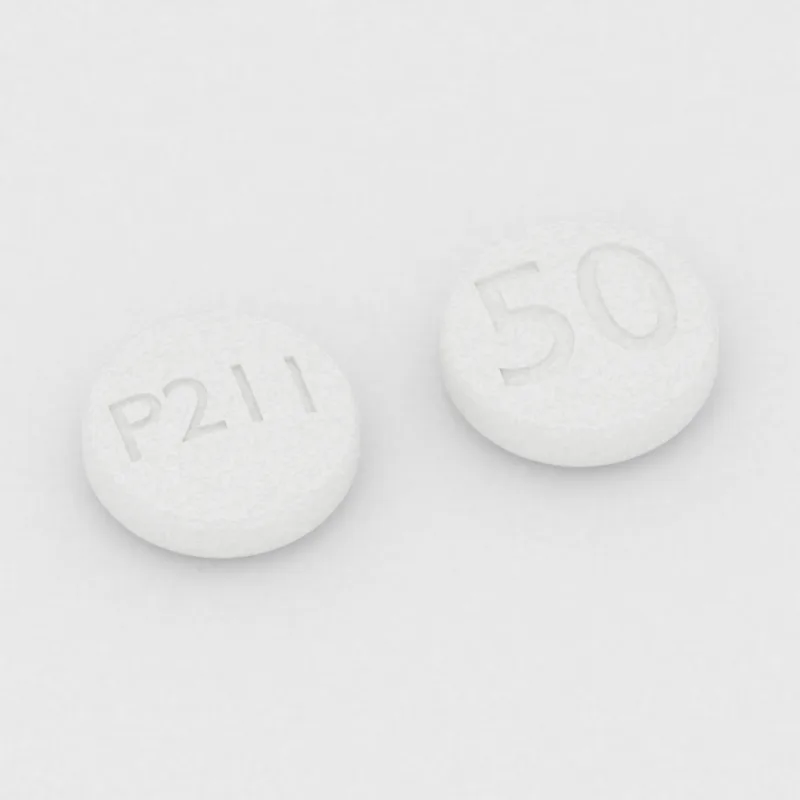
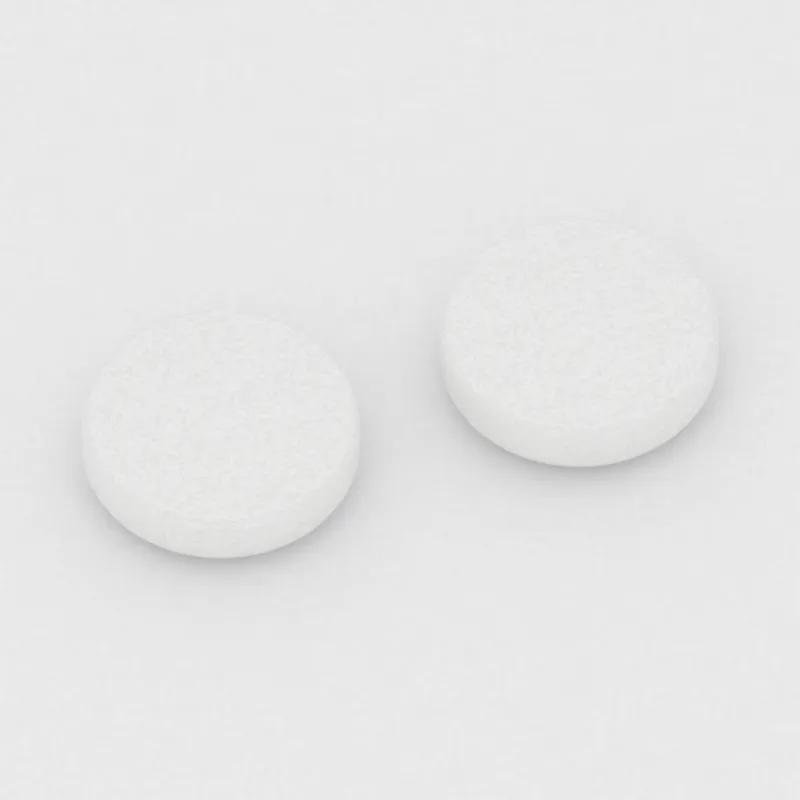
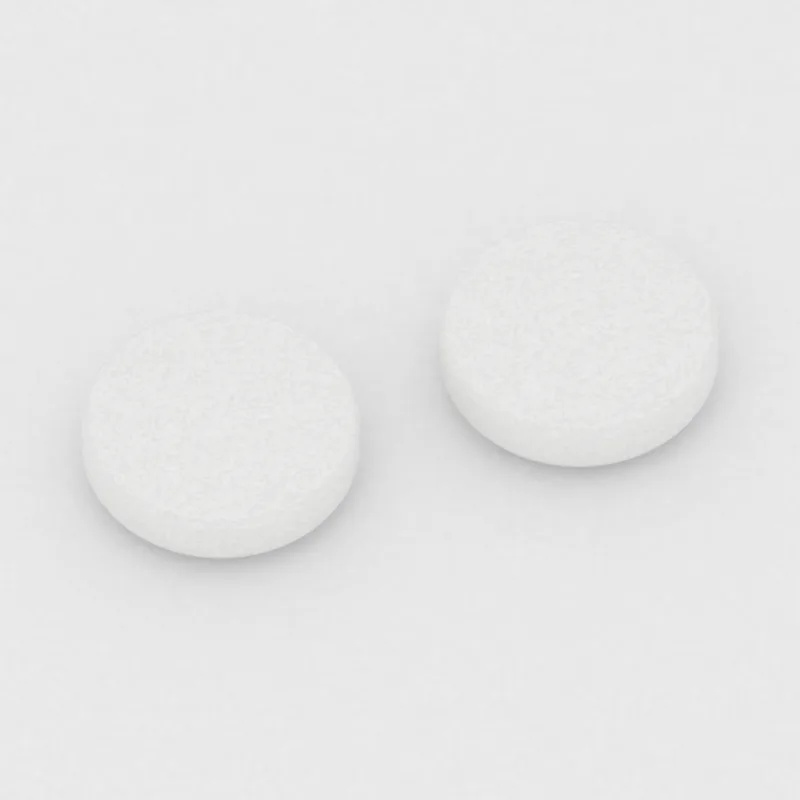
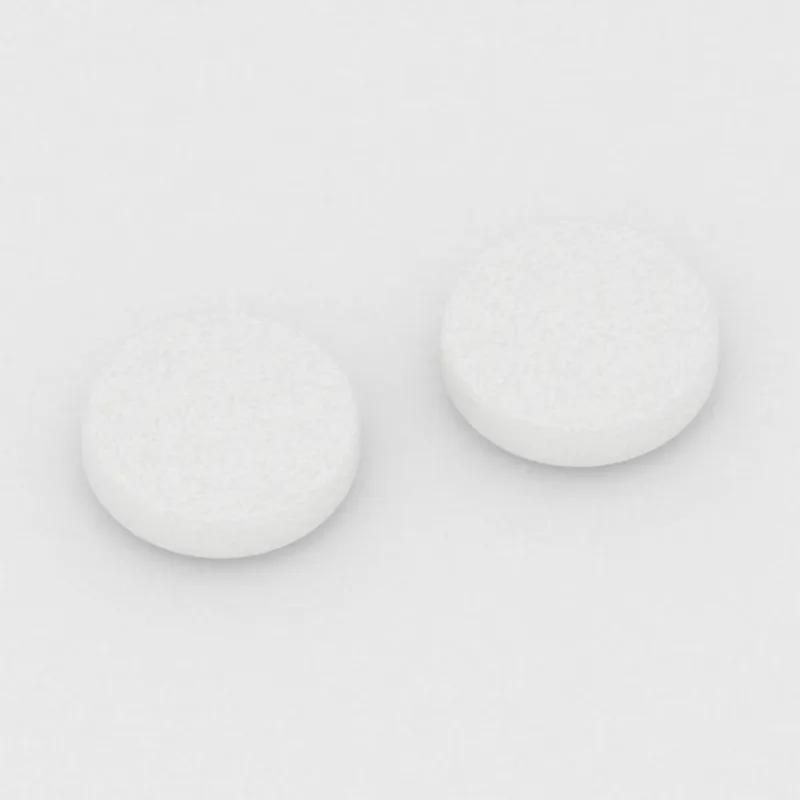
Renderings from the FDA labels' product listings: color, shape, size, and imprint. 12 documented versions from 5 labelers.
Interactions from the label
Major interactions (4)
Hypoglycemia Chloroquine has been shown to cause severe hypoglycemia including loss of consciousness that could be life-threatening in patients treated with or without antidiabetic medications (see PRECAUTIONS , Drug Interactions ). (Chloroquine label, Warnings)
Antidiabetic agents Hypoglycemia including fatal outcomes have been reported. (Ciprofloxacin label, Drug interactions)
Oral hypoglycemics Clinically significant hypoglycemia may be precipitated by the use of fluconazole with oral hypoglycemic agents; one fatality has been reported from hypoglycemia in association with combined fluconazole and glyburide use. (Fluconazole label, Drug interactions)
Hypoglycemia PLAQUENIL can cause severe and potentially life-threatening hypoglycemia, in the presence or absence of antidiabetic agents [see Drug Interactions (7) ]. (Hydroxychloroquine label, Warnings and precautions)
Moderate interactions (99)
Monitor blood glucose in patients with diabetes and assess if antidiabetic agent dose modifications are required. (Abiraterone label, Warnings and precautions)
Consideration should be taken in patients being treated with antidiabetic agents. (Acetazolamide label, Drug interactions)
Glyburide: In a trial of 7 healthy male volunteers, acitretin treatment potentiated the blood glucose-lowering effect of glyburide (a sulfonylurea similar to chlorpropamide) in 3 of the 7 subjects. (Acitretin label, Drug interactions)
Antidiabetic Agents: In rare cases, diabetic patients receiving an ACE inhibitor (including benazepril) concomitantly with insulin or oral antidiabetics may develop hypoglycemia. (Amlodipine and benazepril label, Drug interactions)
Oral Hypoglycemics Moderate doses of aspirin may increase the effectiveness of oral hypoglycemic drugs, leading to hypoglycemia. (Aspirin and dipyridamole label, Drug interactions)
Antidiabetics: Increased risk of hypoglycemia ( 7.2 ) (Benazepril label, Drug interactions)
Antidiabetic agents: Dosage adjustment of antidiabetic drug may be required. (Benazepril and hydrochlorothiazide label, Drug interactions)
Intervention Consider adding another antihyperglycemic agent in patients who require additional glycemic control. (Bexagliflozin label, Drug interactions)
However, patients subject to spontaneous hypoglycemia, or diabetic patients receiving insulin or oral hypoglycemic agents, should be cautioned about these possibilities and bisoprolol fumarate should be used with caution. (Bisoprolol label, Warnings)
Antidiabetic drugs (oral agents and insulin) - dosage adjustment of the antidiabetic drug may be required. (Bisoprolol and hydrochlorothiazide label, Precautions)
Masking of Hypoglycemic Symptoms in Patients with Diabetes Mellitus Beta-adrenergic blocking agents should be administered with caution in patients subject to spontaneous hypoglycemia or to diabetic patients (especially those with labile diabetes) who are receiving insulin or oral hypoglycemic agents. (Brimonidine and timolol label, Warnings and precautions)
Oral antidiabetic agents and insulin, causing hypoglycemia by contributing an additive effect, if dosage of Butalbital, Aspirin, and Caffeine Capsules exceeds maximum recommended daily dosage. (Butalbital, aspirin, and caffeine label, Drug interactions)
Evaluate the blood pressure and renal function of patients Examples: Metoprolol, propranolol Hypoglycemic Agents Clinical Impact: Aspirin may increase the serum glucose-lowering action of insulin and sulfonylureas leading to hypoglycemia. (Butalbital, aspirin, caffeine, and codeine label, Drug interactions)
Consider adding another antihyperglycemic agent in patients who require additional glycemic control [see Dosage and Administration (2.3) and Clinical Pharmacology (12.3) ] . (Canagliflozin label, Drug interactions)
Antidiabetic drugs (oral agents and insulin) − Dosage adjustment of the antidiabetic drug may be required. (Candesartan and hydrochlorothiazide label, Drug interactions)
Closely monitor for adverse reactions of CYP2C9 substrates where minimal concentration changes may lead to serious adverse reactions when used concomitantly with XELODA (e.g., anticoagulants, antidiabetic drugs). (Capecitabine label, Drug interactions)
Insulin and oral hypoglycemics action may be enhanced. (Carvedilol label, Drug interactions)
Antidiabetic Drugs (Oral Agents and Insulin) - dosage adjustment of the antidiabetic drug may be required. (Chlorothiazide label, Drug interactions)
Oral Hypoglycemic Agents/Insulin: The concomitant use of clarithromycin tablets and oral hypoglycemic agents and/or insulin can result in significant hypoglycemia. (Clarithromycin label, Warnings and precautions)
Caution should be exercised when used with antidiabetic drugs. (Danazol label, Drug interactions)
Hyperglycemia Corticosteroids can increase blood glucose, worsen pre-existing diabetes, and predispose those on long-term therapy to diabetes mellitus, and may reduce the effect of the antidiabetic drugs. (Dexamethasone label, Warnings and precautions)
Acarbose tablets has been shown to change the bioavailability of digoxin when they are co administered, which may require digoxin dose adjustment. (Acarbose label, Drug interactions)
Masking of Hypoglycemic Symptoms in Patients with Diabetes Mellitus Beta-adrenergic blocking agents should be administered with caution in patients subject to spontaneous hypoglycemia or to diabetic patients (especially those with labile diabetes) who are receiving insulin or oral hypoglycemic agents. (Dorzolamide and timolol label, Warnings and precautions)
In diabetic patients dosage adjustments of insulin or oral hypoglycemic agents may be required. (Enalapril and hydrochlorothiazide label, Precautions)
Monitor for symptoms of hyperglycemia; adjust dosage of antidiabetic drug upward if necessary. (Fludrocortisone label, Drug interactions)
As is true with many other types of medication when taken concurrently by patients with diabetes, insulin and/or oral hypoglycemic, dosage may need to be adjusted when therapy with PROZAC is instituted or discontinued. (Fluoxetine label, Warnings and precautions)
When such drugs are withdrawn from patients receiving acarbose tablets in combination with sulfonylureas or insulin, patients should be observed closely for any evidence of hypoglycemia. (Acarbose label, Drug interactions)
When such drugs are withdrawn from patients receiving acarbose tablets in combination with sulfonylureas or insulin, patients should be observed closely for any evidence of hypoglycemia. (Acarbose label, Drug interactions)
When such drugs are withdrawn from patients receiving acarbose tablets in combination with sulfonylureas or insulin, patients should be observed closely for any evidence of hypoglycemia. (Acarbose label, Drug interactions)
When such drugs are withdrawn from patients receiving acarbose tablets in combination with sulfonylureas or insulin, patients should be observed closely for any evidence of hypoglycemia. (Acarbose label, Drug interactions)
When such drugs are withdrawn from patients receiving acarbose tablets in combination with sulfonylureas or insulin, patients should be observed closely for any evidence of hypoglycemia. (Acarbose label, Drug interactions)
Antidiabetic drugs: Dosage adjustment of antidiabetic may be required (7.2) (Hydrochlorothiazide label, Drug interactions)
Antidiabetic Agents Clinical Impact: Corticosteroids in supraphysiologic doses may increase blood glucose concentrations. (Hydrocortisone label, Drug interactions)
When such drugs are withdrawn from patients receiving acarbose tablets in combination with sulfonylureas or insulin, patients should be observed closely for any evidence of hypoglycemia. (Acarbose label, Drug interactions)
When such drugs are withdrawn from patients receiving acarbose tablets in combination with sulfonylureas or insulin, patients should be observed closely for any evidence of hypoglycemia. (Acarbose label, Drug interactions)
When such drugs are withdrawn from patients receiving acarbose tablets in combination with sulfonylureas or insulin, patients should be observed closely for any evidence of hypoglycemia. (Acarbose label, Drug interactions)
When such drugs are withdrawn from patients receiving acarbose tablets in combination with sulfonylureas or insulin, patients should be observed closely for any evidence of hypoglycemia. (Acarbose label, Drug interactions)
When such drugs are withdrawn from patients receiving acarbose tablets in combination with sulfonylureas or insulin, patients should be observed closely for any evidence of hypoglycemia. (Acarbose label, Drug interactions)
When such drugs are withdrawn from patients receiving acarbose tablets in combination with sulfonylureas or insulin, patients should be observed closely for any evidence of hypoglycemia. (Acarbose label, Drug interactions)
Antidiabetic drugs: Dosage adjustment of antidiabetic may be required. (Irbesartan and hydrochlorothiazide label, Drug interactions)
Antidiabetic Drugs Repaglinide Saxagliptin Monitor for adverse reactions. (Itraconazole label, Drug interactions)
Antidiabetics repaglinide, saxagliptin Antihelmintics and Antiprotozoals praziquantel Antimigraine Drugs ergot alkaloids, such as dihydroergotamine, ergometrine (ergonovine), ergotamine, methylergometrine (methylergonovine) eletriptan Ergot alkaloids: The potential increase in plasma concentrations of ergot alkaloids when coadministered with ketoconazole tablets… (Ketoconazole label, Drug interactions)
- LanreotideModerate
Hyperglycemia and Hypoglycemia : Glucose monitoring is recommended and antidiabetic treatment adjusted accordingly. (Lanreotide label, Warnings and precautions)
Blood Glucose Disturbances Fluoroquinolones, including Levofloxacin in 5% Dextrose Injection, have been associated with disturbances of blood glucose, including symptomatic hyperglycemia and hypoglycemia, usually in diabetic patients receiving concomitant treatment with an oral hypoglycemic agent (e.g., glyburide) or with insulin. (Levofloxacin label, Warnings and precautions)
Worsening of Diabetic Control : May worsen glycemic control and result in increased antidiabetic agent or insulin requirements. (Levothyroxine label, Warnings and precautions)
Insulin or Oral Hypoglycemics — Initiating thyroid replacement therapy may cause increases in insulin or oral hypoglycemic requirements. (Levothyroxine and liothyronine label, Drug interactions)
• Hypoglycemia: Postmarketing cases of symptomatic hypoglycemia have been reported in patients with diabetes mellitus receiving insulin or oral hypoglycemic agents. (Linezolid label, Warnings and precautions)
• Worsening of diabetic control: Therapy in patients with diabetes mellitus may worsen glycemic control and result in increased antidiabetic agent or insulin requirements. (Liothyronine label, Warnings and precautions)
Antidiabetics Concomitant administration of Zestril and antidiabetic medicines (insulins, oral hypoglycemic agents) may cause an increased blood-glucose-lowering effect with risk of hypoglycemia. (Lisinopril label, Drug interactions)
Antidiabetic drugs (oral agents and insulin) - dosage adjustment of the antidiabetic drug may be required. (Lisinopril and hydrochlorothiazide label, Drug interactions)
Antidiabetic drugs: dosage adjustment of antidiabetic may be required. (Losartan and hydrochlorothiazide label, Drug interactions)
Antidiabetics : Because corticosteroids may increase blood glucose concentrations, dosage adjustments of antidiabetic agents may be required. (Methylprednisolone label, Drug interactions)
Insulin And Oral Antidiabetic Agents See Glucose Tolerance under PRECAUTIONS , General . (Metolazone label, Drug interactions)
Antidiabetic drugs: Dosage adjustment may be required. (Metoprolol and hydrochlorothiazide label, Drug interactions)
Antidiabetic agents Carefully monitor blood glucose. (Moxifloxacin label, Drug interactions)
Beta-blockade also reduces the release of insulin in response to hyperglycemia; therefore, it may be necessary to adjust the dose of antidiabetic drugs. (Nadolol label, Warnings)
Use of Antidiabetic Medications: Weight loss may cause hypoglycemia. (Naltrexone and bupropion label, Warnings and precautions)
Factors which may increase the risk of hypoglycemia include changes in meal pattern (e.g., macronutrient content), changes in level of physical activity, changes to coadministered medication [see Drug Interactions (7)] , and concomitant use with other antidiabetic agents. (Nateglinide label, Warnings and precautions)
If nifedipine is co-administered with acarbose, blood glucose levels should be monitored carefully and a dose adjustment of nifedipine considered. (Nifedipine label, Precautions)
- OctreotideModerate
Hypoglycemia or Hyperglycemia: Monitor glucose and adjust antidiabetic treatment as needed ( 5.2 ). (Octreotide label, Warnings and precautions)
Fluoroquinolones have been associated with disturbances of blood glucose, including symptomatic hyperglycemia and hypoglycemia, usually in diabetic patients receiving concomitant treatment with an oral hypoglycemic agent (e.g., glyburide) or with insulin. (Ofloxacin label, Warnings)
• Antidiabetic drugs: Dosage adjustment may be required. (Olmesartan and hydrochlorothiazide label, Drug interactions)
• Increased amlodipine exposure when coadministered with CYP3A inhibitors Hydrochlorothiazide ( 7.3 ): • Antidiabetic drugs: Dosage adjustment of antidiabetic may be required. (Olmesartan, amlodipine, and hydrochlorothiazide label, Drug interactions)
- OrlistatModerate
A reduction in dose of oral hypoglycemic medication (e.g., sulfonylureas) or insulin may be required in some patients [see Clinical Studies (14) ] . (Orlistat label, Warnings and precautions)
• A reduction in dose of insulin or oral hypoglycemic medication may be required in some patients. (Phentermine label, Warnings and precautions)
Beta-blockade also reduces the release of insulin in response to hyperglycemia; therefore, it may be necessary to adjust the dose of antidiabetic drugs. (Pindolol label, Warnings)
Congestive Heart Failure ACTOS, like other thiazolidinediones, can cause dose-related fluid retention when used alone or in combination with other antidiabetic medications and is most common when ACTOS is used in combination with insulin. (Pioglitazone label, Warnings and precautions)
When such drugs are withdrawn from patients receiving acarbose tablets in combination with sulfonylureas or insulin, patients should be observed closely for any evidence of hypoglycemia. (Acarbose label, Drug interactions)
Congestive Heart Failure Pioglitazone, like other thiazolidinediones, can cause dose-related fluid retention when used alone or in combination with other antidiabetic medications and is most common when pioglitazone is used in combination with insulin. (Pioglitazone and metformin label, Warnings and precautions)
Antidiabetic Agents: Because corticosteroids may increase blood glucose concentrations, dosage adjustments of antidiabetic agents may be required. (Prednisolone label, Drug interactions)
Antidiabetic agents: May increase blood glucose concentrations. (Prednisone label, Drug interactions)
Monitor patients for the development of edema when co-administering LYRICA CR and thiazolidinedione antidiabetic agents. (Pregabalin label, Warnings and precautions)
Factors which may increase the risk of hypoglycemia include changes in meal pattern (e.g., macronutrient content), changes in level of physical activity, changes to co-administered medication [see Drug Interactions (7) ] , and concomitant use with other antidiabetic agents. (Repaglinide label, Warnings and precautions)
Decrease exposure Digitoxin Decrease exposure Fluoroquinolones Pefloxacin Administered with rifampin 900 mg daily Decrease exposure Moxifloxacin , Decrease exposure Oral Hypoglycemic Agents (e.g., sulfonylureas) Glyburide Decrease exposure Rifampin may worsen glucose control of glyburide. (Rifampin label, Drug interactions)
…Diazepam Beta-Blockers Propranolol Calcium Channel Blockers Diltiazem, nifedipine, verapamil Cardiac Glycoside Preparations Digoxin Corticosteroids Prednisone Fibrates Clofibrate Oral Hypoglycemics Sulfonylureas (e.g., glyburide, glipizide) Hormonal Contraceptives/Progestins Ethinyl estradiol, levonorgestrel Immunosuppressants Cyclosporine, tacrolimus Methylxanthines… (Rifapentine label, Drug interactions)
Salicylates may enhance the hypoglycemic effect of oral antidiabetic drugs of the sulfonylurea class. (Salsalate label, Drug interactions)
Metformin HCl Hypoglycemia does not occur in patients receiving metformin alone under usual circumstances of use, but could occur when caloric intake is deficient, when strenuous exercise is not compensated by caloric supplementation, or during concomitant use with other glucose-lowering agents (such as sulfonylureas and insulin) or ethanol. (Saxagliptin and metformin label, Warnings and precautions)
- SomatropinModerate
The doses of antidiabetic agents may require adjustment when HUMATROPE is initiated. (Somatropin label, Warnings and precautions)
Insulin and Oral Antidiabetics Hyperglycemia may occur, and the dosage of insulin or antidiabetic drugs may require adjustment. (Sotalol label, Drug interactions)
Antidiabetic drugs (e.g., oral agents, insulin): Dosage adjustment of the antidiabetic drug may be required (see Precautions ). (Spironolactone and hydrochlorothiazide label, Drug interactions)
Like other sulfonamide-containing drugs, sulfamethoxazole and trimethoprim potentiates the effect of oral hypoglycemics. (Sulfamethoxazole and trimethoprim label, Drug interactions)
- SunitinibModerate
• Hypoglycemia : Check blood glucose levels regularly and assess if antidiabetic drug dose modifications are required. (Sunitinib label, Warnings and precautions)
Antidiabetic drugs: Dosage adjustment may be required ( 7.6 ) (Telmisartan and hydrochlorothiazide label, Drug interactions)
- TemsirolimusModerate
This may result in the need for an increase in the dose of, or initiation of, insulin and/or oral hypoglycemic agent therapy. (Temsirolimus label, Warnings and precautions)
Masking of Hypoglycemic Symptoms in Patients with Diabetes Mellitus Beta-adrenergic blocking agents should be administered with caution in patients subject to spontaneous hypoglycemia or to diabetic patients (especially those with labile diabetes) who are receiving insulin or oral hypoglycemic agents. (Timolol label, Warnings and precautions)
When such drugs are withdrawn from patients receiving acarbose tablets in combination with sulfonylureas or insulin, patients should be observed closely for any evidence of hypoglycemia. (Acarbose label, Drug interactions)
(See PRECAUTIONS . ) Antidiabetic Agents Concomitant use of ACE inhibitors and antidiabetic medicines (insulin or oral hypoglycemic agents) may cause an increased blood glucose lowering effect with greater risk of hypoglycemia. (Trandolapril label, Drug interactions)
Hypoglycemia in Diabetic Patients Some MAOIs have contributed to hypoglycemic episodes in diabetic patients receiving insulin or other blood-glucose-lowering agents. (Tranylcypromine label, Warnings and precautions)
Antidiabetics: Because corticosteroids may increase blood glucose concentrations, dosage adjustments of antidiabetic agents may be required. (Triamcinolone label, Drug interactions)
Dyrenium (triamterene) may raise blood glucose levels; for adult-onset diabetes, dosage adjustments of hypoglycemic agents may be necessary during and/or after therapy; concurrent use with chlorpropamide may increase the risk of severe hyponatremia. (Triamterene label, Drug interactions)
Oral Hypoglycemic Drugs Concurrent use with chlorpropamide may increase the risk of severe hyponatremia. (Triamterene and hydrochlorothiazide label, Drug interactions)
Hydrochlorothiazide: When administered concurrently, the following drugs may interact with thiazide diuretics: Antidiabetic Drugs (oral agents and insulin) - Dosage adjustment of the antidiabetic drug may be required. (Valsartan and hydrochlorothiazide label, Drug interactions)
Sulfonylurea Oral Hypoglycemics (CYP2C9 Inhibition) Not Studied In Vivo or In Vitro , but Drug Plasma Exposure Likely to be Increased Frequent monitoring of blood glucose and for signs and symptoms of hypoglycemia. (Voriconazole label, Drug interactions)
Minor mentions (106)
These drugs include the thiazides and other diuretics, corticosteroids, phenothiazines, thyroid products, estrogens, oral contraceptives, phenytoin, nicotinic acid, sympathomimetics, calcium channel-blocking drugs, and isoniazid. (Acarbose label, Drug interactions)
These drugs include the thiazides and other diuretics, corticosteroids, phenothiazines, thyroid products, estrogens, oral contraceptives, phenytoin, nicotinic acid, sympathomimetics, calcium channel-blocking drugs, and isoniazid. (Acarbose label, Drug interactions)
These drugs include the thiazides and other diuretics, corticosteroids, phenothiazines, thyroid products, estrogens, oral contraceptives, phenytoin, nicotinic acid, sympathomimetics, calcium channel-blocking drugs, and isoniazid. (Acarbose label, Drug interactions)
These drugs include the thiazides and other diuretics, corticosteroids, phenothiazines, thyroid products, estrogens, oral contraceptives, phenytoin, nicotinic acid, sympathomimetics, calcium channel-blocking drugs, and isoniazid. (Acarbose label, Drug interactions)
These drugs include the thiazides and other diuretics, corticosteroids, phenothiazines, thyroid products, estrogens, oral contraceptives, phenytoin, nicotinic acid, sympathomimetics, calcium channel-blocking drugs, and isoniazid. (Acarbose label, Drug interactions)
These drugs include the thiazides and other diuretics, corticosteroids, phenothiazines, thyroid products, estrogens, oral contraceptives, phenytoin, nicotinic acid, sympathomimetics, calcium channel-blocking drugs, and isoniazid. (Acarbose label, Drug interactions)
These drugs include the thiazides and other diuretics, corticosteroids, phenothiazines, thyroid products, estrogens, oral contraceptives, phenytoin, nicotinic acid, sympathomimetics, calcium channel-blocking drugs, and isoniazid. (Acarbose label, Drug interactions)
These drugs include the thiazides and other diuretics, corticosteroids, phenothiazines, thyroid products, estrogens, oral contraceptives, phenytoin, nicotinic acid, sympathomimetics, calcium channel-blocking drugs, and isoniazid. (Acarbose label, Drug interactions)
These drugs include the thiazides and other diuretics, corticosteroids, phenothiazines, thyroid products, estrogens, oral contraceptives, phenytoin, nicotinic acid, sympathomimetics, calcium channel-blocking drugs, and isoniazid. (Acarbose label, Drug interactions)
These drugs include the thiazides and other diuretics, corticosteroids, phenothiazines, thyroid products, estrogens, oral contraceptives, phenytoin, nicotinic acid, sympathomimetics, calcium channel-blocking drugs, and isoniazid. (Acarbose label, Drug interactions)
These drugs include the thiazides and other diuretics, corticosteroids, phenothiazines, thyroid products, estrogens, oral contraceptives, phenytoin, nicotinic acid, sympathomimetics, calcium channel-blocking drugs, and isoniazid. (Acarbose label, Drug interactions)
These drugs include the thiazides and other diuretics, corticosteroids, phenothiazines, thyroid products, estrogens, oral contraceptives, phenytoin, nicotinic acid, sympathomimetics, calcium channel-blocking drugs, and isoniazid. (Acarbose label, Drug interactions)
These drugs include the thiazides and other diuretics, corticosteroids, phenothiazines, thyroid products, estrogens, oral contraceptives, phenytoin, nicotinic acid, sympathomimetics, calcium channel-blocking drugs, and isoniazid. (Acarbose label, Drug interactions)
These drugs include the thiazides and other diuretics, corticosteroids, phenothiazines, thyroid products, estrogens, oral contraceptives, phenytoin, nicotinic acid, sympathomimetics, calcium channel-blocking drugs, and isoniazid. (Acarbose label, Drug interactions)
These drugs include the thiazides and other diuretics, corticosteroids, phenothiazines, thyroid products, estrogens, oral contraceptives, phenytoin, nicotinic acid, sympathomimetics, calcium channel-blocking drugs, and isoniazid. (Acarbose label, Drug interactions)
These drugs include the thiazides and other diuretics, corticosteroids, phenothiazines, thyroid products, estrogens, oral contraceptives, phenytoin, nicotinic acid, sympathomimetics, calcium channel-blocking drugs, and isoniazid. (Acarbose label, Drug interactions)
These drugs include the thiazides and other diuretics, corticosteroids, phenothiazines, thyroid products, estrogens, oral contraceptives, phenytoin, nicotinic acid, sympathomimetics, calcium channel-blocking drugs, and isoniazid. (Acarbose label, Drug interactions)
Additional predisposing conditions include diabetes mellitus treated with oral hypoglycemic drugs or insulin, use of anorectic drugs, excessive use of alcohol, use of benzodiazepines, sedatives/hypnotics, or opiates. (Bupropion label, Warnings and precautions)
These drugs include the thiazides and other diuretics, corticosteroids, phenothiazines, thyroid products, estrogens, oral contraceptives, phenytoin, nicotinic acid, sympathomimetics, calcium channel-blocking drugs, and isoniazid. (Acarbose label, Drug interactions)
These drugs include the thiazides and other diuretics, corticosteroids, phenothiazines, thyroid products, estrogens, oral contraceptives, phenytoin, nicotinic acid, sympathomimetics, calcium channel-blocking drugs, and isoniazid. (Acarbose label, Drug interactions)
These drugs include the thiazides and other diuretics, corticosteroids, phenothiazines, thyroid products, estrogens, oral contraceptives, phenytoin, nicotinic acid, sympathomimetics, calcium channel-blocking drugs, and isoniazid. (Acarbose label, Drug interactions)
These drugs include the thiazides and other diuretics, corticosteroids, phenothiazines, thyroid products, estrogens, oral contraceptives, phenytoin, nicotinic acid, sympathomimetics, calcium channel-blocking drugs, and isoniazid. (Acarbose label, Drug interactions)
These drugs include the thiazides and other diuretics, corticosteroids, phenothiazines, thyroid products, estrogens, oral contraceptives, phenytoin, nicotinic acid, sympathomimetics, calcium channel-blocking drugs, and isoniazid. (Acarbose label, Drug interactions)
In some cases, hyperglycemia has resolved when the atypical antipsychotic was discontinued; however, some patients required continuation of antidiabetic treatment despite discontinuation of the suspect drug. (Clozapine label, Warnings and precautions)
These drugs include the thiazides and other diuretics, corticosteroids, phenothiazines, thyroid products, estrogens, oral contraceptives, phenytoin, nicotinic acid, sympathomimetics, calcium channel-blocking drugs, and isoniazid. (Acarbose label, Drug interactions)
These drugs include the thiazides and other diuretics, corticosteroids, phenothiazines, thyroid products, estrogens, oral contraceptives, phenytoin, nicotinic acid, sympathomimetics, calcium channel-blocking drugs, and isoniazid. (Acarbose label, Drug interactions)
These drugs include the thiazides and other diuretics, corticosteroids, phenothiazines, thyroid products, estrogens, oral contraceptives, phenytoin, nicotinic acid, sympathomimetics, calcium channel-blocking drugs, and isoniazid. (Acarbose label, Drug interactions)
These drugs include the thiazides and other diuretics, corticosteroids, phenothiazines, thyroid products, estrogens, oral contraceptives, phenytoin, nicotinic acid, sympathomimetics, calcium channel-blocking drugs, and isoniazid. (Acarbose label, Drug interactions)
These drugs include the thiazides and other diuretics, corticosteroids, phenothiazines, thyroid products, estrogens, oral contraceptives, phenytoin, nicotinic acid, sympathomimetics, calcium channel-blocking drugs, and isoniazid. (Acarbose label, Drug interactions)
These drugs include the thiazides and other diuretics, corticosteroids, phenothiazines, thyroid products, estrogens, oral contraceptives, phenytoin, nicotinic acid, sympathomimetics, calcium channel-blocking drugs, and isoniazid. (Acarbose label, Drug interactions)
These drugs include the thiazides and other diuretics, corticosteroids, phenothiazines, thyroid products, estrogens, oral contraceptives, phenytoin, nicotinic acid, sympathomimetics, calcium channel-blocking drugs, and isoniazid. (Acarbose label, Drug interactions)
These drugs include the thiazides and other diuretics, corticosteroids, phenothiazines, thyroid products, estrogens, oral contraceptives, phenytoin, nicotinic acid, sympathomimetics, calcium channel-blocking drugs, and isoniazid. (Acarbose label, Drug interactions)
These drugs include the thiazides and other diuretics, corticosteroids, phenothiazines, thyroid products, estrogens, oral contraceptives, phenytoin, nicotinic acid, sympathomimetics, calcium channel-blocking drugs, and isoniazid. (Acarbose label, Drug interactions)
These drugs include the thiazides and other diuretics, corticosteroids, phenothiazines, thyroid products, estrogens, oral contraceptives, phenytoin, nicotinic acid, sympathomimetics, calcium channel-blocking drugs, and isoniazid. (Acarbose label, Drug interactions)
These drugs include the thiazides and other diuretics, corticosteroids, phenothiazines, thyroid products, estrogens, oral contraceptives, phenytoin, nicotinic acid, sympathomimetics, calcium channel-blocking drugs, and isoniazid. (Acarbose label, Drug interactions)
These drugs include the thiazides and other diuretics, corticosteroids, phenothiazines, thyroid products, estrogens, oral contraceptives, phenytoin, nicotinic acid, sympathomimetics, calcium channel-blocking drugs, and isoniazid. (Acarbose label, Drug interactions)
These drugs include the thiazides and other diuretics, corticosteroids, phenothiazines, thyroid products, estrogens, oral contraceptives, phenytoin, nicotinic acid, sympathomimetics, calcium channel-blocking drugs, and isoniazid. (Acarbose label, Drug interactions)
These drugs include the thiazides and other diuretics, corticosteroids, phenothiazines, thyroid products, estrogens, oral contraceptives, phenytoin, nicotinic acid, sympathomimetics, calcium channel-blocking drugs, and isoniazid. (Acarbose label, Drug interactions)
These drugs include the thiazides and other diuretics, corticosteroids, phenothiazines, thyroid products, estrogens, oral contraceptives, phenytoin, nicotinic acid, sympathomimetics, calcium channel-blocking drugs, and isoniazid. (Acarbose label, Drug interactions)
These drugs include the thiazides and other diuretics, corticosteroids, phenothiazines, thyroid products, estrogens, oral contraceptives, phenytoin, nicotinic acid, sympathomimetics, calcium channel-blocking drugs, and isoniazid. (Acarbose label, Drug interactions)
These drugs include the thiazides and other diuretics, corticosteroids, phenothiazines, thyroid products, estrogens, oral contraceptives, phenytoin, nicotinic acid, sympathomimetics, calcium channel-blocking drugs, and isoniazid. (Acarbose label, Drug interactions)
These drugs include the thiazides and other diuretics, corticosteroids, phenothiazines, thyroid products, estrogens, oral contraceptives, phenytoin, nicotinic acid, sympathomimetics, calcium channel-blocking drugs, and isoniazid. (Acarbose label, Drug interactions)
These drugs include the thiazides and other diuretics, corticosteroids, phenothiazines, thyroid products, estrogens, oral contraceptives, phenytoin, nicotinic acid, sympathomimetics, calcium channel-blocking drugs, and isoniazid. (Acarbose label, Drug interactions)
These drugs include the thiazides and other diuretics, corticosteroids, phenothiazines, thyroid products, estrogens, oral contraceptives, phenytoin, nicotinic acid, sympathomimetics, calcium channel-blocking drugs, and isoniazid. (Acarbose label, Drug interactions)
These drugs include the thiazides and other diuretics, corticosteroids, phenothiazines, thyroid products, estrogens, oral contraceptives, phenytoin, nicotinic acid, sympathomimetics, calcium channel-blocking drugs, and isoniazid. (Acarbose label, Drug interactions)
These drugs include the thiazides and other diuretics, corticosteroids, phenothiazines, thyroid products, estrogens, oral contraceptives, phenytoin, nicotinic acid, sympathomimetics, calcium channel-blocking drugs, and isoniazid. (Acarbose label, Drug interactions)
These drugs include the thiazides and other diuretics, corticosteroids, phenothiazines, thyroid products, estrogens, oral contraceptives, phenytoin, nicotinic acid, sympathomimetics, calcium channel-blocking drugs, and isoniazid. (Acarbose label, Drug interactions)
These drugs include the thiazides and other diuretics, corticosteroids, phenothiazines, thyroid products, estrogens, oral contraceptives, phenytoin, nicotinic acid, sympathomimetics, calcium channel-blocking drugs, and isoniazid. (Acarbose label, Drug interactions)
These drugs include the thiazides and other diuretics, corticosteroids, phenothiazines, thyroid products, estrogens, oral contraceptives, phenytoin, nicotinic acid, sympathomimetics, calcium channel-blocking drugs, and isoniazid. (Acarbose label, Drug interactions)
These drugs include the thiazides and other diuretics, corticosteroids, phenothiazines, thyroid products, estrogens, oral contraceptives, phenytoin, nicotinic acid, sympathomimetics, calcium channel-blocking drugs, and isoniazid. (Acarbose label, Drug interactions)
These drugs include the thiazides and other diuretics, corticosteroids, phenothiazines, thyroid products, estrogens, oral contraceptives, phenytoin, nicotinic acid, sympathomimetics, calcium channel-blocking drugs, and isoniazid. (Acarbose label, Drug interactions)
These drugs include the thiazides and other diuretics, corticosteroids, phenothiazines, thyroid products, estrogens, oral contraceptives, phenytoin, nicotinic acid, sympathomimetics, calcium channel-blocking drugs, and isoniazid. (Acarbose label, Drug interactions)
These drugs include the thiazides and other diuretics, corticosteroids, phenothiazines, thyroid products, estrogens, oral contraceptives, phenytoin, nicotinic acid, sympathomimetics, calcium channel-blocking drugs, and isoniazid. (Acarbose label, Drug interactions)
These drugs include the thiazides and other diuretics, corticosteroids, phenothiazines, thyroid products, estrogens, oral contraceptives, phenytoin, nicotinic acid, sympathomimetics, calcium channel-blocking drugs, and isoniazid. (Acarbose label, Drug interactions)
These drugs include the thiazides and other diuretics, corticosteroids, phenothiazines, thyroid products, estrogens, oral contraceptives, phenytoin, nicotinic acid, sympathomimetics, calcium channel-blocking drugs, and isoniazid. (Acarbose label, Drug interactions)
These drugs include the thiazides and other diuretics, corticosteroids, phenothiazines, thyroid products, estrogens, oral contraceptives, phenytoin, nicotinic acid, sympathomimetics, calcium channel-blocking drugs, and isoniazid. (Acarbose label, Drug interactions)
These drugs include the thiazides and other diuretics, corticosteroids, phenothiazines, thyroid products, estrogens, oral contraceptives, phenytoin, nicotinic acid, sympathomimetics, calcium channel-blocking drugs, and isoniazid. (Acarbose label, Drug interactions)
These drugs include the thiazides and other diuretics, corticosteroids, phenothiazines, thyroid products, estrogens, oral contraceptives, phenytoin, nicotinic acid, sympathomimetics, calcium channel-blocking drugs, and isoniazid. (Acarbose label, Drug interactions)
These drugs include the thiazides and other diuretics, corticosteroids, phenothiazines, thyroid products, estrogens, oral contraceptives, phenytoin, nicotinic acid, sympathomimetics, calcium channel-blocking drugs, and isoniazid. (Acarbose label, Drug interactions)
These drugs include the thiazides and other diuretics, corticosteroids, phenothiazines, thyroid products, estrogens, oral contraceptives, phenytoin, nicotinic acid, sympathomimetics, calcium channel-blocking drugs, and isoniazid. (Acarbose label, Drug interactions)
These drugs include the thiazides and other diuretics, corticosteroids, phenothiazines, thyroid products, estrogens, oral contraceptives, phenytoin, nicotinic acid, sympathomimetics, calcium channel-blocking drugs, and isoniazid. (Acarbose label, Drug interactions)
These drugs include the thiazides and other diuretics, corticosteroids, phenothiazines, thyroid products, estrogens, oral contraceptives, phenytoin, nicotinic acid, sympathomimetics, calcium channel-blocking drugs, and isoniazid. (Acarbose label, Drug interactions)
These drugs include the thiazides and other diuretics, corticosteroids, phenothiazines, thyroid products, estrogens, oral contraceptives, phenytoin, nicotinic acid, sympathomimetics, calcium channel-blocking drugs, and isoniazid. (Acarbose label, Drug interactions)
These drugs include the thiazides and other diuretics, corticosteroids, phenothiazines, thyroid products, estrogens, oral contraceptives, phenytoin, nicotinic acid, sympathomimetics, calcium channel-blocking drugs, and isoniazid. (Acarbose label, Drug interactions)
Oral Hypoglycemic Agents In pharmacokinetic studies of lovastatin in hypercholesterolemic non-insulin dependent diabetic patients, there was no drug interaction with glipizide or with chlorpropamide (see CLINICAL PHARMACOLOGY , Clinical Studies in Adults ). (Lovastatin label, Drug interactions)
These drugs include the thiazides and other diuretics, corticosteroids, phenothiazines, thyroid products, estrogens, oral contraceptives, phenytoin, nicotinic acid, sympathomimetics, calcium channel-blocking drugs, and isoniazid. (Acarbose label, Drug interactions)
These drugs include the thiazides and other diuretics, corticosteroids, phenothiazines, thyroid products, estrogens, oral contraceptives, phenytoin, nicotinic acid, sympathomimetics, calcium channel-blocking drugs, and isoniazid. (Acarbose label, Drug interactions)
These drugs include the thiazides and other diuretics, corticosteroids, phenothiazines, thyroid products, estrogens, oral contraceptives, phenytoin, nicotinic acid, sympathomimetics, calcium channel-blocking drugs, and isoniazid. (Acarbose label, Drug interactions)
These drugs include the thiazides and other diuretics, corticosteroids, phenothiazines, thyroid products, estrogens, oral contraceptives, phenytoin, nicotinic acid, sympathomimetics, calcium channel-blocking drugs, and isoniazid. (Acarbose label, Drug interactions)
These drugs include the thiazides and other diuretics, corticosteroids, phenothiazines, thyroid products, estrogens, oral contraceptives, phenytoin, nicotinic acid, sympathomimetics, calcium channel-blocking drugs, and isoniazid. (Acarbose label, Drug interactions)
Although the systemic absorption of miconazole following ORAVIG administration is minimal and plasma concentrations of miconazole are substantially lower than when given intravenously, the potential for interaction with drugs metabolized through CYP2C9 and CYP3A4 such as oral hypoglycemics, phenytoin, or ergot alkaloids cannot be ruled out. (Miconazole label, Drug interactions)
These drugs include the thiazides and other diuretics, corticosteroids, phenothiazines, thyroid products, estrogens, oral contraceptives, phenytoin, nicotinic acid, sympathomimetics, calcium channel-blocking drugs, and isoniazid. (Acarbose label, Drug interactions)
These drugs include the thiazides and other diuretics, corticosteroids, phenothiazines, thyroid products, estrogens, oral contraceptives, phenytoin, nicotinic acid, sympathomimetics, calcium channel-blocking drugs, and isoniazid. (Acarbose label, Drug interactions)
These drugs include the thiazides and other diuretics, corticosteroids, phenothiazines, thyroid products, estrogens, oral contraceptives, phenytoin, nicotinic acid, sympathomimetics, calcium channel-blocking drugs, and isoniazid. (Acarbose label, Drug interactions)
These drugs include the thiazides and other diuretics, corticosteroids, phenothiazines, thyroid products, estrogens, oral contraceptives, phenytoin, nicotinic acid, sympathomimetics, calcium channel-blocking drugs, and isoniazid. (Acarbose label, Drug interactions)
Moexipril hydrochloride has been used in clinical trials concomitantly with calcium-channel-blocking agents, diuretics, H 2 blockers, digoxin, oral hypoglycemic agents, and cholesterol-lowering agents. (Moexipril label, Drug interactions)
These drugs include the thiazides and other diuretics, corticosteroids, phenothiazines, thyroid products, estrogens, oral contraceptives, phenytoin, nicotinic acid, sympathomimetics, calcium channel-blocking drugs, and isoniazid. (Acarbose label, Drug interactions)
These drugs include the thiazides and other diuretics, corticosteroids, phenothiazines, thyroid products, estrogens, oral contraceptives, phenytoin, nicotinic acid, sympathomimetics, calcium channel-blocking drugs, and isoniazid. (Acarbose label, Drug interactions)
These drugs include the thiazides and other diuretics, corticosteroids, phenothiazines, thyroid products, estrogens, oral contraceptives, phenytoin, nicotinic acid, sympathomimetics, calcium channel-blocking drugs, and isoniazid. (Acarbose label, Drug interactions)
These drugs include the thiazides and other diuretics, corticosteroids, phenothiazines, thyroid products, estrogens, oral contraceptives, phenytoin, nicotinic acid, sympathomimetics, calcium channel-blocking drugs, and isoniazid. (Acarbose label, Drug interactions)
These drugs include the thiazides and other diuretics, corticosteroids, phenothiazines, thyroid products, estrogens, oral contraceptives, phenytoin, nicotinic acid, sympathomimetics, calcium channel-blocking drugs, and isoniazid. (Acarbose label, Drug interactions)
These drugs include the thiazides and other diuretics, corticosteroids, phenothiazines, thyroid products, estrogens, oral contraceptives, phenytoin, nicotinic acid, sympathomimetics, calcium channel-blocking drugs, and isoniazid. (Acarbose label, Drug interactions)
These drugs include the thiazides and other diuretics, corticosteroids, phenothiazines, thyroid products, estrogens, oral contraceptives, phenytoin, nicotinic acid, sympathomimetics, calcium channel-blocking drugs, and isoniazid. (Acarbose label, Drug interactions)
These drugs include the thiazides and other diuretics, corticosteroids, phenothiazines, thyroid products, estrogens, oral contraceptives, phenytoin, nicotinic acid, sympathomimetics, calcium channel-blocking drugs, and isoniazid. (Acarbose label, Drug interactions)
These drugs include the thiazides and other diuretics, corticosteroids, phenothiazines, thyroid products, estrogens, oral contraceptives, phenytoin, nicotinic acid, sympathomimetics, calcium channel-blocking drugs, and isoniazid. (Acarbose label, Drug interactions)
These drugs include the thiazides and other diuretics, corticosteroids, phenothiazines, thyroid products, estrogens, oral contraceptives, phenytoin, nicotinic acid, sympathomimetics, calcium channel-blocking drugs, and isoniazid. (Acarbose label, Drug interactions)
These drugs include the thiazides and other diuretics, corticosteroids, phenothiazines, thyroid products, estrogens, oral contraceptives, phenytoin, nicotinic acid, sympathomimetics, calcium channel-blocking drugs, and isoniazid. (Acarbose label, Drug interactions)
These drugs include the thiazides and other diuretics, corticosteroids, phenothiazines, thyroid products, estrogens, oral contraceptives, phenytoin, nicotinic acid, sympathomimetics, calcium channel-blocking drugs, and isoniazid. (Acarbose label, Drug interactions)
These drugs include the thiazides and other diuretics, corticosteroids, phenothiazines, thyroid products, estrogens, oral contraceptives, phenytoin, nicotinic acid, sympathomimetics, calcium channel-blocking drugs, and isoniazid. (Acarbose label, Drug interactions)
These drugs include the thiazides and other diuretics, corticosteroids, phenothiazines, thyroid products, estrogens, oral contraceptives, phenytoin, nicotinic acid, sympathomimetics, calcium channel-blocking drugs, and isoniazid. (Acarbose label, Drug interactions)
These drugs include the thiazides and other diuretics, corticosteroids, phenothiazines, thyroid products, estrogens, oral contraceptives, phenytoin, nicotinic acid, sympathomimetics, calcium channel-blocking drugs, and isoniazid. (Acarbose label, Drug interactions)
These drugs include the thiazides and other diuretics, corticosteroids, phenothiazines, thyroid products, estrogens, oral contraceptives, phenytoin, nicotinic acid, sympathomimetics, calcium channel-blocking drugs, and isoniazid. (Acarbose label, Drug interactions)
These drugs include the thiazides and other diuretics, corticosteroids, phenothiazines, thyroid products, estrogens, oral contraceptives, phenytoin, nicotinic acid, sympathomimetics, calcium channel-blocking drugs, and isoniazid. (Acarbose label, Drug interactions)
These drugs include the thiazides and other diuretics, corticosteroids, phenothiazines, thyroid products, estrogens, oral contraceptives, phenytoin, nicotinic acid, sympathomimetics, calcium channel-blocking drugs, and isoniazid. (Acarbose label, Drug interactions)
These drugs include the thiazides and other diuretics, corticosteroids, phenothiazines, thyroid products, estrogens, oral contraceptives, phenytoin, nicotinic acid, sympathomimetics, calcium channel-blocking drugs, and isoniazid. (Acarbose label, Drug interactions)
These drugs include the thiazides and other diuretics, corticosteroids, phenothiazines, thyroid products, estrogens, oral contraceptives, phenytoin, nicotinic acid, sympathomimetics, calcium channel-blocking drugs, and isoniazid. (Acarbose label, Drug interactions)
These drugs include the thiazides and other diuretics, corticosteroids, phenothiazines, thyroid products, estrogens, oral contraceptives, phenytoin, nicotinic acid, sympathomimetics, calcium channel-blocking drugs, and isoniazid. (Acarbose label, Drug interactions)
Potentiation of the action of sulfonylurea hypoglycemic agents, thiazide diuretics and uricosuric agents may also be noted. (Sulfadiazine label, Drug interactions)
Drug Interactions with Amlodipine In clinical trials, amlodipine has been safely administered with thiazide diuretics, beta-blockers, angiotensin-converting enzyme inhibitors, long-acting nitrates, sublingual nitroglycerin, digoxin, warfarin, non-steroidal anti-inflammatory drugs, antibiotics, and oral hypoglycemic drugs. (Telmisartan and amlodipine label, Drug interactions)
These drugs include the thiazides and other diuretics, corticosteroids, phenothiazines, thyroid products, estrogens, oral contraceptives, phenytoin, nicotinic acid, sympathomimetics, calcium channel-blocking drugs, and isoniazid. (Acarbose label, Drug interactions)
These drugs include the thiazides and other diuretics, corticosteroids, phenothiazines, thyroid products, estrogens, oral contraceptives, phenytoin, nicotinic acid, sympathomimetics, calcium channel-blocking drugs, and isoniazid. (Acarbose label, Drug interactions)
Hypoglycemic Agents: In adult diabetic patients under treatment with either sulfonylureas or insulin there is no change in the clinical effects of either TOLECTIN or the hypoglycemic agents. (Tolmetin label, Drug interactions)
These drugs include the thiazides and other diuretics, corticosteroids, phenothiazines, thyroid products, estrogens, oral contraceptives, phenytoin, nicotinic acid, sympathomimetics, calcium channel-blocking drugs, and isoniazid. (Acarbose label, Drug interactions)
These drugs include the thiazides and other diuretics, corticosteroids, phenothiazines, thyroid products, estrogens, oral contraceptives, phenytoin, nicotinic acid, sympathomimetics, calcium channel-blocking drugs, and isoniazid. (Acarbose label, Drug interactions)
These drugs include the thiazides and other diuretics, corticosteroids, phenothiazines, thyroid products, estrogens, oral contraceptives, phenytoin, nicotinic acid, sympathomimetics, calcium channel-blocking drugs, and isoniazid. (Acarbose label, Drug interactions)
In some cases, hyperglycemia has resolved when the atypical antipsychotic was discontinued; however, some patients required continuation of antidiabetic treatment despite discontinuation of the suspect drug. (Ziprasidone label, Warnings and precautions)
No significant interaction reported (1)
Oral hypoglycemic agents Although sulindac and its sulfide metabolite are highly bound to protein, studies in which sulindac was given at a dose of 400 mg daily, have shown no clinically significant interaction with oral hypoglycemic agents. (Sulindac label, Drug interactions)
Check Acarbose against everything you take. Add your full list; every pair is checked at once.
Open in the checkerNot medical advice. Severity reflects the label's wording, not your circumstances. A "major" flag can be routine under supervision and a "minor" one can matter at high doses. Ask a pharmacist.