
Bethanechol interactions
Bethanechol (Urecholine), a cholinergic agonist has 14 documented interactions across the FDA labels and fact sheets we index: 2 major, 9 moderate, 3 minor, and 0 where a label reports no significant interaction. Each entry below quotes the sentence behind it. This drug page is a starting point, not a verdict for your situation.
What Bethanechol looks like
All 20 versions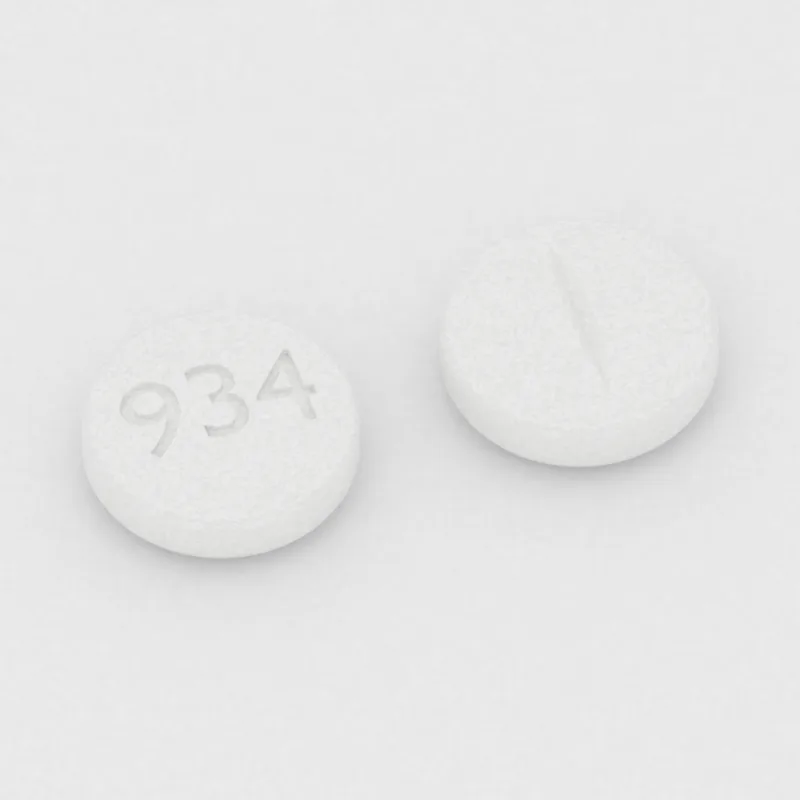
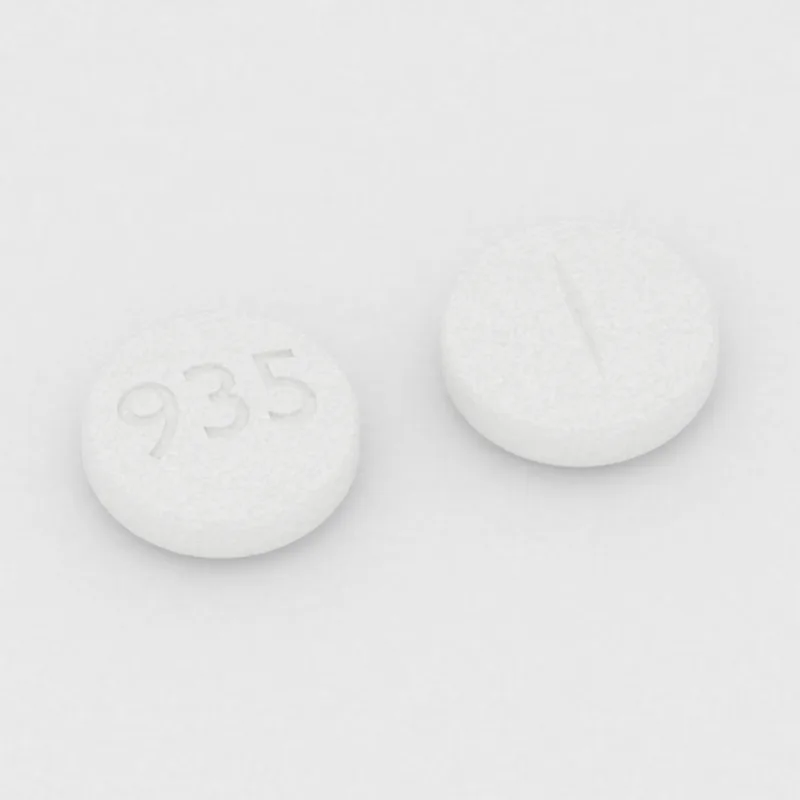
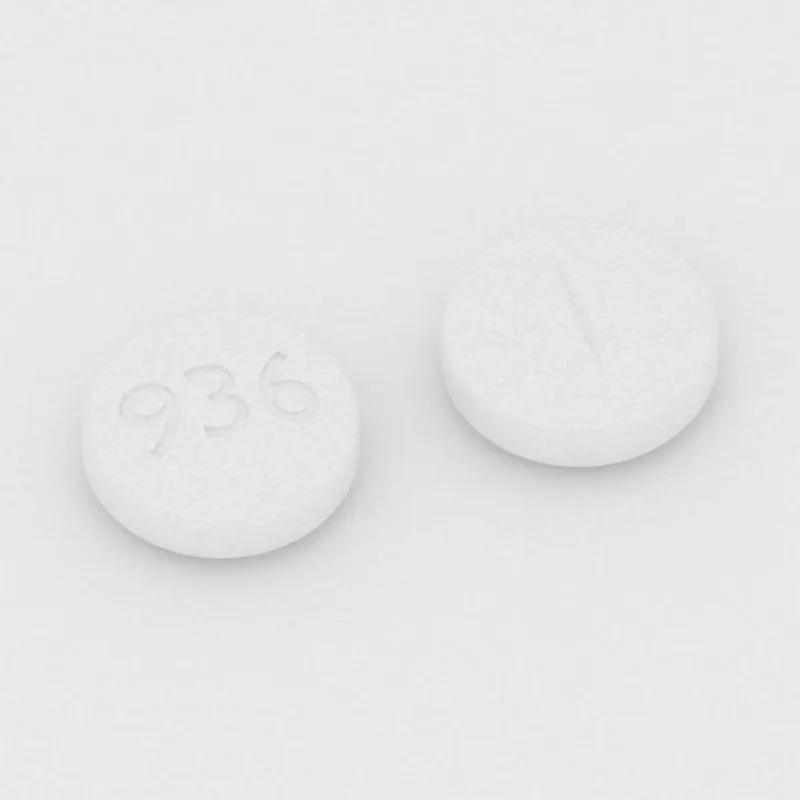
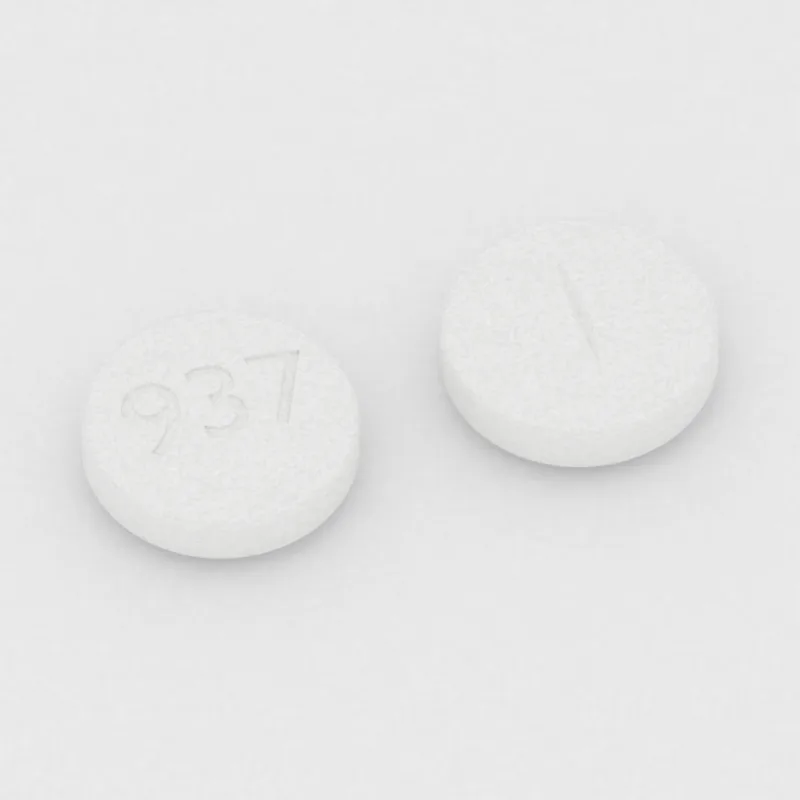
Renderings from the FDA labels' product listings: color, shape, size, and imprint. 20 documented versions from 5 labelers.
Interactions from the label
Major interactions (2)
- IrinotecanMajor
Early diarrhea may be accompanied by cholinergic symptoms which may be prevented or ameliorated by atropine. (Irinotecan label, Boxed warning)
Concomitant use with metoclopramide, beta-blockers, or cholinomimetic and anticholinergic drugs is not recommended ( 7.1 , 7.2 , 7.3 ) (Rivastigmine label, Drug interactions)
Moderate interactions (9)
Oral anti-cholinergics (e.g., propantheline) delay peak plasma levels (47% increase in Tmax), but do not affect the extent of absorption (AUC). (Cefpodoxime label, Drug interactions)
Recurrence of Psychosis and Cholinergic Rebound after Abrupt Discontinuation of CLOZARIL If abrupt discontinuation of CLOZARIL is necessary (because of severe neutropenia or another medical condition, for example) [see Dosage and Administration ( 2.5 ), Warnings and Precautions ( 5.1 )] , monitor carefully for the recurrence of psychotic symptoms and adverse… (Clozapine label, Warnings and precautions)
Peptic Ulcer Disease and GI Bleeding Through their primary action, cholinesterase inhibitors may be expected to increase gastric acid secretion due to increased cholinergic activity. (Donepezil label, Warnings and precautions)
Gastrointestinal Conditions Through their primary action, cholinomimetics may be expected to increase gastric acid secretion due to increased cholinergic activity. (Galantamine label, Warnings and precautions)
Additive adverse effects resulting from cholinergic blockade (e.g., xerostomia, blurred vision, or constipation) may occur when anticholinergic drugs are administered with chlorpheniramine. (Hydrocodone and chlorpheniramine label, Drug interactions)
Peptic Ulcer Disease and Gastrointestinal Bleeding Through their primary action, cholinesterase inhibitors may be expected to increase gastric acid secretion due to increased cholinergic activity. (Memantine and donepezil label, Warnings and precautions)
Cholinergic Crisis Overdosage of neostigmine may cause cholinesterase inhibitor toxicity or cholinergic crisis which may be difficult to differentiate from myasthenia crisis since both conditions present with similar symptoms. (Neostigmine label, Warnings and precautions)
Additive adverse effects resulting from cholinergic blockade (e.g., xerostomia, blurred vision, or constipation) may occur when anticholinergic drugs are administered with promethazine]. (Promethazine and codeine label, Drug interactions)
Altered pharmacodynamics of other drugs: Quinidine's anticholinergic, vasodilating, and negative inotropic actions may be additive to those of other drugs with these effects, and antagonistic to those of drugs with cholinergic, vasoconstricting, and positive inotropic effects. (Quinidine label, Drug interactions)
Minor mentions (3)
Five subjects experienced nausea, vomiting, sweating, and diarrhea following coadministration, consistent with the cholinergic effects of tacrine. (Fluvoxamine label, Drug interactions)
In premarketing clinical trials, Zyprexa was associated with constipation, dry mouth, and tachycardia, all adverse reactions possibly related to cholinergic antagonism. (Olanzapine label, Warnings and precautions)
In premarketing clinical studies, olanzapine and fluoxetine capsules were associated with constipation, dry mouth, and tachycardia, all adverse reactions possibly related to cholinergic antagonism. (Olanzapine and fluoxetine label, Warnings and precautions)
Check Bethanechol against everything you take. Add your full list; every pair is checked at once.
Open in the checkerNot medical advice. Severity reflects the label's wording, not your circumstances. A "major" flag can be routine under supervision and a "minor" one can matter at high doses. Ask a pharmacist.