
Buspirone interactions
Buspirone (Buspar), a serotonergic drug has 271 documented interactions across the FDA labels and fact sheets we index: 95 major, 167 moderate, 9 minor, and 0 where a label reports no significant interaction. Each entry below quotes the sentence behind it. This drug page is a starting point, not a verdict for your situation.
What Buspirone looks like
All 88 versions
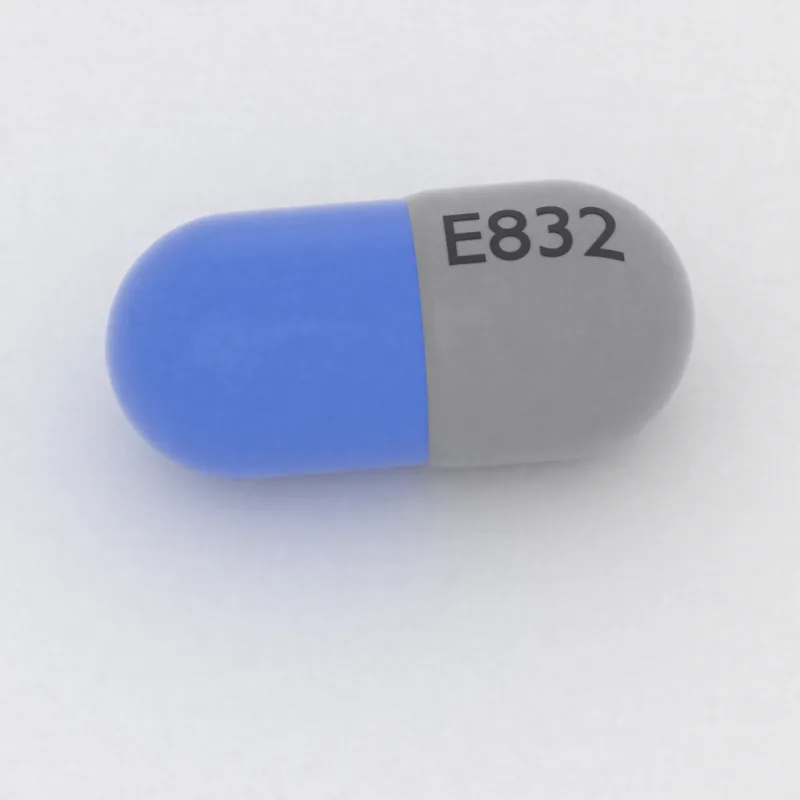
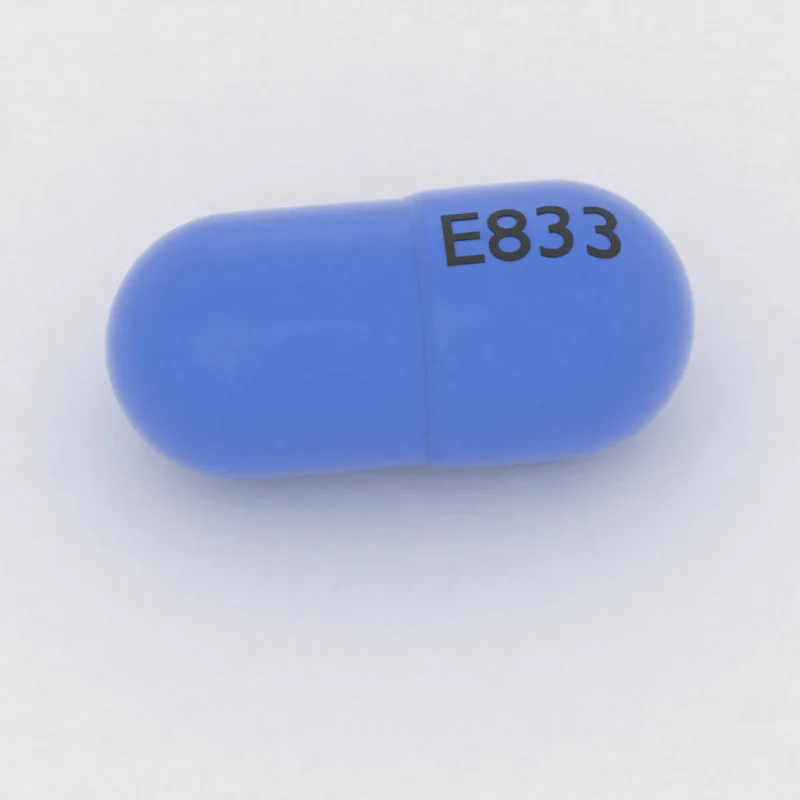
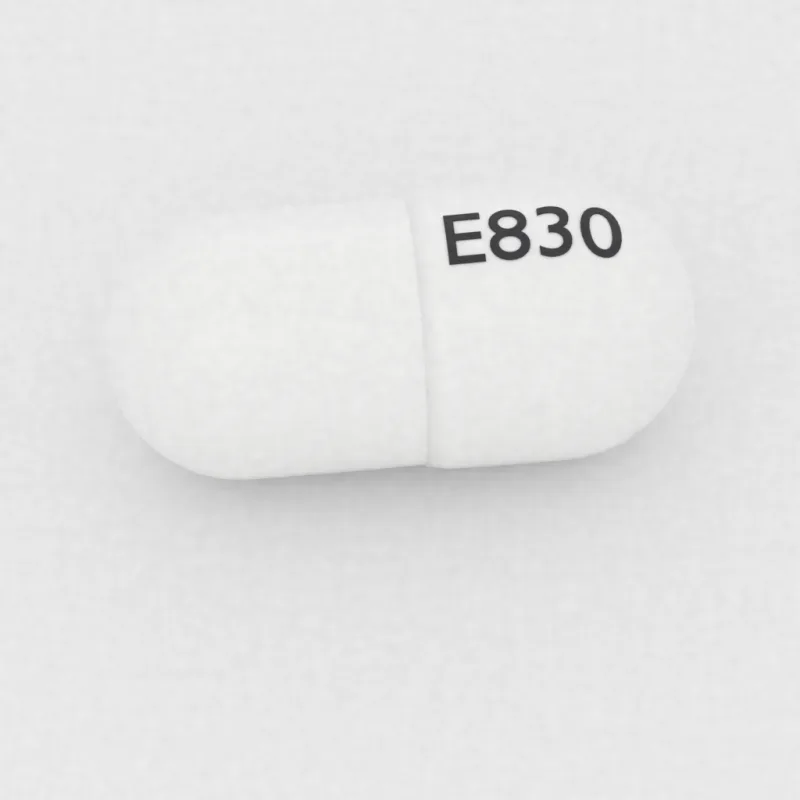
Renderings from the FDA labels' product listings: color, shape, size, and imprint. 88 documented versions from 32 labelers.
Interactions from the label
Major interactions (95)
Serotonin Syndrome Inform patients that opioids could cause a rare but potentially life-threatening condition resulting from concomitant administration of serotonergic drugs. (Acetaminophen and codeine label, Precautions)
Serotonin Syndrome The development of a potentially life-threatening serotonin syndrome has been reported with SNRIs SSRIs, and other serotonergic drugs, including buspirone, alone but particularly with concomitant use of other serotonergic drugs (including triptans), with drugs that impair metabolism of serotonin (in particular, MAOIs, including reversible MAOIs… (Buspirone label, Warnings)
Serotonin Syndrome The development of a potentially life-threatening serotonin syndrome has been reported with SNRIs SSRIs, and other serotonergic drugs, including buspirone, alone but particularly with concomitant use of other serotonergic drugs (including triptans), with drugs that impair metabolism of serotonin (in particular, MAOIs, including reversible MAOIs… (Buspirone label, Warnings)
Serotonin Syndrome The development of a potentially life-threatening serotonin syndrome has been reported with SNRIs SSRIs, and other serotonergic drugs, including buspirone, alone but particularly with concomitant use of other serotonergic drugs (including triptans), with drugs that impair metabolism of serotonin (in particular, MAOIs, including reversible MAOIs… (Buspirone label, Warnings)
Serotonin Syndrome: Increased risk when co-administered with serotonergic agents (e.g., SSRIs, SNRIs, triptans), but also during overdosage situations. (Amphetamine label, Warnings and precautions)
Serotonin Syndrome: Increased risk when coadministered with serotonergic agents (e.g., selective serotonin reuptake inhibitors (SSRIs), serotonin norepinephrine reuptake inhibitors (SNRIs), triptans), but also during overdosage situations. (Amphetamine and dextroamphetamine label, Warnings and precautions)
• Serotonergic Drugs: Concomitant use may result in serotonin syndrome. (Belladonna and opium label, Drug interactions)
Serotonin Syndrome The development of a potentially life-threatening serotonin syndrome has been reported with SNRIs SSRIs, and other serotonergic drugs, including buspirone, alone but particularly with concomitant use of other serotonergic drugs (including triptans), with drugs that impair metabolism of serotonin (in particular, MAOIs, including reversible MAOIs… (Buspirone label, Warnings)
Serotonergic Drugs : Concomitant use may result in serotonin syndrome. (Buprenorphine label, Drug interactions)
Serotonergic Drugs: Concomitant use may result in serotonin syndrome. (Buprenorphine and naloxone label, Drug interactions)
• Serotonergic Drugs: Concomitant use may result in serotonin syndrome. (Butalbital, acetaminophen, caffeine, and codeine label, Drug interactions)
Intervention: Avoid concomitant use Serotonergic Drugs : Concomitant use may result in serotonin syndrome. (Butalbital, aspirin, caffeine, and codeine label, Drug interactions)
…medical attention if they experience symptoms of hyperalgesia, including worsening pain, increased sensitivity to pain, or new pain [see WARNINGS ; ADVERSE REACTIONS ]. Serotonin Syndrome Inform patients that butorphanol tartrate could cause a rare but potentially life-threatening condition resulting from concomitant administration of serotonergic drugs. (Butorphanol label, Precautions)
Serotonin Syndrome The development of a potentially life-threatening serotonin syndrome has been reported with SNRIs SSRIs, and other serotonergic drugs, including buspirone, alone but particularly with concomitant use of other serotonergic drugs (including triptans), with drugs that impair metabolism of serotonin (in particular, MAOIs, including reversible MAOIs… (Buspirone label, Warnings)
Serotonin Syndrome The development of a potentially life-threatening serotonin syndrome has been reported with SNRIs SSRIs, and other serotonergic drugs, including buspirone, alone but particularly with concomitant use of other serotonergic drugs (including triptans), with drugs that impair metabolism of serotonin (in particular, MAOIs, including reversible MAOIs… (Buspirone label, Warnings)
• Serotonergic Drugs: Concomitant use may result in serotonin syndrome. (Codeine label, Drug interactions)
Serotonin Syndrome The development of a potentially life-threatening serotonin syndrome has been reported with SNRIs SSRIs, and other serotonergic drugs, including buspirone, alone but particularly with concomitant use of other serotonergic drugs (including triptans), with drugs that impair metabolism of serotonin (in particular, MAOIs, including reversible MAOIs… (Buspirone label, Warnings)
Serotonin Syndrome The development of a potentially life-threatening serotonin syndrome has been reported with SNRIs SSRIs, and other serotonergic drugs, including buspirone, alone but particularly with concomitant use of other serotonergic drugs (including triptans), with drugs that impair metabolism of serotonin (in particular, MAOIs, including reversible MAOIs… (Buspirone label, Warnings)
Serotonin Syndrome The development of a potentially life-threatening serotonin syndrome has been reported with SNRIs SSRIs, and other serotonergic drugs, including buspirone, alone but particularly with concomitant use of other serotonergic drugs (including triptans), with drugs that impair metabolism of serotonin (in particular, MAOIs, including reversible MAOIs… (Buspirone label, Warnings)
Serotonin Syndrome Serotonin syndrome, a potentially life-threatening reaction, may occur when amphetamines are used in combination with other drugs that affect the serotonergic neurotransmitter systems such as monoamine oxidase inhibitors (MAOIs), selective serotonin reuptake inhibitors (SSRIs), serotonin norepinephrine reuptake inhibitors (SNRIs), triptans,… (Dextroamphetamine label, Warnings)
Serotonin Syndrome The development of a potentially life-threatening serotonin syndrome has been reported with SNRIs SSRIs, and other serotonergic drugs, including buspirone, alone but particularly with concomitant use of other serotonergic drugs (including triptans), with drugs that impair metabolism of serotonin (in particular, MAOIs, including reversible MAOIs… (Buspirone label, Warnings)
Serotonin Syndrome The development of a potentially life-threatening serotonin syndrome has been reported with SNRIs SSRIs, and other serotonergic drugs, including buspirone, alone but particularly with concomitant use of other serotonergic drugs (including triptans), with drugs that impair metabolism of serotonin (in particular, MAOIs, including reversible MAOIs… (Buspirone label, Warnings)
Serotonin Syndrome The development of a potentially life-threatening serotonin syndrome has been reported with SNRIs SSRIs, and other serotonergic drugs, including buspirone, alone but particularly with concomitant use of other serotonergic drugs (including triptans), with drugs that impair metabolism of serotonin (in particular, MAOIs, including reversible MAOIs… (Buspirone label, Warnings)
Serotonin Syndrome The development of a potentially life-threatening serotonin syndrome has been reported with SNRIs SSRIs, and other serotonergic drugs, including buspirone, alone but particularly with concomitant use of other serotonergic drugs (including triptans), with drugs that impair metabolism of serotonin (in particular, MAOIs, including reversible MAOIs… (Buspirone label, Warnings)
Serotonin Syndrome The development of a potentially life-threatening serotonin syndrome has been reported with SNRIs SSRIs, and other serotonergic drugs, including buspirone, alone but particularly with concomitant use of other serotonergic drugs (including triptans), with drugs that impair metabolism of serotonin (in particular, MAOIs, including reversible MAOIs… (Buspirone label, Warnings)
Serotonin Syndrome The development of a potentially life-threatening serotonin syndrome has been reported with SNRIs SSRIs, and other serotonergic drugs, including buspirone, alone but particularly with concomitant use of other serotonergic drugs (including triptans), with drugs that impair metabolism of serotonin (in particular, MAOIs, including reversible MAOIs… (Buspirone label, Warnings)
Serotonin Syndrome The development of a potentially life-threatening serotonin syndrome has been reported with SNRIs SSRIs, and other serotonergic drugs, including buspirone, alone but particularly with concomitant use of other serotonergic drugs (including triptans), with drugs that impair metabolism of serotonin (in particular, MAOIs, including reversible MAOIs… (Buspirone label, Warnings)
• Serotonin Syndrome : Potentially life-threatening condition could result from concomitant serotonergic drug administration. (Fentanyl label, Warnings and precautions)
Serotonin Syndrome The development of a potentially life-threatening serotonin syndrome has been reported with SNRIs SSRIs, and other serotonergic drugs, including buspirone, alone but particularly with concomitant use of other serotonergic drugs (including triptans), with drugs that impair metabolism of serotonin (in particular, MAOIs, including reversible MAOIs… (Buspirone label, Warnings)
Serotonin Syndrome The development of a potentially life-threatening serotonin syndrome has been reported with SNRIs SSRIs, and other serotonergic drugs, including buspirone, alone but particularly with concomitant use of other serotonergic drugs (including triptans), with drugs that impair metabolism of serotonin (in particular, MAOIs, including reversible MAOIs… (Buspirone label, Warnings)
Serotonin Syndrome The development of a potentially life-threatening serotonin syndrome has been reported with SNRIs SSRIs, and other serotonergic drugs, including buspirone, alone but particularly with concomitant use of other serotonergic drugs (including triptans), with drugs that impair metabolism of serotonin (in particular, MAOIs, including reversible MAOIs… (Buspirone label, Warnings)
Serotonin Syndrome The development of a potentially life-threatening serotonin syndrome has been reported with SNRIs SSRIs, and other serotonergic drugs, including buspirone, alone but particularly with concomitant use of other serotonergic drugs (including triptans), with drugs that impair metabolism of serotonin (in particular, MAOIs, including reversible MAOIs… (Buspirone label, Warnings)
Serotonin Syndrome The development of a potentially life-threatening serotonin syndrome has been reported with SNRIs SSRIs, and other serotonergic drugs, including buspirone, alone but particularly with concomitant use of other serotonergic drugs (including triptans), with drugs that impair metabolism of serotonin (in particular, MAOIs, including reversible MAOIs… (Buspirone label, Warnings)
Patients receiving buspirone should be advised to avoid drinking such large amounts of grapefruit juice. (Buspirone label, Drug interactions)
Example: lactulose Serotonergic Drugs : Concomitant use may result in serotonin syndrome. (Hydrocodone label, Drug interactions)
Serotonin Syndrome Inform patients that hydrocodone bitartrate and acetaminophen tablets could cause a rare but potentially life-threatening condition resulting from concomitant administration of serotonergic drugs. (Hydrocodone and acetaminophen label, Precautions)
Serotonergic drugs : Concomitant use may result in serotonin syndrome. (Hydrocodone and chlorpheniramine label, Drug interactions)
Serotonergic Drugs : Concomitant use may result in serotonin syndrome. (Hydrocodone and homatropine label, Drug interactions)
S er otonin Syndrome Inform patients that opioids could cause a rare but potentially life-threatening condition resulting from concomitant administration of serotonergic drugs. (Hydrocodone and ibuprofen label, Precautions)
• Serotonergic Drugs : Concomitant use may result in serotonin syndrome. (Hydromorphone label, Drug interactions)
Serotonin Syndrome The development of a potentially life-threatening serotonin syndrome has been reported with SNRIs SSRIs, and other serotonergic drugs, including buspirone, alone but particularly with concomitant use of other serotonergic drugs (including triptans), with drugs that impair metabolism of serotonin (in particular, MAOIs, including reversible MAOIs… (Buspirone label, Warnings)
The use of monoamine oxidase inhibitors (MAOIs) intended to treat depression with buspirone or within 14 days of stopping treatment with buspirone is contraindicated because of an increased risk of serotonin syndrome and/or elevated blood pressure. (Buspirone label, Contraindications)
If a patient has been titrated to a stable dosage on buspirone, a dose reduction of buspirone may be necessary to avoid adverse events attributable to buspirone or diminished anxiolytic activity. (Ketoconazole label, Drug interactions)
Serotonin Syndrome The development of a potentially life-threatening serotonin syndrome has been reported with SNRIs SSRIs, and other serotonergic drugs, including buspirone, alone but particularly with concomitant use of other serotonergic drugs (including triptans), with drugs that impair metabolism of serotonin (in particular, MAOIs, including reversible MAOIs… (Buspirone label, Warnings)
Serotonin Syndrome Inform patients that opioids could cause a rare but potentially life-threatening condition resulting from concomitant administration of serotonergic drugs. (Levorphanol label, Precautions)
Starting buspirone in a patient who is being treated with reversible MAOIs such as linezolid or intravenous methylene blue is also contraindicated because of an increased risk of serotonin syndrome. (Buspirone label, Contraindications)
Serotonin Syndrome: Increased risk when co-administered with serotonergic agents (e.g., SSRIs, SNRIs, triptans), but also during overdosage situations. (Lisdexamfetamine label, Warnings and precautions)
Serotonin Syndrome The development of a potentially life-threatening serotonin syndrome has been reported with SNRIs SSRIs, and other serotonergic drugs, including buspirone, alone but particularly with concomitant use of other serotonergic drugs (including triptans), with drugs that impair metabolism of serotonin (in particular, MAOIs, including reversible MAOIs… (Buspirone label, Warnings)
Serotonin Syndrome The development of a potentially life-threatening serotonin syndrome has been reported with SNRIs SSRIs, and other serotonergic drugs, including buspirone, alone but particularly with concomitant use of other serotonergic drugs (including triptans), with drugs that impair metabolism of serotonin (in particular, MAOIs, including reversible MAOIs… (Buspirone label, Warnings)
Serotonin syndrome has resulted from concomitant use of metaxalone (within the recommended dosage range) and other serotonergic drugs [see Warnings and Precautions (5.1) ]. (Metaxalone label, Drug interactions)
Serotonin Syndrome : Potentially life-threatening condition could result from concomitant serotonergic drug administration. (Methadone label, Warnings and precautions)
Serotonin Syndrome: Increased risk when coadministered with serotonergic agents (e.g., SSRIs, SNRIs, triptans), but also during overdosage situations. (Methamphetamine label, Warnings and precautions)
Starting buspirone in a patient who is being treated with reversible MAOIs such as linezolid or intravenous methylene blue is also contraindicated because of an increased risk of serotonin syndrome. (Buspirone label, Contraindications)
Serotonin Syndrome The development of a potentially life-threatening serotonin syndrome has been reported with SNRIs SSRIs, and other serotonergic drugs, including buspirone, alone but particularly with concomitant use of other serotonergic drugs (including triptans), with drugs that impair metabolism of serotonin (in particular, MAOIs, including reversible MAOIs… (Buspirone label, Warnings)
Serotonin Syndrome The development of a potentially life-threatening serotonin syndrome has been reported with SNRIs SSRIs, and other serotonergic drugs, including buspirone, alone but particularly with concomitant use of other serotonergic drugs (including triptans), with drugs that impair metabolism of serotonin (in particular, MAOIs, including reversible MAOIs… (Buspirone label, Warnings)
• Serotonergic Drugs: Concomitant use may result in serotonin syndrome. (Morphine label, Drug interactions)
Serotonin Syndrome The development of a potentially life-threatening serotonin syndrome has been reported with SNRIs SSRIs, and other serotonergic drugs, including buspirone, alone but particularly with concomitant use of other serotonergic drugs (including triptans), with drugs that impair metabolism of serotonin (in particular, MAOIs, including reversible MAOIs… (Buspirone label, Warnings)
Serotonin Syndrome The development of a potentially life-threatening serotonin syndrome has been reported with SNRIs SSRIs, and other serotonergic drugs, including buspirone, alone but particularly with concomitant use of other serotonergic drugs (including triptans), with drugs that impair metabolism of serotonin (in particular, MAOIs, including reversible MAOIs… (Buspirone label, Warnings)
Serotonin Syndrome The development of a potentially life-threatening serotonin syndrome has been reported with SNRIs SSRIs, and other serotonergic drugs, including buspirone, alone but particularly with concomitant use of other serotonergic drugs (including triptans), with drugs that impair metabolism of serotonin (in particular, MAOIs, including reversible MAOIs… (Buspirone label, Warnings)
Serotonin Syndrome The development of a potentially life-threatening serotonin syndrome has been reported with SNRIs SSRIs, and other serotonergic drugs, including buspirone, alone but particularly with concomitant use of other serotonergic drugs (including triptans), with drugs that impair metabolism of serotonin (in particular, MAOIs, including reversible MAOIs… (Buspirone label, Warnings)
Serotonergic Drugs : Concomitant use may result in serotonin syndrome. (Oliceridine label, Drug interactions)
Serotonin Syndrome The development of a potentially life-threatening serotonin syndrome has been reported with SNRIs SSRIs, and other serotonergic drugs, including buspirone, alone but particularly with concomitant use of other serotonergic drugs (including triptans), with drugs that impair metabolism of serotonin (in particular, MAOIs, including reversible MAOIs… (Buspirone label, Warnings)
Serotonergic Drug s: Concomitant use may result in serotonin syndrome. (Oxycodone label, Drug interactions)
Serotonergic Drugs : Concomitant use may result in serotonin syndrome. (Oxymorphone label, Drug interactions)
Serotonin Syndrome The development of a potentially life-threatening serotonin syndrome has been reported with SNRIs SSRIs, and other serotonergic drugs, including buspirone, alone but particularly with concomitant use of other serotonergic drugs (including triptans), with drugs that impair metabolism of serotonin (in particular, MAOIs, including reversible MAOIs… (Buspirone label, Warnings)
Serotonin Syndrome The development of a potentially life-threatening serotonin syndrome has been reported with SNRIs SSRIs, and other serotonergic drugs, including buspirone, alone but particularly with concomitant use of other serotonergic drugs (including triptans), with drugs that impair metabolism of serotonin (in particular, MAOIs, including reversible MAOIs… (Buspirone label, Warnings)
Serotonin Syndrome Inform patients that opioids could cause a rare but potentially life-threatening condition resulting from concomitant administration of serotonergic drugs. (Pentazocine and naloxone label, Precautions)
The use of monoamine oxidase inhibitors (MAOIs) intended to treat depression with buspirone or within 14 days of stopping treatment with buspirone is contraindicated because of an increased risk of serotonin syndrome and/or elevated blood pressure. (Buspirone label, Contraindications)
Serotonergic Drugs : Concomitant use may result in serotonin syndrome. (Promethazine and codeine label, Drug interactions)
Serotonin Syndrome The development of a potentially life-threatening serotonin syndrome has been reported with SNRIs SSRIs, and other serotonergic drugs, including buspirone, alone but particularly with concomitant use of other serotonergic drugs (including triptans), with drugs that impair metabolism of serotonin (in particular, MAOIs, including reversible MAOIs… (Buspirone label, Warnings)
Serotonin Syndrome The development of a potentially life-threatening serotonin syndrome has been reported with SNRIs SSRIs, and other serotonergic drugs, including buspirone, alone but particularly with concomitant use of other serotonergic drugs (including triptans), with drugs that impair metabolism of serotonin (in particular, MAOIs, including reversible MAOIs… (Buspirone label, Warnings)
Serotonin Syndrome The development of a potentially life-threatening serotonin syndrome has been reported with SNRIs SSRIs, and other serotonergic drugs, including buspirone, alone but particularly with concomitant use of other serotonergic drugs (including triptans), with drugs that impair metabolism of serotonin (in particular, MAOIs, including reversible MAOIs… (Buspirone label, Warnings)
The use of monoamine oxidase inhibitors (MAOIs) intended to treat depression with buspirone or within 14 days of stopping treatment with buspirone is contraindicated because of an increased risk of serotonin syndrome and/or elevated blood pressure. (Buspirone label, Contraindications)
• Serotonin Syndrome : Potentially life-threatening condition could result from concomitant serotonergic drug administration. (Remifentanil label, Warnings and precautions)
Serotonin Syndrome The development of a potentially life-threatening serotonin syndrome has been reported with SNRIs SSRIs, and other serotonergic drugs, including buspirone, alone but particularly with concomitant use of other serotonergic drugs (including triptans), with drugs that impair metabolism of serotonin (in particular, MAOIs, including reversible MAOIs… (Buspirone label, Warnings)
The use of monoamine oxidase inhibitors (MAOIs) intended to treat depression with buspirone or within 14 days of stopping treatment with buspirone is contraindicated because of an increased risk of serotonin syndrome and/or elevated blood pressure. (Buspirone label, Contraindications)
Serotonin Syndrome The development of a potentially life-threatening serotonin syndrome has been reported with SNRIs SSRIs, and other serotonergic drugs, including buspirone, alone but particularly with concomitant use of other serotonergic drugs (including triptans), with drugs that impair metabolism of serotonin (in particular, MAOIs, including reversible MAOIs… (Buspirone label, Warnings)
Serotonin Syndrome The development of a potentially life-threatening serotonin syndrome has been reported with SNRIs SSRIs, and other serotonergic drugs, including buspirone, alone but particularly with concomitant use of other serotonergic drugs (including triptans), with drugs that impair metabolism of serotonin (in particular, MAOIs, including reversible MAOIs… (Buspirone label, Warnings)
Combining St. John's wort with antidepressants and other serotonergic drugs increases the risk of serotonin syndrome. (NCCIH, St. John's Wort)
Serotonin Syndrome The development of a potentially life-threatening serotonin syndrome has been reported with SNRIs SSRIs, and other serotonergic drugs, including buspirone, alone but particularly with concomitant use of other serotonergic drugs (including triptans), with drugs that impair metabolism of serotonin (in particular, MAOIs, including reversible MAOIs… (Buspirone label, Warnings)
Serotonin Syndrome The development of a potentially life-threatening serotonin syndrome has been reported with SNRIs SSRIs, and other serotonergic drugs, including buspirone, alone but particularly with concomitant use of other serotonergic drugs (including triptans), with drugs that impair metabolism of serotonin (in particular, MAOIs, including reversible MAOIs… (Buspirone label, Warnings)
Serotonin Syndrome The development of a potentially life-threatening serotonin syndrome has been reported with SNRIs SSRIs, and other serotonergic drugs, including buspirone, alone but particularly with concomitant use of other serotonergic drugs (including triptans), with drugs that impair metabolism of serotonin (in particular, MAOIs, including reversible MAOIs… (Buspirone label, Warnings)
Serotonin Syndrome The development of a potentially life-threatening serotonin syndrome has been reported with SNRIs SSRIs, and other serotonergic drugs, including buspirone, alone but particularly with concomitant use of other serotonergic drugs (including triptans), with drugs that impair metabolism of serotonin (in particular, MAOIs, including reversible MAOIs… (Buspirone label, Warnings)
Serotonin Syndrome The development of a potentially life-threatening serotonin syndrome has been reported with SNRIs SSRIs, and other serotonergic drugs, including buspirone, alone but particularly with concomitant use of other serotonergic drugs (including triptans), with drugs that impair metabolism of serotonin (in particular, MAOIs, including reversible MAOIs… (Buspirone label, Warnings)
The use of monoamine oxidase inhibitors (MAOIs) intended to treat depression with buspirone or within 14 days of stopping treatment with buspirone is contraindicated because of an increased risk of serotonin syndrome and/or elevated blood pressure. (Buspirone label, Contraindications)
Serotonin Syndrome The development of a potentially life-threatening serotonin syndrome has been reported with SNRIs SSRIs, and other serotonergic drugs, including buspirone, alone but particularly with concomitant use of other serotonergic drugs (including triptans), with drugs that impair metabolism of serotonin (in particular, MAOIs, including reversible MAOIs… (Buspirone label, Warnings)
Serotonin Syndrome The development of a potentially life-threatening serotonin syndrome has been reported with SNRIs SSRIs, and other serotonergic drugs, including buspirone, alone but particularly with concomitant use of other serotonergic drugs (including triptans), with drugs that impair metabolism of serotonin (in particular, MAOIs, including reversible MAOIs… (Buspirone label, Warnings)
Serotonin Syndrome The development of a potentially life-threatening serotonin syndrome has been reported with SNRIs SSRIs, and other serotonergic drugs, including buspirone, alone but particularly with concomitant use of other serotonergic drugs (including triptans), with drugs that impair metabolism of serotonin (in particular, MAOIs, including reversible MAOIs… (Buspirone label, Warnings)
Serotonin Syndrome The development of a potentially life-threatening serotonin syndrome has been reported with SNRIs SSRIs, and other serotonergic drugs, including buspirone, alone but particularly with concomitant use of other serotonergic drugs (including triptans), with drugs that impair metabolism of serotonin (in particular, MAOIs, including reversible MAOIs… (Buspirone label, Warnings)
Serotonin Syndrome The development of a potentially life-threatening serotonin syndrome has been reported with SNRIs SSRIs, and other serotonergic drugs, including buspirone, alone but particularly with concomitant use of other serotonergic drugs (including triptans), with drugs that impair metabolism of serotonin (in particular, MAOIs, including reversible MAOIs… (Buspirone label, Warnings)
• Serotonin Syndrome : Increased risk when co-administered with other serotonergic agents, but also when taken alone. (Ziprasidone label, Warnings and precautions)
Serotonin Syndrome The development of a potentially life-threatening serotonin syndrome has been reported with SNRIs SSRIs, and other serotonergic drugs, including buspirone, alone but particularly with concomitant use of other serotonergic drugs (including triptans), with drugs that impair metabolism of serotonin (in particular, MAOIs, including reversible MAOIs… (Buspirone label, Warnings)
Moderate interactions (167)
Triazolam/flurazepam: Coadministration of buspirone with either triazolam or flurazepam did not appear to prolong or intensify the sedative effects of either benzodiazepine. (Buspirone label, Drug interactions)
Other inhibitors and inducers of CYP3A4: Substances that inhibit CYP3A4, such as ketoconazole or ritonavir, may inhibit buspirone metabolism and increase plasma concentrations of buspirone while substances that induce CYP3A4, such as dexamethasone or certain anticonvulsants (phenytoin, phenobarbital, carbamazepine), may increase the rate of buspirone metabolism. (Buspirone label, Drug interactions)
Other inhibitors and inducers of CYP3A4: Substances that inhibit CYP3A4, such as ketoconazole or ritonavir, may inhibit buspirone metabolism and increase plasma concentrations of buspirone while substances that induce CYP3A4, such as dexamethasone or certain anticonvulsants (phenytoin, phenobarbital, carbamazepine), may increase the rate of buspirone metabolism. (Buspirone label, Drug interactions)
Triazolam/flurazepam: Coadministration of buspirone with either triazolam or flurazepam did not appear to prolong or intensify the sedative effects of either benzodiazepine. (Buspirone label, Drug interactions)
Other inhibitors and inducers of CYP3A4: Substances that inhibit CYP3A4, such as ketoconazole or ritonavir, may inhibit buspirone metabolism and increase plasma concentrations of buspirone while substances that induce CYP3A4, such as dexamethasone or certain anticonvulsants (phenytoin, phenobarbital, carbamazepine), may increase the rate of buspirone metabolism. (Buspirone label, Drug interactions)
Triazolam/flurazepam: Coadministration of buspirone with either triazolam or flurazepam did not appear to prolong or intensify the sedative effects of either benzodiazepine. (Buspirone label, Drug interactions)
Triazolam/flurazepam: Coadministration of buspirone with either triazolam or flurazepam did not appear to prolong or intensify the sedative effects of either benzodiazepine. (Buspirone label, Drug interactions)
Triazolam/flurazepam: Coadministration of buspirone with either triazolam or flurazepam did not appear to prolong or intensify the sedative effects of either benzodiazepine. (Buspirone label, Drug interactions)
Triazolam/flurazepam: Coadministration of buspirone with either triazolam or flurazepam did not appear to prolong or intensify the sedative effects of either benzodiazepine. (Buspirone label, Drug interactions)
Other inhibitors and inducers of CYP3A4: Substances that inhibit CYP3A4, such as ketoconazole or ritonavir, may inhibit buspirone metabolism and increase plasma concentrations of buspirone while substances that induce CYP3A4, such as dexamethasone or certain anticonvulsants (phenytoin, phenobarbital, carbamazepine), may increase the rate of buspirone metabolism. (Buspirone label, Drug interactions)
Triazolam/flurazepam: Coadministration of buspirone with either triazolam or flurazepam did not appear to prolong or intensify the sedative effects of either benzodiazepine. (Buspirone label, Drug interactions)
Triazolam/flurazepam: Coadministration of buspirone with either triazolam or flurazepam did not appear to prolong or intensify the sedative effects of either benzodiazepine. (Buspirone label, Drug interactions)
Triazolam/flurazepam: Coadministration of buspirone with either triazolam or flurazepam did not appear to prolong or intensify the sedative effects of either benzodiazepine. (Buspirone label, Drug interactions)
Triazolam/flurazepam: Coadministration of buspirone with either triazolam or flurazepam did not appear to prolong or intensify the sedative effects of either benzodiazepine. (Buspirone label, Drug interactions)
Triazolam/flurazepam: Coadministration of buspirone with either triazolam or flurazepam did not appear to prolong or intensify the sedative effects of either benzodiazepine. (Buspirone label, Drug interactions)
Triazolam/flurazepam: Coadministration of buspirone with either triazolam or flurazepam did not appear to prolong or intensify the sedative effects of either benzodiazepine. (Buspirone label, Drug interactions)
Triazolam/flurazepam: Coadministration of buspirone with either triazolam or flurazepam did not appear to prolong or intensify the sedative effects of either benzodiazepine. (Buspirone label, Drug interactions)
Triazolam/flurazepam: Coadministration of buspirone with either triazolam or flurazepam did not appear to prolong or intensify the sedative effects of either benzodiazepine. (Buspirone label, Drug interactions)
Triazolam/flurazepam: Coadministration of buspirone with either triazolam or flurazepam did not appear to prolong or intensify the sedative effects of either benzodiazepine. (Buspirone label, Drug interactions)
Triazolam/flurazepam: Coadministration of buspirone with either triazolam or flurazepam did not appear to prolong or intensify the sedative effects of either benzodiazepine. (Buspirone label, Drug interactions)
Triazolam/flurazepam: Coadministration of buspirone with either triazolam or flurazepam did not appear to prolong or intensify the sedative effects of either benzodiazepine. (Buspirone label, Drug interactions)
Triazolam/flurazepam: Coadministration of buspirone with either triazolam or flurazepam did not appear to prolong or intensify the sedative effects of either benzodiazepine. (Buspirone label, Drug interactions)
Triazolam/flurazepam: Coadministration of buspirone with either triazolam or flurazepam did not appear to prolong or intensify the sedative effects of either benzodiazepine. (Buspirone label, Drug interactions)
Triazolam/flurazepam: Coadministration of buspirone with either triazolam or flurazepam did not appear to prolong or intensify the sedative effects of either benzodiazepine. (Buspirone label, Drug interactions)
Triazolam/flurazepam: Coadministration of buspirone with either triazolam or flurazepam did not appear to prolong or intensify the sedative effects of either benzodiazepine. (Buspirone label, Drug interactions)
Triazolam/flurazepam: Coadministration of buspirone with either triazolam or flurazepam did not appear to prolong or intensify the sedative effects of either benzodiazepine. (Buspirone label, Drug interactions)
Other Drugs Cimetidine: Coadministration of buspirone with cimetidine was found to increase C max (40%) and T max (2-fold), but had minimal effects on the AUC of buspirone. (Buspirone label, Drug interactions)
Other inhibitors and inducers of CYP3A4: Substances that inhibit CYP3A4, such as ketoconazole or ritonavir, may inhibit buspirone metabolism and increase plasma concentrations of buspirone while substances that induce CYP3A4, such as dexamethasone or certain anticonvulsants (phenytoin, phenobarbital, carbamazepine), may increase the rate of buspirone metabolism. (Buspirone label, Drug interactions)
Triazolam/flurazepam: Coadministration of buspirone with either triazolam or flurazepam did not appear to prolong or intensify the sedative effects of either benzodiazepine. (Buspirone label, Drug interactions)
Triazolam/flurazepam: Coadministration of buspirone with either triazolam or flurazepam did not appear to prolong or intensify the sedative effects of either benzodiazepine. (Buspirone label, Drug interactions)
Triazolam/flurazepam: Coadministration of buspirone with either triazolam or flurazepam did not appear to prolong or intensify the sedative effects of either benzodiazepine. (Buspirone label, Drug interactions)
Triazolam/flurazepam: Coadministration of buspirone with either triazolam or flurazepam did not appear to prolong or intensify the sedative effects of either benzodiazepine. (Buspirone label, Drug interactions)
Triazolam/flurazepam: Coadministration of buspirone with either triazolam or flurazepam did not appear to prolong or intensify the sedative effects of either benzodiazepine. (Buspirone label, Drug interactions)
Triazolam/flurazepam: Coadministration of buspirone with either triazolam or flurazepam did not appear to prolong or intensify the sedative effects of either benzodiazepine. (Buspirone label, Drug interactions)
Other inhibitors and inducers of CYP3A4: Substances that inhibit CYP3A4, such as ketoconazole or ritonavir, may inhibit buspirone metabolism and increase plasma concentrations of buspirone while substances that induce CYP3A4, such as dexamethasone or certain anticonvulsants (phenytoin, phenobarbital, carbamazepine), may increase the rate of buspirone metabolism. (Buspirone label, Drug interactions)
Triazolam/flurazepam: Coadministration of buspirone with either triazolam or flurazepam did not appear to prolong or intensify the sedative effects of either benzodiazepine. (Buspirone label, Drug interactions)
Triazolam/flurazepam: Coadministration of buspirone with either triazolam or flurazepam did not appear to prolong or intensify the sedative effects of either benzodiazepine. (Buspirone label, Drug interactions)
Triazolam/flurazepam: Coadministration of buspirone with either triazolam or flurazepam did not appear to prolong or intensify the sedative effects of either benzodiazepine. (Buspirone label, Drug interactions)
Other inhibitors and inducers of CYP3A4: Substances that inhibit CYP3A4, such as ketoconazole or ritonavir, may inhibit buspirone metabolism and increase plasma concentrations of buspirone while substances that induce CYP3A4, such as dexamethasone or certain anticonvulsants (phenytoin, phenobarbital, carbamazepine), may increase the rate of buspirone metabolism. (Buspirone label, Drug interactions)
Triazolam/flurazepam: Coadministration of buspirone with either triazolam or flurazepam did not appear to prolong or intensify the sedative effects of either benzodiazepine. (Buspirone label, Drug interactions)
Other inhibitors and inducers of CYP3A4: Substances that inhibit CYP3A4, such as ketoconazole or ritonavir, may inhibit buspirone metabolism and increase plasma concentrations of buspirone while substances that induce CYP3A4, such as dexamethasone or certain anticonvulsants (phenytoin, phenobarbital, carbamazepine), may increase the rate of buspirone metabolism. (Buspirone label, Drug interactions)
Triazolam/flurazepam: Coadministration of buspirone with either triazolam or flurazepam did not appear to prolong or intensify the sedative effects of either benzodiazepine. (Buspirone label, Drug interactions)
Triazolam/flurazepam: Coadministration of buspirone with either triazolam or flurazepam did not appear to prolong or intensify the sedative effects of either benzodiazepine. (Buspirone label, Drug interactions)
Diazepam: After addition of buspirone to the diazepam dose regimen, no statistically significant differences in the steady-state pharmacokinetic parameters (C max , AUC, and C min ) were observed for diazepam, but increases of about 15% were seen for nordiazepam, and minor adverse clinical effects (dizziness, headache, and nausea) were observed. (Buspirone label, Drug interactions)
This finding is consistent with the in vivo interactions observed between buspirone and the following: Diltiazem and verapamil: In a study of nine healthy volunteers, coadministration of buspirone (10 mg as a single dose) with verapamil (80 mg t.i.d.) or diltiazem (60 mg t.i.d.) increased plasma buspirone concentrations (verapamil increased AUC and C max of buspirone… (Buspirone label, Drug interactions)
Triazolam/flurazepam: Coadministration of buspirone with either triazolam or flurazepam did not appear to prolong or intensify the sedative effects of either benzodiazepine. (Buspirone label, Drug interactions)
Triazolam/flurazepam: Coadministration of buspirone with either triazolam or flurazepam did not appear to prolong or intensify the sedative effects of either benzodiazepine. (Buspirone label, Drug interactions)
- Diphenoxylate and atropineModerate
Other Drugs that Cause CNS Depression The concurrent use of diphenoxylate hydrochloride and atropine sulfate with other drugs that cause CNS depression (e.g., barbiturates, benzodiazepines, opioids, buspirone, antihistamines, muscle relaxants), may potentiate the effects of diphenoxylate hydrochloride and atropine sulfate (see WARNINGS ). (Diphenoxylate and atropine label, Drug interactions)
Triazolam/flurazepam: Coadministration of buspirone with either triazolam or flurazepam did not appear to prolong or intensify the sedative effects of either benzodiazepine. (Buspirone label, Drug interactions)
Triazolam/flurazepam: Coadministration of buspirone with either triazolam or flurazepam did not appear to prolong or intensify the sedative effects of either benzodiazepine. (Buspirone label, Drug interactions)
Triazolam/flurazepam: Coadministration of buspirone with either triazolam or flurazepam did not appear to prolong or intensify the sedative effects of either benzodiazepine. (Buspirone label, Drug interactions)
Triazolam/flurazepam: Coadministration of buspirone with either triazolam or flurazepam did not appear to prolong or intensify the sedative effects of either benzodiazepine. (Buspirone label, Drug interactions)
Other inhibitors and inducers of CYP3A4: Substances that inhibit CYP3A4, such as ketoconazole or ritonavir, may inhibit buspirone metabolism and increase plasma concentrations of buspirone while substances that induce CYP3A4, such as dexamethasone or certain anticonvulsants (phenytoin, phenobarbital, carbamazepine), may increase the rate of buspirone metabolism. (Buspirone label, Drug interactions)
Triazolam/flurazepam: Coadministration of buspirone with either triazolam or flurazepam did not appear to prolong or intensify the sedative effects of either benzodiazepine. (Buspirone label, Drug interactions)
Other inhibitors and inducers of CYP3A4: Substances that inhibit CYP3A4, such as ketoconazole or ritonavir, may inhibit buspirone metabolism and increase plasma concentrations of buspirone while substances that induce CYP3A4, such as dexamethasone or certain anticonvulsants (phenytoin, phenobarbital, carbamazepine), may increase the rate of buspirone metabolism. (Buspirone label, Drug interactions)
Other inhibitors and inducers of CYP3A4: Substances that inhibit CYP3A4, such as ketoconazole or ritonavir, may inhibit buspirone metabolism and increase plasma concentrations of buspirone while substances that induce CYP3A4, such as dexamethasone or certain anticonvulsants (phenytoin, phenobarbital, carbamazepine), may increase the rate of buspirone metabolism. (Buspirone label, Drug interactions)
Other inhibitors and inducers of CYP3A4: Substances that inhibit CYP3A4, such as ketoconazole or ritonavir, may inhibit buspirone metabolism and increase plasma concentrations of buspirone while substances that induce CYP3A4, such as dexamethasone or certain anticonvulsants (phenytoin, phenobarbital, carbamazepine), may increase the rate of buspirone metabolism. (Buspirone label, Drug interactions)
Erythromycin: In a study in healthy volunteers, coadministration of buspirone (10 mg as a single dose) with erythromycin (1.5 g/day for 4 days) increased plasma buspirone concentrations (5-fold increase in C max and 6-fold increase in AUC). (Buspirone label, Drug interactions)
Triazolam/flurazepam: Coadministration of buspirone with either triazolam or flurazepam did not appear to prolong or intensify the sedative effects of either benzodiazepine. (Buspirone label, Drug interactions)
Triazolam/flurazepam: Coadministration of buspirone with either triazolam or flurazepam did not appear to prolong or intensify the sedative effects of either benzodiazepine. (Buspirone label, Drug interactions)
Triazolam/flurazepam: Coadministration of buspirone with either triazolam or flurazepam did not appear to prolong or intensify the sedative effects of either benzodiazepine. (Buspirone label, Drug interactions)
Triazolam/flurazepam: Coadministration of buspirone with either triazolam or flurazepam did not appear to prolong or intensify the sedative effects of either benzodiazepine. (Buspirone label, Drug interactions)
Triazolam/flurazepam: Coadministration of buspirone with either triazolam or flurazepam did not appear to prolong or intensify the sedative effects of either benzodiazepine. (Buspirone label, Drug interactions)
Other inhibitors and inducers of CYP3A4: Substances that inhibit CYP3A4, such as ketoconazole or ritonavir, may inhibit buspirone metabolism and increase plasma concentrations of buspirone while substances that induce CYP3A4, such as dexamethasone or certain anticonvulsants (phenytoin, phenobarbital, carbamazepine), may increase the rate of buspirone metabolism. (Buspirone label, Drug interactions)
Other inhibitors and inducers of CYP3A4: Substances that inhibit CYP3A4, such as ketoconazole or ritonavir, may inhibit buspirone metabolism and increase plasma concentrations of buspirone while substances that induce CYP3A4, such as dexamethasone or certain anticonvulsants (phenytoin, phenobarbital, carbamazepine), may increase the rate of buspirone metabolism. (Buspirone label, Drug interactions)
Triazolam/flurazepam: Coadministration of buspirone with either triazolam or flurazepam did not appear to prolong or intensify the sedative effects of either benzodiazepine. (Buspirone label, Drug interactions)
Other inhibitors and inducers of CYP3A4: Substances that inhibit CYP3A4, such as ketoconazole or ritonavir, may inhibit buspirone metabolism and increase plasma concentrations of buspirone while substances that induce CYP3A4, such as dexamethasone or certain anticonvulsants (phenytoin, phenobarbital, carbamazepine), may increase the rate of buspirone metabolism. (Buspirone label, Drug interactions)
Triazolam/flurazepam: Coadministration of buspirone with either triazolam or flurazepam did not appear to prolong or intensify the sedative effects of either benzodiazepine. (Buspirone label, Drug interactions)
Triazolam/flurazepam: Coadministration of buspirone with either triazolam or flurazepam did not appear to prolong or intensify the sedative effects of either benzodiazepine. (Buspirone label, Drug interactions)
Other inhibitors and inducers of CYP3A4: Substances that inhibit CYP3A4, such as ketoconazole or ritonavir, may inhibit buspirone metabolism and increase plasma concentrations of buspirone while substances that induce CYP3A4, such as dexamethasone or certain anticonvulsants (phenytoin, phenobarbital, carbamazepine), may increase the rate of buspirone metabolism. (Buspirone label, Drug interactions)
Triazolam/flurazepam: Coadministration of buspirone with either triazolam or flurazepam did not appear to prolong or intensify the sedative effects of either benzodiazepine. (Buspirone label, Drug interactions)
Triazolam/flurazepam: Coadministration of buspirone with either triazolam or flurazepam did not appear to prolong or intensify the sedative effects of either benzodiazepine. (Buspirone label, Drug interactions)
Other inhibitors and inducers of CYP3A4: Substances that inhibit CYP3A4, such as ketoconazole or ritonavir, may inhibit buspirone metabolism and increase plasma concentrations of buspirone while substances that induce CYP3A4, such as dexamethasone or certain anticonvulsants (phenytoin, phenobarbital, carbamazepine), may increase the rate of buspirone metabolism. (Buspirone label, Drug interactions)
Triazolam/flurazepam: Coadministration of buspirone with either triazolam or flurazepam did not appear to prolong or intensify the sedative effects of either benzodiazepine. (Buspirone label, Drug interactions)
Haloperidol: In a study in normal volunteers, concomitant administration of buspirone and haloperidol resulted in increased serum haloperidol concentrations. (Buspirone label, Drug interactions)
Triazolam/flurazepam: Coadministration of buspirone with either triazolam or flurazepam did not appear to prolong or intensify the sedative effects of either benzodiazepine. (Buspirone label, Drug interactions)
Triazolam/flurazepam: Coadministration of buspirone with either triazolam or flurazepam did not appear to prolong or intensify the sedative effects of either benzodiazepine. (Buspirone label, Drug interactions)
Other inhibitors and inducers of CYP3A4: Substances that inhibit CYP3A4, such as ketoconazole or ritonavir, may inhibit buspirone metabolism and increase plasma concentrations of buspirone while substances that induce CYP3A4, such as dexamethasone or certain anticonvulsants (phenytoin, phenobarbital, carbamazepine), may increase the rate of buspirone metabolism. (Buspirone label, Drug interactions)
Triazolam/flurazepam: Coadministration of buspirone with either triazolam or flurazepam did not appear to prolong or intensify the sedative effects of either benzodiazepine. (Buspirone label, Drug interactions)
Itraconazole: In a study in healthy volunteers, coadministration of buspirone (10 mg as a single dose) with itraconazole (200 mg/day for 4 days) increased plasma buspirone concentrations (13-fold increase in C max and 19-fold increase in AUC). (Buspirone label, Drug interactions)
Other inhibitors and inducers of CYP3A4: Substances that inhibit CYP3A4, such as ketoconazole or ritonavir, may inhibit buspirone metabolism and increase plasma concentrations of buspirone while substances that induce CYP3A4, such as dexamethasone or certain anticonvulsants (phenytoin, phenobarbital, carbamazepine), may increase the rate of buspirone metabolism. (Buspirone label, Drug interactions)
Triazolam/flurazepam: Coadministration of buspirone with either triazolam or flurazepam did not appear to prolong or intensify the sedative effects of either benzodiazepine. (Buspirone label, Drug interactions)
Triazolam/flurazepam: Coadministration of buspirone with either triazolam or flurazepam did not appear to prolong or intensify the sedative effects of either benzodiazepine. (Buspirone label, Drug interactions)
Other inhibitors and inducers of CYP3A4: Substances that inhibit CYP3A4, such as ketoconazole or ritonavir, may inhibit buspirone metabolism and increase plasma concentrations of buspirone while substances that induce CYP3A4, such as dexamethasone or certain anticonvulsants (phenytoin, phenobarbital, carbamazepine), may increase the rate of buspirone metabolism. (Buspirone label, Drug interactions)
Triazolam/flurazepam: Coadministration of buspirone with either triazolam or flurazepam did not appear to prolong or intensify the sedative effects of either benzodiazepine. (Buspirone label, Drug interactions)
Other inhibitors and inducers of CYP3A4: Substances that inhibit CYP3A4, such as ketoconazole or ritonavir, may inhibit buspirone metabolism and increase plasma concentrations of buspirone while substances that induce CYP3A4, such as dexamethasone or certain anticonvulsants (phenytoin, phenobarbital, carbamazepine), may increase the rate of buspirone metabolism. (Buspirone label, Drug interactions)
Triazolam/flurazepam: Coadministration of buspirone with either triazolam or flurazepam did not appear to prolong or intensify the sedative effects of either benzodiazepine. (Buspirone label, Drug interactions)
Triazolam/flurazepam: Coadministration of buspirone with either triazolam or flurazepam did not appear to prolong or intensify the sedative effects of either benzodiazepine. (Buspirone label, Drug interactions)
Triazolam/flurazepam: Coadministration of buspirone with either triazolam or flurazepam did not appear to prolong or intensify the sedative effects of either benzodiazepine. (Buspirone label, Drug interactions)
Other inhibitors and inducers of CYP3A4: Substances that inhibit CYP3A4, such as ketoconazole or ritonavir, may inhibit buspirone metabolism and increase plasma concentrations of buspirone while substances that induce CYP3A4, such as dexamethasone or certain anticonvulsants (phenytoin, phenobarbital, carbamazepine), may increase the rate of buspirone metabolism. (Buspirone label, Drug interactions)
Triazolam/flurazepam: Coadministration of buspirone with either triazolam or flurazepam did not appear to prolong or intensify the sedative effects of either benzodiazepine. (Buspirone label, Drug interactions)
Triazolam/flurazepam: Coadministration of buspirone with either triazolam or flurazepam did not appear to prolong or intensify the sedative effects of either benzodiazepine. (Buspirone label, Drug interactions)
Triazolam/flurazepam: Coadministration of buspirone with either triazolam or flurazepam did not appear to prolong or intensify the sedative effects of either benzodiazepine. (Buspirone label, Drug interactions)
Triazolam/flurazepam: Coadministration of buspirone with either triazolam or flurazepam did not appear to prolong or intensify the sedative effects of either benzodiazepine. (Buspirone label, Drug interactions)
Triazolam/flurazepam: Coadministration of buspirone with either triazolam or flurazepam did not appear to prolong or intensify the sedative effects of either benzodiazepine. (Buspirone label, Drug interactions)
Triazolam/flurazepam: Coadministration of buspirone with either triazolam or flurazepam did not appear to prolong or intensify the sedative effects of either benzodiazepine. (Buspirone label, Drug interactions)
Triazolam/flurazepam: Coadministration of buspirone with either triazolam or flurazepam did not appear to prolong or intensify the sedative effects of either benzodiazepine. (Buspirone label, Drug interactions)
Triazolam/flurazepam: Coadministration of buspirone with either triazolam or flurazepam did not appear to prolong or intensify the sedative effects of either benzodiazepine. (Buspirone label, Drug interactions)
Triazolam/flurazepam: Coadministration of buspirone with either triazolam or flurazepam did not appear to prolong or intensify the sedative effects of either benzodiazepine. (Buspirone label, Drug interactions)
Triazolam/flurazepam: Coadministration of buspirone with either triazolam or flurazepam did not appear to prolong or intensify the sedative effects of either benzodiazepine. (Buspirone label, Drug interactions)
Other inhibitors and inducers of CYP3A4: Substances that inhibit CYP3A4, such as ketoconazole or ritonavir, may inhibit buspirone metabolism and increase plasma concentrations of buspirone while substances that induce CYP3A4, such as dexamethasone or certain anticonvulsants (phenytoin, phenobarbital, carbamazepine), may increase the rate of buspirone metabolism. (Buspirone label, Drug interactions)
Other inhibitors and inducers of CYP3A4: Substances that inhibit CYP3A4, such as ketoconazole or ritonavir, may inhibit buspirone metabolism and increase plasma concentrations of buspirone while substances that induce CYP3A4, such as dexamethasone or certain anticonvulsants (phenytoin, phenobarbital, carbamazepine), may increase the rate of buspirone metabolism. (Buspirone label, Drug interactions)
Other inhibitors and inducers of CYP3A4: Substances that inhibit CYP3A4, such as ketoconazole or ritonavir, may inhibit buspirone metabolism and increase plasma concentrations of buspirone while substances that induce CYP3A4, such as dexamethasone or certain anticonvulsants (phenytoin, phenobarbital, carbamazepine), may increase the rate of buspirone metabolism. (Buspirone label, Drug interactions)
Other inhibitors and inducers of CYP3A4: Substances that inhibit CYP3A4, such as ketoconazole or ritonavir, may inhibit buspirone metabolism and increase plasma concentrations of buspirone while substances that induce CYP3A4, such as dexamethasone or certain anticonvulsants (phenytoin, phenobarbital, carbamazepine), may increase the rate of buspirone metabolism. (Buspirone label, Drug interactions)
Other inhibitors and inducers of CYP3A4: Substances that inhibit CYP3A4, such as ketoconazole or ritonavir, may inhibit buspirone metabolism and increase plasma concentrations of buspirone while substances that induce CYP3A4, such as dexamethasone or certain anticonvulsants (phenytoin, phenobarbital, carbamazepine), may increase the rate of buspirone metabolism. (Buspirone label, Drug interactions)
Other inhibitors and inducers of CYP3A4: Substances that inhibit CYP3A4, such as ketoconazole or ritonavir, may inhibit buspirone metabolism and increase plasma concentrations of buspirone while substances that induce CYP3A4, such as dexamethasone or certain anticonvulsants (phenytoin, phenobarbital, carbamazepine), may increase the rate of buspirone metabolism. (Buspirone label, Drug interactions)
Triazolam/flurazepam: Coadministration of buspirone with either triazolam or flurazepam did not appear to prolong or intensify the sedative effects of either benzodiazepine. (Buspirone label, Drug interactions)
Other inhibitors and inducers of CYP3A4: Substances that inhibit CYP3A4, such as ketoconazole or ritonavir, may inhibit buspirone metabolism and increase plasma concentrations of buspirone while substances that induce CYP3A4, such as dexamethasone or certain anticonvulsants (phenytoin, phenobarbital, carbamazepine), may increase the rate of buspirone metabolism. (Buspirone label, Drug interactions)
Triazolam/flurazepam: Coadministration of buspirone with either triazolam or flurazepam did not appear to prolong or intensify the sedative effects of either benzodiazepine. (Buspirone label, Drug interactions)
Triazolam/flurazepam: Coadministration of buspirone with either triazolam or flurazepam did not appear to prolong or intensify the sedative effects of either benzodiazepine. (Buspirone label, Drug interactions)
Triazolam/flurazepam: Coadministration of buspirone with either triazolam or flurazepam did not appear to prolong or intensify the sedative effects of either benzodiazepine. (Buspirone label, Drug interactions)
Triazolam/flurazepam: Coadministration of buspirone with either triazolam or flurazepam did not appear to prolong or intensify the sedative effects of either benzodiazepine. (Buspirone label, Drug interactions)
Triazolam/flurazepam: Coadministration of buspirone with either triazolam or flurazepam did not appear to prolong or intensify the sedative effects of either benzodiazepine. (Buspirone label, Drug interactions)
Triazolam/flurazepam: Coadministration of buspirone with either triazolam or flurazepam did not appear to prolong or intensify the sedative effects of either benzodiazepine. (Buspirone label, Drug interactions)
Other inhibitors and inducers of CYP3A4: Substances that inhibit CYP3A4, such as ketoconazole or ritonavir, may inhibit buspirone metabolism and increase plasma concentrations of buspirone while substances that induce CYP3A4, such as dexamethasone or certain anticonvulsants (phenytoin, phenobarbital, carbamazepine), may increase the rate of buspirone metabolism. (Buspirone label, Drug interactions)
Triazolam/flurazepam: Coadministration of buspirone with either triazolam or flurazepam did not appear to prolong or intensify the sedative effects of either benzodiazepine. (Buspirone label, Drug interactions)
Triazolam/flurazepam: Coadministration of buspirone with either triazolam or flurazepam did not appear to prolong or intensify the sedative effects of either benzodiazepine. (Buspirone label, Drug interactions)
Triazolam/flurazepam: Coadministration of buspirone with either triazolam or flurazepam did not appear to prolong or intensify the sedative effects of either benzodiazepine. (Buspirone label, Drug interactions)
Triazolam/flurazepam: Coadministration of buspirone with either triazolam or flurazepam did not appear to prolong or intensify the sedative effects of either benzodiazepine. (Buspirone label, Drug interactions)
Other inhibitors and inducers of CYP3A4: Substances that inhibit CYP3A4, such as ketoconazole or ritonavir, may inhibit buspirone metabolism and increase plasma concentrations of buspirone while substances that induce CYP3A4, such as dexamethasone or certain anticonvulsants (phenytoin, phenobarbital, carbamazepine), may increase the rate of buspirone metabolism. (Buspirone label, Drug interactions)
Triazolam/flurazepam: Coadministration of buspirone with either triazolam or flurazepam did not appear to prolong or intensify the sedative effects of either benzodiazepine. (Buspirone label, Drug interactions)
Triazolam/flurazepam: Coadministration of buspirone with either triazolam or flurazepam did not appear to prolong or intensify the sedative effects of either benzodiazepine. (Buspirone label, Drug interactions)
Triazolam/flurazepam: Coadministration of buspirone with either triazolam or flurazepam did not appear to prolong or intensify the sedative effects of either benzodiazepine. (Buspirone label, Drug interactions)
Other inhibitors and inducers of CYP3A4: Substances that inhibit CYP3A4, such as ketoconazole or ritonavir, may inhibit buspirone metabolism and increase plasma concentrations of buspirone while substances that induce CYP3A4, such as dexamethasone or certain anticonvulsants (phenytoin, phenobarbital, carbamazepine), may increase the rate of buspirone metabolism. (Buspirone label, Drug interactions)
Triazolam/flurazepam: Coadministration of buspirone with either triazolam or flurazepam did not appear to prolong or intensify the sedative effects of either benzodiazepine. (Buspirone label, Drug interactions)
Triazolam/flurazepam: Coadministration of buspirone with either triazolam or flurazepam did not appear to prolong or intensify the sedative effects of either benzodiazepine. (Buspirone label, Drug interactions)
Triazolam/flurazepam: Coadministration of buspirone with either triazolam or flurazepam did not appear to prolong or intensify the sedative effects of either benzodiazepine. (Buspirone label, Drug interactions)
Triazolam/flurazepam: Coadministration of buspirone with either triazolam or flurazepam did not appear to prolong or intensify the sedative effects of either benzodiazepine. (Buspirone label, Drug interactions)
Triazolam/flurazepam: Coadministration of buspirone with either triazolam or flurazepam did not appear to prolong or intensify the sedative effects of either benzodiazepine. (Buspirone label, Drug interactions)
Triazolam/flurazepam: Coadministration of buspirone with either triazolam or flurazepam did not appear to prolong or intensify the sedative effects of either benzodiazepine. (Buspirone label, Drug interactions)
Triazolam/flurazepam: Coadministration of buspirone with either triazolam or flurazepam did not appear to prolong or intensify the sedative effects of either benzodiazepine. (Buspirone label, Drug interactions)
Triazolam/flurazepam: Coadministration of buspirone with either triazolam or flurazepam did not appear to prolong or intensify the sedative effects of either benzodiazepine. (Buspirone label, Drug interactions)
Other inhibitors and inducers of CYP3A4: Substances that inhibit CYP3A4, such as ketoconazole or ritonavir, may inhibit buspirone metabolism and increase plasma concentrations of buspirone while substances that induce CYP3A4, such as dexamethasone or certain anticonvulsants (phenytoin, phenobarbital, carbamazepine), may increase the rate of buspirone metabolism. (Buspirone label, Drug interactions)
Other inhibitors and inducers of CYP3A4: Substances that inhibit CYP3A4, such as ketoconazole or ritonavir, may inhibit buspirone metabolism and increase plasma concentrations of buspirone while substances that induce CYP3A4, such as dexamethasone or certain anticonvulsants (phenytoin, phenobarbital, carbamazepine), may increase the rate of buspirone metabolism. (Buspirone label, Drug interactions)
Rifampin: In a study in healthy volunteers, coadministration of buspirone (30 mg as a single dose) with rifampin (600 mg/day for 5 days) decreased the plasma concentrations (83.7% decrease in C max ; 89.6% decrease in AUC) and pharmacodynamic effects of buspirone. (Buspirone label, Drug interactions)
Other inhibitors and inducers of CYP3A4: Substances that inhibit CYP3A4, such as ketoconazole or ritonavir, may inhibit buspirone metabolism and increase plasma concentrations of buspirone while substances that induce CYP3A4, such as dexamethasone or certain anticonvulsants (phenytoin, phenobarbital, carbamazepine), may increase the rate of buspirone metabolism. (Buspirone label, Drug interactions)
Triazolam/flurazepam: Coadministration of buspirone with either triazolam or flurazepam did not appear to prolong or intensify the sedative effects of either benzodiazepine. (Buspirone label, Drug interactions)
Triazolam/flurazepam: Coadministration of buspirone with either triazolam or flurazepam did not appear to prolong or intensify the sedative effects of either benzodiazepine. (Buspirone label, Drug interactions)
Triazolam/flurazepam: Coadministration of buspirone with either triazolam or flurazepam did not appear to prolong or intensify the sedative effects of either benzodiazepine. (Buspirone label, Drug interactions)
Triazolam/flurazepam: Coadministration of buspirone with either triazolam or flurazepam did not appear to prolong or intensify the sedative effects of either benzodiazepine. (Buspirone label, Drug interactions)
Triazolam/flurazepam: Coadministration of buspirone with either triazolam or flurazepam did not appear to prolong or intensify the sedative effects of either benzodiazepine. (Buspirone label, Drug interactions)
Triazolam/flurazepam: Coadministration of buspirone with either triazolam or flurazepam did not appear to prolong or intensify the sedative effects of either benzodiazepine. (Buspirone label, Drug interactions)
Triazolam/flurazepam: Coadministration of buspirone with either triazolam or flurazepam did not appear to prolong or intensify the sedative effects of either benzodiazepine. (Buspirone label, Drug interactions)
Other inhibitors and inducers of CYP3A4: Substances that inhibit CYP3A4, such as ketoconazole or ritonavir, may inhibit buspirone metabolism and increase plasma concentrations of buspirone while substances that induce CYP3A4, such as dexamethasone or certain anticonvulsants (phenytoin, phenobarbital, carbamazepine), may increase the rate of buspirone metabolism. (Buspirone label, Drug interactions)
Triazolam/flurazepam: Coadministration of buspirone with either triazolam or flurazepam did not appear to prolong or intensify the sedative effects of either benzodiazepine. (Buspirone label, Drug interactions)
Triazolam/flurazepam: Coadministration of buspirone with either triazolam or flurazepam did not appear to prolong or intensify the sedative effects of either benzodiazepine. (Buspirone label, Drug interactions)
Triazolam/flurazepam: Coadministration of buspirone with either triazolam or flurazepam did not appear to prolong or intensify the sedative effects of either benzodiazepine. (Buspirone label, Drug interactions)
Triazolam/flurazepam: Coadministration of buspirone with either triazolam or flurazepam did not appear to prolong or intensify the sedative effects of either benzodiazepine. (Buspirone label, Drug interactions)
Triazolam/flurazepam: Coadministration of buspirone with either triazolam or flurazepam did not appear to prolong or intensify the sedative effects of either benzodiazepine. (Buspirone label, Drug interactions)
Triazolam/flurazepam: Coadministration of buspirone with either triazolam or flurazepam did not appear to prolong or intensify the sedative effects of either benzodiazepine. (Buspirone label, Drug interactions)
Other inhibitors and inducers of CYP3A4: Substances that inhibit CYP3A4, such as ketoconazole or ritonavir, may inhibit buspirone metabolism and increase plasma concentrations of buspirone while substances that induce CYP3A4, such as dexamethasone or certain anticonvulsants (phenytoin, phenobarbital, carbamazepine), may increase the rate of buspirone metabolism. (Buspirone label, Drug interactions)
Triazolam/flurazepam: Coadministration of buspirone with either triazolam or flurazepam did not appear to prolong or intensify the sedative effects of either benzodiazepine. (Buspirone label, Drug interactions)
Triazolam/flurazepam: Coadministration of buspirone with either triazolam or flurazepam did not appear to prolong or intensify the sedative effects of either benzodiazepine. (Buspirone label, Drug interactions)
Triazolam/flurazepam: Coadministration of buspirone with either triazolam or flurazepam did not appear to prolong or intensify the sedative effects of either benzodiazepine. (Buspirone label, Drug interactions)
Triazolam/flurazepam: Coadministration of buspirone with either triazolam or flurazepam did not appear to prolong or intensify the sedative effects of either benzodiazepine. (Buspirone label, Drug interactions)
Triazolam/flurazepam: Coadministration of buspirone with either triazolam or flurazepam did not appear to prolong or intensify the sedative effects of either benzodiazepine. (Buspirone label, Drug interactions)
This finding is consistent with the in vivo interactions observed between buspirone and the following: Diltiazem and verapamil: In a study of nine healthy volunteers, coadministration of buspirone (10 mg as a single dose) with verapamil (80 mg t.i.d.) or diltiazem (60 mg t.i.d.) increased plasma buspirone concentrations (verapamil increased AUC and C max of buspirone… (Buspirone label, Drug interactions)
Triazolam/flurazepam: Coadministration of buspirone with either triazolam or flurazepam did not appear to prolong or intensify the sedative effects of either benzodiazepine. (Buspirone label, Drug interactions)
Other inhibitors and inducers of CYP3A4: Substances that inhibit CYP3A4, such as ketoconazole or ritonavir, may inhibit buspirone metabolism and increase plasma concentrations of buspirone while substances that induce CYP3A4, such as dexamethasone or certain anticonvulsants (phenytoin, phenobarbital, carbamazepine), may increase the rate of buspirone metabolism. (Buspirone label, Drug interactions)
However, there has been one report of prolonged prothrombin time when buspirone was added to the regimen of a patient treated with warfarin. (Buspirone label, Drug interactions)
Triazolam/flurazepam: Coadministration of buspirone with either triazolam or flurazepam did not appear to prolong or intensify the sedative effects of either benzodiazepine. (Buspirone label, Drug interactions)
Triazolam/flurazepam: Coadministration of buspirone with either triazolam or flurazepam did not appear to prolong or intensify the sedative effects of either benzodiazepine. (Buspirone label, Drug interactions)
Triazolam/flurazepam: Coadministration of buspirone with either triazolam or flurazepam did not appear to prolong or intensify the sedative effects of either benzodiazepine. (Buspirone label, Drug interactions)
Minor mentions (9)
Therapeutic levels of aspirin, desipramine, diazepam, flurazepam, ibuprofen, propranolol, thioridazine, and tolbutamide had only a limited effect on the extent of binding of buspirone to plasma proteins (see CLINICAL PHARMACOLOGY ). (Buspirone label, Drug interactions)
Therapeutic levels of aspirin, desipramine, diazepam, flurazepam, ibuprofen, propranolol, thioridazine, and tolbutamide had only a limited effect on the extent of binding of buspirone to plasma proteins (see CLINICAL PHARMACOLOGY ). (Buspirone label, Drug interactions)
Therapeutic levels of aspirin, desipramine, diazepam, flurazepam, ibuprofen, propranolol, thioridazine, and tolbutamide had only a limited effect on the extent of binding of buspirone to plasma proteins (see CLINICAL PHARMACOLOGY ). (Buspirone label, Drug interactions)
The patient was also chronically receiving phenytoin, phenobarbital, digoxin, and Synthroid®. (Buspirone label, Drug interactions)
Therapeutic levels of aspirin, desipramine, diazepam, flurazepam, ibuprofen, propranolol, thioridazine, and tolbutamide had only a limited effect on the extent of binding of buspirone to plasma proteins (see CLINICAL PHARMACOLOGY ). (Buspirone label, Drug interactions)
Therapeutic levels of aspirin, desipramine, diazepam, flurazepam, ibuprofen, propranolol, thioridazine, and tolbutamide had only a limited effect on the extent of binding of buspirone to plasma proteins (see CLINICAL PHARMACOLOGY ). (Buspirone label, Drug interactions)
The safety and efficacy of combination therapy with phentermine and any other drug products for weight loss including prescribed drugs, over-the-counter preparations, and herbal products, or serotonergic agents such as selective serotonin reuptake inhibitors (e.g., fluoxetine, sertraline, fluvoxamine, paroxetine), have not been established. (Phentermine label, Warnings and precautions)
…SNRIs SSRIs, and other serotonergic drugs, including buspirone, alone but particularly with concomitant use of other serotonergic drugs (including triptans), with drugs that impair metabolism of serotonin (in particular, MAOIs, including reversible MAOIs such as linezolid and intravenous methylene blue), or with antipsychotics or other dopamine antagonists. (Buspirone label, Warnings)
Protein Binding In vitro , buspirone does not displace tightly bound drugs like phenytoin, propranolol, and warfarin from serum proteins. (Buspirone label, Drug interactions)
Check Buspirone against everything you take. Add your full list; every pair is checked at once.
Open in the checkerNot medical advice. Severity reflects the label's wording, not your circumstances. A "major" flag can be routine under supervision and a "minor" one can matter at high doses. Ask a pharmacist.