
Alfuzosine : interactions médicamenteuses
Alfuzosine (Uroxatral), alphabloquant, présente 201 interactions documentées dans les notices FDA et les fiches d'information que nous indexons : 72 de niveau majeur, 119 de niveau modéré, 9 de niveau mineur et 1 cas où une notice ne signale aucune interaction significative. Chaque entrée ci-dessous cite la phrase sur laquelle elle repose. Cette page consacrée à un médicament est un point de départ, pas un verdict sur votre situation.
À quoi ressemble Alfuzosine
Voir les 7 versions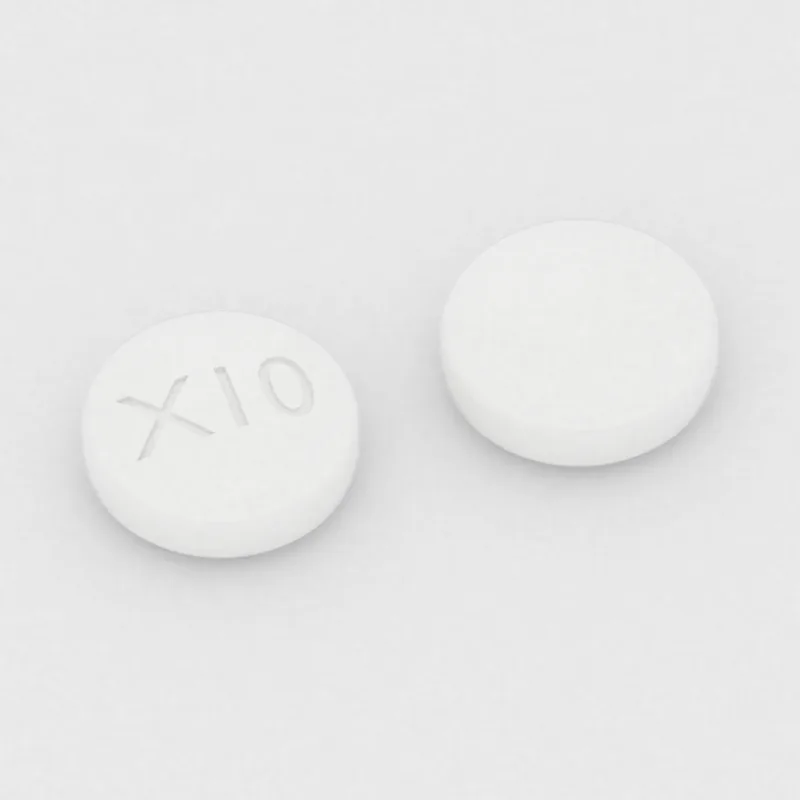
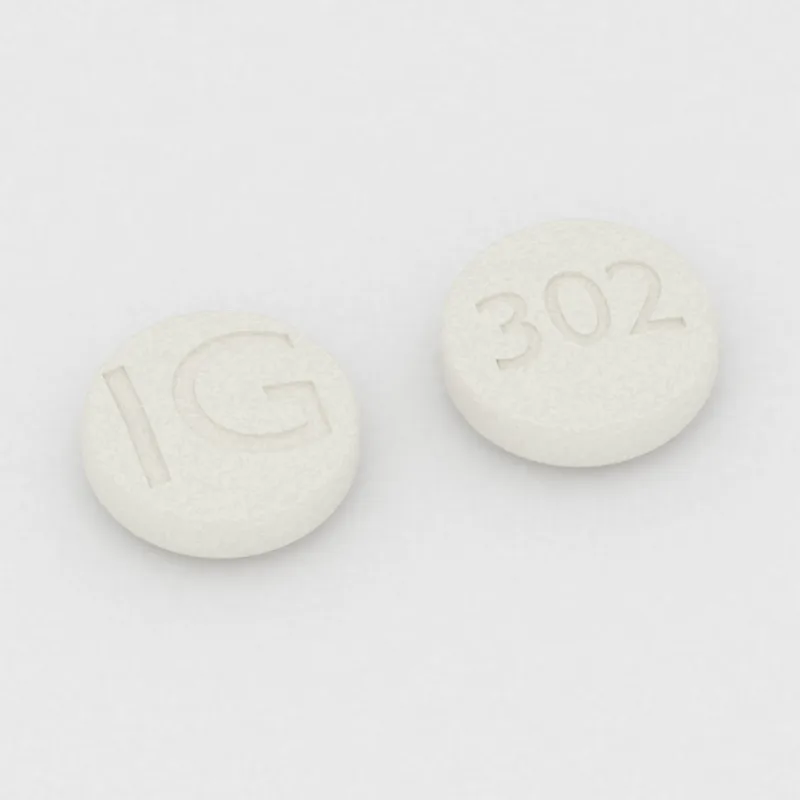
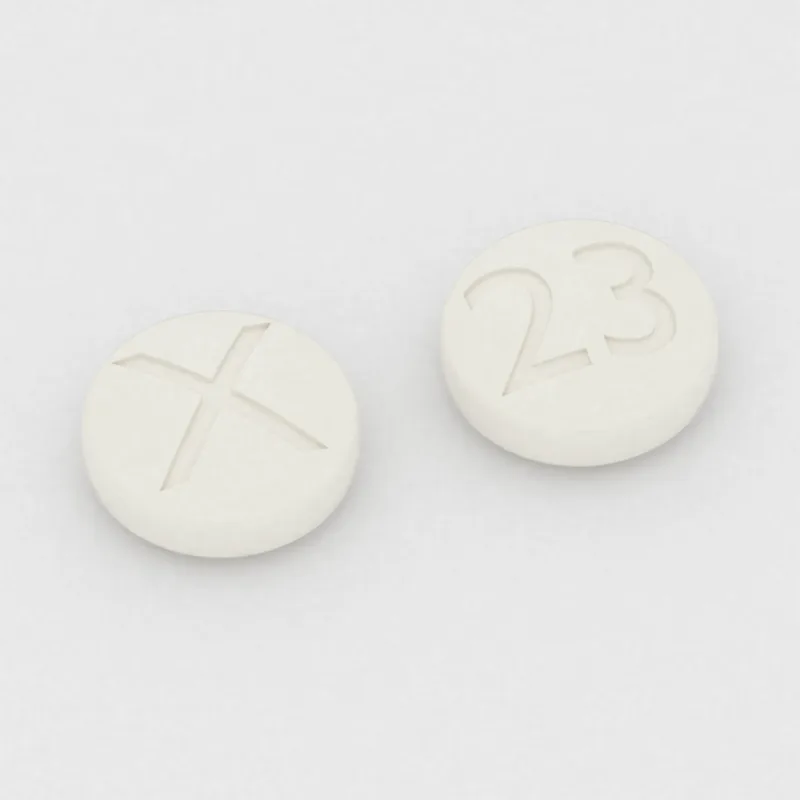
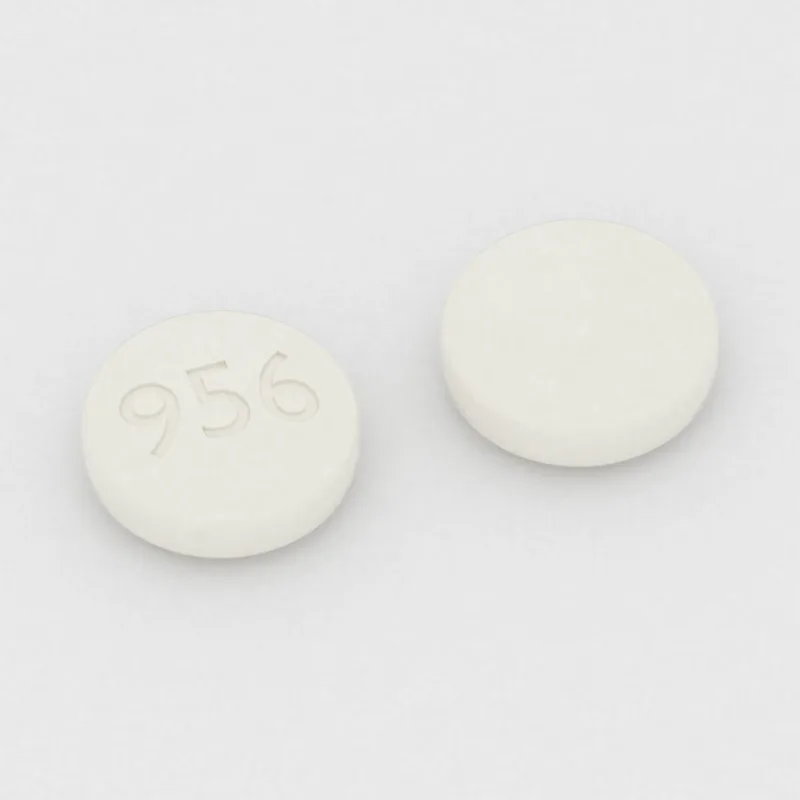
Rendus réalisés à partir des fiches produit des notices FDA : couleur, forme, taille et inscription. 7 versions documentées chez 10 laboratoires.
Interactions d'après la notice
Interactions majeures (72)
…(Childs-Pugh categories B and C), since alfuzosin blood levels are increased in these patients [see Use in Specific Populations (8.7) and Clinical Pharmacology (12.3) ]. with potent CYP3A4 inhibitors such as ketoconazole, itraconazole, and ritonavir, since alfuzosin blood levels are increased [see Drug Interactions (7.1) and Clinical Pharmacology (12.3) ] . in… (notice Alfuzosine, Contre-indications)
…(Childs-Pugh categories B and C), since alfuzosin blood levels are increased in these patients [see Use in Specific Populations (8.7) and Clinical Pharmacology (12.3) ]. with potent CYP3A4 inhibitors such as ketoconazole, itraconazole, and ritonavir, since alfuzosin blood levels are increased [see Drug Interactions (7.1) and Clinical Pharmacology (12.3) ] . in… (notice Alfuzosine, Contre-indications)
This risk which can be fatal should be considered in patients with certain cardiovascular disorders including known QT prolongation or history torsades de pointes, those with proarrhythmic conditions, and with other drugs that prolong the QT interval. (notice Azithromycine, Mises en garde et précautions)
Should not be used in combination with other alpha adrenergic antagonists ( 5.4 , 7.2 ) (notice Alfuzosine, Mises en garde et précautions)
…(Childs-Pugh categories B and C), since alfuzosin blood levels are increased in these patients [see Use in Specific Populations (8.7) and Clinical Pharmacology (12.3) ]. with potent CYP3A4 inhibitors such as ketoconazole, itraconazole, and ritonavir, since alfuzosin blood levels are increased [see Drug Interactions (7.1) and Clinical Pharmacology (12.3) ] . in… (notice Alfuzosine, Contre-indications)
…(Childs-Pugh categories B and C), since alfuzosin blood levels are increased in these patients [see Use in Specific Populations (8.7) and Clinical Pharmacology (12.3) ]. with potent CYP3A4 inhibitors such as ketoconazole, itraconazole, and ritonavir, since alfuzosin blood levels are increased [see Drug Interactions (7.1) and Clinical Pharmacology (12.3) ] . in… (notice Alfuzosine, Contre-indications)
…(Childs-Pugh categories B and C), since alfuzosin blood levels are increased in these patients [see Use in Specific Populations (8.7) and Clinical Pharmacology (12.3) ]. with potent CYP3A4 inhibitors such as ketoconazole, itraconazole, and ritonavir, since alfuzosin blood levels are increased [see Drug Interactions (7.1) and Clinical Pharmacology (12.3) ] . in… (notice Alfuzosine, Contre-indications)
Avoid use in patients with known prolongation, those with hypokalemia, and with other drugs that prolong the QT interval. (notice Ciprofloxacine, Mises en garde et précautions)
…(Childs-Pugh categories B and C), since alfuzosin blood levels are increased in these patients [see Use in Specific Populations (8.7) and Clinical Pharmacology (12.3) ]. with potent CYP3A4 inhibitors such as ketoconazole, itraconazole, and ritonavir, since alfuzosin blood levels are increased [see Drug Interactions (7.1) and Clinical Pharmacology (12.3) ] . in… (notice Alfuzosine, Contre-indications)
…(Childs-Pugh categories B and C), since alfuzosin blood levels are increased in these patients [see Use in Specific Populations (8.7) and Clinical Pharmacology (12.3) ]. with potent CYP3A4 inhibitors such as ketoconazole, itraconazole, and ritonavir, since alfuzosin blood levels are increased [see Drug Interactions (7.1) and Clinical Pharmacology (12.3) ] . in… (notice Alfuzosine, Contre-indications)
Use with Drugs that Prolong QT Interval and Antiarrhythmic Agents The use of dofetilide in conjunction with other drugs that prolong the QT interval has not been studied and is not recommended. (notice Dofétilide, Mises en garde)
Should not be used in combination with other alpha adrenergic antagonists ( 5.4 , 7.2 ) (notice Alfuzosine, Mises en garde et précautions)
…(Childs-Pugh categories B and C), since alfuzosin blood levels are increased in these patients [see Use in Specific Populations (8.7) and Clinical Pharmacology (12.3) ]. with potent CYP3A4 inhibitors such as ketoconazole, itraconazole, and ritonavir, since alfuzosin blood levels are increased [see Drug Interactions (7.1) and Clinical Pharmacology (12.3) ] . in… (notice Alfuzosine, Contre-indications)
Should not be used in combination with other alpha adrenergic antagonists ( 5.4 , 7.2 ) (notice Alfuzosine, Mises en garde et précautions)
…(Childs-Pugh categories B and C), since alfuzosin blood levels are increased in these patients [see Use in Specific Populations (8.7) and Clinical Pharmacology (12.3) ]. with potent CYP3A4 inhibitors such as ketoconazole, itraconazole, and ritonavir, since alfuzosin blood levels are increased [see Drug Interactions (7.1) and Clinical Pharmacology (12.3) ] . in… (notice Alfuzosine, Contre-indications)
…(Childs-Pugh categories B and C), since alfuzosin blood levels are increased in these patients [see Use in Specific Populations (8.7) and Clinical Pharmacology (12.3) ]. with potent CYP3A4 inhibitors such as ketoconazole, itraconazole, and ritonavir, since alfuzosin blood levels are increased [see Drug Interactions (7.1) and Clinical Pharmacology (12.3) ] . in… (notice Alfuzosine, Contre-indications)
…(Childs-Pugh categories B and C), since alfuzosin blood levels are increased in these patients [see Use in Specific Populations (8.7) and Clinical Pharmacology (12.3) ]. with potent CYP3A4 inhibitors such as ketoconazole, itraconazole, and ritonavir, since alfuzosin blood levels are increased [see Drug Interactions (7.1) and Clinical Pharmacology (12.3) ] . in… (notice Alfuzosine, Contre-indications)
Concomitant use of COMPLERA with drugs with a known risk to prolong the QTc interval of the electrocardiogram may increase the risk of Torsade de Pointes. (notice Emtricitabine, rilpivirine et ténofovir, Mises en garde et précautions)
…(Childs-Pugh categories B and C), since alfuzosin blood levels are increased in these patients [see Use in Specific Populations (8.7) and Clinical Pharmacology (12.3) ]. with potent CYP3A4 inhibitors such as ketoconazole, itraconazole, and ritonavir, since alfuzosin blood levels are increased [see Drug Interactions (7.1) and Clinical Pharmacology (12.3) ] . in… (notice Alfuzosine, Contre-indications)
…(Childs-Pugh categories B and C), since alfuzosin blood levels are increased in these patients [see Use in Specific Populations (8.7) and Clinical Pharmacology (12.3) ]. with potent CYP3A4 inhibitors such as ketoconazole, itraconazole, and ritonavir, since alfuzosin blood levels are increased [see Drug Interactions (7.1) and Clinical Pharmacology (12.3) ] . in… (notice Alfuzosine, Contre-indications)
…(Childs-Pugh categories B and C), since alfuzosin blood levels are increased in these patients [see Use in Specific Populations (8.7) and Clinical Pharmacology (12.3) ]. with potent CYP3A4 inhibitors such as ketoconazole, itraconazole, and ritonavir, since alfuzosin blood levels are increased [see Drug Interactions (7.1) and Clinical Pharmacology (12.3) ] . in… (notice Alfuzosine, Contre-indications)
…(Childs-Pugh categories B and C), since alfuzosin blood levels are increased in these patients [see Use in Specific Populations (8.7) and Clinical Pharmacology (12.3) ]. with potent CYP3A4 inhibitors such as ketoconazole, itraconazole, and ritonavir, since alfuzosin blood levels are increased [see Drug Interactions (7.1) and Clinical Pharmacology (12.3) ] . in… (notice Alfuzosine, Contre-indications)
(See DOSAGE and ADMINISTRATION. ) Because of the risk of QT prolongation and the potential for torsades de pointes, the use of FOSCAVIR should be avoided in combination with agents known to prolong the QT interval including Class IA (e.g., quinidine or procainamide) or Class III (e.g., dofetilide, amiodarone, sotalol) antiarrhythmic agents, phenothiazines, tricyclic… (notice Foscarnet, Interactions médicamenteuses)
Avoid co-administration of CONTEPO with drugs known to prolong the QT interval. (notice Fosfomycine, Interactions médicamenteuses)
Therefore, PLAQUENIL is not recommended in patients taking other drugs that have the potential to prolong the QT interval. (notice Hydroxychloroquine, Mises en garde et précautions)
Avoid the use of FANAPT in combination with any other drugs that prolong the QT interval [see Warnings and Precautions (5.3) ] . (notice Ilopéridone, Interactions médicamenteuses)
…(Childs-Pugh categories B and C), since alfuzosin blood levels are increased in these patients [see Use in Specific Populations (8.7) and Clinical Pharmacology (12.3) ]. with potent CYP3A4 inhibitors such as ketoconazole, itraconazole, and ritonavir, since alfuzosin blood levels are increased [see Drug Interactions (7.1) and Clinical Pharmacology (12.3) ] . in… (notice Alfuzosine, Contre-indications)
…(Childs-Pugh categories B and C), since alfuzosin blood levels are increased in these patients [see Use in Specific Populations (8.7) and Clinical Pharmacology (12.3) ]. with potent CYP3A4 inhibitors such as ketoconazole, itraconazole, and ritonavir, since alfuzosin blood levels are increased [see Drug Interactions (7.1) and Clinical Pharmacology (12.3) ] . in… (notice Alfuzosine, Contre-indications)
…(Childs-Pugh categories B and C), since alfuzosin blood levels are increased in these patients [see Use in Specific Populations (8.7) and Clinical Pharmacology (12.3) ]. with potent CYP3A4 inhibitors such as ketoconazole, itraconazole, and ritonavir, since alfuzosin blood levels are increased [see Drug Interactions (7.1) and Clinical Pharmacology (12.3) ] . in… (notice Alfuzosine, Contre-indications)
- IvabradineMajeure
Bradycardia may increase the risk of QT prolongation which may lead to severe ventricular arrhythmias, including torsade de pointes, especially in patients with risk factors such as use of QTc prolonging drugs [see Adverse Reactions ( 6.2 )] . (notice Ivabradine, Mises en garde et précautions)
…(Childs-Pugh categories B and C), since alfuzosin blood levels are increased in these patients [see Use in Specific Populations (8.7) and Clinical Pharmacology (12.3) ]. with potent CYP3A4 inhibitors such as ketoconazole, itraconazole, and ritonavir, since alfuzosin blood levels are increased [see Drug Interactions (7.1) and Clinical Pharmacology (12.3) ] . in… (notice Alfuzosine, Contre-indications)
…(Childs-Pugh categories B and C), since alfuzosin blood levels are increased in these patients [see Use in Specific Populations (8.7) and Clinical Pharmacology (12.3) ]. with potent CYP3A4 inhibitors such as ketoconazole, itraconazole, and ritonavir, since alfuzosin blood levels are increased [see Drug Interactions (7.1) and Clinical Pharmacology (12.3) ] . in… (notice Alfuzosine, Contre-indications)
Should not be used in combination with other alpha adrenergic antagonists ( 5.4 , 7.2 ) (notice Alfuzosine, Mises en garde et précautions)
…(Childs-Pugh categories B and C), since alfuzosin blood levels are increased in these patients [see Use in Specific Populations (8.7) and Clinical Pharmacology (12.3) ]. with potent CYP3A4 inhibitors such as ketoconazole, itraconazole, and ritonavir, since alfuzosin blood levels are increased [see Drug Interactions (7.1) and Clinical Pharmacology (12.3) ] . in… (notice Alfuzosine, Contre-indications)
Avoid use in patients with known prolongation, those with hypokalemia, and with other drugs that prolong the QT interval ( 5.11 , 8.5 ) (notice Lévofloxacine, Mises en garde et précautions)
…(Childs-Pugh categories B and C), since alfuzosin blood levels are increased in these patients [see Use in Specific Populations (8.7) and Clinical Pharmacology (12.3) ]. with potent CYP3A4 inhibitors such as ketoconazole, itraconazole, and ritonavir, since alfuzosin blood levels are increased [see Drug Interactions (7.1) and Clinical Pharmacology (12.3) ] . in… (notice Alfuzosine, Contre-indications)
…(Childs-Pugh categories B and C), since alfuzosin blood levels are increased in these patients [see Use in Specific Populations (8.7) and Clinical Pharmacology (12.3) ]. with potent CYP3A4 inhibitors such as ketoconazole, itraconazole, and ritonavir, since alfuzosin blood levels are increased [see Drug Interactions (7.1) and Clinical Pharmacology (12.3) ] . in… (notice Alfuzosine, Contre-indications)
Examples diazepam, alprazolam, alcohol Drugs that Prolong QTc Interval Clinical Impact The concomitant use of other drugs which prolong the QTc interval with REMERON/REMERONSolTab, increase the risk of QT prolongation and/or ventricular arrhythmias (e.g., Torsades de Pointes). (notice Mirtazapine, Interactions médicamenteuses)
…(Childs-Pugh categories B and C), since alfuzosin blood levels are increased in these patients [see Use in Specific Populations (8.7) and Clinical Pharmacology (12.3) ]. with potent CYP3A4 inhibitors such as ketoconazole, itraconazole, and ritonavir, since alfuzosin blood levels are increased [see Drug Interactions (7.1) and Clinical Pharmacology (12.3) ] . in… (notice Alfuzosine, Contre-indications)
- OxaliplatineMajeure
Avoid coadministration of oxaliplatin injection with medicinal products with a known potential to prolong the QT interval. (notice Oxaliplatine, Interactions médicamenteuses)
…(Childs-Pugh categories B and C), since alfuzosin blood levels are increased in these patients [see Use in Specific Populations (8.7) and Clinical Pharmacology (12.3) ]. with potent CYP3A4 inhibitors such as ketoconazole, itraconazole, and ritonavir, since alfuzosin blood levels are increased [see Drug Interactions (7.1) and Clinical Pharmacology (12.3) ] . in… (notice Alfuzosine, Contre-indications)
- PazopanibMajeure
Avoid coadministration of VOTRIENT with drugs known to prolong the QT/QTc interval. (notice Pazopanib, Interactions médicamenteuses)
…(Childs-Pugh categories B and C), since alfuzosin blood levels are increased in these patients [see Use in Specific Populations (8.7) and Clinical Pharmacology (12.3) ]. with potent CYP3A4 inhibitors such as ketoconazole, itraconazole, and ritonavir, since alfuzosin blood levels are increased [see Drug Interactions (7.1) and Clinical Pharmacology (12.3) ] . in… (notice Alfuzosine, Contre-indications)
Drugs that Prolong the QT Interval : Avoid concomitant use. (notice Phénobarbital, Interactions médicamenteuses)
Should not be used in combination with other alpha adrenergic antagonists ( 5.4 , 7.2 ) (notice Alfuzosine, Mises en garde et précautions)
Should not be used in combination with other alpha adrenergic antagonists ( 5.4 , 7.2 ) (notice Alfuzosine, Mises en garde et précautions)
Because pimozide prolongs the QT interval of the electrocardiogram it is contraindicated in patients with congenital long QT syndrome, patients with a history of cardiac arrhythmias, patients taking other drugs which prolong the QT interval of the electrocardiogram or patients with known hypokalemia or hypomagnesemia (see also PRECAUTIONS - DRUG INTERACTIONS ). (notice Pimozide, Contre-indications)
The use of WAKIX should be avoided in patients with known QT prolongation or in combination with other drugs known to prolong the QT interval [see Drug Interactions ( 7.1 )]. (notice Pitolisant, Mises en garde et précautions)
…(Childs-Pugh categories B and C), since alfuzosin blood levels are increased in these patients [see Use in Specific Populations (8.7) and Clinical Pharmacology (12.3) ]. with potent CYP3A4 inhibitors such as ketoconazole, itraconazole, and ritonavir, since alfuzosin blood levels are increased [see Drug Interactions (7.1) and Clinical Pharmacology (12.3) ] . in… (notice Alfuzosine, Contre-indications)
Should not be used in combination with other alpha adrenergic antagonists ( 5.4 , 7.2 ) (notice Alfuzosine, Mises en garde et précautions)
• Avoid use with other antiarrhythmic agents or drugs that prolong the QT interval. (notice Propafénone, Mises en garde et précautions)
…(Childs-Pugh categories B and C), since alfuzosin blood levels are increased in these patients [see Use in Specific Populations (8.7) and Clinical Pharmacology (12.3) ]. with potent CYP3A4 inhibitors such as ketoconazole, itraconazole, and ritonavir, since alfuzosin blood levels are increased [see Drug Interactions (7.1) and Clinical Pharmacology (12.3) ] . in… (notice Alfuzosine, Contre-indications)
Avoid the concomitant use of drugs known to prolong the QTc interval. (notice Sertraline, Interactions médicamenteuses)
Should not be used in combination with other alpha adrenergic antagonists ( 5.4 , 7.2 ) (notice Alfuzosine, Mises en garde et précautions)
…(Childs-Pugh categories B and C), since alfuzosin blood levels are increased in these patients [see Use in Specific Populations (8.7) and Clinical Pharmacology (12.3) ]. with potent CYP3A4 inhibitors such as ketoconazole, itraconazole, and ritonavir, since alfuzosin blood levels are increased [see Drug Interactions (7.1) and Clinical Pharmacology (12.3) ] . in… (notice Alfuzosine, Contre-indications)
CIALIS is not recommended in combination with alpha-blockers for the treatment of BPH because efficacy of the combination has not been adequately studied and because of the risk of blood pressure lowering. (notice Tadalafil, Mises en garde et précautions)
Should not be used in combination with other alpha adrenergic antagonists ( 5.4 , 7.2 ) (notice Alfuzosine, Mises en garde et précautions)
Should not be used in combination with other alpha adrenergic antagonists ( 5.4 , 7.2 ) (notice Alfuzosine, Mises en garde et précautions)
Certain conditions may increase the risk for torsade de pointes or sudden death such as (1) bradycardia; (2) hypokalemia or hypomagnesemia; (3) concomitant use of other drugs that prolong the QTc interval; and (4) presence of congenital prolongation of the QT interval [see Warnings and Precautions ( 5.8 ), Clinical Pharmacology (12.2) ]. (notice Tétrabénazine, Interactions médicamenteuses)
CONTRAINDICATIONS Thioridazine hydrochloride tablet use should be avoided in combination with other drugs that are known to prolong the QTc interval and in patients with congenital long QT syndrome or a history of cardiac arrhythmias. (notice Thioridazine, Contre-indications)
…(Childs-Pugh categories B and C), since alfuzosin blood levels are increased in these patients [see Use in Specific Populations (8.7) and Clinical Pharmacology (12.3) ]. with potent CYP3A4 inhibitors such as ketoconazole, itraconazole, and ritonavir, since alfuzosin blood levels are increased [see Drug Interactions (7.1) and Clinical Pharmacology (12.3) ] . in… (notice Alfuzosine, Contre-indications)
- VepdégestrantMajeure
Avoid concomitant use of VEPPANU with strong CYP3A inhibitors or drugs known to prolong the QTc interval. (notice Vepdégestrant, Mises en garde et précautions)
…(Childs-Pugh categories B and C), since alfuzosin blood levels are increased in these patients [see Use in Specific Populations (8.7) and Clinical Pharmacology (12.3) ]. with potent CYP3A4 inhibitors such as ketoconazole, itraconazole, and ritonavir, since alfuzosin blood levels are increased [see Drug Interactions (7.1) and Clinical Pharmacology (12.3) ] . in… (notice Alfuzosine, Contre-indications)
…(Childs-Pugh categories B and C), since alfuzosin blood levels are increased in these patients [see Use in Specific Populations (8.7) and Clinical Pharmacology (12.3) ]. with potent CYP3A4 inhibitors such as ketoconazole, itraconazole, and ritonavir, since alfuzosin blood levels are increased [see Drug Interactions (7.1) and Clinical Pharmacology (12.3) ] . in… (notice Alfuzosine, Contre-indications)
…drugs, ziprasidone is contraindicated: • in patients with a known history of QT prolongation (including congenital long QT syndrome) • in patients with recent acute myocardial infarction • in patients with uncompensated heart failure Pharmacokinetic/pharmacodynamic studies between ziprasidone and other drugs that prolong the QT interval have not been performed. (notice Ziprasidone, Contre-indications)
Interactions modérées (119)
Postural hypotension/syncope: Care should be taken in patients with symptomatic hypotension or who have had a hypotensive response to other medications or are concomitantly treated with antihypertensive medication or nitrates ( 5.1 ) (notice Alfuzosine, Mises en garde et précautions)
Postural hypotension/syncope: Care should be taken in patients with symptomatic hypotension or who have had a hypotensive response to other medications or are concomitantly treated with antihypertensive medication or nitrates ( 5.1 ) (notice Alfuzosine, Mises en garde et précautions)
Postural hypotension/syncope: Care should be taken in patients with symptomatic hypotension or who have had a hypotensive response to other medications or are concomitantly treated with antihypertensive medication or nitrates ( 5.1 ) (notice Alfuzosine, Mises en garde et précautions)
Postural hypotension/syncope: Care should be taken in patients with symptomatic hypotension or who have had a hypotensive response to other medications or are concomitantly treated with antihypertensive medication or nitrates ( 5.1 ) (notice Alfuzosine, Mises en garde et précautions)
Postural hypotension/syncope: Care should be taken in patients with symptomatic hypotension or who have had a hypotensive response to other medications or are concomitantly treated with antihypertensive medication or nitrates ( 5.1 ) (notice Alfuzosine, Mises en garde et précautions)
Postural hypotension/syncope: Care should be taken in patients with symptomatic hypotension or who have had a hypotensive response to other medications or are concomitantly treated with antihypertensive medication or nitrates ( 5.1 ) (notice Alfuzosine, Mises en garde et précautions)
Postural hypotension/syncope: Care should be taken in patients with symptomatic hypotension or who have had a hypotensive response to other medications or are concomitantly treated with antihypertensive medication or nitrates ( 5.1 ) (notice Alfuzosine, Mises en garde et précautions)
Postural hypotension/syncope: Care should be taken in patients with symptomatic hypotension or who have had a hypotensive response to other medications or are concomitantly treated with antihypertensive medication or nitrates ( 5.1 ) (notice Alfuzosine, Mises en garde et précautions)
Postural hypotension/syncope: Care should be taken in patients with symptomatic hypotension or who have had a hypotensive response to other medications or are concomitantly treated with antihypertensive medication or nitrates ( 5.1 ) (notice Alfuzosine, Mises en garde et précautions)
MAO inhibitors, tricyclic antidepressants and drugs that prolong the QTc interval may potentiate effect on the cardiovascular system. (notice Arformotérol, Interactions médicamenteuses)
Postural hypotension/syncope: Care should be taken in patients with symptomatic hypotension or who have had a hypotensive response to other medications or are concomitantly treated with antihypertensive medication or nitrates ( 5.1 ) (notice Alfuzosine, Mises en garde et précautions)
Postural hypotension/syncope: Care should be taken in patients with symptomatic hypotension or who have had a hypotensive response to other medications or are concomitantly treated with antihypertensive medication or nitrates ( 5.1 ) (notice Alfuzosine, Mises en garde et précautions)
Caution is advised for concomitant use of PDE5-inhibitors and UROXATRAL, as this combination can potentially cause symptomatic hypotension [see Drug Interactions (7.4) ]. (notice Alfuzosine, Mises en garde et précautions)
Postural hypotension/syncope: Care should be taken in patients with symptomatic hypotension or who have had a hypotensive response to other medications or are concomitantly treated with antihypertensive medication or nitrates ( 5.1 ) (notice Alfuzosine, Mises en garde et précautions)
Postural hypotension/syncope: Care should be taken in patients with symptomatic hypotension or who have had a hypotensive response to other medications or are concomitantly treated with antihypertensive medication or nitrates ( 5.1 ) (notice Alfuzosine, Mises en garde et précautions)
Postural hypotension/syncope: Care should be taken in patients with symptomatic hypotension or who have had a hypotensive response to other medications or are concomitantly treated with antihypertensive medication or nitrates ( 5.1 ) (notice Alfuzosine, Mises en garde et précautions)
Postural hypotension/syncope: Care should be taken in patients with symptomatic hypotension or who have had a hypotensive response to other medications or are concomitantly treated with antihypertensive medication or nitrates ( 5.1 ) (notice Alfuzosine, Mises en garde et précautions)
Postural hypotension/syncope: Care should be taken in patients with symptomatic hypotension or who have had a hypotensive response to other medications or are concomitantly treated with antihypertensive medication or nitrates ( 5.1 ) (notice Alfuzosine, Mises en garde et précautions)
Postural hypotension/syncope: Care should be taken in patients with symptomatic hypotension or who have had a hypotensive response to other medications or are concomitantly treated with antihypertensive medication or nitrates ( 5.1 ) (notice Alfuzosine, Mises en garde et précautions)
The risk of combining buprenorphine with other QT-prolonging agents is not known. (notice Buprénorphine, Mises en garde et précautions)
The risk of combining buprenorphine with other QT-prolonging agents is not known. (notice Buprénorphine et naloxone, Mises en garde et précautions)
Postural hypotension/syncope: Care should be taken in patients with symptomatic hypotension or who have had a hypotensive response to other medications or are concomitantly treated with antihypertensive medication or nitrates ( 5.1 ) (notice Alfuzosine, Mises en garde et précautions)
Postural hypotension/syncope: Care should be taken in patients with symptomatic hypotension or who have had a hypotensive response to other medications or are concomitantly treated with antihypertensive medication or nitrates ( 5.1 ) (notice Alfuzosine, Mises en garde et précautions)
Postural hypotension/syncope: Care should be taken in patients with symptomatic hypotension or who have had a hypotensive response to other medications or are concomitantly treated with antihypertensive medication or nitrates ( 5.1 ) (notice Alfuzosine, Mises en garde et précautions)
Postural hypotension/syncope: Care should be taken in patients with symptomatic hypotension or who have had a hypotensive response to other medications or are concomitantly treated with antihypertensive medication or nitrates ( 5.1 ) (notice Alfuzosine, Mises en garde et précautions)
Postural hypotension/syncope: Care should be taken in patients with symptomatic hypotension or who have had a hypotensive response to other medications or are concomitantly treated with antihypertensive medication or nitrates ( 5.1 ) (notice Alfuzosine, Mises en garde et précautions)
QT Interval Prolongation and V entricular A rr h ythmia Decreases in serum calcium can also prolong the QT interval, potentially resulting in ventricular arrhythmia. (notice Cinacalcet, Mises en garde et précautions)
Avoid use of Citalopram Capsules in patients with congenital long QT syndrome, bradycardia, hypokalemia or hypomagnesemia, recent acute myocardial infarction, or uncompensated heart failure and patients taking other drugs that prolong the QTc interval. (notice Citalopram, Mises en garde et précautions)
Postural hypotension/syncope: Care should be taken in patients with symptomatic hypotension or who have had a hypotensive response to other medications or are concomitantly treated with antihypertensive medication or nitrates ( 5.1 ) (notice Alfuzosine, Mises en garde et précautions)
Carefully monitor cardiac rhythm when administering SUPRANE to susceptible patients (e.g., patients with congenital Long QT Syndrome or patients taking drugs that can prolong the QT interval). (notice Desflurane, Mises en garde et précautions)
Postural hypotension/syncope: Care should be taken in patients with symptomatic hypotension or who have had a hypotensive response to other medications or are concomitantly treated with antihypertensive medication or nitrates ( 5.1 ) (notice Alfuzosine, Mises en garde et précautions)
Postural hypotension/syncope: Care should be taken in patients with symptomatic hypotension or who have had a hypotensive response to other medications or are concomitantly treated with antihypertensive medication or nitrates ( 5.1 ) (notice Alfuzosine, Mises en garde et précautions)
…cardiac disease, 3) treatment with Class I and Class III antiarrhythmics, 4) treatment with monoamine oxidase inhibitors (MAOI's), 5) concomitant treatment with other drug products known to prolong the QT interval (see PRECAUTIONS, Drug Interactions ), and 6) electrolyte imbalance, in particular hypokalemia and hypomagnesemia, or concomitant treatment with drugs… (notice Dropéridol, Mises en garde)
Postural hypotension/syncope: Care should be taken in patients with symptomatic hypotension or who have had a hypotensive response to other medications or are concomitantly treated with antihypertensive medication or nitrates ( 5.1 ) (notice Alfuzosine, Mises en garde et précautions)
Postural hypotension/syncope: Care should be taken in patients with symptomatic hypotension or who have had a hypotensive response to other medications or are concomitantly treated with antihypertensive medication or nitrates ( 5.1 ) (notice Alfuzosine, Mises en garde et précautions)
Postural hypotension/syncope: Care should be taken in patients with symptomatic hypotension or who have had a hypotensive response to other medications or are concomitantly treated with antihypertensive medication or nitrates ( 5.1 ) (notice Alfuzosine, Mises en garde et précautions)
Postural hypotension/syncope: Care should be taken in patients with symptomatic hypotension or who have had a hypotensive response to other medications or are concomitantly treated with antihypertensive medication or nitrates ( 5.1 ) (notice Alfuzosine, Mises en garde et précautions)
- ÉribulineModérée
QT Prolongation: Monitor for prolonged QT intervals in patients with congestive heart failure, bradyarrhythmias, drugs known to prolong the QT interval, and electrolyte abnormalities. (notice Éribuline, Mises en garde et précautions)
Postural hypotension/syncope: Care should be taken in patients with symptomatic hypotension or who have had a hypotensive response to other medications or are concomitantly treated with antihypertensive medication or nitrates ( 5.1 ) (notice Alfuzosine, Mises en garde et précautions)
…prolonged QT interval, 3) treatment with Class 1 and Class III antiarrhythmics, 4) treatment with monoamine oxidase inhibitors (MAOI's), 5) concomitant treatment with other drug products known to prolong the QT interval and 6) electrolyte imbalance, in particular hypokalemia and hypomagnesemia, or concomitant treatment with drugs (e.g., diuretics) that may cause electrolyte… (notice Fentanyl, Mises en garde et précautions)
Use with caution in combination with other drugs that prolong the QT interval ( 4.2 , 5.11 , 7.7 , 7.8 ) 7.1 Monoamine Oxidase Inhibitors (MAOI) [See Dosage and Administration ( 2.9 , 2.10 ), Contraindications ( 4.1 ), and Warnings and Precautions ( 5.2 )] . (notice Fluoxétine, Interactions médicamenteuses)
…Antidepressants, QTc Prolonging Drugs Formoterol, as with other beta 2 -agonists, should be administered with extreme caution to patients being treated with monoamine oxidase inhibitors, tricyclic antidepressants, or drugs known to prolong the QTc interval because the effect of adrenergic agonists on the cardiovascular system may be potentiated by these agents. (notice Formotérol, Interactions médicamenteuses)
Postural hypotension/syncope: Care should be taken in patients with symptomatic hypotension or who have had a hypotensive response to other medications or are concomitantly treated with antihypertensive medication or nitrates ( 5.1 ) (notice Alfuzosine, Mises en garde et précautions)
Postural hypotension/syncope: Care should be taken in patients with symptomatic hypotension or who have had a hypotensive response to other medications or are concomitantly treated with antihypertensive medication or nitrates ( 5.1 ) (notice Alfuzosine, Mises en garde et précautions)
Postural hypotension/syncope: Care should be taken in patients with symptomatic hypotension or who have had a hypotensive response to other medications or are concomitantly treated with antihypertensive medication or nitrates ( 5.1 ) (notice Alfuzosine, Mises en garde et précautions)
- GosérélineModérée
Effect on QT/QTc Interval: Androgen deprivation therapy may prolong the QT interval. (notice Goséréline, Mises en garde et précautions)
Postural hypotension/syncope: Care should be taken in patients with symptomatic hypotension or who have had a hypotensive response to other medications or are concomitantly treated with antihypertensive medication or nitrates ( 5.1 ) (notice Alfuzosine, Mises en garde et précautions)
Postural hypotension/syncope: Care should be taken in patients with symptomatic hypotension or who have had a hypotensive response to other medications or are concomitantly treated with antihypertensive medication or nitrates ( 5.1 ) (notice Alfuzosine, Mises en garde et précautions)
Postural hypotension/syncope: Care should be taken in patients with symptomatic hypotension or who have had a hypotensive response to other medications or are concomitantly treated with antihypertensive medication or nitrates ( 5.1 ) (notice Alfuzosine, Mises en garde et précautions)
This observation should be considered in making clinical decisions regarding patient monitoring when prescribing HYSINGLA ER in patients with congestive heart failure, bradyarrhythmias, electrolyte abnormalities, or who are taking medications that are known to prolong the QTc interval. (notice Hydrocodone, Mises en garde et précautions)
Postural hypotension/syncope: Care should be taken in patients with symptomatic hypotension or who have had a hypotensive response to other medications or are concomitantly treated with antihypertensive medication or nitrates ( 5.1 ) (notice Alfuzosine, Mises en garde et précautions)
Postural hypotension/syncope: Care should be taken in patients with symptomatic hypotension or who have had a hypotensive response to other medications or are concomitantly treated with antihypertensive medication or nitrates ( 5.1 ) (notice Alfuzosine, Mises en garde et précautions)
Postural hypotension/syncope: Care should be taken in patients with symptomatic hypotension or who have had a hypotensive response to other medications or are concomitantly treated with antihypertensive medication or nitrates ( 5.1 ) (notice Alfuzosine, Mises en garde et précautions)
Monitor QT interval when administering FORANE to susceptible patients (e.g., patients with congenital Long QT Syndrome or patients taking drugs that can prolong the QT interval). (notice Isoflurane, Mises en garde et précautions)
Postural hypotension/syncope: Care should be taken in patients with symptomatic hypotension or who have had a hypotensive response to other medications or are concomitantly treated with antihypertensive medication or nitrates ( 5.1 ) (notice Alfuzosine, Mises en garde et précautions)
TYKERB may prolong the QT interval in some patients. (notice Lapatinib, Mises en garde et précautions)
- LeuprorélineModérée
Effect on QT/QTc Interval: Androgen deprivation therapy may prolong the QT interval. (notice Leuproréline, Mises en garde et précautions)
Postural hypotension/syncope: Care should be taken in patients with symptomatic hypotension or who have had a hypotensive response to other medications or are concomitantly treated with antihypertensive medication or nitrates ( 5.1 ) (notice Alfuzosine, Mises en garde et précautions)
Postural hypotension/syncope: Care should be taken in patients with symptomatic hypotension or who have had a hypotensive response to other medications or are concomitantly treated with antihypertensive medication or nitrates ( 5.1 ) (notice Alfuzosine, Mises en garde et précautions)
Postural hypotension/syncope: Care should be taken in patients with symptomatic hypotension or who have had a hypotensive response to other medications or are concomitantly treated with antihypertensive medication or nitrates ( 5.1 ) (notice Alfuzosine, Mises en garde et précautions)
Postural hypotension/syncope: Care should be taken in patients with symptomatic hypotension or who have had a hypotensive response to other medications or are concomitantly treated with antihypertensive medication or nitrates ( 5.1 ) (notice Alfuzosine, Mises en garde et précautions)
Postural hypotension/syncope: Care should be taken in patients with symptomatic hypotension or who have had a hypotensive response to other medications or are concomitantly treated with antihypertensive medication or nitrates ( 5.1 ) (notice Alfuzosine, Mises en garde et précautions)
Postural hypotension/syncope: Care should be taken in patients with symptomatic hypotension or who have had a hypotensive response to other medications or are concomitantly treated with antihypertensive medication or nitrates ( 5.1 ) (notice Alfuzosine, Mises en garde et précautions)
Other Drugs that Prolong the QTc Interval Coadministration of other drugs known to alter cardiac conduction (e.g., anti-arrhythmic or beta-adrenergic blocking agents, calcium channel blockers, antihistamines or H 1 -blocking agents, tricyclic antidepressants and phenothiazines) might also contribute to a prolongation of the QTc interval. (notice Méfloquine, Interactions médicamenteuses)
Postural hypotension/syncope: Care should be taken in patients with symptomatic hypotension or who have had a hypotensive response to other medications or are concomitantly treated with antihypertensive medication or nitrates ( 5.1 ) (notice Alfuzosine, Mises en garde et précautions)
Postural hypotension/syncope: Care should be taken in patients with symptomatic hypotension or who have had a hypotensive response to other medications or are concomitantly treated with antihypertensive medication or nitrates ( 5.1 ) (notice Alfuzosine, Mises en garde et précautions)
Postural hypotension/syncope: Care should be taken in patients with symptomatic hypotension or who have had a hypotensive response to other medications or are concomitantly treated with antihypertensive medication or nitrates ( 5.1 ) (notice Alfuzosine, Mises en garde et précautions)
Postural hypotension/syncope: Care should be taken in patients with symptomatic hypotension or who have had a hypotensive response to other medications or are concomitantly treated with antihypertensive medication or nitrates ( 5.1 ) (notice Alfuzosine, Mises en garde et précautions)
Drugs that Prolong the QT Interval QT prolongation has been reported, particularly when metronidazole was administered with drugs with the potential for prolonging the QT interval. (notice Métronidazole, Interactions médicamenteuses)
Postural hypotension/syncope: Care should be taken in patients with symptomatic hypotension or who have had a hypotensive response to other medications or are concomitantly treated with antihypertensive medication or nitrates ( 5.1 ) (notice Alfuzosine, Mises en garde et précautions)
Postural hypotension/syncope: Care should be taken in patients with symptomatic hypotension or who have had a hypotensive response to other medications or are concomitantly treated with antihypertensive medication or nitrates ( 5.1 ) (notice Alfuzosine, Mises en garde et précautions)
Postural hypotension/syncope: Care should be taken in patients with symptomatic hypotension or who have had a hypotensive response to other medications or are concomitantly treated with antihypertensive medication or nitrates ( 5.1 ) (notice Alfuzosine, Mises en garde et précautions)
Pharmacokinetic studies between moxifloxacin and other drugs that prolong the QT interval such as cisapride, erythromycin, antipsychotics, and tricyclic antidepressants have not been performed. (notice Moxifloxacine, Mises en garde et précautions)
Postural hypotension/syncope: Care should be taken in patients with symptomatic hypotension or who have had a hypotensive response to other medications or are concomitantly treated with antihypertensive medication or nitrates ( 5.1 ) (notice Alfuzosine, Mises en garde et précautions)
Postural hypotension/syncope: Care should be taken in patients with symptomatic hypotension or who have had a hypotensive response to other medications or are concomitantly treated with antihypertensive medication or nitrates ( 5.1 ) (notice Alfuzosine, Mises en garde et précautions)
Postural hypotension/syncope: Care should be taken in patients with symptomatic hypotension or who have had a hypotensive response to other medications or are concomitantly treated with antihypertensive medication or nitrates ( 5.1 ) (notice Alfuzosine, Mises en garde et précautions)
Postural hypotension/syncope: Care should be taken in patients with symptomatic hypotension or who have had a hypotensive response to other medications or are concomitantly treated with antihypertensive medication or nitrates ( 5.1 ) (notice Alfuzosine, Mises en garde et précautions)
Postural hypotension/syncope: Care should be taken in patients with symptomatic hypotension or who have had a hypotensive response to other medications or are concomitantly treated with antihypertensive medication or nitrates ( 5.1 ) (notice Alfuzosine, Mises en garde et précautions)
Postural hypotension/syncope: Care should be taken in patients with symptomatic hypotension or who have had a hypotensive response to other medications or are concomitantly treated with antihypertensive medication or nitrates ( 5.1 ) (notice Alfuzosine, Mises en garde et précautions)
Use olanzapine and fluoxetine capsules with caution in combination with other drugs that prolong the QT interval ( 4.2 , 5.20 , 7.7 , 7.8 ) 7.1 Monoamine Oxidase Inhibitors (MAOIs) [See Dosage and Administration ( 2.4 , 2.5 ), Contraindications ( 4.1 ), and Warnings and Precautions ( 5.6 )] . (notice Olanzapine et fluoxétine, Interactions médicamenteuses)
Postural hypotension/syncope: Care should be taken in patients with symptomatic hypotension or who have had a hypotensive response to other medications or are concomitantly treated with antihypertensive medication or nitrates ( 5.1 ) (notice Alfuzosine, Mises en garde et précautions)
Postural hypotension/syncope: Care should be taken in patients with symptomatic hypotension or who have had a hypotensive response to other medications or are concomitantly treated with antihypertensive medication or nitrates ( 5.1 ) (notice Alfuzosine, Mises en garde et précautions)
- Olmésartan, amlodipine et hydrochlorothiazideantagoniste des récepteurs de l'angiotensine II (ARA II)Modérée
Postural hypotension/syncope: Care should be taken in patients with symptomatic hypotension or who have had a hypotensive response to other medications or are concomitantly treated with antihypertensive medication or nitrates ( 5.1 ) (notice Alfuzosine, Mises en garde et précautions)
…combination with other drugs that are known to prolong QTc including Class 1A (e.g., quinidine, procainamide) or Class III (e.g., amiodarone, sotalol) antiarrhythmic medications, antipsychotic medications (e.g., chlorpromazine, thioridazine), antibiotics (e.g., gatifloxacin, moxifloxacin), or any other class of medications known to prolong the QTc interval. (notice Palipéridone, Mises en garde et précautions)
- PasiréotideModérée
Drugs that Prolong QT: Use with caution in patients who are at significant risk of developing QTc prolongation. (notice Pasiréotide, Interactions médicamenteuses)
Postural hypotension/syncope: Care should be taken in patients with symptomatic hypotension or who have had a hypotensive response to other medications or are concomitantly treated with antihypertensive medication or nitrates ( 5.1 ) (notice Alfuzosine, Mises en garde et précautions)
Postural hypotension/syncope: Care should be taken in patients with symptomatic hypotension or who have had a hypotensive response to other medications or are concomitantly treated with antihypertensive medication or nitrates ( 5.1 ) (notice Alfuzosine, Mises en garde et précautions)
Anti-Arrhythmic Drugs, QT Prolonging Drugs, Drugs that may Decrease Heart Rate PONVORY has not been studied in patients taking QT prolonging drugs. (notice Ponésimod, Interactions médicamenteuses)
QT Interval Prolonging Drugs The pharmacodynamic interaction potential to prolong the QT interval of the electrocardiogram between Primaquine phosphate Tablets and other drugs that effect cardiac conduction is unknown. (notice Primaquine, Interactions médicamenteuses)
Postural hypotension/syncope: Care should be taken in patients with symptomatic hypotension or who have had a hypotensive response to other medications or are concomitantly treated with antihypertensive medication or nitrates ( 5.1 ) (notice Alfuzosine, Mises en garde et précautions)
…Class 1A antiarrythmics (e.g., quinidine, procainamide) or Class III antiarrythmics (e.g., amiodarone, sotalol), antipsychotic medications (e.g., ziprasidone, chlorpromazine, thioridazine), antibiotics (e.g., gatifloxacin, moxifloxacin), or any other class of medications known to prolong the QTc interval (e.g., pentamidine, levomethadyl acetate, methadone). (notice Quétiapine, Mises en garde et précautions)
Postural hypotension/syncope: Care should be taken in patients with symptomatic hypotension or who have had a hypotensive response to other medications or are concomitantly treated with antihypertensive medication or nitrates ( 5.1 ) (notice Alfuzosine, Mises en garde et précautions)
Postural hypotension/syncope: Care should be taken in patients with symptomatic hypotension or who have had a hypotensive response to other medications or are concomitantly treated with antihypertensive medication or nitrates ( 5.1 ) (notice Alfuzosine, Mises en garde et précautions)
Postural hypotension/syncope: Care should be taken in patients with symptomatic hypotension or who have had a hypotensive response to other medications or are concomitantly treated with antihypertensive medication or nitrates ( 5.1 ) (notice Alfuzosine, Mises en garde et précautions)
In healthy subjects, 75 mg once daily and 300 mg once daily (3 times and 12 times the dose in EDURANT) have been shown to prolong the QTc interval of the electrocardiogram. (notice Rilpivirine, Mises en garde et précautions)
QT Interval Prolongation The overall analysis of ECG data in pediatric patients indicates that the concomitant use of Rocuronium Bromide Injection with general anesthetic agents can prolong the QTc interval [see Clinical Studies ( 14.3 )]. (notice Rocuronium, Mises en garde et précautions)
Postural hypotension/syncope: Care should be taken in patients with symptomatic hypotension or who have had a hypotensive response to other medications or are concomitantly treated with antihypertensive medication or nitrates ( 5.1 ) (notice Alfuzosine, Mises en garde et précautions)
Caution should be exercised when administering sevoflurane to susceptible patients (e.g., patients with congenital Long QT Syndrome or patients taking drugs that can prolong the QT interval). (notice Sévoflurane, Mises en garde)
Caution is advised for concomitant use of PDE5-inhibitors and UROXATRAL, as this combination can potentially cause symptomatic hypotension [see Drug Interactions (7.4) ]. (notice Alfuzosine, Mises en garde et précautions)
- SorafénibModérée
Monitor electrolytes and electrocardiograms in patients with congestive heart failure, bradyarrhythmias, drugs known to prolong the QT interval, including Class Ia and III antiarrhythmics. (notice Sorafénib, Mises en garde et précautions)
Additive to other QT-prolonging drugs ( 7.1 , 7.2 ) (notice Sotalol, Interactions médicamenteuses)
Drugs that Prolong the QT interval QT prolongation has been reported with metronidazole, a component of bismuth subcitrate potassium, metronidazole and tetracycline hydrochloride, particularly when administered with drugs with the potential for prolonging the QT interval. (notice Sous-citrate de bismuth, métronidazole et tétracycline, Mises en garde et précautions)
Postural hypotension/syncope: Care should be taken in patients with symptomatic hypotension or who have had a hypotensive response to other medications or are concomitantly treated with antihypertensive medication or nitrates ( 5.1 ) (notice Alfuzosine, Mises en garde et précautions)
Postural hypotension/syncope: Care should be taken in patients with symptomatic hypotension or who have had a hypotensive response to other medications or are concomitantly treated with antihypertensive medication or nitrates ( 5.1 ) (notice Alfuzosine, Mises en garde et précautions)
- SunitinibModérée
Drugs that Prolong QT Interval SUTENT is associated with QTc interval prolongation [see Warnings and Precautions (5.3) , Clinical Pharmacology (12.2) ] . (notice Sunitinib, Interactions médicamenteuses)
Postural hypotension/syncope: Care should be taken in patients with symptomatic hypotension or who have had a hypotensive response to other medications or are concomitantly treated with antihypertensive medication or nitrates ( 5.1 ) (notice Alfuzosine, Mises en garde et précautions)
Postural hypotension/syncope: Care should be taken in patients with symptomatic hypotension or who have had a hypotensive response to other medications or are concomitantly treated with antihypertensive medication or nitrates ( 5.1 ) (notice Alfuzosine, Mises en garde et précautions)
Postural hypotension/syncope: Care should be taken in patients with symptomatic hypotension or who have had a hypotensive response to other medications or are concomitantly treated with antihypertensive medication or nitrates ( 5.1 ) (notice Alfuzosine, Mises en garde et précautions)
Postural hypotension/syncope: Care should be taken in patients with symptomatic hypotension or who have had a hypotensive response to other medications or are concomitantly treated with antihypertensive medication or nitrates ( 5.1 ) (notice Alfuzosine, Mises en garde et précautions)
Postural hypotension/syncope: Care should be taken in patients with symptomatic hypotension or who have had a hypotensive response to other medications or are concomitantly treated with antihypertensive medication or nitrates ( 5.1 ) (notice Alfuzosine, Mises en garde et précautions)
Postural hypotension/syncope: Care should be taken in patients with symptomatic hypotension or who have had a hypotensive response to other medications or are concomitantly treated with antihypertensive medication or nitrates ( 5.1 ) (notice Alfuzosine, Mises en garde et précautions)
Postural hypotension/syncope: Care should be taken in patients with symptomatic hypotension or who have had a hypotensive response to other medications or are concomitantly treated with antihypertensive medication or nitrates ( 5.1 ) (notice Alfuzosine, Mises en garde et précautions)
Postural hypotension/syncope: Care should be taken in patients with symptomatic hypotension or who have had a hypotensive response to other medications or are concomitantly treated with antihypertensive medication or nitrates ( 5.1 ) (notice Alfuzosine, Mises en garde et précautions)
Postural hypotension/syncope: Care should be taken in patients with symptomatic hypotension or who have had a hypotensive response to other medications or are concomitantly treated with antihypertensive medication or nitrates ( 5.1 ) (notice Alfuzosine, Mises en garde et précautions)
- TriptorélineModérée
Effect on QT/QTc Interval: Androgen deprivation therapy may prolong the QT interval. (notice Triptoréline, Mises en garde et précautions)
…like other beta 2 -agonists, should be administered with extreme caution to patients being treated with monoamine oxidase inhibitors, tricyclic antidepressants, or drugs known to prolong the QTc interval or within 2 weeks of discontinuation of such agents, because the effect of adrenergic agonists on the cardiovascular system may be potentiated by these agents. (notice Uméclidinium et vilantérol, Interactions médicamenteuses)
Postural hypotension/syncope: Care should be taken in patients with symptomatic hypotension or who have had a hypotensive response to other medications or are concomitantly treated with antihypertensive medication or nitrates ( 5.1 ) (notice Alfuzosine, Mises en garde et précautions)
Postural hypotension/syncope: Care should be taken in patients with symptomatic hypotension or who have had a hypotensive response to other medications or are concomitantly treated with antihypertensive medication or nitrates ( 5.1 ) (notice Alfuzosine, Mises en garde et précautions)
Caution is advised for concomitant use of PDE5-inhibitors and UROXATRAL, as this combination can potentially cause symptomatic hypotension [see Drug Interactions (7.4) ]. (notice Alfuzosine, Mises en garde et précautions)
Mentions mineures (9)
• Drugs that counter the pressor effects of epinephrine include alpha blockers, vasodilators such as nitrates, diuretics, antihypertensives, and ergot alkaloids. (notice Adrénaline, Interactions médicamenteuses)
Phosphodiesterase-5 (PDE5) Inhibitors: PDE5-inhibitors are also vasodilators. (notice Alfuzosine, Mises en garde et précautions)
Phosphodiesterase-5 (PDE5) Inhibitors: PDE5-inhibitors are also vasodilators. (notice Alfuzosine, Mises en garde et précautions)
Use in Patients with Pheochromocytoma If BREVIBLOC injection is used in the setting of pheochromocytoma, give it in combination with an alpha-blocker, and only after the alpha-blocker has been initiated. (notice Esmolol, Mises en garde et précautions)
Alpha-adrenergic blocking agents, such as prazosin, terazosin, and doxazosin, can antagonize the effects of midodrine hydrochloride. (notice Midodrine, Interactions médicamenteuses)
Phosphodiesterase-5 (PDE5) Inhibitors: PDE5-inhibitors are also vasodilators. (notice Alfuzosine, Mises en garde et précautions)
Phosphodiesterase-5 (PDE5) Inhibitors: PDE5-inhibitors are also vasodilators. (notice Alfuzosine, Mises en garde et précautions)
Phosphodiesterase-5 (PDE5) Inhibitors: PDE5-inhibitors are also vasodilators. (notice Alfuzosine, Mises en garde et précautions)
Phosphodiesterase-5 (PDE5) Inhibitors: PDE5-inhibitors are also vasodilators. (notice Alfuzosine, Mises en garde et précautions)
Aucune interaction significative signalée (1)
Alpha-adrenergic Antagonists The administration of dutasteride capsules in combination with tamsulosin or terazosin has no effect on the steady-state pharmacokinetics of either alpha-adrenergic antagonist. (notice Dutastéride, Interactions médicamenteuses)
Vérifiez Alfuzosine avec tout ce que vous prenez. Ajoutez votre liste complète ; toutes les paires sont vérifiées en une fois.
Ouvrir dans le vérificateurCeci n'est pas un avis médical. Le niveau de gravité reflète la formulation de la notice, pas votre situation. Une alerte « majeure » peut être courante sous surveillance et une alerte « mineure » peut compter à forte dose. Demandez conseil à un pharmacien.