
Amlodipine : interactions médicamenteuses
Amlodipine (Norvasc, Katerzia), inhibiteur calcique dihydropyridinique, présente 274 interactions documentées dans les notices FDA et les fiches d'information que nous indexons : 14 de niveau majeur, 214 de niveau modéré, 45 de niveau mineur et 1 cas où une notice ne signale aucune interaction significative. Chaque entrée ci-dessous cite la phrase sur laquelle elle repose. Cette page consacrée à un médicament est un point de départ, pas un verdict sur votre situation.
À quoi ressemble Amlodipine
Voir les 57 versions
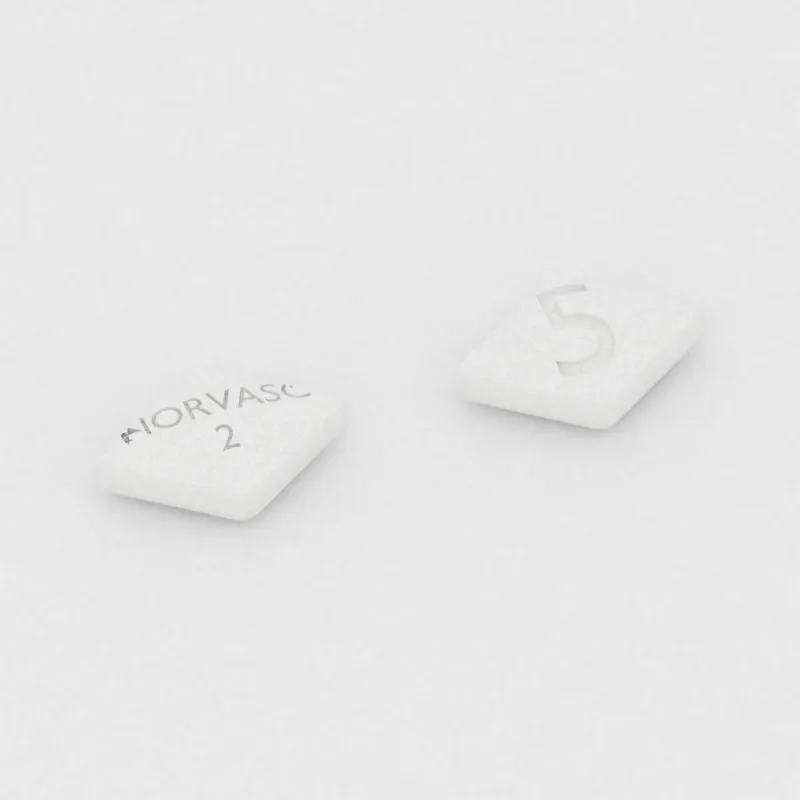

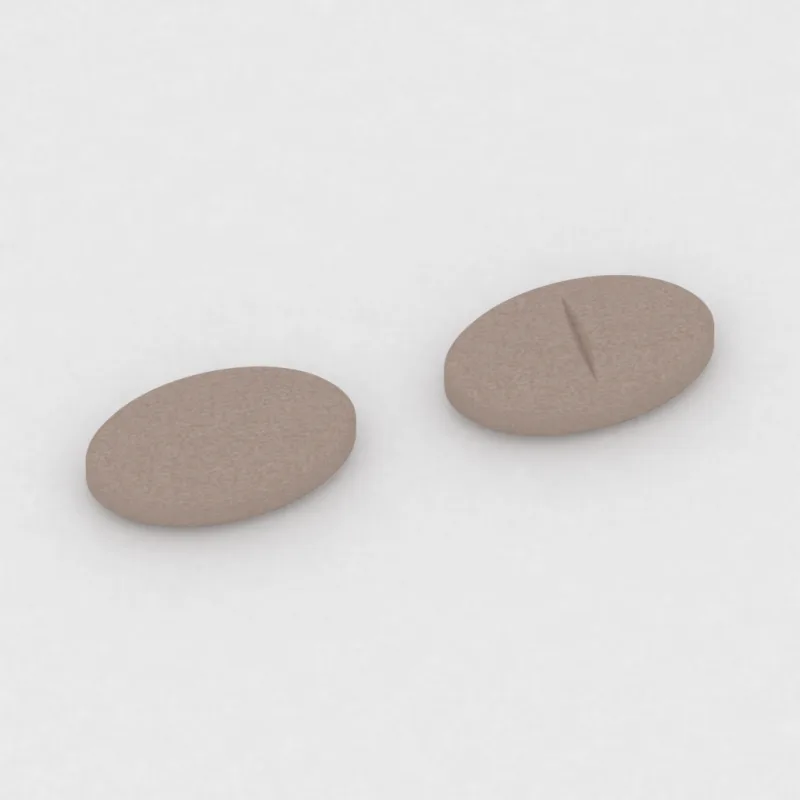
Rendus réalisés à partir des fiches produit des notices FDA : couleur, forme, taille et inscription. 57 versions documentées chez 24 laboratoires.
Amlodipine : l'essentiel
Faits, idées reçues et affirmations en ligneL'amlodipine (Norvasc, Katerzia) est un inhibiteur calcique dihydropyridinique. Elle détend les vaisseaux sanguins, de sorte que la pression artérielle baisse et que le cœur travaille moins. Elle est autorisée pour l'hypertension artérielle et la maladie coronarienne, y compris l'angor stable chronique et l'angor vasospastique. Elle se prend une fois par jour, avec ou sans nourriture, sous forme de comprimé, de solution buvable ou de suspension. La dose habituelle chez l'adulte est de 5 mg par jour, avec un maximum de 10 mg.
Interactions d'après la notice
Interactions majeures (14)
Literature reports suggest that oral calcium antagonists may be used in combination with beta-adrenergic blocking agents when heart function is normal, but should be avoided in patients with impaired cardiac function. (notice Bétaxolol, Interactions médicamenteuses)
- Chlorure de calciumMajeure
• Calcium Channel Blockers: Avoid concomitant use with Calcium Chloride Injection. (notice Chlorure de calcium, Interactions médicamenteuses)
Table 2: Oral drugs that can be administered concomitantly with Ferric Citrate Tablets Amlodipine Aspirin Atorvastatin Calcitriol Clopidogrel Digoxin Diltiazem Doxercalciferol Enalapril Fluvastatin Glimepiride Levofloxacin Losartan Metoprolol Pravastatin Propranolol Sitagliptin Warfarin Oral drugs that have to be separated from Ferric Citrate Tablets and meals… (notice Citrate ferrique, Interactions médicamenteuses)
…with colchicine; markedly increased transaminases with lomitapide; rhabdomyolysis with simvastatin, lovastatin, and atorvastatin; hypoglycemia and cardiac arrhythmias (e.g., torsades de pointes) with disopyramide; and hypotension and acute kidney injury with calcium channel blockers metabolized by CYP3A4 (e.g., verapamil, amlodipine, diltiazem, nifedipine). (notice Clarithromycine, Mises en garde et précautions)
Use CLOZARIL cautiously in patients with cardiovascular or cerebrovascular disease or conditions predisposing to hypotension (e.g., dehydration, use of antihypertensive medications) [see Dosage and Administration ( 2.2 , 2.6 ), Warnings and Precautions ( 5.2 )]. (notice Clozapine, Mise en garde encadrée)
The concomitant use of RYANODEX and calcium channel blockers is not recommended during the treatment of malignant hyperthermia. (notice Dantrolène, Interactions médicamenteuses)
…of active abnormal bleeding within the previous 30 days Severe hypertension (systolic blood pressure >200 mm Hg or diastolic blood pressure >110 mm Hg) not adequately controlled on antihypertensive therapy Major surgery within the preceding 6 weeks History of stroke within 30 days or any history of hemorrhagic stroke Current or planned administration of another… (notice Eptifibatide, Contre-indications)
IV administration of cardiodepressant calcium-channel antagonists (e.g., verapamil) and BREVIBLOC in close proximity (i.e., while cardiac effects from the other are still present); fatal cardiac arrests have occurred in patients receiving BREVIBLOC and intravenous verapamil. (notice Esmolol, Contre-indications)
Calcium Channel Blockers Felodipine Nisoldipine Contraindicated during and 2 weeks after TOLSURA treatment. (notice Itraconazole, Interactions médicamenteuses)
IV administration of non-dihydropyridine calcium-channel antagonists (e.g., verapamil) Hypersensitivity reactions, including anaphylaxis, to labetalol Bronchial asthma ( 4 ) (notice Labétalol, Contre-indications)
Other Antihypertensive Drugs When metolazone tablets, USP, are used with other antihypertensive drugs, particular care must be taken to avoid excessive reduction of blood pressure, especially during initial therapy. (notice Métolazone, Mises en garde)
Le millepertuis peut affaiblir ces médicaments en accélérant leur dégradation, ce qui peut se traduire par un rejet d'organe, des caillots ou une perte d'effet. (NCCIH, St. John's Wort)
Minoxidil should be reserved for hypertensive patients who do not respond adequately to maximum therapeutic doses of a diuretic and two other antihypertensive agents. (notice Minoxidil, Mise en garde encadrée)
…coadministration of an alpha-blocker and CIALIS for the treatment of BPH has not been adequately studied, and due to the potential vasodilatory effects of combined use resulting in blood pressure lowering, the combination of CIALIS and alpha-blockers is not recommended for the treatment of BPH. [see Dosage and Administration ( 2.7 ), Drug Interactions ( 7.1 ),… (notice Tadalafil, Mises en garde et précautions)
Interactions modérées (214)
Immunosuppressants Amlodipine may increase the systemic exposure of cyclosporine or tacrolimus when co-administered. (notice Amlodipine, Interactions médicamenteuses)
Immunosuppressants Amlodipine may increase the systemic exposure of cyclosporine or tacrolimus when co-administered. (notice Amlodipine, Interactions médicamenteuses)
Intervention: During concomitant use of mefenamic acid with diuretics, observe patients for signs of worsening renal function, in addition to assuring diuretic efficacy including antihypertensive effects [see Warnings and Precautions ( 5.6 )] . (notice Acide méfénamique, Interactions médicamenteuses)
Immunosuppressants Amlodipine may increase the systemic exposure of cyclosporine or tacrolimus when co-administered. (notice Amlodipine, Interactions médicamenteuses)
Epinephrine may antagonize the neuronal blockade produced by guanethidine resulting in decreased antihypertensive effect and requiring increased dosage of the latter. (notice Adrénaline, Interactions médicamenteuses)
Immunosuppressants Amlodipine may increase the systemic exposure of cyclosporine or tacrolimus when co-administered. (notice Amlodipine, Interactions médicamenteuses)
Postural hypotension/syncope: Care should be taken in patients with symptomatic hypotension or who have had a hypotensive response to other medications or are concomitantly treated with antihypertensive medication or nitrates ( 5.1 ) (notice Alfuzosine, Mises en garde et précautions)
The pressor effects of diethylpropion and those of other drugs may be additive when the drugs are used concomitantly; conversely, diethylpropion may interfere with antihypertensive drugs (i.e., guanethidine, a-methyldopa). (notice Amfépramone, Interactions médicamenteuses)
Impact of Other Drugs on Amlodipine CYP3A Inhibitors Co-administration with CYP3A inhibitors (moderate and strong) results in increased systemic exposure to amlodipine and may require dose reduction. (notice Amlodipine, Interactions médicamenteuses)
Impact of Other Drugs on Amlodipine CYP3A Inhibitors Co-administration with CYP3A inhibitors (moderate and strong) results in increased systemic exposure to amlodipine and may require dose reduction. (notice Amlodipine, Interactions médicamenteuses)
Impact of Other Drugs on Amlodipine CYP3A Inhibitors Co-administration with CYP3A inhibitors (moderate and strong) results in increased systemic exposure to amlodipine and may require dose reduction. (notice Amlodipine, Interactions médicamenteuses)
Impact of Other Drugs on Amlodipine CYP3A Inhibitors Co-administration with CYP3A inhibitors (moderate and strong) results in increased systemic exposure to amlodipine and may require dose reduction. (notice Amlodipine, Interactions médicamenteuses)
Impact of Other Drugs on Amlodipine CYP3A Inhibitors Co-administration with CYP3A inhibitors (moderate and strong) results in increased systemic exposure to amlodipine and may require dose reduction. (notice Amlodipine, Interactions médicamenteuses)
Impact of Other Drugs on Amlodipine CYP3A Inhibitors Co-administration with CYP3A inhibitors (moderate and strong) results in increased systemic exposure to amlodipine and may require dose reduction. (notice Amlodipine, Interactions médicamenteuses)
Antihypertensive Drugs Due to its alpha-adrenergic antagonism, aripiprazole has the potential to enhance the effect of certain antihypertensive agents. (notice Aripiprazole, Interactions médicamenteuses)
Blood pressure should be closely monitored when amlodipine is co-administered with CYP3A inducers. (notice Amlodipine, Interactions médicamenteuses)
Orthostatic vital signs should be monitored in patients who are vulnerable to hypotension (elderly patients, patients with dehydration, hypovolemia, concomitant treatment with antihypertensive medications, patients with known cardiovascular disease (history of myocardial infarction or ischemic heart disease, heart failure, or conduction abnormalities), and patients… (notice Asénapine, Mises en garde et précautions)
(See DOSAGE AND ADMINISTRATION . ) Concomitant Use of Calcium Channel Blockers Bradycardia and heart block can occur and the left ventricular end diastolic pressure can rise when beta-blockers are administered with verapamil or diltiazem. (notice Aténolol, Mises en garde)
Because of its relative beta 1 -selectivity, however, atenolol and chlorthalidone may be used with caution in patients with bronchospastic disease who do not respond to or cannot tolerate, other antihypertensive treatment. (notice Aténolol et chlortalidone, Mises en garde)
Antihypertensive Drugs Prevention or Management Increase the frequency of monitoring blood pressure and adjust atomoxetine oral solution dosage as clinically appropriate. (notice Atomoxétine, Interactions médicamenteuses)
CYP3A4 Substrate When administered with avanafil 200 mg, amlodipine (5 mg daily) increased the C max and AUC of avanafil by approximately 22% and 70%, respectively. (notice Avanafil, Interactions médicamenteuses)
Immunosuppressants Amlodipine may increase the systemic exposure of cyclosporine or tacrolimus when co-administered. (notice Amlodipine, Interactions médicamenteuses)
Immunosuppressants Amlodipine may increase the systemic exposure of cyclosporine or tacrolimus when co-administered. (notice Amlodipine, Interactions médicamenteuses)
The thiazide component of Lotensin HCT may potentiate the action of other antihypertensive drugs, especially ganglionic or peripheral adrenergic-blocking drugs. (notice Bénazépril et hydrochlorothiazide, Mises en garde)
Amphetamines may decrease the hypotensive effect of antihypertensives. (notice Benzfétamine, Interactions médicamenteuses)
Because of its relative beta 1 -selectivity, however, BISOPROLOL FUMARATE may be used with caution in patients with bronchospastic disease who do not respond to, or who cannot tolerate other antihypertensive treatment. (notice Bisoprolol, Mises en garde)
Because of the relative beta 1 -selectivity of bisoprolol fumarate, bisoprolol fumarate and hydrochlorothiazide tablets may be used with caution in patients with bronchospastic disease who do not respond to, or who cannot tolerate other antihypertensive treatment. (notice Bisoprolol et hydrochlorothiazide, Mises en garde)
- BortézomibModérée
Hypotension: Use caution when treating patients taking antihypertensives, with a history of syncope, or with dehydration. (notice Bortézomib, Mises en garde et précautions)
Blood pressure should be closely monitored when amlodipine is co-administered with CYP3A inducers. (notice Amlodipine, Interactions médicamenteuses)
Orthostatic vital signs should be monitored in patients who are vulnerable to hypotension (e.g., elderly patients, patients with dehydration, hypovolemia, concomitant treatment with antihypertensive medication), patients with known cardiovascular disease (history of myocardial infarction, ischemic heart disease, heart failure, or conduction abnormalities), and… (notice Brexpiprazole, Mises en garde et précautions)
Antihypertensives/Cardiac Glycosides Because brimonidine tartrate ophthalmic solution 0.1% and 0.15% may reduce blood pressure, caution in using drugs such as antihypertensives and/or cardiac glycosides with brimonidine tartrate ophthalmic solution 0.1% and 0.15% is advised. (notice Brimonidine, Interactions médicamenteuses)
Oral or intravenous calcium antagonists may cause atrioventricular conduction disturbances, left ventricular failure, and hypotension. (notice Brimonidine et timolol, Interactions médicamenteuses)
Use caution in patients taking antihypertensive medications. (notice Bromocriptine, Mises en garde et précautions)
Central Nervous System (CNS) depressants Antihistamines have additive effects with alcohol and other CNS depressants (hypnotics, sedatives, tranquilizers, antianxiety agents, etc.). Antihypertensive drugs Sympathomimetic may reduce the effects of antihypertensive drugs. (notice Bromphéniramine, pseudoéphédrine et dextrométhorphane, Interactions médicamenteuses)
Antihypertensives Bumetanide may potentiate the effect of various antihypertensive drugs, necessitating a reduction in the dosage of these drugs. (notice Bumétanide, Interactions médicamenteuses)
Blood pressure should be closely monitored when amlodipine is co-administered with CYP3A inducers. (notice Amlodipine, Interactions médicamenteuses)
- CarbidopaModérée
Symptomatic postural hypotension has occurred when carbidopa, given with levodopa or carbidopa-levodopa combination products, was added to the treatment of a patient receiving antihypertensive drugs. (notice Carbidopa, Interactions médicamenteuses)
Antihypertensive drugs: May cause symptomatic postural hypotension. (notice Carbidopa et lévodopa, Interactions médicamenteuses)
Antihypertensive Agents Symptomatic postural hypotension has occurred when carbidopa/levodopa was added to the treatment of patients receiving antihypertensive drugs. (notice Carbidopa, lévodopa et entacapone, Interactions médicamenteuses)
Orthostatic vital signs should be monitored in patients who are vulnerable to hypotension (e.g., elderly patients, patients with dehydration, hypovolemia, and concomitant treatment with antihypertensive medications), patients with known cardiovascular disease (history of myocardial infarction, ischemic heart disease, heart failure, or conduction abnormalities), and… (notice Cariprazine, Mises en garde et précautions)
COREG may be used with caution, however, in patients who do not respond to, or cannot tolerate, other antihypertensive agents. (notice Carvédilol, Mises en garde et précautions)
Intervention: During concomitant use of VYSCOXA with diuretics, observe patients for signs of worsening renal function, in addition to assuring diuretic efficacy including antihypertensive effects [ see Warnings and Precautions (5.6) ]. (notice Célécoxib, Interactions médicamenteuses)
Impact of Other Drugs on Amlodipine CYP3A Inhibitors Co-administration with CYP3A inhibitors (moderate and strong) results in increased systemic exposure to amlodipine and may require dose reduction. (notice Amlodipine, Interactions médicamenteuses)
Thiazides may add to or potentiate the action of other antihypertensive drugs. (notice Chlorothiazide, Mises en garde)
Effect of chlorthalidone on other drugs Chlorthalidone may add to or potentiate the action of other antihypertensive drugs. (notice Chlortalidone, Interactions médicamenteuses)
Frequent monitoring of trough blood levels of cyclosporine and tacrolimus is recommended and adjust the dose when appropriate [see Clinical Pharmacology (12.3) ] . (notice Amlodipine, Interactions médicamenteuses)
Impact of Other Drugs on Amlodipine CYP3A Inhibitors Co-administration with CYP3A inhibitors (moderate and strong) results in increased systemic exposure to amlodipine and may require dose reduction. (notice Amlodipine, Interactions médicamenteuses)
Immunosuppressants Amlodipine may increase the systemic exposure of cyclosporine or tacrolimus when co-administered. (notice Amlodipine, Interactions médicamenteuses)
Blood pressure should be closely monitored when amlodipine is co-administered with CYP3A inducers. (notice Amlodipine, Interactions médicamenteuses)
Drugs that affect sinus node function or AV node conduction (e.g., digitalis, calcium channel blockers, beta blockers) Clinical Implication Concomitant use of drugs that affect sinus node function or AV node conduction with clonidine potentiate bradycardia and risk of AV block [see Warnings and Precautions (5.1) ]. (notice Clonidine, Interactions médicamenteuses)
…concomitant use of TONMYA with: MAO inhibitors may be life-threatening [see Contraindications (4) ] , Alcohol, barbiturates, and other CNS depressants may increase the risk of adverse reactions associated with these drugs, Tramadol may increase the seizure risk, Guanethidine or other similar acting drugs may block the antihypertensive action of these drugs. (notice Cyclobenzaprine, Interactions médicamenteuses)
Immunosuppressants Amlodipine may increase the systemic exposure of cyclosporine or tacrolimus when co-administered. (notice Amlodipine, Interactions médicamenteuses)
Blood pressure should be closely monitored when amlodipine is co-administered with CYP3A inducers. (notice Amlodipine, Interactions médicamenteuses)
Blood pressure should be closely monitored when amlodipine is co-administered with CYP3A inducers. (notice Amlodipine, Interactions médicamenteuses)
• Antihypertensive Drugs: Monitor blood pressure. (notice Dexméthylphénidate, Interactions médicamenteuses)
Intervention: During concomitant use of ZIPSOR with diuretics, observe patients for signs of worsening renal function, in addition to assuring diuretic efficacy including antihypertensive effects [ see Warnings and Precautions ( 5.6 ) ]. (notice Diclofénac, Interactions médicamenteuses)
Intervention: During concomitant use of diclofenac sodium/misoprostol with diuretics, observe patients for signs of worsening renal function, in addition to assuring diuretic efficacy including antihypertensive effects [see Warnings and Precautions (5.7) ] . (notice Diclofénac et misoprostol, Interactions médicamenteuses)
Beta-adrenergic Blockers and Calcium Channel Blockers Additive effects on AV node conduction can result in complete heart block. (notice Digoxine, Interactions médicamenteuses)
Impact of Other Drugs on Amlodipine CYP3A Inhibitors Co-administration with CYP3A inhibitors (moderate and strong) results in increased systemic exposure to amlodipine and may require dose reduction. (notice Amlodipine, Interactions médicamenteuses)
Concomitant medications were grouped as ACE inhibitors, oral anticoagulants, calcium channel blockers, beta blockers, cardiac glycosides, inducers of CYP3A4, substrates and inhibitors of CYP3A4, substrates and inhibitors of P-glycoprotein, nitrates, sulphonylureas, loop diuretics, potassium sparing diuretics, thiazide diuretics, substrates and inhibitors of tubular… (notice Dofétilide, Interactions médicamenteuses)
Oral or intravenous calcium antagonists may cause atrioventricular conduction disturbances, left ventricular failure, and hypotension. (notice Dorzolamide et timolol, Interactions médicamenteuses)
Impact of Other Drugs on Amlodipine CYP3A Inhibitors Co-administration with CYP3A inhibitors (moderate and strong) results in increased systemic exposure to amlodipine and may require dose reduction. (notice Amlodipine, Interactions médicamenteuses)
Possible pharmacodynamic interactions can occur between droperidol and potentially arrhythmogenic agents such as class I or III antiarrhythmics, antihistamines that prolong the QT interval, antimalarials, calcium channel blockers, neuroleptics that prolong the QT interval, and antidepressants. (notice Dropéridol, Interactions médicamenteuses)
The risk of BP decreases may be greater in patients taking concomitant medications that induce orthostatic hypotension (such as antihypertensives) or are potent CYP1A2 inhibitors [see Drug Interactions ( 7.1 )] and in patients taking duloxetine delayed-release capsules at doses above 60 mg daily. (notice Duloxétine, Mises en garde et précautions)
Calcium Channel Antagonists Coadministration of verapamil or diltiazem decreases dutasteride clearance and leads to increased exposure to dutasteride. (notice Dutastéride, Interactions médicamenteuses)
Calcium Channel Antagonists Dutasteride Coadministration of verapamil or diltiazem decreases dutasteride clearance and leads to increased exposure to dutasteride. (notice Dutastéride et tamsulosine, Interactions médicamenteuses)
Impact of Other Drugs on Amlodipine CYP3A Inhibitors Co-administration with CYP3A inhibitors (moderate and strong) results in increased systemic exposure to amlodipine and may require dose reduction. (notice Amlodipine, Interactions médicamenteuses)
Impact of Other Drugs on Amlodipine CYP3A Inhibitors Co-administration with CYP3A inhibitors (moderate and strong) results in increased systemic exposure to amlodipine and may require dose reduction. (notice Amlodipine, Interactions médicamenteuses)
Impact of Other Drugs on Amlodipine CYP3A Inhibitors Co-administration with CYP3A inhibitors (moderate and strong) results in increased systemic exposure to amlodipine and may require dose reduction. (notice Amlodipine, Interactions médicamenteuses)
The administration of other potassium-sparing antihypertensives with NSAIDs has been shown to reduce the antihypertensive effect in some patients and result in severe hyperkalemia in patients with impaired renal function. (notice Éplérénone, Interactions médicamenteuses)
- Époétine alfaModérée
Following initiation and titration of Epogen, approximately 25% of patients on dialysis required initiation of or increases in antihypertensive therapy; hypertensive encephalopathy and seizures have been reported in patients with CKD receiving Epogen. (notice Époétine alfa, Mises en garde et précautions)
Additional reductions in blood pressure may occur when VELETRI is administered with diuretics, antihypertensive agents, or other vasodilators. (notice Époprosténol, Interactions médicamenteuses)
Impact of Other Drugs on Amlodipine CYP3A Inhibitors Co-administration with CYP3A inhibitors (moderate and strong) results in increased systemic exposure to amlodipine and may require dose reduction. (notice Amlodipine, Interactions médicamenteuses)
Blood pressure should be closely monitored when amlodipine is co-administered with CYP3A inducers. (notice Amlodipine, Interactions médicamenteuses)
Immunosuppressants Amlodipine may increase the systemic exposure of cyclosporine or tacrolimus when co-administered. (notice Amlodipine, Interactions médicamenteuses)
Blood pressure should be closely monitored when amlodipine is co-administered with CYP3A inducers. (notice Amlodipine, Interactions médicamenteuses)
Impact of Other Drugs on Amlodipine CYP3A Inhibitors Co-administration with CYP3A inhibitors (moderate and strong) results in increased systemic exposure to amlodipine and may require dose reduction. (notice Amlodipine, Interactions médicamenteuses)
Do not exceed doses greater than 20 mg daily of simvastatin. (notice Amlodipine, Interactions médicamenteuses)
Intervention: During concomitant use of FENOPROFEN CALCIUM with diuretics, observe patients for signs of worsening renal function, in addition to assuring diuretic efficacy including antihypertensive effects [ see Warnings and Precautions ( 5.6 ) ]. (notice Fénoprofène, Interactions médicamenteuses)
Immunosuppressants Amlodipine may increase the systemic exposure of cyclosporine or tacrolimus when co-administered. (notice Amlodipine, Interactions médicamenteuses)
Impact of Other Drugs on Amlodipine CYP3A Inhibitors Co-administration with CYP3A inhibitors (moderate and strong) results in increased systemic exposure to amlodipine and may require dose reduction. (notice Amlodipine, Interactions médicamenteuses)
Intervention: During concomitant use of flurbiprofen with diuretics, observe patients for signs of worsening renal function, in addition to assuring diuretic efficacy including antihypertensive effects [ see Warnings and Precautions (5) ]. (notice Flurbiprofène, Interactions médicamenteuses)
Impact of Other Drugs on Amlodipine CYP3A Inhibitors Co-administration with CYP3A inhibitors (moderate and strong) results in increased systemic exposure to amlodipine and may require dose reduction. (notice Amlodipine, Interactions médicamenteuses)
The thiazide component of fosinopril sodium and hydrochlorothiazide may potentiate the action of other antihypertensive drugs, especially ganglionic or peripheral adrenergic-blocking drugs. (notice Fosinopril et hydrochlorothiazide, Mises en garde)
Blood pressure should be closely monitored when amlodipine is co-administered with CYP3A inducers. (notice Amlodipine, Interactions médicamenteuses)
Immunosuppressants Amlodipine may increase the systemic exposure of cyclosporine or tacrolimus when co-administered. (notice Amlodipine, Interactions médicamenteuses)
Monitor for changes in blood pressure and adjust the dose of other antihypertensive drugs if needed. (notice Furosémide, Interactions médicamenteuses)
- Gluconate de calciumModérée
Calcium Channel Blockers : Administration of calcium may reduce the response. (notice Gluconate de calcium, Interactions médicamenteuses)
Blood pressure should be closely monitored when amlodipine is co-administered with CYP3A inducers. (notice Amlodipine, Interactions médicamenteuses)
Immunosuppressants Amlodipine may increase the systemic exposure of cyclosporine or tacrolimus when co-administered. (notice Amlodipine, Interactions médicamenteuses)
During concomitant use of hydrocodone bitartrate and ibuprofen tablets with diuretics, observe patients for signs of worsening renal function, in addition to assuring diuretic efficacy including antihypertensive effects (see WARNINGS: Renal Toxicity and Hyperkalemia ). (notice Hydrocodone et ibuprofène, Interactions médicamenteuses)
Intervention: During concomitant use of CALDOLOR with diuretics, observe patients for signs of worsening renal function, in addition to assuring diuretic efficacy including antihypertensive effects [ see Warnings and Precautions ( 5.6 ) ]. (notice Ibuprofène, Interactions médicamenteuses)
Intervention: During concomitant use of ibuprofen and famotidine tablet with diuretics, observe patients for signs of worsening renal function, in addition to assuring diuretic efficacy including antihypertensive effects [see Warnings and Precautions ( 5.7 )] . (notice Ibuprofène et famotidine, Interactions médicamenteuses)
Orthostatic vital signs should be monitored in patients who are vulnerable to hypotension (e.g., elderly patients, patients with dehydration, hypovolemia, and concomitant treatment with antihypertensive medications), patients with known cardiovascular disease (history of myocardial infarction, ischemic heart disease, heart failure, or conduction abnormalities), and… (notice Ilopéridone, Mises en garde et précautions)
Impact of Other Drugs on Amlodipine CYP3A Inhibitors Co-administration with CYP3A inhibitors (moderate and strong) results in increased systemic exposure to amlodipine and may require dose reduction. (notice Amlodipine, Interactions médicamenteuses)
Drug Interactions Other Antihypertensives: Indapamide may add to or potentiate the action of other antihypertensive drugs. (notice Indapamide, Interactions médicamenteuses)
Monitor patients to assure diuretic efficacy including antihypertensive effects ( 7 ) (notice Indométacine, Interactions médicamenteuses)
Immunosuppressants Amlodipine may increase the systemic exposure of cyclosporine or tacrolimus when co-administered. (notice Amlodipine, Interactions médicamenteuses)
Calcium Antagonists FORANE may lead to marked hypotension in patients treated with calcium antagonists. (notice Isoflurane, Interactions médicamenteuses)
Impact of Other Drugs on Amlodipine CYP3A Inhibitors Co-administration with CYP3A inhibitors (moderate and strong) results in increased systemic exposure to amlodipine and may require dose reduction. (notice Amlodipine, Interactions médicamenteuses)
Impact of Other Drugs on Amlodipine CYP3A Inhibitors Co-administration with CYP3A inhibitors (moderate and strong) results in increased systemic exposure to amlodipine and may require dose reduction. (notice Amlodipine, Interactions médicamenteuses)
Impact of Other Drugs on Amlodipine CYP3A Inhibitors Co-administration with CYP3A inhibitors (moderate and strong) results in increased systemic exposure to amlodipine and may require dose reduction. (notice Amlodipine, Interactions médicamenteuses)
VIMPAT should also be used with caution in patients on concomitant medications that affect cardiac conduction, including sodium channel blockers, beta-blockers, calcium channel blockers, potassium channel blockers, and medications that prolong the PR interval [see Drug Interactions (7.2) ] . (notice Lacosamide, Mises en garde et précautions)
Immunosuppressants Amlodipine may increase the systemic exposure of cyclosporine or tacrolimus when co-administered. (notice Amlodipine, Interactions médicamenteuses)
Impact of Other Drugs on Amlodipine CYP3A Inhibitors Co-administration with CYP3A inhibitors (moderate and strong) results in increased systemic exposure to amlodipine and may require dose reduction. (notice Amlodipine, Interactions médicamenteuses)
When a diuretic is added to the therapy of a patient receiving lisinopril, an additional antihypertensive effect is usually observed (see DOSAGE AND ADMINISTRATION ). (notice Lisinopril et hydrochlorothiazide, Interactions médicamenteuses)
Calcium Channel Blocking Agents (CCB) Clinical Impact: Concomitant use may increase the risk of neurologic adverse reactions in the form of ataxia, tremors, nausea, vomiting, diarrhea and/or tinnitus. (notice Lithium, Interactions médicamenteuses)
- LomitapideModérée
Weak CYP3A4 Inhibitors Weak CYP3A4 inhibitors (such as alprazolam, amiodarone, amlodipine, atorvastatin, bicalutamide, cilostazol, cimetidine, cyclosporine, fluoxetine, fluvoxamine, ginkgo, goldenseal, isoniazid, lapatinib, nilotinib, pazopanib, ranitidine, ranolazine, ticagrelor, zileuton) can increase lomitapide exposure approximately 2-fold [see Clinical Pharmacology… (notice Lomitapide, Interactions médicamenteuses)
Blood pressure should be closely monitored when amlodipine is co-administered with CYP3A inducers. (notice Amlodipine, Interactions médicamenteuses)
Orthostatic vital signs should be monitored in patients who are vulnerable to hypotension (e.g., elderly patients, patients with dehydration, hypovolemia, and concomitant treatment with antihypertensive drugs), patients with known cardiovascular disease (history of myocardial infarction, ischemic heart disease, heart failure, or conduction abnormalities), and patients… (notice Lumatépérone, Mises en garde et précautions)
Patients at increased risk of these adverse reactions or at increased risk of developing complications from hypotension include those with dehydration, hypovolemia, treatment with antihypertensive medication, history of cardiovascular disease (e.g., heart failure, myocardial infarction, ischemia, or conduction abnormalities), history of cerebrovascular disease,… (notice Lurasidone, Mises en garde et précautions)
The action of Mecamylamine HCl may be potentiated by anesthesia, other antihypertensive drugs and alcohol. (notice Mécamylamine, Interactions médicamenteuses)
Other Drugs that Prolong the QTc Interval Coadministration of other drugs known to alter cardiac conduction (e.g., anti-arrhythmic or beta-adrenergic blocking agents, calcium channel blockers, antihistamines or H 1 -blocking agents, tricyclic antidepressants and phenothiazines) might also contribute to a prolongation of the QTc interval. (notice Méfloquine, Interactions médicamenteuses)
Intervention: During concomitant use of QAMZOVA with diuretics, observe patients for signs of worsening renal function, in addition to assuring diuretic efficacy including antihypertensive effects [ see Warnings and Precautions ( 5.6 ) ]. (notice Méloxicam, Interactions médicamenteuses)
Immunosuppressants Amlodipine may increase the systemic exposure of cyclosporine or tacrolimus when co-administered. (notice Amlodipine, Interactions médicamenteuses)
Examples: Drugs known to have potential to prolong QT interval: Class I and III antiarrhythmics, some neuroleptics and tricyclic antidepressants, and calcium channel blockers. (notice Méthadone, Interactions médicamenteuses)
Immunosuppressants Amlodipine may increase the systemic exposure of cyclosporine or tacrolimus when co-administered. (notice Amlodipine, Interactions médicamenteuses)
Antihypertensive Drugs: Monitor blood pressure. (notice Méthylphénidate, Interactions médicamenteuses)
Digitalis, Clonidine, and Calcium Channel Blockers: Digitalis glycosides, clonidine, diltiazem and verapamil slow atrioventricular conduction and decrease heart rate. (notice Métoprolol et hydrochlorothiazide, Interactions médicamenteuses)
Impact of Other Drugs on Amlodipine CYP3A Inhibitors Co-administration with CYP3A inhibitors (moderate and strong) results in increased systemic exposure to amlodipine and may require dose reduction. (notice Amlodipine, Interactions médicamenteuses)
Impact of Other Drugs on Amlodipine CYP3A Inhibitors Co-administration with CYP3A inhibitors (moderate and strong) results in increased systemic exposure to amlodipine and may require dose reduction. (notice Amlodipine, Interactions médicamenteuses)
REMERON/REMERONSolTab should be used with caution in patients with known cardiovascular or cerebrovascular disease that could be exacerbated by hypotension (history of myocardial infarction, angina, or ischemic stroke) and conditions that would predispose patients to hypotension (dehydration, hypovolemia, and treatment with antihypertensive medication). (notice Mirtazapine, Mises en garde et précautions)
Blood pressure should be closely monitored when amlodipine is co-administered with CYP3A inducers. (notice Amlodipine, Interactions médicamenteuses)
Blood pressure should be closely monitored when amlodipine is co-administered with CYP3A inducers. (notice Amlodipine, Interactions médicamenteuses)
Blood pressure should be closely monitored when amlodipine is co-administered with CYP3A inducers. (notice Amlodipine, Interactions médicamenteuses)
Marked symptomatic orthostatic hypotension has been reported when calcium channel blockers and organic nitrates were used in combination. (notice Mononitrate d'isosorbide, Interactions médicamenteuses)
Immunosuppressants Amlodipine may increase the systemic exposure of cyclosporine or tacrolimus when co-administered. (notice Amlodipine, Interactions médicamenteuses)
Blood pressure should be closely monitored when amlodipine is co-administered with CYP3A inducers. (notice Amlodipine, Interactions médicamenteuses)
( 5.3 Hepatotoxicity) Hypertension: Patients taking some antihypertensive medications may have impaired response to these therapies when taking NSAIDs. (notice Naproxène, Mises en garde et précautions)
Intervention : During concomitant use of naproxen and esomeprazole magnesium delayed-release tablets with diuretics, observe patients for signs of worsening renal function, in addition to assuring diuretic efficacy including antihypertensive effects [see Warnings and Precautions (5.6) ]. (notice Naproxène et ésoméprazole, Interactions médicamenteuses)
Immunosuppressants Amlodipine may increase the systemic exposure of cyclosporine or tacrolimus when co-administered. (notice Amlodipine, Interactions médicamenteuses)
Non-dihydropyridine Calcium Channel Blockers Because of significant negative inotropic and chronotropic effects in patients treated with β-blockers and calcium channel blockers of the verapamil and diltiazem type, monitor the ECG and blood pressure in patients treated concomitantly with these agents. (notice Nébivolol, Mises en garde et précautions)
Impact of Other Drugs on Amlodipine CYP3A Inhibitors Co-administration with CYP3A inhibitors (moderate and strong) results in increased systemic exposure to amlodipine and may require dose reduction. (notice Amlodipine, Interactions médicamenteuses)
Blood pressure should be closely monitored when amlodipine is co-administered with CYP3A inducers. (notice Amlodipine, Interactions médicamenteuses)
- NiacineModérée
Caution should also be used when niacin extended-release tablets are used in patients with unstable angina or in the acute phase of an MI, particularly when such patients are also receiving vasoactive drugs such as nitrates, calcium channel blockers, or adrenergic blocking agents. (notice Niacine, Mises en garde et précautions)
Blood Pressure Lowering Drugs Nimodipine may increase the blood pressure lowering effect of concomitantly administered anti-hypertensives such as diuretics, beta-blockers, ACE inhibitors, angiotensin receptor blockers, other calcium channel blockers, α-adrenergic blockers, PDE5 inhibitors, and α-methyldopa. (notice Nimodipine, Interactions médicamenteuses)
Immunosuppressants Amlodipine may increase the systemic exposure of cyclosporine or tacrolimus when co-administered. (notice Amlodipine, Interactions médicamenteuses)
- OctréotideModérée
Beta Blocker and Calcium Channel Blockers : dose adjustment of beta blockers or calcium channel blockers may be necessary ( 7 ). (notice Octréotide, Interactions médicamenteuses)
…of myocardial infarction or ischemia, heart failure, or conduction abnormalities), cerebrovascular disease, and conditions which would predispose patients to hypotension (dehydration, hypovolemia, and treatment with antihypertensive medications) where the occurrence of syncope, or hypotension and/or bradycardia might put the patient at increased medical risk. (notice Olanzapine, Mises en garde et précautions)
…and fluoxetine capsules should be used with particular caution in patients with known cardiovascular disease (history of myocardial infarction or ischemia, heart failure, or conduction abnormalities), cerebrovascular disease, or conditions that would predispose patients to hypotension (dehydration, hypovolemia, and treatment with antihypertensive medications). (notice Olanzapine et fluoxétine, Mises en garde et précautions)
- Olmésartan, amlodipine et hydrochlorothiazideantagoniste des récepteurs de l'angiotensine II (ARA II)Modérée
Impact of Other Drugs on Amlodipine CYP3A Inhibitors Co-administration with CYP3A inhibitors (moderate and strong) results in increased systemic exposure to amlodipine and may require dose reduction. (notice Amlodipine, Interactions médicamenteuses)
Intervention: During concomitant use of OXAPROZIN CAPSULES with diuretics, observe patients for signs of worsening renal function, in addition to assuring diuretic efficacy including antihypertensive effects [see WARNINGS AND PRECAUTIONS (5.6) ]. (notice Oxaprozine, Interactions médicamenteuses)
Blood pressure should be closely monitored when amlodipine is co-administered with CYP3A inducers. (notice Amlodipine, Interactions médicamenteuses)
Impact of Other Drugs on Amlodipine CYP3A Inhibitors Co-administration with CYP3A inhibitors (moderate and strong) results in increased systemic exposure to amlodipine and may require dose reduction. (notice Amlodipine, Interactions médicamenteuses)
Use ERZOFRI with caution in patients with known cardiovascular disease (e.g., heart failure, history of myocardial infarction or ischemia, conduction abnormalities), cerebrovascular disease, or conditions that predispose the patient to hypotension (e.g., dehydration, hypovolemia, and treatment with antihypertensive medications). (notice Palipéridone, Mises en garde et précautions)
Le jus de pamplemousse peut augmenter les taux sanguins de certains inhibiteurs calciques utilisés contre l'hypertension, ce qui peut provoquer une baisse excessive de la pression artérielle. (FDA, Grapefruit Juice and Some Drugs Don't Mix)
• Hypertension : Patients taking some antihypertensive medications may have impaired response to these therapies when taking NSAIDs. (notice Paracétamol et ibuprofène, Mises en garde et précautions)
- PasiréotideModérée
Adjustments in the dose of drugs known to slow the heart rate (e.g., beta-blockers, calcium channel blockers) and correction of electrolyte disturbances may be necessary when initiating or during the course of SIGNIFOR LAR treatment. (notice Pasiréotide, Mises en garde et précautions)
- PazopanibModérée
Monitor blood pressure as clinically indicated and initiate and adjust antihypertensive therapy as appropriate. (notice Pazopanib, Mises en garde et précautions)
Small decreases in blood pressure have been observed in some patients treated with pentoxifylline extended-release tablets; periodic systemic blood pressure monitoring is recommended for patients receiving concomitant antihypertensive therapy. (notice Pentoxifylline, Interactions médicamenteuses)
Impact of Other Drugs on Amlodipine CYP3A Inhibitors Co-administration with CYP3A inhibitors (moderate and strong) results in increased systemic exposure to amlodipine and may require dose reduction. (notice Amlodipine, Interactions médicamenteuses)
…hydrochloride desipramine hydrochloride imipramine hydrochloride doxepin carbamazepine cyclobenzaprine HCl amoxapine maprotiline HCl trimipramine maleate protriptyline HCl mirtazapine Phenelzine sulfate should be used with caution in combination with antihypertensive drugs, including thiazide diuretics and β-blockers, since exaggerated hypotensive effects may result. (notice Phénelzine, Mises en garde)
Blood pressure should be closely monitored when amlodipine is co-administered with CYP3A inducers. (notice Amlodipine, Interactions médicamenteuses)
Blood pressure should be closely monitored when amlodipine is co-administered with CYP3A inducers. (notice Amlodipine, Interactions médicamenteuses)
Antagonistic Effects (decrease in BIORPHEN blood pressure effect) can occur with α-adrenergic antagonists, phosphodiesterase Type 5 inhibitors, mixed α- and β-receptor antagonists, calcium channel blockers, benzodiazepines and ACE inhibitors, centrally acting sympatholytic agents. (notice Phényléphrine, Interactions médicamenteuses)
Blood pressure should be closely monitored when amlodipine is co-administered with CYP3A inducers. (notice Amlodipine, Interactions médicamenteuses)
Immunosuppressants Amlodipine may increase the systemic exposure of cyclosporine or tacrolimus when co-administered. (notice Amlodipine, Interactions médicamenteuses)
Monitor patients to assure diuretic efficacy including antihypertensive effects (7) (notice Piroxicam, Interactions médicamenteuses)
Immunosuppressants Amlodipine may increase the systemic exposure of cyclosporine or tacrolimus when co-administered. (notice Amlodipine, Interactions médicamenteuses)
Impact of Other Drugs on Amlodipine CYP3A Inhibitors Co-administration with CYP3A inhibitors (moderate and strong) results in increased systemic exposure to amlodipine and may require dose reduction. (notice Amlodipine, Interactions médicamenteuses)
Syncopal episodes have usually occurred within 30 to 90 minutes of the initial dose of the drug; occasionally, they have been reported in association with rapid dosage increases or the introduction of another antihypertensive drug into the regimen of a patient taking high doses of prazosin hydrochloride capsules. (notice Prazosine, Mises en garde)
Blood pressure should be closely monitored when amlodipine is co-administered with CYP3A inducers. (notice Amlodipine, Interactions médicamenteuses)
The concomitant use of beta-adrenergic blockers and non-dihydropyridine calcium channel blockers (e.g., verapamil and diltiazem), digoxin or clonidine increases the risk of significant bradycardia. (notice Propranolol, Mises en garde et précautions)
Quetiapine should be used with particular caution in patients with known cardiovascular disease (history of myocardial infarction or ischemic heart disease, heart failure, or conduction abnormalities), cerebrovascular disease, or conditions which would predispose patients to hypotension (dehydration, hypovolemia, and treatment with antihypertensive medications). (notice Quétiapine, Mises en garde et précautions)
The thiazide component of quinapril and hydrochlorothiazide tablets may potentiate the action of other antihypertensive drugs, especially ganglionic or peripheral adrenergic- blocking drugs. (notice Quinapril et hydrochlorothiazide, Mises en garde)
Impact of Other Drugs on Amlodipine CYP3A Inhibitors Co-administration with CYP3A inhibitors (moderate and strong) results in increased systemic exposure to amlodipine and may require dose reduction. (notice Amlodipine, Interactions médicamenteuses)
Blood pressure should be closely monitored when amlodipine is co-administered with CYP3A inducers. (notice Amlodipine, Interactions médicamenteuses)
Blood pressure should be closely monitored when amlodipine is co-administered with CYP3A inducers. (notice Amlodipine, Interactions médicamenteuses)
Blood pressure should be closely monitored when amlodipine is co-administered with CYP3A inducers. (notice Amlodipine, Interactions médicamenteuses)
Consider the potential for symptomatic hypotension or ischemia in patients with hypovolemia, severe left ventricular outflow obstruction, resting hypotension, autonomic dysfunction, or concomitant treatment with antihypertensives or strong CYP and P-gp/BCRP inhibitors [see Drug Interactions (7.2) and Clinical Pharmacology (12.3) ] . (notice Riociguat, Mises en garde et précautions)
Clinically significant hypotension has been observed with concomitant use of oral RISPERDAL and antihypertensive medication. (notice Rispéridone, Mises en garde et précautions)
Immunosuppressants Amlodipine may increase the systemic exposure of cyclosporine or tacrolimus when co-administered. (notice Amlodipine, Interactions médicamenteuses)
Immunosuppressants Amlodipine may increase the systemic exposure of cyclosporine or tacrolimus when co-administered. (notice Amlodipine, Interactions médicamenteuses)
Immunosuppressants Amlodipine may increase the systemic exposure of cyclosporine or tacrolimus when co-administered. (notice Amlodipine, Interactions médicamenteuses)
Calcium antagonists Sevoflurane may lead to marked hypotension in patients treated with calcium antagonists. (notice Sévoflurane, Interactions médicamenteuses)
When amlodipine, 5 mg or 10 mg, and sildenafil 100 mg were orally administered concomitantly to hypertensive patients, mean additional blood pressure reductions of 8 mmHg systolic and 7 mmHg diastolic were noted [see Drug Interactions ( 7.3 ) and Clinical Pharmacology ( 12.2 ) ]. (notice Sildénafil, Mises en garde et précautions)
However, patients in the Phase 3 clinical studies taking concomitant antihypertensive medications with silodosin capsules did not experience a significant increase in the incidence of syncope, dizziness, or orthostasis. (notice Silodosine, Mises en garde et précautions)
Do not exceed doses greater than 20 mg daily of simvastatin. (notice Amlodipine, Interactions médicamenteuses)
Immunosuppressants Amlodipine may increase the systemic exposure of cyclosporine or tacrolimus when co-administered. (notice Amlodipine, Interactions médicamenteuses)
- SorafénibModérée
Consider temporary or permanent discontinuation for severe or persistent hypertension despite antihypertensive therapy. (notice Sorafénib, Mises en garde et précautions)
Thiazides may add to or potentiate the action of other antihypertensive drugs. (notice Spironolactone et hydrochlorothiazide, Mises en garde)
Monitor patients to assure diuretic efficacy including antihypertensive effects. (notice Sumatriptan et naproxène, Interactions médicamenteuses)
- SunitinibModérée
Initiate and/or adjust antihypertensive therapy as appropriate. (notice Sunitinib, Mises en garde et précautions)
Impact of Other Drugs on Amlodipine CYP3A Inhibitors Co-administration with CYP3A inhibitors (moderate and strong) results in increased systemic exposure to amlodipine and may require dose reduction. (notice Amlodipine, Interactions médicamenteuses)
Blood pressure should be closely monitored when amlodipine is co-administered with CYP3A inducers. (notice Amlodipine, Interactions médicamenteuses)
Frequent monitoring of trough blood levels of cyclosporine and tacrolimus is recommended and adjust the dose when appropriate [see Clinical Pharmacology (12.3) ] . (notice Amlodipine, Interactions médicamenteuses)
Impact of Other Drugs on Amlodipine CYP3A Inhibitors Co-administration with CYP3A inhibitors (moderate and strong) results in increased systemic exposure to amlodipine and may require dose reduction. (notice Amlodipine, Interactions médicamenteuses)
- TemsirolimusModérée
Monitor patients for signs and symptoms of angioedema when temsirolimus is given concomitantly with angiotensin converting enzyme (ACE) inhibitors (e.g., ramipril) or calcium channel blockers (CCB) (e.g., amlodipine). (notice Temsirolimus, Interactions médicamenteuses)
Risk of Hypotension with Concomitant Use of Other Antihypertensive Agents and Phospodiesterase Type 5 Inhibitors (PDE5-I): Concomitant administration of TEZRULY with antihypertensives or phosphodiesterase-5 (PDE-5) inhibitors can result in additive blood pressure lowering effects and symptomatic hypotension (5.3). (notice Térazosine, Mises en garde et précautions)
Immunosuppressants Amlodipine may increase the systemic exposure of cyclosporine or tacrolimus when co-administered. (notice Amlodipine, Interactions médicamenteuses)
In patients with hypertension on antihypertensive therapy, TLANDO increased the mean systolic/diastolic BP by 4.8/1.6 mm Hg from baseline. [see Adverse Reactions ( 6.1 )] . (notice Testostérone, Mises en garde et précautions)
Impact of Other Drugs on Amlodipine CYP3A Inhibitors Co-administration with CYP3A inhibitors (moderate and strong) results in increased systemic exposure to amlodipine and may require dose reduction. (notice Amlodipine, Interactions médicamenteuses)
Oral or intravenous calcium antagonists may cause atrioventricular conduction disturbances, left ventricular failure, and hypotension. (notice Timolol, Interactions médicamenteuses)
Immunosuppressants Amlodipine may increase the systemic exposure of cyclosporine or tacrolimus when co-administered. (notice Amlodipine, Interactions médicamenteuses)
Immunosuppressants Amlodipine may increase the systemic exposure of cyclosporine or tacrolimus when co-administered. (notice Amlodipine, Interactions médicamenteuses)
Blood pressure should be closely monitored when amlodipine is co-administered with CYP3A inducers. (notice Amlodipine, Interactions médicamenteuses)
Concomitant use with an antihypertensive may require a reduction in the dose of the antihypertensive drug. (notice Trazodone, Mises en garde et précautions)
Thiazides may add to or potentiate the action of other antihypertensive drugs. (notice Triamtérène et hydrochlorothiazide, Interactions médicamenteuses)
Antihypertensives: Possible additive hypotensive effects. (notice Trinitrine, Interactions médicamenteuses)
Immunosuppressants Amlodipine may increase the systemic exposure of cyclosporine or tacrolimus when co-administered. (notice Amlodipine, Interactions médicamenteuses)
Immunosuppressants Amlodipine may increase the systemic exposure of cyclosporine or tacrolimus when co-administered. (notice Amlodipine, Interactions médicamenteuses)
Vardenafil hydrochloride tablets can potentiate the hypotensive effects of nitrates, alpha- blockers, and antihypertensives. (notice Vardénafil, Interactions médicamenteuses)
Metoprolol: Possibly reduced blood-pressure lowering effect despite increased metoprolol plasma levels. (notice Venlafaxine, Interactions médicamenteuses)
Impact of Other Drugs on Amlodipine CYP3A Inhibitors Co-administration with CYP3A inhibitors (moderate and strong) results in increased systemic exposure to amlodipine and may require dose reduction. (notice Amlodipine, Interactions médicamenteuses)
Impact of Other Drugs on Amlodipine CYP3A Inhibitors Co-administration with CYP3A inhibitors (moderate and strong) results in increased systemic exposure to amlodipine and may require dose reduction. (notice Amlodipine, Interactions médicamenteuses)
…propranolol, terbinafine, thiabendazole, ticlopidine, verapamil, zileuton montelukast, moricizine, omeprazole, phenobarbital, phenytoin, cigarette smoking CYP3A4 alprazolam, amiodarone, amlodipine, amprenavir, aprepitant, atorvastatin, atazanavir, bicalutamide, cilostazol, cimetidine, ciprofloxacin, clarithromycin, conivaptan, cyclosporine, darunavir/ritonavir, diltiazem,… (notice Warfarine, Interactions médicamenteuses)
Ziprasidone should be used with particular caution in patients with known cardiovascular disease (history of myocardial infarction or ischemic heart disease, heart failure or conduction abnormalities), cerebrovascular disease, or conditions which would predispose patients to hypotension (dehydration, hypovolemia, and treatment with antihypertensive medications). (notice Ziprasidone, Mises en garde et précautions)
Mentions mineures (45)
Effects of Adenosine on Other Drugs Adenosine injection has been given with other cardioactive drugs (such as beta adrenergic blocking agents, cardiac glycosides, and calcium channel blockers) without apparent adverse interactions, but its effectiveness with these agents has not been systematically evaluated. (notice Adénosine, Interactions médicamenteuses)
In such cases, butorphanol should be discontinued and the hypertension treated with antihypertensive drugs. (notice Butorphanol, Mises en garde)
Most epidemiologic studies examining fetal abnormalities after exposure to antihypertensive use in the first trimester have not distinguished drugs affecting the renin-angiotensin system from other antihypertensive agents. (notice Candésartan et hydrochlorothiazide, Mises en garde)
Most epidemiologic studies examining fetal abnormalities after exposure to antihypertensive use in the first trimester have not distinguished drugs affecting the renin-angiotensin system from other antihypertensive agents. (notice Captopril, Mises en garde)
Chlorpromazine may counteract the antihypertensive effect of guanethidine and related compounds. (notice Chlorpromazine, Mises en garde)
…malignant hyperthermia in patients with known or suspected susceptibility based on genetic factors or family history, including those with certain inherited ryanodine receptor (RYR1) or dihydropyridine receptor (CACNA1S) variants. [see Contraindications (4), Clinical Pharmacology (12.5)] Signs consistent with malignant hyperthermia may include hyperthermia, hypoxia,… (notice Desflurane, Mises en garde et précautions)
This drug is capable of blocking the antihypertensive effect of guanethidine and similarly acting compounds. (notice Désipramine, Mises en garde)
If other contraceptive methods are not suitable, hormonal contraceptive therapy may continue combined with antihypertensive therapy. (notice Désogestrel et éthinylestradiol, Mises en garde)
Antihypertensives Amphetamines may antagonize the hypotensive effects of antihypertensives. (notice Dexamfétamine, Interactions médicamenteuses)
Drug Interactions ACE-inhibitors and Angiotensin II Anagonists Reports suggest that NSAIDs may diminish the antihypertensive effect of ACE-inhibitors and angiotensin II antagonists. (notice Diflunisal, Interactions médicamenteuses)
Most epidemiologic studies examining fetal abnormalities after exposure to antihypertensive use in the first trimester have not distinguished drugs affecting the renin-angiotensin system from other antihypertensive agents. (notice Énalapril et hydrochlorothiazide, Mises en garde)
Examples: α-adrenergic antagonists, β-adrenergic receptor antagonists, reserpine, quinidine, mephentermine Other Drug Interactions G u anethidine C linical Impact: Ephedrine may inhibit the neuron blockage produced by guanethidine, resulting in loss of antihypertensive effectiveness. (notice Éphédrine, Interactions médicamenteuses)
Drug Interactions ACE-inhibitors Reports suggest that NSAIDs may diminish the antihypertensive effect of ACE-inhibitors. (notice Étodolac, Interactions médicamenteuses)
…studies with acetaminophen, acetylsalicylic acid, α-blockers, angiotensin-converting enzyme (ACE) inhibitors, analgesics, anti-convulsants, beta-adrenergic blocking agents, diuretics, calcium channel blockers, cardiac nitrates, HMG-CoA reductase inhibitors, nonsteroidal anti-inflammatory drugs (NSAIDs), benzodiazepines, H 2 antagonists and quinolone anti-infectives… (notice Finastéride, Interactions médicamenteuses)
Most epidemiologic studies examining fetal abnormalities after exposure to antihypertensive use in the first trimester have not distinguished drugs affecting the renin-angiotensin system from other antihypertensive agents. (notice Fosinopril, Mises en garde)
Examples: Thiazides and other diuretics, corticosteroids, phenothiazines, thyroid products, estrogens, oral contraceptives, phenytoin, nicotinic acid, sympathomimetics, calcium channel blockers, and isoniazid. (notice Glibenclamide et metformine, Interactions médicamenteuses)
When other potent parenteral antihypertensive drugs, such as diazoxide, are used in combination with hydralazine, patients should be continuously observed for several hours for any excessive fall in blood pressure. (notice Hydralazine, Interactions médicamenteuses)
- IcatibantMineure
ACE Inhibitors FIRAZYR is a bradykinin B2 receptor antagonist and thereby has the potential to have a pharmacodynamic interaction with ACE inhibitors where FIRAZYR may attenuate the antihypertensive effect of ACE inhibitors. (notice Icatibant, Interactions médicamenteuses)
In a study in hypertensive patients, addition of isradipine to existing hydrochlorothiazide therapy did not result in any unexpected adverse effects, and isradipine had an additional antihypertensive effect. (notice Isradipine, Interactions médicamenteuses)
ACE-inhibitors Reports suggest that NSAIDs may diminish the antihypertensive effect of ACE-inhibitors. (notice Kétoprofène, Mises en garde et précautions)
Reports suggest that NSAIDs may diminish the antihypertensive effect of ACE inhibitors and/or angiotensin II receptor antagonists. (notice Kétorolac, Interactions médicamenteuses)
Examples: Thiazides and other diuretics, corticosteroids, phenothiazines, thyroid products, estrogens, oral contraceptives, phenytoin, nicotinic acid, sympathomimetics, calcium channel blockers, and isoniazid. (notice Metformine, Interactions médicamenteuses)
Drug Interactions When methyldopa is used with other antihypertensive drugs, potentiation of antihypertensive effect may occur. (notice Méthyldopa, Interactions médicamenteuses)
Because of its relative beta 1 cardio-selectivity, however, Metoprolol Tartrate Tablets may be used in patients with bronchospastic disease who do not respond to, or cannot tolerate, other antihypertensive treatment. (notice Métoprolol, Mises en garde et précautions)
In a large compassionate use program mexiletine has been used concurrently with commonly employed antianginal, antihypertensive, and anticoagulant drugs without observed interactions. (notice Mexilétine, Interactions médicamenteuses)
Most epidemiologic studies examining fetal abnormalities after exposure to antihypertensive use in the first trimester have not distinguished drugs affecting the renin-angiotensin system from other antihypertensive agents. (notice Moexipril, Mises en garde)
Drug Interactions: ACE-inhibitors: Reports suggest that NSAIDs may diminish the antihypertensive effect of ACE-inhibitors. (notice Nabumétone, Interactions médicamenteuses)
The blood pressure effect of SULAR tended to be greater in patients on atenolol than in patients on no other antihypertensive therapy. (notice Nisoldipine, Interactions médicamenteuses)
Hypertensive patients, and patients concomitantly receiving other antihypertensive medications, may be more sensitive to the effects of sodium nitroprusside than normal subjects. (notice Nitroprussiate de sodium, Mises en garde)
The antihypertensive action of guanethidine and similar agents may be blocked. (notice Nortriptyline, Mises en garde)
These drugs include the thiazides and other diuretics, corticosteroids, phenothiazines, thyroid products, estrogens, oral contraceptives, phenytoin, nicotinic acid, sympathomimetics, calcium channel blockers, and isoniazid. (notice Pioglitazone et metformine, Interactions médicamenteuses)
Antihypertensive effects of guanethidine and related compounds may be counteracted when phenothiazines are used concomitantly. (notice Prochlorpérazine, Précautions)
Protriptyline may block the antihypertensive effect of guanethidine or similarly acting compounds. (notice Protriptyline, Mises en garde)
Most epidemiologic studies examining fetal abnormalities after exposure to antihypertensive use in the first trimester have not distinguished drugs affecting the renin-angiotensin system from other antihypertensive agents. (notice Quinapril, Mises en garde)
Interactions with other dihydropyridine calcium channel blockers have not been reported, but these agents (including felodipine, nicardipine, and nimodipine ) are all dependent upon P450 IIIA4 for metabolism, so similar interactions with quinidine should be anticipated. (notice Quinidine, Interactions médicamenteuses)
Examples: Atypical antipsychotics (e.g., olanzapine and clozapine), calcium channel antagonists, corticosteroids, danazol, diuretics, estrogens, glucagon, isoniazid, niacin, oral contraceptives, phenothiazines, progestogens (e.g., in oral contraceptives), protease inhibitors, somatropin, sympathomimetic agents (e.g., albuterol, epinephrine, terbutaline), and… (notice Répaglinide, Interactions médicamenteuses)
DRUG INTERACTIONS ACE-inhibitors Reports suggest that NSAIDs may diminish the antihypertensive effect of ACE-inhibitors. (notice Salsalate, Interactions médicamenteuses)
Examples: Thiazides and other diuretics, corticosteroids, phenothiazines, thyroid products, estrogens, oral contraceptives, phenytoin, nicotinic acid, sympathomimetics, calcium channel blockers, and isoniazid. (notice Sitagliptine et metformine, Interactions médicamenteuses)
Drug Interactions ACE-Inhibitors and Angiotensin II Antagonists Reports suggest that NSAIDs may diminish the antihypertensive effect of ACE-inhibitors and angiotensin II antagonists. (notice Sulindac, Interactions médicamenteuses)
QUELICIN can induce malignant hyperthermia in patients with known or suspected susceptibility based on genetic factors or family history, including those with certain inherited ryanodine receptor (RYR1) or dihydropyridine receptor (CACNA1S) variants. [see Contraindications (4) , Clinical Pharmacology (12.5) ] . (notice Suxaméthonium, Mises en garde et précautions)
There is no information available from adequate drug-drug interaction studies with the following classes of drugs: oral contraceptives, hormone replacement therapies, hypoglycemics, phenytoins, thiazide diuretics, and calcium channel blockers. (notice Terbinafine, Interactions médicamenteuses)
DRUG INTERACTIONS ACE Inhibitors: Reports suggest that NSAIDs may diminish the antihypertensive effect of ACE Inhibitors. (notice Tolmétine, Interactions médicamenteuses)
Most epidemiologic studies examining fetal abnormalities after exposure to antihypertensive use in the first trimester have not distinguished drugs affecting the renin-angiotensin system from other antihypertensive agents. (notice Trandolapril, Mises en garde)
Antihypertensive effects of guanethidine and related compounds may be counteracted when phenothiazines are used concurrently. (notice Trifluopérazine, Précautions)
No other formal drug-drug interaction studies between zafirlukast and marketed drugs known to be metabolized by the P450 3A4 (CYP3A4) isoenzyme (e.g., dihydropyridine calcium-channel blockers, cyclosporin, cisapride) have been conducted. (notice Zafirlukast, Précautions)
Aucune interaction significative signalée (1)
Calcium channel blocking agents: Coadministration of calcium channel blockers did not have any effect on either the safety or efficacy of ibutilide in the clinical trials. (notice Ibutilide, Interactions médicamenteuses)
Vérifiez Amlodipine avec tout ce que vous prenez. Ajoutez votre liste complète ; toutes les paires sont vérifiées en une fois.
Ouvrir dans le vérificateurCeci n'est pas un avis médical. Le niveau de gravité reflète la formulation de la notice, pas votre situation. Une alerte « majeure » peut être courante sous surveillance et une alerte « mineure » peut compter à forte dose. Demandez conseil à un pharmacien.