
Aténolol : interactions médicamenteuses
Aténolol (Tenormin), bêtabloquant, présente 304 interactions documentées dans les notices FDA et les fiches d'information que nous indexons : 12 de niveau majeur, 261 de niveau modéré, 29 de niveau mineur et 2 cas où une notice ne signale aucune interaction significative. Chaque entrée ci-dessous cite la phrase sur laquelle elle repose. Cette page consacrée à un médicament est un point de départ, pas un verdict sur votre situation.
À quoi ressemble Aténolol
Voir les 30 versions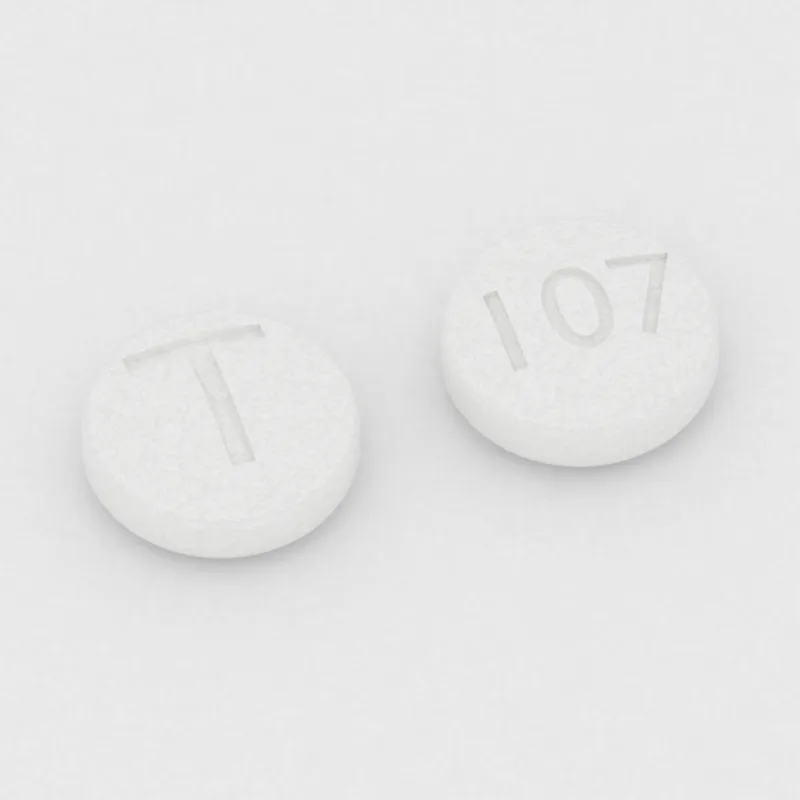
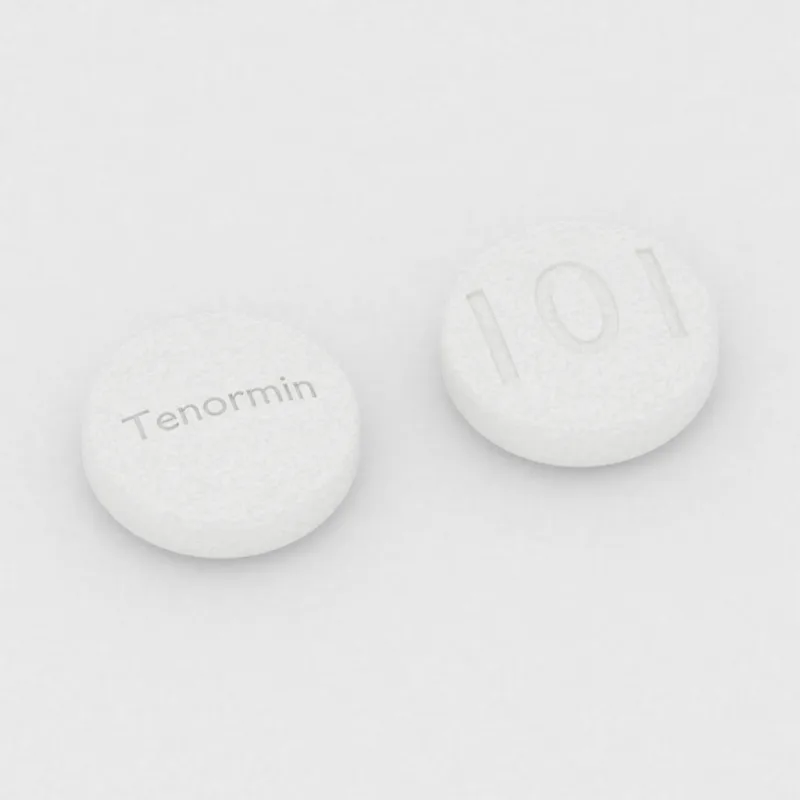
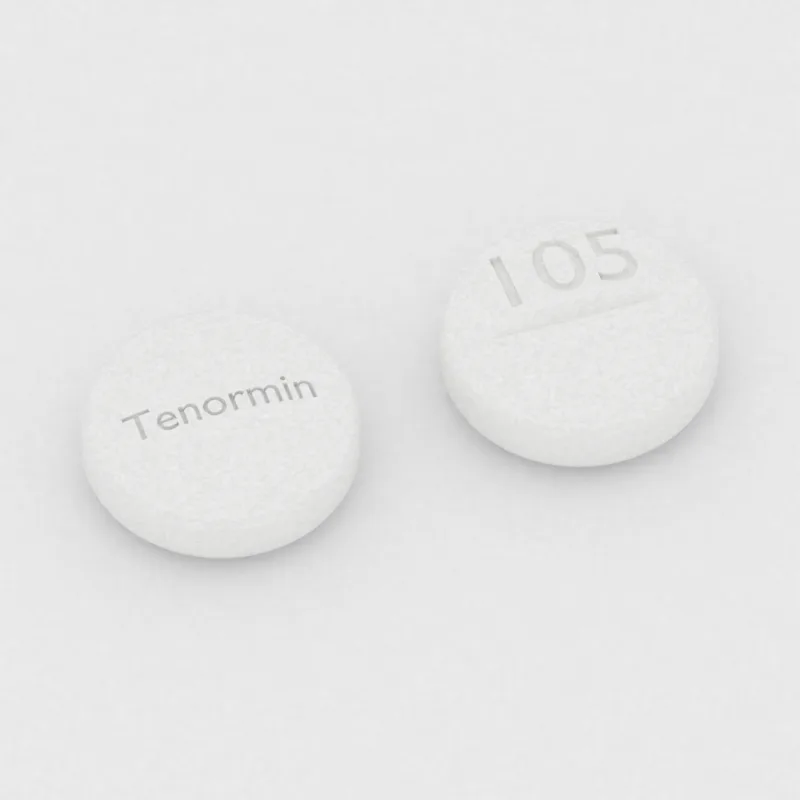
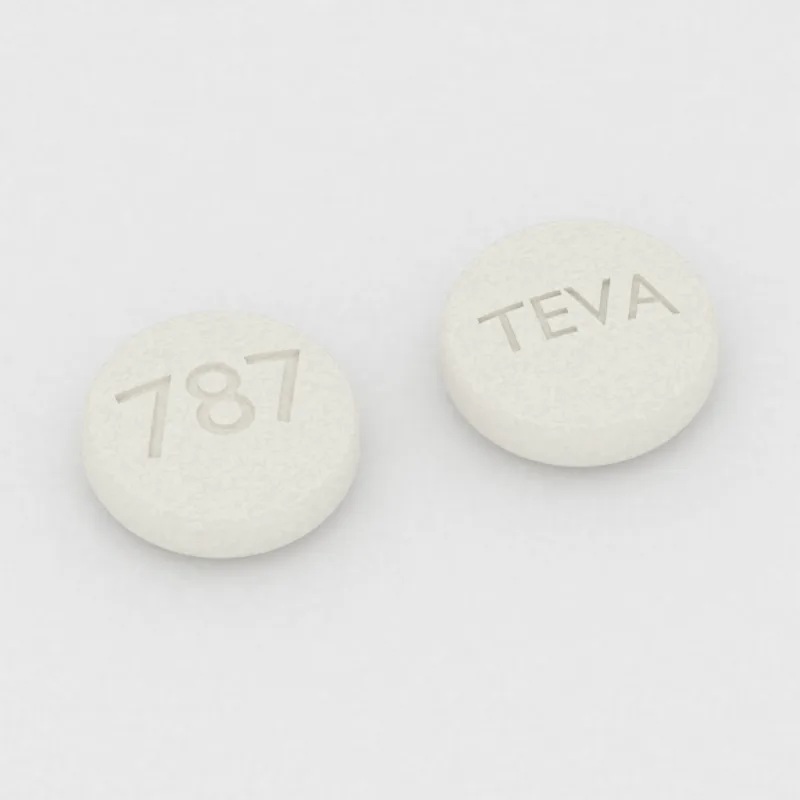
Rendus réalisés à partir des fiches produit des notices FDA : couleur, forme, taille et inscription. 30 versions documentées chez 20 laboratoires.
Interactions d'après la notice
Interactions majeures (12)
Use CLOZARIL cautiously in patients with cardiovascular or cerebrovascular disease or conditions predisposing to hypotension (e.g., dehydration, use of antihypertensive medications) [see Dosage and Administration ( 2.2 , 2.6 ), Warnings and Precautions ( 5.2 )]. (notice Clozapine, Mise en garde encadrée)
…of active abnormal bleeding within the previous 30 days Severe hypertension (systolic blood pressure >200 mm Hg or diastolic blood pressure >110 mm Hg) not adequately controlled on antihypertensive therapy Major surgery within the preceding 6 weeks History of stroke within 30 days or any history of hemorrhagic stroke Current or planned administration of another… (notice Eptifibatide, Contre-indications)
Concomitant negative chronotropic therapy such as digoxin or beta-blockers may lower the risk of this complication. (notice Flécaïnide, Mise en garde encadrée)
- MétirosineMajeure
In addition, life-threatening arrhythmias may occur during anesthesia and surgery, and may require treatment with a beta-blocker or lidocaine. (notice Métirosine, Mises en garde)
Other Antihypertensive Drugs When metolazone tablets, USP, are used with other antihypertensive drugs, particular care must be taken to avoid excessive reduction of blood pressure, especially during initial therapy. (notice Métolazone, Mises en garde)
Minoxidil should be reserved for hypertensive patients who do not respond adequately to maximum therapeutic doses of a diuretic and two other antihypertensive agents. (notice Minoxidil, Mise en garde encadrée)
Hypotensive Agents Do not use BYSTOLIC with other β-blockers. (notice Nébivolol, Interactions médicamenteuses)
- ProtamineMajeure
Risk factors include high dose or overdose, rapid administration (see WARNINGS and DOSAGE AND ADMINISTRATION ), repeated doses, previous administration of protamine, and current or previous use of protamine-containing drugs (NPH insulin, protamine zinc insulin, and certain beta-blockers). (notice Protamine, Mise en garde encadrée)
Examples: beta-blockers, clonidine, guanethidine, and reserpine Clopidogrel : Avoid concomitant use; if used concomitantly initiate at 0.5 mg before each meal and limit total daily dose to 4 mg ( 7 ) (notice Répaglinide, Interactions médicamenteuses)
Concomitant use with metoclopramide, beta-blockers, or cholinomimetic and anticholinergic drugs is not recommended ( 7.1 , 7.2 , 7.3 ) (notice Rivastigmine, Interactions médicamenteuses)
…coadministration of an alpha-blocker and CIALIS for the treatment of BPH has not been adequately studied, and due to the potential vasodilatory effects of combined use resulting in blood pressure lowering, the combination of CIALIS and alpha-blockers is not recommended for the treatment of BPH. [see Dosage and Administration ( 2.7 ), Drug Interactions ( 7.1 ),… (notice Tadalafil, Mises en garde et précautions)
…Syndrome (SS) c ] Agents with blood pressure-reducing effects Use with caution d Hypotension e Non-selective H1 receptor antagonists Contraindicated a Increased anticholinergic effects Beta-adrenergic blockers (see also agents or procedures with blood pressure-reducing effects) Use with the caution d More pronounced bradycardia, postural hypotension e Blood glucose-lowering… (notice Tranylcypromine, Interactions médicamenteuses)
Interactions modérées (261)
Because of its relative beta 1 selectivity, however, TENORMIN may be used with caution in patients with bronchospastic disease who do not respond to, or cannot tolerate, other antihypertensive treatment. (notice Aténolol, Mises en garde)
Because of its relative beta 1 selectivity, however, TENORMIN may be used with caution in patients with bronchospastic disease who do not respond to, or cannot tolerate, other antihypertensive treatment. (notice Aténolol, Mises en garde)
Intervention: During concomitant use of mefenamic acid and ACE-inhibitors, ARBs, or beta-blockers, monitor blood pressure to ensure that the desired blood pressure is obtained. (notice Acide méfénamique, Interactions médicamenteuses)
Since beta 1 selectivity is not absolute, the lowest possible dose of TENORMIN should be used with therapy initiated at 50 mg and a beta 2 -stimulating agent (bronchodilator) should be made available. (notice Aténolol, Mises en garde)
Amiodarone is an antiarrhythmic agent with negative chronotropic properties that may be additive to those seen with beta-blockers. (notice Aténolol, Interactions médicamenteuses)
Such patients may be unresponsive to the usual doses of epinephrine used to treat the allergic reaction. (notice Aténolol, Interactions médicamenteuses)
Postural hypotension/syncope: Care should be taken in patients with symptomatic hypotension or who have had a hypotensive response to other medications or are concomitantly treated with antihypertensive medication or nitrates ( 5.1 ) (notice Alfuzosine, Mises en garde et précautions)
Because of its relative beta 1 selectivity, however, TENORMIN may be used with caution in patients with bronchospastic disease who do not respond to, or cannot tolerate, other antihypertensive treatment. (notice Aténolol, Mises en garde)
Concomitant use of prostaglandin synthase inhibiting drugs, e.g., indomethacin, may decrease the hypotensive effects of beta-blockers. (notice Aténolol, Interactions médicamenteuses)
The pressor effects of diethylpropion and those of other drugs may be additive when the drugs are used concomitantly; conversely, diethylpropion may interfere with antihypertensive drugs (i.e., guanethidine, a-methyldopa). (notice Amfépramone, Interactions médicamenteuses)
Because of its relative beta 1 selectivity, however, TENORMIN may be used with caution in patients with bronchospastic disease who do not respond to, or cannot tolerate, other antihypertensive treatment. (notice Aténolol, Mises en garde)
Since beta 1 selectivity is not absolute, the lowest possible dose of TENORMIN should be used with therapy initiated at 50 mg and a beta 2 -stimulating agent (bronchodilator) should be made available. (notice Aténolol, Mises en garde)
Amiodarone is an antiarrhythmic agent with negative chronotropic properties that may be additive to those seen with beta-blockers. (notice Aténolol, Interactions médicamenteuses)
(See DOSAGE AND ADMINISTRATION . ) Concomitant Use of Calcium Channel Blockers Bradycardia and heart block can occur and the left ventricular end diastolic pressure can rise when beta-blockers are administered with verapamil or diltiazem. (notice Aténolol, Mises en garde)
(See DOSAGE AND ADMINISTRATION . ) Concomitant Use of Calcium Channel Blockers Bradycardia and heart block can occur and the left ventricular end diastolic pressure can rise when beta-blockers are administered with verapamil or diltiazem. (notice Aténolol, Mises en garde)
(See DOSAGE AND ADMINISTRATION . ) Concomitant Use of Calcium Channel Blockers Bradycardia and heart block can occur and the left ventricular end diastolic pressure can rise when beta-blockers are administered with verapamil or diltiazem. (notice Aténolol, Mises en garde)
(See DOSAGE AND ADMINISTRATION . ) Concomitant Use of Calcium Channel Blockers Bradycardia and heart block can occur and the left ventricular end diastolic pressure can rise when beta-blockers are administered with verapamil or diltiazem. (notice Aténolol, Mises en garde)
(See DOSAGE AND ADMINISTRATION . ) Concomitant Use of Calcium Channel Blockers Bradycardia and heart block can occur and the left ventricular end diastolic pressure can rise when beta-blockers are administered with verapamil or diltiazem. (notice Aténolol, Mises en garde)
Since beta 1 selectivity is not absolute, the lowest possible dose of TENORMIN should be used with therapy initiated at 50 mg and a beta 2 -stimulating agent (bronchodilator) should be made available. (notice Aténolol, Mises en garde)
Antihypertensive Drugs Due to its alpha-adrenergic antagonism, aripiprazole has the potential to enhance the effect of certain antihypertensive agents. (notice Aripiprazole, Interactions médicamenteuses)
There was also a slightly greater proportion of patients on NUVIGIL requiring new or increased use of antihypertensive medications (2.9%) compared to patients on placebo (1.8%). (notice Armodafinil, Mises en garde et précautions)
Such patients may be unresponsive to the usual doses of epinephrine used to treat the allergic reaction. (notice Aténolol, Interactions médicamenteuses)
Orthostatic vital signs should be monitored in patients who are vulnerable to hypotension (elderly patients, patients with dehydration, hypovolemia, concomitant treatment with antihypertensive medications, patients with known cardiovascular disease (history of myocardial infarction or ischemic heart disease, heart failure, or conduction abnormalities), and patients… (notice Asénapine, Mises en garde et précautions)
Concomitant use of prostaglandin synthase inhibiting drugs, e.g., indomethacin, may decrease the hypotensive effects of beta-blockers. (notice Aténolol, Interactions médicamenteuses)
Concomitant use of prostaglandin synthase inhibiting drugs, e.g., indomethacin, may decrease the hypotensive effects of beta-blockers. (notice Aténolol, Interactions médicamenteuses)
Because of its relative beta 1 selectivity, however, TENORMIN may be used with caution in patients with bronchospastic disease who do not respond to, or cannot tolerate, other antihypertensive treatment. (notice Aténolol, Mises en garde)
Antihypertensive Drugs Prevention or Management Increase the frequency of monitoring blood pressure and adjust atomoxetine oral solution dosage as clinically appropriate. (notice Atomoxétine, Interactions médicamenteuses)
• Use of avanafil with alpha-blockers, other antihypertensives, or substantial amounts of alcohol (greater than 3 units) may lead to hypotension ( 2.3 , 5.6 , 5.7 ) (notice Avanafil, Mises en garde et précautions)
Because of its relative beta 1 selectivity, however, TENORMIN may be used with caution in patients with bronchospastic disease who do not respond to, or cannot tolerate, other antihypertensive treatment. (notice Aténolol, Mises en garde)
Because of its relative beta 1 selectivity, however, TENORMIN may be used with caution in patients with bronchospastic disease who do not respond to, or cannot tolerate, other antihypertensive treatment. (notice Aténolol, Mises en garde)
Because of its relative beta 1 selectivity, however, TENORMIN may be used with caution in patients with bronchospastic disease who do not respond to, or cannot tolerate, other antihypertensive treatment. (notice Aténolol, Mises en garde)
Amphetamines may decrease the hypotensive effect of antihypertensives. (notice Benzfétamine, Interactions médicamenteuses)
Because of its relative beta 1 selectivity, however, TENORMIN may be used with caution in patients with bronchospastic disease who do not respond to, or cannot tolerate, other antihypertensive treatment. (notice Aténolol, Mises en garde)
Concomitant use of prostaglandin synthase inhibiting drugs, e.g., indomethacin, may decrease the hypotensive effects of beta-blockers. (notice Aténolol, Interactions médicamenteuses)
Because of its relative beta 1 selectivity, however, TENORMIN may be used with caution in patients with bronchospastic disease who do not respond to, or cannot tolerate, other antihypertensive treatment. (notice Aténolol, Mises en garde)
Because of its relative beta 1 selectivity, however, TENORMIN may be used with caution in patients with bronchospastic disease who do not respond to, or cannot tolerate, other antihypertensive treatment. (notice Aténolol, Mises en garde)
- BortézomibModérée
Hypotension: Use caution when treating patients taking antihypertensives, with a history of syncope, or with dehydration. (notice Bortézomib, Mises en garde et précautions)
Orthostatic vital signs should be monitored in patients who are vulnerable to hypotension (e.g., elderly patients, patients with dehydration, hypovolemia, concomitant treatment with antihypertensive medication), patients with known cardiovascular disease (history of myocardial infarction, ischemic heart disease, heart failure, or conduction abnormalities), and… (notice Brexpiprazole, Mises en garde et précautions)
Antihypertensives/Cardiac Glycosides Because brimonidine tartrate ophthalmic solution 0.1% and 0.15% may reduce blood pressure, caution in using drugs such as antihypertensives and/or cardiac glycosides with brimonidine tartrate ophthalmic solution 0.1% and 0.15% is advised. (notice Brimonidine, Interactions médicamenteuses)
Antihypertensives/Cardiac Glycosides Because brimonidine tartrate/timolol maleate ophthalmic solution may reduce blood pressure, caution in using drugs such as antihypertensives and/or cardiac glycosides with brimonidine tartrate/timolol maleate ophthalmic solution is advised. (notice Brimonidine et timolol, Interactions médicamenteuses)
Use caution in patients taking antihypertensive medications. (notice Bromocriptine, Mises en garde et précautions)
Central Nervous System (CNS) depressants Antihistamines have additive effects with alcohol and other CNS depressants (hypnotics, sedatives, tranquilizers, antianxiety agents, etc.). Antihypertensive drugs Sympathomimetic may reduce the effects of antihypertensive drugs. (notice Bromphéniramine, pseudoéphédrine et dextrométhorphane, Interactions médicamenteuses)
Since beta 1 selectivity is not absolute, the lowest possible dose of TENORMIN should be used with therapy initiated at 50 mg and a beta 2 -stimulating agent (bronchodilator) should be made available. (notice Aténolol, Mises en garde)
Antihypertensives Bumetanide may potentiate the effect of various antihypertensive drugs, necessitating a reduction in the dosage of these drugs. (notice Bumétanide, Interactions médicamenteuses)
Risk of Hypertension and Bradycardia Due to Drug Interactions Between MARCAINE WITH EPINEPHRINE and Nonselective Beta-Adrenergic Antagonists Administration of MARCAINE WITH EPINEPHRINE (containing a vasoconstrictor) in patients receiving nonselective beta-adrenergic antagonists may cause severe hypertension and bradycardia. (notice Bupivacaïne, Mises en garde et précautions)
Such patients may be unresponsive to the usual doses of epinephrine used to treat the allergic reaction. (notice Aténolol, Interactions médicamenteuses)
Drugs Metabolized by CYP2D6: Bupropion inhibits CYP2D6 and can increase concentrations of: antidepressants (e.g., venlafaxine, nortriptyline, imipramine, desipramine, paroxetine, fluoxetine, sertraline), antipsychotics (e.g., haloperidol, risperidone, thioridazine), beta-blockers (e.g., metoprolol), and Type 1C antiarrhythmics (e.g., propafenone, flecainide). (notice Bupropion, Interactions médicamenteuses)
Concomitant use of prostaglandin synthase inhibiting drugs, e.g., indomethacin, may decrease the hypotensive effects of beta-blockers. (notice Aténolol, Interactions médicamenteuses)
Concomitant use of prostaglandin synthase inhibiting drugs, e.g., indomethacin, may decrease the hypotensive effects of beta-blockers. (notice Aténolol, Interactions médicamenteuses)
Because of its relative beta 1 selectivity, however, TENORMIN may be used with caution in patients with bronchospastic disease who do not respond to, or cannot tolerate, other antihypertensive treatment. (notice Aténolol, Mises en garde)
Because of its relative beta 1 selectivity, however, TENORMIN may be used with caution in patients with bronchospastic disease who do not respond to, or cannot tolerate, other antihypertensive treatment. (notice Aténolol, Mises en garde)
Because of its relative beta 1 selectivity, however, TENORMIN may be used with caution in patients with bronchospastic disease who do not respond to, or cannot tolerate, other antihypertensive treatment. (notice Aténolol, Mises en garde)
- CarbidopaModérée
Symptomatic postural hypotension has occurred when carbidopa, given with levodopa or carbidopa-levodopa combination products, was added to the treatment of a patient receiving antihypertensive drugs. (notice Carbidopa, Interactions médicamenteuses)
Antihypertensive drugs: May cause symptomatic postural hypotension. (notice Carbidopa et lévodopa, Interactions médicamenteuses)
Antihypertensive Agents Symptomatic postural hypotension has occurred when carbidopa/levodopa was added to the treatment of patients receiving antihypertensive drugs. (notice Carbidopa, lévodopa et entacapone, Interactions médicamenteuses)
Concomitant use of prostaglandin synthase inhibiting drugs, e.g., indomethacin, may decrease the hypotensive effects of beta-blockers. (notice Aténolol, Interactions médicamenteuses)
Orthostatic vital signs should be monitored in patients who are vulnerable to hypotension (e.g., elderly patients, patients with dehydration, hypovolemia, and concomitant treatment with antihypertensive medications), patients with known cardiovascular disease (history of myocardial infarction, ischemic heart disease, heart failure, or conduction abnormalities), and… (notice Cariprazine, Mises en garde et précautions)
Because of its relative beta 1 selectivity, however, TENORMIN may be used with caution in patients with bronchospastic disease who do not respond to, or cannot tolerate, other antihypertensive treatment. (notice Aténolol, Mises en garde)
Intervention: • During concomitant use of VYSCOXA and ACE inhibitors, ARBs, or beta-blockers, monitor blood pressure to ensure that the desired blood pressure is obtained. (notice Célécoxib, Interactions médicamenteuses)
DRUG INTERACTIONS Cevimeline should be administered with caution to patients taking beta adrenergic antagonists, because of the possibility of conduction disturbances. (notice Céviméline, Interactions médicamenteuses)
Because of its relative beta 1 selectivity, however, TENORMIN may be used with caution in patients with bronchospastic disease who do not respond to, or cannot tolerate, other antihypertensive treatment. (notice Aténolol, Mises en garde)
Because of its relative beta 1 selectivity, however, TENORMIN may be used with caution in patients with bronchospastic disease who do not respond to, or cannot tolerate, other antihypertensive treatment. (notice Aténolol, Mises en garde)
If hypertension persists, the dose of Neoral should be further reduced or blood pressure should be controlled with antihypertensive agents. (notice Ciclosporine, Précautions)
Because of its relative beta 1 selectivity, however, TENORMIN may be used with caution in patients with bronchospastic disease who do not respond to, or cannot tolerate, other antihypertensive treatment. (notice Aténolol, Mises en garde)
…concomitant use of TONMYA with: MAO inhibitors may be life-threatening [see Contraindications (4) ] , Alcohol, barbiturates, and other CNS depressants may increase the risk of adverse reactions associated with these drugs, Tramadol may increase the seizure risk, Guanethidine or other similar acting drugs may block the antihypertensive action of these drugs. (notice Cyclobenzaprine, Interactions médicamenteuses)
Drug Interactions Catecholamine-depleting drugs (e.g., reserpine) may have an additive effect when given with beta-blocking agents. (notice Aténolol, Interactions médicamenteuses)
• Antihypertensive Drugs: Monitor blood pressure. (notice Dexméthylphénidate, Interactions médicamenteuses)
Intervention: During concomitant use of ZIPSOR and ACE-inhibitors, ARBs, or beta-blockers, monitor blood pressure to ensure that the desired blood pressure is obtained. (notice Diclofénac, Interactions médicamenteuses)
Concomitant use of prostaglandin synthase inhibiting drugs, e.g., indomethacin, may decrease the hypotensive effects of beta-blockers. (notice Aténolol, Interactions médicamenteuses)
Amiodarone is an antiarrhythmic agent with negative chronotropic properties that may be additive to those seen with beta-blockers. (notice Aténolol, Interactions médicamenteuses)
Beta Blockers Although the results of a clinical study did not indicate a safety problem associated with the administration of Dihydroergotamine Mesylate Injection, USP to subjects already receiving propranolol, there have been reports that propranolol may potentiate the vasoconstrictive action of ergotamine by blocking the vasodilating property of epinephrine. (notice Dihydroergotamine, Interactions médicamenteuses)
(See DOSAGE AND ADMINISTRATION . ) Concomitant Use of Calcium Channel Blockers Bradycardia and heart block can occur and the left ventricular end diastolic pressure can rise when beta-blockers are administered with verapamil or diltiazem. (notice Aténolol, Mises en garde)
Because of its relative beta 1 selectivity, however, TENORMIN may be used with caution in patients with bronchospastic disease who do not respond to, or cannot tolerate, other antihypertensive treatment. (notice Aténolol, Mises en garde)
Concomitant use of prostaglandin synthase inhibiting drugs, e.g., indomethacin, may decrease the hypotensive effects of beta-blockers. (notice Aténolol, Interactions médicamenteuses)
Amiodarone is an antiarrhythmic agent with negative chronotropic properties that may be additive to those seen with beta-blockers. (notice Aténolol, Interactions médicamenteuses)
Amiodarone is an antiarrhythmic agent with negative chronotropic properties that may be additive to those seen with beta-blockers. (notice Aténolol, Interactions médicamenteuses)
Because of its relative beta 1 selectivity, however, TENORMIN may be used with caution in patients with bronchospastic disease who do not respond to, or cannot tolerate, other antihypertensive treatment. (notice Aténolol, Mises en garde)
Amiodarone is an antiarrhythmic agent with negative chronotropic properties that may be additive to those seen with beta-blockers. (notice Aténolol, Interactions médicamenteuses)
The risk of BP decreases may be greater in patients taking concomitant medications that induce orthostatic hypotension (such as antihypertensives) or are potent CYP1A2 inhibitors [see Drug Interactions ( 7.1 )] and in patients taking duloxetine delayed-release capsules at doses above 60 mg daily. (notice Duloxétine, Mises en garde et précautions)
Nifedipine, Atenolol, Enalapril Tamsulosin Dosage adjustments are not necessary when tamsulosin is administered concomitantly with nifedipine, atenolol, or enalapril [see Clinical Pharmacology (12.3) ]. (notice Dutastéride et tamsulosine, Interactions médicamenteuses)
Beta-Blockers: e.g., metoprolol timolol ↑ beta-blockers Clinical monitoring is recommended and a dosage decrease of the beta blocker may be necessary when these agents are coadministered with GENVOYA. (notice Elvitégravir, cobicistat, emtricitabine et ténofovir, Interactions médicamenteuses)
Because of its relative beta 1 selectivity, however, TENORMIN may be used with caution in patients with bronchospastic disease who do not respond to, or cannot tolerate, other antihypertensive treatment. (notice Aténolol, Mises en garde)
Because of its relative beta 1 selectivity, however, TENORMIN may be used with caution in patients with bronchospastic disease who do not respond to, or cannot tolerate, other antihypertensive treatment. (notice Aténolol, Mises en garde)
Because of its relative beta 1 selectivity, however, TENORMIN may be used with caution in patients with bronchospastic disease who do not respond to, or cannot tolerate, other antihypertensive treatment. (notice Aténolol, Mises en garde)
Because of its relative beta 1 selectivity, however, TENORMIN may be used with caution in patients with bronchospastic disease who do not respond to, or cannot tolerate, other antihypertensive treatment. (notice Aténolol, Mises en garde)
- Époétine alfaModérée
Following initiation and titration of Epogen, approximately 25% of patients on dialysis required initiation of or increases in antihypertensive therapy; hypertensive encephalopathy and seizures have been reported in patients with CKD receiving Epogen. (notice Époétine alfa, Mises en garde et précautions)
Concomitant use of prostaglandin synthase inhibiting drugs, e.g., indomethacin, may decrease the hypotensive effects of beta-blockers. (notice Aténolol, Interactions médicamenteuses)
The beta-blocker Inderal (propranolol) has been reported to potentiate the vasoconstrictive action of ergotamine tartrate and caffeine tablets by blocking the vasodilating property of epinephrine. (notice Ergotamine et caféine, Interactions médicamenteuses)
Amiodarone is an antiarrhythmic agent with negative chronotropic properties that may be additive to those seen with beta-blockers. (notice Aténolol, Interactions médicamenteuses)
(See DOSAGE AND ADMINISTRATION . ) Concomitant Use of Calcium Channel Blockers Bradycardia and heart block can occur and the left ventricular end diastolic pressure can rise when beta-blockers are administered with verapamil or diltiazem. (notice Aténolol, Mises en garde)
Intervention: During concomitant use of FENOPROFEN CALCIUM with diuretics, observe patients for signs of worsening renal function, in addition to assuring diuretic efficacy including antihypertensive effects [ see Warnings and Precautions ( 5.6 ) ]. (notice Fénoprofène, Interactions médicamenteuses)
Intervention: During concomitant use of flurbiprofen and ACE-inhibitors, ARBs, or beta-blockers, monitor blood pressure to ensure that the desired blood pressure is obtained. (notice Flurbiprofène, Interactions médicamenteuses)
Since beta 1 selectivity is not absolute, the lowest possible dose of TENORMIN should be used with therapy initiated at 50 mg and a beta 2 -stimulating agent (bronchodilator) should be made available. (notice Aténolol, Mises en garde)
Propranolol and Other Beta-Blockers: Coadministration of fluvoxamine maleate 100 mg per day and propranolol 160 mg per day in normal volunteers resulted in a mean five-fold increase (range 2 to 17) in minimum propranolol plasma concentrations. (notice Fluvoxamine, Interactions médicamenteuses)
Since beta 1 selectivity is not absolute, the lowest possible dose of TENORMIN should be used with therapy initiated at 50 mg and a beta 2 -stimulating agent (bronchodilator) should be made available. (notice Aténolol, Mises en garde)
Because of its relative beta 1 selectivity, however, TENORMIN may be used with caution in patients with bronchospastic disease who do not respond to, or cannot tolerate, other antihypertensive treatment. (notice Aténolol, Mises en garde)
Because of its relative beta 1 selectivity, however, TENORMIN may be used with caution in patients with bronchospastic disease who do not respond to, or cannot tolerate, other antihypertensive treatment. (notice Aténolol, Mises en garde)
Because of its relative beta 1 selectivity, however, TENORMIN may be used with caution in patients with bronchospastic disease who do not respond to, or cannot tolerate, other antihypertensive treatment. (notice Aténolol, Mises en garde)
…Interactions The hypoglycemic action of sulfonylureas may be potentiated by certain drugs including nonsteroidal anti-inflammatory agents, ACE inhibitors, disopyramide, fluoxetine, clarithromycin, and other drugs that are highly protein bound, salicylates, sulfonamides, chloramphenicol, probenecid, monoamine oxidase inhibitors, and beta adrenergic blocking agents. (notice Glibenclamide, Interactions médicamenteuses)
The signs of hypoglycemia may be reduced or absent in patients taking sympatholytic drugs such as beta-blockers, clonidine, guanethidine, and reserpine. (notice Glimépiride, Interactions médicamenteuses)
The signs of hypoglycemia may be reduced or absent in patients taking sympatholytic drugs such as beta-blockers, clonidine, guanethidine, and reserpine. (notice Glipizide, Interactions médicamenteuses)
Glipizide: The hypoglycemic action of sulfonylureas may be potentiated by certain drugs, including nonsteroidal anti-inflammatory agents, some azoles, and other drugs that are highly protein bound, salicylates, sulfonamides, chloramphenicol, probenecid, coumarins, monoamine oxidase inhibitors, and beta-adrenergic blocking agents. (notice Glipizide et metformine, Précautions)
- GlucagonModérée
Table 4: Clinically Significant Drug Interaction with GVOKE and GVOKE VialDx Beta-Blockers Clincial Impact: Patients taking beta-blockers may have a transient increase in pulse and blood pressure when given GVOKE or GVOKE VialDx. (notice Glucagon, Interactions médicamenteuses)
Because of its relative beta 1 selectivity, however, TENORMIN may be used with caution in patients with bronchospastic disease who do not respond to, or cannot tolerate, other antihypertensive treatment. (notice Aténolol, Mises en garde)
Because of its relative beta 1 selectivity, however, TENORMIN may be used with caution in patients with bronchospastic disease who do not respond to, or cannot tolerate, other antihypertensive treatment. (notice Aténolol, Mises en garde)
Because of its relative beta 1 selectivity, however, TENORMIN may be used with caution in patients with bronchospastic disease who do not respond to, or cannot tolerate, other antihypertensive treatment. (notice Aténolol, Mises en garde)
During concomitant use of hydrocodone bitartrate and ibuprofen tablets and ACE-inhibitors, ARBs, or beta-blockers, monitor blood pressure to ensure that the desired blood pressure is obtained. (notice Hydrocodone et ibuprofène, Interactions médicamenteuses)
Intervention: During concomitant use of CALDOLOR and ACE-inhibitors, ARBs, or beta- blockers, monitor blood pressure to ensure that the desired blood pressure is obtained. (notice Ibuprofène, Interactions médicamenteuses)
Intervention: During concomitant use of ibuprofen and famotidine tablet and ACE-inhibitors, ARBs, or beta- blockers, monitor blood pressure to ensure that the desired blood pressure is obtained. (notice Ibuprofène et famotidine, Interactions médicamenteuses)
Amiodarone is an antiarrhythmic agent with negative chronotropic properties that may be additive to those seen with beta-blockers. (notice Aténolol, Interactions médicamenteuses)
Orthostatic vital signs should be monitored in patients who are vulnerable to hypotension (e.g., elderly patients, patients with dehydration, hypovolemia, and concomitant treatment with antihypertensive medications), patients with known cardiovascular disease (history of myocardial infarction, ischemic heart disease, heart failure, or conduction abnormalities), and… (notice Ilopéridone, Mises en garde et précautions)
Because of its relative beta 1 selectivity, however, TENORMIN may be used with caution in patients with bronchospastic disease who do not respond to, or cannot tolerate, other antihypertensive treatment. (notice Aténolol, Mises en garde)
Concomitant use of prostaglandin synthase inhibiting drugs, e.g., indomethacin, may decrease the hypotensive effects of beta-blockers. (notice Aténolol, Interactions médicamenteuses)
Symptomatic awareness of hypoglycemia may be less pronounced in patients with longstanding diabetes in patients with diabetic nerve disease, in patients using medications that block the sympathetic nervous system (e.g., beta-blockers) [see Drug Interactions ( 7 )] , or in patients who experience recurrent hypoglycemia. (notice Insuline asparte, Mises en garde et précautions)
Symptomatic awareness of hypoglycemia may be less pronounced in patients with longstanding diabetes, in patients with diabetic neuropathy, using drugs that block the sympathetic nervous system (e.g., beta-blockers) [see Drug Interactions ( 7 )], or who experience recurrent hypoglycemia. (notice Insuline dégludec, Mises en garde et précautions)
Symptomatic awareness of hypoglycemia may be less pronounced in patients with longstanding diabetes, in patients with diabetic neuropathy, using drugs that block the sympathetic nervous system (e.g., beta-blockers) [see Drug Interactions ( 7 )], or who experience recurrent hypoglycemia. (notice Insuline détémir, Mises en garde et précautions)
Symptomatic awareness of hypoglycemia may be less pronounced in patients with longstanding diabetes, in patients with diabetic neuropathy, using drugs that block the sympathetic nervous system (e.g., beta-blockers) [see Drug Interactions (7) ] , or who experience recurrent hypoglycemia. (notice Insuline glargine, Mises en garde et précautions)
Symptomatic awareness of hypoglycemia may be less pronounced in patients with longstanding diabetes, in patients with diabetic nerve disease, in patients using medications that block the sympathetic nervous system (e.g., beta-blockers) [see Drug Interactions ( 7 )] , or in patients who experience recurrent hypoglycemia. (notice Insuline lispro, Mises en garde et précautions)
Symptomatic awareness of hypoglycemia may be less pronounced in patients with longstanding diabetes mellitus, in patients with diabetic nerve disease, in patients using medications that block the sympathetic nervous system (e.g., beta-blockers) [see Drug Interactions ( 7 )], or in patients who experience recurrent hypoglycemia. (notice Insuline rapide (humaine), Mises en garde et précautions)
Since beta 1 selectivity is not absolute, the lowest possible dose of TENORMIN should be used with therapy initiated at 50 mg and a beta 2 -stimulating agent (bronchodilator) should be made available. (notice Aténolol, Mises en garde)
Since beta 1 selectivity is not absolute, the lowest possible dose of TENORMIN should be used with therapy initiated at 50 mg and a beta 2 -stimulating agent (bronchodilator) should be made available. (notice Aténolol, Mises en garde)
Because of its relative beta 1 selectivity, however, TENORMIN may be used with caution in patients with bronchospastic disease who do not respond to, or cannot tolerate, other antihypertensive treatment. (notice Aténolol, Mises en garde)
Because of its relative beta 1 selectivity, however, TENORMIN may be used with caution in patients with bronchospastic disease who do not respond to, or cannot tolerate, other antihypertensive treatment. (notice Aténolol, Mises en garde)
Concomitant Use with Beta Blockers Concomitant use of beta blockers may exaggerate the cardiovascular effects of inhalational anesthetics, including hypotension and negative inotropic effects. (notice Isoflurane, Interactions médicamenteuses)
Since beta 1 selectivity is not absolute, the lowest possible dose of TENORMIN should be used with therapy initiated at 50 mg and a beta 2 -stimulating agent (bronchodilator) should be made available. (notice Aténolol, Mises en garde)
(See DOSAGE AND ADMINISTRATION . ) Concomitant Use of Calcium Channel Blockers Bradycardia and heart block can occur and the left ventricular end diastolic pressure can rise when beta-blockers are administered with verapamil or diltiazem. (notice Aténolol, Mises en garde)
Beta Blockers Nadolol Monitor for adverse reactions. (notice Itraconazole, Interactions médicamenteuses)
- IvabradineModérée
The risk of bradycardia increases with concomitant administration of drugs that slow heart rate (e.g., digoxin, amiodarone, beta-blockers). (notice Ivabradine, Interactions médicamenteuses)
Antivirals indinavir, maraviroc, saquinavir Beta Blockers nadolol Calcium Channel Blockers felodipine, nisoldipine other dihydropyridines, verapamil Calcium channel blockers can have a negative inotropic effect which may be additive to those of ketoconazole. (notice Kétoconazole, Interactions médicamenteuses)
Because of its relative beta 1 selectivity, however, TENORMIN may be used with caution in patients with bronchospastic disease who do not respond to, or cannot tolerate, other antihypertensive treatment. (notice Aténolol, Mises en garde)
VIMPAT should also be used with caution in patients on concomitant medications that affect cardiac conduction, including sodium channel blockers, beta-blockers, calcium channel blockers, potassium channel blockers, and medications that prolong the PR interval [see Drug Interactions (7.2) ] . (notice Lacosamide, Mises en garde et précautions)
- LanréotideModérée
Bradycardia-Inducing Drugs (e.g., beta-blockers) : Lanreotide Injection may decrease heart rate. (notice Lanréotide, Interactions médicamenteuses)
Concomitant use of prostaglandin synthase inhibiting drugs, e.g., indomethacin, may decrease the hypotensive effects of beta-blockers. (notice Aténolol, Interactions médicamenteuses)
Patients also taking beta blockers, or those with underlying cardiac comorbidities and/or advanced liver disease, may be at increased risk for symptomatic bradycardia with coadministration of amiodarone. (notice Lédipasvir et sofosbuvir, Mises en garde et précautions)
Since beta 1 selectivity is not absolute, the lowest possible dose of TENORMIN should be used with therapy initiated at 50 mg and a beta 2 -stimulating agent (bronchodilator) should be made available. (notice Aténolol, Mises en garde)
Abrupt withdrawal of beta blockade might precipitate a thyroid storm; therefore, patients suspected of developing thyrotoxicosis from whom TENORMIN therapy is to be withdrawn should be monitored closely. (notice Aténolol, Mises en garde)
Abrupt withdrawal of beta blockade might precipitate a thyroid storm; therefore, patients suspected of developing thyrotoxicosis from whom TENORMIN therapy is to be withdrawn should be monitored closely. (notice Aténolol, Mises en garde)
Amiodarone is an antiarrhythmic agent with negative chronotropic properties that may be additive to those seen with beta-blockers. (notice Aténolol, Interactions médicamenteuses)
Such patients may be unresponsive to the usual doses of epinephrine used to treat the allergic reaction. (notice Aténolol, Interactions médicamenteuses)
Amiodarone is an antiarrhythmic agent with negative chronotropic properties that may be additive to those seen with beta-blockers. (notice Aténolol, Interactions médicamenteuses)
Abrupt withdrawal of beta blockade might precipitate a thyroid storm; therefore, patients suspected of developing thyrotoxicosis from whom TENORMIN therapy is to be withdrawn should be monitored closely. (notice Aténolol, Mises en garde)
Because of its relative beta 1 selectivity, however, TENORMIN may be used with caution in patients with bronchospastic disease who do not respond to, or cannot tolerate, other antihypertensive treatment. (notice Aténolol, Mises en garde)
Because of its relative beta 1 selectivity, however, TENORMIN may be used with caution in patients with bronchospastic disease who do not respond to, or cannot tolerate, other antihypertensive treatment. (notice Aténolol, Mises en garde)
Because of its relative beta 1 selectivity, however, TENORMIN may be used with caution in patients with bronchospastic disease who do not respond to, or cannot tolerate, other antihypertensive treatment. (notice Aténolol, Mises en garde)
Because of its relative beta 1 selectivity, however, TENORMIN may be used with caution in patients with bronchospastic disease who do not respond to, or cannot tolerate, other antihypertensive treatment. (notice Aténolol, Mises en garde)
Because of its relative beta 1 selectivity, however, TENORMIN may be used with caution in patients with bronchospastic disease who do not respond to, or cannot tolerate, other antihypertensive treatment. (notice Aténolol, Mises en garde)
Orthostatic vital signs should be monitored in patients who are vulnerable to hypotension (e.g., elderly patients, patients with dehydration, hypovolemia, and concomitant treatment with antihypertensive drugs), patients with known cardiovascular disease (history of myocardial infarction, ischemic heart disease, heart failure, or conduction abnormalities), and patients… (notice Lumatépérone, Mises en garde et précautions)
Patients at increased risk of these adverse reactions or at increased risk of developing complications from hypotension include those with dehydration, hypovolemia, treatment with antihypertensive medication, history of cardiovascular disease (e.g., heart failure, myocardial infarction, ischemia, or conduction abnormalities), history of cerebrovascular disease,… (notice Lurasidone, Mises en garde et précautions)
Because of its relative beta 1 selectivity, however, TENORMIN may be used with caution in patients with bronchospastic disease who do not respond to, or cannot tolerate, other antihypertensive treatment. (notice Aténolol, Mises en garde)
There is one report of cardiopulmonary arrest, with full recovery, in a patient who was taking a beta blocker (propranolol) (see PRECAUTIONS, Cardiac Effects ). (notice Méfloquine, Interactions médicamenteuses)
Intervention: During concomitant use of QAMZOVA and ACE-inhibitors, ARBs, or beta-blockers, monitor blood pressure to ensure that the desired blood pressure is obtained. (notice Méloxicam, Interactions médicamenteuses)
Because of its relative beta 1 selectivity, however, TENORMIN may be used with caution in patients with bronchospastic disease who do not respond to, or cannot tolerate, other antihypertensive treatment. (notice Aténolol, Mises en garde)
Beta-blockers Caution should be exercised when methylergonovine maleate is used concurrently with beta-blockers. (notice Méthylergométrine, Interactions médicamenteuses)
Antihypertensive Drugs: Monitor blood pressure. (notice Méthylphénidate, Interactions médicamenteuses)
Because of its relative beta 1 selectivity, however, TENORMIN may be used with caution in patients with bronchospastic disease who do not respond to, or cannot tolerate, other antihypertensive treatment. (notice Aténolol, Mises en garde)
Because of its relative beta 1 selectivity, however, TENORMIN may be used with caution in patients with bronchospastic disease who do not respond to, or cannot tolerate, other antihypertensive treatment. (notice Aténolol, Mises en garde)
Amiodarone is an antiarrhythmic agent with negative chronotropic properties that may be additive to those seen with beta-blockers. (notice Aténolol, Interactions médicamenteuses)
Since beta 1 selectivity is not absolute, the lowest possible dose of TENORMIN should be used with therapy initiated at 50 mg and a beta 2 -stimulating agent (bronchodilator) should be made available. (notice Aténolol, Mises en garde)
REMERON/REMERONSolTab should be used with caution in patients with known cardiovascular or cerebrovascular disease that could be exacerbated by hypotension (history of myocardial infarction, angina, or ischemic stroke) and conditions that would predispose patients to hypotension (dehydration, hypovolemia, and treatment with antihypertensive medication). (notice Mirtazapine, Mises en garde et précautions)
Concomitant use of prostaglandin synthase inhibiting drugs, e.g., indomethacin, may decrease the hypotensive effects of beta-blockers. (notice Aténolol, Interactions médicamenteuses)
However, a retrospective analysis of the use of antihypertensive medication in these studies showed that a greater proportion of patients on PROVIGIL required new or increased use of antihypertensive medications (2.4%) compared to patients on placebo (0.7%). (notice Modafinil, Mises en garde et précautions)
Because of its relative beta 1 selectivity, however, TENORMIN may be used with caution in patients with bronchospastic disease who do not respond to, or cannot tolerate, other antihypertensive treatment. (notice Aténolol, Mises en garde)
- MotixafortideModérée
Patients receiving concomitant negative chronotropic drugs (e.g., beta blockers) may be more at risk for hypotension in case of hypersensitivity reaction. (notice Motixafortide, Mises en garde et précautions)
Because of its relative beta 1 selectivity, however, TENORMIN may be used with caution in patients with bronchospastic disease who do not respond to, or cannot tolerate, other antihypertensive treatment. (notice Aténolol, Mises en garde)
Drugs Metabolized by CYP2D6: Bupropion inhibits CYP2D6 and can increase concentrations of antidepressants, (e.g., selective serotonin reuptake inhibitors and many tricyclics), antipsychotics (e.g., haloperidol, risperidone and thioridazine), beta-blockers (e.g., metoprolol) and Type 1C antiarrhythmics (e.g., propafenone and flecainide). (notice Naltrexone et bupropion, Interactions médicamenteuses)
( 5.3 Hepatotoxicity) Hypertension: Patients taking some antihypertensive medications may have impaired response to these therapies when taking NSAIDs. (notice Naproxène, Mises en garde et précautions)
Intervention : • During concomitant use of naproxen and esomeprazole magnesium delayed-release tablets and ACE-inhibitors, ARBs, or beta-blockers, monitor blood pressure to ensure that the desired blood pressure is obtained. (notice Naproxène et ésoméprazole, Interactions médicamenteuses)
Symptomatic awareness of hypoglycemia may be less pronounced in patients with longstanding diabetes, in patients with diabetic neuropathy (nerve disease), in patients using medications that block the sympathetic nervous system (e.g., beta-blockers) [see Drug Interactions (7)] , or in patients who experience recurrent hypoglycemia. (notice Natéglinide, Mises en garde et précautions)
- NiacineModérée
Antihypertensive Therapy Niacin may potentiate the effects of ganglionic blocking agents and vasoactive drugs resulting in postural hypotension. (notice Niacine, Interactions médicamenteuses)
(See DOSAGE AND ADMINISTRATION . ) Concomitant Use of Calcium Channel Blockers Bradycardia and heart block can occur and the left ventricular end diastolic pressure can rise when beta-blockers are administered with verapamil or diltiazem. (notice Aténolol, Mises en garde)
(See DOSAGE AND ADMINISTRATION . ) Concomitant Use of Calcium Channel Blockers Bradycardia and heart block can occur and the left ventricular end diastolic pressure can rise when beta-blockers are administered with verapamil or diltiazem. (notice Aténolol, Mises en garde)
(See DOSAGE AND ADMINISTRATION . ) Concomitant Use of Calcium Channel Blockers Bradycardia and heart block can occur and the left ventricular end diastolic pressure can rise when beta-blockers are administered with verapamil or diltiazem. (notice Aténolol, Mises en garde)
(See DOSAGE AND ADMINISTRATION . ) Concomitant Use of Calcium Channel Blockers Bradycardia and heart block can occur and the left ventricular end diastolic pressure can rise when beta-blockers are administered with verapamil or diltiazem. (notice Aténolol, Mises en garde)
Because of its relative beta 1 selectivity, however, TENORMIN may be used with caution in patients with bronchospastic disease who do not respond to, or cannot tolerate, other antihypertensive treatment. (notice Aténolol, Mises en garde)
- OctréotideModérée
Dosage adjustments of concomitantly used drugs that have bradycardia effects (i.e. beta-blockers) may be necessary [see Drug Interactions (7.2) ]. (notice Octréotide, Mises en garde et précautions)
…of myocardial infarction or ischemia, heart failure, or conduction abnormalities), cerebrovascular disease, and conditions which would predispose patients to hypotension (dehydration, hypovolemia, and treatment with antihypertensive medications) where the occurrence of syncope, or hypotension and/or bradycardia might put the patient at increased medical risk. (notice Olanzapine, Mises en garde et précautions)
…and fluoxetine capsules should be used with particular caution in patients with known cardiovascular disease (history of myocardial infarction or ischemia, heart failure, or conduction abnormalities), cerebrovascular disease, or conditions that would predispose patients to hypotension (dehydration, hypovolemia, and treatment with antihypertensive medications). (notice Olanzapine et fluoxétine, Mises en garde et précautions)
Because of its relative beta 1 selectivity, however, TENORMIN may be used with caution in patients with bronchospastic disease who do not respond to, or cannot tolerate, other antihypertensive treatment. (notice Aténolol, Mises en garde)
Because of its relative beta 1 selectivity, however, TENORMIN may be used with caution in patients with bronchospastic disease who do not respond to, or cannot tolerate, other antihypertensive treatment. (notice Aténolol, Mises en garde)
- Olmésartan, amlodipine et hydrochlorothiazideantagoniste des récepteurs de l'angiotensine II (ARA II)Modérée
(See DOSAGE AND ADMINISTRATION . ) Concomitant Use of Calcium Channel Blockers Bradycardia and heart block can occur and the left ventricular end diastolic pressure can rise when beta-blockers are administered with verapamil or diltiazem. (notice Aténolol, Mises en garde)
Concomitant use of prostaglandin synthase inhibiting drugs, e.g., indomethacin, may decrease the hypotensive effects of beta-blockers. (notice Aténolol, Interactions médicamenteuses)
Intervention: During concomitant use of OXAPROZIN CAPSULES and ACE inhibitors, ARBs, or beta-blockers, monitor blood pressure to ensure that the desired blood pressure is obtained. (notice Oxaprozine, Interactions médicamenteuses)
Caution in using drugs such as beta-blockers, anti-hypertensives, and/or cardiac glycosides is advised. (notice Oxymétazoline, Interactions médicamenteuses)
Use ERZOFRI with caution in patients with known cardiovascular disease (e.g., heart failure, history of myocardial infarction or ischemia, conduction abnormalities), cerebrovascular disease, or conditions that predispose the patient to hypotension (e.g., dehydration, hypovolemia, and treatment with antihypertensive medications). (notice Palipéridone, Mises en garde et précautions)
• Hypertension : Patients taking some antihypertensive medications may have impaired response to these therapies when taking NSAIDs. (notice Paracétamol et ibuprofène, Mises en garde et précautions)
- PasiréotideModérée
Adjustments in the dose of drugs known to slow the heart rate (e.g., beta-blockers, calcium channel blockers) and correction of electrolyte disturbances may be necessary when initiating or during the course of SIGNIFOR LAR treatment. (notice Pasiréotide, Mises en garde et précautions)
- PazopanibModérée
Monitor blood pressure as clinically indicated and initiate and adjust antihypertensive therapy as appropriate. (notice Pazopanib, Mises en garde et précautions)
Small decreases in blood pressure have been observed in some patients treated with pentoxifylline extended-release tablets; periodic systemic blood pressure monitoring is recommended for patients receiving concomitant antihypertensive therapy. (notice Pentoxifylline, Interactions médicamenteuses)
Because of its relative beta 1 selectivity, however, TENORMIN may be used with caution in patients with bronchospastic disease who do not respond to, or cannot tolerate, other antihypertensive treatment. (notice Aténolol, Mises en garde)
…hydrochloride desipramine hydrochloride imipramine hydrochloride doxepin carbamazepine cyclobenzaprine HCl amoxapine maprotiline HCl trimipramine maleate protriptyline HCl mirtazapine Phenelzine sulfate should be used with caution in combination with antihypertensive drugs, including thiazide diuretics and β-blockers, since exaggerated hypotensive effects may result. (notice Phénelzine, Mises en garde)
Because of its relative beta 1 selectivity, however, TENORMIN may be used with caution in patients with bronchospastic disease who do not respond to, or cannot tolerate, other antihypertensive treatment. (notice Aténolol, Mises en garde)
Drug Interactions Pilocarpine should be administered with caution to patients taking beta-adrenergic antagonists because of the possibility of conduction disturbances. (notice Pilocarpine, Interactions médicamenteuses)
Because of its relative beta 1 selectivity, however, TENORMIN may be used with caution in patients with bronchospastic disease who do not respond to, or cannot tolerate, other antihypertensive treatment. (notice Aténolol, Mises en garde)
The signs of hypoglycemia may be reduced or absent in patients taking sympatholytic drugs such as beta-blockers, clonidine, guanethidine, and reserpine. (notice Pioglitazone et glimépiride, Interactions médicamenteuses)
Monitor patients to assure diuretic efficacy including antihypertensive effects (7) (notice Piroxicam, Interactions médicamenteuses)
Experience with PONVORY is limited in patients receiving concurrent therapy with drugs that decrease heart rate (e.g., beta-blockers, non-dihydropyridine calcium channel blockers - diltiazem and verapamil, and other drugs that may decrease heart rate such as digoxin). (notice Ponésimod, Mises en garde et précautions)
Because of its relative beta 1 selectivity, however, TENORMIN may be used with caution in patients with bronchospastic disease who do not respond to, or cannot tolerate, other antihypertensive treatment. (notice Aténolol, Mises en garde)
Such patients may be unresponsive to the usual doses of epinephrine used to treat the allergic reaction. (notice Aténolol, Interactions médicamenteuses)
Amiodarone is an antiarrhythmic agent with negative chronotropic properties that may be additive to those seen with beta-blockers. (notice Aténolol, Interactions médicamenteuses)
Amiodarone is an antiarrhythmic agent with negative chronotropic properties that may be additive to those seen with beta-blockers. (notice Aténolol, Interactions médicamenteuses)
Because of its relative beta 1 selectivity, however, TENORMIN may be used with caution in patients with bronchospastic disease who do not respond to, or cannot tolerate, other antihypertensive treatment. (notice Aténolol, Mises en garde)
Abrupt withdrawal of beta blockade might precipitate a thyroid storm; therefore, patients suspected of developing thyrotoxicosis from whom TENORMIN therapy is to be withdrawn should be monitored closely. (notice Aténolol, Mises en garde)
Use with caution in persons with increased risk of anticholinergic reactions, such as persons with bronchial asthma, chronic obstructive pulmonary disease, bradycardia, cardiac arrhythmias, beta blocker treatment (increased risk of anticholinergic reactions). (notice Pyridostigmine, Mises en garde et précautions)
Quetiapine should be used with particular caution in patients with known cardiovascular disease (history of myocardial infarction or ischemic heart disease, heart failure, or conduction abnormalities), cerebrovascular disease, or conditions which would predispose patients to hypotension (dehydration, hypovolemia, and treatment with antihypertensive medications). (notice Quétiapine, Mises en garde et précautions)
Because of its relative beta 1 selectivity, however, TENORMIN may be used with caution in patients with bronchospastic disease who do not respond to, or cannot tolerate, other antihypertensive treatment. (notice Aténolol, Mises en garde)
Because of its relative beta 1 selectivity, however, TENORMIN may be used with caution in patients with bronchospastic disease who do not respond to, or cannot tolerate, other antihypertensive treatment. (notice Aténolol, Mises en garde)
Amiodarone is an antiarrhythmic agent with negative chronotropic properties that may be additive to those seen with beta-blockers. (notice Aténolol, Interactions médicamenteuses)
Because of its relative beta 1 selectivity, however, TENORMIN may be used with caution in patients with bronchospastic disease who do not respond to, or cannot tolerate, other antihypertensive treatment. (notice Aténolol, Mises en garde)
Decrease exposure Beta-blockers Metoprolol Decrease exposure Propranolol Decrease exposure Benzodiazepines Diazepam , Administered with rifampin 1200 mg daily Decrease exposure Benzodiazepine-related drugs Zopiclone Decrease AUC by 82% Zolpidem Decrease AUC by 73% Calcium Channel Blockers Diltiazem Decrease exposure Nifedipine Rifampin 1200 mg administered as… (notice Rifampicine, Interactions médicamenteuses)
…Anticonvulsants Phenytoin Antimalarials Quinine Azole Antifungals Fluconazole, itraconazole, ketoconazole Antipsychotics Haloperidol Barbiturates Phenobarbital Benzodiazepines Diazepam Beta-Blockers Propranolol Calcium Channel Blockers Diltiazem, nifedipine, verapamil Cardiac Glycoside Preparations Digoxin Corticosteroids Prednisone Fibrates Clofibrate Oral Hypoglycemics… (notice Rifapentine, Interactions médicamenteuses)
Consider the potential for symptomatic hypotension or ischemia in patients with hypovolemia, severe left ventricular outflow obstruction, resting hypotension, autonomic dysfunction, or concomitant treatment with antihypertensives or strong CYP and P-gp/BCRP inhibitors [see Drug Interactions (7.2) and Clinical Pharmacology (12.3) ] . (notice Riociguat, Mises en garde et précautions)
Clinically significant hypotension has been observed with concomitant use of oral RISPERDAL and antihypertensive medication. (notice Rispéridone, Mises en garde et précautions)
Patients on beta-blockers may not manifest changes in heart rate, but blood pressure monitoring can detect a rise in systolic blood pressure. (notice Ropivacaïne, Mises en garde et précautions)
Because of its relative beta 1 selectivity, however, TENORMIN may be used with caution in patients with bronchospastic disease who do not respond to, or cannot tolerate, other antihypertensive treatment. (notice Aténolol, Mises en garde)
Since beta 1 selectivity is not absolute, the lowest possible dose of TENORMIN should be used with therapy initiated at 50 mg and a beta 2 -stimulating agent (bronchodilator) should be made available. (notice Aténolol, Mises en garde)
Since beta 1 selectivity is not absolute, the lowest possible dose of TENORMIN should be used with therapy initiated at 50 mg and a beta 2 -stimulating agent (bronchodilator) should be made available. (notice Aténolol, Mises en garde)
Caution is advised when SILDENAFIL ORAL FILM is co-administered with alpha-blockers or antihypertensives. (notice Sildénafil, Mises en garde et précautions)
However, patients in the Phase 3 clinical studies taking concomitant antihypertensive medications with silodosin capsules did not experience a significant increase in the incidence of syncope, dizziness, or orthostasis. (notice Silodosine, Mises en garde et précautions)
Patients also taking beta blockers, or those with underlying cardiac comorbidities and/or advanced liver disease may be at increased risk for symptomatic bradycardia with coadministration of amiodarone. (notice Sofosbuvir et velpatasvir, Mises en garde et précautions)
- SorafénibModérée
Consider temporary or permanent discontinuation for severe or persistent hypertension despite antihypertensive therapy. (notice Sorafénib, Mises en garde et précautions)
Amiodarone is an antiarrhythmic agent with negative chronotropic properties that may be additive to those seen with beta-blockers. (notice Aténolol, Interactions médicamenteuses)
Because of its relative beta 1 selectivity, however, TENORMIN may be used with caution in patients with bronchospastic disease who do not respond to, or cannot tolerate, other antihypertensive treatment. (notice Aténolol, Mises en garde)
Because of its relative beta 1 selectivity, however, TENORMIN may be used with caution in patients with bronchospastic disease who do not respond to, or cannot tolerate, other antihypertensive treatment. (notice Aténolol, Mises en garde)
Monitor patients to assure diuretic efficacy including antihypertensive effects. (notice Sumatriptan et naproxène, Interactions médicamenteuses)
- SunitinibModérée
Initiate and/or adjust antihypertensive therapy as appropriate. (notice Sunitinib, Mises en garde et précautions)
• Hypertension: May require antihypertensive therapy; monitor relevant drug interactions. (notice Tacrolimus, Mises en garde et précautions)
Nifedipine, Atenolol, Enalapril Dosage adjustments are not necessary when tamsulosin hydrochloride capsules are administered concomitantly with nifedipine, atenolol, or enalapril [see clinical pharmacology ( 12.3 )] . (notice Tamsulosine, Interactions médicamenteuses)
Because of its relative beta 1 selectivity, however, TENORMIN may be used with caution in patients with bronchospastic disease who do not respond to, or cannot tolerate, other antihypertensive treatment. (notice Aténolol, Mises en garde)
(See DOSAGE AND ADMINISTRATION . ) Concomitant Use of Calcium Channel Blockers Bradycardia and heart block can occur and the left ventricular end diastolic pressure can rise when beta-blockers are administered with verapamil or diltiazem. (notice Aténolol, Mises en garde)
Because of its relative beta 1 selectivity, however, TENORMIN may be used with caution in patients with bronchospastic disease who do not respond to, or cannot tolerate, other antihypertensive treatment. (notice Aténolol, Mises en garde)
Because of its relative beta 1 selectivity, however, TENORMIN may be used with caution in patients with bronchospastic disease who do not respond to, or cannot tolerate, other antihypertensive treatment. (notice Aténolol, Mises en garde)
Since beta 1 selectivity is not absolute, the lowest possible dose of TENORMIN should be used with therapy initiated at 50 mg and a beta 2 -stimulating agent (bronchodilator) should be made available. (notice Aténolol, Mises en garde)
Abrupt withdrawal of beta blockade might precipitate a thyroid storm; therefore, patients suspected of developing thyrotoxicosis from whom TENORMIN therapy is to be withdrawn should be monitored closely. (notice Aténolol, Mises en garde)
In patients with hypertension on antihypertensive therapy, TLANDO increased the mean systolic/diastolic BP by 4.8/1.6 mm Hg from baseline. [see Adverse Reactions ( 6.1 )] . (notice Testostérone, Mises en garde et précautions)
Drug Interactions Catecholamine-depleting drugs (e.g., reserpine) may have an additive effect when given with beta-blocking agents. (notice Aténolol, Interactions médicamenteuses)
Since beta 1 selectivity is not absolute, the lowest possible dose of TENORMIN should be used with therapy initiated at 50 mg and a beta 2 -stimulating agent (bronchodilator) should be made available. (notice Aténolol, Mises en garde)
Abrupt withdrawal of beta blockade might precipitate a thyroid storm; therefore, patients suspected of developing thyrotoxicosis from whom TENORMIN therapy is to be withdrawn should be monitored closely. (notice Aténolol, Mises en garde)
Since beta 1 selectivity is not absolute, the lowest possible dose of TENORMIN should be used with therapy initiated at 50 mg and a beta 2 -stimulating agent (bronchodilator) should be made available. (notice Aténolol, Mises en garde)
Because of its relative beta 1 selectivity, however, TENORMIN may be used with caution in patients with bronchospastic disease who do not respond to, or cannot tolerate, other antihypertensive treatment. (notice Aténolol, Mises en garde)
Because of its relative beta 1 selectivity, however, TENORMIN may be used with caution in patients with bronchospastic disease who do not respond to, or cannot tolerate, other antihypertensive treatment. (notice Aténolol, Mises en garde)
Because of its relative beta 1 selectivity, however, TENORMIN may be used with caution in patients with bronchospastic disease who do not respond to, or cannot tolerate, other antihypertensive treatment. (notice Aténolol, Mises en garde)
Concomitant use with an antihypertensive may require a reduction in the dose of the antihypertensive drug. (notice Trazodone, Mises en garde et précautions)
Concomitant use of prostaglandin synthase inhibiting drugs, e.g., indomethacin, may decrease the hypotensive effects of beta-blockers. (notice Aténolol, Interactions médicamenteuses)
Because of its relative beta 1 selectivity, however, TENORMIN may be used with caution in patients with bronchospastic disease who do not respond to, or cannot tolerate, other antihypertensive treatment. (notice Aténolol, Mises en garde)
Because of its relative beta 1 selectivity, however, TENORMIN may be used with caution in patients with bronchospastic disease who do not respond to, or cannot tolerate, other antihypertensive treatment. (notice Aténolol, Mises en garde)
Antihypertensives: Possible additive hypotensive effects. (notice Trinitrine, Interactions médicamenteuses)
Since beta 1 selectivity is not absolute, the lowest possible dose of TENORMIN should be used with therapy initiated at 50 mg and a beta 2 -stimulating agent (bronchodilator) should be made available. (notice Aténolol, Mises en garde)
Since beta 1 selectivity is not absolute, the lowest possible dose of TENORMIN should be used with therapy initiated at 50 mg and a beta 2 -stimulating agent (bronchodilator) should be made available. (notice Aténolol, Mises en garde)
Drug Interactions Catecholamine-depleting drugs (e.g., reserpine) may have an additive effect when given with beta-blocking agents. (notice Aténolol, Interactions médicamenteuses)
Because of its relative beta 1 selectivity, however, TENORMIN may be used with caution in patients with bronchospastic disease who do not respond to, or cannot tolerate, other antihypertensive treatment. (notice Aténolol, Mises en garde)
Because of its relative beta 1 selectivity, however, TENORMIN may be used with caution in patients with bronchospastic disease who do not respond to, or cannot tolerate, other antihypertensive treatment. (notice Aténolol, Mises en garde)
Vardenafil hydrochloride tablets can potentiate the hypotensive effects of nitrates, alpha- blockers, and antihypertensives. (notice Vardénafil, Interactions médicamenteuses)
Metoprolol: Possibly reduced blood-pressure lowering effect despite increased metoprolol plasma levels. (notice Venlafaxine, Interactions médicamenteuses)
(See DOSAGE AND ADMINISTRATION . ) Concomitant Use of Calcium Channel Blockers Bradycardia and heart block can occur and the left ventricular end diastolic pressure can rise when beta-blockers are administered with verapamil or diltiazem. (notice Aténolol, Mises en garde)
Since beta 1 selectivity is not absolute, the lowest possible dose of TENORMIN should be used with therapy initiated at 50 mg and a beta 2 -stimulating agent (bronchodilator) should be made available. (notice Aténolol, Mises en garde)
Zileuton increases propranolol levels and beta-blocker activity. (notice Zileuton, Interactions médicamenteuses)
Ziprasidone should be used with particular caution in patients with known cardiovascular disease (history of myocardial infarction or ischemic heart disease, heart failure or conduction abnormalities), cerebrovascular disease, or conditions which would predispose patients to hypotension (dehydration, hypovolemia, and treatment with antihypertensive medications). (notice Ziprasidone, Mises en garde et précautions)
Mentions mineures (29)
In such cases, butorphanol should be discontinued and the hypertension treated with antihypertensive drugs. (notice Butorphanol, Mises en garde)
CNS depressants include: alcohol, opioid analgesics, benzodiazepines, tricyclic antidepressants, sedative/hypnotics, anticonvulsants, antipsychotics, antihistamines, anticholinergics, alpha and beta blockers, general anesthetics, muscle relaxants, and illicit CNS depressants. (notice Carbamazépine, Interactions médicamenteuses)
Chlorpromazine may counteract the antihypertensive effect of guanethidine and related compounds. (notice Chlorpromazine, Mises en garde)
Effects on the absorption of other beta-blockers have not been determined. (notice Colestipol, Interactions médicamenteuses)
This drug is capable of blocking the antihypertensive effect of guanethidine and similarly acting compounds. (notice Désipramine, Mises en garde)
If other contraceptive methods are not suitable, hormonal contraceptive therapy may continue combined with antihypertensive therapy. (notice Désogestrel et éthinylestradiol, Mises en garde)
Antihypertensives Amphetamines may antagonize the hypotensive effects of antihypertensives. (notice Dexamfétamine, Interactions médicamenteuses)
Drug Interactions ACE-inhibitors and Angiotensin II Anagonists Reports suggest that NSAIDs may diminish the antihypertensive effect of ACE-inhibitors and angiotensin II antagonists. (notice Diflunisal, Interactions médicamenteuses)
As with other beta-blockers, when discontinuation of TENORMIN is planned, the patients should be carefully observed and advised to limit physical activity to a minimum. (notice Aténolol, Mises en garde)
Examples: α-adrenergic antagonists, β-adrenergic receptor antagonists, reserpine, quinidine, mephentermine Other Drug Interactions G u anethidine C linical Impact: Ephedrine may inhibit the neuron blockage produced by guanethidine, resulting in loss of antihypertensive effectiveness. (notice Éphédrine, Interactions médicamenteuses)
Drug Interactions ACE-inhibitors Reports suggest that NSAIDs may diminish the antihypertensive effect of ACE-inhibitors. (notice Étodolac, Interactions médicamenteuses)
…PROSCAR was concomitantly used in clinical studies with acetaminophen, acetylsalicylic acid, α-blockers, angiotensin-converting enzyme (ACE) inhibitors, analgesics, anti-convulsants, beta-adrenergic blocking agents, diuretics, calcium channel blockers, cardiac nitrates, HMG-CoA reductase inhibitors, nonsteroidal anti-inflammatory drugs (NSAIDs), benzodiazepines,… (notice Finastéride, Interactions médicamenteuses)
Drugs That Slow Heart Rate or Atrioventricular Conduction (e.g., beta blockers or diltiazem) Experience with GILENYA in patients receiving concurrent therapy with drugs that slow the heart rate or AV conduction (e.g., beta blockers, digoxin, or heart rate-slowing calcium channel blockers, such as diltiazem or verapamil) is limited. (notice Fingolimod, Interactions médicamenteuses)
Examples: Nonsteroidal anti-inflammatory agents and other highly protein-boind drugs, salicylcates, sulfonamides, chloramphenicol, probenecid, coumarins, monoamine oxidase inhibitors, beta-adrenergic blocking agents; potentially with ciprofloxacin, micronazole. (notice Glibenclamide et metformine, Interactions médicamenteuses)
- IcatibantMineure
ACE Inhibitors FIRAZYR is a bradykinin B2 receptor antagonist and thereby has the potential to have a pharmacodynamic interaction with ACE inhibitors where FIRAZYR may attenuate the antihypertensive effect of ACE inhibitors. (notice Icatibant, Interactions médicamenteuses)
ACE-inhibitors Reports suggest that NSAIDs may diminish the antihypertensive effect of ACE-inhibitors. (notice Kétoprofène, Mises en garde et précautions)
Reports suggest that NSAIDs may diminish the antihypertensive effect of ACE inhibitors and/or angiotensin II receptor antagonists. (notice Kétorolac, Interactions médicamenteuses)
Drug Interactions: ACE-inhibitors: Reports suggest that NSAIDs may diminish the antihypertensive effect of ACE-inhibitors. (notice Nabumétone, Interactions médicamenteuses)
The antihypertensive action of guanethidine and similar agents may be blocked. (notice Nortriptyline, Mises en garde)
Drug Interactions Metabolism of a number of medications, including antipsychotics, antidepressants, β-blockers, and antiarrhythmics, occurs through the cytochrome P450 2D6 isoenzyme (debrisoquine hydroxylase). (notice Perphénazine, Interactions médicamenteuses)
Antihypertensive effects of guanethidine and related compounds may be counteracted when phenothiazines are used concomitantly. (notice Prochlorpérazine, Précautions)
Protriptyline may block the antihypertensive effect of guanethidine or similarly acting compounds. (notice Protriptyline, Mises en garde)
DRUG INTERACTIONS ACE-inhibitors Reports suggest that NSAIDs may diminish the antihypertensive effect of ACE-inhibitors. (notice Salsalate, Interactions médicamenteuses)
Drug Interactions ACE-Inhibitors and Angiotensin II Antagonists Reports suggest that NSAIDs may diminish the antihypertensive effect of ACE-inhibitors and angiotensin II antagonists. (notice Sulindac, Interactions médicamenteuses)
Drugs predominantly metabolized by the CYP450 2D6 isozyme include the following drug classes: tricyclic antidepressants, selective serotonin reuptake inhibitors, beta-blockers, antiarrhythmics class 1C (e.g., flecainide and propafenone) and monoamine oxidase inhibitors Type B. (notice Terbinafine, Interactions médicamenteuses)
As with other beta-blockers, when discontinuation of TENORMIN is planned, the patients should be carefully observed and advised to limit physical activity to a minimum. (notice Aténolol, Mises en garde)
DRUG INTERACTIONS ACE Inhibitors: Reports suggest that NSAIDs may diminish the antihypertensive effect of ACE Inhibitors. (notice Tolmétine, Interactions médicamenteuses)
- TolvaptanMineure
Angiotensin Receptor Blockers, Angiotensin Converting Enzyme Inhibitors and Potassium Sparing Diuretics Although specific interaction studies were not performed, in clinical studies, tolvaptan was used concomitantly with beta-blockers, angiotensin receptor blockers, angiotensin converting enzyme inhibitors and potassium sparing diuretics. (notice Tolvaptan, Interactions médicamenteuses)
Antihypertensive effects of guanethidine and related compounds may be counteracted when phenothiazines are used concurrently. (notice Trifluopérazine, Précautions)
Aucune interaction significative signalée (2)
Additionally, no dosage adjustment is required for diazepam, lithium, atenolol, tolbutamide, digoxin, and drugs metabolized by CYP3A4, when sertraline hydrochloride capsules is administered concomitantly [see Clinical Pharmacology ( 12.3 )] . (notice Sertraline, Interactions médicamenteuses)
Vérifiez Aténolol avec tout ce que vous prenez. Ajoutez votre liste complète ; toutes les paires sont vérifiées en une fois.
Ouvrir dans le vérificateurCeci n'est pas un avis médical. Le niveau de gravité reflète la formulation de la notice, pas votre situation. Une alerte « majeure » peut être courante sous surveillance et une alerte « mineure » peut compter à forte dose. Demandez conseil à un pharmacien.