
Atorvastatine : interactions médicamenteuses
Atorvastatine (Lipitor), statine, présente 141 interactions documentées dans les notices FDA et les fiches d'information que nous indexons : 19 de niveau majeur, 86 de niveau modéré, 30 de niveau mineur et 6 cas où une notice ne signale aucune interaction significative. Chaque entrée ci-dessous cite la phrase sur laquelle elle repose. Cette page consacrée à un médicament est un point de départ, pas un verdict sur votre situation.
À quoi ressemble Atorvastatine
Voir les 96 versions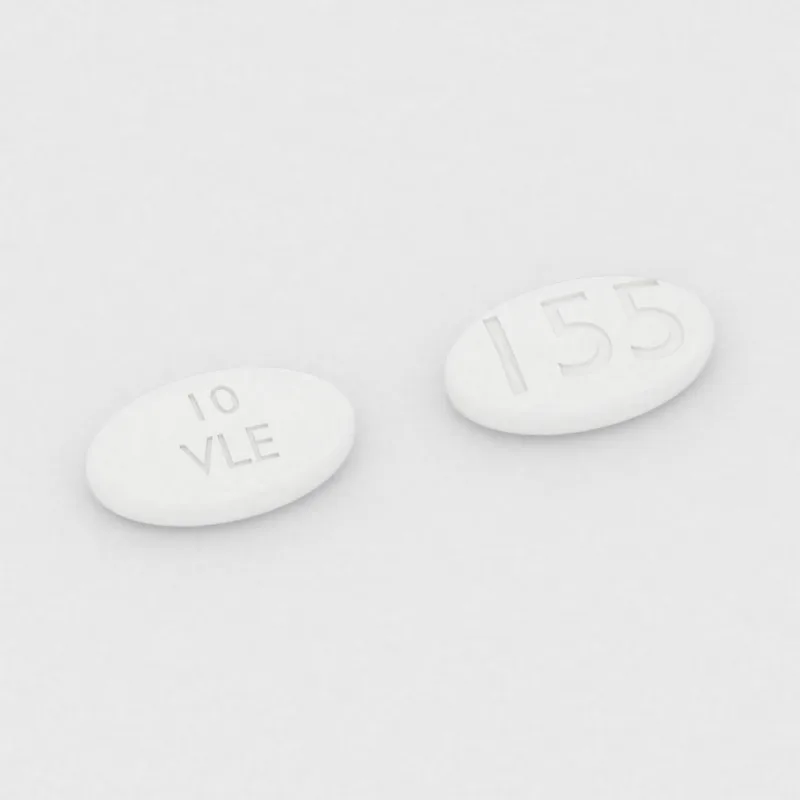
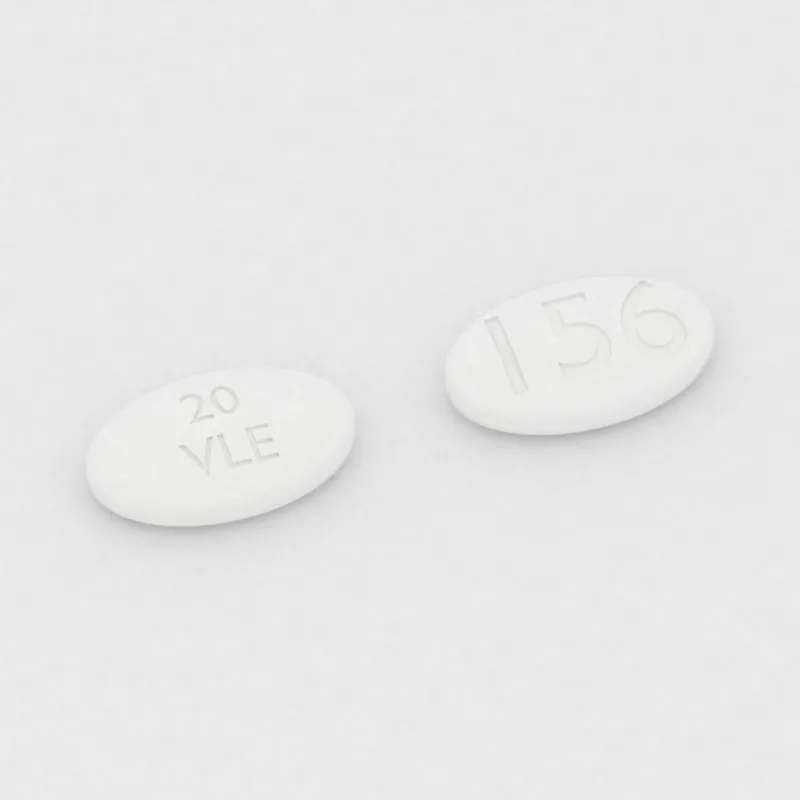
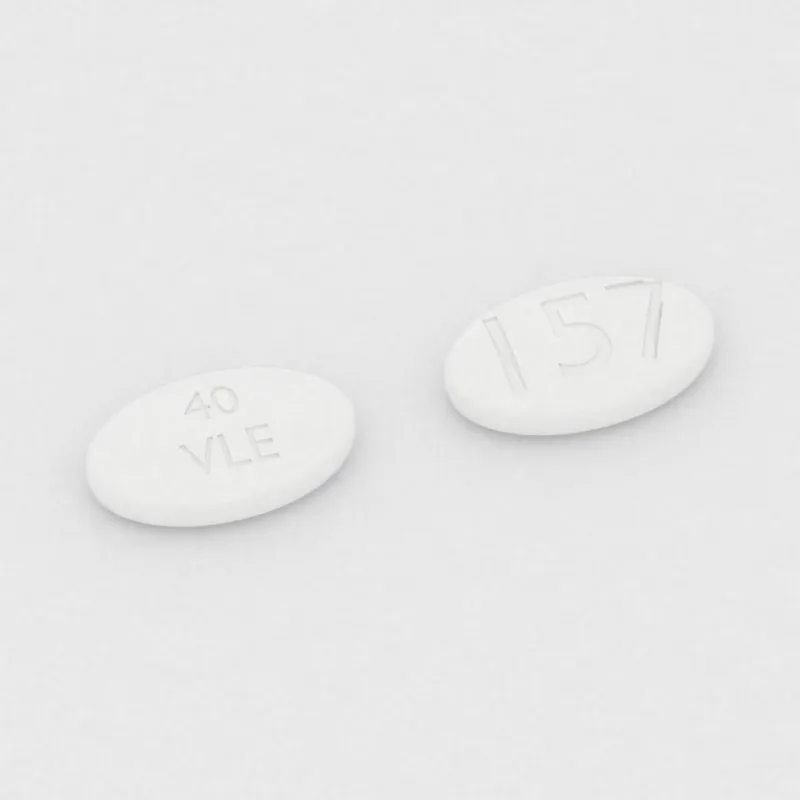
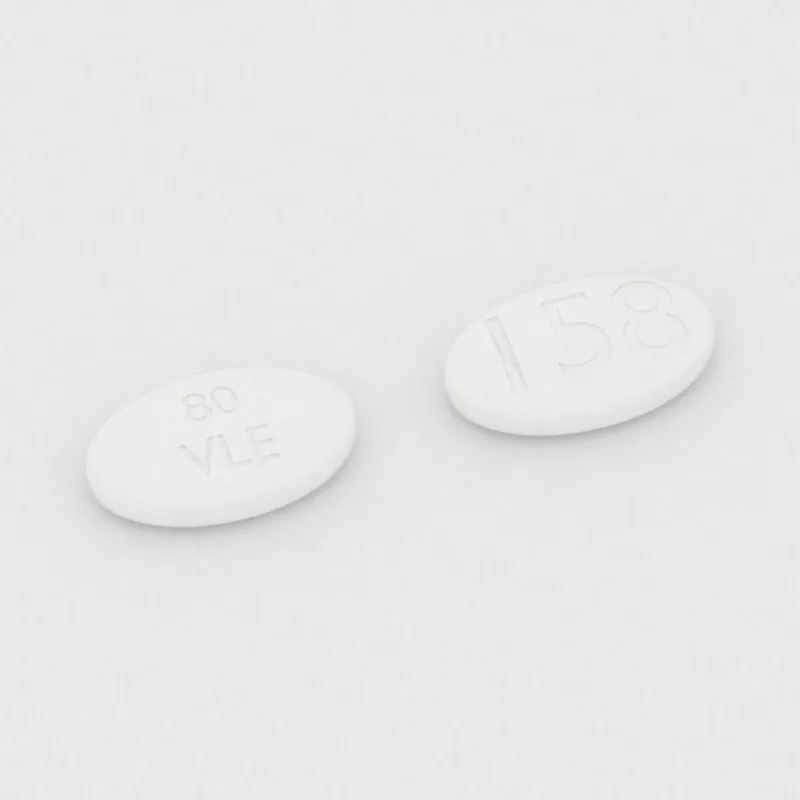
Rendus réalisés à partir des fiches produit des notices FDA : couleur, forme, taille et inscription. 96 versions documentées chez 34 laboratoires.
Atorvastatine : l'essentiel
Faits, idées reçues et affirmations en ligneL'atorvastatine (nom de marque Lipitor) est une statine, un médicament qui abaisse le cholestérol en ralentissant la quantité que le foie en fabrique. Elle est prescrite pour abaisser le cholestérol LDL et les triglycérides et pour réduire le risque de crise cardiaque et d'accident vasculaire cérébral chez les personnes à risque élevé. Elle se présente sous forme de comprimé pris une fois par jour, à n'importe quel moment de la journée, avec ou sans nourriture, à des doses de 10 mg à 80 mg. Le traitement est généralement de longue durée.
Interactions d'après la notice
Interactions majeures (19)
Concomitant use of cyclosporine, gemfibrozil, tipranavir plus ritonavir, or glecaprevir plus pibrentasvir with LIPITOR is not recommended. (notice Atorvastatine, Mises en garde et précautions)
Table 2: Oral drugs that can be administered concomitantly with Ferric Citrate Tablets Amlodipine Aspirin Atorvastatin Calcitriol Clopidogrel Digoxin Diltiazem Doxercalciferol Enalapril Fluvastatin Glimepiride Levofloxacin Losartan Metoprolol Pravastatin Propranolol Sitagliptin Warfarin Oral drugs that have to be separated from Ferric Citrate Tablets and meals… (notice Citrate ferrique, Interactions médicamenteuses)
These include colchicine toxicity with colchicine; markedly increased transaminases with lomitapide; rhabdomyolysis with simvastatin, lovastatin, and atorvastatin; hypoglycemia and cardiac arrhythmias (e.g., torsades de pointes) with disopyramide; and hypotension and acute kidney injury with calcium channel blockers metabolized by CYP3A4 (e.g., verapamil, amlodipine,… (notice Clarithromycine, Mises en garde et précautions)
• Statins: Avoid simvastatin doses greater than 10 mg daily. (notice Dronédarone, Interactions médicamenteuses)
Lipid-modifying Agents: HMG-CoA Reductase Inhibitors: lovastatin simvastatin ↑ lovastatin ↑ simvastatin Coadministration with lovastatin or simvastatin is contraindicated due to potential for serious reactions such as myopathy including rhabdomyolysis. atorvastatin ↑ atorvastatin Initiate atorvastatin with the lowest starting dose of atorvastatin and titrate… (notice Elvitégravir, cobicistat, emtricitabine et ténofovir, Interactions médicamenteuses)
Do not use erythromycin concomitantly with HMG CoA reductase inhibitors (statins) that are extensively metabolized by CYP 3A4 (lovastatin or simvastatin), due to the increased risk of myopathy, including rhabdomyolysis (see PRECAUTIONS - Drug Interactions ). (notice Érythromycine, Contre-indications)
- ÉzétimibeMajeure
When used in combination with a statin, fenofibrate, or other LDL-C lowering therapy, ZETIA is contraindicated in patients for whom a statin, fenofibrate, or other LDL-C lowering therapy are contraindicated. (notice Ézétimibe, Contre-indications)
Concomitant use of cyclosporine, gemfibrozil, tipranavir plus ritonavir, or glecaprevir plus pibrentasvir with LIPITOR is not recommended. (notice Atorvastatine, Mises en garde et précautions)
Myopathy Coadministration of CYP3A4 metabolized HMG-CoA reductase inhibitors such as simvastatin, and lovastatin is contraindicated with ketoconazole tablets (see PRECAUTIONS: Drug Interactions ). (notice Kétoconazole, Contre-indications)
Coadministration of ledipasvir and sofosbuvir with rosuvastatin is not recommended. atorvastatin ↑ atorvastatin Coadministration of ledipasvir and sofosbuvir with atorvastatin may be associated with increased risk of myopathy, including rhabdomyolysis. (notice Lédipasvir et sofosbuvir, Interactions médicamenteuses)
Le millepertuis peut affaiblir ces médicaments en accélérant leur dégradation, ce qui peut se traduire par un rejet d'organe, des caillots ou une perte d'effet. (NCCIH, St. John's Wort)
Concomitant intake of large quantities, more than 1.2 liters daily, of grapefruit juice is not recommended in patients taking LIPITOR [see Drug Interactions (7.1) ] . (notice Atorvastatine, Mises en garde et précautions)
Prevention or Management Atorvastatin, Lovastatin, Simvastatin Concomitant use with posaconazole is contraindicated. (notice Posaconazole, Interactions médicamenteuses)
…↑ pitavastatin Coadministration with VOSEVI may increase the concentration of pitavastatin and is not recommended, due to an increased risk of myopathy, including rhabdomyolysis. atorvastatin fluvastatin lovastatin simvastatin ↑ atorvastatin ↑ fluvastatin ↑ lovastatin ↑ simvastatin Coadministration with VOSEVI may increase the concentrations of atorvastatin,… (notice Sofosbuvir et velpatasvir, Interactions médicamenteuses)
Interactions modérées (86)
Table 3: Drug Interactions that may Decrease Exposure to LIPITOR Rifampin Clinical Impact: Concomitant administration of LIPITOR with rifampin, an inducer of cytochrome P450 3A4 and inhibitor of OATP1B1, can lead to variable reductions in plasma concentrations of atorvastatin. (notice Atorvastatine, Interactions médicamenteuses)
Cases of myopathy/rhabdomyolysis have been reported with atorvastatin co-administered with lipid modifying doses (>1 gram/day) of niacin, fibrates, colchicine, and ledipasvir plus sofosbuvir [see Adverse Reactions (6.1) ] . (notice Atorvastatine, Mises en garde et précautions)
Patients who consume substantial quantities of alcohol and/or have a history of liver disease may be at increased risk for hepatic injury [see Use in Specific Populations (8.7) ] . (notice Atorvastatine, Mises en garde et précautions)
LIPITOR plasma levels can be significantly increased with concomitant administration of inhibitors of CYP3A4 and transporters. (notice Atorvastatine, Interactions médicamenteuses)
• Myopathy and Rhabdomyolysis: Risk factors include age 65 years or greater, uncontrolled hypothyroidism, renal impairment, concomitant use with certain other drugs, and higher amlodipine and atorvastatin dosage. (notice Amlodipine et atorvastatine, Mises en garde et précautions)
LIPITOR plasma levels can be significantly increased with concomitant administration of inhibitors of CYP3A4 and transporters. (notice Atorvastatine, Interactions médicamenteuses)
LIPITOR dosage modifications are recommended for patients taking certain anti-viral, azole antifungals, or macrolide antibiotic medications [see Dosage and Administration (2.5) ] . (notice Atorvastatine, Mises en garde et précautions)
HMG-CoA Reductase Inhibitors: lovastatin simvastatin ↑ lovastatin ↑ simvastatin Initiate lovastatin and simvastatin with the lowest starting dose and titrate carefully while monitoring for safety (e.g., myopathy). (notice Bictégravir, emtricitabine et ténofovir alafénamide, Interactions médicamenteuses)
LIPITOR plasma levels can be significantly increased with concomitant administration of inhibitors of CYP3A4 and transporters. (notice Atorvastatine, Interactions médicamenteuses)
LIPITOR plasma levels can be significantly increased with concomitant administration of inhibitors of CYP3A4 and transporters. (notice Atorvastatine, Interactions médicamenteuses)
LIPITOR dosage modifications are recommended for patients taking certain anti-viral, azole antifungals, or macrolide antibiotic medications [see Dosage and Administration (2.5) ] . (notice Atorvastatine, Mises en garde et précautions)
- ColchicineModérée
Cases of myopathy/rhabdomyolysis have been reported with atorvastatin co-administered with lipid modifying doses (>1 gram/day) of niacin, fibrates, colchicine, and ledipasvir plus sofosbuvir [see Adverse Reactions (6.1) ] . (notice Atorvastatine, Mises en garde et précautions)
However, there was an increase in systemic exposure to weak acids such as furosemide and atorvastatin, and a decrease in systemic exposure to weak bases such as dabigatran when co-administered with LOKELMA, as shown in Figure 2. (notice Cyclosilicate de zirconium sodique, Interactions médicamenteuses)
The risk of myopathy and rhabdomyolysis is increased by concomitant administration of danazol with statins such as simvastatin, atorvastatin and lovastatin. (notice Danazol, Interactions médicamenteuses)
In patients who receive Daptomycin for Injection, CPK levels should be monitored weekly, and more frequently in patients who received recent prior or concomitant therapy with an HMG-CoA reductase inhibitor or in whom elevations in CPK occur during treatment with Daptomycin for Injection. (notice Daptomycine, Mises en garde et précautions)
• Oral Contraceptives: May increase plasma levels of norethindrone and ethinyl estradiol; consider this effect when selecting an oral contraceptive ( 7.3 ). (notice Atorvastatine, Interactions médicamenteuses)
• Oral Contraceptives: May increase plasma levels of norethindrone and ethinyl estradiol; consider this effect when selecting an oral contraceptive ( 7.3 ). (notice Atorvastatine, Interactions médicamenteuses)
• Digoxin: May increase digoxin plasma levels; monitor patients appropriately ( 7.3 ). (notice Atorvastatine, Interactions médicamenteuses)
LIPITOR plasma levels can be significantly increased with concomitant administration of inhibitors of CYP3A4 and transporters. (notice Atorvastatine, Interactions médicamenteuses)
• Oral Contraceptives: May increase plasma levels of norethindrone and ethinyl estradiol; consider this effect when selecting an oral contraceptive ( 7.3 ). (notice Atorvastatine, Interactions médicamenteuses)
LIPITOR dosage modifications are recommended for patients taking certain anti-viral, azole antifungals, or macrolide antibiotic medications [see Dosage and Administration (2.5) ] . (notice Atorvastatine, Mises en garde et précautions)
Maalox TC ® 30 mL QID , 17 days 10 mg QD for 15 days 0.66 0.67 Efavirenz 600 mg QD , 14 days 10 mg for 3 days 0.59 1.01 Rifampin 600 mg QD , 7 days (co‑administered) Due to the dual interaction mechanism of rifampin, simultaneous co-administration of atorvastatin with rifampin is recommended, as delayed administration of atorvastatin after administration of rifampin… (notice Atorvastatine, Interactions médicamenteuses)
Maalox TC ® 30 mL QID , 17 days 10 mg QD for 15 days 0.66 0.67 Efavirenz 600 mg QD , 14 days 10 mg for 3 days 0.59 1.01 Rifampin 600 mg QD , 7 days (co‑administered) Due to the dual interaction mechanism of rifampin, simultaneous co-administration of atorvastatin with rifampin is recommended, as delayed administration of atorvastatin after administration of rifampin… (notice Atorvastatine, Interactions médicamenteuses)
Concomitant use of TRIKAFTA may increase exposures of medicinal products that are substrates of these transporters, such as statins, glyburide, nateglinide and repaglinide. (notice Élexacaftor, tézacaftor et ivacaftor, Interactions médicamenteuses)
Table 3: Drug Interactions that may Decrease Exposure to LIPITOR Rifampin Clinical Impact: Concomitant administration of LIPITOR with rifampin, an inducer of cytochrome P450 3A4 and inhibitor of OATP1B1, can lead to variable reductions in plasma concentrations of atorvastatin. (notice Atorvastatine, Interactions médicamenteuses)
• Oral Contraceptives: May increase plasma levels of norethindrone and ethinyl estradiol; consider this effect when selecting an oral contraceptive ( 7.3 ). (notice Atorvastatine, Interactions médicamenteuses)
• Oral Contraceptives: May increase plasma levels of norethindrone and ethinyl estradiol; consider this effect when selecting an oral contraceptive ( 7.3 ). (notice Atorvastatine, Interactions médicamenteuses)
• Oral Contraceptives: May increase plasma levels of norethindrone and ethinyl estradiol; consider this effect when selecting an oral contraceptive ( 7.3 ). (notice Atorvastatine, Interactions médicamenteuses)
• Oral Contraceptives: May increase plasma levels of norethindrone and ethinyl estradiol; consider this effect when selecting an oral contraceptive ( 7.3 ). (notice Atorvastatine, Interactions médicamenteuses)
• Oral Contraceptives: May increase plasma levels of norethindrone and ethinyl estradiol; consider this effect when selecting an oral contraceptive ( 7.3 ). (notice Atorvastatine, Interactions médicamenteuses)
• Oral Contraceptives: May increase plasma levels of norethindrone and ethinyl estradiol; consider this effect when selecting an oral contraceptive ( 7.3 ). (notice Atorvastatine, Interactions médicamenteuses)
• Oral Contraceptives: May increase plasma levels of norethindrone and ethinyl estradiol; consider this effect when selecting an oral contraceptive ( 7.3 ). (notice Atorvastatine, Interactions médicamenteuses)
Dose adjustments for these HMG-CoA reductase inhibitors may be necessary. (notice Étravirine, Interactions médicamenteuses)
LIPITOR plasma levels can be significantly increased with concomitant administration of inhibitors of CYP3A4 and transporters. (notice Atorvastatine, Interactions médicamenteuses)
The risk is also greater in patients taking VYTORIN 80 mg daily compared with patients taking lower VYTORIN dosages and compared with patients using other statins with similar or greater LDL-C-lowering efficacy [see Adverse Reactions (6.1) ] . (notice Ézétimibe et simvastatine, Mises en garde et précautions)
Cases of myopathy/rhabdomyolysis have been reported with atorvastatin co-administered with lipid modifying doses (>1 gram/day) of niacin, fibrates, colchicine, and ledipasvir plus sofosbuvir [see Adverse Reactions (6.1) ] . (notice Atorvastatine, Mises en garde et précautions)
LIPITOR dosage modifications are recommended for patients taking certain anti-viral, azole antifungals, or macrolide antibiotic medications [see Dosage and Administration (2.5) ] . (notice Atorvastatine, Mises en garde et précautions)
LIPITOR dosage modifications are recommended for patients taking certain anti-viral, azole antifungals, or macrolide antibiotic medications [see Dosage and Administration (2.5) ] . (notice Atorvastatine, Mises en garde et précautions)
LIPITOR plasma levels can be significantly increased with concomitant administration of inhibitors of CYP3A4 and transporters. (notice Atorvastatine, Interactions médicamenteuses)
Carbamazepine, felbamate, lamotrigine, topiramate, oxcarbazepine, lacosamide Antiplatelets Ticagrelor Antilipidemic agents Atorvastatin, fluvastatin, simvastatin Antiviral agents Efavirenz, lopinavir/ritonavir, indinavir, nelfinavir, ritonavir, saquinavir Fosamprenavir: phenytoin when given with fosamprenavir alone may decrease the concentration of amprenavir,… (notice Fosphénytoïne, Interactions médicamenteuses)
• Oral Contraceptives: May increase plasma levels of norethindrone and ethinyl estradiol; consider this effect when selecting an oral contraceptive ( 7.3 ). (notice Atorvastatine, Interactions médicamenteuses)
In a double-blind, placebo-controlled trial of 8,179 statin-treated subjects with established cardiovascular disease (CVD) or diabetes plus an additional risk factor for CVD, adjudicated atrial fibrillation or atrial flutter requiring hospitalization for 24 or more hours occurred in 127 (3%) patients treated with VASCEPA compared to 84 (2%) patients receiving… (notice Icosapent éthyl, Mises en garde et précautions)
LIPITOR plasma levels can be significantly increased with concomitant administration of inhibitors of CYP3A4 and transporters. (notice Atorvastatine, Interactions médicamenteuses)
LIPITOR plasma levels can be significantly increased with concomitant administration of inhibitors of CYP3A4 and transporters. (notice Atorvastatine, Interactions médicamenteuses)
Intervention: In patients taking clarithromycin or itraconazole, do not exceed LIPITOR 20 mg [see Dosage and Administration (2.5) ] . (notice Atorvastatine, Interactions médicamenteuses)
LIPITOR plasma levels can be significantly increased with concomitant administration of inhibitors of CYP3A4 and transporters. (notice Atorvastatine, Interactions médicamenteuses)
Examples of relevant classes of compounds where antacids have been demonstrated to reduce bioavailability include antibiotics (such as quinolones, ampicillin, and tetracyclines), thyroid hormones, ACE inhibitors, statin lipid regulators, and anti-malarials. (notice Lanthane, Interactions médicamenteuses)
For other substrates of BCRP (e.g., mitoxantrone) and drugs in the OATP family (e.g., methotrexate, rifampin), especially HMG-Co reductase inhibitors (e.g., atorvastatin, nateglinide, pravastatin, repaglinide, and simvastatin), consider reducing the dose of these drugs and monitor patients closely for signs and symptoms of increased exposures to the drugs while… (notice Léflunomide, Interactions médicamenteuses)
LIPITOR plasma levels can be significantly increased with concomitant administration of inhibitors of CYP3A4 and transporters. (notice Atorvastatine, Interactions médicamenteuses)
• Oral Contraceptives: May increase plasma levels of norethindrone and ethinyl estradiol; consider this effect when selecting an oral contraceptive ( 7.3 ). (notice Atorvastatine, Interactions médicamenteuses)
• Oral Contraceptives: May increase plasma levels of norethindrone and ethinyl estradiol; consider this effect when selecting an oral contraceptive ( 7.3 ). (notice Atorvastatine, Interactions médicamenteuses)
- LomitapideModérée
Weak CYP3A4 Inhibitors Weak CYP3A4 inhibitors (such as alprazolam, amiodarone, amlodipine, atorvastatin, bicalutamide, cilostazol, cimetidine, cyclosporine, fluoxetine, fluvoxamine, ginkgo, goldenseal, isoniazid, lapatinib, nilotinib, pazopanib, ranitidine, ranolazine, ticagrelor, zileuton) can increase lomitapide exposure approximately 2-fold [see Clinical Pharmacology… (notice Lomitapide, Interactions médicamenteuses)
However, another HMG-CoA reductase inhibitor has been found to produce a less than two-second increase in prothrombin time in healthy volunteers receiving low doses of warfarin. (notice Lovastatine, Interactions médicamenteuses)
• Oral Contraceptives: May increase plasma levels of norethindrone and ethinyl estradiol; consider this effect when selecting an oral contraceptive ( 7.3 ). (notice Atorvastatine, Interactions médicamenteuses)
• Oral Contraceptives: May increase plasma levels of norethindrone and ethinyl estradiol; consider this effect when selecting an oral contraceptive ( 7.3 ). (notice Atorvastatine, Interactions médicamenteuses)
LIPITOR dosage modifications are recommended for patients taking certain anti-viral, azole antifungals, or macrolide antibiotic medications [see Dosage and Administration (2.5) ] . (notice Atorvastatine, Mises en garde et précautions)
• Oral Contraceptives: May increase plasma levels of norethindrone and ethinyl estradiol; consider this effect when selecting an oral contraceptive ( 7.3 ). (notice Atorvastatine, Interactions médicamenteuses)
LIPITOR plasma levels can be significantly increased with concomitant administration of inhibitors of CYP3A4 and transporters. (notice Atorvastatine, Interactions médicamenteuses)
LIPITOR plasma levels can be significantly increased with concomitant administration of inhibitors of CYP3A4 and transporters. (notice Atorvastatine, Interactions médicamenteuses)
- NiacineModérée
Cases of myopathy/rhabdomyolysis have been reported with atorvastatin co-administered with lipid modifying doses (>1 gram/day) of niacin, fibrates, colchicine, and ledipasvir plus sofosbuvir [see Adverse Reactions (6.1) ] . (notice Atorvastatine, Mises en garde et précautions)
• Oral Contraceptives: May increase plasma levels of norethindrone and ethinyl estradiol; consider this effect when selecting an oral contraceptive ( 7.3 ). (notice Atorvastatine, Interactions médicamenteuses)
• Oral Contraceptives: May increase plasma levels of norethindrone and ethinyl estradiol; consider this effect when selecting an oral contraceptive ( 7.3 ). (notice Atorvastatine, Interactions médicamenteuses)
• Oral Contraceptives: May increase plasma levels of norethindrone and ethinyl estradiol; consider this effect when selecting an oral contraceptive ( 7.3 ). (notice Atorvastatine, Interactions médicamenteuses)
• Oral Contraceptives: May increase plasma levels of norethindrone and ethinyl estradiol; consider this effect when selecting an oral contraceptive ( 7.3 ). (notice Atorvastatine, Interactions médicamenteuses)
• Oral Contraceptives: May increase plasma levels of norethindrone and ethinyl estradiol; consider this effect when selecting an oral contraceptive ( 7.3 ). (notice Atorvastatine, Interactions médicamenteuses)
LIPITOR plasma levels can be significantly increased with concomitant administration of inhibitors of CYP3A4 and transporters. (notice Atorvastatine, Interactions médicamenteuses)
- PazopanibModérée
Insufficient data are available to assess the risk of concomitant administration of alternative statins and VOTRIENT. (notice Pazopanib, Mises en garde et précautions)
LIPITOR plasma levels can be significantly increased with concomitant administration of inhibitors of CYP3A4 and transporters. (notice Atorvastatine, Interactions médicamenteuses)
Carbamazepine, felbamate, lamotrigine, topiramate, oxcarbazepine, lacosamide Antilipidemic agents Atorvastatin, fluvastatin, simvastatin Antiplatelets Ticagrelor Antiviral agents Efavirenz, lopinavir/ritonavir, indinavir, nelfinavir, ritonavir, saquinavir Fosamprenavir: phenytoin when given with fosamprenavir alone may decrease the concentration of amprenavir,… (notice Phénytoïne, Interactions médicamenteuses)
- Probénécide et colchicineModérée
Cases of myopathy/rhabdomyolysis have been reported with atorvastatin co-administered with lipid modifying doses (>1 gram/day) of niacin, fibrates, colchicine, and ledipasvir plus sofosbuvir [see Adverse Reactions (6.1) ] . (notice Atorvastatine, Mises en garde et précautions)
• Oral Contraceptives: May increase plasma levels of norethindrone and ethinyl estradiol; consider this effect when selecting an oral contraceptive ( 7.3 ). (notice Atorvastatine, Interactions médicamenteuses)
Atorvastatin (CYP3A4 Substrate) Rhabdomyolysis with acute renal failure secondary to myoglobinuria was reported in a patient taking atorvastatin administered with a single dose of quinine. (notice Quinine, Interactions médicamenteuses)
LIPITOR plasma levels can be significantly increased with concomitant administration of inhibitors of CYP3A4 and transporters. (notice Atorvastatine, Interactions médicamenteuses)
• Rifampin: May reduce atorvastatin plasma concentrations. (notice Atorvastatine, Interactions médicamenteuses)
The risk is also greater in patients taking an 80 mg daily dosage of ZOCOR compared with patients taking lower ZOCOR dosages and compared with patients using other statins with similar or greater LDL-C-lowering efficacy [see Adverse Reactions (6.1) ] . (notice Simvastatine, Mises en garde et précautions)
During sirolimus therapy with or without cyclosporine, patients should be monitored for elevated lipids, and patients administered an HMG-CoA reductase inhibitor and/or fibrate should be monitored for the possible development of rhabdomyolysis and other adverse effects, as described in the respective labeling for these agents. (notice Sirolimus, Mises en garde et précautions)
LIPITOR plasma levels can be significantly increased with concomitant administration of inhibitors of CYP3A4 and transporters. (notice Atorvastatine, Interactions médicamenteuses)
For other substrates of BCRP (e.g., mitoxantrone) and drugs in the OATP family (e.g., methotrexate, rifampin), especially HMG-Co reductase inhibitors (e.g., atorvastatin, nateglinide, pravastatin, repaglinide, and simvastatin), consider reducing the dose of these drugs and monitor patients closely for signs and symptoms of increased exposures to the drugs while… (notice Tériflunomide, Interactions médicamenteuses)
LIPITOR plasma levels can be significantly increased with concomitant administration of inhibitors of CYP3A4 and transporters. (notice Atorvastatine, Interactions médicamenteuses)
Exercise caution when coadministering TOFIDENCE with CYP3A4 substrate drugs where decrease in effectiveness is undesirable, e.g., oral contraceptives, lovastatin, atorvastatin, etc. (notice Tocilizumab, Interactions médicamenteuses)
Elevations in LDL cholesterol decreased to pre-treatment levels in response to statin therapy. (notice Upadacitinib, Mises en garde et précautions)
LIPITOR plasma levels can be significantly increased with concomitant administration of inhibitors of CYP3A4 and transporters. (notice Atorvastatine, Interactions médicamenteuses)
LIPITOR dosage modifications are recommended for patients taking certain anti-viral, azole antifungals, or macrolide antibiotic medications [see Dosage and Administration (2.5) ] . (notice Atorvastatine, Mises en garde et précautions)
…ticlopidine, verapamil, zileuton montelukast, moricizine, omeprazole, phenobarbital, phenytoin, cigarette smoking CYP3A4 alprazolam, amiodarone, amlodipine, amprenavir, aprepitant, atorvastatin, atazanavir, bicalutamide, cilostazol, cimetidine, ciprofloxacin, clarithromycin, conivaptan, cyclosporine, darunavir/ritonavir, diltiazem, erythromycin, fluconazole, fluoxetine,… (notice Warfarine, Interactions médicamenteuses)
Mentions mineures (30)
IMNM is characterized by proximal muscle weakness and elevated serum creatine kinase that persists despite discontinuation of statin treatment; positive anti-HMG CoA reductase antibody; muscle biopsy showing necrotizing myopathy; and improvement with immunosuppressive agents. (notice Atorvastatine, Mises en garde et précautions)
IMNM is characterized by proximal muscle weakness and elevated serum creatine kinase that persists despite discontinuation of statin treatment; positive anti-HMG CoA reductase antibody; muscle biopsy showing necrotizing myopathy; and improvement with immunosuppressive agents. (notice Atorvastatine, Mises en garde et précautions)
IMNM is characterized by proximal muscle weakness and elevated serum creatine kinase that persists despite discontinuation of statin treatment; positive anti-HMG CoA reductase antibody; muscle biopsy showing necrotizing myopathy; and improvement with immunosuppressive agents. (notice Atorvastatine, Mises en garde et précautions)
IMNM is characterized by proximal muscle weakness and elevated serum creatine kinase that persists despite discontinuation of statin treatment; positive anti-HMG CoA reductase antibody; muscle biopsy showing necrotizing myopathy; and improvement with immunosuppressive agents. (notice Atorvastatine, Mises en garde et précautions)
IMNM is characterized by proximal muscle weakness and elevated serum creatine kinase that persists despite discontinuation of statin treatment; positive anti-HMG CoA reductase antibody; muscle biopsy showing necrotizing myopathy; and improvement with immunosuppressive agents. (notice Atorvastatine, Mises en garde et précautions)
IMNM is characterized by proximal muscle weakness and elevated serum creatine kinase that persists despite discontinuation of statin treatment; positive anti-HMG CoA reductase antibody; muscle biopsy showing necrotizing myopathy; and improvement with immunosuppressive agents. (notice Atorvastatine, Mises en garde et précautions)
Atorvastatin was used in 48% (73/152) of patients with CTCL. (notice Bexarotène, Mises en garde et précautions)
IMNM is characterized by proximal muscle weakness and elevated serum creatine kinase that persists despite discontinuation of statin treatment; positive anti-HMG CoA reductase antibody; muscle biopsy showing necrotizing myopathy; and improvement with immunosuppressive agents. (notice Atorvastatine, Mises en garde et précautions)
IMNM is characterized by proximal muscle weakness and elevated serum creatine kinase that persists despite discontinuation of statin treatment; positive anti-HMG CoA reductase antibody; muscle biopsy showing necrotizing myopathy; and improvement with immunosuppressive agents. (notice Atorvastatine, Mises en garde et précautions)
IMNM is characterized by proximal muscle weakness and elevated serum creatine kinase that persists despite discontinuation of statin treatment; positive anti-HMG CoA reductase antibody; muscle biopsy showing necrotizing myopathy; and improvement with immunosuppressive agents. (notice Atorvastatine, Mises en garde et précautions)
…acid, α-blockers, angiotensin-converting enzyme (ACE) inhibitors, analgesics, anti-convulsants, beta-adrenergic blocking agents, diuretics, calcium channel blockers, cardiac nitrates, HMG-CoA reductase inhibitors, nonsteroidal anti-inflammatory drugs (NSAIDs), benzodiazepines, H 2 antagonists and quinolone anti-infectives without evidence of clinically significant… (notice Finastéride, Interactions médicamenteuses)
IMNM is characterized by proximal muscle weakness and elevated serum creatine kinase that persists despite discontinuation of statin treatment; positive anti-HMG CoA reductase antibody; muscle biopsy showing necrotizing myopathy; and improvement with immunosuppressive agents. (notice Atorvastatine, Mises en garde et précautions)
IMNM is characterized by proximal muscle weakness and elevated serum creatine kinase that persists despite discontinuation of statin treatment; positive anti-HMG CoA reductase antibody; muscle biopsy showing necrotizing myopathy; and improvement with immunosuppressive agents. (notice Atorvastatine, Mises en garde et précautions)
IMNM is characterized by proximal muscle weakness and elevated serum creatine kinase that persists despite discontinuation of statin treatment; positive anti-HMG CoA reductase antibody; muscle biopsy showing necrotizing myopathy; and improvement with immunosuppressive agents. (notice Atorvastatine, Mises en garde et précautions)
IMNM is characterized by proximal muscle weakness and elevated serum creatine kinase that persists despite discontinuation of statin treatment; positive anti-HMG CoA reductase antibody; muscle biopsy showing necrotizing myopathy; and improvement with immunosuppressive agents. (notice Atorvastatine, Mises en garde et précautions)
IMNM is characterized by proximal muscle weakness and elevated serum creatine kinase that persists despite discontinuation of statin treatment; positive anti-HMG CoA reductase antibody; muscle biopsy showing necrotizing myopathy; and improvement with immunosuppressive agents. (notice Atorvastatine, Mises en garde et précautions)
IMNM is characterized by proximal muscle weakness and elevated serum creatine kinase that persists despite discontinuation of statin treatment; positive anti-HMG CoA reductase antibody; muscle biopsy showing necrotizing myopathy; and improvement with immunosuppressive agents. (notice Atorvastatine, Mises en garde et précautions)
IMNM is characterized by proximal muscle weakness and elevated serum creatine kinase that persists despite discontinuation of statin treatment; positive anti-HMG CoA reductase antibody; muscle biopsy showing necrotizing myopathy; and improvement with immunosuppressive agents. (notice Atorvastatine, Mises en garde et précautions)
IMNM is characterized by proximal muscle weakness and elevated serum creatine kinase that persists despite discontinuation of statin treatment; positive anti-HMG CoA reductase antibody; muscle biopsy showing necrotizing myopathy; and improvement with immunosuppressive agents. (notice Atorvastatine, Mises en garde et précautions)
Should treatment with any HMG-CoA reductase inhibitor (a lipid lowering agent) be needed to treat lipid elevations, evaluate the potential for a drug-drug interaction before initiating therapy as certain HMG-CoA reductase inhibitors are metabolized by the CYP3A4 pathway [see Drug Interactions ( 7.1 )] . (notice Nilotinib, Mises en garde et précautions)
IMNM is characterized by proximal muscle weakness and elevated serum creatine kinase that persists despite discontinuation of statin treatment; positive anti-HMG CoA reductase antibody; muscle biopsy showing necrotizing myopathy; and improvement with immunosuppressive agents. (notice Atorvastatine, Mises en garde et précautions)
IMNM is characterized by proximal muscle weakness and elevated serum creatine kinase that persists despite discontinuation of statin treatment; positive anti-HMG CoA reductase antibody; muscle biopsy showing necrotizing myopathy; and improvement with immunosuppressive agents. (notice Atorvastatine, Mises en garde et précautions)
IMNM is characterized by proximal muscle weakness and elevated serum creatine kinase that persists despite discontinuation of statin treatment; positive anti-HMG CoA reductase antibody; muscle biopsy showing necrotizing myopathy; and improvement with immunosuppressive agents. (notice Atorvastatine, Mises en garde et précautions)
Effient can be administered with aspirin (75 mg to 325 mg per day), heparin, GPIIb/IIIa inhibitors, statins, digoxin, and drugs that elevate gastric pH, including proton pump inhibitors and H 2 blockers [see Clinical Pharmacology (12.3) ] . (notice Prasugrel, Interactions médicamenteuses)
IMNM is characterized by proximal muscle weakness and elevated serum creatine kinase that persists despite discontinuation of statin treatment; positive anti-HMG CoA reductase antibody; muscle biopsy showing necrotizing myopathy; and improvement with immunosuppressive agents. (notice Atorvastatine, Mises en garde et précautions)
IMNM is characterized by proximal muscle weakness and elevated serum creatine kinase that persists despite discontinuation of statin treatment; positive anti-HMG CoA reductase antibody; muscle biopsy showing necrotizing myopathy; and improvement with immunosuppressive agents. (notice Atorvastatine, Mises en garde et précautions)
IMNM is characterized by proximal muscle weakness and elevated serum creatine kinase that persists despite discontinuation of statin treatment; positive anti-HMG CoA reductase antibody; muscle biopsy showing necrotizing myopathy; and improvement with immunosuppressive agents. (notice Atorvastatine, Mises en garde et précautions)
IMNM is characterized by proximal muscle weakness and elevated serum creatine kinase that persists despite discontinuation of statin treatment; positive anti-HMG CoA reductase antibody; muscle biopsy showing necrotizing myopathy; and improvement with immunosuppressive agents. (notice Atorvastatine, Mises en garde et précautions)
IMNM is characterized by proximal muscle weakness and elevated serum creatine kinase that persists despite discontinuation of statin treatment; positive anti-HMG CoA reductase antibody; muscle biopsy showing necrotizing myopathy; and improvement with immunosuppressive agents. (notice Atorvastatine, Mises en garde et précautions)
IMNM is characterized by proximal muscle weakness and elevated serum creatine kinase that persists despite discontinuation of statin treatment; positive anti-HMG CoA reductase antibody; muscle biopsy showing necrotizing myopathy; and improvement with immunosuppressive agents. (notice Atorvastatine, Mises en garde et précautions)
Aucune interaction significative signalée (6)
…clinically significant changes in concentration were observed for the following agents when co-administered with doravirine: dolutegravir, lamivudine, TDF, elbasvir and grazoprevir, ledipasvir and sofosbuvir, atorvastatin, an oral contraceptive containing ethinyl estradiol and levonorgestrel, metformin, methadone, and midazolam [see Clinical Pharmacology (12.3) ] . (notice Doravirine, Interactions médicamenteuses)
No clinically significant drug interactions have been observed between RPV and the following medications: acetaminophen, atorvastatin, chlorzoxazone, ethinyl estradiol, ledipasvir/sofosbuvir, norethindrone, sildenafil, simeprevir, sofosbuvir, sofosbuvir/velpatasvir, sofosbuvir/velpatasvir/voxilaprevir, or TDF. (notice Emtricitabine, rilpivirine et ténofovir, Interactions médicamenteuses)
Co-administration of multiple 10 mg doses of atorvastatin with 80 mg of quinapril hydrochloride resulted in no significant change in the steady-state pharmacokinetic parameters of atorvastatin. (notice Quinapril, Interactions médicamenteuses)
Based on these data, ISENTRESS is not expected to affect the pharmacokinetics of drugs that are substrates of these enzymes or P-glycoprotein (e.g., protease inhibitors, NNRTIs, opioid analgesics, statins, azole antifungals, proton pump inhibitors and anti-erectile dysfunction agents). (notice Raltégravir, Interactions médicamenteuses)
…included in Table 6, the interaction between EDURANT and the following drugs was evaluated in clinical studies and no dose adjustment is needed for either drug [see Clinical Pharmacology (12.3) ] : acetaminophen, atorvastatin, chlorzoxazone, cabotegravir, ethinylestradiol, norethindrone, raltegravir, sildenafil, simeprevir and tenofovir disoproxil fumarate. (notice Rilpivirine, Interactions médicamenteuses)
Amlodipine has no clinically relevant effects on the pharmacokinetics or pharmacodynamics of the following: atorvastatin, digoxin, warfarin. (notice Telmisartan et amlodipine, Interactions médicamenteuses)
Vérifiez Atorvastatine avec tout ce que vous prenez. Ajoutez votre liste complète ; toutes les paires sont vérifiées en une fois.
Ouvrir dans le vérificateurCeci n'est pas un avis médical. Le niveau de gravité reflète la formulation de la notice, pas votre situation. Une alerte « majeure » peut être courante sous surveillance et une alerte « mineure » peut compter à forte dose. Demandez conseil à un pharmacien.