
Bumétanide : interactions médicamenteuses
Bumétanide (Bumex), diurétique de l'anse, présente 311 interactions documentées dans les notices FDA et les fiches d'information que nous indexons : 47 de niveau majeur, 205 de niveau modéré, 47 de niveau mineur et 12 cas où une notice ne signale aucune interaction significative. Chaque entrée ci-dessous cite la phrase sur laquelle elle repose. Cette page consacrée à un médicament est un point de départ, pas un verdict sur votre situation.
À quoi ressemble Bumétanide
Voir les 41 versions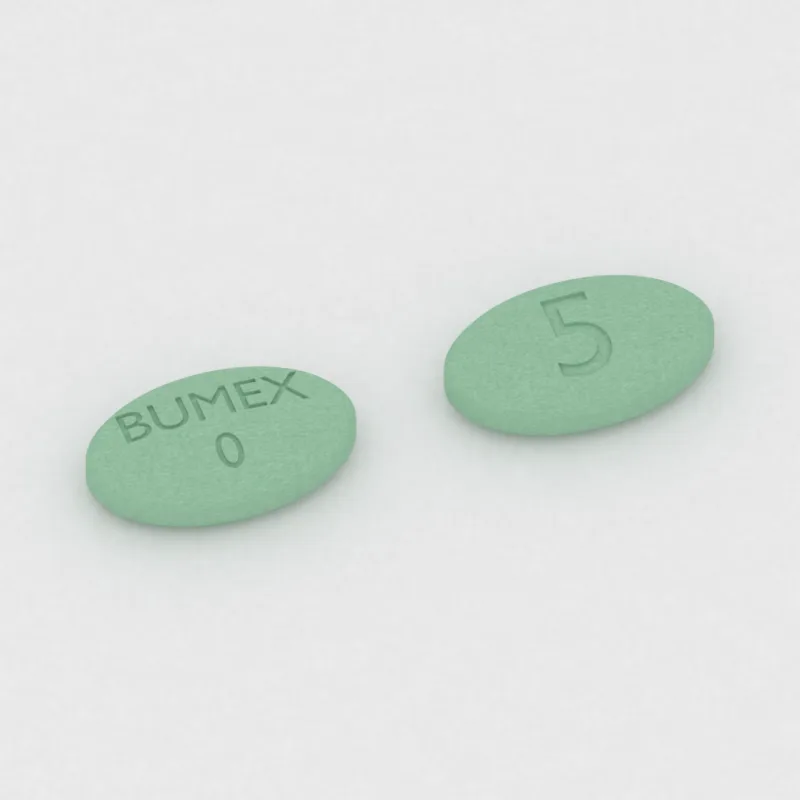
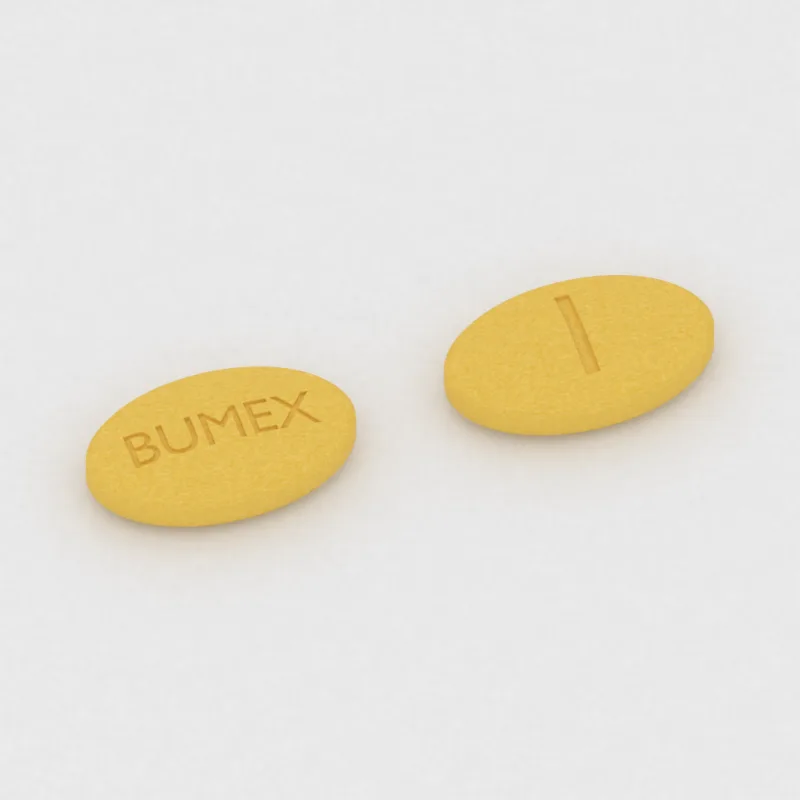
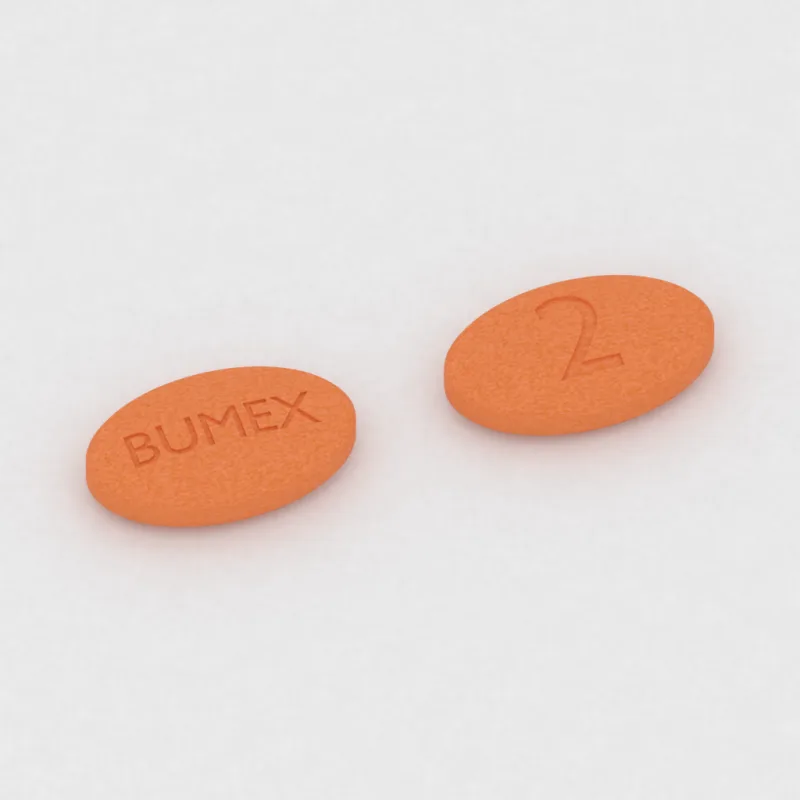
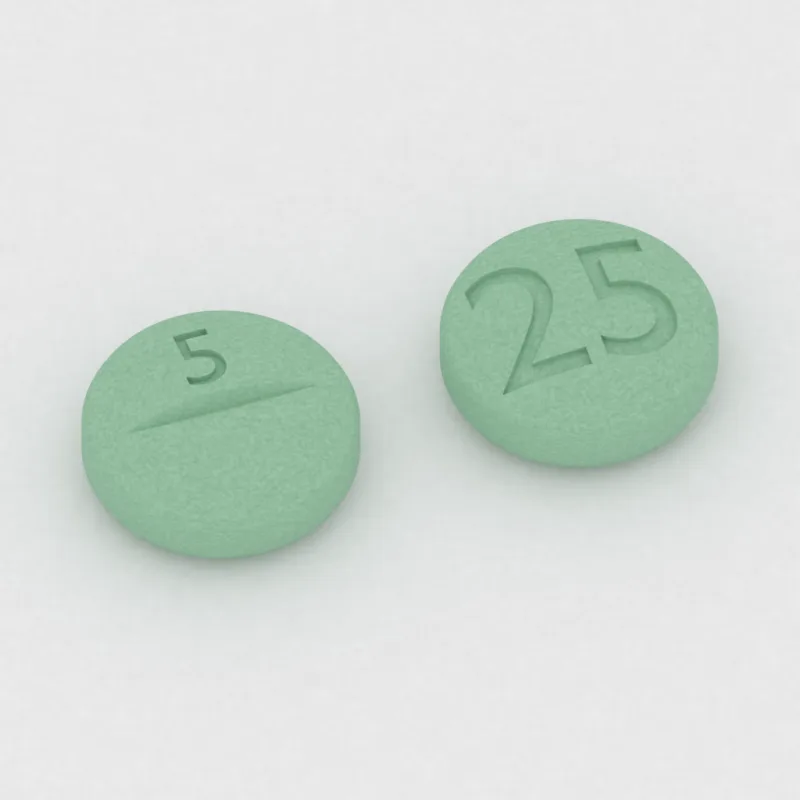
Rendus réalisés à partir des fiches produit des notices FDA : couleur, forme, taille et inscription. 41 versions documentées chez 17 laboratoires.
Interactions d'après la notice
Interactions majeures (47)
Like other diuretics it may precipitate hepatic coma and death. (notice Acide étacrynique, Mises en garde)
Drug Interactions Drugs with Ototoxic Potential (see WARNINGS ) Especially in the presence of impaired renal function, the use of parenterally administered bumetanide in patients to whom aminoglycoside antibiotics are also being given should be avoided, except in life-threatening conditions. (notice Bumétanide, Interactions médicamenteuses)
WARNING Bumetanide is a potent diuretic which, if given in excessive amounts, can lead to a profound diuresis with water and electrolyte depletion. (notice Bumétanide, Mise en garde encadrée)
WARNING Bumetanide is a potent diuretic which, if given in excessive amounts, can lead to a profound diuresis with water and electrolyte depletion. (notice Bumétanide, Mise en garde encadrée)
WARNING Bumetanide is a potent diuretic which, if given in excessive amounts, can lead to a profound diuresis with water and electrolyte depletion. (notice Bumétanide, Mise en garde encadrée)
Sodium bicarbonate injection is contraindicated in patients who are losing chloride by vomiting or from continuous gastrointestinal suction and in patients receiving diuretics known to produce a hypochloremic alkalosis. (notice Bicarbonate de sodium, Contre-indications)
WARNING Bumetanide is a potent diuretic which, if given in excessive amounts, can lead to a profound diuresis with water and electrolyte depletion. (notice Bumétanide, Mise en garde encadrée)
WARNING Bumetanide is a potent diuretic which, if given in excessive amounts, can lead to a profound diuresis with water and electrolyte depletion. (notice Bumétanide, Mise en garde encadrée)
WARNING Bumetanide is a potent diuretic which, if given in excessive amounts, can lead to a profound diuresis with water and electrolyte depletion. (notice Bumétanide, Mise en garde encadrée)
WARNING Bumetanide is a potent diuretic which, if given in excessive amounts, can lead to a profound diuresis with water and electrolyte depletion. (notice Bumétanide, Mise en garde encadrée)
- Choriogonadotropine alfaMajeure
Because the use of diuretics can accentuate the diminished intravascular volume, avoid diuretics except in the late phase of resolution. (notice Choriogonadotropine alfa, Mises en garde)
Potassium-Sparing Diuretics Cyclosporine should not be used with potassium-sparing diuretics because hyperkalemia can occur. (notice Ciclosporine, Interactions médicamenteuses)
The following drug interactions may occur with potassium citrate: Potassium-sparing diuretics: concomitant administration should be avoided since the simultaneous administration of these agents can produce severe hyperkalemia (7.1) (notice Citrate de potassium, Interactions médicamenteuses)
In the DIAMOND trials, 1252 patients were treated with dofetilide and diuretics concomitantly, of whom 493 died compared to 508 deaths among the 1248 patients receiving placebo and diuretics. (notice Dofétilide, Interactions médicamenteuses)
Droperidol should be administered with extreme caution to patients who may be at risk for development of prolonged QT syndrome (e.g., congestive heart failure, bradycardia, use of a diuretic, cardiac hypertrophy, hypokalemia, hypomagnesemia, or administration of other drugs known to increase the QT interval). (notice Dropéridol, Mise en garde encadrée)
WARNING Bumetanide is a potent diuretic which, if given in excessive amounts, can lead to a profound diuresis with water and electrolyte depletion. (notice Bumétanide, Mise en garde encadrée)
…sometimes associated with oliguria and/or progressive azotemia, and rarely with acute renal failure and/or death, include those with the following conditions or characteristics: heart failure, hyponatremia, high dose diuretic therapy, recent intensive diuresis or increase in diuretic dose, renal dialysis, or severe volume and/or salt depletion of any etiology. (notice Énalaprilate, Mises en garde)
WARNING Bumetanide is a potent diuretic which, if given in excessive amounts, can lead to a profound diuresis with water and electrolyte depletion. (notice Bumétanide, Mise en garde encadrée)
- FollitropineMajeure
Because the use of diuretics can accentuate the diminished intravascular volume, diuretics should be avoided except in the late phase of resolution as described below. (notice Follitropine, Mises en garde et précautions)
WARNING Bumetanide is a potent diuretic which, if given in excessive amounts, can lead to a profound diuresis with water and electrolyte depletion. (notice Bumétanide, Mise en garde encadrée)
Drug Interactions Drugs with Ototoxic Potential (see WARNINGS ) Especially in the presence of impaired renal function, the use of parenterally administered bumetanide in patients to whom aminoglycoside antibiotics are also being given should be avoided, except in life-threatening conditions. (notice Bumétanide, Interactions médicamenteuses)
WARNING Bumetanide is a potent diuretic which, if given in excessive amounts, can lead to a profound diuresis with water and electrolyte depletion. (notice Bumétanide, Mise en garde encadrée)
WARNING Bumetanide is a potent diuretic which, if given in excessive amounts, can lead to a profound diuresis with water and electrolyte depletion. (notice Bumétanide, Mise en garde encadrée)
WARNING Bumetanide is a potent diuretic which, if given in excessive amounts, can lead to a profound diuresis with water and electrolyte depletion. (notice Bumétanide, Mise en garde encadrée)
- IrinotécanMajeure
Avoid diuretics or laxatives in patients with diarrhea. (notice Irinotécan, Mises en garde et précautions)
Diuretics Eplerenone Contraindicated during and 2 weeks after TOLSURA treatment. (notice Itraconazole, Interactions médicamenteuses)
WARNING Bumetanide is a potent diuretic which, if given in excessive amounts, can lead to a profound diuresis with water and electrolyte depletion. (notice Bumétanide, Mise en garde encadrée)
WARNING Bumetanide is a potent diuretic which, if given in excessive amounts, can lead to a profound diuresis with water and electrolyte depletion. (notice Bumétanide, Mise en garde encadrée)
WARNING Bumetanide is a potent diuretic which, if given in excessive amounts, can lead to a profound diuresis with water and electrolyte depletion. (notice Bumétanide, Mise en garde encadrée)
WARNING Bumetanide is a potent diuretic which, if given in excessive amounts, can lead to a profound diuresis with water and electrolyte depletion. (notice Bumétanide, Mise en garde encadrée)
Minoxidil should be reserved for hypertensive patients who do not respond adequately to maximum therapeutic doses of a diuretic and two other antihypertensive agents. (notice Minoxidil, Mise en garde encadrée)
Drug Interactions Drugs with Ototoxic Potential (see WARNINGS ) Especially in the presence of impaired renal function, the use of parenterally administered bumetanide in patients to whom aminoglycoside antibiotics are also being given should be avoided, except in life-threatening conditions. (notice Bumétanide, Interactions médicamenteuses)
WARNING Bumetanide is a potent diuretic which, if given in excessive amounts, can lead to a profound diuresis with water and electrolyte depletion. (notice Bumétanide, Mise en garde encadrée)
- Olmésartan, amlodipine et hydrochlorothiazideantagoniste des récepteurs de l'angiotensine II (ARA II)Majeure
WARNING Bumetanide is a potent diuretic which, if given in excessive amounts, can lead to a profound diuresis with water and electrolyte depletion. (notice Bumétanide, Mise en garde encadrée)
Drug Interactions Drugs with Ototoxic Potential (see WARNINGS ) Especially in the presence of impaired renal function, the use of parenterally administered bumetanide in patients to whom aminoglycoside antibiotics are also being given should be avoided, except in life-threatening conditions. (notice Bumétanide, Interactions médicamenteuses)
- ProbénécideMajeure
Thus, probenecid should not be administered concurrently with bumetanide. (notice Bumétanide, Interactions médicamenteuses)
- Probénécide et colchicineMajeure
Thus, probenecid should not be administered concurrently with bumetanide. (notice Bumétanide, Interactions médicamenteuses)
…sometimes associated with oliguria and/or progressive azotemia, and rarely with acute renal failure and/or death, include patients with the following conditions or characteristics: heart failure, hyponatremia, high dose diuretic therapy, recent intensive diuresis or increase in diuretic dose, renal dialysis, or severe volume and/or salt depletion of any etiology. (notice Quinapril, Mises en garde)
WARNING Bumetanide is a potent diuretic which, if given in excessive amounts, can lead to a profound diuresis with water and electrolyte depletion. (notice Bumétanide, Mise en garde encadrée)
WARNING Bumetanide is a potent diuretic which, if given in excessive amounts, can lead to a profound diuresis with water and electrolyte depletion. (notice Bumétanide, Mise en garde encadrée)
WARNING Bumetanide is a potent diuretic which, if given in excessive amounts, can lead to a profound diuresis with water and electrolyte depletion. (notice Bumétanide, Mise en garde encadrée)
WARNING Bumetanide is a potent diuretic which, if given in excessive amounts, can lead to a profound diuresis with water and electrolyte depletion. (notice Bumétanide, Mise en garde encadrée)
Drug Interactions Drugs with Ototoxic Potential (see WARNINGS ) Especially in the presence of impaired renal function, the use of parenterally administered bumetanide in patients to whom aminoglycoside antibiotics are also being given should be avoided, except in life-threatening conditions. (notice Bumétanide, Interactions médicamenteuses)
WARNING Bumetanide is a potent diuretic which, if given in excessive amounts, can lead to a profound diuresis with water and electrolyte depletion. (notice Bumétanide, Mise en garde encadrée)
WARNING Bumetanide is a potent diuretic which, if given in excessive amounts, can lead to a profound diuresis with water and electrolyte depletion. (notice Bumétanide, Mise en garde encadrée)
The risk of torsade de pointes is related to the extent of QTc prolongation, concomitant administration of QTc prolonging drugs, a history of torsade de pointes, pre-existing QTc interval prolongation, congestive heart failure, administration of potassium-wasting diuretics, or other conditions that result in hypokalemia or hypomagnesemia. (notice Trioxyde d'arsenic, Mises en garde et précautions)
WARNING Bumetanide is a potent diuretic which, if given in excessive amounts, can lead to a profound diuresis with water and electrolyte depletion. (notice Bumétanide, Mise en garde encadrée)
Interactions modérées (205)
Antihypertensives Bumetanide may potentiate the effect of various antihypertensive drugs, necessitating a reduction in the dosage of these drugs. (notice Bumétanide, Interactions médicamenteuses)
Like other members of this class of diuretics, bumetanide probably shares this risk. (notice Bumétanide, Mises en garde)
Patients at greatest risk of this reaction are those with impaired renal function, dehydration, hypovolemia, heart failure, liver dysfunction, those taking diuretics and ACE inhibitors or ARBs, and the elderly. (notice Acide méfénamique, Mises en garde et précautions)
Elderly patients and those receiving diuretic therapy are at increased risk of acute renal failure. (notice Acide zolédronique, Mises en garde et précautions)
…Precautions (5.6) and Adverse Reactions (6) ]. β-blockers, such as propranolol Cyclopropane or halogenated hydrocarbon anesthetics, such as halothane Antihistamines Thyroid hormones Diuretics Cardiac glycosides, such as digitalis glycosides Quinidine Drugs potentiating hypokalemic effects of epinephrine • Potassium depleting diuretics • Corticosteroids • Theophylline… (notice Adrénaline, Interactions médicamenteuses)
Antihypertensives Bumetanide may potentiate the effect of various antihypertensive drugs, necessitating a reduction in the dosage of these drugs. (notice Bumétanide, Interactions médicamenteuses)
Hypersensitivity reactions to allopurinol tablets may be increased in patients with decreased kidney function receiving thiazide diuretics and allopurinol tablets concurrently. (notice Allopurinol, Mises en garde et précautions)
Examples: Thiazides and other diuretics, corticosteroids, phenothiazines, thyroid products, estrogens, oral contraceptives, phenytoin, nicotinic acid, sympathomimetics, calcium channel blocking drugs and isoniazid Alogliptin Cytochrome (CYP) P450, CYP-Substrates or Inhibitors Clinical Impact: Insulin Secretagogues and Insulin Insulin and insulin secretagogues… (notice Alogliptine et metformine, Interactions médicamenteuses)
Give special attention to electrolyte and acid-base balance in patients experiencing severe or prolonged diarrhea or in patients receiving concomitant diuretics and laxatives. (notice Amiodarone, Mises en garde et précautions)
Antihypertensives Bumetanide may potentiate the effect of various antihypertensive drugs, necessitating a reduction in the dosage of these drugs. (notice Bumétanide, Interactions médicamenteuses)
Antihypertensives Bumetanide may potentiate the effect of various antihypertensive drugs, necessitating a reduction in the dosage of these drugs. (notice Bumétanide, Interactions médicamenteuses)
Antihypertensives Bumetanide may potentiate the effect of various antihypertensive drugs, necessitating a reduction in the dosage of these drugs. (notice Bumétanide, Interactions médicamenteuses)
Antihypertensives Bumetanide may potentiate the effect of various antihypertensive drugs, necessitating a reduction in the dosage of these drugs. (notice Bumétanide, Interactions médicamenteuses)
Antihypertensives Bumetanide may potentiate the effect of various antihypertensive drugs, necessitating a reduction in the dosage of these drugs. (notice Bumétanide, Interactions médicamenteuses)
Xanthine derivatives, steroids, diuretics, or non-potassium sparing diuretics may potentiate hypokalemia or ECG changes. (notice Arformotérol, Interactions médicamenteuses)
…this product or any of its ingredients Ask a doctor before use if stomach bleeding warning applies to you you have a history of stomach problems, such as heartburn you are taking a diuretic you have high blood pressure, heart disease, liver cirrhosis, or kidney disease you have asthma Ask a doctor or pharmacist before use if you are taking a prescription drug… (notice Aspirine, Mises en garde)
Diuretics The effectiveness of diuretics in patients with underlying renal or cardiovascular disease may be diminished by the concomitant administration of aspirin due to inhibition of renal prostaglandins, leading to decreased renal blood flow and salt and fluid retention. (notice Aspirine et dipyridamole, Interactions médicamenteuses)
Antihypertensives Bumetanide may potentiate the effect of various antihypertensive drugs, necessitating a reduction in the dosage of these drugs. (notice Bumétanide, Interactions médicamenteuses)
Antihypertensives Bumetanide may potentiate the effect of various antihypertensive drugs, necessitating a reduction in the dosage of these drugs. (notice Bumétanide, Interactions médicamenteuses)
Diuretics Clinical Impact : Opioids can reduce the efficacy of diuretics by inducing the release of antidiuretic hormone. (notice Belladone et opium, Interactions médicamenteuses)
Antihypertensives Bumetanide may potentiate the effect of various antihypertensive drugs, necessitating a reduction in the dosage of these drugs. (notice Bumétanide, Interactions médicamenteuses)
Antihypertensives Bumetanide may potentiate the effect of various antihypertensive drugs, necessitating a reduction in the dosage of these drugs. (notice Bumétanide, Interactions médicamenteuses)
Patients with impaired renal function (eGFR less than 60 mL/min/1.73 m 2 ) [see Use in Specific Populations ( 8.6 )] , elderly patients, patients with low systolic blood pressure, or patients on loop diuretics may be at increased risk for volume depletion or hypotension. (notice Bexagliflozine, Mises en garde et précautions)
Antihypertensives Bumetanide may potentiate the effect of various antihypertensive drugs, necessitating a reduction in the dosage of these drugs. (notice Bumétanide, Interactions médicamenteuses)
Diuretics: Use with caution. (notice Budésonide et formotérol, Interactions médicamenteuses)
Examples: cyclobenzaprine, metaxalone Diuretics Clinical Impact: Opioids can reduce the efficacy of diuretics by inducing the release of antidiuretic hormone. (notice Buprénorphine, Interactions médicamenteuses)
Examples: Cyclobenzaprine, metaxalone Diuretics Clinical Impact: Opioids can reduce the efficacy of diuretics by inducing the release of antidiuretic hormone. (notice Buprénorphine et naloxone, Interactions médicamenteuses)
Diuretics Clinical Impact: Opioids can reduce the efficacy of diuretics by inducing the release of antidiuretic hormone. (notice Butalbital, aspirine, caféine et codéine, Interactions médicamenteuses)
Examples: cyclobenzaprine, metaxalone Diuretics Clinical Impact: Opioids can reduce the efficacy of diuretics by inducing the release of antidiuretic hormone. (notice Butalbital, paracétamol, caféine et codéine, Interactions médicamenteuses)
Patients with impaired renal function (eGFR less than 60 mL/min/1.73 m 2 ), elderly patients, or patients on loop diuretics may be at increased risk for volume depletion or hypotension. (notice Canagliflozine, Mises en garde et précautions)
Antihypertensives Bumetanide may potentiate the effect of various antihypertensive drugs, necessitating a reduction in the dosage of these drugs. (notice Bumétanide, Interactions médicamenteuses)
Antihypertensives Bumetanide may potentiate the effect of various antihypertensive drugs, necessitating a reduction in the dosage of these drugs. (notice Bumétanide, Interactions médicamenteuses)
Elderly patients and patients treated with diuretics are at greater risk of developing hyponatremia. (notice Carbamazépine, Mises en garde et précautions)
Antihypertensives Bumetanide may potentiate the effect of various antihypertensive drugs, necessitating a reduction in the dosage of these drugs. (notice Bumétanide, Interactions médicamenteuses)
Diuretics: Nephrotoxicity has been reported with concomitant administration of cephalosporins with potent diuretics such as furosemide. (notice Céfépime, Interactions médicamenteuses)
Drug Interactions Nephrotoxicity has been reported following concomitant administration of cephalosporins with aminoglycoside antibacterial drugs or potent diuretics such as furosemide. (notice Ceftazidime, Interactions médicamenteuses)
Patients at greatest risk of this reaction are those with impaired renal function, dehydration, hypovolemia , heart failure, liver dysfunction, those taking diuretics, ACE inhibitors or the ARBs, and the elderly. (notice Célécoxib, Mises en garde et précautions)
Thiazide diuretics may accentuate the orthostatic hypotension that may occur with phenothiazines. (notice Chlorpromazine, Précautions)
- Chlorure de calciumModérée
Drugs That Increase the Risk of Hypercalcemia Increase frequency of monitoring of calcium concentrations in patients taking concomitant Calcium Chloride Injection and other drugs that increase the risk of hypercalcemia (e.g., calcipotriene, estrogen, lithium, parathyroid hormone, teriparatide, thiazide diuretics, Vitamin A, and Vitamin D). (notice Chlorure de calcium, Interactions médicamenteuses)
Elderly patients, patients taking diuretics, and those who are volume depleted may be at greater risk for developing hyponatremia with SSRIs [see Use in Specific Populations ( 8.5 )] . (notice Citalopram, Mises en garde et précautions)
Consider use of diuretics and/or albumin. (notice Clofarabine, Mises en garde et précautions)
Antihypertensives Bumetanide may potentiate the effect of various antihypertensive drugs, necessitating a reduction in the dosage of these drugs. (notice Bumétanide, Interactions médicamenteuses)
Hypokalemia can result from diuretic therapy, diarrhea, and other causes. (notice Clozapine, Mises en garde et précautions)
Diuretics Clinical Impact: Opioids can reduce the efficacy of diuretics by inducing the release of antidiuretic hormone. (notice Codéine, Interactions médicamenteuses)
Drug Interactions Cholestyramine for Oral Suspension USP may delay or reduce the absorption of concomitant oral medication such as phenylbutazone, warfarin, thiazide diuretics (acidic), or propranolol (basic), as well as tetracycline, penicillin G, phenobarbital, thyroid and thyroxine preparations, estrogens and progestins, and digitalis. (notice Colestyramine, Interactions médicamenteuses)
…inhibitors can cause leukopenia. ● Natalizumab ● Paclitaxel: Increased hematotoxicity has been reported when cyclophosphamide was administered after paclitaxel infusion. ● Thiazide diuretics ● Zidovudine Increased cardiotoxicity ● Anthracyclines ● Cytarabine ● Pentostatin ● Radiation therapy of the cardiac region ● Trastuzumab Increased pulmonary toxicity ● Amiodarone… (notice Cyclophosphamide, Interactions médicamenteuses)
Increase the dose of diuretics as needed [see Adverse Reactions (6) ] . (notice Cyclosilicate de zirconium sodique, Mises en garde et précautions)
…(45 mg) 50 mg ↔ ↔ Sitagliptin (100 mg) 20 mg ↔ ↔ Glimepiride (4 mg) 20 mg ↔ ↔ Voglibose (0.2 mg three times daily) 10 mg ↔ ↔ Other Medications Hydrochlorothiazide (25 mg) 50 mg ↔ ↔ Bumetanide (1 mg) 10 mg once daily for 7 days ↔ ↔ Valsartan (320 mg) 20 mg ↓12% [↓3%, ↓20%] ↔ Simvastatin (40 mg) 20 mg ↔ ↔ Anti-infective Agent Rifampin (600 mg once daily for 6 days)… (notice Dapagliflozine, Interactions médicamenteuses)
Patients with impaired renal function (eGFR less than 60 mL/min/1.73 m 2 ), elderly patients, or patients on loop diuretics may be at increased risk for volume depletion or hypotension. (notice Dapagliflozine et metformine, Mises en garde et précautions)
Elderly patients, patients taking diuretics, and those who are volume-depleted may be at greater risk of developing hyponatremia with NORPRAMIN. (notice Désipramine, Mises en garde)
- DesmopressineModérée
…Hyponatremia Concomitant administration of DESMODA with other drugs that may increase the risk of water intoxication with hyponatremia, (e.g., tricyclic antidepressants, selective serotonin re-uptake inhibitors, chlorpromazine, opiate analgesics, thiazide diuretics, NSAIDs, lamotrigine, sulfonylureas, particularly chlorpropamide, oxybutynin and carbamazepine). (notice Desmopressine, Interactions médicamenteuses)
Also, patients taking diuretics or who are otherwise volume depleted can be at greater risk [see Use in Specific Populations (8.5) and Clinical Pharmacology (12.3) ] . (notice Desvenlafaxine, Mises en garde et précautions)
For patients expected to be on prolonged treatment or who take PPIs with medications such as digoxin or drugs that may cause hypomagnesemia (e.g., diuretics), health care professionals may consider monitoring magnesium levels prior to initiation of PPI treatment and periodically [see Adverse Reactions (6.2) ] . (notice Dexlansoprazole, Mises en garde et précautions)
- DiazoxideModérée
The concomitant administration of thiazides or other diuretics may potentiate the hyperglycemic and hyperuricemic effects of PROGLYCEM. (notice Diazoxide, Interactions médicamenteuses)
Patients at greatest risk of this reaction are those with impaired renal function, dehydration, hypovolemia, heart failure, liver dysfunction, those taking diuretics and ACE inhibitors or ARBs, and the elderly. (notice Diclofénac, Mises en garde et précautions)
Patients at greatest risk of this reaction are those with impaired renal function, dehydration, hypovolemia, heart failure, liver dysfunction, those taking diuretics and ACE inhibitors or ARBs, and the elderly. (notice Diclofénac et misoprostol, Mises en garde et précautions)
Drugs that Cause Hypokalemia The risk of hypokalemia is greater with coadministration of KEVEYIS and other drugs that can cause hypokalemia (e.g., loop diuretics, thiazide diuretics, laxatives, antifungals, penicillins, and theophylline) [see Warnings and Precautions (5.3) ] . (notice Diclofénamide, Interactions médicamenteuses)
Patients at greatest risk of this reaction are those with impaired renal function, heart failure, liver dysfunction, those taking diuretics and ACE inhibitors, patients who are volume depleted, and the elderly. (notice Diflunisal, Mises en garde)
Prevention of hypokalemia requires particular attention in the following conditions: patients receiving digitalis and diuretics for congestive heart failure, hepatic cirrhosis and ascites, states of aldosterone excess with normal renal function, potassium-losing nephropathy, certain diarrheal states, or other states where hypokalemia is thought to represent particular… (notice Bumétanide, Mises en garde)
Antihypertensives Bumetanide may potentiate the effect of various antihypertensive drugs, necessitating a reduction in the dosage of these drugs. (notice Bumétanide, Interactions médicamenteuses)
Antihypertensives Bumetanide may potentiate the effect of various antihypertensive drugs, necessitating a reduction in the dosage of these drugs. (notice Bumétanide, Interactions médicamenteuses)
Antihypertensives Bumetanide may potentiate the effect of various antihypertensive drugs, necessitating a reduction in the dosage of these drugs. (notice Bumétanide, Interactions médicamenteuses)
Risk may be increased when used concomitantly with high dose calcium preparations, thiazide diuretics, or vitamin D compounds. (notice Doxercalciférol, Mises en garde et précautions)
Medications that may increase serum potassium concentration include ACE inhibitors, angiotensin-II receptor antagonists, potassium-sparing diuretics, potassium supplementation, heparin, aldosterone antagonists, and NSAIDS. (notice Drospirénone et éthinylestradiol, Mises en garde et précautions)
Also, patients taking diuretics or who are otherwise volume depleted may be at greater risk [see Use in Specific Populations ( 8.5 )] . (notice Duloxétine, Mises en garde et précautions)
Patients with impaired renal function (eGFR less than 60 mL/min/1.73 m 2 ), elderly patients, or patients on loop diuretics may be at increased risk for volume depletion or hypotension. (notice Empagliflozine, Mises en garde et précautions)
Patients with impaired renal function (eGFR less than 60 mL/min/1.73 m 2 ), elderly patients, or patients on loop diuretics may be at increased risk for volume depletion or hypotension. (notice Empagliflozine et metformine, Mises en garde et précautions)
Antihypertensives Bumetanide may potentiate the effect of various antihypertensive drugs, necessitating a reduction in the dosage of these drugs. (notice Bumétanide, Interactions médicamenteuses)
Additional reductions in blood pressure may occur when VELETRI is administered with diuretics, antihypertensive agents, or other vasodilators. (notice Époprosténol, Interactions médicamenteuses)
Also, patients taking diuretics or who are otherwise volume depleted may be at greater risk. (notice Escitalopram, Mises en garde et précautions)
For patients expected to be on prolonged treatment or who take PPIs with medications such as digoxin or drugs that may cause hypomagnesemia (e.g., diuretics), health care professionals may consider monitoring magnesium levels prior to initiation of PPI treatment and periodically [see Adverse Reactions (6.2) ] . (notice Ésoméprazole, Mises en garde et précautions)
Patients at greater risk of this reaction are those with impaired renal function, heart failure, liver dysfunction, those taking diuretics and ACE inhibitors, and the elderly. (notice Étodolac, Mises en garde)
Antihypertensives Bumetanide may potentiate the effect of various antihypertensive drugs, necessitating a reduction in the dosage of these drugs. (notice Bumétanide, Interactions médicamenteuses)
Patients at greatest risk of this reaction are those with impaired renal function, dehydration, hypovolemia, heart failure, liver dysfunction, those taking diuretics and ACE inhibitors or ARBs, and the elderly. (notice Fénoprofène, Mises en garde et précautions)
…treatment with Class 1 and Class III antiarrhythmics, 4) treatment with monoamine oxidase inhibitors (MAOI's), 5) concomitant treatment with other drug products known to prolong the QT interval and 6) electrolyte imbalance, in particular hypokalemia and hypomagnesemia, or concomitant treatment with drugs (e.g., diuretics) that may cause electrolyte imbalance. (notice Fentanyl, Mises en garde et précautions)
An effect of this magnitude should not necessitate a change in the fluconazole dose regimen in subjects receiving concomitant diuretics. (notice Fluconazole, Interactions médicamenteuses)
Amphotericin B or potassium-depleting diuretics (benzothiadiazines and related drugs, ethacrynic acid and furosemide)—enhanced hypokalemia. (notice Fludrocortisone, Interactions médicamenteuses)
Also, patients taking diuretics or who are otherwise volume depleted may be at greater risk [see Use in Specific Populations ( 8.5 )] . (notice Fluoxétine, Mises en garde et précautions)
Patients at greatest risk of this reaction are those with impaired renal function, dehydration, hypovolemia, heart failure, liver dysfunction, those taking diuretics and ACE inhibitors or ARBs, and the elderly. (notice Flurbiprofène, Mises en garde et précautions)
Diuretics: Use with caution. (notice Fluticasone et salmétérol, Interactions médicamenteuses)
Also, patients taking diuretics or who are otherwise volume depleted may be at greater risk. (notice Fluvoxamine, Mises en garde et précautions)
• Xanthine derivatives, steroids, diuretics, or non-potassium sparing diuretics may potentiate hypokalemia or ECG changes. (notice Formotérol, Interactions médicamenteuses)
When diuretics are indicated, thiazides are recommended over loop diuretics because the latter inhibit renal tubular secretion, and may impair elimination of FOSCAVIR, potentially leading to toxicity. (notice Foscarnet, Interactions médicamenteuses)
Antihypertensives Bumetanide may potentiate the effect of various antihypertensive drugs, necessitating a reduction in the dosage of these drugs. (notice Bumétanide, Interactions médicamenteuses)
In these test animals bumetanide was 5 to 6 times more potent than furosemide and, since the diuretic potency of bumetanide is about 40 to 60 times furosemide, it is anticipated that blood levels necessary to produce ototoxicity will rarely be achieved. (notice Bumétanide, Mises en garde)
…danazol, glucagon, somatropin, protease inhibitors, atypical antipsychotic medications (e.g., olanzapine and clozapine), barbiturates, diazoxide, laxatives, rifampin, thiazides and other diuretics, corticosteroids, phenothiazines, thyroid hormones, estrogens, oral contraceptives, phenytoin, nicotinic acid, sympathomimetics (e.g., epinephrine, albuterol, terbutaline),… (notice Glimépiride, Interactions médicamenteuses)
…may reduce the glucose-lowering effect of GLUCOTROL XL, leading to worsening glycemic control: atypical antipsychotics (e.g., olanzapine and clozapine), corticosteroids, danazol, diuretics, estrogens, glucagon, isoniazid, niacin, oral contraceptives, phenothiazines, progestogens (e.g., in oral contraceptives), protease inhibitors, somatropin, sympathomimetic… (notice Glipizide, Interactions médicamenteuses)
Antihypertensives Bumetanide may potentiate the effect of various antihypertensive drugs, necessitating a reduction in the dosage of these drugs. (notice Bumétanide, Interactions médicamenteuses)
Caution is advised when haloperidol decanoate is used in combination with drugs known to cause electrolyte imbalance (e.g., diuretics or corticosteroids) because hypokalemia, hypomagnesemia, and hypocalcemia are risk factors for QT prolongation. (notice Halopéridol, Interactions médicamenteuses)
Antihypertensives Bumetanide may potentiate the effect of various antihypertensive drugs, necessitating a reduction in the dosage of these drugs. (notice Bumétanide, Interactions médicamenteuses)
Example: Cyclobenzaprine, metaxalone Diuretics Clinical Impact: Opioids can reduce the efficacy of diuretics by inducing the release of antidiuretic hormone. (notice Hydrocodone, Interactions médicamenteuses)
Diuretics : Hydrocodone may reduce the efficacy of diuretics. (notice Hydrocodone et chlorphénamine, Interactions médicamenteuses)
Diuretics : Hydrocodone may reduce the efficacy of diuretics. (notice Hydrocodone et homatropine, Interactions médicamenteuses)
Patients taking angiotensin converting enzyme (ACE) inhibitors, thiazide diuretics, or loop diuretics may have impaired response to these therapies when taking NSAIDs (see PRECAUTIONS: Drug Interactions). (notice Hydrocodone et ibuprofène, Mises en garde)
Diuretics Opioids can reduce the efficacy of diuretics by inducing the release of antidiuretic hormone. (notice Hydrocodone et paracétamol, Interactions médicamenteuses)
Examples: cyclobenzaprine, metaxalone Diuretics Clinical Impact: Opioids can reduce the efficacy of diuretics by inducing the release of antidiuretic hormone. (notice Hydromorphone, Interactions médicamenteuses)
Patients at greatest risk of this reaction are those with impaired renal function, dehydration, hypovolemia, heart failure, liver dysfunction, those taking diuretics and ACE inhibitors or ARBs, and the elderly. (notice Ibuprofène, Mises en garde et précautions)
Patients at greatest risk of this reaction are those with impaired renal function, dehydration, hypovolemia, heart failure, liver dysfunction, those taking diuretics and ACE-inhibitors or ARBs, and the elderly. (notice Ibuprofène et famotidine, Mises en garde et précautions)
Elderly patients, patients taking diuretics, and those who are volume-depleted may be at greater risk of developing hyponatremia with imipramine hydrochloride tablets. (notice Imipramine, Mises en garde)
Indomethacin Indomethacin blunts the increases in urine volume and sodium excretion seen during bumetanide treatment and inhibits the bumetanide-induced increase in plasma renin activity. (notice Bumétanide, Interactions médicamenteuses)
Drugs That May Decrease the Blood Glucose Lowering Effect of Insulin Aspart Drugs: Atypical antipsychotics (e.g., olanzapine and clozapine), corticosteroids, danazol, diuretics, estrogens, glucagon, isoniazid, niacin, oral contraceptives, phenothiazines, progestogens (e.g., in oral contraceptives), protease inhibitors, somatropin, sympathomimetic agents (e.g.,… (notice Insuline asparte, Interactions médicamenteuses)
Drugs That May Decrease the Blood Glucose Lowering Effect of Insulin Degludec Drugs: Atypical antipsychotics (e.g., olanzapine and clozapine), corticosteroids, danazol, diuretics, estrogens, glucagon, isoniazid, niacin, oral contraceptives, phenothiazines, progestogens (e.g., in oral contraceptives), protease inhibitors, somatropin, sympathomimetic agents (e.g.,… (notice Insuline dégludec, Interactions médicamenteuses)
Drugs That May Decrease the Blood Glucose Lowering Effect of LEVEMIR Drugs: Atypical antipsychotics (e.g., olanzapine and clozapine), corticosteroids, danazol, diuretics, estrogens, glucagon, isoniazid, niacin, oral contraceptives, phenothiazines, progestogens (e.g., in oral contraceptives), protease inhibitors, somatropin, sympathomimetic agents (e.g., albuterol,… (notice Insuline détémir, Interactions médicamenteuses)
Drugs that May Decrease the Blood Glucose Lowering Effect of Insulin Glargine-yfgn Drugs: Atypical antipsychotics (e.g., olanzapine and clozapine), corticosteroids, danazol, diuretics, estrogens, glucagon, isoniazid, niacin, oral contraceptives, phenothiazines, progestogens (e.g., in oral contraceptives), protease inhibitors, somatropin, sympathomimetic agents… (notice Insuline glargine, Interactions médicamenteuses)
Drugs That May Decrease the Blood Glucose Lowering Effect of LYUMJEV Drugs: Atypical antipsychotics (e.g., olanzapine and clozapine), corticosteroids, danazol, diuretics, estrogens, glucagon, isoniazid, niacin, oral contraceptives, phenothiazines, progestogens (e.g., in oral contraceptives), protease inhibitors, somatropin, sympathomimetic agents (e.g., albuterol,… (notice Insuline lispro, Interactions médicamenteuses)
- Iodure de potassiumModérée
Concurrent use with potassium-containing medications, potassium-sparing diuretics and angiotensin-converting enzyme inhibitors (ACE inhibitors) may result in hyperkalemia and cardiac arrhythmias or cardiac arrest. (notice Iodure de potassium, Interactions médicamenteuses)
Diuretics The electrocardiogram (ECG) changes and/or hypokalemia that may result from the administration of non-potassium sparing diuretics (such as loop or thiazide diuretics) can be acutely worsened by β-agonists, especially when the recommended dose of the β-agonist is exceeded. (notice Ipratropium et salbutamol, Interactions médicamenteuses)
Antihypertensives Bumetanide may potentiate the effect of various antihypertensive drugs, necessitating a reduction in the dosage of these drugs. (notice Bumétanide, Interactions médicamenteuses)
Antihypertensives Bumetanide may potentiate the effect of various antihypertensive drugs, necessitating a reduction in the dosage of these drugs. (notice Bumétanide, Interactions médicamenteuses)
Diuretics eplerenone The potential increase in plasma concentrations of eplerenone when coadministered with ketoconazole tablets may increase the risk of hyperkalemia and hypotension. (notice Kétoconazole, Interactions médicamenteuses)
Patients at greatest risk of this reaction are those with impaired renal function, heart failure, liver dysfunction, those taking diuretics, and the elderly. (notice Kétoprofène, Mises en garde et précautions)
Patients at greatest risk of this reaction are those with impaired renal function, heart failure, liver dysfunction, those taking diuretics and ACE inhibitors, and the elderly. (notice Kétorolac, Mises en garde et précautions)
Antihypertensives Bumetanide may potentiate the effect of various antihypertensive drugs, necessitating a reduction in the dosage of these drugs. (notice Bumétanide, Interactions médicamenteuses)
For patients expected to be on prolonged treatment or who take PPIs with medications such as digoxin or drugs that may cause hypomagnesemia (e.g., diuretics), health care professionals may consider monitoring magnesium levels prior to initiation of PPI treatment and periodically [see Adverse Reactions (6.2) ] . (notice Lansoprazole, Mises en garde et précautions)
Also, patients taking diuretics or who are otherwise volume depleted can be at greater risk. (notice Lévomilnacipran, Mises en garde et précautions)
Diuretics Opioids can reduce the efficacy of diuretics by inducing the release of antidiuretic hormone. (notice Lévorphanol, Interactions médicamenteuses)
Diuretics The ECG changes or hypokalemia that may result from the administration of non-potassium-sparing diuretics (such as loop and thiazide diuretics) can be acutely worsened by beta-agonists, especially when the recommended dose of the beta-agonist is exceeded. (notice Lévosalbutamol, Interactions médicamenteuses)
Monitor serum sodium levels regularly in the elderly, in patients taking diuretics, and in other patients at risk of hyponatremia and/or SIADH while taking Linezolid injection. (notice Linézolide, Mises en garde et précautions)
Antihypertensives Bumetanide may potentiate the effect of various antihypertensive drugs, necessitating a reduction in the dosage of these drugs. (notice Bumétanide, Interactions médicamenteuses)
Lithium Lithium should generally not be given with diuretics (such as bumetanide) because they reduce its renal clearance and add a high risk of lithium toxicity. (notice Bumétanide, Interactions médicamenteuses)
Antihypertensives Bumetanide may potentiate the effect of various antihypertensive drugs, necessitating a reduction in the dosage of these drugs. (notice Bumétanide, Interactions médicamenteuses)
Antihypertensives Bumetanide may potentiate the effect of various antihypertensive drugs, necessitating a reduction in the dosage of these drugs. (notice Bumétanide, Interactions médicamenteuses)
Antihypertensives Bumetanide may potentiate the effect of various antihypertensive drugs, necessitating a reduction in the dosage of these drugs. (notice Bumétanide, Interactions médicamenteuses)
Patients at greatest risk of this reaction are those with impaired renal function, dehydration, hypovolemia, heart failure, liver dysfunction, those taking diuretics and ACE inhibitors or ARBs, and the elderly. (notice Méloxicam, Mises en garde et précautions)
Closely monitor patients with risk factors for development of prolonged QT interval (e.g., cardiac hypertrophy, concomitant diuretic use, hypokalemia, hypomagnesemia), a history of cardiac conduction abnormalities, and those taking medications affecting cardiac conduction. (notice Méthadone, Mises en garde et précautions)
Antihypertensives Bumetanide may potentiate the effect of various antihypertensive drugs, necessitating a reduction in the dosage of these drugs. (notice Bumétanide, Interactions médicamenteuses)
Antihypertensives Bumetanide may potentiate the effect of various antihypertensive drugs, necessitating a reduction in the dosage of these drugs. (notice Bumétanide, Interactions médicamenteuses)
Also, patients taking diuretics or who are otherwise volume-depleted may be at greater risk [see Geriatric Use ( 8.5 )] . (notice Milnacipran, Mises en garde et précautions)
Elderly patients, patients taking diuretics, and those who are volume-depleted may be at greater risk of developing hyponatremia [see Use in Specific Populations (8.5) ] . (notice Mirtazapine, Mises en garde et précautions)
Antihypertensives Bumetanide may potentiate the effect of various antihypertensive drugs, necessitating a reduction in the dosage of these drugs. (notice Bumétanide, Interactions médicamenteuses)
Diuretics Clinical Impact: Opioids can reduce the efficacy of diuretics by inducing the release of antidiuretic hormone. (notice Morphine, Interactions médicamenteuses)
Patients at greatest risk of this reaction are those with impaired renal function, heart failure, liver dysfunction, those taking diuretics, and the elderly. (notice Nabumétone, Mises en garde)
Antihypertensives Bumetanide may potentiate the effect of various antihypertensive drugs, necessitating a reduction in the dosage of these drugs. (notice Bumétanide, Interactions médicamenteuses)
Diuretics Opioids can reduce the efficacy of diuretics by inducing the release of antidiuretic hormone. (notice Nalbuphine, Interactions médicamenteuses)
Patients at greatest risk of this reaction are those with impaired renal function, dehydration, hypovolemia, heart failure, liver dysfunction, those taking diuretics and ACE inhibitors or ARBs, and the elderly. (notice Naproxène, Mises en garde et précautions)
Patients at greatest risk of this reaction are those with impaired renal function, dehydration, hypovolemia, heart failure, liver dysfunction, those taking diuretics and ACE-inhibitors or ARBs, and the elderly. (notice Naproxène et ésoméprazole, Mises en garde et précautions)
Antihypertensives Bumetanide may potentiate the effect of various antihypertensive drugs, necessitating a reduction in the dosage of these drugs. (notice Bumétanide, Interactions médicamenteuses)
Antihypertensives Bumetanide may potentiate the effect of various antihypertensive drugs, necessitating a reduction in the dosage of these drugs. (notice Bumétanide, Interactions médicamenteuses)
Antihypertensives Bumetanide may potentiate the effect of various antihypertensive drugs, necessitating a reduction in the dosage of these drugs. (notice Bumétanide, Interactions médicamenteuses)
Blood Pressure Lowering Drugs Nimodipine may increase the blood pressure lowering effect of concomitantly administered anti-hypertensives such as diuretics, beta-blockers, ACE inhibitors, angiotensin receptor blockers, other calcium channel blockers, α-adrenergic blockers, PDE5 inhibitors, and α-methyldopa. (notice Nimodipine, Interactions médicamenteuses)
Antihypertensives Bumetanide may potentiate the effect of various antihypertensive drugs, necessitating a reduction in the dosage of these drugs. (notice Bumétanide, Interactions médicamenteuses)
Antihypertensives Bumetanide may potentiate the effect of various antihypertensive drugs, necessitating a reduction in the dosage of these drugs. (notice Bumétanide, Interactions médicamenteuses)
Also, patients taking diuretics or who are otherwise volume depleted may be at greater risk. (notice Olanzapine et fluoxétine, Mises en garde et précautions)
Examples: cyclobenzaprine, metaxalone Diuretics Clinical Impact: Opioids can reduce the efficacy of diuretics by inducing the release of antidiuretic hormone. (notice Olicéridine, Interactions médicamenteuses)
Antihypertensives Bumetanide may potentiate the effect of various antihypertensive drugs, necessitating a reduction in the dosage of these drugs. (notice Bumétanide, Interactions médicamenteuses)
For patients expected to be on prolonged treatment or who take PPIs with medications such as digoxin or drugs that may cause hypomagnesemia (e.g., diuretics), health care professionals may consider monitoring magnesium levels prior to initiation of PPI treatment and periodically [see Adverse Reactions ( 6.2 )] . (notice Oméprazole, Mises en garde et précautions)
For patients expected to be on prolonged treatment or who take PPIs with medications such as digoxin or drugs that may cause hypomagnesemia (e.g., diuretics), health care professionals may consider monitoring magnesium levels prior to initiation of PPI treatment and periodically [see Adverse Reactions ( 6.2 )] . (notice Oméprazole et bicarbonate de sodium, Mises en garde et précautions)
Patients at greatest risk of this reaction are those with impaired renal function, dehydration, hypovolemia, heart failure, liver dysfunction, those taking diuretics and ACE inhibitors or ARBs, and the elderly. (notice Oxaprozine, Mises en garde et précautions)
Examples: cyclobenzaprine, metaxalone Diuretics Clinical Impact: Opioids can reduce the efficacy of diuretics by inducing the release of antidiuretic hormone. (notice Oxycodone, Interactions médicamenteuses)
Diuretics Clinical Impact: Opioids can reduce the efficacy of diuretics by inducing the release of antidiuretic hormone. (notice Oxycodone et paracétamol, Interactions médicamenteuses)
Examples: butorphanol, nalbuphine, pentazocine, buprenorphine Diuretics Clinical Impact: Opioids can reduce the efficacy of diuretics by inducing the release of antidiuretic hormone. (notice Oxymorphone, Interactions médicamenteuses)
For patients expected to be on prolonged treatment or who take PPIs with medications such as digoxin or drugs that may cause hypomagnesemia (e.g., diuretics), health care professionals may consider monitoring magnesium levels prior to initiation of PPI treatment and periodically [see Adverse Reactions (6.2) ]. (notice Pantoprazole, Mises en garde et précautions)
Diuretics Opioids can reduce the efficacy of diuretics by inducing the release of antidiuretic hormone. (notice Paracétamol et codéine, Interactions médicamenteuses)
Patients at greatest risk of this reaction are those with impaired renal function, dehydration, hypovolemia, heart failure, liver dysfunction, those taking diuretics and ACE inhibitors or ARBs, and the elderly. (notice Paracétamol et ibuprofène, Mises en garde et précautions)
The risk may be increased when Paricalcitol Injection is used concomitantly with high dose calcium preparations, thiazide diuretics, or vitamin D compounds. (notice Paricalcitol, Mises en garde et précautions)
Elderly patients, patients taking diuretics, and those who are volume-depleted may be at greater risk of developing hyponatremia with SNRIs and SSRIs. [see Use in Specific Populations ( 8.5 )]. (notice Paroxétine, Mises en garde et précautions)
Diuretics Opioids can reduce the efficacy of diuretics by inducing the release of antidiuretic hormone. (notice Pentazocine et naloxone, Interactions médicamenteuses)
Antihypertensives Bumetanide may potentiate the effect of various antihypertensive drugs, necessitating a reduction in the dosage of these drugs. (notice Bumétanide, Interactions médicamenteuses)
Examples: Cyclobenzaprine, metaxalone Diuretics Clinical Impact: Opioids can reduce the efficacy of diuretics by inducing the release of antidiuretic hormone. (notice Péthidine, Interactions médicamenteuses)
…hydrochloride desipramine hydrochloride imipramine hydrochloride doxepin carbamazepine cyclobenzaprine HCl amoxapine maprotiline HCl trimipramine maleate protriptyline HCl mirtazapine Phenelzine sulfate should be used with caution in combination with antihypertensive drugs, including thiazide diuretics and β-blockers, since exaggerated hypotensive effects may result. (notice Phénelzine, Mises en garde)
Antihypertensives Bumetanide may potentiate the effect of various antihypertensive drugs, necessitating a reduction in the dosage of these drugs. (notice Bumétanide, Interactions médicamenteuses)
In addition, when phentermine and topiramate extended-release capsules are used in conjunction with nonpotassium sparing diuretics this may further potentiate potassium-wasting. (notice Phentermine et topiramate, Mises en garde et précautions)
Antihypertensives Bumetanide may potentiate the effect of various antihypertensive drugs, necessitating a reduction in the dosage of these drugs. (notice Bumétanide, Interactions médicamenteuses)
…danazol, glucagon, somatropin, protease inhibitors, atypical antipsychotic medications (e.g., olanzapine and clozapine), barbiturates, diazoxide, laxatives, rifampin, thiazides and other diuretics, corticosteroids, phenothiazines, thyroid hormones, estrogens, oral contraceptives, phenytoin, nicotinic acid, sympathomimetics (e.g., epinephrine, albuterol, terbutaline),… (notice Pioglitazone et glimépiride, Interactions médicamenteuses)
Patients at greatest risk of this reaction are those with impaired renal function, dehydration, hypovolemia, heart failure, liver dysfunction, those taking diuretics and ACE inhibitors or ARBs, and the elderly. (notice Piroxicam, Mises en garde et précautions)
Antihypertensives Bumetanide may potentiate the effect of various antihypertensive drugs, necessitating a reduction in the dosage of these drugs. (notice Bumétanide, Interactions médicamenteuses)
Thiazide diuretics may accentuate the orthostatic hypotension that may occur with phenothiazines. (notice Prochlorpérazine, Précautions)
Diuretics : Codeine may reduce the efficacy of diuretics. (notice Prométhazine et codéine, Interactions médicamenteuses)
Antihypertensives Bumetanide may potentiate the effect of various antihypertensive drugs, necessitating a reduction in the dosage of these drugs. (notice Bumétanide, Interactions médicamenteuses)
Drugs that alkalinize the urine ( carbonic-anhydrase inhibitors, sodium bicarbonate, thiazide diuretics ) reduce renal elimination of quinidine. (notice Quinidine, Interactions médicamenteuses)
For patients expected to be on prolonged treatment or who take PPIs with medications such as digoxin or drugs that may cause hypomagnesemia (e.g., diuretics), health care professionals may consider monitoring magnesium levels prior to initiation of PPI treatment and periodically [see Adverse Reactions (6.2) ]. (notice Rabéprazole, Mises en garde et précautions)
Antihypertensives Bumetanide may potentiate the effect of various antihypertensive drugs, necessitating a reduction in the dosage of these drugs. (notice Bumétanide, Interactions médicamenteuses)
Antihypertensives Bumetanide may potentiate the effect of various antihypertensive drugs, necessitating a reduction in the dosage of these drugs. (notice Bumétanide, Interactions médicamenteuses)
Diuretics: Use with caution. (notice Salbutamol, Interactions médicamenteuses)
• Diuretics: Use with caution. (notice Salmétérol, Interactions médicamenteuses)
Patients at greatest risk of this reaction are those with impaired renal function, heart failure, liver dysfunction, those taking diuretics and ACE inhibitors, and the elderly. (notice Salsalate, Mises en garde)
Elderly patients, patients taking diuretics, and those who are volume-depleted may be at greater risk of developing hyponatremia with SSRIs [see Use in Specific Populations ( 8.5 )] . (notice Sertraline, Mises en garde et précautions)
Special attention should be given to electrolyte and acid-base balance in patients experiencing severe or prolonged diarrhea or patients receiving concomitant diuretic drugs. (notice Sotalol, Mises en garde et précautions)
Drug Interactions In elderly patients concurrently receiving certain diuretics, primarily thiazides, an increased incidence of thrombocytopenia with purpura has been reported. (notice Sulfaméthoxazole et triméthoprime, Interactions médicamenteuses)
Patients at greatest risk of this reaction are those with impaired renal function, heart failure, liver dysfunction, those taking diuretics and ACE inhibitors, patients who are volume-depleted, and the elderly. (notice Sulindac, Mises en garde)
Patients at greatest risk of this reaction are those with impaired renal function, dehydration, hypovolemia, heart failure, liver dysfunction, salt depletion, those taking diuretics and angiotensin-converting enzyme (ACE) inhibitors or ARBs, and the elderly. (notice Sumatriptan et naproxène, Mises en garde et précautions)
Prolonged Neuromuscular Block in Patients with Hypokalemia or Hypocalcemia Neuromuscular blockade may be prolonged in patients with hypokalemia (e.g., after severe vomiting, diarrhea, digitalisation and diuretic therapy) or hypocalcemia (e.g., after massive transfusions). (notice Suxaméthonium, Mises en garde et précautions)
Concomitant use of agents associated with hyperkalemia (e.g., potassium-sparing diuretics, ACE inhibitors, angiotensin receptor blockers) may increase the risk for hyperkalemia [see Adverse Reactions ( 6.1 )] . (notice Tacrolimus, Mises en garde et précautions)
…use of skeletal muscle relaxants and opioids, consider prescribing naloxone for the emergency treatment of opioid overdose [see Dosage and Administration (2.2) , Warnings and Precautions (5.2 , 5.3) ] Examples: cyclobenzaprine, metaxalone Diuretics Clinical Impact: Opioids can reduce the efficacy of diuretics by inducing the release of antidiuretic hormone. (notice Tapentadol, Interactions médicamenteuses)
Antihypertensives Bumetanide may potentiate the effect of various antihypertensive drugs, necessitating a reduction in the dosage of these drugs. (notice Bumétanide, Interactions médicamenteuses)
Antihypertensives Bumetanide may potentiate the effect of various antihypertensive drugs, necessitating a reduction in the dosage of these drugs. (notice Bumétanide, Interactions médicamenteuses)
Antihypertensives Bumetanide may potentiate the effect of various antihypertensive drugs, necessitating a reduction in the dosage of these drugs. (notice Bumétanide, Interactions médicamenteuses)
Diuretics The ECG changes and/or hypokalemia that may result from the administration of non-potassium sparing diuretics (such as loop or thiazide diuretics) can be acutely worsened by beta-agonists, especially when the recommended dose of the beta-agonist is exceeded. (notice Terbutaline, Précautions)
Antihypertensives Bumetanide may potentiate the effect of various antihypertensive drugs, necessitating a reduction in the dosage of these drugs. (notice Bumétanide, Interactions médicamenteuses)
Use of tolmetin may blunt the CV effects of several therapeutic agents used to treat these medical conditions [e.g., diuretics, ACE inhibitors, or angiotensin receptor blockers (ARBs)] (see PRECAUTIONS: Drug Interactions ). (notice Tolmétine, Mises en garde)
- TolvaptanModérée
Co-administration of diuretics also increases the risk of too rapid correction of serum sodium and such patients should undergo close monitoring of serum sodium. (notice Tolvaptan, Mises en garde et précautions)
Like other members of this class of diuretics, bumetanide probably shares this risk. (notice Bumétanide, Mises en garde)
Drugs that decrease renal calcium excretion, e.g., thiazide diuretics, may increase the risk of hypercalcemia in patients receiving FARESTON. (notice Torémifène, Interactions médicamenteuses)
Diuretics Clinical Impact: Opioids can reduce the efficacy of diuretics by inducing the release of antidiuretic hormone. (notice Tramadol, Interactions médicamenteuses)
Diuretics Clinical Impact: Opioids can reduce the efficacy of diuretics by inducing the release of antidiuretic hormone. (notice Tramadol et paracétamol, Interactions médicamenteuses)
Antihypertensives Bumetanide may potentiate the effect of various antihypertensive drugs, necessitating a reduction in the dosage of these drugs. (notice Bumétanide, Interactions médicamenteuses)
Elderly patients, patients taking diuretics, and those who are volume-depleted may be at greater risk of developing hyponatremia with SSRIs and SNRIs [see Use in Specific Populations (8.5) ] . (notice Trazodone, Mises en garde et précautions)
Thiazide diuretics may accentuate the orthostatic hypotension that may occur with phenothiazines. (notice Trifluopérazine, Précautions)
• Diuretics: Use with caution. (notice Uméclidinium et vilantérol, Interactions médicamenteuses)
Antihypertensives Bumetanide may potentiate the effect of various antihypertensive drugs, necessitating a reduction in the dosage of these drugs. (notice Bumétanide, Interactions médicamenteuses)
Also, patients taking diuretics or who are otherwise volume-depleted may be at greater risk [see Use in Specific Populations ( 8.5 )] . (notice Venlafaxine, Mises en garde et précautions)
Antihypertensives Bumetanide may potentiate the effect of various antihypertensive drugs, necessitating a reduction in the dosage of these drugs. (notice Bumétanide, Interactions médicamenteuses)
Elderly patients, patients taking diuretics, and those who are volume-depleted may be at greater risk of developing hyponatremia with SSRIs and SNRIs [see Use in Specific Populations ( 8.5 )] . (notice Vilazodone, Mises en garde et précautions)
Also, patients taking diuretics or who are otherwise volume-depleted can be at greater risk. (notice Vortioxétine, Mises en garde et précautions)
Hypokalemia may result from diuretic therapy, diarrhea, and other causes. (notice Ziprasidone, Mises en garde et précautions)
Mentions mineures (47)
These drugs include the thiazides and other diuretics, corticosteroids, phenothiazines, thyroid products, estrogens, oral contraceptives, phenytoin, nicotinic acid, sympathomimetics, calcium channel-blocking drugs, and isoniazid. (notice Acarbose, Interactions médicamenteuses)
- AmbrisentanMineure
Patients required intervention with a diuretic, fluid management, or, in some cases, hospitalization for decompensating heart failure. (notice Ambrisentan, Mises en garde et précautions)
Patients required intervention with a diuretic, fluid management, or hospitalization for decompensating heart failure. (notice Bosentan, Mises en garde et précautions)
Allergy to Sulfonamides Patients allergic to sulfonamides may show hypersensitivity to bumetanide. (notice Bumétanide, Mises en garde)
Supplemental potassium and/or spironolactone may prevent hypokalemia and metabolic alkalosis in these patients. (notice Bumétanide, Mises en garde)
…Probenecid Probenecid is known to interact with the metabolism or renal tubular excretion of many drugs (e.g., acetaminophen, acyclovir, angiotensin-converting enzyme inhibitors, aminosalicylic acid, barbiturates, benzodiazepines, bumetanide, clofibrate, methotrexate, famotidine, furosemide, nonsteroidal anti-inflammatory agents, theophylline, and zidovudine). (notice Cidofovir, Interactions médicamenteuses)
- CorticotropineMineure
Acthar Gel may accentuate the electrolyte loss associated with diuretic therapy. (notice Corticotropine, Interactions médicamenteuses)
- DasatinibMineure
Fluid retention events were typically managed by supportive care measures that may include diuretics or short courses of steroids. (notice Dasatinib, Mises en garde et précautions)
- DocétaxelMineure
Patients developing peripheral edema may be treated with standard measures, e.g., salt restriction, oral diuretic(s). (notice Docétaxel, Mises en garde et précautions)
Allergy to Sulfonamides Patients allergic to sulfonamides may show hypersensitivity to bumetanide. (notice Bumétanide, Mises en garde)
Allergy to Sulfonamides Patients allergic to sulfonamides may show hypersensitivity to bumetanide. (notice Bumétanide, Mises en garde)
Hypokalemia and Hypomagnesemia with Potassium-Depleting Diuretics Hypokalemia or hypomagnesemia may occur with concomitant administration of potassium-depleting diuretics. (notice Dronédarone, Mises en garde et précautions)
In addition to discontinuation of the drug, diuretic therapy may be required. (notice Estrogènes estérifiés et méthyltestostérone, Mises en garde)
Supplemental potassium and/or spironolactone may prevent hypokalemia and metabolic alkalosis in these patients. (notice Bumétanide, Mises en garde)
…clinical studies with acetaminophen, acetylsalicylic acid, α-blockers, angiotensin-converting enzyme (ACE) inhibitors, analgesics, anti-convulsants, beta-adrenergic blocking agents, diuretics, calcium channel blockers, cardiac nitrates, HMG-CoA reductase inhibitors, nonsteroidal anti-inflammatory drugs (NSAIDs), benzodiazepines, H 2 antagonists and quinolone anti-infectives… (notice Finastéride, Interactions médicamenteuses)
Flecainide acetate has been used in a large number of patients receiving diuretics without apparent interaction. (notice Flécaïnide, Interactions médicamenteuses)
These drugs include the thiazides and other diuretics, corticosteroids, phenothiazines, thyroid products, estrogens, oral contraceptives, phenytoin, nicotinic acid, sympathomimetics, calcium channel blocking drugs, and isoniazid. (notice Glibenclamide, Interactions médicamenteuses)
Examples: Thiazides and other diuretics, corticosteroids, phenothiazines, thyroid products, estrogens, oral contraceptives, phenytoin, nicotinic acid, sympathomimetics, calcium channel blockers, and isoniazid. (notice Glibenclamide et metformine, Interactions médicamenteuses)
These drugs include thiazides and other diuretics, corticosteroids, phenothiazines, thyroid products, estrogens, oral contraceptives, phenytoin, nicotinic acid, sympathomimetics, calcium channel blocking drugs, and isoniazid. (notice Glipizide et metformine, Précautions)
- Gluconate de calciumMineure
Drugs that may cause hypercalcemia: Vitamin D, vitamin A, thiazide diuretics, estrogen, calcipotriene and teriparatide administration may cause hypercalcemia. (notice Gluconate de calcium, Interactions médicamenteuses)
Weigh patients regularly and manage unexpected rapid weight gain by drug interruption and diuretics. (notice Imatinib, Mises en garde et précautions)
Atypical Antipsychotics (e.g., olanzapine and clozapine), Corticosteroids, Danazol, Diuretics, Estrogens, Glucagon, Isoniazid, Niacin, Oral Contraceptives, Phenothiazines, Progestogens (e.g., in oral contraceptives), Protease inhibitors, Somatropin, Sympathomimetic Agents (e.g., albuterol, epinephrine, terbutaline) and Thyroid Hormones. (notice Insuline rapide (humaine), Interactions médicamenteuses)
These drugs include the thiazides and other diuretics, corticosteroids, phenothiazines, thyroid products, estrogens, oral contraceptives, phenytoin, nicotinic acid, sympathomimetics, calcium channel blocking drugs, and isoniazid. (notice Linagliptine et metformine, Interactions médicamenteuses)
- MacitentanMineure
Postmarketing cases of edema and fluid retention occurring within weeks of starting OPSUMIT, some requiring intervention with a diuretic or hospitalization for decompensated heart failure, have been reported [see Adverse Reactions (6.2) ] . (notice Macitentan, Mises en garde et précautions)
L'utilisation à long terme des diurétiques de l'anse et des diurétiques thiazidiques augmente la perte de magnésium dans les urines. (NIH Office of Dietary Supplements, Magnesium)
Examples: Thiazides and other diuretics, corticosteroids, phenothiazines, thyroid products, estrogens, oral contraceptives, phenytoin, nicotinic acid, sympathomimetics, calcium channel blockers, and isoniazid. (notice Metformine, Interactions médicamenteuses)
Allergy to Sulfonamides Patients allergic to sulfonamides may show hypersensitivity to bumetanide. (notice Bumétanide, Mises en garde)
Amphotericin B injection and potassium-depleting agents : When corticosteroids are administered concomitantly with potassium-depleting agents (e.g., amphotericin B, diuretics), patients should be observed closely for development of hypokalemia. (notice Méthylprednisolone, Interactions médicamenteuses)
In addition to discontinuation of the drug, diuretic therapy may be required. (notice Méthyltestostérone, Mises en garde)
Supplemental potassium and/or spironolactone may prevent hypokalemia and metabolic alkalosis in these patients. (notice Bumétanide, Mises en garde)
These drugs include: aspirin, phenylbutazone, sulfonamides, indomethacin, thiazide diuretics, furosemide and ethacrynic acid. (notice Pénicilline G, Interactions médicamenteuses)
Pentoxifylline extended-release tablets have been used concurrently with antihypertensive drugs, beta blockers, digitalis, diuretics, and antiarrhythmics, without observed problems. (notice Pentoxifylline, Interactions médicamenteuses)
These drugs include the thiazides and other diuretics, corticosteroids, phenothiazines, thyroid products, estrogens, oral contraceptives, phenytoin, nicotinic acid, sympathomimetics, calcium channel blockers, and isoniazid. (notice Pioglitazone et metformine, Interactions médicamenteuses)
Periodic electrolyte determinations should be performed in patients with low potassium reserves, and the possibility of hypokalemia should be kept in mind with patients who have potentially low potassium reserves and who are receiving cytotoxic therapy or diuretics. (notice Pipéracilline et tazobactam, Mises en garde et précautions)
Supplemental potassium and/or spironolactone may prevent hypokalemia and metabolic alkalosis in these patients. (notice Bumétanide, Mises en garde)
Supplemental potassium and/or spironolactone may prevent hypokalemia and metabolic alkalosis in these patients. (notice Bumétanide, Mises en garde)
Potassium-depleting agents (e.g., diuretics, Amphotericin B): When corticosteroids are administered concomitantly with potassium-depleting agents, patients should be observed closely for development of hypokalemia. (notice Prednisolone, Interactions médicamenteuses)
Potassium-Depleting Agents (e.g., Diuretics, Amphotericin B) When corticosteroids are administered concomitantly with potassium-depleting agents, patients should be observed closely for development of hypokalemia. (notice Prednisone, Interactions médicamenteuses)
Supplemental potassium and/or spironolactone may prevent hypokalemia and metabolic alkalosis in these patients. (notice Bumétanide, Mises en garde)
These medications include the thiazides and other diuretics, corticosteroids, phenothiazines, thyroid products, estrogens, oral contraceptives, phenytoin, nicotinic acid, sympathomimetics, calcium channel blocking drugs, and isoniazid. (notice Saxagliptine et metformine, Interactions médicamenteuses)
Examples: Thiazides and other diuretics, corticosteroids, phenothiazines, thyroid products, estrogens, oral contraceptives, phenytoin, nicotinic acid, sympathomimetics, calcium channel blockers, and isoniazid. (notice Sitagliptine et metformine, Interactions médicamenteuses)
Allergy to Sulfonamides Patients allergic to sulfonamides may show hypersensitivity to bumetanide. (notice Bumétanide, Mises en garde)
Allergy to Sulfonamides Patients allergic to sulfonamides may show hypersensitivity to bumetanide. (notice Bumétanide, Mises en garde)
Allergy to Sulfonamides Patients allergic to sulfonamides may show hypersensitivity to bumetanide. (notice Bumétanide, Mises en garde)
There is no information available from adequate drug-drug interaction studies with the following classes of drugs: oral contraceptives, hormone replacement therapies, hypoglycemics, phenytoins, thiazide diuretics, and calcium channel blockers. (notice Terbinafine, Interactions médicamenteuses)
Amphotericin B injection and potassium-depleting agents: When corticosteroids are administered concomitantly with potassium-depleting agents ( i.e., amphotericin B, diuretics), patients should be observed closely for development of hypokalemia. (notice Triamcinolone, Interactions médicamenteuses)
Allergy to Sulfonamides Patients allergic to sulfonamides may show hypersensitivity to bumetanide. (notice Bumétanide, Mises en garde)
Aucune interaction significative signalée (12)
Loop Diuretics Concomitant administration of a loop diuretic had no effect on the calcium-lowering action of pamidronate disodium. (notice Acide pamidronique, Interactions médicamenteuses)
Anticoagulants Interaction studies in humans have shown bumetanide to have no effect on warfarin metabolism or on plasma prothrombin activity. (notice Bumétanide, Interactions médicamenteuses)
Anticoagulants Interaction studies in humans have shown bumetanide to have no effect on warfarin metabolism or on plasma prothrombin activity. (notice Bumétanide, Interactions médicamenteuses)
Anticoagulants Interaction studies in humans have shown bumetanide to have no effect on warfarin metabolism or on plasma prothrombin activity. (notice Bumétanide, Interactions médicamenteuses)
Anticoagulants Interaction studies in humans have shown bumetanide to have no effect on warfarin metabolism or on plasma prothrombin activity. (notice Bumétanide, Interactions médicamenteuses)
Anticoagulants Interaction studies in humans have shown bumetanide to have no effect on warfarin metabolism or on plasma prothrombin activity. (notice Bumétanide, Interactions médicamenteuses)
Anticoagulants Interaction studies in humans have shown bumetanide to have no effect on warfarin metabolism or on plasma prothrombin activity. (notice Bumétanide, Interactions médicamenteuses)
Anticoagulants Interaction studies in humans have shown bumetanide to have no effect on warfarin metabolism or on plasma prothrombin activity. (notice Bumétanide, Interactions médicamenteuses)
Anticoagulants Interaction studies in humans have shown bumetanide to have no effect on warfarin metabolism or on plasma prothrombin activity. (notice Bumétanide, Interactions médicamenteuses)
ECG intervals (PR, QRS, and QT) were not affected by concurrent mexiletine and digoxin, diuretics, or propranolol. (notice Mexilétine, Interactions médicamenteuses)
Anticoagulants Interaction studies in humans have shown bumetanide to have no effect on warfarin metabolism or on plasma prothrombin activity. (notice Bumétanide, Interactions médicamenteuses)
Anticoagulants Interaction studies in humans have shown bumetanide to have no effect on warfarin metabolism or on plasma prothrombin activity. (notice Bumétanide, Interactions médicamenteuses)
Vérifiez Bumétanide avec tout ce que vous prenez. Ajoutez votre liste complète ; toutes les paires sont vérifiées en une fois.
Ouvrir dans le vérificateurCeci n'est pas un avis médical. Le niveau de gravité reflète la formulation de la notice, pas votre situation. Une alerte « majeure » peut être courante sous surveillance et une alerte « mineure » peut compter à forte dose. Demandez conseil à un pharmacien.