
Cimétidine : interactions médicamenteuses
Cimétidine (Tagamet), antihistaminique H2, présente 391 interactions documentées dans les notices FDA et les fiches d'information que nous indexons : 115 de niveau majeur, 229 de niveau modéré, 35 de niveau mineur et 12 cas où une notice ne signale aucune interaction significative. Chaque entrée ci-dessous cite la phrase sur laquelle elle repose. Cette page consacrée à un médicament est un point de départ, pas un verdict sur votre situation.
À quoi ressemble Cimétidine
Voir les 21 versions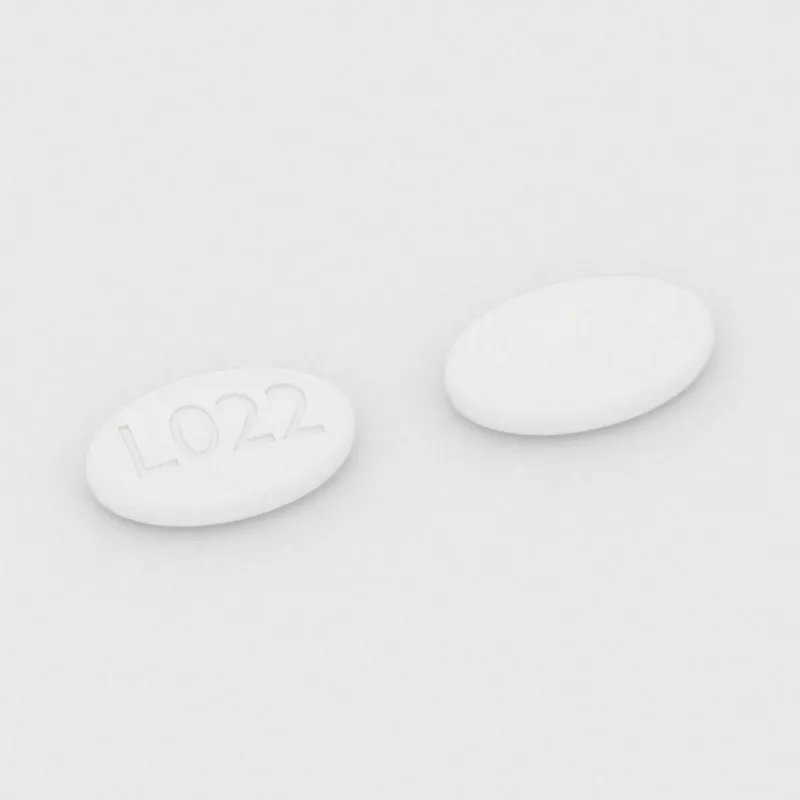
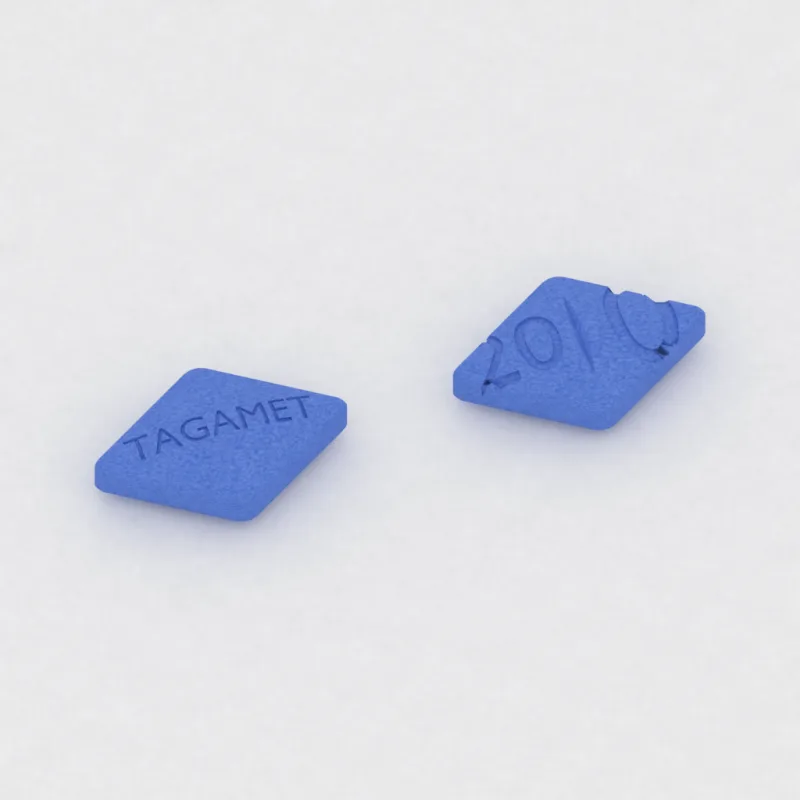
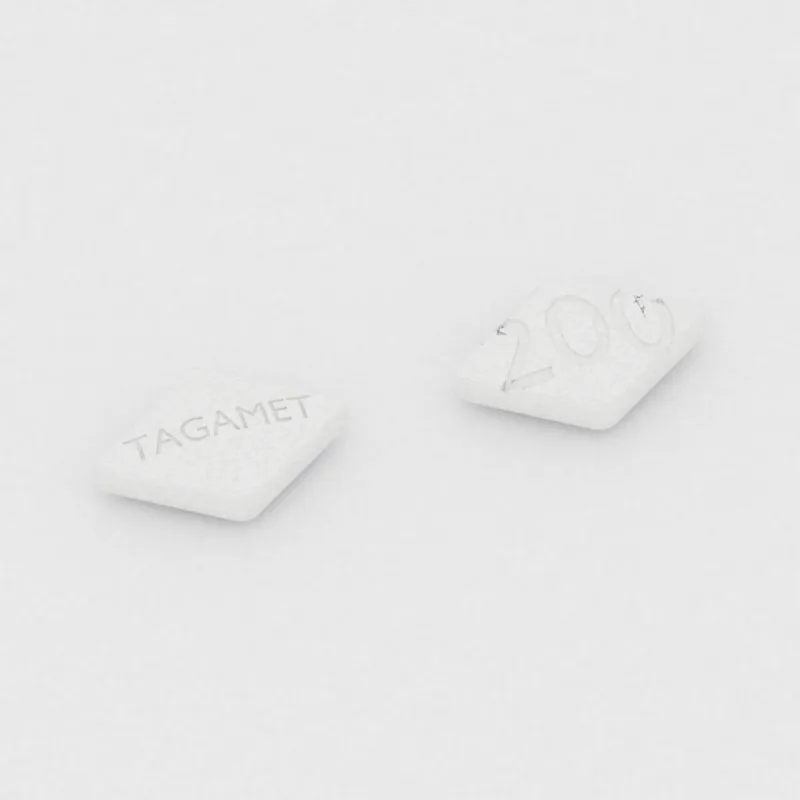
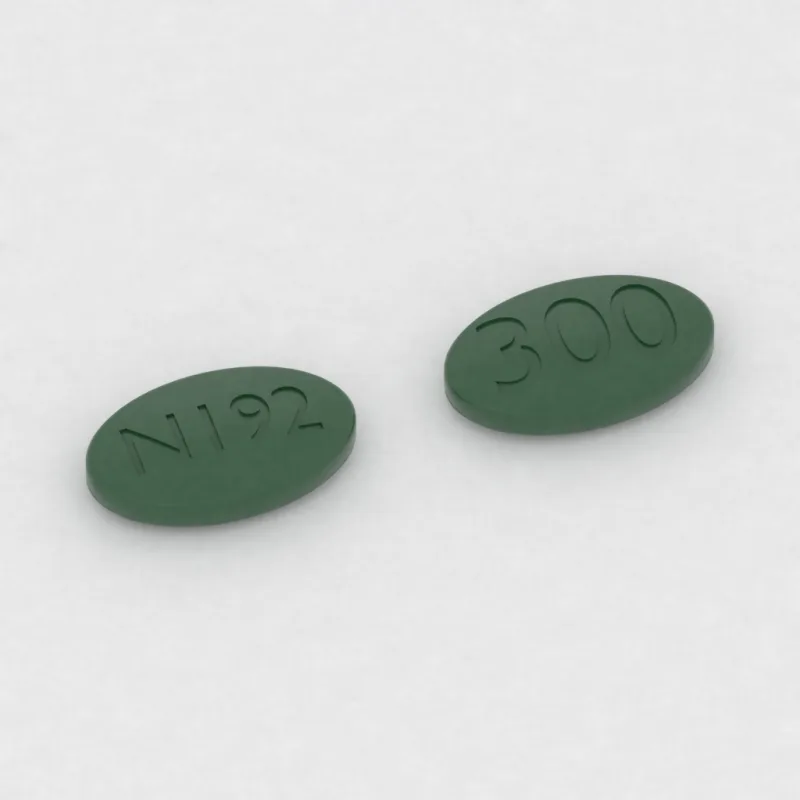
Rendus réalisés à partir des fiches produit des notices FDA : couleur, forme, taille et inscription. 21 versions documentées chez 11 laboratoires.
Interactions d'après la notice
Interactions majeures (115)
- AcalabrutinibMajeure
• CYP3A Inhibitors: Avoid co-administration with strong CYP3A inhibitors. (notice Acalabrutinib, Interactions médicamenteuses)
Concomitant administration of Risedronate sodium delayed-release and H 2 blockers or PPIs is not recommended. (notice Acide risédronique, Interactions médicamenteuses)
…(Childs-Pugh categories B and C), since alfuzosin blood levels are increased in these patients [see Use in Specific Populations (8.7) and Clinical Pharmacology (12.3) ]. with potent CYP3A4 inhibitors such as ketoconazole, itraconazole, and ritonavir, since alfuzosin blood levels are increased [see Drug Interactions (7.1) and Clinical Pharmacology (12.3) ] . in… (notice Alfuzosine, Contre-indications)
Concomitant use of almotriptan tablets and potent CYP3A4 inhibitors should be avoided in patients with renal or hepatic impairment [see Clinical Pharmacology ( 12.3 )] . (notice Almotriptan, Interactions médicamenteuses)
- AlosétronMajeure
Fluvoxamine, a known strong inhibitor of CYP1A2, has been shown to increase mean alosetron plasma concentrations (AUC) approximately 6-fold and prolong the half-life by approximately 3-fold [see Drug Interactions ( 7.1 )] . (notice Alosétron, Contre-indications)
• taking strong cytochrome P450 3A (CYP3A) inhibitors (e.g., ketoconazole, itraconazole), except ritonavir [see Dosage and Administration (2.5) , Warnings and Precautions (5.5) , Drug Interactions (7.1) ] . (notice Alprazolam, Contre-indications)
If concomitant use of DYANAVEL XR with other serotonergic drugs or CYP2D6 inhibitors is clinically warranted, initiate DYANAVEL XR with lower doses, monitor patients for the emergence of serotonin syndrome during drug initiation or titration, and inform patients of the increased risk for serotonin syndrome. (notice Amphétamine, Mises en garde et précautions)
If serotonin syndrome occurs, discontinue ADDERALL XR and the CYP2D6 inhibitor [see Warnings and Precautions ( 5.8 ), Overdosage ( 10 )] . (notice Amphétamine et dexamfétamine, Interactions médicamenteuses)
For patients receiving ELIQUIS at a dose of 2.5 mg twice daily, avoid coadministration with combined P-gp and strong CYP3A4 inhibitors [see Dosage and Administration (2.6) and Clinical Pharmacology (12.3) ] . (notice Apixaban, Interactions médicamenteuses)
Do not use avanafil in patients taking strong CYP3A4 inhibitors [see Warnings and Precautions ( 5.2 ) and Dosage and Administration ( 2.3 )]. (notice Avanafil, Interactions médicamenteuses)
Concomitant administration of BIXLENVO with combined P-gp, UGT1A1, and strong CYP3A inhibitors is not recommended. (notice Bictégravir, emtricitabine et ténofovir alafénamide, Interactions médicamenteuses)
Co-administration of such combinations of a CYP2C9 inhibitor plus a strong or moderate CYP3A inhibitor with TRACLEER is not recommended. (notice Bosentan, Interactions médicamenteuses)
- BosutinibMajeure
• Strong and Moderate CYP3A Inhibitors: Avoid concomitant use with BOSULIF. (notice Bosutinib, Interactions médicamenteuses)
Concomitant use of strong CYP3A4 inhibitors (e.g., azole antimycotics, HIV protease inhibitors) with CYCLOSET should be avoided. (notice Bromocriptine, Interactions médicamenteuses)
Evaluate patients starting CYP3A4 inhibitors or stopping CYP3A4 inducers at frequent intervals for respiratory depression. (notice Buprénorphine, Interactions médicamenteuses)
The effects of concomitant use or discontinuation of cytochrome P450 3A4 inducers, 3A4 inhibitors, or 2D6 inhibitors with codeine are complex. (notice Butalbital, aspirine, caféine et codéine, Mise en garde encadrée)
Interactions with Drugs Affecting Cytochrome P450 Isoenzymes The effects of concomitant use or discontinuation of cytochrome P450 3A4 inducers, 3A4 inhibitors, or 2D6 inhibitors with codeine are complex. (notice Butalbital, paracétamol, caféine et codéine, Mise en garde encadrée)
- CabozantinibMajeure
Avoid taking a strong CYP3A4 inhibitor (e.g., ketoconazole, itraconazole, clarithromycin, atazanavir, indinavir, nefazodone, nelfinavir, ritonavir, saquinavir, telithromycin, voriconazole) while taking COMETRIQ or reduce the dosage of COMETRIQ if concomitant use with strong CYP3A4 inhibitors cannot be avoided [see Dosage and Administration ( 2.2 ), Clinical Pharmacology… (notice Cabozantinib, Interactions médicamenteuses)
Concomitant use of cimetidine should be avoided. (notice Chloroquine, Interactions médicamenteuses)
Avoid use of Citalopram Capsules in CYP2C19 poor metabolizers, patients receiving concomitant cimetidine or another CYP2C19 inhibitor, patients with hepatic impairment, and patients who are greater than 60 years of age, because Citalopram Capsules are only available in a 30 mg dose strength and dosage adjustments are not possible [see Drug Interactions ( 7 ),… (notice Citalopram, Mises en garde et précautions)
CYP2C19 inhibitors: Avoid concomitant use of omeprazole or esomeprazole. (notice Clopidogrel, Mises en garde et précautions)
Interactions with Drugs Affecting Cytochrome P450 Isoenzymes The effects of concomitant use or discontinuation of cytochrome P450 3A4 inducers, 3A4 inhibitors, or 2D6 inhibitors with codeine are complex. (notice Codéine, Mise en garde encadrée)
- ColchicineMajeure
Patients with renal or hepatic impairment should not be given colchicine capsules with drugs that inhibit both P-glycoprotein and CYP3A4 inhibitors [see Drug Interactions (7) ] . (notice Colchicine, Contre-indications)
Strong CYP3A4 inhibitors: Avoid concomitant use. (notice Daridorexant, Interactions médicamenteuses)
- DasatinibMajeure
Avoid concomitant use of strong CYP3A4 inhibitors. (notice Dasatinib, Interactions médicamenteuses)
• Avoid concomitant use of strong CYP3A4 inhibitors or inducers. (notice Dexaméthasone, Interactions médicamenteuses)
If serotonin syndrome occurs, discontinue dextroamphetamine sulfate and the CYP2D6 inhibitor [see Warnings , Overdosage ]. (notice Dexamfétamine, Interactions médicamenteuses)
QT Prolongation: Monitor ECG if concomitant use of drugs that prolong QT interval cannot be avoided or if concomitant CYP3A4 inhibitors used. (notice Dextrométhorphane et quinidine, Mises en garde et précautions)
WARNING: PERIPHERAL ISCHEMIA FOLLOWING COADMINISTRATION WITH POTENT CYP3A4 INHIBITORS Serious and/or life-threatening peripheral ischemia has been associated with the coadministration of dihydroergotamine with potent CYP3A4 inhibitors including protease inhibitors and macrolide antibiotics. (notice Dihydroergotamine, Mise en garde encadrée)
- DocétaxelMajeure
Concomitant use of Docetaxel Injection and drugs that inhibit CYP3A4 may increase exposure to docetaxel and should be avoided. (notice Docétaxel, Interactions médicamenteuses)
The concomitant use of verapamil or the cation transport system inhibitors cimetidine, trimethoprim (alone or in combination with sulfamethoxazole), or ketoconazole with dofetilide is contraindicated (see WARNINGS and PRECAUTIONS, Drug-Drug Interactions ), as each of these drugs cause a substantial increase in dofetilide plasma concentrations. (notice Dofétilide, Contre-indications)
- DoxorubicineMajeure
Avoid concomitant use of Doxorubicin Hydrochloride Injection with inhibitors of CYP3A4, CYP2D6, or P-gp. (notice Doxorubicine, Interactions médicamenteuses)
Strong CYP1A2 inhibitors : Avoid concomitant use. (notice Duloxétine, Interactions médicamenteuses)
Drug-Drug Interactions Strong Inhibitors of Cytochrome P450 (CYP) 3A4 Tamsulosin-containing products, including JALYN, should not be coadministered with strong CYP3A4 inhibitors (e.g., ketoconazole) as this can significantly increase tamsulosin exposure [see Drug Interactions (7.1) , Clinical Pharmacology (12.3) ]. (notice Dutastéride et tamsulosine, Mises en garde et précautions)
• Recent use (i.e., within at least 72 hours) of the following potent CYP3A4 inhibitors: ketoconazole, itraconazole, nefazodone, troleandomycin, clarithromycin, ritonavir, or nelfinavir [see Drug Interactions (7.2) and Clinical Pharmacology (12.3) ]. (notice Élétriptan, Contre-indications)
Use of RPV with proton pump inhibitors is contraindicated and use of RPV with H 2 -receptor antagonists requires staggered administration [see Contraindications (4) and Clinical Pharmacology (12.3) ] . (notice Emtricitabine, rilpivirine et ténofovir, Interactions médicamenteuses)
…Patients Eplerenone is contraindicated in all patients with: • serum potassium > 5.5 mEq/L at initiation, • creatinine clearance ≤ 30 mL/min, or • concomitant administration of strong CYP3A inhibitors (e.g., ketoconazole, itraconazole, nefazodone, troleandomycin, clarithromycin, ritonavir, and nelfinavir) [see Drug Interactions (7.1) , Clinical Pharmacology (12.3)… (notice Éplérénone, Contre-indications)
WARNING Serious and/or life-threatening peripheral ischemia has been associated with the coadministration of ergotamine tartrate and caffeine tablets with potent CYP 3A4 inhibitors including protease inhibitors and macrolide antibiotics. (notice Ergotamine et caféine, Mise en garde encadrée)
- ErlotinibMajeure
Avoid co-administering erlotinib with strong CYP3A4 inhibitors (e.g., boceprevir, clarithromycin, conivaptan, indinavir, itraconazole, ketoconazole, lopinavir/ritonavir, nefazodone, nelfinavir, posaconazole, ritonavir, saquinavir, telithromycin, voriconazole, grapefruit or grapefruit juice) or a combined CYP3A4 and CYP1A2 inhibitor (e.g., ciprofloxacin). (notice Erlotinib, Interactions médicamenteuses)
Consequently, estazolam should be avoided in patients receiving ketoconazole and itraconazole, which are very potent inhibitors of CYP3A (see CONTRAINDICATIONS ). (notice Estazolam, Mises en garde)
VYTORIN is contraindicated in the following conditions: Concomitant use of strong CYP3A4 inhibitors (select azole anti-fungals, macrolide antibiotics, anti-viral medications, and nefazodone) [see Drug Interactions (7.1) ] . (notice Ézétimibe et simvastatine, Contre-indications)
Famotidine Injection is contraindicated in patients with a history of serious hypersensitivity reactions (e.g., anaphylaxis) to famotidine or other H 2 -receptor antagonists. (notice Famotidine, Contre-indications)
• Concomitant use with CYP3A4 inhibitors (or discontinuation of CYP3A4 inducers) can result in a fatal overdose of fentanyl. (notice Fentanyl, Mise en garde encadrée)
CYP3A4 Inhibitors Doses of Toviaz greater than 4 mg are not recommended in adult patients taking strong CYP3A4 inhibitors, such as ketoconazole, itraconazole, and clarithromycin [see Dosage and Administration (2.5) ]. (notice Fésotérodine, Interactions médicamenteuses)
Contraindicated with Strong or Moderate CYP3A4 Inhibitors The concomitant use of ADDYI and moderate or strong CYP3A4 inhibitors increases flibanserin concentrations, which can cause severe hypotension and syncope [see Warnings and Precautions (5.2) ] . (notice Flibansérine, Mise en garde encadrée)
Strong cytochrome P450 3A4 inhibitors (e.g., ritonavir, ketoconazole): Use not recommended. (notice Fluticasone, Interactions médicamenteuses)
Avoid strong cytochrome P450 3A4 inhibitors (e.g., ritonavir, ketoconazole): May increase risk of systemic corticosteroid and cardiovascular effects. (notice Fluticasone et salmétérol, Interactions médicamenteuses)
Cytochrome P450 3A4 Interaction The concomitant use of HYSINGLA ER with all cytochrome P450 3A4 inhibitors may result in an increase in hydrocodone plasma concentrations, which could increase or prolong adverse reactions and may cause potentially fatal respiratory depression. (notice Hydrocodone, Mise en garde encadrée)
Cytochrome P450 3A4 Interaction The concomitant use of Hydrocodone Polistirex and Chlorpheniramine Polistirex with all cytochrome P450 3A4 inhibitors may result in an increase in hydrocodone plasma concentrations, which could increase or prolong adverse drug effects and may cause potentially fatal respiratory depression. (notice Hydrocodone et chlorphénamine, Mise en garde encadrée)
Cytochrome P450 3A4 Interaction The concomitant use of hydrocodone bitartrate and homatropine methylbromide with all cytochrome P450 3A4 inhibitors may result in an increase in hydrocodone plasma concentrations, which could increase or prolong adverse drug effects and may cause potentially fatal respiratory depression. (notice Hydrocodone et homatropine, Mise en garde encadrée)
Cytochrome P450 3A4 Interaction The concomitant use of Hydrocodone Bitartrate and Ibuprofen Tablets with all cytochrome P450 3A4 inhibitors may result in an increase in hydrocodone plasma concentrations, which may cause potentially fatal respiratory depression. (notice Hydrocodone et ibuprofène, Mise en garde encadrée)
Cytochrome P450 3A4 Interaction The concomitant use of hydrocodone bitartrate and acetaminophen tablets with all Cytochrome P450 3A4 inhibitors may result in an increase in hydrocodone plasma concentrations, which could increase or prolong adverse reactions and may cause potentially fatal respiratory depression. (notice Hydrocodone et paracétamol, Mise en garde encadrée)
Avoid concomitant use of cimetidine 7.9 Rifampicin Lack of efficacy of hydroxychloroquine was reported when rifampicin was concomitantly administered. (notice Hydroxychloroquine, Interactions médicamenteuses)
Ibuprofen and famotidine tablet should not be administered to patients with a history of hypersensitivity to other H 2 -receptor antagonists. (notice Ibuprofène et famotidine, Contre-indications)
- IrinotécanMajeure
• Strong CYP3A4 Inhibitors: Do not administer strong CYP3A4 inhibitors with CAMPTOSAR. (notice Irinotécan, Interactions médicamenteuses)
Co-administration with eliglustat is contraindicated in poor or intermediate metabolizers of CYP2D6 and in subjects taking strong or moderate CYP2D6 inhibitors. (notice Itraconazole, Mise en garde encadrée)
- IvabradineMajeure
…bradycardia [see Warnings and Precautions ( 5.3 )] • Severe hepatic impairment [see Use in Specific Populations ( 8.6 )] • Pacemaker dependence (heart rate maintained exclusively by the pacemaker) [see Drug Interactions ( 7.3 )] • Concomitant use of strong cytochrome P450 3A4 (CYP3A4) inhibitors [see Drug Interactions ( 7.1 )] Acute decompensated heart failure ( 4 ) (notice Ivabradine, Contre-indications)
Avoid strong CYP3A4 inhibitors. (notice Lapatinib, Interactions médicamenteuses)
- LarotrectinibMajeure
Strong CYP3A4 Inhibitors: Avoid coadministration of strong CYP3A4 inhibitors with VITRAKVI. (notice Larotrectinib, Interactions médicamenteuses)
Strong or moderate CYP3A inhibitors: Avoid concomitant use. (notice Lemborexant, Interactions médicamenteuses)
If concomitant use of VYVANSE with other serotonergic drugs or CYP2D6 inhibitors is clinically warranted, initiate VYVANSE with lower doses, monitor patients for the emergence of serotonin syndrome during drug initiation or titration, and inform patients of the increased risk for serotonin syndrome. (notice Lisdexamfétamine, Mises en garde et précautions)
- LomitapideMajeure
Concomitant administration of JUXTAPID with moderate or strong CYP3A4 inhibitors, as this can increase JUXTAPID exposure [see Warnings and Precautions (5.6) , Drug Interactions (7.1) , and Clinical Pharmacology (12.3) ]. (notice Lomitapide, Contre-indications)
• Strong CYP3A Inhibitors : Avoid concomitant use; reduce LORBRENA dose if concomitant use cannot be avoided. (notice Lorlatinib, Interactions médicamenteuses)
Concomitant administration with strong CYP3A4 inhibitors (e.g., itraconazole, ketoconazole, posaconazole, voriconazole, HIV protease inhibitors, boceprevir, telaprevir, erythromycin, clarithromycin, telithromycin, nefazodone and cobicistat-containing products) (see WARNINGS , Myopathy/Rhabdomyolysis ). (notice Lovastatine, Contre-indications)
Strong CYP3A4 inhibitors (e.g., ketoconazole, clarithromycin, ritonavir, voriconazole, mibefradil, etc.) [see Drug Interactions ( 7.1 )]. (notice Lurasidone, Contre-indications)
- MacitentanMajeure
Strong CYP3A4 inhibitors (ketoconazole, ritonavir) increase exposure to macitentan: avoid co-administration with OPSUMIT ( 7.2 , 12.3 ) . (notice Macitentan, Interactions médicamenteuses)
SELZENTRY is contraindicated in patients with severe renal impairment or ESRD (creatinine clearance [CrCl] less than 30 mL per minute) who are concomitantly taking potent CYP3A inhibitors or inducers [see Warnings and Precautions ( 5.3 )]. (notice Maraviroc, Contre-indications)
Interactions with Drugs Affecting Cytochrome P450 Isoenzymes The concomitant use of METHADOSE with all cytochrome P450 3A4, 2B6, 2C19, 2C9 or 2D6 inhibitors may result in an increase in methadone plasma concentrations, which could cause potentially fatal respiratory depression. (notice Méthadone, Mise en garde encadrée)
If serotonin syndrome occurs, discontinue methamphetamine hydrochloride tablets, USP and the CYP2D6 inhibitor [see Warnings and Precautions 5.8]. (notice Méthamphétamine, Interactions médicamenteuses)
Although there have been no reports of such interactions with methylergonovine alone, strong and moderate CYP 3A4 inhibitors should not be co-administered with methylergonovine. (notice Méthylergométrine, Interactions médicamenteuses)
Intervention Concomitant use of methylphenidate extended-release orally disintegrating tablets with a gastric pH modulator (i.e., a H2-blocker or a proton pump inhibitor) is not recommended. (notice Méthylphénidate, Interactions médicamenteuses)
CYP2D6 Inhibitors Monitor patients closely when the combination use of CYP2D6 inhibitor and metoprolol cannot be avoided. (notice Métoprolol, Interactions médicamenteuses)
Strong CYP3A Inhibitors and Inducers: Avoid concomitant use. (notice Mitapivat, Interactions médicamenteuses)
Patients concomitantly using strong CYP3A4 inhibitors (e.g., clarithromycin, ketoconazole) because these medications can significantly increase exposure to naloxegol which may precipitate opioid withdrawal symptoms such as hyperhidrosis, chills, diarrhea, abdominal pain, anxiety, irritability, and yawning [see Drug Interactions (7.1) and Clinical Pharmacology… (notice Naloxégol, Contre-indications)
Avoid use of concomitant drugs known to prolong the QT interval and strong CYP3A4 inhibitors [see Drug Interactions ( 7.1 , 7.2 )] . (notice Nilotinib, Mise en garde encadrée)
Therefore, the concomitant administration of NYMALIZE and strong CYP3A4 inhibitors should generally be avoided [ see Warnings and Precautions (5.3) ]. (notice Nimodipine, Interactions médicamenteuses)
CYP3A4 inhibitors and inducers : SULAR is substrate of CYP3A4 and coadministration of SULAR with any known inducer or inhibitor of CYP3A4 should be avoided in general. (notice Nisoldipine, Interactions médicamenteuses)
Cytochrome P450 3A4 Interaction The concomitant use of Oxycodone Hydrochloride Oral Solution with all cytochrome P450 3A4 inhibitors may result in an increase in oxycodone plasma concentrations, which could increase or prolong adverse reactions and may cause potentially fatal respiratory depression. (notice Oxycodone, Mise en garde encadrée)
Cytochrome P450 3A4 Interaction The concomitant use of oxycodone hydrochloride tablets with all cytochrome P450 3A4 inhibitors may result in an increase in oxycodone plasma concentrations, which could increase or prolong adverse reactions and may cause potentially fatal respiratory depression. (notice Oxycodone et paracétamol, Mise en garde encadrée)
Cimetidine Clinical Impact: Cimetidine can potentiate opioid-induced respiratory depression. (notice Oxymorphone, Interactions médicamenteuses)
Interactions with Drugs Affecting Cytochrome P450 Isoenzymes The effects of concomitant use or discontinuation of cytochrome P450 3A4 inducers, 3A4 inhibitors, or 2D6 inhibitors with codeine are complex. (notice Paracétamol et codéine, Mise en garde encadrée)
- PazopanibMajeure
Strong CYP3A4 Inhibitors : Avoid coadministration of VOTRIENT with strong CYP3A4 inhibitors. (notice Pazopanib, Interactions médicamenteuses)
Cimetidine Clinical Impact: The concomitant use of cimetidine may reduce the clearance and volume of distribution of meperidine also the formation of the metabolite, normeperidine, in healthy subjects Intervention: If concomitant use cimetidine and DEMEROL Injection is necessary, monitor patients for respiratory depression and sedation at frequent intervals. (notice Péthidine, Interactions médicamenteuses)
Concomitant use of pimozide with paroxetine and other strong CYP 2D6 inhibitors is contraindicated (See PRECAUTIONS – DRUG INTERACTIONS ). (notice Pimozide, Contre-indications)
- PirfénidoneMajeure
Use of fluvoxamine or other strong CYP1A2 inhibitors should be discontinued prior to administration of ESBRIET and avoided during ESBRIET treatment. (notice Pirfénidone, Interactions médicamenteuses)
- PomalidomideMajeure
Strong CYP1A2 Inhibitors: Avoid concomitant use of strong CYP1A2 inhibitors. (notice Pomalidomide, Interactions médicamenteuses)
Prevention or Management Avoid concomitant use of Noxafil oral suspension with cimetidine or esomeprazole unless the benefit outweighs the risks. (notice Posaconazole, Interactions médicamenteuses)
- PraziquantelMajeure
…outweighs the risks [see Warnings and Precautions ( 5.6 ) and Clinical Pharmacology ( 12.3 ).] 7.2 CYP450 inhibitors Concomitant administration of drugs that decrease the activity of drug metabolizing liver enzymes (CYP450 inhibitors), for example, cimetidine, ketoconazole, itraconazole, erythromycin, and ritonavir may increase plasma concentrations of praziquantel. (notice Praziquantel, Interactions médicamenteuses)
Interactions with Drugs Affecting Cytochrome P450 Isoenzymes The effects of concomitant use or discontinuation of cytochrome P450 3A4 inducers, 3A4 inhibitors, or 2D6 inhibitors with codeine are complex, requiring careful consideration of the effects on the parent drug, codeine, and the active metabolite, morphine. (notice Prométhazine et codéine, Mise en garde encadrée)
• Avoid simultaneous use of propafenone with both a cytochrome P450 2D6 (CYP2D6) inhibitor and a 3A4 inhibitor (CYP3A4). (notice Propafénone, Mises en garde et précautions)
Fluvoxamine (strong CYP1A2 inhibitor): Increases AUC for ramelteon and should not be used in combination. (notice Rameltéon, Contre-indications)
- RimégépantMajeure
• Strong CYP3A4 Inhibitors: Avoid concomitant administration. (notice Rimégépant, Interactions médicamenteuses)
Use with P-gp and Strong CYP3A Inhibitors or Inducers Avoid concomitant use of XARELTO with known combined P-gp and strong CYP3A inhibitors [see Drug Interactions (7.2) ] . (notice Rivaroxaban, Mises en garde et précautions)
• Strong cytochrome P450 3A4 inhibitors (e.g., ritonavir, ketoconazole): Use not recommended. (notice Salmétérol, Interactions médicamenteuses)
Severe renal impairment (CCr < 30 mL/min) Severe hepatic impairment (Child-Pugh score ≥ 10) Concomitant administration with strong Cytochrome P450 3A4 (CYP3A4) inhibitors (e.g., ketoconazole, clarithromycin, itraconazole, ritonavir) [see DRUG INTERACTIONS (7.1) ] Patients with a history of hypersensitivity to silodosin or any of the ingredients in silodosin capsules… (notice Silodosine, Contre-indications)
ZOCOR is contraindicated in the following conditions: Concomitant use of strong CYP3A4 inhibitors (select azole anti-fungals, macrolide antibiotics, anti-viral medications, and nefazodone) [see Drug Interactions (7.1) ] . (notice Simvastatine, Contre-indications)
Interaction with Strong Inhibitors and Inducers of CYP3A4 and/or P-gp Avoid concomitant use of sirolimus with strong inhibitors of CYP3A4 and/or P-gp (such as ketoconazole, voriconazole, itraconazole, erythromycin, telithromycin, or clarithromycin) or strong inducers of CYP3A4 and/or P-gp (such as rifampin or rifabutin) [ see Drug Interactions (7.2) ]. (notice Sirolimus, Mises en garde et précautions)
The dosage of Solifenacin succinate tablets greater than 5 mg once daily is not recommended when concomitantly used with strong CYP3A4 inhibitors [see Dosage and Administration ( 2.4 )] . (notice Solifénacine, Interactions médicamenteuses)
Concomitant use of JOURNAVX with strong CYP3A inhibitors is contraindicated [see Warnings and Precautions (5.1) , Drug Interactions (7.1) ] . (notice Suzétrigine, Contre-indications)
Tamsulosin hydrochloride capsules should be used with caution in combination with cimetidine, particularly at a dose higher than 0.4 mg (e.g., 0.8 mg) [see Drug Interactions ( 7.1 ) and Clinical Pharmacology ( 12.3 )] Tamsulosin hydrochloride capsules should not be used in combination with other alpha adrenergic blocking agents [see Drug Interactions ( 7.2 )… (notice Tamsulosine, Mises en garde et précautions)
Strong CYP1A2 inhibitors (e.g., fluvoxamine): Avoid use of HETLIOZ in combination with strong CYP1A2 inhibitors because of increased exposure ( 7.1 , 12.3 ) (notice Tasimeltéon, Interactions médicamenteuses)
- ThiotépaMajeure
Avoid co-administration of strong CYP3A4 inhibitors (e.g., itraconazole, clarithromycin, ritonavir) and strong CYP3A4 inducers (e.g., rifampin, phenytoin) with TEPADINA due to the potential effects on efficacy and toxicity [see Clinical Pharmacology ( 12.3 ) ] . (notice Thiotépa, Interactions médicamenteuses)
Zanaflex is contraindicated in patients taking strong CYP1A2 inhibitors [see Drug Interactions ( 7.1 )] . with a history of hypersensitivity to tizanidine or the ingredients in Zanaflex. (notice Tizanidine, Contre-indications)
- TolvaptanMajeure
…dominant polycystic kidney disease (ADPKD) outside of FDA-approved REMS [see Warnings and Precautions (5.2) ] Unable to sense or respond to thirst Hypovolemic hyponatremia Taking strong CYP3A inhibitors [see Warnings and Precautions (5.5) ] Anuria Hypersensitivity (e.g., anaphylactic shock, rash generalized) to tolvaptan or any components of the product [see Adverse… (notice Tolvaptan, Contre-indications)
Drugs known to prolong the QT interval and strong CYP3A4 inhibitors should be avoided [see Warnings and Precautions (5.1) ] . (notice Torémifène, Mise en garde encadrée)
- TrabectédineMajeure
CYP3A inhibitors: Avoid concomitant strong CYP3A inhibitors ( 7.1 ) (notice Trabectédine, Interactions médicamenteuses)
The effects of concomitant use or discontinuation of cytochrome P450 3A4 inducers, 3A4 inhibitors, or 2D6 inhibitors with tramadol are complex. (notice Tramadol, Mise en garde encadrée)
Interactions with Drugs Affecting Cytochrome P450 Isoenzymes The effects of concomitant use or discontinuation of cytochrome P450 3A4 inducers, 3A4 inhibitors, or 2D6 inhibitors with tramadol are complex. (notice Tramadol et paracétamol, Mise en garde encadrée)
The use of RALDESY Should be avoided in patients with known QT prolongation or in combination with other drugs that are inhibitors of CYP3A4 (e.g., itraconazole, clarithromycin, voriconazole), or known to prolong QT interval including Class 1A antiarrhythmics (e.g., quinidine, procainamide) or Class 3 antiarrhythmics (e.g., amiodarone, sotalol), certain antipsychotic… (notice Trazodone, Mises en garde et précautions)
• Strong CYP3A Inhibitors and Inducers: Avoid coadministration with strong CYP3A inhibitors and inducers. (notice Trétinoïne, Interactions médicamenteuses)
Strong CYP 3A Inhibitors Triazolam is contraindicated in patients receiving strong inhibitors of CYP 3A such as ketoconazole, itraconazole, nefazodone, ritonavir, indinavir, nelfinavir, saquinavir, and lopinavir [see Contraindications (4) , Drug Interactions (7.1) ] . (notice Triazolam, Mises en garde et précautions)
- UbrogépantMajeure
UBRELVY is contraindicated: With concomitant use of strong CYP3A4 inhibitors [see Drug Interactions ( 7.1 )] In patients with a history of serious hypersensitivity to ubrogepant or any component of UBRELVY. (notice Ubrogépant, Contre-indications)
For patients with atopic dermatitis, coadministration of RINVOQ 30 mg once daily with strong CYP3A4 inhibitors is not recommended. (notice Upadacitinib, Interactions médicamenteuses)
- VepdégestrantMajeure
Avoid concomitant use of VEPPANU with strong CYP3A inhibitors or drugs known to prolong the QTc interval. (notice Vepdégestrant, Mises en garde et précautions)
- VincristineMajeure
Therefore, the concomitant use of strong CYP3A inhibitors with vincristine sulfate should be avoided. (notice Vincristine, Interactions médicamenteuses)
Interactions modérées (229)
• Strong Inhibitors of CYP2C19 : The recommended dosage is 50 mg once daily or 100 mg once daily for those patients who are not responding to 50 mg once daily. (notice Abrocitinib, Interactions médicamenteuses)
H2 Blockers In healthy volunteers, co-administration with ranitidine resulted in a 20% increased bioavailability of ibandronate, which was not considered to be clinically relevant (see CLINICAL PHARMACOLOGY [12.3] ) . (notice Acide ibandronique, Interactions médicamenteuses)
- AlbendazoleModérée
Cimetidine: Increased albendazole sulfoxide concentrations in bile and cystic fluid by about 2-fold in hydatid cyst patients. (notice Albendazole, Interactions médicamenteuses)
…apparently through an effect on certain microsomal enzyme systems, has been reported to reduce the hepatic metabolism of warfarin-type anticoagulants, phenytoin, propranolol, nifedipine, chlordiazepoxide, diazepam, certain tricyclic antidepressants, lidocaine, theophylline, and metronidazole, thereby delaying elimination and increasing blood levels of these drugs. (notice Cimétidine, Interactions médicamenteuses)
Drugs that reduce metformin clearance (such as ranolazine, vandetanib, dolutegravir, and cimetidine), may increase the accumulation of metformin. (notice Alogliptine et metformine, Interactions médicamenteuses)
…apparently through an effect on certain microsomal enzyme systems, has been reported to reduce the hepatic metabolism of warfarin-type anticoagulants, phenytoin, propranolol, nifedipine, chlordiazepoxide, diazepam, certain tricyclic antidepressants, lidocaine, theophylline, and metronidazole, thereby delaying elimination and increasing blood levels of these drugs. (notice Cimétidine, Interactions médicamenteuses)
CYP450 Inhibitors Grapefruit juice, certain fluoroquinolone and macrolide antibiotics, azole antifungals, cimetidine Increased exposure of amiodarone. (notice Amiodarone, Interactions médicamenteuses)
…apparently through an effect on certain microsomal enzyme systems, has been reported to reduce the hepatic metabolism of warfarin-type anticoagulants, phenytoin, propranolol, nifedipine, chlordiazepoxide, diazepam, certain tricyclic antidepressants, lidocaine, theophylline, and metronidazole, thereby delaying elimination and increasing blood levels of these drugs. (notice Cimétidine, Interactions médicamenteuses)
Impact of Other Drugs on Amlodipine CYP3A Inhibitors Co-administration with CYP3A inhibitors (moderate and strong) results in increased systemic exposure to amlodipine and may require dose reduction. (notice Amlodipine, Interactions médicamenteuses)
Impact of Other Drugs on Amlodipine CYP3A Inhibitors Co-administration with CYP3A inhibitors (moderate and strong) results in increased systemic exposure to amlodipine and may require dose reduction. (notice Amlodipine et atorvastatine, Interactions médicamenteuses)
CYP3A4 Inhibitors : Coadministration with CYP3A inhibitors (moderate and strong) results in increased systemic exposure to amlodipine and may require dose reduction. (notice Amlodipine et bénazépril, Interactions médicamenteuses)
• Increased exposure of amlodipine when coadministered with CYP3A inhibitors Olmesartan medoxomil ( 7.2 ): • Nonsteroidal anti-inflammatory drugs (NSAIDS) may lead to increased risk of renal impairment and loss of antihypertensive effect. (notice Amlodipine et olmésartan, Interactions médicamenteuses)
Amlodipine Impact of Other Drugs on Amlodipine CYP3A Inhibitors Coadministration with CYP3A inhibitors (moderate and strong) results in increased systemic exposure to amlodipine and may require dose reduction. (notice Amlodipine et valsartan, Interactions médicamenteuses)
…apparently through an effect on certain microsomal enzyme systems, has been reported to reduce the hepatic metabolism of warfarin-type anticoagulants, phenytoin, propranolol, nifedipine, chlordiazepoxide, diazepam, certain tricyclic antidepressants, lidocaine, theophylline, and metronidazole, thereby delaying elimination and increasing blood levels of these drugs. (notice Cimétidine, Interactions médicamenteuses)
Drugs that inhibit CYP1A2 (e.g., fluvoxamine, ciprofloxacin) could increase the exposure of AGRYLIN. (notice Anagrélide, Interactions médicamenteuses)
Drug Interactions Cimetidine tablets, apparently through an effect on certain microsomal enzyme systems, has been reported to reduce the hepatic metabolism of warfarin-type anticoagulants, phenytoin, propranolol, nifedipine, chlordiazepoxide, diazepam, certain tricyclic antidepressants, lidocaine, theophylline, and metronidazole, thereby delaying elimination… (notice Cimétidine, Interactions médicamenteuses)
CYP2D6 inhibitors and CYP3A4 Inhibitors : See full prescribing information for ABILIFY MAINTENA dosage modifications when used concomitantly with CYP2D6 inhibitors and/or CYP3A4 inhibitors for greater than 14 days ( 7.1 ) (notice Aripiprazole, Interactions médicamenteuses)
Strong CYP2D6 Inhibitors Prevention or Management With concomitant use of atomoxetine oral solution and a strong CYP2D6 inhibitor 1 , increase the titration interval [see Dosage and Administration (2.5) and Clinical Pharmacology (12.3) ] . (notice Atomoxétine, Interactions médicamenteuses)
LIPITOR plasma levels can be significantly increased with concomitant administration of inhibitors of CYP3A4 and transporters. (notice Atorvastatine, Interactions médicamenteuses)
- AxitinibModérée
CYP3A4/5 Inhibitors Co-administration of ketoconazole, a strong inhibitor of CYP3A4/5, increased the plasma exposure of axitinib in healthy volunteers. (notice Axitinib, Interactions médicamenteuses)
Use of Cytochrome P450 3A4 Inhibitors Ritonavir and other strong cytochrome P450 3A4 (CYP3A4) inhibitors can significantly increase plasma fluticasone propionate exposure, resulting in significantly reduced serum cortisol concentrations [see Drug Interactions ( 7.2 ) and Clinical Pharmacology ( 12.3 )] . (notice Azélastine et fluticasone, Mises en garde et précautions)
- BendamustineModérée
Effect of Other Drugs on Bendamustine Hydrochloride Injection CYP1A2 Inhibitors The coadministration of Bendamustine Hydrochloride Injection with CYP1A2 inhibitors may increase bendamustine plasma concentrations and may result in increased incidence of adverse reactions with Bendamustine Hydrochloride Injection [see Clinical Pharmacology (12.3) ] . (notice Bendamustine, Interactions médicamenteuses)
Drug Interactions Cimetidine tablets, apparently through an effect on certain microsomal enzyme systems, has been reported to reduce the hepatic metabolism of warfarin-type anticoagulants, phenytoin, propranolol, nifedipine, chlordiazepoxide, diazepam, certain tricyclic antidepressants, lidocaine, theophylline, and metronidazole, thereby delaying elimination… (notice Cimétidine, Interactions médicamenteuses)
- BortézomibModérée
Strong CYP3A4 Inhibitors: Closely monitor patients with concomitant use. (notice Bortézomib, Interactions médicamenteuses)
Strong CYP2D6 REXULTI may be administered without dosage adjustment in patients with MDD when administered with strong CYP2D6 inhibitors (e.g., paroxetine, fluoxetine). or CYP3A4 inhibitors Administer half of recommended dosage. (notice Brexpiprazole, Interactions médicamenteuses)
CYP2D6 inhibitors may potentiate systemic beta-blockade. (notice Brimonidine et timolol, Interactions médicamenteuses)
Interactions with Strong Cytochrome P450 3A4 Inhibitors Caution should be exercised when considering the co-administration of PULMICORT FLEXHALER with ketoconazole, and other known strong CYP3A4 inhibitors (e.g., ritonavir, atazanavir, clarithromycin, indinavir, itraconazole, nefazodone, nelfinavir, saquinavir, telithromycin) because adverse effects related to… (notice Budésonide, Mises en garde et précautions)
Strong cytochrome P450 3A4 inhibitors (e.g., ritonavir): Risk of increased systemic corticosteroid effects. (notice Budésonide et formotérol, Mises en garde et précautions)
Inhibitors of CYP3A4 Clinical Impact: The concomitant use of buprenorphine and CYP3A4 inhibitors can increase the plasma concentration of buprenorphine, resulting in increased or prolonged opioid effects, particularly when an inhibitor is added after a stable dose of buprenorphine and naloxone sublingual tablet is achieved. (notice Buprénorphine et naloxone, Interactions médicamenteuses)
…apparently through an effect on certain microsomal enzyme systems, has been reported to reduce the hepatic metabolism of warfarin-type anticoagulants, phenytoin, propranolol, nifedipine, chlordiazepoxide, diazepam, certain tricyclic antidepressants, lidocaine, theophylline, and metronidazole, thereby delaying elimination and increasing blood levels of these drugs. (notice Cimétidine, Interactions médicamenteuses)
Other Drugs Cimetidine: Coadministration of buspirone with cimetidine was found to increase C max (40%) and T max (2-fold), but had minimal effects on the AUC of buspirone. (notice Buspirone, Interactions médicamenteuses)
…apparently through an effect on certain microsomal enzyme systems, has been reported to reduce the hepatic metabolism of warfarin-type anticoagulants, phenytoin, propranolol, nifedipine, chlordiazepoxide, diazepam, certain tricyclic antidepressants, lidocaine, theophylline, and metronidazole, thereby delaying elimination and increasing blood levels of these drugs. (notice Cimétidine, Interactions médicamenteuses)
…apparently through an effect on certain microsomal enzyme systems, has been reported to reduce the hepatic metabolism of warfarin-type anticoagulants, phenytoin, propranolol, nifedipine, chlordiazepoxide, diazepam, certain tricyclic antidepressants, lidocaine, theophylline, and metronidazole, thereby delaying elimination and increasing blood levels of these drugs. (notice Cimétidine, Interactions médicamenteuses)
It may be necessary to reduce the EQUETRO dose if used concomitantly with inhibitors of CYP3A4 and/or epoxide hydrolase. (notice Carbamazépine, Interactions médicamenteuses)
Clinically Significant Drug Interactions with VRAYLAR Strong or Moderate CYP3A4 Inhibitors Clinical Impact: Concomitant use of VRAYLAR with a strong or moderate CYP3A4 inhibitor increases the exposures of cariprazine and its major active metabolite, didesmethylcariprazine (DDCAR), compared to use of VRAYLAR alone [see Clinical Pharmacology ( 12.3 ) ]. (notice Cariprazine, Interactions médicamenteuses)
Co-administration of CYP2C19 inhibitors, such as omeprazole or fluvoxamine, with carisoprodol could result in increased exposure of carisoprodol and decreased exposure of meprobamate. (notice Carisoprodol, Interactions médicamenteuses)
- CarmustineModérée
Greater myelotoxicity (e.g., leukopenia and neutropenia) has been reported when carmustine was combined with cimetidine [see Drug Interactions (7) ] . (notice Carmustine, Mises en garde et précautions)
Cimetidine increased AUC by about 30% but caused no change in C max [see Clinical Pharmacology (12.5) ] . (notice Carvédilol, Interactions médicamenteuses)
Drug Interactions Antacids Concomitant administration of high doses of antacids (sodium bicarbonate and aluminum hydroxide) or H 2 blockers reduces peak plasma levels by 24% to 42% and the extent of absorption by 27% to 32%, respectively. (notice Cefpodoxime, Interactions médicamenteuses)
…apparently through an effect on certain microsomal enzyme systems, has been reported to reduce the hepatic metabolism of warfarin-type anticoagulants, phenytoin, propranolol, nifedipine, chlordiazepoxide, diazepam, certain tricyclic antidepressants, lidocaine, theophylline, and metronidazole, thereby delaying elimination and increasing blood levels of these drugs. (notice Cimétidine, Interactions médicamenteuses)
…apparently through an effect on certain microsomal enzyme systems, has been reported to reduce the hepatic metabolism of warfarin-type anticoagulants, phenytoin, propranolol, nifedipine, chlordiazepoxide, diazepam, certain tricyclic antidepressants, lidocaine, theophylline, and metronidazole, thereby delaying elimination and increasing blood levels of these drugs. (notice Cimétidine, Interactions médicamenteuses)
In a drug interaction study, co-administration of orally inhaled ciclesonide and oral ketoconazole, a potent inhibitor of cytochrome P450 3A4, increased the exposure (AUC) of des-ciclesonide by approximately 3.6-fold at steady state, while levels of ciclesonide remained unchanged. (notice Ciclésonide, Interactions médicamenteuses)
…Dysfunction Antibiotics Antineoplastics Antifungals Anti-inflammatory Drugs Gastrointestinal Agents Immunosuppressives Other Drugs ciprofloxacin melphalan amphotericin B azapropazon cimetidine tacrolimus fibric acid derivatives (e.g., bezafibrate, fenofibrate) gentamicin ketoconazole colchicine ranitidine methotrexate tobramycin diclofenac trimethoprim with sulfamethoxazole… (notice Ciclosporine, Interactions médicamenteuses)
Strong and moderate CYP3A4 and CYP2C19 inhibitors: Increase exposure to cilostazol. (notice Cilostazol, Interactions médicamenteuses)
Co-administration with a strong CYP3A4 inhibitor may increase serum levels of cinacalcet. (notice Cinacalcet, Interactions médicamenteuses)
Inhibitors of CYP3A4 and CYP3A5 Inhibitors of CYP3A4 and/or CYP3A5 may increase plasma concentrations of clindamycin [ see Clinical Pharmacology (12.3) ]. (notice Clindamycine, Interactions médicamenteuses)
Strong or Moderate CYP2C19 Inhibitors: Dosage adjustment of SYMPAZAN ® may be necessary ( 7.4 ) (notice Clobazam, Interactions médicamenteuses)
…apparently through an effect on certain microsomal enzyme systems, has been reported to reduce the hepatic metabolism of warfarin-type anticoagulants, phenytoin, propranolol, nifedipine, chlordiazepoxide, diazepam, certain tricyclic antidepressants, lidocaine, theophylline, and metronidazole, thereby delaying elimination and increasing blood levels of these drugs. (notice Cimétidine, Interactions médicamenteuses)
• Concomitant use of Strong CYP1A2 Inhibitors: Reduce CLOZARIL dose to one-third when coadministered with strong CYP1A2 inhibitors (e.g., fluvoxamine, ciprofloxacin, enoxacin). (notice Clozapine, Interactions médicamenteuses)
Drug Interactions Cimetidine tablets, apparently through an effect on certain microsomal enzyme systems, has been reported to reduce the hepatic metabolism of warfarin-type anticoagulants, phenytoin, propranolol, nifedipine, chlordiazepoxide, diazepam, certain tricyclic antidepressants, lidocaine, theophylline, and metronidazole, thereby delaying elimination… (notice Cimétidine, Interactions médicamenteuses)
…renal tubular transport systems involved in the renal elimination of metformin (e.g., organic cationic transporter-2 [OCT2]/multidrug and toxin extrusion [MATE] inhibitors, such as ranolazine, vandetanib, dolutegravir, and cimetidine) could increase systemic exposure to metformin and may increase the risk for lactic acidosis [see Clinical Pharmacology (12.3) ] . (notice Dapagliflozine et metformine, Interactions médicamenteuses)
CYP3A4 Inhibitors The systemic exposure of darifenacin from darifenacin extended-release tablets is increased in the presence of CYP3A4 inhibitors. (notice Darifénacine, Interactions médicamenteuses)
Moderate or strong CYP3A4 inhibitors: Give one third of the recommended dosage of EMFLAZA ( 7.1 ) (notice Déflazacort, Interactions médicamenteuses)
…apparently through an effect on certain microsomal enzyme systems, has been reported to reduce the hepatic metabolism of warfarin-type anticoagulants, phenytoin, propranolol, nifedipine, chlordiazepoxide, diazepam, certain tricyclic antidepressants, lidocaine, theophylline, and metronidazole, thereby delaying elimination and increasing blood levels of these drugs. (notice Cimétidine, Interactions médicamenteuses)
CYP3A4 inhibitors such as itraconazole, voriconazole, fluconazole, grapefruit juice, or ketoconazole may increase plasma hormone concentrations. (notice Désogestrel et éthinylestradiol, Interactions médicamenteuses)
…apparently through an effect on certain microsomal enzyme systems, has been reported to reduce the hepatic metabolism of warfarin-type anticoagulants, phenytoin, propranolol, nifedipine, chlordiazepoxide, diazepam, certain tricyclic antidepressants, lidocaine, theophylline, and metronidazole, thereby delaying elimination and increasing blood levels of these drugs. (notice Cimétidine, Interactions médicamenteuses)
Concomitant use of strong CYP2D6 inhibitors: Maximum recommended dose of AUSTEDO XR or AUSTEDO is 36 mg per day ( 2.3 , 7.1 ) (notice Deutétrabénazine, Interactions médicamenteuses)
CYP2C19 or CYP3A4 Inhibitors Clinical Impact: Increased exposure of dexlansoprazole is expected when used concomitantly with strong inhibitors [see Clinical Pharmacology (12.3) ] . (notice Dexlansoprazole, Interactions médicamenteuses)
…apparently through an effect on certain microsomal enzyme systems, has been reported to reduce the hepatic metabolism of warfarin-type anticoagulants, phenytoin, propranolol, nifedipine, chlordiazepoxide, diazepam, certain tricyclic antidepressants, lidocaine, theophylline, and metronidazole, thereby delaying elimination and increasing blood levels of these drugs. (notice Cimétidine, Interactions médicamenteuses)
Co-administration of PIFELTRO and drugs that are inhibitors of CYP3A may result in increased plasma concentrations of doravirine. (notice Doravirine, Interactions médicamenteuses)
CYP2D6 inhibitors may potentiate systemic beta-blockade. (notice Dorzolamide et timolol, Interactions médicamenteuses)
Cimetidine: In healthy volunteers, the administration of a single 1 mg dose of doxazosin on day 1 of a four-day regimen of oral cimetidine (400 mg twice daily) resulted in a 10% increase in mean AUC of doxazosin, and a slight but not significant increase in mean C max and mean half-life of doxazosin. (notice Doxazosine, Interactions médicamenteuses)
…apparently through an effect on certain microsomal enzyme systems, has been reported to reduce the hepatic metabolism of warfarin-type anticoagulants, phenytoin, propranolol, nifedipine, chlordiazepoxide, diazepam, certain tricyclic antidepressants, lidocaine, theophylline, and metronidazole, thereby delaying elimination and increasing blood levels of these drugs. (notice Cimétidine, Interactions médicamenteuses)
Monitor for increased dronabinol-related adverse reactions when dronabinol oral solution is co-administered with inhibitors of CYP2C9 (e.g., amiodarone, fluconazole) and inhibitors of CYP3A4 enzymes (e.g., ketoconazole, itraconazole, clarithromycin, ritonavir, erythromycin, grapefruit juice). (notice Dronabinol, Interactions médicamenteuses)
Effects of Other Drugs on Dronedarone Ketoconazole and Other Potent CYP3A Inhibitors Concomitant use of ketoconazole as well as other potent CYP3A inhibitors such as itraconazole, voriconazole, ritonavir, clarithromycin, and nefazodone is contraindicated because exposure to dronedarone is significantly increased [see Contraindications (4) , Clinical Pharmacology… (notice Dronédarone, Interactions médicamenteuses)
Consider monitoring serum potassium concentration in high-risk patients who take a strong CYP3A4 inhibitor long-term and concomitantly. (notice Drospirénone et éthinylestradiol, Mises en garde et précautions)
Drug Interactions Cimetidine tablets, apparently through an effect on certain microsomal enzyme systems, has been reported to reduce the hepatic metabolism of warfarin-type anticoagulants, phenytoin, propranolol, nifedipine, chlordiazepoxide, diazepam, certain tricyclic antidepressants, lidocaine, theophylline, and metronidazole, thereby delaying elimination… (notice Cimétidine, Interactions médicamenteuses)
Concomitant Use with CYP3A Inhibitors Exposure to elexacaftor, tezacaftor and ivacaftor are increased when used concomitantly with strong or moderate CYP3A inhibitors. (notice Élexacaftor, tézacaftor et ivacaftor, Mises en garde et précautions)
Coadministration of GENVOYA with other drugs that inhibit CYP3A may decrease the clearance and increase the plasma concentration of cobicistat. (notice Elvitégravir, cobicistat, emtricitabine et ténofovir, Interactions médicamenteuses)
…tubular transport systems involved in the renal elimination of metformin (e.g., organic cationic transporter-2 [OCT2] / multidrug and toxin extrusion [MATE] inhibitors such as ranolazine, vandetanib, dolutegravir, and cimetidine) could increase systemic exposure to metformin and may increase the risk for lactic acidosis [see Clinical Pharmacology (12.3) ] . (notice Empagliflozine et metformine, Interactions médicamenteuses)
Drug Interactions Cimetidine tablets, apparently through an effect on certain microsomal enzyme systems, has been reported to reduce the hepatic metabolism of warfarin-type anticoagulants, phenytoin, propranolol, nifedipine, chlordiazepoxide, diazepam, certain tricyclic antidepressants, lidocaine, theophylline, and metronidazole, thereby delaying elimination… (notice Cimétidine, Interactions médicamenteuses)
…apparently through an effect on certain microsomal enzyme systems, has been reported to reduce the hepatic metabolism of warfarin-type anticoagulants, phenytoin, propranolol, nifedipine, chlordiazepoxide, diazepam, certain tricyclic antidepressants, lidocaine, theophylline, and metronidazole, thereby delaying elimination and increasing blood levels of these drugs. (notice Cimétidine, Interactions médicamenteuses)
CYP2C19 Substrates APTIOM can inhibit CYP2C19, which can cause increased plasma concentrations of drugs that are metabolized by this isoenzyme (e.g., phenytoin, clobazam, and omeprazole) [see Clinical Pharmacology ( 12.3 )]. (notice Eslicarbazépine, Interactions médicamenteuses)
Inhibitors of CYP3A4 such as erythromycin, clarithromycin, ketoconazole, itraconazole, ritonavir and grapefruit juice may increase plasma concentrations of estrogens and may result in side effects. (notice Estradiol, Interactions médicamenteuses)
…exposure at steady state. [See Clinical Pharmacology (12.3).] Substances Increasing the Systemic Exposure of COCs (enzyme inhibitors): Concomitant administration of moderate or strong CYP3A4 inhibitors like azole antifungals (for example, ketoconazole, itraconazole, voriconazole, fluconazole), verapamil, macrolides (for example, clarithromycin, erythromycin), diltiazem,… (notice Estradiol et diénogest, Interactions médicamenteuses)
Inducers and/or inhibitors of CYP3A4 may affect estrogen drug metabolism and decrease or increase the estrogen plasma concentration. (notice Estradiol et noréthistérone, Interactions médicamenteuses)
Concomitant administration of itraconazole, a strong CYP3A4 inhibitor, with DUAVEE, resulted in increases in bazedoxifene exposure (40%) and, to a lesser extent, conjugated estrogens exposure (9% for baseline-adjusted total estrone, 5% for total equilin), compared to DUAVEE alone [see Pharmacokinetics (12.3) ] . (notice Estrogènes conjugués et bazédoxifène, Interactions médicamenteuses)
The dose of LUNESTA should be reduced in patients who are administered potent inhibitors of CYP3A4, such as ketoconazole, while taking LUNESTA. (notice Eszopiclone, Mises en garde et précautions)
Concomitant administration of strong or moderate CYP3A4 inhibitors such as itraconazole, voriconazole, fluconazole, grapefruit juice, or ketoconazole may increase plasma estrogen and/or progestin concentrations. (notice Étonogestrel et éthinylestradiol, Interactions médicamenteuses)
CCR5 antagonists maraviroc ↔ etravirine ↓ maraviroc When Etravirine is co-administered with maraviroc in the absence of a potent CYP3A inhibitor (e.g., ritonavir boosted protease inhibitor), the recommended dose of maraviroc is 600 mg twice daily. (notice Étravirine, Interactions médicamenteuses)
OCT2 Inhibitors Concurrent treatment with OCT2 inhibitors, such as cimetidine, may cause increased exposure to dalfampridine [ see Clinical Pharmacology (12.3) ]. (notice Fampridine, Interactions médicamenteuses)
…apparently through an effect on certain microsomal enzyme systems, has been reported to reduce the hepatic metabolism of warfarin-type anticoagulants, phenytoin, propranolol, nifedipine, chlordiazepoxide, diazepam, certain tricyclic antidepressants, lidocaine, theophylline, and metronidazole, thereby delaying elimination and increasing blood levels of these drugs. (notice Cimétidine, Interactions médicamenteuses)
Cimetidine - Coadministration of felodipine with cimetidine (a non-specific CYP-450 inhibitor) resulted in an increase of approximately 50% in the AUC and the C max , of felodipine. (notice Félodipine, Interactions médicamenteuses)
In healthy subjects receiving cimetidine (1 gm daily) for one week, plasma flecainide levels increased by about 30% and half-life increased by about 10%. (notice Flécaïnide, Interactions médicamenteuses)
…apparently through an effect on certain microsomal enzyme systems, has been reported to reduce the hepatic metabolism of warfarin-type anticoagulants, phenytoin, propranolol, nifedipine, chlordiazepoxide, diazepam, certain tricyclic antidepressants, lidocaine, theophylline, and metronidazole, thereby delaying elimination and increasing blood levels of these drugs. (notice Cimétidine, Interactions médicamenteuses)
…apparently through an effect on certain microsomal enzyme systems, has been reported to reduce the hepatic metabolism of warfarin-type anticoagulants, phenytoin, propranolol, nifedipine, chlordiazepoxide, diazepam, certain tricyclic antidepressants, lidocaine, theophylline, and metronidazole, thereby delaying elimination and increasing blood levels of these drugs. (notice Cimétidine, Interactions médicamenteuses)
- FomépizoleModérée
Reciprocal interactions may occur with concomitant use of fomepizole and drugs that increase or inhibit the cytochrome P450 system (e.g., phenytoin, carbamazepine, cimetidine, ketoconazole), though this has not been studied. (notice Fomépizole, Interactions médicamenteuses)
Drug Interactions Cimetidine tablets, apparently through an effect on certain microsomal enzyme systems, has been reported to reduce the hepatic metabolism of warfarin-type anticoagulants, phenytoin, propranolol, nifedipine, chlordiazepoxide, diazepam, certain tricyclic antidepressants, lidocaine, theophylline, and metronidazole, thereby delaying elimination… (notice Cimétidine, Interactions médicamenteuses)
In separate single or multiple dose pharmacokinetic interaction studies with chlorthalidone, nifedipine, propranolol, hydrochlorothiazide, cimetidine, metoclopramide, propantheline, digoxin, and warfarin, the bioavailability of fosinoprilat was not altered by coadministration of fosinopril with any one of these drugs. (notice Fosinopril, Interactions médicamenteuses)
…Azoles Fluconazole, ketoconazole, itraconazole, miconazole, voriconazole Antineoplastic agents Capecitabine, fluorouracil Antidepressants Fluoxetine, fluvoxamine, sertraline Gastric acid reducing agents H 2 antagonists (cimetidine), omeprazole Sulfonamides Sulfamethizole, sulfaphenazole, sulfadiazine, sulfamethoxazole-trimethoprim Other Acute alcohol intake, amiodarone,… (notice Fosphénytoïne, Interactions médicamenteuses)
- GéfitinibModérée
• CYP3A4 Inhibitor: Monitor adverse reactions if concomitant use with IRESSA. (notice Géfitinib, Interactions médicamenteuses)
Drugs that reduce metformin clearance (such as ranolazine, vandetanib, dolutegravir, and cimetidine) may increase the accumulation of metformin. (notice Glibenclamide et metformine, Interactions médicamenteuses)
…glimepiride, increasing the susceptibility to and/or intensity of hypoglycemia: oral anti-diabetic medications, pramlintide acetate, insulin, angiotensin converting enzyme (ACE) inhibitors, H 2 receptor antagonists, fibrates, propoxyphene, pentoxifylline, somatostatin analogs, anabolic steroids and androgens, cyclophosphamide, phenyramidol, guanethidine, fluconazole, sulfinpyrazone,… (notice Glimépiride, Interactions médicamenteuses)
…angiotensin II receptor blocking agents, disopyramide, fibrates, fluoxetine, monoamine oxidase inhibitors, pentoxifylline, pramlintide, propoxyphene, salicylates, somatostatin analogs (e.g., octreotide), sulfonamide antibiotics, nonsteroidal anti-inflammatory agents, chloramphenicol, probenecid, coumarins, voriconazole, H2 receptor antagonists, and quinolones. (notice Glipizide, Interactions médicamenteuses)
…drugs that interfere with common renal tubular transport systems involved in the renal elimination of metformin (e.g., organic cationic transporter-2 [OCT2] / multidrug and toxin extrusion [MATE] inhibitors such as ranolazine, vandetanib, dolutegravir, and cimetidine) could increase systemic exposure to metformin and may increase the risk for lactic acidosis. (notice Glipizide et metformine, Précautions)
…Interactions: Effect of other Drugs on INTUNIV Concomitant Drug Name or Drug Class Clinical Rationale and Magnitude of Drug Interaction Clinical Recommendation Strong and moderate CYP3A4 inhibitors, e.g., ketoconazole, fluconazole Guanfacine is primarily metabolized by CYP3A4 and its plasma concentrations can be significantly affected resulting in an increase… (notice Guanfacine, Interactions médicamenteuses)
The effect of CYP3A4 inhibition and of decreased CYP2D6 enzyme may be additive. (notice Halopéridol, Interactions médicamenteuses)
Drug Interactions Cimetidine tablets, apparently through an effect on certain microsomal enzyme systems, has been reported to reduce the hepatic metabolism of warfarin-type anticoagulants, phenytoin, propranolol, nifedipine, chlordiazepoxide, diazepam, certain tricyclic antidepressants, lidocaine, theophylline, and metronidazole, thereby delaying elimination… (notice Cimétidine, Interactions médicamenteuses)
Concomitant administration of inhibitors of CYP3A4 may lead to increases in serum concentrations of ALKINDI SPRINKLE and increase the risk of adverse reactions associated with the use of excessive doses. (notice Hydrocortisone, Interactions médicamenteuses)
- IfosfamideModérée
• CYP3A4 Inhibitors: Use in combination with CYP3A4 inhibitors could decrease the effectiveness of ifosfamide. (notice Ifosfamide, Interactions médicamenteuses)
The dose of FANAPT should be reduced in patients co-administered a strong CYP2D6 or CYP3A4 inhibitor. (notice Ilopéridone, Interactions médicamenteuses)
…apparently through an effect on certain microsomal enzyme systems, has been reported to reduce the hepatic metabolism of warfarin-type anticoagulants, phenytoin, propranolol, nifedipine, chlordiazepoxide, diazepam, certain tricyclic antidepressants, lidocaine, theophylline, and metronidazole, thereby delaying elimination and increasing blood levels of these drugs. (notice Cimétidine, Interactions médicamenteuses)
Cimetidine: In a study in healthy volunteers, a one-week course of cimetidine at 400 mg b.i.d. with a single 5 mg dose of isradipine on the sixth day showed an increase in isradipine mean peak plasma concentrations (36%) and significant increase in area under the curve (50%). (notice Isradipine, Interactions médicamenteuses)
Potential for other drugs to affect ivacaftor CYP3A inhibitors: Reduce KALYDECO dosage in patients aged 6 months and older when co-administered with strong CYP3A inhibitors (e.g., ketoconazole) or moderate CYP3A inhibitors (e.g., fluconazole). (notice Ivacaftor, Interactions médicamenteuses)
Drugs that may decrease ketoconazole plasma concentrations Drugs that reduce the gastric acidity (e.g., acid neutralizing medicines such as aluminum hydroxide, or acid secretion suppressors such as H 2 -receptor antagonists and proton pump inhibitors) impair the absorption of ketoconazole from ketoconazole tablets. (notice Kétoconazole, Interactions médicamenteuses)
Strong CYP3A4 or CYP2C9 Inhibitors Patients with renal or hepatic impairment who are taking strong inhibitors of CYP3A4 and CYP2C9 may have a significant increase in exposure to VIMPAT. (notice Lacosamide, Interactions médicamenteuses)
CYP2C19 or CYP3A4 Inhibitors Clinical Impact: Increased exposure of lansoprazole is expected when used concomitantly with strong inhibitors [see Clinical Pharmacology (12.3) ] . (notice Lansoprazole, Interactions médicamenteuses)
Concomitant Drug Class: Drug Name Effect on Concentration ↓ = decrease, ↑ = increase Clinical Comment tenofovir DF = tenofovir disoproxil fumarate Acid Reducing Agents: ↓ ledipasvir Ledipasvir solubility decreases as pH increases. (notice Lédipasvir et sofosbuvir, Interactions médicamenteuses)
In patients taking ARAVA, exposure of drugs which are OAT3 substrates (e.g., cefaclor, cimetidine, ciprofloxacin, penicillin G, ketoprofen, furosemide, methotrexate, zidovudine) may be increased. (notice Léflunomide, Interactions médicamenteuses)
However, these changes do not warrant dosage adjustment for Levofloxacin in 5% Dextrose Injection when probenecid or cimetidine is co-administered. (notice Lévofloxacine, Interactions médicamenteuses)
…apparently through an effect on certain microsomal enzyme systems, has been reported to reduce the hepatic metabolism of warfarin-type anticoagulants, phenytoin, propranolol, nifedipine, chlordiazepoxide, diazepam, certain tricyclic antidepressants, lidocaine, theophylline, and metronidazole, thereby delaying elimination and increasing blood levels of these drugs. (notice Cimétidine, Interactions médicamenteuses)
CYP3A inhibitors such as itraconazole, voriconazole, fluconazole, grapefruit juice The effect of grapefruit juice on CYP3A4 enzymes (e.g., strong vs. moderate inhibition) depends on its brand, concentration, and preparation. , or ketoconazole may increase systemic exposure of the estrogen and/or progestin component of CHCs. (notice Lévonorgestrel et éthinylestradiol, Interactions médicamenteuses)
…apparently through an effect on certain microsomal enzyme systems, has been reported to reduce the hepatic metabolism of warfarin-type anticoagulants, phenytoin, propranolol, nifedipine, chlordiazepoxide, diazepam, certain tricyclic antidepressants, lidocaine, theophylline, and metronidazole, thereby delaying elimination and increasing blood levels of these drugs. (notice Cimétidine, Interactions médicamenteuses)
…apparently through an effect on certain microsomal enzyme systems, has been reported to reduce the hepatic metabolism of warfarin-type anticoagulants, phenytoin, propranolol, nifedipine, chlordiazepoxide, diazepam, certain tricyclic antidepressants, lidocaine, theophylline, and metronidazole, thereby delaying elimination and increasing blood levels of these drugs. (notice Cimétidine, Interactions médicamenteuses)
…apparently through an effect on certain microsomal enzyme systems, has been reported to reduce the hepatic metabolism of warfarin-type anticoagulants, phenytoin, propranolol, nifedipine, chlordiazepoxide, diazepam, certain tricyclic antidepressants, lidocaine, theophylline, and metronidazole, thereby delaying elimination and increasing blood levels of these drugs. (notice Cimétidine, Interactions médicamenteuses)
…tubular transport systems involved in the renal elimination of metformin (e.g., organic cationic transporter-2 [OCT2] / multidrug and toxin extrusion [MATE] inhibitors such as ranolazine, vandetanib, dolutegravir, and cimetidine) could increase systemic exposure to metformin and may increase the risk for lactic acidosis [see Clinical Pharmacology (12.3) ] . (notice Linagliptine et metformine, Interactions médicamenteuses)
CYP2D6 Inhibitors : Concomitant use of paroxetine resulted in increased plasma levels of Lofexidine tablets. (notice Lofexidine, Interactions médicamenteuses)
Drug Interactions Effects of Other Drugs on Loperamide Concomitant use of loperamide hydrochloride capsules with inhibitors of CYP3A4 (e.g., itraconazole) or CYP2C8 (e.g., gemfibrozil) or inhibitors of P-glycoprotein (e.g., quinidine, ritonavir) can increase exposure to loperamide. (notice Lopéramide, Interactions médicamenteuses)
Strong CYP3A4 inhibitors: Recommended dosage is 10.5 mg once daily. (notice Lumatépérone, Interactions médicamenteuses)
Ketoconazole (Potent Inhibitor of CYP3A4) Coadministration of a single 500 mg oral dose of mefloquine with 400 mg of ketoconazole once daily for 10 days in 8 healthy volunteers resulted in an increase in the mean C max and AUC of mefloquine by 64% and 79%, respectively, and an increase in the mean elimination half-life of mefloquine from 322 hours to 448 hours. (notice Méfloquine, Interactions médicamenteuses)
Drugs that reduce metformin clearance (such as ranolazine, vandetanib, dolutegravir, and cimetidine) may increase the accumulation of metformin. (notice Metformine, Interactions médicamenteuses)
• Strong CYP2D6 inhibitors (e.g., quinidine, bupropion, fluoxetine, and paroxetine) : See Full Prescribing Information for recommended dosage reductions. (notice Métoclopramide, Interactions médicamenteuses)
CYP2D6 inhibitors: Increased metoprolol concentration. (notice Métoprolol et hydrochlorothiazide, Interactions médicamenteuses)
…apparently through an effect on certain microsomal enzyme systems, has been reported to reduce the hepatic metabolism of warfarin-type anticoagulants, phenytoin, propranolol, nifedipine, chlordiazepoxide, diazepam, certain tricyclic antidepressants, lidocaine, theophylline, and metronidazole, thereby delaying elimination and increasing blood levels of these drugs. (notice Cimétidine, Interactions médicamenteuses)
Concurrent administration of cimetidine and mexiletine has been reported to increase, decrease, or leave unchanged mexiletine plasma levels; therefore patients should be followed carefully during concurrent therapy. (notice Mexilétine, Interactions médicamenteuses)
The effect of single oral doses of 800 mg cimetidine and 300 mg ranitidine on steady-state concentrations of midazolam was examined in a randomized crossover study (n=8). (notice Midazolam, Interactions médicamenteuses)
…mifepristone is contraindicated. [See Contraindications (4.3)] 5.6 Use of Strong CYP3A Inhibitors Mifepristone should be used with caution in patients taking ketoconazole and other strong inhibitors of CYP3A, such as itraconazole, nefazodone, ritonavir, nelfinavir, indinavir, atazanavir, amprenavir, fosamprenavir, clarithromycin, conivaptan, lopinavir/ritonavir, posaconazole,… (notice Mifépristone, Mises en garde et précautions)
…apparently through an effect on certain microsomal enzyme systems, has been reported to reduce the hepatic metabolism of warfarin-type anticoagulants, phenytoin, propranolol, nifedipine, chlordiazepoxide, diazepam, certain tricyclic antidepressants, lidocaine, theophylline, and metronidazole, thereby delaying elimination and increasing blood levels of these drugs. (notice Cimétidine, Interactions médicamenteuses)
Strong cytochrome P450 3A4 inhibitors (e.g., ritonavir): Risk of increased systemic corticosteroid effects. (notice Mométasone, Mises en garde et précautions)
Intervention: Evaluate patients for increased respiratory and CNS depression when Morphine Sulfate Oral Solution is used concomitantly with cimetidine. (notice Morphine, Interactions médicamenteuses)
- MotixafortideModérée
Anaphylactic Shock and Hypersensitivity Reactions: Premedicate all patients with a combination of an H1-antihistamine, an H2 blocker, and a leukotriene inhibitor prior to each APHEXDA dose. (notice Motixafortide, Mises en garde et précautions)
Moderate (e.g., fluconazole, atazanavir, aprepitant, diltiazem, erythromycin) and Strong (e.g., itraconazole, ketoconazole, clarithromycin, ritonavir, saquinavir) CYP3A Inhibitors Clinical Impact Increase in plasma naldemedine concentrations [see Clinical Pharmacology (12.3) ] Intervention Monitor for potential naldemedine-related adverse reactions [see Adverse… (notice Naldémédine, Interactions médicamenteuses)
…apparently through an effect on certain microsomal enzyme systems, has been reported to reduce the hepatic metabolism of warfarin-type anticoagulants, phenytoin, propranolol, nifedipine, chlordiazepoxide, diazepam, certain tricyclic antidepressants, lidocaine, theophylline, and metronidazole, thereby delaying elimination and increasing blood levels of these drugs. (notice Cimétidine, Interactions médicamenteuses)
CYP2C19 or CYP3A4 Inhibitors Clinical Impact : Increased exposure of esomeprazole [see Clinical Pharmacology (12.3) ]. (notice Naproxène et ésoméprazole, Interactions médicamenteuses)
Use with CYP2D6 Inhibitors Nebivolol exposure increases with inhibition of CYP2D6 [see Drug Interactions ( 7 ) ] . (notice Nébivolol, Mises en garde et précautions)
…apparently through an effect on certain microsomal enzyme systems, has been reported to reduce the hepatic metabolism of warfarin-type anticoagulants, phenytoin, propranolol, nifedipine, chlordiazepoxide, diazepam, certain tricyclic antidepressants, lidocaine, theophylline, and metronidazole, thereby delaying elimination and increasing blood levels of these drugs. (notice Cimétidine, Interactions médicamenteuses)
• Cimetidine increases oral nicardipine plasma levels. (notice Nicardipine, Interactions médicamenteuses)
…tablets, apparently through an effect on certain microsomal enzyme systems, has been reported to reduce the hepatic metabolism of warfarin-type anticoagulants, phenytoin, propranolol, nifedipine, chlordiazepoxide, diazepam, certain tricyclic antidepressants, lidocaine, theophylline, and metronidazole, thereby delaying elimination and increasing blood levels of these… (notice Cimétidine, Interactions médicamenteuses)
- NintédanibModérée
Coadministration of P-gp and CYP3A4 inhibitors may increase nintedanib exposure. (notice Nintédanib, Interactions médicamenteuses)
CYP3A4 inhibitors such as itraconazole, voriconazole, fluconazole, grapefruit juice, or ketoconazole may increase plasma hormone concentrations. (notice Norelgestromine et éthinylestradiol, Interactions médicamenteuses)
Substances increasing the systemic concentrations of HCs: Co-administration of certain HCs and strong or moderate CYP3A4 inhibitors such as itraconazole, voriconazole, fluconazole, grapefruit juice, or ketoconazole may increase the systemic concentrations of progestins, including norethindrone. (notice Noréthistérone, Interactions médicamenteuses)
CYP3A4 inhibitors such as itraconazole or ketoconazole may increase plasma hormone levels. (notice Noréthistérone et éthinylestradiol, Interactions médicamenteuses)
CYP3A4 inhibitors such as itraconazole, voriconazole, fluconazole, grapefruit juice, or ketoconazole may increase plasma hormone concentrations. (notice Norgestimate et éthinylestradiol, Interactions médicamenteuses)
Concomitant administration of CYP3A4 inhibitors such as itraconazole, fluconazole, grapefruit juice or ketoconazole may increase plasma hormone concentrations. (notice Norgestrel et éthinylestradiol, Interactions médicamenteuses)
…apparently through an effect on certain microsomal enzyme systems, has been reported to reduce the hepatic metabolism of warfarin-type anticoagulants, phenytoin, propranolol, nifedipine, chlordiazepoxide, diazepam, certain tricyclic antidepressants, lidocaine, theophylline, and metronidazole, thereby delaying elimination and increasing blood levels of these drugs. (notice Cimétidine, Interactions médicamenteuses)
- OctréotideModérée
Proton Pump Inhibitors, H2-receptor Antagonists, or Antacids: may decrease bioavailability of MYCAPSSA and the MYCAPSSA dose may need to be increased ( 7 ). (notice Octréotide, Interactions médicamenteuses)
Inhibitors of CYP1A2 Fluvoxamine: Fluvoxamine, a CYP1A2 inhibitor, decreases the clearance of olanzapine. (notice Olanzapine, Interactions médicamenteuses)
…apparently through an effect on certain microsomal enzyme systems, has been reported to reduce the hepatic metabolism of warfarin-type anticoagulants, phenytoin, propranolol, nifedipine, chlordiazepoxide, diazepam, certain tricyclic antidepressants, lidocaine, theophylline, and metronidazole, thereby delaying elimination and increasing blood levels of these drugs. (notice Cimétidine, Interactions médicamenteuses)
Risk of Use in Patients with Decreased Cytochrome P450 2D6 Function or Concomitant Use or Discontinuation with Cytochrome P450 3A4 Inhibitors and Inducers Risk of Increased Oliceridine Plasma Concentrations Increased plasma concentrations of oliceridine, which may result in prolonged opioid adverse reactions and exacerbated respiratory depression, may occur when… (notice Olicéridine, Mises en garde et précautions)
- Olmésartan, amlodipine et hydrochlorothiazideantagoniste des récepteurs de l'angiotensine II (ARA II)Modérée
• Increased amlodipine exposure when coadministered with CYP3A inhibitors Hydrochlorothiazide ( 7.3 ): • Antidiabetic drugs: Dosage adjustment of antidiabetic may be required. (notice Olmésartan, amlodipine et hydrochlorothiazide, Interactions médicamenteuses)
Concomitant administration of CYP3A4 inhibitors may inhibit the metabolism of, and increase the mometasone furoate plasma concentration and potentially increase the risk for adverse reactions. (notice Olopatadine et mométasone, Interactions médicamenteuses)
CYP2C19 or CYP3A4 Inhibitors Clinical Impact: Increased exposure of omeprazole [see Clinical Pharmacology ( 12.3 )] . (notice Oméprazole, Interactions médicamenteuses)
CYP2C19 or CYP3A4 Inhibitors Clinical Impact: Increased exposure of omeprazole [see Clinical Pharmacology ( 12.3 )] . (notice Oméprazole et bicarbonate de sodium, Interactions médicamenteuses)
…apparently through an effect on certain microsomal enzyme systems, has been reported to reduce the hepatic metabolism of warfarin-type anticoagulants, phenytoin, propranolol, nifedipine, chlordiazepoxide, diazepam, certain tricyclic antidepressants, lidocaine, theophylline, and metronidazole, thereby delaying elimination and increasing blood levels of these drugs. (notice Cimétidine, Interactions médicamenteuses)
Co-administration with strong cytochrome P450 (CYP) 3A4 inhibitors (e.g., ketoconazole) increases the systemic exposure of oxybutynin. (notice Oxybutynine, Interactions médicamenteuses)
Exposure of Paricalcitol Injection will increase upon coadministration with strong CYP3A inhibitors [see Clinical Pharmacology (12.3) ] . (notice Paricalcitol, Interactions médicamenteuses)
…apparently through an effect on certain microsomal enzyme systems, has been reported to reduce the hepatic metabolism of warfarin-type anticoagulants, phenytoin, propranolol, nifedipine, chlordiazepoxide, diazepam, certain tricyclic antidepressants, lidocaine, theophylline, and metronidazole, thereby delaying elimination and increasing blood levels of these drugs. (notice Cimétidine, Interactions médicamenteuses)
…apparently through an effect on certain microsomal enzyme systems, has been reported to reduce the hepatic metabolism of warfarin-type anticoagulants, phenytoin, propranolol, nifedipine, chlordiazepoxide, diazepam, certain tricyclic antidepressants, lidocaine, theophylline, and metronidazole, thereby delaying elimination and increasing blood levels of these drugs. (notice Cimétidine, Interactions médicamenteuses)
…apparently through an effect on certain microsomal enzyme systems, has been reported to reduce the hepatic metabolism of warfarin-type anticoagulants, phenytoin, propranolol, nifedipine, chlordiazepoxide, diazepam, certain tricyclic antidepressants, lidocaine, theophylline, and metronidazole, thereby delaying elimination and increasing blood levels of these drugs. (notice Cimétidine, Interactions médicamenteuses)
…Interactions Cimetidine tablets, apparently through an effect on certain microsomal enzyme systems, has been reported to reduce the hepatic metabolism of warfarin-type anticoagulants, phenytoin, propranolol, nifedipine, chlordiazepoxide, diazepam, certain tricyclic antidepressants, lidocaine, theophylline, and metronidazole, thereby delaying elimination and increasing… (notice Cimétidine, Interactions médicamenteuses)
Strong CYP3A4 Inhibitors: Reduce NUPLAZID dose to 10 mg once daily. (notice Pimavansérine, Interactions médicamenteuses)
…tablets, increasing the susceptibility to and/or intensity of hypoglycemia: oral anti-diabetic medications, pramlintide acetate, insulin, angiotensin converting enzyme (ACE) inhibitors, H2 receptor antagonists, fibrates, propoxyphene, pentoxifylline, somatostatin analogs, anabolic steroids and androgens, cyclophosphamide, phenyramidol, guanethidine, fluconazole, sulfinpyrazone,… (notice Pioglitazone et glimépiride, Interactions médicamenteuses)
Drugs that reduce metformin clearance (such as ranolazine, vandetanib, dolutegravir, and cimetidine), may increase the accumulation of metformin. (notice Pioglitazone et metformine, Interactions médicamenteuses)
Strong CYP2D6 Inhibitors: Increased exposure of WAKIX; reduce the maximum recommended dose of WAKIX by half ( 2.6 , 7.1 ) (notice Pitolisant, Interactions médicamenteuses)
…develop drowsiness and specifically ask about factors that may increase the risk for somnolence with pramipexole dihydrochloride tablets such as the use of concomitant sedating medications or alcohol, the presence of sleep disorders, and concomitant medications that increase pramipexole plasma levels (e.g., cimetidine) [ see Clinical Pharmacology ( 12.3 ) ]. (notice Pramipexole, Mises en garde et précautions)
CYP 3A4 inhibitors (e.g., ketoconazole, macrolide antibiotics): Ketoconazole has been reported to decrease the metabolism of certain corticosteroids by up to 60% leading to an increased risk of corticosteroid side effects. (notice Prednisolone, Interactions médicamenteuses)
CYP 3A4 Inhibitors (e.g., Ketoconazole, Macrolide Antibiotics) Ketoconazole has been reported to decrease the metabolism of certain corticosteroids by up to 60% leading to increased risk of corticosteroid side effects. (notice Prednisone, Interactions médicamenteuses)
Effects of Other Drugs on the Pharmacokinetics of Primaquine Strong CYP2D6 Inhibitors Published clinical and non-clinical reports indicate reduced CYP2D6 activity may decrease the formation of active metabolites of primaquine, which may reduce antimalarial efficacy of Primaquine phosphate Tablets (see CLINICAL PHARMACOLOGY, Pharmacogenomics ). (notice Primaquine, Interactions médicamenteuses)
…Cimetidine tablets, apparently through an effect on certain microsomal enzyme systems, has been reported to reduce the hepatic metabolism of warfarin-type anticoagulants, phenytoin, propranolol, nifedipine, chlordiazepoxide, diazepam, certain tricyclic antidepressants, lidocaine, theophylline, and metronidazole, thereby delaying elimination and increasing blood… (notice Cimétidine, Interactions médicamenteuses)
…apparently through an effect on certain microsomal enzyme systems, has been reported to reduce the hepatic metabolism of warfarin-type anticoagulants, phenytoin, propranolol, nifedipine, chlordiazepoxide, diazepam, certain tricyclic antidepressants, lidocaine, theophylline, and metronidazole, thereby delaying elimination and increasing blood levels of these drugs. (notice Cimétidine, Interactions médicamenteuses)
• Concomitant use of strong CYP3A4 inhibitors: Reduce quetiapine dose to one‑sixth when coadministered with strong CYP3A4 inhibitors (e.g., ketoconazole, ritonavir) ( 2.5 , 7.1 , 12.3 ) (notice Quétiapine, Interactions médicamenteuses)
By pharmacokinetic mechanisms that are not well understood, quinidine levels are increased by coadministration of amiodarone or cimetidine . (notice Quinidine, Interactions médicamenteuses)
Histamine H 2 -Receptor Blockers [Cimetidine, Ranitidine (Nonspecific CYP450 Inhibitors)] In healthy subjects who were given a single oral 600 mg dose of quinine sulfate after pretreatment with cimetidine (200 mg three times daily and 400 mg at bedtime for 7 days) or ranitidine (150 mg twice daily for 7 days), the apparent oral clearance of quinine decreased… (notice Quinine, Interactions médicamenteuses)
Ciprofloxacin or Other CYP1A2 Inhibitors Rasagiline plasma concentrations may increase up to 2 fold in patients using concomitant ciprofloxacin and other CYP1A2 inhibitors. (notice Rasagiline, Mises en garde et précautions)
CYP2C8 and CYP3A4 Inhibitors Intervention: Repaglinide tablets dose reductions and increased frequency of glucose monitoring may be required when co‑administered. (notice Répaglinide, Interactions médicamenteuses)
Effect of Other Drugs on Rifabutin Pharmacokinetics Some drugs that inhibit CYP3A may significantly increase the plasma concentration of rifabutin. (notice Rifabutine, Interactions médicamenteuses)
Coadministration of EDURANT or EDURANT PED and drugs that inhibit CYP3A may result in increased plasma concentrations of rilpivirine. (notice Rilpivirine, Interactions médicamenteuses)
- RiluzoleModérée
Strong to moderate CYP1A2 inhibitors: Co-administration may increase TIGLUTIK-associated adverse reactions ( 7.1 ) (notice Riluzole, Interactions médicamenteuses)
Cimetidine and ranitidine increase the bioavailability of risperidone. (notice Rispéridone, Interactions médicamenteuses)
Use with inhibitors of CYP3A4 or dual inhibitors of CYP3A4 and CYP1A2 (e.g., erythromycin, ketoconazole, fluvoxamine, enoxacin, cimetidine) will increase roflumilast systemic exposure and may result in increased adverse reactions. (notice Roflumilast, Interactions médicamenteuses)
- RomidepsineModérée
• Monitor for toxicities related to increased romidepsin exposure when co-administering romidepsin with strong CYP3A4 inhibitors ( 7.2 ). (notice Romidepsine, Interactions médicamenteuses)
Therefore, if therapy with a drug known to be a potent inducer or inhibitor of CYP1A2 is stopped or started during treatment with ropinirole, adjustment of the dose of ropinirole may be required. (notice Ropinirole, Interactions médicamenteuses)
In vivo, the plasma clearance of ropivacaine was reduced by 70% during coadministration of fluvoxamine (25 mg bid for 2 days), a selective and potent CYP1A2 inhibitor. (notice Ropivacaïne, Interactions médicamenteuses)
Strong CYP3A4 Inhibitors: Reduce, interrupt, or discontinue JAKAFI/JAKAFI XR doses as recommended except in patients with acute or chronic graft-versus-host-disease. (notice Ruxolitinib, Interactions médicamenteuses)
Strong Inhibitors of CYP3A4/5 Enzymes Ketoconazole significantly increased saxagliptin exposure. (notice Saxagliptine, Interactions médicamenteuses)
…renal tubular transport systems involved in the renal elimination of metformin (e.g., organic cationic transporter-2 [OCT2]/multidrug and toxin extrusion [MATE] inhibitors such as ranolazine, vandetanib, dolutegravir, and cimetidine) could increase systemic exposure to metformin and may increase the risk for lactic acidosis [ see Clinical Pharmacology (12.3) ]. (notice Saxagliptine et metformine, Interactions médicamenteuses)
…apparently through an effect on certain microsomal enzyme systems, has been reported to reduce the hepatic metabolism of warfarin-type anticoagulants, phenytoin, propranolol, nifedipine, chlordiazepoxide, diazepam, certain tricyclic antidepressants, lidocaine, theophylline, and metronidazole, thereby delaying elimination and increasing blood levels of these drugs. (notice Cimétidine, Interactions médicamenteuses)
CYP3A4 inhibitors (e.g., ritonavir, ketoconazole, itraconazole, erythromycin) increase SILDENAFIL ORAL FILM exposure. (notice Sildénafil, Interactions médicamenteuses)
Drugs that reduce metformin clearance (such as ranolazine, vandetanib, dolutegravir, and cimetidine) may increase the accumulation of metformin. (notice Sitagliptine et metformine, Interactions médicamenteuses)
Clinical Effect/Recommendation Acid Reducing Agents: ↓ velpatasvir Velpatasvir solubility decreases as pH increases. (notice Sofosbuvir et velpatasvir, Interactions médicamenteuses)
…apparently through an effect on certain microsomal enzyme systems, has been reported to reduce the hepatic metabolism of warfarin-type anticoagulants, phenytoin, propranolol, nifedipine, chlordiazepoxide, diazepam, certain tricyclic antidepressants, lidocaine, theophylline, and metronidazole, thereby delaying elimination and increasing blood levels of these drugs. (notice Cimétidine, Interactions médicamenteuses)
- SucralfateModérée
Drug Interactions Some studies have shown that simultaneous sucralfate administration in healthy volunteers reduced the extent of absorption (bioavailability) of single doses of the following: cimetidine, digoxin, fluoroquinolone antibiotics, ketoconazole, l-thyroxine, phenytoin, quinidine, ranitidine, tetracycline, and theophylline. (notice Sucralfate, Interactions médicamenteuses)
- SunitinibModérée
Monitor QT interval more frequently when SUTENT is concomitantly administered with strong CYP3A4 inhibitors or drugs known to prolong QT interval. (notice Sunitinib, Mises en garde et précautions)
The risk for nephrotoxicity may increase when ASTAGRAF XL is concomitantly administered with CYP3A inhibitors (by increasing tacrolimus whole blood concentrations) or drugs associated with nephrotoxicity (e.g., aminoglycosides, ganciclovir, amphotericin B, cisplatin, nucleotide reverse transcriptase inhibitors, protease inhibitors). (notice Tacrolimus, Mises en garde et précautions)
…Physicians should be aware that CIALIS for once daily use provides continuous plasma tadalafil levels and should consider this when evaluating the potential for interactions with medications (e.g., nitrates, alpha-blockers, anti-hypertensives and potent inhibitors of CYP3A4) and with substantial consumption of alcohol [see Drug Interactions ( 7.1 , 7.2 , 7.3 )] . (notice Tadalafil, Mises en garde et précautions)
CYP3A4 Inhibitors Co-administration of a 180 mg daily dose of diltiazem with 5 mg amlodipine in elderly hypertensive patients resulted in a 60% increase in amlodipine systemic exposure. (notice Telmisartan et amlodipine, Interactions médicamenteuses)
The pharmacokinetic profile of temazepam does not appear to be altered by orally administered cimetidine dosed according to labeling. (notice Témazépam, Interactions médicamenteuses)
- TemsirolimusModérée
…physician, treatment may be resumed with the administration of an H 1 -receptor antagonist (such as diphenhydramine), if not previously administered [see Dosage and Administration (2.2) ] , and/or an H 2 -receptor antagonist (such as intravenous famotidine 20 mg or intravenous ranitidine 50 mg) approximately 30 minutes before restarting the TORISEL infusion. (notice Temsirolimus, Mises en garde et précautions)
Terbinafine clearance is increased 100% by rifampin, a CYP450 enzyme inducer, and decreased 33% by cimetidine, a CYP450 enzyme inhibitor. (notice Terbinafine, Interactions médicamenteuses)
In patients taking AUBAGIO, exposure of drugs which are OAT3 substrates (e.g., cefaclor, cimetidine, ciprofloxacin, penicillin G, ketoprofen, furosemide, methotrexate, zidovudine) may be increased. (notice Tériflunomide, Interactions médicamenteuses)
• Do not exceed 50 mg/day and the maximum single dose should not exceed 25 mg if administered in conjunction with a strong CYP2D6 inhibitor (e.g., fluoxetine, paroxetine). (notice Tétrabénazine, Mises en garde et précautions)
…apparently through an effect on certain microsomal enzyme systems, has been reported to reduce the hepatic metabolism of warfarin-type anticoagulants, phenytoin, propranolol, nifedipine, chlordiazepoxide, diazepam, certain tricyclic antidepressants, lidocaine, theophylline, and metronidazole, thereby delaying elimination and increasing blood levels of these drugs. (notice Cimétidine, Interactions médicamenteuses)
CYP2D6 Inhibitors Potentiated systemic beta-blockade (e.g., decreased heart rate) has been reported during combined treatment with CYP2D6 inhibitors (e.g., quinidine) and timolol. (notice Timolol, Interactions médicamenteuses)
Simultaneous administration of drugs that inhibit the activity of liver microsomal enzymes, i.e., CYP3A4 inhibitors such as cimetidine and ketoconazole, may prolong the half-life and decrease the plasma clearance of tinidazole, increasing the plasma concentrations of tinidazole. (notice Tinidazole, Interactions médicamenteuses)
…modification of XELJANZ/XELJANZ XR is recommended [see Dosage and Administration (2) , Clinical Pharmacology, Figure 3 (12.3) ] Moderate CYP3A4 Inhibitors Concomitantly Used with Strong CYP2C19 Inhibitors (e.g., fluconazole) Clinical Impact Increased exposure to tofacitinib Intervention Dosage modification of XELJANZ/XELJANZ XR is recommended [see Dosage and Administration… (notice Tofacitinib, Interactions médicamenteuses)
Drug Interactions CYP3A4 Inhibitors Ketoconazole, an inhibitor of the drug metabolizing enzyme CYP3A4, significantly increased plasma concentrations of tolterodine when coadministered to subjects who were poor metabolizers (see CLINICAL PHARMACOLOGY, Variability in Metabolism and Drug-Drug Interactions ). (notice Toltérodine, Interactions médicamenteuses)
…apparently through an effect on certain microsomal enzyme systems, has been reported to reduce the hepatic metabolism of warfarin-type anticoagulants, phenytoin, propranolol, nifedipine, chlordiazepoxide, diazepam, certain tricyclic antidepressants, lidocaine, theophylline, and metronidazole, thereby delaying elimination and increasing blood levels of these drugs. (notice Cimétidine, Interactions médicamenteuses)
Co-administration of other strong CYP3A4 inhibitors (e.g., ritonavir, atazanavir, clarithromycin, indinavir, itraconazole, nefazodone, nelfinavir, saquinavir, telithromycin, cobicistat-containing products) with KENALOG-40 Injection may cause increased plasma concentration of triamcinolone leading to adverse reactions. (notice Triamcinolone, Interactions médicamenteuses)
…apparently through an effect on certain microsomal enzyme systems, has been reported to reduce the hepatic metabolism of warfarin-type anticoagulants, phenytoin, propranolol, nifedipine, chlordiazepoxide, diazepam, certain tricyclic antidepressants, lidocaine, theophylline, and metronidazole, thereby delaying elimination and increasing blood levels of these drugs. (notice Cimétidine, Interactions médicamenteuses)
- UlipristalModérée
Increase in Plasma Concentrations of ella Associated with Co-Administered Drugs CYP3A4 inhibitors such as itraconazole or ketoconazole increase plasma concentrations of ella [see Pharmacokinetics (12.3) ] . (notice Ulipristal, Interactions médicamenteuses)
Drug Interactions with Strong Cytochrome P450 3A4 Inhibitors Caution should be exercised when considering the coadministration of Umeclidinium and Vilanterol ELLIPTA with ketoconazole and other known strong cytochrome P450 3A4 (CYP3A4) inhibitors (including, but not limited to, ritonavir, clarithromycin, conivaptan, indinavir, itraconazole, lopinavir, nefazodone,… (notice Uméclidinium et vilantérol, Mises en garde et précautions)
In patients taking a strong CYP2D6 or CYP3A4 inhibitor, or who are CYP2D6 poor metabolizers, INGREZZA and INGREZZA SPRINKLE concentrations may be higher and QT prolongation clinically significant [see Clinical Pharmacology ( 12.2 )] . (notice Valbénazine, Mises en garde et précautions)
Potential for Drug Interactions with Strong or Moderate CYP3A4 Inhibitors Concomitant administration with strong CYP3A4 inhibitors (such as ritonavir, indinavir, cobicistat, ketoconazole) or moderate CYP3A4 inhibitors (such as erythromycin) increases plasma concentrations of vardenafil. (notice Vardénafil, Mises en garde et précautions)
…apparently through an effect on certain microsomal enzyme systems, has been reported to reduce the hepatic metabolism of warfarin-type anticoagulants, phenytoin, propranolol, nifedipine, chlordiazepoxide, diazepam, certain tricyclic antidepressants, lidocaine, theophylline, and metronidazole, thereby delaying elimination and increasing blood levels of these drugs. (notice Cimétidine, Interactions médicamenteuses)
…apparently through an effect on certain microsomal enzyme systems, has been reported to reduce the hepatic metabolism of warfarin-type anticoagulants, phenytoin, propranolol, nifedipine, chlordiazepoxide, diazepam, certain tricyclic antidepressants, lidocaine, theophylline, and metronidazole, thereby delaying elimination and increasing blood levels of these drugs. (notice Cimétidine, Interactions médicamenteuses)
CYP2D6 Substrates Clinical Impact Viloxazine is a weak inhibitor of CYP2D6, and increases the exposure of CYP2D6 substrates when coadministered [see Clinical Pharmacology (12.3) ] . (notice Viloxazine, Interactions médicamenteuses)
- VinorelbineModérée
Inhibitors of CYP3A4: May cause earlier onset and/or increased severity of adverse reactions ( 7.1 ) (notice Vinorelbine, Interactions médicamenteuses)
…apparently through an effect on certain microsomal enzyme systems, has been reported to reduce the hepatic metabolism of warfarin-type anticoagulants, phenytoin, propranolol, nifedipine, chlordiazepoxide, diazepam, certain tricyclic antidepressants, lidocaine, theophylline, and metronidazole, thereby delaying elimination and increasing blood levels of these drugs. (notice Cimétidine, Interactions médicamenteuses)
Drug Interactions Cimetidine tablets, apparently through an effect on certain microsomal enzyme systems, has been reported to reduce the hepatic metabolism of warfarin-type anticoagulants, phenytoin, propranolol, nifedipine, chlordiazepoxide, diazepam, certain tricyclic antidepressants, lidocaine, theophylline, and metronidazole, thereby delaying elimination… (notice Cimétidine, Interactions médicamenteuses)
As zafirlukast is known to be an inhibitor of CYP3A4 in vitro , it is reasonable to employ appropriate clinical monitoring when these drugs are coadministered with zafirlukast. (notice Zafirlukast, Précautions)
Concomitant administration of zaleplon (10 mg) and cimetidine (800 mg) produced an 85% increase in the mean C max and AUC of zaleplon. (notice Zaléplone, Interactions médicamenteuses)
Ketoconazole Ketoconazole, a potent inhibitor of CYP3A4, at a dose of 400 mg QD for 5 days, increased the AUC and C max of ziprasidone by about 35 to 40%. (notice Ziprasidone, Interactions médicamenteuses)
If cimetidine and zolmitriptan are used concomitantly, limit the maximum single dose of zolmitriptan to 2.5 mg, not to exceed 5 mg in any 24-hour period [see Dosage and Administration, ( 2.4 ) and Clinical Pharmacology ( 12.3 ) ]. (notice Zolmitriptan, Interactions médicamenteuses)
CYP3A4 Inhibitors Ketoconazole Ketoconazole, a potent CYP3A4 inhibitor, increased the exposure to and pharmacodynamic effects of zolpidem. (notice Zolpidem, Interactions médicamenteuses)
Mentions mineures (35)
Cimetidine and Ranitidine Cimetidine and ranitidine do not affect the clearance of valproate. (notice Acide valproïque, Interactions médicamenteuses)
Other: There appears to be no pharmacokinetic interaction between acitretin and cimetidine, digoxin, or glyburide. (notice Acitrétine, Interactions médicamenteuses)
Strong CYP1A2 Inhibitors (e.g., Fluvoxamine) SAPHRIS is metabolized by CYP1A2. (notice Asénapine, Interactions médicamenteuses)
Benazepril Benazepril has been used concomitantly with beta-adrenergic-blocking agents, calcium-blocking agents, cimetidine, diuretics, digoxin, hydralazine, and naproxen without evidence of clinically important adverse interactions. (notice Bénazépril et hydrochlorothiazide, Interactions médicamenteuses)
Drug Interactions The following drugs have been coadministered with betaxolol and have not altered its pharmacokinetics: cimetidine, nifedipine, chlorthalidone, and hydrochlorothiazide. (notice Bétaxolol, Interactions médicamenteuses)
Drug Interactions Antacids The extent of absorption of cefaclor extended-release tablets is diminished if magnesium or aluminum hydroxide-containing antacids are taken within 1 hour of administration; H 2 blockers do not alter either the rate or the extent of absorption of cefaclor extended-release tablets. (notice Céfaclor, Interactions médicamenteuses)
CYP2D6 substrates Clinical Impact: In vitro studies indicate that celecoxib, although not a substrate, is an inhibitor of CYP2D6. (notice Célécoxib, Interactions médicamenteuses)
Drugs which inhibit CYP2D6 and CYP3A3/4 also inhibit the metabolism of cevimeline. (notice Céviméline, Interactions médicamenteuses)
Clarithromycin and other macrolides are known to inhibit CYP3A and Pgp. (notice Clarithromycine, Interactions médicamenteuses)
The selective serotonin reuptake inhibitors sertraline (weak CYP3A4 inducer) and fluoxetine (CYP2D6 inhibitor), and the anti-epileptic drug felbamate (CYP2C19 inhibitor and CYP3A4 inducer) do not affect the pharmacokinetics of clonazepam. (notice Clonazépam, Interactions médicamenteuses)
Although potent inhibitors of cytochrome P450 3A4 (e.g., ketoconazole) have not been studied clinically, in vitro studies have shown that erythromycin and oleandomycin inhibit the metabolism of disopyramide. (notice Disopyramide, Interactions médicamenteuses)
The effect of potent CYP3A4 inhibitors on dutasteride has not been studied. (notice Dutastéride, Interactions médicamenteuses)
TAF is a weak inhibitor of CYP3A in vitro . (notice Emtricitabine et ténofovir, Interactions médicamenteuses)
- ÉribulineMineure
Effects of Other Drugs on HALAVEN No drug-drug interactions are expected with CYP3A4 inhibitors, CYP3A4 inducers or P-glycoprotein (P-gp) inhibitors. (notice Éribuline, Interactions médicamenteuses)
Clinical interaction studies of famciclovir with cimetidine and promethazine, in vitro inhibitors of aldehyde oxidase, did not show relevant effects on the formation of penciclovir. (notice Famciclovir, Interactions médicamenteuses)
Les médicaments qui réduisent l'acidité diminuent l'acide gastrique et peuvent réduire la quantité de fer absorbée à partir des compléments et des aliments. (NIH Office of Dietary Supplements, Iron)
Other The bioavailability of unbound fosinoprilat is not altered by coadministration of fosinopril with aspirin, chlorthalidone, cimetidine, digoxin, metoclopramide, nifedipine, propranolol, propantheline, or warfarin . (notice Fosinopril et hydrochlorothiazide, Interactions médicamenteuses)
Cimetidine In the presence of cimetidine at 300 mg four times a day (N=12), the mean apparent oral clearance of gabapentin fell by 14% and creatinine clearance fell by 10%. (notice Gabapentine, Interactions médicamenteuses)
(E) In vitro studies of CYP enzymes, UGTA enzymes and OATP1B1 transporter In vitro studies have shown that gemfibrozil is an inhibitor of CYP1A2, CYP2C8, CYP2C9, CYP2C19, OATP1B1, and UDP-glucuronosyltransferase (UGT) 1A1 and 1A3 (see WARNINGS ). (notice Gemfibrozil, Interactions médicamenteuses)
Effect of SUNLENCA on Other Drugs Lenacapavir is a moderate inhibitor of CYP3A. (notice Lénacapavir, Interactions médicamenteuses)
Antipyrine, Azithromycin, Cimetidine, Erythromycin, Ketoconazole, Theophylline, and Pseudoephedrine Pharmacokinetic interaction studies performed with racemic cetirizine demonstrated that cetirizine did not interact with antipyrine, pseudoephedrine, erythromycin, azithromycin, ketoconazole, and cimetidine. (notice Lévocétirizine, Interactions médicamenteuses)
• CYP2D6 inhibitors: As meclizine is metabolized by CYP2D6, there is a potential for drug-drug interactions between meclizine hydrochloride and CYP2D6 inhibitors ( 7.2 ). (notice Méclozine, Interactions médicamenteuses)
Effect of Other Drugs on the Metabolism of Donepezil Inhibitors of CYP3A4 (e.g., ketoconazole) and CYP2D6 (e.g., quinidine), inhibit donepezil metabolism in vitro . (notice Mémantine et donépézil, Interactions médicamenteuses)
…for Drug Interaction: It appears possible, although there is no supporting experimental evidence, that the high renal clearance of desglymidodrine (a base) is due to active tubular secretion by the base-secreting system also responsible for the secretion of such drugs as metformin, cimetidine, ranitidine, procainamide, triamterene, flecainide, and quinidine. (notice Midodrine, Précautions)
Moexipril hydrochloride has been used in clinical trials concomitantly with calcium-channel-blocking agents, diuretics, H 2 blockers, digoxin, oral hypoglycemic agents, and cholesterol-lowering agents. (notice Moexipril, Interactions médicamenteuses)
Cimetidine Cimetidine has demonstrated interference with the elimination of some quinolones. (notice Ofloxacine, Interactions médicamenteuses)
Some examples of such drugs are erythromycin, itraconazole, ketoconazole, fluconazole, calcium channel blockers and cimetidine. (notice Pimécrolimus, Interactions médicamenteuses)
Effient can be administered with aspirin (75 mg to 325 mg per day), heparin, GPIIb/IIIa inhibitors, statins, digoxin, and drugs that elevate gastric pH, including proton pump inhibitors and H 2 blockers [see Clinical Pharmacology (12.3) ] . (notice Prasugrel, Interactions médicamenteuses)
Effects of Other Drugs on Ranolazine Strong CYP3A Inhibitors Concomitant use of ASPRUZYO Sprinkle with strong CYP3A inhibitors, including ketoconazole, itraconazole, clarithromycin, nefazodone, nelfinavir, ritonavir, indinavir, and saquinavir is contraindicated [see Contraindications (4), Clinical Pharmacology (12.3)]. (notice Ranolazine, Interactions médicamenteuses)
Clinically Significant Interactions Affecting Other Drugs CYP3A Substrates Where Small Concentration Changes May Lead to Serious Adverse Reactions Clinical Impact Ritlecitinib is a CYP3A inhibitor. (notice Ritlécitinib, Interactions médicamenteuses)
Strong Inhibitors of CYP2D6 The impact on the efficacy of tamoxifen with co-administration of strong CYP2D6 inhibitors (e.g., paroxetine) is not well established. (notice Tamoxifène, Interactions médicamenteuses)
Cimetidine The interaction between cimetidine and chronically administered verapamil has not been studied. (notice Vérapamil, Interactions médicamenteuses)
Un traitement de longue durée réduisant l'acidité gastrique gêne l'absorption de la vitamine B12 à partir des aliments et peut entraîner une carence. (NIH Office of Dietary Supplements, Vitamin B12)
However, no formal drug-drug interaction studies between zileuton and CYP3A4 inhibitors, such as ketaconazole, have been conducted. (notice Zileuton, Interactions médicamenteuses)
Aucune interaction significative signalée (12)
Effects of Concomitant Acid Blockers or Antibiotics A population pharmacokinetic analysis suggests that the pharmacokinetics of alvimopan were not affected by concomitant administration of acid blockers (proton pump inhibitors (PPIs), histamine-2 (H 2 ) receptor antagonists) or antibiotics. (notice Alvimopan, Interactions médicamenteuses)
Pharmacokinetic studies document no clinically relevant interactions with other agents given concomitantly, including thiazide diuretics and cimetidine. (notice Bisoprolol, Interactions médicamenteuses)
Pharmacokinetic studies document no clinically relevant interactions with other agents given concomitantly, including thiazide diuretics and cimetidine. (notice Bisoprolol et hydrochlorothiazide, Précautions)
Inhibitors of Cytochrome P450 3A4 In controlled clinical studies co-administration of desloratadine with ketoconazole, erythromycin, or azithromycin resulted in increased plasma concentrations of desloratadine and 3 hydroxydesloratadine, but there were no clinically relevant changes in the safety profile of desloratadine. [See Clinical Pharmacology (12.3) .]… (notice Desloratadine, Interactions médicamenteuses)
Cimetidine A pharmacokinetic interaction study with cimetidine (Study P004) showed no clinically significant effect on letrozole pharmacokinetics. (notice Létrozole, Interactions médicamenteuses)
Drug Interactions No clinically significant drug interactions have been found in studies of losartan potassium with hydrochlorothiazide, digoxin, warfarin, cimetidine and phenobarbital. (notice Losartan, Interactions médicamenteuses)
Effect of Other Drugs on Micafungin in Sodium Chloride Injection CYP3A4, CYP2C9 and CYP2C19 Inhibitors Co-administration of Micafungin in Sodium Chloride Injection with cyclosporine, itraconazole, voriconazole and fluconazole did not alter the pharmacokinetics of micafungin. (notice Micafungine, Interactions médicamenteuses)
…Clinically Significant Drug Interaction with TAMIFLU No dose adjustments are needed for either oseltamivir or the concomitant drug when coadministering oseltamivir with amoxicillin, acetaminophen, aspirin, cimetidine, antacids (magnesium and aluminum hydroxides and calcium carbonates), rimantadine, amantadine, or warfarin [see Clinical Pharmacology (12.3) ] . (notice Oseltamivir, Interactions médicamenteuses)
Other agents Drug interaction studies of quinapril hydrochloride with other agents showed: Multiple dose therapy with propranolol or cimetidine has no effect on the pharmacokinetics of single doses of quinapril hydrochloride. (notice Quinapril, Interactions médicamenteuses)
Interaction of Tiagabine HCl with Other Drugs: Cimetidine : Co-administration of cimetidine (800 mg/day) to patients taking tiagabine chronically had no effect on tiagabine pharmacokinetics. (notice Tiagabine, Interactions médicamenteuses)
Other No clinically significant pharmacokinetic interaction has been found between trandolaprilat and food, cimetidine, digoxin, or furosemide. (notice Trandolapril, Interactions médicamenteuses)
Other HIV Protease Inhibitors (CYP3A4 Inhibition) In Vivo Studies Showed No Significant Effects of Indinavir on Voriconazole Exposure In Vitro Studies Demonstrated Potential for Inhibition of Voriconazole Metabolism (Increased Plasma Exposure) No dosage adjustment in the voriconazole dosage needed for concomitant administration with indinavir. (notice Voriconazole, Interactions médicamenteuses)
Vérifiez Cimétidine avec tout ce que vous prenez. Ajoutez votre liste complète ; toutes les paires sont vérifiées en une fois.
Ouvrir dans le vérificateurCeci n'est pas un avis médical. Le niveau de gravité reflète la formulation de la notice, pas votre situation. Une alerte « majeure » peut être courante sous surveillance et une alerte « mineure » peut compter à forte dose. Demandez conseil à un pharmacien.