
Clonazépam : interactions médicamenteuses
Clonazépam (Klonopin), benzodiazépine, présente 364 interactions documentées dans les notices FDA et les fiches d'information que nous indexons : 140 de niveau majeur, 156 de niveau modéré, 67 de niveau mineur et 1 cas où une notice ne signale aucune interaction significative. Chaque entrée ci-dessous cite la phrase sur laquelle elle repose. Cette page consacrée à un médicament est un point de départ, pas un verdict sur votre situation.
À quoi ressemble Clonazépam
Voir les 44 versions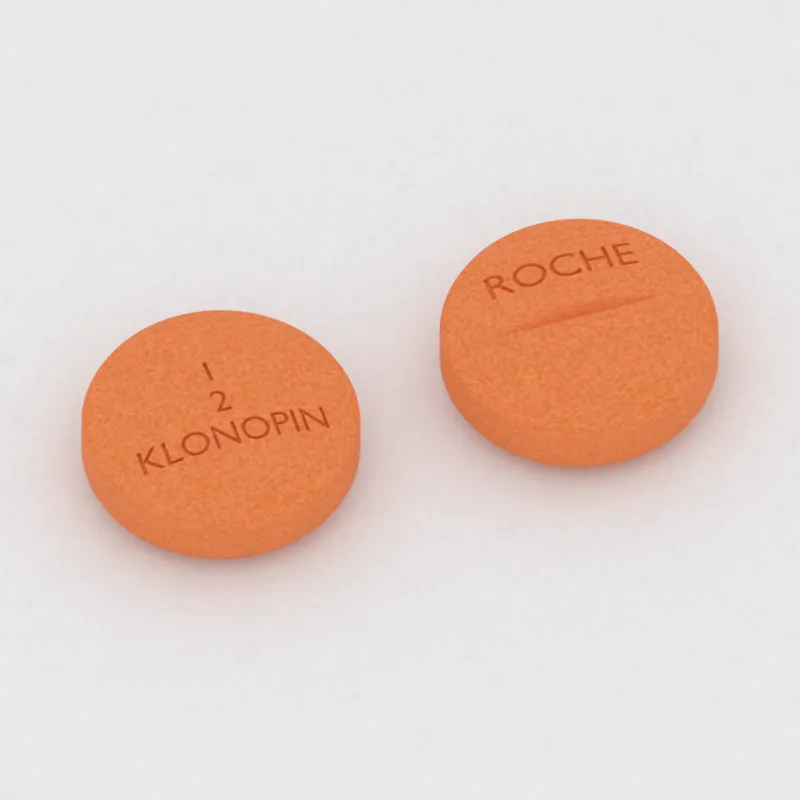
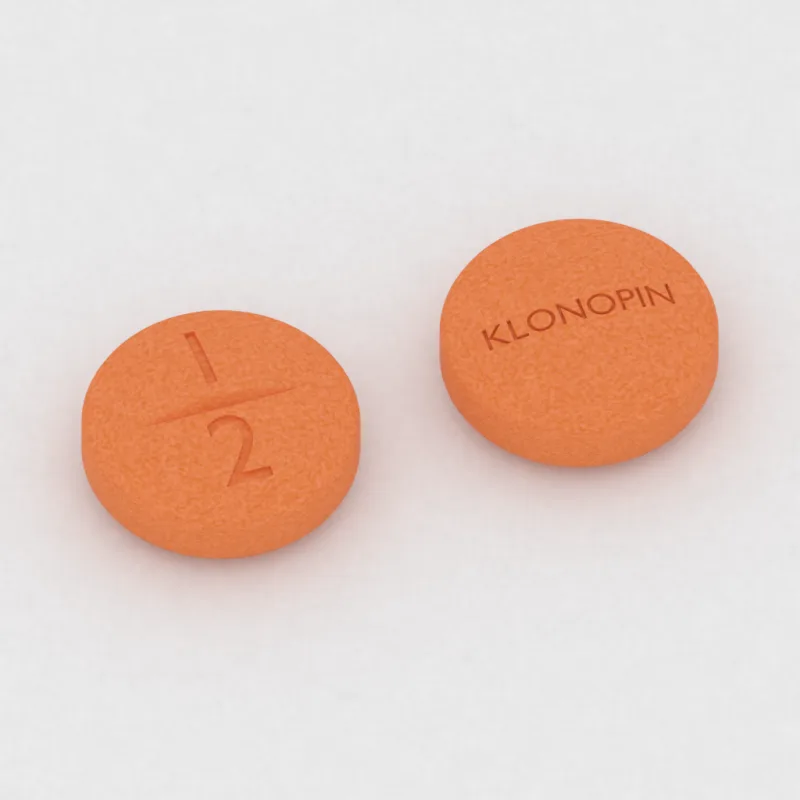
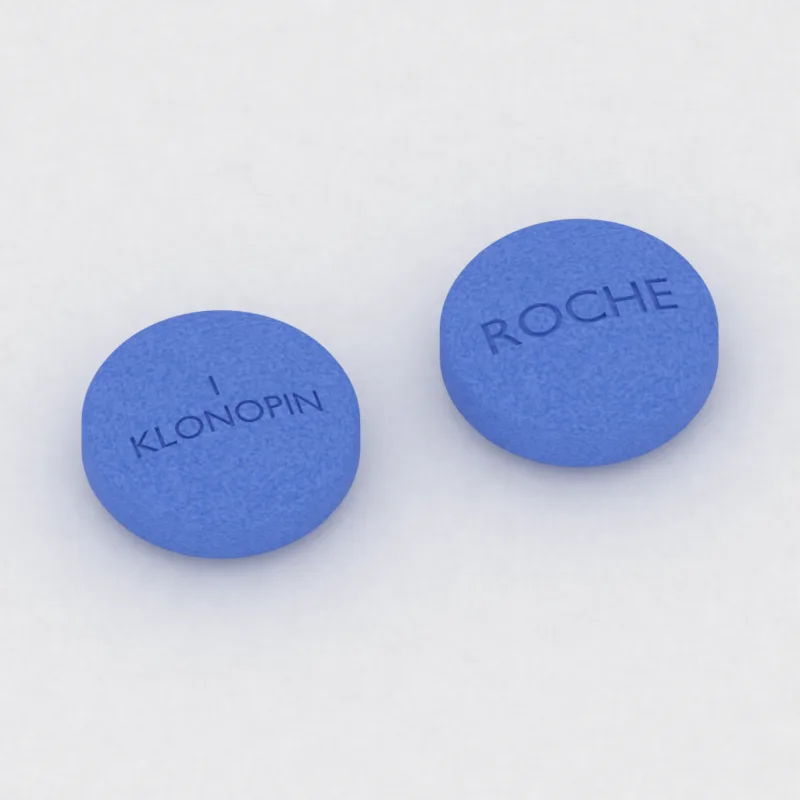
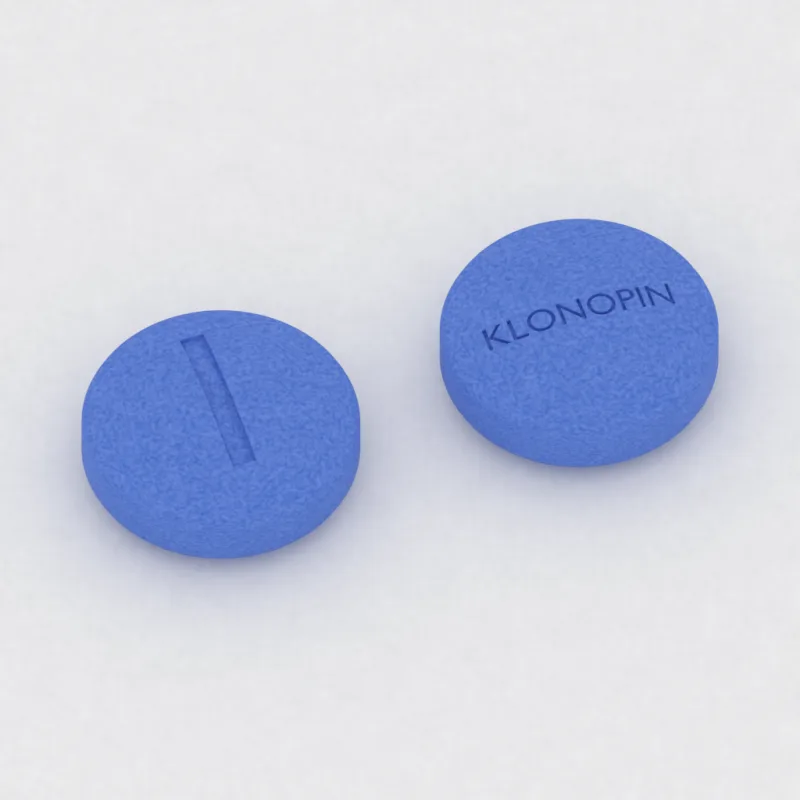
Rendus réalisés à partir des fiches produit des notices FDA : couleur, forme, taille et inscription. 44 versions documentées chez 15 laboratoires.
Interactions d'après la notice
Interactions majeures (140)
Children under the age of two years are at a considerably increased risk of developing fatal hepatotoxicity, especially those on multiple anticonvulsants, those with congenital metabolic disorders, those with severe seizure disorders accompanied by mental retardation, and those with organic brain disease. (notice Acide valproïque, Mise en garde encadrée)
Abuse and misuse of benzodiazepines commonly involve concomitant use of other medications, alcohol, and/or illicit substances, which is associated with an increased frequency of serious adverse outcomes. (notice Clonazépam, Mise en garde encadrée)
Alprazolam XR is contraindicated in patients: • with known hypersensitivity to alprazolam or other benzodiazepines. (notice Alprazolam, Contre-indications)
Prescribe the lowest effective dosage; avoid or minimize concomitant use of CNS depressants and other substances associated with abuse, misuse, and addiction (e.g., opioid analgesics, stimulants); and advise patients on the proper disposal of unused drug. (notice Clonazépam, Mises en garde)
Prescribe the lowest effective dosage; avoid or minimize concomitant use of CNS depressants and other substances associated with abuse, misuse, and addiction (e.g., opioid analgesics, stimulants); and advise patients on the proper disposal of unused drug. (notice Clonazépam, Mises en garde)
• Avoid concurrent use of alcohol or other central nervous system (CNS) depressants with azelastine hydrochloride and fluticasone propionate nasal spray because further decreased alertness and impairment of CNS performance may occur. (notice Azélastine et fluticasone, Mises en garde et précautions)
Prescribe the lowest effective dosage; avoid or minimize concomitant use of CNS depressants and other substances associated with abuse, misuse, and addiction (e.g., opioid analgesics, stimulants); and advise patients on the proper disposal of unused drug. (notice Clonazépam, Mises en garde)
WARNING: RISKS FROM CONCOMITANT USE WITH OPIOIDS; ABUSE, MISUSE, AND ADDICTION; and DEPENDENCE AND WITHDRAWAL REACTIONS Concomitant use of benzodiazepines and opioids may result in profound sedation, respiratory depression, coma, and death. (notice Clonazépam, Mise en garde encadrée)
Prescribe the lowest effective dosage; avoid or minimize concomitant use of CNS depressants and other substances associated with abuse, misuse, and addiction (e.g., opioid analgesics, stimulants); and advise patients on the proper disposal of unused drug. (notice Clonazépam, Mises en garde)
WARNING: RISKS FROM CONCOMITANT USE WITH OPIOIDS; ABUSE, MISUSE, AND ADDICTION; and DEPENDENCE AND WITHDRAWAL REACTIONS Concomitant use of benzodiazepines and opioids may result in profound sedation, respiratory depression, coma, and death. (notice Clonazépam, Mise en garde encadrée)
WARNING: RISKS FROM CONCOMITANT USE WITH OPIOIDS; ABUSE, MISUSE, AND ADDICTION; and DEPENDENCE AND WITHDRAWAL REACTIONS Concomitant use of benzodiazepines and opioids may result in profound sedation, respiratory depression, coma, and death. (notice Clonazépam, Mise en garde encadrée)
Bupropion hydrochloride extended-release tablets (XL) are contraindicated in patients undergoing abrupt discontinuation of alcohol, benzodiazepines, barbiturates, and antiepileptic drugs [see Warnings and Precautions (5.3) and Drug Interactions (7.3)] . (notice Bupropion, Contre-indications)
Prescribe the lowest effective dosage; avoid or minimize concomitant use of CNS depressants and other substances associated with abuse, misuse, and addiction (e.g., opioid analgesics, stimulants); and advise patients on the proper disposal of unused drug. (notice Clonazépam, Mises en garde)
Prescribe the lowest effective dosage; avoid or minimize concomitant use of CNS depressants and other substances associated with abuse, misuse, and addiction (e.g., opioid analgesics, stimulants); and advise patients on the proper disposal of unused drug. (notice Clonazépam, Mises en garde)
WARNING: RISKS FROM CONCOMITANT USE WITH OPIOIDS; ABUSE, MISUSE, AND ADDICTION; and DEPENDENCE AND WITHDRAWAL REACTIONS Concomitant use of benzodiazepines and opioids may result in profound sedation, respiratory depression, coma, and death. (notice Clonazépam, Mise en garde encadrée)
Prescribe the lowest effective dosage; avoid or minimize concomitant use of CNS depressants and other substances associated with abuse, misuse, and addiction (e.g., opioid analgesics, stimulants); and advise patients on the proper disposal of unused drug. (notice Clonazépam, Mises en garde)
WARNING: RISKS FROM CONCOMITANT USE WITH OPIOIDS; ABUSE, MISUSE, AND ADDICTION; and DEPENDENCE AND WITHDRAWAL REACTIONS Concomitant use of benzodiazepines and opioids may result in profound sedation, respiratory depression, coma, and death. (notice Clonazépam, Mise en garde encadrée)
WARNING: RISKS FROM CONCOMITANT USE WITH OPIOIDS; ABUSE, MISUSE, AND ADDICTION; and DEPENDENCE AND WITHDRAWAL REACTIONS Concomitant use of benzodiazepines and opioids may result in profound sedation, respiratory depression, coma, and death. (notice Clonazépam, Mise en garde encadrée)
…diphosphate glucuronosyltransferase (UGT)1A1 enzyme induction, which may result in loss of virologic response [see Drug Interactions ( 7.2 , 7.3 ), Clinical Pharmacology ( 12.3 )] : o Anticonvulsants: Carbamazepine, oxcarbazepine, phenobarbital, phenytoin o Antimycobacterials: Rifampin, rifapentine Prior to initiation of VOCABRIA, note that use of CABENUVA (cabotegravir… (notice Cabotégravir, Contre-indications)
Prescribe the lowest effective dosage; avoid or minimize concomitant use of CNS depressants and other substances associated with abuse, misuse, and addiction (e.g., opioid analgesics, stimulants); and advise patients on the proper disposal of unused drug. (notice Clonazépam, Mises en garde)
CNS Depressants The concomitant use of EQUETRO and other CNS depressants can increase the risk of respiratory depression, profound sedation, hypotension, and syncope. (notice Carbamazépine, Interactions médicamenteuses)
Avoid concurrent use of Carbinoxamine Maleate Extended-Release Oral Suspension with alcohol or other central nervous system depressants because additional impairment of central nervous system performance may occur. (notice Carbinoxamine, Mises en garde et précautions)
Prescribe the lowest effective dosage; avoid or minimize concomitant use of CNS depressants and other substances associated with abuse, misuse, and addiction (e.g., opioid analgesics, stimulants); and advise patients on the proper disposal of unused drug. (notice Clonazépam, Mises en garde)
Prescribe the lowest effective dosage; avoid or minimize concomitant use of CNS depressants and other substances associated with abuse, misuse, and addiction (e.g., opioid analgesics, stimulants); and advise patients on the proper disposal of unused drug. (notice Clonazépam, Mises en garde)
Avoid concurrent use of QUZYTTIR with alcohol or other CNS depressants because additional reduction in alertness and additional impairment of CNS performance may occur. (notice Cétirizine, Mises en garde et précautions)
…have a breathing problem such as emphysema or chronic bronchitis glaucoma trouble urinating due to an enlarged prostate gland Ask a doctor or pharmacist before use if you are taking sedatives or tranquilizers When using this product excitability may occur, especially in children drowsiness may occur avoid alcoholic beverages alchohol, sedatives and tranquilizers… (notice Chlorphénamine, Mises en garde)
Prescribe the lowest effective dosage; avoid or minimize concomitant use of CNS depressants and other substances associated with abuse, misuse, and addiction (e.g., opioid analgesics, stimulants); and advise patients on the proper disposal of unused drug. (notice Clonazépam, Mises en garde)
Prescribe the lowest effective dosage; avoid or minimize concomitant use of CNS depressants and other substances associated with abuse, misuse, and addiction (e.g., opioid analgesics, stimulants); and advise patients on the proper disposal of unused drug. (notice Clonazépam, Mises en garde)
Table 8: Drugs That are Affected by and Affecting Ciprofloxacin Drugs That are Affected by Ciprofloxacin Drug(s) Recommendation Comments Tizanidine Contraindicated Concomitant administration of tizanidine and ciprofloxacin is contraindicated due to the potentiation of hypotensive and sedative effects of tizanidine [see Contraindications ( 4.2 )]. (notice Ciprofloxacine, Interactions médicamenteuses)
Avoid use with other central nervous system (CNS) depressants ( 5.3 ) (notice Clonidine, Mises en garde et précautions)
Prescribe the lowest effective dosage; avoid or minimize concomitant use of CNS depressants and other substances associated with abuse, misuse, and addiction (e.g., opioid analgesics, stimulants); and advise patients on the proper disposal of unused drug. (notice Clonazépam, Mises en garde)
WARNING: RISKS FROM CONCOMITANT USE WITH OPIOIDS; ABUSE, MISUSE, AND ADDICTION; and DEPENDENCE AND WITHDRAWAL REACTIONS Concomitant use of benzodiazepines and opioids may result in profound sedation, respiratory depression, coma, and death. (notice Clonazépam, Mise en garde encadrée)
Prescribe the lowest effective dosage; avoid or minimize concomitant use of CNS depressants and other substances associated with abuse, misuse, and addiction (e.g., opioid analgesics, stimulants); and advise patients on the proper disposal of unused drug. (notice Clonazépam, Mises en garde)
Prescribe the lowest effective dosage; avoid or minimize concomitant use of CNS depressants and other substances associated with abuse, misuse, and addiction (e.g., opioid analgesics, stimulants); and advise patients on the proper disposal of unused drug. (notice Clonazépam, Mises en garde)
Prescribe the lowest effective dosage; avoid or minimize concomitant use of CNS depressants and other substances associated with abuse, misuse, and addiction (e.g., opioid analgesics, stimulants); and advise patients on the proper disposal of unused drug. (notice Clonazépam, Mises en garde)
Prescribe the lowest effective dosage; avoid or minimize concomitant use of CNS depressants and other substances associated with abuse, misuse, and addiction (e.g., opioid analgesics, stimulants); and advise patients on the proper disposal of unused drug. (notice Clonazépam, Mises en garde)
- Diphénoxylate et atropineMajeure
CONTRAINDICATIONS Diphenoxylate hydrochloride and atropine sulfate is contraindicated in: • Pediatric patients less than 6 years of age due to the risks of respiratory and central nervous system (CNS) depression (see WARNINGS ). (notice Diphénoxylate et atropine, Contre-indications)
Children under the age of two years are at a considerably increased risk of developing fatal hepatotoxicity, especially those on multiple anticonvulsants, those with congenital metabolic disorders, those with severe seizure disorders accompanied by mental retardation, and those with organic brain disease. (notice Divalproate de sodium (valproate), Mise en garde encadrée)
These drugs include, but are not limited to, the following: the anticonvulsants carbamazepine, oxcarbazepine, phenobarbital, phenytoin the androgen receptor inhibitor enzalutamide the antimycobacterials rifampin, rifapentine the cytotoxic agent mitotane St. (notice Doravirine, Contre-indications)
…breathing problem such as emphysema or chronic bronchitis • glaucoma • trouble urinating due to an enlarged prostate gland Ask a doctor or pharmacist before use if you are taking • a sedative or any other sleep-aid • tranquilizers • any other antihistamines • any other drugs When using this product • avoid alcoholic beverages • do not drive a motor vehicle or operate… (notice Doxylamine, Mises en garde)
Central nervous system (CNS) depressants: Concurrent use with alcohol or other CNS depressants is not recommended ( 5.1 ) (notice Doxylamine et pyridoxine, Mises en garde et précautions)
Prescribe the lowest effective dosage; avoid or minimize concomitant use of CNS depressants and other substances associated with abuse, misuse, and addiction (e.g., opioid analgesics, stimulants); and advise patients on the proper disposal of unused drug. (notice Clonazépam, Mises en garde)
Other risk factors may include age over 65 years, alcohol abuse, and use of agents such as benzodiazepines, volatile anesthetics, and IV opiates. (notice Dropéridol, Mise en garde encadrée)
WARNING: RISKS FROM CONCOMITANT USE WITH OPIOIDS; ABUSE, MISUSE, AND ADDICTION; and DEPENDENCE AND WITHDRAWAL REACTIONS Concomitant use of benzodiazepines and opioids may result in profound sedation, respiratory depression, coma, and death. (notice Clonazépam, Mise en garde encadrée)
Alpha 1-adrenoreceptor antagonist: alfuzosin Anticonvulsants: carbamazepine, phenobarbital, phenytoin Antimycobacterial: rifampin Antipsychotics: lurasidone, pimozide Ergot Derivatives: dihydroergotamine, ergotamine, methylergonovine Herbal Products: St. (notice Elvitégravir, cobicistat, emtricitabine et ténofovir, Contre-indications)
…virologic response and possible resistance to COMPLERA or to the class of NNRTIs [see Warnings and Precautions (5.7) , Drug Interactions (7) , and Clinical Pharmacology (12.3) ]: Anticonvulsants: carbamazepine, oxcarbazepine, phenobarbital, phenytoin Antimycobacterials: rifampin, rifapentine Glucocorticoid (systemic): dexamethasone (more than a single-dose)… (notice Emtricitabine, rilpivirine et ténofovir, Contre-indications)
Prescribe the lowest effective dosage; avoid or minimize concomitant use of CNS depressants and other substances associated with abuse, misuse, and addiction (e.g., opioid analgesics, stimulants); and advise patients on the proper disposal of unused drug. (notice Clonazépam, Mises en garde)
Prescribe the lowest effective dosage; avoid or minimize concomitant use of CNS depressants and other substances associated with abuse, misuse, and addiction (e.g., opioid analgesics, stimulants); and advise patients on the proper disposal of unused drug. (notice Clonazépam, Mises en garde)
Prescribe the lowest effective dosage; avoid or minimize concomitant use of CNS depressants and other substances associated with abuse, misuse, and addiction (e.g., opioid analgesics, stimulants); and advise patients on the proper disposal of unused drug. (notice Clonazépam, Mises en garde)
IT IS NOT KNOWN WHETHER CONCOMITANT USE OF OTHER ANTIEPILEPTIC DRUGS AND/OR OTHER DRUGS AFFECT THE INCIDENCE OF HEPATIC FAILURE. (notice Felbamate, Mise en garde encadrée)
WARNING: RISKS FROM CONCOMITANT USE WITH OPIOIDS; ABUSE, MISUSE, AND ADDICTION; and DEPENDENCE AND WITHDRAWAL REACTIONS Concomitant use of benzodiazepines and opioids may result in profound sedation, respiratory depression, coma, and death. (notice Clonazépam, Mise en garde encadrée)
Abrupt discontinuation or rapid dosage reduction of KLONOPIN after continued use, or administration of flumazenil (a benzodiazepine antagonist) may precipitate acute withdrawal reactions, which can be life-threatening (e.g., seizures) (see DRUG ABUSE AND DEPENDENCE: Dependence ) . (notice Clonazépam, Mises en garde)
Prescribe the lowest effective dosage; avoid or minimize concomitant use of CNS depressants and other substances associated with abuse, misuse, and addiction (e.g., opioid analgesics, stimulants); and advise patients on the proper disposal of unused drug. (notice Clonazépam, Mises en garde)
• Respiratory Depression: May occur with NEURONTIN when used with concomitant central nervous system (CNS) depressants, including opioids, or in the setting of underlying respiratory impairment. (notice Gabapentine, Mises en garde et précautions)
Prescribe the lowest effective dosage; avoid or minimize concomitant use of CNS depressants and other substances associated with abuse, misuse, and addiction (e.g., opioid analgesics, stimulants); and advise patients on the proper disposal of unused drug. (notice Clonazépam, Mises en garde)
WARNING: RISKS FROM CONCOMITANT USE WITH OPIOIDS; ABUSE, MISUSE, AND ADDICTION; and DEPENDENCE AND WITHDRAWAL REACTIONS Concomitant use of benzodiazepines and opioids may result in profound sedation, respiratory depression, coma, and death. (notice Clonazépam, Mise en garde encadrée)
WARNING: RISKS FROM CONCOMITANT USE WITH OPIOIDS; ABUSE, MISUSE, AND ADDICTION; and DEPENDENCE AND WITHDRAWAL REACTIONS Concomitant use of benzodiazepines and opioids may result in profound sedation, respiratory depression, coma, and death. (notice Clonazépam, Mise en garde encadrée)
WARNING: RISKS FROM CONCOMITANT USE WITH OPIOIDS; ABUSE, MISUSE, AND ADDICTION; and DEPENDENCE AND WITHDRAWAL REACTIONS Concomitant use of benzodiazepines and opioids may result in profound sedation, respiratory depression, coma, and death. (notice Clonazépam, Mise en garde encadrée)
WARNING: RISKS FROM CONCOMITANT USE WITH OPIOIDS; ABUSE, MISUSE, AND ADDICTION; and DEPENDENCE AND WITHDRAWAL REACTIONS Concomitant use of benzodiazepines and opioids may result in profound sedation, respiratory depression, coma, and death. (notice Clonazépam, Mise en garde encadrée)
WARNING: RISKS FROM CONCOMITANT USE WITH OPIOIDS; ABUSE, MISUSE, AND ADDICTION; and DEPENDENCE AND WITHDRAWAL REACTIONS Concomitant use of benzodiazepines and opioids may result in profound sedation, respiratory depression, coma, and death. (notice Clonazépam, Mise en garde encadrée)
WARNING: RISKS FROM CONCOMITANT USE WITH OPIOIDS; ABUSE, MISUSE, AND ADDICTION; and DEPENDENCE AND WITHDRAWAL REACTIONS Concomitant use of benzodiazepines and opioids may result in profound sedation, respiratory depression, coma, and death. (notice Clonazépam, Mise en garde encadrée)
Rarely, cardiac arrests and death have been reported in association with the combined use of hydroxyzine hydrochloride intramuscularly and other CNS depressants. (notice Hydroxyzine, Précautions)
Prescribe the lowest effective dosage; avoid or minimize concomitant use of CNS depressants and other substances associated with abuse, misuse, and addiction (e.g., opioid analgesics, stimulants); and advise patients on the proper disposal of unused drug. (notice Clonazépam, Mises en garde)
Prescribe the lowest effective dosage; avoid or minimize concomitant use of CNS depressants and other substances associated with abuse, misuse, and addiction (e.g., opioid analgesics, stimulants); and advise patients on the proper disposal of unused drug. (notice Clonazépam, Mises en garde)
To avoid phenytoin intoxication, appropriate adjustment of the anticonvulsant should be made 5,6 . (notice Isoniazide, Interactions médicamenteuses)
Anticonvulsants Carbamazepine Not recommended 2 weeks before, during, and 2 weeks after TOLSURA treatment. (notice Itraconazole, Interactions médicamenteuses)
Prescribe the lowest effective dosage; avoid or minimize concomitant use of CNS depressants and other substances associated with abuse, misuse, and addiction (e.g., opioid analgesics, stimulants); and advise patients on the proper disposal of unused drug. (notice Clonazépam, Mises en garde)
This may potentiate and prolong hypnotic and sedative effects, especially with repeated dosing or chronic administration of these agents. (notice Kétoconazole, Contre-indications)
Prescribe the lowest effective dosage; avoid or minimize concomitant use of CNS depressants and other substances associated with abuse, misuse, and addiction (e.g., opioid analgesics, stimulants); and advise patients on the proper disposal of unused drug. (notice Clonazépam, Mises en garde)
Avoid concurrent use of alcohol or other central nervous system depressants with XYZAL. (notice Lévocétirizine, Mises en garde et précautions)
WARNING: RISKS FROM CONCOMITANT USE WITH OPIOIDS; ABUSE, MISUSE, AND ADDICTION; and DEPENDENCE AND WITHDRAWAL REACTIONS Concomitant use of benzodiazepines and opioids may result in profound sedation, respiratory depression, coma, and death. (notice Clonazépam, Mise en garde encadrée)
Caution patients receiving LOREEV XR against operating machinery or driving a motor vehicle as well to avoid the concomitant use of alcohol and other CNS depressant drugs during treatment ( 5.4 , 7 ) (notice Lorazépam, Mises en garde et précautions)
Prescribe the lowest effective dosage; avoid or minimize concomitant use of CNS depressants and other substances associated with abuse, misuse, and addiction (e.g., opioid analgesics, stimulants); and advise patients on the proper disposal of unused drug. (notice Clonazépam, Mises en garde)
Prescribe the lowest effective dosage; avoid or minimize concomitant use of CNS depressants and other substances associated with abuse, misuse, and addiction (e.g., opioid analgesics, stimulants); and advise patients on the proper disposal of unused drug. (notice Clonazépam, Mises en garde)
Prescribe the lowest effective dosage; avoid or minimize concomitant use of CNS depressants and other substances associated with abuse, misuse, and addiction (e.g., opioid analgesics, stimulants); and advise patients on the proper disposal of unused drug. (notice Clonazépam, Mises en garde)
Prescribe the lowest effective dosage; avoid or minimize concomitant use of CNS depressants and other substances associated with abuse, misuse, and addiction (e.g., opioid analgesics, stimulants); and advise patients on the proper disposal of unused drug. (notice Clonazépam, Mises en garde)
WARNING: RISKS FROM CONCOMITANT USE WITH OPIOIDS; ABUSE, MISUSE, AND ADDICTION; and DEPENDENCE AND WITHDRAWAL REACTIONS Concomitant use of benzodiazepines and opioids may result in profound sedation, respiratory depression, coma, and death. (notice Clonazépam, Mise en garde encadrée)
Prescribe the lowest effective dosage; avoid or minimize concomitant use of CNS depressants and other substances associated with abuse, misuse, and addiction (e.g., opioid analgesics, stimulants); and advise patients on the proper disposal of unused drug. (notice Clonazépam, Mises en garde)
Prescribe the lowest effective dosage; avoid or minimize concomitant use of CNS depressants and other substances associated with abuse, misuse, and addiction (e.g., opioid analgesics, stimulants); and advise patients on the proper disposal of unused drug. (notice Clonazépam, Mises en garde)
WARNING: PERSONNEL AND EQUIPMENT FOR MONITORING AND RESUSCITATION AND RISKS FROM CONCOMITANT USE WITH OPIOID ANALGESICS AND OTHER SEDATIVE-HYPNOTICS Personnel and Equipment for Monitoring and Resuscitation Only personnel trained in the administration of procedural sedation, and not involved in the conduct of the diagnostic or therapeutic procedure, should administer… (notice Midazolam, Mise en garde encadrée)
The concomitant use of benzodiazepines and alcohol with REMERON/REMERONSolTab should be avoided [see Drug Interactions (7) ] . (notice Mirtazapine, Mises en garde et précautions)
WARNING: RISKS FROM CONCOMITANT USE WITH OPIOIDS; ABUSE, MISUSE, AND ADDICTION; and DEPENDENCE AND WITHDRAWAL REACTIONS Concomitant use of benzodiazepines and opioids may result in profound sedation, respiratory depression, coma, and death. (notice Clonazépam, Mise en garde encadrée)
WARNING: RISKS FROM CONCOMITANT USE WITH OPIOIDS; ABUSE, MISUSE, AND ADDICTION; and DEPENDENCE AND WITHDRAWAL REACTIONS Concomitant use of benzodiazepines and opioids may result in profound sedation, respiratory depression, coma, and death. (notice Clonazépam, Mise en garde encadrée)
Risk of Recurrent Respiratory and CNS Depression : A recurrence of respiratory depression is possible, therefore, keep the patient under continued surveillance and administer repeat doses of ZURNAI using a new auto-injector with each dose while awaiting emergency medical assistance. (notice Nalméfène, Mises en garde et précautions)
…(e.g., buprenorphine) use, or acute opiate withdrawal [see Warnings and Precautions (5.4) and Drug Interactions (7.2) ] Patients undergoing an abrupt discontinuation of alcohol, benzodiazepines, barbiturates, and antiepileptic drugs [see Warnings and Precautions (5.3) and Drug Interactions (7.7) ] Concomitant administration of monoamine oxidase inhibitors (MAOI). (notice Naltrexone et bupropion, Contre-indications)
Prescribe the lowest effective dosage; avoid or minimize concomitant use of CNS depressants and other substances associated with abuse, misuse, and addiction (e.g., opioid analgesics, stimulants); and advise patients on the proper disposal of unused drug. (notice Clonazépam, Mises en garde)
Prescribe the lowest effective dosage; avoid or minimize concomitant use of CNS depressants and other substances associated with abuse, misuse, and addiction (e.g., opioid analgesics, stimulants); and advise patients on the proper disposal of unused drug. (notice Clonazépam, Mises en garde)
WARNING: RISKS FROM CONCOMITANT USE WITH OPIOIDS; ABUSE, MISUSE, AND ADDICTION; and DEPENDENCE AND WITHDRAWAL REACTIONS Concomitant use of benzodiazepines and opioids may result in profound sedation, respiratory depression, coma, and death. (notice Clonazépam, Mise en garde encadrée)
• Avoid concurrent use of alcohol or other central nervous system depressants with olopatadine hydrochloride nasal solution (nasal spray) ( 5.2 ). (notice Olopatadine, Mises en garde et précautions)
• Avoid concurrent use of alcohol or other central nervous system (CNS) depressants with RYALTRIS because additional reductions in alertness and additional impairment of CNS performance may occur. (notice Olopatadine et mométasone, Mises en garde et précautions)
Prescribe the lowest effective dosage; avoid or minimize concomitant use of CNS depressants and other substances associated with abuse, misuse, and addiction (e.g., opioid analgesics, stimulants); and advise patients on the proper disposal of unused drug. (notice Clonazépam, Mises en garde)
Prescribe the lowest effective dosage; avoid or minimize concomitant use of CNS depressants and other substances associated with abuse, misuse, and addiction (e.g., opioid analgesics, stimulants); and advise patients on the proper disposal of unused drug. (notice Clonazépam, Mises en garde)
• Central Nervous System Depression Xyrem (sodium oxybate) is a CNS depressant. (notice Oxybate de sodium, Mise en garde encadrée)
WARNING: RISKS FROM CONCOMITANT USE WITH OPIOIDS; ABUSE, MISUSE, AND ADDICTION; and DEPENDENCE AND WITHDRAWAL REACTIONS Concomitant use of benzodiazepines and opioids may result in profound sedation, respiratory depression, coma, and death. (notice Clonazépam, Mise en garde encadrée)
WARNING: RISKS FROM CONCOMITANT USE WITH OPIOIDS; ABUSE, MISUSE, AND ADDICTION; and DEPENDENCE AND WITHDRAWAL REACTIONS Concomitant use of benzodiazepines and opioids may result in profound sedation, respiratory depression, coma, and death. (notice Clonazépam, Mise en garde encadrée)
WARNING: RISKS FROM CONCOMITANT USE WITH OPIOIDS; ABUSE, MISUSE, AND ADDICTION; and DEPENDENCE AND WITHDRAWAL REACTIONS Concomitant use of benzodiazepines and opioids may result in profound sedation, respiratory depression, coma, and death. (notice Clonazépam, Mise en garde encadrée)
Prescribe the lowest effective dosage; avoid or minimize concomitant use of CNS depressants and other substances associated with abuse, misuse, and addiction (e.g., opioid analgesics, stimulants); and advise patients on the proper disposal of unused drug. (notice Clonazépam, Mises en garde)
WARNING: RISKS FROM CONCOMITANT USE WITH OPIOIDS; ABUSE, MISUSE, AND ADDICTION; and DEPENDENCE AND WITHDRAWAL REACTIONS Concomitant use of benzodiazepines and opioids may result in profound sedation, respiratory depression, coma, and death. (notice Clonazépam, Mise en garde encadrée)
WARNING: RISKS FROM CONCOMITANT USE WITH OPIOIDS; ABUSE, MISUSE, AND ADDICTION; and DEPENDENCE AND WITHDRAWAL REACTIONS Concomitant use of benzodiazepines and opioids may result in profound sedation, respiratory depression, coma, and death. (notice Clonazépam, Mise en garde encadrée)
Prescribe the lowest effective dosage; avoid or minimize concomitant use of CNS depressants and other substances associated with abuse, misuse, and addiction (e.g., opioid analgesics, stimulants); and advise patients on the proper disposal of unused drug. (notice Clonazépam, Mises en garde)
WARNING: RISKS FROM CONCOMITANT USE WITH OPIOIDS; ABUSE, MISUSE, AND ADDICTION; and DEPENDENCE AND WITHDRAWAL REACTIONS Concomitant use of benzodiazepines and opioids may result in profound sedation, respiratory depression, coma, and death. (notice Clonazépam, Mise en garde encadrée)
Phenelzine sulfate should not be used in combination with dextromethorphan or with CNS depressants such as alcohol and certain narcotics. (notice Phénelzine, Contre-indications)
Prescribe the lowest effective dosage; avoid or minimize concomitant use of CNS depressants and other substances associated with abuse, misuse, and addiction (e.g., opioid analgesics, stimulants); and advise patients on the proper disposal of unused drug. (notice Clonazépam, Mises en garde)
Prescribe the lowest effective dosage; avoid or minimize concomitant use of CNS depressants and other substances associated with abuse, misuse, and addiction (e.g., opioid analgesics, stimulants); and advise patients on the proper disposal of unused drug. (notice Clonazépam, Mises en garde)
Prescribe the lowest effective dosage; avoid or minimize concomitant use of CNS depressants and other substances associated with abuse, misuse, and addiction (e.g., opioid analgesics, stimulants); and advise patients on the proper disposal of unused drug. (notice Clonazépam, Mises en garde)
Prescribe the lowest effective dosage; avoid or minimize concomitant use of CNS depressants and other substances associated with abuse, misuse, and addiction (e.g., opioid analgesics, stimulants); and advise patients on the proper disposal of unused drug. (notice Clonazépam, Mises en garde)
• Respiratory Depression : May occur with LYRICA when used with concomitant CNS depressants or in the setting of underlying respiratory impairment. (notice Prégabaline, Mises en garde et précautions)
Prescribe the lowest effective dosage; avoid or minimize concomitant use of CNS depressants and other substances associated with abuse, misuse, and addiction (e.g., opioid analgesics, stimulants); and advise patients on the proper disposal of unused drug. (notice Clonazépam, Mises en garde)
Prescribe the lowest effective dosage; avoid or minimize concomitant use of CNS depressants and other substances associated with abuse, misuse, and addiction (e.g., opioid analgesics, stimulants); and advise patients on the proper disposal of unused drug. (notice Clonazépam, Mises en garde)
WARNING: RISKS FROM CONCOMITANT USE WITH OPIOIDS; ABUSE, MISUSE, AND ADDICTION; and DEPENDENCE AND WITHDRAWAL REACTIONS Concomitant use of benzodiazepines and opioids may result in profound sedation, respiratory depression, coma, and death. (notice Clonazépam, Mise en garde encadrée)
Prescribe the lowest effective dosage; avoid or minimize concomitant use of CNS depressants and other substances associated with abuse, misuse, and addiction (e.g., opioid analgesics, stimulants); and advise patients on the proper disposal of unused drug. (notice Clonazépam, Mises en garde)
Prescribe the lowest effective dosage; avoid or minimize concomitant use of CNS depressants and other substances associated with abuse, misuse, and addiction (e.g., opioid analgesics, stimulants); and advise patients on the proper disposal of unused drug. (notice Clonazépam, Mises en garde)
If concomitant administration with carbamazepine or phenobarbital cannot be avoided, frequent monitoring of anticonvulsant drug concentrations is recommended. (notice Quinine, Interactions médicamenteuses)
Prescribe the lowest effective dosage; avoid or minimize concomitant use of CNS depressants and other substances associated with abuse, misuse, and addiction (e.g., opioid analgesics, stimulants); and advise patients on the proper disposal of unused drug. (notice Clonazépam, Mises en garde)
WARNING: RISKS FROM CONCOMITANT USE WITH OPIOIDS; ABUSE, MISUSE, AND ADDICTION; and DEPENDENCE AND WITHDRAWAL REACTIONS Concomitant use of benzodiazepines and opioids may result in profound sedation, respiratory depression, coma, and death. (notice Clonazépam, Mise en garde encadrée)
Table 2: Drugs That are Contraindicated with EDURANT and EDURANT PED Drug Class Contraindicated Drugs in Class Clinical Comment Anticonvulsants Carbamazepine Oxcarbazepine Phenobarbital Phenytoin Potential for significant decreases in rilpivirine plasma concentrations due to CYP3A enzyme induction, which may result in loss of virologic response. (notice Rilpivirine, Contre-indications)
Prescribe the lowest effective dosage; avoid or minimize concomitant use of CNS depressants and other substances associated with abuse, misuse, and addiction (e.g., opioid analgesics, stimulants); and advise patients on the proper disposal of unused drug. (notice Clonazépam, Mises en garde)
Prescribe the lowest effective dosage; avoid or minimize concomitant use of CNS depressants and other substances associated with abuse, misuse, and addiction (e.g., opioid analgesics, stimulants); and advise patients on the proper disposal of unused drug. (notice Clonazépam, Mises en garde)
Anticonvulsants: carbamazepine phenytoin phenobarbital ↓ sofosbuvir ↓ velpatasvir ↓ voxilaprevir Coadministration is not recommended. (notice Sofosbuvir et velpatasvir, Interactions médicamenteuses)
Prescribe the lowest effective dosage; avoid or minimize concomitant use of CNS depressants and other substances associated with abuse, misuse, and addiction (e.g., opioid analgesics, stimulants); and advise patients on the proper disposal of unused drug. (notice Clonazépam, Mises en garde)
WARNING: RISKS FROM CONCOMITANT USE WITH OPIOIDS; ABUSE, MISUSE, AND ADDICTION; and DEPENDENCE AND WITHDRAWAL REACTIONS Concomitant use of benzodiazepines and opioids may result in profound sedation, respiratory depression, coma, and death. (notice Clonazépam, Mise en garde encadrée)
Prescribe the lowest effective dosage; avoid or minimize concomitant use of CNS depressants and other substances associated with abuse, misuse, and addiction (e.g., opioid analgesics, stimulants); and advise patients on the proper disposal of unused drug. (notice Clonazépam, Mises en garde)
Prescribe the lowest effective dosage; avoid or minimize concomitant use of CNS depressants and other substances associated with abuse, misuse, and addiction (e.g., opioid analgesics, stimulants); and advise patients on the proper disposal of unused drug. (notice Clonazépam, Mises en garde)
Prescribe the lowest effective dosage; avoid or minimize concomitant use of CNS depressants and other substances associated with abuse, misuse, and addiction (e.g., opioid analgesics, stimulants); and advise patients on the proper disposal of unused drug. (notice Clonazépam, Mises en garde)
Prescribe the lowest effective dosage; avoid or minimize concomitant use of CNS depressants and other substances associated with abuse, misuse, and addiction (e.g., opioid analgesics, stimulants); and advise patients on the proper disposal of unused drug. (notice Clonazépam, Mises en garde)
Prescribe the lowest effective dosage; avoid or minimize concomitant use of CNS depressants and other substances associated with abuse, misuse, and addiction (e.g., opioid analgesics, stimulants); and advise patients on the proper disposal of unused drug. (notice Clonazépam, Mises en garde)
WARNING: RISKS FROM CONCOMITANT USE WITH OPIOIDS; ABUSE, MISUSE, AND ADDICTION; and DEPENDENCE AND WITHDRAWAL REACTIONS Concomitant use of benzodiazepines and opioids may result in profound sedation, respiratory depression, coma, and death. (notice Clonazépam, Mise en garde encadrée)
WARNING: RISKS FROM CONCOMITANT USE WITH OPIOIDS; ABUSE, MISUSE, AND ADDICTION; and DEPENDENCE AND WITHDRAWAL REACTIONS Concomitant use of benzodiazepines and opioids may result in profound sedation, respiratory depression, coma, and death. (notice Clonazépam, Mise en garde encadrée)
Prescribe the lowest effective dosage; avoid or minimize concomitant use of CNS depressants and other substances associated with abuse, misuse, and addiction (e.g., opioid analgesics, stimulants); and advise patients on the proper disposal of unused drug. (notice Clonazépam, Mises en garde)
Prescribe the lowest effective dosage; avoid or minimize concomitant use of CNS depressants and other substances associated with abuse, misuse, and addiction (e.g., opioid analgesics, stimulants); and advise patients on the proper disposal of unused drug. (notice Clonazépam, Mises en garde)
Prescribe the lowest effective dosage; avoid or minimize concomitant use of CNS depressants and other substances associated with abuse, misuse, and addiction (e.g., opioid analgesics, stimulants); and advise patients on the proper disposal of unused drug. (notice Clonazépam, Mises en garde)
Prescribe the lowest effective dosage; avoid or minimize concomitant use of CNS depressants and other substances associated with abuse, misuse, and addiction (e.g., opioid analgesics, stimulants); and advise patients on the proper disposal of unused drug. (notice Clonazépam, Mises en garde)
Prescribe the lowest effective dosage; avoid or minimize concomitant use of CNS depressants and other substances associated with abuse, misuse, and addiction (e.g., opioid analgesics, stimulants); and advise patients on the proper disposal of unused drug. (notice Clonazépam, Mises en garde)
Interactions modérées (156)
By decreasing the gastrointestinal absorption of primidone, acetazolamide may decrease serum concentrations of primidone and its metabolites, with a consequent possible decrease in anticonvulsant effect. (notice Acétazolamide, Interactions médicamenteuses)
- Acide foliniqueModérée
Effects of VYKOURA on Other Drugs Certain Antiepileptic Drugs Increase monitoring for seizure activity in patients taking certain concomitant antiepileptic drugs. (notice Acide folinique, Interactions médicamenteuses)
- Acide lévofoliniqueModérée
Effects of Leucovorin Products on Other Drugs Antiepileptic Drugs Folic acid in large amounts may counteract the antiepileptic effect of phenobarbital, phenytoin and primidone and increase the frequency of seizures in susceptible children. (notice Acide lévofolinique, Interactions médicamenteuses)
- AlbendazoleModérée
Risk of Neurologic Symptoms: Neurocysticercosis patients may experience cerebral hypertensive episodes, seizures or focal neurologic deficits after initiation of therapy; begin appropriate steroid and anticonvulsant therapy. (notice Albendazole, Mises en garde et précautions)
Inform patients also that the central nervous system depressant effects of allopurinol tablets may be additive to those of alcohol and other CNS depressants. (notice Allopurinol, Mises en garde et précautions)
Prescribe the lowest effective dosage; avoid or minimize concomitant use of CNS depressants and other substances associated with abuse, misuse, and addiction (e.g., opioid analgesics, stimulants); and advise patients on the proper disposal of unused drug. (notice Clonazépam, Mises en garde)
25% increase Diazepam Benzodiazepines increase CNS concentrations of adenosine, a potent CNS depressant, while theophylline blocks adenosine receptors. (notice Aminophylline, Interactions médicamenteuses)
They should also be warned about the concomitant use of alcohol or other CNS-depressant drugs during Klonopin therapy (see PRECAUTIONS: Drug Interactions and PRECAUTIONS: Information for Patients ). (notice Clonazépam, Mises en garde)
They should also be warned about the concomitant use of alcohol or other CNS-depressant drugs during Klonopin therapy (see PRECAUTIONS: Drug Interactions and PRECAUTIONS: Information for Patients ). (notice Clonazépam, Mises en garde)
Prescribe the lowest effective dosage; avoid or minimize concomitant use of CNS depressants and other substances associated with abuse, misuse, and addiction (e.g., opioid analgesics, stimulants); and advise patients on the proper disposal of unused drug. (notice Clonazépam, Mises en garde)
Prescribe the lowest effective dosage; avoid or minimize concomitant use of CNS depressants and other substances associated with abuse, misuse, and addiction (e.g., opioid analgesics, stimulants); and advise patients on the proper disposal of unused drug. (notice Clonazépam, Mises en garde)
Benzodiazepines Clinical Impact Increased exposure to midazolam or other benzodiazepines metabolized via CYP3A4 (alprazolam, triazolam) may increase the risk of adverse reactions [see Clinical Pharmacology (12.3) ] . (notice Aprépitant, Interactions médicamenteuses)
Prescribe the lowest effective dosage; avoid or minimize concomitant use of CNS depressants and other substances associated with abuse, misuse, and addiction (e.g., opioid analgesics, stimulants); and advise patients on the proper disposal of unused drug. (notice Clonazépam, Mises en garde)
…cyclophosphamide, flutamide, hydroxyurea, ifosfamide, rasburicase Antibiotics dapsone, nitrofurantoin, para-aminosalicylic acid, sulfonamides Antimalarials chloroquine, primaquine Anticonvulsants phenobarbital, phenytoin, sodium valproate Other drugs acetaminophen, metoclopramide, quinine, sulfasalazine Monoamine Oxidase Inhibitors, Nonselective Beta-Adrenergic… (notice Articaïne et adrénaline, Interactions médicamenteuses)
Anticonvulsants Salicylic acid can displace protein-bound phenytoin and valproic acid, leading to a decrease in the total concentration of phenytoin and an increase in serum valproic acid levels. (notice Aspirine et dipyridamole, Interactions médicamenteuses)
They should also be warned about the concomitant use of alcohol or other CNS-depressant drugs during Klonopin therapy (see PRECAUTIONS: Drug Interactions and PRECAUTIONS: Information for Patients ). (notice Clonazépam, Mises en garde)
Patients with major risk factors for decreased bone mineral content, such as prolonged immobilization, family history of osteoporosis, or chronic use of drugs that can reduce bone mass (e.g., anticonvulsants and corticosteroids) should be monitored and treated with established standards of care. (notice Béclométasone, Mises en garde et précautions)
Prescribe the lowest effective dosage; avoid or minimize concomitant use of CNS depressants and other substances associated with abuse, misuse, and addiction (e.g., opioid analgesics, stimulants); and advise patients on the proper disposal of unused drug. (notice Clonazépam, Mises en garde)
Sedatives/Hypnotics: midazolam (oral) triazolam ↑ midazolam (oral) ↑ triazolam Use caution when midazolam or triazolam is concomitantly administered with BIXLENVO. (notice Bictégravir, emtricitabine et ténofovir alafénamide, Interactions médicamenteuses)
…Interactions The CNS-depressant action of the benzodiazepine class of drugs may be potentiated by alcohol, narcotics, barbiturates, nonbarbiturate hypnotics, antianxiety agents, the phenothiazines, thioxanthene and butyrophenone classes of antipsychotic agents, monoamine oxidase inhibitors and the tricyclic antidepressants, and by other anticonvulsant drugs. (notice Clonazépam, Interactions médicamenteuses)
Use with CNS depressants may result in an additive or potentiating effect. (notice Brimonidine, Interactions médicamenteuses)
Use with CNS depressants may result in an additive or potentiating effect. (notice Brimonidine et timolol, Interactions médicamenteuses)
They should also be warned about the concomitant use of alcohol or other CNS-depressant drugs during Klonopin therapy (see PRECAUTIONS: Drug Interactions and PRECAUTIONS: Information for Patients ). (notice Clonazépam, Mises en garde)
They should also be warned about the concomitant use of alcohol or other CNS-depressant drugs during Klonopin therapy (see PRECAUTIONS: Drug Interactions and PRECAUTIONS: Information for Patients ). (notice Clonazépam, Mises en garde)
Patients with major risk factors for decreased bone mineral content, such as prolonged immobilization, family history of osteoporosis, post menopausal status, tobacco use, advance age, poor nutrition, or chronic use of drugs that can reduce bone mass (e.g., anticonvulsants, oral corticosteroids) should be monitored and treated with established standards of care. (notice Budésonide, Mises en garde et précautions)
Patients with major risk factors for decreased bone mineral content, such as prolonged immobilization, family history of osteoporosis, postmenopausal status, tobacco use, advanced age, poor nutrition, or chronic use of drugs that can reduce bone mass (e.g., anticonvulsants, oral corticosteroids) should be monitored and treated with established standards of care. (notice Budésonide et formotérol, Mises en garde et précautions)
Possible early warning signs of central nervous system (CNS) toxicity are restlessness, anxiety, incoherent speech, lightheadedness, numbness and tingling of the mouth and lips, metallic taste, tinnitus, dizziness, blurred vision, tremors, twitching, CNS depression, or drowsiness. (notice Bupivacaïne, Mises en garde et précautions)
Possible early warning signs of central nervous system (CNS) toxicity are restlessness, anxiety, incoherent speech, lightheadedness, numbness and tingling of the mouth and lips, metallic taste, tinnitus, dizziness, blurred vision, tremors, twitching, CNS depression, or drowsiness. (notice Bupivacaïne et adrénaline, Mises en garde et précautions)
Triazolam/flurazepam: Coadministration of buspirone with either triazolam or flurazepam did not appear to prolong or intensify the sedative effects of either benzodiazepine. (notice Buspirone, Interactions médicamenteuses)
They should also be warned about the concomitant use of alcohol or other CNS-depressant drugs during Klonopin therapy (see PRECAUTIONS: Drug Interactions and PRECAUTIONS: Information for Patients ). (notice Clonazépam, Mises en garde)
They should also be warned about the concomitant use of alcohol or other CNS-depressant drugs during Klonopin therapy (see PRECAUTIONS: Drug Interactions and PRECAUTIONS: Information for Patients ). (notice Clonazépam, Mises en garde)
They should also be warned about the concomitant use of alcohol or other CNS-depressant drugs during Klonopin therapy (see PRECAUTIONS: Drug Interactions and PRECAUTIONS: Information for Patients ). (notice Clonazépam, Mises en garde)
…procaine, ropivacaine, tetracaine Antineoplastic agents cyclophosphamide, flutamide, hydroxyurea, ifosfamide, rasburicase Antibiotics dapsone, nitrofurantoin, para-aminosalicylic acid, sulfonamides Antimalarials chloroquine, primaquine Anticonvulsants Phenobarbital, phenytoin, sodium valproate Other drugs acetaminophen, metoclopramide, quinine, sulfasalazine (notice Chloroprocaïne, Précautions)
Patients with major risk factors for decreased bone mineral content, such as prolonged immobilization, family history of osteoporosis, or chronic use of drugs that can reduce bone mass (e.g., anticonvulsants and oral corticosteroids) should be monitored and treated with established standards of care. (notice Ciclésonide, Mises en garde et précautions)
Drugs/Dietary Supplements That Decrease Cyclosporine Concentrations Antibiotics Anticonvulsants Other Drugs/Dietary Supplements nafcillin carbamazepine bosentan St. (notice Ciclosporine, Interactions médicamenteuses)
…Interactions The CNS-depressant action of the benzodiazepine class of drugs may be potentiated by alcohol, narcotics, barbiturates, nonbarbiturate hypnotics, antianxiety agents, the phenothiazines, thioxanthene and butyrophenone classes of antipsychotic agents, monoamine oxidase inhibitors and the tricyclic antidepressants, and by other anticonvulsant drugs. (notice Clonazépam, Interactions médicamenteuses)
Benzodiazepines: Increased sedation and prolongation of sedation have been reported with concomitant administration of clarithromycin and triazolobenzodiazepines, such as triazolam and midazolam [see Drug Interactions ( 7 )] . (notice Clarithromycine, Mises en garde et précautions)
They should also be warned about the concomitant use of alcohol or other CNS-depressant drugs during Klonopin therapy (see PRECAUTIONS: Drug Interactions and PRECAUTIONS: Information for Patients ). (notice Clonazépam, Mises en garde)
They should also be warned about the concomitant use of alcohol or other CNS-depressant drugs during Klonopin therapy (see PRECAUTIONS: Drug Interactions and PRECAUTIONS: Information for Patients ). (notice Clonazépam, Mises en garde)
They should also be warned about the concomitant use of alcohol or other CNS-depressant drugs during Klonopin therapy (see PRECAUTIONS: Drug Interactions and PRECAUTIONS: Information for Patients ). (notice Clonazépam, Mises en garde)
They should also be warned about the concomitant use of alcohol or other CNS-depressant drugs during Klonopin therapy (see PRECAUTIONS: Drug Interactions and PRECAUTIONS: Information for Patients ). (notice Clonazépam, Mises en garde)
They should also be warned about the concomitant use of alcohol or other CNS-depressant drugs during Klonopin therapy (see PRECAUTIONS: Drug Interactions and PRECAUTIONS: Information for Patients ). (notice Clonazépam, Mises en garde)
They should also be warned about the concomitant use of alcohol or other CNS-depressant drugs during Klonopin therapy (see PRECAUTIONS: Drug Interactions and PRECAUTIONS: Information for Patients ). (notice Clonazépam, Mises en garde)
…Interactions The CNS-depressant action of the benzodiazepine class of drugs may be potentiated by alcohol, narcotics, barbiturates, nonbarbiturate hypnotics, antianxiety agents, the phenothiazines, thioxanthene and butyrophenone classes of antipsychotic agents, monoamine oxidase inhibitors and the tricyclic antidepressants, and by other anticonvulsant drugs. (notice Clonazépam, Interactions médicamenteuses)
Alcohol or other sedating drugs: May have additive sedation and somnolence ( 7.5 ) (notice Deutétrabénazine, Interactions médicamenteuses)
Prescribe the lowest effective dosage; avoid or minimize concomitant use of CNS depressants and other substances associated with abuse, misuse, and addiction (e.g., opioid analgesics, stimulants); and advise patients on the proper disposal of unused drug. (notice Clonazépam, Mises en garde)
They should also be warned about the concomitant use of alcohol or other CNS-depressant drugs during Klonopin therapy (see PRECAUTIONS: Drug Interactions and PRECAUTIONS: Information for Patients ). (notice Clonazépam, Mises en garde)
They should also be warned about the concomitant use of alcohol or other CNS-depressant drugs during Klonopin therapy (see PRECAUTIONS: Drug Interactions and PRECAUTIONS: Information for Patients ). (notice Clonazépam, Mises en garde)
Prescribe the lowest effective dosage; avoid or minimize concomitant use of CNS depressants and other substances associated with abuse, misuse, and addiction (e.g., opioid analgesics, stimulants); and advise patients on the proper disposal of unused drug. (notice Clonazépam, Mises en garde)
They should also be warned about the concomitant use of alcohol or other CNS-depressant drugs during Klonopin therapy (see PRECAUTIONS: Drug Interactions and PRECAUTIONS: Information for Patients ). (notice Clonazépam, Mises en garde)
Exercise caution when prescribing ZIPSOR with concomitant drugs that are known to be potentially hepatotoxic (e.g., acetaminophen, antibiotics, antiepileptics). (notice Diclofénac, Mises en garde et précautions)
Exercise caution when prescribing diclofenac sodium/misoprostol with concomitant drugs that are known to be potentially hepatotoxic (e.g., antibiotics, anti-epileptics). (notice Diclofénac et misoprostol, Mises en garde et précautions)
…anticholinergic drugs including dicyclomine hydrochloride: amantadine, antiarrhythmic agents of Class I (e.g., quinidine), antihistamines, antipsychotic agents (e.g., phenothiazines), benzodiazepines, MAO inhibitors, narcotic analgesics (e.g., meperidine), nitrates and nitrites, sympathomimetic agents, tricyclic antidepressants, and other drugs having anticholinergic… (notice Dicyclovérine, Interactions médicamenteuses)
They should also be warned about the concomitant use of alcohol or other CNS-depressant drugs during Klonopin therapy (see PRECAUTIONS: Drug Interactions and PRECAUTIONS: Information for Patients ). (notice Clonazépam, Mises en garde)
They should also be warned about the concomitant use of alcohol or other CNS-depressant drugs during Klonopin therapy (see PRECAUTIONS: Drug Interactions and PRECAUTIONS: Information for Patients ). (notice Clonazépam, Mises en garde)
They should also be warned about the concomitant use of alcohol or other CNS-depressant drugs during Klonopin therapy (see PRECAUTIONS: Drug Interactions and PRECAUTIONS: Information for Patients ). (notice Clonazépam, Mises en garde)
Barbiturates and Anti-Epileptics Barbiturates, carbamazepine, and phenytoin decrease the half-life of doxycycline. (notice Doxycycline, Interactions médicamenteuses)
…Interactions The CNS-depressant action of the benzodiazepine class of drugs may be potentiated by alcohol, narcotics, barbiturates, nonbarbiturate hypnotics, antianxiety agents, the phenothiazines, thioxanthene and butyrophenone classes of antipsychotic agents, monoamine oxidase inhibitors and the tricyclic antidepressants, and by other anticonvulsant drugs. (notice Clonazépam, Interactions médicamenteuses)
Patients who are receiving concomitant anticonvulsant medications primarily metabolized by the liver, such as phenytoin and phenobarbital, may require periodic monitoring of plasma levels [see Drug Interactions ( 7.1 ) ] . (notice Éfavirenz, Mises en garde et précautions)
Patients who are receiving concomitant anticonvulsant medications primarily metabolized by the liver, such as phenytoin and phenobarbital, may require periodic monitoring of plasma levels [see Drug Interactions (7.5) ] . (notice Éfavirenz, lamivudine et ténofovir, Mises en garde et précautions)
Other Agents Anticonvulsants: carbamazepine oxcarbazepine phenobarbital phenytoin ↓ TAF Consider alternative anticonvulsant. (notice Emtricitabine et ténofovir, Interactions médicamenteuses)
Prescribe the lowest effective dosage; avoid or minimize concomitant use of CNS depressants and other substances associated with abuse, misuse, and addiction (e.g., opioid analgesics, stimulants); and advise patients on the proper disposal of unused drug. (notice Clonazépam, Mises en garde)
If focal tremors, myoclonus, or seizures occur, patients should be evaluated neurologically, placed on anticonvulsant therapy if not already instituted, and the dosage of INVANZ re-examined to determine whether it should be decreased or discontinued. (notice Ertapénem, Mises en garde et précautions)
Triazolobenzodiazepines (such as triazolam and alprazolam) and related benzodiazepines Erythromycin has been reported to decrease the clearance of triazolam and midazolam, and thus, may increase the pharmacologic effect of these benzodiazepines. (notice Érythromycine, Interactions médicamenteuses)
…Interactions The CNS-depressant action of the benzodiazepine class of drugs may be potentiated by alcohol, narcotics, barbiturates, nonbarbiturate hypnotics, antianxiety agents, the phenothiazines, thioxanthene and butyrophenone classes of antipsychotic agents, monoamine oxidase inhibitors and the tricyclic antidepressants, and by other anticonvulsant drugs. (notice Clonazépam, Interactions médicamenteuses)
They should also be warned about the concomitant use of alcohol or other CNS-depressant drugs during Klonopin therapy (see PRECAUTIONS: Drug Interactions and PRECAUTIONS: Information for Patients ). (notice Clonazépam, Mises en garde)
They should also be warned about the concomitant use of alcohol or other CNS-depressant drugs during Klonopin therapy (see PRECAUTIONS: Drug Interactions and PRECAUTIONS: Information for Patients ). (notice Clonazépam, Mises en garde)
Benzodiazepine: diazepam ↑ diazepam Concomitant use of Etravirine with diazepam may increase plasma concentrations of diazepam. (notice Étravirine, Interactions médicamenteuses)
Anticonvulsants - In a pharmacokinetic study, maximum plasma concentrations of felodipine were considerably lower in epileptic patients on long-term anticonvulsant therapy (e.g., phenytoin, carbamazepine, or phenobarbital) than in healthy volunteers. (notice Félodipine, Interactions médicamenteuses)
They should also be warned about the concomitant use of alcohol or other CNS-depressant drugs during Klonopin therapy (see PRECAUTIONS: Drug Interactions and PRECAUTIONS: Information for Patients ). (notice Clonazépam, Mises en garde)
Short-acting benzodiazepines Following oral administration of midazolam, fluconazole resulted in substantial increases in midazolam concentrations and psychomotor effects. (notice Fluconazole, Interactions médicamenteuses)
…Interactions The CNS-depressant action of the benzodiazepine class of drugs may be potentiated by alcohol, narcotics, barbiturates, nonbarbiturate hypnotics, antianxiety agents, the phenothiazines, thioxanthene and butyrophenone classes of antipsychotic agents, monoamine oxidase inhibitors and the tricyclic antidepressants, and by other anticonvulsant drugs. (notice Clonazépam, Interactions médicamenteuses)
Patients with major risk factors for decreased bone mineral content, such as prolonged immobilization, family history of osteoporosis, postmenopausal status, tobacco use, advanced age, poor nutrition, or chronic use of drugs that can reduce bone mass (e.g., anticonvulsants, oral corticosteroids), should be monitored and treated with established standards of care. (notice Fluticasone, Mises en garde et précautions)
Patients with major risk factors for decreased bone mineral content, such as prolonged immobilization, family history of osteoporosis, or chronic use of drugs that can reduce bone mass (e.g., anticonvulsants, oral corticosteroids) should be monitored and treated with established standards of care. (notice Fluticasone et salmétérol, Mises en garde et précautions)
…Interactions The CNS-depressant action of the benzodiazepine class of drugs may be potentiated by alcohol, narcotics, barbiturates, nonbarbiturate hypnotics, antianxiety agents, the phenothiazines, thioxanthene and butyrophenone classes of antipsychotic agents, monoamine oxidase inhibitors and the tricyclic antidepressants, and by other anticonvulsant drugs. (notice Clonazépam, Interactions médicamenteuses)
Benzodiazepines Clinical Impact Increased exposure to midazolam or other benzodiazepines metabolized via CYP3A4 (alprazolam, triazolam) may increase the risk of adverse reactions [see Clinical Pharmacology ( 12.3 )] . (notice Fosaprépitant, Interactions médicamenteuses)
They should also be warned about the concomitant use of alcohol or other CNS-depressant drugs during Klonopin therapy (see PRECAUTIONS: Drug Interactions and PRECAUTIONS: Information for Patients ). (notice Clonazépam, Mises en garde)
Other Anticholinergic Drugs There is potential for an additive interaction between glycopyrrolate and concomitantly used anticholinergic drugs (e.g., tricyclic antidepressants, anti-epileptics, class I antiarrhythmics, anti-spasmodics, amantadine) resulting in increased anticholinergic adverse reactions. (notice Glycopyrronium, Interactions médicamenteuses)
They should also be warned about the concomitant use of alcohol or other CNS-depressant drugs during Klonopin therapy (see PRECAUTIONS: Drug Interactions and PRECAUTIONS: Information for Patients ). (notice Clonazépam, Mises en garde)
Interactions With Drugs Metabolized by CYP3A4 Gleevec will increase plasma concentration of CYP3A4 metabolized drugs (e.g., triazolo-benzodiazepines, dihydropyridine calcium channel blockers, certain HMG-CoA reductase inhibitors, etc.). Use caution when administering Gleevec with CYP3A4 substrates that have a narrow therapeutic window. (notice Imatinib, Interactions médicamenteuses)
If focal tremors, myoclonus, or seizures occur, patients should be evaluated neurologically, placed on anticonvulsant therapy if not already instituted, and the dosage of PRIMAXIN re-examined to determine whether it should be decreased, or the antibacterial drug discontinued ( 5.2 ). (notice Imipénem et cilastatine, Mises en garde et précautions)
They should also be warned about the concomitant use of alcohol or other CNS-depressant drugs during Klonopin therapy (see PRECAUTIONS: Drug Interactions and PRECAUTIONS: Information for Patients ). (notice Clonazépam, Mises en garde)
- IrinotécanModérée
Strong CYP3A4 Inducers Exposure to irinotecan or its active metabolite SN-38 is substantially reduced in adult and pediatric patients concomitantly receiving the CYP3A4 enzyme-inducing anticonvulsants phenytoin, phenobarbital, carbamazepine, or St. (notice Irinotécan, Interactions médicamenteuses)
They should also be warned about the concomitant use of alcohol or other CNS-depressant drugs during Klonopin therapy (see PRECAUTIONS: Drug Interactions and PRECAUTIONS: Information for Patients ). (notice Clonazépam, Mises en garde)
Cytochrome P-450 inducers, such as phenytoin, carbamazepine, lamotrigine, and phenobarbital induce clonazepam metabolism, causing an approximately 38% decrease in plasma clonazepam levels. (notice Clonazépam, Interactions médicamenteuses)
Anticonvulsants: carbamazepine phenytoin phenobarbital ↓ ledipasvir ↓ sofosbuvir Coadministration of ledipasvir and sofosbuvir with carbamazepine, phenytoin, or phenobarbital is expected to decrease the concentration of ledipasvir and sofosbuvir, leading to reduced therapeutic effect of ledipasvir and sofosbuvir. (notice Lédipasvir et sofosbuvir, Interactions médicamenteuses)
Anticonvulsants: carbamazepine oxcarbazepine phenobarbital phenytoin ↓ lenacapavir Concomitant administration of carbamazepine, oxcarbazepine, phenobarbital, or phenytoin may result in loss of therapeutic effect and development of resistance. (notice Lénacapavir, Interactions médicamenteuses)
They should also be warned about the concomitant use of alcohol or other CNS-depressant drugs during Klonopin therapy (see PRECAUTIONS: Drug Interactions and PRECAUTIONS: Information for Patients ). (notice Clonazépam, Mises en garde)
…Interactions The CNS-depressant action of the benzodiazepine class of drugs may be potentiated by alcohol, narcotics, barbiturates, nonbarbiturate hypnotics, antianxiety agents, the phenothiazines, thioxanthene and butyrophenone classes of antipsychotic agents, monoamine oxidase inhibitors and the tricyclic antidepressants, and by other anticonvulsant drugs. (notice Clonazépam, Interactions médicamenteuses)
Possible early warning signs of central nervous system (CNS) toxicity are restlessness, anxiety, incoherent speech, lightheadedness, metallic taste, tinnitus, dizziness, blurred vision, tremors, twitching, CNS depression, or drowsiness. (notice Lidocaïne et adrénaline, Mises en garde et précautions)
…prilocaine, procaine, ropivacaine, tetracaine Antineoplastic agents cyclophosphamide, flutamide, hydroxyurea, isofamide, rasburicase Antibiotics dapsone, nitrofurantoin, para-aminosalicylic acid, sufonamides Antimalarials chloroquine, primaquine Anticonvulsants Phenobarbital, phenytoin, sodium valproate Other drugs acetaminophen, metoclopramide, quinine, sulfasalazine (notice Lidocaïne et prilocaïne, Interactions médicamenteuses)
…Interactions The CNS-depressant action of the benzodiazepine class of drugs may be potentiated by alcohol, narcotics, barbiturates, nonbarbiturate hypnotics, antianxiety agents, the phenothiazines, thioxanthene and butyrophenone classes of antipsychotic agents, monoamine oxidase inhibitors and the tricyclic antidepressants, and by other anticonvulsant drugs. (notice Clonazépam, Interactions médicamenteuses)
Prescribe the lowest effective dosage; avoid or minimize concomitant use of CNS depressants and other substances associated with abuse, misuse, and addiction (e.g., opioid analgesics, stimulants); and advise patients on the proper disposal of unused drug. (notice Clonazépam, Mises en garde)
They should also be warned about the concomitant use of alcohol or other CNS-depressant drugs during Klonopin therapy (see PRECAUTIONS: Drug Interactions and PRECAUTIONS: Information for Patients ). (notice Clonazépam, Mises en garde)
They should also be warned about the concomitant use of alcohol or other CNS-depressant drugs during Klonopin therapy (see PRECAUTIONS: Drug Interactions and PRECAUTIONS: Information for Patients ). (notice Clonazépam, Mises en garde)
MPA Injectable Suspension, USP can pose an additional risk in patients with risk factors for osteoporosis (e.g., metabolic bone disease, chronic alcohol and/or tobacco use, anorexia nervosa, strong family history of osteoporosis or chronic use of drugs that can reduce bone mass such as anticonvulsants or corticosteroids). (notice Médroxyprogestérone, Mises en garde et précautions)
Anticonvulsants In patients taking an anticonvulsant (e.g., valproic acid, carbamazepine, phenobarbital or phenytoin), the concomitant use of mefloquine may reduce seizure control by lowering the plasma levels of the anticonvulsant. (notice Méfloquine, Interactions médicamenteuses)
…procaine, ropivacaine, tetracaine Antineoplastic agents cyclophosphamide, flutamide, hydroxyurea, ifosfamide, rasburicase Antibiotics dapsone, nitrofurantoin, para-aminosalicylic acid, sulfonamides Antimalarials chloroquine, primaquine Anticonvulsants phenobarbital, phenytoin, sodium valproate Other drugs acetaminophen, metoclopramide, quinine, sulfasalazine (notice Mépivacaïne, Interactions médicamenteuses)
They should also be warned about the concomitant use of alcohol or other CNS-depressant drugs during Klonopin therapy (see PRECAUTIONS: Drug Interactions and PRECAUTIONS: Information for Patients ). (notice Clonazépam, Mises en garde)
They should also be warned about the concomitant use of alcohol or other CNS-depressant drugs during Klonopin therapy (see PRECAUTIONS: Drug Interactions and PRECAUTIONS: Information for Patients ). (notice Clonazépam, Mises en garde)
Prescribe the lowest effective dosage; avoid or minimize concomitant use of CNS depressants and other substances associated with abuse, misuse, and addiction (e.g., opioid analgesics, stimulants); and advise patients on the proper disposal of unused drug. (notice Clonazépam, Mises en garde)
Prescribe the lowest effective dosage; avoid or minimize concomitant use of CNS depressants and other substances associated with abuse, misuse, and addiction (e.g., opioid analgesics, stimulants); and advise patients on the proper disposal of unused drug. (notice Clonazépam, Mises en garde)
- MétirosineModérée
Concurrent use of metyrosine with alcohol or other CNS depressants can increase their sedative effects. (notice Métirosine, Interactions médicamenteuses)
They should also be warned about the concomitant use of alcohol or other CNS-depressant drugs during Klonopin therapy (see PRECAUTIONS: Drug Interactions and PRECAUTIONS: Information for Patients ). (notice Clonazépam, Mises en garde)
Prescribe the lowest effective dosage; avoid or minimize concomitant use of CNS depressants and other substances associated with abuse, misuse, and addiction (e.g., opioid analgesics, stimulants); and advise patients on the proper disposal of unused drug. (notice Clonazépam, Mises en garde)
Patients with major risk factors for decreased bone mineral content, such as prolonged immobilization, family history of osteoporosis, or chronic use of drugs that can reduce bone mass (e.g., anticonvulsants and corticosteroids) should be monitored and treated with established standards of care. (notice Mométasone, Mises en garde et précautions)
WARNINGS AND PRECAUTIONS Risk of Recurrent Respiratory and CNS Depression : Due to the duration of action of naloxone relative to the opioid, respiratory and CNS depression may recur after the first dose of naloxone. (notice Naloxone, Mises en garde et précautions)
…Interactions The CNS-depressant action of the benzodiazepine class of drugs may be potentiated by alcohol, narcotics, barbiturates, nonbarbiturate hypnotics, antianxiety agents, the phenothiazines, thioxanthene and butyrophenone classes of antipsychotic agents, monoamine oxidase inhibitors and the tricyclic antidepressants, and by other anticonvulsant drugs. (notice Clonazépam, Interactions médicamenteuses)
Anticonvulsants: Carbamazepine, clonazepam, ethosuximide Plasma concentrations of nevirapine and the anticonvulsant may be decreased. (notice Névirapine, Interactions médicamenteuses)
They should also be warned about the concomitant use of alcohol or other CNS-depressant drugs during Klonopin therapy (see PRECAUTIONS: Drug Interactions and PRECAUTIONS: Information for Patients ). (notice Clonazépam, Mises en garde)
- OrlistatModérée
Drug Interactions and Decreased Vitamin Absorption ORLISTAT may interact with concomitant drugs including cyclosporine, levothyroxine, warfarin, amiodarone, antiepileptic drugs, and antiretroviral drugs [see Drug Interactions (7) ]. (notice Orlistat, Mises en garde et précautions)
They should also be warned about the concomitant use of alcohol or other CNS-depressant drugs during Klonopin therapy (see PRECAUTIONS: Drug Interactions and PRECAUTIONS: Information for Patients ). (notice Clonazépam, Mises en garde)
They should also be warned about the concomitant use of alcohol or other CNS-depressant drugs during Klonopin therapy (see PRECAUTIONS: Drug Interactions and PRECAUTIONS: Information for Patients ). (notice Clonazépam, Mises en garde)
…Interactions The CNS-depressant action of the benzodiazepine class of drugs may be potentiated by alcohol, narcotics, barbiturates, nonbarbiturate hypnotics, antianxiety agents, the phenothiazines, thioxanthene and butyrophenone classes of antipsychotic agents, monoamine oxidase inhibitors and the tricyclic antidepressants, and by other anticonvulsant drugs. (notice Clonazépam, Interactions médicamenteuses)
They should also be warned about the concomitant use of alcohol or other CNS-depressant drugs during Klonopin therapy (see PRECAUTIONS: Drug Interactions and PRECAUTIONS: Information for Patients ). (notice Clonazépam, Mises en garde)
Prescribe the lowest effective dosage; avoid or minimize concomitant use of CNS depressants and other substances associated with abuse, misuse, and addiction (e.g., opioid analgesics, stimulants); and advise patients on the proper disposal of unused drug. (notice Clonazépam, Mises en garde)
Prescribe the lowest effective dosage; avoid or minimize concomitant use of CNS depressants and other substances associated with abuse, misuse, and addiction (e.g., opioid analgesics, stimulants); and advise patients on the proper disposal of unused drug. (notice Clonazépam, Mises en garde)
Prescribe the lowest effective dosage; avoid or minimize concomitant use of CNS depressants and other substances associated with abuse, misuse, and addiction (e.g., opioid analgesics, stimulants); and advise patients on the proper disposal of unused drug. (notice Clonazépam, Mises en garde)
Antagonistic Effects (decrease in BIORPHEN blood pressure effect) can occur with α-adrenergic antagonists, phosphodiesterase Type 5 inhibitors, mixed α- and β-receptor antagonists, calcium channel blockers, benzodiazepines and ACE inhibitors, centrally acting sympatholytic agents. (notice Phényléphrine, Interactions médicamenteuses)
Monitoring of phenytoin concentration is recommended when clonazepam is co-administrated with phenytoin. (notice Clonazépam, Interactions médicamenteuses)
Concomitant Use with Midazolam : Noxafil can prolong hypnotic/sedative effects. (notice Posaconazole, Mises en garde et précautions)
They should also be warned about the concomitant use of alcohol or other CNS-depressant drugs during Klonopin therapy (see PRECAUTIONS: Drug Interactions and PRECAUTIONS: Information for Patients ). (notice Clonazépam, Mises en garde)
…cyclophosphamide, flutamide, hydroxyurea, ifosfamide, rasburicase Antibiotics dapsone, nitrofurantoin, para-aminosalicylic acid, sulfonamides Antimalarials chloroquine, primaquine Anticonvulsants phenobarbital, phenytoin, sodium valproate Other drugs acetaminophen, metoclopramide, quinine, sulfasalazine The administration of local anesthetic injections containing… (notice Prilocaïne et adrénaline, Interactions médicamenteuses)
They should also be warned about the concomitant use of alcohol or other CNS-depressant drugs during Klonopin therapy (see PRECAUTIONS: Drug Interactions and PRECAUTIONS: Information for Patients ). (notice Clonazépam, Mises en garde)
They should also be warned about the concomitant use of alcohol or other CNS-depressant drugs during Klonopin therapy (see PRECAUTIONS: Drug Interactions and PRECAUTIONS: Information for Patients ). (notice Clonazépam, Mises en garde)
They should also be warned about the concomitant use of alcohol or other CNS-depressant drugs during Klonopin therapy (see PRECAUTIONS: Drug Interactions and PRECAUTIONS: Information for Patients ). (notice Clonazépam, Mises en garde)
Effect of Other Drugs on the Pharmacokinetics of Clonazepam Literature reports suggest that ranitidine, an agent that decreases stomach acidity, does not greatly alter clonazepam pharmacokinetics. (notice Clonazépam, Interactions médicamenteuses)
…Interactions The CNS-depressant action of the benzodiazepine class of drugs may be potentiated by alcohol, narcotics, barbiturates, nonbarbiturate hypnotics, antianxiety agents, the phenothiazines, thioxanthene and butyrophenone classes of antipsychotic agents, monoamine oxidase inhibitors and the tricyclic antidepressants, and by other anticonvulsant drugs. (notice Clonazépam, Interactions médicamenteuses)
…Hormonal Contraceptives Prevention or Management: Advise patients to change to non-hormonal methods of birth control during rifampin therapy Estrogens Decrease exposure Progestins Anticonvulsants Phenytoin Administered with rifampin 450 mg daily Decrease exposure Antiarrhythmics Disopyramide Decrease exposure Mexiletine Decrease exposure Quinidine Decrease exposure… (notice Rifampicine, Interactions médicamenteuses)
…Anticoagulants Warfarin Anticonvulsants Phenytoin Antimalarials Quinine Azole Antifungals Fluconazole, itraconazole, ketoconazole Antipsychotics Haloperidol Barbiturates Phenobarbital Benzodiazepines Diazepam Beta-Blockers Propranolol Calcium Channel Blockers Diltiazem, nifedipine, verapamil Cardiac Glycoside Preparations Digoxin Corticosteroids Prednisone Fibrates… (notice Rifapentine, Interactions médicamenteuses)
Reduced Rocuronium Bromide Injection activity possible : Anticonvulsants. (notice Rocuronium, Interactions médicamenteuses)
They should also be warned about the concomitant use of alcohol or other CNS-depressant drugs during Klonopin therapy (see PRECAUTIONS: Drug Interactions and PRECAUTIONS: Information for Patients ). (notice Clonazépam, Mises en garde)
…cyclophosphamide, flutamide, hydroxyurea, ifosfamide, rasburicase Antibiotics dapsone, nitrofurantoin, para-aminosalicylic acid, sulfonamides Antimalarials chloroquine, primaquine Anticonvulsants Phenobarbital, phenytoin, sodium valproate Other drugs acetaminophen, metoclopramide, quinine, sulfasalazine NAROPIN should be used with caution in patients receiving… (notice Ropivacaïne, Interactions médicamenteuses)
They should also be warned about the concomitant use of alcohol or other CNS-depressant drugs during Klonopin therapy (see PRECAUTIONS: Drug Interactions and PRECAUTIONS: Information for Patients ). (notice Clonazépam, Mises en garde)
They should also be warned about the concomitant use of alcohol or other CNS-depressant drugs during Klonopin therapy (see PRECAUTIONS: Drug Interactions and PRECAUTIONS: Information for Patients ). (notice Clonazépam, Mises en garde)
…Interactions The CNS-depressant action of the benzodiazepine class of drugs may be potentiated by alcohol, narcotics, barbiturates, nonbarbiturate hypnotics, antianxiety agents, the phenothiazines, thioxanthene and butyrophenone classes of antipsychotic agents, monoamine oxidase inhibitors and the tricyclic antidepressants, and by other anticonvulsant drugs. (notice Clonazépam, Interactions médicamenteuses)
…Interactions The CNS-depressant action of the benzodiazepine class of drugs may be potentiated by alcohol, narcotics, barbiturates, nonbarbiturate hypnotics, antianxiety agents, the phenothiazines, thioxanthene and butyrophenone classes of antipsychotic agents, monoamine oxidase inhibitors and the tricyclic antidepressants, and by other anticonvulsant drugs. (notice Clonazépam, Interactions médicamenteuses)
Prescribe the lowest effective dosage; avoid or minimize concomitant use of CNS depressants and other substances associated with abuse, misuse, and addiction (e.g., opioid analgesics, stimulants); and advise patients on the proper disposal of unused drug. (notice Clonazépam, Mises en garde)
Strong CYP3A Inducers c : Antimycobacterials (e.g., rifampin, rifabutin), anticonvulsants (e.g., phenytoin, carbamazepine and phenobarbital), St John’s wort May decrease tacrolimus whole blood trough concentrations and increase the risk of rejection [see Warnings and Precautions ( 5.10 )]. (notice Tacrolimus, Interactions médicamenteuses)
They should also be warned about the concomitant use of alcohol or other CNS-depressant drugs during Klonopin therapy (see PRECAUTIONS: Drug Interactions and PRECAUTIONS: Information for Patients ). (notice Clonazépam, Mises en garde)
25% increase Diazepam Benzodiazepines increase CNS concentrations of adenosine, a potent CNS depressant, while theophylline blocks adenosine receptors. (notice Théophylline, Interactions médicamenteuses)
They should also be warned about the concomitant use of alcohol or other CNS-depressant drugs during Klonopin therapy (see PRECAUTIONS: Drug Interactions and PRECAUTIONS: Information for Patients ). (notice Clonazépam, Mises en garde)
Phenytoin, fosphenytoin: Adjustment of anticonvulsant and/or tinidazole dose(s) may be needed ( 7.1, 7.2 ) (notice Tinidazole, Interactions médicamenteuses)
They should also be warned about the concomitant use of alcohol or other CNS-depressant drugs during Klonopin therapy (see PRECAUTIONS: Drug Interactions and PRECAUTIONS: Information for Patients ). (notice Clonazépam, Mises en garde)
…Interactions The CNS-depressant action of the benzodiazepine class of drugs may be potentiated by alcohol, narcotics, barbiturates, nonbarbiturate hypnotics, antianxiety agents, the phenothiazines, thioxanthene and butyrophenone classes of antipsychotic agents, monoamine oxidase inhibitors and the tricyclic antidepressants, and by other anticonvulsant drugs. (notice Clonazépam, Interactions médicamenteuses)
They should also be warned about the concomitant use of alcohol or other CNS-depressant drugs during Klonopin therapy (see PRECAUTIONS: Drug Interactions and PRECAUTIONS: Information for Patients ). (notice Clonazépam, Mises en garde)
Concurrent use of alcohol or other CNS depressants with trihexyphenidyl may cause increased sedative effects. (notice Trihexyphénidyle, Interactions médicamenteuses)
- TriméthobenzamideModérée
The recent use of other drugs that cause CNS depression or EPS symptoms may also increase the risk; consider reducing the dosage or discontinuing the drug. (notice Triméthobenzamide, Mises en garde et précautions)
They should also be warned about the concomitant use of alcohol or other CNS-depressant drugs during Klonopin therapy (see PRECAUTIONS: Drug Interactions and PRECAUTIONS: Information for Patients ). (notice Clonazépam, Mises en garde)
…Interactions The CNS-depressant action of the benzodiazepine class of drugs may be potentiated by alcohol, narcotics, barbiturates, nonbarbiturate hypnotics, antianxiety agents, the phenothiazines, thioxanthene and butyrophenone classes of antipsychotic agents, monoamine oxidase inhibitors and the tricyclic antidepressants, and by other anticonvulsant drugs. (notice Clonazépam, Interactions médicamenteuses)
They should also be warned about the concomitant use of alcohol or other CNS-depressant drugs during Klonopin therapy (see PRECAUTIONS: Drug Interactions and PRECAUTIONS: Information for Patients ). (notice Clonazépam, Mises en garde)
…Interactions The CNS-depressant action of the benzodiazepine class of drugs may be potentiated by alcohol, narcotics, barbiturates, nonbarbiturate hypnotics, antianxiety agents, the phenothiazines, thioxanthene and butyrophenone classes of antipsychotic agents, monoamine oxidase inhibitors and the tricyclic antidepressants, and by other anticonvulsant drugs. (notice Clonazépam, Interactions médicamenteuses)
- VincristineModérée
Drug Interactions The simultaneous oral or intravenous administration of phenytoin and antineoplastic chemotherapy combinations that included vincristine sulfate has been reported to reduce blood levels of the anticonvulsant and to increase seizure activity. (notice Vincristine, Interactions médicamenteuses)
Eszopiclone (CYP3A4 Inhibition) Not Studied In Vivo or In Vitro , but Drug Plasma Exposure Likely to be Increased which may Increase the Sedative Effect of Eszopiclone Dose reduction of eszopiclone is recommended. (notice Voriconazole, Interactions médicamenteuses)
…Interactions The CNS-depressant action of the benzodiazepine class of drugs may be potentiated by alcohol, narcotics, barbiturates, nonbarbiturate hypnotics, antianxiety agents, the phenothiazines, thioxanthene and butyrophenone classes of antipsychotic agents, monoamine oxidase inhibitors and the tricyclic antidepressants, and by other anticonvulsant drugs. (notice Clonazépam, Interactions médicamenteuses)
They should also be warned about the concomitant use of alcohol or other CNS-depressant drugs during Klonopin therapy (see PRECAUTIONS: Drug Interactions and PRECAUTIONS: Information for Patients ). (notice Clonazépam, Mises en garde)
Mentions mineures (67)
The selective serotonin reuptake inhibitors sertraline (weak CYP3A4 inducer) and fluoxetine (CYP2D6 inhibitor), and the anti-epileptic drug felbamate (CYP2C19 inhibitor and CYP3A4 inducer) do not affect the pharmacokinetics of clonazepam. (notice Clonazépam, Interactions médicamenteuses)
In a study in which the 2 mg clonazepam orally disintegrating tablet was administered with and without propantheline (an anticholinergic agent with multiple effects on the GI tract) to healthy volunteers, the AUC of clonazepam was 10% lower and the C max of clonazepam was 20% lower when the orally disintegrating tablet was given with propantheline compared to… (notice Clonazépam, Interactions médicamenteuses)
In a study in which the 2 mg clonazepam orally disintegrating tablet was administered with and without propantheline (an anticholinergic agent with multiple effects on the GI tract) to healthy volunteers, the AUC of clonazepam was 10% lower and the C max of clonazepam was 20% lower when the orally disintegrating tablet was given with propantheline compared to… (notice Clonazépam, Interactions médicamenteuses)
The selective serotonin reuptake inhibitors sertraline (weak CYP3A4 inducer) and fluoxetine (CYP2D6 inhibitor), and the anti-epileptic drug felbamate (CYP2C19 inhibitor and CYP3A4 inducer) do not affect the pharmacokinetics of clonazepam. (notice Clonazépam, Interactions médicamenteuses)
In a study in which the 2 mg clonazepam orally disintegrating tablet was administered with and without propantheline (an anticholinergic agent with multiple effects on the GI tract) to healthy volunteers, the AUC of clonazepam was 10% lower and the C max of clonazepam was 20% lower when the orally disintegrating tablet was given with propantheline compared to… (notice Clonazépam, Interactions médicamenteuses)
In a study in which the 2 mg clonazepam orally disintegrating tablet was administered with and without propantheline (an anticholinergic agent with multiple effects on the GI tract) to healthy volunteers, the AUC of clonazepam was 10% lower and the C max of clonazepam was 20% lower when the orally disintegrating tablet was given with propantheline compared to… (notice Clonazépam, Interactions médicamenteuses)
In a study in which the 2 mg clonazepam orally disintegrating tablet was administered with and without propantheline (an anticholinergic agent with multiple effects on the GI tract) to healthy volunteers, the AUC of clonazepam was 10% lower and the C max of clonazepam was 20% lower when the orally disintegrating tablet was given with propantheline compared to… (notice Clonazépam, Interactions médicamenteuses)
The selective serotonin reuptake inhibitors sertraline (weak CYP3A4 inducer) and fluoxetine (CYP2D6 inhibitor), and the anti-epileptic drug felbamate (CYP2C19 inhibitor and CYP3A4 inducer) do not affect the pharmacokinetics of clonazepam. (notice Clonazépam, Interactions médicamenteuses)
Anticonvulsant therapy can be given if clinically indicated. (notice Céfalexine, Mises en garde et précautions)
Anticonvulsant therapy should be continued in patients with known seizure disorders. (notice Céfazoline, Mises en garde et précautions)
…Probenecid Probenecid is known to interact with the metabolism or renal tubular excretion of many drugs (e.g., acetaminophen, acyclovir, angiotensin-converting enzyme inhibitors, aminosalicylic acid, barbiturates, benzodiazepines, bumetanide, clofibrate, methotrexate, famotidine, furosemide, nonsteroidal anti-inflammatory agents, theophylline, and zidovudine). (notice Cidofovir, Interactions médicamenteuses)
The selective serotonin reuptake inhibitors sertraline (weak CYP3A4 inducer) and fluoxetine (CYP2D6 inhibitor), and the anti-epileptic drug felbamate (CYP2C19 inhibitor and CYP3A4 inducer) do not affect the pharmacokinetics of clonazepam. (notice Clonazépam, Interactions médicamenteuses)
The selective serotonin reuptake inhibitors sertraline (weak CYP3A4 inducer) and fluoxetine (CYP2D6 inhibitor), and the anti-epileptic drug felbamate (CYP2C19 inhibitor and CYP3A4 inducer) do not affect the pharmacokinetics of clonazepam. (notice Clonazépam, Interactions médicamenteuses)
Although clinical studies have not been performed, based on the involvement of the cytochrome P-450 3A family in clonazepam metabolism, inhibitors of this enzyme system, notably oral antifungal agents (e.g., fluconazole), should be used cautiously in patients receiving clonazepam because they may impair the metabolism of clonazepam leading to exaggerated concentrations… (notice Clonazépam, Interactions médicamenteuses)
In a study in which the 2 mg clonazepam orally disintegrating tablet was administered with and without propantheline (an anticholinergic agent with multiple effects on the GI tract) to healthy volunteers, the AUC of clonazepam was 10% lower and the C max of clonazepam was 20% lower when the orally disintegrating tablet was given with propantheline compared to… (notice Clonazépam, Interactions médicamenteuses)
In a study in which the 2 mg clonazepam orally disintegrating tablet was administered with and without propantheline (an anticholinergic agent with multiple effects on the GI tract) to healthy volunteers, the AUC of clonazepam was 10% lower and the C max of clonazepam was 20% lower when the orally disintegrating tablet was given with propantheline compared to… (notice Clonazépam, Interactions médicamenteuses)
The selective serotonin reuptake inhibitors sertraline (weak CYP3A4 inducer) and fluoxetine (CYP2D6 inhibitor), and the anti-epileptic drug felbamate (CYP2C19 inhibitor and CYP3A4 inducer) do not affect the pharmacokinetics of clonazepam. (notice Clonazépam, Interactions médicamenteuses)
The selective serotonin reuptake inhibitors sertraline (weak CYP3A4 inducer) and fluoxetine (CYP2D6 inhibitor), and the anti-epileptic drug felbamate (CYP2C19 inhibitor and CYP3A4 inducer) do not affect the pharmacokinetics of clonazepam. (notice Clonazépam, Interactions médicamenteuses)
The selective serotonin reuptake inhibitors sertraline (weak CYP3A4 inducer) and fluoxetine (CYP2D6 inhibitor), and the anti-epileptic drug felbamate (CYP2C19 inhibitor and CYP3A4 inducer) do not affect the pharmacokinetics of clonazepam. (notice Clonazépam, Interactions médicamenteuses)
In a study in which the 2 mg clonazepam orally disintegrating tablet was administered with and without propantheline (an anticholinergic agent with multiple effects on the GI tract) to healthy volunteers, the AUC of clonazepam was 10% lower and the C max of clonazepam was 20% lower when the orally disintegrating tablet was given with propantheline compared to… (notice Clonazépam, Interactions médicamenteuses)
- DoxapramMineure
In Drug-Induced CNS and Respiratory Depression Doxapram alone may not stimulate adequate spontaneous breathing or provide sufficient arousal in patients who are severely depressed either due to respiratory failure or to CNS depressant drugs, but may be used as an adjunct to established supportive measures and resuscitative techniques. (notice Doxapram, Mises en garde)
Although clinical studies have not been performed, based on the involvement of the cytochrome P-450 3A family in clonazepam metabolism, inhibitors of this enzyme system, notably oral antifungal agents (e.g., fluconazole), should be used cautiously in patients receiving clonazepam because they may impair the metabolism of clonazepam leading to exaggerated concentrations… (notice Clonazépam, Interactions médicamenteuses)
- Époétine alfaMineure
The “gasping syndrome” is characterized by central nervous system (CNS) depression, metabolic acidosis, and gasping respirations. (notice Époétine alfa, Mises en garde et précautions)
The selective serotonin reuptake inhibitors sertraline (weak CYP3A4 inducer) and fluoxetine (CYP2D6 inhibitor), and the anti-epileptic drug felbamate (CYP2C19 inhibitor and CYP3A4 inducer) do not affect the pharmacokinetics of clonazepam. (notice Clonazépam, Interactions médicamenteuses)
The selective serotonin reuptake inhibitors sertraline (weak CYP3A4 inducer) and fluoxetine (CYP2D6 inhibitor), and the anti-epileptic drug felbamate (CYP2C19 inhibitor and CYP3A4 inducer) do not affect the pharmacokinetics of clonazepam. (notice Clonazépam, Interactions médicamenteuses)
In a study in which the 2 mg clonazepam orally disintegrating tablet was administered with and without propantheline (an anticholinergic agent with multiple effects on the GI tract) to healthy volunteers, the AUC of clonazepam was 10% lower and the C max of clonazepam was 20% lower when the orally disintegrating tablet was given with propantheline compared to… (notice Clonazépam, Interactions médicamenteuses)
…angiotensin-converting enzyme (ACE) inhibitors, analgesics, anti-convulsants, beta-adrenergic blocking agents, diuretics, calcium channel blockers, cardiac nitrates, HMG-CoA reductase inhibitors, nonsteroidal anti-inflammatory drugs (NSAIDs), benzodiazepines, H 2 antagonists and quinolone anti-infectives without evidence of clinically significant adverse interactions. (notice Finastéride, Interactions médicamenteuses)
In a study in which the 2 mg clonazepam orally disintegrating tablet was administered with and without propantheline (an anticholinergic agent with multiple effects on the GI tract) to healthy volunteers, the AUC of clonazepam was 10% lower and the C max of clonazepam was 20% lower when the orally disintegrating tablet was given with propantheline compared to… (notice Clonazépam, Interactions médicamenteuses)
There have been no definitive drug-drug interaction studies to examine pharmacokinetic or pharmacodynamic interaction with other drugs; however, in humans, granisetron hydrochloride injection has been safely administered with drugs representing benzodiazepines, neuroleptics and anti-ulcer medications commonly prescribed with antiemetic treatments. (notice Granisétron, Interactions médicamenteuses)
The selective serotonin reuptake inhibitors sertraline (weak CYP3A4 inducer) and fluoxetine (CYP2D6 inhibitor), and the anti-epileptic drug felbamate (CYP2C19 inhibitor and CYP3A4 inducer) do not affect the pharmacokinetics of clonazepam. (notice Clonazépam, Interactions médicamenteuses)
- HyaluronidaseMineure
• Furosemide, the benzodiazepines and phenytoin are incompatible with hyaluronidase ( 7.1 ) (notice Hyaluronidase, Interactions médicamenteuses)
Examples: Anticonvulsants: phenytoin, carbamazepine and oxcarbazepine Antibiotics: rifampicin and rifabutin Barbiturates: phenobarbital and primidone Antiretrovirals: efavirenz and nevirapine Estrogen and Estrogen Containing Products Clinical Impact: Oral estrogen and estrogen-containing oral contraceptives may interact with hydrocortisone by increasing serum… (notice Hydrocortisone, Interactions médicamenteuses)
Antiepileptics The activity of antiepileptic drugs might be impaired if co-administered with PLAQUENIL. (notice Hydroxychloroquine, Interactions médicamenteuses)
In a study in which the 2 mg clonazepam orally disintegrating tablet was administered with and without propantheline (an anticholinergic agent with multiple effects on the GI tract) to healthy volunteers, the AUC of clonazepam was 10% lower and the C max of clonazepam was 20% lower when the orally disintegrating tablet was given with propantheline compared to… (notice Clonazépam, Interactions médicamenteuses)
In a study in which the 2 mg clonazepam orally disintegrating tablet was administered with and without propantheline (an anticholinergic agent with multiple effects on the GI tract) to healthy volunteers, the AUC of clonazepam was 10% lower and the C max of clonazepam was 20% lower when the orally disintegrating tablet was given with propantheline compared to… (notice Clonazépam, Interactions médicamenteuses)
In a study in which the 2 mg clonazepam orally disintegrating tablet was administered with and without propantheline (an anticholinergic agent with multiple effects on the GI tract) to healthy volunteers, the AUC of clonazepam was 10% lower and the C max of clonazepam was 20% lower when the orally disintegrating tablet was given with propantheline compared to… (notice Clonazépam, Interactions médicamenteuses)
Antiepileptic Drugs Sporadic cases of seizures have been reported during concomitant use of ketorolac tromethamine and antiepileptic drugs (phenytoin, carbamazepine). (notice Kétorolac, Interactions médicamenteuses)
The selective serotonin reuptake inhibitors sertraline (weak CYP3A4 inducer) and fluoxetine (CYP2D6 inhibitor), and the anti-epileptic drug felbamate (CYP2C19 inhibitor and CYP3A4 inducer) do not affect the pharmacokinetics of clonazepam. (notice Clonazépam, Interactions médicamenteuses)
In a study in which the 2 mg clonazepam orally disintegrating tablet was administered with and without propantheline (an anticholinergic agent with multiple effects on the GI tract) to healthy volunteers, the AUC of clonazepam was 10% lower and the C max of clonazepam was 20% lower when the orally disintegrating tablet was given with propantheline compared to… (notice Clonazépam, Interactions médicamenteuses)
- MétyraponeMineure
Anticonvulsants, psychotropic, hormone preparations, corticosteroids, antithyroid agents, cyproheptadine: may affect the results of the metyrapone test. (notice Métyrapone, Interactions médicamenteuses)
In a formal study, benzodiazepines were shown not to affect mexiletine plasma concentrations. (notice Mexilétine, Interactions médicamenteuses)
Although clinical studies have not been performed, based on the involvement of the cytochrome P-450 3A family in clonazepam metabolism, inhibitors of this enzyme system, notably oral antifungal agents (e.g., fluconazole), should be used cautiously in patients receiving clonazepam because they may impair the metabolism of clonazepam leading to exaggerated concentrations… (notice Clonazépam, Interactions médicamenteuses)
The selective serotonin reuptake inhibitors sertraline (weak CYP3A4 inducer) and fluoxetine (CYP2D6 inhibitor), and the anti-epileptic drug felbamate (CYP2C19 inhibitor and CYP3A4 inducer) do not affect the pharmacokinetics of clonazepam. (notice Clonazépam, Interactions médicamenteuses)
The selective serotonin reuptake inhibitors sertraline (weak CYP3A4 inducer) and fluoxetine (CYP2D6 inhibitor), and the anti-epileptic drug felbamate (CYP2C19 inhibitor and CYP3A4 inducer) do not affect the pharmacokinetics of clonazepam. (notice Clonazépam, Interactions médicamenteuses)
The selective serotonin reuptake inhibitors sertraline (weak CYP3A4 inducer) and fluoxetine (CYP2D6 inhibitor), and the anti-epileptic drug felbamate (CYP2C19 inhibitor and CYP3A4 inducer) do not affect the pharmacokinetics of clonazepam. (notice Clonazépam, Interactions médicamenteuses)
The selective serotonin reuptake inhibitors sertraline (weak CYP3A4 inducer) and fluoxetine (CYP2D6 inhibitor), and the anti-epileptic drug felbamate (CYP2C19 inhibitor and CYP3A4 inducer) do not affect the pharmacokinetics of clonazepam. (notice Clonazépam, Interactions médicamenteuses)
The selective serotonin reuptake inhibitors sertraline (weak CYP3A4 inducer) and fluoxetine (CYP2D6 inhibitor), and the anti-epileptic drug felbamate (CYP2C19 inhibitor and CYP3A4 inducer) do not affect the pharmacokinetics of clonazepam. (notice Clonazépam, Interactions médicamenteuses)
The selective serotonin reuptake inhibitors sertraline (weak CYP3A4 inducer) and fluoxetine (CYP2D6 inhibitor), and the anti-epileptic drug felbamate (CYP2C19 inhibitor and CYP3A4 inducer) do not affect the pharmacokinetics of clonazepam. (notice Clonazépam, Interactions médicamenteuses)
The selective serotonin reuptake inhibitors sertraline (weak CYP3A4 inducer) and fluoxetine (CYP2D6 inhibitor), and the anti-epileptic drug felbamate (CYP2C19 inhibitor and CYP3A4 inducer) do not affect the pharmacokinetics of clonazepam. (notice Clonazépam, Interactions médicamenteuses)
The selective serotonin reuptake inhibitors sertraline (weak CYP3A4 inducer) and fluoxetine (CYP2D6 inhibitor), and the anti-epileptic drug felbamate (CYP2C19 inhibitor and CYP3A4 inducer) do not affect the pharmacokinetics of clonazepam. (notice Clonazépam, Interactions médicamenteuses)
Laboratory Test Interactions False-positive urine immunoassay screening tests for benzodiazepines have been reported in patients taking OXAPROZIN CAPSULES. (notice Oxaprozine, Interactions médicamenteuses)
In a study in which the 2 mg clonazepam orally disintegrating tablet was administered with and without propantheline (an anticholinergic agent with multiple effects on the GI tract) to healthy volunteers, the AUC of clonazepam was 10% lower and the C max of clonazepam was 20% lower when the orally disintegrating tablet was given with propantheline compared to… (notice Clonazépam, Interactions médicamenteuses)
…to date with the following: (1) cardiac glycosides– digitalis and digoxin; (2) hypoglycemics–insulin, chlorpropamide, phenformin, tolazamide, and tolbutamide; (3) tranquilizers and sedatives–chlordiazepoxide, diazepam, and phenobarbital; (4) antigout–allopurinol, colchicine, and probenecid; (5) antiarrhythmics–procainamide, propranolol (see WARNINGS however),… (notice Prazosine, Interactions médicamenteuses)
The selective serotonin reuptake inhibitors sertraline (weak CYP3A4 inducer) and fluoxetine (CYP2D6 inhibitor), and the anti-epileptic drug felbamate (CYP2C19 inhibitor and CYP3A4 inducer) do not affect the pharmacokinetics of clonazepam. (notice Clonazépam, Interactions médicamenteuses)
The selective serotonin reuptake inhibitors sertraline (weak CYP3A4 inducer) and fluoxetine (CYP2D6 inhibitor), and the anti-epileptic drug felbamate (CYP2C19 inhibitor and CYP3A4 inducer) do not affect the pharmacokinetics of clonazepam. (notice Clonazépam, Interactions médicamenteuses)
The selective serotonin reuptake inhibitors sertraline (weak CYP3A4 inducer) and fluoxetine (CYP2D6 inhibitor), and the anti-epileptic drug felbamate (CYP2C19 inhibitor and CYP3A4 inducer) do not affect the pharmacokinetics of clonazepam. (notice Clonazépam, Interactions médicamenteuses)
The selective serotonin reuptake inhibitors sertraline (weak CYP3A4 inducer) and fluoxetine (CYP2D6 inhibitor), and the anti-epileptic drug felbamate (CYP2C19 inhibitor and CYP3A4 inducer) do not affect the pharmacokinetics of clonazepam. (notice Clonazépam, Interactions médicamenteuses)
The selective serotonin reuptake inhibitors sertraline (weak CYP3A4 inducer) and fluoxetine (CYP2D6 inhibitor), and the anti-epileptic drug felbamate (CYP2C19 inhibitor and CYP3A4 inducer) do not affect the pharmacokinetics of clonazepam. (notice Clonazépam, Interactions médicamenteuses)
In a study in which the 2 mg clonazepam orally disintegrating tablet was administered with and without propantheline (an anticholinergic agent with multiple effects on the GI tract) to healthy volunteers, the AUC of clonazepam was 10% lower and the C max of clonazepam was 20% lower when the orally disintegrating tablet was given with propantheline compared to… (notice Clonazépam, Interactions médicamenteuses)
The selective serotonin reuptake inhibitors sertraline (weak CYP3A4 inducer) and fluoxetine (CYP2D6 inhibitor), and the anti-epileptic drug felbamate (CYP2C19 inhibitor and CYP3A4 inducer) do not affect the pharmacokinetics of clonazepam. (notice Clonazépam, Interactions médicamenteuses)
The selective serotonin reuptake inhibitors sertraline (weak CYP3A4 inducer) and fluoxetine (CYP2D6 inhibitor), and the anti-epileptic drug felbamate (CYP2C19 inhibitor and CYP3A4 inducer) do not affect the pharmacokinetics of clonazepam. (notice Clonazépam, Interactions médicamenteuses)
- TésamorélineMineure
These data suggest that GH may alter the clearance of compounds known to be metabolized by CYP450 liver enzymes (e.g., corticosteroids, sex steroids, anticonvulsants, and cyclosporine). (notice Tésamoréline, Interactions médicamenteuses)
In a study in which the 2 mg clonazepam orally disintegrating tablet was administered with and without propantheline (an anticholinergic agent with multiple effects on the GI tract) to healthy volunteers, the AUC of clonazepam was 10% lower and the C max of clonazepam was 20% lower when the orally disintegrating tablet was given with propantheline compared to… (notice Clonazépam, Interactions médicamenteuses)
In a study in which the 2 mg clonazepam orally disintegrating tablet was administered with and without propantheline (an anticholinergic agent with multiple effects on the GI tract) to healthy volunteers, the AUC of clonazepam was 10% lower and the C max of clonazepam was 20% lower when the orally disintegrating tablet was given with propantheline compared to… (notice Clonazépam, Interactions médicamenteuses)
In a study in which the 2 mg clonazepam orally disintegrating tablet was administered with and without propantheline (an anticholinergic agent with multiple effects on the GI tract) to healthy volunteers, the AUC of clonazepam was 10% lower and the C max of clonazepam was 20% lower when the orally disintegrating tablet was given with propantheline compared to… (notice Clonazépam, Interactions médicamenteuses)
In a study in which the 2 mg clonazepam orally disintegrating tablet was administered with and without propantheline (an anticholinergic agent with multiple effects on the GI tract) to healthy volunteers, the AUC of clonazepam was 10% lower and the C max of clonazepam was 20% lower when the orally disintegrating tablet was given with propantheline compared to… (notice Clonazépam, Interactions médicamenteuses)
In a study in which the 2 mg clonazepam orally disintegrating tablet was administered with and without propantheline (an anticholinergic agent with multiple effects on the GI tract) to healthy volunteers, the AUC of clonazepam was 10% lower and the C max of clonazepam was 20% lower when the orally disintegrating tablet was given with propantheline compared to… (notice Clonazépam, Interactions médicamenteuses)
Aucune interaction significative signalée (1)
…adjustment is needed when SINGULAIR is co-administered with theophylline, prednisone, prednisolone, oral contraceptives, fexofenadine, digoxin, warfarin, gemfibrozil, itraconazole, thyroid hormones, sedative hypnotics, non-steroidal anti-inflammatory agents, benzodiazepines, decongestants, and Cytochrome P450 (CYP) enzyme inducers [see Clinical Pharmacology (12.3) ]. (notice Montélukast, Interactions médicamenteuses)
Vérifiez Clonazépam avec tout ce que vous prenez. Ajoutez votre liste complète ; toutes les paires sont vérifiées en une fois.
Ouvrir dans le vérificateurCeci n'est pas un avis médical. Le niveau de gravité reflète la formulation de la notice, pas votre situation. Une alerte « majeure » peut être courante sous surveillance et une alerte « mineure » peut compter à forte dose. Demandez conseil à un pharmacien.