
Amphétamine et dexamfétamine : interactions médicamenteuses
Amphétamine et dexamfétamine (Adderall, Mydayis), stimulant du SNC, présente 221 interactions documentées dans les notices FDA et les fiches d'information que nous indexons : 119 de niveau majeur, 61 de niveau modéré, 41 de niveau mineur et 0 cas où une notice ne signale aucune interaction significative. Chaque entrée ci-dessous cite la phrase sur laquelle elle repose. Cette page consacrée à un médicament est un point de départ, pas un verdict sur votre situation.
À quoi ressemble Amphétamine et dexamfétamine
Voir les 143 versions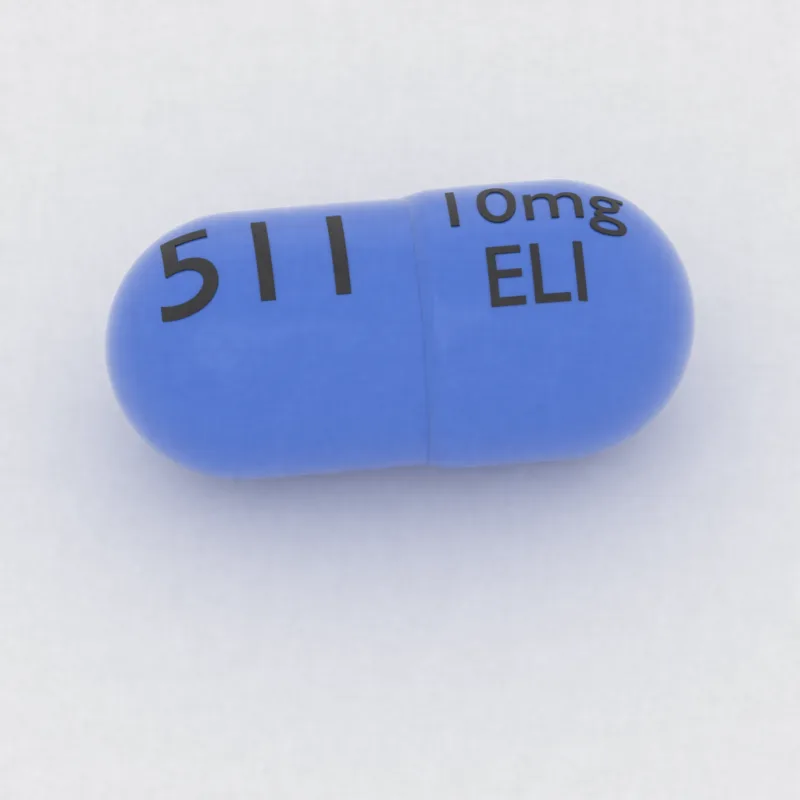
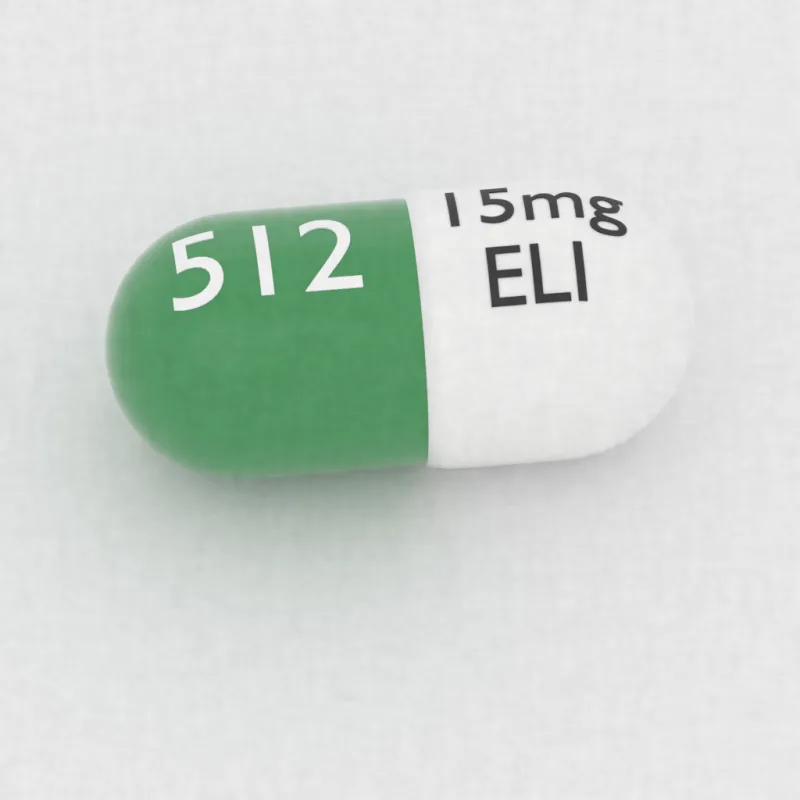
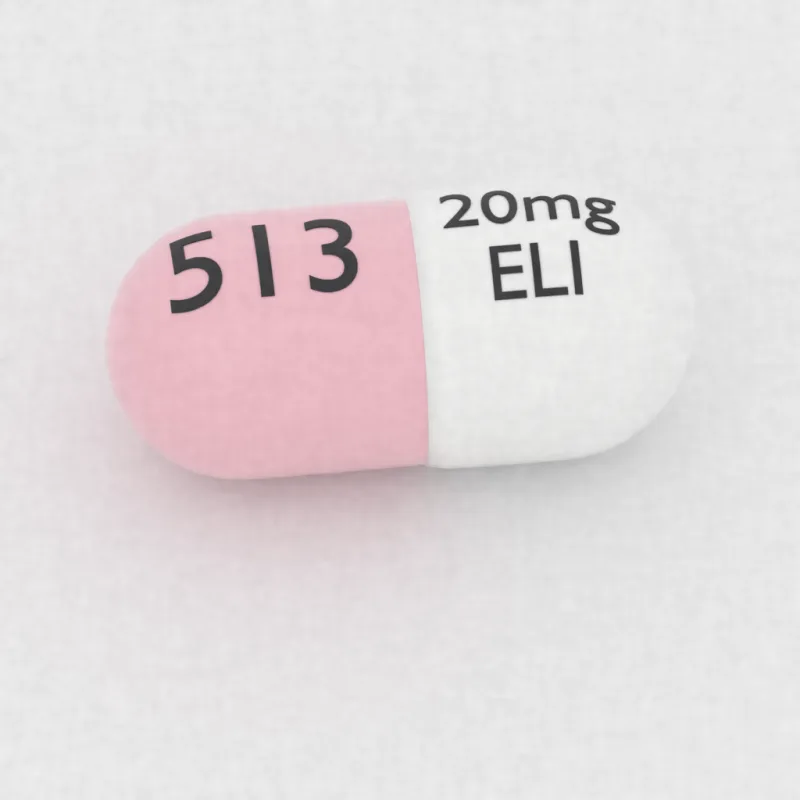
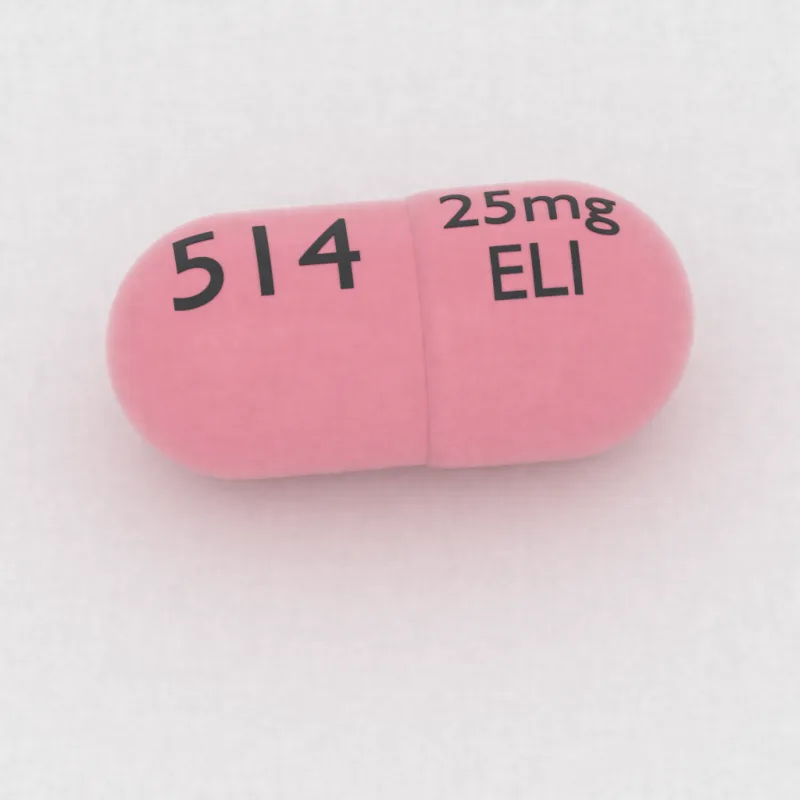
Rendus réalisés à partir des fiches produit des notices FDA : couleur, forme, taille et inscription. 143 versions documentées chez 20 laboratoires.
Amphétamine et dexamfétamine : l'essentiel
Faits, idées reçues et affirmations en ligneL'association amphétamine et dexamfétamine (Adderall, Adderall XR, Mydayis) est un mélange de sels d'amphétamine. C'est un stimulant du système nerveux central utilisé dans le cadre d'un programme de traitement du trouble déficit de l'attention avec ou sans hyperactivité (TDAH), et le comprimé à libération immédiate est également autorisé pour la narcolepsie. Le comprimé se prend généralement deux ou trois fois par jour, à quatre à six heures d'intervalle. La gélule à libération prolongée se prend une fois le matin et peut être avalée entière ou saupoudrée sur de la compote de pommes. C'est une substance contrôlée de l'annexe II (Schedule II) aux États-Unis.
Interactions d'après la notice
Interactions majeures (119)
If serotonin syndrome occurs, discontinue ADDERALL XR and the CYP2D6 inhibitor [see Warnings and Precautions ( 5.8 ), Overdosage ( 10 )] . (notice Amphétamine et dexamfétamine, Interactions médicamenteuses)
Serotonin Syndrome: Increased risk when coadministered with serotonergic agents (e.g., selective serotonin reuptake inhibitors (SSRIs), serotonin norepinephrine reuptake inhibitors (SNRIs), triptans), but also during overdosage situations. (notice Amphétamine et dexamfétamine, Mises en garde et précautions)
Hypersensitivity reactions such as angioedema and anaphylactic reactions have been reported in patients treated with other amphetamine products [see Adverse Reactions ( 6.2 )] . taking monoamine oxidase inhibitors (MAOIs), or within 14 days of stopping MAOIs (including MAOIs such as linezolid or intravenous methylene blue), because of an increased risk of hypertensive… (notice Amphétamine et dexamfétamine, Contre-indications)
If serotonin syndrome occurs, discontinue ADDERALL XR and the CYP2D6 inhibitor [see Warnings and Precautions ( 5.8 ), Overdosage ( 10 )] . (notice Amphétamine et dexamfétamine, Interactions médicamenteuses)
Serotonin Syndrome: Increased risk when coadministered with serotonergic agents (e.g., selective serotonin reuptake inhibitors (SSRIs), serotonin norepinephrine reuptake inhibitors (SNRIs), triptans), but also during overdosage situations. (notice Amphétamine et dexamfétamine, Mises en garde et précautions)
Serotonin Syndrome: Increased risk when coadministered with serotonergic agents (e.g., selective serotonin reuptake inhibitors (SSRIs), serotonin norepinephrine reuptake inhibitors (SNRIs), triptans), but also during overdosage situations. (notice Amphétamine et dexamfétamine, Mises en garde et précautions)
Hypersensitivity reactions such as angioedema and anaphylactic reactions have been reported in patients treated with other amphetamine products [see Adverse Reactions ( 6.2 )] . taking monoamine oxidase inhibitors (MAOIs), or within 14 days of stopping MAOIs (including MAOIs such as linezolid or intravenous methylene blue), because of an increased risk of hypertensive… (notice Amphétamine et dexamfétamine, Contre-indications)
Excessive Use of Arformoterol Tartrate Inhalation Solution and Use with Other Long-Acting Beta2-Agonists Fatalities have been reported in association with excessive use of inhaled sympathomimetic drugs. (notice Arformotérol, Mises en garde et précautions)
Hypersensitivity reactions such as angioedema and anaphylactic reactions have been reported in patients treated with other amphetamine products [see Adverse Reactions ( 6.2 )] . taking monoamine oxidase inhibitors (MAOIs), or within 14 days of stopping MAOIs (including MAOIs such as linezolid or intravenous methylene blue), because of an increased risk of hypertensive… (notice Amphétamine et dexamfétamine, Contre-indications)
Hypersensitivity reactions such as angioedema and anaphylactic reactions have been reported in patients treated with other amphetamine products [see Adverse Reactions ( 6.2 )] . taking monoamine oxidase inhibitors (MAOIs), or within 14 days of stopping MAOIs (including MAOIs such as linezolid or intravenous methylene blue), because of an increased risk of hypertensive… (notice Amphétamine et dexamfétamine, Contre-indications)
Hypersensitivity reactions such as angioedema and anaphylactic reactions have been reported in patients treated with other amphetamine products [see Adverse Reactions ( 6.2 )] . taking monoamine oxidase inhibitors (MAOIs), or within 14 days of stopping MAOIs (including MAOIs such as linezolid or intravenous methylene blue), because of an increased risk of hypertensive… (notice Amphétamine et dexamfétamine, Contre-indications)
Serotonin Syndrome: Increased risk when coadministered with serotonergic agents (e.g., selective serotonin reuptake inhibitors (SSRIs), serotonin norepinephrine reuptake inhibitors (SNRIs), triptans), but also during overdosage situations. (notice Amphétamine et dexamfétamine, Mises en garde et précautions)
Clinically significant cardiovascular effects and fatalities have been reported in association with excessive use of inhaled sympathomimetic drugs. (notice Budésonide et formotérol, Mises en garde et précautions)
If serotonin syndrome occurs, discontinue ADDERALL XR and the CYP2D6 inhibitor [see Warnings and Precautions ( 5.8 ), Overdosage ( 10 )] . (notice Amphétamine et dexamfétamine, Interactions médicamenteuses)
Serotonin Syndrome: Increased risk when coadministered with serotonergic agents (e.g., selective serotonin reuptake inhibitors (SSRIs), serotonin norepinephrine reuptake inhibitors (SNRIs), triptans), but also during overdosage situations. (notice Amphétamine et dexamfétamine, Mises en garde et précautions)
Hypersensitivity reactions such as angioedema and anaphylactic reactions have been reported in patients treated with other amphetamine products [see Adverse Reactions ( 6.2 )] . taking monoamine oxidase inhibitors (MAOIs), or within 14 days of stopping MAOIs (including MAOIs such as linezolid or intravenous methylene blue), because of an increased risk of hypertensive… (notice Amphétamine et dexamfétamine, Contre-indications)
Hypersensitivity reactions such as angioedema and anaphylactic reactions have been reported in patients treated with other amphetamine products [see Adverse Reactions ( 6.2 )] . taking monoamine oxidase inhibitors (MAOIs), or within 14 days of stopping MAOIs (including MAOIs such as linezolid or intravenous methylene blue), because of an increased risk of hypertensive… (notice Amphétamine et dexamfétamine, Contre-indications)
Hypersensitivity reactions such as angioedema and anaphylactic reactions have been reported in patients treated with other amphetamine products [see Adverse Reactions ( 6.2 )] . taking monoamine oxidase inhibitors (MAOIs), or within 14 days of stopping MAOIs (including MAOIs such as linezolid or intravenous methylene blue), because of an increased risk of hypertensive… (notice Amphétamine et dexamfétamine, Contre-indications)
Hypersensitivity reactions such as angioedema and anaphylactic reactions have been reported in patients treated with other amphetamine products [see Adverse Reactions ( 6.2 )] . taking monoamine oxidase inhibitors (MAOIs), or within 14 days of stopping MAOIs (including MAOIs such as linezolid or intravenous methylene blue), because of an increased risk of hypertensive… (notice Amphétamine et dexamfétamine, Contre-indications)
If serotonin syndrome occurs, discontinue ADDERALL XR and the CYP2D6 inhibitor [see Warnings and Precautions ( 5.8 ), Overdosage ( 10 )] . (notice Amphétamine et dexamfétamine, Interactions médicamenteuses)
If serotonin syndrome occurs, discontinue ADDERALL XR and the CYP2D6 inhibitor [see Warnings and Precautions ( 5.8 ), Overdosage ( 10 )] . (notice Amphétamine et dexamfétamine, Interactions médicamenteuses)
Serotonin Syndrome: Increased risk when coadministered with serotonergic agents (e.g., selective serotonin reuptake inhibitors (SSRIs), serotonin norepinephrine reuptake inhibitors (SNRIs), triptans), but also during overdosage situations. (notice Amphétamine et dexamfétamine, Mises en garde et précautions)
If serotonin syndrome occurs, discontinue ADDERALL XR and the CYP2D6 inhibitor [see Warnings and Precautions ( 5.8 ), Overdosage ( 10 )] . (notice Amphétamine et dexamfétamine, Interactions médicamenteuses)
Serotonin Syndrome: Increased risk when coadministered with serotonergic agents (e.g., selective serotonin reuptake inhibitors (SSRIs), serotonin norepinephrine reuptake inhibitors (SNRIs), triptans), but also during overdosage situations. (notice Amphétamine et dexamfétamine, Mises en garde et précautions)
WARNING: ABUSE AND DEPENDENCE CNS stimulants, including cocaine hydrochloride, have a high potential for abuse and dependence. (notice Cocaïne, Mise en garde encadrée)
Serotonin Syndrome: Increased risk when coadministered with serotonergic agents (e.g., selective serotonin reuptake inhibitors (SSRIs), serotonin norepinephrine reuptake inhibitors (SNRIs), triptans), but also during overdosage situations. (notice Amphétamine et dexamfétamine, Mises en garde et précautions)
If serotonin syndrome occurs, discontinue ADDERALL XR and the CYP2D6 inhibitor [see Warnings and Precautions ( 5.8 ), Overdosage ( 10 )] . (notice Amphétamine et dexamfétamine, Interactions médicamenteuses)
Serotonin Syndrome: Increased risk when coadministered with serotonergic agents (e.g., selective serotonin reuptake inhibitors (SSRIs), serotonin norepinephrine reuptake inhibitors (SNRIs), triptans), but also during overdosage situations. (notice Amphétamine et dexamfétamine, Mises en garde et précautions)
Discontinue treatment with ADDERALL XR and any concomitant serotonergic agents immediately if symptoms of serotonin syndrome occur, and initiate supportive symptomatic treatment. (notice Amphétamine et dexamfétamine, Mises en garde et précautions)
Hypersensitivity reactions such as angioedema and anaphylactic reactions have been reported in patients treated with other amphetamine products [see Adverse Reactions ( 6.2 )] . taking monoamine oxidase inhibitors (MAOIs), or within 14 days of stopping MAOIs (including MAOIs such as linezolid or intravenous methylene blue), because of an increased risk of hypertensive… (notice Amphétamine et dexamfétamine, Contre-indications)
Hypersensitivity reactions such as angioedema and anaphylactic reactions have been reported in patients treated with other amphetamine products [see Adverse Reactions ( 6.2 )] . taking monoamine oxidase inhibitors (MAOIs), or within 14 days of stopping MAOIs (including MAOIs such as linezolid or intravenous methylene blue), because of an increased risk of hypertensive… (notice Amphétamine et dexamfétamine, Contre-indications)
Serotonin Syndrome: Increased risk when coadministered with serotonergic agents (e.g., selective serotonin reuptake inhibitors (SSRIs), serotonin norepinephrine reuptake inhibitors (SNRIs), triptans), but also during overdosage situations. (notice Amphétamine et dexamfétamine, Mises en garde et précautions)
Serotonin Syndrome: Increased risk when coadministered with serotonergic agents (e.g., selective serotonin reuptake inhibitors (SSRIs), serotonin norepinephrine reuptake inhibitors (SNRIs), triptans), but also during overdosage situations. (notice Amphétamine et dexamfétamine, Mises en garde et précautions)
Serotonin Syndrome: Increased risk when coadministered with serotonergic agents (e.g., selective serotonin reuptake inhibitors (SSRIs), serotonin norepinephrine reuptake inhibitors (SNRIs), triptans), but also during overdosage situations. (notice Amphétamine et dexamfétamine, Mises en garde et précautions)
If serotonin syndrome occurs, discontinue ADDERALL XR and the CYP2D6 inhibitor [see Warnings and Precautions ( 5.8 ), Overdosage ( 10 )] . (notice Amphétamine et dexamfétamine, Interactions médicamenteuses)
Serotonin Syndrome: Increased risk when coadministered with serotonergic agents (e.g., selective serotonin reuptake inhibitors (SSRIs), serotonin norepinephrine reuptake inhibitors (SNRIs), triptans), but also during overdosage situations. (notice Amphétamine et dexamfétamine, Mises en garde et précautions)
Avoid concomitant use of other drugs that are also associated with similar cardiac effects (e.g., amphetamines, other sympathomimetic agents, atropine, amoxapine, scopolamine, antihistamines, other anticholinergic agents, amitriptyline, desipramine, other tricyclic antidepressants). (notice Dronabinol, Mises en garde et précautions)
Discontinue treatment with ADDERALL XR and any concomitant serotonergic agents immediately if symptoms of serotonin syndrome occur, and initiate supportive symptomatic treatment. (notice Amphétamine et dexamfétamine, Mises en garde et précautions)
Serotonin Syndrome: Increased risk when coadministered with serotonergic agents (e.g., selective serotonin reuptake inhibitors (SSRIs), serotonin norepinephrine reuptake inhibitors (SNRIs), triptans), but also during overdosage situations. (notice Amphétamine et dexamfétamine, Mises en garde et précautions)
If serotonin syndrome occurs, discontinue ADDERALL XR and the CYP2D6 inhibitor [see Warnings and Precautions ( 5.8 ), Overdosage ( 10 )] . (notice Amphétamine et dexamfétamine, Interactions médicamenteuses)
Hypersensitivity reactions such as angioedema and anaphylactic reactions have been reported in patients treated with other amphetamine products [see Adverse Reactions ( 6.2 )] . taking monoamine oxidase inhibitors (MAOIs), or within 14 days of stopping MAOIs (including MAOIs such as linezolid or intravenous methylene blue), because of an increased risk of hypertensive… (notice Amphétamine et dexamfétamine, Contre-indications)
Serotonin Syndrome: Increased risk when coadministered with serotonergic agents (e.g., selective serotonin reuptake inhibitors (SSRIs), serotonin norepinephrine reuptake inhibitors (SNRIs), triptans), but also during overdosage situations. (notice Amphétamine et dexamfétamine, Mises en garde et précautions)
If serotonin syndrome occurs, discontinue ADDERALL XR and the CYP2D6 inhibitor [see Warnings and Precautions ( 5.8 ), Overdosage ( 10 )] . (notice Amphétamine et dexamfétamine, Interactions médicamenteuses)
…life-threatening reaction, may occur when amphetamines are used in combination with other drugs that affect the serotonergic neurotransmitter systems such as MAOIs, selective serotonin reuptake inhibitors (SSRIs), serotonin norepinephrine reuptake inhibitors (SNRIs), triptans, tricyclic antidepressants, fentanyl, lithium, tramadol, tryptophan, buspirone, and St. (notice Amphétamine et dexamfétamine, Mises en garde et précautions)
Serotonin Syndrome: Increased risk when coadministered with serotonergic agents (e.g., selective serotonin reuptake inhibitors (SSRIs), serotonin norepinephrine reuptake inhibitors (SNRIs), triptans), but also during overdosage situations. (notice Amphétamine et dexamfétamine, Mises en garde et précautions)
Serotonin Syndrome: Increased risk when coadministered with serotonergic agents (e.g., selective serotonin reuptake inhibitors (SSRIs), serotonin norepinephrine reuptake inhibitors (SNRIs), triptans), but also during overdosage situations. (notice Amphétamine et dexamfétamine, Mises en garde et précautions)
Clinically significant cardiovascular effects and fatalities have been reported in association with excessive use of inhaled sympathomimetic drugs. (notice Fluticasone et salmétérol, Mises en garde et précautions)
Serotonin Syndrome: Increased risk when coadministered with serotonergic agents (e.g., selective serotonin reuptake inhibitors (SSRIs), serotonin norepinephrine reuptake inhibitors (SNRIs), triptans), but also during overdosage situations. (notice Amphétamine et dexamfétamine, Mises en garde et précautions)
Clinically significant cardiovascular effects and fatalities have been reported in association with excessive use of inhaled sympathomimetic drugs. (notice Formotérol, Mises en garde et précautions)
Serotonin Syndrome: Increased risk when coadministered with serotonergic agents (e.g., selective serotonin reuptake inhibitors (SSRIs), serotonin norepinephrine reuptake inhibitors (SNRIs), triptans), but also during overdosage situations. (notice Amphétamine et dexamfétamine, Mises en garde et précautions)
Serotonin Syndrome: Increased risk when coadministered with serotonergic agents (e.g., selective serotonin reuptake inhibitors (SSRIs), serotonin norepinephrine reuptake inhibitors (SNRIs), triptans), but also during overdosage situations. (notice Amphétamine et dexamfétamine, Mises en garde et précautions)
If serotonin syndrome occurs, discontinue ADDERALL XR and the CYP2D6 inhibitor [see Warnings and Precautions ( 5.8 ), Overdosage ( 10 )] . (notice Amphétamine et dexamfétamine, Interactions médicamenteuses)
Serotonin Syndrome: Increased risk when coadministered with serotonergic agents (e.g., selective serotonin reuptake inhibitors (SSRIs), serotonin norepinephrine reuptake inhibitors (SNRIs), triptans), but also during overdosage situations. (notice Amphétamine et dexamfétamine, Mises en garde et précautions)
DO NOT EXCEED RECOMMENDED DOSE Fatalities have been reported in association with excessive use of inhaled products containing sympathomimetic amines and with the home use of nebulizers. (notice Ipratropium et salbutamol, Mises en garde)
Hypersensitivity reactions such as angioedema and anaphylactic reactions have been reported in patients treated with other amphetamine products [see Adverse Reactions ( 6.2 )] . taking monoamine oxidase inhibitors (MAOIs), or within 14 days of stopping MAOIs (including MAOIs such as linezolid or intravenous methylene blue), because of an increased risk of hypertensive… (notice Amphétamine et dexamfétamine, Contre-indications)
Discontinue treatment with ADDERALL XR and any concomitant serotonergic agents immediately if symptoms of serotonin syndrome occur, and initiate supportive symptomatic treatment. (notice Amphétamine et dexamfétamine, Mises en garde et précautions)
Do Not Exceed Recommended Dose Fatalities have been reported in association with excessive use of inhaled sympathomimetic drugs in patients with asthma. (notice Lévosalbutamol, Mises en garde et précautions)
Larger doses may produce serious or even life-threatening manifestations of toxicity, particularly when given in association with sympathomimetic amines such as those used for their anorectic effects. (notice Lévothyroxine et liothyronine, Mise en garde encadrée)
Hypersensitivity reactions such as angioedema and anaphylactic reactions have been reported in patients treated with other amphetamine products [see Adverse Reactions ( 6.2 )] . taking monoamine oxidase inhibitors (MAOIs), or within 14 days of stopping MAOIs (including MAOIs such as linezolid or intravenous methylene blue), because of an increased risk of hypertensive… (notice Amphétamine et dexamfétamine, Contre-indications)
• Larger doses may produce serious or even life-threatening manifestations of toxicity, particularly when given in association with sympathomimetic amines such as those used for their anorectic effects [see Adverse Reactions (6) , Drug Interactions (7.7) , and Overdosage (10) ] . (notice Liothyronine, Mise en garde encadrée)
Hypersensitivity reactions such as angioedema and anaphylactic reactions have been reported in patients treated with other amphetamine products [see Adverse Reactions ( 6.2 )] . taking monoamine oxidase inhibitors (MAOIs), or within 14 days of stopping MAOIs (including MAOIs such as linezolid or intravenous methylene blue), because of an increased risk of hypertensive… (notice Amphétamine et dexamfétamine, Contre-indications)
Serotonin Syndrome: Increased risk when coadministered with serotonergic agents (e.g., selective serotonin reuptake inhibitors (SSRIs), serotonin norepinephrine reuptake inhibitors (SNRIs), triptans), but also during overdosage situations. (notice Amphétamine et dexamfétamine, Mises en garde et précautions)
Hypersensitivity reactions such as angioedema and anaphylactic reactions have been reported in patients treated with other amphetamine products [see Adverse Reactions ( 6.2 )] . taking monoamine oxidase inhibitors (MAOIs), or within 14 days of stopping MAOIs (including MAOIs such as linezolid or intravenous methylene blue), because of an increased risk of hypertensive… (notice Amphétamine et dexamfétamine, Contre-indications)
Hypersensitivity reactions such as angioedema and anaphylactic reactions have been reported in patients treated with other amphetamine products [see Adverse Reactions ( 6.2 )] . taking monoamine oxidase inhibitors (MAOIs), or within 14 days of stopping MAOIs (including MAOIs such as linezolid or intravenous methylene blue), because of an increased risk of hypertensive… (notice Amphétamine et dexamfétamine, Contre-indications)
Discontinue treatment with ADDERALL XR and any concomitant serotonergic agents immediately if symptoms of serotonin syndrome occur, and initiate supportive symptomatic treatment. (notice Amphétamine et dexamfétamine, Mises en garde et précautions)
If serotonin syndrome occurs, discontinue ADDERALL XR and the CYP2D6 inhibitor [see Warnings and Precautions ( 5.8 ), Overdosage ( 10 )] . (notice Amphétamine et dexamfétamine, Interactions médicamenteuses)
Serotonin Syndrome: Increased risk when coadministered with serotonergic agents (e.g., selective serotonin reuptake inhibitors (SSRIs), serotonin norepinephrine reuptake inhibitors (SNRIs), triptans), but also during overdosage situations. (notice Amphétamine et dexamfétamine, Mises en garde et précautions)
Hypersensitivity reactions such as angioedema and anaphylactic reactions have been reported in patients treated with other amphetamine products [see Adverse Reactions ( 6.2 )] . taking monoamine oxidase inhibitors (MAOIs), or within 14 days of stopping MAOIs (including MAOIs such as linezolid or intravenous methylene blue), because of an increased risk of hypertensive… (notice Amphétamine et dexamfétamine, Contre-indications)
If serotonin syndrome occurs, discontinue ADDERALL XR and the CYP2D6 inhibitor [see Warnings and Precautions ( 5.8 ), Overdosage ( 10 )] . (notice Amphétamine et dexamfétamine, Interactions médicamenteuses)
Serotonin Syndrome: Increased risk when coadministered with serotonergic agents (e.g., selective serotonin reuptake inhibitors (SSRIs), serotonin norepinephrine reuptake inhibitors (SNRIs), triptans), but also during overdosage situations. (notice Amphétamine et dexamfétamine, Mises en garde et précautions)
Serotonin Syndrome: Increased risk when coadministered with serotonergic agents (e.g., selective serotonin reuptake inhibitors (SSRIs), serotonin norepinephrine reuptake inhibitors (SNRIs), triptans), but also during overdosage situations. (notice Amphétamine et dexamfétamine, Mises en garde et précautions)
If serotonin syndrome occurs, discontinue ADDERALL XR and the CYP2D6 inhibitor [see Warnings and Precautions ( 5.8 ), Overdosage ( 10 )] . (notice Amphétamine et dexamfétamine, Interactions médicamenteuses)
Serotonin Syndrome: Increased risk when coadministered with serotonergic agents (e.g., selective serotonin reuptake inhibitors (SSRIs), serotonin norepinephrine reuptake inhibitors (SNRIs), triptans), but also during overdosage situations. (notice Amphétamine et dexamfétamine, Mises en garde et précautions)
Serotonin Syndrome: Increased risk when coadministered with serotonergic agents (e.g., selective serotonin reuptake inhibitors (SSRIs), serotonin norepinephrine reuptake inhibitors (SNRIs), triptans), but also during overdosage situations. (notice Amphétamine et dexamfétamine, Mises en garde et précautions)
Serotonin Syndrome: Increased risk when coadministered with serotonergic agents (e.g., selective serotonin reuptake inhibitors (SSRIs), serotonin norepinephrine reuptake inhibitors (SNRIs), triptans), but also during overdosage situations. (notice Amphétamine et dexamfétamine, Mises en garde et précautions)
Hypersensitivity reactions such as angioedema and anaphylactic reactions have been reported in patients treated with other amphetamine products [see Adverse Reactions ( 6.2 )] . taking monoamine oxidase inhibitors (MAOIs), or within 14 days of stopping MAOIs (including MAOIs such as linezolid or intravenous methylene blue), because of an increased risk of hypertensive… (notice Amphétamine et dexamfétamine, Contre-indications)
Many patients who received Xyrem during clinical trials in narcolepsy were receiving central nervous system stimulants [see Clinical Trials ( 14 )]. (notice Oxybate de sodium, Mise en garde encadrée)
Serotonin Syndrome: Increased risk when coadministered with serotonergic agents (e.g., selective serotonin reuptake inhibitors (SSRIs), serotonin norepinephrine reuptake inhibitors (SNRIs), triptans), but also during overdosage situations. (notice Amphétamine et dexamfétamine, Mises en garde et précautions)
Serotonin Syndrome: Increased risk when coadministered with serotonergic agents (e.g., selective serotonin reuptake inhibitors (SSRIs), serotonin norepinephrine reuptake inhibitors (SNRIs), triptans), but also during overdosage situations. (notice Amphétamine et dexamfétamine, Mises en garde et précautions)
Serotonin Syndrome: Increased risk when coadministered with serotonergic agents (e.g., selective serotonin reuptake inhibitors (SSRIs), serotonin norepinephrine reuptake inhibitors (SNRIs), triptans), but also during overdosage situations. (notice Amphétamine et dexamfétamine, Mises en garde et précautions)
Hypersensitivity reactions such as angioedema and anaphylactic reactions have been reported in patients treated with other amphetamine products [see Adverse Reactions ( 6.2 )] . taking monoamine oxidase inhibitors (MAOIs), or within 14 days of stopping MAOIs (including MAOIs such as linezolid or intravenous methylene blue), because of an increased risk of hypertensive… (notice Amphétamine et dexamfétamine, Contre-indications)
Hypersensitivity reactions such as angioedema and anaphylactic reactions have been reported in patients treated with other amphetamine products [see Adverse Reactions ( 6.2 )] . taking monoamine oxidase inhibitors (MAOIs), or within 14 days of stopping MAOIs (including MAOIs such as linezolid or intravenous methylene blue), because of an increased risk of hypertensive… (notice Amphétamine et dexamfétamine, Contre-indications)
Hypersensitivity reactions such as angioedema and anaphylactic reactions have been reported in patients treated with other amphetamine products [see Adverse Reactions ( 6.2 )] . taking monoamine oxidase inhibitors (MAOIs), or within 14 days of stopping MAOIs (including MAOIs such as linezolid or intravenous methylene blue), because of an increased risk of hypertensive… (notice Amphétamine et dexamfétamine, Contre-indications)
Hypersensitivity reactions such as angioedema and anaphylactic reactions have been reported in patients treated with other amphetamine products [see Adverse Reactions ( 6.2 )] . taking monoamine oxidase inhibitors (MAOIs), or within 14 days of stopping MAOIs (including MAOIs such as linezolid or intravenous methylene blue), because of an increased risk of hypertensive… (notice Amphétamine et dexamfétamine, Contre-indications)
Pimozide should not be used in patients taking drugs that may, themselves, cause motor and phonic tics (e.g., pemoline, methylphenidate and amphetamines) until such patients have been withdrawn from these drugs to determine whether or not the drugs, rather than Tourette’s Disorder, are responsible for the tics. (notice Pimozide, Contre-indications)
Serotonin Syndrome: Increased risk when coadministered with serotonergic agents (e.g., selective serotonin reuptake inhibitors (SSRIs), serotonin norepinephrine reuptake inhibitors (SNRIs), triptans), but also during overdosage situations. (notice Amphétamine et dexamfétamine, Mises en garde et précautions)
If serotonin syndrome occurs, discontinue ADDERALL XR and the CYP2D6 inhibitor [see Warnings and Precautions ( 5.8 ), Overdosage ( 10 )] . (notice Amphétamine et dexamfétamine, Interactions médicamenteuses)
Serotonin Syndrome: Increased risk when coadministered with serotonergic agents (e.g., selective serotonin reuptake inhibitors (SSRIs), serotonin norepinephrine reuptake inhibitors (SNRIs), triptans), but also during overdosage situations. (notice Amphétamine et dexamfétamine, Mises en garde et précautions)
Serotonin Syndrome: Increased risk when coadministered with serotonergic agents (e.g., selective serotonin reuptake inhibitors (SSRIs), serotonin norepinephrine reuptake inhibitors (SNRIs), triptans), but also during overdosage situations. (notice Amphétamine et dexamfétamine, Mises en garde et précautions)
If serotonin syndrome occurs, discontinue ADDERALL XR and the CYP2D6 inhibitor [see Warnings and Precautions ( 5.8 ), Overdosage ( 10 )] . (notice Amphétamine et dexamfétamine, Interactions médicamenteuses)
If serotonin syndrome occurs, discontinue ADDERALL XR and the CYP2D6 inhibitor [see Warnings and Precautions ( 5.8 ), Overdosage ( 10 )] . (notice Amphétamine et dexamfétamine, Interactions médicamenteuses)
Hypersensitivity reactions such as angioedema and anaphylactic reactions have been reported in patients treated with other amphetamine products [see Adverse Reactions ( 6.2 )] . taking monoamine oxidase inhibitors (MAOIs), or within 14 days of stopping MAOIs (including MAOIs such as linezolid or intravenous methylene blue), because of an increased risk of hypertensive… (notice Amphétamine et dexamfétamine, Contre-indications)
Serotonin Syndrome: Increased risk when coadministered with serotonergic agents (e.g., selective serotonin reuptake inhibitors (SSRIs), serotonin norepinephrine reuptake inhibitors (SNRIs), triptans), but also during overdosage situations. (notice Amphétamine et dexamfétamine, Mises en garde et précautions)
If serotonin syndrome occurs, discontinue ADDERALL XR and the CYP2D6 inhibitor [see Warnings and Precautions ( 5.8 ), Overdosage ( 10 )] . (notice Amphétamine et dexamfétamine, Interactions médicamenteuses)
Do Not Exceed Recommended Dose Fatalities have been reported in association with excessive use of inhaled sympathomimetic drugs in patients with asthma. (notice Salbutamol, Mises en garde et précautions)
Clinically significant cardiovascular effects and fatalities have been reported in association with excessive use of inhaled sympathomimetic drugs. (notice Salmétérol, Mises en garde et précautions)
Hypersensitivity reactions such as angioedema and anaphylactic reactions have been reported in patients treated with other amphetamine products [see Adverse Reactions ( 6.2 )] . taking monoamine oxidase inhibitors (MAOIs), or within 14 days of stopping MAOIs (including MAOIs such as linezolid or intravenous methylene blue), because of an increased risk of hypertensive… (notice Amphétamine et dexamfétamine, Contre-indications)
Serotonin Syndrome: Increased risk when coadministered with serotonergic agents (e.g., selective serotonin reuptake inhibitors (SSRIs), serotonin norepinephrine reuptake inhibitors (SNRIs), triptans), but also during overdosage situations. (notice Amphétamine et dexamfétamine, Mises en garde et précautions)
Hypersensitivity reactions such as angioedema and anaphylactic reactions have been reported in patients treated with other amphetamine products [see Adverse Reactions ( 6.2 )] . taking monoamine oxidase inhibitors (MAOIs), or within 14 days of stopping MAOIs (including MAOIs such as linezolid or intravenous methylene blue), because of an increased risk of hypertensive… (notice Amphétamine et dexamfétamine, Contre-indications)
Serotonin Syndrome: Increased risk when coadministered with serotonergic agents (e.g., selective serotonin reuptake inhibitors (SSRIs), serotonin norepinephrine reuptake inhibitors (SNRIs), triptans), but also during overdosage situations. (notice Amphétamine et dexamfétamine, Mises en garde et précautions)
Serotonin Syndrome: Increased risk when coadministered with serotonergic agents (e.g., selective serotonin reuptake inhibitors (SSRIs), serotonin norepinephrine reuptake inhibitors (SNRIs), triptans), but also during overdosage situations. (notice Amphétamine et dexamfétamine, Mises en garde et précautions)
Serotonin Syndrome: Increased risk when coadministered with serotonergic agents (e.g., selective serotonin reuptake inhibitors (SSRIs), serotonin norepinephrine reuptake inhibitors (SNRIs), triptans), but also during overdosage situations. (notice Amphétamine et dexamfétamine, Mises en garde et précautions)
If serotonin syndrome occurs, discontinue ADDERALL XR and the CYP2D6 inhibitor [see Warnings and Precautions ( 5.8 ), Overdosage ( 10 )] . (notice Amphétamine et dexamfétamine, Interactions médicamenteuses)
Hypersensitivity Terbutaline sulfate is contraindicated in patients known to be hypersensitive to sympathomimetic amines or any component of this drug product. (notice Terbutaline, Contre-indications)
Serotonin Syndrome: Increased risk when coadministered with serotonergic agents (e.g., selective serotonin reuptake inhibitors (SSRIs), serotonin norepinephrine reuptake inhibitors (SNRIs), triptans), but also during overdosage situations. (notice Amphétamine et dexamfétamine, Mises en garde et précautions)
Serotonin Syndrome: Increased risk when coadministered with serotonergic agents (e.g., selective serotonin reuptake inhibitors (SSRIs), serotonin norepinephrine reuptake inhibitors (SNRIs), triptans), but also during overdosage situations. (notice Amphétamine et dexamfétamine, Mises en garde et précautions)
Hypersensitivity reactions such as angioedema and anaphylactic reactions have been reported in patients treated with other amphetamine products [see Adverse Reactions ( 6.2 )] . taking monoamine oxidase inhibitors (MAOIs), or within 14 days of stopping MAOIs (including MAOIs such as linezolid or intravenous methylene blue), because of an increased risk of hypertensive… (notice Amphétamine et dexamfétamine, Contre-indications)
Serotonin Syndrome: Increased risk when coadministered with serotonergic agents (e.g., selective serotonin reuptake inhibitors (SSRIs), serotonin norepinephrine reuptake inhibitors (SNRIs), triptans), but also during overdosage situations. (notice Amphétamine et dexamfétamine, Mises en garde et précautions)
Serotonin Syndrome: Increased risk when coadministered with serotonergic agents (e.g., selective serotonin reuptake inhibitors (SSRIs), serotonin norepinephrine reuptake inhibitors (SNRIs), triptans), but also during overdosage situations. (notice Amphétamine et dexamfétamine, Mises en garde et précautions)
Clinically significant cardiovascular effects and fatalities have been reported in association with excessive use of inhaled sympathomimetic drugs. (notice Uméclidinium et vilantérol, Mises en garde et précautions)
Discontinue treatment with ADDERALL XR and any concomitant serotonergic agents immediately if symptoms of serotonin syndrome occur, and initiate supportive symptomatic treatment. (notice Amphétamine et dexamfétamine, Mises en garde et précautions)
Serotonin Syndrome: Increased risk when coadministered with serotonergic agents (e.g., selective serotonin reuptake inhibitors (SSRIs), serotonin norepinephrine reuptake inhibitors (SNRIs), triptans), but also during overdosage situations. (notice Amphétamine et dexamfétamine, Mises en garde et précautions)
Serotonin Syndrome: Increased risk when coadministered with serotonergic agents (e.g., selective serotonin reuptake inhibitors (SSRIs), serotonin norepinephrine reuptake inhibitors (SNRIs), triptans), but also during overdosage situations. (notice Amphétamine et dexamfétamine, Mises en garde et précautions)
• Risk of serotonin syndrome with concomitant therapy with other serotonergic drugs such as SNRIs, SSRIs, triptans, tricyclic antidepressants, opioids, lithium, tryptophan, buspirone, amphetamines, and St. (notice Ziprasidone, Interactions médicamenteuses)
Serotonin Syndrome: Increased risk when coadministered with serotonergic agents (e.g., selective serotonin reuptake inhibitors (SSRIs), serotonin norepinephrine reuptake inhibitors (SNRIs), triptans), but also during overdosage situations. (notice Amphétamine et dexamfétamine, Mises en garde et précautions)
Interactions modérées (61)
Acetazolamide decreases urinary excretion of amphetamine and may enhance the magnitude and duration of their effect. (notice Acétazolamide, Interactions médicamenteuses)
Sympathomimetics, Methylxanthines, Steroids In clinical studies, concurrent administration of aclidinium bromide and other drugs commonly used in the treatment of COPD including sympathomimetics (short-acting beta 2 agonists), methylxanthines, and oral and inhaled steroids showed no increases in adverse drug reactions. (notice Aclidinium, Interactions médicamenteuses)
Tricyclic Antidepressants Clinical Impact May enhance the activity of tricyclic or sympathomimetic agents causing striking and sustained increases in the concentration of d-amphetamine in the brain; cardiovascular effects can be potentiated. (notice Amphétamine et dexamfétamine, Interactions médicamenteuses)
Examples: Thiazides and other diuretics, corticosteroids, phenothiazines, thyroid products, estrogens, oral contraceptives, phenytoin, nicotinic acid, sympathomimetics, calcium channel blocking drugs and isoniazid Alogliptin Cytochrome (CYP) P450, CYP-Substrates or Inhibitors Clinical Impact: Insulin Secretagogues and Insulin Insulin and insulin secretagogues… (notice Alogliptine et metformine, Interactions médicamenteuses)
Prescribe the lowest effective dosage; avoid or minimize concomitant use of CNS depressants and other substances associated with abuse, misuse, and addiction (e.g., opioid analgesics, stimulants); and advise patients on the proper disposal of unused drug. (notice Alprazolam, Mises en garde et précautions)
Alkalinizing agents (GI antacids and urinary): These agents increase blood levels of amphetamine. (notice Amphétamine et dexamfétamine, Interactions médicamenteuses)
Tricyclic Antidepressants Clinical Impact May enhance the activity of tricyclic or sympathomimetic agents causing striking and sustained increases in the concentration of d-amphetamine in the brain; cardiovascular effects can be potentiated. (notice Amphétamine et dexamfétamine, Interactions médicamenteuses)
Serotonin Syndrome: Increased risk when coadministered with serotonergic agents (e.g., selective serotonin reuptake inhibitors (SSRIs), serotonin norepinephrine reuptake inhibitors (SNRIs), triptans), but also during overdosage situations. (notice Amphétamine et dexamfétamine, Mises en garde et précautions)
Alkalinizing agents (GI antacids and urinary): These agents increase blood levels of amphetamine. (notice Amphétamine et dexamfétamine, Interactions médicamenteuses)
- BortézomibModérée
Management of orthostatic/postural hypotension may include adjustment of antihypertensive medications, hydration, and administration of mineralocorticoids and/or sympathomimetics. (notice Bortézomib, Mises en garde et précautions)
Tricyclic Antidepressants Clinical Impact May enhance the activity of tricyclic or sympathomimetic agents causing striking and sustained increases in the concentration of d-amphetamine in the brain; cardiovascular effects can be potentiated. (notice Amphétamine et dexamfétamine, Interactions médicamenteuses)
Prescribe the lowest effective dosage; avoid or minimize concomitant use of CNS depressants and other substances associated with abuse, misuse, and addiction (e.g., opioid analgesics, stimulants); and advise patients on the proper disposal of unused drug. (notice Chlordiazépoxide, Mises en garde)
Prescribe the lowest effective dosage; avoid or minimize concomitant use of CNS depressants and other substances associated with abuse, misuse, and addiction (e.g., opioid analgesics, stimulants); and advise patients on the proper disposal of unused drug. (notice Chlordiazépoxide et clidinium, Mises en garde)
Prescribe the lowest effective dosage; avoid or minimize concomitant use of CNS depressants and other substances associated with abuse, misuse, and addiction (e.g., opioid analgesics, stimulants); and advise patients on the proper disposal of unused drug. (notice Clonazépam, Mises en garde)
Prescribe the lowest effective dosage; avoid or minimize concomitant use of CNS depressants and other substances associated with abuse, misuse, and addiction (e.g., opioid analgesics, stimulants); and advise patients on the proper disposal of unused drug. (notice Clorazépate, Mises en garde)
Proton Pump Inhibitors Clinical Impact Time to maximum concentration (T max ) of amphetamine is decreased compared to when administered alone. (notice Amphétamine et dexamfétamine, Interactions médicamenteuses)
Prescribe the lowest effective dosage; avoid or minimize concomitant use of CNS depressants and other substances associated with abuse, misuse, and addiction (e.g., opioid analgesics, stimulants); and advise patients on the proper disposal of unused drug. (notice Diazépam, Mises en garde)
…drugs including dicyclomine hydrochloride: amantadine, antiarrhythmic agents of Class I (e.g., quinidine), antihistamines, antipsychotic agents (e.g., phenothiazines), benzodiazepines, MAO inhibitors, narcotic analgesics (e.g., meperidine), nitrates and nitrites, sympathomimetic agents, tricyclic antidepressants, and other drugs having anticholinergic activity. (notice Dicyclovérine, Interactions médicamenteuses)
Sympathomimetics Epinephrine Can increase the risk of cardiac arrhythmias. (notice Digoxine, Interactions médicamenteuses)
Tricyclic Antidepressants Clinical Impact May enhance the activity of tricyclic or sympathomimetic agents causing striking and sustained increases in the concentration of d-amphetamine in the brain; cardiovascular effects can be potentiated. (notice Amphétamine et dexamfétamine, Interactions médicamenteuses)
- DoxapramModérée
Drug Interactions Administration of doxapram to patients who are receiving sympathomimetic or monoamine oxidase inhibiting drugs may result in an additive pressor effect (see PRECAUTIONS, General ). (notice Doxapram, Interactions médicamenteuses)
Tricyclic Antidepressants Clinical Impact May enhance the activity of tricyclic or sympathomimetic agents causing striking and sustained increases in the concentration of d-amphetamine in the brain; cardiovascular effects can be potentiated. (notice Amphétamine et dexamfétamine, Interactions médicamenteuses)
Tricyclic Antidepressants Clinical Impact May enhance the activity of tricyclic or sympathomimetic agents causing striking and sustained increases in the concentration of d-amphetamine in the brain; cardiovascular effects can be potentiated. (notice Amphétamine et dexamfétamine, Interactions médicamenteuses)
Sympathomimetic drugs: Dose adjustment needed (7) (notice Esmolol, Interactions médicamenteuses)
Proton Pump Inhibitors Clinical Impact Time to maximum concentration (T max ) of amphetamine is decreased compared to when administered alone. (notice Amphétamine et dexamfétamine, Interactions médicamenteuses)
Prescribe the lowest effective dosage; avoid or minimize concomitant use of CNS depressants and other substances associated with abuse, misuse, and addiction (e.g., opioid analgesics, stimulants); and advise patients on the proper disposal of unused drug. (notice Estazolam, Mises en garde)
…somatropin, protease inhibitors, atypical antipsychotic medications (e.g., olanzapine and clozapine), barbiturates, diazoxide, laxatives, rifampin, thiazides and other diuretics, corticosteroids, phenothiazines, thyroid hormones, estrogens, oral contraceptives, phenytoin, nicotinic acid, sympathomimetics (e.g., epinephrine, albuterol, terbutaline), and isoniazid. (notice Glimépiride, Interactions médicamenteuses)
…olanzapine and clozapine), corticosteroids, danazol, diuretics, estrogens, glucagon, isoniazid, niacin, oral contraceptives, phenothiazines, progestogens (e.g., in oral contraceptives), protease inhibitors, somatropin, sympathomimetic agents (e.g., albuterol, epinephrine, terbutaline), thyroid hormones, phenytoin, nicotinic acid, and calcium channel blocking drugs. (notice Glipizide, Interactions médicamenteuses)
In these cases, high-dosage guanfacine was discontinued; concomitant stimulant use was also reported, which may potentially increase hypertensive response upon abrupt discontinuation of guanfacine. (notice Guanfacine, Mises en garde et précautions)
…Insulin Aspart Drugs: Atypical antipsychotics (e.g., olanzapine and clozapine), corticosteroids, danazol, diuretics, estrogens, glucagon, isoniazid, niacin, oral contraceptives, phenothiazines, progestogens (e.g., in oral contraceptives), protease inhibitors, somatropin, sympathomimetic agents (e.g., albuterol, epinephrine, terbutaline), and thyroid hormones. (notice Insuline asparte, Interactions médicamenteuses)
…Insulin Degludec Drugs: Atypical antipsychotics (e.g., olanzapine and clozapine), corticosteroids, danazol, diuretics, estrogens, glucagon, isoniazid, niacin, oral contraceptives, phenothiazines, progestogens (e.g., in oral contraceptives), protease inhibitors, somatropin, sympathomimetic agents (e.g., albuterol, epinephrine, terbutaline), and thyroid hormones. (notice Insuline dégludec, Interactions médicamenteuses)
…Effect of LEVEMIR Drugs: Atypical antipsychotics (e.g., olanzapine and clozapine), corticosteroids, danazol, diuretics, estrogens, glucagon, isoniazid, niacin, oral contraceptives, phenothiazines, progestogens (e.g., in oral contraceptives), protease inhibitors, somatropin, sympathomimetic agents (e.g., albuterol, epinephrine, terbutaline), and thyroid hormones. (notice Insuline détémir, Interactions médicamenteuses)
…Glargine-yfgn Drugs: Atypical antipsychotics (e.g., olanzapine and clozapine), corticosteroids, danazol, diuretics, estrogens, glucagon, isoniazid, niacin, oral contraceptives, phenothiazines, progestogens (e.g., in oral contraceptives), protease inhibitors, somatropin, sympathomimetic agents (e.g., albuterol, epinephrine, terbutaline), and thyroid hormones. (notice Insuline glargine, Interactions médicamenteuses)
…Effect of LYUMJEV Drugs: Atypical antipsychotics (e.g., olanzapine and clozapine), corticosteroids, danazol, diuretics, estrogens, glucagon, isoniazid, niacin, oral contraceptives, phenothiazines, progestogens (e.g., in oral contraceptives), protease inhibitors, somatropin, sympathomimetic agents (e.g., albuterol, epinephrine, terbutaline), and thyroid hormones. (notice Insuline lispro, Interactions médicamenteuses)
Tricyclic Antidepressants Clinical Impact May enhance the activity of tricyclic or sympathomimetic agents causing striking and sustained increases in the concentration of d-amphetamine in the brain; cardiovascular effects can be potentiated. (notice Amphétamine et dexamfétamine, Interactions médicamenteuses)
Sympathomimetics and Vasopressin : Sympathomimetics and vasopressin may enhance the sympathomimetic effects of ketamine [see Drug Interactions ( 7.2 )] . (notice Kétamine, Mises en garde et précautions)
Proton Pump Inhibitors Clinical Impact Time to maximum concentration (T max ) of amphetamine is decreased compared to when administered alone. (notice Amphétamine et dexamfétamine, Interactions médicamenteuses)
Sympathomimetics Concurrent use may of sympathomimetics and levothyroxine may increase the effects of sympathomimetics or thyroid hormone. (notice Lévothyroxine, Interactions médicamenteuses)
Tricyclic Antidepressants Clinical Impact May enhance the activity of tricyclic or sympathomimetic agents causing striking and sustained increases in the concentration of d-amphetamine in the brain; cardiovascular effects can be potentiated. (notice Amphétamine et dexamfétamine, Interactions médicamenteuses)
Prescribe the lowest effective dosage; avoid or minimize concomitant use of CNS depressants and other substances associated with abuse, misuse, and addiction (e.g., opioid analgesics, stimulants); and advise patients on the proper disposal of unused drug. (notice Lorazépam, Mises en garde et précautions)
Sympathomimetics Metolazone may decrease arterial responsiveness to norepinephrine, but this diminution is not sufficient to preclude effectiveness of the pressor agent for therapeutic use. (notice Métolazone, Interactions médicamenteuses)
Tricyclic Antidepressants Clinical Impact May enhance the activity of tricyclic or sympathomimetic agents causing striking and sustained increases in the concentration of d-amphetamine in the brain; cardiovascular effects can be potentiated. (notice Amphétamine et dexamfétamine, Interactions médicamenteuses)
Proton Pump Inhibitors Clinical Impact Time to maximum concentration (T max ) of amphetamine is decreased compared to when administered alone. (notice Amphétamine et dexamfétamine, Interactions médicamenteuses)
Drugs and Herbals That May Reduce the Blood-Glucose-Lowering Effect of Nateglinide and Increase Susceptibility to Hyperglycemia Drugs: Thiazides, corticosteroids, thyroid products, sympathomimetics, somatropin, somatostatin analogues (e.g., lanreotide, octreotide), and CYP inducers (e.g., rifampin, phenytoin and St John's Wort). (notice Natéglinide, Interactions médicamenteuses)
Proton Pump Inhibitors Clinical Impact Time to maximum concentration (T max ) of amphetamine is decreased compared to when administered alone. (notice Amphétamine et dexamfétamine, Interactions médicamenteuses)
Alkalinizing agents (GI antacids and urinary): These agents increase blood levels of amphetamine. (notice Amphétamine et dexamfétamine, Interactions médicamenteuses)
Prescribe the lowest effective dosage; avoid or minimize concomitant use of CNS depressants and other substances associated with abuse, misuse, and addiction (e.g., opioid analgesics, stimulants); and advise patients on the proper disposal of unused drug. (notice Oxazépam, Mises en garde)
Tricyclic Antidepressants Clinical Impact May enhance the activity of tricyclic or sympathomimetic agents causing striking and sustained increases in the concentration of d-amphetamine in the brain; cardiovascular effects can be potentiated. (notice Amphétamine et dexamfétamine, Interactions médicamenteuses)
Proton Pump Inhibitors Clinical Impact Time to maximum concentration (T max ) of amphetamine is decreased compared to when administered alone. (notice Amphétamine et dexamfétamine, Interactions médicamenteuses)
Tricyclic Antidepressants Clinical Impact May enhance the activity of tricyclic or sympathomimetic agents causing striking and sustained increases in the concentration of d-amphetamine in the brain; cardiovascular effects can be potentiated. (notice Amphétamine et dexamfétamine, Interactions médicamenteuses)
…somatropin, protease inhibitors, atypical antipsychotic medications (e.g., olanzapine and clozapine), barbiturates, diazoxide, laxatives, rifampin, thiazides and other diuretics, corticosteroids, phenothiazines, thyroid hormones, estrogens, oral contraceptives, phenytoin, nicotinic acid, sympathomimetics (e.g., epinephrine, albuterol, terbutaline), and isoniazid. (notice Pioglitazone et glimépiride, Interactions médicamenteuses)
Tricyclic Antidepressants Clinical Impact May enhance the activity of tricyclic or sympathomimetic agents causing striking and sustained increases in the concentration of d-amphetamine in the brain; cardiovascular effects can be potentiated. (notice Amphétamine et dexamfétamine, Interactions médicamenteuses)
Tricyclic Antidepressants Clinical Impact May enhance the activity of tricyclic or sympathomimetic agents causing striking and sustained increases in the concentration of d-amphetamine in the brain; cardiovascular effects can be potentiated. (notice Amphétamine et dexamfétamine, Interactions médicamenteuses)
Proton Pump Inhibitors Clinical Impact Time to maximum concentration (T max ) of amphetamine is decreased compared to when administered alone. (notice Amphétamine et dexamfétamine, Interactions médicamenteuses)
Beta-2-Receptor Stimulants Beta-agonists such as albuterol, terbutaline and isoproterenol may have to be administered in increased dosages when used concomitantly with sotalol. (notice Sotalol, Interactions médicamenteuses)
Prescribe the lowest effective dosage; avoid or minimize concomitant use of CNS depressants and other substances associated with abuse, misuse, and addiction (e.g., opioid analgesics, stimulants); and advise patients on the proper disposal of unused drug. (notice Témazépam, Mises en garde)
Concomitant Respiratory Medications SPIRIVA RESPIMAT has been used concomitantly with short-acting and long-acting sympathomimetic (beta-agonists) bronchodilators, methylxanthines, oral and inhaled steroids, antihistamines, mucolytics, leukotriene modifiers, cromones, and anti-IgE treatment without increases in adverse reactions. (notice Tiotropium, Interactions médicamenteuses)
- TolcaponeModérée
Drugs That Increase Catecholamines: Tolcapone did not influence the effect of ephedrine, an indirect sympathomimetic, on hemodynamic parameters or plasma catecholamine levels, either at rest or during exercise. (notice Tolcapone, Interactions médicamenteuses)
Prescribe the lowest effective dosage; avoid or minimize concomitant use of CNS depressants and other substances associated with abuse, misuse, and addiction (e.g., opioid analgesics, stimulants); and advise patients on the proper disposal of unused drug. (notice Triazolam, Mises en garde et précautions)
Tricyclic Antidepressants Clinical Impact May enhance the activity of tricyclic or sympathomimetic agents causing striking and sustained increases in the concentration of d-amphetamine in the brain; cardiovascular effects can be potentiated. (notice Amphétamine et dexamfétamine, Interactions médicamenteuses)
Serotonin Syndrome: Increased risk when coadministered with serotonergic agents (e.g., selective serotonin reuptake inhibitors (SSRIs), serotonin norepinephrine reuptake inhibitors (SNRIs), triptans), but also during overdosage situations. (notice Amphétamine et dexamfétamine, Mises en garde et précautions)
Mentions mineures (41)
These drugs include the thiazides and other diuretics, corticosteroids, phenothiazines, thyroid products, estrogens, oral contraceptives, phenytoin, nicotinic acid, sympathomimetics, calcium channel-blocking drugs, and isoniazid. (notice Acarbose, Interactions médicamenteuses)
A bronchodilator, such as theophylline or a β2-stimulant, should be made available in advance with instructions concerning its use. (notice Acébutolol, Mises en garde)
Drug Interactions Careful observation is required when amantadine hydrochloride is administered concurrently with central nervous system stimulants. (notice Amantadine, Interactions médicamenteuses)
Interference with Laboratory Tests Amphetamines can cause a significant elevation in plasma corticosteroid levels. (notice Amphétamine et dexamfétamine, Interactions médicamenteuses)
Interference with Laboratory Tests Amphetamines can cause a significant elevation in plasma corticosteroid levels. (notice Amphétamine et dexamfétamine, Interactions médicamenteuses)
Interference with Laboratory Tests Amphetamines can cause a significant elevation in plasma corticosteroid levels. (notice Amphétamine et dexamfétamine, Interactions médicamenteuses)
There are postmarketing reports of hypertension and tachycardia when bromocriptine was co-administered with sympathomimetic drugs (e.g., phenylpropanolamine and isometheptene) in postpartum women. (notice Bromocriptine, Interactions médicamenteuses)
Interference with Laboratory Tests Amphetamines can cause a significant elevation in plasma corticosteroid levels. (notice Amphétamine et dexamfétamine, Interactions médicamenteuses)
Interference with Laboratory Tests Amphetamines can cause a significant elevation in plasma corticosteroid levels. (notice Amphétamine et dexamfétamine, Interactions médicamenteuses)
Interference with Laboratory Tests Amphetamines can cause a significant elevation in plasma corticosteroid levels. (notice Amphétamine et dexamfétamine, Interactions médicamenteuses)
These medications include thiazides and other diuretics, corticosteroids, phenothiazines, thyroid products, estrogens, oral contraceptives, phenytoin, nicotinic acid, sympathomimetics, calcium channel blocking drugs, and isoniazid. (notice Dapagliflozine et metformine, Interactions médicamenteuses)
Interference with Laboratory Tests Amphetamines can cause a significant elevation in plasma corticosteroid levels. (notice Amphétamine et dexamfétamine, Interactions médicamenteuses)
Interference with Laboratory Tests Amphetamines can cause a significant elevation in plasma corticosteroid levels. (notice Amphétamine et dexamfétamine, Interactions médicamenteuses)
Interference with Laboratory Tests Amphetamines can cause a significant elevation in plasma corticosteroid levels. (notice Amphétamine et dexamfétamine, Interactions médicamenteuses)
These drugs include the thiazides and other diuretics, corticosteroids, phenothiazines, thyroid products, estrogens, oral contraceptives, phenytoin, nicotinic acid, sympathomimetics, calcium channel blocking drugs, and isoniazid. (notice Empagliflozine et metformine, Interactions médicamenteuses)
Interference with Laboratory Tests Amphetamines can cause a significant elevation in plasma corticosteroid levels. (notice Amphétamine et dexamfétamine, Interactions médicamenteuses)
Interference with Laboratory Tests Amphetamines can cause a significant elevation in plasma corticosteroid levels. (notice Amphétamine et dexamfétamine, Interactions médicamenteuses)
Interference with Laboratory Tests Amphetamines can cause a significant elevation in plasma corticosteroid levels. (notice Amphétamine et dexamfétamine, Interactions médicamenteuses)
Interference with Laboratory Tests Amphetamines can cause a significant elevation in plasma corticosteroid levels. (notice Amphétamine et dexamfétamine, Interactions médicamenteuses)
These drugs include the thiazides and other diuretics, corticosteroids, phenothiazines, thyroid products, estrogens, oral contraceptives, phenytoin, nicotinic acid, sympathomimetics, calcium channel blocking drugs, and isoniazid. (notice Glibenclamide, Interactions médicamenteuses)
Examples: Thiazides and other diuretics, corticosteroids, phenothiazines, thyroid products, estrogens, oral contraceptives, phenytoin, nicotinic acid, sympathomimetics, calcium channel blockers, and isoniazid. (notice Glibenclamide et metformine, Interactions médicamenteuses)
These drugs include thiazides and other diuretics, corticosteroids, phenothiazines, thyroid products, estrogens, oral contraceptives, phenytoin, nicotinic acid, sympathomimetics, calcium channel blocking drugs, and isoniazid. (notice Glipizide et metformine, Précautions)
Interference with Laboratory Tests Amphetamines can cause a significant elevation in plasma corticosteroid levels. (notice Amphétamine et dexamfétamine, Interactions médicamenteuses)
Interference with Laboratory Tests Amphetamines can cause a significant elevation in plasma corticosteroid levels. (notice Amphétamine et dexamfétamine, Interactions médicamenteuses)
Atypical Antipsychotics (e.g., olanzapine and clozapine), Corticosteroids, Danazol, Diuretics, Estrogens, Glucagon, Isoniazid, Niacin, Oral Contraceptives, Phenothiazines, Progestogens (e.g., in oral contraceptives), Protease inhibitors, Somatropin, Sympathomimetic Agents (e.g., albuterol, epinephrine, terbutaline) and Thyroid Hormones. (notice Insuline rapide (humaine), Interactions médicamenteuses)
ATROVENT HFA has been used concomitantly with other drugs, including sympathomimetic bronchodilators, methylxanthines, oral and inhaled steroids commonly used in the treatment of COPD. (notice Ipratropium, Interactions médicamenteuses)
Labetalol has also been reported to produce a false-positive test for amphetamine when screening urine for the presence of drugs using the commercially available assay methods. (notice Labétalol, Interactions médicamenteuses)
These drugs include the thiazides and other diuretics, corticosteroids, phenothiazines, thyroid products, estrogens, oral contraceptives, phenytoin, nicotinic acid, sympathomimetics, calcium channel blocking drugs, and isoniazid. (notice Linagliptine et metformine, Interactions médicamenteuses)
Examples: Thiazides and other diuretics, corticosteroids, phenothiazines, thyroid products, estrogens, oral contraceptives, phenytoin, nicotinic acid, sympathomimetics, calcium channel blockers, and isoniazid. (notice Metformine, Interactions médicamenteuses)
Interference with Laboratory Tests Amphetamines can cause a significant elevation in plasma corticosteroid levels. (notice Amphétamine et dexamfétamine, Interactions médicamenteuses)
Interference with Laboratory Tests Amphetamines can cause a significant elevation in plasma corticosteroid levels. (notice Amphétamine et dexamfétamine, Interactions médicamenteuses)
Interference with Laboratory Tests Amphetamines can cause a significant elevation in plasma corticosteroid levels. (notice Amphétamine et dexamfétamine, Interactions médicamenteuses)
These drugs include the thiazides and other diuretics, corticosteroids, phenothiazines, thyroid products, estrogens, oral contraceptives, phenytoin, nicotinic acid, sympathomimetics, calcium channel blockers, and isoniazid. (notice Pioglitazone et metformine, Interactions médicamenteuses)
Interference with Laboratory Tests Amphetamines can cause a significant elevation in plasma corticosteroid levels. (notice Amphétamine et dexamfétamine, Interactions médicamenteuses)
Interference with Laboratory Tests Amphetamines can cause a significant elevation in plasma corticosteroid levels. (notice Amphétamine et dexamfétamine, Interactions médicamenteuses)
In addition, in vitro data indicate that ramelteon does not cause false-positive results for benzodiazepines, opiates, barbiturates, cocaine, cannabinoids, or amphetamines in two standard urine drug screening methods in vitro . (notice Rameltéon, Mises en garde et précautions)
…antipsychotics (e.g., olanzapine and clozapine), calcium channel antagonists, corticosteroids, danazol, diuretics, estrogens, glucagon, isoniazid, niacin, oral contraceptives, phenothiazines, progestogens (e.g., in oral contraceptives), protease inhibitors, somatropin, sympathomimetic agents (e.g., albuterol, epinephrine, terbutaline), and thyroid hormones. (notice Répaglinide, Interactions médicamenteuses)
These medications include the thiazides and other diuretics, corticosteroids, phenothiazines, thyroid products, estrogens, oral contraceptives, phenytoin, nicotinic acid, sympathomimetics, calcium channel blocking drugs, and isoniazid. (notice Saxagliptine et metformine, Interactions médicamenteuses)
Examples: Thiazides and other diuretics, corticosteroids, phenothiazines, thyroid products, estrogens, oral contraceptives, phenytoin, nicotinic acid, sympathomimetics, calcium channel blockers, and isoniazid. (notice Sitagliptine et metformine, Interactions médicamenteuses)
In most cases, patients were using concomitant medications (antidepressants, antipsychotics, stimulants, narcotics) that are thought to lower the seizure threshold. (notice Tiagabine, Mises en garde)
Interference with Laboratory Tests Amphetamines can cause a significant elevation in plasma corticosteroid levels. (notice Amphétamine et dexamfétamine, Interactions médicamenteuses)
Vérifiez Amphétamine et dexamfétamine avec tout ce que vous prenez. Ajoutez votre liste complète ; toutes les paires sont vérifiées en une fois.
Ouvrir dans le vérificateurCeci n'est pas un avis médical. Le niveau de gravité reflète la formulation de la notice, pas votre situation. Une alerte « majeure » peut être courante sous surveillance et une alerte « mineure » peut compter à forte dose. Demandez conseil à un pharmacien.