
Wechselwirkungen von Amfetamin und Dexamfetamin
Amfetamin und Dexamfetamin (Adderall, Mydayis), ein ZNS-Stimulans, hat in den von uns erfassten FDA-Fachinformationen und Faktenblättern 221 dokumentierte Wechselwirkungen: 119 schwerwiegende, 61 mittelschwere, 41 geringfügige und 0, bei denen eine Fachinformation keine relevante Wechselwirkung berichtet. Jeder Eintrag unten zitiert den Satz, auf dem er beruht. Diese Medikamentenseite ist ein Ausgangspunkt, kein Urteil über Ihre persönliche Situation.
So sieht Amfetamin und Dexamfetamin aus
Alle 143 Varianten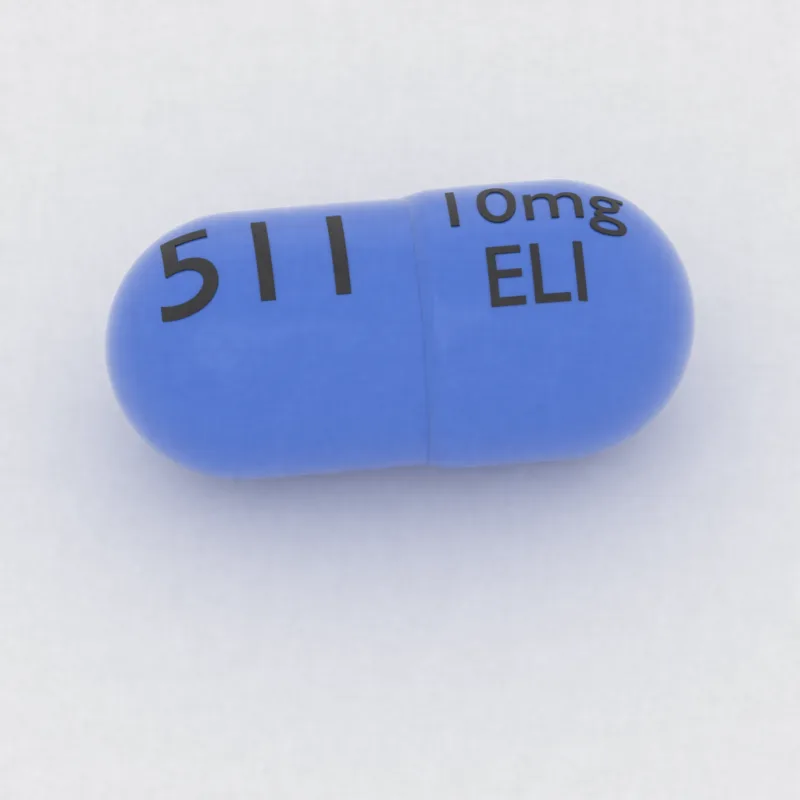
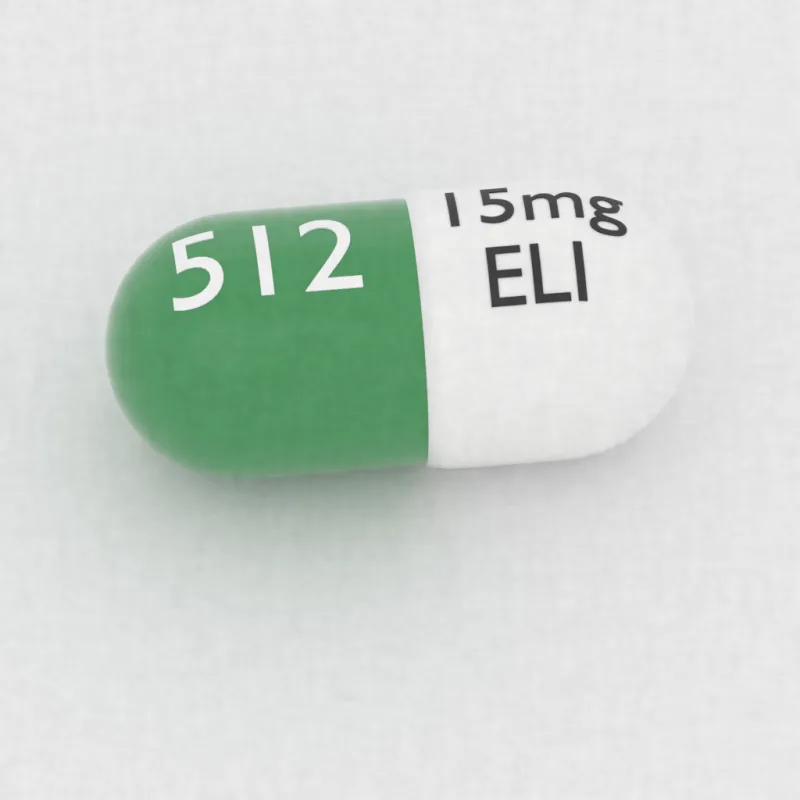
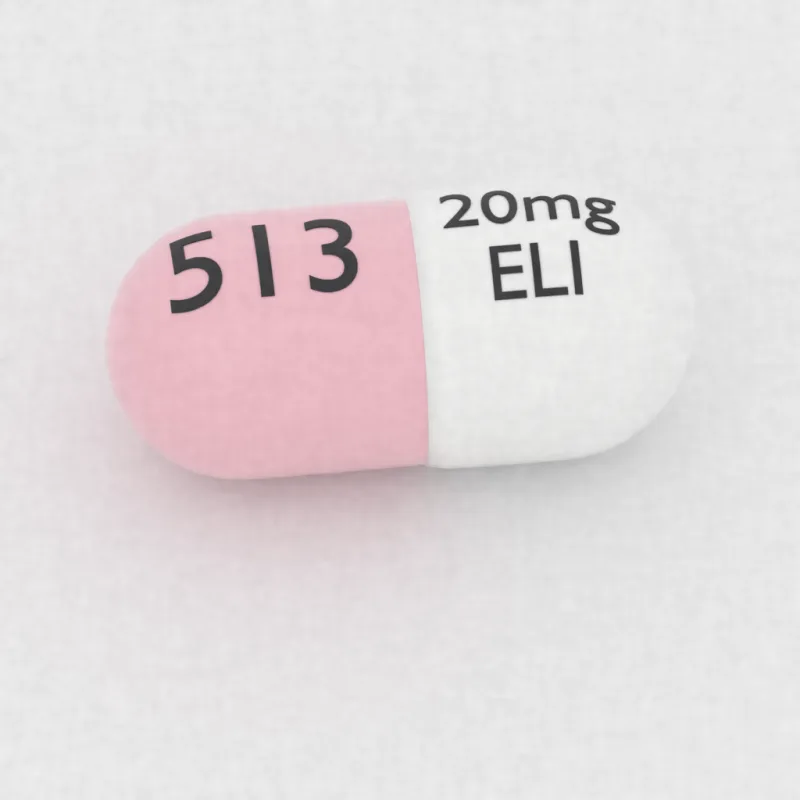
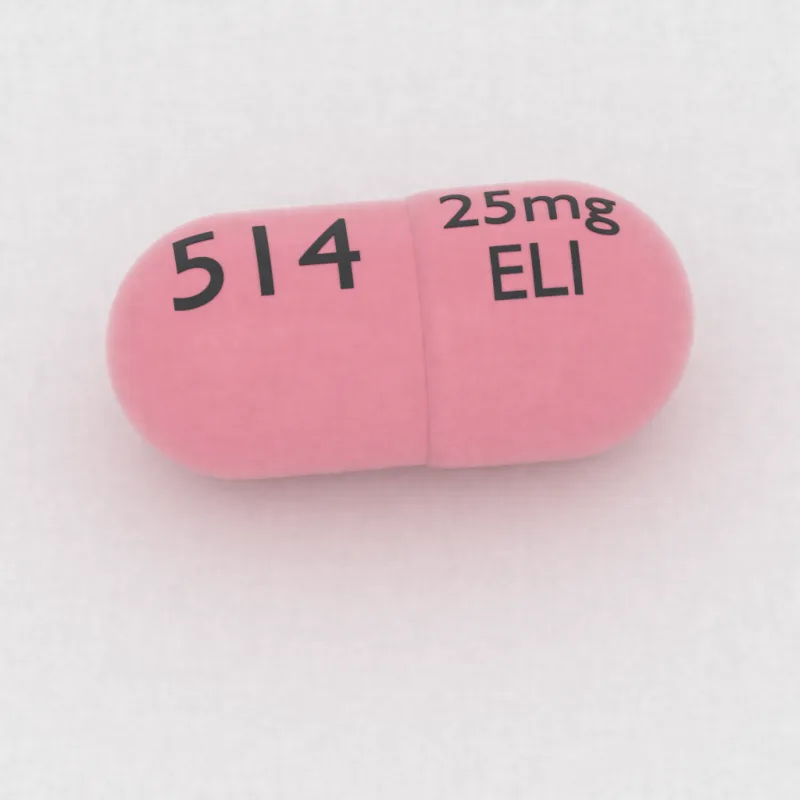
Darstellungen nach den Produktangaben der FDA-Fachinformationen: Farbe, Form, Größe und Prägung. 143 dokumentierte Varianten von 20 Anbietern.
Über Amfetamin und Dexamfetamin
Fakten, Mythen und Behauptungen aus dem NetzAmfetamin und Dexamfetamin (Adderall, Adderall XR, Mydayis) ist eine Mischung von Amfetaminsalzen. Es ist ein ZNS-Stimulans, das als Teil eines Behandlungsprogramms bei der Aufmerksamkeitsdefizit-/Hyperaktivitätsstörung (ADHS) eingesetzt wird, und die Tablette mit sofortiger Freisetzung ist auch für Narkolepsie zugelassen. Die Tablette wird in der Regel zwei- oder dreimal täglich im Abstand von vier bis sechs Stunden eingenommen. Die Retardkapsel wird einmal morgens eingenommen und kann im Ganzen geschluckt oder auf Apfelmus gestreut werden. Es ist in den USA eine kontrollierte Substanz der Stufe II (Schedule II).
Wechselwirkungen laut Fachinformation
Schwerwiegende Wechselwirkungen (119)
If serotonin syndrome occurs, discontinue ADDERALL XR and the CYP2D6 inhibitor [see Warnings and Precautions ( 5.8 ), Overdosage ( 10 )] . (Fachinformation zu Amfetamin und Dexamfetamin, Arzneimittelwechselwirkungen)
Serotonin Syndrome: Increased risk when coadministered with serotonergic agents (e.g., selective serotonin reuptake inhibitors (SSRIs), serotonin norepinephrine reuptake inhibitors (SNRIs), triptans), but also during overdosage situations. (Fachinformation zu Amfetamin und Dexamfetamin, Warnhinweise und Vorsichtsmaßnahmen)
Hypersensitivity reactions such as angioedema and anaphylactic reactions have been reported in patients treated with other amphetamine products [see Adverse Reactions ( 6.2 )] . taking monoamine oxidase inhibitors (MAOIs), or within 14 days of stopping MAOIs (including MAOIs such as linezolid or intravenous methylene blue), because of an increased risk of hypertensive… (Fachinformation zu Amfetamin und Dexamfetamin, Gegenanzeigen)
Hypersensitivity reactions such as angioedema and anaphylactic reactions have been reported in patients treated with other amphetamine products [see Adverse Reactions ( 6.2 )] . taking monoamine oxidase inhibitors (MAOIs), or within 14 days of stopping MAOIs (including MAOIs such as linezolid or intravenous methylene blue), because of an increased risk of hypertensive… (Fachinformation zu Amfetamin und Dexamfetamin, Gegenanzeigen)
If serotonin syndrome occurs, discontinue ADDERALL XR and the CYP2D6 inhibitor [see Warnings and Precautions ( 5.8 ), Overdosage ( 10 )] . (Fachinformation zu Amfetamin und Dexamfetamin, Arzneimittelwechselwirkungen)
Serotonin Syndrome: Increased risk when coadministered with serotonergic agents (e.g., selective serotonin reuptake inhibitors (SSRIs), serotonin norepinephrine reuptake inhibitors (SNRIs), triptans), but also during overdosage situations. (Fachinformation zu Amfetamin und Dexamfetamin, Warnhinweise und Vorsichtsmaßnahmen)
Serotonin Syndrome: Increased risk when coadministered with serotonergic agents (e.g., selective serotonin reuptake inhibitors (SSRIs), serotonin norepinephrine reuptake inhibitors (SNRIs), triptans), but also during overdosage situations. (Fachinformation zu Amfetamin und Dexamfetamin, Warnhinweise und Vorsichtsmaßnahmen)
Excessive Use of Arformoterol Tartrate Inhalation Solution and Use with Other Long-Acting Beta2-Agonists Fatalities have been reported in association with excessive use of inhaled sympathomimetic drugs. (Fachinformation zu Arformoterol, Warnhinweise und Vorsichtsmaßnahmen)
Hypersensitivity reactions such as angioedema and anaphylactic reactions have been reported in patients treated with other amphetamine products [see Adverse Reactions ( 6.2 )] . taking monoamine oxidase inhibitors (MAOIs), or within 14 days of stopping MAOIs (including MAOIs such as linezolid or intravenous methylene blue), because of an increased risk of hypertensive… (Fachinformation zu Amfetamin und Dexamfetamin, Gegenanzeigen)
Hypersensitivity reactions such as angioedema and anaphylactic reactions have been reported in patients treated with other amphetamine products [see Adverse Reactions ( 6.2 )] . taking monoamine oxidase inhibitors (MAOIs), or within 14 days of stopping MAOIs (including MAOIs such as linezolid or intravenous methylene blue), because of an increased risk of hypertensive… (Fachinformation zu Amfetamin und Dexamfetamin, Gegenanzeigen)
Serotonin Syndrome: Increased risk when coadministered with serotonergic agents (e.g., selective serotonin reuptake inhibitors (SSRIs), serotonin norepinephrine reuptake inhibitors (SNRIs), triptans), but also during overdosage situations. (Fachinformation zu Amfetamin und Dexamfetamin, Warnhinweise und Vorsichtsmaßnahmen)
Clinically significant cardiovascular effects and fatalities have been reported in association with excessive use of inhaled sympathomimetic drugs. (Fachinformation zu Budesonid und Formoterol, Warnhinweise und Vorsichtsmaßnahmen)
If serotonin syndrome occurs, discontinue ADDERALL XR and the CYP2D6 inhibitor [see Warnings and Precautions ( 5.8 ), Overdosage ( 10 )] . (Fachinformation zu Amfetamin und Dexamfetamin, Arzneimittelwechselwirkungen)
Serotonin Syndrome: Increased risk when coadministered with serotonergic agents (e.g., selective serotonin reuptake inhibitors (SSRIs), serotonin norepinephrine reuptake inhibitors (SNRIs), triptans), but also during overdosage situations. (Fachinformation zu Amfetamin und Dexamfetamin, Warnhinweise und Vorsichtsmaßnahmen)
Hypersensitivity reactions such as angioedema and anaphylactic reactions have been reported in patients treated with other amphetamine products [see Adverse Reactions ( 6.2 )] . taking monoamine oxidase inhibitors (MAOIs), or within 14 days of stopping MAOIs (including MAOIs such as linezolid or intravenous methylene blue), because of an increased risk of hypertensive… (Fachinformation zu Amfetamin und Dexamfetamin, Gegenanzeigen)
Hypersensitivity reactions such as angioedema and anaphylactic reactions have been reported in patients treated with other amphetamine products [see Adverse Reactions ( 6.2 )] . taking monoamine oxidase inhibitors (MAOIs), or within 14 days of stopping MAOIs (including MAOIs such as linezolid or intravenous methylene blue), because of an increased risk of hypertensive… (Fachinformation zu Amfetamin und Dexamfetamin, Gegenanzeigen)
Hypersensitivity reactions such as angioedema and anaphylactic reactions have been reported in patients treated with other amphetamine products [see Adverse Reactions ( 6.2 )] . taking monoamine oxidase inhibitors (MAOIs), or within 14 days of stopping MAOIs (including MAOIs such as linezolid or intravenous methylene blue), because of an increased risk of hypertensive… (Fachinformation zu Amfetamin und Dexamfetamin, Gegenanzeigen)
Hypersensitivity reactions such as angioedema and anaphylactic reactions have been reported in patients treated with other amphetamine products [see Adverse Reactions ( 6.2 )] . taking monoamine oxidase inhibitors (MAOIs), or within 14 days of stopping MAOIs (including MAOIs such as linezolid or intravenous methylene blue), because of an increased risk of hypertensive… (Fachinformation zu Amfetamin und Dexamfetamin, Gegenanzeigen)
If serotonin syndrome occurs, discontinue ADDERALL XR and the CYP2D6 inhibitor [see Warnings and Precautions ( 5.8 ), Overdosage ( 10 )] . (Fachinformation zu Amfetamin und Dexamfetamin, Arzneimittelwechselwirkungen)
If serotonin syndrome occurs, discontinue ADDERALL XR and the CYP2D6 inhibitor [see Warnings and Precautions ( 5.8 ), Overdosage ( 10 )] . (Fachinformation zu Amfetamin und Dexamfetamin, Arzneimittelwechselwirkungen)
If serotonin syndrome occurs, discontinue ADDERALL XR and the CYP2D6 inhibitor [see Warnings and Precautions ( 5.8 ), Overdosage ( 10 )] . (Fachinformation zu Amfetamin und Dexamfetamin, Arzneimittelwechselwirkungen)
Serotonin Syndrome: Increased risk when coadministered with serotonergic agents (e.g., selective serotonin reuptake inhibitors (SSRIs), serotonin norepinephrine reuptake inhibitors (SNRIs), triptans), but also during overdosage situations. (Fachinformation zu Amfetamin und Dexamfetamin, Warnhinweise und Vorsichtsmaßnahmen)
If serotonin syndrome occurs, discontinue ADDERALL XR and the CYP2D6 inhibitor [see Warnings and Precautions ( 5.8 ), Overdosage ( 10 )] . (Fachinformation zu Amfetamin und Dexamfetamin, Arzneimittelwechselwirkungen)
Serotonin Syndrome: Increased risk when coadministered with serotonergic agents (e.g., selective serotonin reuptake inhibitors (SSRIs), serotonin norepinephrine reuptake inhibitors (SNRIs), triptans), but also during overdosage situations. (Fachinformation zu Amfetamin und Dexamfetamin, Warnhinweise und Vorsichtsmaßnahmen)
Serotonin Syndrome: Increased risk when coadministered with serotonergic agents (e.g., selective serotonin reuptake inhibitors (SSRIs), serotonin norepinephrine reuptake inhibitors (SNRIs), triptans), but also during overdosage situations. (Fachinformation zu Amfetamin und Dexamfetamin, Warnhinweise und Vorsichtsmaßnahmen)
If serotonin syndrome occurs, discontinue ADDERALL XR and the CYP2D6 inhibitor [see Warnings and Precautions ( 5.8 ), Overdosage ( 10 )] . (Fachinformation zu Amfetamin und Dexamfetamin, Arzneimittelwechselwirkungen)
Serotonin Syndrome: Increased risk when coadministered with serotonergic agents (e.g., selective serotonin reuptake inhibitors (SSRIs), serotonin norepinephrine reuptake inhibitors (SNRIs), triptans), but also during overdosage situations. (Fachinformation zu Amfetamin und Dexamfetamin, Warnhinweise und Vorsichtsmaßnahmen)
Discontinue treatment with ADDERALL XR and any concomitant serotonergic agents immediately if symptoms of serotonin syndrome occur, and initiate supportive symptomatic treatment. (Fachinformation zu Amfetamin und Dexamfetamin, Warnhinweise und Vorsichtsmaßnahmen)
Hypersensitivity reactions such as angioedema and anaphylactic reactions have been reported in patients treated with other amphetamine products [see Adverse Reactions ( 6.2 )] . taking monoamine oxidase inhibitors (MAOIs), or within 14 days of stopping MAOIs (including MAOIs such as linezolid or intravenous methylene blue), because of an increased risk of hypertensive… (Fachinformation zu Amfetamin und Dexamfetamin, Gegenanzeigen)
Hypersensitivity reactions such as angioedema and anaphylactic reactions have been reported in patients treated with other amphetamine products [see Adverse Reactions ( 6.2 )] . taking monoamine oxidase inhibitors (MAOIs), or within 14 days of stopping MAOIs (including MAOIs such as linezolid or intravenous methylene blue), because of an increased risk of hypertensive… (Fachinformation zu Amfetamin und Dexamfetamin, Gegenanzeigen)
Serotonin Syndrome: Increased risk when coadministered with serotonergic agents (e.g., selective serotonin reuptake inhibitors (SSRIs), serotonin norepinephrine reuptake inhibitors (SNRIs), triptans), but also during overdosage situations. (Fachinformation zu Amfetamin und Dexamfetamin, Warnhinweise und Vorsichtsmaßnahmen)
Serotonin Syndrome: Increased risk when coadministered with serotonergic agents (e.g., selective serotonin reuptake inhibitors (SSRIs), serotonin norepinephrine reuptake inhibitors (SNRIs), triptans), but also during overdosage situations. (Fachinformation zu Amfetamin und Dexamfetamin, Warnhinweise und Vorsichtsmaßnahmen)
Serotonin Syndrome: Increased risk when coadministered with serotonergic agents (e.g., selective serotonin reuptake inhibitors (SSRIs), serotonin norepinephrine reuptake inhibitors (SNRIs), triptans), but also during overdosage situations. (Fachinformation zu Amfetamin und Dexamfetamin, Warnhinweise und Vorsichtsmaßnahmen)
If serotonin syndrome occurs, discontinue ADDERALL XR and the CYP2D6 inhibitor [see Warnings and Precautions ( 5.8 ), Overdosage ( 10 )] . (Fachinformation zu Amfetamin und Dexamfetamin, Arzneimittelwechselwirkungen)
Serotonin Syndrome: Increased risk when coadministered with serotonergic agents (e.g., selective serotonin reuptake inhibitors (SSRIs), serotonin norepinephrine reuptake inhibitors (SNRIs), triptans), but also during overdosage situations. (Fachinformation zu Amfetamin und Dexamfetamin, Warnhinweise und Vorsichtsmaßnahmen)
Avoid concomitant use of other drugs that are also associated with similar cardiac effects (e.g., amphetamines, other sympathomimetic agents, atropine, amoxapine, scopolamine, antihistamines, other anticholinergic agents, amitriptyline, desipramine, other tricyclic antidepressants). (Fachinformation zu Dronabinol, Warnhinweise und Vorsichtsmaßnahmen)
Discontinue treatment with ADDERALL XR and any concomitant serotonergic agents immediately if symptoms of serotonin syndrome occur, and initiate supportive symptomatic treatment. (Fachinformation zu Amfetamin und Dexamfetamin, Warnhinweise und Vorsichtsmaßnahmen)
Serotonin Syndrome: Increased risk when coadministered with serotonergic agents (e.g., selective serotonin reuptake inhibitors (SSRIs), serotonin norepinephrine reuptake inhibitors (SNRIs), triptans), but also during overdosage situations. (Fachinformation zu Amfetamin und Dexamfetamin, Warnhinweise und Vorsichtsmaßnahmen)
If serotonin syndrome occurs, discontinue ADDERALL XR and the CYP2D6 inhibitor [see Warnings and Precautions ( 5.8 ), Overdosage ( 10 )] . (Fachinformation zu Amfetamin und Dexamfetamin, Arzneimittelwechselwirkungen)
Hypersensitivity reactions such as angioedema and anaphylactic reactions have been reported in patients treated with other amphetamine products [see Adverse Reactions ( 6.2 )] . taking monoamine oxidase inhibitors (MAOIs), or within 14 days of stopping MAOIs (including MAOIs such as linezolid or intravenous methylene blue), because of an increased risk of hypertensive… (Fachinformation zu Amfetamin und Dexamfetamin, Gegenanzeigen)
Serotonin Syndrome: Increased risk when coadministered with serotonergic agents (e.g., selective serotonin reuptake inhibitors (SSRIs), serotonin norepinephrine reuptake inhibitors (SNRIs), triptans), but also during overdosage situations. (Fachinformation zu Amfetamin und Dexamfetamin, Warnhinweise und Vorsichtsmaßnahmen)
If serotonin syndrome occurs, discontinue ADDERALL XR and the CYP2D6 inhibitor [see Warnings and Precautions ( 5.8 ), Overdosage ( 10 )] . (Fachinformation zu Amfetamin und Dexamfetamin, Arzneimittelwechselwirkungen)
…life-threatening reaction, may occur when amphetamines are used in combination with other drugs that affect the serotonergic neurotransmitter systems such as MAOIs, selective serotonin reuptake inhibitors (SSRIs), serotonin norepinephrine reuptake inhibitors (SNRIs), triptans, tricyclic antidepressants, fentanyl, lithium, tramadol, tryptophan, buspirone, and St. (Fachinformation zu Amfetamin und Dexamfetamin, Warnhinweise und Vorsichtsmaßnahmen)
Serotonin Syndrome: Increased risk when coadministered with serotonergic agents (e.g., selective serotonin reuptake inhibitors (SSRIs), serotonin norepinephrine reuptake inhibitors (SNRIs), triptans), but also during overdosage situations. (Fachinformation zu Amfetamin und Dexamfetamin, Warnhinweise und Vorsichtsmaßnahmen)
Serotonin Syndrome: Increased risk when coadministered with serotonergic agents (e.g., selective serotonin reuptake inhibitors (SSRIs), serotonin norepinephrine reuptake inhibitors (SNRIs), triptans), but also during overdosage situations. (Fachinformation zu Amfetamin und Dexamfetamin, Warnhinweise und Vorsichtsmaßnahmen)
Clinically significant cardiovascular effects and fatalities have been reported in association with excessive use of inhaled sympathomimetic drugs. (Fachinformation zu Fluticason und Salmeterol, Warnhinweise und Vorsichtsmaßnahmen)
Serotonin Syndrome: Increased risk when coadministered with serotonergic agents (e.g., selective serotonin reuptake inhibitors (SSRIs), serotonin norepinephrine reuptake inhibitors (SNRIs), triptans), but also during overdosage situations. (Fachinformation zu Amfetamin und Dexamfetamin, Warnhinweise und Vorsichtsmaßnahmen)
Clinically significant cardiovascular effects and fatalities have been reported in association with excessive use of inhaled sympathomimetic drugs. (Fachinformation zu Formoterol, Warnhinweise und Vorsichtsmaßnahmen)
Serotonin Syndrome: Increased risk when coadministered with serotonergic agents (e.g., selective serotonin reuptake inhibitors (SSRIs), serotonin norepinephrine reuptake inhibitors (SNRIs), triptans), but also during overdosage situations. (Fachinformation zu Amfetamin und Dexamfetamin, Warnhinweise und Vorsichtsmaßnahmen)
Serotonin Syndrome: Increased risk when coadministered with serotonergic agents (e.g., selective serotonin reuptake inhibitors (SSRIs), serotonin norepinephrine reuptake inhibitors (SNRIs), triptans), but also during overdosage situations. (Fachinformation zu Amfetamin und Dexamfetamin, Warnhinweise und Vorsichtsmaßnahmen)
If serotonin syndrome occurs, discontinue ADDERALL XR and the CYP2D6 inhibitor [see Warnings and Precautions ( 5.8 ), Overdosage ( 10 )] . (Fachinformation zu Amfetamin und Dexamfetamin, Arzneimittelwechselwirkungen)
Serotonin Syndrome: Increased risk when coadministered with serotonergic agents (e.g., selective serotonin reuptake inhibitors (SSRIs), serotonin norepinephrine reuptake inhibitors (SNRIs), triptans), but also during overdosage situations. (Fachinformation zu Amfetamin und Dexamfetamin, Warnhinweise und Vorsichtsmaßnahmen)
DO NOT EXCEED RECOMMENDED DOSE Fatalities have been reported in association with excessive use of inhaled products containing sympathomimetic amines and with the home use of nebulizers. (Fachinformation zu Ipratropiumbromid und Salbutamol, Warnhinweise)
Hypersensitivity reactions such as angioedema and anaphylactic reactions have been reported in patients treated with other amphetamine products [see Adverse Reactions ( 6.2 )] . taking monoamine oxidase inhibitors (MAOIs), or within 14 days of stopping MAOIs (including MAOIs such as linezolid or intravenous methylene blue), because of an increased risk of hypertensive… (Fachinformation zu Amfetamin und Dexamfetamin, Gegenanzeigen)
WARNING: ABUSE AND DEPENDENCE CNS stimulants, including cocaine hydrochloride, have a high potential for abuse and dependence. (Fachinformation zu Kokain, Boxed Warning (umrahmter Warnhinweis))
Discontinue treatment with ADDERALL XR and any concomitant serotonergic agents immediately if symptoms of serotonin syndrome occur, and initiate supportive symptomatic treatment. (Fachinformation zu Amfetamin und Dexamfetamin, Warnhinweise und Vorsichtsmaßnahmen)
Do Not Exceed Recommended Dose Fatalities have been reported in association with excessive use of inhaled sympathomimetic drugs in patients with asthma. (Fachinformation zu Levosalbutamol, Warnhinweise und Vorsichtsmaßnahmen)
Larger doses may produce serious or even life-threatening manifestations of toxicity, particularly when given in association with sympathomimetic amines such as those used for their anorectic effects. (Fachinformation zu Levothyroxin und Liothyronin, Boxed Warning (umrahmter Warnhinweis))
Hypersensitivity reactions such as angioedema and anaphylactic reactions have been reported in patients treated with other amphetamine products [see Adverse Reactions ( 6.2 )] . taking monoamine oxidase inhibitors (MAOIs), or within 14 days of stopping MAOIs (including MAOIs such as linezolid or intravenous methylene blue), because of an increased risk of hypertensive… (Fachinformation zu Amfetamin und Dexamfetamin, Gegenanzeigen)
• Larger doses may produce serious or even life-threatening manifestations of toxicity, particularly when given in association with sympathomimetic amines such as those used for their anorectic effects [see Adverse Reactions (6) , Drug Interactions (7.7) , and Overdosage (10) ] . (Fachinformation zu Liothyronin, Boxed Warning (umrahmter Warnhinweis))
Hypersensitivity reactions such as angioedema and anaphylactic reactions have been reported in patients treated with other amphetamine products [see Adverse Reactions ( 6.2 )] . taking monoamine oxidase inhibitors (MAOIs), or within 14 days of stopping MAOIs (including MAOIs such as linezolid or intravenous methylene blue), because of an increased risk of hypertensive… (Fachinformation zu Amfetamin und Dexamfetamin, Gegenanzeigen)
Serotonin Syndrome: Increased risk when coadministered with serotonergic agents (e.g., selective serotonin reuptake inhibitors (SSRIs), serotonin norepinephrine reuptake inhibitors (SNRIs), triptans), but also during overdosage situations. (Fachinformation zu Amfetamin und Dexamfetamin, Warnhinweise und Vorsichtsmaßnahmen)
Hypersensitivity reactions such as angioedema and anaphylactic reactions have been reported in patients treated with other amphetamine products [see Adverse Reactions ( 6.2 )] . taking monoamine oxidase inhibitors (MAOIs), or within 14 days of stopping MAOIs (including MAOIs such as linezolid or intravenous methylene blue), because of an increased risk of hypertensive… (Fachinformation zu Amfetamin und Dexamfetamin, Gegenanzeigen)
Hypersensitivity reactions such as angioedema and anaphylactic reactions have been reported in patients treated with other amphetamine products [see Adverse Reactions ( 6.2 )] . taking monoamine oxidase inhibitors (MAOIs), or within 14 days of stopping MAOIs (including MAOIs such as linezolid or intravenous methylene blue), because of an increased risk of hypertensive… (Fachinformation zu Amfetamin und Dexamfetamin, Gegenanzeigen)
Hypersensitivity reactions such as angioedema and anaphylactic reactions have been reported in patients treated with other amphetamine products [see Adverse Reactions ( 6.2 )] . taking monoamine oxidase inhibitors (MAOIs), or within 14 days of stopping MAOIs (including MAOIs such as linezolid or intravenous methylene blue), because of an increased risk of hypertensive… (Fachinformation zu Amfetamin und Dexamfetamin, Gegenanzeigen)
Discontinue treatment with ADDERALL XR and any concomitant serotonergic agents immediately if symptoms of serotonin syndrome occur, and initiate supportive symptomatic treatment. (Fachinformation zu Amfetamin und Dexamfetamin, Warnhinweise und Vorsichtsmaßnahmen)
If serotonin syndrome occurs, discontinue ADDERALL XR and the CYP2D6 inhibitor [see Warnings and Precautions ( 5.8 ), Overdosage ( 10 )] . (Fachinformation zu Amfetamin und Dexamfetamin, Arzneimittelwechselwirkungen)
Serotonin Syndrome: Increased risk when coadministered with serotonergic agents (e.g., selective serotonin reuptake inhibitors (SSRIs), serotonin norepinephrine reuptake inhibitors (SNRIs), triptans), but also during overdosage situations. (Fachinformation zu Amfetamin und Dexamfetamin, Warnhinweise und Vorsichtsmaßnahmen)
Hypersensitivity reactions such as angioedema and anaphylactic reactions have been reported in patients treated with other amphetamine products [see Adverse Reactions ( 6.2 )] . taking monoamine oxidase inhibitors (MAOIs), or within 14 days of stopping MAOIs (including MAOIs such as linezolid or intravenous methylene blue), because of an increased risk of hypertensive… (Fachinformation zu Amfetamin und Dexamfetamin, Gegenanzeigen)
If serotonin syndrome occurs, discontinue ADDERALL XR and the CYP2D6 inhibitor [see Warnings and Precautions ( 5.8 ), Overdosage ( 10 )] . (Fachinformation zu Amfetamin und Dexamfetamin, Arzneimittelwechselwirkungen)
Serotonin Syndrome: Increased risk when coadministered with serotonergic agents (e.g., selective serotonin reuptake inhibitors (SSRIs), serotonin norepinephrine reuptake inhibitors (SNRIs), triptans), but also during overdosage situations. (Fachinformation zu Amfetamin und Dexamfetamin, Warnhinweise und Vorsichtsmaßnahmen)
Many patients who received Xyrem during clinical trials in narcolepsy were receiving central nervous system stimulants [see Clinical Trials ( 14 )]. (Fachinformation zu Natriumoxybat, Boxed Warning (umrahmter Warnhinweis))
Serotonin Syndrome: Increased risk when coadministered with serotonergic agents (e.g., selective serotonin reuptake inhibitors (SSRIs), serotonin norepinephrine reuptake inhibitors (SNRIs), triptans), but also during overdosage situations. (Fachinformation zu Amfetamin und Dexamfetamin, Warnhinweise und Vorsichtsmaßnahmen)
If serotonin syndrome occurs, discontinue ADDERALL XR and the CYP2D6 inhibitor [see Warnings and Precautions ( 5.8 ), Overdosage ( 10 )] . (Fachinformation zu Amfetamin und Dexamfetamin, Arzneimittelwechselwirkungen)
Serotonin Syndrome: Increased risk when coadministered with serotonergic agents (e.g., selective serotonin reuptake inhibitors (SSRIs), serotonin norepinephrine reuptake inhibitors (SNRIs), triptans), but also during overdosage situations. (Fachinformation zu Amfetamin und Dexamfetamin, Warnhinweise und Vorsichtsmaßnahmen)
Serotonin Syndrome: Increased risk when coadministered with serotonergic agents (e.g., selective serotonin reuptake inhibitors (SSRIs), serotonin norepinephrine reuptake inhibitors (SNRIs), triptans), but also during overdosage situations. (Fachinformation zu Amfetamin und Dexamfetamin, Warnhinweise und Vorsichtsmaßnahmen)
Serotonin Syndrome: Increased risk when coadministered with serotonergic agents (e.g., selective serotonin reuptake inhibitors (SSRIs), serotonin norepinephrine reuptake inhibitors (SNRIs), triptans), but also during overdosage situations. (Fachinformation zu Amfetamin und Dexamfetamin, Warnhinweise und Vorsichtsmaßnahmen)
Hypersensitivity reactions such as angioedema and anaphylactic reactions have been reported in patients treated with other amphetamine products [see Adverse Reactions ( 6.2 )] . taking monoamine oxidase inhibitors (MAOIs), or within 14 days of stopping MAOIs (including MAOIs such as linezolid or intravenous methylene blue), because of an increased risk of hypertensive… (Fachinformation zu Amfetamin und Dexamfetamin, Gegenanzeigen)
Serotonin Syndrome: Increased risk when coadministered with serotonergic agents (e.g., selective serotonin reuptake inhibitors (SSRIs), serotonin norepinephrine reuptake inhibitors (SNRIs), triptans), but also during overdosage situations. (Fachinformation zu Amfetamin und Dexamfetamin, Warnhinweise und Vorsichtsmaßnahmen)
Serotonin Syndrome: Increased risk when coadministered with serotonergic agents (e.g., selective serotonin reuptake inhibitors (SSRIs), serotonin norepinephrine reuptake inhibitors (SNRIs), triptans), but also during overdosage situations. (Fachinformation zu Amfetamin und Dexamfetamin, Warnhinweise und Vorsichtsmaßnahmen)
Serotonin Syndrome: Increased risk when coadministered with serotonergic agents (e.g., selective serotonin reuptake inhibitors (SSRIs), serotonin norepinephrine reuptake inhibitors (SNRIs), triptans), but also during overdosage situations. (Fachinformation zu Amfetamin und Dexamfetamin, Warnhinweise und Vorsichtsmaßnahmen)
Hypersensitivity reactions such as angioedema and anaphylactic reactions have been reported in patients treated with other amphetamine products [see Adverse Reactions ( 6.2 )] . taking monoamine oxidase inhibitors (MAOIs), or within 14 days of stopping MAOIs (including MAOIs such as linezolid or intravenous methylene blue), because of an increased risk of hypertensive… (Fachinformation zu Amfetamin und Dexamfetamin, Gegenanzeigen)
Hypersensitivity reactions such as angioedema and anaphylactic reactions have been reported in patients treated with other amphetamine products [see Adverse Reactions ( 6.2 )] . taking monoamine oxidase inhibitors (MAOIs), or within 14 days of stopping MAOIs (including MAOIs such as linezolid or intravenous methylene blue), because of an increased risk of hypertensive… (Fachinformation zu Amfetamin und Dexamfetamin, Gegenanzeigen)
Hypersensitivity reactions such as angioedema and anaphylactic reactions have been reported in patients treated with other amphetamine products [see Adverse Reactions ( 6.2 )] . taking monoamine oxidase inhibitors (MAOIs), or within 14 days of stopping MAOIs (including MAOIs such as linezolid or intravenous methylene blue), because of an increased risk of hypertensive… (Fachinformation zu Amfetamin und Dexamfetamin, Gegenanzeigen)
Hypersensitivity reactions such as angioedema and anaphylactic reactions have been reported in patients treated with other amphetamine products [see Adverse Reactions ( 6.2 )] . taking monoamine oxidase inhibitors (MAOIs), or within 14 days of stopping MAOIs (including MAOIs such as linezolid or intravenous methylene blue), because of an increased risk of hypertensive… (Fachinformation zu Amfetamin und Dexamfetamin, Gegenanzeigen)
Pimozide should not be used in patients taking drugs that may, themselves, cause motor and phonic tics (e.g., pemoline, methylphenidate and amphetamines) until such patients have been withdrawn from these drugs to determine whether or not the drugs, rather than Tourette’s Disorder, are responsible for the tics. (Fachinformation zu Pimozid, Gegenanzeigen)
Serotonin Syndrome: Increased risk when coadministered with serotonergic agents (e.g., selective serotonin reuptake inhibitors (SSRIs), serotonin norepinephrine reuptake inhibitors (SNRIs), triptans), but also during overdosage situations. (Fachinformation zu Amfetamin und Dexamfetamin, Warnhinweise und Vorsichtsmaßnahmen)
If serotonin syndrome occurs, discontinue ADDERALL XR and the CYP2D6 inhibitor [see Warnings and Precautions ( 5.8 ), Overdosage ( 10 )] . (Fachinformation zu Amfetamin und Dexamfetamin, Arzneimittelwechselwirkungen)
Serotonin Syndrome: Increased risk when coadministered with serotonergic agents (e.g., selective serotonin reuptake inhibitors (SSRIs), serotonin norepinephrine reuptake inhibitors (SNRIs), triptans), but also during overdosage situations. (Fachinformation zu Amfetamin und Dexamfetamin, Warnhinweise und Vorsichtsmaßnahmen)
Serotonin Syndrome: Increased risk when coadministered with serotonergic agents (e.g., selective serotonin reuptake inhibitors (SSRIs), serotonin norepinephrine reuptake inhibitors (SNRIs), triptans), but also during overdosage situations. (Fachinformation zu Amfetamin und Dexamfetamin, Warnhinweise und Vorsichtsmaßnahmen)
If serotonin syndrome occurs, discontinue ADDERALL XR and the CYP2D6 inhibitor [see Warnings and Precautions ( 5.8 ), Overdosage ( 10 )] . (Fachinformation zu Amfetamin und Dexamfetamin, Arzneimittelwechselwirkungen)
Hypersensitivity reactions such as angioedema and anaphylactic reactions have been reported in patients treated with other amphetamine products [see Adverse Reactions ( 6.2 )] . taking monoamine oxidase inhibitors (MAOIs), or within 14 days of stopping MAOIs (including MAOIs such as linezolid or intravenous methylene blue), because of an increased risk of hypertensive… (Fachinformation zu Amfetamin und Dexamfetamin, Gegenanzeigen)
Serotonin Syndrome: Increased risk when coadministered with serotonergic agents (e.g., selective serotonin reuptake inhibitors (SSRIs), serotonin norepinephrine reuptake inhibitors (SNRIs), triptans), but also during overdosage situations. (Fachinformation zu Amfetamin und Dexamfetamin, Warnhinweise und Vorsichtsmaßnahmen)
If serotonin syndrome occurs, discontinue ADDERALL XR and the CYP2D6 inhibitor [see Warnings and Precautions ( 5.8 ), Overdosage ( 10 )] . (Fachinformation zu Amfetamin und Dexamfetamin, Arzneimittelwechselwirkungen)
Do Not Exceed Recommended Dose Fatalities have been reported in association with excessive use of inhaled sympathomimetic drugs in patients with asthma. (Fachinformation zu Salbutamol, Warnhinweise und Vorsichtsmaßnahmen)
Clinically significant cardiovascular effects and fatalities have been reported in association with excessive use of inhaled sympathomimetic drugs. (Fachinformation zu Salmeterol, Warnhinweise und Vorsichtsmaßnahmen)
Hypersensitivity reactions such as angioedema and anaphylactic reactions have been reported in patients treated with other amphetamine products [see Adverse Reactions ( 6.2 )] . taking monoamine oxidase inhibitors (MAOIs), or within 14 days of stopping MAOIs (including MAOIs such as linezolid or intravenous methylene blue), because of an increased risk of hypertensive… (Fachinformation zu Amfetamin und Dexamfetamin, Gegenanzeigen)
Serotonin Syndrome: Increased risk when coadministered with serotonergic agents (e.g., selective serotonin reuptake inhibitors (SSRIs), serotonin norepinephrine reuptake inhibitors (SNRIs), triptans), but also during overdosage situations. (Fachinformation zu Amfetamin und Dexamfetamin, Warnhinweise und Vorsichtsmaßnahmen)
Hypersensitivity reactions such as angioedema and anaphylactic reactions have been reported in patients treated with other amphetamine products [see Adverse Reactions ( 6.2 )] . taking monoamine oxidase inhibitors (MAOIs), or within 14 days of stopping MAOIs (including MAOIs such as linezolid or intravenous methylene blue), because of an increased risk of hypertensive… (Fachinformation zu Amfetamin und Dexamfetamin, Gegenanzeigen)
Serotonin Syndrome: Increased risk when coadministered with serotonergic agents (e.g., selective serotonin reuptake inhibitors (SSRIs), serotonin norepinephrine reuptake inhibitors (SNRIs), triptans), but also during overdosage situations. (Fachinformation zu Amfetamin und Dexamfetamin, Warnhinweise und Vorsichtsmaßnahmen)
Serotonin Syndrome: Increased risk when coadministered with serotonergic agents (e.g., selective serotonin reuptake inhibitors (SSRIs), serotonin norepinephrine reuptake inhibitors (SNRIs), triptans), but also during overdosage situations. (Fachinformation zu Amfetamin und Dexamfetamin, Warnhinweise und Vorsichtsmaßnahmen)
Serotonin Syndrome: Increased risk when coadministered with serotonergic agents (e.g., selective serotonin reuptake inhibitors (SSRIs), serotonin norepinephrine reuptake inhibitors (SNRIs), triptans), but also during overdosage situations. (Fachinformation zu Amfetamin und Dexamfetamin, Warnhinweise und Vorsichtsmaßnahmen)
If serotonin syndrome occurs, discontinue ADDERALL XR and the CYP2D6 inhibitor [see Warnings and Precautions ( 5.8 ), Overdosage ( 10 )] . (Fachinformation zu Amfetamin und Dexamfetamin, Arzneimittelwechselwirkungen)
Hypersensitivity Terbutaline sulfate is contraindicated in patients known to be hypersensitive to sympathomimetic amines or any component of this drug product. (Fachinformation zu Terbutalin, Gegenanzeigen)
Serotonin Syndrome: Increased risk when coadministered with serotonergic agents (e.g., selective serotonin reuptake inhibitors (SSRIs), serotonin norepinephrine reuptake inhibitors (SNRIs), triptans), but also during overdosage situations. (Fachinformation zu Amfetamin und Dexamfetamin, Warnhinweise und Vorsichtsmaßnahmen)
Serotonin Syndrome: Increased risk when coadministered with serotonergic agents (e.g., selective serotonin reuptake inhibitors (SSRIs), serotonin norepinephrine reuptake inhibitors (SNRIs), triptans), but also during overdosage situations. (Fachinformation zu Amfetamin und Dexamfetamin, Warnhinweise und Vorsichtsmaßnahmen)
Hypersensitivity reactions such as angioedema and anaphylactic reactions have been reported in patients treated with other amphetamine products [see Adverse Reactions ( 6.2 )] . taking monoamine oxidase inhibitors (MAOIs), or within 14 days of stopping MAOIs (including MAOIs such as linezolid or intravenous methylene blue), because of an increased risk of hypertensive… (Fachinformation zu Amfetamin und Dexamfetamin, Gegenanzeigen)
Serotonin Syndrome: Increased risk when coadministered with serotonergic agents (e.g., selective serotonin reuptake inhibitors (SSRIs), serotonin norepinephrine reuptake inhibitors (SNRIs), triptans), but also during overdosage situations. (Fachinformation zu Amfetamin und Dexamfetamin, Warnhinweise und Vorsichtsmaßnahmen)
Serotonin Syndrome: Increased risk when coadministered with serotonergic agents (e.g., selective serotonin reuptake inhibitors (SSRIs), serotonin norepinephrine reuptake inhibitors (SNRIs), triptans), but also during overdosage situations. (Fachinformation zu Amfetamin und Dexamfetamin, Warnhinweise und Vorsichtsmaßnahmen)
Clinically significant cardiovascular effects and fatalities have been reported in association with excessive use of inhaled sympathomimetic drugs. (Fachinformation zu Umeclidiniumbromid und Vilanterol, Warnhinweise und Vorsichtsmaßnahmen)
Discontinue treatment with ADDERALL XR and any concomitant serotonergic agents immediately if symptoms of serotonin syndrome occur, and initiate supportive symptomatic treatment. (Fachinformation zu Amfetamin und Dexamfetamin, Warnhinweise und Vorsichtsmaßnahmen)
Serotonin Syndrome: Increased risk when coadministered with serotonergic agents (e.g., selective serotonin reuptake inhibitors (SSRIs), serotonin norepinephrine reuptake inhibitors (SNRIs), triptans), but also during overdosage situations. (Fachinformation zu Amfetamin und Dexamfetamin, Warnhinweise und Vorsichtsmaßnahmen)
Serotonin Syndrome: Increased risk when coadministered with serotonergic agents (e.g., selective serotonin reuptake inhibitors (SSRIs), serotonin norepinephrine reuptake inhibitors (SNRIs), triptans), but also during overdosage situations. (Fachinformation zu Amfetamin und Dexamfetamin, Warnhinweise und Vorsichtsmaßnahmen)
• Risk of serotonin syndrome with concomitant therapy with other serotonergic drugs such as SNRIs, SSRIs, triptans, tricyclic antidepressants, opioids, lithium, tryptophan, buspirone, amphetamines, and St. (Fachinformation zu Ziprasidon, Arzneimittelwechselwirkungen)
Serotonin Syndrome: Increased risk when coadministered with serotonergic agents (e.g., selective serotonin reuptake inhibitors (SSRIs), serotonin norepinephrine reuptake inhibitors (SNRIs), triptans), but also during overdosage situations. (Fachinformation zu Amfetamin und Dexamfetamin, Warnhinweise und Vorsichtsmaßnahmen)
Mittelschwere Wechselwirkungen (61)
Acetazolamide decreases urinary excretion of amphetamine and may enhance the magnitude and duration of their effect. (Fachinformation zu Acetazolamid, Arzneimittelwechselwirkungen)
Sympathomimetics, Methylxanthines, Steroids In clinical studies, concurrent administration of aclidinium bromide and other drugs commonly used in the treatment of COPD including sympathomimetics (short-acting beta 2 agonists), methylxanthines, and oral and inhaled steroids showed no increases in adverse drug reactions. (Fachinformation zu Aclidiniumbromid, Arzneimittelwechselwirkungen)
Tricyclic Antidepressants Clinical Impact May enhance the activity of tricyclic or sympathomimetic agents causing striking and sustained increases in the concentration of d-amphetamine in the brain; cardiovascular effects can be potentiated. (Fachinformation zu Amfetamin und Dexamfetamin, Arzneimittelwechselwirkungen)
Examples: Thiazides and other diuretics, corticosteroids, phenothiazines, thyroid products, estrogens, oral contraceptives, phenytoin, nicotinic acid, sympathomimetics, calcium channel blocking drugs and isoniazid Alogliptin Cytochrome (CYP) P450, CYP-Substrates or Inhibitors Clinical Impact: Insulin Secretagogues and Insulin Insulin and insulin secretagogues… (Fachinformation zu Alogliptin und Metformin, Arzneimittelwechselwirkungen)
Prescribe the lowest effective dosage; avoid or minimize concomitant use of CNS depressants and other substances associated with abuse, misuse, and addiction (e.g., opioid analgesics, stimulants); and advise patients on the proper disposal of unused drug. (Fachinformation zu Alprazolam, Warnhinweise und Vorsichtsmaßnahmen)
Alkalinizing agents (GI antacids and urinary): These agents increase blood levels of amphetamine. (Fachinformation zu Amfetamin und Dexamfetamin, Arzneimittelwechselwirkungen)
Tricyclic Antidepressants Clinical Impact May enhance the activity of tricyclic or sympathomimetic agents causing striking and sustained increases in the concentration of d-amphetamine in the brain; cardiovascular effects can be potentiated. (Fachinformation zu Amfetamin und Dexamfetamin, Arzneimittelwechselwirkungen)
Serotonin Syndrome: Increased risk when coadministered with serotonergic agents (e.g., selective serotonin reuptake inhibitors (SSRIs), serotonin norepinephrine reuptake inhibitors (SNRIs), triptans), but also during overdosage situations. (Fachinformation zu Amfetamin und Dexamfetamin, Warnhinweise und Vorsichtsmaßnahmen)
- BortezomibMittelschwer
Management of orthostatic/postural hypotension may include adjustment of antihypertensive medications, hydration, and administration of mineralocorticoids and/or sympathomimetics. (Fachinformation zu Bortezomib, Warnhinweise und Vorsichtsmaßnahmen)
Tricyclic Antidepressants Clinical Impact May enhance the activity of tricyclic or sympathomimetic agents causing striking and sustained increases in the concentration of d-amphetamine in the brain; cardiovascular effects can be potentiated. (Fachinformation zu Amfetamin und Dexamfetamin, Arzneimittelwechselwirkungen)
Prescribe the lowest effective dosage; avoid or minimize concomitant use of CNS depressants and other substances associated with abuse, misuse, and addiction (e.g., opioid analgesics, stimulants); and advise patients on the proper disposal of unused drug. (Fachinformation zu Chlordiazepoxid, Warnhinweise)
Prescribe the lowest effective dosage; avoid or minimize concomitant use of CNS depressants and other substances associated with abuse, misuse, and addiction (e.g., opioid analgesics, stimulants); and advise patients on the proper disposal of unused drug. (Fachinformation zu Chlordiazepoxid und Clidiniumbromid, Warnhinweise)
Prescribe the lowest effective dosage; avoid or minimize concomitant use of CNS depressants and other substances associated with abuse, misuse, and addiction (e.g., opioid analgesics, stimulants); and advise patients on the proper disposal of unused drug. (Fachinformation zu Clonazepam, Warnhinweise)
Proton Pump Inhibitors Clinical Impact Time to maximum concentration (T max ) of amphetamine is decreased compared to when administered alone. (Fachinformation zu Amfetamin und Dexamfetamin, Arzneimittelwechselwirkungen)
Prescribe the lowest effective dosage; avoid or minimize concomitant use of CNS depressants and other substances associated with abuse, misuse, and addiction (e.g., opioid analgesics, stimulants); and advise patients on the proper disposal of unused drug. (Fachinformation zu Diazepam, Warnhinweise)
…drugs including dicyclomine hydrochloride: amantadine, antiarrhythmic agents of Class I (e.g., quinidine), antihistamines, antipsychotic agents (e.g., phenothiazines), benzodiazepines, MAO inhibitors, narcotic analgesics (e.g., meperidine), nitrates and nitrites, sympathomimetic agents, tricyclic antidepressants, and other drugs having anticholinergic activity. (Fachinformation zu Dicycloverin, Arzneimittelwechselwirkungen)
Sympathomimetics Epinephrine Can increase the risk of cardiac arrhythmias. (Fachinformation zu Digoxin, Arzneimittelwechselwirkungen)
Prescribe the lowest effective dosage; avoid or minimize concomitant use of CNS depressants and other substances associated with abuse, misuse, and addiction (e.g., opioid analgesics, stimulants); and advise patients on the proper disposal of unused drug. (Fachinformation zu Dikaliumclorazepat, Warnhinweise)
Tricyclic Antidepressants Clinical Impact May enhance the activity of tricyclic or sympathomimetic agents causing striking and sustained increases in the concentration of d-amphetamine in the brain; cardiovascular effects can be potentiated. (Fachinformation zu Amfetamin und Dexamfetamin, Arzneimittelwechselwirkungen)
- DoxapramMittelschwer
Drug Interactions Administration of doxapram to patients who are receiving sympathomimetic or monoamine oxidase inhibiting drugs may result in an additive pressor effect (see PRECAUTIONS, General ). (Fachinformation zu Doxapram, Arzneimittelwechselwirkungen)
Tricyclic Antidepressants Clinical Impact May enhance the activity of tricyclic or sympathomimetic agents causing striking and sustained increases in the concentration of d-amphetamine in the brain; cardiovascular effects can be potentiated. (Fachinformation zu Amfetamin und Dexamfetamin, Arzneimittelwechselwirkungen)
Tricyclic Antidepressants Clinical Impact May enhance the activity of tricyclic or sympathomimetic agents causing striking and sustained increases in the concentration of d-amphetamine in the brain; cardiovascular effects can be potentiated. (Fachinformation zu Amfetamin und Dexamfetamin, Arzneimittelwechselwirkungen)
Sympathomimetic drugs: Dose adjustment needed (7) (Fachinformation zu Esmolol, Arzneimittelwechselwirkungen)
Proton Pump Inhibitors Clinical Impact Time to maximum concentration (T max ) of amphetamine is decreased compared to when administered alone. (Fachinformation zu Amfetamin und Dexamfetamin, Arzneimittelwechselwirkungen)
Prescribe the lowest effective dosage; avoid or minimize concomitant use of CNS depressants and other substances associated with abuse, misuse, and addiction (e.g., opioid analgesics, stimulants); and advise patients on the proper disposal of unused drug. (Fachinformation zu Estazolam, Warnhinweise)
…somatropin, protease inhibitors, atypical antipsychotic medications (e.g., olanzapine and clozapine), barbiturates, diazoxide, laxatives, rifampin, thiazides and other diuretics, corticosteroids, phenothiazines, thyroid hormones, estrogens, oral contraceptives, phenytoin, nicotinic acid, sympathomimetics (e.g., epinephrine, albuterol, terbutaline), and isoniazid. (Fachinformation zu Glimepirid, Arzneimittelwechselwirkungen)
…olanzapine and clozapine), corticosteroids, danazol, diuretics, estrogens, glucagon, isoniazid, niacin, oral contraceptives, phenothiazines, progestogens (e.g., in oral contraceptives), protease inhibitors, somatropin, sympathomimetic agents (e.g., albuterol, epinephrine, terbutaline), thyroid hormones, phenytoin, nicotinic acid, and calcium channel blocking drugs. (Fachinformation zu Glipizid, Arzneimittelwechselwirkungen)
In these cases, high-dosage guanfacine was discontinued; concomitant stimulant use was also reported, which may potentially increase hypertensive response upon abrupt discontinuation of guanfacine. (Fachinformation zu Guanfacin, Warnhinweise und Vorsichtsmaßnahmen)
…Insulin Aspart Drugs: Atypical antipsychotics (e.g., olanzapine and clozapine), corticosteroids, danazol, diuretics, estrogens, glucagon, isoniazid, niacin, oral contraceptives, phenothiazines, progestogens (e.g., in oral contraceptives), protease inhibitors, somatropin, sympathomimetic agents (e.g., albuterol, epinephrine, terbutaline), and thyroid hormones. (Fachinformation zu Insulin aspart, Arzneimittelwechselwirkungen)
…Insulin Degludec Drugs: Atypical antipsychotics (e.g., olanzapine and clozapine), corticosteroids, danazol, diuretics, estrogens, glucagon, isoniazid, niacin, oral contraceptives, phenothiazines, progestogens (e.g., in oral contraceptives), protease inhibitors, somatropin, sympathomimetic agents (e.g., albuterol, epinephrine, terbutaline), and thyroid hormones. (Fachinformation zu Insulin degludec, Arzneimittelwechselwirkungen)
…Effect of LEVEMIR Drugs: Atypical antipsychotics (e.g., olanzapine and clozapine), corticosteroids, danazol, diuretics, estrogens, glucagon, isoniazid, niacin, oral contraceptives, phenothiazines, progestogens (e.g., in oral contraceptives), protease inhibitors, somatropin, sympathomimetic agents (e.g., albuterol, epinephrine, terbutaline), and thyroid hormones. (Fachinformation zu Insulin detemir, Arzneimittelwechselwirkungen)
…Glargine-yfgn Drugs: Atypical antipsychotics (e.g., olanzapine and clozapine), corticosteroids, danazol, diuretics, estrogens, glucagon, isoniazid, niacin, oral contraceptives, phenothiazines, progestogens (e.g., in oral contraceptives), protease inhibitors, somatropin, sympathomimetic agents (e.g., albuterol, epinephrine, terbutaline), and thyroid hormones. (Fachinformation zu Insulin glargin, Arzneimittelwechselwirkungen)
…Effect of LYUMJEV Drugs: Atypical antipsychotics (e.g., olanzapine and clozapine), corticosteroids, danazol, diuretics, estrogens, glucagon, isoniazid, niacin, oral contraceptives, phenothiazines, progestogens (e.g., in oral contraceptives), protease inhibitors, somatropin, sympathomimetic agents (e.g., albuterol, epinephrine, terbutaline), and thyroid hormones. (Fachinformation zu Insulin lispro, Arzneimittelwechselwirkungen)
Tricyclic Antidepressants Clinical Impact May enhance the activity of tricyclic or sympathomimetic agents causing striking and sustained increases in the concentration of d-amphetamine in the brain; cardiovascular effects can be potentiated. (Fachinformation zu Amfetamin und Dexamfetamin, Arzneimittelwechselwirkungen)
Sympathomimetics and Vasopressin : Sympathomimetics and vasopressin may enhance the sympathomimetic effects of ketamine [see Drug Interactions ( 7.2 )] . (Fachinformation zu Ketamin, Warnhinweise und Vorsichtsmaßnahmen)
Proton Pump Inhibitors Clinical Impact Time to maximum concentration (T max ) of amphetamine is decreased compared to when administered alone. (Fachinformation zu Amfetamin und Dexamfetamin, Arzneimittelwechselwirkungen)
Sympathomimetics Concurrent use may of sympathomimetics and levothyroxine may increase the effects of sympathomimetics or thyroid hormone. (Fachinformation zu Levothyroxin, Arzneimittelwechselwirkungen)
Tricyclic Antidepressants Clinical Impact May enhance the activity of tricyclic or sympathomimetic agents causing striking and sustained increases in the concentration of d-amphetamine in the brain; cardiovascular effects can be potentiated. (Fachinformation zu Amfetamin und Dexamfetamin, Arzneimittelwechselwirkungen)
Prescribe the lowest effective dosage; avoid or minimize concomitant use of CNS depressants and other substances associated with abuse, misuse, and addiction (e.g., opioid analgesics, stimulants); and advise patients on the proper disposal of unused drug. (Fachinformation zu Lorazepam, Warnhinweise und Vorsichtsmaßnahmen)
Sympathomimetics Metolazone may decrease arterial responsiveness to norepinephrine, but this diminution is not sufficient to preclude effectiveness of the pressor agent for therapeutic use. (Fachinformation zu Metolazon, Arzneimittelwechselwirkungen)
Tricyclic Antidepressants Clinical Impact May enhance the activity of tricyclic or sympathomimetic agents causing striking and sustained increases in the concentration of d-amphetamine in the brain; cardiovascular effects can be potentiated. (Fachinformation zu Amfetamin und Dexamfetamin, Arzneimittelwechselwirkungen)
Proton Pump Inhibitors Clinical Impact Time to maximum concentration (T max ) of amphetamine is decreased compared to when administered alone. (Fachinformation zu Amfetamin und Dexamfetamin, Arzneimittelwechselwirkungen)
Drugs and Herbals That May Reduce the Blood-Glucose-Lowering Effect of Nateglinide and Increase Susceptibility to Hyperglycemia Drugs: Thiazides, corticosteroids, thyroid products, sympathomimetics, somatropin, somatostatin analogues (e.g., lanreotide, octreotide), and CYP inducers (e.g., rifampin, phenytoin and St John's Wort). (Fachinformation zu Nateglinid, Arzneimittelwechselwirkungen)
Alkalinizing agents (GI antacids and urinary): These agents increase blood levels of amphetamine. (Fachinformation zu Amfetamin und Dexamfetamin, Arzneimittelwechselwirkungen)
Proton Pump Inhibitors Clinical Impact Time to maximum concentration (T max ) of amphetamine is decreased compared to when administered alone. (Fachinformation zu Amfetamin und Dexamfetamin, Arzneimittelwechselwirkungen)
Alkalinizing agents (GI antacids and urinary): These agents increase blood levels of amphetamine. (Fachinformation zu Amfetamin und Dexamfetamin, Arzneimittelwechselwirkungen)
Prescribe the lowest effective dosage; avoid or minimize concomitant use of CNS depressants and other substances associated with abuse, misuse, and addiction (e.g., opioid analgesics, stimulants); and advise patients on the proper disposal of unused drug. (Fachinformation zu Oxazepam, Warnhinweise)
Tricyclic Antidepressants Clinical Impact May enhance the activity of tricyclic or sympathomimetic agents causing striking and sustained increases in the concentration of d-amphetamine in the brain; cardiovascular effects can be potentiated. (Fachinformation zu Amfetamin und Dexamfetamin, Arzneimittelwechselwirkungen)
Proton Pump Inhibitors Clinical Impact Time to maximum concentration (T max ) of amphetamine is decreased compared to when administered alone. (Fachinformation zu Amfetamin und Dexamfetamin, Arzneimittelwechselwirkungen)
Tricyclic Antidepressants Clinical Impact May enhance the activity of tricyclic or sympathomimetic agents causing striking and sustained increases in the concentration of d-amphetamine in the brain; cardiovascular effects can be potentiated. (Fachinformation zu Amfetamin und Dexamfetamin, Arzneimittelwechselwirkungen)
…somatropin, protease inhibitors, atypical antipsychotic medications (e.g., olanzapine and clozapine), barbiturates, diazoxide, laxatives, rifampin, thiazides and other diuretics, corticosteroids, phenothiazines, thyroid hormones, estrogens, oral contraceptives, phenytoin, nicotinic acid, sympathomimetics (e.g., epinephrine, albuterol, terbutaline), and isoniazid. (Fachinformation zu Pioglitazon und Glimepirid, Arzneimittelwechselwirkungen)
Tricyclic Antidepressants Clinical Impact May enhance the activity of tricyclic or sympathomimetic agents causing striking and sustained increases in the concentration of d-amphetamine in the brain; cardiovascular effects can be potentiated. (Fachinformation zu Amfetamin und Dexamfetamin, Arzneimittelwechselwirkungen)
Tricyclic Antidepressants Clinical Impact May enhance the activity of tricyclic or sympathomimetic agents causing striking and sustained increases in the concentration of d-amphetamine in the brain; cardiovascular effects can be potentiated. (Fachinformation zu Amfetamin und Dexamfetamin, Arzneimittelwechselwirkungen)
Proton Pump Inhibitors Clinical Impact Time to maximum concentration (T max ) of amphetamine is decreased compared to when administered alone. (Fachinformation zu Amfetamin und Dexamfetamin, Arzneimittelwechselwirkungen)
Beta-2-Receptor Stimulants Beta-agonists such as albuterol, terbutaline and isoproterenol may have to be administered in increased dosages when used concomitantly with sotalol. (Fachinformation zu Sotalol, Arzneimittelwechselwirkungen)
Prescribe the lowest effective dosage; avoid or minimize concomitant use of CNS depressants and other substances associated with abuse, misuse, and addiction (e.g., opioid analgesics, stimulants); and advise patients on the proper disposal of unused drug. (Fachinformation zu Temazepam, Warnhinweise)
Concomitant Respiratory Medications SPIRIVA RESPIMAT has been used concomitantly with short-acting and long-acting sympathomimetic (beta-agonists) bronchodilators, methylxanthines, oral and inhaled steroids, antihistamines, mucolytics, leukotriene modifiers, cromones, and anti-IgE treatment without increases in adverse reactions. (Fachinformation zu Tiotropiumbromid, Arzneimittelwechselwirkungen)
- TolcaponMittelschwer
Drugs That Increase Catecholamines: Tolcapone did not influence the effect of ephedrine, an indirect sympathomimetic, on hemodynamic parameters or plasma catecholamine levels, either at rest or during exercise. (Fachinformation zu Tolcapon, Arzneimittelwechselwirkungen)
Prescribe the lowest effective dosage; avoid or minimize concomitant use of CNS depressants and other substances associated with abuse, misuse, and addiction (e.g., opioid analgesics, stimulants); and advise patients on the proper disposal of unused drug. (Fachinformation zu Triazolam, Warnhinweise und Vorsichtsmaßnahmen)
Tricyclic Antidepressants Clinical Impact May enhance the activity of tricyclic or sympathomimetic agents causing striking and sustained increases in the concentration of d-amphetamine in the brain; cardiovascular effects can be potentiated. (Fachinformation zu Amfetamin und Dexamfetamin, Arzneimittelwechselwirkungen)
Serotonin Syndrome: Increased risk when coadministered with serotonergic agents (e.g., selective serotonin reuptake inhibitors (SSRIs), serotonin norepinephrine reuptake inhibitors (SNRIs), triptans), but also during overdosage situations. (Fachinformation zu Amfetamin und Dexamfetamin, Warnhinweise und Vorsichtsmaßnahmen)
Geringfügige Erwähnungen (41)
These drugs include the thiazides and other diuretics, corticosteroids, phenothiazines, thyroid products, estrogens, oral contraceptives, phenytoin, nicotinic acid, sympathomimetics, calcium channel-blocking drugs, and isoniazid. (Fachinformation zu Acarbose, Arzneimittelwechselwirkungen)
A bronchodilator, such as theophylline or a β2-stimulant, should be made available in advance with instructions concerning its use. (Fachinformation zu Acebutolol, Warnhinweise)
Drug Interactions Careful observation is required when amantadine hydrochloride is administered concurrently with central nervous system stimulants. (Fachinformation zu Amantadin, Arzneimittelwechselwirkungen)
Interference with Laboratory Tests Amphetamines can cause a significant elevation in plasma corticosteroid levels. (Fachinformation zu Amfetamin und Dexamfetamin, Arzneimittelwechselwirkungen)
Interference with Laboratory Tests Amphetamines can cause a significant elevation in plasma corticosteroid levels. (Fachinformation zu Amfetamin und Dexamfetamin, Arzneimittelwechselwirkungen)
Interference with Laboratory Tests Amphetamines can cause a significant elevation in plasma corticosteroid levels. (Fachinformation zu Amfetamin und Dexamfetamin, Arzneimittelwechselwirkungen)
There are postmarketing reports of hypertension and tachycardia when bromocriptine was co-administered with sympathomimetic drugs (e.g., phenylpropanolamine and isometheptene) in postpartum women. (Fachinformation zu Bromocriptin, Arzneimittelwechselwirkungen)
Interference with Laboratory Tests Amphetamines can cause a significant elevation in plasma corticosteroid levels. (Fachinformation zu Amfetamin und Dexamfetamin, Arzneimittelwechselwirkungen)
Interference with Laboratory Tests Amphetamines can cause a significant elevation in plasma corticosteroid levels. (Fachinformation zu Amfetamin und Dexamfetamin, Arzneimittelwechselwirkungen)
Interference with Laboratory Tests Amphetamines can cause a significant elevation in plasma corticosteroid levels. (Fachinformation zu Amfetamin und Dexamfetamin, Arzneimittelwechselwirkungen)
These medications include thiazides and other diuretics, corticosteroids, phenothiazines, thyroid products, estrogens, oral contraceptives, phenytoin, nicotinic acid, sympathomimetics, calcium channel blocking drugs, and isoniazid. (Fachinformation zu Dapagliflozin und Metformin, Arzneimittelwechselwirkungen)
Interference with Laboratory Tests Amphetamines can cause a significant elevation in plasma corticosteroid levels. (Fachinformation zu Amfetamin und Dexamfetamin, Arzneimittelwechselwirkungen)
Interference with Laboratory Tests Amphetamines can cause a significant elevation in plasma corticosteroid levels. (Fachinformation zu Amfetamin und Dexamfetamin, Arzneimittelwechselwirkungen)
Interference with Laboratory Tests Amphetamines can cause a significant elevation in plasma corticosteroid levels. (Fachinformation zu Amfetamin und Dexamfetamin, Arzneimittelwechselwirkungen)
These drugs include the thiazides and other diuretics, corticosteroids, phenothiazines, thyroid products, estrogens, oral contraceptives, phenytoin, nicotinic acid, sympathomimetics, calcium channel blocking drugs, and isoniazid. (Fachinformation zu Empagliflozin und Metformin, Arzneimittelwechselwirkungen)
Interference with Laboratory Tests Amphetamines can cause a significant elevation in plasma corticosteroid levels. (Fachinformation zu Amfetamin und Dexamfetamin, Arzneimittelwechselwirkungen)
Interference with Laboratory Tests Amphetamines can cause a significant elevation in plasma corticosteroid levels. (Fachinformation zu Amfetamin und Dexamfetamin, Arzneimittelwechselwirkungen)
Interference with Laboratory Tests Amphetamines can cause a significant elevation in plasma corticosteroid levels. (Fachinformation zu Amfetamin und Dexamfetamin, Arzneimittelwechselwirkungen)
Interference with Laboratory Tests Amphetamines can cause a significant elevation in plasma corticosteroid levels. (Fachinformation zu Amfetamin und Dexamfetamin, Arzneimittelwechselwirkungen)
These drugs include the thiazides and other diuretics, corticosteroids, phenothiazines, thyroid products, estrogens, oral contraceptives, phenytoin, nicotinic acid, sympathomimetics, calcium channel blocking drugs, and isoniazid. (Fachinformation zu Glibenclamid, Arzneimittelwechselwirkungen)
Examples: Thiazides and other diuretics, corticosteroids, phenothiazines, thyroid products, estrogens, oral contraceptives, phenytoin, nicotinic acid, sympathomimetics, calcium channel blockers, and isoniazid. (Fachinformation zu Glibenclamid und Metformin, Arzneimittelwechselwirkungen)
These drugs include thiazides and other diuretics, corticosteroids, phenothiazines, thyroid products, estrogens, oral contraceptives, phenytoin, nicotinic acid, sympathomimetics, calcium channel blocking drugs, and isoniazid. (Fachinformation zu Glipizid und Metformin, Vorsichtsmaßnahmen)
Interference with Laboratory Tests Amphetamines can cause a significant elevation in plasma corticosteroid levels. (Fachinformation zu Amfetamin und Dexamfetamin, Arzneimittelwechselwirkungen)
Atypical Antipsychotics (e.g., olanzapine and clozapine), Corticosteroids, Danazol, Diuretics, Estrogens, Glucagon, Isoniazid, Niacin, Oral Contraceptives, Phenothiazines, Progestogens (e.g., in oral contraceptives), Protease inhibitors, Somatropin, Sympathomimetic Agents (e.g., albuterol, epinephrine, terbutaline) and Thyroid Hormones. (Fachinformation zu Humaninsulin (Normalinsulin), Arzneimittelwechselwirkungen)
Interference with Laboratory Tests Amphetamines can cause a significant elevation in plasma corticosteroid levels. (Fachinformation zu Amfetamin und Dexamfetamin, Arzneimittelwechselwirkungen)
ATROVENT HFA has been used concomitantly with other drugs, including sympathomimetic bronchodilators, methylxanthines, oral and inhaled steroids commonly used in the treatment of COPD. (Fachinformation zu Ipratropiumbromid, Arzneimittelwechselwirkungen)
Labetalol has also been reported to produce a false-positive test for amphetamine when screening urine for the presence of drugs using the commercially available assay methods. (Fachinformation zu Labetalol, Arzneimittelwechselwirkungen)
These drugs include the thiazides and other diuretics, corticosteroids, phenothiazines, thyroid products, estrogens, oral contraceptives, phenytoin, nicotinic acid, sympathomimetics, calcium channel blocking drugs, and isoniazid. (Fachinformation zu Linagliptin und Metformin, Arzneimittelwechselwirkungen)
Examples: Thiazides and other diuretics, corticosteroids, phenothiazines, thyroid products, estrogens, oral contraceptives, phenytoin, nicotinic acid, sympathomimetics, calcium channel blockers, and isoniazid. (Fachinformation zu Metformin, Arzneimittelwechselwirkungen)
Interference with Laboratory Tests Amphetamines can cause a significant elevation in plasma corticosteroid levels. (Fachinformation zu Amfetamin und Dexamfetamin, Arzneimittelwechselwirkungen)
Interference with Laboratory Tests Amphetamines can cause a significant elevation in plasma corticosteroid levels. (Fachinformation zu Amfetamin und Dexamfetamin, Arzneimittelwechselwirkungen)
Interference with Laboratory Tests Amphetamines can cause a significant elevation in plasma corticosteroid levels. (Fachinformation zu Amfetamin und Dexamfetamin, Arzneimittelwechselwirkungen)
These drugs include the thiazides and other diuretics, corticosteroids, phenothiazines, thyroid products, estrogens, oral contraceptives, phenytoin, nicotinic acid, sympathomimetics, calcium channel blockers, and isoniazid. (Fachinformation zu Pioglitazon und Metformin, Arzneimittelwechselwirkungen)
Interference with Laboratory Tests Amphetamines can cause a significant elevation in plasma corticosteroid levels. (Fachinformation zu Amfetamin und Dexamfetamin, Arzneimittelwechselwirkungen)
Interference with Laboratory Tests Amphetamines can cause a significant elevation in plasma corticosteroid levels. (Fachinformation zu Amfetamin und Dexamfetamin, Arzneimittelwechselwirkungen)
In addition, in vitro data indicate that ramelteon does not cause false-positive results for benzodiazepines, opiates, barbiturates, cocaine, cannabinoids, or amphetamines in two standard urine drug screening methods in vitro . (Fachinformation zu Ramelteon, Warnhinweise und Vorsichtsmaßnahmen)
…antipsychotics (e.g., olanzapine and clozapine), calcium channel antagonists, corticosteroids, danazol, diuretics, estrogens, glucagon, isoniazid, niacin, oral contraceptives, phenothiazines, progestogens (e.g., in oral contraceptives), protease inhibitors, somatropin, sympathomimetic agents (e.g., albuterol, epinephrine, terbutaline), and thyroid hormones. (Fachinformation zu Repaglinid, Arzneimittelwechselwirkungen)
These medications include the thiazides and other diuretics, corticosteroids, phenothiazines, thyroid products, estrogens, oral contraceptives, phenytoin, nicotinic acid, sympathomimetics, calcium channel blocking drugs, and isoniazid. (Fachinformation zu Saxagliptin und Metformin, Arzneimittelwechselwirkungen)
Examples: Thiazides and other diuretics, corticosteroids, phenothiazines, thyroid products, estrogens, oral contraceptives, phenytoin, nicotinic acid, sympathomimetics, calcium channel blockers, and isoniazid. (Fachinformation zu Sitagliptin und Metformin, Arzneimittelwechselwirkungen)
In most cases, patients were using concomitant medications (antidepressants, antipsychotics, stimulants, narcotics) that are thought to lower the seizure threshold. (Fachinformation zu Tiagabin, Warnhinweise)
Interference with Laboratory Tests Amphetamines can cause a significant elevation in plasma corticosteroid levels. (Fachinformation zu Amfetamin und Dexamfetamin, Arzneimittelwechselwirkungen)
Prüfen Sie Amfetamin und Dexamfetamin gegen alles, was Sie einnehmen. Fügen Sie Ihre gesamte Liste hinzu; alle Paare werden auf einmal geprüft.
Im Wechselwirkungscheck öffnenKeine medizinische Beratung. Der Schweregrad gibt die Formulierung der Fachinformation wieder, nicht Ihre persönlichen Umstände. Eine als „schwerwiegend“ eingestufte Wechselwirkung kann unter Aufsicht Routine sein, und eine „geringfügige“ kann bei hohen Dosen von Bedeutung sein. Fragen Sie in einer Apotheke nach.