
Apiksaban etkileşimleri
antikoagülan sınıfından Apiksaban (Eliquis) için dizinlediğimiz FDA etiketlerinde ve bilgi sayfalarında 247 belgelenmiş etkileşim var: 114 majör, 104 orta, 23 minör ve bir etiketin anlamlı etkileşim olmadığını bildirdiği 6 çift. Aşağıdaki her kayıt, dayandığı cümleyi alıntılar. Bu ilaç sayfası bir başlangıç noktasıdır; sizin durumunuz için verilmiş bir hüküm değildir.
Apiksaban nasıl görünür
8 sürümün tümü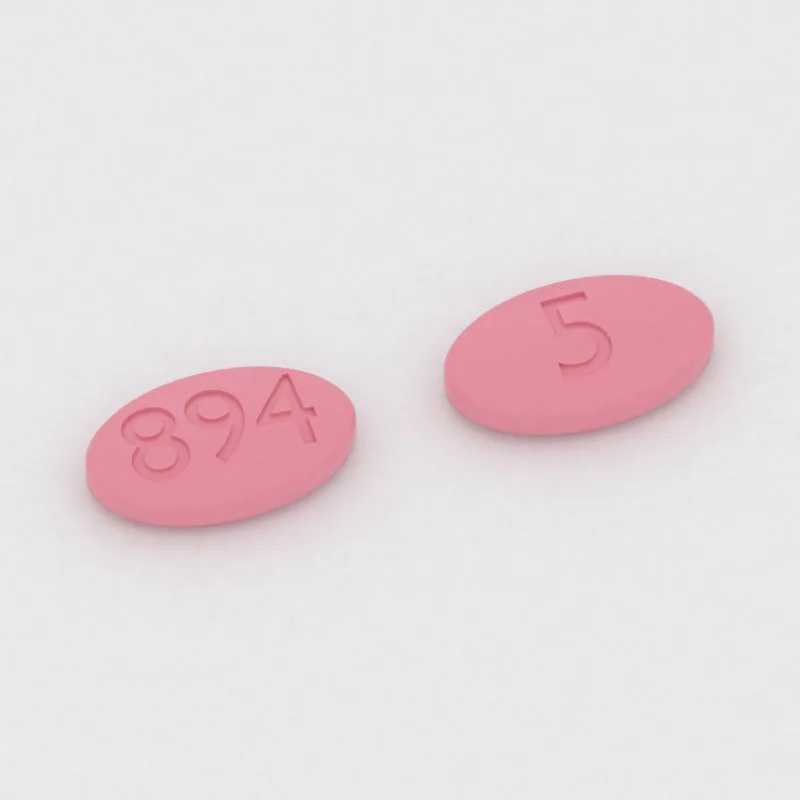
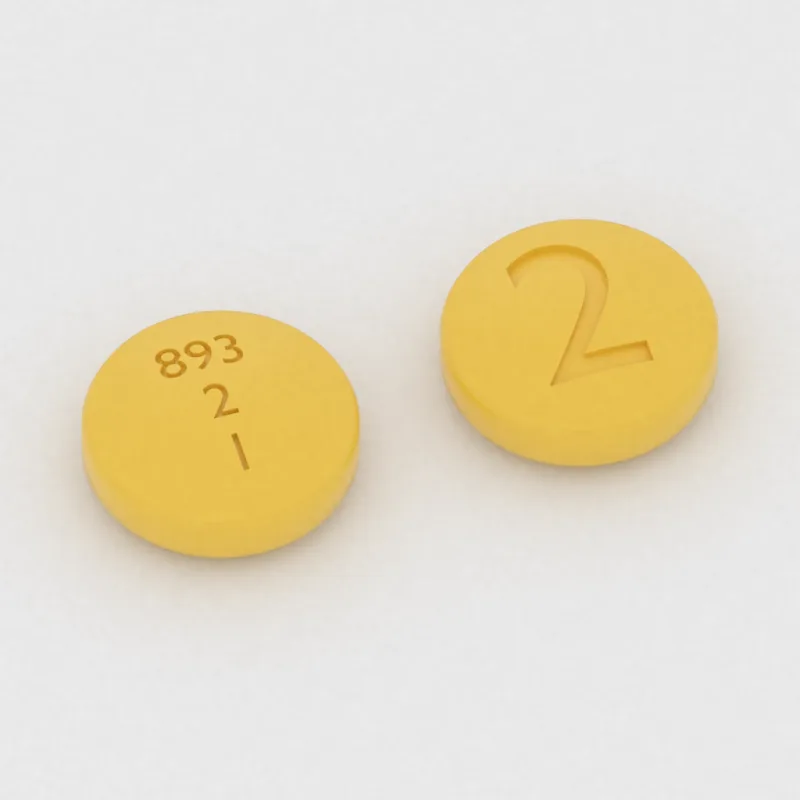
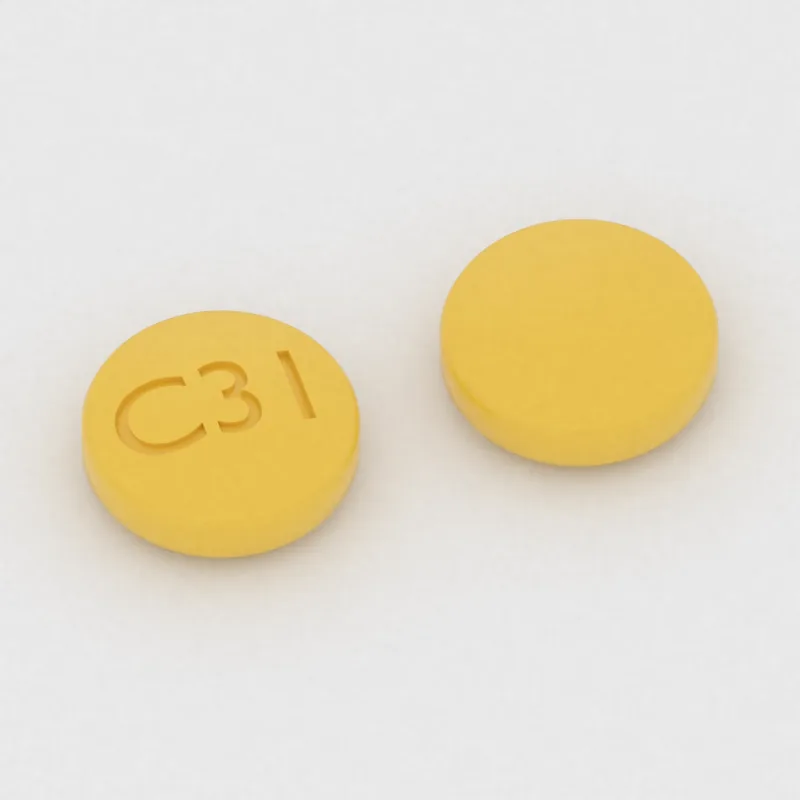
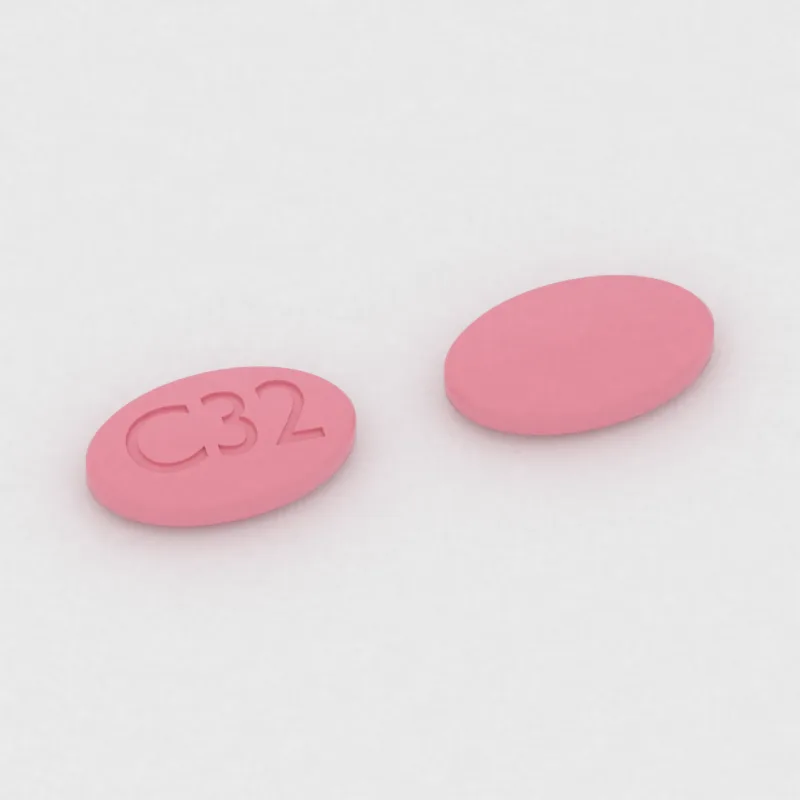
Çizimler, FDA etiketlerindeki ürün bilgilerinden oluşturulmuştur: renk, şekil, boyut ve baskı. 5 firmaya ait 8 belgelenmiş sürüm.
Etikete göre etkileşimler
Majör etkileşimler (114)
For patients receiving ELIQUIS at a dose of 2.5 mg twice daily, avoid coadministration with combined P-gp and strong CYP3A4 inhibitors [see Dosage and Administration (2.6) and Clinical Pharmacology (12.3) ] . (Apiksaban etiketi, İlaç etkileşimleri)
• Simultaneous use of combined P-gp and strong CYP3A4 inducers reduces blood levels of apixaban: Avoid concomitant use. (Apiksaban etiketi, İlaç etkileşimleri)
If anticoagulation with ELIQUIS is discontinued for a reason other than pathological bleeding or completion of a course of therapy, consider coverage with another anticoagulant [see Dosage and Administration (2.5) , Warnings and Precautions (5.1) , and Clinical Studies (14.1) ] . (Apiksaban etiketi, Kutulu uyarı)
• Simultaneous use of combined P-gp and strong CYP3A4 inducers reduces blood levels of apixaban: Avoid concomitant use. (Apiksaban etiketi, İlaç etkileşimleri)
…risk of developing epidural or spinal hematomas in these patients include: • use of indwelling epidural catheters • concomitant use of other drugs that affect hemostasis, such as nonsteroidal anti-inflammatory drugs (NSAIDs), platelet inhibitors, other anticoagulants • a history of traumatic or repeated epidural or spinal punctures • a history of spinal deformity… (Apiksaban etiketi, Kutulu uyarı)
…risk of developing epidural or spinal hematomas in these patients include: • use of indwelling epidural catheters • concomitant use of other drugs that affect hemostasis, such as nonsteroidal anti-inflammatory drugs (NSAIDs), platelet inhibitors, other anticoagulants • a history of traumatic or repeated epidural or spinal punctures • a history of spinal deformity… (Apiksaban etiketi, Kutulu uyarı)
If anticoagulation with ELIQUIS is discontinued for a reason other than pathological bleeding or completion of a course of therapy, consider coverage with another anticoagulant [see Dosage and Administration (2.5) , Warnings and Precautions (5.1) , and Clinical Studies (14.1) ] . (Apiksaban etiketi, Kutulu uyarı)
• Simultaneous use of combined P-gp and strong CYP3A4 inducers reduces blood levels of apixaban: Avoid concomitant use. (Apiksaban etiketi, İlaç etkileşimleri)
…risk of developing epidural or spinal hematomas in these patients include: • use of indwelling epidural catheters • concomitant use of other drugs that affect hemostasis, such as nonsteroidal anti-inflammatory drugs (NSAIDs), platelet inhibitors, other anticoagulants • a history of traumatic or repeated epidural or spinal punctures • a history of spinal deformity… (Apiksaban etiketi, Kutulu uyarı)
…risk of developing epidural or spinal hematomas in these patients include: • use of indwelling epidural catheters • concomitant use of other drugs that affect hemostasis, such as nonsteroidal anti-inflammatory drugs (NSAIDs), platelet inhibitors, other anticoagulants • a history of traumatic or repeated epidural or spinal punctures • a history of spinal deformity… (Apiksaban etiketi, Kutulu uyarı)
If anticoagulation with ELIQUIS is discontinued for a reason other than pathological bleeding or completion of a course of therapy, consider coverage with another anticoagulant [see Dosage and Administration (2.5) , Warnings and Precautions (5.1) , and Clinical Studies (14.1) ] . (Apiksaban etiketi, Kutulu uyarı)
• Simultaneous use of combined P-gp and strong CYP3A4 inducers reduces blood levels of apixaban: Avoid concomitant use. (Apiksaban etiketi, İlaç etkileşimleri)
• Simultaneous use of combined P-gp and strong CYP3A4 inducers reduces blood levels of apixaban: Avoid concomitant use. (Apiksaban etiketi, İlaç etkileşimleri)
…risk of developing epidural or spinal hematomas in these patients include: • use of indwelling epidural catheters • concomitant use of other drugs that affect hemostasis, such as nonsteroidal anti-inflammatory drugs (NSAIDs), platelet inhibitors, other anticoagulants • a history of traumatic or repeated epidural or spinal punctures • a history of spinal deformity… (Apiksaban etiketi, Kutulu uyarı)
…risk of developing epidural or spinal hematomas in these patients include: • use of indwelling epidural catheters • concomitant use of other drugs that affect hemostasis, such as nonsteroidal anti-inflammatory drugs (NSAIDs), platelet inhibitors, other anticoagulants • a history of traumatic or repeated epidural or spinal punctures • a history of spinal deformity… (Apiksaban etiketi, Kutulu uyarı)
…risk of developing epidural or spinal hematomas in these patients include: • use of indwelling epidural catheters • concomitant use of other drugs that affect hemostasis, such as nonsteroidal anti-inflammatory drugs (NSAIDs), platelet inhibitors, other anticoagulants • a history of traumatic or repeated epidural or spinal punctures • a history of spinal deformity… (Apiksaban etiketi, Kutulu uyarı)
For patients receiving ELIQUIS at a dose of 2.5 mg twice daily, avoid coadministration with combined P-gp and strong CYP3A4 inhibitors [see Dosage and Administration (2.6) and Clinical Pharmacology (12.3) ] . (Apiksaban etiketi, İlaç etkileşimleri)
…hematomas in these patients include: • use of indwelling epidural catheters • concomitant use of other drugs that affect hemostasis, such as nonsteroidal anti-inflammatory drugs (NSAIDs), platelet inhibitors, other anticoagulants • a history of traumatic or repeated epidural or spinal punctures • a history of spinal deformity or spinal surgery • optimal timing between… (Apiksaban etiketi, Kutulu uyarı)
For patients receiving ELIQUIS at a dose of 2.5 mg twice daily, avoid coadministration with combined P-gp and strong CYP3A4 inhibitors [see Dosage and Administration (2.6) and Clinical Pharmacology (12.3) ] . (Apiksaban etiketi, İlaç etkileşimleri)
If anticoagulation with ELIQUIS is discontinued for a reason other than pathological bleeding or completion of a course of therapy, consider coverage with another anticoagulant [see Dosage and Administration (2.5) , Warnings and Precautions (5.1) , and Clinical Studies (14.1) ] . (Apiksaban etiketi, Kutulu uyarı)
• Simultaneous use of combined P-gp and strong CYP3A4 inducers reduces blood levels of apixaban: Avoid concomitant use. (Apiksaban etiketi, İlaç etkileşimleri)
• Simultaneous use of combined P-gp and strong CYP3A4 inducers reduces blood levels of apixaban: Avoid concomitant use. (Apiksaban etiketi, İlaç etkileşimleri)
For patients receiving ELIQUIS at a dose of 2.5 mg twice daily, avoid coadministration with combined P-gp and strong CYP3A4 inhibitors [see Dosage and Administration (2.6) and Clinical Pharmacology (12.3) ] . (Apiksaban etiketi, İlaç etkileşimleri)
If anticoagulation with ELIQUIS is discontinued for a reason other than pathological bleeding or completion of a course of therapy, consider coverage with another anticoagulant [see Dosage and Administration (2.5) , Warnings and Precautions (5.1) , and Clinical Studies (14.1) ] . (Apiksaban etiketi, Kutulu uyarı)
Unless contraindicated, administer anticoagulant therapy to patients receiving VELETRI to reduce the risk of pulmonary thromboembolism or systemic embolism through a patent foramen ovale. (Epoprostenol etiketi, Uyarılar ve önlemler)
…hematomas in these patients include: • use of indwelling epidural catheters • concomitant use of other drugs that affect hemostasis, such as nonsteroidal anti-inflammatory drugs (NSAIDs), platelet inhibitors, other anticoagulants • a history of traumatic or repeated epidural or spinal punctures • a history of spinal deformity or spinal surgery • optimal timing between… (Apiksaban etiketi, Kutulu uyarı)
For patients receiving ELIQUIS at a dose of 2.5 mg twice daily, avoid coadministration with combined P-gp and strong CYP3A4 inhibitors [see Dosage and Administration (2.6) and Clinical Pharmacology (12.3) ] . (Apiksaban etiketi, İlaç etkileşimleri)
• Simultaneous use of combined P-gp and strong CYP3A4 inducers reduces blood levels of apixaban: Avoid concomitant use. (Apiksaban etiketi, İlaç etkileşimleri)
…risk of developing epidural or spinal hematomas in these patients include: • use of indwelling epidural catheters • concomitant use of other drugs that affect hemostasis, such as nonsteroidal anti-inflammatory drugs (NSAIDs), platelet inhibitors, other anticoagulants • a history of traumatic or repeated epidural or spinal punctures • a history of spinal deformity… (Apiksaban etiketi, Kutulu uyarı)
• Simultaneous use of combined P-gp and strong CYP3A4 inducers reduces blood levels of apixaban: Avoid concomitant use. (Apiksaban etiketi, İlaç etkileşimleri)
For patients receiving ELIQUIS at a dose of 2.5 mg twice daily, avoid coadministration with combined P-gp and strong CYP3A4 inhibitors [see Dosage and Administration (2.6) and Clinical Pharmacology (12.3) ] . (Apiksaban etiketi, İlaç etkileşimleri)
• Simultaneous use of combined P-gp and strong CYP3A4 inducers reduces blood levels of apixaban: Avoid concomitant use. (Apiksaban etiketi, İlaç etkileşimleri)
• Simultaneous use of combined P-gp and strong CYP3A4 inducers reduces blood levels of apixaban: Avoid concomitant use. (Apiksaban etiketi, İlaç etkileşimleri)
…risk of developing epidural or spinal hematomas in these patients include: • use of indwelling epidural catheters • concomitant use of other drugs that affect hemostasis, such as nonsteroidal anti-inflammatory drugs (NSAIDs), platelet inhibitors, other anticoagulants • a history of traumatic or repeated epidural or spinal punctures • a history of spinal deformity… (Apiksaban etiketi, Kutulu uyarı)
• Simultaneous use of combined P-gp and strong CYP3A4 inducers reduces blood levels of apixaban: Avoid concomitant use. (Apiksaban etiketi, İlaç etkileşimleri)
For patients receiving ELIQUIS at a dose of 2.5 mg twice daily, avoid coadministration with combined P-gp and strong CYP3A4 inhibitors [see Dosage and Administration (2.6) and Clinical Pharmacology (12.3) ] . (Apiksaban etiketi, İlaç etkileşimleri)
…risk of developing epidural or spinal hematomas in these patients include: • use of indwelling epidural catheters • concomitant use of other drugs that affect hemostasis, such as nonsteroidal anti-inflammatory drugs (NSAIDs), platelet inhibitors, other anticoagulants • a history of traumatic or repeated epidural or spinal punctures • a history of spinal deformity… (Apiksaban etiketi, Kutulu uyarı)
If anticoagulation with ELIQUIS is discontinued for a reason other than pathological bleeding or completion of a course of therapy, consider coverage with another anticoagulant [see Dosage and Administration (2.5) , Warnings and Precautions (5.1) , and Clinical Studies (14.1) ] . (Apiksaban etiketi, Kutulu uyarı)
For patients receiving ELIQUIS at a dose of 2.5 mg twice daily, avoid coadministration with combined P-gp and strong CYP3A4 inhibitors [see Dosage and Administration (2.6) and Clinical Pharmacology (12.3) ] . (Apiksaban etiketi, İlaç etkileşimleri)
• Simultaneous use of combined P-gp and strong CYP3A4 inducers reduces blood levels of apixaban: Avoid concomitant use. (Apiksaban etiketi, İlaç etkileşimleri)
• Simultaneous use of combined P-gp and strong CYP3A4 inducers reduces blood levels of apixaban: Avoid concomitant use. (Apiksaban etiketi, İlaç etkileşimleri)
Acute PE in Hemodynamically Unstable Patients or Patients who Require Thrombolysis or Pulmonary Embolectomy Initiation of ELIQUIS is not recommended as an alternative to unfractionated heparin for the initial treatment of patients with PE who present with hemodynamic instability or who may receive thrombolysis or pulmonary embolectomy. (Apiksaban etiketi, Uyarılar ve önlemler)
…risk of developing epidural or spinal hematomas in these patients include: • use of indwelling epidural catheters • concomitant use of other drugs that affect hemostasis, such as nonsteroidal anti-inflammatory drugs (NSAIDs), platelet inhibitors, other anticoagulants • a history of traumatic or repeated epidural or spinal punctures • a history of spinal deformity… (Apiksaban etiketi, Kutulu uyarı)
…risk of developing epidural or spinal hematomas in these patients include: • use of indwelling epidural catheters • concomitant use of other drugs that affect hemostasis, such as nonsteroidal anti-inflammatory drugs (NSAIDs), platelet inhibitors, other anticoagulants • a history of traumatic or repeated epidural or spinal punctures • a history of spinal deformity… (Apiksaban etiketi, Kutulu uyarı)
…risk of developing epidural or spinal hematomas in these patients include: • use of indwelling epidural catheters • concomitant use of other drugs that affect hemostasis, such as nonsteroidal anti-inflammatory drugs (NSAIDs), platelet inhibitors, other anticoagulants • a history of traumatic or repeated epidural or spinal punctures • a history of spinal deformity… (Apiksaban etiketi, Kutulu uyarı)
For patients receiving ELIQUIS at a dose of 2.5 mg twice daily, avoid coadministration with combined P-gp and strong CYP3A4 inhibitors [see Dosage and Administration (2.6) and Clinical Pharmacology (12.3) ] . (Apiksaban etiketi, İlaç etkileşimleri)
…risk of developing epidural or spinal hematomas in these patients include: • use of indwelling epidural catheters • concomitant use of other drugs that affect hemostasis, such as nonsteroidal anti-inflammatory drugs (NSAIDs), platelet inhibitors, other anticoagulants • a history of traumatic or repeated epidural or spinal punctures • a history of spinal deformity… (Apiksaban etiketi, Kutulu uyarı)
For patients receiving ELIQUIS at a dose of 2.5 mg twice daily, avoid coadministration with combined P-gp and strong CYP3A4 inhibitors [see Dosage and Administration (2.6) and Clinical Pharmacology (12.3) ] . (Apiksaban etiketi, İlaç etkileşimleri)
For patients receiving ELIQUIS at a dose of 2.5 mg twice daily, avoid coadministration with combined P-gp and strong CYP3A4 inhibitors [see Dosage and Administration (2.6) and Clinical Pharmacology (12.3) ] . (Apiksaban etiketi, İlaç etkileşimleri)
For patients receiving ELIQUIS at a dose of 2.5 mg twice daily, avoid coadministration with combined P-gp and strong CYP3A4 inhibitors [see Dosage and Administration (2.6) and Clinical Pharmacology (12.3) ] . (Apiksaban etiketi, İlaç etkileşimleri)
…hematomas in these patients include: • use of indwelling epidural catheters • concomitant use of other drugs that affect hemostasis, such as nonsteroidal anti-inflammatory drugs (NSAIDs), platelet inhibitors, other anticoagulants • a history of traumatic or repeated epidural or spinal punctures • a history of spinal deformity or spinal surgery • optimal timing between… (Apiksaban etiketi, Kutulu uyarı)
• Simultaneous use of combined P-gp and strong CYP3A4 inducers reduces blood levels of apixaban: Avoid concomitant use. (Apiksaban etiketi, İlaç etkileşimleri)
For patients receiving ELIQUIS at a dose of 2.5 mg twice daily, avoid coadministration with combined P-gp and strong CYP3A4 inhibitors [see Dosage and Administration (2.6) and Clinical Pharmacology (12.3) ] . (Apiksaban etiketi, İlaç etkileşimleri)
…risk of developing epidural or spinal hematomas in these patients include: • use of indwelling epidural catheters • concomitant use of other drugs that affect hemostasis, such as nonsteroidal anti-inflammatory drugs (NSAIDs), platelet inhibitors, other anticoagulants • a history of traumatic or repeated epidural or spinal punctures • a history of spinal deformity… (Apiksaban etiketi, Kutulu uyarı)
…risk of developing epidural or spinal hematomas in these patients include: • use of indwelling epidural catheters • concomitant use of other drugs that affect hemostasis, such as nonsteroidal anti-inflammatory drugs (NSAIDs), platelet inhibitors, other anticoagulants • a history of traumatic or repeated epidural or spinal punctures • a history of spinal deformity… (Apiksaban etiketi, Kutulu uyarı)
For patients receiving ELIQUIS at a dose of 2.5 mg twice daily, avoid coadministration with combined P-gp and strong CYP3A4 inhibitors [see Dosage and Administration (2.6) and Clinical Pharmacology (12.3) ] . (Apiksaban etiketi, İlaç etkileşimleri)
• Simultaneous use of combined P-gp and strong CYP3A4 inducers reduces blood levels of apixaban: Avoid concomitant use. (Apiksaban etiketi, İlaç etkileşimleri)
…hematomas in these patients include: • use of indwelling epidural catheters • concomitant use of other drugs that affect hemostasis, such as nonsteroidal anti-inflammatory drugs (NSAIDs), platelet inhibitors, other anticoagulants • a history of traumatic or repeated epidural or spinal punctures • a history of spinal deformity or spinal surgery • optimal timing between… (Apiksaban etiketi, Kutulu uyarı)
For patients receiving ELIQUIS at a dose of 2.5 mg twice daily, avoid coadministration with combined P-gp and strong CYP3A4 inhibitors [see Dosage and Administration (2.6) and Clinical Pharmacology (12.3) ] . (Apiksaban etiketi, İlaç etkileşimleri)
• Simultaneous use of combined P-gp and strong CYP3A4 inducers reduces blood levels of apixaban: Avoid concomitant use. (Apiksaban etiketi, İlaç etkileşimleri)
…risk of developing epidural or spinal hematomas in these patients include: • use of indwelling epidural catheters • concomitant use of other drugs that affect hemostasis, such as nonsteroidal anti-inflammatory drugs (NSAIDs), platelet inhibitors, other anticoagulants • a history of traumatic or repeated epidural or spinal punctures • a history of spinal deformity… (Apiksaban etiketi, Kutulu uyarı)
…risk of developing epidural or spinal hematomas in these patients include: • use of indwelling epidural catheters • concomitant use of other drugs that affect hemostasis, such as nonsteroidal anti-inflammatory drugs (NSAIDs), platelet inhibitors, other anticoagulants • a history of traumatic or repeated epidural or spinal punctures • a history of spinal deformity… (Apiksaban etiketi, Kutulu uyarı)
For patients receiving ELIQUIS at a dose of 2.5 mg twice daily, avoid coadministration with combined P-gp and strong CYP3A4 inhibitors [see Dosage and Administration (2.6) and Clinical Pharmacology (12.3) ] . (Apiksaban etiketi, İlaç etkileşimleri)
For patients receiving ELIQUIS at a dose of 2.5 mg twice daily, avoid coadministration with combined P-gp and strong CYP3A4 inhibitors [see Dosage and Administration (2.6) and Clinical Pharmacology (12.3) ] . (Apiksaban etiketi, İlaç etkileşimleri)
• Simultaneous use of combined P-gp and strong CYP3A4 inducers reduces blood levels of apixaban: Avoid concomitant use. (Apiksaban etiketi, İlaç etkileşimleri)
• Simultaneous use of combined P-gp and strong CYP3A4 inducers reduces blood levels of apixaban: Avoid concomitant use. (Apiksaban etiketi, İlaç etkileşimleri)
• Simultaneous use of combined P-gp and strong CYP3A4 inducers reduces blood levels of apixaban: Avoid concomitant use. (Apiksaban etiketi, İlaç etkileşimleri)
…risk of developing epidural or spinal hematomas in these patients include: • use of indwelling epidural catheters • concomitant use of other drugs that affect hemostasis, such as nonsteroidal anti-inflammatory drugs (NSAIDs), platelet inhibitors, other anticoagulants • a history of traumatic or repeated epidural or spinal punctures • a history of spinal deformity… (Apiksaban etiketi, Kutulu uyarı)
• Simultaneous use of combined P-gp and strong CYP3A4 inducers reduces blood levels of apixaban: Avoid concomitant use. (Apiksaban etiketi, İlaç etkileşimleri)
…risk of developing epidural or spinal hematomas in these patients include: • use of indwelling epidural catheters • concomitant use of other drugs that affect hemostasis, such as nonsteroidal anti-inflammatory drugs (NSAIDs), platelet inhibitors, other anticoagulants • a history of traumatic or repeated epidural or spinal punctures • a history of spinal deformity… (Apiksaban etiketi, Kutulu uyarı)
…risk of developing epidural or spinal hematomas in these patients include: • use of indwelling epidural catheters • concomitant use of other drugs that affect hemostasis, such as nonsteroidal anti-inflammatory drugs (NSAIDs), platelet inhibitors, other anticoagulants • a history of traumatic or repeated epidural or spinal punctures • a history of spinal deformity… (Apiksaban etiketi, Kutulu uyarı)
For patients receiving ELIQUIS at a dose of 2.5 mg twice daily, avoid coadministration with combined P-gp and strong CYP3A4 inhibitors [see Dosage and Administration (2.6) and Clinical Pharmacology (12.3) ] . (Apiksaban etiketi, İlaç etkileşimleri)
• Simultaneous use of combined P-gp and strong CYP3A4 inducers reduces blood levels of apixaban: Avoid concomitant use. (Apiksaban etiketi, İlaç etkileşimleri)
…risk of developing epidural or spinal hematomas in these patients include: • use of indwelling epidural catheters • concomitant use of other drugs that affect hemostasis, such as nonsteroidal anti-inflammatory drugs (NSAIDs), platelet inhibitors, other anticoagulants • a history of traumatic or repeated epidural or spinal punctures • a history of spinal deformity… (Apiksaban etiketi, Kutulu uyarı)
• Simultaneous use of combined P-gp and strong CYP3A4 inducers reduces blood levels of apixaban: Avoid concomitant use. (Apiksaban etiketi, İlaç etkileşimleri)
…risk of developing epidural or spinal hematomas in these patients include: • use of indwelling epidural catheters • concomitant use of other drugs that affect hemostasis, such as nonsteroidal anti-inflammatory drugs (NSAIDs), platelet inhibitors, other anticoagulants • a history of traumatic or repeated epidural or spinal punctures • a history of spinal deformity… (Apiksaban etiketi, Kutulu uyarı)
For patients receiving ELIQUIS at a dose of 2.5 mg twice daily, avoid coadministration with combined P-gp and strong CYP3A4 inhibitors [see Dosage and Administration (2.6) and Clinical Pharmacology (12.3) ] . (Apiksaban etiketi, İlaç etkileşimleri)
…risk of developing epidural or spinal hematomas in these patients include: • use of indwelling epidural catheters • concomitant use of other drugs that affect hemostasis, such as nonsteroidal anti-inflammatory drugs (NSAIDs), platelet inhibitors, other anticoagulants • a history of traumatic or repeated epidural or spinal punctures • a history of spinal deformity… (Apiksaban etiketi, Kutulu uyarı)
For patients receiving ELIQUIS at a dose of 2.5 mg twice daily, avoid coadministration with combined P-gp and strong CYP3A4 inhibitors [see Dosage and Administration (2.6) and Clinical Pharmacology (12.3) ] . (Apiksaban etiketi, İlaç etkileşimleri)
…risk of developing epidural or spinal hematomas in these patients include: • use of indwelling epidural catheters • concomitant use of other drugs that affect hemostasis, such as nonsteroidal anti-inflammatory drugs (NSAIDs), platelet inhibitors, other anticoagulants • a history of traumatic or repeated epidural or spinal punctures • a history of spinal deformity… (Apiksaban etiketi, Kutulu uyarı)
For patients receiving ELIQUIS at a dose of 2.5 mg twice daily, avoid coadministration with combined P-gp and strong CYP3A4 inhibitors [see Dosage and Administration (2.6) and Clinical Pharmacology (12.3) ] . (Apiksaban etiketi, İlaç etkileşimleri)
…hematomas in these patients include: • use of indwelling epidural catheters • concomitant use of other drugs that affect hemostasis, such as nonsteroidal anti-inflammatory drugs (NSAIDs), platelet inhibitors, other anticoagulants • a history of traumatic or repeated epidural or spinal punctures • a history of spinal deformity or spinal surgery • optimal timing between… (Apiksaban etiketi, Kutulu uyarı)
• Simultaneous use of combined P-gp and strong CYP3A4 inducers reduces blood levels of apixaban: Avoid concomitant use. (Apiksaban etiketi, İlaç etkileşimleri)
For patients receiving ELIQUIS at a dose of 2.5 mg twice daily, avoid coadministration with combined P-gp and strong CYP3A4 inhibitors [see Dosage and Administration (2.6) and Clinical Pharmacology (12.3) ] . (Apiksaban etiketi, İlaç etkileşimleri)
• Simultaneous use of combined P-gp and strong CYP3A4 inducers reduces blood levels of apixaban: Avoid concomitant use. (Apiksaban etiketi, İlaç etkileşimleri)
• Simultaneous use of combined P-gp and strong CYP3A4 inducers reduces blood levels of apixaban: Avoid concomitant use. (Apiksaban etiketi, İlaç etkileşimleri)
• Simultaneous use of combined P-gp and strong CYP3A4 inducers reduces blood levels of apixaban: Avoid concomitant use. (Apiksaban etiketi, İlaç etkileşimleri)
If anticoagulation with ELIQUIS is discontinued for a reason other than pathological bleeding or completion of a course of therapy, consider coverage with another anticoagulant [see Dosage and Administration (2.5) , Warnings and Precautions (5.1) , and Clinical Studies (14.1) ] . (Apiksaban etiketi, Kutulu uyarı)
…risk of developing epidural or spinal hematomas in these patients include: • use of indwelling epidural catheters • concomitant use of other drugs that affect hemostasis, such as nonsteroidal anti-inflammatory drugs (NSAIDs), platelet inhibitors, other anticoagulants • a history of traumatic or repeated epidural or spinal punctures • a history of spinal deformity… (Apiksaban etiketi, Kutulu uyarı)
Sarı kantaron, bu ilaçların yıkımını hızlandırarak onları zayıflatabilir; bu da organ reddi, pıhtı oluşumu veya etki kaybı anlamına gelebilir. (NCCIH, St. John's Wort)
…risk of developing epidural or spinal hematomas in these patients include: • use of indwelling epidural catheters • concomitant use of other drugs that affect hemostasis, such as nonsteroidal anti-inflammatory drugs (NSAIDs), platelet inhibitors, other anticoagulants • a history of traumatic or repeated epidural or spinal punctures • a history of spinal deformity… (Apiksaban etiketi, Kutulu uyarı)
• Simultaneous use of combined P-gp and strong CYP3A4 inducers reduces blood levels of apixaban: Avoid concomitant use. (Apiksaban etiketi, İlaç etkileşimleri)
For patients receiving ELIQUIS at a dose of 2.5 mg twice daily, avoid coadministration with combined P-gp and strong CYP3A4 inhibitors [see Dosage and Administration (2.6) and Clinical Pharmacology (12.3) ] . (Apiksaban etiketi, İlaç etkileşimleri)
…hematomas in these patients include: • use of indwelling epidural catheters • concomitant use of other drugs that affect hemostasis, such as nonsteroidal anti-inflammatory drugs (NSAIDs), platelet inhibitors, other anticoagulants • a history of traumatic or repeated epidural or spinal punctures • a history of spinal deformity or spinal surgery • optimal timing between… (Apiksaban etiketi, Kutulu uyarı)
For patients receiving ELIQUIS at a dose of 2.5 mg twice daily, avoid coadministration with combined P-gp and strong CYP3A4 inhibitors [see Dosage and Administration (2.6) and Clinical Pharmacology (12.3) ] . (Apiksaban etiketi, İlaç etkileşimleri)
…risk of developing epidural or spinal hematomas in these patients include: • use of indwelling epidural catheters • concomitant use of other drugs that affect hemostasis, such as nonsteroidal anti-inflammatory drugs (NSAIDs), platelet inhibitors, other anticoagulants • a history of traumatic or repeated epidural or spinal punctures • a history of spinal deformity… (Apiksaban etiketi, Kutulu uyarı)
…risk of developing epidural or spinal hematomas in these patients include: • use of indwelling epidural catheters • concomitant use of other drugs that affect hemostasis, such as nonsteroidal anti-inflammatory drugs (NSAIDs), platelet inhibitors, other anticoagulants • a history of traumatic or repeated epidural or spinal punctures • a history of spinal deformity… (Apiksaban etiketi, Kutulu uyarı)
For patients receiving ELIQUIS at a dose of 2.5 mg twice daily, avoid coadministration with combined P-gp and strong CYP3A4 inhibitors [see Dosage and Administration (2.6) and Clinical Pharmacology (12.3) ] . (Apiksaban etiketi, İlaç etkileşimleri)
• Simultaneous use of combined P-gp and strong CYP3A4 inducers reduces blood levels of apixaban: Avoid concomitant use. (Apiksaban etiketi, İlaç etkileşimleri)
For women with DCIS and for the reduction in breast cancer incidence in women at high risk, tamoxifen is contraindicated in women who require concomitant warfarin-type anticoagulant therapy or in women with a history of deep vein thrombosis or pulmonary embolus. (Tamoksifen etiketi, Uyarılar ve önlemler)
…hematomas in these patients include: • use of indwelling epidural catheters • concomitant use of other drugs that affect hemostasis, such as nonsteroidal anti-inflammatory drugs (NSAIDs), platelet inhibitors, other anticoagulants • a history of traumatic or repeated epidural or spinal punctures • a history of spinal deformity or spinal surgery • optimal timing between… (Apiksaban etiketi, Kutulu uyarı)
…hematomas in these patients include: • use of indwelling epidural catheters • concomitant use of other drugs that affect hemostasis, such as nonsteroidal anti-inflammatory drugs (NSAIDs), platelet inhibitors, other anticoagulants • a history of traumatic or repeated epidural or spinal punctures • a history of spinal deformity or spinal surgery • optimal timing between… (Apiksaban etiketi, Kutulu uyarı)
…risk of developing epidural or spinal hematomas in these patients include: • use of indwelling epidural catheters • concomitant use of other drugs that affect hemostasis, such as nonsteroidal anti-inflammatory drugs (NSAIDs), platelet inhibitors, other anticoagulants • a history of traumatic or repeated epidural or spinal punctures • a history of spinal deformity… (Apiksaban etiketi, Kutulu uyarı)
• Simultaneous use of combined P-gp and strong CYP3A4 inducers reduces blood levels of apixaban: Avoid concomitant use. (Apiksaban etiketi, İlaç etkileşimleri)
If anticoagulation with ELIQUIS is discontinued for a reason other than pathological bleeding or completion of a course of therapy, consider coverage with another anticoagulant [see Dosage and Administration (2.5) , Warnings and Precautions (5.1) , and Clinical Studies (14.1) ] . (Apiksaban etiketi, Kutulu uyarı)
For patients receiving ELIQUIS at a dose of 2.5 mg twice daily, avoid coadministration with combined P-gp and strong CYP3A4 inhibitors [see Dosage and Administration (2.6) and Clinical Pharmacology (12.3) ] . (Apiksaban etiketi, İlaç etkileşimleri)
For patients receiving ELIQUIS at a dose of 2.5 mg twice daily, avoid coadministration with combined P-gp and strong CYP3A4 inhibitors [see Dosage and Administration (2.6) and Clinical Pharmacology (12.3) ] . (Apiksaban etiketi, İlaç etkileşimleri)
Orta düzey etkileşimler (104)
Dicumarol Clinical Impact Allopurinol tablets prolongs the half-life of the anticoagulant, dicumarol. (Allopurinol etiketi, İlaç etkileşimleri)
• Injection site bleeding may occur in patients taking anticoagulants, such as warfarin or heparin. (Alprostadil etiketi, Uyarılar ve önlemler)
- AlteplazOrta
…hemorrhagic ophthalmic conditions Septic thrombophlebitis or occluded AV cannula at seriously infected site Advanced age [see Use in Specific Populations (8.5) ] Patients currently receiving anticoagulants (e.g., warfarin sodium) Any other condition in which bleeding constitutes a significant hazard or would be particularly difficult to manage because of its location. (Alteplaz etiketi, Uyarılar ve önlemler)
Concomitant use of amoxicillin and oral anticoagulants may increase the prolongation of prothrombin time. (Amoksisilin etiketi, İlaç etkileşimleri)
Concomitant use Amoxicillin and Clavulanate Potassium Extended Release Tablets and oral anticoagulants may increase the prolongation of prothrombin time. (Amoksisilin ve klavulanat etiketi, İlaç etkileşimleri)
Monitor patients for bleeding, including those receiving concomitant therapy with other drugs known to cause bleeding (e.g., anticoagulants, PDE3 inhibitors, NSAIDs, antiplatelet agents, selective serotonin reuptake inhibitors) [see Drug Interactions (7.3) , Clinical Pharmacology (12.3) ] . (Anagrelid etiketi, Uyarılar ve önlemler)
• Proguanil may potentiate anticoagulant effect of warfarin and other coumarin-based anticoagulants. (Atovakuon ve proguanil etiketi, İlaç etkileşimleri)
Prothrombin times should be carefully monitored while patients are receiving azithromycin and oral anticoagulants concomitantly. (Azitromisin etiketi, İlaç etkileşimleri)
Concomitant administration of betaxolol with the oral anticoagulant warfarin has been shown not to potentiate the anticoagulant effect of warfarin. (Betaksolol etiketi, İlaç etkileşimleri)
Closely monitor the Prothrombin Time (PT) and International Normalized Ratio (INR), and adjust the anticoagulant dose as needed. (Bikalutamid etiketi, Uyarılar ve önlemler)
Metronidazole has been reported to potentiate the anticoagulant effect of warfarin, and other oral coumarin anticoagulants, resulting in a prolongation of prothrombin time. (Bizmut subsitrat, metronidazol ve tetrasiklin etiketi, Uyarılar ve önlemler)
- DasatinibOrta
Use caution if used concomitantly with medications that inhibit platelet function or anticoagulants. (Dasatinib etiketi, Uyarılar ve önlemler)
Drug Interactions Because tetracyclines have been shown to depress plasma prothrombin activity, patients who are on anticoagulant therapy may require downward adjustment of their anticoagulant dosage. (Demeklosiklin etiketi, İlaç etkileşimleri)
• Increased Risk of Bleeding: Concomitant use of aspirin, NSAIDs, other antiplatelet drugs, warfarin, and other anticoagulants may increase this risk ( 5.4 ). (Desvenlafaksin etiketi, Uyarılar ve önlemler)
Dicloxacillin may reduce the anticoagulant response to dicumarol and warfarin. (Dikloksasilin etiketi, İlaç etkileşimleri)
It may be necessary to adjust the dosage of oral anticoagulants upon beginning or stopping disulfiram, since disulfiram may prolong prothrombin time. (Disülfiram etiketi, İlaç etkileşimleri)
The therapeutic relevance of this is unknown; however, coagulation tests should be monitored if valproate therapy is instituted in patients taking anticoagulants. (Divalproeks (valproat) etiketi, İlaç etkileşimleri)
Concomitant medications were grouped as ACE inhibitors, oral anticoagulants, calcium channel blockers, beta blockers, cardiac glycosides, inducers of CYP3A4, substrates and inhibitors of CYP3A4, substrates and inhibitors of P-glycoprotein, nitrates, sulphonylureas, loop diuretics, potassium sparing diuretics, thiazide diuretics, substrates and inhibitors of tubular… (Dofetilid etiketi, İlaç etkileşimleri)
Patients who are on anticoagulant therapy may require downward adjustment of their anticoagulant dosage. (Doksisiklin etiketi, İlaç etkileşimleri)
Concomitant use of antiplatelet drugs and anticoagulants may increase this risk. (Duloksetin etiketi, Uyarılar ve önlemler)
E vitamini trombosit agregasyonunu ve K vitaminine bağımlı pıhtılaşmayı inhibe edebilir; bu da antikoagülan ve antitrombosit ilaçlarla birlikte kanama riskini artırır. (NIH Office of Dietary Supplements, Vitamin E)
- 7.1 Warfarin Concomitant administration of econazole and warfarin has resulted in enhancement of anticoagulant effect. (Ekonazol etiketi, İlaç etkileşimleri)
- ErlotinibOrta
• Hemorrhage in patients taking warfarin: Regularly monitor INR in patients taking warfarin or other coumarin-derivative anticoagulants. (Erlotinib etiketi, Uyarılar ve önlemler)
Increased Risk of Bleeding: Concomitant use of nonsteroidal anti-inflammatory drugs, aspirin, other antiplatelet drugs, warfarin and other anticoagulants may increase risk ( 5.7 , 7) (Essitalopram etiketi, Uyarılar ve önlemler)
Drug Interactions (Androgens) Anticoagulants: C-17 substituted derivatives of testosterone, such as methandrostenolone, have been reported to decrease the anticoagulant requirements of patients receiving oral anticoagulants. (Esterifiye östrojenler ve metiltestosteron etiketi, İlaç etkileşimleri)
A number of drugs, including ethacrynic acid, have been shown to displace warfarin from plasma protein; a reduction in the usual anticoagulant dosage may be required in patients receiving both drugs. (Etakrinik asit etiketi, İlaç etkileşimleri)
Coumarin Anticoagulants: Obtain INR before VYTORIN initiation and monitor INR during VYTORIN dosage initiation or adjustment. (Ezetimib ve simvastatin etiketi, İlaç etkileşimleri)
Phenobarbital may decrease the effect of anticoagulants, and necessitate larger doses of the anticoagulant for optimal effect. (Fenobarbital, hiyosiyamin, atropin ve skopolamin etiketi, Uyarılar)
Increased Bleeding Risk with Coumarin Anticoagulants Exercise caution when co-administering anticoagulants with fenofibrate capsules because of the potentiation of coumarin-type anticoagulant effects in prolonging the prothrombin time/International Normalized Ratio (PT/INR). (Fenofibrat etiketi, Uyarılar ve önlemler)
Increased Bleeding Risk with Coumarin Anticoagulants Exercise caution when co-administering anticoagulants with fenofibric acid delayed-release capsules because of the potentiation of coumarin-type anticoagulant effects in prolonging the prothrombin time/International Normalized Ratio (PT/INR). (Fenofibrik asit etiketi, Uyarılar ve önlemler)
For patients with APS (especially those who are triple positive [positive for lupus anticoagulant, anticardiolipin, and anti-beta 2-glycoprotein I antibodies]), treatment with DOACs has been associated with increased rates of recurrent thrombotic events compared with vitamin K antagonist therapy. (Apiksaban etiketi, Uyarılar ve önlemler)
Oral anticoagulants — decreased prothrombin time response. (Fludrokortizon etiketi, İlaç etkileşimleri)
Altered anticoagulant effects, including increased bleeding, have been reported when SNRIs or SSRIs are coadministered with warfarin. (Fluoksetin etiketi, İlaç etkileşimleri)
Closely monitor patients receiving concomitant coumarin-derivative anticoagulants such as warfarin for INR or prothrombin time in order to adjust the anticoagulant dose accordingly [see Drug Interactions (7) ]. (Fluorourasil etiketi, Uyarılar ve önlemler)
Therefore close monitoring of prothrombin time is recommended and adjustment of the anticoagulant dose may be necessary when Eulexin ® capsules are administered concomitantly with warfarin. (Flutamid etiketi, İlaç etkileşimleri)
Thus patients receiving oral anticoagulants and Fluvoxamine Maleate Tablets should have their prothrombin time monitored and their anticoagulant dose adjusted accordingly. (Fluvoksamin etiketi, Uyarılar ve önlemler)
Risk of Bleeding: Use with caution in patients with bleeding diatheses, thrombocytopenia, or anticoagulant use. (Fulvestrant etiketi, Uyarılar ve önlemler)
Concomitant Anticoagulants – Caution should be exercised when warfarin is given in conjunction with LOPID. (Gemfibrozil etiketi, Uyarılar)
Ginkgo, antikoagülan veya antitrombosit ilaçlarla birlikte alındığında kanama riskini artırabilir. (NCCIH, Ginkgo)
- GlukagonOrta
Warfarin Clincial Impact: GVOKE and GVOKE Vial Dx may increase the anticoagulant effect of warfarin. (Glukagon etiketi, İlaç etkileşimleri)
Intervention: Monitor coagulation indices in patients receiving ALKINDI SPRINKLE and concomitant warfarin to maintain the desired anticoagulant effect. (Hidrokortizon etiketi, İlaç etkileşimleri)
Increased Bleeding Risk with Anticoagulants and Antiplatelet Agents: Some published studies with omega-3 fatty acids have demonstrated prolongation of bleeding time. (İkosapent etil etiketi, İlaç etkileşimleri)
For patients with APS (especially those who are triple positive [positive for lupus anticoagulant, anticardiolipin, and anti-beta 2-glycoprotein I antibodies]), treatment with DOACs has been associated with increased rates of recurrent thrombotic events compared with vitamin K antagonist therapy. (Apiksaban etiketi, Uyarılar ve önlemler)
Closely monitor for adverse reactions of CYP2C9 substrates where minimal concentration changes may lead to serious adverse reactions when used concomitantly with XELODA (e.g., anticoagulants, antidiabetic drugs). (Kapesitabin etiketi, İlaç etkileşimleri)
The anticoagulant effect of a single dose of warfarin (measured by prothrombin time) was not significantly changed by quinapril coadministration twice-daily. (Kinapril etiketi, İlaç etkileşimleri)
By a mechanism that is not understood, quinidine potentiates the anticoagulatory action of warfarin , and the anticoagulant dosage may need to be reduced. (Kinidin etiketi, İlaç etkileşimleri)
Warfarin and oral anticoagulants Cinchona alkaloids, including quinine, may have the potential to depress hepatic enzyme synthesis of vitamin K-dependent coagulation pathway proteins and may enhance the action of warfarin and other oral anticoagulants. (Kinin etiketi, İlaç etkileşimleri)
- LenalidomidOrta
A significantly increased risk of DVT (7.4%) and of PE (3.7%) occurred in patients with MM after at least one prior therapy who were treated with REVLIMID and dexamethasone therapy compared to patients treated in the placebo and dexamethasone group (3.1% and 0.9%) in clinical trials with varying use of anticoagulant therapies. (Lenalidomid etiketi, Uyarılar ve önlemler)
Increased Risk of Bleeding : Concomitant use of NSAIDs, aspirin, other antiplatelet drugs, warfarin, and other anticoagulants may increase this risk ( 5.5 ). (Levomilnasipran etiketi, Uyarılar ve önlemler)
…Skyla with caution after careful assessment if any of the following conditions exist, and consider removal of the system if any of them arise during use: • Coagulopathy or use of anticoagulants • Migraine, focal migraine with asymmetrical visual loss or other symptoms indicating transient cerebral ischemia • Exceptionally severe headache • Marked increase of… (Levonorgestrel etiketi, Uyarılar ve önlemler)
Oral Anticoagulants Levothyroxine increases the response to oral anticoagulant therapy. (Levotiroksin etiketi, İlaç etkileşimleri)
Drug Interactions Oral Anticoagulants — Thyroid hormones appear to increase catabolism of vitamin K-dependent clotting factors. (Levotiroksin ve liyotironin etiketi, İlaç etkileşimleri)
Oral Anticoagulants Liothyronine sodium increases the response to oral anticoagulant therapy. (Liyotironin etiketi, İlaç etkileşimleri)
Also, bleeding and/or increased prothrombin time have been reported in a few patients taking coumarin anticoagulants concomitantly with lovastatin. (Lovastatin etiketi, İlaç etkileşimleri)
Warfarin : Mercaptopurine tablets may decrease the anticoagulant effect. (Merkaptopürin etiketi, İlaç etkileşimleri)
Therefore, coagulation indices should be monitored frequently to maintain the desired anticoagulant effect. (Metilprednizolon etiketi, İlaç etkileşimleri)
DRUG INTERACTIONS Anticoagulants: C-17 substituted derivatives of testosterone, such as methandrostenolone, have been reported to decrease the anticoagulant requirements of patients receiving oral anticoagulants. (Metiltestosteron etiketi, İlaç etkileşimleri)
Drug Interactions Anticoagulants (oral): Due to potential inhibition of vitamin K activity by methimazole, the activity of oral anticoagulants (e.g., warfarin) may be increased; additional monitoring of PT/INR should be considered, especially before surgical procedures. β-adrenergic blocking agents: Hyperthyroidism may cause an increased clearance of beta blockers… (Metimazol etiketi, İlaç etkileşimleri)
Anticoagulants Metolazone, as well as other thiazide-like diuretics, may affect the hypoprothrombinemic response to anticoagulants; dosage adjustments may be necessary. (Metolazon etiketi, İlaç etkileşimleri)
Warfarin and Other Oral Anticoagulants : LIKMEZ can potentiate the anticoagulant effect. (Metronidazol etiketi, İlaç etkileşimleri)
Warfarin: Miconazole may enhance anticoagulant effect. (Mikonazol etiketi, İlaç etkileşimleri)
Concomitant use of aspirin, nonsteroidal anti-inflammatory drugs (NSAIDs), warfarin, and other anticoagulants may add to this risk. (Milnasipran etiketi, Uyarılar ve önlemler)
Patients who are on anticoagulant therapy may require downward adjustment of their anticoagulant dosage. (Minosiklin etiketi, İlaç etkileşimleri)
Interacting Drug Interaction Warfarin Anticoagulant effect of warfarin may be enhanced. (Moksifloksasin etiketi, İlaç etkileşimleri)
Oral neomycin sulfate may enhance the effect of coumarin in anticoagulants by decreasing vitamin K availability. (Neomisin etiketi, İlaç etkileşimleri)
- NiasinOrta
Caution should be observed when niacin extended-release tablets are administered concomitantly with anticoagulants; platelet counts should be monitored closely in such patients. (Niasin etiketi, Uyarılar ve önlemler)
Antithrombotics Coumarins: There have been rare reports of increased prothrombin time in patients taking coumarin anticoagulants to whom nifedipine was administered. (Nifedipin etiketi, İlaç etkileşimleri)
- NintedanibOrta
Anticoagulants Nintedanib is a VEGFR inhibitor and may increase the risk of bleeding. (Nintedanib etiketi, İlaç etkileşimleri)
Warfarin Some quinolones have been reported to enhance the effects of the oral anticoagulant warfarin or its derivatives. (Ofloksasin etiketi, İlaç etkileşimleri)
- OksaliplatinOrta
Hemorrhage : Increase frequency of monitoring in patients who are receiving oxaliplatin injection with fluorouracil/leucovorin and oral anticoagulants (5.9) (Oksaliplatin etiketi, Uyarılar ve önlemler)
Altered anticoagulant effects, including increased bleeding, have been reported when SNRIs or SSRIs are coadministered with warfarin [see Warnings and Precautions ( 5.16 )] . (Olanzapin ve fluoksetin etiketi, İlaç etkileşimleri)
Patients taking omega-3-acid ethyl esters capsules and an anticoagulant or other drug affecting coagulation (e.g., anti-platelet agents) should be monitored periodically. (Omega-3 asit etil esterleri etiketi, İlaç etkileşimleri)
- OrlistatOrta
Anticoagulants including Warfarin Vitamin K absorption may be decreased with ORLISTAT. (Orlistat etiketi, İlaç etkileşimleri)
- ParasetamolOrta
Chronic oral acetaminophen use at a dose of 4,000 mg/day has been shown to cause an increase in international normalized ratio (INR) in some patients who have been stabilized on sodium warfarin as an anticoagulant. (Parasetamol etiketi, İlaç etkileşimleri)
Increased Risk of Bleeding: Concomitant use of aspirin, nonsteroidal anti-inflammatory drugs, other antiplatelet drugs, warfarin, and other anticoagulant drugs may increase risk. (Paroksetin etiketi, Uyarılar ve önlemler)
DRUG INTERACTIONS Bleeding has been reported in patients treated with pentoxifylline extended-release tablets with or without concomitant NSAIDs, anticoagulants, or platelet aggregation inhibitors. (Pentoksifilin etiketi, İlaç etkileşimleri)
Monitor coagulation parameters in patients receiving Piperacillin and Tazobactam for Injection and Sodium Chloride Injection and heparin or oral anticoagulants. (Piperasilin ve tazobaktam etiketi, İlaç etkileşimleri)
- PomalidomidOrta
In Trial 2, where anticoagulant therapies were mandated, thromboembolic events occurred in 8.0% of patients treated with POMALYST and low dose-dexamethasone (Low-dose Dex), and 3.3% of patients treated with high-dose dexamethasone. (Pomalidomid etiketi, Uyarılar ve önlemler)
Therefore, coagulation indices should be monitored frequently to maintain the desired anticoagulant effect. (Prednizolon etiketi, İlaç etkileşimleri)
Anticoagulant agents: May enhance or diminish anticoagulant effects. (Prednizon etiketi, İlaç etkileşimleri)
Drug Interactions Anticoagulants (oral) : Due to the potential inhibition of vitamin K activity by propylthiouracil, the activity of oral anticoagulants (e.g., warfarin) may be increased; additional monitoring of PT/INR should be considered, especially before surgical procedures. (Propiltiourasil etiketi, İlaç etkileşimleri)
Those at risk include patients with renal or hepatic impairment, or poor nutritional state, as well as patients receiving a protracted course of antibacterial therapy, and patients receiving anticoagulant therapy. (Sefaleksin etiketi, Uyarılar ve önlemler)
Those at risk include patients with renal or hepatic impairment or poor nutritional state, as well as patients receiving a protracted course of antimicrobial therapy, and patients previously stabilized on anticoagulant therapy. (Sefazolin etiketi, Uyarılar ve önlemler)
Those at risk include patients with renal or hepatic impairment, or poor nutritional state, as well as patients receiving a protracted course of antimicrobial therapy, and patients previously stabilized on anticoagulant therapy. (Sefiksim etiketi, Uyarılar ve önlemler)
Increased Risk of Bleeding: Concomitant use of aspirin, nonsteroidal anti-inflammatory drugs (NSAIDs), other antiplatelet drugs, warfarin, and other anticoagulants may increase this risk ( 5.3 ) (Sertralin etiketi, Uyarılar ve önlemler)
Monitor anticoagulant activity closely in patients receiving warfarin or other coumarins. (Siklofosfamid etiketi, İlaç etkileşimleri)
Coumarin Anticoagulants: Obtain INR before ZOCOR initiation and monitor INR during ZOCOR dosage initiation or adjustment. (Simvastatin etiketi, İlaç etkileşimleri)
Anti-coagulant drugs Use with caution (Increase in anticoagulant effect) The risk may vary with the underlying infection, age and general status of the patient so that the contribution of ciprofloxacin to the increase in INR (international normalized ratio) is difficult to assess. (Siprofloksasin etiketi, İlaç etkileşimleri)
Increased Risk of Bleeding: Concomitant use of aspirin, nonsteroidal anti-inflammatory drugs, other antiplatelet drugs, warfarin, and other anticoagulants may increase this risk. (Sitalopram etiketi, Uyarılar ve önlemler)
Anticoagulants: dabigatran etexilate ↑ dabigatran Clinical monitoring of dabigatran is recommended when coadministered with VOSEVI. (Sofosbuvir ve velpatasvir etiketi, İlaç etkileşimleri)
Drug Interactions Administration of a sulfonamide may increase the effect of oral anticoagulants and methotrexate, probably by displacement of these drugs from binding sites on plasma albumin. (Sülfadiazin etiketi, İlaç etkileşimleri)
It has been reported that sulfamethoxazole and trimethoprim may prolong the prothrombin time in patients who are receiving the anticoagulant warfarin. (Sülfametoksazol ve trimetoprim etiketi, İlaç etkileşimleri)
- TenekteplazOrta
…hemorrhagic ophthalmic conditions Septic thrombophlebitis or occluded AV cannula at seriously infected site Advanced age [see Use in Specific Populations (8.5) ] Patients currently receiving anticoagulants (e.g., warfarin sodium) Any other condition in which bleeding constitutes a significant hazard or would be particularly difficult to manage because of its location. (Tenekteplaz etiketi, Uyarılar ve önlemler)
Frequent monitoring of INR and prothrombin time may be necessary in patients taking anticoagulants, especially at the initiation and termination of androgen therapy. (Testosteron etiketi, İlaç etkileşimleri)
Because the tetracyclines have been shown to depress plasma prothrombin activity, patients who are on anticoagulant therapy may require downward adjustment of their anticoagulant dosage. (Tetrasiklin etiketi, İlaç etkileşimleri)
The following drug interactions were reported for metronidazole, a chemically-related nitroimidazole and may therefore occur with tinidazole: Warfarin and other oral coumarin anticoagulants: Anticoagulant dosage may need adjustment during and up to 8 days after tinidazole therapy ( 7.1 ) (Tinidazol etiketi, İlaç etkileşimleri)
Increased Risk of Bleeding: Concomitant use of aspirin, nonsteroidal anti-inflammatory drugs (NSAIDs), other antiplatelet drugs, warfarin, and other anticoagulants may increase this risk ( 5.5 ). (Trazodon etiketi, Uyarılar ve önlemler)
Therefore, coagulation indices should be monitored frequently to maintain the desired anticoagulant effect. (Triamsinolon etiketi, İlaç etkileşimleri)
The effect of oral anticoagulants may be decreased when used concurrently with hydrochlorothiazide; dosage adjustments may be necessary. (Triamteren ve hidroklorotiyazid etiketi, İlaç etkileşimleri)
The therapeutic relevance of this is unknown; however, coagulation tests should be monitored if valproate therapy is instituted in patients taking anticoagulants. (Valproik asit etiketi, İlaç etkileşimleri)
Concomitant use of aspirin, Nonsteroidal Anti-Inflammatory Drugs (NSAIDs), warfarin, and other anticoagulants may add to this risk. (Venlafaksin etiketi, Uyarılar ve önlemler)
Increased Risk of Bleeding: Concomitant use of aspirin, nonsteroidal anti-inflammatory drugs (NSAIDs), other antiplatelet drugs, warfarin, and other anticoagulants may increase this risk ( 5.3 ) (Vilazodon etiketi, Uyarılar ve önlemler)
Concomitant use of aspirin, nonsteroidal anti-inflammatory drugs (NSAIDs), warfarin, and other anticoagulants may add to this risk. (Vortioksetin etiketi, Uyarılar ve önlemler)
Patients on oral warfarin anticoagulant therapy and zafirlukast should have their prothrombin times monitored closely and anticoagulant dose adjusted accordingly (see PRECAUTIONS, Drug Interactions ). (Zafirlukast etiketi, Uyarılar)
Minör değinmeler (23)
There is no experience with antifibrinolytic agents (tranexamic acid, aminocaproic acid) in individuals receiving apixaban. (Apiksaban etiketi, Uyarılar ve önlemler)
These include aspirin and other antiplatelet agents, other anticoagulants, heparin, thrombolytic agents, selective serotonin reuptake inhibitors, serotonin norepinephrine reuptake inhibitors, and nonsteroidal anti-inflammatory drugs (NSAIDs) [see Drug Interactions (7.3) ] . (Apiksaban etiketi, Uyarılar ve önlemler)
Use with Warfarin: IMURAN may inhibit the anticoagulant effect of warfarin. (Azatioprin etiketi, İlaç etkileşimleri)
Omega-3 takviyeleri kanama zamanını hafifçe uzatabilir; varfarin gibi antikoagülanlarla birlikte kullanım izlem gerektirir, ancak klinik açıdan anlamlı kanama tutarlı biçimde gösterilmemiştir. (NIH Office of Dietary Supplements, Omega-3 Fatty Acids)
Interaction studies with warfarin and acenocoumarol have failed to identify any clinically important effects of benazepril on the serum concentrations or clinical effects of these anticoagulants. (Benazepril ve hidroklorotiyazid etiketi, İlaç etkileşimleri)
Anticoagulants: Direct Oral Anticoagulants (DOACs) rivaroxaban dabigatran edoxaban ↑ DOAC Refer to the DOAC prescribing information for concomitant administration with moderate CYP3A inhibitors and/or P-gp inhibitors. (Biktegravir, emtrisitabin ve tenofovir alafenamid etiketi, İlaç etkileşimleri)
Consequently, interactions with other drugs which are highly protein bound (e.g., anticoagulants ) would not be expected. (Flekainid etiketi, İlaç etkileşimleri)
In a pharmacokinetic interaction study with warfarin, bioavailability parameters, the degree of protein binding, and the anticoagulant effect (measured by prothrombin time) of warfarin were not significantly changed. (Fosinopril etiketi, İlaç etkileşimleri)
Interaction studies with warfarin have failed to identify any clinically important effects of fosinopril on the serum concentration or clinical effects of the anticoagulant. (Fosinopril ve hidroklorotiyazid etiketi, İlaç etkileşimleri)
Oral Anticoagulants Although clinical studies have not established a cause and effect relationship, physicians should be aware that variable effects on blood coagulation have been reported very rarely in patients receiving oral anticoagulants and chlordiazepoxide hydrochloride, a component of Librax. (Klordiazepoksit ve klidinyum etiketi, İlaç etkileşimleri)
Chlorpromazine diminishes the effect of oral anticoagulants. (Klorpromazin etiketi, Önlemler)
Nevertheless, the effects of mefloquine on travelers receiving concomitant medications, particularly diabetics or patients using anticoagulants, should be checked before departure. (Meflokin etiketi, İlaç etkileşimleri)
In a large compassionate use program mexiletine has been used concurrently with commonly employed antianginal, antihypertensive, and anticoagulant drugs without observed interactions. (Meksiletin etiketi, İlaç etkileşimleri)
Barbiturates may influence the metabolism of other concomitantly used drugs, such as phenytoin, halothane, anticoagulants, corticosteroids, ethyl alcohol, and propylene glycol-containing solutions. (Metoheksital etiketi, İlaç etkileşimleri)
Oral Anticoagulants: Interaction studies with warfarin failed to identify any clinically important effect on the serum concentrations of the anticoagulant or on its anticoagulant effect. (Moeksipril etiketi, İlaç etkileşimleri)
Phenothiazines can diminish the effect of oral anticoagulants. (Proklorperazin etiketi, Önlemler)
Sarımsak takviyeleri, varfarin gibi antikoagülanlarla birlikte kanama riskini artırabilir. (NCCIH, Garlic)
Sixteen (16) drugs tested did not show an in vitro interaction with LOKELMA (allopurinol, apixaban, aspirin, captopril, cyclosporine, digoxin, ethinyl estradiol, lisinopril, magnesium, metformin, phenytoin, prednisone, propranolol, quinapril, spironolactone and ticagrelor). (Sodyum zirkonyum siklosilikat etiketi, İlaç etkileşimleri)
These include aspirin and other antiplatelet agents, other anticoagulants, heparin, thrombolytic agents, selective serotonin reuptake inhibitors, serotonin norepinephrine reuptake inhibitors, and nonsteroidal anti-inflammatory drugs (NSAIDs) [see Drug Interactions (7.3) ] . (Apiksaban etiketi, Uyarılar ve önlemler)
The anticoagulant effect of warfarin was not significantly changed by trandolapril. (Trandolapril etiketi, İlaç etkileşimleri)
There is no experience with antifibrinolytic agents (tranexamic acid, aminocaproic acid) in individuals receiving apixaban. (Apiksaban etiketi, Uyarılar ve önlemler)
Phenothiazines may diminish the effect of oral anticoagulants. (Trifluoperazin etiketi, Önlemler)
These include aspirin and other antiplatelet agents, other anticoagulants, heparin, thrombolytic agents, selective serotonin reuptake inhibitors, serotonin norepinephrine reuptake inhibitors, and nonsteroidal anti-inflammatory drugs (NSAIDs) [see Drug Interactions (7.3) ] . (Apiksaban etiketi, Uyarılar ve önlemler)
Anlamlı etkileşim olmadığı bildirilenler (6)
Warfarin In a study conducted in 16 male volunteers, anastrozole did not alter the exposure (as measured by C max and AUC) and anticoagulant activity (as measured by prothrombin time, activated partial thromboplastin time, and thrombin time) of both R- and S-warfarin. (Anastrozol etiketi, İlaç etkileşimleri)
Investigations into the effect of acitretin on the protein binding of anticoagulants of the coumarin type (warfarin) revealed no interaction. (Asitretin etiketi, İlaç etkileşimleri)
Anticoagulants Interaction studies in humans have shown bumetanide to have no effect on warfarin metabolism or on plasma prothrombin activity. (Bumetanid etiketi, İlaç etkileşimleri)
- DesmopressinEtkileşim yok
There is no experience with systemic hemostatics (desmopressin) in individuals receiving ELIQUIS, and they are not expected to be effective as a reversal agent. (Apiksaban etiketi, Uyarılar ve önlemler)
Warfarin A clinical study has shown that fesoterodine 8 mg once daily has no significant effect on the pharmacokinetics or the anticoagulant activity (PT/INR) of warfarin 25 mg. (Fesoterodin etiketi, İlaç etkileşimleri)
- ProtaminEtkileşim yok
Protamine sulfate and vitamin K are not expected to affect the anticoagulant activity of apixaban. (Apiksaban etiketi, Uyarılar ve önlemler)
Kullandığınız her şeyi Apiksaban ile karşılaştırın. Tüm listenizi ekleyin; her çift tek seferde kontrol edilir.
Sorgulama aracında açTıbbi tavsiye değildir. Şiddet derecesi sizin koşullarınızı değil, etiketin ifadesini yansıtır. “Majör” işareti gözetim altında olağan bir uygulama olabilir, “minör” işareti ise yüksek dozlarda önem kazanabilir. Bir eczacıya danışın.