
تداخلات سيليكوكسيب
سيليكوكسيب (Celebrex؛ من فئة مضادات الالتهاب غير الستيرويدية (NSAIDs)): 306 تداخلات موثّقة في نشرات FDA وصحائف الوقائع التي نفهرسها، وتوزيعها: شديدة 67، متوسطة 210، طفيفة 29، وحالات تفيد فيها نشرة بعدم وجود تداخل مهم 0. كل مُدخل أدناه يقتبس الجملة التي يستند إليها. صفحة الدواء هذه نقطة انطلاق، وليست حكمًا على حالتك.
كيف يبدو سيليكوكسيب
كل النسخ (79)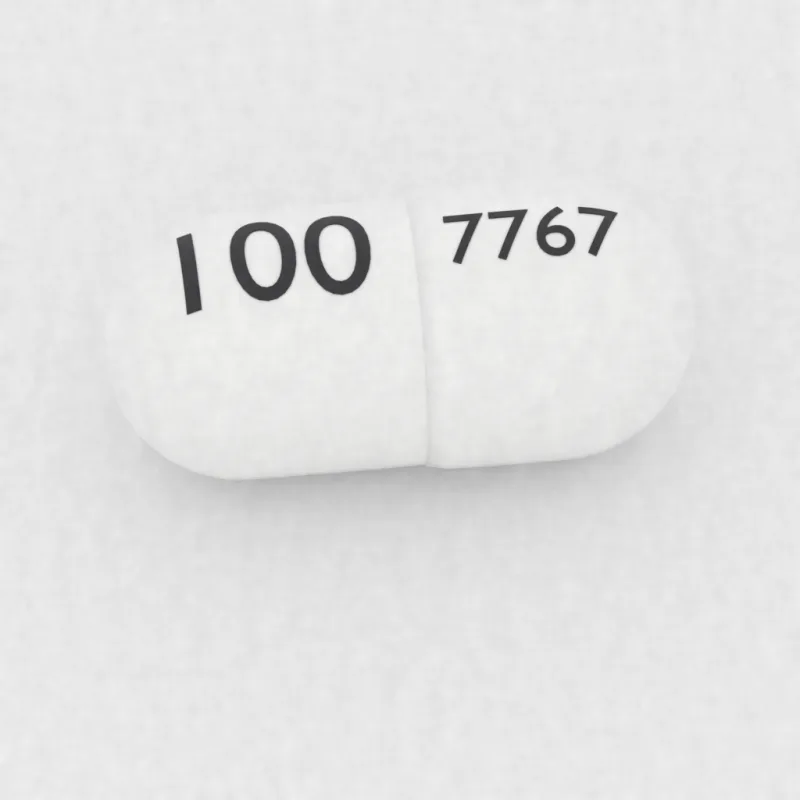
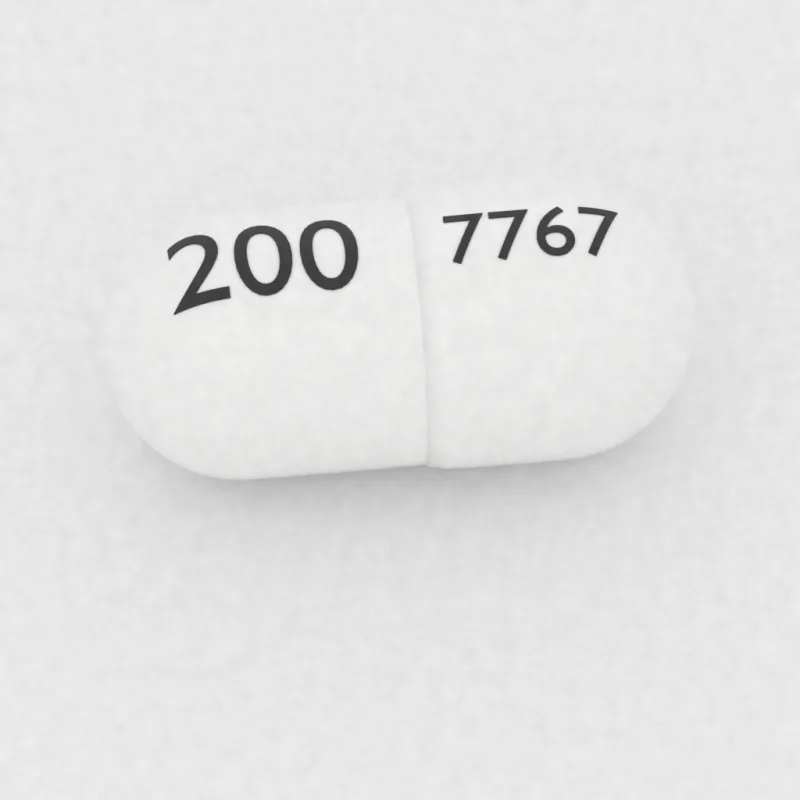
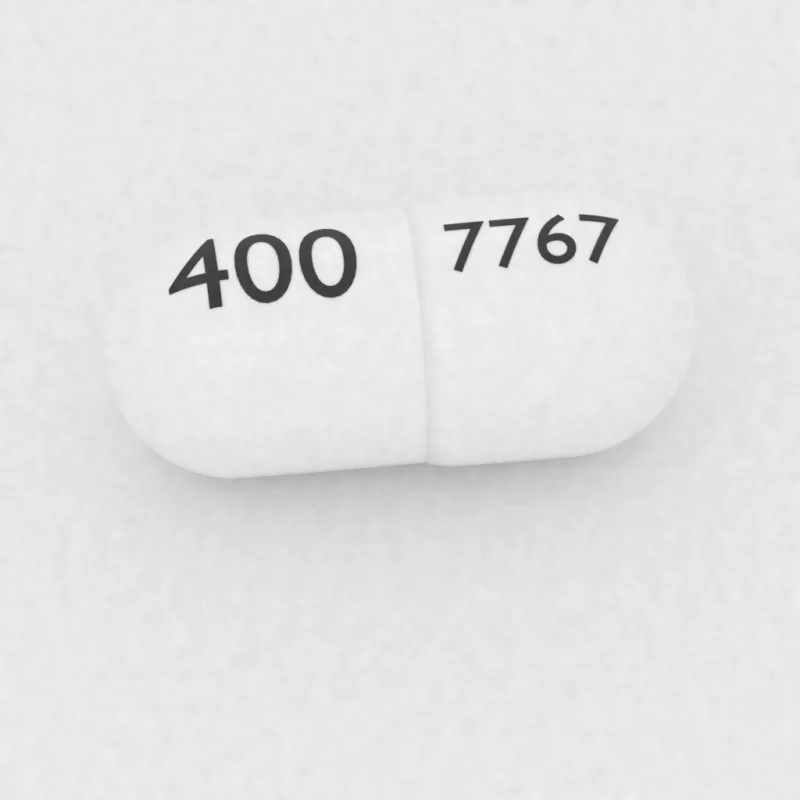
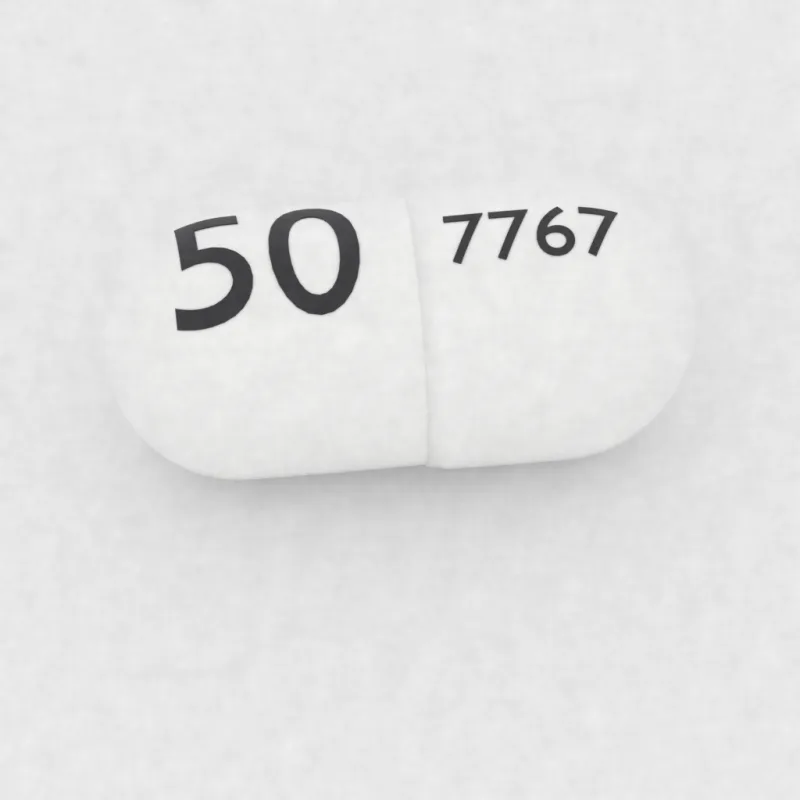
رسوم مُنشأة من قوائم المنتجات في نشرات FDA: اللون والشكل والحجم والنقش. 79 نسخة موثّقة من 36 شركة مسوّقة.
تداخلات من النشرة
تداخلات شديدة (67)
Celecoxib 100 mg twice daily was non-inferior to naproxen 375 to 500 mg twice daily and ibuprofen 600 to 800 mg three times daily for the composite endpoint of the Antiplatelet Trialists' Collaboration (APTC), which consists of cardiovascular death (including hemorrhagic death), non-fatal myocardial infarction, and non-fatal stroke [ see Clinical Studies (14.5)… (نشرة سيليكوكسيب، التحذيرات والاحتياطات)
…risk of developing epidural or spinal hematomas in these patients include: • use of indwelling epidural catheters • concomitant use of other drugs that affect hemostasis, such as nonsteroidal anti-inflammatory drugs (NSAIDs), platelet inhibitors, other anticoagulants • a history of traumatic or repeated epidural or spinal punctures • a history of spinal deformity… (نشرة أبيكسابان، تحذير مؤطر)
• History of asthma, urticaria, or other allergic-type reactions after taking aspirin or other NSAIDs. (نشرة سيليكوكسيب، موانع الاستعمال)
• History of asthma, urticaria, or other allergic-type reactions after taking aspirin or other NSAIDs. (نشرة سيليكوكسيب، موانع الاستعمال)
• In patients who have demonstrated allergic-type reactions to sulfonamides [ see Warnings and Precautions (5.7) ]. (نشرة سيليكوكسيب، موانع الاستعمال)
COMPLERA should be avoided with concurrent or recent use of a nephrotoxic agent (e.g., high-dose or multiple nonsteroidal anti-inflammatory drugs [NSAIDs]) [see Drug Interactions (7.4) ]. (نشرة إمتريسيتابين وريلبيفيرين وتينوفوفير، التحذيرات والاحتياطات)
NSAIDs with short elimination half-lives (e.g., diclofenac, indomethacin) should be avoided for a period of two days before, the day of, and two days following administration of pemetrexed. (نشرة سيليكوكسيب، التداخلات الدوائية)
• History of asthma, urticaria, or other allergic-type reactions after taking aspirin or other NSAIDs. (نشرة سيليكوكسيب، موانع الاستعمال)
• History of asthma, urticaria, or other allergic-type reactions after taking aspirin or other NSAIDs. (نشرة سيليكوكسيب، موانع الاستعمال)
Celecoxib 100 mg twice daily was non-inferior to naproxen 375 to 500 mg twice daily and ibuprofen 600 to 800 mg three times daily for the composite endpoint of the Antiplatelet Trialists' Collaboration (APTC), which consists of cardiovascular death (including hemorrhagic death), non-fatal myocardial infarction, and non-fatal stroke [ see Clinical Studies (14.5)… (نشرة سيليكوكسيب، التحذيرات والاحتياطات)
Celecoxib 100 mg twice daily was non-inferior to naproxen 375 to 500 mg twice daily and ibuprofen 600 to 800 mg three times daily for the composite endpoint of the Antiplatelet Trialists' Collaboration (APTC), which consists of cardiovascular death (including hemorrhagic death), non-fatal myocardial infarction, and non-fatal stroke [ see Clinical Studies (14.5)… (نشرة سيليكوكسيب، التحذيرات والاحتياطات)
• History of asthma, urticaria, or other allergic-type reactions after taking aspirin or other NSAIDs. (نشرة سيليكوكسيب، موانع الاستعمال)
…the risk of developing epidural or spinal hematomas in these patients include: use of indwelling epidural catheters concomitant use of other drugs that affect hemostasis, such as nonsteroidal anti-inflammatory drugs (NSAIDs), platelet inhibitors, other anticoagulants a history of traumatic or repeated epidural or spinal punctures a history of spinal deformity… (نشرة إيدوكسابان، تحذير مؤطر)
Avoid SYMFI with concurrent or recent use of a nephrotoxic agent (e.g., high-dose or multiple non-steroidal anti-inflammatory drugs [NSAIDs]) [see Drug Interactions (7.3) ] . (نشرة إيفافيرينز ولاميفودين وتينوفوفير، التحذيرات والاحتياطات)
…the risk of developing epidural or spinal hematomas in these patients include: Use of indwelling epidural catheters Concomitant use of other drugs that affect hemostasis, such as non-steroidal anti-inflammatory drugs (NSAIDs), platelet inhibitors, and other anticoagulants A history of traumatic or repeated epidural or spinal punctures A history of spinal deformity… (نشرة إينوكسابارين، تحذير مؤطر)
Celecoxib 100 mg twice daily was non-inferior to naproxen 375 to 500 mg twice daily and ibuprofen 600 to 800 mg three times daily for the composite endpoint of the Antiplatelet Trialists' Collaboration (APTC), which consists of cardiovascular death (including hemorrhagic death), non-fatal myocardial infarction, and non-fatal stroke [ see Clinical Studies (14.5)… (نشرة سيليكوكسيب، التحذيرات والاحتياطات)
Intervention: The concomitant use of Celecoxib with other NSAIDs or salicylates is not recommended. (نشرة سيليكوكسيب، التداخلات الدوائية)
Celecoxib 100 mg twice daily was non-inferior to naproxen 375 to 500 mg twice daily and ibuprofen 600 to 800 mg three times daily for the composite endpoint of the Antiplatelet Trialists' Collaboration (APTC), which consists of cardiovascular death (including hemorrhagic death), non-fatal myocardial infarction, and non-fatal stroke [ see Clinical Studies (14.5)… (نشرة سيليكوكسيب، التحذيرات والاحتياطات)
Avoid coadministration with probenecid or nonsteroidal anti-inflammatory drugs. (نشرة برالاتريكسات، التداخلات الدوائية)
• In patients who have demonstrated allergic-type reactions to sulfonamides [ see Warnings and Precautions (5.7) ]. (نشرة سيليكوكسيب، موانع الاستعمال)
• History of asthma, urticaria, or other allergic-type reactions after taking aspirin or other NSAIDs. (نشرة سيليكوكسيب، موانع الاستعمال)
• History of asthma, urticaria, or other allergic-type reactions after taking aspirin or other NSAIDs. (نشرة سيليكوكسيب، موانع الاستعمال)
• History of asthma, urticaria, or other allergic-type reactions after taking aspirin or other NSAIDs. (نشرة سيليكوكسيب، موانع الاستعمال)
NSAIDs with short elimination half-lives (e.g., diclofenac, indomethacin) should be avoided for a period of two days before, the day of, and two days following administration of pemetrexed. (نشرة سيليكوكسيب، التداخلات الدوائية)
Intervention: The concomitant use of Celecoxib with other NSAIDs or salicylates is not recommended. (نشرة سيليكوكسيب، التداخلات الدوائية)
• History of asthma, urticaria, or other allergic-type reactions after taking aspirin or other NSAIDs. (نشرة سيليكوكسيب، موانع الاستعمال)
Celecoxib 100 mg twice daily was non-inferior to naproxen 375 to 500 mg twice daily and ibuprofen 600 to 800 mg three times daily for the composite endpoint of the Antiplatelet Trialists' Collaboration (APTC), which consists of cardiovascular death (including hemorrhagic death), non-fatal myocardial infarction, and non-fatal stroke [ see Clinical Studies (14.5)… (نشرة سيليكوكسيب، التحذيرات والاحتياطات)
Celecoxib 100 mg twice daily was non-inferior to naproxen 375 to 500 mg twice daily and ibuprofen 600 to 800 mg three times daily for the composite endpoint of the Antiplatelet Trialists' Collaboration (APTC), which consists of cardiovascular death (including hemorrhagic death), non-fatal myocardial infarction, and non-fatal stroke [ see Clinical Studies (14.5)… (نشرة سيليكوكسيب، التحذيرات والاحتياطات)
VIREAD should be avoided with concurrent or recent use of a nephrotoxic agent (e.g., high-dose or multiple non-steroidal anti-inflammatory drugs [NSAIDs]) [see Drug Interactions (7.1) ] . (نشرة تينوفوفير، التحذيرات والاحتياطات)
• History of asthma, urticaria, or other allergic-type reactions after taking aspirin or other NSAIDs. (نشرة سيليكوكسيب، موانع الاستعمال)
…the risk of developing epidural or spinal hematomas in these patients include: use of indwelling epidural catheters concomitant use of other drugs that affect hemostasis, such as non-steroidal anti-inflammatory drugs (NSAIDs), platelet inhibitors, other anticoagulants a history of traumatic or repeated epidural or spinal punctures a history of spinal deformity… (نشرة دابيغاتران، تحذير مؤطر)
• In patients who have demonstrated allergic-type reactions to sulfonamides [ see Warnings and Precautions (5.7) ]. (نشرة سيليكوكسيب، موانع الاستعمال)
• In patients who have demonstrated allergic-type reactions to sulfonamides [ see Warnings and Precautions (5.7) ]. (نشرة سيليكوكسيب، موانع الاستعمال)
Celecoxib 100 mg twice daily was non-inferior to naproxen 375 to 500 mg twice daily and ibuprofen 600 to 800 mg three times daily for the composite endpoint of the Antiplatelet Trialists' Collaboration (APTC), which consists of cardiovascular death (including hemorrhagic death), non-fatal myocardial infarction, and non-fatal stroke [ see Clinical Studies (14.5)… (نشرة سيليكوكسيب، التحذيرات والاحتياطات)
• History of asthma, urticaria, or other allergic-type reactions after taking aspirin or other NSAIDs. (نشرة سيليكوكسيب، موانع الاستعمال)
• In patients who have demonstrated allergic-type reactions to sulfonamides [ see Warnings and Precautions (5.7) ]. (نشرة سيليكوكسيب، موانع الاستعمال)
NSAIDs with short elimination half-lives (e.g., diclofenac, indomethacin) should be avoided for a period of two days before, the day of, and two days following administration of pemetrexed. (نشرة سيليكوكسيب، التداخلات الدوائية)
NSAIDs with short elimination half-lives (e.g., diclofenac, indomethacin) should be avoided for a period of two days before, the day of, and two days following administration of pemetrexed. (نشرة سيليكوكسيب، التداخلات الدوائية)
…risk of developing epidural or spinal hematomas in these patients include: • use of indwelling epidural catheters • concomitant use of other drugs that affect hemostasis, such as non-steroidal anti-inflammatory drugs (NSAIDs), platelet inhibitors, other anticoagulants • a history of traumatic or repeated epidural or spinal punctures • a history of spinal deformity… (نشرة ريفاروكسابان، تحذير مؤطر)
• In patients who have demonstrated allergic-type reactions to sulfonamides [ see Warnings and Precautions (5.7) ]. (نشرة سيليكوكسيب، موانع الاستعمال)
• History of asthma, urticaria, or other allergic-type reactions after taking aspirin or other NSAIDs. (نشرة سيليكوكسيب، موانع الاستعمال)
• In patients who have demonstrated allergic-type reactions to sulfonamides [ see Warnings and Precautions (5.7) ]. (نشرة سيليكوكسيب، موانع الاستعمال)
• In patients who have demonstrated allergic-type reactions to sulfonamides [ see Warnings and Precautions (5.7) ]. (نشرة سيليكوكسيب، موانع الاستعمال)
• In patients who have demonstrated allergic-type reactions to sulfonamides [ see Warnings and Precautions (5.7) ]. (نشرة سيليكوكسيب، موانع الاستعمال)
• In patients who have demonstrated allergic-type reactions to sulfonamides [ see Warnings and Precautions (5.7) ]. (نشرة سيليكوكسيب، موانع الاستعمال)
• History of asthma, urticaria, or other allergic-type reactions after taking aspirin or other NSAIDs. (نشرة سيليكوكسيب، موانع الاستعمال)
Celecoxib 100 mg twice daily was non-inferior to naproxen 375 to 500 mg twice daily and ibuprofen 600 to 800 mg three times daily for the composite endpoint of the Antiplatelet Trialists' Collaboration (APTC), which consists of cardiovascular death (including hemorrhagic death), non-fatal myocardial infarction, and non-fatal stroke [ see Clinical Studies (14.5)… (نشرة سيليكوكسيب، التحذيرات والاحتياطات)
Nephrotoxic agents Concomitant administration of cidofovir injection and agents with nephrotoxic potential [e.g., intravenous aminoglycosides (e.g., tobramycin, gentamicin, and amikacin), amphotericin B, foscarnet, intravenous pentamidine, vancomycin, and nonsteroidal anti-inflammatory agents] is contraindicated. (نشرة سيدوفوفير، التداخلات الدوائية)
Celecoxib 100 mg twice daily was non-inferior to naproxen 375 to 500 mg twice daily and ibuprofen 600 to 800 mg three times daily for the composite endpoint of the Antiplatelet Trialists' Collaboration (APTC), which consists of cardiovascular death (including hemorrhagic death), non-fatal myocardial infarction, and non-fatal stroke [ see Clinical Studies (14.5)… (نشرة سيليكوكسيب، التحذيرات والاحتياطات)
• History of asthma, urticaria, or other allergic-type reactions after taking aspirin or other NSAIDs. (نشرة سيليكوكسيب، موانع الاستعمال)
…risk of developing epidural or spinal hematomas in these patients include: • use of indwelling epidural catheters • concomitant use of other drugs that affect hemostasis, such as non-steroidal anti-inflammatory drugs (NSAIDs), platelet inhibitors, or other anticoagulants • a history of traumatic or repeated epidural or spinal puncture • a history of spinal deformity… (نشرة فوندابارينوكس، تحذير مؤطر)
• History of asthma, urticaria, or other allergic-type reactions after taking aspirin or other NSAIDs. (نشرة سيليكوكسيب، موانع الاستعمال)
Celecoxib 100 mg twice daily was non-inferior to naproxen 375 to 500 mg twice daily and ibuprofen 600 to 800 mg three times daily for the composite endpoint of the Antiplatelet Trialists' Collaboration (APTC), which consists of cardiovascular death (including hemorrhagic death), non-fatal myocardial infarction, and non-fatal stroke [ see Clinical Studies (14.5)… (نشرة سيليكوكسيب، التحذيرات والاحتياطات)
Celecoxib 100 mg twice daily was non-inferior to naproxen 375 to 500 mg twice daily and ibuprofen 600 to 800 mg three times daily for the composite endpoint of the Antiplatelet Trialists' Collaboration (APTC), which consists of cardiovascular death (including hemorrhagic death), non-fatal myocardial infarction, and non-fatal stroke [ see Clinical Studies (14.5)… (نشرة سيليكوكسيب، التحذيرات والاحتياطات)
• History of asthma, urticaria, or other allergic-type reactions after taking aspirin or other NSAIDs. (نشرة سيليكوكسيب، موانع الاستعمال)
• History of asthma, urticaria, or other allergic-type reactions after taking aspirin or other NSAIDs. (نشرة سيليكوكسيب، موانع الاستعمال)
Intervention: The concomitant use of Celecoxib with other NSAIDs or salicylates is not recommended. (نشرة سيليكوكسيب، التداخلات الدوائية)
Patients with known aspirin sensitivity should continue to avoid aspirin or non-steroidal anti-inflammatory agents while taking SINGULAIR ( 5.4 ). (نشرة مونتيلوكاست، التحذيرات والاحتياطات)
• In patients who have demonstrated allergic-type reactions to sulfonamides [ see Warnings and Precautions (5.7) ]. (نشرة سيليكوكسيب، موانع الاستعمال)
Unexpectedly severe and fatal gastrointestinal toxicity can occur with concomitant administration of XATMEP (primarily at high dosage) and nonsteroidal anti-inflammatory drugs (NSAIDs) [see Drug Interactions ( 7.1 )] . (نشرة ميثوتريكسات، التحذيرات والاحتياطات)
MISOPROSTOL SHOULD NOT BE TAKEN BY PREGNANT WOMEN TO REDUCE THE RISK OF ULCERS INDUCED BY NONSTEROIDAL ANTI-INFLAMMATORY DRUGS (NSAIDs) (see CONTRAINDICATIONS , WARNINGS , and PRECAUTIONS ). (نشرة ميزوبروستول، تحذير مؤطر)
Intervention: The concomitant use of Celecoxib with other NSAIDs or salicylates is not recommended. (نشرة سيليكوكسيب، التداخلات الدوائية)
• History of asthma, urticaria, or other allergic-type reactions after taking aspirin or other NSAIDs. (نشرة سيليكوكسيب، موانع الاستعمال)
Celecoxib 100 mg twice daily was non-inferior to naproxen 375 to 500 mg twice daily and ibuprofen 600 to 800 mg three times daily for the composite endpoint of the Antiplatelet Trialists' Collaboration (APTC), which consists of cardiovascular death (including hemorrhagic death), non-fatal myocardial infarction, and non-fatal stroke [ see Clinical Studies (14.5)… (نشرة سيليكوكسيب، التحذيرات والاحتياطات)
Celecoxib 100 mg twice daily was non-inferior to naproxen 375 to 500 mg twice daily and ibuprofen 600 to 800 mg three times daily for the composite endpoint of the Antiplatelet Trialists' Collaboration (APTC), which consists of cardiovascular death (including hemorrhagic death), non-fatal myocardial infarction, and non-fatal stroke [ see Clinical Studies (14.5)… (نشرة سيليكوكسيب، التحذيرات والاحتياطات)
• History of asthma, urticaria, or other allergic-type reactions after taking aspirin or other NSAIDs. (نشرة سيليكوكسيب، موانع الاستعمال)
Celecoxib 100 mg twice daily was non-inferior to naproxen 375 to 500 mg twice daily and ibuprofen 600 to 800 mg three times daily for the composite endpoint of the Antiplatelet Trialists' Collaboration (APTC), which consists of cardiovascular death (including hemorrhagic death), non-fatal myocardial infarction, and non-fatal stroke [ see Clinical Studies (14.5)… (نشرة سيليكوكسيب، التحذيرات والاحتياطات)
تداخلات متوسطة (210)
Co-administration of celecoxib with drugs that are known to inhibit CYP2C9 (e.g., fluconazole) may enhance the exposure and toxicity of celecoxib whereas co-administration with CYP2C9 inducers (e.g., rifampin) may lead to compromised efficacy of celecoxib. (نشرة سيليكوكسيب، التداخلات الدوائية)
Patients at greatest risk of this reaction are those with impaired renal function, dehydration, hypovolemia , heart failure, liver dysfunction, those taking diuretics, ACE inhibitors or the ARBs, and the elderly. (نشرة سيليكوكسيب، التحذيرات والاحتياطات)
Therefore, there is a potential for an in vivo drug interaction with drugs that are metabolized by CYP2D6 (e.g., atomoxetine), and celecoxib may enhance the exposure and toxicity of these drugs. (نشرة سيليكوكسيب، التداخلات الدوائية)
Intervention: • During concomitant use of VYSCOXA and ACE inhibitors, ARBs, or beta-blockers, monitor blood pressure to ensure that the desired blood pressure is obtained. (نشرة سيليكوكسيب، التداخلات الدوائية)
Patients at greatest risk of this reaction are those with impaired renal function, dehydration, hypovolemia , heart failure, liver dysfunction, those taking diuretics, ACE inhibitors or the ARBs, and the elderly. (نشرة سيليكوكسيب، التحذيرات والاحتياطات)
However, this is of special importance in patients at risk of or having underlying renal dysfunction and patients taking concomitant nephrotoxic agents such as cyclosporine, tacrolimus, aminoglycosides, vancomycin and non-steroidal anti-inflammatory drugs [See Adverse Reactions (6.2) and Clinical Pharmacology (12.3) ]. (نشرة أديفوفير، التحذيرات والاحتياطات)
Patients at greatest risk of this reaction are those with impaired renal function, dehydration, hypovolemia , heart failure, liver dysfunction, those taking diuretics, ACE inhibitors or the ARBs, and the elderly. (نشرة سيليكوكسيب، التحذيرات والاحتياطات)
Patients at greatest risk of this reaction are those with impaired renal function, dehydration, hypovolemia , heart failure, liver dysfunction, those taking diuretics, ACE inhibitors or the ARBs, and the elderly. (نشرة سيليكوكسيب، التحذيرات والاحتياطات)
Other factors that increase the risk of GI bleeding in patients treated with NSAIDs include longer duration of NSAID therapy; concomitant use of oral corticosteroids, antiplatelet drugs (such as aspirin), anticoagulants; or selective serotonin reuptake inhibitors (SSRIs); smoking; use of alcohol; older age; and poor general health status. (نشرة سيليكوكسيب، التحذيرات والاحتياطات)
- إرلوتينيبمتوسط
Patients receiving concomitant anti-angiogenic agents, corticosteroids, NSAIDs, or taxane-based chemotherapy, or who have prior history of peptic ulceration or diverticular disease may be at increased risk of perforation [see Adverse Reactions (6.1 , 6.2) ]. (نشرة إرلوتينيب، التحذيرات والاحتياطات)
Other factors that increase the risk of GI bleeding in patients treated with NSAIDs include longer duration of NSAID therapy; concomitant use of oral corticosteroids, antiplatelet drugs (such as aspirin), anticoagulants; or selective serotonin reuptake inhibitors (SSRIs); smoking; use of alcohol; older age; and poor general health status. (نشرة سيليكوكسيب، التحذيرات والاحتياطات)
Patients at greatest risk of this reaction are those with impaired renal function, dehydration, hypovolemia , heart failure, liver dysfunction, those taking diuretics, ACE inhibitors or the ARBs, and the elderly. (نشرة سيليكوكسيب، التحذيرات والاحتياطات)
Intervention: During concomitant use of VYSCOXA with diuretics, observe patients for signs of worsening renal function, in addition to assuring diuretic efficacy including antihypertensive effects [ see Warnings and Precautions (5.6) ]. (نشرة سيليكوكسيب، التداخلات الدوائية)
Intervention: • During concomitant use of VYSCOXA and ACE inhibitors, ARBs, or beta-blockers, monitor blood pressure to ensure that the desired blood pressure is obtained. (نشرة سيليكوكسيب، التداخلات الدوائية)
Intervention: • During concomitant use of VYSCOXA and ACE inhibitors, ARBs, or beta-blockers, monitor blood pressure to ensure that the desired blood pressure is obtained. (نشرة سيليكوكسيب، التداخلات الدوائية)
Other factors that increase the risk of GI bleeding in patients treated with NSAIDs include longer duration of NSAID therapy; concomitant use of oral corticosteroids, antiplatelet drugs (such as aspirin), anticoagulants; or selective serotonin reuptake inhibitors (SSRIs); smoking; use of alcohol; older age; and poor general health status. (نشرة سيليكوكسيب، التحذيرات والاحتياطات)
- أفاتينيبمتوسط
Patients receiving concomitant corticosteroids, nonsteroidal anti-inflammatory drugs (NSAIDs) or anti-angiogenic agents, or patients with increasing age or who have an underlying history of gastrointestinal ulceration, underlying diverticular disease or bowel metastases may be at increased risk of perforation. (نشرة أفاتينيب، التحذيرات والاحتياطات)
Renal toxicity has also been seen in patients in whom renal prostaglandins have a compensatory role in the maintenance of renal perfusion. (نشرة سيليكوكسيب، التحذيرات والاحتياطات)
Other factors that increase the risk of GI bleeding in patients treated with NSAIDs include longer duration of NSAID therapy; concomitant use of oral corticosteroids, antiplatelet drugs (such as aspirin), anticoagulants; or selective serotonin reuptake inhibitors (SSRIs); smoking; use of alcohol; older age; and poor general health status. (نشرة سيليكوكسيب، التحذيرات والاحتياطات)
Co-administration of celecoxib with drugs that are known to inhibit CYP2C9 (e.g., fluconazole) may enhance the exposure and toxicity of celecoxib whereas co-administration with CYP2C9 inducers (e.g., rifampin) may lead to compromised efficacy of celecoxib. (نشرة سيليكوكسيب، التداخلات الدوائية)
Other factors that increase the risk of GI bleeding in patients treated with NSAIDs include longer duration of NSAID therapy; concomitant use of oral corticosteroids, antiplatelet drugs (such as aspirin), anticoagulants; or selective serotonin reuptake inhibitors (SSRIs); smoking; use of alcohol; older age; and poor general health status. (نشرة سيليكوكسيب، التحذيرات والاحتياطات)
Intervention: During concomitant use of VYSCOXA with diuretics, observe patients for signs of worsening renal function, in addition to assuring diuretic efficacy including antihypertensive effects [ see Warnings and Precautions (5.6) ]. (نشرة سيليكوكسيب، التداخلات الدوائية)
Use caution when co-prescribing aspirin/nonsteroidal anti- inflammatory drugs that may worsen gastrointestinal irritation. (نشرة أليندرونات، التداخلات الدوائية)
Individuals taking tenofovir prodrugs who have impaired renal function and those taking nephrotoxic agents including non-steroidal anti-inflammatory drugs are at increased risk of developing renal-related adverse reactions. (نشرة إمتريسيتابين وتينوفوفير، التحذيرات والاحتياطات)
Intervention: During concomitant use of VYSCOXA with diuretics, observe patients for signs of worsening renal function, in addition to assuring diuretic efficacy including antihypertensive effects [ see Warnings and Precautions (5.6) ]. (نشرة سيليكوكسيب، التداخلات الدوائية)
Intervention: During concomitant use of VYSCOXA with diuretics, observe patients for signs of worsening renal function, in addition to assuring diuretic efficacy including antihypertensive effects [ see Warnings and Precautions (5.6) ]. (نشرة سيليكوكسيب، التداخلات الدوائية)
Patients at greatest risk of this reaction are those with impaired renal function, dehydration, hypovolemia , heart failure, liver dysfunction, those taking diuretics, ACE inhibitors or the ARBs, and the elderly. (نشرة سيليكوكسيب، التحذيرات والاحتياطات)
Patients at greatest risk of this reaction are those with impaired renal function, dehydration, hypovolemia , heart failure, liver dysfunction, those taking diuretics, ACE inhibitors or the ARBs, and the elderly. (نشرة سيليكوكسيب، التحذيرات والاحتياطات)
Patients at greatest risk of this reaction are those with impaired renal function, dehydration, hypovolemia , heart failure, liver dysfunction, those taking diuretics, ACE inhibitors or the ARBs, and the elderly. (نشرة سيليكوكسيب، التحذيرات والاحتياطات)
Patients at greatest risk of this reaction are those with impaired renal function, dehydration, hypovolemia , heart failure, liver dysfunction, those taking diuretics, ACE inhibitors or the ARBs, and the elderly. (نشرة سيليكوكسيب، التحذيرات والاحتياطات)
Co-administration of celecoxib with drugs that are known to inhibit CYP2C9 (e.g., fluconazole) may enhance the exposure and toxicity of celecoxib whereas co-administration with CYP2C9 inducers (e.g., rifampin) may lead to compromised efficacy of celecoxib. (نشرة سيليكوكسيب، التداخلات الدوائية)
Monitor patients for bleeding, including those receiving concomitant therapy with other drugs known to cause bleeding (e.g., anticoagulants, PDE3 inhibitors, NSAIDs, antiplatelet agents, selective serotonin reuptake inhibitors) [see Drug Interactions (7.3) , Clinical Pharmacology (12.3) ] . (نشرة أناغريليد، التحذيرات والاحتياطات)
Patients at greatest risk of this reaction are those with impaired renal function, dehydration, hypovolemia , heart failure, liver dysfunction, those taking diuretics, ACE inhibitors or the ARBs, and the elderly. (نشرة سيليكوكسيب، التحذيرات والاحتياطات)
Patients at greatest risk of this reaction are those with impaired renal function, dehydration, hypovolemia , heart failure, liver dysfunction, those taking diuretics, ACE inhibitors or the ARBs, and the elderly. (نشرة سيليكوكسيب، التحذيرات والاحتياطات)
Patients at greatest risk of this reaction are those with impaired renal function, dehydration, hypovolemia , heart failure, liver dysfunction, those taking diuretics, ACE inhibitors or the ARBs, and the elderly. (نشرة سيليكوكسيب، التحذيرات والاحتياطات)
Patients at greatest risk of this reaction are those with impaired renal function, dehydration, hypovolemia , heart failure, liver dysfunction, those taking diuretics, ACE inhibitors or the ARBs, and the elderly. (نشرة سيليكوكسيب، التحذيرات والاحتياطات)
Monitor RINVOQ/RINVOQ LQ-treated patients who may be at risk for gastrointestinal perforation (e.g., patients with a history of diverticulitis and those taking concomitant medications including NSAIDs or corticosteroids). (نشرة أوباداسيتينيب، التحذيرات والاحتياطات)
Non Steroidal Anti-Inflammatory Drugs The concomitant administration of a non-steroidal anti-inflammatory drug with a quinolone, including ofloxacin, may increase the risk of CNS stimulation and convulsive seizures (see WARNINGS and PRECAUTIONS , General ). (نشرة أوفلوكساسين، التداخلات الدوائية)
Other factors that increase the risk of GI bleeding in patients treated with NSAIDs include longer duration of NSAID therapy; concomitant use of oral corticosteroids, antiplatelet drugs (such as aspirin), anticoagulants; or selective serotonin reuptake inhibitors (SSRIs); smoking; use of alcohol; older age; and poor general health status. (نشرة سيليكوكسيب، التحذيرات والاحتياطات)
Patients at greatest risk of this reaction are those with impaired renal function, dehydration, hypovolemia , heart failure, liver dysfunction, those taking diuretics, ACE inhibitors or the ARBs, and the elderly. (نشرة سيليكوكسيب، التحذيرات والاحتياطات)
Patients at greatest risk of this reaction are those with impaired renal function, dehydration, hypovolemia , heart failure, liver dysfunction, those taking diuretics, ACE inhibitors or the ARBs, and the elderly. (نشرة سيليكوكسيب، التحذيرات والاحتياطات)
Patients at greatest risk of this reaction are those with impaired renal function, dehydration, hypovolemia , heart failure, liver dysfunction, those taking diuretics, ACE inhibitors or the ARBs, and the elderly. (نشرة سيليكوكسيب، التحذيرات والاحتياطات)
Other factors that increase the risk of GI bleeding in patients treated with NSAIDs include longer duration of NSAID therapy; concomitant use of oral corticosteroids, antiplatelet drugs (such as aspirin), anticoagulants; or selective serotonin reuptake inhibitors (SSRIs); smoking; use of alcohol; older age; and poor general health status. (نشرة سيليكوكسيب، التحذيرات والاحتياطات)
Use caution when co-prescribing aspirin/nonsteroidal anti-inflammatory drugs that may worsen gastrointestinal irritation. (نشرة إيباندرونات، التداخلات الدوائية)
Renal toxicity has also been seen in patients in whom renal prostaglandins have a compensatory role in the maintenance of renal perfusion. (نشرة سيليكوكسيب، التحذيرات والاحتياطات)
Co-administration of celecoxib with drugs that are known to inhibit CYP2C9 (e.g., fluconazole) may enhance the exposure and toxicity of celecoxib whereas co-administration with CYP2C9 inducers (e.g., rifampin) may lead to compromised efficacy of celecoxib. (نشرة سيليكوكسيب، التداخلات الدوائية)
Nonsteroidal Anti-Inflammatory Drugs Meloxicam Concomitant drug dose increase may be necessary. (نشرة إيتراكونازول، التداخلات الدوائية)
Intervention: During concomitant use of VYSCOXA with diuretics, observe patients for signs of worsening renal function, in addition to assuring diuretic efficacy including antihypertensive effects [ see Warnings and Precautions (5.6) ]. (نشرة سيليكوكسيب، التداخلات الدوائية)
Co-administration of celecoxib with drugs that are known to inhibit CYP2C9 (e.g., fluconazole) may enhance the exposure and toxicity of celecoxib whereas co-administration with CYP2C9 inducers (e.g., rifampin) may lead to compromised efficacy of celecoxib. (نشرة سيليكوكسيب، التداخلات الدوائية)
Co-administration of celecoxib with drugs that are known to inhibit CYP2C9 (e.g., fluconazole) may enhance the exposure and toxicity of celecoxib whereas co-administration with CYP2C9 inducers (e.g., rifampin) may lead to compromised efficacy of celecoxib. (نشرة سيليكوكسيب، التداخلات الدوائية)
Other factors that increase the risk of GI bleeding in patients treated with NSAIDs include longer duration of NSAID therapy; concomitant use of oral corticosteroids, antiplatelet drugs (such as aspirin), anticoagulants; or selective serotonin reuptake inhibitors (SSRIs); smoking; use of alcohol; older age; and poor general health status. (نشرة سيليكوكسيب، التحذيرات والاحتياطات)
Intervention: During concomitant use of VYSCOXA with diuretics, observe patients for signs of worsening renal function, in addition to assuring diuretic efficacy including antihypertensive effects [ see Warnings and Precautions (5.6) ]. (نشرة سيليكوكسيب، التداخلات الدوائية)
Intervention: • During concomitant use of VYSCOXA and ACE inhibitors, ARBs, or beta-blockers, monitor blood pressure to ensure that the desired blood pressure is obtained. (نشرة سيليكوكسيب، التداخلات الدوائية)
Other factors that increase the risk of GI bleeding in patients treated with NSAIDs include longer duration of NSAID therapy; concomitant use of oral corticosteroids, antiplatelet drugs (such as aspirin), anticoagulants; or selective serotonin reuptake inhibitors (SSRIs); smoking; use of alcohol; older age; and poor general health status. (نشرة سيليكوكسيب، التحذيرات والاحتياطات)
Other factors that increase the risk of GI bleeding in patients treated with NSAIDs include longer duration of NSAID therapy; concomitant use of oral corticosteroids, antiplatelet drugs (such as aspirin), anticoagulants; or selective serotonin reuptake inhibitors (SSRIs); smoking; use of alcohol; older age; and poor general health status. (نشرة سيليكوكسيب، التحذيرات والاحتياطات)
Intervention: • During concomitant use of VYSCOXA and ACE inhibitors, ARBs, or beta-blockers, monitor blood pressure to ensure that the desired blood pressure is obtained. (نشرة سيليكوكسيب، التداخلات الدوائية)
DRUG INTERACTIONS Bleeding has been reported in patients treated with pentoxifylline extended-release tablets with or without concomitant NSAIDs, anticoagulants, or platelet aggregation inhibitors. (نشرة بنتوكسيفيلين، التداخلات الدوائية)
Other factors that increase the risk of GI bleeding in patients treated with NSAIDs include longer duration of NSAID therapy; concomitant use of oral corticosteroids, antiplatelet drugs (such as aspirin), anticoagulants; or selective serotonin reuptake inhibitors (SSRIs); smoking; use of alcohol; older age; and poor general health status. (نشرة سيليكوكسيب، التحذيرات والاحتياطات)
Other factors that increase the risk of GI bleeding in patients treated with NSAIDs include longer duration of NSAID therapy; concomitant use of oral corticosteroids, antiplatelet drugs (such as aspirin), anticoagulants; or selective serotonin reuptake inhibitors (SSRIs); smoking; use of alcohol; older age; and poor general health status. (نشرة سيليكوكسيب، التحذيرات والاحتياطات)
Co-administration of celecoxib with drugs that are known to inhibit CYP2C9 (e.g., fluconazole) may enhance the exposure and toxicity of celecoxib whereas co-administration with CYP2C9 inducers (e.g., rifampin) may lead to compromised efficacy of celecoxib. (نشرة سيليكوكسيب، التداخلات الدوائية)
Patients at greatest risk of this reaction are those with impaired renal function, dehydration, hypovolemia , heart failure, liver dysfunction, those taking diuretics, ACE inhibitors or the ARBs, and the elderly. (نشرة سيليكوكسيب، التحذيرات والاحتياطات)
Intervention: • During concomitant use of VYSCOXA and ACE inhibitors, ARBs, or beta-blockers, monitor blood pressure to ensure that the desired blood pressure is obtained. (نشرة سيليكوكسيب، التداخلات الدوائية)
Other factors that increase the risk of GI bleeding in patients treated with NSAIDs include longer duration of NSAID therapy; concomitant use of oral corticosteroids, antiplatelet drugs (such as aspirin), anticoagulants; or selective serotonin reuptake inhibitors (SSRIs); smoking; use of alcohol; older age; and poor general health status. (نشرة سيليكوكسيب، التحذيرات والاحتياطات)
Patients at greatest risk of this reaction are those with impaired renal function, dehydration, hypovolemia , heart failure, liver dysfunction, those taking diuretics, ACE inhibitors or the ARBs, and the elderly. (نشرة سيليكوكسيب، التحذيرات والاحتياطات)
Intervention: • During concomitant use of VYSCOXA and ACE inhibitors, ARBs, or beta-blockers, monitor blood pressure to ensure that the desired blood pressure is obtained. (نشرة سيليكوكسيب، التداخلات الدوائية)
Patients at greatest risk of this reaction are those with impaired renal function, dehydration, hypovolemia , heart failure, liver dysfunction, those taking diuretics, ACE inhibitors or the ARBs, and the elderly. (نشرة سيليكوكسيب، التحذيرات والاحتياطات)
Other factors that increase the risk of GI bleeding in patients treated with NSAIDs include longer duration of NSAID therapy; concomitant use of oral corticosteroids, antiplatelet drugs (such as aspirin), anticoagulants; or selective serotonin reuptake inhibitors (SSRIs); smoking; use of alcohol; older age; and poor general health status. (نشرة سيليكوكسيب، التحذيرات والاحتياطات)
Other factors that increase the risk of GI bleeding in patients treated with NSAIDs include longer duration of NSAID therapy; concomitant use of oral corticosteroids, antiplatelet drugs (such as aspirin), anticoagulants; or selective serotonin reuptake inhibitors (SSRIs); smoking; use of alcohol; older age; and poor general health status. (نشرة سيليكوكسيب، التحذيرات والاحتياطات)
Renal toxicity has also been seen in patients in whom renal prostaglandins have a compensatory role in the maintenance of renal perfusion. (نشرة سيليكوكسيب، التحذيرات والاحتياطات)
Patients at greatest risk of this reaction are those with impaired renal function, dehydration, hypovolemia , heart failure, liver dysfunction, those taking diuretics, ACE inhibitors or the ARBs, and the elderly. (نشرة سيليكوكسيب، التحذيرات والاحتياطات)
Patients at greatest risk of this reaction are those with impaired renal function, dehydration, hypovolemia , heart failure, liver dysfunction, those taking diuretics, ACE inhibitors or the ARBs, and the elderly. (نشرة سيليكوكسيب، التحذيرات والاحتياطات)
Intervention: • During concomitant use of VYSCOXA and ACE inhibitors, ARBs, or beta-blockers, monitor blood pressure to ensure that the desired blood pressure is obtained. (نشرة سيليكوكسيب، التداخلات الدوائية)
…steroids and androgens, cyclophosphamide, phenyramidol, guanethidine, fluconazole, sulfinpyrazone, tetracyclines, clarithromycin, disopyramide, quinolones, and those drugs that are highly protein-bound, such as fluoxetine, nonsteroidal anti-inflammatory drugs, salicylates, sulfonamides, chloramphenicol, coumarins, probenecid and monoamine oxidase inhibitors. (نشرة بيوغليتازون وغليميبيريد، التداخلات الدوائية)
Co-administration of celecoxib with drugs that are known to inhibit CYP2C9 (e.g., fluconazole) may enhance the exposure and toxicity of celecoxib whereas co-administration with CYP2C9 inducers (e.g., rifampin) may lead to compromised efficacy of celecoxib. (نشرة سيليكوكسيب، التداخلات الدوائية)
Increased Risk of Bleeding: Concomitant use of aspirin, nonsteroidal anti-inflammatory drugs (NSAIDs), other antiplatelet drugs, warfarin, and other anticoagulants may increase this risk ( 5.5 ). (نشرة ترازودون، التحذيرات والاحتياطات)
Patients at greatest risk of this reaction are those with impaired renal function, dehydration, hypovolemia , heart failure, liver dysfunction, those taking diuretics, ACE inhibitors or the ARBs, and the elderly. (نشرة سيليكوكسيب، التحذيرات والاحتياطات)
Patients at greatest risk of this reaction are those with impaired renal function, dehydration, hypovolemia , heart failure, liver dysfunction, those taking diuretics, ACE inhibitors or the ARBs, and the elderly. (نشرة سيليكوكسيب، التحذيرات والاحتياطات)
Patients at greatest risk of this reaction are those with impaired renal function, dehydration, hypovolemia , heart failure, liver dysfunction, those taking diuretics, ACE inhibitors or the ARBs, and the elderly. (نشرة سيليكوكسيب، التحذيرات والاحتياطات)
Other factors that increase the risk of GI bleeding in patients treated with NSAIDs include longer duration of NSAID therapy; concomitant use of oral corticosteroids, antiplatelet drugs (such as aspirin), anticoagulants; or selective serotonin reuptake inhibitors (SSRIs); smoking; use of alcohol; older age; and poor general health status. (نشرة سيليكوكسيب، التحذيرات والاحتياطات)
Renal toxicity has also been seen in patients in whom renal prostaglandins have a compensatory role in the maintenance of renal perfusion. (نشرة سيليكوكسيب، التحذيرات والاحتياطات)
Co-administration of celecoxib with drugs that are known to inhibit CYP2C9 (e.g., fluconazole) may enhance the exposure and toxicity of celecoxib whereas co-administration with CYP2C9 inducers (e.g., rifampin) may lead to compromised efficacy of celecoxib. (نشرة سيليكوكسيب، التداخلات الدوائية)
Patients at greatest risk of this reaction are those with impaired renal function, dehydration, hypovolemia , heart failure, liver dysfunction, those taking diuretics, ACE inhibitors or the ARBs, and the elderly. (نشرة سيليكوكسيب، التحذيرات والاحتياطات)
Promptly evaluate patients treated with XELJANZ/XELJANZ XR who may be at increased risk for gastrointestinal perforation (e.g., patients with a history of diverticulitis or taking NSAIDs) and who present with new onset abdominal symptoms for early identification of gastrointestinal perforation [see Adverse Reactions (6.1) ] . (نشرة توفاسيتينيب، التحذيرات والاحتياطات)
Intervention: During concomitant use of VYSCOXA with diuretics, observe patients for signs of worsening renal function, in addition to assuring diuretic efficacy including antihypertensive effects [ see Warnings and Precautions (5.6) ]. (نشرة سيليكوكسيب، التداخلات الدوائية)
Intervention: During concomitant use of VYSCOXA with diuretics, observe patients for signs of worsening renal function, in addition to assuring diuretic efficacy including antihypertensive effects [ see Warnings and Precautions (5.6) ]. (نشرة سيليكوكسيب، التداخلات الدوائية)
Patients at greatest risk of this reaction are those with impaired renal function, dehydration, hypovolemia , heart failure, liver dysfunction, those taking diuretics, ACE inhibitors or the ARBs, and the elderly. (نشرة سيليكوكسيب، التحذيرات والاحتياطات)
Patients at greatest risk of this reaction are those with impaired renal function, dehydration, hypovolemia , heart failure, liver dysfunction, those taking diuretics, ACE inhibitors or the ARBs, and the elderly. (نشرة سيليكوكسيب، التحذيرات والاحتياطات)
Patients at greatest risk of this reaction are those with impaired renal function, dehydration, hypovolemia , heart failure, liver dysfunction, those taking diuretics, ACE inhibitors or the ARBs, and the elderly. (نشرة سيليكوكسيب، التحذيرات والاحتياطات)
Intervention: • During concomitant use of VYSCOXA and ACE inhibitors, ARBs, or beta-blockers, monitor blood pressure to ensure that the desired blood pressure is obtained. (نشرة سيليكوكسيب، التداخلات الدوائية)
Patients at greatest risk of this reaction are those with impaired renal function, dehydration, hypovolemia , heart failure, liver dysfunction, those taking diuretics, ACE inhibitors or the ARBs, and the elderly. (نشرة سيليكوكسيب، التحذيرات والاحتياطات)
Nephrotoxic Drugs Caution is indicated when Reclast is used with other potentially nephrotoxic drugs, such as nonsteroidal anti-inflammatory drugs (NSAIDs). (نشرة حمض الزوليدرونيك، التداخلات الدوائية)
…↔ ↔ Valsartan (320 mg) 20 mg ↓12% [↓3%, ↓20%] ↔ Simvastatin (40 mg) 20 mg ↔ ↔ Anti-infective Agent Rifampin (600 mg once daily for 6 days) 10 mg ↓7% [↓22%, ↑11%] ↓22% [↓27%, ↓17%] Nonsteroidal Anti-inflammatory Agent Mefenamic Acid (loading dose of 500 mg followed by 14 doses of 250 mg every 6 hours) 10 mg ↑13% [↑3%, ↑24%] ↑51% [↑44%, ↑58%] ↔ = no change (geometric… (نشرة داباغليفلوزين، التداخلات الدوائية)
Medications that may increase serum potassium concentration include ACE inhibitors, angiotensin-II receptor antagonists, potassium-sparing diuretics, potassium supplementation, heparin, aldosterone antagonists, and NSAIDS. (نشرة دروسبيرينون وإيثينيل إستراديول، التحذيرات والاحتياطات)
Intervention: During concomitant use of VYSCOXA with diuretics, observe patients for signs of worsening renal function, in addition to assuring diuretic efficacy including antihypertensive effects [ see Warnings and Precautions (5.6) ]. (نشرة سيليكوكسيب، التداخلات الدوائية)
Co-morbid conditions such as coagulation disorders or concomitant use of warfarin, other anticoagulants, antiplatelet drugs (e.g., aspirin), SSRIs and serotonin norepinephrine reuptake inhibitors (SNRIs) may increase this risk. (نشرة سيليكوكسيب، التحذيرات والاحتياطات)
Therefore, patients should be monitored closely for symptoms of active or occult gastrointestinal bleeding, especially those at increased risk for developing ulcers, e.g., those with a history of ulcer disease or those receiving concurrent nonsteroidal anti-inflammatory drugs (NSAIDs). (نشرة دونيبيزيل، التحذيرات والاحتياطات)
Digoxin Clinical Impact: The concomitant use of Celecoxib with digoxin has been reported to increase the serum concentration and prolong the half-life of digoxin. (نشرة سيليكوكسيب، التداخلات الدوائية)
Co-morbid conditions such as coagulation disorders or concomitant use of warfarin, other anticoagulants, antiplatelet drugs (e.g., aspirin), SSRIs and serotonin norepinephrine reuptake inhibitors (SNRIs) may increase this risk. (نشرة سيليكوكسيب، التحذيرات والاحتياطات)
Co-administration of celecoxib with drugs that are known to inhibit CYP2C9 (e.g., fluconazole) may enhance the exposure and toxicity of celecoxib whereas co-administration with CYP2C9 inducers (e.g., rifampin) may lead to compromised efficacy of celecoxib. (نشرة سيليكوكسيب، التداخلات الدوائية)
- ديسموبريسينمتوسط
…Hyponatremia Concomitant administration of DESMODA with other drugs that may increase the risk of water intoxication with hyponatremia, (e.g., tricyclic antidepressants, selective serotonin re-uptake inhibitors, chlorpromazine, opiate analgesics, thiazide diuretics, NSAIDs, lamotrigine, sulfonylureas, particularly chlorpropamide, oxybutynin and carbamazepine). (نشرة ديسموبريسين، التداخلات الدوائية)
Other factors that increase the risk of GI bleeding in patients treated with NSAIDs include longer duration of NSAID therapy; concomitant use of oral corticosteroids, antiplatelet drugs (such as aspirin), anticoagulants; or selective serotonin reuptake inhibitors (SSRIs); smoking; use of alcohol; older age; and poor general health status. (نشرة سيليكوكسيب، التحذيرات والاحتياطات)
Other factors that increase the risk of GI bleeding in patients treated with NSAIDs include longer duration of NSAID therapy; concomitant use of oral corticosteroids, antiplatelet drugs (such as aspirin), anticoagulants; or selective serotonin reuptake inhibitors (SSRIs); smoking; use of alcohol; older age; and poor general health status. (نشرة سيليكوكسيب، التحذيرات والاحتياطات)
The risk of GI hemorrhage may be increased when administering Exjade in combination with drugs that have ulcerogenic or hemorrhagic potential, such as nonsteroidal anti-inflammatory drugs (NSAIDs), corticosteroids, oral bisphosphonates, or anticoagulants. (نشرة ديفيراسيروكس، التحذيرات والاحتياطات)
Other factors that increase the risk of GI bleeding in patients treated with NSAIDs include longer duration of NSAID therapy; concomitant use of oral corticosteroids, antiplatelet drugs (such as aspirin), anticoagulants; or selective serotonin reuptake inhibitors (SSRIs); smoking; use of alcohol; older age; and poor general health status. (نشرة سيليكوكسيب، التحذيرات والاحتياطات)
Intervention: During concomitant use of VYSCOXA with diuretics, observe patients for signs of worsening renal function, in addition to assuring diuretic efficacy including antihypertensive effects [ see Warnings and Precautions (5.6) ]. (نشرة سيليكوكسيب، التداخلات الدوائية)
Renal toxicity has also been seen in patients in whom renal prostaglandins have a compensatory role in the maintenance of renal perfusion. (نشرة سيليكوكسيب، التحذيرات والاحتياطات)
Patients at greatest risk of this reaction are those with impaired renal function, dehydration, hypovolemia , heart failure, liver dysfunction, those taking diuretics, ACE inhibitors or the ARBs, and the elderly. (نشرة سيليكوكسيب، التحذيرات والاحتياطات)
Monitor patients using rivastigmine tartrate for symptoms of active or occult gastrointestinal bleeding, especially those at increased risk for developing ulcers, e.g., those with a history of ulcer disease or those receiving concurrent nonsteroidal anti-inflammatory drugs (NSAIDs). (نشرة ريفاستيغمين، التحذيرات والاحتياطات)
Co-administration of celecoxib with drugs that are known to inhibit CYP2C9 (e.g., fluconazole) may enhance the exposure and toxicity of celecoxib whereas co-administration with CYP2C9 inducers (e.g., rifampin) may lead to compromised efficacy of celecoxib. (نشرة سيليكوكسيب، التداخلات الدوائية)
Co-administration of celecoxib with drugs that are known to inhibit CYP2C9 (e.g., fluconazole) may enhance the exposure and toxicity of celecoxib whereas co-administration with CYP2C9 inducers (e.g., rifampin) may lead to compromised efficacy of celecoxib. (نشرة سيليكوكسيب، التداخلات الدوائية)
Patients at greatest risk of this reaction are those with impaired renal function, dehydration, hypovolemia , heart failure, liver dysfunction, those taking diuretics, ACE inhibitors or the ARBs, and the elderly. (نشرة سيليكوكسيب، التحذيرات والاحتياطات)
Patients at greatest risk of this reaction are those with impaired renal function, dehydration, hypovolemia , heart failure, liver dysfunction, those taking diuretics, ACE inhibitors or the ARBs, and the elderly. (نشرة سيليكوكسيب، التحذيرات والاحتياطات)
Patients at greatest risk of this reaction are those with impaired renal function, dehydration, hypovolemia , heart failure, liver dysfunction, those taking diuretics, ACE inhibitors or the ARBs, and the elderly. (نشرة سيليكوكسيب، التحذيرات والاحتياطات)
Nonsteroidal Anti-inflammatory drugs (NSAIDs) monitor for hyperkalemia (7.4) (نشرة سترات البوتاسيوم، التداخلات الدوائية)
Intervention: • During concomitant use of VYSCOXA and ACE inhibitors, ARBs, or beta-blockers, monitor blood pressure to ensure that the desired blood pressure is obtained. (نشرة سيليكوكسيب، التداخلات الدوائية)
Co-morbid conditions such as coagulation disorders or concomitant use of warfarin, other anticoagulants, antiplatelet drugs (e.g., aspirin), SSRIs and serotonin norepinephrine reuptake inhibitors (SNRIs) may increase this risk. (نشرة سيليكوكسيب، التحذيرات والاحتياطات)
NSAIDs Use with caution Non-steroidal anti-inflammatory drugs (but not acetyl salicylic acid) in combination of very high doses of quinolones have been shown to provoke convulsions in pre-clinical studies and in postmarketing. (نشرة سيبروفلوكساسين، التداخلات الدوائية)
Other factors that increase the risk of GI bleeding in patients treated with NSAIDs include longer duration of NSAID therapy; concomitant use of oral corticosteroids, antiplatelet drugs (such as aspirin), anticoagulants; or selective serotonin reuptake inhibitors (SSRIs); smoking; use of alcohol; older age; and poor general health status. (نشرة سيليكوكسيب، التحذيرات والاحتياطات)
Other factors that increase the risk of GI bleeding in patients treated with NSAIDs include longer duration of NSAID therapy; concomitant use of oral corticosteroids, antiplatelet drugs (such as aspirin), anticoagulants; or selective serotonin reuptake inhibitors (SSRIs); smoking; use of alcohol; older age; and poor general health status. (نشرة سيليكوكسيب، التحذيرات والاحتياطات)
Drug Interactions As with other cephalosporins, cefotaxime may potentiate the nephrotoxic effects of nephrotoxic drugs such as aminoglycosides, NSAIDs and furosemide. (نشرة سيفوتاكسيم، التداخلات الدوائية)
Cyclosporine Clinical Impact: Concomitant use of celecoxib and cyclosporine may increase cyclosporine's nephrotoxicity. (نشرة سيليكوكسيب، التداخلات الدوائية)
Other factors that increase the risk of GI bleeding in patients treated with NSAIDs include longer duration of NSAID therapy; concomitant use of oral corticosteroids, antiplatelet drugs (such as aspirin), anticoagulants; or selective serotonin reuptake inhibitors (SSRIs); smoking; use of alcohol; older age; and poor general health status. (نشرة سيليكوكسيب، التحذيرات والاحتياطات)
Therefore, patients should be monitored closely for symptoms of active or occult gastrointestinal bleeding, especially those with an increased risk for developing ulcers, e.g., those with a history of ulcer disease or patients using concurrent nonsteroidal anti-inflammatory drugs (NSAIDS). (نشرة غالانتامين، التحذيرات والاحتياطات)
Drug Interactions The hypoglycemic action of sulfonylureas may be potentiated by certain drugs including nonsteroidal anti-inflammatory agents, ACE inhibitors, disopyramide, fluoxetine, clarithromycin, and other drugs that are highly protein bound, salicylates, sulfonamides, chloramphenicol, probenecid, monoamine oxidase inhibitors, and beta adrenergic blocking… (نشرة غليبنكلاميد، التداخلات الدوائية)
…angiotensin II receptor blocking agents, disopyramide, fibrates, fluoxetine, monoamine oxidase inhibitors, pentoxifylline, pramlintide, propoxyphene, salicylates, somatostatin analogs (e.g., octreotide), sulfonamide antibiotics, nonsteroidal anti-inflammatory agents, chloramphenicol, probenecid, coumarins, voriconazole, H2 receptor antagonists, and quinolones. (نشرة غليبيزيد، التداخلات الدوائية)
Glipizide: The hypoglycemic action of sulfonylureas may be potentiated by certain drugs, including nonsteroidal anti-inflammatory agents, some azoles, and other drugs that are highly protein bound, salicylates, sulfonamides, chloramphenicol, probenecid, coumarins, monoamine oxidase inhibitors, and beta-adrenergic blocking agents. (نشرة غليبيزيد وميتفورمين، الاحتياطات)
…steroids and androgens, cyclophosphamide, phenyramidol, guanethidine, fluconazole, sulfinpyrazone, tetracyclines, clarithromycin, disopyramide, quinolones, and those drugs that are highly protein-bound, such as fluoxetine, nonsteroidal anti-inflammatory drugs, salicylates, sulfonamides, chloramphenicol, coumarins, probenecid and monoamine oxidase inhibitors. (نشرة غليميبيريد، التداخلات الدوائية)
Intervention: During concomitant use of VYSCOXA with diuretics, observe patients for signs of worsening renal function, in addition to assuring diuretic efficacy including antihypertensive effects [ see Warnings and Precautions (5.6) ]. (نشرة سيليكوكسيب، التداخلات الدوائية)
Patients at greatest risk of this reaction are those with impaired renal function, dehydration, hypovolemia , heart failure, liver dysfunction, those taking diuretics, ACE inhibitors or the ARBs, and the elderly. (نشرة سيليكوكسيب، التحذيرات والاحتياطات)
Patients at greatest risk of this reaction are those with impaired renal function, dehydration, hypovolemia , heart failure, liver dysfunction, those taking diuretics, ACE inhibitors or the ARBs, and the elderly. (نشرة سيليكوكسيب، التحذيرات والاحتياطات)
Other factors that increase the risk of GI bleeding in patients treated with NSAIDs include longer duration of NSAID therapy; concomitant use of oral corticosteroids, antiplatelet drugs (such as aspirin), anticoagulants; or selective serotonin reuptake inhibitors (SSRIs); smoking; use of alcohol; older age; and poor general health status. (نشرة سيليكوكسيب، التحذيرات والاحتياطات)
Other factors that increase the risk of GI bleeding in patients treated with NSAIDs include longer duration of NSAID therapy; concomitant use of oral corticosteroids, antiplatelet drugs (such as aspirin), anticoagulants; or selective serotonin reuptake inhibitors (SSRIs); smoking; use of alcohol; older age; and poor general health status. (نشرة سيليكوكسيب، التحذيرات والاحتياطات)
Other factors that increase the risk of GI bleeding in patients treated with NSAIDs include longer duration of NSAID therapy; concomitant use of oral corticosteroids, antiplatelet drugs (such as aspirin), anticoagulants; or selective serotonin reuptake inhibitors (SSRIs); smoking; use of alcohol; older age; and poor general health status. (نشرة سيليكوكسيب، التحذيرات والاحتياطات)
Co-administration of celecoxib with drugs that are known to inhibit CYP2C9 (e.g., fluconazole) may enhance the exposure and toxicity of celecoxib whereas co-administration with CYP2C9 inducers (e.g., rifampin) may lead to compromised efficacy of celecoxib. (نشرة سيليكوكسيب، التداخلات الدوائية)
Other factors that increase the risk of GI bleeding in patients treated with NSAIDs include longer duration of NSAID therapy; concomitant use of oral corticosteroids, antiplatelet drugs (such as aspirin), anticoagulants; or selective serotonin reuptake inhibitors (SSRIs); smoking; use of alcohol; older age; and poor general health status. (نشرة سيليكوكسيب، التحذيرات والاحتياطات)
Co-administration of celecoxib with drugs that are known to inhibit CYP2C9 (e.g., fluconazole) may enhance the exposure and toxicity of celecoxib whereas co-administration with CYP2C9 inducers (e.g., rifampin) may lead to compromised efficacy of celecoxib. (نشرة سيليكوكسيب، التداخلات الدوائية)
Other factors that increase the risk of GI bleeding in patients treated with NSAIDs include longer duration of NSAID therapy; concomitant use of oral corticosteroids, antiplatelet drugs (such as aspirin), anticoagulants; or selective serotonin reuptake inhibitors (SSRIs); smoking; use of alcohol; older age; and poor general health status. (نشرة سيليكوكسيب، التحذيرات والاحتياطات)
Other factors that increase the risk of GI bleeding in patients treated with NSAIDs include longer duration of NSAID therapy; concomitant use of oral corticosteroids, antiplatelet drugs (such as aspirin), anticoagulants; or selective serotonin reuptake inhibitors (SSRIs); smoking; use of alcohol; older age; and poor general health status. (نشرة سيليكوكسيب، التحذيرات والاحتياطات)
Co-administration of celecoxib with drugs that are known to inhibit CYP2C9 (e.g., fluconazole) may enhance the exposure and toxicity of celecoxib whereas co-administration with CYP2C9 inducers (e.g., rifampin) may lead to compromised efficacy of celecoxib. (نشرة سيليكوكسيب، التداخلات الدوائية)
Other factors that increase the risk of GI bleeding in patients treated with NSAIDs include longer duration of NSAID therapy; concomitant use of oral corticosteroids, antiplatelet drugs (such as aspirin), anticoagulants; or selective serotonin reuptake inhibitors (SSRIs); smoking; use of alcohol; older age; and poor general health status. (نشرة سيليكوكسيب، التحذيرات والاحتياطات)
• Increased Risk of Bleeding : Concomitant use of aspirin, nonsteroidal anti-inflammatory drugs, other antiplatelet drugs, warfarin, or other drugs that affect coagulation may increase risk ( 5.3 ). (نشرة فورتيوكسيتين، التحذيرات والاحتياطات)
• Diuretics : NSAIDs can reduce natriuretic effect of furosemide and thiazide diuretics. (نشرة سيليكوكسيب، التداخلات الدوائية)
Co-administration of celecoxib with drugs that are known to inhibit CYP2C9 (e.g., fluconazole) may enhance the exposure and toxicity of celecoxib whereas co-administration with CYP2C9 inducers (e.g., rifampin) may lead to compromised efficacy of celecoxib. (نشرة سيليكوكسيب، التداخلات الدوائية)
Patients at greatest risk of this reaction are those with impaired renal function, dehydration, hypovolemia , heart failure, liver dysfunction, those taking diuretics, ACE inhibitors or the ARBs, and the elderly. (نشرة سيليكوكسيب، التحذيرات والاحتياطات)
Patients at greatest risk of this reaction are those with impaired renal function, dehydration, hypovolemia , heart failure, liver dysfunction, those taking diuretics, ACE inhibitors or the ARBs, and the elderly. (نشرة سيليكوكسيب، التحذيرات والاحتياطات)
In order to prevent gout flares when ULORIC is initiated, concurrent prophylactic treatment with an NSAID or colchicine is recommended [see Dosage and Administration (2.4) ]. (نشرة فيبوكسوستات، التحذيرات والاحتياطات)
Intervention: During concomitant use of VYSCOXA with diuretics, observe patients for signs of worsening renal function, in addition to assuring diuretic efficacy including antihypertensive effects [ see Warnings and Precautions (5.6) ]. (نشرة سيليكوكسيب، التداخلات الدوائية)
Other factors that increase the risk of GI bleeding in patients treated with NSAIDs include longer duration of NSAID therapy; concomitant use of oral corticosteroids, antiplatelet drugs (such as aspirin), anticoagulants; or selective serotonin reuptake inhibitors (SSRIs); smoking; use of alcohol; older age; and poor general health status. (نشرة سيليكوكسيب، التحذيرات والاحتياطات)
Intervention: During concomitant use of VYSCOXA with diuretics, observe patients for signs of worsening renal function, in addition to assuring diuretic efficacy including antihypertensive effects [ see Warnings and Precautions (5.6) ]. (نشرة سيليكوكسيب، التداخلات الدوائية)
Co-morbid conditions such as coagulation disorders or concomitant use of warfarin, other anticoagulants, antiplatelet drugs (e.g., aspirin), SSRIs and serotonin norepinephrine reuptake inhibitors (SNRIs) may increase this risk. (نشرة سيليكوكسيب، التحذيرات والاحتياطات)
Co-morbid conditions such as coagulation disorders or concomitant use of warfarin, other anticoagulants, antiplatelet drugs (e.g., aspirin), SSRIs and serotonin norepinephrine reuptake inhibitors (SNRIs) may increase this risk. (نشرة سيليكوكسيب، التحذيرات والاحتياطات)
Intervention: During concomitant use of VYSCOXA with diuretics, observe patients for signs of worsening renal function, in addition to assuring diuretic efficacy including antihypertensive effects [ see Warnings and Precautions (5.6) ]. (نشرة سيليكوكسيب، التداخلات الدوائية)
Patients at greatest risk of this reaction are those with impaired renal function, dehydration, hypovolemia , heart failure, liver dysfunction, those taking diuretics, ACE inhibitors or the ARBs, and the elderly. (نشرة سيليكوكسيب، التحذيرات والاحتياطات)
Co-administration of celecoxib with drugs that are known to inhibit CYP2C9 (e.g., fluconazole) may enhance the exposure and toxicity of celecoxib whereas co-administration with CYP2C9 inducers (e.g., rifampin) may lead to compromised efficacy of celecoxib. (نشرة سيليكوكسيب، التداخلات الدوائية)
Co-administration of celecoxib with drugs that are known to inhibit CYP2C9 (e.g., fluconazole) may enhance the exposure and toxicity of celecoxib whereas co-administration with CYP2C9 inducers (e.g., rifampin) may lead to compromised efficacy of celecoxib. (نشرة سيليكوكسيب، التداخلات الدوائية)
Renal toxicity has also been seen in patients in whom renal prostaglandins have a compensatory role in the maintenance of renal perfusion. (نشرة سيليكوكسيب، التحذيرات والاحتياطات)
Intervention: • During concomitant use of VYSCOXA and ACE inhibitors, ARBs, or beta-blockers, monitor blood pressure to ensure that the desired blood pressure is obtained. (نشرة سيليكوكسيب، التداخلات الدوائية)
Co-administration of celecoxib with drugs that are known to inhibit CYP2C9 (e.g., fluconazole) may enhance the exposure and toxicity of celecoxib whereas co-administration with CYP2C9 inducers (e.g., rifampin) may lead to compromised efficacy of celecoxib. (نشرة سيليكوكسيب، التداخلات الدوائية)
Patients at greatest risk of this reaction are those with impaired renal function, dehydration, hypovolemia , heart failure, liver dysfunction, those taking diuretics, ACE inhibitors or the ARBs, and the elderly. (نشرة سيليكوكسيب، التحذيرات والاحتياطات)
Patients at greatest risk of this reaction are those with impaired renal function, dehydration, hypovolemia , heart failure, liver dysfunction, those taking diuretics, ACE inhibitors or the ARBs, and the elderly. (نشرة سيليكوكسيب، التحذيرات والاحتياطات)
Other factors that increase the risk of GI bleeding in patients treated with NSAIDs include longer duration of NSAID therapy; concomitant use of oral corticosteroids, antiplatelet drugs (such as aspirin), anticoagulants; or selective serotonin reuptake inhibitors (SSRIs); smoking; use of alcohol; older age; and poor general health status. (نشرة سيليكوكسيب، التحذيرات والاحتياطات)
Patients at greatest risk of this reaction are those with impaired renal function, dehydration, hypovolemia , heart failure, liver dysfunction, those taking diuretics, ACE inhibitors or the ARBs, and the elderly. (نشرة سيليكوكسيب، التحذيرات والاحتياطات)
Patients at greatest risk of this reaction are those with impaired renal function, dehydration, hypovolemia , heart failure, liver dysfunction, those taking diuretics, ACE inhibitors or the ARBs, and the elderly. (نشرة سيليكوكسيب، التحذيرات والاحتياطات)
Nonsteroidal anti-inflammatory drugs: Monitor for hyperkalemia ( 7.3 ) (نشرة كلوريد البوتاسيوم، التداخلات الدوائية)
Intervention: During concomitant use of VYSCOXA with diuretics, observe patients for signs of worsening renal function, in addition to assuring diuretic efficacy including antihypertensive effects [ see Warnings and Precautions (5.6) ]. (نشرة سيليكوكسيب، التداخلات الدوائية)
Patients at greatest risk of this reaction are those with impaired renal function, dehydration, hypovolemia , heart failure, liver dysfunction, those taking diuretics, ACE inhibitors or the ARBs, and the elderly. (نشرة سيليكوكسيب، التحذيرات والاحتياطات)
Patients at greatest risk of this reaction are those with impaired renal function, dehydration, hypovolemia , heart failure, liver dysfunction, those taking diuretics, ACE inhibitors or the ARBs, and the elderly. (نشرة سيليكوكسيب، التحذيرات والاحتياطات)
Intervention: • During concomitant use of VYSCOXA and ACE inhibitors, ARBs, or beta-blockers, monitor blood pressure to ensure that the desired blood pressure is obtained. (نشرة سيليكوكسيب، التداخلات الدوائية)
Renal toxicity has also been seen in patients in whom renal prostaglandins have a compensatory role in the maintenance of renal perfusion. (نشرة سيليكوكسيب، التحذيرات والاحتياطات)
Patients at greatest risk of this reaction are those with impaired renal function, dehydration, hypovolemia , heart failure, liver dysfunction, those taking diuretics, ACE inhibitors or the ARBs, and the elderly. (نشرة سيليكوكسيب، التحذيرات والاحتياطات)
Patients at greatest risk of this reaction are those with impaired renal function, dehydration, hypovolemia , heart failure, liver dysfunction, those taking diuretics, ACE inhibitors or the ARBs, and the elderly. (نشرة سيليكوكسيب، التحذيرات والاحتياطات)
Intervention: During concomitant use of VYSCOXA with diuretics, observe patients for signs of worsening renal function, in addition to assuring diuretic efficacy including antihypertensive effects [ see Warnings and Precautions (5.6) ]. (نشرة سيليكوكسيب، التداخلات الدوائية)
Lithium Clinical Impact: NSAIDs have produced elevations in plasma lithium levels and reductions in renal lithium clearance . (نشرة سيليكوكسيب، التداخلات الدوائية)
Patients at greatest risk of this reaction are those with impaired renal function, dehydration, hypovolemia , heart failure, liver dysfunction, those taking diuretics, ACE inhibitors or the ARBs, and the elderly. (نشرة سيليكوكسيب، التحذيرات والاحتياطات)
Patients at greatest risk of this reaction are those with impaired renal function, dehydration, hypovolemia , heart failure, liver dysfunction, those taking diuretics, ACE inhibitors or the ARBs, and the elderly. (نشرة سيليكوكسيب، التحذيرات والاحتياطات)
Non-Steroidal Anti-Inflammatory Drugs The concomitant administration of a non-steroidal anti-inflammatory drug with a fluoroquinolone, including Levofloxacin in 5% Dextrose Injection, may increase the risk of CNS stimulation and convulsive seizures [see Warnings and Precautions (5.4) ]. (نشرة ليفوفلوكساسين، التداخلات الدوائية)
Co-morbid conditions such as coagulation disorders or concomitant use of warfarin, other anticoagulants, antiplatelet drugs (e.g., aspirin), SSRIs and serotonin norepinephrine reuptake inhibitors (SNRIs) may increase this risk. (نشرة سيليكوكسيب، التحذيرات والاحتياطات)
Patients at greatest risk of this reaction are those with impaired renal function, dehydration, hypovolemia , heart failure, liver dysfunction, those taking diuretics, ACE inhibitors or the ARBs, and the elderly. (نشرة سيليكوكسيب، التحذيرات والاحتياطات)
Nonsteroidal Anti-Inflammatory Drugs (NSAIDs) Although not observed with moxifloxacin in preclinical and clinical trials, the concomitant administration of a nonsteroidal anti-inflammatory drug with a quinolone may increase the risks of CNS stimulation and convulsions [see Warnings and Precautions ( 5.4 ), and Patient Counseling Information ( 17 )]. (نشرة موكسيفلوكساسين، التداخلات الدوائية)
Other factors that increase the risk of GI bleeding in patients treated with NSAIDs include longer duration of NSAID therapy; concomitant use of oral corticosteroids, antiplatelet drugs (such as aspirin), anticoagulants; or selective serotonin reuptake inhibitors (SSRIs); smoking; use of alcohol; older age; and poor general health status. (نشرة سيليكوكسيب، التحذيرات والاحتياطات)
Co-administration of celecoxib with drugs that are known to inhibit CYP2C9 (e.g., fluconazole) may enhance the exposure and toxicity of celecoxib whereas co-administration with CYP2C9 inducers (e.g., rifampin) may lead to compromised efficacy of celecoxib. (نشرة سيليكوكسيب، التداخلات الدوائية)
Co-administration of celecoxib with drugs that are known to inhibit CYP2C9 (e.g., fluconazole) may enhance the exposure and toxicity of celecoxib whereas co-administration with CYP2C9 inducers (e.g., rifampin) may lead to compromised efficacy of celecoxib. (نشرة سيليكوكسيب، التداخلات الدوائية)
Intervention: • During concomitant use of VYSCOXA and ACE inhibitors, ARBs, or beta-blockers, monitor blood pressure to ensure that the desired blood pressure is obtained. (نشرة سيليكوكسيب، التداخلات الدوائية)
Patients at greatest risk of this reaction are those with impaired renal function, dehydration, hypovolemia , heart failure, liver dysfunction, those taking diuretics, ACE inhibitors or the ARBs, and the elderly. (نشرة سيليكوكسيب، التحذيرات والاحتياطات)
Patients at greatest risk of this reaction are those with impaired renal function, dehydration, hypovolemia , heart failure, liver dysfunction, those taking diuretics, ACE inhibitors or the ARBs, and the elderly. (نشرة سيليكوكسيب، التحذيرات والاحتياطات)
Other factors that increase the risk of GI bleeding in patients treated with NSAIDs include longer duration of NSAID therapy; concomitant use of oral corticosteroids, antiplatelet drugs (such as aspirin), anticoagulants; or selective serotonin reuptake inhibitors (SSRIs); smoking; use of alcohol; older age; and poor general health status. (نشرة سيليكوكسيب، التحذيرات والاحتياطات)
Intervention: During concomitant use of VYSCOXA with diuretics, observe patients for signs of worsening renal function, in addition to assuring diuretic efficacy including antihypertensive effects [ see Warnings and Precautions (5.6) ]. (نشرة سيليكوكسيب، التداخلات الدوائية)
When given concomitantly with mifepristone, drugs that are substrates of CYP2C8/2C9 (including non-steroidal anti-inflammatory drugs, warfarin, and repaglinide) should be used at the smallest recommended doses, and patients should be closely monitored for adverse effects. [See Clinical Pharmacology ( 12.3 )] 7.5 Drugs Metabolized by CYP2B6 Mifepristone is an… (نشرة ميفيبريستون، التداخلات الدوائية)
Intervention: During concomitant use of VYSCOXA with diuretics, observe patients for signs of worsening renal function, in addition to assuring diuretic efficacy including antihypertensive effects [ see Warnings and Precautions (5.6) ]. (نشرة سيليكوكسيب، التداخلات الدوائية)
Co-administration of celecoxib with drugs that are known to inhibit CYP2C9 (e.g., fluconazole) may enhance the exposure and toxicity of celecoxib whereas co-administration with CYP2C9 inducers (e.g., rifampin) may lead to compromised efficacy of celecoxib. (نشرة سيليكوكسيب، التداخلات الدوائية)
Co-morbid conditions such as coagulation disorders or concomitant use of warfarin, other anticoagulants, antiplatelet drugs (e.g., aspirin), SSRIs and serotonin norepinephrine reuptake inhibitors (SNRIs) may increase this risk. (نشرة سيليكوكسيب، التحذيرات والاحتياطات)
Patients treated with NAMZARIC should be monitored closely for symptoms of active or occult gastrointestinal bleeding, especially those at increased risk for developing ulcers, e.g., those with a history of ulcer disease or those receiving concurrent nonsteroidal anti-inflammatory drugs (NSAIDs). (نشرة ميمانتين ودونيبيزيل، التحذيرات والاحتياطات)
Intervention: During concomitant use of VYSCOXA with diuretics, observe patients for signs of worsening renal function, in addition to assuring diuretic efficacy including antihypertensive effects [ see Warnings and Precautions (5.6) ]. (نشرة سيليكوكسيب، التداخلات الدوائية)
Table 2: Clinically Significant Drug Interactions with Nateglinide Drugs That May Increase the Blood-Glucose-Lowering Effect of Nateglinide and Susceptibility to Hypoglycemia Drugs: Nonsteroidal anti-inflammatory drugs (NSAIDs), salicylates, monoamine oxidase inhibitors, non-selective beta-adrenergic-blocking agents, anabolic hormones (e.g., methandrostenolone),… (نشرة ناتيغلينيد، التداخلات الدوائية)
Intervention: • During concomitant use of VYSCOXA and ACE inhibitors, ARBs, or beta-blockers, monitor blood pressure to ensure that the desired blood pressure is obtained. (نشرة سيليكوكسيب، التداخلات الدوائية)
Intervention: • During concomitant use of VYSCOXA and ACE inhibitors, ARBs, or beta-blockers, monitor blood pressure to ensure that the desired blood pressure is obtained. (نشرة سيليكوكسيب، التداخلات الدوائية)
Intervention: During concomitant use of VYSCOXA with diuretics, observe patients for signs of worsening renal function, in addition to assuring diuretic efficacy including antihypertensive effects [ see Warnings and Precautions (5.6) ]. (نشرة سيليكوكسيب، التداخلات الدوائية)
Co-administration of celecoxib with drugs that are known to inhibit CYP2C9 (e.g., fluconazole) may enhance the exposure and toxicity of celecoxib whereas co-administration with CYP2C9 inducers (e.g., rifampin) may lead to compromised efficacy of celecoxib. (نشرة سيليكوكسيب، التداخلات الدوائية)
Intervention: During concomitant use of VYSCOXA with diuretics, observe patients for signs of worsening renal function, in addition to assuring diuretic efficacy including antihypertensive effects [ see Warnings and Precautions (5.6) ]. (نشرة سيليكوكسيب، التداخلات الدوائية)
Intervention: During concomitant use of VYSCOXA with diuretics, observe patients for signs of worsening renal function, in addition to assuring diuretic efficacy including antihypertensive effects [ see Warnings and Precautions (5.6) ]. (نشرة سيليكوكسيب، التداخلات الدوائية)
Intervention: During concomitant use of VYSCOXA with diuretics, observe patients for signs of worsening renal function, in addition to assuring diuretic efficacy including antihypertensive effects [ see Warnings and Precautions (5.6) ]. (نشرة سيليكوكسيب، التداخلات الدوائية)
- نينتيدانيبمتوسط
Use OFEV with caution when treating patients with recent abdominal surgery, previous history of diverticular disease or receiving concomitant corticosteroids or NSAIDs. (نشرة نينتيدانيب، التحذيرات والاحتياطات)
Other factors that increase the risk of GI bleeding in patients treated with NSAIDs include longer duration of NSAID therapy; concomitant use of oral corticosteroids, antiplatelet drugs (such as aspirin), anticoagulants; or selective serotonin reuptake inhibitors (SSRIs); smoking; use of alcohol; older age; and poor general health status. (نشرة سيليكوكسيب، التحذيرات والاحتياطات)
Other factors that increase the risk of GI bleeding in patients treated with NSAIDs include longer duration of NSAID therapy; concomitant use of oral corticosteroids, antiplatelet drugs (such as aspirin), anticoagulants; or selective serotonin reuptake inhibitors (SSRIs); smoking; use of alcohol; older age; and poor general health status. (نشرة سيليكوكسيب، التحذيرات والاحتياطات)
Intervention: During concomitant use of VYSCOXA with diuretics, observe patients for signs of worsening renal function, in addition to assuring diuretic efficacy including antihypertensive effects [ see Warnings and Precautions (5.6) ]. (نشرة سيليكوكسيب، التداخلات الدوائية)
Patients at greatest risk of this reaction are those with impaired renal function, dehydration, hypovolemia , heart failure, liver dysfunction, those taking diuretics, ACE inhibitors or the ARBs, and the elderly. (نشرة سيليكوكسيب، التحذيرات والاحتياطات)
Other factors that increase the risk of GI bleeding in patients treated with NSAIDs include longer duration of NSAID therapy; concomitant use of oral corticosteroids, antiplatelet drugs (such as aspirin), anticoagulants; or selective serotonin reuptake inhibitors (SSRIs); smoking; use of alcohol; older age; and poor general health status. (نشرة سيليكوكسيب، التحذيرات والاحتياطات)
• Drugs that Interfere with Hemostasis (e.g., warfarin, aspirin, selective serotonin reuptake inhibitors [SSRIs]/serotonin norepinephrine reuptake inhibitors [SNRIs]) : Monitor patients for bleeding who are concomitantly taking VYSCOXA with drugs that interfere with hemostasis. (نشرة سيليكوكسيب، التداخلات الدوائية)
إشارات طفيفة (29)
CYP2D6 substrates Clinical Impact: In vitro studies indicate that celecoxib, although not a substrate, is an inhibitor of CYP2D6. (نشرة سيليكوكسيب، التداخلات الدوائية)
In RA, concomitant medications besides MTX were nonsteroidal anti-inflammatory agents (NSAIDs), folic acid, corticosteroids and/or narcotics. (نشرة إنفليكسيماب، التداخلات الدوائية)
CYP2D6 substrates Clinical Impact: In vitro studies indicate that celecoxib, although not a substrate, is an inhibitor of CYP2D6. (نشرة سيليكوكسيب، التداخلات الدوائية)
CYP2D6 substrates Clinical Impact: In vitro studies indicate that celecoxib, although not a substrate, is an inhibitor of CYP2D6. (نشرة سيليكوكسيب، التداخلات الدوائية)
CYP2D6 substrates Clinical Impact: In vitro studies indicate that celecoxib, although not a substrate, is an inhibitor of CYP2D6. (نشرة سيليكوكسيب، التداخلات الدوائية)
CYP2D6 substrates Clinical Impact: In vitro studies indicate that celecoxib, although not a substrate, is an inhibitor of CYP2D6. (نشرة سيليكوكسيب، التداخلات الدوائية)
Concomitant Drugs for Treatment of Adult Indications In RA patients, population pharmacokinetic analyses did not detect any effect of methotrexate (MTX), non-steroidal anti-inflammatory drugs or corticosteroids on tocilizumab clearance. (نشرة توسيليزوماب، التداخلات الدوائية)
CYP2D6 substrates Clinical Impact: In vitro studies indicate that celecoxib, although not a substrate, is an inhibitor of CYP2D6. (نشرة سيليكوكسيب، التداخلات الدوائية)
CYP2D6 substrates Clinical Impact: In vitro studies indicate that celecoxib, although not a substrate, is an inhibitor of CYP2D6. (نشرة سيليكوكسيب، التداخلات الدوائية)
CYP2D6 substrates Clinical Impact: In vitro studies indicate that celecoxib, although not a substrate, is an inhibitor of CYP2D6. (نشرة سيليكوكسيب، التداخلات الدوائية)
CYP2D6 substrates Clinical Impact: In vitro studies indicate that celecoxib, although not a substrate, is an inhibitor of CYP2D6. (نشرة سيليكوكسيب، التداخلات الدوائية)
CYP2D6 substrates Clinical Impact: In vitro studies indicate that celecoxib, although not a substrate, is an inhibitor of CYP2D6. (نشرة سيليكوكسيب، التداخلات الدوائية)
CYP2D6 substrates Clinical Impact: In vitro studies indicate that celecoxib, although not a substrate, is an inhibitor of CYP2D6. (نشرة سيليكوكسيب، التداخلات الدوائية)
Examples: Antidiabetic agents, ACE inhibitors, angiotensin II receptor blocking agents, disopyramide, fibrates, fluoxetine, monoamine oxidase inhibitors, nonsteroidal anti-inflammatory agents (NSAIDs), pentoxifylline, pramlintide, propoxyphene, salicylates, somatostatin analogs (e.g., octreotide), and sulfonamide antibiotics. (نشرة ريباغلينيد، التداخلات الدوائية)
Aspirin/Nonsteroidal Anti-Inflammatory Drugs In the Phase 3 study comparing Risedronate sodium delayed-release 35 mg once-a-week immediately following breakfast and risedronate sodium 5 mg daily, 18% of NSAID users (any use) in both groups developed upper gastrointestinal adverse reactions. (نشرة ريزيدرونات، التداخلات الدوائية)
CYP2D6 substrates Clinical Impact: In vitro studies indicate that celecoxib, although not a substrate, is an inhibitor of CYP2D6. (نشرة سيليكوكسيب، التداخلات الدوائية)
CYP2D6 substrates Clinical Impact: In vitro studies indicate that celecoxib, although not a substrate, is an inhibitor of CYP2D6. (نشرة سيليكوكسيب، التداخلات الدوائية)
Examples: Nonsteroidal anti-inflammatory agents and other highly protein-boind drugs, salicylcates, sulfonamides, chloramphenicol, probenecid, coumarins, monoamine oxidase inhibitors, beta-adrenergic blocking agents; potentially with ciprofloxacin, micronazole. (نشرة غليبنكلاميد وميتفورمين، التداخلات الدوائية)
…angiotensin-converting enzyme (ACE) inhibitors, analgesics, anti-convulsants, beta-adrenergic blocking agents, diuretics, calcium channel blockers, cardiac nitrates, HMG-CoA reductase inhibitors, nonsteroidal anti-inflammatory drugs (NSAIDs), benzodiazepines, H 2 antagonists and quinolone anti-infectives without evidence of clinically significant adverse interactions. (نشرة فيناستيريد، التداخلات الدوائية)
CYP2D6 substrates Clinical Impact: In vitro studies indicate that celecoxib, although not a substrate, is an inhibitor of CYP2D6. (نشرة سيليكوكسيب، التداخلات الدوائية)
CYP2D6 substrates Clinical Impact: In vitro studies indicate that celecoxib, although not a substrate, is an inhibitor of CYP2D6. (نشرة سيليكوكسيب، التداخلات الدوائية)
Other drugs: Carbamazepine Furosemide (> 80 mg IV) Heparin Hydantoins Non-Steroidal Anti-Inflammatory Drugs - Fenamates These drugs may cause protein-binding site displacement. (نشرة ليفوثيروكسين، التداخلات الدوائية)
- ليناليدوميدطفيف
Patients with Grade 1 and 2 TFR may also be treated with corticosteroids, non-steroidal anti-inflammatory drugs (NSAIDs) and/or narcotic analgesics for management of TFR symptoms. (نشرة ليناليدوميد، التحذيرات والاحتياطات)
Other drugs: Carbamazepine Furosemide (>80 mg IV) Heparin Hydantoins Non-Steroidal Anti-inflammatory Drugs Fenamates These drugs may cause protein binding site displacement. (نشرة ليوثيرونين، التداخلات الدوائية)
CYP2D6 substrates Clinical Impact: In vitro studies indicate that celecoxib, although not a substrate, is an inhibitor of CYP2D6. (نشرة سيليكوكسيب، التداخلات الدوائية)
CYP2D6 substrates Clinical Impact: In vitro studies indicate that celecoxib, although not a substrate, is an inhibitor of CYP2D6. (نشرة سيليكوكسيب، التداخلات الدوائية)
CYP2D6 substrates Clinical Impact: In vitro studies indicate that celecoxib, although not a substrate, is an inhibitor of CYP2D6. (نشرة سيليكوكسيب، التداخلات الدوائية)
افحص سيليكوكسيب مع كل ما تتناوله. أضف قائمتك كاملة؛ تُفحص كل الأزواج دفعة واحدة.
افتح في الفاحصليست نصيحة طبية. درجة الشدة تعكس صياغة النشرة، لا ظروفك. فالتنبيه «الشديد» قد يكون أمرًا معتادًا تحت الإشراف، والتنبيه «الطفيف» قد يكون مهمًا عند الجرعات العالية. اسأل صيدليًا.