
تداخلات بوبرينورفين ونالوكسون
بوبرينورفين ونالوكسون (Suboxone، Zubsolv؛ من فئة الأفيونيات): 421 تداخلًا موثّقًا في نشرات FDA وصحائف الوقائع التي نفهرسها، وتوزيعها: شديدة 156، متوسطة 254، طفيفة 10، وحالات تفيد فيها نشرة بعدم وجود تداخل مهم 1. كل مُدخل أدناه يقتبس الجملة التي يستند إليها. صفحة الدواء هذه نقطة انطلاق، وليست حكمًا على حالتك.
كيف يبدو بوبرينورفين ونالوكسون
كل النسخ (29)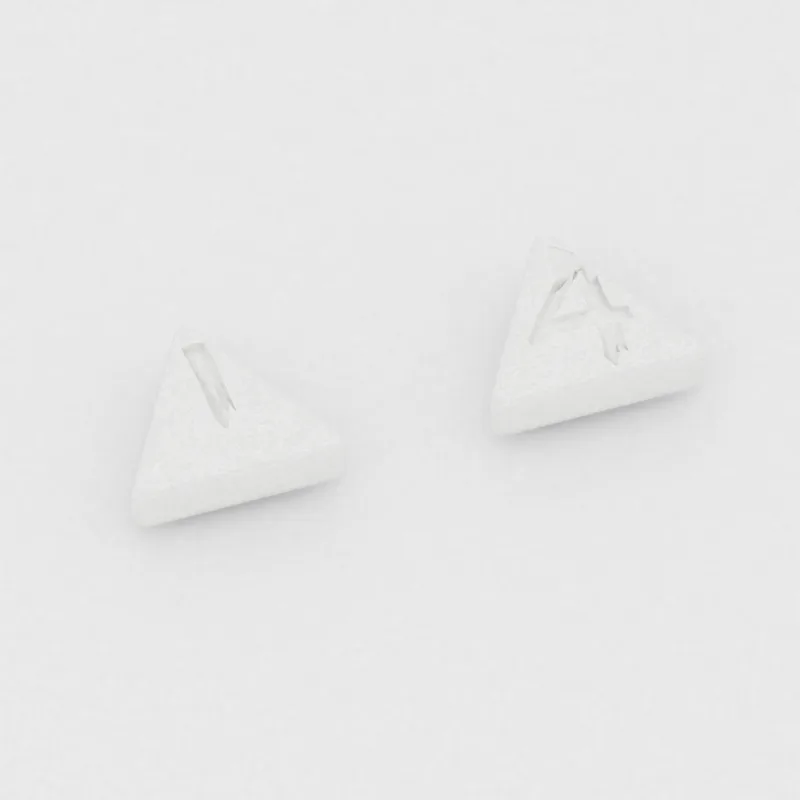

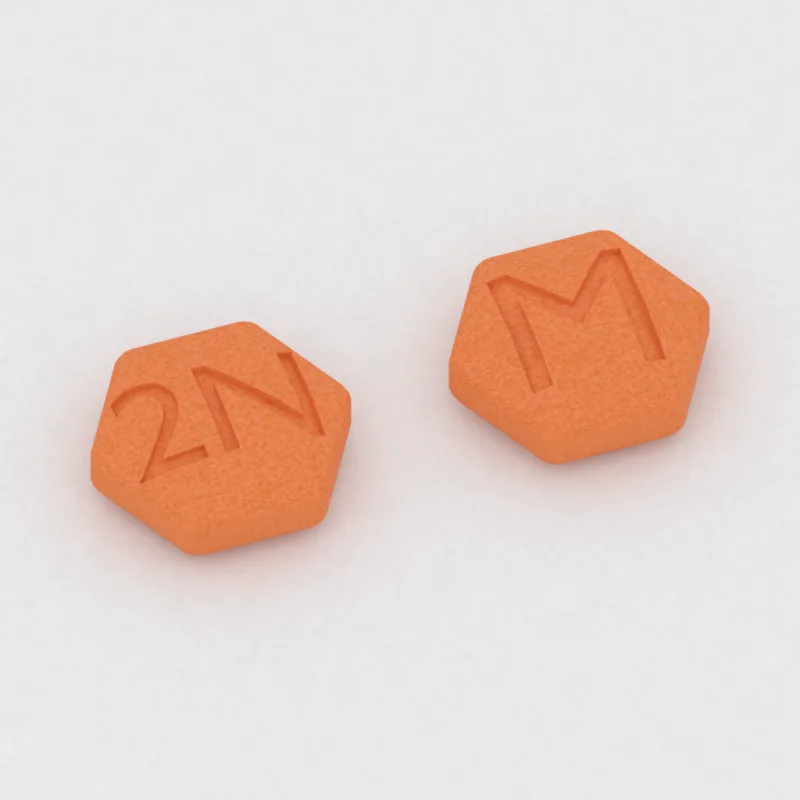

رسوم مُنشأة من قوائم المنتجات في نشرات FDA: اللون والشكل والحجم والنقش. 29 نسخة موثّقة من 15 شركة مسوّقة.
تداخلات من النشرة
تداخلات شديدة (156)
Monoamine Oxidase Inhibitors (MAOIs) Clinical Impact: MAOI interactions with opioids may manifest as serotonin syndrome or opioid toxicity (e.g., respiratory depression, coma). (نشرة بوبرينورفين ونالوكسون، التداخلات الدوائية)
• Avoid concurrent use of alcohol or other central nervous system (CNS) depressants with azelastine hydrochloride and fluticasone propionate nasal spray because further decreased alertness and impairment of CNS performance may occur. (نشرة أزيلاستين وفلوتيكازون، التحذيرات والاحتياطات)
Many, but not all, post-marketing reports regarding coma and death involved misuse by self-injection or were associated with the concomitant use of buprenorphine and benzodiazepines or other CNS depressant, including alcohol. (نشرة بوبرينورفين ونالوكسون، التحذيرات والاحتياطات)
The use of LUNESTA with other sedative-hypnotics at bedtime or the middle of the night is not recommended. (نشرة إسزوبيكلون، التحذيرات والاحتياطات)
Serotonergic Drugs: Concomitant use may result in serotonin syndrome. (نشرة بوبرينورفين ونالوكسون، التداخلات الدوائية)
Many, but not all, post-marketing reports regarding coma and death involved misuse by self-injection or were associated with the concomitant use of buprenorphine and benzodiazepines or other CNS depressant, including alcohol. (نشرة بوبرينورفين ونالوكسون، التحذيرات والاحتياطات)
Withdrawal Avoid the use of mixed agonist/antagonist (e.g., pentazocine, nalbuphine, and butorphanol) or partial agonist (e.g., buprenorphine) analgesics in patients who are receiving a full opioid agonist analgesic, including belladonna and opium suppositories. (نشرة البلادونا والأفيون، التحذيرات والاحتياطات)
…Lipid-modifying Agents: lomitapide, lovastatin, simvastatin Phosphodiesterase-5 (PDE-5) Inhibitor: sildenafil when administered as REVATIO ® for the treatment of pulmonary arterial hypertension Sedative/hypnotics: triazolam, orally administered midazolam Coadministration of GENVOYA is contraindicated with drugs that: Are highly dependent on CYP3A for clearance and for which… (نشرة إلفيتيغرافير وكوبيسيستات وإمتريسيتابين وتينوفوفير، موانع الاستعمال)
Buprenorphine and naloxone sublingual tablet is contraindicated in patients with a history of hypersensitivity to buprenorphine or naloxone as serious adverse reactions, including anaphylactic shock, have been reported [see Warnings and Precautions (5.9) ] . (نشرة بوبرينورفين ونالوكسون، موانع الاستعمال)
Many, but not all, post-marketing reports regarding coma and death involved misuse by self-injection or were associated with the concomitant use of buprenorphine and benzodiazepines or other CNS depressant, including alcohol. (نشرة بوبرينورفين ونالوكسون، التحذيرات والاحتياطات)
Serotonergic Drugs: Concomitant use may result in serotonin syndrome. (نشرة بوبرينورفين ونالوكسون، التداخلات الدوائية)
Serotonergic Drugs: Concomitant use may result in serotonin syndrome. (نشرة بوبرينورفين ونالوكسون، التداخلات الدوائية)
Serotonergic Drugs: Concomitant use may result in serotonin syndrome. (نشرة بوبرينورفين ونالوكسون، التداخلات الدوائية)
Serotonergic Drugs: Concomitant use may result in serotonin syndrome. (نشرة بوبرينورفين ونالوكسون، التداخلات الدوائية)
Examples: phenelzine, tranylcypromine, linezolid Muscle Relaxants Clinical Impact: Buprenorphine may enhance the neuromuscular blocking action of skeletal muscle relaxants and produce an increased degree of respiratory depression. (نشرة بوبرينورفين ونالوكسون، التداخلات الدوائية)
Examples: phenelzine, tranylcypromine, linezolid Muscle Relaxants Clinical Impact: Buprenorphine may enhance the neuromuscular blocking action of skeletal muscle relaxants and produce an increased degree of respiratory depression. (نشرة بوبرينورفين ونالوكسون، التداخلات الدوائية)
Many, but not all, post-marketing reports regarding coma and death involved misuse by self-injection or were associated with the concomitant use of buprenorphine and benzodiazepines or other CNS depressant, including alcohol. (نشرة بوبرينورفين ونالوكسون، التحذيرات والاحتياطات)
• Central Nervous System Depression Xyrem (sodium oxybate) is a CNS depressant. (نشرة أوكسيبات الصوديوم، تحذير مؤطر)
Examples: butorphanol, nalbuphine, pentazocine, buprenorphine Muscle Relaxants Clinical Impact: Oxycodone may enhance the neuromuscular blocking action of skeletal muscle relaxants and produce an increased degree of respiratory depression. (نشرة أوكسيكودون، التداخلات الدوائية)
Withdrawal Avoid the use of mixed agonist/antagonist (e.g., pentazocine, nalbuphine, and butorphanol) or partial agonist (e.g., buprenorphine) analgesics in patients who are receiving a full opioid agonist analgesic, including oxycodone hydrochloride tablets. (نشرة أوكسيكودون وباراسيتامول، التحذيرات والاحتياطات)
Additionally, avoid the use of mixed agonist/antagonist (e.g., pentazocine, nalbuphine, and butorphanol) and partial agonist (e.g., buprenorphine) analgesics in patients who are receiving a full opioid agonist analgesic, including Oxymorphone Hydrochloride Extended-Release Tablets. (نشرة أوكسيمورفون، التحذيرات والاحتياطات)
Serotonergic Drugs: Concomitant use may result in serotonin syndrome. (نشرة بوبرينورفين ونالوكسون، التداخلات الدوائية)
• Avoid concurrent use of alcohol or other central nervous system depressants with olopatadine hydrochloride nasal solution (nasal spray) ( 5.2 ). (نشرة أولوباتادين، التحذيرات والاحتياطات)
• Avoid concurrent use of alcohol or other central nervous system (CNS) depressants with RYALTRIS because additional reductions in alertness and additional impairment of CNS performance may occur. (نشرة أولوباتادين وموميتازون، التحذيرات والاحتياطات)
Management of respiratory depression may include close observation, supportive measures, and use of opioid opioid overdose reversal agents (e.g., naloxone, nalmefene), depending on the patient’s clinical status [see Overdosage ( 10.2 )] . (نشرة أوليسيريدين، التحذيرات والاحتياطات)
Serotonergic Drugs: Concomitant use may result in serotonin syndrome. (نشرة بوبرينورفين ونالوكسون، التداخلات الدوائية)
Monoamine Oxidase Inhibitors (MAOIs) Clinical Impact: MAOI interactions with opioids may manifest as serotonin syndrome or opioid toxicity (e.g., respiratory depression, coma). (نشرة بوبرينورفين ونالوكسون، التداخلات الدوائية)
Serotonergic Drugs: Concomitant use may result in serotonin syndrome. (نشرة بوبرينورفين ونالوكسون، التداخلات الدوائية)
Consider recommending or prescribing an opioid overdose reversal agent ( see WARNINGS, Life-Threatening Respiratory Depression ; DOSAGE AND ADMINISTRATION, Patient Access to Naloxone for the Emergency Treatment of Opioid Overdose ). (نشرة باراسيتامول وكودايين، التحذيرات)
Serotonergic Drugs: Concomitant use may result in serotonin syndrome. (نشرة بوبرينورفين ونالوكسون، التداخلات الدوائية)
Examples: phenelzine, tranylcypromine, linezolid Muscle Relaxants Clinical Impact: Buprenorphine may enhance the neuromuscular blocking action of skeletal muscle relaxants and produce an increased degree of respiratory depression. (نشرة بوبرينورفين ونالوكسون، التداخلات الدوائية)
Serotonergic Drugs: Concomitant use may result in serotonin syndrome. (نشرة بوبرينورفين ونالوكسون، التداخلات الدوائية)
Serotonergic Drugs: Concomitant use may result in serotonin syndrome. (نشرة بوبرينورفين ونالوكسون، التداخلات الدوائية)
Serotonergic Drugs: Concomitant use may result in serotonin syndrome. (نشرة بوبرينورفين ونالوكسون، التداخلات الدوائية)
Do not use in comatose states or in the presence of large amounts of central nervous system depressants (alcohol, barbiturates, narcotics, etc.). Do not use in pediatric surgery. (نشرة بروكلوربيرازين، موانع الاستعمال)
Serotonergic Drugs: Concomitant use may result in serotonin syndrome. (نشرة بوبرينورفين ونالوكسون، التداخلات الدوائية)
Serotonergic Drugs: Concomitant use may result in serotonin syndrome. (نشرة بوبرينورفين ونالوكسون، التداخلات الدوائية)
Management of respiratory depression includes discontinuation of Promethazine HCl and Codeine Phosphate Oral Solution, close observation, supportive measures, and use of opioid antagonists (e.g. naloxone), depending on the patient’s clinical status [ see Overdosage (10) ]. (نشرة بروميثازين وكودايين، التحذيرات والاحتياطات)
• Respiratory Depression : May occur with LYRICA when used with concomitant CNS depressants or in the setting of underlying respiratory impairment. (نشرة بريغابالين، التحذيرات والاحتياطات)
Buprenorphine and naloxone sublingual tablet is contraindicated in patients with a history of hypersensitivity to buprenorphine or naloxone as serious adverse reactions, including anaphylactic shock, have been reported [see Warnings and Precautions (5.9) ] . (نشرة بوبرينورفين ونالوكسون، موانع الاستعمال)
Concomitant use of opioids with benzodiazepines or other central nervous system (CNS) depressants, including alcohol, may result in profound sedation, respiratory depression, coma, and death. (نشرة بوبرينورفين، تحذير مؤطر)
Additionally, avoid the use of mixed agonist/antagonist (e.g., pentazocine, nalbuphine, and butorphanol) or partial agonist (e.g., buprenorphine) analgesics in patients who are receiving a full opioid agonist analgesic, including BUTALBITAL, ASPIRIN, CAFFEINE and CODEINE PHOSPHATE. (نشرة بوتالبيتال وأسبرين وكافيين وكودايين، التحذيرات والاحتياطات)
Additionally, avoid the use of mixed agonist/antagonist (e.g., pentazocine, nalbuphine, and butorphanol) or partial agonist (e.g., buprenorphine) analgesics in patients who are receiving a full opioid agonist analgesic, including Butalbital, Acetaminophen, Caffeine, and Codeine Phosphate Capsules. (نشرة بوتالبيتال وباراسيتامول وكافيين وكودايين، التحذيرات والاحتياطات)
Management of respiratory depression may include close observation, supportive measures, and use of opioid overdose reversal agents (e.g., naloxone, nalmefene), depending on the patient's clinical status [see OVERDOSAGE ]. (نشرة بوتورفانول، التحذيرات)
Serotonergic Drugs: Concomitant use may result in serotonin syndrome. (نشرة بوبرينورفين ونالوكسون، التداخلات الدوائية)
Serotonergic Drugs: Concomitant use may result in serotonin syndrome. (نشرة بوبرينورفين ونالوكسون، التداخلات الدوائية)
CONTRAINDICATIONS Perphenazine products are contraindicated in comatose or greatly obtunded patients and in patients receiving large doses of central nervous system depressants (barbiturates, alcohol, narcotics, analgesics, or antihistamines); in the presence of existing blood dyscrasias, bone marrow depression, or liver damage; and in patients who have shown… (نشرة بيرفينازين، موانع الاستعمال)
Opioid Antagonist: Naloxegol ↑ naloxegol Avoid use with BIXLENVO; if unavoidable, decrease the dosage of naloxegol and monitor for adverse reactions. (نشرة بيكتيغرافير وإمتريسيتابين وتينوفوفير ألافيناميد، التداخلات الدوائية)
Serotonergic Drugs: Concomitant use may result in serotonin syndrome. (نشرة بوبرينورفين ونالوكسون، التداخلات الدوائية)
Serotonergic Drugs: Concomitant use may result in serotonin syndrome. (نشرة بوبرينورفين ونالوكسون، التداخلات الدوائية)
Serotonergic Drugs: Concomitant use may result in serotonin syndrome. (نشرة بوبرينورفين ونالوكسون، التداخلات الدوائية)
Serotonergic Drugs: Concomitant use may result in serotonin syndrome. (نشرة بوبرينورفين ونالوكسون، التداخلات الدوائية)
Examples: phenelzine, tranylcypromine, linezolid Muscle Relaxants Clinical Impact: Buprenorphine may enhance the neuromuscular blocking action of skeletal muscle relaxants and produce an increased degree of respiratory depression. (نشرة بوبرينورفين ونالوكسون، التداخلات الدوائية)
Many, but not all, post-marketing reports regarding coma and death involved misuse by self-injection or were associated with the concomitant use of buprenorphine and benzodiazepines or other CNS depressant, including alcohol. (نشرة بوبرينورفين ونالوكسون، التحذيرات والاحتياطات)
CONTRAINDICATIONS A known hypersensitivity to phenothiazines, comatose or greatly depressed states due to central nervous system depressants and, in cases of existing blood dyscrasias, bone marrow depression and preexisting liver damage. (نشرة تريفلوبيرازين، موانع الاستعمال)
Serotonergic Drugs: Concomitant use may result in serotonin syndrome. (نشرة بوبرينورفين ونالوكسون، التداخلات الدوائية)
Examples: phenelzine, tranylcypromine, linezolid Muscle Relaxants Clinical Impact: Buprenorphine may enhance the neuromuscular blocking action of skeletal muscle relaxants and produce an increased degree of respiratory depression. (نشرة بوبرينورفين ونالوكسون، التداخلات الدوائية)
Many, but not all, post-marketing reports regarding coma and death involved misuse by self-injection or were associated with the concomitant use of buprenorphine and benzodiazepines or other CNS depressant, including alcohol. (نشرة بوبرينورفين ونالوكسون، التحذيرات والاحتياطات)
Examples: phenelzine, tranylcypromine, linezolid Muscle Relaxants Clinical Impact: Buprenorphine may enhance the neuromuscular blocking action of skeletal muscle relaxants and produce an increased degree of respiratory depression. (نشرة بوبرينورفين ونالوكسون، التداخلات الدوائية)
Other risk factors may include age over 65 years, alcohol abuse, and use of agents such as benzodiazepines, volatile anesthetics, and IV opiates. (نشرة دروبيريدول، تحذير مؤطر)
Serotonergic Drugs: Concomitant use may result in serotonin syndrome. (نشرة بوبرينورفين ونالوكسون، التداخلات الدوائية)
Central nervous system (CNS) depressants: Concurrent use with alcohol or other CNS depressants is not recommended ( 5.1 ) (نشرة دوكسيلامين وبيريدوكسين، التحذيرات والاحتياطات)
Serotonergic Drugs: Concomitant use may result in serotonin syndrome. (نشرة بوبرينورفين ونالوكسون، التداخلات الدوائية)
Many, but not all, post-marketing reports regarding coma and death involved misuse by self-injection or were associated with the concomitant use of buprenorphine and benzodiazepines or other CNS depressant, including alcohol. (نشرة بوبرينورفين ونالوكسون، التحذيرات والاحتياطات)
Serotonergic Drugs: Concomitant use may result in serotonin syndrome. (نشرة بوبرينورفين ونالوكسون، التداخلات الدوائية)
Serotonergic Drugs: Concomitant use may result in serotonin syndrome. (نشرة بوبرينورفين ونالوكسون، التداخلات الدوائية)
CONTRAINDICATIONS Diphenoxylate hydrochloride and atropine sulfate is contraindicated in: • Pediatric patients less than 6 years of age due to the risks of respiratory and central nervous system (CNS) depression (see WARNINGS ). (نشرة ديفينوكسيلات وأتروبين، موانع الاستعمال)
Serotonergic Drugs: Concomitant use may result in serotonin syndrome. (نشرة بوبرينورفين ونالوكسون، التداخلات الدوائية)
Serotonergic Drugs: Concomitant use may result in serotonin syndrome. (نشرة بوبرينورفين ونالوكسون، التداخلات الدوائية)
Serotonergic Drugs: Concomitant use may result in serotonin syndrome. (نشرة بوبرينورفين ونالوكسون، التداخلات الدوائية)
Monoamine Oxidase Inhibitors (MAOIs) Clinical Impact: MAOI interactions with opioids may manifest as serotonin syndrome or opioid toxicity (e.g., respiratory depression, coma). (نشرة بوبرينورفين ونالوكسون، التداخلات الدوائية)
Serotonergic Drugs: Concomitant use may result in serotonin syndrome. (نشرة بوبرينورفين ونالوكسون، التداخلات الدوائية)
In the case of life-threatening muscle rigidity, a rapid onset neuromuscular blocker or naloxone may be administered. (نشرة ريميفنتانيل، التحذيرات والاحتياطات)
The use of zaleplon with other sedative-hypnotics at bedtime or the middle of the night is not recommended (see ). (نشرة زاليبلون، التحذيرات)
The use of Zolpidem Tartrate with other sedative-hypnotics (including other zolpidem products) at bedtime or the middle of the night is not recommended. (نشرة زولبيديم، التحذيرات والاحتياطات)
Serotonergic Drugs: Concomitant use may result in serotonin syndrome. (نشرة بوبرينورفين ونالوكسون، التداخلات الدوائية)
Serotonergic Drugs: Concomitant use may result in serotonin syndrome. (نشرة بوبرينورفين ونالوكسون، التداخلات الدوائية)
Serotonergic Drugs: Concomitant use may result in serotonin syndrome. (نشرة بوبرينورفين ونالوكسون، التداخلات الدوائية)
Serotonergic Drugs: Concomitant use may result in serotonin syndrome. (نشرة بوبرينورفين ونالوكسون، التداخلات الدوائية)
Table 8: Drugs That are Affected by and Affecting Ciprofloxacin Drugs That are Affected by Ciprofloxacin Drug(s) Recommendation Comments Tizanidine Contraindicated Concomitant administration of tizanidine and ciprofloxacin is contraindicated due to the potentiation of hypotensive and sedative effects of tizanidine [see Contraindications ( 4.2 )]. (نشرة سيبروفلوكساسين، التداخلات الدوائية)
Serotonergic Drugs: Concomitant use may result in serotonin syndrome. (نشرة بوبرينورفين ونالوكسون، التداخلات الدوائية)
Avoid concurrent use of QUZYTTIR with alcohol or other CNS depressants because additional reduction in alertness and additional impairment of CNS performance may occur. (نشرة سيتريزين، التحذيرات والاحتياطات)
Serotonergic Drugs: Concomitant use may result in serotonin syndrome. (نشرة بوبرينورفين ونالوكسون، التداخلات الدوائية)
Risk of Respiratory Depression Sevoflurane may cause respiratory depression, which may be augmented by opioid premedication or other agents causing respiratory depression. (نشرة سيفوفلوران، التحذيرات)
Examples: phenelzine, tranylcypromine, linezolid Muscle Relaxants Clinical Impact: Buprenorphine may enhance the neuromuscular blocking action of skeletal muscle relaxants and produce an increased degree of respiratory depression. (نشرة بوبرينورفين ونالوكسون، التداخلات الدوائية)
Monoamine Oxidase Inhibitors (MAOIs) Clinical Impact: MAOI interactions with opioids may manifest as serotonin syndrome or opioid toxicity (e.g., respiratory depression, coma). (نشرة بوبرينورفين ونالوكسون، التداخلات الدوائية)
Opioids Respiratory depression and sedation, sometimes resulting in death, have been reported following coadministration of gabapentin with opioids (e.g., morphine, hydrocodone, oxycodone, buprenorphine) [see Warnings and Precautions (5.8) ] . (نشرة غابابنتين، التداخلات الدوائية)
Serotonergic Drugs: Concomitant use may result in serotonin syndrome. (نشرة بوبرينورفين ونالوكسون، التداخلات الدوائية)
Serotonergic Drugs: Concomitant use may result in serotonin syndrome. (نشرة بوبرينورفين ونالوكسون، التداخلات الدوائية)
Serotonergic Drugs: Concomitant use may result in serotonin syndrome. (نشرة بوبرينورفين ونالوكسون، التداخلات الدوائية)
Serotonergic Drugs: Concomitant use may result in serotonin syndrome. (نشرة بوبرينورفين ونالوكسون، التداخلات الدوائية)
Many, but not all, post-marketing reports regarding coma and death involved misuse by self-injection or were associated with the concomitant use of buprenorphine and benzodiazepines or other CNS depressant, including alcohol. (نشرة بوبرينورفين ونالوكسون، التحذيرات والاحتياطات)
Serotonergic Drugs: Concomitant use may result in serotonin syndrome. (نشرة بوبرينورفين ونالوكسون، التداخلات الدوائية)
Management of respiratory depression may include close observation, supportive measures, and use of opioid overdose reversal agents (e.g., naloxone, nalmefene) , depending on the patient's clinical status [see Overdosage (10) ] . (نشرة فنتانيل، التحذيرات والاحتياطات)
Serotonergic Drugs: Concomitant use may result in serotonin syndrome. (نشرة بوبرينورفين ونالوكسون، التداخلات الدوائية)
Serotonergic Drugs: Concomitant use may result in serotonin syndrome. (نشرة بوبرينورفين ونالوكسون، التداخلات الدوائية)
Serotonergic Drugs: Concomitant use may result in serotonin syndrome. (نشرة بوبرينورفين ونالوكسون، التداخلات الدوائية)
WARNING: RISKS FROM CONCOMITANT USE WITH OPIOIDS; DEPENDENCE AND WITHDRAWAL REACTIONS AFTER USE OF SEZABY FOR A LONGER DURATION THAN RECOMMENDED; and ABUSE, MISUSE AND ADDICTION WITH UNAPPROVED USE IN ADOLESCENTS AND ADULTS Risks from Concomitant Use with Opioids Concomitant use of phenobarbital products, including SEZABY, and opioids may result in profound sedation,… (نشرة فينوباربيتال، تحذير مؤطر)
Examples: phenelzine, tranylcypromine, linezolid Muscle Relaxants Clinical Impact: Buprenorphine may enhance the neuromuscular blocking action of skeletal muscle relaxants and produce an increased degree of respiratory depression. (نشرة بوبرينورفين ونالوكسون، التداخلات الدوائية)
CNS Depressants The concomitant use of EQUETRO and other CNS depressants can increase the risk of respiratory depression, profound sedation, hypotension, and syncope. (نشرة كاربامازيبين، التداخلات الدوائية)
Avoid concurrent use of Carbinoxamine Maleate Extended-Release Oral Suspension with alcohol or other central nervous system depressants because additional impairment of central nervous system performance may occur. (نشرة كاربينوكسامين، التحذيرات والاحتياطات)
Examples: phenelzine, tranylcypromine, linezolid Muscle Relaxants Clinical Impact: Buprenorphine may enhance the neuromuscular blocking action of skeletal muscle relaxants and produce an increased degree of respiratory depression. (نشرة بوبرينورفين ونالوكسون، التداخلات الدوائية)
Many, but not all, post-marketing reports regarding coma and death involved misuse by self-injection or were associated with the concomitant use of buprenorphine and benzodiazepines or other CNS depressant, including alcohol. (نشرة بوبرينورفين ونالوكسون، التحذيرات والاحتياطات)
Many, but not all, post-marketing reports regarding coma and death involved misuse by self-injection or were associated with the concomitant use of buprenorphine and benzodiazepines or other CNS depressant, including alcohol. (نشرة بوبرينورفين ونالوكسون، التحذيرات والاحتياطات)
Do not use in comatose states or in the presence of large amounts of central nervous system depressants (alcohol, barbiturates, narcotics, etc.). (نشرة كلوربرومازين، موانع الاستعمال)
Many, but not all, post-marketing reports regarding coma and death involved misuse by self-injection or were associated with the concomitant use of buprenorphine and benzodiazepines or other CNS depressant, including alcohol. (نشرة بوبرينورفين ونالوكسون، التحذيرات والاحتياطات)
Many, but not all, post-marketing reports regarding coma and death involved misuse by self-injection or were associated with the concomitant use of buprenorphine and benzodiazepines or other CNS depressant, including alcohol. (نشرة بوبرينورفين ونالوكسون، التحذيرات والاحتياطات)
Examples: phenelzine, tranylcypromine, linezolid Muscle Relaxants Clinical Impact: Buprenorphine may enhance the neuromuscular blocking action of skeletal muscle relaxants and produce an increased degree of respiratory depression. (نشرة بوبرينورفين ونالوكسون، التداخلات الدوائية)
Serotonergic Drugs: Concomitant use may result in serotonin syndrome. (نشرة بوبرينورفين ونالوكسون، التداخلات الدوائية)
Many, but not all, post-marketing reports regarding coma and death involved misuse by self-injection or were associated with the concomitant use of buprenorphine and benzodiazepines or other CNS depressant, including alcohol. (نشرة بوبرينورفين ونالوكسون، التحذيرات والاحتياطات)
Avoid use with other central nervous system (CNS) depressants ( 5.3 ) (نشرة كلونيدين، التحذيرات والاحتياطات)
Additionally, avoid the use of mixed agonist/antagonist (e.g., pentazocine, nalbuphine, and butorphanol) or partial agonist (e.g., buprenorphine) analgesics in patients who are receiving a full opioid agonist analgesic, including Codeine Sulfate Tablets. (نشرة كودايين، التحذيرات والاحتياطات)
Benzodiazepines, Opioid Analgesics, or other CNS Depressants : Concomitant use may result in profound sedation, respiratory depression, coma, or death. (نشرة كيتامين، التداخلات الدوائية)
BOXED WARNING Ketorolac tromethamine tablets, a nonsteroidal anti-inflammatory drug (NSAID), are indicated for the short-term (up to 5 days in adults), management of moderately severe acute pain that requires analgesia at the opioid level and only as continuation treatment following IV or IM dosing of ketorolac tromethamine, if necessary. (نشرة كيتورولاك، تحذير مؤطر)
This may potentiate and prolong hypnotic and sedative effects, especially with repeated dosing or chronic administration of these agents. (نشرة كيتوكونازول، موانع الاستعمال)
Many, but not all, post-marketing reports regarding coma and death involved misuse by self-injection or were associated with the concomitant use of buprenorphine and benzodiazepines or other CNS depressant, including alcohol. (نشرة بوبرينورفين ونالوكسون، التحذيرات والاحتياطات)
Increased Risk of Opioid Overdose after Opioid Discontinuation : Patients who complete opioid discontinuation are at an increased risk of fatal overdose should they resume opioid use. (نشرة لوفيكسيدين، التحذيرات والاحتياطات)
CONTRAINDICATIONS Loxapine is contraindicated in comatose or severe drug-induced depressed states (alcohol, barbiturates, narcotics, etc.). Loxapine is contraindicated in individuals with known hypersensitivity to dibenzoxazepines. (نشرة لوكسابين، موانع الاستعمال)
Serotonergic Drugs: Concomitant use may result in serotonin syndrome. (نشرة بوبرينورفين ونالوكسون، التداخلات الدوائية)
Additionally, avoid the use of mixed agonist/antagonist (e.g., pentazocine, nalbuphine, and butorphanol) or partial agonist (e.g., buprenorphine) analgesics in patients who are receiving a full opioid agonist analgesic, including Levorphanol. (نشرة ليفورفانول، التحذيرات)
Avoid concurrent use of alcohol or other central nervous system depressants with XYZAL. (نشرة ليفوسيتريزين، التحذيرات والاحتياطات)
Serotonergic Drugs: Concomitant use may result in serotonin syndrome. (نشرة بوبرينورفين ونالوكسون، التداخلات الدوائية)
Opioid Antagonist: naloxegol ↑ naloxegol Avoid use with SUNLENCA; if unavoidable, decrease the dosage of naloxegol and monitor for adverse reactions. (نشرة ليناكابافير، التداخلات الدوائية)
Examples: phenelzine, tranylcypromine, linezolid Muscle Relaxants Clinical Impact: Buprenorphine may enhance the neuromuscular blocking action of skeletal muscle relaxants and produce an increased degree of respiratory depression. (نشرة بوبرينورفين ونالوكسون، التداخلات الدوائية)
Additionally, avoid the use of mixed agonist/antagonist (e.g., pentazocine, nalbuphine, and butorphanol) or partial agonist (e.g., buprenorphine) analgesics in patients who are receiving a full opioid agonist analgesic, including Morphine Sulfate Oral Solution. (نشرة مورفين، التحذيرات والاحتياطات)
Examples: phenelzine, tranylcypromine, linezolid Muscle Relaxants Clinical Impact: Buprenorphine may enhance the neuromuscular blocking action of skeletal muscle relaxants and produce an increased degree of respiratory depression. (نشرة بوبرينورفين ونالوكسون، التداخلات الدوائية)
Withdrawal Avoid the use of mixed agonist/antagonist (i.e., pentazocine, nalbuphine, and butorphanol) or partial agonist (e.g., buprenorphine) analgesics in patients who are receiving a full opioid agonist, including METHADOSE. (نشرة ميثادون، التحذيرات والاحتياطات)
Examples: phenelzine, tranylcypromine, linezolid Muscle Relaxants Clinical Impact: Buprenorphine may enhance the neuromuscular blocking action of skeletal muscle relaxants and produce an increased degree of respiratory depression. (نشرة بوبرينورفين ونالوكسون، التداخلات الدوائية)
Buprenorphine and naloxone sublingual tablet is contraindicated in patients with a history of hypersensitivity to buprenorphine or naloxone as serious adverse reactions, including anaphylactic shock, have been reported [see Warnings and Precautions (5.9) ] . (نشرة بوبرينورفين ونالوكسون، موانع الاستعمال)
Many, but not all, post-marketing reports regarding coma and death involved misuse by self-injection or were associated with the concomitant use of buprenorphine and benzodiazepines or other CNS depressant, including alcohol. (نشرة بوبرينورفين ونالوكسون، التحذيرات والاحتياطات)
Serotonergic Drugs: Concomitant use may result in serotonin syndrome. (نشرة بوبرينورفين ونالوكسون، التداخلات الدوائية)
Serotonergic Drugs: Concomitant use may result in serotonin syndrome. (نشرة بوبرينورفين ونالوكسون، التداخلات الدوائية)
Serotonergic Drugs: Concomitant use may result in serotonin syndrome. (نشرة بوبرينورفين ونالوكسون، التداخلات الدوائية)
Management of respiratory depression may include close observation, supportive measures, and use of opioid overdose reversal agents (e.g., naloxone, nalmefene), depending on the patient's clinical status [see OVERDOSAGE ]. (نشرة نالبوفين، التحذيرات)
Buprenorphine and naloxone sublingual tablet is contraindicated in patients with a history of hypersensitivity to buprenorphine or naloxone as serious adverse reactions, including anaphylactic shock, have been reported [see Warnings and Precautions (5.9) ] . (نشرة بوبرينورفين ونالوكسون، موانع الاستعمال)
Buprenorphine and naloxone sublingual tablet is contraindicated in patients with a history of hypersensitivity to buprenorphine or naloxone as serious adverse reactions, including anaphylactic shock, have been reported [see Warnings and Precautions (5.9) ] . (نشرة بوبرينورفين ونالوكسون، موانع الاستعمال)
Buprenorphine and naloxone sublingual tablet is contraindicated in patients with a history of hypersensitivity to buprenorphine or naloxone as serious adverse reactions, including anaphylactic shock, have been reported [see Warnings and Precautions (5.9) ] . (نشرة بوبرينورفين ونالوكسون، موانع الاستعمال)
Buprenorphine and naloxone sublingual tablet is contraindicated in patients with a history of hypersensitivity to buprenorphine or naloxone as serious adverse reactions, including anaphylactic shock, have been reported [see Warnings and Precautions (5.9) ] . (نشرة بوبرينورفين ونالوكسون، موانع الاستعمال)
Buprenorphine and naloxone sublingual tablet is contraindicated in patients with a history of hypersensitivity to buprenorphine or naloxone as serious adverse reactions, including anaphylactic shock, have been reported [see Warnings and Precautions (5.9) ] . (نشرة بوبرينورفين ونالوكسون، موانع الاستعمال)
Buprenorphine and naloxone sublingual tablet is contraindicated in patients with a history of hypersensitivity to buprenorphine or naloxone as serious adverse reactions, including anaphylactic shock, have been reported [see Warnings and Precautions (5.9) ] . (نشرة بوبرينورفين ونالوكسون، موانع الاستعمال)
Serotonergic Drugs: Concomitant use may result in serotonin syndrome. (نشرة بوبرينورفين ونالوكسون، التداخلات الدوائية)
Serotonergic Drugs: Concomitant use may result in serotonin syndrome. (نشرة بوبرينورفين ونالوكسون، التداخلات الدوائية)
Rarely, cardiac arrests and death have been reported in association with the combined use of hydroxyzine hydrochloride intramuscularly and other CNS depressants. (نشرة هيدروكسيزين، الاحتياطات)
Additionally, avoid the use of mixed agonist/antagonist analgesics (e.g., pentazocine, nalbuphine, and butorphanol) or partial agonist (e.g., buprenorphine) analgesics in patients who are receiving a full opioid agonist analgesic, including HYSINGLA ER. (نشرة هيدروكودون، التحذيرات والاحتياطات)
Additionally, avoid the use of mixed agonist/antagonist (e.g., pentazocine, nalbuphine, and butorphanol) or partial agonist (e.g., buprenorphine) analgesics in patients who are receiving a full opioid agonist analgesic, including Hydrocodone Bitartrate and Ibuprofen Tablets. (نشرة هيدروكودون وإيبوبروفين، التحذيرات)
Additionally, avoid the use of mixed agonist/antagonist (e.g., pentazocine, nalbuphine, and butorphanol) or partial agonist (e.g., buprenorphine) analgesics in patients who are receiving a full opioid agonist analgesic, including hydrocodone bitartrate and acetaminophen tablets. (نشرة هيدروكودون وباراسيتامول، التحذيرات)
Management of respiratory depression includes discontinuation of Hydrocodone Polistirex and Chlorpheniramine Polistirex, close observation, supportive measures, and use of opioid antagonists (e.g. naloxone), depending on the patient’s clinical status [ see Overdosage (10) ]. (نشرة هيدروكودون وكلورفينيرامين، التحذيرات والاحتياطات)
Management of respiratory depression includes discontinuation of hydrocodone bitartrate and homatropine methylbromide, close observation, supportive measures, and use of opioid overdose reversal agents (e.g., naloxone or nalmefene), depending on the patient's clinical status [see Overdosage (10) ] . (نشرة هيدروكودون وهوماتروبين، التحذيرات والاحتياطات)
Management of respiratory depression may include close observation, supportive measures, and use of opioid overdose reversal agents (e.g., naloxone, nalmefene), depending on the patient’s clinical status [see Overdosage ( 10 )] . (نشرة هيدرومورفون، التحذيرات والاحتياطات)
تداخلات متوسطة (254)
Antiretrovirals: Patients who are on chronic buprenorphine treatment should have their dose monitored if NNRTIs are added to their treatment regimen. (نشرة بوبرينورفين ونالوكسون، التداخلات الدوائية)
Antiretrovirals: Patients who are on chronic buprenorphine treatment should have their dose monitored if NNRTIs are added to their treatment regimen. (نشرة بوبرينورفين ونالوكسون، التداخلات الدوائية)
Anticholinergic Drugs Clinical Impact: The concomitant use of anticholinergic drugs may increase the risk of urinary retention and/or severe constipation, which may lead to paralytic ileus. (نشرة بوبرينورفين ونالوكسون، التداخلات الدوائية)
Anticholinergic Drugs Clinical Impact: The concomitant use of anticholinergic drugs may increase the risk of urinary retention and/or severe constipation, which may lead to paralytic ileus. (نشرة بوبرينورفين ونالوكسون، التداخلات الدوائية)
Inhibitors of CYP3A4 Clinical Impact: The concomitant use of buprenorphine and CYP3A4 inhibitors can increase the plasma concentration of buprenorphine, resulting in increased or prolonged opioid effects, particularly when an inhibitor is added after a stable dose of buprenorphine and naloxone sublingual tablet is achieved. (نشرة بوبرينورفين ونالوكسون، التداخلات الدوائية)
Examples: Cyclobenzaprine, metaxalone Diuretics Clinical Impact: Opioids can reduce the efficacy of diuretics by inducing the release of antidiuretic hormone. (نشرة بوبرينورفين ونالوكسون، التداخلات الدوائية)
Anticholinergic Drugs Clinical Impact: The concomitant use of anticholinergic drugs may increase the risk of urinary retention and/or severe constipation, which may lead to paralytic ileus. (نشرة بوبرينورفين ونالوكسون، التداخلات الدوائية)
Anticholinergic Drugs Clinical Impact: The concomitant use of anticholinergic drugs may increase the risk of urinary retention and/or severe constipation, which may lead to paralytic ileus. (نشرة بوبرينورفين ونالوكسون، التداخلات الدوائية)
Examples: Cyclobenzaprine, metaxalone Diuretics Clinical Impact: Opioids can reduce the efficacy of diuretics by inducing the release of antidiuretic hormone. (نشرة بوبرينورفين ونالوكسون، التداخلات الدوائية)
Examples: Cyclobenzaprine, metaxalone Diuretics Clinical Impact: Opioids can reduce the efficacy of diuretics by inducing the release of antidiuretic hormone. (نشرة بوبرينورفين ونالوكسون، التداخلات الدوائية)
Examples: Macrolide antibiotics (e.g., erythromycin), azole-antifungal agents (e.g. ketoconazole), protease inhibitors (e.g., ritonavir) CYP3A4 Inducers Clinical Impact: The concomitant use of buprenorphine and CYP3A4 inducers can decrease the plasma concentration of buprenorphine [see Clinical Pharmacology (12.3) ] , potentially resulting in decreased efficacy… (نشرة بوبرينورفين ونالوكسون، التداخلات الدوائية)
Warn patients of the potential danger of self-administration of benzodiazepines or other CNS depressants while under treatment with buprenorphine and naloxone sublingual tablets [see Warnings and Precautions (5.3) , Drug Interactions (7) ] . (نشرة بوبرينورفين ونالوكسون، التحذيرات والاحتياطات)
The risk of combining buprenorphine with other QT-prolonging agents is not known. (نشرة بوبرينورفين ونالوكسون، التحذيرات والاحتياطات)
The risk of combining buprenorphine with other QT-prolonging agents is not known. (نشرة بوبرينورفين ونالوكسون، التحذيرات والاحتياطات)
Warn patients of the potential danger of self-administration of benzodiazepines or other CNS depressants while under treatment with buprenorphine and naloxone sublingual tablets [see Warnings and Precautions (5.3) , Drug Interactions (7) ] . (نشرة بوبرينورفين ونالوكسون، التحذيرات والاحتياطات)
Warn patients of the potential danger of self-administration of benzodiazepines or other CNS depressants while under treatment with buprenorphine and naloxone sublingual tablets [see Warnings and Precautions (5.3) , Drug Interactions (7) ] . (نشرة بوبرينورفين ونالوكسون، التحذيرات والاحتياطات)
Examples: Cyclobenzaprine, metaxalone Diuretics Clinical Impact: Opioids can reduce the efficacy of diuretics by inducing the release of antidiuretic hormone. (نشرة بوبرينورفين ونالوكسون، التداخلات الدوائية)
Warn patients of the potential danger of self-administration of benzodiazepines or other CNS depressants while under treatment with buprenorphine and naloxone sublingual tablets [see Warnings and Precautions (5.3) , Drug Interactions (7) ] . (نشرة بوبرينورفين ونالوكسون، التحذيرات والاحتياطات)
Anticholinergic Drugs Clinical Impact: The concomitant use of anticholinergic drugs may increase the risk of urinary retention and/or severe constipation, which may lead to paralytic ileus. (نشرة بوبرينورفين ونالوكسون، التداخلات الدوائية)
The risk of combining buprenorphine with other QT-prolonging agents is not known. (نشرة بوبرينورفين ونالوكسون، التحذيرات والاحتياطات)
Inform patients also that the central nervous system depressant effects of allopurinol tablets may be additive to those of alcohol and other CNS depressants. (نشرة ألوبيورينول، التحذيرات والاحتياطات)
Anticholinergic Drugs Clinical Impact: The concomitant use of anticholinergic drugs may increase the risk of urinary retention and/or severe constipation, which may lead to paralytic ileus. (نشرة بوبرينورفين ونالوكسون، التداخلات الدوائية)
Antiretrovirals: Patients who are on chronic buprenorphine treatment should have their dose monitored if NNRTIs are added to their treatment regimen. (نشرة بوبرينورفين ونالوكسون، التداخلات الدوائية)
Antiretrovirals: Patients who are on chronic buprenorphine treatment should have their dose monitored if NNRTIs are added to their treatment regimen. (نشرة بوبرينورفين ونالوكسون، التداخلات الدوائية)
Antiretrovirals: Patients who are on chronic buprenorphine treatment should have their dose monitored if NNRTIs are added to their treatment regimen. (نشرة بوبرينورفين ونالوكسون، التداخلات الدوائية)
Examples: Cyclobenzaprine, metaxalone Diuretics Clinical Impact: Opioids can reduce the efficacy of diuretics by inducing the release of antidiuretic hormone. (نشرة بوبرينورفين ونالوكسون، التداخلات الدوائية)
25% increase Diazepam Benzodiazepines increase CNS concentrations of adenosine, a potent CNS depressant, while theophylline blocks adenosine receptors. (نشرة أمينوفيلين، التداخلات الدوائية)
The risk of combining buprenorphine with other QT-prolonging agents is not known. (نشرة بوبرينورفين ونالوكسون، التحذيرات والاحتياطات)
The risk of combining buprenorphine with other QT-prolonging agents is not known. (نشرة بوبرينورفين ونالوكسون، التحذيرات والاحتياطات)
Examples: Cyclobenzaprine, metaxalone Diuretics Clinical Impact: Opioids can reduce the efficacy of diuretics by inducing the release of antidiuretic hormone. (نشرة بوبرينورفين ونالوكسون، التداخلات الدوائية)
Examples: Cyclobenzaprine, metaxalone Diuretics Clinical Impact: Opioids can reduce the efficacy of diuretics by inducing the release of antidiuretic hormone. (نشرة بوبرينورفين ونالوكسون، التداخلات الدوائية)
The risk of combining buprenorphine with other QT-prolonging agents is not known. (نشرة بوبرينورفين ونالوكسون، التحذيرات والاحتياطات)
Warn patients of the potential danger of self-administration of benzodiazepines or other CNS depressants while under treatment with buprenorphine and naloxone sublingual tablets [see Warnings and Precautions (5.3) , Drug Interactions (7) ] . (نشرة بوبرينورفين ونالوكسون، التحذيرات والاحتياطات)
Anticholinergic Drugs Clinical Impact: The concomitant use of anticholinergic drugs may increase the risk of urinary retention and/or severe constipation, which may lead to paralytic ileus. (نشرة بوبرينورفين ونالوكسون، التداخلات الدوائية)
Warn patients of the potential danger of self-administration of benzodiazepines or other CNS depressants while under treatment with buprenorphine and naloxone sublingual tablets [see Warnings and Precautions (5.3) , Drug Interactions (7) ] . (نشرة بوبرينورفين ونالوكسون، التحذيرات والاحتياطات)
Examples: Cyclobenzaprine, metaxalone Diuretics Clinical Impact: Opioids can reduce the efficacy of diuretics by inducing the release of antidiuretic hormone. (نشرة بوبرينورفين ونالوكسون، التداخلات الدوائية)
Examples: Cyclobenzaprine, metaxalone Diuretics Clinical Impact: Opioids can reduce the efficacy of diuretics by inducing the release of antidiuretic hormone. (نشرة بوبرينورفين ونالوكسون، التداخلات الدوائية)
Anticholinergic Drugs Clinical Impact: The concomitant use of anticholinergic drugs may increase the risk of urinary retention and/or severe constipation, which may lead to paralytic ileus. (نشرة بوبرينورفين ونالوكسون، التداخلات الدوائية)
Anticholinergic Drugs Clinical Impact: The concomitant use of anticholinergic drugs may increase the risk of urinary retention and/or severe constipation, which may lead to paralytic ileus. (نشرة بوبرينورفين ونالوكسون، التداخلات الدوائية)
The risk of combining buprenorphine with other QT-prolonging agents is not known. (نشرة بوبرينورفين ونالوكسون، التحذيرات والاحتياطات)
Examples: Macrolide antibiotics (e.g., erythromycin), azole-antifungal agents (e.g. ketoconazole), protease inhibitors (e.g., ritonavir) CYP3A4 Inducers Clinical Impact: The concomitant use of buprenorphine and CYP3A4 inducers can decrease the plasma concentration of buprenorphine [see Clinical Pharmacology (12.3) ] , potentially resulting in decreased efficacy… (نشرة بوبرينورفين ونالوكسون، التداخلات الدوائية)
Inhibitors of CYP3A4 Clinical Impact: The concomitant use of buprenorphine and CYP3A4 inhibitors can increase the plasma concentration of buprenorphine, resulting in increased or prolonged opioid effects, particularly when an inhibitor is added after a stable dose of buprenorphine and naloxone sublingual tablet is achieved. (نشرة بوبرينورفين ونالوكسون، التداخلات الدوائية)
Warn patients of the potential danger of self-administration of benzodiazepines or other CNS depressants while under treatment with buprenorphine and naloxone sublingual tablets [see Warnings and Precautions (5.3) , Drug Interactions (7) ] . (نشرة بوبرينورفين ونالوكسون، التحذيرات والاحتياطات)
Warn patients of the potential danger of self-administration of benzodiazepines or other CNS depressants while under treatment with buprenorphine and naloxone sublingual tablets [see Warnings and Precautions (5.3) , Drug Interactions (7) ] . (نشرة بوبرينورفين ونالوكسون، التحذيرات والاحتياطات)
Warn patients of the potential danger of self-administration of benzodiazepines or other CNS depressants while under treatment with buprenorphine and naloxone sublingual tablets [see Warnings and Precautions (5.3) , Drug Interactions (7) ] . (نشرة بوبرينورفين ونالوكسون، التحذيرات والاحتياطات)
Inhibitors of CYP3A4 Clinical Impact: The concomitant use of buprenorphine and CYP3A4 inhibitors can increase the plasma concentration of buprenorphine, resulting in increased or prolonged opioid effects, particularly when an inhibitor is added after a stable dose of buprenorphine and naloxone sublingual tablet is achieved. (نشرة بوبرينورفين ونالوكسون، التداخلات الدوائية)
Inhibitors of CYP3A4 Clinical Impact: The concomitant use of buprenorphine and CYP3A4 inhibitors can increase the plasma concentration of buprenorphine, resulting in increased or prolonged opioid effects, particularly when an inhibitor is added after a stable dose of buprenorphine and naloxone sublingual tablet is achieved. (نشرة بوبرينورفين ونالوكسون، التداخلات الدوائية)
Inhibitors of CYP3A4 Clinical Impact: The concomitant use of buprenorphine and CYP3A4 inhibitors can increase the plasma concentration of buprenorphine, resulting in increased or prolonged opioid effects, particularly when an inhibitor is added after a stable dose of buprenorphine and naloxone sublingual tablet is achieved. (نشرة بوبرينورفين ونالوكسون، التداخلات الدوائية)
Inhibitors of CYP3A4 Clinical Impact: The concomitant use of buprenorphine and CYP3A4 inhibitors can increase the plasma concentration of buprenorphine, resulting in increased or prolonged opioid effects, particularly when an inhibitor is added after a stable dose of buprenorphine and naloxone sublingual tablet is achieved. (نشرة بوبرينورفين ونالوكسون، التداخلات الدوائية)
Examples: Macrolide antibiotics (e.g., erythromycin), azole-antifungal agents (e.g. ketoconazole), protease inhibitors (e.g., ritonavir) CYP3A4 Inducers Clinical Impact: The concomitant use of buprenorphine and CYP3A4 inducers can decrease the plasma concentration of buprenorphine [see Clinical Pharmacology (12.3) ] , potentially resulting in decreased efficacy… (نشرة بوبرينورفين ونالوكسون، التداخلات الدوائية)
Warn patients of the potential danger of self-administration of benzodiazepines or other CNS depressants while under treatment with buprenorphine and naloxone sublingual tablets [see Warnings and Precautions (5.3) , Drug Interactions (7) ] . (نشرة بوبرينورفين ونالوكسون، التحذيرات والاحتياطات)
Addiction, Abuse, and Misuse: Buprenorphine can be abused in a similar manner to other opioids. (نشرة بوبرينورفين ونالوكسون، التحذيرات والاحتياطات)
Inhibitors of CYP3A4 Clinical Impact: The concomitant use of buprenorphine and CYP3A4 inhibitors can increase the plasma concentration of buprenorphine, resulting in increased or prolonged opioid effects, particularly when an inhibitor is added after a stable dose of buprenorphine and naloxone sublingual tablet is achieved. (نشرة بوبرينورفين ونالوكسون، التداخلات الدوائية)
Inhibitors of CYP3A4 Clinical Impact: The concomitant use of buprenorphine and CYP3A4 inhibitors can increase the plasma concentration of buprenorphine, resulting in increased or prolonged opioid effects, particularly when an inhibitor is added after a stable dose of buprenorphine and naloxone sublingual tablet is achieved. (نشرة بوبرينورفين ونالوكسون، التداخلات الدوائية)
Warn patients of the potential danger of self-administration of benzodiazepines or other CNS depressants while under treatment with buprenorphine and naloxone sublingual tablets [see Warnings and Precautions (5.3) , Drug Interactions (7) ] . (نشرة بوبرينورفين ونالوكسون، التحذيرات والاحتياطات)
Opioids: Decreased exposure to prasugrel. (نشرة براسوغريل، التداخلات الدوائية)
Warn patients of the potential danger of self-administration of benzodiazepines or other CNS depressants while under treatment with buprenorphine and naloxone sublingual tablets [see Warnings and Precautions (5.3) , Drug Interactions (7) ] . (نشرة بوبرينورفين ونالوكسون، التحذيرات والاحتياطات)
Warn patients of the potential danger of self-administration of benzodiazepines or other CNS depressants while under treatment with buprenorphine and naloxone sublingual tablets [see Warnings and Precautions (5.3) , Drug Interactions (7) ] . (نشرة بوبرينورفين ونالوكسون، التحذيرات والاحتياطات)
The risk of combining buprenorphine with other QT-prolonging agents is not known. (نشرة بوبرينورفين ونالوكسون، التحذيرات والاحتياطات)
Warn patients of the potential danger of self-administration of benzodiazepines or other CNS depressants while under treatment with buprenorphine and naloxone sublingual tablets [see Warnings and Precautions (5.3) , Drug Interactions (7) ] . (نشرة بوبرينورفين ونالوكسون، التحذيرات والاحتياطات)
If adrenal insufficiency is diagnosed, treat with physiologic replacement doses of corticosteroids. (نشرة بوبرينورفين ونالوكسون، التحذيرات والاحتياطات)
If adrenal insufficiency is diagnosed, treat with physiologic replacement doses of corticosteroids. (نشرة بوبرينورفين ونالوكسون، التحذيرات والاحتياطات)
Warn patients of the potential danger of self-administration of benzodiazepines or other CNS depressants while under treatment with buprenorphine and naloxone sublingual tablets [see Warnings and Precautions (5.3) , Drug Interactions (7) ] . (نشرة بوبرينورفين ونالوكسون، التحذيرات والاحتياطات)
Warn patients of the potential danger of self-administration of benzodiazepines or other CNS depressants while under treatment with buprenorphine and naloxone sublingual tablets [see Warnings and Precautions (5.3) , Drug Interactions (7) ] . (نشرة بوبرينورفين ونالوكسون، التحذيرات والاحتياطات)
Use with CNS depressants may result in an additive or potentiating effect. (نشرة بريمونيدين، التداخلات الدوائية)
Use with CNS depressants may result in an additive or potentiating effect. (نشرة بريمونيدين وتيمولول، التداخلات الدوائية)
Warn patients of the potential danger of self-administration of benzodiazepines or other CNS depressants while under treatment with buprenorphine and naloxone sublingual tablets [see Warnings and Precautions (5.3) , Drug Interactions (7) ] . (نشرة بوبرينورفين ونالوكسون، التحذيرات والاحتياطات)
The risk of combining buprenorphine with other QT-prolonging agents is not known. (نشرة بوبرينورفين ونالوكسون، التحذيرات والاحتياطات)
Anticholinergic Drugs Clinical Impact: The concomitant use of anticholinergic drugs may increase the risk of urinary retention and/or severe constipation, which may lead to paralytic ileus. (نشرة بوبرينورفين ونالوكسون، التداخلات الدوائية)
Possible early warning signs of central nervous system (CNS) toxicity are restlessness, anxiety, incoherent speech, lightheadedness, numbness and tingling of the mouth and lips, metallic taste, tinnitus, dizziness, blurred vision, tremors, twitching, CNS depression, or drowsiness. (نشرة بوبيفاكايين، التحذيرات والاحتياطات)
Possible early warning signs of central nervous system (CNS) toxicity are restlessness, anxiety, incoherent speech, lightheadedness, numbness and tingling of the mouth and lips, metallic taste, tinnitus, dizziness, blurred vision, tremors, twitching, CNS depression, or drowsiness. (نشرة بوبيفاكايين وأدرينالين، التحذيرات والاحتياطات)
Warn patients of the potential danger of self-administration of benzodiazepines or other CNS depressants while under treatment with buprenorphine and naloxone sublingual tablets [see Warnings and Precautions (5.3) , Drug Interactions (7) ] . (نشرة بوبرينورفين ونالوكسون، التحذيرات والاحتياطات)
Warn patients of the potential danger of self-administration of benzodiazepines or other CNS depressants while under treatment with buprenorphine and naloxone sublingual tablets [see Warnings and Precautions (5.3) , Drug Interactions (7) ] . (نشرة بوبرينورفين ونالوكسون، التحذيرات والاحتياطات)
Warn patients of the potential danger of self-administration of benzodiazepines or other CNS depressants while under treatment with buprenorphine and naloxone sublingual tablets [see Warnings and Precautions (5.3) , Drug Interactions (7) ] . (نشرة بوبرينورفين ونالوكسون، التحذيرات والاحتياطات)
If adrenal insufficiency is diagnosed, treat with physiologic replacement doses of corticosteroids. (نشرة بوبرينورفين ونالوكسون، التحذيرات والاحتياطات)
If adrenal insufficiency is diagnosed, treat with physiologic replacement doses of corticosteroids. (نشرة بوبرينورفين ونالوكسون، التحذيرات والاحتياطات)
The risk of combining buprenorphine with other QT-prolonging agents is not known. (نشرة بوبرينورفين ونالوكسون، التحذيرات والاحتياطات)
Examples: Macrolide antibiotics (e.g., erythromycin), azole-antifungal agents (e.g. ketoconazole), protease inhibitors (e.g., ritonavir) CYP3A4 Inducers Clinical Impact: The concomitant use of buprenorphine and CYP3A4 inducers can decrease the plasma concentration of buprenorphine [see Clinical Pharmacology (12.3) ] , potentially resulting in decreased efficacy… (نشرة بوبرينورفين ونالوكسون، التداخلات الدوائية)
Examples: Cyclobenzaprine, metaxalone Diuretics Clinical Impact: Opioids can reduce the efficacy of diuretics by inducing the release of antidiuretic hormone. (نشرة بوبرينورفين ونالوكسون، التداخلات الدوائية)
If adrenal insufficiency is diagnosed, treat with physiologic replacement doses of corticosteroids. (نشرة بوبرينورفين ونالوكسون، التحذيرات والاحتياطات)
The risk of combining buprenorphine with other QT-prolonging agents is not known. (نشرة بوبرينورفين ونالوكسون، التحذيرات والاحتياطات)
Warn patients of the potential danger of self-administration of benzodiazepines or other CNS depressants while under treatment with buprenorphine and naloxone sublingual tablets [see Warnings and Precautions (5.3) , Drug Interactions (7) ] . (نشرة بوبرينورفين ونالوكسون، التحذيرات والاحتياطات)
Examples: Cyclobenzaprine, metaxalone Diuretics Clinical Impact: Opioids can reduce the efficacy of diuretics by inducing the release of antidiuretic hormone. (نشرة بوبرينورفين ونالوكسون، التداخلات الدوائية)
If adrenal insufficiency is diagnosed, treat with physiologic replacement doses of corticosteroids. (نشرة بوبرينورفين ونالوكسون، التحذيرات والاحتياطات)
Warn patients of the potential danger of self-administration of benzodiazepines or other CNS depressants while under treatment with buprenorphine and naloxone sublingual tablets [see Warnings and Precautions (5.3) , Drug Interactions (7) ] . (نشرة بوبرينورفين ونالوكسون، التحذيرات والاحتياطات)
Warn patients of the potential danger of self-administration of benzodiazepines or other CNS depressants while under treatment with buprenorphine and naloxone sublingual tablets [see Warnings and Precautions (5.3) , Drug Interactions (7) ] . (نشرة بوبرينورفين ونالوكسون، التحذيرات والاحتياطات)
Examples: Cyclobenzaprine, metaxalone Diuretics Clinical Impact: Opioids can reduce the efficacy of diuretics by inducing the release of antidiuretic hormone. (نشرة بوبرينورفين ونالوكسون، التداخلات الدوائية)
Warn patients of the potential danger of self-administration of benzodiazepines or other CNS depressants while under treatment with buprenorphine and naloxone sublingual tablets [see Warnings and Precautions (5.3) , Drug Interactions (7) ] . (نشرة بوبرينورفين ونالوكسون، التحذيرات والاحتياطات)
The risk of combining buprenorphine with other QT-prolonging agents is not known. (نشرة بوبرينورفين ونالوكسون، التحذيرات والاحتياطات)
The risk of combining buprenorphine with other QT-prolonging agents is not known. (نشرة بوبرينورفين ونالوكسون، التحذيرات والاحتياطات)
Anticholinergic Drugs Clinical Impact: The concomitant use of anticholinergic drugs may increase the risk of urinary retention and/or severe constipation, which may lead to paralytic ileus. (نشرة بوبرينورفين ونالوكسون، التداخلات الدوائية)
Examples: Cyclobenzaprine, metaxalone Diuretics Clinical Impact: Opioids can reduce the efficacy of diuretics by inducing the release of antidiuretic hormone. (نشرة بوبرينورفين ونالوكسون، التداخلات الدوائية)
Examples: Cyclobenzaprine, metaxalone Diuretics Clinical Impact: Opioids can reduce the efficacy of diuretics by inducing the release of antidiuretic hormone. (نشرة بوبرينورفين ونالوكسون، التداخلات الدوائية)
If adrenal insufficiency is diagnosed, treat with physiologic replacement doses of corticosteroids. (نشرة بوبرينورفين ونالوكسون، التحذيرات والاحتياطات)
- تريميثوبنزاميدمتوسط
The recent use of other drugs that cause CNS depression or EPS symptoms may also increase the risk; consider reducing the dosage or discontinuing the drug. (نشرة تريميثوبنزاميد، التحذيرات والاحتياطات)
Anticholinergic Drugs Clinical Impact: The concomitant use of anticholinergic drugs may increase the risk of urinary retention and/or severe constipation, which may lead to paralytic ileus. (نشرة بوبرينورفين ونالوكسون، التداخلات الدوائية)
Warn patients of the potential danger of self-administration of benzodiazepines or other CNS depressants while under treatment with buprenorphine and naloxone sublingual tablets [see Warnings and Precautions (5.3) , Drug Interactions (7) ] . (نشرة بوبرينورفين ونالوكسون، التحذيرات والاحتياطات)
Examples: Cyclobenzaprine, metaxalone Diuretics Clinical Impact: Opioids can reduce the efficacy of diuretics by inducing the release of antidiuretic hormone. (نشرة بوبرينورفين ونالوكسون، التداخلات الدوائية)
The risk of combining buprenorphine with other QT-prolonging agents is not known. (نشرة بوبرينورفين ونالوكسون، التحذيرات والاحتياطات)
The risk of combining buprenorphine with other QT-prolonging agents is not known. (نشرة بوبرينورفين ونالوكسون، التحذيرات والاحتياطات)
Warn patients of the potential danger of self-administration of benzodiazepines or other CNS depressants while under treatment with buprenorphine and naloxone sublingual tablets [see Warnings and Precautions (5.3) , Drug Interactions (7) ] . (نشرة بوبرينورفين ونالوكسون، التحذيرات والاحتياطات)
Warn patients of the potential danger of self-administration of benzodiazepines or other CNS depressants while under treatment with buprenorphine and naloxone sublingual tablets [see Warnings and Precautions (5.3) , Drug Interactions (7) ] . (نشرة بوبرينورفين ونالوكسون، التحذيرات والاحتياطات)
Inhibitors of CYP3A4 Clinical Impact: The concomitant use of buprenorphine and CYP3A4 inhibitors can increase the plasma concentration of buprenorphine, resulting in increased or prolonged opioid effects, particularly when an inhibitor is added after a stable dose of buprenorphine and naloxone sublingual tablet is achieved. (نشرة بوبرينورفين ونالوكسون، التداخلات الدوائية)
Examples: Cyclobenzaprine, metaxalone Diuretics Clinical Impact: Opioids can reduce the efficacy of diuretics by inducing the release of antidiuretic hormone. (نشرة بوبرينورفين ونالوكسون، التداخلات الدوائية)
Antiretrovirals: Patients who are on chronic buprenorphine treatment should have their dose monitored if NNRTIs are added to their treatment regimen. (نشرة بوبرينورفين ونالوكسون، التداخلات الدوائية)
Anticholinergic Drugs Clinical Impact: The concomitant use of anticholinergic drugs may increase the risk of urinary retention and/or severe constipation, which may lead to paralytic ileus. (نشرة بوبرينورفين ونالوكسون، التداخلات الدوائية)
The risk of combining buprenorphine with other QT-prolonging agents is not known. (نشرة بوبرينورفين ونالوكسون، التحذيرات والاحتياطات)
Warn patients of the potential danger of self-administration of benzodiazepines or other CNS depressants while under treatment with buprenorphine and naloxone sublingual tablets [see Warnings and Precautions (5.3) , Drug Interactions (7) ] . (نشرة بوبرينورفين ونالوكسون، التحذيرات والاحتياطات)
Warn patients of the potential danger of self-administration of benzodiazepines or other CNS depressants while under treatment with buprenorphine and naloxone sublingual tablets [see Warnings and Precautions (5.3) , Drug Interactions (7) ] . (نشرة بوبرينورفين ونالوكسون، التحذيرات والاحتياطات)
25% increase Diazepam Benzodiazepines increase CNS concentrations of adenosine, a potent CNS depressant, while theophylline blocks adenosine receptors. (نشرة ثيوفيلين، التداخلات الدوائية)
Examples: Cyclobenzaprine, metaxalone Diuretics Clinical Impact: Opioids can reduce the efficacy of diuretics by inducing the release of antidiuretic hormone. (نشرة بوبرينورفين ونالوكسون، التداخلات الدوائية)
Warn patients of the potential danger of self-administration of benzodiazepines or other CNS depressants while under treatment with buprenorphine and naloxone sublingual tablets [see Warnings and Precautions (5.3) , Drug Interactions (7) ] . (نشرة بوبرينورفين ونالوكسون، التحذيرات والاحتياطات)
Warn patients of the potential danger of self-administration of benzodiazepines or other CNS depressants while under treatment with buprenorphine and naloxone sublingual tablets [see Warnings and Precautions (5.3) , Drug Interactions (7) ] . (نشرة بوبرينورفين ونالوكسون، التحذيرات والاحتياطات)
Anticholinergic Drugs Clinical Impact: The concomitant use of anticholinergic drugs may increase the risk of urinary retention and/or severe constipation, which may lead to paralytic ileus. (نشرة بوبرينورفين ونالوكسون، التداخلات الدوائية)
Warn patients of the potential danger of self-administration of benzodiazepines or other CNS depressants while under treatment with buprenorphine and naloxone sublingual tablets [see Warnings and Precautions (5.3) , Drug Interactions (7) ] . (نشرة بوبرينورفين ونالوكسون، التحذيرات والاحتياطات)
The risk of combining buprenorphine with other QT-prolonging agents is not known. (نشرة بوبرينورفين ونالوكسون، التحذيرات والاحتياطات)
Antiretrovirals: Patients who are on chronic buprenorphine treatment should have their dose monitored if NNRTIs are added to their treatment regimen. (نشرة بوبرينورفين ونالوكسون، التداخلات الدوائية)
The risk of combining buprenorphine with other QT-prolonging agents is not known. (نشرة بوبرينورفين ونالوكسون، التحذيرات والاحتياطات)
Warn patients of the potential danger of self-administration of benzodiazepines or other CNS depressants while under treatment with buprenorphine and naloxone sublingual tablets [see Warnings and Precautions (5.3) , Drug Interactions (7) ] . (نشرة بوبرينورفين ونالوكسون، التحذيرات والاحتياطات)
Antiretrovirals: Patients who are on chronic buprenorphine treatment should have their dose monitored if NNRTIs are added to their treatment regimen. (نشرة بوبرينورفين ونالوكسون، التداخلات الدوائية)
Consider these observations in clinical decisions when prescribing buprenorphine and naloxone sublingual tablets to patients with risk factors such as hypokalemia, bradycardia, recent conversion from atrial fibrillation, congestive heart failure, digitalis therapy, baseline QT prolongation, subclinical long-QT syndrome, or severe hypomagnesemia. (نشرة بوبرينورفين ونالوكسون، التحذيرات والاحتياطات)
Warn patients of the potential danger of self-administration of benzodiazepines or other CNS depressants while under treatment with buprenorphine and naloxone sublingual tablets [see Warnings and Precautions (5.3) , Drug Interactions (7) ] . (نشرة بوبرينورفين ونالوكسون، التحذيرات والاحتياطات)
- ديسموبريسينمتوسط
…Hyponatremia Concomitant administration of DESMODA with other drugs that may increase the risk of water intoxication with hyponatremia, (e.g., tricyclic antidepressants, selective serotonin re-uptake inhibitors, chlorpromazine, opiate analgesics, thiazide diuretics, NSAIDs, lamotrigine, sulfonylureas, particularly chlorpropamide, oxybutynin and carbamazepine). (نشرة ديسموبريسين، التداخلات الدوائية)
The risk of combining buprenorphine with other QT-prolonging agents is not known. (نشرة بوبرينورفين ونالوكسون، التحذيرات والاحتياطات)
If adrenal insufficiency is diagnosed, treat with physiologic replacement doses of corticosteroids. (نشرة بوبرينورفين ونالوكسون، التحذيرات والاحتياطات)
Anticholinergic Drugs Clinical Impact: The concomitant use of anticholinergic drugs may increase the risk of urinary retention and/or severe constipation, which may lead to paralytic ileus. (نشرة بوبرينورفين ونالوكسون، التداخلات الدوائية)
Warn patients of the potential danger of self-administration of benzodiazepines or other CNS depressants while under treatment with buprenorphine and naloxone sublingual tablets [see Warnings and Precautions (5.3) , Drug Interactions (7) ] . (نشرة بوبرينورفين ونالوكسون، التحذيرات والاحتياطات)
If adrenal insufficiency is diagnosed, treat with physiologic replacement doses of corticosteroids. (نشرة بوبرينورفين ونالوكسون، التحذيرات والاحتياطات)
Examples: Macrolide antibiotics (e.g., erythromycin), azole-antifungal agents (e.g. ketoconazole), protease inhibitors (e.g., ritonavir) CYP3A4 Inducers Clinical Impact: The concomitant use of buprenorphine and CYP3A4 inducers can decrease the plasma concentration of buprenorphine [see Clinical Pharmacology (12.3) ] , potentially resulting in decreased efficacy… (نشرة بوبرينورفين ونالوكسون، التداخلات الدوائية)
Warn patients of the potential danger of self-administration of benzodiazepines or other CNS depressants while under treatment with buprenorphine and naloxone sublingual tablets [see Warnings and Precautions (5.3) , Drug Interactions (7) ] . (نشرة بوبرينورفين ونالوكسون، التحذيرات والاحتياطات)
- ديفينوكسين وأتروبينمتوسط
MOTOFEN ® may potentiate the action of barbiturates, tranquilizers, narcotics, and alcohol. (نشرة ديفينوكسين وأتروبين، التداخلات الدوائية)
If adrenal insufficiency is diagnosed, treat with physiologic replacement doses of corticosteroids. (نشرة بوبرينورفين ونالوكسون، التحذيرات والاحتياطات)
Warn patients of the potential danger of self-administration of benzodiazepines or other CNS depressants while under treatment with buprenorphine and naloxone sublingual tablets [see Warnings and Precautions (5.3) , Drug Interactions (7) ] . (نشرة بوبرينورفين ونالوكسون، التحذيرات والاحتياطات)
Warn patients of the potential danger of self-administration of benzodiazepines or other CNS depressants while under treatment with buprenorphine and naloxone sublingual tablets [see Warnings and Precautions (5.3) , Drug Interactions (7) ] . (نشرة بوبرينورفين ونالوكسون، التحذيرات والاحتياطات)
Inhibitors of CYP3A4 Clinical Impact: The concomitant use of buprenorphine and CYP3A4 inhibitors can increase the plasma concentration of buprenorphine, resulting in increased or prolonged opioid effects, particularly when an inhibitor is added after a stable dose of buprenorphine and naloxone sublingual tablet is achieved. (نشرة بوبرينورفين ونالوكسون، التداخلات الدوائية)
Warn patients of the potential danger of self-administration of benzodiazepines or other CNS depressants while under treatment with buprenorphine and naloxone sublingual tablets [see Warnings and Precautions (5.3) , Drug Interactions (7) ] . (نشرة بوبرينورفين ونالوكسون، التحذيرات والاحتياطات)
The risk of combining buprenorphine with other QT-prolonging agents is not known. (نشرة بوبرينورفين ونالوكسون، التحذيرات والاحتياطات)
Antiretrovirals: Patients who are on chronic buprenorphine treatment should have their dose monitored if NNRTIs are added to their treatment regimen. (نشرة بوبرينورفين ونالوكسون، التداخلات الدوائية)
Warn patients of the potential danger of self-administration of benzodiazepines or other CNS depressants while under treatment with buprenorphine and naloxone sublingual tablets [see Warnings and Precautions (5.3) , Drug Interactions (7) ] . (نشرة بوبرينورفين ونالوكسون، التحذيرات والاحتياطات)
The risk of combining buprenorphine with other QT-prolonging agents is not known. (نشرة بوبرينورفين ونالوكسون، التحذيرات والاحتياطات)
Warn patients of the potential danger of self-administration of benzodiazepines or other CNS depressants while under treatment with buprenorphine and naloxone sublingual tablets [see Warnings and Precautions (5.3) , Drug Interactions (7) ] . (نشرة بوبرينورفين ونالوكسون، التحذيرات والاحتياطات)
Warn patients of the potential danger of self-administration of benzodiazepines or other CNS depressants while under treatment with buprenorphine and naloxone sublingual tablets [see Warnings and Precautions (5.3) , Drug Interactions (7) ] . (نشرة بوبرينورفين ونالوكسون، التحذيرات والاحتياطات)
Isoflurane and enflurane may also prolong the duration of action of initial and maintenance doses of Rocuronium Bromide Injection and decrease the average infusion requirement of Rocuronium Bromide Injection by 40% compared to opioid/nitrous oxide/oxygen anesthesia. (نشرة روكورونيوم، التداخلات الدوائية)
Warn patients of the potential danger of self-administration of benzodiazepines or other CNS depressants while under treatment with buprenorphine and naloxone sublingual tablets [see Warnings and Precautions (5.3) , Drug Interactions (7) ] . (نشرة بوبرينورفين ونالوكسون، التحذيرات والاحتياطات)
Examples: Macrolide antibiotics (e.g., erythromycin), azole-antifungal agents (e.g. ketoconazole), protease inhibitors (e.g., ritonavir) CYP3A4 Inducers Clinical Impact: The concomitant use of buprenorphine and CYP3A4 inducers can decrease the plasma concentration of buprenorphine [see Clinical Pharmacology (12.3) ] , potentially resulting in decreased efficacy… (نشرة بوبرينورفين ونالوكسون، التداخلات الدوائية)
Examples: Macrolide antibiotics (e.g., erythromycin), azole-antifungal agents (e.g. ketoconazole), protease inhibitors (e.g., ritonavir) CYP3A4 Inducers Clinical Impact: The concomitant use of buprenorphine and CYP3A4 inducers can decrease the plasma concentration of buprenorphine [see Clinical Pharmacology (12.3) ] , potentially resulting in decreased efficacy… (نشرة بوبرينورفين ونالوكسون، التداخلات الدوائية)
Examples: Macrolide antibiotics (e.g., erythromycin), azole-antifungal agents (e.g. ketoconazole), protease inhibitors (e.g., ritonavir) CYP3A4 Inducers Clinical Impact: The concomitant use of buprenorphine and CYP3A4 inducers can decrease the plasma concentration of buprenorphine [see Clinical Pharmacology (12.3) ] , potentially resulting in decreased efficacy… (نشرة بوبرينورفين ونالوكسون، التداخلات الدوائية)
Antiretrovirals: Patients who are on chronic buprenorphine treatment should have their dose monitored if NNRTIs are added to their treatment regimen. (نشرة بوبرينورفين ونالوكسون، التداخلات الدوائية)
Warn patients of the potential danger of self-administration of benzodiazepines or other CNS depressants while under treatment with buprenorphine and naloxone sublingual tablets [see Warnings and Precautions (5.3) , Drug Interactions (7) ] . (نشرة بوبرينورفين ونالوكسون، التحذيرات والاحتياطات)
Warn patients of the potential danger of self-administration of benzodiazepines or other CNS depressants while under treatment with buprenorphine and naloxone sublingual tablets [see Warnings and Precautions (5.3) , Drug Interactions (7) ] . (نشرة بوبرينورفين ونالوكسون، التحذيرات والاحتياطات)
Antiretrovirals: Patients who are on chronic buprenorphine treatment should have their dose monitored if NNRTIs are added to their treatment regimen. (نشرة بوبرينورفين ونالوكسون، التداخلات الدوائية)
Examples: Cyclobenzaprine, metaxalone Diuretics Clinical Impact: Opioids can reduce the efficacy of diuretics by inducing the release of antidiuretic hormone. (نشرة بوبرينورفين ونالوكسون، التداخلات الدوائية)
Examples: Cyclobenzaprine, metaxalone Diuretics Clinical Impact: Opioids can reduce the efficacy of diuretics by inducing the release of antidiuretic hormone. (نشرة بوبرينورفين ونالوكسون، التداخلات الدوائية)
Warn patients of the potential danger of self-administration of benzodiazepines or other CNS depressants while under treatment with buprenorphine and naloxone sublingual tablets [see Warnings and Precautions (5.3) , Drug Interactions (7) ] . (نشرة بوبرينورفين ونالوكسون، التحذيرات والاحتياطات)
The risk of combining buprenorphine with other QT-prolonging agents is not known. (نشرة بوبرينورفين ونالوكسون، التحذيرات والاحتياطات)
Examples: Macrolide antibiotics (e.g., erythromycin), azole-antifungal agents (e.g. ketoconazole), protease inhibitors (e.g., ritonavir) CYP3A4 Inducers Clinical Impact: The concomitant use of buprenorphine and CYP3A4 inducers can decrease the plasma concentration of buprenorphine [see Clinical Pharmacology (12.3) ] , potentially resulting in decreased efficacy… (نشرة بوبرينورفين ونالوكسون، التداخلات الدوائية)
Warn patients of the potential danger of self-administration of benzodiazepines or other CNS depressants while under treatment with buprenorphine and naloxone sublingual tablets [see Warnings and Precautions (5.3) , Drug Interactions (7) ] . (نشرة بوبرينورفين ونالوكسون، التحذيرات والاحتياطات)
The risk of combining buprenorphine with other QT-prolonging agents is not known. (نشرة بوبرينورفين ونالوكسون، التحذيرات والاحتياطات)
Warn patients of the potential danger of self-administration of benzodiazepines or other CNS depressants while under treatment with buprenorphine and naloxone sublingual tablets [see Warnings and Precautions (5.3) , Drug Interactions (7) ] . (نشرة بوبرينورفين ونالوكسون، التحذيرات والاحتياطات)
Anticholinergic Drugs Clinical Impact: The concomitant use of anticholinergic drugs may increase the risk of urinary retention and/or severe constipation, which may lead to paralytic ileus. (نشرة بوبرينورفين ونالوكسون، التداخلات الدوائية)
Inhibitors of CYP3A4 Clinical Impact: The concomitant use of buprenorphine and CYP3A4 inhibitors can increase the plasma concentration of buprenorphine, resulting in increased or prolonged opioid effects, particularly when an inhibitor is added after a stable dose of buprenorphine and naloxone sublingual tablet is achieved. (نشرة بوبرينورفين ونالوكسون، التداخلات الدوائية)
If adrenal insufficiency is diagnosed, treat with physiologic replacement doses of corticosteroids. (نشرة بوبرينورفين ونالوكسون، التحذيرات والاحتياطات)
Inhibitors of CYP3A4 Clinical Impact: The concomitant use of buprenorphine and CYP3A4 inhibitors can increase the plasma concentration of buprenorphine, resulting in increased or prolonged opioid effects, particularly when an inhibitor is added after a stable dose of buprenorphine and naloxone sublingual tablet is achieved. (نشرة بوبرينورفين ونالوكسون، التداخلات الدوائية)
Warn patients of the potential danger of self-administration of benzodiazepines or other CNS depressants while under treatment with buprenorphine and naloxone sublingual tablets [see Warnings and Precautions (5.3) , Drug Interactions (7) ] . (نشرة بوبرينورفين ونالوكسون، التحذيرات والاحتياطات)
Examples: Macrolide antibiotics (e.g., erythromycin), azole-antifungal agents (e.g. ketoconazole), protease inhibitors (e.g., ritonavir) CYP3A4 Inducers Clinical Impact: The concomitant use of buprenorphine and CYP3A4 inducers can decrease the plasma concentration of buprenorphine [see Clinical Pharmacology (12.3) ] , potentially resulting in decreased efficacy… (نشرة بوبرينورفين ونالوكسون، التداخلات الدوائية)
Anticholinergic Drugs Clinical Impact: The concomitant use of anticholinergic drugs may increase the risk of urinary retention and/or severe constipation, which may lead to paralytic ileus. (نشرة بوبرينورفين ونالوكسون، التداخلات الدوائية)
Warn patients of the potential danger of self-administration of benzodiazepines or other CNS depressants while under treatment with buprenorphine and naloxone sublingual tablets [see Warnings and Precautions (5.3) , Drug Interactions (7) ] . (نشرة بوبرينورفين ونالوكسون، التحذيرات والاحتياطات)
The risk of combining buprenorphine with other QT-prolonging agents is not known. (نشرة بوبرينورفين ونالوكسون، التحذيرات والاحتياطات)
The risk of combining buprenorphine with other QT-prolonging agents is not known. (نشرة بوبرينورفين ونالوكسون، التحذيرات والاحتياطات)
Examples: Cyclobenzaprine, metaxalone Diuretics Clinical Impact: Opioids can reduce the efficacy of diuretics by inducing the release of antidiuretic hormone. (نشرة بوبرينورفين ونالوكسون، التداخلات الدوائية)
Anticholinergic Drugs Clinical Impact: The concomitant use of anticholinergic drugs may increase the risk of urinary retention and/or severe constipation, which may lead to paralytic ileus. (نشرة بوبرينورفين ونالوكسون، التداخلات الدوائية)
If adrenal insufficiency is diagnosed, treat with physiologic replacement doses of corticosteroids. (نشرة بوبرينورفين ونالوكسون، التحذيرات والاحتياطات)
If adrenal insufficiency is diagnosed, treat with physiologic replacement doses of corticosteroids. (نشرة بوبرينورفين ونالوكسون، التحذيرات والاحتياطات)
If adrenal insufficiency is diagnosed, treat with physiologic replacement doses of corticosteroids. (نشرة بوبرينورفين ونالوكسون، التحذيرات والاحتياطات)
If adrenal insufficiency is diagnosed, treat with physiologic replacement doses of corticosteroids. (نشرة بوبرينورفين ونالوكسون، التحذيرات والاحتياطات)
Warn patients of the potential danger of self-administration of benzodiazepines or other CNS depressants while under treatment with buprenorphine and naloxone sublingual tablets [see Warnings and Precautions (5.3) , Drug Interactions (7) ] . (نشرة بوبرينورفين ونالوكسون، التحذيرات والاحتياطات)
The risk of combining buprenorphine with other QT-prolonging agents is not known. (نشرة بوبرينورفين ونالوكسون، التحذيرات والاحتياطات)
If adrenal insufficiency is diagnosed, treat with physiologic replacement doses of corticosteroids. (نشرة بوبرينورفين ونالوكسون، التحذيرات والاحتياطات)
The risk of combining buprenorphine with other QT-prolonging agents is not known. (نشرة بوبرينورفين ونالوكسون، التحذيرات والاحتياطات)
Examples: Cyclobenzaprine, metaxalone Diuretics Clinical Impact: Opioids can reduce the efficacy of diuretics by inducing the release of antidiuretic hormone. (نشرة بوبرينورفين ونالوكسون، التداخلات الدوائية)
The risk of combining buprenorphine with other QT-prolonging agents is not known. (نشرة بوبرينورفين ونالوكسون، التحذيرات والاحتياطات)
Inhibitors of CYP3A4 Clinical Impact: The concomitant use of buprenorphine and CYP3A4 inhibitors can increase the plasma concentration of buprenorphine, resulting in increased or prolonged opioid effects, particularly when an inhibitor is added after a stable dose of buprenorphine and naloxone sublingual tablet is achieved. (نشرة بوبرينورفين ونالوكسون، التداخلات الدوائية)
Warn patients of the potential danger of self-administration of benzodiazepines or other CNS depressants while under treatment with buprenorphine and naloxone sublingual tablets [see Warnings and Precautions (5.3) , Drug Interactions (7) ] . (نشرة بوبرينورفين ونالوكسون، التحذيرات والاحتياطات)
Examples: Cyclobenzaprine, metaxalone Diuretics Clinical Impact: Opioids can reduce the efficacy of diuretics by inducing the release of antidiuretic hormone. (نشرة بوبرينورفين ونالوكسون، التداخلات الدوائية)
Examples: Macrolide antibiotics (e.g., erythromycin), azole-antifungal agents (e.g. ketoconazole), protease inhibitors (e.g., ritonavir) CYP3A4 Inducers Clinical Impact: The concomitant use of buprenorphine and CYP3A4 inducers can decrease the plasma concentration of buprenorphine [see Clinical Pharmacology (12.3) ] , potentially resulting in decreased efficacy… (نشرة بوبرينورفين ونالوكسون، التداخلات الدوائية)
Inhibitors of CYP3A4 Clinical Impact: The concomitant use of buprenorphine and CYP3A4 inhibitors can increase the plasma concentration of buprenorphine, resulting in increased or prolonged opioid effects, particularly when an inhibitor is added after a stable dose of buprenorphine and naloxone sublingual tablet is achieved. (نشرة بوبرينورفين ونالوكسون، التداخلات الدوائية)
Anticholinergic Drugs Clinical Impact: The concomitant use of anticholinergic drugs may increase the risk of urinary retention and/or severe constipation, which may lead to paralytic ileus. (نشرة بوبرينورفين ونالوكسون، التداخلات الدوائية)
Warn patients of the potential danger of self-administration of benzodiazepines or other CNS depressants while under treatment with buprenorphine and naloxone sublingual tablets [see Warnings and Precautions (5.3) , Drug Interactions (7) ] . (نشرة بوبرينورفين ونالوكسون، التحذيرات والاحتياطات)
Warn patients of the potential danger of self-administration of benzodiazepines or other CNS depressants while under treatment with buprenorphine and naloxone sublingual tablets [see Warnings and Precautions (5.3) , Drug Interactions (7) ] . (نشرة بوبرينورفين ونالوكسون، التحذيرات والاحتياطات)
Warn patients of the potential danger of self-administration of benzodiazepines or other CNS depressants while under treatment with buprenorphine and naloxone sublingual tablets [see Warnings and Precautions (5.3) , Drug Interactions (7) ] . (نشرة بوبرينورفين ونالوكسون، التحذيرات والاحتياطات)
The risk of combining buprenorphine with other QT-prolonging agents is not known. (نشرة بوبرينورفين ونالوكسون، التحذيرات والاحتياطات)
Warn patients of the potential danger of self-administration of benzodiazepines or other CNS depressants while under treatment with buprenorphine and naloxone sublingual tablets [see Warnings and Precautions (5.3) , Drug Interactions (7) ] . (نشرة بوبرينورفين ونالوكسون، التحذيرات والاحتياطات)
Warn patients of the potential danger of self-administration of benzodiazepines or other CNS depressants while under treatment with buprenorphine and naloxone sublingual tablets [see Warnings and Precautions (5.3) , Drug Interactions (7) ] . (نشرة بوبرينورفين ونالوكسون، التحذيرات والاحتياطات)
Antiretrovirals: Patients who are on chronic buprenorphine treatment should have their dose monitored if NNRTIs are added to their treatment regimen. (نشرة بوبرينورفين ونالوكسون، التداخلات الدوائية)
Warn patients of the potential danger of self-administration of benzodiazepines or other CNS depressants while under treatment with buprenorphine and naloxone sublingual tablets [see Warnings and Precautions (5.3) , Drug Interactions (7) ] . (نشرة بوبرينورفين ونالوكسون، التحذيرات والاحتياطات)
Warn patients of the potential danger of self-administration of benzodiazepines or other CNS depressants while under treatment with buprenorphine and naloxone sublingual tablets [see Warnings and Precautions (5.3) , Drug Interactions (7) ] . (نشرة بوبرينورفين ونالوكسون، التحذيرات والاحتياطات)
Examples: Cyclobenzaprine, metaxalone Diuretics Clinical Impact: Opioids can reduce the efficacy of diuretics by inducing the release of antidiuretic hormone. (نشرة بوبرينورفين ونالوكسون، التداخلات الدوائية)
The risk of combining buprenorphine with other QT-prolonging agents is not known. (نشرة بوبرينورفين ونالوكسون، التحذيرات والاحتياطات)
If adrenal insufficiency is diagnosed, treat with physiologic replacement doses of corticosteroids. (نشرة بوبرينورفين ونالوكسون، التحذيرات والاحتياطات)
Opioids: Decreased exposure to clopidogrel. (نشرة كلوبيدوغريل، التداخلات الدوائية)
Examples: Macrolide antibiotics (e.g., erythromycin), azole-antifungal agents (e.g. ketoconazole), protease inhibitors (e.g., ritonavir) CYP3A4 Inducers Clinical Impact: The concomitant use of buprenorphine and CYP3A4 inducers can decrease the plasma concentration of buprenorphine [see Clinical Pharmacology (12.3) ] , potentially resulting in decreased efficacy… (نشرة بوبرينورفين ونالوكسون، التداخلات الدوائية)
Examples: Cyclobenzaprine, metaxalone Diuretics Clinical Impact: Opioids can reduce the efficacy of diuretics by inducing the release of antidiuretic hormone. (نشرة بوبرينورفين ونالوكسون، التداخلات الدوائية)
Warn patients of the potential danger of self-administration of benzodiazepines or other CNS depressants while under treatment with buprenorphine and naloxone sublingual tablets [see Warnings and Precautions (5.3) , Drug Interactions (7) ] . (نشرة بوبرينورفين ونالوكسون، التحذيرات والاحتياطات)
Examples: Cyclobenzaprine, metaxalone Diuretics Clinical Impact: Opioids can reduce the efficacy of diuretics by inducing the release of antidiuretic hormone. (نشرة بوبرينورفين ونالوكسون، التداخلات الدوائية)
The risk of combining buprenorphine with other QT-prolonging agents is not known. (نشرة بوبرينورفين ونالوكسون، التحذيرات والاحتياطات)
Warn patients of the potential danger of self-administration of benzodiazepines or other CNS depressants while under treatment with buprenorphine and naloxone sublingual tablets [see Warnings and Precautions (5.3) , Drug Interactions (7) ] . (نشرة بوبرينورفين ونالوكسون، التحذيرات والاحتياطات)
Warn patients of the potential danger of self-administration of benzodiazepines or other CNS depressants while under treatment with buprenorphine and naloxone sublingual tablets [see Warnings and Precautions (5.3) , Drug Interactions (7) ] . (نشرة بوبرينورفين ونالوكسون، التحذيرات والاحتياطات)
Warn patients of the potential danger of self-administration of benzodiazepines or other CNS depressants while under treatment with buprenorphine and naloxone sublingual tablets [see Warnings and Precautions (5.3) , Drug Interactions (7) ] . (نشرة بوبرينورفين ونالوكسون، التحذيرات والاحتياطات)
Examples: Cyclobenzaprine, metaxalone Diuretics Clinical Impact: Opioids can reduce the efficacy of diuretics by inducing the release of antidiuretic hormone. (نشرة بوبرينورفين ونالوكسون، التداخلات الدوائية)
The risk of combining buprenorphine with other QT-prolonging agents is not known. (نشرة بوبرينورفين ونالوكسون، التحذيرات والاحتياطات)
The risk of combining buprenorphine with other QT-prolonging agents is not known. (نشرة بوبرينورفين ونالوكسون، التحذيرات والاحتياطات)
Warn patients of the potential danger of self-administration of benzodiazepines or other CNS depressants while under treatment with buprenorphine and naloxone sublingual tablets [see Warnings and Precautions (5.3) , Drug Interactions (7) ] . (نشرة بوبرينورفين ونالوكسون، التحذيرات والاحتياطات)
Antiretrovirals: Patients who are on chronic buprenorphine treatment should have their dose monitored if NNRTIs are added to their treatment regimen. (نشرة بوبرينورفين ونالوكسون، التداخلات الدوائية)
Antiretrovirals: Patients who are on chronic buprenorphine treatment should have their dose monitored if NNRTIs are added to their treatment regimen. (نشرة بوبرينورفين ونالوكسون، التداخلات الدوائية)
- لوبيبروستونمتوسط
Methadone Diphenylheptane opioids (e.g., methadone) have been shown in nonclinical studies to dose-dependently reduce the activation of ClC-2 by lubiprostone in the gastrointestinal tract. (نشرة لوبيبروستون، التداخلات الدوائية)
The risk of combining buprenorphine with other QT-prolonging agents is not known. (نشرة بوبرينورفين ونالوكسون، التحذيرات والاحتياطات)
Warn patients of the potential danger of self-administration of benzodiazepines or other CNS depressants while under treatment with buprenorphine and naloxone sublingual tablets [see Warnings and Precautions (5.3) , Drug Interactions (7) ] . (نشرة بوبرينورفين ونالوكسون، التحذيرات والاحتياطات)
Examples: Macrolide antibiotics (e.g., erythromycin), azole-antifungal agents (e.g. ketoconazole), protease inhibitors (e.g., ritonavir) CYP3A4 Inducers Clinical Impact: The concomitant use of buprenorphine and CYP3A4 inducers can decrease the plasma concentration of buprenorphine [see Clinical Pharmacology (12.3) ] , potentially resulting in decreased efficacy… (نشرة بوبرينورفين ونالوكسون، التداخلات الدوائية)
Examples: Cyclobenzaprine, metaxalone Diuretics Clinical Impact: Opioids can reduce the efficacy of diuretics by inducing the release of antidiuretic hormone. (نشرة بوبرينورفين ونالوكسون، التداخلات الدوائية)
Warn patients of the potential danger of self-administration of benzodiazepines or other CNS depressants while under treatment with buprenorphine and naloxone sublingual tablets [see Warnings and Precautions (5.3) , Drug Interactions (7) ] . (نشرة بوبرينورفين ونالوكسون، التحذيرات والاحتياطات)
Possible early warning signs of central nervous system (CNS) toxicity are restlessness, anxiety, incoherent speech, lightheadedness, metallic taste, tinnitus, dizziness, blurred vision, tremors, twitching, CNS depression, or drowsiness. (نشرة ليدوكايين وأدرينالين، التحذيرات والاحتياطات)
Examples: Cyclobenzaprine, metaxalone Diuretics Clinical Impact: Opioids can reduce the efficacy of diuretics by inducing the release of antidiuretic hormone. (نشرة بوبرينورفين ونالوكسون، التداخلات الدوائية)
The risk of combining buprenorphine with other QT-prolonging agents is not known. (نشرة بوبرينورفين ونالوكسون، التحذيرات والاحتياطات)
Warn patients of the potential danger of self-administration of benzodiazepines or other CNS depressants while under treatment with buprenorphine and naloxone sublingual tablets [see Warnings and Precautions (5.3) , Drug Interactions (7) ] . (نشرة بوبرينورفين ونالوكسون، التحذيرات والاحتياطات)
Warn patients of the potential danger of self-administration of benzodiazepines or other CNS depressants while under treatment with buprenorphine and naloxone sublingual tablets [see Warnings and Precautions (5.3) , Drug Interactions (7) ] . (نشرة بوبرينورفين ونالوكسون، التحذيرات والاحتياطات)
Antiretrovirals: Patients who are on chronic buprenorphine treatment should have their dose monitored if NNRTIs are added to their treatment regimen. (نشرة بوبرينورفين ونالوكسون، التداخلات الدوائية)
Examples: Macrolide antibiotics (e.g., erythromycin), azole-antifungal agents (e.g. ketoconazole), protease inhibitors (e.g., ritonavir) CYP3A4 Inducers Clinical Impact: The concomitant use of buprenorphine and CYP3A4 inducers can decrease the plasma concentration of buprenorphine [see Clinical Pharmacology (12.3) ] , potentially resulting in decreased efficacy… (نشرة بوبرينورفين ونالوكسون، التداخلات الدوائية)
The risk of combining buprenorphine with other QT-prolonging agents is not known. (نشرة بوبرينورفين ونالوكسون، التحذيرات والاحتياطات)
If adrenal insufficiency is diagnosed, treat with physiologic replacement doses of corticosteroids. (نشرة بوبرينورفين ونالوكسون، التحذيرات والاحتياطات)
Warn patients of the potential danger of self-administration of benzodiazepines or other CNS depressants while under treatment with buprenorphine and naloxone sublingual tablets [see Warnings and Precautions (5.3) , Drug Interactions (7) ] . (نشرة بوبرينورفين ونالوكسون، التحذيرات والاحتياطات)
Examples: Macrolide antibiotics (e.g., erythromycin), azole-antifungal agents (e.g. ketoconazole), protease inhibitors (e.g., ritonavir) CYP3A4 Inducers Clinical Impact: The concomitant use of buprenorphine and CYP3A4 inducers can decrease the plasma concentration of buprenorphine [see Clinical Pharmacology (12.3) ] , potentially resulting in decreased efficacy… (نشرة بوبرينورفين ونالوكسون، التداخلات الدوائية)
Examples: Cyclobenzaprine, metaxalone Diuretics Clinical Impact: Opioids can reduce the efficacy of diuretics by inducing the release of antidiuretic hormone. (نشرة بوبرينورفين ونالوكسون، التداخلات الدوائية)
Examples: Macrolide antibiotics (e.g., erythromycin), azole-antifungal agents (e.g. ketoconazole), protease inhibitors (e.g., ritonavir) CYP3A4 Inducers Clinical Impact: The concomitant use of buprenorphine and CYP3A4 inducers can decrease the plasma concentration of buprenorphine [see Clinical Pharmacology (12.3) ] , potentially resulting in decreased efficacy… (نشرة بوبرينورفين ونالوكسون، التداخلات الدوائية)
Warn patients of the potential danger of self-administration of benzodiazepines or other CNS depressants while under treatment with buprenorphine and naloxone sublingual tablets [see Warnings and Precautions (5.3) , Drug Interactions (7) ] . (نشرة بوبرينورفين ونالوكسون، التحذيرات والاحتياطات)
Examples: Cyclobenzaprine, metaxalone Diuretics Clinical Impact: Opioids can reduce the efficacy of diuretics by inducing the release of antidiuretic hormone. (نشرة بوبرينورفين ونالوكسون، التداخلات الدوائية)
- ميتيروسينمتوسط
Concurrent use of metyrosine with alcohol or other CNS depressants can increase their sedative effects. (نشرة ميتيروسين، التداخلات الدوائية)
Anticholinergic Drugs Clinical Impact: The concomitant use of anticholinergic drugs may increase the risk of urinary retention and/or severe constipation, which may lead to paralytic ileus. (نشرة بوبرينورفين ونالوكسون، التداخلات الدوائية)
Warn patients of the potential danger of self-administration of benzodiazepines or other CNS depressants while under treatment with buprenorphine and naloxone sublingual tablets [see Warnings and Precautions (5.3) , Drug Interactions (7) ] . (نشرة بوبرينورفين ونالوكسون، التحذيرات والاحتياطات)
Warn patients of the potential danger of self-administration of benzodiazepines or other CNS depressants while under treatment with buprenorphine and naloxone sublingual tablets [see Warnings and Precautions (5.3) , Drug Interactions (7) ] . (نشرة بوبرينورفين ونالوكسون، التحذيرات والاحتياطات)
If adrenal insufficiency is diagnosed, treat with physiologic replacement doses of corticosteroids. (نشرة بوبرينورفين ونالوكسون، التحذيرات والاحتياطات)
Inhibitors of CYP3A4 Clinical Impact: The concomitant use of buprenorphine and CYP3A4 inhibitors can increase the plasma concentration of buprenorphine, resulting in increased or prolonged opioid effects, particularly when an inhibitor is added after a stable dose of buprenorphine and naloxone sublingual tablet is achieved. (نشرة بوبرينورفين ونالوكسون، التداخلات الدوائية)
Inhibitors of CYP3A4 Clinical Impact: The concomitant use of buprenorphine and CYP3A4 inhibitors can increase the plasma concentration of buprenorphine, resulting in increased or prolonged opioid effects, particularly when an inhibitor is added after a stable dose of buprenorphine and naloxone sublingual tablet is achieved. (نشرة بوبرينورفين ونالوكسون، التداخلات الدوائية)
Warn patients of the potential danger of self-administration of benzodiazepines or other CNS depressants while under treatment with buprenorphine and naloxone sublingual tablets [see Warnings and Precautions (5.3) , Drug Interactions (7) ] . (نشرة بوبرينورفين ونالوكسون، التحذيرات والاحتياطات)
Examples: Macrolide antibiotics (e.g., erythromycin), azole-antifungal agents (e.g. ketoconazole), protease inhibitors (e.g., ritonavir) CYP3A4 Inducers Clinical Impact: The concomitant use of buprenorphine and CYP3A4 inducers can decrease the plasma concentration of buprenorphine [see Clinical Pharmacology (12.3) ] , potentially resulting in decreased efficacy… (نشرة بوبرينورفين ونالوكسون، التداخلات الدوائية)
Examples: Macrolide antibiotics (e.g., erythromycin), azole-antifungal agents (e.g. ketoconazole), protease inhibitors (e.g., ritonavir) CYP3A4 Inducers Clinical Impact: The concomitant use of buprenorphine and CYP3A4 inducers can decrease the plasma concentration of buprenorphine [see Clinical Pharmacology (12.3) ] , potentially resulting in decreased efficacy… (نشرة بوبرينورفين ونالوكسون، التداخلات الدوائية)
The interaction with high-dose fentanyl appears to be due to the combination of nifedipine and a beta-blocker, but the possibility that it may occur with nifedipine alone, with low doses of fentanyl, in other surgical procedures, or with other narcotic analgesics cannot be ruled out. (نشرة نيفيديبين، التحذيرات)
Examples: Macrolide antibiotics (e.g., erythromycin), azole-antifungal agents (e.g. ketoconazole), protease inhibitors (e.g., ritonavir) CYP3A4 Inducers Clinical Impact: The concomitant use of buprenorphine and CYP3A4 inducers can decrease the plasma concentration of buprenorphine [see Clinical Pharmacology (12.3) ] , potentially resulting in decreased efficacy… (نشرة بوبرينورفين ونالوكسون، التداخلات الدوائية)
The risk of combining buprenorphine with other QT-prolonging agents is not known. (نشرة بوبرينورفين ونالوكسون، التحذيرات والاحتياطات)
If adrenal insufficiency is diagnosed, treat with physiologic replacement doses of corticosteroids. (نشرة بوبرينورفين ونالوكسون، التحذيرات والاحتياطات)
Warn patients of the potential danger of self-administration of benzodiazepines or other CNS depressants while under treatment with buprenorphine and naloxone sublingual tablets [see Warnings and Precautions (5.3) , Drug Interactions (7) ] . (نشرة بوبرينورفين ونالوكسون، التحذيرات والاحتياطات)
The risk of combining buprenorphine with other QT-prolonging agents is not known. (نشرة بوبرينورفين ونالوكسون، التحذيرات والاحتياطات)
Examples: Cyclobenzaprine, metaxalone Diuretics Clinical Impact: Opioids can reduce the efficacy of diuretics by inducing the release of antidiuretic hormone. (نشرة بوبرينورفين ونالوكسون، التداخلات الدوائية)
If adrenal insufficiency is diagnosed, treat with physiologic replacement doses of corticosteroids. (نشرة بوبرينورفين ونالوكسون، التحذيرات والاحتياطات)
Anticholinergic Drugs Clinical Impact: The concomitant use of anticholinergic drugs may increase the risk of urinary retention and/or severe constipation, which may lead to paralytic ileus. (نشرة بوبرينورفين ونالوكسون، التداخلات الدوائية)
إشارات طفيفة (10)
Examples: Selective serotonin reuptake inhibitors, serotonin and norepinephrine reuptake inhibitors, tricyclic antidepressants (TCAs), triptans, 5-HT3 receptor antagonists, drugs that affect the serotonin neurotransmitter system (e.g., mirtazapine, trazodone, tramadol), certain muscle relaxants (i.e., cyclobenzaprine, metaxalone), monoamine oxidase (MAO) inhibitors… (نشرة بوبرينورفين ونالوكسون، التداخلات الدوائية)
In RA, concomitant medications besides MTX were nonsteroidal anti-inflammatory agents (NSAIDs), folic acid, corticosteroids and/or narcotics. (نشرة إنفليكسيماب، التداخلات الدوائية)
- إيبويتين ألفاطفيف
The “gasping syndrome” is characterized by central nervous system (CNS) depression, metabolic acidosis, and gasping respirations. (نشرة إيبويتين ألفا، التحذيرات والاحتياطات)
…to date with the following: (1) cardiac glycosides– digitalis and digoxin; (2) hypoglycemics–insulin, chlorpropamide, phenformin, tolazamide, and tolbutamide; (3) tranquilizers and sedatives–chlordiazepoxide, diazepam, and phenobarbital; (4) antigout–allopurinol, colchicine, and probenecid; (5) antiarrhythmics–procainamide, propranolol (see WARNINGS however),… (نشرة برازوسين، التداخلات الدوائية)
Examples: Selective serotonin reuptake inhibitors, serotonin and norepinephrine reuptake inhibitors, tricyclic antidepressants (TCAs), triptans, 5-HT3 receptor antagonists, drugs that affect the serotonin neurotransmitter system (e.g., mirtazapine, trazodone, tramadol), certain muscle relaxants (i.e., cyclobenzaprine, metaxalone), monoamine oxidase (MAO) inhibitors… (نشرة بوبرينورفين ونالوكسون، التداخلات الدوائية)
Narcotics: Exacerbation of bradycardia possible. (نشرة بيريدوستيغمين، التداخلات الدوائية)
- دوكسابرامطفيف
In Postanesthetic Use Doxapram is neither an antagonist to muscle relaxant drugs nor a specific narcotic antagonist. (نشرة دوكسابرام، التحذيرات)
Antihistamines Amphetamines may counteract the sedative effect of antihistamines. (نشرة ديكستروأمفيتامين، التداخلات الدوائية)
Examples: Selective serotonin reuptake inhibitors, serotonin and norepinephrine reuptake inhibitors, tricyclic antidepressants (TCAs), triptans, 5-HT3 receptor antagonists, drugs that affect the serotonin neurotransmitter system (e.g., mirtazapine, trazodone, tramadol), certain muscle relaxants (i.e., cyclobenzaprine, metaxalone), monoamine oxidase (MAO) inhibitors… (نشرة بوبرينورفين ونالوكسون، التداخلات الدوائية)
- ليناليدوميدطفيف
Patients with Grade 1 and 2 TFR may also be treated with corticosteroids, non-steroidal anti-inflammatory drugs (NSAIDs) and/or narcotic analgesics for management of TFR symptoms. (نشرة ليناليدوميد، التحذيرات والاحتياطات)
لم يُبلَّغ عن تداخل مهم (1)
…adjustment is needed when SINGULAIR is co-administered with theophylline, prednisone, prednisolone, oral contraceptives, fexofenadine, digoxin, warfarin, gemfibrozil, itraconazole, thyroid hormones, sedative hypnotics, non-steroidal anti-inflammatory agents, benzodiazepines, decongestants, and Cytochrome P450 (CYP) enzyme inducers [see Clinical Pharmacology (12.3) ]. (نشرة مونتيلوكاست، التداخلات الدوائية)
افحص بوبرينورفين ونالوكسون مع كل ما تتناوله. أضف قائمتك كاملة؛ تُفحص كل الأزواج دفعة واحدة.
افتح في الفاحصليست نصيحة طبية. درجة الشدة تعكس صياغة النشرة، لا ظروفك. فالتنبيه «الشديد» قد يكون أمرًا معتادًا تحت الإشراف، والتنبيه «الطفيف» قد يكون مهمًا عند الجرعات العالية. اسأل صيدليًا.