
Wechselwirkungen von Azathioprin
Azathioprin (Imuran, Azasan), ein Immunsuppressivum, hat in den von uns erfassten FDA-Fachinformationen und Faktenblättern 105 dokumentierte Wechselwirkungen: 16 schwerwiegende, 48 mittelschwere, 40 geringfügige und 1, bei denen eine Fachinformation keine relevante Wechselwirkung berichtet. Jeder Eintrag unten zitiert den Satz, auf dem er beruht. Diese Medikamentenseite ist ein Ausgangspunkt, kein Urteil über Ihre persönliche Situation.
So sieht Azathioprin aus
Alle 16 Varianten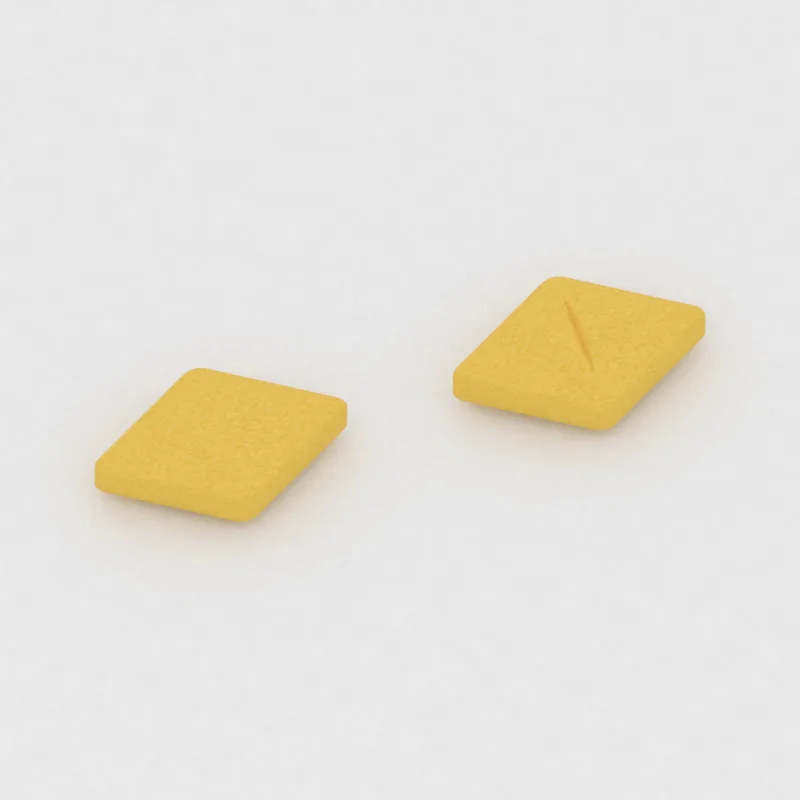
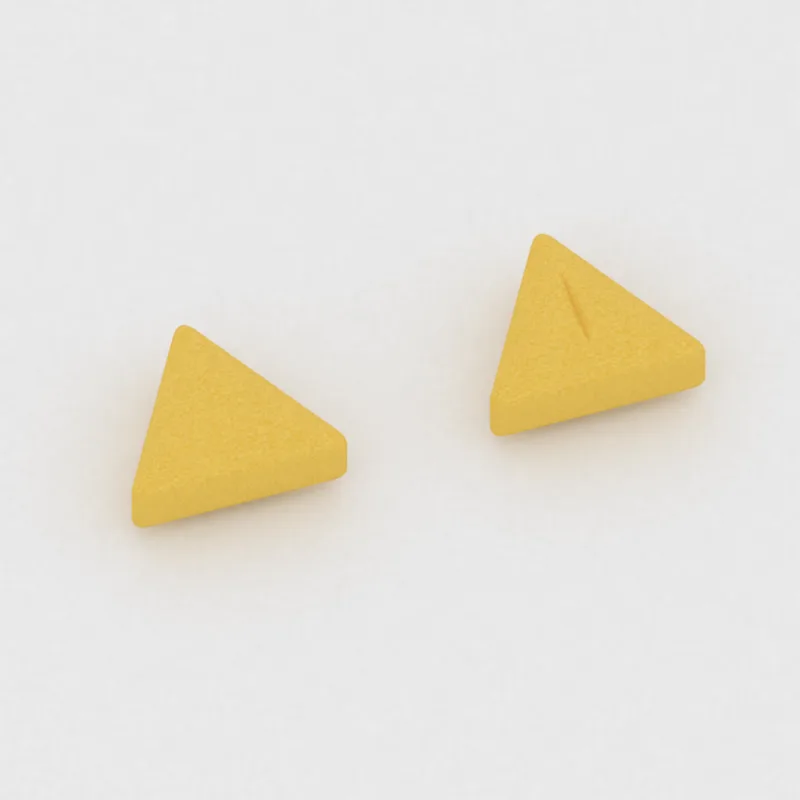
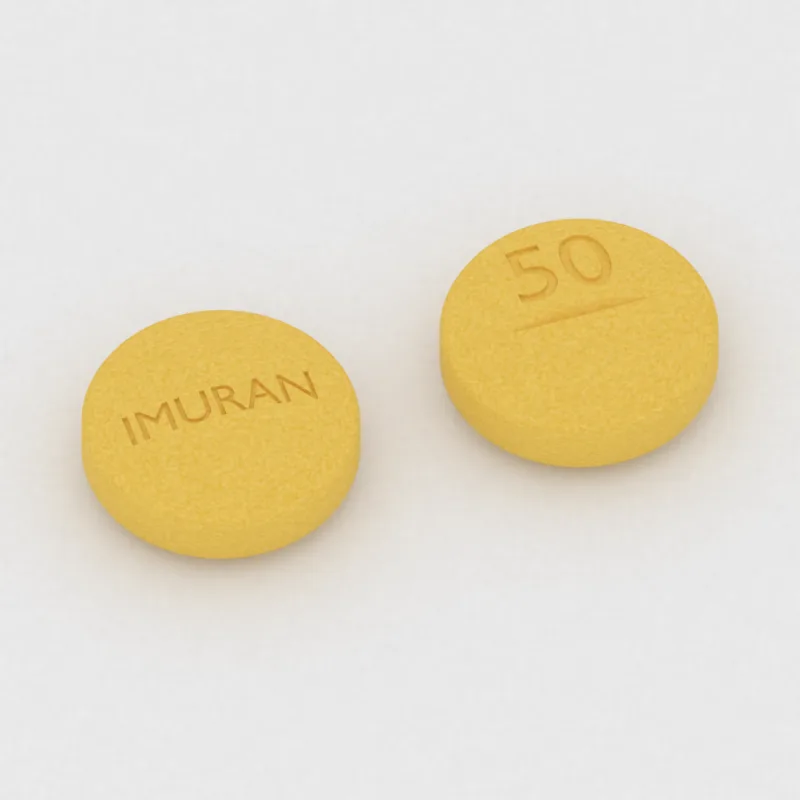
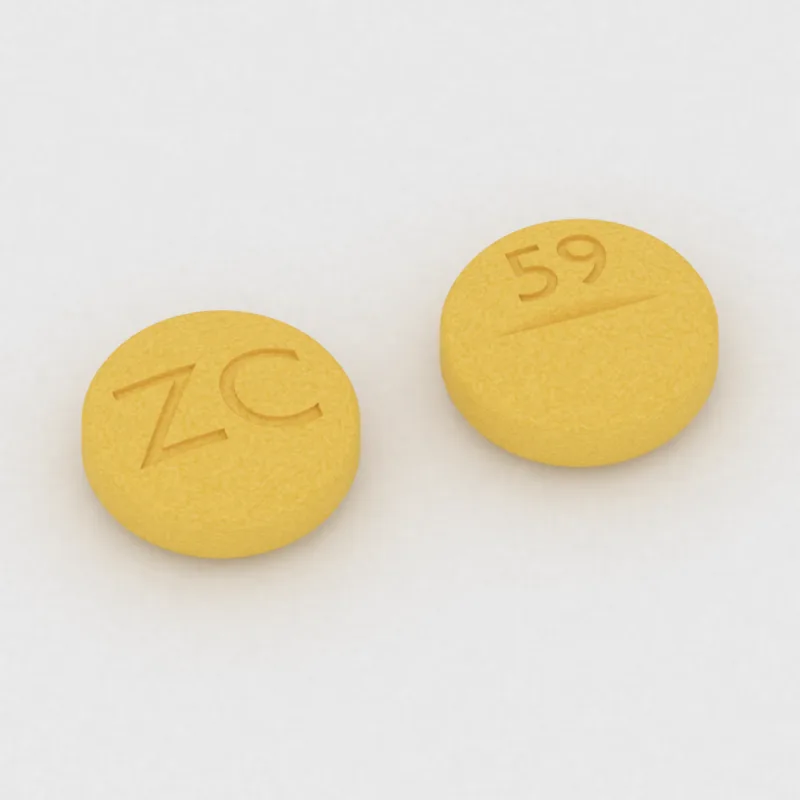
Darstellungen nach den Produktangaben der FDA-Fachinformationen: Farbe, Form, Größe und Prägung. 16 dokumentierte Varianten von 10 Anbietern.
Wechselwirkungen laut Fachinformation
Schwerwiegende Wechselwirkungen (16)
Almost all these patients had received treatment with azathioprine or 6-mercaptopurine (6–MP) concomitantly with a TNF blocker at or prior to diagnosis. (Fachinformation zu Adalimumab, Boxed Warning (umrahmter Warnhinweis))
About 13 percent of the cases of neutropenia have ended fatally, but almost all fatalities were in patients with serious illness, having collagen vascular disease, renal failure, heart failure or immunosuppressant therapy, or a combination of these complicating factors. (Fachinformation zu Captopril, Warnhinweise)
In kidney, liver, and heart transplant patients Neoral may be administered with other immunosuppressive agents. (Fachinformation zu Ciclosporin, Boxed Warning (umrahmter Warnhinweis))
Prevention or Management Concomitant use with myelosuppressive or other immunosuppressive drugs is not recommended. (Fachinformation zu Cladribin, Arzneimittelwechselwirkungen)
Patients with rheumatoid arthritis previously treated with alkylating agents (cyclophosphamide, chlorambucil, melphalan, or others) may have a prohibitive risk of malignancy if treated with IMURAN. (Fachinformation zu Azathioprin, Gegenanzeigen)
Concomitant use of IMURAN and febuxostat is not recommended. (Fachinformation zu Azathioprin, Arzneimittelwechselwirkungen)
Chicken pox and measles, for example, can have a more serious or even fatal course in children on immunosuppressant corticosteroids. (Fachinformation zu Fludrocortison, Warnhinweise)
Persons who are on immunosuppressant doses of corticosteroids should be warned to avoid exposure to chickenpox or measles. (Fachinformation zu Flunisolid, Vorsichtsmaßnahmen)
Almost all had received azathioprine or 6- mercaptopurine concomitantly with a TNF blocker at or prior to diagnosis. (Fachinformation zu Infliximab, Boxed Warning (umrahmter Warnhinweis))
Immunosuppressants Everolimus Sirolimus Temsirolimus (IV) Not recommended during and 2 weeks after TOLSURA treatment. (Fachinformation zu Itraconazol, Arzneimittelwechselwirkungen)
- MelphalanSchwerwiegend
Patients with rheumatoid arthritis previously treated with alkylating agents (cyclophosphamide, chlorambucil, melphalan, or others) may have a prohibitive risk of malignancy if treated with IMURAN. (Fachinformation zu Azathioprin, Gegenanzeigen)
If concomitant use of APRISO and azathioprine or 6-mercaptopurine cannot be avoided, monitor blood tests, including complete blood cell counts and platelet counts. (Fachinformation zu Mesalazin, Arzneimittelwechselwirkungen)
…IN TRANSPLANT PATIENTS; AND INCREASED MORTALITY IN FEMALE LIVER TRANSPLANT PATIENTS • Increased risk for developing serious infections and malignancies with ASTAGRAF XL ® or other immunosuppressants that may lead to hospitalization or death. [see Warnings and Precautions ( 5.1 , 5.2 )] • Increased mortality in female liver transplant patients with ASTAGRAF XL. (Fachinformation zu Tacrolimus, Boxed Warning (umrahmter Warnhinweis))
…of or reduced clinical response Intervention Concomitant use with XELJANZ/XELJANZ XR is not recommended [see Clinical Pharmacology, Figure 3 (12.3) ] Immunosuppressive Drugs (e.g., azathioprine, tacrolimus, cyclosporine) Clinical Impact Risk of added immunosuppression; concomitant use of XELJANZ/XELJANZ XR with biologic DMARDs or potent immunosuppressants has… (Fachinformation zu Tofacitinib, Arzneimittelwechselwirkungen)
Mittelschwere Wechselwirkungen (48)
Patients receiving IMURAN and allopurinol concomitantly should have a dose reduction of IMURAN, to approximately 1/ 3 to 1/ 4 the usual dose. (Fachinformation zu Azathioprin, Arzneimittelwechselwirkungen)
It is recommended that a further dose reduction or alternative therapies be considered for patients with low or absent TPMT activity receiving IMURAN and xanthine oxidase inhibitors because both TPMT and XO inactivation pathways are affected (see CLINICAL PHARMACOLOGY, WARNINGS, PRECAUTIONS: Laboratory Tests and ADVERSE REACTIONS sections). (Fachinformation zu Azathioprin, Arzneimittelwechselwirkungen)
Immunosuppressants Amlodipine may increase the systemic exposure of cyclosporine or tacrolimus when co-administered. (Fachinformation zu Amlodipin, Arzneimittelwechselwirkungen)
Impact of Amlodipine on Other Drugs Immunosuppressants Amlodipine may increase the systemic exposure of cyclosporine or tacrolimus when co-administered. (Fachinformation zu Amlodipin und Atorvastatin, Arzneimittelwechselwirkungen)
Immunosuppressants: Amlodipine may increase the systemic exposure of cyclosporine or tacrolimus when co-administered. (Fachinformation zu Amlodipin und Olmesartan, Arzneimittelwechselwirkungen)
Immunosuppressants Amlodipine may increase the systemic exposure of cyclosporine or tacrolimus when coadministered. (Fachinformation zu Amlodipin und Valsartan, Arzneimittelwechselwirkungen)
Azathioprine or 6-Mercaptopurine: Increased risk of blood disorders; monitor complete blood cell counts and platelet counts. (Fachinformation zu Balsalazid, Arzneimittelwechselwirkungen)
- BendamustinMittelschwer
Consider discontinuation or reduction of any concomitant chemotherapy or immunosuppressive therapy in patients who develop PML. (Fachinformation zu Bendamustin, Warnhinweise und Vorsichtsmaßnahmen)
It is recommended that a further dose reduction or alternative therapies be considered for patients with low or absent TPMT activity receiving IMURAN and xanthine oxidase inhibitors because both TPMT and XO inactivation pathways are affected (see CLINICAL PHARMACOLOGY, WARNINGS, PRECAUTIONS: Laboratory Tests and ADVERSE REACTIONS sections). (Fachinformation zu Azathioprin, Arzneimittelwechselwirkungen)
It is recommended that a further dose reduction or alternative therapies be considered for patients with low or absent TPMT activity receiving IMURAN and xanthine oxidase inhibitors because both TPMT and XO inactivation pathways are affected (see CLINICAL PHARMACOLOGY, WARNINGS, PRECAUTIONS: Laboratory Tests and ADVERSE REACTIONS sections). (Fachinformation zu Azathioprin, Arzneimittelwechselwirkungen)
It is recommended that a further dose reduction or alternative therapies be considered for patients with low or absent TPMT activity receiving IMURAN and xanthine oxidase inhibitors because both TPMT and XO inactivation pathways are affected (see CLINICAL PHARMACOLOGY, WARNINGS, PRECAUTIONS: Laboratory Tests and ADVERSE REACTIONS sections). (Fachinformation zu Azathioprin, Arzneimittelwechselwirkungen)
It is recommended that a further dose reduction or alternative therapies be considered for patients with low or absent TPMT activity receiving IMURAN and xanthine oxidase inhibitors because both TPMT and XO inactivation pathways are affected (see CLINICAL PHARMACOLOGY, WARNINGS, PRECAUTIONS: Laboratory Tests and ADVERSE REACTIONS sections). (Fachinformation zu Azathioprin, Arzneimittelwechselwirkungen)
- DenosumabMittelschwer
Other risk factors for the development of ONJ include immunosuppressive therapy, treatment with angiogenesis inhibitors, systemic corticosteroids, diabetes, and gingival infections. (Fachinformation zu Denosumab, Warnhinweise und Vorsichtsmaßnahmen)
Immunosuppressants: Cyclosporine, tacrolimus, sirolimus and others metabolized by CYP3A ↓ immunosuppressant Dose adjustments of the immunosuppressant may be required. (Fachinformation zu Efavirenz, Arzneimittelwechselwirkungen)
Immunosuppressants: Cyclosporine, tacrolimus, sirolimus, and others metabolized by CYP3A ↓ immunosuppressant Dose adjustments of the immunosuppressant may be required. (Fachinformation zu Efavirenz, Lamivudin und Tenofovir, Arzneimittelwechselwirkungen)
Immuno-suppressants: e.g., cyclosporine (CsA) sirolimus tacrolimus ↑ immuno-suppressants ↑ elvitegravir (with CsA) ↑ cobicistat (with CsA) Therapeutic monitoring of the immunosuppressive agents is recommended upon coadministration with GENVOYA. (Fachinformation zu Elvitegravir, Cobicistat, Emtricitabin und Tenofovir, Arzneimittelwechselwirkungen)
It is recommended that a further dose reduction or alternative therapies be considered for patients with low or absent TPMT activity receiving IMURAN and xanthine oxidase inhibitors because both TPMT and XO inactivation pathways are affected (see CLINICAL PHARMACOLOGY, WARNINGS, PRECAUTIONS: Laboratory Tests and ADVERSE REACTIONS sections). (Fachinformation zu Azathioprin, Arzneimittelwechselwirkungen)
Immunosuppressants : cyclosporine sirolimus tacrolimus ↓ immunosuppressant Etravirine and systemic immunosuppressants should be co-administered with caution because plasma concentrations of cyclosporine, sirolimus, or tacrolimus may be affected. (Fachinformation zu Etravirin, Arzneimittelwechselwirkungen)
Immunosuppressants Clinical Impact: Immunosuppressants such as cyclosporine and tacrolimus can produce nephrotoxicity with decreases in creatinine clearance and rises in serum creatinine, and because renal excretion is the primary elimination route of fibrate drugs including fenofibrate, there is a risk that an interaction will lead to deterioration of renal… (Fachinformation zu Fenofibrat, Arzneimittelwechselwirkungen)
Frequent PT/INR determinations are advisable until it has been definitely determined that the PT/INR has stabilized Immunosuppressants Clinical Impact: Immunosuppressants such as cyclosporine and tacrolimus can produce nephrotoxicity with decreases in creatinine clearance and rises in serum creatinine, and because renal excretion is the primary elimination route… (Fachinformation zu Fenofibrinsäure, Arzneimittelwechselwirkungen)
Immunosuppressants everolimus, rapamycin (also known as sirolimus), temsirolimus budesonide, ciclesonide, cyclosporine, dexamethasone, fluticasone, methylprednisolone, tacrolimus Rapamycin (sirolimus): Ketoconazole tablets 200 mg daily for 10 days increased the C max and AUC of a single 5 mg dose of sirolimus by 4.3 fold and 10.9 fold, respectively in 23 healthy… (Fachinformation zu Ketoconazol, Arzneimittelwechselwirkungen)
HBV reactivation has also been reported in patients receiving certain immunosuppressants or chemotherapeutic agents; the risk of HBV reactivation associated with treatment with HCV direct-acting antivirals may be increased in these patients. (Fachinformation zu Ledipasvir und Sofosbuvir, Warnhinweise und Vorsichtsmaßnahmen)
If used with concomitant methotrexate and/or other potential immunosuppressive agents, chronic monitoring should be monthly. (Fachinformation zu Leflunomid, Warnhinweise und Vorsichtsmaßnahmen)
A treatment regimen containing multiple immunosuppressants (including thiopurines) should therefore be used with caution as this could lead to lymphoproliferative disorders, some with reported fatalities. (Fachinformation zu Mercaptopurin, Warnhinweise und Vorsichtsmaßnahmen)
Monitor patients receiving XATMEP with other potential hepatotoxins (e.g., azathioprine, retinoids, and sulfasalazine) for possible signs of hepatotoxicity. (Fachinformation zu Methotrexat, Arzneimittelwechselwirkungen)
Lymphoma and Other Malignancies Patients receiving immunosuppressants, including mycophenolate mofetil, are at increased risk of developing lymphomas and other malignancies, particularly of the skin [see Adverse Reactions ( 6.1 )]. (Fachinformation zu Mycophenolat, Warnhinweise und Vorsichtsmaßnahmen)
…increased risk of PML and other infections, Crohn’s disease patients receiving natalizumab products should not be treated with concomitant immunosuppressants (e.g., 6‑ mercaptopurine, azathioprine, cyclosporine, or methotrexate) or inhibitors of TNF-α, and corticosteroids should be tapered in those patients with Crohn’s disease who are on chronic corticosteroids… (Fachinformation zu Natalizumab, Arzneimittelwechselwirkungen)
Immunosuppressive Agents There have been reports of increased blood concentrations of cyclosporine and tacrolimus into toxic ranges when patients received these drugs concomitantly with nefazodone. (Fachinformation zu Nefazodon, Arzneimittelwechselwirkungen)
Immunosuppressants: Cyclosporine, tacrolimus, sirolimus Plasma concentrations may be decreased. (Fachinformation zu Nevirapin, Arzneimittelwechselwirkungen)
Immunosuppressants: Amlodipine may increase the systemic exposure of cyclosporine or tacrolimus when co-administered. (Fachinformation zu Olmesartan, Amlodipin und Hydrochlorothiazid, Arzneimittelwechselwirkungen)
It is recommended that a further dose reduction or alternative therapies be considered for patients with low or absent TPMT activity receiving IMURAN and xanthine oxidase inhibitors because both TPMT and XO inactivation pathways are affected (see CLINICAL PHARMACOLOGY, WARNINGS, PRECAUTIONS: Laboratory Tests and ADVERSE REACTIONS sections). (Fachinformation zu Azathioprin, Arzneimittelwechselwirkungen)
- PenicillaminMittelschwer
Treatment has consisted of high doses of corticosteroids alone or, in some cases, concomitantly with an immunosuppressant. (Fachinformation zu Penicillamin, Warnhinweise)
It is recommended that a further dose reduction or alternative therapies be considered for patients with low or absent TPMT activity receiving IMURAN and xanthine oxidase inhibitors because both TPMT and XO inactivation pathways are affected (see CLINICAL PHARMACOLOGY, WARNINGS, PRECAUTIONS: Laboratory Tests and ADVERSE REACTIONS sections). (Fachinformation zu Azathioprin, Arzneimittelwechselwirkungen)
In a detailed case report, 4 documented lymphopenia, diminished IgG and IgM levels, CMV infection, and a decreased thymic shadow were noted in an infant born to a mother receiving 150 mg azathioprine and 30 mg prednisone daily throughout pregnancy. (Fachinformation zu Azathioprin, Warnhinweise)
Use with ribavirin: The use of ribavirin for hepatitis C in patients receiving azathioprine has been reported to induce severe pancytopenia and may increase the risk of azathioprine-related myelotoxicity. (Fachinformation zu Azathioprin, Arzneimittelwechselwirkungen)
Glipizide Decrease exposure Immunosuppressive Agents Cyclosporine Decrease exposure Tacrolimus Prevention or Management: Monitoring of whole blood concentrations and appropriate dosage adjustments of tacrolimus are recommended when rifampin and tacrolimus are used concomitantly. (Fachinformation zu Rifampicin, Arzneimittelwechselwirkungen)
…Digoxin Corticosteroids Prednisone Fibrates Clofibrate Oral Hypoglycemics Sulfonylureas (e.g., glyburide, glipizide) Hormonal Contraceptives/Progestins Ethinyl estradiol, levonorgestrel Immunosuppressants Cyclosporine, tacrolimus Methylxanthines Theophylline Narcotic analgesics Methadone Phosphodiesterase-5 (PDE-5) Inhibitors Sildenafil Thyroid preparations Levothyroxine… (Fachinformation zu Rifapentin, Arzneimittelwechselwirkungen)
Hyperlipidemia Increased serum cholesterol and triglycerides requiring treatment occurred more frequently in patients treated with sirolimus compared with azathioprine or placebo controls in Studies 1 and 2 [ see Adverse Reactions (6.1) ]. (Fachinformation zu Sirolimus, Warnhinweise und Vorsichtsmaßnahmen)
HBV reactivation has also been reported in patients receiving certain immunosuppressant or chemotherapeutic agents; the risk of HBV reactivation associated with treatment with HCV direct-acting antivirals may be increased in these patients. (Fachinformation zu Sofosbuvir und Velpatasvir, Warnhinweise und Vorsichtsmaßnahmen)
Immunosuppressants: Amlodipine may increase the systemic exposure of cyclosporine or tacrolimus when co-administered. (Fachinformation zu Telmisartan und Amlodipin, Arzneimittelwechselwirkungen)
- TemsirolimusMittelschwer
Prophylaxis of PJP should be considered when concomitant use of corticosteroids or other immunosuppressive agents are required. (Fachinformation zu Temsirolimus, Warnhinweise und Vorsichtsmaßnahmen)
It is recommended that a further dose reduction or alternative therapies be considered for patients with low or absent TPMT activity receiving IMURAN and xanthine oxidase inhibitors because both TPMT and XO inactivation pathways are affected (see CLINICAL PHARMACOLOGY, WARNINGS, PRECAUTIONS: Laboratory Tests and ADVERSE REACTIONS sections). (Fachinformation zu Azathioprin, Arzneimittelwechselwirkungen)
Cyclosporine, tacrolimus: Monitor for toxicities of these immunosuppressive drugs ( 7.1 ) (Fachinformation zu Tinidazol, Arzneimittelwechselwirkungen)
Geringfügige Erwähnungen (40)
Use with Angiotensin-Converting Enzyme Inhibitors: The use of angiotensin-converting enzyme inhibitors to control hypertension in patients on azathioprine has been reported to induce anemia and severe leukopenia. (Fachinformation zu Azathioprin, Arzneimittelwechselwirkungen)
Use with Warfarin: IMURAN may inhibit the anticoagulant effect of warfarin. (Fachinformation zu Azathioprin, Arzneimittelwechselwirkungen)
Use with Warfarin: IMURAN may inhibit the anticoagulant effect of warfarin. (Fachinformation zu Azathioprin, Arzneimittelwechselwirkungen)
IMNM is characterized by proximal muscle weakness and elevated serum creatine kinase that persists despite discontinuation of statin treatment; positive anti-HMG CoA reductase antibody; muscle biopsy showing necrotizing myopathy; and improvement with immunosuppressive agents. (Fachinformation zu Atorvastatin, Warnhinweise und Vorsichtsmaßnahmen)
- AxitinibGeringfügig
Thirty-four patients were treated with corticosteroids and one patient was treated with a non-steroidal immunosuppressant. (Fachinformation zu Axitinib, Warnhinweise und Vorsichtsmaßnahmen)
Use with Angiotensin-Converting Enzyme Inhibitors: The use of angiotensin-converting enzyme inhibitors to control hypertension in patients on azathioprine has been reported to induce anemia and severe leukopenia. (Fachinformation zu Azathioprin, Arzneimittelwechselwirkungen)
Use with Angiotensin-Converting Enzyme Inhibitors: The use of angiotensin-converting enzyme inhibitors to control hypertension in patients on azathioprine has been reported to induce anemia and severe leukopenia. (Fachinformation zu Azathioprin, Arzneimittelwechselwirkungen)
Use with Warfarin: IMURAN may inhibit the anticoagulant effect of warfarin. (Fachinformation zu Azathioprin, Arzneimittelwechselwirkungen)
Use with Warfarin: IMURAN may inhibit the anticoagulant effect of warfarin. (Fachinformation zu Azathioprin, Arzneimittelwechselwirkungen)
Use with Warfarin: IMURAN may inhibit the anticoagulant effect of warfarin. (Fachinformation zu Azathioprin, Arzneimittelwechselwirkungen)
Use with Angiotensin-Converting Enzyme Inhibitors: The use of angiotensin-converting enzyme inhibitors to control hypertension in patients on azathioprine has been reported to induce anemia and severe leukopenia. (Fachinformation zu Azathioprin, Arzneimittelwechselwirkungen)
Use with Angiotensin-Converting Enzyme Inhibitors: The use of angiotensin-converting enzyme inhibitors to control hypertension in patients on azathioprine has been reported to induce anemia and severe leukopenia. (Fachinformation zu Azathioprin, Arzneimittelwechselwirkungen)
Use with Angiotensin-Converting Enzyme Inhibitors: The use of angiotensin-converting enzyme inhibitors to control hypertension in patients on azathioprine has been reported to induce anemia and severe leukopenia. (Fachinformation zu Azathioprin, Arzneimittelwechselwirkungen)
Use with Warfarin: IMURAN may inhibit the anticoagulant effect of warfarin. (Fachinformation zu Azathioprin, Arzneimittelwechselwirkungen)
Administer prophylaxis for PJP when concomitant use of corticosteroids or other immunosuppressive agents are required. (Fachinformation zu Everolimus, Warnhinweise und Vorsichtsmaßnahmen)
IMNM is characterized by proximal muscle weakness and elevated serum creatine kinase that persist despite discontinuation of statin treatment; positive anti-HMG CoA reductase antibody; muscle biopsy showing necrotizing myopathy without significant inflammation; and improvement with immunosuppressive agents. (Fachinformation zu Ezetimib und Simvastatin, Warnhinweise und Vorsichtsmaßnahmen)
IMNM is characterized by proximal muscle weakness and elevated serum CK, which persist despite discontinuation of statin treatment; positive anti-HMG CoA reductase antibody, muscle biopsy showing necrotizing myopathy, and improvement with immunosuppressive agents. (Fachinformation zu Fluvastatin, Warnhinweise und Vorsichtsmaßnahmen)
Use with Warfarin: IMURAN may inhibit the anticoagulant effect of warfarin. (Fachinformation zu Azathioprin, Arzneimittelwechselwirkungen)
Use with Angiotensin-Converting Enzyme Inhibitors: The use of angiotensin-converting enzyme inhibitors to control hypertension in patients on azathioprine has been reported to induce anemia and severe leukopenia. (Fachinformation zu Azathioprin, Arzneimittelwechselwirkungen)
Use with Angiotensin-Converting Enzyme Inhibitors: The use of angiotensin-converting enzyme inhibitors to control hypertension in patients on azathioprine has been reported to induce anemia and severe leukopenia. (Fachinformation zu Azathioprin, Arzneimittelwechselwirkungen)
Use with Warfarin: IMURAN may inhibit the anticoagulant effect of warfarin. (Fachinformation zu Azathioprin, Arzneimittelwechselwirkungen)
Use with Angiotensin-Converting Enzyme Inhibitors: The use of angiotensin-converting enzyme inhibitors to control hypertension in patients on azathioprine has been reported to induce anemia and severe leukopenia. (Fachinformation zu Azathioprin, Arzneimittelwechselwirkungen)
Use with Angiotensin-Converting Enzyme Inhibitors: The use of angiotensin-converting enzyme inhibitors to control hypertension in patients on azathioprine has been reported to induce anemia and severe leukopenia. (Fachinformation zu Azathioprin, Arzneimittelwechselwirkungen)
IMNM is characterized by: proximal muscle weakness and elevated serum creatine kinase, which persist despite discontinuation of statin treatment; positive anti-HMG CoA reductase antibody; muscle biopsy showing necrotizing myopathy; and improvement with immunosuppressive agents. (Fachinformation zu Lovastatin, Warnhinweise)
Use with Angiotensin-Converting Enzyme Inhibitors: The use of angiotensin-converting enzyme inhibitors to control hypertension in patients on azathioprine has been reported to induce anemia and severe leukopenia. (Fachinformation zu Azathioprin, Arzneimittelwechselwirkungen)
Immunosuppressive Drugs Tacrolimus: Tacrolimus has been shown to be metabolized via the CYP3A system. (Fachinformation zu Nifedipin, Vorsichtsmaßnahmen)
Use with Angiotensin-Converting Enzyme Inhibitors: The use of angiotensin-converting enzyme inhibitors to control hypertension in patients on azathioprine has been reported to induce anemia and severe leukopenia. (Fachinformation zu Azathioprin, Arzneimittelwechselwirkungen)
IMNM is characterized by proximal muscle weakness and elevated serum creatine kinase that persist despite discontinuation of statin treatment; positive anti-HMG CoA reductase antibody; muscle biopsy showing necrotizing myopathy; and improvement with immunosuppressive agents. (Fachinformation zu Pitavastatin, Warnhinweise und Vorsichtsmaßnahmen)
CYP3A Substrates Immunosuppressants that are CYP3A4 Substrates Mechanism and Clinical Effect(s) Posaconazole is a strong CYP3A4 inhibitor. (Fachinformation zu Posaconazol, Arzneimittelwechselwirkungen)
IMNM is characterized by proximal muscle weakness and elevated serum creatine kinase that persist despite discontinuation of statin treatment; positive anti-HMG CoA reductase antibody; muscle biopsy showing necrotizing myopathy; and improvement with immunosuppressive agents. (Fachinformation zu Pravastatin, Warnhinweise und Vorsichtsmaßnahmen)
In some cases, vasculitis resolved/improved with drug discontinuation; however, more severe cases required treatment with additional measures including corticosteroids, immunosuppressant therapy, and plasmapheresis. (Fachinformation zu Propylthiouracil, Warnhinweise)
Use with Angiotensin-Converting Enzyme Inhibitors: The use of angiotensin-converting enzyme inhibitors to control hypertension in patients on azathioprine has been reported to induce anemia and severe leukopenia. (Fachinformation zu Azathioprin, Arzneimittelwechselwirkungen)
Use with Angiotensin-Converting Enzyme Inhibitors: The use of angiotensin-converting enzyme inhibitors to control hypertension in patients on azathioprine has been reported to induce anemia and severe leukopenia. (Fachinformation zu Azathioprin, Arzneimittelwechselwirkungen)
Use with Angiotensin-Converting Enzyme Inhibitors: The use of angiotensin-converting enzyme inhibitors to control hypertension in patients on azathioprine has been reported to induce anemia and severe leukopenia. (Fachinformation zu Azathioprin, Arzneimittelwechselwirkungen)
Use with Warfarin: IMURAN may inhibit the anticoagulant effect of warfarin. (Fachinformation zu Azathioprin, Arzneimittelwechselwirkungen)
IMNM is characterized by proximal muscle weakness and elevated serum creatine kinase that persist despite discontinuation of statin treatment; positive anti-HMG CoA reductase antibody; muscle biopsy showing necrotizing myopathy; and improvement with immunosuppressive agents. (Fachinformation zu Rosuvastatin, Warnhinweise und Vorsichtsmaßnahmen)
IMNM is characterized by proximal muscle weakness and elevated serum creatine kinase that persist despite discontinuation of statin treatment; positive anti-HMG CoA reductase antibody; muscle biopsy showing necrotizing myopathy without significant inflammation; and improvement with immunosuppressive agents. (Fachinformation zu Simvastatin, Warnhinweise und Vorsichtsmaßnahmen)
In some cases, vasculitis resolved/improved with drug discontinuation; however, more severe cases required treatment with additional measures including corticosteroids, immunosuppressant therapy, and plasmapheresis. (Fachinformation zu Thiamazol, Warnhinweise)
Use with Angiotensin-Converting Enzyme Inhibitors: The use of angiotensin-converting enzyme inhibitors to control hypertension in patients on azathioprine has been reported to induce anemia and severe leukopenia. (Fachinformation zu Azathioprin, Arzneimittelwechselwirkungen)
Use with Warfarin: IMURAN may inhibit the anticoagulant effect of warfarin. (Fachinformation zu Azathioprin, Arzneimittelwechselwirkungen)
Keine relevante Wechselwirkung berichtet (1)
…Repaglinide, Rosiglitazone: [See Warnings and Precautions ( 5.4 ) and Adverse Reactions ( 6.2 )] Insulin Insulin: [See Warnings and Precautions ( 5.4 ) and Adverse Reactions ( 6.2 )] Immunosuppressants: Cyclosporine Use With Caution Cyclosporine: There have been spontaneous or published reports of CYP3A based interactions of clarithromycin with cyclosporine. (Fachinformation zu Clarithromycin, Arzneimittelwechselwirkungen)
Prüfen Sie Azathioprin gegen alles, was Sie einnehmen. Fügen Sie Ihre gesamte Liste hinzu; alle Paare werden auf einmal geprüft.
Im Wechselwirkungscheck öffnenKeine medizinische Beratung. Der Schweregrad gibt die Formulierung der Fachinformation wieder, nicht Ihre persönlichen Umstände. Eine als „schwerwiegend“ eingestufte Wechselwirkung kann unter Aufsicht Routine sein, und eine „geringfügige“ kann bei hohen Dosen von Bedeutung sein. Fragen Sie in einer Apotheke nach.