
Wechselwirkungen von Carisoprodol
Carisoprodol (Soma), ein Muskelrelaxans, hat in den von uns erfassten FDA-Fachinformationen und Faktenblättern 259 dokumentierte Wechselwirkungen: 85 schwerwiegende, 164 mittelschwere, 8 geringfügige und 2, bei denen eine Fachinformation keine relevante Wechselwirkung berichtet. Jeder Eintrag unten zitiert den Satz, auf dem er beruht. Diese Medikamentenseite ist ein Ausgangspunkt, kein Urteil über Ihre persönliche Situation.
So sieht Carisoprodol aus
Alle 19 Varianten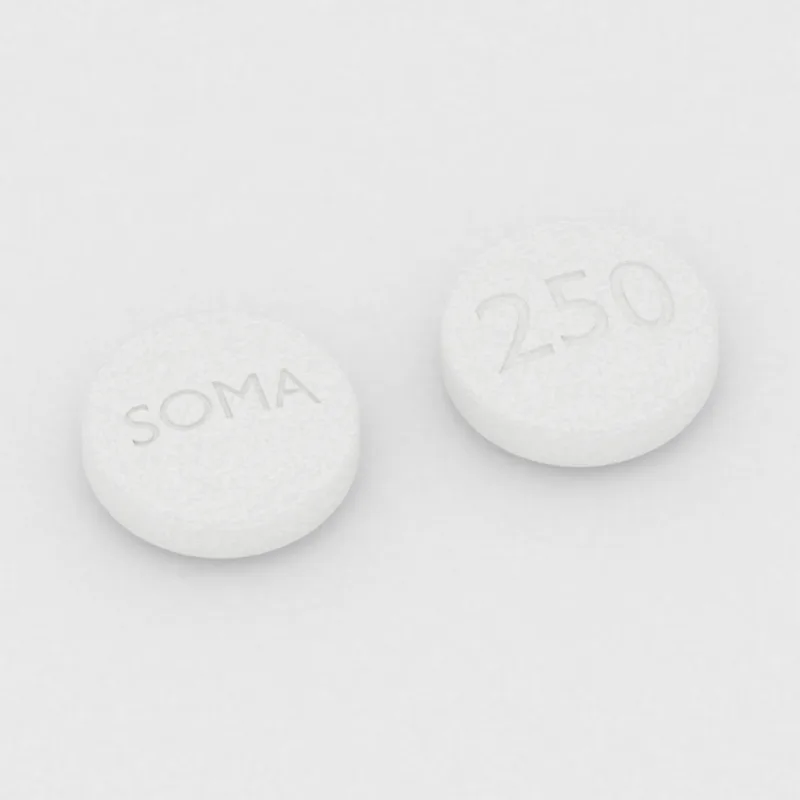
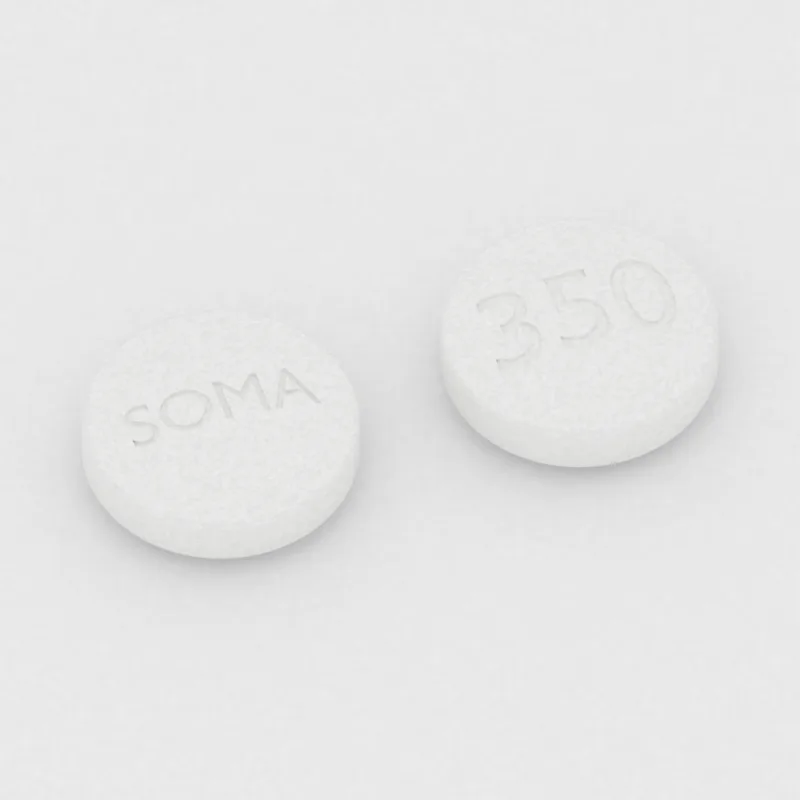

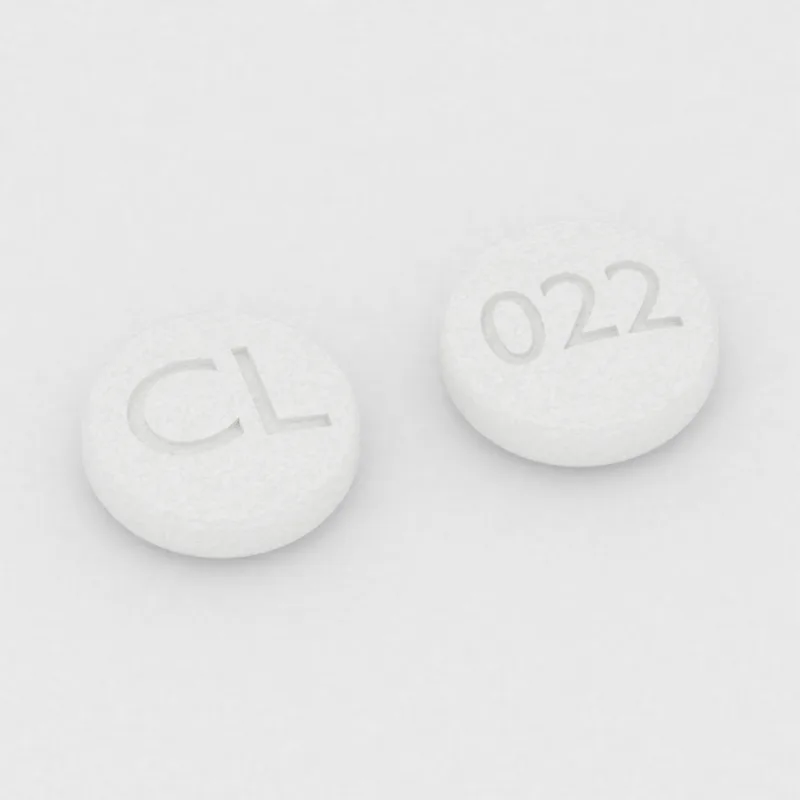
Darstellungen nach den Produktangaben der FDA-Fachinformationen: Farbe, Form, Größe und Prägung. 19 dokumentierte Varianten von 21 Anbietern.
Wechselwirkungen laut Fachinformation
Schwerwiegende Wechselwirkungen (85)
Die Kombination von Alkohol mit sedierenden Arzneimitteln (Opioide, Benzodiazepine, Schlafmittel, Muskelrelaxanzien) kann gefährliche Schläfrigkeit, verlangsamte Atmung und eine Überdosierung verursachen. (NIAAA, Harmful Interactions: Mixing Alcohol with Medicines)
• Effects on Driving and Operating Machinery: Patients receiving • alprazolam XR should be cautioned against operating machinery or driving a motor vehicle, as well as avoiding concomitant use of alcohol and other central nervous system (CNS) depressant drugs. (Fachinformation zu Alprazolam, Warnhinweise und Vorsichtsmaßnahmen)
• Avoid concurrent use of alcohol or other central nervous system (CNS) depressants with azelastine hydrochloride and fluticasone propionate nasal spray because further decreased alertness and impairment of CNS performance may occur. (Fachinformation zu Azelastin und Fluticason, Warnhinweise und Vorsichtsmaßnahmen)
…AND MISUSE; LIFE-THREATENING RESPIRATORY DEPRESSION; ACCIDENTAL EXPOSURE; NEONATAL OPIOD WITHDRAWAL SYNDROME; and RISKS FROM CONCOMITANT USE WITH ALCOHOL, BENZODIAZEPINES OR OTHER CNS DEPRESSANTS Addiction, Abuse, and Misuse Belladonna and opium suppositories expose patients and other users to the risks of opioid addiction, abuse, and misuse, which can lead to… (Fachinformation zu Belladonna und Opium, Boxed Warning (umrahmter Warnhinweis))
Concomitant use of opioids with benzodiazepines or other central nervous system (CNS) depressants, including alcohol, may result in profound sedation, respiratory depression, coma, and death. (Fachinformation zu Buprenorphin, Boxed Warning (umrahmter Warnhinweis))
Examples: phenelzine, tranylcypromine, linezolid Muscle Relaxants Clinical Impact: Buprenorphine may enhance the neuromuscular blocking action of skeletal muscle relaxants and produce an increased degree of respiratory depression. (Fachinformation zu Buprenorphin und Naloxon, Arzneimittelwechselwirkungen)
Concomitant use of opioids or a barbiturate with benzodiazepines or other central nervous system (CNS) depressants, including alcohol, may result in profound sedation, respiratory depression, coma, and death. (Fachinformation zu Butalbital, Acetylsalicylsäure, Koffein und Codein, Boxed Warning (umrahmter Warnhinweis))
Risks From Concomitant Use With Benzodiazepines Or Other CNS Depressants Concomitant use of opioids with benzodiazepines or other central nervous system (CNS) depressants, including alcohol, may result in profound sedation, respiratory depression, coma, and death. (Fachinformation zu Butalbital, Paracetamol, Koffein und Codein, Boxed Warning (umrahmter Warnhinweis))
Risks From Concomitant Use With Benzodiazepines Or Other CNS Depressants Concomitant use of opioids with benzodiazepines or other central nervous system (CNS) depressants, including alcohol, may result in profound sedation, respiratory depression, coma, and death. (Fachinformation zu Butorphanol, Boxed Warning (umrahmter Warnhinweis))
CNS Depressants The concomitant use of EQUETRO and other CNS depressants can increase the risk of respiratory depression, profound sedation, hypotension, and syncope. (Fachinformation zu Carbamazepin, Arzneimittelwechselwirkungen)
Avoid concurrent use of Carbinoxamine Maleate Extended-Release Oral Suspension with alcohol or other central nervous system depressants because additional impairment of central nervous system performance may occur. (Fachinformation zu Carbinoxamin, Warnhinweise und Vorsichtsmaßnahmen)
Avoid concurrent use of QUZYTTIR with alcohol or other CNS depressants because additional reduction in alertness and additional impairment of CNS performance may occur. (Fachinformation zu Cetirizin, Warnhinweise und Vorsichtsmaßnahmen)
Prescribe the lowest effective dosage; avoid or minimize concomitant use of CNS depressants and other substances associated with abuse, misuse, and addiction (e.g., opioid analgesics, stimulants); and advise patients on the proper disposal of unused drug. (Fachinformation zu Chlordiazepoxid, Warnhinweise)
Prescribe the lowest effective dosage; avoid or minimize concomitant use of CNS depressants and other substances associated with abuse, misuse, and addiction (e.g., opioid analgesics, stimulants); and advise patients on the proper disposal of unused drug. (Fachinformation zu Chlordiazepoxid und Clidiniumbromid, Warnhinweise)
Do not use in comatose states or in the presence of large amounts of central nervous system depressants (alcohol, barbiturates, narcotics, etc.). (Fachinformation zu Chlorpromazin, Gegenanzeigen)
Table 8: Drugs That are Affected by and Affecting Ciprofloxacin Drugs That are Affected by Ciprofloxacin Drug(s) Recommendation Comments Tizanidine Contraindicated Concomitant administration of tizanidine and ciprofloxacin is contraindicated due to the potentiation of hypotensive and sedative effects of tizanidine [see Contraindications ( 4.2 )]. (Fachinformation zu Ciprofloxacin, Arzneimittelwechselwirkungen)
Prescribe the lowest effective dosage; avoid or minimize concomitant use of CNS depressants and other substances associated with abuse, misuse, and addiction (e.g., opioid analgesics, stimulants); and advise patients on the proper disposal of unused drug. (Fachinformation zu Clobazam, Warnhinweise und Vorsichtsmaßnahmen)
Prescribe the lowest effective dosage; avoid or minimize concomitant use of CNS depressants and other substances associated with abuse, misuse, and addiction (e.g., opioid analgesics, stimulants); and advise patients on the proper disposal of unused drug. (Fachinformation zu Clonazepam, Warnhinweise)
Avoid use with other central nervous system (CNS) depressants ( 5.3 ) (Fachinformation zu Clonidin, Warnhinweise und Vorsichtsmaßnahmen)
Risks From Concomitant Use With Benzodiazepines Or Other CNS Depressants Concomitant use of opioids with benzodiazepines or other central nervous system (CNS) depressants, including alcohol, may result in profound sedation, respiratory depression, coma, and death. (Fachinformation zu Codein, Boxed Warning (umrahmter Warnhinweis))
Based on its structural similarity to TCAs, concomitant use of TONMYA with: MAO inhibitors may be life-threatening [see Contraindications (4) ] , Alcohol, barbiturates, and other CNS depressants may increase the risk of adverse reactions associated with these drugs, Tramadol may increase the seizure risk, Guanethidine or other similar acting drugs may block the… (Fachinformation zu Cyclobenzaprin, Arzneimittelwechselwirkungen)
Prescribe the lowest effective dosage; avoid or minimize concomitant use of CNS depressants and other substances associated with abuse, misuse, and addiction (e.g., opioid analgesics, stimulants); and advise patients on the proper disposal of unused drug. (Fachinformation zu Diazepam, Warnhinweise)
Prescribe the lowest effective dosage; avoid or minimize concomitant use of CNS depressants and other substances associated with abuse, misuse, and addiction (e.g., opioid analgesics, stimulants); and advise patients on the proper disposal of unused drug. (Fachinformation zu Dikaliumclorazepat, Warnhinweise)
- Diphenoxylat und AtropinSchwerwiegend
CONTRAINDICATIONS Diphenoxylate hydrochloride and atropine sulfate is contraindicated in: • Pediatric patients less than 6 years of age due to the risks of respiratory and central nervous system (CNS) depression (see WARNINGS ). (Fachinformation zu Diphenoxylat und Atropin, Gegenanzeigen)
Central nervous system (CNS) depressants: Concurrent use with alcohol or other CNS depressants is not recommended ( 5.1 ) (Fachinformation zu Doxylamin und Pyridoxin, Warnhinweise und Vorsichtsmaßnahmen)
…Lipid-modifying Agents: lomitapide, lovastatin, simvastatin Phosphodiesterase-5 (PDE-5) Inhibitor: sildenafil when administered as REVATIO ® for the treatment of pulmonary arterial hypertension Sedative/hypnotics: triazolam, orally administered midazolam Coadministration of GENVOYA is contraindicated with drugs that: Are highly dependent on CYP3A for clearance and for which… (Fachinformation zu Elvitegravir, Cobicistat, Emtricitabin und Tenofovir, Gegenanzeigen)
Prescribe the lowest effective dosage; avoid or minimize concomitant use of CNS depressants and other substances associated with abuse, misuse, and addiction (e.g., opioid analgesics, stimulants); and advise patients on the proper disposal of unused drug. (Fachinformation zu Estazolam, Warnhinweise)
The use of LUNESTA with other sedative-hypnotics at bedtime or the middle of the night is not recommended. (Fachinformation zu Eszopiclon, Warnhinweise und Vorsichtsmaßnahmen)
• Concomitant use of opioids with benzodiazepines or other central nervous system (CNS) depressants, including alcohol, may result in profound sedation, respiratory depression, coma, and death. (Fachinformation zu Fentanyl, Boxed Warning (umrahmter Warnhinweis))
• Respiratory Depression: May occur with NEURONTIN when used with concomitant central nervous system (CNS) depressants, including opioids, or in the setting of underlying respiratory impairment. (Fachinformation zu Gabapentin, Warnhinweise und Vorsichtsmaßnahmen)
Risks From Concomitant Use With Benzodiazepines Or Other CNS Depressants Concomitant use of opioids with benzodiazepines or other central nervous system (CNS) depressants, including alcohol, may result in profound sedation, respiratory depression, coma, and death. (Fachinformation zu Hydrocodon, Boxed Warning (umrahmter Warnhinweis))
…ABUSE, AND MISUSE; LIFE-THREATENING RESPIRATORY DEPRESSION; ACCIDENTAL INGESTION; MEDICATION ERRORS; CYTOCHROME P450 3A4 INTERACTION; CONCOMITANT USE WITH BENZODIAZEPINES OR OTHER CNS DEPRESSANTS; INTERACTION WITH ALCOHOL; NEONATAL OPIOID WITHDRAWAL SYNDROME WARNING: ADDICTION, ABUSE, AND MISUSE; LIFE-THREATENING RESPIRATORY DEPRESSION; ACCIDENTAL INGESTION;… (Fachinformation zu Hydrocodon und Chlorphenamin, Boxed Warning (umrahmter Warnhinweis))
…ABUSE, AND MISUSE; LIFE-THREATENING RESPIRATORY DEPRESSION; ACCIDENTAL INGESTION; MEDICATION ERRORS; CYTOCHROME P450 3A4 INTERACTION; CONCOMITANT USE WITH BENZODIAZEPINES OR OTHER CNS DEPRESSANTS; INTERACTION WITH ALCOHOL; NEONATAL OPIOID WITHDRAWAL SYNDROME Addiction, Abuse, and Misuse Hydrocodone bitartrate and homatropine methylbromide exposes patients and… (Fachinformation zu Hydrocodon und Homatropin, Boxed Warning (umrahmter Warnhinweis))
…LIFE-THREATENING RESPIRATORY DEPRESSION; ACCIDENTAL INGESTION; NEONATAL OPIOID WITHDRAWAL SYNDROME; CYTOCHROME P4503A4 INTERACTION; RISKS FROM CONCOMITANT USE WITH BENZODIAZEPINES OR OTHER CNS DEPRESSANTS; and SERIOUS CARDIOVASCULAR AND GASTROINTESTINAL EVENTS WARNING: SERIOUS AND LIFE-THREATENING RISKS FROM USE OF HYDROCODONE BITARTRATE AND IBUPROFEN TABLETS Addiction,… (Fachinformation zu Hydrocodon und Ibuprofen, Boxed Warning (umrahmter Warnhinweis))
Risks From Concomitant Use With Benzodiazepines Or Other CNS Depressants Concomitant use of opioids with benzodiazepines or other central nervous system (CNS) depressants, including alcohol, may result in profound sedation, respiratory depression, coma, and death. (Fachinformation zu Hydrocodon und Paracetamol, Boxed Warning (umrahmter Warnhinweis))
Risks From Concomitant Use With Benzodiazepines Or Other CNS Depressants Concomitant use of opioids with benzodiazepines or other central nervous system (CNS) depressants, including alcohol, may result in profound sedation, respiratory depression, coma, and death . (Fachinformation zu Hydromorphon, Boxed Warning (umrahmter Warnhinweis))
Rarely, cardiac arrests and death have been reported in association with the combined use of hydroxyzine hydrochloride intramuscularly and other CNS depressants. (Fachinformation zu Hydroxyzin, Vorsichtsmaßnahmen)
Benzodiazepines, Opioid Analgesics, or other CNS Depressants : Concomitant use may result in profound sedation, respiratory depression, coma, or death. (Fachinformation zu Ketamin, Arzneimittelwechselwirkungen)
This may potentiate and prolong hypnotic and sedative effects, especially with repeated dosing or chronic administration of these agents. (Fachinformation zu Ketoconazol, Gegenanzeigen)
Avoid concurrent use of alcohol or other central nervous system depressants with XYZAL. (Fachinformation zu Levocetirizin, Warnhinweise und Vorsichtsmaßnahmen)
Risks from Concomitant Use with Benzodiazepines or Other CNS Depressants Concomitant use of opioids with benzodiazepines or other central nervous system (CNS) depressants, including alcohol, may result in profound sedation, respiratory depression, coma, and death. (Fachinformation zu Levorphanol, Boxed Warning (umrahmter Warnhinweis))
Caution patients receiving LOREEV XR against operating machinery or driving a motor vehicle as well to avoid the concomitant use of alcohol and other CNS depressant drugs during treatment ( 5.4 , 7 ) (Fachinformation zu Lorazepam, Warnhinweise und Vorsichtsmaßnahmen)
Carisoprodol tablets are contraindicated in patients with a history of acute intermittent porphyria or a hypersensitivity reaction to a carbamate such as meprobamate. (Fachinformation zu Carisoprodol, Gegenanzeigen)
If concomitant use with another CNS depressant is warranted, closely monitor for signs of respiratory depression and sedation, particularly during treatment initiation and dosage increases. (Fachinformation zu Metaxalon, Warnhinweise und Vorsichtsmaßnahmen)
Managing Risks from Concomitant Use with Benzodiazepines or Other CNS Depressants Concomitant use with benzodiazepines or other central nervous system (CNS) depressants, including alcohol, is a risk factor for respiratory depression and death [see Warnings and Precautions ( 5.2 )]. (Fachinformation zu Methadon, Boxed Warning (umrahmter Warnhinweis))
WARNING: PERSONNEL AND EQUIPMENT FOR MONITORING AND RESUSCITATION AND RISKS FROM CONCOMITANT USE WITH OPIOID ANALGESICS AND OTHER SEDATIVE-HYPNOTICS Personnel and Equipment for Monitoring and Resuscitation Only personnel trained in the administration of procedural sedation, and not involved in the conduct of the diagnostic or therapeutic procedure, should administer… (Fachinformation zu Midazolam, Boxed Warning (umrahmter Warnhinweis))
Risks From Concomitant Use With Benzodiazepines Or Other CNS Depressants Concomitant use of opioids with benzodiazepines or other central nervous system (CNS) depressants, including alcohol, may result in profound sedation, respiratory depression, coma, and death. (Fachinformation zu Morphin, Boxed Warning (umrahmter Warnhinweis))
Risks From Concomitant Use With Benzodiazepines Or Other CNS Depressants Concomitant use of opioids with benzodiazepines or other central nervous system (CNS) depressants, including alcohol, may result in profound sedation, respiratory depression, coma, and death. (Fachinformation zu Nalbuphin, Boxed Warning (umrahmter Warnhinweis))
Risk of Recurrent Respiratory and CNS Depression : A recurrence of respiratory depression is possible, therefore, keep the patient under continued surveillance and administer repeat doses of ZURNAI using a new auto-injector with each dose while awaiting emergency medical assistance. (Fachinformation zu Nalmefen, Warnhinweise und Vorsichtsmaßnahmen)
• Central Nervous System Depression Xyrem (sodium oxybate) is a CNS depressant. (Fachinformation zu Natriumoxybat, Boxed Warning (umrahmter Warnhinweis))
Depolarizing Muscle Relaxants Use of neostigmine to reverse the effects of depolarizing muscle relaxants such as succinylcholine is not recommended, because it may prolong the phase-1 block. (Fachinformation zu Neostigmin, Arzneimittelwechselwirkungen)
Risks From Concomitant Use With Benzodiazepines Or Other CNS Depressants Concomitant use of opioids with benzodiazepines or other central nervous system (CNS) depressants, including alcohol, may result in profound sedation, respiratory depression, coma, and death. (Fachinformation zu Oliceridin, Boxed Warning (umrahmter Warnhinweis))
• Avoid concurrent use of alcohol or other central nervous system depressants with olopatadine hydrochloride nasal solution (nasal spray) ( 5.2 ). (Fachinformation zu Olopatadin, Warnhinweise und Vorsichtsmaßnahmen)
• Avoid concurrent use of alcohol or other central nervous system (CNS) depressants with RYALTRIS because additional reductions in alertness and additional impairment of CNS performance may occur. (Fachinformation zu Olopatadin und Mometason, Warnhinweise und Vorsichtsmaßnahmen)
Prescribe the lowest effective dosage; avoid or minimize concomitant use of CNS depressants and other substances associated with abuse, misuse, and addiction (e.g., opioid analgesics, stimulants); and advise patients on the proper disposal of unused drug. (Fachinformation zu Oxazepam, Warnhinweise)
Risks From Concomitant Use With Benzodiazepines Or Other CNS Depressants Concomitant use of opioids with benzodiazepines or other central nervous system (CNS) depressants, including alcohol, may result in profound sedation, respiratory depression, coma, and death. (Fachinformation zu Oxycodon, Boxed Warning (umrahmter Warnhinweis))
…LIFE-THREATENING RESPIRATORY DEPRESSION; ACCIDENTAL INGESTION; NEONATAL OPIOID WITHDRAWAL SYNDROME; CYTOCHROME P450 3A4 INTERACTION; and RISKS FROM CONCOMITANT USE WITH BENZODIAZEPINES OR OTHER CNS DEPRESSANTS Addiction, Abuse, and Misuse Oxycodone hydrochloride tablets exposes patients and other users to the risks of opioid addiction, abuse, and misuse, which can lead to… (Fachinformation zu Oxycodon und Paracetamol, Boxed Warning (umrahmter Warnhinweis))
Risks From Concomitant Use with Benzodiazepines or Other CNS Depressants Concomitant use of opioids with benzodiazepines or other central nervous system (CNS) depressants, including alcohol, may result in profound sedation, respiratory depression, coma, and death. (Fachinformation zu Oxymorphon, Boxed Warning (umrahmter Warnhinweis))
Risks from Concomitant Use with Benzodiazepines or Other CNS Depressants Concomitant use of opioids with benzodiazepines or other central nervous system (CNS) depressants, including alcohol, may result in profound sedation, respiratory depression, coma, and death. (Fachinformation zu Paracetamol und Codein, Boxed Warning (umrahmter Warnhinweis))
…MITIGATION STRATEGY (REMS); LIFE-THREATENING RESPIRATORY DEPRESSION; ACCIDENTAL INGESTION; NEONATAL OPIOID WITHDRAWAL SYNDROME; and RISKS FROM CONCOMITANT USE WITH BENZODIAZEPINES OR OTHER CNS DEPRESSANTS Addiction, Abuse, and Misuse Pentazocine and Naloxone Tablets exposes patients and other users to the risks of opioid addiction, abuse, and misuse, which can lead to… (Fachinformation zu Pentazocin und Naloxon, Boxed Warning (umrahmter Warnhinweis))
CONTRAINDICATIONS Perphenazine products are contraindicated in comatose or greatly obtunded patients and in patients receiving large doses of central nervous system depressants (barbiturates, alcohol, narcotics, analgesics, or antihistamines); in the presence of existing blood dyscrasias, bone marrow depression, or liver damage; and in patients who have shown… (Fachinformation zu Perphenazin, Gegenanzeigen)
Risks from Concomitant Use with Benzodiazepines or Other CNS Depressants Concomitant use of opioids with benzodiazepines or other central nervous system (CNS) depressants, including alcohol, may result in profound sedation, respiratory depression, coma, and death. (Fachinformation zu Pethidin, Boxed Warning (umrahmter Warnhinweis))
Phenelzine sulfate should not be used in combination with dextromethorphan or with CNS depressants such as alcohol and certain narcotics. (Fachinformation zu Phenelzin, Gegenanzeigen)
CNS depressants: Closely monitor for sedation and respiratory depression. (Fachinformation zu Phenobarbital, Arzneimittelwechselwirkungen)
…obstruction, spasms in the urinary tract collection system, inactivation of nerve and muscle cells after administration of drugs to relax the muscles (depolarization block after depolarizing muscle relaxants), in case of intoxication due to “irreversibly acting” cholinesterase inhibitors (drugs used to treat dementia), intoxication with phosphoric acid esters or barbiturates. (Fachinformation zu Physostigmin, Gegenanzeigen)
THE NEUROTOXICITY OF POLYMYXIN B SULFATE CAN RESULT IN RESPIRATORY PARALYSIS FROM NEUROMUSCULAR BLOCKADE, ESPECIALLY WHEN THE DRUG IS GIVEN SOON AFTER ANESTHESIA AND/OR MUSCLE RELAXANTS. (Fachinformation zu Polymyxin B, Boxed Warning (umrahmter Warnhinweis))
• Respiratory Depression : May occur with LYRICA when used with concomitant CNS depressants or in the setting of underlying respiratory impairment. (Fachinformation zu Pregabalin, Warnhinweise und Vorsichtsmaßnahmen)
Do not use in comatose states or in the presence of large amounts of central nervous system depressants (alcohol, barbiturates, narcotics, etc.). Do not use in pediatric surgery. (Fachinformation zu Prochlorperazin, Gegenanzeigen)
…PROMETHAZINE AND RESPIRATORY DEPRESSION IN CHILDREN; MEDICATION ERRORS; INTERACTIONS WITH DRUGS AFFECTING CYTOCHROME P450 ISOENZYMES; CONCOMITANT USE WITH BENZODIAZEPINES OR OTHER CNS DEPRESSANTS; NEONATAL OPIOID WITHDRAWAL SYNDROME Addiction, Abuse, and Misuse Promethazine HCl and Codeine Phosphate Oral Solution exposes patients and other users to the risks… (Fachinformation zu Promethazin und Codein, Boxed Warning (umrahmter Warnhinweis))
Risks From Concomitant Use With Benzodiazepines Or Other CNS Depressants Concomitant use of opioids with benzodiazepines or other central nervous system (CNS) depressants, including alcohol, may result in profound sedation, respiratory depression, coma, and death. (Fachinformation zu Remifentanil, Boxed Warning (umrahmter Warnhinweis))
John’s wort or cyclobenzaprine (a tricyclic muscle relaxant). (Fachinformation zu Selegilin, Gegenanzeigen)
Risks From Concomitant Use With Benzodiazepines Or Other CNS Depressants Concomitant use of opioids with benzodiazepines or other central nervous system (CNS) depressants, including alcohol, may result in profound sedation, respiratory depression, coma, and death. (Fachinformation zu Tapentadol, Boxed Warning (umrahmter Warnhinweis))
Prescribe the lowest effective dosage; avoid or minimize concomitant use of CNS depressants and other substances associated with abuse, misuse, and addiction (e.g., opioid analgesics, stimulants); and advise patients on the proper disposal of unused drug. (Fachinformation zu Temazepam, Warnhinweise)
Concomitant use of opioids with benzodiazepines or other central nervous system (CNS) depressants, including alcohol, may result in profound sedation, respiratory depression, coma, and death. (Fachinformation zu Tramadol, Boxed Warning (umrahmter Warnhinweis))
Risks from Concomitant Use with Benzodiazepines or Other CNS Depressants Concomitant use of opioids with benzodiazepines or other central nervous system (CNS) depressants, including alcohol, may result in profound sedation, respiratory depression, coma, and death. (Fachinformation zu Tramadol und Paracetamol, Boxed Warning (umrahmter Warnhinweis))
• Effects on Driving and Operating Heavy Machinery : Patients receiving triazolam should be cautioned against driving or operating heavy machinery, as well as avoiding concomitant use with alcohol and other CNS depressant drugs. (Fachinformation zu Triazolam, Warnhinweise und Vorsichtsmaßnahmen)
CONTRAINDICATIONS A known hypersensitivity to phenothiazines, comatose or greatly depressed states due to central nervous system depressants and, in cases of existing blood dyscrasias, bone marrow depression and preexisting liver damage. (Fachinformation zu Trifluoperazin, Gegenanzeigen)
The use of zaleplon with other sedative-hypnotics at bedtime or the middle of the night is not recommended (see ). (Fachinformation zu Zaleplon, Warnhinweise)
The use of Zolpidem Tartrate with other sedative-hypnotics (including other zolpidem products) at bedtime or the middle of the night is not recommended. (Fachinformation zu Zolpidem, Warnhinweise und Vorsichtsmaßnahmen)
Mittelschwere Wechselwirkungen (164)
Low dose aspirin also showed an induction effect on CYP2C19. (Fachinformation zu Carisoprodol, Arzneimittelwechselwirkungen)
Low dose aspirin also showed an induction effect on CYP2C19. (Fachinformation zu Carisoprodol, Arzneimittelwechselwirkungen)
Inform patients also that the central nervous system depressant effects of allopurinol tablets may be additive to those of alcohol and other CNS depressants. (Fachinformation zu Allopurinol, Warnhinweise und Vorsichtsmaßnahmen)
25% increase Diazepam Benzodiazepines increase CNS concentrations of adenosine, a potent CNS depressant, while theophylline blocks adenosine receptors. (Fachinformation zu Aminophyllin, Arzneimittelwechselwirkungen)
• Additive sedative effects when used with other CNS depressants including alcohol (5.1) (Fachinformation zu Carisoprodol, Warnhinweise und Vorsichtsmaßnahmen)
• Additive sedative effects when used with other CNS depressants including alcohol (5.1) (Fachinformation zu Carisoprodol, Warnhinweise und Vorsichtsmaßnahmen)
Skeletal Muscle Relaxants Amphotericin B-induced hypokalemia may enhance the curariform effect of skeletal muscle relaxants (e.g. tubocurarine) due to hypokalemia. (Fachinformation zu Amphotericin B, Arzneimittelwechselwirkungen)
• Additive sedative effects when used with other CNS depressants including alcohol (5.1) (Fachinformation zu Carisoprodol, Warnhinweise und Vorsichtsmaßnahmen)
• Additive sedative effects when used with other CNS depressants including alcohol (5.1) (Fachinformation zu Carisoprodol, Warnhinweise und Vorsichtsmaßnahmen)
If other muscle relaxants are used during the same procedure, the possibility of a synergistic or antagonist effect should be considered. (Fachinformation zu Atracurium, Arzneimittelwechselwirkungen)
• Additive sedative effects when used with other CNS depressants including alcohol (5.1) (Fachinformation zu Carisoprodol, Warnhinweise und Vorsichtsmaßnahmen)
• Additive sedative effects when used with other CNS depressants including alcohol (5.1) (Fachinformation zu Carisoprodol, Warnhinweise und Vorsichtsmaßnahmen)
Digitalis glycosides: Thiazide-induced hypokalemia or hypomagnesemia may predispose the patients to digoxin toxicity Skeletal muscle relaxants: Possible increased responsiveness to muscle relaxants such as curare derivatives. (Fachinformation zu Benazepril und Hydrochlorothiazid, Arzneimittelwechselwirkungen)
Sedatives/Hypnotics: midazolam (oral) triazolam ↑ midazolam (oral) ↑ triazolam Use caution when midazolam or triazolam is concomitantly administered with BIXLENVO. (Fachinformation zu Bictegravir, Emtricitabin und Tenofoviralafenamid, Arzneimittelwechselwirkungen)
Skeletal muscle relaxants, nondepolarizing (e.g., tubocurarine) - possible increased responsiveness to the muscle relaxant. (Fachinformation zu Bisoprolol und Hydrochlorothiazid, Vorsichtsmaßnahmen)
Aminoglycosides or other agents interfering with neuromuscular transmission Anticholinergic drugs Botulinum neurotoxin products Muscle relaxants Aminoglycoside antibiotics, anticholinergic agents, or any other agents that interfere with neuromuscular transmission may potentiate the effect of DAXXIFY; co-administer only with caution and close observation. (Fachinformation zu Botulinumtoxin Typ A, Arzneimittelwechselwirkungen)
• Additive sedative effects when used with other CNS depressants including alcohol (5.1) (Fachinformation zu Carisoprodol, Warnhinweise und Vorsichtsmaßnahmen)
Use with CNS depressants may result in an additive or potentiating effect. (Fachinformation zu Brimonidin, Arzneimittelwechselwirkungen)
Use with CNS depressants may result in an additive or potentiating effect. (Fachinformation zu Brimonidin und Timolol, Arzneimittelwechselwirkungen)
• Additive sedative effects when used with other CNS depressants including alcohol (5.1) (Fachinformation zu Carisoprodol, Warnhinweise und Vorsichtsmaßnahmen)
• Additive sedative effects when used with other CNS depressants including alcohol (5.1) (Fachinformation zu Carisoprodol, Warnhinweise und Vorsichtsmaßnahmen)
Possible early warning signs of central nervous system (CNS) toxicity are restlessness, anxiety, incoherent speech, lightheadedness, numbness and tingling of the mouth and lips, metallic taste, tinnitus, dizziness, blurred vision, tremors, twitching, CNS depression, or drowsiness. (Fachinformation zu Bupivacain, Warnhinweise und Vorsichtsmaßnahmen)
Possible early warning signs of central nervous system (CNS) toxicity are restlessness, anxiety, incoherent speech, lightheadedness, numbness and tingling of the mouth and lips, metallic taste, tinnitus, dizziness, blurred vision, tremors, twitching, CNS depression, or drowsiness. (Fachinformation zu Bupivacain und Adrenalin, Warnhinweise und Vorsichtsmaßnahmen)
Since the sedative effects of carisoprodol and other CNS depressants (e.g., alcohol, benzodiazepines, opioids, tricyclic antidepressants) may be additive, appropriate caution should be exercised with patients who take more than one of these CNS depressants simultaneously. (Fachinformation zu Carisoprodol, Warnhinweise und Vorsichtsmaßnahmen)
Triazolam/flurazepam: Coadministration of buspirone with either triazolam or flurazepam did not appear to prolong or intensify the sedative effects of either benzodiazepine. (Fachinformation zu Buspiron, Arzneimittelwechselwirkungen)
• Additive sedative effects when used with other CNS depressants including alcohol (5.1) (Fachinformation zu Carisoprodol, Warnhinweise und Vorsichtsmaßnahmen)
Low dose aspirin also showed an induction effect on CYP2C19. (Fachinformation zu Carisoprodol, Arzneimittelwechselwirkungen)
• Additive sedative effects when used with other CNS depressants including alcohol (5.1) (Fachinformation zu Carisoprodol, Warnhinweise und Vorsichtsmaßnahmen)
Skeletal muscle relaxants, nondepolarizing (e.g., tubocurarine) − Possible increased responsiveness to muscle relaxants such as curare derivatives. (Fachinformation zu Candesartan und Hydrochlorothiazid, Arzneimittelwechselwirkungen)
• Additive sedative effects when used with other CNS depressants including alcohol (5.1) (Fachinformation zu Carisoprodol, Warnhinweise und Vorsichtsmaßnahmen)
• Additive sedative effects when used with other CNS depressants including alcohol (5.1) (Fachinformation zu Carisoprodol, Warnhinweise und Vorsichtsmaßnahmen)
• Additive sedative effects when used with other CNS depressants including alcohol (5.1) (Fachinformation zu Carisoprodol, Warnhinweise und Vorsichtsmaßnahmen)
Skeletal Muscle Relaxants, Nondepolarizing (e.g., Tubocurarine) - possible increased responsiveness to the muscle relaxant. (Fachinformation zu Chlorothiazid, Arzneimittelwechselwirkungen)
• Additive sedative effects when used with other CNS depressants including alcohol (5.1) (Fachinformation zu Carisoprodol, Warnhinweise und Vorsichtsmaßnahmen)
• Additive sedative effects when used with other CNS depressants including alcohol (5.1) (Fachinformation zu Carisoprodol, Warnhinweise und Vorsichtsmaßnahmen)
Co-administration of CYP2C19 inhibitors, such as omeprazole or fluvoxamine, with carisoprodol could result in increased exposure of carisoprodol and decreased exposure of meprobamate. (Fachinformation zu Carisoprodol, Arzneimittelwechselwirkungen)
Since the sedative effects of carisoprodol and other CNS depressants (e.g., alcohol, benzodiazepines, opioids, tricyclic antidepressants) may be additive, appropriate caution should be exercised with patients who take more than one of these CNS depressants simultaneously. (Fachinformation zu Carisoprodol, Warnhinweise und Vorsichtsmaßnahmen)
• Additive sedative effects when used with other CNS depressants including alcohol (5.1) (Fachinformation zu Carisoprodol, Warnhinweise und Vorsichtsmaßnahmen)
• Additive sedative effects when used with other CNS depressants including alcohol (5.1) (Fachinformation zu Carisoprodol, Warnhinweise und Vorsichtsmaßnahmen)
• Additive sedative effects when used with other CNS depressants including alcohol (5.1) (Fachinformation zu Carisoprodol, Warnhinweise und Vorsichtsmaßnahmen)
Curariform muscle relaxants (e.g., tubocurarine) and other drugs, including ether, succinylcholine, gallamine, decamethonium and sodium citrate, potentiate the neuromuscular blocking effect and should be used with extreme caution in patients being treated with Coly-Mycin M Parenteral. (Fachinformation zu Colistimethat-Natrium, Arzneimittelwechselwirkungen)
Prolonged apnea may occur with concurrent depolarizing muscle relaxants (e.g., succinylcholine). (Fachinformation zu Cyclophosphamid, Arzneimittelwechselwirkungen)
• Additive sedative effects when used with other CNS depressants including alcohol (5.1) (Fachinformation zu Carisoprodol, Warnhinweise und Vorsichtsmaßnahmen)
• Additive sedative effects when used with other CNS depressants including alcohol (5.1) (Fachinformation zu Carisoprodol, Warnhinweise und Vorsichtsmaßnahmen)
• Due to sedative properties, may impair ability to perform hazardous tasks such as driving or operating machinery (5.1) (Fachinformation zu Carisoprodol, Warnhinweise und Vorsichtsmaßnahmen)
• Additive sedative effects when used with other CNS depressants including alcohol (5.1) (Fachinformation zu Carisoprodol, Warnhinweise und Vorsichtsmaßnahmen)
• Additive sedative effects when used with other CNS depressants including alcohol (5.1) (Fachinformation zu Carisoprodol, Warnhinweise und Vorsichtsmaßnahmen)
Since the sedative effects of carisoprodol and other CNS depressants (e.g., alcohol, benzodiazepines, opioids, tricyclic antidepressants) may be additive, appropriate caution should be exercised with patients who take more than one of these CNS depressants simultaneously. (Fachinformation zu Carisoprodol, Warnhinweise und Vorsichtsmaßnahmen)
Alcohol or other sedating drugs: May have additive sedation and somnolence ( 7.5 ) (Fachinformation zu Deutetrabenazin, Arzneimittelwechselwirkungen)
• Additive sedative effects when used with other CNS depressants including alcohol (5.1) (Fachinformation zu Carisoprodol, Warnhinweise und Vorsichtsmaßnahmen)
• Additive sedative effects when used with other CNS depressants including alcohol (5.1) (Fachinformation zu Carisoprodol, Warnhinweise und Vorsichtsmaßnahmen)
• Additive sedative effects when used with other CNS depressants including alcohol (5.1) (Fachinformation zu Carisoprodol, Warnhinweise und Vorsichtsmaßnahmen)
• Additive sedative effects when used with other CNS depressants including alcohol (5.1) (Fachinformation zu Carisoprodol, Warnhinweise und Vorsichtsmaßnahmen)
• Additive sedative effects when used with other CNS depressants including alcohol (5.1) (Fachinformation zu Carisoprodol, Warnhinweise und Vorsichtsmaßnahmen)
• Additive sedative effects when used with other CNS depressants including alcohol (5.1) (Fachinformation zu Carisoprodol, Warnhinweise und Vorsichtsmaßnahmen)
• Additive sedative effects when used with other CNS depressants including alcohol (5.1) (Fachinformation zu Carisoprodol, Warnhinweise und Vorsichtsmaßnahmen)
• Additive sedative effects when used with other CNS depressants including alcohol (5.1) (Fachinformation zu Carisoprodol, Warnhinweise und Vorsichtsmaßnahmen)
Since the sedative effects of carisoprodol and other CNS depressants (e.g., alcohol, benzodiazepines, opioids, tricyclic antidepressants) may be additive, appropriate caution should be exercised with patients who take more than one of these CNS depressants simultaneously. (Fachinformation zu Carisoprodol, Warnhinweise und Vorsichtsmaßnahmen)
Co-administration of CYP2C19 inhibitors, such as omeprazole or fluvoxamine, with carisoprodol could result in increased exposure of carisoprodol and decreased exposure of meprobamate. (Fachinformation zu Carisoprodol, Arzneimittelwechselwirkungen)
Co-administration of CYP2C19 inhibitors, such as omeprazole or fluvoxamine, with carisoprodol could result in increased exposure of carisoprodol and decreased exposure of meprobamate. (Fachinformation zu Carisoprodol, Arzneimittelwechselwirkungen)
• Additive sedative effects when used with other CNS depressants including alcohol (5.1) (Fachinformation zu Carisoprodol, Warnhinweise und Vorsichtsmaßnahmen)
Skeletal muscle relaxants, nondepolarizing (e.g., tubocurarine) Possible increased responsiveness to the muscle relaxant. (Fachinformation zu Enalapril und Hydrochlorothiazid, Arzneimittelwechselwirkungen)
Since the sedative effects of carisoprodol and other CNS depressants (e.g., alcohol, benzodiazepines, opioids, tricyclic antidepressants) may be additive, appropriate caution should be exercised with patients who take more than one of these CNS depressants simultaneously. (Fachinformation zu Carisoprodol, Warnhinweise und Vorsichtsmaßnahmen)
• Additive sedative effects when used with other CNS depressants including alcohol (5.1) (Fachinformation zu Carisoprodol, Warnhinweise und Vorsichtsmaßnahmen)
Co-administration of CYP2C19 inhibitors, such as omeprazole or fluvoxamine, with carisoprodol could result in increased exposure of carisoprodol and decreased exposure of meprobamate. (Fachinformation zu Carisoprodol, Arzneimittelwechselwirkungen)
• Additive sedative effects when used with other CNS depressants including alcohol (5.1) (Fachinformation zu Carisoprodol, Warnhinweise und Vorsichtsmaßnahmen)
• Additive sedative effects when used with other CNS depressants including alcohol (5.1) (Fachinformation zu Carisoprodol, Warnhinweise und Vorsichtsmaßnahmen)
Co-administration of CYP2C19 inhibitors, such as omeprazole or fluvoxamine, with carisoprodol could result in increased exposure of carisoprodol and decreased exposure of meprobamate. (Fachinformation zu Carisoprodol, Arzneimittelwechselwirkungen)
• Additive sedative effects when used with other CNS depressants including alcohol (5.1) (Fachinformation zu Carisoprodol, Warnhinweise und Vorsichtsmaßnahmen)
• Additive sedative effects when used with other CNS depressants including alcohol (5.1) (Fachinformation zu Carisoprodol, Warnhinweise und Vorsichtsmaßnahmen)
Co-administration of CYP2C19 inhibitors, such as omeprazole or fluvoxamine, with carisoprodol could result in increased exposure of carisoprodol and decreased exposure of meprobamate. (Fachinformation zu Carisoprodol, Arzneimittelwechselwirkungen)
• Due to sedative properties, may impair ability to perform hazardous tasks such as driving or operating machinery (5.1) (Fachinformation zu Carisoprodol, Warnhinweise und Vorsichtsmaßnahmen)
Since the sedative effects of carisoprodol and other CNS depressants (e.g., alcohol, benzodiazepines, opioids, tricyclic antidepressants) may be additive, appropriate caution should be exercised with patients who take more than one of these CNS depressants simultaneously. (Fachinformation zu Carisoprodol, Warnhinweise und Vorsichtsmaßnahmen)
• Additive sedative effects when used with other CNS depressants including alcohol (5.1) (Fachinformation zu Carisoprodol, Warnhinweise und Vorsichtsmaßnahmen)
Since the sedative effects of carisoprodol and other CNS depressants (e.g., alcohol, benzodiazepines, opioids, tricyclic antidepressants) may be additive, appropriate caution should be exercised with patients who take more than one of these CNS depressants simultaneously. (Fachinformation zu Carisoprodol, Warnhinweise und Vorsichtsmaßnahmen)
• Additive sedative effects when used with other CNS depressants including alcohol (5.1) (Fachinformation zu Carisoprodol, Warnhinweise und Vorsichtsmaßnahmen)
• Additive sedative effects when used with other CNS depressants including alcohol (5.1) (Fachinformation zu Carisoprodol, Warnhinweise und Vorsichtsmaßnahmen)
• Additive sedative effects when used with other CNS depressants including alcohol (5.1) (Fachinformation zu Carisoprodol, Warnhinweise und Vorsichtsmaßnahmen)
• Additive sedative effects when used with other CNS depressants including alcohol (5.1) (Fachinformation zu Carisoprodol, Warnhinweise und Vorsichtsmaßnahmen)
• Additive sedative effects when used with other CNS depressants including alcohol (5.1) (Fachinformation zu Carisoprodol, Warnhinweise und Vorsichtsmaßnahmen)
Aminoglycosides and Other Agents Interfering with Neuromuscular Transmission Co-administration of XEOMIN and aminoglycosides or other agents interfering with neuromuscular transmission (e.g., tubocurarine-type muscle relaxants) should only be performed with caution as these agents may potentiate the effect of the toxin. (Fachinformation zu IncobotulinumtoxinA, Arzneimittelwechselwirkungen)
• Additive sedative effects when used with other CNS depressants including alcohol (5.1) (Fachinformation zu Carisoprodol, Warnhinweise und Vorsichtsmaßnahmen)
Co-administration of CYP2C19 inhibitors, such as omeprazole or fluvoxamine, with carisoprodol could result in increased exposure of carisoprodol and decreased exposure of meprobamate. (Fachinformation zu Carisoprodol, Arzneimittelwechselwirkungen)
• Additive sedative effects when used with other CNS depressants including alcohol (5.1) (Fachinformation zu Carisoprodol, Warnhinweise und Vorsichtsmaßnahmen)
• Due to sedative properties, may impair ability to perform hazardous tasks such as driving or operating machinery (5.1) (Fachinformation zu Carisoprodol, Warnhinweise und Vorsichtsmaßnahmen)
• Additive sedative effects when used with other CNS depressants including alcohol (5.1) (Fachinformation zu Carisoprodol, Warnhinweise und Vorsichtsmaßnahmen)
Since the sedative effects of carisoprodol and other CNS depressants (e.g., alcohol, benzodiazepines, opioids, tricyclic antidepressants) may be additive, appropriate caution should be exercised with patients who take more than one of these CNS depressants simultaneously. (Fachinformation zu Carisoprodol, Warnhinweise und Vorsichtsmaßnahmen)
Possible early warning signs of central nervous system (CNS) toxicity are restlessness, anxiety, incoherent speech, lightheadedness, metallic taste, tinnitus, dizziness, blurred vision, tremors, twitching, CNS depression, or drowsiness. (Fachinformation zu Lidocain und Adrenalin, Warnhinweise und Vorsichtsmaßnahmen)
Skeletal muscle relaxants, nondepolarizing (e.g., tubocurarine) - possible increased responsiveness to the muscle relaxant. (Fachinformation zu Lisinopril und Hydrochlorothiazid, Arzneimittelwechselwirkungen)
• Additive sedative effects when used with other CNS depressants including alcohol (5.1) (Fachinformation zu Carisoprodol, Warnhinweise und Vorsichtsmaßnahmen)
• Additive sedative effects when used with other CNS depressants including alcohol (5.1) (Fachinformation zu Carisoprodol, Warnhinweise und Vorsichtsmaßnahmen)
• Additive sedative effects when used with other CNS depressants including alcohol (5.1) (Fachinformation zu Carisoprodol, Warnhinweise und Vorsichtsmaßnahmen)
• Additive sedative effects when used with other CNS depressants including alcohol (5.1) (Fachinformation zu Carisoprodol, Warnhinweise und Vorsichtsmaßnahmen)
• Additive sedative effects when used with other CNS depressants including alcohol (5.1) (Fachinformation zu Carisoprodol, Warnhinweise und Vorsichtsmaßnahmen)
• Additive sedative effects when used with other CNS depressants including alcohol (5.1) (Fachinformation zu Carisoprodol, Warnhinweise und Vorsichtsmaßnahmen)
• Additive sedative effects when used with other CNS depressants including alcohol (5.1) (Fachinformation zu Carisoprodol, Warnhinweise und Vorsichtsmaßnahmen)
• Additive sedative effects when used with other CNS depressants including alcohol (5.1) (Fachinformation zu Carisoprodol, Warnhinweise und Vorsichtsmaßnahmen)
- MetirosinMittelschwer
Concurrent use of metyrosine with alcohol or other CNS depressants can increase their sedative effects. (Fachinformation zu Metirosin, Arzneimittelwechselwirkungen)
• Additive sedative effects when used with other CNS depressants including alcohol (5.1) (Fachinformation zu Carisoprodol, Warnhinweise und Vorsichtsmaßnahmen)
• Additive sedative effects when used with other CNS depressants including alcohol (5.1) (Fachinformation zu Carisoprodol, Warnhinweise und Vorsichtsmaßnahmen)
WARNINGS AND PRECAUTIONS Risk of Recurrent Respiratory and CNS Depression : Due to the duration of action of naloxone relative to the opioid, respiratory and CNS depression may recur after the first dose of naloxone. (Fachinformation zu Naloxon, Warnhinweise und Vorsichtsmaßnahmen)
Since the sedative effects of carisoprodol and other CNS depressants (e.g., alcohol, benzodiazepines, opioids, tricyclic antidepressants) may be additive, appropriate caution should be exercised with patients who take more than one of these CNS depressants simultaneously. (Fachinformation zu Carisoprodol, Warnhinweise und Vorsichtsmaßnahmen)
Co-administration of CYP2C19 inhibitors, such as omeprazole or fluvoxamine, with carisoprodol could result in increased exposure of carisoprodol and decreased exposure of meprobamate. (Fachinformation zu Carisoprodol, Arzneimittelwechselwirkungen)
Since the sedative effects of carisoprodol and other CNS depressants (e.g., alcohol, benzodiazepines, opioids, tricyclic antidepressants) may be additive, appropriate caution should be exercised with patients who take more than one of these CNS depressants simultaneously. (Fachinformation zu Carisoprodol, Warnhinweise und Vorsichtsmaßnahmen)
• Additive sedative effects when used with other CNS depressants including alcohol (5.1) (Fachinformation zu Carisoprodol, Warnhinweise und Vorsichtsmaßnahmen)
• Additive sedative effects when used with other CNS depressants including alcohol (5.1) (Fachinformation zu Carisoprodol, Warnhinweise und Vorsichtsmaßnahmen)
• Additive sedative effects when used with other CNS depressants including alcohol (5.1) (Fachinformation zu Carisoprodol, Warnhinweise und Vorsichtsmaßnahmen)
Co-administration of CYP2C19 inhibitors, such as omeprazole or fluvoxamine, with carisoprodol could result in increased exposure of carisoprodol and decreased exposure of meprobamate. (Fachinformation zu Carisoprodol, Arzneimittelwechselwirkungen)
Co-administration of CYP2C19 inhibitors, such as omeprazole or fluvoxamine, with carisoprodol could result in increased exposure of carisoprodol and decreased exposure of meprobamate. (Fachinformation zu Carisoprodol, Arzneimittelwechselwirkungen)
Patients receiving concomitant treatment of BOTOX and aminoglycosides or other agents interfering with neuromuscular transmission (e.g., curare-like agents), or muscle relaxants, should be observed closely because the effect of BOTOX may be potentiated ( 7.1 , 7.4 ) (Fachinformation zu OnabotulinumtoxinA, Arzneimittelwechselwirkungen)
• Additive sedative effects when used with other CNS depressants including alcohol (5.1) (Fachinformation zu Carisoprodol, Warnhinweise und Vorsichtsmaßnahmen)
Low dose aspirin also showed an induction effect on CYP2C19. (Fachinformation zu Carisoprodol, Arzneimittelwechselwirkungen)
• Additive sedative effects when used with other CNS depressants including alcohol (5.1) (Fachinformation zu Carisoprodol, Warnhinweise und Vorsichtsmaßnahmen)
• Additive sedative effects when used with other CNS depressants including alcohol (5.1) (Fachinformation zu Carisoprodol, Warnhinweise und Vorsichtsmaßnahmen)
Since the sedative effects of carisoprodol and other CNS depressants (e.g., alcohol, benzodiazepines, opioids, tricyclic antidepressants) may be additive, appropriate caution should be exercised with patients who take more than one of these CNS depressants simultaneously. (Fachinformation zu Carisoprodol, Warnhinweise und Vorsichtsmaßnahmen)
• Additive sedative effects when used with other CNS depressants including alcohol (5.1) (Fachinformation zu Carisoprodol, Warnhinweise und Vorsichtsmaßnahmen)
• Additive sedative effects when used with other CNS depressants including alcohol (5.1) (Fachinformation zu Carisoprodol, Warnhinweise und Vorsichtsmaßnahmen)
• Additive sedative effects when used with other CNS depressants including alcohol (5.1) (Fachinformation zu Carisoprodol, Warnhinweise und Vorsichtsmaßnahmen)
• Additive sedative effects when used with other CNS depressants including alcohol (5.1) (Fachinformation zu Carisoprodol, Warnhinweise und Vorsichtsmaßnahmen)
• Additive sedative effects when used with other CNS depressants including alcohol (5.1) (Fachinformation zu Carisoprodol, Warnhinweise und Vorsichtsmaßnahmen)
• Additive sedative effects when used with other CNS depressants including alcohol (5.1) (Fachinformation zu Carisoprodol, Warnhinweise und Vorsichtsmaßnahmen)
Concomitant Use with Midazolam : Noxafil can prolong hypnotic/sedative effects. (Fachinformation zu Posaconazol, Warnhinweise und Vorsichtsmaßnahmen)
• Additive sedative effects when used with other CNS depressants including alcohol (5.1) (Fachinformation zu Carisoprodol, Warnhinweise und Vorsichtsmaßnahmen)
• Additive sedative effects when used with other CNS depressants including alcohol (5.1) (Fachinformation zu Carisoprodol, Warnhinweise und Vorsichtsmaßnahmen)
• Additive sedative effects when used with other CNS depressants including alcohol (5.1) (Fachinformation zu Carisoprodol, Warnhinweise und Vorsichtsmaßnahmen)
• Additive sedative effects when used with other CNS depressants including alcohol (5.1) (Fachinformation zu Carisoprodol, Warnhinweise und Vorsichtsmaßnahmen)
• Additive sedative effects when used with other CNS depressants including alcohol (5.1) (Fachinformation zu Carisoprodol, Warnhinweise und Vorsichtsmaßnahmen)
• Additive sedative effects when used with other CNS depressants including alcohol (5.1) (Fachinformation zu Carisoprodol, Warnhinweise und Vorsichtsmaßnahmen)
• Additive sedative effects when used with other CNS depressants including alcohol (5.1) (Fachinformation zu Carisoprodol, Warnhinweise und Vorsichtsmaßnahmen)
• Due to sedative properties, may impair ability to perform hazardous tasks such as driving or operating machinery (5.1) (Fachinformation zu Carisoprodol, Warnhinweise und Vorsichtsmaßnahmen)
• Additive sedative effects when used with other CNS depressants including alcohol (5.1) (Fachinformation zu Carisoprodol, Warnhinweise und Vorsichtsmaßnahmen)
In such patients, a peripheral nerve stimulator and use of a small test dose may be of value in monitoring the response to administration of muscle relaxants. (Fachinformation zu Rocuronium, Warnhinweise und Vorsichtsmaßnahmen)
• Additive sedative effects when used with other CNS depressants including alcohol (5.1) (Fachinformation zu Carisoprodol, Warnhinweise und Vorsichtsmaßnahmen)
• Additive sedative effects when used with other CNS depressants including alcohol (5.1) (Fachinformation zu Carisoprodol, Warnhinweise und Vorsichtsmaßnahmen)
• Additive sedative effects when used with other CNS depressants including alcohol (5.1) (Fachinformation zu Carisoprodol, Warnhinweise und Vorsichtsmaßnahmen)
Since the sedative effects of carisoprodol and other CNS depressants (e.g., alcohol, benzodiazepines, opioids, tricyclic antidepressants) may be additive, appropriate caution should be exercised with patients who take more than one of these CNS depressants simultaneously. (Fachinformation zu Carisoprodol, Warnhinweise und Vorsichtsmaßnahmen)
• Additive sedative effects when used with other CNS depressants including alcohol (5.1) (Fachinformation zu Carisoprodol, Warnhinweise und Vorsichtsmaßnahmen)
Skeletal muscle relaxants, nondepolarizing (e.g., tubocurarine): Possible increased responsiveness to the muscle relaxant may result. (Fachinformation zu Spironolacton und Hydrochlorothiazid, Arzneimittelwechselwirkungen)
• Due to sedative properties, may impair ability to perform hazardous tasks such as driving or operating machinery (5.1) (Fachinformation zu Carisoprodol, Warnhinweise und Vorsichtsmaßnahmen)
• Due to sedative properties, may impair ability to perform hazardous tasks such as driving or operating machinery (5.1) (Fachinformation zu Carisoprodol, Warnhinweise und Vorsichtsmaßnahmen)
• Additive sedative effects when used with other CNS depressants including alcohol (5.1) (Fachinformation zu Carisoprodol, Warnhinweise und Vorsichtsmaßnahmen)
25% increase Diazepam Benzodiazepines increase CNS concentrations of adenosine, a potent CNS depressant, while theophylline blocks adenosine receptors. (Fachinformation zu Theophyllin, Arzneimittelwechselwirkungen)
• Additive sedative effects when used with other CNS depressants including alcohol (5.1) (Fachinformation zu Carisoprodol, Warnhinweise und Vorsichtsmaßnahmen)
• Additive sedative effects when used with other CNS depressants including alcohol (5.1) (Fachinformation zu Carisoprodol, Warnhinweise und Vorsichtsmaßnahmen)
• Additive sedative effects when used with other CNS depressants including alcohol (5.1) (Fachinformation zu Carisoprodol, Warnhinweise und Vorsichtsmaßnahmen)
• Additive sedative effects when used with other CNS depressants including alcohol (5.1) (Fachinformation zu Carisoprodol, Warnhinweise und Vorsichtsmaßnahmen)
• Additive sedative effects when used with other CNS depressants including alcohol (5.1) (Fachinformation zu Carisoprodol, Warnhinweise und Vorsichtsmaßnahmen)
Since the sedative effects of carisoprodol and other CNS depressants (e.g., alcohol, benzodiazepines, opioids, tricyclic antidepressants) may be additive, appropriate caution should be exercised with patients who take more than one of these CNS depressants simultaneously. (Fachinformation zu Carisoprodol, Warnhinweise und Vorsichtsmaßnahmen)
• Additive sedative effects when used with other CNS depressants including alcohol (5.1) (Fachinformation zu Carisoprodol, Warnhinweise und Vorsichtsmaßnahmen)
The effects of the following drugs may be potentiated when given together with triamterene: antihypertensive medication, other diuretics, preanesthetic and anesthetic agents, skeletal muscle relaxants (non-depolarizing). (Fachinformation zu Triamteren, Arzneimittelwechselwirkungen)
Thiazides have also been shown to increase the paralyzing effect of nondepolarizing muscle relaxants such as tubocurarine (an effect attributed to potassium loss); consequently, caution should be observed in patients undergoing surgery. (Fachinformation zu Triamteren und Hydrochlorothiazid, Arzneimittelwechselwirkungen)
Concurrent use of alcohol or other CNS depressants with trihexyphenidyl may cause increased sedative effects. (Fachinformation zu Trihexyphenidyl, Arzneimittelwechselwirkungen)
- TrimethobenzamidMittelschwer
The recent use of other drugs that cause CNS depression or EPS symptoms may also increase the risk; consider reducing the dosage or discontinuing the drug. (Fachinformation zu Trimethobenzamid, Warnhinweise und Vorsichtsmaßnahmen)
• Additive sedative effects when used with other CNS depressants including alcohol (5.1) (Fachinformation zu Carisoprodol, Warnhinweise und Vorsichtsmaßnahmen)
• Additive sedative effects when used with other CNS depressants including alcohol (5.1) (Fachinformation zu Carisoprodol, Warnhinweise und Vorsichtsmaßnahmen)
• Additive sedative effects when used with other CNS depressants including alcohol (5.1) (Fachinformation zu Carisoprodol, Warnhinweise und Vorsichtsmaßnahmen)
In such patients, a peripheral nerve stimulator and use of a small test dose may be of value in monitoring the response to administration of muscle relaxants. (Fachinformation zu Vecuronium, Warnhinweise)
Since the sedative effects of carisoprodol and other CNS depressants (e.g., alcohol, benzodiazepines, opioids, tricyclic antidepressants) may be additive, appropriate caution should be exercised with patients who take more than one of these CNS depressants simultaneously. (Fachinformation zu Carisoprodol, Warnhinweise und Vorsichtsmaßnahmen)
• Additive sedative effects when used with other CNS depressants including alcohol (5.1) (Fachinformation zu Carisoprodol, Warnhinweise und Vorsichtsmaßnahmen)
Since the sedative effects of carisoprodol and other CNS depressants (e.g., alcohol, benzodiazepines, opioids, tricyclic antidepressants) may be additive, appropriate caution should be exercised with patients who take more than one of these CNS depressants simultaneously. (Fachinformation zu Carisoprodol, Warnhinweise und Vorsichtsmaßnahmen)
Co-administration of CYP2C19 inhibitors, such as omeprazole or fluvoxamine, with carisoprodol could result in increased exposure of carisoprodol and decreased exposure of meprobamate. (Fachinformation zu Carisoprodol, Arzneimittelwechselwirkungen)
Since the sedative effects of carisoprodol and other CNS depressants (e.g., alcohol, benzodiazepines, opioids, tricyclic antidepressants) may be additive, appropriate caution should be exercised with patients who take more than one of these CNS depressants simultaneously. (Fachinformation zu Carisoprodol, Warnhinweise und Vorsichtsmaßnahmen)
• Additive sedative effects when used with other CNS depressants including alcohol (5.1) (Fachinformation zu Carisoprodol, Warnhinweise und Vorsichtsmaßnahmen)
• Additive sedative effects when used with other CNS depressants including alcohol (5.1) (Fachinformation zu Carisoprodol, Warnhinweise und Vorsichtsmaßnahmen)
Geringfügige Erwähnungen (8)
- CarbidopaGeringfügig
Dopamine agonists, such as bromocriptine, and muscle relaxants, such as dantrolene, are often used in the treatment of NMS; however, their effectiveness has not been demonstrated in controlled studies. (Fachinformation zu Carbidopa, Warnhinweise)
Antihistamines Amphetamines may counteract the sedative effect of antihistamines. (Fachinformation zu Dexamfetamin, Arzneimittelwechselwirkungen)
- DoxapramGeringfügig
In Postanesthetic Use Doxapram is neither an antagonist to muscle relaxant drugs nor a specific narcotic antagonist. (Fachinformation zu Doxapram, Warnhinweise)
- Epoetin alfaGeringfügig
The “gasping syndrome” is characterized by central nervous system (CNS) depression, metabolic acidosis, and gasping respirations. (Fachinformation zu Epoetin alfa, Warnhinweise und Vorsichtsmaßnahmen)
Nondepolarizing Muscle Relaxants In postmarketing experience there have been reports of a possible interaction between ketorolac tromethamineIV/IMand nondepolarizing muscle relaxants that resulted in apnea. (Fachinformation zu Ketorolac, Arzneimittelwechselwirkungen)
Co-administration of CYP2C19 inducers, such as rifampin or St. (Fachinformation zu Carisoprodol, Arzneimittelwechselwirkungen)
…to date with the following: (1) cardiac glycosides– digitalis and digoxin; (2) hypoglycemics–insulin, chlorpropamide, phenformin, tolazamide, and tolbutamide; (3) tranquilizers and sedatives–chlordiazepoxide, diazepam, and phenobarbital; (4) antigout–allopurinol, colchicine, and probenecid; (5) antiarrhythmics–procainamide, propranolol (see WARNINGS however),… (Fachinformation zu Prazosin, Arzneimittelwechselwirkungen)
Co-administration of CYP2C19 inducers, such as rifampin or St. (Fachinformation zu Carisoprodol, Arzneimittelwechselwirkungen)
Keine relevante Wechselwirkung berichtet (2)
Sedatives/Hypnotics: midazolam (oral) triazolam ↑ midazolam (oral) ↑ triazolam Use with caution when midazolam or triazolam is concomitantly administered with SUNLENCA 7.4 Drugs without Clinically Significant Interactions with SUNLENCA Based on drug interaction studies conducted with SUNLENCA, no clinically significant drug interactions have been observed with:… (Fachinformation zu Lenacapavir, Arzneimittelwechselwirkungen)
…adjustment is needed when SINGULAIR is co-administered with theophylline, prednisone, prednisolone, oral contraceptives, fexofenadine, digoxin, warfarin, gemfibrozil, itraconazole, thyroid hormones, sedative hypnotics, non-steroidal anti-inflammatory agents, benzodiazepines, decongestants, and Cytochrome P450 (CYP) enzyme inducers [see Clinical Pharmacology (12.3) ]. (Fachinformation zu Montelukast, Arzneimittelwechselwirkungen)
Prüfen Sie Carisoprodol gegen alles, was Sie einnehmen. Fügen Sie Ihre gesamte Liste hinzu; alle Paare werden auf einmal geprüft.
Im Wechselwirkungscheck öffnenKeine medizinische Beratung. Der Schweregrad gibt die Formulierung der Fachinformation wieder, nicht Ihre persönlichen Umstände. Eine als „schwerwiegend“ eingestufte Wechselwirkung kann unter Aufsicht Routine sein, und eine „geringfügige“ kann bei hohen Dosen von Bedeutung sein. Fragen Sie in einer Apotheke nach.