
Wechselwirkungen von Clarithromycin
Clarithromycin (Biaxin), ein Makrolid-Antibiotikum, hat in den von uns erfassten FDA-Fachinformationen und Faktenblättern 449 dokumentierte Wechselwirkungen: 187 schwerwiegende, 222 mittelschwere, 13 geringfügige und 27, bei denen eine Fachinformation keine relevante Wechselwirkung berichtet. Jeder Eintrag unten zitiert den Satz, auf dem er beruht. Diese Medikamentenseite ist ein Ausgangspunkt, kein Urteil über Ihre persönliche Situation.
So sieht Clarithromycin aus
Alle 19 Varianten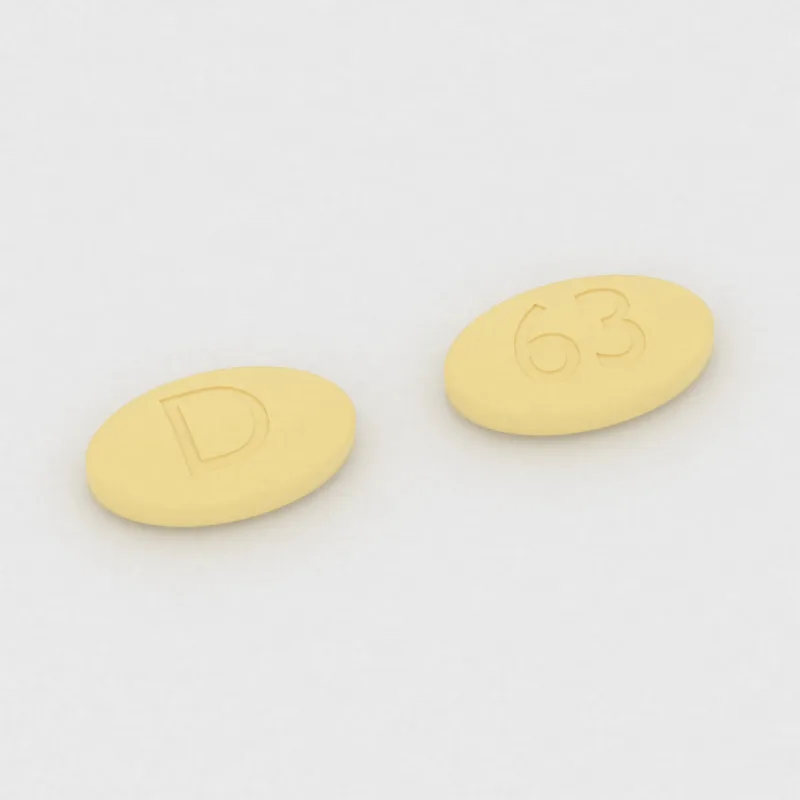
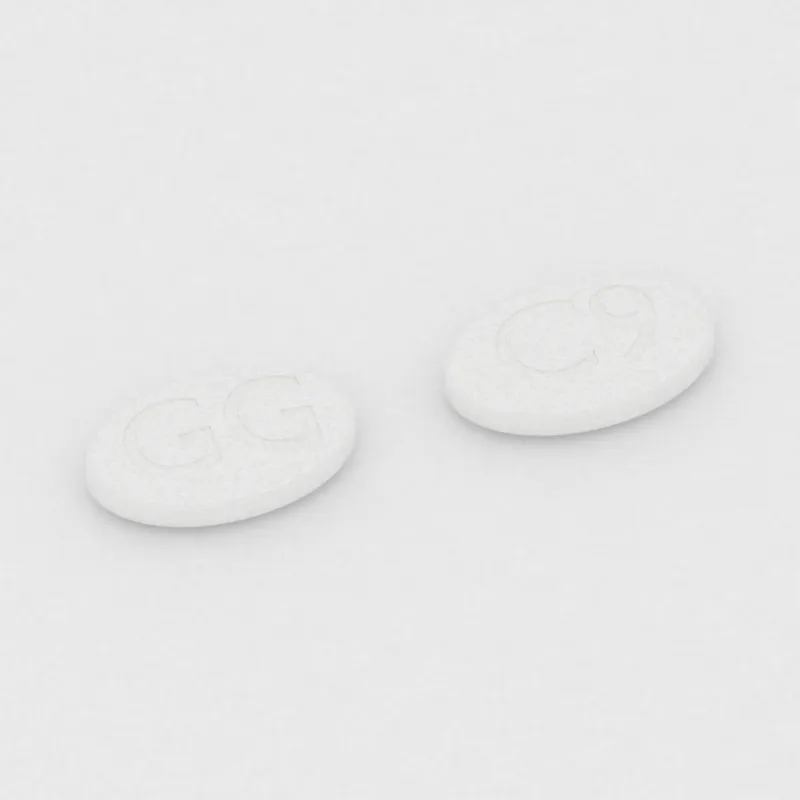

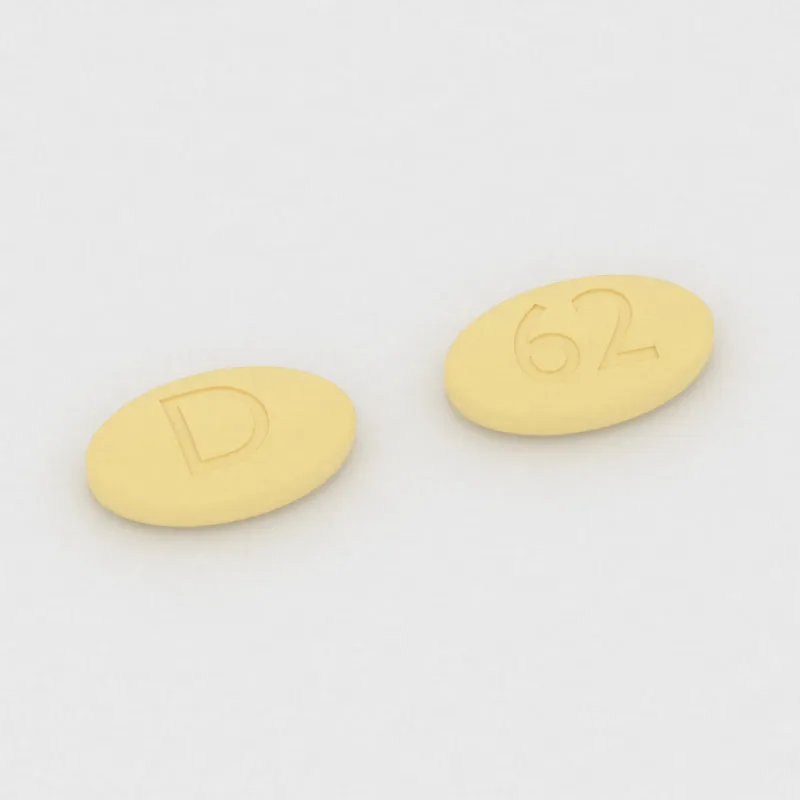
Darstellungen nach den Produktangaben der FDA-Fachinformationen: Farbe, Form, Größe und Prägung. 19 dokumentierte Varianten von 17 Anbietern.
Wechselwirkungen laut Fachinformation
Schwerwiegende Wechselwirkungen (187)
- AcalabrutinibSchwerwiegend
• CYP3A Inhibitors: Avoid co-administration with strong CYP3A inhibitors. (Fachinformation zu Acalabrutinib, Arzneimittelwechselwirkungen)
QT Prolongation : Avoid clarithromycin tablets in patients with known QT prolongation or receiving drugs known to prolong the QT interval, ventricular arrhythmia ( torsades de pointes ), hypokalemia/hypomagnesemia, significant bradycardia, or taking Class IA or III antiarrhythmics ( 5.2 ) (Fachinformation zu Clarithromycin, Warnhinweise und Vorsichtsmaßnahmen)
…(Childs-Pugh categories B and C), since alfuzosin blood levels are increased in these patients [see Use in Specific Populations (8.7) and Clinical Pharmacology (12.3) ]. with potent CYP3A4 inhibitors such as ketoconazole, itraconazole, and ritonavir, since alfuzosin blood levels are increased [see Drug Interactions (7.1) and Clinical Pharmacology (12.3) ] . in… (Fachinformation zu Alfuzosin, Gegenanzeigen)
Concomitant use of almotriptan tablets and potent CYP3A4 inhibitors should be avoided in patients with renal or hepatic impairment [see Clinical Pharmacology ( 12.3 )] . (Fachinformation zu Almotriptan, Arzneimittelwechselwirkungen)
• taking strong cytochrome P450 3A (CYP3A) inhibitors (e.g., ketoconazole, itraconazole), except ritonavir [see Dosage and Administration (2.5) , Warnings and Precautions (5.5) , Drug Interactions (7.1) ] . (Fachinformation zu Alprazolam, Gegenanzeigen)
QT Prolongation : Avoid clarithromycin tablets in patients with known QT prolongation or receiving drugs known to prolong the QT interval, ventricular arrhythmia ( torsades de pointes ), hypokalemia/hypomagnesemia, significant bradycardia, or taking Class IA or III antiarrhythmics ( 5.2 ) (Fachinformation zu Clarithromycin, Warnhinweise und Vorsichtsmaßnahmen)
…with colchicine; markedly increased transaminases with lomitapide; rhabdomyolysis with simvastatin, lovastatin, and atorvastatin; hypoglycemia and cardiac arrhythmias (e.g., torsades de pointes) with disopyramide; and hypotension and acute kidney injury with calcium channel blockers metabolized by CYP3A4 (e.g., verapamil, amlodipine, diltiazem, nifedipine). (Fachinformation zu Clarithromycin, Warnhinweise und Vorsichtsmaßnahmen)
In situations where the concomitant use of clarithromycin tablets with atorvastatin or pravastatin cannot be avoided, atorvastatin dose should not exceed 20 mg daily and pravastatin dose should not exceed 40 mg daily. (Fachinformation zu Clarithromycin, Warnhinweise und Vorsichtsmaßnahmen)
…with colchicine; markedly increased transaminases with lomitapide; rhabdomyolysis with simvastatin, lovastatin, and atorvastatin; hypoglycemia and cardiac arrhythmias (e.g., torsades de pointes) with disopyramide; and hypotension and acute kidney injury with calcium channel blockers metabolized by CYP3A4 (e.g., verapamil, amlodipine, diltiazem, nifedipine). (Fachinformation zu Clarithromycin, Warnhinweise und Vorsichtsmaßnahmen)
…with colchicine; markedly increased transaminases with lomitapide; rhabdomyolysis with simvastatin, lovastatin, and atorvastatin; hypoglycemia and cardiac arrhythmias (e.g., torsades de pointes) with disopyramide; and hypotension and acute kidney injury with calcium channel blockers metabolized by CYP3A4 (e.g., verapamil, amlodipine, diltiazem, nifedipine). (Fachinformation zu Clarithromycin, Warnhinweise und Vorsichtsmaßnahmen)
…with colchicine; markedly increased transaminases with lomitapide; rhabdomyolysis with simvastatin, lovastatin, and atorvastatin; hypoglycemia and cardiac arrhythmias (e.g., torsades de pointes) with disopyramide; and hypotension and acute kidney injury with calcium channel blockers metabolized by CYP3A4 (e.g., verapamil, amlodipine, diltiazem, nifedipine). (Fachinformation zu Clarithromycin, Warnhinweise und Vorsichtsmaßnahmen)
Co-administration of these phosphodiesterase inhibitors with clarithromycin is not recommended. (Fachinformation zu Clarithromycin, Arzneimittelwechselwirkungen)
For patients receiving ELIQUIS at a dose of 2.5 mg twice daily, avoid coadministration with combined P-gp and strong CYP3A4 inhibitors [see Dosage and Administration (2.6) and Clinical Pharmacology (12.3) ] . (Fachinformation zu Apixaban, Arzneimittelwechselwirkungen)
Colchicine (in patients with normal renal and hepatic function) Use With Caution Antipsychotics: Pimozide Contraindicated Pimozide: [See Contraindications ( 4.2 )] Quetiapine Lurasidone Quetiapine: Quetiapine is a substrate for CYP3A4, which is inhibited by clarithromycin. (Fachinformation zu Clarithromycin, Arzneimittelwechselwirkungen)
Colchicine (in patients with normal renal and hepatic function) Use With Caution Antipsychotics: Pimozide Contraindicated Pimozide: [See Contraindications ( 4.2 )] Quetiapine Lurasidone Quetiapine: Quetiapine is a substrate for CYP3A4, which is inhibited by clarithromycin. (Fachinformation zu Clarithromycin, Arzneimittelwechselwirkungen)
These include colchicine toxicity with colchicine; markedly increased transaminases with lomitapide; rhabdomyolysis with simvastatin, lovastatin, and atorvastatin; hypoglycemia and cardiac arrhythmias (e.g., torsades de pointes) with disopyramide; and hypotension and acute kidney injury with calcium channel blockers metabolized by CYP3A4 (e.g., verapamil, amlodipine,… (Fachinformation zu Clarithromycin, Warnhinweise und Vorsichtsmaßnahmen)
Co-administration of these phosphodiesterase inhibitors with clarithromycin is not recommended. (Fachinformation zu Clarithromycin, Arzneimittelwechselwirkungen)
This risk which can be fatal should be considered in patients with certain cardiovascular disorders including known QT prolongation or history torsades de pointes, those with proarrhythmic conditions, and with other drugs that prolong the QT interval. (Fachinformation zu Azithromycin, Warnhinweise und Vorsichtsmaßnahmen)
Concomitant administration of BIXLENVO with combined P-gp, UGT1A1, and strong CYP3A inhibitors is not recommended. (Fachinformation zu Bictegravir, Emtricitabin und Tenofoviralafenamid, Arzneimittelwechselwirkungen)
Co-administration of such combinations of a CYP2C9 inhibitor plus a strong or moderate CYP3A inhibitor with TRACLEER is not recommended. (Fachinformation zu Bosentan, Arzneimittelwechselwirkungen)
- BosutinibSchwerwiegend
• Strong and Moderate CYP3A Inhibitors: Avoid concomitant use with BOSULIF. (Fachinformation zu Bosutinib, Arzneimittelwechselwirkungen)
Colchicine (in patients with normal renal and hepatic function) Use With Caution Antipsychotics: Pimozide Contraindicated Pimozide: [See Contraindications ( 4.2 )] Quetiapine Lurasidone Quetiapine: Quetiapine is a substrate for CYP3A4, which is inhibited by clarithromycin. (Fachinformation zu Clarithromycin, Arzneimittelwechselwirkungen)
Ergot alkaloids (ergotamine or dihydroergotamine) ( 4.6 ) (Fachinformation zu Clarithromycin, Gegenanzeigen)
Evaluate patients starting CYP3A4 inhibitors or stopping CYP3A4 inducers at frequent intervals for respiratory depression. (Fachinformation zu Buprenorphin, Arzneimittelwechselwirkungen)
The effects of concomitant use or discontinuation of cytochrome P450 3A4 inducers, 3A4 inhibitors, or 2D6 inhibitors with codeine are complex. (Fachinformation zu Butalbital, Acetylsalicylsäure, Koffein und Codein, Boxed Warning (umrahmter Warnhinweis))
Interactions with Drugs Affecting Cytochrome P450 Isoenzymes The effects of concomitant use or discontinuation of cytochrome P450 3A4 inducers, 3A4 inhibitors, or 2D6 inhibitors with codeine are complex. (Fachinformation zu Butalbital, Paracetamol, Koffein und Codein, Boxed Warning (umrahmter Warnhinweis))
Ergot alkaloids (ergotamine or dihydroergotamine) ( 4.6 ) (Fachinformation zu Clarithromycin, Gegenanzeigen)
- CabozantinibSchwerwiegend
Avoid taking a strong CYP3A4 inhibitor (e.g., ketoconazole, itraconazole, clarithromycin, atazanavir, indinavir, nefazodone, nelfinavir, ritonavir, saquinavir, telithromycin, voriconazole) while taking COMETRIQ or reduce the dosage of COMETRIQ if concomitant use with strong CYP3A4 inhibitors cannot be avoided [see Dosage and Administration ( 2.2 ), Clinical Pharmacology… (Fachinformation zu Cabozantinib, Arzneimittelwechselwirkungen)
Colchicine (in patients with normal renal and hepatic function) Use With Caution Antipsychotics: Pimozide Contraindicated Pimozide: [See Contraindications ( 4.2 )] Quetiapine Lurasidone Quetiapine: Quetiapine is a substrate for CYP3A4, which is inhibited by clarithromycin. (Fachinformation zu Clarithromycin, Arzneimittelwechselwirkungen)
QT Prolongation : Avoid clarithromycin tablets in patients with known QT prolongation or receiving drugs known to prolong the QT interval, ventricular arrhythmia ( torsades de pointes ), hypokalemia/hypomagnesemia, significant bradycardia, or taking Class IA or III antiarrhythmics ( 5.2 ) (Fachinformation zu Clarithromycin, Warnhinweise und Vorsichtsmaßnahmen)
The use of macrolide antibiotics such as erythromycin should be avoided in patients receiving quinine sulfate. (Fachinformation zu Chinin, Warnhinweise und Vorsichtsmaßnahmen)
Colchicine (in patients with normal renal and hepatic function) Use With Caution Antipsychotics: Pimozide Contraindicated Pimozide: [See Contraindications ( 4.2 )] Quetiapine Lurasidone Quetiapine: Quetiapine is a substrate for CYP3A4, which is inhibited by clarithromycin. (Fachinformation zu Clarithromycin, Arzneimittelwechselwirkungen)
Co-administration of these phosphodiesterase inhibitors with clarithromycin is not recommended. (Fachinformation zu Clarithromycin, Arzneimittelwechselwirkungen)
Avoid use in patients with known prolongation, those with hypokalemia, and with other drugs that prolong the QT interval. (Fachinformation zu Ciprofloxacin, Warnhinweise und Vorsichtsmaßnahmen)
Colchicine (in patients with normal renal and hepatic function) Use With Caution Antipsychotics: Pimozide Contraindicated Pimozide: [See Contraindications ( 4.2 )] Quetiapine Lurasidone Quetiapine: Quetiapine is a substrate for CYP3A4, which is inhibited by clarithromycin. (Fachinformation zu Clarithromycin, Arzneimittelwechselwirkungen)
Interactions with Drugs Affecting Cytochrome P450 Isoenzymes The effects of concomitant use or discontinuation of cytochrome P450 3A4 inducers, 3A4 inhibitors, or 2D6 inhibitors with codeine are complex. (Fachinformation zu Codein, Boxed Warning (umrahmter Warnhinweis))
- ColchicinSchwerwiegend
Colchicine in renal or hepatic impairment ( 4.4 ) (Fachinformation zu Clarithromycin, Gegenanzeigen)
Avoid use of PRADAXA Capsules and P-gp inhibitors in patients with severe renal impairment (CrCl 15-30 mL/min) [see Drug Interactions (7.1) and Use in Specific Populations (8.6) ] . (Fachinformation zu Dabigatran, Warnhinweise und Vorsichtsmaßnahmen)
Strong CYP3A4 inhibitors: Avoid concomitant use. (Fachinformation zu Daridorexant, Arzneimittelwechselwirkungen)
- DasatinibSchwerwiegend
Avoid concomitant use of strong CYP3A4 inhibitors. (Fachinformation zu Dasatinib, Arzneimittelwechselwirkungen)
• Avoid concomitant use of strong CYP3A4 inhibitors or inducers. (Fachinformation zu Dexamethason, Arzneimittelwechselwirkungen)
…known to prolong the QT interval [see also Contraindications ( 4.2 )] • patients with ongoing proarrhythmic conditions such as uncorrected hypokalemia or hypomagnesemia,clinically significant bradycardia and in patients receiving Class IA (e.g., quinidine, procainamide,disopyramide) or Class III (e.g., dofetilide, amiodarone, sotalol) antiarrhythmic agents. (Fachinformation zu Clarithromycin, Warnhinweise und Vorsichtsmaßnahmen)
Some patients have shown clinical signs consistent with digoxin toxicity, including potentially fatal arrhythmias. (Fachinformation zu Clarithromycin, Arzneimittelwechselwirkungen)
Ergot alkaloids (ergotamine or dihydroergotamine) ( 4.6 ) (Fachinformation zu Clarithromycin, Gegenanzeigen)
QT Prolongation : Avoid clarithromycin tablets in patients with known QT prolongation or receiving drugs known to prolong the QT interval, ventricular arrhythmia ( torsades de pointes ), hypokalemia/hypomagnesemia, significant bradycardia, or taking Class IA or III antiarrhythmics ( 5.2 ) (Fachinformation zu Clarithromycin, Warnhinweise und Vorsichtsmaßnahmen)
…with colchicine; markedly increased transaminases with lomitapide; rhabdomyolysis with simvastatin, lovastatin, and atorvastatin; hypoglycemia and cardiac arrhythmias (e.g., torsades de pointes) with disopyramide; and hypotension and acute kidney injury with calcium channel blockers metabolized by CYP3A4 (e.g., verapamil, amlodipine, diltiazem, nifedipine). (Fachinformation zu Clarithromycin, Warnhinweise und Vorsichtsmaßnahmen)
- DocetaxelSchwerwiegend
Concomitant use of Docetaxel Injection and drugs that inhibit CYP3A4 may increase exposure to docetaxel and should be avoided. (Fachinformation zu Docetaxel, Arzneimittelwechselwirkungen)
QT Prolongation : Avoid clarithromycin tablets in patients with known QT prolongation or receiving drugs known to prolong the QT interval, ventricular arrhythmia ( torsades de pointes ), hypokalemia/hypomagnesemia, significant bradycardia, or taking Class IA or III antiarrhythmics ( 5.2 ) (Fachinformation zu Clarithromycin, Warnhinweise und Vorsichtsmaßnahmen)
- DoxorubicinSchwerwiegend
Avoid concomitant use of Doxorubicin Hydrochloride Injection with inhibitors of CYP3A4, CYP2D6, or P-gp. (Fachinformation zu Doxorubicin, Arzneimittelwechselwirkungen)
QT Prolongation : Avoid clarithromycin tablets in patients with known QT prolongation or receiving drugs known to prolong the QT interval, ventricular arrhythmia ( torsades de pointes ), hypokalemia/hypomagnesemia, significant bradycardia, or taking Class IA or III antiarrhythmics ( 5.2 ) (Fachinformation zu Clarithromycin, Warnhinweise und Vorsichtsmaßnahmen)
Drug-Drug Interactions Strong Inhibitors of Cytochrome P450 (CYP) 3A4 Tamsulosin-containing products, including JALYN, should not be coadministered with strong CYP3A4 inhibitors (e.g., ketoconazole) as this can significantly increase tamsulosin exposure [see Drug Interactions (7.1) , Clinical Pharmacology (12.3) ]. (Fachinformation zu Dutasterid und Tamsulosin, Warnhinweise und Vorsichtsmaßnahmen)
• Recent use (i.e., within at least 72 hours) of the following potent CYP3A4 inhibitors: ketoconazole, itraconazole, nefazodone, troleandomycin, clarithromycin, ritonavir, or nelfinavir [see Drug Interactions (7.2) and Clinical Pharmacology (12.3) ]. (Fachinformation zu Eletriptan, Gegenanzeigen)
Concomitant use of COMPLERA with drugs with a known risk to prolong the QTc interval of the electrocardiogram may increase the risk of Torsade de Pointes. (Fachinformation zu Emtricitabin, Rilpivirin und Tenofovir, Warnhinweise und Vorsichtsmaßnahmen)
…Patients Eplerenone is contraindicated in all patients with: • serum potassium > 5.5 mEq/L at initiation, • creatinine clearance ≤ 30 mL/min, or • concomitant administration of strong CYP3A inhibitors (e.g., ketoconazole, itraconazole, nefazodone, troleandomycin, clarithromycin, ritonavir, and nelfinavir) [see Drug Interactions (7.1) , Clinical Pharmacology (12.3)… (Fachinformation zu Eplerenon, Gegenanzeigen)
The use of clarithromycin with lomitapide, simvastatin, lovastatin, ergotamine, or dihydroergotamine is contraindicated [see Contraindications ( 4.5 , 4.6 ) and Drug Interactions ( 7 )]. (Fachinformation zu Clarithromycin, Warnhinweise und Vorsichtsmaßnahmen)
- ErlotinibSchwerwiegend
Avoid co-administering erlotinib with strong CYP3A4 inhibitors (e.g., boceprevir, clarithromycin, conivaptan, indinavir, itraconazole, ketoconazole, lopinavir/ritonavir, nefazodone, nelfinavir, posaconazole, ritonavir, saquinavir, telithromycin, voriconazole, grapefruit or grapefruit juice) or a combined CYP3A4 and CYP1A2 inhibitor (e.g., ciprofloxacin). (Fachinformation zu Erlotinib, Arzneimittelwechselwirkungen)
Hypersensitivity Clarithromycin tablets are contraindicated in patients with a known hypersensitivity to clarithromycin, erythromycin, or any of the macrolide antibacterial drugs [see Warnings and Precautions ( 5.1 )] . (Fachinformation zu Clarithromycin, Gegenanzeigen)
QT Prolongation : Avoid clarithromycin tablets in patients with known QT prolongation or receiving drugs known to prolong the QT interval, ventricular arrhythmia ( torsades de pointes ), hypokalemia/hypomagnesemia, significant bradycardia, or taking Class IA or III antiarrhythmics ( 5.2 ) (Fachinformation zu Clarithromycin, Warnhinweise und Vorsichtsmaßnahmen)
• For information about contraindications of amoxicillin and clarithromycin, indicated in combination with NEXIUM for H. pylori eradication to reduce the risk of duodenal ulcer recurrence, refer to the Contraindications section of the respective prescribing information. (Fachinformation zu Esomeprazol, Gegenanzeigen)
Consequently, estazolam should be avoided in patients receiving ketoconazole and itraconazole, which are very potent inhibitors of CYP3A (see CONTRAINDICATIONS ). (Fachinformation zu Estazolam, Warnhinweise)
Strong CYP3A inhibitor and P-gp inhibitor : Avoid coadministration. (Fachinformation zu Everolimus, Arzneimittelwechselwirkungen)
Lomitapide, lovastatin, and simvastatin ( 4.5 ) (Fachinformation zu Clarithromycin, Gegenanzeigen)
…with colchicine; markedly increased transaminases with lomitapide; rhabdomyolysis with simvastatin, lovastatin, and atorvastatin; hypoglycemia and cardiac arrhythmias (e.g., torsades de pointes) with disopyramide; and hypotension and acute kidney injury with calcium channel blockers metabolized by CYP3A4 (e.g., verapamil, amlodipine, diltiazem, nifedipine). (Fachinformation zu Clarithromycin, Warnhinweise und Vorsichtsmaßnahmen)
• Concomitant use with CYP3A4 inhibitors (or discontinuation of CYP3A4 inducers) can result in a fatal overdose of fentanyl. (Fachinformation zu Fentanyl, Boxed Warning (umrahmter Warnhinweis))
CYP3A4 Inhibitors Doses of Toviaz greater than 4 mg are not recommended in adult patients taking strong CYP3A4 inhibitors, such as ketoconazole, itraconazole, and clarithromycin [see Dosage and Administration (2.5) ]. (Fachinformation zu Fesoterodin, Arzneimittelwechselwirkungen)
QT Prolongation : Avoid clarithromycin tablets in patients with known QT prolongation or receiving drugs known to prolong the QT interval, ventricular arrhythmia ( torsades de pointes ), hypokalemia/hypomagnesemia, significant bradycardia, or taking Class IA or III antiarrhythmics ( 5.2 ) (Fachinformation zu Clarithromycin, Warnhinweise und Vorsichtsmaßnahmen)
Contraindicated with Strong or Moderate CYP3A4 Inhibitors The concomitant use of ADDYI and moderate or strong CYP3A4 inhibitors increases flibanserin concentrations, which can cause severe hypotension and syncope [see Warnings and Precautions (5.2) ] . (Fachinformation zu Flibanserin, Boxed Warning (umrahmter Warnhinweis))
Coadministration of other drugs known to prolong the QT interval and which are metabolized via the enzyme CYP3A4 such as erythromycin, pimozide, and quinidine are contraindicated in patients receiving fluconazole. (Fachinformation zu Fluconazol, Gegenanzeigen)
Colchicine (in patients with normal renal and hepatic function) Use With Caution Antipsychotics: Pimozide Contraindicated Pimozide: [See Contraindications ( 4.2 )] Quetiapine Lurasidone Quetiapine: Quetiapine is a substrate for CYP3A4, which is inhibited by clarithromycin. (Fachinformation zu Clarithromycin, Arzneimittelwechselwirkungen)
Strong cytochrome P450 3A4 inhibitors (e.g., ritonavir, ketoconazole): Use not recommended. (Fachinformation zu Fluticason, Arzneimittelwechselwirkungen)
Avoid strong cytochrome P450 3A4 inhibitors (e.g., ritonavir, ketoconazole): May increase risk of systemic corticosteroid and cardiovascular effects. (Fachinformation zu Fluticason und Salmeterol, Arzneimittelwechselwirkungen)
Concomitant administration of clarithromycin tablets with HMG-CoA reductase inhibitors (statins) that are extensively metabolized by CYP3A4 (lovastatin or simvastatin) is contraindicated, due to the increased risk of myopathy, including rhabdomyolysis [see Warnings and Precautions ( 5.4 ) and Drug Interactions ( 7 )]. (Fachinformation zu Clarithromycin, Gegenanzeigen)
Intervention Avoid concomitant use of FOCINVEZ Examples Moderate inhibitor: diltiazem Strong inhibitors: ketoconazole, itraconazole, nefazodone, troleandomycin, clarithromycin, ritonavir, nelfinavir Strong CYP3A4 Inducers Clinical Impact Substantially decreased exposure of aprepitant in patients chronically taking a strong CYP3A4 inducer may decrease the efficacy… (Fachinformation zu Fosaprepitant, Arzneimittelwechselwirkungen)
(See DOSAGE and ADMINISTRATION. ) Because of the risk of QT prolongation and the potential for torsades de pointes, the use of FOSCAVIR should be avoided in combination with agents known to prolong the QT interval including Class IA (e.g., quinidine or procainamide) or Class III (e.g., dofetilide, amiodarone, sotalol) antiarrhythmic agents, phenothiazines, tricyclic… (Fachinformation zu Foscarnet, Arzneimittelwechselwirkungen)
Avoid co-administration of CONTEPO with drugs known to prolong the QT interval. (Fachinformation zu Fosfomycin, Arzneimittelwechselwirkungen)
Colchicine (in patients with normal renal and hepatic function) Use With Caution Antipsychotics: Pimozide Contraindicated Pimozide: [See Contraindications ( 4.2 )] Quetiapine Lurasidone Quetiapine: Quetiapine is a substrate for CYP3A4, which is inhibited by clarithromycin. (Fachinformation zu Clarithromycin, Arzneimittelwechselwirkungen)
Cytochrome P450 3A4 Interaction The concomitant use of HYSINGLA ER with all cytochrome P450 3A4 inhibitors may result in an increase in hydrocodone plasma concentrations, which could increase or prolong adverse reactions and may cause potentially fatal respiratory depression. (Fachinformation zu Hydrocodon, Boxed Warning (umrahmter Warnhinweis))
Cytochrome P450 3A4 Interaction The concomitant use of Hydrocodone Polistirex and Chlorpheniramine Polistirex with all cytochrome P450 3A4 inhibitors may result in an increase in hydrocodone plasma concentrations, which could increase or prolong adverse drug effects and may cause potentially fatal respiratory depression. (Fachinformation zu Hydrocodon und Chlorphenamin, Boxed Warning (umrahmter Warnhinweis))
Cytochrome P450 3A4 Interaction The concomitant use of hydrocodone bitartrate and homatropine methylbromide with all cytochrome P450 3A4 inhibitors may result in an increase in hydrocodone plasma concentrations, which could increase or prolong adverse drug effects and may cause potentially fatal respiratory depression. (Fachinformation zu Hydrocodon und Homatropin, Boxed Warning (umrahmter Warnhinweis))
Cytochrome P450 3A4 Interaction The concomitant use of Hydrocodone Bitartrate and Ibuprofen Tablets with all cytochrome P450 3A4 inhibitors may result in an increase in hydrocodone plasma concentrations, which may cause potentially fatal respiratory depression. (Fachinformation zu Hydrocodon und Ibuprofen, Boxed Warning (umrahmter Warnhinweis))
Cytochrome P450 3A4 Interaction The concomitant use of hydrocodone bitartrate and acetaminophen tablets with all Cytochrome P450 3A4 inhibitors may result in an increase in hydrocodone plasma concentrations, which could increase or prolong adverse reactions and may cause potentially fatal respiratory depression. (Fachinformation zu Hydrocodon und Paracetamol, Boxed Warning (umrahmter Warnhinweis))
Therefore, PLAQUENIL is not recommended in patients taking other drugs that have the potential to prolong the QT interval. (Fachinformation zu Hydroxychloroquin, Warnhinweise und Vorsichtsmaßnahmen)
QT Prolongation : Avoid clarithromycin tablets in patients with known QT prolongation or receiving drugs known to prolong the QT interval, ventricular arrhythmia ( torsades de pointes ), hypokalemia/hypomagnesemia, significant bradycardia, or taking Class IA or III antiarrhythmics ( 5.2 ) (Fachinformation zu Clarithromycin, Warnhinweise und Vorsichtsmaßnahmen)
Colchicine (in patients with normal renal and hepatic function) Use With Caution Antipsychotics: Pimozide Contraindicated Pimozide: [See Contraindications ( 4.2 )] Quetiapine Lurasidone Quetiapine: Quetiapine is a substrate for CYP3A4, which is inhibited by clarithromycin. (Fachinformation zu Clarithromycin, Arzneimittelwechselwirkungen)
- IrinotecanSchwerwiegend
• Strong CYP3A4 Inhibitors: Do not administer strong CYP3A4 inhibitors with CAMPTOSAR. (Fachinformation zu Irinotecan, Arzneimittelwechselwirkungen)
…with colchicine; markedly increased transaminases with lomitapide; rhabdomyolysis with simvastatin, lovastatin, and atorvastatin; hypoglycemia and cardiac arrhythmias (e.g., torsades de pointes) with disopyramide; and hypotension and acute kidney injury with calcium channel blockers metabolized by CYP3A4 (e.g., verapamil, amlodipine, diltiazem, nifedipine). (Fachinformation zu Clarithromycin, Warnhinweise und Vorsichtsmaßnahmen)
- IvabradinSchwerwiegend
…bradycardia [see Warnings and Precautions ( 5.3 )] • Severe hepatic impairment [see Use in Specific Populations ( 8.6 )] • Pacemaker dependence (heart rate maintained exclusively by the pacemaker) [see Drug Interactions ( 7.3 )] • Concomitant use of strong cytochrome P450 3A4 (CYP3A4) inhibitors [see Drug Interactions ( 7.1 )] Acute decompensated heart failure ( 4 ) (Fachinformation zu Ivabradin, Gegenanzeigen)
For information about contraindications of antibacterial agents (clarithromycin and amoxicillin) indicated in combination with PREVACID or PREVACID SoluTab, refer to the Contraindications section of their prescribing information. (Fachinformation zu Lansoprazol, Gegenanzeigen)
Avoid strong CYP3A4 inhibitors. (Fachinformation zu Lapatinib, Arzneimittelwechselwirkungen)
- LarotrectinibSchwerwiegend
Strong CYP3A4 Inhibitors: Avoid coadministration of strong CYP3A4 inhibitors with VITRAKVI. (Fachinformation zu Larotrectinib, Arzneimittelwechselwirkungen)
Strong or moderate CYP3A inhibitors: Avoid concomitant use. (Fachinformation zu Lemborexant, Arzneimittelwechselwirkungen)
Avoid use in patients with known prolongation, those with hypokalemia, and with other drugs that prolong the QT interval ( 5.11 , 8.5 ) (Fachinformation zu Levofloxacin, Warnhinweise und Vorsichtsmaßnahmen)
QT Prolongation : Avoid clarithromycin tablets in patients with known QT prolongation or receiving drugs known to prolong the QT interval, ventricular arrhythmia ( torsades de pointes ), hypokalemia/hypomagnesemia, significant bradycardia, or taking Class IA or III antiarrhythmics ( 5.2 ) (Fachinformation zu Clarithromycin, Warnhinweise und Vorsichtsmaßnahmen)
QT Prolongation : Avoid clarithromycin tablets in patients with known QT prolongation or receiving drugs known to prolong the QT interval, ventricular arrhythmia ( torsades de pointes ), hypokalemia/hypomagnesemia, significant bradycardia, or taking Class IA or III antiarrhythmics ( 5.2 ) (Fachinformation zu Clarithromycin, Warnhinweise und Vorsichtsmaßnahmen)
- LomitapidSchwerwiegend
Lomitapide, lovastatin, and simvastatin ( 4.5 ) (Fachinformation zu Clarithromycin, Gegenanzeigen)
• Strong CYP3A Inhibitors : Avoid concomitant use; reduce LORBRENA dose if concomitant use cannot be avoided. (Fachinformation zu Lorlatinib, Arzneimittelwechselwirkungen)
Lomitapide, lovastatin, and simvastatin ( 4.5 ) (Fachinformation zu Clarithromycin, Gegenanzeigen)
Colchicine (in patients with normal renal and hepatic function) Use With Caution Antipsychotics: Pimozide Contraindicated Pimozide: [See Contraindications ( 4.2 )] Quetiapine Lurasidone Quetiapine: Quetiapine is a substrate for CYP3A4, which is inhibited by clarithromycin. (Fachinformation zu Clarithromycin, Arzneimittelwechselwirkungen)
Colchicine (in patients with normal renal and hepatic function) Use With Caution Antipsychotics: Pimozide Contraindicated Pimozide: [See Contraindications ( 4.2 )] Quetiapine Lurasidone Quetiapine: Quetiapine is a substrate for CYP3A4, which is inhibited by clarithromycin. (Fachinformation zu Clarithromycin, Arzneimittelwechselwirkungen)
Lurasidone ( 4.7 ) (Fachinformation zu Clarithromycin, Gegenanzeigen)
- MacitentanSchwerwiegend
Strong CYP3A4 inhibitors (ketoconazole, ritonavir) increase exposure to macitentan: avoid co-administration with OPSUMIT ( 7.2 , 12.3 ) . (Fachinformation zu Macitentan, Arzneimittelwechselwirkungen)
SELZENTRY is contraindicated in patients with severe renal impairment or ESRD (creatinine clearance [CrCl] less than 30 mL per minute) who are concomitantly taking potent CYP3A inhibitors or inducers [see Warnings and Precautions ( 5.3 )]. (Fachinformation zu Maraviroc, Gegenanzeigen)
Ergot alkaloids (ergotamine or dihydroergotamine) ( 4.6 ) (Fachinformation zu Clarithromycin, Gegenanzeigen)
QT Prolongation : Avoid clarithromycin tablets in patients with known QT prolongation or receiving drugs known to prolong the QT interval, ventricular arrhythmia ( torsades de pointes ), hypokalemia/hypomagnesemia, significant bradycardia, or taking Class IA or III antiarrhythmics ( 5.2 ) (Fachinformation zu Clarithromycin, Warnhinweise und Vorsichtsmaßnahmen)
Co-administration of these phosphodiesterase inhibitors with clarithromycin is not recommended. (Fachinformation zu Clarithromycin, Arzneimittelwechselwirkungen)
Examples diazepam, alprazolam, alcohol Drugs that Prolong QTc Interval Clinical Impact The concomitant use of other drugs which prolong the QTc interval with REMERON/REMERONSolTab, increase the risk of QT prolongation and/or ventricular arrhythmias (e.g., Torsades de Pointes). (Fachinformation zu Mirtazapin, Arzneimittelwechselwirkungen)
Strong CYP3A Inhibitors and Inducers: Avoid concomitant use. (Fachinformation zu Mitapivat, Arzneimittelwechselwirkungen)
Patients concomitantly using strong CYP3A4 inhibitors (e.g., clarithromycin, ketoconazole) because these medications can significantly increase exposure to naloxegol which may precipitate opioid withdrawal symptoms such as hyperhidrosis, chills, diarrhea, abdominal pain, anxiety, irritability, and yawning [see Drug Interactions (7.1) and Clinical Pharmacology… (Fachinformation zu Naloxegol, Gegenanzeigen)
…with colchicine; markedly increased transaminases with lomitapide; rhabdomyolysis with simvastatin, lovastatin, and atorvastatin; hypoglycemia and cardiac arrhythmias (e.g., torsades de pointes) with disopyramide; and hypotension and acute kidney injury with calcium channel blockers metabolized by CYP3A4 (e.g., verapamil, amlodipine, diltiazem, nifedipine). (Fachinformation zu Clarithromycin, Warnhinweise und Vorsichtsmaßnahmen)
…with colchicine; markedly increased transaminases with lomitapide; rhabdomyolysis with simvastatin, lovastatin, and atorvastatin; hypoglycemia and cardiac arrhythmias (e.g., torsades de pointes) with disopyramide; and hypotension and acute kidney injury with calcium channel blockers metabolized by CYP3A4 (e.g., verapamil, amlodipine, diltiazem, nifedipine). (Fachinformation zu Clarithromycin, Warnhinweise und Vorsichtsmaßnahmen)
Avoid use of concomitant drugs known to prolong the QT interval and strong CYP3A4 inhibitors [see Drug Interactions ( 7.1 , 7.2 )] . (Fachinformation zu Nilotinib, Boxed Warning (umrahmter Warnhinweis))
…with colchicine; markedly increased transaminases with lomitapide; rhabdomyolysis with simvastatin, lovastatin, and atorvastatin; hypoglycemia and cardiac arrhythmias (e.g., torsades de pointes) with disopyramide; and hypotension and acute kidney injury with calcium channel blockers metabolized by CYP3A4 (e.g., verapamil, amlodipine, diltiazem, nifedipine). (Fachinformation zu Clarithromycin, Warnhinweise und Vorsichtsmaßnahmen)
…with colchicine; markedly increased transaminases with lomitapide; rhabdomyolysis with simvastatin, lovastatin, and atorvastatin; hypoglycemia and cardiac arrhythmias (e.g., torsades de pointes) with disopyramide; and hypotension and acute kidney injury with calcium channel blockers metabolized by CYP3A4 (e.g., verapamil, amlodipine, diltiazem, nifedipine). (Fachinformation zu Clarithromycin, Warnhinweise und Vorsichtsmaßnahmen)
Colchicine (in patients with normal renal and hepatic function) Use With Caution Antipsychotics: Pimozide Contraindicated Pimozide: [See Contraindications ( 4.2 )] Quetiapine Lurasidone Quetiapine: Quetiapine is a substrate for CYP3A4, which is inhibited by clarithromycin. (Fachinformation zu Clarithromycin, Arzneimittelwechselwirkungen)
Colchicine (in patients with normal renal and hepatic function) Use With Caution Antipsychotics: Pimozide Contraindicated Pimozide: [See Contraindications ( 4.2 )] Quetiapine Lurasidone Quetiapine: Quetiapine is a substrate for CYP3A4, which is inhibited by clarithromycin. (Fachinformation zu Clarithromycin, Arzneimittelwechselwirkungen)
…with colchicine; markedly increased transaminases with lomitapide; rhabdomyolysis with simvastatin, lovastatin, and atorvastatin; hypoglycemia and cardiac arrhythmias (e.g., torsades de pointes) with disopyramide; and hypotension and acute kidney injury with calcium channel blockers metabolized by CYP3A4 (e.g., verapamil, amlodipine, diltiazem, nifedipine). (Fachinformation zu Clarithromycin, Warnhinweise und Vorsichtsmaßnahmen)
• For information about contraindications of antibacterial agents (clarithromycin and amoxicillin) indicated in combination with PRILOSEC, refer to the CONTRAINDICATIONS section of their package inserts. (Fachinformation zu Omeprazol, Gegenanzeigen)
- OxaliplatinSchwerwiegend
Avoid coadministration of oxaliplatin injection with medicinal products with a known potential to prolong the QT interval. (Fachinformation zu Oxaliplatin, Arzneimittelwechselwirkungen)
Cytochrome P450 3A4 Interaction The concomitant use of Oxycodone Hydrochloride Oral Solution with all cytochrome P450 3A4 inhibitors may result in an increase in oxycodone plasma concentrations, which could increase or prolong adverse reactions and may cause potentially fatal respiratory depression. (Fachinformation zu Oxycodon, Boxed Warning (umrahmter Warnhinweis))
Cytochrome P450 3A4 Interaction The concomitant use of oxycodone hydrochloride tablets with all cytochrome P450 3A4 inhibitors may result in an increase in oxycodone plasma concentrations, which could increase or prolong adverse reactions and may cause potentially fatal respiratory depression. (Fachinformation zu Oxycodon und Paracetamol, Boxed Warning (umrahmter Warnhinweis))
Avoid concomitant use of strong CYP3A inhibitors (e.g., clarithromycin, indinavir, itraconazole, ketoconazole, lopinavir/ritonavir, nefazodone, nelfinavir, posaconazole, ritonavir, saquinavir, telaprevir, telithromycin, and voriconazole). (Fachinformation zu Palbociclib, Arzneimittelwechselwirkungen)
Colchicine (in patients with normal renal and hepatic function) Use With Caution Antipsychotics: Pimozide Contraindicated Pimozide: [See Contraindications ( 4.2 )] Quetiapine Lurasidone Quetiapine: Quetiapine is a substrate for CYP3A4, which is inhibited by clarithromycin. (Fachinformation zu Clarithromycin, Arzneimittelwechselwirkungen)
Interactions with Drugs Affecting Cytochrome P450 Isoenzymes The effects of concomitant use or discontinuation of cytochrome P450 3A4 inducers, 3A4 inhibitors, or 2D6 inhibitors with codeine are complex. (Fachinformation zu Paracetamol und Codein, Boxed Warning (umrahmter Warnhinweis))
- PazopanibSchwerwiegend
Strong CYP3A4 Inhibitors : Avoid coadministration of VOTRIENT with strong CYP3A4 inhibitors. (Fachinformation zu Pazopanib, Arzneimittelwechselwirkungen)
Colchicine (in patients with normal renal and hepatic function) Use With Caution Antipsychotics: Pimozide Contraindicated Pimozide: [See Contraindications ( 4.2 )] Quetiapine Lurasidone Quetiapine: Quetiapine is a substrate for CYP3A4, which is inhibited by clarithromycin. (Fachinformation zu Clarithromycin, Arzneimittelwechselwirkungen)
Cytochrome P450 3A4 Interaction The concomitant use of DEMEROL Injection with all cytochrome P450 3A4 inhibitors may result in an increase in meperidine plasma concentrations, which could increase or prolong adverse reactions and may cause potentially fatal respiratory depression. (Fachinformation zu Pethidin, Boxed Warning (umrahmter Warnhinweis))
Drugs that Prolong the QT Interval : Avoid concomitant use. (Fachinformation zu Phenobarbital, Arzneimittelwechselwirkungen)
Colchicine (in patients with normal renal and hepatic function) Use With Caution Antipsychotics: Pimozide Contraindicated Pimozide: [See Contraindications ( 4.2 )] Quetiapine Lurasidone Quetiapine: Quetiapine is a substrate for CYP3A4, which is inhibited by clarithromycin. (Fachinformation zu Clarithromycin, Arzneimittelwechselwirkungen)
Cisapride and pimozide ( 4.2 ) (Fachinformation zu Clarithromycin, Gegenanzeigen)
Concomitant administration of clarithromycin tablets with HMG-CoA reductase inhibitors (statins) that are extensively metabolized by CYP3A4 (lovastatin or simvastatin) is contraindicated, due to the increased risk of myopathy, including rhabdomyolysis [see Warnings and Precautions ( 5.4 ) and Drug Interactions ( 7 )]. (Fachinformation zu Clarithromycin, Gegenanzeigen)
The use of WAKIX should be avoided in patients with known QT prolongation or in combination with other drugs known to prolong the QT interval [see Drug Interactions ( 7.1 )]. (Fachinformation zu Pitolisant, Warnhinweise und Vorsichtsmaßnahmen)
In situations where the concomitant use of clarithromycin tablets with atorvastatin or pravastatin cannot be avoided, atorvastatin dose should not exceed 20 mg daily and pravastatin dose should not exceed 40 mg daily. (Fachinformation zu Clarithromycin, Warnhinweise und Vorsichtsmaßnahmen)
- Probenecid und ColchicinSchwerwiegend
Colchicine in renal or hepatic impairment ( 4.4 ) (Fachinformation zu Clarithromycin, Gegenanzeigen)
QT Prolongation : Avoid clarithromycin tablets in patients with known QT prolongation or receiving drugs known to prolong the QT interval, ventricular arrhythmia ( torsades de pointes ), hypokalemia/hypomagnesemia, significant bradycardia, or taking Class IA or III antiarrhythmics ( 5.2 ) (Fachinformation zu Clarithromycin, Warnhinweise und Vorsichtsmaßnahmen)
Colchicine (in patients with normal renal and hepatic function) Use With Caution Antipsychotics: Pimozide Contraindicated Pimozide: [See Contraindications ( 4.2 )] Quetiapine Lurasidone Quetiapine: Quetiapine is a substrate for CYP3A4, which is inhibited by clarithromycin. (Fachinformation zu Clarithromycin, Arzneimittelwechselwirkungen)
Interactions with Drugs Affecting Cytochrome P450 Isoenzymes The effects of concomitant use or discontinuation of cytochrome P450 3A4 inducers, 3A4 inhibitors, or 2D6 inhibitors with codeine are complex, requiring careful consideration of the effects on the parent drug, codeine, and the active metabolite, morphine. (Fachinformation zu Promethazin und Codein, Boxed Warning (umrahmter Warnhinweis))
QT Prolongation : Avoid clarithromycin tablets in patients with known QT prolongation or receiving drugs known to prolong the QT interval, ventricular arrhythmia ( torsades de pointes ), hypokalemia/hypomagnesemia, significant bradycardia, or taking Class IA or III antiarrhythmics ( 5.2 ) (Fachinformation zu Clarithromycin, Warnhinweise und Vorsichtsmaßnahmen)
Colchicine (in patients with normal renal and hepatic function) Use With Caution Antipsychotics: Pimozide Contraindicated Pimozide: [See Contraindications ( 4.2 )] Quetiapine Lurasidone Quetiapine: Quetiapine is a substrate for CYP3A4, which is inhibited by clarithromycin. (Fachinformation zu Clarithromycin, Arzneimittelwechselwirkungen)
For information about contraindications of antibacterial agents (clarithromycin and amoxicillin) indicated in combination with ACIPHEX delayed-release tablets, refer to the Contraindications section of their package inserts. (Fachinformation zu Rabeprazol, Gegenanzeigen)
ASPRUZYO Sprinkle is contraindicated in patients: Taking strong inhibitors of CYP3A [see Drug Interactions (7.1)] Taking inducers of CYP3A [see Drug Interactions (7.1)] With liver cirrhosis [see Use in Specific Populations (8.6)] Strong CYP3A inhibitors (e.g., ketoconazole, clarithromycin, nelfinavir) (4, 7.1) (Fachinformation zu Ranolazin, Gegenanzeigen)
Macrolide or ketolide antibiotics: azithromycin clarithromycin erythromycin ↑ rilpivirine ↔ azithromycin ↔ clarithromycin ↔ erythromycin Macrolides are expected to increase concentrations of rilpivirine and are associated with a risk of Torsade de Pointes [Warnings and Precautions (5.4)]. (Fachinformation zu Rilpivirin, Arzneimittelwechselwirkungen)
- RimegepantSchwerwiegend
• Strong CYP3A4 Inhibitors: Avoid concomitant administration. (Fachinformation zu Rimegepant, Arzneimittelwechselwirkungen)
Colchicine (in patients with normal renal and hepatic function) Use With Caution Antipsychotics: Pimozide Contraindicated Pimozide: [See Contraindications ( 4.2 )] Quetiapine Lurasidone Quetiapine: Quetiapine is a substrate for CYP3A4, which is inhibited by clarithromycin. (Fachinformation zu Clarithromycin, Arzneimittelwechselwirkungen)
Use with P-gp and Strong CYP3A Inhibitors or Inducers Avoid concomitant use of XARELTO with known combined P-gp and strong CYP3A inhibitors [see Drug Interactions (7.2) ] . (Fachinformation zu Rivaroxaban, Warnhinweise und Vorsichtsmaßnahmen)
Concomitant administration of clarithromycin tablets with HMG-CoA reductase inhibitors (statins) that are extensively metabolized by CYP3A4 (lovastatin or simvastatin) is contraindicated, due to the increased risk of myopathy, including rhabdomyolysis [see Warnings and Precautions ( 5.4 ) and Drug Interactions ( 7 )]. (Fachinformation zu Clarithromycin, Gegenanzeigen)
• Strong cytochrome P450 3A4 inhibitors (e.g., ritonavir, ketoconazole): Use not recommended. (Fachinformation zu Salmeterol, Arzneimittelwechselwirkungen)
Avoid the concomitant use of drugs known to prolong the QTc interval. (Fachinformation zu Sertralin, Arzneimittelwechselwirkungen)
Co-administration of these phosphodiesterase inhibitors with clarithromycin is not recommended. (Fachinformation zu Clarithromycin, Arzneimittelwechselwirkungen)
Severe renal impairment (CCr < 30 mL/min) Severe hepatic impairment (Child-Pugh score ≥ 10) Concomitant administration with strong Cytochrome P450 3A4 (CYP3A4) inhibitors (e.g., ketoconazole, clarithromycin, itraconazole, ritonavir) [see DRUG INTERACTIONS (7.1) ] Patients with a history of hypersensitivity to silodosin or any of the ingredients in silodosin capsules… (Fachinformation zu Silodosin, Gegenanzeigen)
Lomitapide, lovastatin, and simvastatin ( 4.5 ) (Fachinformation zu Clarithromycin, Gegenanzeigen)
Interaction with Strong Inhibitors and Inducers of CYP3A4 and/or P-gp Avoid concomitant use of sirolimus with strong inhibitors of CYP3A4 and/or P-gp (such as ketoconazole, voriconazole, itraconazole, erythromycin, telithromycin, or clarithromycin) or strong inducers of CYP3A4 and/or P-gp (such as rifampin or rifabutin) [ see Drug Interactions (7.2) ]. (Fachinformation zu Sirolimus, Warnhinweise und Vorsichtsmaßnahmen)
The dosage of Solifenacin succinate tablets greater than 5 mg once daily is not recommended when concomitantly used with strong CYP3A4 inhibitors [see Dosage and Administration ( 2.4 )] . (Fachinformation zu Solifenacin, Arzneimittelwechselwirkungen)
QT Prolongation : Avoid clarithromycin tablets in patients with known QT prolongation or receiving drugs known to prolong the QT interval, ventricular arrhythmia ( torsades de pointes ), hypokalemia/hypomagnesemia, significant bradycardia, or taking Class IA or III antiarrhythmics ( 5.2 ) (Fachinformation zu Clarithromycin, Warnhinweise und Vorsichtsmaßnahmen)
CYP3A Inhibitors Concomitant use of BELSOMRA with strong inhibitors of CYP3A (e.g., ketoconazole, itraconazole, posaconazole, clarithromycin, nefazodone, ritonavir, saquinavir, nelfinavir, indinavir, boceprevir, telaprevir, telithromycin and conivaptan) is not recommended [see Clinical Pharmacology (12.3) ]. (Fachinformation zu Suvorexant, Arzneimittelwechselwirkungen)
Concomitant use of JOURNAVX with strong CYP3A inhibitors is contraindicated [see Warnings and Precautions (5.1) , Drug Interactions (7.1) ] . (Fachinformation zu Suzetrigin, Gegenanzeigen)
Co-administration of these phosphodiesterase inhibitors with clarithromycin is not recommended. (Fachinformation zu Clarithromycin, Arzneimittelwechselwirkungen)
- TalazoparibSchwerwiegend
Effect of Other Drugs on TALZENNA Effect of P-gp Inhibitors Breast Cancer Avoid coadministration of TALZENNA with the following P-gp inhibitors: itraconazole, amiodarone, carvedilol, clarithromycin, itraconazole, and verapamil. (Fachinformation zu Talazoparib, Arzneimittelwechselwirkungen)
• Should not be used in combination with strong inhibitors of CYP3A4. (Fachinformation zu Tamsulosin, Warnhinweise und Vorsichtsmaßnahmen)
…with colchicine; markedly increased transaminases with lomitapide; rhabdomyolysis with simvastatin, lovastatin, and atorvastatin; hypoglycemia and cardiac arrhythmias (e.g., torsades de pointes) with disopyramide; and hypotension and acute kidney injury with calcium channel blockers metabolized by CYP3A4 (e.g., verapamil, amlodipine, diltiazem, nifedipine). (Fachinformation zu Clarithromycin, Warnhinweise und Vorsichtsmaßnahmen)
Certain conditions may increase the risk for torsade de pointes or sudden death such as (1) bradycardia; (2) hypokalemia or hypomagnesemia; (3) concomitant use of other drugs that prolong the QTc interval; and (4) presence of congenital prolongation of the QT interval [see Warnings and Precautions ( 5.8 ), Clinical Pharmacology (12.2) ]. (Fachinformation zu Tetrabenazin, Arzneimittelwechselwirkungen)
Colchicine (in patients with normal renal and hepatic function) Use With Caution Antipsychotics: Pimozide Contraindicated Pimozide: [See Contraindications ( 4.2 )] Quetiapine Lurasidone Quetiapine: Quetiapine is a substrate for CYP3A4, which is inhibited by clarithromycin. (Fachinformation zu Clarithromycin, Arzneimittelwechselwirkungen)
- ThiotepaSchwerwiegend
Avoid co-administration of strong CYP3A4 inhibitors (e.g., itraconazole, clarithromycin, ritonavir) and strong CYP3A4 inducers (e.g., rifampin, phenytoin) with TEPADINA due to the potential effects on efficacy and toxicity [see Clinical Pharmacology ( 12.3 ) ] . (Fachinformation zu Thiotepa, Arzneimittelwechselwirkungen)
Avoid use of strong inhibitors of CYP3A (e.g., ketoconazole, itraconazole, voriconazole, clarithromycin, nefazodone, ritonavir, saquinavir, nelfinavir, indinavir, atazanavir and telithromycin) [see Clinical Pharmacology (12.3) ] . (Fachinformation zu Ticagrelor, Arzneimittelwechselwirkungen)
Colchicine (in patients with normal renal and hepatic function) Use With Caution Antipsychotics: Pimozide Contraindicated Pimozide: [See Contraindications ( 4.2 )] Quetiapine Lurasidone Quetiapine: Quetiapine is a substrate for CYP3A4, which is inhibited by clarithromycin. (Fachinformation zu Clarithromycin, Arzneimittelwechselwirkungen)
- TolvaptanSchwerwiegend
…dominant polycystic kidney disease (ADPKD) outside of FDA-approved REMS [see Warnings and Precautions (5.2) ] Unable to sense or respond to thirst Hypovolemic hyponatremia Taking strong CYP3A inhibitors [see Warnings and Precautions (5.5) ] Anuria Hypersensitivity (e.g., anaphylactic shock, rash generalized) to tolvaptan or any components of the product [see Adverse… (Fachinformation zu Tolvaptan, Gegenanzeigen)
- TopotecanSchwerwiegend
Avoid concomitant use HYCAMTIN capsules with P-gp inhibitors or BCRP inhibitors. (Fachinformation zu Topotecan, Arzneimittelwechselwirkungen)
Drugs known to prolong the QT interval and strong CYP3A4 inhibitors should be avoided [see Warnings and Precautions (5.1) ] . (Fachinformation zu Toremifen, Boxed Warning (umrahmter Warnhinweis))
- TrabectedinSchwerwiegend
CYP3A inhibitors: Avoid concomitant strong CYP3A inhibitors ( 7.1 ) (Fachinformation zu Trabectedin, Arzneimittelwechselwirkungen)
The effects of concomitant use or discontinuation of cytochrome P450 3A4 inducers, 3A4 inhibitors, or 2D6 inhibitors with tramadol are complex. (Fachinformation zu Tramadol, Boxed Warning (umrahmter Warnhinweis))
Interactions with Drugs Affecting Cytochrome P450 Isoenzymes The effects of concomitant use or discontinuation of cytochrome P450 3A4 inducers, 3A4 inhibitors, or 2D6 inhibitors with tramadol are complex. (Fachinformation zu Tramadol und Paracetamol, Boxed Warning (umrahmter Warnhinweis))
The use of RALDESY Should be avoided in patients with known QT prolongation or in combination with other drugs that are inhibitors of CYP3A4 (e.g., itraconazole, clarithromycin, voriconazole), or known to prolong QT interval including Class 1A antiarrhythmics (e.g., quinidine, procainamide) or Class 3 antiarrhythmics (e.g., amiodarone, sotalol), certain antipsychotic… (Fachinformation zu Trazodon, Warnhinweise und Vorsichtsmaßnahmen)
• Strong CYP3A Inhibitors and Inducers: Avoid coadministration with strong CYP3A inhibitors and inducers. (Fachinformation zu Tretinoin, Arzneimittelwechselwirkungen)
Strong CYP 3A Inhibitors Triazolam is contraindicated in patients receiving strong inhibitors of CYP 3A such as ketoconazole, itraconazole, nefazodone, ritonavir, indinavir, nelfinavir, saquinavir, and lopinavir [see Contraindications (4) , Drug Interactions (7.1) ] . (Fachinformation zu Triazolam, Warnhinweise und Vorsichtsmaßnahmen)
Colchicine (in patients with normal renal and hepatic function) Use With Caution Antipsychotics: Pimozide Contraindicated Pimozide: [See Contraindications ( 4.2 )] Quetiapine Lurasidone Quetiapine: Quetiapine is a substrate for CYP3A4, which is inhibited by clarithromycin. (Fachinformation zu Clarithromycin, Arzneimittelwechselwirkungen)
- UbrogepantSchwerwiegend
UBRELVY is contraindicated: With concomitant use of strong CYP3A4 inhibitors [see Drug Interactions ( 7.1 )] In patients with a history of serious hypersensitivity to ubrogepant or any component of UBRELVY. (Fachinformation zu Ubrogepant, Gegenanzeigen)
For patients with atopic dermatitis, coadministration of RINVOQ 30 mg once daily with strong CYP3A4 inhibitors is not recommended. (Fachinformation zu Upadacitinib, Arzneimittelwechselwirkungen)
Co-administration of these phosphodiesterase inhibitors with clarithromycin is not recommended. (Fachinformation zu Clarithromycin, Arzneimittelwechselwirkungen)
- VepdegestrantSchwerwiegend
Avoid concomitant use of VEPPANU with strong CYP3A inhibitors or drugs known to prolong the QTc interval. (Fachinformation zu Vepdegestrant, Warnhinweise und Vorsichtsmaßnahmen)
QT Prolongation : Avoid clarithromycin tablets in patients with known QT prolongation or receiving drugs known to prolong the QT interval, ventricular arrhythmia ( torsades de pointes ), hypokalemia/hypomagnesemia, significant bradycardia, or taking Class IA or III antiarrhythmics ( 5.2 ) (Fachinformation zu Clarithromycin, Warnhinweise und Vorsichtsmaßnahmen)
- VincristinSchwerwiegend
Therefore, the concomitant use of strong CYP3A inhibitors with vincristine sulfate should be avoided. (Fachinformation zu Vincristin, Arzneimittelwechselwirkungen)
Colchicine (in patients with normal renal and hepatic function) Use With Caution Antipsychotics: Pimozide Contraindicated Pimozide: [See Contraindications ( 4.2 )] Quetiapine Lurasidone Quetiapine: Quetiapine is a substrate for CYP3A4, which is inhibited by clarithromycin. (Fachinformation zu Clarithromycin, Arzneimittelwechselwirkungen)
Mittelschwere Wechselwirkungen (222)
Oral Hypoglycemic Agents/Insulin: The concomitant use of clarithromycin tablets and oral hypoglycemic agents and/or insulin can result in significant hypoglycemia. (Fachinformation zu Clarithromycin, Warnhinweise und Vorsichtsmaßnahmen)
- AfatinibMittelschwer
P-glycoprotein (P-gp) Inhibitors : Co-administration of P-gp inhibitors can increase afatinib exposure. (Fachinformation zu Afatinib, Arzneimittelwechselwirkungen)
Xanthine Derivatives: Theophylline Use With Caution Theophylline: Clarithromycin use in patients who are receiving theophylline may be associated with an increase of serum theophylline concentrations [see Pharmacokinetics ( 12.3 )] . (Fachinformation zu Clarithromycin, Arzneimittelwechselwirkungen)
Oral Hypoglycemic Agents/Insulin: The concomitant use of clarithromycin tablets and oral hypoglycemic agents and/or insulin can result in significant hypoglycemia. (Fachinformation zu Clarithromycin, Warnhinweise und Vorsichtsmaßnahmen)
Oral Hypoglycemic Agents/Insulin: The concomitant use of clarithromycin tablets and oral hypoglycemic agents and/or insulin can result in significant hypoglycemia. (Fachinformation zu Clarithromycin, Warnhinweise und Vorsichtsmaßnahmen)
- AlosetronMittelschwer
CYP3A4 inhibitors: Use with caution in combination due to increased exposure of alosetron. (Fachinformation zu Alosetron, Arzneimittelwechselwirkungen)
Xanthine Derivatives: Theophylline Use With Caution Theophylline: Clarithromycin use in patients who are receiving theophylline may be associated with an increase of serum theophylline concentrations [see Pharmacokinetics ( 12.3 )] . (Fachinformation zu Clarithromycin, Arzneimittelwechselwirkungen)
Miscellaneous Cytochrome P450 Inducers: Efavirenz Nevirapine Rifampicin Rifabutin Rifapentine Use With Caution Inducers of CYP3A enzymes, such as efavirenz, nevirapine, rifampicin, rifabutin, and rifapentine will increase the metabolism of clarithromycin, thus decreasing plasma concentrations of clarithromycin, while increasing those of 14-OH-clarithromycin. (Fachinformation zu Clarithromycin, Arzneimittelwechselwirkungen)
MAO inhibitors, tricyclic antidepressants and drugs that prolong the QTc interval may potentiate effect on the cardiovascular system. (Fachinformation zu Arformoterol, Arzneimittelwechselwirkungen)
Oral Anticoagulants: There is a risk of serious hemorrhage and significant elevations in INR and prothrombin time when clarithromycin is co-administered with warfarin. (Fachinformation zu Clarithromycin, Warnhinweise und Vorsichtsmaßnahmen)
Miscellaneous Cytochrome P450 Inducers: Efavirenz Nevirapine Rifampicin Rifabutin Rifapentine Use With Caution Inducers of CYP3A enzymes, such as efavirenz, nevirapine, rifampicin, rifabutin, and rifapentine will increase the metabolism of clarithromycin, thus decreasing plasma concentrations of clarithromycin, while increasing those of 14-OH-clarithromycin. (Fachinformation zu Clarithromycin, Arzneimittelwechselwirkungen)
- AxitinibMittelschwer
CYP3A4/5 Inhibitors Co-administration of ketoconazole, a strong inhibitor of CYP3A4/5, increased the plasma exposure of axitinib in healthy volunteers. (Fachinformation zu Axitinib, Arzneimittelwechselwirkungen)
Use of Cytochrome P450 3A4 Inhibitors Ritonavir and other strong cytochrome P450 3A4 (CYP3A4) inhibitors can significantly increase plasma fluticasone propionate exposure, resulting in significantly reduced serum cortisol concentrations [see Drug Interactions ( 7.2 ) and Clinical Pharmacology ( 12.3 )] . (Fachinformation zu Azelastin und Fluticason, Warnhinweise und Vorsichtsmaßnahmen)
Oral Hypoglycemic Agents/Insulin: The concomitant use of clarithromycin tablets and oral hypoglycemic agents and/or insulin can result in significant hypoglycemia. (Fachinformation zu Clarithromycin, Warnhinweise und Vorsichtsmaßnahmen)
Drugs that Prolong the QT interval QT prolongation has been reported with metronidazole, a component of bismuth subcitrate potassium, metronidazole and tetracycline hydrochloride, particularly when administered with drugs with the potential for prolonging the QT interval. (Fachinformation zu Bismutsubcitrat, Metronidazol und Tetracyclin, Warnhinweise und Vorsichtsmaßnahmen)
Oral Anticoagulants: There is a risk of serious hemorrhage and significant elevations in INR and prothrombin time when clarithromycin is co-administered with warfarin. (Fachinformation zu Clarithromycin, Warnhinweise und Vorsichtsmaßnahmen)
- BortezomibMittelschwer
Strong CYP3A4 Inhibitors: Closely monitor patients with concomitant use. (Fachinformation zu Bortezomib, Arzneimittelwechselwirkungen)
Effect of Other Drugs on TEMBEXA Inhibitors for Organic Anion Transporting Polypeptide (OATP) 1B1 and 1B3 Concomitant use of TEMBEXA with OATP1B1 and 1B3 inhibitors (clarithromycin, cyclosporine, erythromycin, gemfibrozil, human immunodeficiency virus [HIV] and hepatitis C virus [HCV] protease inhibitors, rifampin [single dose]) increase brincidofovir AUC and… (Fachinformation zu Brincidofovir, Arzneimittelwechselwirkungen)
Antiepileptics: Carbamazepine Use With Caution Carbamazepine: Concomitant administration of single doses of clarithromycin and carbamazepine has been shown to result in increased plasma concentrations of carbamazepine. (Fachinformation zu Clarithromycin, Arzneimittelwechselwirkungen)
Interactions with Strong Cytochrome P450 3A4 Inhibitors Caution should be exercised when considering the co-administration of PULMICORT FLEXHALER with ketoconazole, and other known strong CYP3A4 inhibitors (e.g., ritonavir, atazanavir, clarithromycin, indinavir, itraconazole, nefazodone, nelfinavir, saquinavir, telithromycin) because adverse effects related to… (Fachinformation zu Budesonid, Warnhinweise und Vorsichtsmaßnahmen)
Strong cytochrome P450 3A4 inhibitors (e.g., ritonavir): Risk of increased systemic corticosteroid effects. (Fachinformation zu Budesonid und Formoterol, Warnhinweise und Vorsichtsmaßnahmen)
The risk of combining buprenorphine with other QT-prolonging agents is not known. (Fachinformation zu Buprenorphin und Naloxon, Warnhinweise und Vorsichtsmaßnahmen)
Other inhibitors and inducers of CYP3A4: Substances that inhibit CYP3A4, such as ketoconazole or ritonavir, may inhibit buspirone metabolism and increase plasma concentrations of buspirone while substances that induce CYP3A4, such as dexamethasone or certain anticonvulsants (phenytoin, phenobarbital, carbamazepine), may increase the rate of buspirone metabolism. (Fachinformation zu Buspiron, Arzneimittelwechselwirkungen)
Xanthine Derivatives: Theophylline Use With Caution Theophylline: Clarithromycin use in patients who are receiving theophylline may be associated with an increase of serum theophylline concentrations [see Pharmacokinetics ( 12.3 )] . (Fachinformation zu Clarithromycin, Arzneimittelwechselwirkungen)
Xanthine Derivatives: Theophylline Use With Caution Theophylline: Clarithromycin use in patients who are receiving theophylline may be associated with an increase of serum theophylline concentrations [see Pharmacokinetics ( 12.3 )] . (Fachinformation zu Clarithromycin, Arzneimittelwechselwirkungen)
Oral Hypoglycemic Agents/Insulin: The concomitant use of clarithromycin tablets and oral hypoglycemic agents and/or insulin can result in significant hypoglycemia. (Fachinformation zu Clarithromycin, Warnhinweise und Vorsichtsmaßnahmen)
Antiepileptics: Carbamazepine Use With Caution Carbamazepine: Concomitant administration of single doses of clarithromycin and carbamazepine has been shown to result in increased plasma concentrations of carbamazepine. (Fachinformation zu Clarithromycin, Arzneimittelwechselwirkungen)
Clarithromycin tablets should be used with caution in patients receiving treatment with other drugs known to be CYP3A enzyme substrates, especially if the CYP3A substrate has a narrow safety margin (e.g., carbamazepine) and/or the substrate is extensively metabolized by this enzyme. (Fachinformation zu Clarithromycin, Arzneimittelwechselwirkungen)
Antiepileptics: Carbamazepine Use With Caution Carbamazepine: Concomitant administration of single doses of clarithromycin and carbamazepine has been shown to result in increased plasma concentrations of carbamazepine. (Fachinformation zu Clarithromycin, Arzneimittelwechselwirkungen)
Benzodiazepines: Increased sedation and prolongation of sedation have been reported with concomitant administration of clarithromycin and triazolobenzodiazepines, such as triazolam and midazolam [see Drug Interactions ( 7 )] . (Fachinformation zu Clarithromycin, Warnhinweise und Vorsichtsmaßnahmen)
Benzodiazepines: Increased sedation and prolongation of sedation have been reported with concomitant administration of clarithromycin and triazolobenzodiazepines, such as triazolam and midazolam [see Drug Interactions ( 7 )] . (Fachinformation zu Clarithromycin, Warnhinweise und Vorsichtsmaßnahmen)
In a drug interaction study, co-administration of orally inhaled ciclesonide and oral ketoconazole, a potent inhibitor of cytochrome P450 3A4, increased the exposure (AUC) of des-ciclesonide by approximately 3.6-fold at steady state, while levels of ciclesonide remained unchanged. (Fachinformation zu Ciclesonid, Arzneimittelwechselwirkungen)
…Concentrations Calcium Channel Blockers Antifungals Antibiotics Glucocorticoids Other Drugs diltiazem fluconazole azithromycin methylprednisolone Allopurinol nicardipine itraconazole clarithromycin Amiodarone verapamil ketoconazole erythromycin Bromocriptine voriconazole quinupristin/ dalfopristin colchicine danazol imatinib metoclopramide nefazodone oral contraceptives… (Fachinformation zu Ciclosporin, Arzneimittelwechselwirkungen)
QT Interval Prolongation and V entricular A rr h ythmia Decreases in serum calcium can also prolong the QT interval, potentially resulting in ventricular arrhythmia. (Fachinformation zu Cinacalcet, Warnhinweise und Vorsichtsmaßnahmen)
Avoid use of Citalopram Capsules in patients with congenital long QT syndrome, bradycardia, hypokalemia or hypomagnesemia, recent acute myocardial infarction, or uncompensated heart failure and patients taking other drugs that prolong the QTc interval. (Fachinformation zu Citalopram, Warnhinweise und Vorsichtsmaßnahmen)
Inhibitors of CYP3A4 and CYP3A5 Inhibitors of CYP3A4 and/or CYP3A5 may increase plasma concentrations of clindamycin [ see Clinical Pharmacology (12.3) ]. (Fachinformation zu Clindamycin, Arzneimittelwechselwirkungen)
Benzodiazepines: Increased sedation and prolongation of sedation have been reported with concomitant administration of clarithromycin and triazolobenzodiazepines, such as triazolam and midazolam [see Drug Interactions ( 7 )] . (Fachinformation zu Clarithromycin, Warnhinweise und Vorsichtsmaßnahmen)
Benzodiazepines: Increased sedation and prolongation of sedation have been reported with concomitant administration of clarithromycin and triazolobenzodiazepines, such as triazolam and midazolam [see Drug Interactions ( 7 )] . (Fachinformation zu Clarithromycin, Warnhinweise und Vorsichtsmaßnahmen)
Antifungals: Itraconazole Use With Caution Itraconazole: Both clarithromycin and itraconazole are substrates and inhibitors of CYP3A, potentially leading to a bi-directional drug interaction when administered concomitantly (see also Itraconazole under “Drugs That Affect Clarithromycin Tablets” in the table below). (Fachinformation zu Clarithromycin, Arzneimittelwechselwirkungen)
Oral Hypoglycemic Agents/Insulin: The concomitant use of clarithromycin tablets and oral hypoglycemic agents and/or insulin can result in significant hypoglycemia. (Fachinformation zu Clarithromycin, Warnhinweise und Vorsichtsmaßnahmen)
Oral Hypoglycemic Agents/Insulin: The concomitant use of clarithromycin tablets and oral hypoglycemic agents and/or insulin can result in significant hypoglycemia. (Fachinformation zu Clarithromycin, Warnhinweise und Vorsichtsmaßnahmen)
CYP3A4 Inhibitors The systemic exposure of darifenacin from darifenacin extended-release tablets is increased in the presence of CYP3A4 inhibitors. (Fachinformation zu Darifenacin, Arzneimittelwechselwirkungen)
Miscellaneous Cytochrome P450 Inducers: Efavirenz Nevirapine Rifampicin Rifabutin Rifapentine Use With Caution Inducers of CYP3A enzymes, such as efavirenz, nevirapine, rifampicin, rifabutin, and rifapentine will increase the metabolism of clarithromycin, thus decreasing plasma concentrations of clarithromycin, while increasing those of 14-OH-clarithromycin. (Fachinformation zu Clarithromycin, Arzneimittelwechselwirkungen)
Moderate or strong CYP3A4 inhibitors: Give one third of the recommended dosage of EMFLAZA ( 7.1 ) (Fachinformation zu Deflazacort, Arzneimittelwechselwirkungen)
Carefully monitor cardiac rhythm when administering SUPRANE to susceptible patients (e.g., patients with congenital Long QT Syndrome or patients taking drugs that can prolong the QT interval). (Fachinformation zu Desfluran, Warnhinweise und Vorsichtsmaßnahmen)
CYP3A4 inhibitors such as itraconazole, voriconazole, fluconazole, grapefruit juice, or ketoconazole may increase plasma hormone concentrations. (Fachinformation zu Desogestrel und Ethinylestradiol, Arzneimittelwechselwirkungen)
CYP2C19 or CYP3A4 Inhibitors Clinical Impact: Increased exposure of dexlansoprazole is expected when used concomitantly with strong inhibitors [see Clinical Pharmacology (12.3) ] . (Fachinformation zu Dexlansoprazol, Arzneimittelwechselwirkungen)
Benzodiazepines: Increased sedation and prolongation of sedation have been reported with concomitant administration of clarithromycin and triazolobenzodiazepines, such as triazolam and midazolam [see Drug Interactions ( 7 )] . (Fachinformation zu Clarithromycin, Warnhinweise und Vorsichtsmaßnahmen)
Benzodiazepines: Increased sedation and prolongation of sedation have been reported with concomitant administration of clarithromycin and triazolobenzodiazepines, such as triazolam and midazolam [see Drug Interactions ( 7 )] . (Fachinformation zu Clarithromycin, Warnhinweise und Vorsichtsmaßnahmen)
Co-administration of PIFELTRO and drugs that are inhibitors of CYP3A may result in increased plasma concentrations of doravirine. (Fachinformation zu Doravirin, Arzneimittelwechselwirkungen)
Strong cytochrome P450 (CYP) 3A inhibitors may increase exposure to doxazosin and increased risk of hypotension. (Fachinformation zu Doxazosin, Arzneimittelwechselwirkungen)
Monitor for increased dronabinol-related adverse reactions when dronabinol oral solution is co-administered with inhibitors of CYP2C9 (e.g., amiodarone, fluconazole) and inhibitors of CYP3A4 enzymes (e.g., ketoconazole, itraconazole, clarithromycin, ritonavir, erythromycin, grapefruit juice). (Fachinformation zu Dronabinol, Arzneimittelwechselwirkungen)
…cardiac disease, 3) treatment with Class I and Class III antiarrhythmics, 4) treatment with monoamine oxidase inhibitors (MAOI's), 5) concomitant treatment with other drug products known to prolong the QT interval (see PRECAUTIONS, Drug Interactions ), and 6) electrolyte imbalance, in particular hypokalemia and hypomagnesemia, or concomitant treatment with drugs… (Fachinformation zu Droperidol, Warnhinweise)
Consider monitoring serum potassium concentration in high-risk patients who take a strong CYP3A4 inhibitor long-term and concomitantly. (Fachinformation zu Drospirenon und Ethinylestradiol, Warnhinweise und Vorsichtsmaßnahmen)
Oral Hypoglycemic Agents/Insulin: The concomitant use of clarithromycin tablets and oral hypoglycemic agents and/or insulin can result in significant hypoglycemia. (Fachinformation zu Clarithromycin, Warnhinweise und Vorsichtsmaßnahmen)
Antifungals: Itraconazole Use With Caution Itraconazole: Both clarithromycin and itraconazole are substrates and inhibitors of CYP3A, potentially leading to a bi-directional drug interaction when administered concomitantly (see also Itraconazole under “Drugs That Affect Clarithromycin Tablets” in the table below). (Fachinformation zu Clarithromycin, Arzneimittelwechselwirkungen)
Oral Anticoagulants: There is a risk of serious hemorrhage and significant elevations in INR and prothrombin time when clarithromycin is co-administered with warfarin. (Fachinformation zu Clarithromycin, Warnhinweise und Vorsichtsmaßnahmen)
Miscellaneous Cytochrome P450 Inducers: Efavirenz Nevirapine Rifampicin Rifabutin Rifapentine Use With Caution Inducers of CYP3A enzymes, such as efavirenz, nevirapine, rifampicin, rifabutin, and rifapentine will increase the metabolism of clarithromycin, thus decreasing plasma concentrations of clarithromycin, while increasing those of 14-OH-clarithromycin. (Fachinformation zu Clarithromycin, Arzneimittelwechselwirkungen)
Miscellaneous Cytochrome P450 Inducers: Efavirenz Nevirapine Rifampicin Rifabutin Rifapentine Use With Caution Inducers of CYP3A enzymes, such as efavirenz, nevirapine, rifampicin, rifabutin, and rifapentine will increase the metabolism of clarithromycin, thus decreasing plasma concentrations of clarithromycin, while increasing those of 14-OH-clarithromycin. (Fachinformation zu Clarithromycin, Arzneimittelwechselwirkungen)
- Elexacaftor, Tezacaftor und IvacaftorMittelschwer
Concomitant Use with CYP3A Inhibitors Exposure to elexacaftor, tezacaftor and ivacaftor are increased when used concomitantly with strong or moderate CYP3A inhibitors. (Fachinformation zu Elexacaftor, Tezacaftor und Ivacaftor, Warnhinweise und Vorsichtsmaßnahmen)
Patients with CL cr between 50 mL/minute and 60 mL/minute: The dosage of clarithromycin should be reduced by 50%. (Fachinformation zu Elvitegravir, Cobicistat, Emtricitabin und Tenofovir, Arzneimittelwechselwirkungen)
Oral Hypoglycemic Agents/Insulin: The concomitant use of clarithromycin tablets and oral hypoglycemic agents and/or insulin can result in significant hypoglycemia. (Fachinformation zu Clarithromycin, Warnhinweise und Vorsichtsmaßnahmen)
Oral Hypoglycemic Agents/Insulin: The concomitant use of clarithromycin tablets and oral hypoglycemic agents and/or insulin can result in significant hypoglycemia. (Fachinformation zu Clarithromycin, Warnhinweise und Vorsichtsmaßnahmen)
Coadministration of DESCOVY with other drugs that inhibit P-gp and BCRP may increase the absorption and plasma concentration of TAF. (Fachinformation zu Emtricitabin und Tenofovir, Arzneimittelwechselwirkungen)
Oral Anticoagulants: There is a risk of serious hemorrhage and significant elevations in INR and prothrombin time when clarithromycin is co-administered with warfarin. (Fachinformation zu Clarithromycin, Warnhinweise und Vorsichtsmaßnahmen)
- EribulinMittelschwer
QT Prolongation: Monitor for prolonged QT intervals in patients with congestive heart failure, bradyarrhythmias, drugs known to prolong the QT interval, and electrolyte abnormalities. (Fachinformation zu Eribulin, Warnhinweise und Vorsichtsmaßnahmen)
Antiepileptics: Carbamazepine Use With Caution Carbamazepine: Concomitant administration of single doses of clarithromycin and carbamazepine has been shown to result in increased plasma concentrations of carbamazepine. (Fachinformation zu Clarithromycin, Arzneimittelwechselwirkungen)
Inhibitors of CYP3A4 such as erythromycin, clarithromycin, ketoconazole, itraconazole, ritonavir and grapefruit juice may increase plasma concentrations of estrogens and may result in side effects. (Fachinformation zu Estradiol, Arzneimittelwechselwirkungen)
…exposure at steady state. [See Clinical Pharmacology (12.3).] Substances Increasing the Systemic Exposure of COCs (enzyme inhibitors): Concomitant administration of moderate or strong CYP3A4 inhibitors like azole antifungals (for example, ketoconazole, itraconazole, voriconazole, fluconazole), verapamil, macrolides (for example, clarithromycin, erythromycin), diltiazem,… (Fachinformation zu Estradiol und Dienogest, Arzneimittelwechselwirkungen)
Inducers and/or inhibitors of CYP3A4 may affect estrogen drug metabolism and decrease or increase the estrogen plasma concentration. (Fachinformation zu Estradiol und Norethisteron, Arzneimittelwechselwirkungen)
The dose of LUNESTA should be reduced in patients who are administered potent inhibitors of CYP3A4, such as ketoconazole, while taking LUNESTA. (Fachinformation zu Eszopiclon, Warnhinweise und Vorsichtsmaßnahmen)
Antiepileptics: Carbamazepine Use With Caution Carbamazepine: Concomitant administration of single doses of clarithromycin and carbamazepine has been shown to result in increased plasma concentrations of carbamazepine. (Fachinformation zu Clarithromycin, Arzneimittelwechselwirkungen)
Concomitant administration of strong or moderate CYP3A4 inhibitors such as itraconazole, voriconazole, fluconazole, grapefruit juice, or ketoconazole may increase plasma estrogen and/or progestin concentrations. (Fachinformation zu Etonogestrel und Ethinylestradiol, Arzneimittelwechselwirkungen)
Etravirine Etravirine: Clarithromycin exposure was decreased by etravirine; however, concentrations of the active metabolite, 14-OH-clarithromycin, were increased. (Fachinformation zu Clarithromycin, Arzneimittelwechselwirkungen)
Oral Hypoglycemic Agents/Insulin: The concomitant use of clarithromycin tablets and oral hypoglycemic agents and/or insulin can result in significant hypoglycemia. (Fachinformation zu Clarithromycin, Warnhinweise und Vorsichtsmaßnahmen)
Xanthine Derivatives: Theophylline Use With Caution Theophylline: Clarithromycin use in patients who are receiving theophylline may be associated with an increase of serum theophylline concentrations [see Pharmacokinetics ( 12.3 )] . (Fachinformation zu Clarithromycin, Arzneimittelwechselwirkungen)
Antiepileptics: Carbamazepine Use With Caution Carbamazepine: Concomitant administration of single doses of clarithromycin and carbamazepine has been shown to result in increased plasma concentrations of carbamazepine. (Fachinformation zu Clarithromycin, Arzneimittelwechselwirkungen)
Concentrations of fidaxomicin and OP-1118 may also be decreased at the site of action (i.e., gastrointestinal tract) via P-gp inhibition; however, concomitant P-gp inhibitor use had no attributable effect on safety or treatment outcome of fidaxomicin-treated adult patients in controlled clinical trials. (Fachinformation zu Fidaxomicin, Arzneimittelwechselwirkungen)
Benzodiazepines: Increased sedation and prolongation of sedation have been reported with concomitant administration of clarithromycin and triazolobenzodiazepines, such as triazolam and midazolam [see Drug Interactions ( 7 )] . (Fachinformation zu Clarithromycin, Warnhinweise und Vorsichtsmaßnahmen)
Use with caution in combination with other drugs that prolong the QT interval ( 4.2 , 5.11 , 7.7 , 7.8 ) 7.1 Monoamine Oxidase Inhibitors (MAOI) [See Dosage and Administration ( 2.9 , 2.10 ), Contraindications ( 4.1 ), and Warnings and Precautions ( 5.2 )] . (Fachinformation zu Fluoxetin, Arzneimittelwechselwirkungen)
Potential Pimozide Interaction Pimozide is metabolized by the cytochrome P4503A4 isoenzyme, and it has been demonstrated that ketoconazole, a potent inhibitor of CYP3A4, blocks the metabolism of this drug, resulting in increased plasma concentrations of parent drug. (Fachinformation zu Fluvoxamin, Warnhinweise und Vorsichtsmaßnahmen)
Oral Anticoagulants: There is a risk of serious hemorrhage and significant elevations in INR and prothrombin time when clarithromycin is co-administered with warfarin. (Fachinformation zu Clarithromycin, Warnhinweise und Vorsichtsmaßnahmen)
…Antidepressants, QTc Prolonging Drugs Formoterol, as with other beta 2 -agonists, should be administered with extreme caution to patients being treated with monoamine oxidase inhibitors, tricyclic antidepressants, or drugs known to prolong the QTc interval because the effect of adrenergic agonists on the cardiovascular system may be potentiated by these agents. (Fachinformation zu Formoterol, Arzneimittelwechselwirkungen)
Antiepileptics: Carbamazepine Use With Caution Carbamazepine: Concomitant administration of single doses of clarithromycin and carbamazepine has been shown to result in increased plasma concentrations of carbamazepine. (Fachinformation zu Clarithromycin, Arzneimittelwechselwirkungen)
Antiepileptics: Carbamazepine Use With Caution Carbamazepine: Concomitant administration of single doses of clarithromycin and carbamazepine has been shown to result in increased plasma concentrations of carbamazepine. (Fachinformation zu Clarithromycin, Arzneimittelwechselwirkungen)
- GefitinibMittelschwer
• CYP3A4 Inhibitor: Monitor adverse reactions if concomitant use with IRESSA. (Fachinformation zu Gefitinib, Arzneimittelwechselwirkungen)
Oral Hypoglycemic Agents/Insulin: The concomitant use of clarithromycin tablets and oral hypoglycemic agents and/or insulin can result in significant hypoglycemia. (Fachinformation zu Clarithromycin, Warnhinweise und Vorsichtsmaßnahmen)
Oral Hypoglycemic Agents/Insulin: The concomitant use of clarithromycin tablets and oral hypoglycemic agents and/or insulin can result in significant hypoglycemia. (Fachinformation zu Clarithromycin, Warnhinweise und Vorsichtsmaßnahmen)
Oral Hypoglycemic Agents/Insulin: The concomitant use of clarithromycin tablets and oral hypoglycemic agents and/or insulin can result in significant hypoglycemia. (Fachinformation zu Clarithromycin, Warnhinweise und Vorsichtsmaßnahmen)
Oral Hypoglycemic Agents/Insulin: The concomitant use of clarithromycin tablets and oral hypoglycemic agents and/or insulin can result in significant hypoglycemia. (Fachinformation zu Clarithromycin, Warnhinweise und Vorsichtsmaßnahmen)
Oral Hypoglycemic Agents/Insulin: The concomitant use of clarithromycin tablets and oral hypoglycemic agents and/or insulin can result in significant hypoglycemia. (Fachinformation zu Clarithromycin, Warnhinweise und Vorsichtsmaßnahmen)
- GoserelinMittelschwer
Effect on QT/QTc Interval: Androgen deprivation therapy may prolong the QT interval. (Fachinformation zu Goserelin, Warnhinweise und Vorsichtsmaßnahmen)
Miscellaneous Cytochrome P450 Inducers: Efavirenz Nevirapine Rifampicin Rifabutin Rifapentine Use With Caution Inducers of CYP3A enzymes, such as efavirenz, nevirapine, rifampicin, rifabutin, and rifapentine will increase the metabolism of clarithromycin, thus decreasing plasma concentrations of clarithromycin, while increasing those of 14-OH-clarithromycin. (Fachinformation zu Clarithromycin, Arzneimittelwechselwirkungen)
…Interactions: Effect of other Drugs on INTUNIV Concomitant Drug Name or Drug Class Clinical Rationale and Magnitude of Drug Interaction Clinical Recommendation Strong and moderate CYP3A4 inhibitors, e.g., ketoconazole, fluconazole Guanfacine is primarily metabolized by CYP3A4 and its plasma concentrations can be significantly affected resulting in an increase… (Fachinformation zu Guanfacin, Arzneimittelwechselwirkungen)
Oral Anticoagulants: There is a risk of serious hemorrhage and significant elevations in INR and prothrombin time when clarithromycin is co-administered with warfarin. (Fachinformation zu Clarithromycin, Warnhinweise und Vorsichtsmaßnahmen)
Oral Hypoglycemic Agents/Insulin: The concomitant use of clarithromycin tablets and oral hypoglycemic agents and/or insulin can result in significant hypoglycemia. (Fachinformation zu Clarithromycin, Warnhinweise und Vorsichtsmaßnahmen)
Concomitant administration of inhibitors of CYP3A4 may lead to increases in serum concentrations of ALKINDI SPRINKLE and increase the risk of adverse reactions associated with the use of excessive doses. (Fachinformation zu Hydrocortison, Arzneimittelwechselwirkungen)
- IfosfamidMittelschwer
• CYP3A4 Inhibitors: Use in combination with CYP3A4 inhibitors could decrease the effectiveness of ifosfamide. (Fachinformation zu Ifosfamid, Arzneimittelwechselwirkungen)
Oral Hypoglycemic Agents/Insulin: The concomitant use of clarithromycin tablets and oral hypoglycemic agents and/or insulin can result in significant hypoglycemia. (Fachinformation zu Clarithromycin, Warnhinweise und Vorsichtsmaßnahmen)
Oral Hypoglycemic Agents/Insulin: The concomitant use of clarithromycin tablets and oral hypoglycemic agents and/or insulin can result in significant hypoglycemia. (Fachinformation zu Clarithromycin, Warnhinweise und Vorsichtsmaßnahmen)
Oral Hypoglycemic Agents/Insulin: The concomitant use of clarithromycin tablets and oral hypoglycemic agents and/or insulin can result in significant hypoglycemia. (Fachinformation zu Clarithromycin, Warnhinweise und Vorsichtsmaßnahmen)
Oral Hypoglycemic Agents/Insulin: The concomitant use of clarithromycin tablets and oral hypoglycemic agents and/or insulin can result in significant hypoglycemia. (Fachinformation zu Clarithromycin, Warnhinweise und Vorsichtsmaßnahmen)
Oral Hypoglycemic Agents/Insulin: The concomitant use of clarithromycin tablets and oral hypoglycemic agents and/or insulin can result in significant hypoglycemia. (Fachinformation zu Clarithromycin, Warnhinweise und Vorsichtsmaßnahmen)
Monitor QT interval when administering FORANE to susceptible patients (e.g., patients with congenital Long QT Syndrome or patients taking drugs that can prolong the QT interval). (Fachinformation zu Isofluran, Warnhinweise und Vorsichtsmaßnahmen)
Antifungals: Itraconazole Use With Caution Itraconazole: Both clarithromycin and itraconazole are substrates and inhibitors of CYP3A, potentially leading to a bi-directional drug interaction when administered concomitantly (see also Itraconazole under “Drugs That Affect Clarithromycin Tablets” in the table below). (Fachinformation zu Clarithromycin, Arzneimittelwechselwirkungen)
Based on simulations of these results, a reduction of the KALYDECO dosage is recommended for patients aged 6 months and older taking concomitant strong CYP3A inhibitors, such as ketoconazole, itraconazole, posaconazole, voriconazole, telithromycin, and clarithromycin. (Fachinformation zu Ivacaftor, Arzneimittelwechselwirkungen)
Antifungals: Itraconazole Use With Caution Itraconazole: Both clarithromycin and itraconazole are substrates and inhibitors of CYP3A, potentially leading to a bi-directional drug interaction when administered concomitantly (see also Itraconazole under “Drugs That Affect Clarithromycin Tablets” in the table below). (Fachinformation zu Clarithromycin, Arzneimittelwechselwirkungen)
Concomitant administration of itraconazole, a strong CYP3A4 inhibitor, with DUAVEE, resulted in increases in bazedoxifene exposure (40%) and, to a lesser extent, conjugated estrogens exposure (9% for baseline-adjusted total estrone, 5% for total equilin), compared to DUAVEE alone [see Pharmacokinetics (12.3) ] . (Fachinformation zu Konjugierte Estrogene und Bazedoxifen, Arzneimittelwechselwirkungen)
Antiepileptics: Carbamazepine Use With Caution Carbamazepine: Concomitant administration of single doses of clarithromycin and carbamazepine has been shown to result in increased plasma concentrations of carbamazepine. (Fachinformation zu Clarithromycin, Arzneimittelwechselwirkungen)
Zidovudine Zidovudine: Simultaneous oral administration of clarithromycin immediate-release tablets and zidovudine to HIV-infected adult patients may result in decreased steady-state zidovudine concentrations. (Fachinformation zu Clarithromycin, Arzneimittelwechselwirkungen)
Antiepileptics: Carbamazepine Use With Caution Carbamazepine: Concomitant administration of single doses of clarithromycin and carbamazepine has been shown to result in increased plasma concentrations of carbamazepine. (Fachinformation zu Clarithromycin, Arzneimittelwechselwirkungen)
- LeuprorelinMittelschwer
Effect on QT/QTc Interval: Androgen deprivation therapy may prolong the QT interval. (Fachinformation zu Leuprorelin, Warnhinweise und Vorsichtsmaßnahmen)
Antiepileptics: Carbamazepine Use With Caution Carbamazepine: Concomitant administration of single doses of clarithromycin and carbamazepine has been shown to result in increased plasma concentrations of carbamazepine. (Fachinformation zu Clarithromycin, Arzneimittelwechselwirkungen)
Examples: Ketoconazole, itraconazole, clarithromycin Alcohol Clinical Impact: Concomitant use of FETZIMA and alcohol may result in accelerated release of levomilnacipran. (Fachinformation zu Levomilnacipran, Arzneimittelwechselwirkungen)
CYP3A inhibitors such as itraconazole, voriconazole, fluconazole, grapefruit juice The effect of grapefruit juice on CYP3A4 enzymes (e.g., strong vs. moderate inhibition) depends on its brand, concentration, and preparation. , or ketoconazole may increase systemic exposure of the estrogen and/or progestin component of CHCs. (Fachinformation zu Levonorgestrel und Ethinylestradiol, Arzneimittelwechselwirkungen)
Oral Hypoglycemic Agents/Insulin: The concomitant use of clarithromycin tablets and oral hypoglycemic agents and/or insulin can result in significant hypoglycemia. (Fachinformation zu Clarithromycin, Warnhinweise und Vorsichtsmaßnahmen)
Oral Hypoglycemic Agents/Insulin: The concomitant use of clarithromycin tablets and oral hypoglycemic agents and/or insulin can result in significant hypoglycemia. (Fachinformation zu Clarithromycin, Warnhinweise und Vorsichtsmaßnahmen)
Oral Hypoglycemic Agents/Insulin: The concomitant use of clarithromycin tablets and oral hypoglycemic agents and/or insulin can result in significant hypoglycemia. (Fachinformation zu Clarithromycin, Warnhinweise und Vorsichtsmaßnahmen)
Risk of QT Prolongation : Lofexidine tablets prolong the QT interval. (Fachinformation zu Lofexidin, Warnhinweise und Vorsichtsmaßnahmen)
Drug Interactions Effects of Other Drugs on Loperamide Concomitant use of loperamide hydrochloride capsules with inhibitors of CYP3A4 (e.g., itraconazole) or CYP2C8 (e.g., gemfibrozil) or inhibitors of P-glycoprotein (e.g., quinidine, ritonavir) can increase exposure to loperamide. (Fachinformation zu Loperamid, Arzneimittelwechselwirkungen)
Benzodiazepines: Increased sedation and prolongation of sedation have been reported with concomitant administration of clarithromycin and triazolobenzodiazepines, such as triazolam and midazolam [see Drug Interactions ( 7 )] . (Fachinformation zu Clarithromycin, Warnhinweise und Vorsichtsmaßnahmen)
Ketoconazole (Potent Inhibitor of CYP3A4) Coadministration of a single 500 mg oral dose of mefloquine with 400 mg of ketoconazole once daily for 10 days in 8 healthy volunteers resulted in an increase in the mean C max and AUC of mefloquine by 64% and 79%, respectively, and an increase in the mean elimination half-life of mefloquine from 322 hours to 448 hours. (Fachinformation zu Mefloquin, Arzneimittelwechselwirkungen)
Antiepileptics: Carbamazepine Use With Caution Carbamazepine: Concomitant administration of single doses of clarithromycin and carbamazepine has been shown to result in increased plasma concentrations of carbamazepine. (Fachinformation zu Clarithromycin, Arzneimittelwechselwirkungen)
Oral Hypoglycemic Agents/Insulin: The concomitant use of clarithromycin tablets and oral hypoglycemic agents and/or insulin can result in significant hypoglycemia. (Fachinformation zu Clarithromycin, Warnhinweise und Vorsichtsmaßnahmen)
Examples: Macrolide antibiotics (e.g., erythromycin), azole-antifungal agents (e.g., ketoconazole), protease inhibitors (e.g., ritonavir), fluconazole, fluvoxamine, some selective serotonin reuptake inhibitors (SSRIs) (e.g., sertraline, fluvoxamine) Inducers of CYP3A4, CYP2B6, CYP2C19, or CYP2C9 Clinical Impact: The concomitant use of methadone and CYP3A4, CYP2B6,… (Fachinformation zu Methadon, Arzneimittelwechselwirkungen)
John’s Wort Use With Caution There have been spontaneous or published reports of CYP3A based interactions of clarithromycin with alfentanil, methylprednisolone, cilostazol, bromocriptine, vinblastine, phenobarbital, and St. (Fachinformation zu Clarithromycin, Arzneimittelwechselwirkungen)
Drugs that Prolong the QT Interval QT prolongation has been reported, particularly when metronidazole was administered with drugs with the potential for prolonging the QT interval. (Fachinformation zu Metronidazol, Arzneimittelwechselwirkungen)
Antifungals: Itraconazole Use With Caution Itraconazole: Both clarithromycin and itraconazole are substrates and inhibitors of CYP3A, potentially leading to a bi-directional drug interaction when administered concomitantly (see also Itraconazole under “Drugs That Affect Clarithromycin Tablets” in the table below). (Fachinformation zu Clarithromycin, Arzneimittelwechselwirkungen)
Benzodiazepines: Increased sedation and prolongation of sedation have been reported with concomitant administration of clarithromycin and triazolobenzodiazepines, such as triazolam and midazolam [see Drug Interactions ( 7 )] . (Fachinformation zu Clarithromycin, Warnhinweise und Vorsichtsmaßnahmen)
There is little or no experience with high exposure, concomitant dosing with other QT-prolonging drugs, or potassium channel variants resulting in a long QT interval. [See Warnings & Precautions ( 5.6 )] To minimize risk, the lowest effective dose should always be used. (Fachinformation zu Mifepriston, Warnhinweise und Vorsichtsmaßnahmen)
Oral Hypoglycemic Agents/Insulin: The concomitant use of clarithromycin tablets and oral hypoglycemic agents and/or insulin can result in significant hypoglycemia. (Fachinformation zu Clarithromycin, Warnhinweise und Vorsichtsmaßnahmen)
Miscellaneous Cytochrome P450 Inducers: Efavirenz Nevirapine Rifampicin Rifabutin Rifapentine Use With Caution Inducers of CYP3A enzymes, such as efavirenz, nevirapine, rifampicin, rifabutin, and rifapentine will increase the metabolism of clarithromycin, thus decreasing plasma concentrations of clarithromycin, while increasing those of 14-OH-clarithromycin. (Fachinformation zu Clarithromycin, Arzneimittelwechselwirkungen)
Miscellaneous Cytochrome P450 Inducers: Efavirenz Nevirapine Rifampicin Rifabutin Rifapentine Use With Caution Inducers of CYP3A enzymes, such as efavirenz, nevirapine, rifampicin, rifabutin, and rifapentine will increase the metabolism of clarithromycin, thus decreasing plasma concentrations of clarithromycin, while increasing those of 14-OH-clarithromycin. (Fachinformation zu Clarithromycin, Arzneimittelwechselwirkungen)
Strong cytochrome P450 3A4 inhibitors (e.g., ritonavir): Risk of increased systemic corticosteroid effects. (Fachinformation zu Mometason, Warnhinweise und Vorsichtsmaßnahmen)
P-Glycoprotein (P-gp) Inhibitors Clinical Impact: The concomitant use of P-gp inhibitors can increase the exposure to morphine by two-fold and can increase the risk of hypotension, respiratory depression, profound sedation, coma, and death. (Fachinformation zu Morphin, Arzneimittelwechselwirkungen)
Pharmacokinetic studies between moxifloxacin and other drugs that prolong the QT interval such as cisapride, erythromycin, antipsychotics, and tricyclic antidepressants have not been performed. (Fachinformation zu Moxifloxacin, Warnhinweise und Vorsichtsmaßnahmen)
Miscellaneous Cytochrome P450 Inducers: Efavirenz Nevirapine Rifampicin Rifabutin Rifapentine Use With Caution Inducers of CYP3A enzymes, such as efavirenz, nevirapine, rifampicin, rifabutin, and rifapentine will increase the metabolism of clarithromycin, thus decreasing plasma concentrations of clarithromycin, while increasing those of 14-OH-clarithromycin. (Fachinformation zu Clarithromycin, Arzneimittelwechselwirkungen)
Moderate (e.g., fluconazole, atazanavir, aprepitant, diltiazem, erythromycin) and Strong (e.g., itraconazole, ketoconazole, clarithromycin, ritonavir, saquinavir) CYP3A Inhibitors Clinical Impact Increase in plasma naldemedine concentrations [see Clinical Pharmacology (12.3) ] Intervention Monitor for potential naldemedine-related adverse reactions [see Adverse… (Fachinformation zu Naldemedin, Arzneimittelwechselwirkungen)
CYP2C19 or CYP3A4 Inhibitors Clinical Impact : Increased exposure of esomeprazole [see Clinical Pharmacology (12.3) ]. (Fachinformation zu Naproxen und Esomeprazol, Arzneimittelwechselwirkungen)
With certain hypoglycemic drugs such as nateglinide, pioglitazone, repaglinide and rosiglitazone, inhibition of CYP3A enzyme by clarithromycin may be involved and could cause hypoglycemia when used concomitantly. (Fachinformation zu Clarithromycin, Warnhinweise und Vorsichtsmaßnahmen)
…Astemizole, Cisapride, and Pimozide Interactions Terfenadine, astemizole, cisapride, and pimozide are all metabolized by the cytochrome P450 3A4 (CYP3A4) isozyme, and it has been demonstrated that ketoconazole, erythromycin, and other inhibitors of CYP3A4 can block the metabolism of these drugs, which can result in increased plasma concentrations of parent drug. (Fachinformation zu Nefazodon, Warnhinweise)
Miscellaneous Cytochrome P450 Inducers: Efavirenz Nevirapine Rifampicin Rifabutin Rifapentine Use With Caution Inducers of CYP3A enzymes, such as efavirenz, nevirapine, rifampicin, rifabutin, and rifapentine will increase the metabolism of clarithromycin, thus decreasing plasma concentrations of clarithromycin, while increasing those of 14-OH-clarithromycin. (Fachinformation zu Clarithromycin, Arzneimittelwechselwirkungen)
- NintedanibMittelschwer
Coadministration of P-gp and CYP3A4 inhibitors may increase nintedanib exposure. (Fachinformation zu Nintedanib, Arzneimittelwechselwirkungen)
CYP3A4 inhibitors such as itraconazole, voriconazole, fluconazole, grapefruit juice, or ketoconazole may increase plasma hormone concentrations. (Fachinformation zu Norelgestromin und Ethinylestradiol, Arzneimittelwechselwirkungen)
Substances increasing the systemic concentrations of HCs: Co-administration of certain HCs and strong or moderate CYP3A4 inhibitors such as itraconazole, voriconazole, fluconazole, grapefruit juice, or ketoconazole may increase the systemic concentrations of progestins, including norethindrone. (Fachinformation zu Norethisteron, Arzneimittelwechselwirkungen)
CYP3A4 inhibitors such as itraconazole or ketoconazole may increase plasma hormone levels. (Fachinformation zu Norethisteron und Ethinylestradiol, Arzneimittelwechselwirkungen)
CYP3A4 inhibitors such as itraconazole, voriconazole, fluconazole, grapefruit juice, or ketoconazole may increase plasma hormone concentrations. (Fachinformation zu Norgestimat und Ethinylestradiol, Arzneimittelwechselwirkungen)
Concomitant administration of CYP3A4 inhibitors such as itraconazole, fluconazole, grapefruit juice or ketoconazole may increase plasma hormone concentrations. (Fachinformation zu Norgestrel und Ethinylestradiol, Arzneimittelwechselwirkungen)
Risk of Use in Patients with Decreased Cytochrome P450 2D6 Function or Concomitant Use or Discontinuation with Cytochrome P450 3A4 Inhibitors and Inducers Risk of Increased Oliceridine Plasma Concentrations Increased plasma concentrations of oliceridine, which may result in prolonged opioid adverse reactions and exacerbated respiratory depression, may occur when… (Fachinformation zu Oliceridin, Warnhinweise und Vorsichtsmaßnahmen)
Concomitant administration of CYP3A4 inhibitors may inhibit the metabolism of, and increase the mometasone furoate plasma concentration and potentially increase the risk for adverse reactions. (Fachinformation zu Olopatadin und Mometason, Arzneimittelwechselwirkungen)
CYP2C19 or CYP3A4 Inhibitors Clinical Impact: Increased exposure of omeprazole [see Clinical Pharmacology ( 12.3 )] . (Fachinformation zu Omeprazol und Natriumhydrogencarbonat, Arzneimittelwechselwirkungen)
Xanthine Derivatives: Theophylline Use With Caution Theophylline: Clarithromycin use in patients who are receiving theophylline may be associated with an increase of serum theophylline concentrations [see Pharmacokinetics ( 12.3 )] . (Fachinformation zu Clarithromycin, Arzneimittelwechselwirkungen)
Benzodiazepines: Increased sedation and prolongation of sedation have been reported with concomitant administration of clarithromycin and triazolobenzodiazepines, such as triazolam and midazolam [see Drug Interactions ( 7 )] . (Fachinformation zu Clarithromycin, Warnhinweise und Vorsichtsmaßnahmen)
Antiepileptics: Carbamazepine Use With Caution Carbamazepine: Concomitant administration of single doses of clarithromycin and carbamazepine has been shown to result in increased plasma concentrations of carbamazepine. (Fachinformation zu Clarithromycin, Arzneimittelwechselwirkungen)
Co-administration with strong cytochrome P450 (CYP) 3A4 inhibitors (e.g., ketoconazole) increases the systemic exposure of oxybutynin. (Fachinformation zu Oxybutynin, Arzneimittelwechselwirkungen)
Exposure of Paricalcitol Injection will increase upon coadministration with strong CYP3A inhibitors [see Clinical Pharmacology (12.3) ] . (Fachinformation zu Paricalcitol, Arzneimittelwechselwirkungen)
- PasireotidMittelschwer
Drugs that Prolong QT: Use with caution in patients who are at significant risk of developing QTc prolongation. (Fachinformation zu Pasireotid, Arzneimittelwechselwirkungen)
Xanthine Derivatives: Theophylline Use With Caution Theophylline: Clarithromycin use in patients who are receiving theophylline may be associated with an increase of serum theophylline concentrations [see Pharmacokinetics ( 12.3 )] . (Fachinformation zu Clarithromycin, Arzneimittelwechselwirkungen)
Antiepileptics: Carbamazepine Use With Caution Carbamazepine: Concomitant administration of single doses of clarithromycin and carbamazepine has been shown to result in increased plasma concentrations of carbamazepine. (Fachinformation zu Clarithromycin, Arzneimittelwechselwirkungen)
John’s Wort Use With Caution There have been spontaneous or published reports of CYP3A based interactions of clarithromycin with alfentanil, methylprednisolone, cilostazol, bromocriptine, vinblastine, phenobarbital, and St. (Fachinformation zu Clarithromycin, Arzneimittelwechselwirkungen)
Antiepileptics: Carbamazepine Use With Caution Carbamazepine: Concomitant administration of single doses of clarithromycin and carbamazepine has been shown to result in increased plasma concentrations of carbamazepine. (Fachinformation zu Clarithromycin, Arzneimittelwechselwirkungen)
Other Drugs Metabolized by CYP450 Isoforms Other than CYP3A: Hexobarbital Phenytoin Valproate Use With Caution There have been postmarketing reports of interactions of clarithromycin with drugs not thought to be metabolized by CYP3A, including hexobarbital, phenytoin, and valproate. (Fachinformation zu Clarithromycin, Arzneimittelwechselwirkungen)
With certain hypoglycemic drugs such as nateglinide, pioglitazone, repaglinide and rosiglitazone, inhibition of CYP3A enzyme by clarithromycin may be involved and could cause hypoglycemia when used concomitantly. (Fachinformation zu Clarithromycin, Warnhinweise und Vorsichtsmaßnahmen)
With certain hypoglycemic drugs such as nateglinide, pioglitazone, repaglinide and rosiglitazone, inhibition of CYP3A enzyme by clarithromycin may be involved and could cause hypoglycemia when used concomitantly. (Fachinformation zu Clarithromycin, Warnhinweise und Vorsichtsmaßnahmen)
With certain hypoglycemic drugs such as nateglinide, pioglitazone, repaglinide and rosiglitazone, inhibition of CYP3A enzyme by clarithromycin may be involved and could cause hypoglycemia when used concomitantly. (Fachinformation zu Clarithromycin, Warnhinweise und Vorsichtsmaßnahmen)
Anti-Arrhythmic Drugs, QT Prolonging Drugs, Drugs that may Decrease Heart Rate PONVORY has not been studied in patients taking QT prolonging drugs. (Fachinformation zu Ponesimod, Arzneimittelwechselwirkungen)
Antifungals: Itraconazole Use With Caution Itraconazole: Both clarithromycin and itraconazole are substrates and inhibitors of CYP3A, potentially leading to a bi-directional drug interaction when administered concomitantly (see also Itraconazole under “Drugs That Affect Clarithromycin Tablets” in the table below). (Fachinformation zu Clarithromycin, Arzneimittelwechselwirkungen)
CYP 3A4 inhibitors (e.g., ketoconazole, macrolide antibiotics): Ketoconazole has been reported to decrease the metabolism of certain corticosteroids by up to 60% leading to an increased risk of corticosteroid side effects. (Fachinformation zu Prednisolon, Arzneimittelwechselwirkungen)
CYP 3A4 Inhibitors (e.g., Ketoconazole, Macrolide Antibiotics) Ketoconazole has been reported to decrease the metabolism of certain corticosteroids by up to 60% leading to increased risk of corticosteroid side effects. (Fachinformation zu Prednison, Arzneimittelwechselwirkungen)
Antiepileptics: Carbamazepine Use With Caution Carbamazepine: Concomitant administration of single doses of clarithromycin and carbamazepine has been shown to result in increased plasma concentrations of carbamazepine. (Fachinformation zu Clarithromycin, Arzneimittelwechselwirkungen)
QT Interval Prolonging Drugs The pharmacodynamic interaction potential to prolong the QT interval of the electrocardiogram between Primaquine phosphate Tablets and other drugs that effect cardiac conduction is unknown. (Fachinformation zu Primaquin, Arzneimittelwechselwirkungen)
Antiepileptics: Carbamazepine Use With Caution Carbamazepine: Concomitant administration of single doses of clarithromycin and carbamazepine has been shown to result in increased plasma concentrations of carbamazepine. (Fachinformation zu Clarithromycin, Arzneimittelwechselwirkungen)
Ketoconazole (strong CYP3A4 inhibitor): Increases AUC for ramelteon; administer with caution. (Fachinformation zu Ramelteon, Arzneimittelwechselwirkungen)
With certain hypoglycemic drugs such as nateglinide, pioglitazone, repaglinide and rosiglitazone, inhibition of CYP3A enzyme by clarithromycin may be involved and could cause hypoglycemia when used concomitantly. (Fachinformation zu Clarithromycin, Warnhinweise und Vorsichtsmaßnahmen)
Cytochrome P450 Inducers: Rifabutin Use With Caution Rifabutin: Concomitant administration of rifabutin and clarithromycin resulted in an increase in rifabutin, and decrease in clarithromycin serum levels together with an increased risk of uveitis (see Rifabutin under “Drugs That Affect Clarithromycin Tablets” in the table below). (Fachinformation zu Clarithromycin, Arzneimittelwechselwirkungen)
Miscellaneous Cytochrome P450 Inducers: Efavirenz Nevirapine Rifampicin Rifabutin Rifapentine Use With Caution Inducers of CYP3A enzymes, such as efavirenz, nevirapine, rifampicin, rifabutin, and rifapentine will increase the metabolism of clarithromycin, thus decreasing plasma concentrations of clarithromycin, while increasing those of 14-OH-clarithromycin. (Fachinformation zu Clarithromycin, Arzneimittelwechselwirkungen)
Miscellaneous Cytochrome P450 Inducers: Efavirenz Nevirapine Rifampicin Rifabutin Rifapentine Use With Caution Inducers of CYP3A enzymes, such as efavirenz, nevirapine, rifampicin, rifabutin, and rifapentine will increase the metabolism of clarithromycin, thus decreasing plasma concentrations of clarithromycin, while increasing those of 14-OH-clarithromycin. (Fachinformation zu Clarithromycin, Arzneimittelwechselwirkungen)
• Concomitant P-glycoprotein (P-gp) inhibitors (e.g., cyclosporine): Caution should be exercised when concomitant use of XIFAXAN and a P-glycoprotein inhibitor is needed. (Fachinformation zu Rifaximin, Warnhinweise und Vorsichtsmaßnahmen)
QT Interval Prolongation The overall analysis of ECG data in pediatric patients indicates that the concomitant use of Rocuronium Bromide Injection with general anesthetic agents can prolong the QTc interval [see Clinical Studies ( 14.3 )]. (Fachinformation zu Rocuronium, Warnhinweise und Vorsichtsmaßnahmen)
Use with inhibitors of CYP3A4 or dual inhibitors of CYP3A4 and CYP1A2 (e.g., erythromycin, ketoconazole, fluvoxamine, enoxacin, cimetidine) will increase roflumilast systemic exposure and may result in increased adverse reactions. (Fachinformation zu Roflumilast, Arzneimittelwechselwirkungen)
- RomidepsinMittelschwer
• Monitor for toxicities related to increased romidepsin exposure when co-administering romidepsin with strong CYP3A4 inhibitors ( 7.2 ). (Fachinformation zu Romidepsin, Arzneimittelwechselwirkungen)
Coadministration of a selective and potent inhibitor of CYP3A4, ketoconazole (100 mg bid for 2 days with ropivacaine infusion administered 1 hour after ketoconazole) caused a 15% reduction in in vivo plasma clearance of ropivacaine. (Fachinformation zu Ropivacain, Arzneimittelwechselwirkungen)
Antiepileptics: Carbamazepine Use With Caution Carbamazepine: Concomitant administration of single doses of clarithromycin and carbamazepine has been shown to result in increased plasma concentrations of carbamazepine. (Fachinformation zu Clarithromycin, Arzneimittelwechselwirkungen)
Strong CYP3A4 Inhibitors: Reduce, interrupt, or discontinue JAKAFI/JAKAFI XR doses as recommended except in patients with acute or chronic graft-versus-host-disease. (Fachinformation zu Ruxolitinib, Arzneimittelwechselwirkungen)
Oral Hypoglycemic Agents/Insulin: The concomitant use of clarithromycin tablets and oral hypoglycemic agents and/or insulin can result in significant hypoglycemia. (Fachinformation zu Clarithromycin, Warnhinweise und Vorsichtsmaßnahmen)
Oral Hypoglycemic Agents/Insulin: The concomitant use of clarithromycin tablets and oral hypoglycemic agents and/or insulin can result in significant hypoglycemia. (Fachinformation zu Clarithromycin, Warnhinweise und Vorsichtsmaßnahmen)
Oral Hypoglycemic Agents/Insulin: The concomitant use of clarithromycin tablets and oral hypoglycemic agents and/or insulin can result in significant hypoglycemia. (Fachinformation zu Clarithromycin, Warnhinweise und Vorsichtsmaßnahmen)
Caution should be exercised when administering sevoflurane to susceptible patients (e.g., patients with congenital Long QT Syndrome or patients taking drugs that can prolong the QT interval). (Fachinformation zu Sevofluran, Warnhinweise)
Oral Hypoglycemic Agents/Insulin: The concomitant use of clarithromycin tablets and oral hypoglycemic agents and/or insulin can result in significant hypoglycemia. (Fachinformation zu Clarithromycin, Warnhinweise und Vorsichtsmaßnahmen)
Oral Hypoglycemic Agents/Insulin: The concomitant use of clarithromycin tablets and oral hypoglycemic agents and/or insulin can result in significant hypoglycemia. (Fachinformation zu Clarithromycin, Warnhinweise und Vorsichtsmaßnahmen)
- SorafenibMittelschwer
Monitor electrolytes and electrocardiograms in patients with congestive heart failure, bradyarrhythmias, drugs known to prolong the QT interval, including Class Ia and III antiarrhythmics. (Fachinformation zu Sorafenib, Warnhinweise und Vorsichtsmaßnahmen)
- SunitinibMittelschwer
Monitor QT interval more frequently when SUTENT is concomitantly administered with strong CYP3A4 inhibitors or drugs known to prolong QT interval. (Fachinformation zu Sunitinib, Warnhinweise und Vorsichtsmaßnahmen)
The risk for nephrotoxicity may increase when ASTAGRAF XL is concomitantly administered with CYP3A inhibitors (by increasing tacrolimus whole blood concentrations) or drugs associated with nephrotoxicity (e.g., aminoglycosides, ganciclovir, amphotericin B, cisplatin, nucleotide reverse transcriptase inhibitors, protease inhibitors). (Fachinformation zu Tacrolimus, Warnhinweise und Vorsichtsmaßnahmen)
Benzodiazepines: Increased sedation and prolongation of sedation have been reported with concomitant administration of clarithromycin and triazolobenzodiazepines, such as triazolam and midazolam [see Drug Interactions ( 7 )] . (Fachinformation zu Clarithromycin, Warnhinweise und Vorsichtsmaßnahmen)
- TemsirolimusMittelschwer
Co-administration with Inducers or Inhibitors of CYP3A Metabolism Agents Inducing CYP3A Metabolism: Strong inducers of CYP3A4/5 such as dexamethasone, carbamazepine, phenytoin, phenobarbital, rifampin, rifabutin, and rifampacin may decrease exposure of the active metabolite, sirolimus. (Fachinformation zu Temsirolimus, Warnhinweise und Vorsichtsmaßnahmen)
Xanthine Derivatives: Theophylline Use With Caution Theophylline: Clarithromycin use in patients who are receiving theophylline may be associated with an increase of serum theophylline concentrations [see Pharmacokinetics ( 12.3 )] . (Fachinformation zu Clarithromycin, Arzneimittelwechselwirkungen)
Antiepileptics: Carbamazepine Use With Caution Carbamazepine: Concomitant administration of single doses of clarithromycin and carbamazepine has been shown to result in increased plasma concentrations of carbamazepine. (Fachinformation zu Clarithromycin, Arzneimittelwechselwirkungen)
Simultaneous administration of drugs that inhibit the activity of liver microsomal enzymes, i.e., CYP3A4 inhibitors such as cimetidine and ketoconazole, may prolong the half-life and decrease the plasma clearance of tinidazole, increasing the plasma concentrations of tinidazole. (Fachinformation zu Tinidazol, Arzneimittelwechselwirkungen)
Oral Hypoglycemic Agents/Insulin: The concomitant use of clarithromycin tablets and oral hypoglycemic agents and/or insulin can result in significant hypoglycemia. (Fachinformation zu Clarithromycin, Warnhinweise und Vorsichtsmaßnahmen)
Table 7: Clinically Significant Interactions Affecting XELJANZ/XELJANZ XR When Concomitantly Used with Other Drugs Strong CYP3A4 Inhibitors (e.g., ketoconazole) Clinical Impact Increased exposure to tofacitinib Intervention Dosage modification of XELJANZ/XELJANZ XR is recommended [see Dosage and Administration (2) , Clinical Pharmacology, Figure 3 (12.3) ] Moderate… (Fachinformation zu Tofacitinib, Arzneimittelwechselwirkungen)
Lurasidone: [See Contraindications ( 4.7 )] Antispasmodics: Tolterodine (patients deficient in CYP2D6 activity) Use With Caution Tolterodine: The primary route of metabolism for tolterodine is via CYP2D6. (Fachinformation zu Clarithromycin, Arzneimittelwechselwirkungen)
Antiepileptics: Carbamazepine Use With Caution Carbamazepine: Concomitant administration of single doses of clarithromycin and carbamazepine has been shown to result in increased plasma concentrations of carbamazepine. (Fachinformation zu Clarithromycin, Arzneimittelwechselwirkungen)
Antibiotics: Macrolide antibiotics have been reported to cause a significant decrease in corticosteroid clearance. (Fachinformation zu Triamcinolon, Arzneimittelwechselwirkungen)
- TriptorelinMittelschwer
Effect on QT/QTc Interval: Androgen deprivation therapy may prolong the QT interval. (Fachinformation zu Triptorelin, Warnhinweise und Vorsichtsmaßnahmen)
- UlipristalMittelschwer
Increase in Plasma Concentrations of ella Associated with Co-Administered Drugs CYP3A4 inhibitors such as itraconazole or ketoconazole increase plasma concentrations of ella [see Pharmacokinetics (12.3) ] . (Fachinformation zu Ulipristal, Arzneimittelwechselwirkungen)
Drug Interactions with Strong Cytochrome P450 3A4 Inhibitors Caution should be exercised when considering the coadministration of Umeclidinium and Vilanterol ELLIPTA with ketoconazole and other known strong cytochrome P450 3A4 (CYP3A4) inhibitors (including, but not limited to, ritonavir, clarithromycin, conivaptan, indinavir, itraconazole, lopinavir, nefazodone,… (Fachinformation zu Umeclidiniumbromid und Vilanterol, Warnhinweise und Vorsichtsmaßnahmen)
In patients taking a strong CYP2D6 or CYP3A4 inhibitor, or who are CYP2D6 poor metabolizers, INGREZZA and INGREZZA SPRINKLE concentrations may be higher and QT prolongation clinically significant [see Clinical Pharmacology ( 12.2 )] . (Fachinformation zu Valbenazin, Warnhinweise und Vorsichtsmaßnahmen)
Antiepileptics: Carbamazepine Use With Caution Carbamazepine: Concomitant administration of single doses of clarithromycin and carbamazepine has been shown to result in increased plasma concentrations of carbamazepine. (Fachinformation zu Clarithromycin, Arzneimittelwechselwirkungen)
Antiepileptics: Carbamazepine Use With Caution Carbamazepine: Concomitant administration of single doses of clarithromycin and carbamazepine has been shown to result in increased plasma concentrations of carbamazepine. (Fachinformation zu Clarithromycin, Arzneimittelwechselwirkungen)
Concomitant use of CYP3A4 inhibitors and venlafaxine may increase levels of venlafaxine and ODV. (Fachinformation zu Venlafaxin, Arzneimittelwechselwirkungen)
Antiepileptics: Carbamazepine Use With Caution Carbamazepine: Concomitant administration of single doses of clarithromycin and carbamazepine has been shown to result in increased plasma concentrations of carbamazepine. (Fachinformation zu Clarithromycin, Arzneimittelwechselwirkungen)
CYP3A4 Inhibitors: The VIIBRYD dose should not exceed 20 mg once daily when co-administered with strong CYP3A4 inhibitors ( 2.4 , 7 ). (Fachinformation zu Vilazodon, Arzneimittelwechselwirkungen)
CYP3A4 Substrates Clinical Impact Viloxazine is a weak inhibitor of CYP3A4 which increases the exposure of CYP3A4 substrates when coadministered [see Clinical Pharmacology (12.3) ]. (Fachinformation zu Viloxazin, Arzneimittelwechselwirkungen)
- VinorelbinMittelschwer
Inhibitors of CYP3A4: May cause earlier onset and/or increased severity of adverse reactions ( 7.1 ) (Fachinformation zu Vinorelbin, Arzneimittelwechselwirkungen)
Antifungals: Itraconazole Use With Caution Itraconazole: Both clarithromycin and itraconazole are substrates and inhibitors of CYP3A, potentially leading to a bi-directional drug interaction when administered concomitantly (see also Itraconazole under “Drugs That Affect Clarithromycin Tablets” in the table below). (Fachinformation zu Clarithromycin, Arzneimittelwechselwirkungen)
Oral Anticoagulants: There is a risk of serious hemorrhage and significant elevations in INR and prothrombin time when clarithromycin is co-administered with warfarin. (Fachinformation zu Clarithromycin, Warnhinweise und Vorsichtsmaßnahmen)
As zafirlukast is known to be an inhibitor of CYP3A4 in vitro , it is reasonable to employ appropriate clinical monitoring when these drugs are coadministered with zafirlukast. (Fachinformation zu Zafirlukast, Vorsichtsmaßnahmen)
Drugs That Inhibit CYP3A4 CYP3A4 is a minor metabolic pathway for the elimination of zaleplon because the sum of desethylzaleplon (formed via CYP3A4 in vitro) and its metabolites, 5-oxo-desethylzaleplon and 5-oxo-desethylzaleplon glucuronide, account for only 9% of the urinary recovery of a zaleplon dose. (Fachinformation zu Zaleplon, Arzneimittelwechselwirkungen)
Zidovudine Zidovudine: Simultaneous oral administration of clarithromycin immediate-release tablets and zidovudine to HIV-infected adult patients may result in decreased steady-state zidovudine concentrations. (Fachinformation zu Clarithromycin, Arzneimittelwechselwirkungen)
CYP3A4 Inhibitors Ketoconazole Ketoconazole, a potent CYP3A4 inhibitor, increased the exposure to and pharmacodynamic effects of zolpidem. (Fachinformation zu Zolpidem, Arzneimittelwechselwirkungen)
Antiepileptics: Carbamazepine Use With Caution Carbamazepine: Concomitant administration of single doses of clarithromycin and carbamazepine has been shown to result in increased plasma concentrations of carbamazepine. (Fachinformation zu Clarithromycin, Arzneimittelwechselwirkungen)
Geringfügige Erwähnungen (13)
Other Antibacterials Chloramphenicol, macrolides, sulfonamides, and tetracyclines may interfere with the bactericidal effects of penicillin. (Fachinformation zu Amoxicillin, Arzneimittelwechselwirkungen)
Clarithromycin and other macrolides are known to inhibit CYP3A and Pgp. (Fachinformation zu Clarithromycin, Arzneimittelwechselwirkungen)
The effect of potent CYP3A4 inhibitors on dutasteride has not been studied. (Fachinformation zu Dutasterid, Arzneimittelwechselwirkungen)
An in vitro study using human liver microsomes suggests that famciclovir is not an inhibitor of CYP3A4 enzymes. (Fachinformation zu Famciclovir, Arzneimittelwechselwirkungen)
…(e.g., amiodarone, sotalol) antiarrhythmics, certain antipsychotics (e.g., ziprasidone, iloperidone, clozapine, quetiapine, chlorpromazine), certain antidepressants (e.g., citalopram, fluoxetine), certain antibiotics (e.g., azithromycin, erythromycin, clarithromycin, gatifloxacin, moxifloxacin); and others (e.g., pentamidine, methadone, ondansetron, droperidol). (Fachinformation zu Hydroxyzin, Vorsichtsmaßnahmen)
Clarithromycin and other macrolides are known to inhibit CYP3A and Pgp. (Fachinformation zu Clarithromycin, Arzneimittelwechselwirkungen)
Clarithromycin and other macrolides are known to inhibit CYP3A and Pgp. (Fachinformation zu Clarithromycin, Arzneimittelwechselwirkungen)
Clarithromycin and other macrolides are known to inhibit CYP3A and Pgp. (Fachinformation zu Clarithromycin, Arzneimittelwechselwirkungen)
Effect of Other Drugs on the Metabolism of Donepezil Inhibitors of CYP3A4 (e.g., ketoconazole) and CYP2D6 (e.g., quinidine), inhibit donepezil metabolism in vitro . (Fachinformation zu Memantin und Donepezil, Arzneimittelwechselwirkungen)
Clarithromycin and other macrolides are known to inhibit CYP3A and Pgp. (Fachinformation zu Clarithromycin, Arzneimittelwechselwirkungen)
Clinically Significant Interactions Affecting Other Drugs CYP3A Substrates Where Small Concentration Changes May Lead to Serious Adverse Reactions Clinical Impact Ritlecitinib is a CYP3A inhibitor. (Fachinformation zu Ritlecitinib, Arzneimittelwechselwirkungen)
In clinical studies, patients receiving TOBI Podhaler continued to take dornase alfa, bronchodilators, inhaled corticosteroids, and macrolides. (Fachinformation zu Tobramycin, Arzneimittelwechselwirkungen)
However, no formal drug-drug interaction studies between zileuton and CYP3A4 inhibitors, such as ketaconazole, have been conducted. (Fachinformation zu Zileuton, Arzneimittelwechselwirkungen)
Keine relevante Wechselwirkung berichtet (27)
…Repaglinide, Rosiglitazone: [See Warnings and Precautions ( 5.4 ) and Adverse Reactions ( 6.2 )] Insulin Insulin: [See Warnings and Precautions ( 5.4 ) and Adverse Reactions ( 6.2 )] Immunosuppressants: Cyclosporine Use With Caution Cyclosporine: There have been spontaneous or published reports of CYP3A based interactions of clarithromycin with cyclosporine. (Fachinformation zu Clarithromycin, Arzneimittelwechselwirkungen)
…Repaglinide, Rosiglitazone: [See Warnings and Precautions ( 5.4 ) and Adverse Reactions ( 6.2 )] Insulin Insulin: [See Warnings and Precautions ( 5.4 ) and Adverse Reactions ( 6.2 )] Immunosuppressants: Cyclosporine Use With Caution Cyclosporine: There have been spontaneous or published reports of CYP3A based interactions of clarithromycin with cyclosporine. (Fachinformation zu Clarithromycin, Arzneimittelwechselwirkungen)
…Repaglinide, Rosiglitazone: [See Warnings and Precautions ( 5.4 ) and Adverse Reactions ( 6.2 )] Insulin Insulin: [See Warnings and Precautions ( 5.4 ) and Adverse Reactions ( 6.2 )] Immunosuppressants: Cyclosporine Use With Caution Cyclosporine: There have been spontaneous or published reports of CYP3A based interactions of clarithromycin with cyclosporine. (Fachinformation zu Clarithromycin, Arzneimittelwechselwirkungen)
…Repaglinide, Rosiglitazone: [See Warnings and Precautions ( 5.4 ) and Adverse Reactions ( 6.2 )] Insulin Insulin: [See Warnings and Precautions ( 5.4 ) and Adverse Reactions ( 6.2 )] Immunosuppressants: Cyclosporine Use With Caution Cyclosporine: There have been spontaneous or published reports of CYP3A based interactions of clarithromycin with cyclosporine. (Fachinformation zu Clarithromycin, Arzneimittelwechselwirkungen)
…Repaglinide, Rosiglitazone: [See Warnings and Precautions ( 5.4 ) and Adverse Reactions ( 6.2 )] Insulin Insulin: [See Warnings and Precautions ( 5.4 ) and Adverse Reactions ( 6.2 )] Immunosuppressants: Cyclosporine Use With Caution Cyclosporine: There have been spontaneous or published reports of CYP3A based interactions of clarithromycin with cyclosporine. (Fachinformation zu Clarithromycin, Arzneimittelwechselwirkungen)
…Repaglinide, Rosiglitazone: [See Warnings and Precautions ( 5.4 ) and Adverse Reactions ( 6.2 )] Insulin Insulin: [See Warnings and Precautions ( 5.4 ) and Adverse Reactions ( 6.2 )] Immunosuppressants: Cyclosporine Use With Caution Cyclosporine: There have been spontaneous or published reports of CYP3A based interactions of clarithromycin with cyclosporine. (Fachinformation zu Clarithromycin, Arzneimittelwechselwirkungen)
…Repaglinide, Rosiglitazone: [See Warnings and Precautions ( 5.4 ) and Adverse Reactions ( 6.2 )] Insulin Insulin: [See Warnings and Precautions ( 5.4 ) and Adverse Reactions ( 6.2 )] Immunosuppressants: Cyclosporine Use With Caution Cyclosporine: There have been spontaneous or published reports of CYP3A based interactions of clarithromycin with cyclosporine. (Fachinformation zu Clarithromycin, Arzneimittelwechselwirkungen)
…Repaglinide, Rosiglitazone: [See Warnings and Precautions ( 5.4 ) and Adverse Reactions ( 6.2 )] Insulin Insulin: [See Warnings and Precautions ( 5.4 ) and Adverse Reactions ( 6.2 )] Immunosuppressants: Cyclosporine Use With Caution Cyclosporine: There have been spontaneous or published reports of CYP3A based interactions of clarithromycin with cyclosporine. (Fachinformation zu Clarithromycin, Arzneimittelwechselwirkungen)
Inhibitors of Cytochrome P450 3A4 In controlled clinical studies co-administration of desloratadine with ketoconazole, erythromycin, or azithromycin resulted in increased plasma concentrations of desloratadine and 3 hydroxydesloratadine, but there were no clinically relevant changes in the safety profile of desloratadine. [See Clinical Pharmacology (12.3) .]… (Fachinformation zu Desloratadin, Arzneimittelwechselwirkungen)
…Repaglinide, Rosiglitazone: [See Warnings and Precautions ( 5.4 ) and Adverse Reactions ( 6.2 )] Insulin Insulin: [See Warnings and Precautions ( 5.4 ) and Adverse Reactions ( 6.2 )] Immunosuppressants: Cyclosporine Use With Caution Cyclosporine: There have been spontaneous or published reports of CYP3A based interactions of clarithromycin with cyclosporine. (Fachinformation zu Clarithromycin, Arzneimittelwechselwirkungen)
…Repaglinide, Rosiglitazone: [See Warnings and Precautions ( 5.4 ) and Adverse Reactions ( 6.2 )] Insulin Insulin: [See Warnings and Precautions ( 5.4 ) and Adverse Reactions ( 6.2 )] Immunosuppressants: Cyclosporine Use With Caution Cyclosporine: There have been spontaneous or published reports of CYP3A based interactions of clarithromycin with cyclosporine. (Fachinformation zu Clarithromycin, Arzneimittelwechselwirkungen)
…Repaglinide, Rosiglitazone: [See Warnings and Precautions ( 5.4 ) and Adverse Reactions ( 6.2 )] Insulin Insulin: [See Warnings and Precautions ( 5.4 ) and Adverse Reactions ( 6.2 )] Immunosuppressants: Cyclosporine Use With Caution Cyclosporine: There have been spontaneous or published reports of CYP3A based interactions of clarithromycin with cyclosporine. (Fachinformation zu Clarithromycin, Arzneimittelwechselwirkungen)
…Repaglinide, Rosiglitazone: [See Warnings and Precautions ( 5.4 ) and Adverse Reactions ( 6.2 )] Insulin Insulin: [See Warnings and Precautions ( 5.4 ) and Adverse Reactions ( 6.2 )] Immunosuppressants: Cyclosporine Use With Caution Cyclosporine: There have been spontaneous or published reports of CYP3A based interactions of clarithromycin with cyclosporine. (Fachinformation zu Clarithromycin, Arzneimittelwechselwirkungen)
…Repaglinide, Rosiglitazone: [See Warnings and Precautions ( 5.4 ) and Adverse Reactions ( 6.2 )] Insulin Insulin: [See Warnings and Precautions ( 5.4 ) and Adverse Reactions ( 6.2 )] Immunosuppressants: Cyclosporine Use With Caution Cyclosporine: There have been spontaneous or published reports of CYP3A based interactions of clarithromycin with cyclosporine. (Fachinformation zu Clarithromycin, Arzneimittelwechselwirkungen)
…Repaglinide, Rosiglitazone: [See Warnings and Precautions ( 5.4 ) and Adverse Reactions ( 6.2 )] Insulin Insulin: [See Warnings and Precautions ( 5.4 ) and Adverse Reactions ( 6.2 )] Immunosuppressants: Cyclosporine Use With Caution Cyclosporine: There have been spontaneous or published reports of CYP3A based interactions of clarithromycin with cyclosporine. (Fachinformation zu Clarithromycin, Arzneimittelwechselwirkungen)
…Repaglinide, Rosiglitazone: [See Warnings and Precautions ( 5.4 ) and Adverse Reactions ( 6.2 )] Insulin Insulin: [See Warnings and Precautions ( 5.4 ) and Adverse Reactions ( 6.2 )] Immunosuppressants: Cyclosporine Use With Caution Cyclosporine: There have been spontaneous or published reports of CYP3A based interactions of clarithromycin with cyclosporine. (Fachinformation zu Clarithromycin, Arzneimittelwechselwirkungen)
…Repaglinide, Rosiglitazone: [See Warnings and Precautions ( 5.4 ) and Adverse Reactions ( 6.2 )] Insulin Insulin: [See Warnings and Precautions ( 5.4 ) and Adverse Reactions ( 6.2 )] Immunosuppressants: Cyclosporine Use With Caution Cyclosporine: There have been spontaneous or published reports of CYP3A based interactions of clarithromycin with cyclosporine. (Fachinformation zu Clarithromycin, Arzneimittelwechselwirkungen)
…Repaglinide, Rosiglitazone: [See Warnings and Precautions ( 5.4 ) and Adverse Reactions ( 6.2 )] Insulin Insulin: [See Warnings and Precautions ( 5.4 ) and Adverse Reactions ( 6.2 )] Immunosuppressants: Cyclosporine Use With Caution Cyclosporine: There have been spontaneous or published reports of CYP3A based interactions of clarithromycin with cyclosporine. (Fachinformation zu Clarithromycin, Arzneimittelwechselwirkungen)
…Repaglinide, Rosiglitazone: [See Warnings and Precautions ( 5.4 ) and Adverse Reactions ( 6.2 )] Insulin Insulin: [See Warnings and Precautions ( 5.4 ) and Adverse Reactions ( 6.2 )] Immunosuppressants: Cyclosporine Use With Caution Cyclosporine: There have been spontaneous or published reports of CYP3A based interactions of clarithromycin with cyclosporine. (Fachinformation zu Clarithromycin, Arzneimittelwechselwirkungen)
…Repaglinide, Rosiglitazone: [See Warnings and Precautions ( 5.4 ) and Adverse Reactions ( 6.2 )] Insulin Insulin: [See Warnings and Precautions ( 5.4 ) and Adverse Reactions ( 6.2 )] Immunosuppressants: Cyclosporine Use With Caution Cyclosporine: There have been spontaneous or published reports of CYP3A based interactions of clarithromycin with cyclosporine. (Fachinformation zu Clarithromycin, Arzneimittelwechselwirkungen)
Proton Pump Inhibitors: Omeprazole No Dose Adjustment Omeprazole: The mean 24-hour gastric pH value was 5.2 when omeprazole was administered alone and 5.7 when coadministered with clarithromycin as a result of increased omeprazole exposures [see Pharmacokinetics ( 12.3 )] (see also Omeprazole under “Drugs That Affect Clarithromycin Tablets” in the table below). (Fachinformation zu Clarithromycin, Arzneimittelwechselwirkungen)
…Repaglinide, Rosiglitazone: [See Warnings and Precautions ( 5.4 ) and Adverse Reactions ( 6.2 )] Insulin Insulin: [See Warnings and Precautions ( 5.4 ) and Adverse Reactions ( 6.2 )] Immunosuppressants: Cyclosporine Use With Caution Cyclosporine: There have been spontaneous or published reports of CYP3A based interactions of clarithromycin with cyclosporine. (Fachinformation zu Clarithromycin, Arzneimittelwechselwirkungen)
…Repaglinide, Rosiglitazone: [See Warnings and Precautions ( 5.4 ) and Adverse Reactions ( 6.2 )] Insulin Insulin: [See Warnings and Precautions ( 5.4 ) and Adverse Reactions ( 6.2 )] Immunosuppressants: Cyclosporine Use With Caution Cyclosporine: There have been spontaneous or published reports of CYP3A based interactions of clarithromycin with cyclosporine. (Fachinformation zu Clarithromycin, Arzneimittelwechselwirkungen)
…Repaglinide, Rosiglitazone: [See Warnings and Precautions ( 5.4 ) and Adverse Reactions ( 6.2 )] Insulin Insulin: [See Warnings and Precautions ( 5.4 ) and Adverse Reactions ( 6.2 )] Immunosuppressants: Cyclosporine Use With Caution Cyclosporine: There have been spontaneous or published reports of CYP3A based interactions of clarithromycin with cyclosporine. (Fachinformation zu Clarithromycin, Arzneimittelwechselwirkungen)
…Repaglinide, Rosiglitazone: [See Warnings and Precautions ( 5.4 ) and Adverse Reactions ( 6.2 )] Insulin Insulin: [See Warnings and Precautions ( 5.4 ) and Adverse Reactions ( 6.2 )] Immunosuppressants: Cyclosporine Use With Caution Cyclosporine: There have been spontaneous or published reports of CYP3A based interactions of clarithromycin with cyclosporine. (Fachinformation zu Clarithromycin, Arzneimittelwechselwirkungen)
…Repaglinide, Rosiglitazone: [See Warnings and Precautions ( 5.4 ) and Adverse Reactions ( 6.2 )] Insulin Insulin: [See Warnings and Precautions ( 5.4 ) and Adverse Reactions ( 6.2 )] Immunosuppressants: Cyclosporine Use With Caution Cyclosporine: There have been spontaneous or published reports of CYP3A based interactions of clarithromycin with cyclosporine. (Fachinformation zu Clarithromycin, Arzneimittelwechselwirkungen)
…Repaglinide, Rosiglitazone: [See Warnings and Precautions ( 5.4 ) and Adverse Reactions ( 6.2 )] Insulin Insulin: [See Warnings and Precautions ( 5.4 ) and Adverse Reactions ( 6.2 )] Immunosuppressants: Cyclosporine Use With Caution Cyclosporine: There have been spontaneous or published reports of CYP3A based interactions of clarithromycin with cyclosporine. (Fachinformation zu Clarithromycin, Arzneimittelwechselwirkungen)
Prüfen Sie Clarithromycin gegen alles, was Sie einnehmen. Fügen Sie Ihre gesamte Liste hinzu; alle Paare werden auf einmal geprüft.
Im Wechselwirkungscheck öffnenKeine medizinische Beratung. Der Schweregrad gibt die Formulierung der Fachinformation wieder, nicht Ihre persönlichen Umstände. Eine als „schwerwiegend“ eingestufte Wechselwirkung kann unter Aufsicht Routine sein, und eine „geringfügige“ kann bei hohen Dosen von Bedeutung sein. Fragen Sie in einer Apotheke nach.