
Wechselwirkungen von Clozapin
Clozapin (Clozaril, Versacloz), ein Antipsychotikum, hat in den von uns erfassten FDA-Fachinformationen und Faktenblättern 504 dokumentierte Wechselwirkungen: 278 schwerwiegende, 157 mittelschwere, 67 geringfügige und 2, bei denen eine Fachinformation keine relevante Wechselwirkung berichtet. Jeder Eintrag unten zitiert den Satz, auf dem er beruht. Diese Medikamentenseite ist ein Ausgangspunkt, kein Urteil über Ihre persönliche Situation.
So sieht Clozapin aus
Alle 26 Varianten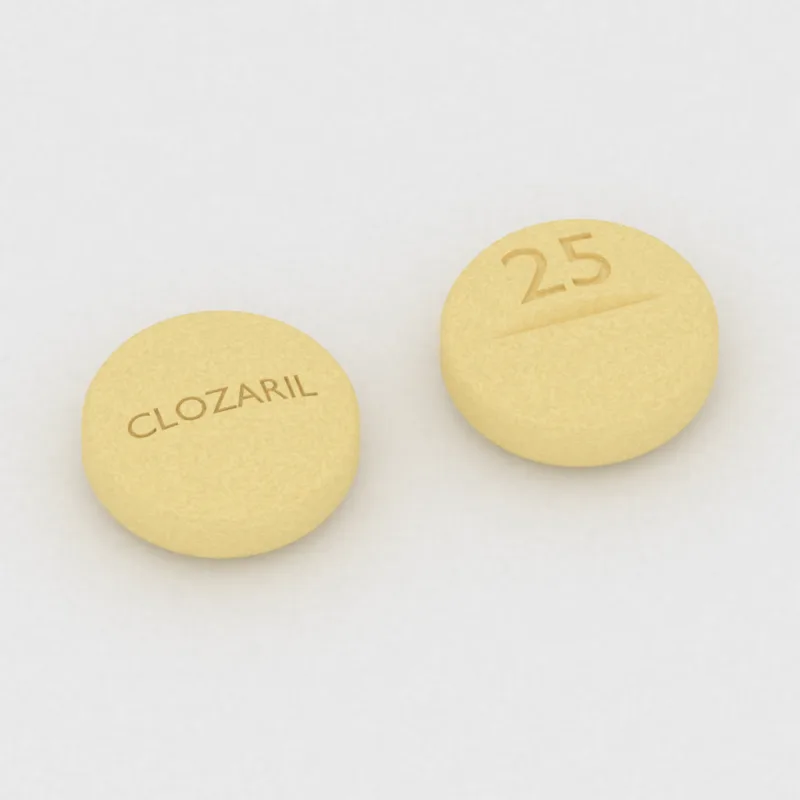
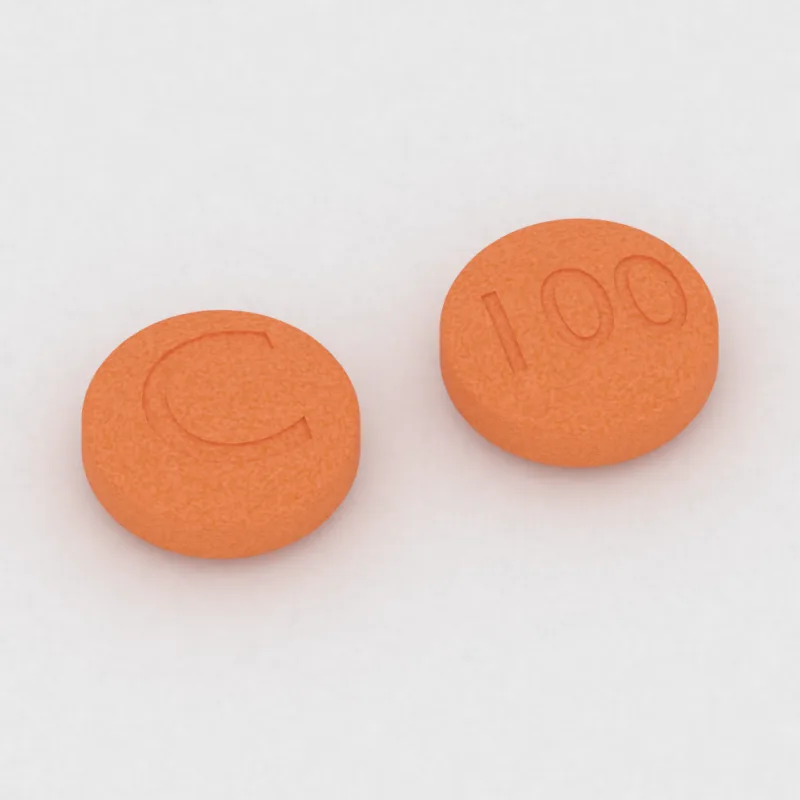
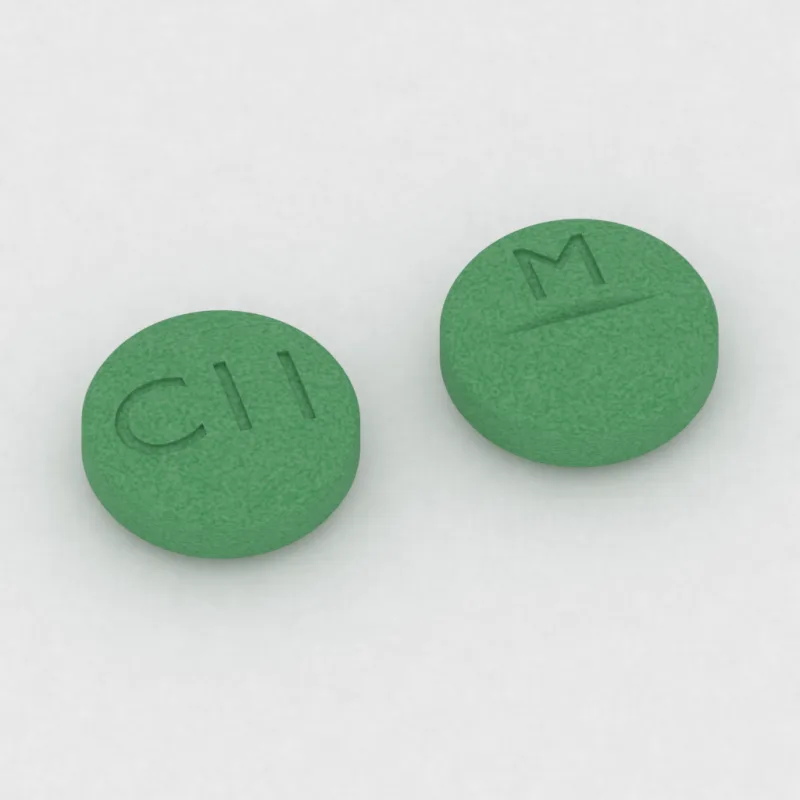

Darstellungen nach den Produktangaben der FDA-Fachinformationen: Farbe, Form, Größe und Prägung. 26 dokumentierte Varianten von 7 Anbietern.
Wechselwirkungen laut Fachinformation
Schwerwiegende Wechselwirkungen (278)
Use CLOZARIL cautiously in patients with cardiovascular or cerebrovascular disease or conditions predisposing to hypotension (e.g., dehydration, use of antihypertensive medications) [see Dosage and Administration ( 2.2 , 2.6 ), Warnings and Precautions ( 5.2 )]. (Fachinformation zu Clozapin, Boxed Warning (umrahmter Warnhinweis))
When possible, avoid concomitant use, with other anticholinergic medications because the risk for anticholinergic toxicity or severe gastrointestinal adverse reactions is increased [see Warnings and Precautions ( 5.7 ), Drug Interactions ( 7.1 )]. (Fachinformation zu Clozapin, Warnhinweise und Vorsichtsmaßnahmen)
Use CLOZARIL cautiously in patients with cardiovascular or cerebrovascular disease or conditions predisposing to hypotension (e.g., dehydration, use of antihypertensive medications) [see Dosage and Administration ( 2.2 , 2.6 ), Warnings and Precautions ( 5.2 )]. (Fachinformation zu Clozapin, Boxed Warning (umrahmter Warnhinweis))
Use caution when administering CLOZARIL to patients with a history of seizures or other predisposing risk factors for seizure (CNS pathology, medications that lower the seizure threshold, alcohol abuse). (Fachinformation zu Clozapin, Boxed Warning (umrahmter Warnhinweis))
• Effects on Driving and Operating Machinery: Patients receiving • alprazolam XR should be cautioned against operating machinery or driving a motor vehicle, as well as avoiding concomitant use of alcohol and other central nervous system (CNS) depressant drugs. (Fachinformation zu Alprazolam, Warnhinweise und Vorsichtsmaßnahmen)
When possible, avoid concomitant use, with other anticholinergic medications because the risk for anticholinergic toxicity or severe gastrointestinal adverse reactions is increased [see Warnings and Precautions ( 5.7 ), Drug Interactions ( 7.1 )]. (Fachinformation zu Clozapin, Warnhinweise und Vorsichtsmaßnahmen)
Use CLOZARIL cautiously in patients with cardiovascular or cerebrovascular disease or conditions predisposing to hypotension (e.g., dehydration, use of antihypertensive medications) [see Dosage and Administration ( 2.2 , 2.6 ), Warnings and Precautions ( 5.2 )]. (Fachinformation zu Clozapin, Boxed Warning (umrahmter Warnhinweis))
Reserve the combination of amiodarone with other antiarrhythmic therapies that prolong the QTc to patients with life-threatening ventricular arrhythmias who are incompletely responsive to a single agent. (Fachinformation zu Amiodaron, Warnhinweise und Vorsichtsmaßnahmen)
When possible, avoid concomitant use, with other anticholinergic medications because the risk for anticholinergic toxicity or severe gastrointestinal adverse reactions is increased [see Warnings and Precautions ( 5.7 ), Drug Interactions ( 7.1 )]. (Fachinformation zu Clozapin, Warnhinweise und Vorsichtsmaßnahmen)
Use CLOZARIL cautiously in patients with cardiovascular or cerebrovascular disease or conditions predisposing to hypotension (e.g., dehydration, use of antihypertensive medications) [see Dosage and Administration ( 2.2 , 2.6 ), Warnings and Precautions ( 5.2 )]. (Fachinformation zu Clozapin, Boxed Warning (umrahmter Warnhinweis))
Use CLOZARIL cautiously in patients with cardiovascular or cerebrovascular disease or conditions predisposing to hypotension (e.g., dehydration, use of antihypertensive medications) [see Dosage and Administration ( 2.2 , 2.6 ), Warnings and Precautions ( 5.2 )]. (Fachinformation zu Clozapin, Boxed Warning (umrahmter Warnhinweis))
Use CLOZARIL cautiously in patients with cardiovascular or cerebrovascular disease or conditions predisposing to hypotension (e.g., dehydration, use of antihypertensive medications) [see Dosage and Administration ( 2.2 , 2.6 ), Warnings and Precautions ( 5.2 )]. (Fachinformation zu Clozapin, Boxed Warning (umrahmter Warnhinweis))
Use CLOZARIL cautiously in patients with cardiovascular or cerebrovascular disease or conditions predisposing to hypotension (e.g., dehydration, use of antihypertensive medications) [see Dosage and Administration ( 2.2 , 2.6 ), Warnings and Precautions ( 5.2 )]. (Fachinformation zu Clozapin, Boxed Warning (umrahmter Warnhinweis))
Use CLOZARIL cautiously in patients with cardiovascular or cerebrovascular disease or conditions predisposing to hypotension (e.g., dehydration, use of antihypertensive medications) [see Dosage and Administration ( 2.2 , 2.6 ), Warnings and Precautions ( 5.2 )]. (Fachinformation zu Clozapin, Boxed Warning (umrahmter Warnhinweis))
When possible, avoid concomitant use, with other anticholinergic medications because the risk for anticholinergic toxicity or severe gastrointestinal adverse reactions is increased [see Warnings and Precautions ( 5.7 ), Drug Interactions ( 7.1 )]. (Fachinformation zu Clozapin, Warnhinweise und Vorsichtsmaßnahmen)
• Concomitant use of Strong CYP3A4 Inducers is not recommended. (Fachinformation zu Clozapin, Arzneimittelwechselwirkungen)
• Concomitant use of Strong CYP3A4 Inducers is not recommended. (Fachinformation zu Clozapin, Arzneimittelwechselwirkungen)
Use CLOZARIL cautiously in patients with cardiovascular or cerebrovascular disease or conditions predisposing to hypotension (e.g., dehydration, use of antihypertensive medications) [see Dosage and Administration ( 2.2 , 2.6 ), Warnings and Precautions ( 5.2 )]. (Fachinformation zu Clozapin, Boxed Warning (umrahmter Warnhinweis))
Use CLOZARIL cautiously in patients with cardiovascular or cerebrovascular disease or conditions predisposing to hypotension (e.g., dehydration, use of antihypertensive medications) [see Dosage and Administration ( 2.2 , 2.6 ), Warnings and Precautions ( 5.2 )]. (Fachinformation zu Clozapin, Boxed Warning (umrahmter Warnhinweis))
When possible, avoid concomitant use, with other anticholinergic medications because the risk for anticholinergic toxicity or severe gastrointestinal adverse reactions is increased [see Warnings and Precautions ( 5.7 ), Drug Interactions ( 7.1 )]. (Fachinformation zu Clozapin, Warnhinweise und Vorsichtsmaßnahmen)
When possible, avoid concomitant use, with other anticholinergic medications because the risk for anticholinergic toxicity or severe gastrointestinal adverse reactions is increased [see Warnings and Precautions ( 5.7 ), Drug Interactions ( 7.1 )]. (Fachinformation zu Clozapin, Warnhinweise und Vorsichtsmaßnahmen)
• Avoid concurrent use of alcohol or other central nervous system (CNS) depressants with azelastine hydrochloride and fluticasone propionate nasal spray because further decreased alertness and impairment of CNS performance may occur. (Fachinformation zu Azelastin und Fluticason, Warnhinweise und Vorsichtsmaßnahmen)
Use CLOZARIL cautiously in patients with cardiovascular or cerebrovascular disease or conditions predisposing to hypotension (e.g., dehydration, use of antihypertensive medications) [see Dosage and Administration ( 2.2 , 2.6 ), Warnings and Precautions ( 5.2 )]. (Fachinformation zu Clozapin, Boxed Warning (umrahmter Warnhinweis))
This risk which can be fatal should be considered in patients with certain cardiovascular disorders including known QT prolongation or history torsades de pointes, those with proarrhythmic conditions, and with other drugs that prolong the QT interval. (Fachinformation zu Azithromycin, Warnhinweise und Vorsichtsmaßnahmen)
When possible, avoid concomitant use, with other anticholinergic medications because the risk for anticholinergic toxicity or severe gastrointestinal adverse reactions is increased [see Warnings and Precautions ( 5.7 ), Drug Interactions ( 7.1 )]. (Fachinformation zu Clozapin, Warnhinweise und Vorsichtsmaßnahmen)
Use CLOZARIL cautiously in patients with cardiovascular or cerebrovascular disease or conditions predisposing to hypotension (e.g., dehydration, use of antihypertensive medications) [see Dosage and Administration ( 2.2 , 2.6 ), Warnings and Precautions ( 5.2 )]. (Fachinformation zu Clozapin, Boxed Warning (umrahmter Warnhinweis))
Use CLOZARIL cautiously in patients with cardiovascular or cerebrovascular disease or conditions predisposing to hypotension (e.g., dehydration, use of antihypertensive medications) [see Dosage and Administration ( 2.2 , 2.6 ), Warnings and Precautions ( 5.2 )]. (Fachinformation zu Clozapin, Boxed Warning (umrahmter Warnhinweis))
When possible, avoid concomitant use, with other anticholinergic medications because the risk for anticholinergic toxicity or severe gastrointestinal adverse reactions is increased [see Warnings and Precautions ( 5.7 ), Drug Interactions ( 7.1 )]. (Fachinformation zu Clozapin, Warnhinweise und Vorsichtsmaßnahmen)
Use CLOZARIL cautiously in patients with cardiovascular or cerebrovascular disease or conditions predisposing to hypotension (e.g., dehydration, use of antihypertensive medications) [see Dosage and Administration ( 2.2 , 2.6 ), Warnings and Precautions ( 5.2 )]. (Fachinformation zu Clozapin, Boxed Warning (umrahmter Warnhinweis))
Use CLOZARIL cautiously in patients with cardiovascular or cerebrovascular disease or conditions predisposing to hypotension (e.g., dehydration, use of antihypertensive medications) [see Dosage and Administration ( 2.2 , 2.6 ), Warnings and Precautions ( 5.2 )]. (Fachinformation zu Clozapin, Boxed Warning (umrahmter Warnhinweis))
Use CLOZARIL cautiously in patients with cardiovascular or cerebrovascular disease or conditions predisposing to hypotension (e.g., dehydration, use of antihypertensive medications) [see Dosage and Administration ( 2.2 , 2.6 ), Warnings and Precautions ( 5.2 )]. (Fachinformation zu Clozapin, Boxed Warning (umrahmter Warnhinweis))
• Concomitant use of Strong CYP3A4 Inducers is not recommended. (Fachinformation zu Clozapin, Arzneimittelwechselwirkungen)
The concomitant use of CYCLOSET and dopamine receptor antagonists, including neuroleptic drugs, is not recommended. (Fachinformation zu Bromocriptin, Warnhinweise und Vorsichtsmaßnahmen)
When possible, avoid concomitant use, with other anticholinergic medications because the risk for anticholinergic toxicity or severe gastrointestinal adverse reactions is increased [see Warnings and Precautions ( 5.7 ), Drug Interactions ( 7.1 )]. (Fachinformation zu Clozapin, Warnhinweise und Vorsichtsmaßnahmen)
Concomitant use of opioids with benzodiazepines or other central nervous system (CNS) depressants, including alcohol, may result in profound sedation, respiratory depression, coma, and death. (Fachinformation zu Buprenorphin, Boxed Warning (umrahmter Warnhinweis))
Concomitant use of opioids or a barbiturate with benzodiazepines or other central nervous system (CNS) depressants, including alcohol, may result in profound sedation, respiratory depression, coma, and death. (Fachinformation zu Butalbital, Acetylsalicylsäure, Koffein und Codein, Boxed Warning (umrahmter Warnhinweis))
Risks From Concomitant Use With Benzodiazepines Or Other CNS Depressants Concomitant use of opioids with benzodiazepines or other central nervous system (CNS) depressants, including alcohol, may result in profound sedation, respiratory depression, coma, and death. (Fachinformation zu Butalbital, Paracetamol, Koffein und Codein, Boxed Warning (umrahmter Warnhinweis))
Risks From Concomitant Use With Benzodiazepines Or Other CNS Depressants Concomitant use of opioids with benzodiazepines or other central nervous system (CNS) depressants, including alcohol, may result in profound sedation, respiratory depression, coma, and death. (Fachinformation zu Butorphanol, Boxed Warning (umrahmter Warnhinweis))
Use CLOZARIL cautiously in patients with cardiovascular or cerebrovascular disease or conditions predisposing to hypotension (e.g., dehydration, use of antihypertensive medications) [see Dosage and Administration ( 2.2 , 2.6 ), Warnings and Precautions ( 5.2 )]. (Fachinformation zu Clozapin, Boxed Warning (umrahmter Warnhinweis))
Use CLOZARIL cautiously in patients with cardiovascular or cerebrovascular disease or conditions predisposing to hypotension (e.g., dehydration, use of antihypertensive medications) [see Dosage and Administration ( 2.2 , 2.6 ), Warnings and Precautions ( 5.2 )]. (Fachinformation zu Clozapin, Boxed Warning (umrahmter Warnhinweis))
Use CLOZARIL cautiously in patients with cardiovascular or cerebrovascular disease or conditions predisposing to hypotension (e.g., dehydration, use of antihypertensive medications) [see Dosage and Administration ( 2.2 , 2.6 ), Warnings and Precautions ( 5.2 )]. (Fachinformation zu Clozapin, Boxed Warning (umrahmter Warnhinweis))
• Concomitant use of Strong CYP3A4 Inducers is not recommended. (Fachinformation zu Clozapin, Arzneimittelwechselwirkungen)
When possible, avoid concomitant use, with other anticholinergic medications because the risk for anticholinergic toxicity or severe gastrointestinal adverse reactions is increased [see Warnings and Precautions ( 5.7 ), Drug Interactions ( 7.1 )]. (Fachinformation zu Clozapin, Warnhinweise und Vorsichtsmaßnahmen)
Use CLOZARIL cautiously in patients with cardiovascular or cerebrovascular disease or conditions predisposing to hypotension (e.g., dehydration, use of antihypertensive medications) [see Dosage and Administration ( 2.2 , 2.6 ), Warnings and Precautions ( 5.2 )]. (Fachinformation zu Clozapin, Boxed Warning (umrahmter Warnhinweis))
• Concomitant use of Strong CYP3A4 Inducers is not recommended. (Fachinformation zu Clozapin, Arzneimittelwechselwirkungen)
Avoid concurrent use of QUZYTTIR with alcohol or other CNS depressants because additional reduction in alertness and additional impairment of CNS performance may occur. (Fachinformation zu Cetirizin, Warnhinweise und Vorsichtsmaßnahmen)
Quinidine is also contraindicated in patients who, like those with myasthenia gravis, might be adversely affected by an anticholinergic agent. (Fachinformation zu Chinidin, Gegenanzeigen)
Prescribe the lowest effective dosage; avoid or minimize concomitant use of CNS depressants and other substances associated with abuse, misuse, and addiction (e.g., opioid analgesics, stimulants); and advise patients on the proper disposal of unused drug. (Fachinformation zu Chlordiazepoxid, Warnhinweise)
When possible, avoid concomitant use, with other anticholinergic medications because the risk for anticholinergic toxicity or severe gastrointestinal adverse reactions is increased [see Warnings and Precautions ( 5.7 ), Drug Interactions ( 7.1 )]. (Fachinformation zu Clozapin, Warnhinweise und Vorsichtsmaßnahmen)
Use CLOZARIL cautiously in patients with cardiovascular or cerebrovascular disease or conditions predisposing to hypotension (e.g., dehydration, use of antihypertensive medications) [see Dosage and Administration ( 2.2 , 2.6 ), Warnings and Precautions ( 5.2 )]. (Fachinformation zu Clozapin, Boxed Warning (umrahmter Warnhinweis))
When possible, avoid concomitant use, with other anticholinergic medications because the risk for anticholinergic toxicity or severe gastrointestinal adverse reactions is increased [see Warnings and Precautions ( 5.7 ), Drug Interactions ( 7.1 )]. (Fachinformation zu Clozapin, Warnhinweise und Vorsichtsmaßnahmen)
Proportion of Adult Subjects in Schizophrenia Studies with Weight Gain ≥7% Relative to Baseline Body Weight Weight change CLOZARIL Olanzapine Chlorpromazine N 669 442 155 ≥7% (inclusive) 236 (35%) 203 (46%) 13 (8%) 5.11 Neuroleptic Malignant Syndrome Antipsychotic drugs including CLOZARIL can cause a potentially fatal symptom complex referred to as Neuroleptic… (Fachinformation zu Clozapin, Warnhinweise und Vorsichtsmaßnahmen)
Use CLOZARIL cautiously in patients with cardiovascular or cerebrovascular disease or conditions predisposing to hypotension (e.g., dehydration, use of antihypertensive medications) [see Dosage and Administration ( 2.2 , 2.6 ), Warnings and Precautions ( 5.2 )]. (Fachinformation zu Clozapin, Boxed Warning (umrahmter Warnhinweis))
Avoid use in patients with known prolongation, those with hypokalemia, and with other drugs that prolong the QT interval. (Fachinformation zu Ciprofloxacin, Warnhinweise und Vorsichtsmaßnahmen)
Colchicine (in patients with normal renal and hepatic function) Use With Caution Antipsychotics: Pimozide Contraindicated Pimozide: [See Contraindications ( 4.2 )] Quetiapine Lurasidone Quetiapine: Quetiapine is a substrate for CYP3A4, which is inhibited by clarithromycin. (Fachinformation zu Clarithromycin, Arzneimittelwechselwirkungen)
When possible, avoid concomitant use, with other anticholinergic medications because the risk for anticholinergic toxicity or severe gastrointestinal adverse reactions is increased [see Warnings and Precautions ( 5.7 ), Drug Interactions ( 7.1 )]. (Fachinformation zu Clozapin, Warnhinweise und Vorsichtsmaßnahmen)
• Concomitant use of Strong CYP3A4 Inducers is not recommended. (Fachinformation zu Clozapin, Arzneimittelwechselwirkungen)
When possible, avoid concomitant use, with other anticholinergic medications because the risk for anticholinergic toxicity or severe gastrointestinal adverse reactions is increased [see Warnings and Precautions ( 5.7 ), Drug Interactions ( 7.1 )]. (Fachinformation zu Clozapin, Warnhinweise und Vorsichtsmaßnahmen)
Prescribe the lowest effective dosage; avoid or minimize concomitant use of CNS depressants and other substances associated with abuse, misuse, and addiction (e.g., opioid analgesics, stimulants); and advise patients on the proper disposal of unused drug. (Fachinformation zu Clonazepam, Warnhinweise)
Use CLOZARIL cautiously in patients with cardiovascular or cerebrovascular disease or conditions predisposing to hypotension (e.g., dehydration, use of antihypertensive medications) [see Dosage and Administration ( 2.2 , 2.6 ), Warnings and Precautions ( 5.2 )]. (Fachinformation zu Clozapin, Boxed Warning (umrahmter Warnhinweis))
Risks From Concomitant Use With Benzodiazepines Or Other CNS Depressants Concomitant use of opioids with benzodiazepines or other central nervous system (CNS) depressants, including alcohol, may result in profound sedation, respiratory depression, coma, and death. (Fachinformation zu Codein, Boxed Warning (umrahmter Warnhinweis))
When possible, avoid concomitant use, with other anticholinergic medications because the risk for anticholinergic toxicity or severe gastrointestinal adverse reactions is increased [see Warnings and Precautions ( 5.7 ), Drug Interactions ( 7.1 )]. (Fachinformation zu Clozapin, Warnhinweise und Vorsichtsmaßnahmen)
When possible, avoid concomitant use, with other anticholinergic medications because the risk for anticholinergic toxicity or severe gastrointestinal adverse reactions is increased [see Warnings and Precautions ( 5.7 ), Drug Interactions ( 7.1 )]. (Fachinformation zu Clozapin, Warnhinweise und Vorsichtsmaßnahmen)
When possible, avoid concomitant use, with other anticholinergic medications because the risk for anticholinergic toxicity or severe gastrointestinal adverse reactions is increased [see Warnings and Precautions ( 5.7 ), Drug Interactions ( 7.1 )]. (Fachinformation zu Clozapin, Warnhinweise und Vorsichtsmaßnahmen)
When possible, avoid concomitant use, with other anticholinergic medications because the risk for anticholinergic toxicity or severe gastrointestinal adverse reactions is increased [see Warnings and Precautions ( 5.7 ), Drug Interactions ( 7.1 )]. (Fachinformation zu Clozapin, Warnhinweise und Vorsichtsmaßnahmen)
• Concomitant use of Strong CYP3A4 Inducers is not recommended. (Fachinformation zu Clozapin, Arzneimittelwechselwirkungen)
When possible, avoid concomitant use, with other anticholinergic medications because the risk for anticholinergic toxicity or severe gastrointestinal adverse reactions is increased [see Warnings and Precautions ( 5.7 ), Drug Interactions ( 7.1 )]. (Fachinformation zu Clozapin, Warnhinweise und Vorsichtsmaßnahmen)
Neuroleptic Malignant Syndrome (NMS) A potentially fatal symptom complex sometimes referred to as Neuroleptic Malignant Syndrome (NMS) has been reported in association with drugs that reduce dopaminergic transmission. (Fachinformation zu Deutetrabenazin, Warnhinweise und Vorsichtsmaßnahmen)
• Concomitant use of Strong CYP3A4 Inducers is not recommended. (Fachinformation zu Clozapin, Arzneimittelwechselwirkungen)
When possible, avoid concomitant use, with other anticholinergic medications because the risk for anticholinergic toxicity or severe gastrointestinal adverse reactions is increased [see Warnings and Precautions ( 5.7 ), Drug Interactions ( 7.1 )]. (Fachinformation zu Clozapin, Warnhinweise und Vorsichtsmaßnahmen)
Prescribe the lowest effective dosage; avoid or minimize concomitant use of CNS depressants and other substances associated with abuse, misuse, and addiction (e.g., opioid analgesics, stimulants); and advise patients on the proper disposal of unused drug. (Fachinformation zu Diazepam, Warnhinweise)
When possible, avoid concomitant use, with other anticholinergic medications because the risk for anticholinergic toxicity or severe gastrointestinal adverse reactions is increased [see Warnings and Precautions ( 5.7 ), Drug Interactions ( 7.1 )]. (Fachinformation zu Clozapin, Warnhinweise und Vorsichtsmaßnahmen)
- Difenoxin und AtropinSchwerwiegend
Usage of MOTOFEN ® in recommended doses is not likely to cause prominent anticholinergic side effects, but MOTOFEN ® should be avoided in patients in whom anticholinergic drugs are contraindicated. (Fachinformation zu Difenoxin und Atropin, Warnhinweise)
Prescribe the lowest effective dosage; avoid or minimize concomitant use of CNS depressants and other substances associated with abuse, misuse, and addiction (e.g., opioid analgesics, stimulants); and advise patients on the proper disposal of unused drug. (Fachinformation zu Dikaliumclorazepat, Warnhinweise)
Use CLOZARIL cautiously in patients with cardiovascular or cerebrovascular disease or conditions predisposing to hypotension (e.g., dehydration, use of antihypertensive medications) [see Dosage and Administration ( 2.2 , 2.6 ), Warnings and Precautions ( 5.2 )]. (Fachinformation zu Clozapin, Boxed Warning (umrahmter Warnhinweis))
When possible, avoid concomitant use, with other anticholinergic medications because the risk for anticholinergic toxicity or severe gastrointestinal adverse reactions is increased [see Warnings and Precautions ( 5.7 ), Drug Interactions ( 7.1 )]. (Fachinformation zu Clozapin, Warnhinweise und Vorsichtsmaßnahmen)
When possible, avoid concomitant use, with other anticholinergic medications because the risk for anticholinergic toxicity or severe gastrointestinal adverse reactions is increased [see Warnings and Precautions ( 5.7 ), Drug Interactions ( 7.1 )]. (Fachinformation zu Clozapin, Warnhinweise und Vorsichtsmaßnahmen)
- Diphenoxylat und AtropinSchwerwiegend
CONTRAINDICATIONS Diphenoxylate hydrochloride and atropine sulfate is contraindicated in: • Pediatric patients less than 6 years of age due to the risks of respiratory and central nervous system (CNS) depression (see WARNINGS ). (Fachinformation zu Diphenoxylat und Atropin, Gegenanzeigen)
When possible, avoid concomitant use, with other anticholinergic medications because the risk for anticholinergic toxicity or severe gastrointestinal adverse reactions is increased [see Warnings and Precautions ( 5.7 ), Drug Interactions ( 7.1 )]. (Fachinformation zu Clozapin, Warnhinweise und Vorsichtsmaßnahmen)
Use with Drugs that Prolong QT Interval and Antiarrhythmic Agents The use of dofetilide in conjunction with other drugs that prolong the QT interval has not been studied and is not recommended. (Fachinformation zu Dofetilid, Warnhinweise)
Use CLOZARIL cautiously in patients with cardiovascular or cerebrovascular disease or conditions predisposing to hypotension (e.g., dehydration, use of antihypertensive medications) [see Dosage and Administration ( 2.2 , 2.6 ), Warnings and Precautions ( 5.2 )]. (Fachinformation zu Clozapin, Boxed Warning (umrahmter Warnhinweis))
When possible, avoid concomitant use, with other anticholinergic medications because the risk for anticholinergic toxicity or severe gastrointestinal adverse reactions is increased [see Warnings and Precautions ( 5.7 ), Drug Interactions ( 7.1 )]. (Fachinformation zu Clozapin, Warnhinweise und Vorsichtsmaßnahmen)
When possible, avoid concomitant use, with other anticholinergic medications because the risk for anticholinergic toxicity or severe gastrointestinal adverse reactions is increased [see Warnings and Precautions ( 5.7 ), Drug Interactions ( 7.1 )]. (Fachinformation zu Clozapin, Warnhinweise und Vorsichtsmaßnahmen)
When possible, avoid concomitant use, with other anticholinergic medications because the risk for anticholinergic toxicity or severe gastrointestinal adverse reactions is increased [see Warnings and Precautions ( 5.7 ), Drug Interactions ( 7.1 )]. (Fachinformation zu Clozapin, Warnhinweise und Vorsichtsmaßnahmen)
…Clinical Pharmacology (12.3) ] • Concomitant use of drugs or herbal products that prolong the QT interval and might increase the risk of torsade de pointes, such as phenothiazine antipsychotics, tricyclic antidepressants, certain oral macrolide antibiotics, and Class I and III antiarrhythmics • Liver or lung toxicity related to the previous use of amiodarone… (Fachinformation zu Dronedaron, Gegenanzeigen)
• Concomitant use of Strong CYP3A4 Inducers is not recommended. (Fachinformation zu Clozapin, Arzneimittelwechselwirkungen)
• Concomitant use of Strong CYP3A4 Inducers is not recommended. (Fachinformation zu Clozapin, Arzneimittelwechselwirkungen)
Alpha 1-adrenoreceptor antagonist: alfuzosin Anticonvulsants: carbamazepine, phenobarbital, phenytoin Antimycobacterial: rifampin Antipsychotics: lurasidone, pimozide Ergot Derivatives: dihydroergotamine, ergotamine, methylergonovine Herbal Products: St. (Fachinformation zu Elvitegravir, Cobicistat, Emtricitabin und Tenofovir, Gegenanzeigen)
Concomitant use of COMPLERA with drugs with a known risk to prolong the QTc interval of the electrocardiogram may increase the risk of Torsade de Pointes. (Fachinformation zu Emtricitabin, Rilpivirin und Tenofovir, Warnhinweise und Vorsichtsmaßnahmen)
Use CLOZARIL cautiously in patients with cardiovascular or cerebrovascular disease or conditions predisposing to hypotension (e.g., dehydration, use of antihypertensive medications) [see Dosage and Administration ( 2.2 , 2.6 ), Warnings and Precautions ( 5.2 )]. (Fachinformation zu Clozapin, Boxed Warning (umrahmter Warnhinweis))
Use CLOZARIL cautiously in patients with cardiovascular or cerebrovascular disease or conditions predisposing to hypotension (e.g., dehydration, use of antihypertensive medications) [see Dosage and Administration ( 2.2 , 2.6 ), Warnings and Precautions ( 5.2 )]. (Fachinformation zu Clozapin, Boxed Warning (umrahmter Warnhinweis))
Use CLOZARIL cautiously in patients with cardiovascular or cerebrovascular disease or conditions predisposing to hypotension (e.g., dehydration, use of antihypertensive medications) [see Dosage and Administration ( 2.2 , 2.6 ), Warnings and Precautions ( 5.2 )]. (Fachinformation zu Clozapin, Boxed Warning (umrahmter Warnhinweis))
Use CLOZARIL cautiously in patients with cardiovascular or cerebrovascular disease or conditions predisposing to hypotension (e.g., dehydration, use of antihypertensive medications) [see Dosage and Administration ( 2.2 , 2.6 ), Warnings and Precautions ( 5.2 )]. (Fachinformation zu Clozapin, Boxed Warning (umrahmter Warnhinweis))
• Concomitant use of Strong CYP3A4 Inducers is not recommended. (Fachinformation zu Clozapin, Arzneimittelwechselwirkungen)
Prescribe the lowest effective dosage; avoid or minimize concomitant use of CNS depressants and other substances associated with abuse, misuse, and addiction (e.g., opioid analgesics, stimulants); and advise patients on the proper disposal of unused drug. (Fachinformation zu Estazolam, Warnhinweise)
The use of LUNESTA with other sedative-hypnotics at bedtime or the middle of the night is not recommended. (Fachinformation zu Eszopiclon, Warnhinweise und Vorsichtsmaßnahmen)
Use CLOZARIL cautiously in patients with cardiovascular or cerebrovascular disease or conditions predisposing to hypotension (e.g., dehydration, use of antihypertensive medications) [see Dosage and Administration ( 2.2 , 2.6 ), Warnings and Precautions ( 5.2 )]. (Fachinformation zu Clozapin, Boxed Warning (umrahmter Warnhinweis))
• Concomitant use of Strong CYP3A4 Inducers is not recommended. (Fachinformation zu Clozapin, Arzneimittelwechselwirkungen)
Use CLOZARIL cautiously in patients with cardiovascular or cerebrovascular disease or conditions predisposing to hypotension (e.g., dehydration, use of antihypertensive medications) [see Dosage and Administration ( 2.2 , 2.6 ), Warnings and Precautions ( 5.2 )]. (Fachinformation zu Clozapin, Boxed Warning (umrahmter Warnhinweis))
• Concomitant use of opioids with benzodiazepines or other central nervous system (CNS) depressants, including alcohol, may result in profound sedation, respiratory depression, coma, and death. (Fachinformation zu Fentanyl, Boxed Warning (umrahmter Warnhinweis))
When possible, avoid concomitant use, with other anticholinergic medications because the risk for anticholinergic toxicity or severe gastrointestinal adverse reactions is increased [see Warnings and Precautions ( 5.7 ), Drug Interactions ( 7.1 )]. (Fachinformation zu Clozapin, Warnhinweise und Vorsichtsmaßnahmen)
When possible, avoid concomitant use, with other anticholinergic medications because the risk for anticholinergic toxicity or severe gastrointestinal adverse reactions is increased [see Warnings and Precautions ( 5.7 ), Drug Interactions ( 7.1 )]. (Fachinformation zu Clozapin, Warnhinweise und Vorsichtsmaßnahmen)
Coadministration of other drugs known to prolong the QT interval and which are metabolized via the enzyme CYP3A4 such as erythromycin, pimozide, and quinidine are contraindicated in patients receiving fluconazole. (Fachinformation zu Fluconazol, Gegenanzeigen)
(See DOSAGE and ADMINISTRATION. ) Because of the risk of QT prolongation and the potential for torsades de pointes, the use of FOSCAVIR should be avoided in combination with agents known to prolong the QT interval including Class IA (e.g., quinidine or procainamide) or Class III (e.g., dofetilide, amiodarone, sotalol) antiarrhythmic agents, phenothiazines, tricyclic… (Fachinformation zu Foscarnet, Arzneimittelwechselwirkungen)
Avoid co-administration of CONTEPO with drugs known to prolong the QT interval. (Fachinformation zu Fosfomycin, Arzneimittelwechselwirkungen)
Use CLOZARIL cautiously in patients with cardiovascular or cerebrovascular disease or conditions predisposing to hypotension (e.g., dehydration, use of antihypertensive medications) [see Dosage and Administration ( 2.2 , 2.6 ), Warnings and Precautions ( 5.2 )]. (Fachinformation zu Clozapin, Boxed Warning (umrahmter Warnhinweis))
Use CLOZARIL cautiously in patients with cardiovascular or cerebrovascular disease or conditions predisposing to hypotension (e.g., dehydration, use of antihypertensive medications) [see Dosage and Administration ( 2.2 , 2.6 ), Warnings and Precautions ( 5.2 )]. (Fachinformation zu Clozapin, Boxed Warning (umrahmter Warnhinweis))
• Concomitant use of Strong CYP3A4 Inducers is not recommended. (Fachinformation zu Clozapin, Arzneimittelwechselwirkungen)
Use CLOZARIL cautiously in patients with cardiovascular or cerebrovascular disease or conditions predisposing to hypotension (e.g., dehydration, use of antihypertensive medications) [see Dosage and Administration ( 2.2 , 2.6 ), Warnings and Precautions ( 5.2 )]. (Fachinformation zu Clozapin, Boxed Warning (umrahmter Warnhinweis))
• Respiratory Depression: May occur with NEURONTIN when used with concomitant central nervous system (CNS) depressants, including opioids, or in the setting of underlying respiratory impairment. (Fachinformation zu Gabapentin, Warnhinweise und Vorsichtsmaßnahmen)
- GlucagonSchwerwiegend
Intervention Concomitant use of anticholinergic drugs with GVOKE VialDx is not recommended. (Fachinformation zu Glucagon, Arzneimittelwechselwirkungen)
When possible, avoid concomitant use, with other anticholinergic medications because the risk for anticholinergic toxicity or severe gastrointestinal adverse reactions is increased [see Warnings and Precautions ( 5.7 ), Drug Interactions ( 7.1 )]. (Fachinformation zu Clozapin, Warnhinweise und Vorsichtsmaßnahmen)
• Concomitant use of Strong CYP3A4 Inducers is not recommended. (Fachinformation zu Clozapin, Arzneimittelwechselwirkungen)
Use CLOZARIL cautiously in patients with cardiovascular or cerebrovascular disease or conditions predisposing to hypotension (e.g., dehydration, use of antihypertensive medications) [see Dosage and Administration ( 2.2 , 2.6 ), Warnings and Precautions ( 5.2 )]. (Fachinformation zu Clozapin, Boxed Warning (umrahmter Warnhinweis))
Use CLOZARIL cautiously in patients with cardiovascular or cerebrovascular disease or conditions predisposing to hypotension (e.g., dehydration, use of antihypertensive medications) [see Dosage and Administration ( 2.2 , 2.6 ), Warnings and Precautions ( 5.2 )]. (Fachinformation zu Clozapin, Boxed Warning (umrahmter Warnhinweis))
Use CLOZARIL cautiously in patients with cardiovascular or cerebrovascular disease or conditions predisposing to hypotension (e.g., dehydration, use of antihypertensive medications) [see Dosage and Administration ( 2.2 , 2.6 ), Warnings and Precautions ( 5.2 )]. (Fachinformation zu Clozapin, Boxed Warning (umrahmter Warnhinweis))
Risks From Concomitant Use With Benzodiazepines Or Other CNS Depressants Concomitant use of opioids with benzodiazepines or other central nervous system (CNS) depressants, including alcohol, may result in profound sedation, respiratory depression, coma, and death. (Fachinformation zu Hydrocodon, Boxed Warning (umrahmter Warnhinweis))
When possible, avoid concomitant use, with other anticholinergic medications because the risk for anticholinergic toxicity or severe gastrointestinal adverse reactions is increased [see Warnings and Precautions ( 5.7 ), Drug Interactions ( 7.1 )]. (Fachinformation zu Clozapin, Warnhinweise und Vorsichtsmaßnahmen)
…ABUSE, AND MISUSE; LIFE-THREATENING RESPIRATORY DEPRESSION; ACCIDENTAL INGESTION; MEDICATION ERRORS; CYTOCHROME P450 3A4 INTERACTION; CONCOMITANT USE WITH BENZODIAZEPINES OR OTHER CNS DEPRESSANTS; INTERACTION WITH ALCOHOL; NEONATAL OPIOID WITHDRAWAL SYNDROME Addiction, Abuse, and Misuse Hydrocodone bitartrate and homatropine methylbromide exposes patients and… (Fachinformation zu Hydrocodon und Homatropin, Boxed Warning (umrahmter Warnhinweis))
…LIFE-THREATENING RESPIRATORY DEPRESSION; ACCIDENTAL INGESTION; NEONATAL OPIOID WITHDRAWAL SYNDROME; CYTOCHROME P4503A4 INTERACTION; RISKS FROM CONCOMITANT USE WITH BENZODIAZEPINES OR OTHER CNS DEPRESSANTS; and SERIOUS CARDIOVASCULAR AND GASTROINTESTINAL EVENTS WARNING: SERIOUS AND LIFE-THREATENING RISKS FROM USE OF HYDROCODONE BITARTRATE AND IBUPROFEN TABLETS Addiction,… (Fachinformation zu Hydrocodon und Ibuprofen, Boxed Warning (umrahmter Warnhinweis))
Risks From Concomitant Use With Benzodiazepines Or Other CNS Depressants Concomitant use of opioids with benzodiazepines or other central nervous system (CNS) depressants, including alcohol, may result in profound sedation, respiratory depression, coma, and death. (Fachinformation zu Hydrocodon und Paracetamol, Boxed Warning (umrahmter Warnhinweis))
Risks From Concomitant Use With Benzodiazepines Or Other CNS Depressants Concomitant use of opioids with benzodiazepines or other central nervous system (CNS) depressants, including alcohol, may result in profound sedation, respiratory depression, coma, and death . (Fachinformation zu Hydromorphon, Boxed Warning (umrahmter Warnhinweis))
Therefore, PLAQUENIL is not recommended in patients taking other drugs that have the potential to prolong the QT interval. (Fachinformation zu Hydroxychloroquin, Warnhinweise und Vorsichtsmaßnahmen)
When possible, avoid concomitant use, with other anticholinergic medications because the risk for anticholinergic toxicity or severe gastrointestinal adverse reactions is increased [see Warnings and Precautions ( 5.7 ), Drug Interactions ( 7.1 )]. (Fachinformation zu Clozapin, Warnhinweise und Vorsichtsmaßnahmen)
When possible, avoid concomitant use, with other anticholinergic medications because the risk for anticholinergic toxicity or severe gastrointestinal adverse reactions is increased [see Warnings and Precautions ( 5.7 ), Drug Interactions ( 7.1 )]. (Fachinformation zu Clozapin, Warnhinweise und Vorsichtsmaßnahmen)
Avoid the use of FANAPT in combination with any other drugs that prolong the QT interval [see Warnings and Precautions (5.3) ] . (Fachinformation zu Iloperidon, Arzneimittelwechselwirkungen)
When possible, avoid concomitant use, with other anticholinergic medications because the risk for anticholinergic toxicity or severe gastrointestinal adverse reactions is increased [see Warnings and Precautions ( 5.7 ), Drug Interactions ( 7.1 )]. (Fachinformation zu Clozapin, Warnhinweise und Vorsichtsmaßnahmen)
Use CLOZARIL cautiously in patients with cardiovascular or cerebrovascular disease or conditions predisposing to hypotension (e.g., dehydration, use of antihypertensive medications) [see Dosage and Administration ( 2.2 , 2.6 ), Warnings and Precautions ( 5.2 )]. (Fachinformation zu Clozapin, Boxed Warning (umrahmter Warnhinweis))
When possible, avoid concomitant use, with other anticholinergic medications because the risk for anticholinergic toxicity or severe gastrointestinal adverse reactions is increased [see Warnings and Precautions ( 5.7 ), Drug Interactions ( 7.1 )]. (Fachinformation zu Clozapin, Warnhinweise und Vorsichtsmaßnahmen)
When possible, avoid concomitant use, with other anticholinergic medications because the risk for anticholinergic toxicity or severe gastrointestinal adverse reactions is increased [see Warnings and Precautions ( 5.7 ), Drug Interactions ( 7.1 )]. (Fachinformation zu Clozapin, Warnhinweise und Vorsichtsmaßnahmen)
Use CLOZARIL cautiously in patients with cardiovascular or cerebrovascular disease or conditions predisposing to hypotension (e.g., dehydration, use of antihypertensive medications) [see Dosage and Administration ( 2.2 , 2.6 ), Warnings and Precautions ( 5.2 )]. (Fachinformation zu Clozapin, Boxed Warning (umrahmter Warnhinweis))
Use CLOZARIL cautiously in patients with cardiovascular or cerebrovascular disease or conditions predisposing to hypotension (e.g., dehydration, use of antihypertensive medications) [see Dosage and Administration ( 2.2 , 2.6 ), Warnings and Precautions ( 5.2 )]. (Fachinformation zu Clozapin, Boxed Warning (umrahmter Warnhinweis))
Use CLOZARIL cautiously in patients with cardiovascular or cerebrovascular disease or conditions predisposing to hypotension (e.g., dehydration, use of antihypertensive medications) [see Dosage and Administration ( 2.2 , 2.6 ), Warnings and Precautions ( 5.2 )]. (Fachinformation zu Clozapin, Boxed Warning (umrahmter Warnhinweis))
Use CLOZARIL cautiously in patients with cardiovascular or cerebrovascular disease or conditions predisposing to hypotension (e.g., dehydration, use of antihypertensive medications) [see Dosage and Administration ( 2.2 , 2.6 ), Warnings and Precautions ( 5.2 )]. (Fachinformation zu Clozapin, Boxed Warning (umrahmter Warnhinweis))
- IvabradinSchwerwiegend
Bradycardia may increase the risk of QT prolongation which may lead to severe ventricular arrhythmias, including torsade de pointes, especially in patients with risk factors such as use of QTc prolonging drugs [see Adverse Reactions ( 6.2 )] . (Fachinformation zu Ivabradin, Warnhinweise und Vorsichtsmaßnahmen)
In patients in whom there is cause for arrest or delay in tablet passage through the gastrointestinal tract, such as those suffering from delayed gastric emptying, esophageal compression, intestinal obstruction or stricture, or those taking anticholinergic medication. (Fachinformation zu Kaliumcitrat, Gegenanzeigen)
Benzodiazepines, Opioid Analgesics, or other CNS Depressants : Concomitant use may result in profound sedation, respiratory depression, coma, or death. (Fachinformation zu Ketamin, Arzneimittelwechselwirkungen)
This may potentiate and prolong hypnotic and sedative effects, especially with repeated dosing or chronic administration of these agents. (Fachinformation zu Ketoconazol, Gegenanzeigen)
Use CLOZARIL cautiously in patients with cardiovascular or cerebrovascular disease or conditions predisposing to hypotension (e.g., dehydration, use of antihypertensive medications) [see Dosage and Administration ( 2.2 , 2.6 ), Warnings and Precautions ( 5.2 )]. (Fachinformation zu Clozapin, Boxed Warning (umrahmter Warnhinweis))
Avoid concurrent use of alcohol or other central nervous system depressants with XYZAL. (Fachinformation zu Levocetirizin, Warnhinweise und Vorsichtsmaßnahmen)
Avoid use in patients with known prolongation, those with hypokalemia, and with other drugs that prolong the QT interval ( 5.11 , 8.5 ) (Fachinformation zu Levofloxacin, Warnhinweise und Vorsichtsmaßnahmen)
Risks from Concomitant Use with Benzodiazepines or Other CNS Depressants Concomitant use of opioids with benzodiazepines or other central nervous system (CNS) depressants, including alcohol, may result in profound sedation, respiratory depression, coma, and death. (Fachinformation zu Levorphanol, Boxed Warning (umrahmter Warnhinweis))
Use CLOZARIL cautiously in patients with cardiovascular or cerebrovascular disease or conditions predisposing to hypotension (e.g., dehydration, use of antihypertensive medications) [see Dosage and Administration ( 2.2 , 2.6 ), Warnings and Precautions ( 5.2 )]. (Fachinformation zu Clozapin, Boxed Warning (umrahmter Warnhinweis))
Use CLOZARIL cautiously in patients with cardiovascular or cerebrovascular disease or conditions predisposing to hypotension (e.g., dehydration, use of antihypertensive medications) [see Dosage and Administration ( 2.2 , 2.6 ), Warnings and Precautions ( 5.2 )]. (Fachinformation zu Clozapin, Boxed Warning (umrahmter Warnhinweis))
Use CLOZARIL cautiously in patients with cardiovascular or cerebrovascular disease or conditions predisposing to hypotension (e.g., dehydration, use of antihypertensive medications) [see Dosage and Administration ( 2.2 , 2.6 ), Warnings and Precautions ( 5.2 )]. (Fachinformation zu Clozapin, Boxed Warning (umrahmter Warnhinweis))
Caution patients receiving LOREEV XR against operating machinery or driving a motor vehicle as well to avoid the concomitant use of alcohol and other CNS depressant drugs during treatment ( 5.4 , 7 ) (Fachinformation zu Lorazepam, Warnhinweise und Vorsichtsmaßnahmen)
• Concomitant use of Strong CYP3A4 Inducers is not recommended. (Fachinformation zu Clozapin, Arzneimittelwechselwirkungen)
Use CLOZARIL cautiously in patients with cardiovascular or cerebrovascular disease or conditions predisposing to hypotension (e.g., dehydration, use of antihypertensive medications) [see Dosage and Administration ( 2.2 , 2.6 ), Warnings and Precautions ( 5.2 )]. (Fachinformation zu Clozapin, Boxed Warning (umrahmter Warnhinweis))
Use CLOZARIL cautiously in patients with cardiovascular or cerebrovascular disease or conditions predisposing to hypotension (e.g., dehydration, use of antihypertensive medications) [see Dosage and Administration ( 2.2 , 2.6 ), Warnings and Precautions ( 5.2 )]. (Fachinformation zu Clozapin, Boxed Warning (umrahmter Warnhinweis))
Agranulocytosis (including fatal cases) has been reported with other antipsychotic drugs. (Fachinformation zu Lumateperon, Warnhinweise und Vorsichtsmaßnahmen)
Use CLOZARIL cautiously in patients with cardiovascular or cerebrovascular disease or conditions predisposing to hypotension (e.g., dehydration, use of antihypertensive medications) [see Dosage and Administration ( 2.2 , 2.6 ), Warnings and Precautions ( 5.2 )]. (Fachinformation zu Clozapin, Boxed Warning (umrahmter Warnhinweis))
When possible, avoid concomitant use, with other anticholinergic medications because the risk for anticholinergic toxicity or severe gastrointestinal adverse reactions is increased [see Warnings and Precautions ( 5.7 ), Drug Interactions ( 7.1 )]. (Fachinformation zu Clozapin, Warnhinweise und Vorsichtsmaßnahmen)
If concomitant use with another CNS depressant is warranted, closely monitor for signs of respiratory depression and sedation, particularly during treatment initiation and dosage increases. (Fachinformation zu Metaxalon, Warnhinweise und Vorsichtsmaßnahmen)
Managing Risks from Concomitant Use with Benzodiazepines or Other CNS Depressants Concomitant use with benzodiazepines or other central nervous system (CNS) depressants, including alcohol, is a risk factor for respiratory depression and death [see Warnings and Precautions ( 5.2 )]. (Fachinformation zu Methadon, Boxed Warning (umrahmter Warnhinweis))
Use CLOZARIL cautiously in patients with cardiovascular or cerebrovascular disease or conditions predisposing to hypotension (e.g., dehydration, use of antihypertensive medications) [see Dosage and Administration ( 2.2 , 2.6 ), Warnings and Precautions ( 5.2 )]. (Fachinformation zu Clozapin, Boxed Warning (umrahmter Warnhinweis))
When possible, avoid concomitant use, with other anticholinergic medications because the risk for anticholinergic toxicity or severe gastrointestinal adverse reactions is increased [see Warnings and Precautions ( 5.7 ), Drug Interactions ( 7.1 )]. (Fachinformation zu Clozapin, Warnhinweise und Vorsichtsmaßnahmen)
• Tardive Dyskinesia (TD), Other Extrapyramidal Symptoms (EPS), and Neuroleptic Malignant Syndrome (NMS) : Avoid concomitant use of other drugs known to cause TD/EPS/NMS and avoid use in patients with Parkinson’s Disease. (Fachinformation zu Metoclopramid, Warnhinweise und Vorsichtsmaßnahmen)
Use CLOZARIL cautiously in patients with cardiovascular or cerebrovascular disease or conditions predisposing to hypotension (e.g., dehydration, use of antihypertensive medications) [see Dosage and Administration ( 2.2 , 2.6 ), Warnings and Precautions ( 5.2 )]. (Fachinformation zu Clozapin, Boxed Warning (umrahmter Warnhinweis))
Use CLOZARIL cautiously in patients with cardiovascular or cerebrovascular disease or conditions predisposing to hypotension (e.g., dehydration, use of antihypertensive medications) [see Dosage and Administration ( 2.2 , 2.6 ), Warnings and Precautions ( 5.2 )]. (Fachinformation zu Clozapin, Boxed Warning (umrahmter Warnhinweis))
Use CLOZARIL cautiously in patients with cardiovascular or cerebrovascular disease or conditions predisposing to hypotension (e.g., dehydration, use of antihypertensive medications) [see Dosage and Administration ( 2.2 , 2.6 ), Warnings and Precautions ( 5.2 )]. (Fachinformation zu Clozapin, Boxed Warning (umrahmter Warnhinweis))
WARNING: PERSONNEL AND EQUIPMENT FOR MONITORING AND RESUSCITATION AND RISKS FROM CONCOMITANT USE WITH OPIOID ANALGESICS AND OTHER SEDATIVE-HYPNOTICS Personnel and Equipment for Monitoring and Resuscitation Only personnel trained in the administration of procedural sedation, and not involved in the conduct of the diagnostic or therapeutic procedure, should administer… (Fachinformation zu Midazolam, Boxed Warning (umrahmter Warnhinweis))
Use CLOZARIL cautiously in patients with cardiovascular or cerebrovascular disease or conditions predisposing to hypotension (e.g., dehydration, use of antihypertensive medications) [see Dosage and Administration ( 2.2 , 2.6 ), Warnings and Precautions ( 5.2 )]. (Fachinformation zu Clozapin, Boxed Warning (umrahmter Warnhinweis))
Examples diazepam, alprazolam, alcohol Drugs that Prolong QTc Interval Clinical Impact The concomitant use of other drugs which prolong the QTc interval with REMERON/REMERONSolTab, increase the risk of QT prolongation and/or ventricular arrhythmias (e.g., Torsades de Pointes). (Fachinformation zu Mirtazapin, Arzneimittelwechselwirkungen)
• Concomitant use of Strong CYP3A4 Inducers is not recommended. (Fachinformation zu Clozapin, Arzneimittelwechselwirkungen)
• Concomitant use of Strong CYP3A4 Inducers is not recommended. (Fachinformation zu Clozapin, Arzneimittelwechselwirkungen)
• Concomitant use of Strong CYP3A4 Inducers is not recommended. (Fachinformation zu Clozapin, Arzneimittelwechselwirkungen)
Use CLOZARIL cautiously in patients with cardiovascular or cerebrovascular disease or conditions predisposing to hypotension (e.g., dehydration, use of antihypertensive medications) [see Dosage and Administration ( 2.2 , 2.6 ), Warnings and Precautions ( 5.2 )]. (Fachinformation zu Clozapin, Boxed Warning (umrahmter Warnhinweis))
Risks From Concomitant Use With Benzodiazepines Or Other CNS Depressants Concomitant use of opioids with benzodiazepines or other central nervous system (CNS) depressants, including alcohol, may result in profound sedation, respiratory depression, coma, and death. (Fachinformation zu Morphin, Boxed Warning (umrahmter Warnhinweis))
Use CLOZARIL cautiously in patients with cardiovascular or cerebrovascular disease or conditions predisposing to hypotension (e.g., dehydration, use of antihypertensive medications) [see Dosage and Administration ( 2.2 , 2.6 ), Warnings and Precautions ( 5.2 )]. (Fachinformation zu Clozapin, Boxed Warning (umrahmter Warnhinweis))
• Concomitant use of Strong CYP3A4 Inducers is not recommended. (Fachinformation zu Clozapin, Arzneimittelwechselwirkungen)
Risks From Concomitant Use With Benzodiazepines Or Other CNS Depressants Concomitant use of opioids with benzodiazepines or other central nervous system (CNS) depressants, including alcohol, may result in profound sedation, respiratory depression, coma, and death. (Fachinformation zu Nalbuphin, Boxed Warning (umrahmter Warnhinweis))
Risk of Recurrent Respiratory and CNS Depression : A recurrence of respiratory depression is possible, therefore, keep the patient under continued surveillance and administer repeat doses of ZURNAI using a new auto-injector with each dose while awaiting emergency medical assistance. (Fachinformation zu Nalmefen, Warnhinweise und Vorsichtsmaßnahmen)
• Central Nervous System Depression Xyrem (sodium oxybate) is a CNS depressant. (Fachinformation zu Natriumoxybat, Boxed Warning (umrahmter Warnhinweis))
Use CLOZARIL cautiously in patients with cardiovascular or cerebrovascular disease or conditions predisposing to hypotension (e.g., dehydration, use of antihypertensive medications) [see Dosage and Administration ( 2.2 , 2.6 ), Warnings and Precautions ( 5.2 )]. (Fachinformation zu Clozapin, Boxed Warning (umrahmter Warnhinweis))
• Concomitant use of Strong CYP3A4 Inducers is not recommended. (Fachinformation zu Clozapin, Arzneimittelwechselwirkungen)
Use CLOZARIL cautiously in patients with cardiovascular or cerebrovascular disease or conditions predisposing to hypotension (e.g., dehydration, use of antihypertensive medications) [see Dosage and Administration ( 2.2 , 2.6 ), Warnings and Precautions ( 5.2 )]. (Fachinformation zu Clozapin, Boxed Warning (umrahmter Warnhinweis))
Use CLOZARIL cautiously in patients with cardiovascular or cerebrovascular disease or conditions predisposing to hypotension (e.g., dehydration, use of antihypertensive medications) [see Dosage and Administration ( 2.2 , 2.6 ), Warnings and Precautions ( 5.2 )]. (Fachinformation zu Clozapin, Boxed Warning (umrahmter Warnhinweis))
Use CLOZARIL cautiously in patients with cardiovascular or cerebrovascular disease or conditions predisposing to hypotension (e.g., dehydration, use of antihypertensive medications) [see Dosage and Administration ( 2.2 , 2.6 ), Warnings and Precautions ( 5.2 )]. (Fachinformation zu Clozapin, Boxed Warning (umrahmter Warnhinweis))
Use CLOZARIL cautiously in patients with cardiovascular or cerebrovascular disease or conditions predisposing to hypotension (e.g., dehydration, use of antihypertensive medications) [see Dosage and Administration ( 2.2 , 2.6 ), Warnings and Precautions ( 5.2 )]. (Fachinformation zu Clozapin, Boxed Warning (umrahmter Warnhinweis))
When possible, avoid concomitant use, with other anticholinergic medications because the risk for anticholinergic toxicity or severe gastrointestinal adverse reactions is increased [see Warnings and Precautions ( 5.7 ), Drug Interactions ( 7.1 )]. (Fachinformation zu Clozapin, Warnhinweise und Vorsichtsmaßnahmen)
Proportion of Adult Subjects in Schizophrenia Studies with Weight Gain ≥7% Relative to Baseline Body Weight Weight change CLOZARIL Olanzapine Chlorpromazine N 669 442 155 ≥7% (inclusive) 236 (35%) 203 (46%) 13 (8%) 5.11 Neuroleptic Malignant Syndrome Antipsychotic drugs including CLOZARIL can cause a potentially fatal symptom complex referred to as Neuroleptic… (Fachinformation zu Clozapin, Warnhinweise und Vorsichtsmaßnahmen)
Proportion of Adult Subjects in Schizophrenia Studies with Weight Gain ≥7% Relative to Baseline Body Weight Weight change CLOZARIL Olanzapine Chlorpromazine N 669 442 155 ≥7% (inclusive) 236 (35%) 203 (46%) 13 (8%) 5.11 Neuroleptic Malignant Syndrome Antipsychotic drugs including CLOZARIL can cause a potentially fatal symptom complex referred to as Neuroleptic… (Fachinformation zu Clozapin, Warnhinweise und Vorsichtsmaßnahmen)
Risks From Concomitant Use With Benzodiazepines Or Other CNS Depressants Concomitant use of opioids with benzodiazepines or other central nervous system (CNS) depressants, including alcohol, may result in profound sedation, respiratory depression, coma, and death. (Fachinformation zu Oliceridin, Boxed Warning (umrahmter Warnhinweis))
Use CLOZARIL cautiously in patients with cardiovascular or cerebrovascular disease or conditions predisposing to hypotension (e.g., dehydration, use of antihypertensive medications) [see Dosage and Administration ( 2.2 , 2.6 ), Warnings and Precautions ( 5.2 )]. (Fachinformation zu Clozapin, Boxed Warning (umrahmter Warnhinweis))
Use CLOZARIL cautiously in patients with cardiovascular or cerebrovascular disease or conditions predisposing to hypotension (e.g., dehydration, use of antihypertensive medications) [see Dosage and Administration ( 2.2 , 2.6 ), Warnings and Precautions ( 5.2 )]. (Fachinformation zu Clozapin, Boxed Warning (umrahmter Warnhinweis))
Use CLOZARIL cautiously in patients with cardiovascular or cerebrovascular disease or conditions predisposing to hypotension (e.g., dehydration, use of antihypertensive medications) [see Dosage and Administration ( 2.2 , 2.6 ), Warnings and Precautions ( 5.2 )]. (Fachinformation zu Clozapin, Boxed Warning (umrahmter Warnhinweis))
• Avoid concurrent use of alcohol or other central nervous system depressants with olopatadine hydrochloride nasal solution (nasal spray) ( 5.2 ). (Fachinformation zu Olopatadin, Warnhinweise und Vorsichtsmaßnahmen)
• Avoid concurrent use of alcohol or other central nervous system (CNS) depressants with RYALTRIS because additional reductions in alertness and additional impairment of CNS performance may occur. (Fachinformation zu Olopatadin und Mometason, Warnhinweise und Vorsichtsmaßnahmen)
When possible, avoid concomitant use, with other anticholinergic medications because the risk for anticholinergic toxicity or severe gastrointestinal adverse reactions is increased [see Warnings and Precautions ( 5.7 ), Drug Interactions ( 7.1 )]. (Fachinformation zu Clozapin, Warnhinweise und Vorsichtsmaßnahmen)
When possible, avoid concomitant use, with other anticholinergic medications because the risk for anticholinergic toxicity or severe gastrointestinal adverse reactions is increased [see Warnings and Precautions ( 5.7 ), Drug Interactions ( 7.1 )]. (Fachinformation zu Clozapin, Warnhinweise und Vorsichtsmaßnahmen)
- OxaliplatinSchwerwiegend
Avoid coadministration of oxaliplatin injection with medicinal products with a known potential to prolong the QT interval. (Fachinformation zu Oxaliplatin, Arzneimittelwechselwirkungen)
Prescribe the lowest effective dosage; avoid or minimize concomitant use of CNS depressants and other substances associated with abuse, misuse, and addiction (e.g., opioid analgesics, stimulants); and advise patients on the proper disposal of unused drug. (Fachinformation zu Oxazepam, Warnhinweise)
• Concomitant use of Strong CYP3A4 Inducers is not recommended. (Fachinformation zu Clozapin, Arzneimittelwechselwirkungen)
When possible, avoid concomitant use, with other anticholinergic medications because the risk for anticholinergic toxicity or severe gastrointestinal adverse reactions is increased [see Warnings and Precautions ( 5.7 ), Drug Interactions ( 7.1 )]. (Fachinformation zu Clozapin, Warnhinweise und Vorsichtsmaßnahmen)
Risks From Concomitant Use With Benzodiazepines Or Other CNS Depressants Concomitant use of opioids with benzodiazepines or other central nervous system (CNS) depressants, including alcohol, may result in profound sedation, respiratory depression, coma, and death. (Fachinformation zu Oxycodon, Boxed Warning (umrahmter Warnhinweis))
…LIFE-THREATENING RESPIRATORY DEPRESSION; ACCIDENTAL INGESTION; NEONATAL OPIOID WITHDRAWAL SYNDROME; CYTOCHROME P450 3A4 INTERACTION; and RISKS FROM CONCOMITANT USE WITH BENZODIAZEPINES OR OTHER CNS DEPRESSANTS Addiction, Abuse, and Misuse Oxycodone hydrochloride tablets exposes patients and other users to the risks of opioid addiction, abuse, and misuse, which can lead to… (Fachinformation zu Oxycodon und Paracetamol, Boxed Warning (umrahmter Warnhinweis))
Risks From Concomitant Use with Benzodiazepines or Other CNS Depressants Concomitant use of opioids with benzodiazepines or other central nervous system (CNS) depressants, including alcohol, may result in profound sedation, respiratory depression, coma, and death. (Fachinformation zu Oxymorphon, Boxed Warning (umrahmter Warnhinweis))
Risks from Concomitant Use with Benzodiazepines or Other CNS Depressants Concomitant use of opioids with benzodiazepines or other central nervous system (CNS) depressants, including alcohol, may result in profound sedation, respiratory depression, coma, and death. (Fachinformation zu Paracetamol und Codein, Boxed Warning (umrahmter Warnhinweis))
When possible, avoid concomitant use, with other anticholinergic medications because the risk for anticholinergic toxicity or severe gastrointestinal adverse reactions is increased [see Warnings and Precautions ( 5.7 ), Drug Interactions ( 7.1 )]. (Fachinformation zu Clozapin, Warnhinweise und Vorsichtsmaßnahmen)
- PazopanibSchwerwiegend
Avoid coadministration of VOTRIENT with drugs known to prolong the QT/QTc interval. (Fachinformation zu Pazopanib, Arzneimittelwechselwirkungen)
…MITIGATION STRATEGY (REMS); LIFE-THREATENING RESPIRATORY DEPRESSION; ACCIDENTAL INGESTION; NEONATAL OPIOID WITHDRAWAL SYNDROME; and RISKS FROM CONCOMITANT USE WITH BENZODIAZEPINES OR OTHER CNS DEPRESSANTS Addiction, Abuse, and Misuse Pentazocine and Naloxone Tablets exposes patients and other users to the risks of opioid addiction, abuse, and misuse, which can lead to… (Fachinformation zu Pentazocin und Naloxon, Boxed Warning (umrahmter Warnhinweis))
Use CLOZARIL cautiously in patients with cardiovascular or cerebrovascular disease or conditions predisposing to hypotension (e.g., dehydration, use of antihypertensive medications) [see Dosage and Administration ( 2.2 , 2.6 ), Warnings and Precautions ( 5.2 )]. (Fachinformation zu Clozapin, Boxed Warning (umrahmter Warnhinweis))
Risks from Concomitant Use with Benzodiazepines or Other CNS Depressants Concomitant use of opioids with benzodiazepines or other central nervous system (CNS) depressants, including alcohol, may result in profound sedation, respiratory depression, coma, and death. (Fachinformation zu Pethidin, Boxed Warning (umrahmter Warnhinweis))
Phenelzine sulfate should not be used in combination with dextromethorphan or with CNS depressants such as alcohol and certain narcotics. (Fachinformation zu Phenelzin, Gegenanzeigen)
• Concomitant use of Strong CYP3A4 Inducers is not recommended. (Fachinformation zu Clozapin, Arzneimittelwechselwirkungen)
When possible, avoid concomitant use, with other anticholinergic medications because the risk for anticholinergic toxicity or severe gastrointestinal adverse reactions is increased [see Warnings and Precautions ( 5.7 ), Drug Interactions ( 7.1 )]. (Fachinformation zu Clozapin, Warnhinweise und Vorsichtsmaßnahmen)
Use CLOZARIL cautiously in patients with cardiovascular or cerebrovascular disease or conditions predisposing to hypotension (e.g., dehydration, use of antihypertensive medications) [see Dosage and Administration ( 2.2 , 2.6 ), Warnings and Precautions ( 5.2 )]. (Fachinformation zu Clozapin, Boxed Warning (umrahmter Warnhinweis))
• Concomitant use of Strong CYP3A4 Inducers is not recommended. (Fachinformation zu Clozapin, Arzneimittelwechselwirkungen)
• Concomitant use of Strong CYP3A4 Inducers is not recommended. (Fachinformation zu Clozapin, Arzneimittelwechselwirkungen)
Because pimozide prolongs the QT interval of the electrocardiogram it is contraindicated in patients with congenital long QT syndrome, patients with a history of cardiac arrhythmias, patients taking other drugs which prolong the QT interval of the electrocardiogram or patients with known hypokalemia or hypomagnesemia (see also PRECAUTIONS - DRUG INTERACTIONS ). (Fachinformation zu Pimozid, Gegenanzeigen)
Use CLOZARIL cautiously in patients with cardiovascular or cerebrovascular disease or conditions predisposing to hypotension (e.g., dehydration, use of antihypertensive medications) [see Dosage and Administration ( 2.2 , 2.6 ), Warnings and Precautions ( 5.2 )]. (Fachinformation zu Clozapin, Boxed Warning (umrahmter Warnhinweis))
The use of WAKIX should be avoided in patients with known QT prolongation or in combination with other drugs known to prolong the QT interval [see Drug Interactions ( 7.1 )]. (Fachinformation zu Pitolisant, Warnhinweise und Vorsichtsmaßnahmen)
Use CLOZARIL cautiously in patients with cardiovascular or cerebrovascular disease or conditions predisposing to hypotension (e.g., dehydration, use of antihypertensive medications) [see Dosage and Administration ( 2.2 , 2.6 ), Warnings and Precautions ( 5.2 )]. (Fachinformation zu Clozapin, Boxed Warning (umrahmter Warnhinweis))
• Respiratory Depression : May occur with LYRICA when used with concomitant CNS depressants or in the setting of underlying respiratory impairment. (Fachinformation zu Pregabalin, Warnhinweise und Vorsichtsmaßnahmen)
• Concomitant use of Strong CYP3A4 Inducers is not recommended. (Fachinformation zu Clozapin, Arzneimittelwechselwirkungen)
When possible, avoid concomitant use, with other anticholinergic medications because the risk for anticholinergic toxicity or severe gastrointestinal adverse reactions is increased [see Warnings and Precautions ( 5.7 ), Drug Interactions ( 7.1 )]. (Fachinformation zu Clozapin, Warnhinweise und Vorsichtsmaßnahmen)
When possible, avoid concomitant use, with other anticholinergic medications because the risk for anticholinergic toxicity or severe gastrointestinal adverse reactions is increased [see Warnings and Precautions ( 5.7 ), Drug Interactions ( 7.1 )]. (Fachinformation zu Clozapin, Warnhinweise und Vorsichtsmaßnahmen)
When possible, avoid concomitant use, with other anticholinergic medications because the risk for anticholinergic toxicity or severe gastrointestinal adverse reactions is increased [see Warnings and Precautions ( 5.7 ), Drug Interactions ( 7.1 )]. (Fachinformation zu Clozapin, Warnhinweise und Vorsichtsmaßnahmen)
When possible, avoid concomitant use, with other anticholinergic medications because the risk for anticholinergic toxicity or severe gastrointestinal adverse reactions is increased [see Warnings and Precautions ( 5.7 ), Drug Interactions ( 7.1 )]. (Fachinformation zu Clozapin, Warnhinweise und Vorsichtsmaßnahmen)
• Avoid use with other antiarrhythmic agents or drugs that prolong the QT interval. (Fachinformation zu Propafenon, Warnhinweise und Vorsichtsmaßnahmen)
Use CLOZARIL cautiously in patients with cardiovascular or cerebrovascular disease or conditions predisposing to hypotension (e.g., dehydration, use of antihypertensive medications) [see Dosage and Administration ( 2.2 , 2.6 ), Warnings and Precautions ( 5.2 )]. (Fachinformation zu Clozapin, Boxed Warning (umrahmter Warnhinweis))
When possible, avoid concomitant use, with other anticholinergic medications because the risk for anticholinergic toxicity or severe gastrointestinal adverse reactions is increased [see Warnings and Precautions ( 5.7 ), Drug Interactions ( 7.1 )]. (Fachinformation zu Clozapin, Warnhinweise und Vorsichtsmaßnahmen)
Use CLOZARIL cautiously in patients with cardiovascular or cerebrovascular disease or conditions predisposing to hypotension (e.g., dehydration, use of antihypertensive medications) [see Dosage and Administration ( 2.2 , 2.6 ), Warnings and Precautions ( 5.2 )]. (Fachinformation zu Clozapin, Boxed Warning (umrahmter Warnhinweis))
Use CLOZARIL cautiously in patients with cardiovascular or cerebrovascular disease or conditions predisposing to hypotension (e.g., dehydration, use of antihypertensive medications) [see Dosage and Administration ( 2.2 , 2.6 ), Warnings and Precautions ( 5.2 )]. (Fachinformation zu Clozapin, Boxed Warning (umrahmter Warnhinweis))
Use CLOZARIL cautiously in patients with cardiovascular or cerebrovascular disease or conditions predisposing to hypotension (e.g., dehydration, use of antihypertensive medications) [see Dosage and Administration ( 2.2 , 2.6 ), Warnings and Precautions ( 5.2 )]. (Fachinformation zu Clozapin, Boxed Warning (umrahmter Warnhinweis))
Risks From Concomitant Use With Benzodiazepines Or Other CNS Depressants Concomitant use of opioids with benzodiazepines or other central nervous system (CNS) depressants, including alcohol, may result in profound sedation, respiratory depression, coma, and death. (Fachinformation zu Remifentanil, Boxed Warning (umrahmter Warnhinweis))
• Concomitant use of Strong CYP3A4 Inducers is not recommended. (Fachinformation zu Clozapin, Arzneimittelwechselwirkungen)
• Concomitant use of Strong CYP3A4 Inducers is not recommended. (Fachinformation zu Clozapin, Arzneimittelwechselwirkungen)
• Concomitant use of Strong CYP3A4 Inducers is not recommended. (Fachinformation zu Clozapin, Arzneimittelwechselwirkungen)
Concomitant use with metoclopramide, beta-blockers, or cholinomimetic and anticholinergic drugs is not recommended ( 7.1 , 7.2 , 7.3 ) (Fachinformation zu Rivastigmin, Arzneimittelwechselwirkungen)
Use CLOZARIL cautiously in patients with cardiovascular or cerebrovascular disease or conditions predisposing to hypotension (e.g., dehydration, use of antihypertensive medications) [see Dosage and Administration ( 2.2 , 2.6 ), Warnings and Precautions ( 5.2 )]. (Fachinformation zu Clozapin, Boxed Warning (umrahmter Warnhinweis))
When possible, avoid concomitant use, with other anticholinergic medications because the risk for anticholinergic toxicity or severe gastrointestinal adverse reactions is increased [see Warnings and Precautions ( 5.7 ), Drug Interactions ( 7.1 )]. (Fachinformation zu Clozapin, Warnhinweise und Vorsichtsmaßnahmen)
Avoid the concomitant use of drugs known to prolong the QTc interval. (Fachinformation zu Sertralin, Arzneimittelwechselwirkungen)
When possible, avoid concomitant use, with other anticholinergic medications because the risk for anticholinergic toxicity or severe gastrointestinal adverse reactions is increased [see Warnings and Precautions ( 5.7 ), Drug Interactions ( 7.1 )]. (Fachinformation zu Clozapin, Warnhinweise und Vorsichtsmaßnahmen)
Use CLOZARIL cautiously in patients with cardiovascular or cerebrovascular disease or conditions predisposing to hypotension (e.g., dehydration, use of antihypertensive medications) [see Dosage and Administration ( 2.2 , 2.6 ), Warnings and Precautions ( 5.2 )]. (Fachinformation zu Clozapin, Boxed Warning (umrahmter Warnhinweis))
Use CLOZARIL cautiously in patients with cardiovascular or cerebrovascular disease or conditions predisposing to hypotension (e.g., dehydration, use of antihypertensive medications) [see Dosage and Administration ( 2.2 , 2.6 ), Warnings and Precautions ( 5.2 )]. (Fachinformation zu Clozapin, Boxed Warning (umrahmter Warnhinweis))
• Concomitant use of Strong CYP3A4 Inducers is not recommended. (Fachinformation zu Clozapin, Arzneimittelwechselwirkungen)
Risks From Concomitant Use With Benzodiazepines Or Other CNS Depressants Concomitant use of opioids with benzodiazepines or other central nervous system (CNS) depressants, including alcohol, may result in profound sedation, respiratory depression, coma, and death. (Fachinformation zu Tapentadol, Boxed Warning (umrahmter Warnhinweis))
Use CLOZARIL cautiously in patients with cardiovascular or cerebrovascular disease or conditions predisposing to hypotension (e.g., dehydration, use of antihypertensive medications) [see Dosage and Administration ( 2.2 , 2.6 ), Warnings and Precautions ( 5.2 )]. (Fachinformation zu Clozapin, Boxed Warning (umrahmter Warnhinweis))
Use CLOZARIL cautiously in patients with cardiovascular or cerebrovascular disease or conditions predisposing to hypotension (e.g., dehydration, use of antihypertensive medications) [see Dosage and Administration ( 2.2 , 2.6 ), Warnings and Precautions ( 5.2 )]. (Fachinformation zu Clozapin, Boxed Warning (umrahmter Warnhinweis))
Use CLOZARIL cautiously in patients with cardiovascular or cerebrovascular disease or conditions predisposing to hypotension (e.g., dehydration, use of antihypertensive medications) [see Dosage and Administration ( 2.2 , 2.6 ), Warnings and Precautions ( 5.2 )]. (Fachinformation zu Clozapin, Boxed Warning (umrahmter Warnhinweis))
Prescribe the lowest effective dosage; avoid or minimize concomitant use of CNS depressants and other substances associated with abuse, misuse, and addiction (e.g., opioid analgesics, stimulants); and advise patients on the proper disposal of unused drug. (Fachinformation zu Temazepam, Warnhinweise)
Use CLOZARIL cautiously in patients with cardiovascular or cerebrovascular disease or conditions predisposing to hypotension (e.g., dehydration, use of antihypertensive medications) [see Dosage and Administration ( 2.2 , 2.6 ), Warnings and Precautions ( 5.2 )]. (Fachinformation zu Clozapin, Boxed Warning (umrahmter Warnhinweis))
Neuroleptic Malignant Syndrome (NMS) A potentially fatal symptom complex sometimes referred to as Neuroleptic Malignant Syndrome (NMS) has been reported in association with tetrabenazine tablets and other drugs that reduce dopaminergic transmission [see Drug Interactions (7.6) ]. (Fachinformation zu Tetrabenazin, Warnhinweise und Vorsichtsmaßnahmen)
When possible, avoid concomitant use, with other anticholinergic medications because the risk for anticholinergic toxicity or severe gastrointestinal adverse reactions is increased [see Warnings and Precautions ( 5.7 ), Drug Interactions ( 7.1 )]. (Fachinformation zu Clozapin, Warnhinweise und Vorsichtsmaßnahmen)
When possible, avoid concomitant use, with other anticholinergic medications because the risk for anticholinergic toxicity or severe gastrointestinal adverse reactions is increased [see Warnings and Precautions ( 5.7 ), Drug Interactions ( 7.1 )]. (Fachinformation zu Clozapin, Warnhinweise und Vorsichtsmaßnahmen)
Use CLOZARIL cautiously in patients with cardiovascular or cerebrovascular disease or conditions predisposing to hypotension (e.g., dehydration, use of antihypertensive medications) [see Dosage and Administration ( 2.2 , 2.6 ), Warnings and Precautions ( 5.2 )]. (Fachinformation zu Clozapin, Boxed Warning (umrahmter Warnhinweis))
When possible, avoid concomitant use, with other anticholinergic medications because the risk for anticholinergic toxicity or severe gastrointestinal adverse reactions is increased [see Warnings and Precautions ( 5.7 ), Drug Interactions ( 7.1 )]. (Fachinformation zu Clozapin, Warnhinweise und Vorsichtsmaßnahmen)
• Concomitant use of Strong CYP3A4 Inducers is not recommended. (Fachinformation zu Clozapin, Arzneimittelwechselwirkungen)
Use CLOZARIL cautiously in patients with cardiovascular or cerebrovascular disease or conditions predisposing to hypotension (e.g., dehydration, use of antihypertensive medications) [see Dosage and Administration ( 2.2 , 2.6 ), Warnings and Precautions ( 5.2 )]. (Fachinformation zu Clozapin, Boxed Warning (umrahmter Warnhinweis))
Concomitant use of opioids with benzodiazepines or other central nervous system (CNS) depressants, including alcohol, may result in profound sedation, respiratory depression, coma, and death. (Fachinformation zu Tramadol, Boxed Warning (umrahmter Warnhinweis))
Risks from Concomitant Use with Benzodiazepines or Other CNS Depressants Concomitant use of opioids with benzodiazepines or other central nervous system (CNS) depressants, including alcohol, may result in profound sedation, respiratory depression, coma, and death. (Fachinformation zu Tramadol und Paracetamol, Boxed Warning (umrahmter Warnhinweis))
Use CLOZARIL cautiously in patients with cardiovascular or cerebrovascular disease or conditions predisposing to hypotension (e.g., dehydration, use of antihypertensive medications) [see Dosage and Administration ( 2.2 , 2.6 ), Warnings and Precautions ( 5.2 )]. (Fachinformation zu Clozapin, Boxed Warning (umrahmter Warnhinweis))
…(HR) b or Serotonin Syndrome (SS) c ] Agents with blood pressure-reducing effects Use with caution d Hypotension e Non-selective H1 receptor antagonists Contraindicated a Increased anticholinergic effects Beta-adrenergic blockers (see also agents or procedures with blood pressure-reducing effects) Use with the caution d More pronounced bradycardia, postural hypotension… (Fachinformation zu Tranylcypromin, Arzneimittelwechselwirkungen)
Use CLOZARIL cautiously in patients with cardiovascular or cerebrovascular disease or conditions predisposing to hypotension (e.g., dehydration, use of antihypertensive medications) [see Dosage and Administration ( 2.2 , 2.6 ), Warnings and Precautions ( 5.2 )]. (Fachinformation zu Clozapin, Boxed Warning (umrahmter Warnhinweis))
Use CLOZARIL cautiously in patients with cardiovascular or cerebrovascular disease or conditions predisposing to hypotension (e.g., dehydration, use of antihypertensive medications) [see Dosage and Administration ( 2.2 , 2.6 ), Warnings and Precautions ( 5.2 )]. (Fachinformation zu Clozapin, Boxed Warning (umrahmter Warnhinweis))
• Effects on Driving and Operating Heavy Machinery : Patients receiving triazolam should be cautioned against driving or operating heavy machinery, as well as avoiding concomitant use with alcohol and other CNS depressant drugs. (Fachinformation zu Triazolam, Warnhinweise und Vorsichtsmaßnahmen)
When possible, avoid concomitant use, with other anticholinergic medications because the risk for anticholinergic toxicity or severe gastrointestinal adverse reactions is increased [see Warnings and Precautions ( 5.7 ), Drug Interactions ( 7.1 )]. (Fachinformation zu Clozapin, Warnhinweise und Vorsichtsmaßnahmen)
- TrimethobenzamidSchwerwiegend
Avoid trimethobenzamide hydrochloride capsules in patients receiving other drugs that are likely to cause EPS (e.g. antipsychotics) [see Drug Interactions (7.2) ] . (Fachinformation zu Trimethobenzamid, Warnhinweise und Vorsichtsmaßnahmen)
When possible, avoid concomitant use, with other anticholinergic medications because the risk for anticholinergic toxicity or severe gastrointestinal adverse reactions is increased [see Warnings and Precautions ( 5.7 ), Drug Interactions ( 7.1 )]. (Fachinformation zu Clozapin, Warnhinweise und Vorsichtsmaßnahmen)
When possible, avoid concomitant use, with other anticholinergic medications because the risk for anticholinergic toxicity or severe gastrointestinal adverse reactions is increased [see Warnings and Precautions ( 5.7 ), Drug Interactions ( 7.1 )]. (Fachinformation zu Clozapin, Warnhinweise und Vorsichtsmaßnahmen)
When possible, avoid concomitant use, with other anticholinergic medications because the risk for anticholinergic toxicity or severe gastrointestinal adverse reactions is increased [see Warnings and Precautions ( 5.7 ), Drug Interactions ( 7.1 )]. (Fachinformation zu Clozapin, Warnhinweise und Vorsichtsmaßnahmen)
When possible, avoid concomitant use, with other anticholinergic medications because the risk for anticholinergic toxicity or severe gastrointestinal adverse reactions is increased [see Warnings and Precautions ( 5.7 ), Drug Interactions ( 7.1 )]. (Fachinformation zu Clozapin, Warnhinweise und Vorsichtsmaßnahmen)
Neuroleptic Malignant Syndrome (NMS ) A potentially fatal symptom complex referred to as Neuroleptic Malignant Syndrome (NMS) has been reported in association with drugs that reduce dopaminergic transmission. (Fachinformation zu Valbenazin, Warnhinweise und Vorsichtsmaßnahmen)
Use CLOZARIL cautiously in patients with cardiovascular or cerebrovascular disease or conditions predisposing to hypotension (e.g., dehydration, use of antihypertensive medications) [see Dosage and Administration ( 2.2 , 2.6 ), Warnings and Precautions ( 5.2 )]. (Fachinformation zu Clozapin, Boxed Warning (umrahmter Warnhinweis))
Use CLOZARIL cautiously in patients with cardiovascular or cerebrovascular disease or conditions predisposing to hypotension (e.g., dehydration, use of antihypertensive medications) [see Dosage and Administration ( 2.2 , 2.6 ), Warnings and Precautions ( 5.2 )]. (Fachinformation zu Clozapin, Boxed Warning (umrahmter Warnhinweis))
- VepdegestrantSchwerwiegend
Avoid concomitant use of VEPPANU with strong CYP3A inhibitors or drugs known to prolong the QTc interval. (Fachinformation zu Vepdegestrant, Warnhinweise und Vorsichtsmaßnahmen)
Use CLOZARIL cautiously in patients with cardiovascular or cerebrovascular disease or conditions predisposing to hypotension (e.g., dehydration, use of antihypertensive medications) [see Dosage and Administration ( 2.2 , 2.6 ), Warnings and Precautions ( 5.2 )]. (Fachinformation zu Clozapin, Boxed Warning (umrahmter Warnhinweis))
The use of zaleplon with other sedative-hypnotics at bedtime or the middle of the night is not recommended (see ). (Fachinformation zu Zaleplon, Warnhinweise)
…drugs, ziprasidone is contraindicated: • in patients with a known history of QT prolongation (including congenital long QT syndrome) • in patients with recent acute myocardial infarction • in patients with uncompensated heart failure Pharmacokinetic/pharmacodynamic studies between ziprasidone and other drugs that prolong the QT interval have not been performed. (Fachinformation zu Ziprasidon, Gegenanzeigen)
The use of Zolpidem Tartrate with other sedative-hypnotics (including other zolpidem products) at bedtime or the middle of the night is not recommended. (Fachinformation zu Zolpidem, Warnhinweise und Vorsichtsmaßnahmen)
Mittelschwere Wechselwirkungen (157)
Hypokalemia can result from diuretic therapy, diarrhea, and other causes. (Fachinformation zu Clozapin, Warnhinweise und Vorsichtsmaßnahmen)
…droperidol, pimozide), specific antibiotics (e.g., erythromycin, gatifloxacin, moxifloxacin, sparfloxacin), Class 1A antiarrhythmic medications (e.g., quinidine, procainamide) or Class III antiarrhythmics (e.g., amiodarone, sotalol), and others (e.g., pentamidine, levomethadyl acetate, methadone, halofantrine, mefloquine, dolasetron mesylate, probucol or tacrolimus). (Fachinformation zu Clozapin, Warnhinweise und Vorsichtsmaßnahmen)
Inform patients also that the central nervous system depressant effects of allopurinol tablets may be additive to those of alcohol and other CNS depressants. (Fachinformation zu Allopurinol, Warnhinweise und Vorsichtsmaßnahmen)
25% increase Diazepam Benzodiazepines increase CNS concentrations of adenosine, a potent CNS depressant, while theophylline blocks adenosine receptors. (Fachinformation zu Aminophyllin, Arzneimittelwechselwirkungen)
MAO inhibitors, tricyclic antidepressants and drugs that prolong the QTc interval may potentiate effect on the cardiovascular system. (Fachinformation zu Arformoterol, Arzneimittelwechselwirkungen)
An increased risk cannot be excluded for CLOZARIL or other antipsychotics or other patient populations. (Fachinformation zu Clozapin, Warnhinweise und Vorsichtsmaßnahmen)
An increased risk cannot be excluded for CLOZARIL or other antipsychotics or other patient populations. (Fachinformation zu Clozapin, Warnhinweise und Vorsichtsmaßnahmen)
Patients should also be cautioned that the central nervous system depressant effects of intrathecal baclofen may be additive to those of alcohol and other CNS depressants. (Fachinformation zu Baclofen, Warnhinweise und Vorsichtsmaßnahmen)
Recurrence of Psychosis and Cholinergic Rebound after Abrupt Discontinuation of CLOZARIL If abrupt discontinuation of CLOZARIL is necessary (because of severe neutropenia or another medical condition, for example) [see Dosage and Administration ( 2.5 ), Warnings and Precautions ( 5.1 )] , monitor carefully for the recurrence of psychotic symptoms and adverse… (Fachinformation zu Clozapin, Warnhinweise und Vorsichtsmaßnahmen)
Sedatives/Hypnotics: midazolam (oral) triazolam ↑ midazolam (oral) ↑ triazolam Use caution when midazolam or triazolam is concomitantly administered with BIXLENVO. (Fachinformation zu Bictegravir, Emtricitabin und Tenofoviralafenamid, Arzneimittelwechselwirkungen)
If constipation or gastrointestinal hypomotility are identified, monitor closely and treat promptly with appropriate laxatives, as necessary, to prevent severe complications. (Fachinformation zu Clozapin, Warnhinweise und Vorsichtsmaßnahmen)
Drugs that Prolong the QT interval QT prolongation has been reported with metronidazole, a component of bismuth subcitrate potassium, metronidazole and tetracycline hydrochloride, particularly when administered with drugs with the potential for prolonging the QT interval. (Fachinformation zu Bismutsubcitrat, Metronidazol und Tetracyclin, Warnhinweise und Vorsichtsmaßnahmen)
Aminoglycosides or other agents interfering with neuromuscular transmission Anticholinergic drugs Botulinum neurotoxin products Muscle relaxants Aminoglycoside antibiotics, anticholinergic agents, or any other agents that interfere with neuromuscular transmission may potentiate the effect of DAXXIFY; co-administer only with caution and close observation. (Fachinformation zu Botulinumtoxin Typ A, Arzneimittelwechselwirkungen)
An increased risk cannot be excluded for CLOZARIL or other antipsychotics or other patient populations. (Fachinformation zu Clozapin, Warnhinweise und Vorsichtsmaßnahmen)
Use with CNS depressants may result in an additive or potentiating effect. (Fachinformation zu Brimonidin, Arzneimittelwechselwirkungen)
Use with CNS depressants may result in an additive or potentiating effect. (Fachinformation zu Brimonidin und Timolol, Arzneimittelwechselwirkungen)
Hypokalemia can result from diuretic therapy, diarrhea, and other causes. (Fachinformation zu Clozapin, Warnhinweise und Vorsichtsmaßnahmen)
Possible early warning signs of central nervous system (CNS) toxicity are restlessness, anxiety, incoherent speech, lightheadedness, numbness and tingling of the mouth and lips, metallic taste, tinnitus, dizziness, blurred vision, tremors, twitching, CNS depression, or drowsiness. (Fachinformation zu Bupivacain, Warnhinweise und Vorsichtsmaßnahmen)
Possible early warning signs of central nervous system (CNS) toxicity are restlessness, anxiety, incoherent speech, lightheadedness, numbness and tingling of the mouth and lips, metallic taste, tinnitus, dizziness, blurred vision, tremors, twitching, CNS depression, or drowsiness. (Fachinformation zu Bupivacain und Adrenalin, Warnhinweise und Vorsichtsmaßnahmen)
Warn patients of the potential danger of self-administration of benzodiazepines or other CNS depressants while under treatment with buprenorphine and naloxone sublingual tablets [see Warnings and Precautions (5.3) , Drug Interactions (7) ] . (Fachinformation zu Buprenorphin und Naloxon, Warnhinweise und Vorsichtsmaßnahmen)
CYP2D6 and CYP3A4 Inhibitors Concomitant treatment with CLOZARIL and CYP2D6 or CYP3A4 inhibitors (e.g., cimetidine, escitalopram, erythromycin, paroxetine, bupropion, fluoxetine, quinidine, duloxetine, terbinafine, or sertraline) can increase clozapine levels and lead to adverse reactions [see Clinical Pharmacology ( 12.3 )] . (Fachinformation zu Clozapin, Arzneimittelwechselwirkungen)
Triazolam/flurazepam: Coadministration of buspirone with either triazolam or flurazepam did not appear to prolong or intensify the sedative effects of either benzodiazepine. (Fachinformation zu Buspiron, Arzneimittelwechselwirkungen)
Butalbital and acetaminophen may enhance the effects of:other narcotic analgesics, alcohol, general anesthetics, tranquilizers such as chlordiazepoxide, sedative-hypnotics, or other CNS depressants, causing increased CNS depression. (Fachinformation zu Butalbital und Paracetamol, Arzneimittelwechselwirkungen)
Other narcotic analgesics, alcohol, general anesthetics, tranquilizers such as chlordiazepoxide, sedative-hypnotics, or other CNS depressants, causing increased CNS depression. (Fachinformation zu Butalbital, Acetylsalicylsäure und Koffein, Arzneimittelwechselwirkungen)
Butalbital, acetaminophen and caffeine may enhance the effects of: other narcotic analgesics, alcohol, general anesthetics, tranquilizers such as chlordiazepoxide, sedative-hypnotics, or other CNS depressants, causing increased CNS depression. (Fachinformation zu Butalbital, Paracetamol und Koffein, Arzneimittelwechselwirkungen)
• Concomitant use of Strong CYP1A2 Inhibitors: Reduce CLOZARIL dose to one-third when coadministered with strong CYP1A2 inhibitors (e.g., fluvoxamine, ciprofloxacin, enoxacin). (Fachinformation zu Clozapin, Arzneimittelwechselwirkungen)
- CarbidopaMittelschwer
Hyperpyrexia and Confusion Sporadic cases of a symptom complex resembling neuroleptic malignant syndrome (NMS) have been reported in association with dose reductions or withdrawal of certain antiparkinsonian agents such as levodopa, carbidopa-levodopa, or carbidopa-levodopa extended release. (Fachinformation zu Carbidopa, Warnhinweise)
Withdrawal-Emergent Hyperpyrexia and Confusion A symptom complex that resembles neuroleptic malignant syndrome (characterized by elevated temperature, muscular rigidity, altered consciousness, and autonomic instability), with no other obvious etiology, has been reported in association with rapid dose reduction, withdrawal of, or changes in dopaminergic therapy. (Fachinformation zu Carbidopa und Levodopa, Warnhinweise und Vorsichtsmaßnahmen)
Withdrawal-Emergent Hyperpyrexia and Confusion Cases of hyperpyrexia and confusion resembling neuroleptic malignant syndrome (NMS) have been reported in association with dose reduction or withdrawal of therapy with carbidopa, levodopa and entacapone. (Fachinformation zu Carbidopa, Levodopa und Entacapon, Warnhinweise und Vorsichtsmaßnahmen)
An increased risk cannot be excluded for CLOZARIL or other antipsychotics or other patient populations. (Fachinformation zu Clozapin, Warnhinweise und Vorsichtsmaßnahmen)
• Additive sedative effects when used with other CNS depressants including alcohol (5.1) (Fachinformation zu Carisoprodol, Warnhinweise und Vorsichtsmaßnahmen)
Recurrence of Psychosis and Cholinergic Rebound after Abrupt Discontinuation of CLOZARIL If abrupt discontinuation of CLOZARIL is necessary (because of severe neutropenia or another medical condition, for example) [see Dosage and Administration ( 2.5 ), Warnings and Precautions ( 5.1 )] , monitor carefully for the recurrence of psychotic symptoms and adverse… (Fachinformation zu Clozapin, Warnhinweise und Vorsichtsmaßnahmen)
Chlorzoxazone use should also be discontinued if a patient develops abnormal liver enzymes (e.g., AST, ALT, alkaline phosphatase and bilirubin.) The concomitant use of alcohol or other central nervous system depressants may have an additive effect. (Fachinformation zu Chlorzoxazon, Warnhinweise und Vorsichtsmaßnahmen)
CYP2D6 and CYP3A4 Inhibitors Concomitant treatment with CLOZARIL and CYP2D6 or CYP3A4 inhibitors (e.g., cimetidine, escitalopram, erythromycin, paroxetine, bupropion, fluoxetine, quinidine, duloxetine, terbinafine, or sertraline) can increase clozapine levels and lead to adverse reactions [see Clinical Pharmacology ( 12.3 )] . (Fachinformation zu Clozapin, Arzneimittelwechselwirkungen)
• Concomitant use of Strong CYP1A2 Inhibitors: Reduce CLOZARIL dose to one-third when coadministered with strong CYP1A2 inhibitors (e.g., fluvoxamine, ciprofloxacin, enoxacin). (Fachinformation zu Clozapin, Arzneimittelwechselwirkungen)
QT Interval Prolongation and V entricular A rr h ythmia Decreases in serum calcium can also prolong the QT interval, potentially resulting in ventricular arrhythmia. (Fachinformation zu Cinacalcet, Warnhinweise und Vorsichtsmaßnahmen)
Avoid use of Citalopram Capsules in patients with congenital long QT syndrome, bradycardia, hypokalemia or hypomagnesemia, recent acute myocardial infarction, or uncompensated heart failure and patients taking other drugs that prolong the QTc interval. (Fachinformation zu Citalopram, Warnhinweise und Vorsichtsmaßnahmen)
Antipsychotics and Antianxiety Agents The concomitant administration of RYANODEX with antipsychotic and antianxiety agents may potentiate their effects on the central nervous system [see Warnings and Precautions ( 5.2 )] . (Fachinformation zu Dantrolen, Arzneimittelwechselwirkungen)
CNS-Depressant Effects and Daytime Impairment: Impairs alertness and motor coordination including morning impairment. (Fachinformation zu Daridorexant, Warnhinweise und Vorsichtsmaßnahmen)
Carefully monitor cardiac rhythm when administering SUPRANE to susceptible patients (e.g., patients with congenital Long QT Syndrome or patients taking drugs that can prolong the QT interval). (Fachinformation zu Desfluran, Warnhinweise und Vorsichtsmaßnahmen)
The intravenous administration of anticholinergic agents (e.g., glycopyrrolate, atropine) should be considered to modify vagal tone. (Fachinformation zu Dexmedetomidin, Warnhinweise und Vorsichtsmaßnahmen)
…thioridazine, mesoridazine, droperidol, pimozide), specific antibiotics (e.g., erythromycin, gatifloxacin, moxifloxacin, sparfloxacin), Class 1A antiarrhythmic medications (e.g., quinidine, procainamide) or Class III antiarrhythmics (e.g., amiodarone, sotalol), and others (e.g., pentamidine, levomethadyl acetate, methadone, halofantrine, mefloquine, dolasetron… (Fachinformation zu Clozapin, Warnhinweise und Vorsichtsmaßnahmen)
…droperidol, pimozide), specific antibiotics (e.g., erythromycin, gatifloxacin, moxifloxacin, sparfloxacin), Class 1A antiarrhythmic medications (e.g., quinidine, procainamide) or Class III antiarrhythmics (e.g., amiodarone, sotalol), and others (e.g., pentamidine, levomethadyl acetate, methadone, halofantrine, mefloquine, dolasetron mesylate, probucol or tacrolimus). (Fachinformation zu Clozapin, Warnhinweise und Vorsichtsmaßnahmen)
If constipation or gastrointestinal hypomotility are identified, monitor closely and treat promptly with appropriate laxatives, as necessary, to prevent severe complications. (Fachinformation zu Clozapin, Warnhinweise und Vorsichtsmaßnahmen)
Concomitant use of other drugs that cause dizziness, confusion, sedation, or somnolence such as CNS depressants may increase this effect (e.g., barbiturates, benzodiazepines, lithium, opioids, buspirone, scopolamine, antihistamines, tricyclic antidepressants, other anticholinergic agents, and muscle relaxants). (Fachinformation zu Dronabinol, Warnhinweise und Vorsichtsmaßnahmen)
Drugs that cause QT prolongation include: specific antipsychotics (e.g., ziprasidone, iloperidone, chlorpromazine, thioridazine, mesoridazine, droperidol, pimozide), specific antibiotics (e.g., erythromycin, gatifloxacin, moxifloxacin, sparfloxacin), Class 1A antiarrhythmic medications (e.g., quinidine, procainamide) or Class III antiarrhythmics (e.g., amiodarone,… (Fachinformation zu Clozapin, Warnhinweise und Vorsichtsmaßnahmen)
Observe patients carefully when the dosage of NORTHERA is changed or when concomitant levodopa is reduced abruptly or discontinued, especially if the patient is receiving neuroleptics. (Fachinformation zu Droxidopa, Warnhinweise und Vorsichtsmaßnahmen)
CYP2D6 and CYP3A4 Inhibitors Concomitant treatment with CLOZARIL and CYP2D6 or CYP3A4 inhibitors (e.g., cimetidine, escitalopram, erythromycin, paroxetine, bupropion, fluoxetine, quinidine, duloxetine, terbinafine, or sertraline) can increase clozapine levels and lead to adverse reactions [see Clinical Pharmacology ( 12.3 )] . (Fachinformation zu Clozapin, Arzneimittelwechselwirkungen)
Examples: alosetron, anticholinergics, opioids Table 3: Established and Other Potentially Clinically Relevant Interactions Affecting Drugs Co-Administered with VIBERZI OATP1B1 and BCRP Substrate Clinical Impact: VIBERZI may increase the exposure of co-administered OATP1B1 and BCRP substrates. (Fachinformation zu Eluxadolin, Arzneimittelwechselwirkungen)
- EribulinMittelschwer
QT Prolongation: Monitor for prolonged QT intervals in patients with congestive heart failure, bradyarrhythmias, drugs known to prolong the QT interval, and electrolyte abnormalities. (Fachinformation zu Eribulin, Warnhinweise und Vorsichtsmaßnahmen)
…cause QT prolongation include: specific antipsychotics (e.g., ziprasidone, iloperidone, chlorpromazine, thioridazine, mesoridazine, droperidol, pimozide), specific antibiotics (e.g., erythromycin, gatifloxacin, moxifloxacin, sparfloxacin), Class 1A antiarrhythmic medications (e.g., quinidine, procainamide) or Class III antiarrhythmics (e.g., amiodarone, sotalol),… (Fachinformation zu Clozapin, Warnhinweise und Vorsichtsmaßnahmen)
CYP2D6 and CYP3A4 Inhibitors Concomitant treatment with CLOZARIL and CYP2D6 or CYP3A4 inhibitors (e.g., cimetidine, escitalopram, erythromycin, paroxetine, bupropion, fluoxetine, quinidine, duloxetine, terbinafine, or sertraline) can increase clozapine levels and lead to adverse reactions [see Clinical Pharmacology ( 12.3 )] . (Fachinformation zu Clozapin, Arzneimittelwechselwirkungen)
…droperidol, pimozide), specific antibiotics (e.g., erythromycin, gatifloxacin, moxifloxacin, sparfloxacin), Class 1A antiarrhythmic medications (e.g., quinidine, procainamide) or Class III antiarrhythmics (e.g., amiodarone, sotalol), and others (e.g., pentamidine, levomethadyl acetate, methadone, halofantrine, mefloquine, dolasetron mesylate, probucol or tacrolimus). (Fachinformation zu Clozapin, Warnhinweise und Vorsichtsmaßnahmen)
CYP2D6 and CYP3A4 Inhibitors Concomitant treatment with CLOZARIL and CYP2D6 or CYP3A4 inhibitors (e.g., cimetidine, escitalopram, erythromycin, paroxetine, bupropion, fluoxetine, quinidine, duloxetine, terbinafine, or sertraline) can increase clozapine levels and lead to adverse reactions [see Clinical Pharmacology ( 12.3 )] . (Fachinformation zu Clozapin, Arzneimittelwechselwirkungen)
…droperidol, pimozide), specific antibiotics (e.g., erythromycin, gatifloxacin, moxifloxacin, sparfloxacin), Class 1A antiarrhythmic medications (e.g., quinidine, procainamide) or Class III antiarrhythmics (e.g., amiodarone, sotalol), and others (e.g., pentamidine, levomethadyl acetate, methadone, halofantrine, mefloquine, dolasetron mesylate, probucol or tacrolimus). (Fachinformation zu Clozapin, Warnhinweise und Vorsichtsmaßnahmen)
Exacerbated by other CNS depressants, and in settings where flibanserin concentrations are increased. (Fachinformation zu Flibanserin, Warnhinweise und Vorsichtsmaßnahmen)
Possible risk factors for seizures include: concurrent major sedative-hypnotic drug withdrawal, recent therapy with repeated doses of parenteral benzodiazepines, myoclonic jerking or seizure activity prior to flumazenil administration in overdose cases, or concurrent cyclic antidepressant poisoning. (Fachinformation zu Flumazenil, Warnhinweise)
CYP2D6 and CYP3A4 Inhibitors Concomitant treatment with CLOZARIL and CYP2D6 or CYP3A4 inhibitors (e.g., cimetidine, escitalopram, erythromycin, paroxetine, bupropion, fluoxetine, quinidine, duloxetine, terbinafine, or sertraline) can increase clozapine levels and lead to adverse reactions [see Clinical Pharmacology ( 12.3 )] . (Fachinformation zu Clozapin, Arzneimittelwechselwirkungen)
An increased risk cannot be excluded for CLOZARIL or other antipsychotics or other patient populations. (Fachinformation zu Clozapin, Warnhinweise und Vorsichtsmaßnahmen)
• Concomitant use of Strong CYP1A2 Inhibitors: Reduce CLOZARIL dose to one-third when coadministered with strong CYP1A2 inhibitors (e.g., fluvoxamine, ciprofloxacin, enoxacin). (Fachinformation zu Clozapin, Arzneimittelwechselwirkungen)
…Antidepressants, QTc Prolonging Drugs Formoterol, as with other beta 2 -agonists, should be administered with extreme caution to patients being treated with monoamine oxidase inhibitors, tricyclic antidepressants, or drugs known to prolong the QTc interval because the effect of adrenergic agonists on the cardiovascular system may be potentiated by these agents. (Fachinformation zu Formoterol, Arzneimittelwechselwirkungen)
CYP2D6 and CYP3A4 Inhibitors Concomitant treatment with CLOZARIL and CYP2D6 or CYP3A4 inhibitors (e.g., cimetidine, escitalopram, erythromycin, paroxetine, bupropion, fluoxetine, quinidine, duloxetine, terbinafine, or sertraline) can increase clozapine levels and lead to adverse reactions [see Clinical Pharmacology ( 12.3 )] . (Fachinformation zu Clozapin, Arzneimittelwechselwirkungen)
…medications that may reduce the glucose-lowering effect of sulfonylureas including glimepiride, leading to worsening glycemic control: danazol, glucagon, somatropin, protease inhibitors, atypical antipsychotic medications (e.g., olanzapine and clozapine), barbiturates, diazoxide, laxatives, rifampin, thiazides and other diuretics, corticosteroids, phenothiazines, thyroid… (Fachinformation zu Glimepirid, Arzneimittelwechselwirkungen)
The following are examples of medication that may reduce the glucose-lowering effect of GLUCOTROL XL, leading to worsening glycemic control: atypical antipsychotics (e.g., olanzapine and clozapine), corticosteroids, danazol, diuretics, estrogens, glucagon, isoniazid, niacin, oral contraceptives, phenothiazines, progestogens (e.g., in oral contraceptives), protease… (Fachinformation zu Glipizid, Arzneimittelwechselwirkungen)
- GoserelinMittelschwer
Effect on QT/QTc Interval: Androgen deprivation therapy may prolong the QT interval. (Fachinformation zu Goserelin, Warnhinweise und Vorsichtsmaßnahmen)
An increased risk cannot be excluded for CLOZARIL or other antipsychotics or other patient populations. (Fachinformation zu Clozapin, Warnhinweise und Vorsichtsmaßnahmen)
…droperidol, pimozide), specific antibiotics (e.g., erythromycin, gatifloxacin, moxifloxacin, sparfloxacin), Class 1A antiarrhythmic medications (e.g., quinidine, procainamide) or Class III antiarrhythmics (e.g., amiodarone, sotalol), and others (e.g., pentamidine, levomethadyl acetate, methadone, halofantrine, mefloquine, dolasetron mesylate, probucol or tacrolimus). (Fachinformation zu Clozapin, Warnhinweise und Vorsichtsmaßnahmen)
CYP2D6 and CYP3A4 Inhibitors Concomitant treatment with CLOZARIL and CYP2D6 or CYP3A4 inhibitors (e.g., cimetidine, escitalopram, erythromycin, paroxetine, bupropion, fluoxetine, quinidine, duloxetine, terbinafine, or sertraline) can increase clozapine levels and lead to adverse reactions [see Clinical Pharmacology ( 12.3 )] . (Fachinformation zu Clozapin, Arzneimittelwechselwirkungen)
Because of its anticholinergic effects, XEOMIN should be used with caution in patients at risk of developing narrow angle glaucoma. (Fachinformation zu IncobotulinumtoxinA, Warnhinweise und Vorsichtsmaßnahmen)
Drugs That May Decrease the Blood Glucose Lowering Effect of Insulin Aspart Drugs: Atypical antipsychotics (e.g., olanzapine and clozapine), corticosteroids, danazol, diuretics, estrogens, glucagon, isoniazid, niacin, oral contraceptives, phenothiazines, progestogens (e.g., in oral contraceptives), protease inhibitors, somatropin, sympathomimetic agents (e.g.,… (Fachinformation zu Insulin aspart, Arzneimittelwechselwirkungen)
Drugs That May Decrease the Blood Glucose Lowering Effect of Insulin Degludec Drugs: Atypical antipsychotics (e.g., olanzapine and clozapine), corticosteroids, danazol, diuretics, estrogens, glucagon, isoniazid, niacin, oral contraceptives, phenothiazines, progestogens (e.g., in oral contraceptives), protease inhibitors, somatropin, sympathomimetic agents (e.g.,… (Fachinformation zu Insulin degludec, Arzneimittelwechselwirkungen)
Drugs That May Decrease the Blood Glucose Lowering Effect of LEVEMIR Drugs: Atypical antipsychotics (e.g., olanzapine and clozapine), corticosteroids, danazol, diuretics, estrogens, glucagon, isoniazid, niacin, oral contraceptives, phenothiazines, progestogens (e.g., in oral contraceptives), protease inhibitors, somatropin, sympathomimetic agents (e.g., albuterol,… (Fachinformation zu Insulin detemir, Arzneimittelwechselwirkungen)
Drugs that May Decrease the Blood Glucose Lowering Effect of Insulin Glargine-yfgn Drugs: Atypical antipsychotics (e.g., olanzapine and clozapine), corticosteroids, danazol, diuretics, estrogens, glucagon, isoniazid, niacin, oral contraceptives, phenothiazines, progestogens (e.g., in oral contraceptives), protease inhibitors, somatropin, sympathomimetic agents… (Fachinformation zu Insulin glargin, Arzneimittelwechselwirkungen)
Drugs That May Decrease the Blood Glucose Lowering Effect of LYUMJEV Drugs: Atypical antipsychotics (e.g., olanzapine and clozapine), corticosteroids, danazol, diuretics, estrogens, glucagon, isoniazid, niacin, oral contraceptives, phenothiazines, progestogens (e.g., in oral contraceptives), protease inhibitors, somatropin, sympathomimetic agents (e.g., albuterol,… (Fachinformation zu Insulin lispro, Arzneimittelwechselwirkungen)
Monitor QT interval when administering FORANE to susceptible patients (e.g., patients with congenital Long QT Syndrome or patients taking drugs that can prolong the QT interval). (Fachinformation zu Isofluran, Warnhinweise und Vorsichtsmaßnahmen)
CYP2D6 and CYP3A4 Inhibitors Concomitant treatment with CLOZARIL and CYP2D6 or CYP3A4 inhibitors (e.g., cimetidine, escitalopram, erythromycin, paroxetine, bupropion, fluoxetine, quinidine, duloxetine, terbinafine, or sertraline) can increase clozapine levels and lead to adverse reactions [see Clinical Pharmacology ( 12.3 )] . (Fachinformation zu Clozapin, Arzneimittelwechselwirkungen)
CYP2D6 and CYP3A4 Inhibitors Concomitant treatment with CLOZARIL and CYP2D6 or CYP3A4 inhibitors (e.g., cimetidine, escitalopram, erythromycin, paroxetine, bupropion, fluoxetine, quinidine, duloxetine, terbinafine, or sertraline) can increase clozapine levels and lead to adverse reactions [see Clinical Pharmacology ( 12.3 )] . (Fachinformation zu Clozapin, Arzneimittelwechselwirkungen)
CYP2D6 and CYP3A4 Inhibitors Concomitant treatment with CLOZARIL and CYP2D6 or CYP3A4 inhibitors (e.g., cimetidine, escitalopram, erythromycin, paroxetine, bupropion, fluoxetine, quinidine, duloxetine, terbinafine, or sertraline) can increase clozapine levels and lead to adverse reactions [see Clinical Pharmacology ( 12.3 )] . (Fachinformation zu Clozapin, Arzneimittelwechselwirkungen)
If constipation or gastrointestinal hypomotility are identified, monitor closely and treat promptly with appropriate laxatives, as necessary, to prevent severe complications. (Fachinformation zu Clozapin, Warnhinweise und Vorsichtsmaßnahmen)
TYKERB may prolong the QT interval in some patients. (Fachinformation zu Lapatinib, Warnhinweise und Vorsichtsmaßnahmen)
CNS Depressant Effects and Daytime Impairment: Impairs alertness and motor coordination including morning impairment. (Fachinformation zu Lemborexant, Warnhinweise und Vorsichtsmaßnahmen)
CYP2D6 and CYP3A4 Inhibitors Concomitant treatment with CLOZARIL and CYP2D6 or CYP3A4 inhibitors (e.g., cimetidine, escitalopram, erythromycin, paroxetine, bupropion, fluoxetine, quinidine, duloxetine, terbinafine, or sertraline) can increase clozapine levels and lead to adverse reactions [see Clinical Pharmacology ( 12.3 )] . (Fachinformation zu Clozapin, Arzneimittelwechselwirkungen)
- LeuprorelinMittelschwer
Effect on QT/QTc Interval: Androgen deprivation therapy may prolong the QT interval. (Fachinformation zu Leuprorelin, Warnhinweise und Vorsichtsmaßnahmen)
Withdrawal-Emergent Hyperpyrexia and Confusion A symptom complex that resembles neuroleptic malignant syndrome (characterized by elevated temperature, muscular rigidity, altered consciousness, and autonomic instability), with no other obvious etiology, has been reported in association with rapid dose reduction, withdrawal of, or changes in dopaminergic therapy. (Fachinformation zu Levodopa, Warnhinweise und Vorsichtsmaßnahmen)
…droperidol, pimozide), specific antibiotics (e.g., erythromycin, gatifloxacin, moxifloxacin, sparfloxacin), Class 1A antiarrhythmic medications (e.g., quinidine, procainamide) or Class III antiarrhythmics (e.g., amiodarone, sotalol), and others (e.g., pentamidine, levomethadyl acetate, methadone, halofantrine, mefloquine, dolasetron mesylate, probucol or tacrolimus). (Fachinformation zu Clozapin, Warnhinweise und Vorsichtsmaßnahmen)
Possible early warning signs of central nervous system (CNS) toxicity are restlessness, anxiety, incoherent speech, lightheadedness, metallic taste, tinnitus, dizziness, blurred vision, tremors, twitching, CNS depression, or drowsiness. (Fachinformation zu Lidocain und Adrenalin, Warnhinweise und Vorsichtsmaßnahmen)
…droperidol, pimozide), specific antibiotics (e.g., erythromycin, gatifloxacin, moxifloxacin, sparfloxacin), Class 1A antiarrhythmic medications (e.g., quinidine, procainamide) or Class III antiarrhythmics (e.g., amiodarone, sotalol), and others (e.g., pentamidine, levomethadyl acetate, methadone, halofantrine, mefloquine, dolasetron mesylate, probucol or tacrolimus). (Fachinformation zu Clozapin, Warnhinweise und Vorsichtsmaßnahmen)
• Encephalopathic Syndrome: Increased risk in patients treated with lithium and an antipsychotic. (Fachinformation zu Lithium, Warnhinweise und Vorsichtsmaßnahmen)
…others drugs or herbal products that are known to prolong the QT interval, including Class 1A (e.g., quinidine, procainamide) or Class III (e.g., amiodarone, sotalol) antiarrhythmics, antipsychotics (e.g., chlorpromazine, haloperidol, thioridazine, ziprasidone), antibiotics (e.g., moxifloxacin), or any other drug known to prolong the QT interval (e.g., pentamidine,… (Fachinformation zu Loperamid, Warnhinweise)
An increased risk cannot be excluded for CLOZARIL or other antipsychotics or other patient populations. (Fachinformation zu Clozapin, Warnhinweise und Vorsichtsmaßnahmen)
An increased risk cannot be excluded for CLOZARIL or other antipsychotics or other patient populations. (Fachinformation zu Clozapin, Warnhinweise und Vorsichtsmaßnahmen)
If constipation or gastrointestinal hypomotility are identified, monitor closely and treat promptly with appropriate laxatives, as necessary, to prevent severe complications. (Fachinformation zu Clozapin, Warnhinweise und Vorsichtsmaßnahmen)
…droperidol, pimozide), specific antibiotics (e.g., erythromycin, gatifloxacin, moxifloxacin, sparfloxacin), Class 1A antiarrhythmic medications (e.g., quinidine, procainamide) or Class III antiarrhythmics (e.g., amiodarone, sotalol), and others (e.g., pentamidine, levomethadyl acetate, methadone, halofantrine, mefloquine, dolasetron mesylate, probucol or tacrolimus). (Fachinformation zu Clozapin, Warnhinweise und Vorsichtsmaßnahmen)
Additive Effects Since the effects of meprobamate and alcohol or meprobamate and other CNS depressants or psychotropic drugs may be additive,appropriate caution should be exercised with patients who take more than one of these agents simultaneously. (Fachinformation zu Meprobamat, Warnhinweise)
CNS Depressants and Alcohol Use ATMEKSI may potentiate the effects of CNS (central nervous system) depressants and alcohol. (Fachinformation zu Methocarbamol, Warnhinweise und Vorsichtsmaßnahmen)
The CNS-depressant effect of BREVITAL may be additive with that of other CNS depressants, including ethyl alcohol and propylene glycol. (Fachinformation zu Methohexital, Warnhinweise)
- MetirosinMittelschwer
Concurrent use of metyrosine with alcohol or other CNS depressants can increase their sedative effects. (Fachinformation zu Metirosin, Arzneimittelwechselwirkungen)
Drugs that Prolong the QT Interval QT prolongation has been reported, particularly when metronidazole was administered with drugs with the potential for prolonging the QT interval. (Fachinformation zu Metronidazol, Arzneimittelwechselwirkungen)
…droperidol, pimozide), specific antibiotics (e.g., erythromycin, gatifloxacin, moxifloxacin, sparfloxacin), Class 1A antiarrhythmic medications (e.g., quinidine, procainamide) or Class III antiarrhythmics (e.g., amiodarone, sotalol), and others (e.g., pentamidine, levomethadyl acetate, methadone, halofantrine, mefloquine, dolasetron mesylate, probucol or tacrolimus). (Fachinformation zu Clozapin, Warnhinweise und Vorsichtsmaßnahmen)
CYP2D6 and CYP3A4 Inhibitors Concomitant treatment with CLOZARIL and CYP2D6 or CYP3A4 inhibitors (e.g., cimetidine, escitalopram, erythromycin, paroxetine, bupropion, fluoxetine, quinidine, duloxetine, terbinafine, or sertraline) can increase clozapine levels and lead to adverse reactions [see Clinical Pharmacology ( 12.3 )] . (Fachinformation zu Clozapin, Arzneimittelwechselwirkungen)
CYP2D6 and CYP3A4 Inhibitors Concomitant treatment with CLOZARIL and CYP2D6 or CYP3A4 inhibitors (e.g., cimetidine, escitalopram, erythromycin, paroxetine, bupropion, fluoxetine, quinidine, duloxetine, terbinafine, or sertraline) can increase clozapine levels and lead to adverse reactions [see Clinical Pharmacology ( 12.3 )] . (Fachinformation zu Clozapin, Arzneimittelwechselwirkungen)
…specific antipsychotics (e.g., ziprasidone, iloperidone, chlorpromazine, thioridazine, mesoridazine, droperidol, pimozide), specific antibiotics (e.g., erythromycin, gatifloxacin, moxifloxacin, sparfloxacin), Class 1A antiarrhythmic medications (e.g., quinidine, procainamide) or Class III antiarrhythmics (e.g., amiodarone, sotalol), and others (e.g., pentamidine,… (Fachinformation zu Clozapin, Warnhinweise und Vorsichtsmaßnahmen)
WARNINGS AND PRECAUTIONS Risk of Recurrent Respiratory and CNS Depression : Due to the duration of action of naloxone relative to the opioid, respiratory and CNS depression may recur after the first dose of naloxone. (Fachinformation zu Naloxon, Warnhinweise und Vorsichtsmaßnahmen)
CYP2D6 and CYP3A4 Inhibitors Concomitant treatment with CLOZARIL and CYP2D6 or CYP3A4 inhibitors (e.g., cimetidine, escitalopram, erythromycin, paroxetine, bupropion, fluoxetine, quinidine, duloxetine, terbinafine, or sertraline) can increase clozapine levels and lead to adverse reactions [see Clinical Pharmacology ( 12.3 )] . (Fachinformation zu Clozapin, Arzneimittelwechselwirkungen)
CYP2D6 and CYP3A4 Inhibitors Concomitant treatment with CLOZARIL and CYP2D6 or CYP3A4 inhibitors (e.g., cimetidine, escitalopram, erythromycin, paroxetine, bupropion, fluoxetine, quinidine, duloxetine, terbinafine, or sertraline) can increase clozapine levels and lead to adverse reactions [see Clinical Pharmacology ( 12.3 )] . (Fachinformation zu Clozapin, Arzneimittelwechselwirkungen)
An anticholinergic agent, (e.g., atropine sulfate or glycopyrrolate) should be administered prior to Neostigmine Methylsulfate Injection administration to lessen the risk of bradycardia [ see Dosage and Administration ( 2.4 ) ]. (Fachinformation zu Neostigmin, Warnhinweise und Vorsichtsmaßnahmen)
Anticholinergic Drugs Use of anticholinergic drugs after administration of BOTOX may potentiate systemic anticholinergic effects. (Fachinformation zu OnabotulinumtoxinA, Arzneimittelwechselwirkungen)
CYP2D6 and CYP3A4 Inhibitors Concomitant treatment with CLOZARIL and CYP2D6 or CYP3A4 inhibitors (e.g., cimetidine, escitalopram, erythromycin, paroxetine, bupropion, fluoxetine, quinidine, duloxetine, terbinafine, or sertraline) can increase clozapine levels and lead to adverse reactions [see Clinical Pharmacology ( 12.3 )] . (Fachinformation zu Clozapin, Arzneimittelwechselwirkungen)
An increased risk cannot be excluded for CLOZARIL or other antipsychotics or other patient populations. (Fachinformation zu Clozapin, Warnhinweise und Vorsichtsmaßnahmen)
- PasireotidMittelschwer
Drugs that Prolong QT: Use with caution in patients who are at significant risk of developing QTc prolongation. (Fachinformation zu Pasireotid, Arzneimittelwechselwirkungen)
…droperidol, pimozide), specific antibiotics (e.g., erythromycin, gatifloxacin, moxifloxacin, sparfloxacin), Class 1A antiarrhythmic medications (e.g., quinidine, procainamide) or Class III antiarrhythmics (e.g., amiodarone, sotalol), and others (e.g., pentamidine, levomethadyl acetate, methadone, halofantrine, mefloquine, dolasetron mesylate, probucol or tacrolimus). (Fachinformation zu Clozapin, Warnhinweise und Vorsichtsmaßnahmen)
CYP2D6 and CYP3A4 Inhibitors Concomitant treatment with CLOZARIL and CYP2D6 or CYP3A4 inhibitors (e.g., cimetidine, escitalopram, erythromycin, paroxetine, bupropion, fluoxetine, quinidine, duloxetine, terbinafine, or sertraline) can increase clozapine levels and lead to adverse reactions [see Clinical Pharmacology ( 12.3 )] . (Fachinformation zu Clozapin, Arzneimittelwechselwirkungen)
An increased risk cannot be excluded for CLOZARIL or other antipsychotics or other patient populations. (Fachinformation zu Clozapin, Warnhinweise und Vorsichtsmaßnahmen)
Recurrence of Psychosis and Cholinergic Rebound after Abrupt Discontinuation of CLOZARIL If abrupt discontinuation of CLOZARIL is necessary (because of severe neutropenia or another medical condition, for example) [see Dosage and Administration ( 2.5 ), Warnings and Precautions ( 5.1 )] , monitor carefully for the recurrence of psychotic symptoms and adverse… (Fachinformation zu Clozapin, Warnhinweise und Vorsichtsmaßnahmen)
An increased risk cannot be excluded for CLOZARIL or other antipsychotics or other patient populations. (Fachinformation zu Clozapin, Warnhinweise und Vorsichtsmaßnahmen)
…medications that may reduce the glucose-lowering effect of sulfonylureas including glimepiride, leading to worsening glycemic control: danazol, glucagon, somatropin, protease inhibitors, atypical antipsychotic medications (e.g., olanzapine and clozapine), barbiturates, diazoxide, laxatives, rifampin, thiazides and other diuretics, corticosteroids, phenothiazines, thyroid… (Fachinformation zu Pioglitazon und Glimepirid, Arzneimittelwechselwirkungen)
Anti-Arrhythmic Drugs, QT Prolonging Drugs, Drugs that may Decrease Heart Rate PONVORY has not been studied in patients taking QT prolonging drugs. (Fachinformation zu Ponesimod, Arzneimittelwechselwirkungen)
CYP2D6 and CYP3A4 Inhibitors Concomitant treatment with CLOZARIL and CYP2D6 or CYP3A4 inhibitors (e.g., cimetidine, escitalopram, erythromycin, paroxetine, bupropion, fluoxetine, quinidine, duloxetine, terbinafine, or sertraline) can increase clozapine levels and lead to adverse reactions [see Clinical Pharmacology ( 12.3 )] . (Fachinformation zu Clozapin, Arzneimittelwechselwirkungen)
Hyperpyrexia and Confusion Although not reported with pramipexole in the clinical development program, a symptom complex resembling the neuroleptic malignant syndrome (characterized by elevated temperature, muscular rigidity, altered consciousness, and autonomic instability), with no other obvious etiology, has been reported in association with rapid dose reduction,… (Fachinformation zu Pramipexol, Warnhinweise und Vorsichtsmaßnahmen)
QT Interval Prolonging Drugs The pharmacodynamic interaction potential to prolong the QT interval of the electrocardiogram between Primaquine phosphate Tablets and other drugs that effect cardiac conduction is unknown. (Fachinformation zu Primaquin, Arzneimittelwechselwirkungen)
…droperidol, pimozide), specific antibiotics (e.g., erythromycin, gatifloxacin, moxifloxacin, sparfloxacin), Class 1A antiarrhythmic medications (e.g., quinidine, procainamide) or Class III antiarrhythmics (e.g., amiodarone, sotalol), and others (e.g., pentamidine, levomethadyl acetate, methadone, halofantrine, mefloquine, dolasetron mesylate, probucol or tacrolimus). (Fachinformation zu Clozapin, Warnhinweise und Vorsichtsmaßnahmen)
The intravenous administration of anticholinergic agents (e.g., atropine or glycopyrrolate) should be considered to modify potential increases in vagal tone due to concomitant agents (e.g., succinylcholine) or surgical stimuli. (Fachinformation zu Propofol, Warnhinweise und Vorsichtsmaßnahmen)
Recurrence of Psychosis and Cholinergic Rebound after Abrupt Discontinuation of CLOZARIL If abrupt discontinuation of CLOZARIL is necessary (because of severe neutropenia or another medical condition, for example) [see Dosage and Administration ( 2.5 ), Warnings and Precautions ( 5.1 )] , monitor carefully for the recurrence of psychotic symptoms and adverse… (Fachinformation zu Clozapin, Warnhinweise und Vorsichtsmaßnahmen)
An increased risk cannot be excluded for CLOZARIL or other antipsychotics or other patient populations. (Fachinformation zu Clozapin, Warnhinweise und Vorsichtsmaßnahmen)
The use of alcohol and other CNS depressants may increase the risk of such behaviors. (Fachinformation zu Ramelteon, Warnhinweise und Vorsichtsmaßnahmen)
CYP2D6 and CYP3A4 Inhibitors Concomitant treatment with CLOZARIL and CYP2D6 or CYP3A4 inhibitors (e.g., cimetidine, escitalopram, erythromycin, paroxetine, bupropion, fluoxetine, quinidine, duloxetine, terbinafine, or sertraline) can increase clozapine levels and lead to adverse reactions [see Clinical Pharmacology ( 12.3 )] . (Fachinformation zu Clozapin, Arzneimittelwechselwirkungen)
Withdrawal-Emergent Hyperpyrexia and Confusion A symptom complex resembling neuroleptic malignant syndrome (characterized by elevated temperature, muscular rigidity, altered consciousness, and autonomic instability), with no other obvious etiology, has been reported in association with rapid dose reduction, withdrawal of, or changes in drugs that increase central… (Fachinformation zu Rasagilin, Warnhinweise und Vorsichtsmaßnahmen)
In healthy subjects, 75 mg once daily and 300 mg once daily (3 times and 12 times the dose in EDURANT) have been shown to prolong the QTc interval of the electrocardiogram. (Fachinformation zu Rilpivirin, Warnhinweise und Vorsichtsmaßnahmen)
An increased risk cannot be excluded for CLOZARIL or other antipsychotics or other patient populations. (Fachinformation zu Clozapin, Warnhinweise und Vorsichtsmaßnahmen)
QT Interval Prolongation The overall analysis of ECG data in pediatric patients indicates that the concomitant use of Rocuronium Bromide Injection with general anesthetic agents can prolong the QTc interval [see Clinical Studies ( 14.3 )]. (Fachinformation zu Rocuronium, Warnhinweise und Vorsichtsmaßnahmen)
Withdrawal-Emergent Hyperpyrexia and Confusion A symptom complex resembling the neuroleptic malignant syndrome (characterized by elevated temperature, muscular rigidity, altered consciousness, and autonomic instability), with no other obvious etiology, has been reported in association with rapid dose reduction of, withdrawal of, or changes in, dopaminergic therapy. (Fachinformation zu Ropinirol, Warnhinweise und Vorsichtsmaßnahmen)
Withdrawal Emergent Hyperpyrexia and Confusion Although not reported with ZELAPAR in the clinical development program, a symptom complex resembling the neuroleptic malignant syndrome (characterized by elevated temperature, muscular rigidity, altered consciousness, and autonomic instability), with no other obvious etiology, has been reported in association with… (Fachinformation zu Selegilin, Warnhinweise und Vorsichtsmaßnahmen)
If constipation or gastrointestinal hypomotility are identified, monitor closely and treat promptly with appropriate laxatives, as necessary, to prevent severe complications. (Fachinformation zu Clozapin, Warnhinweise und Vorsichtsmaßnahmen)
Caution should be exercised when administering sevoflurane to susceptible patients (e.g., patients with congenital Long QT Syndrome or patients taking drugs that can prolong the QT interval). (Fachinformation zu Sevofluran, Warnhinweise)
- SorafenibMittelschwer
Monitor electrolytes and electrocardiograms in patients with congestive heart failure, bradyarrhythmias, drugs known to prolong the QT interval, including Class Ia and III antiarrhythmics. (Fachinformation zu Sorafenib, Warnhinweise und Vorsichtsmaßnahmen)
…droperidol, pimozide), specific antibiotics (e.g., erythromycin, gatifloxacin, moxifloxacin, sparfloxacin), Class 1A antiarrhythmic medications (e.g., quinidine, procainamide) or Class III antiarrhythmics (e.g., amiodarone, sotalol), and others (e.g., pentamidine, levomethadyl acetate, methadone, halofantrine, mefloquine, dolasetron mesylate, probucol or tacrolimus). (Fachinformation zu Clozapin, Warnhinweise und Vorsichtsmaßnahmen)
- SugammadexMittelschwer
Monitor for hemodynamic changes and administer anticholinergic agents such as atropine if clinically significant bradycardia is observed. (Fachinformation zu Sugammadex, Warnhinweise und Vorsichtsmaßnahmen)
- SunitinibMittelschwer
Drugs that Prolong QT Interval SUTENT is associated with QTc interval prolongation [see Warnings and Precautions (5.3) , Clinical Pharmacology (12.2) ] . (Fachinformation zu Sunitinib, Arzneimittelwechselwirkungen)
CYP2D6 and CYP3A4 Inhibitors Concomitant treatment with CLOZARIL and CYP2D6 or CYP3A4 inhibitors (e.g., cimetidine, escitalopram, erythromycin, paroxetine, bupropion, fluoxetine, quinidine, duloxetine, terbinafine, or sertraline) can increase clozapine levels and lead to adverse reactions [see Clinical Pharmacology ( 12.3 )] . (Fachinformation zu Clozapin, Arzneimittelwechselwirkungen)
Pretreatment with anticholinergic agents (e.g., atropine) may reduce the occurrence of bradyarrhythmias. (Fachinformation zu Suxamethonium, Warnhinweise und Vorsichtsmaßnahmen)
• Discontinuation of CYP1A2 or CYP3A4 Inducers: Consider reducing CLOZARIL dose when CYP1A2 inducers (e.g., tobacco smoke) or CYP3A4 inducers (e.g., carbamazepine) are discontinued. (Fachinformation zu Clozapin, Arzneimittelwechselwirkungen)
…droperidol, pimozide), specific antibiotics (e.g., erythromycin, gatifloxacin, moxifloxacin, sparfloxacin), Class 1A antiarrhythmic medications (e.g., quinidine, procainamide) or Class III antiarrhythmics (e.g., amiodarone, sotalol), and others (e.g., pentamidine, levomethadyl acetate, methadone, halofantrine, mefloquine, dolasetron mesylate, probucol or tacrolimus). (Fachinformation zu Clozapin, Warnhinweise und Vorsichtsmaßnahmen)
CYP2D6 and CYP3A4 Inhibitors Concomitant treatment with CLOZARIL and CYP2D6 or CYP3A4 inhibitors (e.g., cimetidine, escitalopram, erythromycin, paroxetine, bupropion, fluoxetine, quinidine, duloxetine, terbinafine, or sertraline) can increase clozapine levels and lead to adverse reactions [see Clinical Pharmacology ( 12.3 )] . (Fachinformation zu Clozapin, Arzneimittelwechselwirkungen)
25% increase Diazepam Benzodiazepines increase CNS concentrations of adenosine, a potent CNS depressant, while theophylline blocks adenosine receptors. (Fachinformation zu Theophyllin, Arzneimittelwechselwirkungen)
CYP2D6 and CYP3A4 Inhibitors Concomitant treatment with CLOZARIL and CYP2D6 or CYP3A4 inhibitors (e.g., cimetidine, escitalopram, erythromycin, paroxetine, bupropion, fluoxetine, quinidine, duloxetine, terbinafine, or sertraline) can increase clozapine levels and lead to adverse reactions [see Clinical Pharmacology ( 12.3 )] . (Fachinformation zu Clozapin, Arzneimittelwechselwirkungen)
An increased risk cannot be excluded for CLOZARIL or other antipsychotics or other patient populations. (Fachinformation zu Clozapin, Warnhinweise und Vorsichtsmaßnahmen)
- TolcaponMittelschwer
Hyperpyrexia and Confusion: In clinical trials, four cases of a symptom complex resembling the neuroleptic malignant syndrome (characterized by elevated temperature, muscular rigidity, and altered consciousness), similar to that reported in association with the rapid dose reduction or withdrawal of other dopaminergic drugs, have been reported in association with… (Fachinformation zu Tolcapon, Vorsichtsmaßnahmen)
…accepted to prolong QT interval include Class 1A (e.g., quinidine, procainamide, disopyramide) and Class III (e.g., amiodarone, sotalol, ibutilide, dofetilide) antiarrhythmics; certain antipsychotics (e.g., thioridazine, haloperidol); certain antidepressants (e.g., venlafaxine, amitriptyline); certain antibiotics (e.g., erythromycin, clarithromycin, levofloxacin,… (Fachinformation zu Toremifen, Arzneimittelwechselwirkungen)
…are inhibitors of CYP3A4 (e.g., itraconazole, clarithromycin, voriconazole), or known to prolong QT interval including Class 1A antiarrhythmics (e.g., quinidine, procainamide) or Class 3 antiarrhythmics (e.g., amiodarone, sotalol), certain antipsychotic medications (e.g., ziprasidone, chlorpromazine, thioridazine), and certain antibiotics (e.g., gatifloxacin). (Fachinformation zu Trazodon, Warnhinweise und Vorsichtsmaßnahmen)
An increased risk cannot be excluded for CLOZARIL or other antipsychotics or other patient populations. (Fachinformation zu Clozapin, Warnhinweise und Vorsichtsmaßnahmen)
- TriptorelinMittelschwer
Effect on QT/QTc Interval: Androgen deprivation therapy may prolong the QT interval. (Fachinformation zu Triptorelin, Warnhinweise und Vorsichtsmaßnahmen)
- VasopressinMittelschwer
Drugs Suspected of Causing Diabetes Insipidus Use with drugs suspected of causing diabetes insipidus (e.g., demeclocycline, lithium, foscarnet, clozapine) may decrease the pressor effect in addition to the antidiuretic effect of Vasostrict ® . (Fachinformation zu Vasopressin, Arzneimittelwechselwirkungen)
Urinary Retention : Monitor for urinary retention, especially in patients with bladder outlet obstruction and also in patients taking muscarinic antagonist medications for OAB, in whom the risk of urinary retention may be greater. (Fachinformation zu Vibegron, Warnhinweise und Vorsichtsmaßnahmen)
• Concomitant use of Strong CYP1A2 Inhibitors: Reduce CLOZARIL dose to one-third when coadministered with strong CYP1A2 inhibitors (e.g., fluvoxamine, ciprofloxacin, enoxacin). (Fachinformation zu Clozapin, Arzneimittelwechselwirkungen)
CYP2D6 and CYP3A4 Inhibitors Concomitant treatment with CLOZARIL and CYP2D6 or CYP3A4 inhibitors (e.g., cimetidine, escitalopram, erythromycin, paroxetine, bupropion, fluoxetine, quinidine, duloxetine, terbinafine, or sertraline) can increase clozapine levels and lead to adverse reactions [see Clinical Pharmacology ( 12.3 )] . (Fachinformation zu Clozapin, Arzneimittelwechselwirkungen)
• Concomitant use of Strong CYP1A2 Inhibitors: Reduce CLOZARIL dose to one-third when coadministered with strong CYP1A2 inhibitors (e.g., fluvoxamine, ciprofloxacin, enoxacin). (Fachinformation zu Clozapin, Arzneimittelwechselwirkungen)
Caution should be used when ZONISADE is prescribed with other drugs that predispose patients to heat-related disorders; these drugs include, but are not limited to, carbonic anhydrase inhibitors and drugs with anticholinergic activity. (Fachinformation zu Zonisamid, Warnhinweise und Vorsichtsmaßnahmen)
Geringfügige Erwähnungen (67)
In some cases, hyperglycemia has resolved when the atypical antipsychotic was discontinued; however, some patients required continuation of antidiabetic treatment despite discontinuation of the suspect drug. (Fachinformation zu Clozapin, Warnhinweise und Vorsichtsmaßnahmen)
In some cases, hyperglycemia has resolved when the atypical antipsychotic was discontinued; however, some patients required continuation of antidiabetic treatment despite discontinuation of the suspect drug. (Fachinformation zu Clozapin, Warnhinweise und Vorsichtsmaßnahmen)
In some cases, hyperglycemia has resolved when the atypical antipsychotic was discontinued; however, some patients required continuation of antidiabetic treatment despite discontinuation of the suspect drug. (Fachinformation zu Clozapin, Warnhinweise und Vorsichtsmaßnahmen)
Some cases presented with features resembling neuroleptic malignant syndrome. (Fachinformation zu Atomoxetin, Arzneimittelwechselwirkungen)
In some cases, hyperglycemia has resolved when the atypical antipsychotic was discontinued; however, some patients required continuation of antidiabetic treatment despite discontinuation of the suspect drug. (Fachinformation zu Clozapin, Warnhinweise und Vorsichtsmaßnahmen)
In some cases, hyperglycemia has resolved when the atypical antipsychotic was discontinued; however, some patients required continuation of antidiabetic treatment despite discontinuation of the suspect drug. (Fachinformation zu Clozapin, Warnhinweise und Vorsichtsmaßnahmen)
In some cases, hyperglycemia has resolved when the atypical antipsychotic was discontinued; however, some patients required continuation of antidiabetic treatment despite discontinuation of the suspect drug. (Fachinformation zu Clozapin, Warnhinweise und Vorsichtsmaßnahmen)
In some cases, hyperglycemia has resolved when the atypical antipsychotic was discontinued; however, some patients required continuation of antidiabetic treatment despite discontinuation of the suspect drug. (Fachinformation zu Clozapin, Warnhinweise und Vorsichtsmaßnahmen)
Moderate or weak CYP1A2 inhibitors include oral contraceptives and caffeine. (Fachinformation zu Clozapin, Arzneimittelwechselwirkungen)
Such drugs include specific antidepressants, phenothiazines, carbamazepine, and Type 1C antiarrhythmics (e.g., propafenone, flecainide, and encainide). (Fachinformation zu Clozapin, Arzneimittelwechselwirkungen)
Antihistamines Amphetamines may counteract the sedative effect of antihistamines. (Fachinformation zu Dexamfetamin, Arzneimittelwechselwirkungen)
Cholinesterase inhibitors have the potential to interfere with the activity of anticholinergic medications ( 7.1 ) (Fachinformation zu Donepezil, Arzneimittelwechselwirkungen)
- DoxapramGeringfügig
In Drug-Induced CNS and Respiratory Depression Doxapram alone may not stimulate adequate spontaneous breathing or provide sufficient arousal in patients who are severely depressed either due to respiratory failure or to CNS depressant drugs, but may be used as an adjunct to established supportive measures and resuscitative techniques. (Fachinformation zu Doxapram, Warnhinweise)
Moderate or weak CYP1A2 inhibitors include oral contraceptives and caffeine. (Fachinformation zu Clozapin, Arzneimittelwechselwirkungen)
In some cases, hyperglycemia has resolved when the atypical antipsychotic was discontinued; however, some patients required continuation of antidiabetic treatment despite discontinuation of the suspect drug. (Fachinformation zu Clozapin, Warnhinweise und Vorsichtsmaßnahmen)
In some cases, hyperglycemia has resolved when the atypical antipsychotic was discontinued; however, some patients required continuation of antidiabetic treatment despite discontinuation of the suspect drug. (Fachinformation zu Clozapin, Warnhinweise und Vorsichtsmaßnahmen)
In some cases, hyperglycemia has resolved when the atypical antipsychotic was discontinued; however, some patients required continuation of antidiabetic treatment despite discontinuation of the suspect drug. (Fachinformation zu Clozapin, Warnhinweise und Vorsichtsmaßnahmen)
- Epoetin alfaGeringfügig
The “gasping syndrome” is characterized by central nervous system (CNS) depression, metabolic acidosis, and gasping respirations. (Fachinformation zu Epoetin alfa, Warnhinweise und Vorsichtsmaßnahmen)
Moderate or weak CYP1A2 inhibitors include oral contraceptives and caffeine. (Fachinformation zu Clozapin, Arzneimittelwechselwirkungen)
Moderate or weak CYP1A2 inhibitors include oral contraceptives and caffeine. (Fachinformation zu Clozapin, Arzneimittelwechselwirkungen)
Moderate or weak CYP1A2 inhibitors include oral contraceptives and caffeine. (Fachinformation zu Clozapin, Arzneimittelwechselwirkungen)
Moderate or weak CYP1A2 inhibitors include oral contraceptives and caffeine. (Fachinformation zu Clozapin, Arzneimittelwechselwirkungen)
Moderate or weak CYP1A2 inhibitors include oral contraceptives and caffeine. (Fachinformation zu Clozapin, Arzneimittelwechselwirkungen)
Moderate or weak CYP1A2 inhibitors include oral contraceptives and caffeine. (Fachinformation zu Clozapin, Arzneimittelwechselwirkungen)
In some cases, hyperglycemia has resolved when the atypical antipsychotic was discontinued; however, some patients required continuation of antidiabetic treatment despite discontinuation of the suspect drug. (Fachinformation zu Clozapin, Warnhinweise und Vorsichtsmaßnahmen)
Moderate or weak CYP1A2 inhibitors include oral contraceptives and caffeine. (Fachinformation zu Clozapin, Arzneimittelwechselwirkungen)
Potential to interfere with the activity of anticholinergic medications ( 7.1 ) (Fachinformation zu Galantamin, Arzneimittelwechselwirkungen)
In some cases, hyperglycemia has resolved when the atypical antipsychotic was discontinued; however, some patients required continuation of antidiabetic treatment despite discontinuation of the suspect drug. (Fachinformation zu Clozapin, Warnhinweise und Vorsichtsmaßnahmen)
In some cases, hyperglycemia has resolved when the atypical antipsychotic was discontinued; however, some patients required continuation of antidiabetic treatment despite discontinuation of the suspect drug. (Fachinformation zu Clozapin, Warnhinweise und Vorsichtsmaßnahmen)
In some cases, hyperglycemia has resolved when the atypical antipsychotic was discontinued; however, some patients required continuation of antidiabetic treatment despite discontinuation of the suspect drug. (Fachinformation zu Clozapin, Warnhinweise und Vorsichtsmaßnahmen)
There have been no definitive drug-drug interaction studies to examine pharmacokinetic or pharmacodynamic interaction with other drugs; however, in humans, granisetron hydrochloride injection has been safely administered with drugs representing benzodiazepines, neuroleptics and anti-ulcer medications commonly prescribed with antiemetic treatments. (Fachinformation zu Granisetron, Arzneimittelwechselwirkungen)
In some cases, hyperglycemia has resolved when the atypical antipsychotic was discontinued; however, some patients required continuation of antidiabetic treatment despite discontinuation of the suspect drug. (Fachinformation zu Clozapin, Warnhinweise und Vorsichtsmaßnahmen)
Moderate or weak CYP1A2 inhibitors include oral contraceptives and caffeine. (Fachinformation zu Clozapin, Arzneimittelwechselwirkungen)
Moderate or weak CYP1A2 inhibitors include oral contraceptives and caffeine. (Fachinformation zu Clozapin, Arzneimittelwechselwirkungen)
Moderate or weak CYP1A2 inhibitors include oral contraceptives and caffeine. (Fachinformation zu Clozapin, Arzneimittelwechselwirkungen)
Such drugs include specific antidepressants, phenothiazines, carbamazepine, and Type 1C antiarrhythmics (e.g., propafenone, flecainide, and encainide). (Fachinformation zu Clozapin, Arzneimittelwechselwirkungen)
Moderate or weak CYP1A2 inhibitors include oral contraceptives and caffeine. (Fachinformation zu Clozapin, Arzneimittelwechselwirkungen)
Moderate or weak CYP1A2 inhibitors include oral contraceptives and caffeine. (Fachinformation zu Clozapin, Arzneimittelwechselwirkungen)
In some cases, hyperglycemia has resolved when the atypical antipsychotic was discontinued; however, some patients required continuation of antidiabetic treatment despite discontinuation of the suspect drug. (Fachinformation zu Clozapin, Warnhinweise und Vorsichtsmaßnahmen)
In some cases, hyperglycemia has resolved when the atypical antipsychotic was discontinued; however, some patients required continuation of antidiabetic treatment despite discontinuation of the suspect drug. (Fachinformation zu Clozapin, Warnhinweise und Vorsichtsmaßnahmen)
In some cases, hyperglycemia has resolved when the atypical antipsychotic was discontinued; however, some patients required continuation of antidiabetic treatment despite discontinuation of the suspect drug. (Fachinformation zu Clozapin, Warnhinweise und Vorsichtsmaßnahmen)
Moderate or weak CYP1A2 inhibitors include oral contraceptives and caffeine. (Fachinformation zu Clozapin, Arzneimittelwechselwirkungen)
Moderate or weak CYP1A2 inhibitors include oral contraceptives and caffeine. (Fachinformation zu Clozapin, Arzneimittelwechselwirkungen)
NAMZARIC may interfere with anticholinergic medications. (Fachinformation zu Memantin und Donepezil, Arzneimittelwechselwirkungen)
In some cases, hyperglycemia has resolved when the atypical antipsychotic was discontinued; however, some patients required continuation of antidiabetic treatment despite discontinuation of the suspect drug. (Fachinformation zu Clozapin, Warnhinweise und Vorsichtsmaßnahmen)
In some cases, hyperglycemia has resolved when the atypical antipsychotic was discontinued; however, some patients required continuation of antidiabetic treatment despite discontinuation of the suspect drug. (Fachinformation zu Clozapin, Warnhinweise und Vorsichtsmaßnahmen)
In some cases, hyperglycemia has resolved when the atypical antipsychotic was discontinued; however, some patients required continuation of antidiabetic treatment despite discontinuation of the suspect drug. (Fachinformation zu Clozapin, Warnhinweise und Vorsichtsmaßnahmen)
Moderate or weak CYP1A2 inhibitors include oral contraceptives and caffeine. (Fachinformation zu Clozapin, Arzneimittelwechselwirkungen)
Moderate or weak CYP1A2 inhibitors include oral contraceptives and caffeine. (Fachinformation zu Clozapin, Arzneimittelwechselwirkungen)
Moderate or weak CYP1A2 inhibitors include oral contraceptives and caffeine. (Fachinformation zu Clozapin, Arzneimittelwechselwirkungen)
Moderate or weak CYP1A2 inhibitors include oral contraceptives and caffeine. (Fachinformation zu Clozapin, Arzneimittelwechselwirkungen)
Moderate or weak CYP1A2 inhibitors include oral contraceptives and caffeine. (Fachinformation zu Clozapin, Arzneimittelwechselwirkungen)
In some cases, hyperglycemia has resolved when the atypical antipsychotic was discontinued; however, some patients required continuation of antidiabetic treatment despite discontinuation of the suspect drug. (Fachinformation zu Clozapin, Warnhinweise und Vorsichtsmaßnahmen)
In some cases, hyperglycemia has resolved when the atypical antipsychotic was discontinued; however, some patients required continuation of antidiabetic treatment despite discontinuation of the suspect drug. (Fachinformation zu Clozapin, Warnhinweise und Vorsichtsmaßnahmen)
Moderate or weak CYP1A2 inhibitors include oral contraceptives and caffeine. (Fachinformation zu Clozapin, Arzneimittelwechselwirkungen)
In some cases, hyperglycemia has resolved when the atypical antipsychotic was discontinued; however, some patients required continuation of antidiabetic treatment despite discontinuation of the suspect drug. (Fachinformation zu Clozapin, Warnhinweise und Vorsichtsmaßnahmen)
In some cases, hyperglycemia has resolved when the atypical antipsychotic was discontinued; however, some patients required continuation of antidiabetic treatment despite discontinuation of the suspect drug. (Fachinformation zu Clozapin, Warnhinweise und Vorsichtsmaßnahmen)
In some cases, hyperglycemia has resolved when the atypical antipsychotic was discontinued; however, some patients required continuation of antidiabetic treatment despite discontinuation of the suspect drug. (Fachinformation zu Clozapin, Warnhinweise und Vorsichtsmaßnahmen)
In some cases, hyperglycemia has resolved when the atypical antipsychotic was discontinued; however, some patients required continuation of antidiabetic treatment despite discontinuation of the suspect drug. (Fachinformation zu Clozapin, Warnhinweise und Vorsichtsmaßnahmen)
In some cases, hyperglycemia has resolved when the atypical antipsychotic was discontinued; however, some patients required continuation of antidiabetic treatment despite discontinuation of the suspect drug. (Fachinformation zu Clozapin, Warnhinweise und Vorsichtsmaßnahmen)
In some cases, hyperglycemia has resolved when the atypical antipsychotic was discontinued; however, some patients required continuation of antidiabetic treatment despite discontinuation of the suspect drug. (Fachinformation zu Clozapin, Warnhinweise und Vorsichtsmaßnahmen)
In most cases, patients were using concomitant medications (antidepressants, antipsychotics, stimulants, narcotics) that are thought to lower the seizure threshold. (Fachinformation zu Tiagabin, Warnhinweise)
In some cases, hyperglycemia has resolved when the atypical antipsychotic was discontinued; however, some patients required continuation of antidiabetic treatment despite discontinuation of the suspect drug. (Fachinformation zu Clozapin, Warnhinweise und Vorsichtsmaßnahmen)
Such drugs include specific antidepressants, phenothiazines, carbamazepine, and Type 1C antiarrhythmics (e.g., propafenone, flecainide, and encainide). (Fachinformation zu Clozapin, Arzneimittelwechselwirkungen)
Moderate or weak CYP1A2 inhibitors include oral contraceptives and caffeine. (Fachinformation zu Clozapin, Arzneimittelwechselwirkungen)
Such drugs include specific antidepressants, phenothiazines, carbamazepine, and Type 1C antiarrhythmics (e.g., propafenone, flecainide, and encainide). (Fachinformation zu Clozapin, Arzneimittelwechselwirkungen)
Such drugs include specific antidepressants, phenothiazines, carbamazepine, and Type 1C antiarrhythmics (e.g., propafenone, flecainide, and encainide). (Fachinformation zu Clozapin, Arzneimittelwechselwirkungen)
Keine relevante Wechselwirkung berichtet (2)
…adjustment is needed when SINGULAIR is co-administered with theophylline, prednisone, prednisolone, oral contraceptives, fexofenadine, digoxin, warfarin, gemfibrozil, itraconazole, thyroid hormones, sedative hypnotics, non-steroidal anti-inflammatory agents, benzodiazepines, decongestants, and Cytochrome P450 (CYP) enzyme inducers [see Clinical Pharmacology (12.3) ]. (Fachinformation zu Montelukast, Arzneimittelwechselwirkungen)
Clozapine In psychotic patients (n = 11), no interaction was observed when valproate was co-administered with clozapine. (Fachinformation zu Valproinsäure, Arzneimittelwechselwirkungen)
Prüfen Sie Clozapin gegen alles, was Sie einnehmen. Fügen Sie Ihre gesamte Liste hinzu; alle Paare werden auf einmal geprüft.
Im Wechselwirkungscheck öffnenKeine medizinische Beratung. Der Schweregrad gibt die Formulierung der Fachinformation wieder, nicht Ihre persönlichen Umstände. Eine als „schwerwiegend“ eingestufte Wechselwirkung kann unter Aufsicht Routine sein, und eine „geringfügige“ kann bei hohen Dosen von Bedeutung sein. Fragen Sie in einer Apotheke nach.