
Buprenorphine interactions
Buprenorphine (Subutex, Sublocade, Belbuca), an opioid has 421 documented interactions across the FDA labels and fact sheets we index: 271 major, 124 moderate, 25 minor, and 1 where a label reports no significant interaction. Each entry below quotes the sentence behind it. This drug page is a starting point, not a verdict for your situation.
What Buprenorphine looks like
All 18 versions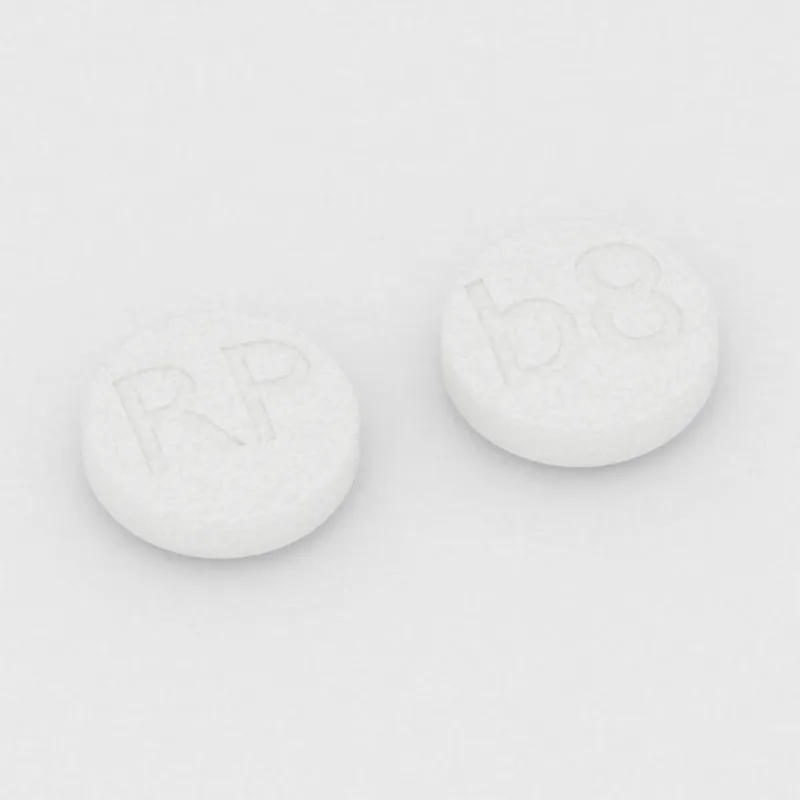
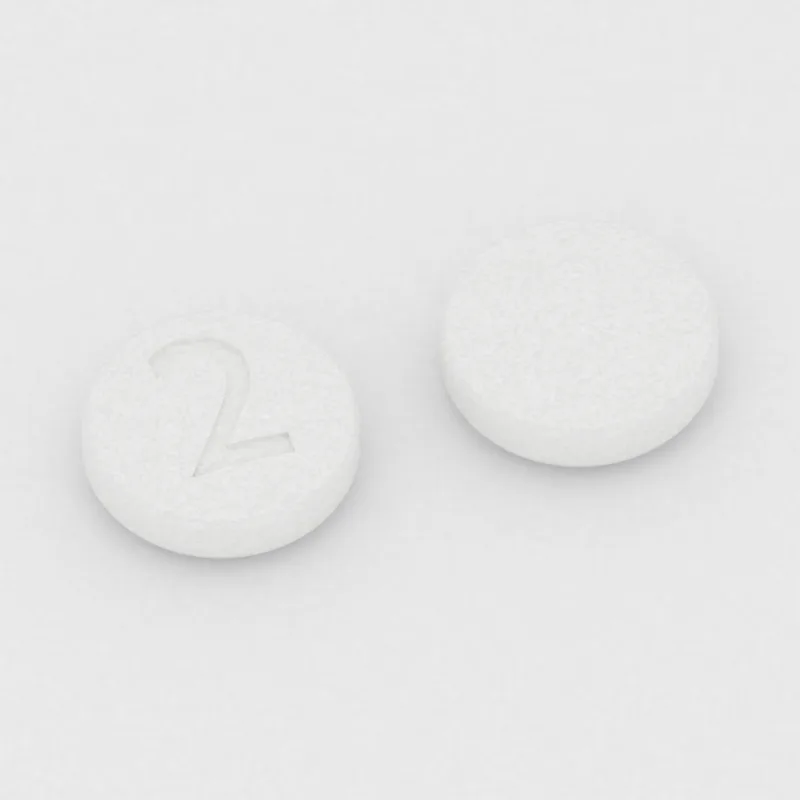
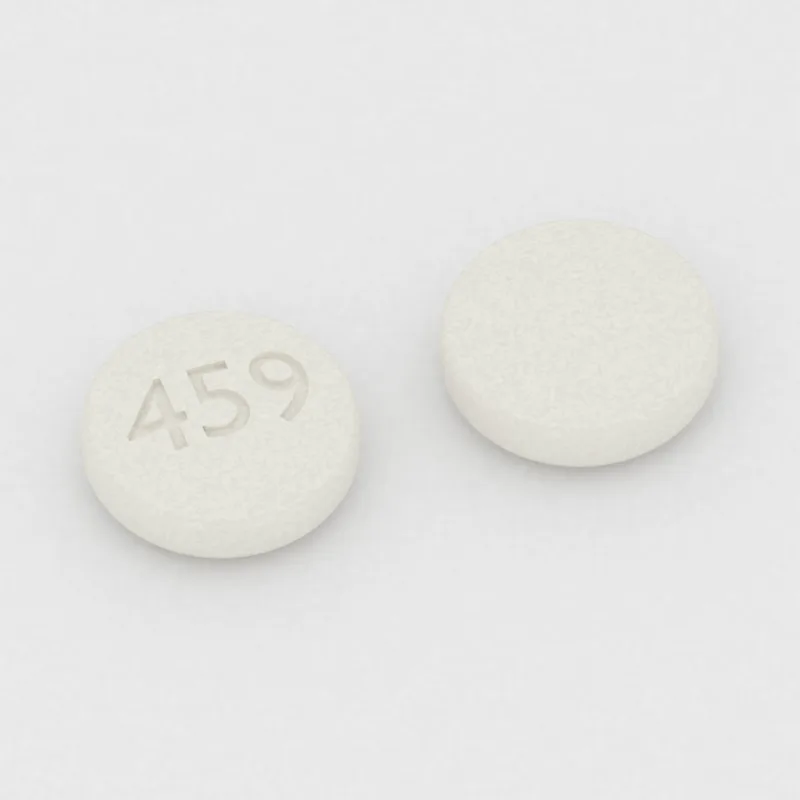
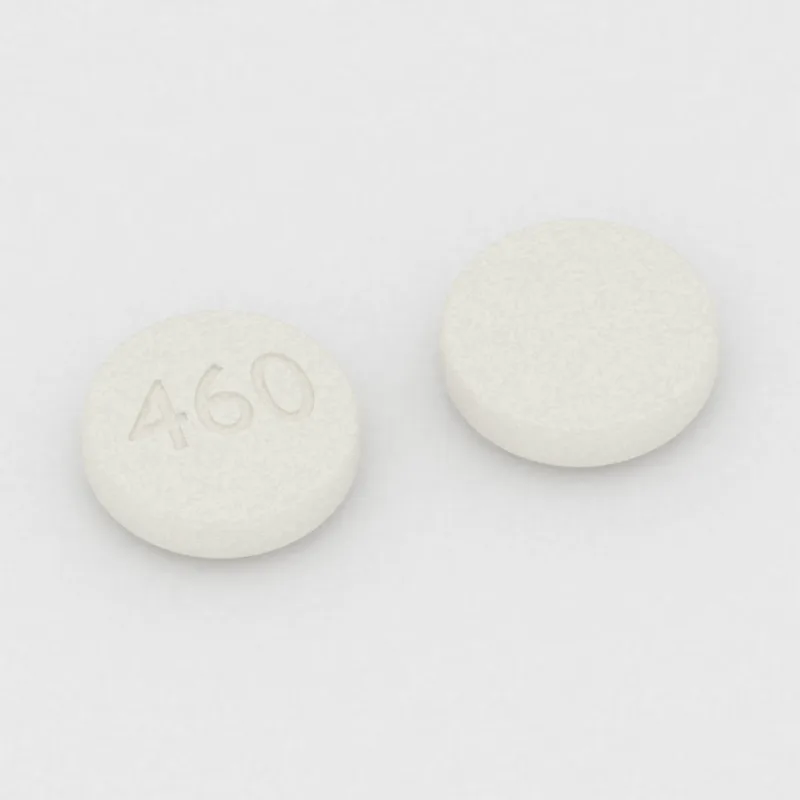
Renderings from the FDA labels' product listings: color, shape, size, and imprint. 18 documented versions from 13 labelers.
Interactions from the label
Major interactions (271)
Concomitant use of opioids with benzodiazepines or other central nervous system (CNS) depressants, including alcohol, may result in profound sedation, respiratory depression, coma, and death. (Buprenorphine label, Boxed warning)
Concomitant use of opioids with benzodiazepines or other central nervous system (CNS) depressants, including alcohol, may result in profound sedation, respiratory depression, coma, and death. (Buprenorphine label, Boxed warning)
Serotonergic Drugs : Concomitant use may result in serotonin syndrome. (Buprenorphine label, Drug interactions)
Concomitant use of opioids with benzodiazepines or other central nervous system (CNS) depressants, including alcohol, may result in profound sedation, respiratory depression, coma, and death. (Buprenorphine label, Boxed warning)
Alvimopan capsules are contraindicated in patients who have taken therapeutic doses of opioids for more than 7 consecutive days immediately prior to taking alvimopan capsules [see Warnings and Precautions ( 5.3 )]. (Alvimopan label, Contraindications)
Evaluate patients starting CYP3A4 inhibitors or stopping CYP3A4 inducers at frequent intervals for respiratory depression. (Buprenorphine label, Drug interactions)
Concomitant use of opioids with benzodiazepines or other central nervous system (CNS) depressants, including alcohol, may result in profound sedation, respiratory depression, coma, and death. (Buprenorphine label, Boxed warning)
Concomitant use of opioids with benzodiazepines or other central nervous system (CNS) depressants, including alcohol, may result in profound sedation, respiratory depression, coma, and death. (Buprenorphine label, Boxed warning)
Evaluate patients starting CYP3A4 inhibitors or stopping CYP3A4 inducers at frequent intervals for respiratory depression. (Buprenorphine label, Drug interactions)
Concomitant use of opioids with benzodiazepines or other central nervous system (CNS) depressants, including alcohol, may result in profound sedation, respiratory depression, coma, and death. (Buprenorphine label, Boxed warning)
Concomitant use of opioids with benzodiazepines or other central nervous system (CNS) depressants, including alcohol, may result in profound sedation, respiratory depression, coma, and death. (Buprenorphine label, Boxed warning)
Concomitant use of opioids with benzodiazepines or other central nervous system (CNS) depressants, including alcohol, may result in profound sedation, respiratory depression, coma, and death. (Buprenorphine label, Boxed warning)
Concomitant use of opioids with benzodiazepines or other central nervous system (CNS) depressants, including alcohol, may result in profound sedation, respiratory depression, coma, and death. (Buprenorphine label, Boxed warning)
Concomitant use of opioids with benzodiazepines or other central nervous system (CNS) depressants, including alcohol, may result in profound sedation, respiratory depression, coma, and death. (Buprenorphine label, Boxed warning)
Opioid Antagonist: Naloxegol ↑ naloxegol Avoid use with BIXLENVO; if unavoidable, decrease the dosage of naloxegol and monitor for adverse reactions. (Bictegravir, emtricitabine, and tenofovir alafenamide label, Drug interactions)
Evaluate patients starting CYP3A4 inhibitors or stopping CYP3A4 inducers at frequent intervals for respiratory depression. (Buprenorphine label, Drug interactions)
Concomitant use of opioids with benzodiazepines or other central nervous system (CNS) depressants, including alcohol, may result in profound sedation, respiratory depression, coma, and death. (Buprenorphine label, Boxed warning)
Concomitant use of opioids with benzodiazepines or other central nervous system (CNS) depressants, including alcohol, may result in profound sedation, respiratory depression, coma, and death. (Buprenorphine label, Boxed warning)
Concomitant use of opioids with benzodiazepines or other central nervous system (CNS) depressants, including alcohol, may result in profound sedation, respiratory depression, coma, and death. (Buprenorphine label, Boxed warning)
Concomitant use of opioids with benzodiazepines or other central nervous system (CNS) depressants, including alcohol, may result in profound sedation, respiratory depression, coma, and death. (Buprenorphine label, Boxed warning)
Serotonergic Drugs : Concomitant use may result in serotonin syndrome. (Buprenorphine label, Drug interactions)
Concomitant use of opioids with benzodiazepines or other central nervous system (CNS) depressants, including alcohol, may result in profound sedation, respiratory depression, coma, and death. (Buprenorphine label, Boxed warning)
Concomitant use of opioids with benzodiazepines or other central nervous system (CNS) depressants, including alcohol, may result in profound sedation, respiratory depression, coma, and death. (Buprenorphine label, Boxed warning)
Concomitant use of opioids with benzodiazepines or other central nervous system (CNS) depressants, including alcohol, may result in profound sedation, respiratory depression, coma, and death. (Buprenorphine label, Boxed warning)
Concomitant use of opioids with benzodiazepines or other central nervous system (CNS) depressants, including alcohol, may result in profound sedation, respiratory depression, coma, and death. (Buprenorphine label, Boxed warning)
Concomitant use of opioids with benzodiazepines or other central nervous system (CNS) depressants, including alcohol, may result in profound sedation, respiratory depression, coma, and death. (Buprenorphine label, Boxed warning)
Examples: butorphanol, nalbuphine, pentazocine Muscle Relaxants Clinical Impact: Buprenorphine may enhance the neuromuscular blocking action of skeletal muscle relaxants and produce an increased degree of respiratory depression. (Buprenorphine label, Drug interactions)
Concomitant use of opioids with benzodiazepines or other central nervous system (CNS) depressants, including alcohol, may result in profound sedation, respiratory depression, coma, and death. (Buprenorphine label, Boxed warning)
Examples: Rifampin, carbamazepine, phenytoin Serotonergic Drugs Clinical Impact: The concomitant use of opioids with other drugs that affect the serotonergic neurotransmitter system has resulted in serotonin syndrome. (Buprenorphine label, Drug interactions)
Concomitant use of opioids with benzodiazepines or other central nervous system (CNS) depressants, including alcohol, may result in profound sedation, respiratory depression, coma, and death. (Buprenorphine label, Boxed warning)
Concomitant use of opioids with benzodiazepines or other central nervous system (CNS) depressants, including alcohol, may result in profound sedation, respiratory depression, coma, and death. (Buprenorphine label, Boxed warning)
Concomitant use of opioids with benzodiazepines or other central nervous system (CNS) depressants, including alcohol, may result in profound sedation, respiratory depression, coma, and death. (Buprenorphine label, Boxed warning)
Concomitant use of opioids with benzodiazepines or other central nervous system (CNS) depressants, including alcohol, may result in profound sedation, respiratory depression, coma, and death. (Buprenorphine label, Boxed warning)
Avoid concurrent use of QUZYTTIR with alcohol or other CNS depressants because additional reduction in alertness and additional impairment of CNS performance may occur. (Cetirizine label, Warnings and precautions)
Concomitant use of opioids with benzodiazepines or other central nervous system (CNS) depressants, including alcohol, may result in profound sedation, respiratory depression, coma, and death. (Buprenorphine label, Boxed warning)
Concomitant use of opioids with benzodiazepines or other central nervous system (CNS) depressants, including alcohol, may result in profound sedation, respiratory depression, coma, and death. (Buprenorphine label, Boxed warning)
Concomitant use of opioids with benzodiazepines or other central nervous system (CNS) depressants, including alcohol, may result in profound sedation, respiratory depression, coma, and death. (Buprenorphine label, Boxed warning)
Concomitant use of opioids with benzodiazepines or other central nervous system (CNS) depressants, including alcohol, may result in profound sedation, respiratory depression, coma, and death. (Buprenorphine label, Boxed warning)
Concomitant use of opioids with benzodiazepines or other central nervous system (CNS) depressants, including alcohol, may result in profound sedation, respiratory depression, coma, and death. (Buprenorphine label, Boxed warning)
Evaluate patients starting CYP3A4 inhibitors or stopping CYP3A4 inducers at frequent intervals for respiratory depression. (Buprenorphine label, Drug interactions)
Table 8: Drugs That are Affected by and Affecting Ciprofloxacin Drugs That are Affected by Ciprofloxacin Drug(s) Recommendation Comments Tizanidine Contraindicated Concomitant administration of tizanidine and ciprofloxacin is contraindicated due to the potentiation of hypotensive and sedative effects of tizanidine [see Contraindications ( 4.2 )]. (Ciprofloxacin label, Drug interactions)
Serotonergic Drugs : Concomitant use may result in serotonin syndrome. (Buprenorphine label, Drug interactions)
Evaluate patients starting CYP3A4 inhibitors or stopping CYP3A4 inducers at frequent intervals for respiratory depression. (Buprenorphine label, Drug interactions)
Concomitant use of opioids with benzodiazepines or other central nervous system (CNS) depressants, including alcohol, may result in profound sedation, respiratory depression, coma, and death. (Buprenorphine label, Boxed warning)
Concomitant use of opioids with benzodiazepines or other central nervous system (CNS) depressants, including alcohol, may result in profound sedation, respiratory depression, coma, and death. (Buprenorphine label, Boxed warning)
Concomitant use of opioids with benzodiazepines or other central nervous system (CNS) depressants, including alcohol, may result in profound sedation, respiratory depression, coma, and death. (Buprenorphine label, Boxed warning)
Concomitant use of opioids with benzodiazepines or other central nervous system (CNS) depressants, including alcohol, may result in profound sedation, respiratory depression, coma, and death. (Buprenorphine label, Boxed warning)
Concomitant use of opioids with benzodiazepines or other central nervous system (CNS) depressants, including alcohol, may result in profound sedation, respiratory depression, coma, and death. (Buprenorphine label, Boxed warning)
Concomitant use of opioids with benzodiazepines or other central nervous system (CNS) depressants, including alcohol, may result in profound sedation, respiratory depression, coma, and death. (Buprenorphine label, Boxed warning)
Concomitant use of opioids with benzodiazepines or other central nervous system (CNS) depressants, including alcohol, may result in profound sedation, respiratory depression, coma, and death. (Buprenorphine label, Boxed warning)
Concomitant use of opioids with benzodiazepines or other central nervous system (CNS) depressants, including alcohol, may result in profound sedation, respiratory depression, coma, and death. (Buprenorphine label, Boxed warning)
Concomitant use of opioids with benzodiazepines or other central nervous system (CNS) depressants, including alcohol, may result in profound sedation, respiratory depression, coma, and death. (Buprenorphine label, Boxed warning)
Evaluate patients starting CYP3A4 inhibitors or stopping CYP3A4 inducers at frequent intervals for respiratory depression. (Buprenorphine label, Drug interactions)
Concomitant use of opioids with benzodiazepines or other central nervous system (CNS) depressants, including alcohol, may result in profound sedation, respiratory depression, coma, and death. (Buprenorphine label, Boxed warning)
Concomitant use of opioids with benzodiazepines or other central nervous system (CNS) depressants, including alcohol, may result in profound sedation, respiratory depression, coma, and death. (Buprenorphine label, Boxed warning)
Concomitant use of opioids with benzodiazepines or other central nervous system (CNS) depressants, including alcohol, may result in profound sedation, respiratory depression, coma, and death. (Buprenorphine label, Boxed warning)
Evaluate patients starting CYP3A4 inhibitors or stopping CYP3A4 inducers at frequent intervals for respiratory depression. (Buprenorphine label, Drug interactions)
Concomitant use of opioids with benzodiazepines or other central nervous system (CNS) depressants, including alcohol, may result in profound sedation, respiratory depression, coma, and death. (Buprenorphine label, Boxed warning)
Concomitant use of opioids with benzodiazepines or other central nervous system (CNS) depressants, including alcohol, may result in profound sedation, respiratory depression, coma, and death. (Buprenorphine label, Boxed warning)
Serotonergic Drugs : Concomitant use may result in serotonin syndrome. (Buprenorphine label, Drug interactions)
Evaluate patients starting CYP3A4 inhibitors or stopping CYP3A4 inducers at frequent intervals for respiratory depression. (Buprenorphine label, Drug interactions)
Concomitant use of opioids with benzodiazepines or other central nervous system (CNS) depressants, including alcohol, may result in profound sedation, respiratory depression, coma, and death. (Buprenorphine label, Boxed warning)
Concomitant use of opioids with benzodiazepines or other central nervous system (CNS) depressants, including alcohol, may result in profound sedation, respiratory depression, coma, and death. (Buprenorphine label, Boxed warning)
Serotonergic Drugs : Concomitant use may result in serotonin syndrome. (Buprenorphine label, Drug interactions)
Serotonergic Drugs : Concomitant use may result in serotonin syndrome. (Buprenorphine label, Drug interactions)
Concomitant use of opioids with benzodiazepines or other central nervous system (CNS) depressants, including alcohol, may result in profound sedation, respiratory depression, coma, and death. (Buprenorphine label, Boxed warning)
Serotonergic Drugs : Concomitant use may result in serotonin syndrome. (Buprenorphine label, Drug interactions)
Evaluate patients starting CYP3A4 inhibitors or stopping CYP3A4 inducers at frequent intervals for respiratory depression. (Buprenorphine label, Drug interactions)
Concomitant use of opioids with benzodiazepines or other central nervous system (CNS) depressants, including alcohol, may result in profound sedation, respiratory depression, coma, and death. (Buprenorphine label, Boxed warning)
Concomitant use of opioids with benzodiazepines or other central nervous system (CNS) depressants, including alcohol, may result in profound sedation, respiratory depression, coma, and death. (Buprenorphine label, Boxed warning)
CONTRAINDICATIONS Diphenoxylate hydrochloride and atropine sulfate is contraindicated in: • Pediatric patients less than 6 years of age due to the risks of respiratory and central nervous system (CNS) depression (see WARNINGS ). (Diphenoxylate and atropine label, Contraindications)
Concomitant use of opioids with benzodiazepines or other central nervous system (CNS) depressants, including alcohol, may result in profound sedation, respiratory depression, coma, and death. (Buprenorphine label, Boxed warning)
Concomitant use of opioids with benzodiazepines or other central nervous system (CNS) depressants, including alcohol, may result in profound sedation, respiratory depression, coma, and death. (Buprenorphine label, Boxed warning)
Concomitant use of opioids with benzodiazepines or other central nervous system (CNS) depressants, including alcohol, may result in profound sedation, respiratory depression, coma, and death. (Buprenorphine label, Boxed warning)
Concomitant use of opioids with benzodiazepines or other central nervous system (CNS) depressants, including alcohol, may result in profound sedation, respiratory depression, coma, and death. (Buprenorphine label, Boxed warning)
Concomitant use of opioids with benzodiazepines or other central nervous system (CNS) depressants, including alcohol, may result in profound sedation, respiratory depression, coma, and death. (Buprenorphine label, Boxed warning)
Evaluate patients starting CYP3A4 inhibitors or stopping CYP3A4 inducers at frequent intervals for respiratory depression. (Buprenorphine label, Drug interactions)
Concomitant use of opioids with benzodiazepines or other central nervous system (CNS) depressants, including alcohol, may result in profound sedation, respiratory depression, coma, and death. (Buprenorphine label, Boxed warning)
Serotonergic Drugs : Concomitant use may result in serotonin syndrome. (Buprenorphine label, Drug interactions)
Evaluate patients starting CYP3A4 inhibitors or stopping CYP3A4 inducers at frequent intervals for respiratory depression. (Buprenorphine label, Drug interactions)
Evaluate patients starting CYP3A4 inhibitors or stopping CYP3A4 inducers at frequent intervals for respiratory depression. (Buprenorphine label, Drug interactions)
Serotonergic Drugs : Concomitant use may result in serotonin syndrome. (Buprenorphine label, Drug interactions)
Concomitant use of opioids with benzodiazepines or other central nervous system (CNS) depressants, including alcohol, may result in profound sedation, respiratory depression, coma, and death. (Buprenorphine label, Boxed warning)
Evaluate patients starting CYP3A4 inhibitors or stopping CYP3A4 inducers at frequent intervals for respiratory depression. (Buprenorphine label, Drug interactions)
Evaluate patients starting CYP3A4 inhibitors or stopping CYP3A4 inducers at frequent intervals for respiratory depression. (Buprenorphine label, Drug interactions)
Serotonergic Drugs : Concomitant use may result in serotonin syndrome. (Buprenorphine label, Drug interactions)
Concomitant use of opioids with benzodiazepines or other central nervous system (CNS) depressants, including alcohol, may result in profound sedation, respiratory depression, coma, and death. (Buprenorphine label, Boxed warning)
Concomitant use of opioids with benzodiazepines or other central nervous system (CNS) depressants, including alcohol, may result in profound sedation, respiratory depression, coma, and death. (Buprenorphine label, Boxed warning)
Concomitant use of opioids with benzodiazepines or other central nervous system (CNS) depressants, including alcohol, may result in profound sedation, respiratory depression, coma, and death. (Buprenorphine label, Boxed warning)
Concomitant use of opioids with benzodiazepines or other central nervous system (CNS) depressants, including alcohol, may result in profound sedation, respiratory depression, coma, and death. (Buprenorphine label, Boxed warning)
Concomitant use of opioids with benzodiazepines or other central nervous system (CNS) depressants, including alcohol, may result in profound sedation, respiratory depression, coma, and death. (Buprenorphine label, Boxed warning)
Evaluate patients starting CYP3A4 inhibitors or stopping CYP3A4 inducers at frequent intervals for respiratory depression. (Buprenorphine label, Drug interactions)
Evaluate patients starting CYP3A4 inhibitors or stopping CYP3A4 inducers at frequent intervals for respiratory depression. (Buprenorphine label, Drug interactions)
Concomitant use of opioids with benzodiazepines or other central nervous system (CNS) depressants, including alcohol, may result in profound sedation, respiratory depression, coma, and death. (Buprenorphine label, Boxed warning)
Concomitant use of opioids with benzodiazepines or other central nervous system (CNS) depressants, including alcohol, may result in profound sedation, respiratory depression, coma, and death. (Buprenorphine label, Boxed warning)
Concomitant use of opioids with benzodiazepines or other central nervous system (CNS) depressants, including alcohol, may result in profound sedation, respiratory depression, coma, and death. (Buprenorphine label, Boxed warning)
Evaluate patients starting CYP3A4 inhibitors or stopping CYP3A4 inducers at frequent intervals for respiratory depression. (Buprenorphine label, Drug interactions)
Concomitant use of opioids with benzodiazepines or other central nervous system (CNS) depressants, including alcohol, may result in profound sedation, respiratory depression, coma, and death. (Buprenorphine label, Boxed warning)
Serotonergic Drugs : Concomitant use may result in serotonin syndrome. (Buprenorphine label, Drug interactions)
Concomitant use of opioids with benzodiazepines or other central nervous system (CNS) depressants, including alcohol, may result in profound sedation, respiratory depression, coma, and death. (Buprenorphine label, Boxed warning)
Serotonergic Drugs : Concomitant use may result in serotonin syndrome. (Buprenorphine label, Drug interactions)
Evaluate patients starting CYP3A4 inhibitors or stopping CYP3A4 inducers at frequent intervals for respiratory depression. (Buprenorphine label, Drug interactions)
Concomitant use of opioids with benzodiazepines or other central nervous system (CNS) depressants, including alcohol, may result in profound sedation, respiratory depression, coma, and death. (Buprenorphine label, Boxed warning)
Concomitant use of opioids with benzodiazepines or other central nervous system (CNS) depressants, including alcohol, may result in profound sedation, respiratory depression, coma, and death. (Buprenorphine label, Boxed warning)
Concomitant use of opioids with benzodiazepines or other central nervous system (CNS) depressants, including alcohol, may result in profound sedation, respiratory depression, coma, and death. (Buprenorphine label, Boxed warning)
Concomitant use of opioids with benzodiazepines or other central nervous system (CNS) depressants, including alcohol, may result in profound sedation, respiratory depression, coma, and death. (Buprenorphine label, Boxed warning)
Concomitant use of opioids with benzodiazepines or other central nervous system (CNS) depressants, including alcohol, may result in profound sedation, respiratory depression, coma, and death. (Buprenorphine label, Boxed warning)
Concomitant use of opioids with benzodiazepines or other central nervous system (CNS) depressants, including alcohol, may result in profound sedation, respiratory depression, coma, and death. (Buprenorphine label, Boxed warning)
Concomitant use of opioids with benzodiazepines or other central nervous system (CNS) depressants, including alcohol, may result in profound sedation, respiratory depression, coma, and death. (Buprenorphine label, Boxed warning)
Concomitant use of opioids with benzodiazepines or other central nervous system (CNS) depressants, including alcohol, may result in profound sedation, respiratory depression, coma, and death. (Buprenorphine label, Boxed warning)
Concomitant use of opioids with benzodiazepines or other central nervous system (CNS) depressants, including alcohol, may result in profound sedation, respiratory depression, coma, and death. (Buprenorphine label, Boxed warning)
Concomitant use of opioids with benzodiazepines or other central nervous system (CNS) depressants, including alcohol, may result in profound sedation, respiratory depression, coma, and death. (Buprenorphine label, Boxed warning)
Evaluate patients starting CYP3A4 inhibitors or stopping CYP3A4 inducers at frequent intervals for respiratory depression. (Buprenorphine label, Drug interactions)
Concomitant use of opioids with benzodiazepines or other central nervous system (CNS) depressants, including alcohol, may result in profound sedation, respiratory depression, coma, and death. (Buprenorphine label, Boxed warning)
Concomitant use of opioids with benzodiazepines or other central nervous system (CNS) depressants, including alcohol, may result in profound sedation, respiratory depression, coma, and death. (Buprenorphine label, Boxed warning)
Monoamine Oxidase Inhibitors (MAOIs) Clinical Impact: MAOI interactions with opioids may manifest as serotonin syndrome opioid toxicity (e.g., respiratory depression, coma) [see Warnings and Precautions (5.2) ]. (Buprenorphine label, Drug interactions)
Evaluate patients starting CYP3A4 inhibitors or stopping CYP3A4 inducers at frequent intervals for respiratory depression. (Buprenorphine label, Drug interactions)
Evaluate patients starting CYP3A4 inhibitors or stopping CYP3A4 inducers at frequent intervals for respiratory depression. (Buprenorphine label, Drug interactions)
Concomitant use of opioids with benzodiazepines or other central nervous system (CNS) depressants, including alcohol, may result in profound sedation, respiratory depression, coma, and death. (Buprenorphine label, Boxed warning)
Evaluate patients starting CYP3A4 inhibitors or stopping CYP3A4 inducers at frequent intervals for respiratory depression. (Buprenorphine label, Drug interactions)
BOXED WARNING Ketorolac tromethamine tablets, a nonsteroidal anti-inflammatory drug (NSAID), are indicated for the short-term (up to 5 days in adults), management of moderately severe acute pain that requires analgesia at the opioid level and only as continuation treatment following IV or IM dosing of ketorolac tromethamine, if necessary. (Ketorolac label, Boxed warning)
Concomitant use of opioids with benzodiazepines or other central nervous system (CNS) depressants, including alcohol, may result in profound sedation, respiratory depression, coma, and death. (Buprenorphine label, Boxed warning)
Concomitant use of opioids with benzodiazepines or other central nervous system (CNS) depressants, including alcohol, may result in profound sedation, respiratory depression, coma, and death. (Buprenorphine label, Boxed warning)
Evaluate patients starting CYP3A4 inhibitors or stopping CYP3A4 inducers at frequent intervals for respiratory depression. (Buprenorphine label, Drug interactions)
Concomitant use of opioids with benzodiazepines or other central nervous system (CNS) depressants, including alcohol, may result in profound sedation, respiratory depression, coma, and death. (Buprenorphine label, Boxed warning)
Avoid concurrent use of alcohol or other central nervous system depressants with XYZAL. (Levocetirizine label, Warnings and precautions)
Serotonergic Drugs : Concomitant use may result in serotonin syndrome. (Buprenorphine label, Drug interactions)
Concomitant use of opioids with benzodiazepines or other central nervous system (CNS) depressants, including alcohol, may result in profound sedation, respiratory depression, coma, and death. (Buprenorphine label, Boxed warning)
Monoamine Oxidase Inhibitors (MAOIs) Clinical Impact: MAOI interactions with opioids may manifest as serotonin syndrome opioid toxicity (e.g., respiratory depression, coma) [see Warnings and Precautions (5.2) ]. (Buprenorphine label, Drug interactions)
Serotonergic Drugs : Concomitant use may result in serotonin syndrome. (Buprenorphine label, Drug interactions)
Concomitant use of opioids with benzodiazepines or other central nervous system (CNS) depressants, including alcohol, may result in profound sedation, respiratory depression, coma, and death. (Buprenorphine label, Boxed warning)
Concomitant use of opioids with benzodiazepines or other central nervous system (CNS) depressants, including alcohol, may result in profound sedation, respiratory depression, coma, and death. (Buprenorphine label, Boxed warning)
Evaluate patients starting CYP3A4 inhibitors or stopping CYP3A4 inducers at frequent intervals for respiratory depression. (Buprenorphine label, Drug interactions)
Concomitant use of opioids with benzodiazepines or other central nervous system (CNS) depressants, including alcohol, may result in profound sedation, respiratory depression, coma, and death. (Buprenorphine label, Boxed warning)
Concomitant use of opioids with benzodiazepines or other central nervous system (CNS) depressants, including alcohol, may result in profound sedation, respiratory depression, coma, and death. (Buprenorphine label, Boxed warning)
Concomitant use of opioids with benzodiazepines or other central nervous system (CNS) depressants, including alcohol, may result in profound sedation, respiratory depression, coma, and death. (Buprenorphine label, Boxed warning)
Concomitant use of opioids with benzodiazepines or other central nervous system (CNS) depressants, including alcohol, may result in profound sedation, respiratory depression, coma, and death. (Buprenorphine label, Boxed warning)
Concomitant use of opioids with benzodiazepines or other central nervous system (CNS) depressants, including alcohol, may result in profound sedation, respiratory depression, coma, and death. (Buprenorphine label, Boxed warning)
Concomitant use of opioids with benzodiazepines or other central nervous system (CNS) depressants, including alcohol, may result in profound sedation, respiratory depression, coma, and death. (Buprenorphine label, Boxed warning)
Concomitant use of opioids with benzodiazepines or other central nervous system (CNS) depressants, including alcohol, may result in profound sedation, respiratory depression, coma, and death. (Buprenorphine label, Boxed warning)
Concomitant use of opioids with benzodiazepines or other central nervous system (CNS) depressants, including alcohol, may result in profound sedation, respiratory depression, coma, and death. (Buprenorphine label, Boxed warning)
Concomitant use of opioids with benzodiazepines or other central nervous system (CNS) depressants, including alcohol, may result in profound sedation, respiratory depression, coma, and death. (Buprenorphine label, Boxed warning)
Concomitant use of opioids with benzodiazepines or other central nervous system (CNS) depressants, including alcohol, may result in profound sedation, respiratory depression, coma, and death. (Buprenorphine label, Boxed warning)
Concomitant use of opioids with benzodiazepines or other central nervous system (CNS) depressants, including alcohol, may result in profound sedation, respiratory depression, coma, and death. (Buprenorphine label, Boxed warning)
Monoamine Oxidase Inhibitors (MAOIs) Clinical Impact: MAOI interactions with opioids may manifest as serotonin syndrome opioid toxicity (e.g., respiratory depression, coma) [see Warnings and Precautions (5.2) ]. (Buprenorphine label, Drug interactions)
• Other Opioid Antagonists : Potential for additive effect and increased risk of opioid withdrawal; avoid concomitant use. (Methylnaltrexone label, Drug interactions)
Concomitant use of opioids with benzodiazepines or other central nervous system (CNS) depressants, including alcohol, may result in profound sedation, respiratory depression, coma, and death. (Buprenorphine label, Boxed warning)
Concomitant use of opioids with benzodiazepines or other central nervous system (CNS) depressants, including alcohol, may result in profound sedation, respiratory depression, coma, and death. (Buprenorphine label, Boxed warning)
Evaluate patients starting CYP3A4 inhibitors or stopping CYP3A4 inducers at frequent intervals for respiratory depression. (Buprenorphine label, Drug interactions)
Serotonergic Drugs : Concomitant use may result in serotonin syndrome. (Buprenorphine label, Drug interactions)
Evaluate patients starting CYP3A4 inhibitors or stopping CYP3A4 inducers at frequent intervals for respiratory depression. (Buprenorphine label, Drug interactions)
Concomitant use of opioids with benzodiazepines or other central nervous system (CNS) depressants, including alcohol, may result in profound sedation, respiratory depression, coma, and death. (Buprenorphine label, Boxed warning)
Evaluate patients starting CYP3A4 inhibitors or stopping CYP3A4 inducers at frequent intervals for respiratory depression. (Buprenorphine label, Drug interactions)
Evaluate patients starting CYP3A4 inhibitors or stopping CYP3A4 inducers at frequent intervals for respiratory depression. (Buprenorphine label, Drug interactions)
Evaluate patients starting CYP3A4 inhibitors or stopping CYP3A4 inducers at frequent intervals for respiratory depression. (Buprenorphine label, Drug interactions)
Concomitant use of opioids with benzodiazepines or other central nervous system (CNS) depressants, including alcohol, may result in profound sedation, respiratory depression, coma, and death. (Buprenorphine label, Boxed warning)
Evaluate patients starting CYP3A4 inhibitors or stopping CYP3A4 inducers at frequent intervals for respiratory depression. (Buprenorphine label, Drug interactions)
Examples: butorphanol, nalbuphine, pentazocine Muscle Relaxants Clinical Impact: Buprenorphine may enhance the neuromuscular blocking action of skeletal muscle relaxants and produce an increased degree of respiratory depression. (Buprenorphine label, Drug interactions)
Intervention Avoid use of SYMPROIC with another opioid antagonist. (Naldemedine label, Drug interactions)
Risk of Limited Efficacy with Partial Agonists or Mixed Agonists/Antagonists : Reversal of respiratory depression by partial agonists or mixed agonist/antagonists such as buprenorphine and pentazocine, may be incomplete. (Nalmefene label, Warnings and precautions)
…concomitantly using strong CYP3A4 inhibitors (e.g., clarithromycin, ketoconazole) because these medications can significantly increase exposure to naloxegol which may precipitate opioid withdrawal symptoms such as hyperhidrosis, chills, diarrhea, abdominal pain, anxiety, irritability, and yawning [see Drug Interactions (7.1) and Clinical Pharmacology (12.3)… (Naloxegol label, Contraindications)
Risk of Limited Efficacy with Partial Agonists or Mixed Agonists/Antagonists : Reversal of respiratory depression caused by partial agonists or mixed agonists/antagonists such as buprenorphine and pentazocine, may be incomplete. (Naloxone label, Warnings and precautions)
Naltrexone for extended-release injectable suspension is contraindicated in: Patients receiving opioid analgesics [see Warnings and Precautions ( 5.3 ) ] . (Naltrexone label, Contraindications)
…Bulimia or anorexia nervosa, which increase the risk for seizure [see Warnings and Precautions (5.3) ] Chronic opioid or opiate agonist (e.g., methadone) or partial agonists (e.g., buprenorphine) use, or acute opiate withdrawal [see Warnings and Precautions (5.4) and Drug Interactions (7.2) ] Patients undergoing an abrupt discontinuation of alcohol, benzodiazepines,… (Naltrexone and bupropion label, Contraindications)
Serotonergic Drugs : Concomitant use may result in serotonin syndrome. (Buprenorphine label, Drug interactions)
Evaluate patients starting CYP3A4 inhibitors or stopping CYP3A4 inducers at frequent intervals for respiratory depression. (Buprenorphine label, Drug interactions)
Evaluate patients starting CYP3A4 inhibitors or stopping CYP3A4 inducers at frequent intervals for respiratory depression. (Buprenorphine label, Drug interactions)
Concomitant use of opioids with benzodiazepines or other central nervous system (CNS) depressants, including alcohol, may result in profound sedation, respiratory depression, coma, and death. (Buprenorphine label, Boxed warning)
Concomitant use of opioids with benzodiazepines or other central nervous system (CNS) depressants, including alcohol, may result in profound sedation, respiratory depression, coma, and death. (Buprenorphine label, Boxed warning)
Concomitant use of opioids with benzodiazepines or other central nervous system (CNS) depressants, including alcohol, may result in profound sedation, respiratory depression, coma, and death. (Buprenorphine label, Boxed warning)
Concomitant use of opioids with benzodiazepines or other central nervous system (CNS) depressants, including alcohol, may result in profound sedation, respiratory depression, coma, and death. (Buprenorphine label, Boxed warning)
• Avoid concurrent use of alcohol or other central nervous system depressants with olopatadine hydrochloride nasal solution (nasal spray) ( 5.2 ). (Olopatadine label, Warnings and precautions)
• Avoid concurrent use of alcohol or other central nervous system (CNS) depressants with RYALTRIS because additional reductions in alertness and additional impairment of CNS performance may occur. (Olopatadine and mometasone label, Warnings and precautions)
Serotonergic Drugs : Concomitant use may result in serotonin syndrome. (Buprenorphine label, Drug interactions)
Concomitant use of opioids with benzodiazepines or other central nervous system (CNS) depressants, including alcohol, may result in profound sedation, respiratory depression, coma, and death. (Buprenorphine label, Boxed warning)
Concomitant use of opioids with benzodiazepines or other central nervous system (CNS) depressants, including alcohol, may result in profound sedation, respiratory depression, coma, and death. (Buprenorphine label, Boxed warning)
Concomitant use of opioids with benzodiazepines or other central nervous system (CNS) depressants, including alcohol, may result in profound sedation, respiratory depression, coma, and death. (Buprenorphine label, Boxed warning)
Concomitant use of opioids with benzodiazepines or other central nervous system (CNS) depressants, including alcohol, may result in profound sedation, respiratory depression, coma, and death. (Buprenorphine label, Boxed warning)
Concomitant use of opioids with benzodiazepines or other central nervous system (CNS) depressants, including alcohol, may result in profound sedation, respiratory depression, coma, and death. (Buprenorphine label, Boxed warning)
Concomitant use of opioids with benzodiazepines or other central nervous system (CNS) depressants, including alcohol, may result in profound sedation, respiratory depression, coma, and death. (Buprenorphine label, Boxed warning)
Concomitant use of opioids with benzodiazepines or other central nervous system (CNS) depressants, including alcohol, may result in profound sedation, respiratory depression, coma, and death. (Buprenorphine label, Boxed warning)
Evaluate patients starting CYP3A4 inhibitors or stopping CYP3A4 inducers at frequent intervals for respiratory depression. (Buprenorphine label, Drug interactions)
Concomitant use of opioids with benzodiazepines or other central nervous system (CNS) depressants, including alcohol, may result in profound sedation, respiratory depression, coma, and death. (Buprenorphine label, Boxed warning)
Serotonergic Drugs : Concomitant use may result in serotonin syndrome. (Buprenorphine label, Drug interactions)
Serotonergic Drugs : Concomitant use may result in serotonin syndrome. (Buprenorphine label, Drug interactions)
Examples: butorphanol, nalbuphine, pentazocine Muscle Relaxants Clinical Impact: Buprenorphine may enhance the neuromuscular blocking action of skeletal muscle relaxants and produce an increased degree of respiratory depression. (Buprenorphine label, Drug interactions)
Concomitant use of opioids with benzodiazepines or other central nervous system (CNS) depressants, including alcohol, may result in profound sedation, respiratory depression, coma, and death. (Buprenorphine label, Boxed warning)
Concomitant use of opioids with benzodiazepines or other central nervous system (CNS) depressants, including alcohol, may result in profound sedation, respiratory depression, coma, and death. (Buprenorphine label, Boxed warning)
Monoamine Oxidase Inhibitors (MAOIs) Clinical Impact: MAOI interactions with opioids may manifest as serotonin syndrome opioid toxicity (e.g., respiratory depression, coma) [see Warnings and Precautions (5.2) ]. (Buprenorphine label, Drug interactions)
Concomitant use of opioids with benzodiazepines or other central nervous system (CNS) depressants, including alcohol, may result in profound sedation, respiratory depression, coma, and death. (Buprenorphine label, Boxed warning)
Concomitant use of opioids with benzodiazepines or other central nervous system (CNS) depressants, including alcohol, may result in profound sedation, respiratory depression, coma, and death. (Buprenorphine label, Boxed warning)
Concomitant use of opioids with benzodiazepines or other central nervous system (CNS) depressants, including alcohol, may result in profound sedation, respiratory depression, coma, and death. (Buprenorphine label, Boxed warning)
Examples: Rifampin, carbamazepine, phenytoin Serotonergic Drugs Clinical Impact: The concomitant use of opioids with other drugs that affect the serotonergic neurotransmitter system has resulted in serotonin syndrome. (Buprenorphine label, Drug interactions)
Concomitant use of opioids with benzodiazepines or other central nervous system (CNS) depressants, including alcohol, may result in profound sedation, respiratory depression, coma, and death. (Buprenorphine label, Boxed warning)
Concomitant use of opioids with benzodiazepines or other central nervous system (CNS) depressants, including alcohol, may result in profound sedation, respiratory depression, coma, and death. (Buprenorphine label, Boxed warning)
Evaluate patients starting CYP3A4 inhibitors or stopping CYP3A4 inducers at frequent intervals for respiratory depression. (Buprenorphine label, Drug interactions)
Concomitant use of opioids with benzodiazepines or other central nervous system (CNS) depressants, including alcohol, may result in profound sedation, respiratory depression, coma, and death. (Buprenorphine label, Boxed warning)
Concomitant use of opioids with benzodiazepines or other central nervous system (CNS) depressants, including alcohol, may result in profound sedation, respiratory depression, coma, and death. (Buprenorphine label, Boxed warning)
Concomitant use of opioids with benzodiazepines or other central nervous system (CNS) depressants, including alcohol, may result in profound sedation, respiratory depression, coma, and death. (Buprenorphine label, Boxed warning)
Concomitant use of opioids with benzodiazepines or other central nervous system (CNS) depressants, including alcohol, may result in profound sedation, respiratory depression, coma, and death. (Buprenorphine label, Boxed warning)
Concomitant use of opioids with benzodiazepines or other central nervous system (CNS) depressants, including alcohol, may result in profound sedation, respiratory depression, coma, and death. (Buprenorphine label, Boxed warning)
Concomitant use of opioids with benzodiazepines or other central nervous system (CNS) depressants, including alcohol, may result in profound sedation, respiratory depression, coma, and death. (Buprenorphine label, Boxed warning)
Concomitant use of opioids with benzodiazepines or other central nervous system (CNS) depressants, including alcohol, may result in profound sedation, respiratory depression, coma, and death. (Buprenorphine label, Boxed warning)
Concomitant use of opioids with benzodiazepines or other central nervous system (CNS) depressants, including alcohol, may result in profound sedation, respiratory depression, coma, and death. (Buprenorphine label, Boxed warning)
Concomitant use of opioids with benzodiazepines or other central nervous system (CNS) depressants, including alcohol, may result in profound sedation, respiratory depression, coma, and death. (Buprenorphine label, Boxed warning)
Serotonergic Drugs : Concomitant use may result in serotonin syndrome. (Buprenorphine label, Drug interactions)
Concomitant use of opioids with benzodiazepines or other central nervous system (CNS) depressants, including alcohol, may result in profound sedation, respiratory depression, coma, and death. (Buprenorphine label, Boxed warning)
Concomitant use of opioids with benzodiazepines or other central nervous system (CNS) depressants, including alcohol, may result in profound sedation, respiratory depression, coma, and death. (Buprenorphine label, Boxed warning)
Evaluate patients starting CYP3A4 inhibitors or stopping CYP3A4 inducers at frequent intervals for respiratory depression. (Buprenorphine label, Drug interactions)
Monoamine Oxidase Inhibitors (MAOIs) Clinical Impact: MAOI interactions with opioids may manifest as serotonin syndrome opioid toxicity (e.g., respiratory depression, coma) [see Warnings and Precautions (5.2) ]. (Buprenorphine label, Drug interactions)
Concomitant use of opioids with benzodiazepines or other central nervous system (CNS) depressants, including alcohol, may result in profound sedation, respiratory depression, coma, and death. (Buprenorphine label, Boxed warning)
Evaluate patients starting CYP3A4 inhibitors or stopping CYP3A4 inducers at frequent intervals for respiratory depression. (Buprenorphine label, Drug interactions)
Examples: Rifampin, carbamazepine, phenytoin Serotonergic Drugs Clinical Impact: The concomitant use of opioids with other drugs that affect the serotonergic neurotransmitter system has resulted in serotonin syndrome. (Buprenorphine label, Drug interactions)
Evaluate patients starting CYP3A4 inhibitors or stopping CYP3A4 inducers at frequent intervals for respiratory depression. (Buprenorphine label, Drug interactions)
Concomitant use of opioids with benzodiazepines or other central nervous system (CNS) depressants, including alcohol, may result in profound sedation, respiratory depression, coma, and death. (Buprenorphine label, Boxed warning)
Serotonergic Drugs : Concomitant use may result in serotonin syndrome. (Buprenorphine label, Drug interactions)
Concomitant use of opioids with benzodiazepines or other central nervous system (CNS) depressants, including alcohol, may result in profound sedation, respiratory depression, coma, and death. (Buprenorphine label, Boxed warning)
Concomitant use of opioids with benzodiazepines or other central nervous system (CNS) depressants, including alcohol, may result in profound sedation, respiratory depression, coma, and death. (Buprenorphine label, Boxed warning)
Concomitant use of opioids with benzodiazepines or other central nervous system (CNS) depressants, including alcohol, may result in profound sedation, respiratory depression, coma, and death. (Buprenorphine label, Boxed warning)
Monoamine Oxidase Inhibitors (MAOIs) Clinical Impact: MAOI interactions with opioids may manifest as serotonin syndrome opioid toxicity (e.g., respiratory depression, coma) [see Warnings and Precautions (5.2) ]. (Buprenorphine label, Drug interactions)
Serotonergic Drugs : Concomitant use may result in serotonin syndrome. (Buprenorphine label, Drug interactions)
Concomitant use of opioids with benzodiazepines or other central nervous system (CNS) depressants, including alcohol, may result in profound sedation, respiratory depression, coma, and death. (Buprenorphine label, Boxed warning)
Concomitant use of opioids with benzodiazepines or other central nervous system (CNS) depressants, including alcohol, may result in profound sedation, respiratory depression, coma, and death. (Buprenorphine label, Boxed warning)
Serotonergic Drugs : Concomitant use may result in serotonin syndrome. (Buprenorphine label, Drug interactions)
Serotonergic Drugs : Concomitant use may result in serotonin syndrome. (Buprenorphine label, Drug interactions)
Serotonergic Drugs : Concomitant use may result in serotonin syndrome. (Buprenorphine label, Drug interactions)
Concomitant use of opioids with benzodiazepines or other central nervous system (CNS) depressants, including alcohol, may result in profound sedation, respiratory depression, coma, and death. (Buprenorphine label, Boxed warning)
Evaluate patients starting CYP3A4 inhibitors or stopping CYP3A4 inducers at frequent intervals for respiratory depression. (Buprenorphine label, Drug interactions)
Concomitant use of opioids with benzodiazepines or other central nervous system (CNS) depressants, including alcohol, may result in profound sedation, respiratory depression, coma, and death. (Buprenorphine label, Boxed warning)
Concomitant use of opioids with benzodiazepines or other central nervous system (CNS) depressants, including alcohol, may result in profound sedation, respiratory depression, coma, and death. (Buprenorphine label, Boxed warning)
Concomitant use of opioids with benzodiazepines or other central nervous system (CNS) depressants, including alcohol, may result in profound sedation, respiratory depression, coma, and death. (Buprenorphine label, Boxed warning)
Concomitant use of opioids with benzodiazepines or other central nervous system (CNS) depressants, including alcohol, may result in profound sedation, respiratory depression, coma, and death. (Buprenorphine label, Boxed warning)
Concomitant use of opioids with benzodiazepines or other central nervous system (CNS) depressants, including alcohol, may result in profound sedation, respiratory depression, coma, and death. (Buprenorphine label, Boxed warning)
Concomitant use of opioids with benzodiazepines or other central nervous system (CNS) depressants, including alcohol, may result in profound sedation, respiratory depression, coma, and death. (Buprenorphine label, Boxed warning)
Concomitant use of opioids with benzodiazepines or other central nervous system (CNS) depressants, including alcohol, may result in profound sedation, respiratory depression, coma, and death. (Buprenorphine label, Boxed warning)
Evaluate patients starting CYP3A4 inhibitors or stopping CYP3A4 inducers at frequent intervals for respiratory depression. (Buprenorphine label, Drug interactions)
Concomitant use of opioids with benzodiazepines or other central nervous system (CNS) depressants, including alcohol, may result in profound sedation, respiratory depression, coma, and death. (Buprenorphine label, Boxed warning)
Concomitant use of opioids with benzodiazepines or other central nervous system (CNS) depressants, including alcohol, may result in profound sedation, respiratory depression, coma, and death. (Buprenorphine label, Boxed warning)
Concomitant use of opioids with benzodiazepines or other central nervous system (CNS) depressants, including alcohol, may result in profound sedation, respiratory depression, coma, and death. (Buprenorphine label, Boxed warning)
Concomitant use of opioids with benzodiazepines or other central nervous system (CNS) depressants, including alcohol, may result in profound sedation, respiratory depression, coma, and death. (Buprenorphine label, Boxed warning)
Monoamine Oxidase Inhibitors (MAOIs) Clinical Impact: MAOI interactions with opioids may manifest as serotonin syndrome opioid toxicity (e.g., respiratory depression, coma) [see Warnings and Precautions (5.2) ]. (Buprenorphine label, Drug interactions)
Concomitant use of opioids with benzodiazepines or other central nervous system (CNS) depressants, including alcohol, may result in profound sedation, respiratory depression, coma, and death. (Buprenorphine label, Boxed warning)
Concomitant use of opioids with benzodiazepines or other central nervous system (CNS) depressants, including alcohol, may result in profound sedation, respiratory depression, coma, and death. (Buprenorphine label, Boxed warning)
Concomitant use of opioids with benzodiazepines or other central nervous system (CNS) depressants, including alcohol, may result in profound sedation, respiratory depression, coma, and death. (Buprenorphine label, Boxed warning)
Concomitant use of opioids with benzodiazepines or other central nervous system (CNS) depressants, including alcohol, may result in profound sedation, respiratory depression, coma, and death. (Buprenorphine label, Boxed warning)
Concomitant use of opioids with benzodiazepines or other central nervous system (CNS) depressants, including alcohol, may result in profound sedation, respiratory depression, coma, and death. (Buprenorphine label, Boxed warning)
Serotonergic Drugs : Concomitant use may result in serotonin syndrome. (Buprenorphine label, Drug interactions)
Evaluate patients starting CYP3A4 inhibitors or stopping CYP3A4 inducers at frequent intervals for respiratory depression. (Buprenorphine label, Drug interactions)
Concomitant use of opioids with benzodiazepines or other central nervous system (CNS) depressants, including alcohol, may result in profound sedation, respiratory depression, coma, and death. (Buprenorphine label, Boxed warning)
Serotonergic Drugs : Concomitant use may result in serotonin syndrome. (Buprenorphine label, Drug interactions)
Evaluate patients starting CYP3A4 inhibitors or stopping CYP3A4 inducers at frequent intervals for respiratory depression. (Buprenorphine label, Drug interactions)
Serotonergic Drugs : Concomitant use may result in serotonin syndrome. (Buprenorphine label, Drug interactions)
Concomitant use of opioids with benzodiazepines or other central nervous system (CNS) depressants, including alcohol, may result in profound sedation, respiratory depression, coma, and death. (Buprenorphine label, Boxed warning)
Concomitant use of opioids with benzodiazepines or other central nervous system (CNS) depressants, including alcohol, may result in profound sedation, respiratory depression, coma, and death. (Buprenorphine label, Boxed warning)
Moderate interactions (124)
Examples: cyclobenzaprine, metaxalone Diuretics Clinical Impact: Opioids can reduce the efficacy of diuretics by inducing the release of antidiuretic hormone. (Buprenorphine label, Drug interactions)
Anticholinergic Drugs Clinical Impact: The concomitant use of anticholinergic drugs may increase the risk of urinary retention and/or severe constipation, which may lead to paralytic ileus. (Buprenorphine label, Drug interactions)
The risk of combining buprenorphine with other QT-prolonging agents is not known. (Buprenorphine label, Warnings and precautions)
Inform patients also that the central nervous system depressant effects of allopurinol tablets may be additive to those of alcohol and other CNS depressants. (Allopurinol label, Warnings and precautions)
Anticholinergic Drugs Clinical Impact: The concomitant use of anticholinergic drugs may increase the risk of urinary retention and/or severe constipation, which may lead to paralytic ileus. (Buprenorphine label, Drug interactions)
Examples: cyclobenzaprine, metaxalone Diuretics Clinical Impact: Opioids can reduce the efficacy of diuretics by inducing the release of antidiuretic hormone. (Buprenorphine label, Drug interactions)
25% increase Diazepam Benzodiazepines increase CNS concentrations of adenosine, a potent CNS depressant, while theophylline blocks adenosine receptors. (Aminophylline label, Drug interactions)
The risk of combining buprenorphine with other QT-prolonging agents is not known. (Buprenorphine label, Warnings and precautions)
The risk of combining buprenorphine with other QT-prolonging agents is not known. (Buprenorphine label, Warnings and precautions)
Examples: cyclobenzaprine, metaxalone Diuretics Clinical Impact: Opioids can reduce the efficacy of diuretics by inducing the release of antidiuretic hormone. (Buprenorphine label, Drug interactions)
Anticholinergic Drugs Clinical Impact: The concomitant use of anticholinergic drugs may increase the risk of urinary retention and/or severe constipation, which may lead to paralytic ileus. (Buprenorphine label, Drug interactions)
Anticholinergic Drugs Clinical Impact: The concomitant use of anticholinergic drugs may increase the risk of urinary retention and/or severe constipation, which may lead to paralytic ileus. (Buprenorphine label, Drug interactions)
The risk of combining buprenorphine with other QT-prolonging agents is not known. (Buprenorphine label, Warnings and precautions)
If adrenal insufficiency is diagnosed, treat with physiologic replacement doses of corticosteroids. (Buprenorphine label, Warnings and precautions)
Examples: cyclobenzaprine, metaxalone Diuretics Clinical Impact: Opioids can reduce the efficacy of diuretics by inducing the release of antidiuretic hormone. (Buprenorphine label, Drug interactions)
Anticholinergic Drugs Clinical Impact: The concomitant use of anticholinergic drugs may increase the risk of urinary retention and/or severe constipation, which may lead to paralytic ileus. (Buprenorphine label, Drug interactions)
If adrenal insufficiency is diagnosed, treat with physiologic replacement doses of corticosteroids. (Buprenorphine label, Warnings and precautions)
Examples: cyclobenzaprine, metaxalone Diuretics Clinical Impact: Opioids can reduce the efficacy of diuretics by inducing the release of antidiuretic hormone. (Buprenorphine label, Drug interactions)
Use with CNS depressants may result in an additive or potentiating effect. (Brimonidine label, Drug interactions)
Use with CNS depressants may result in an additive or potentiating effect. (Brimonidine and timolol label, Drug interactions)
If adrenal insufficiency is diagnosed, treat with physiologic replacement doses of corticosteroids. (Buprenorphine label, Warnings and precautions)
If adrenal insufficiency is diagnosed, treat with physiologic replacement doses of corticosteroids. (Buprenorphine label, Warnings and precautions)
Examples: cyclobenzaprine, metaxalone Diuretics Clinical Impact: Opioids can reduce the efficacy of diuretics by inducing the release of antidiuretic hormone. (Buprenorphine label, Drug interactions)
Possible early warning signs of central nervous system (CNS) toxicity are restlessness, anxiety, incoherent speech, lightheadedness, numbness and tingling of the mouth and lips, metallic taste, tinnitus, dizziness, blurred vision, tremors, twitching, CNS depression, or drowsiness. (Bupivacaine label, Warnings and precautions)
Possible early warning signs of central nervous system (CNS) toxicity are restlessness, anxiety, incoherent speech, lightheadedness, numbness and tingling of the mouth and lips, metallic taste, tinnitus, dizziness, blurred vision, tremors, twitching, CNS depression, or drowsiness. (Bupivacaine and epinephrine label, Warnings and precautions)
Examples: cyclobenzaprine, metaxalone Diuretics Clinical Impact: Opioids can reduce the efficacy of diuretics by inducing the release of antidiuretic hormone. (Buprenorphine label, Drug interactions)
The risk of combining buprenorphine with other QT-prolonging agents is not known. (Buprenorphine label, Warnings and precautions)
Examples: cyclobenzaprine, metaxalone Diuretics Clinical Impact: Opioids can reduce the efficacy of diuretics by inducing the release of antidiuretic hormone. (Buprenorphine label, Drug interactions)
Examples: cyclobenzaprine, metaxalone Diuretics Clinical Impact: Opioids can reduce the efficacy of diuretics by inducing the release of antidiuretic hormone. (Buprenorphine label, Drug interactions)
If adrenal insufficiency is diagnosed, treat with physiologic replacement doses of corticosteroids. (Buprenorphine label, Warnings and precautions)
If adrenal insufficiency is diagnosed, treat with physiologic replacement doses of corticosteroids. (Buprenorphine label, Warnings and precautions)
Opioids: Decreased exposure to clopidogrel. (Clopidogrel label, Drug interactions)
Examples: Macrolide antibiotics (e.g., erythromycin), azole-antifungal agents (e.g., ketoconazole), protease inhibitors (e.g., ritonavir) CYP3A4 Inducers Clinical Impact: The concomitant use of BELBUCA and CYP3A4 inducers can decrease the plasma concentration of buprenorphine [see Clinical Pharmacology (12.3) ] , potentially resulting in decreased efficacy or… (Buprenorphine label, Drug interactions)
Anticholinergic Drugs Clinical Impact: The concomitant use of anticholinergic drugs may increase the risk of urinary retention and/or severe constipation, which may lead to paralytic ileus. (Buprenorphine label, Drug interactions)
Anticholinergic Drugs Clinical Impact: The concomitant use of anticholinergic drugs may increase the risk of urinary retention and/or severe constipation, which may lead to paralytic ileus. (Buprenorphine label, Drug interactions)
If adrenal insufficiency is diagnosed, treat with physiologic replacement doses of corticosteroids. (Buprenorphine label, Warnings and precautions)
- DesmopressinModerate
…Hyponatremia Concomitant administration of DESMODA with other drugs that may increase the risk of water intoxication with hyponatremia, (e.g., tricyclic antidepressants, selective serotonin re-uptake inhibitors, chlorpromazine, opiate analgesics, thiazide diuretics, NSAIDs, lamotrigine, sulfonylureas, particularly chlorpropamide, oxybutynin and carbamazepine). (Desmopressin label, Drug interactions)
If adrenal insufficiency is diagnosed, treat with physiologic replacement doses of corticosteroids. (Buprenorphine label, Warnings and precautions)
The risk of combining buprenorphine with other QT-prolonging agents is not known. (Buprenorphine label, Warnings and precautions)
Anticholinergic Drugs Clinical Impact: The concomitant use of anticholinergic drugs may increase the risk of urinary retention and/or severe constipation, which may lead to paralytic ileus. (Buprenorphine label, Drug interactions)
- Difenoxin and atropineModerate
MOTOFEN ® may potentiate the action of barbiturates, tranquilizers, narcotics, and alcohol. (Difenoxin and atropine label, Drug interactions)
…in clinical decisions when prescribing BELBUCA to patients with risk factors such as hypokalemia, bradycardia, recent conversion from atrial fibrillation, congestive heart failure, digitalis therapy, baseline QT prolongation, subclinical long-QT syndrome, or severe hypomagnesemia [see Dosage and Administration (2.4) , Adverse Reactions (6.1) , Clinical Pharmacology… (Buprenorphine label, Warnings and precautions)
The risk of combining buprenorphine with other QT-prolonging agents is not known. (Buprenorphine label, Warnings and precautions)
The risk of combining buprenorphine with other QT-prolonging agents is not known. (Buprenorphine label, Warnings and precautions)
Examples: Macrolide antibiotics (e.g., erythromycin), azole-antifungal agents (e.g., ketoconazole), protease inhibitors (e.g., ritonavir) CYP3A4 Inducers Clinical Impact: The concomitant use of BELBUCA and CYP3A4 inducers can decrease the plasma concentration of buprenorphine [see Clinical Pharmacology (12.3) ] , potentially resulting in decreased efficacy or… (Buprenorphine label, Drug interactions)
Examples: cyclobenzaprine, metaxalone Diuretics Clinical Impact: Opioids can reduce the efficacy of diuretics by inducing the release of antidiuretic hormone. (Buprenorphine label, Drug interactions)
Examples: cyclobenzaprine, metaxalone Diuretics Clinical Impact: Opioids can reduce the efficacy of diuretics by inducing the release of antidiuretic hormone. (Buprenorphine label, Drug interactions)
Examples: cyclobenzaprine, metaxalone Diuretics Clinical Impact: Opioids can reduce the efficacy of diuretics by inducing the release of antidiuretic hormone. (Buprenorphine label, Drug interactions)
Anticholinergic Drugs Clinical Impact: The concomitant use of anticholinergic drugs may increase the risk of urinary retention and/or severe constipation, which may lead to paralytic ileus. (Buprenorphine label, Drug interactions)
Examples: Macrolide antibiotics (e.g., erythromycin), azole-antifungal agents (e.g., ketoconazole), protease inhibitors (e.g., ritonavir) CYP3A4 Inducers Clinical Impact: The concomitant use of BELBUCA and CYP3A4 inducers can decrease the plasma concentration of buprenorphine [see Clinical Pharmacology (12.3) ] , potentially resulting in decreased efficacy or… (Buprenorphine label, Drug interactions)
The risk of combining buprenorphine with other QT-prolonging agents is not known. (Buprenorphine label, Warnings and precautions)
Anticholinergic Drugs Clinical Impact: The concomitant use of anticholinergic drugs may increase the risk of urinary retention and/or severe constipation, which may lead to paralytic ileus. (Buprenorphine label, Drug interactions)
The risk of combining buprenorphine with other QT-prolonging agents is not known. (Buprenorphine label, Warnings and precautions)
If adrenal insufficiency is diagnosed, treat with physiologic replacement doses of corticosteroids. (Buprenorphine label, Warnings and precautions)
If adrenal insufficiency is diagnosed, treat with physiologic replacement doses of corticosteroids. (Buprenorphine label, Warnings and precautions)
If adrenal insufficiency is diagnosed, treat with physiologic replacement doses of corticosteroids. (Buprenorphine label, Warnings and precautions)
If adrenal insufficiency is diagnosed, treat with physiologic replacement doses of corticosteroids. (Buprenorphine label, Warnings and precautions)
If adrenal insufficiency is diagnosed, treat with physiologic replacement doses of corticosteroids. (Buprenorphine label, Warnings and precautions)
Examples: cyclobenzaprine, metaxalone Diuretics Clinical Impact: Opioids can reduce the efficacy of diuretics by inducing the release of antidiuretic hormone. (Buprenorphine label, Drug interactions)
Examples: cyclobenzaprine, metaxalone Diuretics Clinical Impact: Opioids can reduce the efficacy of diuretics by inducing the release of antidiuretic hormone. (Buprenorphine label, Drug interactions)
Anticholinergic Drugs Clinical Impact: The concomitant use of anticholinergic drugs may increase the risk of urinary retention and/or severe constipation, which may lead to paralytic ileus. (Buprenorphine label, Drug interactions)
If adrenal insufficiency is diagnosed, treat with physiologic replacement doses of corticosteroids. (Buprenorphine label, Warnings and precautions)
Examples: cyclobenzaprine, metaxalone Diuretics Clinical Impact: Opioids can reduce the efficacy of diuretics by inducing the release of antidiuretic hormone. (Buprenorphine label, Drug interactions)
If adrenal insufficiency is diagnosed, treat with physiologic replacement doses of corticosteroids. (Buprenorphine label, Warnings and precautions)
The risk of combining buprenorphine with other QT-prolonging agents is not known. (Buprenorphine label, Warnings and precautions)
Anticholinergic Drugs Clinical Impact: The concomitant use of anticholinergic drugs may increase the risk of urinary retention and/or severe constipation, which may lead to paralytic ileus. (Buprenorphine label, Drug interactions)
The risk of combining buprenorphine with other QT-prolonging agents is not known. (Buprenorphine label, Warnings and precautions)
Examples: cyclobenzaprine, metaxalone Diuretics Clinical Impact: Opioids can reduce the efficacy of diuretics by inducing the release of antidiuretic hormone. (Buprenorphine label, Drug interactions)
Anticholinergic Drugs Clinical Impact: The concomitant use of anticholinergic drugs may increase the risk of urinary retention and/or severe constipation, which may lead to paralytic ileus. (Buprenorphine label, Drug interactions)
Anticholinergic Drugs Clinical Impact: The concomitant use of anticholinergic drugs may increase the risk of urinary retention and/or severe constipation, which may lead to paralytic ileus. (Buprenorphine label, Drug interactions)
Examples: cyclobenzaprine, metaxalone Diuretics Clinical Impact: Opioids can reduce the efficacy of diuretics by inducing the release of antidiuretic hormone. (Buprenorphine label, Drug interactions)
The risk of combining buprenorphine with other QT-prolonging agents is not known. (Buprenorphine label, Warnings and precautions)
Possible early warning signs of central nervous system (CNS) toxicity are restlessness, anxiety, incoherent speech, lightheadedness, metallic taste, tinnitus, dizziness, blurred vision, tremors, twitching, CNS depression, or drowsiness. (Lidocaine and epinephrine label, Warnings and precautions)
Examples: cyclobenzaprine, metaxalone Diuretics Clinical Impact: Opioids can reduce the efficacy of diuretics by inducing the release of antidiuretic hormone. (Buprenorphine label, Drug interactions)
The risk of combining buprenorphine with other QT-prolonging agents is not known. (Buprenorphine label, Warnings and precautions)
Examples: cyclobenzaprine, metaxalone Diuretics Clinical Impact: Opioids can reduce the efficacy of diuretics by inducing the release of antidiuretic hormone. (Buprenorphine label, Drug interactions)
- LubiprostoneModerate
Methadone Diphenylheptane opioids (e.g., methadone) have been shown in nonclinical studies to dose-dependently reduce the activation of ClC-2 by lubiprostone in the gastrointestinal tract. (Lubiprostone label, Drug interactions)
Anticholinergic Drugs Clinical Impact: The concomitant use of anticholinergic drugs may increase the risk of urinary retention and/or severe constipation, which may lead to paralytic ileus. (Buprenorphine label, Drug interactions)
If adrenal insufficiency is diagnosed, treat with physiologic replacement doses of corticosteroids. (Buprenorphine label, Warnings and precautions)
Examples: cyclobenzaprine, metaxalone Diuretics Clinical Impact: Opioids can reduce the efficacy of diuretics by inducing the release of antidiuretic hormone. (Buprenorphine label, Drug interactions)
Examples: cyclobenzaprine, metaxalone Diuretics Clinical Impact: Opioids can reduce the efficacy of diuretics by inducing the release of antidiuretic hormone. (Buprenorphine label, Drug interactions)
- MetyrosineModerate
Concurrent use of metyrosine with alcohol or other CNS depressants can increase their sedative effects. (Metyrosine label, Drug interactions)
Examples: Macrolide antibiotics (e.g., erythromycin), azole-antifungal agents (e.g., ketoconazole), protease inhibitors (e.g., ritonavir) CYP3A4 Inducers Clinical Impact: The concomitant use of BELBUCA and CYP3A4 inducers can decrease the plasma concentration of buprenorphine [see Clinical Pharmacology (12.3) ] , potentially resulting in decreased efficacy or… (Buprenorphine label, Drug interactions)
If adrenal insufficiency is diagnosed, treat with physiologic replacement doses of corticosteroids. (Buprenorphine label, Warnings and precautions)
The risk of combining buprenorphine with other QT-prolonging agents is not known. (Buprenorphine label, Warnings and precautions)
The interaction with high-dose fentanyl appears to be due to the combination of nifedipine and a beta-blocker, but the possibility that it may occur with nifedipine alone, with low doses of fentanyl, in other surgical procedures, or with other narcotic analgesics cannot be ruled out. (Nifedipine label, Warnings)
The risk of combining buprenorphine with other QT-prolonging agents is not known. (Buprenorphine label, Warnings and precautions)
The risk of combining buprenorphine with other QT-prolonging agents is not known. (Buprenorphine label, Warnings and precautions)
Examples: cyclobenzaprine, metaxalone Diuretics Clinical Impact: Opioids can reduce the efficacy of diuretics by inducing the release of antidiuretic hormone. (Buprenorphine label, Drug interactions)
Examples: cyclobenzaprine, metaxalone Diuretics Clinical Impact: Opioids can reduce the efficacy of diuretics by inducing the release of antidiuretic hormone. (Buprenorphine label, Drug interactions)
Anticholinergic Drugs Clinical Impact: The concomitant use of anticholinergic drugs may increase the risk of urinary retention and/or severe constipation, which may lead to paralytic ileus. (Buprenorphine label, Drug interactions)
The risk of combining buprenorphine with other QT-prolonging agents is not known. (Buprenorphine label, Warnings and precautions)
The risk of combining buprenorphine with other QT-prolonging agents is not known. (Buprenorphine label, Warnings and precautions)
Opioids: Decreased exposure to prasugrel. (Prasugrel label, Drug interactions)
If adrenal insufficiency is diagnosed, treat with physiologic replacement doses of corticosteroids. (Buprenorphine label, Warnings and precautions)
If adrenal insufficiency is diagnosed, treat with physiologic replacement doses of corticosteroids. (Buprenorphine label, Warnings and precautions)
The risk of combining buprenorphine with other QT-prolonging agents is not known. (Buprenorphine label, Warnings and precautions)
Examples: cyclobenzaprine, metaxalone Diuretics Clinical Impact: Opioids can reduce the efficacy of diuretics by inducing the release of antidiuretic hormone. (Buprenorphine label, Drug interactions)
The risk of combining buprenorphine with other QT-prolonging agents is not known. (Buprenorphine label, Warnings and precautions)
The risk of combining buprenorphine with other QT-prolonging agents is not known. (Buprenorphine label, Warnings and precautions)
Isoflurane and enflurane may also prolong the duration of action of initial and maintenance doses of Rocuronium Bromide Injection and decrease the average infusion requirement of Rocuronium Bromide Injection by 40% compared to opioid/nitrous oxide/oxygen anesthesia. (Rocuronium label, Drug interactions)
The risk of combining buprenorphine with other QT-prolonging agents is not known. (Buprenorphine label, Warnings and precautions)
The risk of combining buprenorphine with other QT-prolonging agents is not known. (Buprenorphine label, Warnings and precautions)
Examples: cyclobenzaprine, metaxalone Diuretics Clinical Impact: Opioids can reduce the efficacy of diuretics by inducing the release of antidiuretic hormone. (Buprenorphine label, Drug interactions)
Examples: cyclobenzaprine, metaxalone Diuretics Clinical Impact: Opioids can reduce the efficacy of diuretics by inducing the release of antidiuretic hormone. (Buprenorphine label, Drug interactions)
The risk of combining buprenorphine with other QT-prolonging agents is not known. (Buprenorphine label, Warnings and precautions)
The risk of combining buprenorphine with other QT-prolonging agents is not known. (Buprenorphine label, Warnings and precautions)
Examples: cyclobenzaprine, metaxalone Diuretics Clinical Impact: Opioids can reduce the efficacy of diuretics by inducing the release of antidiuretic hormone. (Buprenorphine label, Drug interactions)
25% increase Diazepam Benzodiazepines increase CNS concentrations of adenosine, a potent CNS depressant, while theophylline blocks adenosine receptors. (Theophylline label, Drug interactions)
Anticholinergic Drugs Clinical Impact: The concomitant use of anticholinergic drugs may increase the risk of urinary retention and/or severe constipation, which may lead to paralytic ileus. (Buprenorphine label, Drug interactions)
The risk of combining buprenorphine with other QT-prolonging agents is not known. (Buprenorphine label, Warnings and precautions)
The risk of combining buprenorphine with other QT-prolonging agents is not known. (Buprenorphine label, Warnings and precautions)
Examples: cyclobenzaprine, metaxalone Diuretics Clinical Impact: Opioids can reduce the efficacy of diuretics by inducing the release of antidiuretic hormone. (Buprenorphine label, Drug interactions)
If adrenal insufficiency is diagnosed, treat with physiologic replacement doses of corticosteroids. (Buprenorphine label, Warnings and precautions)
Examples: cyclobenzaprine, metaxalone Diuretics Clinical Impact: Opioids can reduce the efficacy of diuretics by inducing the release of antidiuretic hormone. (Buprenorphine label, Drug interactions)
Examples: cyclobenzaprine, metaxalone Diuretics Clinical Impact: Opioids can reduce the efficacy of diuretics by inducing the release of antidiuretic hormone. (Buprenorphine label, Drug interactions)
Anticholinergic Drugs Clinical Impact: The concomitant use of anticholinergic drugs may increase the risk of urinary retention and/or severe constipation, which may lead to paralytic ileus. (Buprenorphine label, Drug interactions)
- TrimethobenzamideModerate
The recent use of other drugs that cause CNS depression or EPS symptoms may also increase the risk; consider reducing the dosage or discontinuing the drug. (Trimethobenzamide label, Warnings and precautions)
Anticholinergic Drugs Clinical Impact: The concomitant use of anticholinergic drugs may increase the risk of urinary retention and/or severe constipation, which may lead to paralytic ileus. (Buprenorphine label, Drug interactions)
Anticholinergic Drugs Clinical Impact: The concomitant use of anticholinergic drugs may increase the risk of urinary retention and/or severe constipation, which may lead to paralytic ileus. (Buprenorphine label, Drug interactions)
Anticholinergic Drugs Clinical Impact: The concomitant use of anticholinergic drugs may increase the risk of urinary retention and/or severe constipation, which may lead to paralytic ileus. (Buprenorphine label, Drug interactions)
The risk of combining buprenorphine with other QT-prolonging agents is not known. (Buprenorphine label, Warnings and precautions)
Examples: cyclobenzaprine, metaxalone Diuretics Clinical Impact: Opioids can reduce the efficacy of diuretics by inducing the release of antidiuretic hormone. (Buprenorphine label, Drug interactions)
The risk of combining buprenorphine with other QT-prolonging agents is not known. (Buprenorphine label, Warnings and precautions)
Minor mentions (25)
Intervention: None Antiretrovirals: Non-nucleoside reverse transcriptase inhibitors (NNRTIs) Clinical Impact: Non-nucleoside reverse transcriptase inhibitors (NNRTIs) are metabolized principally by CYP3A4. (Buprenorphine label, Drug interactions)
Intervention: None Antiretrovirals: Non-nucleoside reverse transcriptase inhibitors (NNRTIs) Clinical Impact: Non-nucleoside reverse transcriptase inhibitors (NNRTIs) are metabolized principally by CYP3A4. (Buprenorphine label, Drug interactions)
Examples: Selective serotonin reuptake inhibitors (SSRIs), serotonin and norepinephrine reuptake inhibitors (SNRIs), tricyclic antidepressants (TCAs), triptans, 5-HT3 receptor antagonists, drugs that affect the serotonin neurotransmitter system (e.g., mirtazapine, trazodone, tramadol), certain muscle relaxants (i.e., cyclobenzaprine, metaxalone), monoamine oxidase… (Buprenorphine label, Drug interactions)
Examples: Selective serotonin reuptake inhibitors (SSRIs), serotonin and norepinephrine reuptake inhibitors (SNRIs), tricyclic antidepressants (TCAs), triptans, 5-HT3 receptor antagonists, drugs that affect the serotonin neurotransmitter system (e.g., mirtazapine, trazodone, tramadol), certain muscle relaxants (i.e., cyclobenzaprine, metaxalone), monoamine oxidase… (Buprenorphine label, Drug interactions)
Intervention: None Antiretrovirals: Non-nucleoside reverse transcriptase inhibitors (NNRTIs) Clinical Impact: Non-nucleoside reverse transcriptase inhibitors (NNRTIs) are metabolized principally by CYP3A4. (Buprenorphine label, Drug interactions)
Antihistamines Amphetamines may counteract the sedative effect of antihistamines. (Dextroamphetamine label, Drug interactions)
Intervention: None Antiretrovirals: Non-nucleoside reverse transcriptase inhibitors (NNRTIs) Clinical Impact: Non-nucleoside reverse transcriptase inhibitors (NNRTIs) are metabolized principally by CYP3A4. (Buprenorphine label, Drug interactions)
Intervention: None Antiretrovirals: Non-nucleoside reverse transcriptase inhibitors (NNRTIs) Clinical Impact: Non-nucleoside reverse transcriptase inhibitors (NNRTIs) are metabolized principally by CYP3A4. (Buprenorphine label, Drug interactions)
- DoxapramMinor
In Postanesthetic Use Doxapram is neither an antagonist to muscle relaxant drugs nor a specific narcotic antagonist. (Doxapram label, Warnings)
Intervention: None Antiretrovirals: Non-nucleoside reverse transcriptase inhibitors (NNRTIs) Clinical Impact: Non-nucleoside reverse transcriptase inhibitors (NNRTIs) are metabolized principally by CYP3A4. (Buprenorphine label, Drug interactions)
Intervention: None Antiretrovirals: Non-nucleoside reverse transcriptase inhibitors (NNRTIs) Clinical Impact: Non-nucleoside reverse transcriptase inhibitors (NNRTIs) are metabolized principally by CYP3A4. (Buprenorphine label, Drug interactions)
Intervention: None Antiretrovirals: Non-nucleoside reverse transcriptase inhibitors (NNRTIs) Clinical Impact: Non-nucleoside reverse transcriptase inhibitors (NNRTIs) are metabolized principally by CYP3A4. (Buprenorphine label, Drug interactions)
- Epoetin alfaMinor
The “gasping syndrome” is characterized by central nervous system (CNS) depression, metabolic acidosis, and gasping respirations. (Epoetin alfa label, Warnings and precautions)
In RA, concomitant medications besides MTX were nonsteroidal anti-inflammatory agents (NSAIDs), folic acid, corticosteroids and/or narcotics. (Infliximab label, Drug interactions)
Intervention: None Antiretrovirals: Non-nucleoside reverse transcriptase inhibitors (NNRTIs) Clinical Impact: Non-nucleoside reverse transcriptase inhibitors (NNRTIs) are metabolized principally by CYP3A4. (Buprenorphine label, Drug interactions)
Intervention: None Antiretrovirals: Non-nucleoside reverse transcriptase inhibitors (NNRTIs) Clinical Impact: Non-nucleoside reverse transcriptase inhibitors (NNRTIs) are metabolized principally by CYP3A4. (Buprenorphine label, Drug interactions)
- LenalidomideMinor
Patients with Grade 1 and 2 TFR may also be treated with corticosteroids, non-steroidal anti-inflammatory drugs (NSAIDs) and/or narcotic analgesics for management of TFR symptoms. (Lenalidomide label, Warnings and precautions)
Intervention: None Antiretrovirals: Non-nucleoside reverse transcriptase inhibitors (NNRTIs) Clinical Impact: Non-nucleoside reverse transcriptase inhibitors (NNRTIs) are metabolized principally by CYP3A4. (Buprenorphine label, Drug interactions)
…to date with the following: (1) cardiac glycosides– digitalis and digoxin; (2) hypoglycemics–insulin, chlorpropamide, phenformin, tolazamide, and tolbutamide; (3) tranquilizers and sedatives–chlordiazepoxide, diazepam, and phenobarbital; (4) antigout–allopurinol, colchicine, and probenecid; (5) antiarrhythmics–procainamide, propranolol (see WARNINGS however),… (Prazosin label, Drug interactions)
Narcotics: Exacerbation of bradycardia possible. (Pyridostigmine label, Drug interactions)
Intervention: None Antiretrovirals: Non-nucleoside reverse transcriptase inhibitors (NNRTIs) Clinical Impact: Non-nucleoside reverse transcriptase inhibitors (NNRTIs) are metabolized principally by CYP3A4. (Buprenorphine label, Drug interactions)
Intervention: None Antiretrovirals: Non-nucleoside reverse transcriptase inhibitors (NNRTIs) Clinical Impact: Non-nucleoside reverse transcriptase inhibitors (NNRTIs) are metabolized principally by CYP3A4. (Buprenorphine label, Drug interactions)
Intervention: None Antiretrovirals: Non-nucleoside reverse transcriptase inhibitors (NNRTIs) Clinical Impact: Non-nucleoside reverse transcriptase inhibitors (NNRTIs) are metabolized principally by CYP3A4. (Buprenorphine label, Drug interactions)
Examples: Selective serotonin reuptake inhibitors (SSRIs), serotonin and norepinephrine reuptake inhibitors (SNRIs), tricyclic antidepressants (TCAs), triptans, 5-HT3 receptor antagonists, drugs that affect the serotonin neurotransmitter system (e.g., mirtazapine, trazodone, tramadol), certain muscle relaxants (i.e., cyclobenzaprine, metaxalone), monoamine oxidase… (Buprenorphine label, Drug interactions)
Intervention: None Antiretrovirals: Non-nucleoside reverse transcriptase inhibitors (NNRTIs) Clinical Impact: Non-nucleoside reverse transcriptase inhibitors (NNRTIs) are metabolized principally by CYP3A4. (Buprenorphine label, Drug interactions)
No significant interaction reported (1)
…adjustment is needed when SINGULAIR is co-administered with theophylline, prednisone, prednisolone, oral contraceptives, fexofenadine, digoxin, warfarin, gemfibrozil, itraconazole, thyroid hormones, sedative hypnotics, non-steroidal anti-inflammatory agents, benzodiazepines, decongestants, and Cytochrome P450 (CYP) enzyme inducers [see Clinical Pharmacology (12.3) ]. (Montelukast label, Drug interactions)
Check Buprenorphine against everything you take. Add your full list; every pair is checked at once.
Open in the checkerNot medical advice. Severity reflects the label's wording, not your circumstances. A "major" flag can be routine under supervision and a "minor" one can matter at high doses. Ask a pharmacist.