
Chlorpheniramine interactions
Chlorpheniramine (Chlor-Trimeton, Aller-Chlor), an antihistamine has 261 documented interactions across the FDA labels and fact sheets we index: 95 major, 116 moderate, 47 minor, and 3 where a label reports no significant interaction. Each entry below quotes the sentence behind it. This drug page is a starting point, not a verdict for your situation.
What Chlorpheniramine looks like
All 2 versions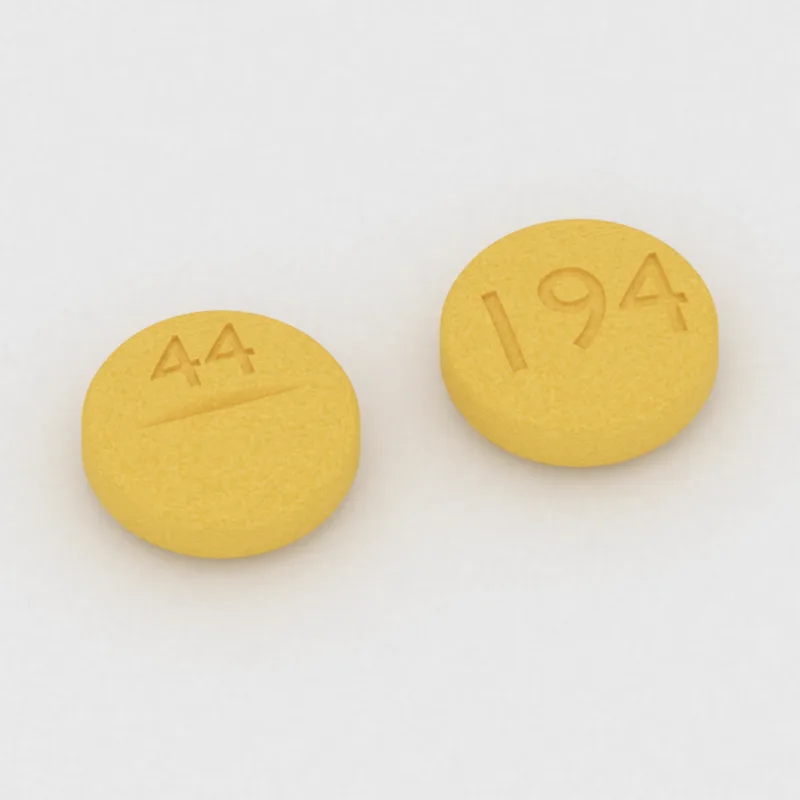
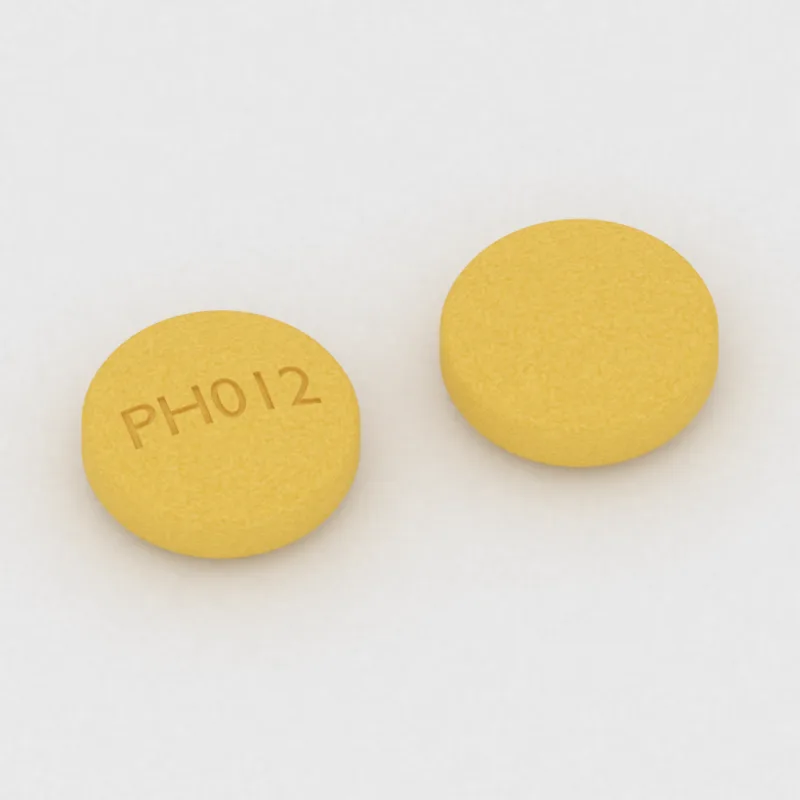
Renderings from the FDA labels' product listings: color, shape, size, and imprint. 2 documented versions from 6 labelers.
Interactions from the label
Major interactions (95)
Risks from Concomitant Use with Benzodiazepines or Other CNS Depressants Concomitant use of opioids with benzodiazepines or other central nervous system (CNS) depressants, including alcohol, may result in profound sedation, respiratory depression, coma, and death. (Acetaminophen and codeine label, Boxed warning)
Avoid administrations of TUDORZA PRESSAIR with other anticholinergic-containing drugs. (Aclidinium label, Drug interactions)
…Ask a doctor or pharmacist before use if you are taking sedatives or tranquilizers When using this product excitability may occur, especially in children drowsiness may occur avoid alcoholic beverages alchohol, sedatives and tranquilizers may increase drowsiness use caution when driving a motor vehicle or operating machinery Call your doctor for medical advice… (Chlorpheniramine label, Warnings)
…have a breathing problem such as emphysema or chronic bronchitis glaucoma trouble urinating due to an enlarged prostate gland Ask a doctor or pharmacist before use if you are taking sedatives or tranquilizers When using this product excitability may occur, especially in children drowsiness may occur avoid alcoholic beverages alchohol, sedatives and tranquilizers… (Chlorpheniramine label, Warnings)
• Avoid concurrent use of alcohol or other central nervous system (CNS) depressants with azelastine hydrochloride and fluticasone propionate nasal spray because further decreased alertness and impairment of CNS performance may occur. (Azelastine and fluticasone label, Warnings and precautions)
…AND MISUSE; LIFE-THREATENING RESPIRATORY DEPRESSION; ACCIDENTAL EXPOSURE; NEONATAL OPIOD WITHDRAWAL SYNDROME; and RISKS FROM CONCOMITANT USE WITH ALCOHOL, BENZODIAZEPINES OR OTHER CNS DEPRESSANTS Addiction, Abuse, and Misuse Belladonna and opium suppositories expose patients and other users to the risks of opioid addiction, abuse, and misuse, which can lead to… (Belladonna and opium label, Boxed warning)
Concomitant use of opioids with benzodiazepines or other central nervous system (CNS) depressants, including alcohol, may result in profound sedation, respiratory depression, coma, and death. (Buprenorphine label, Boxed warning)
Risks From Concomitant Use With Benzodiazepines Or Other CNS Depressants Concomitant use of opioids with benzodiazepines or other central nervous system (CNS) depressants, including alcohol, may result in profound sedation, respiratory depression, coma, and death. (Butalbital, acetaminophen, caffeine, and codeine label, Boxed warning)
Concomitant use of opioids or a barbiturate with benzodiazepines or other central nervous system (CNS) depressants, including alcohol, may result in profound sedation, respiratory depression, coma, and death. (Butalbital, aspirin, caffeine, and codeine label, Boxed warning)
Risks From Concomitant Use With Benzodiazepines Or Other CNS Depressants Concomitant use of opioids with benzodiazepines or other central nervous system (CNS) depressants, including alcohol, may result in profound sedation, respiratory depression, coma, and death. (Butorphanol label, Boxed warning)
Avoid concurrent use of Carbinoxamine Maleate Extended-Release Oral Suspension with alcohol or other central nervous system depressants because additional impairment of central nervous system performance may occur. (Carbinoxamine label, Warnings and precautions)
Avoid concurrent use of QUZYTTIR with alcohol or other CNS depressants because additional reduction in alertness and additional impairment of CNS performance may occur. (Cetirizine label, Warnings and precautions)
…have a breathing problem such as emphysema or chronic bronchitis glaucoma trouble urinating due to an enlarged prostate gland Ask a doctor or pharmacist before use if you are taking sedatives or tranquilizers When using this product excitability may occur, especially in children drowsiness may occur avoid alcoholic beverages alchohol, sedatives and tranquilizers… (Chlorpheniramine label, Warnings)
…have a breathing problem such as emphysema or chronic bronchitis glaucoma trouble urinating due to an enlarged prostate gland Ask a doctor or pharmacist before use if you are taking sedatives or tranquilizers When using this product excitability may occur, especially in children drowsiness may occur avoid alcoholic beverages alchohol, sedatives and tranquilizers… (Chlorpheniramine label, Warnings)
Table 8: Drugs That are Affected by and Affecting Ciprofloxacin Drugs That are Affected by Ciprofloxacin Drug(s) Recommendation Comments Tizanidine Contraindicated Concomitant administration of tizanidine and ciprofloxacin is contraindicated due to the potentiation of hypotensive and sedative effects of tizanidine [see Contraindications ( 4.2 )]. (Ciprofloxacin label, Drug interactions)
…have a breathing problem such as emphysema or chronic bronchitis glaucoma trouble urinating due to an enlarged prostate gland Ask a doctor or pharmacist before use if you are taking sedatives or tranquilizers When using this product excitability may occur, especially in children drowsiness may occur avoid alcoholic beverages alchohol, sedatives and tranquilizers… (Chlorpheniramine label, Warnings)
…have a breathing problem such as emphysema or chronic bronchitis glaucoma trouble urinating due to an enlarged prostate gland Ask a doctor or pharmacist before use if you are taking sedatives or tranquilizers When using this product excitability may occur, especially in children drowsiness may occur avoid alcoholic beverages alchohol, sedatives and tranquilizers… (Chlorpheniramine label, Warnings)
Avoid use with other central nervous system (CNS) depressants ( 5.3 ) (Clonidine label, Warnings and precautions)
…have a breathing problem such as emphysema or chronic bronchitis glaucoma trouble urinating due to an enlarged prostate gland Ask a doctor or pharmacist before use if you are taking sedatives or tranquilizers When using this product excitability may occur, especially in children drowsiness may occur avoid alcoholic beverages alchohol, sedatives and tranquilizers… (Chlorpheniramine label, Warnings)
When possible, avoid concomitant use, with other anticholinergic medications because the risk for anticholinergic toxicity or severe gastrointestinal adverse reactions is increased [see Warnings and Precautions ( 5.7 ), Drug Interactions ( 7.1 )]. (Clozapine label, Warnings and precautions)
Risks From Concomitant Use With Benzodiazepines Or Other CNS Depressants Concomitant use of opioids with benzodiazepines or other central nervous system (CNS) depressants, including alcohol, may result in profound sedation, respiratory depression, coma, and death. (Codeine label, Boxed warning)
Based on its structural similarity to TCAs, concomitant use of TONMYA with: MAO inhibitors may be life-threatening [see Contraindications (4) ] , Alcohol, barbiturates, and other CNS depressants may increase the risk of adverse reactions associated with these drugs, Tramadol may increase the seizure risk, Guanethidine or other similar acting drugs may block the… (Cyclobenzaprine label, Drug interactions)
…have a breathing problem such as emphysema or chronic bronchitis glaucoma trouble urinating due to an enlarged prostate gland Ask a doctor or pharmacist before use if you are taking sedatives or tranquilizers When using this product excitability may occur, especially in children drowsiness may occur avoid alcoholic beverages alchohol, sedatives and tranquilizers… (Chlorpheniramine label, Warnings)
…have a breathing problem such as emphysema or chronic bronchitis glaucoma trouble urinating due to an enlarged prostate gland Ask a doctor or pharmacist before use if you are taking sedatives or tranquilizers When using this product excitability may occur, especially in children drowsiness may occur avoid alcoholic beverages alchohol, sedatives and tranquilizers… (Chlorpheniramine label, Warnings)
Usage of MOTOFEN ® in recommended doses is not likely to cause prominent anticholinergic side effects, but MOTOFEN ® should be avoided in patients in whom anticholinergic drugs are contraindicated. (Difenoxin and atropine label, Warnings)
CONTRAINDICATIONS Diphenoxylate hydrochloride and atropine sulfate is contraindicated in: • Pediatric patients less than 6 years of age due to the risks of respiratory and central nervous system (CNS) depression (see WARNINGS ). (Diphenoxylate and atropine label, Contraindications)
…glaucoma • trouble urinating due to an enlarged prostate gland Ask a doctor or pharmacist before use if you are taking • a sedative or any other sleep-aid • tranquilizers • any other antihistamines • any other drugs When using this product • avoid alcoholic beverages • do not drive a motor vehicle or operate machinery • take only at bedtime Stop use and ask a doctor… (Doxylamine label, Warnings)
…hydrochloride delayed-release tablets are contraindicated in women with any of the following conditions: Known hypersensitivity to doxylamine succinate, other ethanolamine derivative antihistamines, pyridoxine hydrochloride or any inactive ingredient in the formulation Monoamine oxidase (MAO) inhibitors intensify and prolong the adverse central nervous system effects… (Doxylamine and pyridoxine label, Contraindications)
…Lipid-modifying Agents: lomitapide, lovastatin, simvastatin Phosphodiesterase-5 (PDE-5) Inhibitor: sildenafil when administered as REVATIO ® for the treatment of pulmonary arterial hypertension Sedative/hypnotics: triazolam, orally administered midazolam Coadministration of GENVOYA is contraindicated with drugs that: Are highly dependent on CYP3A for clearance and for which… (Elvitegravir, cobicistat, emtricitabine, and tenofovir label, Contraindications)
…have a breathing problem such as emphysema or chronic bronchitis glaucoma trouble urinating due to an enlarged prostate gland Ask a doctor or pharmacist before use if you are taking sedatives or tranquilizers When using this product excitability may occur, especially in children drowsiness may occur avoid alcoholic beverages alchohol, sedatives and tranquilizers… (Chlorpheniramine label, Warnings)
…have a breathing problem such as emphysema or chronic bronchitis glaucoma trouble urinating due to an enlarged prostate gland Ask a doctor or pharmacist before use if you are taking sedatives or tranquilizers When using this product excitability may occur, especially in children drowsiness may occur avoid alcoholic beverages alchohol, sedatives and tranquilizers… (Chlorpheniramine label, Warnings)
• Concomitant use of opioids with benzodiazepines or other central nervous system (CNS) depressants, including alcohol, may result in profound sedation, respiratory depression, coma, and death. (Fentanyl label, Boxed warning)
…have a breathing problem such as emphysema or chronic bronchitis glaucoma trouble urinating due to an enlarged prostate gland Ask a doctor or pharmacist before use if you are taking sedatives or tranquilizers When using this product excitability may occur, especially in children drowsiness may occur avoid alcoholic beverages alchohol, sedatives and tranquilizers… (Chlorpheniramine label, Warnings)
- GlucagonMajor
Intervention Concomitant use of anticholinergic drugs with GVOKE VialDx is not recommended. (Glucagon label, Drug interactions)
• Other Conditions Exacerbated by Anticholinergic Adverse Reactions : Use is not recommended in patients with autonomic neuropathy, hyperthyroidism, cardiac disease, hiatal hernia, etc. (Glycopyrrolate label, Warnings and precautions)
Risks From Concomitant Use With Benzodiazepines Or Other CNS Depressants Concomitant use of opioids with benzodiazepines or other central nervous system (CNS) depressants, including alcohol, may result in profound sedation, respiratory depression, coma, and death. (Hydrocodone label, Boxed warning)
Risks From Concomitant Use With Benzodiazepines Or Other CNS Depressants Concomitant use of opioids with benzodiazepines or other central nervous system (CNS) depressants, including alcohol, may result in profound sedation, respiratory depression, coma, and death. (Hydrocodone and acetaminophen label, Boxed warning)
…ABUSE, AND MISUSE; LIFE-THREATENING RESPIRATORY DEPRESSION; ACCIDENTAL INGESTION; MEDICATION ERRORS; CYTOCHROME P450 3A4 INTERACTION; CONCOMITANT USE WITH BENZODIAZEPINES OR OTHER CNS DEPRESSANTS; INTERACTION WITH ALCOHOL; NEONATAL OPIOID WITHDRAWAL SYNDROME WARNING: ADDICTION, ABUSE, AND MISUSE; LIFE-THREATENING RESPIRATORY DEPRESSION; ACCIDENTAL INGESTION;… (Hydrocodone and chlorpheniramine label, Boxed warning)
…ABUSE, AND MISUSE; LIFE-THREATENING RESPIRATORY DEPRESSION; ACCIDENTAL INGESTION; MEDICATION ERRORS; CYTOCHROME P450 3A4 INTERACTION; CONCOMITANT USE WITH BENZODIAZEPINES OR OTHER CNS DEPRESSANTS; INTERACTION WITH ALCOHOL; NEONATAL OPIOID WITHDRAWAL SYNDROME Addiction, Abuse, and Misuse Hydrocodone bitartrate and homatropine methylbromide exposes patients and… (Hydrocodone and homatropine label, Boxed warning)
…LIFE-THREATENING RESPIRATORY DEPRESSION; ACCIDENTAL INGESTION; NEONATAL OPIOID WITHDRAWAL SYNDROME; CYTOCHROME P4503A4 INTERACTION; RISKS FROM CONCOMITANT USE WITH BENZODIAZEPINES OR OTHER CNS DEPRESSANTS; and SERIOUS CARDIOVASCULAR AND GASTROINTESTINAL EVENTS WARNING: SERIOUS AND LIFE-THREATENING RISKS FROM USE OF HYDROCODONE BITARTRATE AND IBUPROFEN TABLETS Addiction,… (Hydrocodone and ibuprofen label, Boxed warning)
Risks From Concomitant Use With Benzodiazepines Or Other CNS Depressants Concomitant use of opioids with benzodiazepines or other central nervous system (CNS) depressants, including alcohol, may result in profound sedation, respiratory depression, coma, and death . (Hydromorphone label, Boxed warning)
Rarely, cardiac arrests and death have been reported in association with the combined use of hydroxyzine hydrochloride intramuscularly and other CNS depressants. (Hydroxyzine label, Precautions)
Avoid administration of ATROVENT HFA with other anticholinergic-containing drugs ( 7.1 ) (Ipratropium label, Drug interactions)
Benzodiazepines, Opioid Analgesics, or other CNS Depressants : Concomitant use may result in profound sedation, respiratory depression, coma, or death. (Ketamine label, Drug interactions)
This may potentiate and prolong hypnotic and sedative effects, especially with repeated dosing or chronic administration of these agents. (Ketoconazole label, Contraindications)
…have a breathing problem such as emphysema or chronic bronchitis glaucoma trouble urinating due to an enlarged prostate gland Ask a doctor or pharmacist before use if you are taking sedatives or tranquilizers When using this product excitability may occur, especially in children drowsiness may occur avoid alcoholic beverages alchohol, sedatives and tranquilizers… (Chlorpheniramine label, Warnings)
Avoid concurrent use of alcohol or other central nervous system depressants with XYZAL. (Levocetirizine label, Warnings and precautions)
Risks from Concomitant Use with Benzodiazepines or Other CNS Depressants Concomitant use of opioids with benzodiazepines or other central nervous system (CNS) depressants, including alcohol, may result in profound sedation, respiratory depression, coma, and death. (Levorphanol label, Boxed warning)
…have a breathing problem such as emphysema or chronic bronchitis glaucoma trouble urinating due to an enlarged prostate gland Ask a doctor or pharmacist before use if you are taking sedatives or tranquilizers When using this product excitability may occur, especially in children drowsiness may occur avoid alcoholic beverages alchohol, sedatives and tranquilizers… (Chlorpheniramine label, Warnings)
Risks from Concomitant Use with Benzodiazepines or Other CNS Depressants Concomitant use of opioids with benzodiazepines or other central nervous system (CNS) depressants, including alcohol, may result in profound sedation, respiratory depression, coma, and death. (Meperidine label, Boxed warning)
If concomitant use with another CNS depressant is warranted, closely monitor for signs of respiratory depression and sedation, particularly during treatment initiation and dosage increases. (Metaxalone label, Warnings and precautions)
Managing Risks from Concomitant Use with Benzodiazepines or Other CNS Depressants Concomitant use with benzodiazepines or other central nervous system (CNS) depressants, including alcohol, is a risk factor for respiratory depression and death [see Warnings and Precautions ( 5.2 )]. (Methadone label, Boxed warning)
Other important considerations in the differential diagnosis include central anticholinergic toxicity, heat stroke, malignant hyperthermia, drug fever, serotonin syndrome, and primary central nervous system pathology. (Metoclopramide label, Warnings and precautions)
…have a breathing problem such as emphysema or chronic bronchitis glaucoma trouble urinating due to an enlarged prostate gland Ask a doctor or pharmacist before use if you are taking sedatives or tranquilizers When using this product excitability may occur, especially in children drowsiness may occur avoid alcoholic beverages alchohol, sedatives and tranquilizers… (Chlorpheniramine label, Warnings)
None of the cases were considered life-threatening and all resolved either without treatment or with medication (antihistamines or glucocorticoids). (Moexipril label, Warnings)
Risks From Concomitant Use With Benzodiazepines Or Other CNS Depressants Concomitant use of opioids with benzodiazepines or other central nervous system (CNS) depressants, including alcohol, may result in profound sedation, respiratory depression, coma, and death. (Morphine label, Boxed warning)
Risks From Concomitant Use With Benzodiazepines Or Other CNS Depressants Concomitant use of opioids with benzodiazepines or other central nervous system (CNS) depressants, including alcohol, may result in profound sedation, respiratory depression, coma, and death. (Nalbuphine label, Boxed warning)
Risk of Recurrent Respiratory and CNS Depression : A recurrence of respiratory depression is possible, therefore, keep the patient under continued surveillance and administer repeat doses of ZURNAI using a new auto-injector with each dose while awaiting emergency medical assistance. (Nalmefene label, Warnings and precautions)
Risks From Concomitant Use With Benzodiazepines Or Other CNS Depressants Concomitant use of opioids with benzodiazepines or other central nervous system (CNS) depressants, including alcohol, may result in profound sedation, respiratory depression, coma, and death. (Oliceridine label, Boxed warning)
• Avoid concurrent use of alcohol or other central nervous system depressants with olopatadine hydrochloride nasal solution (nasal spray) ( 5.2 ). (Olopatadine label, Warnings and precautions)
• Avoid concurrent use of alcohol or other central nervous system (CNS) depressants with RYALTRIS because additional reductions in alertness and additional impairment of CNS performance may occur. (Olopatadine and mometasone label, Warnings and precautions)
…have a breathing problem such as emphysema or chronic bronchitis glaucoma trouble urinating due to an enlarged prostate gland Ask a doctor or pharmacist before use if you are taking sedatives or tranquilizers When using this product excitability may occur, especially in children drowsiness may occur avoid alcoholic beverages alchohol, sedatives and tranquilizers… (Chlorpheniramine label, Warnings)
Risks From Concomitant Use With Benzodiazepines Or Other CNS Depressants Concomitant use of opioids with benzodiazepines or other central nervous system (CNS) depressants, including alcohol, may result in profound sedation, respiratory depression, coma, and death. (Oxycodone label, Boxed warning)
…LIFE-THREATENING RESPIRATORY DEPRESSION; ACCIDENTAL INGESTION; NEONATAL OPIOID WITHDRAWAL SYNDROME; CYTOCHROME P450 3A4 INTERACTION; and RISKS FROM CONCOMITANT USE WITH BENZODIAZEPINES OR OTHER CNS DEPRESSANTS Addiction, Abuse, and Misuse Oxycodone hydrochloride tablets exposes patients and other users to the risks of opioid addiction, abuse, and misuse, which can lead to… (Oxycodone and acetaminophen label, Boxed warning)
Risks From Concomitant Use with Benzodiazepines or Other CNS Depressants Concomitant use of opioids with benzodiazepines or other central nervous system (CNS) depressants, including alcohol, may result in profound sedation, respiratory depression, coma, and death. (Oxymorphone label, Boxed warning)
…MITIGATION STRATEGY (REMS); LIFE-THREATENING RESPIRATORY DEPRESSION; ACCIDENTAL INGESTION; NEONATAL OPIOID WITHDRAWAL SYNDROME; and RISKS FROM CONCOMITANT USE WITH BENZODIAZEPINES OR OTHER CNS DEPRESSANTS Addiction, Abuse, and Misuse Pentazocine and Naloxone Tablets exposes patients and other users to the risks of opioid addiction, abuse, and misuse, which can lead to… (Pentazocine and naloxone label, Boxed warning)
…contraindicated in comatose or greatly obtunded patients and in patients receiving large doses of central nervous system depressants (barbiturates, alcohol, narcotics, analgesics, or antihistamines); in the presence of existing blood dyscrasias, bone marrow depression, or liver damage; and in patients who have shown hypersensitivity to perphenazine products, their… (Perphenazine label, Contraindications)
Phenelzine sulfate should not be used in combination with dextromethorphan or with CNS depressants such as alcohol and certain narcotics. (Phenelzine label, Contraindications)
Prevention or Management: Avoid centrally acting H1 receptor antagonists. (Pitolisant label, Drug interactions)
In patients in whom there is cause for arrest or delay in tablet passage through the gastrointestinal tract, such as those suffering from delayed gastric emptying, esophageal compression, intestinal obstruction or stricture, or those taking anticholinergic medication. (Potassium citrate label, Contraindications)
…PROMETHAZINE AND RESPIRATORY DEPRESSION IN CHILDREN; MEDICATION ERRORS; INTERACTIONS WITH DRUGS AFFECTING CYTOCHROME P450 ISOENZYMES; CONCOMITANT USE WITH BENZODIAZEPINES OR OTHER CNS DEPRESSANTS; NEONATAL OPIOID WITHDRAWAL SYNDROME Addiction, Abuse, and Misuse Promethazine HCl and Codeine Phosphate Oral Solution exposes patients and other users to the risks… (Promethazine and codeine label, Boxed warning)
Quinidine is also contraindicated in patients who, like those with myasthenia gravis, might be adversely affected by an anticholinergic agent. (Quinidine label, Contraindications)
…have a breathing problem such as emphysema or chronic bronchitis glaucoma trouble urinating due to an enlarged prostate gland Ask a doctor or pharmacist before use if you are taking sedatives or tranquilizers When using this product excitability may occur, especially in children drowsiness may occur avoid alcoholic beverages alchohol, sedatives and tranquilizers… (Chlorpheniramine label, Warnings)
Risks From Concomitant Use With Benzodiazepines Or Other CNS Depressants Concomitant use of opioids with benzodiazepines or other central nervous system (CNS) depressants, including alcohol, may result in profound sedation, respiratory depression, coma, and death. (Remifentanil label, Boxed warning)
Concomitant use with metoclopramide, beta-blockers, or cholinomimetic and anticholinergic drugs is not recommended ( 7.1 , 7.2 , 7.3 ) (Rivastigmine label, Drug interactions)
Abuse or misuse of illicit GHB, either alone or in combination with other CNS depressants, is associated with CNS adverse reactions, including seizure, respiratory depression, decreases in the level of consciousness, coma, and death [see Warnings and Precautions ( 5.2 )]. (Sodium oxybate label, Boxed warning)
…have a breathing problem such as emphysema or chronic bronchitis glaucoma trouble urinating due to an enlarged prostate gland Ask a doctor or pharmacist before use if you are taking sedatives or tranquilizers When using this product excitability may occur, especially in children drowsiness may occur avoid alcoholic beverages alchohol, sedatives and tranquilizers… (Chlorpheniramine label, Warnings)
Risks From Concomitant Use With Benzodiazepines Or Other CNS Depressants Concomitant use of opioids with benzodiazepines or other central nervous system (CNS) depressants, including alcohol, may result in profound sedation, respiratory depression, coma, and death. (Tapentadol label, Boxed warning)
…have a breathing problem such as emphysema or chronic bronchitis glaucoma trouble urinating due to an enlarged prostate gland Ask a doctor or pharmacist before use if you are taking sedatives or tranquilizers When using this product excitability may occur, especially in children drowsiness may occur avoid alcoholic beverages alchohol, sedatives and tranquilizers… (Chlorpheniramine label, Warnings)
…have a breathing problem such as emphysema or chronic bronchitis glaucoma trouble urinating due to an enlarged prostate gland Ask a doctor or pharmacist before use if you are taking sedatives or tranquilizers When using this product excitability may occur, especially in children drowsiness may occur avoid alcoholic beverages alchohol, sedatives and tranquilizers… (Chlorpheniramine label, Warnings)
Avoid administration of SPIRIVA RESPIMAT with other anticholinergic-containing drugs. (Tiotropium label, Drug interactions)
Concomitant use of opioids with benzodiazepines or other central nervous system (CNS) depressants, including alcohol, may result in profound sedation, respiratory depression, coma, and death. (Tramadol label, Boxed warning)
Risks from Concomitant Use with Benzodiazepines or Other CNS Depressants Concomitant use of opioids with benzodiazepines or other central nervous system (CNS) depressants, including alcohol, may result in profound sedation, respiratory depression, coma, and death. (Tramadol and acetaminophen label, Boxed warning)
These medicines are in some cold, hay fever or weight-loss medicines. sympathomimetic herbal medicines or dietary supplements antihistamines (allergy medicines) triptans buspirone carbamazepine dextromethorphan dopamine hydroxytryptophan and tryptophan levodopa and methyldopa meperidine rasagline resperine s-adenosyl-L-methionine (SAM-e) tapentadol tetrabenazin… (Tranylcypromine label, Boxed warning)
…have a breathing problem such as emphysema or chronic bronchitis glaucoma trouble urinating due to an enlarged prostate gland Ask a doctor or pharmacist before use if you are taking sedatives or tranquilizers When using this product excitability may occur, especially in children drowsiness may occur avoid alcoholic beverages alchohol, sedatives and tranquilizers… (Chlorpheniramine label, Warnings)
Avoid administration of Umeclidinium ELLIPTA with other anticholinergic-containing drugs. (Umeclidinium label, Drug interactions)
Avoid administration of Umeclidinium and Vilanterol ELLIPTA with other anticholinergic-containing drugs. (Umeclidinium and vilanterol label, Drug interactions)
…have a breathing problem such as emphysema or chronic bronchitis glaucoma trouble urinating due to an enlarged prostate gland Ask a doctor or pharmacist before use if you are taking sedatives or tranquilizers When using this product excitability may occur, especially in children drowsiness may occur avoid alcoholic beverages alchohol, sedatives and tranquilizers… (Chlorpheniramine label, Warnings)
…have a breathing problem such as emphysema or chronic bronchitis glaucoma trouble urinating due to an enlarged prostate gland Ask a doctor or pharmacist before use if you are taking sedatives or tranquilizers When using this product excitability may occur, especially in children drowsiness may occur avoid alcoholic beverages alchohol, sedatives and tranquilizers… (Chlorpheniramine label, Warnings)
Moderate interactions (116)
Premedicate patients with an antihistamine and acetaminophen prior to each dose. (Alemtuzumab label, Warnings and precautions)
Patients who experience these effects, even without respiratory distress, require prolonged observation and appropriate monitoring measures since treatment with antihistamines and corticosteroids may not be sufficient to prevent respiratory involvement. (Aliskiren label, Warnings and precautions)
Inform patients also that the central nervous system depressant effects of allopurinol tablets may be additive to those of alcohol and other CNS depressants. (Allopurinol label, Warnings and precautions)
- AlpelisibModerate
If a SCAR is not confirmed, VIJOICE may require dose modifications, topical or systemic corticosteroids, or oral antihistamine treatment as described in Table 4 [see Dosage and Administration (2.5)] . (Alpelisib label, Warnings and precautions)
25% increase Diazepam Benzodiazepines increase CNS concentrations of adenosine, a potent CNS depressant, while theophylline blocks adenosine receptors. (Aminophylline label, Drug interactions)
Amoxapine may enhance the response to alcohol and the effects of barbiturates and other CNS depressants. (Amoxapine label, Drug interactions)
Other important considerations in the differential diagnosis include central anticholinergic toxicity, heat stroke, drug fever, and primary central nervous system pathology. (Aripiprazole label, Warnings and precautions)
Strenuous exercise, exposure to extreme heat, dehydration, and anticholinergic medications may contribute to an elevation in core body temperature; use SAPHRIS with caution in patient who may experience these conditions. (Asenapine label, Warnings and precautions)
Patients should also be cautioned that the central nervous system depressant effects of intrathecal baclofen may be additive to those of alcohol and other CNS depressants. (Baclofen label, Warnings and precautions)
Drugs that alter gastrointestinal motility: The bioavailability of thiazide-type diuretics may be increased by anticholinergic agents (e.g., atropine, biperiden), apparently due to a decrease in gastrointestinal motility and the stomach emptying rate. (Benazepril and hydrochlorothiazide label, Drug interactions)
- BendamustineModerate
Consider measures to prevent severe reactions, including antihistamines, antipyretics and corticosteroids in subsequent cycles in patients who have experienced Grade 1 or 2 infusion reactions. (Bendamustine label, Warnings and precautions)
Sedatives/Hypnotics: midazolam (oral) triazolam ↑ midazolam (oral) ↑ triazolam Use caution when midazolam or triazolam is concomitantly administered with BIXLENVO. (Bictegravir, emtricitabine, and tenofovir alafenamide label, Drug interactions)
Aminoglycosides or other agents interfering with neuromuscular transmission Anticholinergic drugs Botulinum neurotoxin products Muscle relaxants Aminoglycoside antibiotics, anticholinergic agents, or any other agents that interfere with neuromuscular transmission may potentiate the effect of DAXXIFY; co-administer only with caution and close observation. (Botulinum toxin type A label, Drug interactions)
Strenuous exercise, exposure to extreme heat, dehydration, and anticholinergic medications may contribute to an elevation in core body temperature; use REXULTI with caution in patients who may experience these conditions. (Brexpiprazole label, Warnings and precautions)
Use with CNS depressants may result in an additive or potentiating effect. (Brimonidine label, Drug interactions)
Use with CNS depressants may result in an additive or potentiating effect. (Brimonidine and timolol label, Drug interactions)
Central Nervous System (CNS) depressants Antihistamines have additive effects with alcohol and other CNS depressants (hypnotics, sedatives, tranquilizers, antianxiety agents, etc.). Antihypertensive drugs Sympathomimetic may reduce the effects of antihypertensive drugs. (Brompheniramine, pseudoephedrine, and dextromethorphan label, Drug interactions)
In clinical studies, concurrent administration of budesonide and formoterol fumarate dihydrate and other drugs, such as short-acting beta 2 -agonists, intranasal corticosteroids, and antihistamines/decongestants has not resulted in an increased frequency of adverse reactions. (Budesonide and formoterol label, Drug interactions)
Possible early warning signs of central nervous system (CNS) toxicity are restlessness, anxiety, incoherent speech, lightheadedness, numbness and tingling of the mouth and lips, metallic taste, tinnitus, dizziness, blurred vision, tremors, twitching, CNS depression, or drowsiness. (Bupivacaine label, Warnings and precautions)
Possible early warning signs of central nervous system (CNS) toxicity are restlessness, anxiety, incoherent speech, lightheadedness, numbness and tingling of the mouth and lips, metallic taste, tinnitus, dizziness, blurred vision, tremors, twitching, CNS depression, or drowsiness. (Bupivacaine and epinephrine label, Warnings and precautions)
Warn patients of the potential danger of self-administration of benzodiazepines or other CNS depressants while under treatment with buprenorphine and naloxone sublingual tablets [see Warnings and Precautions (5.3) , Drug Interactions (7) ] . (Buprenorphine and naloxone label, Warnings and precautions)
Triazolam/flurazepam: Coadministration of buspirone with either triazolam or flurazepam did not appear to prolong or intensify the sedative effects of either benzodiazepine. (Buspirone label, Drug interactions)
Butalbital and acetaminophen may enhance the effects of:other narcotic analgesics, alcohol, general anesthetics, tranquilizers such as chlordiazepoxide, sedative-hypnotics, or other CNS depressants, causing increased CNS depression. (Butalbital and acetaminophen label, Drug interactions)
Butalbital, acetaminophen and caffeine may enhance the effects of: other narcotic analgesics, alcohol, general anesthetics, tranquilizers such as chlordiazepoxide, sedative-hypnotics, or other CNS depressants, causing increased CNS depression. (Butalbital, acetaminophen, and caffeine label, Drug interactions)
Other narcotic analgesics, alcohol, general anesthetics, tranquilizers such as chlordiazepoxide, sedative-hypnotics, or other CNS depressants, causing increased CNS depression. (Butalbital, aspirin, and caffeine label, Drug interactions)
Other CNS depressants, including alcohol, could potentiate the somnolence and sedation effect of EPIDIOLEX. (Cannabidiol (prescription) label, Warnings and precautions)
Increased Intraocular Pressure Carbamazepine has mild anticholinergic activity. (Carbamazepine label, Warnings and precautions)
- CarbidopaModerate
Other important considerations in the differential diagnosis include central anticholinergic toxicity, heat stroke, drug fever, and primary central nervous system (CNS) pathology. (Carbidopa label, Warnings)
Strenuous exercise, exposure to extreme heat, dehydration, and anticholinergic medications may contribute to an elevation in core body temperature; use VRAYLAR with caution in patient who may experience these conditions. (Cariprazine label, Warnings and precautions)
• Additive sedative effects when used with other CNS depressants including alcohol (5.1) (Carisoprodol label, Warnings and precautions)
Concomitant use with other CNS depressants or alcohol may have additive effects. (Cenobamate label, Warnings and precautions)
Chlorzoxazone use should also be discontinued if a patient develops abnormal liver enzymes (e.g., AST, ALT, alkaline phosphatase and bilirubin.) The concomitant use of alcohol or other central nervous system depressants may have an additive effect. (Chlorzoxazone label, Warnings and precautions)
Use with CNS Depressants Clemastine has additive effects with alcohol and other CNS depressants (hypnotics, sedatives, tranquilizers, etc.). Use in Activities Requiring Mental Alertness Patients should be warned about engaging in activities requiring mental alertness such as driving a car or operating appliances, machinery, etc. (Clemastine label, Warnings)
CNS Depressants Antihistamines may have additive effects with alcohol and other CNS depressants, e.g., hypnotics, sedatives, tranquilizers, antianxiety agents. (Cyproheptadine label, Warnings)
Darifenacin extended-release tablets, like other anticholinergic drugs, may decrease gastrointestinal motility and should be used with caution in patients with conditions such as severe constipation, ulcerative colitis, and myasthenia gravis. (Darifenacin label, Warnings and precautions)
Other important considerations in the differential diagnosis include central anticholinergic toxicity, heat stroke, drug fever, and primary central nervous system pathology. (Deutetrabenazine label, Warnings and precautions)
Use with CNS Depressants CORPHENA Oral Solution has additive effects with alcohol and other CNS depressants (hypnotics, sedatives, tranquilizers, etc.). Use in Activities Requiring Mental Alertness Patients should be warned about engaging in activities requiring mental alertness such as driving a car or operating appliances, machinery, etc. (Dexchlorpheniramine label, Warnings)
The intravenous administration of anticholinergic agents (e.g., glycopyrrolate, atropine) should be considered to modify vagal tone. (Dexmedetomidine label, Warnings and precautions)
Anticholinergic effects of quinidine: Monitor for worsening in myasthenia gravis and other sensitive conditions. (Dextromethorphan and quinidine label, Warnings and precautions)
Anticholinergic agents: may affect the gastrointestinal absorption of various drugs; may also increase certain actions or side effects of other anticholinergic drugs (7) (Dicyclomine label, Drug interactions)
The concomitant use of alcohol or other central nervous system depressants may have an additive effect. (Dimenhydrinate label, Warnings)
Drug Interactions Diphenhydramine hydrochloride has additive effects with alcohol and other CNS depressants (hypnotics, sedatives, tranquilizers, etc). (Diphenhydramine label, Drug interactions)
Potential additive effects when used in combination with CNS depressants or sedating antihistamines. (Doxepin label, Warnings and precautions)
Concomitant use of other drugs that cause dizziness, confusion, sedation, or somnolence such as CNS depressants may increase this effect (e.g., barbiturates, benzodiazepines, lithium, opioids, buspirone, scopolamine, antihistamines, tricyclic antidepressants, other anticholinergic agents, and muscle relaxants). (Dronabinol label, Warnings and precautions)
Possible pharmacodynamic interactions can occur between droperidol and potentially arrhythmogenic agents such as class I or III antiarrhythmics, antihistamines that prolong the QT interval, antimalarials, calcium channel blockers, neuroleptics that prolong the QT interval, and antidepressants. (Droperidol label, Drug interactions)
Prophylaxis with appropriate antihistamines before initiating therapy with efavirenz in pediatric patients should be considered. (Efavirenz label, Warnings and precautions)
Examples: alosetron, anticholinergics, opioids Table 3: Established and Other Potentially Clinically Relevant Interactions Affecting Drugs Co-Administered with VIBERZI OATP1B1 and BCRP Substrate Clinical Impact: VIBERZI may increase the exposure of co-administered OATP1B1 and BCRP substrates. (Eluxadoline label, Drug interactions)
…arrhythmias [see Warnings and Precautions (5.6) and Adverse Reactions (6) ]. β-blockers, such as propranolol Cyclopropane or halogenated hydrocarbon anesthetics, such as halothane Antihistamines Thyroid hormones Diuretics Cardiac glycosides, such as digitalis glycosides Quinidine Drugs potentiating hypokalemic effects of epinephrine • Potassium depleting diuretics… (Epinephrine label, Drug interactions)
Urinary Retention in Adult Patients With Bladder Outlet Obstruction The use of Toviaz, like other antimuscarinic drugs, in patients with clinically significant bladder outlet obstruction, including patients with urinary retention, may result in further urinary retention and kidney injury. (Fesoterodine label, Warnings and precautions)
Exacerbated by other CNS depressants, and in settings where flibanserin concentrations are increased. (Flibanserin label, Warnings and precautions)
Other important considerations in the differential diagnosis include central anticholinergic toxicity, heat stroke, drug fever and primary central nervous system (CNS) pathology. (Fluphenazine label, Warnings)
When the decision is made to co-prescribe NEURONTIN with another CNS depressant, particularly an opioid, or to prescribe NEURONTIN to patients with underlying respiratory impairment, monitor patients for symptoms of respiratory depression and sedation, and consider initiating NEURONTIN at a low dose. (Gabapentin label, Warnings and precautions)
Other important considerations in the differential diagnosis include central anticholinergic toxicity, heat stroke, drug fever and primary central nervous system (CNS) pathology. (Haloperidol label, Warnings)
- HyaluronidaseModerate
• Large doses of salicylates, cortisone, adrenocorticotropic hormone (ACTH), estrogens or antihistamines may require larger amounts of hyaluronidase for equivalent dispersing effect ( 7.4 ) (Hyaluronidase label, Drug interactions)
Strenuous exercise, exposure to extreme heat, dehydration, and anticholinergic medications may contribute to an elevation in core body temperature; use FANAPT with caution in patients who may experience these conditions. (Iloperidone label, Warnings and precautions)
In these instances, Gleevec was resumed at a dose lower than that at which the reaction occurred and some patients also received concomitant treatment with corticosteroids or antihistamines. (Imatinib label, Warnings and precautions)
Because of its anticholinergic effects, XEOMIN should be used with caution in patients at risk of developing narrow angle glaucoma. (IncobotulinumtoxinA label, Warnings and precautions)
Medications for the treatment of hypersensitivity reactions (e.g., acetaminophen, antihistamines, corticosteroids and/or epinephrine) should be available for immediate use in the event of a reaction [see Dosage and Administration (2.10) and Adverse Reactions (6.1) ] . (Infliximab label, Warnings and precautions)
Caution is, therefore, advised in the co-administration of Ipratropium Bromide and Albuterol Sulfate Inhalation Solution with other drugs having anticholinergic properties. β-adrenergic agents Caution is advised in the co-administration of Ipratropium Bromide and Albuterol Sulfate Inhalation Solution and other sympathomimetic agents due to the increased risk… (Ipratropium and albuterol label, Drug interactions)
Drugs that may potentiate clinical response of Isoproterenol Clinical Impact The effects of isoproterenol may be potentiated by tricyclic antidepressants, monoamine oxidase inhibitors, levothyroxine sodium, and certain antihistamines, notably chlorpheniramine, tripelennamine, and diphenhydramine. (Isoproterenol label, Drug interactions)
Possible early warning signs of central nervous system (CNS) toxicity are restlessness, anxiety, incoherent speech, lightheadedness, metallic taste, tinnitus, dizziness, blurred vision, tremors, twitching, CNS depression, or drowsiness. (Lidocaine and epinephrine label, Warnings and precautions)
Even in those instances where swelling of only the tongue is involved, without respiratory distress, patients may require prolonged observation since treatment with antihistamines and corticosteroids may not be sufficient. (Lisinopril and hydrochlorothiazide label, Warnings)
Increased Risk of CNS Depression with Concomitant use of CNS Depressant Drugs : Lofexidine tablets potentiates the CNS depressant effects of benzodiazepines and may potentiate the CNS depressant effects of alcohol, barbiturates, and other sedating drugs. (Lofexidine label, Warnings and precautions)
Other important considerations in the differential diagnosis include central anticholinergic toxicity, heat stroke, drug fever, and primary central nervous system (CNS) pathology. (Loxapine label, Warnings)
- MargetuximabModerate
In patients who experience mild or moderate IRRs, consider premedications, including antihistamines, corticosteroids, and antipyretics. (Margetuximab label, Warnings and precautions)
• Coadministration of meclizine hydrochloride with other CNS depressants, including alcohol, may result in increased CNS depression ( 7.1 ). (Meclizine label, Drug interactions)
Other Drugs that Prolong the QTc Interval Coadministration of other drugs known to alter cardiac conduction (e.g., anti-arrhythmic or beta-adrenergic blocking agents, calcium channel blockers, antihistamines or H 1 -blocking agents, tricyclic antidepressants and phenothiazines) might also contribute to a prolongation of the QTc interval. (Mefloquine label, Drug interactions)
Additive Effects Since the effects of meprobamate and alcohol or meprobamate and other CNS depressants or psychotropic drugs may be additive,appropriate caution should be exercised with patients who take more than one of these agents simultaneously. (Meprobamate label, Warnings)
Patients receiving ATMEKSI (methocarbamol) Oral Suspension should be cautioned about combined effects with alcohol and other CNS depressants [ see Drug Interactions (7.1) ]. (Methocarbamol label, Warnings and precautions)
- MetyrosineModerate
Concurrent use of metyrosine with alcohol or other CNS depressants can increase their sedative effects. (Metyrosine label, Drug interactions)
• Urinary Retention in Patients With Bladder Outlet Obstruction and in Patients Taking Muscarinic Antagonist Drugs for Overactive Bladder : Administer with caution in these patients because of risk of urinary retention. (Mirabegron label, Warnings and precautions)
- MotixafortideModerate
Anaphylactic Shock and Hypersensitivity Reactions: Premedicate all patients with a combination of an H1-antihistamine, an H2 blocker, and a leukotriene inhibitor prior to each APHEXDA dose. (Motixafortide label, Warnings and precautions)
WARNINGS AND PRECAUTIONS Risk of Recurrent Respiratory and CNS Depression : Due to the duration of action of naloxone relative to the opioid, respiratory and CNS depression may recur after the first dose of naloxone. (Naloxone label, Warnings and precautions)
…malformation, central nervous system tumor or infection, or metabolic disorders (e.g., hypoglycemia, hyponatremia, severe hepatic impairment, and hypoxia) excessive use of alcohol or sedatives, addiction to cocaine or stimulants, or withdrawal from sedatives patients with diabetes treated with insulin and/or oral diabetic medications (sulfonylureas and meglitinides)… (Naltrexone and bupropion label, Warnings and precautions)
An anticholinergic agent, (e.g., atropine sulfate or glycopyrrolate) should be administered prior to Neostigmine Methylsulfate Injection administration to lessen the risk of bradycardia [ see Dosage and Administration ( 2.4 ) ]. (Neostigmine label, Warnings and precautions)
Close supervision and careful adjustment of the dosage are required when Pamelor is used with other anticholinergic drugs and sympathomimetic drugs. (Nortriptyline label, Drug interactions)
In multiple sclerosis (MS) clinical trials, all adult and pediatric patients who were treated with OCREVUS received premedication with methylprednisolone (or an equivalent steroid), and may have also received an antihistamine (all pediatric patients) and/or an analgesic/antipyretic to reduce the risk of infusion reactions prior to each infusion. (Ocrelizumab label, Warnings and precautions)
Serious acute hypersensitivity reactions may require treatment with epinephrine and other resuscitative measures, including oxygen, intravenous fluids, antihistamines, corticosteroids, pressor amines, and airway management, as clinically indicated (see PRECAUTIONS and ADVERSE REACTIONS ). (Ofloxacin label, Warnings)
Anticholinergic (antimuscarinic) Effects: Use with caution with other anticholinergic drugs and in patients with urinary retention, prostatic hypertrophy, constipation, paralytic ileus or related conditions. (Olanzapine label, Warnings and precautions)
Anticholinergic (antimuscarinic) Effects : Use with caution with other anticholinergic drugs and in patients with urinary retention, prostatic hypertrophy, constipation, history of paralytic ileus or related conditions ( 5.21 ) (Olanzapine and fluoxetine label, Warnings and precautions)
Anticholinergic Drugs Use of anticholinergic drugs after administration of BOTOX may potentiate systemic anticholinergic effects. (OnabotulinumtoxinA label, Drug interactions)
Oxybutynin chloride extended-release tablets, like other anticholinergic drugs, may decrease gastrointestinal motility and should be used with caution in patients with conditions such as ulcerative colitis and intestinal atony. (Oxybutynin label, Warnings and precautions)
Patients should be carefully observed for signs of central nervous system (CNS) depression, such as somnolence and sedation, when FYCOMPA is used with other drugs with sedative properties because of potential additive effects. (Perampanel label, Warnings and precautions)
These effects should be considered when anticholinergic properties may be contributing to the therapeutic effect of concomitant medication (e.g., atropine, inhaled ipratropium). (Pilocarpine label, Drug interactions)
Other important considerations in the differential diagnosis include central anticholinergic toxicity, heat stroke, drug fever and primary central nervous system (CNS) pathology. (Pimozide label, Warnings)
Concomitant Use with Midazolam : Noxafil can prolong hypnotic/sedative effects. (Posaconazole label, Warnings and precautions)
When the decision is made to co-prescribe LYRICA CR with another CNS depressant, particularly an opioid, or to prescribe LYRICA CR to patients with underlying respiratory impairment, monitor patients for symptoms of respiratory depression and sedation, and consider initiating LYRICA CR at a low dose. (Pregabalin label, Warnings and precautions)
Anticholinergic drugs administered concurrently with PA may produce additive antivagal effects on A-V nodal conduction, although this is not as well documented for PA as for quinidine. (Procainamide label, Drug interactions)
The impairment may be amplified by concomitant use of other central-nervous-system depressants such as alcohol, sedatives/hypnotics (including barbiturates), narcotics, narcotic analgesics, general anesthetics, tricyclic antidepressants, and tranquilizers; therefore such agents should either be eliminated or given in reduced dosage in the presence of promethazine… (Promethazine label, Warnings)
The impairment may be amplified by concomitant use of other central-nervous-system depressants such as alcohol, sedatives/hypnotics (including barbiturates), narcotics, narcotic analgesics, general anesthetics, tricyclic antidepressants, and tranquilizers; therefore such agents should either be eliminated or given in reduced dosage in the presence of promethazine… (Promethazine and dextromethorphan label, Warnings)
The intravenous administration of anticholinergic agents (e.g., atropine or glycopyrrolate) should be considered to modify potential increases in vagal tone due to concomitant agents (e.g., succinylcholine) or surgical stimuli. (Propofol label, Warnings and precautions)
Protriptyline may enhance the response to alcohol and the effects of barbiturates and other CNS depressants. (Protriptyline label, Drug interactions)
Use with caution in persons with increased risk of anticholinergic reactions, such as persons with bronchial asthma, chronic obstructive pulmonary disease, bradycardia, cardiac arrhythmias, beta blocker treatment (increased risk of anticholinergic reactions). (Pyridostigmine label, Warnings and precautions)
• Anticholinergic (antimuscarinic) Effects: Use with caution with other anticholinergic drugs and in patients with urinary retention, prostatic hypertrophy, or constipation (5.20) (Quetiapine label, Warnings and precautions)
• Gastrointestinal and Urinary Disorders : Consider more frequent monitoring during treatment in patients suspected of having intestinal obstruction; patients with pyloric obstruction, patients with impeded urine flow or receiving other anticholinergic drugs. (Scopolamine label, Warnings and precautions)
Consider having an anticholinergic and epinephrine available when administering sevoflurane for induction in this patient population. (Sevoflurane label, Warnings)
Urinary Retention The use of Solifenacin succinate tablets, like other antimuscarinic drugs, in patients with clinically significant bladder outlet obstruction including patients with urinary retention, may result in further urinary retention and kidney injury. (Solifenacin label, Warnings and precautions)
Pretreatment with anticholinergic agents (e.g., atropine) may reduce the occurrence of bradyarrhythmias. (Succinylcholine label, Warnings and precautions)
- SugammadexModerate
Monitor for hemodynamic changes and administer anticholinergic agents such as atropine if clinically significant bradycardia is observed. (Sugammadex label, Warnings and precautions)
- TemsirolimusModerate
TORISEL should be used with caution in patients with known hypersensitivity to an antihistamine, or patients who cannot receive an antihistamine for other medical reasons. (Temsirolimus label, Warnings and precautions)
Other important considerations in the differential diagnosis include central anticholinergic toxicity, heat stroke, drug fever, and primary central nervous system pathology. (Tetrabenazine label, Warnings and precautions)
25% increase Diazepam Benzodiazepines increase CNS concentrations of adenosine, a potent CNS depressant, while theophylline blocks adenosine receptors. (Theophylline label, Drug interactions)
Other important considerations in the differential diagnosis include central anticholinergic toxicity, heat stroke, drug fever and primary central nervous system (CNS) pathology. (Thiothixene label, Warnings)
Sedation: Zanaflex may interfere with everyday activities; sedative effects of Zanaflex, alcohol, and other central nervous system (CNS) depressants are additive ( 5.3 , 7.4 ) (Tizanidine label, Warnings and precautions)
Caution should be used when topiramate extended-release capsules are prescribed with other drugs that predispose patients to heat-related disorders; these drugs include, but are not limited to, other carbonic anhydrase inhibitors and drugs with anticholinergic activity. (Topiramate label, Warnings and precautions)
Intervention: Patients should be counseled that RALDESY may enhance the response to alcohol, barbiturates, and other CNS depressants. (Trazodone label, Drug interactions)
Other important considerations in the differential diagnosis include central anticholinergic toxicity, heat stroke, drug fever and primary central nervous system (CNS) pathology. (Trifluoperazine label, Warnings)
Concurrent use of alcohol or other CNS depressants with trihexyphenidyl may cause increased sedative effects. (Trihexyphenidyl label, Drug interactions)
- TrimethobenzamideModerate
The recent use of other drugs that cause CNS depression or EPS symptoms may also increase the risk; consider reducing the dosage or discontinuing the drug. (Trimethobenzamide label, Warnings and precautions)
Trospium chloride extended-release capsules, like other antimuscarinic agents, may decrease gastrointestinal motility and should be used with caution in patients with conditions such as ulcerative colitis, intestinal atony and myasthenia gravis. (Trospium label, Warnings and precautions)
Other important considerations in the differential diagnosis include central anticholinergic toxicity, heat stroke, drug fever, and primary central nervous system pathology. (Valbenazine label, Warnings and precautions)
Urinary Retention : Monitor for urinary retention, especially in patients with bladder outlet obstruction and also in patients taking muscarinic antagonist medications for OAB, in whom the risk of urinary retention may be greater. (Vibegron label, Warnings and precautions)
Eszopiclone (CYP3A4 Inhibition) Not Studied In Vivo or In Vitro , but Drug Plasma Exposure Likely to be Increased which may Increase the Sedative Effect of Eszopiclone Dose reduction of eszopiclone is recommended. (Voriconazole label, Drug interactions)
- ZenocutuzumabModerate
Prior to the first BIZENGRI infusion, premedicate with a corticosteroid, an H1 antihistamine and acetaminophen to reduce the risk of IRRs [see Dosage and Administration (2.4) ]. (Zenocutuzumab label, Warnings and precautions)
Other important considerations in the differential diagnosis include central anticholinergic toxicity, heat stroke, drug fever, and primary central nervous system (CNS) pathology. (Ziprasidone label, Warnings and precautions)
Caution should be used when ZONISADE is prescribed with other drugs that predispose patients to heat-related disorders; these drugs include, but are not limited to, carbonic anhydrase inhibitors and drugs with anticholinergic activity. (Zonisamide label, Warnings and precautions)
Minor mentions (47)
- AlteplaseMinor
If signs of hypersensitivity occur, e.g. anaphylactoid reaction or angioedema develops, discontinue the Activase infusion and promptly institute appropriate therapy (e.g., antihistamines, intravenous corticosteroids, epinephrine). (Alteplase label, Warnings and precautions)
Guanethidine or similarly acting compounds; thyroid medication; alcohol, barbiturates and other CNS depressants; and disulfiram – see WARNINGS section. (Amitriptyline label, Drug interactions)
Symptoms have not been relieved by antihistamines in these situations. (Benazepril label, Warnings and precautions)
When benztropine mesylate is given concomitantly with phenothiazines, haloperidol, or other drugs with anticholinergic or antidopaminergic activity, patients should be advised to report gastrointestinal complaints, fever or heat intolerance promptly. (Benztropine label, Warnings)
- BevacizumabMinor
Discontinue in patients who develop a severe infusion-related reaction and administer appropriate medical therapy (e.g., epinephrine, corticosteroids, intravenous antihistamines, bronchodilators and/or oxygen). (Bevacizumab label, Warnings and precautions)
Additional predisposing conditions include diabetes mellitus treated with oral hypoglycemic drugs or insulin, use of anorectic drugs, excessive use of alcohol, use of benzodiazepines, sedatives/hypnotics, or opiates. (Bupropion label, Warnings and precautions)
SERIOUS ACUTE HYPERSENSITIVITY REACTIONS MAY REQUIRE TREATMENT WITH EPINEPHRINE AND OTHER EMERGENCY MEASURES, INCLUDING OXYGEN, INTRAVENOUS FLUIDS, INTRAVENOUS ANTIHISTAMINES, CORTICOSTEROIDS, PRESSOR AMINES, AND AIRWAY MANAGEMENT, AS CLINICALLY INDICATED. (Cefaclor label, Warnings)
SERIOUS ACUTE HYPERSENSITIVITY REACTIONS MAY REQUIRE TREATMENT WITH EPINEPHRINE AND OTHER EMERGENCY MEASURES, INCLUDING OXYGEN, INTRAVENOUS FLUIDS, INTRAVENOUS ANTIHISTAMINES, CORTICOSTEROIDS, PRESSOR AMINES, AND AIRWAY MANAGEMENT, AS CLINICALLY INDICATED. (Cefadroxil label, Warnings and precautions)
SERIOUS ACUTE HYPERSENSITIVITY REACTIONS MAY REQUIRE TREATMENT WITH EPINEPHRINE AND OTHER EMERGENCY MEASURES, INCLUDING OXYGEN, INTRAVENOUS FLUIDS, INTRAVENOUS ANTIHISTAMINES, CORTICOSTEROIDS, PRESSOR AMINES, AND AIRWAY MANAGEMENT, AS CLINICALLY INDICATED. (Cefdinir label, Warnings)
SERIOUS ACUTE HYPERSENSITIVITY REACTIONS MAY REQUIRE TREATMENT WITH EPINEPHRINE AND OTHER EMERGENCY MEASURES, INCLUDING OXYGEN, INTRAVENOUS FLUIDS, INTRAVENOUS ANTIHISTAMINES, CORTICOSTEROIDS, PRESSOR AMINES, AND AIRWAY MANAGEMENT, AS CLINICALLY INDICATED. (Cefotetan label, Warnings)
SERIOUS ACUTE HYPERSENSITIVITY REACTIONS MAY REQUIRE TREATMENT WITH EPINEPHRINE AND OTHER EMERGENCY MEASURES, INCLUDING OXYGEN, INTRAVENOUS FLUIDS, INTRAVENOUS ANTIHISTAMINE, AND AIRWAY MANAGEMENT, AS CLINICALLY INDICATED. (Cefpodoxime label, Warnings)
SERIOUS ACUTE HYPERSENSITIVITY REACTIONS MAY REQUIRE TREATMENT WITH EPINEPHRINE AND OTHER EMERGENCY MEASURES, INCLUDING OXYGEN, INTRAVENOUS FLUIDS, INTRAVENOUS ANTIHISTAMINES, CORTICOSTEROIDS, PRESSOR AMINES, AND AIRWAY MANAGEMENT, AS CLINICALLY INDICATED. (Cefprozil label, Warnings)
SERIOUS ACUTE HYPERSENSITIVITY REACTIONS MAY REQUIRE TREATMENT WITH EPINEPHRINE AND OTHER EMERGENCY MEASURES, INCLUDING OXYGEN, IV FLUIDS, IV ANTIHISTAMINES, CORTICOSTEROIDS, PRESSOR AMINES, AND AIRWAY MANAGEMENT, AS CLINICALLY INDICATED. (Ceftazidime label, Warnings)
Serious acute hypersensitivity reactions may require treatment with epinephrine and other emergency measures including oxygen, corticosteroids, intravenous fluids, intravenous antihistamines, pressor amines, and airway management, as clinically indicated. (Ceftriaxone label, Warnings and precautions)
Cevimeline might interfere with desirable antimuscarinic effects of drugs used concomitantly. (Cevimeline label, Drug interactions)
Antihistamines Amphetamines may counteract the sedative effect of antihistamines. (Dextroamphetamine label, Drug interactions)
Cholinesterase inhibitors have the potential to interfere with the activity of anticholinergic medications ( 7.1 ) (Donepezil label, Drug interactions)
- DoxapramMinor
In Drug-Induced CNS and Respiratory Depression Doxapram alone may not stimulate adequate spontaneous breathing or provide sufficient arousal in patients who are severely depressed either due to respiratory failure or to CNS depressant drugs, but may be used as an adjunct to established supportive measures and resuscitative techniques. (Doxapram label, Warnings)
Appropriate antihistamines and/or corticosteroids may improve the tolerability and hasten the resolution of rash. (Efavirenz, lamivudine, and tenofovir label, Warnings and precautions)
Symptoms have not been relieved by antihistamines in these situations. (Enalapril label, Warnings and precautions)
In instances where swelling has been confined to the face and lips the condition has generally resolved without treatment, although antihistamines have been useful in relieving symptoms. (Enalapril and hydrochlorothiazide label, Warnings)
In instances where swelling has been confined to the face and lips the condition has generally resolved without treatment, although antihistamines have been useful in relieving symptoms. (Enalaprilat label, Warnings)
- Epoetin alfaMinor
The “gasping syndrome” is characterized by central nervous system (CNS) depression, metabolic acidosis, and gasping respirations. (Epoetin alfa label, Warnings and precautions)
Erythromycin has been reported to significantly alter the metabolism of the nonsedating antihistamines terfenadine and astemizole when taken concomitantly. (Erythromycin label, Drug interactions)
Instead, nasal vasoconstrictors or oral antihistamines may be needed until the effects of flunisolide are fully manifested. (Flunisolide label, Precautions)
Most patients improved promptly with discontinuation of fluoxetine and/or adjunctive treatment with antihistamines or steroids, and all patients experiencing these reactions were reported to recover completely. (Fluoxetine label, Warnings and precautions)
Potential to interfere with the activity of anticholinergic medications ( 7.1 ) (Galantamine label, Drug interactions)
Other Interactions Digitalis, tetracyclines, nicotine, or antihistamines, or intravenous nitroglycerin may partially counteract the anticoagulant action of heparin sodium. (Heparin label, Drug interactions)
- IvermectinMinor
Antihistamines and/or aspirin have been used for most mild to moderate cases. (Ivermectin label, Warnings)
Serious acute hypersensitivity reactions may require treatment with epinephrine and other resuscitative measures, including oxygen, intravenous fluids, antihistamines, corticosteroids, pressor amines, and airway management, as clinically indicated [see Adverse Reactions ( 6 ) and Patient Counseling Information ( 17 )] . (Levofloxacin label, Warnings and precautions)
Symptoms have not been relieved by antihistamines in these situations. (Lisinopril label, Warnings and precautions)
Strenuous exercise, exposure to extreme heat, dehydration, and anticholinergic drugs may contribute to an elevation in core body temperature. (Lumateperone label, Warnings and precautions)
Appropriate care is advised when prescribing LATUDA for patients who will be experiencing conditions that may contribute to an elevation in core body temperature, e.g., exercising strenuously, exposure to extreme heat, receiving concomitant medication with anticholinergic activity, or being subject to dehydration. (Lurasidone label, Warnings and precautions)
- MelphalanMinor
The infusion should be terminated immediately, followed by the administration of volume expanders, pressor agents, corticosteroids, or antihistamines at the discretion of the physician. (Melphalan label, Warnings)
NAMZARIC may interfere with anticholinergic medications. (Memantine and donepezil label, Drug interactions)
If an allergic reaction occurs, the drug should be discontinued and the patient should receive supportive treatment, e.g. , artificial maintenance of ventilation, pressor amines, antihistamines, and corticosteroids. (Oxacillin label, Warnings)
Appropriate care is advised when prescribing ERZOFRI to patients who will be experiencing conditions which may contribute to an elevation in core body temperature, e.g., exercising strenuously, exposure to extreme heat, receiving concomitant medication with anticholinergic activity, or being subject to dehydration. (Paliperidone label, Warnings and precautions)
- PenicillamineMinor
Pruritus and early rash may often be controlled by the concomitant administration of antihistamines. (Penicillamine label, Precautions)
…to date with the following: (1) cardiac glycosides– digitalis and digoxin; (2) hypoglycemics–insulin, chlorpropamide, phenformin, tolazamide, and tolbutamide; (3) tranquilizers and sedatives–chlordiazepoxide, diazepam, and phenobarbital; (4) antigout–allopurinol, colchicine, and probenecid; (5) antiarrhythmics–procainamide, propranolol (see WARNINGS however),… (Prazosin label, Drug interactions)
In instances where swelling is confined to the face and lips, the condition generally resolves without treatment; antihistamines may be useful in relieving symptoms. (Quinapril label, Warnings)
In instances where swelling is confined to the face and lips, the condition generally resolves without treatment; antihistamines may be useful in relieving symptoms. (Quinapril and hydrochlorothiazide label, Warnings)
Premedicate patients with an antihistamine and acetaminophen prior to dosing. (Rituximab label, Warnings and precautions)
In cases of confirmed angioedema where swelling has been confined to the face and lips, the condition has generally resolved without treatment, although antihistamines have been useful in relieving symptoms. (Sacubitril and valsartan label, Warnings and precautions)
- TenecteplaseMinor
If symptoms of hypersensitivity occur, initiate appropriate therapy (e.g., antihistamines, corticosteroids, epinephrine). (Tenecteplase label, Warnings and precautions)
- TolcaponeMinor
It is difficult to determine if Tolcapone tablets played a role in the pathogenesis of these events because these patients received several concomitant medications affecting the central nervous system such as monoaminergic (i.e., MAO-I, tricyclic and selective serotonin reuptake inhibitors) and anticholinergic agents. (Tolcapone label, Precautions)
In instances where swelling is confined to the face and lips, the condition generally resolves without treatment; antihistamines may be useful in relieving symptoms. (Trandolapril label, Warnings)
- TrastuzumabMinor
Prior to resumption of trastuzumab infusion, the majority of patients who experienced a severe infusion reaction were pre-medicated with antihistamines and/or corticosteroids. (Trastuzumab label, Warnings and precautions)
No significant interaction reported (3)
Sedatives/Hypnotics: midazolam (oral) triazolam ↑ midazolam (oral) ↑ triazolam Use with caution when midazolam or triazolam is concomitantly administered with SUNLENCA 7.4 Drugs without Clinically Significant Interactions with SUNLENCA Based on drug interaction studies conducted with SUNLENCA, no clinically significant drug interactions have been observed with:… (Lenacapavir label, Drug interactions)
…adjustment is needed when SINGULAIR is co-administered with theophylline, prednisone, prednisolone, oral contraceptives, fexofenadine, digoxin, warfarin, gemfibrozil, itraconazole, thyroid hormones, sedative hypnotics, non-steroidal anti-inflammatory agents, benzodiazepines, decongestants, and Cytochrome P450 (CYP) enzyme inducers [see Clinical Pharmacology (12.3) ]. (Montelukast label, Drug interactions)
Commonly Administered Drugs: Population analysis showed that commonly administered drugs (e.g., selegiline, amantadine, tricyclic antidepressants, benzodiazepines, ibuprofen, thiazides, antihistamines, anticholinergics) did not affect the clearance of ropinirole. (Ropinirole label, Drug interactions)
Check Chlorpheniramine against everything you take. Add your full list; every pair is checked at once.
Open in the checkerNot medical advice. Severity reflects the label's wording, not your circumstances. A "major" flag can be routine under supervision and a "minor" one can matter at high doses. Ask a pharmacist.