
Ciprofloxacin interactions
Ciprofloxacin (Cipro), a fluoroquinolone has 431 documented interactions across the FDA labels and fact sheets we index: 272 major, 141 moderate, 16 minor, and 2 where a label reports no significant interaction. Each entry below quotes the sentence behind it. This drug page is a starting point, not a verdict for your situation.
What Ciprofloxacin looks like
All 29 versions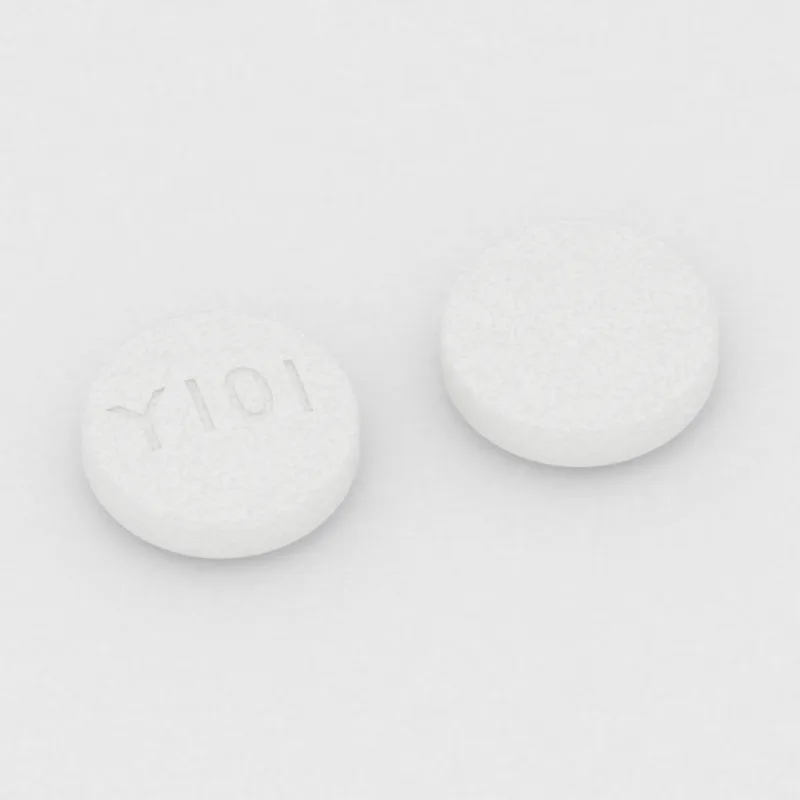

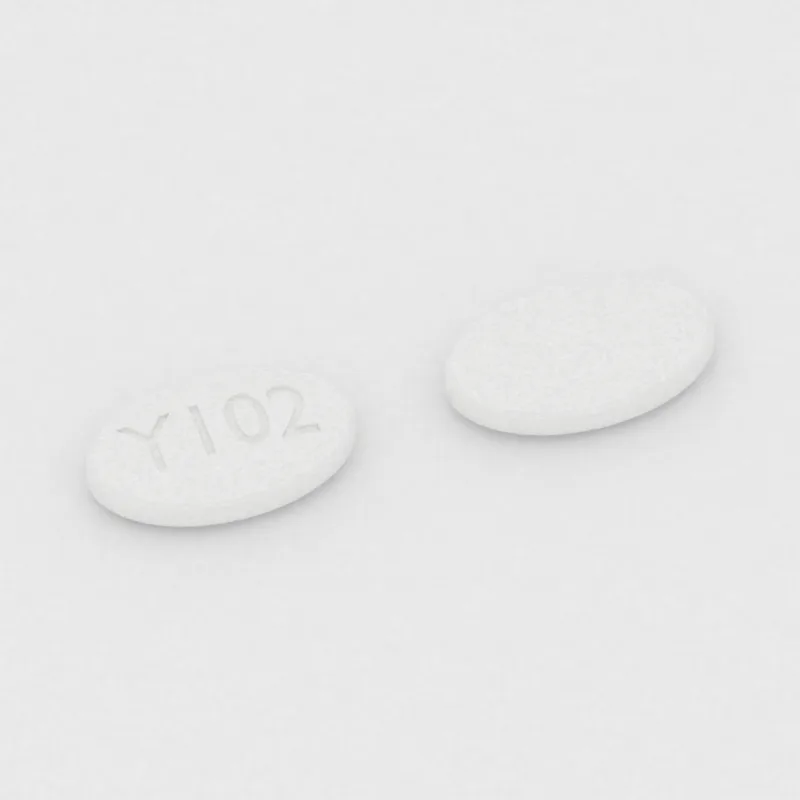
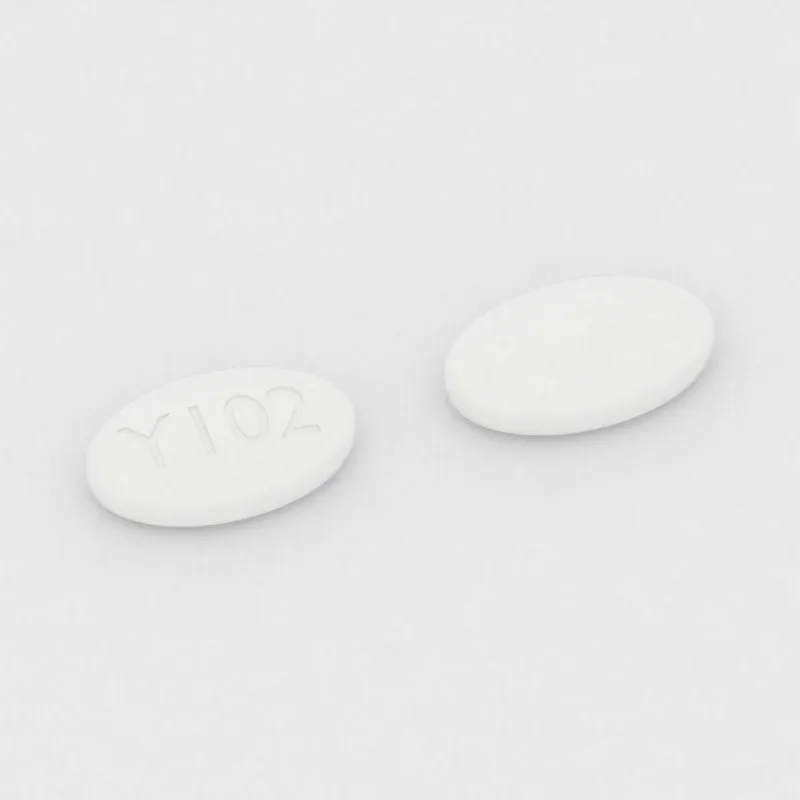
Renderings from the FDA labels' product listings: color, shape, size, and imprint. 29 documented versions from 15 labelers.
Interactions from the label
Major interactions (272)
Antidiabetic agents Hypoglycemia including fatal outcomes have been reported. (Ciprofloxacin label, Drug interactions)
Table 8: Drugs That are Affected by and Affecting Ciprofloxacin Drugs That are Affected by Ciprofloxacin Drug(s) Recommendation Comments Tizanidine Contraindicated Concomitant administration of tizanidine and ciprofloxacin is contraindicated due to the potentiation of hypotensive and sedative effects of tizanidine [see Contraindications ( 4.2 )]. (Ciprofloxacin label, Drug interactions)
Avoid use in patients with known prolongation, those with hypokalemia, and with other drugs that prolong the QT interval. (Ciprofloxacin label, Warnings and precautions)
Serious Adverse Reactions with Concomitant Theophylline Serious and fatal reactions have been reported in patients receiving concurrent administration of ciprofloxacin and theophylline. (Ciprofloxacin label, Warnings and precautions)
Antidiabetic agents Hypoglycemia including fatal outcomes have been reported. (Ciprofloxacin label, Drug interactions)
Antidiabetic agents Hypoglycemia including fatal outcomes have been reported. (Ciprofloxacin label, Drug interactions)
- AlosetronMajor
Fluvoxamine, a known strong inhibitor of CYP1A2, has been shown to increase mean alosetron plasma concentrations (AUC) approximately 6-fold and prolong the half-life by approximately 3-fold [see Drug Interactions ( 7.1 )] . (Alosetron label, Contraindications)
Table 8: Drugs That are Affected by and Affecting Ciprofloxacin Drugs That are Affected by Ciprofloxacin Drug(s) Recommendation Comments Tizanidine Contraindicated Concomitant administration of tizanidine and ciprofloxacin is contraindicated due to the potentiation of hypotensive and sedative effects of tizanidine [see Contraindications ( 4.2 )]. (Ciprofloxacin label, Drug interactions)
Serious Adverse Reactions with Concomitant Theophylline Serious and fatal reactions have been reported in patients receiving concurrent administration of ciprofloxacin and theophylline. (Ciprofloxacin label, Warnings and precautions)
Avoid use in patients with known prolongation, those with hypokalemia, and with other drugs that prolong the QT interval. (Ciprofloxacin label, Warnings and precautions)
Avoid use in patients with known prolongation, those with hypokalemia, and with other drugs that prolong the QT interval. (Ciprofloxacin label, Warnings and precautions)
Table 8: Drugs That are Affected by and Affecting Ciprofloxacin Drugs That are Affected by Ciprofloxacin Drug(s) Recommendation Comments Tizanidine Contraindicated Concomitant administration of tizanidine and ciprofloxacin is contraindicated due to the potentiation of hypotensive and sedative effects of tizanidine [see Contraindications ( 4.2 )]. (Ciprofloxacin label, Drug interactions)
Avoid use in patients with known prolongation, those with hypokalemia, and with other drugs that prolong the QT interval. (Ciprofloxacin label, Warnings and precautions)
Table 8: Drugs That are Affected by and Affecting Ciprofloxacin Drugs That are Affected by Ciprofloxacin Drug(s) Recommendation Comments Tizanidine Contraindicated Concomitant administration of tizanidine and ciprofloxacin is contraindicated due to the potentiation of hypotensive and sedative effects of tizanidine [see Contraindications ( 4.2 )]. (Ciprofloxacin label, Drug interactions)
Avoid use in patients with known prolongation, those with hypokalemia, and with other drugs that prolong the QT interval. (Ciprofloxacin label, Warnings and precautions)
Avoid use in patients with known prolongation, those with hypokalemia, and with other drugs that prolong the QT interval. (Ciprofloxacin label, Warnings and precautions)
Table 8: Drugs That are Affected by and Affecting Ciprofloxacin Drugs That are Affected by Ciprofloxacin Drug(s) Recommendation Comments Tizanidine Contraindicated Concomitant administration of tizanidine and ciprofloxacin is contraindicated due to the potentiation of hypotensive and sedative effects of tizanidine [see Contraindications ( 4.2 )]. (Ciprofloxacin label, Drug interactions)
Table 8: Drugs That are Affected by and Affecting Ciprofloxacin Drugs That are Affected by Ciprofloxacin Drug(s) Recommendation Comments Tizanidine Contraindicated Concomitant administration of tizanidine and ciprofloxacin is contraindicated due to the potentiation of hypotensive and sedative effects of tizanidine [see Contraindications ( 4.2 )]. (Ciprofloxacin label, Drug interactions)
Avoid use in patients with known prolongation, those with hypokalemia, and with other drugs that prolong the QT interval. (Ciprofloxacin label, Warnings and precautions)
Table 8: Drugs That are Affected by and Affecting Ciprofloxacin Drugs That are Affected by Ciprofloxacin Drug(s) Recommendation Comments Tizanidine Contraindicated Concomitant administration of tizanidine and ciprofloxacin is contraindicated due to the potentiation of hypotensive and sedative effects of tizanidine [see Contraindications ( 4.2 )]. (Ciprofloxacin label, Drug interactions)
Table 8: Drugs That are Affected by and Affecting Ciprofloxacin Drugs That are Affected by Ciprofloxacin Drug(s) Recommendation Comments Tizanidine Contraindicated Concomitant administration of tizanidine and ciprofloxacin is contraindicated due to the potentiation of hypotensive and sedative effects of tizanidine [see Contraindications ( 4.2 )]. (Ciprofloxacin label, Drug interactions)
Antidiabetic agents Hypoglycemia including fatal outcomes have been reported. (Ciprofloxacin label, Drug interactions)
Table 8: Drugs That are Affected by and Affecting Ciprofloxacin Drugs That are Affected by Ciprofloxacin Drug(s) Recommendation Comments Tizanidine Contraindicated Concomitant administration of tizanidine and ciprofloxacin is contraindicated due to the potentiation of hypotensive and sedative effects of tizanidine [see Contraindications ( 4.2 )]. (Ciprofloxacin label, Drug interactions)
Table 8: Drugs That are Affected by and Affecting Ciprofloxacin Drugs That are Affected by Ciprofloxacin Drug(s) Recommendation Comments Tizanidine Contraindicated Concomitant administration of tizanidine and ciprofloxacin is contraindicated due to the potentiation of hypotensive and sedative effects of tizanidine [see Contraindications ( 4.2 )]. (Ciprofloxacin label, Drug interactions)
Table 8: Drugs That are Affected by and Affecting Ciprofloxacin Drugs That are Affected by Ciprofloxacin Drug(s) Recommendation Comments Tizanidine Contraindicated Concomitant administration of tizanidine and ciprofloxacin is contraindicated due to the potentiation of hypotensive and sedative effects of tizanidine [see Contraindications ( 4.2 )]. (Ciprofloxacin label, Drug interactions)
Table 8: Drugs That are Affected by and Affecting Ciprofloxacin Drugs That are Affected by Ciprofloxacin Drug(s) Recommendation Comments Tizanidine Contraindicated Concomitant administration of tizanidine and ciprofloxacin is contraindicated due to the potentiation of hypotensive and sedative effects of tizanidine [see Contraindications ( 4.2 )]. (Ciprofloxacin label, Drug interactions)
Table 8: Drugs That are Affected by and Affecting Ciprofloxacin Drugs That are Affected by Ciprofloxacin Drug(s) Recommendation Comments Tizanidine Contraindicated Concomitant administration of tizanidine and ciprofloxacin is contraindicated due to the potentiation of hypotensive and sedative effects of tizanidine [see Contraindications ( 4.2 )]. (Ciprofloxacin label, Drug interactions)
Table 8: Drugs That are Affected by and Affecting Ciprofloxacin Drugs That are Affected by Ciprofloxacin Drug(s) Recommendation Comments Tizanidine Contraindicated Concomitant administration of tizanidine and ciprofloxacin is contraindicated due to the potentiation of hypotensive and sedative effects of tizanidine [see Contraindications ( 4.2 )]. (Ciprofloxacin label, Drug interactions)
Serious Adverse Reactions with Concomitant Theophylline Serious and fatal reactions have been reported in patients receiving concurrent administration of ciprofloxacin and theophylline. (Ciprofloxacin label, Warnings and precautions)
Serious Adverse Reactions with Concomitant Theophylline Serious and fatal reactions have been reported in patients receiving concurrent administration of ciprofloxacin and theophylline. (Ciprofloxacin label, Warnings and precautions)
Serious Adverse Reactions with Concomitant Theophylline Serious and fatal reactions have been reported in patients receiving concurrent administration of ciprofloxacin and theophylline. (Ciprofloxacin label, Warnings and precautions)
Serious Adverse Reactions with Concomitant Theophylline Serious and fatal reactions have been reported in patients receiving concurrent administration of ciprofloxacin and theophylline. (Ciprofloxacin label, Warnings and precautions)
Table 8: Drugs That are Affected by and Affecting Ciprofloxacin Drugs That are Affected by Ciprofloxacin Drug(s) Recommendation Comments Tizanidine Contraindicated Concomitant administration of tizanidine and ciprofloxacin is contraindicated due to the potentiation of hypotensive and sedative effects of tizanidine [see Contraindications ( 4.2 )]. (Ciprofloxacin label, Drug interactions)
Antidiabetic agents Hypoglycemia including fatal outcomes have been reported. (Ciprofloxacin label, Drug interactions)
Table 8: Drugs That are Affected by and Affecting Ciprofloxacin Drugs That are Affected by Ciprofloxacin Drug(s) Recommendation Comments Tizanidine Contraindicated Concomitant administration of tizanidine and ciprofloxacin is contraindicated due to the potentiation of hypotensive and sedative effects of tizanidine [see Contraindications ( 4.2 )]. (Ciprofloxacin label, Drug interactions)
Table 8: Drugs That are Affected by and Affecting Ciprofloxacin Drugs That are Affected by Ciprofloxacin Drug(s) Recommendation Comments Tizanidine Contraindicated Concomitant administration of tizanidine and ciprofloxacin is contraindicated due to the potentiation of hypotensive and sedative effects of tizanidine [see Contraindications ( 4.2 )]. (Ciprofloxacin label, Drug interactions)
Table 8: Drugs That are Affected by and Affecting Ciprofloxacin Drugs That are Affected by Ciprofloxacin Drug(s) Recommendation Comments Tizanidine Contraindicated Concomitant administration of tizanidine and ciprofloxacin is contraindicated due to the potentiation of hypotensive and sedative effects of tizanidine [see Contraindications ( 4.2 )]. (Ciprofloxacin label, Drug interactions)
Table 8: Drugs That are Affected by and Affecting Ciprofloxacin Drugs That are Affected by Ciprofloxacin Drug(s) Recommendation Comments Tizanidine Contraindicated Concomitant administration of tizanidine and ciprofloxacin is contraindicated due to the potentiation of hypotensive and sedative effects of tizanidine [see Contraindications ( 4.2 )]. (Ciprofloxacin label, Drug interactions)
Table 8: Drugs That are Affected by and Affecting Ciprofloxacin Drugs That are Affected by Ciprofloxacin Drug(s) Recommendation Comments Tizanidine Contraindicated Concomitant administration of tizanidine and ciprofloxacin is contraindicated due to the potentiation of hypotensive and sedative effects of tizanidine [see Contraindications ( 4.2 )]. (Ciprofloxacin label, Drug interactions)
Table 8: Drugs That are Affected by and Affecting Ciprofloxacin Drugs That are Affected by Ciprofloxacin Drug(s) Recommendation Comments Tizanidine Contraindicated Concomitant administration of tizanidine and ciprofloxacin is contraindicated due to the potentiation of hypotensive and sedative effects of tizanidine [see Contraindications ( 4.2 )]. (Ciprofloxacin label, Drug interactions)
Table 8: Drugs That are Affected by and Affecting Ciprofloxacin Drugs That are Affected by Ciprofloxacin Drug(s) Recommendation Comments Tizanidine Contraindicated Concomitant administration of tizanidine and ciprofloxacin is contraindicated due to the potentiation of hypotensive and sedative effects of tizanidine [see Contraindications ( 4.2 )]. (Ciprofloxacin label, Drug interactions)
Table 8: Drugs That are Affected by and Affecting Ciprofloxacin Drugs That are Affected by Ciprofloxacin Drug(s) Recommendation Comments Tizanidine Contraindicated Concomitant administration of tizanidine and ciprofloxacin is contraindicated due to the potentiation of hypotensive and sedative effects of tizanidine [see Contraindications ( 4.2 )]. (Ciprofloxacin label, Drug interactions)
Avoid use in patients with known prolongation, those with hypokalemia, and with other drugs that prolong the QT interval. (Ciprofloxacin label, Warnings and precautions)
Table 8: Drugs That are Affected by and Affecting Ciprofloxacin Drugs That are Affected by Ciprofloxacin Drug(s) Recommendation Comments Tizanidine Contraindicated Concomitant administration of tizanidine and ciprofloxacin is contraindicated due to the potentiation of hypotensive and sedative effects of tizanidine [see Contraindications ( 4.2 )]. (Ciprofloxacin label, Drug interactions)
Avoid use in patients with known prolongation, those with hypokalemia, and with other drugs that prolong the QT interval. (Ciprofloxacin label, Warnings and precautions)
Table 8: Drugs That are Affected by and Affecting Ciprofloxacin Drugs That are Affected by Ciprofloxacin Drug(s) Recommendation Comments Tizanidine Contraindicated Concomitant administration of tizanidine and ciprofloxacin is contraindicated due to the potentiation of hypotensive and sedative effects of tizanidine [see Contraindications ( 4.2 )]. (Ciprofloxacin label, Drug interactions)
Avoid use in patients with known prolongation, those with hypokalemia, and with other drugs that prolong the QT interval. (Ciprofloxacin label, Warnings and precautions)
Avoid use in patients with known prolongation, those with hypokalemia, and with other drugs that prolong the QT interval. (Ciprofloxacin label, Warnings and precautions)
Table 8: Drugs That are Affected by and Affecting Ciprofloxacin Drugs That are Affected by Ciprofloxacin Drug(s) Recommendation Comments Tizanidine Contraindicated Concomitant administration of tizanidine and ciprofloxacin is contraindicated due to the potentiation of hypotensive and sedative effects of tizanidine [see Contraindications ( 4.2 )]. (Ciprofloxacin label, Drug interactions)
Table 8: Drugs That are Affected by and Affecting Ciprofloxacin Drugs That are Affected by Ciprofloxacin Drug(s) Recommendation Comments Tizanidine Contraindicated Concomitant administration of tizanidine and ciprofloxacin is contraindicated due to the potentiation of hypotensive and sedative effects of tizanidine [see Contraindications ( 4.2 )]. (Ciprofloxacin label, Drug interactions)
Table 8: Drugs That are Affected by and Affecting Ciprofloxacin Drugs That are Affected by Ciprofloxacin Drug(s) Recommendation Comments Tizanidine Contraindicated Concomitant administration of tizanidine and ciprofloxacin is contraindicated due to the potentiation of hypotensive and sedative effects of tizanidine [see Contraindications ( 4.2 )]. (Ciprofloxacin label, Drug interactions)
Table 8: Drugs That are Affected by and Affecting Ciprofloxacin Drugs That are Affected by Ciprofloxacin Drug(s) Recommendation Comments Tizanidine Contraindicated Concomitant administration of tizanidine and ciprofloxacin is contraindicated due to the potentiation of hypotensive and sedative effects of tizanidine [see Contraindications ( 4.2 )]. (Ciprofloxacin label, Drug interactions)
Table 8: Drugs That are Affected by and Affecting Ciprofloxacin Drugs That are Affected by Ciprofloxacin Drug(s) Recommendation Comments Tizanidine Contraindicated Concomitant administration of tizanidine and ciprofloxacin is contraindicated due to the potentiation of hypotensive and sedative effects of tizanidine [see Contraindications ( 4.2 )]. (Ciprofloxacin label, Drug interactions)
Table 8: Drugs That are Affected by and Affecting Ciprofloxacin Drugs That are Affected by Ciprofloxacin Drug(s) Recommendation Comments Tizanidine Contraindicated Concomitant administration of tizanidine and ciprofloxacin is contraindicated due to the potentiation of hypotensive and sedative effects of tizanidine [see Contraindications ( 4.2 )]. (Ciprofloxacin label, Drug interactions)
Avoid use in patients with known prolongation, those with hypokalemia, and with other drugs that prolong the QT interval. (Ciprofloxacin label, Warnings and precautions)
Table 8: Drugs That are Affected by and Affecting Ciprofloxacin Drugs That are Affected by Ciprofloxacin Drug(s) Recommendation Comments Tizanidine Contraindicated Concomitant administration of tizanidine and ciprofloxacin is contraindicated due to the potentiation of hypotensive and sedative effects of tizanidine [see Contraindications ( 4.2 )]. (Ciprofloxacin label, Drug interactions)
Table 8: Drugs That are Affected by and Affecting Ciprofloxacin Drugs That are Affected by Ciprofloxacin Drug(s) Recommendation Comments Tizanidine Contraindicated Concomitant administration of tizanidine and ciprofloxacin is contraindicated due to the potentiation of hypotensive and sedative effects of tizanidine [see Contraindications ( 4.2 )]. (Ciprofloxacin label, Drug interactions)
Table 8: Drugs That are Affected by and Affecting Ciprofloxacin Drugs That are Affected by Ciprofloxacin Drug(s) Recommendation Comments Tizanidine Contraindicated Concomitant administration of tizanidine and ciprofloxacin is contraindicated due to the potentiation of hypotensive and sedative effects of tizanidine [see Contraindications ( 4.2 )]. (Ciprofloxacin label, Drug interactions)
Table 8: Drugs That are Affected by and Affecting Ciprofloxacin Drugs That are Affected by Ciprofloxacin Drug(s) Recommendation Comments Tizanidine Contraindicated Concomitant administration of tizanidine and ciprofloxacin is contraindicated due to the potentiation of hypotensive and sedative effects of tizanidine [see Contraindications ( 4.2 )]. (Ciprofloxacin label, Drug interactions)
Antidiabetic agents Hypoglycemia including fatal outcomes have been reported. (Ciprofloxacin label, Drug interactions)
Antidiabetic agents Hypoglycemia including fatal outcomes have been reported. (Ciprofloxacin label, Drug interactions)
Table 8: Drugs That are Affected by and Affecting Ciprofloxacin Drugs That are Affected by Ciprofloxacin Drug(s) Recommendation Comments Tizanidine Contraindicated Concomitant administration of tizanidine and ciprofloxacin is contraindicated due to the potentiation of hypotensive and sedative effects of tizanidine [see Contraindications ( 4.2 )]. (Ciprofloxacin label, Drug interactions)
Table 8: Drugs That are Affected by and Affecting Ciprofloxacin Drugs That are Affected by Ciprofloxacin Drug(s) Recommendation Comments Tizanidine Contraindicated Concomitant administration of tizanidine and ciprofloxacin is contraindicated due to the potentiation of hypotensive and sedative effects of tizanidine [see Contraindications ( 4.2 )]. (Ciprofloxacin label, Drug interactions)
Table 8: Drugs That are Affected by and Affecting Ciprofloxacin Drugs That are Affected by Ciprofloxacin Drug(s) Recommendation Comments Tizanidine Contraindicated Concomitant administration of tizanidine and ciprofloxacin is contraindicated due to the potentiation of hypotensive and sedative effects of tizanidine [see Contraindications ( 4.2 )]. (Ciprofloxacin label, Drug interactions)
Avoid use in patients with known prolongation, those with hypokalemia, and with other drugs that prolong the QT interval. (Ciprofloxacin label, Warnings and precautions)
Table 8: Drugs That are Affected by and Affecting Ciprofloxacin Drugs That are Affected by Ciprofloxacin Drug(s) Recommendation Comments Tizanidine Contraindicated Concomitant administration of tizanidine and ciprofloxacin is contraindicated due to the potentiation of hypotensive and sedative effects of tizanidine [see Contraindications ( 4.2 )]. (Ciprofloxacin label, Drug interactions)
Table 8: Drugs That are Affected by and Affecting Ciprofloxacin Drugs That are Affected by Ciprofloxacin Drug(s) Recommendation Comments Tizanidine Contraindicated Concomitant administration of tizanidine and ciprofloxacin is contraindicated due to the potentiation of hypotensive and sedative effects of tizanidine [see Contraindications ( 4.2 )]. (Ciprofloxacin label, Drug interactions)
…syndrome, uncorrected electrolyte imbalance, such as hypokalemia or hypomagnesemia and cardiac disease, such as heart failure, myocardial infarction, or bradycardia), and patients receiving Class IA antiarrhythmic agents (quinidine, procainamide), or Class III antiarrhythmic agents (amiodarone, sotalol), tricyclic antidepressants, macrolides, and antipsychotics. (Ciprofloxacin label, Warnings and precautions)
Table 8: Drugs That are Affected by and Affecting Ciprofloxacin Drugs That are Affected by Ciprofloxacin Drug(s) Recommendation Comments Tizanidine Contraindicated Concomitant administration of tizanidine and ciprofloxacin is contraindicated due to the potentiation of hypotensive and sedative effects of tizanidine [see Contraindications ( 4.2 )]. (Ciprofloxacin label, Drug interactions)
Table 8: Drugs That are Affected by and Affecting Ciprofloxacin Drugs That are Affected by Ciprofloxacin Drug(s) Recommendation Comments Tizanidine Contraindicated Concomitant administration of tizanidine and ciprofloxacin is contraindicated due to the potentiation of hypotensive and sedative effects of tizanidine [see Contraindications ( 4.2 )]. (Ciprofloxacin label, Drug interactions)
Table 8: Drugs That are Affected by and Affecting Ciprofloxacin Drugs That are Affected by Ciprofloxacin Drug(s) Recommendation Comments Tizanidine Contraindicated Concomitant administration of tizanidine and ciprofloxacin is contraindicated due to the potentiation of hypotensive and sedative effects of tizanidine [see Contraindications ( 4.2 )]. (Ciprofloxacin label, Drug interactions)
Avoid use in patients with known prolongation, those with hypokalemia, and with other drugs that prolong the QT interval. (Ciprofloxacin label, Warnings and precautions)
Table 8: Drugs That are Affected by and Affecting Ciprofloxacin Drugs That are Affected by Ciprofloxacin Drug(s) Recommendation Comments Tizanidine Contraindicated Concomitant administration of tizanidine and ciprofloxacin is contraindicated due to the potentiation of hypotensive and sedative effects of tizanidine [see Contraindications ( 4.2 )]. (Ciprofloxacin label, Drug interactions)
Avoid use in patients with known prolongation, those with hypokalemia, and with other drugs that prolong the QT interval. (Ciprofloxacin label, Warnings and precautions)
Table 8: Drugs That are Affected by and Affecting Ciprofloxacin Drugs That are Affected by Ciprofloxacin Drug(s) Recommendation Comments Tizanidine Contraindicated Concomitant administration of tizanidine and ciprofloxacin is contraindicated due to the potentiation of hypotensive and sedative effects of tizanidine [see Contraindications ( 4.2 )]. (Ciprofloxacin label, Drug interactions)
Table 8: Drugs That are Affected by and Affecting Ciprofloxacin Drugs That are Affected by Ciprofloxacin Drug(s) Recommendation Comments Tizanidine Contraindicated Concomitant administration of tizanidine and ciprofloxacin is contraindicated due to the potentiation of hypotensive and sedative effects of tizanidine [see Contraindications ( 4.2 )]. (Ciprofloxacin label, Drug interactions)
Table 8: Drugs That are Affected by and Affecting Ciprofloxacin Drugs That are Affected by Ciprofloxacin Drug(s) Recommendation Comments Tizanidine Contraindicated Concomitant administration of tizanidine and ciprofloxacin is contraindicated due to the potentiation of hypotensive and sedative effects of tizanidine [see Contraindications ( 4.2 )]. (Ciprofloxacin label, Drug interactions)
Table 8: Drugs That are Affected by and Affecting Ciprofloxacin Drugs That are Affected by Ciprofloxacin Drug(s) Recommendation Comments Tizanidine Contraindicated Concomitant administration of tizanidine and ciprofloxacin is contraindicated due to the potentiation of hypotensive and sedative effects of tizanidine [see Contraindications ( 4.2 )]. (Ciprofloxacin label, Drug interactions)
Avoid use in patients with known prolongation, those with hypokalemia, and with other drugs that prolong the QT interval. (Ciprofloxacin label, Warnings and precautions)
Avoid use in patients with known prolongation, those with hypokalemia, and with other drugs that prolong the QT interval. (Ciprofloxacin label, Warnings and precautions)
Antidiabetic agents Hypoglycemia including fatal outcomes have been reported. (Ciprofloxacin label, Drug interactions)
Duloxetine Avoid Use Five-fold increase in duloxetine exposure If unavoidable, monitor for duloxetine toxicity. (Ciprofloxacin label, Drug interactions)
Antidiabetic agents Hypoglycemia including fatal outcomes have been reported. (Ciprofloxacin label, Drug interactions)
Antidiabetic agents Hypoglycemia including fatal outcomes have been reported. (Ciprofloxacin label, Drug interactions)
Concomitant use of COMPLERA with drugs with a known risk to prolong the QTc interval of the electrocardiogram may increase the risk of Torsade de Pointes. (Emtricitabine, rilpivirine, and tenofovir label, Warnings and precautions)
Serious Adverse Reactions with Concomitant Theophylline Serious and fatal reactions have been reported in patients receiving concurrent administration of ciprofloxacin and theophylline. (Ciprofloxacin label, Warnings and precautions)
- ErlotinibMajor
Reduce the erlotinib dosage when co-administering with a strong CYP3A4 inhibitor or a combined CYP3A4 and CYP1A2 inhibitor if co-administration is unavoidable [see Dosage and Administration (2.4) ]. (Erlotinib label, Drug interactions)
Avoid use in patients with known prolongation, those with hypokalemia, and with other drugs that prolong the QT interval. (Ciprofloxacin label, Warnings and precautions)
Avoid use in patients with known prolongation, those with hypokalemia, and with other drugs that prolong the QT interval. (Ciprofloxacin label, Warnings and precautions)
Table 8: Drugs That are Affected by and Affecting Ciprofloxacin Drugs That are Affected by Ciprofloxacin Drug(s) Recommendation Comments Tizanidine Contraindicated Concomitant administration of tizanidine and ciprofloxacin is contraindicated due to the potentiation of hypotensive and sedative effects of tizanidine [see Contraindications ( 4.2 )]. (Ciprofloxacin label, Drug interactions)
Table 8: Drugs That are Affected by and Affecting Ciprofloxacin Drugs That are Affected by Ciprofloxacin Drug(s) Recommendation Comments Tizanidine Contraindicated Concomitant administration of tizanidine and ciprofloxacin is contraindicated due to the potentiation of hypotensive and sedative effects of tizanidine [see Contraindications ( 4.2 )]. (Ciprofloxacin label, Drug interactions)
Table 8: Drugs That are Affected by and Affecting Ciprofloxacin Drugs That are Affected by Ciprofloxacin Drug(s) Recommendation Comments Tizanidine Contraindicated Concomitant administration of tizanidine and ciprofloxacin is contraindicated due to the potentiation of hypotensive and sedative effects of tizanidine [see Contraindications ( 4.2 )]. (Ciprofloxacin label, Drug interactions)
Table 8: Drugs That are Affected by and Affecting Ciprofloxacin Drugs That are Affected by Ciprofloxacin Drug(s) Recommendation Comments Tizanidine Contraindicated Concomitant administration of tizanidine and ciprofloxacin is contraindicated due to the potentiation of hypotensive and sedative effects of tizanidine [see Contraindications ( 4.2 )]. (Ciprofloxacin label, Drug interactions)
Table 8: Drugs That are Affected by and Affecting Ciprofloxacin Drugs That are Affected by Ciprofloxacin Drug(s) Recommendation Comments Tizanidine Contraindicated Concomitant administration of tizanidine and ciprofloxacin is contraindicated due to the potentiation of hypotensive and sedative effects of tizanidine [see Contraindications ( 4.2 )]. (Ciprofloxacin label, Drug interactions)
Antidiabetic agents Hypoglycemia including fatal outcomes have been reported. (Ciprofloxacin label, Drug interactions)
Serious Adverse Reactions with Concomitant Theophylline Serious and fatal reactions have been reported in patients receiving concurrent administration of ciprofloxacin and theophylline. (Ciprofloxacin label, Warnings and precautions)
Table 8: Drugs That are Affected by and Affecting Ciprofloxacin Drugs That are Affected by Ciprofloxacin Drug(s) Recommendation Comments Tizanidine Contraindicated Concomitant administration of tizanidine and ciprofloxacin is contraindicated due to the potentiation of hypotensive and sedative effects of tizanidine [see Contraindications ( 4.2 )]. (Ciprofloxacin label, Drug interactions)
Table 8: Drugs That are Affected by and Affecting Ciprofloxacin Drugs That are Affected by Ciprofloxacin Drug(s) Recommendation Comments Tizanidine Contraindicated Concomitant administration of tizanidine and ciprofloxacin is contraindicated due to the potentiation of hypotensive and sedative effects of tizanidine [see Contraindications ( 4.2 )]. (Ciprofloxacin label, Drug interactions)
…Sitagliptin Warfarin Oral drugs that have to be separated from Ferric Citrate Tablets and meals Dosing Recommendations Doxycycline Take at least 1 hour before ferric citrate tablets Ciprofloxacin Take at least 2 hours before or after ferric citrate tablets Oral medications not listed in Table 2 There are no empirical data on avoiding drug interactions between ferric… (Ferric citrate label, Drug interactions)
Avoid use in patients with known prolongation, those with hypokalemia, and with other drugs that prolong the QT interval. (Ciprofloxacin label, Warnings and precautions)
Avoid use in patients with known prolongation, those with hypokalemia, and with other drugs that prolong the QT interval. (Ciprofloxacin label, Warnings and precautions)
Table 8: Drugs That are Affected by and Affecting Ciprofloxacin Drugs That are Affected by Ciprofloxacin Drug(s) Recommendation Comments Tizanidine Contraindicated Concomitant administration of tizanidine and ciprofloxacin is contraindicated due to the potentiation of hypotensive and sedative effects of tizanidine [see Contraindications ( 4.2 )]. (Ciprofloxacin label, Drug interactions)
Avoid use in patients with known prolongation, those with hypokalemia, and with other drugs that prolong the QT interval. (Ciprofloxacin label, Warnings and precautions)
Table 8: Drugs That are Affected by and Affecting Ciprofloxacin Drugs That are Affected by Ciprofloxacin Drug(s) Recommendation Comments Tizanidine Contraindicated Concomitant administration of tizanidine and ciprofloxacin is contraindicated due to the potentiation of hypotensive and sedative effects of tizanidine [see Contraindications ( 4.2 )]. (Ciprofloxacin label, Drug interactions)
Avoid use in patients with known prolongation, those with hypokalemia, and with other drugs that prolong the QT interval. (Ciprofloxacin label, Warnings and precautions)
Table 8: Drugs That are Affected by and Affecting Ciprofloxacin Drugs That are Affected by Ciprofloxacin Drug(s) Recommendation Comments Tizanidine Contraindicated Concomitant administration of tizanidine and ciprofloxacin is contraindicated due to the potentiation of hypotensive and sedative effects of tizanidine [see Contraindications ( 4.2 )]. (Ciprofloxacin label, Drug interactions)
(See DOSAGE and ADMINISTRATION. ) Because of the risk of QT prolongation and the potential for torsades de pointes, the use of FOSCAVIR should be avoided in combination with agents known to prolong the QT interval including Class IA (e.g., quinidine or procainamide) or Class III (e.g., dofetilide, amiodarone, sotalol) antiarrhythmic agents, phenothiazines, tricyclic… (Foscarnet label, Drug interactions)
Avoid co-administration of CONTEPO with drugs known to prolong the QT interval. (Fosfomycin label, Drug interactions)
Table 8: Drugs That are Affected by and Affecting Ciprofloxacin Drugs That are Affected by Ciprofloxacin Drug(s) Recommendation Comments Tizanidine Contraindicated Concomitant administration of tizanidine and ciprofloxacin is contraindicated due to the potentiation of hypotensive and sedative effects of tizanidine [see Contraindications ( 4.2 )]. (Ciprofloxacin label, Drug interactions)
Table 8: Drugs That are Affected by and Affecting Ciprofloxacin Drugs That are Affected by Ciprofloxacin Drug(s) Recommendation Comments Tizanidine Contraindicated Concomitant administration of tizanidine and ciprofloxacin is contraindicated due to the potentiation of hypotensive and sedative effects of tizanidine [see Contraindications ( 4.2 )]. (Ciprofloxacin label, Drug interactions)
Antidiabetic agents Hypoglycemia including fatal outcomes have been reported. (Ciprofloxacin label, Drug interactions)
Antidiabetic agents Hypoglycemia including fatal outcomes have been reported. (Ciprofloxacin label, Drug interactions)
Antidiabetic agents Hypoglycemia including fatal outcomes have been reported. (Ciprofloxacin label, Drug interactions)
Antidiabetic agents Hypoglycemia including fatal outcomes have been reported. (Ciprofloxacin label, Drug interactions)
Antidiabetic agents Hypoglycemia including fatal outcomes have been reported. (Ciprofloxacin label, Drug interactions)
Avoid use in patients with known prolongation, those with hypokalemia, and with other drugs that prolong the QT interval. (Ciprofloxacin label, Warnings and precautions)
Table 8: Drugs That are Affected by and Affecting Ciprofloxacin Drugs That are Affected by Ciprofloxacin Drug(s) Recommendation Comments Tizanidine Contraindicated Concomitant administration of tizanidine and ciprofloxacin is contraindicated due to the potentiation of hypotensive and sedative effects of tizanidine [see Contraindications ( 4.2 )]. (Ciprofloxacin label, Drug interactions)
Avoid use in patients with known prolongation, those with hypokalemia, and with other drugs that prolong the QT interval. (Ciprofloxacin label, Warnings and precautions)
Table 8: Drugs That are Affected by and Affecting Ciprofloxacin Drugs That are Affected by Ciprofloxacin Drug(s) Recommendation Comments Tizanidine Contraindicated Concomitant administration of tizanidine and ciprofloxacin is contraindicated due to the potentiation of hypotensive and sedative effects of tizanidine [see Contraindications ( 4.2 )]. (Ciprofloxacin label, Drug interactions)
Table 8: Drugs That are Affected by and Affecting Ciprofloxacin Drugs That are Affected by Ciprofloxacin Drug(s) Recommendation Comments Tizanidine Contraindicated Concomitant administration of tizanidine and ciprofloxacin is contraindicated due to the potentiation of hypotensive and sedative effects of tizanidine [see Contraindications ( 4.2 )]. (Ciprofloxacin label, Drug interactions)
Table 8: Drugs That are Affected by and Affecting Ciprofloxacin Drugs That are Affected by Ciprofloxacin Drug(s) Recommendation Comments Tizanidine Contraindicated Concomitant administration of tizanidine and ciprofloxacin is contraindicated due to the potentiation of hypotensive and sedative effects of tizanidine [see Contraindications ( 4.2 )]. (Ciprofloxacin label, Drug interactions)
Table 8: Drugs That are Affected by and Affecting Ciprofloxacin Drugs That are Affected by Ciprofloxacin Drug(s) Recommendation Comments Tizanidine Contraindicated Concomitant administration of tizanidine and ciprofloxacin is contraindicated due to the potentiation of hypotensive and sedative effects of tizanidine [see Contraindications ( 4.2 )]. (Ciprofloxacin label, Drug interactions)
Table 8: Drugs That are Affected by and Affecting Ciprofloxacin Drugs That are Affected by Ciprofloxacin Drug(s) Recommendation Comments Tizanidine Contraindicated Concomitant administration of tizanidine and ciprofloxacin is contraindicated due to the potentiation of hypotensive and sedative effects of tizanidine [see Contraindications ( 4.2 )]. (Ciprofloxacin label, Drug interactions)
Table 8: Drugs That are Affected by and Affecting Ciprofloxacin Drugs That are Affected by Ciprofloxacin Drug(s) Recommendation Comments Tizanidine Contraindicated Concomitant administration of tizanidine and ciprofloxacin is contraindicated due to the potentiation of hypotensive and sedative effects of tizanidine [see Contraindications ( 4.2 )]. (Ciprofloxacin label, Drug interactions)
Avoid use in patients with known prolongation, those with hypokalemia, and with other drugs that prolong the QT interval. (Ciprofloxacin label, Warnings and precautions)
Avoid use in patients with known prolongation, those with hypokalemia, and with other drugs that prolong the QT interval. (Ciprofloxacin label, Warnings and precautions)
Avoid use in patients with known prolongation, those with hypokalemia, and with other drugs that prolong the QT interval. (Ciprofloxacin label, Warnings and precautions)
Avoid use in patients with known prolongation, those with hypokalemia, and with other drugs that prolong the QT interval. (Ciprofloxacin label, Warnings and precautions)
Table 8: Drugs That are Affected by and Affecting Ciprofloxacin Drugs That are Affected by Ciprofloxacin Drug(s) Recommendation Comments Tizanidine Contraindicated Concomitant administration of tizanidine and ciprofloxacin is contraindicated due to the potentiation of hypotensive and sedative effects of tizanidine [see Contraindications ( 4.2 )]. (Ciprofloxacin label, Drug interactions)
Antidiabetic agents Hypoglycemia including fatal outcomes have been reported. (Ciprofloxacin label, Drug interactions)
Antidiabetic agents Hypoglycemia including fatal outcomes have been reported. (Ciprofloxacin label, Drug interactions)
Antidiabetic agents Hypoglycemia including fatal outcomes have been reported. (Ciprofloxacin label, Drug interactions)
Antidiabetic agents Hypoglycemia including fatal outcomes have been reported. (Ciprofloxacin label, Drug interactions)
Antidiabetic agents Hypoglycemia including fatal outcomes have been reported. (Ciprofloxacin label, Drug interactions)
Antidiabetic agents Hypoglycemia including fatal outcomes have been reported. (Ciprofloxacin label, Drug interactions)
Table 8: Drugs That are Affected by and Affecting Ciprofloxacin Drugs That are Affected by Ciprofloxacin Drug(s) Recommendation Comments Tizanidine Contraindicated Concomitant administration of tizanidine and ciprofloxacin is contraindicated due to the potentiation of hypotensive and sedative effects of tizanidine [see Contraindications ( 4.2 )]. (Ciprofloxacin label, Drug interactions)
- IvabradineMajor
Bradycardia may increase the risk of QT prolongation which may lead to severe ventricular arrhythmias, including torsade de pointes, especially in patients with risk factors such as use of QTc prolonging drugs [see Adverse Reactions ( 6.2 )] . (Ivabradine label, Warnings and precautions)
Table 8: Drugs That are Affected by and Affecting Ciprofloxacin Drugs That are Affected by Ciprofloxacin Drug(s) Recommendation Comments Tizanidine Contraindicated Concomitant administration of tizanidine and ciprofloxacin is contraindicated due to the potentiation of hypotensive and sedative effects of tizanidine [see Contraindications ( 4.2 )]. (Ciprofloxacin label, Drug interactions)
Avoid use in patients with known prolongation, those with hypokalemia, and with other drugs that prolong the QT interval. (Ciprofloxacin label, Warnings and precautions)
Table 8: Drugs That are Affected by and Affecting Ciprofloxacin Drugs That are Affected by Ciprofloxacin Drug(s) Recommendation Comments Tizanidine Contraindicated Concomitant administration of tizanidine and ciprofloxacin is contraindicated due to the potentiation of hypotensive and sedative effects of tizanidine [see Contraindications ( 4.2 )]. (Ciprofloxacin label, Drug interactions)
Table 8: Drugs That are Affected by and Affecting Ciprofloxacin Drugs That are Affected by Ciprofloxacin Drug(s) Recommendation Comments Tizanidine Contraindicated Concomitant administration of tizanidine and ciprofloxacin is contraindicated due to the potentiation of hypotensive and sedative effects of tizanidine [see Contraindications ( 4.2 )]. (Ciprofloxacin label, Drug interactions)
Table 8: Drugs That are Affected by and Affecting Ciprofloxacin Drugs That are Affected by Ciprofloxacin Drug(s) Recommendation Comments Tizanidine Contraindicated Concomitant administration of tizanidine and ciprofloxacin is contraindicated due to the potentiation of hypotensive and sedative effects of tizanidine [see Contraindications ( 4.2 )]. (Ciprofloxacin label, Drug interactions)
Click here to enter Contraindications Known hypersensitivity to ciprofloxacin or other quinolones ( 4.1 , 5.6, 5.7 ) (Ciprofloxacin label, Contraindications)
Table 8: Drugs That are Affected by and Affecting Ciprofloxacin Drugs That are Affected by Ciprofloxacin Drug(s) Recommendation Comments Tizanidine Contraindicated Concomitant administration of tizanidine and ciprofloxacin is contraindicated due to the potentiation of hypotensive and sedative effects of tizanidine [see Contraindications ( 4.2 )]. (Ciprofloxacin label, Drug interactions)
Antidiabetic agents Hypoglycemia including fatal outcomes have been reported. (Ciprofloxacin label, Drug interactions)
Antidiabetic agents Hypoglycemia including fatal outcomes have been reported. (Ciprofloxacin label, Drug interactions)
Antidiabetic agents Hypoglycemia including fatal outcomes have been reported. (Ciprofloxacin label, Drug interactions)
Table 8: Drugs That are Affected by and Affecting Ciprofloxacin Drugs That are Affected by Ciprofloxacin Drug(s) Recommendation Comments Tizanidine Contraindicated Concomitant administration of tizanidine and ciprofloxacin is contraindicated due to the potentiation of hypotensive and sedative effects of tizanidine [see Contraindications ( 4.2 )]. (Ciprofloxacin label, Drug interactions)
- LomitapideMajor
Concomitant use of moderate CYP3A4 inhibitors (such as amprenavir, aprepitant, atazanavir, ciprofloxacin, crizotinib, darunavir/ritonavir, diltiazem, erythromycin, fluconazole, fosamprenavir, imatinib, verapamil) has not been studied, but concomitant use with lomitapide is contraindicated since lomitapide exposure will likely increase significantly in the presence… (Lomitapide label, Drug interactions)
Avoid use in patients with known prolongation, those with hypokalemia, and with other drugs that prolong the QT interval. (Ciprofloxacin label, Warnings and precautions)
Table 8: Drugs That are Affected by and Affecting Ciprofloxacin Drugs That are Affected by Ciprofloxacin Drug(s) Recommendation Comments Tizanidine Contraindicated Concomitant administration of tizanidine and ciprofloxacin is contraindicated due to the potentiation of hypotensive and sedative effects of tizanidine [see Contraindications ( 4.2 )]. (Ciprofloxacin label, Drug interactions)
Table 8: Drugs That are Affected by and Affecting Ciprofloxacin Drugs That are Affected by Ciprofloxacin Drug(s) Recommendation Comments Tizanidine Contraindicated Concomitant administration of tizanidine and ciprofloxacin is contraindicated due to the potentiation of hypotensive and sedative effects of tizanidine [see Contraindications ( 4.2 )]. (Ciprofloxacin label, Drug interactions)
Table 8: Drugs That are Affected by and Affecting Ciprofloxacin Drugs That are Affected by Ciprofloxacin Drug(s) Recommendation Comments Tizanidine Contraindicated Concomitant administration of tizanidine and ciprofloxacin is contraindicated due to the potentiation of hypotensive and sedative effects of tizanidine [see Contraindications ( 4.2 )]. (Ciprofloxacin label, Drug interactions)
Table 8: Drugs That are Affected by and Affecting Ciprofloxacin Drugs That are Affected by Ciprofloxacin Drug(s) Recommendation Comments Tizanidine Contraindicated Concomitant administration of tizanidine and ciprofloxacin is contraindicated due to the potentiation of hypotensive and sedative effects of tizanidine [see Contraindications ( 4.2 )]. (Ciprofloxacin label, Drug interactions)
Table 8: Drugs That are Affected by and Affecting Ciprofloxacin Drugs That are Affected by Ciprofloxacin Drug(s) Recommendation Comments Tizanidine Contraindicated Concomitant administration of tizanidine and ciprofloxacin is contraindicated due to the potentiation of hypotensive and sedative effects of tizanidine [see Contraindications ( 4.2 )]. (Ciprofloxacin label, Drug interactions)
Table 8: Drugs That are Affected by and Affecting Ciprofloxacin Drugs That are Affected by Ciprofloxacin Drug(s) Recommendation Comments Tizanidine Contraindicated Concomitant administration of tizanidine and ciprofloxacin is contraindicated due to the potentiation of hypotensive and sedative effects of tizanidine [see Contraindications ( 4.2 )]. (Ciprofloxacin label, Drug interactions)
Table 8: Drugs That are Affected by and Affecting Ciprofloxacin Drugs That are Affected by Ciprofloxacin Drug(s) Recommendation Comments Tizanidine Contraindicated Concomitant administration of tizanidine and ciprofloxacin is contraindicated due to the potentiation of hypotensive and sedative effects of tizanidine [see Contraindications ( 4.2 )]. (Ciprofloxacin label, Drug interactions)
Table 8: Drugs That are Affected by and Affecting Ciprofloxacin Drugs That are Affected by Ciprofloxacin Drug(s) Recommendation Comments Tizanidine Contraindicated Concomitant administration of tizanidine and ciprofloxacin is contraindicated due to the potentiation of hypotensive and sedative effects of tizanidine [see Contraindications ( 4.2 )]. (Ciprofloxacin label, Drug interactions)
Antidiabetic agents Hypoglycemia including fatal outcomes have been reported. (Ciprofloxacin label, Drug interactions)
Avoid use in patients with known prolongation, those with hypokalemia, and with other drugs that prolong the QT interval. (Ciprofloxacin label, Warnings and precautions)
Table 8: Drugs That are Affected by and Affecting Ciprofloxacin Drugs That are Affected by Ciprofloxacin Drug(s) Recommendation Comments Tizanidine Contraindicated Concomitant administration of tizanidine and ciprofloxacin is contraindicated due to the potentiation of hypotensive and sedative effects of tizanidine [see Contraindications ( 4.2 )]. (Ciprofloxacin label, Drug interactions)
Table 8: Drugs That are Affected by and Affecting Ciprofloxacin Drugs That are Affected by Ciprofloxacin Drug(s) Recommendation Comments Tizanidine Contraindicated Concomitant administration of tizanidine and ciprofloxacin is contraindicated due to the potentiation of hypotensive and sedative effects of tizanidine [see Contraindications ( 4.2 )]. (Ciprofloxacin label, Drug interactions)
Table 8: Drugs That are Affected by and Affecting Ciprofloxacin Drugs That are Affected by Ciprofloxacin Drug(s) Recommendation Comments Tizanidine Contraindicated Concomitant administration of tizanidine and ciprofloxacin is contraindicated due to the potentiation of hypotensive and sedative effects of tizanidine [see Contraindications ( 4.2 )]. (Ciprofloxacin label, Drug interactions)
Table 8: Drugs That are Affected by and Affecting Ciprofloxacin Drugs That are Affected by Ciprofloxacin Drug(s) Recommendation Comments Tizanidine Contraindicated Concomitant administration of tizanidine and ciprofloxacin is contraindicated due to the potentiation of hypotensive and sedative effects of tizanidine [see Contraindications ( 4.2 )]. (Ciprofloxacin label, Drug interactions)
Table 8: Drugs That are Affected by and Affecting Ciprofloxacin Drugs That are Affected by Ciprofloxacin Drug(s) Recommendation Comments Tizanidine Contraindicated Concomitant administration of tizanidine and ciprofloxacin is contraindicated due to the potentiation of hypotensive and sedative effects of tizanidine [see Contraindications ( 4.2 )]. (Ciprofloxacin label, Drug interactions)
Antidiabetic agents Hypoglycemia including fatal outcomes have been reported. (Ciprofloxacin label, Drug interactions)
Table 8: Drugs That are Affected by and Affecting Ciprofloxacin Drugs That are Affected by Ciprofloxacin Drug(s) Recommendation Comments Tizanidine Contraindicated Concomitant administration of tizanidine and ciprofloxacin is contraindicated due to the potentiation of hypotensive and sedative effects of tizanidine [see Contraindications ( 4.2 )]. (Ciprofloxacin label, Drug interactions)
Table 8: Drugs That are Affected by and Affecting Ciprofloxacin Drugs That are Affected by Ciprofloxacin Drug(s) Recommendation Comments Tizanidine Contraindicated Concomitant administration of tizanidine and ciprofloxacin is contraindicated due to the potentiation of hypotensive and sedative effects of tizanidine [see Contraindications ( 4.2 )]. (Ciprofloxacin label, Drug interactions)
Click here to enter Contraindications Known hypersensitivity to ciprofloxacin or other quinolones ( 4.1 , 5.6, 5.7 ) (Ciprofloxacin label, Contraindications)
Table 8: Drugs That are Affected by and Affecting Ciprofloxacin Drugs That are Affected by Ciprofloxacin Drug(s) Recommendation Comments Tizanidine Contraindicated Concomitant administration of tizanidine and ciprofloxacin is contraindicated due to the potentiation of hypotensive and sedative effects of tizanidine [see Contraindications ( 4.2 )]. (Ciprofloxacin label, Drug interactions)
Antidiabetic agents Hypoglycemia including fatal outcomes have been reported. (Ciprofloxacin label, Drug interactions)
Avoid use in patients with known prolongation, those with hypokalemia, and with other drugs that prolong the QT interval. (Ciprofloxacin label, Warnings and precautions)
Table 8: Drugs That are Affected by and Affecting Ciprofloxacin Drugs That are Affected by Ciprofloxacin Drug(s) Recommendation Comments Tizanidine Contraindicated Concomitant administration of tizanidine and ciprofloxacin is contraindicated due to the potentiation of hypotensive and sedative effects of tizanidine [see Contraindications ( 4.2 )]. (Ciprofloxacin label, Drug interactions)
Click here to enter Contraindications Known hypersensitivity to ciprofloxacin or other quinolones ( 4.1 , 5.6, 5.7 ) (Ciprofloxacin label, Contraindications)
Table 8: Drugs That are Affected by and Affecting Ciprofloxacin Drugs That are Affected by Ciprofloxacin Drug(s) Recommendation Comments Tizanidine Contraindicated Concomitant administration of tizanidine and ciprofloxacin is contraindicated due to the potentiation of hypotensive and sedative effects of tizanidine [see Contraindications ( 4.2 )]. (Ciprofloxacin label, Drug interactions)
Avoid use in patients with known prolongation, those with hypokalemia, and with other drugs that prolong the QT interval. (Ciprofloxacin label, Warnings and precautions)
Table 8: Drugs That are Affected by and Affecting Ciprofloxacin Drugs That are Affected by Ciprofloxacin Drug(s) Recommendation Comments Tizanidine Contraindicated Concomitant administration of tizanidine and ciprofloxacin is contraindicated due to the potentiation of hypotensive and sedative effects of tizanidine [see Contraindications ( 4.2 )]. (Ciprofloxacin label, Drug interactions)
Avoid use in patients with known prolongation, those with hypokalemia, and with other drugs that prolong the QT interval. (Ciprofloxacin label, Warnings and precautions)
Table 8: Drugs That are Affected by and Affecting Ciprofloxacin Drugs That are Affected by Ciprofloxacin Drug(s) Recommendation Comments Tizanidine Contraindicated Concomitant administration of tizanidine and ciprofloxacin is contraindicated due to the potentiation of hypotensive and sedative effects of tizanidine [see Contraindications ( 4.2 )]. (Ciprofloxacin label, Drug interactions)
Serious Adverse Reactions with Concomitant Theophylline Serious and fatal reactions have been reported in patients receiving concurrent administration of ciprofloxacin and theophylline. (Ciprofloxacin label, Warnings and precautions)
- OxaliplatinMajor
Avoid coadministration of oxaliplatin injection with medicinal products with a known potential to prolong the QT interval. (Oxaliplatin label, Drug interactions)
Table 8: Drugs That are Affected by and Affecting Ciprofloxacin Drugs That are Affected by Ciprofloxacin Drug(s) Recommendation Comments Tizanidine Contraindicated Concomitant administration of tizanidine and ciprofloxacin is contraindicated due to the potentiation of hypotensive and sedative effects of tizanidine [see Contraindications ( 4.2 )]. (Ciprofloxacin label, Drug interactions)
Table 8: Drugs That are Affected by and Affecting Ciprofloxacin Drugs That are Affected by Ciprofloxacin Drug(s) Recommendation Comments Tizanidine Contraindicated Concomitant administration of tizanidine and ciprofloxacin is contraindicated due to the potentiation of hypotensive and sedative effects of tizanidine [see Contraindications ( 4.2 )]. (Ciprofloxacin label, Drug interactions)
Table 8: Drugs That are Affected by and Affecting Ciprofloxacin Drugs That are Affected by Ciprofloxacin Drug(s) Recommendation Comments Tizanidine Contraindicated Concomitant administration of tizanidine and ciprofloxacin is contraindicated due to the potentiation of hypotensive and sedative effects of tizanidine [see Contraindications ( 4.2 )]. (Ciprofloxacin label, Drug interactions)
Table 8: Drugs That are Affected by and Affecting Ciprofloxacin Drugs That are Affected by Ciprofloxacin Drug(s) Recommendation Comments Tizanidine Contraindicated Concomitant administration of tizanidine and ciprofloxacin is contraindicated due to the potentiation of hypotensive and sedative effects of tizanidine [see Contraindications ( 4.2 )]. (Ciprofloxacin label, Drug interactions)
Table 8: Drugs That are Affected by and Affecting Ciprofloxacin Drugs That are Affected by Ciprofloxacin Drug(s) Recommendation Comments Tizanidine Contraindicated Concomitant administration of tizanidine and ciprofloxacin is contraindicated due to the potentiation of hypotensive and sedative effects of tizanidine [see Contraindications ( 4.2 )]. (Ciprofloxacin label, Drug interactions)
Avoid use in patients with known prolongation, those with hypokalemia, and with other drugs that prolong the QT interval. (Ciprofloxacin label, Warnings and precautions)
- PazopanibMajor
Avoid coadministration of VOTRIENT with drugs known to prolong the QT/QTc interval. (Pazopanib label, Drug interactions)
Avoid use in patients with known prolongation, those with hypokalemia, and with other drugs that prolong the QT interval. (Ciprofloxacin label, Warnings and precautions)
Table 8: Drugs That are Affected by and Affecting Ciprofloxacin Drugs That are Affected by Ciprofloxacin Drug(s) Recommendation Comments Tizanidine Contraindicated Concomitant administration of tizanidine and ciprofloxacin is contraindicated due to the potentiation of hypotensive and sedative effects of tizanidine [see Contraindications ( 4.2 )]. (Ciprofloxacin label, Drug interactions)
Serious Adverse Reactions with Concomitant Theophylline Serious and fatal reactions have been reported in patients receiving concurrent administration of ciprofloxacin and theophylline. (Ciprofloxacin label, Warnings and precautions)
Table 8: Drugs That are Affected by and Affecting Ciprofloxacin Drugs That are Affected by Ciprofloxacin Drug(s) Recommendation Comments Tizanidine Contraindicated Concomitant administration of tizanidine and ciprofloxacin is contraindicated due to the potentiation of hypotensive and sedative effects of tizanidine [see Contraindications ( 4.2 )]. (Ciprofloxacin label, Drug interactions)
Table 8: Drugs That are Affected by and Affecting Ciprofloxacin Drugs That are Affected by Ciprofloxacin Drug(s) Recommendation Comments Tizanidine Contraindicated Concomitant administration of tizanidine and ciprofloxacin is contraindicated due to the potentiation of hypotensive and sedative effects of tizanidine [see Contraindications ( 4.2 )]. (Ciprofloxacin label, Drug interactions)
Table 8: Drugs That are Affected by and Affecting Ciprofloxacin Drugs That are Affected by Ciprofloxacin Drug(s) Recommendation Comments Tizanidine Contraindicated Concomitant administration of tizanidine and ciprofloxacin is contraindicated due to the potentiation of hypotensive and sedative effects of tizanidine [see Contraindications ( 4.2 )]. (Ciprofloxacin label, Drug interactions)
Table 8: Drugs That are Affected by and Affecting Ciprofloxacin Drugs That are Affected by Ciprofloxacin Drug(s) Recommendation Comments Tizanidine Contraindicated Concomitant administration of tizanidine and ciprofloxacin is contraindicated due to the potentiation of hypotensive and sedative effects of tizanidine [see Contraindications ( 4.2 )]. (Ciprofloxacin label, Drug interactions)
Table 8: Drugs That are Affected by and Affecting Ciprofloxacin Drugs That are Affected by Ciprofloxacin Drug(s) Recommendation Comments Tizanidine Contraindicated Concomitant administration of tizanidine and ciprofloxacin is contraindicated due to the potentiation of hypotensive and sedative effects of tizanidine [see Contraindications ( 4.2 )]. (Ciprofloxacin label, Drug interactions)
Phenytoin Use with caution Altered serum levels of phenytoin (increased and decreased) To avoid the loss of seizure control associated with decreased phenytoin levels and to prevent phenytoin overdose-related adverse reactions upon ciprofloxacin discontinuation in patients receiving both agents, monitor phenytoin therapy, including phenytoin serum concentration… (Ciprofloxacin label, Drug interactions)
Avoid use in patients with known prolongation, those with hypokalemia, and with other drugs that prolong the QT interval. (Ciprofloxacin label, Warnings and precautions)
Avoid use in patients with known prolongation, those with hypokalemia, and with other drugs that prolong the QT interval. (Ciprofloxacin label, Warnings and precautions)
Antidiabetic agents Hypoglycemia including fatal outcomes have been reported. (Ciprofloxacin label, Drug interactions)
Antidiabetic agents Hypoglycemia including fatal outcomes have been reported. (Ciprofloxacin label, Drug interactions)
Antidiabetic agents Hypoglycemia including fatal outcomes have been reported. (Ciprofloxacin label, Drug interactions)
- PirfenidoneMajor
If ciprofloxacin at the dosage of 750 mg twice daily cannot be avoided, dosage reductions are recommended [see Dosage and Administration (2.4) ]. (Pirfenidone label, Drug interactions)
Avoid use in patients with known prolongation, those with hypokalemia, and with other drugs that prolong the QT interval. (Ciprofloxacin label, Warnings and precautions)
- PomalidomideMajor
Strong CYP1A2 Inhibitors: Avoid concomitant use of strong CYP1A2 inhibitors. (Pomalidomide label, Drug interactions)
Avoid use in patients with known prolongation, those with hypokalemia, and with other drugs that prolong the QT interval. (Ciprofloxacin label, Warnings and precautions)
Table 8: Drugs That are Affected by and Affecting Ciprofloxacin Drugs That are Affected by Ciprofloxacin Drug(s) Recommendation Comments Tizanidine Contraindicated Concomitant administration of tizanidine and ciprofloxacin is contraindicated due to the potentiation of hypotensive and sedative effects of tizanidine [see Contraindications ( 4.2 )]. (Ciprofloxacin label, Drug interactions)
Table 8: Drugs That are Affected by and Affecting Ciprofloxacin Drugs That are Affected by Ciprofloxacin Drug(s) Recommendation Comments Tizanidine Contraindicated Concomitant administration of tizanidine and ciprofloxacin is contraindicated due to the potentiation of hypotensive and sedative effects of tizanidine [see Contraindications ( 4.2 )]. (Ciprofloxacin label, Drug interactions)
Table 8: Drugs That are Affected by and Affecting Ciprofloxacin Drugs That are Affected by Ciprofloxacin Drug(s) Recommendation Comments Tizanidine Contraindicated Concomitant administration of tizanidine and ciprofloxacin is contraindicated due to the potentiation of hypotensive and sedative effects of tizanidine [see Contraindications ( 4.2 )]. (Ciprofloxacin label, Drug interactions)
Avoid use in patients with known prolongation, those with hypokalemia, and with other drugs that prolong the QT interval. (Ciprofloxacin label, Warnings and precautions)
Table 8: Drugs That are Affected by and Affecting Ciprofloxacin Drugs That are Affected by Ciprofloxacin Drug(s) Recommendation Comments Tizanidine Contraindicated Concomitant administration of tizanidine and ciprofloxacin is contraindicated due to the potentiation of hypotensive and sedative effects of tizanidine [see Contraindications ( 4.2 )]. (Ciprofloxacin label, Drug interactions)
Avoid use in patients with known prolongation, those with hypokalemia, and with other drugs that prolong the QT interval. (Ciprofloxacin label, Warnings and precautions)
Avoid use in patients with known prolongation, those with hypokalemia, and with other drugs that prolong the QT interval. (Ciprofloxacin label, Warnings and precautions)
Avoid use in patients with known prolongation, those with hypokalemia, and with other drugs that prolong the QT interval. (Ciprofloxacin label, Warnings and precautions)
• Avoid use with other antiarrhythmic agents or drugs that prolong the QT interval. (Propafenone label, Warnings and precautions)
Table 8: Drugs That are Affected by and Affecting Ciprofloxacin Drugs That are Affected by Ciprofloxacin Drug(s) Recommendation Comments Tizanidine Contraindicated Concomitant administration of tizanidine and ciprofloxacin is contraindicated due to the potentiation of hypotensive and sedative effects of tizanidine [see Contraindications ( 4.2 )]. (Ciprofloxacin label, Drug interactions)
Table 8: Drugs That are Affected by and Affecting Ciprofloxacin Drugs That are Affected by Ciprofloxacin Drug(s) Recommendation Comments Tizanidine Contraindicated Concomitant administration of tizanidine and ciprofloxacin is contraindicated due to the potentiation of hypotensive and sedative effects of tizanidine [see Contraindications ( 4.2 )]. (Ciprofloxacin label, Drug interactions)
Avoid use in patients with known prolongation, those with hypokalemia, and with other drugs that prolong the QT interval. (Ciprofloxacin label, Warnings and precautions)
Avoid use in patients with known prolongation, those with hypokalemia, and with other drugs that prolong the QT interval. (Ciprofloxacin label, Warnings and precautions)
Avoid use in patients with known prolongation, those with hypokalemia, and with other drugs that prolong the QT interval. (Ciprofloxacin label, Warnings and precautions)
Table 8: Drugs That are Affected by and Affecting Ciprofloxacin Drugs That are Affected by Ciprofloxacin Drug(s) Recommendation Comments Tizanidine Contraindicated Concomitant administration of tizanidine and ciprofloxacin is contraindicated due to the potentiation of hypotensive and sedative effects of tizanidine [see Contraindications ( 4.2 )]. (Ciprofloxacin label, Drug interactions)
Avoid use in patients with known prolongation, those with hypokalemia, and with other drugs that prolong the QT interval. (Ciprofloxacin label, Warnings and precautions)
Table 8: Drugs That are Affected by and Affecting Ciprofloxacin Drugs That are Affected by Ciprofloxacin Drug(s) Recommendation Comments Tizanidine Contraindicated Concomitant administration of tizanidine and ciprofloxacin is contraindicated due to the potentiation of hypotensive and sedative effects of tizanidine [see Contraindications ( 4.2 )]. (Ciprofloxacin label, Drug interactions)
Antidiabetic agents Hypoglycemia including fatal outcomes have been reported. (Ciprofloxacin label, Drug interactions)
Avoid use in patients with known prolongation, those with hypokalemia, and with other drugs that prolong the QT interval. (Ciprofloxacin label, Warnings and precautions)
Table 8: Drugs That are Affected by and Affecting Ciprofloxacin Drugs That are Affected by Ciprofloxacin Drug(s) Recommendation Comments Tizanidine Contraindicated Concomitant administration of tizanidine and ciprofloxacin is contraindicated due to the potentiation of hypotensive and sedative effects of tizanidine [see Contraindications ( 4.2 )]. (Ciprofloxacin label, Drug interactions)
Table 8: Drugs That are Affected by and Affecting Ciprofloxacin Drugs That are Affected by Ciprofloxacin Drug(s) Recommendation Comments Tizanidine Contraindicated Concomitant administration of tizanidine and ciprofloxacin is contraindicated due to the potentiation of hypotensive and sedative effects of tizanidine [see Contraindications ( 4.2 )]. (Ciprofloxacin label, Drug interactions)
Antidiabetic agents Hypoglycemia including fatal outcomes have been reported. (Ciprofloxacin label, Drug interactions)
Antidiabetic agents Hypoglycemia including fatal outcomes have been reported. (Ciprofloxacin label, Drug interactions)
Table 8: Drugs That are Affected by and Affecting Ciprofloxacin Drugs That are Affected by Ciprofloxacin Drug(s) Recommendation Comments Tizanidine Contraindicated Concomitant administration of tizanidine and ciprofloxacin is contraindicated due to the potentiation of hypotensive and sedative effects of tizanidine [see Contraindications ( 4.2 )]. (Ciprofloxacin label, Drug interactions)
Antidiabetic agents Hypoglycemia including fatal outcomes have been reported. (Ciprofloxacin label, Drug interactions)
Avoid the concomitant use of drugs known to prolong the QTc interval. (Sertraline label, Drug interactions)
Table 8: Drugs That are Affected by and Affecting Ciprofloxacin Drugs That are Affected by Ciprofloxacin Drug(s) Recommendation Comments Tizanidine Contraindicated Concomitant administration of tizanidine and ciprofloxacin is contraindicated due to the potentiation of hypotensive and sedative effects of tizanidine [see Contraindications ( 4.2 )]. (Ciprofloxacin label, Drug interactions)
Antidiabetic agents Hypoglycemia including fatal outcomes have been reported. (Ciprofloxacin label, Drug interactions)
Antidiabetic agents Hypoglycemia including fatal outcomes have been reported. (Ciprofloxacin label, Drug interactions)
Table 8: Drugs That are Affected by and Affecting Ciprofloxacin Drugs That are Affected by Ciprofloxacin Drug(s) Recommendation Comments Tizanidine Contraindicated Concomitant administration of tizanidine and ciprofloxacin is contraindicated due to the potentiation of hypotensive and sedative effects of tizanidine [see Contraindications ( 4.2 )]. (Ciprofloxacin label, Drug interactions)
Avoid use in patients with known prolongation, those with hypokalemia, and with other drugs that prolong the QT interval. (Ciprofloxacin label, Warnings and precautions)
Avoid use in patients with known prolongation, those with hypokalemia, and with other drugs that prolong the QT interval. (Ciprofloxacin label, Warnings and precautions)
Table 8: Drugs That are Affected by and Affecting Ciprofloxacin Drugs That are Affected by Ciprofloxacin Drug(s) Recommendation Comments Tizanidine Contraindicated Concomitant administration of tizanidine and ciprofloxacin is contraindicated due to the potentiation of hypotensive and sedative effects of tizanidine [see Contraindications ( 4.2 )]. (Ciprofloxacin label, Drug interactions)
Avoid use in patients with known prolongation, those with hypokalemia, and with other drugs that prolong the QT interval. (Ciprofloxacin label, Warnings and precautions)
Avoid use in patients with known prolongation, those with hypokalemia, and with other drugs that prolong the QT interval. (Ciprofloxacin label, Warnings and precautions)
Table 8: Drugs That are Affected by and Affecting Ciprofloxacin Drugs That are Affected by Ciprofloxacin Drug(s) Recommendation Comments Tizanidine Contraindicated Concomitant administration of tizanidine and ciprofloxacin is contraindicated due to the potentiation of hypotensive and sedative effects of tizanidine [see Contraindications ( 4.2 )]. (Ciprofloxacin label, Drug interactions)
Table 8: Drugs That are Affected by and Affecting Ciprofloxacin Drugs That are Affected by Ciprofloxacin Drug(s) Recommendation Comments Tizanidine Contraindicated Concomitant administration of tizanidine and ciprofloxacin is contraindicated due to the potentiation of hypotensive and sedative effects of tizanidine [see Contraindications ( 4.2 )]. (Ciprofloxacin label, Drug interactions)
Table 8: Drugs That are Affected by and Affecting Ciprofloxacin Drugs That are Affected by Ciprofloxacin Drug(s) Recommendation Comments Tizanidine Contraindicated Concomitant administration of tizanidine and ciprofloxacin is contraindicated due to the potentiation of hypotensive and sedative effects of tizanidine [see Contraindications ( 4.2 )]. (Ciprofloxacin label, Drug interactions)
Avoid use in patients with known prolongation, those with hypokalemia, and with other drugs that prolong the QT interval. (Ciprofloxacin label, Warnings and precautions)
Serious Adverse Reactions with Concomitant Theophylline Serious and fatal reactions have been reported in patients receiving concurrent administration of ciprofloxacin and theophylline. (Ciprofloxacin label, Warnings and precautions)
Avoid use in patients with known prolongation, those with hypokalemia, and with other drugs that prolong the QT interval. (Ciprofloxacin label, Warnings and precautions)
Table 8: Drugs That are Affected by and Affecting Ciprofloxacin Drugs That are Affected by Ciprofloxacin Drug(s) Recommendation Comments Tizanidine Contraindicated Concomitant administration of tizanidine and ciprofloxacin is contraindicated due to the potentiation of hypotensive and sedative effects of tizanidine [see Contraindications ( 4.2 )]. (Ciprofloxacin label, Drug interactions)
Table 8: Drugs That are Affected by and Affecting Ciprofloxacin Drugs That are Affected by Ciprofloxacin Drug(s) Recommendation Comments Tizanidine Contraindicated Concomitant administration of tizanidine and ciprofloxacin is contraindicated due to the potentiation of hypotensive and sedative effects of tizanidine [see Contraindications ( 4.2 )]. (Ciprofloxacin label, Drug interactions)
Antidiabetic agents Hypoglycemia including fatal outcomes have been reported. (Ciprofloxacin label, Drug interactions)
Concomitant administration with tizanidine (4.2) (Ciprofloxacin label, Contraindications)
Avoid use in patients with known prolongation, those with hypokalemia, and with other drugs that prolong the QT interval. (Ciprofloxacin label, Warnings and precautions)
Table 8: Drugs That are Affected by and Affecting Ciprofloxacin Drugs That are Affected by Ciprofloxacin Drug(s) Recommendation Comments Tizanidine Contraindicated Concomitant administration of tizanidine and ciprofloxacin is contraindicated due to the potentiation of hypotensive and sedative effects of tizanidine [see Contraindications ( 4.2 )]. (Ciprofloxacin label, Drug interactions)
Avoid use in patients with known prolongation, those with hypokalemia, and with other drugs that prolong the QT interval. (Ciprofloxacin label, Warnings and precautions)
Avoid use in patients with known prolongation, those with hypokalemia, and with other drugs that prolong the QT interval. (Ciprofloxacin label, Warnings and precautions)
Avoid use in patients with known prolongation, those with hypokalemia, and with other drugs that prolong the QT interval. (Ciprofloxacin label, Warnings and precautions)
Avoid use in patients with known prolongation, those with hypokalemia, and with other drugs that prolong the QT interval. (Ciprofloxacin label, Warnings and precautions)
Table 8: Drugs That are Affected by and Affecting Ciprofloxacin Drugs That are Affected by Ciprofloxacin Drug(s) Recommendation Comments Tizanidine Contraindicated Concomitant administration of tizanidine and ciprofloxacin is contraindicated due to the potentiation of hypotensive and sedative effects of tizanidine [see Contraindications ( 4.2 )]. (Ciprofloxacin label, Drug interactions)
Table 8: Drugs That are Affected by and Affecting Ciprofloxacin Drugs That are Affected by Ciprofloxacin Drug(s) Recommendation Comments Tizanidine Contraindicated Concomitant administration of tizanidine and ciprofloxacin is contraindicated due to the potentiation of hypotensive and sedative effects of tizanidine [see Contraindications ( 4.2 )]. (Ciprofloxacin label, Drug interactions)
Table 8: Drugs That are Affected by and Affecting Ciprofloxacin Drugs That are Affected by Ciprofloxacin Drug(s) Recommendation Comments Tizanidine Contraindicated Concomitant administration of tizanidine and ciprofloxacin is contraindicated due to the potentiation of hypotensive and sedative effects of tizanidine [see Contraindications ( 4.2 )]. (Ciprofloxacin label, Drug interactions)
Avoid use in patients with known prolongation, those with hypokalemia, and with other drugs that prolong the QT interval. (Ciprofloxacin label, Warnings and precautions)
Table 8: Drugs That are Affected by and Affecting Ciprofloxacin Drugs That are Affected by Ciprofloxacin Drug(s) Recommendation Comments Tizanidine Contraindicated Concomitant administration of tizanidine and ciprofloxacin is contraindicated due to the potentiation of hypotensive and sedative effects of tizanidine [see Contraindications ( 4.2 )]. (Ciprofloxacin label, Drug interactions)
Avoid use in patients with known prolongation, those with hypokalemia, and with other drugs that prolong the QT interval. (Ciprofloxacin label, Warnings and precautions)
Avoid use in patients with known prolongation, those with hypokalemia, and with other drugs that prolong the QT interval. (Ciprofloxacin label, Warnings and precautions)
- VepdegestrantMajor
Avoid concomitant use of VEPPANU with strong CYP3A inhibitors or drugs known to prolong the QTc interval. (Vepdegestrant label, Warnings and precautions)
Table 8: Drugs That are Affected by and Affecting Ciprofloxacin Drugs That are Affected by Ciprofloxacin Drug(s) Recommendation Comments Tizanidine Contraindicated Concomitant administration of tizanidine and ciprofloxacin is contraindicated due to the potentiation of hypotensive and sedative effects of tizanidine [see Contraindications ( 4.2 )]. (Ciprofloxacin label, Drug interactions)
Avoid use in patients with known prolongation, those with hypokalemia, and with other drugs that prolong the QT interval. (Ciprofloxacin label, Warnings and precautions)
Table 8: Drugs That are Affected by and Affecting Ciprofloxacin Drugs That are Affected by Ciprofloxacin Drug(s) Recommendation Comments Tizanidine Contraindicated Concomitant administration of tizanidine and ciprofloxacin is contraindicated due to the potentiation of hypotensive and sedative effects of tizanidine [see Contraindications ( 4.2 )]. (Ciprofloxacin label, Drug interactions)
Avoid use in patients with known prolongation, those with hypokalemia, and with other drugs that prolong the QT interval. (Ciprofloxacin label, Warnings and precautions)
Zolpidem Avoid Use Co-administration with ciprofloxacin may increase blood levels of zolpidem, concurrent use is not recommended. (Ciprofloxacin label, Drug interactions)
Table 8: Drugs That are Affected by and Affecting Ciprofloxacin Drugs That are Affected by Ciprofloxacin Drug(s) Recommendation Comments Tizanidine Contraindicated Concomitant administration of tizanidine and ciprofloxacin is contraindicated due to the potentiation of hypotensive and sedative effects of tizanidine [see Contraindications ( 4.2 )]. (Ciprofloxacin label, Drug interactions)
Moderate interactions (141)
NSAIDs Use with caution Non-steroidal anti-inflammatory drugs (but not acetyl salicylic acid) in combination of very high doses of quinolones have been shown to provoke convulsions in pre-clinical studies and in postmarketing. (Ciprofloxacin label, Drug interactions)
…syndrome, uncorrected electrolyte imbalance, such as hypokalemia or hypomagnesemia and cardiac disease, such as heart failure, myocardial infarction, or bradycardia), and patients receiving Class IA antiarrhythmic agents (quinidine, procainamide), or Class III antiarrhythmic agents (amiodarone, sotalol), tricyclic antidepressants, macrolides, and antipsychotics. (Ciprofloxacin label, Warnings and precautions)
Drug(s) Affecting Pharmacokinetics of Ciprofloxacin Antacids, Sucralfate, Multivitamins and Other Products Containing Multivalent Cations (magnesium/aluminum antacids; polymeric phosphate binders (for example, sevelamer, lanthanum carbonate); sucralfate; Videx ® (didanosine) chewable/buffered tablets or pediatric powder; other highly buffered drugs; or products… (Ciprofloxacin label, Drug interactions)
Anti-coagulant drugs Use with caution (Increase in anticoagulant effect) The risk may vary with the underlying infection, age and general status of the patient so that the contribution of ciprofloxacin to the increase in INR (international normalized ratio) is difficult to assess. (Ciprofloxacin label, Drug interactions)
MAO inhibitors, tricyclic antidepressants and drugs that prolong the QTc interval may potentiate effect on the cardiovascular system. (Arformoterol label, Drug interactions)
Anti-coagulant drugs Use with caution (Increase in anticoagulant effect) The risk may vary with the underlying infection, age and general status of the patient so that the contribution of ciprofloxacin to the increase in INR (international normalized ratio) is difficult to assess. (Ciprofloxacin label, Drug interactions)
NSAIDs Use with caution Non-steroidal anti-inflammatory drugs (but not acetyl salicylic acid) in combination of very high doses of quinolones have been shown to provoke convulsions in pre-clinical studies and in postmarketing. (Ciprofloxacin label, Drug interactions)
NSAIDs Use with caution Non-steroidal anti-inflammatory drugs (but not acetyl salicylic acid) in combination of very high doses of quinolones have been shown to provoke convulsions in pre-clinical studies and in postmarketing. (Ciprofloxacin label, Drug interactions)
NSAIDs Use with caution Non-steroidal anti-inflammatory drugs (but not acetyl salicylic acid) in combination of very high doses of quinolones have been shown to provoke convulsions in pre-clinical studies and in postmarketing. (Ciprofloxacin label, Drug interactions)
The risk of developing fluoroquinolone-associated tendinitis and tendon rupture is increased in patients over 60 years of age, in patients taking corticosteroid drugs, and in patients with kidney, heart or lung transplants. (Ciprofloxacin label, Warnings and precautions)
- BendamustineModerate
Effect of Other Drugs on Bendamustine Hydrochloride Injection CYP1A2 Inhibitors The coadministration of Bendamustine Hydrochloride Injection with CYP1A2 inhibitors may increase bendamustine plasma concentrations and may result in increased incidence of adverse reactions with Bendamustine Hydrochloride Injection [see Clinical Pharmacology (12.3) ] . (Bendamustine label, Drug interactions)
The risk of developing fluoroquinolone-associated tendinitis and tendon rupture is increased in patients over 60 years of age, in patients taking corticosteroid drugs, and in patients with kidney, heart or lung transplants. (Ciprofloxacin label, Warnings and precautions)
Drugs that Prolong the QT interval QT prolongation has been reported with metronidazole, a component of bismuth subcitrate potassium, metronidazole and tetracycline hydrochloride, particularly when administered with drugs with the potential for prolonging the QT interval. (Bismuth subcitrate, metronidazole, and tetracycline label, Warnings and precautions)
NSAIDs Use with caution Non-steroidal anti-inflammatory drugs (but not acetyl salicylic acid) in combination of very high doses of quinolones have been shown to provoke convulsions in pre-clinical studies and in postmarketing. (Ciprofloxacin label, Drug interactions)
Anti-coagulant drugs Use with caution (Increase in anticoagulant effect) The risk may vary with the underlying infection, age and general status of the patient so that the contribution of ciprofloxacin to the increase in INR (international normalized ratio) is difficult to assess. (Ciprofloxacin label, Drug interactions)
The risk of developing fluoroquinolone-associated tendinitis and tendon rupture is increased in patients over 60 years of age, in patients taking corticosteroid drugs, and in patients with kidney, heart or lung transplants. (Ciprofloxacin label, Warnings and precautions)
The risk of developing fluoroquinolone-associated tendinitis and tendon rupture is increased in patients over 60 years of age, in patients taking corticosteroid drugs, and in patients with kidney, heart or lung transplants. (Ciprofloxacin label, Warnings and precautions)
…syndrome, uncorrected electrolyte imbalance, such as hypokalemia or hypomagnesemia and cardiac disease, such as heart failure, myocardial infarction, or bradycardia), and patients receiving Class IA antiarrhythmic agents (quinidine, procainamide), or Class III antiarrhythmic agents (amiodarone, sotalol), tricyclic antidepressants, macrolides, and antipsychotics. (Ciprofloxacin label, Warnings and precautions)
Co-administration of ciprofloxacin and other drugs primarily metabolized by CYP1A2 (for example, theophylline, methylxanthines, caffeine, tizanidine, ropinirole, clozapine, olanzapine and zolpidem), results in increased plasma concentrations of the co-administered drug and could lead to clinically significant pharmacodynamic adverse reactions of the co-administered… (Ciprofloxacin label, Warnings and precautions)
…polymeric phosphate binders (for example, sevelamer, lanthanum carbonate); sucralfate; Videx ® (didanosine) chewable/buffered tablets or pediatric powder; other highly buffered drugs; or products containing calcium, iron, or zinc and dairy products) Ciprofloxacin should be taken at least two hours before or six hours after Multivalent cation-containing products administration… (Ciprofloxacin label, Drug interactions)
…polymeric phosphate binders (for example, sevelamer, lanthanum carbonate); sucralfate; Videx ® (didanosine) chewable/buffered tablets or pediatric powder; other highly buffered drugs; or products containing calcium, iron, or zinc and dairy products) Ciprofloxacin should be taken at least two hours before or six hours after Multivalent cation-containing products administration… (Ciprofloxacin label, Drug interactions)
NSAIDs Use with caution Non-steroidal anti-inflammatory drugs (but not acetyl salicylic acid) in combination of very high doses of quinolones have been shown to provoke convulsions in pre-clinical studies and in postmarketing. (Ciprofloxacin label, Drug interactions)
The risk of developing fluoroquinolone-associated tendinitis and tendon rupture is increased in patients over 60 years of age, in patients taking corticosteroid drugs, and in patients with kidney, heart or lung transplants. (Ciprofloxacin label, Warnings and precautions)
QT Interval Prolongation and V entricular A rr h ythmia Decreases in serum calcium can also prolong the QT interval, potentially resulting in ventricular arrhythmia. (Cinacalcet label, Warnings and precautions)
The risk of developing fluoroquinolone-associated tendinitis and tendon rupture is increased in patients over 60 years of age, in patients taking corticosteroid drugs, and in patients with kidney, heart or lung transplants. (Ciprofloxacin label, Warnings and precautions)
Cyclosporine Use with caution (transient elevations in serum creatinine) Monitor renal function (in particular serum creatinine) when ciprofloxacin is co-administered with cyclosporine. (Ciprofloxacin label, Drug interactions)
Anti-coagulant drugs Use with caution (Increase in anticoagulant effect) The risk may vary with the underlying infection, age and general status of the patient so that the contribution of ciprofloxacin to the increase in INR (international normalized ratio) is difficult to assess. (Ciprofloxacin label, Drug interactions)
…lanthanum carbonate); sucralfate; Videx ® (didanosine) chewable/buffered tablets or pediatric powder; other highly buffered drugs; or products containing calcium, iron, or zinc and dairy products) Ciprofloxacin should be taken at least two hours before or six hours after Multivalent cation-containing products administration [see Dosage and Administration ( 2.4… (Ciprofloxacin label, Drug interactions)
The risk of developing fluoroquinolone-associated tendinitis and tendon rupture is increased in patients over 60 years of age, in patients taking corticosteroid drugs, and in patients with kidney, heart or lung transplants. (Ciprofloxacin label, Warnings and precautions)
The risk of developing fluoroquinolone-associated tendinitis and tendon rupture is increased in patients over 60 years of age, in patients taking corticosteroid drugs, and in patients with kidney, heart or lung transplants. (Ciprofloxacin label, Warnings and precautions)
…syndrome, uncorrected electrolyte imbalance, such as hypokalemia or hypomagnesemia and cardiac disease, such as heart failure, myocardial infarction, or bradycardia), and patients receiving Class IA antiarrhythmic agents (quinidine, procainamide), or Class III antiarrhythmic agents (amiodarone, sotalol), tricyclic antidepressants, macrolides, and antipsychotics. (Ciprofloxacin label, Warnings and precautions)
The risk of developing fluoroquinolone-associated tendinitis and tendon rupture is increased in patients over 60 years of age, in patients taking corticosteroid drugs, and in patients with kidney, heart or lung transplants. (Ciprofloxacin label, Warnings and precautions)
NSAIDs Use with caution Non-steroidal anti-inflammatory drugs (but not acetyl salicylic acid) in combination of very high doses of quinolones have been shown to provoke convulsions in pre-clinical studies and in postmarketing. (Ciprofloxacin label, Drug interactions)
NSAIDs Use with caution Non-steroidal anti-inflammatory drugs (but not acetyl salicylic acid) in combination of very high doses of quinolones have been shown to provoke convulsions in pre-clinical studies and in postmarketing. (Ciprofloxacin label, Drug interactions)
NSAIDs Use with caution Non-steroidal anti-inflammatory drugs (but not acetyl salicylic acid) in combination of very high doses of quinolones have been shown to provoke convulsions in pre-clinical studies and in postmarketing. (Ciprofloxacin label, Drug interactions)
…syndrome, uncorrected electrolyte imbalance, such as hypokalemia or hypomagnesemia and cardiac disease, such as heart failure, myocardial infarction, or bradycardia), and patients receiving Class IA antiarrhythmic agents (quinidine, procainamide), or Class III antiarrhythmic agents (amiodarone, sotalol), tricyclic antidepressants, macrolides, and antipsychotics. (Ciprofloxacin label, Warnings and precautions)
…syndrome, uncorrected electrolyte imbalance, such as hypokalemia or hypomagnesemia and cardiac disease, such as heart failure, myocardial infarction, or bradycardia), and patients receiving Class IA antiarrhythmic agents (quinidine, procainamide), or Class III antiarrhythmic agents (amiodarone, sotalol), tricyclic antidepressants, macrolides, and antipsychotics. (Ciprofloxacin label, Warnings and precautions)
Anti-coagulant drugs Use with caution (Increase in anticoagulant effect) The risk may vary with the underlying infection, age and general status of the patient so that the contribution of ciprofloxacin to the increase in INR (international normalized ratio) is difficult to assess. (Ciprofloxacin label, Drug interactions)
QT Prolonging Drugs There is limited information available on the potential for a pharmacodynamic interaction between efavirenz and drugs that prolong the QTc interval. (Efavirenz label, Drug interactions)
QT Prolonging Drugs There is limited information available on the potential for a pharmacodynamic interaction between EFV and drugs that prolong the QTc interval. (Efavirenz, lamivudine, and tenofovir label, Drug interactions)
Anti-coagulant drugs Use with caution (Increase in anticoagulant effect) The risk may vary with the underlying infection, age and general status of the patient so that the contribution of ciprofloxacin to the increase in INR (international normalized ratio) is difficult to assess. (Ciprofloxacin label, Drug interactions)
- EribulinModerate
QT Prolongation: Monitor for prolonged QT intervals in patients with congestive heart failure, bradyarrhythmias, drugs known to prolong the QT interval, and electrolyte abnormalities. (Eribulin label, Warnings and precautions)
…syndrome, uncorrected electrolyte imbalance, such as hypokalemia or hypomagnesemia and cardiac disease, such as heart failure, myocardial infarction, or bradycardia), and patients receiving Class IA antiarrhythmic agents (quinidine, procainamide), or Class III antiarrhythmic agents (amiodarone, sotalol), tricyclic antidepressants, macrolides, and antipsychotics. (Ciprofloxacin label, Warnings and precautions)
NSAIDs Use with caution Non-steroidal anti-inflammatory drugs (but not acetyl salicylic acid) in combination of very high doses of quinolones have been shown to provoke convulsions in pre-clinical studies and in postmarketing. (Ciprofloxacin label, Drug interactions)
Tizanidine (CYP1A2 Substrate) Although not studied clinically, famotidine is considered a weak CYP1A2 inhibitor and may lead to substantial increases in blood concentrations of tizanidine, a CYP1A2 substrate. (Famotidine label, Drug interactions)
…polymeric phosphate binders (for example, sevelamer, lanthanum carbonate); sucralfate; Videx ® (didanosine) chewable/buffered tablets or pediatric powder; other highly buffered drugs; or products containing calcium, iron, or zinc and dairy products) Ciprofloxacin should be taken at least two hours before or six hours after Multivalent cation-containing products administration… (Ciprofloxacin label, Drug interactions)
NSAIDs Use with caution Non-steroidal anti-inflammatory drugs (but not acetyl salicylic acid) in combination of very high doses of quinolones have been shown to provoke convulsions in pre-clinical studies and in postmarketing. (Ciprofloxacin label, Drug interactions)
…syndrome, uncorrected electrolyte imbalance, such as hypokalemia or hypomagnesemia and cardiac disease, such as heart failure, myocardial infarction, or bradycardia), and patients receiving Class IA antiarrhythmic agents (quinidine, procainamide), or Class III antiarrhythmic agents (amiodarone, sotalol), tricyclic antidepressants, macrolides, and antipsychotics. (Ciprofloxacin label, Warnings and precautions)
The risk of developing fluoroquinolone-associated tendinitis and tendon rupture is increased in patients over 60 years of age, in patients taking corticosteroid drugs, and in patients with kidney, heart or lung transplants. (Ciprofloxacin label, Warnings and precautions)
The risk of developing fluoroquinolone-associated tendinitis and tendon rupture is increased in patients over 60 years of age, in patients taking corticosteroid drugs, and in patients with kidney, heart or lung transplants. (Ciprofloxacin label, Warnings and precautions)
The risk of developing fluoroquinolone-associated tendinitis and tendon rupture is increased in patients over 60 years of age, in patients taking corticosteroid drugs, and in patients with kidney, heart or lung transplants. (Ciprofloxacin label, Warnings and precautions)
NSAIDs Use with caution Non-steroidal anti-inflammatory drugs (but not acetyl salicylic acid) in combination of very high doses of quinolones have been shown to provoke convulsions in pre-clinical studies and in postmarketing. (Ciprofloxacin label, Drug interactions)
The risk of developing fluoroquinolone-associated tendinitis and tendon rupture is increased in patients over 60 years of age, in patients taking corticosteroid drugs, and in patients with kidney, heart or lung transplants. (Ciprofloxacin label, Warnings and precautions)
The risk of developing fluoroquinolone-associated tendinitis and tendon rupture is increased in patients over 60 years of age, in patients taking corticosteroid drugs, and in patients with kidney, heart or lung transplants. (Ciprofloxacin label, Warnings and precautions)
…syndrome, uncorrected electrolyte imbalance, such as hypokalemia or hypomagnesemia and cardiac disease, such as heart failure, myocardial infarction, or bradycardia), and patients receiving Class IA antiarrhythmic agents (quinidine, procainamide), or Class III antiarrhythmic agents (amiodarone, sotalol), tricyclic antidepressants, macrolides, and antipsychotics. (Ciprofloxacin label, Warnings and precautions)
Anti-coagulant drugs Use with caution (Increase in anticoagulant effect) The risk may vary with the underlying infection, age and general status of the patient so that the contribution of ciprofloxacin to the increase in INR (international normalized ratio) is difficult to assess. (Ciprofloxacin label, Drug interactions)
…Antidepressants, QTc Prolonging Drugs Formoterol, as with other beta 2 -agonists, should be administered with extreme caution to patients being treated with monoamine oxidase inhibitors, tricyclic antidepressants, or drugs known to prolong the QTc interval because the effect of adrenergic agonists on the cardiovascular system may be potentiated by these agents. (Formoterol label, Drug interactions)
- GoserelinModerate
Effect on QT/QTc Interval: Androgen deprivation therapy may prolong the QT interval. (Goserelin label, Warnings and precautions)
The risk of developing fluoroquinolone-associated tendinitis and tendon rupture is increased in patients over 60 years of age, in patients taking corticosteroid drugs, and in patients with kidney, heart or lung transplants. (Ciprofloxacin label, Warnings and precautions)
Anti-coagulant drugs Use with caution (Increase in anticoagulant effect) The risk may vary with the underlying infection, age and general status of the patient so that the contribution of ciprofloxacin to the increase in INR (international normalized ratio) is difficult to assess. (Ciprofloxacin label, Drug interactions)
The risk of developing fluoroquinolone-associated tendinitis and tendon rupture is increased in patients over 60 years of age, in patients taking corticosteroid drugs, and in patients with kidney, heart or lung transplants. (Ciprofloxacin label, Warnings and precautions)
NSAIDs Use with caution Non-steroidal anti-inflammatory drugs (but not acetyl salicylic acid) in combination of very high doses of quinolones have been shown to provoke convulsions in pre-clinical studies and in postmarketing. (Ciprofloxacin label, Drug interactions)
NSAIDs Use with caution Non-steroidal anti-inflammatory drugs (but not acetyl salicylic acid) in combination of very high doses of quinolones have been shown to provoke convulsions in pre-clinical studies and in postmarketing. (Ciprofloxacin label, Drug interactions)
NSAIDs Use with caution Non-steroidal anti-inflammatory drugs (but not acetyl salicylic acid) in combination of very high doses of quinolones have been shown to provoke convulsions in pre-clinical studies and in postmarketing. (Ciprofloxacin label, Drug interactions)
Iron binds these drugs in the gut and reduces their absorption; separate the doses. (NIH Office of Dietary Supplements, Iron)
…polymeric phosphate binders (for example, sevelamer, lanthanum carbonate); sucralfate; Videx ® (didanosine) chewable/buffered tablets or pediatric powder; other highly buffered drugs; or products containing calcium, iron, or zinc and dairy products) Ciprofloxacin should be taken at least two hours before or six hours after Multivalent cation-containing products administration… (Ciprofloxacin label, Drug interactions)
…5: Drug Interactions with Other Drugs that Affect TOLSURA Concentrations Concomitant Drug Within Class Prevention or Management Drug Interactions with Other Drugs that Increase TOLSURA Concentrations and May Increase Risk of Adverse Reactions Associated with TOLSURA Antibacterials Ciprofloxacin Based on clinical drug interaction information with itraconazole. (Itraconazole label, Drug interactions)
NSAIDs Use with caution Non-steroidal anti-inflammatory drugs (but not acetyl salicylic acid) in combination of very high doses of quinolones have been shown to provoke convulsions in pre-clinical studies and in postmarketing. (Ciprofloxacin label, Drug interactions)
NSAIDs Use with caution Non-steroidal anti-inflammatory drugs (but not acetyl salicylic acid) in combination of very high doses of quinolones have been shown to provoke convulsions in pre-clinical studies and in postmarketing. (Ciprofloxacin label, Drug interactions)
…Ciprofloxacin Antacids, Sucralfate, Multivitamins and Other Products Containing Multivalent Cations (magnesium/aluminum antacids; polymeric phosphate binders (for example, sevelamer, lanthanum carbonate); sucralfate; Videx ® (didanosine) chewable/buffered tablets or pediatric powder; other highly buffered drugs; or products containing calcium, iron, or zinc and… (Ciprofloxacin label, Drug interactions)
TYKERB may prolong the QT interval in some patients. (Lapatinib label, Warnings and precautions)
In patients taking ARAVA, exposure of drugs which are OAT3 substrates (e.g., cefaclor, cimetidine, ciprofloxacin, penicillin G, ketoprofen, furosemide, methotrexate, zidovudine) may be increased. (Leflunomide label, Drug interactions)
- LeuprolideModerate
Effect on QT/QTc Interval: Androgen deprivation therapy may prolong the QT interval. (Leuprolide label, Warnings and precautions)
…syndrome, uncorrected electrolyte imbalance, such as hypokalemia or hypomagnesemia and cardiac disease, such as heart failure, myocardial infarction, or bradycardia), and patients receiving Class IA antiarrhythmic agents (quinidine, procainamide), or Class III antiarrhythmic agents (amiodarone, sotalol), tricyclic antidepressants, macrolides, and antipsychotics. (Ciprofloxacin label, Warnings and precautions)
…syndrome, uncorrected electrolyte imbalance, such as hypokalemia or hypomagnesemia and cardiac disease, such as heart failure, myocardial infarction, or bradycardia), and patients receiving Class IA antiarrhythmic agents (quinidine, procainamide), or Class III antiarrhythmic agents (amiodarone, sotalol), tricyclic antidepressants, macrolides, and antipsychotics. (Ciprofloxacin label, Warnings and precautions)
…syndrome, uncorrected electrolyte imbalance, such as hypokalemia or hypomagnesemia and cardiac disease, such as heart failure, myocardial infarction, or bradycardia), and patients receiving Class IA antiarrhythmic agents (quinidine, procainamide), or Class III antiarrhythmic agents (amiodarone, sotalol), tricyclic antidepressants, macrolides, and antipsychotics. (Ciprofloxacin label, Warnings and precautions)
Magnesium-containing supplements and antacids reduce absorption of these drugs; separate the doses by at least two hours. (NIH Office of Dietary Supplements, Magnesium)
NSAIDs Use with caution Non-steroidal anti-inflammatory drugs (but not acetyl salicylic acid) in combination of very high doses of quinolones have been shown to provoke convulsions in pre-clinical studies and in postmarketing. (Ciprofloxacin label, Drug interactions)
Other Drugs that Prolong the QTc Interval Coadministration of other drugs known to alter cardiac conduction (e.g., anti-arrhythmic or beta-adrenergic blocking agents, calcium channel blockers, antihistamines or H 1 -blocking agents, tricyclic antidepressants and phenothiazines) might also contribute to a prolongation of the QTc interval. (Mefloquine label, Drug interactions)
NSAIDs Use with caution Non-steroidal anti-inflammatory drugs (but not acetyl salicylic acid) in combination of very high doses of quinolones have been shown to provoke convulsions in pre-clinical studies and in postmarketing. (Ciprofloxacin label, Drug interactions)
NSAIDs Use with caution Non-steroidal anti-inflammatory drugs (but not acetyl salicylic acid) in combination of very high doses of quinolones have been shown to provoke convulsions in pre-clinical studies and in postmarketing. (Ciprofloxacin label, Drug interactions)
NSAIDs Use with caution Non-steroidal anti-inflammatory drugs (but not acetyl salicylic acid) in combination of very high doses of quinolones have been shown to provoke convulsions in pre-clinical studies and in postmarketing. (Ciprofloxacin label, Drug interactions)
Methotrexate Use with caution Inhibition of methotrexate renal tubular transport potentially leading to increased methotrexate plasma levels Potential increase in the risk of methotrexate associated toxic reactions. (Ciprofloxacin label, Drug interactions)
The risk of developing fluoroquinolone-associated tendinitis and tendon rupture is increased in patients over 60 years of age, in patients taking corticosteroid drugs, and in patients with kidney, heart or lung transplants. (Ciprofloxacin label, Warnings and precautions)
Drugs that Prolong the QT Interval QT prolongation has been reported, particularly when metronidazole was administered with drugs with the potential for prolonging the QT interval. (Metronidazole label, Drug interactions)
…syndrome, uncorrected electrolyte imbalance, such as hypokalemia or hypomagnesemia and cardiac disease, such as heart failure, myocardial infarction, or bradycardia), and patients receiving Class IA antiarrhythmic agents (quinidine, procainamide), or Class III antiarrhythmic agents (amiodarone, sotalol), tricyclic antidepressants, macrolides, and antipsychotics. (Ciprofloxacin label, Warnings and precautions)
There is little or no experience with high exposure, concomitant dosing with other QT-prolonging drugs, or potassium channel variants resulting in a long QT interval. [See Warnings & Precautions ( 5.6 )] To minimize risk, the lowest effective dose should always be used. (Mifepristone label, Warnings and precautions)
The risk of developing fluoroquinolone-associated tendinitis and tendon rupture is increased in patients over 60 years of age, in patients taking corticosteroid drugs, and in patients with kidney, heart or lung transplants. (Ciprofloxacin label, Warnings and precautions)
Examples Cyclosporine A, trimethoprim/sulfamethoxazole, bile acid sequestrants (cholestyramine), rifampin as well as aminoglycoside, cephalosporin, fluoroquinolone and penicillin classes of antimicrobials Drugs Modulating Glucuronidation Clinical Impact Concomitant use with drugs inducing glucuronidation decreases MPA systemic exposure, potentially reducing mycophenolate… (Mycophenolate label, Drug interactions)
NSAIDs Use with caution Non-steroidal anti-inflammatory drugs (but not acetyl salicylic acid) in combination of very high doses of quinolones have been shown to provoke convulsions in pre-clinical studies and in postmarketing. (Ciprofloxacin label, Drug interactions)
…syndrome, uncorrected electrolyte imbalance, such as hypokalemia or hypomagnesemia and cardiac disease, such as heart failure, myocardial infarction, or bradycardia), and patients receiving Class IA antiarrhythmic agents (quinidine, procainamide), or Class III antiarrhythmic agents (amiodarone, sotalol), tricyclic antidepressants, macrolides, and antipsychotics. (Ciprofloxacin label, Warnings and precautions)
NSAIDs Use with caution Non-steroidal anti-inflammatory drugs (but not acetyl salicylic acid) in combination of very high doses of quinolones have been shown to provoke convulsions in pre-clinical studies and in postmarketing. (Ciprofloxacin label, Drug interactions)
NSAIDs Use with caution Non-steroidal anti-inflammatory drugs (but not acetyl salicylic acid) in combination of very high doses of quinolones have been shown to provoke convulsions in pre-clinical studies and in postmarketing. (Ciprofloxacin label, Drug interactions)
…syndrome, uncorrected electrolyte imbalance, such as hypokalemia or hypomagnesemia and cardiac disease, such as heart failure, myocardial infarction, or bradycardia), and patients receiving Class IA antiarrhythmic agents (quinidine, procainamide), or Class III antiarrhythmic agents (amiodarone, sotalol), tricyclic antidepressants, macrolides, and antipsychotics. (Ciprofloxacin label, Warnings and precautions)
…polymeric phosphate binders (for example, sevelamer, lanthanum carbonate); sucralfate; Videx ® (didanosine) chewable/buffered tablets or pediatric powder; other highly buffered drugs; or products containing calcium, iron, or zinc and dairy products) Ciprofloxacin should be taken at least two hours before or six hours after Multivalent cation-containing products administration… (Ciprofloxacin label, Drug interactions)
…polymeric phosphate binders (for example, sevelamer, lanthanum carbonate); sucralfate; Videx ® (didanosine) chewable/buffered tablets or pediatric powder; other highly buffered drugs; or products containing calcium, iron, or zinc and dairy products) Ciprofloxacin should be taken at least two hours before or six hours after Multivalent cation-containing products administration… (Ciprofloxacin label, Drug interactions)
…polymeric phosphate binders (for example, sevelamer, lanthanum carbonate); sucralfate; Videx ® (didanosine) chewable/buffered tablets or pediatric powder; other highly buffered drugs; or products containing calcium, iron, or zinc and dairy products) Ciprofloxacin should be taken at least two hours before or six hours after Multivalent cation-containing products administration… (Ciprofloxacin label, Drug interactions)
The risk of developing fluoroquinolone-associated tendinitis and tendon rupture is increased in patients over 60 years of age, in patients taking corticosteroid drugs, and in patients with kidney, heart or lung transplants. (Ciprofloxacin label, Warnings and precautions)
Drug(s) Affecting Pharmacokinetics of Ciprofloxacin Antacids, Sucralfate, Multivitamins and Other Products Containing Multivalent Cations (magnesium/aluminum antacids; polymeric phosphate binders (for example, sevelamer, lanthanum carbonate); sucralfate; Videx ® (didanosine) chewable/buffered tablets or pediatric powder; other highly buffered drugs; or products… (Ciprofloxacin label, Drug interactions)
NSAIDs Use with caution Non-steroidal anti-inflammatory drugs (but not acetyl salicylic acid) in combination of very high doses of quinolones have been shown to provoke convulsions in pre-clinical studies and in postmarketing. (Ciprofloxacin label, Drug interactions)
…syndrome, uncorrected electrolyte imbalance, such as hypokalemia or hypomagnesemia and cardiac disease, such as heart failure, myocardial infarction, or bradycardia), and patients receiving Class IA antiarrhythmic agents (quinidine, procainamide), or Class III antiarrhythmic agents (amiodarone, sotalol), tricyclic antidepressants, macrolides, and antipsychotics. (Ciprofloxacin label, Warnings and precautions)
- PasireotideModerate
Drugs that Prolong QT: Use with caution in patients who are at significant risk of developing QTc prolongation. (Pasireotide label, Drug interactions)
…syndrome, uncorrected electrolyte imbalance, such as hypokalemia or hypomagnesemia and cardiac disease, such as heart failure, myocardial infarction, or bradycardia), and patients receiving Class IA antiarrhythmic agents (quinidine, procainamide), or Class III antiarrhythmic agents (amiodarone, sotalol), tricyclic antidepressants, macrolides, and antipsychotics. (Ciprofloxacin label, Warnings and precautions)
NSAIDs Use with caution Non-steroidal anti-inflammatory drugs (but not acetyl salicylic acid) in combination of very high doses of quinolones have been shown to provoke convulsions in pre-clinical studies and in postmarketing. (Ciprofloxacin label, Drug interactions)
Anti-Arrhythmic Drugs, QT Prolonging Drugs, Drugs that may Decrease Heart Rate PONVORY has not been studied in patients taking QT prolonging drugs. (Ponesimod label, Drug interactions)
The risk of developing fluoroquinolone-associated tendinitis and tendon rupture is increased in patients over 60 years of age, in patients taking corticosteroid drugs, and in patients with kidney, heart or lung transplants. (Ciprofloxacin label, Warnings and precautions)
The risk of developing fluoroquinolone-associated tendinitis and tendon rupture is increased in patients over 60 years of age, in patients taking corticosteroid drugs, and in patients with kidney, heart or lung transplants. (Ciprofloxacin label, Warnings and precautions)
QT Interval Prolonging Drugs The pharmacodynamic interaction potential to prolong the QT interval of the electrocardiogram between Primaquine phosphate Tablets and other drugs that effect cardiac conduction is unknown. (Primaquine label, Drug interactions)
- ProbenecidModerate
Decrease ciprofloxacin absorption, resulting in lower serum and urine levels Probenecid Use with caution (interferes with renal tubular secretion of ciprofloxacin and increases ciprofloxacin serum levels) Potentiation of ciprofloxacin toxicity may occur. (Ciprofloxacin label, Drug interactions)
- Probenecid and colchicineModerate
Decrease ciprofloxacin absorption, resulting in lower serum and urine levels Probenecid Use with caution (interferes with renal tubular secretion of ciprofloxacin and increases ciprofloxacin serum levels) Potentiation of ciprofloxacin toxicity may occur. (Ciprofloxacin label, Drug interactions)
Impact of Other Drugs on Propranolol CYP2D6, CYP1A2 and CYP2C19 Inhibitors: CYP2D6 inhibitors (e.g. bupropion, fluoxetine, paroxetine, quinidine), CYP1A2 inhibitors (e.g., ciprofloxacin, enoxamine, fluvoxamine) and CYP2C19 inhibitors (e.g., fluconazole, fluvoxamine, ticlopidine) increase exposure to propranolol when co-administered with INNOPRAN XL. (Propranolol label, Drug interactions)
…with rasagiline, patients should be advised of the potential to develop drowsiness and specifically asked about factors that may increase the risk with rasagiline such as concomitant sedating medications, the presence of sleep disorders, and concomitant medications that increase rasagiline plasma levels (e.g., ciprofloxacin) [see Drug Interactions ( 7.6 )] . (Rasagiline label, Warnings and precautions)
Decrease exposure Digitoxin Decrease exposure Fluoroquinolones Pefloxacin Administered with rifampin 900 mg daily Decrease exposure Moxifloxacin , Decrease exposure Oral Hypoglycemic Agents (e.g., sulfonylureas) Glyburide Decrease exposure Rifampin may worsen glucose control of glyburide. (Rifampin label, Drug interactions)
…Necessary Drug Class Examples of Drugs Within Class Antiarrhythmics Disopyramide, mexiletine, quinidine, tocainide Antibiotics Chloramphenicol, clarithromycin, dapsone, doxycycline; Fluoroquinolones (such as ciprofloxacin) Oral Anticoagulants Warfarin Anticonvulsants Phenytoin Antimalarials Quinine Azole Antifungals Fluconazole, itraconazole, ketoconazole Antipsychotics… (Rifapentine label, Drug interactions)
In healthy subjects, 75 mg once daily and 300 mg once daily (3 times and 12 times the dose in EDURANT) have been shown to prolong the QTc interval of the electrocardiogram. (Rilpivirine label, Warnings and precautions)
- RiluzoleModerate
Strong to moderate CYP1A2 inhibitors: Co-administration may increase TIGLUTIK-associated adverse reactions ( 7.1 ) (Riluzole label, Drug interactions)
Anti-coagulant drugs Use with caution (Increase in anticoagulant effect) The risk may vary with the underlying infection, age and general status of the patient so that the contribution of ciprofloxacin to the increase in INR (international normalized ratio) is difficult to assess. (Ciprofloxacin label, Drug interactions)
QT Interval Prolongation The overall analysis of ECG data in pediatric patients indicates that the concomitant use of Rocuronium Bromide Injection with general anesthetic agents can prolong the QTc interval [see Clinical Studies ( 14.3 )]. (Rocuronium label, Warnings and precautions)
In vivo, the plasma clearance of ropivacaine was reduced by 70% during coadministration of fluvoxamine (25 mg bid for 2 days), a selective and potent CYP1A2 inhibitor. (Ropivacaine label, Drug interactions)
NSAIDs Use with caution Non-steroidal anti-inflammatory drugs (but not acetyl salicylic acid) in combination of very high doses of quinolones have been shown to provoke convulsions in pre-clinical studies and in postmarketing. (Ciprofloxacin label, Drug interactions)
Drug(s) Affecting Pharmacokinetics of Ciprofloxacin Antacids, Sucralfate, Multivitamins and Other Products Containing Multivalent Cations (magnesium/aluminum antacids; polymeric phosphate binders (for example, sevelamer, lanthanum carbonate); sucralfate; Videx ® (didanosine) chewable/buffered tablets or pediatric powder; other highly buffered drugs; or products… (Ciprofloxacin label, Drug interactions)
Sildenafil Use with caution Two-fold increase in exposure Monitor for sildenafil toxicity [see Clinical Pharmacology ( 12.3 )]. (Ciprofloxacin label, Drug interactions)
Drug(s) Affecting Pharmacokinetics of Ciprofloxacin Antacids, Sucralfate, Multivitamins and Other Products Containing Multivalent Cations (magnesium/aluminum antacids; polymeric phosphate binders (for example, sevelamer, lanthanum carbonate); sucralfate; Videx ® (didanosine) chewable/buffered tablets or pediatric powder; other highly buffered drugs; or products… (Ciprofloxacin label, Drug interactions)
- SorafenibModerate
Monitor electrolytes and electrocardiograms in patients with congestive heart failure, bradyarrhythmias, drugs known to prolong the QT interval, including Class Ia and III antiarrhythmics. (Sorafenib label, Warnings and precautions)
- SucralfateModerate
Drug(s) Affecting Pharmacokinetics of Ciprofloxacin Antacids, Sucralfate, Multivitamins and Other Products Containing Multivalent Cations (magnesium/aluminum antacids; polymeric phosphate binders (for example, sevelamer, lanthanum carbonate); sucralfate; Videx ® (didanosine) chewable/buffered tablets or pediatric powder; other highly buffered drugs; or products… (Ciprofloxacin label, Drug interactions)
NSAIDs Use with caution Non-steroidal anti-inflammatory drugs (but not acetyl salicylic acid) in combination of very high doses of quinolones have been shown to provoke convulsions in pre-clinical studies and in postmarketing. (Ciprofloxacin label, Drug interactions)
NSAIDs Use with caution Non-steroidal anti-inflammatory drugs (but not acetyl salicylic acid) in combination of very high doses of quinolones have been shown to provoke convulsions in pre-clinical studies and in postmarketing. (Ciprofloxacin label, Drug interactions)
NSAIDs Use with caution Non-steroidal anti-inflammatory drugs (but not acetyl salicylic acid) in combination of very high doses of quinolones have been shown to provoke convulsions in pre-clinical studies and in postmarketing. (Ciprofloxacin label, Drug interactions)
- SunitinibModerate
Drugs that Prolong QT Interval SUTENT is associated with QTc interval prolongation [see Warnings and Precautions (5.3) , Clinical Pharmacology (12.2) ] . (Sunitinib label, Drug interactions)
In patients taking AUBAGIO, exposure of drugs which are OAT3 substrates (e.g., cefaclor, cimetidine, ciprofloxacin, penicillin G, ketoprofen, furosemide, methotrexate, zidovudine) may be increased. (Teriflunomide label, Drug interactions)
NSAIDs Use with caution Non-steroidal anti-inflammatory drugs (but not acetyl salicylic acid) in combination of very high doses of quinolones have been shown to provoke convulsions in pre-clinical studies and in postmarketing. (Ciprofloxacin label, Drug interactions)
…syndrome, uncorrected electrolyte imbalance, such as hypokalemia or hypomagnesemia and cardiac disease, such as heart failure, myocardial infarction, or bradycardia), and patients receiving Class IA antiarrhythmic agents (quinidine, procainamide), or Class III antiarrhythmic agents (amiodarone, sotalol), tricyclic antidepressants, macrolides, and antipsychotics. (Ciprofloxacin label, Warnings and precautions)
The risk of developing fluoroquinolone-associated tendinitis and tendon rupture is increased in patients over 60 years of age, in patients taking corticosteroid drugs, and in patients with kidney, heart or lung transplants. (Ciprofloxacin label, Warnings and precautions)
- TriptorelinModerate
Effect on QT/QTc Interval: Androgen deprivation therapy may prolong the QT interval. (Triptorelin label, Warnings and precautions)
- UbrogepantModerate
Dose adjustment is recommended with concomitant use of UBRELVY and moderate CYP3A4 inhibitors (e.g., cyclosporine, ciprofloxacin, fluconazole, fluvoxamine, grapefruit juice) [see Dosage and Administration ( 2.2 )] . (Ubrogepant label, Drug interactions)
…like other beta 2 -agonists, should be administered with extreme caution to patients being treated with monoamine oxidase inhibitors, tricyclic antidepressants, or drugs known to prolong the QTc interval or within 2 weeks of discontinuation of such agents, because the effect of adrenergic agonists on the cardiovascular system may be potentiated by these agents. (Umeclidinium and vilanterol label, Drug interactions)
…syndrome, uncorrected electrolyte imbalance, such as hypokalemia or hypomagnesemia and cardiac disease, such as heart failure, myocardial infarction, or bradycardia), and patients receiving Class IA antiarrhythmic agents (quinidine, procainamide), or Class III antiarrhythmic agents (amiodarone, sotalol), tricyclic antidepressants, macrolides, and antipsychotics. (Ciprofloxacin label, Warnings and precautions)
…syndrome, uncorrected electrolyte imbalance, such as hypokalemia or hypomagnesemia and cardiac disease, such as heart failure, myocardial infarction, or bradycardia), and patients receiving Class IA antiarrhythmic agents (quinidine, procainamide), or Class III antiarrhythmic agents (amiodarone, sotalol), tricyclic antidepressants, macrolides, and antipsychotics. (Ciprofloxacin label, Warnings and precautions)
…syndrome, uncorrected electrolyte imbalance, such as hypokalemia or hypomagnesemia and cardiac disease, such as heart failure, myocardial infarction, or bradycardia), and patients receiving Class IA antiarrhythmic agents (quinidine, procainamide), or Class III antiarrhythmic agents (amiodarone, sotalol), tricyclic antidepressants, macrolides, and antipsychotics. (Ciprofloxacin label, Warnings and precautions)
Monitor prothrombin time and INR frequently during and shortly after co- administration of ciprofloxacin with an oral anti-coagulant (for example, warfarin). (Ciprofloxacin label, Drug interactions)
Zinc reduces absorption of quinolone and tetracycline antibiotics; take the antibiotic at least two hours before or four to six hours after zinc. (NIH Office of Dietary Supplements, Zinc)
Minor mentions (16)
Serious anaphylactic reactions require immediate emergency treatment with epinephrine and other resuscitation measures, including oxygen, intravenous fluids, intravenous antihistamines, corticosteroids, pressor amines, and airway management, including intubation, as indicated [see Adverse Reactions ( 6.1 , 6.2 )]. (Ciprofloxacin label, Warnings and precautions)
Tendon rupture may occur more frequently in patients over 60 years of age, in those taking corticosteroid or fluoroquinolone drugs, in patients with renal failure, and in patients with previous tendon disorders. (Bempedoic acid label, Warnings and precautions)
Serious anaphylactic reactions require immediate emergency treatment with epinephrine and other resuscitation measures, including oxygen, intravenous fluids, intravenous antihistamines, corticosteroids, pressor amines, and airway management, including intubation, as indicated [see Adverse Reactions ( 6.1 , 6.2 )]. (Ciprofloxacin label, Warnings and precautions)
Serious anaphylactic reactions require immediate emergency treatment with epinephrine and other resuscitation measures, including oxygen, intravenous fluids, intravenous antihistamines, corticosteroids, pressor amines, and airway management, including intubation, as indicated [see Adverse Reactions ( 6.1 , 6.2 )]. (Ciprofloxacin label, Warnings and precautions)
Serious anaphylactic reactions require immediate emergency treatment with epinephrine and other resuscitation measures, including oxygen, intravenous fluids, intravenous antihistamines, corticosteroids, pressor amines, and airway management, including intubation, as indicated [see Adverse Reactions ( 6.1 , 6.2 )]. (Ciprofloxacin label, Warnings and precautions)
Serious anaphylactic reactions require immediate emergency treatment with epinephrine and other resuscitation measures, including oxygen, intravenous fluids, intravenous antihistamines, corticosteroids, pressor amines, and airway management, including intubation, as indicated [see Adverse Reactions ( 6.1 , 6.2 )]. (Ciprofloxacin label, Warnings and precautions)
Serious anaphylactic reactions require immediate emergency treatment with epinephrine and other resuscitation measures, including oxygen, intravenous fluids, intravenous antihistamines, corticosteroids, pressor amines, and airway management, including intubation, as indicated [see Adverse Reactions ( 6.1 , 6.2 )]. (Ciprofloxacin label, Warnings and precautions)
…angiotensin-converting enzyme (ACE) inhibitors, analgesics, anti-convulsants, beta-adrenergic blocking agents, diuretics, calcium channel blockers, cardiac nitrates, HMG-CoA reductase inhibitors, nonsteroidal anti-inflammatory drugs (NSAIDs), benzodiazepines, H 2 antagonists and quinolone anti-infectives without evidence of clinically significant adverse interactions. (Finasteride label, Drug interactions)
(E) In vitro studies of CYP enzymes, UGTA enzymes and OATP1B1 transporter In vitro studies have shown that gemfibrozil is an inhibitor of CYP1A2, CYP2C8, CYP2C9, CYP2C19, OATP1B1, and UDP-glucuronosyltransferase (UGT) 1A1 and 1A3 (see WARNINGS ). (Gemfibrozil label, Drug interactions)
Serum infliximab concentrations appeared to be unaffected by baseline use of medications for the treatment of CD including corticosteroids, antibiotics (metronidazole or ciprofloxacin) and aminosalicylates. (Infliximab label, Drug interactions)
Serious anaphylactic reactions require immediate emergency treatment with epinephrine and other resuscitation measures, including oxygen, intravenous fluids, intravenous antihistamines, corticosteroids, pressor amines, and airway management, including intubation, as indicated [see Adverse Reactions ( 6.1 , 6.2 )]. (Ciprofloxacin label, Warnings and precautions)
Serious anaphylactic reactions require immediate emergency treatment with epinephrine and other resuscitation measures, including oxygen, intravenous fluids, intravenous antihistamines, corticosteroids, pressor amines, and airway management, including intubation, as indicated [see Adverse Reactions ( 6.1 , 6.2 )]. (Ciprofloxacin label, Warnings and precautions)
Serious anaphylactic reactions require immediate emergency treatment with epinephrine and other resuscitation measures, including oxygen, intravenous fluids, intravenous antihistamines, corticosteroids, pressor amines, and airway management, including intubation, as indicated [see Adverse Reactions ( 6.1 , 6.2 )]. (Ciprofloxacin label, Warnings and precautions)
Serious anaphylactic reactions require immediate emergency treatment with epinephrine and other resuscitation measures, including oxygen, intravenous fluids, intravenous antihistamines, corticosteroids, pressor amines, and airway management, including intubation, as indicated [see Adverse Reactions ( 6.1 , 6.2 )]. (Ciprofloxacin label, Warnings and precautions)
Serious anaphylactic reactions require immediate emergency treatment with epinephrine and other resuscitation measures, including oxygen, intravenous fluids, intravenous antihistamines, corticosteroids, pressor amines, and airway management, including intubation, as indicated [see Adverse Reactions ( 6.1 , 6.2 )]. (Ciprofloxacin label, Warnings and precautions)
CYP1A2 Substrates Where Small Concentration Changes May Lead to Serious Adverse Reactions Clinical Impact Ritlecitinib is a CYP1A2 inhibitor. (Ritlecitinib label, Drug interactions)
No significant interaction reported (2)
- Elexacaftor, tezacaftor, and ivacaftorNo interaction
Drugs with No Clinically Significant Interactions with TRIKAFTA Ciprofloxacin Ciprofloxacin had no clinically relevant effect on the exposure of tezacaftor or ivacaftor and is not expected to affect the exposure of elexacaftor. (Elexacaftor, tezacaftor, and ivacaftor label, Drug interactions)
Ciprofloxacin Co-administration of KALYDECO with ciprofloxacin had no effect on the exposure of ivacaftor. (Ivacaftor label, Drug interactions)
Check Ciprofloxacin against everything you take. Add your full list; every pair is checked at once.
Open in the checkerNot medical advice. Severity reflects the label's wording, not your circumstances. A "major" flag can be routine under supervision and a "minor" one can matter at high doses. Ask a pharmacist.