
Interacciones de Amitriptilina
Amitriptilina (Elavil), antidepresivo tricíclico, tiene 388 interacciones documentadas en las etiquetas de la FDA y las hojas informativas que indexamos. Graves: 149; moderadas: 183; leves: 53; casos en los que una etiqueta indica que no hay ninguna interacción significativa: 3. Cada entrada de abajo cita la frase que la respalda. Esta página del medicamento es un punto de partida, no un veredicto sobre su situación.
Qué aspecto tiene Amitriptilina
Todas las versiones (71)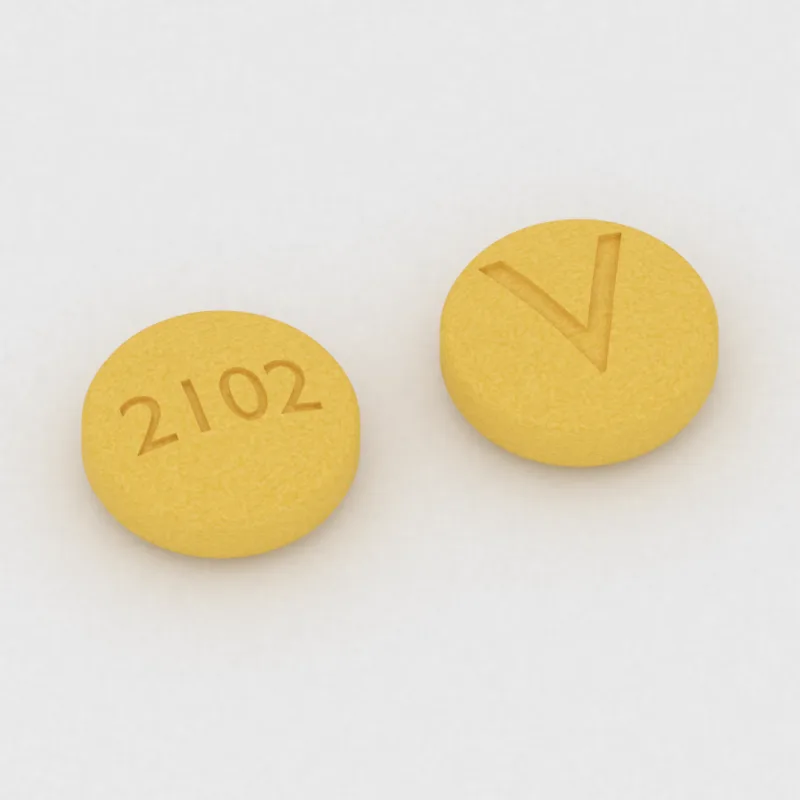
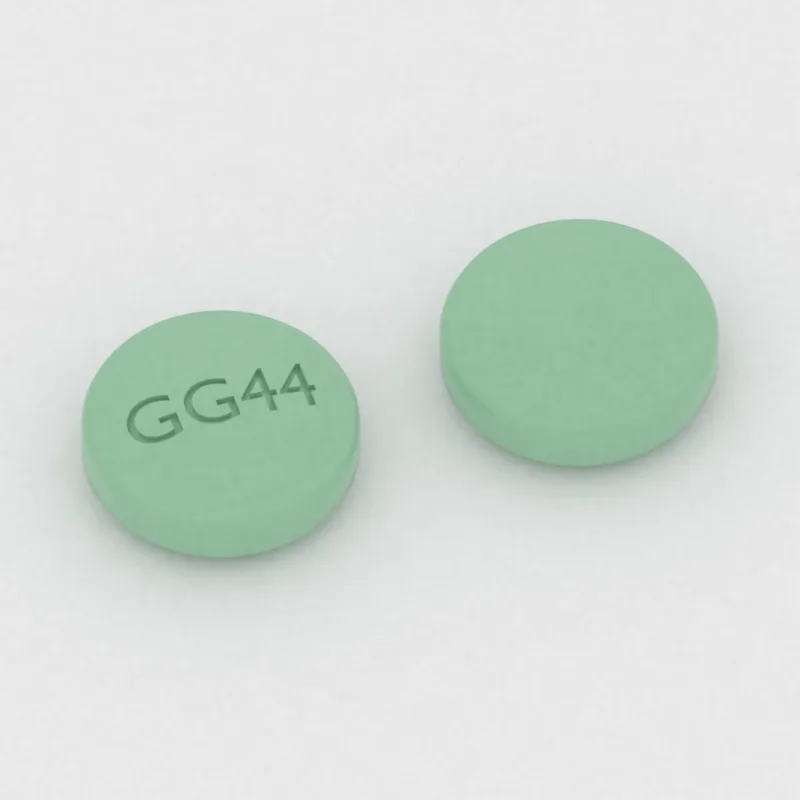
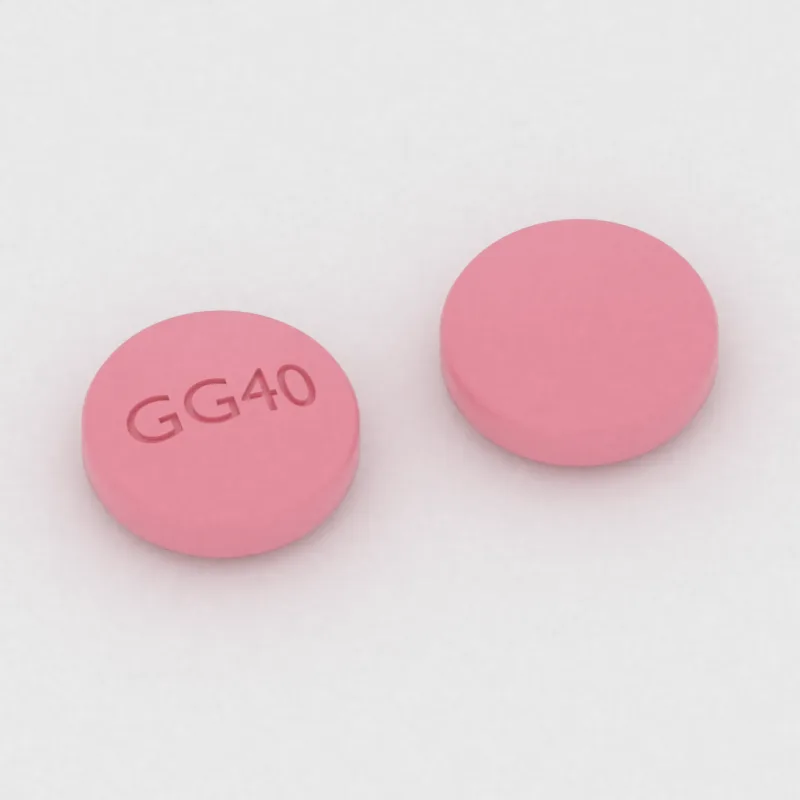
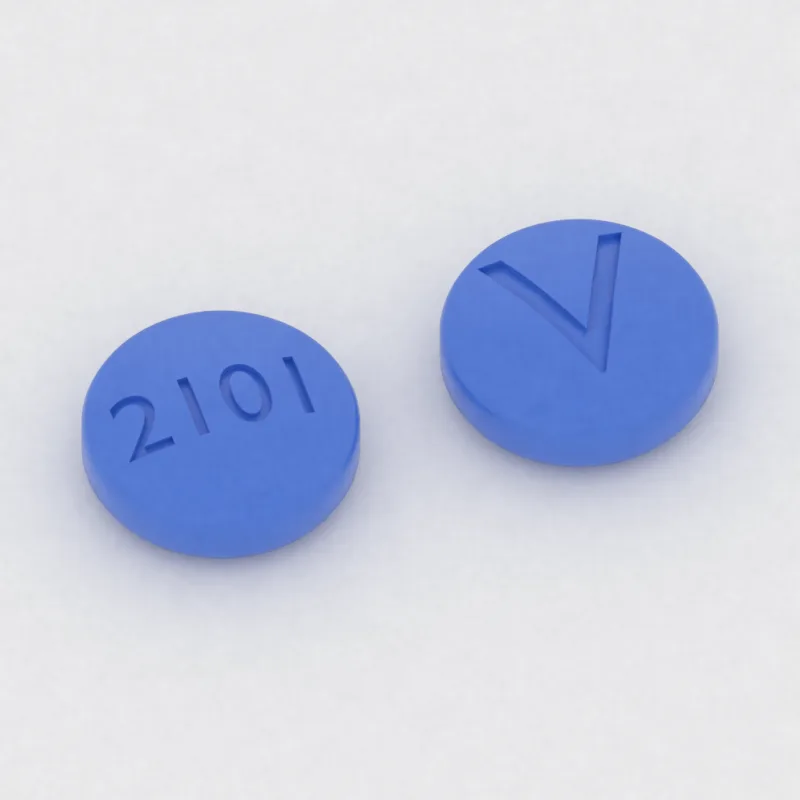
Representaciones generadas a partir de los listados de productos de las etiquetas de la FDA: color, forma, tamaño e inscripción. 71 versiones documentadas de 22 etiquetadores.
Interacciones según la etiqueta
Interacciones graves (149)
Avoid administrations of TUDORZA PRESSAIR with other anticholinergic-containing drugs. (etiqueta de Aclidinio, Interacciones medicamentosas)
Combinar el alcohol con medicamentos sedantes (opioides, benzodiazepinas, medicamentos para dormir, relajantes musculares) puede causar somnolencia peligrosa, respiración enlentecida y sobredosis. (NIAAA, Harmful Interactions: Mixing Alcohol with Medicines)
• Effects on Driving and Operating Machinery: Patients receiving • alprazolam XR should be cautioned against operating machinery or driving a motor vehicle, as well as avoiding concomitant use of alcohol and other central nervous system (CNS) depressant drugs. (etiqueta de Alprazolam, Advertencias y precauciones)
Reserve the combination of amiodarone with other antiarrhythmic therapies that prolong the QTc to patients with life-threatening ventricular arrhythmias who are incompletely responsive to a single agent. (etiqueta de Amiodarona, Advertencias y precauciones)
Anyone considering the use of amitriptyline hydrochloride tablets or any other antidepressant in a child, adolescent, or young adult must balance this risk with the clinical need. (etiqueta de Amitriptilina, Advertencia en recuadro)
Serotonin Syndrome: Increased risk when co-administered with serotonergic agents (e.g., SSRIs, SNRIs, triptans), but also during overdosage situations. (etiqueta de Anfetamina, Advertencias y precauciones)
Serotonin Syndrome: Increased risk when coadministered with serotonergic agents (e.g., selective serotonin reuptake inhibitors (SSRIs), serotonin norepinephrine reuptake inhibitors (SNRIs), triptans), but also during overdosage situations. (etiqueta de Anfetamina y dexanfetamina, Advertencias y precauciones)
• Avoid concurrent use of alcohol or other central nervous system (CNS) depressants with azelastine hydrochloride and fluticasone propionate nasal spray because further decreased alertness and impairment of CNS performance may occur. (etiqueta de Azelastina y fluticasona, Advertencias y precauciones)
This risk which can be fatal should be considered in patients with certain cardiovascular disorders including known QT prolongation or history torsades de pointes, those with proarrhythmic conditions, and with other drugs that prolong the QT interval. (etiqueta de Azitromicina, Advertencias y precauciones)
It should not be given concomitantly with monoamine oxidase inhibitors. (etiqueta de Amitriptilina, Contraindicaciones)
…AND MISUSE; LIFE-THREATENING RESPIRATORY DEPRESSION; ACCIDENTAL EXPOSURE; NEONATAL OPIOD WITHDRAWAL SYNDROME; and RISKS FROM CONCOMITANT USE WITH ALCOHOL, BENZODIAZEPINES OR OTHER CNS DEPRESSANTS Addiction, Abuse, and Misuse Belladonna and opium suppositories expose patients and other users to the risks of opioid addiction, abuse, and misuse, which can lead to… (etiqueta de Belladona y opio, Advertencia en recuadro)
Concomitant use of opioids with benzodiazepines or other central nervous system (CNS) depressants, including alcohol, may result in profound sedation, respiratory depression, coma, and death. (etiqueta de Buprenorfina, Advertencia en recuadro)
Serotonergic Drugs: Concomitant use may result in serotonin syndrome. (etiqueta de Buprenorfina y naloxona, Interacciones medicamentosas)
Anyone considering the use of amitriptyline hydrochloride tablets or any other antidepressant in a child, adolescent, or young adult must balance this risk with the clinical need. (etiqueta de Amitriptilina, Advertencia en recuadro)
Serotonin Syndrome The development of a potentially life-threatening serotonin syndrome has been reported with SNRIs SSRIs, and other serotonergic drugs, including buspirone, alone but particularly with concomitant use of other serotonergic drugs (including triptans), with drugs that impair metabolism of serotonin (in particular, MAOIs, including reversible MAOIs… (etiqueta de Buspirona, Advertencias)
Concomitant use of opioids or a barbiturate with benzodiazepines or other central nervous system (CNS) depressants, including alcohol, may result in profound sedation, respiratory depression, coma, and death. (etiqueta de Butalbital, ácido acetilsalicílico, cafeína y codeína, Advertencia en recuadro)
Risks From Concomitant Use With Benzodiazepines Or Other CNS Depressants Concomitant use of opioids with benzodiazepines or other central nervous system (CNS) depressants, including alcohol, may result in profound sedation, respiratory depression, coma, and death. (etiqueta de Butalbital, paracetamol, cafeína y codeína, Advertencia en recuadro)
Risks From Concomitant Use With Benzodiazepines Or Other CNS Depressants Concomitant use of opioids with benzodiazepines or other central nervous system (CNS) depressants, including alcohol, may result in profound sedation, respiratory depression, coma, and death. (etiqueta de Butorfanol, Advertencia en recuadro)
Known hypersensitivity to any of the tricyclic compounds (e.g., amitriptyline, desipramine, imipramine, protriptyline, and nortriptyline.) Hypersensitivity reactions include anaphylaxis and serious rash. (etiqueta de Carbamazepina, Contraindicaciones)
Avoid concurrent use of Carbinoxamine Maleate Extended-Release Oral Suspension with alcohol or other central nervous system depressants because additional impairment of central nervous system performance may occur. (etiqueta de Carbinoxamina, Advertencias y precauciones)
Avoid concurrent use of QUZYTTIR with alcohol or other CNS depressants because additional reduction in alertness and additional impairment of CNS performance may occur. (etiqueta de Cetirizina, Advertencias y precauciones)
Hyperpyretic crisis seizures and deaths have occurred in patients who received cyclobenzaprine (or structurally similar tricyclic antidepressants) concomitantly with MAO inhibitors drugs. (etiqueta de Ciclobenzaprina, Contraindicaciones)
Avoid use in patients with known prolongation, those with hypokalemia, and with other drugs that prolong the QT interval. (etiqueta de Ciprofloxacino, Advertencias y precauciones)
Anyone considering the use of amitriptyline hydrochloride tablets or any other antidepressant in a child, adolescent, or young adult must balance this risk with the clinical need. (etiqueta de Amitriptilina, Advertencia en recuadro)
In patients in whom there is cause for arrest or delay in tablet passage through the gastrointestinal tract, such as those suffering from delayed gastric emptying, esophageal compression, intestinal obstruction or stricture, or those taking anticholinergic medication. (etiqueta de Citrato de potasio, Contraindicaciones)
Anyone considering the use of amitriptyline hydrochloride tablets or any other antidepressant in a child, adolescent, or young adult must balance this risk with the clinical need. (etiqueta de Amitriptilina, Advertencia en recuadro)
Avoid use with other central nervous system (CNS) depressants ( 5.3 ) (etiqueta de Clonidina, Advertencias y precauciones)
When possible, avoid concomitant use, with other anticholinergic medications because the risk for anticholinergic toxicity or severe gastrointestinal adverse reactions is increased [see Warnings and Precautions ( 5.7 ), Drug Interactions ( 7.1 )]. (etiqueta de Clozapina, Advertencias y precauciones)
Risks From Concomitant Use With Benzodiazepines Or Other CNS Depressants Concomitant use of opioids with benzodiazepines or other central nervous system (CNS) depressants, including alcohol, may result in profound sedation, respiratory depression, coma, and death. (etiqueta de Codeína, Advertencia en recuadro)
Anyone considering the use of amitriptyline hydrochloride tablets or any other antidepressant in a child, adolescent, or young adult must balance this risk with the clinical need. (etiqueta de Amitriptilina, Advertencia en recuadro)
Anyone considering the use of amitriptyline hydrochloride tablets or any other antidepressant in a child, adolescent, or young adult must balance this risk with the clinical need. (etiqueta de Amitriptilina, Advertencia en recuadro)
Serotonergic Drugs The concomitant use of dextroamphetamine sulfate and serotonergic drugs increases the risk of serotonin syndrome. (etiqueta de Dexanfetamina, Interacciones medicamentosas)
Serotonin syndrome: Use of NUEDEXTA with selective serotonin reuptake inhibitor (SSRIs) or tricyclic antidepressants increases the risk. (etiqueta de Dextrometorfano y quinidina, Advertencias y precauciones)
CONTRAINDICATIONS Diphenoxylate hydrochloride and atropine sulfate is contraindicated in: • Pediatric patients less than 6 years of age due to the risks of respiratory and central nervous system (CNS) depression (see WARNINGS ). (etiqueta de Difenoxilato y atropina, Contraindicaciones)
Usage of MOTOFEN ® in recommended doses is not likely to cause prominent anticholinergic side effects, but MOTOFEN ® should be avoided in patients in whom anticholinergic drugs are contraindicated. (etiqueta de Difenoxina y atropina, Advertencias)
Use with Drugs that Prolong QT Interval and Antiarrhythmic Agents The use of dofetilide in conjunction with other drugs that prolong the QT interval has not been studied and is not recommended. (etiqueta de Dofetilida, Advertencias)
Anyone considering the use of amitriptyline hydrochloride tablets or any other antidepressant in a child, adolescent, or young adult must balance this risk with the clinical need. (etiqueta de Amitriptilina, Advertencia en recuadro)
…Pharmacology (12.3) ] • Concomitant use of drugs or herbal products that prolong the QT interval and might increase the risk of torsade de pointes, such as phenothiazine antipsychotics, tricyclic antidepressants, certain oral macrolide antibiotics, and Class I and III antiarrhythmics • Liver or lung toxicity related to the previous use of amiodarone • QTc interval… (etiqueta de Dronedarona, Contraindicaciones)
Anyone considering the use of amitriptyline hydrochloride tablets or any other antidepressant in a child, adolescent, or young adult must balance this risk with the clinical need. (etiqueta de Amitriptilina, Advertencia en recuadro)
Selective Serotonin Reuptake Inhibitors/Serotonin and Norepinephrine Reuptake Inhibitors and Serotonin Syndrome Cases of serotonin syndrome have been reported during co-administration of triptans and SSRIs, SNRIs, TCAs and MAO inhibitors [see Warnings and Precautions (5.7) ]. (etiqueta de Eletriptán, Interacciones medicamentosas)
…Lipid-modifying Agents: lomitapide, lovastatin, simvastatin Phosphodiesterase-5 (PDE-5) Inhibitor: sildenafil when administered as REVATIO ® for the treatment of pulmonary arterial hypertension Sedative/hypnotics: triazolam, orally administered midazolam Coadministration of GENVOYA is contraindicated with drugs that: Are highly dependent on CYP3A for clearance and for which… (etiqueta de Elvitegravir, cobicistat, emtricitabina y tenofovir, Contraindicaciones)
Concomitant use of COMPLERA with drugs with a known risk to prolong the QTc interval of the electrocardiogram may increase the risk of Torsade de Pointes. (etiqueta de Emtricitabina, rilpivirina y tenofovir, Advertencias y precauciones)
Anyone considering the use of amitriptyline hydrochloride tablets or any other antidepressant in a child, adolescent, or young adult must balance this risk with the clinical need. (etiqueta de Amitriptilina, Advertencia en recuadro)
The use of LUNESTA with other sedative-hypnotics at bedtime or the middle of the night is not recommended. (etiqueta de Eszopiclona, Advertencias y precauciones)
Anyone considering the use of amitriptyline hydrochloride tablets or any other antidepressant in a child, adolescent, or young adult must balance this risk with the clinical need. (etiqueta de Amitriptilina, Advertencia en recuadro)
Drugs that Prolong the QT Interval : Avoid concomitant use. (etiqueta de Fenobarbital, Interacciones medicamentosas)
• Concomitant use of opioids with benzodiazepines or other central nervous system (CNS) depressants, including alcohol, may result in profound sedation, respiratory depression, coma, and death. (etiqueta de Fentanilo, Advertencia en recuadro)
Coadministration of other drugs known to prolong the QT interval and which are metabolized via the enzyme CYP3A4 such as erythromycin, pimozide, and quinidine are contraindicated in patients receiving fluconazole. (etiqueta de Fluconazol, Contraindicaciones)
THESE ARE MOST FREQUENT IN PATIENTS WHO HAVE BEEN ON BENZODIAZEPINES FOR LONG-TERM SEDATION OR IN OVERDOSE CASES WHERE PATIENTS ARE SHOWING SIGNS OF SERIOUS CYCLIC ANTIDEPRESSANT OVERDOSE. (etiqueta de Flumazenilo, Advertencia en recuadro)
Anyone considering the use of amitriptyline hydrochloride tablets or any other antidepressant in a child, adolescent, or young adult must balance this risk with the clinical need. (etiqueta de Amitriptilina, Advertencia en recuadro)
Anyone considering the use of amitriptyline hydrochloride tablets or any other antidepressant in a child, adolescent, or young adult must balance this risk with the clinical need. (etiqueta de Amitriptilina, Advertencia en recuadro)
Avoid co-administration of CONTEPO with drugs known to prolong the QT interval. (etiqueta de Fosfomicina, Interacciones medicamentosas)
Selective Serotonin Reuptake Inhibitors / Serotonin Norepinephrine Reuptake Inhibitors and Serotonin Syndrome Cases of serotonin syndrome have been reported during combined use of triptans and SSRIs, SNRIs, TCAs, and MAO inhibitors [ see Warnings and Precautions (5.7) ]. (etiqueta de Frovatriptán, Interacciones medicamentosas)
• Other Conditions Exacerbated by Anticholinergic Adverse Reactions : Use is not recommended in patients with autonomic neuropathy, hyperthyroidism, cardiac disease, hiatal hernia, etc. (etiqueta de Glicopirronio, Advertencias y precauciones)
- GlucagónGrave
Intervention Concomitant use of anticholinergic drugs with GVOKE VialDx is not recommended. (etiqueta de Glucagón, Interacciones medicamentosas)
Serotonin syndrome has been reported with granisetron products, alone but particularly with concomitant use of serotonergic drugs. (etiqueta de Granisetrón, Advertencias y precauciones)
Risks From Concomitant Use With Benzodiazepines Or Other CNS Depressants Concomitant use of opioids with benzodiazepines or other central nervous system (CNS) depressants, including alcohol, may result in profound sedation, respiratory depression, coma, and death. (etiqueta de Hidrocodona, Advertencia en recuadro)
…LIFE-THREATENING RESPIRATORY DEPRESSION; ACCIDENTAL INGESTION; NEONATAL OPIOID WITHDRAWAL SYNDROME; CYTOCHROME P4503A4 INTERACTION; RISKS FROM CONCOMITANT USE WITH BENZODIAZEPINES OR OTHER CNS DEPRESSANTS; and SERIOUS CARDIOVASCULAR AND GASTROINTESTINAL EVENTS WARNING: SERIOUS AND LIFE-THREATENING RISKS FROM USE OF HYDROCODONE BITARTRATE AND IBUPROFEN TABLETS Addiction,… (etiqueta de Hidrocodona e ibuprofeno, Advertencia en recuadro)
…ABUSE, AND MISUSE; LIFE-THREATENING RESPIRATORY DEPRESSION; ACCIDENTAL INGESTION; MEDICATION ERRORS; CYTOCHROME P450 3A4 INTERACTION; CONCOMITANT USE WITH BENZODIAZEPINES OR OTHER CNS DEPRESSANTS; INTERACTION WITH ALCOHOL; NEONATAL OPIOID WITHDRAWAL SYNDROME WARNING: ADDICTION, ABUSE, AND MISUSE; LIFE-THREATENING RESPIRATORY DEPRESSION; ACCIDENTAL INGESTION;… (etiqueta de Hidrocodona y clorfenamina, Advertencia en recuadro)
…ABUSE, AND MISUSE; LIFE-THREATENING RESPIRATORY DEPRESSION; ACCIDENTAL INGESTION; MEDICATION ERRORS; CYTOCHROME P450 3A4 INTERACTION; CONCOMITANT USE WITH BENZODIAZEPINES OR OTHER CNS DEPRESSANTS; INTERACTION WITH ALCOHOL; NEONATAL OPIOID WITHDRAWAL SYNDROME Addiction, Abuse, and Misuse Hydrocodone bitartrate and homatropine methylbromide exposes patients and… (etiqueta de Hidrocodona y homatropina, Advertencia en recuadro)
Risks From Concomitant Use With Benzodiazepines Or Other CNS Depressants Concomitant use of opioids with benzodiazepines or other central nervous system (CNS) depressants, including alcohol, may result in profound sedation, respiratory depression, coma, and death. (etiqueta de Hidrocodona y paracetamol, Advertencia en recuadro)
Risks From Concomitant Use With Benzodiazepines Or Other CNS Depressants Concomitant use of opioids with benzodiazepines or other central nervous system (CNS) depressants, including alcohol, may result in profound sedation, respiratory depression, coma, and death . (etiqueta de Hidromorfona, Advertencia en recuadro)
Therefore, PLAQUENIL is not recommended in patients taking other drugs that have the potential to prolong the QT interval. (etiqueta de Hidroxicloroquina, Advertencias y precauciones)
Rarely, cardiac arrests and death have been reported in association with the combined use of hydroxyzine hydrochloride intramuscularly and other CNS depressants. (etiqueta de Hidroxizina, Precauciones)
Combinar la hierba de San Juan (hipérico) con antidepresivos y otros fármacos serotoninérgicos aumenta el riesgo de síndrome serotoninérgico. (NCCIH, St. John's Wort)
Avoid the use of FANAPT in combination with any other drugs that prolong the QT interval [see Warnings and Precautions (5.3) ] . (etiqueta de Iloperidona, Interacciones medicamentosas)
Anyone considering the use of amitriptyline hydrochloride tablets or any other antidepressant in a child, adolescent, or young adult must balance this risk with the clinical need. (etiqueta de Amitriptilina, Advertencia en recuadro)
Avoid administration of ATROVENT HFA with other anticholinergic-containing drugs ( 7.1 ) (etiqueta de Ipratropio, Interacciones medicamentosas)
It should not be given concomitantly with monoamine oxidase inhibitors. (etiqueta de Amitriptilina, Contraindicaciones)
- IvabradinaGrave
Bradycardia may increase the risk of QT prolongation which may lead to severe ventricular arrhythmias, including torsade de pointes, especially in patients with risk factors such as use of QTc prolonging drugs [see Adverse Reactions ( 6.2 )] . (etiqueta de Ivabradina, Advertencias y precauciones)
Benzodiazepines, Opioid Analgesics, or other CNS Depressants : Concomitant use may result in profound sedation, respiratory depression, coma, or death. (etiqueta de Ketamina, Interacciones medicamentosas)
This may potentiate and prolong hypnotic and sedative effects, especially with repeated dosing or chronic administration of these agents. (etiqueta de Ketoconazol, Contraindicaciones)
Avoid concurrent use of alcohol or other central nervous system depressants with XYZAL. (etiqueta de Levocetirizina, Advertencias y precauciones)
Avoid use in patients with known prolongation, those with hypokalemia, and with other drugs that prolong the QT interval ( 5.11 , 8.5 ) (etiqueta de Levofloxacino, Advertencias y precauciones)
Anyone considering the use of amitriptyline hydrochloride tablets or any other antidepressant in a child, adolescent, or young adult must balance this risk with the clinical need. (etiqueta de Amitriptilina, Advertencia en recuadro)
Risks from Concomitant Use with Benzodiazepines or Other CNS Depressants Concomitant use of opioids with benzodiazepines or other central nervous system (CNS) depressants, including alcohol, may result in profound sedation, respiratory depression, coma, and death. (etiqueta de Levorfanol, Advertencia en recuadro)
It should not be given concomitantly with monoamine oxidase inhibitors. (etiqueta de Amitriptilina, Contraindicaciones)
Serotonin Syndrome: Increased risk when co-administered with serotonergic agents (e.g., SSRIs, SNRIs, triptans), but also during overdosage situations. (etiqueta de Lisdexanfetamina, Advertencias y precauciones)
If concomitant use of lithium with other serotonergic drugs is clinically warranted, inform patients of the increased risk for serotonin syndrome and monitor for symptoms. (etiqueta de Litio, Advertencias y precauciones)
Caution patients receiving LOREEV XR against operating machinery or driving a motor vehicle as well to avoid the concomitant use of alcohol and other CNS depressant drugs during treatment ( 5.4 , 7 ) (etiqueta de Lorazepam, Advertencias y precauciones)
Managing Risks from Concomitant Use with Benzodiazepines or Other CNS Depressants Concomitant use with benzodiazepines or other central nervous system (CNS) depressants, including alcohol, is a risk factor for respiratory depression and death [see Warnings and Precautions ( 5.2 )]. (etiqueta de Metadona, Advertencia en recuadro)
Serotonin Syndrome: Increased risk when coadministered with serotonergic agents (e.g., SSRIs, SNRIs, triptans), but also during overdosage situations. (etiqueta de Metanfetamina, Advertencias y precauciones)
If concomitant use with another CNS depressant is warranted, closely monitor for signs of respiratory depression and sedation, particularly during treatment initiation and dosage increases. (etiqueta de Metaxalona, Advertencias y precauciones)
Other important considerations in the differential diagnosis include central anticholinergic toxicity, heat stroke, malignant hyperthermia, drug fever, serotonin syndrome, and primary central nervous system pathology. (etiqueta de Metoclopramida, Advertencias y precauciones)
WARNING: PERSONNEL AND EQUIPMENT FOR MONITORING AND RESUSCITATION AND RISKS FROM CONCOMITANT USE WITH OPIOID ANALGESICS AND OTHER SEDATIVE-HYPNOTICS Personnel and Equipment for Monitoring and Resuscitation Only personnel trained in the administration of procedural sedation, and not involved in the conduct of the diagnostic or therapeutic procedure, should administer… (etiqueta de Midazolam, Advertencia en recuadro)
• Serotonin Syndrome : Increased risk when co-administered with other serotonergic agents, but also when taken alone. (etiqueta de Milnaciprán, Advertencias y precauciones)
Anyone considering the use of amitriptyline hydrochloride tablets or any other antidepressant in a child, adolescent, or young adult must balance this risk with the clinical need. (etiqueta de Amitriptilina, Advertencia en recuadro)
Risks From Concomitant Use With Benzodiazepines Or Other CNS Depressants Concomitant use of opioids with benzodiazepines or other central nervous system (CNS) depressants, including alcohol, may result in profound sedation, respiratory depression, coma, and death. (etiqueta de Morfina, Advertencia en recuadro)
Risks From Concomitant Use With Benzodiazepines Or Other CNS Depressants Concomitant use of opioids with benzodiazepines or other central nervous system (CNS) depressants, including alcohol, may result in profound sedation, respiratory depression, coma, and death. (etiqueta de Nalbufina, Advertencia en recuadro)
Risk of Recurrent Respiratory and CNS Depression : A recurrence of respiratory depression is possible, therefore, keep the patient under continued surveillance and administer repeat doses of ZURNAI using a new auto-injector with each dose while awaiting emergency medical assistance. (etiqueta de Nalmefeno, Advertencias y precauciones)
Anyone considering the use of amitriptyline hydrochloride tablets or any other antidepressant in a child, adolescent, or young adult must balance this risk with the clinical need. (etiqueta de Amitriptilina, Advertencia en recuadro)
Selective Serotonin Reuptake Inhibitors/Serotonin Norepinephrine Reuptake Inhibitors and Serotonin Syndrome Cases of serotonin syndrome have been reported during co-administration of triptans and SSRIs, SNRIs, TCAs, and MAO inhibitors [see Warnings and Precautions (5.7)] . (etiqueta de Naratriptán, Interacciones medicamentosas)
Anyone considering the use of amitriptyline hydrochloride tablets or any other antidepressant in a child, adolescent, or young adult must balance this risk with the clinical need. (etiqueta de Amitriptilina, Advertencia en recuadro)
Anyone considering the use of amitriptyline hydrochloride tablets or any other antidepressant in a child, adolescent, or young adult must balance this risk with the clinical need. (etiqueta de Amitriptilina, Advertencia en recuadro)
Anyone considering the use of amitriptyline hydrochloride tablets or any other antidepressant in a child, adolescent, or young adult must balance this risk with the clinical need. (etiqueta de Amitriptilina, Advertencia en recuadro)
Risks From Concomitant Use With Benzodiazepines Or Other CNS Depressants Concomitant use of opioids with benzodiazepines or other central nervous system (CNS) depressants, including alcohol, may result in profound sedation, respiratory depression, coma, and death. (etiqueta de Oliceridina, Advertencia en recuadro)
• Avoid concurrent use of alcohol or other central nervous system depressants with olopatadine hydrochloride nasal solution (nasal spray) ( 5.2 ). (etiqueta de Olopatadina, Advertencias y precauciones)
• Avoid concurrent use of alcohol or other central nervous system (CNS) depressants with RYALTRIS because additional reductions in alertness and additional impairment of CNS performance may occur. (etiqueta de Olopatadina y mometasona, Advertencias y precauciones)
S e ro t o ni n Syndrome: Serotonin syndrome has been reported with 5-HT 3 receptor antagonists alone but particularly with concomitant use of serotonergic drugs. (etiqueta de Ondansetrón, Advertencias y precauciones)
- OxaliplatinoGrave
Avoid coadministration of oxaliplatin injection with medicinal products with a known potential to prolong the QT interval. (etiqueta de Oxaliplatino, Interacciones medicamentosas)
Abuse or misuse of illicit GHB, either alone or in combination with other CNS depressants, is associated with CNS adverse reactions, including seizure, respiratory depression, decreases in the level of consciousness, coma, and death [see Warnings and Precautions ( 5.2 )]. (etiqueta de Oxibato de sodio, Advertencia en recuadro)
Risks From Concomitant Use With Benzodiazepines Or Other CNS Depressants Concomitant use of opioids with benzodiazepines or other central nervous system (CNS) depressants, including alcohol, may result in profound sedation, respiratory depression, coma, and death. (etiqueta de Oxicodona, Advertencia en recuadro)
…LIFE-THREATENING RESPIRATORY DEPRESSION; ACCIDENTAL INGESTION; NEONATAL OPIOID WITHDRAWAL SYNDROME; CYTOCHROME P450 3A4 INTERACTION; and RISKS FROM CONCOMITANT USE WITH BENZODIAZEPINES OR OTHER CNS DEPRESSANTS Addiction, Abuse, and Misuse Oxycodone hydrochloride tablets exposes patients and other users to the risks of opioid addiction, abuse, and misuse, which can lead to… (etiqueta de Oxicodona y paracetamol, Advertencia en recuadro)
Risks From Concomitant Use with Benzodiazepines or Other CNS Depressants Concomitant use of opioids with benzodiazepines or other central nervous system (CNS) depressants, including alcohol, may result in profound sedation, respiratory depression, coma, and death. (etiqueta de Oximorfona, Advertencia en recuadro)
Serotonin syndrome : reported with 5-HT 3 receptor antagonists alone, but particularly with concomitant use of serotonergic drugs. (etiqueta de Palonosetrón, Advertencias y precauciones)
Risks from Concomitant Use with Benzodiazepines or Other CNS Depressants Concomitant use of opioids with benzodiazepines or other central nervous system (CNS) depressants, including alcohol, may result in profound sedation, respiratory depression, coma, and death. (etiqueta de Paracetamol y codeína, Advertencia en recuadro)
Anyone considering the use of amitriptyline hydrochloride tablets or any other antidepressant in a child, adolescent, or young adult must balance this risk with the clinical need. (etiqueta de Amitriptilina, Advertencia en recuadro)
- PazopanibGrave
Avoid coadministration of VOTRIENT with drugs known to prolong the QT/QTc interval. (etiqueta de Pazopanib, Interacciones medicamentosas)
…MITIGATION STRATEGY (REMS); LIFE-THREATENING RESPIRATORY DEPRESSION; ACCIDENTAL INGESTION; NEONATAL OPIOID WITHDRAWAL SYNDROME; and RISKS FROM CONCOMITANT USE WITH BENZODIAZEPINES OR OTHER CNS DEPRESSANTS Addiction, Abuse, and Misuse Pentazocine and Naloxone Tablets exposes patients and other users to the risks of opioid addiction, abuse, and misuse, which can lead to… (etiqueta de Pentazocina y naloxona, Advertencia en recuadro)
Risks from Concomitant Use with Benzodiazepines or Other CNS Depressants Concomitant use of opioids with benzodiazepines or other central nervous system (CNS) depressants, including alcohol, may result in profound sedation, respiratory depression, coma, and death. (etiqueta de Petidina (meperidina), Advertencia en recuadro)
Because pimozide prolongs the QT interval of the electrocardiogram it is contraindicated in patients with congenital long QT syndrome, patients with a history of cardiac arrhythmias, patients taking other drugs which prolong the QT interval of the electrocardiogram or patients with known hypokalemia or hypomagnesemia (see also PRECAUTIONS - DRUG INTERACTIONS ). (etiqueta de Pimozida, Contraindicaciones)
The use of WAKIX should be avoided in patients with known QT prolongation or in combination with other drugs known to prolong the QT interval [see Drug Interactions ( 7.1 )]. (etiqueta de Pitolisant, Advertencias y precauciones)
…PROMETHAZINE AND RESPIRATORY DEPRESSION IN CHILDREN; MEDICATION ERRORS; INTERACTIONS WITH DRUGS AFFECTING CYTOCHROME P450 ISOENZYMES; CONCOMITANT USE WITH BENZODIAZEPINES OR OTHER CNS DEPRESSANTS; NEONATAL OPIOID WITHDRAWAL SYNDROME Addiction, Abuse, and Misuse Promethazine HCl and Codeine Phosphate Oral Solution exposes patients and other users to the risks… (etiqueta de Prometazina y codeína, Advertencia en recuadro)
• Avoid use with other antiarrhythmic agents or drugs that prolong the QT interval. (etiqueta de Propafenona, Advertencias y precauciones)
Anyone considering the use of amitriptyline hydrochloride tablets or any other antidepressant in a child, adolescent, or young adult must balance this risk with the clinical need. (etiqueta de Amitriptilina, Advertencia en recuadro)
Quinidine is also contraindicated in patients who, like those with myasthenia gravis, might be adversely affected by an anticholinergic agent. (etiqueta de Quinidina, Contraindicaciones)
It should not be given concomitantly with monoamine oxidase inhibitors. (etiqueta de Amitriptilina, Contraindicaciones)
Risks From Concomitant Use With Benzodiazepines Or Other CNS Depressants Concomitant use of opioids with benzodiazepines or other central nervous system (CNS) depressants, including alcohol, may result in profound sedation, respiratory depression, coma, and death. (etiqueta de Remifentanilo, Advertencia en recuadro)
Concomitant use with metoclopramide, beta-blockers, or cholinomimetic and anticholinergic drugs is not recommended ( 7.1 , 7.2 , 7.3 ) (etiqueta de Rivastigmina, Interacciones medicamentosas)
It should not be given concomitantly with monoamine oxidase inhibitors. (etiqueta de Amitriptilina, Contraindicaciones)
Anyone considering the use of amitriptyline hydrochloride tablets or any other antidepressant in a child, adolescent, or young adult must balance this risk with the clinical need. (etiqueta de Amitriptilina, Advertencia en recuadro)
Selective Serotonin Reuptake Inhibitors/Serotonin Norepinephrine Reuptake Inhibitors and Serotonin Syndrome Cases of serotonin syndrome have been reported during coadministration of triptans and SSRIs, SNRIs, TCAs, and MAO inhibitors [see Warnings and Precautions (5.7)] . (etiqueta de Sumatriptán, Interacciones medicamentosas)
Selective Serotonin Reuptake Inhibitors/Serotonin Norepinephrine Reuptake Inhibitors and Serotonin Syndrome Clinical Impact: Cases of serotonin syndrome have been reported during coadministration of triptans and SSRIs, SNRIs, TCAs, and MAO inhibitors [see Warnings and Precautions (5.11)] . (etiqueta de Sumatriptán y naproxeno, Interacciones medicamentosas)
Risks From Concomitant Use With Benzodiazepines Or Other CNS Depressants Concomitant use of opioids with benzodiazepines or other central nervous system (CNS) depressants, including alcohol, may result in profound sedation, respiratory depression, coma, and death. (etiqueta de Tapentadol, Advertencia en recuadro)
Certain conditions may increase the risk for torsade de pointes or sudden death such as (1) bradycardia; (2) hypokalemia or hypomagnesemia; (3) concomitant use of other drugs that prolong the QTc interval; and (4) presence of congenital prolongation of the QT interval [see Warnings and Precautions ( 5.8 ), Clinical Pharmacology (12.2) ]. (etiqueta de Tetrabenazina, Interacciones medicamentosas)
CONTRAINDICATIONS Thioridazine hydrochloride tablet use should be avoided in combination with other drugs that are known to prolong the QTc interval and in patients with congenital long QT syndrome or a history of cardiac arrhythmias. (etiqueta de Tioridazina, Contraindicaciones)
Avoid administration of SPIRIVA RESPIMAT with other anticholinergic-containing drugs. (etiqueta de Tiotropio, Interacciones medicamentosas)
Concomitant use of opioids with benzodiazepines or other central nervous system (CNS) depressants, including alcohol, may result in profound sedation, respiratory depression, coma, and death. (etiqueta de Tramadol, Advertencia en recuadro)
Risks from Concomitant Use with Benzodiazepines or Other CNS Depressants Concomitant use of opioids with benzodiazepines or other central nervous system (CNS) depressants, including alcohol, may result in profound sedation, respiratory depression, coma, and death. (etiqueta de Tramadol y paracetamol, Advertencia en recuadro)
Anyone considering the use of amitriptyline hydrochloride tablets or any other antidepressant in a child, adolescent, or young adult must balance this risk with the clinical need. (etiqueta de Amitriptilina, Advertencia en recuadro)
Anyone considering the use of amitriptyline hydrochloride tablets or any other antidepressant in a child, adolescent, or young adult must balance this risk with the clinical need. (etiqueta de Amitriptilina, Advertencia en recuadro)
• Effects on Driving and Operating Heavy Machinery : Patients receiving triazolam should be cautioned against driving or operating heavy machinery, as well as avoiding concomitant use with alcohol and other CNS depressant drugs. (etiqueta de Triazolam, Advertencias y precauciones)
Anyone considering the use of amitriptyline hydrochloride tablets or any other antidepressant in a child, adolescent, or young adult must balance this risk with the clinical need. (etiqueta de Amitriptilina, Advertencia en recuadro)
Avoid administration of Umeclidinium ELLIPTA with other anticholinergic-containing drugs. (etiqueta de Umeclidinio, Interacciones medicamentosas)
Avoid administration of Umeclidinium and Vilanterol ELLIPTA with other anticholinergic-containing drugs. (etiqueta de Umeclidinio y vilanterol, Interacciones medicamentosas)
Anyone considering the use of amitriptyline hydrochloride tablets or any other antidepressant in a child, adolescent, or young adult must balance this risk with the clinical need. (etiqueta de Amitriptilina, Advertencia en recuadro)
- VepdegestrantGrave
Avoid concomitant use of VEPPANU with strong CYP3A inhibitors or drugs known to prolong the QTc interval. (etiqueta de Vepdegestrant, Advertencias y precauciones)
Anyone considering the use of amitriptyline hydrochloride tablets or any other antidepressant in a child, adolescent, or young adult must balance this risk with the clinical need. (etiqueta de Amitriptilina, Advertencia en recuadro)
Anyone considering the use of amitriptyline hydrochloride tablets or any other antidepressant in a child, adolescent, or young adult must balance this risk with the clinical need. (etiqueta de Amitriptilina, Advertencia en recuadro)
The use of zaleplon with other sedative-hypnotics at bedtime or the middle of the night is not recommended (see ). (etiqueta de Zaleplón, Advertencias)
…drugs, ziprasidone is contraindicated: • in patients with a known history of QT prolongation (including congenital long QT syndrome) • in patients with recent acute myocardial infarction • in patients with uncompensated heart failure Pharmacokinetic/pharmacodynamic studies between ziprasidone and other drugs that prolong the QT interval have not been performed. (etiqueta de Ziprasidona, Contraindicaciones)
The use of Zolpidem Tartrate with other sedative-hypnotics (including other zolpidem products) at bedtime or the middle of the night is not recommended. (etiqueta de Zolpidem, Advertencias y precauciones)
Interacciones moderadas (183)
Dosage adjustment of amitriptyline/nortriptyline, propofol, warfarin, and zidovudine may be necessary if used concomitantly with valproic acid oral solution (7.2) (etiqueta de Ácido valproico, Interacciones medicamentosas)
When amitriptyline is given with anticholinergic agents or sympathomimetic drugs, including epinephrine combined with local anesthetics, close supervision and careful adjustment of dosages are required. (etiqueta de Amitriptilina, Interacciones medicamentosas)
Inform patients also that the central nervous system depressant effects of allopurinol tablets may be additive to those of alcohol and other CNS depressants. (etiqueta de Alopurinol, Advertencias y precauciones)
25% increase Diazepam Benzodiazepines increase CNS concentrations of adenosine, a potent CNS depressant, while theophylline blocks adenosine receptors. (etiqueta de Aminofilina, Interacciones medicamentosas)
When amitriptyline is given with anticholinergic agents or sympathomimetic drugs, including epinephrine combined with local anesthetics, close supervision and careful adjustment of dosages are required. (etiqueta de Amitriptilina, Interacciones medicamentosas)
When amitriptyline is given with anticholinergic agents or sympathomimetic drugs, including epinephrine combined with local anesthetics, close supervision and careful adjustment of dosages are required. (etiqueta de Amitriptilina, Interacciones medicamentosas)
Other important considerations in the differential diagnosis include central anticholinergic toxicity, heat stroke, drug fever, and primary central nervous system pathology. (etiqueta de Aripiprazol, Advertencias y precauciones)
When amitriptyline is given with anticholinergic agents or sympathomimetic drugs, including epinephrine combined with local anesthetics, close supervision and careful adjustment of dosages are required. (etiqueta de Amitriptilina, Interacciones medicamentosas)
When amitriptyline is given with anticholinergic agents or sympathomimetic drugs, including epinephrine combined with local anesthetics, close supervision and careful adjustment of dosages are required. (etiqueta de Amitriptilina, Interacciones medicamentosas)
Strenuous exercise, exposure to extreme heat, dehydration, and anticholinergic medications may contribute to an elevation in core body temperature; use SAPHRIS with caution in patient who may experience these conditions. (etiqueta de Asenapina, Advertencias y precauciones)
Patients should also be cautioned that the central nervous system depressant effects of intrathecal baclofen may be additive to those of alcohol and other CNS depressants. (etiqueta de Baclofeno, Advertencias y precauciones)
Drugs that alter gastrointestinal motility: The bioavailability of thiazide-type diuretics may be increased by anticholinergic agents (e.g., atropine, biperiden), apparently due to a decrease in gastrointestinal motility and the stomach emptying rate. (etiqueta de Benazepril e hidroclorotiazida, Interacciones medicamentosas)
When amitriptyline is given with anticholinergic agents or sympathomimetic drugs, including epinephrine combined with local anesthetics, close supervision and careful adjustment of dosages are required. (etiqueta de Amitriptilina, Interacciones medicamentosas)
Sedatives/Hypnotics: midazolam (oral) triazolam ↑ midazolam (oral) ↑ triazolam Use caution when midazolam or triazolam is concomitantly administered with BIXLENVO. (etiqueta de Bictegravir, emtricitabina y tenofovir alafenamida, Interacciones medicamentosas)
Strenuous exercise, exposure to extreme heat, dehydration, and anticholinergic medications may contribute to an elevation in core body temperature; use REXULTI with caution in patients who may experience these conditions. (etiqueta de Brexpiprazol, Advertencias y precauciones)
Use with CNS depressants may result in an additive or potentiating effect. (etiqueta de Brimonidina, Interacciones medicamentosas)
Use with CNS depressants may result in an additive or potentiating effect. (etiqueta de Brimonidina y timolol, Interacciones medicamentosas)
When amitriptyline is given with anticholinergic agents or sympathomimetic drugs, including epinephrine combined with local anesthetics, close supervision and careful adjustment of dosages are required. (etiqueta de Amitriptilina, Interacciones medicamentosas)
When amitriptyline is given with anticholinergic agents or sympathomimetic drugs, including epinephrine combined with local anesthetics, close supervision and careful adjustment of dosages are required. (etiqueta de Amitriptilina, Interacciones medicamentosas)
When amitriptyline is given with anticholinergic agents or sympathomimetic drugs, including epinephrine combined with local anesthetics, close supervision and careful adjustment of dosages are required. (etiqueta de Amitriptilina, Interacciones medicamentosas)
When amitriptyline is given with anticholinergic agents or sympathomimetic drugs, including epinephrine combined with local anesthetics, close supervision and careful adjustment of dosages are required. (etiqueta de Amitriptilina, Interacciones medicamentosas)
Butalbital and acetaminophen may enhance the effects of:other narcotic analgesics, alcohol, general anesthetics, tranquilizers such as chlordiazepoxide, sedative-hypnotics, or other CNS depressants, causing increased CNS depression. (etiqueta de Butalbital y paracetamol, Interacciones medicamentosas)
When amitriptyline is given with anticholinergic agents or sympathomimetic drugs, including epinephrine combined with local anesthetics, close supervision and careful adjustment of dosages are required. (etiqueta de Amitriptilina, Interacciones medicamentosas)
When amitriptyline is given with anticholinergic agents or sympathomimetic drugs, including epinephrine combined with local anesthetics, close supervision and careful adjustment of dosages are required. (etiqueta de Amitriptilina, Interacciones medicamentosas)
Other CNS depressants, including alcohol, could potentiate the somnolence and sedation effect of EPIDIOLEX. (etiqueta de Cannabidiol (con receta), Advertencias y precauciones)
- CarbidopaModerada
Other important considerations in the differential diagnosis include central anticholinergic toxicity, heat stroke, drug fever, and primary central nervous system (CNS) pathology. (etiqueta de Carbidopa, Advertencias)
• Tricyclic antidepressants: risk of hypertension and dyskinesia reported during concomitant use with carbidopa/levodopa ( 7.4 ) (etiqueta de Carbidopa, levodopa y entacapona, Interacciones medicamentosas)
Strenuous exercise, exposure to extreme heat, dehydration, and anticholinergic medications may contribute to an elevation in core body temperature; use VRAYLAR with caution in patient who may experience these conditions. (etiqueta de Cariprazina, Advertencias y precauciones)
• Additive sedative effects when used with other CNS depressants including alcohol (5.1) (etiqueta de Carisoprodol, Advertencias y precauciones)
Concomitant use with other CNS depressants or alcohol may have additive effects. (etiqueta de Cenobamato, Advertencias y precauciones)
Cimetidine is reported to reduce hepatic metabolism of certain tricyclic antidepressants, thereby delaying elimination and increasing steady-state concentrations of these drugs. (etiqueta de Amitriptilina, Interacciones medicamentosas)
QT Interval Prolongation and V entricular A rr h ythmia Decreases in serum calcium can also prolong the QT interval, potentially resulting in ventricular arrhythmia. (etiqueta de Cinacalcet, Advertencias y precauciones)
CNS Depressants Antihistamines may have additive effects with alcohol and other CNS depressants, e.g., hypnotics, sedatives, tranquilizers, antianxiety agents. (etiqueta de Ciproheptadina, Advertencias)
Use with CNS Depressants Clemastine has additive effects with alcohol and other CNS depressants (hypnotics, sedatives, tranquilizers, etc.). Use in Activities Requiring Mental Alertness Patients should be warned about engaging in activities requiring mental alertness such as driving a car or operating appliances, machinery, etc. (etiqueta de Clemastina, Advertencias)
Risk may be increased with concomitant use of other CNS depressants ( 5.4 , 5.5 ) (etiqueta de Clobazam, Advertencias y precauciones)
They should also be warned about the concomitant use of alcohol or other CNS-depressant drugs during Klonopin therapy (see PRECAUTIONS: Drug Interactions and PRECAUTIONS: Information for Patients ). (etiqueta de Clonazepam, Advertencias)
The actions of the benzodiazepines may be potentiated by barbiturates, narcotics, phenothiazines, monoamine oxidase inhibitors or other antidepressants. (etiqueta de Clorazepato, Interacciones medicamentosas)
The concomitant use of alcohol or other central nervous system depressants may have an additive effect. (etiqueta de Clordiazepóxido, Advertencias)
Effects on the Ability to Drive or Operate Machinery As in the case of other preparations containing CNS-acting drugs, patients receiving Librax should be cautioned about possible combined effects with opioids, alcohol and other CNS depressants. (etiqueta de Clordiazepóxido y clidinio, Advertencias)
When amitriptyline is given with anticholinergic agents or sympathomimetic drugs, including epinephrine combined with local anesthetics, close supervision and careful adjustment of dosages are required. (etiqueta de Amitriptilina, Interacciones medicamentosas)
Chlorzoxazone use should also be discontinued if a patient develops abnormal liver enzymes (e.g., AST, ALT, alkaline phosphatase and bilirubin.) The concomitant use of alcohol or other central nervous system depressants may have an additive effect. (etiqueta de Clorzoxazona, Advertencias y precauciones)
When amitriptyline is given with anticholinergic agents or sympathomimetic drugs, including epinephrine combined with local anesthetics, close supervision and careful adjustment of dosages are required. (etiqueta de Amitriptilina, Interacciones medicamentosas)
Risk increases when used with other central nervous system (CNS) depressants. (etiqueta de Daridorexant, Advertencias y precauciones)
Darifenacin extended-release tablets, like other anticholinergic drugs, may decrease gastrointestinal motility and should be used with caution in patients with conditions such as severe constipation, ulcerative colitis, and myasthenia gravis. (etiqueta de Darifenacina, Advertencias y precauciones)
When amitriptyline is given with anticholinergic agents or sympathomimetic drugs, including epinephrine combined with local anesthetics, close supervision and careful adjustment of dosages are required. (etiqueta de Amitriptilina, Interacciones medicamentosas)
- DesmopresinaModerada
Other Drugs that may Increase Risk of Hyponatremia Concomitant administration of DESMODA with other drugs that may increase the risk of water intoxication with hyponatremia, (e.g., tricyclic antidepressants, selective serotonin re-uptake inhibitors, chlorpromazine, opiate analgesics, thiazide diuretics, NSAIDs, lamotrigine, sulfonylureas, particularly chlorpropamide,… (etiqueta de Desmopresina, Interacciones medicamentosas)
Other important considerations in the differential diagnosis include central anticholinergic toxicity, heat stroke, drug fever, and primary central nervous system pathology. (etiqueta de Deutetrabenazina, Advertencias y precauciones)
Use with CNS Depressants CORPHENA Oral Solution has additive effects with alcohol and other CNS depressants (hypnotics, sedatives, tranquilizers, etc.). Use in Activities Requiring Mental Alertness Patients should be warned about engaging in activities requiring mental alertness such as driving a car or operating appliances, machinery, etc. (etiqueta de Dexclorfeniramina, Advertencias)
The intravenous administration of anticholinergic agents (e.g., glycopyrrolate, atropine) should be considered to modify vagal tone. (etiqueta de Dexmedetomidina, Advertencias y precauciones)
When amitriptyline is given with anticholinergic agents or sympathomimetic drugs, including epinephrine combined with local anesthetics, close supervision and careful adjustment of dosages are required. (etiqueta de Amitriptilina, Interacciones medicamentosas)
…be given to the pharmacology of the agents employed particularly with compounds that may potentiate or be potentiated by the action of Valium, such as phenothiazines, antipsychotics, anxiolytics/sedatives, hypnotics, anticonvulsants, narcotic analgesics, anesthetics, sedative antihistamines, narcotics, barbiturates, MAO inhibitors and other antidepressants. (etiqueta de Diazepam, Interacciones medicamentosas)
Anticholinergic agents: may affect the gastrointestinal absorption of various drugs; may also increase certain actions or side effects of other anticholinergic drugs (7) (etiqueta de Dicicloverina, Interacciones medicamentosas)
Drug Interactions Diphenhydramine hydrochloride has additive effects with alcohol and other CNS depressants (hypnotics, sedatives, tranquilizers, etc). (etiqueta de Difenhidramina, Interacciones medicamentosas)
The concomitant use of alcohol or other central nervous system depressants may have an additive effect. (etiqueta de Dimenhidrinato, Advertencias)
Dosage adjustment of amitriptyline/nortriptyline, propofol, warfarin, and zidovudine may be necessary if used concomitantly with Depakote ER ( 7.2 ) (etiqueta de Divalproato de sodio (valproato), Interacciones medicamentosas)
When amitriptyline is given with anticholinergic agents or sympathomimetic drugs, including epinephrine combined with local anesthetics, close supervision and careful adjustment of dosages are required. (etiqueta de Amitriptilina, Interacciones medicamentosas)
Concomitant use of other drugs that cause dizziness, confusion, sedation, or somnolence such as CNS depressants may increase this effect (e.g., barbiturates, benzodiazepines, lithium, opioids, buspirone, scopolamine, antihistamines, tricyclic antidepressants, other anticholinergic agents, and muscle relaxants). (etiqueta de Dronabinol, Advertencias y precauciones)
…cardiac disease, 3) treatment with Class I and Class III antiarrhythmics, 4) treatment with monoamine oxidase inhibitors (MAOI's), 5) concomitant treatment with other drug products known to prolong the QT interval (see PRECAUTIONS, Drug Interactions ), and 6) electrolyte imbalance, in particular hypokalemia and hypomagnesemia, or concomitant treatment with drugs… (etiqueta de Droperidol, Advertencias)
When amitriptyline is given with anticholinergic agents or sympathomimetic drugs, including epinephrine combined with local anesthetics, close supervision and careful adjustment of dosages are required. (etiqueta de Amitriptilina, Interacciones medicamentosas)
QT Prolonging Drugs There is limited information available on the potential for a pharmacodynamic interaction between efavirenz and drugs that prolong the QTc interval. (etiqueta de Efavirenz, Interacciones medicamentosas)
QT Prolonging Drugs There is limited information available on the potential for a pharmacodynamic interaction between EFV and drugs that prolong the QTc interval. (etiqueta de Efavirenz, lamivudina y tenofovir, Interacciones medicamentosas)
When amitriptyline is given with anticholinergic agents or sympathomimetic drugs, including epinephrine combined with local anesthetics, close supervision and careful adjustment of dosages are required. (etiqueta de Amitriptilina, Interacciones medicamentosas)
Examples: alosetron, anticholinergics, opioids Table 3: Established and Other Potentially Clinically Relevant Interactions Affecting Drugs Co-Administered with VIBERZI OATP1B1 and BCRP Substrate Clinical Impact: VIBERZI may increase the exposure of co-administered OATP1B1 and BCRP substrates. (etiqueta de Eluxadolina, Interacciones medicamentosas)
When amitriptyline is given with anticholinergic agents or sympathomimetic drugs, including epinephrine combined with local anesthetics, close supervision and careful adjustment of dosages are required. (etiqueta de Amitriptilina, Interacciones medicamentosas)
- EribulinaModerada
QT Prolongation: Monitor for prolonged QT intervals in patients with congestive heart failure, bradyarrhythmias, drugs known to prolong the QT interval, and electrolyte abnormalities. (etiqueta de Eribulina, Advertencias y precauciones)
• Gastrointestinal and Urinary Disorders : Consider more frequent monitoring during treatment in patients suspected of having intestinal obstruction; patients with pyloric obstruction, patients with impeded urine flow or receiving other anticholinergic drugs. (etiqueta de Escopolamina, Advertencias y precauciones)
Although behaviors such as sleep-driving may occur with sedative-hypnotics alone at therapeutic doses, the use of alcohol and other CNS depressants with sedative-hypnotics appears to increase the risk of such behaviors, as does the use of sedative-hypnotics at doses exceeding the maximum recommended dose. (etiqueta de Estazolam, Advertencias)
When amitriptyline is given with anticholinergic agents or sympathomimetic drugs, including epinephrine combined with local anesthetics, close supervision and careful adjustment of dosages are required. (etiqueta de Amitriptilina, Interacciones medicamentosas)
When amitriptyline is given with anticholinergic agents or sympathomimetic drugs, including epinephrine combined with local anesthetics, close supervision and careful adjustment of dosages are required. (etiqueta de Amitriptilina, Interacciones medicamentosas)
When amitriptyline is given with anticholinergic agents or sympathomimetic drugs, including epinephrine combined with local anesthetics, close supervision and careful adjustment of dosages are required. (etiqueta de Amitriptilina, Interacciones medicamentosas)
…Ethosuximide, felbamate, oxcarbazepine, methsuximide, topiramate Azoles Fluconazole, ketoconazole, itraconazole, miconazole, voriconazole Antineoplastic agents Capecitabine, fluorouracil Antidepressants Fluoxetine, fluvoxamine, sertraline Gastric acid reducing agents H 2 antagonists (cimetidine), omeprazole Sulfonamides Sulfamethizole, sulfaphenazole, sulfadiazine,… (etiqueta de Fenitoína, Interacciones medicamentosas)
When amitriptyline is given with anticholinergic agents or sympathomimetic drugs, including epinephrine combined with local anesthetics, close supervision and careful adjustment of dosages are required. (etiqueta de Amitriptilina, Interacciones medicamentosas)
Drug Interactions Topiramate Some patients may experience a large increase in amitriptyline concentration in the presence of topiramate and any adjustments in amitriptyline dose should be made according to the patient's clinical response and not on the basis of plasma levels. (etiqueta de Amitriptilina, Interacciones medicamentosas)
Urinary Retention in Adult Patients With Bladder Outlet Obstruction The use of Toviaz, like other antimuscarinic drugs, in patients with clinically significant bladder outlet obstruction, including patients with urinary retention, may result in further urinary retention and kidney injury. (etiqueta de Fesoterodina, Advertencias y precauciones)
Acute cardiac arrest may be possible during treatment with tricyclic antidepressants; therefore, Anticholium should only be considered as an antidote for this indication while the patient has continuous ECG monitoring. (etiqueta de Fisostigmina, Advertencias y precauciones)
Exacerbated by other CNS depressants, and in settings where flibanserin concentrations are increased. (etiqueta de Flibanserina, Advertencias y precauciones)
Other important considerations in the differential diagnosis include central anticholinergic toxicity, heat stroke, drug fever and primary central nervous system (CNS) pathology. (etiqueta de Flufenazina, Advertencias)
When amitriptyline is given with anticholinergic agents or sympathomimetic drugs, including epinephrine combined with local anesthetics, close supervision and careful adjustment of dosages are required. (etiqueta de Amitriptilina, Interacciones medicamentosas)
When amitriptyline is given with anticholinergic agents or sympathomimetic drugs, including epinephrine combined with local anesthetics, close supervision and careful adjustment of dosages are required. (etiqueta de Amitriptilina, Interacciones medicamentosas)
Use with caution in patients who have a history of QT prolongation, in patients who are taking medications known to prolong the QT interval (see PRECAUTIONS section), in patients with electrolyte disturbances, or in patients who have other risk factors for QT prolongation. (etiqueta de Foscarnet, Advertencias)
…Ethosuximide, felbamate, oxcarbazepine, methsuximide, topiramate Azoles Fluconazole, ketoconazole, itraconazole, miconazole, voriconazole Antineoplastic agents Capecitabine, fluorouracil Antidepressants Fluoxetine, fluvoxamine, sertraline Gastric acid reducing agents H 2 antagonists (cimetidine), omeprazole Sulfonamides Sulfamethizole, sulfaphenazole, sulfadiazine,… (etiqueta de Fosfenitoína, Interacciones medicamentosas)
When the decision is made to co-prescribe NEURONTIN with another CNS depressant, particularly an opioid, or to prescribe NEURONTIN to patients with underlying respiratory impairment, monitor patients for symptoms of respiratory depression and sedation, and consider initiating NEURONTIN at a low dose. (etiqueta de Gabapentina, Advertencias y precauciones)
- GefitinibModerada
Increase IRESSA to 500 mg daily in patients receiving a strong CYP3A4 inducer (e.g., rifampicin, phenytoin, or tricyclic antidepressant) and resume IRESSA at 250 mg 7 days after discontinuation of the strong inducer [see Dosage and Administration (2.4) , Clinical Pharmacology (12.3) ] . (etiqueta de Gefitinib, Interacciones medicamentosas)
- GoserelinaModerada
Effect on QT/QTc Interval: Androgen deprivation therapy may prolong the QT interval. (etiqueta de Goserelina, Advertencias y precauciones)
Other important considerations in the differential diagnosis include central anticholinergic toxicity, heat stroke, drug fever and primary central nervous system (CNS) pathology. (etiqueta de Haloperidol, Advertencias)
When amitriptyline is given with anticholinergic agents or sympathomimetic drugs, including epinephrine combined with local anesthetics, close supervision and careful adjustment of dosages are required. (etiqueta de Amitriptilina, Interacciones medicamentosas)
When amitriptyline is given with anticholinergic agents or sympathomimetic drugs, including epinephrine combined with local anesthetics, close supervision and careful adjustment of dosages are required. (etiqueta de Amitriptilina, Interacciones medicamentosas)
When amitriptyline is given with anticholinergic agents or sympathomimetic drugs, including epinephrine combined with local anesthetics, close supervision and careful adjustment of dosages are required. (etiqueta de Amitriptilina, Interacciones medicamentosas)
SSRIs, Tricyclics and Related Antidepressants Venlafaxine Monitor for adverse reactions. (etiqueta de Itraconazol, Interacciones medicamentosas)
TYKERB may prolong the QT interval in some patients. (etiqueta de Lapatinib, Advertencias y precauciones)
Risk increases with dose and use with other central nervous system (CNS) depressants. (etiqueta de Lemborexant, Advertencias y precauciones)
- LeuprorelinaModerada
Effect on QT/QTc Interval: Androgen deprivation therapy may prolong the QT interval. (etiqueta de Leuprorelina, Advertencias y precauciones)
When amitriptyline is given with anticholinergic agents or sympathomimetic drugs, including epinephrine combined with local anesthetics, close supervision and careful adjustment of dosages are required. (etiqueta de Amitriptilina, Interacciones medicamentosas)
Antidepressant Therapy Concurrent use of tricyclic (e.g., amitriptyline) or tetracyclic (e.g., maprotiline) antidepressants and levothyroxine may increase the therapeutic and toxic effects of both drugs, possibly due to increased receptor sensitivity to catecholamines. (etiqueta de Levotiroxina, Interacciones medicamentosas)
When amitriptyline is given with anticholinergic agents or sympathomimetic drugs, including epinephrine combined with local anesthetics, close supervision and careful adjustment of dosages are required. (etiqueta de Amitriptilina, Interacciones medicamentosas)
When amitriptyline is given with anticholinergic agents or sympathomimetic drugs, including epinephrine combined with local anesthetics, close supervision and careful adjustment of dosages are required. (etiqueta de Amitriptilina, Interacciones medicamentosas)
When amitriptyline is given with anticholinergic agents or sympathomimetic drugs, including epinephrine combined with local anesthetics, close supervision and careful adjustment of dosages are required. (etiqueta de Amitriptilina, Interacciones medicamentosas)
Antidepressant Therapy Concurrent use of tricyclic (e.g., amitriptyline) or tetracyclic (e.g., maprotiline) antidepressants and liothyronine sodium may increase the therapeutic and toxic effects of both drugs, possibly due to increased receptor sensitivity to catecholamines. (etiqueta de Liotironina, Interacciones medicamentosas)
Risk of QT Prolongation : Lofexidine tablets prolong the QT interval. (etiqueta de Lofexidina, Advertencias y precauciones)
Other important considerations in the differential diagnosis include central anticholinergic toxicity, heat stroke, drug fever, and primary central nervous system (CNS) pathology. (etiqueta de Loxapina, Advertencias)
Monitor all antidepressant-treated patients, especially during the initial few months of anti-depressant drug therapy, and at times of dosage changes. (etiqueta de Lumateperona, Advertencias y precauciones)
Activation of Mania/Hypomania Antidepressant treatment can increase the risk of developing a manic or hypomanic episode, particularly in patients with bipolar disorder. (etiqueta de Lurasidona, Advertencias y precauciones)
• Coadministration of meclizine hydrochloride with other CNS depressants, including alcohol, may result in increased CNS depression ( 7.1 ). (etiqueta de Meclozina, Interacciones medicamentosas)
Other Drugs that Prolong the QTc Interval Coadministration of other drugs known to alter cardiac conduction (e.g., anti-arrhythmic or beta-adrenergic blocking agents, calcium channel blockers, antihistamines or H 1 -blocking agents, tricyclic antidepressants and phenothiazines) might also contribute to a prolongation of the QTc interval. (etiqueta de Mefloquina, Interacciones medicamentosas)
When amitriptyline is given with anticholinergic agents or sympathomimetic drugs, including epinephrine combined with local anesthetics, close supervision and careful adjustment of dosages are required. (etiqueta de Amitriptilina, Interacciones medicamentosas)
Additive Effects Since the effects of meprobamate and alcohol or meprobamate and other CNS depressants or psychotropic drugs may be additive,appropriate caution should be exercised with patients who take more than one of these agents simultaneously. (etiqueta de Meprobamato, Advertencias)
Drug interactions Additive anticholinergic effects may result from concomitant use with antipsychotics, tricyclic antidepressants, and other drugs with anticholinergic effects. (etiqueta de Metilescopolamina, Interacciones medicamentosas)
When amitriptyline is given with anticholinergic agents or sympathomimetic drugs, including epinephrine combined with local anesthetics, close supervision and careful adjustment of dosages are required. (etiqueta de Amitriptilina, Interacciones medicamentosas)
- MetirosinaModerada
Concurrent use of metyrosine with alcohol or other CNS depressants can increase their sedative effects. (etiqueta de Metirosina, Interacciones medicamentosas)
Patients receiving ATMEKSI (methocarbamol) Oral Suspension should be cautioned about combined effects with alcohol and other CNS depressants [ see Drug Interactions (7.1) ]. (etiqueta de Metocarbamol, Advertencias y precauciones)
When amitriptyline is given with anticholinergic agents or sympathomimetic drugs, including epinephrine combined with local anesthetics, close supervision and careful adjustment of dosages are required. (etiqueta de Amitriptilina, Interacciones medicamentosas)
Drugs that Prolong the QT Interval QT prolongation has been reported, particularly when metronidazole was administered with drugs with the potential for prolonging the QT interval. (etiqueta de Metronidazol, Interacciones medicamentosas)
When amitriptyline is given with anticholinergic agents or sympathomimetic drugs, including epinephrine combined with local anesthetics, close supervision and careful adjustment of dosages are required. (etiqueta de Amitriptilina, Interacciones medicamentosas)
There is little or no experience with high exposure, concomitant dosing with other QT-prolonging drugs, or potassium channel variants resulting in a long QT interval. [See Warnings & Precautions ( 5.6 )] To minimize risk, the lowest effective dose should always be used. (etiqueta de Mifepristona, Advertencias y precauciones)
When amitriptyline is given with anticholinergic agents or sympathomimetic drugs, including epinephrine combined with local anesthetics, close supervision and careful adjustment of dosages are required. (etiqueta de Amitriptilina, Interacciones medicamentosas)
When amitriptyline is given with anticholinergic agents or sympathomimetic drugs, including epinephrine combined with local anesthetics, close supervision and careful adjustment of dosages are required. (etiqueta de Amitriptilina, Interacciones medicamentosas)
Pharmacokinetic studies between moxifloxacin and other drugs that prolong the QT interval such as cisapride, erythromycin, antipsychotics, and tricyclic antidepressants have not been performed. (etiqueta de Moxifloxacino, Advertencias y precauciones)
WARNINGS AND PRECAUTIONS Risk of Recurrent Respiratory and CNS Depression : Due to the duration of action of naloxone relative to the opioid, respiratory and CNS depression may recur after the first dose of naloxone. (etiqueta de Naloxona, Advertencias y precauciones)
An anticholinergic agent, (e.g., atropine sulfate or glycopyrrolate) should be administered prior to Neostigmine Methylsulfate Injection administration to lessen the risk of bradycardia [ see Dosage and Administration ( 2.4 ) ]. (etiqueta de Neostigmina, Advertencias y precauciones)
Anticholinergic (antimuscarinic) Effects: Use with caution with other anticholinergic drugs and in patients with urinary retention, prostatic hypertrophy, constipation, paralytic ileus or related conditions. (etiqueta de Olanzapina, Advertencias y precauciones)
When amitriptyline is given with anticholinergic agents or sympathomimetic drugs, including epinephrine combined with local anesthetics, close supervision and careful adjustment of dosages are required. (etiqueta de Amitriptilina, Interacciones medicamentosas)
Patients should be warned that the effects of alcohol or other CNS-depressant drugs may be additive to those of Oxazepam, possibly requiring adjustment of dosage or elimination of such agents. (etiqueta de Oxazepam, Advertencias)
Oxybutynin chloride extended-release tablets, like other anticholinergic drugs, may decrease gastrointestinal motility and should be used with caution in patients with conditions such as ulcerative colitis and intestinal atony. (etiqueta de Oxibutinina, Advertencias y precauciones)
When amitriptyline is given with anticholinergic agents or sympathomimetic drugs, including epinephrine combined with local anesthetics, close supervision and careful adjustment of dosages are required. (etiqueta de Amitriptilina, Interacciones medicamentosas)
…combination with other drugs that are known to prolong QTc including Class 1A (e.g., quinidine, procainamide) or Class III (e.g., amiodarone, sotalol) antiarrhythmic medications, antipsychotic medications (e.g., chlorpromazine, thioridazine), antibiotics (e.g., gatifloxacin, moxifloxacin), or any other class of medications known to prolong the QTc interval. (etiqueta de Paliperidona, Advertencias y precauciones)
- PasireotidaModerada
Drugs that Prolong QT: Use with caution in patients who are at significant risk of developing QTc prolongation. (etiqueta de Pasireotida, Interacciones medicamentosas)
Patients should be carefully observed for signs of central nervous system (CNS) depression, such as somnolence and sedation, when FYCOMPA is used with other drugs with sedative properties because of potential additive effects. (etiqueta de Perampanel, Advertencias y precauciones)
Other important considerations in the differential diagnosis include central anticholinergic toxicity, heat stroke, drug fever and primary central nervous system (CNS) pathology. (etiqueta de Perfenazina, Advertencias)
These effects should be considered when anticholinergic properties may be contributing to the therapeutic effect of concomitant medication (e.g., atropine, inhaled ipratropium). (etiqueta de Pilocarpina, Interacciones medicamentosas)
Use with caution in persons with increased risk of anticholinergic reactions, such as persons with bronchial asthma, chronic obstructive pulmonary disease, bradycardia, cardiac arrhythmias, beta blocker treatment (increased risk of anticholinergic reactions). (etiqueta de Piridostigmina, Advertencias y precauciones)
Anti-Arrhythmic Drugs, QT Prolonging Drugs, Drugs that may Decrease Heart Rate PONVORY has not been studied in patients taking QT prolonging drugs. (etiqueta de Ponesimod, Interacciones medicamentosas)
Concomitant Use with Midazolam : Noxafil can prolong hypnotic/sedative effects. (etiqueta de Posaconazol, Advertencias y precauciones)
When the decision is made to co-prescribe LYRICA CR with another CNS depressant, particularly an opioid, or to prescribe LYRICA CR to patients with underlying respiratory impairment, monitor patients for symptoms of respiratory depression and sedation, and consider initiating LYRICA CR at a low dose. (etiqueta de Pregabalina, Advertencias y precauciones)
When amitriptyline is given with anticholinergic agents or sympathomimetic drugs, including epinephrine combined with local anesthetics, close supervision and careful adjustment of dosages are required. (etiqueta de Amitriptilina, Interacciones medicamentosas)
QT Interval Prolonging Drugs The pharmacodynamic interaction potential to prolong the QT interval of the electrocardiogram between Primaquine phosphate Tablets and other drugs that effect cardiac conduction is unknown. (etiqueta de Primaquina, Interacciones medicamentosas)
Anticholinergic drugs administered concurrently with PA may produce additive antivagal effects on A-V nodal conduction, although this is not as well documented for PA as for quinidine. (etiqueta de Procainamida, Interacciones medicamentosas)
The impairment may be amplified by concomitant use of other central-nervous-system depressants such as alcohol, sedatives/hypnotics (including barbiturates), narcotics, narcotic analgesics, general anesthetics, tricyclic antidepressants, and tranquilizers; therefore such agents should either be eliminated or given in reduced dosage in the presence of promethazine… (etiqueta de Prometazina, Advertencias)
The impairment may be amplified by concomitant use of other central-nervous-system depressants such as alcohol, sedatives/hypnotics (including barbiturates), narcotics, narcotic analgesics, general anesthetics, tricyclic antidepressants, and tranquilizers; therefore such agents should either be eliminated or given in reduced dosage in the presence of promethazine… (etiqueta de Prometazina y dextrometorfano, Advertencias)
When amitriptyline is given with anticholinergic agents or sympathomimetic drugs, including epinephrine combined with local anesthetics, close supervision and careful adjustment of dosages are required. (etiqueta de Amitriptilina, Interacciones medicamentosas)
When amitriptyline is given with anticholinergic agents or sympathomimetic drugs, including epinephrine combined with local anesthetics, close supervision and careful adjustment of dosages are required. (etiqueta de Amitriptilina, Interacciones medicamentosas)
• Anticholinergic (antimuscarinic) Effects: Use with caution with other anticholinergic drugs and in patients with urinary retention, prostatic hypertrophy, or constipation (5.20) (etiqueta de Quetiapina, Advertencias y precauciones)
The use of alcohol and other CNS depressants may increase the risk of such behaviors. (etiqueta de Ramelteón, Advertencias y precauciones)
Drugs transported by P-gp (e.g., digoxin), or drugs metabolized by CYP2D6 (e.g., tricyclic antidepressants) may need reduced doses when used with ASPRUZYO Sprinkle. (etiqueta de Ranolazina, Interacciones medicamentosas)
…Selective 5-HT 3 Receptor Antagonists Ondansetron Decrease exposure Statins Metabolized by CYP3A4 Simvastatin Decrease exposure Thiazolidinediones Rosiglitazone Decrease AUC by 66% Tricyclic Antidepressants Nortriptyline A tuberculosis treatment regimen including rifampin (600 mg/day), isoniazid (300 mg/day), pyrazinamide (500 mg 3× per day), and pyridoxine (25… (etiqueta de Rifampicina, Interacciones medicamentosas)
…levonorgestrel Immunosuppressants Cyclosporine, tacrolimus Methylxanthines Theophylline Narcotic analgesics Methadone Phosphodiesterase-5 (PDE-5) Inhibitors Sildenafil Thyroid preparations Levothyroxine Tricyclic antidepressants Amitriptyline, nortriptyline 7.5 Other Interactions The conversion of PRIFTIN to 25-desacetyl rifapentine is mediated by an esterase enzyme. (etiqueta de Rifapentina, Interacciones medicamentosas)
In healthy subjects, 75 mg once daily and 300 mg once daily (3 times and 12 times the dose in EDURANT) have been shown to prolong the QTc interval of the electrocardiogram. (etiqueta de Rilpivirina, Advertencias y precauciones)
The onset of symptoms can occur within minutes to hours of receiving a new or a greater dose of a serotonergic medication. (etiqueta de Rizatriptán, Advertencias y precauciones)
QT Interval Prolongation The overall analysis of ECG data in pediatric patients indicates that the concomitant use of Rocuronium Bromide Injection with general anesthetic agents can prolong the QTc interval [see Clinical Studies ( 14.3 )]. (etiqueta de Rocuronio, Advertencias y precauciones)
When amitriptyline is given with anticholinergic agents or sympathomimetic drugs, including epinephrine combined with local anesthetics, close supervision and careful adjustment of dosages are required. (etiqueta de Amitriptilina, Interacciones medicamentosas)
When amitriptyline is given with anticholinergic agents or sympathomimetic drugs, including epinephrine combined with local anesthetics, close supervision and careful adjustment of dosages are required. (etiqueta de Amitriptilina, Interacciones medicamentosas)
When amitriptyline is given with anticholinergic agents or sympathomimetic drugs, including epinephrine combined with local anesthetics, close supervision and careful adjustment of dosages are required. (etiqueta de Amitriptilina, Interacciones medicamentosas)
When amitriptyline is given with anticholinergic agents or sympathomimetic drugs, including epinephrine combined with local anesthetics, close supervision and careful adjustment of dosages are required. (etiqueta de Amitriptilina, Interacciones medicamentosas)
Urinary Retention The use of Solifenacin succinate tablets, like other antimuscarinic drugs, in patients with clinically significant bladder outlet obstruction including patients with urinary retention, may result in further urinary retention and kidney injury. (etiqueta de Solifenacina, Advertencias y precauciones)
When amitriptyline is given with anticholinergic agents or sympathomimetic drugs, including epinephrine combined with local anesthetics, close supervision and careful adjustment of dosages are required. (etiqueta de Amitriptilina, Interacciones medicamentosas)
- SorafenibModerada
Monitor electrolytes and electrocardiograms in patients with congestive heart failure, bradyarrhythmias, drugs known to prolong the QT interval, including Class Ia and III antiarrhythmics. (etiqueta de Sorafenib, Advertencias y precauciones)
Additive to other QT-prolonging drugs ( 7.1 , 7.2 ) (etiqueta de Sotalol, Interacciones medicamentosas)
Drugs that Prolong the QT interval QT prolongation has been reported with metronidazole, a component of bismuth subcitrate potassium, metronidazole and tetracycline hydrochloride, particularly when administered with drugs with the potential for prolonging the QT interval. (etiqueta de Subcitrato de bismuto, metronidazol y tetraciclina, Advertencias y precauciones)
- SugammadexModerada
Monitor for hemodynamic changes and administer anticholinergic agents such as atropine if clinically significant bradycardia is observed. (etiqueta de Sugammadex, Advertencias y precauciones)
The efficacy of tricyclic antidepressants can decrease when coadministered with sulfamethoxazole and trimethoprim. (etiqueta de Sulfametoxazol y trimetoprima, Interacciones medicamentosas)
- SunitinibModerada
Drugs that Prolong QT Interval SUTENT is associated with QTc interval prolongation [see Warnings and Precautions (5.3) , Clinical Pharmacology (12.2) ] . (etiqueta de Sunitinib, Interacciones medicamentosas)
Co-administration with other CNS depressants (e.g., benzodiazepines, opioids, tricyclic antidepressants, alcohol) increases the risk of CNS depression. (etiqueta de Suvorexant, Advertencias y precauciones)
Pretreatment with anticholinergic agents (e.g., atropine) may reduce the occurrence of bradyarrhythmias. (etiqueta de Suxametonio (succinilcolina), Advertencias y precauciones)
Although behaviors such as “sleep-driving” may occur with temazepam capsules alone at therapeutic doses, the use of alcohol and other CNS depressants with temazepam capsules appear to increase the risk of such behaviors, as does the use of temazepam capsules at doses exceeding the maximum recommended dose. (etiqueta de Temazepam, Advertencias)
25% increase Diazepam Benzodiazepines increase CNS concentrations of adenosine, a potent CNS depressant, while theophylline blocks adenosine receptors. (etiqueta de Teofilina, Interacciones medicamentosas)
When amitriptyline is given with anticholinergic agents or sympathomimetic drugs, including epinephrine combined with local anesthetics, close supervision and careful adjustment of dosages are required. (etiqueta de Amitriptilina, Interacciones medicamentosas)
Other important considerations in the differential diagnosis include central anticholinergic toxicity, heat stroke, drug fever and primary central nervous system (CNS) pathology. (etiqueta de Tiotixeno, Advertencias)
Sedation: Zanaflex may interfere with everyday activities; sedative effects of Zanaflex, alcohol, and other central nervous system (CNS) depressants are additive ( 5.3 , 7.4 ) (etiqueta de Tizanidina, Advertencias y precauciones)
Drug Interactions Topiramate Some patients may experience a large increase in amitriptyline concentration in the presence of topiramate and any adjustments in amitriptyline dose should be made according to the patient's clinical response and not on the basis of plasma levels. (etiqueta de Amitriptilina, Interacciones medicamentosas)
…quinidine, procainamide, disopyramide) and Class III (e.g., amiodarone, sotalol, ibutilide, dofetilide) antiarrhythmics; certain antipsychotics (e.g., thioridazine, haloperidol); certain antidepressants (e.g., venlafaxine, amitriptyline); certain antibiotics (e.g., erythromycin, clarithromycin, levofloxacin, ofloxacin); and certain anti-emetics (e.g., ondansetron, granisetron). (etiqueta de Toremifeno, Interacciones medicamentosas)
Aminoglycosides or other agents interfering with neuromuscular transmission Anticholinergic drugs Botulinum neurotoxin products Muscle relaxants Aminoglycoside antibiotics, anticholinergic agents, or any other agents that interfere with neuromuscular transmission may potentiate the effect of DAXXIFY; co-administer only with caution and close observation. (etiqueta de Toxina botulínica tipo A, Interacciones medicamentosas)
Because of its anticholinergic effects, XEOMIN should be used with caution in patients at risk of developing narrow angle glaucoma. (etiqueta de Toxina incobotulínica A, Advertencias y precauciones)
Anticholinergic Drugs Use of anticholinergic drugs after administration of BOTOX may potentiate systemic anticholinergic effects. (etiqueta de Toxina onabotulínica A, Interacciones medicamentosas)
Other important considerations in the differential diagnosis include central anticholinergic toxicity, heat stroke, drug fever and primary central nervous system (CNS) pathology. (etiqueta de Trifluoperazina, Advertencias)
Concurrent use of alcohol or other CNS depressants with trihexyphenidyl may cause increased sedative effects. (etiqueta de Trihexifenidilo, Interacciones medicamentosas)
- TrimetobenzamidaModerada
The recent use of other drugs that cause CNS depression or EPS symptoms may also increase the risk; consider reducing the dosage or discontinuing the drug. (etiqueta de Trimetobenzamida, Advertencias y precauciones)
- TriptorelinaModerada
Effect on QT/QTc Interval: Androgen deprivation therapy may prolong the QT interval. (etiqueta de Triptorelina, Advertencias y precauciones)
Trospium chloride extended-release capsules, like other antimuscarinic agents, may decrease gastrointestinal motility and should be used with caution in patients with conditions such as ulcerative colitis, intestinal atony and myasthenia gravis. (etiqueta de Trospio, Advertencias y precauciones)
Other important considerations in the differential diagnosis include central anticholinergic toxicity, heat stroke, drug fever, and primary central nervous system pathology. (etiqueta de Valbenazina, Advertencias y precauciones)
- VasopresinaModerada
Drugs Suspected of Causing SIADH Use with drugs suspected of causing SIADH (e.g., SSRIs, tricyclic antidepressants, haloperidol, chlorpropamide, enalapril, methyldopa, pentamidine, vincristine, cyclophosphamide, ifosfamide, felbamate) may increase the pressor effect in addition to the antidiuretic effect of Vasostrict ® . (etiqueta de Vasopresina, Interacciones medicamentosas)
When amitriptyline is given with anticholinergic agents or sympathomimetic drugs, including epinephrine combined with local anesthetics, close supervision and careful adjustment of dosages are required. (etiqueta de Amitriptilina, Interacciones medicamentosas)
Eszopiclone (CYP3A4 Inhibition) Not Studied In Vivo or In Vitro , but Drug Plasma Exposure Likely to be Increased which may Increase the Sedative Effect of Eszopiclone Dose reduction of eszopiclone is recommended. (etiqueta de Voriconazol, Interacciones medicamentosas)
The onset of symptoms usually rapidly occurs within minutes to hours of receiving a new or a greater dose of a serotonergic medication. (etiqueta de Zolmitriptán, Advertencias y precauciones)
Caution should be used when ZONISADE is prescribed with other drugs that predispose patients to heat-related disorders; these drugs include, but are not limited to, carbonic anhydrase inhibitors and drugs with anticholinergic activity. (etiqueta de Zonisamida, Advertencias y precauciones)
Menciones leves (53)
The drugs that inhibit cytochrome P450 2D6 include some that are not metabolized by the enzyme (quinidine; cimetidine) and many that are substrates for P450 2D6 (many other antidepressants, phenothiazines, and the Type 1C antiarrhythmics propafenone and flecainide). (etiqueta de Amitriptilina, Interacciones medicamentosas)
Guanethidine or similarly acting compounds; thyroid medication; alcohol, barbiturates and other CNS depressants; and disulfiram – see WARNINGS section. (etiqueta de Amitriptilina, Interacciones medicamentosas)
When benztropine mesylate is given concomitantly with phenothiazines, haloperidol, or other drugs with anticholinergic or antidopaminergic activity, patients should be advised to report gastrointestinal complaints, fever or heat intolerance promptly. (etiqueta de Benzatropina, Advertencias)
Guanethidine or similarly acting compounds; thyroid medication; alcohol, barbiturates and other CNS depressants; and disulfiram – see WARNINGS section. (etiqueta de Amitriptilina, Interacciones medicamentosas)
Cevimeline might interfere with desirable antimuscarinic effects of drugs used concomitantly. (etiqueta de Cevimelina, Interacciones medicamentosas)
Guanethidine or similarly acting compounds; thyroid medication; alcohol, barbiturates and other CNS depressants; and disulfiram – see WARNINGS section. (etiqueta de Amitriptilina, Interacciones medicamentosas)
Guanethidine or similarly acting compounds; thyroid medication; alcohol, barbiturates and other CNS depressants; and disulfiram – see WARNINGS section. (etiqueta de Amitriptilina, Interacciones medicamentosas)
Guanethidine or similarly acting compounds; thyroid medication; alcohol, barbiturates and other CNS depressants; and disulfiram – see WARNINGS section. (etiqueta de Amitriptilina, Interacciones medicamentosas)
The drugs that inhibit cytochrome P450 2D6 include some that are not metabolized by the enzyme (quinidine; cimetidine) and many that are substrates for P450 2D6 (many other antidepressants, phenothiazines, and the Type 1C antiarrhythmics propafenone and flecainide). (etiqueta de Amitriptilina, Interacciones medicamentosas)
The drugs that inhibit cytochrome P450 2D6 include some that are not metabolized by the enzyme (quinidine; cimetidine) and many that are substrates for P450 2D6 (many other antidepressants, phenothiazines, and the Type 1C antiarrhythmics propafenone and flecainide). (etiqueta de Amitriptilina, Interacciones medicamentosas)
The drugs that inhibit cytochrome P450 2D6 include some that are not metabolized by the enzyme (quinidine; cimetidine) and many that are substrates for P450 2D6 (many other antidepressants, phenothiazines, and the Type 1C antiarrhythmics propafenone and flecainide). (etiqueta de Amitriptilina, Interacciones medicamentosas)
Guanethidine or similarly acting compounds; thyroid medication; alcohol, barbiturates and other CNS depressants; and disulfiram – see WARNINGS section. (etiqueta de Amitriptilina, Interacciones medicamentosas)
Cholinesterase inhibitors have the potential to interfere with the activity of anticholinergic medications ( 7.1 ) (etiqueta de Donepezilo, Interacciones medicamentosas)
- DoxapramLeve
In Drug-Induced CNS and Respiratory Depression Doxapram alone may not stimulate adequate spontaneous breathing or provide sufficient arousal in patients who are severely depressed either due to respiratory failure or to CNS depressant drugs, but may be used as an adjunct to established supportive measures and resuscitative techniques. (etiqueta de Doxapram, Advertencias)
Guanethidine or similarly acting compounds; thyroid medication; alcohol, barbiturates and other CNS depressants; and disulfiram – see WARNINGS section. (etiqueta de Amitriptilina, Interacciones medicamentosas)
Guanethidine or similarly acting compounds; thyroid medication; alcohol, barbiturates and other CNS depressants; and disulfiram – see WARNINGS section. (etiqueta de Amitriptilina, Interacciones medicamentosas)
- Epoetina alfaLeve
The “gasping syndrome” is characterized by central nervous system (CNS) depression, metabolic acidosis, and gasping respirations. (etiqueta de Epoetina alfa, Advertencias y precauciones)
Guanethidine or similarly acting compounds; thyroid medication; alcohol, barbiturates and other CNS depressants; and disulfiram – see WARNINGS section. (etiqueta de Amitriptilina, Interacciones medicamentosas)
The drugs that inhibit cytochrome P450 2D6 include some that are not metabolized by the enzyme (quinidine; cimetidine) and many that are substrates for P450 2D6 (many other antidepressants, phenothiazines, and the Type 1C antiarrhythmics propafenone and flecainide). (etiqueta de Amitriptilina, Interacciones medicamentosas)
Guanethidine or similarly acting compounds; thyroid medication; alcohol, barbiturates and other CNS depressants; and disulfiram – see WARNINGS section. (etiqueta de Amitriptilina, Interacciones medicamentosas)
Guanethidine or similarly acting compounds; thyroid medication; alcohol, barbiturates and other CNS depressants; and disulfiram – see WARNINGS section. (etiqueta de Amitriptilina, Interacciones medicamentosas)
Guanethidine or similarly acting compounds; thyroid medication; alcohol, barbiturates and other CNS depressants; and disulfiram – see WARNINGS section. (etiqueta de Amitriptilina, Interacciones medicamentosas)
The drugs that inhibit cytochrome P450 2D6 include some that are not metabolized by the enzyme (quinidine; cimetidine) and many that are substrates for P450 2D6 (many other antidepressants, phenothiazines, and the Type 1C antiarrhythmics propafenone and flecainide). (etiqueta de Amitriptilina, Interacciones medicamentosas)
Potential to interfere with the activity of anticholinergic medications ( 7.1 ) (etiqueta de Galantamina, Interacciones medicamentosas)
Guanethidine or similarly acting compounds; thyroid medication; alcohol, barbiturates and other CNS depressants; and disulfiram – see WARNINGS section. (etiqueta de Amitriptilina, Interacciones medicamentosas)
The drugs that inhibit cytochrome P450 2D6 include some that are not metabolized by the enzyme (quinidine; cimetidine) and many that are substrates for P450 2D6 (many other antidepressants, phenothiazines, and the Type 1C antiarrhythmics propafenone and flecainide). (etiqueta de Amitriptilina, Interacciones medicamentosas)
Guanethidine or similarly acting compounds; thyroid medication; alcohol, barbiturates and other CNS depressants; and disulfiram – see WARNINGS section. (etiqueta de Amitriptilina, Interacciones medicamentosas)
Guanethidine or similarly acting compounds; thyroid medication; alcohol, barbiturates and other CNS depressants; and disulfiram – see WARNINGS section. (etiqueta de Amitriptilina, Interacciones medicamentosas)
Guanethidine or similarly acting compounds; thyroid medication; alcohol, barbiturates and other CNS depressants; and disulfiram – see WARNINGS section. (etiqueta de Amitriptilina, Interacciones medicamentosas)
These include itraconazole, ketoconazole, posaconazole, voriconazole, the macrolide antibiotics erythromycin and clarithromycin, the ketolide antibiotic telithromycin, HIV protease inhibitors, boceprevir, telaprevir, the antidepressant nefazodone, or cobicistat-containing products. (etiqueta de Lovastatina, Advertencias)
NAMZARIC may interfere with anticholinergic medications. (etiqueta de Memantina y donepezilo, Interacciones medicamentosas)
Guanethidine or similarly acting compounds; thyroid medication; alcohol, barbiturates and other CNS depressants; and disulfiram – see WARNINGS section. (etiqueta de Amitriptilina, Interacciones medicamentosas)
Guanethidine or similarly acting compounds; thyroid medication; alcohol, barbiturates and other CNS depressants; and disulfiram – see WARNINGS section. (etiqueta de Amitriptilina, Interacciones medicamentosas)
The drugs that inhibit cytochrome P450 2D6 include some that are not metabolized by the enzyme (quinidine; cimetidine) and many that are substrates for P450 2D6 (many other antidepressants, phenothiazines, and the Type 1C antiarrhythmics propafenone and flecainide). (etiqueta de Amitriptilina, Interacciones medicamentosas)
Guanethidine or similarly acting compounds; thyroid medication; alcohol, barbiturates and other CNS depressants; and disulfiram – see WARNINGS section. (etiqueta de Amitriptilina, Interacciones medicamentosas)
Guanethidine or similarly acting compounds; thyroid medication; alcohol, barbiturates and other CNS depressants; and disulfiram – see WARNINGS section. (etiqueta de Amitriptilina, Interacciones medicamentosas)
Guanethidine or similarly acting compounds; thyroid medication; alcohol, barbiturates and other CNS depressants; and disulfiram – see WARNINGS section. (etiqueta de Amitriptilina, Interacciones medicamentosas)
Guanethidine or similarly acting compounds; thyroid medication; alcohol, barbiturates and other CNS depressants; and disulfiram – see WARNINGS section. (etiqueta de Amitriptilina, Interacciones medicamentosas)
…to date with the following: (1) cardiac glycosides– digitalis and digoxin; (2) hypoglycemics–insulin, chlorpropamide, phenformin, tolazamide, and tolbutamide; (3) tranquilizers and sedatives–chlordiazepoxide, diazepam, and phenobarbital; (4) antigout–allopurinol, colchicine, and probenecid; (5) antiarrhythmics–procainamide, propranolol (see WARNINGS however),… (etiqueta de Prazosina, Interacciones medicamentosas)
Guanethidine or similarly acting compounds; thyroid medication; alcohol, barbiturates and other CNS depressants; and disulfiram – see WARNINGS section. (etiqueta de Amitriptilina, Interacciones medicamentosas)
Guanethidine or similarly acting compounds; thyroid medication; alcohol, barbiturates and other CNS depressants; and disulfiram – see WARNINGS section. (etiqueta de Amitriptilina, Interacciones medicamentosas)
Guanethidine or similarly acting compounds; thyroid medication; alcohol, barbiturates and other CNS depressants; and disulfiram – see WARNINGS section. (etiqueta de Amitriptilina, Interacciones medicamentosas)
Antidepressants: The hypotensive effect of MAO inhibitors or tricyclic antidepressants may be exacerbated when administered with beta-blockers. (etiqueta de Propranolol, Interacciones medicamentosas)
Guanethidine or similarly acting compounds; thyroid medication; alcohol, barbiturates and other CNS depressants; and disulfiram – see WARNINGS section. (etiqueta de Amitriptilina, Interacciones medicamentosas)
Guanethidine or similarly acting compounds; thyroid medication; alcohol, barbiturates and other CNS depressants; and disulfiram – see WARNINGS section. (etiqueta de Amitriptilina, Interacciones medicamentosas)
Guanethidine or similarly acting compounds; thyroid medication; alcohol, barbiturates and other CNS depressants; and disulfiram – see WARNINGS section. (etiqueta de Amitriptilina, Interacciones medicamentosas)
Guanethidine or similarly acting compounds; thyroid medication; alcohol, barbiturates and other CNS depressants; and disulfiram – see WARNINGS section. (etiqueta de Amitriptilina, Interacciones medicamentosas)
Drugs predominantly metabolized by the CYP450 2D6 isozyme include the following drug classes: tricyclic antidepressants, selective serotonin reuptake inhibitors, beta-blockers, antiarrhythmics class 1C (e.g., flecainide and propafenone) and monoamine oxidase inhibitors Type B. (etiqueta de Terbinafina, Interacciones medicamentosas)
Guanethidine or similarly acting compounds; thyroid medication; alcohol, barbiturates and other CNS depressants; and disulfiram – see WARNINGS section. (etiqueta de Amitriptilina, Interacciones medicamentosas)
Guanethidine or similarly acting compounds; thyroid medication; alcohol, barbiturates and other CNS depressants; and disulfiram – see WARNINGS section. (etiqueta de Amitriptilina, Interacciones medicamentosas)
- TolcaponaLeve
It is difficult to determine if Tolcapone tablets played a role in the pathogenesis of these events because these patients received several concomitant medications affecting the central nervous system such as monoaminergic (i.e., MAO-I, tricyclic and selective serotonin reuptake inhibitors) and anticholinergic agents. (etiqueta de Tolcapona, Precauciones)
The drugs that inhibit cytochrome P450 2D6 include some that are not metabolized by the enzyme (quinidine; cimetidine) and many that are substrates for P450 2D6 (many other antidepressants, phenothiazines, and the Type 1C antiarrhythmics propafenone and flecainide). (etiqueta de Amitriptilina, Interacciones medicamentosas)
Guanethidine or similarly acting compounds; thyroid medication; alcohol, barbiturates and other CNS depressants; and disulfiram – see WARNINGS section. (etiqueta de Amitriptilina, Interacciones medicamentosas)
Sin interacción significativa según la etiqueta (3)
- EntacaponaSin interacción
No interaction with the tricyclic antidepressant imipramine was shown in a single-dose study with entacapone without coadministered levodopa and dopa-decarboxylase inhibitor. (etiqueta de Entacapona, Precauciones)
Sedatives/Hypnotics: midazolam (oral) triazolam ↑ midazolam (oral) ↑ triazolam Use with caution when midazolam or triazolam is concomitantly administered with SUNLENCA 7.4 Drugs without Clinically Significant Interactions with SUNLENCA Based on drug interaction studies conducted with SUNLENCA, no clinically significant drug interactions have been observed with:… (etiqueta de Lenacapavir, Interacciones medicamentosas)
…adjustment is needed when SINGULAIR is co-administered with theophylline, prednisone, prednisolone, oral contraceptives, fexofenadine, digoxin, warfarin, gemfibrozil, itraconazole, thyroid hormones, sedative hypnotics, non-steroidal anti-inflammatory agents, benzodiazepines, decongestants, and Cytochrome P450 (CYP) enzyme inducers [see Clinical Pharmacology (12.3) ]. (etiqueta de Montelukast, Interacciones medicamentosas)
Compruebe Amitriptilina frente a todo lo que toma. Añada su lista completa; todos los pares se comprueban a la vez.
Abrir en el verificadorNo es un consejo médico. La gravedad refleja la redacción de la etiqueta, no sus circunstancias. Una señal «grave» puede ser algo habitual bajo supervisión y una «leve» puede ser importante a dosis altas. Consulte a un farmacéutico.