
Interacciones de Asenapina
Asenapina (Saphris, Secuado), antipsicótico, tiene 404 interacciones documentadas en las etiquetas de la FDA y las hojas informativas que indexamos. Graves: 130; moderadas: 240; leves: 13; casos en los que una etiqueta indica que no hay ninguna interacción significativa: 21. Cada entrada de abajo cita la frase que la respalda. Esta página del medicamento es un punto de partida, no un veredicto sobre su situación.
Qué aspecto tiene Asenapina
Todas las versiones (13)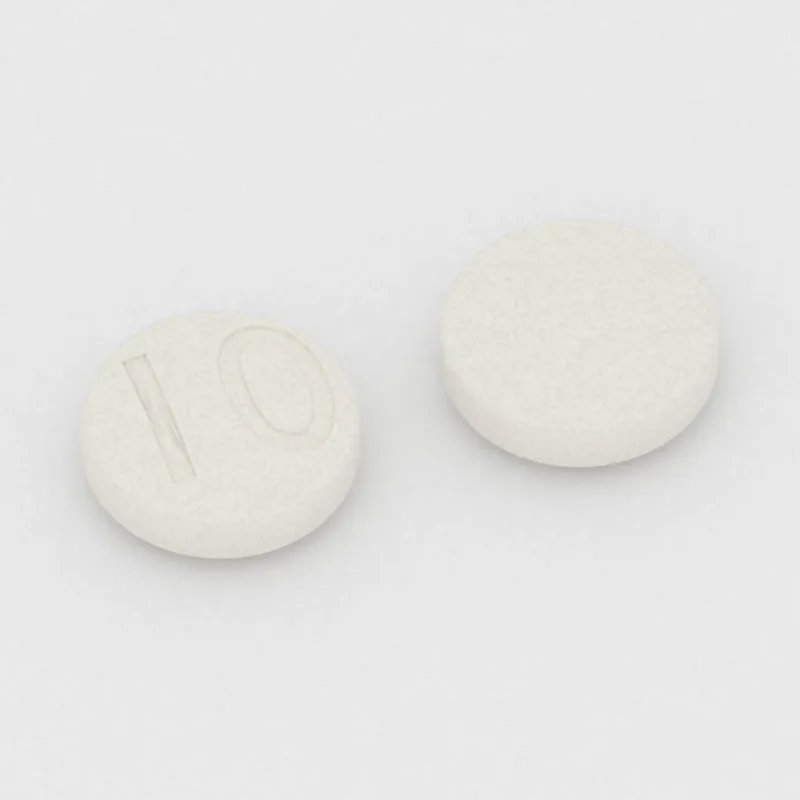
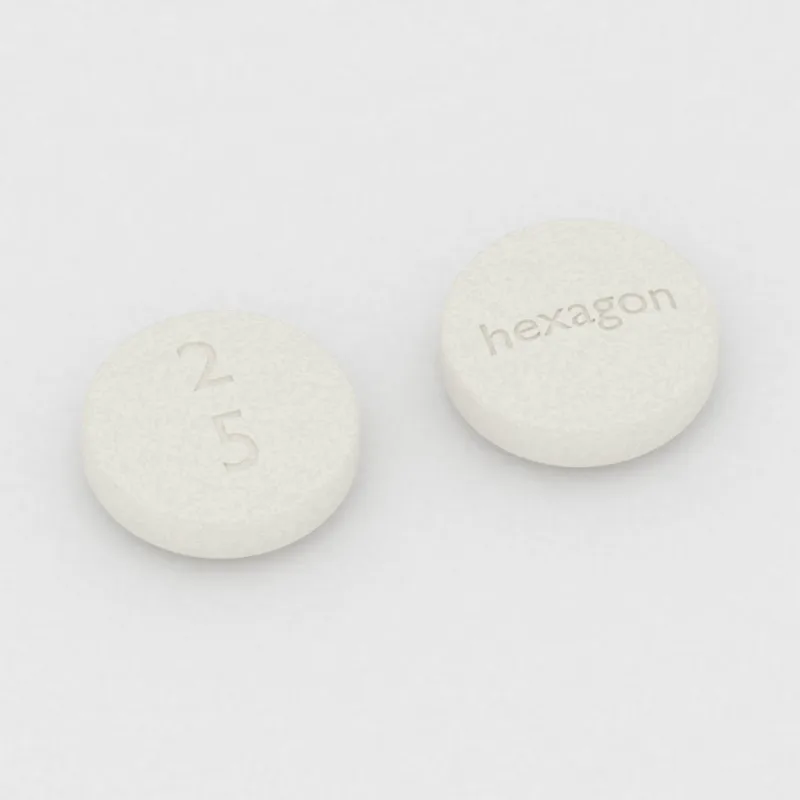
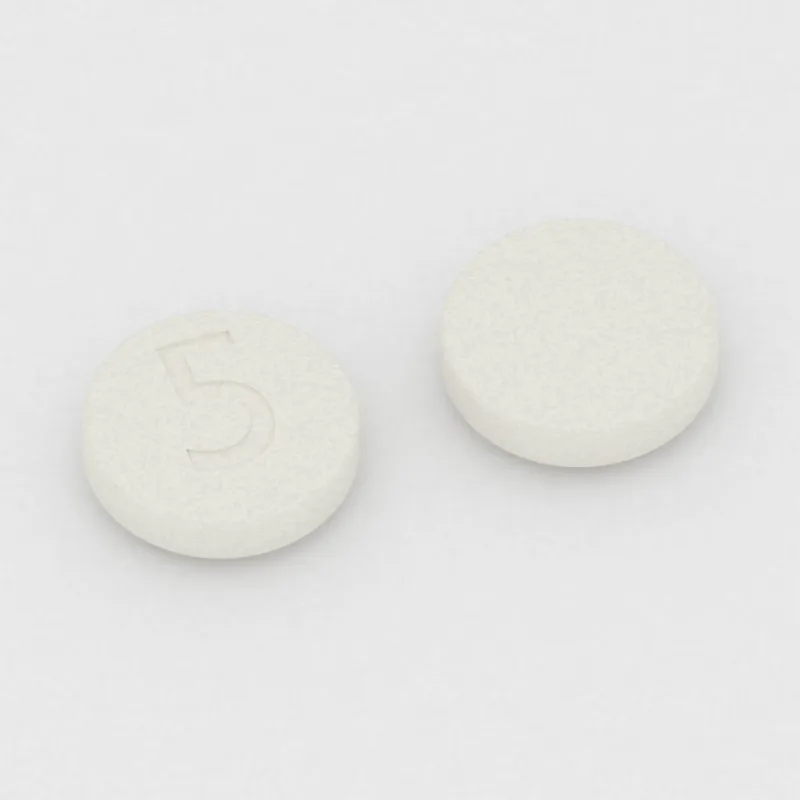
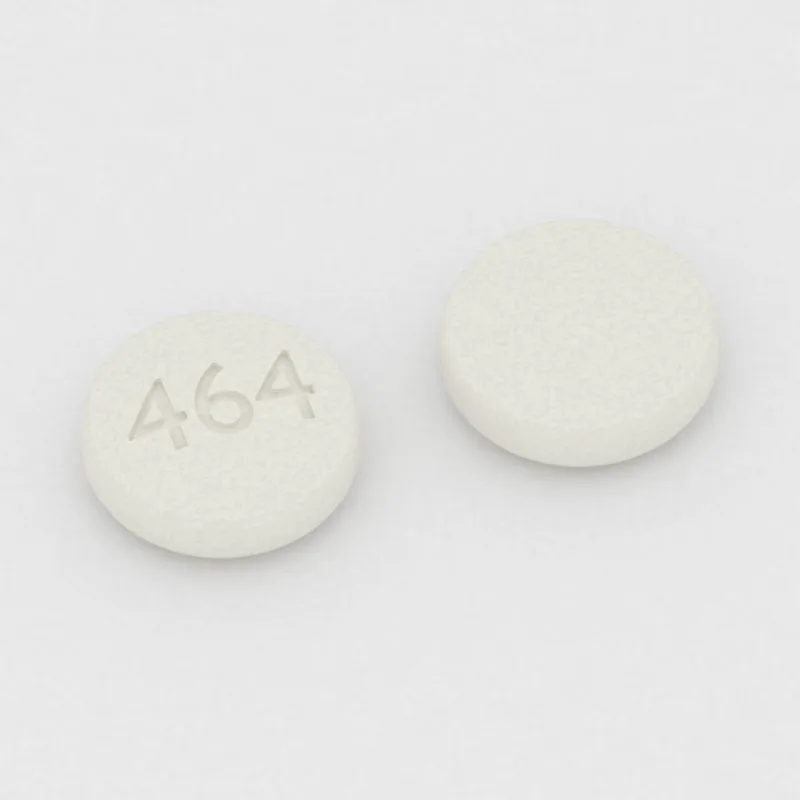
Representaciones generadas a partir de los listados de productos de las etiquetas de la FDA: color, forma, tamaño e inscripción. 13 versiones documentadas de 7 etiquetadores.
Interacciones según la etiqueta
Interacciones graves (130)
The use of SAPHRIS should be avoided in combination with other drugs known to prolong QTc including Class 1A antiarrhythmics (e.g., quinidine, procainamide) or Class 3 antiarrhythmics (e.g., amiodarone, sotalol), antipsychotic medications (e.g., ziprasidone, chlorpromazine, thioridazine), and antibiotics (e.g., gatifloxacin, moxifloxacin). (etiqueta de Asenapina, Advertencias y precauciones)
Combinar el alcohol con medicamentos sedantes (opioides, benzodiazepinas, medicamentos para dormir, relajantes musculares) puede causar somnolencia peligrosa, respiración enlentecida y sobredosis. (NIAAA, Harmful Interactions: Mixing Alcohol with Medicines)
• Effects on Driving and Operating Machinery: Patients receiving • alprazolam XR should be cautioned against operating machinery or driving a motor vehicle, as well as avoiding concomitant use of alcohol and other central nervous system (CNS) depressant drugs. (etiqueta de Alprazolam, Advertencias y precauciones)
The use of SAPHRIS should be avoided in combination with other drugs known to prolong QTc including Class 1A antiarrhythmics (e.g., quinidine, procainamide) or Class 3 antiarrhythmics (e.g., amiodarone, sotalol), antipsychotic medications (e.g., ziprasidone, chlorpromazine, thioridazine), and antibiotics (e.g., gatifloxacin, moxifloxacin). (etiqueta de Asenapina, Advertencias y precauciones)
…the description of tardive dyskinesia and its clinical detection, please refer to the sections on Information for Patients and ADVERSE REACTIONS . ) Neuroleptic Malignant Syndrome (NMS) A potentially fatal symptom complex sometimes referred to as Neuroleptic Malignant Syndrome (NMS) has been reported in association with antipsychotic drugs and with amoxapine. (etiqueta de Amoxapina, Advertencias)
Cerebrovascular Adverse Events, Including Stroke, In Elderly Patients with Dementia-Related Psychosis In placebo-controlled trials in elderly subjects with dementia, patients randomized to risperidone, aripiprazole, and olanzapine had a higher incidence of stroke and transient ischemic attack, including fatal stroke. (etiqueta de Asenapina, Advertencias y precauciones)
• Avoid concurrent use of alcohol or other central nervous system (CNS) depressants with azelastine hydrochloride and fluticasone propionate nasal spray because further decreased alertness and impairment of CNS performance may occur. (etiqueta de Azelastina y fluticasona, Advertencias y precauciones)
This risk which can be fatal should be considered in patients with certain cardiovascular disorders including known QT prolongation or history torsades de pointes, those with proarrhythmic conditions, and with other drugs that prolong the QT interval. (etiqueta de Azitromicina, Advertencias y precauciones)
…AND MISUSE; LIFE-THREATENING RESPIRATORY DEPRESSION; ACCIDENTAL EXPOSURE; NEONATAL OPIOD WITHDRAWAL SYNDROME; and RISKS FROM CONCOMITANT USE WITH ALCOHOL, BENZODIAZEPINES OR OTHER CNS DEPRESSANTS Addiction, Abuse, and Misuse Belladonna and opium suppositories expose patients and other users to the risks of opioid addiction, abuse, and misuse, which can lead to… (etiqueta de Belladona y opio, Advertencia en recuadro)
The concomitant use of CYCLOSET and dopamine receptor antagonists, including neuroleptic drugs, is not recommended. (etiqueta de Bromocriptina, Advertencias y precauciones)
Concomitant use of opioids with benzodiazepines or other central nervous system (CNS) depressants, including alcohol, may result in profound sedation, respiratory depression, coma, and death. (etiqueta de Buprenorfina, Advertencia en recuadro)
Concomitant use of opioids or a barbiturate with benzodiazepines or other central nervous system (CNS) depressants, including alcohol, may result in profound sedation, respiratory depression, coma, and death. (etiqueta de Butalbital, ácido acetilsalicílico, cafeína y codeína, Advertencia en recuadro)
Risks From Concomitant Use With Benzodiazepines Or Other CNS Depressants Concomitant use of opioids with benzodiazepines or other central nervous system (CNS) depressants, including alcohol, may result in profound sedation, respiratory depression, coma, and death. (etiqueta de Butalbital, paracetamol, cafeína y codeína, Advertencia en recuadro)
Risks From Concomitant Use With Benzodiazepines Or Other CNS Depressants Concomitant use of opioids with benzodiazepines or other central nervous system (CNS) depressants, including alcohol, may result in profound sedation, respiratory depression, coma, and death. (etiqueta de Butorfanol, Advertencia en recuadro)
CNS Depressants The concomitant use of EQUETRO and other CNS depressants can increase the risk of respiratory depression, profound sedation, hypotension, and syncope. (etiqueta de Carbamazepina, Interacciones medicamentosas)
Avoid concurrent use of Carbinoxamine Maleate Extended-Release Oral Suspension with alcohol or other central nervous system depressants because additional impairment of central nervous system performance may occur. (etiqueta de Carbinoxamina, Advertencias y precauciones)
Avoid concurrent use of QUZYTTIR with alcohol or other CNS depressants because additional reduction in alertness and additional impairment of CNS performance may occur. (etiqueta de Cetirizina, Advertencias y precauciones)
Based on its structural similarity to TCAs, concomitant use of TONMYA with: MAO inhibitors may be life-threatening [see Contraindications (4) ] , Alcohol, barbiturates, and other CNS depressants may increase the risk of adverse reactions associated with these drugs, Tramadol may increase the seizure risk, Guanethidine or other similar acting drugs may block the… (etiqueta de Ciclobenzaprina, Interacciones medicamentosas)
Avoid use in patients with known prolongation, those with hypokalemia, and with other drugs that prolong the QT interval. (etiqueta de Ciprofloxacino, Advertencias y precauciones)
Colchicine (in patients with normal renal and hepatic function) Use With Caution Antipsychotics: Pimozide Contraindicated Pimozide: [See Contraindications ( 4.2 )] Quetiapine Lurasidone Quetiapine: Quetiapine is a substrate for CYP3A4, which is inhibited by clarithromycin. (etiqueta de Claritromicina, Interacciones medicamentosas)
Prescribe the lowest effective dosage; avoid or minimize concomitant use of CNS depressants and other substances associated with abuse, misuse, and addiction (e.g., opioid analgesics, stimulants); and advise patients on the proper disposal of unused drug. (etiqueta de Clobazam, Advertencias y precauciones)
Prescribe the lowest effective dosage; avoid or minimize concomitant use of CNS depressants and other substances associated with abuse, misuse, and addiction (e.g., opioid analgesics, stimulants); and advise patients on the proper disposal of unused drug. (etiqueta de Clonazepam, Advertencias)
Avoid use with other central nervous system (CNS) depressants ( 5.3 ) (etiqueta de Clonidina, Advertencias y precauciones)
Prescribe the lowest effective dosage; avoid or minimize concomitant use of CNS depressants and other substances associated with abuse, misuse, and addiction (e.g., opioid analgesics, stimulants); and advise patients on the proper disposal of unused drug. (etiqueta de Clorazepato, Advertencias)
Prescribe the lowest effective dosage; avoid or minimize concomitant use of CNS depressants and other substances associated with abuse, misuse, and addiction (e.g., opioid analgesics, stimulants); and advise patients on the proper disposal of unused drug. (etiqueta de Clordiazepóxido, Advertencias)
Prescribe the lowest effective dosage; avoid or minimize concomitant use of CNS depressants and other substances associated with abuse, misuse, and addiction (e.g., opioid analgesics, stimulants); and advise patients on the proper disposal of unused drug. (etiqueta de Clordiazepóxido y clidinio, Advertencias)
The use of SAPHRIS should be avoided in combination with other drugs known to prolong QTc including Class 1A antiarrhythmics (e.g., quinidine, procainamide) or Class 3 antiarrhythmics (e.g., amiodarone, sotalol), antipsychotic medications (e.g., ziprasidone, chlorpromazine, thioridazine), and antibiotics (e.g., gatifloxacin, moxifloxacin). (etiqueta de Asenapina, Advertencias y precauciones)
Risks From Concomitant Use With Benzodiazepines Or Other CNS Depressants Concomitant use of opioids with benzodiazepines or other central nervous system (CNS) depressants, including alcohol, may result in profound sedation, respiratory depression, coma, and death. (etiqueta de Codeína, Advertencia en recuadro)
Neuroleptic Malignant Syndrome (NMS) A potentially fatal symptom complex sometimes referred to as Neuroleptic Malignant Syndrome (NMS) has been reported in association with drugs that reduce dopaminergic transmission. (etiqueta de Deutetrabenazina, Advertencias y precauciones)
The use of SAPHRIS should be avoided in combination with other drugs known to prolong QTc including Class 1A antiarrhythmics (e.g., quinidine, procainamide) or Class 3 antiarrhythmics (e.g., amiodarone, sotalol), antipsychotic medications (e.g., ziprasidone, chlorpromazine, thioridazine), and antibiotics (e.g., gatifloxacin, moxifloxacin). (etiqueta de Asenapina, Advertencias y precauciones)
Prescribe the lowest effective dosage; avoid or minimize concomitant use of CNS depressants and other substances associated with abuse, misuse, and addiction (e.g., opioid analgesics, stimulants); and advise patients on the proper disposal of unused drug. (etiqueta de Diazepam, Advertencias)
CONTRAINDICATIONS Diphenoxylate hydrochloride and atropine sulfate is contraindicated in: • Pediatric patients less than 6 years of age due to the risks of respiratory and central nervous system (CNS) depression (see WARNINGS ). (etiqueta de Difenoxilato y atropina, Contraindicaciones)
The use of SAPHRIS should be avoided in combination with other drugs known to prolong QTc including Class 1A antiarrhythmics (e.g., quinidine, procainamide) or Class 3 antiarrhythmics (e.g., amiodarone, sotalol), antipsychotic medications (e.g., ziprasidone, chlorpromazine, thioridazine), and antibiotics (e.g., gatifloxacin, moxifloxacin). (etiqueta de Asenapina, Advertencias y precauciones)
The use of SAPHRIS should be avoided in combination with other drugs known to prolong QTc including Class 1A antiarrhythmics (e.g., quinidine, procainamide) or Class 3 antiarrhythmics (e.g., amiodarone, sotalol), antipsychotic medications (e.g., ziprasidone, chlorpromazine, thioridazine), and antibiotics (e.g., gatifloxacin, moxifloxacin). (etiqueta de Asenapina, Advertencias y precauciones)
The use of SAPHRIS should be avoided in combination with other drugs known to prolong QTc including Class 1A antiarrhythmics (e.g., quinidine, procainamide) or Class 3 antiarrhythmics (e.g., amiodarone, sotalol), antipsychotic medications (e.g., ziprasidone, chlorpromazine, thioridazine), and antibiotics (e.g., gatifloxacin, moxifloxacin). (etiqueta de Asenapina, Advertencias y precauciones)
The use of SAPHRIS should be avoided in combination with other drugs known to prolong QTc including Class 1A antiarrhythmics (e.g., quinidine, procainamide) or Class 3 antiarrhythmics (e.g., amiodarone, sotalol), antipsychotic medications (e.g., ziprasidone, chlorpromazine, thioridazine), and antibiotics (e.g., gatifloxacin, moxifloxacin). (etiqueta de Asenapina, Advertencias y precauciones)
Central nervous system (CNS) depressants: Concurrent use with alcohol or other CNS depressants is not recommended ( 5.1 ) (etiqueta de Doxilamina y piridoxina, Advertencias y precauciones)
The use of SAPHRIS should be avoided in combination with other drugs known to prolong QTc including Class 1A antiarrhythmics (e.g., quinidine, procainamide) or Class 3 antiarrhythmics (e.g., amiodarone, sotalol), antipsychotic medications (e.g., ziprasidone, chlorpromazine, thioridazine), and antibiotics (e.g., gatifloxacin, moxifloxacin). (etiqueta de Asenapina, Advertencias y precauciones)
Alpha 1-adrenoreceptor antagonist: alfuzosin Anticonvulsants: carbamazepine, phenobarbital, phenytoin Antimycobacterial: rifampin Antipsychotics: lurasidone, pimozide Ergot Derivatives: dihydroergotamine, ergotamine, methylergonovine Herbal Products: St. (etiqueta de Elvitegravir, cobicistat, emtricitabina y tenofovir, Contraindicaciones)
Concomitant use of COMPLERA with drugs with a known risk to prolong the QTc interval of the electrocardiogram may increase the risk of Torsade de Pointes. (etiqueta de Emtricitabina, rilpivirina y tenofovir, Advertencias y precauciones)
The use of SAPHRIS should be avoided in combination with other drugs known to prolong QTc including Class 1A antiarrhythmics (e.g., quinidine, procainamide) or Class 3 antiarrhythmics (e.g., amiodarone, sotalol), antipsychotic medications (e.g., ziprasidone, chlorpromazine, thioridazine), and antibiotics (e.g., gatifloxacin, moxifloxacin). (etiqueta de Asenapina, Advertencias y precauciones)
Prescribe the lowest effective dosage; avoid or minimize concomitant use of CNS depressants and other substances associated with abuse, misuse, and addiction (e.g., opioid analgesics, stimulants); and advise patients on the proper disposal of unused drug. (etiqueta de Estazolam, Advertencias)
The use of LUNESTA with other sedative-hypnotics at bedtime or the middle of the night is not recommended. (etiqueta de Eszopiclona, Advertencias y precauciones)
Phenelzine sulfate should not be used in combination with dextromethorphan or with CNS depressants such as alcohol and certain narcotics. (etiqueta de Fenelzina, Contraindicaciones)
CNS depressants: Closely monitor for sedation and respiratory depression. (etiqueta de Fenobarbital, Interacciones medicamentosas)
• Concomitant use of opioids with benzodiazepines or other central nervous system (CNS) depressants, including alcohol, may result in profound sedation, respiratory depression, coma, and death. (etiqueta de Fentanilo, Advertencia en recuadro)
The use of SAPHRIS should be avoided in combination with other drugs known to prolong QTc including Class 1A antiarrhythmics (e.g., quinidine, procainamide) or Class 3 antiarrhythmics (e.g., amiodarone, sotalol), antipsychotic medications (e.g., ziprasidone, chlorpromazine, thioridazine), and antibiotics (e.g., gatifloxacin, moxifloxacin). (etiqueta de Asenapina, Advertencias y precauciones)
Coadministration of other drugs known to prolong the QT interval and which are metabolized via the enzyme CYP3A4 such as erythromycin, pimozide, and quinidine are contraindicated in patients receiving fluconazole. (etiqueta de Fluconazol, Contraindicaciones)
(See DOSAGE and ADMINISTRATION. ) Because of the risk of QT prolongation and the potential for torsades de pointes, the use of FOSCAVIR should be avoided in combination with agents known to prolong the QT interval including Class IA (e.g., quinidine or procainamide) or Class III (e.g., dofetilide, amiodarone, sotalol) antiarrhythmic agents, phenothiazines, tricyclic… (etiqueta de Foscarnet, Interacciones medicamentosas)
Avoid co-administration of CONTEPO with drugs known to prolong the QT interval. (etiqueta de Fosfomicina, Interacciones medicamentosas)
• Respiratory Depression: May occur with NEURONTIN when used with concomitant central nervous system (CNS) depressants, including opioids, or in the setting of underlying respiratory impairment. (etiqueta de Gabapentina, Advertencias y precauciones)
Risks From Concomitant Use With Benzodiazepines Or Other CNS Depressants Concomitant use of opioids with benzodiazepines or other central nervous system (CNS) depressants, including alcohol, may result in profound sedation, respiratory depression, coma, and death. (etiqueta de Hidrocodona, Advertencia en recuadro)
…LIFE-THREATENING RESPIRATORY DEPRESSION; ACCIDENTAL INGESTION; NEONATAL OPIOID WITHDRAWAL SYNDROME; CYTOCHROME P4503A4 INTERACTION; RISKS FROM CONCOMITANT USE WITH BENZODIAZEPINES OR OTHER CNS DEPRESSANTS; and SERIOUS CARDIOVASCULAR AND GASTROINTESTINAL EVENTS WARNING: SERIOUS AND LIFE-THREATENING RISKS FROM USE OF HYDROCODONE BITARTRATE AND IBUPROFEN TABLETS Addiction,… (etiqueta de Hidrocodona e ibuprofeno, Advertencia en recuadro)
…ABUSE, AND MISUSE; LIFE-THREATENING RESPIRATORY DEPRESSION; ACCIDENTAL INGESTION; MEDICATION ERRORS; CYTOCHROME P450 3A4 INTERACTION; CONCOMITANT USE WITH BENZODIAZEPINES OR OTHER CNS DEPRESSANTS; INTERACTION WITH ALCOHOL; NEONATAL OPIOID WITHDRAWAL SYNDROME WARNING: ADDICTION, ABUSE, AND MISUSE; LIFE-THREATENING RESPIRATORY DEPRESSION; ACCIDENTAL INGESTION;… (etiqueta de Hidrocodona y clorfenamina, Advertencia en recuadro)
…ABUSE, AND MISUSE; LIFE-THREATENING RESPIRATORY DEPRESSION; ACCIDENTAL INGESTION; MEDICATION ERRORS; CYTOCHROME P450 3A4 INTERACTION; CONCOMITANT USE WITH BENZODIAZEPINES OR OTHER CNS DEPRESSANTS; INTERACTION WITH ALCOHOL; NEONATAL OPIOID WITHDRAWAL SYNDROME Addiction, Abuse, and Misuse Hydrocodone bitartrate and homatropine methylbromide exposes patients and… (etiqueta de Hidrocodona y homatropina, Advertencia en recuadro)
Risks From Concomitant Use With Benzodiazepines Or Other CNS Depressants Concomitant use of opioids with benzodiazepines or other central nervous system (CNS) depressants, including alcohol, may result in profound sedation, respiratory depression, coma, and death. (etiqueta de Hidrocodona y paracetamol, Advertencia en recuadro)
Risks From Concomitant Use With Benzodiazepines Or Other CNS Depressants Concomitant use of opioids with benzodiazepines or other central nervous system (CNS) depressants, including alcohol, may result in profound sedation, respiratory depression, coma, and death . (etiqueta de Hidromorfona, Advertencia en recuadro)
Therefore, PLAQUENIL is not recommended in patients taking other drugs that have the potential to prolong the QT interval. (etiqueta de Hidroxicloroquina, Advertencias y precauciones)
Rarely, cardiac arrests and death have been reported in association with the combined use of hydroxyzine hydrochloride intramuscularly and other CNS depressants. (etiqueta de Hidroxizina, Precauciones)
The use of SAPHRIS should be avoided in combination with other drugs known to prolong QTc including Class 1A antiarrhythmics (e.g., quinidine, procainamide) or Class 3 antiarrhythmics (e.g., amiodarone, sotalol), antipsychotic medications (e.g., ziprasidone, chlorpromazine, thioridazine), and antibiotics (e.g., gatifloxacin, moxifloxacin). (etiqueta de Asenapina, Advertencias y precauciones)
Avoid the use of FANAPT in combination with any other drugs that prolong the QT interval [see Warnings and Precautions (5.3) ] . (etiqueta de Iloperidona, Interacciones medicamentosas)
- IvabradinaGrave
Bradycardia may increase the risk of QT prolongation which may lead to severe ventricular arrhythmias, including torsade de pointes, especially in patients with risk factors such as use of QTc prolonging drugs [see Adverse Reactions ( 6.2 )] . (etiqueta de Ivabradina, Advertencias y precauciones)
Benzodiazepines, Opioid Analgesics, or other CNS Depressants : Concomitant use may result in profound sedation, respiratory depression, coma, or death. (etiqueta de Ketamina, Interacciones medicamentosas)
This may potentiate and prolong hypnotic and sedative effects, especially with repeated dosing or chronic administration of these agents. (etiqueta de Ketoconazol, Contraindicaciones)
Avoid concurrent use of alcohol or other central nervous system depressants with XYZAL. (etiqueta de Levocetirizina, Advertencias y precauciones)
Avoid use in patients with known prolongation, those with hypokalemia, and with other drugs that prolong the QT interval ( 5.11 , 8.5 ) (etiqueta de Levofloxacino, Advertencias y precauciones)
Risks from Concomitant Use with Benzodiazepines or Other CNS Depressants Concomitant use of opioids with benzodiazepines or other central nervous system (CNS) depressants, including alcohol, may result in profound sedation, respiratory depression, coma, and death. (etiqueta de Levorfanol, Advertencia en recuadro)
The use of SAPHRIS should be avoided in combination with other drugs known to prolong QTc including Class 1A antiarrhythmics (e.g., quinidine, procainamide) or Class 3 antiarrhythmics (e.g., amiodarone, sotalol), antipsychotic medications (e.g., ziprasidone, chlorpromazine, thioridazine), and antibiotics (e.g., gatifloxacin, moxifloxacin). (etiqueta de Asenapina, Advertencias y precauciones)
The use of SAPHRIS should be avoided in combination with other drugs known to prolong QTc including Class 1A antiarrhythmics (e.g., quinidine, procainamide) or Class 3 antiarrhythmics (e.g., amiodarone, sotalol), antipsychotic medications (e.g., ziprasidone, chlorpromazine, thioridazine), and antibiotics (e.g., gatifloxacin, moxifloxacin). (etiqueta de Asenapina, Advertencias y precauciones)
Caution patients receiving LOREEV XR against operating machinery or driving a motor vehicle as well to avoid the concomitant use of alcohol and other CNS depressant drugs during treatment ( 5.4 , 7 ) (etiqueta de Lorazepam, Advertencias y precauciones)
Agranulocytosis (including fatal cases) has been reported with other antipsychotic drugs. (etiqueta de Lumateperona, Advertencias y precauciones)
Managing Risks from Concomitant Use with Benzodiazepines or Other CNS Depressants Concomitant use with benzodiazepines or other central nervous system (CNS) depressants, including alcohol, is a risk factor for respiratory depression and death [see Warnings and Precautions ( 5.2 )]. (etiqueta de Metadona, Advertencia en recuadro)
If concomitant use with another CNS depressant is warranted, closely monitor for signs of respiratory depression and sedation, particularly during treatment initiation and dosage increases. (etiqueta de Metaxalona, Advertencias y precauciones)
• Tardive Dyskinesia (TD), Other Extrapyramidal Symptoms (EPS), and Neuroleptic Malignant Syndrome (NMS) : Avoid concomitant use of other drugs known to cause TD/EPS/NMS and avoid use in patients with Parkinson’s Disease. (etiqueta de Metoclopramida, Advertencias y precauciones)
The use of SAPHRIS should be avoided in combination with other drugs known to prolong QTc including Class 1A antiarrhythmics (e.g., quinidine, procainamide) or Class 3 antiarrhythmics (e.g., amiodarone, sotalol), antipsychotic medications (e.g., ziprasidone, chlorpromazine, thioridazine), and antibiotics (e.g., gatifloxacin, moxifloxacin). (etiqueta de Asenapina, Advertencias y precauciones)
WARNING: PERSONNEL AND EQUIPMENT FOR MONITORING AND RESUSCITATION AND RISKS FROM CONCOMITANT USE WITH OPIOID ANALGESICS AND OTHER SEDATIVE-HYPNOTICS Personnel and Equipment for Monitoring and Resuscitation Only personnel trained in the administration of procedural sedation, and not involved in the conduct of the diagnostic or therapeutic procedure, should administer… (etiqueta de Midazolam, Advertencia en recuadro)
Examples diazepam, alprazolam, alcohol Drugs that Prolong QTc Interval Clinical Impact The concomitant use of other drugs which prolong the QTc interval with REMERON/REMERONSolTab, increase the risk of QT prolongation and/or ventricular arrhythmias (e.g., Torsades de Pointes). (etiqueta de Mirtazapina, Interacciones medicamentosas)
Risks From Concomitant Use With Benzodiazepines Or Other CNS Depressants Concomitant use of opioids with benzodiazepines or other central nervous system (CNS) depressants, including alcohol, may result in profound sedation, respiratory depression, coma, and death. (etiqueta de Morfina, Advertencia en recuadro)
The use of SAPHRIS should be avoided in combination with other drugs known to prolong QTc including Class 1A antiarrhythmics (e.g., quinidine, procainamide) or Class 3 antiarrhythmics (e.g., amiodarone, sotalol), antipsychotic medications (e.g., ziprasidone, chlorpromazine, thioridazine), and antibiotics (e.g., gatifloxacin, moxifloxacin). (etiqueta de Asenapina, Advertencias y precauciones)
Risks From Concomitant Use With Benzodiazepines Or Other CNS Depressants Concomitant use of opioids with benzodiazepines or other central nervous system (CNS) depressants, including alcohol, may result in profound sedation, respiratory depression, coma, and death. (etiqueta de Nalbufina, Advertencia en recuadro)
Risk of Recurrent Respiratory and CNS Depression : A recurrence of respiratory depression is possible, therefore, keep the patient under continued surveillance and administer repeat doses of ZURNAI using a new auto-injector with each dose while awaiting emergency medical assistance. (etiqueta de Nalmefeno, Advertencias y precauciones)
Cerebrovascular Adverse Events, Including Stroke, In Elderly Patients with Dementia-Related Psychosis In placebo-controlled trials in elderly subjects with dementia, patients randomized to risperidone, aripiprazole, and olanzapine had a higher incidence of stroke and transient ischemic attack, including fatal stroke. (etiqueta de Asenapina, Advertencias y precauciones)
Cerebrovascular Adverse Events, Including Stroke, In Elderly Patients with Dementia-Related Psychosis In placebo-controlled trials in elderly subjects with dementia, patients randomized to risperidone, aripiprazole, and olanzapine had a higher incidence of stroke and transient ischemic attack, including fatal stroke. (etiqueta de Asenapina, Advertencias y precauciones)
Risks From Concomitant Use With Benzodiazepines Or Other CNS Depressants Concomitant use of opioids with benzodiazepines or other central nervous system (CNS) depressants, including alcohol, may result in profound sedation, respiratory depression, coma, and death. (etiqueta de Oliceridina, Advertencia en recuadro)
• Avoid concurrent use of alcohol or other central nervous system depressants with olopatadine hydrochloride nasal solution (nasal spray) ( 5.2 ). (etiqueta de Olopatadina, Advertencias y precauciones)
• Avoid concurrent use of alcohol or other central nervous system (CNS) depressants with RYALTRIS because additional reductions in alertness and additional impairment of CNS performance may occur. (etiqueta de Olopatadina y mometasona, Advertencias y precauciones)
- OxaliplatinoGrave
Avoid coadministration of oxaliplatin injection with medicinal products with a known potential to prolong the QT interval. (etiqueta de Oxaliplatino, Interacciones medicamentosas)
Prescribe the lowest effective dosage; avoid or minimize concomitant use of CNS depressants and other substances associated with abuse, misuse, and addiction (e.g., opioid analgesics, stimulants); and advise patients on the proper disposal of unused drug. (etiqueta de Oxazepam, Advertencias)
• Central Nervous System Depression Xyrem (sodium oxybate) is a CNS depressant. (etiqueta de Oxibato de sodio, Advertencia en recuadro)
Risks From Concomitant Use With Benzodiazepines Or Other CNS Depressants Concomitant use of opioids with benzodiazepines or other central nervous system (CNS) depressants, including alcohol, may result in profound sedation, respiratory depression, coma, and death. (etiqueta de Oxicodona, Advertencia en recuadro)
…LIFE-THREATENING RESPIRATORY DEPRESSION; ACCIDENTAL INGESTION; NEONATAL OPIOID WITHDRAWAL SYNDROME; CYTOCHROME P450 3A4 INTERACTION; and RISKS FROM CONCOMITANT USE WITH BENZODIAZEPINES OR OTHER CNS DEPRESSANTS Addiction, Abuse, and Misuse Oxycodone hydrochloride tablets exposes patients and other users to the risks of opioid addiction, abuse, and misuse, which can lead to… (etiqueta de Oxicodona y paracetamol, Advertencia en recuadro)
Risks From Concomitant Use with Benzodiazepines or Other CNS Depressants Concomitant use of opioids with benzodiazepines or other central nervous system (CNS) depressants, including alcohol, may result in profound sedation, respiratory depression, coma, and death. (etiqueta de Oximorfona, Advertencia en recuadro)
Risks from Concomitant Use with Benzodiazepines or Other CNS Depressants Concomitant use of opioids with benzodiazepines or other central nervous system (CNS) depressants, including alcohol, may result in profound sedation, respiratory depression, coma, and death. (etiqueta de Paracetamol y codeína, Advertencia en recuadro)
- PazopanibGrave
Avoid coadministration of VOTRIENT with drugs known to prolong the QT/QTc interval. (etiqueta de Pazopanib, Interacciones medicamentosas)
…MITIGATION STRATEGY (REMS); LIFE-THREATENING RESPIRATORY DEPRESSION; ACCIDENTAL INGESTION; NEONATAL OPIOID WITHDRAWAL SYNDROME; and RISKS FROM CONCOMITANT USE WITH BENZODIAZEPINES OR OTHER CNS DEPRESSANTS Addiction, Abuse, and Misuse Pentazocine and Naloxone Tablets exposes patients and other users to the risks of opioid addiction, abuse, and misuse, which can lead to… (etiqueta de Pentazocina y naloxona, Advertencia en recuadro)
Risks from Concomitant Use with Benzodiazepines or Other CNS Depressants Concomitant use of opioids with benzodiazepines or other central nervous system (CNS) depressants, including alcohol, may result in profound sedation, respiratory depression, coma, and death. (etiqueta de Petidina (meperidina), Advertencia en recuadro)
Because pimozide prolongs the QT interval of the electrocardiogram it is contraindicated in patients with congenital long QT syndrome, patients with a history of cardiac arrhythmias, patients taking other drugs which prolong the QT interval of the electrocardiogram or patients with known hypokalemia or hypomagnesemia (see also PRECAUTIONS - DRUG INTERACTIONS ). (etiqueta de Pimozida, Contraindicaciones)
The use of WAKIX should be avoided in patients with known QT prolongation or in combination with other drugs known to prolong the QT interval [see Drug Interactions ( 7.1 )]. (etiqueta de Pitolisant, Advertencias y precauciones)
• Respiratory Depression : May occur with LYRICA when used with concomitant CNS depressants or in the setting of underlying respiratory impairment. (etiqueta de Pregabalina, Advertencias y precauciones)
The use of SAPHRIS should be avoided in combination with other drugs known to prolong QTc including Class 1A antiarrhythmics (e.g., quinidine, procainamide) or Class 3 antiarrhythmics (e.g., amiodarone, sotalol), antipsychotic medications (e.g., ziprasidone, chlorpromazine, thioridazine), and antibiotics (e.g., gatifloxacin, moxifloxacin). (etiqueta de Asenapina, Advertencias y precauciones)
…PROMETHAZINE AND RESPIRATORY DEPRESSION IN CHILDREN; MEDICATION ERRORS; INTERACTIONS WITH DRUGS AFFECTING CYTOCHROME P450 ISOENZYMES; CONCOMITANT USE WITH BENZODIAZEPINES OR OTHER CNS DEPRESSANTS; NEONATAL OPIOID WITHDRAWAL SYNDROME Addiction, Abuse, and Misuse Promethazine HCl and Codeine Phosphate Oral Solution exposes patients and other users to the risks… (etiqueta de Prometazina y codeína, Advertencia en recuadro)
The use of SAPHRIS should be avoided in combination with other drugs known to prolong QTc including Class 1A antiarrhythmics (e.g., quinidine, procainamide) or Class 3 antiarrhythmics (e.g., amiodarone, sotalol), antipsychotic medications (e.g., ziprasidone, chlorpromazine, thioridazine), and antibiotics (e.g., gatifloxacin, moxifloxacin). (etiqueta de Asenapina, Advertencias y precauciones)
The use of SAPHRIS should be avoided in combination with other drugs known to prolong QTc including Class 1A antiarrhythmics (e.g., quinidine, procainamide) or Class 3 antiarrhythmics (e.g., amiodarone, sotalol), antipsychotic medications (e.g., ziprasidone, chlorpromazine, thioridazine), and antibiotics (e.g., gatifloxacin, moxifloxacin). (etiqueta de Asenapina, Advertencias y precauciones)
Risks From Concomitant Use With Benzodiazepines Or Other CNS Depressants Concomitant use of opioids with benzodiazepines or other central nervous system (CNS) depressants, including alcohol, may result in profound sedation, respiratory depression, coma, and death. (etiqueta de Remifentanilo, Advertencia en recuadro)
…Concomitant use of clopidogrel and rifampin should be discouraged Increase active metabolite exposure and risk of bleeding Ticagrelor Prevention or Management: Avoid use Decrease exposure Antipsychotics Haloperidol Decrease plasma concentrations by 70% Lurasidone Prevention or Management: Concomitant use is contraindicated (See CONTRAINDICATIONS ) Decrease exposure Oral… (etiqueta de Rifampicina, Interacciones medicamentosas)
Cerebrovascular Adverse Events, Including Stroke, In Elderly Patients with Dementia-Related Psychosis In placebo-controlled trials in elderly subjects with dementia, patients randomized to risperidone, aripiprazole, and olanzapine had a higher incidence of stroke and transient ischemic attack, including fatal stroke. (etiqueta de Asenapina, Advertencias y precauciones)
Avoid the concomitant use of drugs known to prolong the QTc interval. (etiqueta de Sertralina, Interacciones medicamentosas)
The use of SAPHRIS should be avoided in combination with other drugs known to prolong QTc including Class 1A antiarrhythmics (e.g., quinidine, procainamide) or Class 3 antiarrhythmics (e.g., amiodarone, sotalol), antipsychotic medications (e.g., ziprasidone, chlorpromazine, thioridazine), and antibiotics (e.g., gatifloxacin, moxifloxacin). (etiqueta de Asenapina, Advertencias y precauciones)
Risks From Concomitant Use With Benzodiazepines Or Other CNS Depressants Concomitant use of opioids with benzodiazepines or other central nervous system (CNS) depressants, including alcohol, may result in profound sedation, respiratory depression, coma, and death. (etiqueta de Tapentadol, Advertencia en recuadro)
Prescribe the lowest effective dosage; avoid or minimize concomitant use of CNS depressants and other substances associated with abuse, misuse, and addiction (e.g., opioid analgesics, stimulants); and advise patients on the proper disposal of unused drug. (etiqueta de Temazepam, Advertencias)
Neuroleptic Malignant Syndrome (NMS) A potentially fatal symptom complex sometimes referred to as Neuroleptic Malignant Syndrome (NMS) has been reported in association with tetrabenazine tablets and other drugs that reduce dopaminergic transmission [see Drug Interactions (7.6) ]. (etiqueta de Tetrabenazina, Advertencias y precauciones)
The use of SAPHRIS should be avoided in combination with other drugs known to prolong QTc including Class 1A antiarrhythmics (e.g., quinidine, procainamide) or Class 3 antiarrhythmics (e.g., amiodarone, sotalol), antipsychotic medications (e.g., ziprasidone, chlorpromazine, thioridazine), and antibiotics (e.g., gatifloxacin, moxifloxacin). (etiqueta de Asenapina, Advertencias y precauciones)
Concomitant use of opioids with benzodiazepines or other central nervous system (CNS) depressants, including alcohol, may result in profound sedation, respiratory depression, coma, and death. (etiqueta de Tramadol, Advertencia en recuadro)
Risks from Concomitant Use with Benzodiazepines or Other CNS Depressants Concomitant use of opioids with benzodiazepines or other central nervous system (CNS) depressants, including alcohol, may result in profound sedation, respiratory depression, coma, and death. (etiqueta de Tramadol y paracetamol, Advertencia en recuadro)
• Effects on Driving and Operating Heavy Machinery : Patients receiving triazolam should be cautioned against driving or operating heavy machinery, as well as avoiding concomitant use with alcohol and other CNS depressant drugs. (etiqueta de Triazolam, Advertencias y precauciones)
Neuroleptic Malignant Syndrome A potentially fatal symptom complex sometimes referred to as Neuroleptic Malignant Syndrome (NMS) has been reported in association with dose reduction or discontinuation of trihexyphenidyl. (etiqueta de Trihexifenidilo, Advertencias)
- TrimetobenzamidaGrave
Avoid trimethobenzamide hydrochloride capsules in patients receiving other drugs that are likely to cause EPS (e.g. antipsychotics) [see Drug Interactions (7.2) ] . (etiqueta de Trimetobenzamida, Advertencias y precauciones)
Neuroleptic Malignant Syndrome (NMS ) A potentially fatal symptom complex referred to as Neuroleptic Malignant Syndrome (NMS) has been reported in association with drugs that reduce dopaminergic transmission. (etiqueta de Valbenazina, Advertencias y precauciones)
- VepdegestrantGrave
Avoid concomitant use of VEPPANU with strong CYP3A inhibitors or drugs known to prolong the QTc interval. (etiqueta de Vepdegestrant, Advertencias y precauciones)
The use of SAPHRIS should be avoided in combination with other drugs known to prolong QTc including Class 1A antiarrhythmics (e.g., quinidine, procainamide) or Class 3 antiarrhythmics (e.g., amiodarone, sotalol), antipsychotic medications (e.g., ziprasidone, chlorpromazine, thioridazine), and antibiotics (e.g., gatifloxacin, moxifloxacin). (etiqueta de Asenapina, Advertencias y precauciones)
The use of zaleplon with other sedative-hypnotics at bedtime or the middle of the night is not recommended (see ). (etiqueta de Zaleplón, Advertencias)
The use of SAPHRIS should be avoided in combination with other drugs known to prolong QTc including Class 1A antiarrhythmics (e.g., quinidine, procainamide) or Class 3 antiarrhythmics (e.g., amiodarone, sotalol), antipsychotic medications (e.g., ziprasidone, chlorpromazine, thioridazine), and antibiotics (e.g., gatifloxacin, moxifloxacin). (etiqueta de Asenapina, Advertencias y precauciones)
The use of Zolpidem Tartrate with other sedative-hypnotics (including other zolpidem products) at bedtime or the middle of the night is not recommended. (etiqueta de Zolpidem, Advertencias y precauciones)
Interacciones moderadas (240)
Orthostatic vital signs should be monitored in patients who are vulnerable to hypotension (elderly patients, patients with dehydration, hypovolemia, concomitant treatment with antihypertensive medications, patients with known cardiovascular disease (history of myocardial infarction or ischemic heart disease, heart failure, or conduction abnormalities), and patients… (etiqueta de Asenapina, Advertencias y precauciones)
Orthostatic vital signs should be monitored in patients who are vulnerable to hypotension (elderly patients, patients with dehydration, hypovolemia, concomitant treatment with antihypertensive medications, patients with known cardiovascular disease (history of myocardial infarction or ischemic heart disease, heart failure, or conduction abnormalities), and patients… (etiqueta de Asenapina, Advertencias y precauciones)
In addition, valproic acid and lithium pre-dose serum concentrations collected from an adjunctive therapy study were comparable between asenapine-treated patients and placebo-treated patients indicating a lack of effect of asenapine on valproic and lithium plasma levels. (etiqueta de Asenapina, Interacciones medicamentosas)
Strenuous exercise, exposure to extreme heat, dehydration, and anticholinergic medications may contribute to an elevation in core body temperature; use SAPHRIS with caution in patient who may experience these conditions. (etiqueta de Asenapina, Advertencias y precauciones)
Orthostatic vital signs should be monitored in patients who are vulnerable to hypotension (elderly patients, patients with dehydration, hypovolemia, concomitant treatment with antihypertensive medications, patients with known cardiovascular disease (history of myocardial infarction or ischemic heart disease, heart failure, or conduction abnormalities), and patients… (etiqueta de Asenapina, Advertencias y precauciones)
Inform patients also that the central nervous system depressant effects of allopurinol tablets may be additive to those of alcohol and other CNS depressants. (etiqueta de Alopurinol, Advertencias y precauciones)
Strenuous exercise, exposure to extreme heat, dehydration, and anticholinergic medications may contribute to an elevation in core body temperature; use SAPHRIS with caution in patient who may experience these conditions. (etiqueta de Asenapina, Advertencias y precauciones)
Orthostatic vital signs should be monitored in patients who are vulnerable to hypotension (elderly patients, patients with dehydration, hypovolemia, concomitant treatment with antihypertensive medications, patients with known cardiovascular disease (history of myocardial infarction or ischemic heart disease, heart failure, or conduction abnormalities), and patients… (etiqueta de Asenapina, Advertencias y precauciones)
25% increase Diazepam Benzodiazepines increase CNS concentrations of adenosine, a potent CNS depressant, while theophylline blocks adenosine receptors. (etiqueta de Aminofilina, Interacciones medicamentosas)
Strenuous exercise, exposure to extreme heat, dehydration, and anticholinergic medications may contribute to an elevation in core body temperature; use SAPHRIS with caution in patient who may experience these conditions. (etiqueta de Asenapina, Advertencias y precauciones)
Orthostatic vital signs should be monitored in patients who are vulnerable to hypotension (elderly patients, patients with dehydration, hypovolemia, concomitant treatment with antihypertensive medications, patients with known cardiovascular disease (history of myocardial infarction or ischemic heart disease, heart failure, or conduction abnormalities), and patients… (etiqueta de Asenapina, Advertencias y precauciones)
Orthostatic vital signs should be monitored in patients who are vulnerable to hypotension (elderly patients, patients with dehydration, hypovolemia, concomitant treatment with antihypertensive medications, patients with known cardiovascular disease (history of myocardial infarction or ischemic heart disease, heart failure, or conduction abnormalities), and patients… (etiqueta de Asenapina, Advertencias y precauciones)
Orthostatic vital signs should be monitored in patients who are vulnerable to hypotension (elderly patients, patients with dehydration, hypovolemia, concomitant treatment with antihypertensive medications, patients with known cardiovascular disease (history of myocardial infarction or ischemic heart disease, heart failure, or conduction abnormalities), and patients… (etiqueta de Asenapina, Advertencias y precauciones)
Orthostatic vital signs should be monitored in patients who are vulnerable to hypotension (elderly patients, patients with dehydration, hypovolemia, concomitant treatment with antihypertensive medications, patients with known cardiovascular disease (history of myocardial infarction or ischemic heart disease, heart failure, or conduction abnormalities), and patients… (etiqueta de Asenapina, Advertencias y precauciones)
Orthostatic vital signs should be monitored in patients who are vulnerable to hypotension (elderly patients, patients with dehydration, hypovolemia, concomitant treatment with antihypertensive medications, patients with known cardiovascular disease (history of myocardial infarction or ischemic heart disease, heart failure, or conduction abnormalities), and patients… (etiqueta de Asenapina, Advertencias y precauciones)
MAO inhibitors, tricyclic antidepressants and drugs that prolong the QTc interval may potentiate effect on the cardiovascular system. (etiqueta de Arformoterol, Interacciones medicamentosas)
Orthostatic vital signs should be monitored in patients who are vulnerable to hypotension (elderly patients, patients with dehydration, hypovolemia, concomitant treatment with antihypertensive medications, patients with known cardiovascular disease (history of myocardial infarction or ischemic heart disease, heart failure, or conduction abnormalities), and patients… (etiqueta de Asenapina, Advertencias y precauciones)
Orthostatic vital signs should be monitored in patients who are vulnerable to hypotension (elderly patients, patients with dehydration, hypovolemia, concomitant treatment with antihypertensive medications, patients with known cardiovascular disease (history of myocardial infarction or ischemic heart disease, heart failure, or conduction abnormalities), and patients… (etiqueta de Asenapina, Advertencias y precauciones)
Strenuous exercise, exposure to extreme heat, dehydration, and anticholinergic medications may contribute to an elevation in core body temperature; use SAPHRIS with caution in patient who may experience these conditions. (etiqueta de Asenapina, Advertencias y precauciones)
Strenuous exercise, exposure to extreme heat, dehydration, and anticholinergic medications may contribute to an elevation in core body temperature; use SAPHRIS with caution in patient who may experience these conditions. (etiqueta de Asenapina, Advertencias y precauciones)
Orthostatic vital signs should be monitored in patients who are vulnerable to hypotension (elderly patients, patients with dehydration, hypovolemia, concomitant treatment with antihypertensive medications, patients with known cardiovascular disease (history of myocardial infarction or ischemic heart disease, heart failure, or conduction abnormalities), and patients… (etiqueta de Asenapina, Advertencias y precauciones)
Patients should also be cautioned that the central nervous system depressant effects of intrathecal baclofen may be additive to those of alcohol and other CNS depressants. (etiqueta de Baclofeno, Advertencias y precauciones)
Orthostatic vital signs should be monitored in patients who are vulnerable to hypotension (elderly patients, patients with dehydration, hypovolemia, concomitant treatment with antihypertensive medications, patients with known cardiovascular disease (history of myocardial infarction or ischemic heart disease, heart failure, or conduction abnormalities), and patients… (etiqueta de Asenapina, Advertencias y precauciones)
Orthostatic vital signs should be monitored in patients who are vulnerable to hypotension (elderly patients, patients with dehydration, hypovolemia, concomitant treatment with antihypertensive medications, patients with known cardiovascular disease (history of myocardial infarction or ischemic heart disease, heart failure, or conduction abnormalities), and patients… (etiqueta de Asenapina, Advertencias y precauciones)
Strenuous exercise, exposure to extreme heat, dehydration, and anticholinergic medications may contribute to an elevation in core body temperature; use SAPHRIS with caution in patient who may experience these conditions. (etiqueta de Asenapina, Advertencias y precauciones)
Orthostatic vital signs should be monitored in patients who are vulnerable to hypotension (elderly patients, patients with dehydration, hypovolemia, concomitant treatment with antihypertensive medications, patients with known cardiovascular disease (history of myocardial infarction or ischemic heart disease, heart failure, or conduction abnormalities), and patients… (etiqueta de Asenapina, Advertencias y precauciones)
Sedatives/Hypnotics: midazolam (oral) triazolam ↑ midazolam (oral) ↑ triazolam Use caution when midazolam or triazolam is concomitantly administered with BIXLENVO. (etiqueta de Bictegravir, emtricitabina y tenofovir alafenamida, Interacciones medicamentosas)
Orthostatic vital signs should be monitored in patients who are vulnerable to hypotension (elderly patients, patients with dehydration, hypovolemia, concomitant treatment with antihypertensive medications, patients with known cardiovascular disease (history of myocardial infarction or ischemic heart disease, heart failure, or conduction abnormalities), and patients… (etiqueta de Asenapina, Advertencias y precauciones)
Orthostatic vital signs should be monitored in patients who are vulnerable to hypotension (elderly patients, patients with dehydration, hypovolemia, concomitant treatment with antihypertensive medications, patients with known cardiovascular disease (history of myocardial infarction or ischemic heart disease, heart failure, or conduction abnormalities), and patients… (etiqueta de Asenapina, Advertencias y precauciones)
Orthostatic Hypotension, Syncope, and Other Hemodynamic Effects Atypical antipsychotics cause orthostatic hypotension and syncope. (etiqueta de Asenapina, Advertencias y precauciones)
Use with CNS depressants may result in an additive or potentiating effect. (etiqueta de Brimonidina, Interacciones medicamentosas)
Use with CNS depressants may result in an additive or potentiating effect. (etiqueta de Brimonidina y timolol, Interacciones medicamentosas)
Strenuous exercise, exposure to extreme heat, dehydration, and anticholinergic medications may contribute to an elevation in core body temperature; use SAPHRIS with caution in patient who may experience these conditions. (etiqueta de Asenapina, Advertencias y precauciones)
Possible early warning signs of central nervous system (CNS) toxicity are restlessness, anxiety, incoherent speech, lightheadedness, numbness and tingling of the mouth and lips, metallic taste, tinnitus, dizziness, blurred vision, tremors, twitching, CNS depression, or drowsiness. (etiqueta de Bupivacaína, Advertencias y precauciones)
Possible early warning signs of central nervous system (CNS) toxicity are restlessness, anxiety, incoherent speech, lightheadedness, numbness and tingling of the mouth and lips, metallic taste, tinnitus, dizziness, blurred vision, tremors, twitching, CNS depression, or drowsiness. (etiqueta de Bupivacaína y adrenalina, Advertencias y precauciones)
Warn patients of the potential danger of self-administration of benzodiazepines or other CNS depressants while under treatment with buprenorphine and naloxone sublingual tablets [see Warnings and Precautions (5.3) , Drug Interactions (7) ] . (etiqueta de Buprenorfina y naloxona, Advertencias y precauciones)
The following conditions can also increase the risk of seizure: concomitant use of other medications that lower the seizure threshold (e.g., other bupropion products, antipsychotics, tricyclic antidepressants, theophylline, and systemic corticosteroids), metabolic disorders (e.g., hypoglycemia, hyponatremia, severe hepatic impairment, and hypoxia), or use of… (etiqueta de Bupropión, Advertencias y precauciones)
Triazolam/flurazepam: Coadministration of buspirone with either triazolam or flurazepam did not appear to prolong or intensify the sedative effects of either benzodiazepine. (etiqueta de Buspirona, Interacciones medicamentosas)
Butalbital and acetaminophen may enhance the effects of:other narcotic analgesics, alcohol, general anesthetics, tranquilizers such as chlordiazepoxide, sedative-hypnotics, or other CNS depressants, causing increased CNS depression. (etiqueta de Butalbital y paracetamol, Interacciones medicamentosas)
Other narcotic analgesics, alcohol, general anesthetics, tranquilizers such as chlordiazepoxide, sedative-hypnotics, or other CNS depressants, causing increased CNS depression. (etiqueta de Butalbital, ácido acetilsalicílico y cafeína, Interacciones medicamentosas)
Butalbital, acetaminophen and caffeine may enhance the effects of: other narcotic analgesics, alcohol, general anesthetics, tranquilizers such as chlordiazepoxide, sedative-hypnotics, or other CNS depressants, causing increased CNS depression. (etiqueta de Butalbital, paracetamol y cafeína, Interacciones medicamentosas)
Orthostatic vital signs should be monitored in patients who are vulnerable to hypotension (elderly patients, patients with dehydration, hypovolemia, concomitant treatment with antihypertensive medications, patients with known cardiovascular disease (history of myocardial infarction or ischemic heart disease, heart failure, or conduction abnormalities), and patients… (etiqueta de Asenapina, Advertencias y precauciones)
Orthostatic vital signs should be monitored in patients who are vulnerable to hypotension (elderly patients, patients with dehydration, hypovolemia, concomitant treatment with antihypertensive medications, patients with known cardiovascular disease (history of myocardial infarction or ischemic heart disease, heart failure, or conduction abnormalities), and patients… (etiqueta de Asenapina, Advertencias y precauciones)
Other CNS depressants, including alcohol, could potentiate the somnolence and sedation effect of EPIDIOLEX. (etiqueta de Cannabidiol (con receta), Advertencias y precauciones)
Orthostatic vital signs should be monitored in patients who are vulnerable to hypotension (elderly patients, patients with dehydration, hypovolemia, concomitant treatment with antihypertensive medications, patients with known cardiovascular disease (history of myocardial infarction or ischemic heart disease, heart failure, or conduction abnormalities), and patients… (etiqueta de Asenapina, Advertencias y precauciones)
- CarbidopaModerada
Hyperpyrexia and Confusion Sporadic cases of a symptom complex resembling neuroleptic malignant syndrome (NMS) have been reported in association with dose reductions or withdrawal of certain antiparkinsonian agents such as levodopa, carbidopa-levodopa, or carbidopa-levodopa extended release. (etiqueta de Carbidopa, Advertencias)
Withdrawal-Emergent Hyperpyrexia and Confusion A symptom complex that resembles neuroleptic malignant syndrome (characterized by elevated temperature, muscular rigidity, altered consciousness, and autonomic instability), with no other obvious etiology, has been reported in association with rapid dose reduction, withdrawal of, or changes in dopaminergic therapy. (etiqueta de Carbidopa y levodopa, Advertencias y precauciones)
Withdrawal-Emergent Hyperpyrexia and Confusion Cases of hyperpyrexia and confusion resembling neuroleptic malignant syndrome (NMS) have been reported in association with dose reduction or withdrawal of therapy with carbidopa, levodopa and entacapone. (etiqueta de Carbidopa, levodopa y entacapona, Advertencias y precauciones)
Orthostatic Hypotension, Syncope, and Other Hemodynamic Effects Atypical antipsychotics cause orthostatic hypotension and syncope. (etiqueta de Asenapina, Advertencias y precauciones)
• Additive sedative effects when used with other CNS depressants including alcohol (5.1) (etiqueta de Carisoprodol, Advertencias y precauciones)
Orthostatic vital signs should be monitored in patients who are vulnerable to hypotension (elderly patients, patients with dehydration, hypovolemia, concomitant treatment with antihypertensive medications, patients with known cardiovascular disease (history of myocardial infarction or ischemic heart disease, heart failure, or conduction abnormalities), and patients… (etiqueta de Asenapina, Advertencias y precauciones)
Concomitant use with other CNS depressants or alcohol may have additive effects. (etiqueta de Cenobamato, Advertencias y precauciones)
Strenuous exercise, exposure to extreme heat, dehydration, and anticholinergic medications may contribute to an elevation in core body temperature; use SAPHRIS with caution in patient who may experience these conditions. (etiqueta de Asenapina, Advertencias y precauciones)
QT Interval Prolongation and V entricular A rr h ythmia Decreases in serum calcium can also prolong the QT interval, potentially resulting in ventricular arrhythmia. (etiqueta de Cinacalcet, Advertencias y precauciones)
Strenuous exercise, exposure to extreme heat, dehydration, and anticholinergic medications may contribute to an elevation in core body temperature; use SAPHRIS with caution in patient who may experience these conditions. (etiqueta de Asenapina, Advertencias y precauciones)
Avoid use of Citalopram Capsules in patients with congenital long QT syndrome, bradycardia, hypokalemia or hypomagnesemia, recent acute myocardial infarction, or uncompensated heart failure and patients taking other drugs that prolong the QTc interval. (etiqueta de Citalopram, Advertencias y precauciones)
Strenuous exercise, exposure to extreme heat, dehydration, and anticholinergic medications may contribute to an elevation in core body temperature; use SAPHRIS with caution in patient who may experience these conditions. (etiqueta de Asenapina, Advertencias y precauciones)
Strenuous exercise, exposure to extreme heat, dehydration, and anticholinergic medications may contribute to an elevation in core body temperature; use SAPHRIS with caution in patient who may experience these conditions. (etiqueta de Asenapina, Advertencias y precauciones)
Strenuous exercise, exposure to extreme heat, dehydration, and anticholinergic medications may contribute to an elevation in core body temperature; use SAPHRIS with caution in patient who may experience these conditions. (etiqueta de Asenapina, Advertencias y precauciones)
Orthostatic vital signs should be monitored in patients who are vulnerable to hypotension (elderly patients, patients with dehydration, hypovolemia, concomitant treatment with antihypertensive medications, patients with known cardiovascular disease (history of myocardial infarction or ischemic heart disease, heart failure, or conduction abnormalities), and patients… (etiqueta de Asenapina, Advertencias y precauciones)
Orthostatic vital signs should be monitored in patients who are vulnerable to hypotension (elderly patients, patients with dehydration, hypovolemia, concomitant treatment with antihypertensive medications, patients with known cardiovascular disease (history of myocardial infarction or ischemic heart disease, heart failure, or conduction abnormalities), and patients… (etiqueta de Asenapina, Advertencias y precauciones)
Chlorzoxazone use should also be discontinued if a patient develops abnormal liver enzymes (e.g., AST, ALT, alkaline phosphatase and bilirubin.) The concomitant use of alcohol or other central nervous system depressants may have an additive effect. (etiqueta de Clorzoxazona, Advertencias y precauciones)
Orthostatic Hypotension, Syncope, and Other Hemodynamic Effects Atypical antipsychotics cause orthostatic hypotension and syncope. (etiqueta de Asenapina, Advertencias y precauciones)
Antipsychotics and Antianxiety Agents The concomitant administration of RYANODEX with antipsychotic and antianxiety agents may potentiate their effects on the central nervous system [see Warnings and Precautions ( 5.2 )] . (etiqueta de Dantroleno, Interacciones medicamentosas)
CNS-Depressant Effects and Daytime Impairment: Impairs alertness and motor coordination including morning impairment. (etiqueta de Daridorexant, Advertencias y precauciones)
Strenuous exercise, exposure to extreme heat, dehydration, and anticholinergic medications may contribute to an elevation in core body temperature; use SAPHRIS with caution in patient who may experience these conditions. (etiqueta de Asenapina, Advertencias y precauciones)
Carefully monitor cardiac rhythm when administering SUPRANE to susceptible patients (e.g., patients with congenital Long QT Syndrome or patients taking drugs that can prolong the QT interval). (etiqueta de Desflurano, Advertencias y precauciones)
Strenuous exercise, exposure to extreme heat, dehydration, and anticholinergic medications may contribute to an elevation in core body temperature; use SAPHRIS with caution in patient who may experience these conditions. (etiqueta de Asenapina, Advertencias y precauciones)
Strenuous exercise, exposure to extreme heat, dehydration, and anticholinergic medications may contribute to an elevation in core body temperature; use SAPHRIS with caution in patient who may experience these conditions. (etiqueta de Asenapina, Advertencias y precauciones)
Strenuous exercise, exposure to extreme heat, dehydration, and anticholinergic medications may contribute to an elevation in core body temperature; use SAPHRIS with caution in patient who may experience these conditions. (etiqueta de Asenapina, Advertencias y precauciones)
Strenuous exercise, exposure to extreme heat, dehydration, and anticholinergic medications may contribute to an elevation in core body temperature; use SAPHRIS with caution in patient who may experience these conditions. (etiqueta de Asenapina, Advertencias y precauciones)
Strenuous exercise, exposure to extreme heat, dehydration, and anticholinergic medications may contribute to an elevation in core body temperature; use SAPHRIS with caution in patient who may experience these conditions. (etiqueta de Asenapina, Advertencias y precauciones)
Orthostatic vital signs should be monitored in patients who are vulnerable to hypotension (elderly patients, patients with dehydration, hypovolemia, concomitant treatment with antihypertensive medications, patients with known cardiovascular disease (history of myocardial infarction or ischemic heart disease, heart failure, or conduction abnormalities), and patients… (etiqueta de Asenapina, Advertencias y precauciones)
Orthostatic vital signs should be monitored in patients who are vulnerable to hypotension (elderly patients, patients with dehydration, hypovolemia, concomitant treatment with antihypertensive medications, patients with known cardiovascular disease (history of myocardial infarction or ischemic heart disease, heart failure, or conduction abnormalities), and patients… (etiqueta de Asenapina, Advertencias y precauciones)
Strenuous exercise, exposure to extreme heat, dehydration, and anticholinergic medications may contribute to an elevation in core body temperature; use SAPHRIS with caution in patient who may experience these conditions. (etiqueta de Asenapina, Advertencias y precauciones)
Strenuous exercise, exposure to extreme heat, dehydration, and anticholinergic medications may contribute to an elevation in core body temperature; use SAPHRIS with caution in patient who may experience these conditions. (etiqueta de Asenapina, Advertencias y precauciones)
Concomitant use of other drugs that cause dizziness, confusion, sedation, or somnolence such as CNS depressants may increase this effect (e.g., barbiturates, benzodiazepines, lithium, opioids, buspirone, scopolamine, antihistamines, tricyclic antidepressants, other anticholinergic agents, and muscle relaxants). (etiqueta de Dronabinol, Advertencias y precauciones)
…cardiac disease, 3) treatment with Class I and Class III antiarrhythmics, 4) treatment with monoamine oxidase inhibitors (MAOI's), 5) concomitant treatment with other drug products known to prolong the QT interval (see PRECAUTIONS, Drug Interactions ), and 6) electrolyte imbalance, in particular hypokalemia and hypomagnesemia, or concomitant treatment with drugs… (etiqueta de Droperidol, Advertencias)
Observe patients carefully when the dosage of NORTHERA is changed or when concomitant levodopa is reduced abruptly or discontinued, especially if the patient is receiving neuroleptics. (etiqueta de Droxidopa, Advertencias y precauciones)
QT Prolonging Drugs There is limited information available on the potential for a pharmacodynamic interaction between efavirenz and drugs that prolong the QTc interval. (etiqueta de Efavirenz, Interacciones medicamentosas)
QT Prolonging Drugs There is limited information available on the potential for a pharmacodynamic interaction between EFV and drugs that prolong the QTc interval. (etiqueta de Efavirenz, lamivudina y tenofovir, Interacciones medicamentosas)
Orthostatic vital signs should be monitored in patients who are vulnerable to hypotension (elderly patients, patients with dehydration, hypovolemia, concomitant treatment with antihypertensive medications, patients with known cardiovascular disease (history of myocardial infarction or ischemic heart disease, heart failure, or conduction abnormalities), and patients… (etiqueta de Asenapina, Advertencias y precauciones)
Orthostatic vital signs should be monitored in patients who are vulnerable to hypotension (elderly patients, patients with dehydration, hypovolemia, concomitant treatment with antihypertensive medications, patients with known cardiovascular disease (history of myocardial infarction or ischemic heart disease, heart failure, or conduction abnormalities), and patients… (etiqueta de Asenapina, Advertencias y precauciones)
Orthostatic vital signs should be monitored in patients who are vulnerable to hypotension (elderly patients, patients with dehydration, hypovolemia, concomitant treatment with antihypertensive medications, patients with known cardiovascular disease (history of myocardial infarction or ischemic heart disease, heart failure, or conduction abnormalities), and patients… (etiqueta de Asenapina, Advertencias y precauciones)
Orthostatic vital signs should be monitored in patients who are vulnerable to hypotension (elderly patients, patients with dehydration, hypovolemia, concomitant treatment with antihypertensive medications, patients with known cardiovascular disease (history of myocardial infarction or ischemic heart disease, heart failure, or conduction abnormalities), and patients… (etiqueta de Asenapina, Advertencias y precauciones)
- EribulinaModerada
QT Prolongation: Monitor for prolonged QT intervals in patients with congestive heart failure, bradyarrhythmias, drugs known to prolong the QT interval, and electrolyte abnormalities. (etiqueta de Eribulina, Advertencias y precauciones)
Strenuous exercise, exposure to extreme heat, dehydration, and anticholinergic medications may contribute to an elevation in core body temperature; use SAPHRIS with caution in patient who may experience these conditions. (etiqueta de Asenapina, Advertencias y precauciones)
Orthostatic vital signs should be monitored in patients who are vulnerable to hypotension (elderly patients, patients with dehydration, hypovolemia, concomitant treatment with antihypertensive medications, patients with known cardiovascular disease (history of myocardial infarction or ischemic heart disease, heart failure, or conduction abnormalities), and patients… (etiqueta de Asenapina, Advertencias y precauciones)
Orthostatic vital signs should be monitored in patients who are vulnerable to hypotension (elderly patients, patients with dehydration, hypovolemia, concomitant treatment with antihypertensive medications, patients with known cardiovascular disease (history of myocardial infarction or ischemic heart disease, heart failure, or conduction abnormalities), and patients… (etiqueta de Asenapina, Advertencias y precauciones)
Orthostatic vital signs should be monitored in patients who are vulnerable to hypotension (elderly patients, patients with dehydration, hypovolemia, concomitant treatment with antihypertensive medications, patients with known cardiovascular disease (history of myocardial infarction or ischemic heart disease, heart failure, or conduction abnormalities), and patients… (etiqueta de Asenapina, Advertencias y precauciones)
Strenuous exercise, exposure to extreme heat, dehydration, and anticholinergic medications may contribute to an elevation in core body temperature; use SAPHRIS with caution in patient who may experience these conditions. (etiqueta de Asenapina, Advertencias y precauciones)
Orthostatic vital signs should be monitored in patients who are vulnerable to hypotension (elderly patients, patients with dehydration, hypovolemia, concomitant treatment with antihypertensive medications, patients with known cardiovascular disease (history of myocardial infarction or ischemic heart disease, heart failure, or conduction abnormalities), and patients… (etiqueta de Asenapina, Advertencias y precauciones)
The concomitant use of alcohol or central nervous system (CNS) depressant drugs with phentermine and topiramate extended-release capsules may potentiate CNS depression or other centrally mediated effects of these agents, such as dizziness, cognitive adverse reactions, drowsiness, light-headedness, impaired coordination, and somnolence. (etiqueta de Fentermina y topiramato, Advertencias y precauciones)
Strenuous exercise, exposure to extreme heat, dehydration, and anticholinergic medications may contribute to an elevation in core body temperature; use SAPHRIS with caution in patient who may experience these conditions. (etiqueta de Asenapina, Advertencias y precauciones)
Strenuous exercise, exposure to extreme heat, dehydration, and anticholinergic medications may contribute to an elevation in core body temperature; use SAPHRIS with caution in patient who may experience these conditions. (etiqueta de Asenapina, Advertencias y precauciones)
Exacerbated by other CNS depressants, and in settings where flibanserin concentrations are increased. (etiqueta de Flibanserina, Advertencias y precauciones)
Orthostatic Hypotension, Syncope, and Other Hemodynamic Effects Atypical antipsychotics cause orthostatic hypotension and syncope. (etiqueta de Asenapina, Advertencias y precauciones)
Possible risk factors for seizures include: concurrent major sedative-hypnotic drug withdrawal, recent therapy with repeated doses of parenteral benzodiazepines, myoclonic jerking or seizure activity prior to flumazenil administration in overdose cases, or concurrent cyclic antidepressant poisoning. (etiqueta de Flumazenilo, Advertencias)
Use with caution in combination with other drugs that prolong the QT interval ( 4.2 , 5.11 , 7.7 , 7.8 ) 7.1 Monoamine Oxidase Inhibitors (MAOI) [See Dosage and Administration ( 2.9 , 2.10 ), Contraindications ( 4.1 ), and Warnings and Precautions ( 5.2 )] . (etiqueta de Fluoxetina, Interacciones medicamentosas)
Marginal increase of asenapine exposure was observed when SAPHRIS is used with fluvoxamine at 25 mg administered twice daily [ see Clinical Pharmacology ( 12.3 )] . (etiqueta de Asenapina, Interacciones medicamentosas)
…Antidepressants, QTc Prolonging Drugs Formoterol, as with other beta 2 -agonists, should be administered with extreme caution to patients being treated with monoamine oxidase inhibitors, tricyclic antidepressants, or drugs known to prolong the QTc interval because the effect of adrenergic agonists on the cardiovascular system may be potentiated by these agents. (etiqueta de Formoterol, Interacciones medicamentosas)
Orthostatic vital signs should be monitored in patients who are vulnerable to hypotension (elderly patients, patients with dehydration, hypovolemia, concomitant treatment with antihypertensive medications, patients with known cardiovascular disease (history of myocardial infarction or ischemic heart disease, heart failure, or conduction abnormalities), and patients… (etiqueta de Asenapina, Advertencias y precauciones)
Orthostatic vital signs should be monitored in patients who are vulnerable to hypotension (elderly patients, patients with dehydration, hypovolemia, concomitant treatment with antihypertensive medications, patients with known cardiovascular disease (history of myocardial infarction or ischemic heart disease, heart failure, or conduction abnormalities), and patients… (etiqueta de Asenapina, Advertencias y precauciones)
Orthostatic vital signs should be monitored in patients who are vulnerable to hypotension (elderly patients, patients with dehydration, hypovolemia, concomitant treatment with antihypertensive medications, patients with known cardiovascular disease (history of myocardial infarction or ischemic heart disease, heart failure, or conduction abnormalities), and patients… (etiqueta de Asenapina, Advertencias y precauciones)
Strenuous exercise, exposure to extreme heat, dehydration, and anticholinergic medications may contribute to an elevation in core body temperature; use SAPHRIS with caution in patient who may experience these conditions. (etiqueta de Asenapina, Advertencias y precauciones)
…medications that may reduce the glucose-lowering effect of sulfonylureas including glimepiride, leading to worsening glycemic control: danazol, glucagon, somatropin, protease inhibitors, atypical antipsychotic medications (e.g., olanzapine and clozapine), barbiturates, diazoxide, laxatives, rifampin, thiazides and other diuretics, corticosteroids, phenothiazines, thyroid… (etiqueta de Glimepirida, Interacciones medicamentosas)
The following are examples of medication that may reduce the glucose-lowering effect of GLUCOTROL XL, leading to worsening glycemic control: atypical antipsychotics (e.g., olanzapine and clozapine), corticosteroids, danazol, diuretics, estrogens, glucagon, isoniazid, niacin, oral contraceptives, phenothiazines, progestogens (e.g., in oral contraceptives), protease… (etiqueta de Glipizida, Interacciones medicamentosas)
- GoserelinaModerada
Effect on QT/QTc Interval: Androgen deprivation therapy may prolong the QT interval. (etiqueta de Goserelina, Advertencias y precauciones)
Orthostatic vital signs should be monitored in patients who are vulnerable to hypotension (elderly patients, patients with dehydration, hypovolemia, concomitant treatment with antihypertensive medications, patients with known cardiovascular disease (history of myocardial infarction or ischemic heart disease, heart failure, or conduction abnormalities), and patients… (etiqueta de Asenapina, Advertencias y precauciones)
Orthostatic Hypotension, Syncope, and Other Hemodynamic Effects Atypical antipsychotics cause orthostatic hypotension and syncope. (etiqueta de Asenapina, Advertencias y precauciones)
Orthostatic vital signs should be monitored in patients who are vulnerable to hypotension (elderly patients, patients with dehydration, hypovolemia, concomitant treatment with antihypertensive medications, patients with known cardiovascular disease (history of myocardial infarction or ischemic heart disease, heart failure, or conduction abnormalities), and patients… (etiqueta de Asenapina, Advertencias y precauciones)
Orthostatic vital signs should be monitored in patients who are vulnerable to hypotension (elderly patients, patients with dehydration, hypovolemia, concomitant treatment with antihypertensive medications, patients with known cardiovascular disease (history of myocardial infarction or ischemic heart disease, heart failure, or conduction abnormalities), and patients… (etiqueta de Asenapina, Advertencias y precauciones)
Strenuous exercise, exposure to extreme heat, dehydration, and anticholinergic medications may contribute to an elevation in core body temperature; use SAPHRIS with caution in patient who may experience these conditions. (etiqueta de Asenapina, Advertencias y precauciones)
Strenuous exercise, exposure to extreme heat, dehydration, and anticholinergic medications may contribute to an elevation in core body temperature; use SAPHRIS with caution in patient who may experience these conditions. (etiqueta de Asenapina, Advertencias y precauciones)
Orthostatic vital signs should be monitored in patients who are vulnerable to hypotension (elderly patients, patients with dehydration, hypovolemia, concomitant treatment with antihypertensive medications, patients with known cardiovascular disease (history of myocardial infarction or ischemic heart disease, heart failure, or conduction abnormalities), and patients… (etiqueta de Asenapina, Advertencias y precauciones)
Drugs That May Decrease the Blood Glucose Lowering Effect of Insulin Aspart Drugs: Atypical antipsychotics (e.g., olanzapine and clozapine), corticosteroids, danazol, diuretics, estrogens, glucagon, isoniazid, niacin, oral contraceptives, phenothiazines, progestogens (e.g., in oral contraceptives), protease inhibitors, somatropin, sympathomimetic agents (e.g.,… (etiqueta de Insulina asparta, Interacciones medicamentosas)
Drugs That May Decrease the Blood Glucose Lowering Effect of Insulin Degludec Drugs: Atypical antipsychotics (e.g., olanzapine and clozapine), corticosteroids, danazol, diuretics, estrogens, glucagon, isoniazid, niacin, oral contraceptives, phenothiazines, progestogens (e.g., in oral contraceptives), protease inhibitors, somatropin, sympathomimetic agents (e.g.,… (etiqueta de Insulina degludec, Interacciones medicamentosas)
Drugs That May Decrease the Blood Glucose Lowering Effect of LEVEMIR Drugs: Atypical antipsychotics (e.g., olanzapine and clozapine), corticosteroids, danazol, diuretics, estrogens, glucagon, isoniazid, niacin, oral contraceptives, phenothiazines, progestogens (e.g., in oral contraceptives), protease inhibitors, somatropin, sympathomimetic agents (e.g., albuterol,… (etiqueta de Insulina detemir, Interacciones medicamentosas)
Drugs that May Decrease the Blood Glucose Lowering Effect of Insulin Glargine-yfgn Drugs: Atypical antipsychotics (e.g., olanzapine and clozapine), corticosteroids, danazol, diuretics, estrogens, glucagon, isoniazid, niacin, oral contraceptives, phenothiazines, progestogens (e.g., in oral contraceptives), protease inhibitors, somatropin, sympathomimetic agents… (etiqueta de Insulina glargina, Interacciones medicamentosas)
Drugs That May Decrease the Blood Glucose Lowering Effect of LYUMJEV Drugs: Atypical antipsychotics (e.g., olanzapine and clozapine), corticosteroids, danazol, diuretics, estrogens, glucagon, isoniazid, niacin, oral contraceptives, phenothiazines, progestogens (e.g., in oral contraceptives), protease inhibitors, somatropin, sympathomimetic agents (e.g., albuterol,… (etiqueta de Insulina lispro, Interacciones medicamentosas)
Strenuous exercise, exposure to extreme heat, dehydration, and anticholinergic medications may contribute to an elevation in core body temperature; use SAPHRIS with caution in patient who may experience these conditions. (etiqueta de Asenapina, Advertencias y precauciones)
Strenuous exercise, exposure to extreme heat, dehydration, and anticholinergic medications may contribute to an elevation in core body temperature; use SAPHRIS with caution in patient who may experience these conditions. (etiqueta de Asenapina, Advertencias y precauciones)
Orthostatic vital signs should be monitored in patients who are vulnerable to hypotension (elderly patients, patients with dehydration, hypovolemia, concomitant treatment with antihypertensive medications, patients with known cardiovascular disease (history of myocardial infarction or ischemic heart disease, heart failure, or conduction abnormalities), and patients… (etiqueta de Asenapina, Advertencias y precauciones)
Orthostatic vital signs should be monitored in patients who are vulnerable to hypotension (elderly patients, patients with dehydration, hypovolemia, concomitant treatment with antihypertensive medications, patients with known cardiovascular disease (history of myocardial infarction or ischemic heart disease, heart failure, or conduction abnormalities), and patients… (etiqueta de Asenapina, Advertencias y precauciones)
Monitor QT interval when administering FORANE to susceptible patients (e.g., patients with congenital Long QT Syndrome or patients taking drugs that can prolong the QT interval). (etiqueta de Isoflurano, Advertencias y precauciones)
Orthostatic vital signs should be monitored in patients who are vulnerable to hypotension (elderly patients, patients with dehydration, hypovolemia, concomitant treatment with antihypertensive medications, patients with known cardiovascular disease (history of myocardial infarction or ischemic heart disease, heart failure, or conduction abnormalities), and patients… (etiqueta de Asenapina, Advertencias y precauciones)
Antipsychotics, Anxiolytics and Hypnotics Alprazolam Aripiprazole Buspirone Diazepam Haloperidol Midazolam (IV) Quetiapine Ramelteon Risperidone Suvorexant Monitor for adverse reactions. (etiqueta de Itraconazol, Interacciones medicamentosas)
Orthostatic vital signs should be monitored in patients who are vulnerable to hypotension (elderly patients, patients with dehydration, hypovolemia, concomitant treatment with antihypertensive medications, patients with known cardiovascular disease (history of myocardial infarction or ischemic heart disease, heart failure, or conduction abnormalities), and patients… (etiqueta de Asenapina, Advertencias y precauciones)
TYKERB may prolong the QT interval in some patients. (etiqueta de Lapatinib, Advertencias y precauciones)
CNS Depressant Effects and Daytime Impairment: Impairs alertness and motor coordination including morning impairment. (etiqueta de Lemborexant, Advertencias y precauciones)
- LeuprorelinaModerada
Effect on QT/QTc Interval: Androgen deprivation therapy may prolong the QT interval. (etiqueta de Leuprorelina, Advertencias y precauciones)
Withdrawal-Emergent Hyperpyrexia and Confusion A symptom complex that resembles neuroleptic malignant syndrome (characterized by elevated temperature, muscular rigidity, altered consciousness, and autonomic instability), with no other obvious etiology, has been reported in association with rapid dose reduction, withdrawal of, or changes in dopaminergic therapy. (etiqueta de Levodopa, Advertencias y precauciones)
Possible early warning signs of central nervous system (CNS) toxicity are restlessness, anxiety, incoherent speech, lightheadedness, metallic taste, tinnitus, dizziness, blurred vision, tremors, twitching, CNS depression, or drowsiness. (etiqueta de Lidocaína y adrenalina, Advertencias y precauciones)
Orthostatic vital signs should be monitored in patients who are vulnerable to hypotension (elderly patients, patients with dehydration, hypovolemia, concomitant treatment with antihypertensive medications, patients with known cardiovascular disease (history of myocardial infarction or ischemic heart disease, heart failure, or conduction abnormalities), and patients… (etiqueta de Asenapina, Advertencias y precauciones)
Orthostatic vital signs should be monitored in patients who are vulnerable to hypotension (elderly patients, patients with dehydration, hypovolemia, concomitant treatment with antihypertensive medications, patients with known cardiovascular disease (history of myocardial infarction or ischemic heart disease, heart failure, or conduction abnormalities), and patients… (etiqueta de Asenapina, Advertencias y precauciones)
In addition, valproic acid and lithium pre-dose serum concentrations collected from an adjunctive therapy study were comparable between asenapine-treated patients and placebo-treated patients indicating a lack of effect of asenapine on valproic and lithium plasma levels. (etiqueta de Asenapina, Interacciones medicamentosas)
Orthostatic vital signs should be monitored in patients who are vulnerable to hypotension (elderly patients, patients with dehydration, hypovolemia, concomitant treatment with antihypertensive medications, patients with known cardiovascular disease (history of myocardial infarction or ischemic heart disease, heart failure, or conduction abnormalities), and patients… (etiqueta de Asenapina, Advertencias y precauciones)
…others drugs or herbal products that are known to prolong the QT interval, including Class 1A (e.g., quinidine, procainamide) or Class III (e.g., amiodarone, sotalol) antiarrhythmics, antipsychotics (e.g., chlorpromazine, haloperidol, thioridazine, ziprasidone), antibiotics (e.g., moxifloxacin), or any other drug known to prolong the QT interval (e.g., pentamidine,… (etiqueta de Loperamida, Advertencias)
Orthostatic vital signs should be monitored in patients who are vulnerable to hypotension (elderly patients, patients with dehydration, hypovolemia, concomitant treatment with antihypertensive medications, patients with known cardiovascular disease (history of myocardial infarction or ischemic heart disease, heart failure, or conduction abnormalities), and patients… (etiqueta de Asenapina, Advertencias y precauciones)
Orthostatic vital signs should be monitored in patients who are vulnerable to hypotension (elderly patients, patients with dehydration, hypovolemia, concomitant treatment with antihypertensive medications, patients with known cardiovascular disease (history of myocardial infarction or ischemic heart disease, heart failure, or conduction abnormalities), and patients… (etiqueta de Asenapina, Advertencias y precauciones)
Orthostatic Hypotension, Syncope, and Other Hemodynamic Effects Atypical antipsychotics cause orthostatic hypotension and syncope. (etiqueta de Asenapina, Advertencias y precauciones)
Orthostatic Hypotension, Syncope, and Other Hemodynamic Effects Atypical antipsychotics cause orthostatic hypotension and syncope. (etiqueta de Asenapina, Advertencias y precauciones)
Orthostatic vital signs should be monitored in patients who are vulnerable to hypotension (elderly patients, patients with dehydration, hypovolemia, concomitant treatment with antihypertensive medications, patients with known cardiovascular disease (history of myocardial infarction or ischemic heart disease, heart failure, or conduction abnormalities), and patients… (etiqueta de Asenapina, Advertencias y precauciones)
Strenuous exercise, exposure to extreme heat, dehydration, and anticholinergic medications may contribute to an elevation in core body temperature; use SAPHRIS with caution in patient who may experience these conditions. (etiqueta de Asenapina, Advertencias y precauciones)
Other Drugs that Prolong the QTc Interval Coadministration of other drugs known to alter cardiac conduction (e.g., anti-arrhythmic or beta-adrenergic blocking agents, calcium channel blockers, antihistamines or H 1 -blocking agents, tricyclic antidepressants and phenothiazines) might also contribute to a prolongation of the QTc interval. (etiqueta de Mefloquina, Interacciones medicamentosas)
Additive Effects Since the effects of meprobamate and alcohol or meprobamate and other CNS depressants or psychotropic drugs may be additive,appropriate caution should be exercised with patients who take more than one of these agents simultaneously. (etiqueta de Meprobamato, Advertencias)
Orthostatic vital signs should be monitored in patients who are vulnerable to hypotension (elderly patients, patients with dehydration, hypovolemia, concomitant treatment with antihypertensive medications, patients with known cardiovascular disease (history of myocardial infarction or ischemic heart disease, heart failure, or conduction abnormalities), and patients… (etiqueta de Asenapina, Advertencias y precauciones)
Strenuous exercise, exposure to extreme heat, dehydration, and anticholinergic medications may contribute to an elevation in core body temperature; use SAPHRIS with caution in patient who may experience these conditions. (etiqueta de Asenapina, Advertencias y precauciones)
- MetirosinaModerada
Concurrent use of metyrosine with alcohol or other CNS depressants can increase their sedative effects. (etiqueta de Metirosina, Interacciones medicamentosas)
CNS Depressants and Alcohol Use ATMEKSI may potentiate the effects of CNS (central nervous system) depressants and alcohol. (etiqueta de Metocarbamol, Advertencias y precauciones)
The CNS-depressant effect of BREVITAL may be additive with that of other CNS depressants, including ethyl alcohol and propylene glycol. (etiqueta de Metohexital, Advertencias)
Orthostatic vital signs should be monitored in patients who are vulnerable to hypotension (elderly patients, patients with dehydration, hypovolemia, concomitant treatment with antihypertensive medications, patients with known cardiovascular disease (history of myocardial infarction or ischemic heart disease, heart failure, or conduction abnormalities), and patients… (etiqueta de Asenapina, Advertencias y precauciones)
Orthostatic vital signs should be monitored in patients who are vulnerable to hypotension (elderly patients, patients with dehydration, hypovolemia, concomitant treatment with antihypertensive medications, patients with known cardiovascular disease (history of myocardial infarction or ischemic heart disease, heart failure, or conduction abnormalities), and patients… (etiqueta de Asenapina, Advertencias y precauciones)
Orthostatic vital signs should be monitored in patients who are vulnerable to hypotension (elderly patients, patients with dehydration, hypovolemia, concomitant treatment with antihypertensive medications, patients with known cardiovascular disease (history of myocardial infarction or ischemic heart disease, heart failure, or conduction abnormalities), and patients… (etiqueta de Asenapina, Advertencias y precauciones)
Drugs that Prolong the QT Interval QT prolongation has been reported, particularly when metronidazole was administered with drugs with the potential for prolonging the QT interval. (etiqueta de Metronidazol, Interacciones medicamentosas)
There is little or no experience with high exposure, concomitant dosing with other QT-prolonging drugs, or potassium channel variants resulting in a long QT interval. [See Warnings & Precautions ( 5.6 )] To minimize risk, the lowest effective dose should always be used. (etiqueta de Mifepristona, Advertencias y precauciones)
Orthostatic vital signs should be monitored in patients who are vulnerable to hypotension (elderly patients, patients with dehydration, hypovolemia, concomitant treatment with antihypertensive medications, patients with known cardiovascular disease (history of myocardial infarction or ischemic heart disease, heart failure, or conduction abnormalities), and patients… (etiqueta de Asenapina, Advertencias y precauciones)
Orthostatic vital signs should be monitored in patients who are vulnerable to hypotension (elderly patients, patients with dehydration, hypovolemia, concomitant treatment with antihypertensive medications, patients with known cardiovascular disease (history of myocardial infarction or ischemic heart disease, heart failure, or conduction abnormalities), and patients… (etiqueta de Asenapina, Advertencias y precauciones)
Orthostatic vital signs should be monitored in patients who are vulnerable to hypotension (elderly patients, patients with dehydration, hypovolemia, concomitant treatment with antihypertensive medications, patients with known cardiovascular disease (history of myocardial infarction or ischemic heart disease, heart failure, or conduction abnormalities), and patients… (etiqueta de Asenapina, Advertencias y precauciones)
WARNINGS AND PRECAUTIONS Risk of Recurrent Respiratory and CNS Depression : Due to the duration of action of naloxone relative to the opioid, respiratory and CNS depression may recur after the first dose of naloxone. (etiqueta de Naloxona, Advertencias y precauciones)
…medications (sulfonylureas and meglitinides) that may cause hypoglycemia concomitant administration of medications that may lower the seizure threshold, including other bupropion products, antipsychotics, tricyclic antidepressants, theophylline, systemic steroids Recommendations for Reducing the Risk of Seizure: Clinical experience with bupropion suggests that the risk… (etiqueta de Naltrexona y bupropión, Advertencias y precauciones)
Orthostatic vital signs should be monitored in patients who are vulnerable to hypotension (elderly patients, patients with dehydration, hypovolemia, concomitant treatment with antihypertensive medications, patients with known cardiovascular disease (history of myocardial infarction or ischemic heart disease, heart failure, or conduction abnormalities), and patients… (etiqueta de Asenapina, Advertencias y precauciones)
Orthostatic vital signs should be monitored in patients who are vulnerable to hypotension (elderly patients, patients with dehydration, hypovolemia, concomitant treatment with antihypertensive medications, patients with known cardiovascular disease (history of myocardial infarction or ischemic heart disease, heart failure, or conduction abnormalities), and patients… (etiqueta de Asenapina, Advertencias y precauciones)
Orthostatic vital signs should be monitored in patients who are vulnerable to hypotension (elderly patients, patients with dehydration, hypovolemia, concomitant treatment with antihypertensive medications, patients with known cardiovascular disease (history of myocardial infarction or ischemic heart disease, heart failure, or conduction abnormalities), and patients… (etiqueta de Asenapina, Advertencias y precauciones)
Orthostatic vital signs should be monitored in patients who are vulnerable to hypotension (elderly patients, patients with dehydration, hypovolemia, concomitant treatment with antihypertensive medications, patients with known cardiovascular disease (history of myocardial infarction or ischemic heart disease, heart failure, or conduction abnormalities), and patients… (etiqueta de Asenapina, Advertencias y precauciones)
Orthostatic vital signs should be monitored in patients who are vulnerable to hypotension (elderly patients, patients with dehydration, hypovolemia, concomitant treatment with antihypertensive medications, patients with known cardiovascular disease (history of myocardial infarction or ischemic heart disease, heart failure, or conduction abnormalities), and patients… (etiqueta de Asenapina, Advertencias y precauciones)
Strenuous exercise, exposure to extreme heat, dehydration, and anticholinergic medications may contribute to an elevation in core body temperature; use SAPHRIS with caution in patient who may experience these conditions. (etiqueta de Asenapina, Advertencias y precauciones)
Orthostatic vital signs should be monitored in patients who are vulnerable to hypotension (elderly patients, patients with dehydration, hypovolemia, concomitant treatment with antihypertensive medications, patients with known cardiovascular disease (history of myocardial infarction or ischemic heart disease, heart failure, or conduction abnormalities), and patients… (etiqueta de Asenapina, Advertencias y precauciones)
Orthostatic vital signs should be monitored in patients who are vulnerable to hypotension (elderly patients, patients with dehydration, hypovolemia, concomitant treatment with antihypertensive medications, patients with known cardiovascular disease (history of myocardial infarction or ischemic heart disease, heart failure, or conduction abnormalities), and patients… (etiqueta de Asenapina, Advertencias y precauciones)
- Olmesartán, amlodipino e hidroclorotiazidaantagonista de los receptores de la angiotensina II (ARA-II)Moderada
Orthostatic vital signs should be monitored in patients who are vulnerable to hypotension (elderly patients, patients with dehydration, hypovolemia, concomitant treatment with antihypertensive medications, patients with known cardiovascular disease (history of myocardial infarction or ischemic heart disease, heart failure, or conduction abnormalities), and patients… (etiqueta de Asenapina, Advertencias y precauciones)
Strenuous exercise, exposure to extreme heat, dehydration, and anticholinergic medications may contribute to an elevation in core body temperature; use SAPHRIS with caution in patient who may experience these conditions. (etiqueta de Asenapina, Advertencias y precauciones)
Strenuous exercise, exposure to extreme heat, dehydration, and anticholinergic medications may contribute to an elevation in core body temperature; use SAPHRIS with caution in patient who may experience these conditions. (etiqueta de Asenapina, Advertencias y precauciones)
Strenuous exercise, exposure to extreme heat, dehydration, and anticholinergic medications may contribute to an elevation in core body temperature; use SAPHRIS with caution in patient who may experience these conditions. (etiqueta de Asenapina, Advertencias y precauciones)
Orthostatic Hypotension, Syncope, and Other Hemodynamic Effects Atypical antipsychotics cause orthostatic hypotension and syncope. (etiqueta de Asenapina, Advertencias y precauciones)
Paroxetine (CYP2D6 substrate and inhibitor): Reduce paroxetine by half when used in combination with SAPHRIS. (etiqueta de Asenapina, Interacciones medicamentosas)
- PasireotidaModerada
Drugs that Prolong QT: Use with caution in patients who are at significant risk of developing QTc prolongation. (etiqueta de Pasireotida, Interacciones medicamentosas)
Patients should be carefully observed for signs of central nervous system (CNS) depression, such as somnolence and sedation, when FYCOMPA is used with other drugs with sedative properties because of potential additive effects. (etiqueta de Perampanel, Advertencias y precauciones)
Orthostatic Hypotension, Syncope, and Other Hemodynamic Effects Atypical antipsychotics cause orthostatic hypotension and syncope. (etiqueta de Asenapina, Advertencias y precauciones)
Orthostatic vital signs should be monitored in patients who are vulnerable to hypotension (elderly patients, patients with dehydration, hypovolemia, concomitant treatment with antihypertensive medications, patients with known cardiovascular disease (history of myocardial infarction or ischemic heart disease, heart failure, or conduction abnormalities), and patients… (etiqueta de Asenapina, Advertencias y precauciones)
Orthostatic Hypotension, Syncope, and Other Hemodynamic Effects Atypical antipsychotics cause orthostatic hypotension and syncope. (etiqueta de Asenapina, Advertencias y precauciones)
Orthostatic vital signs should be monitored in patients who are vulnerable to hypotension (elderly patients, patients with dehydration, hypovolemia, concomitant treatment with antihypertensive medications, patients with known cardiovascular disease (history of myocardial infarction or ischemic heart disease, heart failure, or conduction abnormalities), and patients… (etiqueta de Asenapina, Advertencias y precauciones)
…medications that may reduce the glucose-lowering effect of sulfonylureas including glimepiride, leading to worsening glycemic control: danazol, glucagon, somatropin, protease inhibitors, atypical antipsychotic medications (e.g., olanzapine and clozapine), barbiturates, diazoxide, laxatives, rifampin, thiazides and other diuretics, corticosteroids, phenothiazines, thyroid… (etiqueta de Pioglitazona y glimepirida, Interacciones medicamentosas)
Anti-Arrhythmic Drugs, QT Prolonging Drugs, Drugs that may Decrease Heart Rate PONVORY has not been studied in patients taking QT prolonging drugs. (etiqueta de Ponesimod, Interacciones medicamentosas)
Concomitant Use with Midazolam : Noxafil can prolong hypnotic/sedative effects. (etiqueta de Posaconazol, Advertencias y precauciones)
Hyperpyrexia and Confusion Although not reported with pramipexole in the clinical development program, a symptom complex resembling the neuroleptic malignant syndrome (characterized by elevated temperature, muscular rigidity, altered consciousness, and autonomic instability), with no other obvious etiology, has been reported in association with rapid dose reduction,… (etiqueta de Pramipexol, Advertencias y precauciones)
Orthostatic vital signs should be monitored in patients who are vulnerable to hypotension (elderly patients, patients with dehydration, hypovolemia, concomitant treatment with antihypertensive medications, patients with known cardiovascular disease (history of myocardial infarction or ischemic heart disease, heart failure, or conduction abnormalities), and patients… (etiqueta de Asenapina, Advertencias y precauciones)
QT Interval Prolonging Drugs The pharmacodynamic interaction potential to prolong the QT interval of the electrocardiogram between Primaquine phosphate Tablets and other drugs that effect cardiac conduction is unknown. (etiqueta de Primaquina, Interacciones medicamentosas)
Orthostatic Hypotension, Syncope, and Other Hemodynamic Effects Atypical antipsychotics cause orthostatic hypotension and syncope. (etiqueta de Asenapina, Advertencias y precauciones)
Strenuous exercise, exposure to extreme heat, dehydration, and anticholinergic medications may contribute to an elevation in core body temperature; use SAPHRIS with caution in patient who may experience these conditions. (etiqueta de Asenapina, Advertencias y precauciones)
Strenuous exercise, exposure to extreme heat, dehydration, and anticholinergic medications may contribute to an elevation in core body temperature; use SAPHRIS with caution in patient who may experience these conditions. (etiqueta de Asenapina, Advertencias y precauciones)
As with other sedative medications, there is wide interpatient variability in DIPRIVAN dosage requirements, and these requirements may change with time. (etiqueta de Propofol, Advertencias y precauciones)
Orthostatic vital signs should be monitored in patients who are vulnerable to hypotension (elderly patients, patients with dehydration, hypovolemia, concomitant treatment with antihypertensive medications, patients with known cardiovascular disease (history of myocardial infarction or ischemic heart disease, heart failure, or conduction abnormalities), and patients… (etiqueta de Asenapina, Advertencias y precauciones)
Strenuous exercise, exposure to extreme heat, dehydration, and anticholinergic medications may contribute to an elevation in core body temperature; use SAPHRIS with caution in patient who may experience these conditions. (etiqueta de Asenapina, Advertencias y precauciones)
Orthostatic Hypotension, Syncope, and Other Hemodynamic Effects Atypical antipsychotics cause orthostatic hypotension and syncope. (etiqueta de Asenapina, Advertencias y precauciones)
Orthostatic vital signs should be monitored in patients who are vulnerable to hypotension (elderly patients, patients with dehydration, hypovolemia, concomitant treatment with antihypertensive medications, patients with known cardiovascular disease (history of myocardial infarction or ischemic heart disease, heart failure, or conduction abnormalities), and patients… (etiqueta de Asenapina, Advertencias y precauciones)
Orthostatic vital signs should be monitored in patients who are vulnerable to hypotension (elderly patients, patients with dehydration, hypovolemia, concomitant treatment with antihypertensive medications, patients with known cardiovascular disease (history of myocardial infarction or ischemic heart disease, heart failure, or conduction abnormalities), and patients… (etiqueta de Asenapina, Advertencias y precauciones)
The use of alcohol and other CNS depressants may increase the risk of such behaviors. (etiqueta de Ramelteón, Advertencias y precauciones)
Orthostatic vital signs should be monitored in patients who are vulnerable to hypotension (elderly patients, patients with dehydration, hypovolemia, concomitant treatment with antihypertensive medications, patients with known cardiovascular disease (history of myocardial infarction or ischemic heart disease, heart failure, or conduction abnormalities), and patients… (etiqueta de Asenapina, Advertencias y precauciones)
Drugs Metabolized by CYP2D6 The exposure to CYP2D6 substrates, such as tricyclic antidepressants and antipsychotics, may be increased during co-administration with ASPRUZYO Sprinkle, and lower doses of these drugs may be required. (etiqueta de Ranolazina, Interacciones medicamentosas)
Withdrawal-Emergent Hyperpyrexia and Confusion A symptom complex resembling neuroleptic malignant syndrome (characterized by elevated temperature, muscular rigidity, altered consciousness, and autonomic instability), with no other obvious etiology, has been reported in association with rapid dose reduction, withdrawal of, or changes in drugs that increase central… (etiqueta de Rasagilina, Advertencias y precauciones)
…doxycycline; Fluoroquinolones (such as ciprofloxacin) Oral Anticoagulants Warfarin Anticonvulsants Phenytoin Antimalarials Quinine Azole Antifungals Fluconazole, itraconazole, ketoconazole Antipsychotics Haloperidol Barbiturates Phenobarbital Benzodiazepines Diazepam Beta-Blockers Propranolol Calcium Channel Blockers Diltiazem, nifedipine, verapamil Cardiac Glycoside… (etiqueta de Rifapentina, Interacciones medicamentosas)
In healthy subjects, 75 mg once daily and 300 mg once daily (3 times and 12 times the dose in EDURANT) have been shown to prolong the QTc interval of the electrocardiogram. (etiqueta de Rilpivirina, Advertencias y precauciones)
QT Interval Prolongation The overall analysis of ECG data in pediatric patients indicates that the concomitant use of Rocuronium Bromide Injection with general anesthetic agents can prolong the QTc interval [see Clinical Studies ( 14.3 )]. (etiqueta de Rocuronio, Advertencias y precauciones)
Withdrawal-Emergent Hyperpyrexia and Confusion A symptom complex resembling the neuroleptic malignant syndrome (characterized by elevated temperature, muscular rigidity, altered consciousness, and autonomic instability), with no other obvious etiology, has been reported in association with rapid dose reduction of, withdrawal of, or changes in, dopaminergic therapy. (etiqueta de Ropinirol, Advertencias y precauciones)
Orthostatic vital signs should be monitored in patients who are vulnerable to hypotension (elderly patients, patients with dehydration, hypovolemia, concomitant treatment with antihypertensive medications, patients with known cardiovascular disease (history of myocardial infarction or ischemic heart disease, heart failure, or conduction abnormalities), and patients… (etiqueta de Asenapina, Advertencias y precauciones)
Withdrawal Emergent Hyperpyrexia and Confusion Although not reported with ZELAPAR in the clinical development program, a symptom complex resembling the neuroleptic malignant syndrome (characterized by elevated temperature, muscular rigidity, altered consciousness, and autonomic instability), with no other obvious etiology, has been reported in association with… (etiqueta de Selegilina, Advertencias y precauciones)
Caution should be exercised when administering sevoflurane to susceptible patients (e.g., patients with congenital Long QT Syndrome or patients taking drugs that can prolong the QT interval). (etiqueta de Sevoflurano, Advertencias)
Strenuous exercise, exposure to extreme heat, dehydration, and anticholinergic medications may contribute to an elevation in core body temperature; use SAPHRIS with caution in patient who may experience these conditions. (etiqueta de Asenapina, Advertencias y precauciones)
- SorafenibModerada
Monitor electrolytes and electrocardiograms in patients with congestive heart failure, bradyarrhythmias, drugs known to prolong the QT interval, including Class Ia and III antiarrhythmics. (etiqueta de Sorafenib, Advertencias y precauciones)
Drugs that Prolong the QT interval QT prolongation has been reported with metronidazole, a component of bismuth subcitrate potassium, metronidazole and tetracycline hydrochloride, particularly when administered with drugs with the potential for prolonging the QT interval. (etiqueta de Subcitrato de bismuto, metronidazol y tetraciclina, Advertencias y precauciones)
- SunitinibModerada
Drugs that Prolong QT Interval SUTENT is associated with QTc interval prolongation [see Warnings and Precautions (5.3) , Clinical Pharmacology (12.2) ] . (etiqueta de Sunitinib, Interacciones medicamentosas)
CNS Depressant Effects and Daytime Impairment: Risk of impaired alertness and motor coordination, including impaired driving; risk increases with dose; caution patients taking 20 mg against next-day driving and other activities requiring complete mental alertness ( 5.1 ). (etiqueta de Suvorexant, Advertencias y precauciones)
Orthostatic vital signs should be monitored in patients who are vulnerable to hypotension (elderly patients, patients with dehydration, hypovolemia, concomitant treatment with antihypertensive medications, patients with known cardiovascular disease (history of myocardial infarction or ischemic heart disease, heart failure, or conduction abnormalities), and patients… (etiqueta de Asenapina, Advertencias y precauciones)
Orthostatic vital signs should be monitored in patients who are vulnerable to hypotension (elderly patients, patients with dehydration, hypovolemia, concomitant treatment with antihypertensive medications, patients with known cardiovascular disease (history of myocardial infarction or ischemic heart disease, heart failure, or conduction abnormalities), and patients… (etiqueta de Asenapina, Advertencias y precauciones)
Orthostatic vital signs should be monitored in patients who are vulnerable to hypotension (elderly patients, patients with dehydration, hypovolemia, concomitant treatment with antihypertensive medications, patients with known cardiovascular disease (history of myocardial infarction or ischemic heart disease, heart failure, or conduction abnormalities), and patients… (etiqueta de Asenapina, Advertencias y precauciones)
25% increase Diazepam Benzodiazepines increase CNS concentrations of adenosine, a potent CNS depressant, while theophylline blocks adenosine receptors. (etiqueta de Teofilina, Interacciones medicamentosas)
Orthostatic vital signs should be monitored in patients who are vulnerable to hypotension (elderly patients, patients with dehydration, hypovolemia, concomitant treatment with antihypertensive medications, patients with known cardiovascular disease (history of myocardial infarction or ischemic heart disease, heart failure, or conduction abnormalities), and patients… (etiqueta de Asenapina, Advertencias y precauciones)
Orthostatic Hypotension, Syncope, and Other Hemodynamic Effects Atypical antipsychotics cause orthostatic hypotension and syncope. (etiqueta de Asenapina, Advertencias y precauciones)
Strenuous exercise, exposure to extreme heat, dehydration, and anticholinergic medications may contribute to an elevation in core body temperature; use SAPHRIS with caution in patient who may experience these conditions. (etiqueta de Asenapina, Advertencias y precauciones)
Orthostatic vital signs should be monitored in patients who are vulnerable to hypotension (elderly patients, patients with dehydration, hypovolemia, concomitant treatment with antihypertensive medications, patients with known cardiovascular disease (history of myocardial infarction or ischemic heart disease, heart failure, or conduction abnormalities), and patients… (etiqueta de Asenapina, Advertencias y precauciones)
- TolcaponaModerada
Hyperpyrexia and Confusion: In clinical trials, four cases of a symptom complex resembling the neuroleptic malignant syndrome (characterized by elevated temperature, muscular rigidity, and altered consciousness), similar to that reported in association with the rapid dose reduction or withdrawal of other dopaminergic drugs, have been reported in association with… (etiqueta de Tolcapona, Precauciones)
Strenuous exercise, exposure to extreme heat, dehydration, and anticholinergic medications may contribute to an elevation in core body temperature; use SAPHRIS with caution in patient who may experience these conditions. (etiqueta de Asenapina, Advertencias y precauciones)
Because of the potential of topiramate to cause CNS depression, as well as other cognitive and/or neuropsychiatric adverse reactions, topiramate extended-release capsules should be used with extreme caution if used in combination with alcohol and other CNS depressants. (etiqueta de Topiramato, Interacciones medicamentosas)
Orthostatic vital signs should be monitored in patients who are vulnerable to hypotension (elderly patients, patients with dehydration, hypovolemia, concomitant treatment with antihypertensive medications, patients with known cardiovascular disease (history of myocardial infarction or ischemic heart disease, heart failure, or conduction abnormalities), and patients… (etiqueta de Asenapina, Advertencias y precauciones)
…accepted to prolong QT interval include Class 1A (e.g., quinidine, procainamide, disopyramide) and Class III (e.g., amiodarone, sotalol, ibutilide, dofetilide) antiarrhythmics; certain antipsychotics (e.g., thioridazine, haloperidol); certain antidepressants (e.g., venlafaxine, amitriptyline); certain antibiotics (e.g., erythromycin, clarithromycin, levofloxacin,… (etiqueta de Toremifeno, Interacciones medicamentosas)
Orthostatic vital signs should be monitored in patients who are vulnerable to hypotension (elderly patients, patients with dehydration, hypovolemia, concomitant treatment with antihypertensive medications, patients with known cardiovascular disease (history of myocardial infarction or ischemic heart disease, heart failure, or conduction abnormalities), and patients… (etiqueta de Asenapina, Advertencias y precauciones)
Excessive reduction of blood glucose (additive effect) f CNS depressant agents (including opioids, alcohol, sedatives, hypnotics) Use with caution d Increased CNS depression Dietary supplements containing sympathomimetics Contraindicated a Antidepressants including but not limited to: Other MAOIs (e.g., linezolid, intravenous methylene blue, selective MAOIs)… (etiqueta de Tranilcipromina, Interacciones medicamentosas)
…are inhibitors of CYP3A4 (e.g., itraconazole, clarithromycin, voriconazole), or known to prolong QT interval including Class 1A antiarrhythmics (e.g., quinidine, procainamide) or Class 3 antiarrhythmics (e.g., amiodarone, sotalol), certain antipsychotic medications (e.g., ziprasidone, chlorpromazine, thioridazine), and certain antibiotics (e.g., gatifloxacin). (etiqueta de Trazodona, Advertencias y precauciones)
Orthostatic vital signs should be monitored in patients who are vulnerable to hypotension (elderly patients, patients with dehydration, hypovolemia, concomitant treatment with antihypertensive medications, patients with known cardiovascular disease (history of myocardial infarction or ischemic heart disease, heart failure, or conduction abnormalities), and patients… (etiqueta de Asenapina, Advertencias y precauciones)
Orthostatic vital signs should be monitored in patients who are vulnerable to hypotension (elderly patients, patients with dehydration, hypovolemia, concomitant treatment with antihypertensive medications, patients with known cardiovascular disease (history of myocardial infarction or ischemic heart disease, heart failure, or conduction abnormalities), and patients… (etiqueta de Asenapina, Advertencias y precauciones)
Orthostatic Hypotension, Syncope, and Other Hemodynamic Effects Atypical antipsychotics cause orthostatic hypotension and syncope. (etiqueta de Asenapina, Advertencias y precauciones)
Strenuous exercise, exposure to extreme heat, dehydration, and anticholinergic medications may contribute to an elevation in core body temperature; use SAPHRIS with caution in patient who may experience these conditions. (etiqueta de Asenapina, Advertencias y precauciones)
- TriptorelinaModerada
Effect on QT/QTc Interval: Androgen deprivation therapy may prolong the QT interval. (etiqueta de Triptorelina, Advertencias y precauciones)
Strenuous exercise, exposure to extreme heat, dehydration, and anticholinergic medications may contribute to an elevation in core body temperature; use SAPHRIS with caution in patient who may experience these conditions. (etiqueta de Asenapina, Advertencias y precauciones)
Strenuous exercise, exposure to extreme heat, dehydration, and anticholinergic medications may contribute to an elevation in core body temperature; use SAPHRIS with caution in patient who may experience these conditions. (etiqueta de Asenapina, Advertencias y precauciones)
Strenuous exercise, exposure to extreme heat, dehydration, and anticholinergic medications may contribute to an elevation in core body temperature; use SAPHRIS with caution in patient who may experience these conditions. (etiqueta de Asenapina, Advertencias y precauciones)
Orthostatic vital signs should be monitored in patients who are vulnerable to hypotension (elderly patients, patients with dehydration, hypovolemia, concomitant treatment with antihypertensive medications, patients with known cardiovascular disease (history of myocardial infarction or ischemic heart disease, heart failure, or conduction abnormalities), and patients… (etiqueta de Asenapina, Advertencias y precauciones)
Orthostatic vital signs should be monitored in patients who are vulnerable to hypotension (elderly patients, patients with dehydration, hypovolemia, concomitant treatment with antihypertensive medications, patients with known cardiovascular disease (history of myocardial infarction or ischemic heart disease, heart failure, or conduction abnormalities), and patients… (etiqueta de Asenapina, Advertencias y precauciones)
Eszopiclone (CYP3A4 Inhibition) Not Studied In Vivo or In Vitro , but Drug Plasma Exposure Likely to be Increased which may Increase the Sedative Effect of Eszopiclone Dose reduction of eszopiclone is recommended. (etiqueta de Voriconazol, Interacciones medicamentosas)
Patients should be carefully observed for signs of central nervous system (CNS) depression, such as somnolence and sedation, when ZONISADE is used with other drugs with sedative properties because of potential additive effects. (etiqueta de Zonisamida, Advertencias y precauciones)
Menciones leves (13)
Some cases presented with features resembling neuroleptic malignant syndrome. (etiqueta de Atomoxetina, Interacciones medicamentosas)
Strong CYP1A2 Inhibitors (e.g., Fluvoxamine) SAPHRIS is metabolized by CYP1A2. (etiqueta de Asenapina, Interacciones medicamentosas)
Strong CYP1A2 Inhibitors (e.g., Fluvoxamine) SAPHRIS is metabolized by CYP1A2. (etiqueta de Asenapina, Interacciones medicamentosas)
Antihistamines Amphetamines may counteract the sedative effect of antihistamines. (etiqueta de Dexanfetamina, Interacciones medicamentosas)
- DoxapramLeve
In Drug-Induced CNS and Respiratory Depression Doxapram alone may not stimulate adequate spontaneous breathing or provide sufficient arousal in patients who are severely depressed either due to respiratory failure or to CNS depressant drugs, but may be used as an adjunct to established supportive measures and resuscitative techniques. (etiqueta de Doxapram, Advertencias)
- Epoetina alfaLeve
The “gasping syndrome” is characterized by central nervous system (CNS) depression, metabolic acidosis, and gasping respirations. (etiqueta de Epoetina alfa, Advertencias y precauciones)
There have been no definitive drug-drug interaction studies to examine pharmacokinetic or pharmacodynamic interaction with other drugs; however, in humans, granisetron hydrochloride injection has been safely administered with drugs representing benzodiazepines, neuroleptics and anti-ulcer medications commonly prescribed with antiemetic treatments. (etiqueta de Granisetrón, Interacciones medicamentosas)
Atypical Antipsychotics (e.g., olanzapine and clozapine), Corticosteroids, Danazol, Diuretics, Estrogens, Glucagon, Isoniazid, Niacin, Oral Contraceptives, Phenothiazines, Progestogens (e.g., in oral contraceptives), Protease inhibitors, Somatropin, Sympathomimetic Agents (e.g., albuterol, epinephrine, terbutaline) and Thyroid Hormones. (etiqueta de Insulina regular (humana), Interacciones medicamentosas)
Some cases presented with features resembling neuroleptic malignant syndrome. (etiqueta de Nefazodona, Advertencias)
Examples: Atypical antipsychotics (e.g., olanzapine and clozapine), calcium channel antagonists, corticosteroids, danazol, diuretics, estrogens, glucagon, isoniazid, niacin, oral contraceptives, phenothiazines, progestogens (e.g., in oral contraceptives), protease inhibitors, somatropin, sympathomimetic agents (e.g., albuterol, epinephrine, terbutaline), and… (etiqueta de Repaglinida, Interacciones medicamentosas)
In most cases, patients were using concomitant medications (antidepressants, antipsychotics, stimulants, narcotics) that are thought to lower the seizure threshold. (etiqueta de Tiagabina, Advertencias)
Strong CYP1A2 Inhibitors (e.g., Fluvoxamine) SAPHRIS is metabolized by CYP1A2. (etiqueta de Asenapina, Interacciones medicamentosas)
Strong CYP1A2 Inhibitors (e.g., Fluvoxamine) SAPHRIS is metabolized by CYP1A2. (etiqueta de Asenapina, Interacciones medicamentosas)
Sin interacción significativa según la etiqueta (21)
Drugs Having No Clinically Important Interactions with SAPHRIS No dosage adjustment of SAPHRIS is necessary when administered concomitantly with paroxetine (see Table 12 in Drug Interactions ( 7.1 ) for paroxetine dosage adjustment), imipramine, cimetidine, valproate, lithium, or a CYP3A4 inducer (e.g., carbamazepine, phenytoin, rifampin). (etiqueta de Asenapina, Interacciones medicamentosas)
Drugs Having No Clinically Important Interactions with SAPHRIS No dosage adjustment of SAPHRIS is necessary when administered concomitantly with paroxetine (see Table 12 in Drug Interactions ( 7.1 ) for paroxetine dosage adjustment), imipramine, cimetidine, valproate, lithium, or a CYP3A4 inducer (e.g., carbamazepine, phenytoin, rifampin). (etiqueta de Asenapina, Interacciones medicamentosas)
Drugs Having No Clinically Important Interactions with SAPHRIS No dosage adjustment of SAPHRIS is necessary when administered concomitantly with paroxetine (see Table 12 in Drug Interactions ( 7.1 ) for paroxetine dosage adjustment), imipramine, cimetidine, valproate, lithium, or a CYP3A4 inducer (e.g., carbamazepine, phenytoin, rifampin). (etiqueta de Asenapina, Interacciones medicamentosas)
Drugs Having No Clinically Important Interactions with SAPHRIS No dosage adjustment of SAPHRIS is necessary when administered concomitantly with paroxetine (see Table 12 in Drug Interactions ( 7.1 ) for paroxetine dosage adjustment), imipramine, cimetidine, valproate, lithium, or a CYP3A4 inducer (e.g., carbamazepine, phenytoin, rifampin). (etiqueta de Asenapina, Interacciones medicamentosas)
Drugs Having No Clinically Important Interactions with SAPHRIS No dosage adjustment of SAPHRIS is necessary when administered concomitantly with paroxetine (see Table 12 in Drug Interactions ( 7.1 ) for paroxetine dosage adjustment), imipramine, cimetidine, valproate, lithium, or a CYP3A4 inducer (e.g., carbamazepine, phenytoin, rifampin). (etiqueta de Asenapina, Interacciones medicamentosas)
Drugs Having No Clinically Important Interactions with SAPHRIS No dosage adjustment of SAPHRIS is necessary when administered concomitantly with paroxetine (see Table 12 in Drug Interactions ( 7.1 ) for paroxetine dosage adjustment), imipramine, cimetidine, valproate, lithium, or a CYP3A4 inducer (e.g., carbamazepine, phenytoin, rifampin). (etiqueta de Asenapina, Interacciones medicamentosas)
Drugs Having No Clinically Important Interactions with SAPHRIS No dosage adjustment of SAPHRIS is necessary when administered concomitantly with paroxetine (see Table 12 in Drug Interactions ( 7.1 ) for paroxetine dosage adjustment), imipramine, cimetidine, valproate, lithium, or a CYP3A4 inducer (e.g., carbamazepine, phenytoin, rifampin). (etiqueta de Asenapina, Interacciones medicamentosas)
Drugs Having No Clinically Important Interactions with SAPHRIS No dosage adjustment of SAPHRIS is necessary when administered concomitantly with paroxetine (see Table 12 in Drug Interactions ( 7.1 ) for paroxetine dosage adjustment), imipramine, cimetidine, valproate, lithium, or a CYP3A4 inducer (e.g., carbamazepine, phenytoin, rifampin). (etiqueta de Asenapina, Interacciones medicamentosas)
Drugs Having No Clinically Important Interactions with SAPHRIS No dosage adjustment of SAPHRIS is necessary when administered concomitantly with paroxetine (see Table 12 in Drug Interactions ( 7.1 ) for paroxetine dosage adjustment), imipramine, cimetidine, valproate, lithium, or a CYP3A4 inducer (e.g., carbamazepine, phenytoin, rifampin). (etiqueta de Asenapina, Interacciones medicamentosas)
Sedatives/Hypnotics: midazolam (oral) triazolam ↑ midazolam (oral) ↑ triazolam Use with caution when midazolam or triazolam is concomitantly administered with SUNLENCA 7.4 Drugs without Clinically Significant Interactions with SUNLENCA Based on drug interaction studies conducted with SUNLENCA, no clinically significant drug interactions have been observed with:… (etiqueta de Lenacapavir, Interacciones medicamentosas)
Drugs Having No Clinically Important Interactions with SAPHRIS No dosage adjustment of SAPHRIS is necessary when administered concomitantly with paroxetine (see Table 12 in Drug Interactions ( 7.1 ) for paroxetine dosage adjustment), imipramine, cimetidine, valproate, lithium, or a CYP3A4 inducer (e.g., carbamazepine, phenytoin, rifampin). (etiqueta de Asenapina, Interacciones medicamentosas)
Drugs Having No Clinically Important Interactions with SAPHRIS No dosage adjustment of SAPHRIS is necessary when administered concomitantly with paroxetine (see Table 12 in Drug Interactions ( 7.1 ) for paroxetine dosage adjustment), imipramine, cimetidine, valproate, lithium, or a CYP3A4 inducer (e.g., carbamazepine, phenytoin, rifampin). (etiqueta de Asenapina, Interacciones medicamentosas)
Drugs Having No Clinically Important Interactions with SAPHRIS No dosage adjustment of SAPHRIS is necessary when administered concomitantly with paroxetine (see Table 12 in Drug Interactions ( 7.1 ) for paroxetine dosage adjustment), imipramine, cimetidine, valproate, lithium, or a CYP3A4 inducer (e.g., carbamazepine, phenytoin, rifampin). (etiqueta de Asenapina, Interacciones medicamentosas)
Drugs Having No Clinically Important Interactions with SAPHRIS No dosage adjustment of SAPHRIS is necessary when administered concomitantly with paroxetine (see Table 12 in Drug Interactions ( 7.1 ) for paroxetine dosage adjustment), imipramine, cimetidine, valproate, lithium, or a CYP3A4 inducer (e.g., carbamazepine, phenytoin, rifampin). (etiqueta de Asenapina, Interacciones medicamentosas)
…adjustment is needed when SINGULAIR is co-administered with theophylline, prednisone, prednisolone, oral contraceptives, fexofenadine, digoxin, warfarin, gemfibrozil, itraconazole, thyroid hormones, sedative hypnotics, non-steroidal anti-inflammatory agents, benzodiazepines, decongestants, and Cytochrome P450 (CYP) enzyme inducers [see Clinical Pharmacology (12.3) ]. (etiqueta de Montelukast, Interacciones medicamentosas)
Drugs Having No Clinically Important Interactions with SAPHRIS No dosage adjustment of SAPHRIS is necessary when administered concomitantly with paroxetine (see Table 12 in Drug Interactions ( 7.1 ) for paroxetine dosage adjustment), imipramine, cimetidine, valproate, lithium, or a CYP3A4 inducer (e.g., carbamazepine, phenytoin, rifampin). (etiqueta de Asenapina, Interacciones medicamentosas)
Drugs Having No Clinically Important Interactions with SAPHRIS No dosage adjustment of SAPHRIS is necessary when administered concomitantly with paroxetine (see Table 12 in Drug Interactions ( 7.1 ) for paroxetine dosage adjustment), imipramine, cimetidine, valproate, lithium, or a CYP3A4 inducer (e.g., carbamazepine, phenytoin, rifampin). (etiqueta de Asenapina, Interacciones medicamentosas)
Drugs Having No Clinically Important Interactions with SAPHRIS No dosage adjustment of SAPHRIS is necessary when administered concomitantly with paroxetine (see Table 12 in Drug Interactions ( 7.1 ) for paroxetine dosage adjustment), imipramine, cimetidine, valproate, lithium, or a CYP3A4 inducer (e.g., carbamazepine, phenytoin, rifampin). (etiqueta de Asenapina, Interacciones medicamentosas)
Drugs Having No Clinically Important Interactions with SAPHRIS No dosage adjustment of SAPHRIS is necessary when administered concomitantly with paroxetine (see Table 12 in Drug Interactions ( 7.1 ) for paroxetine dosage adjustment), imipramine, cimetidine, valproate, lithium, or a CYP3A4 inducer (e.g., carbamazepine, phenytoin, rifampin). (etiqueta de Asenapina, Interacciones medicamentosas)
Drugs Having No Clinically Important Interactions with SAPHRIS No dosage adjustment of SAPHRIS is necessary when administered concomitantly with paroxetine (see Table 12 in Drug Interactions ( 7.1 ) for paroxetine dosage adjustment), imipramine, cimetidine, valproate, lithium, or a CYP3A4 inducer (e.g., carbamazepine, phenytoin, rifampin). (etiqueta de Asenapina, Interacciones medicamentosas)
Drugs Having No Clinically Important Interactions with SAPHRIS No dosage adjustment of SAPHRIS is necessary when administered concomitantly with paroxetine (see Table 12 in Drug Interactions ( 7.1 ) for paroxetine dosage adjustment), imipramine, cimetidine, valproate, lithium, or a CYP3A4 inducer (e.g., carbamazepine, phenytoin, rifampin). (etiqueta de Asenapina, Interacciones medicamentosas)
Compruebe Asenapina frente a todo lo que toma. Añada su lista completa; todos los pares se comprueban a la vez.
Abrir en el verificadorNo es un consejo médico. La gravedad refleja la redacción de la etiqueta, no sus circunstancias. Una señal «grave» puede ser algo habitual bajo supervisión y una «leve» puede ser importante a dosis altas. Consulte a un farmacéutico.