
Interacciones de Ácido acetilsalicílico y dipiridamol
Ácido acetilsalicílico y dipiridamol (Aggrenox), antiagregante plaquetario, tiene 321 interacciones documentadas en las etiquetas de la FDA y las hojas informativas que indexamos. Graves: 60; moderadas: 233; leves: 23; casos en los que una etiqueta indica que no hay ninguna interacción significativa: 5. Cada entrada de abajo cita la frase que la respalda. Esta página del medicamento es un punto de partida, no un veredicto sobre su situación.
Qué aspecto tiene Ácido acetilsalicílico y dipiridamol
Todas las versiones (6)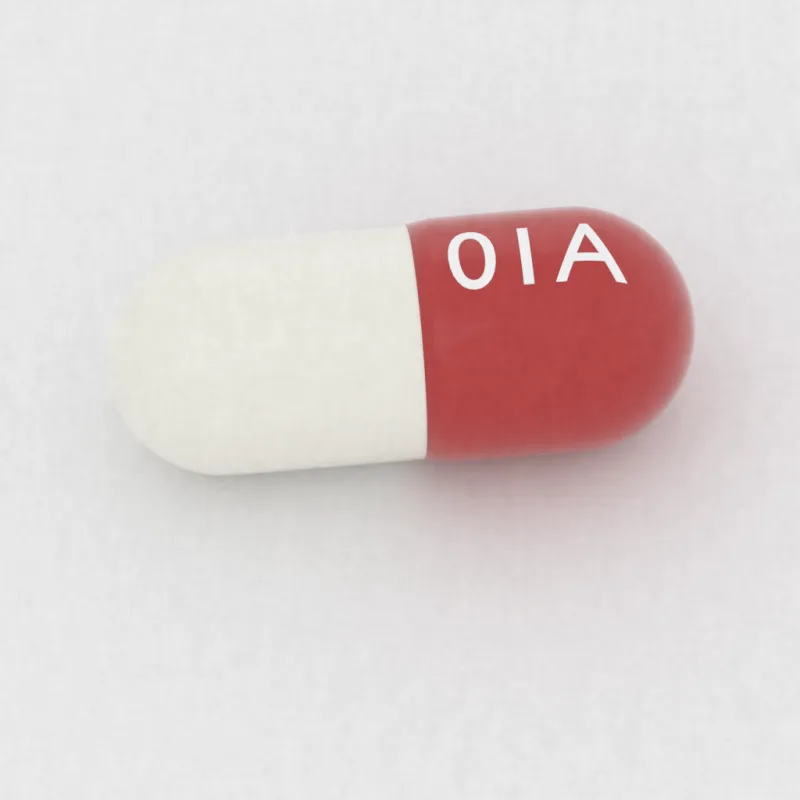
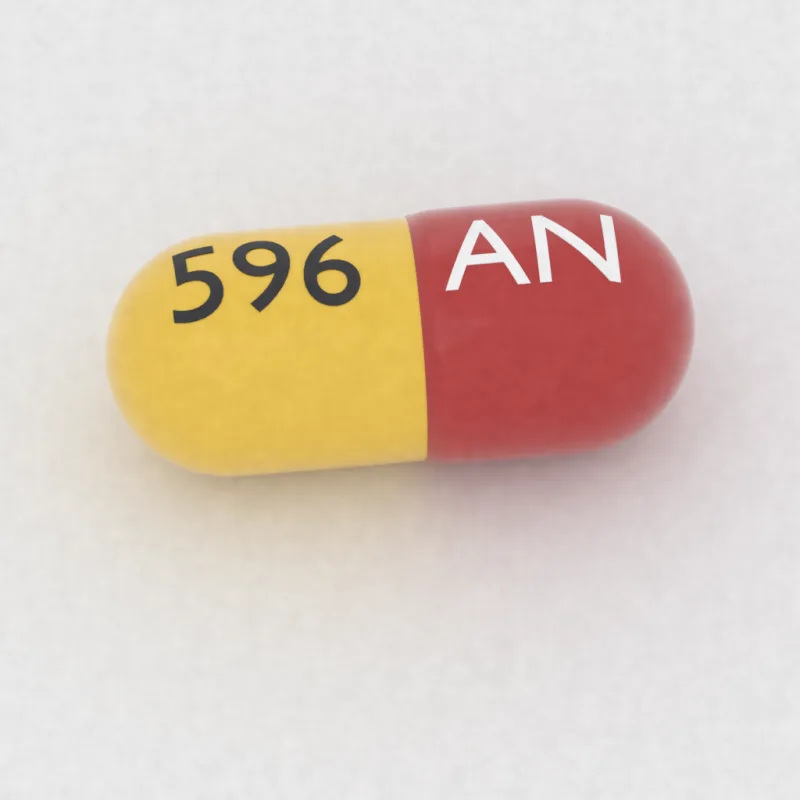
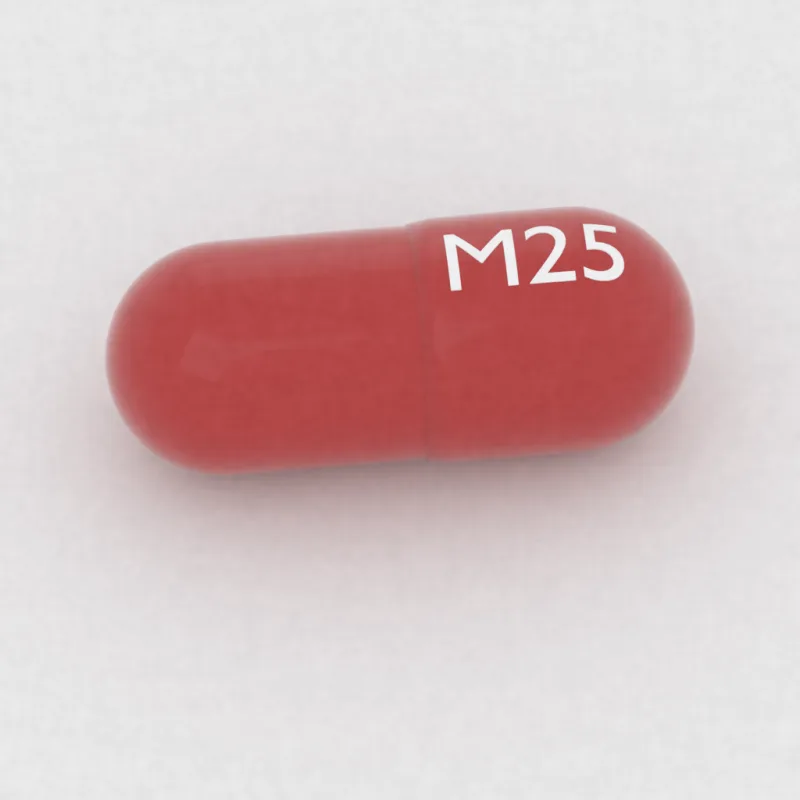
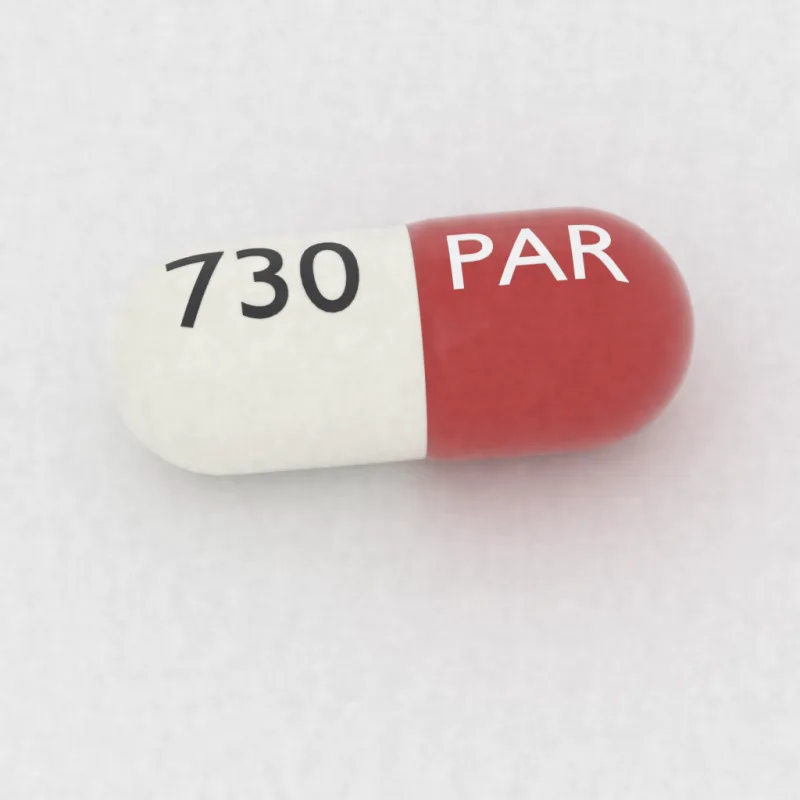
Representaciones generadas a partir de los listados de productos de las etiquetas de la FDA: color, forma, tamaño e inscripción. 6 versiones documentadas de 6 etiquetadores.
Interacciones según la etiqueta
Interacciones graves (60)
CIBINQO is contraindicated in patients taking antiplatelet therapies, except for low-dose aspirin (≤81 mg daily), during the first 3 months of treatment [see Warnings and Precautions (5.7) , Drug Interactions (7.2) , and Clinical Pharmacology (12.2) ]. (etiqueta de Abrocitinib, Contraindicaciones)
Caution is advised for patients receiving concomitant high-dose aspirin and acetazolamide, as anorexia, tachypnea, lethargy, metabolic acidosis, coma, and death have been reported. (etiqueta de Acetazolamida, Advertencias)
History of asthma, urticaria, or other allergic-type reactions after taking aspirin or other NSAIDs. (etiqueta de Ácido mefenámico, Contraindicaciones)
…risk of developing epidural or spinal hematomas in these patients include: • use of indwelling epidural catheters • concomitant use of other drugs that affect hemostasis, such as nonsteroidal anti-inflammatory drugs (NSAIDs), platelet inhibitors, other anticoagulants • a history of traumatic or repeated epidural or spinal punctures • a history of spinal deformity… (etiqueta de Apixabán, Advertencia en recuadro)
Patients with the syndrome of nasal polyps, angioedema and bronchospastic reactivity to aspirin or other nonsteroidal anti-inflammatory drugs. (etiqueta de Butalbital, ácido acetilsalicílico y cafeína, Contraindicaciones)
• History of asthma, urticaria, or other allergic-type reactions after taking aspirin or other NSAIDs. (etiqueta de Celecoxib, Contraindicaciones)
Nephrotoxic agents Concomitant administration of cidofovir injection and agents with nephrotoxic potential [e.g., intravenous aminoglycosides (e.g., tobramycin, gentamicin, and amikacin), amphotericin B, foscarnet, intravenous pentamidine, vancomycin, and nonsteroidal anti-inflammatory agents] is contraindicated. (etiqueta de Cidofovir, Interacciones medicamentosas)
Table 2: Oral drugs that can be administered concomitantly with Ferric Citrate Tablets Amlodipine Aspirin Atorvastatin Calcitriol Clopidogrel Digoxin Diltiazem Doxercalciferol Enalapril Fluvastatin Glimepiride Levofloxacin Losartan Metoprolol Pravastatin Propranolol Sitagliptin Warfarin Oral drugs that have to be separated from Ferric Citrate Tablets and meals… (etiqueta de Citrato férrico, Interacciones medicamentosas)
Prevention or Management Avoid co-administration of potent ENT1, CNT3, or BCRP transporter inhibitors (e.g., ritonavir, eltrombopag, curcumin, cyclosporine, dilazep, nifedipine, nimodipine, cilostazol, sulindac, dipyridamole, or reserpine) during the 4 to 5 day MAVENCLAD treatment cycles. (etiqueta de Cladribina, Interacciones medicamentosas)
…the risk of developing epidural or spinal hematomas in these patients include: use of indwelling epidural catheters concomitant use of other drugs that affect hemostasis, such as non-steroidal anti-inflammatory drugs (NSAIDs), platelet inhibitors, other anticoagulants a history of traumatic or repeated epidural or spinal punctures a history of spinal deformity… (etiqueta de Dabigatrán, Advertencia en recuadro)
ZIPSOR is contraindicated in the following patients: Known hypersensitivity (e.g., anaphylactic reactions and serious skin reactions) to diclofenac or any components of the drug product [ see Warnings and Precautions ( 5.7 , 5.9 ) ] History of asthma, urticaria, or other allergic-type reactions after taking aspirin or other NSAIDs. (etiqueta de Diclofenaco, Contraindicaciones)
…defects [see Warnings and Precautions (5.1) and Use in Specific Populations (8.1) ] • In the setting of coronary artery bypass graft (CABG) surgery [see Warnings and Precautions (5.2) ] • Active gastrointestinal bleeding [see Warnings and Precautions (5.3) ] • History of asthma, urticaria, or other allergic-type reactions after taking aspirin or other NSAIDs. (etiqueta de Diclofenaco y misoprostol, Contraindicaciones)
…contraindicated in the following circumstances: Hypersensitivity to dichlorphenamide or other sulfonamides [see Warnings and Precautions (5.1) ] Concomitant use of KEVEYIS and high dose aspirin [see Warnings and Precautions (5.2) and Drug Interactions (7.1) ] Severe pulmonary disease, limiting compensation to metabolic acidosis caused by KEVEYIS [see Warnings and Precautions… (etiqueta de Diclorfenamida, Contraindicaciones)
Diflunisal tablets should not be given to patients who have experienced asthma, urticaria, or allergic-type reactions after taking aspirin or other NSAIDs. (etiqueta de Diflunisal, Contraindicaciones)
Serious Gastrointestinal Reactions Serious gastrointestinal reactions, including perforation, ulceration, hemorrhage, and obstruction, some with fatal outcomes, have been reported in the postmarketing setting with the use of fumaric acid esters, including TECFIDERA, with or without concomitant aspirin use. (etiqueta de Dimetilfumarato, Advertencias y precauciones)
…the risk of developing epidural or spinal hematomas in these patients include: use of indwelling epidural catheters concomitant use of other drugs that affect hemostasis, such as nonsteroidal anti-inflammatory drugs (NSAIDs), platelet inhibitors, other anticoagulants a history of traumatic or repeated epidural or spinal punctures a history of spinal deformity… (etiqueta de Edoxabán, Advertencia en recuadro)
Avoid SYMFI with concurrent or recent use of a nephrotoxic agent (e.g., high-dose or multiple non-steroidal anti-inflammatory drugs [NSAIDs]) [see Drug Interactions (7.3) ] . (etiqueta de Efavirenz, lamivudina y tenofovir, Advertencias y precauciones)
Antiplatelets: ticagrelor ↑ ticagrelor Coadminstration with ticagrelor is not recommended. clopidogrel ↓ clopidogrel active metabolite Coadministration with clopidogrel is not recommended due to protential reduction of the antiplatelet activity of clopidogrel. (etiqueta de Elvitegravir, cobicistat, emtricitabina y tenofovir, Interacciones medicamentosas)
COMPLERA should be avoided with concurrent or recent use of a nephrotoxic agent (e.g., high-dose or multiple nonsteroidal anti-inflammatory drugs [NSAIDs]) [see Drug Interactions (7.4) ]. (etiqueta de Emtricitabina, rilpivirina y tenofovir, Advertencias y precauciones)
…the risk of developing epidural or spinal hematomas in these patients include: Use of indwelling epidural catheters Concomitant use of other drugs that affect hemostasis, such as non-steroidal anti-inflammatory drugs (NSAIDs), platelet inhibitors, and other anticoagulants A history of traumatic or repeated epidural or spinal punctures A history of spinal deformity… (etiqueta de Enoxaparina, Advertencia en recuadro)
Etodolac tablets should not be given to patients who have experienced asthma, urticaria, or other allergic-type reactions after taking aspirin or other NSAIDs. (etiqueta de Etodolaco, Contraindicaciones)
CONTRAINDICATIONS FENOPROFEN CALCIUM is contraindicated in the following patients: Known hypersensitivity (e.g., anaphylactic reactions and serious skin reactions) to fenoprofen or any components of the drug product [ see Warnings and Precautions ( 5.7 , 5.9 ) ] History of asthma, urticaria, or other allergic-type reactions after taking aspirin or other NSAIDs. (etiqueta de Fenoprofeno, Contraindicaciones)
Contraindications: ANTICHOLIUM ® should not be used in the presence of hypersensitivity to physostigmine salicylate, bronchial asthma, ulcers associated with tissue destruction (gangrene), coronary heart disease, constipation (mechanical obstipation), mechanical ischuria (urinary retention), hereditary form of muscle atrophy (myotonic dystrophy), closed traumatic… (etiqueta de Fisostigmina, Contraindicaciones)
Flurbiprofen tablets are contraindicated in the following patients: Known hypersensitivity (e.g., anaphylactic reactions and serious skin reactions) to flurbiprofen or any components of the drug product [ see Warnings and Precautions (5.7 , 5.9) ] History of asthma, urticaria, or other allergic-type reactions after taking aspirin or other NSAIDs. (etiqueta de Flurbiprofeno, Contraindicaciones)
…risk of developing epidural or spinal hematomas in these patients include: • use of indwelling epidural catheters • concomitant use of other drugs that affect hemostasis, such as non-steroidal anti-inflammatory drugs (NSAIDs), platelet inhibitors, or other anticoagulants • a history of traumatic or repeated epidural or spinal puncture • a history of spinal deformity… (etiqueta de Fondaparinux, Advertencia en recuadro)
History of asthma, urticaria, or other allergic-type reactions after taking aspirin or other NSAIDs. (etiqueta de Hidrocodona e ibuprofeno, Contraindicaciones)
CALDOLOR is contraindicated in the following patients: Known hypersensitivity (e.g., anaphylactic reactions and serious skin reactions) to ibuprofen or any components of the drug product [ see Warnings and Precautions ( 5.7 , 5.9 ) ] History of asthma, urticaria, or other allergic-type reactions after taking aspirin or other NSAIDs. (etiqueta de Ibuprofeno, Contraindicaciones)
History of asthma, urticaria, or other allergic-type reactions after taking aspirin or other NSAIDs. (etiqueta de Ibuprofeno y famotidina, Contraindicaciones)
INDOCIN is contraindicated in the following patients: Known hypersensitivity (e.g., anaphylactic reactions and serious skin reactions) to indomethacin or any components of the drug product [ see Warnings and Precautions ( 5.7 , 5.9 ) ] History of asthma, urticaria, or other allergic-type reactions after taking aspirin or other NSAIDs. (etiqueta de Indometacina, Contraindicaciones)
Anticoagulants and Antiplatelets Ticagrelor Contraindicated during and 2 weeks after TOLSURA treatment. (etiqueta de Itraconazol, Interacciones medicamentosas)
Throughout this package insert, the term NSAID refers to a non-aspirin non-steroidal anti-inflammatory drug. (etiqueta de Ketoprofeno, Advertencia en recuadro)
CONCOMITANT USE WITH NSAIDs Ketorolac tromethamine is CONTRAINDICATED in patients currently receiving aspirin or NSAIDs because of the cumulative risk of inducing serious NSAID-related side effects. (etiqueta de Ketorolaco, Advertencia en recuadro)
The combined use of two or more prostaglandins, or prostaglandin analogs including XELPROS is not recommended. (etiqueta de Latanoprost, Interacciones medicamentosas)
History of asthma, urticaria, or other allergic-type reactions after taking aspirin or other NSAIDs. (etiqueta de Meloxicam, Contraindicaciones)
Warnings For external use only Allergy alert: do not use if you are allergic to salicylates (including aspirin) unless directed by a doctor. (etiqueta de Mentol y salicilato de metilo, Advertencias)
Caution is advised for patients receiving high-dose aspirin and methazolamide concomitantly, as anorexia, tachypnea, lethargy, coma, and death have been reported with concomitant use of high-dose aspirin and carbonic anhydrase inhibitors. (etiqueta de Metazolamida, Advertencias)
Unexpectedly severe and fatal gastrointestinal toxicity can occur with concomitant administration of XATMEP (primarily at high dosage) and nonsteroidal anti-inflammatory drugs (NSAIDs) [see Drug Interactions ( 7.1 )] . (etiqueta de Metotrexato, Advertencias y precauciones)
MISOPROSTOL SHOULD NOT BE TAKEN BY PREGNANT WOMEN TO REDUCE THE RISK OF ULCERS INDUCED BY NONSTEROIDAL ANTI-INFLAMMATORY DRUGS (NSAIDs) (see CONTRAINDICATIONS , WARNINGS , and PRECAUTIONS ). (etiqueta de Misoprostol, Advertencia en recuadro)
Patients with known aspirin sensitivity should continue to avoid aspirin or non-steroidal anti-inflammatory agents while taking SINGULAIR ( 5.4 ). (etiqueta de Montelukast, Advertencias y precauciones)
Nabumetone tablets should not be given to patients who have experienced asthma, urticaria, or allergic-type reactions after taking aspirin or other NSAIDs. (etiqueta de Nabumetona, Contraindicaciones)
Naproxen Suspension is contraindicated in the following patients: Known hypersensitivity (e.g., anaphylactic reactions and serious skin reactions) to naproxen or any components of the drug product [ see Warnings and Precautions ( 5.7 , 5.9 ) ] History of asthma, urticaria, or other allergic-type reactions after taking aspirin or other NSAIDs. (etiqueta de Naproxeno, Contraindicaciones)
• History of asthma, urticaria, or allergic-type reactions after taking aspirin or other NSAIDs. (etiqueta de Naproxeno y esomeprazol, Contraindicaciones)
Pregnancy Embryo-Fetal Toxicity Inform pregnant women to avoid use of aspirin and other NSAIDs starting at 30 weeks gestation because of the risk of the premature closing of the fetal ductus arteriosus. (etiqueta de Orfenadrina, ácido acetilsalicílico y cafeína, Precauciones)
SECTION OXAPROZIN CAPSULES is contraindicated in the following patients: Known hypersensitivity (e.g., anaphylactic reactions and serious skin reactions) to oxaprozin or any components of the drug product [see WARNINGS AND PRECAUTIONS (5.7, 5.9)] History of asthma, urticaria, or other allergic-type reactions after taking aspirin or other NSAIDs. (etiqueta de Oxaprozina, Contraindicaciones)
• patients with a history of asthma, urticaria, or other allergic-type reactions after taking aspirin or other NSAIDS [see Warnings and Precautions (5.7 and 5.8) ] . (etiqueta de Paracetamol e ibuprofeno, Contraindicaciones)
History of asthma, urticaria, or other allergic-type reactions after taking aspirin or other NSAIDs (4) (etiqueta de Piroxicam, Contraindicaciones)
Avoid coadministration with probenecid or nonsteroidal anti-inflammatory drugs. (etiqueta de Pralatrexato, Interacciones medicamentosas)
Additional risk factors for bleeding include: body weight <60 kg, propensity to bleed, concomitant use of medications that increase the risk of bleeding (e.g . , warfarin, heparin, fibrinolytic therapy, chronic use of nonsteroidal anti-inflammatory drugs [NSAIDs]) [see Warnings and Precautions (5.1) ] . (etiqueta de Prasugrel, Advertencia en recuadro)
- ProbenecidGrave
In patients on probenecid the use of salicylates in either small or large doses is contraindicated because it antagonizes the uricosuric action of probenecid. (etiqueta de Probenecid, Advertencias)
In patients on probenecid and colchicine the use of salicylates in either small or large doses is contraindicated because it antagonizes the uricosuric action of probenecid. (etiqueta de Probenecid y colchicina, Advertencias)
Phosphodiesterase Inhibitors Concomitant administration of Adempas with specific PDE-5 inhibitors (such as sildenafil, tadalafil, or vardenafil) or nonspecific PDE-5 inhibitors (such as dipyridamole or theophylline) is contraindicated [see Dosage and Administration (2.6), Drug Interactions ( 7.1 ) and Clinical Pharmacology ( 12.2 )]. (etiqueta de Riociguat, Contraindicaciones)
…risk of developing epidural or spinal hematomas in these patients include: • use of indwelling epidural catheters • concomitant use of other drugs that affect hemostasis, such as non-steroidal anti-inflammatory drugs (NSAIDs), platelet inhibitors, other anticoagulants • a history of traumatic or repeated epidural or spinal punctures • a history of spinal deformity… (etiqueta de Rivaroxabán, Advertencia en recuadro)
Salsalate tablets, USP should not be given to patients who have experienced asthma, urticaria, or allergic-type reactions after taking aspirin or other NSAIDs. (etiqueta de Salsalato, Contraindicaciones)
Do not take if you are allergic to salicylates (including aspirin) taking other salicylate products Do not use if you have an ulcer a bleeding problem bloody or black stool Ask a doctor before use if you have fever mucus in the stool Ask a doctor or pharmacist before use if you are taking any drug for diabetes gout arthritis anticoagulation (thinning the blood)… (etiqueta de Subsalicilato de bismuto, Advertencias)
Sulindac should not be given to patients who have experienced asthma, urticaria, or allergic-type reactions after taking aspirin or other NSAIDs. (etiqueta de Sulindaco, Contraindicaciones)
History of asthma, urticaria, or allergic-type reactions after taking aspirin or other NSAIDs. (etiqueta de Sumatriptán y naproxeno, Contraindicaciones)
VIREAD should be avoided with concurrent or recent use of a nephrotoxic agent (e.g., high-dose or multiple non-steroidal anti-inflammatory drugs [NSAIDs]) [see Drug Interactions (7.1) ] . (etiqueta de Tenofovir, Advertencias y precauciones)
WARNING: BLEEDING RISK • BRILINTA, like other antiplatelet agents, can cause significant, sometimes fatal bleeding ( 5.1 , 6.1 ). (etiqueta de Ticagrelor, Advertencia en recuadro)
TOLECTIN should not be given to patients who have experienced asthma, urticaria or allergic-type reactions after taking aspirin or other NSAIDs. (etiqueta de Tolmetina, Contraindicaciones)
Interacciones moderadas (233)
Oral Hypoglycemics Moderate doses of aspirin may increase the effectiveness of oral hypoglycemic drugs, leading to hypoglycemia. (etiqueta de Ácido acetilsalicílico y dipiridamol, Interacciones medicamentosas)
Beta Blockers The hypotensive effects of beta blockers may be diminished by the concomitant administration of aspirin due to inhibition of renal prostaglandins, leading to decreased renal blood flow and salt and fluid retention. (etiqueta de Ácido acetilsalicílico y dipiridamol, Interacciones medicamentosas)
Diuretics The effectiveness of diuretics in patients with underlying renal or cardiovascular disease may be diminished by the concomitant administration of aspirin due to inhibition of renal prostaglandins, leading to decreased renal blood flow and salt and fluid retention. (etiqueta de Ácido acetilsalicílico y dipiridamol, Interacciones medicamentosas)
Anticonvulsants Salicylic acid can displace protein-bound phenytoin and valproic acid, leading to a decrease in the total concentration of phenytoin and an increase in serum valproic acid levels. (etiqueta de Ácido acetilsalicílico y dipiridamol, Interacciones medicamentosas)
Use Reclast with caution in aspirin-sensitive patients. (etiqueta de Ácido zoledrónico, Advertencias y precauciones)
Particular caution should be exercised in using preparations containing sulfur, resorcinol, or salicylic acid in combination with Adapalene Cream, 0.1%. (etiqueta de Adapaleno, Interacciones medicamentosas)
However, this is of special importance in patients at risk of or having underlying renal dysfunction and patients taking concomitant nephrotoxic agents such as cyclosporine, tacrolimus, aminoglycosides, vancomycin and non-steroidal anti-inflammatory drugs [See Adverse Reactions (6.2) and Clinical Pharmacology (12.3) ]. (etiqueta de Adefovir, Advertencias y precauciones)
Drug Interaction Study Information Obtained From Literature Adenosinergic agents (e.g. adenosine, regadenoson) Dipyridamole has been reported to increase the plasma levels and cardiovascular effects of adenosine. (etiqueta de Ácido acetilsalicílico y dipiridamol, Interacciones medicamentosas)
- AfatinibModerada
Patients receiving concomitant corticosteroids, nonsteroidal anti-inflammatory drugs (NSAIDs) or anti-angiogenic agents, or patients with increasing age or who have an underlying history of gastrointestinal ulceration, underlying diverticular disease or bowel metastases may be at increased risk of perforation. (etiqueta de Afatinib, Advertencias y precauciones)
Alcohol Warning Because aspirin and extended-release dipyridamole capsules contains aspirin, counsel patients who consume three or more alcoholic drinks every day about the bleeding risks involved with chronic, heavy alcohol use while taking aspirin. (etiqueta de Ácido acetilsalicílico y dipiridamol, Advertencias y precauciones)
Aspirin In clinical studies, the incidence of upper gastrointestinal adverse events was increased in patients receiving concomitant therapy with daily doses of alendronate sodium greater than 10 mg and aspirin-containing products. (etiqueta de Alendronato, Interacciones medicamentosas)
…part on the activity of the RAAS (e.g., patients with renal artery stenosis, severe heart failure, post-myocardial infarction or volume depletion) or patients receiving ARB, ACEI or nonsteroidal anti-inflammatory drug (NSAID), including selective Cyclooxygenase-2 inhibitors (COX-2 inhibitors), therapy may be at particular risk for developing acute renal failure… (etiqueta de Aliskireno, Advertencias y precauciones)
Oral Hypoglycemics Moderate doses of aspirin may increase the effectiveness of oral hypoglycemic drugs, leading to hypoglycemia. (etiqueta de Ácido acetilsalicílico y dipiridamol, Interacciones medicamentosas)
Oral Hypoglycemics Moderate doses of aspirin may increase the effectiveness of oral hypoglycemic drugs, leading to hypoglycemia. (etiqueta de Ácido acetilsalicílico y dipiridamol, Interacciones medicamentosas)
- AlteplasaModerada
Because heparin, aspirin, or Activase may cause bleeding complications, carefully monitor for bleeding, especially at arterial puncture sites. (etiqueta de Alteplasa, Advertencias y precauciones)
Diuretics The effectiveness of diuretics in patients with underlying renal or cardiovascular disease may be diminished by the concomitant administration of aspirin due to inhibition of renal prostaglandins, leading to decreased renal blood flow and salt and fluid retention. (etiqueta de Ácido acetilsalicílico y dipiridamol, Interacciones medicamentosas)
Patients whose renal function may depend in part on the activity of the RAS (e.g., patients with renal artery stenosis, severe heart failure, post-myocardial infarction or volume depletion) or who are on Nonsteroidal Anti-Inflammatory Drugs (NSAIDs) or ARBs may be at particular risk of developing acute renal failure on amlodipine and benazepril hydrochloride. (etiqueta de Amlodipino y benazepril, Advertencias y precauciones)
• Increased exposure of amlodipine when coadministered with CYP3A inhibitors Olmesartan medoxomil ( 7.2 ): • Nonsteroidal anti-inflammatory drugs (NSAIDS) may lead to increased risk of renal impairment and loss of antihypertensive effect. (etiqueta de Amlodipino y olmesartán, Interacciones medicamentosas)
Non-Steroidal Anti-Inflammatory Agents Including Selective Cyclooxygenase-2 Inhibitors (COX-2 Inhibitors) : In patients who are elderly, volume-depleted (including those on diuretic therapy), or with compromised renal function, coadministration of NSAIDs, including selective COX-2 inhibitors, with angiotensin II receptor antagonists, including valsartan, may… (etiqueta de Amlodipino y valsartán, Interacciones medicamentosas)
Risk factors for bleeding include the use of other drugs that increase the risk of bleeding (e.g., anticoagulants, antiplatelet agents, heparin, anagrelide, fibrinolytic therapy, and chronic use of NSAIDs) [see Drug Interactions ( 7.1 )]. (etiqueta de Ácido acetilsalicílico y dipiridamol, Advertencias y precauciones)
Risk factors for bleeding include the use of other drugs that increase the risk of bleeding (e.g., anticoagulants, antiplatelet agents, heparin, anagrelide, fibrinolytic therapy, and chronic use of NSAIDs) [see Drug Interactions ( 7.1 )]. (etiqueta de Ácido acetilsalicílico y dipiridamol, Advertencias y precauciones)
Beta Blockers The hypotensive effects of beta blockers may be diminished by the concomitant administration of aspirin due to inhibition of renal prostaglandins, leading to decreased renal blood flow and salt and fluid retention. (etiqueta de Ácido acetilsalicílico y dipiridamol, Interacciones medicamentosas)
Beta Blockers The hypotensive effects of beta blockers may be diminished by the concomitant administration of aspirin due to inhibition of renal prostaglandins, leading to decreased renal blood flow and salt and fluid retention. (etiqueta de Ácido acetilsalicílico y dipiridamol, Interacciones medicamentosas)
Non-steroidal Anti-Inflammatory Agents, including Selective Cyclooxygenase-2 Inhibitors (COX-2 Inhibitors) In patients who are elderly, volume-depleted (including those on diuretic therapy), or who have compromised renal function, coadministration of NSAIDs, including selective COX-2 inhibitors, with angiotensin II receptor antagonists, including azilsartan,… (etiqueta de Azilsartán, Interacciones medicamentosas)
Nephrotoxic Agents including NSAIDs: Increased risk of nephrotoxicity; monitor for changes in renal function and mesalamine-related adverse reactions. (etiqueta de Balsalazida, Interacciones medicamentosas)
NSAIDS: Increased risk of renal impairment and loss of antihypertensive efficacy ( 7.3 ) (etiqueta de Benazepril, Interacciones medicamentosas)
Diuretics The effectiveness of diuretics in patients with underlying renal or cardiovascular disease may be diminished by the concomitant administration of aspirin due to inhibition of renal prostaglandins, leading to decreased renal blood flow and salt and fluid retention. (etiqueta de Ácido acetilsalicílico y dipiridamol, Interacciones medicamentosas)
Beta Blockers The hypotensive effects of beta blockers may be diminished by the concomitant administration of aspirin due to inhibition of renal prostaglandins, leading to decreased renal blood flow and salt and fluid retention. (etiqueta de Ácido acetilsalicílico y dipiridamol, Interacciones medicamentosas)
Oral Hypoglycemics Moderate doses of aspirin may increase the effectiveness of oral hypoglycemic drugs, leading to hypoglycemia. (etiqueta de Ácido acetilsalicílico y dipiridamol, Interacciones medicamentosas)
Beta Blockers The hypotensive effects of beta blockers may be diminished by the concomitant administration of aspirin due to inhibition of renal prostaglandins, leading to decreased renal blood flow and salt and fluid retention. (etiqueta de Ácido acetilsalicílico y dipiridamol, Interacciones medicamentosas)
Beta Blockers The hypotensive effects of beta blockers may be diminished by the concomitant administration of aspirin due to inhibition of renal prostaglandins, leading to decreased renal blood flow and salt and fluid retention. (etiqueta de Ácido acetilsalicílico y dipiridamol, Interacciones medicamentosas)
Risk factors for bleeding include the use of other drugs that increase the risk of bleeding (e.g., anticoagulants, antiplatelet agents, heparin, anagrelide, fibrinolytic therapy, and chronic use of NSAIDs) [see Drug Interactions ( 7.1 )]. (etiqueta de Ácido acetilsalicílico y dipiridamol, Advertencias y precauciones)
Beta Blockers The hypotensive effects of beta blockers may be diminished by the concomitant administration of aspirin due to inhibition of renal prostaglandins, leading to decreased renal blood flow and salt and fluid retention. (etiqueta de Ácido acetilsalicílico y dipiridamol, Interacciones medicamentosas)
• Rare instances of acid-base alterations have occurred with high-dose salicylate therapy. (etiqueta de Brinzolamida, Interacciones medicamentosas)
Anticonvulsants Salicylic acid can displace protein-bound phenytoin and valproic acid, leading to a decrease in the total concentration of phenytoin and an increase in serum valproic acid levels. (etiqueta de Ácido acetilsalicílico y dipiridamol, Interacciones medicamentosas)
Therefore, CYCLOSET may increase the unbound fraction of other concomitantly used highly protein-bound therapies (e.g., salicylates, sulfonamides, chloramphenicol and probenecid), which may alter their effectiveness and risk for side effects. (etiqueta de Bromocriptina, Interacciones medicamentosas)
Diuretics The effectiveness of diuretics in patients with underlying renal or cardiovascular disease may be diminished by the concomitant administration of aspirin due to inhibition of renal prostaglandins, leading to decreased renal blood flow and salt and fluid retention. (etiqueta de Ácido acetilsalicílico y dipiridamol, Interacciones medicamentosas)
Oral Hypoglycemics Moderate doses of aspirin may increase the effectiveness of oral hypoglycemic drugs, leading to hypoglycemia. (etiqueta de Ácido acetilsalicílico y dipiridamol, Interacciones medicamentosas)
NSAIDS use may lead to increased risk of renal impairment and loss of antihypertensive effect ( 7 ). (etiqueta de Candesartán, Interacciones medicamentosas)
Diuretics The effectiveness of diuretics in patients with underlying renal or cardiovascular disease may be diminished by the concomitant administration of aspirin due to inhibition of renal prostaglandins, leading to decreased renal blood flow and salt and fluid retention. (etiqueta de Ácido acetilsalicílico y dipiridamol, Interacciones medicamentosas)
Anticonvulsants Salicylic acid can displace protein-bound phenytoin and valproic acid, leading to a decrease in the total concentration of phenytoin and an increase in serum valproic acid levels. (etiqueta de Ácido acetilsalicílico y dipiridamol, Interacciones medicamentosas)
Non-Steroidal Anti-Inflammatory Agents including Selective Cyclooxygenase-2 Inhibitors (COX-2 Inhibitors) In patients who are elderly, volume-depleted (including those on diuretic therapy), or with compromised renal function, coadministration of NSAIDs, including selective COX-2 inhibitors, with ACE inhibitors, including captopril, may result in deterioration… (etiqueta de Captopril, Interacciones medicamentosas)
Anticonvulsants Salicylic acid can displace protein-bound phenytoin and valproic acid, leading to a decrease in the total concentration of phenytoin and an increase in serum valproic acid levels. (etiqueta de Ácido acetilsalicílico y dipiridamol, Interacciones medicamentosas)
Low dose aspirin also showed an induction effect on CYP2C19. (etiqueta de Carisoprodol, Interacciones medicamentosas)
Beta Blockers The hypotensive effects of beta blockers may be diminished by the concomitant administration of aspirin due to inhibition of renal prostaglandins, leading to decreased renal blood flow and salt and fluid retention. (etiqueta de Ácido acetilsalicílico y dipiridamol, Interacciones medicamentosas)
Drug Interactions As with other cephalosporins, cefotaxime may potentiate the nephrotoxic effects of nephrotoxic drugs such as aminoglycosides, NSAIDs and furosemide. (etiqueta de Cefotaxima, Interacciones medicamentosas)
Anticonvulsants Salicylic acid can displace protein-bound phenytoin and valproic acid, leading to a decrease in the total concentration of phenytoin and an increase in serum valproic acid levels. (etiqueta de Ácido acetilsalicílico y dipiridamol, Interacciones medicamentosas)
In addition, concomitant use of NSAIDs with cyclosporine, particularly in the setting of dehydration, may potentiate renal dysfunction. (etiqueta de Ciclosporina, Interacciones medicamentosas)
NSAIDs Use with caution Non-steroidal anti-inflammatory drugs (but not acetyl salicylic acid) in combination of very high doses of quinolones have been shown to provoke convulsions in pre-clinical studies and in postmarketing. (etiqueta de Ciprofloxacino, Interacciones medicamentosas)
Increased Risk of Bleeding: Concomitant use of aspirin, nonsteroidal anti-inflammatory drugs, other antiplatelet drugs, warfarin, and other anticoagulants may increase this risk. (etiqueta de Citalopram, Advertencias y precauciones)
Nonsteroidal Anti-inflammatory drugs (NSAIDs) monitor for hyperkalemia (7.4) (etiqueta de Citrato de potasio, Interacciones medicamentosas)
Anticonvulsants Salicylic acid can displace protein-bound phenytoin and valproic acid, leading to a decrease in the total concentration of phenytoin and an increase in serum valproic acid levels. (etiqueta de Ácido acetilsalicílico y dipiridamol, Interacciones medicamentosas)
Anticonvulsants Salicylic acid can displace protein-bound phenytoin and valproic acid, leading to a decrease in the total concentration of phenytoin and an increase in serum valproic acid levels. (etiqueta de Ácido acetilsalicílico y dipiridamol, Interacciones medicamentosas)
Risk factors for bleeding include concomitant use of other drugs that increase the risk of bleeding (e.g., anticoagulants, antiplatelet agents, and chronic use of NSAIDs) [see Drug Interactions (7.4 , 7.5 , 7.6 , 7.7) ]. (etiqueta de Clopidogrel, Advertencias y precauciones)
Diuretics The effectiveness of diuretics in patients with underlying renal or cardiovascular disease may be diminished by the concomitant administration of aspirin due to inhibition of renal prostaglandins, leading to decreased renal blood flow and salt and fluid retention. (etiqueta de Ácido acetilsalicílico y dipiridamol, Interacciones medicamentosas)
Diuretics The effectiveness of diuretics in patients with underlying renal or cardiovascular disease may be diminished by the concomitant administration of aspirin due to inhibition of renal prostaglandins, leading to decreased renal blood flow and salt and fluid retention. (etiqueta de Ácido acetilsalicílico y dipiridamol, Interacciones medicamentosas)
Nonsteroidal anti-inflammatory drugs: Monitor for hyperkalemia ( 7.3 ) (etiqueta de Cloruro de potasio, Interacciones medicamentosas)
Oral Hypoglycemics Moderate doses of aspirin may increase the effectiveness of oral hypoglycemic drugs, leading to hypoglycemia. (etiqueta de Ácido acetilsalicílico y dipiridamol, Interacciones medicamentosas)
Oral Hypoglycemics Moderate doses of aspirin may increase the effectiveness of oral hypoglycemic drugs, leading to hypoglycemia. (etiqueta de Ácido acetilsalicílico y dipiridamol, Interacciones medicamentosas)
The risk of GI hemorrhage may be increased when administering Exjade in combination with drugs that have ulcerogenic or hemorrhagic potential, such as nonsteroidal anti-inflammatory drugs (NSAIDs), corticosteroids, oral bisphosphonates, or anticoagulants. (etiqueta de Deferasirox, Advertencias y precauciones)
- DesmopresinaModerada
…Hyponatremia Concomitant administration of DESMODA with other drugs that may increase the risk of water intoxication with hyponatremia, (e.g., tricyclic antidepressants, selective serotonin re-uptake inhibitors, chlorpromazine, opiate analgesics, thiazide diuretics, NSAIDs, lamotrigine, sulfonylureas, particularly chlorpropamide, oxybutynin and carbamazepine). (etiqueta de Desmopresina, Interacciones medicamentosas)
COCs have been shown to decrease plasma concentrations of acetaminophen, clofibric acid, morphine, salicylic acid, temazepam and lamotrigine. (etiqueta de Desogestrel y etinilestradiol, Interacciones medicamentosas)
Examples NSAIDs, aspirin, and warfarin Drugs that are Primarily Metabolized by CYP2D6 Clinical Impact Concomitant use of PRISTIQ increases C max and AUC of a drug primarily metabolized by CYP2D6 which may increase the risk of toxicity of the CYP2D6 substrate drug [see Clinical Pharmacology (12.3) ] . (etiqueta de Desvenlafaxina, Interacciones medicamentosas)
Monitor for toxicity when aspirin is used in conjunction with HEMADY in hypoprothrombinemia. (etiqueta de Dexametasona, Interacciones medicamentosas)
Anticonvulsants Salicylic acid can displace protein-bound phenytoin and valproic acid, leading to a decrease in the total concentration of phenytoin and an increase in serum valproic acid levels. (etiqueta de Ácido acetilsalicílico y dipiridamol, Interacciones medicamentosas)
Therefore, patients should be monitored closely for symptoms of active or occult gastrointestinal bleeding, especially those at increased risk for developing ulcers, e.g., those with a history of ulcer disease or those receiving concurrent nonsteroidal anti-inflammatory drugs (NSAIDs). (etiqueta de Donepezilo, Advertencias y precauciones)
High-Dose Salicylate Therapy Although acid-base and electrolyte disturbances were not reported in the clinical trials with dorzolamide hydrochloride ophthalmic solution, these disturbances have been reported with oral carbonic anhydrase inhibitors and have, in some instances, resulted in drug interactions (e.g., toxicity associated with high-dose salicylate therapy). (etiqueta de Dorzolamida, Interacciones medicamentosas)
Beta Blockers The hypotensive effects of beta blockers may be diminished by the concomitant administration of aspirin due to inhibition of renal prostaglandins, leading to decreased renal blood flow and salt and fluid retention. (etiqueta de Ácido acetilsalicílico y dipiridamol, Interacciones medicamentosas)
Medications that may increase serum potassium concentration include ACE inhibitors, angiotensin-II receptor antagonists, potassium-sparing diuretics, potassium supplementation, heparin, aldosterone antagonists, and NSAIDS. (etiqueta de Drospirenona y etinilestradiol, Advertencias y precauciones)
Oral Hypoglycemics Moderate doses of aspirin may increase the effectiveness of oral hypoglycemic drugs, leading to hypoglycemia. (etiqueta de Ácido acetilsalicílico y dipiridamol, Interacciones medicamentosas)
Inform patients about the increased risk of bleeding associated with the concomitant use of Duloxetine Delayed-Release Capsules and NSAIDs, aspirin, or other drugs that affect coagulation [see Drug Interactions ( 7.1 )] . (etiqueta de Duloxetina, Advertencias y precauciones)
Oral Hypoglycemics Moderate doses of aspirin may increase the effectiveness of oral hypoglycemic drugs, leading to hypoglycemia. (etiqueta de Ácido acetilsalicílico y dipiridamol, Interacciones medicamentosas)
Oral Hypoglycemics Moderate doses of aspirin may increase the effectiveness of oral hypoglycemic drugs, leading to hypoglycemia. (etiqueta de Ácido acetilsalicílico y dipiridamol, Interacciones medicamentosas)
Individuals taking tenofovir prodrugs who have impaired renal function and those taking nephrotoxic agents including non-steroidal anti-inflammatory drugs are at increased risk of developing renal-related adverse reactions. (etiqueta de Emtricitabina y tenofovir, Advertencias y precauciones)
In patients who are elderly, volume-depleted (as on diuretic therapy), or with compromised renal function, use with NSAIDs, including selective COX-2 inhibitors, may result in deterioration of renal function, including renal failure. (etiqueta de Enalapril, Interacciones medicamentosas)
Diuretics The effectiveness of diuretics in patients with underlying renal or cardiovascular disease may be diminished by the concomitant administration of aspirin due to inhibition of renal prostaglandins, leading to decreased renal blood flow and salt and fluid retention. (etiqueta de Ácido acetilsalicílico y dipiridamol, Interacciones medicamentosas)
Non-steroidal anti-inflammatory agents In some patients with compromised renal function who are being treated with non-steroidal anti-inflammatory drugs, the co-administration of enalapril may result in a further deterioration of renal function. (etiqueta de Enalaprilato, Interacciones medicamentosas)
Diuretics The effectiveness of diuretics in patients with underlying renal or cardiovascular disease may be diminished by the concomitant administration of aspirin due to inhibition of renal prostaglandins, leading to decreased renal blood flow and salt and fluid retention. (etiqueta de Ácido acetilsalicílico y dipiridamol, Interacciones medicamentosas)
When other antiplatelet agents or anticoagulants are used concomitantly, there is the potential for VELETRI to increase the risk of bleeding. (etiqueta de Epoprostenol, Interacciones medicamentosas)
Coadministration of antiplatelet agents, thrombolytics, heparin, aspirin, and chronic NSAID use increases the risk of bleeding. (etiqueta de Eptifibatida, Interacciones medicamentosas)
- ErlotinibModerada
Patients receiving concomitant anti-angiogenic agents, corticosteroids, NSAIDs, or taxane-based chemotherapy, or who have prior history of peptic ulceration or diverticular disease may be at increased risk of perforation [see Adverse Reactions (6.1 , 6.2) ]. (etiqueta de Erlotinib, Advertencias y precauciones)
Increased Risk of Bleeding: Concomitant use of nonsteroidal anti-inflammatory drugs, aspirin, other antiplatelet drugs, warfarin and other anticoagulants may increase risk ( 5.7 , 7) (etiqueta de Escitalopram, Advertencias y precauciones)
Anticonvulsants Salicylic acid can displace protein-bound phenytoin and valproic acid, leading to a decrease in the total concentration of phenytoin and an increase in serum valproic acid levels. (etiqueta de Ácido acetilsalicílico y dipiridamol, Interacciones medicamentosas)
Beta Blockers The hypotensive effects of beta blockers may be diminished by the concomitant administration of aspirin due to inhibition of renal prostaglandins, leading to decreased renal blood flow and salt and fluid retention. (etiqueta de Ácido acetilsalicílico y dipiridamol, Interacciones medicamentosas)
Diuretics The effectiveness of diuretics in patients with underlying renal or cardiovascular disease may be diminished by the concomitant administration of aspirin due to inhibition of renal prostaglandins, leading to decreased renal blood flow and salt and fluid retention. (etiqueta de Ácido acetilsalicílico y dipiridamol, Interacciones medicamentosas)
Diuretics The effectiveness of diuretics in patients with underlying renal or cardiovascular disease may be diminished by the concomitant administration of aspirin due to inhibition of renal prostaglandins, leading to decreased renal blood flow and salt and fluid retention. (etiqueta de Ácido acetilsalicílico y dipiridamol, Interacciones medicamentosas)
CHCs have been shown to decrease plasma concentrations of acetaminophen, clofibric acid, morphine, salicylic acid and temazepam. (etiqueta de Etonogestrel y etinilestradiol, Interacciones medicamentosas)
Anticonvulsants Salicylic acid can displace protein-bound phenytoin and valproic acid, leading to a decrease in the total concentration of phenytoin and an increase in serum valproic acid levels. (etiqueta de Ácido acetilsalicílico y dipiridamol, Interacciones medicamentosas)
Platelet aggregation inhibitors: clopidogrel ↓ clopidogrel (active) metabolite Activation of clopidogrel to its active metabolite may be decreased when clopidogrel is co-administered with Etravirine. (etiqueta de Etravirina, Interacciones medicamentosas)
Oral Hypoglycemics Moderate doses of aspirin may increase the effectiveness of oral hypoglycemic drugs, leading to hypoglycemia. (etiqueta de Ácido acetilsalicílico y dipiridamol, Interacciones medicamentosas)
Consider use of prophylactic low-dose aspirin therapy in patients with a history of CV disease. (etiqueta de Febuxostat, Advertencias y precauciones)
Anticonvulsants Salicylic acid can displace protein-bound phenytoin and valproic acid, leading to a decrease in the total concentration of phenytoin and an increase in serum valproic acid levels. (etiqueta de Ácido acetilsalicílico y dipiridamol, Interacciones medicamentosas)
Hyperventilation and Metabolic Acidosis: Sodium Phenylacetate and Sodium Benzoate Injection may cause side effects typically associated with salicylate overdose, such as hyperventilation and metabolic acidosis. (etiqueta de Fenilacetato de sodio y benzoato de sodio, Advertencias y precauciones)
Anticonvulsants Salicylic acid can displace protein-bound phenytoin and valproic acid, leading to a decrease in the total concentration of phenytoin and an increase in serum valproic acid levels. (etiqueta de Ácido acetilsalicílico y dipiridamol, Interacciones medicamentosas)
Anticonvulsants Salicylic acid can displace protein-bound phenytoin and valproic acid, leading to a decrease in the total concentration of phenytoin and an increase in serum valproic acid levels. (etiqueta de Ácido acetilsalicílico y dipiridamol, Interacciones medicamentosas)
Anticonvulsants Salicylic acid can displace protein-bound phenytoin and valproic acid, leading to a decrease in the total concentration of phenytoin and an increase in serum valproic acid levels. (etiqueta de Ácido acetilsalicílico y dipiridamol, Interacciones medicamentosas)
Non-steroidal anti-inflammatory drugs The C max and AUC of flurbiprofen were increased by 23% and 81%, respectively, when coadministered with fluconazole compared to administration of flurbiprofen alone. (etiqueta de Fluconazol, Interacciones medicamentosas)
Aspirin — increased ulcerogenic effect; decreased pharmacologic effect of aspirin. (etiqueta de Fludrocortisona, Interacciones medicamentosas)
Use with NSAIDs, aspirin, warfarin, or other drugs that affect coagulation may potentiate the risk of gastrointestinal or other bleeding ( 5.7 ) (etiqueta de Fluoxetina, Advertencias y precauciones)
Other Drugs Affecting Hemostasis: Increased risk of bleeding with concomitant use of NSAIDs, aspirin, or other drugs affecting coagulation ( 5.8 , 5.10 ). (etiqueta de Fluvoxamina, Advertencias y precauciones)
Anticonvulsants Salicylic acid can displace protein-bound phenytoin and valproic acid, leading to a decrease in the total concentration of phenytoin and an increase in serum valproic acid levels. (etiqueta de Ácido acetilsalicílico y dipiridamol, Interacciones medicamentosas)
Diuretics The effectiveness of diuretics in patients with underlying renal or cardiovascular disease may be diminished by the concomitant administration of aspirin due to inhibition of renal prostaglandins, leading to decreased renal blood flow and salt and fluid retention. (etiqueta de Ácido acetilsalicílico y dipiridamol, Interacciones medicamentosas)
Diuretics The effectiveness of diuretics in patients with underlying renal or cardiovascular disease may be diminished by the concomitant administration of aspirin due to inhibition of renal prostaglandins, leading to decreased renal blood flow and salt and fluid retention. (etiqueta de Ácido acetilsalicílico y dipiridamol, Interacciones medicamentosas)
Anticonvulsants Salicylic acid can displace protein-bound phenytoin and valproic acid, leading to a decrease in the total concentration of phenytoin and an increase in serum valproic acid levels. (etiqueta de Ácido acetilsalicílico y dipiridamol, Interacciones medicamentosas)
Therefore, patients should be monitored closely for symptoms of active or occult gastrointestinal bleeding, especially those with an increased risk for developing ulcers, e.g., those with a history of ulcer disease or patients using concurrent nonsteroidal anti-inflammatory drugs (NSAIDS). (etiqueta de Galantamina, Advertencias y precauciones)
El ginkgo biloba puede aumentar el riesgo de sangrado cuando se toma con medicamentos anticoagulantes o antiagregantes plaquetarios. (NCCIH, Ginkgo)
Oral Hypoglycemics Moderate doses of aspirin may increase the effectiveness of oral hypoglycemic drugs, leading to hypoglycemia. (etiqueta de Ácido acetilsalicílico y dipiridamol, Interacciones medicamentosas)
Oral Hypoglycemics Moderate doses of aspirin may increase the effectiveness of oral hypoglycemic drugs, leading to hypoglycemia. (etiqueta de Ácido acetilsalicílico y dipiridamol, Interacciones medicamentosas)
Oral Hypoglycemics Moderate doses of aspirin may increase the effectiveness of oral hypoglycemic drugs, leading to hypoglycemia. (etiqueta de Ácido acetilsalicílico y dipiridamol, Interacciones medicamentosas)
Oral Hypoglycemics Moderate doses of aspirin may increase the effectiveness of oral hypoglycemic drugs, leading to hypoglycemia. (etiqueta de Ácido acetilsalicílico y dipiridamol, Interacciones medicamentosas)
Oral Hypoglycemics Moderate doses of aspirin may increase the effectiveness of oral hypoglycemic drugs, leading to hypoglycemia. (etiqueta de Ácido acetilsalicílico y dipiridamol, Interacciones medicamentosas)
Serum salicylate concentrations may be decreased when griseofulvin is given concomitantly with salicylates. (etiqueta de Griseofulvina, Interacciones medicamentosas)
Risk factors for bleeding include the use of other drugs that increase the risk of bleeding (e.g., anticoagulants, antiplatelet agents, heparin, anagrelide, fibrinolytic therapy, and chronic use of NSAIDs) [see Drug Interactions ( 7.1 )]. (etiqueta de Ácido acetilsalicílico y dipiridamol, Advertencias y precauciones)
- HialuronidasaModerada
• Large doses of salicylates, cortisone, adrenocorticotropic hormone (ACTH), estrogens or antihistamines may require larger amounts of hyaluronidase for equivalent dispersing effect ( 7.4 ) (etiqueta de Hialuronidasa, Interacciones medicamentosas)
Diuretics The effectiveness of diuretics in patients with underlying renal or cardiovascular disease may be diminished by the concomitant administration of aspirin due to inhibition of renal prostaglandins, leading to decreased renal blood flow and salt and fluid retention. (etiqueta de Ácido acetilsalicílico y dipiridamol, Interacciones medicamentosas)
Concurrent administration of corticosteroids with non-steroidal anti-inflammatory drugs (NSAIDS) may increase the risk of gastrointestinal adverse reactions. (etiqueta de Hidrocortisona, Advertencias y precauciones)
Use caution when co-prescribing aspirin/nonsteroidal anti-inflammatory drugs that may worsen gastrointestinal irritation. (etiqueta de Ibandronato, Interacciones medicamentosas)
The incidence of bleeding was greater in patients receiving concomitant antithrombotic medications, such as aspirin, clopidogrel, or warfarin. (etiqueta de Icosapento de etilo, Advertencias y precauciones)
Diuretics The effectiveness of diuretics in patients with underlying renal or cardiovascular disease may be diminished by the concomitant administration of aspirin due to inhibition of renal prostaglandins, leading to decreased renal blood flow and salt and fluid retention. (etiqueta de Ácido acetilsalicílico y dipiridamol, Interacciones medicamentosas)
Oral Hypoglycemics Moderate doses of aspirin may increase the effectiveness of oral hypoglycemic drugs, leading to hypoglycemia. (etiqueta de Ácido acetilsalicílico y dipiridamol, Interacciones medicamentosas)
Oral Hypoglycemics Moderate doses of aspirin may increase the effectiveness of oral hypoglycemic drugs, leading to hypoglycemia. (etiqueta de Ácido acetilsalicílico y dipiridamol, Interacciones medicamentosas)
Oral Hypoglycemics Moderate doses of aspirin may increase the effectiveness of oral hypoglycemic drugs, leading to hypoglycemia. (etiqueta de Ácido acetilsalicílico y dipiridamol, Interacciones medicamentosas)
Oral Hypoglycemics Moderate doses of aspirin may increase the effectiveness of oral hypoglycemic drugs, leading to hypoglycemia. (etiqueta de Ácido acetilsalicílico y dipiridamol, Interacciones medicamentosas)
Oral Hypoglycemics Moderate doses of aspirin may increase the effectiveness of oral hypoglycemic drugs, leading to hypoglycemia. (etiqueta de Ácido acetilsalicílico y dipiridamol, Interacciones medicamentosas)
Oral Hypoglycemics Moderate doses of aspirin may increase the effectiveness of oral hypoglycemic drugs, leading to hypoglycemia. (etiqueta de Ácido acetilsalicílico y dipiridamol, Interacciones medicamentosas)
Nonsteroidal Anti-inflammatory Drugs (NSAIDs) and COX-2 inhibitors: Increased risk of renal impairment. (etiqueta de Irbesartán, Interacciones medicamentosas)
Diuretics The effectiveness of diuretics in patients with underlying renal or cardiovascular disease may be diminished by the concomitant administration of aspirin due to inhibition of renal prostaglandins, leading to decreased renal blood flow and salt and fluid retention. (etiqueta de Ácido acetilsalicílico y dipiridamol, Interacciones medicamentosas)
Anticoagulants and Antiplatelet Drugs rivaroxaban cilostazol, coumarins, dabigatran Cilostazol: Concomitant administration of single doses of cilostazol 100 mg and ketoconazole 400 mg approximately doubled cilostazol concentrations and altered (increase/decrease) the concentrations of the active metabolites of cilostazol. (etiqueta de Ketoconazol, Interacciones medicamentosas)
Beta Blockers The hypotensive effects of beta blockers may be diminished by the concomitant administration of aspirin due to inhibition of renal prostaglandins, leading to decreased renal blood flow and salt and fluid retention. (etiqueta de Ácido acetilsalicílico y dipiridamol, Interacciones medicamentosas)
Anticonvulsants Salicylic acid can displace protein-bound phenytoin and valproic acid, leading to a decrease in the total concentration of phenytoin and an increase in serum valproic acid levels. (etiqueta de Ácido acetilsalicílico y dipiridamol, Interacciones medicamentosas)
Anticonvulsants Salicylic acid can displace protein-bound phenytoin and valproic acid, leading to a decrease in the total concentration of phenytoin and an increase in serum valproic acid levels. (etiqueta de Ácido acetilsalicílico y dipiridamol, Interacciones medicamentosas)
Anticonvulsants Salicylic acid can displace protein-bound phenytoin and valproic acid, leading to a decrease in the total concentration of phenytoin and an increase in serum valproic acid levels. (etiqueta de Ácido acetilsalicílico y dipiridamol, Interacciones medicamentosas)
Non-Steroidal Anti-Inflammatory Drugs The concomitant administration of a non-steroidal anti-inflammatory drug with a fluoroquinolone, including Levofloxacin in 5% Dextrose Injection, may increase the risk of CNS stimulation and convulsive seizures [see Warnings and Precautions (5.4) ]. (etiqueta de Levofloxacino, Interacciones medicamentosas)
Inform patients about the increased risk of bleeding associated with the concomitant use of FETZIMA and NSAIDs, aspirin, or other drugs that affect coagulation [see Drug Interactions ( 7.1 )] . (etiqueta de Levomilnaciprán, Advertencias y precauciones)
Other Drugs Clinical effect Concomitant use of CHCs may decrease systemic exposure of acetaminophen, morphine, salicylic acid, and temazepam. (etiqueta de Levonorgestrel y etinilestradiol, Interacciones medicamentosas)
An initial increase in serum FT 4 is followed by return of FT 4 to normal levels with sustained therapeutic serum salicylate concentrations, although total T 4 levels may decrease by as much as 30%. (etiqueta de Levotiroxina, Interacciones medicamentosas)
Oral Hypoglycemics Moderate doses of aspirin may increase the effectiveness of oral hypoglycemic drugs, leading to hypoglycemia. (etiqueta de Ácido acetilsalicílico y dipiridamol, Interacciones medicamentosas)
Oral Hypoglycemics Moderate doses of aspirin may increase the effectiveness of oral hypoglycemic drugs, leading to hypoglycemia. (etiqueta de Ácido acetilsalicílico y dipiridamol, Interacciones medicamentosas)
An initial increase in serum FT4 is followed by return of FT4 to normal levels with sustained therapeutic serum salicylate concentrations, although total T4 levels may decrease by as much as 30%. (etiqueta de Liotironina, Interacciones medicamentosas)
Oral Hypoglycemics Moderate doses of aspirin may increase the effectiveness of oral hypoglycemic drugs, leading to hypoglycemia. (etiqueta de Ácido acetilsalicílico y dipiridamol, Interacciones medicamentosas)
NSAIDS: Increased risk of renal impairment and loss of antihypertensive efficacy ( 7.3 ) (etiqueta de Lisinopril, Interacciones medicamentosas)
Diuretics The effectiveness of diuretics in patients with underlying renal or cardiovascular disease may be diminished by the concomitant administration of aspirin due to inhibition of renal prostaglandins, leading to decreased renal blood flow and salt and fluid retention. (etiqueta de Ácido acetilsalicílico y dipiridamol, Interacciones medicamentosas)
• Diuretics, NSAID, renin-angiotensin system antagonists, or metronidazole may increase lithium serum concentrations. (etiqueta de Litio, Interacciones medicamentosas)
NSAIDs: Increased risk of renal impairment and reduced diuretic, natriuretic, and antihypertensive effects. (etiqueta de Losartán, Interacciones medicamentosas)
Diuretics The effectiveness of diuretics in patients with underlying renal or cardiovascular disease may be diminished by the concomitant administration of aspirin due to inhibition of renal prostaglandins, leading to decreased renal blood flow and salt and fluid retention. (etiqueta de Ácido acetilsalicílico y dipiridamol, Interacciones medicamentosas)
Patients treated with NAMZARIC should be monitored closely for symptoms of active or occult gastrointestinal bleeding, especially those at increased risk for developing ulcers, e.g., those with a history of ulcer disease or those receiving concurrent nonsteroidal anti-inflammatory drugs (NSAIDs). (etiqueta de Memantina y donepezilo, Advertencias y precauciones)
Nephrotoxic Agents including NSAIDs: Increased risk of nephrotoxicity; monitor for changes in renal function and mesalamine-related adverse reactions. (etiqueta de Mesalazina, Interacciones medicamentosas)
Anticonvulsants Salicylic acid can displace protein-bound phenytoin and valproic acid, leading to a decrease in the total concentration of phenytoin and an increase in serum valproic acid levels. (etiqueta de Ácido acetilsalicílico y dipiridamol, Interacciones medicamentosas)
Oral Hypoglycemics Moderate doses of aspirin may increase the effectiveness of oral hypoglycemic drugs, leading to hypoglycemia. (etiqueta de Ácido acetilsalicílico y dipiridamol, Interacciones medicamentosas)
Caution should be exercised when methylergonovine maleate is used concurrently with other vasoconstrictors, ergot alkaloids, or prostaglandins. (etiqueta de Metilergometrina, Interacciones medicamentosas)
Nonsteroidal anti-inflammatory drugs (NSAIDs) : Concomitant use of aspirin (or other nonsteroidal anti-inflammatory agents) and corticosteroids increases the risk of gastrointestinal side effects. (etiqueta de Metilprednisolona, Interacciones medicamentosas)
Diuretics The effectiveness of diuretics in patients with underlying renal or cardiovascular disease may be diminished by the concomitant administration of aspirin due to inhibition of renal prostaglandins, leading to decreased renal blood flow and salt and fluid retention. (etiqueta de Ácido acetilsalicílico y dipiridamol, Interacciones medicamentosas)
Beta Blockers The hypotensive effects of beta blockers may be diminished by the concomitant administration of aspirin due to inhibition of renal prostaglandins, leading to decreased renal blood flow and salt and fluid retention. (etiqueta de Ácido acetilsalicílico y dipiridamol, Interacciones medicamentosas)
Beta Blockers The hypotensive effects of beta blockers may be diminished by the concomitant administration of aspirin due to inhibition of renal prostaglandins, leading to decreased renal blood flow and salt and fluid retention. (etiqueta de Ácido acetilsalicílico y dipiridamol, Interacciones medicamentosas)
When given concomitantly with mifepristone, drugs that are substrates of CYP2C8/2C9 (including non-steroidal anti-inflammatory drugs, warfarin, and repaglinide) should be used at the smallest recommended doses, and patients should be closely monitored for adverse effects. [See Clinical Pharmacology ( 12.3 )] 7.5 Drugs Metabolized by CYP2B6 Mifepristone is an… (etiqueta de Mifepristona, Interacciones medicamentosas)
Oral Hypoglycemics Moderate doses of aspirin may increase the effectiveness of oral hypoglycemic drugs, leading to hypoglycemia. (etiqueta de Ácido acetilsalicílico y dipiridamol, Interacciones medicamentosas)
Caution patients about the risk of bleeding associated with the concomitant use of milnacipran hydrochloride and NSAIDs, aspirin, or other drugs that affect coagulation ( 5.9 ). (etiqueta de Milnaciprán, Advertencias y precauciones)
Non-Steroidal Anti-Inflammatory Agents including Selective Cyclooxygenase-2 Inhibitors (COX-2 Inhibitors): In patients who are elderly, volume-depleted (including those on diuretic therapy), or with compromised renal function, co-administration of NSAIDS, including selective COX-2 inhibitors, with ACE inhibitors, including moexipril, may result in deterioration… (etiqueta de Moexipril, Interacciones medicamentosas)
Nonsteroidal Anti-Inflammatory Drugs (NSAIDs) Although not observed with moxifloxacin in preclinical and clinical trials, the concomitant administration of a nonsteroidal anti-inflammatory drug with a quinolone may increase the risks of CNS stimulation and convulsions [see Warnings and Precautions ( 5.4 ), and Patient Counseling Information ( 17 )]. (etiqueta de Moxifloxacino, Interacciones medicamentosas)
Beta Blockers The hypotensive effects of beta blockers may be diminished by the concomitant administration of aspirin due to inhibition of renal prostaglandins, leading to decreased renal blood flow and salt and fluid retention. (etiqueta de Ácido acetilsalicílico y dipiridamol, Interacciones medicamentosas)
Oral Hypoglycemics Moderate doses of aspirin may increase the effectiveness of oral hypoglycemic drugs, leading to hypoglycemia. (etiqueta de Ácido acetilsalicílico y dipiridamol, Interacciones medicamentosas)
Beta Blockers The hypotensive effects of beta blockers may be diminished by the concomitant administration of aspirin due to inhibition of renal prostaglandins, leading to decreased renal blood flow and salt and fluid retention. (etiqueta de Ácido acetilsalicílico y dipiridamol, Interacciones medicamentosas)
- NiacinaModerada
Aspirin Concomitant aspirin may decrease the metabolic clearance of nicotinic acid. (etiqueta de Niacina, Interacciones medicamentosas)
- NintedanibModerada
Use OFEV with caution when treating patients with recent abdominal surgery, previous history of diverticular disease or receiving concomitant corticosteroids or NSAIDs. (etiqueta de Nintedanib, Advertencias y precauciones)
In patients given very high doses (3,900 mg) of aspirin daily, increases in serum salicylate levels were seen when nizatidine, 150 mg b.i.d., was administered concurrently. (etiqueta de Nizatidina, Interacciones medicamentosas)
CHCs have been shown to decrease plasma concentrations of acetaminophen, clofibric acid, morphine, salicylic acid, and temazepam. (etiqueta de Norelgestromina y etinilestradiol, Interacciones medicamentosas)
COCs have been shown to decrease plasma concentrations of acetaminophen, clofibric acid, morphine, salicylic acid, temazepam and lamotrigine. (etiqueta de Norgestimato y etinilestradiol, Interacciones medicamentosas)
COCs have been shown to decrease plasma concentrations of acetaminophen, clofibric acid, morphine, salicylic acid, temazepam and lamotrigine. (etiqueta de Norgestrel y etinilestradiol, Interacciones medicamentosas)
Non Steroidal Anti-Inflammatory Drugs The concomitant administration of a non-steroidal anti-inflammatory drug with a quinolone, including ofloxacin, may increase the risk of CNS stimulation and convulsive seizures (see WARNINGS and PRECAUTIONS , General ). (etiqueta de Ofloxacino, Interacciones medicamentosas)
Use with NSAIDs, aspirin, warfarin, or other drugs that affect coagulation may potentiate the risk of gastrointestinal or other bleeding ( 5.16 ) (etiqueta de Olanzapina y fluoxetina, Advertencias y precauciones)
NSAID use may lead to increased risk of renal impairment and loss of antihypertensive effect ( 7.2 ). (etiqueta de Olmesartán, Interacciones medicamentosas)
Diuretics The effectiveness of diuretics in patients with underlying renal or cardiovascular disease may be diminished by the concomitant administration of aspirin due to inhibition of renal prostaglandins, leading to decreased renal blood flow and salt and fluid retention. (etiqueta de Ácido acetilsalicílico y dipiridamol, Interacciones medicamentosas)
- Olmesartán, amlodipino e hidroclorotiazidaantagonista de los receptores de la angiotensina II (ARA-II)Moderada
Diuretics The effectiveness of diuretics in patients with underlying renal or cardiovascular disease may be diminished by the concomitant administration of aspirin due to inhibition of renal prostaglandins, leading to decreased renal blood flow and salt and fluid retention. (etiqueta de Ácido acetilsalicílico y dipiridamol, Interacciones medicamentosas)
When using KONVOMEP, consider alternative antiplatelet therapy [see Drug Interactions ( 7 ) and Clinical Pharmacology ( 12.3 )] . (etiqueta de Omeprazol y bicarbonato de sodio, Advertencias y precauciones)
Anticonvulsants Salicylic acid can displace protein-bound phenytoin and valproic acid, leading to a decrease in the total concentration of phenytoin and an increase in serum valproic acid levels. (etiqueta de Ácido acetilsalicílico y dipiridamol, Interacciones medicamentosas)
Increased Risk of Bleeding: Concomitant use of aspirin, nonsteroidal anti-inflammatory drugs, other antiplatelet drugs, warfarin, and other anticoagulant drugs may increase risk. (etiqueta de Paroxetina, Advertencias y precauciones)
DRUG INTERACTIONS Bleeding has been reported in patients treated with pentoxifylline extended-release tablets with or without concomitant NSAIDs, anticoagulants, or platelet aggregation inhibitors. (etiqueta de Pentoxifilina, Interacciones medicamentosas)
Anticonvulsants Salicylic acid can displace protein-bound phenytoin and valproic acid, leading to a decrease in the total concentration of phenytoin and an increase in serum valproic acid levels. (etiqueta de Ácido acetilsalicílico y dipiridamol, Interacciones medicamentosas)
NSAID use may lead to increased risk of renal impairment and loss of antihypertensive effect. (etiqueta de Perindopril, Interacciones medicamentosas)
Beta Blockers The hypotensive effects of beta blockers may be diminished by the concomitant administration of aspirin due to inhibition of renal prostaglandins, leading to decreased renal blood flow and salt and fluid retention. (etiqueta de Ácido acetilsalicílico y dipiridamol, Interacciones medicamentosas)
Oral Hypoglycemics Moderate doses of aspirin may increase the effectiveness of oral hypoglycemic drugs, leading to hypoglycemia. (etiqueta de Ácido acetilsalicílico y dipiridamol, Interacciones medicamentosas)
Oral Hypoglycemics Moderate doses of aspirin may increase the effectiveness of oral hypoglycemic drugs, leading to hypoglycemia. (etiqueta de Ácido acetilsalicílico y dipiridamol, Interacciones medicamentosas)
Oral Hypoglycemics Moderate doses of aspirin may increase the effectiveness of oral hypoglycemic drugs, leading to hypoglycemia. (etiqueta de Ácido acetilsalicílico y dipiridamol, Interacciones medicamentosas)
NSAIDS, including aspirin and salicylates: Concomitant use of aspirin or other non-steroidal anti-inflammatory agents and corticosteroids increases the risk of gastrointestinal side effects. (etiqueta de Prednisolona, Interacciones medicamentosas)
NSAIDs including aspirin and salicylates: Increased risk of gastrointestinal side effects. (etiqueta de Prednisona, Interacciones medicamentosas)
Anticonvulsants Salicylic acid can displace protein-bound phenytoin and valproic acid, leading to a decrease in the total concentration of phenytoin and an increase in serum valproic acid levels. (etiqueta de Ácido acetilsalicílico y dipiridamol, Interacciones medicamentosas)
Anticonvulsants Salicylic acid can displace protein-bound phenytoin and valproic acid, leading to a decrease in the total concentration of phenytoin and an increase in serum valproic acid levels. (etiqueta de Ácido acetilsalicílico y dipiridamol, Interacciones medicamentosas)
Beta Blockers The hypotensive effects of beta blockers may be diminished by the concomitant administration of aspirin due to inhibition of renal prostaglandins, leading to decreased renal blood flow and salt and fluid retention. (etiqueta de Ácido acetilsalicílico y dipiridamol, Interacciones medicamentosas)
Non-steroidal anti-inflammatory agents including selective cyclooxygenase-2 inhibitors (COX-2 inhibitors) In patients who are elderly, volume-depleted (including those on diuretic therapy), or with compromised renal function, co-administration of NSAIDs, including selective COX-2 inhibitors, with ACE inhibitors, including quinapril, may result in deterioration… (etiqueta de Quinapril, Interacciones medicamentosas)
Diuretics The effectiveness of diuretics in patients with underlying renal or cardiovascular disease may be diminished by the concomitant administration of aspirin due to inhibition of renal prostaglandins, leading to decreased renal blood flow and salt and fluid retention. (etiqueta de Ácido acetilsalicílico y dipiridamol, Interacciones medicamentosas)
NSAIDS use may lead to increased risk of renal impairment and loss of antihypertensive effect (7.6). mTOR inhibitor or neprilysin inhibitor use may increase angioedema risk (7.7). (etiqueta de Ramipril, Interacciones medicamentosas)
Oral Hypoglycemics Moderate doses of aspirin may increase the effectiveness of oral hypoglycemic drugs, leading to hypoglycemia. (etiqueta de Ácido acetilsalicílico y dipiridamol, Interacciones medicamentosas)
Monitor patients using rivastigmine tartrate for symptoms of active or occult gastrointestinal bleeding, especially those at increased risk for developing ulcers, e.g., those with a history of ulcer disease or those receiving concurrent nonsteroidal anti-inflammatory drugs (NSAIDs). (etiqueta de Rivastigmina, Advertencias y precauciones)
Anticonvulsants Salicylic acid can displace protein-bound phenytoin and valproic acid, leading to a decrease in the total concentration of phenytoin and an increase in serum valproic acid levels. (etiqueta de Ácido acetilsalicílico y dipiridamol, Interacciones medicamentosas)
Nonsteroidal Anti-Inflammatory Drugs (NSAIDs): May lead to increased risk of renal impairment. (etiqueta de Sacubitrilo y valsartán, Interacciones medicamentosas)
Oral Hypoglycemics Moderate doses of aspirin may increase the effectiveness of oral hypoglycemic drugs, leading to hypoglycemia. (etiqueta de Ácido acetilsalicílico y dipiridamol, Interacciones medicamentosas)
Oral Hypoglycemics Moderate doses of aspirin may increase the effectiveness of oral hypoglycemic drugs, leading to hypoglycemia. (etiqueta de Ácido acetilsalicílico y dipiridamol, Interacciones medicamentosas)
Oral Hypoglycemics Moderate doses of aspirin may increase the effectiveness of oral hypoglycemic drugs, leading to hypoglycemia. (etiqueta de Ácido acetilsalicílico y dipiridamol, Interacciones medicamentosas)
Increased Risk of Bleeding: Concomitant use of aspirin, nonsteroidal anti-inflammatory drugs (NSAIDs), other antiplatelet drugs, warfarin, and other anticoagulants may increase this risk ( 5.3 ) (etiqueta de Sertralina, Advertencias y precauciones)
Oral Hypoglycemics Moderate doses of aspirin may increase the effectiveness of oral hypoglycemic drugs, leading to hypoglycemia. (etiqueta de Ácido acetilsalicílico y dipiridamol, Interacciones medicamentosas)
Oral Hypoglycemics Moderate doses of aspirin may increase the effectiveness of oral hypoglycemic drugs, leading to hypoglycemia. (etiqueta de Ácido acetilsalicílico y dipiridamol, Interacciones medicamentosas)
Beta Blockers The hypotensive effects of beta blockers may be diminished by the concomitant administration of aspirin due to inhibition of renal prostaglandins, leading to decreased renal blood flow and salt and fluid retention. (etiqueta de Ácido acetilsalicílico y dipiridamol, Interacciones medicamentosas)
Conversely, agents such as indomethacin, probenecid and salicylates may displace sulfonamides from plasma albumin and increase the concentrations of free drug in plasma. (etiqueta de Sulfadiazina, Interacciones medicamentosas)
When administered in combination with aspirin, tadalafil 20 mg did not prolong bleeding time, relative to aspirin alone. (etiqueta de Tadalafilo, Advertencias y precauciones)
Non-Steroidal Anti-Inflammatory Agents including Selective Cyclooxygenase-2 Inhibitors (COX-2 Inhibitors): In patients who are elderly, volume-depleted (including those on diuretic therapy), or with compromised renal function, co-administration of NSAIDs, including selective COX-2 inhibitors, with angiotensin II receptor antagonists, including telmisartan, may… (etiqueta de Telmisartán, Interacciones medicamentosas)
Diuretics The effectiveness of diuretics in patients with underlying renal or cardiovascular disease may be diminished by the concomitant administration of aspirin due to inhibition of renal prostaglandins, leading to decreased renal blood flow and salt and fluid retention. (etiqueta de Ácido acetilsalicílico y dipiridamol, Interacciones medicamentosas)
NSAIDS: Increased risk of renal impairment and loss of antihypertensive effect (7) (etiqueta de Telmisartán y amlodipino, Interacciones medicamentosas)
- TenecteplasaModerada
Because heparin, aspirin, or TNKase may cause bleeding complications, carefully monitor for bleeding, especially at arterial puncture sites. (etiqueta de Tenecteplasa, Advertencias y precauciones)
Anticonvulsants Salicylic acid can displace protein-bound phenytoin and valproic acid, leading to a decrease in the total concentration of phenytoin and an increase in serum valproic acid levels. (etiqueta de Ácido acetilsalicílico y dipiridamol, Interacciones medicamentosas)
Beta Blockers The hypotensive effects of beta blockers may be diminished by the concomitant administration of aspirin due to inhibition of renal prostaglandins, leading to decreased renal blood flow and salt and fluid retention. (etiqueta de Ácido acetilsalicílico y dipiridamol, Interacciones medicamentosas)
Oral Hypoglycemics Moderate doses of aspirin may increase the effectiveness of oral hypoglycemic drugs, leading to hypoglycemia. (etiqueta de Ácido acetilsalicílico y dipiridamol, Interacciones medicamentosas)
Promptly evaluate patients treated with XELJANZ/XELJANZ XR who may be at increased risk for gastrointestinal perforation (e.g., patients with a history of diverticulitis or taking NSAIDs) and who present with new onset abdominal symptoms for early identification of gastrointestinal perforation [see Adverse Reactions (6.1) ] . (etiqueta de Tofacitinib, Advertencias y precauciones)
Anticonvulsants Salicylic acid can displace protein-bound phenytoin and valproic acid, leading to a decrease in the total concentration of phenytoin and an increase in serum valproic acid levels. (etiqueta de Ácido acetilsalicílico y dipiridamol, Interacciones medicamentosas)
Diuretics The effectiveness of diuretics in patients with underlying renal or cardiovascular disease may be diminished by the concomitant administration of aspirin due to inhibition of renal prostaglandins, leading to decreased renal blood flow and salt and fluid retention. (etiqueta de Ácido acetilsalicílico y dipiridamol, Interacciones medicamentosas)
Non-Steroidal Anti-Inflammatory Agents including Selective Cyclooxygenase-2 Inhibitors (COX-2 Inhibitors) In patients who are elderly, volume-depleted (including those on diuretic therapy), or with compromised renal function, co-administration of NSAIDs, including selective COX-2 inhibitors, with ACE inhibitors, including trandolapril, may result in deterioration… (etiqueta de Trandolapril, Interacciones medicamentosas)
Increased Risk of Bleeding: Concomitant use of aspirin, nonsteroidal anti-inflammatory drugs (NSAIDs), other antiplatelet drugs, warfarin, and other anticoagulants may increase this risk ( 5.5 ). (etiqueta de Trazodona, Advertencias y precauciones)
Nonsteroidal anti-inflammatory drugs (NSAIDs): Concomitant use of aspirin (or other nonsteroidal anti-inflammatory drugs) and corticosteroids increases the risk of gastrointestinal side effects. (etiqueta de Triamcinolona, Interacciones medicamentosas)
Diuretics The effectiveness of diuretics in patients with underlying renal or cardiovascular disease may be diminished by the concomitant administration of aspirin due to inhibition of renal prostaglandins, leading to decreased renal blood flow and salt and fluid retention. (etiqueta de Ácido acetilsalicílico y dipiridamol, Interacciones medicamentosas)
Diuretics The effectiveness of diuretics in patients with underlying renal or cardiovascular disease may be diminished by the concomitant administration of aspirin due to inhibition of renal prostaglandins, leading to decreased renal blood flow and salt and fluid retention. (etiqueta de Ácido acetilsalicílico y dipiridamol, Interacciones medicamentosas)
Monitor RINVOQ/RINVOQ LQ-treated patients who may be at risk for gastrointestinal perforation (e.g., patients with a history of diverticulitis and those taking concomitant medications including NSAIDs or corticosteroids). (etiqueta de Upadacitinib, Advertencias y precauciones)
Non-Steroidal Anti-Inflammatory Drug (NSAID) use may lead to increased risk of renal impairment and loss of antihypertensive effect ( 7.2 ) (etiqueta de Valsartán, Interacciones medicamentosas)
Diuretics The effectiveness of diuretics in patients with underlying renal or cardiovascular disease may be diminished by the concomitant administration of aspirin due to inhibition of renal prostaglandins, leading to decreased renal blood flow and salt and fluid retention. (etiqueta de Ácido acetilsalicílico y dipiridamol, Interacciones medicamentosas)
There is no clinical evidence of any additive prolongation of the bleeding time when vardenafil is administered with aspirin. (etiqueta de Vardenafilo, Advertencias y precauciones)
Patients should be cautioned about the increased risk of bleeding associated with the concomitant use of Venlafaxine Extended Release Tablets and NSAIDs, aspirin, or other drugs that affect coagulation. (etiqueta de Venlafaxina, Advertencias y precauciones)
Aspirin In a few reported cases, coadministration of verapamil with aspirin has led to increased bleeding times greater than observed with aspirin alone. (etiqueta de Verapamilo, Interacciones medicamentosas)
Anticonvulsants Salicylic acid can displace protein-bound phenytoin and valproic acid, leading to a decrease in the total concentration of phenytoin and an increase in serum valproic acid levels. (etiqueta de Ácido acetilsalicílico y dipiridamol, Interacciones medicamentosas)
Increased Risk of Bleeding: Concomitant use of aspirin, nonsteroidal anti-inflammatory drugs (NSAIDs), other antiplatelet drugs, warfarin, and other anticoagulants may increase this risk ( 5.3 ) (etiqueta de Vilazodona, Advertencias y precauciones)
La vitamina E puede inhibir la agregación plaquetaria y la coagulación dependiente de la vitamina K, lo que aumenta el riesgo de sangrado con los fármacos anticoagulantes y antiagregantes plaquetarios. (NIH Office of Dietary Supplements, Vitamin E)
NSAIDs Non-Steroidal Anti-Inflammatory Drug including. ibuprofen and diclofenac (CYP2C9 Inhibition) Increased Frequent monitoring for adverse reactions and toxicity related to NSAIDs. (etiqueta de Voriconazol, Interacciones medicamentosas)
Inform patients about the increased risk of bleeding when TRINTELLIX is coadministered with NSAIDs, aspirin, or other drugs that affect coagulation or bleeding. (etiqueta de Vortioxetina, Advertencias y precauciones)
Aspirin can displace warfarin from protein binding sites, leading to prolongation of both the prothrombin time and the bleeding time. (etiqueta de Ácido acetilsalicílico y dipiridamol, Interacciones medicamentosas)
Coadministration of zafirlukast (40 mg/day) with aspirin (650 mg four times daily) resulted in mean increased plasma levels of zafirlukast by approximately 45%. (etiqueta de Zafirlukast, Precauciones)
Anticonvulsants Salicylic acid can displace protein-bound phenytoin and valproic acid, leading to a decrease in the total concentration of phenytoin and an increase in serum valproic acid levels. (etiqueta de Ácido acetilsalicílico y dipiridamol, Interacciones medicamentosas)
Menciones leves (23)
Los suplementos de omega-3 pueden prolongar levemente el tiempo de sangrado; la combinación con anticoagulantes como la warfarina justifica un seguimiento, aunque no se ha demostrado de forma constante un sangrado clínicamente significativo. (NIH Office of Dietary Supplements, Omega-3 Fatty Acids)
Los suplementos de ajo pueden aumentar el riesgo de sangrado con anticoagulantes como la warfarina. (NCCIH, Garlic)
Therapeutic levels of aspirin, desipramine, diazepam, flurazepam, ibuprofen, propranolol, thioridazine, and tolbutamide had only a limited effect on the extent of binding of buspirone to plasma proteins (see CLINICAL PHARMACOLOGY ). (etiqueta de Buspirona, Interacciones medicamentosas)
Evidence from animal studies has suggested that certain other prostaglandins have some teratogenic potential. (etiqueta de Carboprost, Advertencias)
Sixteen (16) drugs tested did not show an in vitro interaction with LOKELMA (allopurinol, apixaban, aspirin, captopril, cyclosporine, digoxin, ethinyl estradiol, lisinopril, magnesium, metformin, phenytoin, prednisone, propranolol, quinapril, spironolactone and ticagrelor). (etiqueta de Ciclosilicato de sodio y zirconio, Interacciones medicamentosas)
No depressant effect on blood levels in humans was noted when colestipol hydrochloride was administered with any of the following drugs: aspirin, clindamycin, clofibrate, methyldopa, nicotinic acid (niacin), tolbutamide, phenytoin or warfarin. (etiqueta de Colestipol, Interacciones medicamentosas)
(tartrazine) sensitivity in the general population is low, it is frequently seen in patients who also have aspirin hypersensitivity [see Contraindications ( 4 )]. (etiqueta de Droxidopa, Advertencias y precauciones)
- EntacaponaLeve
In vitro studies have shown no binding displacement between entacapone and other highly bound drugs, such as warfarin, salicylic acid, phenylbutazone, and diazepam. (etiqueta de Entacapona, Precauciones)
…angiotensin-converting enzyme (ACE) inhibitors, analgesics, anti-convulsants, beta-adrenergic blocking agents, diuretics, calcium channel blockers, cardiac nitrates, HMG-CoA reductase inhibitors, nonsteroidal anti-inflammatory drugs (NSAIDs), benzodiazepines, H 2 antagonists and quinolone anti-infectives without evidence of clinically significant adverse interactions. (etiqueta de Finasterida, Interacciones medicamentosas)
Angiotensin Converting Enzyme (ACE) Inhibitors Because of the indirect effect of aspirin on the renin-angiotensin conversion pathway, the hyponatremic and hypotensive effects of ACE inhibitors may be diminished by concomitant administration of aspirin. (etiqueta de Ácido acetilsalicílico y dipiridamol, Interacciones medicamentosas)
In RA, concomitant medications besides MTX were nonsteroidal anti-inflammatory agents (NSAIDs), folic acid, corticosteroids and/or narcotics. (etiqueta de Infliximab, Interacciones medicamentosas)
Although the overall incidence of tartrazine sensitivity in the general population is low, it is frequently seen in patients who also have aspirin hypersensitivity. (etiqueta de Isotretinoína, Advertencias y precauciones)
- IvermectinaLeve
Antihistamines and/or aspirin have been used for most mild to moderate cases. (etiqueta de Ivermectina, Advertencias)
- LenalidomidaLeve
Patients with Grade 1 and 2 TFR may also be treated with corticosteroids, non-steroidal anti-inflammatory drugs (NSAIDs) and/or narcotic analgesics for management of TFR symptoms. (etiqueta de Lenalidomida, Advertencias y precauciones)
(tartrazine) sensitivity in the general population is low, it is frequently seen in patients who also have aspirin hypersensitivity [see Contraindications ( 4 )] . (etiqueta de Lorazepam, Advertencias y precauciones)
Cholinesterase Inhibitors Dipyridamole may counteract the anticholinesterase effect of cholinesterase inhibitors, thereby potentially aggravating myasthenia gravis. (etiqueta de Ácido acetilsalicílico y dipiridamol, Interacciones medicamentosas)
In Vitro Interaction The plasma protein binding of nicardipine was not altered when therapeutic concentrations of furosemide, propranolol, dipyridamole, warfarin, quinidine, or naproxen were added to human plasma in vitro. (etiqueta de Nicardipino, Interacciones medicamentosas)
These drugs include: aspirin, phenylbutazone, sulfonamides, indomethacin, thiazide diuretics, furosemide and ethacrynic acid. (etiqueta de Penicilina G, Interacciones medicamentosas)
Cholinesterase Inhibitors Dipyridamole may counteract the anticholinesterase effect of cholinesterase inhibitors, thereby potentially aggravating myasthenia gravis. (etiqueta de Ácido acetilsalicílico y dipiridamol, Interacciones medicamentosas)
…tolazamide, and tolbutamide; (3) tranquilizers and sedatives–chlordiazepoxide, diazepam, and phenobarbital; (4) antigout–allopurinol, colchicine, and probenecid; (5) antiarrhythmics–procainamide, propranolol (see WARNINGS however), and quinidine; and (6) analgesics, antipyretics and anti-inflammatories–propoxyphene, aspirin, indomethacin, and phenylbutazone. (etiqueta de Prazosina, Interacciones medicamentosas)
Aspirin/Nonsteroidal Anti-Inflammatory Drugs In the Phase 3 study comparing Risedronate sodium delayed-release 35 mg once-a-week immediately following breakfast and risedronate sodium 5 mg daily, 18% of NSAID users (any use) in both groups developed upper gastrointestinal adverse reactions. (etiqueta de Risedronato, Interacciones medicamentosas)
Concomitant Drugs for Treatment of Adult Indications In RA patients, population pharmacokinetic analyses did not detect any effect of methotrexate (MTX), non-steroidal anti-inflammatory drugs or corticosteroids on tocilizumab clearance. (etiqueta de Tocilizumab, Interacciones medicamentosas)
Bronchospasm Like other inhaled prostaglandins, Tyvaso may cause acute bronchospasm. (etiqueta de Treprostinilo, Advertencias y precauciones)
Sin interacción significativa según la etiqueta (5)
Platelet Aggregation Inhibitors Clopidogrel: No clinically significant pharmacodynamic interactions were observed when clopidogrel was co-administered with nifedipine. (etiqueta de Nifedipino, Interacciones medicamentosas)
…Clinically Significant Drug Interaction with TAMIFLU No dose adjustments are needed for either oseltamivir or the concomitant drug when coadministering oseltamivir with amoxicillin, acetaminophen, aspirin, cimetidine, antacids (magnesium and aluminum hydroxides and calcium carbonates), rimantadine, amantadine, or warfarin [see Clinical Pharmacology (12.3) ] . (etiqueta de Oseltamivir, Interacciones medicamentosas)
In humans, sildenafil has no effect on bleeding time when taken alone or with aspirin. (etiqueta de Sildenafilo, Advertencias y precauciones)
Compruebe Ácido acetilsalicílico y dipiridamol frente a todo lo que toma. Añada su lista completa; todos los pares se comprueban a la vez.
Abrir en el verificadorNo es un consejo médico. La gravedad refleja la redacción de la etiqueta, no sus circunstancias. Una señal «grave» puede ser algo habitual bajo supervisión y una «leve» puede ser importante a dosis altas. Consulte a un farmacéutico.