
Ampicilline : interactions médicamenteuses
Ampicilline (Principen), antibiotique de la famille des pénicillines, présente 137 interactions documentées dans les notices FDA et les fiches d'information que nous indexons : 31 de niveau majeur, 56 de niveau modéré, 48 de niveau mineur et 2 cas où une notice ne signale aucune interaction significative. Chaque entrée ci-dessous cite la phrase sur laquelle elle repose. Cette page consacrée à un médicament est un point de départ, pas un verdict sur votre situation.
À quoi ressemble Ampicilline
Voir les 4 versions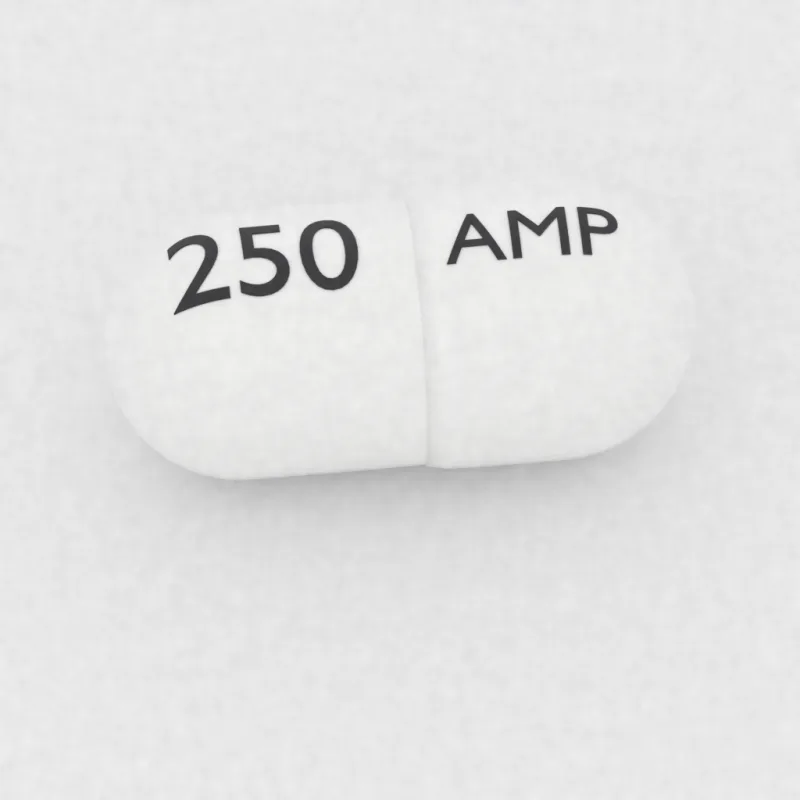
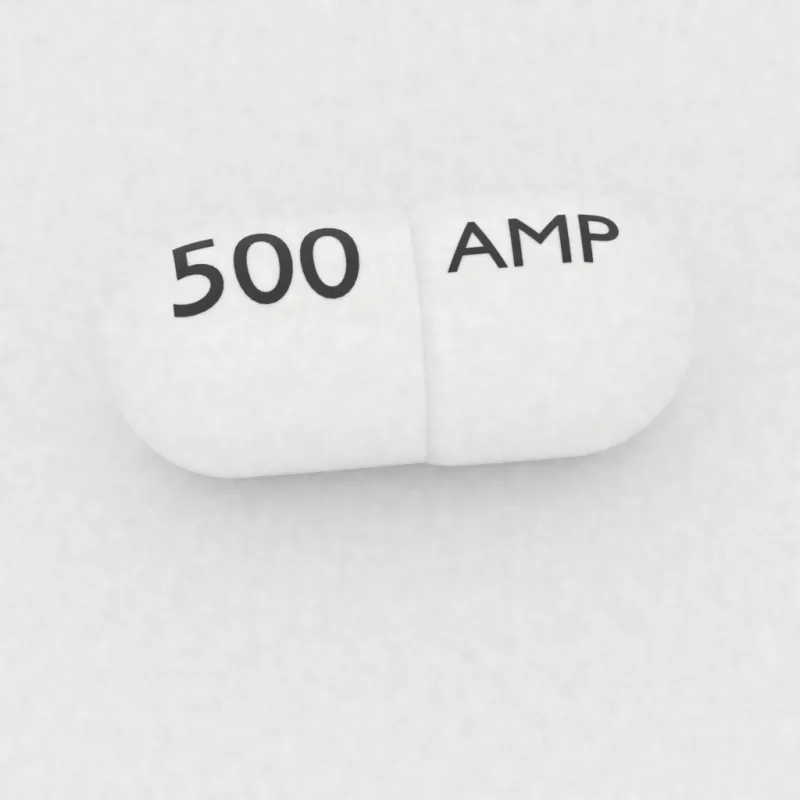


Rendus réalisés à partir des fiches produit des notices FDA : couleur, forme, taille et inscription. 4 versions documentées chez 2 laboratoires.
Interactions d'après la notice
Interactions majeures (31)
CONTRAINDICATIONS The use of Ampicillin is contraindicated in individuals with a history of serious hypersensitivity reactions (e.g., anaphylaxis or Stevens-Johnson syndrome) to ampicillin or to other beta-lactam antibacterial drugs. (notice Ampicilline, Contre-indications)
CONTRAINDICATIONS The use of Ampicillin is contraindicated in individuals with a history of serious hypersensitivity reactions (e.g., anaphylaxis or Stevens-Johnson syndrome) to ampicillin or to other beta-lactam antibacterial drugs. (notice Ampicilline, Contre-indications)
CONTRAINDICATIONS The use of Ampicillin is contraindicated in individuals with a history of serious hypersensitivity reactions (e.g., anaphylaxis or Stevens-Johnson syndrome) to ampicillin or to other beta-lactam antibacterial drugs. (notice Ampicilline, Contre-indications)
CONTRAINDICATIONS The use of Ampicillin is contraindicated in individuals with a history of serious hypersensitivity reactions (e.g., anaphylaxis or Stevens-Johnson syndrome) to ampicillin or to other beta-lactam antibacterial drugs. (notice Ampicilline, Contre-indications)
CONTRAINDICATIONS The use of Ampicillin is contraindicated in individuals with a history of serious hypersensitivity reactions (e.g., anaphylaxis or Stevens-Johnson syndrome) to ampicillin or to other beta-lactam antibacterial drugs. (notice Ampicilline, Contre-indications)
CONTRAINDICATIONS The use of Ampicillin is contraindicated in individuals with a history of serious hypersensitivity reactions (e.g., anaphylaxis or Stevens-Johnson syndrome) to ampicillin or to other beta-lactam antibacterial drugs. (notice Ampicilline, Contre-indications)
CONTRAINDICATIONS The use of Ampicillin is contraindicated in individuals with a history of serious hypersensitivity reactions (e.g., anaphylaxis or Stevens-Johnson syndrome) to ampicillin or to other beta-lactam antibacterial drugs. (notice Ampicilline, Contre-indications)
CONTRAINDICATIONS The use of Ampicillin is contraindicated in individuals with a history of serious hypersensitivity reactions (e.g., anaphylaxis or Stevens-Johnson syndrome) to ampicillin or to other beta-lactam antibacterial drugs. (notice Ampicilline, Contre-indications)
CONTRAINDICATIONS The use of Ampicillin is contraindicated in individuals with a history of serious hypersensitivity reactions (e.g., anaphylaxis or Stevens-Johnson syndrome) to ampicillin or to other beta-lactam antibacterial drugs. (notice Ampicilline, Contre-indications)
CONTRAINDICATIONS The use of Ampicillin is contraindicated in individuals with a history of serious hypersensitivity reactions (e.g., anaphylaxis or Stevens-Johnson syndrome) to ampicillin or to other beta-lactam antibacterial drugs. (notice Ampicilline, Contre-indications)
CONTRAINDICATIONS The use of Ampicillin is contraindicated in individuals with a history of serious hypersensitivity reactions (e.g., anaphylaxis or Stevens-Johnson syndrome) to ampicillin or to other beta-lactam antibacterial drugs. (notice Ampicilline, Contre-indications)
CONTRAINDICATIONS The use of Ampicillin is contraindicated in individuals with a history of serious hypersensitivity reactions (e.g., anaphylaxis or Stevens-Johnson syndrome) to ampicillin or to other beta-lactam antibacterial drugs. (notice Ampicilline, Contre-indications)
CONTRAINDICATIONS The use of Ampicillin is contraindicated in individuals with a history of serious hypersensitivity reactions (e.g., anaphylaxis or Stevens-Johnson syndrome) to ampicillin or to other beta-lactam antibacterial drugs. (notice Ampicilline, Contre-indications)
CONTRAINDICATIONS The use of Ampicillin is contraindicated in individuals with a history of serious hypersensitivity reactions (e.g., anaphylaxis or Stevens-Johnson syndrome) to ampicillin or to other beta-lactam antibacterial drugs. (notice Ampicilline, Contre-indications)
CONTRAINDICATIONS The use of Ampicillin is contraindicated in individuals with a history of serious hypersensitivity reactions (e.g., anaphylaxis or Stevens-Johnson syndrome) to ampicillin or to other beta-lactam antibacterial drugs. (notice Ampicilline, Contre-indications)
CONTRAINDICATIONS The use of Ampicillin is contraindicated in individuals with a history of serious hypersensitivity reactions (e.g., anaphylaxis or Stevens-Johnson syndrome) to ampicillin or to other beta-lactam antibacterial drugs. (notice Ampicilline, Contre-indications)
CONTRAINDICATIONS The use of Ampicillin is contraindicated in individuals with a history of serious hypersensitivity reactions (e.g., anaphylaxis or Stevens-Johnson syndrome) to ampicillin or to other beta-lactam antibacterial drugs. (notice Ampicilline, Contre-indications)
CONTRAINDICATIONS The use of Ampicillin is contraindicated in individuals with a history of serious hypersensitivity reactions (e.g., anaphylaxis or Stevens-Johnson syndrome) to ampicillin or to other beta-lactam antibacterial drugs. (notice Ampicilline, Contre-indications)
CONTRAINDICATIONS The use of Ampicillin is contraindicated in individuals with a history of serious hypersensitivity reactions (e.g., anaphylaxis or Stevens-Johnson syndrome) to ampicillin or to other beta-lactam antibacterial drugs. (notice Ampicilline, Contre-indications)
Since bacteriostatic drugs may interfere with the bactericidal action of penicillins, it is advisable to avoid giving tetracycline-class drugs in conjunction with penicillin. (notice Déméclocycline, Interactions médicamenteuses)
CONTRAINDICATIONS The use of Ampicillin is contraindicated in individuals with a history of serious hypersensitivity reactions (e.g., anaphylaxis or Stevens-Johnson syndrome) to ampicillin or to other beta-lactam antibacterial drugs. (notice Ampicilline, Contre-indications)
Avoid co-administration of tetracyclines with penicillin. (notice Doxycycline, Interactions médicamenteuses)
INVANZ is contraindicated in patients with known hypersensitivity to any component of this product or to other drugs in the same class or in patients who have demonstrated anaphylactic reactions to beta-lactams. (notice Ertapénem, Contre-indications)
Hypersensitivity Reactions: Serious and occasionally fatal hypersensitivity (anaphylactic) reactions have been reported in patients receiving therapy with beta-lactams. (notice Imipénem et cilastatine, Mises en garde et précautions)
Penicillin Because bacteriostatic drugs may interfere with the bactericidal action of penicillin, avoid giving EMROSI in conjunction with penicillin. (notice Minocycline, Interactions médicamenteuses)
CONTRAINDICATIONS The use of Ampicillin is contraindicated in individuals with a history of serious hypersensitivity reactions (e.g., anaphylaxis or Stevens-Johnson syndrome) to ampicillin or to other beta-lactam antibacterial drugs. (notice Ampicilline, Contre-indications)
CONTRAINDICATIONS The use of Ampicillin is contraindicated in individuals with a history of serious hypersensitivity reactions (e.g., anaphylaxis or Stevens-Johnson syndrome) to ampicillin or to other beta-lactam antibacterial drugs. (notice Ampicilline, Contre-indications)
CONTRAINDICATIONS The use of Ampicillin is contraindicated in individuals with a history of serious hypersensitivity reactions (e.g., anaphylaxis or Stevens-Johnson syndrome) to ampicillin or to other beta-lactam antibacterial drugs. (notice Ampicilline, Contre-indications)
CONTRAINDICATIONS The use of Ampicillin is contraindicated in individuals with a history of serious hypersensitivity reactions (e.g., anaphylaxis or Stevens-Johnson syndrome) to ampicillin or to other beta-lactam antibacterial drugs. (notice Ampicilline, Contre-indications)
CONTRAINDICATIONS The use of Ampicillin is contraindicated in individuals with a history of serious hypersensitivity reactions (e.g., anaphylaxis or Stevens-Johnson syndrome) to ampicillin or to other beta-lactam antibacterial drugs. (notice Ampicilline, Contre-indications)
Drug Interactions Since bacteriostatic drugs may interfere with the bactericidal action of penicillin, it is advisable to avoid giving tetracycline in conjunction with penicillin or other bactericidal antibacterials. (notice Tétracycline, Interactions médicamenteuses)
Interactions modérées (56)
Allopurinol : Substantially increased incidence of skin rashes in patients receiving both drugs as compared to patients receiving ampicillin alone. (notice Ampicilline, Interactions médicamenteuses)
Use caution when CAYSTON is administered to patients with a known allergic reaction to beta-lactams. (notice Aztréonam, Mises en garde et précautions)
Risk factors for developing acute angle-closure glaucoma may include a history of sulfonamide or penicillin allergy. (notice Bénazépril et hydrochlorothiazide, Mises en garde)
Risk factors for developing acute angle-closure glaucoma may include a history of sulfonamide or penicillin allergy. (notice Bisoprolol et hydrochlorothiazide, Mises en garde)
Risk factors for developing acute angle-closure glaucoma may include a history of sulfonamide or penicillin allergy. (notice Candésartan et hydrochlorothiazide, Mises en garde)
Ampicillin: In a study of healthy volunteers, chloroquine significantly reduced the bioavailability of ampicillin. (notice Chloroquine, Interactions médicamenteuses)
The absorption of tetracycline, furosemide, penicillin G, hydrochlorothiazide, and gemfibrozil was significantly decreased when given simultaneously with colestipol hydrochloride; these drugs were not tested to determine the effect of administration one hour before colestipol hydrochloride. (notice Colestipol, Interactions médicamenteuses)
Drug Interactions Cholestyramine for Oral Suspension USP may delay or reduce the absorption of concomitant oral medication such as phenylbutazone, warfarin, thiazide diuretics (acidic), or propranolol (basic), as well as tetracycline, penicillin G, phenobarbital, thyroid and thyroxine preparations, estrogens and progestins, and digitalis. (notice Colestyramine, Interactions médicamenteuses)
Oral Contraceptives : May be less effective and increased breakthrough bleeding may occur. (notice Ampicilline, Interactions médicamenteuses)
Oral Contraceptives : May be less effective and increased breakthrough bleeding may occur. (notice Ampicilline, Interactions médicamenteuses)
Drugs that Cause Hypokalemia The risk of hypokalemia is greater with coadministration of KEVEYIS and other drugs that can cause hypokalemia (e.g., loop diuretics, thiazide diuretics, laxatives, antifungals, penicillins, and theophylline) [see Warnings and Precautions (5.3) ] . (notice Diclofénamide, Interactions médicamenteuses)
Oral Contraceptives : May be less effective and increased breakthrough bleeding may occur. (notice Ampicilline, Interactions médicamenteuses)
Risk factors for developing acute angle-closure glaucoma may include a history of sulfonamide or penicillin allergy. (notice Énalapril et hydrochlorothiazide, Mises en garde)
Oral Contraceptives : May be less effective and increased breakthrough bleeding may occur. (notice Ampicilline, Interactions médicamenteuses)
Oral Contraceptives : May be less effective and increased breakthrough bleeding may occur. (notice Ampicilline, Interactions médicamenteuses)
Oral Contraceptives : May be less effective and increased breakthrough bleeding may occur. (notice Ampicilline, Interactions médicamenteuses)
Oral Contraceptives : May be less effective and increased breakthrough bleeding may occur. (notice Ampicilline, Interactions médicamenteuses)
Oral Contraceptives : May be less effective and increased breakthrough bleeding may occur. (notice Ampicilline, Interactions médicamenteuses)
Oral Contraceptives : May be less effective and increased breakthrough bleeding may occur. (notice Ampicilline, Interactions médicamenteuses)
Oral Contraceptives : May be less effective and increased breakthrough bleeding may occur. (notice Ampicilline, Interactions médicamenteuses)
Oral Contraceptives : May be less effective and increased breakthrough bleeding may occur. (notice Ampicilline, Interactions médicamenteuses)
Risk factors for developing acute angle-closure glaucoma may include a history of sulfonamide or penicillin allergy. (notice Hydrochlorothiazide, Mises en garde et précautions)
Ampicillin In a study of healthy volunteers, chloroquine significantly reduced the bioavailability of ampicillin. (notice Hydroxychloroquine, Interactions médicamenteuses)
Risk factors for developing acute angle-closure glaucoma may include a history of sulfonamide or penicillin allergy. (notice Irbésartan et hydrochlorothiazide, Mises en garde et précautions)
Examples of relevant classes of compounds where antacids have been demonstrated to reduce bioavailability include antibiotics (such as quinolones, ampicillin, and tetracyclines), thyroid hormones, ACE inhibitors, statin lipid regulators, and anti-malarials. (notice Lanthane, Interactions médicamenteuses)
In patients taking ARAVA, exposure of drugs which are OAT3 substrates (e.g., cefaclor, cimetidine, ciprofloxacin, penicillin G, ketoprofen, furosemide, methotrexate, zidovudine) may be increased. (notice Léflunomide, Interactions médicamenteuses)
Oral Contraceptives : May be less effective and increased breakthrough bleeding may occur. (notice Ampicilline, Interactions médicamenteuses)
Oral Contraceptives : May be less effective and increased breakthrough bleeding may occur. (notice Ampicilline, Interactions médicamenteuses)
Risk factors for developing acute angle-closure glaucoma may include a history of sulfonamide or penicillin allergy. (notice Lisinopril et hydrochlorothiazide, Mises en garde)
Risk factors for developing acute angle-closure glaucoma may include a history of sulfonamide or penicillin allergy. (notice Losartan et hydrochlorothiazide, Mises en garde et précautions)
Oral Contraceptives : May be less effective and increased breakthrough bleeding may occur. (notice Ampicilline, Interactions médicamenteuses)
Oral Contraceptives : May be less effective and increased breakthrough bleeding may occur. (notice Ampicilline, Interactions médicamenteuses)
Effect of Other Drugs on XATMEP Oral Antibiotics Penicillins may reduce the renal clearance of methotrexate; increased serum concentrations of methotrexate with concomitant hematologic and gastrointestinal toxicity have been observed with methotrexate. (notice Méthotrexate, Interactions médicamenteuses)
Risk factors for developing acute angle-closure glaucoma may include a history of sulfonamide or penicillin allergy. (notice Métoprolol et hydrochlorothiazide, Mises en garde et précautions)
Oral Contraceptives : May be less effective and increased breakthrough bleeding may occur. (notice Ampicilline, Interactions médicamenteuses)
Examples Cyclosporine A, trimethoprim/sulfamethoxazole, bile acid sequestrants (cholestyramine), rifampin as well as aminoglycoside, cephalosporin, fluoroquinolone and penicillin classes of antimicrobials Drugs Modulating Glucuronidation Clinical Impact Concomitant use with drugs inducing glucuronidation decreases MPA systemic exposure, potentially reducing mycophenolate… (notice Mycophénolate, Interactions médicamenteuses)
Oral Contraceptives : May be less effective and increased breakthrough bleeding may occur. (notice Ampicilline, Interactions médicamenteuses)
Oral Contraceptives : May be less effective and increased breakthrough bleeding may occur. (notice Ampicilline, Interactions médicamenteuses)
Oral Contraceptives : May be less effective and increased breakthrough bleeding may occur. (notice Ampicilline, Interactions médicamenteuses)
Oral Contraceptives : May be less effective and increased breakthrough bleeding may occur. (notice Ampicilline, Interactions médicamenteuses)
Oral Contraceptives : May be less effective and increased breakthrough bleeding may occur. (notice Ampicilline, Interactions médicamenteuses)
Risk factors for developing acute angle-closure glaucoma may include a history of sulfonamide or penicillin allergy. (notice Olmésartan et hydrochlorothiazide, Mises en garde et précautions)
- Olmésartan, amlodipine et hydrochlorothiazideantagoniste des récepteurs de l'angiotensine II (ARA II)Modérée
Risk factors for developing acute angle-closure glaucoma may include a history of sulfonamide or penicillin allergy. (notice Olmésartan, amlodipine et hydrochlorothiazide, Mises en garde et précautions)
- ProbénécideModérée
Probenecid : May decrease renal tubular secretion of ampicillin resulting in increased blood levels and/or ampicillin toxicity. (notice Ampicilline, Interactions médicamenteuses)
- Probénécide et colchicineModérée
Probenecid : May decrease renal tubular secretion of ampicillin resulting in increased blood levels and/or ampicillin toxicity. (notice Ampicilline, Interactions médicamenteuses)
Oral Contraceptives : May be less effective and increased breakthrough bleeding may occur. (notice Ampicilline, Interactions médicamenteuses)
- ProtamineModérée
Drug Interactions Protamine sulfate has been shown to be incompatible with certain antibiotics, including several of the cephalosporins and penicillins (see DOSAGE AND ADMINISTRATION ). (notice Protamine, Précautions)
Risk factors for developing acute angle-closure glaucoma may include a history of sulfonamide or penicillin allergy. (notice Quinapril et hydrochlorothiazide, Mises en garde)
Salicylate competes with a number of drugs for protein binding sites, notably penicillin, thiopental, thyroxine, triiodothyronine, phenytoin, sulfinpyrazone, naproxen, warfarin, methotrexate, and possibly corticosteroids. [When Salsalate tablets, USP are administered with aspirin, its protein binding is reduced, although the clearance of free Salsalate tablets,… (notice Salsalate, Interactions médicamenteuses)
Risk factors for developing acute angle-closure glaucoma may include a history of sulfonamide or penicillin allergy. (notice Spironolactone et hydrochlorothiazide, Mises en garde)
Drugs that May Enhance the Neuromuscular Blocking Action of Succinylcholine : promazine, oxytocin, aprotinin, certain non-penicillin antibiotics, quinidine, β-adrenergic blockers, procainamide, lidocaine, trimethaphan, lithium carbonate, magnesium salts, quinine, chloroquine, isoflurane, desflurane, metoclopramide, terbutaline, and drugs that reduce plasma cholinesterase… (notice Suxaméthonium, Interactions médicamenteuses)
Risk factors for developing acute angle-closure glaucoma may include a history of sulfonamide or penicillin allergy. (notice Telmisartan et hydrochlorothiazide, Mises en garde et précautions)
In patients taking AUBAGIO, exposure of drugs which are OAT3 substrates (e.g., cefaclor, cimetidine, ciprofloxacin, penicillin G, ketoprofen, furosemide, methotrexate, zidovudine) may be increased. (notice Tériflunomide, Interactions médicamenteuses)
…from blood bank (may contain up to 30 mEq of potassium per liter of plasma or up to 65 mEq per liter of whole blood when stored for more than 10 days); low-salt milk (may contain up to 60 mEq of potassium per liter); potassium-containing medications (such as parenteral penicillin G potassium); salt substitutes (most contain substantial amounts of potassium). (notice Triamtérène, Interactions médicamenteuses)
Risk factors for developing acute angle-closure glaucoma may include a history of sulfonamide or penicillin allergy. (notice Triamtérène et hydrochlorothiazide, Mises en garde)
Risk factors for developing acute angle-closure glaucoma may include a history of sulfonamide or penicillin allergy. (notice Valsartan et hydrochlorothiazide, Mises en garde et précautions)
Mentions mineures (48)
Bacteriostatic Antibiotics : Chloramphenicol, erythromycins, sulfonamides, or tetracyclines may interfere with the bactericidal effect of penicillins. (notice Ampicilline, Interactions médicamenteuses)
SERIOUS ANAPHYLACTIC REACTIONS REQUIRE IMMEDIATE EMERGENCY TREATMENT WITH EPINEPHRINE. (notice Ampicilline, Mises en garde)
SERIOUS ANAPHYLACTIC REACTIONS REQUIRE IMMEDIATE EMERGENCY TREATMENT WITH EPINEPHRINE. (notice Ampicilline, Mises en garde)
OXYGEN, INTRAVENOUS STEROIDS, AND AIRWAY MANAGEMENT, INCLUDING INTUBATION, SHOULD ALSO BE ADMINISTERED AS INDICATED. (notice Ampicilline, Mises en garde)
OXYGEN, INTRAVENOUS STEROIDS, AND AIRWAY MANAGEMENT, INCLUDING INTUBATION, SHOULD ALSO BE ADMINISTERED AS INDICATED. (notice Ampicilline, Mises en garde)
OXYGEN, INTRAVENOUS STEROIDS, AND AIRWAY MANAGEMENT, INCLUDING INTUBATION, SHOULD ALSO BE ADMINISTERED AS INDICATED. (notice Ampicilline, Mises en garde)
Bacteriostatic Antibiotics : Chloramphenicol, erythromycins, sulfonamides, or tetracyclines may interfere with the bactericidal effect of penicillins. (notice Ampicilline, Interactions médicamenteuses)
OXYGEN, INTRAVENOUS STEROIDS, AND AIRWAY MANAGEMENT, INCLUDING INTUBATION, SHOULD ALSO BE ADMINISTERED AS INDICATED. (notice Ampicilline, Mises en garde)
OXYGEN, INTRAVENOUS STEROIDS, AND AIRWAY MANAGEMENT, INCLUDING INTUBATION, SHOULD ALSO BE ADMINISTERED AS INDICATED. (notice Ampicilline, Mises en garde)
SERIOUS ANAPHYLACTIC REACTIONS REQUIRE IMMEDIATE EMERGENCY TREATMENT WITH EPINEPHRINE. (notice Ampicilline, Mises en garde)
These include probenecid, cholestyramine, and some antibiotics (e.g., erythromycin, rifampicin, ampicillin and chloramphenicol). (notice Carbidopa, lévodopa et entacapone, Interactions médicamenteuses)
OXYGEN, INTRAVENOUS STEROIDS, AND AIRWAY MANAGEMENT, INCLUDING INTUBATION, SHOULD ALSO BE ADMINISTERED AS INDICATED. (notice Ampicilline, Mises en garde)
OXYGEN, INTRAVENOUS STEROIDS, AND AIRWAY MANAGEMENT, INCLUDING INTUBATION, SHOULD ALSO BE ADMINISTERED AS INDICATED. (notice Ampicilline, Mises en garde)
OXYGEN, INTRAVENOUS STEROIDS, AND AIRWAY MANAGEMENT, INCLUDING INTUBATION, SHOULD ALSO BE ADMINISTERED AS INDICATED. (notice Ampicilline, Mises en garde)
OXYGEN, INTRAVENOUS STEROIDS, AND AIRWAY MANAGEMENT, INCLUDING INTUBATION, SHOULD ALSO BE ADMINISTERED AS INDICATED. (notice Ampicilline, Mises en garde)
OXYGEN, INTRAVENOUS STEROIDS, AND AIRWAY MANAGEMENT, INCLUDING INTUBATION, SHOULD ALSO BE ADMINISTERED AS INDICATED. (notice Ampicilline, Mises en garde)
Bacteriostatic Antibiotics : Chloramphenicol, erythromycins, sulfonamides, or tetracyclines may interfere with the bactericidal effect of penicillins. (notice Ampicilline, Interactions médicamenteuses)
Bacteriostatic Antibiotics : Chloramphenicol, erythromycins, sulfonamides, or tetracyclines may interfere with the bactericidal effect of penicillins. (notice Ampicilline, Interactions médicamenteuses)
- EntacaponeMineure
These include probenecid, cholestyramine, and some antibiotics (e.g., erythromycin, rifampicin, ampicillin, and chloramphenicol). (notice Entacapone, Précautions)
Bacteriostatic Antibiotics : Chloramphenicol, erythromycins, sulfonamides, or tetracyclines may interfere with the bactericidal effect of penicillins. (notice Ampicilline, Interactions médicamenteuses)
OXYGEN, INTRAVENOUS STEROIDS, AND AIRWAY MANAGEMENT, INCLUDING INTUBATION, SHOULD ALSO BE ADMINISTERED AS INDICATED. (notice Ampicilline, Mises en garde)
OXYGEN, INTRAVENOUS STEROIDS, AND AIRWAY MANAGEMENT, INCLUDING INTUBATION, SHOULD ALSO BE ADMINISTERED AS INDICATED. (notice Ampicilline, Mises en garde)
OXYGEN, INTRAVENOUS STEROIDS, AND AIRWAY MANAGEMENT, INCLUDING INTUBATION, SHOULD ALSO BE ADMINISTERED AS INDICATED. (notice Ampicilline, Mises en garde)
OXYGEN, INTRAVENOUS STEROIDS, AND AIRWAY MANAGEMENT, INCLUDING INTUBATION, SHOULD ALSO BE ADMINISTERED AS INDICATED. (notice Ampicilline, Mises en garde)
OXYGEN, INTRAVENOUS STEROIDS, AND AIRWAY MANAGEMENT, INCLUDING INTUBATION, SHOULD ALSO BE ADMINISTERED AS INDICATED. (notice Ampicilline, Mises en garde)
OXYGEN, INTRAVENOUS STEROIDS, AND AIRWAY MANAGEMENT, INCLUDING INTUBATION, SHOULD ALSO BE ADMINISTERED AS INDICATED. (notice Ampicilline, Mises en garde)
OXYGEN, INTRAVENOUS STEROIDS, AND AIRWAY MANAGEMENT, INCLUDING INTUBATION, SHOULD ALSO BE ADMINISTERED AS INDICATED. (notice Ampicilline, Mises en garde)
SERIOUS ANAPHYLACTIC REACTIONS REQUIRE IMMEDIATE EMERGENCY TREATMENT WITH EPINEPHRINE. (notice Ampicilline, Mises en garde)
There have been reports of individuals with a history of penicillin hypersensitivity who have experienced severe hypersensitivity reactions when treated with another β-lactam. (notice Méropénem, Mises en garde et précautions)
Bacteriostatic Antibiotics : Chloramphenicol, erythromycins, sulfonamides, or tetracyclines may interfere with the bactericidal effect of penicillins. (notice Ampicilline, Interactions médicamenteuses)
OXYGEN, INTRAVENOUS STEROIDS, AND AIRWAY MANAGEMENT, INCLUDING INTUBATION, SHOULD ALSO BE ADMINISTERED AS INDICATED. (notice Ampicilline, Mises en garde)
OXYGEN, INTRAVENOUS STEROIDS, AND AIRWAY MANAGEMENT, INCLUDING INTUBATION, SHOULD ALSO BE ADMINISTERED AS INDICATED. (notice Ampicilline, Mises en garde)
Oral neomycin inhibits the gastrointestinal absorption of penicillin V, oral vitamin B-12, methotrexate and 5-fluorouracil. (notice Néomycine, Interactions médicamenteuses)
OXYGEN, INTRAVENOUS STEROIDS, AND AIRWAY MANAGEMENT, INCLUDING INTUBATION, SHOULD ALSO BE ADMINISTERED AS INDICATED. (notice Ampicilline, Mises en garde)
- PénicillamineMineure
Patients who are allergic to penicillin may theoretically have cross-sensitivity to penicillamine. (notice Pénicillamine, Précautions)
Some antibiotics such as penicillin may compete with phenylacetylglutamine and hippurate for active secretion by renal tubules, which may affect the overall disposition of the infused drug. (notice Phénylacétate de sodium et benzoate de sodium, Interactions médicamenteuses)
OXYGEN, INTRAVENOUS STEROIDS, AND AIRWAY MANAGEMENT, INCLUDING INTUBATION, SHOULD ALSO BE ADMINISTERED AS INDICATED. (notice Ampicilline, Mises en garde)
OXYGEN, INTRAVENOUS STEROIDS, AND AIRWAY MANAGEMENT, INCLUDING INTUBATION, SHOULD ALSO BE ADMINISTERED AS INDICATED. (notice Ampicilline, Mises en garde)
SERIOUS ANAPHYLACTIC REACTIONS REQUIRE IMMEDIATE EMERGENCY TREATMENT WITH EPINEPHRINE. (notice Ampicilline, Mises en garde)
Other Concomitant Medications EVISTA can be concomitantly administered with ampicillin, amoxicillin, antacids, corticosteroids, and digoxin [see Clinical Pharmacology ( 12.3 )] . (notice Raloxifène, Interactions médicamenteuses)
Bacteriostatic Antibiotics : Chloramphenicol, erythromycins, sulfonamides, or tetracyclines may interfere with the bactericidal effect of penicillins. (notice Ampicilline, Interactions médicamenteuses)
Bacteriostatic Antibiotics : Chloramphenicol, erythromycins, sulfonamides, or tetracyclines may interfere with the bactericidal effect of penicillins. (notice Ampicilline, Interactions médicamenteuses)
Bacteriostatic Antibiotics : Chloramphenicol, erythromycins, sulfonamides, or tetracyclines may interfere with the bactericidal effect of penicillins. (notice Ampicilline, Interactions médicamenteuses)
Bacteriostatic Antibiotics : Chloramphenicol, erythromycins, sulfonamides, or tetracyclines may interfere with the bactericidal effect of penicillins. (notice Ampicilline, Interactions médicamenteuses)
Bacteriostatic Antibiotics : Chloramphenicol, erythromycins, sulfonamides, or tetracyclines may interfere with the bactericidal effect of penicillins. (notice Ampicilline, Interactions médicamenteuses)
Bacteriostatic Antibiotics : Chloramphenicol, erythromycins, sulfonamides, or tetracyclines may interfere with the bactericidal effect of penicillins. (notice Ampicilline, Interactions médicamenteuses)
OXYGEN, INTRAVENOUS STEROIDS, AND AIRWAY MANAGEMENT, INCLUDING INTUBATION, SHOULD ALSO BE ADMINISTERED AS INDICATED. (notice Ampicilline, Mises en garde)
Bacteriostatic Antibiotics : Chloramphenicol, erythromycins, sulfonamides, or tetracyclines may interfere with the bactericidal effect of penicillins. (notice Ampicilline, Interactions médicamenteuses)
Aucune interaction significative signalée (2)
…Produce No Clinically Significant Interaction With Theophylline Refer to PRECAUTIONS , Drug Interactions for information regarding table. albuterol, systemic and inhaled amoxicillin ampicillin, with or without sulbactam atenolol azithromycin caffeine, dietary ingestion cefaclor co-trimoxazole (trimethoprim and sulfamethoxazole) diltiazem dirithromycin enflurane… (notice Aminophylline, Interactions médicamenteuses)
…interact with theophylline or drugs that produce no clinically significant interaction with theophylline.* albuterol, systemic and inhaled mebendazole amoxicillin medroxyprogesterone ampicillin, with or without methylprednisolone sulbactam metronidazole atenolol metoprolol azithromycin nadolol caffeine, dietary ingestion nifedipine cefaclor nizatidine co-trimoxazole… (notice Théophylline, Interactions médicamenteuses)
Vérifiez Ampicilline avec tout ce que vous prenez. Ajoutez votre liste complète ; toutes les paires sont vérifiées en une fois.
Ouvrir dans le vérificateurCeci n'est pas un avis médical. Le niveau de gravité reflète la formulation de la notice, pas votre situation. Une alerte « majeure » peut être courante sous surveillance et une alerte « mineure » peut compter à forte dose. Demandez conseil à un pharmacien.