
Capécitabine : interactions médicamenteuses
Capécitabine (Xeloda), antimétabolite, présente 85 interactions documentées dans les notices FDA et les fiches d'information que nous indexons : 9 de niveau majeur, 70 de niveau modéré, 6 de niveau mineur et 0 cas où une notice ne signale aucune interaction significative. Chaque entrée ci-dessous cite la phrase sur laquelle elle repose. Cette page consacrée à un médicament est un point de départ, pas un verdict sur votre situation.
À quoi ressemble Capécitabine
Voir les 24 versions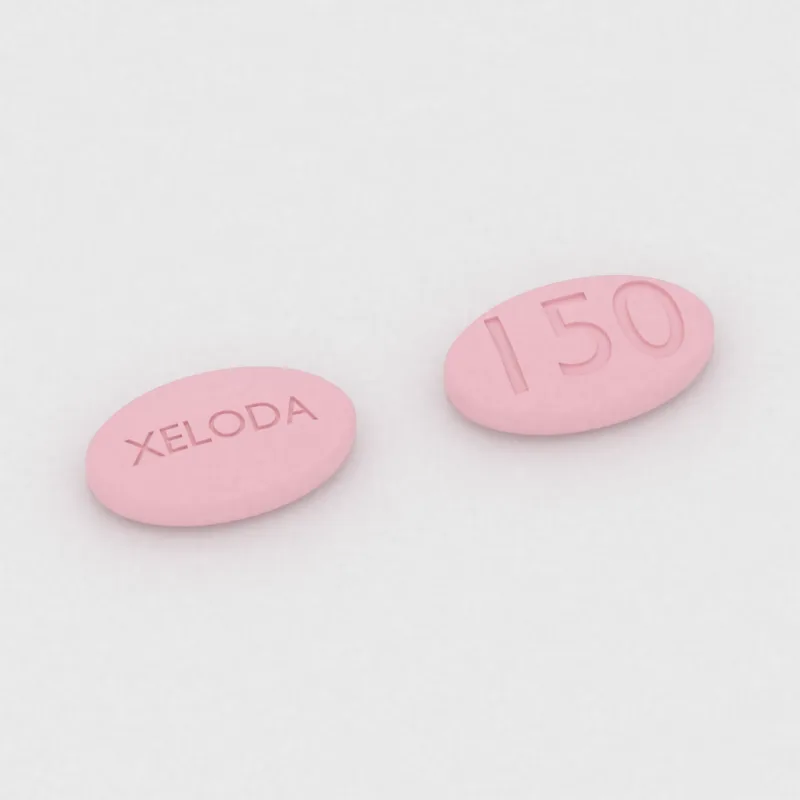
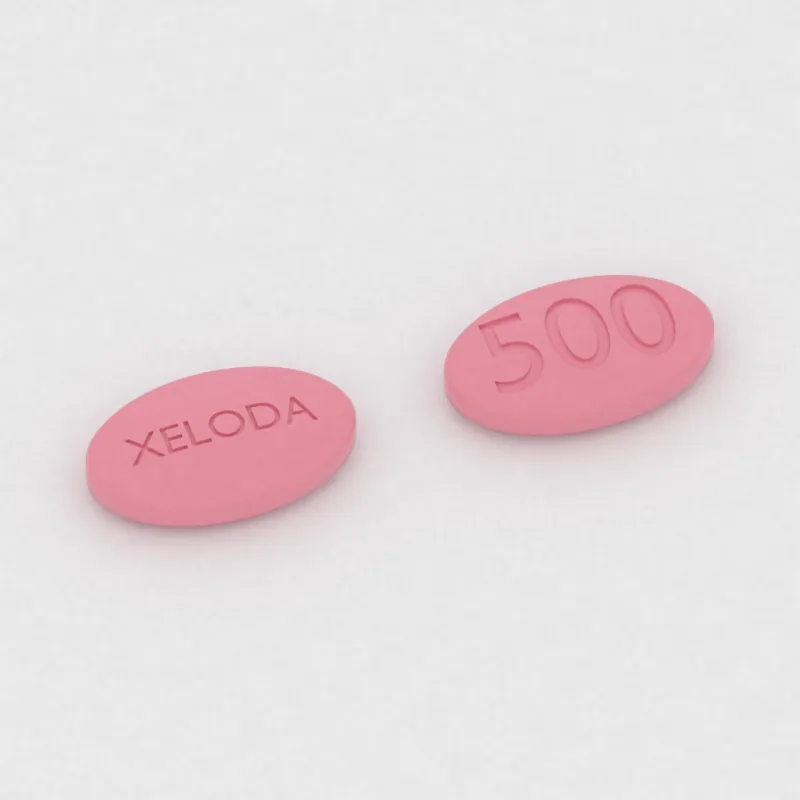
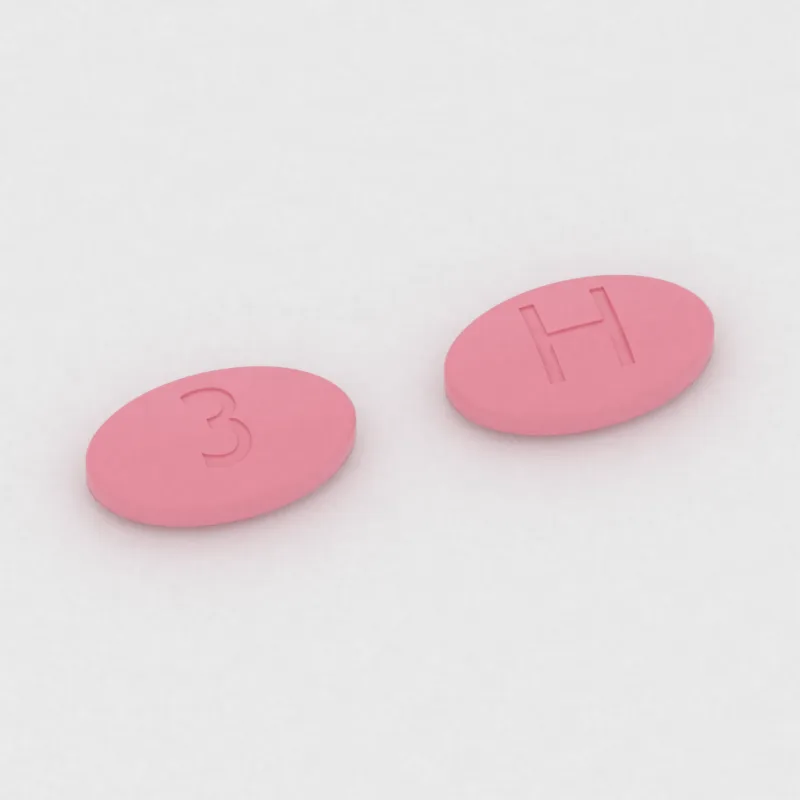
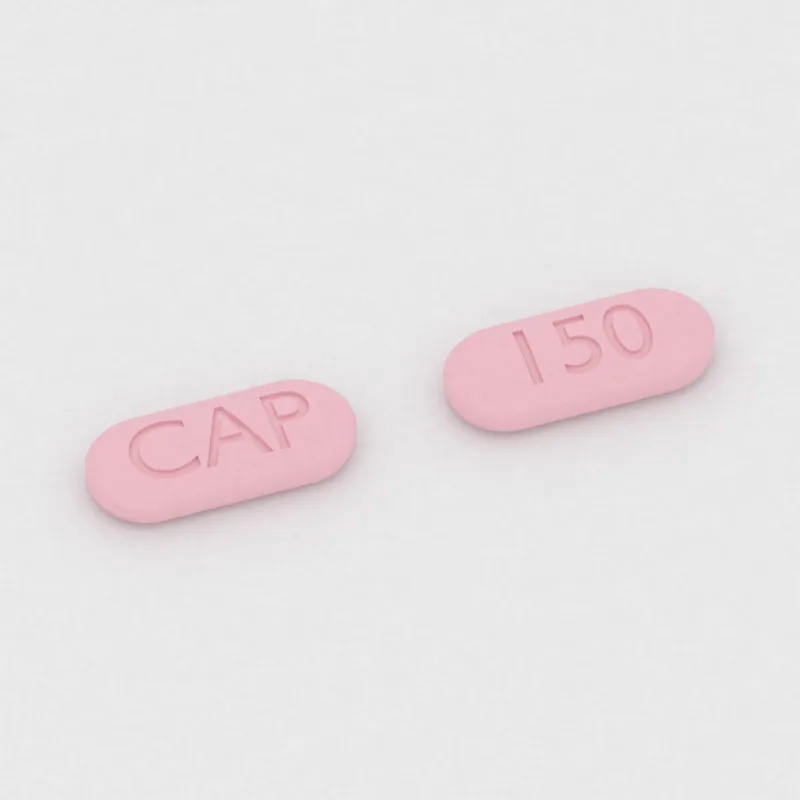
Rendus réalisés à partir des fiches produit des notices FDA : couleur, forme, taille et inscription. 24 versions documentées chez 19 laboratoires.
Interactions d'après la notice
Interactions majeures (9)
- Acide foliniqueMajeure
Deaths from severe enterocolitis, diarrhea, and dehydration have been reported in elderly patients receiving weekly leucovorin and fluorouracil. (notice Capécitabine, Interactions médicamenteuses)
Allopurinol: Avoid concomitant use of allopurinol with XELODA. (notice Capécitabine, Interactions médicamenteuses)
Co-administration of such combinations of a CYP2C9 inhibitor plus a strong or moderate CYP3A inhibitor with TRACLEER is not recommended. (notice Bosentan, Interactions médicamenteuses)
XELODA is contraindicated in patients with history of severe hypersensitivity reaction to fluorouracil or capecitabine [see Adverse Reactions (6.1) ] . (notice Capécitabine, Contre-indications)
In animal reproductive studies, administration of lapatinib to pregnant rats during the period of organogenesis and through lactation led to death of offspring within the first 4 days after birth at maternal exposures that were ≥ 3.3 times the human clinical exposure based on AUC following 1,250 mg dose of lapatinib plus capecitabine. (notice Lapatinib, Mises en garde et précautions)
- MacitentanMajeure
Moderate dual CYP3A4 and CYP2C9 inhibitors (fluconazole, amiodarone) or use of combined CYP3A4 and CYP2C9 inhibitors may increase exposure to macitentan: avoid co-administration with OPSUMIT ( 7.3 , 12.3 ). (notice Macitentan, Interactions médicamenteuses)
WARNING: SERIOUS ADVERSE REACTIONS OR DEATH IN PATIENTS WITH COMPLETE DPD DEFICIENCY and INCREASED RISK OF BLEEDING WITH CONCOMITANT USE OF VITAMIN K ANTAGONISTS Increased risk of serious adverse reactions or death in patients with complete DPD deficiency • Test patients for genetic variants of DPYD prior to initiating XELODA unless immediate treatment is necessary. (notice Capécitabine, Mise en garde encadrée)
WARNING: SERIOUS ADVERSE REACTIONS OR DEATH IN PATIENTS WITH COMPLETE DPD DEFICIENCY and INCREASED RISK OF BLEEDING WITH CONCOMITANT USE OF VITAMIN K ANTAGONISTS Increased risk of serious adverse reactions or death in patients with complete DPD deficiency • Test patients for genetic variants of DPYD prior to initiating XELODA unless immediate treatment is necessary. (notice Capécitabine, Mise en garde encadrée)
WARNING: SERIOUS ADVERSE REACTIONS OR DEATH IN PATIENTS WITH COMPLETE DPD DEFICIENCY and INCREASED RISK OF BLEEDING WITH CONCOMITANT USE OF VITAMIN K ANTAGONISTS Increased risk of serious adverse reactions or death in patients with complete DPD deficiency • Test patients for genetic variants of DPYD prior to initiating XELODA unless immediate treatment is necessary. (notice Capécitabine, Mise en garde encadrée)
Interactions modérées (70)
Closely monitor for adverse reactions of CYP2C9 substrates where minimal concentration changes may lead to serious adverse reactions when used concomitantly with XELODA (e.g., anticoagulants, antidiabetic drugs). (notice Capécitabine, Interactions médicamenteuses)
Closely monitor for signs of renal toxicity when XELODA is used concomitantly with nephrotoxic drugs (e.g. platinum salts, irinotecan, methotrexate, intravenous bisphosphonates). (notice Capécitabine, Interactions médicamenteuses)
Leucovorin The concentration of fluorouracil is increased and its toxicity may be enhanced by leucovorin, folic acid, or folate analog products. (notice Capécitabine, Interactions médicamenteuses)
Closely monitor for signs of renal toxicity when XELODA is used concomitantly with nephrotoxic drugs (e.g. platinum salts, irinotecan, methotrexate, intravenous bisphosphonates). (notice Capécitabine, Interactions médicamenteuses)
Closely monitor for signs of renal toxicity when XELODA is used concomitantly with nephrotoxic drugs (e.g. platinum salts, irinotecan, methotrexate, intravenous bisphosphonates). (notice Capécitabine, Interactions médicamenteuses)
Closely monitor for signs of renal toxicity when XELODA is used concomitantly with nephrotoxic drugs (e.g. platinum salts, irinotecan, methotrexate, intravenous bisphosphonates). (notice Capécitabine, Interactions médicamenteuses)
Closely monitor for signs of renal toxicity when XELODA is used concomitantly with nephrotoxic drugs (e.g. platinum salts, irinotecan, methotrexate, intravenous bisphosphonates). (notice Capécitabine, Interactions médicamenteuses)
Closely monitor for adverse reactions of CYP2C9 substrates where minimal concentration changes may lead to serious adverse reactions when used concomitantly with XELODA (e.g., anticoagulants, antidiabetic drugs). (notice Capécitabine, Interactions médicamenteuses)
Closely monitor for adverse reactions of CYP2C9 substrates where minimal concentration changes may lead to serious adverse reactions when used concomitantly with XELODA (e.g., anticoagulants, antidiabetic drugs). (notice Capécitabine, Interactions médicamenteuses)
Closely monitor for adverse reactions of CYP2C9 substrates where minimal concentration changes may lead to serious adverse reactions when used concomitantly with XELODA (e.g., anticoagulants, antidiabetic drugs). (notice Capécitabine, Interactions médicamenteuses)
Closely monitor for adverse reactions of CYP2C9 substrates where minimal concentration changes may lead to serious adverse reactions when used concomitantly with XELODA (e.g., anticoagulants, antidiabetic drugs). (notice Capécitabine, Interactions médicamenteuses)
HIV Protease inhibitor — Ritonavir (600 mg twice daily), a strong CYP3A4 inhibitor, which also inhibits CYP2C9, increased avanafil 50 mg single-dose C max and AUC equal to approximately 2-fold and 13-fold, and prolonged the half-life of avanafil to approximately 9 hours in healthy volunteers. (notice Avanafil, Interactions médicamenteuses)
Closely monitor for adverse reactions of CYP2C9 substrates where minimal concentration changes may lead to serious adverse reactions when used concomitantly with XELODA (e.g., anticoagulants, antidiabetic drugs). (notice Capécitabine, Interactions médicamenteuses)
Closely monitor for adverse reactions of CYP2C9 substrates where minimal concentration changes may lead to serious adverse reactions when used concomitantly with XELODA (e.g., anticoagulants, antidiabetic drugs). (notice Capécitabine, Interactions médicamenteuses)
Closely monitor for adverse reactions of CYP2C9 substrates where minimal concentration changes may lead to serious adverse reactions when used concomitantly with XELODA (e.g., anticoagulants, antidiabetic drugs). (notice Capécitabine, Interactions médicamenteuses)
Amiodarone Amiodarone and its metabolite desethyl amiodarone, inhibitors of CYP2C9, and P- glycoprotein increased concentrations of the S(-)-enantiomer of carvedilol by at least 2 fold [see Clinical Pharmacology (12.5) ]. (notice Carvédilol, Interactions médicamenteuses)
Co-administration of celecoxib with drugs that are known to inhibit CYP2C9 (e.g., fluconazole) may enhance the exposure and toxicity of celecoxib whereas co-administration with CYP2C9 inducers (e.g., rifampin) may lead to compromised efficacy of celecoxib. (notice Célécoxib, Interactions médicamenteuses)
Closely monitor for adverse reactions of CYP2C9 substrates where minimal concentration changes may lead to serious adverse reactions when used concomitantly with XELODA (e.g., anticoagulants, antidiabetic drugs). (notice Capécitabine, Interactions médicamenteuses)
Closely monitor for adverse reactions of CYP2C9 substrates where minimal concentration changes may lead to serious adverse reactions when used concomitantly with XELODA (e.g., anticoagulants, antidiabetic drugs). (notice Capécitabine, Interactions médicamenteuses)
Closely monitor for adverse reactions of CYP2C9 substrates where minimal concentration changes may lead to serious adverse reactions when used concomitantly with XELODA (e.g., anticoagulants, antidiabetic drugs). (notice Capécitabine, Interactions médicamenteuses)
Co-administration of diclofenac with CYP2C9 inhibitors (e.g. voriconazole) may enhance the exposure and toxicity of diclofenac whereas co- administration with CYP2C9 inducers (e.g. rifampin) may lead to compromised efficacy of diclofenac. (notice Diclofénac, Interactions médicamenteuses)
Co-administration of diclofenac with CYP2C9 inhibitors (e.g., voriconazole) may enhance the exposure and toxicity of diclofenac [see Clinical Pharmacology (12.3) ] whereas co-administration with CYP2C9 inducers (e.g., rifampin) may lead to compromised efficacy of diclofenac. (notice Diclofénac et misoprostol, Interactions médicamenteuses)
Monitor for increased dronabinol-related adverse reactions when dronabinol oral solution is co-administered with inhibitors of CYP2C9 (e.g., amiodarone, fluconazole) and inhibitors of CYP3A4 enzymes (e.g., ketoconazole, itraconazole, clarithromycin, ritonavir, erythromycin, grapefruit juice). (notice Dronabinol, Interactions médicamenteuses)
Closely monitor for adverse reactions of CYP2C9 substrates where minimal concentration changes may lead to serious adverse reactions when used concomitantly with XELODA (e.g., anticoagulants, antidiabetic drugs). (notice Capécitabine, Interactions médicamenteuses)
Closely monitor for adverse reactions of CYP2C9 substrates where minimal concentration changes may lead to serious adverse reactions when used concomitantly with XELODA (e.g., anticoagulants, antidiabetic drugs). (notice Capécitabine, Interactions médicamenteuses)
Effect of TRIKAFTA on Other Drugs CYP2C9 Substrates Ivacaftor may inhibit CYP2C9; therefore, monitoring of the international normalized ratio (INR) during concomitant use of TRIKAFTA with warfarin is recommended. (notice Élexacaftor, tézacaftor et ivacaftor, Interactions médicamenteuses)
Closely monitor for adverse reactions of CYP2C9 substrates where minimal concentration changes may lead to serious adverse reactions when used concomitantly with XELODA (e.g., anticoagulants, antidiabetic drugs). (notice Capécitabine, Interactions médicamenteuses)
Closely monitor for adverse reactions of CYP2C9 substrates where minimal concentration changes may lead to serious adverse reactions when used concomitantly with XELODA (e.g., anticoagulants, antidiabetic drugs). (notice Capécitabine, Interactions médicamenteuses)
Closely monitor for adverse reactions of CYP2C9 substrates where minimal concentration changes may lead to serious adverse reactions when used concomitantly with XELODA (e.g., anticoagulants, antidiabetic drugs). (notice Capécitabine, Interactions médicamenteuses)
Closely monitor for adverse reactions of CYP2C9 substrates where minimal concentration changes may lead to serious adverse reactions when used concomitantly with XELODA (e.g., anticoagulants, antidiabetic drugs). (notice Capécitabine, Interactions médicamenteuses)
Closely monitor for adverse reactions of CYP2C9 substrates where minimal concentration changes may lead to serious adverse reactions when used concomitantly with XELODA (e.g., anticoagulants, antidiabetic drugs). (notice Capécitabine, Interactions médicamenteuses)
…Antiepileptic drugs Ethosuximide, felbamate, oxcarbazepine, methsuximide, topiramate Azoles Fluconazole, ketoconazole, itraconazole, miconazole, voriconazole Antineoplastic agents Capecitabine, fluorouracil Antidepressants Fluoxetine, fluvoxamine, sertraline Gastric acid reducing agents H 2 antagonists (cimetidine), omeprazole Sulfonamides Sulfamethizole, sulfaphenazole,… (notice Fosphénytoïne, Interactions médicamenteuses)
Closely monitor for adverse reactions of CYP2C9 substrates where minimal concentration changes may lead to serious adverse reactions when used concomitantly with XELODA (e.g., anticoagulants, antidiabetic drugs). (notice Capécitabine, Interactions médicamenteuses)
Closely monitor for adverse reactions of CYP2C9 substrates where minimal concentration changes may lead to serious adverse reactions when used concomitantly with XELODA (e.g., anticoagulants, antidiabetic drugs). (notice Capécitabine, Interactions médicamenteuses)
Closely monitor for adverse reactions of CYP2C9 substrates where minimal concentration changes may lead to serious adverse reactions when used concomitantly with XELODA (e.g., anticoagulants, antidiabetic drugs). (notice Capécitabine, Interactions médicamenteuses)
Closely monitor for adverse reactions of CYP2C9 substrates where minimal concentration changes may lead to serious adverse reactions when used concomitantly with XELODA (e.g., anticoagulants, antidiabetic drugs). (notice Capécitabine, Interactions médicamenteuses)
Closely monitor for adverse reactions of CYP2C9 substrates where minimal concentration changes may lead to serious adverse reactions when used concomitantly with XELODA (e.g., anticoagulants, antidiabetic drugs). (notice Capécitabine, Interactions médicamenteuses)
Closely monitor for adverse reactions of CYP2C9 substrates where minimal concentration changes may lead to serious adverse reactions when used concomitantly with XELODA (e.g., anticoagulants, antidiabetic drugs). (notice Capécitabine, Interactions médicamenteuses)
Closely monitor for adverse reactions of CYP2C9 substrates where minimal concentration changes may lead to serious adverse reactions when used concomitantly with XELODA (e.g., anticoagulants, antidiabetic drugs). (notice Capécitabine, Interactions médicamenteuses)
Closely monitor for adverse reactions of CYP2C9 substrates where minimal concentration changes may lead to serious adverse reactions when used concomitantly with XELODA (e.g., anticoagulants, antidiabetic drugs). (notice Capécitabine, Interactions médicamenteuses)
Closely monitor for adverse reactions of CYP2C9 substrates where minimal concentration changes may lead to serious adverse reactions when used concomitantly with XELODA (e.g., anticoagulants, antidiabetic drugs). (notice Capécitabine, Interactions médicamenteuses)
Closely monitor for adverse reactions of CYP2C9 substrates where minimal concentration changes may lead to serious adverse reactions when used concomitantly with XELODA (e.g., anticoagulants, antidiabetic drugs). (notice Capécitabine, Interactions médicamenteuses)
Closely monitor for adverse reactions of CYP2C9 substrates where minimal concentration changes may lead to serious adverse reactions when used concomitantly with XELODA (e.g., anticoagulants, antidiabetic drugs). (notice Capécitabine, Interactions médicamenteuses)
Closely monitor for adverse reactions of CYP2C9 substrates where minimal concentration changes may lead to serious adverse reactions when used concomitantly with XELODA (e.g., anticoagulants, antidiabetic drugs). (notice Capécitabine, Interactions médicamenteuses)
- IrinotécanModérée
Closely monitor for signs of renal toxicity when XELODA is used concomitantly with nephrotoxic drugs (e.g. platinum salts, irinotecan, methotrexate, intravenous bisphosphonates). (notice Capécitabine, Interactions médicamenteuses)
Strong CYP3A4 or CYP2C9 Inhibitors Patients with renal or hepatic impairment who are taking strong inhibitors of CYP3A4 and CYP2C9 may have a significant increase in exposure to VIMPAT. (notice Lacosamide, Interactions médicamenteuses)
Closely monitor for adverse reactions of CYP2C9 substrates where minimal concentration changes may lead to serious adverse reactions when used concomitantly with XELODA (e.g., anticoagulants, antidiabetic drugs). (notice Capécitabine, Interactions médicamenteuses)
Closely monitor for adverse reactions of CYP2C9 substrates where minimal concentration changes may lead to serious adverse reactions when used concomitantly with XELODA (e.g., anticoagulants, antidiabetic drugs). (notice Capécitabine, Interactions médicamenteuses)
Closely monitor for adverse reactions of CYP2C9 substrates where minimal concentration changes may lead to serious adverse reactions when used concomitantly with XELODA (e.g., anticoagulants, antidiabetic drugs). (notice Capécitabine, Interactions médicamenteuses)
Thus concomitant usage of CYP2C9 inhibitors (such as amiodarone, fluconazole, and sulphaphenazole) may lead to abnormally high plasma levels of meloxicam due to reduced metabolic clearance [ see Use in Specific Populations ( 8.8 ); and Clinical Pharmacology ( 12.3 , 12.5 ) ]. (notice Méloxicam, Interactions médicamenteuses)
Closely monitor for adverse reactions of CYP2C9 substrates where minimal concentration changes may lead to serious adverse reactions when used concomitantly with XELODA (e.g., anticoagulants, antidiabetic drugs). (notice Capécitabine, Interactions médicamenteuses)
Closely monitor for signs of renal toxicity when XELODA is used concomitantly with nephrotoxic drugs (e.g. platinum salts, irinotecan, methotrexate, intravenous bisphosphonates). (notice Capécitabine, Interactions médicamenteuses)
Closely monitor for adverse reactions of CYP2C9 substrates where minimal concentration changes may lead to serious adverse reactions when used concomitantly with XELODA (e.g., anticoagulants, antidiabetic drugs). (notice Capécitabine, Interactions médicamenteuses)
Closely monitor for adverse reactions of CYP2C9 substrates where minimal concentration changes may lead to serious adverse reactions when used concomitantly with XELODA (e.g., anticoagulants, antidiabetic drugs). (notice Capécitabine, Interactions médicamenteuses)
Vitamin K antagonists: Monitor INR more frequently and dose adjust oral vitamin K antagonist as appropriate Phenytoin : Closely monitor phenytoin levels in patients taking XELODA concomitantly with phenytoin and adjust the phenytoin dose as appropriate. (notice Capécitabine, Interactions médicamenteuses)
Closely monitor for adverse reactions of CYP2C9 substrates where minimal concentration changes may lead to serious adverse reactions when used concomitantly with XELODA (e.g., anticoagulants, antidiabetic drugs). (notice Capécitabine, Interactions médicamenteuses)
Closely monitor for adverse reactions of CYP2C9 substrates where minimal concentration changes may lead to serious adverse reactions when used concomitantly with XELODA (e.g., anticoagulants, antidiabetic drugs). (notice Capécitabine, Interactions médicamenteuses)
Closely monitor for adverse reactions of CYP2C9 substrates where minimal concentration changes may lead to serious adverse reactions when used concomitantly with XELODA (e.g., anticoagulants, antidiabetic drugs). (notice Capécitabine, Interactions médicamenteuses)
Fluconazole (strong CYP2C9 inhibitor): Increases systemic exposure of ramelteon; administer with caution. (notice Rameltéon, Interactions médicamenteuses)
Closely monitor for adverse reactions of CYP2C9 substrates where minimal concentration changes may lead to serious adverse reactions when used concomitantly with XELODA (e.g., anticoagulants, antidiabetic drugs). (notice Capécitabine, Interactions médicamenteuses)
Closely monitor for adverse reactions of CYP2C9 substrates where minimal concentration changes may lead to serious adverse reactions when used concomitantly with XELODA (e.g., anticoagulants, antidiabetic drugs). (notice Capécitabine, Interactions médicamenteuses)
Rosuvastatin plasma levels can be significantly increased with concomitant administration of inhibitors of CYP2C9 and transporters. (notice Rosuvastatine, Interactions médicamenteuses)
Closely monitor for adverse reactions of CYP2C9 substrates where minimal concentration changes may lead to serious adverse reactions when used concomitantly with XELODA (e.g., anticoagulants, antidiabetic drugs). (notice Capécitabine, Interactions médicamenteuses)
Closely monitor for adverse reactions of CYP2C9 substrates where minimal concentration changes may lead to serious adverse reactions when used concomitantly with XELODA (e.g., anticoagulants, antidiabetic drugs). (notice Capécitabine, Interactions médicamenteuses)
Closely monitor for adverse reactions of CYP2C9 substrates where minimal concentration changes may lead to serious adverse reactions when used concomitantly with XELODA (e.g., anticoagulants, antidiabetic drugs). (notice Capécitabine, Interactions médicamenteuses)
Closely monitor for adverse reactions of CYP2C9 substrates where minimal concentration changes may lead to serious adverse reactions when used concomitantly with XELODA (e.g., anticoagulants, antidiabetic drugs). (notice Capécitabine, Interactions médicamenteuses)
Closely monitor for adverse reactions of CYP2C9 substrates where minimal concentration changes may lead to serious adverse reactions when used concomitantly with XELODA (e.g., anticoagulants, antidiabetic drugs). (notice Capécitabine, Interactions médicamenteuses)
Closely monitor for adverse reactions of CYP2C9 substrates where minimal concentration changes may lead to serious adverse reactions when used concomitantly with XELODA (e.g., anticoagulants, antidiabetic drugs). (notice Capécitabine, Interactions médicamenteuses)
CYP2C9: Concomitant use with CYP2C9 inhibitors can decrease torsemide clearance. (notice Torasémide, Interactions médicamenteuses)
Zafirlukast exposure is likely to be increased by other moderate and strong CYP2C9 inhibitors. (notice Zafirlukast, Précautions)
Mentions mineures (6)
However, at high concentrations in vitro , clopidogrel inhibits CYP2C9. (notice Clopidogrel, Interactions médicamenteuses)
- DocétaxelMineure
In the 251 patients with metastatic breast cancer who received XELODA with docetaxel, 68% had grade 3 or 4 neutropenia, 2.8% had grade 3 or 4 thrombocytopenia, and 10% had grade 3 or 4 anemia. (notice Capécitabine, Mises en garde et précautions)
Fluconazole is an inhibitor of CYP2C9 and CYP3A enzymes. (notice Terbinafine, Interactions médicamenteuses)
Toremifene is a weak inhibitor of CYP2C9. (notice Torémifène, Interactions médicamenteuses)
The interaction is a consequence of blocking hepatic metabolism of vardenafil by ritonavir, a HIV protease inhibitor and a highly strong CYP3A4 inhibitor, which also inhibits CYP2C9. (notice Vardénafil, Interactions médicamenteuses)
CYP2C9 Venlafaxine did not inhibit CYP2C9 in vitro . (notice Venlafaxine, Interactions médicamenteuses)
Vérifiez Capécitabine avec tout ce que vous prenez. Ajoutez votre liste complète ; toutes les paires sont vérifiées en une fois.
Ouvrir dans le vérificateurCeci n'est pas un avis médical. Le niveau de gravité reflète la formulation de la notice, pas votre situation. Une alerte « majeure » peut être courante sous surveillance et une alerte « mineure » peut compter à forte dose. Demandez conseil à un pharmacien.