
Wechselwirkungen von Capecitabin
Capecitabin (Xeloda), ein Antimetabolit, hat in den von uns erfassten FDA-Fachinformationen und Faktenblättern 85 dokumentierte Wechselwirkungen: 9 schwerwiegende, 70 mittelschwere, 6 geringfügige und 0, bei denen eine Fachinformation keine relevante Wechselwirkung berichtet. Jeder Eintrag unten zitiert den Satz, auf dem er beruht. Diese Medikamentenseite ist ein Ausgangspunkt, kein Urteil über Ihre persönliche Situation.
So sieht Capecitabin aus
Alle 24 Varianten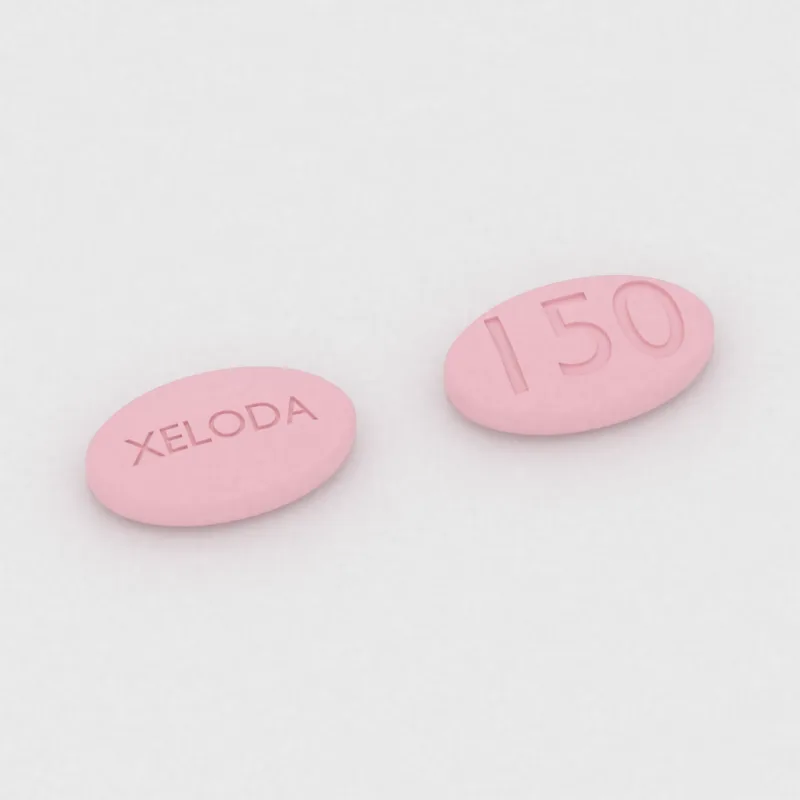
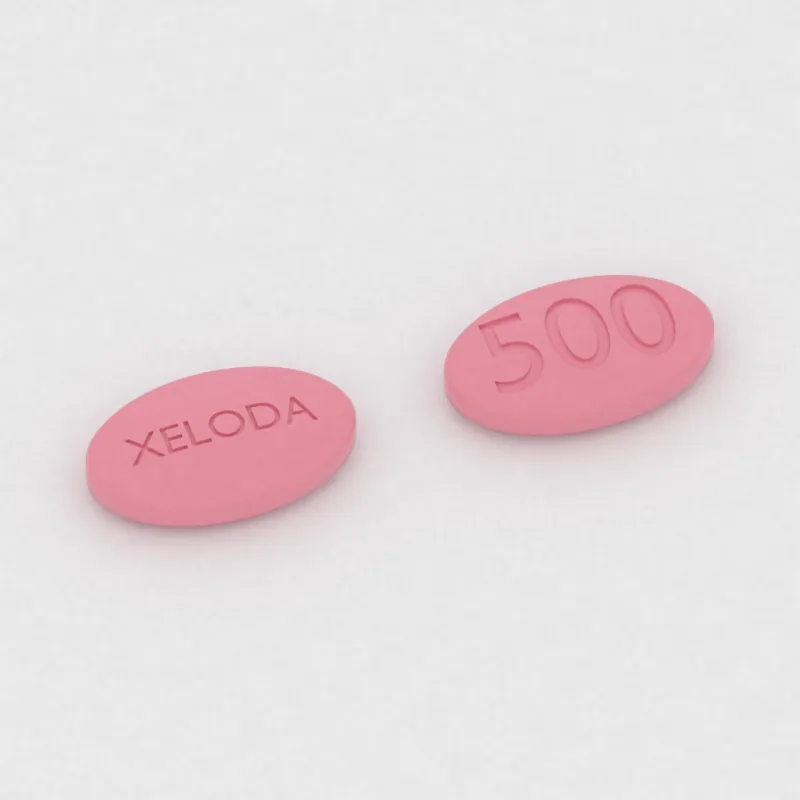
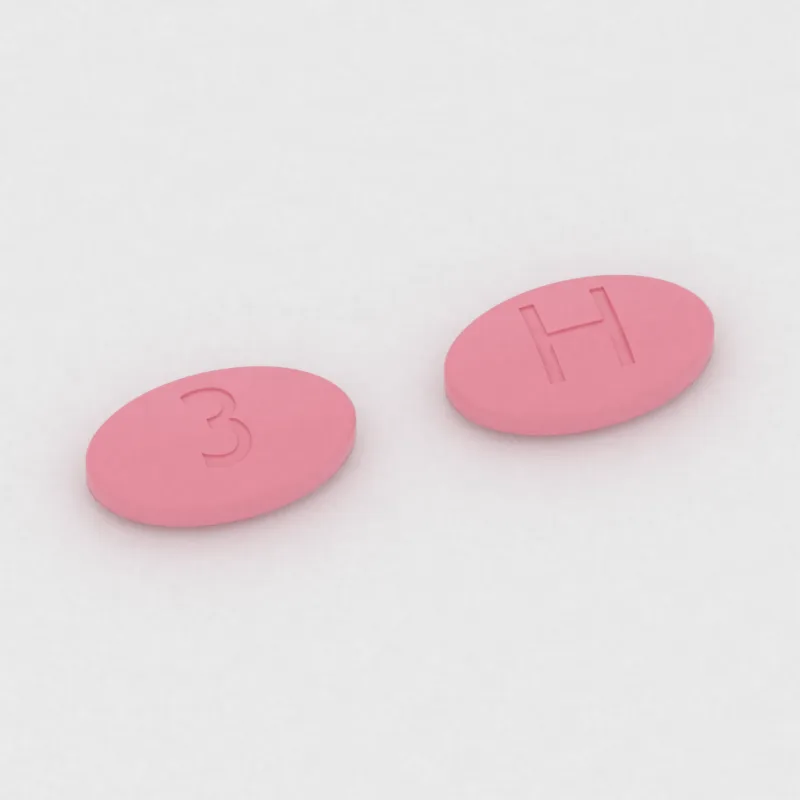
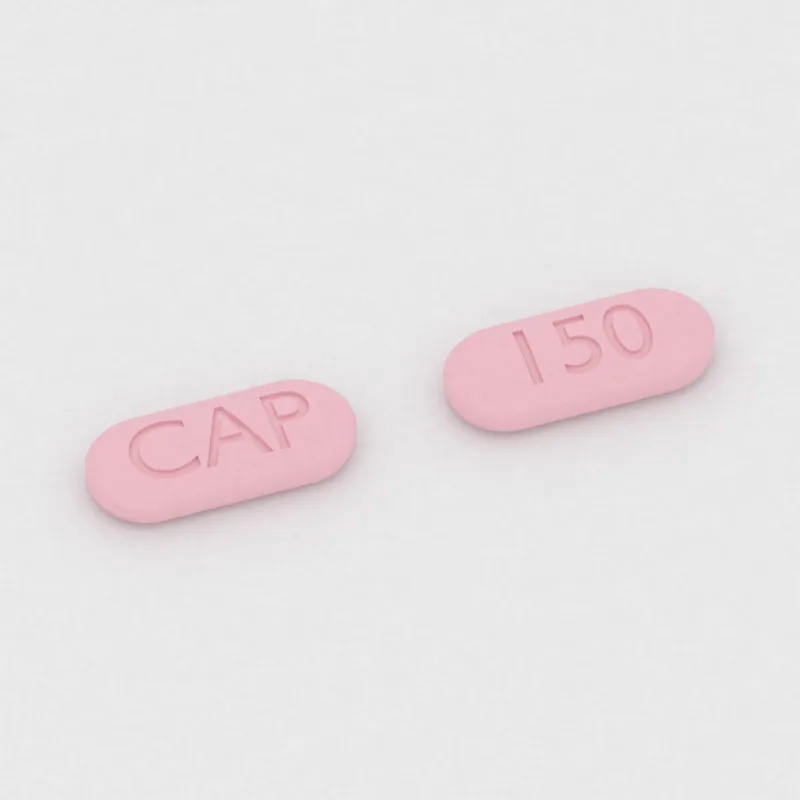
Darstellungen nach den Produktangaben der FDA-Fachinformationen: Farbe, Form, Größe und Prägung. 24 dokumentierte Varianten von 19 Anbietern.
Wechselwirkungen laut Fachinformation
Schwerwiegende Wechselwirkungen (9)
Allopurinol: Avoid concomitant use of allopurinol with XELODA. (Fachinformation zu Capecitabin, Arzneimittelwechselwirkungen)
Co-administration of such combinations of a CYP2C9 inhibitor plus a strong or moderate CYP3A inhibitor with TRACLEER is not recommended. (Fachinformation zu Bosentan, Arzneimittelwechselwirkungen)
XELODA is contraindicated in patients with history of severe hypersensitivity reaction to fluorouracil or capecitabine [see Adverse Reactions (6.1) ] . (Fachinformation zu Capecitabin, Gegenanzeigen)
- Folinsäure (Leucovorin)Schwerwiegend
Deaths from severe enterocolitis, diarrhea, and dehydration have been reported in elderly patients receiving weekly leucovorin and fluorouracil. (Fachinformation zu Capecitabin, Arzneimittelwechselwirkungen)
In animal reproductive studies, administration of lapatinib to pregnant rats during the period of organogenesis and through lactation led to death of offspring within the first 4 days after birth at maternal exposures that were ≥ 3.3 times the human clinical exposure based on AUC following 1,250 mg dose of lapatinib plus capecitabine. (Fachinformation zu Lapatinib, Warnhinweise und Vorsichtsmaßnahmen)
- MacitentanSchwerwiegend
Moderate dual CYP3A4 and CYP2C9 inhibitors (fluconazole, amiodarone) or use of combined CYP3A4 and CYP2C9 inhibitors may increase exposure to macitentan: avoid co-administration with OPSUMIT ( 7.3 , 12.3 ). (Fachinformation zu Macitentan, Arzneimittelwechselwirkungen)
WARNING: SERIOUS ADVERSE REACTIONS OR DEATH IN PATIENTS WITH COMPLETE DPD DEFICIENCY and INCREASED RISK OF BLEEDING WITH CONCOMITANT USE OF VITAMIN K ANTAGONISTS Increased risk of serious adverse reactions or death in patients with complete DPD deficiency • Test patients for genetic variants of DPYD prior to initiating XELODA unless immediate treatment is necessary. (Fachinformation zu Capecitabin, Boxed Warning (umrahmter Warnhinweis))
WARNING: SERIOUS ADVERSE REACTIONS OR DEATH IN PATIENTS WITH COMPLETE DPD DEFICIENCY and INCREASED RISK OF BLEEDING WITH CONCOMITANT USE OF VITAMIN K ANTAGONISTS Increased risk of serious adverse reactions or death in patients with complete DPD deficiency • Test patients for genetic variants of DPYD prior to initiating XELODA unless immediate treatment is necessary. (Fachinformation zu Capecitabin, Boxed Warning (umrahmter Warnhinweis))
WARNING: SERIOUS ADVERSE REACTIONS OR DEATH IN PATIENTS WITH COMPLETE DPD DEFICIENCY and INCREASED RISK OF BLEEDING WITH CONCOMITANT USE OF VITAMIN K ANTAGONISTS Increased risk of serious adverse reactions or death in patients with complete DPD deficiency • Test patients for genetic variants of DPYD prior to initiating XELODA unless immediate treatment is necessary. (Fachinformation zu Capecitabin, Boxed Warning (umrahmter Warnhinweis))
Mittelschwere Wechselwirkungen (70)
Closely monitor for adverse reactions of CYP2C9 substrates where minimal concentration changes may lead to serious adverse reactions when used concomitantly with XELODA (e.g., anticoagulants, antidiabetic drugs). (Fachinformation zu Capecitabin, Arzneimittelwechselwirkungen)
Closely monitor for signs of renal toxicity when XELODA is used concomitantly with nephrotoxic drugs (e.g. platinum salts, irinotecan, methotrexate, intravenous bisphosphonates). (Fachinformation zu Capecitabin, Arzneimittelwechselwirkungen)
Closely monitor for adverse reactions of CYP2C9 substrates where minimal concentration changes may lead to serious adverse reactions when used concomitantly with XELODA (e.g., anticoagulants, antidiabetic drugs). (Fachinformation zu Capecitabin, Arzneimittelwechselwirkungen)
Closely monitor for adverse reactions of CYP2C9 substrates where minimal concentration changes may lead to serious adverse reactions when used concomitantly with XELODA (e.g., anticoagulants, antidiabetic drugs). (Fachinformation zu Capecitabin, Arzneimittelwechselwirkungen)
Closely monitor for adverse reactions of CYP2C9 substrates where minimal concentration changes may lead to serious adverse reactions when used concomitantly with XELODA (e.g., anticoagulants, antidiabetic drugs). (Fachinformation zu Capecitabin, Arzneimittelwechselwirkungen)
Closely monitor for adverse reactions of CYP2C9 substrates where minimal concentration changes may lead to serious adverse reactions when used concomitantly with XELODA (e.g., anticoagulants, antidiabetic drugs). (Fachinformation zu Capecitabin, Arzneimittelwechselwirkungen)
HIV Protease inhibitor — Ritonavir (600 mg twice daily), a strong CYP3A4 inhibitor, which also inhibits CYP2C9, increased avanafil 50 mg single-dose C max and AUC equal to approximately 2-fold and 13-fold, and prolonged the half-life of avanafil to approximately 9 hours in healthy volunteers. (Fachinformation zu Avanafil, Arzneimittelwechselwirkungen)
Closely monitor for adverse reactions of CYP2C9 substrates where minimal concentration changes may lead to serious adverse reactions when used concomitantly with XELODA (e.g., anticoagulants, antidiabetic drugs). (Fachinformation zu Capecitabin, Arzneimittelwechselwirkungen)
Closely monitor for adverse reactions of CYP2C9 substrates where minimal concentration changes may lead to serious adverse reactions when used concomitantly with XELODA (e.g., anticoagulants, antidiabetic drugs). (Fachinformation zu Capecitabin, Arzneimittelwechselwirkungen)
Closely monitor for adverse reactions of CYP2C9 substrates where minimal concentration changes may lead to serious adverse reactions when used concomitantly with XELODA (e.g., anticoagulants, antidiabetic drugs). (Fachinformation zu Capecitabin, Arzneimittelwechselwirkungen)
Amiodarone Amiodarone and its metabolite desethyl amiodarone, inhibitors of CYP2C9, and P- glycoprotein increased concentrations of the S(-)-enantiomer of carvedilol by at least 2 fold [see Clinical Pharmacology (12.5) ]. (Fachinformation zu Carvedilol, Arzneimittelwechselwirkungen)
Co-administration of celecoxib with drugs that are known to inhibit CYP2C9 (e.g., fluconazole) may enhance the exposure and toxicity of celecoxib whereas co-administration with CYP2C9 inducers (e.g., rifampin) may lead to compromised efficacy of celecoxib. (Fachinformation zu Celecoxib, Arzneimittelwechselwirkungen)
Closely monitor for adverse reactions of CYP2C9 substrates where minimal concentration changes may lead to serious adverse reactions when used concomitantly with XELODA (e.g., anticoagulants, antidiabetic drugs). (Fachinformation zu Capecitabin, Arzneimittelwechselwirkungen)
Closely monitor for adverse reactions of CYP2C9 substrates where minimal concentration changes may lead to serious adverse reactions when used concomitantly with XELODA (e.g., anticoagulants, antidiabetic drugs). (Fachinformation zu Capecitabin, Arzneimittelwechselwirkungen)
Closely monitor for adverse reactions of CYP2C9 substrates where minimal concentration changes may lead to serious adverse reactions when used concomitantly with XELODA (e.g., anticoagulants, antidiabetic drugs). (Fachinformation zu Capecitabin, Arzneimittelwechselwirkungen)
Co-administration of diclofenac with CYP2C9 inhibitors (e.g. voriconazole) may enhance the exposure and toxicity of diclofenac whereas co- administration with CYP2C9 inducers (e.g. rifampin) may lead to compromised efficacy of diclofenac. (Fachinformation zu Diclofenac, Arzneimittelwechselwirkungen)
Co-administration of diclofenac with CYP2C9 inhibitors (e.g., voriconazole) may enhance the exposure and toxicity of diclofenac [see Clinical Pharmacology (12.3) ] whereas co-administration with CYP2C9 inducers (e.g., rifampin) may lead to compromised efficacy of diclofenac. (Fachinformation zu Diclofenac und Misoprostol, Arzneimittelwechselwirkungen)
Monitor for increased dronabinol-related adverse reactions when dronabinol oral solution is co-administered with inhibitors of CYP2C9 (e.g., amiodarone, fluconazole) and inhibitors of CYP3A4 enzymes (e.g., ketoconazole, itraconazole, clarithromycin, ritonavir, erythromycin, grapefruit juice). (Fachinformation zu Dronabinol, Arzneimittelwechselwirkungen)
Closely monitor for adverse reactions of CYP2C9 substrates where minimal concentration changes may lead to serious adverse reactions when used concomitantly with XELODA (e.g., anticoagulants, antidiabetic drugs). (Fachinformation zu Capecitabin, Arzneimittelwechselwirkungen)
Closely monitor for adverse reactions of CYP2C9 substrates where minimal concentration changes may lead to serious adverse reactions when used concomitantly with XELODA (e.g., anticoagulants, antidiabetic drugs). (Fachinformation zu Capecitabin, Arzneimittelwechselwirkungen)
- Elexacaftor, Tezacaftor und IvacaftorMittelschwer
Effect of TRIKAFTA on Other Drugs CYP2C9 Substrates Ivacaftor may inhibit CYP2C9; therefore, monitoring of the international normalized ratio (INR) during concomitant use of TRIKAFTA with warfarin is recommended. (Fachinformation zu Elexacaftor, Tezacaftor und Ivacaftor, Arzneimittelwechselwirkungen)
Closely monitor for adverse reactions of CYP2C9 substrates where minimal concentration changes may lead to serious adverse reactions when used concomitantly with XELODA (e.g., anticoagulants, antidiabetic drugs). (Fachinformation zu Capecitabin, Arzneimittelwechselwirkungen)
Closely monitor for adverse reactions of CYP2C9 substrates where minimal concentration changes may lead to serious adverse reactions when used concomitantly with XELODA (e.g., anticoagulants, antidiabetic drugs). (Fachinformation zu Capecitabin, Arzneimittelwechselwirkungen)
Closely monitor for adverse reactions of CYP2C9 substrates where minimal concentration changes may lead to serious adverse reactions when used concomitantly with XELODA (e.g., anticoagulants, antidiabetic drugs). (Fachinformation zu Capecitabin, Arzneimittelwechselwirkungen)
Closely monitor for adverse reactions of CYP2C9 substrates where minimal concentration changes may lead to serious adverse reactions when used concomitantly with XELODA (e.g., anticoagulants, antidiabetic drugs). (Fachinformation zu Capecitabin, Arzneimittelwechselwirkungen)
Leucovorin The concentration of fluorouracil is increased and its toxicity may be enhanced by leucovorin, folic acid, or folate analog products. (Fachinformation zu Capecitabin, Arzneimittelwechselwirkungen)
Closely monitor for adverse reactions of CYP2C9 substrates where minimal concentration changes may lead to serious adverse reactions when used concomitantly with XELODA (e.g., anticoagulants, antidiabetic drugs). (Fachinformation zu Capecitabin, Arzneimittelwechselwirkungen)
…Antiepileptic drugs Ethosuximide, felbamate, oxcarbazepine, methsuximide, topiramate Azoles Fluconazole, ketoconazole, itraconazole, miconazole, voriconazole Antineoplastic agents Capecitabine, fluorouracil Antidepressants Fluoxetine, fluvoxamine, sertraline Gastric acid reducing agents H 2 antagonists (cimetidine), omeprazole Sulfonamides Sulfamethizole, sulfaphenazole,… (Fachinformation zu Fosphenytoin, Arzneimittelwechselwirkungen)
Closely monitor for adverse reactions of CYP2C9 substrates where minimal concentration changes may lead to serious adverse reactions when used concomitantly with XELODA (e.g., anticoagulants, antidiabetic drugs). (Fachinformation zu Capecitabin, Arzneimittelwechselwirkungen)
Closely monitor for adverse reactions of CYP2C9 substrates where minimal concentration changes may lead to serious adverse reactions when used concomitantly with XELODA (e.g., anticoagulants, antidiabetic drugs). (Fachinformation zu Capecitabin, Arzneimittelwechselwirkungen)
Closely monitor for adverse reactions of CYP2C9 substrates where minimal concentration changes may lead to serious adverse reactions when used concomitantly with XELODA (e.g., anticoagulants, antidiabetic drugs). (Fachinformation zu Capecitabin, Arzneimittelwechselwirkungen)
Closely monitor for adverse reactions of CYP2C9 substrates where minimal concentration changes may lead to serious adverse reactions when used concomitantly with XELODA (e.g., anticoagulants, antidiabetic drugs). (Fachinformation zu Capecitabin, Arzneimittelwechselwirkungen)
Closely monitor for adverse reactions of CYP2C9 substrates where minimal concentration changes may lead to serious adverse reactions when used concomitantly with XELODA (e.g., anticoagulants, antidiabetic drugs). (Fachinformation zu Capecitabin, Arzneimittelwechselwirkungen)
Closely monitor for adverse reactions of CYP2C9 substrates where minimal concentration changes may lead to serious adverse reactions when used concomitantly with XELODA (e.g., anticoagulants, antidiabetic drugs). (Fachinformation zu Capecitabin, Arzneimittelwechselwirkungen)
Closely monitor for adverse reactions of CYP2C9 substrates where minimal concentration changes may lead to serious adverse reactions when used concomitantly with XELODA (e.g., anticoagulants, antidiabetic drugs). (Fachinformation zu Capecitabin, Arzneimittelwechselwirkungen)
Closely monitor for signs of renal toxicity when XELODA is used concomitantly with nephrotoxic drugs (e.g. platinum salts, irinotecan, methotrexate, intravenous bisphosphonates). (Fachinformation zu Capecitabin, Arzneimittelwechselwirkungen)
Closely monitor for adverse reactions of CYP2C9 substrates where minimal concentration changes may lead to serious adverse reactions when used concomitantly with XELODA (e.g., anticoagulants, antidiabetic drugs). (Fachinformation zu Capecitabin, Arzneimittelwechselwirkungen)
Closely monitor for adverse reactions of CYP2C9 substrates where minimal concentration changes may lead to serious adverse reactions when used concomitantly with XELODA (e.g., anticoagulants, antidiabetic drugs). (Fachinformation zu Capecitabin, Arzneimittelwechselwirkungen)
Closely monitor for adverse reactions of CYP2C9 substrates where minimal concentration changes may lead to serious adverse reactions when used concomitantly with XELODA (e.g., anticoagulants, antidiabetic drugs). (Fachinformation zu Capecitabin, Arzneimittelwechselwirkungen)
Closely monitor for adverse reactions of CYP2C9 substrates where minimal concentration changes may lead to serious adverse reactions when used concomitantly with XELODA (e.g., anticoagulants, antidiabetic drugs). (Fachinformation zu Capecitabin, Arzneimittelwechselwirkungen)
Closely monitor for adverse reactions of CYP2C9 substrates where minimal concentration changes may lead to serious adverse reactions when used concomitantly with XELODA (e.g., anticoagulants, antidiabetic drugs). (Fachinformation zu Capecitabin, Arzneimittelwechselwirkungen)
- IrinotecanMittelschwer
Closely monitor for signs of renal toxicity when XELODA is used concomitantly with nephrotoxic drugs (e.g. platinum salts, irinotecan, methotrexate, intravenous bisphosphonates). (Fachinformation zu Capecitabin, Arzneimittelwechselwirkungen)
Strong CYP3A4 or CYP2C9 Inhibitors Patients with renal or hepatic impairment who are taking strong inhibitors of CYP3A4 and CYP2C9 may have a significant increase in exposure to VIMPAT. (Fachinformation zu Lacosamid, Arzneimittelwechselwirkungen)
Closely monitor for adverse reactions of CYP2C9 substrates where minimal concentration changes may lead to serious adverse reactions when used concomitantly with XELODA (e.g., anticoagulants, antidiabetic drugs). (Fachinformation zu Capecitabin, Arzneimittelwechselwirkungen)
Closely monitor for adverse reactions of CYP2C9 substrates where minimal concentration changes may lead to serious adverse reactions when used concomitantly with XELODA (e.g., anticoagulants, antidiabetic drugs). (Fachinformation zu Capecitabin, Arzneimittelwechselwirkungen)
Closely monitor for adverse reactions of CYP2C9 substrates where minimal concentration changes may lead to serious adverse reactions when used concomitantly with XELODA (e.g., anticoagulants, antidiabetic drugs). (Fachinformation zu Capecitabin, Arzneimittelwechselwirkungen)
Thus concomitant usage of CYP2C9 inhibitors (such as amiodarone, fluconazole, and sulphaphenazole) may lead to abnormally high plasma levels of meloxicam due to reduced metabolic clearance [ see Use in Specific Populations ( 8.8 ); and Clinical Pharmacology ( 12.3 , 12.5 ) ]. (Fachinformation zu Meloxicam, Arzneimittelwechselwirkungen)
Closely monitor for adverse reactions of CYP2C9 substrates where minimal concentration changes may lead to serious adverse reactions when used concomitantly with XELODA (e.g., anticoagulants, antidiabetic drugs). (Fachinformation zu Capecitabin, Arzneimittelwechselwirkungen)
Closely monitor for signs of renal toxicity when XELODA is used concomitantly with nephrotoxic drugs (e.g. platinum salts, irinotecan, methotrexate, intravenous bisphosphonates). (Fachinformation zu Capecitabin, Arzneimittelwechselwirkungen)
Closely monitor for adverse reactions of CYP2C9 substrates where minimal concentration changes may lead to serious adverse reactions when used concomitantly with XELODA (e.g., anticoagulants, antidiabetic drugs). (Fachinformation zu Capecitabin, Arzneimittelwechselwirkungen)
Closely monitor for adverse reactions of CYP2C9 substrates where minimal concentration changes may lead to serious adverse reactions when used concomitantly with XELODA (e.g., anticoagulants, antidiabetic drugs). (Fachinformation zu Capecitabin, Arzneimittelwechselwirkungen)
Closely monitor for signs of renal toxicity when XELODA is used concomitantly with nephrotoxic drugs (e.g. platinum salts, irinotecan, methotrexate, intravenous bisphosphonates). (Fachinformation zu Capecitabin, Arzneimittelwechselwirkungen)
Vitamin K antagonists: Monitor INR more frequently and dose adjust oral vitamin K antagonist as appropriate Phenytoin : Closely monitor phenytoin levels in patients taking XELODA concomitantly with phenytoin and adjust the phenytoin dose as appropriate. (Fachinformation zu Capecitabin, Arzneimittelwechselwirkungen)
Closely monitor for adverse reactions of CYP2C9 substrates where minimal concentration changes may lead to serious adverse reactions when used concomitantly with XELODA (e.g., anticoagulants, antidiabetic drugs). (Fachinformation zu Capecitabin, Arzneimittelwechselwirkungen)
Closely monitor for adverse reactions of CYP2C9 substrates where minimal concentration changes may lead to serious adverse reactions when used concomitantly with XELODA (e.g., anticoagulants, antidiabetic drugs). (Fachinformation zu Capecitabin, Arzneimittelwechselwirkungen)
Closely monitor for adverse reactions of CYP2C9 substrates where minimal concentration changes may lead to serious adverse reactions when used concomitantly with XELODA (e.g., anticoagulants, antidiabetic drugs). (Fachinformation zu Capecitabin, Arzneimittelwechselwirkungen)
Fluconazole (strong CYP2C9 inhibitor): Increases systemic exposure of ramelteon; administer with caution. (Fachinformation zu Ramelteon, Arzneimittelwechselwirkungen)
Closely monitor for adverse reactions of CYP2C9 substrates where minimal concentration changes may lead to serious adverse reactions when used concomitantly with XELODA (e.g., anticoagulants, antidiabetic drugs). (Fachinformation zu Capecitabin, Arzneimittelwechselwirkungen)
Closely monitor for signs of renal toxicity when XELODA is used concomitantly with nephrotoxic drugs (e.g. platinum salts, irinotecan, methotrexate, intravenous bisphosphonates). (Fachinformation zu Capecitabin, Arzneimittelwechselwirkungen)
Closely monitor for adverse reactions of CYP2C9 substrates where minimal concentration changes may lead to serious adverse reactions when used concomitantly with XELODA (e.g., anticoagulants, antidiabetic drugs). (Fachinformation zu Capecitabin, Arzneimittelwechselwirkungen)
Rosuvastatin plasma levels can be significantly increased with concomitant administration of inhibitors of CYP2C9 and transporters. (Fachinformation zu Rosuvastatin, Arzneimittelwechselwirkungen)
Closely monitor for adverse reactions of CYP2C9 substrates where minimal concentration changes may lead to serious adverse reactions when used concomitantly with XELODA (e.g., anticoagulants, antidiabetic drugs). (Fachinformation zu Capecitabin, Arzneimittelwechselwirkungen)
Closely monitor for adverse reactions of CYP2C9 substrates where minimal concentration changes may lead to serious adverse reactions when used concomitantly with XELODA (e.g., anticoagulants, antidiabetic drugs). (Fachinformation zu Capecitabin, Arzneimittelwechselwirkungen)
Closely monitor for adverse reactions of CYP2C9 substrates where minimal concentration changes may lead to serious adverse reactions when used concomitantly with XELODA (e.g., anticoagulants, antidiabetic drugs). (Fachinformation zu Capecitabin, Arzneimittelwechselwirkungen)
Closely monitor for adverse reactions of CYP2C9 substrates where minimal concentration changes may lead to serious adverse reactions when used concomitantly with XELODA (e.g., anticoagulants, antidiabetic drugs). (Fachinformation zu Capecitabin, Arzneimittelwechselwirkungen)
Closely monitor for adverse reactions of CYP2C9 substrates where minimal concentration changes may lead to serious adverse reactions when used concomitantly with XELODA (e.g., anticoagulants, antidiabetic drugs). (Fachinformation zu Capecitabin, Arzneimittelwechselwirkungen)
Closely monitor for adverse reactions of CYP2C9 substrates where minimal concentration changes may lead to serious adverse reactions when used concomitantly with XELODA (e.g., anticoagulants, antidiabetic drugs). (Fachinformation zu Capecitabin, Arzneimittelwechselwirkungen)
CYP2C9: Concomitant use with CYP2C9 inhibitors can decrease torsemide clearance. (Fachinformation zu Torasemid, Arzneimittelwechselwirkungen)
Zafirlukast exposure is likely to be increased by other moderate and strong CYP2C9 inhibitors. (Fachinformation zu Zafirlukast, Vorsichtsmaßnahmen)
Closely monitor for signs of renal toxicity when XELODA is used concomitantly with nephrotoxic drugs (e.g. platinum salts, irinotecan, methotrexate, intravenous bisphosphonates). (Fachinformation zu Capecitabin, Arzneimittelwechselwirkungen)
Geringfügige Erwähnungen (6)
However, at high concentrations in vitro , clopidogrel inhibits CYP2C9. (Fachinformation zu Clopidogrel, Arzneimittelwechselwirkungen)
- DocetaxelGeringfügig
In the 251 patients with metastatic breast cancer who received XELODA with docetaxel, 68% had grade 3 or 4 neutropenia, 2.8% had grade 3 or 4 thrombocytopenia, and 10% had grade 3 or 4 anemia. (Fachinformation zu Capecitabin, Warnhinweise und Vorsichtsmaßnahmen)
Fluconazole is an inhibitor of CYP2C9 and CYP3A enzymes. (Fachinformation zu Terbinafin, Arzneimittelwechselwirkungen)
Toremifene is a weak inhibitor of CYP2C9. (Fachinformation zu Toremifen, Arzneimittelwechselwirkungen)
The interaction is a consequence of blocking hepatic metabolism of vardenafil by ritonavir, a HIV protease inhibitor and a highly strong CYP3A4 inhibitor, which also inhibits CYP2C9. (Fachinformation zu Vardenafil, Arzneimittelwechselwirkungen)
CYP2C9 Venlafaxine did not inhibit CYP2C9 in vitro . (Fachinformation zu Venlafaxin, Arzneimittelwechselwirkungen)
Prüfen Sie Capecitabin gegen alles, was Sie einnehmen. Fügen Sie Ihre gesamte Liste hinzu; alle Paare werden auf einmal geprüft.
Im Wechselwirkungscheck öffnenKeine medizinische Beratung. Der Schweregrad gibt die Formulierung der Fachinformation wieder, nicht Ihre persönlichen Umstände. Eine als „schwerwiegend“ eingestufte Wechselwirkung kann unter Aufsicht Routine sein, und eine „geringfügige“ kann bei hohen Dosen von Bedeutung sein. Fragen Sie in einer Apotheke nach.