
Céfalexine : interactions médicamenteuses
Céfalexine (Keflex), céphalosporine, présente 85 interactions documentées dans les notices FDA et les fiches d'information que nous indexons : 25 de niveau majeur, 30 de niveau modéré, 30 de niveau mineur et 0 cas où une notice ne signale aucune interaction significative. Chaque entrée ci-dessous cite la phrase sur laquelle elle repose. Cette page consacrée à un médicament est un point de départ, pas un verdict sur votre situation.
À quoi ressemble Céfalexine
Voir les 29 versions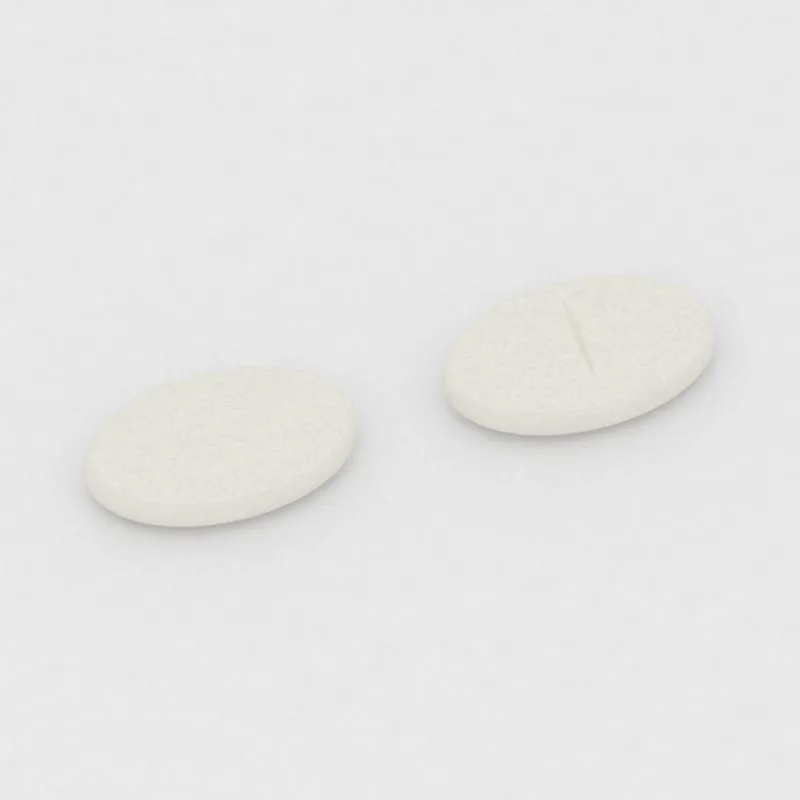
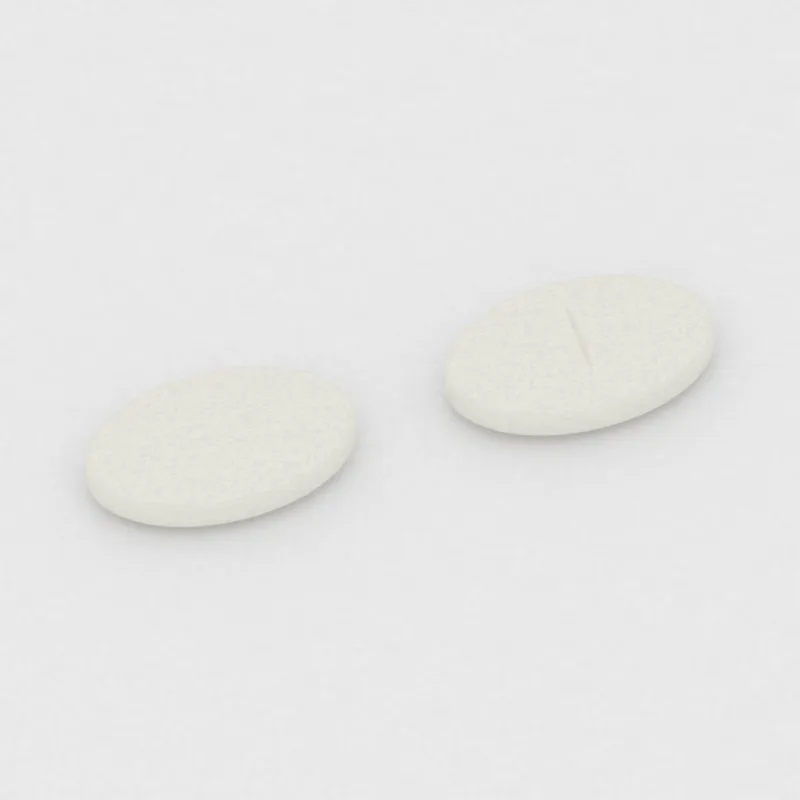
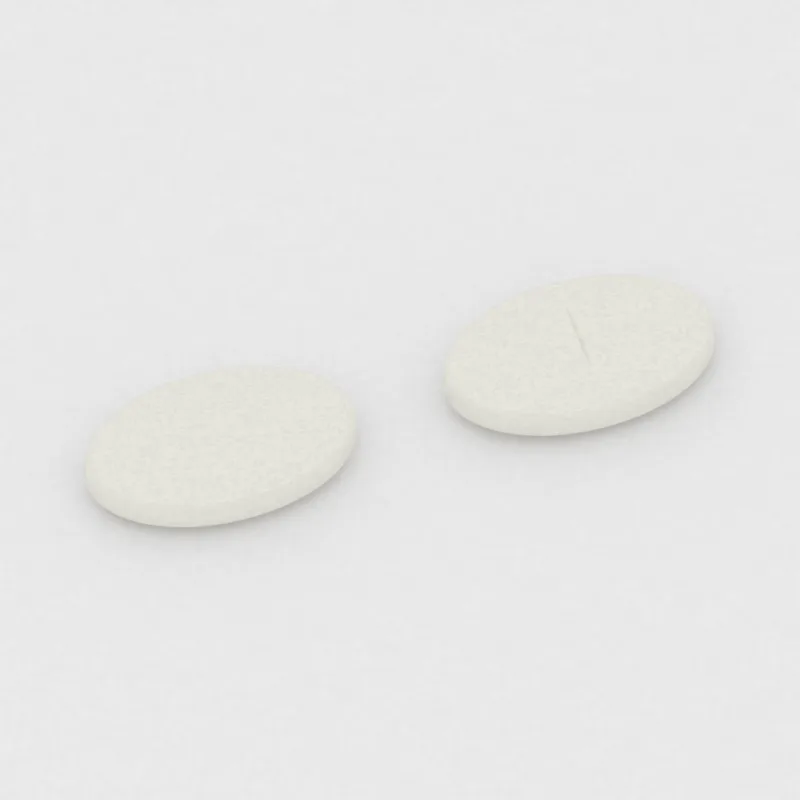
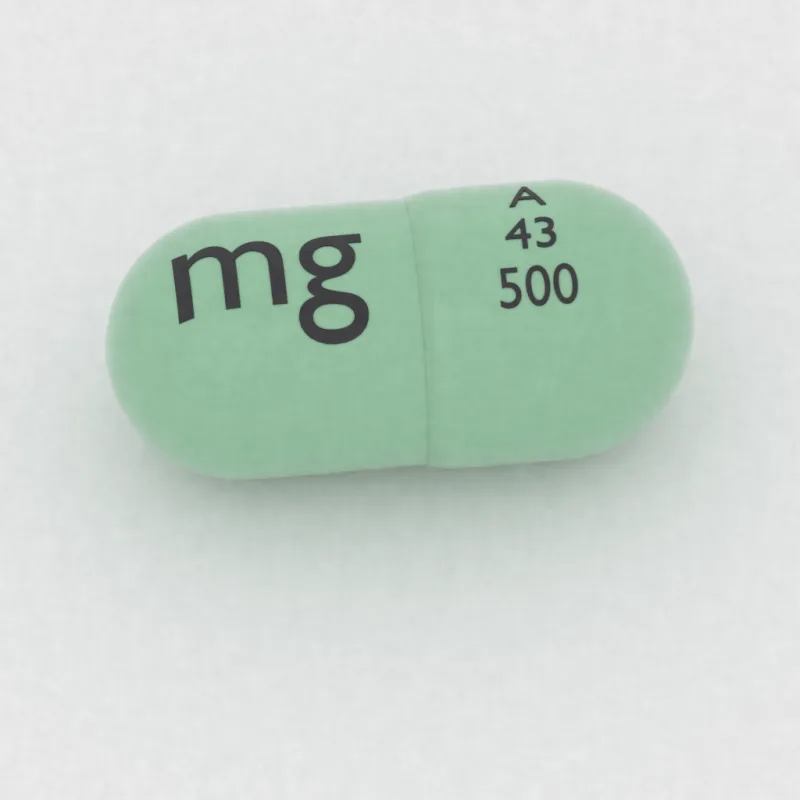
Rendus réalisés à partir des fiches produit des notices FDA : couleur, forme, taille et inscription. 29 versions documentées chez 18 laboratoires.
Interactions d'après la notice
Interactions majeures (25)
AMOXIL is contraindicated in patients who have experienced a serious hypersensitivity reaction (e.g., anaphylaxis or Stevens-Johnson syndrome) to AMOXIL or to other β-lactam antibacterial drugs (e.g., penicillins and cephalosporins). (notice Amoxicilline, Contre-indications)
History of a serious hypersensitivity reaction (e.g., anaphylaxis or Stevens-Johnson syndrome) to AUGMENTIN or to other beta‑lactams (e.g., penicillins or cephalosporins). (notice Amoxicilline et acide clavulanique, Contre-indications)
CONTRAINDICATIONS The use of Ampicillin is contraindicated in individuals with a history of serious hypersensitivity reactions (e.g., anaphylaxis or Stevens-Johnson syndrome) to ampicillin or to other beta-lactam antibacterial drugs. (notice Ampicilline, Contre-indications)
CONTRAINDICATIONS The use of UNASYN is contraindicated in individuals with a history of serious hypersensitivity reactions (e.g., anaphylaxis or Stevens-Johnson syndrome) to ampicillin, sulbactam or to other beta-lactam antibacterial drugs (e.g., penicillins and cephalosporins). (notice Ampicilline et sulbactam, Contre-indications)
Cephalexin is contraindicated in patients with known hypersensitivity to cephalexin or other members of the cephalosporin class of antibacterial drugs. (notice Céfalexine, Contre-indications)
Cephalexin is contraindicated in patients with known hypersensitivity to cephalexin or other members of the cephalosporin class of antibacterial drugs. (notice Céfalexine, Contre-indications)
Cephalexin is contraindicated in patients with known hypersensitivity to cephalexin or other members of the cephalosporin class of antibacterial drugs. (notice Céfalexine, Contre-indications)
Cephalexin is contraindicated in patients with known hypersensitivity to cephalexin or other members of the cephalosporin class of antibacterial drugs. (notice Céfalexine, Contre-indications)
Cephalexin is contraindicated in patients with known hypersensitivity to cephalexin or other members of the cephalosporin class of antibacterial drugs. (notice Céfalexine, Contre-indications)
Cephalexin is contraindicated in patients with known hypersensitivity to cephalexin or other members of the cephalosporin class of antibacterial drugs. (notice Céfalexine, Contre-indications)
Cephalexin is contraindicated in patients with known hypersensitivity to cephalexin or other members of the cephalosporin class of antibacterial drugs. (notice Céfalexine, Contre-indications)
Cephalexin is contraindicated in patients with known hypersensitivity to cephalexin or other members of the cephalosporin class of antibacterial drugs. (notice Céfalexine, Contre-indications)
Cephalexin is contraindicated in patients with known hypersensitivity to cephalexin or other members of the cephalosporin class of antibacterial drugs. (notice Céfalexine, Contre-indications)
Cephalexin is contraindicated in patients with known hypersensitivity to cephalexin or other members of the cephalosporin class of antibacterial drugs. (notice Céfalexine, Contre-indications)
Cephalexin is contraindicated in patients with known hypersensitivity to cephalexin or other members of the cephalosporin class of antibacterial drugs. (notice Céfalexine, Contre-indications)
Cephalexin is contraindicated in patients with known hypersensitivity to cephalexin or other members of the cephalosporin class of antibacterial drugs. (notice Céfalexine, Contre-indications)
Cephalexin is contraindicated in patients with known hypersensitivity to cephalexin or other members of the cephalosporin class of antibacterial drugs. (notice Céfalexine, Contre-indications)
Cephalexin is contraindicated in patients with known hypersensitivity to cephalexin or other members of the cephalosporin class of antibacterial drugs. (notice Céfalexine, Contre-indications)
Cephalexin is contraindicated in patients with known hypersensitivity to cephalexin or other members of the cephalosporin class of antibacterial drugs. (notice Céfalexine, Contre-indications)
INVANZ is contraindicated in patients with known hypersensitivity to any component of this product or to other drugs in the same class or in patients who have demonstrated anaphylactic reactions to beta-lactams. (notice Ertapénem, Contre-indications)
Hypersensitivity Reactions: Serious and occasionally fatal hypersensitivity (anaphylactic) reactions have been reported in patients receiving therapy with beta-lactams. (notice Imipénem et cilastatine, Mises en garde et précautions)
WARNINGS Serious and occasionally fatal hypersensitivity (anaphylactic) reactions have been reported in patients receiving beta-lactam antibacterial drugs. (notice Nafcilline, Mises en garde)
Piperacillin and Tazobactam for Injection and Sodium Chloride Injection is contraindicated in patients with a history of allergic reactions to any of the penicillins, cephalosporins, or betalactamase inhibitors. (notice Pipéracilline et tazobactam, Contre-indications)
- ProbénécideMajeure
Co-administration of probenecid with cephalexin for oral suspension is not recommended. (notice Céfalexine, Interactions médicamenteuses)
- Probénécide et colchicineMajeure
Co-administration of probenecid with cephalexin for oral suspension is not recommended. (notice Céfalexine, Interactions médicamenteuses)
Interactions modérées (30)
Ethacrynic acid may increase the ototoxic potential of other drugs such as aminoglycoside and some cephalosporin antibiotics. (notice Acide étacrynique, Interactions médicamenteuses)
• Metformin: increased metformin concentrations. (notice Céfalexine, Interactions médicamenteuses)
Those at risk include patients with renal or hepatic impairment, or poor nutritional state, as well as patients receiving a protracted course of antibacterial therapy, and patients receiving anticoagulant therapy. (notice Céfalexine, Mises en garde et précautions)
Those at risk include patients with renal or hepatic impairment, or poor nutritional state, as well as patients receiving a protracted course of antibacterial therapy, and patients receiving anticoagulant therapy. (notice Céfalexine, Mises en garde et précautions)
Use caution when CAYSTON is administered to patients with a known allergic reaction to beta-lactams. (notice Aztréonam, Mises en garde et précautions)
Those at risk include patients with renal or hepatic impairment, or poor nutritional state, as well as patients receiving a protracted course of antibacterial therapy, and patients receiving anticoagulant therapy. (notice Céfalexine, Mises en garde et précautions)
Those at risk include patients with renal or hepatic impairment, or poor nutritional state, as well as patients receiving a protracted course of antibacterial therapy, and patients receiving anticoagulant therapy. (notice Céfalexine, Mises en garde et précautions)
• Metformin: increased metformin concentrations. (notice Céfalexine, Interactions médicamenteuses)
• Serious hypersensitivity (anaphylactic) reactions: Prior to use, inquire regarding history of hypersensitivity to beta-lactam antibacterial drugs. (notice Céfalexine, Mises en garde et précautions)
Those at risk include patients with renal or hepatic impairment, or poor nutritional state, as well as patients receiving a protracted course of antibacterial therapy, and patients receiving anticoagulant therapy. (notice Céfalexine, Mises en garde et précautions)
• Metformin: increased metformin concentrations. (notice Céfalexine, Interactions médicamenteuses)
Those at risk include patients with renal or hepatic impairment, or poor nutritional state, as well as patients receiving a protracted course of antibacterial therapy, and patients receiving anticoagulant therapy. (notice Céfalexine, Mises en garde et précautions)
Those at risk include patients with renal or hepatic impairment, or poor nutritional state, as well as patients receiving a protracted course of antibacterial therapy, and patients receiving anticoagulant therapy. (notice Céfalexine, Mises en garde et précautions)
Cephalosporin Furosemide can increase the risk of cephalosporin-induced nephrotoxicity even in the setting of minor or transient renal impairment. (notice Furosémide, Interactions médicamenteuses)
Increased nephrotoxicity has been reported following concomitant administration of aminoglycoside antibiotics and cephalosporins. (notice Gentamicine, Interactions médicamenteuses)
• Metformin: increased metformin concentrations. (notice Céfalexine, Interactions médicamenteuses)
• Metformin: increased metformin concentrations. (notice Céfalexine, Interactions médicamenteuses)
Those at risk include patients with renal or hepatic impairment, or poor nutritional state, as well as patients receiving a protracted course of antibacterial therapy, and patients receiving anticoagulant therapy. (notice Céfalexine, Mises en garde et précautions)
• Metformin: increased metformin concentrations. (notice Céfalexine, Interactions médicamenteuses)
• Metformin: increased metformin concentrations. (notice Céfalexine, Interactions médicamenteuses)
Examples Cyclosporine A, trimethoprim/sulfamethoxazole, bile acid sequestrants (cholestyramine), rifampin as well as aminoglycoside, cephalosporin, fluoroquinolone and penicillin classes of antimicrobials Drugs Modulating Glucuronidation Clinical Impact Concomitant use with drugs inducing glucuronidation decreases MPA systemic exposure, potentially reducing mycophenolate… (notice Mycophénolate, Interactions médicamenteuses)
• Serious hypersensitivity (anaphylactic) reactions: Prior to use, inquire regarding history of hypersensitivity to beta-lactam antibacterial drugs. (notice Céfalexine, Mises en garde et précautions)
• Serious hypersensitivity (anaphylactic) reactions: Prior to use, inquire regarding history of hypersensitivity to beta-lactam antibacterial drugs. (notice Céfalexine, Mises en garde et précautions)
• Serious hypersensitivity (anaphylactic) reactions: Prior to use, inquire regarding history of hypersensitivity to beta-lactam antibacterial drugs. (notice Céfalexine, Mises en garde et précautions)
• Metformin: increased metformin concentrations. (notice Céfalexine, Interactions médicamenteuses)
- ProtamineModérée
Drug Interactions Protamine sulfate has been shown to be incompatible with certain antibiotics, including several of the cephalosporins and penicillins (see DOSAGE AND ADMINISTRATION ). (notice Protamine, Précautions)
Those at risk include patients with renal or hepatic impairment, or poor nutritional state, as well as patients receiving a protracted course of antibacterial therapy, and patients receiving anticoagulant therapy. (notice Céfalexine, Mises en garde et précautions)
• Metformin: increased metformin concentrations. (notice Céfalexine, Interactions médicamenteuses)
• Metformin: increased metformin concentrations. (notice Céfalexine, Interactions médicamenteuses)
Those at risk include patients with renal or hepatic impairment, or poor nutritional state, as well as patients receiving a protracted course of antibacterial therapy, and patients receiving anticoagulant therapy. (notice Céfalexine, Mises en garde et précautions)
Mentions mineures (30)
Anticonvulsant therapy can be given if clinically indicated. (notice Céfalexine, Mises en garde et précautions)
Anticonvulsant therapy can be given if clinically indicated. (notice Céfalexine, Mises en garde et précautions)
Anticonvulsant therapy can be given if clinically indicated. (notice Céfalexine, Mises en garde et précautions)
Anticonvulsant therapy can be given if clinically indicated. (notice Céfalexine, Mises en garde et précautions)
Anticonvulsant therapy can be given if clinically indicated. (notice Céfalexine, Mises en garde et précautions)
Anticonvulsant therapy can be given if clinically indicated. (notice Céfalexine, Mises en garde et précautions)
Anticonvulsant therapy can be given if clinically indicated. (notice Céfalexine, Mises en garde et précautions)
Anticonvulsant therapy can be given if clinically indicated. (notice Céfalexine, Mises en garde et précautions)
Anticonvulsant therapy can be given if clinically indicated. (notice Céfalexine, Mises en garde et précautions)
Anticonvulsant therapy can be given if clinically indicated. (notice Céfalexine, Mises en garde et précautions)
Anticonvulsant therapy can be given if clinically indicated. (notice Céfalexine, Mises en garde et précautions)
Anticonvulsant therapy can be given if clinically indicated. (notice Céfalexine, Mises en garde et précautions)
Anticonvulsant therapy can be given if clinically indicated. (notice Céfalexine, Mises en garde et précautions)
Anticonvulsant therapy can be given if clinically indicated. (notice Céfalexine, Mises en garde et précautions)
Anticonvulsant therapy can be given if clinically indicated. (notice Céfalexine, Mises en garde et précautions)
Anticonvulsant therapy can be given if clinically indicated. (notice Céfalexine, Mises en garde et précautions)
Before initiating therapy with Meropenem for injection, it is important to inquire about previous hypersensitivity reactions to penicillins, cephalosporins, other β-lactams, and other allergens. (notice Méropénem, Mises en garde et précautions)
Anticonvulsant therapy can be given if clinically indicated. (notice Céfalexine, Mises en garde et précautions)
Anticonvulsant therapy can be given if clinically indicated. (notice Céfalexine, Mises en garde et précautions)
Anticonvulsant therapy can be given if clinically indicated. (notice Céfalexine, Mises en garde et précautions)
Anticonvulsant therapy can be given if clinically indicated. (notice Céfalexine, Mises en garde et précautions)
Anticonvulsant therapy can be given if clinically indicated. (notice Céfalexine, Mises en garde et précautions)
Anticonvulsant therapy can be given if clinically indicated. (notice Céfalexine, Mises en garde et précautions)
Anticonvulsant therapy can be given if clinically indicated. (notice Céfalexine, Mises en garde et précautions)
Anticonvulsant therapy can be given if clinically indicated. (notice Céfalexine, Mises en garde et précautions)
Anticonvulsant therapy can be given if clinically indicated. (notice Céfalexine, Mises en garde et précautions)
Anticonvulsant therapy can be given if clinically indicated. (notice Céfalexine, Mises en garde et précautions)
Anticonvulsant therapy can be given if clinically indicated. (notice Céfalexine, Mises en garde et précautions)
Anticonvulsant therapy can be given if clinically indicated. (notice Céfalexine, Mises en garde et précautions)
Anticonvulsant therapy can be given if clinically indicated. (notice Céfalexine, Mises en garde et précautions)
Vérifiez Céfalexine avec tout ce que vous prenez. Ajoutez votre liste complète ; toutes les paires sont vérifiées en une fois.
Ouvrir dans le vérificateurCeci n'est pas un avis médical. Le niveau de gravité reflète la formulation de la notice, pas votre situation. Une alerte « majeure » peut être courante sous surveillance et une alerte « mineure » peut compter à forte dose. Demandez conseil à un pharmacien.