
Cephalexin interactions
Cephalexin (Keflex), a cephalosporin has 85 documented interactions across the FDA labels and fact sheets we index: 25 major, 30 moderate, 30 minor, and 0 where a label reports no significant interaction. Each entry below quotes the sentence behind it. This drug page is a starting point, not a verdict for your situation.
What Cephalexin looks like
All 29 versions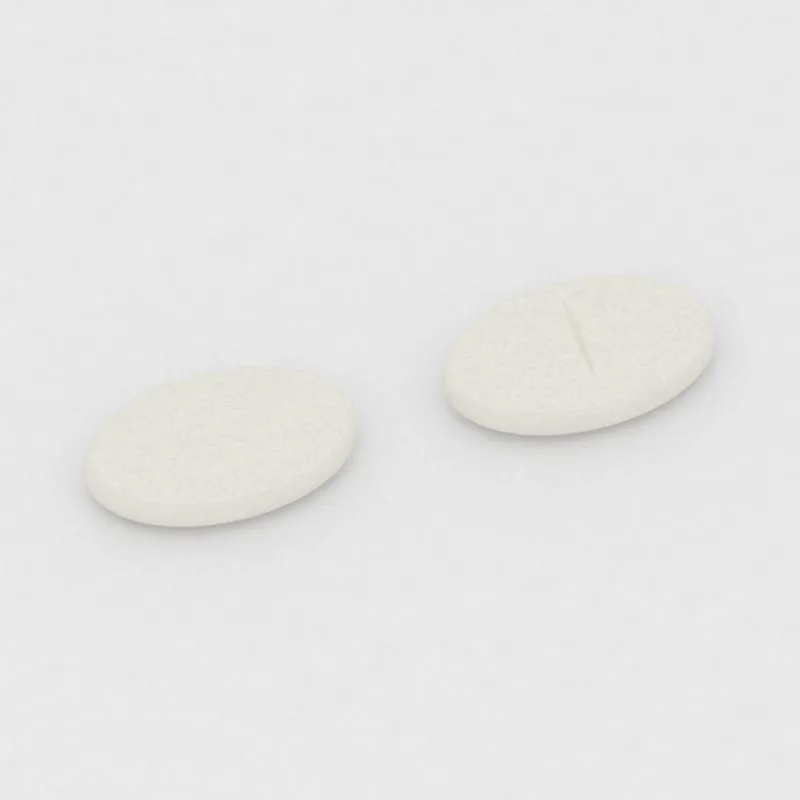
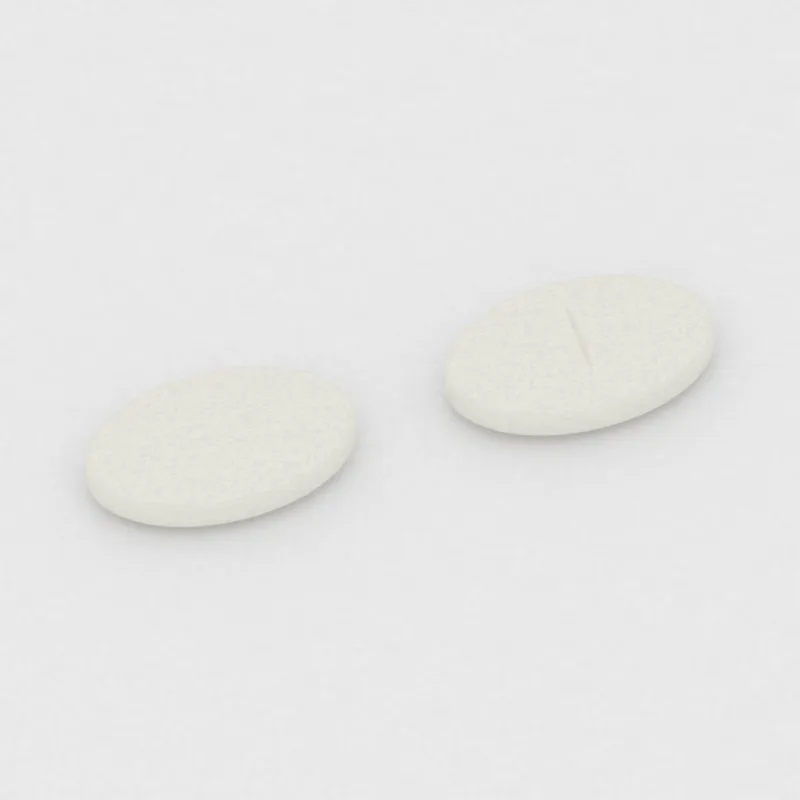
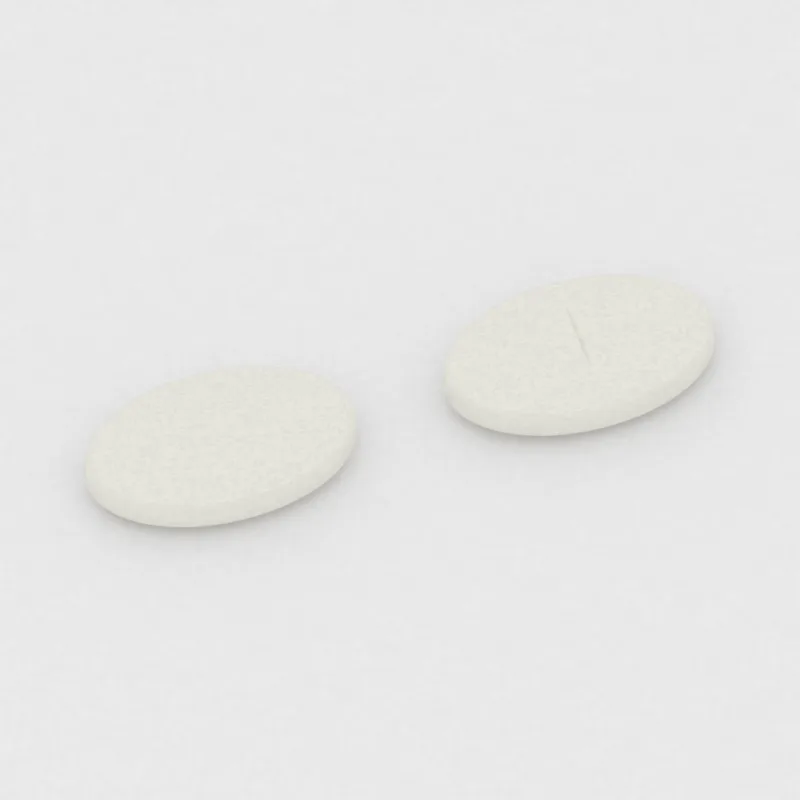
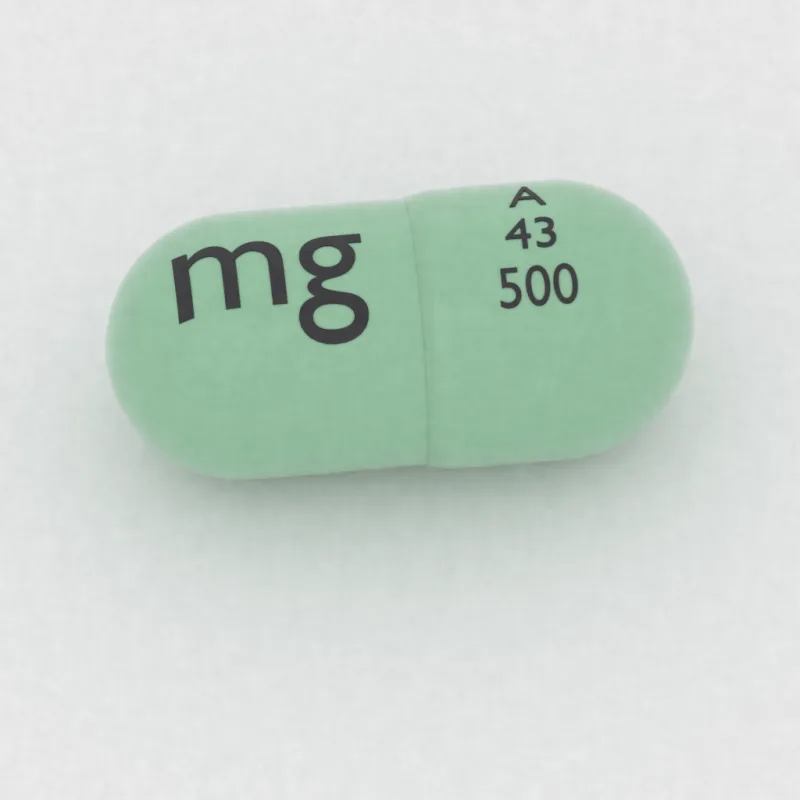
Renderings from the FDA labels' product listings: color, shape, size, and imprint. 29 documented versions from 18 labelers.
Interactions from the label
Major interactions (25)
AMOXIL is contraindicated in patients who have experienced a serious hypersensitivity reaction (e.g., anaphylaxis or Stevens-Johnson syndrome) to AMOXIL or to other β-lactam antibacterial drugs (e.g., penicillins and cephalosporins). (Amoxicillin label, Contraindications)
History of a serious hypersensitivity reaction (e.g., anaphylaxis or Stevens-Johnson syndrome) to AUGMENTIN or to other beta‑lactams (e.g., penicillins or cephalosporins). (Amoxicillin and clavulanate label, Contraindications)
CONTRAINDICATIONS The use of Ampicillin is contraindicated in individuals with a history of serious hypersensitivity reactions (e.g., anaphylaxis or Stevens-Johnson syndrome) to ampicillin or to other beta-lactam antibacterial drugs. (Ampicillin label, Contraindications)
CONTRAINDICATIONS The use of UNASYN is contraindicated in individuals with a history of serious hypersensitivity reactions (e.g., anaphylaxis or Stevens-Johnson syndrome) to ampicillin, sulbactam or to other beta-lactam antibacterial drugs (e.g., penicillins and cephalosporins). (Ampicillin and sulbactam label, Contraindications)
Cephalexin is contraindicated in patients with known hypersensitivity to cephalexin or other members of the cephalosporin class of antibacterial drugs. (Cephalexin label, Contraindications)
Cephalexin is contraindicated in patients with known hypersensitivity to cephalexin or other members of the cephalosporin class of antibacterial drugs. (Cephalexin label, Contraindications)
Cephalexin is contraindicated in patients with known hypersensitivity to cephalexin or other members of the cephalosporin class of antibacterial drugs. (Cephalexin label, Contraindications)
Cephalexin is contraindicated in patients with known hypersensitivity to cephalexin or other members of the cephalosporin class of antibacterial drugs. (Cephalexin label, Contraindications)
Cephalexin is contraindicated in patients with known hypersensitivity to cephalexin or other members of the cephalosporin class of antibacterial drugs. (Cephalexin label, Contraindications)
Cephalexin is contraindicated in patients with known hypersensitivity to cephalexin or other members of the cephalosporin class of antibacterial drugs. (Cephalexin label, Contraindications)
Cephalexin is contraindicated in patients with known hypersensitivity to cephalexin or other members of the cephalosporin class of antibacterial drugs. (Cephalexin label, Contraindications)
Cephalexin is contraindicated in patients with known hypersensitivity to cephalexin or other members of the cephalosporin class of antibacterial drugs. (Cephalexin label, Contraindications)
Cephalexin is contraindicated in patients with known hypersensitivity to cephalexin or other members of the cephalosporin class of antibacterial drugs. (Cephalexin label, Contraindications)
Cephalexin is contraindicated in patients with known hypersensitivity to cephalexin or other members of the cephalosporin class of antibacterial drugs. (Cephalexin label, Contraindications)
Cephalexin is contraindicated in patients with known hypersensitivity to cephalexin or other members of the cephalosporin class of antibacterial drugs. (Cephalexin label, Contraindications)
Cephalexin is contraindicated in patients with known hypersensitivity to cephalexin or other members of the cephalosporin class of antibacterial drugs. (Cephalexin label, Contraindications)
Cephalexin is contraindicated in patients with known hypersensitivity to cephalexin or other members of the cephalosporin class of antibacterial drugs. (Cephalexin label, Contraindications)
Cephalexin is contraindicated in patients with known hypersensitivity to cephalexin or other members of the cephalosporin class of antibacterial drugs. (Cephalexin label, Contraindications)
Cephalexin is contraindicated in patients with known hypersensitivity to cephalexin or other members of the cephalosporin class of antibacterial drugs. (Cephalexin label, Contraindications)
INVANZ is contraindicated in patients with known hypersensitivity to any component of this product or to other drugs in the same class or in patients who have demonstrated anaphylactic reactions to beta-lactams. (Ertapenem label, Contraindications)
Hypersensitivity Reactions: Serious and occasionally fatal hypersensitivity (anaphylactic) reactions have been reported in patients receiving therapy with beta-lactams. (Imipenem and cilastatin label, Warnings and precautions)
WARNINGS Serious and occasionally fatal hypersensitivity (anaphylactic) reactions have been reported in patients receiving beta-lactam antibacterial drugs. (Nafcillin label, Warnings)
Piperacillin and Tazobactam for Injection and Sodium Chloride Injection is contraindicated in patients with a history of allergic reactions to any of the penicillins, cephalosporins, or betalactamase inhibitors. (Piperacillin and tazobactam label, Contraindications)
- ProbenecidMajor
Co-administration of probenecid with cephalexin for oral suspension is not recommended. (Cephalexin label, Drug interactions)
Co-administration of probenecid with cephalexin for oral suspension is not recommended. (Cephalexin label, Drug interactions)
Moderate interactions (30)
• Metformin: increased metformin concentrations. (Cephalexin label, Drug interactions)
Those at risk include patients with renal or hepatic impairment, or poor nutritional state, as well as patients receiving a protracted course of antibacterial therapy, and patients receiving anticoagulant therapy. (Cephalexin label, Warnings and precautions)
Those at risk include patients with renal or hepatic impairment, or poor nutritional state, as well as patients receiving a protracted course of antibacterial therapy, and patients receiving anticoagulant therapy. (Cephalexin label, Warnings and precautions)
Use caution when CAYSTON is administered to patients with a known allergic reaction to beta-lactams. (Aztreonam label, Warnings and precautions)
Those at risk include patients with renal or hepatic impairment, or poor nutritional state, as well as patients receiving a protracted course of antibacterial therapy, and patients receiving anticoagulant therapy. (Cephalexin label, Warnings and precautions)
Those at risk include patients with renal or hepatic impairment, or poor nutritional state, as well as patients receiving a protracted course of antibacterial therapy, and patients receiving anticoagulant therapy. (Cephalexin label, Warnings and precautions)
• Metformin: increased metformin concentrations. (Cephalexin label, Drug interactions)
• Serious hypersensitivity (anaphylactic) reactions: Prior to use, inquire regarding history of hypersensitivity to beta-lactam antibacterial drugs. (Cephalexin label, Warnings and precautions)
Those at risk include patients with renal or hepatic impairment, or poor nutritional state, as well as patients receiving a protracted course of antibacterial therapy, and patients receiving anticoagulant therapy. (Cephalexin label, Warnings and precautions)
• Metformin: increased metformin concentrations. (Cephalexin label, Drug interactions)
Those at risk include patients with renal or hepatic impairment, or poor nutritional state, as well as patients receiving a protracted course of antibacterial therapy, and patients receiving anticoagulant therapy. (Cephalexin label, Warnings and precautions)
Ethacrynic acid may increase the ototoxic potential of other drugs such as aminoglycoside and some cephalosporin antibiotics. (Ethacrynic acid label, Drug interactions)
Those at risk include patients with renal or hepatic impairment, or poor nutritional state, as well as patients receiving a protracted course of antibacterial therapy, and patients receiving anticoagulant therapy. (Cephalexin label, Warnings and precautions)
Cephalosporin Furosemide can increase the risk of cephalosporin-induced nephrotoxicity even in the setting of minor or transient renal impairment. (Furosemide label, Drug interactions)
Increased nephrotoxicity has been reported following concomitant administration of aminoglycoside antibiotics and cephalosporins. (Gentamicin label, Drug interactions)
• Metformin: increased metformin concentrations. (Cephalexin label, Drug interactions)
• Metformin: increased metformin concentrations. (Cephalexin label, Drug interactions)
Those at risk include patients with renal or hepatic impairment, or poor nutritional state, as well as patients receiving a protracted course of antibacterial therapy, and patients receiving anticoagulant therapy. (Cephalexin label, Warnings and precautions)
• Metformin: increased metformin concentrations. (Cephalexin label, Drug interactions)
• Metformin: increased metformin concentrations. (Cephalexin label, Drug interactions)
Examples Cyclosporine A, trimethoprim/sulfamethoxazole, bile acid sequestrants (cholestyramine), rifampin as well as aminoglycoside, cephalosporin, fluoroquinolone and penicillin classes of antimicrobials Drugs Modulating Glucuronidation Clinical Impact Concomitant use with drugs inducing glucuronidation decreases MPA systemic exposure, potentially reducing mycophenolate… (Mycophenolate label, Drug interactions)
• Serious hypersensitivity (anaphylactic) reactions: Prior to use, inquire regarding history of hypersensitivity to beta-lactam antibacterial drugs. (Cephalexin label, Warnings and precautions)
• Serious hypersensitivity (anaphylactic) reactions: Prior to use, inquire regarding history of hypersensitivity to beta-lactam antibacterial drugs. (Cephalexin label, Warnings and precautions)
• Serious hypersensitivity (anaphylactic) reactions: Prior to use, inquire regarding history of hypersensitivity to beta-lactam antibacterial drugs. (Cephalexin label, Warnings and precautions)
• Metformin: increased metformin concentrations. (Cephalexin label, Drug interactions)
- ProtamineModerate
Drug Interactions Protamine sulfate has been shown to be incompatible with certain antibiotics, including several of the cephalosporins and penicillins (see DOSAGE AND ADMINISTRATION ). (Protamine label, Precautions)
Those at risk include patients with renal or hepatic impairment, or poor nutritional state, as well as patients receiving a protracted course of antibacterial therapy, and patients receiving anticoagulant therapy. (Cephalexin label, Warnings and precautions)
• Metformin: increased metformin concentrations. (Cephalexin label, Drug interactions)
• Metformin: increased metformin concentrations. (Cephalexin label, Drug interactions)
Those at risk include patients with renal or hepatic impairment, or poor nutritional state, as well as patients receiving a protracted course of antibacterial therapy, and patients receiving anticoagulant therapy. (Cephalexin label, Warnings and precautions)
Minor mentions (30)
Anticonvulsant therapy can be given if clinically indicated. (Cephalexin label, Warnings and precautions)
Anticonvulsant therapy can be given if clinically indicated. (Cephalexin label, Warnings and precautions)
Anticonvulsant therapy can be given if clinically indicated. (Cephalexin label, Warnings and precautions)
Anticonvulsant therapy can be given if clinically indicated. (Cephalexin label, Warnings and precautions)
Anticonvulsant therapy can be given if clinically indicated. (Cephalexin label, Warnings and precautions)
Anticonvulsant therapy can be given if clinically indicated. (Cephalexin label, Warnings and precautions)
Anticonvulsant therapy can be given if clinically indicated. (Cephalexin label, Warnings and precautions)
Anticonvulsant therapy can be given if clinically indicated. (Cephalexin label, Warnings and precautions)
Anticonvulsant therapy can be given if clinically indicated. (Cephalexin label, Warnings and precautions)
Anticonvulsant therapy can be given if clinically indicated. (Cephalexin label, Warnings and precautions)
Anticonvulsant therapy can be given if clinically indicated. (Cephalexin label, Warnings and precautions)
Anticonvulsant therapy can be given if clinically indicated. (Cephalexin label, Warnings and precautions)
Anticonvulsant therapy can be given if clinically indicated. (Cephalexin label, Warnings and precautions)
Anticonvulsant therapy can be given if clinically indicated. (Cephalexin label, Warnings and precautions)
Anticonvulsant therapy can be given if clinically indicated. (Cephalexin label, Warnings and precautions)
Before initiating therapy with Meropenem for injection, it is important to inquire about previous hypersensitivity reactions to penicillins, cephalosporins, other β-lactams, and other allergens. (Meropenem label, Warnings and precautions)
Anticonvulsant therapy can be given if clinically indicated. (Cephalexin label, Warnings and precautions)
Anticonvulsant therapy can be given if clinically indicated. (Cephalexin label, Warnings and precautions)
Anticonvulsant therapy can be given if clinically indicated. (Cephalexin label, Warnings and precautions)
Anticonvulsant therapy can be given if clinically indicated. (Cephalexin label, Warnings and precautions)
Anticonvulsant therapy can be given if clinically indicated. (Cephalexin label, Warnings and precautions)
Anticonvulsant therapy can be given if clinically indicated. (Cephalexin label, Warnings and precautions)
Anticonvulsant therapy can be given if clinically indicated. (Cephalexin label, Warnings and precautions)
Anticonvulsant therapy can be given if clinically indicated. (Cephalexin label, Warnings and precautions)
Anticonvulsant therapy can be given if clinically indicated. (Cephalexin label, Warnings and precautions)
Anticonvulsant therapy can be given if clinically indicated. (Cephalexin label, Warnings and precautions)
Anticonvulsant therapy can be given if clinically indicated. (Cephalexin label, Warnings and precautions)
Anticonvulsant therapy can be given if clinically indicated. (Cephalexin label, Warnings and precautions)
Anticonvulsant therapy can be given if clinically indicated. (Cephalexin label, Warnings and precautions)
Anticonvulsant therapy can be given if clinically indicated. (Cephalexin label, Warnings and precautions)
Check Cephalexin against everything you take. Add your full list; every pair is checked at once.
Open in the checkerNot medical advice. Severity reflects the label's wording, not your circumstances. A "major" flag can be routine under supervision and a "minor" one can matter at high doses. Ask a pharmacist.