
Citalopram : interactions médicamenteuses
Citalopram (Celexa), ISRS, présente 378 interactions documentées dans les notices FDA et les fiches d'information que nous indexons : 132 de niveau majeur, 230 de niveau modéré, 13 de niveau mineur et 3 cas où une notice ne signale aucune interaction significative. Chaque entrée ci-dessous cite la phrase sur laquelle elle repose. Cette page consacrée à un médicament est un point de départ, pas un verdict sur votre situation.
À quoi ressemble Citalopram
Voir les 36 versions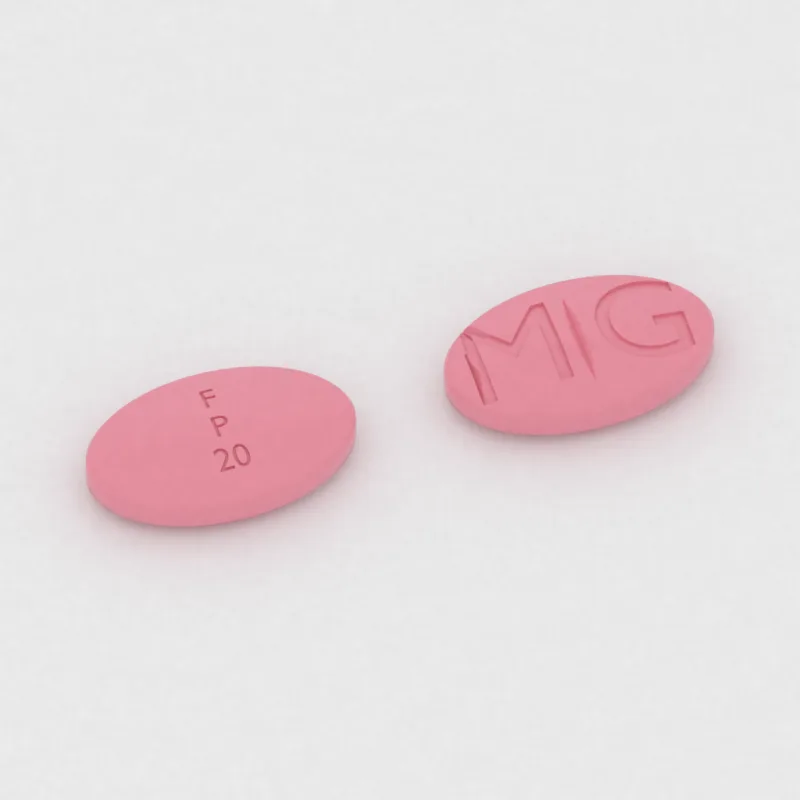


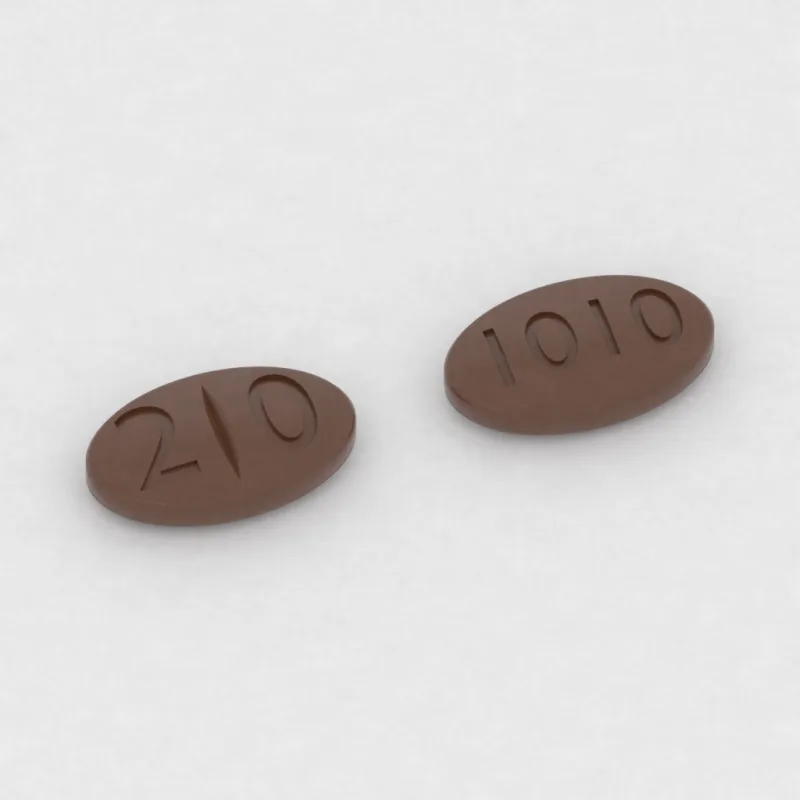
Rendus réalisés à partir des fiches produit des notices FDA : couleur, forme, taille et inscription. 36 versions documentées chez 19 laboratoires.
Interactions d'après la notice
Interactions majeures (132)
Serotonin Syndrome: Increased risk when co-administered with other serotonergic agents, but also when taken alone. (notice Citalopram, Mises en garde et précautions)
Reserve the combination of amiodarone with other antiarrhythmic therapies that prolong the QTc to patients with life-threatening ventricular arrhythmias who are incompletely responsive to a single agent. (notice Amiodarone, Mises en garde et précautions)
Serotonin Syndrome: Increased risk when co-administered with other serotonergic agents, but also when taken alone. (notice Citalopram, Mises en garde et précautions)
Serotonin Syndrome: Increased risk when co-administered with other serotonergic agents, but also when taken alone. (notice Citalopram, Mises en garde et précautions)
Serotonin Syndrome: Increased risk when co-administered with serotonergic agents (e.g., SSRIs, SNRIs, triptans), but also during overdosage situations. (notice Amphétamine, Mises en garde et précautions)
Serotonin Syndrome: Increased risk when coadministered with serotonergic agents (e.g., selective serotonin reuptake inhibitors (SSRIs), serotonin norepinephrine reuptake inhibitors (SNRIs), triptans), but also during overdosage situations. (notice Amphétamine et dexamfétamine, Mises en garde et précautions)
This risk which can be fatal should be considered in patients with certain cardiovascular disorders including known QT prolongation or history torsades de pointes, those with proarrhythmic conditions, and with other drugs that prolong the QT interval. (notice Azithromycine, Mises en garde et précautions)
• Serotonergic Drugs: Concomitant use may result in serotonin syndrome. (notice Belladone et opium, Interactions médicamenteuses)
Citalopram Capsules is contraindicated in patients: taking, or within 14 days of stopping, MAOIs (including MAOIs such as linezolid or intravenous methylene blue) because of an increased risk of serotonin syndrome [see Warnings and Precautions ( 5.3 ), Drug Interactions ( 7 )] . taking pimozide because of risk of QT prolongation [see Drug Interactions ( 7 )]… (notice Citalopram, Contre-indications)
Serotonin Syndrome: Increased risk when co-administered with other serotonergic agents, but also when taken alone. (notice Citalopram, Mises en garde et précautions)
Serotonergic Drugs : Concomitant use may result in serotonin syndrome. (notice Buprénorphine, Interactions médicamenteuses)
Serotonergic Drugs: Concomitant use may result in serotonin syndrome. (notice Buprénorphine et naloxone, Interactions médicamenteuses)
Serotonin Syndrome: Increased risk when co-administered with other serotonergic agents, but also when taken alone. (notice Citalopram, Mises en garde et précautions)
Intervention: Avoid concomitant use Serotonergic Drugs : Concomitant use may result in serotonin syndrome. (notice Butalbital, aspirine, caféine et codéine, Interactions médicamenteuses)
• Serotonergic Drugs: Concomitant use may result in serotonin syndrome. (notice Butalbital, paracétamol, caféine et codéine, Interactions médicamenteuses)
…medical attention if they experience symptoms of hyperalgesia, including worsening pain, increased sensitivity to pain, or new pain [see WARNINGS ; ADVERSE REACTIONS ]. Serotonin Syndrome Inform patients that butorphanol tartrate could cause a rare but potentially life-threatening condition resulting from concomitant administration of serotonergic drugs. (notice Butorphanol, Précautions)
Avoid use of Citalopram Capsules in CYP2C19 poor metabolizers, patients receiving concomitant cimetidine or another CYP2C19 inhibitor, patients with hepatic impairment, and patients who are greater than 60 years of age, because Citalopram Capsules are only available in a 30 mg dose strength and dosage adjustments are not possible [see Drug Interactions ( 7 ),… (notice Citalopram, Mises en garde et précautions)
Known hypersensitivity to tricyclic antidepressants ( 4 ) (notice Carbamazépine, Contre-indications)
Avoid use of Citalopram Capsules in CYP2C19 poor metabolizers, patients receiving concomitant cimetidine or another CYP2C19 inhibitor, patients with hepatic impairment, and patients who are greater than 60 years of age, because Citalopram Capsules are only available in a 30 mg dose strength and dosage adjustments are not possible [see Drug Interactions ( 7 ),… (notice Citalopram, Mises en garde et précautions)
Avoid use of Citalopram Capsules in CYP2C19 poor metabolizers, patients receiving concomitant cimetidine or another CYP2C19 inhibitor, patients with hepatic impairment, and patients who are greater than 60 years of age, because Citalopram Capsules are only available in a 30 mg dose strength and dosage adjustments are not possible [see Drug Interactions ( 7 ),… (notice Citalopram, Mises en garde et précautions)
Avoid use in patients with known prolongation, those with hypokalemia, and with other drugs that prolong the QT interval. (notice Ciprofloxacine, Mises en garde et précautions)
Serotonin Syndrome: Increased risk when co-administered with other serotonergic agents, but also when taken alone. (notice Citalopram, Mises en garde et précautions)
• Serotonergic Drugs: Concomitant use may result in serotonin syndrome. (notice Codéine, Interactions médicamenteuses)
Serotonin Syndrome: Increased risk when co-administered with other serotonergic agents, but also when taken alone. (notice Citalopram, Mises en garde et précautions)
Serotonin Syndrome: Increased risk when co-administered with other serotonergic agents, but also when taken alone. (notice Citalopram, Mises en garde et précautions)
Serotonin Syndrome: Increased risk when co-administered with other serotonergic agents, but also when taken alone. (notice Citalopram, Mises en garde et précautions)
Serotonergic Drugs The concomitant use of dextroamphetamine sulfate and serotonergic drugs increases the risk of serotonin syndrome. (notice Dexamfétamine, Interactions médicamenteuses)
Serotonin Syndrome: Increased risk when co-administered with other serotonergic agents, but also when taken alone. (notice Citalopram, Mises en garde et précautions)
Serotonin Syndrome: Increased risk when co-administered with other serotonergic agents, but also when taken alone. (notice Citalopram, Mises en garde et précautions)
Serotonin Syndrome: Increased risk when co-administered with other serotonergic agents, but also when taken alone. (notice Citalopram, Mises en garde et précautions)
Use with Drugs that Prolong QT Interval and Antiarrhythmic Agents The use of dofetilide in conjunction with other drugs that prolong the QT interval has not been studied and is not recommended. (notice Dofétilide, Mises en garde)
Serotonin Syndrome: Increased risk when co-administered with other serotonergic agents, but also when taken alone. (notice Citalopram, Mises en garde et précautions)
…(12.3) ] • Concomitant use of drugs or herbal products that prolong the QT interval and might increase the risk of torsade de pointes, such as phenothiazine antipsychotics, tricyclic antidepressants, certain oral macrolide antibiotics, and Class I and III antiarrhythmics • Liver or lung toxicity related to the previous use of amiodarone • QTc interval >500 ms or… (notice Dronédarone, Contre-indications)
Serotonin Syndrome: Increased risk when co-administered with other serotonergic agents, but also when taken alone. (notice Citalopram, Mises en garde et précautions)
Anticoagulants, Antiplatelets, Thrombolytics, and Selective Serotonin Reuptake Inhibitors (SSRIs)/Serotonin Norepinephrine Reuptake Inhibitors (SNRIs): Avoid concomitant use due to increased risk of bleeding. (notice Édoxaban, Interactions médicamenteuses)
Avoid use of Citalopram Capsules in CYP2C19 poor metabolizers, patients receiving concomitant cimetidine or another CYP2C19 inhibitor, patients with hepatic impairment, and patients who are greater than 60 years of age, because Citalopram Capsules are only available in a 30 mg dose strength and dosage adjustments are not possible [see Drug Interactions ( 7 ),… (notice Citalopram, Mises en garde et précautions)
Avoid use of Citalopram Capsules in CYP2C19 poor metabolizers, patients receiving concomitant cimetidine or another CYP2C19 inhibitor, patients with hepatic impairment, and patients who are greater than 60 years of age, because Citalopram Capsules are only available in a 30 mg dose strength and dosage adjustments are not possible [see Drug Interactions ( 7 ),… (notice Citalopram, Mises en garde et précautions)
Serotonin Syndrome: Increased risk when co-administered with other serotonergic agents, but also when taken alone. (notice Citalopram, Mises en garde et précautions)
Concomitant use of COMPLERA with drugs with a known risk to prolong the QTc interval of the electrocardiogram may increase the risk of Torsade de Pointes. (notice Emtricitabine, rilpivirine et ténofovir, Mises en garde et précautions)
Serotonin Syndrome: Increased risk when co-administered with other serotonergic agents, but also when taken alone. (notice Citalopram, Mises en garde et précautions)
Avoid use of Citalopram Capsules in CYP2C19 poor metabolizers, patients receiving concomitant cimetidine or another CYP2C19 inhibitor, patients with hepatic impairment, and patients who are greater than 60 years of age, because Citalopram Capsules are only available in a 30 mg dose strength and dosage adjustments are not possible [see Drug Interactions ( 7 ),… (notice Citalopram, Mises en garde et précautions)
Avoid use of Citalopram Capsules in CYP2C19 poor metabolizers, patients receiving concomitant cimetidine or another CYP2C19 inhibitor, patients with hepatic impairment, and patients who are greater than 60 years of age, because Citalopram Capsules are only available in a 30 mg dose strength and dosage adjustments are not possible [see Drug Interactions ( 7 ),… (notice Citalopram, Mises en garde et précautions)
• Serotonin Syndrome : Potentially life-threatening condition could result from concomitant serotonergic drug administration. (notice Fentanyl, Mises en garde et précautions)
…6-hour observation, or at additional risk for QT prolongation (e.g., hypokalemia, hypomagnesemia, congenital long-QT syndrome), or on concurrent therapy with QT prolonging drugs with a known risk of torsades de pointes (e.g., citalopram, chlorpromazine, haloperidol, methadone, erythromycin) should be monitored overnight with continuous ECG in a medical facility. (notice Fingolimod, Mises en garde et précautions)
Serotonin Syndrome: Increased risk when co-administered with other serotonergic agents, but also when taken alone. (notice Citalopram, Mises en garde et précautions)
Avoid use of Citalopram Capsules in CYP2C19 poor metabolizers, patients receiving concomitant cimetidine or another CYP2C19 inhibitor, patients with hepatic impairment, and patients who are greater than 60 years of age, because Citalopram Capsules are only available in a 30 mg dose strength and dosage adjustments are not possible [see Drug Interactions ( 7 ),… (notice Citalopram, Mises en garde et précautions)
THESE ARE MOST FREQUENT IN PATIENTS WHO HAVE BEEN ON BENZODIAZEPINES FOR LONG-TERM SEDATION OR IN OVERDOSE CASES WHERE PATIENTS ARE SHOWING SIGNS OF SERIOUS CYCLIC ANTIDEPRESSANT OVERDOSE. (notice Flumazénil, Mise en garde encadrée)
Serotonin Syndrome: Increased risk when co-administered with other serotonergic agents, but also when taken alone. (notice Citalopram, Mises en garde et précautions)
Serotonin Syndrome: Increased risk when co-administered with other serotonergic agents, but also when taken alone. (notice Citalopram, Mises en garde et précautions)
(See DOSAGE and ADMINISTRATION. ) Because of the risk of QT prolongation and the potential for torsades de pointes, the use of FOSCAVIR should be avoided in combination with agents known to prolong the QT interval including Class IA (e.g., quinidine or procainamide) or Class III (e.g., dofetilide, amiodarone, sotalol) antiarrhythmic agents, phenothiazines, tricyclic… (notice Foscarnet, Interactions médicamenteuses)
Avoid co-administration of CONTEPO with drugs known to prolong the QT interval. (notice Fosfomycine, Interactions médicamenteuses)
Serotonin Syndrome: Increased risk when co-administered with other serotonergic agents, but also when taken alone. (notice Citalopram, Mises en garde et précautions)
Serotonin Syndrome: Increased risk when co-administered with other serotonergic agents, but also when taken alone. (notice Citalopram, Mises en garde et précautions)
Example: lactulose Serotonergic Drugs : Concomitant use may result in serotonin syndrome. (notice Hydrocodone, Interactions médicamenteuses)
Serotonergic drugs : Concomitant use may result in serotonin syndrome. (notice Hydrocodone et chlorphénamine, Interactions médicamenteuses)
Serotonergic Drugs : Concomitant use may result in serotonin syndrome. (notice Hydrocodone et homatropine, Interactions médicamenteuses)
S er otonin Syndrome Inform patients that opioids could cause a rare but potentially life-threatening condition resulting from concomitant administration of serotonergic drugs. (notice Hydrocodone et ibuprofène, Précautions)
Serotonin Syndrome Inform patients that hydrocodone bitartrate and acetaminophen tablets could cause a rare but potentially life-threatening condition resulting from concomitant administration of serotonergic drugs. (notice Hydrocodone et paracétamol, Précautions)
• Serotonergic Drugs : Concomitant use may result in serotonin syndrome. (notice Hydromorphone, Interactions médicamenteuses)
Therefore, PLAQUENIL is not recommended in patients taking other drugs that have the potential to prolong the QT interval. (notice Hydroxychloroquine, Mises en garde et précautions)
Avoid the use of FANAPT in combination with any other drugs that prolong the QT interval [see Warnings and Precautions (5.3) ] . (notice Ilopéridone, Interactions médicamenteuses)
Serotonin Syndrome: Increased risk when co-administered with other serotonergic agents, but also when taken alone. (notice Citalopram, Mises en garde et précautions)
Citalopram Capsules is contraindicated in patients: taking, or within 14 days of stopping, MAOIs (including MAOIs such as linezolid or intravenous methylene blue) because of an increased risk of serotonin syndrome [see Warnings and Precautions ( 5.3 ), Drug Interactions ( 7 )] . taking pimozide because of risk of QT prolongation [see Drug Interactions ( 7 )]… (notice Citalopram, Contre-indications)
- IvabradineMajeure
Bradycardia may increase the risk of QT prolongation which may lead to severe ventricular arrhythmias, including torsade de pointes, especially in patients with risk factors such as use of QTc prolonging drugs [see Adverse Reactions ( 6.2 )] . (notice Ivabradine, Mises en garde et précautions)
Avoid use in patients with known prolongation, those with hypokalemia, and with other drugs that prolong the QT interval ( 5.11 , 8.5 ) (notice Lévofloxacine, Mises en garde et précautions)
Serotonin Syndrome: Increased risk when co-administered with other serotonergic agents, but also when taken alone. (notice Citalopram, Mises en garde et précautions)
Serotonin Syndrome Inform patients that opioids could cause a rare but potentially life-threatening condition resulting from concomitant administration of serotonergic drugs. (notice Lévorphanol, Précautions)
Citalopram Capsules is contraindicated in patients: taking, or within 14 days of stopping, MAOIs (including MAOIs such as linezolid or intravenous methylene blue) because of an increased risk of serotonin syndrome [see Warnings and Precautions ( 5.3 ), Drug Interactions ( 7 )] . taking pimozide because of risk of QT prolongation [see Drug Interactions ( 7 )]… (notice Citalopram, Contre-indications)
Serotonin Syndrome: Increased risk when co-administered with serotonergic agents (e.g., SSRIs, SNRIs, triptans), but also during overdosage situations. (notice Lisdexamfétamine, Mises en garde et précautions)
Serotonin Syndrome: Increased risk when co-administered with other serotonergic agents, but also when taken alone. (notice Citalopram, Mises en garde et précautions)
LOREEV XR should not be used in such patients without adequate antidepressant therapy. (notice Lorazépam, Mises en garde et précautions)
Serotonin syndrome has resulted from concomitant use of metaxalone (within the recommended dosage range) and other serotonergic drugs [see Warnings and Precautions (5.1) ]. (notice Métaxalone, Interactions médicamenteuses)
Serotonin Syndrome : Potentially life-threatening condition could result from concomitant serotonergic drug administration. (notice Méthadone, Mises en garde et précautions)
Serotonin Syndrome: Increased risk when coadministered with serotonergic agents (e.g., SSRIs, SNRIs, triptans), but also during overdosage situations. (notice Méthamphétamine, Mises en garde et précautions)
L'association du millepertuis avec des antidépresseurs et d'autres médicaments sérotoninergiques augmente le risque de syndrome sérotoninergique. (NCCIH, St. John's Wort)
Serotonin Syndrome: Increased risk when co-administered with other serotonergic agents, but also when taken alone. (notice Citalopram, Mises en garde et précautions)
Serotonin Syndrome: Increased risk when co-administered with other serotonergic agents, but also when taken alone. (notice Citalopram, Mises en garde et précautions)
• Serotonergic Drugs: Concomitant use may result in serotonin syndrome. (notice Morphine, Interactions médicamenteuses)
Avoid use of Citalopram Capsules in CYP2C19 poor metabolizers, patients receiving concomitant cimetidine or another CYP2C19 inhibitor, patients with hepatic impairment, and patients who are greater than 60 years of age, because Citalopram Capsules are only available in a 30 mg dose strength and dosage adjustments are not possible [see Drug Interactions ( 7 ),… (notice Citalopram, Mises en garde et précautions)
Serotonin Syndrome: Increased risk when co-administered with other serotonergic agents, but also when taken alone. (notice Citalopram, Mises en garde et précautions)
Serotonin Syndrome: Increased risk when co-administered with other serotonergic agents, but also when taken alone. (notice Citalopram, Mises en garde et précautions)
Serotonin Syndrome: Increased risk when co-administered with other serotonergic agents, but also when taken alone. (notice Citalopram, Mises en garde et précautions)
Serotonin Syndrome: Increased risk when co-administered with other serotonergic agents, but also when taken alone. (notice Citalopram, Mises en garde et précautions)
Serotonergic Drugs : Concomitant use may result in serotonin syndrome. (notice Olicéridine, Interactions médicamenteuses)
Avoid use of Citalopram Capsules in CYP2C19 poor metabolizers, patients receiving concomitant cimetidine or another CYP2C19 inhibitor, patients with hepatic impairment, and patients who are greater than 60 years of age, because Citalopram Capsules are only available in a 30 mg dose strength and dosage adjustments are not possible [see Drug Interactions ( 7 ),… (notice Citalopram, Mises en garde et précautions)
Avoid use of Citalopram Capsules in CYP2C19 poor metabolizers, patients receiving concomitant cimetidine or another CYP2C19 inhibitor, patients with hepatic impairment, and patients who are greater than 60 years of age, because Citalopram Capsules are only available in a 30 mg dose strength and dosage adjustments are not possible [see Drug Interactions ( 7 ),… (notice Citalopram, Mises en garde et précautions)
Serotonin Syndrome: Increased risk when co-administered with other serotonergic agents, but also when taken alone. (notice Citalopram, Mises en garde et précautions)
- OxaliplatineMajeure
Avoid coadministration of oxaliplatin injection with medicinal products with a known potential to prolong the QT interval. (notice Oxaliplatine, Interactions médicamenteuses)
Serotonergic Drug s: Concomitant use may result in serotonin syndrome. (notice Oxycodone, Interactions médicamenteuses)
Serotonergic Drugs : Concomitant use may result in serotonin syndrome. (notice Oxymorphone, Interactions médicamenteuses)
Serotonin Syndrome: Increased risk when co-administered with other serotonergic agents, but also when taken alone. (notice Citalopram, Mises en garde et précautions)
Serotonin Syndrome Inform patients that opioids could cause a rare but potentially life-threatening condition resulting from concomitant administration of serotonergic drugs. (notice Paracétamol et codéine, Précautions)
Serotonin Syndrome: Increased risk when co-administered with other serotonergic agents, but also when taken alone. (notice Citalopram, Mises en garde et précautions)
- PazopanibMajeure
Avoid coadministration of VOTRIENT with drugs known to prolong the QT/QTc interval. (notice Pazopanib, Interactions médicamenteuses)
Serotonin Syndrome Inform patients that opioids could cause a rare but potentially life-threatening condition resulting from concomitant administration of serotonergic drugs. (notice Pentazocine et naloxone, Précautions)
Serotonin Syndrome: Increased risk when co-administered with other serotonergic agents, but also when taken alone. (notice Citalopram, Mises en garde et précautions)
Citalopram Capsules is contraindicated in patients: taking, or within 14 days of stopping, MAOIs (including MAOIs such as linezolid or intravenous methylene blue) because of an increased risk of serotonin syndrome [see Warnings and Precautions ( 5.3 ), Drug Interactions ( 7 )] . taking pimozide because of risk of QT prolongation [see Drug Interactions ( 7 )]… (notice Citalopram, Contre-indications)
Drugs that Prolong the QT Interval : Avoid concomitant use. (notice Phénobarbital, Interactions médicamenteuses)
Avoid use of Citalopram Capsules in CYP2C19 poor metabolizers, patients receiving concomitant cimetidine or another CYP2C19 inhibitor, patients with hepatic impairment, and patients who are greater than 60 years of age, because Citalopram Capsules are only available in a 30 mg dose strength and dosage adjustments are not possible [see Drug Interactions ( 7 ),… (notice Citalopram, Mises en garde et précautions)
…(including MAOIs such as linezolid or intravenous methylene blue) because of an increased risk of serotonin syndrome [see Warnings and Precautions ( 5.3 ), Drug Interactions ( 7 )] . taking pimozide because of risk of QT prolongation [see Drug Interactions ( 7 )] . with known hypersensitivity to citalopram or any of the inactive ingredients in Citalopram Capsules. (notice Citalopram, Contre-indications)
The use of WAKIX should be avoided in patients with known QT prolongation or in combination with other drugs known to prolong the QT interval [see Drug Interactions ( 7.1 )]. (notice Pitolisant, Mises en garde et précautions)
…prolong, or intensify the sedative action of other central-nervous-system depressants, such as alcohol, sedatives/hypnotics (including barbiturates), narcotics, narcotic analgesics, general anesthetics, tricyclic antidepressants, and tranquilizers; therefore, such agents should be avoided or administered in reduced dosage to patients receiving promethazine HCl. (notice Prométhazine, Interactions médicamenteuses)
Serotonergic Drugs : Concomitant use may result in serotonin syndrome. (notice Prométhazine et codéine, Interactions médicamenteuses)
Serotonin Syndrome: Increased risk when co-administered with other serotonergic agents, but also when taken alone. (notice Citalopram, Mises en garde et précautions)
• Avoid use with other antiarrhythmic agents or drugs that prolong the QT interval. (notice Propafénone, Mises en garde et précautions)
Serotonin Syndrome: Increased risk when co-administered with other serotonergic agents, but also when taken alone. (notice Citalopram, Mises en garde et précautions)
Serotonin Syndrome: Increased risk when co-administered with other serotonergic agents, but also when taken alone. (notice Citalopram, Mises en garde et précautions)
Citalopram Capsules is contraindicated in patients: taking, or within 14 days of stopping, MAOIs (including MAOIs such as linezolid or intravenous methylene blue) because of an increased risk of serotonin syndrome [see Warnings and Precautions ( 5.3 ), Drug Interactions ( 7 )] . taking pimozide because of risk of QT prolongation [see Drug Interactions ( 7 )]… (notice Citalopram, Contre-indications)
• Serotonin Syndrome : Potentially life-threatening condition could result from concomitant serotonergic drug administration. (notice Rémifentanil, Mises en garde et précautions)
Serotonin Syndrome: Increased risk when co-administered with other serotonergic agents, but also when taken alone. (notice Citalopram, Mises en garde et précautions)
Citalopram Capsules is contraindicated in patients: taking, or within 14 days of stopping, MAOIs (including MAOIs such as linezolid or intravenous methylene blue) because of an increased risk of serotonin syndrome [see Warnings and Precautions ( 5.3 ), Drug Interactions ( 7 )] . taking pimozide because of risk of QT prolongation [see Drug Interactions ( 7 )]… (notice Citalopram, Contre-indications)
Serotonin Syndrome: Increased risk when co-administered with other serotonergic agents, but also when taken alone. (notice Citalopram, Mises en garde et précautions)
Serotonin Syndrome: Increased risk when co-administered with other serotonergic agents, but also when taken alone. (notice Citalopram, Mises en garde et précautions)
Serotonin Syndrome: Increased risk when co-administered with other serotonergic agents, but also when taken alone. (notice Citalopram, Mises en garde et précautions)
Serotonin Syndrome: Increased risk when co-administered with other serotonergic agents, but also when taken alone. (notice Citalopram, Mises en garde et précautions)
Serotonin Syndrome: Increased risk when co-administered with other serotonergic agents, but also when taken alone. (notice Citalopram, Mises en garde et précautions)
Certain conditions may increase the risk for torsade de pointes or sudden death such as (1) bradycardia; (2) hypokalemia or hypomagnesemia; (3) concomitant use of other drugs that prolong the QTc interval; and (4) presence of congenital prolongation of the QT interval [see Warnings and Precautions ( 5.8 ), Clinical Pharmacology (12.2) ]. (notice Tétrabénazine, Interactions médicamenteuses)
CONTRAINDICATIONS Thioridazine hydrochloride tablet use should be avoided in combination with other drugs that are known to prolong the QTc interval and in patients with congenital long QT syndrome or a history of cardiac arrhythmias. (notice Thioridazine, Contre-indications)
Avoid use of Citalopram Capsules in CYP2C19 poor metabolizers, patients receiving concomitant cimetidine or another CYP2C19 inhibitor, patients with hepatic impairment, and patients who are greater than 60 years of age, because Citalopram Capsules are only available in a 30 mg dose strength and dosage adjustments are not possible [see Drug Interactions ( 7 ),… (notice Citalopram, Mises en garde et précautions)
Serotonin Syndrome: Increased risk when co-administered with other serotonergic agents, but also when taken alone. (notice Citalopram, Mises en garde et précautions)
Serotonin Syndrome: Increased risk when co-administered with other serotonergic agents, but also when taken alone. (notice Citalopram, Mises en garde et précautions)
Citalopram Capsules is contraindicated in patients: taking, or within 14 days of stopping, MAOIs (including MAOIs such as linezolid or intravenous methylene blue) because of an increased risk of serotonin syndrome [see Warnings and Precautions ( 5.3 ), Drug Interactions ( 7 )] . taking pimozide because of risk of QT prolongation [see Drug Interactions ( 7 )]… (notice Citalopram, Contre-indications)
Serotonin Syndrome: Increased risk when co-administered with other serotonergic agents, but also when taken alone. (notice Citalopram, Mises en garde et précautions)
Serotonin Syndrome: Increased risk when co-administered with other serotonergic agents, but also when taken alone. (notice Citalopram, Mises en garde et précautions)
Serotonin Syndrome: Increased risk when co-administered with other serotonergic agents, but also when taken alone. (notice Citalopram, Mises en garde et précautions)
- VepdégestrantMajeure
Avoid concomitant use of VEPPANU with strong CYP3A inhibitors or drugs known to prolong the QTc interval. (notice Vepdégestrant, Mises en garde et précautions)
Serotonin Syndrome: Increased risk when co-administered with other serotonergic agents, but also when taken alone. (notice Citalopram, Mises en garde et précautions)
Avoid use of Citalopram Capsules in CYP2C19 poor metabolizers, patients receiving concomitant cimetidine or another CYP2C19 inhibitor, patients with hepatic impairment, and patients who are greater than 60 years of age, because Citalopram Capsules are only available in a 30 mg dose strength and dosage adjustments are not possible [see Drug Interactions ( 7 ),… (notice Citalopram, Mises en garde et précautions)
Serotonin Syndrome: Increased risk when co-administered with other serotonergic agents, but also when taken alone. (notice Citalopram, Mises en garde et précautions)
…drugs, ziprasidone is contraindicated: • in patients with a known history of QT prolongation (including congenital long QT syndrome) • in patients with recent acute myocardial infarction • in patients with uncompensated heart failure Pharmacokinetic/pharmacodynamic studies between ziprasidone and other drugs that prolong the QT interval have not been performed. (notice Ziprasidone, Contre-indications)
Serotonin Syndrome: Increased risk when co-administered with other serotonergic agents, but also when taken alone. (notice Citalopram, Mises en garde et précautions)
Interactions modérées (230)
Elderly patients, patients taking diuretics, and those who are volume depleted may be at greater risk for developing hyponatremia with SSRIs [see Use in Specific Populations ( 8.5 )] . (notice Citalopram, Mises en garde et précautions)
Elderly patients, patients taking diuretics, and those who are volume depleted may be at greater risk for developing hyponatremia with SSRIs [see Use in Specific Populations ( 8.5 )] . (notice Citalopram, Mises en garde et précautions)
Increased Risk of Bleeding: Concomitant use of aspirin, nonsteroidal anti-inflammatory drugs, other antiplatelet drugs, warfarin, and other anticoagulants may increase this risk. (notice Citalopram, Mises en garde et précautions)
Such drugs include Class 1A (e.g., quinidine, procainamide) or Class III (e.g., amiodarone, sotalol) antiarrhythmic medications, antipsychotic medications (e.g., chlorpromazine, thioridazine), antibiotics (e.g., gatifloxacin, moxifloxacin), or any other class of medications known to prolong the QTc interval (e.g., pentamidine, levomethadyl acetate, methadone). (notice Citalopram, Mises en garde et précautions)
• Drugs that potentiate the effects of epinephrine include sympathomimetics, beta blockers, tricyclic antidepressants, MAO inhibitors, COMT inhibitors, clonidine, doxapram, oxytocin, levothyroxine sodium, and certain antihistamines. (notice Adrénaline, Interactions médicamenteuses)
Avoid use of Citalopram Capsules in patients with congenital long QT syndrome, bradycardia, hypokalemia or hypomagnesemia, recent acute myocardial infarction, or uncompensated heart failure and patients taking other drugs that prolong the QTc interval. (notice Citalopram, Mises en garde et précautions)
The risk is increased with concomitant use of other serotonergic drugs (including triptans, tricyclic antidepressants, fentanyl, lithium, tramadol, meperidine, methadone, tryptophan, buspirone, amphetamines, and St. (notice Citalopram, Mises en garde et précautions)
Elderly patients, patients taking diuretics, and those who are volume depleted may be at greater risk for developing hyponatremia with SSRIs [see Use in Specific Populations ( 8.5 )] . (notice Citalopram, Mises en garde et précautions)
Avoid use of Citalopram Capsules in patients with congenital long QT syndrome, bradycardia, hypokalemia or hypomagnesemia, recent acute myocardial infarction, or uncompensated heart failure and patients taking other drugs that prolong the QTc interval. (notice Citalopram, Mises en garde et précautions)
Increased Risk of Bleeding: Concomitant use of aspirin, nonsteroidal anti-inflammatory drugs, other antiplatelet drugs, warfarin, and other anticoagulants may increase this risk. (notice Citalopram, Mises en garde et précautions)
MAO inhibitors, tricyclic antidepressants and drugs that prolong the QTc interval may potentiate effect on the cardiovascular system. (notice Arformotérol, Interactions médicamenteuses)
Increased Risk of Bleeding: Concomitant use of aspirin, nonsteroidal anti-inflammatory drugs, other antiplatelet drugs, warfarin, and other anticoagulants may increase this risk. (notice Citalopram, Mises en garde et précautions)
Such drugs include Class 1A (e.g., quinidine, procainamide) or Class III (e.g., amiodarone, sotalol) antiarrhythmic medications, antipsychotic medications (e.g., chlorpromazine, thioridazine), antibiotics (e.g., gatifloxacin, moxifloxacin), or any other class of medications known to prolong the QTc interval (e.g., pentamidine, levomethadyl acetate, methadone). (notice Citalopram, Mises en garde et précautions)
The risk is increased with concomitant use of other serotonergic drugs (including triptans, tricyclic antidepressants, fentanyl, lithium, tramadol, meperidine, methadone, tryptophan, buspirone, amphetamines, and St. (notice Citalopram, Mises en garde et précautions)
The administration of local anesthetic solutions containing epinephrine to patients receiving monoamine oxidase inhibitors, nonselective beta-adrenergic antagonists, or tricyclic antidepressants may produce severe, prolonged hypertension. (notice Articaïne et adrénaline, Interactions médicamenteuses)
Avoid use of Citalopram Capsules in patients with congenital long QT syndrome, bradycardia, hypokalemia or hypomagnesemia, recent acute myocardial infarction, or uncompensated heart failure and patients taking other drugs that prolong the QTc interval. (notice Citalopram, Mises en garde et précautions)
Increased Risk of Bleeding: Concomitant use of aspirin, nonsteroidal anti-inflammatory drugs, other antiplatelet drugs, warfarin, and other anticoagulants may increase this risk. (notice Citalopram, Mises en garde et précautions)
Increased Risk of Bleeding: Concomitant use of aspirin, nonsteroidal anti-inflammatory drugs, other antiplatelet drugs, warfarin, and other anticoagulants may increase this risk. (notice Citalopram, Mises en garde et précautions)
Elderly patients, patients taking diuretics, and those who are volume depleted may be at greater risk for developing hyponatremia with SSRIs [see Use in Specific Populations ( 8.5 )] . (notice Citalopram, Mises en garde et précautions)
Elderly patients, patients taking diuretics, and those who are volume depleted may be at greater risk for developing hyponatremia with SSRIs [see Use in Specific Populations ( 8.5 )] . (notice Citalopram, Mises en garde et précautions)
The risk is increased with concomitant use of other serotonergic drugs (including triptans, tricyclic antidepressants, fentanyl, lithium, tramadol, meperidine, methadone, tryptophan, buspirone, amphetamines, and St. (notice Citalopram, Mises en garde et précautions)
Elderly patients, patients taking diuretics, and those who are volume depleted may be at greater risk for developing hyponatremia with SSRIs [see Use in Specific Populations ( 8.5 )] . (notice Citalopram, Mises en garde et précautions)
Increased Risk of Bleeding: Concomitant use of aspirin, nonsteroidal anti-inflammatory drugs, other antiplatelet drugs, warfarin, and other anticoagulants may increase this risk. (notice Citalopram, Mises en garde et précautions)
Such drugs include Class 1A (e.g., quinidine, procainamide) or Class III (e.g., amiodarone, sotalol) antiarrhythmic medications, antipsychotic medications (e.g., chlorpromazine, thioridazine), antibiotics (e.g., gatifloxacin, moxifloxacin), or any other class of medications known to prolong the QTc interval (e.g., pentamidine, levomethadyl acetate, methadone). (notice Citalopram, Mises en garde et précautions)
Caution is advised in patients taking tricyclic antidepressants which can affect the metabolism and uptake of circulating amines. (notice Brimonidine, Interactions médicamenteuses)
CYP2D6 Inhibitors Potentiated systemic beta-blockade (e.g., decreased heart rate, depression) has been reported during combined treatment with CYP2D6 inhibitors (e.g., quinidine, SSRIs) and timolol. (notice Brimonidine et timolol, Interactions médicamenteuses)
Monoamine oxidase inhibitors and tricyclic antidepressants: Use with extreme caution. (notice Budésonide et formotérol, Interactions médicamenteuses)
Elderly patients, patients taking diuretics, and those who are volume depleted may be at greater risk for developing hyponatremia with SSRIs [see Use in Specific Populations ( 8.5 )] . (notice Citalopram, Mises en garde et précautions)
…Interactions with MARCAINE WITH EPINEPHRINE Risk of Severe, Persistent Hypertension Due to Drug Interactions Between MARCAINE WITH EPINEPHRINE and Monoamine Oxidase Inhibitors and Tricyclic Antidepressants Administration of MARCAINE WITH EPINEPHRINE (containing a vasoconstrictor) in patients receiving monoamine oxidase inhibitors (MAOI) or tricyclic antidepressants may… (notice Bupivacaïne, Mises en garde et précautions)
…Interactions with MARCAINE WITH EPINEPHRINE Risk of Severe, Persistent Hypertension Due to Drug Interactions Between MARCAINE WITH EPINEPHRINE and Monoamine Oxidase Inhibitors and Tricyclic Antidepressants Administration of MARCAINE WITH EPINEPHRINE (containing a vasoconstrictor) in patients receiving monoamine oxidase inhibitors (MAOI) or tricyclic antidepressants may… (notice Bupivacaïne et adrénaline, Mises en garde et précautions)
…hydrochloride extended-release tablets (XL), concurrent administration of bupropion hydrochloride extended-release tablets (XL) and agents that lower the seizure threshold (e.g., other bupropion products, antipsychotics, antidepressants, theophylline, or systemic corticosteroids) should be undertaken only with extreme caution [see Warnings and Precautions (5.3)] . (notice Bupropion, Interactions médicamenteuses)
Increased Risk of Bleeding: Concomitant use of aspirin, nonsteroidal anti-inflammatory drugs, other antiplatelet drugs, warfarin, and other anticoagulants may increase this risk. (notice Citalopram, Mises en garde et précautions)
The risk is increased with concomitant use of other serotonergic drugs (including triptans, tricyclic antidepressants, fentanyl, lithium, tramadol, meperidine, methadone, tryptophan, buspirone, amphetamines, and St. (notice Citalopram, Mises en garde et précautions)
Elderly patients, patients taking diuretics, and those who are volume depleted may be at greater risk for developing hyponatremia with SSRIs [see Use in Specific Populations ( 8.5 )] . (notice Citalopram, Mises en garde et précautions)
Increased Risk of Bleeding: Concomitant use of aspirin, nonsteroidal anti-inflammatory drugs, other antiplatelet drugs, warfarin, and other anticoagulants may increase this risk. (notice Citalopram, Mises en garde et précautions)
• Tricyclic antidepressants: risk of hypertension and dyskinesia reported during concomitant use with carbidopa/levodopa ( 7.4 ) (notice Carbidopa, lévodopa et entacapone, Interactions médicamenteuses)
Such drugs include Class 1A (e.g., quinidine, procainamide) or Class III (e.g., amiodarone, sotalol) antiarrhythmic medications, antipsychotic medications (e.g., chlorpromazine, thioridazine), antibiotics (e.g., gatifloxacin, moxifloxacin), or any other class of medications known to prolong the QTc interval (e.g., pentamidine, levomethadyl acetate, methadone). (notice Citalopram, Mises en garde et précautions)
Since the sedative effects of carisoprodol and other CNS depressants (e.g., alcohol, benzodiazepines, opioids, tricyclic antidepressants) may be additive, appropriate caution should be exercised with patients who take more than one of these CNS depressants simultaneously. (notice Carisoprodol, Mises en garde et précautions)
Increased Risk of Bleeding: Concomitant use of aspirin, nonsteroidal anti-inflammatory drugs, other antiplatelet drugs, warfarin, and other anticoagulants may increase this risk. (notice Citalopram, Mises en garde et précautions)
Drug Interactions The administration of local anesthetic solutions containing epinephrine or norepinephrine to patients receiving monoamine oxidase inhibitors, tricyclic antidepressants or phenothiazines may produce severe, prolonged hypotension or hypertension. (notice Chloroprocaïne, Précautions)
Avoid use of Citalopram Capsules in patients with congenital long QT syndrome, bradycardia, hypokalemia or hypomagnesemia, recent acute myocardial infarction, or uncompensated heart failure and patients taking other drugs that prolong the QTc interval. (notice Citalopram, Mises en garde et précautions)
Elderly patients, patients taking diuretics, and those who are volume depleted may be at greater risk for developing hyponatremia with SSRIs [see Use in Specific Populations ( 8.5 )] . (notice Citalopram, Mises en garde et précautions)
Avoid use of Citalopram Capsules in patients with congenital long QT syndrome, bradycardia, hypokalemia or hypomagnesemia, recent acute myocardial infarction, or uncompensated heart failure and patients taking other drugs that prolong the QTc interval. (notice Citalopram, Mises en garde et précautions)
Elderly patients, patients taking diuretics, and those who are volume depleted may be at greater risk for developing hyponatremia with SSRIs [see Use in Specific Populations ( 8.5 )] . (notice Citalopram, Mises en garde et précautions)
Increased Risk of Bleeding: Concomitant use of aspirin, nonsteroidal anti-inflammatory drugs, other antiplatelet drugs, warfarin, and other anticoagulants may increase this risk. (notice Citalopram, Mises en garde et précautions)
QT Interval Prolongation and V entricular A rr h ythmia Decreases in serum calcium can also prolong the QT interval, potentially resulting in ventricular arrhythmia. (notice Cinacalcet, Mises en garde et précautions)
Avoid use of Citalopram Capsules in patients with congenital long QT syndrome, bradycardia, hypokalemia or hypomagnesemia, recent acute myocardial infarction, or uncompensated heart failure and patients taking other drugs that prolong the QTc interval. (notice Citalopram, Mises en garde et précautions)
…Interactions The CNS-depressant action of the benzodiazepine class of drugs may be potentiated by alcohol, narcotics, barbiturates, nonbarbiturate hypnotics, antianxiety agents, the phenothiazines, thioxanthene and butyrophenone classes of antipsychotic agents, monoamine oxidase inhibitors and the tricyclic antidepressants, and by other anticonvulsant drugs. (notice Clonazépam, Interactions médicamenteuses)
Tricyclic antidepressants Clinical Implication Concomitant use of tricyclic antidepressants with clonidine can increase blood pressure and may counteract the hypotensive effects of clonidine. (notice Clonidine, Interactions médicamenteuses)
Increased Risk of Bleeding: Concomitant use of aspirin, nonsteroidal anti-inflammatory drugs, other antiplatelet drugs, warfarin, and other anticoagulants may increase this risk. (notice Citalopram, Mises en garde et précautions)
The actions of the benzodiazepines may be potentiated by barbiturates, narcotics, phenothiazines, monoamine oxidase inhibitors or other antidepressants. (notice Clorazépate, Interactions médicamenteuses)
Avoid use of Citalopram Capsules in patients with congenital long QT syndrome, bradycardia, hypokalemia or hypomagnesemia, recent acute myocardial infarction, or uncompensated heart failure and patients taking other drugs that prolong the QTc interval. (notice Citalopram, Mises en garde et précautions)
Sympathomimetics, postganglionic blocking agents, and tricyclic antidepressants: Concomitant administration may increase the risk of cardiovascular adverse reactions. (notice Cocaïne, Interactions médicamenteuses)
Increased Risk of Bleeding: Concomitant use of aspirin, nonsteroidal anti-inflammatory drugs, other antiplatelet drugs, warfarin, and other anticoagulants may increase this risk. (notice Citalopram, Mises en garde et précautions)
Co-administration with other CNS depressants (e.g., benzodiazepines, opioids, tricyclic antidepressants, alcohol) increases the risk of CNS depression, which can cause daytime impairment. (notice Daridorexant, Mises en garde et précautions)
Caution should be taken when darifenacin extended-release tablets is used concomitantly with medications that are predominantly metabolized by CYP2D6 and which have a narrow therapeutic window, such as flecainide, thioridazine and tricyclic antidepressants ( 7.2 ) (notice Darifénacine, Interactions médicamenteuses)
Carefully monitor cardiac rhythm when administering SUPRANE to susceptible patients (e.g., patients with congenital Long QT Syndrome or patients taking drugs that can prolong the QT interval). (notice Desflurane, Mises en garde et précautions)
- DesmopressineModérée
…that may Increase Risk of Hyponatremia Concomitant administration of DESMODA with other drugs that may increase the risk of water intoxication with hyponatremia, (e.g., tricyclic antidepressants, selective serotonin re-uptake inhibitors, chlorpromazine, opiate analgesics, thiazide diuretics, NSAIDs, lamotrigine, sulfonylureas, particularly chlorpropamide, oxybutynin… (notice Desmopressine, Interactions médicamenteuses)
Avoid use of Citalopram Capsules in patients with congenital long QT syndrome, bradycardia, hypokalemia or hypomagnesemia, recent acute myocardial infarction, or uncompensated heart failure and patients taking other drugs that prolong the QTc interval. (notice Citalopram, Mises en garde et précautions)
The risk is increased with concomitant use of other serotonergic drugs (including triptans, tricyclic antidepressants, fentanyl, lithium, tramadol, meperidine, methadone, tryptophan, buspirone, amphetamines, and St. (notice Citalopram, Mises en garde et précautions)
…be given to the pharmacology of the agents employed particularly with compounds that may potentiate or be potentiated by the action of Valium, such as phenothiazines, antipsychotics, anxiolytics/sedatives, hypnotics, anticonvulsants, narcotic analgesics, anesthetics, sedative antihistamines, narcotics, barbiturates, MAO inhibitors and other antidepressants. (notice Diazépam, Interactions médicamenteuses)
Increased Risk of Bleeding: Concomitant use of aspirin, nonsteroidal anti-inflammatory drugs, other antiplatelet drugs, warfarin, and other anticoagulants may increase this risk. (notice Citalopram, Mises en garde et précautions)
Increased Risk of Bleeding: Concomitant use of aspirin, nonsteroidal anti-inflammatory drugs, other antiplatelet drugs, warfarin, and other anticoagulants may increase this risk. (notice Citalopram, Mises en garde et précautions)
…drugs including dicyclomine hydrochloride: amantadine, antiarrhythmic agents of Class I (e.g., quinidine), antihistamines, antipsychotic agents (e.g., phenothiazines), benzodiazepines, MAO inhibitors, narcotic analgesics (e.g., meperidine), nitrates and nitrites, sympathomimetic agents, tricyclic antidepressants, and other drugs having anticholinergic activity. (notice Dicyclovérine, Interactions médicamenteuses)
Increased Risk of Bleeding: Concomitant use of aspirin, nonsteroidal anti-inflammatory drugs, other antiplatelet drugs, warfarin, and other anticoagulants may increase this risk. (notice Citalopram, Mises en garde et précautions)
Such drugs include Class 1A (e.g., quinidine, procainamide) or Class III (e.g., amiodarone, sotalol) antiarrhythmic medications, antipsychotic medications (e.g., chlorpromazine, thioridazine), antibiotics (e.g., gatifloxacin, moxifloxacin), or any other class of medications known to prolong the QTc interval (e.g., pentamidine, levomethadyl acetate, methadone). (notice Citalopram, Mises en garde et précautions)
Such drugs include Class 1A (e.g., quinidine, procainamide) or Class III (e.g., amiodarone, sotalol) antiarrhythmic medications, antipsychotic medications (e.g., chlorpromazine, thioridazine), antibiotics (e.g., gatifloxacin, moxifloxacin), or any other class of medications known to prolong the QTc interval (e.g., pentamidine, levomethadyl acetate, methadone). (notice Citalopram, Mises en garde et précautions)
Increased Risk of Bleeding: Concomitant use of aspirin, nonsteroidal anti-inflammatory drugs, other antiplatelet drugs, warfarin, and other anticoagulants may increase this risk. (notice Citalopram, Mises en garde et précautions)
Avoid use of Citalopram Capsules in patients with congenital long QT syndrome, bradycardia, hypokalemia or hypomagnesemia, recent acute myocardial infarction, or uncompensated heart failure and patients taking other drugs that prolong the QTc interval. (notice Citalopram, Mises en garde et précautions)
CYP2D6 Inhibitors Potentiated systemic beta-blockade (e.g., decreased heart rate, depression) has been reported during combined treatment with CYP2D6 inhibitors (e.g., quinidine, SSRIs) and timolol. (notice Dorzolamide et timolol, Interactions médicamenteuses)
Concomitant use of other drugs that cause dizziness, confusion, sedation, or somnolence such as CNS depressants may increase this effect (e.g., barbiturates, benzodiazepines, lithium, opioids, buspirone, scopolamine, antihistamines, tricyclic antidepressants, other anticholinergic agents, and muscle relaxants). (notice Dronabinol, Mises en garde et précautions)
Avoid use of Citalopram Capsules in patients with congenital long QT syndrome, bradycardia, hypokalemia or hypomagnesemia, recent acute myocardial infarction, or uncompensated heart failure and patients taking other drugs that prolong the QTc interval. (notice Citalopram, Mises en garde et précautions)
Antidepressants: Selective Serotonin Reuptake Inhibitors (SSRIs) e.g., paroxetine Tricyclic Antidepressants (TCAs) e.g., amitriptyline desipramine imipramine nortriptyline bupropion trazodone ↑ SSRIs (except sertraline) ↑ TCAs ↑ trazodone Careful dosage titration of the antidepressant and monitoring for antidepressant response are recommended when coadministered… (notice Elvitégravir, cobicistat, emtricitabine et ténofovir, Interactions médicamenteuses)
Elderly patients, patients taking diuretics, and those who are volume depleted may be at greater risk for developing hyponatremia with SSRIs [see Use in Specific Populations ( 8.5 )] . (notice Citalopram, Mises en garde et précautions)
Increased Risk of Bleeding: Concomitant use of aspirin, nonsteroidal anti-inflammatory drugs, other antiplatelet drugs, warfarin, and other anticoagulants may increase this risk. (notice Citalopram, Mises en garde et précautions)
Elderly patients, patients taking diuretics, and those who are volume depleted may be at greater risk for developing hyponatremia with SSRIs [see Use in Specific Populations ( 8.5 )] . (notice Citalopram, Mises en garde et précautions)
Increased Risk of Bleeding: Concomitant use of aspirin, nonsteroidal anti-inflammatory drugs, other antiplatelet drugs, warfarin, and other anticoagulants may increase this risk. (notice Citalopram, Mises en garde et précautions)
The risk is increased with concomitant use of other serotonergic drugs (including triptans, tricyclic antidepressants, fentanyl, lithium, tramadol, meperidine, methadone, tryptophan, buspirone, amphetamines, and St. (notice Citalopram, Mises en garde et précautions)
- ÉribulineModérée
QT Prolongation: Monitor for prolonged QT intervals in patients with congestive heart failure, bradyarrhythmias, drugs known to prolong the QT interval, and electrolyte abnormalities. (notice Éribuline, Mises en garde et précautions)
Avoid use of Citalopram Capsules in patients with congenital long QT syndrome, bradycardia, hypokalemia or hypomagnesemia, recent acute myocardial infarction, or uncompensated heart failure and patients taking other drugs that prolong the QTc interval. (notice Citalopram, Mises en garde et précautions)
Such drugs include Class 1A (e.g., quinidine, procainamide) or Class III (e.g., amiodarone, sotalol) antiarrhythmic medications, antipsychotic medications (e.g., chlorpromazine, thioridazine), antibiotics (e.g., gatifloxacin, moxifloxacin), or any other class of medications known to prolong the QTc interval (e.g., pentamidine, levomethadyl acetate, methadone). (notice Citalopram, Mises en garde et précautions)
Additive effects occur with concomitant use of other CNS depressants (e.g., benzodiazepines, opioids, tricyclic antidepressants, alcohol), including daytime use. (notice Eszopiclone, Mises en garde et précautions)
Increased Risk of Bleeding: Concomitant use of aspirin, nonsteroidal anti-inflammatory drugs, other antiplatelet drugs, warfarin, and other anticoagulants may increase this risk. (notice Citalopram, Mises en garde et précautions)
Increased Risk of Bleeding: Concomitant use of aspirin, nonsteroidal anti-inflammatory drugs, other antiplatelet drugs, warfarin, and other anticoagulants may increase this risk. (notice Citalopram, Mises en garde et précautions)
Avoid use of Citalopram Capsules in patients with congenital long QT syndrome, bradycardia, hypokalemia or hypomagnesemia, recent acute myocardial infarction, or uncompensated heart failure and patients taking other drugs that prolong the QTc interval. (notice Citalopram, Mises en garde et précautions)
Such drugs include Class 1A (e.g., quinidine, procainamide) or Class III (e.g., amiodarone, sotalol) antiarrhythmic medications, antipsychotic medications (e.g., chlorpromazine, thioridazine), antibiotics (e.g., gatifloxacin, moxifloxacin), or any other class of medications known to prolong the QTc interval (e.g., pentamidine, levomethadyl acetate, methadone). (notice Citalopram, Mises en garde et précautions)
Increased Risk of Bleeding: Concomitant use of aspirin, nonsteroidal anti-inflammatory drugs, other antiplatelet drugs, warfarin, and other anticoagulants may increase this risk. (notice Citalopram, Mises en garde et précautions)
Monoamine oxidase inhibitors and tricyclic antidepressants: Use with extreme caution. (notice Fluticasone et salmétérol, Interactions médicamenteuses)
Increased Risk of Bleeding: Concomitant use of aspirin, nonsteroidal anti-inflammatory drugs, other antiplatelet drugs, warfarin, and other anticoagulants may increase this risk. (notice Citalopram, Mises en garde et précautions)
• MAO inhibitors, tricyclic antidepressants and drugs that prolong QTc interval may potentiate effect on the cardiovascular system. (notice Formotérol, Interactions médicamenteuses)
Elderly patients, patients taking diuretics, and those who are volume depleted may be at greater risk for developing hyponatremia with SSRIs [see Use in Specific Populations ( 8.5 )] . (notice Citalopram, Mises en garde et précautions)
…Ethosuximide, felbamate, oxcarbazepine, methsuximide, topiramate Azoles Fluconazole, ketoconazole, itraconazole, miconazole, voriconazole Antineoplastic agents Capecitabine, fluorouracil Antidepressants Fluoxetine, fluvoxamine, sertraline Gastric acid reducing agents H 2 antagonists (cimetidine), omeprazole Sulfonamides Sulfamethizole, sulfaphenazole, sulfadiazine,… (notice Fosphénytoïne, Interactions médicamenteuses)
Elderly patients, patients taking diuretics, and those who are volume depleted may be at greater risk for developing hyponatremia with SSRIs [see Use in Specific Populations ( 8.5 )] . (notice Citalopram, Mises en garde et précautions)
- GéfitinibModérée
Increase IRESSA to 500 mg daily in patients receiving a strong CYP3A4 inducer (e.g., rifampicin, phenytoin, or tricyclic antidepressant) and resume IRESSA at 250 mg 7 days after discontinuation of the strong inducer [see Dosage and Administration (2.4) , Clinical Pharmacology (12.3) ] . (notice Géfitinib, Interactions médicamenteuses)
Other Anticholinergic Drugs There is potential for an additive interaction between glycopyrrolate and concomitantly used anticholinergic drugs (e.g., tricyclic antidepressants, anti-epileptics, class I antiarrhythmics, anti-spasmodics, amantadine) resulting in increased anticholinergic adverse reactions. (notice Glycopyrronium, Interactions médicamenteuses)
- GosérélineModérée
Effect on QT/QTc Interval: Androgen deprivation therapy may prolong the QT interval. (notice Goséréline, Mises en garde et précautions)
Avoid use of Citalopram Capsules in patients with congenital long QT syndrome, bradycardia, hypokalemia or hypomagnesemia, recent acute myocardial infarction, or uncompensated heart failure and patients taking other drugs that prolong the QTc interval. (notice Citalopram, Mises en garde et précautions)
Increased Risk of Bleeding: Concomitant use of aspirin, nonsteroidal anti-inflammatory drugs, other antiplatelet drugs, warfarin, and other anticoagulants may increase this risk. (notice Citalopram, Mises en garde et précautions)
Elderly patients, patients taking diuretics, and those who are volume depleted may be at greater risk for developing hyponatremia with SSRIs [see Use in Specific Populations ( 8.5 )] . (notice Citalopram, Mises en garde et précautions)
Avoid use of Citalopram Capsules in patients with congenital long QT syndrome, bradycardia, hypokalemia or hypomagnesemia, recent acute myocardial infarction, or uncompensated heart failure and patients taking other drugs that prolong the QTc interval. (notice Citalopram, Mises en garde et précautions)
Increased Risk of Bleeding: Concomitant use of aspirin, nonsteroidal anti-inflammatory drugs, other antiplatelet drugs, warfarin, and other anticoagulants may increase this risk. (notice Citalopram, Mises en garde et précautions)
Increased Risk of Bleeding: Concomitant use of aspirin, nonsteroidal anti-inflammatory drugs, other antiplatelet drugs, warfarin, and other anticoagulants may increase this risk. (notice Citalopram, Mises en garde et précautions)
Avoid use of Citalopram Capsules in patients with congenital long QT syndrome, bradycardia, hypokalemia or hypomagnesemia, recent acute myocardial infarction, or uncompensated heart failure and patients taking other drugs that prolong the QTc interval. (notice Citalopram, Mises en garde et précautions)
Elderly patients, patients taking diuretics, and those who are volume depleted may be at greater risk for developing hyponatremia with SSRIs [see Use in Specific Populations ( 8.5 )] . (notice Citalopram, Mises en garde et précautions)
Increased Risk of Bleeding: Concomitant use of aspirin, nonsteroidal anti-inflammatory drugs, other antiplatelet drugs, warfarin, and other anticoagulants may increase this risk. (notice Citalopram, Mises en garde et précautions)
Monoamine Oxidase Inhibitors or Tricyclic Antidepressants Ipratropium Bromide and Albuterol Sulfate Inhalation Solution should be administered with extreme caution to patients being treated with monoamine oxidase inhibitors or tricyclic antidepressants, or within 2 weeks of discontinuation of such agents because the action of albuterol sulfate on the cardiovascular… (notice Ipratropium et salbutamol, Interactions médicamenteuses)
Elderly patients, patients taking diuretics, and those who are volume depleted may be at greater risk for developing hyponatremia with SSRIs [see Use in Specific Populations ( 8.5 )] . (notice Citalopram, Mises en garde et précautions)
Monitor QT interval when administering FORANE to susceptible patients (e.g., patients with congenital Long QT Syndrome or patients taking drugs that can prolong the QT interval). (notice Isoflurane, Mises en garde et précautions)
Drugs that may potentiate clinical response of Isoproterenol Clinical Impact The effects of isoproterenol may be potentiated by tricyclic antidepressants, monoamine oxidase inhibitors, levothyroxine sodium, and certain antihistamines, notably chlorpheniramine, tripelennamine, and diphenhydramine. (notice Isoprénaline, Interactions médicamenteuses)
SSRIs, Tricyclics and Related Antidepressants Venlafaxine Monitor for adverse reactions. (notice Itraconazole, Interactions médicamenteuses)
Avoid use of Citalopram Capsules in patients with congenital long QT syndrome, bradycardia, hypokalemia or hypomagnesemia, recent acute myocardial infarction, or uncompensated heart failure and patients taking other drugs that prolong the QTc interval. (notice Citalopram, Mises en garde et précautions)
Increased Risk of Bleeding: Concomitant use of aspirin, nonsteroidal anti-inflammatory drugs, other antiplatelet drugs, warfarin, and other anticoagulants may increase this risk. (notice Citalopram, Mises en garde et précautions)
Increased Risk of Bleeding: Concomitant use of aspirin, nonsteroidal anti-inflammatory drugs, other antiplatelet drugs, warfarin, and other anticoagulants may increase this risk. (notice Citalopram, Mises en garde et précautions)
TYKERB may prolong the QT interval in some patients. (notice Lapatinib, Mises en garde et précautions)
Co-administration with other CNS depressants (e.g., benzodiazepines, opioids, tricyclic antidepressants, alcohol) increases the risk of CNS depression, which can cause daytime impairment. (notice Lemborexant, Mises en garde et précautions)
- LeuprorélineModérée
Effect on QT/QTc Interval: Androgen deprivation therapy may prolong the QT interval. (notice Leuproréline, Mises en garde et précautions)
Monoamine oxidase inhibitors (MAOs) or tricyclic antidepressants : May potentiate effect of albuterol on the cardiovascular system. (notice Lévosalbutamol, Interactions médicamenteuses)
Antidepressant Therapy Concurrent use of tricyclic (e.g., amitriptyline) or tetracyclic (e.g., maprotiline) antidepressants and levothyroxine may increase the therapeutic and toxic effects of both drugs, possibly due to increased receptor sensitivity to catecholamines. (notice Lévothyroxine, Interactions médicamenteuses)
Such drugs include Class 1A (e.g., quinidine, procainamide) or Class III (e.g., amiodarone, sotalol) antiarrhythmic medications, antipsychotic medications (e.g., chlorpromazine, thioridazine), antibiotics (e.g., gatifloxacin, moxifloxacin), or any other class of medications known to prolong the QTc interval (e.g., pentamidine, levomethadyl acetate, methadone). (notice Citalopram, Mises en garde et précautions)
…Adverse Reactions Due to Drug Interactions with FLAVALTA Risk of Severe, Persistent Hypertension Due to Drug Interactions Between FLAVALTA and Monoamine Oxidase Inhibitors and Tricyclic Antidepressants Administration of FLAVALTA (containing a vasoconstrictor, epinephrine) in patients receiving monoamine oxidase inhibitors (MAOI), or tricyclic antidepressants may result… (notice Lidocaïne et adrénaline, Mises en garde et précautions)
Such drugs include Class 1A (e.g., quinidine, procainamide) or Class III (e.g., amiodarone, sotalol) antiarrhythmic medications, antipsychotic medications (e.g., chlorpromazine, thioridazine), antibiotics (e.g., gatifloxacin, moxifloxacin), or any other class of medications known to prolong the QTc interval (e.g., pentamidine, levomethadyl acetate, methadone). (notice Citalopram, Mises en garde et précautions)
Antidepressant Therapy Concurrent use of tricyclic (e.g., amitriptyline) or tetracyclic (e.g., maprotiline) antidepressants and liothyronine sodium may increase the therapeutic and toxic effects of both drugs, possibly due to increased receptor sensitivity to catecholamines. (notice Liothyronine, Interactions médicamenteuses)
Elderly patients, patients taking diuretics, and those who are volume depleted may be at greater risk for developing hyponatremia with SSRIs [see Use in Specific Populations ( 8.5 )] . (notice Citalopram, Mises en garde et précautions)
Risk of QT Prolongation : Lofexidine tablets prolong the QT interval. (notice Lofexidine, Mises en garde et précautions)
Avoid use of Citalopram Capsules in patients with congenital long QT syndrome, bradycardia, hypokalemia or hypomagnesemia, recent acute myocardial infarction, or uncompensated heart failure and patients taking other drugs that prolong the QTc interval. (notice Citalopram, Mises en garde et précautions)
Elderly patients, patients taking diuretics, and those who are volume depleted may be at greater risk for developing hyponatremia with SSRIs [see Use in Specific Populations ( 8.5 )] . (notice Citalopram, Mises en garde et précautions)
Such drugs include Class 1A (e.g., quinidine, procainamide) or Class III (e.g., amiodarone, sotalol) antiarrhythmic medications, antipsychotic medications (e.g., chlorpromazine, thioridazine), antibiotics (e.g., gatifloxacin, moxifloxacin), or any other class of medications known to prolong the QTc interval (e.g., pentamidine, levomethadyl acetate, methadone). (notice Citalopram, Mises en garde et précautions)
Such drugs include Class 1A (e.g., quinidine, procainamide) or Class III (e.g., amiodarone, sotalol) antiarrhythmic medications, antipsychotic medications (e.g., chlorpromazine, thioridazine), antibiotics (e.g., gatifloxacin, moxifloxacin), or any other class of medications known to prolong the QTc interval (e.g., pentamidine, levomethadyl acetate, methadone). (notice Citalopram, Mises en garde et précautions)
Such drugs include Class 1A (e.g., quinidine, procainamide) or Class III (e.g., amiodarone, sotalol) antiarrhythmic medications, antipsychotic medications (e.g., chlorpromazine, thioridazine), antibiotics (e.g., gatifloxacin, moxifloxacin), or any other class of medications known to prolong the QTc interval (e.g., pentamidine, levomethadyl acetate, methadone). (notice Citalopram, Mises en garde et précautions)
Other Drugs that Prolong the QTc Interval Coadministration of other drugs known to alter cardiac conduction (e.g., anti-arrhythmic or beta-adrenergic blocking agents, calcium channel blockers, antihistamines or H 1 -blocking agents, tricyclic antidepressants and phenothiazines) might also contribute to a prolongation of the QTc interval. (notice Méfloquine, Interactions médicamenteuses)
Increased Risk of Bleeding: Concomitant use of aspirin, nonsteroidal anti-inflammatory drugs, other antiplatelet drugs, warfarin, and other anticoagulants may increase this risk. (notice Citalopram, Mises en garde et précautions)
Likewise, solutions of mepivacaine containing a vasoconstrictor, such as epinephrine, should be used with extreme caution in patients receiving monoamine oxidase inhibitors (MAOI) or antidepressants of the triptyline or imipramine types, because severe prolonged hypertension may result. (notice Mépivacaïne, Mises en garde)
The risk is increased with concomitant use of other serotonergic drugs (including triptans, tricyclic antidepressants, fentanyl, lithium, tramadol, meperidine, methadone, tryptophan, buspirone, amphetamines, and St. (notice Citalopram, Mises en garde et précautions)
Drug interactions Additive anticholinergic effects may result from concomitant use with antipsychotics, tricyclic antidepressants, and other drugs with anticholinergic effects. (notice Méthylscopolamine, Interactions médicamenteuses)
Elderly patients, patients taking diuretics, and those who are volume depleted may be at greater risk for developing hyponatremia with SSRIs [see Use in Specific Populations ( 8.5 )] . (notice Citalopram, Mises en garde et précautions)
Elderly patients, patients taking diuretics, and those who are volume depleted may be at greater risk for developing hyponatremia with SSRIs [see Use in Specific Populations ( 8.5 )] . (notice Citalopram, Mises en garde et précautions)
Drugs that Prolong the QT Interval QT prolongation has been reported, particularly when metronidazole was administered with drugs with the potential for prolonging the QT interval. (notice Métronidazole, Interactions médicamenteuses)
Such drugs include Class 1A (e.g., quinidine, procainamide) or Class III (e.g., amiodarone, sotalol) antiarrhythmic medications, antipsychotic medications (e.g., chlorpromazine, thioridazine), antibiotics (e.g., gatifloxacin, moxifloxacin), or any other class of medications known to prolong the QTc interval (e.g., pentamidine, levomethadyl acetate, methadone). (notice Citalopram, Mises en garde et précautions)
There is little or no experience with high exposure, concomitant dosing with other QT-prolonging drugs, or potassium channel variants resulting in a long QT interval. [See Warnings & Precautions ( 5.6 )] To minimize risk, the lowest effective dose should always be used. (notice Mifépristone, Mises en garde et précautions)
The risk is increased with concomitant use of other serotonergic drugs (including triptans, tricyclic antidepressants, fentanyl, lithium, tramadol, meperidine, methadone, tryptophan, buspirone, amphetamines, and St. (notice Citalopram, Mises en garde et précautions)
Avoid use of Citalopram Capsules in patients with congenital long QT syndrome, bradycardia, hypokalemia or hypomagnesemia, recent acute myocardial infarction, or uncompensated heart failure and patients taking other drugs that prolong the QTc interval. (notice Citalopram, Mises en garde et précautions)
Increased Risk of Bleeding: Concomitant use of aspirin, nonsteroidal anti-inflammatory drugs, other antiplatelet drugs, warfarin, and other anticoagulants may increase this risk. (notice Citalopram, Mises en garde et précautions)
Serotonergic Drugs The concomitant use of opioids with other drugs that affect the serotonergic neurotransmitter system, such as selective serotonin reuptake inhibitors (SSRIs), serotonin and norepinephrine reuptake inhibitors (SNRIs), tricyclic antidepressants (TCAs), triptans, 5-HT3 receptor antagonists, drugs that effect the serotonin neurotransmitter system… (notice Nalbuphine, Interactions médicamenteuses)
Drugs Metabolized by CYP2D6: Bupropion inhibits CYP2D6 and can increase concentrations of antidepressants, (e.g., selective serotonin reuptake inhibitors and many tricyclics), antipsychotics (e.g., haloperidol, risperidone and thioridazine), beta-blockers (e.g., metoprolol) and Type 1C antiarrhythmics (e.g., propafenone and flecainide). (notice Naltrexone et bupropion, Interactions médicamenteuses)
Increased Risk of Bleeding: Concomitant use of aspirin, nonsteroidal anti-inflammatory drugs, other antiplatelet drugs, warfarin, and other anticoagulants may increase this risk. (notice Citalopram, Mises en garde et précautions)
Avoid use of Citalopram Capsules in patients with congenital long QT syndrome, bradycardia, hypokalemia or hypomagnesemia, recent acute myocardial infarction, or uncompensated heart failure and patients taking other drugs that prolong the QTc interval. (notice Citalopram, Mises en garde et précautions)
Avoid use of Citalopram Capsules in patients with congenital long QT syndrome, bradycardia, hypokalemia or hypomagnesemia, recent acute myocardial infarction, or uncompensated heart failure and patients taking other drugs that prolong the QTc interval. (notice Citalopram, Mises en garde et précautions)
Such drugs include Class 1A (e.g., quinidine, procainamide) or Class III (e.g., amiodarone, sotalol) antiarrhythmic medications, antipsychotic medications (e.g., chlorpromazine, thioridazine), antibiotics (e.g., gatifloxacin, moxifloxacin), or any other class of medications known to prolong the QTc interval (e.g., pentamidine, levomethadyl acetate, methadone). (notice Citalopram, Mises en garde et précautions)
Elderly patients, patients taking diuretics, and those who are volume depleted may be at greater risk for developing hyponatremia with SSRIs [see Use in Specific Populations ( 8.5 )] . (notice Citalopram, Mises en garde et précautions)
- Olmésartan, amlodipine et hydrochlorothiazideantagoniste des récepteurs de l'angiotensine II (ARA II)Modérée
Elderly patients, patients taking diuretics, and those who are volume depleted may be at greater risk for developing hyponatremia with SSRIs [see Use in Specific Populations ( 8.5 )] . (notice Citalopram, Mises en garde et précautions)
Increased Risk of Bleeding: Concomitant use of aspirin, nonsteroidal anti-inflammatory drugs, other antiplatelet drugs, warfarin, and other anticoagulants may increase this risk. (notice Citalopram, Mises en garde et précautions)
Increased Risk of Bleeding: Concomitant use of aspirin, nonsteroidal anti-inflammatory drugs, other antiplatelet drugs, warfarin, and other anticoagulants may increase this risk. (notice Citalopram, Mises en garde et précautions)
The concurrent use of Xyrem with other CNS depressants, including but not limited to opioid analgesics, benzodiazepines, sedating antidepressants or antipsychotics, sedating anti-epileptic drugs, general anesthetics, muscle relaxants, and/or illicit CNS depressants, may increase the risk of respiratory depression, hypotension, profound sedation, syncope, and… (notice Oxybate de sodium, Mises en garde et précautions)
Avoid use of Citalopram Capsules in patients with congenital long QT syndrome, bradycardia, hypokalemia or hypomagnesemia, recent acute myocardial infarction, or uncompensated heart failure and patients taking other drugs that prolong the QTc interval. (notice Citalopram, Mises en garde et précautions)
Increased Risk of Bleeding: Concomitant use of aspirin, nonsteroidal anti-inflammatory drugs, other antiplatelet drugs, warfarin, and other anticoagulants may increase this risk. (notice Citalopram, Mises en garde et précautions)
- PasiréotideModérée
Drugs that Prolong QT: Use with caution in patients who are at significant risk of developing QTc prolongation. (notice Pasiréotide, Interactions médicamenteuses)
Avoid use of Citalopram Capsules in patients with congenital long QT syndrome, bradycardia, hypokalemia or hypomagnesemia, recent acute myocardial infarction, or uncompensated heart failure and patients taking other drugs that prolong the QTc interval. (notice Citalopram, Mises en garde et précautions)
Such drugs include Class 1A (e.g., quinidine, procainamide) or Class III (e.g., amiodarone, sotalol) antiarrhythmic medications, antipsychotic medications (e.g., chlorpromazine, thioridazine), antibiotics (e.g., gatifloxacin, moxifloxacin), or any other class of medications known to prolong the QTc interval (e.g., pentamidine, levomethadyl acetate, methadone). (notice Citalopram, Mises en garde et précautions)
The risk is increased with concomitant use of other serotonergic drugs (including triptans, tricyclic antidepressants, fentanyl, lithium, tramadol, meperidine, methadone, tryptophan, buspirone, amphetamines, and St. (notice Citalopram, Mises en garde et précautions)
The risk is increased with concomitant use of other serotonergic drugs (including triptans, tricyclic antidepressants, fentanyl, lithium, tramadol, meperidine, methadone, tryptophan, buspirone, amphetamines, and St. (notice Citalopram, Mises en garde et précautions)
Agonistic Effects (increase in BIORPHEN blood pressure effect) can occur with monoamine oxidase inhibitors (MAOI), oxytocin and oxytocic drugs, tricyclic antidepressants, angiotensin and aldosterone, atropine, steroids, norepinephrine transporter inhibitors, ergot alkaloids. (notice Phényléphrine, Interactions médicamenteuses)
…Ethosuximide, felbamate, oxcarbazepine, methsuximide, topiramate Azoles Fluconazole, ketoconazole, itraconazole, miconazole, voriconazole Antineoplastic agents Capecitabine, fluorouracil Antidepressants Fluoxetine, fluvoxamine, sertraline Gastric acid reducing agents H 2 antagonists (cimetidine), omeprazole Sulfonamides Sulfamethizole, sulfaphenazole, sulfadiazine,… (notice Phénytoïne, Interactions médicamenteuses)
Acute cardiac arrest may be possible during treatment with tricyclic antidepressants; therefore, Anticholium should only be considered as an antidote for this indication while the patient has continuous ECG monitoring. (notice Physostigmine, Mises en garde et précautions)
Avoid use of Citalopram Capsules in patients with congenital long QT syndrome, bradycardia, hypokalemia or hypomagnesemia, recent acute myocardial infarction, or uncompensated heart failure and patients taking other drugs that prolong the QTc interval. (notice Citalopram, Mises en garde et précautions)
Increased Risk of Bleeding: Concomitant use of aspirin, nonsteroidal anti-inflammatory drugs, other antiplatelet drugs, warfarin, and other anticoagulants may increase this risk. (notice Citalopram, Mises en garde et précautions)
Anti-Arrhythmic Drugs, QT Prolonging Drugs, Drugs that may Decrease Heart Rate PONVORY has not been studied in patients taking QT prolonging drugs. (notice Ponésimod, Interactions médicamenteuses)
Avoid use of Citalopram Capsules in patients with congenital long QT syndrome, bradycardia, hypokalemia or hypomagnesemia, recent acute myocardial infarction, or uncompensated heart failure and patients taking other drugs that prolong the QTc interval. (notice Citalopram, Mises en garde et précautions)
Increased Risk of Bleeding: Concomitant use of aspirin, nonsteroidal anti-inflammatory drugs, other antiplatelet drugs, warfarin, and other anticoagulants may increase this risk. (notice Citalopram, Mises en garde et précautions)
…Anticonvulsants phenobarbital, phenytoin, sodium valproate Other drugs acetaminophen, metoclopramide, quinine, sulfasalazine The administration of local anesthetic injections containing epinephrine or norepinephrine to patients receiving monoamine oxidase inhibitors, tricyclic antidepressants or phenothiazines may produce severe, prolonged hypotension or hypertension. (notice Prilocaïne et adrénaline, Interactions médicamenteuses)
QT Interval Prolonging Drugs The pharmacodynamic interaction potential to prolong the QT interval of the electrocardiogram between Primaquine phosphate Tablets and other drugs that effect cardiac conduction is unknown. (notice Primaquine, Interactions médicamenteuses)
Avoid use of Citalopram Capsules in patients with congenital long QT syndrome, bradycardia, hypokalemia or hypomagnesemia, recent acute myocardial infarction, or uncompensated heart failure and patients taking other drugs that prolong the QTc interval. (notice Citalopram, Mises en garde et précautions)
Such drugs include Class 1A (e.g., quinidine, procainamide) or Class III (e.g., amiodarone, sotalol) antiarrhythmic medications, antipsychotic medications (e.g., chlorpromazine, thioridazine), antibiotics (e.g., gatifloxacin, moxifloxacin), or any other class of medications known to prolong the QTc interval (e.g., pentamidine, levomethadyl acetate, methadone). (notice Citalopram, Mises en garde et précautions)
Avoid use of Citalopram Capsules in patients with congenital long QT syndrome, bradycardia, hypokalemia or hypomagnesemia, recent acute myocardial infarction, or uncompensated heart failure and patients taking other drugs that prolong the QTc interval. (notice Citalopram, Mises en garde et précautions)
Elderly patients, patients taking diuretics, and those who are volume depleted may be at greater risk for developing hyponatremia with SSRIs [see Use in Specific Populations ( 8.5 )] . (notice Citalopram, Mises en garde et précautions)
Avoid use of Citalopram Capsules in patients with congenital long QT syndrome, bradycardia, hypokalemia or hypomagnesemia, recent acute myocardial infarction, or uncompensated heart failure and patients taking other drugs that prolong the QTc interval. (notice Citalopram, Mises en garde et précautions)
Avoid use of Citalopram Capsules in patients with congenital long QT syndrome, bradycardia, hypokalemia or hypomagnesemia, recent acute myocardial infarction, or uncompensated heart failure and patients taking other drugs that prolong the QTc interval. (notice Citalopram, Mises en garde et précautions)
Avoid use of Citalopram Capsules in patients with congenital long QT syndrome, bradycardia, hypokalemia or hypomagnesemia, recent acute myocardial infarction, or uncompensated heart failure and patients taking other drugs that prolong the QTc interval. (notice Citalopram, Mises en garde et précautions)
…5-HT 3 Receptor Antagonists Ondansetron Decrease exposure Statins Metabolized by CYP3A4 Simvastatin Decrease exposure Thiazolidinediones Rosiglitazone Decrease AUC by 66% Tricyclic Antidepressants Nortriptyline A tuberculosis treatment regimen including rifampin (600 mg/day), isoniazid (300 mg/day), pyrazinamide (500 mg 3× per day), and pyridoxine (25 mg) was… (notice Rifampicine, Interactions médicamenteuses)
…levonorgestrel Immunosuppressants Cyclosporine, tacrolimus Methylxanthines Theophylline Narcotic analgesics Methadone Phosphodiesterase-5 (PDE-5) Inhibitors Sildenafil Thyroid preparations Levothyroxine Tricyclic antidepressants Amitriptyline, nortriptyline 7.5 Other Interactions The conversion of PRIFTIN to 25-desacetyl rifapentine is mediated by an esterase enzyme. (notice Rifapentine, Interactions médicamenteuses)
In healthy subjects, 75 mg once daily and 300 mg once daily (3 times and 12 times the dose in EDURANT) have been shown to prolong the QTc interval of the electrocardiogram. (notice Rilpivirine, Mises en garde et précautions)
Avoid use of Citalopram Capsules in patients with congenital long QT syndrome, bradycardia, hypokalemia or hypomagnesemia, recent acute myocardial infarction, or uncompensated heart failure and patients taking other drugs that prolong the QTc interval. (notice Citalopram, Mises en garde et précautions)
Increased Risk of Bleeding: Concomitant use of aspirin, nonsteroidal anti-inflammatory drugs, other antiplatelet drugs, warfarin, and other anticoagulants may increase this risk. (notice Citalopram, Mises en garde et précautions)
QT Interval Prolongation The overall analysis of ECG data in pediatric patients indicates that the concomitant use of Rocuronium Bromide Injection with general anesthetic agents can prolong the QTc interval [see Clinical Studies ( 14.3 )]. (notice Rocuronium, Mises en garde et précautions)
Monoamine oxidase inhibitors and tricyclic antidepressants: Use with extreme caution. (notice Salbutamol, Interactions médicamenteuses)
• Monoamine oxidase inhibitors and tricyclic antidepressants: Use with extreme caution. (notice Salmétérol, Interactions médicamenteuses)
Increased Risk of Bleeding: Concomitant use of aspirin, nonsteroidal anti-inflammatory drugs, other antiplatelet drugs, warfarin, and other anticoagulants may increase this risk. (notice Citalopram, Mises en garde et précautions)
Concomitant use of other drugs that cause central nervous system (CNS) adverse reactions (e.g., alcohol, sedatives, hypnotics, opiates, and anxiolytics) or have anticholinergic properties (e.g., other belladonna alkaloids, sedating antihistamines, meclizine, tricyclic antidepressants, and muscle relaxants) may increase this effect [see Drug Interactions ( 7.1 )] . (notice Scopolamine, Mises en garde et précautions)
Caution should be exercised when administering sevoflurane to susceptible patients (e.g., patients with congenital Long QT Syndrome or patients taking drugs that can prolong the QT interval). (notice Sévoflurane, Mises en garde)
Avoid use of Citalopram Capsules in patients with congenital long QT syndrome, bradycardia, hypokalemia or hypomagnesemia, recent acute myocardial infarction, or uncompensated heart failure and patients taking other drugs that prolong the QTc interval. (notice Citalopram, Mises en garde et précautions)
- SorafénibModérée
Monitor electrolytes and electrocardiograms in patients with congestive heart failure, bradyarrhythmias, drugs known to prolong the QT interval, including Class Ia and III antiarrhythmics. (notice Sorafénib, Mises en garde et précautions)
Avoid use of Citalopram Capsules in patients with congenital long QT syndrome, bradycardia, hypokalemia or hypomagnesemia, recent acute myocardial infarction, or uncompensated heart failure and patients taking other drugs that prolong the QTc interval. (notice Citalopram, Mises en garde et précautions)
Drugs that Prolong the QT interval QT prolongation has been reported with metronidazole, a component of bismuth subcitrate potassium, metronidazole and tetracycline hydrochloride, particularly when administered with drugs with the potential for prolonging the QT interval. (notice Sous-citrate de bismuth, métronidazole et tétracycline, Mises en garde et précautions)
Elderly patients, patients taking diuretics, and those who are volume depleted may be at greater risk for developing hyponatremia with SSRIs [see Use in Specific Populations ( 8.5 )] . (notice Citalopram, Mises en garde et précautions)
Elderly patients, patients taking diuretics, and those who are volume depleted may be at greater risk for developing hyponatremia with SSRIs [see Use in Specific Populations ( 8.5 )] . (notice Citalopram, Mises en garde et précautions)
The efficacy of tricyclic antidepressants can decrease when coadministered with sulfamethoxazole and trimethoprim. (notice Sulfaméthoxazole et triméthoprime, Interactions médicamenteuses)
Increased Risk of Bleeding: Concomitant use of aspirin, nonsteroidal anti-inflammatory drugs, other antiplatelet drugs, warfarin, and other anticoagulants may increase this risk. (notice Citalopram, Mises en garde et précautions)
- SunitinibModérée
Drugs that Prolong QT Interval SUTENT is associated with QTc interval prolongation [see Warnings and Precautions (5.3) , Clinical Pharmacology (12.2) ] . (notice Sunitinib, Interactions médicamenteuses)
Co-administration with other CNS depressants (e.g., benzodiazepines, opioids, tricyclic antidepressants, alcohol) increases the risk of CNS depression. (notice Suvorexant, Mises en garde et précautions)
Avoid use of Citalopram Capsules in patients with congenital long QT syndrome, bradycardia, hypokalemia or hypomagnesemia, recent acute myocardial infarction, or uncompensated heart failure and patients taking other drugs that prolong the QTc interval. (notice Citalopram, Mises en garde et précautions)
Avoid use of Citalopram Capsules in patients with congenital long QT syndrome, bradycardia, hypokalemia or hypomagnesemia, recent acute myocardial infarction, or uncompensated heart failure and patients taking other drugs that prolong the QTc interval. (notice Citalopram, Mises en garde et précautions)
Elderly patients, patients taking diuretics, and those who are volume depleted may be at greater risk for developing hyponatremia with SSRIs [see Use in Specific Populations ( 8.5 )] . (notice Citalopram, Mises en garde et précautions)
The benzodiazepines, including temazepam, produce additive CNS-depressant effects when co-administered with other CNS depressants such as alcohol, barbiturates, antipsychotics, sedative/hypnotics, anxiolytics, antidepressants, narcotic analgesics, sedative antihistamines, anticonvulsants, and anesthetics. (notice Témazépam, Interactions médicamenteuses)
Monoamine Oxidase Inhibitors and Tricyclic Antidepressants Terbutaline sulfate should be administered with extreme caution to patients being treated with monoamine oxidase inhibitors or tricyclic antidepressants, or within 2 weeks of discontinuation of such agents, since the action of terbutaline sulfate on the vascular system may be potentiated. (notice Terbutaline, Précautions)
Increased Risk of Bleeding: Concomitant use of aspirin, nonsteroidal anti-inflammatory drugs, other antiplatelet drugs, warfarin, and other anticoagulants may increase this risk. (notice Citalopram, Mises en garde et précautions)
Such drugs include Class 1A (e.g., quinidine, procainamide) or Class III (e.g., amiodarone, sotalol) antiarrhythmic medications, antipsychotic medications (e.g., chlorpromazine, thioridazine), antibiotics (e.g., gatifloxacin, moxifloxacin), or any other class of medications known to prolong the QTc interval (e.g., pentamidine, levomethadyl acetate, methadone). (notice Citalopram, Mises en garde et précautions)
Increased Risk of Bleeding: Concomitant use of aspirin, nonsteroidal anti-inflammatory drugs, other antiplatelet drugs, warfarin, and other anticoagulants may increase this risk. (notice Citalopram, Mises en garde et précautions)
The CNS depressant effects of Zanaflex with alcohol and other CNS depressants (e.g., benzodiazepines, opioids, tricyclic antidepressants) may be additive [see Drug Interactions ( 7.4 )] . (notice Tizanidine, Mises en garde et précautions)
Increased Risk of Bleeding: Concomitant use of aspirin, nonsteroidal anti-inflammatory drugs, other antiplatelet drugs, warfarin, and other anticoagulants may increase this risk. (notice Citalopram, Mises en garde et précautions)
Avoid use of Citalopram Capsules in patients with congenital long QT syndrome, bradycardia, hypokalemia or hypomagnesemia, recent acute myocardial infarction, or uncompensated heart failure and patients taking other drugs that prolong the QTc interval. (notice Citalopram, Mises en garde et précautions)
Elderly patients, patients taking diuretics, and those who are volume depleted may be at greater risk for developing hyponatremia with SSRIs [see Use in Specific Populations ( 8.5 )] . (notice Citalopram, Mises en garde et précautions)
Avoid use of Citalopram Capsules in patients with congenital long QT syndrome, bradycardia, hypokalemia or hypomagnesemia, recent acute myocardial infarction, or uncompensated heart failure and patients taking other drugs that prolong the QTc interval. (notice Citalopram, Mises en garde et précautions)
Elderly patients, patients taking diuretics, and those who are volume depleted may be at greater risk for developing hyponatremia with SSRIs [see Use in Specific Populations ( 8.5 )] . (notice Citalopram, Mises en garde et précautions)
Elderly patients, patients taking diuretics, and those who are volume depleted may be at greater risk for developing hyponatremia with SSRIs [see Use in Specific Populations ( 8.5 )] . (notice Citalopram, Mises en garde et précautions)
Such drugs include Class 1A (e.g., quinidine, procainamide) or Class III (e.g., amiodarone, sotalol) antiarrhythmic medications, antipsychotic medications (e.g., chlorpromazine, thioridazine), antibiotics (e.g., gatifloxacin, moxifloxacin), or any other class of medications known to prolong the QTc interval (e.g., pentamidine, levomethadyl acetate, methadone). (notice Citalopram, Mises en garde et précautions)
Avoid use of Citalopram Capsules in patients with congenital long QT syndrome, bradycardia, hypokalemia or hypomagnesemia, recent acute myocardial infarction, or uncompensated heart failure and patients taking other drugs that prolong the QTc interval. (notice Citalopram, Mises en garde et précautions)
- TriptorélineModérée
Effect on QT/QTc Interval: Androgen deprivation therapy may prolong the QT interval. (notice Triptoréline, Mises en garde et précautions)
• Monoamine oxidase inhibitors and tricyclic antidepressants: Use with extreme caution. (notice Uméclidinium et vilantérol, Interactions médicamenteuses)
Avoid use of Citalopram Capsules in patients with congenital long QT syndrome, bradycardia, hypokalemia or hypomagnesemia, recent acute myocardial infarction, or uncompensated heart failure and patients taking other drugs that prolong the QTc interval. (notice Citalopram, Mises en garde et précautions)
Elderly patients, patients taking diuretics, and those who are volume depleted may be at greater risk for developing hyponatremia with SSRIs [see Use in Specific Populations ( 8.5 )] . (notice Citalopram, Mises en garde et précautions)
Avoid use of Citalopram Capsules in patients with congenital long QT syndrome, bradycardia, hypokalemia or hypomagnesemia, recent acute myocardial infarction, or uncompensated heart failure and patients taking other drugs that prolong the QTc interval. (notice Citalopram, Mises en garde et précautions)
- VasopressineModérée
Drugs Suspected of Causing SIADH Use with drugs suspected of causing SIADH (e.g., SSRIs, tricyclic antidepressants, haloperidol, chlorpropamide, enalapril, methyldopa, pentamidine, vincristine, cyclophosphamide, ifosfamide, felbamate) may increase the pressor effect in addition to the antidiuretic effect of Vasostrict ® . (notice Vasopressine, Interactions médicamenteuses)
Such drugs include Class 1A (e.g., quinidine, procainamide) or Class III (e.g., amiodarone, sotalol) antiarrhythmic medications, antipsychotic medications (e.g., chlorpromazine, thioridazine), antibiotics (e.g., gatifloxacin, moxifloxacin), or any other class of medications known to prolong the QTc interval (e.g., pentamidine, levomethadyl acetate, methadone). (notice Citalopram, Mises en garde et précautions)
For patients taking warfarin, carefully monitor the international normalized ratio [see Drug Interactions ( 7 )] . (notice Citalopram, Mises en garde et précautions)
Coadministration with other CNS depressants (e.g., benzodiazepines, opioids, tricyclic antidepressants, alcohol) increases the risk of CNS depression. (notice Zaléplone, Mises en garde)
Additive effects occur with concomitant use of other CNS depressants (e.g., benzodiazepines, opioids, tricyclic antidepressants, alcohol), including daytime use [see Drug Interactions (7.1) ] . (notice Zolpidem, Mises en garde et précautions)
Mentions mineures (13)
In contrast, drugs that are inhibitors of cytochrome P450 isozymes, e.g., antidepressants, may be expected to have little effect on valproate clearance because cytochrome P450 microsomal mediated oxidation is a relatively minor secondary metabolic pathway compared to glucuronidation and beta-oxidation. (notice Acide valproïque, Interactions médicamenteuses)
Paralytic ileus, hyperthermia and heat stroke, all of which have sometimes been fatal, have occurred in patients taking anticholinergic-type antiparkinsonism drugs, including benztropine mesylate, in combination with phenothiazines and/or tricyclic antidepressants. (notice Benzatropine, Mises en garde)
- CarbidopaMineure
There have been rare reports of adverse reactions, including hypertension and dyskinesia, resulting from the concomitant use of tricyclic antidepressants and carbidopa-levodopa preparations. (notice Carbidopa, Interactions médicamenteuses)
In contrast, drugs that are inhibitors of cytochrome P450 isozymes, e.g., antidepressants, may be expected to have little effect on valproate clearance because cytochrome P450 microsomal mediated oxidation is a relatively minor secondary metabolic pathway compared to glucuronidation and beta-oxidation. (notice Divalproate de sodium (valproate), Interactions médicamenteuses)
Other Serotonergic Drugs Clinical Impact: Concomitant use of Citalopram Capsules with other serotonergic drugs (including other SSRIs, SNRIs, triptans, tricyclic antidepressants, opioids, lithium, buspirone, amphetamines, tryptophan, and St. (notice Citalopram, Interactions médicamenteuses)
These include itraconazole, ketoconazole, posaconazole, voriconazole, the macrolide antibiotics erythromycin and clarithromycin, the ketolide antibiotic telithromycin, HIV protease inhibitors, boceprevir, telaprevir, the antidepressant nefazodone, or cobicistat-containing products. (notice Lovastatine, Mises en garde)
Other Serotonergic Drugs Clinical Impact: Concomitant use of Citalopram Capsules with other serotonergic drugs (including other SSRIs, SNRIs, triptans, tricyclic antidepressants, opioids, lithium, buspirone, amphetamines, tryptophan, and St. (notice Citalopram, Interactions médicamenteuses)
Antidepressants: The hypotensive effect of MAO inhibitors or tricyclic antidepressants may be exacerbated when administered with beta-blockers. (notice Propranolol, Interactions médicamenteuses)
Drugs predominantly metabolized by the CYP450 2D6 isozyme include the following drug classes: tricyclic antidepressants, selective serotonin reuptake inhibitors, beta-blockers, antiarrhythmics class 1C (e.g., flecainide and propafenone) and monoamine oxidase inhibitors Type B. (notice Terbinafine, Interactions médicamenteuses)
In most cases, patients were using concomitant medications (antidepressants, antipsychotics, stimulants, narcotics) that are thought to lower the seizure threshold. (notice Tiagabine, Mises en garde)
- TolcaponeMineure
It is difficult to determine if Tolcapone tablets played a role in the pathogenesis of these events because these patients received several concomitant medications affecting the central nervous system such as monoaminergic (i.e., MAO-I, tricyclic and selective serotonin reuptake inhibitors) and anticholinergic agents. (notice Tolcapone, Précautions)
Monoamine oxidase inhibitors and tricyclic antidepressants possessing significant anticholinergic activity may intensify the anticholinergic effects of antidyskinetic agents because of the secondary anticholinergic activities of these medications. (notice Trihexyphénidyle, Interactions médicamenteuses)
Aucune interaction significative signalée (3)
…changes in the safety profile of desloratadine. [See Clinical Pharmacology (12.3) .] 7.2 Fluoxetine In controlled clinical studies co-administration of desloratadine with fluoxetine, a selective serotonin reuptake inhibitor (SSRI), resulted in increased plasma concentrations of desloratadine and 3 hydroxydesloratadine, but there were no clinically relevant changes… (notice Desloratadine, Interactions médicamenteuses)
- EntacaponeAucune interaction
No interaction with the tricyclic antidepressant imipramine was shown in a single-dose study with entacapone without coadministered levodopa and dopa-decarboxylase inhibitor. (notice Entacapone, Précautions)
Commonly Administered Drugs: Population analysis showed that commonly administered drugs (e.g., selegiline, amantadine, tricyclic antidepressants, benzodiazepines, ibuprofen, thiazides, antihistamines, anticholinergics) did not affect the clearance of ropinirole. (notice Ropinirole, Interactions médicamenteuses)
Vérifiez Citalopram avec tout ce que vous prenez. Ajoutez votre liste complète ; toutes les paires sont vérifiées en une fois.
Ouvrir dans le vérificateurCeci n'est pas un avis médical. Le niveau de gravité reflète la formulation de la notice, pas votre situation. Une alerte « majeure » peut être courante sous surveillance et une alerte « mineure » peut compter à forte dose. Demandez conseil à un pharmacien.