
تداخلات سيتالوبرام
سيتالوبرام (Celexa؛ من فئة مثبطات استرداد السيروتونين الانتقائية (SSRI)): 378 تداخلًا موثّقًا في نشرات FDA وصحائف الوقائع التي نفهرسها، وتوزيعها: شديدة 132، متوسطة 230، طفيفة 13، وحالات تفيد فيها نشرة بعدم وجود تداخل مهم 3. كل مُدخل أدناه يقتبس الجملة التي يستند إليها. صفحة الدواء هذه نقطة انطلاق، وليست حكمًا على حالتك.
كيف يبدو سيتالوبرام
كل النسخ (36)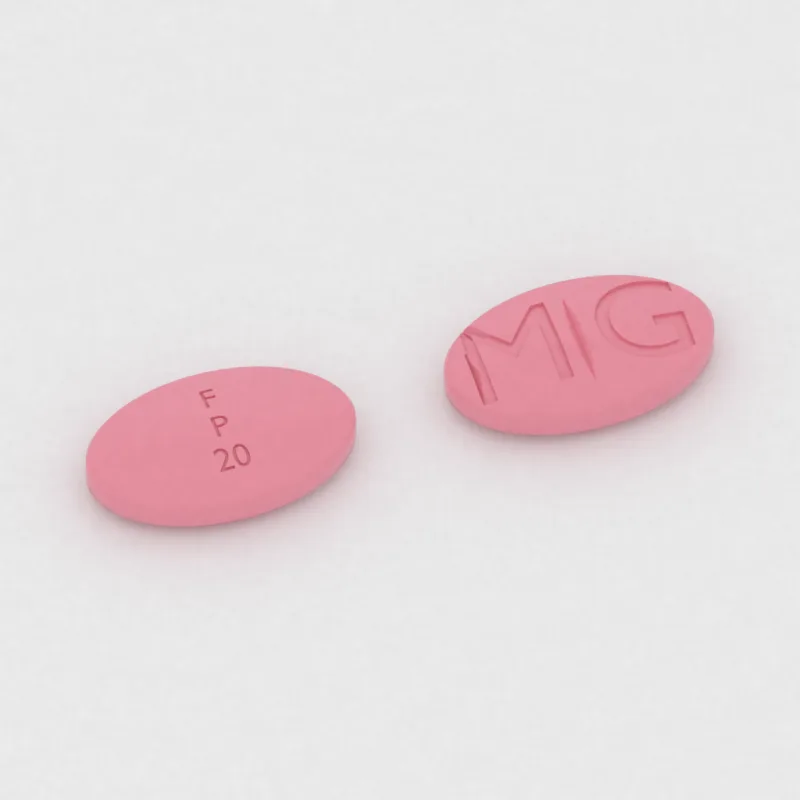
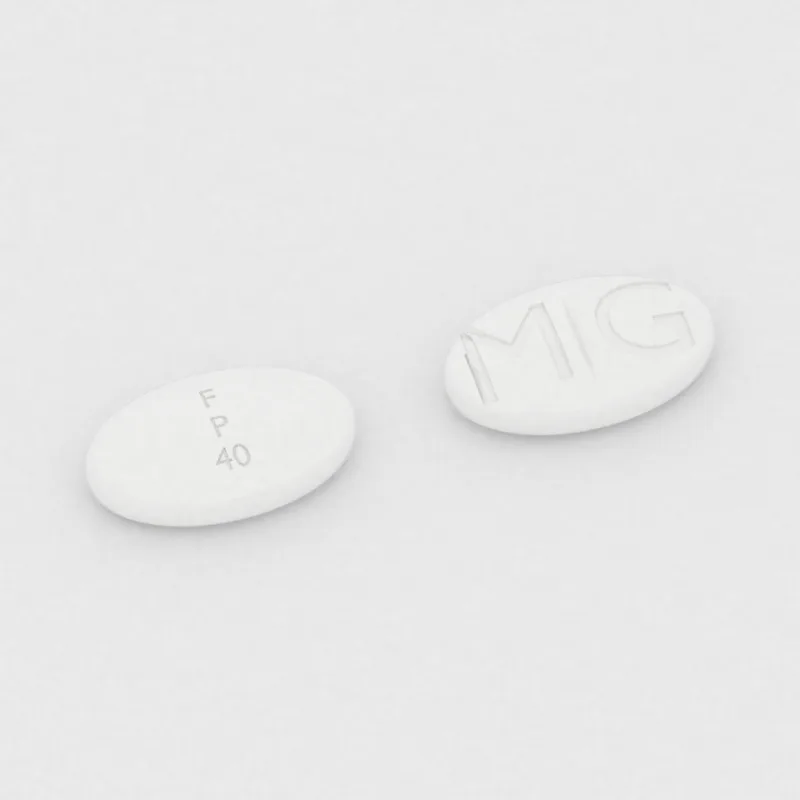

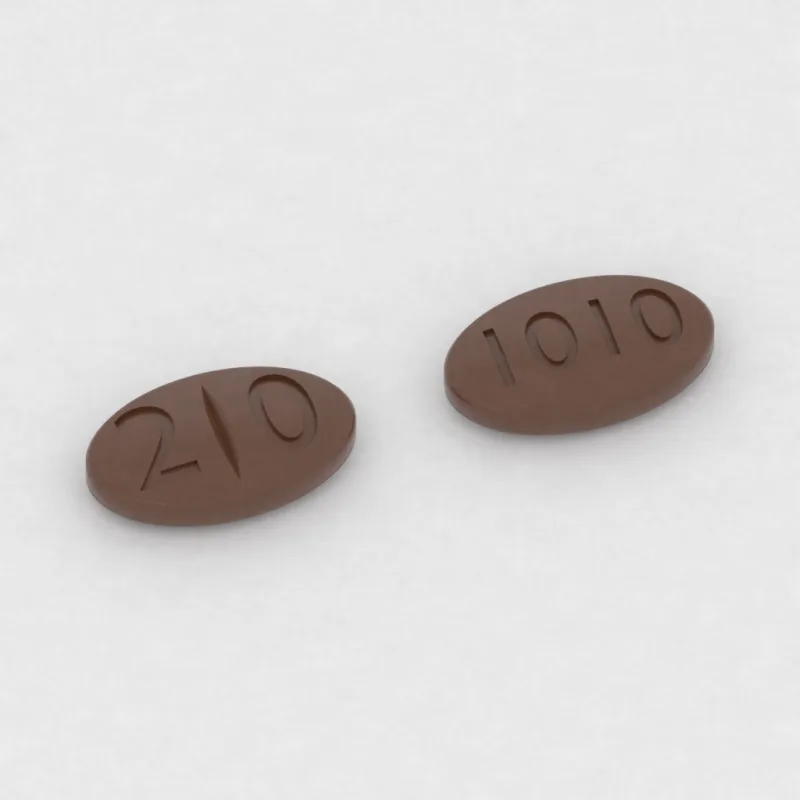
رسوم مُنشأة من قوائم المنتجات في نشرات FDA: اللون والشكل والحجم والنقش. 36 نسخة موثّقة من 19 شركة مسوّقة.
تداخلات من النشرة
تداخلات شديدة (132)
Citalopram Capsules is contraindicated in patients: taking, or within 14 days of stopping, MAOIs (including MAOIs such as linezolid or intravenous methylene blue) because of an increased risk of serotonin syndrome [see Warnings and Precautions ( 5.3 ), Drug Interactions ( 7 )] . taking pimozide because of risk of QT prolongation [see Drug Interactions ( 7 )]… (نشرة سيتالوبرام، موانع الاستعمال)
This risk which can be fatal should be considered in patients with certain cardiovascular disorders including known QT prolongation or history torsades de pointes, those with proarrhythmic conditions, and with other drugs that prolong the QT interval. (نشرة أزيثرومايسين، التحذيرات والاحتياطات)
Serotonin Syndrome: Increased risk when co-administered with other serotonergic agents, but also when taken alone. (نشرة سيتالوبرام، التحذيرات والاحتياطات)
• Serotonergic Drugs: Concomitant use may result in serotonin syndrome. (نشرة البلادونا والأفيون، التداخلات الدوائية)
Serotonin Syndrome: Increased risk when co-administered with other serotonergic agents, but also when taken alone. (نشرة سيتالوبرام، التحذيرات والاحتياطات)
Serotonin Syndrome: Increased risk when co-administered with other serotonergic agents, but also when taken alone. (نشرة سيتالوبرام، التحذيرات والاحتياطات)
Concomitant use of COMPLERA with drugs with a known risk to prolong the QTc interval of the electrocardiogram may increase the risk of Torsade de Pointes. (نشرة إمتريسيتابين وريلبيفيرين وتينوفوفير، التحذيرات والاحتياطات)
Serotonin Syndrome: Increased risk when co-administered with serotonergic agents (e.g., SSRIs, SNRIs, triptans), but also during overdosage situations. (نشرة أمفيتامين، التحذيرات والاحتياطات)
Serotonin Syndrome: Increased risk when coadministered with serotonergic agents (e.g., selective serotonin reuptake inhibitors (SSRIs), serotonin norepinephrine reuptake inhibitors (SNRIs), triptans), but also during overdosage situations. (نشرة أمفيتامين وديكستروأمفيتامين، التحذيرات والاحتياطات)
Serotonin Syndrome: Increased risk when co-administered with other serotonergic agents, but also when taken alone. (نشرة سيتالوبرام، التحذيرات والاحتياطات)
Serotonin Syndrome: Increased risk when co-administered with other serotonergic agents, but also when taken alone. (نشرة سيتالوبرام، التحذيرات والاحتياطات)
Reserve the combination of amiodarone with other antiarrhythmic therapies that prolong the QTc to patients with life-threatening ventricular arrhythmias who are incompletely responsive to a single agent. (نشرة أميودارون، التحذيرات والاحتياطات)
- أوكساليبلاتينشديد
Avoid coadministration of oxaliplatin injection with medicinal products with a known potential to prolong the QT interval. (نشرة أوكساليبلاتين، التداخلات الدوائية)
Serotonergic Drug s: Concomitant use may result in serotonin syndrome. (نشرة أوكسيكودون، التداخلات الدوائية)
Serotonergic Drugs : Concomitant use may result in serotonin syndrome. (نشرة أوكسيمورفون، التداخلات الدوائية)
Serotonin Syndrome: Increased risk when co-administered with other serotonergic agents, but also when taken alone. (نشرة سيتالوبرام، التحذيرات والاحتياطات)
Serotonergic Drugs : Concomitant use may result in serotonin syndrome. (نشرة أوليسيريدين، التداخلات الدوائية)
Avoid use of Citalopram Capsules in CYP2C19 poor metabolizers, patients receiving concomitant cimetidine or another CYP2C19 inhibitor, patients with hepatic impairment, and patients who are greater than 60 years of age, because Citalopram Capsules are only available in a 30 mg dose strength and dosage adjustments are not possible [see Drug Interactions ( 7 ),… (نشرة سيتالوبرام، التحذيرات والاحتياطات)
Avoid use of Citalopram Capsules in CYP2C19 poor metabolizers, patients receiving concomitant cimetidine or another CYP2C19 inhibitor, patients with hepatic impairment, and patients who are greater than 60 years of age, because Citalopram Capsules are only available in a 30 mg dose strength and dosage adjustments are not possible [see Drug Interactions ( 7 ),… (نشرة سيتالوبرام، التحذيرات والاحتياطات)
Serotonin Syndrome: Increased risk when co-administered with other serotonergic agents, but also when taken alone. (نشرة سيتالوبرام، التحذيرات والاحتياطات)
Avoid use of Citalopram Capsules in CYP2C19 poor metabolizers, patients receiving concomitant cimetidine or another CYP2C19 inhibitor, patients with hepatic impairment, and patients who are greater than 60 years of age, because Citalopram Capsules are only available in a 30 mg dose strength and dosage adjustments are not possible [see Drug Interactions ( 7 ),… (نشرة سيتالوبرام، التحذيرات والاحتياطات)
Anticoagulants, Antiplatelets, Thrombolytics, and Selective Serotonin Reuptake Inhibitors (SSRIs)/Serotonin Norepinephrine Reuptake Inhibitors (SNRIs): Avoid concomitant use due to increased risk of bleeding. (نشرة إيدوكسابان، التداخلات الدوائية)
Avoid use of Citalopram Capsules in CYP2C19 poor metabolizers, patients receiving concomitant cimetidine or another CYP2C19 inhibitor, patients with hepatic impairment, and patients who are greater than 60 years of age, because Citalopram Capsules are only available in a 30 mg dose strength and dosage adjustments are not possible [see Drug Interactions ( 7 ),… (نشرة سيتالوبرام، التحذيرات والاحتياطات)
Citalopram Capsules is contraindicated in patients: taking, or within 14 days of stopping, MAOIs (including MAOIs such as linezolid or intravenous methylene blue) because of an increased risk of serotonin syndrome [see Warnings and Precautions ( 5.3 ), Drug Interactions ( 7 )] . taking pimozide because of risk of QT prolongation [see Drug Interactions ( 7 )]… (نشرة سيتالوبرام، موانع الاستعمال)
- إيفابرادينشديد
Bradycardia may increase the risk of QT prolongation which may lead to severe ventricular arrhythmias, including torsade de pointes, especially in patients with risk factors such as use of QTc prolonging drugs [see Adverse Reactions ( 6.2 )] . (نشرة إيفابرادين، التحذيرات والاحتياطات)
Avoid use of Citalopram Capsules in CYP2C19 poor metabolizers, patients receiving concomitant cimetidine or another CYP2C19 inhibitor, patients with hepatic impairment, and patients who are greater than 60 years of age, because Citalopram Capsules are only available in a 30 mg dose strength and dosage adjustments are not possible [see Drug Interactions ( 7 ),… (نشرة سيتالوبرام، التحذيرات والاحتياطات)
Avoid use of Citalopram Capsules in CYP2C19 poor metabolizers, patients receiving concomitant cimetidine or another CYP2C19 inhibitor, patients with hepatic impairment, and patients who are greater than 60 years of age, because Citalopram Capsules are only available in a 30 mg dose strength and dosage adjustments are not possible [see Drug Interactions ( 7 ),… (نشرة سيتالوبرام، التحذيرات والاحتياطات)
Avoid the use of FANAPT in combination with any other drugs that prolong the QT interval [see Warnings and Precautions (5.3) ] . (نشرة إيلوبيريدون، التداخلات الدوائية)
Serotonin Syndrome: Increased risk when co-administered with other serotonergic agents, but also when taken alone. (نشرة سيتالوبرام، التحذيرات والاحتياطات)
Serotonin Syndrome Inform patients that opioids could cause a rare but potentially life-threatening condition resulting from concomitant administration of serotonergic drugs. (نشرة باراسيتامول وكودايين، الاحتياطات)
Serotonin Syndrome: Increased risk when co-administered with other serotonergic agents, but also when taken alone. (نشرة سيتالوبرام، التحذيرات والاحتياطات)
- بازوبانيبشديد
Avoid coadministration of VOTRIENT with drugs known to prolong the QT/QTc interval. (نشرة بازوبانيب، التداخلات الدوائية)
Serotonin Syndrome: Increased risk when co-administered with other serotonergic agents, but also when taken alone. (نشرة سيتالوبرام، التحذيرات والاحتياطات)
• Avoid use with other antiarrhythmic agents or drugs that prolong the QT interval. (نشرة بروبافينون، التحذيرات والاحتياطات)
Serotonin Syndrome: Increased risk when co-administered with other serotonergic agents, but also when taken alone. (نشرة سيتالوبرام، التحذيرات والاحتياطات)
Serotonin Syndrome: Increased risk when co-administered with other serotonergic agents, but also when taken alone. (نشرة سيتالوبرام، التحذيرات والاحتياطات)
Serotonin Syndrome: Increased risk when co-administered with other serotonergic agents, but also when taken alone. (نشرة سيتالوبرام، التحذيرات والاحتياطات)
…prolong, or intensify the sedative action of other central-nervous-system depressants, such as alcohol, sedatives/hypnotics (including barbiturates), narcotics, narcotic analgesics, general anesthetics, tricyclic antidepressants, and tranquilizers; therefore, such agents should be avoided or administered in reduced dosage to patients receiving promethazine HCl. (نشرة بروميثازين، التداخلات الدوائية)
Serotonin Syndrome: Increased risk when co-administered with other serotonergic agents, but also when taken alone. (نشرة سيتالوبرام، التحذيرات والاحتياطات)
Serotonergic Drugs : Concomitant use may result in serotonin syndrome. (نشرة بروميثازين وكودايين، التداخلات الدوائية)
Serotonin Syndrome Inform patients that opioids could cause a rare but potentially life-threatening condition resulting from concomitant administration of serotonergic drugs. (نشرة بنتازوسين ونالوكسون، الاحتياطات)
Serotonergic Drugs : Concomitant use may result in serotonin syndrome. (نشرة بوبرينورفين، التداخلات الدوائية)
Serotonergic Drugs: Concomitant use may result in serotonin syndrome. (نشرة بوبرينورفين ونالوكسون، التداخلات الدوائية)
Intervention: Avoid concomitant use Serotonergic Drugs : Concomitant use may result in serotonin syndrome. (نشرة بوتالبيتال وأسبرين وكافيين وكودايين، التداخلات الدوائية)
• Serotonergic Drugs: Concomitant use may result in serotonin syndrome. (نشرة بوتالبيتال وباراسيتامول وكافيين وكودايين، التداخلات الدوائية)
…medical attention if they experience symptoms of hyperalgesia, including worsening pain, increased sensitivity to pain, or new pain [see WARNINGS ; ADVERSE REACTIONS ]. Serotonin Syndrome Inform patients that butorphanol tartrate could cause a rare but potentially life-threatening condition resulting from concomitant administration of serotonergic drugs. (نشرة بوتورفانول، الاحتياطات)
Serotonin Syndrome: Increased risk when co-administered with other serotonergic agents, but also when taken alone. (نشرة سيتالوبرام، التحذيرات والاحتياطات)
The use of WAKIX should be avoided in patients with known QT prolongation or in combination with other drugs known to prolong the QT interval [see Drug Interactions ( 7.1 )]. (نشرة بيتوليسانت، التحذيرات والاحتياطات)
Serotonin Syndrome: Increased risk when co-administered with other serotonergic agents, but also when taken alone. (نشرة سيتالوبرام، التحذيرات والاحتياطات)
…(including MAOIs such as linezolid or intravenous methylene blue) because of an increased risk of serotonin syndrome [see Warnings and Precautions ( 5.3 ), Drug Interactions ( 7 )] . taking pimozide because of risk of QT prolongation [see Drug Interactions ( 7 )] . with known hypersensitivity to citalopram or any of the inactive ingredients in Citalopram Capsules. (نشرة سيتالوبرام، موانع الاستعمال)
Serotonin Syndrome: Increased risk when co-administered with other serotonergic agents, but also when taken alone. (نشرة سيتالوبرام، التحذيرات والاحتياطات)
Serotonin Syndrome: Increased risk when co-administered with other serotonergic agents, but also when taken alone. (نشرة سيتالوبرام، التحذيرات والاحتياطات)
Serotonin Syndrome: Increased risk when co-administered with other serotonergic agents, but also when taken alone. (نشرة سيتالوبرام، التحذيرات والاحتياطات)
Serotonin Syndrome: Increased risk when co-administered with other serotonergic agents, but also when taken alone. (نشرة سيتالوبرام، التحذيرات والاحتياطات)
Citalopram Capsules is contraindicated in patients: taking, or within 14 days of stopping, MAOIs (including MAOIs such as linezolid or intravenous methylene blue) because of an increased risk of serotonin syndrome [see Warnings and Precautions ( 5.3 ), Drug Interactions ( 7 )] . taking pimozide because of risk of QT prolongation [see Drug Interactions ( 7 )]… (نشرة سيتالوبرام، موانع الاستعمال)
Serotonin Syndrome: Increased risk when co-administered with other serotonergic agents, but also when taken alone. (نشرة سيتالوبرام، التحذيرات والاحتياطات)
Avoid use of Citalopram Capsules in CYP2C19 poor metabolizers, patients receiving concomitant cimetidine or another CYP2C19 inhibitor, patients with hepatic impairment, and patients who are greater than 60 years of age, because Citalopram Capsules are only available in a 30 mg dose strength and dosage adjustments are not possible [see Drug Interactions ( 7 ),… (نشرة سيتالوبرام، التحذيرات والاحتياطات)
Certain conditions may increase the risk for torsade de pointes or sudden death such as (1) bradycardia; (2) hypokalemia or hypomagnesemia; (3) concomitant use of other drugs that prolong the QTc interval; and (4) presence of congenital prolongation of the QT interval [see Warnings and Precautions ( 5.8 ), Clinical Pharmacology (12.2) ]. (نشرة تيترابينازين، التداخلات الدوائية)
CONTRAINDICATIONS Thioridazine hydrochloride tablet use should be avoided in combination with other drugs that are known to prolong the QTc interval and in patients with congenital long QT syndrome or a history of cardiac arrhythmias. (نشرة ثيوريدازين، موانع الاستعمال)
…(12.3) ] • Concomitant use of drugs or herbal products that prolong the QT interval and might increase the risk of torsade de pointes, such as phenothiazine antipsychotics, tricyclic antidepressants, certain oral macrolide antibiotics, and Class I and III antiarrhythmics • Liver or lung toxicity related to the previous use of amiodarone • QTc interval >500 ms or… (نشرة درونيدارون، موانع الاستعمال)
Use with Drugs that Prolong QT Interval and Antiarrhythmic Agents The use of dofetilide in conjunction with other drugs that prolong the QT interval has not been studied and is not recommended. (نشرة دوفيتيليد، التحذيرات)
Serotonin Syndrome: Increased risk when co-administered with other serotonergic agents, but also when taken alone. (نشرة سيتالوبرام، التحذيرات والاحتياطات)
Serotonin Syndrome: Increased risk when co-administered with other serotonergic agents, but also when taken alone. (نشرة سيتالوبرام، التحذيرات والاحتياطات)
Serotonin Syndrome: Increased risk when co-administered with other serotonergic agents, but also when taken alone. (نشرة سيتالوبرام، التحذيرات والاحتياطات)
Serotonin Syndrome: Increased risk when co-administered with other serotonergic agents, but also when taken alone. (نشرة سيتالوبرام، التحذيرات والاحتياطات)
Serotonergic Drugs The concomitant use of dextroamphetamine sulfate and serotonergic drugs increases the risk of serotonin syndrome. (نشرة ديكستروأمفيتامين، التداخلات الدوائية)
Serotonin Syndrome: Increased risk when co-administered with other serotonergic agents, but also when taken alone. (نشرة سيتالوبرام، التحذيرات والاحتياطات)
Serotonin Syndrome: Increased risk when co-administered with other serotonergic agents, but also when taken alone. (نشرة سيتالوبرام، التحذيرات والاحتياطات)
Serotonin Syndrome: Increased risk when co-administered with other serotonergic agents, but also when taken alone. (نشرة سيتالوبرام، التحذيرات والاحتياطات)
Citalopram Capsules is contraindicated in patients: taking, or within 14 days of stopping, MAOIs (including MAOIs such as linezolid or intravenous methylene blue) because of an increased risk of serotonin syndrome [see Warnings and Precautions ( 5.3 ), Drug Interactions ( 7 )] . taking pimozide because of risk of QT prolongation [see Drug Interactions ( 7 )]… (نشرة سيتالوبرام، موانع الاستعمال)
Serotonin Syndrome: Increased risk when co-administered with other serotonergic agents, but also when taken alone. (نشرة سيتالوبرام، التحذيرات والاحتياطات)
• Serotonin Syndrome : Potentially life-threatening condition could result from concomitant serotonergic drug administration. (نشرة ريميفنتانيل، التحذيرات والاحتياطات)
Serotonin Syndrome: Increased risk when co-administered with other serotonergic agents, but also when taken alone. (نشرة سيتالوبرام، التحذيرات والاحتياطات)
…drugs, ziprasidone is contraindicated: • in patients with a known history of QT prolongation (including congenital long QT syndrome) • in patients with recent acute myocardial infarction • in patients with uncompensated heart failure Pharmacokinetic/pharmacodynamic studies between ziprasidone and other drugs that prolong the QT interval have not been performed. (نشرة زيبراسيدون، موانع الاستعمال)
Serotonin Syndrome: Increased risk when co-administered with other serotonergic agents, but also when taken alone. (نشرة سيتالوبرام، التحذيرات والاحتياطات)
Serotonin Syndrome: Increased risk when co-administered with other serotonergic agents, but also when taken alone. (نشرة سيتالوبرام، التحذيرات والاحتياطات)
Serotonin Syndrome: Increased risk when co-administered with other serotonergic agents, but also when taken alone. (نشرة سيتالوبرام، التحذيرات والاحتياطات)
Avoid use in patients with known prolongation, those with hypokalemia, and with other drugs that prolong the QT interval. (نشرة سيبروفلوكساسين، التحذيرات والاحتياطات)
Serotonin Syndrome: Increased risk when co-administered with other serotonergic agents, but also when taken alone. (نشرة سيتالوبرام، التحذيرات والاحتياطات)
Serotonin Syndrome: Increased risk when co-administered with other serotonergic agents, but also when taken alone. (نشرة سيتالوبرام، التحذيرات والاحتياطات)
Citalopram Capsules is contraindicated in patients: taking, or within 14 days of stopping, MAOIs (including MAOIs such as linezolid or intravenous methylene blue) because of an increased risk of serotonin syndrome [see Warnings and Precautions ( 5.3 ), Drug Interactions ( 7 )] . taking pimozide because of risk of QT prolongation [see Drug Interactions ( 7 )]… (نشرة سيتالوبرام، موانع الاستعمال)
Avoid use of Citalopram Capsules in CYP2C19 poor metabolizers, patients receiving concomitant cimetidine or another CYP2C19 inhibitor, patients with hepatic impairment, and patients who are greater than 60 years of age, because Citalopram Capsules are only available in a 30 mg dose strength and dosage adjustments are not possible [see Drug Interactions ( 7 ),… (نشرة سيتالوبرام، التحذيرات والاحتياطات)
Avoid use of Citalopram Capsules in CYP2C19 poor metabolizers, patients receiving concomitant cimetidine or another CYP2C19 inhibitor, patients with hepatic impairment, and patients who are greater than 60 years of age, because Citalopram Capsules are only available in a 30 mg dose strength and dosage adjustments are not possible [see Drug Interactions ( 7 ),… (نشرة سيتالوبرام، التحذيرات والاحتياطات)
Serotonin Syndrome: Increased risk when co-administered with other serotonergic agents, but also when taken alone. (نشرة سيتالوبرام، التحذيرات والاحتياطات)
Serotonin Syndrome: Increased risk when co-administered with other serotonergic agents, but also when taken alone. (نشرة سيتالوبرام، التحذيرات والاحتياطات)
Serotonin Syndrome: Increased risk when co-administered with other serotonergic agents, but also when taken alone. (نشرة سيتالوبرام، التحذيرات والاحتياطات)
Serotonin Syndrome: Increased risk when co-administered with other serotonergic agents, but also when taken alone. (نشرة سيتالوبرام، التحذيرات والاحتياطات)
Avoid use of Citalopram Capsules in CYP2C19 poor metabolizers, patients receiving concomitant cimetidine or another CYP2C19 inhibitor, patients with hepatic impairment, and patients who are greater than 60 years of age, because Citalopram Capsules are only available in a 30 mg dose strength and dosage adjustments are not possible [see Drug Interactions ( 7 ),… (نشرة سيتالوبرام، التحذيرات والاحتياطات)
THESE ARE MOST FREQUENT IN PATIENTS WHO HAVE BEEN ON BENZODIAZEPINES FOR LONG-TERM SEDATION OR IN OVERDOSE CASES WHERE PATIENTS ARE SHOWING SIGNS OF SERIOUS CYCLIC ANTIDEPRESSANT OVERDOSE. (نشرة فلومازينيل، تحذير مؤطر)
Serotonin Syndrome: Increased risk when co-administered with other serotonergic agents, but also when taken alone. (نشرة سيتالوبرام، التحذيرات والاحتياطات)
• Serotonin Syndrome : Potentially life-threatening condition could result from concomitant serotonergic drug administration. (نشرة فنتانيل، التحذيرات والاحتياطات)
Serotonin Syndrome: Increased risk when co-administered with other serotonergic agents, but also when taken alone. (نشرة سيتالوبرام، التحذيرات والاحتياطات)
Avoid use of Citalopram Capsules in CYP2C19 poor metabolizers, patients receiving concomitant cimetidine or another CYP2C19 inhibitor, patients with hepatic impairment, and patients who are greater than 60 years of age, because Citalopram Capsules are only available in a 30 mg dose strength and dosage adjustments are not possible [see Drug Interactions ( 7 ),… (نشرة سيتالوبرام، التحذيرات والاحتياطات)
Avoid co-administration of CONTEPO with drugs known to prolong the QT interval. (نشرة فوسفومايسين، التداخلات الدوائية)
(See DOSAGE and ADMINISTRATION. ) Because of the risk of QT prolongation and the potential for torsades de pointes, the use of FOSCAVIR should be avoided in combination with agents known to prolong the QT interval including Class IA (e.g., quinidine or procainamide) or Class III (e.g., dofetilide, amiodarone, sotalol) antiarrhythmic agents, phenothiazines, tricyclic… (نشرة فوسكارنت، التداخلات الدوائية)
- فيبديغيسترانتشديد
Avoid concomitant use of VEPPANU with strong CYP3A inhibitors or drugs known to prolong the QTc interval. (نشرة فيبديغيسترانت، التحذيرات والاحتياطات)
Serotonin Syndrome: Increased risk when co-administered with other serotonergic agents, but also when taken alone. (نشرة سيتالوبرام، التحذيرات والاحتياطات)
Avoid use of Citalopram Capsules in CYP2C19 poor metabolizers, patients receiving concomitant cimetidine or another CYP2C19 inhibitor, patients with hepatic impairment, and patients who are greater than 60 years of age, because Citalopram Capsules are only available in a 30 mg dose strength and dosage adjustments are not possible [see Drug Interactions ( 7 ),… (نشرة سيتالوبرام، التحذيرات والاحتياطات)
…6-hour observation, or at additional risk for QT prolongation (e.g., hypokalemia, hypomagnesemia, congenital long-QT syndrome), or on concurrent therapy with QT prolonging drugs with a known risk of torsades de pointes (e.g., citalopram, chlorpromazine, haloperidol, methadone, erythromycin) should be monitored overnight with continuous ECG in a medical facility. (نشرة فينغوليمود، التحذيرات والاحتياطات)
Serotonin Syndrome: Increased risk when co-administered with other serotonergic agents, but also when taken alone. (نشرة سيتالوبرام، التحذيرات والاحتياطات)
Drugs that Prolong the QT Interval : Avoid concomitant use. (نشرة فينوباربيتال، التداخلات الدوائية)
Citalopram Capsules is contraindicated in patients: taking, or within 14 days of stopping, MAOIs (including MAOIs such as linezolid or intravenous methylene blue) because of an increased risk of serotonin syndrome [see Warnings and Precautions ( 5.3 ), Drug Interactions ( 7 )] . taking pimozide because of risk of QT prolongation [see Drug Interactions ( 7 )]… (نشرة سيتالوبرام، موانع الاستعمال)
Known hypersensitivity to tricyclic antidepressants ( 4 ) (نشرة كاربامازيبين، موانع الاستعمال)
Avoid use of Citalopram Capsules in CYP2C19 poor metabolizers, patients receiving concomitant cimetidine or another CYP2C19 inhibitor, patients with hepatic impairment, and patients who are greater than 60 years of age, because Citalopram Capsules are only available in a 30 mg dose strength and dosage adjustments are not possible [see Drug Interactions ( 7 ),… (نشرة سيتالوبرام، التحذيرات والاحتياطات)
Serotonin Syndrome: Increased risk when co-administered with other serotonergic agents, but also when taken alone. (نشرة سيتالوبرام، التحذيرات والاحتياطات)
• Serotonergic Drugs: Concomitant use may result in serotonin syndrome. (نشرة كودايين، التداخلات الدوائية)
LOREEV XR should not be used in such patients without adequate antidepressant therapy. (نشرة لورازيبام، التحذيرات والاحتياطات)
Serotonin Syndrome: Increased risk when co-administered with other serotonergic agents, but also when taken alone. (نشرة سيتالوبرام، التحذيرات والاحتياطات)
Serotonin Syndrome: Increased risk when co-administered with serotonergic agents (e.g., SSRIs, SNRIs, triptans), but also during overdosage situations. (نشرة ليسديكسامفيتامين، التحذيرات والاحتياطات)
Serotonin Syndrome Inform patients that opioids could cause a rare but potentially life-threatening condition resulting from concomitant administration of serotonergic drugs. (نشرة ليفورفانول، الاحتياطات)
Avoid use in patients with known prolongation, those with hypokalemia, and with other drugs that prolong the QT interval ( 5.11 , 8.5 ) (نشرة ليفوفلوكساسين، التحذيرات والاحتياطات)
Serotonin Syndrome: Increased risk when co-administered with other serotonergic agents, but also when taken alone. (نشرة سيتالوبرام، التحذيرات والاحتياطات)
Citalopram Capsules is contraindicated in patients: taking, or within 14 days of stopping, MAOIs (including MAOIs such as linezolid or intravenous methylene blue) because of an increased risk of serotonin syndrome [see Warnings and Precautions ( 5.3 ), Drug Interactions ( 7 )] . taking pimozide because of risk of QT prolongation [see Drug Interactions ( 7 )]… (نشرة سيتالوبرام، موانع الاستعمال)
• Serotonergic Drugs: Concomitant use may result in serotonin syndrome. (نشرة مورفين، التداخلات الدوائية)
Serotonin syndrome has resulted from concomitant use of metaxalone (within the recommended dosage range) and other serotonergic drugs [see Warnings and Precautions (5.1) ]. (نشرة ميتاكسالون، التداخلات الدوائية)
Serotonin Syndrome : Potentially life-threatening condition could result from concomitant serotonergic drug administration. (نشرة ميثادون، التحذيرات والاحتياطات)
Serotonin Syndrome: Increased risk when coadministered with serotonergic agents (e.g., SSRIs, SNRIs, triptans), but also during overdosage situations. (نشرة ميثامفيتامين، التحذيرات والاحتياطات)
Serotonin Syndrome: Increased risk when co-administered with other serotonergic agents, but also when taken alone. (نشرة سيتالوبرام، التحذيرات والاحتياطات)
Serotonin Syndrome: Increased risk when co-administered with other serotonergic agents, but also when taken alone. (نشرة سيتالوبرام، التحذيرات والاحتياطات)
Avoid use of Citalopram Capsules in CYP2C19 poor metabolizers, patients receiving concomitant cimetidine or another CYP2C19 inhibitor, patients with hepatic impairment, and patients who are greater than 60 years of age, because Citalopram Capsules are only available in a 30 mg dose strength and dosage adjustments are not possible [see Drug Interactions ( 7 ),… (نشرة سيتالوبرام، التحذيرات والاحتياطات)
Serotonin Syndrome: Increased risk when co-administered with other serotonergic agents, but also when taken alone. (نشرة سيتالوبرام، التحذيرات والاحتياطات)
الجمع بين نبتة سانت جون ومضادات الاكتئاب والأدوية السيروتونينية الأخرى يزيد خطر متلازمة السيروتونين. (NCCIH, St. John's Wort)
Serotonin Syndrome: Increased risk when co-administered with other serotonergic agents, but also when taken alone. (نشرة سيتالوبرام، التحذيرات والاحتياطات)
Serotonin Syndrome: Increased risk when co-administered with other serotonergic agents, but also when taken alone. (نشرة سيتالوبرام، التحذيرات والاحتياطات)
Therefore, PLAQUENIL is not recommended in patients taking other drugs that have the potential to prolong the QT interval. (نشرة هيدروكسي كلوروكين، التحذيرات والاحتياطات)
Example: lactulose Serotonergic Drugs : Concomitant use may result in serotonin syndrome. (نشرة هيدروكودون، التداخلات الدوائية)
S er otonin Syndrome Inform patients that opioids could cause a rare but potentially life-threatening condition resulting from concomitant administration of serotonergic drugs. (نشرة هيدروكودون وإيبوبروفين، الاحتياطات)
Serotonin Syndrome Inform patients that hydrocodone bitartrate and acetaminophen tablets could cause a rare but potentially life-threatening condition resulting from concomitant administration of serotonergic drugs. (نشرة هيدروكودون وباراسيتامول، الاحتياطات)
Serotonergic drugs : Concomitant use may result in serotonin syndrome. (نشرة هيدروكودون وكلورفينيرامين، التداخلات الدوائية)
Serotonergic Drugs : Concomitant use may result in serotonin syndrome. (نشرة هيدروكودون وهوماتروبين، التداخلات الدوائية)
• Serotonergic Drugs : Concomitant use may result in serotonin syndrome. (نشرة هيدرومورفون، التداخلات الدوائية)
تداخلات متوسطة (230)
Increased Risk of Bleeding: Concomitant use of aspirin, nonsteroidal anti-inflammatory drugs, other antiplatelet drugs, warfarin, and other anticoagulants may increase this risk. (نشرة سيتالوبرام، التحذيرات والاحتياطات)
Monoamine Oxidase Inhibitors or Tricyclic Antidepressants Ipratropium Bromide and Albuterol Sulfate Inhalation Solution should be administered with extreme caution to patients being treated with monoamine oxidase inhibitors or tricyclic antidepressants, or within 2 weeks of discontinuation of such agents because the action of albuterol sulfate on the cardiovascular… (نشرة إبراتروبيوم وسالبوتامول، التداخلات الدوائية)
Elderly patients, patients taking diuretics, and those who are volume depleted may be at greater risk for developing hyponatremia with SSRIs [see Use in Specific Populations ( 8.5 )] . (نشرة سيتالوبرام، التحذيرات والاحتياطات)
Increased Risk of Bleeding: Concomitant use of aspirin, nonsteroidal anti-inflammatory drugs, other antiplatelet drugs, warfarin, and other anticoagulants may increase this risk. (نشرة سيتالوبرام، التحذيرات والاحتياطات)
Elderly patients, patients taking diuretics, and those who are volume depleted may be at greater risk for developing hyponatremia with SSRIs [see Use in Specific Populations ( 8.5 )] . (نشرة سيتالوبرام، التحذيرات والاحتياطات)
• Drugs that potentiate the effects of epinephrine include sympathomimetics, beta blockers, tricyclic antidepressants, MAO inhibitors, COMT inhibitors, clonidine, doxapram, oxytocin, levothyroxine sodium, and certain antihistamines. (نشرة أدرينالين، التداخلات الدوائية)
Such drugs include Class 1A (e.g., quinidine, procainamide) or Class III (e.g., amiodarone, sotalol) antiarrhythmic medications, antipsychotic medications (e.g., chlorpromazine, thioridazine), antibiotics (e.g., gatifloxacin, moxifloxacin), or any other class of medications known to prolong the QTc interval (e.g., pentamidine, levomethadyl acetate, methadone). (نشرة سيتالوبرام، التحذيرات والاحتياطات)
Elderly patients, patients taking diuretics, and those who are volume depleted may be at greater risk for developing hyponatremia with SSRIs [see Use in Specific Populations ( 8.5 )] . (نشرة سيتالوبرام، التحذيرات والاحتياطات)
The administration of local anesthetic solutions containing epinephrine to patients receiving monoamine oxidase inhibitors, nonselective beta-adrenergic antagonists, or tricyclic antidepressants may produce severe, prolonged hypertension. (نشرة أرتيكايين وأدرينالين، التداخلات الدوائية)
Increased Risk of Bleeding: Concomitant use of aspirin, nonsteroidal anti-inflammatory drugs, other antiplatelet drugs, warfarin, and other anticoagulants may increase this risk. (نشرة سيتالوبرام، التحذيرات والاحتياطات)
The risk is increased with concomitant use of other serotonergic drugs (including triptans, tricyclic antidepressants, fentanyl, lithium, tramadol, meperidine, methadone, tryptophan, buspirone, amphetamines, and St. (نشرة سيتالوبرام، التحذيرات والاحتياطات)
MAO inhibitors, tricyclic antidepressants and drugs that prolong the QTc interval may potentiate effect on the cardiovascular system. (نشرة أرفورموتيرول، التداخلات الدوائية)
The risk is increased with concomitant use of other serotonergic drugs (including triptans, tricyclic antidepressants, fentanyl, lithium, tramadol, meperidine, methadone, tryptophan, buspirone, amphetamines, and St. (نشرة سيتالوبرام، التحذيرات والاحتياطات)
Such drugs include Class 1A (e.g., quinidine, procainamide) or Class III (e.g., amiodarone, sotalol) antiarrhythmic medications, antipsychotic medications (e.g., chlorpromazine, thioridazine), antibiotics (e.g., gatifloxacin, moxifloxacin), or any other class of medications known to prolong the QTc interval (e.g., pentamidine, levomethadyl acetate, methadone). (نشرة سيتالوبرام، التحذيرات والاحتياطات)
Avoid use of Citalopram Capsules in patients with congenital long QT syndrome, bradycardia, hypokalemia or hypomagnesemia, recent acute myocardial infarction, or uncompensated heart failure and patients taking other drugs that prolong the QTc interval. (نشرة سيتالوبرام، التحذيرات والاحتياطات)
Increased Risk of Bleeding: Concomitant use of aspirin, nonsteroidal anti-inflammatory drugs, other antiplatelet drugs, warfarin, and other anticoagulants may increase this risk. (نشرة سيتالوبرام، التحذيرات والاحتياطات)
Increased Risk of Bleeding: Concomitant use of aspirin, nonsteroidal anti-inflammatory drugs, other antiplatelet drugs, warfarin, and other anticoagulants may increase this risk. (نشرة سيتالوبرام، التحذيرات والاحتياطات)
Additive effects occur with concomitant use of other CNS depressants (e.g., benzodiazepines, opioids, tricyclic antidepressants, alcohol), including daytime use. (نشرة إسزوبيكلون، التحذيرات والاحتياطات)
Such drugs include Class 1A (e.g., quinidine, procainamide) or Class III (e.g., amiodarone, sotalol) antiarrhythmic medications, antipsychotic medications (e.g., chlorpromazine, thioridazine), antibiotics (e.g., gatifloxacin, moxifloxacin), or any other class of medications known to prolong the QTc interval (e.g., pentamidine, levomethadyl acetate, methadone). (نشرة سيتالوبرام، التحذيرات والاحتياطات)
Elderly patients, patients taking diuretics, and those who are volume depleted may be at greater risk for developing hyponatremia with SSRIs [see Use in Specific Populations ( 8.5 )] . (نشرة سيتالوبرام، التحذيرات والاحتياطات)
Avoid use of Citalopram Capsules in patients with congenital long QT syndrome, bradycardia, hypokalemia or hypomagnesemia, recent acute myocardial infarction, or uncompensated heart failure and patients taking other drugs that prolong the QTc interval. (نشرة سيتالوبرام، التحذيرات والاحتياطات)
Avoid use of Citalopram Capsules in patients with congenital long QT syndrome, bradycardia, hypokalemia or hypomagnesemia, recent acute myocardial infarction, or uncompensated heart failure and patients taking other drugs that prolong the QTc interval. (نشرة سيتالوبرام، التحذيرات والاحتياطات)
Antidepressants: Selective Serotonin Reuptake Inhibitors (SSRIs) e.g., paroxetine Tricyclic Antidepressants (TCAs) e.g., amitriptyline desipramine imipramine nortriptyline bupropion trazodone ↑ SSRIs (except sertraline) ↑ TCAs ↑ trazodone Careful dosage titration of the antidepressant and monitoring for antidepressant response are recommended when coadministered… (نشرة إلفيتيغرافير وكوبيسيستات وإمتريسيتابين وتينوفوفير، التداخلات الدوائية)
Elderly patients, patients taking diuretics, and those who are volume depleted may be at greater risk for developing hyponatremia with SSRIs [see Use in Specific Populations ( 8.5 )] . (نشرة سيتالوبرام، التحذيرات والاحتياطات)
Avoid use of Citalopram Capsules in patients with congenital long QT syndrome, bradycardia, hypokalemia or hypomagnesemia, recent acute myocardial infarction, or uncompensated heart failure and patients taking other drugs that prolong the QTc interval. (نشرة سيتالوبرام، التحذيرات والاحتياطات)
Elderly patients, patients taking diuretics, and those who are volume depleted may be at greater risk for developing hyponatremia with SSRIs [see Use in Specific Populations ( 8.5 )] . (نشرة سيتالوبرام، التحذيرات والاحتياطات)
Elderly patients, patients taking diuretics, and those who are volume depleted may be at greater risk for developing hyponatremia with SSRIs [see Use in Specific Populations ( 8.5 )] . (نشرة سيتالوبرام، التحذيرات والاحتياطات)
Increased Risk of Bleeding: Concomitant use of aspirin, nonsteroidal anti-inflammatory drugs, other antiplatelet drugs, warfarin, and other anticoagulants may increase this risk. (نشرة سيتالوبرام، التحذيرات والاحتياطات)
Increased Risk of Bleeding: Concomitant use of aspirin, nonsteroidal anti-inflammatory drugs, other antiplatelet drugs, warfarin, and other anticoagulants may increase this risk. (نشرة سيتالوبرام، التحذيرات والاحتياطات)
Avoid use of Citalopram Capsules in patients with congenital long QT syndrome, bradycardia, hypokalemia or hypomagnesemia, recent acute myocardial infarction, or uncompensated heart failure and patients taking other drugs that prolong the QTc interval. (نشرة سيتالوبرام، التحذيرات والاحتياطات)
Increased Risk of Bleeding: Concomitant use of aspirin, nonsteroidal anti-inflammatory drugs, other antiplatelet drugs, warfarin, and other anticoagulants may increase this risk. (نشرة سيتالوبرام، التحذيرات والاحتياطات)
The concurrent use of Xyrem with other CNS depressants, including but not limited to opioid analgesics, benzodiazepines, sedating antidepressants or antipsychotics, sedating anti-epileptic drugs, general anesthetics, muscle relaxants, and/or illicit CNS depressants, may increase the risk of respiratory depression, hypotension, profound sedation, syncope, and… (نشرة أوكسيبات الصوديوم، التحذيرات والاحتياطات)
Such drugs include Class 1A (e.g., quinidine, procainamide) or Class III (e.g., amiodarone, sotalol) antiarrhythmic medications, antipsychotic medications (e.g., chlorpromazine, thioridazine), antibiotics (e.g., gatifloxacin, moxifloxacin), or any other class of medications known to prolong the QTc interval (e.g., pentamidine, levomethadyl acetate, methadone). (نشرة سيتالوبرام، التحذيرات والاحتياطات)
Elderly patients, patients taking diuretics, and those who are volume depleted may be at greater risk for developing hyponatremia with SSRIs [see Use in Specific Populations ( 8.5 )] . (نشرة سيتالوبرام، التحذيرات والاحتياطات)
Elderly patients, patients taking diuretics, and those who are volume depleted may be at greater risk for developing hyponatremia with SSRIs [see Use in Specific Populations ( 8.5 )] . (نشرة سيتالوبرام، التحذيرات والاحتياطات)
• Monoamine oxidase inhibitors and tricyclic antidepressants: Use with extreme caution. (نشرة أوميكليدينيوم وفيلانتيرول، التداخلات الدوائية)
Increased Risk of Bleeding: Concomitant use of aspirin, nonsteroidal anti-inflammatory drugs, other antiplatelet drugs, warfarin, and other anticoagulants may increase this risk. (نشرة سيتالوبرام، التحذيرات والاحتياطات)
Increased Risk of Bleeding: Concomitant use of aspirin, nonsteroidal anti-inflammatory drugs, other antiplatelet drugs, warfarin, and other anticoagulants may increase this risk. (نشرة سيتالوبرام، التحذيرات والاحتياطات)
Avoid use of Citalopram Capsules in patients with congenital long QT syndrome, bradycardia, hypokalemia or hypomagnesemia, recent acute myocardial infarction, or uncompensated heart failure and patients taking other drugs that prolong the QTc interval. (نشرة سيتالوبرام، التحذيرات والاحتياطات)
SSRIs, Tricyclics and Related Antidepressants Venlafaxine Monitor for adverse reactions. (نشرة إيتراكونازول، التداخلات الدوائية)
Increased Risk of Bleeding: Concomitant use of aspirin, nonsteroidal anti-inflammatory drugs, other antiplatelet drugs, warfarin, and other anticoagulants may increase this risk. (نشرة سيتالوبرام، التحذيرات والاحتياطات)
- إيريبولينمتوسط
QT Prolongation: Monitor for prolonged QT intervals in patients with congestive heart failure, bradyarrhythmias, drugs known to prolong the QT interval, and electrolyte abnormalities. (نشرة إيريبولين، التحذيرات والاحتياطات)
Drugs that may potentiate clinical response of Isoproterenol Clinical Impact The effects of isoproterenol may be potentiated by tricyclic antidepressants, monoamine oxidase inhibitors, levothyroxine sodium, and certain antihistamines, notably chlorpheniramine, tripelennamine, and diphenhydramine. (نشرة إيزوبرينالين، التداخلات الدوائية)
Monitor QT interval when administering FORANE to susceptible patients (e.g., patients with congenital Long QT Syndrome or patients taking drugs that can prolong the QT interval). (نشرة إيزوفلوران، التحذيرات والاحتياطات)
Increased Risk of Bleeding: Concomitant use of aspirin, nonsteroidal anti-inflammatory drugs, other antiplatelet drugs, warfarin, and other anticoagulants may increase this risk. (نشرة سيتالوبرام، التحذيرات والاحتياطات)
Increased Risk of Bleeding: Concomitant use of aspirin, nonsteroidal anti-inflammatory drugs, other antiplatelet drugs, warfarin, and other anticoagulants may increase this risk. (نشرة سيتالوبرام، التحذيرات والاحتياطات)
- باسيريوتيدمتوسط
Drugs that Prolong QT: Use with caution in patients who are at significant risk of developing QTc prolongation. (نشرة باسيريوتيد، التداخلات الدوائية)
Avoid use of Citalopram Capsules in patients with congenital long QT syndrome, bradycardia, hypokalemia or hypomagnesemia, recent acute myocardial infarction, or uncompensated heart failure and patients taking other drugs that prolong the QTc interval. (نشرة سيتالوبرام، التحذيرات والاحتياطات)
Increased Risk of Bleeding: Concomitant use of aspirin, nonsteroidal anti-inflammatory drugs, other antiplatelet drugs, warfarin, and other anticoagulants may increase this risk. (نشرة سيتالوبرام، التحذيرات والاحتياطات)
Avoid use of Citalopram Capsules in patients with congenital long QT syndrome, bradycardia, hypokalemia or hypomagnesemia, recent acute myocardial infarction, or uncompensated heart failure and patients taking other drugs that prolong the QTc interval. (نشرة سيتالوبرام، التحذيرات والاحتياطات)
Such drugs include Class 1A (e.g., quinidine, procainamide) or Class III (e.g., amiodarone, sotalol) antiarrhythmic medications, antipsychotic medications (e.g., chlorpromazine, thioridazine), antibiotics (e.g., gatifloxacin, moxifloxacin), or any other class of medications known to prolong the QTc interval (e.g., pentamidine, levomethadyl acetate, methadone). (نشرة سيتالوبرام، التحذيرات والاحتياطات)
Such drugs include Class 1A (e.g., quinidine, procainamide) or Class III (e.g., amiodarone, sotalol) antiarrhythmic medications, antipsychotic medications (e.g., chlorpromazine, thioridazine), antibiotics (e.g., gatifloxacin, moxifloxacin), or any other class of medications known to prolong the QTc interval (e.g., pentamidine, levomethadyl acetate, methadone). (نشرة سيتالوبرام، التحذيرات والاحتياطات)
…Anticonvulsants phenobarbital, phenytoin, sodium valproate Other drugs acetaminophen, metoclopramide, quinine, sulfasalazine The administration of local anesthetic injections containing epinephrine or norepinephrine to patients receiving monoamine oxidase inhibitors, tricyclic antidepressants or phenothiazines may produce severe, prolonged hypotension or hypertension. (نشرة بريلوكايين وأدرينالين، التداخلات الدوائية)
QT Interval Prolonging Drugs The pharmacodynamic interaction potential to prolong the QT interval of the electrocardiogram between Primaquine phosphate Tablets and other drugs that effect cardiac conduction is unknown. (نشرة بريماكين، التداخلات الدوائية)
Caution is advised in patients taking tricyclic antidepressants which can affect the metabolism and uptake of circulating amines. (نشرة بريمونيدين، التداخلات الدوائية)
CYP2D6 Inhibitors Potentiated systemic beta-blockade (e.g., decreased heart rate, depression) has been reported during combined treatment with CYP2D6 inhibitors (e.g., quinidine, SSRIs) and timolol. (نشرة بريمونيدين وتيمولول، التداخلات الدوائية)
Avoid use of Citalopram Capsules in patients with congenital long QT syndrome, bradycardia, hypokalemia or hypomagnesemia, recent acute myocardial infarction, or uncompensated heart failure and patients taking other drugs that prolong the QTc interval. (نشرة سيتالوبرام، التحذيرات والاحتياطات)
The risk is increased with concomitant use of other serotonergic drugs (including triptans, tricyclic antidepressants, fentanyl, lithium, tramadol, meperidine, methadone, tryptophan, buspirone, amphetamines, and St. (نشرة سيتالوبرام، التحذيرات والاحتياطات)
…hydrochloride extended-release tablets (XL), concurrent administration of bupropion hydrochloride extended-release tablets (XL) and agents that lower the seizure threshold (e.g., other bupropion products, antipsychotics, antidepressants, theophylline, or systemic corticosteroids) should be undertaken only with extreme caution [see Warnings and Precautions (5.3)] . (نشرة بوبروبيون، التداخلات الدوائية)
…Interactions with MARCAINE WITH EPINEPHRINE Risk of Severe, Persistent Hypertension Due to Drug Interactions Between MARCAINE WITH EPINEPHRINE and Monoamine Oxidase Inhibitors and Tricyclic Antidepressants Administration of MARCAINE WITH EPINEPHRINE (containing a vasoconstrictor) in patients receiving monoamine oxidase inhibitors (MAOI) or tricyclic antidepressants may… (نشرة بوبيفاكايين، التحذيرات والاحتياطات)
…Interactions with MARCAINE WITH EPINEPHRINE Risk of Severe, Persistent Hypertension Due to Drug Interactions Between MARCAINE WITH EPINEPHRINE and Monoamine Oxidase Inhibitors and Tricyclic Antidepressants Administration of MARCAINE WITH EPINEPHRINE (containing a vasoconstrictor) in patients receiving monoamine oxidase inhibitors (MAOI) or tricyclic antidepressants may… (نشرة بوبيفاكايين وأدرينالين، التحذيرات والاحتياطات)
Increased Risk of Bleeding: Concomitant use of aspirin, nonsteroidal anti-inflammatory drugs, other antiplatelet drugs, warfarin, and other anticoagulants may increase this risk. (نشرة سيتالوبرام، التحذيرات والاحتياطات)
The risk is increased with concomitant use of other serotonergic drugs (including triptans, tricyclic antidepressants, fentanyl, lithium, tramadol, meperidine, methadone, tryptophan, buspirone, amphetamines, and St. (نشرة سيتالوبرام، التحذيرات والاحتياطات)
Monoamine oxidase inhibitors and tricyclic antidepressants: Use with extreme caution. (نشرة بوديزونيد وفورموتيرول، التداخلات الدوائية)
Avoid use of Citalopram Capsules in patients with congenital long QT syndrome, bradycardia, hypokalemia or hypomagnesemia, recent acute myocardial infarction, or uncompensated heart failure and patients taking other drugs that prolong the QTc interval. (نشرة سيتالوبرام، التحذيرات والاحتياطات)
Elderly patients, patients taking diuretics, and those who are volume depleted may be at greater risk for developing hyponatremia with SSRIs [see Use in Specific Populations ( 8.5 )] . (نشرة سيتالوبرام، التحذيرات والاحتياطات)
Anti-Arrhythmic Drugs, QT Prolonging Drugs, Drugs that may Decrease Heart Rate PONVORY has not been studied in patients taking QT prolonging drugs. (نشرة بونيسيمود، التداخلات الدوائية)
Such drugs include Class 1A (e.g., quinidine, procainamide) or Class III (e.g., amiodarone, sotalol) antiarrhythmic medications, antipsychotic medications (e.g., chlorpromazine, thioridazine), antibiotics (e.g., gatifloxacin, moxifloxacin), or any other class of medications known to prolong the QTc interval (e.g., pentamidine, levomethadyl acetate, methadone). (نشرة سيتالوبرام، التحذيرات والاحتياطات)
Increased Risk of Bleeding: Concomitant use of aspirin, nonsteroidal anti-inflammatory drugs, other antiplatelet drugs, warfarin, and other anticoagulants may increase this risk. (نشرة سيتالوبرام، التحذيرات والاحتياطات)
Elderly patients, patients taking diuretics, and those who are volume depleted may be at greater risk for developing hyponatremia with SSRIs [see Use in Specific Populations ( 8.5 )] . (نشرة سيتالوبرام، التحذيرات والاحتياطات)
Increased Risk of Bleeding: Concomitant use of aspirin, nonsteroidal anti-inflammatory drugs, other antiplatelet drugs, warfarin, and other anticoagulants may increase this risk. (نشرة سيتالوبرام، التحذيرات والاحتياطات)
Avoid use of Citalopram Capsules in patients with congenital long QT syndrome, bradycardia, hypokalemia or hypomagnesemia, recent acute myocardial infarction, or uncompensated heart failure and patients taking other drugs that prolong the QTc interval. (نشرة سيتالوبرام، التحذيرات والاحتياطات)
Elderly patients, patients taking diuretics, and those who are volume depleted may be at greater risk for developing hyponatremia with SSRIs [see Use in Specific Populations ( 8.5 )] . (نشرة سيتالوبرام، التحذيرات والاحتياطات)
Avoid use of Citalopram Capsules in patients with congenital long QT syndrome, bradycardia, hypokalemia or hypomagnesemia, recent acute myocardial infarction, or uncompensated heart failure and patients taking other drugs that prolong the QTc interval. (نشرة سيتالوبرام، التحذيرات والاحتياطات)
Avoid use of Citalopram Capsules in patients with congenital long QT syndrome, bradycardia, hypokalemia or hypomagnesemia, recent acute myocardial infarction, or uncompensated heart failure and patients taking other drugs that prolong the QTc interval. (نشرة سيتالوبرام، التحذيرات والاحتياطات)
Drugs that Prolong the QT interval QT prolongation has been reported with metronidazole, a component of bismuth subcitrate potassium, metronidazole and tetracycline hydrochloride, particularly when administered with drugs with the potential for prolonging the QT interval. (نشرة تحت سترات البزموت وميترونيدازول وتتراسيكلين، التحذيرات والاحتياطات)
Elderly patients, patients taking diuretics, and those who are volume depleted may be at greater risk for developing hyponatremia with SSRIs [see Use in Specific Populations ( 8.5 )] . (نشرة سيتالوبرام، التحذيرات والاحتياطات)
Elderly patients, patients taking diuretics, and those who are volume depleted may be at greater risk for developing hyponatremia with SSRIs [see Use in Specific Populations ( 8.5 )] . (نشرة سيتالوبرام، التحذيرات والاحتياطات)
- تريبتوريلينمتوسط
Effect on QT/QTc Interval: Androgen deprivation therapy may prolong the QT interval. (نشرة تريبتوريلين، التحذيرات والاحتياطات)
Such drugs include Class 1A (e.g., quinidine, procainamide) or Class III (e.g., amiodarone, sotalol) antiarrhythmic medications, antipsychotic medications (e.g., chlorpromazine, thioridazine), antibiotics (e.g., gatifloxacin, moxifloxacin), or any other class of medications known to prolong the QTc interval (e.g., pentamidine, levomethadyl acetate, methadone). (نشرة سيتالوبرام، التحذيرات والاحتياطات)
Elderly patients, patients taking diuretics, and those who are volume depleted may be at greater risk for developing hyponatremia with SSRIs [see Use in Specific Populations ( 8.5 )] . (نشرة سيتالوبرام، التحذيرات والاحتياطات)
Avoid use of Citalopram Capsules in patients with congenital long QT syndrome, bradycardia, hypokalemia or hypomagnesemia, recent acute myocardial infarction, or uncompensated heart failure and patients taking other drugs that prolong the QTc interval. (نشرة سيتالوبرام، التحذيرات والاحتياطات)
Avoid use of Citalopram Capsules in patients with congenital long QT syndrome, bradycardia, hypokalemia or hypomagnesemia, recent acute myocardial infarction, or uncompensated heart failure and patients taking other drugs that prolong the QTc interval. (نشرة سيتالوبرام، التحذيرات والاحتياطات)
Increased Risk of Bleeding: Concomitant use of aspirin, nonsteroidal anti-inflammatory drugs, other antiplatelet drugs, warfarin, and other anticoagulants may increase this risk. (نشرة سيتالوبرام، التحذيرات والاحتياطات)
Monoamine Oxidase Inhibitors and Tricyclic Antidepressants Terbutaline sulfate should be administered with extreme caution to patients being treated with monoamine oxidase inhibitors or tricyclic antidepressants, or within 2 weeks of discontinuation of such agents, since the action of terbutaline sulfate on the vascular system may be potentiated. (نشرة تيربوتالين، الاحتياطات)
Increased Risk of Bleeding: Concomitant use of aspirin, nonsteroidal anti-inflammatory drugs, other antiplatelet drugs, warfarin, and other anticoagulants may increase this risk. (نشرة سيتالوبرام، التحذيرات والاحتياطات)
The CNS depressant effects of Zanaflex with alcohol and other CNS depressants (e.g., benzodiazepines, opioids, tricyclic antidepressants) may be additive [see Drug Interactions ( 7.4 )] . (نشرة تيزانيدين، التحذيرات والاحتياطات)
Increased Risk of Bleeding: Concomitant use of aspirin, nonsteroidal anti-inflammatory drugs, other antiplatelet drugs, warfarin, and other anticoagulants may increase this risk. (نشرة سيتالوبرام، التحذيرات والاحتياطات)
Elderly patients, patients taking diuretics, and those who are volume depleted may be at greater risk for developing hyponatremia with SSRIs [see Use in Specific Populations ( 8.5 )] . (نشرة سيتالوبرام، التحذيرات والاحتياطات)
The benzodiazepines, including temazepam, produce additive CNS-depressant effects when co-administered with other CNS depressants such as alcohol, barbiturates, antipsychotics, sedative/hypnotics, anxiolytics, antidepressants, narcotic analgesics, sedative antihistamines, anticonvulsants, and anesthetics. (نشرة تيمازيبام، التداخلات الدوائية)
Avoid use of Citalopram Capsules in patients with congenital long QT syndrome, bradycardia, hypokalemia or hypomagnesemia, recent acute myocardial infarction, or uncompensated heart failure and patients taking other drugs that prolong the QTc interval. (نشرة سيتالوبرام، التحذيرات والاحتياطات)
Such drugs include Class 1A (e.g., quinidine, procainamide) or Class III (e.g., amiodarone, sotalol) antiarrhythmic medications, antipsychotic medications (e.g., chlorpromazine, thioridazine), antibiotics (e.g., gatifloxacin, moxifloxacin), or any other class of medications known to prolong the QTc interval (e.g., pentamidine, levomethadyl acetate, methadone). (نشرة سيتالوبرام، التحذيرات والاحتياطات)
Elderly patients, patients taking diuretics, and those who are volume depleted may be at greater risk for developing hyponatremia with SSRIs [see Use in Specific Populations ( 8.5 )] . (نشرة سيتالوبرام، التحذيرات والاحتياطات)
Increased Risk of Bleeding: Concomitant use of aspirin, nonsteroidal anti-inflammatory drugs, other antiplatelet drugs, warfarin, and other anticoagulants may increase this risk. (نشرة سيتالوبرام، التحذيرات والاحتياطات)
Increased Risk of Bleeding: Concomitant use of aspirin, nonsteroidal anti-inflammatory drugs, other antiplatelet drugs, warfarin, and other anticoagulants may increase this risk. (نشرة سيتالوبرام، التحذيرات والاحتياطات)
Co-administration with other CNS depressants (e.g., benzodiazepines, opioids, tricyclic antidepressants, alcohol) increases the risk of CNS depression, which can cause daytime impairment. (نشرة داريدوريكسانت، التحذيرات والاحتياطات)
Caution should be taken when darifenacin extended-release tablets is used concomitantly with medications that are predominantly metabolized by CYP2D6 and which have a narrow therapeutic window, such as flecainide, thioridazine and tricyclic antidepressants ( 7.2 ) (نشرة داريفيناسين، التداخلات الدوائية)
Avoid use of Citalopram Capsules in patients with congenital long QT syndrome, bradycardia, hypokalemia or hypomagnesemia, recent acute myocardial infarction, or uncompensated heart failure and patients taking other drugs that prolong the QTc interval. (نشرة سيتالوبرام، التحذيرات والاحتياطات)
Concomitant use of other drugs that cause dizziness, confusion, sedation, or somnolence such as CNS depressants may increase this effect (e.g., barbiturates, benzodiazepines, lithium, opioids, buspirone, scopolamine, antihistamines, tricyclic antidepressants, other anticholinergic agents, and muscle relaxants). (نشرة درونابينول، التحذيرات والاحتياطات)
CYP2D6 Inhibitors Potentiated systemic beta-blockade (e.g., decreased heart rate, depression) has been reported during combined treatment with CYP2D6 inhibitors (e.g., quinidine, SSRIs) and timolol. (نشرة دورزولاميد وتيمولول، التداخلات الدوائية)
…be given to the pharmacology of the agents employed particularly with compounds that may potentiate or be potentiated by the action of Valium, such as phenothiazines, antipsychotics, anxiolytics/sedatives, hypnotics, anticonvulsants, narcotic analgesics, anesthetics, sedative antihistamines, narcotics, barbiturates, MAO inhibitors and other antidepressants. (نشرة ديازيبام، التداخلات الدوائية)
Increased Risk of Bleeding: Concomitant use of aspirin, nonsteroidal anti-inflammatory drugs, other antiplatelet drugs, warfarin, and other anticoagulants may increase this risk. (نشرة سيتالوبرام، التحذيرات والاحتياطات)
The risk is increased with concomitant use of other serotonergic drugs (including triptans, tricyclic antidepressants, fentanyl, lithium, tramadol, meperidine, methadone, tryptophan, buspirone, amphetamines, and St. (نشرة سيتالوبرام، التحذيرات والاحتياطات)
Such drugs include Class 1A (e.g., quinidine, procainamide) or Class III (e.g., amiodarone, sotalol) antiarrhythmic medications, antipsychotic medications (e.g., chlorpromazine, thioridazine), antibiotics (e.g., gatifloxacin, moxifloxacin), or any other class of medications known to prolong the QTc interval (e.g., pentamidine, levomethadyl acetate, methadone). (نشرة سيتالوبرام، التحذيرات والاحتياطات)
Carefully monitor cardiac rhythm when administering SUPRANE to susceptible patients (e.g., patients with congenital Long QT Syndrome or patients taking drugs that can prolong the QT interval). (نشرة ديسفلوران، التحذيرات والاحتياطات)
- ديسموبريسينمتوسط
…that may Increase Risk of Hyponatremia Concomitant administration of DESMODA with other drugs that may increase the risk of water intoxication with hyponatremia, (e.g., tricyclic antidepressants, selective serotonin re-uptake inhibitors, chlorpromazine, opiate analgesics, thiazide diuretics, NSAIDs, lamotrigine, sulfonylureas, particularly chlorpropamide, oxybutynin… (نشرة ديسموبريسين، التداخلات الدوائية)
Avoid use of Citalopram Capsules in patients with congenital long QT syndrome, bradycardia, hypokalemia or hypomagnesemia, recent acute myocardial infarction, or uncompensated heart failure and patients taking other drugs that prolong the QTc interval. (نشرة سيتالوبرام، التحذيرات والاحتياطات)
…drugs including dicyclomine hydrochloride: amantadine, antiarrhythmic agents of Class I (e.g., quinidine), antihistamines, antipsychotic agents (e.g., phenothiazines), benzodiazepines, MAO inhibitors, narcotic analgesics (e.g., meperidine), nitrates and nitrites, sympathomimetic agents, tricyclic antidepressants, and other drugs having anticholinergic activity. (نشرة ديسيكلومين، التداخلات الدوائية)
Increased Risk of Bleeding: Concomitant use of aspirin, nonsteroidal anti-inflammatory drugs, other antiplatelet drugs, warfarin, and other anticoagulants may increase this risk. (نشرة سيتالوبرام، التحذيرات والاحتياطات)
The risk is increased with concomitant use of other serotonergic drugs (including triptans, tricyclic antidepressants, fentanyl, lithium, tramadol, meperidine, methadone, tryptophan, buspirone, amphetamines, and St. (نشرة سيتالوبرام، التحذيرات والاحتياطات)
Increased Risk of Bleeding: Concomitant use of aspirin, nonsteroidal anti-inflammatory drugs, other antiplatelet drugs, warfarin, and other anticoagulants may increase this risk. (نشرة سيتالوبرام، التحذيرات والاحتياطات)
Increased Risk of Bleeding: Concomitant use of aspirin, nonsteroidal anti-inflammatory drugs, other antiplatelet drugs, warfarin, and other anticoagulants may increase this risk. (نشرة سيتالوبرام، التحذيرات والاحتياطات)
Such drugs include Class 1A (e.g., quinidine, procainamide) or Class III (e.g., amiodarone, sotalol) antiarrhythmic medications, antipsychotic medications (e.g., chlorpromazine, thioridazine), antibiotics (e.g., gatifloxacin, moxifloxacin), or any other class of medications known to prolong the QTc interval (e.g., pentamidine, levomethadyl acetate, methadone). (نشرة سيتالوبرام، التحذيرات والاحتياطات)
Avoid use of Citalopram Capsules in patients with congenital long QT syndrome, bradycardia, hypokalemia or hypomagnesemia, recent acute myocardial infarction, or uncompensated heart failure and patients taking other drugs that prolong the QTc interval. (نشرة سيتالوبرام، التحذيرات والاحتياطات)
Avoid use of Citalopram Capsules in patients with congenital long QT syndrome, bradycardia, hypokalemia or hypomagnesemia, recent acute myocardial infarction, or uncompensated heart failure and patients taking other drugs that prolong the QTc interval. (نشرة سيتالوبرام، التحذيرات والاحتياطات)
QT Interval Prolongation The overall analysis of ECG data in pediatric patients indicates that the concomitant use of Rocuronium Bromide Injection with general anesthetic agents can prolong the QTc interval [see Clinical Studies ( 14.3 )]. (نشرة روكورونيوم، التحذيرات والاحتياطات)
Avoid use of Citalopram Capsules in patients with congenital long QT syndrome, bradycardia, hypokalemia or hypomagnesemia, recent acute myocardial infarction, or uncompensated heart failure and patients taking other drugs that prolong the QTc interval. (نشرة سيتالوبرام، التحذيرات والاحتياطات)
…levonorgestrel Immunosuppressants Cyclosporine, tacrolimus Methylxanthines Theophylline Narcotic analgesics Methadone Phosphodiesterase-5 (PDE-5) Inhibitors Sildenafil Thyroid preparations Levothyroxine Tricyclic antidepressants Amitriptyline, nortriptyline 7.5 Other Interactions The conversion of PRIFTIN to 25-desacetyl rifapentine is mediated by an esterase enzyme. (نشرة ريفابنتين، التداخلات الدوائية)
Increased Risk of Bleeding: Concomitant use of aspirin, nonsteroidal anti-inflammatory drugs, other antiplatelet drugs, warfarin, and other anticoagulants may increase this risk. (نشرة سيتالوبرام، التحذيرات والاحتياطات)
…5-HT 3 Receptor Antagonists Ondansetron Decrease exposure Statins Metabolized by CYP3A4 Simvastatin Decrease exposure Thiazolidinediones Rosiglitazone Decrease AUC by 66% Tricyclic Antidepressants Nortriptyline A tuberculosis treatment regimen including rifampin (600 mg/day), isoniazid (300 mg/day), pyrazinamide (500 mg 3× per day), and pyridoxine (25 mg) was… (نشرة ريفامبيسين، التداخلات الدوائية)
In healthy subjects, 75 mg once daily and 300 mg once daily (3 times and 12 times the dose in EDURANT) have been shown to prolong the QTc interval of the electrocardiogram. (نشرة ريلبيفيرين، التحذيرات والاحتياطات)
Coadministration with other CNS depressants (e.g., benzodiazepines, opioids, tricyclic antidepressants, alcohol) increases the risk of CNS depression. (نشرة زاليبلون، التحذيرات)
Additive effects occur with concomitant use of other CNS depressants (e.g., benzodiazepines, opioids, tricyclic antidepressants, alcohol), including daytime use [see Drug Interactions (7.1) ] . (نشرة زولبيديم، التحذيرات والاحتياطات)
Monoamine oxidase inhibitors and tricyclic antidepressants: Use with extreme caution. (نشرة سالبوتامول، التداخلات الدوائية)
Increased Risk of Bleeding: Concomitant use of aspirin, nonsteroidal anti-inflammatory drugs, other antiplatelet drugs, warfarin, and other anticoagulants may increase this risk. (نشرة سيتالوبرام، التحذيرات والاحتياطات)
• Monoamine oxidase inhibitors and tricyclic antidepressants: Use with extreme caution. (نشرة سالميتيرول، التداخلات الدوائية)
Elderly patients, patients taking diuretics, and those who are volume depleted may be at greater risk for developing hyponatremia with SSRIs [see Use in Specific Populations ( 8.5 )] . (نشرة سيتالوبرام، التحذيرات والاحتياطات)
Elderly patients, patients taking diuretics, and those who are volume depleted may be at greater risk for developing hyponatremia with SSRIs [see Use in Specific Populations ( 8.5 )] . (نشرة سيتالوبرام، التحذيرات والاحتياطات)
Concomitant use of other drugs that cause central nervous system (CNS) adverse reactions (e.g., alcohol, sedatives, hypnotics, opiates, and anxiolytics) or have anticholinergic properties (e.g., other belladonna alkaloids, sedating antihistamines, meclizine, tricyclic antidepressants, and muscle relaxants) may increase this effect [see Drug Interactions ( 7.1 )] . (نشرة سكوبولامين، التحذيرات والاحتياطات)
The efficacy of tricyclic antidepressants can decrease when coadministered with sulfamethoxazole and trimethoprim. (نشرة سلفاميثوكسازول وتريميثوبريم، التداخلات الدوائية)
Avoid use of Citalopram Capsules in patients with congenital long QT syndrome, bradycardia, hypokalemia or hypomagnesemia, recent acute myocardial infarction, or uncompensated heart failure and patients taking other drugs that prolong the QTc interval. (نشرة سيتالوبرام، التحذيرات والاحتياطات)
- سورافينيبمتوسط
Monitor electrolytes and electrocardiograms in patients with congestive heart failure, bradyarrhythmias, drugs known to prolong the QT interval, including Class Ia and III antiarrhythmics. (نشرة سورافينيب، التحذيرات والاحتياطات)
Co-administration with other CNS depressants (e.g., benzodiazepines, opioids, tricyclic antidepressants, alcohol) increases the risk of CNS depression. (نشرة سوفوريكسانت، التحذيرات والاحتياطات)
Avoid use of Citalopram Capsules in patients with congenital long QT syndrome, bradycardia, hypokalemia or hypomagnesemia, recent acute myocardial infarction, or uncompensated heart failure and patients taking other drugs that prolong the QTc interval. (نشرة سيتالوبرام، التحذيرات والاحتياطات)
Increased Risk of Bleeding: Concomitant use of aspirin, nonsteroidal anti-inflammatory drugs, other antiplatelet drugs, warfarin, and other anticoagulants may increase this risk. (نشرة سيتالوبرام، التحذيرات والاحتياطات)
- سونيتينيبمتوسط
Drugs that Prolong QT Interval SUTENT is associated with QTc interval prolongation [see Warnings and Precautions (5.3) , Clinical Pharmacology (12.2) ] . (نشرة سونيتينيب، التداخلات الدوائية)
Caution should be exercised when administering sevoflurane to susceptible patients (e.g., patients with congenital Long QT Syndrome or patients taking drugs that can prolong the QT interval). (نشرة سيفوفلوران، التحذيرات)
Increased Risk of Bleeding: Concomitant use of aspirin, nonsteroidal anti-inflammatory drugs, other antiplatelet drugs, warfarin, and other anticoagulants may increase this risk. (نشرة سيتالوبرام، التحذيرات والاحتياطات)
Increased Risk of Bleeding: Concomitant use of aspirin, nonsteroidal anti-inflammatory drugs, other antiplatelet drugs, warfarin, and other anticoagulants may increase this risk. (نشرة سيتالوبرام، التحذيرات والاحتياطات)
QT Interval Prolongation and V entricular A rr h ythmia Decreases in serum calcium can also prolong the QT interval, potentially resulting in ventricular arrhythmia. (نشرة سيناكالسيت، التحذيرات والاحتياطات)
Other Anticholinergic Drugs There is potential for an additive interaction between glycopyrrolate and concomitantly used anticholinergic drugs (e.g., tricyclic antidepressants, anti-epileptics, class I antiarrhythmics, anti-spasmodics, amantadine) resulting in increased anticholinergic adverse reactions. (نشرة غليكوبيرولات، التداخلات الدوائية)
- غوسيريلينمتوسط
Effect on QT/QTc Interval: Androgen deprivation therapy may prolong the QT interval. (نشرة غوسيريلين، التحذيرات والاحتياطات)
- غيفيتينيبمتوسط
Increase IRESSA to 500 mg daily in patients receiving a strong CYP3A4 inducer (e.g., rifampicin, phenytoin, or tricyclic antidepressant) and resume IRESSA at 250 mg 7 days after discontinuation of the strong inducer [see Dosage and Administration (2.4) , Clinical Pharmacology (12.3) ] . (نشرة غيفيتينيب، التداخلات الدوائية)
Avoid use of Citalopram Capsules in patients with congenital long QT syndrome, bradycardia, hypokalemia or hypomagnesemia, recent acute myocardial infarction, or uncompensated heart failure and patients taking other drugs that prolong the QTc interval. (نشرة سيتالوبرام، التحذيرات والاحتياطات)
- فازوبريسينمتوسط
Drugs Suspected of Causing SIADH Use with drugs suspected of causing SIADH (e.g., SSRIs, tricyclic antidepressants, haloperidol, chlorpropamide, enalapril, methyldopa, pentamidine, vincristine, cyclophosphamide, ifosfamide, felbamate) may increase the pressor effect in addition to the antidiuretic effect of Vasostrict ® . (نشرة فازوبريسين، التداخلات الدوائية)
Avoid use of Citalopram Capsules in patients with congenital long QT syndrome, bradycardia, hypokalemia or hypomagnesemia, recent acute myocardial infarction, or uncompensated heart failure and patients taking other drugs that prolong the QTc interval. (نشرة سيتالوبرام، التحذيرات والاحتياطات)
Elderly patients, patients taking diuretics, and those who are volume depleted may be at greater risk for developing hyponatremia with SSRIs [see Use in Specific Populations ( 8.5 )] . (نشرة سيتالوبرام، التحذيرات والاحتياطات)
Monoamine oxidase inhibitors and tricyclic antidepressants: Use with extreme caution. (نشرة فلوتيكازون وسالميتيرول، التداخلات الدوائية)
Increased Risk of Bleeding: Concomitant use of aspirin, nonsteroidal anti-inflammatory drugs, other antiplatelet drugs, warfarin, and other anticoagulants may increase this risk. (نشرة سيتالوبرام، التحذيرات والاحتياطات)
Such drugs include Class 1A (e.g., quinidine, procainamide) or Class III (e.g., amiodarone, sotalol) antiarrhythmic medications, antipsychotic medications (e.g., chlorpromazine, thioridazine), antibiotics (e.g., gatifloxacin, moxifloxacin), or any other class of medications known to prolong the QTc interval (e.g., pentamidine, levomethadyl acetate, methadone). (نشرة سيتالوبرام، التحذيرات والاحتياطات)
Avoid use of Citalopram Capsules in patients with congenital long QT syndrome, bradycardia, hypokalemia or hypomagnesemia, recent acute myocardial infarction, or uncompensated heart failure and patients taking other drugs that prolong the QTc interval. (نشرة سيتالوبرام، التحذيرات والاحتياطات)
• MAO inhibitors, tricyclic antidepressants and drugs that prolong QTc interval may potentiate effect on the cardiovascular system. (نشرة فورموتيرول، التداخلات الدوائية)
Elderly patients, patients taking diuretics, and those who are volume depleted may be at greater risk for developing hyponatremia with SSRIs [see Use in Specific Populations ( 8.5 )] . (نشرة سيتالوبرام، التحذيرات والاحتياطات)
…Ethosuximide, felbamate, oxcarbazepine, methsuximide, topiramate Azoles Fluconazole, ketoconazole, itraconazole, miconazole, voriconazole Antineoplastic agents Capecitabine, fluorouracil Antidepressants Fluoxetine, fluvoxamine, sertraline Gastric acid reducing agents H 2 antagonists (cimetidine), omeprazole Sulfonamides Sulfamethizole, sulfaphenazole, sulfadiazine,… (نشرة فوسفينيتوين، التداخلات الدوائية)
Elderly patients, patients taking diuretics, and those who are volume depleted may be at greater risk for developing hyponatremia with SSRIs [see Use in Specific Populations ( 8.5 )] . (نشرة سيتالوبرام، التحذيرات والاحتياطات)
Increased Risk of Bleeding: Concomitant use of aspirin, nonsteroidal anti-inflammatory drugs, other antiplatelet drugs, warfarin, and other anticoagulants may increase this risk. (نشرة سيتالوبرام، التحذيرات والاحتياطات)
Such drugs include Class 1A (e.g., quinidine, procainamide) or Class III (e.g., amiodarone, sotalol) antiarrhythmic medications, antipsychotic medications (e.g., chlorpromazine, thioridazine), antibiotics (e.g., gatifloxacin, moxifloxacin), or any other class of medications known to prolong the QTc interval (e.g., pentamidine, levomethadyl acetate, methadone). (نشرة سيتالوبرام، التحذيرات والاحتياطات)
Acute cardiac arrest may be possible during treatment with tricyclic antidepressants; therefore, Anticholium should only be considered as an antidote for this indication while the patient has continuous ECG monitoring. (نشرة فيزوستيغمين، التحذيرات والاحتياطات)
The risk is increased with concomitant use of other serotonergic drugs (including triptans, tricyclic antidepressants, fentanyl, lithium, tramadol, meperidine, methadone, tryptophan, buspirone, amphetamines, and St. (نشرة سيتالوبرام، التحذيرات والاحتياطات)
The risk is increased with concomitant use of other serotonergic drugs (including triptans, tricyclic antidepressants, fentanyl, lithium, tramadol, meperidine, methadone, tryptophan, buspirone, amphetamines, and St. (نشرة سيتالوبرام، التحذيرات والاحتياطات)
Increased Risk of Bleeding: Concomitant use of aspirin, nonsteroidal anti-inflammatory drugs, other antiplatelet drugs, warfarin, and other anticoagulants may increase this risk. (نشرة سيتالوبرام، التحذيرات والاحتياطات)
…Ethosuximide, felbamate, oxcarbazepine, methsuximide, topiramate Azoles Fluconazole, ketoconazole, itraconazole, miconazole, voriconazole Antineoplastic agents Capecitabine, fluorouracil Antidepressants Fluoxetine, fluvoxamine, sertraline Gastric acid reducing agents H 2 antagonists (cimetidine), omeprazole Sulfonamides Sulfamethizole, sulfaphenazole, sulfadiazine,… (نشرة فينيتوين، التداخلات الدوائية)
Agonistic Effects (increase in BIORPHEN blood pressure effect) can occur with monoamine oxidase inhibitors (MAOI), oxytocin and oxytocic drugs, tricyclic antidepressants, angiotensin and aldosterone, atropine, steroids, norepinephrine transporter inhibitors, ergot alkaloids. (نشرة فينيليفرين، التداخلات الدوائية)
• Tricyclic antidepressants: risk of hypertension and dyskinesia reported during concomitant use with carbidopa/levodopa ( 7.4 ) (نشرة كاربيدوبا وليفودوبا وإنتاكابون، التداخلات الدوائية)
Such drugs include Class 1A (e.g., quinidine, procainamide) or Class III (e.g., amiodarone, sotalol) antiarrhythmic medications, antipsychotic medications (e.g., chlorpromazine, thioridazine), antibiotics (e.g., gatifloxacin, moxifloxacin), or any other class of medications known to prolong the QTc interval (e.g., pentamidine, levomethadyl acetate, methadone). (نشرة سيتالوبرام، التحذيرات والاحتياطات)
Since the sedative effects of carisoprodol and other CNS depressants (e.g., alcohol, benzodiazepines, opioids, tricyclic antidepressants) may be additive, appropriate caution should be exercised with patients who take more than one of these CNS depressants simultaneously. (نشرة كاريزوبرودول، التحذيرات والاحتياطات)
Elderly patients, patients taking diuretics, and those who are volume depleted may be at greater risk for developing hyponatremia with SSRIs [see Use in Specific Populations ( 8.5 )] . (نشرة سيتالوبرام، التحذيرات والاحتياطات)
Increased Risk of Bleeding: Concomitant use of aspirin, nonsteroidal anti-inflammatory drugs, other antiplatelet drugs, warfarin, and other anticoagulants may increase this risk. (نشرة سيتالوبرام، التحذيرات والاحتياطات)
Avoid use of Citalopram Capsules in patients with congenital long QT syndrome, bradycardia, hypokalemia or hypomagnesemia, recent acute myocardial infarction, or uncompensated heart failure and patients taking other drugs that prolong the QTc interval. (نشرة سيتالوبرام، التحذيرات والاحتياطات)
Increased Risk of Bleeding: Concomitant use of aspirin, nonsteroidal anti-inflammatory drugs, other antiplatelet drugs, warfarin, and other anticoagulants may increase this risk. (نشرة سيتالوبرام، التحذيرات والاحتياطات)
The actions of the benzodiazepines may be potentiated by barbiturates, narcotics, phenothiazines, monoamine oxidase inhibitors or other antidepressants. (نشرة كلورازيبات، التداخلات الدوائية)
Avoid use of Citalopram Capsules in patients with congenital long QT syndrome, bradycardia, hypokalemia or hypomagnesemia, recent acute myocardial infarction, or uncompensated heart failure and patients taking other drugs that prolong the QTc interval. (نشرة سيتالوبرام، التحذيرات والاحتياطات)
Elderly patients, patients taking diuretics, and those who are volume depleted may be at greater risk for developing hyponatremia with SSRIs [see Use in Specific Populations ( 8.5 )] . (نشرة سيتالوبرام، التحذيرات والاحتياطات)
Drug Interactions The administration of local anesthetic solutions containing epinephrine or norepinephrine to patients receiving monoamine oxidase inhibitors, tricyclic antidepressants or phenothiazines may produce severe, prolonged hypotension or hypertension. (نشرة كلوروبروكايين، الاحتياطات)
Elderly patients, patients taking diuretics, and those who are volume depleted may be at greater risk for developing hyponatremia with SSRIs [see Use in Specific Populations ( 8.5 )] . (نشرة سيتالوبرام، التحذيرات والاحتياطات)
Avoid use of Citalopram Capsules in patients with congenital long QT syndrome, bradycardia, hypokalemia or hypomagnesemia, recent acute myocardial infarction, or uncompensated heart failure and patients taking other drugs that prolong the QTc interval. (نشرة سيتالوبرام، التحذيرات والاحتياطات)
Avoid use of Citalopram Capsules in patients with congenital long QT syndrome, bradycardia, hypokalemia or hypomagnesemia, recent acute myocardial infarction, or uncompensated heart failure and patients taking other drugs that prolong the QTc interval. (نشرة سيتالوبرام، التحذيرات والاحتياطات)
…Interactions The CNS-depressant action of the benzodiazepine class of drugs may be potentiated by alcohol, narcotics, barbiturates, nonbarbiturate hypnotics, antianxiety agents, the phenothiazines, thioxanthene and butyrophenone classes of antipsychotic agents, monoamine oxidase inhibitors and the tricyclic antidepressants, and by other anticonvulsant drugs. (نشرة كلونازيبام، التداخلات الدوائية)
Tricyclic antidepressants Clinical Implication Concomitant use of tricyclic antidepressants with clonidine can increase blood pressure and may counteract the hypotensive effects of clonidine. (نشرة كلونيدين، التداخلات الدوائية)
Sympathomimetics, postganglionic blocking agents, and tricyclic antidepressants: Concomitant administration may increase the risk of cardiovascular adverse reactions. (نشرة كوكايين، التداخلات الدوائية)
Avoid use of Citalopram Capsules in patients with congenital long QT syndrome, bradycardia, hypokalemia or hypomagnesemia, recent acute myocardial infarction, or uncompensated heart failure and patients taking other drugs that prolong the QTc interval. (نشرة سيتالوبرام، التحذيرات والاحتياطات)
Increased Risk of Bleeding: Concomitant use of aspirin, nonsteroidal anti-inflammatory drugs, other antiplatelet drugs, warfarin, and other anticoagulants may increase this risk. (نشرة سيتالوبرام، التحذيرات والاحتياطات)
Increased Risk of Bleeding: Concomitant use of aspirin, nonsteroidal anti-inflammatory drugs, other antiplatelet drugs, warfarin, and other anticoagulants may increase this risk. (نشرة سيتالوبرام، التحذيرات والاحتياطات)
Avoid use of Citalopram Capsules in patients with congenital long QT syndrome, bradycardia, hypokalemia or hypomagnesemia, recent acute myocardial infarction, or uncompensated heart failure and patients taking other drugs that prolong the QTc interval. (نشرة سيتالوبرام، التحذيرات والاحتياطات)
Elderly patients, patients taking diuretics, and those who are volume depleted may be at greater risk for developing hyponatremia with SSRIs [see Use in Specific Populations ( 8.5 )] . (نشرة سيتالوبرام، التحذيرات والاحتياطات)
Avoid use of Citalopram Capsules in patients with congenital long QT syndrome, bradycardia, hypokalemia or hypomagnesemia, recent acute myocardial infarction, or uncompensated heart failure and patients taking other drugs that prolong the QTc interval. (نشرة سيتالوبرام، التحذيرات والاحتياطات)
Avoid use of Citalopram Capsules in patients with congenital long QT syndrome, bradycardia, hypokalemia or hypomagnesemia, recent acute myocardial infarction, or uncompensated heart failure and patients taking other drugs that prolong the QTc interval. (نشرة سيتالوبرام، التحذيرات والاحتياطات)
TYKERB may prolong the QT interval in some patients. (نشرة لاباتينيب، التحذيرات والاحتياطات)
Avoid use of Citalopram Capsules in patients with congenital long QT syndrome, bradycardia, hypokalemia or hypomagnesemia, recent acute myocardial infarction, or uncompensated heart failure and patients taking other drugs that prolong the QTc interval. (نشرة سيتالوبرام، التحذيرات والاحتياطات)
Such drugs include Class 1A (e.g., quinidine, procainamide) or Class III (e.g., amiodarone, sotalol) antiarrhythmic medications, antipsychotic medications (e.g., chlorpromazine, thioridazine), antibiotics (e.g., gatifloxacin, moxifloxacin), or any other class of medications known to prolong the QTc interval (e.g., pentamidine, levomethadyl acetate, methadone). (نشرة سيتالوبرام، التحذيرات والاحتياطات)
Elderly patients, patients taking diuretics, and those who are volume depleted may be at greater risk for developing hyponatremia with SSRIs [see Use in Specific Populations ( 8.5 )] . (نشرة سيتالوبرام، التحذيرات والاحتياطات)
Risk of QT Prolongation : Lofexidine tablets prolong the QT interval. (نشرة لوفيكسيدين، التحذيرات والاحتياطات)
Such drugs include Class 1A (e.g., quinidine, procainamide) or Class III (e.g., amiodarone, sotalol) antiarrhythmic medications, antipsychotic medications (e.g., chlorpromazine, thioridazine), antibiotics (e.g., gatifloxacin, moxifloxacin), or any other class of medications known to prolong the QTc interval (e.g., pentamidine, levomethadyl acetate, methadone). (نشرة سيتالوبرام، التحذيرات والاحتياطات)
Such drugs include Class 1A (e.g., quinidine, procainamide) or Class III (e.g., amiodarone, sotalol) antiarrhythmic medications, antipsychotic medications (e.g., chlorpromazine, thioridazine), antibiotics (e.g., gatifloxacin, moxifloxacin), or any other class of medications known to prolong the QTc interval (e.g., pentamidine, levomethadyl acetate, methadone). (نشرة سيتالوبرام، التحذيرات والاحتياطات)
Such drugs include Class 1A (e.g., quinidine, procainamide) or Class III (e.g., amiodarone, sotalol) antiarrhythmic medications, antipsychotic medications (e.g., chlorpromazine, thioridazine), antibiotics (e.g., gatifloxacin, moxifloxacin), or any other class of medications known to prolong the QTc interval (e.g., pentamidine, levomethadyl acetate, methadone). (نشرة سيتالوبرام، التحذيرات والاحتياطات)
…Adverse Reactions Due to Drug Interactions with FLAVALTA Risk of Severe, Persistent Hypertension Due to Drug Interactions Between FLAVALTA and Monoamine Oxidase Inhibitors and Tricyclic Antidepressants Administration of FLAVALTA (containing a vasoconstrictor, epinephrine) in patients receiving monoamine oxidase inhibitors (MAOI), or tricyclic antidepressants may result… (نشرة ليدوكايين وأدرينالين، التحذيرات والاحتياطات)
Such drugs include Class 1A (e.g., quinidine, procainamide) or Class III (e.g., amiodarone, sotalol) antiarrhythmic medications, antipsychotic medications (e.g., chlorpromazine, thioridazine), antibiotics (e.g., gatifloxacin, moxifloxacin), or any other class of medications known to prolong the QTc interval (e.g., pentamidine, levomethadyl acetate, methadone). (نشرة سيتالوبرام، التحذيرات والاحتياطات)
Elderly patients, patients taking diuretics, and those who are volume depleted may be at greater risk for developing hyponatremia with SSRIs [see Use in Specific Populations ( 8.5 )] . (نشرة سيتالوبرام، التحذيرات والاحتياطات)
Antidepressant Therapy Concurrent use of tricyclic (e.g., amitriptyline) or tetracyclic (e.g., maprotiline) antidepressants and levothyroxine may increase the therapeutic and toxic effects of both drugs, possibly due to increased receptor sensitivity to catecholamines. (نشرة ليفوثيروكسين، التداخلات الدوائية)
Monoamine oxidase inhibitors (MAOs) or tricyclic antidepressants : May potentiate effect of albuterol on the cardiovascular system. (نشرة ليفوسالبوتامول، التداخلات الدوائية)
Co-administration with other CNS depressants (e.g., benzodiazepines, opioids, tricyclic antidepressants, alcohol) increases the risk of CNS depression, which can cause daytime impairment. (نشرة ليمبوريكسانت، التحذيرات والاحتياطات)
- ليوبروليدمتوسط
Effect on QT/QTc Interval: Androgen deprivation therapy may prolong the QT interval. (نشرة ليوبروليد، التحذيرات والاحتياطات)
Antidepressant Therapy Concurrent use of tricyclic (e.g., amitriptyline) or tetracyclic (e.g., maprotiline) antidepressants and liothyronine sodium may increase the therapeutic and toxic effects of both drugs, possibly due to increased receptor sensitivity to catecholamines. (نشرة ليوثيرونين، التداخلات الدوائية)
The risk is increased with concomitant use of other serotonergic drugs (including triptans, tricyclic antidepressants, fentanyl, lithium, tramadol, meperidine, methadone, tryptophan, buspirone, amphetamines, and St. (نشرة سيتالوبرام، التحذيرات والاحتياطات)
Avoid use of Citalopram Capsules in patients with congenital long QT syndrome, bradycardia, hypokalemia or hypomagnesemia, recent acute myocardial infarction, or uncompensated heart failure and patients taking other drugs that prolong the QTc interval. (نشرة سيتالوبرام، التحذيرات والاحتياطات)
Likewise, solutions of mepivacaine containing a vasoconstrictor, such as epinephrine, should be used with extreme caution in patients receiving monoamine oxidase inhibitors (MAOI) or antidepressants of the triptyline or imipramine types, because severe prolonged hypertension may result. (نشرة ميبيفاكايين، التحذيرات)
Drugs that Prolong the QT Interval QT prolongation has been reported, particularly when metronidazole was administered with drugs with the potential for prolonging the QT interval. (نشرة ميترونيدازول، التداخلات الدوائية)
Elderly patients, patients taking diuretics, and those who are volume depleted may be at greater risk for developing hyponatremia with SSRIs [see Use in Specific Populations ( 8.5 )] . (نشرة سيتالوبرام، التحذيرات والاحتياطات)
Elderly patients, patients taking diuretics, and those who are volume depleted may be at greater risk for developing hyponatremia with SSRIs [see Use in Specific Populations ( 8.5 )] . (نشرة سيتالوبرام، التحذيرات والاحتياطات)
Drug interactions Additive anticholinergic effects may result from concomitant use with antipsychotics, tricyclic antidepressants, and other drugs with anticholinergic effects. (نشرة ميثسكوبولامين، التداخلات الدوائية)
The risk is increased with concomitant use of other serotonergic drugs (including triptans, tricyclic antidepressants, fentanyl, lithium, tramadol, meperidine, methadone, tryptophan, buspirone, amphetamines, and St. (نشرة سيتالوبرام، التحذيرات والاحتياطات)
Other Drugs that Prolong the QTc Interval Coadministration of other drugs known to alter cardiac conduction (e.g., anti-arrhythmic or beta-adrenergic blocking agents, calcium channel blockers, antihistamines or H 1 -blocking agents, tricyclic antidepressants and phenothiazines) might also contribute to a prolongation of the QTc interval. (نشرة ميفلوكين، التداخلات الدوائية)
There is little or no experience with high exposure, concomitant dosing with other QT-prolonging drugs, or potassium channel variants resulting in a long QT interval. [See Warnings & Precautions ( 5.6 )] To minimize risk, the lowest effective dose should always be used. (نشرة ميفيبريستون، التحذيرات والاحتياطات)
Such drugs include Class 1A (e.g., quinidine, procainamide) or Class III (e.g., amiodarone, sotalol) antiarrhythmic medications, antipsychotic medications (e.g., chlorpromazine, thioridazine), antibiotics (e.g., gatifloxacin, moxifloxacin), or any other class of medications known to prolong the QTc interval (e.g., pentamidine, levomethadyl acetate, methadone). (نشرة سيتالوبرام، التحذيرات والاحتياطات)
Increased Risk of Bleeding: Concomitant use of aspirin, nonsteroidal anti-inflammatory drugs, other antiplatelet drugs, warfarin, and other anticoagulants may increase this risk. (نشرة سيتالوبرام، التحذيرات والاحتياطات)
Increased Risk of Bleeding: Concomitant use of aspirin, nonsteroidal anti-inflammatory drugs, other antiplatelet drugs, warfarin, and other anticoagulants may increase this risk. (نشرة سيتالوبرام، التحذيرات والاحتياطات)
Increased Risk of Bleeding: Concomitant use of aspirin, nonsteroidal anti-inflammatory drugs, other antiplatelet drugs, warfarin, and other anticoagulants may increase this risk. (نشرة سيتالوبرام، التحذيرات والاحتياطات)
Serotonergic Drugs The concomitant use of opioids with other drugs that affect the serotonergic neurotransmitter system, such as selective serotonin reuptake inhibitors (SSRIs), serotonin and norepinephrine reuptake inhibitors (SNRIs), tricyclic antidepressants (TCAs), triptans, 5-HT3 receptor antagonists, drugs that effect the serotonin neurotransmitter system… (نشرة نالبوفين، التداخلات الدوائية)
Drugs Metabolized by CYP2D6: Bupropion inhibits CYP2D6 and can increase concentrations of antidepressants, (e.g., selective serotonin reuptake inhibitors and many tricyclics), antipsychotics (e.g., haloperidol, risperidone and thioridazine), beta-blockers (e.g., metoprolol) and Type 1C antiarrhythmics (e.g., propafenone and flecainide). (نشرة نالتريكسون وبوبروبيون، التداخلات الدوائية)
Avoid use of Citalopram Capsules in patients with congenital long QT syndrome, bradycardia, hypokalemia or hypomagnesemia, recent acute myocardial infarction, or uncompensated heart failure and patients taking other drugs that prolong the QTc interval. (نشرة سيتالوبرام، التحذيرات والاحتياطات)
Avoid use of Citalopram Capsules in patients with congenital long QT syndrome, bradycardia, hypokalemia or hypomagnesemia, recent acute myocardial infarction, or uncompensated heart failure and patients taking other drugs that prolong the QTc interval. (نشرة سيتالوبرام، التحذيرات والاحتياطات)
Increased Risk of Bleeding: Concomitant use of aspirin, nonsteroidal anti-inflammatory drugs, other antiplatelet drugs, warfarin, and other anticoagulants may increase this risk. (نشرة سيتالوبرام، التحذيرات والاحتياطات)
Avoid use of Citalopram Capsules in patients with congenital long QT syndrome, bradycardia, hypokalemia or hypomagnesemia, recent acute myocardial infarction, or uncompensated heart failure and patients taking other drugs that prolong the QTc interval. (نشرة سيتالوبرام، التحذيرات والاحتياطات)
Elderly patients, patients taking diuretics, and those who are volume depleted may be at greater risk for developing hyponatremia with SSRIs [see Use in Specific Populations ( 8.5 )] . (نشرة سيتالوبرام، التحذيرات والاحتياطات)
For patients taking warfarin, carefully monitor the international normalized ratio [see Drug Interactions ( 7 )] . (نشرة سيتالوبرام، التحذيرات والاحتياطات)
إشارات طفيفة (13)
Other Serotonergic Drugs Clinical Impact: Concomitant use of Citalopram Capsules with other serotonergic drugs (including other SSRIs, SNRIs, triptans, tricyclic antidepressants, opioids, lithium, buspirone, amphetamines, tryptophan, and St. (نشرة سيتالوبرام، التداخلات الدوائية)
Other Serotonergic Drugs Clinical Impact: Concomitant use of Citalopram Capsules with other serotonergic drugs (including other SSRIs, SNRIs, triptans, tricyclic antidepressants, opioids, lithium, buspirone, amphetamines, tryptophan, and St. (نشرة سيتالوبرام، التداخلات الدوائية)
Antidepressants: The hypotensive effect of MAO inhibitors or tricyclic antidepressants may be exacerbated when administered with beta-blockers. (نشرة بروبرانولول، التداخلات الدوائية)
Paralytic ileus, hyperthermia and heat stroke, all of which have sometimes been fatal, have occurred in patients taking anticholinergic-type antiparkinsonism drugs, including benztropine mesylate, in combination with phenothiazines and/or tricyclic antidepressants. (نشرة بنزتروبين، التحذيرات)
Monoamine oxidase inhibitors and tricyclic antidepressants possessing significant anticholinergic activity may intensify the anticholinergic effects of antidyskinetic agents because of the secondary anticholinergic activities of these medications. (نشرة تريهكسيفينيديل، التداخلات الدوائية)
- تولكابونطفيف
It is difficult to determine if Tolcapone tablets played a role in the pathogenesis of these events because these patients received several concomitant medications affecting the central nervous system such as monoaminergic (i.e., MAO-I, tricyclic and selective serotonin reuptake inhibitors) and anticholinergic agents. (نشرة تولكابون، الاحتياطات)
In most cases, patients were using concomitant medications (antidepressants, antipsychotics, stimulants, narcotics) that are thought to lower the seizure threshold. (نشرة تياغابين، التحذيرات)
Drugs predominantly metabolized by the CYP450 2D6 isozyme include the following drug classes: tricyclic antidepressants, selective serotonin reuptake inhibitors, beta-blockers, antiarrhythmics class 1C (e.g., flecainide and propafenone) and monoamine oxidase inhibitors Type B. (نشرة تيربينافين، التداخلات الدوائية)
In contrast, drugs that are inhibitors of cytochrome P450 isozymes, e.g., antidepressants, may be expected to have little effect on valproate clearance because cytochrome P450 microsomal mediated oxidation is a relatively minor secondary metabolic pathway compared to glucuronidation and beta-oxidation. (نشرة حمض الفالبرويك، التداخلات الدوائية)
In contrast, drugs that are inhibitors of cytochrome P450 isozymes, e.g., antidepressants, may be expected to have little effect on valproate clearance because cytochrome P450 microsomal mediated oxidation is a relatively minor secondary metabolic pathway compared to glucuronidation and beta-oxidation. (نشرة ديفالبروكس (فالبروات)، التداخلات الدوائية)
- كاربيدوباطفيف
There have been rare reports of adverse reactions, including hypertension and dyskinesia, resulting from the concomitant use of tricyclic antidepressants and carbidopa-levodopa preparations. (نشرة كاربيدوبا، التداخلات الدوائية)
These include itraconazole, ketoconazole, posaconazole, voriconazole, the macrolide antibiotics erythromycin and clarithromycin, the ketolide antibiotic telithromycin, HIV protease inhibitors, boceprevir, telaprevir, the antidepressant nefazodone, or cobicistat-containing products. (نشرة لوفاستاتين، التحذيرات)
لم يُبلَّغ عن تداخل مهم (3)
- إنتاكابونلا تداخل
No interaction with the tricyclic antidepressant imipramine was shown in a single-dose study with entacapone without coadministered levodopa and dopa-decarboxylase inhibitor. (نشرة إنتاكابون، الاحتياطات)
…changes in the safety profile of desloratadine. [See Clinical Pharmacology (12.3) .] 7.2 Fluoxetine In controlled clinical studies co-administration of desloratadine with fluoxetine, a selective serotonin reuptake inhibitor (SSRI), resulted in increased plasma concentrations of desloratadine and 3 hydroxydesloratadine, but there were no clinically relevant changes… (نشرة ديسلوراتادين، التداخلات الدوائية)
Commonly Administered Drugs: Population analysis showed that commonly administered drugs (e.g., selegiline, amantadine, tricyclic antidepressants, benzodiazepines, ibuprofen, thiazides, antihistamines, anticholinergics) did not affect the clearance of ropinirole. (نشرة روبينيرول، التداخلات الدوائية)
افحص سيتالوبرام مع كل ما تتناوله. أضف قائمتك كاملة؛ تُفحص كل الأزواج دفعة واحدة.
افتح في الفاحصليست نصيحة طبية. درجة الشدة تعكس صياغة النشرة، لا ظروفك. فالتنبيه «الشديد» قد يكون أمرًا معتادًا تحت الإشراف، والتنبيه «الطفيف» قد يكون مهمًا عند الجرعات العالية. اسأل صيدليًا.