
Buprénorphine et naloxone : interactions médicamenteuses
Buprénorphine et naloxone (Suboxone, Zubsolv), opioïde, présente 421 interactions documentées dans les notices FDA et les fiches d'information que nous indexons : 156 de niveau majeur, 254 de niveau modéré, 10 de niveau mineur et 1 cas où une notice ne signale aucune interaction significative. Chaque entrée ci-dessous cite la phrase sur laquelle elle repose. Cette page consacrée à un médicament est un point de départ, pas un verdict sur votre situation.
À quoi ressemble Buprénorphine et naloxone
Voir les 29 versions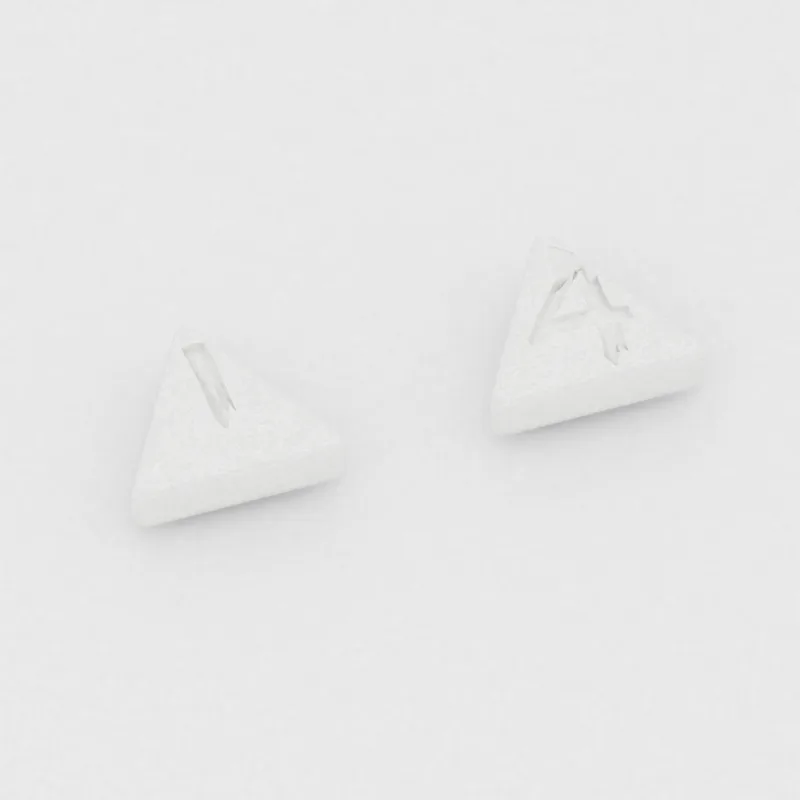

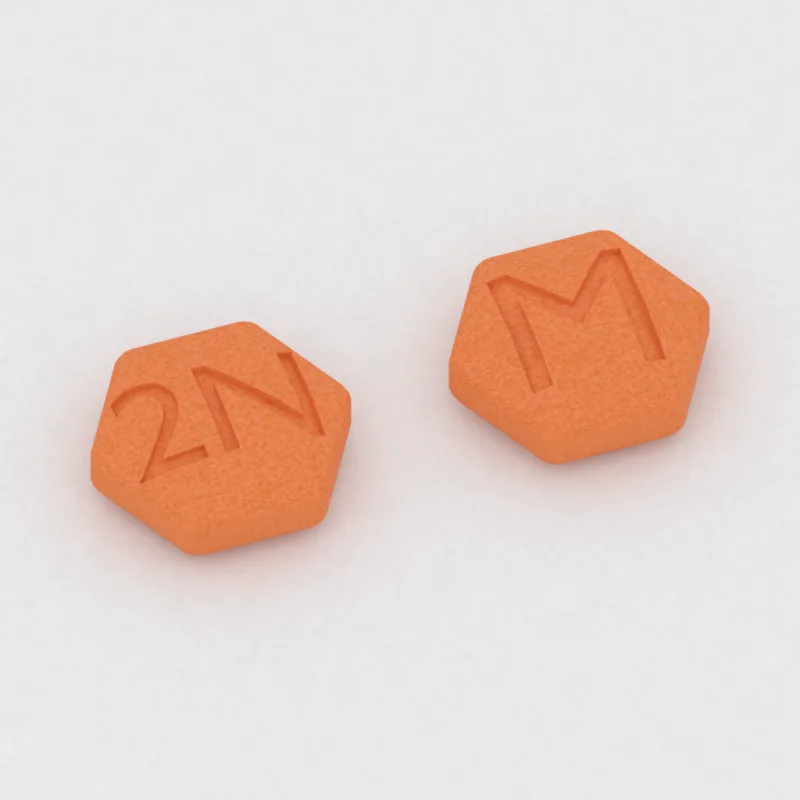
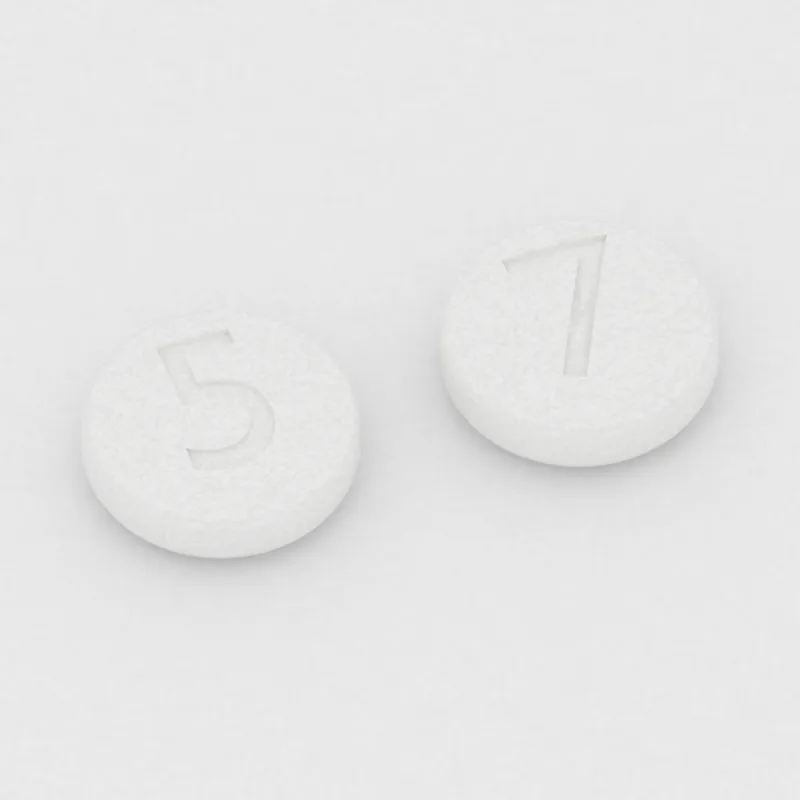
Rendus réalisés à partir des fiches produit des notices FDA : couleur, forme, taille et inscription. 29 versions documentées chez 15 laboratoires.
Interactions d'après la notice
Interactions majeures (156)
Many, but not all, post-marketing reports regarding coma and death involved misuse by self-injection or were associated with the concomitant use of buprenorphine and benzodiazepines or other CNS depressant, including alcohol. (notice Buprénorphine et naloxone, Mises en garde et précautions)
Serotonergic Drugs: Concomitant use may result in serotonin syndrome. (notice Buprénorphine et naloxone, Interactions médicamenteuses)
Many, but not all, post-marketing reports regarding coma and death involved misuse by self-injection or were associated with the concomitant use of buprenorphine and benzodiazepines or other CNS depressant, including alcohol. (notice Buprénorphine et naloxone, Mises en garde et précautions)
Buprenorphine and naloxone sublingual tablet is contraindicated in patients with a history of hypersensitivity to buprenorphine or naloxone as serious adverse reactions, including anaphylactic shock, have been reported [see Warnings and Precautions (5.9) ] . (notice Buprénorphine et naloxone, Contre-indications)
Serotonergic Drugs: Concomitant use may result in serotonin syndrome. (notice Buprénorphine et naloxone, Interactions médicamenteuses)
Serotonergic Drugs: Concomitant use may result in serotonin syndrome. (notice Buprénorphine et naloxone, Interactions médicamenteuses)
• Avoid concurrent use of alcohol or other central nervous system (CNS) depressants with azelastine hydrochloride and fluticasone propionate nasal spray because further decreased alertness and impairment of CNS performance may occur. (notice Azélastine et fluticasone, Mises en garde et précautions)
Examples: phenelzine, tranylcypromine, linezolid Muscle Relaxants Clinical Impact: Buprenorphine may enhance the neuromuscular blocking action of skeletal muscle relaxants and produce an increased degree of respiratory depression. (notice Buprénorphine et naloxone, Interactions médicamenteuses)
Withdrawal Avoid the use of mixed agonist/antagonist (e.g., pentazocine, nalbuphine, and butorphanol) or partial agonist (e.g., buprenorphine) analgesics in patients who are receiving a full opioid agonist analgesic, including belladonna and opium suppositories. (notice Belladone et opium, Mises en garde et précautions)
Opioid Antagonist: Naloxegol ↑ naloxegol Avoid use with BIXLENVO; if unavoidable, decrease the dosage of naloxegol and monitor for adverse reactions. (notice Bictégravir, emtricitabine et ténofovir alafénamide, Interactions médicamenteuses)
Monoamine Oxidase Inhibitors (MAOIs) Clinical Impact: MAOI interactions with opioids may manifest as serotonin syndrome or opioid toxicity (e.g., respiratory depression, coma). (notice Buprénorphine et naloxone, Interactions médicamenteuses)
Serotonergic Drugs: Concomitant use may result in serotonin syndrome. (notice Buprénorphine et naloxone, Interactions médicamenteuses)
Concomitant use of opioids with benzodiazepines or other central nervous system (CNS) depressants, including alcohol, may result in profound sedation, respiratory depression, coma, and death. (notice Buprénorphine, Mise en garde encadrée)
Serotonergic Drugs: Concomitant use may result in serotonin syndrome. (notice Buprénorphine et naloxone, Interactions médicamenteuses)
Additionally, avoid the use of mixed agonist/antagonist (e.g., pentazocine, nalbuphine, and butorphanol) or partial agonist (e.g., buprenorphine) analgesics in patients who are receiving a full opioid agonist analgesic, including BUTALBITAL, ASPIRIN, CAFFEINE and CODEINE PHOSPHATE. (notice Butalbital, aspirine, caféine et codéine, Mises en garde et précautions)
Additionally, avoid the use of mixed agonist/antagonist (e.g., pentazocine, nalbuphine, and butorphanol) or partial agonist (e.g., buprenorphine) analgesics in patients who are receiving a full opioid agonist analgesic, including Butalbital, Acetaminophen, Caffeine, and Codeine Phosphate Capsules. (notice Butalbital, paracétamol, caféine et codéine, Mises en garde et précautions)
Management of respiratory depression may include close observation, supportive measures, and use of opioid overdose reversal agents (e.g., naloxone, nalmefene), depending on the patient's clinical status [see OVERDOSAGE ]. (notice Butorphanol, Mises en garde)
CNS Depressants The concomitant use of EQUETRO and other CNS depressants can increase the risk of respiratory depression, profound sedation, hypotension, and syncope. (notice Carbamazépine, Interactions médicamenteuses)
Avoid concurrent use of Carbinoxamine Maleate Extended-Release Oral Suspension with alcohol or other central nervous system depressants because additional impairment of central nervous system performance may occur. (notice Carbinoxamine, Mises en garde et précautions)
Examples: phenelzine, tranylcypromine, linezolid Muscle Relaxants Clinical Impact: Buprenorphine may enhance the neuromuscular blocking action of skeletal muscle relaxants and produce an increased degree of respiratory depression. (notice Buprénorphine et naloxone, Interactions médicamenteuses)
Avoid concurrent use of QUZYTTIR with alcohol or other CNS depressants because additional reduction in alertness and additional impairment of CNS performance may occur. (notice Cétirizine, Mises en garde et précautions)
Many, but not all, post-marketing reports regarding coma and death involved misuse by self-injection or were associated with the concomitant use of buprenorphine and benzodiazepines or other CNS depressant, including alcohol. (notice Buprénorphine et naloxone, Mises en garde et précautions)
Many, but not all, post-marketing reports regarding coma and death involved misuse by self-injection or were associated with the concomitant use of buprenorphine and benzodiazepines or other CNS depressant, including alcohol. (notice Buprénorphine et naloxone, Mises en garde et précautions)
Do not use in comatose states or in the presence of large amounts of central nervous system depressants (alcohol, barbiturates, narcotics, etc.). (notice Chlorpromazine, Contre-indications)
Examples: phenelzine, tranylcypromine, linezolid Muscle Relaxants Clinical Impact: Buprenorphine may enhance the neuromuscular blocking action of skeletal muscle relaxants and produce an increased degree of respiratory depression. (notice Buprénorphine et naloxone, Interactions médicamenteuses)
Table 8: Drugs That are Affected by and Affecting Ciprofloxacin Drugs That are Affected by Ciprofloxacin Drug(s) Recommendation Comments Tizanidine Contraindicated Concomitant administration of tizanidine and ciprofloxacin is contraindicated due to the potentiation of hypotensive and sedative effects of tizanidine [see Contraindications ( 4.2 )]. (notice Ciprofloxacine, Interactions médicamenteuses)
Serotonergic Drugs: Concomitant use may result in serotonin syndrome. (notice Buprénorphine et naloxone, Interactions médicamenteuses)
Many, but not all, post-marketing reports regarding coma and death involved misuse by self-injection or were associated with the concomitant use of buprenorphine and benzodiazepines or other CNS depressant, including alcohol. (notice Buprénorphine et naloxone, Mises en garde et précautions)
Serotonergic Drugs: Concomitant use may result in serotonin syndrome. (notice Buprénorphine et naloxone, Interactions médicamenteuses)
Many, but not all, post-marketing reports regarding coma and death involved misuse by self-injection or were associated with the concomitant use of buprenorphine and benzodiazepines or other CNS depressant, including alcohol. (notice Buprénorphine et naloxone, Mises en garde et précautions)
Avoid use with other central nervous system (CNS) depressants ( 5.3 ) (notice Clonidine, Mises en garde et précautions)
Many, but not all, post-marketing reports regarding coma and death involved misuse by self-injection or were associated with the concomitant use of buprenorphine and benzodiazepines or other CNS depressant, including alcohol. (notice Buprénorphine et naloxone, Mises en garde et précautions)
Additionally, avoid the use of mixed agonist/antagonist (e.g., pentazocine, nalbuphine, and butorphanol) or partial agonist (e.g., buprenorphine) analgesics in patients who are receiving a full opioid agonist analgesic, including Codeine Sulfate Tablets. (notice Codéine, Mises en garde et précautions)
Examples: phenelzine, tranylcypromine, linezolid Muscle Relaxants Clinical Impact: Buprenorphine may enhance the neuromuscular blocking action of skeletal muscle relaxants and produce an increased degree of respiratory depression. (notice Buprénorphine et naloxone, Interactions médicamenteuses)
Examples: phenelzine, tranylcypromine, linezolid Muscle Relaxants Clinical Impact: Buprenorphine may enhance the neuromuscular blocking action of skeletal muscle relaxants and produce an increased degree of respiratory depression. (notice Buprénorphine et naloxone, Interactions médicamenteuses)
Serotonergic Drugs: Concomitant use may result in serotonin syndrome. (notice Buprénorphine et naloxone, Interactions médicamenteuses)
Serotonergic Drugs: Concomitant use may result in serotonin syndrome. (notice Buprénorphine et naloxone, Interactions médicamenteuses)
Serotonergic Drugs: Concomitant use may result in serotonin syndrome. (notice Buprénorphine et naloxone, Interactions médicamenteuses)
Serotonergic Drugs: Concomitant use may result in serotonin syndrome. (notice Buprénorphine et naloxone, Interactions médicamenteuses)
Many, but not all, post-marketing reports regarding coma and death involved misuse by self-injection or were associated with the concomitant use of buprenorphine and benzodiazepines or other CNS depressant, including alcohol. (notice Buprénorphine et naloxone, Mises en garde et précautions)
Serotonergic Drugs: Concomitant use may result in serotonin syndrome. (notice Buprénorphine et naloxone, Interactions médicamenteuses)
- Diphénoxylate et atropineMajeure
CONTRAINDICATIONS Diphenoxylate hydrochloride and atropine sulfate is contraindicated in: • Pediatric patients less than 6 years of age due to the risks of respiratory and central nervous system (CNS) depression (see WARNINGS ). (notice Diphénoxylate et atropine, Contre-indications)
Serotonergic Drugs: Concomitant use may result in serotonin syndrome. (notice Buprénorphine et naloxone, Interactions médicamenteuses)
Central nervous system (CNS) depressants: Concurrent use with alcohol or other CNS depressants is not recommended ( 5.1 ) (notice Doxylamine et pyridoxine, Mises en garde et précautions)
Other risk factors may include age over 65 years, alcohol abuse, and use of agents such as benzodiazepines, volatile anesthetics, and IV opiates. (notice Dropéridol, Mise en garde encadrée)
Serotonergic Drugs: Concomitant use may result in serotonin syndrome. (notice Buprénorphine et naloxone, Interactions médicamenteuses)
Serotonergic Drugs: Concomitant use may result in serotonin syndrome. (notice Buprénorphine et naloxone, Interactions médicamenteuses)
…Lipid-modifying Agents: lomitapide, lovastatin, simvastatin Phosphodiesterase-5 (PDE-5) Inhibitor: sildenafil when administered as REVATIO ® for the treatment of pulmonary arterial hypertension Sedative/hypnotics: triazolam, orally administered midazolam Coadministration of GENVOYA is contraindicated with drugs that: Are highly dependent on CYP3A for clearance and for which… (notice Elvitégravir, cobicistat, emtricitabine et ténofovir, Contre-indications)
Serotonergic Drugs: Concomitant use may result in serotonin syndrome. (notice Buprénorphine et naloxone, Interactions médicamenteuses)
Many, but not all, post-marketing reports regarding coma and death involved misuse by self-injection or were associated with the concomitant use of buprenorphine and benzodiazepines or other CNS depressant, including alcohol. (notice Buprénorphine et naloxone, Mises en garde et précautions)
The use of LUNESTA with other sedative-hypnotics at bedtime or the middle of the night is not recommended. (notice Eszopiclone, Mises en garde et précautions)
Management of respiratory depression may include close observation, supportive measures, and use of opioid overdose reversal agents (e.g., naloxone, nalmefene) , depending on the patient's clinical status [see Overdosage (10) ] . (notice Fentanyl, Mises en garde et précautions)
Serotonergic Drugs: Concomitant use may result in serotonin syndrome. (notice Buprénorphine et naloxone, Interactions médicamenteuses)
Many, but not all, post-marketing reports regarding coma and death involved misuse by self-injection or were associated with the concomitant use of buprenorphine and benzodiazepines or other CNS depressant, including alcohol. (notice Buprénorphine et naloxone, Mises en garde et précautions)
Serotonergic Drugs: Concomitant use may result in serotonin syndrome. (notice Buprénorphine et naloxone, Interactions médicamenteuses)
Serotonergic Drugs: Concomitant use may result in serotonin syndrome. (notice Buprénorphine et naloxone, Interactions médicamenteuses)
Serotonergic Drugs: Concomitant use may result in serotonin syndrome. (notice Buprénorphine et naloxone, Interactions médicamenteuses)
Opioids Respiratory depression and sedation, sometimes resulting in death, have been reported following coadministration of gabapentin with opioids (e.g., morphine, hydrocodone, oxycodone, buprenorphine) [see Warnings and Precautions (5.8) ] . (notice Gabapentine, Interactions médicamenteuses)
Serotonergic Drugs: Concomitant use may result in serotonin syndrome. (notice Buprénorphine et naloxone, Interactions médicamenteuses)
Additionally, avoid the use of mixed agonist/antagonist analgesics (e.g., pentazocine, nalbuphine, and butorphanol) or partial agonist (e.g., buprenorphine) analgesics in patients who are receiving a full opioid agonist analgesic, including HYSINGLA ER. (notice Hydrocodone, Mises en garde et précautions)
Management of respiratory depression includes discontinuation of Hydrocodone Polistirex and Chlorpheniramine Polistirex, close observation, supportive measures, and use of opioid antagonists (e.g. naloxone), depending on the patient’s clinical status [ see Overdosage (10) ]. (notice Hydrocodone et chlorphénamine, Mises en garde et précautions)
Management of respiratory depression includes discontinuation of hydrocodone bitartrate and homatropine methylbromide, close observation, supportive measures, and use of opioid overdose reversal agents (e.g., naloxone or nalmefene), depending on the patient's clinical status [see Overdosage (10) ] . (notice Hydrocodone et homatropine, Mises en garde et précautions)
Additionally, avoid the use of mixed agonist/antagonist (e.g., pentazocine, nalbuphine, and butorphanol) or partial agonist (e.g., buprenorphine) analgesics in patients who are receiving a full opioid agonist analgesic, including Hydrocodone Bitartrate and Ibuprofen Tablets. (notice Hydrocodone et ibuprofène, Mises en garde)
Additionally, avoid the use of mixed agonist/antagonist (e.g., pentazocine, nalbuphine, and butorphanol) or partial agonist (e.g., buprenorphine) analgesics in patients who are receiving a full opioid agonist analgesic, including hydrocodone bitartrate and acetaminophen tablets. (notice Hydrocodone et paracétamol, Mises en garde)
Management of respiratory depression may include close observation, supportive measures, and use of opioid overdose reversal agents (e.g., naloxone, nalmefene), depending on the patient’s clinical status [see Overdosage ( 10 )] . (notice Hydromorphone, Mises en garde et précautions)
Rarely, cardiac arrests and death have been reported in association with the combined use of hydroxyzine hydrochloride intramuscularly and other CNS depressants. (notice Hydroxyzine, Précautions)
Serotonergic Drugs: Concomitant use may result in serotonin syndrome. (notice Buprénorphine et naloxone, Interactions médicamenteuses)
Monoamine Oxidase Inhibitors (MAOIs) Clinical Impact: MAOI interactions with opioids may manifest as serotonin syndrome or opioid toxicity (e.g., respiratory depression, coma). (notice Buprénorphine et naloxone, Interactions médicamenteuses)
Benzodiazepines, Opioid Analgesics, or other CNS Depressants : Concomitant use may result in profound sedation, respiratory depression, coma, or death. (notice Kétamine, Interactions médicamenteuses)
This may potentiate and prolong hypnotic and sedative effects, especially with repeated dosing or chronic administration of these agents. (notice Kétoconazole, Contre-indications)
BOXED WARNING Ketorolac tromethamine tablets, a nonsteroidal anti-inflammatory drug (NSAID), are indicated for the short-term (up to 5 days in adults), management of moderately severe acute pain that requires analgesia at the opioid level and only as continuation treatment following IV or IM dosing of ketorolac tromethamine, if necessary. (notice Kétorolac, Mise en garde encadrée)
Opioid Antagonist: naloxegol ↑ naloxegol Avoid use with SUNLENCA; if unavoidable, decrease the dosage of naloxegol and monitor for adverse reactions. (notice Lénacapavir, Interactions médicamenteuses)
Avoid concurrent use of alcohol or other central nervous system depressants with XYZAL. (notice Lévocétirizine, Mises en garde et précautions)
Serotonergic Drugs: Concomitant use may result in serotonin syndrome. (notice Buprénorphine et naloxone, Interactions médicamenteuses)
Additionally, avoid the use of mixed agonist/antagonist (e.g., pentazocine, nalbuphine, and butorphanol) or partial agonist (e.g., buprenorphine) analgesics in patients who are receiving a full opioid agonist analgesic, including Levorphanol. (notice Lévorphanol, Mises en garde)
Examples: phenelzine, tranylcypromine, linezolid Muscle Relaxants Clinical Impact: Buprenorphine may enhance the neuromuscular blocking action of skeletal muscle relaxants and produce an increased degree of respiratory depression. (notice Buprénorphine et naloxone, Interactions médicamenteuses)
Serotonergic Drugs: Concomitant use may result in serotonin syndrome. (notice Buprénorphine et naloxone, Interactions médicamenteuses)
Increased Risk of Opioid Overdose after Opioid Discontinuation : Patients who complete opioid discontinuation are at an increased risk of fatal overdose should they resume opioid use. (notice Lofexidine, Mises en garde et précautions)
Many, but not all, post-marketing reports regarding coma and death involved misuse by self-injection or were associated with the concomitant use of buprenorphine and benzodiazepines or other CNS depressant, including alcohol. (notice Buprénorphine et naloxone, Mises en garde et précautions)
CONTRAINDICATIONS Loxapine is contraindicated in comatose or severe drug-induced depressed states (alcohol, barbiturates, narcotics, etc.). Loxapine is contraindicated in individuals with known hypersensitivity to dibenzoxazepines. (notice Loxapine, Contre-indications)
Examples: phenelzine, tranylcypromine, linezolid Muscle Relaxants Clinical Impact: Buprenorphine may enhance the neuromuscular blocking action of skeletal muscle relaxants and produce an increased degree of respiratory depression. (notice Buprénorphine et naloxone, Interactions médicamenteuses)
Withdrawal Avoid the use of mixed agonist/antagonist (i.e., pentazocine, nalbuphine, and butorphanol) or partial agonist (e.g., buprenorphine) analgesics in patients who are receiving a full opioid agonist, including METHADOSE. (notice Méthadone, Mises en garde et précautions)
Examples: phenelzine, tranylcypromine, linezolid Muscle Relaxants Clinical Impact: Buprenorphine may enhance the neuromuscular blocking action of skeletal muscle relaxants and produce an increased degree of respiratory depression. (notice Buprénorphine et naloxone, Interactions médicamenteuses)
Buprenorphine and naloxone sublingual tablet is contraindicated in patients with a history of hypersensitivity to buprenorphine or naloxone as serious adverse reactions, including anaphylactic shock, have been reported [see Warnings and Precautions (5.9) ] . (notice Buprénorphine et naloxone, Contre-indications)
Many, but not all, post-marketing reports regarding coma and death involved misuse by self-injection or were associated with the concomitant use of buprenorphine and benzodiazepines or other CNS depressant, including alcohol. (notice Buprénorphine et naloxone, Mises en garde et précautions)
Serotonergic Drugs: Concomitant use may result in serotonin syndrome. (notice Buprénorphine et naloxone, Interactions médicamenteuses)
Serotonergic Drugs: Concomitant use may result in serotonin syndrome. (notice Buprénorphine et naloxone, Interactions médicamenteuses)
Additionally, avoid the use of mixed agonist/antagonist (e.g., pentazocine, nalbuphine, and butorphanol) or partial agonist (e.g., buprenorphine) analgesics in patients who are receiving a full opioid agonist analgesic, including Morphine Sulfate Oral Solution. (notice Morphine, Mises en garde et précautions)
Management of respiratory depression may include close observation, supportive measures, and use of opioid overdose reversal agents (e.g., naloxone, nalmefene), depending on the patient's clinical status [see OVERDOSAGE ]. (notice Nalbuphine, Mises en garde)
Buprenorphine and naloxone sublingual tablet is contraindicated in patients with a history of hypersensitivity to buprenorphine or naloxone as serious adverse reactions, including anaphylactic shock, have been reported [see Warnings and Precautions (5.9) ] . (notice Buprénorphine et naloxone, Contre-indications)
Buprenorphine and naloxone sublingual tablet is contraindicated in patients with a history of hypersensitivity to buprenorphine or naloxone as serious adverse reactions, including anaphylactic shock, have been reported [see Warnings and Precautions (5.9) ] . (notice Buprénorphine et naloxone, Contre-indications)
Buprenorphine and naloxone sublingual tablet is contraindicated in patients with a history of hypersensitivity to buprenorphine or naloxone as serious adverse reactions, including anaphylactic shock, have been reported [see Warnings and Precautions (5.9) ] . (notice Buprénorphine et naloxone, Contre-indications)
Buprenorphine and naloxone sublingual tablet is contraindicated in patients with a history of hypersensitivity to buprenorphine or naloxone as serious adverse reactions, including anaphylactic shock, have been reported [see Warnings and Precautions (5.9) ] . (notice Buprénorphine et naloxone, Contre-indications)
Buprenorphine and naloxone sublingual tablet is contraindicated in patients with a history of hypersensitivity to buprenorphine or naloxone as serious adverse reactions, including anaphylactic shock, have been reported [see Warnings and Precautions (5.9) ] . (notice Buprénorphine et naloxone, Contre-indications)
Buprenorphine and naloxone sublingual tablet is contraindicated in patients with a history of hypersensitivity to buprenorphine or naloxone as serious adverse reactions, including anaphylactic shock, have been reported [see Warnings and Precautions (5.9) ] . (notice Buprénorphine et naloxone, Contre-indications)
Serotonergic Drugs: Concomitant use may result in serotonin syndrome. (notice Buprénorphine et naloxone, Interactions médicamenteuses)
Serotonergic Drugs: Concomitant use may result in serotonin syndrome. (notice Buprénorphine et naloxone, Interactions médicamenteuses)
Serotonergic Drugs: Concomitant use may result in serotonin syndrome. (notice Buprénorphine et naloxone, Interactions médicamenteuses)
Serotonergic Drugs: Concomitant use may result in serotonin syndrome. (notice Buprénorphine et naloxone, Interactions médicamenteuses)
Management of respiratory depression may include close observation, supportive measures, and use of opioid opioid overdose reversal agents (e.g., naloxone, nalmefene), depending on the patient’s clinical status [see Overdosage ( 10.2 )] . (notice Olicéridine, Mises en garde et précautions)
• Avoid concurrent use of alcohol or other central nervous system depressants with olopatadine hydrochloride nasal solution (nasal spray) ( 5.2 ). (notice Olopatadine, Mises en garde et précautions)
• Avoid concurrent use of alcohol or other central nervous system (CNS) depressants with RYALTRIS because additional reductions in alertness and additional impairment of CNS performance may occur. (notice Olopatadine et mométasone, Mises en garde et précautions)
Serotonergic Drugs: Concomitant use may result in serotonin syndrome. (notice Buprénorphine et naloxone, Interactions médicamenteuses)
Examples: phenelzine, tranylcypromine, linezolid Muscle Relaxants Clinical Impact: Buprenorphine may enhance the neuromuscular blocking action of skeletal muscle relaxants and produce an increased degree of respiratory depression. (notice Buprénorphine et naloxone, Interactions médicamenteuses)
Examples: phenelzine, tranylcypromine, linezolid Muscle Relaxants Clinical Impact: Buprenorphine may enhance the neuromuscular blocking action of skeletal muscle relaxants and produce an increased degree of respiratory depression. (notice Buprénorphine et naloxone, Interactions médicamenteuses)
Many, but not all, post-marketing reports regarding coma and death involved misuse by self-injection or were associated with the concomitant use of buprenorphine and benzodiazepines or other CNS depressant, including alcohol. (notice Buprénorphine et naloxone, Mises en garde et précautions)
• Central Nervous System Depression Xyrem (sodium oxybate) is a CNS depressant. (notice Oxybate de sodium, Mise en garde encadrée)
Examples: butorphanol, nalbuphine, pentazocine, buprenorphine Muscle Relaxants Clinical Impact: Oxycodone may enhance the neuromuscular blocking action of skeletal muscle relaxants and produce an increased degree of respiratory depression. (notice Oxycodone, Interactions médicamenteuses)
Withdrawal Avoid the use of mixed agonist/antagonist (e.g., pentazocine, nalbuphine, and butorphanol) or partial agonist (e.g., buprenorphine) analgesics in patients who are receiving a full opioid agonist analgesic, including oxycodone hydrochloride tablets. (notice Oxycodone et paracétamol, Mises en garde et précautions)
Additionally, avoid the use of mixed agonist/antagonist (e.g., pentazocine, nalbuphine, and butorphanol) and partial agonist (e.g., buprenorphine) analgesics in patients who are receiving a full opioid agonist analgesic, including Oxymorphone Hydrochloride Extended-Release Tablets. (notice Oxymorphone, Mises en garde et précautions)
Serotonergic Drugs: Concomitant use may result in serotonin syndrome. (notice Buprénorphine et naloxone, Interactions médicamenteuses)
Consider recommending or prescribing an opioid overdose reversal agent ( see WARNINGS, Life-Threatening Respiratory Depression ; DOSAGE AND ADMINISTRATION, Patient Access to Naloxone for the Emergency Treatment of Opioid Overdose ). (notice Paracétamol et codéine, Mises en garde)
Serotonergic Drugs: Concomitant use may result in serotonin syndrome. (notice Buprénorphine et naloxone, Interactions médicamenteuses)
Buprenorphine and naloxone sublingual tablet is contraindicated in patients with a history of hypersensitivity to buprenorphine or naloxone as serious adverse reactions, including anaphylactic shock, have been reported [see Warnings and Precautions (5.9) ] . (notice Buprénorphine et naloxone, Contre-indications)
CONTRAINDICATIONS Perphenazine products are contraindicated in comatose or greatly obtunded patients and in patients receiving large doses of central nervous system depressants (barbiturates, alcohol, narcotics, analgesics, or antihistamines); in the presence of existing blood dyscrasias, bone marrow depression, or liver damage; and in patients who have shown… (notice Perphénazine, Contre-indications)
Serotonergic Drugs: Concomitant use may result in serotonin syndrome. (notice Buprénorphine et naloxone, Interactions médicamenteuses)
Examples: phenelzine, tranylcypromine, linezolid Muscle Relaxants Clinical Impact: Buprenorphine may enhance the neuromuscular blocking action of skeletal muscle relaxants and produce an increased degree of respiratory depression. (notice Buprénorphine et naloxone, Interactions médicamenteuses)
WARNING: RISKS FROM CONCOMITANT USE WITH OPIOIDS; DEPENDENCE AND WITHDRAWAL REACTIONS AFTER USE OF SEZABY FOR A LONGER DURATION THAN RECOMMENDED; and ABUSE, MISUSE AND ADDICTION WITH UNAPPROVED USE IN ADOLESCENTS AND ADULTS Risks from Concomitant Use with Opioids Concomitant use of phenobarbital products, including SEZABY, and opioids may result in profound sedation,… (notice Phénobarbital, Mise en garde encadrée)
• Respiratory Depression : May occur with LYRICA when used with concomitant CNS depressants or in the setting of underlying respiratory impairment. (notice Prégabaline, Mises en garde et précautions)
Do not use in comatose states or in the presence of large amounts of central nervous system depressants (alcohol, barbiturates, narcotics, etc.). Do not use in pediatric surgery. (notice Prochlorpérazine, Contre-indications)
Management of respiratory depression includes discontinuation of Promethazine HCl and Codeine Phosphate Oral Solution, close observation, supportive measures, and use of opioid antagonists (e.g. naloxone), depending on the patient’s clinical status [ see Overdosage (10) ]. (notice Prométhazine et codéine, Mises en garde et précautions)
Serotonergic Drugs: Concomitant use may result in serotonin syndrome. (notice Buprénorphine et naloxone, Interactions médicamenteuses)
Serotonergic Drugs: Concomitant use may result in serotonin syndrome. (notice Buprénorphine et naloxone, Interactions médicamenteuses)
Serotonergic Drugs: Concomitant use may result in serotonin syndrome. (notice Buprénorphine et naloxone, Interactions médicamenteuses)
Monoamine Oxidase Inhibitors (MAOIs) Clinical Impact: MAOI interactions with opioids may manifest as serotonin syndrome or opioid toxicity (e.g., respiratory depression, coma). (notice Buprénorphine et naloxone, Interactions médicamenteuses)
In the case of life-threatening muscle rigidity, a rapid onset neuromuscular blocker or naloxone may be administered. (notice Rémifentanil, Mises en garde et précautions)
Serotonergic Drugs: Concomitant use may result in serotonin syndrome. (notice Buprénorphine et naloxone, Interactions médicamenteuses)
Monoamine Oxidase Inhibitors (MAOIs) Clinical Impact: MAOI interactions with opioids may manifest as serotonin syndrome or opioid toxicity (e.g., respiratory depression, coma). (notice Buprénorphine et naloxone, Interactions médicamenteuses)
Serotonergic Drugs: Concomitant use may result in serotonin syndrome. (notice Buprénorphine et naloxone, Interactions médicamenteuses)
Risk of Respiratory Depression Sevoflurane may cause respiratory depression, which may be augmented by opioid premedication or other agents causing respiratory depression. (notice Sévoflurane, Mises en garde)
Serotonergic Drugs: Concomitant use may result in serotonin syndrome. (notice Buprénorphine et naloxone, Interactions médicamenteuses)
Serotonergic Drugs: Concomitant use may result in serotonin syndrome. (notice Buprénorphine et naloxone, Interactions médicamenteuses)
Serotonergic Drugs: Concomitant use may result in serotonin syndrome. (notice Buprénorphine et naloxone, Interactions médicamenteuses)
Serotonergic Drugs: Concomitant use may result in serotonin syndrome. (notice Buprénorphine et naloxone, Interactions médicamenteuses)
Many, but not all, post-marketing reports regarding coma and death involved misuse by self-injection or were associated with the concomitant use of buprenorphine and benzodiazepines or other CNS depressant, including alcohol. (notice Buprénorphine et naloxone, Mises en garde et précautions)
Examples: phenelzine, tranylcypromine, linezolid Muscle Relaxants Clinical Impact: Buprenorphine may enhance the neuromuscular blocking action of skeletal muscle relaxants and produce an increased degree of respiratory depression. (notice Buprénorphine et naloxone, Interactions médicamenteuses)
Serotonergic Drugs: Concomitant use may result in serotonin syndrome. (notice Buprénorphine et naloxone, Interactions médicamenteuses)
Serotonergic Drugs: Concomitant use may result in serotonin syndrome. (notice Buprénorphine et naloxone, Interactions médicamenteuses)
Examples: phenelzine, tranylcypromine, linezolid Muscle Relaxants Clinical Impact: Buprenorphine may enhance the neuromuscular blocking action of skeletal muscle relaxants and produce an increased degree of respiratory depression. (notice Buprénorphine et naloxone, Interactions médicamenteuses)
Serotonergic Drugs: Concomitant use may result in serotonin syndrome. (notice Buprénorphine et naloxone, Interactions médicamenteuses)
Many, but not all, post-marketing reports regarding coma and death involved misuse by self-injection or were associated with the concomitant use of buprenorphine and benzodiazepines or other CNS depressant, including alcohol. (notice Buprénorphine et naloxone, Mises en garde et précautions)
CONTRAINDICATIONS A known hypersensitivity to phenothiazines, comatose or greatly depressed states due to central nervous system depressants and, in cases of existing blood dyscrasias, bone marrow depression and preexisting liver damage. (notice Trifluopérazine, Contre-indications)
Serotonergic Drugs: Concomitant use may result in serotonin syndrome. (notice Buprénorphine et naloxone, Interactions médicamenteuses)
Serotonergic Drugs: Concomitant use may result in serotonin syndrome. (notice Buprénorphine et naloxone, Interactions médicamenteuses)
Serotonergic Drugs: Concomitant use may result in serotonin syndrome. (notice Buprénorphine et naloxone, Interactions médicamenteuses)
Serotonergic Drugs: Concomitant use may result in serotonin syndrome. (notice Buprénorphine et naloxone, Interactions médicamenteuses)
The use of zaleplon with other sedative-hypnotics at bedtime or the middle of the night is not recommended (see ). (notice Zaléplone, Mises en garde)
Serotonergic Drugs: Concomitant use may result in serotonin syndrome. (notice Buprénorphine et naloxone, Interactions médicamenteuses)
The use of Zolpidem Tartrate with other sedative-hypnotics (including other zolpidem products) at bedtime or the middle of the night is not recommended. (notice Zolpidem, Mises en garde et précautions)
Interactions modérées (254)
Antiretrovirals: Patients who are on chronic buprenorphine treatment should have their dose monitored if NNRTIs are added to their treatment regimen. (notice Buprénorphine et naloxone, Interactions médicamenteuses)
Antiretrovirals: Patients who are on chronic buprenorphine treatment should have their dose monitored if NNRTIs are added to their treatment regimen. (notice Buprénorphine et naloxone, Interactions médicamenteuses)
Examples: Cyclobenzaprine, metaxalone Diuretics Clinical Impact: Opioids can reduce the efficacy of diuretics by inducing the release of antidiuretic hormone. (notice Buprénorphine et naloxone, Interactions médicamenteuses)
Examples: Cyclobenzaprine, metaxalone Diuretics Clinical Impact: Opioids can reduce the efficacy of diuretics by inducing the release of antidiuretic hormone. (notice Buprénorphine et naloxone, Interactions médicamenteuses)
Warn patients of the potential danger of self-administration of benzodiazepines or other CNS depressants while under treatment with buprenorphine and naloxone sublingual tablets [see Warnings and Precautions (5.3) , Drug Interactions (7) ] . (notice Buprénorphine et naloxone, Mises en garde et précautions)
Anticholinergic Drugs Clinical Impact: The concomitant use of anticholinergic drugs may increase the risk of urinary retention and/or severe constipation, which may lead to paralytic ileus. (notice Buprénorphine et naloxone, Interactions médicamenteuses)
The risk of combining buprenorphine with other QT-prolonging agents is not known. (notice Buprénorphine et naloxone, Mises en garde et précautions)
Inform patients also that the central nervous system depressant effects of allopurinol tablets may be additive to those of alcohol and other CNS depressants. (notice Allopurinol, Mises en garde et précautions)
Anticholinergic Drugs Clinical Impact: The concomitant use of anticholinergic drugs may increase the risk of urinary retention and/or severe constipation, which may lead to paralytic ileus. (notice Buprénorphine et naloxone, Interactions médicamenteuses)
Examples: Cyclobenzaprine, metaxalone Diuretics Clinical Impact: Opioids can reduce the efficacy of diuretics by inducing the release of antidiuretic hormone. (notice Buprénorphine et naloxone, Interactions médicamenteuses)
25% increase Diazepam Benzodiazepines increase CNS concentrations of adenosine, a potent CNS depressant, while theophylline blocks adenosine receptors. (notice Aminophylline, Interactions médicamenteuses)
The risk of combining buprenorphine with other QT-prolonging agents is not known. (notice Buprénorphine et naloxone, Mises en garde et précautions)
The risk of combining buprenorphine with other QT-prolonging agents is not known. (notice Buprénorphine et naloxone, Mises en garde et précautions)
Inhibitors of CYP3A4 Clinical Impact: The concomitant use of buprenorphine and CYP3A4 inhibitors can increase the plasma concentration of buprenorphine, resulting in increased or prolonged opioid effects, particularly when an inhibitor is added after a stable dose of buprenorphine and naloxone sublingual tablet is achieved. (notice Buprénorphine et naloxone, Interactions médicamenteuses)
Warn patients of the potential danger of self-administration of benzodiazepines or other CNS depressants while under treatment with buprenorphine and naloxone sublingual tablets [see Warnings and Precautions (5.3) , Drug Interactions (7) ] . (notice Buprénorphine et naloxone, Mises en garde et précautions)
Examples: Macrolide antibiotics (e.g., erythromycin), azole-antifungal agents (e.g. ketoconazole), protease inhibitors (e.g., ritonavir) CYP3A4 Inducers Clinical Impact: The concomitant use of buprenorphine and CYP3A4 inducers can decrease the plasma concentration of buprenorphine [see Clinical Pharmacology (12.3) ] , potentially resulting in decreased efficacy… (notice Buprénorphine et naloxone, Interactions médicamenteuses)
Warn patients of the potential danger of self-administration of benzodiazepines or other CNS depressants while under treatment with buprenorphine and naloxone sublingual tablets [see Warnings and Precautions (5.3) , Drug Interactions (7) ] . (notice Buprénorphine et naloxone, Mises en garde et précautions)
Examples: Cyclobenzaprine, metaxalone Diuretics Clinical Impact: Opioids can reduce the efficacy of diuretics by inducing the release of antidiuretic hormone. (notice Buprénorphine et naloxone, Interactions médicamenteuses)
Anticholinergic Drugs Clinical Impact: The concomitant use of anticholinergic drugs may increase the risk of urinary retention and/or severe constipation, which may lead to paralytic ileus. (notice Buprénorphine et naloxone, Interactions médicamenteuses)
Anticholinergic Drugs Clinical Impact: The concomitant use of anticholinergic drugs may increase the risk of urinary retention and/or severe constipation, which may lead to paralytic ileus. (notice Buprénorphine et naloxone, Interactions médicamenteuses)
Warn patients of the potential danger of self-administration of benzodiazepines or other CNS depressants while under treatment with buprenorphine and naloxone sublingual tablets [see Warnings and Precautions (5.3) , Drug Interactions (7) ] . (notice Buprénorphine et naloxone, Mises en garde et précautions)
The risk of combining buprenorphine with other QT-prolonging agents is not known. (notice Buprénorphine et naloxone, Mises en garde et précautions)
If adrenal insufficiency is diagnosed, treat with physiologic replacement doses of corticosteroids. (notice Buprénorphine et naloxone, Mises en garde et précautions)
Examples: Cyclobenzaprine, metaxalone Diuretics Clinical Impact: Opioids can reduce the efficacy of diuretics by inducing the release of antidiuretic hormone. (notice Buprénorphine et naloxone, Interactions médicamenteuses)
Anticholinergic Drugs Clinical Impact: The concomitant use of anticholinergic drugs may increase the risk of urinary retention and/or severe constipation, which may lead to paralytic ileus. (notice Buprénorphine et naloxone, Interactions médicamenteuses)
If adrenal insufficiency is diagnosed, treat with physiologic replacement doses of corticosteroids. (notice Buprénorphine et naloxone, Mises en garde et précautions)
Examples: Cyclobenzaprine, metaxalone Diuretics Clinical Impact: Opioids can reduce the efficacy of diuretics by inducing the release of antidiuretic hormone. (notice Buprénorphine et naloxone, Interactions médicamenteuses)
Examples: Macrolide antibiotics (e.g., erythromycin), azole-antifungal agents (e.g. ketoconazole), protease inhibitors (e.g., ritonavir) CYP3A4 Inducers Clinical Impact: The concomitant use of buprenorphine and CYP3A4 inducers can decrease the plasma concentration of buprenorphine [see Clinical Pharmacology (12.3) ] , potentially resulting in decreased efficacy… (notice Buprénorphine et naloxone, Interactions médicamenteuses)
Warn patients of the potential danger of self-administration of benzodiazepines or other CNS depressants while under treatment with buprenorphine and naloxone sublingual tablets [see Warnings and Precautions (5.3) , Drug Interactions (7) ] . (notice Buprénorphine et naloxone, Mises en garde et précautions)
Use with CNS depressants may result in an additive or potentiating effect. (notice Brimonidine, Interactions médicamenteuses)
Use with CNS depressants may result in an additive or potentiating effect. (notice Brimonidine et timolol, Interactions médicamenteuses)
Warn patients of the potential danger of self-administration of benzodiazepines or other CNS depressants while under treatment with buprenorphine and naloxone sublingual tablets [see Warnings and Precautions (5.3) , Drug Interactions (7) ] . (notice Buprénorphine et naloxone, Mises en garde et précautions)
If adrenal insufficiency is diagnosed, treat with physiologic replacement doses of corticosteroids. (notice Buprénorphine et naloxone, Mises en garde et précautions)
If adrenal insufficiency is diagnosed, treat with physiologic replacement doses of corticosteroids. (notice Buprénorphine et naloxone, Mises en garde et précautions)
Examples: Cyclobenzaprine, metaxalone Diuretics Clinical Impact: Opioids can reduce the efficacy of diuretics by inducing the release of antidiuretic hormone. (notice Buprénorphine et naloxone, Interactions médicamenteuses)
Possible early warning signs of central nervous system (CNS) toxicity are restlessness, anxiety, incoherent speech, lightheadedness, numbness and tingling of the mouth and lips, metallic taste, tinnitus, dizziness, blurred vision, tremors, twitching, CNS depression, or drowsiness. (notice Bupivacaïne, Mises en garde et précautions)
Possible early warning signs of central nervous system (CNS) toxicity are restlessness, anxiety, incoherent speech, lightheadedness, numbness and tingling of the mouth and lips, metallic taste, tinnitus, dizziness, blurred vision, tremors, twitching, CNS depression, or drowsiness. (notice Bupivacaïne et adrénaline, Mises en garde et précautions)
Warn patients of the potential danger of self-administration of benzodiazepines or other CNS depressants while under treatment with buprenorphine and naloxone sublingual tablets [see Warnings and Precautions (5.3) , Drug Interactions (7) ] . (notice Buprénorphine et naloxone, Mises en garde et précautions)
Warn patients of the potential danger of self-administration of benzodiazepines or other CNS depressants while under treatment with buprenorphine and naloxone sublingual tablets [see Warnings and Precautions (5.3) , Drug Interactions (7) ] . (notice Buprénorphine et naloxone, Mises en garde et précautions)
Warn patients of the potential danger of self-administration of benzodiazepines or other CNS depressants while under treatment with buprenorphine and naloxone sublingual tablets [see Warnings and Precautions (5.3) , Drug Interactions (7) ] . (notice Buprénorphine et naloxone, Mises en garde et précautions)
Antiretrovirals: Patients who are on chronic buprenorphine treatment should have their dose monitored if NNRTIs are added to their treatment regimen. (notice Buprénorphine et naloxone, Interactions médicamenteuses)
Examples: Cyclobenzaprine, metaxalone Diuretics Clinical Impact: Opioids can reduce the efficacy of diuretics by inducing the release of antidiuretic hormone. (notice Buprénorphine et naloxone, Interactions médicamenteuses)
Warn patients of the potential danger of self-administration of benzodiazepines or other CNS depressants while under treatment with buprenorphine and naloxone sublingual tablets [see Warnings and Precautions (5.3) , Drug Interactions (7) ] . (notice Buprénorphine et naloxone, Mises en garde et précautions)
Warn patients of the potential danger of self-administration of benzodiazepines or other CNS depressants while under treatment with buprenorphine and naloxone sublingual tablets [see Warnings and Precautions (5.3) , Drug Interactions (7) ] . (notice Buprénorphine et naloxone, Mises en garde et précautions)
Warn patients of the potential danger of self-administration of benzodiazepines or other CNS depressants while under treatment with buprenorphine and naloxone sublingual tablets [see Warnings and Precautions (5.3) , Drug Interactions (7) ] . (notice Buprénorphine et naloxone, Mises en garde et précautions)
The risk of combining buprenorphine with other QT-prolonging agents is not known. (notice Buprénorphine et naloxone, Mises en garde et précautions)
Examples: Cyclobenzaprine, metaxalone Diuretics Clinical Impact: Opioids can reduce the efficacy of diuretics by inducing the release of antidiuretic hormone. (notice Buprénorphine et naloxone, Interactions médicamenteuses)
Warn patients of the potential danger of self-administration of benzodiazepines or other CNS depressants while under treatment with buprenorphine and naloxone sublingual tablets [see Warnings and Precautions (5.3) , Drug Interactions (7) ] . (notice Buprénorphine et naloxone, Mises en garde et précautions)
Examples: Cyclobenzaprine, metaxalone Diuretics Clinical Impact: Opioids can reduce the efficacy of diuretics by inducing the release of antidiuretic hormone. (notice Buprénorphine et naloxone, Interactions médicamenteuses)
If adrenal insufficiency is diagnosed, treat with physiologic replacement doses of corticosteroids. (notice Buprénorphine et naloxone, Mises en garde et précautions)
Inhibitors of CYP3A4 Clinical Impact: The concomitant use of buprenorphine and CYP3A4 inhibitors can increase the plasma concentration of buprenorphine, resulting in increased or prolonged opioid effects, particularly when an inhibitor is added after a stable dose of buprenorphine and naloxone sublingual tablet is achieved. (notice Buprénorphine et naloxone, Interactions médicamenteuses)
Inhibitors of CYP3A4 Clinical Impact: The concomitant use of buprenorphine and CYP3A4 inhibitors can increase the plasma concentration of buprenorphine, resulting in increased or prolonged opioid effects, particularly when an inhibitor is added after a stable dose of buprenorphine and naloxone sublingual tablet is achieved. (notice Buprénorphine et naloxone, Interactions médicamenteuses)
The risk of combining buprenorphine with other QT-prolonging agents is not known. (notice Buprénorphine et naloxone, Mises en garde et précautions)
Warn patients of the potential danger of self-administration of benzodiazepines or other CNS depressants while under treatment with buprenorphine and naloxone sublingual tablets [see Warnings and Precautions (5.3) , Drug Interactions (7) ] . (notice Buprénorphine et naloxone, Mises en garde et précautions)
If adrenal insufficiency is diagnosed, treat with physiologic replacement doses of corticosteroids. (notice Buprénorphine et naloxone, Mises en garde et précautions)
Opioids: Decreased exposure to clopidogrel. (notice Clopidogrel, Interactions médicamenteuses)
Examples: Macrolide antibiotics (e.g., erythromycin), azole-antifungal agents (e.g. ketoconazole), protease inhibitors (e.g., ritonavir) CYP3A4 Inducers Clinical Impact: The concomitant use of buprenorphine and CYP3A4 inducers can decrease the plasma concentration of buprenorphine [see Clinical Pharmacology (12.3) ] , potentially resulting in decreased efficacy… (notice Buprénorphine et naloxone, Interactions médicamenteuses)
Warn patients of the potential danger of self-administration of benzodiazepines or other CNS depressants while under treatment with buprenorphine and naloxone sublingual tablets [see Warnings and Precautions (5.3) , Drug Interactions (7) ] . (notice Buprénorphine et naloxone, Mises en garde et précautions)
Anticholinergic Drugs Clinical Impact: The concomitant use of anticholinergic drugs may increase the risk of urinary retention and/or severe constipation, which may lead to paralytic ileus. (notice Buprénorphine et naloxone, Interactions médicamenteuses)
Warn patients of the potential danger of self-administration of benzodiazepines or other CNS depressants while under treatment with buprenorphine and naloxone sublingual tablets [see Warnings and Precautions (5.3) , Drug Interactions (7) ] . (notice Buprénorphine et naloxone, Mises en garde et précautions)
Warn patients of the potential danger of self-administration of benzodiazepines or other CNS depressants while under treatment with buprenorphine and naloxone sublingual tablets [see Warnings and Precautions (5.3) , Drug Interactions (7) ] . (notice Buprénorphine et naloxone, Mises en garde et précautions)
Anticholinergic Drugs Clinical Impact: The concomitant use of anticholinergic drugs may increase the risk of urinary retention and/or severe constipation, which may lead to paralytic ileus. (notice Buprénorphine et naloxone, Interactions médicamenteuses)
Examples: Macrolide antibiotics (e.g., erythromycin), azole-antifungal agents (e.g. ketoconazole), protease inhibitors (e.g., ritonavir) CYP3A4 Inducers Clinical Impact: The concomitant use of buprenorphine and CYP3A4 inducers can decrease the plasma concentration of buprenorphine [see Clinical Pharmacology (12.3) ] , potentially resulting in decreased efficacy… (notice Buprénorphine et naloxone, Interactions médicamenteuses)
If adrenal insufficiency is diagnosed, treat with physiologic replacement doses of corticosteroids. (notice Buprénorphine et naloxone, Mises en garde et précautions)
Warn patients of the potential danger of self-administration of benzodiazepines or other CNS depressants while under treatment with buprenorphine and naloxone sublingual tablets [see Warnings and Precautions (5.3) , Drug Interactions (7) ] . (notice Buprénorphine et naloxone, Mises en garde et précautions)
- DesmopressineModérée
…Hyponatremia Concomitant administration of DESMODA with other drugs that may increase the risk of water intoxication with hyponatremia, (e.g., tricyclic antidepressants, selective serotonin re-uptake inhibitors, chlorpromazine, opiate analgesics, thiazide diuretics, NSAIDs, lamotrigine, sulfonylureas, particularly chlorpropamide, oxybutynin and carbamazepine). (notice Desmopressine, Interactions médicamenteuses)
If adrenal insufficiency is diagnosed, treat with physiologic replacement doses of corticosteroids. (notice Buprénorphine et naloxone, Mises en garde et précautions)
The risk of combining buprenorphine with other QT-prolonging agents is not known. (notice Buprénorphine et naloxone, Mises en garde et précautions)
If adrenal insufficiency is diagnosed, treat with physiologic replacement doses of corticosteroids. (notice Buprénorphine et naloxone, Mises en garde et précautions)
Warn patients of the potential danger of self-administration of benzodiazepines or other CNS depressants while under treatment with buprenorphine and naloxone sublingual tablets [see Warnings and Precautions (5.3) , Drug Interactions (7) ] . (notice Buprénorphine et naloxone, Mises en garde et précautions)
Warn patients of the potential danger of self-administration of benzodiazepines or other CNS depressants while under treatment with buprenorphine and naloxone sublingual tablets [see Warnings and Precautions (5.3) , Drug Interactions (7) ] . (notice Buprénorphine et naloxone, Mises en garde et précautions)
Anticholinergic Drugs Clinical Impact: The concomitant use of anticholinergic drugs may increase the risk of urinary retention and/or severe constipation, which may lead to paralytic ileus. (notice Buprénorphine et naloxone, Interactions médicamenteuses)
- Difénoxine et atropineModérée
MOTOFEN ® may potentiate the action of barbiturates, tranquilizers, narcotics, and alcohol. (notice Difénoxine et atropine, Interactions médicamenteuses)
Consider these observations in clinical decisions when prescribing buprenorphine and naloxone sublingual tablets to patients with risk factors such as hypokalemia, bradycardia, recent conversion from atrial fibrillation, congestive heart failure, digitalis therapy, baseline QT prolongation, subclinical long-QT syndrome, or severe hypomagnesemia. (notice Buprénorphine et naloxone, Mises en garde et précautions)
Inhibitors of CYP3A4 Clinical Impact: The concomitant use of buprenorphine and CYP3A4 inhibitors can increase the plasma concentration of buprenorphine, resulting in increased or prolonged opioid effects, particularly when an inhibitor is added after a stable dose of buprenorphine and naloxone sublingual tablet is achieved. (notice Buprénorphine et naloxone, Interactions médicamenteuses)
Warn patients of the potential danger of self-administration of benzodiazepines or other CNS depressants while under treatment with buprenorphine and naloxone sublingual tablets [see Warnings and Precautions (5.3) , Drug Interactions (7) ] . (notice Buprénorphine et naloxone, Mises en garde et précautions)
Warn patients of the potential danger of self-administration of benzodiazepines or other CNS depressants while under treatment with buprenorphine and naloxone sublingual tablets [see Warnings and Precautions (5.3) , Drug Interactions (7) ] . (notice Buprénorphine et naloxone, Mises en garde et précautions)
The risk of combining buprenorphine with other QT-prolonging agents is not known. (notice Buprénorphine et naloxone, Mises en garde et précautions)
Warn patients of the potential danger of self-administration of benzodiazepines or other CNS depressants while under treatment with buprenorphine and naloxone sublingual tablets [see Warnings and Precautions (5.3) , Drug Interactions (7) ] . (notice Buprénorphine et naloxone, Mises en garde et précautions)
The risk of combining buprenorphine with other QT-prolonging agents is not known. (notice Buprénorphine et naloxone, Mises en garde et précautions)
Antiretrovirals: Patients who are on chronic buprenorphine treatment should have their dose monitored if NNRTIs are added to their treatment regimen. (notice Buprénorphine et naloxone, Interactions médicamenteuses)
Antiretrovirals: Patients who are on chronic buprenorphine treatment should have their dose monitored if NNRTIs are added to their treatment regimen. (notice Buprénorphine et naloxone, Interactions médicamenteuses)
Warn patients of the potential danger of self-administration of benzodiazepines or other CNS depressants while under treatment with buprenorphine and naloxone sublingual tablets [see Warnings and Precautions (5.3) , Drug Interactions (7) ] . (notice Buprénorphine et naloxone, Mises en garde et précautions)
Warn patients of the potential danger of self-administration of benzodiazepines or other CNS depressants while under treatment with buprenorphine and naloxone sublingual tablets [see Warnings and Precautions (5.3) , Drug Interactions (7) ] . (notice Buprénorphine et naloxone, Mises en garde et précautions)
The risk of combining buprenorphine with other QT-prolonging agents is not known. (notice Buprénorphine et naloxone, Mises en garde et précautions)
Examples: Macrolide antibiotics (e.g., erythromycin), azole-antifungal agents (e.g. ketoconazole), protease inhibitors (e.g., ritonavir) CYP3A4 Inducers Clinical Impact: The concomitant use of buprenorphine and CYP3A4 inducers can decrease the plasma concentration of buprenorphine [see Clinical Pharmacology (12.3) ] , potentially resulting in decreased efficacy… (notice Buprénorphine et naloxone, Interactions médicamenteuses)
Inhibitors of CYP3A4 Clinical Impact: The concomitant use of buprenorphine and CYP3A4 inhibitors can increase the plasma concentration of buprenorphine, resulting in increased or prolonged opioid effects, particularly when an inhibitor is added after a stable dose of buprenorphine and naloxone sublingual tablet is achieved. (notice Buprénorphine et naloxone, Interactions médicamenteuses)
Inhibitors of CYP3A4 Clinical Impact: The concomitant use of buprenorphine and CYP3A4 inhibitors can increase the plasma concentration of buprenorphine, resulting in increased or prolonged opioid effects, particularly when an inhibitor is added after a stable dose of buprenorphine and naloxone sublingual tablet is achieved. (notice Buprénorphine et naloxone, Interactions médicamenteuses)
Addiction, Abuse, and Misuse: Buprenorphine can be abused in a similar manner to other opioids. (notice Buprénorphine et naloxone, Mises en garde et précautions)
Antiretrovirals: Patients who are on chronic buprenorphine treatment should have their dose monitored if NNRTIs are added to their treatment regimen. (notice Buprénorphine et naloxone, Interactions médicamenteuses)
Antiretrovirals: Patients who are on chronic buprenorphine treatment should have their dose monitored if NNRTIs are added to their treatment regimen. (notice Buprénorphine et naloxone, Interactions médicamenteuses)
Antiretrovirals: Patients who are on chronic buprenorphine treatment should have their dose monitored if NNRTIs are added to their treatment regimen. (notice Buprénorphine et naloxone, Interactions médicamenteuses)
Examples: Cyclobenzaprine, metaxalone Diuretics Clinical Impact: Opioids can reduce the efficacy of diuretics by inducing the release of antidiuretic hormone. (notice Buprénorphine et naloxone, Interactions médicamenteuses)
Examples: Cyclobenzaprine, metaxalone Diuretics Clinical Impact: Opioids can reduce the efficacy of diuretics by inducing the release of antidiuretic hormone. (notice Buprénorphine et naloxone, Interactions médicamenteuses)
The risk of combining buprenorphine with other QT-prolonging agents is not known. (notice Buprénorphine et naloxone, Mises en garde et précautions)
Warn patients of the potential danger of self-administration of benzodiazepines or other CNS depressants while under treatment with buprenorphine and naloxone sublingual tablets [see Warnings and Precautions (5.3) , Drug Interactions (7) ] . (notice Buprénorphine et naloxone, Mises en garde et précautions)
Warn patients of the potential danger of self-administration of benzodiazepines or other CNS depressants while under treatment with buprenorphine and naloxone sublingual tablets [see Warnings and Precautions (5.3) , Drug Interactions (7) ] . (notice Buprénorphine et naloxone, Mises en garde et précautions)
Warn patients of the potential danger of self-administration of benzodiazepines or other CNS depressants while under treatment with buprenorphine and naloxone sublingual tablets [see Warnings and Precautions (5.3) , Drug Interactions (7) ] . (notice Buprénorphine et naloxone, Mises en garde et précautions)
Examples: Macrolide antibiotics (e.g., erythromycin), azole-antifungal agents (e.g. ketoconazole), protease inhibitors (e.g., ritonavir) CYP3A4 Inducers Clinical Impact: The concomitant use of buprenorphine and CYP3A4 inducers can decrease the plasma concentration of buprenorphine [see Clinical Pharmacology (12.3) ] , potentially resulting in decreased efficacy… (notice Buprénorphine et naloxone, Interactions médicamenteuses)
Inhibitors of CYP3A4 Clinical Impact: The concomitant use of buprenorphine and CYP3A4 inhibitors can increase the plasma concentration of buprenorphine, resulting in increased or prolonged opioid effects, particularly when an inhibitor is added after a stable dose of buprenorphine and naloxone sublingual tablet is achieved. (notice Buprénorphine et naloxone, Interactions médicamenteuses)
Warn patients of the potential danger of self-administration of benzodiazepines or other CNS depressants while under treatment with buprenorphine and naloxone sublingual tablets [see Warnings and Precautions (5.3) , Drug Interactions (7) ] . (notice Buprénorphine et naloxone, Mises en garde et précautions)
Anticholinergic Drugs Clinical Impact: The concomitant use of anticholinergic drugs may increase the risk of urinary retention and/or severe constipation, which may lead to paralytic ileus. (notice Buprénorphine et naloxone, Interactions médicamenteuses)
Examples: Macrolide antibiotics (e.g., erythromycin), azole-antifungal agents (e.g. ketoconazole), protease inhibitors (e.g., ritonavir) CYP3A4 Inducers Clinical Impact: The concomitant use of buprenorphine and CYP3A4 inducers can decrease the plasma concentration of buprenorphine [see Clinical Pharmacology (12.3) ] , potentially resulting in decreased efficacy… (notice Buprénorphine et naloxone, Interactions médicamenteuses)
The risk of combining buprenorphine with other QT-prolonging agents is not known. (notice Buprénorphine et naloxone, Mises en garde et précautions)
Anticholinergic Drugs Clinical Impact: The concomitant use of anticholinergic drugs may increase the risk of urinary retention and/or severe constipation, which may lead to paralytic ileus. (notice Buprénorphine et naloxone, Interactions médicamenteuses)
The risk of combining buprenorphine with other QT-prolonging agents is not known. (notice Buprénorphine et naloxone, Mises en garde et précautions)
The risk of combining buprenorphine with other QT-prolonging agents is not known. (notice Buprénorphine et naloxone, Mises en garde et précautions)
If adrenal insufficiency is diagnosed, treat with physiologic replacement doses of corticosteroids. (notice Buprénorphine et naloxone, Mises en garde et précautions)
If adrenal insufficiency is diagnosed, treat with physiologic replacement doses of corticosteroids. (notice Buprénorphine et naloxone, Mises en garde et précautions)
If adrenal insufficiency is diagnosed, treat with physiologic replacement doses of corticosteroids. (notice Buprénorphine et naloxone, Mises en garde et précautions)
Warn patients of the potential danger of self-administration of benzodiazepines or other CNS depressants while under treatment with buprenorphine and naloxone sublingual tablets [see Warnings and Precautions (5.3) , Drug Interactions (7) ] . (notice Buprénorphine et naloxone, Mises en garde et précautions)
If adrenal insufficiency is diagnosed, treat with physiologic replacement doses of corticosteroids. (notice Buprénorphine et naloxone, Mises en garde et précautions)
If adrenal insufficiency is diagnosed, treat with physiologic replacement doses of corticosteroids. (notice Buprénorphine et naloxone, Mises en garde et précautions)
Inhibitors of CYP3A4 Clinical Impact: The concomitant use of buprenorphine and CYP3A4 inhibitors can increase the plasma concentration of buprenorphine, resulting in increased or prolonged opioid effects, particularly when an inhibitor is added after a stable dose of buprenorphine and naloxone sublingual tablet is achieved. (notice Buprénorphine et naloxone, Interactions médicamenteuses)
Examples: Cyclobenzaprine, metaxalone Diuretics Clinical Impact: Opioids can reduce the efficacy of diuretics by inducing the release of antidiuretic hormone. (notice Buprénorphine et naloxone, Interactions médicamenteuses)
Warn patients of the potential danger of self-administration of benzodiazepines or other CNS depressants while under treatment with buprenorphine and naloxone sublingual tablets [see Warnings and Precautions (5.3) , Drug Interactions (7) ] . (notice Buprénorphine et naloxone, Mises en garde et précautions)
Examples: Cyclobenzaprine, metaxalone Diuretics Clinical Impact: Opioids can reduce the efficacy of diuretics by inducing the release of antidiuretic hormone. (notice Buprénorphine et naloxone, Interactions médicamenteuses)
Anticholinergic Drugs Clinical Impact: The concomitant use of anticholinergic drugs may increase the risk of urinary retention and/or severe constipation, which may lead to paralytic ileus. (notice Buprénorphine et naloxone, Interactions médicamenteuses)
Examples: Macrolide antibiotics (e.g., erythromycin), azole-antifungal agents (e.g. ketoconazole), protease inhibitors (e.g., ritonavir) CYP3A4 Inducers Clinical Impact: The concomitant use of buprenorphine and CYP3A4 inducers can decrease the plasma concentration of buprenorphine [see Clinical Pharmacology (12.3) ] , potentially resulting in decreased efficacy… (notice Buprénorphine et naloxone, Interactions médicamenteuses)
Warn patients of the potential danger of self-administration of benzodiazepines or other CNS depressants while under treatment with buprenorphine and naloxone sublingual tablets [see Warnings and Precautions (5.3) , Drug Interactions (7) ] . (notice Buprénorphine et naloxone, Mises en garde et précautions)
If adrenal insufficiency is diagnosed, treat with physiologic replacement doses of corticosteroids. (notice Buprénorphine et naloxone, Mises en garde et précautions)
Warn patients of the potential danger of self-administration of benzodiazepines or other CNS depressants while under treatment with buprenorphine and naloxone sublingual tablets [see Warnings and Precautions (5.3) , Drug Interactions (7) ] . (notice Buprénorphine et naloxone, Mises en garde et précautions)
Examples: Cyclobenzaprine, metaxalone Diuretics Clinical Impact: Opioids can reduce the efficacy of diuretics by inducing the release of antidiuretic hormone. (notice Buprénorphine et naloxone, Interactions médicamenteuses)
If adrenal insufficiency is diagnosed, treat with physiologic replacement doses of corticosteroids. (notice Buprénorphine et naloxone, Mises en garde et précautions)
The risk of combining buprenorphine with other QT-prolonging agents is not known. (notice Buprénorphine et naloxone, Mises en garde et précautions)
Anticholinergic Drugs Clinical Impact: The concomitant use of anticholinergic drugs may increase the risk of urinary retention and/or severe constipation, which may lead to paralytic ileus. (notice Buprénorphine et naloxone, Interactions médicamenteuses)
The risk of combining buprenorphine with other QT-prolonging agents is not known. (notice Buprénorphine et naloxone, Mises en garde et précautions)
Warn patients of the potential danger of self-administration of benzodiazepines or other CNS depressants while under treatment with buprenorphine and naloxone sublingual tablets [see Warnings and Precautions (5.3) , Drug Interactions (7) ] . (notice Buprénorphine et naloxone, Mises en garde et précautions)
Inhibitors of CYP3A4 Clinical Impact: The concomitant use of buprenorphine and CYP3A4 inhibitors can increase the plasma concentration of buprenorphine, resulting in increased or prolonged opioid effects, particularly when an inhibitor is added after a stable dose of buprenorphine and naloxone sublingual tablet is achieved. (notice Buprénorphine et naloxone, Interactions médicamenteuses)
Examples: Cyclobenzaprine, metaxalone Diuretics Clinical Impact: Opioids can reduce the efficacy of diuretics by inducing the release of antidiuretic hormone. (notice Buprénorphine et naloxone, Interactions médicamenteuses)
Anticholinergic Drugs Clinical Impact: The concomitant use of anticholinergic drugs may increase the risk of urinary retention and/or severe constipation, which may lead to paralytic ileus. (notice Buprénorphine et naloxone, Interactions médicamenteuses)
Anticholinergic Drugs Clinical Impact: The concomitant use of anticholinergic drugs may increase the risk of urinary retention and/or severe constipation, which may lead to paralytic ileus. (notice Buprénorphine et naloxone, Interactions médicamenteuses)
Examples: Cyclobenzaprine, metaxalone Diuretics Clinical Impact: Opioids can reduce the efficacy of diuretics by inducing the release of antidiuretic hormone. (notice Buprénorphine et naloxone, Interactions médicamenteuses)
Warn patients of the potential danger of self-administration of benzodiazepines or other CNS depressants while under treatment with buprenorphine and naloxone sublingual tablets [see Warnings and Precautions (5.3) , Drug Interactions (7) ] . (notice Buprénorphine et naloxone, Mises en garde et précautions)
Inhibitors of CYP3A4 Clinical Impact: The concomitant use of buprenorphine and CYP3A4 inhibitors can increase the plasma concentration of buprenorphine, resulting in increased or prolonged opioid effects, particularly when an inhibitor is added after a stable dose of buprenorphine and naloxone sublingual tablet is achieved. (notice Buprénorphine et naloxone, Interactions médicamenteuses)
Inhibitors of CYP3A4 Clinical Impact: The concomitant use of buprenorphine and CYP3A4 inhibitors can increase the plasma concentration of buprenorphine, resulting in increased or prolonged opioid effects, particularly when an inhibitor is added after a stable dose of buprenorphine and naloxone sublingual tablet is achieved. (notice Buprénorphine et naloxone, Interactions médicamenteuses)
Warn patients of the potential danger of self-administration of benzodiazepines or other CNS depressants while under treatment with buprenorphine and naloxone sublingual tablets [see Warnings and Precautions (5.3) , Drug Interactions (7) ] . (notice Buprénorphine et naloxone, Mises en garde et précautions)
Antiretrovirals: Patients who are on chronic buprenorphine treatment should have their dose monitored if NNRTIs are added to their treatment regimen. (notice Buprénorphine et naloxone, Interactions médicamenteuses)
Antiretrovirals: Patients who are on chronic buprenorphine treatment should have their dose monitored if NNRTIs are added to their treatment regimen. (notice Buprénorphine et naloxone, Interactions médicamenteuses)
Warn patients of the potential danger of self-administration of benzodiazepines or other CNS depressants while under treatment with buprenorphine and naloxone sublingual tablets [see Warnings and Precautions (5.3) , Drug Interactions (7) ] . (notice Buprénorphine et naloxone, Mises en garde et précautions)
Warn patients of the potential danger of self-administration of benzodiazepines or other CNS depressants while under treatment with buprenorphine and naloxone sublingual tablets [see Warnings and Precautions (5.3) , Drug Interactions (7) ] . (notice Buprénorphine et naloxone, Mises en garde et précautions)
The risk of combining buprenorphine with other QT-prolonging agents is not known. (notice Buprénorphine et naloxone, Mises en garde et précautions)
Possible early warning signs of central nervous system (CNS) toxicity are restlessness, anxiety, incoherent speech, lightheadedness, metallic taste, tinnitus, dizziness, blurred vision, tremors, twitching, CNS depression, or drowsiness. (notice Lidocaïne et adrénaline, Mises en garde et précautions)
Examples: Cyclobenzaprine, metaxalone Diuretics Clinical Impact: Opioids can reduce the efficacy of diuretics by inducing the release of antidiuretic hormone. (notice Buprénorphine et naloxone, Interactions médicamenteuses)
The risk of combining buprenorphine with other QT-prolonging agents is not known. (notice Buprénorphine et naloxone, Mises en garde et précautions)
Examples: Macrolide antibiotics (e.g., erythromycin), azole-antifungal agents (e.g. ketoconazole), protease inhibitors (e.g., ritonavir) CYP3A4 Inducers Clinical Impact: The concomitant use of buprenorphine and CYP3A4 inducers can decrease the plasma concentration of buprenorphine [see Clinical Pharmacology (12.3) ] , potentially resulting in decreased efficacy… (notice Buprénorphine et naloxone, Interactions médicamenteuses)
Examples: Cyclobenzaprine, metaxalone Diuretics Clinical Impact: Opioids can reduce the efficacy of diuretics by inducing the release of antidiuretic hormone. (notice Buprénorphine et naloxone, Interactions médicamenteuses)
- LubiprostoneModérée
Methadone Diphenylheptane opioids (e.g., methadone) have been shown in nonclinical studies to dose-dependently reduce the activation of ClC-2 by lubiprostone in the gastrointestinal tract. (notice Lubiprostone, Interactions médicamenteuses)
Warn patients of the potential danger of self-administration of benzodiazepines or other CNS depressants while under treatment with buprenorphine and naloxone sublingual tablets [see Warnings and Precautions (5.3) , Drug Interactions (7) ] . (notice Buprénorphine et naloxone, Mises en garde et précautions)
Warn patients of the potential danger of self-administration of benzodiazepines or other CNS depressants while under treatment with buprenorphine and naloxone sublingual tablets [see Warnings and Precautions (5.3) , Drug Interactions (7) ] . (notice Buprénorphine et naloxone, Mises en garde et précautions)
Antiretrovirals: Patients who are on chronic buprenorphine treatment should have their dose monitored if NNRTIs are added to their treatment regimen. (notice Buprénorphine et naloxone, Interactions médicamenteuses)
Warn patients of the potential danger of self-administration of benzodiazepines or other CNS depressants while under treatment with buprenorphine and naloxone sublingual tablets [see Warnings and Precautions (5.3) , Drug Interactions (7) ] . (notice Buprénorphine et naloxone, Mises en garde et précautions)
Warn patients of the potential danger of self-administration of benzodiazepines or other CNS depressants while under treatment with buprenorphine and naloxone sublingual tablets [see Warnings and Precautions (5.3) , Drug Interactions (7) ] . (notice Buprénorphine et naloxone, Mises en garde et précautions)
Warn patients of the potential danger of self-administration of benzodiazepines or other CNS depressants while under treatment with buprenorphine and naloxone sublingual tablets [see Warnings and Precautions (5.3) , Drug Interactions (7) ] . (notice Buprénorphine et naloxone, Mises en garde et précautions)
Warn patients of the potential danger of self-administration of benzodiazepines or other CNS depressants while under treatment with buprenorphine and naloxone sublingual tablets [see Warnings and Precautions (5.3) , Drug Interactions (7) ] . (notice Buprénorphine et naloxone, Mises en garde et précautions)
If adrenal insufficiency is diagnosed, treat with physiologic replacement doses of corticosteroids. (notice Buprénorphine et naloxone, Mises en garde et précautions)
Anticholinergic Drugs Clinical Impact: The concomitant use of anticholinergic drugs may increase the risk of urinary retention and/or severe constipation, which may lead to paralytic ileus. (notice Buprénorphine et naloxone, Interactions médicamenteuses)
- MétirosineModérée
Concurrent use of metyrosine with alcohol or other CNS depressants can increase their sedative effects. (notice Métirosine, Interactions médicamenteuses)
Warn patients of the potential danger of self-administration of benzodiazepines or other CNS depressants while under treatment with buprenorphine and naloxone sublingual tablets [see Warnings and Precautions (5.3) , Drug Interactions (7) ] . (notice Buprénorphine et naloxone, Mises en garde et précautions)
Examples: Cyclobenzaprine, metaxalone Diuretics Clinical Impact: Opioids can reduce the efficacy of diuretics by inducing the release of antidiuretic hormone. (notice Buprénorphine et naloxone, Interactions médicamenteuses)
Examples: Cyclobenzaprine, metaxalone Diuretics Clinical Impact: Opioids can reduce the efficacy of diuretics by inducing the release of antidiuretic hormone. (notice Buprénorphine et naloxone, Interactions médicamenteuses)
Examples: Macrolide antibiotics (e.g., erythromycin), azole-antifungal agents (e.g. ketoconazole), protease inhibitors (e.g., ritonavir) CYP3A4 Inducers Clinical Impact: The concomitant use of buprenorphine and CYP3A4 inducers can decrease the plasma concentration of buprenorphine [see Clinical Pharmacology (12.3) ] , potentially resulting in decreased efficacy… (notice Buprénorphine et naloxone, Interactions médicamenteuses)
Inhibitors of CYP3A4 Clinical Impact: The concomitant use of buprenorphine and CYP3A4 inhibitors can increase the plasma concentration of buprenorphine, resulting in increased or prolonged opioid effects, particularly when an inhibitor is added after a stable dose of buprenorphine and naloxone sublingual tablet is achieved. (notice Buprénorphine et naloxone, Interactions médicamenteuses)
Inhibitors of CYP3A4 Clinical Impact: The concomitant use of buprenorphine and CYP3A4 inhibitors can increase the plasma concentration of buprenorphine, resulting in increased or prolonged opioid effects, particularly when an inhibitor is added after a stable dose of buprenorphine and naloxone sublingual tablet is achieved. (notice Buprénorphine et naloxone, Interactions médicamenteuses)
Examples: Macrolide antibiotics (e.g., erythromycin), azole-antifungal agents (e.g. ketoconazole), protease inhibitors (e.g., ritonavir) CYP3A4 Inducers Clinical Impact: The concomitant use of buprenorphine and CYP3A4 inducers can decrease the plasma concentration of buprenorphine [see Clinical Pharmacology (12.3) ] , potentially resulting in decreased efficacy… (notice Buprénorphine et naloxone, Interactions médicamenteuses)
Examples: Macrolide antibiotics (e.g., erythromycin), azole-antifungal agents (e.g. ketoconazole), protease inhibitors (e.g., ritonavir) CYP3A4 Inducers Clinical Impact: The concomitant use of buprenorphine and CYP3A4 inducers can decrease the plasma concentration of buprenorphine [see Clinical Pharmacology (12.3) ] , potentially resulting in decreased efficacy… (notice Buprénorphine et naloxone, Interactions médicamenteuses)
Examples: Macrolide antibiotics (e.g., erythromycin), azole-antifungal agents (e.g. ketoconazole), protease inhibitors (e.g., ritonavir) CYP3A4 Inducers Clinical Impact: The concomitant use of buprenorphine and CYP3A4 inducers can decrease the plasma concentration of buprenorphine [see Clinical Pharmacology (12.3) ] , potentially resulting in decreased efficacy… (notice Buprénorphine et naloxone, Interactions médicamenteuses)
If adrenal insufficiency is diagnosed, treat with physiologic replacement doses of corticosteroids. (notice Buprénorphine et naloxone, Mises en garde et précautions)
The risk of combining buprenorphine with other QT-prolonging agents is not known. (notice Buprénorphine et naloxone, Mises en garde et précautions)
Examples: Macrolide antibiotics (e.g., erythromycin), azole-antifungal agents (e.g. ketoconazole), protease inhibitors (e.g., ritonavir) CYP3A4 Inducers Clinical Impact: The concomitant use of buprenorphine and CYP3A4 inducers can decrease the plasma concentration of buprenorphine [see Clinical Pharmacology (12.3) ] , potentially resulting in decreased efficacy… (notice Buprénorphine et naloxone, Interactions médicamenteuses)
Examples: Macrolide antibiotics (e.g., erythromycin), azole-antifungal agents (e.g. ketoconazole), protease inhibitors (e.g., ritonavir) CYP3A4 Inducers Clinical Impact: The concomitant use of buprenorphine and CYP3A4 inducers can decrease the plasma concentration of buprenorphine [see Clinical Pharmacology (12.3) ] , potentially resulting in decreased efficacy… (notice Buprénorphine et naloxone, Interactions médicamenteuses)
The interaction with high-dose fentanyl appears to be due to the combination of nifedipine and a beta-blocker, but the possibility that it may occur with nifedipine alone, with low doses of fentanyl, in other surgical procedures, or with other narcotic analgesics cannot be ruled out. (notice Nifédipine, Mises en garde)
The risk of combining buprenorphine with other QT-prolonging agents is not known. (notice Buprénorphine et naloxone, Mises en garde et précautions)
The risk of combining buprenorphine with other QT-prolonging agents is not known. (notice Buprénorphine et naloxone, Mises en garde et précautions)
Warn patients of the potential danger of self-administration of benzodiazepines or other CNS depressants while under treatment with buprenorphine and naloxone sublingual tablets [see Warnings and Precautions (5.3) , Drug Interactions (7) ] . (notice Buprénorphine et naloxone, Mises en garde et précautions)
Examples: Cyclobenzaprine, metaxalone Diuretics Clinical Impact: Opioids can reduce the efficacy of diuretics by inducing the release of antidiuretic hormone. (notice Buprénorphine et naloxone, Interactions médicamenteuses)
- Olmésartan, amlodipine et hydrochlorothiazideantagoniste des récepteurs de l'angiotensine II (ARA II)Modérée
Examples: Cyclobenzaprine, metaxalone Diuretics Clinical Impact: Opioids can reduce the efficacy of diuretics by inducing the release of antidiuretic hormone. (notice Buprénorphine et naloxone, Interactions médicamenteuses)
Warn patients of the potential danger of self-administration of benzodiazepines or other CNS depressants while under treatment with buprenorphine and naloxone sublingual tablets [see Warnings and Precautions (5.3) , Drug Interactions (7) ] . (notice Buprénorphine et naloxone, Mises en garde et précautions)
Anticholinergic Drugs Clinical Impact: The concomitant use of anticholinergic drugs may increase the risk of urinary retention and/or severe constipation, which may lead to paralytic ileus. (notice Buprénorphine et naloxone, Interactions médicamenteuses)
Inhibitors of CYP3A4 Clinical Impact: The concomitant use of buprenorphine and CYP3A4 inhibitors can increase the plasma concentration of buprenorphine, resulting in increased or prolonged opioid effects, particularly when an inhibitor is added after a stable dose of buprenorphine and naloxone sublingual tablet is achieved. (notice Buprénorphine et naloxone, Interactions médicamenteuses)
Warn patients of the potential danger of self-administration of benzodiazepines or other CNS depressants while under treatment with buprenorphine and naloxone sublingual tablets [see Warnings and Precautions (5.3) , Drug Interactions (7) ] . (notice Buprénorphine et naloxone, Mises en garde et précautions)
The risk of combining buprenorphine with other QT-prolonging agents is not known. (notice Buprénorphine et naloxone, Mises en garde et précautions)
Warn patients of the potential danger of self-administration of benzodiazepines or other CNS depressants while under treatment with buprenorphine and naloxone sublingual tablets [see Warnings and Precautions (5.3) , Drug Interactions (7) ] . (notice Buprénorphine et naloxone, Mises en garde et précautions)
Warn patients of the potential danger of self-administration of benzodiazepines or other CNS depressants while under treatment with buprenorphine and naloxone sublingual tablets [see Warnings and Precautions (5.3) , Drug Interactions (7) ] . (notice Buprénorphine et naloxone, Mises en garde et précautions)
Warn patients of the potential danger of self-administration of benzodiazepines or other CNS depressants while under treatment with buprenorphine and naloxone sublingual tablets [see Warnings and Precautions (5.3) , Drug Interactions (7) ] . (notice Buprénorphine et naloxone, Mises en garde et précautions)
Warn patients of the potential danger of self-administration of benzodiazepines or other CNS depressants while under treatment with buprenorphine and naloxone sublingual tablets [see Warnings and Precautions (5.3) , Drug Interactions (7) ] . (notice Buprénorphine et naloxone, Mises en garde et précautions)
Warn patients of the potential danger of self-administration of benzodiazepines or other CNS depressants while under treatment with buprenorphine and naloxone sublingual tablets [see Warnings and Precautions (5.3) , Drug Interactions (7) ] . (notice Buprénorphine et naloxone, Mises en garde et précautions)
Warn patients of the potential danger of self-administration of benzodiazepines or other CNS depressants while under treatment with buprenorphine and naloxone sublingual tablets [see Warnings and Precautions (5.3) , Drug Interactions (7) ] . (notice Buprénorphine et naloxone, Mises en garde et précautions)
The risk of combining buprenorphine with other QT-prolonging agents is not known. (notice Buprénorphine et naloxone, Mises en garde et précautions)
The risk of combining buprenorphine with other QT-prolonging agents is not known. (notice Buprénorphine et naloxone, Mises en garde et précautions)
Warn patients of the potential danger of self-administration of benzodiazepines or other CNS depressants while under treatment with buprenorphine and naloxone sublingual tablets [see Warnings and Precautions (5.3) , Drug Interactions (7) ] . (notice Buprénorphine et naloxone, Mises en garde et précautions)
Opioids: Decreased exposure to prasugrel. (notice Prasugrel, Interactions médicamenteuses)
If adrenal insufficiency is diagnosed, treat with physiologic replacement doses of corticosteroids. (notice Buprénorphine et naloxone, Mises en garde et précautions)
If adrenal insufficiency is diagnosed, treat with physiologic replacement doses of corticosteroids. (notice Buprénorphine et naloxone, Mises en garde et précautions)
Warn patients of the potential danger of self-administration of benzodiazepines or other CNS depressants while under treatment with buprenorphine and naloxone sublingual tablets [see Warnings and Precautions (5.3) , Drug Interactions (7) ] . (notice Buprénorphine et naloxone, Mises en garde et précautions)
The risk of combining buprenorphine with other QT-prolonging agents is not known. (notice Buprénorphine et naloxone, Mises en garde et précautions)
Warn patients of the potential danger of self-administration of benzodiazepines or other CNS depressants while under treatment with buprenorphine and naloxone sublingual tablets [see Warnings and Precautions (5.3) , Drug Interactions (7) ] . (notice Buprénorphine et naloxone, Mises en garde et précautions)
Warn patients of the potential danger of self-administration of benzodiazepines or other CNS depressants while under treatment with buprenorphine and naloxone sublingual tablets [see Warnings and Precautions (5.3) , Drug Interactions (7) ] . (notice Buprénorphine et naloxone, Mises en garde et précautions)
Warn patients of the potential danger of self-administration of benzodiazepines or other CNS depressants while under treatment with buprenorphine and naloxone sublingual tablets [see Warnings and Precautions (5.3) , Drug Interactions (7) ] . (notice Buprénorphine et naloxone, Mises en garde et précautions)
Examples: Cyclobenzaprine, metaxalone Diuretics Clinical Impact: Opioids can reduce the efficacy of diuretics by inducing the release of antidiuretic hormone. (notice Buprénorphine et naloxone, Interactions médicamenteuses)
The risk of combining buprenorphine with other QT-prolonging agents is not known. (notice Buprénorphine et naloxone, Mises en garde et précautions)
The risk of combining buprenorphine with other QT-prolonging agents is not known. (notice Buprénorphine et naloxone, Mises en garde et précautions)
Antiretrovirals: Patients who are on chronic buprenorphine treatment should have their dose monitored if NNRTIs are added to their treatment regimen. (notice Buprénorphine et naloxone, Interactions médicamenteuses)
Warn patients of the potential danger of self-administration of benzodiazepines or other CNS depressants while under treatment with buprenorphine and naloxone sublingual tablets [see Warnings and Precautions (5.3) , Drug Interactions (7) ] . (notice Buprénorphine et naloxone, Mises en garde et précautions)
The risk of combining buprenorphine with other QT-prolonging agents is not known. (notice Buprénorphine et naloxone, Mises en garde et précautions)
Examples: Macrolide antibiotics (e.g., erythromycin), azole-antifungal agents (e.g. ketoconazole), protease inhibitors (e.g., ritonavir) CYP3A4 Inducers Clinical Impact: The concomitant use of buprenorphine and CYP3A4 inducers can decrease the plasma concentration of buprenorphine [see Clinical Pharmacology (12.3) ] , potentially resulting in decreased efficacy… (notice Buprénorphine et naloxone, Interactions médicamenteuses)
Examples: Macrolide antibiotics (e.g., erythromycin), azole-antifungal agents (e.g. ketoconazole), protease inhibitors (e.g., ritonavir) CYP3A4 Inducers Clinical Impact: The concomitant use of buprenorphine and CYP3A4 inducers can decrease the plasma concentration of buprenorphine [see Clinical Pharmacology (12.3) ] , potentially resulting in decreased efficacy… (notice Buprénorphine et naloxone, Interactions médicamenteuses)
Examples: Macrolide antibiotics (e.g., erythromycin), azole-antifungal agents (e.g. ketoconazole), protease inhibitors (e.g., ritonavir) CYP3A4 Inducers Clinical Impact: The concomitant use of buprenorphine and CYP3A4 inducers can decrease the plasma concentration of buprenorphine [see Clinical Pharmacology (12.3) ] , potentially resulting in decreased efficacy… (notice Buprénorphine et naloxone, Interactions médicamenteuses)
Antiretrovirals: Patients who are on chronic buprenorphine treatment should have their dose monitored if NNRTIs are added to their treatment regimen. (notice Buprénorphine et naloxone, Interactions médicamenteuses)
Warn patients of the potential danger of self-administration of benzodiazepines or other CNS depressants while under treatment with buprenorphine and naloxone sublingual tablets [see Warnings and Precautions (5.3) , Drug Interactions (7) ] . (notice Buprénorphine et naloxone, Mises en garde et précautions)
Isoflurane and enflurane may also prolong the duration of action of initial and maintenance doses of Rocuronium Bromide Injection and decrease the average infusion requirement of Rocuronium Bromide Injection by 40% compared to opioid/nitrous oxide/oxygen anesthesia. (notice Rocuronium, Interactions médicamenteuses)
Warn patients of the potential danger of self-administration of benzodiazepines or other CNS depressants while under treatment with buprenorphine and naloxone sublingual tablets [see Warnings and Precautions (5.3) , Drug Interactions (7) ] . (notice Buprénorphine et naloxone, Mises en garde et précautions)
Warn patients of the potential danger of self-administration of benzodiazepines or other CNS depressants while under treatment with buprenorphine and naloxone sublingual tablets [see Warnings and Precautions (5.3) , Drug Interactions (7) ] . (notice Buprénorphine et naloxone, Mises en garde et précautions)
Warn patients of the potential danger of self-administration of benzodiazepines or other CNS depressants while under treatment with buprenorphine and naloxone sublingual tablets [see Warnings and Precautions (5.3) , Drug Interactions (7) ] . (notice Buprénorphine et naloxone, Mises en garde et précautions)
The risk of combining buprenorphine with other QT-prolonging agents is not known. (notice Buprénorphine et naloxone, Mises en garde et précautions)
The risk of combining buprenorphine with other QT-prolonging agents is not known. (notice Buprénorphine et naloxone, Mises en garde et précautions)
Examples: Cyclobenzaprine, metaxalone Diuretics Clinical Impact: Opioids can reduce the efficacy of diuretics by inducing the release of antidiuretic hormone. (notice Buprénorphine et naloxone, Interactions médicamenteuses)
Examples: Cyclobenzaprine, metaxalone Diuretics Clinical Impact: Opioids can reduce the efficacy of diuretics by inducing the release of antidiuretic hormone. (notice Buprénorphine et naloxone, Interactions médicamenteuses)
Warn patients of the potential danger of self-administration of benzodiazepines or other CNS depressants while under treatment with buprenorphine and naloxone sublingual tablets [see Warnings and Precautions (5.3) , Drug Interactions (7) ] . (notice Buprénorphine et naloxone, Mises en garde et précautions)
Examples: Macrolide antibiotics (e.g., erythromycin), azole-antifungal agents (e.g. ketoconazole), protease inhibitors (e.g., ritonavir) CYP3A4 Inducers Clinical Impact: The concomitant use of buprenorphine and CYP3A4 inducers can decrease the plasma concentration of buprenorphine [see Clinical Pharmacology (12.3) ] , potentially resulting in decreased efficacy… (notice Buprénorphine et naloxone, Interactions médicamenteuses)
The risk of combining buprenorphine with other QT-prolonging agents is not known. (notice Buprénorphine et naloxone, Mises en garde et précautions)
The risk of combining buprenorphine with other QT-prolonging agents is not known. (notice Buprénorphine et naloxone, Mises en garde et précautions)
Warn patients of the potential danger of self-administration of benzodiazepines or other CNS depressants while under treatment with buprenorphine and naloxone sublingual tablets [see Warnings and Precautions (5.3) , Drug Interactions (7) ] . (notice Buprénorphine et naloxone, Mises en garde et précautions)
Examples: Cyclobenzaprine, metaxalone Diuretics Clinical Impact: Opioids can reduce the efficacy of diuretics by inducing the release of antidiuretic hormone. (notice Buprénorphine et naloxone, Interactions médicamenteuses)
Antiretrovirals: Patients who are on chronic buprenorphine treatment should have their dose monitored if NNRTIs are added to their treatment regimen. (notice Buprénorphine et naloxone, Interactions médicamenteuses)
Warn patients of the potential danger of self-administration of benzodiazepines or other CNS depressants while under treatment with buprenorphine and naloxone sublingual tablets [see Warnings and Precautions (5.3) , Drug Interactions (7) ] . (notice Buprénorphine et naloxone, Mises en garde et précautions)
25% increase Diazepam Benzodiazepines increase CNS concentrations of adenosine, a potent CNS depressant, while theophylline blocks adenosine receptors. (notice Théophylline, Interactions médicamenteuses)
Warn patients of the potential danger of self-administration of benzodiazepines or other CNS depressants while under treatment with buprenorphine and naloxone sublingual tablets [see Warnings and Precautions (5.3) , Drug Interactions (7) ] . (notice Buprénorphine et naloxone, Mises en garde et précautions)
Warn patients of the potential danger of self-administration of benzodiazepines or other CNS depressants while under treatment with buprenorphine and naloxone sublingual tablets [see Warnings and Precautions (5.3) , Drug Interactions (7) ] . (notice Buprénorphine et naloxone, Mises en garde et précautions)
Inhibitors of CYP3A4 Clinical Impact: The concomitant use of buprenorphine and CYP3A4 inhibitors can increase the plasma concentration of buprenorphine, resulting in increased or prolonged opioid effects, particularly when an inhibitor is added after a stable dose of buprenorphine and naloxone sublingual tablet is achieved. (notice Buprénorphine et naloxone, Interactions médicamenteuses)
Warn patients of the potential danger of self-administration of benzodiazepines or other CNS depressants while under treatment with buprenorphine and naloxone sublingual tablets [see Warnings and Precautions (5.3) , Drug Interactions (7) ] . (notice Buprénorphine et naloxone, Mises en garde et précautions)
Anticholinergic Drugs Clinical Impact: The concomitant use of anticholinergic drugs may increase the risk of urinary retention and/or severe constipation, which may lead to paralytic ileus. (notice Buprénorphine et naloxone, Interactions médicamenteuses)
The risk of combining buprenorphine with other QT-prolonging agents is not known. (notice Buprénorphine et naloxone, Mises en garde et précautions)
Warn patients of the potential danger of self-administration of benzodiazepines or other CNS depressants while under treatment with buprenorphine and naloxone sublingual tablets [see Warnings and Precautions (5.3) , Drug Interactions (7) ] . (notice Buprénorphine et naloxone, Mises en garde et précautions)
Examples: Cyclobenzaprine, metaxalone Diuretics Clinical Impact: Opioids can reduce the efficacy of diuretics by inducing the release of antidiuretic hormone. (notice Buprénorphine et naloxone, Interactions médicamenteuses)
The risk of combining buprenorphine with other QT-prolonging agents is not known. (notice Buprénorphine et naloxone, Mises en garde et précautions)
If adrenal insufficiency is diagnosed, treat with physiologic replacement doses of corticosteroids. (notice Buprénorphine et naloxone, Mises en garde et précautions)
Examples: Cyclobenzaprine, metaxalone Diuretics Clinical Impact: Opioids can reduce the efficacy of diuretics by inducing the release of antidiuretic hormone. (notice Buprénorphine et naloxone, Interactions médicamenteuses)
Examples: Cyclobenzaprine, metaxalone Diuretics Clinical Impact: Opioids can reduce the efficacy of diuretics by inducing the release of antidiuretic hormone. (notice Buprénorphine et naloxone, Interactions médicamenteuses)
Anticholinergic Drugs Clinical Impact: The concomitant use of anticholinergic drugs may increase the risk of urinary retention and/or severe constipation, which may lead to paralytic ileus. (notice Buprénorphine et naloxone, Interactions médicamenteuses)
- TriméthobenzamideModérée
The recent use of other drugs that cause CNS depression or EPS symptoms may also increase the risk; consider reducing the dosage or discontinuing the drug. (notice Triméthobenzamide, Mises en garde et précautions)
The risk of combining buprenorphine with other QT-prolonging agents is not known. (notice Buprénorphine et naloxone, Mises en garde et précautions)
Anticholinergic Drugs Clinical Impact: The concomitant use of anticholinergic drugs may increase the risk of urinary retention and/or severe constipation, which may lead to paralytic ileus. (notice Buprénorphine et naloxone, Interactions médicamenteuses)
Anticholinergic Drugs Clinical Impact: The concomitant use of anticholinergic drugs may increase the risk of urinary retention and/or severe constipation, which may lead to paralytic ileus. (notice Buprénorphine et naloxone, Interactions médicamenteuses)
Anticholinergic Drugs Clinical Impact: The concomitant use of anticholinergic drugs may increase the risk of urinary retention and/or severe constipation, which may lead to paralytic ileus. (notice Buprénorphine et naloxone, Interactions médicamenteuses)
The risk of combining buprenorphine with other QT-prolonging agents is not known. (notice Buprénorphine et naloxone, Mises en garde et précautions)
Examples: Cyclobenzaprine, metaxalone Diuretics Clinical Impact: Opioids can reduce the efficacy of diuretics by inducing the release of antidiuretic hormone. (notice Buprénorphine et naloxone, Interactions médicamenteuses)
The risk of combining buprenorphine with other QT-prolonging agents is not known. (notice Buprénorphine et naloxone, Mises en garde et précautions)
Inhibitors of CYP3A4 Clinical Impact: The concomitant use of buprenorphine and CYP3A4 inhibitors can increase the plasma concentration of buprenorphine, resulting in increased or prolonged opioid effects, particularly when an inhibitor is added after a stable dose of buprenorphine and naloxone sublingual tablet is achieved. (notice Buprénorphine et naloxone, Interactions médicamenteuses)
Warn patients of the potential danger of self-administration of benzodiazepines or other CNS depressants while under treatment with buprenorphine and naloxone sublingual tablets [see Warnings and Precautions (5.3) , Drug Interactions (7) ] . (notice Buprénorphine et naloxone, Mises en garde et précautions)
The risk of combining buprenorphine with other QT-prolonging agents is not known. (notice Buprénorphine et naloxone, Mises en garde et précautions)
Antiretrovirals: Patients who are on chronic buprenorphine treatment should have their dose monitored if NNRTIs are added to their treatment regimen. (notice Buprénorphine et naloxone, Interactions médicamenteuses)
Warn patients of the potential danger of self-administration of benzodiazepines or other CNS depressants while under treatment with buprenorphine and naloxone sublingual tablets [see Warnings and Precautions (5.3) , Drug Interactions (7) ] . (notice Buprénorphine et naloxone, Mises en garde et précautions)
Warn patients of the potential danger of self-administration of benzodiazepines or other CNS depressants while under treatment with buprenorphine and naloxone sublingual tablets [see Warnings and Precautions (5.3) , Drug Interactions (7) ] . (notice Buprénorphine et naloxone, Mises en garde et précautions)
Mentions mineures (10)
Examples: Selective serotonin reuptake inhibitors, serotonin and norepinephrine reuptake inhibitors, tricyclic antidepressants (TCAs), triptans, 5-HT3 receptor antagonists, drugs that affect the serotonin neurotransmitter system (e.g., mirtazapine, trazodone, tramadol), certain muscle relaxants (i.e., cyclobenzaprine, metaxalone), monoamine oxidase (MAO) inhibitors… (notice Buprénorphine et naloxone, Interactions médicamenteuses)
Examples: Selective serotonin reuptake inhibitors, serotonin and norepinephrine reuptake inhibitors, tricyclic antidepressants (TCAs), triptans, 5-HT3 receptor antagonists, drugs that affect the serotonin neurotransmitter system (e.g., mirtazapine, trazodone, tramadol), certain muscle relaxants (i.e., cyclobenzaprine, metaxalone), monoamine oxidase (MAO) inhibitors… (notice Buprénorphine et naloxone, Interactions médicamenteuses)
Antihistamines Amphetamines may counteract the sedative effect of antihistamines. (notice Dexamfétamine, Interactions médicamenteuses)
- DoxapramMineure
In Postanesthetic Use Doxapram is neither an antagonist to muscle relaxant drugs nor a specific narcotic antagonist. (notice Doxapram, Mises en garde)
- Époétine alfaMineure
The “gasping syndrome” is characterized by central nervous system (CNS) depression, metabolic acidosis, and gasping respirations. (notice Époétine alfa, Mises en garde et précautions)
In RA, concomitant medications besides MTX were nonsteroidal anti-inflammatory agents (NSAIDs), folic acid, corticosteroids and/or narcotics. (notice Infliximab, Interactions médicamenteuses)
- LénalidomideMineure
Patients with Grade 1 and 2 TFR may also be treated with corticosteroids, non-steroidal anti-inflammatory drugs (NSAIDs) and/or narcotic analgesics for management of TFR symptoms. (notice Lénalidomide, Mises en garde et précautions)
…to date with the following: (1) cardiac glycosides– digitalis and digoxin; (2) hypoglycemics–insulin, chlorpropamide, phenformin, tolazamide, and tolbutamide; (3) tranquilizers and sedatives–chlordiazepoxide, diazepam, and phenobarbital; (4) antigout–allopurinol, colchicine, and probenecid; (5) antiarrhythmics–procainamide, propranolol (see WARNINGS however),… (notice Prazosine, Interactions médicamenteuses)
Narcotics: Exacerbation of bradycardia possible. (notice Pyridostigmine, Interactions médicamenteuses)
Examples: Selective serotonin reuptake inhibitors, serotonin and norepinephrine reuptake inhibitors, tricyclic antidepressants (TCAs), triptans, 5-HT3 receptor antagonists, drugs that affect the serotonin neurotransmitter system (e.g., mirtazapine, trazodone, tramadol), certain muscle relaxants (i.e., cyclobenzaprine, metaxalone), monoamine oxidase (MAO) inhibitors… (notice Buprénorphine et naloxone, Interactions médicamenteuses)
Aucune interaction significative signalée (1)
…adjustment is needed when SINGULAIR is co-administered with theophylline, prednisone, prednisolone, oral contraceptives, fexofenadine, digoxin, warfarin, gemfibrozil, itraconazole, thyroid hormones, sedative hypnotics, non-steroidal anti-inflammatory agents, benzodiazepines, decongestants, and Cytochrome P450 (CYP) enzyme inducers [see Clinical Pharmacology (12.3) ]. (notice Montélukast, Interactions médicamenteuses)
Vérifiez Buprénorphine et naloxone avec tout ce que vous prenez. Ajoutez votre liste complète ; toutes les paires sont vérifiées en une fois.
Ouvrir dans le vérificateurCeci n'est pas un avis médical. Le niveau de gravité reflète la formulation de la notice, pas votre situation. Une alerte « majeure » peut être courante sous surveillance et une alerte « mineure » peut compter à forte dose. Demandez conseil à un pharmacien.