
Interações de Subsalicilato de bismuto
Subsalicilato de bismuto (Pepto-Bismol, Kaopectate), salicilato, tem 77 interações documentadas nas bulas da FDA e nas fichas informativas que indexamos (graves: 25; moderadas: 48; leves: 4; casos em que uma bula relata não haver interação significativa: 0). Cada item abaixo cita a frase em que se baseia. Esta página de medicamento é um ponto de partida, não um veredito para a sua situação.
Aparência de Subsalicilato de bismuto
Todas as 15 versões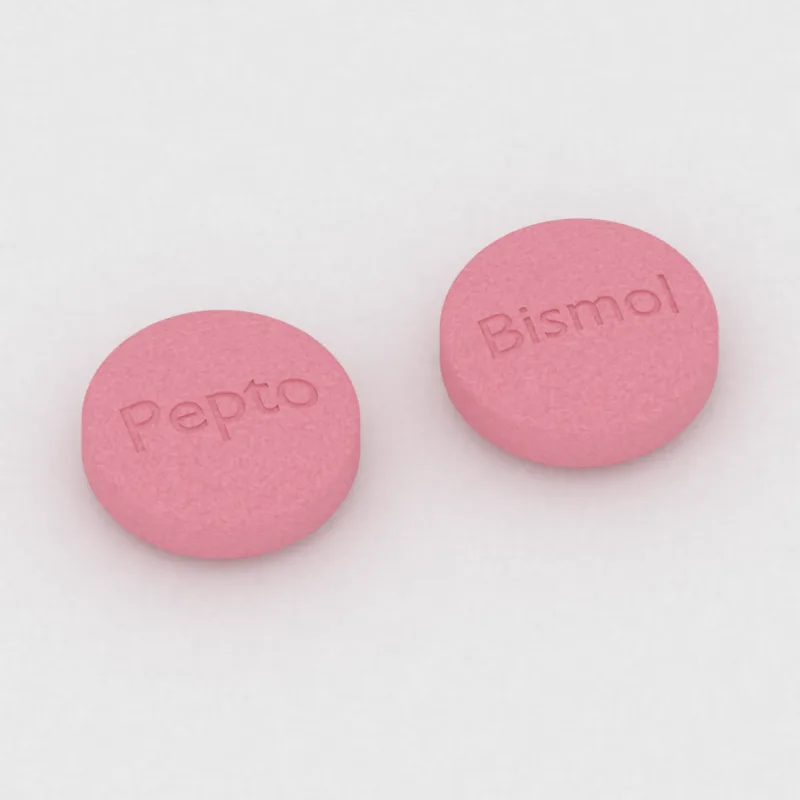
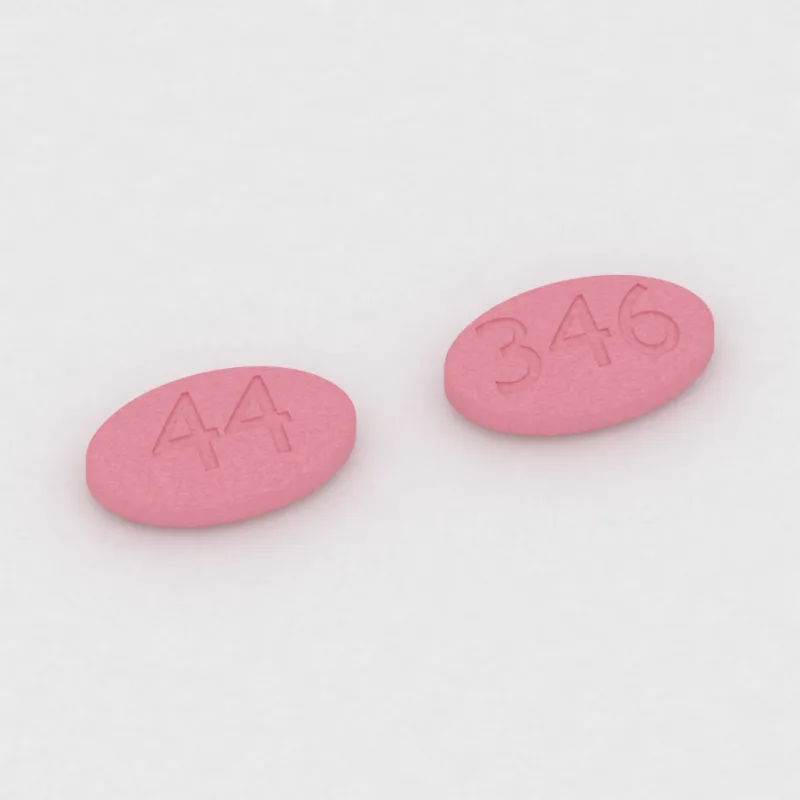
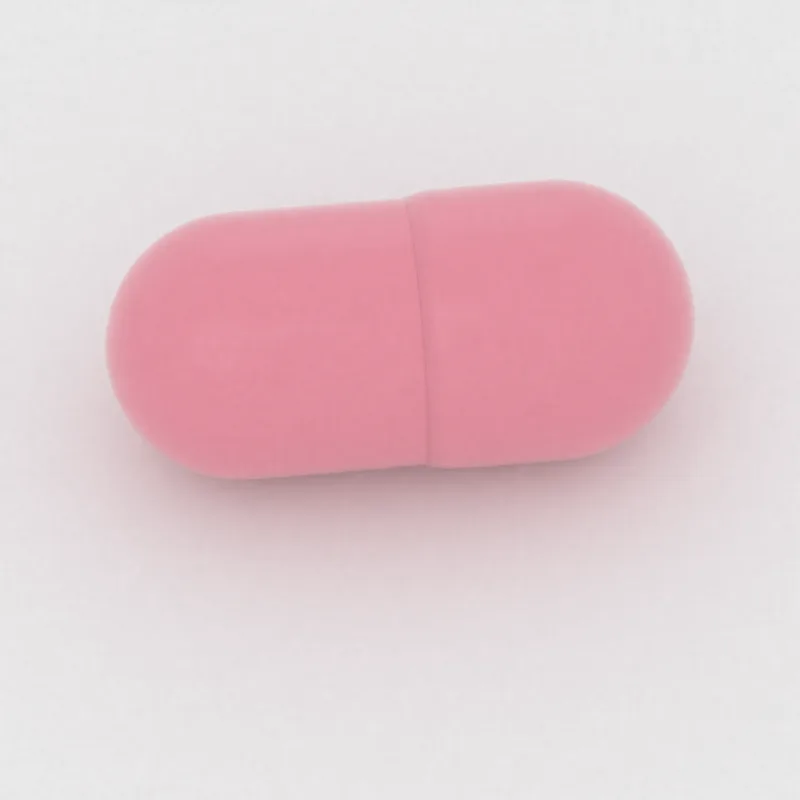
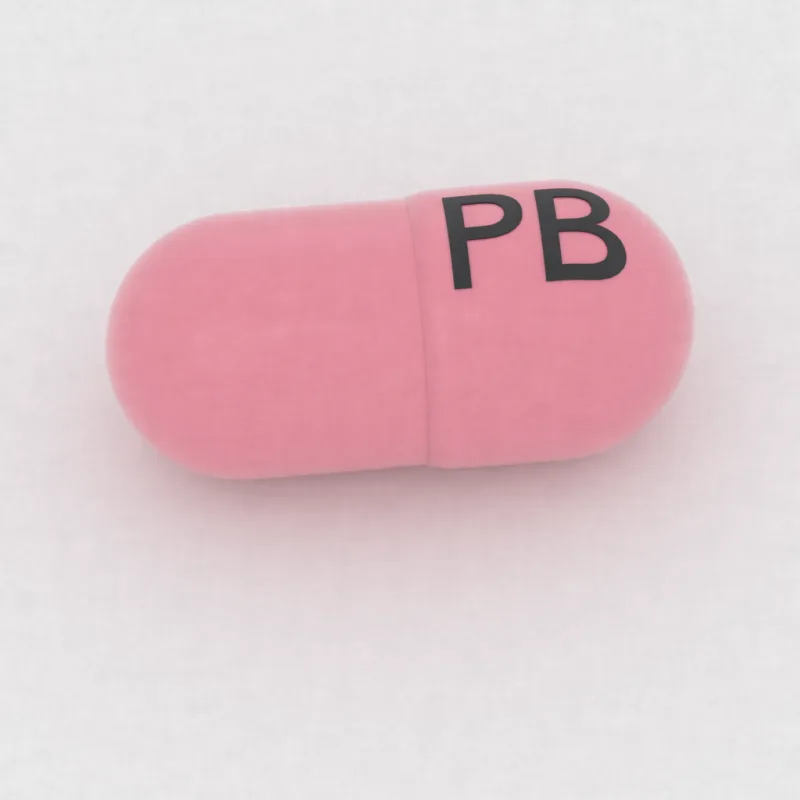
Representações criadas a partir das listas de produtos das bulas da FDA: cor, formato, tamanho e gravação. 15 versões documentadas de 15 fabricantes.
Interações segundo a bula
Interações graves (25)
Do not take if you are allergic to salicylates (including aspirin) taking other salicylate products Do not use if you have an ulcer a bleeding problem bloody or black stool Ask a doctor before use if you have fever mucus in the stool Ask a doctor or pharmacist before use if you are taking any drug for diabetes gout arthritis anticoagulation (thinning the blood)… (bula de Subsalicilato de bismuto, Advertências)
Do not take if you are allergic to salicylates (including aspirin) taking other salicylate products Do not use if you have an ulcer a bleeding problem bloody or black stool Ask a doctor before use if you have fever mucus in the stool Ask a doctor or pharmacist before use if you are taking any drug for diabetes gout arthritis anticoagulation (thinning the blood)… (bula de Subsalicilato de bismuto, Advertências)
Intervention: The concomitant use of mefenamic acid with other NSAIDs or salicylates is not recommended. (bula de Ácido mefenâmico, Interações medicamentosas)
Do not take if you are allergic to salicylates (including aspirin) taking other salicylate products Do not use if you have an ulcer a bleeding problem bloody or black stool Ask a doctor before use if you have fever mucus in the stool Ask a doctor or pharmacist before use if you are taking any drug for diabetes gout arthritis anticoagulation (thinning the blood)… (bula de Subsalicilato de bismuto, Advertências)
Do not take if you are allergic to salicylates (including aspirin) taking other salicylate products Do not use if you have an ulcer a bleeding problem bloody or black stool Ask a doctor before use if you have fever mucus in the stool Ask a doctor or pharmacist before use if you are taking any drug for diabetes gout arthritis anticoagulation (thinning the blood)… (bula de Subsalicilato de bismuto, Advertências)
Intervention: The concomitant use of Celecoxib with other NSAIDs or salicylates is not recommended. (bula de Celecoxibe, Interações medicamentosas)
Intervention: The concomitant use of diclofenac with other NSAIDs or salicylates is not recommended. (bula de Diclofenaco, Interações medicamentosas)
Intervention: The concomitant use of diclofenac sodium/misoprostol with other NSAIDs or salicylates is not recommended. (bula de Diclofenaco + misoprostol, Interações medicamentosas)
Intervention: The concomitant use of fenoprofen with other NSAIDs or salicylates is not recommended. (bula de Fenoprofeno, Interações medicamentosas)
Contraindications: ANTICHOLIUM ® should not be used in the presence of hypersensitivity to physostigmine salicylate, bronchial asthma, ulcers associated with tissue destruction (gangrene), coronary heart disease, constipation (mechanical obstipation), mechanical ischuria (urinary retention), hereditary form of muscle atrophy (myotonic dystrophy), closed traumatic… (bula de Fisostigmina, Contraindicações)
Intervention: The concomitant use of flurbiprofen with other NSAIDs or salicylates is not recommended. (bula de Flurbiprofeno, Interações medicamentosas)
The concomitant use of ibuprofen with other NSAIDs or salicylates is not recommended. (bula de Hidrocodona + ibuprofeno, Interações medicamentosas)
Intervention: The concomitant use of ibuprofen with other NSAIDs or salicylates is not recommended. (bula de Ibuprofeno, Interações medicamentosas)
Intervention: The concomitant use of ibuprofen and famotidine tablet with other NSAIDs or salicylates is not recommended. (bula de Ibuprofeno + famotidina, Interações medicamentosas)
Intervention: The concomitant use of indomethacin with other NSAIDs or salicylates, especially diflunisal, is not recommended. (bula de Indometacina, Interações medicamentosas)
Intervention: The concomitant use of meloxicam with other NSAIDs or salicylates is not recommended. (bula de Meloxicam, Interações medicamentosas)
Intervention: The concomitant use of naproxen with other NSAIDs or salicylates is not recommended. (bula de Naproxeno, Interações medicamentosas)
Intervention: The concomitant use of naproxen and esomeprazole magnesium delayed-release tablets with other NSAIDs or salicylates is not recommended. (bula de Naproxeno + esomeprazol, Interações medicamentosas)
Do not take if you are allergic to salicylates (including aspirin) taking other salicylate products Do not use if you have an ulcer a bleeding problem bloody or black stool Ask a doctor before use if you have fever mucus in the stool Ask a doctor or pharmacist before use if you are taking any drug for diabetes gout arthritis anticoagulation (thinning the blood)… (bula de Subsalicilato de bismuto, Advertências)
Intervention: The concomitant use of oxaprozin with other NSAIDs or salicylates is not recommended. (bula de Oxaprozina, Interações medicamentosas)
Intervention: The concomitant use of ibuprofen with other NSAIDs or salicylates is not recommended. (bula de Paracetamol + ibuprofeno, Interações medicamentosas)
Intervention: The concomitant use of piroxicam with other NSAIDs or salicylates is not recommended. (bula de Piroxicam, Interações medicamentosas)
- ProbenecidaGrave
In patients on probenecid the use of salicylates in either small or large doses is contraindicated because it antagonizes the uricosuric action of probenecid. (bula de Probenecida, Advertências)
In patients on probenecid and colchicine the use of salicylates in either small or large doses is contraindicated because it antagonizes the uricosuric action of probenecid. (bula de Probenecida + colchicina, Advertências)
Intervention: The concomitant use of naproxen with other NSAIDs or salicylates is not recommended. (bula de Sumatriptana + naproxeno, Interações medicamentosas)
Interações moderadas (48)
Particular caution should be exercised in using preparations containing sulfur, resorcinol, or salicylic acid in combination with Adapalene Cream, 0.1%. (bula de Adapaleno, Interações medicamentosas)
• Rare instances of acid-base alterations have occurred with high-dose salicylate therapy. (bula de Brinzolamida, Interações medicamentosas)
Therefore, CYCLOSET may increase the unbound fraction of other concomitantly used highly protein-bound therapies (e.g., salicylates, sulfonamides, chloramphenicol and probenecid), which may alter their effectiveness and risk for side effects. (bula de Bromocriptina, Interações medicamentosas)
Warfarin, Digoxin, Salicylate, and Heparin The in vitro binding of warfarin to plasma proteins is only slightly reduced by ketorolac tromethamine (99.5% control vs 99.3%) when ketorolac plasma concentrations reach 5 to 10 mcg/mL. (bula de Cetorolaco, Interações medicamentosas)
NSAIDs Use with caution Non-steroidal anti-inflammatory drugs (but not acetyl salicylic acid) in combination of very high doses of quinolones have been shown to provoke convulsions in pre-clinical studies and in postmarketing. (bula de Ciprofloxacino, Interações medicamentosas)
COCs have been shown to decrease plasma concentrations of acetaminophen, clofibric acid, morphine, salicylic acid, temazepam and lamotrigine. (bula de Desogestrel + etinilestradiol, Interações medicamentosas)
The clearance of salicylates may be increased with concurrent use of corticosteroids. (bula de Dexametasona, Interações medicamentosas)
Concomitant Use of Aspirin or Other Salicylates Carbonic anhydrase inhibitors, including KEVEYIS, can cause metabolic acidosis [see Warnings and Precautions (5.4) ] , which can increase the risk of salicylate toxicity. (bula de Diclorfenamida, Advertências e precauções)
High-Dose Salicylate Therapy Although acid-base and electrolyte disturbances were not reported in the clinical trials with dorzolamide hydrochloride ophthalmic solution, these disturbances have been reported with oral carbonic anhydrase inhibitors and have, in some instances, resulted in drug interactions (e.g., toxicity associated with high-dose salicylate therapy). (bula de Dorzolamida, Interações medicamentosas)
High-Dose Salicylate Therapy Although acid-base and electrolyte disturbances were not reported in the clinical trials with dorzolamide hydrochloride ophthalmic solution, these disturbances have been reported with oral carbonic anhydrase inhibitors and have, in some instances, resulted in drug interactions (e.g., toxicity associated with high-dose salicylate therapy). (bula de Dorzolamida + timolol, Interações medicamentosas)
CHCs have been shown to decrease plasma concentrations of acetaminophen, clofibric acid, morphine, salicylic acid and temazepam. (bula de Etonogestrel + etinilestradiol, Interações medicamentosas)
Hyperventilation and Metabolic Acidosis: Sodium Phenylacetate and Sodium Benzoate Injection may cause side effects typically associated with salicylate overdose, such as hyperventilation and metabolic acidosis. (bula de Fenilacetato de sódio + benzoato de sódio, Advertências e precauções)
…sulfaphenazole, sulfadiazine, sulfamethoxazole-trimethoprim Other Acute alcohol intake, amiodarone, chloramphenicol, chlordiazepoxide, disulfiram, estrogen, fluvastatin, isoniazid, methylphenidate, phenothiazines, salicylates, ticlopidine, tolbutamide, trazodone, warfarin Drugs that may decrease phenytoin serum levels Antacids Antacids may affect absorption of phenytoin. (bula de Fenitoína, Interações medicamentosas)
Rarely salicylate toxicity may occur in patients who discontinue steroids after concurrent high-dose aspirin therapy. (bula de Fludrocortisona, Interações medicamentosas)
…sulfamethoxazole-trimethoprim Other Acute alcohol intake, amiodarone, chloramphenicol, chlordiazepoxide, disulfiram, estrogen, fluvastatin, isoniazid, methylphenidate, phenothiazines, salicylates, ticlopidine, tolbutamide, trazodone, warfarin Drugs that may decrease phenytoin serum levels Antineoplastic agents usually in combination Bleomycin, carboplatin, cisplatin,… (bula de Fosfenitoína, Interações medicamentosas)
• Salicylates : Risk of salicylate toxicity ( 7.1 ) (bula de Furosemida, Interações medicamentosas)
…Interactions The hypoglycemic action of sulfonylureas may be potentiated by certain drugs including nonsteroidal anti-inflammatory agents, ACE inhibitors, disopyramide, fluoxetine, clarithromycin, and other drugs that are highly protein bound, salicylates, sulfonamides, chloramphenicol, probenecid, monoamine oxidase inhibitors, and beta adrenergic blocking agents. (bula de Glibenclamida, Interações medicamentosas)
…steroids and androgens, cyclophosphamide, phenyramidol, guanethidine, fluconazole, sulfinpyrazone, tetracyclines, clarithromycin, disopyramide, quinolones, and those drugs that are highly protein-bound, such as fluoxetine, nonsteroidal anti-inflammatory drugs, salicylates, sulfonamides, chloramphenicol, coumarins, probenecid and monoamine oxidase inhibitors. (bula de Glimepirida, Interações medicamentosas)
…antidiabetic agents, ACE inhibitors, angiotensin II receptor blocking agents, disopyramide, fibrates, fluoxetine, monoamine oxidase inhibitors, pentoxifylline, pramlintide, propoxyphene, salicylates, somatostatin analogs (e.g., octreotide), sulfonamide antibiotics, nonsteroidal anti-inflammatory agents, chloramphenicol, probenecid, coumarins, voriconazole, H2 receptor… (bula de Glipizida, Interações medicamentosas)
Glipizide: The hypoglycemic action of sulfonylureas may be potentiated by certain drugs, including nonsteroidal anti-inflammatory agents, some azoles, and other drugs that are highly protein bound, salicylates, sulfonamides, chloramphenicol, probenecid, coumarins, monoamine oxidase inhibitors, and beta-adrenergic blocking agents. (bula de Glipizida + metformina, Precauções)
Serum salicylate concentrations may be decreased when griseofulvin is given concomitantly with salicylates. (bula de Griseofulvina, Interações medicamentosas)
- HialuronidaseModerada
• Large doses of salicylates, cortisone, adrenocorticotropic hormone (ACTH), estrogens or antihistamines may require larger amounts of hyaluronidase for equivalent dispersing effect ( 7.4 ) (bula de Hialuronidase, Interações medicamentosas)
The clearance of salicylates may be increased with concurrent use of corticosteroids; this could lead to decreased salicylate serum levels or increase the risk of salicylate toxicity when corticosteroid is withdrawn. (bula de Hidrocortisona, Interações medicamentosas)
Drugs That May Increase the Risk of Hypoglycemia Drugs: Antidiabetic agents, ACE inhibitors, angiotensin II receptor blocking agents, disopyramide, fibrates, fluoxetine, monoamine oxidase inhibitors, pentoxifylline, pramlintide, salicylates, somatostatin analog (e.g., octreotide), and sulfonamide antibiotics. (bula de Insulina asparte, Interações medicamentosas)
…May Increase the Risk of Hypoglycemia Drugs: Antidiabetic agents, ACE inhibitors, angiotensin II receptor blocking agents, disopyramide, fibrates, fluoxetine, monoamine oxidase inhibitors, pentoxifylline, pramlintide, salicylates, somatostatin analogs (e.g., octreotide), and sulfonamide antibiotics, GLP-1 receptor agonists, DPP-4 inhibitors, SGLT-2 inhibitors. (bula de Insulina degludeca, Interações medicamentosas)
…May Increase the Risk of Hypoglycemia Drugs: Antidiabetic agents, ACE inhibitors, angiotensin II receptor blocking agents, disopyramide, fibrates, fluoxetine, monoamine oxidase inhibitors, pentoxifylline, pramlintide, salicylates, somatostatin analogs (e.g., octreotide), and sulfonamide antibiotics, GLP-1 receptor agonists, DPP-4 inhibitors, SGLT-2 inhibitors. (bula de Insulina detemir, Interações medicamentosas)
…May Increase the Risk of Hypoglycemia Drugs: Antidiabetic agents, ACE inhibitors, angiotensin II receptor blocking agents, disopyramide, fibrates, fluoxetine, monoamine oxidase inhibitors, pentoxifylline, pramlintide, salicylates, somatostatin analogs (e.g., octreotide), sulfonamide antibiotics, GLP-1 receptor agonists, DPP-4 inhibitors, and SGLT-2 inhibitors. (bula de Insulina glargina, Interações medicamentosas)
Clinically Significant Drug Interactions with LYUMJEV Drugs That May Increase the Risk of Hypoglycemia Drugs: Antidiabetic agents, ACE inhibitors, angiotensin II receptor blocking agents, disopyramide, fibrates, fluoxetine, monoamine oxidase inhibitors, pentoxifylline, pramlintide, salicylates, somatostatin analogs (e.g., octreotide), and sulfonamide antibiotics. (bula de Insulina lispro, Interações medicamentosas)
…agents, Angiotensin-Converting Enzyme Inhibitors, Angiotensin II Receptor Blocking Agents, Disopyramide, Fibrates, Fluoxetine, Monoamine Oxidase Inhibitors, Pentoxifylline, Pramlintide, Salicylates, Somatostatin Analogs (e.g., octreotide), and Sulfonamide Antibiotics Prevention or Management Monitor blood glucose more frequently and modify AFREZZA dosage, as clinically… (bula de Insulina regular (humana), Interações medicamentosas)
Other Drugs Clinical effect Concomitant use of CHCs may decrease systemic exposure of acetaminophen, morphine, salicylic acid, and temazepam. (bula de Levonorgestrel + etinilestradiol, Interações medicamentosas)
An initial increase in serum FT 4 is followed by return of FT 4 to normal levels with sustained therapeutic serum salicylate concentrations, although total T 4 levels may decrease by as much as 30%. (bula de Levotiroxina, Interações medicamentosas)
An initial increase in serum FT4 is followed by return of FT4 to normal levels with sustained therapeutic serum salicylate concentrations, although total T4 levels may decrease by as much as 30%. (bula de Liotironina, Interações medicamentosas)
The clearance of salicylates may be increased with concurrent use of corticosteroids. (bula de Metilprednisolona, Interações medicamentosas)
Salicylates And Other Non-Steroidal Anti-Inflammatory Drugs May decrease the antihypertensive effects of metolazone tablets, USP. (bula de Metolazona, Interações medicamentosas)
Caution should be used when NSAIDs and salicylates are administered concomitantly with lower doses of methotrexate, including XATMEP. (bula de Metotrexato, Interações medicamentosas)
…with Nateglinide Drugs That May Increase the Blood-Glucose-Lowering Effect of Nateglinide and Susceptibility to Hypoglycemia Drugs: Nonsteroidal anti-inflammatory drugs (NSAIDs), salicylates, monoamine oxidase inhibitors, non-selective beta-adrenergic-blocking agents, anabolic hormones (e.g., methandrostenolone), guanethidine, gymnema sylvestre, glucomannan,… (bula de Nateglinida, Interações medicamentosas)
In patients given very high doses (3,900 mg) of aspirin daily, increases in serum salicylate levels were seen when nizatidine, 150 mg b.i.d., was administered concurrently. (bula de Nizatidina, Interações medicamentosas)
CHCs have been shown to decrease plasma concentrations of acetaminophen, clofibric acid, morphine, salicylic acid, and temazepam. (bula de Norelgestromina + etinilestradiol, Interações medicamentosas)
COCs have been shown to decrease plasma concentrations of acetaminophen, clofibric acid, morphine, salicylic acid, temazepam and lamotrigine. (bula de Norgestimato + etinilestradiol, Interações medicamentosas)
COCs have been shown to decrease plasma concentrations of acetaminophen, clofibric acid, morphine, salicylic acid, temazepam and lamotrigine. (bula de Norgestrel + etinilestradiol, Interações medicamentosas)
…steroids and androgens, cyclophosphamide, phenyramidol, guanethidine, fluconazole, sulfinpyrazone, tetracyclines, clarithromycin, disopyramide, quinolones, and those drugs that are highly protein-bound, such as fluoxetine, nonsteroidal anti-inflammatory drugs, salicylates, sulfonamides, chloramphenicol, coumarins, probenecid and monoamine oxidase inhibitors. (bula de Pioglitazona + glimepirida, Interações medicamentosas)
NSAIDS, including aspirin and salicylates: Concomitant use of aspirin or other non-steroidal anti-inflammatory agents and corticosteroids increases the risk of gastrointestinal side effects. (bula de Prednisolona, Interações medicamentosas)
NSAIDs including aspirin and salicylates: Increased risk of gastrointestinal side effects. (bula de Prednisona, Interações medicamentosas)
ASPIRIN AND OTHER SALICYLATE DRUGS WILL BE ADDITIVE TO SALSALATE AND MAY INCREASE PLASMA CONCENTRATIONS OF SALICYLIC ACID TO TOXIC LEVELS. (bula de Salsalato, Interações medicamentosas)
Conversely, agents such as indomethacin, probenecid and salicylates may displace sulfonamides from plasma albumin and increase the concentrations of free drug in plasma. (bula de Sulfadiazina, Interações medicamentosas)
Nonsteroidal Anti-Inflammatory Drugs Because torsemide and salicylates compete for secretion by renal tubules, patients receiving high doses of salicylates may experience salicylate toxicity when torsemide is concomitantly administered. (bula de Torasemida, Interações medicamentosas)
The clearance of salicylates may be increased with concurrent use of corticosteroids. (bula de Triancinolona, Interações medicamentosas)
Coadministration of aspirin 150 mg/day with multiple daily doses of TRINTELLIX had no significant inhibitory effect on platelet aggregation or pharmacokinetics of aspirin and salicylic acid [see Clinical Pharmacology (12.3) ] . (bula de Vortioxetina, Interações medicamentosas)
Menções leves (4)
Absorption of tetracyclines, including doxycycline hyclate is impaired by antacids containing aluminum, calcium, or magnesium, bismuth subsalicylate and iron-containing preparations. (bula de Doxiciclina, Interações medicamentosas)
These agents include medications such as: anticoagulants, platelet inhibitors including acetylsalicylic acid, salicylates, NSAIDs (including ketorolac tromethamine), dipyridamole, or sulfinpyrazone. (bula de Enoxaparina, Interações medicamentosas)
- EntacaponaLeve
In vitro studies have shown no binding displacement between entacapone and other highly bound drugs, such as warfarin, salicylic acid, phenylbutazone, and diazepam. (bula de Entacapona, Precauções)
Examples: Antidiabetic agents, ACE inhibitors, angiotensin II receptor blocking agents, disopyramide, fibrates, fluoxetine, monoamine oxidase inhibitors, nonsteroidal anti-inflammatory agents (NSAIDs), pentoxifylline, pramlintide, propoxyphene, salicylates, somatostatin analogs (e.g., octreotide), and sulfonamide antibiotics. (bula de Repaglinida, Interações medicamentosas)
Verifique Subsalicilato de bismuto com tudo o que você toma. Adicione sua lista completa; todos os pares são verificados de uma vez.
Abrir no verificadorNão é aconselhamento médico. A gravidade reflete a redação da bula, não as suas circunstâncias. Um alerta “grave” pode ser rotina sob supervisão, e um “leve” pode ser importante em doses altas. Pergunte a um farmacêutico.