
Interações de Clorpromazina
Clorpromazina (Thorazine), antipsicótico, tem 412 interações documentadas nas bulas da FDA e nas fichas informativas que indexamos (graves: 149; moderadas: 184; leves: 77; casos em que uma bula relata não haver interação significativa: 2). Cada item abaixo cita a frase em que se baseia. Esta página de medicamento é um ponto de partida, não um veredito para a sua situação.
Aparência de Clorpromazina
Todas as 55 versões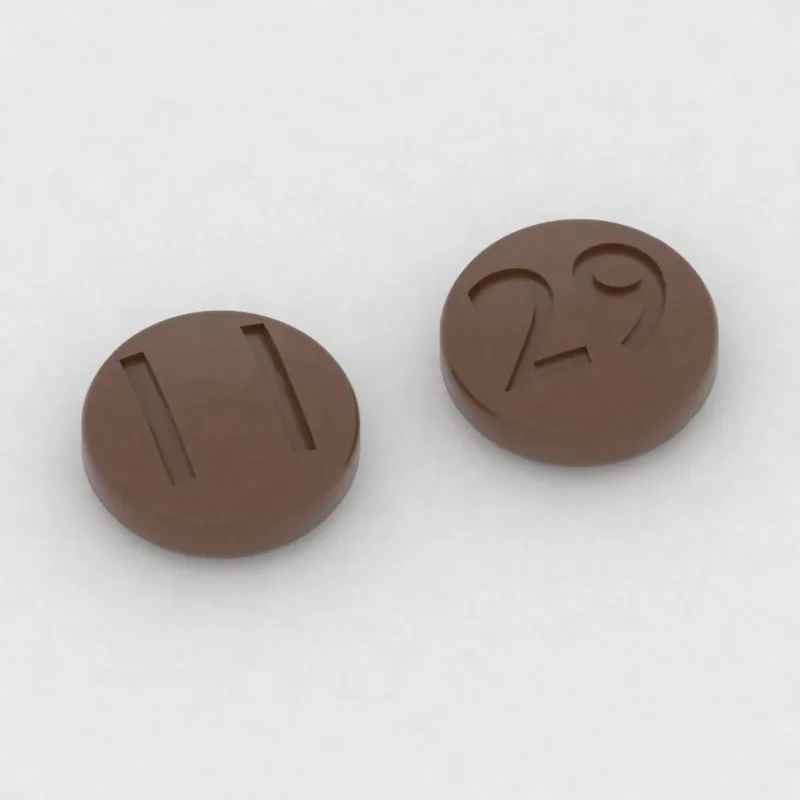
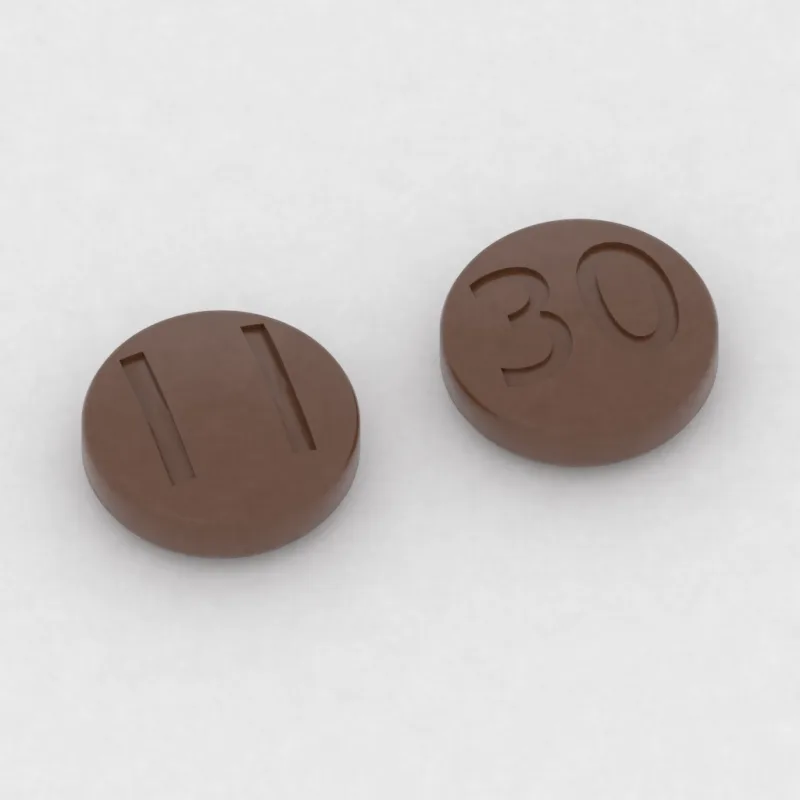
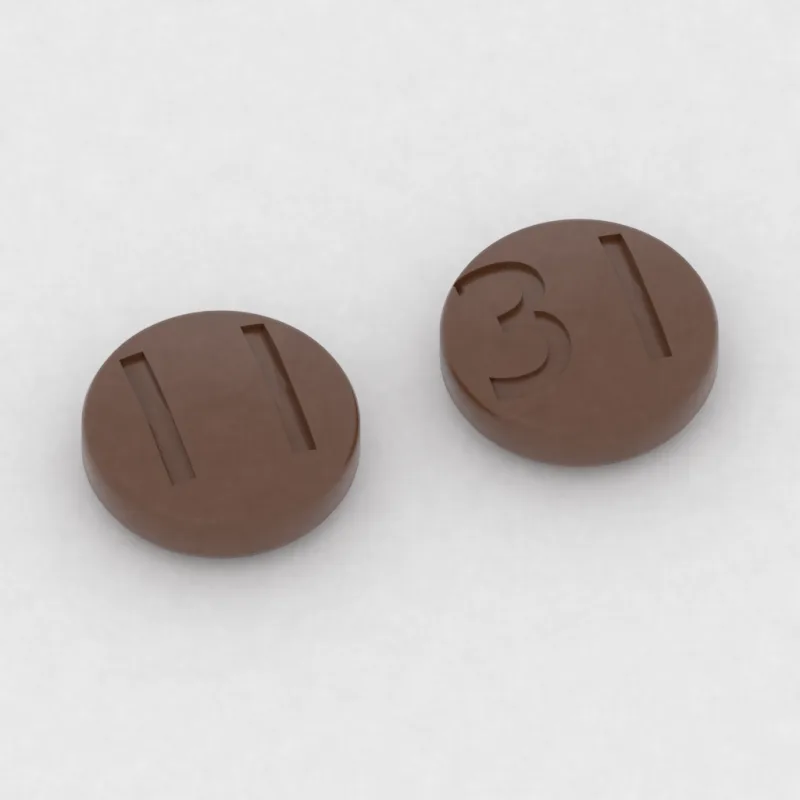
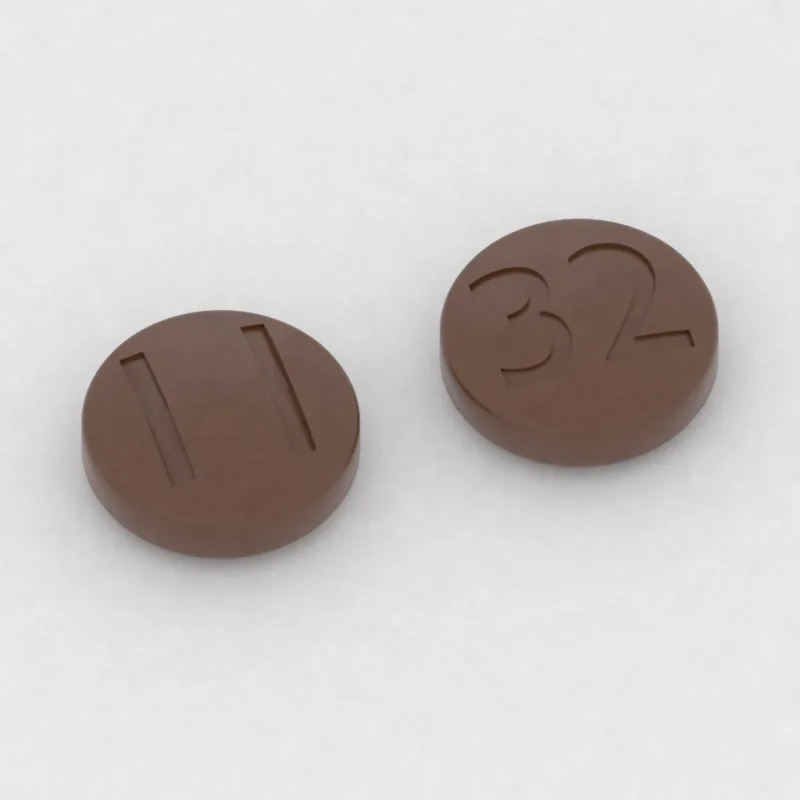
Representações criadas a partir das listas de produtos das bulas da FDA: cor, formato, tamanho e gravação. 55 versões documentadas de 14 fabricantes.
Interações segundo a bula
Interações graves (149)
Avoid administrations of TUDORZA PRESSAIR with other anticholinergic-containing drugs. (bula de Aclidínio, Interações medicamentosas)
Do not use in comatose states or in the presence of large amounts of central nervous system depressants (alcohol, barbiturates, narcotics, etc.). (bula de Clorpromazina, Contraindicações)
Do not use in comatose states or in the presence of large amounts of central nervous system depressants (alcohol, barbiturates, narcotics, etc.). (bula de Clorpromazina, Contraindicações)
Reserve the combination of amiodarone with other antiarrhythmic therapies that prolong the QTc to patients with life-threatening ventricular arrhythmias who are incompletely responsive to a single agent. (bula de Amiodarona, Advertências e precauções)
…the description of tardive dyskinesia and its clinical detection, please refer to the sections on Information for Patients and ADVERSE REACTIONS . ) Neuroleptic Malignant Syndrome (NMS) A potentially fatal symptom complex sometimes referred to as Neuroleptic Malignant Syndrome (NMS) has been reported in association with antipsychotic drugs and with amoxapine. (bula de Amoxapina, Advertências)
The use of SAPHRIS should be avoided in combination with other drugs known to prolong QTc including Class 1A antiarrhythmics (e.g., quinidine, procainamide) or Class 3 antiarrhythmics (e.g., amiodarone, sotalol), antipsychotic medications (e.g., ziprasidone, chlorpromazine, thioridazine), and antibiotics (e.g., gatifloxacin, moxifloxacin). (bula de Asenapina, Advertências e precauções)
• Avoid concurrent use of alcohol or other central nervous system (CNS) depressants with azelastine hydrochloride and fluticasone propionate nasal spray because further decreased alertness and impairment of CNS performance may occur. (bula de Azelastina + fluticasona, Advertências e precauções)
This risk which can be fatal should be considered in patients with certain cardiovascular disorders including known QT prolongation or history torsades de pointes, those with proarrhythmic conditions, and with other drugs that prolong the QT interval. (bula de Azitromicina, Advertências e precauções)
Do not use in comatose states or in the presence of large amounts of central nervous system depressants (alcohol, barbiturates, narcotics, etc.). (bula de Clorpromazina, Contraindicações)
Do not use in comatose states or in the presence of large amounts of central nervous system depressants (alcohol, barbiturates, narcotics, etc.). (bula de Clorpromazina, Contraindicações)
The concomitant use of CYCLOSET and dopamine receptor antagonists, including neuroleptic drugs, is not recommended. (bula de Bromocriptina, Advertências e precauções)
Do not use in comatose states or in the presence of large amounts of central nervous system depressants (alcohol, barbiturates, narcotics, etc.). (bula de Clorpromazina, Contraindicações)
Do not use in comatose states or in the presence of large amounts of central nervous system depressants (alcohol, barbiturates, narcotics, etc.). (bula de Clorpromazina, Contraindicações)
Do not use in comatose states or in the presence of large amounts of central nervous system depressants (alcohol, barbiturates, narcotics, etc.). (bula de Clorpromazina, Contraindicações)
Do not use in comatose states or in the presence of large amounts of central nervous system depressants (alcohol, barbiturates, narcotics, etc.). (bula de Clorpromazina, Contraindicações)
Do not use in comatose states or in the presence of large amounts of central nervous system depressants (alcohol, barbiturates, narcotics, etc.). (bula de Clorpromazina, Contraindicações)
Do not use in comatose states or in the presence of large amounts of central nervous system depressants (alcohol, barbiturates, narcotics, etc.). (bula de Clorpromazina, Contraindicações)
Do not use in comatose states or in the presence of large amounts of central nervous system depressants (alcohol, barbiturates, narcotics, etc.). (bula de Clorpromazina, Contraindicações)
Do not use in comatose states or in the presence of large amounts of central nervous system depressants (alcohol, barbiturates, narcotics, etc.). (bula de Clorpromazina, Contraindicações)
CNS Depressants The concomitant use of EQUETRO and other CNS depressants can increase the risk of respiratory depression, profound sedation, hypotension, and syncope. (bula de Carbamazepina, Interações medicamentosas)
Avoid concurrent use of Carbinoxamine Maleate Extended-Release Oral Suspension with alcohol or other central nervous system depressants because additional impairment of central nervous system performance may occur. (bula de Carbinoxamina, Advertências e precauções)
Do not use in comatose states or in the presence of large amounts of central nervous system depressants (alcohol, barbiturates, narcotics, etc.). (bula de Clorpromazina, Contraindicações)
Benzodiazepines, Opioid Analgesics, or other CNS Depressants : Concomitant use may result in profound sedation, respiratory depression, coma, or death. (bula de Cetamina, Interações medicamentosas)
Avoid concurrent use of QUZYTTIR with alcohol or other CNS depressants because additional reduction in alertness and additional impairment of CNS performance may occur. (bula de Cetirizina, Advertências e precauções)
This may potentiate and prolong hypnotic and sedative effects, especially with repeated dosing or chronic administration of these agents. (bula de Cetoconazol, Contraindicações)
Do not use in comatose states or in the presence of large amounts of central nervous system depressants (alcohol, barbiturates, narcotics, etc.). (bula de Clorpromazina, Contraindicações)
Avoid use in patients with known prolongation, those with hypokalemia, and with other drugs that prolong the QT interval. (bula de Ciprofloxacino, Advertências e precauções)
In patients in whom there is cause for arrest or delay in tablet passage through the gastrointestinal tract, such as those suffering from delayed gastric emptying, esophageal compression, intestinal obstruction or stricture, or those taking anticholinergic medication. (bula de Citrato de potássio, Contraindicações)
Colchicine (in patients with normal renal and hepatic function) Use With Caution Antipsychotics: Pimozide Contraindicated Pimozide: [See Contraindications ( 4.2 )] Quetiapine Lurasidone Quetiapine: Quetiapine is a substrate for CYP3A4, which is inhibited by clarithromycin. (bula de Claritromicina, Interações medicamentosas)
Do not use in comatose states or in the presence of large amounts of central nervous system depressants (alcohol, barbiturates, narcotics, etc.). (bula de Clorpromazina, Contraindicações)
Do not use in comatose states or in the presence of large amounts of central nervous system depressants (alcohol, barbiturates, narcotics, etc.). (bula de Clorpromazina, Contraindicações)
Avoid use with other central nervous system (CNS) depressants ( 5.3 ) (bula de Clonidina, Advertências e precauções)
Do not use in comatose states or in the presence of large amounts of central nervous system depressants (alcohol, barbiturates, narcotics, etc.). (bula de Clorpromazina, Contraindicações)
Do not use in comatose states or in the presence of large amounts of central nervous system depressants (alcohol, barbiturates, narcotics, etc.). (bula de Clorpromazina, Contraindicações)
Do not use in comatose states or in the presence of large amounts of central nervous system depressants (alcohol, barbiturates, narcotics, etc.). (bula de Clorpromazina, Contraindicações)
Do not use in comatose states or in the presence of large amounts of central nervous system depressants (alcohol, barbiturates, narcotics, etc.). (bula de Clorpromazina, Contraindicações)
Proportion of Adult Subjects in Schizophrenia Studies with Weight Gain ≥7% Relative to Baseline Body Weight Weight change CLOZARIL Olanzapine Chlorpromazine N 669 442 155 ≥7% (inclusive) 236 (35%) 203 (46%) 13 (8%) 5.11 Neuroleptic Malignant Syndrome Antipsychotic drugs including CLOZARIL can cause a potentially fatal symptom complex referred to as Neuroleptic… (bula de Clozapina, Advertências e precauções)
Do not use in comatose states or in the presence of large amounts of central nervous system depressants (alcohol, barbiturates, narcotics, etc.). (bula de Clorpromazina, Contraindicações)
Do not use in comatose states or in the presence of large amounts of central nervous system depressants (alcohol, barbiturates, narcotics, etc.). (bula de Clorpromazina, Contraindicações)
Do not use in comatose states or in the presence of large amounts of central nervous system depressants (alcohol, barbiturates, narcotics, etc.). (bula de Clorpromazina, Contraindicações)
Neuroleptic Malignant Syndrome (NMS) A potentially fatal symptom complex sometimes referred to as Neuroleptic Malignant Syndrome (NMS) has been reported in association with drugs that reduce dopaminergic transmission. (bula de Deutetrabenazina, Advertências e precauções)
Do not use in comatose states or in the presence of large amounts of central nervous system depressants (alcohol, barbiturates, narcotics, etc.). (bula de Clorpromazina, Contraindicações)
CONTRAINDICATIONS Diphenoxylate hydrochloride and atropine sulfate is contraindicated in: • Pediatric patients less than 6 years of age due to the risks of respiratory and central nervous system (CNS) depression (see WARNINGS ). (bula de Difenoxilato + atropina, Contraindicações)
Usage of MOTOFEN ® in recommended doses is not likely to cause prominent anticholinergic side effects, but MOTOFEN ® should be avoided in patients in whom anticholinergic drugs are contraindicated. (bula de Difenoxina + atropina, Advertências)
Use with Drugs that Prolong QT Interval and Antiarrhythmic Agents The use of dofetilide in conjunction with other drugs that prolong the QT interval has not been studied and is not recommended. (bula de Dofetilida, Advertências)
Central nervous system (CNS) depressants: Concurrent use with alcohol or other CNS depressants is not recommended ( 5.1 ) (bula de Doxilamina + piridoxina, Advertências e precauções)
…Clinical Pharmacology (12.3) ] • Concomitant use of drugs or herbal products that prolong the QT interval and might increase the risk of torsade de pointes, such as phenothiazine antipsychotics, tricyclic antidepressants, certain oral macrolide antibiotics, and Class I and III antiarrhythmics • Liver or lung toxicity related to the previous use of amiodarone… (bula de Dronedarona, Contraindicações)
Do not use in comatose states or in the presence of large amounts of central nervous system depressants (alcohol, barbiturates, narcotics, etc.). (bula de Clorpromazina, Contraindicações)
Alpha 1-adrenoreceptor antagonist: alfuzosin Anticonvulsants: carbamazepine, phenobarbital, phenytoin Antimycobacterial: rifampin Antipsychotics: lurasidone, pimozide Ergot Derivatives: dihydroergotamine, ergotamine, methylergonovine Herbal Products: St. (bula de Elvitegravir + cobicistate + entricitabina + tenofovir, Contraindicações)
Concomitant use of COMPLERA with drugs with a known risk to prolong the QTc interval of the electrocardiogram may increase the risk of Torsade de Pointes. (bula de Entricitabina + rilpivirina + tenofovir, Advertências e precauções)
Do not use in comatose states or in the presence of large amounts of central nervous system depressants (alcohol, barbiturates, narcotics, etc.). (bula de Clorpromazina, Contraindicações)
Do not use in comatose states or in the presence of large amounts of central nervous system depressants (alcohol, barbiturates, narcotics, etc.). (bula de Clorpromazina, Contraindicações)
Phenelzine sulfate should not be used in combination with dextromethorphan or with CNS depressants such as alcohol and certain narcotics. (bula de Fenelzina, Contraindicações)
Do not use in comatose states or in the presence of large amounts of central nervous system depressants (alcohol, barbiturates, narcotics, etc.). (bula de Clorpromazina, Contraindicações)
Do not use in comatose states or in the presence of large amounts of central nervous system depressants (alcohol, barbiturates, narcotics, etc.). (bula de Clorpromazina, Contraindicações)
Do not use in comatose states or in the presence of large amounts of central nervous system depressants (alcohol, barbiturates, narcotics, etc.). (bula de Clorpromazina, Contraindicações)
…6-hour observation, or at additional risk for QT prolongation (e.g., hypokalemia, hypomagnesemia, congenital long-QT syndrome), or on concurrent therapy with QT prolonging drugs with a known risk of torsades de pointes (e.g., citalopram, chlorpromazine, haloperidol, methadone, erythromycin) should be monitored overnight with continuous ECG in a medical facility. (bula de Fingolimode, Advertências e precauções)
Coadministration of other drugs known to prolong the QT interval and which are metabolized via the enzyme CYP3A4 such as erythromycin, pimozide, and quinidine are contraindicated in patients receiving fluconazole. (bula de Fluconazol, Contraindicações)
Do not use in comatose states or in the presence of large amounts of central nervous system depressants (alcohol, barbiturates, narcotics, etc.). (bula de Clorpromazina, Contraindicações)
(See DOSAGE and ADMINISTRATION. ) Because of the risk of QT prolongation and the potential for torsades de pointes, the use of FOSCAVIR should be avoided in combination with agents known to prolong the QT interval including Class IA (e.g., quinidine or procainamide) or Class III (e.g., dofetilide, amiodarone, sotalol) antiarrhythmic agents, phenothiazines, tricyclic… (bula de Foscarnete, Interações medicamentosas)
Avoid co-administration of CONTEPO with drugs known to prolong the QT interval. (bula de Fosfomicina, Interações medicamentosas)
• Respiratory Depression: May occur with NEURONTIN when used with concomitant central nervous system (CNS) depressants, including opioids, or in the setting of underlying respiratory impairment. (bula de Gabapentina, Advertências e precauções)
• Other Conditions Exacerbated by Anticholinergic Adverse Reactions : Use is not recommended in patients with autonomic neuropathy, hyperthyroidism, cardiac disease, hiatal hernia, etc. (bula de Glicopirrônio, Advertências e precauções)
- GlucagonGrave
Intervention Concomitant use of anticholinergic drugs with GVOKE VialDx is not recommended. (bula de Glucagon, Interações medicamentosas)
Do not use in comatose states or in the presence of large amounts of central nervous system depressants (alcohol, barbiturates, narcotics, etc.). (bula de Clorpromazina, Contraindicações)
Do not use in comatose states or in the presence of large amounts of central nervous system depressants (alcohol, barbiturates, narcotics, etc.). (bula de Clorpromazina, Contraindicações)
Do not use in comatose states or in the presence of large amounts of central nervous system depressants (alcohol, barbiturates, narcotics, etc.). (bula de Clorpromazina, Contraindicações)
Do not use in comatose states or in the presence of large amounts of central nervous system depressants (alcohol, barbiturates, narcotics, etc.). (bula de Clorpromazina, Contraindicações)
Do not use in comatose states or in the presence of large amounts of central nervous system depressants (alcohol, barbiturates, narcotics, etc.). (bula de Clorpromazina, Contraindicações)
Do not use in comatose states or in the presence of large amounts of central nervous system depressants (alcohol, barbiturates, narcotics, etc.). (bula de Clorpromazina, Contraindicações)
Therefore, PLAQUENIL is not recommended in patients taking other drugs that have the potential to prolong the QT interval. (bula de Hidroxicloroquina, Advertências e precauções)
Rarely, cardiac arrests and death have been reported in association with the combined use of hydroxyzine hydrochloride intramuscularly and other CNS depressants. (bula de Hidroxizina, Precauções)
Avoid the use of FANAPT in combination with any other drugs that prolong the QT interval [see Warnings and Precautions (5.3) ] . (bula de Iloperidona, Interações medicamentosas)
Avoid administration of ATROVENT HFA with other anticholinergic-containing drugs ( 7.1 ) (bula de Ipratrópio, Interações medicamentosas)
- IvabradinaGrave
Bradycardia may increase the risk of QT prolongation which may lead to severe ventricular arrhythmias, including torsade de pointes, especially in patients with risk factors such as use of QTc prolonging drugs [see Adverse Reactions ( 6.2 )] . (bula de Ivabradina, Advertências e precauções)
Do not use in comatose states or in the presence of large amounts of central nervous system depressants (alcohol, barbiturates, narcotics, etc.). (bula de Clorpromazina, Contraindicações)
Avoid concurrent use of alcohol or other central nervous system depressants with XYZAL. (bula de Levocetirizina, Advertências e precauções)
Avoid use in patients with known prolongation, those with hypokalemia, and with other drugs that prolong the QT interval ( 5.11 , 8.5 ) (bula de Levofloxacino, Advertências e precauções)
Do not use in comatose states or in the presence of large amounts of central nervous system depressants (alcohol, barbiturates, narcotics, etc.). (bula de Clorpromazina, Contraindicações)
…products that are known to prolong the QT interval, including Class 1A (e.g., quinidine, procainamide) or Class III (e.g., amiodarone, sotalol) antiarrhythmics, antipsychotics (e.g., chlorpromazine, haloperidol, thioridazine, ziprasidone), antibiotics (e.g., moxifloxacin), or any other drug known to prolong the QT interval (e.g., pentamidine, levomethadyl acetate,… (bula de Loperamida, Advertências)
Do not use in comatose states or in the presence of large amounts of central nervous system depressants (alcohol, barbiturates, narcotics, etc.). (bula de Clorpromazina, Contraindicações)
Agranulocytosis (including fatal cases) has been reported with other antipsychotic drugs. (bula de Lumateperona, Advertências e precauções)
Do not use in comatose states or in the presence of large amounts of central nervous system depressants (alcohol, barbiturates, narcotics, etc.). (bula de Clorpromazina, Contraindicações)
Do not use in comatose states or in the presence of large amounts of central nervous system depressants (alcohol, barbiturates, narcotics, etc.). (bula de Clorpromazina, Contraindicações)
Do not use in comatose states or in the presence of large amounts of central nervous system depressants (alcohol, barbiturates, narcotics, etc.). (bula de Clorpromazina, Contraindicações)
• Tardive Dyskinesia (TD), Other Extrapyramidal Symptoms (EPS), and Neuroleptic Malignant Syndrome (NMS) : Avoid concomitant use of other drugs known to cause TD/EPS/NMS and avoid use in patients with Parkinson’s Disease. (bula de Metoclopramida, Advertências e precauções)
Do not use in comatose states or in the presence of large amounts of central nervous system depressants (alcohol, barbiturates, narcotics, etc.). (bula de Clorpromazina, Contraindicações)
Do not use in comatose states or in the presence of large amounts of central nervous system depressants (alcohol, barbiturates, narcotics, etc.). (bula de Clorpromazina, Contraindicações)
Examples diazepam, alprazolam, alcohol Drugs that Prolong QTc Interval Clinical Impact The concomitant use of other drugs which prolong the QTc interval with REMERON/REMERONSolTab, increase the risk of QT prolongation and/or ventricular arrhythmias (e.g., Torsades de Pointes). (bula de Mirtazapina, Interações medicamentosas)
Do not use in comatose states or in the presence of large amounts of central nervous system depressants (alcohol, barbiturates, narcotics, etc.). (bula de Clorpromazina, Contraindicações)
Do not use in comatose states or in the presence of large amounts of central nervous system depressants (alcohol, barbiturates, narcotics, etc.). (bula de Clorpromazina, Contraindicações)
Risk of Recurrent Respiratory and CNS Depression : A recurrence of respiratory depression is possible, therefore, keep the patient under continued surveillance and administer repeat doses of ZURNAI using a new auto-injector with each dose while awaiting emergency medical assistance. (bula de Nalmefeno, Advertências e precauções)
Do not use in comatose states or in the presence of large amounts of central nervous system depressants (alcohol, barbiturates, narcotics, etc.). (bula de Clorpromazina, Contraindicações)
• Avoid concurrent use of alcohol or other central nervous system depressants with olopatadine hydrochloride nasal solution (nasal spray) ( 5.2 ). (bula de Olopatadina, Advertências e precauções)
• Avoid concurrent use of alcohol or other central nervous system (CNS) depressants with RYALTRIS because additional reductions in alertness and additional impairment of CNS performance may occur. (bula de Olopatadina + mometasona, Advertências e precauções)
Do not use in comatose states or in the presence of large amounts of central nervous system depressants (alcohol, barbiturates, narcotics, etc.). (bula de Clorpromazina, Contraindicações)
Do not use in comatose states or in the presence of large amounts of central nervous system depressants (alcohol, barbiturates, narcotics, etc.). (bula de Clorpromazina, Contraindicações)
- OxaliplatinaGrave
Avoid coadministration of oxaliplatin injection with medicinal products with a known potential to prolong the QT interval. (bula de Oxaliplatina, Interações medicamentosas)
Do not use in comatose states or in the presence of large amounts of central nervous system depressants (alcohol, barbiturates, narcotics, etc.). (bula de Clorpromazina, Contraindicações)
• Central Nervous System Depression Xyrem (sodium oxybate) is a CNS depressant. (bula de Oxibato de sódio, Advertência em caixa preta)
Do not use in comatose states or in the presence of large amounts of central nervous system depressants (alcohol, barbiturates, narcotics, etc.). (bula de Clorpromazina, Contraindicações)
Do not use in comatose states or in the presence of large amounts of central nervous system depressants (alcohol, barbiturates, narcotics, etc.). (bula de Clorpromazina, Contraindicações)
Do not use in comatose states or in the presence of large amounts of central nervous system depressants (alcohol, barbiturates, narcotics, etc.). (bula de Clorpromazina, Contraindicações)
Do not use in comatose states or in the presence of large amounts of central nervous system depressants (alcohol, barbiturates, narcotics, etc.). (bula de Clorpromazina, Contraindicações)
- PazopanibeGrave
Avoid coadministration of VOTRIENT with drugs known to prolong the QT/QTc interval. (bula de Pazopanibe, Interações medicamentosas)
Do not use in comatose states or in the presence of large amounts of central nervous system depressants (alcohol, barbiturates, narcotics, etc.). (bula de Clorpromazina, Contraindicações)
Do not use in comatose states or in the presence of large amounts of central nervous system depressants (alcohol, barbiturates, narcotics, etc.). (bula de Clorpromazina, Contraindicações)
…in combination with other drugs known to prolong QT interval including Class 1A antiarrhythmics (e.g., quinidine, procainamide) or Class 3 antiarrhythmics (e.g., amiodarone, sotalol), certain antipsychotic medications (e.g., ziprasidone, chlorpromazine, thioridazine), and certain antibiotics (e.g., gatifloxacin, moxifloxacin) [see Drug Interactions (7.1) ] . (bula de Pimavanserina, Advertências e precauções)
Because pimozide prolongs the QT interval of the electrocardiogram it is contraindicated in patients with congenital long QT syndrome, patients with a history of cardiac arrhythmias, patients taking other drugs which prolong the QT interval of the electrocardiogram or patients with known hypokalemia or hypomagnesemia (see also PRECAUTIONS - DRUG INTERACTIONS ). (bula de Pimozida, Contraindicações)
The use of WAKIX should be avoided in patients with known QT prolongation or in combination with other drugs known to prolong the QT interval [see Drug Interactions ( 7.1 )]. (bula de Pitolisanto, Advertências e precauções)
• Respiratory Depression : May occur with LYRICA when used with concomitant CNS depressants or in the setting of underlying respiratory impairment. (bula de Pregabalina, Advertências e precauções)
Do not use in comatose states or in the presence of large amounts of central nervous system depressants (alcohol, barbiturates, narcotics, etc.). (bula de Clorpromazina, Contraindicações)
Do not use in comatose states or in the presence of large amounts of central nervous system depressants (alcohol, barbiturates, narcotics, etc.). (bula de Clorpromazina, Contraindicações)
• Avoid use with other antiarrhythmic agents or drugs that prolong the QT interval. (bula de Propafenona, Advertências e precauções)
Quinidine is also contraindicated in patients who, like those with myasthenia gravis, might be adversely affected by an anticholinergic agent. (bula de Quinidina, Contraindicações)
Do not use in comatose states or in the presence of large amounts of central nervous system depressants (alcohol, barbiturates, narcotics, etc.). (bula de Clorpromazina, Contraindicações)
Do not use in comatose states or in the presence of large amounts of central nervous system depressants (alcohol, barbiturates, narcotics, etc.). (bula de Clorpromazina, Contraindicações)
…Concomitant use of clopidogrel and rifampin should be discouraged Increase active metabolite exposure and risk of bleeding Ticagrelor Prevention or Management: Avoid use Decrease exposure Antipsychotics Haloperidol Decrease plasma concentrations by 70% Lurasidone Prevention or Management: Concomitant use is contraindicated (See CONTRAINDICATIONS ) Decrease exposure Oral… (bula de Rifampicina, Interações medicamentosas)
Concomitant use with metoclopramide, beta-blockers, or cholinomimetic and anticholinergic drugs is not recommended ( 7.1 , 7.2 , 7.3 ) (bula de Rivastigmina, Interações medicamentosas)
Avoid the concomitant use of drugs known to prolong the QTc interval. (bula de Sertralina, Interações medicamentosas)
Do not use in comatose states or in the presence of large amounts of central nervous system depressants (alcohol, barbiturates, narcotics, etc.). (bula de Clorpromazina, Contraindicações)
Do not use in comatose states or in the presence of large amounts of central nervous system depressants (alcohol, barbiturates, narcotics, etc.). (bula de Clorpromazina, Contraindicações)
Do not use in comatose states or in the presence of large amounts of central nervous system depressants (alcohol, barbiturates, narcotics, etc.). (bula de Clorpromazina, Contraindicações)
Do not use in comatose states or in the presence of large amounts of central nervous system depressants (alcohol, barbiturates, narcotics, etc.). (bula de Clorpromazina, Contraindicações)
Neuroleptic Malignant Syndrome (NMS) A potentially fatal symptom complex sometimes referred to as Neuroleptic Malignant Syndrome (NMS) has been reported in association with tetrabenazine tablets and other drugs that reduce dopaminergic transmission [see Drug Interactions (7.6) ]. (bula de Tetrabenazina, Advertências e precauções)
…proarrhythmic effects, thioridazine should be reserved for use in the treatment of schizophrenic patients who fail to show an acceptable response to adequate courses of treatment with other antipsychotic drugs, either because of insufficient effectiveness or the inability to achieve an effective dose due to intolerable adverse effects from those drugs (see WARNINGS , CONTRAINDICATIONS… (bula de Tioridazina, Advertência em caixa preta)
Avoid administration of SPIRIVA RESPIMAT with other anticholinergic-containing drugs. (bula de Tiotrópio, Interações medicamentosas)
Do not use in comatose states or in the presence of large amounts of central nervous system depressants (alcohol, barbiturates, narcotics, etc.). (bula de Clorpromazina, Contraindicações)
Do not use in comatose states or in the presence of large amounts of central nervous system depressants (alcohol, barbiturates, narcotics, etc.). (bula de Clorpromazina, Contraindicações)
Do not use in comatose states or in the presence of large amounts of central nervous system depressants (alcohol, barbiturates, narcotics, etc.). (bula de Clorpromazina, Contraindicações)
…[Hypertensive Reaction (HR) b or Serotonin Syndrome (SS) c ] Altretamine Use with caution d Orthostatic hypotension e Buspirone Contraindicated a HR Carbamazepine Contraindicated a SS Chlorpromazine Use with caution d Hypotensive effects e Cyclobenzaprine Contraindicated a SS Dextromethorphan Contraindicated a SS; Psychosis, bizarre behavior Dopamine Contraindicated… (bula de Tranilcipromina, Interações medicamentosas)
…are inhibitors of CYP3A4 (e.g., itraconazole, clarithromycin, voriconazole), or known to prolong QT interval including Class 1A antiarrhythmics (e.g., quinidine, procainamide) or Class 3 antiarrhythmics (e.g., amiodarone, sotalol), certain antipsychotic medications (e.g., ziprasidone, chlorpromazine, thioridazine), and certain antibiotics (e.g., gatifloxacin). (bula de Trazodona, Advertências e precauções)
Do not use in comatose states or in the presence of large amounts of central nervous system depressants (alcohol, barbiturates, narcotics, etc.). (bula de Clorpromazina, Contraindicações)
Neuroleptic Malignant Syndrome A potentially fatal symptom complex sometimes referred to as Neuroleptic Malignant Syndrome (NMS) has been reported in association with dose reduction or discontinuation of trihexyphenidyl. (bula de Triexifenidil, Advertências)
- TrimetobenzamidaGrave
Avoid trimethobenzamide hydrochloride capsules in patients receiving other drugs that are likely to cause EPS (e.g. antipsychotics) [see Drug Interactions (7.2) ] . (bula de Trimetobenzamida, Advertências e precauções)
Avoid administration of Umeclidinium ELLIPTA with other anticholinergic-containing drugs. (bula de Umeclidínio, Interações medicamentosas)
Avoid administration of Umeclidinium and Vilanterol ELLIPTA with other anticholinergic-containing drugs. (bula de Umeclidínio + vilanterol, Interações medicamentosas)
Neuroleptic Malignant Syndrome (NMS ) A potentially fatal symptom complex referred to as Neuroleptic Malignant Syndrome (NMS) has been reported in association with drugs that reduce dopaminergic transmission. (bula de Valbenazina, Advertências e precauções)
- VepdegestrantoGrave
Avoid concomitant use of VEPPANU with strong CYP3A inhibitors or drugs known to prolong the QTc interval. (bula de Vepdegestranto, Advertências e precauções)
Do not use in comatose states or in the presence of large amounts of central nervous system depressants (alcohol, barbiturates, narcotics, etc.). (bula de Clorpromazina, Contraindicações)
Therefore, ziprasidone should not be given with: • dofetilide, sotalol, quinidine, other Class Ia and III anti-arrhythmics, mesoridazine, thioridazine, chlorpromazine, droperidol, pimozide, sparfloxacin, gatifloxacin, moxifloxacin, halofantrine, mefloquine, pentamidine, arsenic trioxide, levomethadyl acetate, dolasetron mesylate, probucol or tacrolimus. (bula de Ziprasidona, Contraindicações)
Do not use in comatose states or in the presence of large amounts of central nervous system depressants (alcohol, barbiturates, narcotics, etc.). (bula de Clorpromazina, Contraindicações)
Interações moderadas (184)
Thiazide diuretics may accentuate the orthostatic hypotension that may occur with phenothiazines. (bula de Clorpromazina, Precauções)
Thiazide diuretics may accentuate the orthostatic hypotension that may occur with phenothiazines. (bula de Clorpromazina, Precauções)
Therefore, dosage of anticonvulsants, including barbiturates, should not be reduced if chlorpromazine is started. (bula de Clorpromazina, Precauções)
Inform patients also that the central nervous system depressant effects of allopurinol tablets may be additive to those of alcohol and other CNS depressants. (bula de Alopurinol, Advertências e precauções)
Thiazide diuretics may accentuate the orthostatic hypotension that may occur with phenothiazines. (bula de Clorpromazina, Precauções)
25% increase Diazepam Benzodiazepines increase CNS concentrations of adenosine, a potent CNS depressant, while theophylline blocks adenosine receptors. (bula de Aminofilina, Interações medicamentosas)
MAO inhibitors, tricyclic antidepressants and drugs that prolong the QTc interval may potentiate effect on the cardiovascular system. (bula de Arformoterol, Interações medicamentosas)
Long-Term Therapy To lessen the likelihood of adverse reactions related to cumulative drug effect, patients with a history of long-term therapy with chlorpromazine and/or other antipsychotics should be evaluated periodically to decide whether the maintenance dosage could be lowered or drug therapy discontinued. (bula de Clorpromazina, Precauções)
Thiazide diuretics may accentuate the orthostatic hypotension that may occur with phenothiazines. (bula de Clorpromazina, Precauções)
Use with caution in persons who will be exposed to extreme heat, organophosphorus insecticides and in persons receiving atropine or related drugs. (bula de Clorpromazina, Precauções)
Use with caution in persons who will be exposed to extreme heat, organophosphorus insecticides and in persons receiving atropine or related drugs. (bula de Clorpromazina, Precauções)
Thiazide diuretics may accentuate the orthostatic hypotension that may occur with phenothiazines. (bula de Clorpromazina, Precauções)
Sedatives/Hypnotics: midazolam (oral) triazolam ↑ midazolam (oral) ↑ triazolam Use caution when midazolam or triazolam is concomitantly administered with BIXLENVO. (bula de Bictegravir + entricitabina + tenofovir alafenamida, Interações medicamentosas)
Thiazide diuretics may accentuate the orthostatic hypotension that may occur with phenothiazines. (bula de Clorpromazina, Precauções)
Long-Term Therapy To lessen the likelihood of adverse reactions related to cumulative drug effect, patients with a history of long-term therapy with chlorpromazine and/or other antipsychotics should be evaluated periodically to decide whether the maintenance dosage could be lowered or drug therapy discontinued. (bula de Clorpromazina, Precauções)
Use with CNS depressants may result in an additive or potentiating effect. (bula de Brimonidina, Interações medicamentosas)
Use with CNS depressants may result in an additive or potentiating effect. (bula de Brimonidina + timolol, Interações medicamentosas)
Therefore, dosage of anticonvulsants, including barbiturates, should not be reduced if chlorpromazine is started. (bula de Clorpromazina, Precauções)
Central Nervous System (CNS) depressants Antihistamines have additive effects with alcohol and other CNS depressants (hypnotics, sedatives, tranquilizers, antianxiety agents, etc.). Antihypertensive drugs Sympathomimetic may reduce the effects of antihypertensive drugs. (bula de Bronfeniramina + pseudoefedrina + dextrometorfano, Interações medicamentosas)
Thiazide diuretics may accentuate the orthostatic hypotension that may occur with phenothiazines. (bula de Clorpromazina, Precauções)
Possible early warning signs of central nervous system (CNS) toxicity are restlessness, anxiety, incoherent speech, lightheadedness, numbness and tingling of the mouth and lips, metallic taste, tinnitus, dizziness, blurred vision, tremors, twitching, CNS depression, or drowsiness. (bula de Bupivacaína, Advertências e precauções)
Possible early warning signs of central nervous system (CNS) toxicity are restlessness, anxiety, incoherent speech, lightheadedness, numbness and tingling of the mouth and lips, metallic taste, tinnitus, dizziness, blurred vision, tremors, twitching, CNS depression, or drowsiness. (bula de Bupivacaína + epinefrina, Advertências e precauções)
The following conditions can also increase the risk of seizure: concomitant use of other medications that lower the seizure threshold (e.g., other bupropion products, antipsychotics, tricyclic antidepressants, theophylline, and systemic corticosteroids), metabolic disorders (e.g., hypoglycemia, hyponatremia, severe hepatic impairment, and hypoxia), or use of… (bula de Bupropiona, Advertências e precauções)
Triazolam/flurazepam: Coadministration of buspirone with either triazolam or flurazepam did not appear to prolong or intensify the sedative effects of either benzodiazepine. (bula de Buspirona, Interações medicamentosas)
Because of its CNS depressant effect, chlorpromazine should be used with caution in patients with chronic respiratory disorders such as severe asthma, emphysema and acute respiratory infections, particularly in children (1 to 12 years of age). (bula de Clorpromazina, Precauções)
Thiazide diuretics may accentuate the orthostatic hypotension that may occur with phenothiazines. (bula de Clorpromazina, Precauções)
- CarbidopaModerada
Hyperpyrexia and Confusion Sporadic cases of a symptom complex resembling neuroleptic malignant syndrome (NMS) have been reported in association with dose reductions or withdrawal of certain antiparkinsonian agents such as levodopa, carbidopa-levodopa, or carbidopa-levodopa extended release. (bula de Carbidopa, Advertências)
Withdrawal-Emergent Hyperpyrexia and Confusion A symptom complex that resembles neuroleptic malignant syndrome (characterized by elevated temperature, muscular rigidity, altered consciousness, and autonomic instability), with no other obvious etiology, has been reported in association with rapid dose reduction, withdrawal of, or changes in dopaminergic therapy. (bula de Carbidopa + levodopa, Advertências e precauções)
Withdrawal-Emergent Hyperpyrexia and Confusion Cases of hyperpyrexia and confusion resembling neuroleptic malignant syndrome (NMS) have been reported in association with dose reduction or withdrawal of therapy with carbidopa, levodopa and entacapone. (bula de Carbidopa + levodopa + entacapona, Advertências e precauções)
Long-Term Therapy To lessen the likelihood of adverse reactions related to cumulative drug effect, patients with a history of long-term therapy with chlorpromazine and/or other antipsychotics should be evaluated periodically to decide whether the maintenance dosage could be lowered or drug therapy discontinued. (bula de Clorpromazina, Precauções)
Therefore, dosage of anticonvulsants, including barbiturates, should not be reduced if chlorpromazine is started. (bula de Clorpromazina, Precauções)
QT Interval Prolongation and V entricular A rr h ythmia Decreases in serum calcium can also prolong the QT interval, potentially resulting in ventricular arrhythmia. (bula de Cinacalcete, Advertências e precauções)
CNS Depressants Antihistamines may have additive effects with alcohol and other CNS depressants, e.g., hypnotics, sedatives, tranquilizers, antianxiety agents. (bula de Ciproeptadina, Advertências)
Avoid use of Citalopram Capsules in patients with congenital long QT syndrome, bradycardia, hypokalemia or hypomagnesemia, recent acute myocardial infarction, or uncompensated heart failure and patients taking other drugs that prolong the QTc interval. (bula de Citalopram, Advertências e precauções)
Use with CNS Depressants Clemastine has additive effects with alcohol and other CNS depressants (hypnotics, sedatives, tranquilizers, etc.). Use in Activities Requiring Mental Alertness Patients should be warned about engaging in activities requiring mental alertness such as driving a car or operating appliances, machinery, etc. (bula de Clemastina, Advertências)
Thiazide diuretics may accentuate the orthostatic hypotension that may occur with phenothiazines. (bula de Clorpromazina, Precauções)
Thiazide diuretics may accentuate the orthostatic hypotension that may occur with phenothiazines. (bula de Clorpromazina, Precauções)
Darifenacin extended-release tablets, like other anticholinergic drugs, may decrease gastrointestinal motility and should be used with caution in patients with conditions such as severe constipation, ulcerative colitis, and myasthenia gravis. (bula de Darifenacina, Advertências e precauções)
Because of its CNS depressant effect, chlorpromazine should be used with caution in patients with chronic respiratory disorders such as severe asthma, emphysema and acute respiratory infections, particularly in children (1 to 12 years of age). (bula de Clorpromazina, Precauções)
- DesmopressinaModerada
…Hyponatremia Concomitant administration of DESMODA with other drugs that may increase the risk of water intoxication with hyponatremia, (e.g., tricyclic antidepressants, selective serotonin re-uptake inhibitors, chlorpromazine, opiate analgesics, thiazide diuretics, NSAIDs, lamotrigine, sulfonylureas, particularly chlorpropamide, oxybutynin and carbamazepine). (bula de Desmopressina, Interações medicamentosas)
Use with CNS Depressants CORPHENA Oral Solution has additive effects with alcohol and other CNS depressants (hypnotics, sedatives, tranquilizers, etc.). Use in Activities Requiring Mental Alertness Patients should be warned about engaging in activities requiring mental alertness such as driving a car or operating appliances, machinery, etc. (bula de Dexclorfeniramina, Advertências)
The intravenous administration of anticholinergic agents (e.g., glycopyrrolate, atropine) should be considered to modify vagal tone. (bula de Dexmedetomidina, Advertências e precauções)
Anticholinergic effects of quinidine: Monitor for worsening in myasthenia gravis and other sensitive conditions. (bula de Dextrometorfano + quinidina, Advertências e precauções)
Anticholinergic agents: may affect the gastrointestinal absorption of various drugs; may also increase certain actions or side effects of other anticholinergic drugs (7) (bula de Dicicloverina, Interações medicamentosas)
Drug Interactions Diphenhydramine hydrochloride has additive effects with alcohol and other CNS depressants (hypnotics, sedatives, tranquilizers, etc). (bula de Difenidramina, Interações medicamentosas)
The concomitant use of alcohol or other central nervous system depressants may have an additive effect. (bula de Dimenidrinato, Advertências)
Therefore, dosage of anticonvulsants, including barbiturates, should not be reduced if chlorpromazine is started. (bula de Clorpromazina, Precauções)
Potential additive effects when used in combination with CNS depressants or sedating antihistamines. (bula de Doxepina, Advertências e precauções)
Because of its CNS depressant effect, chlorpromazine should be used with caution in patients with chronic respiratory disorders such as severe asthma, emphysema and acute respiratory infections, particularly in children (1 to 12 years of age). (bula de Clorpromazina, Precauções)
…cardiac disease, 3) treatment with Class I and Class III antiarrhythmics, 4) treatment with monoamine oxidase inhibitors (MAOI's), 5) concomitant treatment with other drug products known to prolong the QT interval (see PRECAUTIONS, Drug Interactions ), and 6) electrolyte imbalance, in particular hypokalemia and hypomagnesemia, or concomitant treatment with drugs… (bula de Droperidol, Advertências)
Observe patients carefully when the dosage of NORTHERA is changed or when concomitant levodopa is reduced abruptly or discontinued, especially if the patient is receiving neuroleptics. (bula de Droxidopa, Advertências e precauções)
QT Prolonging Drugs There is limited information available on the potential for a pharmacodynamic interaction between efavirenz and drugs that prolong the QTc interval. (bula de Efavirenz, Interações medicamentosas)
QT Prolonging Drugs There is limited information available on the potential for a pharmacodynamic interaction between EFV and drugs that prolong the QTc interval. (bula de Efavirenz + lamivudina + tenofovir, Interações medicamentosas)
Thiazide diuretics may accentuate the orthostatic hypotension that may occur with phenothiazines. (bula de Clorpromazina, Precauções)
Thiazide diuretics may accentuate the orthostatic hypotension that may occur with phenothiazines. (bula de Clorpromazina, Precauções)
- EribulinaModerada
QT Prolongation: Monitor for prolonged QT intervals in patients with congestive heart failure, bradyarrhythmias, drugs known to prolong the QT interval, and electrolyte abnormalities. (bula de Eribulina, Advertências e precauções)
• Gastrointestinal and Urinary Disorders : Consider more frequent monitoring during treatment in patients suspected of having intestinal obstruction; patients with pyloric obstruction, patients with impeded urine flow or receiving other anticholinergic drugs. (bula de Escopolamina, Advertências e precauções)
Therefore, dosage of anticonvulsants, including barbiturates, should not be reduced if chlorpromazine is started. (bula de Clorpromazina, Precauções)
Thiazide diuretics may accentuate the orthostatic hypotension that may occur with phenothiazines. (bula de Clorpromazina, Precauções)
Thiazide diuretics may accentuate the orthostatic hypotension that may occur with phenothiazines. (bula de Clorpromazina, Precauções)
Because of its CNS depressant effect, chlorpromazine should be used with caution in patients with chronic respiratory disorders such as severe asthma, emphysema and acute respiratory infections, particularly in children (1 to 12 years of age). (bula de Clorpromazina, Precauções)
Therefore, dosage of anticonvulsants, including barbiturates, should not be reduced if chlorpromazine is started. (bula de Clorpromazina, Precauções)
Therefore, dosage of anticonvulsants, including barbiturates, should not be reduced if chlorpromazine is started. (bula de Clorpromazina, Precauções)
However, it has been reported that chlorpromazine may interfere with the metabolism of phenytoin and thus precipitate phenytoin toxicity. (bula de Clorpromazina, Precauções)
Therefore, dosage of anticonvulsants, including barbiturates, should not be reduced if chlorpromazine is started. (bula de Clorpromazina, Precauções)
Urinary Retention in Adult Patients With Bladder Outlet Obstruction The use of Toviaz, like other antimuscarinic drugs, in patients with clinically significant bladder outlet obstruction, including patients with urinary retention, may result in further urinary retention and kidney injury. (bula de Fesoterodina, Advertências e precauções)
Exacerbated by other CNS depressants, and in settings where flibanserin concentrations are increased. (bula de Flibanserina, Advertências e precauções)
Long-Term Therapy To lessen the likelihood of adverse reactions related to cumulative drug effect, patients with a history of long-term therapy with chlorpromazine and/or other antipsychotics should be evaluated periodically to decide whether the maintenance dosage could be lowered or drug therapy discontinued. (bula de Clorpromazina, Precauções)
Use with caution in combination with other drugs that prolong the QT interval ( 4.2 , 5.11 , 7.7 , 7.8 ) 7.1 Monoamine Oxidase Inhibitors (MAOI) [See Dosage and Administration ( 2.9 , 2.10 ), Contraindications ( 4.1 ), and Warnings and Precautions ( 5.2 )] . (bula de Fluoxetina, Interações medicamentosas)
CNS Active Drugs Antipsychotics: See Warnings and Precautions ( 5.2 ) . (bula de Fluvoxamina, Interações medicamentosas)
…Antidepressants, QTc Prolonging Drugs Formoterol, as with other beta 2 -agonists, should be administered with extreme caution to patients being treated with monoamine oxidase inhibitors, tricyclic antidepressants, or drugs known to prolong the QTc interval because the effect of adrenergic agonists on the cardiovascular system may be potentiated by these agents. (bula de Formoterol, Interações medicamentosas)
Therefore, dosage of anticonvulsants, including barbiturates, should not be reduced if chlorpromazine is started. (bula de Clorpromazina, Precauções)
Thiazide diuretics may accentuate the orthostatic hypotension that may occur with phenothiazines. (bula de Clorpromazina, Precauções)
Thiazide diuretics may accentuate the orthostatic hypotension that may occur with phenothiazines. (bula de Clorpromazina, Precauções)
…medications that may reduce the glucose-lowering effect of sulfonylureas including glimepiride, leading to worsening glycemic control: danazol, glucagon, somatropin, protease inhibitors, atypical antipsychotic medications (e.g., olanzapine and clozapine), barbiturates, diazoxide, laxatives, rifampin, thiazides and other diuretics, corticosteroids, phenothiazines, thyroid… (bula de Glimepirida, Interações medicamentosas)
The following are examples of medication that may reduce the glucose-lowering effect of GLUCOTROL XL, leading to worsening glycemic control: atypical antipsychotics (e.g., olanzapine and clozapine), corticosteroids, danazol, diuretics, estrogens, glucagon, isoniazid, niacin, oral contraceptives, phenothiazines, progestogens (e.g., in oral contraceptives), protease… (bula de Glipizida, Interações medicamentosas)
- GosserrelinaModerada
Effect on QT/QTc Interval: Androgen deprivation therapy may prolong the QT interval. (bula de Gosserrelina, Advertências e precauções)
Consider the potential for additive sedative effects with CNS depressant drugs. (bula de Guanfacina, Advertências e precauções)
Long-Term Therapy To lessen the likelihood of adverse reactions related to cumulative drug effect, patients with a history of long-term therapy with chlorpromazine and/or other antipsychotics should be evaluated periodically to decide whether the maintenance dosage could be lowered or drug therapy discontinued. (bula de Clorpromazina, Precauções)
Thiazide diuretics may accentuate the orthostatic hypotension that may occur with phenothiazines. (bula de Clorpromazina, Precauções)
Imipramine hydrochloride may enhance the CNS depressant effects of alcohol. (bula de Imipramina, Advertências)
Thiazide diuretics may accentuate the orthostatic hypotension that may occur with phenothiazines. (bula de Clorpromazina, Precauções)
Drugs That May Decrease the Blood Glucose Lowering Effect of Insulin Aspart Drugs: Atypical antipsychotics (e.g., olanzapine and clozapine), corticosteroids, danazol, diuretics, estrogens, glucagon, isoniazid, niacin, oral contraceptives, phenothiazines, progestogens (e.g., in oral contraceptives), protease inhibitors, somatropin, sympathomimetic agents (e.g.,… (bula de Insulina asparte, Interações medicamentosas)
Drugs That May Decrease the Blood Glucose Lowering Effect of Insulin Degludec Drugs: Atypical antipsychotics (e.g., olanzapine and clozapine), corticosteroids, danazol, diuretics, estrogens, glucagon, isoniazid, niacin, oral contraceptives, phenothiazines, progestogens (e.g., in oral contraceptives), protease inhibitors, somatropin, sympathomimetic agents (e.g.,… (bula de Insulina degludeca, Interações medicamentosas)
Drugs That May Decrease the Blood Glucose Lowering Effect of LEVEMIR Drugs: Atypical antipsychotics (e.g., olanzapine and clozapine), corticosteroids, danazol, diuretics, estrogens, glucagon, isoniazid, niacin, oral contraceptives, phenothiazines, progestogens (e.g., in oral contraceptives), protease inhibitors, somatropin, sympathomimetic agents (e.g., albuterol,… (bula de Insulina detemir, Interações medicamentosas)
Drugs that May Decrease the Blood Glucose Lowering Effect of Insulin Glargine-yfgn Drugs: Atypical antipsychotics (e.g., olanzapine and clozapine), corticosteroids, danazol, diuretics, estrogens, glucagon, isoniazid, niacin, oral contraceptives, phenothiazines, progestogens (e.g., in oral contraceptives), protease inhibitors, somatropin, sympathomimetic agents… (bula de Insulina glargina, Interações medicamentosas)
Drugs That May Decrease the Blood Glucose Lowering Effect of LYUMJEV Drugs: Atypical antipsychotics (e.g., olanzapine and clozapine), corticosteroids, danazol, diuretics, estrogens, glucagon, isoniazid, niacin, oral contraceptives, phenothiazines, progestogens (e.g., in oral contraceptives), protease inhibitors, somatropin, sympathomimetic agents (e.g., albuterol,… (bula de Insulina lispro, Interações medicamentosas)
Caution is, therefore, advised in the co-administration of Ipratropium Bromide and Albuterol Sulfate Inhalation Solution with other drugs having anticholinergic properties. β-adrenergic agents Caution is advised in the co-administration of Ipratropium Bromide and Albuterol Sulfate Inhalation Solution and other sympathomimetic agents due to the increased risk… (bula de Ipratrópio + salbutamol, Interações medicamentosas)
Thiazide diuretics may accentuate the orthostatic hypotension that may occur with phenothiazines. (bula de Clorpromazina, Precauções)
Because of its CNS depressant effect, chlorpromazine should be used with caution in patients with chronic respiratory disorders such as severe asthma, emphysema and acute respiratory infections, particularly in children (1 to 12 years of age). (bula de Clorpromazina, Precauções)
Antipsychotics, Anxiolytics and Hypnotics Alprazolam Aripiprazole Buspirone Diazepam Haloperidol Midazolam (IV) Quetiapine Ramelteon Risperidone Suvorexant Monitor for adverse reactions. (bula de Itraconazol, Interações medicamentosas)
Therefore, dosage of anticonvulsants, including barbiturates, should not be reduced if chlorpromazine is started. (bula de Clorpromazina, Precauções)
Therefore, dosage of anticonvulsants, including barbiturates, should not be reduced if chlorpromazine is started. (bula de Clorpromazina, Precauções)
TYKERB may prolong the QT interval in some patients. (bula de Lapatinibe, Advertências e precauções)
- LeuprorrelinaModerada
Effect on QT/QTc Interval: Androgen deprivation therapy may prolong the QT interval. (bula de Leuprorrelina, Advertências e precauções)
Therefore, dosage of anticonvulsants, including barbiturates, should not be reduced if chlorpromazine is started. (bula de Clorpromazina, Precauções)
Withdrawal-Emergent Hyperpyrexia and Confusion A symptom complex that resembles neuroleptic malignant syndrome (characterized by elevated temperature, muscular rigidity, altered consciousness, and autonomic instability), with no other obvious etiology, has been reported in association with rapid dose reduction, withdrawal of, or changes in dopaminergic therapy. (bula de Levodopa, Advertências e precauções)
Possible early warning signs of central nervous system (CNS) toxicity are restlessness, anxiety, incoherent speech, lightheadedness, metallic taste, tinnitus, dizziness, blurred vision, tremors, twitching, CNS depression, or drowsiness. (bula de Lidocaína + epinefrina, Advertências e precauções)
Thiazide diuretics may accentuate the orthostatic hypotension that may occur with phenothiazines. (bula de Clorpromazina, Precauções)
Because of a possible causal relationship between these events and the concomitant administration of lithium and antipsychotics, patients receiving such combined therapy should be monitored closely for early evidence of neurologic toxicity and treatment discontinued promptly if such signs appear. (bula de Clorpromazina, Advertências)
Risk of QT Prolongation : Lofexidine tablets prolong the QT interval. (bula de Lofexidina, Advertências e precauções)
Thiazide diuretics may accentuate the orthostatic hypotension that may occur with phenothiazines. (bula de Clorpromazina, Precauções)
Long-Term Therapy To lessen the likelihood of adverse reactions related to cumulative drug effect, patients with a history of long-term therapy with chlorpromazine and/or other antipsychotics should be evaluated periodically to decide whether the maintenance dosage could be lowered or drug therapy discontinued. (bula de Clorpromazina, Precauções)
Long-Term Therapy To lessen the likelihood of adverse reactions related to cumulative drug effect, patients with a history of long-term therapy with chlorpromazine and/or other antipsychotics should be evaluated periodically to decide whether the maintenance dosage could be lowered or drug therapy discontinued. (bula de Clorpromazina, Precauções)
• Coadministration of meclizine hydrochloride with other CNS depressants, including alcohol, may result in increased CNS depression ( 7.1 ). (bula de Meclizina, Interações medicamentosas)
Other Drugs that Prolong the QTc Interval Coadministration of other drugs known to alter cardiac conduction (e.g., anti-arrhythmic or beta-adrenergic blocking agents, calcium channel blockers, antihistamines or H 1 -blocking agents, tricyclic antidepressants and phenothiazines) might also contribute to a prolongation of the QTc interval. (bula de Mefloquina, Interações medicamentosas)
Additive Effects Since the effects of meprobamate and alcohol or meprobamate and other CNS depressants or psychotropic drugs may be additive,appropriate caution should be exercised with patients who take more than one of these agents simultaneously. (bula de Meprobamato, Advertências)
Therefore, dosage of anticonvulsants, including barbiturates, should not be reduced if chlorpromazine is started. (bula de Clorpromazina, Precauções)
Drug interactions Additive anticholinergic effects may result from concomitant use with antipsychotics, tricyclic antidepressants, and other drugs with anticholinergic effects. (bula de Metilescopolamina, Interações medicamentosas)
- MetirosinaModerada
Concurrent use of metyrosine with alcohol or other CNS depressants can increase their sedative effects. (bula de Metirosina, Interações medicamentosas)
Thiazide diuretics may accentuate the orthostatic hypotension that may occur with phenothiazines. (bula de Clorpromazina, Precauções)
Thiazide diuretics may accentuate the orthostatic hypotension that may occur with phenothiazines. (bula de Clorpromazina, Precauções)
Drugs that Prolong the QT Interval QT prolongation has been reported, particularly when metronidazole was administered with drugs with the potential for prolonging the QT interval. (bula de Metronidazol, Interações medicamentosas)
There is little or no experience with high exposure, concomitant dosing with other QT-prolonging drugs, or potassium channel variants resulting in a long QT interval. [See Warnings & Precautions ( 5.6 )] To minimize risk, the lowest effective dose should always be used. (bula de Mifepristona, Advertências e precauções)
• Urinary Retention in Patients With Bladder Outlet Obstruction and in Patients Taking Muscarinic Antagonist Drugs for Overactive Bladder : Administer with caution in these patients because of risk of urinary retention. (bula de Mirabegrona, Advertências e precauções)
Pharmacokinetic studies between moxifloxacin and other drugs that prolong the QT interval such as cisapride, erythromycin, antipsychotics, and tricyclic antidepressants have not been performed. (bula de Moxifloxacino, Advertências e precauções)
WARNINGS AND PRECAUTIONS Risk of Recurrent Respiratory and CNS Depression : Due to the duration of action of naloxone relative to the opioid, respiratory and CNS depression may recur after the first dose of naloxone. (bula de Naloxona, Advertências e precauções)
…medications (sulfonylureas and meglitinides) that may cause hypoglycemia concomitant administration of medications that may lower the seizure threshold, including other bupropion products, antipsychotics, tricyclic antidepressants, theophylline, systemic steroids Recommendations for Reducing the Risk of Seizure: Clinical experience with bupropion suggests that the risk… (bula de Naltrexona + bupropiona, Advertências e precauções)
An anticholinergic agent, (e.g., atropine sulfate or glycopyrrolate) should be administered prior to Neostigmine Methylsulfate Injection administration to lessen the risk of bradycardia [ see Dosage and Administration ( 2.4 ) ]. (bula de Neostigmina, Advertências e precauções)
Close supervision and careful adjustment of the dosage are required when Pamelor is used with other anticholinergic drugs and sympathomimetic drugs. (bula de Nortriptilina, Interações medicamentosas)
Long-Term Therapy To lessen the likelihood of adverse reactions related to cumulative drug effect, patients with a history of long-term therapy with chlorpromazine and/or other antipsychotics should be evaluated periodically to decide whether the maintenance dosage could be lowered or drug therapy discontinued. (bula de Clorpromazina, Precauções)
Long-Term Therapy To lessen the likelihood of adverse reactions related to cumulative drug effect, patients with a history of long-term therapy with chlorpromazine and/or other antipsychotics should be evaluated periodically to decide whether the maintenance dosage could be lowered or drug therapy discontinued. (bula de Clorpromazina, Precauções)
Thiazide diuretics may accentuate the orthostatic hypotension that may occur with phenothiazines. (bula de Clorpromazina, Precauções)
Thiazide diuretics may accentuate the orthostatic hypotension that may occur with phenothiazines. (bula de Clorpromazina, Precauções)
Therefore, dosage of anticonvulsants, including barbiturates, should not be reduced if chlorpromazine is started. (bula de Clorpromazina, Precauções)
Oxybutynin chloride extended-release tablets, like other anticholinergic drugs, may decrease gastrointestinal motility and should be used with caution in patients with conditions such as ulcerative colitis and intestinal atony. (bula de Oxibutinina, Advertências e precauções)
Long-Term Therapy To lessen the likelihood of adverse reactions related to cumulative drug effect, patients with a history of long-term therapy with chlorpromazine and/or other antipsychotics should be evaluated periodically to decide whether the maintenance dosage could be lowered or drug therapy discontinued. (bula de Clorpromazina, Precauções)
- PasireotidaModerada
Drugs that Prolong QT: Use with caution in patients who are at significant risk of developing QTc prolongation. (bula de Pasireotida, Interações medicamentosas)
Therefore, dosage of anticonvulsants, including barbiturates, should not be reduced if chlorpromazine is started. (bula de Clorpromazina, Precauções)
Long-Term Therapy To lessen the likelihood of adverse reactions related to cumulative drug effect, patients with a history of long-term therapy with chlorpromazine and/or other antipsychotics should be evaluated periodically to decide whether the maintenance dosage could be lowered or drug therapy discontinued. (bula de Clorpromazina, Precauções)
These effects should be considered when anticholinergic properties may be contributing to the therapeutic effect of concomitant medication (e.g., atropine, inhaled ipratropium). (bula de Pilocarpina, Interações medicamentosas)
…medications that may reduce the glucose-lowering effect of sulfonylureas including glimepiride, leading to worsening glycemic control: danazol, glucagon, somatropin, protease inhibitors, atypical antipsychotic medications (e.g., olanzapine and clozapine), barbiturates, diazoxide, laxatives, rifampin, thiazides and other diuretics, corticosteroids, phenothiazines, thyroid… (bula de Pioglitazona + glimepirida, Interações medicamentosas)
Use with caution in persons with increased risk of anticholinergic reactions, such as persons with bronchial asthma, chronic obstructive pulmonary disease, bradycardia, cardiac arrhythmias, beta blocker treatment (increased risk of anticholinergic reactions). (bula de Piridostigmina, Advertências e precauções)
Anti-Arrhythmic Drugs, QT Prolonging Drugs, Drugs that may Decrease Heart Rate PONVORY has not been studied in patients taking QT prolonging drugs. (bula de Ponesimode, Interações medicamentosas)
Concomitant Use with Midazolam : Noxafil can prolong hypnotic/sedative effects. (bula de Posaconazol, Advertências e precauções)
Hyperpyrexia and Confusion Although not reported with pramipexole in the clinical development program, a symptom complex resembling the neuroleptic malignant syndrome (characterized by elevated temperature, muscular rigidity, altered consciousness, and autonomic instability), with no other obvious etiology, has been reported in association with rapid dose reduction,… (bula de Pramipexol, Advertências e precauções)
QT Interval Prolonging Drugs The pharmacodynamic interaction potential to prolong the QT interval of the electrocardiogram between Primaquine phosphate Tablets and other drugs that effect cardiac conduction is unknown. (bula de Primaquina, Interações medicamentosas)
Anticholinergic drugs administered concurrently with PA may produce additive antivagal effects on A-V nodal conduction, although this is not as well documented for PA as for quinidine. (bula de Procainamida, Interações medicamentosas)
Long-Term Therapy To lessen the likelihood of adverse reactions related to cumulative drug effect, patients with a history of long-term therapy with chlorpromazine and/or other antipsychotics should be evaluated periodically to decide whether the maintenance dosage could be lowered or drug therapy discontinued. (bula de Clorpromazina, Precauções)
The impairment may be amplified by concomitant use of other central-nervous-system depressants such as alcohol, sedatives/hypnotics (including barbiturates), narcotics, narcotic analgesics, general anesthetics, tricyclic antidepressants, and tranquilizers; therefore such agents should either be eliminated or given in reduced dosage in the presence of promethazine… (bula de Prometazina, Advertências)
The impairment may be amplified by concomitant use of other central-nervous-system depressants such as alcohol, sedatives/hypnotics (including barbiturates), narcotics, narcotic analgesics, general anesthetics, tricyclic antidepressants, and tranquilizers; therefore such agents should either be eliminated or given in reduced dosage in the presence of promethazine… (bula de Prometazina + dextrometorfano, Advertências)
Because of its CNS depressant effect, chlorpromazine should be used with caution in patients with chronic respiratory disorders such as severe asthma, emphysema and acute respiratory infections, particularly in children (1 to 12 years of age). (bula de Clorpromazina, Precauções)
Concomitant administration with propranolol results in increased plasma levels of both drugs. (bula de Clorpromazina, Precauções)
Protriptyline may enhance the response to alcohol and the effects of barbiturates and other CNS depressants. (bula de Protriptilina, Interações medicamentosas)
Long-Term Therapy To lessen the likelihood of adverse reactions related to cumulative drug effect, patients with a history of long-term therapy with chlorpromazine and/or other antipsychotics should be evaluated periodically to decide whether the maintenance dosage could be lowered or drug therapy discontinued. (bula de Clorpromazina, Precauções)
Thiazide diuretics may accentuate the orthostatic hypotension that may occur with phenothiazines. (bula de Clorpromazina, Precauções)
Drugs Metabolized by CYP2D6 The exposure to CYP2D6 substrates, such as tricyclic antidepressants and antipsychotics, may be increased during co-administration with ASPRUZYO Sprinkle, and lower doses of these drugs may be required. (bula de Ranolazina, Interações medicamentosas)
Withdrawal-Emergent Hyperpyrexia and Confusion A symptom complex resembling neuroleptic malignant syndrome (characterized by elevated temperature, muscular rigidity, altered consciousness, and autonomic instability), with no other obvious etiology, has been reported in association with rapid dose reduction, withdrawal of, or changes in drugs that increase central… (bula de Rasagilina, Advertências e precauções)
…doxycycline; Fluoroquinolones (such as ciprofloxacin) Oral Anticoagulants Warfarin Anticonvulsants Phenytoin Antimalarials Quinine Azole Antifungals Fluconazole, itraconazole, ketoconazole Antipsychotics Haloperidol Barbiturates Phenobarbital Benzodiazepines Diazepam Beta-Blockers Propranolol Calcium Channel Blockers Diltiazem, nifedipine, verapamil Cardiac Glycoside… (bula de Rifapentina, Interações medicamentosas)
In healthy subjects, 75 mg once daily and 300 mg once daily (3 times and 12 times the dose in EDURANT) have been shown to prolong the QTc interval of the electrocardiogram. (bula de Rilpivirina, Advertências e precauções)
Long-Term Therapy To lessen the likelihood of adverse reactions related to cumulative drug effect, patients with a history of long-term therapy with chlorpromazine and/or other antipsychotics should be evaluated periodically to decide whether the maintenance dosage could be lowered or drug therapy discontinued. (bula de Clorpromazina, Precauções)
QT Interval Prolongation The overall analysis of ECG data in pediatric patients indicates that the concomitant use of Rocuronium Bromide Injection with general anesthetic agents can prolong the QTc interval [see Clinical Studies ( 14.3 )]. (bula de Rocurônio, Advertências e precauções)
Withdrawal-Emergent Hyperpyrexia and Confusion A symptom complex resembling the neuroleptic malignant syndrome (characterized by elevated temperature, muscular rigidity, altered consciousness, and autonomic instability), with no other obvious etiology, has been reported in association with rapid dose reduction of, withdrawal of, or changes in, dopaminergic therapy. (bula de Ropinirol, Advertências e precauções)
Therefore, dosage of anticonvulsants, including barbiturates, should not be reduced if chlorpromazine is started. (bula de Clorpromazina, Precauções)
Withdrawal Emergent Hyperpyrexia and Confusion Although not reported with ZELAPAR in the clinical development program, a symptom complex resembling the neuroleptic malignant syndrome (characterized by elevated temperature, muscular rigidity, altered consciousness, and autonomic instability), with no other obvious etiology, has been reported in association with… (bula de Selegilina, Advertências e precauções)
Because of its CNS depressant effect, chlorpromazine should be used with caution in patients with chronic respiratory disorders such as severe asthma, emphysema and acute respiratory infections, particularly in children (1 to 12 years of age). (bula de Clorpromazina, Precauções)
Urinary Retention The use of Solifenacin succinate tablets, like other antimuscarinic drugs, in patients with clinically significant bladder outlet obstruction including patients with urinary retention, may result in further urinary retention and kidney injury. (bula de Solifenacina, Advertências e precauções)
- SorafenibeModerada
Monitor electrolytes and electrocardiograms in patients with congestive heart failure, bradyarrhythmias, drugs known to prolong the QT interval, including Class Ia and III antiarrhythmics. (bula de Sorafenibe, Advertências e precauções)
Additive to other QT-prolonging drugs ( 7.1 , 7.2 ) (bula de Sotalol, Interações medicamentosas)
Drugs that Prolong the QT interval QT prolongation has been reported with metronidazole, a component of bismuth subcitrate potassium, metronidazole and tetracycline hydrochloride, particularly when administered with drugs with the potential for prolonging the QT interval. (bula de Subcitrato de bismuto + metronidazol + tetraciclina, Advertências e precauções)
- SugamadexModerada
Monitor for hemodynamic changes and administer anticholinergic agents such as atropine if clinically significant bradycardia is observed. (bula de Sugamadex, Advertências e precauções)
- SunitinibeModerada
Drugs that Prolong QT Interval SUTENT is associated with QTc interval prolongation [see Warnings and Precautions (5.3) , Clinical Pharmacology (12.2) ] . (bula de Sunitinibe, Interações medicamentosas)
Pretreatment with anticholinergic agents (e.g., atropine) may reduce the occurrence of bradyarrhythmias. (bula de Suxametônio (succinilcolina), Advertências e precauções)
Thiazide diuretics may accentuate the orthostatic hypotension that may occur with phenothiazines. (bula de Clorpromazina, Precauções)
25% increase Diazepam Benzodiazepines increase CNS concentrations of adenosine, a potent CNS depressant, while theophylline blocks adenosine receptors. (bula de Teofilina, Interações medicamentosas)
Therefore, dosage of anticonvulsants, including barbiturates, should not be reduced if chlorpromazine is started. (bula de Clorpromazina, Precauções)
Long-Term Therapy To lessen the likelihood of adverse reactions related to cumulative drug effect, patients with a history of long-term therapy with chlorpromazine and/or other antipsychotics should be evaluated periodically to decide whether the maintenance dosage could be lowered or drug therapy discontinued. (bula de Clorpromazina, Precauções)
- TolcaponaModerada
Hyperpyrexia and Confusion: In clinical trials, four cases of a symptom complex resembling the neuroleptic malignant syndrome (characterized by elevated temperature, muscular rigidity, and altered consciousness), similar to that reported in association with the rapid dose reduction or withdrawal of other dopaminergic drugs, have been reported in association with… (bula de Tolcapona, Precauções)
Therefore, dosage of anticonvulsants, including barbiturates, should not be reduced if chlorpromazine is started. (bula de Clorpromazina, Precauções)
Thiazide diuretics may accentuate the orthostatic hypotension that may occur with phenothiazines. (bula de Clorpromazina, Precauções)
…accepted to prolong QT interval include Class 1A (e.g., quinidine, procainamide, disopyramide) and Class III (e.g., amiodarone, sotalol, ibutilide, dofetilide) antiarrhythmics; certain antipsychotics (e.g., thioridazine, haloperidol); certain antidepressants (e.g., venlafaxine, amitriptyline); certain antibiotics (e.g., erythromycin, clarithromycin, levofloxacin,… (bula de Toremifeno, Interações medicamentosas)
Aminoglycosides or other agents interfering with neuromuscular transmission Anticholinergic drugs Botulinum neurotoxin products Muscle relaxants Aminoglycoside antibiotics, anticholinergic agents, or any other agents that interfere with neuromuscular transmission may potentiate the effect of DAXXIFY; co-administer only with caution and close observation. (bula de Toxina botulínica tipo A, Interações medicamentosas)
Because of its anticholinergic effects, XEOMIN should be used with caution in patients at risk of developing narrow angle glaucoma. (bula de Toxina incobotulínica A, Advertências e precauções)
Anticholinergic Drugs Use of anticholinergic drugs after administration of BOTOX may potentiate systemic anticholinergic effects. (bula de Toxina onabotulínica A, Interações medicamentosas)
Thiazide diuretics may accentuate the orthostatic hypotension that may occur with phenothiazines. (bula de Clorpromazina, Precauções)
Thiazide diuretics may accentuate the orthostatic hypotension that may occur with phenothiazines. (bula de Clorpromazina, Precauções)
Long-Term Therapy To lessen the likelihood of adverse reactions related to cumulative drug effect, patients with a history of long-term therapy with chlorpromazine and/or other antipsychotics should be evaluated periodically to decide whether the maintenance dosage could be lowered or drug therapy discontinued. (bula de Clorpromazina, Precauções)
- TriptorrelinaModerada
Effect on QT/QTc Interval: Androgen deprivation therapy may prolong the QT interval. (bula de Triptorrelina, Advertências e precauções)
Trospium chloride extended-release capsules, like other antimuscarinic agents, may decrease gastrointestinal motility and should be used with caution in patients with conditions such as ulcerative colitis, intestinal atony and myasthenia gravis. (bula de Tróspio, Advertências e precauções)
Thiazide diuretics may accentuate the orthostatic hypotension that may occur with phenothiazines. (bula de Clorpromazina, Precauções)
Urinary Retention : Monitor for urinary retention, especially in patients with bladder outlet obstruction and also in patients taking muscarinic antagonist medications for OAB, in whom the risk of urinary retention may be greater. (bula de Vibegrona, Advertências e precauções)
Therefore, dosage of anticonvulsants, including barbiturates, should not be reduced if chlorpromazine is started. (bula de Clorpromazina, Precauções)
Eszopiclone (CYP3A4 Inhibition) Not Studied In Vivo or In Vitro , but Drug Plasma Exposure Likely to be Increased which may Increase the Sedative Effect of Eszopiclone Dose reduction of eszopiclone is recommended. (bula de Voriconazol, Interações medicamentosas)
Therefore, dosage of anticonvulsants, including barbiturates, should not be reduced if chlorpromazine is started. (bula de Clorpromazina, Precauções)
Menções leves (77)
Chlorpromazine may counteract the antihypertensive effect of guanethidine and related compounds. (bula de Clorpromazina, Advertências)
- AlfaepoetinaLeve
The “gasping syndrome” is characterized by central nervous system (CNS) depression, metabolic acidosis, and gasping respirations. (bula de Alfaepoetina, Advertências e precauções)
Chlorpromazine may counteract the antihypertensive effect of guanethidine and related compounds. (bula de Clorpromazina, Advertências)
Guanethidine or similarly acting compounds; thyroid medication; alcohol, barbiturates and other CNS depressants; and disulfiram – see WARNINGS section. (bula de Amitriptilina, Interações medicamentosas)
Chlorpromazine may counteract the antihypertensive effect of guanethidine and related compounds. (bula de Clorpromazina, Advertências)
Chlorpromazine may counteract the antihypertensive effect of guanethidine and related compounds. (bula de Clorpromazina, Advertências)
Chlorpromazine may counteract the antihypertensive effect of guanethidine and related compounds. (bula de Clorpromazina, Advertências)
Chlorpromazine may counteract the antihypertensive effect of guanethidine and related compounds. (bula de Clorpromazina, Advertências)
Chlorpromazine may counteract the antihypertensive effect of guanethidine and related compounds. (bula de Clorpromazina, Advertências)
Chlorpromazine diminishes the effect of oral anticoagulants. (bula de Clorpromazina, Precauções)
Chlorpromazine diminishes the effect of oral anticoagulants. (bula de Clorpromazina, Precauções)
Chlorpromazine may counteract the antihypertensive effect of guanethidine and related compounds. (bula de Clorpromazina, Advertências)
Some cases presented with features resembling neuroleptic malignant syndrome. (bula de Atomoxetina, Interações medicamentosas)
Chlorpromazine may counteract the antihypertensive effect of guanethidine and related compounds. (bula de Clorpromazina, Advertências)
Chlorpromazine may counteract the antihypertensive effect of guanethidine and related compounds. (bula de Clorpromazina, Advertências)
When benztropine mesylate is given concomitantly with phenothiazines, haloperidol, or other drugs with anticholinergic or antidopaminergic activity, patients should be advised to report gastrointestinal complaints, fever or heat intolerance promptly. (bula de Benzatropina, Advertências)
Chlorpromazine may counteract the antihypertensive effect of guanethidine and related compounds. (bula de Clorpromazina, Advertências)
Chlorpromazine may counteract the antihypertensive effect of guanethidine and related compounds. (bula de Clorpromazina, Advertências)
Chlorpromazine diminishes the effect of oral anticoagulants. (bula de Clorpromazina, Precauções)
Chlorpromazine may counteract the antihypertensive effect of guanethidine and related compounds. (bula de Clorpromazina, Advertências)
Chlorpromazine may counteract the antihypertensive effect of guanethidine and related compounds. (bula de Clorpromazina, Advertências)
Chlorpromazine may counteract the antihypertensive effect of guanethidine and related compounds. (bula de Clorpromazina, Advertências)
Cevimeline might interfere with desirable antimuscarinic effects of drugs used concomitantly. (bula de Cevimelina, Interações medicamentosas)
Chlorpromazine diminishes the effect of oral anticoagulants. (bula de Clorpromazina, Precauções)
Chlorpromazine Chlorpromazine blocks dopamine and norepinephrine reuptake, thus inhibiting the central stimulant effects of amphetamines, and can be used to treat amphetamine poisoning. (bula de Dextroanfetamina, Interações medicamentosas)
Chlorpromazine may counteract the antihypertensive effect of guanethidine and related compounds. (bula de Clorpromazina, Advertências)
Chlorpromazine may counteract the antihypertensive effect of guanethidine and related compounds. (bula de Clorpromazina, Advertências)
Cholinesterase inhibitors have the potential to interfere with the activity of anticholinergic medications ( 7.1 ) (bula de Donepezila, Interações medicamentosas)
- DoxapramLeve
In Drug-Induced CNS and Respiratory Depression Doxapram alone may not stimulate adequate spontaneous breathing or provide sufficient arousal in patients who are severely depressed either due to respiratory failure or to CNS depressant drugs, but may be used as an adjunct to established supportive measures and resuscitative techniques. (bula de Doxapram, Advertências)
Chlorpromazine may counteract the antihypertensive effect of guanethidine and related compounds. (bula de Clorpromazina, Advertências)
Chlorpromazine diminishes the effect of oral anticoagulants. (bula de Clorpromazina, Precauções)
Chlorpromazine may counteract the antihypertensive effect of guanethidine and related compounds. (bula de Clorpromazina, Advertências)
Chlorpromazine may counteract the antihypertensive effect of guanethidine and related compounds. (bula de Clorpromazina, Advertências)
Chlorpromazine diminishes the effect of oral anticoagulants. (bula de Clorpromazina, Precauções)
Chlorpromazine may counteract the antihypertensive effect of guanethidine and related compounds. (bula de Clorpromazina, Advertências)
Chlorpromazine may counteract the antihypertensive effect of guanethidine and related compounds. (bula de Clorpromazina, Advertências)
Chlorpromazine diminishes the effect of oral anticoagulants. (bula de Clorpromazina, Precauções)
Chlorpromazine may counteract the antihypertensive effect of guanethidine and related compounds. (bula de Clorpromazina, Advertências)
Potential to interfere with the activity of anticholinergic medications ( 7.1 ) (bula de Galantamina, Interações medicamentosas)
There have been no definitive drug-drug interaction studies to examine pharmacokinetic or pharmacodynamic interaction with other drugs; however, in humans, granisetron hydrochloride injection has been safely administered with drugs representing benzodiazepines, neuroleptics and anti-ulcer medications commonly prescribed with antiemetic treatments. (bula de Granisetrona, Interações medicamentosas)
Chlorpromazine diminishes the effect of oral anticoagulants. (bula de Clorpromazina, Precauções)
Chlorpromazine may counteract the antihypertensive effect of guanethidine and related compounds. (bula de Clorpromazina, Advertências)
Atypical Antipsychotics (e.g., olanzapine and clozapine), Corticosteroids, Danazol, Diuretics, Estrogens, Glucagon, Isoniazid, Niacin, Oral Contraceptives, Phenothiazines, Progestogens (e.g., in oral contraceptives), Protease inhibitors, Somatropin, Sympathomimetic Agents (e.g., albuterol, epinephrine, terbutaline) and Thyroid Hormones. (bula de Insulina regular (humana), Interações medicamentosas)
Chlorpromazine may counteract the antihypertensive effect of guanethidine and related compounds. (bula de Clorpromazina, Advertências)
Chlorpromazine may counteract the antihypertensive effect of guanethidine and related compounds. (bula de Clorpromazina, Advertências)
Chlorpromazine may counteract the antihypertensive effect of guanethidine and related compounds. (bula de Clorpromazina, Advertências)
Chlorpromazine may counteract the antihypertensive effect of guanethidine and related compounds. (bula de Clorpromazina, Advertências)
Chlorpromazine may counteract the antihypertensive effect of guanethidine and related compounds. (bula de Clorpromazina, Advertências)
Chlorpromazine may counteract the antihypertensive effect of guanethidine and related compounds. (bula de Clorpromazina, Advertências)
NAMZARIC may interfere with anticholinergic medications. (bula de Memantina + donepezila, Interações medicamentosas)
Chlorpromazine may counteract the antihypertensive effect of guanethidine and related compounds. (bula de Clorpromazina, Advertências)
Chlorpromazine may counteract the antihypertensive effect of guanethidine and related compounds. (bula de Clorpromazina, Advertências)
Chlorpromazine may counteract the antihypertensive effect of guanethidine and related compounds. (bula de Clorpromazina, Advertências)
Chlorpromazine may counteract the antihypertensive effect of guanethidine and related compounds. (bula de Clorpromazina, Advertências)
Chlorpromazine may counteract the antihypertensive effect of guanethidine and related compounds. (bula de Clorpromazina, Advertências)
Chlorpromazine may counteract the antihypertensive effect of guanethidine and related compounds. (bula de Clorpromazina, Advertências)
Some cases presented with features resembling neuroleptic malignant syndrome. (bula de Nefazodona, Advertências)
Chlorpromazine may counteract the antihypertensive effect of guanethidine and related compounds. (bula de Clorpromazina, Advertências)
Chlorpromazine may counteract the antihypertensive effect of guanethidine and related compounds. (bula de Clorpromazina, Advertências)
Chlorpromazine may counteract the antihypertensive effect of guanethidine and related compounds. (bula de Clorpromazina, Advertências)
Chlorpromazine may counteract the antihypertensive effect of guanethidine and related compounds. (bula de Clorpromazina, Advertências)
Chlorpromazine may counteract the antihypertensive effect of guanethidine and related compounds. (bula de Clorpromazina, Advertências)
Chlorpromazine may counteract the antihypertensive effect of guanethidine and related compounds. (bula de Clorpromazina, Advertências)
Chlorpromazine may counteract the antihypertensive effect of guanethidine and related compounds. (bula de Clorpromazina, Advertências)
Chlorpromazine may counteract the antihypertensive effect of guanethidine and related compounds. (bula de Clorpromazina, Advertências)
Chlorpromazine may counteract the antihypertensive effect of guanethidine and related compounds. (bula de Clorpromazina, Advertências)
Chlorpromazine may counteract the antihypertensive effect of guanethidine and related compounds. (bula de Clorpromazina, Advertências)
Examples: Atypical antipsychotics (e.g., olanzapine and clozapine), calcium channel antagonists, corticosteroids, danazol, diuretics, estrogens, glucagon, isoniazid, niacin, oral contraceptives, phenothiazines, progestogens (e.g., in oral contraceptives), protease inhibitors, somatropin, sympathomimetic agents (e.g., albuterol, epinephrine, terbutaline), and… (bula de Repaglinida, Interações medicamentosas)
Chlorpromazine diminishes the effect of oral anticoagulants. (bula de Clorpromazina, Precauções)
Chlorpromazine may counteract the antihypertensive effect of guanethidine and related compounds. (bula de Clorpromazina, Advertências)
Chlorpromazine may counteract the antihypertensive effect of guanethidine and related compounds. (bula de Clorpromazina, Advertências)
Chlorpromazine may counteract the antihypertensive effect of guanethidine and related compounds. (bula de Clorpromazina, Advertências)
Chlorpromazine may counteract the antihypertensive effect of guanethidine and related compounds. (bula de Clorpromazina, Advertências)
Chlorpromazine may counteract the antihypertensive effect of guanethidine and related compounds. (bula de Clorpromazina, Advertências)
Chlorpromazine may counteract the antihypertensive effect of guanethidine and related compounds. (bula de Clorpromazina, Advertências)
Chlorpromazine diminishes the effect of oral anticoagulants. (bula de Clorpromazina, Precauções)
Chlorpromazine may counteract the antihypertensive effect of guanethidine and related compounds. (bula de Clorpromazina, Advertências)
Nenhuma interação significativa relatada (2)
Sedatives/Hypnotics: midazolam (oral) triazolam ↑ midazolam (oral) ↑ triazolam Use with caution when midazolam or triazolam is concomitantly administered with SUNLENCA 7.4 Drugs without Clinically Significant Interactions with SUNLENCA Based on drug interaction studies conducted with SUNLENCA, no clinically significant drug interactions have been observed with:… (bula de Lenacapavir, Interações medicamentosas)
…adjustment is needed when SINGULAIR is co-administered with theophylline, prednisone, prednisolone, oral contraceptives, fexofenadine, digoxin, warfarin, gemfibrozil, itraconazole, thyroid hormones, sedative hypnotics, non-steroidal anti-inflammatory agents, benzodiazepines, decongestants, and Cytochrome P450 (CYP) enzyme inducers [see Clinical Pharmacology (12.3) ]. (bula de Montelucaste, Interações medicamentosas)
Verifique Clorpromazina com tudo o que você toma. Adicione sua lista completa; todos os pares são verificados de uma vez.
Abrir no verificadorNão é aconselhamento médico. A gravidade reflete a redação da bula, não as suas circunstâncias. Um alerta “grave” pode ser rotina sob supervisão, e um “leve” pode ser importante em doses altas. Pergunte a um farmacêutico.