
Azitromisin etkileşimleri
makrolid antibiyotik sınıfından Azitromisin (Zithromax, Z-Pak) için dizinlediğimiz FDA etiketlerinde ve bilgi sayfalarında 179 belgelenmiş etkileşim var: 89 majör, 78 orta, 8 minör ve bir etiketin anlamlı etkileşim olmadığını bildirdiği 4 çift. Aşağıdaki her kayıt, dayandığı cümleyi alıntılar. Bu ilaç sayfası bir başlangıç noktasıdır; sizin durumunuz için verilmiş bir hüküm değildir.
Azitromisin nasıl görünür
21 sürümün tümü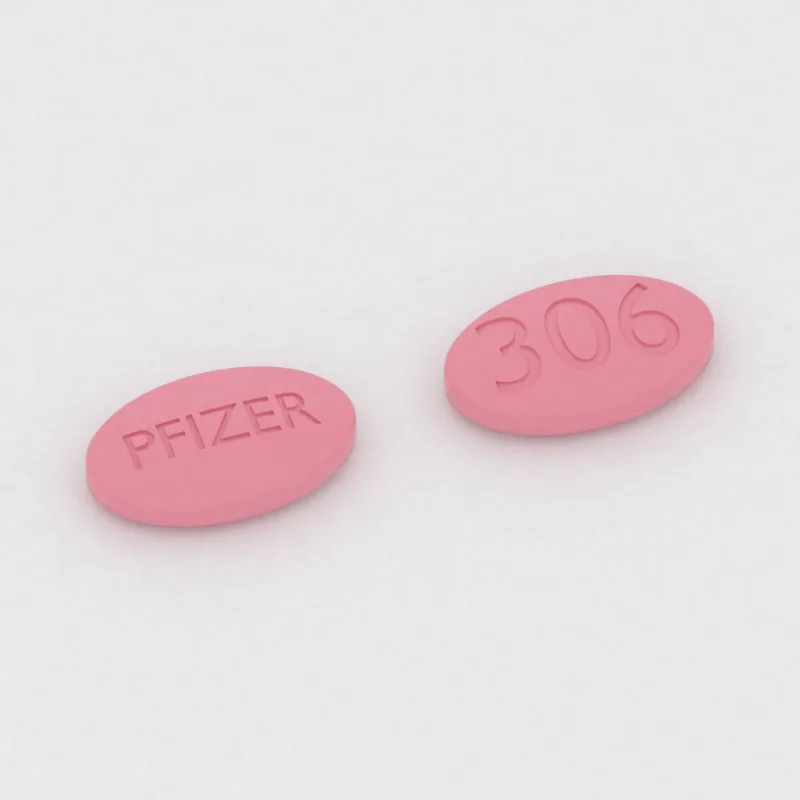
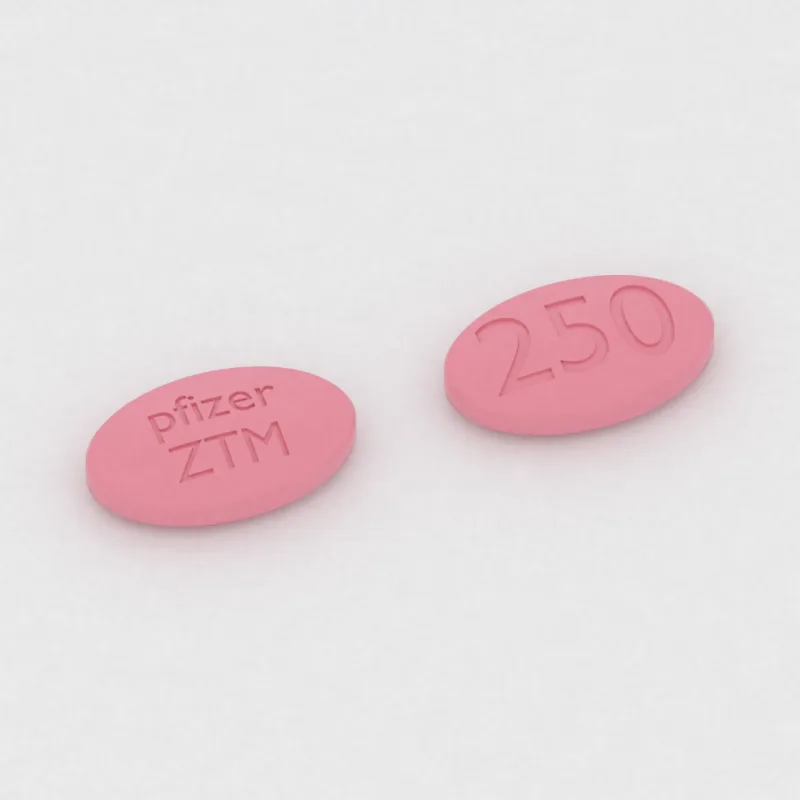
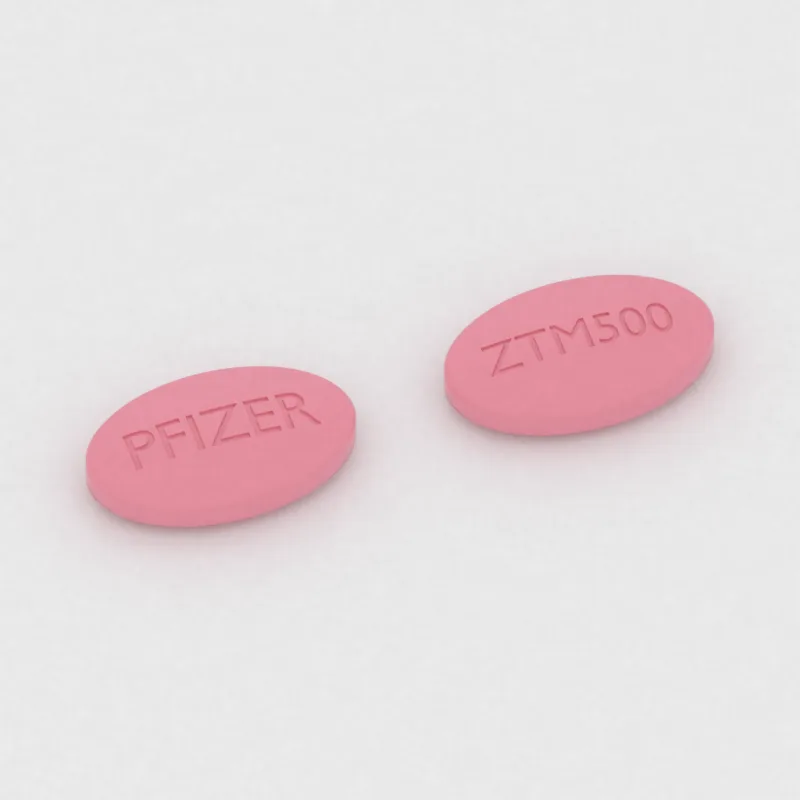
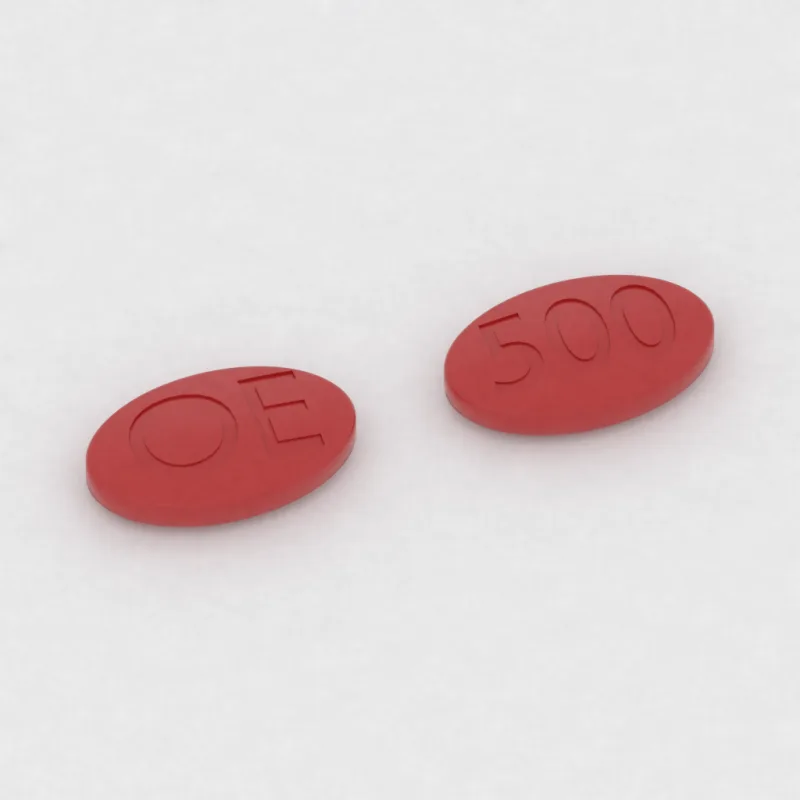
Çizimler, FDA etiketlerindeki ürün bilgilerinden oluşturulmuştur: renk, şekil, boyut ve baskı. 13 firmaya ait 21 belgelenmiş sürüm.
Etikete göre etkileşimler
Majör etkileşimler (89)
This risk which can be fatal should be considered in patients with certain cardiovascular disorders including known QT prolongation or history torsades de pointes, those with proarrhythmic conditions, and with other drugs that prolong the QT interval. (Azitromisin etiketi, Uyarılar ve önlemler)
This risk which can be fatal should be considered in patients with certain cardiovascular disorders including known QT prolongation or history torsades de pointes, those with proarrhythmic conditions, and with other drugs that prolong the QT interval. (Azitromisin etiketi, Uyarılar ve önlemler)
This risk which can be fatal should be considered in patients with certain cardiovascular disorders including known QT prolongation or history torsades de pointes, those with proarrhythmic conditions, and with other drugs that prolong the QT interval. (Azitromisin etiketi, Uyarılar ve önlemler)
• Cardiovascular Death: Some observational studies have shown an approximately two-fold increased short-term potential risk of acute cardiovascular death in adults exposed to azithromycin relative to other antibacterial drugs, including amoxicillin. (Azitromisin etiketi, Uyarılar ve önlemler)
• Cardiovascular Death: Some observational studies have shown an approximately two-fold increased short-term potential risk of acute cardiovascular death in adults exposed to azithromycin relative to other antibacterial drugs, including amoxicillin. (Azitromisin etiketi, Uyarılar ve önlemler)
This risk which can be fatal should be considered in patients with certain cardiovascular disorders including known QT prolongation or history torsades de pointes, those with proarrhythmic conditions, and with other drugs that prolong the QT interval. (Azitromisin etiketi, Uyarılar ve önlemler)
This risk which can be fatal should be considered in patients with certain cardiovascular disorders including known QT prolongation or history torsades de pointes, those with proarrhythmic conditions, and with other drugs that prolong the QT interval. (Azitromisin etiketi, Uyarılar ve önlemler)
This risk which can be fatal should be considered in patients with certain cardiovascular disorders including known QT prolongation or history torsades de pointes, those with proarrhythmic conditions, and with other drugs that prolong the QT interval. (Azitromisin etiketi, Uyarılar ve önlemler)
…bradyarrhythmias or uncompensated heart failure • patients on drugs known to prolong the QT interval • patients with ongoing proarrhythmic conditions such as uncorrected hypokalemia or hypomagnesemia, clinically significant bradycardia, and in patients receiving Class IA (quinidine, procainamide) or Class III (dofetilide, amiodarone, sotalol) antiarrhythmic agents. (Azitromisin etiketi, Uyarılar ve önlemler)
WARNING: PERIPHERAL ISCHEMIA FOLLOWING COADMINISTRATION WITH POTENT CYP3A4 INHIBITORS Serious and/or life-threatening peripheral ischemia has been associated with the coadministration of dihydroergotamine with potent CYP3A4 inhibitors including protease inhibitors and macrolide antibiotics. (Dihidroergotamin etiketi, Kutulu uyarı)
This risk which can be fatal should be considered in patients with certain cardiovascular disorders including known QT prolongation or history torsades de pointes, those with proarrhythmic conditions, and with other drugs that prolong the QT interval. (Azitromisin etiketi, Uyarılar ve önlemler)
This risk which can be fatal should be considered in patients with certain cardiovascular disorders including known QT prolongation or history torsades de pointes, those with proarrhythmic conditions, and with other drugs that prolong the QT interval. (Azitromisin etiketi, Uyarılar ve önlemler)
This risk which can be fatal should be considered in patients with certain cardiovascular disorders including known QT prolongation or history torsades de pointes, those with proarrhythmic conditions, and with other drugs that prolong the QT interval. (Azitromisin etiketi, Uyarılar ve önlemler)
This risk which can be fatal should be considered in patients with certain cardiovascular disorders including known QT prolongation or history torsades de pointes, those with proarrhythmic conditions, and with other drugs that prolong the QT interval. (Azitromisin etiketi, Uyarılar ve önlemler)
This risk which can be fatal should be considered in patients with certain cardiovascular disorders including known QT prolongation or history torsades de pointes, those with proarrhythmic conditions, and with other drugs that prolong the QT interval. (Azitromisin etiketi, Uyarılar ve önlemler)
Concomitant use of COMPLERA with drugs with a known risk to prolong the QTc interval of the electrocardiogram may increase the risk of Torsade de Pointes. (Emtrisitabin, rilpivirin ve tenofovir etiketi, Uyarılar ve önlemler)
WARNING Serious and/or life-threatening peripheral ischemia has been associated with the coadministration of ergotamine tartrate and caffeine tablets with potent CYP 3A4 inhibitors including protease inhibitors and macrolide antibiotics. (Ergotamin ve kafein etiketi, Kutulu uyarı)
• Patients with known hypersensitivity to azithromycin, erythromycin, any macrolide, or ketolide antibacterial drug. (Azitromisin etiketi, Kontrendikasyonlar)
This risk which can be fatal should be considered in patients with certain cardiovascular disorders including known QT prolongation or history torsades de pointes, those with proarrhythmic conditions, and with other drugs that prolong the QT interval. (Azitromisin etiketi, Uyarılar ve önlemler)
VYTORIN is contraindicated in the following conditions: Concomitant use of strong CYP3A4 inhibitors (select azole anti-fungals, macrolide antibiotics, anti-viral medications, and nefazodone) [see Drug Interactions (7.1) ] . (Ezetimib ve simvastatin etiketi, Kontrendikasyonlar)
Drugs that Prolong the QT Interval : Avoid concomitant use. (Fenobarbital etiketi, İlaç etkileşimleri)
This risk which can be fatal should be considered in patients with certain cardiovascular disorders including known QT prolongation or history torsades de pointes, those with proarrhythmic conditions, and with other drugs that prolong the QT interval. (Azitromisin etiketi, Uyarılar ve önlemler)
This risk which can be fatal should be considered in patients with certain cardiovascular disorders including known QT prolongation or history torsades de pointes, those with proarrhythmic conditions, and with other drugs that prolong the QT interval. (Azitromisin etiketi, Uyarılar ve önlemler)
This risk which can be fatal should be considered in patients with certain cardiovascular disorders including known QT prolongation or history torsades de pointes, those with proarrhythmic conditions, and with other drugs that prolong the QT interval. (Azitromisin etiketi, Uyarılar ve önlemler)
This risk which can be fatal should be considered in patients with certain cardiovascular disorders including known QT prolongation or history torsades de pointes, those with proarrhythmic conditions, and with other drugs that prolong the QT interval. (Azitromisin etiketi, Uyarılar ve önlemler)
Avoid co-administration of CONTEPO with drugs known to prolong the QT interval. (Fosfomisin etiketi, İlaç etkileşimleri)
(See DOSAGE and ADMINISTRATION. ) Because of the risk of QT prolongation and the potential for torsades de pointes, the use of FOSCAVIR should be avoided in combination with agents known to prolong the QT interval including Class IA (e.g., quinidine or procainamide) or Class III (e.g., dofetilide, amiodarone, sotalol) antiarrhythmic agents, phenothiazines, tricyclic… (Foskarnet etiketi, İlaç etkileşimleri)
This risk which can be fatal should be considered in patients with certain cardiovascular disorders including known QT prolongation or history torsades de pointes, those with proarrhythmic conditions, and with other drugs that prolong the QT interval. (Azitromisin etiketi, Uyarılar ve önlemler)
This risk which can be fatal should be considered in patients with certain cardiovascular disorders including known QT prolongation or history torsades de pointes, those with proarrhythmic conditions, and with other drugs that prolong the QT interval. (Azitromisin etiketi, Uyarılar ve önlemler)
This risk which can be fatal should be considered in patients with certain cardiovascular disorders including known QT prolongation or history torsades de pointes, those with proarrhythmic conditions, and with other drugs that prolong the QT interval. (Azitromisin etiketi, Uyarılar ve önlemler)
This risk which can be fatal should be considered in patients with certain cardiovascular disorders including known QT prolongation or history torsades de pointes, those with proarrhythmic conditions, and with other drugs that prolong the QT interval. (Azitromisin etiketi, Uyarılar ve önlemler)
This risk which can be fatal should be considered in patients with certain cardiovascular disorders including known QT prolongation or history torsades de pointes, those with proarrhythmic conditions, and with other drugs that prolong the QT interval. (Azitromisin etiketi, Uyarılar ve önlemler)
This risk which can be fatal should be considered in patients with certain cardiovascular disorders including known QT prolongation or history torsades de pointes, those with proarrhythmic conditions, and with other drugs that prolong the QT interval. (Azitromisin etiketi, Uyarılar ve önlemler)
- İvabradinMajör
Bradycardia may increase the risk of QT prolongation which may lead to severe ventricular arrhythmias, including torsade de pointes, especially in patients with risk factors such as use of QTc prolonging drugs [see Adverse Reactions ( 6.2 )] . (İvabradin etiketi, Uyarılar ve önlemler)
This risk which can be fatal should be considered in patients with certain cardiovascular disorders including known QT prolongation or history torsades de pointes, those with proarrhythmic conditions, and with other drugs that prolong the QT interval. (Azitromisin etiketi, Uyarılar ve önlemler)
This risk which can be fatal should be considered in patients with certain cardiovascular disorders including known QT prolongation or history torsades de pointes, those with proarrhythmic conditions, and with other drugs that prolong the QT interval. (Azitromisin etiketi, Uyarılar ve önlemler)
This risk which can be fatal should be considered in patients with certain cardiovascular disorders including known QT prolongation or history torsades de pointes, those with proarrhythmic conditions, and with other drugs that prolong the QT interval. (Azitromisin etiketi, Uyarılar ve önlemler)
This risk which can be fatal should be considered in patients with certain cardiovascular disorders including known QT prolongation or history torsades de pointes, those with proarrhythmic conditions, and with other drugs that prolong the QT interval. (Azitromisin etiketi, Uyarılar ve önlemler)
This risk which can be fatal should be considered in patients with certain cardiovascular disorders including known QT prolongation or history torsades de pointes, those with proarrhythmic conditions, and with other drugs that prolong the QT interval. (Azitromisin etiketi, Uyarılar ve önlemler)
This risk which can be fatal should be considered in patients with certain cardiovascular disorders including known QT prolongation or history torsades de pointes, those with proarrhythmic conditions, and with other drugs that prolong the QT interval. (Azitromisin etiketi, Uyarılar ve önlemler)
This risk which can be fatal should be considered in patients with certain cardiovascular disorders including known QT prolongation or history torsades de pointes, those with proarrhythmic conditions, and with other drugs that prolong the QT interval. (Azitromisin etiketi, Uyarılar ve önlemler)
This risk which can be fatal should be considered in patients with certain cardiovascular disorders including known QT prolongation or history torsades de pointes, those with proarrhythmic conditions, and with other drugs that prolong the QT interval. (Azitromisin etiketi, Uyarılar ve önlemler)
This risk which can be fatal should be considered in patients with certain cardiovascular disorders including known QT prolongation or history torsades de pointes, those with proarrhythmic conditions, and with other drugs that prolong the QT interval. (Azitromisin etiketi, Uyarılar ve önlemler)
This risk which can be fatal should be considered in patients with certain cardiovascular disorders including known QT prolongation or history torsades de pointes, those with proarrhythmic conditions, and with other drugs that prolong the QT interval. (Azitromisin etiketi, Uyarılar ve önlemler)
This risk which can be fatal should be considered in patients with certain cardiovascular disorders including known QT prolongation or history torsades de pointes, those with proarrhythmic conditions, and with other drugs that prolong the QT interval. (Azitromisin etiketi, Uyarılar ve önlemler)
Examples diazepam, alprazolam, alcohol Drugs that Prolong QTc Interval Clinical Impact The concomitant use of other drugs which prolong the QTc interval with REMERON/REMERONSolTab, increase the risk of QT prolongation and/or ventricular arrhythmias (e.g., Torsades de Pointes). (Mirtazapin etiketi, İlaç etkileşimleri)
This risk which can be fatal should be considered in patients with certain cardiovascular disorders including known QT prolongation or history torsades de pointes, those with proarrhythmic conditions, and with other drugs that prolong the QT interval. (Azitromisin etiketi, Uyarılar ve önlemler)
This risk which can be fatal should be considered in patients with certain cardiovascular disorders including known QT prolongation or history torsades de pointes, those with proarrhythmic conditions, and with other drugs that prolong the QT interval. (Azitromisin etiketi, Uyarılar ve önlemler)
This risk which can be fatal should be considered in patients with certain cardiovascular disorders including known QT prolongation or history torsades de pointes, those with proarrhythmic conditions, and with other drugs that prolong the QT interval. (Azitromisin etiketi, Uyarılar ve önlemler)
- OksaliplatinMajör
Avoid coadministration of oxaliplatin injection with medicinal products with a known potential to prolong the QT interval. (Oksaliplatin etiketi, İlaç etkileşimleri)
This risk which can be fatal should be considered in patients with certain cardiovascular disorders including known QT prolongation or history torsades de pointes, those with proarrhythmic conditions, and with other drugs that prolong the QT interval. (Azitromisin etiketi, Uyarılar ve önlemler)
This risk which can be fatal should be considered in patients with certain cardiovascular disorders including known QT prolongation or history torsades de pointes, those with proarrhythmic conditions, and with other drugs that prolong the QT interval. (Azitromisin etiketi, Uyarılar ve önlemler)
This risk which can be fatal should be considered in patients with certain cardiovascular disorders including known QT prolongation or history torsades de pointes, those with proarrhythmic conditions, and with other drugs that prolong the QT interval. (Azitromisin etiketi, Uyarılar ve önlemler)
- PazopanibMajör
Avoid coadministration of VOTRIENT with drugs known to prolong the QT/QTc interval. (Pazopanib etiketi, İlaç etkileşimleri)
This risk which can be fatal should be considered in patients with certain cardiovascular disorders including known QT prolongation or history torsades de pointes, those with proarrhythmic conditions, and with other drugs that prolong the QT interval. (Azitromisin etiketi, Uyarılar ve önlemler)
This risk which can be fatal should be considered in patients with certain cardiovascular disorders including known QT prolongation or history torsades de pointes, those with proarrhythmic conditions, and with other drugs that prolong the QT interval. (Azitromisin etiketi, Uyarılar ve önlemler)
This risk which can be fatal should be considered in patients with certain cardiovascular disorders including known QT prolongation or history torsades de pointes, those with proarrhythmic conditions, and with other drugs that prolong the QT interval. (Azitromisin etiketi, Uyarılar ve önlemler)
This risk which can be fatal should be considered in patients with certain cardiovascular disorders including known QT prolongation or history torsades de pointes, those with proarrhythmic conditions, and with other drugs that prolong the QT interval. (Azitromisin etiketi, Uyarılar ve önlemler)
This risk which can be fatal should be considered in patients with certain cardiovascular disorders including known QT prolongation or history torsades de pointes, those with proarrhythmic conditions, and with other drugs that prolong the QT interval. (Azitromisin etiketi, Uyarılar ve önlemler)
This risk which can be fatal should be considered in patients with certain cardiovascular disorders including known QT prolongation or history torsades de pointes, those with proarrhythmic conditions, and with other drugs that prolong the QT interval. (Azitromisin etiketi, Uyarılar ve önlemler)
This risk which can be fatal should be considered in patients with certain cardiovascular disorders including known QT prolongation or history torsades de pointes, those with proarrhythmic conditions, and with other drugs that prolong the QT interval. (Azitromisin etiketi, Uyarılar ve önlemler)
This risk which can be fatal should be considered in patients with certain cardiovascular disorders including known QT prolongation or history torsades de pointes, those with proarrhythmic conditions, and with other drugs that prolong the QT interval. (Azitromisin etiketi, Uyarılar ve önlemler)
This risk which can be fatal should be considered in patients with certain cardiovascular disorders including known QT prolongation or history torsades de pointes, those with proarrhythmic conditions, and with other drugs that prolong the QT interval. (Azitromisin etiketi, Uyarılar ve önlemler)
• Avoid use with other antiarrhythmic agents or drugs that prolong the QT interval. (Propafenon etiketi, Uyarılar ve önlemler)
This risk which can be fatal should be considered in patients with certain cardiovascular disorders including known QT prolongation or history torsades de pointes, those with proarrhythmic conditions, and with other drugs that prolong the QT interval. (Azitromisin etiketi, Uyarılar ve önlemler)
Macrolide or ketolide antibiotics: azithromycin clarithromycin erythromycin ↑ rilpivirine ↔ azithromycin ↔ clarithromycin ↔ erythromycin Macrolides are expected to increase concentrations of rilpivirine and are associated with a risk of Torsade de Pointes [Warnings and Precautions (5.4)]. (Rilpivirin etiketi, İlaç etkileşimleri)
This risk which can be fatal should be considered in patients with certain cardiovascular disorders including known QT prolongation or history torsades de pointes, those with proarrhythmic conditions, and with other drugs that prolong the QT interval. (Azitromisin etiketi, Uyarılar ve önlemler)
Avoid the concomitant use of drugs known to prolong the QTc interval. (Sertralin etiketi, İlaç etkileşimleri)
ZOCOR is contraindicated in the following conditions: Concomitant use of strong CYP3A4 inhibitors (select azole anti-fungals, macrolide antibiotics, anti-viral medications, and nefazodone) [see Drug Interactions (7.1) ] . (Simvastatin etiketi, Kontrendikasyonlar)
This risk which can be fatal should be considered in patients with certain cardiovascular disorders including known QT prolongation or history torsades de pointes, those with proarrhythmic conditions, and with other drugs that prolong the QT interval. (Azitromisin etiketi, Uyarılar ve önlemler)
This risk which can be fatal should be considered in patients with certain cardiovascular disorders including known QT prolongation or history torsades de pointes, those with proarrhythmic conditions, and with other drugs that prolong the QT interval. (Azitromisin etiketi, Uyarılar ve önlemler)
This risk which can be fatal should be considered in patients with certain cardiovascular disorders including known QT prolongation or history torsades de pointes, those with proarrhythmic conditions, and with other drugs that prolong the QT interval. (Azitromisin etiketi, Uyarılar ve önlemler)
This risk which can be fatal should be considered in patients with certain cardiovascular disorders including known QT prolongation or history torsades de pointes, those with proarrhythmic conditions, and with other drugs that prolong the QT interval. (Azitromisin etiketi, Uyarılar ve önlemler)
This risk which can be fatal should be considered in patients with certain cardiovascular disorders including known QT prolongation or history torsades de pointes, those with proarrhythmic conditions, and with other drugs that prolong the QT interval. (Azitromisin etiketi, Uyarılar ve önlemler)
This risk which can be fatal should be considered in patients with certain cardiovascular disorders including known QT prolongation or history torsades de pointes, those with proarrhythmic conditions, and with other drugs that prolong the QT interval. (Azitromisin etiketi, Uyarılar ve önlemler)
This risk which can be fatal should be considered in patients with certain cardiovascular disorders including known QT prolongation or history torsades de pointes, those with proarrhythmic conditions, and with other drugs that prolong the QT interval. (Azitromisin etiketi, Uyarılar ve önlemler)
This risk which can be fatal should be considered in patients with certain cardiovascular disorders including known QT prolongation or history torsades de pointes, those with proarrhythmic conditions, and with other drugs that prolong the QT interval. (Azitromisin etiketi, Uyarılar ve önlemler)
This risk which can be fatal should be considered in patients with certain cardiovascular disorders including known QT prolongation or history torsades de pointes, those with proarrhythmic conditions, and with other drugs that prolong the QT interval. (Azitromisin etiketi, Uyarılar ve önlemler)
This risk which can be fatal should be considered in patients with certain cardiovascular disorders including known QT prolongation or history torsades de pointes, those with proarrhythmic conditions, and with other drugs that prolong the QT interval. (Azitromisin etiketi, Uyarılar ve önlemler)
This risk which can be fatal should be considered in patients with certain cardiovascular disorders including known QT prolongation or history torsades de pointes, those with proarrhythmic conditions, and with other drugs that prolong the QT interval. (Azitromisin etiketi, Uyarılar ve önlemler)
This risk which can be fatal should be considered in patients with certain cardiovascular disorders including known QT prolongation or history torsades de pointes, those with proarrhythmic conditions, and with other drugs that prolong the QT interval. (Azitromisin etiketi, Uyarılar ve önlemler)
This risk which can be fatal should be considered in patients with certain cardiovascular disorders including known QT prolongation or history torsades de pointes, those with proarrhythmic conditions, and with other drugs that prolong the QT interval. (Azitromisin etiketi, Uyarılar ve önlemler)
This risk which can be fatal should be considered in patients with certain cardiovascular disorders including known QT prolongation or history torsades de pointes, those with proarrhythmic conditions, and with other drugs that prolong the QT interval. (Azitromisin etiketi, Uyarılar ve önlemler)
This risk which can be fatal should be considered in patients with certain cardiovascular disorders including known QT prolongation or history torsades de pointes, those with proarrhythmic conditions, and with other drugs that prolong the QT interval. (Azitromisin etiketi, Uyarılar ve önlemler)
This risk which can be fatal should be considered in patients with certain cardiovascular disorders including known QT prolongation or history torsades de pointes, those with proarrhythmic conditions, and with other drugs that prolong the QT interval. (Azitromisin etiketi, Uyarılar ve önlemler)
- VepdegestrantMajör
Avoid concomitant use of VEPPANU with strong CYP3A inhibitors or drugs known to prolong the QTc interval. (Vepdegestrant etiketi, Uyarılar ve önlemler)
This risk which can be fatal should be considered in patients with certain cardiovascular disorders including known QT prolongation or history torsades de pointes, those with proarrhythmic conditions, and with other drugs that prolong the QT interval. (Azitromisin etiketi, Uyarılar ve önlemler)
This risk which can be fatal should be considered in patients with certain cardiovascular disorders including known QT prolongation or history torsades de pointes, those with proarrhythmic conditions, and with other drugs that prolong the QT interval. (Azitromisin etiketi, Uyarılar ve önlemler)
Orta düzey etkileşimler (78)
…bradyarrhythmias or uncompensated heart failure • patients on drugs known to prolong the QT interval • patients with ongoing proarrhythmic conditions such as uncorrected hypokalemia or hypomagnesemia, clinically significant bradycardia, and in patients receiving Class IA (quinidine, procainamide) or Class III (dofetilide, amiodarone, sotalol) antiarrhythmic agents. (Azitromisin etiketi, Uyarılar ve önlemler)
Amlodipine and atorvastatin tablets dosage modifications are recommended for patients taking certain anti-viral, azole antifungals, or macrolide antibiotic medications [see Dosage and Administration (2) ] . (Amlodipin ve atorvastatin etiketi, Uyarılar ve önlemler)
Prothrombin times should be carefully monitored while patients are receiving azithromycin and oral anticoagulants concomitantly. (Azitromisin etiketi, İlaç etkileşimleri)
MAO inhibitors, tricyclic antidepressants and drugs that prolong the QTc interval may potentiate effect on the cardiovascular system. (Arformoterol etiketi, İlaç etkileşimleri)
Prothrombin times should be carefully monitored while patients are receiving azithromycin and oral anticoagulants concomitantly. (Azitromisin etiketi, İlaç etkileşimleri)
LIPITOR dosage modifications are recommended for patients taking certain anti-viral, azole antifungals, or macrolide antibiotic medications [see Dosage and Administration (2.5) ] . (Atorvastatin etiketi, Uyarılar ve önlemler)
Prothrombin times should be carefully monitored while patients are receiving azithromycin and oral anticoagulants concomitantly. (Azitromisin etiketi, İlaç etkileşimleri)
Drugs that Prolong the QT interval QT prolongation has been reported with metronidazole, a component of bismuth subcitrate potassium, metronidazole and tetracycline hydrochloride, particularly when administered with drugs with the potential for prolonging the QT interval. (Bizmut subsitrat, metronidazol ve tetrasiklin etiketi, Uyarılar ve önlemler)
The risk of combining buprenorphine with other QT-prolonging agents is not known. (Buprenorfin etiketi, Uyarılar ve önlemler)
The risk of combining buprenorphine with other QT-prolonging agents is not known. (Buprenorfin ve nalokson etiketi, Uyarılar ve önlemler)
Cytochrome P450 3A4 Interaction The concomitant use of BUTALBITAL, ASPIRIN, CAFFEINE and CODEINE PHOSPHATE with all cytochrome P450 3A4 inhibitors, such as macrolide antibiotics (e.g., erythromycin), azole-antifungal agents (e.g., ketoconazole), and protease inhibitors (e.g., ritonavir) or discontinuation of a cytochrome P450 3A4 inducer such as rifampin, carbamazepine,… (Butalbital, aspirin, kafein ve kodein etiketi, Uyarılar ve önlemler)
• Cytochrome P450 3A4 Interaction The concomitant use of Butalbital, Acetaminophen, Caffeine, and Codeine Phosphate Capsules with all cytochrome P450 3A4 inhibitors, such as macrolide antibiotics (e.g., erythromycin), azole-antifungal agents (e.g., ketoconazole), and protease inhibitors (e.g., ritonavir) or discontinuation of a cytochrome P450 3A4 inducer such… (Butalbital, parasetamol, kafein ve kodein etiketi, Uyarılar ve önlemler)
Prothrombin times should be carefully monitored while patients are receiving azithromycin and oral anticoagulants concomitantly. (Azitromisin etiketi, İlaç etkileşimleri)
Carefully monitor cardiac rhythm when administering SUPRANE to susceptible patients (e.g., patients with congenital Long QT Syndrome or patients taking drugs that can prolong the QT interval). (Desfluran etiketi, Uyarılar ve önlemler)
Until further data are developed regarding drug interactions when digoxin, colchicine or phenytoin are used with azithromycin careful monitoring of patients is advised. (Azitromisin etiketi, İlaç etkileşimleri)
…bradyarrhythmias or uncompensated heart failure • patients on drugs known to prolong the QT interval • patients with ongoing proarrhythmic conditions such as uncorrected hypokalemia or hypomagnesemia, clinically significant bradycardia, and in patients receiving Class IA (quinidine, procainamide) or Class III (dofetilide, amiodarone, sotalol) antiarrhythmic agents. (Azitromisin etiketi, Uyarılar ve önlemler)
Concomitant administration of moderate or strong CYP3A4 inhibitors such as azole antifungals (e.g., ketoconazole, itraconazole, voriconazole, fluconazole), verapamil, macrolides (e.g., clarithromycin, erythromycin), diltiazem, and grapefruit juice can increase the plasma concentrations of the estrogen or the progestin or both. (Drospirenon ve etinilestradiol etiketi, İlaç etkileşimleri)
Prothrombin times should be carefully monitored while patients are receiving azithromycin and oral anticoagulants concomitantly. (Azitromisin etiketi, İlaç etkileşimleri)
QT Prolonging Drugs There is limited information available on the potential for a pharmacodynamic interaction between efavirenz and drugs that prolong the QTc interval. (Efavirenz etiketi, İlaç etkileşimleri)
QT Prolonging Drugs There is limited information available on the potential for a pharmacodynamic interaction between EFV and drugs that prolong the QTc interval. (Efavirenz, lamivudin ve tenofovir etiketi, İlaç etkileşimleri)
Prothrombin times should be carefully monitored while patients are receiving azithromycin and oral anticoagulants concomitantly. (Azitromisin etiketi, İlaç etkileşimleri)
- EribulinOrta
QT Prolongation: Monitor for prolonged QT intervals in patients with congestive heart failure, bradyarrhythmias, drugs known to prolong the QT interval, and electrolyte abnormalities. (Eribulin etiketi, Uyarılar ve önlemler)
…bradyarrhythmias or uncompensated heart failure • patients on drugs known to prolong the QT interval • patients with ongoing proarrhythmic conditions such as uncorrected hypokalemia or hypomagnesemia, clinically significant bradycardia, and in patients receiving Class IA (quinidine, procainamide) or Class III (dofetilide, amiodarone, sotalol) antiarrhythmic agents. (Azitromisin etiketi, Uyarılar ve önlemler)
…Systemic Exposure of COCs (enzyme inhibitors): Concomitant administration of moderate or strong CYP3A4 inhibitors like azole antifungals (for example, ketoconazole, itraconazole, voriconazole, fluconazole), verapamil, macrolides (for example, clarithromycin, erythromycin), diltiazem, and grapefruit increase the serum concentrations of both estradiol and dienogest. (Estradiol ve dienogest etiketi, İlaç etkileşimleri)
Alternatives to clarithromycin, such as azithromycin, should be considered for the treatment of MAC. (Etravirin etiketi, İlaç etkileşimleri)
Until further data are developed regarding drug interactions when digoxin, colchicine or phenytoin are used with azithromycin careful monitoring of patients is advised. (Azitromisin etiketi, İlaç etkileşimleri)
Risks of Concomitant Use or Discontinuation of Cytochrome P450 3A4 Inhibitors and Inducers Concomitant use of Fentanyl Citrate Injection with a CYP3A4 inhibitor, such as macrolide antibiotics (e.g., erythromycin), azole-antifungal agents (e.g., ketoconazole), and protease inhibitors (e.g., ritonavir), may increase plasma concentrations of fentanyl and prolong… (Fentanil etiketi, Uyarılar ve önlemler)
Prothrombin times should be carefully monitored while patients are receiving azithromycin and oral anticoagulants concomitantly. (Azitromisin etiketi, İlaç etkileşimleri)
…Antidepressants, QTc Prolonging Drugs Formoterol, as with other beta 2 -agonists, should be administered with extreme caution to patients being treated with monoamine oxidase inhibitors, tricyclic antidepressants, or drugs known to prolong the QTc interval because the effect of adrenergic agonists on the cardiovascular system may be potentiated by these agents. (Formoterol etiketi, İlaç etkileşimleri)
- GoserelinOrta
Effect on QT/QTc Interval: Androgen deprivation therapy may prolong the QT interval. (Goserelin etiketi, Uyarılar ve önlemler)
Prothrombin times should be carefully monitored while patients are receiving azithromycin and oral anticoagulants concomitantly. (Azitromisin etiketi, İlaç etkileşimleri)
…www.fda.gov/OpioidAnalgesicREMSBlueprint 5.6 Risks of Concomitant Use or Discontinuation of Cytochrome P450 3A4 Inhibitors and Inducers Concomitant use of HYSINGLA ER with a CYP3A4 inhibitor, such as macrolide antibiotics (e.g., erythromycin), azole-antifungal agents (e.g., ketoconazole), and protease inhibitors (e.g., ritonavir), may increase plasma concentrations of hydrocodone… (Hidrokodon etiketi, Uyarılar ve önlemler)
…Concomitant Use or Discontinuation of Cytochrome P450 3A4 Inhibitors and Inducers Concomitant use of hydrocodone bitartrate and homatropine methylbromide with a CYP3A4 inhibitor, such as macrolide antibiotics (e.g., erythromycin), azole-antifungal agents (e.g., ketoconazole), and protease inhibitors (e.g., ritonavir), may increase plasma concentrations of hydrocodone… (Hidrokodon ve homatropin etiketi, Uyarılar ve önlemler)
…Concomitant Use or Discontinuation of Cytochrome P450 3A4 Inhibitors and Inducers Concomitant use of Hydrocodone Bitartrate and Ibuprofen Tablets with a CYP3A4 inhibitor, such as macrolide antibiotics (e.g., erythromycin), azole-antifungal agents (e.g., ketoconazole), and protease inhibitors (e.g., ritonavir), may increase plasma concentrations of hydrocodone… (Hidrokodon ve ibuprofen etiketi, Uyarılar)
…Concomitant Use or Discontinuation of Cytochrome P450 3A4 Inhibitors and Inducers Concomitant use of Hydrocodone Polistirex and Chlorpheniramine Polistirex with a CYP3A4 inhibitor, such as macrolide antibiotics (e.g., erythromycin), azole-antifungal agents (e.g., ketoconazole), and protease inhibitors (e.g., ritonavir), may increase plasma concentrations of hydrocodone… (Hidrokodon ve klorfeniramin etiketi, Uyarılar ve önlemler)
…Concomitant Use or Discontinuation of Cytochrome P450 3A4 Inhibitors and Inducers Concomitant use of hydrocodone bitartrate and acetaminophen tablets with a CYP3A4 inhibitor, such as macrolide antibiotics (e.g., erythromycin), azole-antifungal agents (e.g., ketoconazole), and protease inhibitors (e.g., ritonavir), may increase plasma concentrations of hydrocodone… (Hidrokodon ve parasetamol etiketi, Uyarılar)
Monitor QT interval when administering FORANE to susceptible patients (e.g., patients with congenital Long QT Syndrome or patients taking drugs that can prolong the QT interval). (İzofluran etiketi, Uyarılar ve önlemler)
Cytochrome P450 3A4 Interaction: The concomitant use of Codeine Sulfate Tablets with all cytochrome P450 3A4 inhibitors, such as macrolide antibiotics (e.g., erythromycin), azole-antifungal agents (e.g., ketoconazole), and protease inhibitors (e.g., ritonavir) or discontinuation of a cytochrome P450 3A4 inducer such as rifampin, carbamazepine, and phenytoin,… (Kodein etiketi, Uyarılar ve önlemler)
- KolşisinOrta
Until further data are developed regarding drug interactions when digoxin, colchicine or phenytoin are used with azithromycin careful monitoring of patients is advised. (Azitromisin etiketi, İlaç etkileşimleri)
TYKERB may prolong the QT interval in some patients. (Lapatinib etiketi, Uyarılar ve önlemler)
…bradyarrhythmias or uncompensated heart failure • patients on drugs known to prolong the QT interval • patients with ongoing proarrhythmic conditions such as uncorrected hypokalemia or hypomagnesemia, clinically significant bradycardia, and in patients receiving Class IA (quinidine, procainamide) or Class III (dofetilide, amiodarone, sotalol) antiarrhythmic agents. (Azitromisin etiketi, Uyarılar ve önlemler)
…bradyarrhythmias or uncompensated heart failure • patients on drugs known to prolong the QT interval • patients with ongoing proarrhythmic conditions such as uncorrected hypokalemia or hypomagnesemia, clinically significant bradycardia, and in patients receiving Class IA (quinidine, procainamide) or Class III (dofetilide, amiodarone, sotalol) antiarrhythmic agents. (Azitromisin etiketi, Uyarılar ve önlemler)
Risk of QT Prolongation : Lofexidine tablets prolong the QT interval. (Lofeksidin etiketi, Uyarılar ve önlemler)
- LöprolidOrta
Effect on QT/QTc Interval: Androgen deprivation therapy may prolong the QT interval. (Löprolid etiketi, Uyarılar ve önlemler)
Other Drugs that Prolong the QTc Interval Coadministration of other drugs known to alter cardiac conduction (e.g., anti-arrhythmic or beta-adrenergic blocking agents, calcium channel blockers, antihistamines or H 1 -blocking agents, tricyclic antidepressants and phenothiazines) might also contribute to a prolongation of the QTc interval. (Meflokin etiketi, İlaç etkileşimleri)
…bradyarrhythmias or uncompensated heart failure • patients on drugs known to prolong the QT interval • patients with ongoing proarrhythmic conditions such as uncorrected hypokalemia or hypomagnesemia, clinically significant bradycardia, and in patients receiving Class IA (quinidine, procainamide) or Class III (dofetilide, amiodarone, sotalol) antiarrhythmic agents. (Azitromisin etiketi, Uyarılar ve önlemler)
Antibiotics : Macrolide antibiotics have been reported to cause a significant decrease in corticosteroid clearance (see PRECAUTIONS: Drug Interactions, Hepatic Enzyme Inhibitors ). (Metilprednizolon etiketi, İlaç etkileşimleri)
Drugs that Prolong the QT Interval QT prolongation has been reported, particularly when metronidazole was administered with drugs with the potential for prolonging the QT interval. (Metronidazol etiketi, İlaç etkileşimleri)
There is little or no experience with high exposure, concomitant dosing with other QT-prolonging drugs, or potassium channel variants resulting in a long QT interval. [See Warnings & Precautions ( 5.6 )] To minimize risk, the lowest effective dose should always be used. (Mifepriston etiketi, Uyarılar ve önlemler)
Alternatives to clarithromycin, such as azithromycin, should be considered. (Nevirapin etiketi, İlaç etkileşimleri)
CYP3A Inhibitors CYP3A inhibitors such as ketoconazole, fluconazole, itraconazole, clarithromycin, erythromycin (Azithromycin, although structurally related to the class of macrolide antibiotic is void of clinically relevant CYP3A4 inhibition), grapefruit, nefazodone, fluoxetine, saquinavir, indinavir, nelfinavir, and ritonavir may result in increased exposure… (Nifedipin etiketi, İlaç etkileşimleri)
Possible Increased Risk of Hypotension with Strong CYP3A4 Inhibitors Concomitant use of strong inhibitors of CYP3A4, such as some macrolide antibiotics (e.g., clarithromycin, telithromycin), some HIV protease inhibitors (e.g., indinavir, nelfinavir, ritonavir, saquinavir), some HCV protease inhibitors (e.g., boceprevir, telaprevir), some azole antimycotics (e.g.,… (Nimodipin etiketi, Uyarılar ve önlemler)
Risks of Concomitant Use or Discontinuation of Cytochrome P450 3A4 Inhibitors and Inducers Concomitant use of Oxycodone Hydrochloride Oral Solution with a CYP3A4 inhibitor, such as macrolide antibiotics (e.g., erythromycin), azole-antifungal agents (e.g., ketoconazole), and protease inhibitors (e.g., ritonavir), may increase plasma concentrations of oxycodone… (Oksikodon etiketi, Uyarılar ve önlemler)
Risks of Concomitant Use or Discontinuation of Cytochrome P450 3A4 Inhibitors and Inducers Concomitant use of oxycodone hydrochloride tablets with a CYP3A4 inhibitor, such as macrolide antibiotics (e.g., erythromycin), azole-antifungal agents (e.g., ketoconazole), and protease inhibitors (e.g., ritonavir), may increase plasma concentrations of oxycodone and prolong… (Oksikodon ve parasetamol etiketi, Uyarılar ve önlemler)
Cytochrome P450 3A4 Interaction The concomitant use of acetaminophen and codeine phosphate tablets with all cytochrome P450 3A4 inhibitors, such as macrolide antibiotics (e.g., erythromycin), azole-antifungal agents (e.g., ketoconazole), and protease inhibitors (e.g., ritonavir) or discontinuation of a cytochrome P450 3A4 inducer such as rifampin, carbamazepine,… (Parasetamol ve kodein etiketi, Uyarılar)
- PasireotidOrta
Drugs that Prolong QT: Use with caution in patients who are at significant risk of developing QTc prolongation. (Pasireotid etiketi, İlaç etkileşimleri)
Risks of Concomitant Use or Discontinuation of Cytochrome P450 3A4 Inhibitors and Inducers Concomitant use of DEMEROL Injection with a CYP3A4 inhibitor, such as macrolide antibiotics (e.g., erythromycin), azole-antifungal agents (e.g., ketoconazole), and protease inhibitors (e.g., ritonavir), may increase plasma concentrations of meperidine and prolong opioid… (Petidin etiketi, Uyarılar ve önlemler)
Anti-Arrhythmic Drugs, QT Prolonging Drugs, Drugs that may Decrease Heart Rate PONVORY has not been studied in patients taking QT prolonging drugs. (Ponesimod etiketi, İlaç etkileşimleri)
Other macrolides (e.g., azithromycin) have the potential to increase pravastatin sodium exposures and increase the risk of myopathy and rhabdomyolysis when used concomintantly. (Pravastatin etiketi, İlaç etkileşimleri)
CYP 3A4 inhibitors (e.g., ketoconazole, macrolide antibiotics): Ketoconazole has been reported to decrease the metabolism of certain corticosteroids by up to 60% leading to an increased risk of corticosteroid side effects. (Prednizolon etiketi, İlaç etkileşimleri)
CYP 3A4 Inhibitors (e.g., Ketoconazole, Macrolide Antibiotics) Ketoconazole has been reported to decrease the metabolism of certain corticosteroids by up to 60% leading to increased risk of corticosteroid side effects. (Prednizon etiketi, İlaç etkileşimleri)
QT Interval Prolonging Drugs The pharmacodynamic interaction potential to prolong the QT interval of the electrocardiogram between Primaquine phosphate Tablets and other drugs that effect cardiac conduction is unknown. (Primakin etiketi, İlaç etkileşimleri)
Until further data are developed regarding drug interactions when digoxin, colchicine or phenytoin are used with azithromycin careful monitoring of patients is advised. (Azitromisin etiketi, İlaç etkileşimleri)
ND ↓ AUC by 27 – 40% Sulfamethoxazole-Trimethoprim 800/160 mg 300 mg once a day HIV-infected patients (12) ↔ ↓ AUC by 15–20% ANTI-MAC (Mycobacterium avium intracellulare complex) Azithromycin 500 mg once a day for 1 day, then 250 mg once a day for 9 days 300 mg once a day Healthy subjects (6) ↔ ↔ Clarithromycin 500 mg twice a day 300 mg once a day HIV-infected… (Rifabutin etiketi, İlaç etkileşimleri)
Prothrombin times should be carefully monitored while patients are receiving azithromycin and oral anticoagulants concomitantly. (Azitromisin etiketi, İlaç etkileşimleri)
QT Interval Prolongation The overall analysis of ECG data in pediatric patients indicates that the concomitant use of Rocuronium Bromide Injection with general anesthetic agents can prolong the QTc interval [see Clinical Studies ( 14.3 )]. (Rokuronyum etiketi, Uyarılar ve önlemler)
Caution should be exercised when administering sevoflurane to susceptible patients (e.g., patients with congenital Long QT Syndrome or patients taking drugs that can prolong the QT interval). (Sevofluran etiketi, Uyarılar)
Drugs That Increase Cyclosporine Concentrations Calcium Channel Blockers Antifungals Antibiotics Glucocorticoids Other Drugs diltiazem fluconazole azithromycin methylprednisolone Allopurinol nicardipine itraconazole clarithromycin Amiodarone verapamil ketoconazole erythromycin Bromocriptine voriconazole quinupristin/ dalfopristin colchicine danazol imatinib metoclopramide… (Siklosporin etiketi, İlaç etkileşimleri)
QT Interval Prolongation and V entricular A rr h ythmia Decreases in serum calcium can also prolong the QT interval, potentially resulting in ventricular arrhythmia. (Sinakalset etiketi, Uyarılar ve önlemler)
- SorafenibOrta
Monitor electrolytes and electrocardiograms in patients with congestive heart failure, bradyarrhythmias, drugs known to prolong the QT interval, including Class Ia and III antiarrhythmics. (Sorafenib etiketi, Uyarılar ve önlemler)
- SunitinibOrta
Drugs that Prolong QT Interval SUTENT is associated with QTc interval prolongation [see Warnings and Precautions (5.3) , Clinical Pharmacology (12.2) ] . (Sunitinib etiketi, İlaç etkileşimleri)
Antibiotics: Macrolide antibiotics have been reported to cause a significant decrease in corticosteroid clearance. (Triamsinolon etiketi, İlaç etkileşimleri)
Macrolide Antibiotics Coadministration of erythromycin increased the maximum plasma concentration, decreased clearance and increased half-life of triazolam [see Drug Interactions (7.1) , Clinical Pharmacology (12.3) ] ; caution and consideration of appropriate triazolam dose reduction are recommended. (Triazolam etiketi, Uyarılar ve önlemler)
- TriptorelinOrta
Effect on QT/QTc Interval: Androgen deprivation therapy may prolong the QT interval. (Triptorelin etiketi, Uyarılar ve önlemler)
…like other beta 2 -agonists, should be administered with extreme caution to patients being treated with monoamine oxidase inhibitors, tricyclic antidepressants, or drugs known to prolong the QTc interval or within 2 weeks of discontinuation of such agents, because the effect of adrenergic agonists on the cardiovascular system may be potentiated by these agents. (Umeklidinyum ve vilanterol etiketi, İlaç etkileşimleri)
• Warfarin: Use with azithromycin may increase coagulation times; monitor prothrombin time. (Azitromisin etiketi, İlaç etkileşimleri)
…bradyarrhythmias or uncompensated heart failure • patients on drugs known to prolong the QT interval • patients with ongoing proarrhythmic conditions such as uncorrected hypokalemia or hypomagnesemia, clinically significant bradycardia, and in patients receiving Class IA (quinidine, procainamide) or Class III (dofetilide, amiodarone, sotalol) antiarrhythmic agents. (Azitromisin etiketi, Uyarılar ve önlemler)
Minör değinmeler (8)
The following are examples of drugs known to inhibit the metabolism of other related benzodiazepines, presumably through inhibition of CYP3A: nefazodone, fluvoxamine, cimetidine, diltiazem, isoniazide, and some macrolide antibiotics. (Estazolam etiketi, Uyarılar)
However, drug interactions have been observed with other macrolide products. (Azitromisin etiketi, İlaç etkileşimleri)
Antipyrine, Azithromycin, Cimetidine, Erythromycin, Ketoconazole, Theophylline, and Pseudoephedrine Pharmacokinetic interaction studies performed with racemic cetirizine demonstrated that cetirizine did not interact with antipyrine, pseudoephedrine, erythromycin, azithromycin, ketoconazole, and cimetidine. (Levosetirizin etiketi, İlaç etkileşimleri)
These include itraconazole, ketoconazole, posaconazole, voriconazole, the macrolide antibiotics erythromycin and clarithromycin, the ketolide antibiotic telithromycin, HIV protease inhibitors, boceprevir, telaprevir, the antidepressant nefazodone, or cobicistat-containing products. (Lovastatin etiketi, Uyarılar)
Drug Interactions CYP 3A4 Inhibitors (e.g., Macrolide Antibiotics and Protease Inhibitors) There have been rare reports of serious adverse events in connection with the coadministration of certain ergot alkaloid drugs (e.g., dihydroergotamine and ergotamine) and potent CYP 3A4 inhibitors, resulting in vasospasm leading to cerebral ischemia and/or ischemia of… (Metilergometrin etiketi, İlaç etkileşimleri)
Other inhibitors of the cytochrome P450 3A4 enzyme system, such as antimycotic agents (e.g., itraconazole and miconazole) or macrolide antibiotics (e.g., erythromycin and clarithromycin), may alter oxybutynin mean pharmacokinetic parameters (i.e., C max and AUC). (Oksibutinin etiketi, İlaç etkileşimleri)
Examples: Macrolide antibiotics (e.g., erythromycin), azole-antifungal agents (e.g. ketoconazole), protease inhibitors (e.g., ritonavir). (Oliseridin etiketi, İlaç etkileşimleri)
In clinical studies, patients receiving TOBI Podhaler continued to take dornase alfa, bronchodilators, inhaled corticosteroids, and macrolides. (Tobramisin etiketi, İlaç etkileşimleri)
Anlamlı etkileşim olmadığı bildirilenler (4)
…With Theophylline Refer to PRECAUTIONS , Drug Interactions for information regarding table. albuterol, systemic and inhaled amoxicillin ampicillin, with or without sulbactam atenolol azithromycin caffeine, dietary ingestion cefaclor co-trimoxazole (trimethoprim and sulfamethoxazole) diltiazem dirithromycin enflurane famotidine felodipine finasteride hydrocortisone… (Aminofilin etiketi, İlaç etkileşimleri)
Inhibitors of Cytochrome P450 3A4 In controlled clinical studies co-administration of desloratadine with ketoconazole, erythromycin, or azithromycin resulted in increased plasma concentrations of desloratadine and 3 hydroxydesloratadine, but there were no clinically relevant changes in the safety profile of desloratadine. [See Clinical Pharmacology (12.3) .]… (Desloratadin etiketi, İlaç etkileşimleri)
No clinically significant drug interactions with oral cetirizine hydrochloride, the active ingredient in QUZYTTIR, have been found with theophylline at a low dose, azithromycin, pseudoephedrine, ketoconazole, or erythromycin. (Setirizin etiketi, İlaç etkileşimleri)
…theophylline.* albuterol, systemic and inhaled mebendazole amoxicillin medroxyprogesterone ampicillin, with or without methylprednisolone sulbactam metronidazole atenolol metoprolol azithromycin nadolol caffeine, dietary ingestion nifedipine cefaclor nizatidine co-trimoxazole (trimethoprim and sulfamethoxazole) norfloxacin ofloxacin diltiazem omeprazole dirithromycin… (Teofilin etiketi, İlaç etkileşimleri)
Kullandığınız her şeyi Azitromisin ile karşılaştırın. Tüm listenizi ekleyin; her çift tek seferde kontrol edilir.
Sorgulama aracında açTıbbi tavsiye değildir. Şiddet derecesi sizin koşullarınızı değil, etiketin ifadesini yansıtır. “Majör” işareti gözetim altında olağan bir uygulama olabilir, “minör” işareti ise yüksek dozlarda önem kazanabilir. Bir eczacıya danışın.