
Interações de Azitromicina
Azitromicina (Zithromax, Z-Pak), antibiótico macrolídeo, tem 179 interações documentadas nas bulas da FDA e nas fichas informativas que indexamos (graves: 89; moderadas: 78; leves: 8; casos em que uma bula relata não haver interação significativa: 4). Cada item abaixo cita a frase em que se baseia. Esta página de medicamento é um ponto de partida, não um veredito para a sua situação.
Aparência de Azitromicina
Todas as 21 versões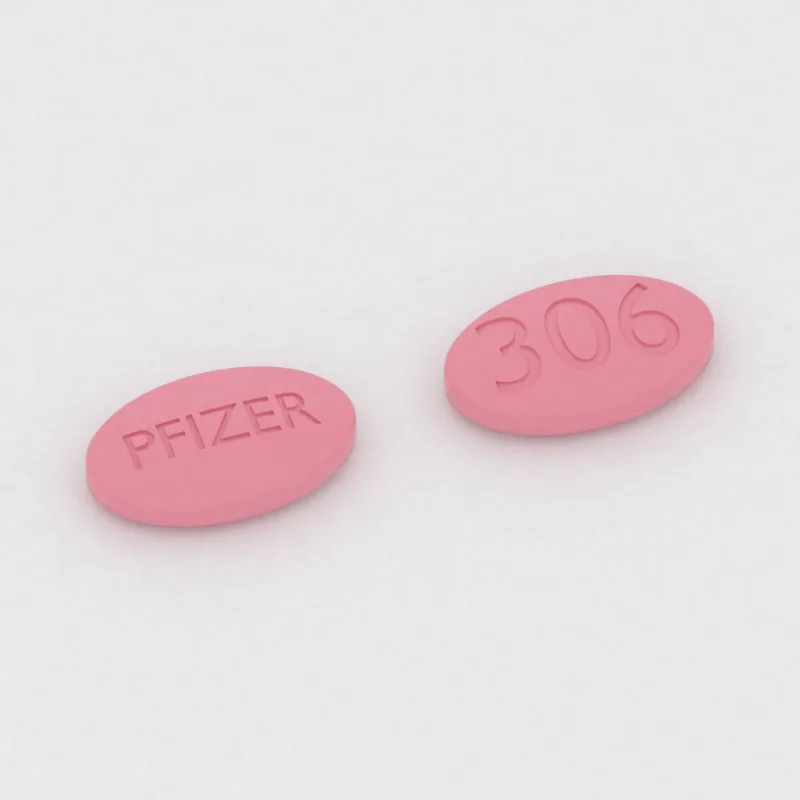
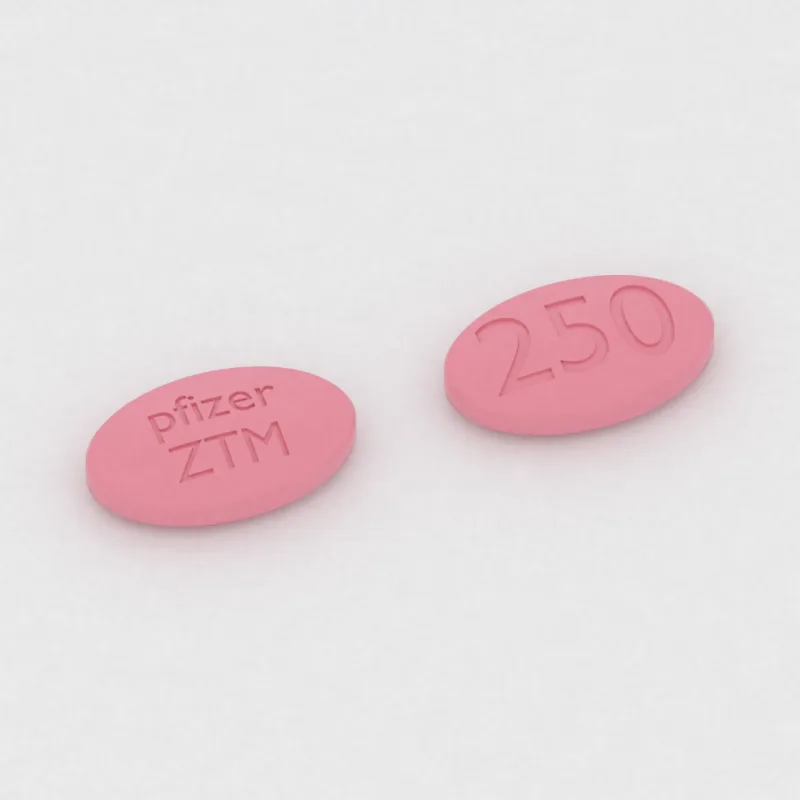
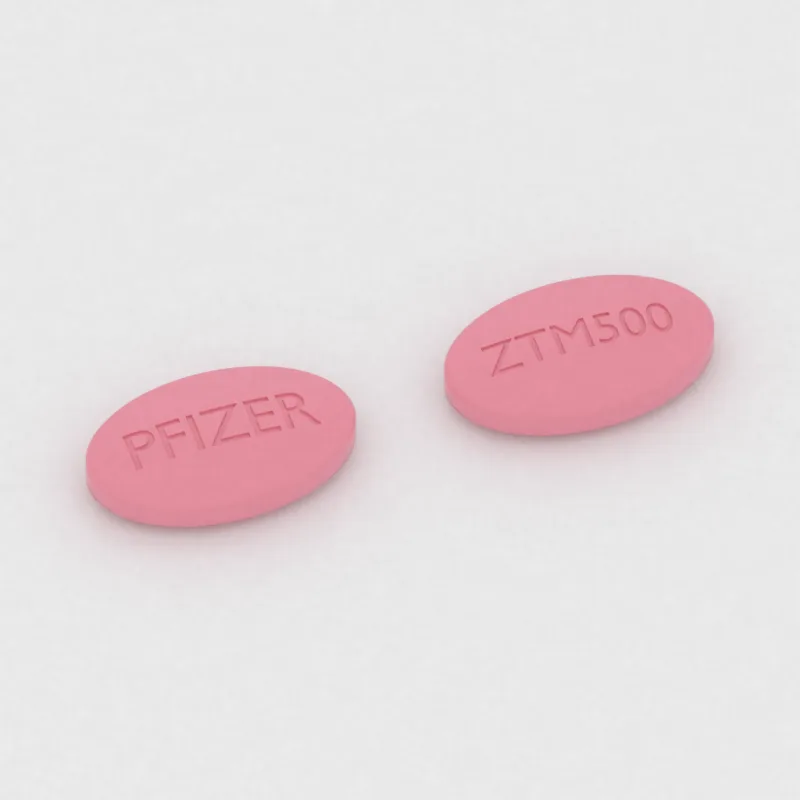
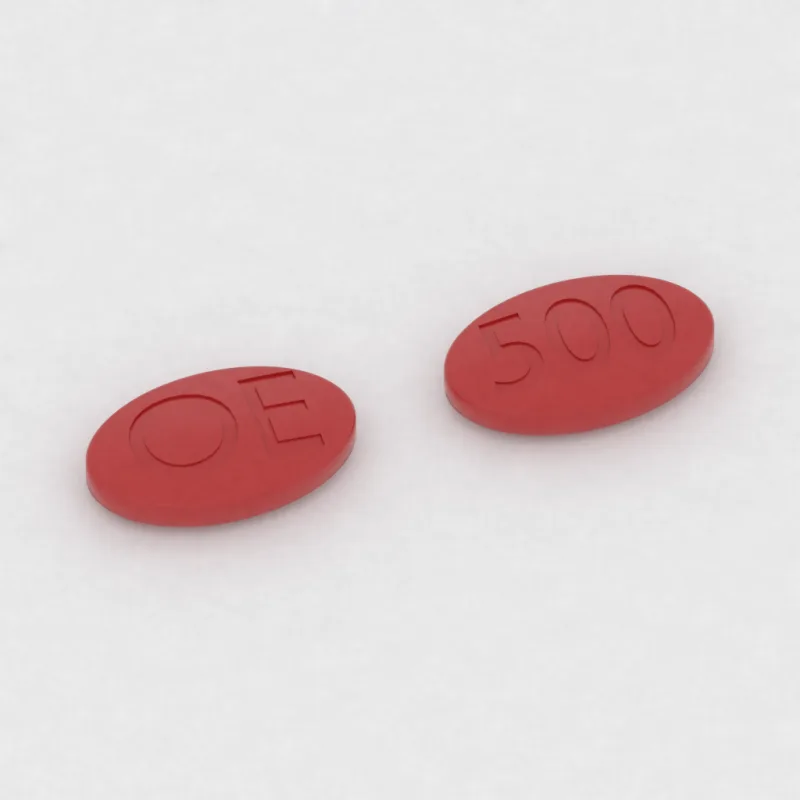
Representações criadas a partir das listas de produtos das bulas da FDA: cor, formato, tamanho e gravação. 21 versões documentadas de 13 fabricantes.
Interações segundo a bula
Interações graves (89)
This risk which can be fatal should be considered in patients with certain cardiovascular disorders including known QT prolongation or history torsades de pointes, those with proarrhythmic conditions, and with other drugs that prolong the QT interval. (bula de Azitromicina, Advertências e precauções)
This risk which can be fatal should be considered in patients with certain cardiovascular disorders including known QT prolongation or history torsades de pointes, those with proarrhythmic conditions, and with other drugs that prolong the QT interval. (bula de Azitromicina, Advertências e precauções)
This risk which can be fatal should be considered in patients with certain cardiovascular disorders including known QT prolongation or history torsades de pointes, those with proarrhythmic conditions, and with other drugs that prolong the QT interval. (bula de Azitromicina, Advertências e precauções)
• Cardiovascular Death: Some observational studies have shown an approximately two-fold increased short-term potential risk of acute cardiovascular death in adults exposed to azithromycin relative to other antibacterial drugs, including amoxicillin. (bula de Azitromicina, Advertências e precauções)
• Cardiovascular Death: Some observational studies have shown an approximately two-fold increased short-term potential risk of acute cardiovascular death in adults exposed to azithromycin relative to other antibacterial drugs, including amoxicillin. (bula de Azitromicina, Advertências e precauções)
This risk which can be fatal should be considered in patients with certain cardiovascular disorders including known QT prolongation or history torsades de pointes, those with proarrhythmic conditions, and with other drugs that prolong the QT interval. (bula de Azitromicina, Advertências e precauções)
This risk which can be fatal should be considered in patients with certain cardiovascular disorders including known QT prolongation or history torsades de pointes, those with proarrhythmic conditions, and with other drugs that prolong the QT interval. (bula de Azitromicina, Advertências e precauções)
This risk which can be fatal should be considered in patients with certain cardiovascular disorders including known QT prolongation or history torsades de pointes, those with proarrhythmic conditions, and with other drugs that prolong the QT interval. (bula de Azitromicina, Advertências e precauções)
This risk which can be fatal should be considered in patients with certain cardiovascular disorders including known QT prolongation or history torsades de pointes, those with proarrhythmic conditions, and with other drugs that prolong the QT interval. (bula de Azitromicina, Advertências e precauções)
This risk which can be fatal should be considered in patients with certain cardiovascular disorders including known QT prolongation or history torsades de pointes, those with proarrhythmic conditions, and with other drugs that prolong the QT interval. (bula de Azitromicina, Advertências e precauções)
This risk which can be fatal should be considered in patients with certain cardiovascular disorders including known QT prolongation or history torsades de pointes, those with proarrhythmic conditions, and with other drugs that prolong the QT interval. (bula de Azitromicina, Advertências e precauções)
This risk which can be fatal should be considered in patients with certain cardiovascular disorders including known QT prolongation or history torsades de pointes, those with proarrhythmic conditions, and with other drugs that prolong the QT interval. (bula de Azitromicina, Advertências e precauções)
This risk which can be fatal should be considered in patients with certain cardiovascular disorders including known QT prolongation or history torsades de pointes, those with proarrhythmic conditions, and with other drugs that prolong the QT interval. (bula de Azitromicina, Advertências e precauções)
This risk which can be fatal should be considered in patients with certain cardiovascular disorders including known QT prolongation or history torsades de pointes, those with proarrhythmic conditions, and with other drugs that prolong the QT interval. (bula de Azitromicina, Advertências e precauções)
This risk which can be fatal should be considered in patients with certain cardiovascular disorders including known QT prolongation or history torsades de pointes, those with proarrhythmic conditions, and with other drugs that prolong the QT interval. (bula de Azitromicina, Advertências e precauções)
…bradyarrhythmias or uncompensated heart failure • patients on drugs known to prolong the QT interval • patients with ongoing proarrhythmic conditions such as uncorrected hypokalemia or hypomagnesemia, clinically significant bradycardia, and in patients receiving Class IA (quinidine, procainamide) or Class III (dofetilide, amiodarone, sotalol) antiarrhythmic agents. (bula de Azitromicina, Advertências e precauções)
WARNING: PERIPHERAL ISCHEMIA FOLLOWING COADMINISTRATION WITH POTENT CYP3A4 INHIBITORS Serious and/or life-threatening peripheral ischemia has been associated with the coadministration of dihydroergotamine with potent CYP3A4 inhibitors including protease inhibitors and macrolide antibiotics. (bula de Di-hidroergotamina, Advertência em caixa preta)
This risk which can be fatal should be considered in patients with certain cardiovascular disorders including known QT prolongation or history torsades de pointes, those with proarrhythmic conditions, and with other drugs that prolong the QT interval. (bula de Azitromicina, Advertências e precauções)
This risk which can be fatal should be considered in patients with certain cardiovascular disorders including known QT prolongation or history torsades de pointes, those with proarrhythmic conditions, and with other drugs that prolong the QT interval. (bula de Azitromicina, Advertências e precauções)
This risk which can be fatal should be considered in patients with certain cardiovascular disorders including known QT prolongation or history torsades de pointes, those with proarrhythmic conditions, and with other drugs that prolong the QT interval. (bula de Azitromicina, Advertências e precauções)
This risk which can be fatal should be considered in patients with certain cardiovascular disorders including known QT prolongation or history torsades de pointes, those with proarrhythmic conditions, and with other drugs that prolong the QT interval. (bula de Azitromicina, Advertências e precauções)
Concomitant use of COMPLERA with drugs with a known risk to prolong the QTc interval of the electrocardiogram may increase the risk of Torsade de Pointes. (bula de Entricitabina + rilpivirina + tenofovir, Advertências e precauções)
WARNING Serious and/or life-threatening peripheral ischemia has been associated with the coadministration of ergotamine tartrate and caffeine tablets with potent CYP 3A4 inhibitors including protease inhibitors and macrolide antibiotics. (bula de Ergotamina + cafeína, Advertência em caixa preta)
• Patients with known hypersensitivity to azithromycin, erythromycin, any macrolide, or ketolide antibacterial drug. (bula de Azitromicina, Contraindicações)
This risk which can be fatal should be considered in patients with certain cardiovascular disorders including known QT prolongation or history torsades de pointes, those with proarrhythmic conditions, and with other drugs that prolong the QT interval. (bula de Azitromicina, Advertências e precauções)
VYTORIN is contraindicated in the following conditions: Concomitant use of strong CYP3A4 inhibitors (select azole anti-fungals, macrolide antibiotics, anti-viral medications, and nefazodone) [see Drug Interactions (7.1) ] . (bula de Ezetimiba + sinvastatina, Contraindicações)
Drugs that Prolong the QT Interval : Avoid concomitant use. (bula de Fenobarbital, Interações medicamentosas)
This risk which can be fatal should be considered in patients with certain cardiovascular disorders including known QT prolongation or history torsades de pointes, those with proarrhythmic conditions, and with other drugs that prolong the QT interval. (bula de Azitromicina, Advertências e precauções)
This risk which can be fatal should be considered in patients with certain cardiovascular disorders including known QT prolongation or history torsades de pointes, those with proarrhythmic conditions, and with other drugs that prolong the QT interval. (bula de Azitromicina, Advertências e precauções)
This risk which can be fatal should be considered in patients with certain cardiovascular disorders including known QT prolongation or history torsades de pointes, those with proarrhythmic conditions, and with other drugs that prolong the QT interval. (bula de Azitromicina, Advertências e precauções)
This risk which can be fatal should be considered in patients with certain cardiovascular disorders including known QT prolongation or history torsades de pointes, those with proarrhythmic conditions, and with other drugs that prolong the QT interval. (bula de Azitromicina, Advertências e precauções)
(See DOSAGE and ADMINISTRATION. ) Because of the risk of QT prolongation and the potential for torsades de pointes, the use of FOSCAVIR should be avoided in combination with agents known to prolong the QT interval including Class IA (e.g., quinidine or procainamide) or Class III (e.g., dofetilide, amiodarone, sotalol) antiarrhythmic agents, phenothiazines, tricyclic… (bula de Foscarnete, Interações medicamentosas)
Avoid co-administration of CONTEPO with drugs known to prolong the QT interval. (bula de Fosfomicina, Interações medicamentosas)
This risk which can be fatal should be considered in patients with certain cardiovascular disorders including known QT prolongation or history torsades de pointes, those with proarrhythmic conditions, and with other drugs that prolong the QT interval. (bula de Azitromicina, Advertências e precauções)
This risk which can be fatal should be considered in patients with certain cardiovascular disorders including known QT prolongation or history torsades de pointes, those with proarrhythmic conditions, and with other drugs that prolong the QT interval. (bula de Azitromicina, Advertências e precauções)
This risk which can be fatal should be considered in patients with certain cardiovascular disorders including known QT prolongation or history torsades de pointes, those with proarrhythmic conditions, and with other drugs that prolong the QT interval. (bula de Azitromicina, Advertências e precauções)
This risk which can be fatal should be considered in patients with certain cardiovascular disorders including known QT prolongation or history torsades de pointes, those with proarrhythmic conditions, and with other drugs that prolong the QT interval. (bula de Azitromicina, Advertências e precauções)
This risk which can be fatal should be considered in patients with certain cardiovascular disorders including known QT prolongation or history torsades de pointes, those with proarrhythmic conditions, and with other drugs that prolong the QT interval. (bula de Azitromicina, Advertências e precauções)
This risk which can be fatal should be considered in patients with certain cardiovascular disorders including known QT prolongation or history torsades de pointes, those with proarrhythmic conditions, and with other drugs that prolong the QT interval. (bula de Azitromicina, Advertências e precauções)
- IvabradinaGrave
Bradycardia may increase the risk of QT prolongation which may lead to severe ventricular arrhythmias, including torsade de pointes, especially in patients with risk factors such as use of QTc prolonging drugs [see Adverse Reactions ( 6.2 )] . (bula de Ivabradina, Advertências e precauções)
This risk which can be fatal should be considered in patients with certain cardiovascular disorders including known QT prolongation or history torsades de pointes, those with proarrhythmic conditions, and with other drugs that prolong the QT interval. (bula de Azitromicina, Advertências e precauções)
This risk which can be fatal should be considered in patients with certain cardiovascular disorders including known QT prolongation or history torsades de pointes, those with proarrhythmic conditions, and with other drugs that prolong the QT interval. (bula de Azitromicina, Advertências e precauções)
This risk which can be fatal should be considered in patients with certain cardiovascular disorders including known QT prolongation or history torsades de pointes, those with proarrhythmic conditions, and with other drugs that prolong the QT interval. (bula de Azitromicina, Advertências e precauções)
Examples diazepam, alprazolam, alcohol Drugs that Prolong QTc Interval Clinical Impact The concomitant use of other drugs which prolong the QTc interval with REMERON/REMERONSolTab, increase the risk of QT prolongation and/or ventricular arrhythmias (e.g., Torsades de Pointes). (bula de Mirtazapina, Interações medicamentosas)
This risk which can be fatal should be considered in patients with certain cardiovascular disorders including known QT prolongation or history torsades de pointes, those with proarrhythmic conditions, and with other drugs that prolong the QT interval. (bula de Azitromicina, Advertências e precauções)
This risk which can be fatal should be considered in patients with certain cardiovascular disorders including known QT prolongation or history torsades de pointes, those with proarrhythmic conditions, and with other drugs that prolong the QT interval. (bula de Azitromicina, Advertências e precauções)
This risk which can be fatal should be considered in patients with certain cardiovascular disorders including known QT prolongation or history torsades de pointes, those with proarrhythmic conditions, and with other drugs that prolong the QT interval. (bula de Azitromicina, Advertências e precauções)
This risk which can be fatal should be considered in patients with certain cardiovascular disorders including known QT prolongation or history torsades de pointes, those with proarrhythmic conditions, and with other drugs that prolong the QT interval. (bula de Azitromicina, Advertências e precauções)
This risk which can be fatal should be considered in patients with certain cardiovascular disorders including known QT prolongation or history torsades de pointes, those with proarrhythmic conditions, and with other drugs that prolong the QT interval. (bula de Azitromicina, Advertências e precauções)
- OxaliplatinaGrave
Avoid coadministration of oxaliplatin injection with medicinal products with a known potential to prolong the QT interval. (bula de Oxaliplatina, Interações medicamentosas)
This risk which can be fatal should be considered in patients with certain cardiovascular disorders including known QT prolongation or history torsades de pointes, those with proarrhythmic conditions, and with other drugs that prolong the QT interval. (bula de Azitromicina, Advertências e precauções)
- PazopanibeGrave
Avoid coadministration of VOTRIENT with drugs known to prolong the QT/QTc interval. (bula de Pazopanibe, Interações medicamentosas)
This risk which can be fatal should be considered in patients with certain cardiovascular disorders including known QT prolongation or history torsades de pointes, those with proarrhythmic conditions, and with other drugs that prolong the QT interval. (bula de Azitromicina, Advertências e precauções)
This risk which can be fatal should be considered in patients with certain cardiovascular disorders including known QT prolongation or history torsades de pointes, those with proarrhythmic conditions, and with other drugs that prolong the QT interval. (bula de Azitromicina, Advertências e precauções)
This risk which can be fatal should be considered in patients with certain cardiovascular disorders including known QT prolongation or history torsades de pointes, those with proarrhythmic conditions, and with other drugs that prolong the QT interval. (bula de Azitromicina, Advertências e precauções)
This risk which can be fatal should be considered in patients with certain cardiovascular disorders including known QT prolongation or history torsades de pointes, those with proarrhythmic conditions, and with other drugs that prolong the QT interval. (bula de Azitromicina, Advertências e precauções)
This risk which can be fatal should be considered in patients with certain cardiovascular disorders including known QT prolongation or history torsades de pointes, those with proarrhythmic conditions, and with other drugs that prolong the QT interval. (bula de Azitromicina, Advertências e precauções)
This risk which can be fatal should be considered in patients with certain cardiovascular disorders including known QT prolongation or history torsades de pointes, those with proarrhythmic conditions, and with other drugs that prolong the QT interval. (bula de Azitromicina, Advertências e precauções)
This risk which can be fatal should be considered in patients with certain cardiovascular disorders including known QT prolongation or history torsades de pointes, those with proarrhythmic conditions, and with other drugs that prolong the QT interval. (bula de Azitromicina, Advertências e precauções)
This risk which can be fatal should be considered in patients with certain cardiovascular disorders including known QT prolongation or history torsades de pointes, those with proarrhythmic conditions, and with other drugs that prolong the QT interval. (bula de Azitromicina, Advertências e precauções)
This risk which can be fatal should be considered in patients with certain cardiovascular disorders including known QT prolongation or history torsades de pointes, those with proarrhythmic conditions, and with other drugs that prolong the QT interval. (bula de Azitromicina, Advertências e precauções)
• Avoid use with other antiarrhythmic agents or drugs that prolong the QT interval. (bula de Propafenona, Advertências e precauções)
This risk which can be fatal should be considered in patients with certain cardiovascular disorders including known QT prolongation or history torsades de pointes, those with proarrhythmic conditions, and with other drugs that prolong the QT interval. (bula de Azitromicina, Advertências e precauções)
This risk which can be fatal should be considered in patients with certain cardiovascular disorders including known QT prolongation or history torsades de pointes, those with proarrhythmic conditions, and with other drugs that prolong the QT interval. (bula de Azitromicina, Advertências e precauções)
This risk which can be fatal should be considered in patients with certain cardiovascular disorders including known QT prolongation or history torsades de pointes, those with proarrhythmic conditions, and with other drugs that prolong the QT interval. (bula de Azitromicina, Advertências e precauções)
This risk which can be fatal should be considered in patients with certain cardiovascular disorders including known QT prolongation or history torsades de pointes, those with proarrhythmic conditions, and with other drugs that prolong the QT interval. (bula de Azitromicina, Advertências e precauções)
Macrolide or ketolide antibiotics: azithromycin clarithromycin erythromycin ↑ rilpivirine ↔ azithromycin ↔ clarithromycin ↔ erythromycin Macrolides are expected to increase concentrations of rilpivirine and are associated with a risk of Torsade de Pointes [Warnings and Precautions (5.4)]. (bula de Rilpivirina, Interações medicamentosas)
This risk which can be fatal should be considered in patients with certain cardiovascular disorders including known QT prolongation or history torsades de pointes, those with proarrhythmic conditions, and with other drugs that prolong the QT interval. (bula de Azitromicina, Advertências e precauções)
Avoid the concomitant use of drugs known to prolong the QTc interval. (bula de Sertralina, Interações medicamentosas)
ZOCOR is contraindicated in the following conditions: Concomitant use of strong CYP3A4 inhibitors (select azole anti-fungals, macrolide antibiotics, anti-viral medications, and nefazodone) [see Drug Interactions (7.1) ] . (bula de Sinvastatina, Contraindicações)
This risk which can be fatal should be considered in patients with certain cardiovascular disorders including known QT prolongation or history torsades de pointes, those with proarrhythmic conditions, and with other drugs that prolong the QT interval. (bula de Azitromicina, Advertências e precauções)
This risk which can be fatal should be considered in patients with certain cardiovascular disorders including known QT prolongation or history torsades de pointes, those with proarrhythmic conditions, and with other drugs that prolong the QT interval. (bula de Azitromicina, Advertências e precauções)
This risk which can be fatal should be considered in patients with certain cardiovascular disorders including known QT prolongation or history torsades de pointes, those with proarrhythmic conditions, and with other drugs that prolong the QT interval. (bula de Azitromicina, Advertências e precauções)
This risk which can be fatal should be considered in patients with certain cardiovascular disorders including known QT prolongation or history torsades de pointes, those with proarrhythmic conditions, and with other drugs that prolong the QT interval. (bula de Azitromicina, Advertências e precauções)
This risk which can be fatal should be considered in patients with certain cardiovascular disorders including known QT prolongation or history torsades de pointes, those with proarrhythmic conditions, and with other drugs that prolong the QT interval. (bula de Azitromicina, Advertências e precauções)
This risk which can be fatal should be considered in patients with certain cardiovascular disorders including known QT prolongation or history torsades de pointes, those with proarrhythmic conditions, and with other drugs that prolong the QT interval. (bula de Azitromicina, Advertências e precauções)
This risk which can be fatal should be considered in patients with certain cardiovascular disorders including known QT prolongation or history torsades de pointes, those with proarrhythmic conditions, and with other drugs that prolong the QT interval. (bula de Azitromicina, Advertências e precauções)
This risk which can be fatal should be considered in patients with certain cardiovascular disorders including known QT prolongation or history torsades de pointes, those with proarrhythmic conditions, and with other drugs that prolong the QT interval. (bula de Azitromicina, Advertências e precauções)
This risk which can be fatal should be considered in patients with certain cardiovascular disorders including known QT prolongation or history torsades de pointes, those with proarrhythmic conditions, and with other drugs that prolong the QT interval. (bula de Azitromicina, Advertências e precauções)
This risk which can be fatal should be considered in patients with certain cardiovascular disorders including known QT prolongation or history torsades de pointes, those with proarrhythmic conditions, and with other drugs that prolong the QT interval. (bula de Azitromicina, Advertências e precauções)
This risk which can be fatal should be considered in patients with certain cardiovascular disorders including known QT prolongation or history torsades de pointes, those with proarrhythmic conditions, and with other drugs that prolong the QT interval. (bula de Azitromicina, Advertências e precauções)
This risk which can be fatal should be considered in patients with certain cardiovascular disorders including known QT prolongation or history torsades de pointes, those with proarrhythmic conditions, and with other drugs that prolong the QT interval. (bula de Azitromicina, Advertências e precauções)
This risk which can be fatal should be considered in patients with certain cardiovascular disorders including known QT prolongation or history torsades de pointes, those with proarrhythmic conditions, and with other drugs that prolong the QT interval. (bula de Azitromicina, Advertências e precauções)
This risk which can be fatal should be considered in patients with certain cardiovascular disorders including known QT prolongation or history torsades de pointes, those with proarrhythmic conditions, and with other drugs that prolong the QT interval. (bula de Azitromicina, Advertências e precauções)
This risk which can be fatal should be considered in patients with certain cardiovascular disorders including known QT prolongation or history torsades de pointes, those with proarrhythmic conditions, and with other drugs that prolong the QT interval. (bula de Azitromicina, Advertências e precauções)
- VepdegestrantoGrave
Avoid concomitant use of VEPPANU with strong CYP3A inhibitors or drugs known to prolong the QTc interval. (bula de Vepdegestranto, Advertências e precauções)
This risk which can be fatal should be considered in patients with certain cardiovascular disorders including known QT prolongation or history torsades de pointes, those with proarrhythmic conditions, and with other drugs that prolong the QT interval. (bula de Azitromicina, Advertências e precauções)
This risk which can be fatal should be considered in patients with certain cardiovascular disorders including known QT prolongation or history torsades de pointes, those with proarrhythmic conditions, and with other drugs that prolong the QT interval. (bula de Azitromicina, Advertências e precauções)
Interações moderadas (78)
…bradyarrhythmias or uncompensated heart failure • patients on drugs known to prolong the QT interval • patients with ongoing proarrhythmic conditions such as uncorrected hypokalemia or hypomagnesemia, clinically significant bradycardia, and in patients receiving Class IA (quinidine, procainamide) or Class III (dofetilide, amiodarone, sotalol) antiarrhythmic agents. (bula de Azitromicina, Advertências e precauções)
Amlodipine and atorvastatin tablets dosage modifications are recommended for patients taking certain anti-viral, azole antifungals, or macrolide antibiotic medications [see Dosage and Administration (2) ] . (bula de Anlodipino + atorvastatina, Advertências e precauções)
Prothrombin times should be carefully monitored while patients are receiving azithromycin and oral anticoagulants concomitantly. (bula de Azitromicina, Interações medicamentosas)
MAO inhibitors, tricyclic antidepressants and drugs that prolong the QTc interval may potentiate effect on the cardiovascular system. (bula de Arformoterol, Interações medicamentosas)
Prothrombin times should be carefully monitored while patients are receiving azithromycin and oral anticoagulants concomitantly. (bula de Azitromicina, Interações medicamentosas)
LIPITOR dosage modifications are recommended for patients taking certain anti-viral, azole antifungals, or macrolide antibiotic medications [see Dosage and Administration (2.5) ] . (bula de Atorvastatina, Advertências e precauções)
Prothrombin times should be carefully monitored while patients are receiving azithromycin and oral anticoagulants concomitantly. (bula de Azitromicina, Interações medicamentosas)
The risk of combining buprenorphine with other QT-prolonging agents is not known. (bula de Buprenorfina, Advertências e precauções)
The risk of combining buprenorphine with other QT-prolonging agents is not known. (bula de Buprenorfina + naloxona, Advertências e precauções)
Cytochrome P450 3A4 Interaction The concomitant use of BUTALBITAL, ASPIRIN, CAFFEINE and CODEINE PHOSPHATE with all cytochrome P450 3A4 inhibitors, such as macrolide antibiotics (e.g., erythromycin), azole-antifungal agents (e.g., ketoconazole), and protease inhibitors (e.g., ritonavir) or discontinuation of a cytochrome P450 3A4 inducer such as rifampin, carbamazepine,… (bula de Butalbital + ácido acetilsalicílico + cafeína + codeína, Advertências e precauções)
• Cytochrome P450 3A4 Interaction The concomitant use of Butalbital, Acetaminophen, Caffeine, and Codeine Phosphate Capsules with all cytochrome P450 3A4 inhibitors, such as macrolide antibiotics (e.g., erythromycin), azole-antifungal agents (e.g., ketoconazole), and protease inhibitors (e.g., ritonavir) or discontinuation of a cytochrome P450 3A4 inducer such… (bula de Butalbital + paracetamol + cafeína + codeína, Advertências e precauções)
Drugs That Increase Cyclosporine Concentrations Calcium Channel Blockers Antifungals Antibiotics Glucocorticoids Other Drugs diltiazem fluconazole azithromycin methylprednisolone Allopurinol nicardipine itraconazole clarithromycin Amiodarone verapamil ketoconazole erythromycin Bromocriptine voriconazole quinupristin/ dalfopristin colchicine danazol imatinib metoclopramide… (bula de Ciclosporina, Interações medicamentosas)
QT Interval Prolongation and V entricular A rr h ythmia Decreases in serum calcium can also prolong the QT interval, potentially resulting in ventricular arrhythmia. (bula de Cinacalcete, Advertências e precauções)
Cytochrome P450 3A4 Interaction: The concomitant use of Codeine Sulfate Tablets with all cytochrome P450 3A4 inhibitors, such as macrolide antibiotics (e.g., erythromycin), azole-antifungal agents (e.g., ketoconazole), and protease inhibitors (e.g., ritonavir) or discontinuation of a cytochrome P450 3A4 inducer such as rifampin, carbamazepine, and phenytoin,… (bula de Codeína, Advertências e precauções)
- ColchicinaModerada
Until further data are developed regarding drug interactions when digoxin, colchicine or phenytoin are used with azithromycin careful monitoring of patients is advised. (bula de Azitromicina, Interações medicamentosas)
Prothrombin times should be carefully monitored while patients are receiving azithromycin and oral anticoagulants concomitantly. (bula de Azitromicina, Interações medicamentosas)
Carefully monitor cardiac rhythm when administering SUPRANE to susceptible patients (e.g., patients with congenital Long QT Syndrome or patients taking drugs that can prolong the QT interval). (bula de Desflurano, Advertências e precauções)
Until further data are developed regarding drug interactions when digoxin, colchicine or phenytoin are used with azithromycin careful monitoring of patients is advised. (bula de Azitromicina, Interações medicamentosas)
…bradyarrhythmias or uncompensated heart failure • patients on drugs known to prolong the QT interval • patients with ongoing proarrhythmic conditions such as uncorrected hypokalemia or hypomagnesemia, clinically significant bradycardia, and in patients receiving Class IA (quinidine, procainamide) or Class III (dofetilide, amiodarone, sotalol) antiarrhythmic agents. (bula de Azitromicina, Advertências e precauções)
Concomitant administration of moderate or strong CYP3A4 inhibitors such as azole antifungals (e.g., ketoconazole, itraconazole, voriconazole, fluconazole), verapamil, macrolides (e.g., clarithromycin, erythromycin), diltiazem, and grapefruit juice can increase the plasma concentrations of the estrogen or the progestin or both. (bula de Drospirenona + etinilestradiol, Interações medicamentosas)
Prothrombin times should be carefully monitored while patients are receiving azithromycin and oral anticoagulants concomitantly. (bula de Azitromicina, Interações medicamentosas)
QT Prolonging Drugs There is limited information available on the potential for a pharmacodynamic interaction between efavirenz and drugs that prolong the QTc interval. (bula de Efavirenz, Interações medicamentosas)
QT Prolonging Drugs There is limited information available on the potential for a pharmacodynamic interaction between EFV and drugs that prolong the QTc interval. (bula de Efavirenz + lamivudina + tenofovir, Interações medicamentosas)
Prothrombin times should be carefully monitored while patients are receiving azithromycin and oral anticoagulants concomitantly. (bula de Azitromicina, Interações medicamentosas)
- EribulinaModerada
QT Prolongation: Monitor for prolonged QT intervals in patients with congestive heart failure, bradyarrhythmias, drugs known to prolong the QT interval, and electrolyte abnormalities. (bula de Eribulina, Advertências e precauções)
…bradyarrhythmias or uncompensated heart failure • patients on drugs known to prolong the QT interval • patients with ongoing proarrhythmic conditions such as uncorrected hypokalemia or hypomagnesemia, clinically significant bradycardia, and in patients receiving Class IA (quinidine, procainamide) or Class III (dofetilide, amiodarone, sotalol) antiarrhythmic agents. (bula de Azitromicina, Advertências e precauções)
…Systemic Exposure of COCs (enzyme inhibitors): Concomitant administration of moderate or strong CYP3A4 inhibitors like azole antifungals (for example, ketoconazole, itraconazole, voriconazole, fluconazole), verapamil, macrolides (for example, clarithromycin, erythromycin), diltiazem, and grapefruit increase the serum concentrations of both estradiol and dienogest. (bula de Estradiol + dienogeste, Interações medicamentosas)
Alternatives to clarithromycin, such as azithromycin, should be considered for the treatment of MAC. (bula de Etravirina, Interações medicamentosas)
Until further data are developed regarding drug interactions when digoxin, colchicine or phenytoin are used with azithromycin careful monitoring of patients is advised. (bula de Azitromicina, Interações medicamentosas)
Risks of Concomitant Use or Discontinuation of Cytochrome P450 3A4 Inhibitors and Inducers Concomitant use of Fentanyl Citrate Injection with a CYP3A4 inhibitor, such as macrolide antibiotics (e.g., erythromycin), azole-antifungal agents (e.g., ketoconazole), and protease inhibitors (e.g., ritonavir), may increase plasma concentrations of fentanyl and prolong… (bula de Fentanila, Advertências e precauções)
Prothrombin times should be carefully monitored while patients are receiving azithromycin and oral anticoagulants concomitantly. (bula de Azitromicina, Interações medicamentosas)
…Antidepressants, QTc Prolonging Drugs Formoterol, as with other beta 2 -agonists, should be administered with extreme caution to patients being treated with monoamine oxidase inhibitors, tricyclic antidepressants, or drugs known to prolong the QTc interval because the effect of adrenergic agonists on the cardiovascular system may be potentiated by these agents. (bula de Formoterol, Interações medicamentosas)
- GosserrelinaModerada
Effect on QT/QTc Interval: Androgen deprivation therapy may prolong the QT interval. (bula de Gosserrelina, Advertências e precauções)
Prothrombin times should be carefully monitored while patients are receiving azithromycin and oral anticoagulants concomitantly. (bula de Azitromicina, Interações medicamentosas)
…www.fda.gov/OpioidAnalgesicREMSBlueprint 5.6 Risks of Concomitant Use or Discontinuation of Cytochrome P450 3A4 Inhibitors and Inducers Concomitant use of HYSINGLA ER with a CYP3A4 inhibitor, such as macrolide antibiotics (e.g., erythromycin), azole-antifungal agents (e.g., ketoconazole), and protease inhibitors (e.g., ritonavir), may increase plasma concentrations of hydrocodone… (bula de Hidrocodona, Advertências e precauções)
…Concomitant Use or Discontinuation of Cytochrome P450 3A4 Inhibitors and Inducers Concomitant use of Hydrocodone Polistirex and Chlorpheniramine Polistirex with a CYP3A4 inhibitor, such as macrolide antibiotics (e.g., erythromycin), azole-antifungal agents (e.g., ketoconazole), and protease inhibitors (e.g., ritonavir), may increase plasma concentrations of hydrocodone… (bula de Hidrocodona + clorfeniramina, Advertências e precauções)
…Concomitant Use or Discontinuation of Cytochrome P450 3A4 Inhibitors and Inducers Concomitant use of hydrocodone bitartrate and homatropine methylbromide with a CYP3A4 inhibitor, such as macrolide antibiotics (e.g., erythromycin), azole-antifungal agents (e.g., ketoconazole), and protease inhibitors (e.g., ritonavir), may increase plasma concentrations of hydrocodone… (bula de Hidrocodona + homatropina, Advertências e precauções)
…Concomitant Use or Discontinuation of Cytochrome P450 3A4 Inhibitors and Inducers Concomitant use of Hydrocodone Bitartrate and Ibuprofen Tablets with a CYP3A4 inhibitor, such as macrolide antibiotics (e.g., erythromycin), azole-antifungal agents (e.g., ketoconazole), and protease inhibitors (e.g., ritonavir), may increase plasma concentrations of hydrocodone… (bula de Hidrocodona + ibuprofeno, Advertências)
…Concomitant Use or Discontinuation of Cytochrome P450 3A4 Inhibitors and Inducers Concomitant use of hydrocodone bitartrate and acetaminophen tablets with a CYP3A4 inhibitor, such as macrolide antibiotics (e.g., erythromycin), azole-antifungal agents (e.g., ketoconazole), and protease inhibitors (e.g., ritonavir), may increase plasma concentrations of hydrocodone… (bula de Hidrocodona + paracetamol, Advertências)
Monitor QT interval when administering FORANE to susceptible patients (e.g., patients with congenital Long QT Syndrome or patients taking drugs that can prolong the QT interval). (bula de Isoflurano, Advertências e precauções)
TYKERB may prolong the QT interval in some patients. (bula de Lapatinibe, Advertências e precauções)
- LeuprorrelinaModerada
Effect on QT/QTc Interval: Androgen deprivation therapy may prolong the QT interval. (bula de Leuprorrelina, Advertências e precauções)
…bradyarrhythmias or uncompensated heart failure • patients on drugs known to prolong the QT interval • patients with ongoing proarrhythmic conditions such as uncorrected hypokalemia or hypomagnesemia, clinically significant bradycardia, and in patients receiving Class IA (quinidine, procainamide) or Class III (dofetilide, amiodarone, sotalol) antiarrhythmic agents. (bula de Azitromicina, Advertências e precauções)
…bradyarrhythmias or uncompensated heart failure • patients on drugs known to prolong the QT interval • patients with ongoing proarrhythmic conditions such as uncorrected hypokalemia or hypomagnesemia, clinically significant bradycardia, and in patients receiving Class IA (quinidine, procainamide) or Class III (dofetilide, amiodarone, sotalol) antiarrhythmic agents. (bula de Azitromicina, Advertências e precauções)
Risk of QT Prolongation : Lofexidine tablets prolong the QT interval. (bula de Lofexidina, Advertências e precauções)
Other Drugs that Prolong the QTc Interval Coadministration of other drugs known to alter cardiac conduction (e.g., anti-arrhythmic or beta-adrenergic blocking agents, calcium channel blockers, antihistamines or H 1 -blocking agents, tricyclic antidepressants and phenothiazines) might also contribute to a prolongation of the QTc interval. (bula de Mefloquina, Interações medicamentosas)
Antibiotics : Macrolide antibiotics have been reported to cause a significant decrease in corticosteroid clearance (see PRECAUTIONS: Drug Interactions, Hepatic Enzyme Inhibitors ). (bula de Metilprednisolona, Interações medicamentosas)
Drugs that Prolong the QT Interval QT prolongation has been reported, particularly when metronidazole was administered with drugs with the potential for prolonging the QT interval. (bula de Metronidazol, Interações medicamentosas)
…bradyarrhythmias or uncompensated heart failure • patients on drugs known to prolong the QT interval • patients with ongoing proarrhythmic conditions such as uncorrected hypokalemia or hypomagnesemia, clinically significant bradycardia, and in patients receiving Class IA (quinidine, procainamide) or Class III (dofetilide, amiodarone, sotalol) antiarrhythmic agents. (bula de Azitromicina, Advertências e precauções)
There is little or no experience with high exposure, concomitant dosing with other QT-prolonging drugs, or potassium channel variants resulting in a long QT interval. [See Warnings & Precautions ( 5.6 )] To minimize risk, the lowest effective dose should always be used. (bula de Mifepristona, Advertências e precauções)
Alternatives to clarithromycin, such as azithromycin, should be considered. (bula de Nevirapina, Interações medicamentosas)
CYP3A Inhibitors CYP3A inhibitors such as ketoconazole, fluconazole, itraconazole, clarithromycin, erythromycin (Azithromycin, although structurally related to the class of macrolide antibiotic is void of clinically relevant CYP3A4 inhibition), grapefruit, nefazodone, fluoxetine, saquinavir, indinavir, nelfinavir, and ritonavir may result in increased exposure… (bula de Nifedipino, Interações medicamentosas)
Possible Increased Risk of Hypotension with Strong CYP3A4 Inhibitors Concomitant use of strong inhibitors of CYP3A4, such as some macrolide antibiotics (e.g., clarithromycin, telithromycin), some HIV protease inhibitors (e.g., indinavir, nelfinavir, ritonavir, saquinavir), some HCV protease inhibitors (e.g., boceprevir, telaprevir), some azole antimycotics (e.g.,… (bula de Nimodipino, Advertências e precauções)
Risks of Concomitant Use or Discontinuation of Cytochrome P450 3A4 Inhibitors and Inducers Concomitant use of Oxycodone Hydrochloride Oral Solution with a CYP3A4 inhibitor, such as macrolide antibiotics (e.g., erythromycin), azole-antifungal agents (e.g., ketoconazole), and protease inhibitors (e.g., ritonavir), may increase plasma concentrations of oxycodone… (bula de Oxicodona, Advertências e precauções)
Risks of Concomitant Use or Discontinuation of Cytochrome P450 3A4 Inhibitors and Inducers Concomitant use of oxycodone hydrochloride tablets with a CYP3A4 inhibitor, such as macrolide antibiotics (e.g., erythromycin), azole-antifungal agents (e.g., ketoconazole), and protease inhibitors (e.g., ritonavir), may increase plasma concentrations of oxycodone and prolong… (bula de Oxicodona + paracetamol, Advertências e precauções)
Cytochrome P450 3A4 Interaction The concomitant use of acetaminophen and codeine phosphate tablets with all cytochrome P450 3A4 inhibitors, such as macrolide antibiotics (e.g., erythromycin), azole-antifungal agents (e.g., ketoconazole), and protease inhibitors (e.g., ritonavir) or discontinuation of a cytochrome P450 3A4 inducer such as rifampin, carbamazepine,… (bula de Paracetamol + codeína, Advertências)
- PasireotidaModerada
Drugs that Prolong QT: Use with caution in patients who are at significant risk of developing QTc prolongation. (bula de Pasireotida, Interações medicamentosas)
Risks of Concomitant Use or Discontinuation of Cytochrome P450 3A4 Inhibitors and Inducers Concomitant use of DEMEROL Injection with a CYP3A4 inhibitor, such as macrolide antibiotics (e.g., erythromycin), azole-antifungal agents (e.g., ketoconazole), and protease inhibitors (e.g., ritonavir), may increase plasma concentrations of meperidine and prolong opioid… (bula de Petidina (meperidina), Advertências e precauções)
Anti-Arrhythmic Drugs, QT Prolonging Drugs, Drugs that may Decrease Heart Rate PONVORY has not been studied in patients taking QT prolonging drugs. (bula de Ponesimode, Interações medicamentosas)
Other macrolides (e.g., azithromycin) have the potential to increase pravastatin sodium exposures and increase the risk of myopathy and rhabdomyolysis when used concomintantly. (bula de Pravastatina, Interações medicamentosas)
CYP 3A4 inhibitors (e.g., ketoconazole, macrolide antibiotics): Ketoconazole has been reported to decrease the metabolism of certain corticosteroids by up to 60% leading to an increased risk of corticosteroid side effects. (bula de Prednisolona, Interações medicamentosas)
CYP 3A4 Inhibitors (e.g., Ketoconazole, Macrolide Antibiotics) Ketoconazole has been reported to decrease the metabolism of certain corticosteroids by up to 60% leading to increased risk of corticosteroid side effects. (bula de Prednisona, Interações medicamentosas)
QT Interval Prolonging Drugs The pharmacodynamic interaction potential to prolong the QT interval of the electrocardiogram between Primaquine phosphate Tablets and other drugs that effect cardiac conduction is unknown. (bula de Primaquina, Interações medicamentosas)
- Probenecida + colchicinaModerada
Until further data are developed regarding drug interactions when digoxin, colchicine or phenytoin are used with azithromycin careful monitoring of patients is advised. (bula de Azitromicina, Interações medicamentosas)
ND ↓ AUC by 27 – 40% Sulfamethoxazole-Trimethoprim 800/160 mg 300 mg once a day HIV-infected patients (12) ↔ ↓ AUC by 15–20% ANTI-MAC (Mycobacterium avium intracellulare complex) Azithromycin 500 mg once a day for 1 day, then 250 mg once a day for 9 days 300 mg once a day Healthy subjects (6) ↔ ↔ Clarithromycin 500 mg twice a day 300 mg once a day HIV-infected… (bula de Rifabutina, Interações medicamentosas)
Prothrombin times should be carefully monitored while patients are receiving azithromycin and oral anticoagulants concomitantly. (bula de Azitromicina, Interações medicamentosas)
QT Interval Prolongation The overall analysis of ECG data in pediatric patients indicates that the concomitant use of Rocuronium Bromide Injection with general anesthetic agents can prolong the QTc interval [see Clinical Studies ( 14.3 )]. (bula de Rocurônio, Advertências e precauções)
Caution should be exercised when administering sevoflurane to susceptible patients (e.g., patients with congenital Long QT Syndrome or patients taking drugs that can prolong the QT interval). (bula de Sevoflurano, Advertências)
- SorafenibeModerada
Monitor electrolytes and electrocardiograms in patients with congestive heart failure, bradyarrhythmias, drugs known to prolong the QT interval, including Class Ia and III antiarrhythmics. (bula de Sorafenibe, Advertências e precauções)
Drugs that Prolong the QT interval QT prolongation has been reported with metronidazole, a component of bismuth subcitrate potassium, metronidazole and tetracycline hydrochloride, particularly when administered with drugs with the potential for prolonging the QT interval. (bula de Subcitrato de bismuto + metronidazol + tetraciclina, Advertências e precauções)
- SunitinibeModerada
Drugs that Prolong QT Interval SUTENT is associated with QTc interval prolongation [see Warnings and Precautions (5.3) , Clinical Pharmacology (12.2) ] . (bula de Sunitinibe, Interações medicamentosas)
Antibiotics: Macrolide antibiotics have been reported to cause a significant decrease in corticosteroid clearance. (bula de Triancinolona, Interações medicamentosas)
Macrolide Antibiotics Coadministration of erythromycin increased the maximum plasma concentration, decreased clearance and increased half-life of triazolam [see Drug Interactions (7.1) , Clinical Pharmacology (12.3) ] ; caution and consideration of appropriate triazolam dose reduction are recommended. (bula de Triazolam, Advertências e precauções)
- TriptorrelinaModerada
Effect on QT/QTc Interval: Androgen deprivation therapy may prolong the QT interval. (bula de Triptorrelina, Advertências e precauções)
…like other beta 2 -agonists, should be administered with extreme caution to patients being treated with monoamine oxidase inhibitors, tricyclic antidepressants, or drugs known to prolong the QTc interval or within 2 weeks of discontinuation of such agents, because the effect of adrenergic agonists on the cardiovascular system may be potentiated by these agents. (bula de Umeclidínio + vilanterol, Interações medicamentosas)
• Warfarin: Use with azithromycin may increase coagulation times; monitor prothrombin time. (bula de Azitromicina, Interações medicamentosas)
…bradyarrhythmias or uncompensated heart failure • patients on drugs known to prolong the QT interval • patients with ongoing proarrhythmic conditions such as uncorrected hypokalemia or hypomagnesemia, clinically significant bradycardia, and in patients receiving Class IA (quinidine, procainamide) or Class III (dofetilide, amiodarone, sotalol) antiarrhythmic agents. (bula de Azitromicina, Advertências e precauções)
Menções leves (8)
The following are examples of drugs known to inhibit the metabolism of other related benzodiazepines, presumably through inhibition of CYP3A: nefazodone, fluvoxamine, cimetidine, diltiazem, isoniazide, and some macrolide antibiotics. (bula de Estazolam, Advertências)
However, drug interactions have been observed with other macrolide products. (bula de Azitromicina, Interações medicamentosas)
Antipyrine, Azithromycin, Cimetidine, Erythromycin, Ketoconazole, Theophylline, and Pseudoephedrine Pharmacokinetic interaction studies performed with racemic cetirizine demonstrated that cetirizine did not interact with antipyrine, pseudoephedrine, erythromycin, azithromycin, ketoconazole, and cimetidine. (bula de Levocetirizina, Interações medicamentosas)
These include itraconazole, ketoconazole, posaconazole, voriconazole, the macrolide antibiotics erythromycin and clarithromycin, the ketolide antibiotic telithromycin, HIV protease inhibitors, boceprevir, telaprevir, the antidepressant nefazodone, or cobicistat-containing products. (bula de Lovastatina, Advertências)
Drug Interactions CYP 3A4 Inhibitors (e.g., Macrolide Antibiotics and Protease Inhibitors) There have been rare reports of serious adverse events in connection with the coadministration of certain ergot alkaloid drugs (e.g., dihydroergotamine and ergotamine) and potent CYP 3A4 inhibitors, resulting in vasospasm leading to cerebral ischemia and/or ischemia of… (bula de Metilergometrina, Interações medicamentosas)
Examples: Macrolide antibiotics (e.g., erythromycin), azole-antifungal agents (e.g. ketoconazole), protease inhibitors (e.g., ritonavir). (bula de Oliceridina, Interações medicamentosas)
Other inhibitors of the cytochrome P450 3A4 enzyme system, such as antimycotic agents (e.g., itraconazole and miconazole) or macrolide antibiotics (e.g., erythromycin and clarithromycin), may alter oxybutynin mean pharmacokinetic parameters (i.e., C max and AUC). (bula de Oxibutinina, Interações medicamentosas)
In clinical studies, patients receiving TOBI Podhaler continued to take dornase alfa, bronchodilators, inhaled corticosteroids, and macrolides. (bula de Tobramicina, Interações medicamentosas)
Nenhuma interação significativa relatada (4)
…With Theophylline Refer to PRECAUTIONS , Drug Interactions for information regarding table. albuterol, systemic and inhaled amoxicillin ampicillin, with or without sulbactam atenolol azithromycin caffeine, dietary ingestion cefaclor co-trimoxazole (trimethoprim and sulfamethoxazole) diltiazem dirithromycin enflurane famotidine felodipine finasteride hydrocortisone… (bula de Aminofilina, Interações medicamentosas)
No clinically significant drug interactions with oral cetirizine hydrochloride, the active ingredient in QUZYTTIR, have been found with theophylline at a low dose, azithromycin, pseudoephedrine, ketoconazole, or erythromycin. (bula de Cetirizina, Interações medicamentosas)
Inhibitors of Cytochrome P450 3A4 In controlled clinical studies co-administration of desloratadine with ketoconazole, erythromycin, or azithromycin resulted in increased plasma concentrations of desloratadine and 3 hydroxydesloratadine, but there were no clinically relevant changes in the safety profile of desloratadine. [See Clinical Pharmacology (12.3) .]… (bula de Desloratadina, Interações medicamentosas)
…theophylline.* albuterol, systemic and inhaled mebendazole amoxicillin medroxyprogesterone ampicillin, with or without methylprednisolone sulbactam metronidazole atenolol metoprolol azithromycin nadolol caffeine, dietary ingestion nifedipine cefaclor nizatidine co-trimoxazole (trimethoprim and sulfamethoxazole) norfloxacin ofloxacin diltiazem omeprazole dirithromycin… (bula de Teofilina, Interações medicamentosas)
Verifique Azitromicina com tudo o que você toma. Adicione sua lista completa; todos os pares são verificados de uma vez.
Abrir no verificadorNão é aconselhamento médico. A gravidade reflete a redação da bula, não as suas circunstâncias. Um alerta “grave” pode ser rotina sob supervisão, e um “leve” pode ser importante em doses altas. Pergunte a um farmacêutico.