
Wechselwirkungen von Acetazolamid
Acetazolamid (Diamox), ein Carboanhydrasehemmer, hat in den von uns erfassten FDA-Fachinformationen und Faktenblättern 348 dokumentierte Wechselwirkungen: 60 schwerwiegende, 255 mittelschwere, 30 geringfügige und 3, bei denen eine Fachinformation keine relevante Wechselwirkung berichtet. Jeder Eintrag unten zitiert den Satz, auf dem er beruht. Diese Medikamentenseite ist ein Ausgangspunkt, kein Urteil über Ihre persönliche Situation.
So sieht Acetazolamid aus
Alle 30 Varianten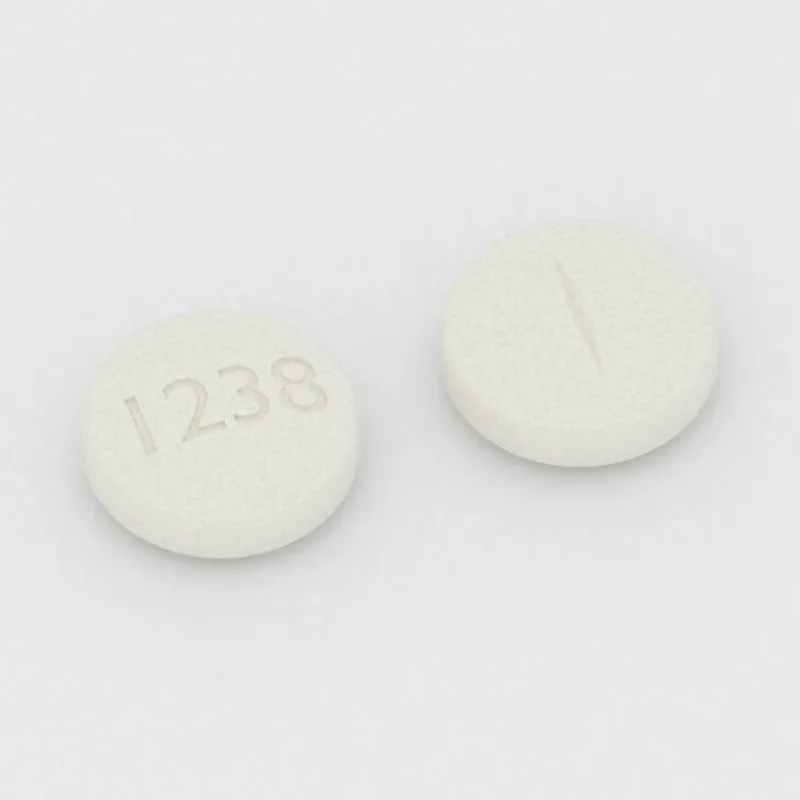
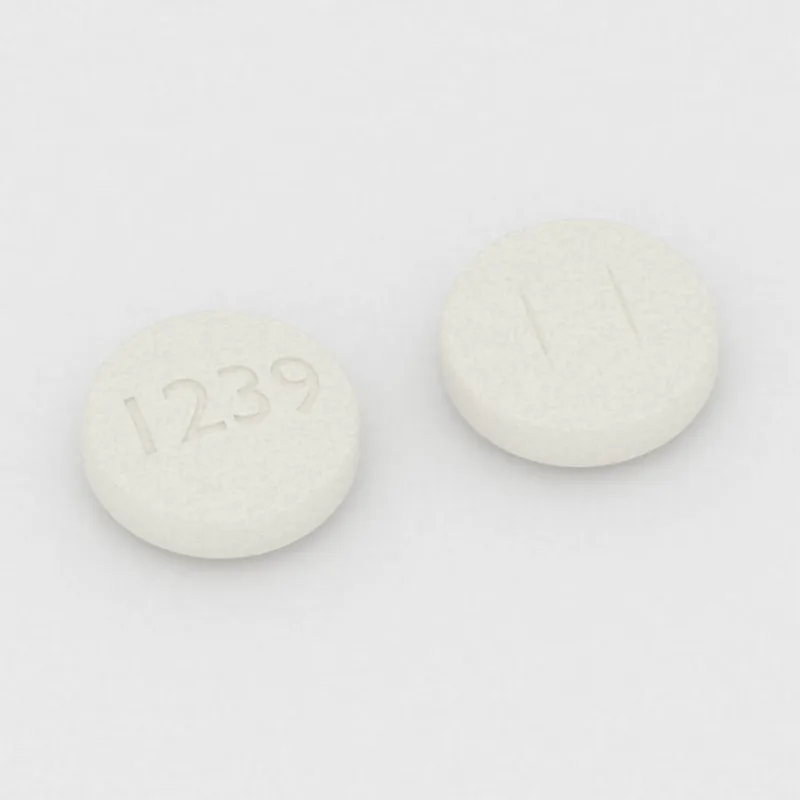
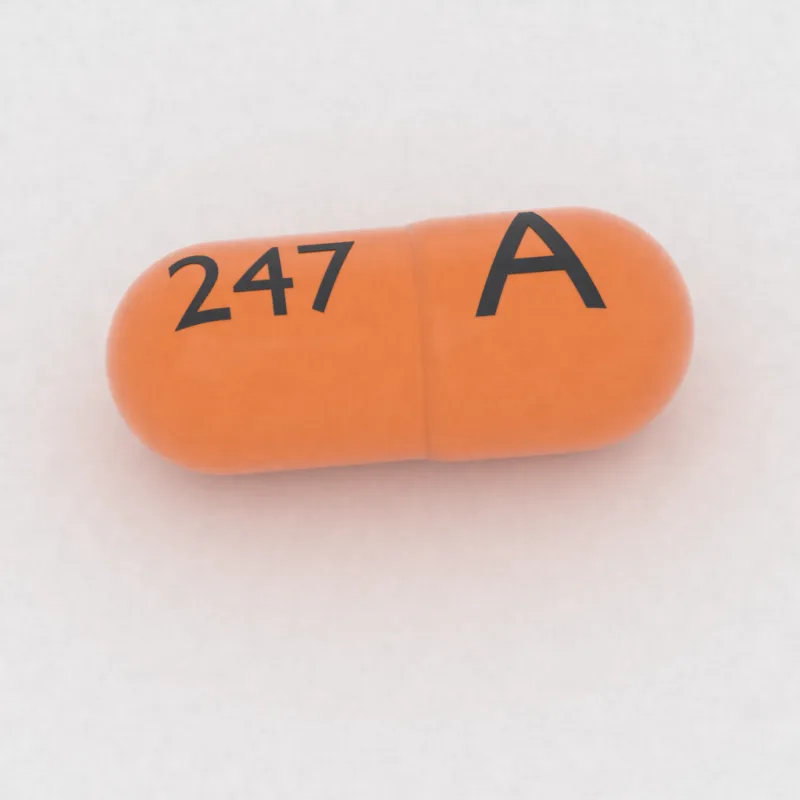
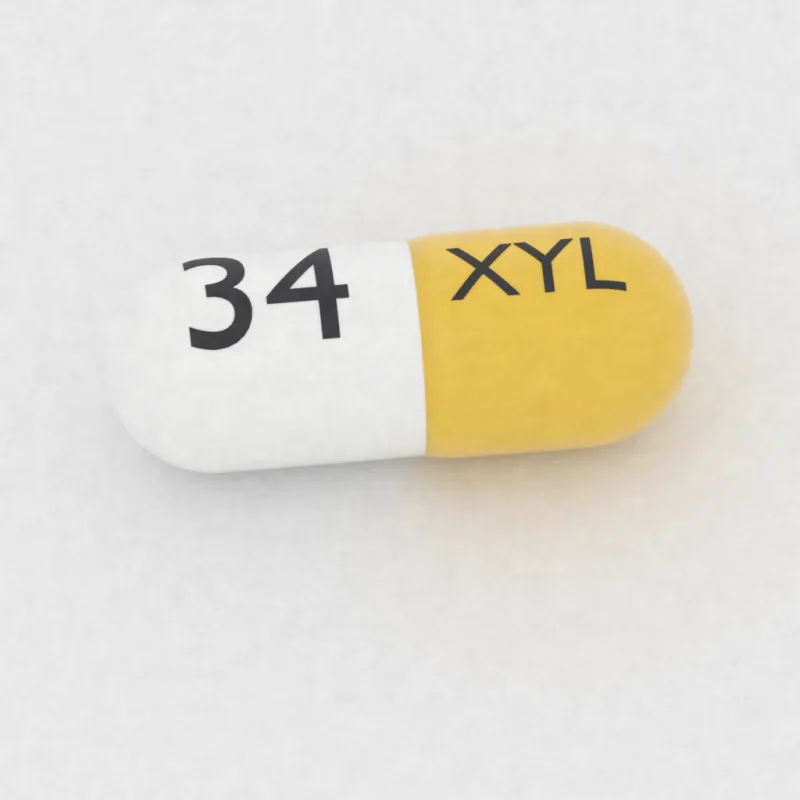
Darstellungen nach den Produktangaben der FDA-Fachinformationen: Farbe, Form, Größe und Prägung. 30 dokumentierte Varianten von 21 Anbietern.
Wechselwirkungen laut Fachinformation
Schwerwiegende Wechselwirkungen (60)
Caution is advised for patients receiving concomitant high-dose aspirin and acetazolamide, as anorexia, tachypnea, lethargy, metabolic acidosis, coma, and death have been reported. (Fachinformation zu Acetazolamid, Warnhinweise)
Caution is advised for patients receiving concomitant high-dose aspirin and acetazolamide, as anorexia, tachypnea, lethargy, metabolic acidosis, coma, and death have been reported. (Fachinformation zu Acetazolamid, Warnhinweise)
Risk factors for metformin-associated lactic acidosis include renal impairment, concomitant use of certain drugs (e.g., carbonic anhydrase inhibitors such as topiramate), age 65 years old or greater, having a radiological study with contrast, surgery and other procedures, hypoxic states (e.g., acute congestive heart failure), excessive alcohol intake, hepatic… (Fachinformation zu Alogliptin und Metformin, Boxed Warning (umrahmter Warnhinweis))
The risk of torsade de pointes is related to the extent of QTc prolongation, concomitant administration of QTc prolonging drugs, a history of torsade de pointes, pre-existing QTc interval prolongation, congestive heart failure, administration of potassium-wasting diuretics, or other conditions that result in hypokalemia or hypomagnesemia. (Fachinformation zu Arsentrioxid, Warnhinweise und Vorsichtsmaßnahmen)
CONTRAINDICATIONS Atenolol and chlorthalidone is contraindicated in patients with: sinus bradycardia; heart block greater than first degree; cardiogenic shock; overt cardiac failure (See WARNINGS ); anuria; hypersensitivity to this product or to sulfonamide-derived drugs. (Fachinformation zu Atenolol und Chlortalidon, Gegenanzeigen)
Lotensin HCT is also contraindicated in patients who are hypersensitive to benazepril, to any other ACE inhibitor, to hydrochlorothiazide, or to other sulfonamide-derived drugs. (Fachinformation zu Benazepril und Hydrochlorothiazid, Gegenanzeigen)
CONTRAINDICATIONS Bisoprolol fumarate and hydrochlorothiazide tablets are contraindicated in patients in cardiogenic shock, overt cardiac failure (see WARNINGS ), second or third degree AV block, marked sinus bradycardia, anuria, and hypersensitivity to either component of this product or to other sulfonamide-derived drugs. (Fachinformation zu Bisoprolol und Hydrochlorothiazid, Gegenanzeigen)
Caution is advised for patients receiving concomitant high-dose aspirin and acetazolamide, as anorexia, tachypnea, lethargy, metabolic acidosis, coma, and death have been reported. (Fachinformation zu Acetazolamid, Warnhinweise)
Caution is advised for patients receiving concomitant high-dose aspirin and acetazolamide, as anorexia, tachypnea, lethargy, metabolic acidosis, coma, and death have been reported. (Fachinformation zu Acetazolamid, Warnhinweise)
CONTRAINDICATIONS Candesartan cilexetil and hydrochlorothiazide tablets are contraindicated in patients who are hypersensitive to candesartan, to hydrochlorothiazide or to other sulfonamide-derived drugs. (Fachinformation zu Candesartan und Hydrochlorothiazid, Gegenanzeigen)
• In patients who have demonstrated allergic-type reactions to sulfonamides [ see Warnings and Precautions (5.7) ]. (Fachinformation zu Celecoxib, Gegenanzeigen)
Therefore, chloroprocaine should not be used in any condition in which a sulfonamide drug is being employed. (Fachinformation zu Chloroprocain, Vorsichtsmaßnahmen)
Hypersensitivity to this product or to other sulfonamide-derived drugs. (Fachinformation zu Chlorothiazid, Gegenanzeigen)
THALITONE is contraindicated in patients with anuria or hypersensitivity to chlorthalidone or other sulfonamide-derived drugs. (Fachinformation zu Chlortalidon, Gegenanzeigen)
- Choriogonadotropin alfaSchwerwiegend
Because the use of diuretics can accentuate the diminished intravascular volume, avoid diuretics except in the late phase of resolution. (Fachinformation zu Choriogonadotropin alfa, Warnhinweise)
Potassium-Sparing Diuretics Cyclosporine should not be used with potassium-sparing diuretics because hyperkalemia can occur. (Fachinformation zu Ciclosporin, Arzneimittelwechselwirkungen)
Cidofovir injection is contraindicated in patients with a history of clinically severe hypersensitivity to probenecid or other sulfa-containing medications. (Fachinformation zu Cidofovir, Gegenanzeigen)
• Risk factors for metformin-associated lactic acidosis include renal impairment, concomitant use of certain drugs (e.g., carbonic anhydrase inhibitors such as topiramate), age 65 years old or greater, having a radiological study with contrast, surgery and other procedures, hypoxic states (e.g., acute congestive heart failure), excessive alcohol intake, hepatic… (Fachinformation zu Dapagliflozin und Metformin, Boxed Warning (umrahmter Warnhinweis))
KEVEYIS is contraindicated in the following circumstances: Hypersensitivity to dichlorphenamide or other sulfonamides [see Warnings and Precautions (5.1) ] Concomitant use of KEVEYIS and high dose aspirin [see Warnings and Precautions (5.2) and Drug Interactions (7.1) ] Severe pulmonary disease, limiting compensation to metabolic acidosis caused by KEVEYIS [see… (Fachinformation zu Diclofenamid, Gegenanzeigen)
In the DIAMOND trials, 1252 patients were treated with dofetilide and diuretics concomitantly, of whom 493 died compared to 508 deaths among the 1248 patients receiving placebo and diuretics. (Fachinformation zu Dofetilid, Arzneimittelwechselwirkungen)
Droperidol should be administered with extreme caution to patients who may be at risk for development of prolonged QT syndrome (e.g., congestive heart failure, bradycardia, use of a diuretic, cardiac hypertrophy, hypokalemia, hypomagnesemia, or administration of other drugs known to increase the QT interval). (Fachinformation zu Droperidol, Boxed Warning (umrahmter Warnhinweis))
If a patient reports a serious or life-threatening sulfa allergy, caution is warranted when administering tamsulosin-containing products, including JALYN. (Fachinformation zu Dutasterid und Tamsulosin, Warnhinweise und Vorsichtsmaßnahmen)
Risk factors for metformin-associated lactic acidosis include renal impairment, concomitant use of certain drugs (e.g., carbonic anhydrase inhibitors such as topiramate), age 65 years old or greater, having a radiological study with contrast, surgery and other procedures, hypoxic states (e.g., acute congestive heart failure), excessive alcohol intake, hepatic… (Fachinformation zu Empagliflozin und Metformin, Boxed Warning (umrahmter Warnhinweis))
Because of the hydrochlorothiazide component, this product is contraindicated in patients with anuria or hypersensitivity to other sulfonamide-derived drugs. (Fachinformation zu Enalapril und Hydrochlorothiazid, Gegenanzeigen)
…sometimes associated with oliguria and/or progressive azotemia, and rarely with acute renal failure and/or death, include those with the following conditions or characteristics: heart failure, hyponatremia, high dose diuretic therapy, recent intensive diuresis or increase in diuretic dose, renal dialysis, or severe volume and/or salt depletion of any etiology. (Fachinformation zu Enalaprilat, Warnhinweise)
Like other diuretics it may precipitate hepatic coma and death. (Fachinformation zu Etacrynsäure, Warnhinweise)
- FollitropinSchwerwiegend
Because the use of diuretics can accentuate the diminished intravascular volume, diuretics should be avoided except in the late phase of resolution as described below. (Fachinformation zu Follitropin, Warnhinweise und Vorsichtsmaßnahmen)
Fosinopril sodium and hydrochlorothiazide is also contraindicated in patients who are hypersensitive to fosinopril, to any other ACE inhibitor, to hydrochlorothiazide, or other sulfonamide-derived drugs, or any other ingredient or component in the formulation. (Fachinformation zu Fosinopril und Hydrochlorothiazid, Gegenanzeigen)
The concurrent use of gentamicin with potent diuretics, such as ethacrynic acid or furosemide, should be avoided, since certain diuretics by themselves may cause ototoxicity. (Fachinformation zu Gentamicin, Boxed Warning (umrahmter Warnhinweis))
Risk factors for metformin-associated lactic acidosis include renal impairment, concomitant use of certain drugs (e.g., carbonic anhydrase inhibitors such as topiramate), age 65 years old or greater, having a radiological study with contrast, surgery and other procedures, hypoxic states (e.g. , acute congestive heart failure), excessive alcohol intake, hepatic… (Fachinformation zu Glibenclamid und Metformin, Boxed Warning (umrahmter Warnhinweis))
• Sulfonamide derivatives: Patients who have developed an allergic reaction to sulfonamide derivatives may develop an allergic reaction to glimepiride tablets.Do not use glimepiride tablets in patients who have a history of an allergic reaction to sulfonamide derivatives. (Fachinformation zu Glimepirid, Gegenanzeigen)
• Hypersensitivity to sulfonamide derivatives. ▪ Known hypersensitivity to glipizide or any of the product's ingredients ( 4 ). ▪ Hypersensitivity to sulfonamide derivatives ( 4 ). (Fachinformation zu Glipizid, Gegenanzeigen)
In patients with hypersensitivity to sulfonamide-derived drugs. (Fachinformation zu Hydrochlorothiazid, Gegenanzeigen)
Known hypersensitivity to indapamide or to other sulfonamide-derived drugs. (Fachinformation zu Indapamid, Gegenanzeigen)
Because of the hydrochlorothiazide component, this product is contraindicated in patients with anuria or hypersensitivity to other sulfonamide-derived drugs. (Fachinformation zu Irbesartan und Hydrochlorothiazid, Gegenanzeigen)
- IrinotecanSchwerwiegend
Avoid diuretics or laxatives in patients with diarrhea. (Fachinformation zu Irinotecan, Warnhinweise und Vorsichtsmaßnahmen)
Diuretics Eplerenone Contraindicated during and 2 weeks after TOLSURA treatment. (Fachinformation zu Itraconazol, Arzneimittelwechselwirkungen)
The following drug interactions may occur with potassium citrate: Potassium-sparing diuretics: concomitant administration should be avoided since the simultaneous administration of these agents can produce severe hyperkalemia (7.1) (Fachinformation zu Kaliumcitrat, Arzneimittelwechselwirkungen)
Risk factors for metformin-associated lactic acidosis include renal impairment, concomitant use of certain drugs (e.g., carbonic anhydrase inhibitors such as topiramate), age 65 years old or greater, having a radiological study with contrast, surgery and other procedures, hypoxic states (e.g., acute congestive heart failure), excessive alcohol intake, hepatic… (Fachinformation zu Linagliptin und Metformin, Boxed Warning (umrahmter Warnhinweis))
Because of the hydrochlorothiazide component, this product is contraindicated in patients with anuria or hypersensitivity to other sulfonamide-derived drugs. (Fachinformation zu Lisinopril und Hydrochlorothiazid, Gegenanzeigen)
Patients receiving antibiotics and sulfonamides should generally not be treated with ganglion blockers. (Fachinformation zu Mecamylamin, Gegenanzeigen)
Risk factors for metformin-associated lactic acidosis include renal impairment, concomitant use of certain drugs (e.g., carbonic anhydrase inhibitors such as topiramate), age 65 years old or greater, having a radiological study with contrast, surgery and other procedures, hypoxic states (e.g., acute congestive heart failure), excessive alcohol intake, and hepatic… (Fachinformation zu Metformin, Boxed Warning (umrahmter Warnhinweis))
Anuria Hypersensitivity to metoprolol tartrate or hydrochlorothiazide or to other sulfonamide- derived drugs. (Fachinformation zu Metoprolol und Hydrochlorothiazid, Gegenanzeigen)
Minoxidil should be reserved for hypertensive patients who do not respond adequately to maximum therapeutic doses of a diuretic and two other antihypertensive agents. (Fachinformation zu Minoxidil, Boxed Warning (umrahmter Warnhinweis))
Sodium bicarbonate injection is contraindicated in patients who are losing chloride by vomiting or from continuous gastrointestinal suction and in patients receiving diuretics known to produce a hypochloremic alkalosis. (Fachinformation zu Natriumhydrogencarbonat, Gegenanzeigen)
The concurrent use of neomycin with potent diuretics such as ethacrynic acid or furosemide should be avoided, since certain diuretics by themselves may cause ototoxicity. (Fachinformation zu Neomycin, Boxed Warning (umrahmter Warnhinweis))
Because of the hydrochlorothiazide component, olmesartan medoxomil, amlodipine and hydrochlorothiazide tablet is contraindicated in patients with anuria, hypersensitivity to any component, or hypersensitivity to other sulfonamide-derived drugs. (Fachinformation zu Olmesartan, Amlodipin und Hydrochlorothiazid, Gegenanzeigen)
Caution is advised for patients receiving concomitant high-dose aspirin and acetazolamide, as anorexia, tachypnea, lethargy, metabolic acidosis, coma, and death have been reported. (Fachinformation zu Acetazolamid, Warnhinweise)
Avoid use of phentermine and topiramate extended-release capsules with other carbonic anhydrase inhibitors. (Fachinformation zu Phentermin und Topiramat, Warnhinweise und Vorsichtsmaßnahmen)
Use in patients with known history of an allergic reaction to sulfonamide derivatives. (Fachinformation zu Pioglitazon und Glimepirid, Gegenanzeigen)
Risk factors for metformin-associated lactic acidosis include renal impairment, concomitant use of certain drugs (e.g., carbonic anhydrase inhibitors such as topiramate), age 65 years old or greater, having a radiological study with contrast, surgery and other procedures, hypoxic states (e.g., acute congestive heart failure), excessive alcohol intake, hepatic… (Fachinformation zu Pioglitazon und Metformin, Boxed Warning (umrahmter Warnhinweis))
…sometimes associated with oliguria and/or progressive azotemia, and rarely with acute renal failure and/or death, include patients with the following conditions or characteristics: heart failure, hyponatremia, high dose diuretic therapy, recent intensive diuresis or increase in diuretic dose, renal dialysis, or severe volume and/or salt depletion of any etiology. (Fachinformation zu Quinapril, Warnhinweise)
Because of the hydrochlorothiazide components, this product is contraindicated in patients with anuria or hypersensitivity to other sulfonamide-derived drugs. (Fachinformation zu Quinapril und Hydrochlorothiazid, Gegenanzeigen)
• Risk factors for metformin-associated lactic acidosis include renal impairment, concomitant use of certain drugs (e.g., carbonic anhydrase inhibitors such as topiramate), age 65 years old or greater, having a radiological study with contrast, surgery and other procedures, hypoxic states (e.g., acute congestive heart failure ), excessive alcohol intake, hepatic… (Fachinformation zu Saxagliptin und Metformin, Boxed Warning (umrahmter Warnhinweis))
Risk factors for metformin-associated lactic acidosis include renal impairment, concomitant use of certain drugs (e.g., carbonic anhydrase inhibitors such as topiramate), age 65 years old or greater, having a radiological study with contrast, surgery and other procedures, hypoxic states (e.g., acute congestive heart failure), excessive alcohol intake, hepatic… (Fachinformation zu Sitagliptin und Metformin, Boxed Warning (umrahmter Warnhinweis))
CONTRAINDICATIONS Spironolactone and hydrochlorothiazide tablets are contraindicated in patients with anuria, acute renal insufficiency, significant impairment of renal excretory function, hypercalcemia, hyperkalemia, Addison's disease, and in patients who are allergic to thiazide diuretics or to other sulfonamide-derived drugs. (Fachinformation zu Spironolacton und Hydrochlorothiazid, Gegenanzeigen)
If a patient reports a serious or life-threatening sulfa allergy, caution is warranted when administering tamsulosin hydrochloride capsules. (Fachinformation zu Tamsulosin, Warnhinweise und Vorsichtsmaßnahmen)
Kidney stones: avoid use with other carbonic anhydrase inhibitors, drugs causing metabolic acidosis, or in patients on a ketogenic diet ( 5.13 ) (Fachinformation zu Topiramat, Warnhinweise und Vorsichtsmaßnahmen)
Hypersensitivity Hypersensitivity to either drug in the preparation or to other sulfonamide-derived drugs is a contraindication. (Fachinformation zu Triamteren und Hydrochlorothiazid, Gegenanzeigen)
Because of the hydrochlorothiazide component, this product is contraindicated in patients with anuria or hypersensitivity to other sulfonamide-derived drugs. (Fachinformation zu Valsartan und Hydrochlorothiazid, Gegenanzeigen)
Mittelschwere Wechselwirkungen (255)
Consideration should be taken in patients being treated with antidiabetic agents. (Fachinformation zu Acetazolamid, Arzneimittelwechselwirkungen)
Although β-blockers should be avoided in overt cardiac failure, acebutolol can be used with caution in patients with a history of heart failure who are controlled with digitalis and/or diuretics. (Fachinformation zu Acebutolol, Warnhinweise)
…Precautions (5.6) and Adverse Reactions (6) ]. β-blockers, such as propranolol Cyclopropane or halogenated hydrocarbon anesthetics, such as halothane Antihistamines Thyroid hormones Diuretics Cardiac glycosides, such as digitalis glycosides Quinidine Drugs potentiating hypokalemic effects of epinephrine • Potassium depleting diuretics • Corticosteroids • Theophylline… (Fachinformation zu Adrenalin, Arzneimittelwechselwirkungen)
Risk factors for the development of hyperkalemia include renal insufficiency, diabetes, combination use with ARBs or ACEIs [see Contraindications ( 4 ), Warnings and Precautions ( 5.2 ), and Clinical Studies ( 14.3 )] , NSAIDs, or potassium supplements or potassium sparing diuretics. (Fachinformation zu Aliskiren, Warnhinweise und Vorsichtsmaßnahmen)
Hypersensitivity reactions to allopurinol tablets may be increased in patients with decreased kidney function receiving thiazide diuretics and allopurinol tablets concurrently. (Fachinformation zu Allopurinol, Warnhinweise und Vorsichtsmaßnahmen)
Use with caution in patients with a known hypersensitivity to sulfonamides ( 5.8 ) (Fachinformation zu Almotriptan, Warnhinweise und Vorsichtsmaßnahmen)
Consideration should be taken in patients being treated with antidiabetic agents. (Fachinformation zu Acetazolamid, Arzneimittelwechselwirkungen)
Acetazolamide decreases urinary excretion of amphetamine and may enhance the magnitude and duration of their effect. (Fachinformation zu Acetazolamid, Arzneimittelwechselwirkungen)
Acetazolamide decreases urinary excretion of amphetamine and may enhance the magnitude and duration of their effect. (Fachinformation zu Acetazolamid, Arzneimittelwechselwirkungen)
Acetazolamide decreases urinary excretion of amphetamine and may enhance the magnitude and duration of their effect. (Fachinformation zu Acetazolamid, Arzneimittelwechselwirkungen)
Ethacrynic Acid, Furosemide, Urea, or Mannitol Some diuretics can enhance aminoglycoside toxicity by altering aminoglycoside concentrations in serum and tissue. (Fachinformation zu Amikacin, Arzneimittelwechselwirkungen)
Give special attention to electrolyte and acid-base balance in patients experiencing severe or prolonged diarrhea or in patients receiving concomitant diuretics and laxatives. (Fachinformation zu Amiodaron, Warnhinweise und Vorsichtsmaßnahmen)
Symptomatic hypotension is most likely to occur in patients who have heart failure, severe aortic or mitral stenosis, obstructive hypertrophic cardiomyopathy or have been volume or salt depleted as a result of diuretic therapy, dietary salt restriction, dialysis, diarrhea, or vomiting. (Fachinformation zu Amlodipin und Benazepril, Warnhinweise und Vorsichtsmaßnahmen)
In patients with an activated renin-angiotensin system, such as volume and/or salt-depleted patients (e.g., those being treated with high doses of diuretics) symptomatic hypotension may be anticipated after initiation of treatment with olmesartan medoxomil . (Fachinformation zu Amlodipin und Olmesartan, Warnhinweise und Vorsichtsmaßnahmen)
In patients with an activated renin-angiotensin system, such as volume- and/or salt-depleted patients receiving high doses of diuretics, symptomatic hypotension may occur in patients receiving angiotensin receptor blockers. (Fachinformation zu Amlodipin und Valsartan, Warnhinweise und Vorsichtsmaßnahmen)
Xanthine derivatives, steroids, diuretics, or non-potassium sparing diuretics may potentiate hypokalemia or ECG changes. (Fachinformation zu Arformoterol, Arzneimittelwechselwirkungen)
Acetazolamide decreases urinary excretion of amphetamine and may enhance the magnitude and duration of their effect. (Fachinformation zu Acetazolamid, Arzneimittelwechselwirkungen)
…procaine, ropivacaine, tetracaine Antineoplastic agents cyclophosphamide, flutamide, hydroxyurea, ifosfamide, rasburicase Antibiotics dapsone, nitrofurantoin, para-aminosalicylic acid, sulfonamides Antimalarials chloroquine, primaquine Anticonvulsants phenobarbital, phenytoin, sodium valproate Other drugs acetaminophen, metoclopramide, quinine, sulfasalazine Monoamine… (Fachinformation zu Articain und Adrenalin, Arzneimittelwechselwirkungen)
Hypotension in Volume- or Salt-Depleted Patients In patients with an activated renin-angiotensin system, such as volume- and/or salt-depleted patients (e.g., those being treated with high doses of diuretics), symptomatic hypotension may occur after initiation of treatment with azilsartan medoxomil. (Fachinformation zu Azilsartan, Warnhinweise und Vorsichtsmaßnahmen)
Diuretics Clinical Impact : Opioids can reduce the efficacy of diuretics by inducing the release of antidiuretic hormone. (Fachinformation zu Belladonna und Opium, Arzneimittelwechselwirkungen)
Patients at risk of excessive hypotension include those with the following conditions or characteristics: heart failure with systolic blood pressure below 100 mm Hg, ischemic heart disease, cerebrovascular disease, hyponatremia, high dose diuretic therapy, renal dialysis, or severe volume and/or salt depletion of any etiology. (Fachinformation zu Benazepril, Warnhinweise und Vorsichtsmaßnahmen)
Acetazolamide decreases urinary excretion of amphetamine and may enhance the magnitude and duration of their effect. (Fachinformation zu Acetazolamid, Arzneimittelwechselwirkungen)
Consideration should be taken in patients being treated with antidiabetic agents. (Fachinformation zu Acetazolamid, Arzneimittelwechselwirkungen)
Because of possible additive effects with other carbonic anhydrase inhibitors, concomitant use is not advisable. (Fachinformation zu Acetazolamid, Arzneimittelwechselwirkungen)
By decreasing the gastrointestinal absorption of primidone, acetazolamide may decrease serum concentrations of primidone and its metabolites, with a consequent possible decrease in anticonvulsant effect. (Fachinformation zu Acetazolamid, Arzneimittelwechselwirkungen)
Therefore, CYCLOSET may increase the unbound fraction of other concomitantly used highly protein-bound therapies (e.g., salicylates, sulfonamides, chloramphenicol and probenecid), which may alter their effectiveness and risk for side effects. (Fachinformation zu Bromocriptin, Arzneimittelwechselwirkungen)
Diuretics: Use with caution. (Fachinformation zu Budesonid und Formoterol, Arzneimittelwechselwirkungen)
Like other members of this class of diuretics, bumetanide probably shares this risk. (Fachinformation zu Bumetanid, Warnhinweise)
…procaine, ropivacaine, tetracaine Antineoplastic agents cyclophosphamide, flutamide, hydroxyurea, ifosfamide, rasburicase Antibiotics dapsone, nitrofurantoin, para-aminosalicylic acid, sulfonamides Antimalarials chloroquine, primaquine Anticonvulsants phenobarbital, phenytoin, sodium valproate Other drugs acetaminophen, metoclopramide, quinine, sulfasalazine 7.6 Potent… (Fachinformation zu Bupivacain und Adrenalin, Arzneimittelwechselwirkungen)
Examples: cyclobenzaprine, metaxalone Diuretics Clinical Impact: Opioids can reduce the efficacy of diuretics by inducing the release of antidiuretic hormone. (Fachinformation zu Buprenorphin, Arzneimittelwechselwirkungen)
Examples: Cyclobenzaprine, metaxalone Diuretics Clinical Impact: Opioids can reduce the efficacy of diuretics by inducing the release of antidiuretic hormone. (Fachinformation zu Buprenorphin und Naloxon, Arzneimittelwechselwirkungen)
Acetazolamide decreases urinary excretion of amphetamine and may enhance the magnitude and duration of their effect. (Fachinformation zu Acetazolamid, Arzneimittelwechselwirkungen)
Acetazolamide decreases urinary excretion of amphetamine and may enhance the magnitude and duration of their effect. (Fachinformation zu Acetazolamid, Arzneimittelwechselwirkungen)
- CalciumchloridMittelschwer
Drugs That Increase the Risk of Hypercalcemia Increase frequency of monitoring of calcium concentrations in patients taking concomitant Calcium Chloride Injection and other drugs that increase the risk of hypercalcemia (e.g., calcipotriene, estrogen, lithium, parathyroid hormone, teriparatide, thiazide diuretics, Vitamin A, and Vitamin D). (Fachinformation zu Calciumchlorid, Arzneimittelwechselwirkungen)
Consideration should be taken in patients being treated with antidiabetic agents. (Fachinformation zu Acetazolamid, Arzneimittelwechselwirkungen)
Symptomatic hypotension is most likely to occur in patients who have been volume and/or salt depleted as a result of prolonged diuretic therapy, dietary salt restriction, dialysis, diarrhea, or vomiting. (Fachinformation zu Candesartan, Warnhinweise und Vorsichtsmaßnahmen)
By decreasing the gastrointestinal absorption of primidone, acetazolamide may decrease serum concentrations of primidone and its metabolites, with a consequent possible decrease in anticonvulsant effect. (Fachinformation zu Acetazolamid, Arzneimittelwechselwirkungen)
Hypotension Excessive hypotension was rarely seen in hypertensive patients but is a possible consequence of captopril use in salt/volume depleted persons (such as those treated vigorously with diuretics), patients with heart failure or those patients undergoing renal dialysis (see PRECAUTIONS : Drug Interactions ). (Fachinformation zu Captopril, Warnhinweise)
By decreasing the gastrointestinal absorption of primidone, acetazolamide may decrease serum concentrations of primidone and its metabolites, with a consequent possible decrease in anticonvulsant effect. (Fachinformation zu Acetazolamid, Arzneimittelwechselwirkungen)
If such symptoms occur, diuretics should be increased and the carvedilol dose should not be advanced until clinical stability resumes [see Dosage and Administration (2) ] . (Fachinformation zu Carvedilol, Warnhinweise und Vorsichtsmaßnahmen)
Diuretics: Nephrotoxicity has been reported with concomitant administration of cephalosporins with potent diuretics such as furosemide. (Fachinformation zu Cefepim, Arzneimittelwechselwirkungen)
Drug Interactions Nephrotoxicity has been reported following concomitant administration of cephalosporins with aminoglycoside antibacterial drugs or potent diuretics such as furosemide. (Fachinformation zu Ceftazidim, Arzneimittelwechselwirkungen)
By decreasing the gastrointestinal absorption of primidone, acetazolamide may decrease serum concentrations of primidone and its metabolites, with a consequent possible decrease in anticonvulsant effect. (Fachinformation zu Acetazolamid, Arzneimittelwechselwirkungen)
Acetazolamide reduces urinary excretion of quinidine and may enhance its effect. (Fachinformation zu Acetazolamid, Arzneimittelwechselwirkungen)
Urinary Alkalizers (Acetazolamide, Sodium Bicarbonate) Urinary alkalinizing agents may increase plasma quinine concentrations. (Fachinformation zu Chinin, Arzneimittelwechselwirkungen)
Thiazide diuretics may accentuate the orthostatic hypotension that may occur with phenothiazines. (Fachinformation zu Chlorpromazin, Vorsichtsmaßnahmen)
Elderly patients, patients taking diuretics, and those who are volume depleted may be at greater risk for developing hyponatremia with SSRIs [see Use in Specific Populations ( 8.5 )] . (Fachinformation zu Citalopram, Warnhinweise und Vorsichtsmaßnahmen)
By decreasing the gastrointestinal absorption of primidone, acetazolamide may decrease serum concentrations of primidone and its metabolites, with a consequent possible decrease in anticonvulsant effect. (Fachinformation zu Acetazolamid, Arzneimittelwechselwirkungen)
Consider use of diuretics and/or albumin. (Fachinformation zu Clofarabin, Warnhinweise und Vorsichtsmaßnahmen)
By decreasing the gastrointestinal absorption of primidone, acetazolamide may decrease serum concentrations of primidone and its metabolites, with a consequent possible decrease in anticonvulsant effect. (Fachinformation zu Acetazolamid, Arzneimittelwechselwirkungen)
Hypokalemia can result from diuretic therapy, diarrhea, and other causes. (Fachinformation zu Clozapin, Warnhinweise und Vorsichtsmaßnahmen)
Diuretics Clinical Impact: Opioids can reduce the efficacy of diuretics by inducing the release of antidiuretic hormone. (Fachinformation zu Codein, Arzneimittelwechselwirkungen)
Drug Interactions Cholestyramine for Oral Suspension USP may delay or reduce the absorption of concomitant oral medication such as phenylbutazone, warfarin, thiazide diuretics (acidic), or propranolol (basic), as well as tetracycline, penicillin G, phenobarbital, thyroid and thyroxine preparations, estrogens and progestins, and digitalis. (Fachinformation zu Colestyramin, Arzneimittelwechselwirkungen)
…inhibitors can cause leukopenia. ● Natalizumab ● Paclitaxel: Increased hematotoxicity has been reported when cyclophosphamide was administered after paclitaxel infusion. ● Thiazide diuretics ● Zidovudine Increased cardiotoxicity ● Anthracyclines ● Cytarabine ● Pentostatin ● Radiation therapy of the cardiac region ● Trastuzumab Increased pulmonary toxicity ● Amiodarone… (Fachinformation zu Cyclophosphamid, Arzneimittelwechselwirkungen)
Consideration should be taken in patients being treated with antidiabetic agents. (Fachinformation zu Acetazolamid, Arzneimittelwechselwirkungen)
Elderly patients, patients taking diuretics, and those who are volume-depleted may be at greater risk of developing hyponatremia with NORPRAMIN. (Fachinformation zu Desipramin, Warnhinweise)
- DesmopressinMittelschwer
…Hyponatremia Concomitant administration of DESMODA with other drugs that may increase the risk of water intoxication with hyponatremia, (e.g., tricyclic antidepressants, selective serotonin re-uptake inhibitors, chlorpromazine, opiate analgesics, thiazide diuretics, NSAIDs, lamotrigine, sulfonylureas, particularly chlorpropamide, oxybutynin and carbamazepine). (Fachinformation zu Desmopressin, Arzneimittelwechselwirkungen)
Also, patients taking diuretics or who are otherwise volume depleted can be at greater risk [see Use in Specific Populations (8.5) and Clinical Pharmacology (12.3) ] . (Fachinformation zu Desvenlafaxin, Warnhinweise und Vorsichtsmaßnahmen)
Acetazolamide decreases urinary excretion of amphetamine and may enhance the magnitude and duration of their effect. (Fachinformation zu Acetazolamid, Arzneimittelwechselwirkungen)
For patients expected to be on prolonged treatment or who take PPIs with medications such as digoxin or drugs that may cause hypomagnesemia (e.g., diuretics), health care professionals may consider monitoring magnesium levels prior to initiation of PPI treatment and periodically [see Adverse Reactions (6.2) ] . (Fachinformation zu Dexlansoprazol, Warnhinweise und Vorsichtsmaßnahmen)
Acetazolamide decreases urinary excretion of amphetamine and may enhance the magnitude and duration of their effect. (Fachinformation zu Acetazolamid, Arzneimittelwechselwirkungen)
Acetazolamide reduces urinary excretion of quinidine and may enhance its effect. (Fachinformation zu Acetazolamid, Arzneimittelwechselwirkungen)
- DiazoxidMittelschwer
The concomitant administration of thiazides or other diuretics may potentiate the hyperglycemic and hyperuricemic effects of PROGLYCEM. (Fachinformation zu Diazoxid, Arzneimittelwechselwirkungen)
Patients at greatest risk of this reaction are those with impaired renal function, dehydration, hypovolemia, heart failure, liver dysfunction, those taking diuretics and ACE inhibitors or ARBs, and the elderly. (Fachinformation zu Diclofenac, Warnhinweise und Vorsichtsmaßnahmen)
Patients at greatest risk of this reaction are those with impaired renal function, dehydration, hypovolemia, heart failure, liver dysfunction, those taking diuretics and ACE inhibitors or ARBs, and the elderly. (Fachinformation zu Diclofenac und Misoprostol, Warnhinweise und Vorsichtsmaßnahmen)
Patients at greatest risk of this reaction are those with impaired renal function, heart failure, liver dysfunction, those taking diuretics and ACE inhibitors, patients who are volume depleted, and the elderly. (Fachinformation zu Diflunisal, Warnhinweise)
Serum potassium levels should be carefully monitored when digoxin is given to patients at high risk of hypokalemia ( e.g. , those receiving diuretics, corticosteroids, or other drugs that commonly lead to potassium loss; those with gastrointestinal losses through diarrhea, vomiting, or nasogastric suction; or those with potassium-losing endocrinopathies or nephropathies). (Fachinformation zu Digoxin, Warnhinweise und Vorsichtsmaßnahmen)
Because of possible additive effects with other carbonic anhydrase inhibitors, concomitant use is not advisable. (Fachinformation zu Acetazolamid, Arzneimittelwechselwirkungen)
Because of possible additive effects with other carbonic anhydrase inhibitors, concomitant use is not advisable. (Fachinformation zu Acetazolamid, Arzneimittelwechselwirkungen)
Risk may be increased when used concomitantly with high dose calcium preparations, thiazide diuretics, or vitamin D compounds. (Fachinformation zu Doxercalciferol, Warnhinweise und Vorsichtsmaßnahmen)
Medications that may increase serum potassium concentration include ACE inhibitors, angiotensin-II receptor antagonists, potassium-sparing diuretics, potassium supplementation, heparin, aldosterone antagonists, and NSAIDS. (Fachinformation zu Drospirenon und Ethinylestradiol, Warnhinweise und Vorsichtsmaßnahmen)
Consideration should be taken in patients being treated with antidiabetic agents. (Fachinformation zu Acetazolamid, Arzneimittelwechselwirkungen)
Also, patients taking diuretics or who are otherwise volume depleted may be at greater risk [see Use in Specific Populations ( 8.5 )] . (Fachinformation zu Duloxetin, Warnhinweise und Vorsichtsmaßnahmen)
Consideration should be taken in patients being treated with antidiabetic agents. (Fachinformation zu Acetazolamid, Arzneimittelwechselwirkungen)
Patients at risk of excessive hypotension include those with the following conditions or characteristics: heart failure with systolic blood pressure below 100 mmHg, ischemic heart disease, cerebrovascular disease, hyponatremia, high dose diuretic therapy, renal dialysis, or severe volume and/or salt depletion of any etiology. (Fachinformation zu Enalapril, Warnhinweise und Vorsichtsmaßnahmen)
Additional reductions in blood pressure may occur when VELETRI is administered with diuretics, antihypertensive agents, or other vasodilators. (Fachinformation zu Epoprostenol, Arzneimittelwechselwirkungen)
Acetazolamide decreases urinary excretion of amphetamine and may enhance the magnitude and duration of their effect. (Fachinformation zu Acetazolamid, Arzneimittelwechselwirkungen)
Also, patients taking diuretics or who are otherwise volume depleted may be at greater risk. (Fachinformation zu Escitalopram, Warnhinweise und Vorsichtsmaßnahmen)
By decreasing the gastrointestinal absorption of primidone, acetazolamide may decrease serum concentrations of primidone and its metabolites, with a consequent possible decrease in anticonvulsant effect. (Fachinformation zu Acetazolamid, Arzneimittelwechselwirkungen)
For patients expected to be on prolonged treatment or who take PPIs with medications such as digoxin or drugs that may cause hypomagnesemia (e.g., diuretics), health care professionals may consider monitoring magnesium levels prior to initiation of PPI treatment and periodically [see Adverse Reactions (6.2) ] . (Fachinformation zu Esomeprazol, Warnhinweise und Vorsichtsmaßnahmen)
By decreasing the gastrointestinal absorption of primidone, acetazolamide may decrease serum concentrations of primidone and its metabolites, with a consequent possible decrease in anticonvulsant effect. (Fachinformation zu Acetazolamid, Arzneimittelwechselwirkungen)
Patients at greater risk of this reaction are those with impaired renal function, heart failure, liver dysfunction, those taking diuretics and ACE inhibitors, and the elderly. (Fachinformation zu Etodolac, Warnhinweise)
Consideration should be taken in patients being treated with antidiabetic agents. (Fachinformation zu Acetazolamid, Arzneimittelwechselwirkungen)
By decreasing the gastrointestinal absorption of primidone, acetazolamide may decrease serum concentrations of primidone and its metabolites, with a consequent possible decrease in anticonvulsant effect. (Fachinformation zu Acetazolamid, Arzneimittelwechselwirkungen)
Patients at greatest risk of this reaction are those with impaired renal function, dehydration, hypovolemia, heart failure, liver dysfunction, those taking diuretics and ACE inhibitors or ARBs, and the elderly. (Fachinformation zu Fenoprofen, Warnhinweise und Vorsichtsmaßnahmen)
…treatment with Class 1 and Class III antiarrhythmics, 4) treatment with monoamine oxidase inhibitors (MAOI's), 5) concomitant treatment with other drug products known to prolong the QT interval and 6) electrolyte imbalance, in particular hypokalemia and hypomagnesemia, or concomitant treatment with drugs (e.g., diuretics) that may cause electrolyte imbalance. (Fachinformation zu Fentanyl, Warnhinweise und Vorsichtsmaßnahmen)
An effect of this magnitude should not necessitate a change in the fluconazole dose regimen in subjects receiving concomitant diuretics. (Fachinformation zu Fluconazol, Arzneimittelwechselwirkungen)
Amphotericin B or potassium-depleting diuretics (benzothiadiazines and related drugs, ethacrynic acid and furosemide)—enhanced hypokalemia. (Fachinformation zu Fludrocortison, Arzneimittelwechselwirkungen)
Also, patients taking diuretics or who are otherwise volume depleted may be at greater risk [see Use in Specific Populations ( 8.5 )] . (Fachinformation zu Fluoxetin, Warnhinweise und Vorsichtsmaßnahmen)
Patients at greatest risk of this reaction are those with impaired renal function, dehydration, hypovolemia, heart failure, liver dysfunction, those taking diuretics and ACE inhibitors or ARBs, and the elderly. (Fachinformation zu Flurbiprofen, Warnhinweise und Vorsichtsmaßnahmen)
Diuretics: Use with caution. (Fachinformation zu Fluticason und Salmeterol, Arzneimittelwechselwirkungen)
Also, patients taking diuretics or who are otherwise volume depleted may be at greater risk. (Fachinformation zu Fluvoxamin, Warnhinweise und Vorsichtsmaßnahmen)
Acetazolamide may increase the effects of other folic acid antagonists. (Fachinformation zu Acetazolamid, Arzneimittelwechselwirkungen)
• Xanthine derivatives, steroids, diuretics, or non-potassium sparing diuretics may potentiate hypokalemia or ECG changes. (Fachinformation zu Formoterol, Arzneimittelwechselwirkungen)
When diuretics are indicated, thiazides are recommended over loop diuretics because the latter inhibit renal tubular secretion, and may impair elimination of FOSCAVIR, potentially leading to toxicity. (Fachinformation zu Foscarnet, Arzneimittelwechselwirkungen)
Symptomatic hypotension is most likely to occur in patients who have been volume- and/or salt-depleted as a result of prolonged diuretic therapy, dietary salt restriction, dialysis, diarrhea, or vomiting. (Fachinformation zu Fosinopril, Warnhinweise)
By decreasing the gastrointestinal absorption of primidone, acetazolamide may decrease serum concentrations of primidone and its metabolites, with a consequent possible decrease in anticonvulsant effect. (Fachinformation zu Acetazolamid, Arzneimittelwechselwirkungen)
By decreasing the gastrointestinal absorption of primidone, acetazolamide may decrease serum concentrations of primidone and its metabolites, with a consequent possible decrease in anticonvulsant effect. (Fachinformation zu Acetazolamid, Arzneimittelwechselwirkungen)
Consideration should be taken in patients being treated with antidiabetic agents. (Fachinformation zu Acetazolamid, Arzneimittelwechselwirkungen)
Consideration should be taken in patients being treated with antidiabetic agents. (Fachinformation zu Acetazolamid, Arzneimittelwechselwirkungen)
Caution is advised when haloperidol decanoate is used in combination with drugs known to cause electrolyte imbalance (e.g., diuretics or corticosteroids) because hypokalemia, hypomagnesemia, and hypocalcemia are risk factors for QT prolongation. (Fachinformation zu Haloperidol, Arzneimittelwechselwirkungen)
Consideration should be taken in patients being treated with antidiabetic agents. (Fachinformation zu Acetazolamid, Arzneimittelwechselwirkungen)
Example: Cyclobenzaprine, metaxalone Diuretics Clinical Impact: Opioids can reduce the efficacy of diuretics by inducing the release of antidiuretic hormone. (Fachinformation zu Hydrocodon, Arzneimittelwechselwirkungen)
Diuretics : Hydrocodone may reduce the efficacy of diuretics. (Fachinformation zu Hydrocodon und Chlorphenamin, Arzneimittelwechselwirkungen)
Diuretics : Hydrocodone may reduce the efficacy of diuretics. (Fachinformation zu Hydrocodon und Homatropin, Arzneimittelwechselwirkungen)
Patients taking angiotensin converting enzyme (ACE) inhibitors, thiazide diuretics, or loop diuretics may have impaired response to these therapies when taking NSAIDs (see PRECAUTIONS: Drug Interactions). (Fachinformation zu Hydrocodon und Ibuprofen, Warnhinweise)
Diuretics Opioids can reduce the efficacy of diuretics by inducing the release of antidiuretic hormone. (Fachinformation zu Hydrocodon und Paracetamol, Arzneimittelwechselwirkungen)
Examples: cyclobenzaprine, metaxalone Diuretics Clinical Impact: Opioids can reduce the efficacy of diuretics by inducing the release of antidiuretic hormone. (Fachinformation zu Hydromorphon, Arzneimittelwechselwirkungen)
Patients at greatest risk of this reaction are those with impaired renal function, dehydration, hypovolemia, heart failure, liver dysfunction, those taking diuretics and ACE inhibitors or ARBs, and the elderly. (Fachinformation zu Ibuprofen, Warnhinweise und Vorsichtsmaßnahmen)
Patients at greatest risk of this reaction are those with impaired renal function, dehydration, hypovolemia, heart failure, liver dysfunction, those taking diuretics and ACE-inhibitors or ARBs, and the elderly. (Fachinformation zu Ibuprofen und Famotidin, Warnhinweise und Vorsichtsmaßnahmen)
Elderly patients, patients taking diuretics, and those who are volume-depleted may be at greater risk of developing hyponatremia with imipramine hydrochloride tablets. (Fachinformation zu Imipramin, Warnhinweise)
Patients at greatest risk of this reaction are those with impaired renal function, dehydration, hypovolemia, heart failure, liver dysfunction, those taking diuretics and ACE inhibitors or ARBs, and the elderly. (Fachinformation zu Indometacin, Warnhinweise und Vorsichtsmaßnahmen)
Consideration should be taken in patients being treated with antidiabetic agents. (Fachinformation zu Acetazolamid, Arzneimittelwechselwirkungen)
Consideration should be taken in patients being treated with antidiabetic agents. (Fachinformation zu Acetazolamid, Arzneimittelwechselwirkungen)
Consideration should be taken in patients being treated with antidiabetic agents. (Fachinformation zu Acetazolamid, Arzneimittelwechselwirkungen)
Consideration should be taken in patients being treated with antidiabetic agents. (Fachinformation zu Acetazolamid, Arzneimittelwechselwirkungen)
Consideration should be taken in patients being treated with antidiabetic agents. (Fachinformation zu Acetazolamid, Arzneimittelwechselwirkungen)
Diuretics The electrocardiogram (ECG) changes and/or hypokalemia that may result from the administration of non-potassium sparing diuretics (such as loop or thiazide diuretics) can be acutely worsened by β-agonists, especially when the recommended dose of the β-agonist is exceeded. (Fachinformation zu Ipratropiumbromid und Salbutamol, Arzneimittelwechselwirkungen)
Hypotension in Volume or Salt-Depleted Patients In patients with an activated renin-angiotensin system, such as volume or salt-depleted patients (e.g., those being treated with high doses of diuretics), symptomatic hypotension may occur after initialization of treatment with AVAPRO. (Fachinformation zu Irbesartan, Warnhinweise und Vorsichtsmaßnahmen)
- KaliumiodidMittelschwer
Concurrent use with potassium-containing medications, potassium-sparing diuretics and angiotensin-converting enzyme inhibitors (ACE inhibitors) may result in hyperkalemia and cardiac arrhythmias or cardiac arrest. (Fachinformation zu Kaliumiodid, Arzneimittelwechselwirkungen)
Diuretics eplerenone The potential increase in plasma concentrations of eplerenone when coadministered with ketoconazole tablets may increase the risk of hyperkalemia and hypotension. (Fachinformation zu Ketoconazol, Arzneimittelwechselwirkungen)
Patients at greatest risk of this reaction are those with impaired renal function, heart failure, liver dysfunction, those taking diuretics, and the elderly. (Fachinformation zu Ketoprofen, Warnhinweise und Vorsichtsmaßnahmen)
Patients at greatest risk of this reaction are those with impaired renal function, heart failure, liver dysfunction, those taking diuretics and ACE inhibitors, and the elderly. (Fachinformation zu Ketorolac, Warnhinweise und Vorsichtsmaßnahmen)
By decreasing the gastrointestinal absorption of primidone, acetazolamide may decrease serum concentrations of primidone and its metabolites, with a consequent possible decrease in anticonvulsant effect. (Fachinformation zu Acetazolamid, Arzneimittelwechselwirkungen)
By decreasing the gastrointestinal absorption of primidone, acetazolamide may decrease serum concentrations of primidone and its metabolites, with a consequent possible decrease in anticonvulsant effect. (Fachinformation zu Acetazolamid, Arzneimittelwechselwirkungen)
For patients expected to be on prolonged treatment or who take PPIs with medications such as digoxin or drugs that may cause hypomagnesemia (e.g., diuretics), health care professionals may consider monitoring magnesium levels prior to initiation of PPI treatment and periodically [see Adverse Reactions (6.2) ] . (Fachinformation zu Lansoprazol, Warnhinweise und Vorsichtsmaßnahmen)
By decreasing the gastrointestinal absorption of primidone, acetazolamide may decrease serum concentrations of primidone and its metabolites, with a consequent possible decrease in anticonvulsant effect. (Fachinformation zu Acetazolamid, Arzneimittelwechselwirkungen)
Also, patients taking diuretics or who are otherwise volume depleted can be at greater risk. (Fachinformation zu Levomilnacipran, Warnhinweise und Vorsichtsmaßnahmen)
Diuretics Opioids can reduce the efficacy of diuretics by inducing the release of antidiuretic hormone. (Fachinformation zu Levorphanol, Arzneimittelwechselwirkungen)
Diuretics The ECG changes or hypokalemia that may result from the administration of non-potassium-sparing diuretics (such as loop and thiazide diuretics) can be acutely worsened by beta-agonists, especially when the recommended dose of the beta-agonist is exceeded. (Fachinformation zu Levosalbutamol, Arzneimittelwechselwirkungen)
…procaine, ropivacaine, tetracaine Antineoplastic agents cyclophosphamide, flutamide, hydroxyurea, isofamide, rasburicase Antibiotics dapsone, nitrofurantoin, para-aminosalicylic acid, sulfonamides Antimalarials chloroquine, primaquine Anticonvulsants phenobarbital, phenytoin, sodium valproate Other drugs acetaminophen, metoclopramide, quinine, sulfasalazine 7.6 Potent… (Fachinformation zu Lidocain und Adrenalin, Arzneimittelwechselwirkungen)
Consideration should be taken in patients being treated with antidiabetic agents. (Fachinformation zu Acetazolamid, Arzneimittelwechselwirkungen)
Monitor serum sodium levels regularly in the elderly, in patients taking diuretics, and in other patients at risk of hyponatremia and/or SIADH while taking Linezolid injection. (Fachinformation zu Linezolid, Warnhinweise und Vorsichtsmaßnahmen)
Consideration should be taken in patients being treated with antidiabetic agents. (Fachinformation zu Acetazolamid, Arzneimittelwechselwirkungen)
Acetazolamide decreases urinary excretion of amphetamine and may enhance the magnitude and duration of their effect. (Fachinformation zu Acetazolamid, Arzneimittelwechselwirkungen)
Patients at risk of excessive hypotension include those with the following conditions or characteristics: heart failure with systolic blood pressure below 100 mmHg, ischemic heart disease, cerebrovascular disease, hyponatremia, high dose diuretic therapy, renal dialysis, or severe volume and/or salt depletion of any etiology. (Fachinformation zu Lisinopril, Warnhinweise und Vorsichtsmaßnahmen)
Acetazolamide increases lithium excretion and the lithium may be decreased. (Fachinformation zu Acetazolamid, Arzneimittelwechselwirkungen)
Hypotension in Volume- or Salt-Depleted Patients In patients with an activated renin-angiotensin system, such as volume- or salt-depleted patients (e.g., those being treated with high doses of diuretics), symptomatic hypotension may occur after initiation of treatment with COZAAR. (Fachinformation zu Losartan, Warnhinweise und Vorsichtsmaßnahmen)
Risk factors for developing acute angle-closure glaucoma may include a history of sulfonamide or penicillin allergy. (Fachinformation zu Losartan und Hydrochlorothiazid, Warnhinweise und Vorsichtsmaßnahmen)
Patients at greatest risk of this reaction are those with impaired renal function, dehydration, hypovolemia, heart failure, liver dysfunction, those taking diuretics and ACE inhibitors or ARBs, and the elderly. (Fachinformation zu Mefenaminsäure, Warnhinweise und Vorsichtsmaßnahmen)
Patients at greatest risk of this reaction are those with impaired renal function, dehydration, hypovolemia, heart failure, liver dysfunction, those taking diuretics and ACE inhibitors or ARBs, and the elderly. (Fachinformation zu Meloxicam, Warnhinweise und Vorsichtsmaßnahmen)
…procaine, ropivacaine, tetracaine Antineoplastic agents cyclophosphamide, flutamide, hydroxyurea, ifosfamide, rasburicase Antibiotics dapsone, nitrofurantoin, para-aminosalicylic acid, sulfonamides Antimalarials chloroquine, primaquine Anticonvulsants phenobarbital, phenytoin, sodium valproate Other drugs acetaminophen, metoclopramide, quinine, sulfasalazine (Fachinformation zu Mepivacain, Arzneimittelwechselwirkungen)
By decreasing the gastrointestinal absorption of primidone, acetazolamide may decrease serum concentrations of primidone and its metabolites, with a consequent possible decrease in anticonvulsant effect. (Fachinformation zu Acetazolamid, Arzneimittelwechselwirkungen)
Acetazolamide decreases urinary excretion of amphetamine and may enhance the magnitude and duration of their effect. (Fachinformation zu Acetazolamid, Arzneimittelwechselwirkungen)
Closely monitor patients with risk factors for development of prolonged QT interval (e.g., cardiac hypertrophy, concomitant diuretic use, hypokalemia, hypomagnesemia), a history of cardiac conduction abnormalities, and those taking medications affecting cardiac conduction. (Fachinformation zu Methadon, Warnhinweise und Vorsichtsmaßnahmen)
Because of possible additive effects with other carbonic anhydrase inhibitors, concomitant use is not advisable. (Fachinformation zu Acetazolamid, Arzneimittelwechselwirkungen)
Acetazolamide decreases urinary excretion of amphetamine and may enhance the magnitude and duration of their effect. (Fachinformation zu Acetazolamid, Arzneimittelwechselwirkungen)
Anticoagulants Metolazone, as well as other thiazide-like diuretics, may affect the hypoprothrombinemic response to anticoagulants; dosage adjustments may be necessary. (Fachinformation zu Metolazon, Arzneimittelwechselwirkungen)
If such symptoms occur, increase diuretics and restore clinical stability before advancing the dose of Metoprolol Tartrate Tablets [see Dosage and Administration (2) ]. (Fachinformation zu Metoprolol, Warnhinweise und Vorsichtsmaßnahmen)
Consideration should be taken in patients being treated with antidiabetic agents. (Fachinformation zu Acetazolamid, Arzneimittelwechselwirkungen)
Also, patients taking diuretics or who are otherwise volume-depleted may be at greater risk [see Geriatric Use ( 8.5 )] . (Fachinformation zu Milnacipran, Warnhinweise und Vorsichtsmaßnahmen)
Elderly patients, patients taking diuretics, and those who are volume-depleted may be at greater risk of developing hyponatremia [see Use in Specific Populations (8.5) ] . (Fachinformation zu Mirtazapin, Warnhinweise und Vorsichtsmaßnahmen)
Acetazolamide decreases urinary excretion of amphetamine and may enhance the magnitude and duration of their effect. (Fachinformation zu Acetazolamid, Arzneimittelwechselwirkungen)
Symptomatic hypotension is most likely to occur in patients who have been salt- and volume- depleted as a result of prolonged diuretic therapy, dietary salt restriction, dialysis, diarrhea, or vomiting. (Fachinformation zu Moexipril, Warnhinweise)
Diuretics Clinical Impact: Opioids can reduce the efficacy of diuretics by inducing the release of antidiuretic hormone. (Fachinformation zu Morphin, Arzneimittelwechselwirkungen)
Patients at greatest risk of this reaction are those with impaired renal function, heart failure, liver dysfunction, those taking diuretics, and the elderly. (Fachinformation zu Nabumeton, Warnhinweise)
Although beta-blockers should be avoided in overt congestive heart failure, if necessary, they can be used with caution in patients with a history of failure who are well-compensated, usually with digitalis and diuretics. (Fachinformation zu Nadolol, Warnhinweise)
Diuretics Opioids can reduce the efficacy of diuretics by inducing the release of antidiuretic hormone. (Fachinformation zu Nalbuphin, Arzneimittelwechselwirkungen)
Patients at greatest risk of this reaction are those with impaired renal function, dehydration, hypovolemia, heart failure, liver dysfunction, those taking diuretics and ACE inhibitors or ARBs, and the elderly. (Fachinformation zu Naproxen, Warnhinweise und Vorsichtsmaßnahmen)
Patients at greatest risk of this reaction are those with impaired renal function, dehydration, hypovolemia, heart failure, liver dysfunction, those taking diuretics and ACE-inhibitors or ARBs, and the elderly. (Fachinformation zu Naproxen und Esomeprazol, Warnhinweise und Vorsichtsmaßnahmen)
Consideration should be taken in patients being treated with antidiabetic agents. (Fachinformation zu Acetazolamid, Arzneimittelwechselwirkungen)
- Natrium-Zirconium-CyclosilicatMittelschwer
Increase the dose of diuretics as needed [see Adverse Reactions (6) ] . (Fachinformation zu Natrium-Zirconium-Cyclosilicat, Warnhinweise und Vorsichtsmaßnahmen)
Other Diuretics, PDE5 inhibitors, alpha-methyldopa: Nifedipine may increase the blood pressure lowering effect of these concomitantly administered agents. (Fachinformation zu Nifedipin, Arzneimittelwechselwirkungen)
Blood Pressure Lowering Drugs Nimodipine may increase the blood pressure lowering effect of concomitantly administered anti-hypertensives such as diuretics, beta-blockers, ACE inhibitors, angiotensin receptor blockers, other calcium channel blockers, α-adrenergic blockers, PDE5 inhibitors, and α-methyldopa. (Fachinformation zu Nimodipin, Arzneimittelwechselwirkungen)
Also, patients taking diuretics or who are otherwise volume depleted may be at greater risk. (Fachinformation zu Olanzapin und Fluoxetin, Warnhinweise und Vorsichtsmaßnahmen)
Examples: cyclobenzaprine, metaxalone Diuretics Clinical Impact: Opioids can reduce the efficacy of diuretics by inducing the release of antidiuretic hormone. (Fachinformation zu Oliceridin, Arzneimittelwechselwirkungen)
Hypotension in Volume- or Salt-Depleted Patients In patients with an activated renin-angiotensin-aldosterone system, such as volume- and/or salt-depleted patients (e.g., those being treated with high doses of diuretics), symptomatic hypotension may be anticipated after initiation of treatment with Benicar. (Fachinformation zu Olmesartan, Warnhinweise und Vorsichtsmaßnahmen)
Risk factors for developing acute angle-closure glaucoma may include a history of sulfonamide or penicillin allergy. (Fachinformation zu Olmesartan und Hydrochlorothiazid, Warnhinweise und Vorsichtsmaßnahmen)
For patients expected to be on prolonged treatment or who take PPIs with medications such as digoxin or drugs that may cause hypomagnesemia (e.g., diuretics), health care professionals may consider monitoring magnesium levels prior to initiation of PPI treatment and periodically [see Adverse Reactions ( 6.2 )] . (Fachinformation zu Omeprazol, Warnhinweise und Vorsichtsmaßnahmen)
Acetazolamide and sodium bicarbonate used concurrently increases the risk of renal calculus formation. (Fachinformation zu Acetazolamid, Arzneimittelwechselwirkungen)
Patients at greatest risk of this reaction are those with impaired renal function, dehydration, hypovolemia, heart failure, liver dysfunction, those taking diuretics and ACE inhibitors or ARBs, and the elderly. (Fachinformation zu Oxaprozin, Warnhinweise und Vorsichtsmaßnahmen)
By decreasing the gastrointestinal absorption of primidone, acetazolamide may decrease serum concentrations of primidone and its metabolites, with a consequent possible decrease in anticonvulsant effect. (Fachinformation zu Acetazolamid, Arzneimittelwechselwirkungen)
Examples: cyclobenzaprine, metaxalone Diuretics Clinical Impact: Opioids can reduce the efficacy of diuretics by inducing the release of antidiuretic hormone. (Fachinformation zu Oxycodon, Arzneimittelwechselwirkungen)
Diuretics Clinical Impact: Opioids can reduce the efficacy of diuretics by inducing the release of antidiuretic hormone. (Fachinformation zu Oxycodon und Paracetamol, Arzneimittelwechselwirkungen)
Examples: butorphanol, nalbuphine, pentazocine, buprenorphine Diuretics Clinical Impact: Opioids can reduce the efficacy of diuretics by inducing the release of antidiuretic hormone. (Fachinformation zu Oxymorphon, Arzneimittelwechselwirkungen)
For patients expected to be on prolonged treatment or who take PPIs with medications such as digoxin or drugs that may cause hypomagnesemia (e.g., diuretics), health care professionals may consider monitoring magnesium levels prior to initiation of PPI treatment and periodically [see Adverse Reactions (6.2) ]. (Fachinformation zu Pantoprazol, Warnhinweise und Vorsichtsmaßnahmen)
Diuretics Opioids can reduce the efficacy of diuretics by inducing the release of antidiuretic hormone. (Fachinformation zu Paracetamol und Codein, Arzneimittelwechselwirkungen)
Patients at greatest risk of this reaction are those with impaired renal function, dehydration, hypovolemia, heart failure, liver dysfunction, those taking diuretics and ACE inhibitors or ARBs, and the elderly. (Fachinformation zu Paracetamol und Ibuprofen, Warnhinweise und Vorsichtsmaßnahmen)
The risk may be increased when Paricalcitol Injection is used concomitantly with high dose calcium preparations, thiazide diuretics, or vitamin D compounds. (Fachinformation zu Paricalcitol, Warnhinweise und Vorsichtsmaßnahmen)
Elderly patients, patients taking diuretics, and those who are volume-depleted may be at greater risk of developing hyponatremia with SNRIs and SSRIs. [see Use in Specific Populations ( 8.5 )]. (Fachinformation zu Paroxetin, Warnhinweise und Vorsichtsmaßnahmen)
Diuretics Opioids can reduce the efficacy of diuretics by inducing the release of antidiuretic hormone. (Fachinformation zu Pentazocin und Naloxon, Arzneimittelwechselwirkungen)
By decreasing the gastrointestinal absorption of primidone, acetazolamide may decrease serum concentrations of primidone and its metabolites, with a consequent possible decrease in anticonvulsant effect. (Fachinformation zu Acetazolamid, Arzneimittelwechselwirkungen)
Symptomatic hypotension is most likely to occur in patients who have been volume or salt-depleted as a result of prolonged diuretic therapy, dietary salt restriction, dialysis, diarrhea or vomiting [see Dosage and Administration (2.1) ] . (Fachinformation zu Perindopril, Warnhinweise und Vorsichtsmaßnahmen)
Examples: Cyclobenzaprine, metaxalone Diuretics Clinical Impact: Opioids can reduce the efficacy of diuretics by inducing the release of antidiuretic hormone. (Fachinformation zu Pethidin, Arzneimittelwechselwirkungen)
Acetazolamide decreases urinary excretion of amphetamine and may enhance the magnitude and duration of their effect. (Fachinformation zu Acetazolamid, Arzneimittelwechselwirkungen)
…hydrochloride desipramine hydrochloride imipramine hydrochloride doxepin carbamazepine cyclobenzaprine HCl amoxapine maprotiline HCl trimipramine maleate protriptyline HCl mirtazapine Phenelzine sulfate should be used with caution in combination with antihypertensive drugs, including thiazide diuretics and β-blockers, since exaggerated hypotensive effects may result. (Fachinformation zu Phenelzin, Warnhinweise)
By decreasing the gastrointestinal absorption of primidone, acetazolamide may decrease serum concentrations of primidone and its metabolites, with a consequent possible decrease in anticonvulsant effect. (Fachinformation zu Acetazolamid, Arzneimittelwechselwirkungen)
Acetazolamide decreases urinary excretion of amphetamine and may enhance the magnitude and duration of their effect. (Fachinformation zu Acetazolamid, Arzneimittelwechselwirkungen)
Acetazolamide modifies phenytoin metabolism with increased serum levels of phenytoin. (Fachinformation zu Acetazolamid, Arzneimittelwechselwirkungen)
Although beta-blockers should be avoided in overt congestive heart failure, if necessary, pindolol tablets can be used with caution in patients with a history of failure who are well-compensated, usually with digitalis and diuretics. (Fachinformation zu Pindolol, Warnhinweise)
Consideration should be taken in patients being treated with antidiabetic agents. (Fachinformation zu Acetazolamid, Arzneimittelwechselwirkungen)
Patients at greatest risk of this reaction are those with impaired renal function, dehydration, hypovolemia, heart failure, liver dysfunction, those taking diuretics and ACE inhibitors or ARBs, and the elderly. (Fachinformation zu Piroxicam, Warnhinweise und Vorsichtsmaßnahmen)
Addition of a diuretic or other antihypertensive agent to prazosin hydrochloride capsules has been shown to cause an additive hypotensive effect. (Fachinformation zu Prazosin, Arzneimittelwechselwirkungen)
By decreasing the gastrointestinal absorption of primidone, acetazolamide may decrease serum concentrations of primidone and its metabolites, with a consequent possible decrease in anticonvulsant effect. (Fachinformation zu Acetazolamid, Arzneimittelwechselwirkungen)
…procaine, ropivacaine, tetracaine Antineoplastic Agents cyclophosphamide, flutamide, hydroxyurea, ifosfamide, rasburicase Antibiotics dapsone, nitrofurantoin, para-aminosalicylic acid, sulfonamides Antimalarials chloroquine, primaquine Anticonvulsants phenobarbital, phenytoin, sodium valproate Other drugs acetaminophen, metoclopramide, quinine, sulfasalazine The administration… (Fachinformation zu Prilocain und Adrenalin, Arzneimittelwechselwirkungen)
Caution is advised when beginning, discontinuing, or changing the dose of acetazolamide in patients receiving primidone. (Fachinformation zu Acetazolamid, Arzneimittelwechselwirkungen)
- ProbenecidMittelschwer
Probenecid produces an insignificant increase in free sulfonamide plasma concentrations but a significant increase in total sulfonamide plasma levels. (Fachinformation zu Probenecid, Arzneimittelwechselwirkungen)
- Probenecid und ColchicinMittelschwer
Probenecid produces an insignificant increase in free sulfonamide plasma concentrations but a significant increase in total sulfonamide plasma levels. (Fachinformation zu Probenecid und Colchicin, Arzneimittelwechselwirkungen)
Thiazide diuretics may accentuate the orthostatic hypotension that may occur with phenothiazines. (Fachinformation zu Prochlorperazin, Vorsichtsmaßnahmen)
Diuretics : Codeine may reduce the efficacy of diuretics. (Fachinformation zu Promethazin und Codein, Arzneimittelwechselwirkungen)
However, the concomitant use of other antifolic drugs or agents associated with myelosuppression including sulfonamides or trimethoprim- sulfamethoxazole combinations, proguanil, zidovudine, or cytostatic agents (e.g., methotrexate), while the patient is receiving pyrimethamine, may increase the risk of bone marrow suppression. (Fachinformation zu Pyrimethamin, Arzneimittelwechselwirkungen)
For patients expected to be on prolonged treatment or who take PPIs with medications such as digoxin or drugs that may cause hypomagnesemia (e.g., diuretics), health care professionals may consider monitoring magnesium levels prior to initiation of PPI treatment and periodically [see Adverse Reactions (6.2) ]. (Fachinformation zu Rabeprazol, Warnhinweise und Vorsichtsmaßnahmen)
Experience with another ACE inhibitor suggests that these increases would be reversible upon discontinuation of ramipril and/or diuretic therapy. (Fachinformation zu Ramipril, Warnhinweise und Vorsichtsmaßnahmen)
Consideration should be taken in patients being treated with antidiabetic agents. (Fachinformation zu Acetazolamid, Arzneimittelwechselwirkungen)
…procaine, ropivacaine, tetracaine Antineoplastic agents cyclophosphamide, flutamide, hydroxyurea, ifosfamide, rasburicase Antibiotics dapsone, nitrofurantoin, para-aminosalicylic acid, sulfonamides Antimalarials chloroquine, primaquine Anticonvulsants Phenobarbital, phenytoin, sodium valproate Other drugs acetaminophen, metoclopramide, quinine, sulfasalazine NAROPIN… (Fachinformation zu Ropivacain, Arzneimittelwechselwirkungen)
By decreasing the gastrointestinal absorption of primidone, acetazolamide may decrease serum concentrations of primidone and its metabolites, with a consequent possible decrease in anticonvulsant effect. (Fachinformation zu Acetazolamid, Arzneimittelwechselwirkungen)
Patients with an activated renin-angiotensin system, such as volume- and/or salt-depleted patients (e.g., those being treated with high doses of diuretics), are at greater risk. (Fachinformation zu Sacubitril und Valsartan, Warnhinweise und Vorsichtsmaßnahmen)
Diuretics: Use with caution. (Fachinformation zu Salbutamol, Arzneimittelwechselwirkungen)
• Diuretics: Use with caution. (Fachinformation zu Salmeterol, Arzneimittelwechselwirkungen)
Patients at greatest risk of this reaction are those with impaired renal function, heart failure, liver dysfunction, those taking diuretics and ACE inhibitors, and the elderly. (Fachinformation zu Salsalat, Warnhinweise)
Consideration should be taken in patients being treated with antidiabetic agents. (Fachinformation zu Acetazolamid, Arzneimittelwechselwirkungen)
Consideration should be taken in patients being treated with antidiabetic agents. (Fachinformation zu Acetazolamid, Arzneimittelwechselwirkungen)
Elderly patients, patients taking diuretics, and those who are volume-depleted may be at greater risk of developing hyponatremia with SSRIs [see Use in Specific Populations ( 8.5 )] . (Fachinformation zu Sertralin, Warnhinweise und Vorsichtsmaßnahmen)
Consideration should be taken in patients being treated with antidiabetic agents. (Fachinformation zu Acetazolamid, Arzneimittelwechselwirkungen)
Acetazolamide decreases urinary excretion of amphetamine and may enhance the magnitude and duration of their effect. (Fachinformation zu Acetazolamid, Arzneimittelwechselwirkungen)
Special attention should be given to electrolyte and acid-base balance in patients experiencing severe or prolonged diarrhea or patients receiving concomitant diuretic drugs. (Fachinformation zu Sotalol, Warnhinweise und Vorsichtsmaßnahmen)
…drugs that can increase potassium include: ACE inhibitors angiotensin receptor blockers aldosterone blockers non-steroidal anti-inflammatory drugs (NSAIDs) heparin and low molecular weight heparin trimethoprim 7.2 Lithium Like other diuretics, spironolactone oral suspension reduces the renal clearance of lithium, thus increasing the risk of lithium toxicity. (Fachinformation zu Spironolacton, Arzneimittelwechselwirkungen)
Drug Interactions In elderly patients concurrently receiving certain diuretics, primarily thiazides, an increased incidence of thrombocytopenia with purpura has been reported. (Fachinformation zu Sulfamethoxazol und Trimethoprim (Cotrimoxazol), Arzneimittelwechselwirkungen)
Patients at greatest risk of this reaction are those with impaired renal function, heart failure, liver dysfunction, those taking diuretics and ACE inhibitors, patients who are volume-depleted, and the elderly. (Fachinformation zu Sulindac, Warnhinweise)
Patients at greatest risk of this reaction are those with impaired renal function, dehydration, hypovolemia, heart failure, liver dysfunction, salt depletion, those taking diuretics and angiotensin-converting enzyme (ACE) inhibitors or ARBs, and the elderly. (Fachinformation zu Sumatriptan und Naproxen, Warnhinweise und Vorsichtsmaßnahmen)
Prolonged Neuromuscular Block in Patients with Hypokalemia or Hypocalcemia Neuromuscular blockade may be prolonged in patients with hypokalemia (e.g., after severe vomiting, diarrhea, digitalisation and diuretic therapy) or hypocalcemia (e.g., after massive transfusions). (Fachinformation zu Suxamethonium, Warnhinweise und Vorsichtsmaßnahmen)
Concomitant use of agents associated with hyperkalemia (e.g., potassium-sparing diuretics, ACE inhibitors, angiotensin receptor blockers) may increase the risk for hyperkalemia [see Adverse Reactions ( 6.1 )] . (Fachinformation zu Tacrolimus, Warnhinweise und Vorsichtsmaßnahmen)
…use of skeletal muscle relaxants and opioids, consider prescribing naloxone for the emergency treatment of opioid overdose [see Dosage and Administration (2.2) , Warnings and Precautions (5.2 , 5.3) ] Examples: cyclobenzaprine, metaxalone Diuretics Clinical Impact: Opioids can reduce the efficacy of diuretics by inducing the release of antidiuretic hormone. (Fachinformation zu Tapentadol, Arzneimittelwechselwirkungen)
Hypotension In patients with an activated renin-angiotensin system, such as volume- or salt-depleted patients (e.g., those being treated with high doses of diuretics), symptomatic hypotension may occur after initiation of therapy with telmisartan tablets. (Fachinformation zu Telmisartan, Warnhinweise und Vorsichtsmaßnahmen)
Hypotension Telmisartan In patients with an activated renin-angiotensin system, such as volume- or salt-depleted patients (e.g., those being treated with high doses of diuretics), symptomatic hypotension may occur after initiation of therapy with telmisartan and amlodipine tablets. (Fachinformation zu Telmisartan und Amlodipin, Warnhinweise und Vorsichtsmaßnahmen)
Risk factors for developing acute angle-closure glaucoma may include a history of sulfonamide or penicillin allergy. (Fachinformation zu Telmisartan und Hydrochlorothiazid, Warnhinweise und Vorsichtsmaßnahmen)
Diuretics The ECG changes and/or hypokalemia that may result from the administration of non-potassium sparing diuretics (such as loop or thiazide diuretics) can be acutely worsened by beta-agonists, especially when the recommended dose of the beta-agonist is exceeded. (Fachinformation zu Terbutalin, Vorsichtsmaßnahmen)
By decreasing the gastrointestinal absorption of primidone, acetazolamide may decrease serum concentrations of primidone and its metabolites, with a consequent possible decrease in anticonvulsant effect. (Fachinformation zu Acetazolamid, Arzneimittelwechselwirkungen)
Consideration should be taken in patients being treated with antidiabetic agents. (Fachinformation zu Acetazolamid, Arzneimittelwechselwirkungen)
Some diuretics can enhance aminoglycoside toxicity by altering antibiotic concentrations in serum and tissue. (Fachinformation zu Tobramycin, Arzneimittelwechselwirkungen)
Use of tolmetin may blunt the CV effects of several therapeutic agents used to treat these medical conditions [e.g., diuretics, ACE inhibitors, or angiotensin receptor blockers (ARBs)] (see PRECAUTIONS: Drug Interactions ). (Fachinformation zu Tolmetin, Warnhinweise)
- TolvaptanMittelschwer
Co-administration of diuretics also increases the risk of too rapid correction of serum sodium and such patients should undergo close monitoring of serum sodium. (Fachinformation zu Tolvaptan, Warnhinweise und Vorsichtsmaßnahmen)
Lithium Like other diuretics, torsemide reduces the renal clearance of lithium, inducing a high risk of lithium toxicity. (Fachinformation zu Torasemid, Arzneimittelwechselwirkungen)
Drugs that decrease renal calcium excretion, e.g., thiazide diuretics, may increase the risk of hypercalcemia in patients receiving FARESTON. (Fachinformation zu Toremifen, Arzneimittelwechselwirkungen)
Diuretics Clinical Impact: Opioids can reduce the efficacy of diuretics by inducing the release of antidiuretic hormone. (Fachinformation zu Tramadol, Arzneimittelwechselwirkungen)
Diuretics Clinical Impact: Opioids can reduce the efficacy of diuretics by inducing the release of antidiuretic hormone. (Fachinformation zu Tramadol und Paracetamol, Arzneimittelwechselwirkungen)
Symptomatic hypotension is most likely to occur in patients who have been salt- or volume-depleted as a result of prolonged treatment with diuretics, dietary salt restriction, dialysis, diarrhea, or vomiting. (Fachinformation zu Trandolapril, Warnhinweise)
Elderly patients, patients taking diuretics, and those who are volume-depleted may be at greater risk of developing hyponatremia with SSRIs and SNRIs [see Use in Specific Populations (8.5) ] . (Fachinformation zu Trazodon, Warnhinweise und Vorsichtsmaßnahmen)
The effects of the following drugs may be potentiated when given together with triamterene: antihypertensive medication, other diuretics, preanesthetic and anesthetic agents, skeletal muscle relaxants (non-depolarizing). (Fachinformation zu Triamteren, Arzneimittelwechselwirkungen)
Thiazide diuretics may accentuate the orthostatic hypotension that may occur with phenothiazines. (Fachinformation zu Trifluoperazin, Vorsichtsmaßnahmen)
• Diuretics: Use with caution. (Fachinformation zu Umeclidiniumbromid und Vilanterol, Arzneimittelwechselwirkungen)
By decreasing the gastrointestinal absorption of primidone, acetazolamide may decrease serum concentrations of primidone and its metabolites, with a consequent possible decrease in anticonvulsant effect. (Fachinformation zu Acetazolamid, Arzneimittelwechselwirkungen)
By decreasing the gastrointestinal absorption of primidone, acetazolamide may decrease serum concentrations of primidone and its metabolites, with a consequent possible decrease in anticonvulsant effect. (Fachinformation zu Acetazolamid, Arzneimittelwechselwirkungen)
In patients with an activated renin-angiotensin system, such as volume- and/or salt-depleted patients receiving high doses of diuretics, symptomatic hypotension may occur. (Fachinformation zu Valsartan, Warnhinweise und Vorsichtsmaßnahmen)
Also, patients taking diuretics or who are otherwise volume-depleted may be at greater risk [see Use in Specific Populations ( 8.5 )] . (Fachinformation zu Venlafaxin, Warnhinweise und Vorsichtsmaßnahmen)
Control patients with milder ventricular dysfunction, if possible, with optimum doses of digitalis and/or diuretics before verapamil treatment is started [see Drug Interactions ( 7.5 )] . (Fachinformation zu Verapamil, Warnhinweise und Vorsichtsmaßnahmen)
By decreasing the gastrointestinal absorption of primidone, acetazolamide may decrease serum concentrations of primidone and its metabolites, with a consequent possible decrease in anticonvulsant effect. (Fachinformation zu Acetazolamid, Arzneimittelwechselwirkungen)
Elderly patients, patients taking diuretics, and those who are volume-depleted may be at greater risk of developing hyponatremia with SSRIs and SNRIs [see Use in Specific Populations ( 8.5 )] . (Fachinformation zu Vilazodon, Warnhinweise und Vorsichtsmaßnahmen)
Also, patients taking diuretics or who are otherwise volume-depleted can be at greater risk. (Fachinformation zu Vortioxetin, Warnhinweise und Vorsichtsmaßnahmen)
Hypokalemia may result from diuretic therapy, diarrhea, and other causes. (Fachinformation zu Ziprasidon, Warnhinweise und Vorsichtsmaßnahmen)
Elderly patients and those receiving diuretic therapy are at increased risk of acute renal failure. (Fachinformation zu Zoledronsäure, Warnhinweise und Vorsichtsmaßnahmen)
By decreasing the gastrointestinal absorption of primidone, acetazolamide may decrease serum concentrations of primidone and its metabolites, with a consequent possible decrease in anticonvulsant effect. (Fachinformation zu Acetazolamid, Arzneimittelwechselwirkungen)
Geringfügige Erwähnungen (30)
- AmbrisentanGeringfügig
Patients required intervention with a diuretic, fluid management, or, in some cases, hospitalization for decompensating heart failure. (Fachinformation zu Ambrisentan, Warnhinweise und Vorsichtsmaßnahmen)
Other Antibacterials Chloramphenicol, macrolides, sulfonamides, and tetracyclines may interfere with the bactericidal effects of penicillin. (Fachinformation zu Amoxicillin, Arzneimittelwechselwirkungen)
Bacteriostatic Antibiotics : Chloramphenicol, erythromycins, sulfonamides, or tetracyclines may interfere with the bactericidal effect of penicillins. (Fachinformation zu Ampicillin, Arzneimittelwechselwirkungen)
Drug Interactions Bacteriostatic antibacterials ( i.e. , chloramphenicol, erythromycins, sulfonamides or tetracyclines) may antagonize the bactericidal effect of penicillin, and concurrent use of these drugs should be avoided. (Fachinformation zu Benzylpenicillin (Penicillin G), Arzneimittelwechselwirkungen)
In hypertensive patients who have congestive heart failure controlled by digitalis and diuretics, beta-blockers should be administered cautiously. (Fachinformation zu Betaxolol, Warnhinweise)
Patients required intervention with a diuretic, fluid management, or hospitalization for decompensating heart failure. (Fachinformation zu Bosentan, Warnhinweise und Vorsichtsmaßnahmen)
- CalciumgluconatGeringfügig
Drugs that may cause hypercalcemia: Vitamin D, vitamin A, thiazide diuretics, estrogen, calcipotriene and teriparatide administration may cause hypercalcemia. (Fachinformation zu Calciumgluconat, Arzneimittelwechselwirkungen)
- CorticotropinGeringfügig
Acthar Gel may accentuate the electrolyte loss associated with diuretic therapy. (Fachinformation zu Corticotropin, Arzneimittelwechselwirkungen)
- DasatinibGeringfügig
Fluid retention events were typically managed by supportive care measures that may include diuretics or short courses of steroids. (Fachinformation zu Dasatinib, Warnhinweise und Vorsichtsmaßnahmen)
- DocetaxelGeringfügig
Patients developing peripheral edema may be treated with standard measures, e.g., salt restriction, oral diuretic(s). (Fachinformation zu Docetaxel, Warnhinweise und Vorsichtsmaßnahmen)
Hypokalemia and Hypomagnesemia with Potassium-Depleting Diuretics Hypokalemia or hypomagnesemia may occur with concomitant administration of potassium-depleting diuretics. (Fachinformation zu Dronedaron, Warnhinweise und Vorsichtsmaßnahmen)
…clinical studies with acetaminophen, acetylsalicylic acid, α-blockers, angiotensin-converting enzyme (ACE) inhibitors, analgesics, anti-convulsants, beta-adrenergic blocking agents, diuretics, calcium channel blockers, cardiac nitrates, HMG-CoA reductase inhibitors, nonsteroidal anti-inflammatory drugs (NSAIDs), benzodiazepines, H 2 antagonists and quinolone anti-infectives… (Fachinformation zu Finasterid, Arzneimittelwechselwirkungen)
Flecainide acetate has been used in a large number of patients receiving diuretics without apparent interaction. (Fachinformation zu Flecainid, Arzneimittelwechselwirkungen)
Weigh patients regularly and manage unexpected rapid weight gain by drug interruption and diuretics. (Fachinformation zu Imatinib, Warnhinweise und Vorsichtsmaßnahmen)
- MacitentanGeringfügig
Postmarketing cases of edema and fluid retention occurring within weeks of starting OPSUMIT, some requiring intervention with a diuretic or hospitalization for decompensated heart failure, have been reported [see Adverse Reactions (6.2) ] . (Fachinformation zu Macitentan, Warnhinweise und Vorsichtsmaßnahmen)
- MemantinGeringfügig
Urine pH is altered by diet, drugs (e.g. carbonic anhydrase inhibitors, sodium bicarbonate) and clinical state of the patient (e.g. renal tubular acidosis or severe infections of the urinary tract). (Fachinformation zu Memantin, Arzneimittelwechselwirkungen)
Urine pH is altered by diet, drugs (e.g., carbonic anhydrase inhibitors, sodium bicarbonate) and clinical state of the patient (e.g., renal tubular acidosis or severe infections of the urinary tract). (Fachinformation zu Memantin und Donepezil, Arzneimittelwechselwirkungen)
Acetazolamide may prevent the urinary antiseptic effect of methenamine. (Fachinformation zu Acetazolamid, Arzneimittelwechselwirkungen)
Amphotericin B injection and potassium-depleting agents : When corticosteroids are administered concomitantly with potassium-depleting agents (e.g., amphotericin B, diuretics), patients should be observed closely for development of hypokalemia. (Fachinformation zu Methylprednisolon, Arzneimittelwechselwirkungen)
In addition to discontinuation of the drug, diuretic therapy may be required. (Fachinformation zu Methyltestosteron, Warnhinweise)
Lack of Effectiveness Methemoglobinemia may not resolve or may rebound after response to treatment with PROVAYBLUE in patients with methemoglobinemia due to aryl amines such as aniline or sulfa drugs such as dapsone. (Fachinformation zu Methylthioniniumchlorid (Methylenblau), Warnhinweise und Vorsichtsmaßnahmen)
Pentoxifylline extended-release tablets have been used concurrently with antihypertensive drugs, beta blockers, digitalis, diuretics, and antiarrhythmics, without observed problems. (Fachinformation zu Pentoxifyllin, Arzneimittelwechselwirkungen)
Periodic electrolyte determinations should be performed in patients with low potassium reserves, and the possibility of hypokalemia should be kept in mind with patients who have potentially low potassium reserves and who are receiving cytotoxic therapy or diuretics. (Fachinformation zu Piperacillin und Tazobactam, Warnhinweise und Vorsichtsmaßnahmen)
Potassium-depleting agents (e.g., diuretics, Amphotericin B): When corticosteroids are administered concomitantly with potassium-depleting agents, patients should be observed closely for development of hypokalemia. (Fachinformation zu Prednisolon, Arzneimittelwechselwirkungen)
Potassium-Depleting Agents (e.g., Diuretics, Amphotericin B) When corticosteroids are administered concomitantly with potassium-depleting agents, patients should be observed closely for development of hypokalemia. (Fachinformation zu Prednison, Arzneimittelwechselwirkungen)
Potentiation of the action of sulfonylurea hypoglycemic agents, thiazide diuretics and uricosuric agents may also be noted. (Fachinformation zu Sulfadiazin, Arzneimittelwechselwirkungen)
There is a potential cross-sensitivity between silver sulfadiazine and other sulfonamides. (Fachinformation zu Sulfadiazin-Silber, Warnhinweise und Vorsichtsmaßnahmen)
There is no information available from adequate drug-drug interaction studies with the following classes of drugs: oral contraceptives, hormone replacement therapies, hypoglycemics, phenytoins, thiazide diuretics, and calcium channel blockers. (Fachinformation zu Terbinafin, Arzneimittelwechselwirkungen)
Amphotericin B injection and potassium-depleting agents: When corticosteroids are administered concomitantly with potassium-depleting agents ( i.e., amphotericin B, diuretics), patients should be observed closely for development of hypokalemia. (Fachinformation zu Triamcinolon, Arzneimittelwechselwirkungen)
In addition to discontinuation of the drug, diuretic therapy may be required. (Fachinformation zu Veresterte Estrogene und Methyltestosteron, Warnhinweise)
Keine relevante Wechselwirkung berichtet (3)
Pharmacokinetic studies document no clinically relevant interactions with other agents given concomitantly, including thiazide diuretics and cimetidine. (Fachinformation zu Bisoprolol, Arzneimittelwechselwirkungen)
ECG intervals (PR, QRS, and QT) were not affected by concurrent mexiletine and digoxin, diuretics, or propranolol. (Fachinformation zu Mexiletin, Arzneimittelwechselwirkungen)
Loop Diuretics Concomitant administration of a loop diuretic had no effect on the calcium-lowering action of pamidronate disodium. (Fachinformation zu Pamidronsäure, Arzneimittelwechselwirkungen)
Prüfen Sie Acetazolamid gegen alles, was Sie einnehmen. Fügen Sie Ihre gesamte Liste hinzu; alle Paare werden auf einmal geprüft.
Im Wechselwirkungscheck öffnenKeine medizinische Beratung. Der Schweregrad gibt die Formulierung der Fachinformation wieder, nicht Ihre persönlichen Umstände. Eine als „schwerwiegend“ eingestufte Wechselwirkung kann unter Aufsicht Routine sein, und eine „geringfügige“ kann bei hohen Dosen von Bedeutung sein. Fragen Sie in einer Apotheke nach.