
Wechselwirkungen von Captopril
Captopril (Capoten), ein ACE-Hemmer, hat in den von uns erfassten FDA-Fachinformationen und Faktenblättern 264 dokumentierte Wechselwirkungen: 65 schwerwiegende, 154 mittelschwere, 45 geringfügige und 0, bei denen eine Fachinformation keine relevante Wechselwirkung berichtet. Jeder Eintrag unten zitiert den Satz, auf dem er beruht. Diese Medikamentenseite ist ein Ausgangspunkt, kein Urteil über Ihre persönliche Situation.
So sieht Captopril aus
Alle 28 Varianten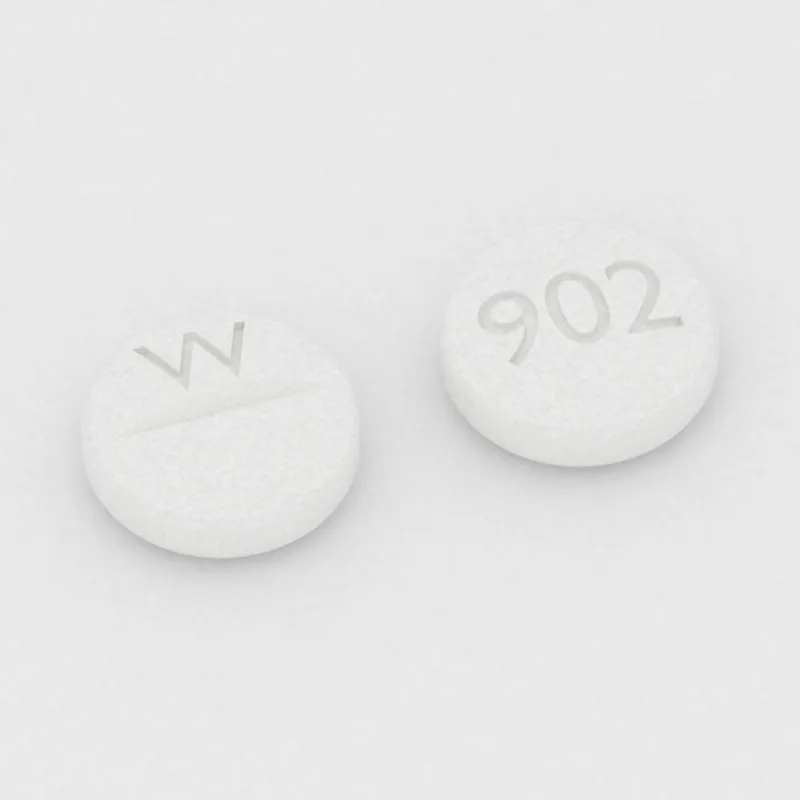
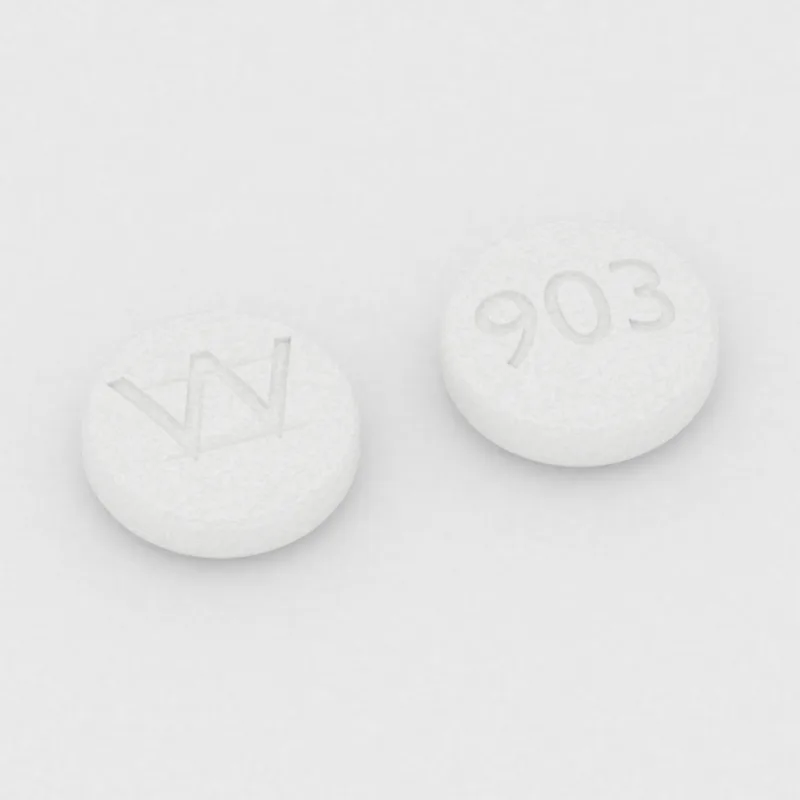
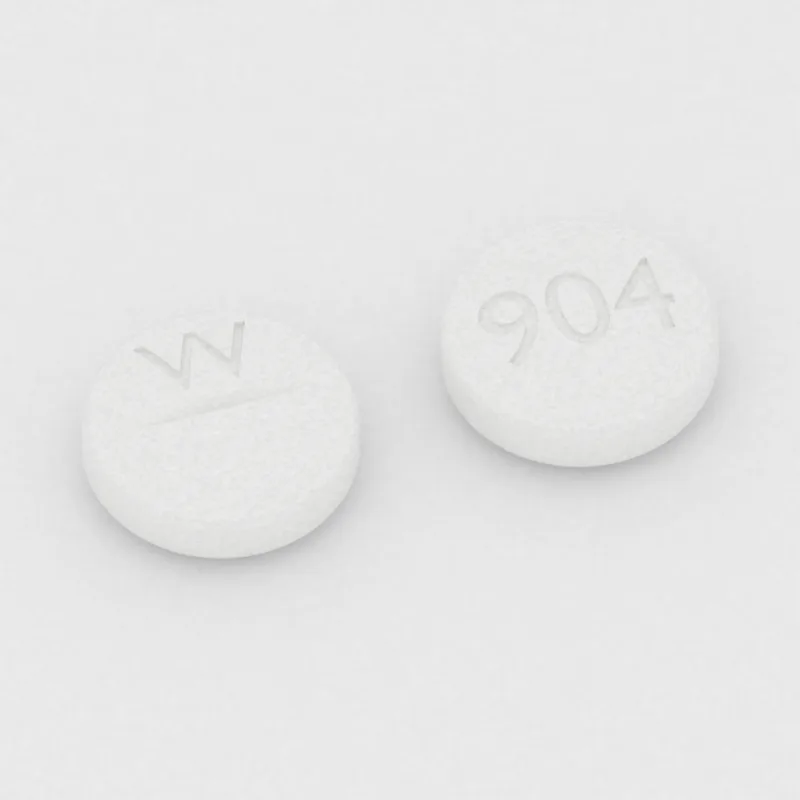
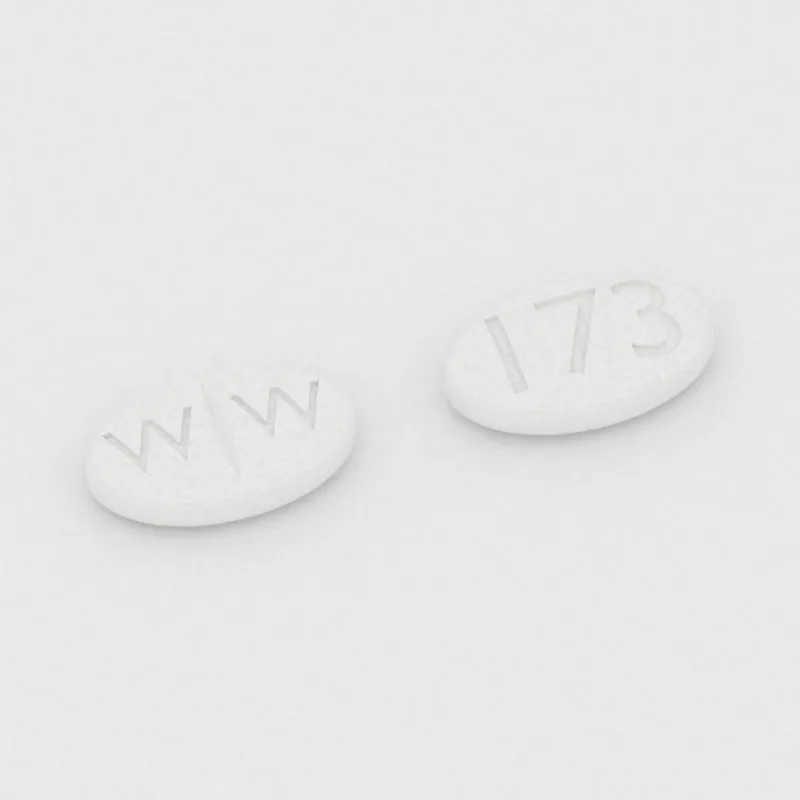
Darstellungen nach den Produktangaben der FDA-Fachinformationen: Farbe, Form, Größe und Prägung. 28 dokumentierte Varianten von 12 Anbietern.
Wechselwirkungen laut Fachinformation
Schwerwiegende Wechselwirkungen (65)
About 13 percent of the cases of neutropenia have ended fatally, but almost all fatalities were in patients with serious illness, having collagen vascular disease, renal failure, heart failure or immunosuppressant therapy, or a combination of these complicating factors. (Fachinformation zu Captopril, Warnhinweise)
About 13 percent of the cases of neutropenia have ended fatally, but almost all fatalities were in patients with serious illness, having collagen vascular disease, renal failure, heart failure or immunosuppressant therapy, or a combination of these complicating factors. (Fachinformation zu Captopril, Warnhinweise)
About 13 percent of the cases of neutropenia have ended fatally, but almost all fatalities were in patients with serious illness, having collagen vascular disease, renal failure, heart failure or immunosuppressant therapy, or a combination of these complicating factors. (Fachinformation zu Captopril, Warnhinweise)
About 13 percent of the cases of neutropenia have ended fatally, but almost all fatalities were in patients with serious illness, having collagen vascular disease, renal failure, heart failure or immunosuppressant therapy, or a combination of these complicating factors. (Fachinformation zu Captopril, Warnhinweise)
Do not co-administer aliskiren with captopril tablets in patients with diabetes (see PRECAUTIONS : Drug Interactions ). (Fachinformation zu Captopril, Gegenanzeigen)
CONTRAINDICATIONS Captopril tablets are contraindicated in patients who are hypersensitive to this product or any other angiotensin- converting enzyme inhibitor (e.g., a patient who has experienced angioedema during therapy with any other ACE inhibitor). (Fachinformation zu Captopril, Gegenanzeigen)
Do not administer captopril tablets within 36 hours of switching to or from sacubitril/valsartan, a neprilysin inhibitor (see PRECAUTIONS : Drug Interactions ). (Fachinformation zu Captopril, Gegenanzeigen)
About 13 percent of the cases of neutropenia have ended fatally, but almost all fatalities were in patients with serious illness, having collagen vascular disease, renal failure, heart failure or immunosuppressant therapy, or a combination of these complicating factors. (Fachinformation zu Captopril, Warnhinweise)
About 13 percent of the cases of neutropenia have ended fatally, but almost all fatalities were in patients with serious illness, having collagen vascular disease, renal failure, heart failure or immunosuppressant therapy, or a combination of these complicating factors. (Fachinformation zu Captopril, Warnhinweise)
CONTRAINDICATIONS Captopril tablets are contraindicated in patients who are hypersensitive to this product or any other angiotensin- converting enzyme inhibitor (e.g., a patient who has experienced angioedema during therapy with any other ACE inhibitor). (Fachinformation zu Captopril, Gegenanzeigen)
CONTRAINDICATIONS Captopril tablets are contraindicated in patients who are hypersensitive to this product or any other angiotensin- converting enzyme inhibitor (e.g., a patient who has experienced angioedema during therapy with any other ACE inhibitor). (Fachinformation zu Captopril, Gegenanzeigen)
Triple combination of candesartan cilexetil with an ACE-inhibitor and a mineralocorticoid receptor antagonist is generally not recommended. (Fachinformation zu Candesartan, Arzneimittelwechselwirkungen)
About 13 percent of the cases of neutropenia have ended fatally, but almost all fatalities were in patients with serious illness, having collagen vascular disease, renal failure, heart failure or immunosuppressant therapy, or a combination of these complicating factors. (Fachinformation zu Captopril, Warnhinweise)
About 13 percent of the cases of neutropenia have ended fatally, but almost all fatalities were in patients with serious illness, having collagen vascular disease, renal failure, heart failure or immunosuppressant therapy, or a combination of these complicating factors. (Fachinformation zu Captopril, Warnhinweise)
Use CLOZARIL cautiously in patients with cardiovascular or cerebrovascular disease or conditions predisposing to hypotension (e.g., dehydration, use of antihypertensive medications) [see Dosage and Administration ( 2.2 , 2.6 ), Warnings and Precautions ( 5.2 )]. (Fachinformation zu Clozapin, Boxed Warning (umrahmter Warnhinweis))
About 13 percent of the cases of neutropenia have ended fatally, but almost all fatalities were in patients with serious illness, having collagen vascular disease, renal failure, heart failure or immunosuppressant therapy, or a combination of these complicating factors. (Fachinformation zu Captopril, Warnhinweise)
About 13 percent of the cases of neutropenia have ended fatally, but almost all fatalities were in patients with serious illness, having collagen vascular disease, renal failure, heart failure or immunosuppressant therapy, or a combination of these complicating factors. (Fachinformation zu Captopril, Warnhinweise)
CONTRAINDICATIONS Captopril tablets are contraindicated in patients who are hypersensitive to this product or any other angiotensin- converting enzyme inhibitor (e.g., a patient who has experienced angioedema during therapy with any other ACE inhibitor). (Fachinformation zu Captopril, Gegenanzeigen)
CONTRAINDICATIONS Captopril tablets are contraindicated in patients who are hypersensitive to this product or any other angiotensin- converting enzyme inhibitor (e.g., a patient who has experienced angioedema during therapy with any other ACE inhibitor). (Fachinformation zu Captopril, Gegenanzeigen)
CONTRAINDICATIONS Captopril tablets are contraindicated in patients who are hypersensitive to this product or any other angiotensin- converting enzyme inhibitor (e.g., a patient who has experienced angioedema during therapy with any other ACE inhibitor). (Fachinformation zu Captopril, Gegenanzeigen)
…of active abnormal bleeding within the previous 30 days Severe hypertension (systolic blood pressure >200 mm Hg or diastolic blood pressure >110 mm Hg) not adequately controlled on antihypertensive therapy Major surgery within the preceding 6 weeks History of stroke within 30 days or any history of hemorrhagic stroke Current or planned administration of another… (Fachinformation zu Eptifibatid, Gegenanzeigen)
About 13 percent of the cases of neutropenia have ended fatally, but almost all fatalities were in patients with serious illness, having collagen vascular disease, renal failure, heart failure or immunosuppressant therapy, or a combination of these complicating factors. (Fachinformation zu Captopril, Warnhinweise)
About 13 percent of the cases of neutropenia have ended fatally, but almost all fatalities were in patients with serious illness, having collagen vascular disease, renal failure, heart failure or immunosuppressant therapy, or a combination of these complicating factors. (Fachinformation zu Captopril, Warnhinweise)
About 13 percent of the cases of neutropenia have ended fatally, but almost all fatalities were in patients with serious illness, having collagen vascular disease, renal failure, heart failure or immunosuppressant therapy, or a combination of these complicating factors. (Fachinformation zu Captopril, Warnhinweise)
CONTRAINDICATIONS Captopril tablets are contraindicated in patients who are hypersensitive to this product or any other angiotensin- converting enzyme inhibitor (e.g., a patient who has experienced angioedema during therapy with any other ACE inhibitor). (Fachinformation zu Captopril, Gegenanzeigen)
CONTRAINDICATIONS Captopril tablets are contraindicated in patients who are hypersensitive to this product or any other angiotensin- converting enzyme inhibitor (e.g., a patient who has experienced angioedema during therapy with any other ACE inhibitor). (Fachinformation zu Captopril, Gegenanzeigen)
About 13 percent of the cases of neutropenia have ended fatally, but almost all fatalities were in patients with serious illness, having collagen vascular disease, renal failure, heart failure or immunosuppressant therapy, or a combination of these complicating factors. (Fachinformation zu Captopril, Warnhinweise)
About 13 percent of the cases of neutropenia have ended fatally, but almost all fatalities were in patients with serious illness, having collagen vascular disease, renal failure, heart failure or immunosuppressant therapy, or a combination of these complicating factors. (Fachinformation zu Captopril, Warnhinweise)
In patients whose renal function may depend on the activity of the renin-angiotensin-aldosterone system (e.g., patients with severe congestive heart failure), treatment with ACE inhibitors has been associated with oliguria and/or progressive azotemia and (rarely) with acute renal failure and/or death. (Fachinformation zu Irbesartan und Hydrochlorothiazid, Warnhinweise und Vorsichtsmaßnahmen)
Diese Arzneimittel verringern die Kaliumausscheidung; zusätzliche Kaliumpräparate oder Salzersatzmittel können eine Hyperkaliämie verursachen, die den Herzrhythmus beeinträchtigt. (NIH Office of Dietary Supplements, Potassium)
About 13 percent of the cases of neutropenia have ended fatally, but almost all fatalities were in patients with serious illness, having collagen vascular disease, renal failure, heart failure or immunosuppressant therapy, or a combination of these complicating factors. (Fachinformation zu Captopril, Warnhinweise)
CONTRAINDICATIONS Captopril tablets are contraindicated in patients who are hypersensitive to this product or any other angiotensin- converting enzyme inhibitor (e.g., a patient who has experienced angioedema during therapy with any other ACE inhibitor). (Fachinformation zu Captopril, Gegenanzeigen)
CONTRAINDICATIONS Captopril tablets are contraindicated in patients who are hypersensitive to this product or any other angiotensin- converting enzyme inhibitor (e.g., a patient who has experienced angioedema during therapy with any other ACE inhibitor). (Fachinformation zu Captopril, Gegenanzeigen)
About 13 percent of the cases of neutropenia have ended fatally, but almost all fatalities were in patients with serious illness, having collagen vascular disease, renal failure, heart failure or immunosuppressant therapy, or a combination of these complicating factors. (Fachinformation zu Captopril, Warnhinweise)
About 13 percent of the cases of neutropenia have ended fatally, but almost all fatalities were in patients with serious illness, having collagen vascular disease, renal failure, heart failure or immunosuppressant therapy, or a combination of these complicating factors. (Fachinformation zu Captopril, Warnhinweise)
Other Antihypertensive Drugs When metolazone tablets, USP, are used with other antihypertensive drugs, particular care must be taken to avoid excessive reduction of blood pressure, especially during initial therapy. (Fachinformation zu Metolazon, Warnhinweise)
Minoxidil should be reserved for hypertensive patients who do not respond adequately to maximum therapeutic doses of a diuretic and two other antihypertensive agents. (Fachinformation zu Minoxidil, Boxed Warning (umrahmter Warnhinweis))
CONTRAINDICATIONS Captopril tablets are contraindicated in patients who are hypersensitive to this product or any other angiotensin- converting enzyme inhibitor (e.g., a patient who has experienced angioedema during therapy with any other ACE inhibitor). (Fachinformation zu Captopril, Gegenanzeigen)
About 13 percent of the cases of neutropenia have ended fatally, but almost all fatalities were in patients with serious illness, having collagen vascular disease, renal failure, heart failure or immunosuppressant therapy, or a combination of these complicating factors. (Fachinformation zu Captopril, Warnhinweise)
About 13 percent of the cases of neutropenia have ended fatally, but almost all fatalities were in patients with serious illness, having collagen vascular disease, renal failure, heart failure or immunosuppressant therapy, or a combination of these complicating factors. (Fachinformation zu Captopril, Warnhinweise)
About 13 percent of the cases of neutropenia have ended fatally, but almost all fatalities were in patients with serious illness, having collagen vascular disease, renal failure, heart failure or immunosuppressant therapy, or a combination of these complicating factors. (Fachinformation zu Captopril, Warnhinweise)
CONTRAINDICATIONS Captopril tablets are contraindicated in patients who are hypersensitive to this product or any other angiotensin- converting enzyme inhibitor (e.g., a patient who has experienced angioedema during therapy with any other ACE inhibitor). (Fachinformation zu Captopril, Gegenanzeigen)
About 13 percent of the cases of neutropenia have ended fatally, but almost all fatalities were in patients with serious illness, having collagen vascular disease, renal failure, heart failure or immunosuppressant therapy, or a combination of these complicating factors. (Fachinformation zu Captopril, Warnhinweise)
About 13 percent of the cases of neutropenia have ended fatally, but almost all fatalities were in patients with serious illness, having collagen vascular disease, renal failure, heart failure or immunosuppressant therapy, or a combination of these complicating factors. (Fachinformation zu Captopril, Warnhinweise)
CONTRAINDICATIONS Captopril tablets are contraindicated in patients who are hypersensitive to this product or any other angiotensin- converting enzyme inhibitor (e.g., a patient who has experienced angioedema during therapy with any other ACE inhibitor). (Fachinformation zu Captopril, Gegenanzeigen)
CONTRAINDICATIONS Captopril tablets are contraindicated in patients who are hypersensitive to this product or any other angiotensin- converting enzyme inhibitor (e.g., a patient who has experienced angioedema during therapy with any other ACE inhibitor). (Fachinformation zu Captopril, Gegenanzeigen)
CONTRAINDICATIONS Captopril tablets are contraindicated in patients who are hypersensitive to this product or any other angiotensin- converting enzyme inhibitor (e.g., a patient who has experienced angioedema during therapy with any other ACE inhibitor). (Fachinformation zu Captopril, Gegenanzeigen)
About 13 percent of the cases of neutropenia have ended fatally, but almost all fatalities were in patients with serious illness, having collagen vascular disease, renal failure, heart failure or immunosuppressant therapy, or a combination of these complicating factors. (Fachinformation zu Captopril, Warnhinweise)
About 13 percent of the cases of neutropenia have ended fatally, but almost all fatalities were in patients with serious illness, having collagen vascular disease, renal failure, heart failure or immunosuppressant therapy, or a combination of these complicating factors. (Fachinformation zu Captopril, Warnhinweise)
Captopril tablets are contraindicated in combination with a neprilysin inhibitor (e.g., sacubitril). (Fachinformation zu Captopril, Gegenanzeigen)
About 13 percent of the cases of neutropenia have ended fatally, but almost all fatalities were in patients with serious illness, having collagen vascular disease, renal failure, heart failure or immunosuppressant therapy, or a combination of these complicating factors. (Fachinformation zu Captopril, Warnhinweise)
About 13 percent of the cases of neutropenia have ended fatally, but almost all fatalities were in patients with serious illness, having collagen vascular disease, renal failure, heart failure or immunosuppressant therapy, or a combination of these complicating factors. (Fachinformation zu Captopril, Warnhinweise)
About 13 percent of the cases of neutropenia have ended fatally, but almost all fatalities were in patients with serious illness, having collagen vascular disease, renal failure, heart failure or immunosuppressant therapy, or a combination of these complicating factors. (Fachinformation zu Captopril, Warnhinweise)
…coadministration of an alpha-blocker and CIALIS for the treatment of BPH has not been adequately studied, and due to the potential vasodilatory effects of combined use resulting in blood pressure lowering, the combination of CIALIS and alpha-blockers is not recommended for the treatment of BPH. [see Dosage and Administration ( 2.7 ), Drug Interactions ( 7.1 ),… (Fachinformation zu Tadalafil, Warnhinweise und Vorsichtsmaßnahmen)
Avoid concomitant use of an ACE inhibitor and angiotensin receptor blocker ( 5.6 ) (Fachinformation zu Telmisartan, Warnhinweise und Vorsichtsmaßnahmen)
Avoid concomitant use with an ACE inhibitor (5.6) (Fachinformation zu Telmisartan und Amlodipin, Warnhinweise und Vorsichtsmaßnahmen)
Patients who received the combination of ARB and ACE inhibitor did not obtain any additional benefit (no additional reduction of risk of cardiovascular death, myocardial infarction, stroke, or hospitalization from heart failure) compared to ARB monotherapy or ACE inhibitor monotherapy, but experienced an increased incidence of renal dysfunction (e.g., acute renal… (Fachinformation zu Telmisartan und Hydrochlorothiazid, Arzneimittelwechselwirkungen)
About 13 percent of the cases of neutropenia have ended fatally, but almost all fatalities were in patients with serious illness, having collagen vascular disease, renal failure, heart failure or immunosuppressant therapy, or a combination of these complicating factors. (Fachinformation zu Captopril, Warnhinweise)
About 13 percent of the cases of neutropenia have ended fatally, but almost all fatalities were in patients with serious illness, having collagen vascular disease, renal failure, heart failure or immunosuppressant therapy, or a combination of these complicating factors. (Fachinformation zu Captopril, Warnhinweise)
About 13 percent of the cases of neutropenia have ended fatally, but almost all fatalities were in patients with serious illness, having collagen vascular disease, renal failure, heart failure or immunosuppressant therapy, or a combination of these complicating factors. (Fachinformation zu Captopril, Warnhinweise)
CONTRAINDICATIONS Captopril tablets are contraindicated in patients who are hypersensitive to this product or any other angiotensin- converting enzyme inhibitor (e.g., a patient who has experienced angioedema during therapy with any other ACE inhibitor). (Fachinformation zu Captopril, Gegenanzeigen)
About 13 percent of the cases of neutropenia have ended fatally, but almost all fatalities were in patients with serious illness, having collagen vascular disease, renal failure, heart failure or immunosuppressant therapy, or a combination of these complicating factors. (Fachinformation zu Captopril, Warnhinweise)
About 13 percent of the cases of neutropenia have ended fatally, but almost all fatalities were in patients with serious illness, having collagen vascular disease, renal failure, heart failure or immunosuppressant therapy, or a combination of these complicating factors. (Fachinformation zu Captopril, Warnhinweise)
Do not administer captopril tablets within 36 hours of switching to or from sacubitril/valsartan, a neprilysin inhibitor (see PRECAUTIONS : Drug Interactions ). (Fachinformation zu Captopril, Gegenanzeigen)
Do not administer captopril tablets within 36 hours of switching to or from sacubitril/valsartan, a neprilysin inhibitor (see PRECAUTIONS : Drug Interactions ). (Fachinformation zu Captopril, Gegenanzeigen)
Mittelschwere Wechselwirkungen (154)
Hypotension Excessive hypotension was rarely seen in hypertensive patients but is a possible consequence of captopril use in salt/volume depleted persons (such as those treated vigorously with diuretics), patients with heart failure or those patients undergoing renal dialysis (see PRECAUTIONS : Drug Interactions ). (Fachinformation zu Captopril, Warnhinweise)
Non-Steroidal Anti-Inflammatory Agents including Selective Cyclooxygenase-2 Inhibitors (COX-2 Inhibitors) In patients who are elderly, volume-depleted (including those on diuretic therapy), or with compromised renal function, coadministration of NSAIDs, including selective COX-2 inhibitors, with ACE inhibitors, including captopril, may result in deterioration… (Fachinformation zu Captopril, Arzneimittelwechselwirkungen)
Non-Steroidal Anti-Inflammatory Agents including Selective Cyclooxygenase-2 Inhibitors (COX-2 Inhibitors) In patients who are elderly, volume-depleted (including those on diuretic therapy), or with compromised renal function, coadministration of NSAIDs, including selective COX-2 inhibitors, with ACE inhibitors, including captopril, may result in deterioration… (Fachinformation zu Captopril, Arzneimittelwechselwirkungen)
Epinephrine may antagonize the neuronal blockade produced by guanethidine resulting in decreased antihypertensive effect and requiring increased dosage of the latter. (Fachinformation zu Adrenalin, Arzneimittelwechselwirkungen)
Postural hypotension/syncope: Care should be taken in patients with symptomatic hypotension or who have had a hypotensive response to other medications or are concomitantly treated with antihypertensive medication or nitrates ( 5.1 ) (Fachinformation zu Alfuzosin, Warnhinweise und Vorsichtsmaßnahmen)
Valvular Stenosis There is concern, on theoretical grounds, that patients with aortic stenosis might be at particular risk of decreased coronary perfusion when treated with vasodilators because they do not develop as much afterload reduction as others. (Fachinformation zu Captopril, Vorsichtsmaßnahmen)
- AlteplaseMittelschwer
In the post-marketing setting, there have been reports of angioedema in patients (primarily patients with AIS) receiving concomitant angiotensin-converting enzyme inhibitors. [see Warnings and Precautions (5.2) ]. (Fachinformation zu Alteplase, Arzneimittelwechselwirkungen)
The pressor effects of diethylpropion and those of other drugs may be additive when the drugs are used concomitantly; conversely, diethylpropion may interfere with antihypertensive drugs (i.e., guanethidine, a-methyldopa). (Fachinformation zu Amfepramon, Arzneimittelwechselwirkungen)
Hypotension Excessive hypotension was rarely seen in hypertensive patients but is a possible consequence of captopril use in salt/volume depleted persons (such as those treated vigorously with diuretics), patients with heart failure or those patients undergoing renal dialysis (see PRECAUTIONS : Drug Interactions ). (Fachinformation zu Captopril, Warnhinweise)
Drug Interactions Dual Blockade of the Renin-Angiotensin System (RAS) Dual blockade of the RAS with angiotensin receptor blockers, ACE inhibitors, or aliskiren is associated with increased risks of hypotension, hyperkalemia, and changes in renal function (including acute renal failure) compared to monotherapy. (Fachinformation zu Captopril, Arzneimittelwechselwirkungen)
Antihypertensive Drugs Due to its alpha-adrenergic antagonism, aripiprazole has the potential to enhance the effect of certain antihypertensive agents. (Fachinformation zu Aripiprazol, Arzneimittelwechselwirkungen)
There was also a slightly greater proportion of patients on NUVIGIL requiring new or increased use of antihypertensive medications (2.9%) compared to patients on placebo (1.8%). (Fachinformation zu Armodafinil, Warnhinweise und Vorsichtsmaßnahmen)
Orthostatic vital signs should be monitored in patients who are vulnerable to hypotension (elderly patients, patients with dehydration, hypovolemia, concomitant treatment with antihypertensive medications, patients with known cardiovascular disease (history of myocardial infarction or ischemic heart disease, heart failure, or conduction abnormalities), and patients… (Fachinformation zu Asenapin, Warnhinweise und Vorsichtsmaßnahmen)
Because of its relative beta 1 selectivity, however, TENORMIN may be used with caution in patients with bronchospastic disease who do not respond to, or cannot tolerate, other antihypertensive treatment. (Fachinformation zu Atenolol, Warnhinweise)
Hypotension Excessive hypotension was rarely seen in hypertensive patients but is a possible consequence of captopril use in salt/volume depleted persons (such as those treated vigorously with diuretics), patients with heart failure or those patients undergoing renal dialysis (see PRECAUTIONS : Drug Interactions ). (Fachinformation zu Captopril, Warnhinweise)
Antihypertensive Drugs Prevention or Management Increase the frequency of monitoring blood pressure and adjust atomoxetine oral solution dosage as clinically appropriate. (Fachinformation zu Atomoxetin, Arzneimittelwechselwirkungen)
• Use of avanafil with alpha-blockers, other antihypertensives, or substantial amounts of alcohol (greater than 3 units) may lead to hypotension ( 2.3 , 5.6 , 5.7 ) (Fachinformation zu Avanafil, Warnhinweise und Vorsichtsmaßnahmen)
Drug Interactions Dual Blockade of the Renin-Angiotensin System (RAS) Dual blockade of the RAS with angiotensin receptor blockers, ACE inhibitors, or aliskiren is associated with increased risks of hypotension, hyperkalemia, and changes in renal function (including acute renal failure) compared to monotherapy. (Fachinformation zu Captopril, Arzneimittelwechselwirkungen)
Amphetamines may decrease the hypotensive effect of antihypertensives. (Fachinformation zu Benzfetamin, Arzneimittelwechselwirkungen)
Because of its relative beta 1 -selectivity, however, BISOPROLOL FUMARATE may be used with caution in patients with bronchospastic disease who do not respond to, or who cannot tolerate other antihypertensive treatment. (Fachinformation zu Bisoprolol, Warnhinweise)
Hypotension Excessive hypotension was rarely seen in hypertensive patients but is a possible consequence of captopril use in salt/volume depleted persons (such as those treated vigorously with diuretics), patients with heart failure or those patients undergoing renal dialysis (see PRECAUTIONS : Drug Interactions ). (Fachinformation zu Captopril, Warnhinweise)
- BortezomibMittelschwer
Hypotension: Use caution when treating patients taking antihypertensives, with a history of syncope, or with dehydration. (Fachinformation zu Bortezomib, Warnhinweise und Vorsichtsmaßnahmen)
Orthostatic vital signs should be monitored in patients who are vulnerable to hypotension (e.g., elderly patients, patients with dehydration, hypovolemia, concomitant treatment with antihypertensive medication), patients with known cardiovascular disease (history of myocardial infarction, ischemic heart disease, heart failure, or conduction abnormalities), and… (Fachinformation zu Brexpiprazol, Warnhinweise und Vorsichtsmaßnahmen)
Antihypertensives/Cardiac Glycosides Because brimonidine tartrate ophthalmic solution 0.1% and 0.15% may reduce blood pressure, caution in using drugs such as antihypertensives and/or cardiac glycosides with brimonidine tartrate ophthalmic solution 0.1% and 0.15% is advised. (Fachinformation zu Brimonidin, Arzneimittelwechselwirkungen)
Antihypertensives/Cardiac Glycosides Because brimonidine tartrate/timolol maleate ophthalmic solution may reduce blood pressure, caution in using drugs such as antihypertensives and/or cardiac glycosides with brimonidine tartrate/timolol maleate ophthalmic solution is advised. (Fachinformation zu Brimonidin und Timolol, Arzneimittelwechselwirkungen)
Use caution in patients taking antihypertensive medications. (Fachinformation zu Bromocriptin, Warnhinweise und Vorsichtsmaßnahmen)
Central Nervous System (CNS) depressants Antihistamines have additive effects with alcohol and other CNS depressants (hypnotics, sedatives, tranquilizers, antianxiety agents, etc.). Antihypertensive drugs Sympathomimetic may reduce the effects of antihypertensive drugs. (Fachinformation zu Brompheniramin, Pseudoephedrin und Dextromethorphan, Arzneimittelwechselwirkungen)
Hypotension Excessive hypotension was rarely seen in hypertensive patients but is a possible consequence of captopril use in salt/volume depleted persons (such as those treated vigorously with diuretics), patients with heart failure or those patients undergoing renal dialysis (see PRECAUTIONS : Drug Interactions ). (Fachinformation zu Captopril, Warnhinweise)
Non-Steroidal Anti-Inflammatory Agents including Selective Cyclooxygenase-2 Inhibitors (COX-2 Inhibitors) In patients who are elderly, volume-depleted (including those on diuretic therapy), or with compromised renal function, coadministration of NSAIDs, including selective COX-2 inhibitors, with ACE inhibitors, including captopril, may result in deterioration… (Fachinformation zu Captopril, Arzneimittelwechselwirkungen)
Non-Steroidal Anti-Inflammatory Agents including Selective Cyclooxygenase-2 Inhibitors (COX-2 Inhibitors) In patients who are elderly, volume-depleted (including those on diuretic therapy), or with compromised renal function, coadministration of NSAIDs, including selective COX-2 inhibitors, with ACE inhibitors, including captopril, may result in deterioration… (Fachinformation zu Captopril, Arzneimittelwechselwirkungen)
Hypotension Excessive hypotension was rarely seen in hypertensive patients but is a possible consequence of captopril use in salt/volume depleted persons (such as those treated vigorously with diuretics), patients with heart failure or those patients undergoing renal dialysis (see PRECAUTIONS : Drug Interactions ). (Fachinformation zu Captopril, Warnhinweise)
- CarbidopaMittelschwer
Symptomatic postural hypotension has occurred when carbidopa, given with levodopa or carbidopa-levodopa combination products, was added to the treatment of a patient receiving antihypertensive drugs. (Fachinformation zu Carbidopa, Arzneimittelwechselwirkungen)
Antihypertensive drugs: May cause symptomatic postural hypotension. (Fachinformation zu Carbidopa und Levodopa, Arzneimittelwechselwirkungen)
Antihypertensive Agents Symptomatic postural hypotension has occurred when carbidopa/levodopa was added to the treatment of patients receiving antihypertensive drugs. (Fachinformation zu Carbidopa, Levodopa und Entacapon, Arzneimittelwechselwirkungen)
Orthostatic vital signs should be monitored in patients who are vulnerable to hypotension (e.g., elderly patients, patients with dehydration, hypovolemia, and concomitant treatment with antihypertensive medications), patients with known cardiovascular disease (history of myocardial infarction, ischemic heart disease, heart failure, or conduction abnormalities), and… (Fachinformation zu Cariprazin, Warnhinweise und Vorsichtsmaßnahmen)
COREG may be used with caution, however, in patients who do not respond to, or cannot tolerate, other antihypertensive agents. (Fachinformation zu Carvedilol, Warnhinweise und Vorsichtsmaßnahmen)
Non-Steroidal Anti-Inflammatory Agents including Selective Cyclooxygenase-2 Inhibitors (COX-2 Inhibitors) In patients who are elderly, volume-depleted (including those on diuretic therapy), or with compromised renal function, coadministration of NSAIDs, including selective COX-2 inhibitors, with ACE inhibitors, including captopril, may result in deterioration… (Fachinformation zu Captopril, Arzneimittelwechselwirkungen)
Hypotension Excessive hypotension was rarely seen in hypertensive patients but is a possible consequence of captopril use in salt/volume depleted persons (such as those treated vigorously with diuretics), patients with heart failure or those patients undergoing renal dialysis (see PRECAUTIONS : Drug Interactions ). (Fachinformation zu Captopril, Warnhinweise)
Hypotension Excessive hypotension was rarely seen in hypertensive patients but is a possible consequence of captopril use in salt/volume depleted persons (such as those treated vigorously with diuretics), patients with heart failure or those patients undergoing renal dialysis (see PRECAUTIONS : Drug Interactions ). (Fachinformation zu Captopril, Warnhinweise)
…concomitant use of TONMYA with: MAO inhibitors may be life-threatening [see Contraindications (4) ] , Alcohol, barbiturates, and other CNS depressants may increase the risk of adverse reactions associated with these drugs, Tramadol may increase the seizure risk, Guanethidine or other similar acting drugs may block the antihypertensive action of these drugs. (Fachinformation zu Cyclobenzaprin, Arzneimittelwechselwirkungen)
• Antihypertensive Drugs: Monitor blood pressure. (Fachinformation zu Dexmethylphenidat, Arzneimittelwechselwirkungen)
Non-Steroidal Anti-Inflammatory Agents including Selective Cyclooxygenase-2 Inhibitors (COX-2 Inhibitors) In patients who are elderly, volume-depleted (including those on diuretic therapy), or with compromised renal function, coadministration of NSAIDs, including selective COX-2 inhibitors, with ACE inhibitors, including captopril, may result in deterioration… (Fachinformation zu Captopril, Arzneimittelwechselwirkungen)
Non-Steroidal Anti-Inflammatory Agents including Selective Cyclooxygenase-2 Inhibitors (COX-2 Inhibitors) In patients who are elderly, volume-depleted (including those on diuretic therapy), or with compromised renal function, coadministration of NSAIDs, including selective COX-2 inhibitors, with ACE inhibitors, including captopril, may result in deterioration… (Fachinformation zu Captopril, Arzneimittelwechselwirkungen)
Non-Steroidal Anti-Inflammatory Agents including Selective Cyclooxygenase-2 Inhibitors (COX-2 Inhibitors) In patients who are elderly, volume-depleted (including those on diuretic therapy), or with compromised renal function, coadministration of NSAIDs, including selective COX-2 inhibitors, with ACE inhibitors, including captopril, may result in deterioration… (Fachinformation zu Captopril, Arzneimittelwechselwirkungen)
Concomitant medications were grouped as ACE inhibitors, oral anticoagulants, calcium channel blockers, beta blockers, cardiac glycosides, inducers of CYP3A4, substrates and inhibitors of CYP3A4, substrates and inhibitors of P-glycoprotein, nitrates, sulphonylureas, loop diuretics, potassium sparing diuretics, thiazide diuretics, substrates and inhibitors of tubular… (Fachinformation zu Dofetilid, Arzneimittelwechselwirkungen)
Medications that may increase serum potassium concentration include ACE inhibitors, angiotensin-II receptor antagonists, potassium-sparing diuretics, potassium supplementation, heparin, aldosterone antagonists, and NSAIDS. (Fachinformation zu Drospirenon und Ethinylestradiol, Warnhinweise und Vorsichtsmaßnahmen)
The risk of BP decreases may be greater in patients taking concomitant medications that induce orthostatic hypotension (such as antihypertensives) or are potent CYP1A2 inhibitors [see Drug Interactions ( 7.1 )] and in patients taking duloxetine delayed-release capsules at doses above 60 mg daily. (Fachinformation zu Duloxetin, Warnhinweise und Vorsichtsmaßnahmen)
Hypotension Excessive hypotension was rarely seen in hypertensive patients but is a possible consequence of captopril use in salt/volume depleted persons (such as those treated vigorously with diuretics), patients with heart failure or those patients undergoing renal dialysis (see PRECAUTIONS : Drug Interactions ). (Fachinformation zu Captopril, Warnhinweise)
- Epoetin alfaMittelschwer
Following initiation and titration of Epogen, approximately 25% of patients on dialysis required initiation of or increases in antihypertensive therapy; hypertensive encephalopathy and seizures have been reported in patients with CKD receiving Epogen. (Fachinformation zu Epoetin alfa, Warnhinweise und Vorsichtsmaßnahmen)
Valvular Stenosis There is concern, on theoretical grounds, that patients with aortic stenosis might be at particular risk of decreased coronary perfusion when treated with vasodilators because they do not develop as much afterload reduction as others. (Fachinformation zu Captopril, Vorsichtsmaßnahmen)
Antihypertensive agents clonidine, guanfacine, or moxonidine: Beta blockers also increase the risk of clonidine-, guanfacine-, or moxonidine-withdrawal rebound hypertension. (Fachinformation zu Esmolol, Arzneimittelwechselwirkungen)
Hypotension Excessive hypotension was rarely seen in hypertensive patients but is a possible consequence of captopril use in salt/volume depleted persons (such as those treated vigorously with diuretics), patients with heart failure or those patients undergoing renal dialysis (see PRECAUTIONS : Drug Interactions ). (Fachinformation zu Captopril, Warnhinweise)
Non-Steroidal Anti-Inflammatory Agents including Selective Cyclooxygenase-2 Inhibitors (COX-2 Inhibitors) In patients who are elderly, volume-depleted (including those on diuretic therapy), or with compromised renal function, coadministration of NSAIDs, including selective COX-2 inhibitors, with ACE inhibitors, including captopril, may result in deterioration… (Fachinformation zu Captopril, Arzneimittelwechselwirkungen)
Potassium-sparing diuretics such as spironolactone, triamterene, or amiloride, or potassium supplements should be given only for documented hypokalemia, and then with caution, since they may lead to a significant increase of serum potassium. (Fachinformation zu Captopril, Arzneimittelwechselwirkungen)
Non-Steroidal Anti-Inflammatory Agents including Selective Cyclooxygenase-2 Inhibitors (COX-2 Inhibitors) In patients who are elderly, volume-depleted (including those on diuretic therapy), or with compromised renal function, coadministration of NSAIDs, including selective COX-2 inhibitors, with ACE inhibitors, including captopril, may result in deterioration… (Fachinformation zu Captopril, Arzneimittelwechselwirkungen)
Non-Steroidal Anti-Inflammatory Agents including Selective Cyclooxygenase-2 Inhibitors (COX-2 Inhibitors) In patients who are elderly, volume-depleted (including those on diuretic therapy), or with compromised renal function, coadministration of NSAIDs, including selective COX-2 inhibitors, with ACE inhibitors, including captopril, may result in deterioration… (Fachinformation zu Captopril, Arzneimittelwechselwirkungen)
Hypotension Excessive hypotension was rarely seen in hypertensive patients but is a possible consequence of captopril use in salt/volume depleted persons (such as those treated vigorously with diuretics), patients with heart failure or those patients undergoing renal dialysis (see PRECAUTIONS : Drug Interactions ). (Fachinformation zu Captopril, Warnhinweise)
Drug Interactions The hypoglycemic action of sulfonylureas may be potentiated by certain drugs including nonsteroidal anti-inflammatory agents, ACE inhibitors, disopyramide, fluoxetine, clarithromycin, and other drugs that are highly protein bound, salicylates, sulfonamides, chloramphenicol, probenecid, monoamine oxidase inhibitors, and beta adrenergic blocking… (Fachinformation zu Glibenclamid, Arzneimittelwechselwirkungen)
…including glimepiride, increasing the susceptibility to and/or intensity of hypoglycemia: oral anti-diabetic medications, pramlintide acetate, insulin, angiotensin converting enzyme (ACE) inhibitors, H 2 receptor antagonists, fibrates, propoxyphene, pentoxifylline, somatostatin analogs, anabolic steroids and androgens, cyclophosphamide, phenyramidol, guanethidine,… (Fachinformation zu Glimepirid, Arzneimittelwechselwirkungen)
…following are examples of medication that may increase the glucose lowering effect of GLUCOTROL XL, increase the susceptibility to and/or intensity of hypoglycemia: antidiabetic agents, ACE inhibitors, angiotensin II receptor blocking agents, disopyramide, fibrates, fluoxetine, monoamine oxidase inhibitors, pentoxifylline, pramlintide, propoxyphene, salicylates, somatostatin… (Fachinformation zu Glipizid, Arzneimittelwechselwirkungen)
Valvular Stenosis There is concern, on theoretical grounds, that patients with aortic stenosis might be at particular risk of decreased coronary perfusion when treated with vasodilators because they do not develop as much afterload reduction as others. (Fachinformation zu Captopril, Vorsichtsmaßnahmen)
Clinically Significant Drug Interactions with AFREZZA Antidiabetic agents, Angiotensin-Converting Enzyme Inhibitors, Angiotensin II Receptor Blocking Agents, Disopyramide, Fibrates, Fluoxetine, Monoamine Oxidase Inhibitors, Pentoxifylline, Pramlintide, Salicylates, Somatostatin Analogs (e.g., octreotide), and Sulfonamide Antibiotics Prevention or Management Monitor… (Fachinformation zu Humaninsulin (Normalinsulin), Arzneimittelwechselwirkungen)
Valvular Stenosis There is concern, on theoretical grounds, that patients with aortic stenosis might be at particular risk of decreased coronary perfusion when treated with vasodilators because they do not develop as much afterload reduction as others. (Fachinformation zu Captopril, Vorsichtsmaßnahmen)
Hypotension Excessive hypotension was rarely seen in hypertensive patients but is a possible consequence of captopril use in salt/volume depleted persons (such as those treated vigorously with diuretics), patients with heart failure or those patients undergoing renal dialysis (see PRECAUTIONS : Drug Interactions ). (Fachinformation zu Captopril, Warnhinweise)
Non-Steroidal Anti-Inflammatory Agents including Selective Cyclooxygenase-2 Inhibitors (COX-2 Inhibitors) In patients who are elderly, volume-depleted (including those on diuretic therapy), or with compromised renal function, coadministration of NSAIDs, including selective COX-2 inhibitors, with ACE inhibitors, including captopril, may result in deterioration… (Fachinformation zu Captopril, Arzneimittelwechselwirkungen)
Non-Steroidal Anti-Inflammatory Agents including Selective Cyclooxygenase-2 Inhibitors (COX-2 Inhibitors) In patients who are elderly, volume-depleted (including those on diuretic therapy), or with compromised renal function, coadministration of NSAIDs, including selective COX-2 inhibitors, with ACE inhibitors, including captopril, may result in deterioration… (Fachinformation zu Captopril, Arzneimittelwechselwirkungen)
Non-Steroidal Anti-Inflammatory Agents including Selective Cyclooxygenase-2 Inhibitors (COX-2 Inhibitors) In patients who are elderly, volume-depleted (including those on diuretic therapy), or with compromised renal function, coadministration of NSAIDs, including selective COX-2 inhibitors, with ACE inhibitors, including captopril, may result in deterioration… (Fachinformation zu Captopril, Arzneimittelwechselwirkungen)
Orthostatic vital signs should be monitored in patients who are vulnerable to hypotension (e.g., elderly patients, patients with dehydration, hypovolemia, and concomitant treatment with antihypertensive medications), patients with known cardiovascular disease (history of myocardial infarction, ischemic heart disease, heart failure, or conduction abnormalities), and… (Fachinformation zu Iloperidon, Warnhinweise und Vorsichtsmaßnahmen)
Hypotension Excessive hypotension was rarely seen in hypertensive patients but is a possible consequence of captopril use in salt/volume depleted persons (such as those treated vigorously with diuretics), patients with heart failure or those patients undergoing renal dialysis (see PRECAUTIONS : Drug Interactions ). (Fachinformation zu Captopril, Warnhinweise)
Non-Steroidal Anti-Inflammatory Agents including Selective Cyclooxygenase-2 Inhibitors (COX-2 Inhibitors) In patients who are elderly, volume-depleted (including those on diuretic therapy), or with compromised renal function, coadministration of NSAIDs, including selective COX-2 inhibitors, with ACE inhibitors, including captopril, may result in deterioration… (Fachinformation zu Captopril, Arzneimittelwechselwirkungen)
Drugs That May Increase the Risk of Hypoglycemia Drugs: Antidiabetic agents, ACE inhibitors, angiotensin II receptor blocking agents, disopyramide, fibrates, fluoxetine, monoamine oxidase inhibitors, pentoxifylline, pramlintide, salicylates, somatostatin analog (e.g., octreotide), and sulfonamide antibiotics. (Fachinformation zu Insulin aspart, Arzneimittelwechselwirkungen)
Table 5: Clinically Significant Drug Interactions with Insulin Degludec Drugs That May Increase the Risk of Hypoglycemia Drugs: Antidiabetic agents, ACE inhibitors, angiotensin II receptor blocking agents, disopyramide, fibrates, fluoxetine, monoamine oxidase inhibitors, pentoxifylline, pramlintide, salicylates, somatostatin analogs (e.g., octreotide), and sulfonamide… (Fachinformation zu Insulin degludec, Arzneimittelwechselwirkungen)
Table 6: Clinically Significant Drug Interactions with LEVEMIR Drugs That May Increase the Risk of Hypoglycemia Drugs: Antidiabetic agents, ACE inhibitors, angiotensin II receptor blocking agents, disopyramide, fibrates, fluoxetine, monoamine oxidase inhibitors, pentoxifylline, pramlintide, salicylates, somatostatin analogs (e.g., octreotide), and sulfonamide… (Fachinformation zu Insulin detemir, Arzneimittelwechselwirkungen)
Table 8: Clinically Significant Drug Interactions with Insulin Glargine-yfgn Drugs that May Increase the Risk of Hypoglycemia Drugs: Antidiabetic agents, ACE inhibitors, angiotensin II receptor blocking agents, disopyramide, fibrates, fluoxetine, monoamine oxidase inhibitors, pentoxifylline, pramlintide, salicylates, somatostatin analogs (e.g., octreotide), sulfonamide… (Fachinformation zu Insulin glargin, Arzneimittelwechselwirkungen)
Clinically Significant Drug Interactions with LYUMJEV Drugs That May Increase the Risk of Hypoglycemia Drugs: Antidiabetic agents, ACE inhibitors, angiotensin II receptor blocking agents, disopyramide, fibrates, fluoxetine, monoamine oxidase inhibitors, pentoxifylline, pramlintide, salicylates, somatostatin analogs (e.g., octreotide), and sulfonamide antibiotics. (Fachinformation zu Insulin lispro, Arzneimittelwechselwirkungen)
Drug Interactions Dual Blockade of the Renin-Angiotensin System (RAS) Dual blockade of the RAS with angiotensin receptor blockers, ACE inhibitors, or aliskiren is associated with increased risks of hypotension, hyperkalemia, and changes in renal function (including acute renal failure) compared to monotherapy. (Fachinformation zu Captopril, Arzneimittelwechselwirkungen)
Valvular Stenosis There is concern, on theoretical grounds, that patients with aortic stenosis might be at particular risk of decreased coronary perfusion when treated with vasodilators because they do not develop as much afterload reduction as others. (Fachinformation zu Captopril, Vorsichtsmaßnahmen)
Valvular Stenosis There is concern, on theoretical grounds, that patients with aortic stenosis might be at particular risk of decreased coronary perfusion when treated with vasodilators because they do not develop as much afterload reduction as others. (Fachinformation zu Captopril, Vorsichtsmaßnahmen)
Valvular Stenosis There is concern, on theoretical grounds, that patients with aortic stenosis might be at particular risk of decreased coronary perfusion when treated with vasodilators because they do not develop as much afterload reduction as others. (Fachinformation zu Captopril, Vorsichtsmaßnahmen)
Potassium-sparing diuretics such as spironolactone, triamterene, or amiloride, or potassium supplements should be given only for documented hypokalemia, and then with caution, since they may lead to a significant increase of serum potassium. (Fachinformation zu Captopril, Arzneimittelwechselwirkungen)
Potassium-sparing diuretics such as spironolactone, triamterene, or amiloride, or potassium supplements should be given only for documented hypokalemia, and then with caution, since they may lead to a significant increase of serum potassium. (Fachinformation zu Captopril, Arzneimittelwechselwirkungen)
- KaliumiodidMittelschwer
Concurrent use with potassium-containing medications, potassium-sparing diuretics and angiotensin-converting enzyme inhibitors (ACE inhibitors) may result in hyperkalemia and cardiac arrhythmias or cardiac arrest. (Fachinformation zu Kaliumiodid, Arzneimittelwechselwirkungen)
Non-Steroidal Anti-Inflammatory Agents including Selective Cyclooxygenase-2 Inhibitors (COX-2 Inhibitors) In patients who are elderly, volume-depleted (including those on diuretic therapy), or with compromised renal function, coadministration of NSAIDs, including selective COX-2 inhibitors, with ACE inhibitors, including captopril, may result in deterioration… (Fachinformation zu Captopril, Arzneimittelwechselwirkungen)
Non-Steroidal Anti-Inflammatory Agents including Selective Cyclooxygenase-2 Inhibitors (COX-2 Inhibitors) In patients who are elderly, volume-depleted (including those on diuretic therapy), or with compromised renal function, coadministration of NSAIDs, including selective COX-2 inhibitors, with ACE inhibitors, including captopril, may result in deterioration… (Fachinformation zu Captopril, Arzneimittelwechselwirkungen)
Examples of relevant classes of compounds where antacids have been demonstrated to reduce bioavailability include antibiotics (such as quinolones, ampicillin, and tetracyclines), thyroid hormones, ACE inhibitors, statin lipid regulators, and anti-malarials. (Fachinformation zu Lanthancarbonat, Arzneimittelwechselwirkungen)
Lithium Increased serum lithium levels and symptoms of lithium toxicity have been reported in patients receiving concomitant lithium and ACE inhibitor therapy. (Fachinformation zu Captopril, Arzneimittelwechselwirkungen)
Drug Interactions Dual Blockade of the Renin-Angiotensin System (RAS) Dual blockade of the RAS with angiotensin receptor blockers, ACE inhibitors, or aliskiren is associated with increased risks of hypotension, hyperkalemia, and changes in renal function (including acute renal failure) compared to monotherapy. (Fachinformation zu Captopril, Arzneimittelwechselwirkungen)
Hypotension Excessive hypotension was rarely seen in hypertensive patients but is a possible consequence of captopril use in salt/volume depleted persons (such as those treated vigorously with diuretics), patients with heart failure or those patients undergoing renal dialysis (see PRECAUTIONS : Drug Interactions ). (Fachinformation zu Captopril, Warnhinweise)
Orthostatic vital signs should be monitored in patients who are vulnerable to hypotension (e.g., elderly patients, patients with dehydration, hypovolemia, and concomitant treatment with antihypertensive drugs), patients with known cardiovascular disease (history of myocardial infarction, ischemic heart disease, heart failure, or conduction abnormalities), and patients… (Fachinformation zu Lumateperon, Warnhinweise und Vorsichtsmaßnahmen)
Patients at increased risk of these adverse reactions or at increased risk of developing complications from hypotension include those with dehydration, hypovolemia, treatment with antihypertensive medication, history of cardiovascular disease (e.g., heart failure, myocardial infarction, ischemia, or conduction abnormalities), history of cerebrovascular disease,… (Fachinformation zu Lurasidon, Warnhinweise und Vorsichtsmaßnahmen)
The action of Mecamylamine HCl may be potentiated by anesthesia, other antihypertensive drugs and alcohol. (Fachinformation zu Mecamylamin, Arzneimittelwechselwirkungen)
Non-Steroidal Anti-Inflammatory Agents including Selective Cyclooxygenase-2 Inhibitors (COX-2 Inhibitors) In patients who are elderly, volume-depleted (including those on diuretic therapy), or with compromised renal function, coadministration of NSAIDs, including selective COX-2 inhibitors, with ACE inhibitors, including captopril, may result in deterioration… (Fachinformation zu Captopril, Arzneimittelwechselwirkungen)
Non-Steroidal Anti-Inflammatory Agents including Selective Cyclooxygenase-2 Inhibitors (COX-2 Inhibitors) In patients who are elderly, volume-depleted (including those on diuretic therapy), or with compromised renal function, coadministration of NSAIDs, including selective COX-2 inhibitors, with ACE inhibitors, including captopril, may result in deterioration… (Fachinformation zu Captopril, Arzneimittelwechselwirkungen)
Antihypertensive Drugs: Monitor blood pressure. (Fachinformation zu Methylphenidat, Arzneimittelwechselwirkungen)
Hypotension Excessive hypotension was rarely seen in hypertensive patients but is a possible consequence of captopril use in salt/volume depleted persons (such as those treated vigorously with diuretics), patients with heart failure or those patients undergoing renal dialysis (see PRECAUTIONS : Drug Interactions ). (Fachinformation zu Captopril, Warnhinweise)
REMERON/REMERONSolTab should be used with caution in patients with known cardiovascular or cerebrovascular disease that could be exacerbated by hypotension (history of myocardial infarction, angina, or ischemic stroke) and conditions that would predispose patients to hypotension (dehydration, hypovolemia, and treatment with antihypertensive medication). (Fachinformation zu Mirtazapin, Warnhinweise und Vorsichtsmaßnahmen)
However, a retrospective analysis of the use of antihypertensive medication in these studies showed that a greater proportion of patients on PROVIGIL required new or increased use of antihypertensive medications (2.4%) compared to patients on placebo (0.7%). (Fachinformation zu Modafinil, Warnhinweise und Vorsichtsmaßnahmen)
Non-Steroidal Anti-Inflammatory Agents including Selective Cyclooxygenase-2 Inhibitors (COX-2 Inhibitors) In patients who are elderly, volume-depleted (including those on diuretic therapy), or with compromised renal function, coadministration of NSAIDs, including selective COX-2 inhibitors, with ACE inhibitors, including captopril, may result in deterioration… (Fachinformation zu Captopril, Arzneimittelwechselwirkungen)
P-glycoprotein (P-gp) Inhibitors (e.g., amiodarone, captopril, cyclosporine, quercetin, quinidine, verapamil) Clinical Impact Increase in plasma naldemedine concentrations [see Clinical Pharmacology (12.3) ] Intervention Monitor for potential naldemedine-related adverse reactions [see Adverse Reactions (6.1) ] . (Fachinformation zu Naldemedin, Arzneimittelwechselwirkungen)
Non-Steroidal Anti-Inflammatory Agents including Selective Cyclooxygenase-2 Inhibitors (COX-2 Inhibitors) In patients who are elderly, volume-depleted (including those on diuretic therapy), or with compromised renal function, coadministration of NSAIDs, including selective COX-2 inhibitors, with ACE inhibitors, including captopril, may result in deterioration… (Fachinformation zu Captopril, Arzneimittelwechselwirkungen)
Non-Steroidal Anti-Inflammatory Agents including Selective Cyclooxygenase-2 Inhibitors (COX-2 Inhibitors) In patients who are elderly, volume-depleted (including those on diuretic therapy), or with compromised renal function, coadministration of NSAIDs, including selective COX-2 inhibitors, with ACE inhibitors, including captopril, may result in deterioration… (Fachinformation zu Captopril, Arzneimittelwechselwirkungen)
Potassium-sparing diuretics such as spironolactone, triamterene, or amiloride, or potassium supplements should be given only for documented hypokalemia, and then with caution, since they may lead to a significant increase of serum potassium. (Fachinformation zu Captopril, Arzneimittelwechselwirkungen)
Potassium-sparing diuretics such as spironolactone, triamterene, or amiloride, or potassium supplements should be given only for documented hypokalemia, and then with caution, since they may lead to a significant increase of serum potassium. (Fachinformation zu Captopril, Arzneimittelwechselwirkungen)
- Nicotinsäure (Niacin)Mittelschwer
Antihypertensive Therapy Niacin may potentiate the effects of ganglionic blocking agents and vasoactive drugs resulting in postural hypotension. (Fachinformation zu Nicotinsäure (Niacin), Arzneimittelwechselwirkungen)
ACE Inhibitors Benazepril: In healthy volunteers receiving single dose of 20 mg nifedipine ER and benazepril 10 mg, the plasma concentrations of benazeprilat and nifedipine in the presence and absence of each other were not statistically significantly different. (Fachinformation zu Nifedipin, Arzneimittelwechselwirkungen)
Blood Pressure Lowering Drugs Nimodipine may increase the blood pressure lowering effect of concomitantly administered anti-hypertensives such as diuretics, beta-blockers, ACE inhibitors, angiotensin receptor blockers, other calcium channel blockers, α-adrenergic blockers, PDE5 inhibitors, and α-methyldopa. (Fachinformation zu Nimodipin, Arzneimittelwechselwirkungen)
Valvular Stenosis There is concern, on theoretical grounds, that patients with aortic stenosis might be at particular risk of decreased coronary perfusion when treated with vasodilators because they do not develop as much afterload reduction as others. (Fachinformation zu Captopril, Vorsichtsmaßnahmen)
…of myocardial infarction or ischemia, heart failure, or conduction abnormalities), cerebrovascular disease, and conditions which would predispose patients to hypotension (dehydration, hypovolemia, and treatment with antihypertensive medications) where the occurrence of syncope, or hypotension and/or bradycardia might put the patient at increased medical risk. (Fachinformation zu Olanzapin, Warnhinweise und Vorsichtsmaßnahmen)
…and fluoxetine capsules should be used with particular caution in patients with known cardiovascular disease (history of myocardial infarction or ischemia, heart failure, or conduction abnormalities), cerebrovascular disease, or conditions that would predispose patients to hypotension (dehydration, hypovolemia, and treatment with antihypertensive medications). (Fachinformation zu Olanzapin und Fluoxetin, Warnhinweise und Vorsichtsmaßnahmen)
Drug Interactions Dual Blockade of the Renin-Angiotensin System (RAS) Dual blockade of the RAS with angiotensin receptor blockers, ACE inhibitors, or aliskiren is associated with increased risks of hypotension, hyperkalemia, and changes in renal function (including acute renal failure) compared to monotherapy. (Fachinformation zu Captopril, Arzneimittelwechselwirkungen)
Hypotension Excessive hypotension was rarely seen in hypertensive patients but is a possible consequence of captopril use in salt/volume depleted persons (such as those treated vigorously with diuretics), patients with heart failure or those patients undergoing renal dialysis (see PRECAUTIONS : Drug Interactions ). (Fachinformation zu Captopril, Warnhinweise)
Hypotension Excessive hypotension was rarely seen in hypertensive patients but is a possible consequence of captopril use in salt/volume depleted persons (such as those treated vigorously with diuretics), patients with heart failure or those patients undergoing renal dialysis (see PRECAUTIONS : Drug Interactions ). (Fachinformation zu Captopril, Warnhinweise)
Non-Steroidal Anti-Inflammatory Agents including Selective Cyclooxygenase-2 Inhibitors (COX-2 Inhibitors) In patients who are elderly, volume-depleted (including those on diuretic therapy), or with compromised renal function, coadministration of NSAIDs, including selective COX-2 inhibitors, with ACE inhibitors, including captopril, may result in deterioration… (Fachinformation zu Captopril, Arzneimittelwechselwirkungen)
Non-Steroidal Anti-Inflammatory Agents including Selective Cyclooxygenase-2 Inhibitors (COX-2 Inhibitors) In patients who are elderly, volume-depleted (including those on diuretic therapy), or with compromised renal function, coadministration of NSAIDs, including selective COX-2 inhibitors, with ACE inhibitors, including captopril, may result in deterioration… (Fachinformation zu Captopril, Arzneimittelwechselwirkungen)
Use ERZOFRI with caution in patients with known cardiovascular disease (e.g., heart failure, history of myocardial infarction or ischemia, conduction abnormalities), cerebrovascular disease, or conditions that predispose the patient to hypotension (e.g., dehydration, hypovolemia, and treatment with antihypertensive medications). (Fachinformation zu Paliperidon, Warnhinweise und Vorsichtsmaßnahmen)
Valvular Stenosis There is concern, on theoretical grounds, that patients with aortic stenosis might be at particular risk of decreased coronary perfusion when treated with vasodilators because they do not develop as much afterload reduction as others. (Fachinformation zu Captopril, Vorsichtsmaßnahmen)
Non-Steroidal Anti-Inflammatory Agents including Selective Cyclooxygenase-2 Inhibitors (COX-2 Inhibitors) In patients who are elderly, volume-depleted (including those on diuretic therapy), or with compromised renal function, coadministration of NSAIDs, including selective COX-2 inhibitors, with ACE inhibitors, including captopril, may result in deterioration… (Fachinformation zu Captopril, Arzneimittelwechselwirkungen)
- PazopanibMittelschwer
Monitor blood pressure as clinically indicated and initiate and adjust antihypertensive therapy as appropriate. (Fachinformation zu Pazopanib, Warnhinweise und Vorsichtsmaßnahmen)
Small decreases in blood pressure have been observed in some patients treated with pentoxifylline extended-release tablets; periodic systemic blood pressure monitoring is recommended for patients receiving concomitant antihypertensive therapy. (Fachinformation zu Pentoxifyllin, Arzneimittelwechselwirkungen)
…hydrochloride desipramine hydrochloride imipramine hydrochloride doxepin carbamazepine cyclobenzaprine HCl amoxapine maprotiline HCl trimipramine maleate protriptyline HCl mirtazapine Phenelzine sulfate should be used with caution in combination with antihypertensive drugs, including thiazide diuretics and β-blockers, since exaggerated hypotensive effects may result. (Fachinformation zu Phenelzin, Warnhinweise)
Antagonistic Effects (decrease in BIORPHEN blood pressure effect) can occur with α-adrenergic antagonists, phosphodiesterase Type 5 inhibitors, mixed α- and β-receptor antagonists, calcium channel blockers, benzodiazepines and ACE inhibitors, centrally acting sympatholytic agents. (Fachinformation zu Phenylephrin, Arzneimittelwechselwirkungen)
…glimepiride tablets, increasing the susceptibility to and/or intensity of hypoglycemia: oral anti-diabetic medications, pramlintide acetate, insulin, angiotensin converting enzyme (ACE) inhibitors, H2 receptor antagonists, fibrates, propoxyphene, pentoxifylline, somatostatin analogs, anabolic steroids and androgens, cyclophosphamide, phenyramidol, guanethidine,… (Fachinformation zu Pioglitazon und Glimepirid, Arzneimittelwechselwirkungen)
Non-Steroidal Anti-Inflammatory Agents including Selective Cyclooxygenase-2 Inhibitors (COX-2 Inhibitors) In patients who are elderly, volume-depleted (including those on diuretic therapy), or with compromised renal function, coadministration of NSAIDs, including selective COX-2 inhibitors, with ACE inhibitors, including captopril, may result in deterioration… (Fachinformation zu Captopril, Arzneimittelwechselwirkungen)
Syncopal episodes have usually occurred within 30 to 90 minutes of the initial dose of the drug; occasionally, they have been reported in association with rapid dosage increases or the introduction of another antihypertensive drug into the regimen of a patient taking high doses of prazosin hydrochloride capsules. (Fachinformation zu Prazosin, Warnhinweise)
In addition, patients who are taking other drugs associated with angioedema (e.g., angiotensin converting enzyme inhibitors [ACE-inhibitors]) may be at increased risk of developing angioedema. (Fachinformation zu Pregabalin, Warnhinweise und Vorsichtsmaßnahmen)
Quetiapine should be used with particular caution in patients with known cardiovascular disease (history of myocardial infarction or ischemic heart disease, heart failure, or conduction abnormalities), cerebrovascular disease, or conditions which would predispose patients to hypotension (dehydration, hypovolemia, and treatment with antihypertensive medications). (Fachinformation zu Quetiapin, Warnhinweise und Vorsichtsmaßnahmen)
Potassium-sparing diuretics such as spironolactone, triamterene, or amiloride, or potassium supplements should be given only for documented hypokalemia, and then with caution, since they may lead to a significant increase of serum potassium. (Fachinformation zu Captopril, Arzneimittelwechselwirkungen)
Valvular Stenosis There is concern, on theoretical grounds, that patients with aortic stenosis might be at particular risk of decreased coronary perfusion when treated with vasodilators because they do not develop as much afterload reduction as others. (Fachinformation zu Captopril, Vorsichtsmaßnahmen)
Clinically significant hypotension has been observed with concomitant use of oral RISPERDAL and antihypertensive medication. (Fachinformation zu Risperidon, Warnhinweise und Vorsichtsmaßnahmen)
Non-Steroidal Anti-Inflammatory Agents including Selective Cyclooxygenase-2 Inhibitors (COX-2 Inhibitors) In patients who are elderly, volume-depleted (including those on diuretic therapy), or with compromised renal function, coadministration of NSAIDs, including selective COX-2 inhibitors, with ACE inhibitors, including captopril, may result in deterioration… (Fachinformation zu Captopril, Arzneimittelwechselwirkungen)
Caution is advised when SILDENAFIL ORAL FILM is co-administered with alpha-blockers or antihypertensives. (Fachinformation zu Sildenafil, Warnhinweise und Vorsichtsmaßnahmen)
However, patients in the Phase 3 clinical studies taking concomitant antihypertensive medications with silodosin capsules did not experience a significant increase in the incidence of syncope, dizziness, or orthostasis. (Fachinformation zu Silodosin, Warnhinweise und Vorsichtsmaßnahmen)
- SorafenibMittelschwer
Consider temporary or permanent discontinuation for severe or persistent hypertension despite antihypertensive therapy. (Fachinformation zu Sorafenib, Warnhinweise und Vorsichtsmaßnahmen)
Hypotension Excessive hypotension was rarely seen in hypertensive patients but is a possible consequence of captopril use in salt/volume depleted persons (such as those treated vigorously with diuretics), patients with heart failure or those patients undergoing renal dialysis (see PRECAUTIONS : Drug Interactions ). (Fachinformation zu Captopril, Warnhinweise)
Hypotension Excessive hypotension was rarely seen in hypertensive patients but is a possible consequence of captopril use in salt/volume depleted persons (such as those treated vigorously with diuretics), patients with heart failure or those patients undergoing renal dialysis (see PRECAUTIONS : Drug Interactions ). (Fachinformation zu Captopril, Warnhinweise)
In the literature, three cases of hyperkalemia in elderly patients have been reported after concomitant intake of sulfamethoxazole/trimethoprim and an angiotensin converting enzyme inhibitor. (Fachinformation zu Sulfamethoxazol und Trimethoprim (Cotrimoxazol), Arzneimittelwechselwirkungen)
Non-Steroidal Anti-Inflammatory Agents including Selective Cyclooxygenase-2 Inhibitors (COX-2 Inhibitors) In patients who are elderly, volume-depleted (including those on diuretic therapy), or with compromised renal function, coadministration of NSAIDs, including selective COX-2 inhibitors, with ACE inhibitors, including captopril, may result in deterioration… (Fachinformation zu Captopril, Arzneimittelwechselwirkungen)
Non-Steroidal Anti-Inflammatory Agents including Selective Cyclooxygenase-2 Inhibitors (COX-2 Inhibitors) In patients who are elderly, volume-depleted (including those on diuretic therapy), or with compromised renal function, coadministration of NSAIDs, including selective COX-2 inhibitors, with ACE inhibitors, including captopril, may result in deterioration… (Fachinformation zu Captopril, Arzneimittelwechselwirkungen)
- SunitinibMittelschwer
Initiate and/or adjust antihypertensive therapy as appropriate. (Fachinformation zu Sunitinib, Warnhinweise und Vorsichtsmaßnahmen)
- TemsirolimusMittelschwer
Patients receiving coadministration of ACE inhibitor and mTOR (mammalian target of rapamycin) inhibitor (e.g., temsirolimus, sirolimus, everolimus) therapy or a neprilysin inhibitor may be at increased risk for angioedema (see PRECAUTIONS : Drug Interactions ). (Fachinformation zu Captopril, Warnhinweise)
Risk of Hypotension with Concomitant Use of Other Antihypertensive Agents and Phospodiesterase Type 5 Inhibitors (PDE5-I): Concomitant administration of TEZRULY with antihypertensives or phosphodiesterase-5 (PDE-5) inhibitors can result in additive blood pressure lowering effects and symptomatic hypotension (5.3). (Fachinformation zu Terazosin, Warnhinweise und Vorsichtsmaßnahmen)
In patients with hypertension on antihypertensive therapy, TLANDO increased the mean systolic/diastolic BP by 4.8/1.6 mm Hg from baseline. [see Adverse Reactions ( 6.1 )] . (Fachinformation zu Testosteron, Warnhinweise und Vorsichtsmaßnahmen)
Non-Steroidal Anti-Inflammatory Agents including Selective Cyclooxygenase-2 Inhibitors (COX-2 Inhibitors) In patients who are elderly, volume-depleted (including those on diuretic therapy), or with compromised renal function, coadministration of NSAIDs, including selective COX-2 inhibitors, with ACE inhibitors, including captopril, may result in deterioration… (Fachinformation zu Captopril, Arzneimittelwechselwirkungen)
- TolvaptanMittelschwer
Monitor serum potassium during concomitant therapy with ( 7.2 ): Angiotensin receptor blockers Angiotensin converting enzyme inhibitors Potassium sparing diuretics 7.1 CYP3A Inhibitors and Inducers Strong CYP3A Inhibitors Tolvaptan's AUC was 5.4 times as large and C max was 3.5 times as large after co-administration of tolvaptan and 200 mg ketoconazole [see Warnings… (Fachinformation zu Tolvaptan, Arzneimittelwechselwirkungen)
Hypotension Excessive hypotension was rarely seen in hypertensive patients but is a possible consequence of captopril use in salt/volume depleted persons (such as those treated vigorously with diuretics), patients with heart failure or those patients undergoing renal dialysis (see PRECAUTIONS : Drug Interactions ). (Fachinformation zu Captopril, Warnhinweise)
Concomitant use with an antihypertensive may require a reduction in the dose of the antihypertensive drug. (Fachinformation zu Trazodon, Warnhinweise und Vorsichtsmaßnahmen)
Valvular Stenosis There is concern, on theoretical grounds, that patients with aortic stenosis might be at particular risk of decreased coronary perfusion when treated with vasodilators because they do not develop as much afterload reduction as others. (Fachinformation zu Captopril, Vorsichtsmaßnahmen)
Hypotension Excessive hypotension was rarely seen in hypertensive patients but is a possible consequence of captopril use in salt/volume depleted persons (such as those treated vigorously with diuretics), patients with heart failure or those patients undergoing renal dialysis (see PRECAUTIONS : Drug Interactions ). (Fachinformation zu Captopril, Warnhinweise)
Hypotension Excessive hypotension was rarely seen in hypertensive patients but is a possible consequence of captopril use in salt/volume depleted persons (such as those treated vigorously with diuretics), patients with heart failure or those patients undergoing renal dialysis (see PRECAUTIONS : Drug Interactions ). (Fachinformation zu Captopril, Warnhinweise)
Vardenafil hydrochloride tablets can potentiate the hypotensive effects of nitrates, alpha- blockers, and antihypertensives. (Fachinformation zu Vardenafil, Arzneimittelwechselwirkungen)
Metoprolol: Possibly reduced blood-pressure lowering effect despite increased metoprolol plasma levels. (Fachinformation zu Venlafaxin, Arzneimittelwechselwirkungen)
Antihypertensive Agents Verapamil administered concomitantly with oral antihypertensive agents (e.g., vasodilators, angiotensin-converting enzyme inhibitors, diuretics, beta blockers) will usually have an additive effect on lowering blood pressure. (Fachinformation zu Verapamil, Arzneimittelwechselwirkungen)
Valvular Stenosis There is concern, on theoretical grounds, that patients with aortic stenosis might be at particular risk of decreased coronary perfusion when treated with vasodilators because they do not develop as much afterload reduction as others. (Fachinformation zu Captopril, Vorsichtsmaßnahmen)
Ziprasidone should be used with particular caution in patients with known cardiovascular disease (history of myocardial infarction or ischemic heart disease, heart failure or conduction abnormalities), cerebrovascular disease, or conditions which would predispose patients to hypotension (dehydration, hypovolemia, and treatment with antihypertensive medications). (Fachinformation zu Ziprasidon, Warnhinweise und Vorsichtsmaßnahmen)
Geringfügige Erwähnungen (45)
Most epidemiologic studies examining fetal abnormalities after exposure to antihypertensive use in the first trimester have not distinguished drugs affecting the renin-angiotensin system from other antihypertensive agents. (Fachinformation zu Captopril, Warnhinweise)
In foreign marketing experience in patients with renal failure, use of allopurinol concomitantly with captopril has been associated with neutropenia but this association has not appeared in U.S. reports. (Fachinformation zu Captopril, Warnhinweise)
Most epidemiologic studies examining fetal abnormalities after exposure to antihypertensive use in the first trimester have not distinguished drugs affecting the renin-angiotensin system from other antihypertensive agents. (Fachinformation zu Captopril, Warnhinweise)
Most epidemiologic studies examining fetal abnormalities after exposure to antihypertensive use in the first trimester have not distinguished drugs affecting the renin-angiotensin system from other antihypertensive agents. (Fachinformation zu Captopril, Warnhinweise)
Emergency therapy, including but not necessarily limited to, subcutaneous administration of a 1:1000 solution of epinephrine should be promptly instituted. (Fachinformation zu Captopril, Warnhinweise)
Most epidemiologic studies examining fetal abnormalities after exposure to antihypertensive use in the first trimester have not distinguished drugs affecting the renin-angiotensin system from other antihypertensive agents. (Fachinformation zu Captopril, Warnhinweise)
Emergency therapy, including but not necessarily limited to, subcutaneous administration of a 1:1000 solution of epinephrine should be promptly instituted. (Fachinformation zu Captopril, Warnhinweise)
In such cases, butorphanol should be discontinued and the hypertension treated with antihypertensive drugs. (Fachinformation zu Butorphanol, Warnhinweise)
Chlorpromazine may counteract the antihypertensive effect of guanethidine and related compounds. (Fachinformation zu Chlorpromazin, Warnhinweise)
Drug Interactions Probenecid Probenecid is known to interact with the metabolism or renal tubular excretion of many drugs (e.g., acetaminophen, acyclovir, angiotensin-converting enzyme inhibitors, aminosalicylic acid, barbiturates, benzodiazepines, bumetanide, clofibrate, methotrexate, famotidine, furosemide, nonsteroidal anti-inflammatory agents, theophylline,… (Fachinformation zu Cidofovir, Arzneimittelwechselwirkungen)
Most epidemiologic studies examining fetal abnormalities after exposure to antihypertensive use in the first trimester have not distinguished drugs affecting the renin-angiotensin system from other antihypertensive agents. (Fachinformation zu Captopril, Warnhinweise)
This drug is capable of blocking the antihypertensive effect of guanethidine and similarly acting compounds. (Fachinformation zu Desipramin, Warnhinweise)
If other contraceptive methods are not suitable, hormonal contraceptive therapy may continue combined with antihypertensive therapy. (Fachinformation zu Desogestrel und Ethinylestradiol, Warnhinweise)
Antihypertensives Amphetamines may antagonize the hypotensive effects of antihypertensives. (Fachinformation zu Dexamfetamin, Arzneimittelwechselwirkungen)
Cardiac Glycosides In a study of young healthy male subjects no evidence of a direct pharmacokinetic captopril-digoxin interaction could be found. (Fachinformation zu Captopril, Arzneimittelwechselwirkungen)
Most epidemiologic studies examining fetal abnormalities after exposure to antihypertensive use in the first trimester have not distinguished drugs affecting the renin-angiotensin system from other antihypertensive agents. (Fachinformation zu Captopril, Warnhinweise)
Most epidemiologic studies examining fetal abnormalities after exposure to antihypertensive use in the first trimester have not distinguished drugs affecting the renin-angiotensin system from other antihypertensive agents. (Fachinformation zu Captopril, Warnhinweise)
Examples: α-adrenergic antagonists, β-adrenergic receptor antagonists, reserpine, quinidine, mephentermine Other Drug Interactions G u anethidine C linical Impact: Ephedrine may inhibit the neuron blockage produced by guanethidine, resulting in loss of antihypertensive effectiveness. (Fachinformation zu Ephedrin, Arzneimittelwechselwirkungen)
Most epidemiologic studies examining fetal abnormalities after exposure to antihypertensive use in the first trimester have not distinguished drugs affecting the renin-angiotensin system from other antihypertensive agents. (Fachinformation zu Captopril, Warnhinweise)
…specific interaction studies were not performed, PROSCAR was concomitantly used in clinical studies with acetaminophen, acetylsalicylic acid, α-blockers, angiotensin-converting enzyme (ACE) inhibitors, analgesics, anti-convulsants, beta-adrenergic blocking agents, diuretics, calcium channel blockers, cardiac nitrates, HMG-CoA reductase inhibitors, nonsteroidal anti-inflammatory… (Fachinformation zu Finasterid, Arzneimittelwechselwirkungen)
Most epidemiologic studies examining fetal abnormalities after exposure to antihypertensive use in the first trimester have not distinguished drugs affecting the renin-angiotensin system from other antihypertensive agents. (Fachinformation zu Captopril, Warnhinweise)
- IcatibantGeringfügig
ACE Inhibitors FIRAZYR is a bradykinin B2 receptor antagonist and thereby has the potential to have a pharmacodynamic interaction with ACE inhibitors where FIRAZYR may attenuate the antihypertensive effect of ACE inhibitors. (Fachinformation zu Icatibant, Arzneimittelwechselwirkungen)
Most epidemiologic studies examining fetal abnormalities after exposure to antihypertensive use in the first trimester have not distinguished drugs affecting the renin-angiotensin system from other antihypertensive agents. (Fachinformation zu Captopril, Warnhinweise)
Most epidemiologic studies examining fetal abnormalities after exposure to antihypertensive use in the first trimester have not distinguished drugs affecting the renin-angiotensin system from other antihypertensive agents. (Fachinformation zu Captopril, Warnhinweise)
Emergency therapy, including but not necessarily limited to, subcutaneous administration of a 1:1000 solution of epinephrine should be promptly instituted. (Fachinformation zu Captopril, Warnhinweise)
Most epidemiologic studies examining fetal abnormalities after exposure to antihypertensive use in the first trimester have not distinguished drugs affecting the renin-angiotensin system from other antihypertensive agents. (Fachinformation zu Captopril, Warnhinweise)
Most epidemiologic studies examining fetal abnormalities after exposure to antihypertensive use in the first trimester have not distinguished drugs affecting the renin-angiotensin system from other antihypertensive agents. (Fachinformation zu Captopril, Warnhinweise)
Most epidemiologic studies examining fetal abnormalities after exposure to antihypertensive use in the first trimester have not distinguished drugs affecting the renin-angiotensin system from other antihypertensive agents. (Fachinformation zu Captopril, Warnhinweise)
In a large compassionate use program mexiletine has been used concurrently with commonly employed antianginal, antihypertensive, and anticoagulant drugs without observed interactions. (Fachinformation zu Mexiletin, Arzneimittelwechselwirkungen)
…been observed in limited experience with patients in whom milrinone was used concurrently with the following drugs: digitalis glycosides; lidocaine, quinidine; hydralazine, prazosin; isosorbide dinitrate, nitroglycerin; chlorthalidone, furosemide, hydrochlorothiazide, spironolactone; captopril; heparin, warfarin, diazepam, insulin; and potassium supplements. (Fachinformation zu Milrinon, Arzneimittelwechselwirkungen)
Most epidemiologic studies examining fetal abnormalities after exposure to antihypertensive use in the first trimester have not distinguished drugs affecting the renin-angiotensin system from other antihypertensive agents. (Fachinformation zu Captopril, Warnhinweise)
- Natrium-Zirconium-CyclosilicatGeringfügig
Sixteen (16) drugs tested did not show an in vitro interaction with LOKELMA (allopurinol, apixaban, aspirin, captopril, cyclosporine, digoxin, ethinyl estradiol, lisinopril, magnesium, metformin, phenytoin, prednisone, propranolol, quinapril, spironolactone and ticagrelor). (Fachinformation zu Natrium-Zirconium-Cyclosilicat, Arzneimittelwechselwirkungen)
Most epidemiologic studies examining fetal abnormalities after exposure to antihypertensive use in the first trimester have not distinguished drugs affecting the renin-angiotensin system from other antihypertensive agents. (Fachinformation zu Captopril, Warnhinweise)
Most epidemiologic studies examining fetal abnormalities after exposure to antihypertensive use in the first trimester have not distinguished drugs affecting the renin-angiotensin system from other antihypertensive agents. (Fachinformation zu Captopril, Warnhinweise)
Most epidemiologic studies examining fetal abnormalities after exposure to antihypertensive use in the first trimester have not distinguished drugs affecting the renin-angiotensin system from other antihypertensive agents. (Fachinformation zu Captopril, Warnhinweise)
The antihypertensive action of guanethidine and similar agents may be blocked. (Fachinformation zu Nortriptylin, Warnhinweise)
Most epidemiologic studies examining fetal abnormalities after exposure to antihypertensive use in the first trimester have not distinguished drugs affecting the renin-angiotensin system from other antihypertensive agents. (Fachinformation zu Captopril, Warnhinweise)
Most epidemiologic studies examining fetal abnormalities after exposure to antihypertensive use in the first trimester have not distinguished drugs affecting the renin-angiotensin system from other antihypertensive agents. (Fachinformation zu Captopril, Warnhinweise)
Emergency therapy, including but not necessarily limited to, subcutaneous administration of a 1:1000 solution of epinephrine should be promptly instituted. (Fachinformation zu Captopril, Warnhinweise)
About half of the reported cases had serum creatinine ≥ 1.6 mg/dL and more than 75 percent were in patients also receiving procainamide. (Fachinformation zu Captopril, Warnhinweise)
Antihypertensive effects of guanethidine and related compounds may be counteracted when phenothiazines are used concomitantly. (Fachinformation zu Prochlorperazin, Vorsichtsmaßnahmen)
Most epidemiologic studies examining fetal abnormalities after exposure to antihypertensive use in the first trimester have not distinguished drugs affecting the renin-angiotensin system from other antihypertensive agents. (Fachinformation zu Captopril, Warnhinweise)
Protriptyline may block the antihypertensive effect of guanethidine or similarly acting compounds. (Fachinformation zu Protriptylin, Warnhinweise)
Most epidemiologic studies examining fetal abnormalities after exposure to antihypertensive use in the first trimester have not distinguished drugs affecting the renin-angiotensin system from other antihypertensive agents. (Fachinformation zu Captopril, Warnhinweise)
Antihypertensive effects of guanethidine and related compounds may be counteracted when phenothiazines are used concurrently. (Fachinformation zu Trifluoperazin, Vorsichtsmaßnahmen)
Prüfen Sie Captopril gegen alles, was Sie einnehmen. Fügen Sie Ihre gesamte Liste hinzu; alle Paare werden auf einmal geprüft.
Im Wechselwirkungscheck öffnenKeine medizinische Beratung. Der Schweregrad gibt die Formulierung der Fachinformation wieder, nicht Ihre persönlichen Umstände. Eine als „schwerwiegend“ eingestufte Wechselwirkung kann unter Aufsicht Routine sein, und eine „geringfügige“ kann bei hohen Dosen von Bedeutung sein. Fragen Sie in einer Apotheke nach.