
Amoxicillin and clavulanate interactions
Amoxicillin and clavulanate (Augmentin), a penicillin antibiotic has 108 documented interactions across the FDA labels and fact sheets we index: 38 major, 61 moderate, 6 minor, and 3 where a label reports no significant interaction. Each entry below quotes the sentence behind it. This drug page is a starting point, not a verdict for your situation.
What Amoxicillin and clavulanate looks like
All 18 versions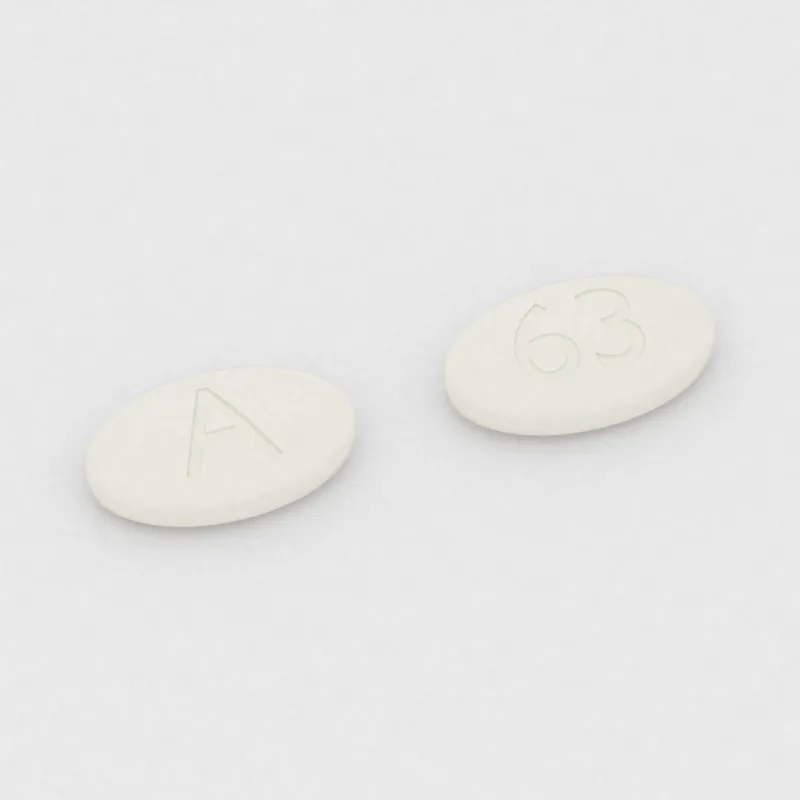
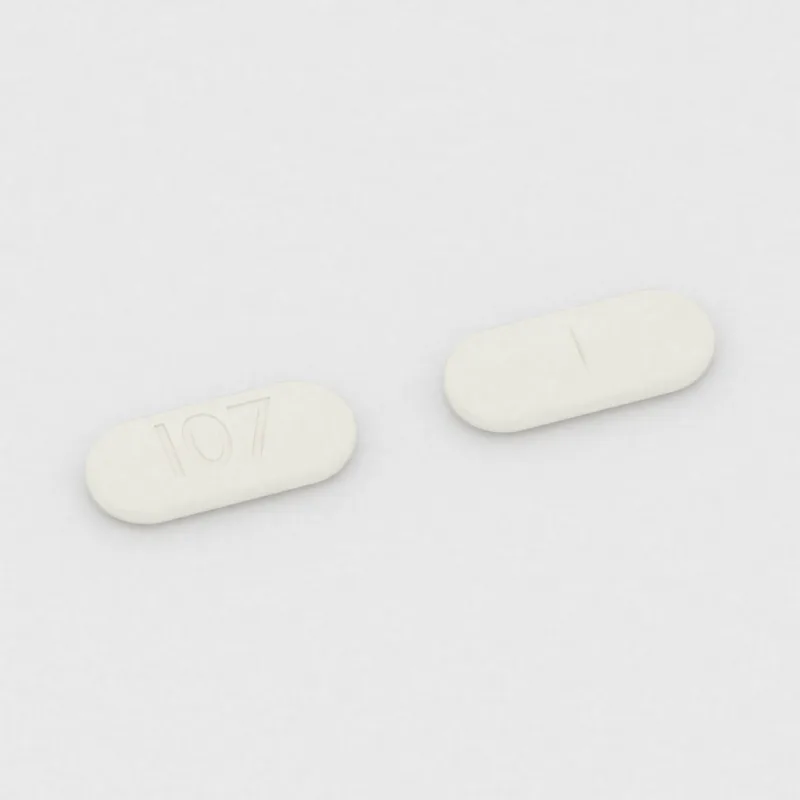
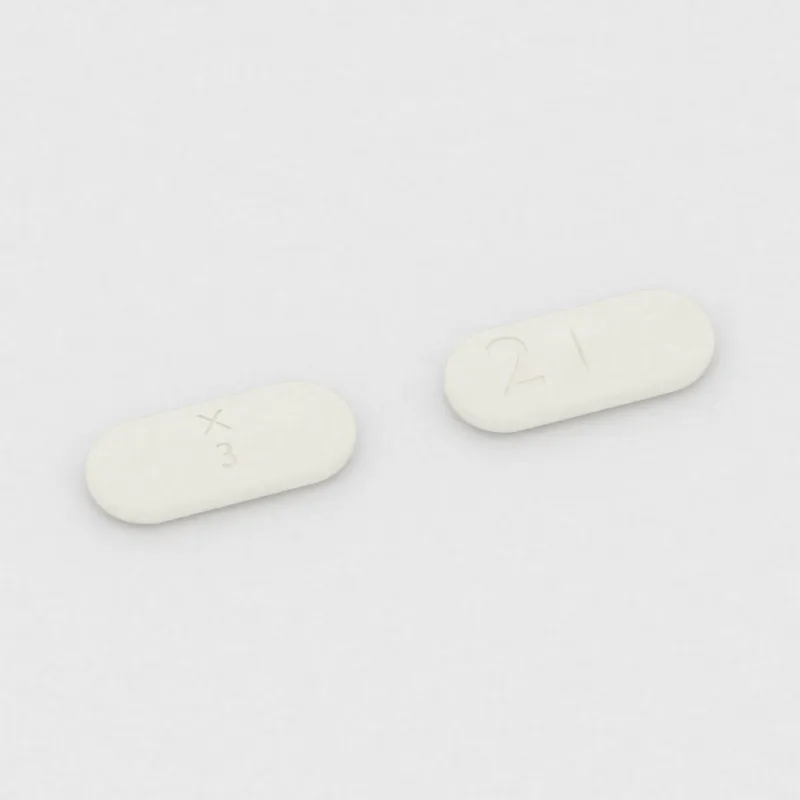
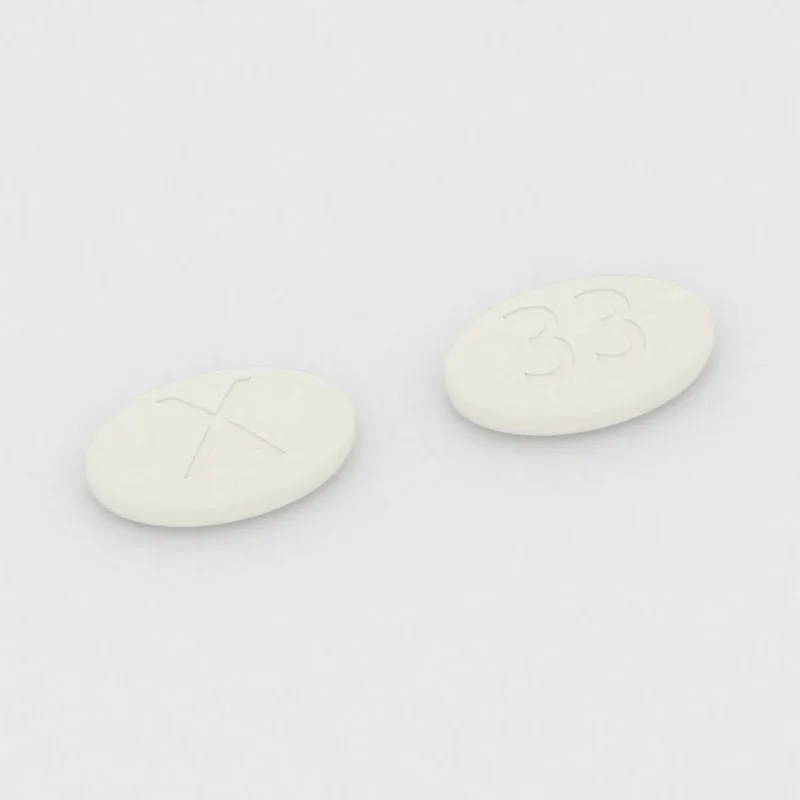
Renderings from the FDA labels' product listings: color, shape, size, and imprint. 18 documented versions from 8 labelers.
Interactions from the label
Major interactions (38)
History of a serious hypersensitivity reaction (e.g., anaphylaxis or Stevens-Johnson syndrome) to AUGMENTIN or to other beta‑lactams (e.g., penicillins or cephalosporins). (Amoxicillin and clavulanate label, Contraindications)
History of a serious hypersensitivity reaction (e.g., anaphylaxis or Stevens-Johnson syndrome) to AUGMENTIN or to other beta‑lactams (e.g., penicillins or cephalosporins). (Amoxicillin and clavulanate label, Contraindications)
History of a serious hypersensitivity reaction (e.g., anaphylaxis or Stevens-Johnson syndrome) to AUGMENTIN or to other beta‑lactams (e.g., penicillins or cephalosporins). (Amoxicillin and clavulanate label, Contraindications)
• Cardiovascular Death: Some observational studies have shown an approximately two-fold increased short-term potential risk of acute cardiovascular death in adults exposed to azithromycin relative to other antibacterial drugs, including amoxicillin. (Azithromycin label, Warnings and precautions)
History of a serious hypersensitivity reaction (e.g., anaphylaxis or Stevens-Johnson syndrome) to AUGMENTIN or to other beta‑lactams (e.g., penicillins or cephalosporins). (Amoxicillin and clavulanate label, Contraindications)
History of a serious hypersensitivity reaction (e.g., anaphylaxis or Stevens-Johnson syndrome) to AUGMENTIN or to other beta‑lactams (e.g., penicillins or cephalosporins). (Amoxicillin and clavulanate label, Contraindications)
History of a serious hypersensitivity reaction (e.g., anaphylaxis or Stevens-Johnson syndrome) to AUGMENTIN or to other beta‑lactams (e.g., penicillins or cephalosporins). (Amoxicillin and clavulanate label, Contraindications)
History of a serious hypersensitivity reaction (e.g., anaphylaxis or Stevens-Johnson syndrome) to AUGMENTIN or to other beta‑lactams (e.g., penicillins or cephalosporins). (Amoxicillin and clavulanate label, Contraindications)
History of a serious hypersensitivity reaction (e.g., anaphylaxis or Stevens-Johnson syndrome) to AUGMENTIN or to other beta‑lactams (e.g., penicillins or cephalosporins). (Amoxicillin and clavulanate label, Contraindications)
History of a serious hypersensitivity reaction (e.g., anaphylaxis or Stevens-Johnson syndrome) to AUGMENTIN or to other beta‑lactams (e.g., penicillins or cephalosporins). (Amoxicillin and clavulanate label, Contraindications)
History of a serious hypersensitivity reaction (e.g., anaphylaxis or Stevens-Johnson syndrome) to AUGMENTIN or to other beta‑lactams (e.g., penicillins or cephalosporins). (Amoxicillin and clavulanate label, Contraindications)
History of a serious hypersensitivity reaction (e.g., anaphylaxis or Stevens-Johnson syndrome) to AUGMENTIN or to other beta‑lactams (e.g., penicillins or cephalosporins). (Amoxicillin and clavulanate label, Contraindications)
History of a serious hypersensitivity reaction (e.g., anaphylaxis or Stevens-Johnson syndrome) to AUGMENTIN or to other beta‑lactams (e.g., penicillins or cephalosporins). (Amoxicillin and clavulanate label, Contraindications)
History of a serious hypersensitivity reaction (e.g., anaphylaxis or Stevens-Johnson syndrome) to AUGMENTIN or to other beta‑lactams (e.g., penicillins or cephalosporins). (Amoxicillin and clavulanate label, Contraindications)
History of a serious hypersensitivity reaction (e.g., anaphylaxis or Stevens-Johnson syndrome) to AUGMENTIN or to other beta‑lactams (e.g., penicillins or cephalosporins). (Amoxicillin and clavulanate label, Contraindications)
History of a serious hypersensitivity reaction (e.g., anaphylaxis or Stevens-Johnson syndrome) to AUGMENTIN or to other beta‑lactams (e.g., penicillins or cephalosporins). (Amoxicillin and clavulanate label, Contraindications)
History of a serious hypersensitivity reaction (e.g., anaphylaxis or Stevens-Johnson syndrome) to AUGMENTIN or to other beta‑lactams (e.g., penicillins or cephalosporins). (Amoxicillin and clavulanate label, Contraindications)
History of a serious hypersensitivity reaction (e.g., anaphylaxis or Stevens-Johnson syndrome) to AUGMENTIN or to other beta‑lactams (e.g., penicillins or cephalosporins). (Amoxicillin and clavulanate label, Contraindications)
History of a serious hypersensitivity reaction (e.g., anaphylaxis or Stevens-Johnson syndrome) to AUGMENTIN or to other beta‑lactams (e.g., penicillins or cephalosporins). (Amoxicillin and clavulanate label, Contraindications)
History of a serious hypersensitivity reaction (e.g., anaphylaxis or Stevens-Johnson syndrome) to AUGMENTIN or to other beta‑lactams (e.g., penicillins or cephalosporins). (Amoxicillin and clavulanate label, Contraindications)
Since bacteriostatic drugs may interfere with the bactericidal action of penicillins, it is advisable to avoid giving tetracycline-class drugs in conjunction with penicillin. (Demeclocycline label, Drug interactions)
History of a serious hypersensitivity reaction (e.g., anaphylaxis or Stevens-Johnson syndrome) to AUGMENTIN or to other beta‑lactams (e.g., penicillins or cephalosporins). (Amoxicillin and clavulanate label, Contraindications)
Avoid co-administration of tetracyclines with penicillin. (Doxycycline label, Drug interactions)
INVANZ is contraindicated in patients with known hypersensitivity to any component of this product or to other drugs in the same class or in patients who have demonstrated anaphylactic reactions to beta-lactams. (Ertapenem label, Contraindications)
• For information about contraindications of amoxicillin and clarithromycin, indicated in combination with NEXIUM for H. pylori eradication to reduce the risk of duodenal ulcer recurrence, refer to the Contraindications section of the respective prescribing information. (Esomeprazole label, Contraindications)
Hypersensitivity Reactions: Serious and occasionally fatal hypersensitivity (anaphylactic) reactions have been reported in patients receiving therapy with beta-lactams. (Imipenem and cilastatin label, Warnings and precautions)
For information about contraindications of antibacterial agents (clarithromycin and amoxicillin) indicated in combination with PREVACID or PREVACID SoluTab, refer to the Contraindications section of their prescribing information. (Lansoprazole label, Contraindications)
Penicillin Because bacteriostatic drugs may interfere with the bactericidal action of penicillin, avoid giving EMROSI in conjunction with penicillin. (Minocycline label, Drug interactions)
History of a serious hypersensitivity reaction (e.g., anaphylaxis or Stevens-Johnson syndrome) to AUGMENTIN or to other beta‑lactams (e.g., penicillins or cephalosporins). (Amoxicillin and clavulanate label, Contraindications)
• For information about contraindications of antibacterial agents (clarithromycin and amoxicillin) indicated in combination with PRILOSEC, refer to the CONTRAINDICATIONS section of their package inserts. (Omeprazole label, Contraindications)
History of a serious hypersensitivity reaction (e.g., anaphylaxis or Stevens-Johnson syndrome) to AUGMENTIN or to other beta‑lactams (e.g., penicillins or cephalosporins). (Amoxicillin and clavulanate label, Contraindications)
History of a serious hypersensitivity reaction (e.g., anaphylaxis or Stevens-Johnson syndrome) to AUGMENTIN or to other beta‑lactams (e.g., penicillins or cephalosporins). (Amoxicillin and clavulanate label, Contraindications)
History of a serious hypersensitivity reaction (e.g., anaphylaxis or Stevens-Johnson syndrome) to AUGMENTIN or to other beta‑lactams (e.g., penicillins or cephalosporins). (Amoxicillin and clavulanate label, Contraindications)
History of a serious hypersensitivity reaction (e.g., anaphylaxis or Stevens-Johnson syndrome) to AUGMENTIN or to other beta‑lactams (e.g., penicillins or cephalosporins). (Amoxicillin and clavulanate label, Contraindications)
- ProbenecidMajor
Co-administration with probenecid is not recommended. (Amoxicillin and clavulanate label, Drug interactions)
Co-administration with probenecid is not recommended. (Amoxicillin and clavulanate label, Drug interactions)
For information about contraindications of antibacterial agents (clarithromycin and amoxicillin) indicated in combination with ACIPHEX delayed-release tablets, refer to the Contraindications section of their package inserts. (Rabeprazole label, Contraindications)
Drug Interactions Since bacteriostatic drugs may interfere with the bactericidal action of penicillin, it is advisable to avoid giving tetracycline in conjunction with penicillin or other bactericidal antibacterials. (Tetracycline label, Drug interactions)
Moderate interactions (61)
Co-administration with allopurinol increases the risk of rash. (Amoxicillin and clavulanate label, Drug interactions)
Concomitant use Amoxicillin and Clavulanate Potassium Extended Release Tablets and oral anticoagulants may increase the prolongation of prothrombin time. (Amoxicillin and clavulanate label, Drug interactions)
Concomitant use Amoxicillin and Clavulanate Potassium Extended Release Tablets and oral anticoagulants may increase the prolongation of prothrombin time. (Amoxicillin and clavulanate label, Drug interactions)
Use caution when CAYSTON is administered to patients with a known allergic reaction to beta-lactams. (Aztreonam label, Warnings and precautions)
Risk factors for developing acute angle-closure glaucoma may include a history of sulfonamide or penicillin allergy. (Benazepril and hydrochlorothiazide label, Warnings)
Risk factors for developing acute angle-closure glaucoma may include a history of sulfonamide or penicillin allergy. (Bisoprolol and hydrochlorothiazide label, Warnings)
Concomitant use Amoxicillin and Clavulanate Potassium Extended Release Tablets and oral anticoagulants may increase the prolongation of prothrombin time. (Amoxicillin and clavulanate label, Drug interactions)
Risk factors for developing acute angle-closure glaucoma may include a history of sulfonamide or penicillin allergy. (Candesartan and hydrochlorothiazide label, Warnings)
Drug Interactions Cholestyramine for Oral Suspension USP may delay or reduce the absorption of concomitant oral medication such as phenylbutazone, warfarin, thiazide diuretics (acidic), or propranolol (basic), as well as tetracycline, penicillin G, phenobarbital, thyroid and thyroxine preparations, estrogens and progestins, and digitalis. (Cholestyramine label, Drug interactions)
The absorption of tetracycline, furosemide, penicillin G, hydrochlorothiazide, and gemfibrozil was significantly decreased when given simultaneously with colestipol hydrochloride; these drugs were not tested to determine the effect of administration one hour before colestipol hydrochloride. (Colestipol label, Drug interactions)
Amoxicillin and Clavulanate Potassium Extended Release Tablets may reduce efficacy of oral contraceptives. (Amoxicillin and clavulanate label, Drug interactions)
Amoxicillin and Clavulanate Potassium Extended Release Tablets may reduce efficacy of oral contraceptives. (Amoxicillin and clavulanate label, Drug interactions)
Concomitant use Amoxicillin and Clavulanate Potassium Extended Release Tablets and oral anticoagulants may increase the prolongation of prothrombin time. (Amoxicillin and clavulanate label, Drug interactions)
Amoxicillin and Clavulanate Potassium Extended Release Tablets may reduce efficacy of oral contraceptives. (Amoxicillin and clavulanate label, Drug interactions)
Drugs that Cause Hypokalemia The risk of hypokalemia is greater with coadministration of KEVEYIS and other drugs that can cause hypokalemia (e.g., loop diuretics, thiazide diuretics, laxatives, antifungals, penicillins, and theophylline) [see Warnings and Precautions (5.3) ] . (Dichlorphenamide label, Drug interactions)
Amoxicillin and Clavulanate Potassium Extended Release Tablets may reduce efficacy of oral contraceptives. (Amoxicillin and clavulanate label, Drug interactions)
Concomitant use Amoxicillin and Clavulanate Potassium Extended Release Tablets and oral anticoagulants may increase the prolongation of prothrombin time. (Amoxicillin and clavulanate label, Drug interactions)
Risk factors for developing acute angle-closure glaucoma may include a history of sulfonamide or penicillin allergy. (Enalapril and hydrochlorothiazide label, Warnings)
Concomitant use Amoxicillin and Clavulanate Potassium Extended Release Tablets and oral anticoagulants may increase the prolongation of prothrombin time. (Amoxicillin and clavulanate label, Drug interactions)
Amoxicillin and Clavulanate Potassium Extended Release Tablets may reduce efficacy of oral contraceptives. (Amoxicillin and clavulanate label, Drug interactions)
Following administration of amoxicillin to pregnant women, a transient decrease in plasma concentration of total conjugated estriol, estriol-glucuronide, conjugated estrone, and estradiol has been noted. (Amoxicillin and clavulanate label, Drug interactions)
Following administration of amoxicillin to pregnant women, a transient decrease in plasma concentration of total conjugated estriol, estriol-glucuronide, conjugated estrone, and estradiol has been noted. (Amoxicillin and clavulanate label, Drug interactions)
Following administration of amoxicillin to pregnant women, a transient decrease in plasma concentration of total conjugated estriol, estriol-glucuronide, conjugated estrone, and estradiol has been noted. (Amoxicillin and clavulanate label, Drug interactions)
Amoxicillin and Clavulanate Potassium Extended Release Tablets may reduce efficacy of oral contraceptives. (Amoxicillin and clavulanate label, Drug interactions)
Amoxicillin and Clavulanate Potassium Extended Release Tablets may reduce efficacy of oral contraceptives. (Amoxicillin and clavulanate label, Drug interactions)
Concomitant use Amoxicillin and Clavulanate Potassium Extended Release Tablets and oral anticoagulants may increase the prolongation of prothrombin time. (Amoxicillin and clavulanate label, Drug interactions)
Amoxicillin and Clavulanate Potassium Extended Release Tablets may reduce efficacy of oral contraceptives. (Amoxicillin and clavulanate label, Drug interactions)
Concomitant use Amoxicillin and Clavulanate Potassium Extended Release Tablets and oral anticoagulants may increase the prolongation of prothrombin time. (Amoxicillin and clavulanate label, Drug interactions)
Risk factors for developing acute angle-closure glaucoma may include a history of sulfonamide or penicillin allergy. (Hydrochlorothiazide label, Warnings and precautions)
Risk factors for developing acute angle-closure glaucoma may include a history of sulfonamide or penicillin allergy. (Irbesartan and hydrochlorothiazide label, Warnings and precautions)
In patients taking ARAVA, exposure of drugs which are OAT3 substrates (e.g., cefaclor, cimetidine, ciprofloxacin, penicillin G, ketoprofen, furosemide, methotrexate, zidovudine) may be increased. (Leflunomide label, Drug interactions)
Amoxicillin and Clavulanate Potassium Extended Release Tablets may reduce efficacy of oral contraceptives. (Amoxicillin and clavulanate label, Drug interactions)
Amoxicillin and Clavulanate Potassium Extended Release Tablets may reduce efficacy of oral contraceptives. (Amoxicillin and clavulanate label, Drug interactions)
Risk factors for developing acute angle-closure glaucoma may include a history of sulfonamide or penicillin allergy. (Lisinopril and hydrochlorothiazide label, Warnings)
Risk factors for developing acute angle-closure glaucoma may include a history of sulfonamide or penicillin allergy. (Losartan and hydrochlorothiazide label, Warnings and precautions)
Amoxicillin and Clavulanate Potassium Extended Release Tablets may reduce efficacy of oral contraceptives. (Amoxicillin and clavulanate label, Drug interactions)
Amoxicillin and Clavulanate Potassium Extended Release Tablets may reduce efficacy of oral contraceptives. (Amoxicillin and clavulanate label, Drug interactions)
Effect of Other Drugs on XATMEP Oral Antibiotics Penicillins may reduce the renal clearance of methotrexate; increased serum concentrations of methotrexate with concomitant hematologic and gastrointestinal toxicity have been observed with methotrexate. (Methotrexate label, Drug interactions)
Risk factors for developing acute angle-closure glaucoma may include a history of sulfonamide or penicillin allergy. (Metoprolol and hydrochlorothiazide label, Warnings and precautions)
Amoxicillin and Clavulanate Potassium Extended Release Tablets may reduce efficacy of oral contraceptives. (Amoxicillin and clavulanate label, Drug interactions)
Examples Cyclosporine A, trimethoprim/sulfamethoxazole, bile acid sequestrants (cholestyramine), rifampin as well as aminoglycoside, cephalosporin, fluoroquinolone and penicillin classes of antimicrobials Drugs Modulating Glucuronidation Clinical Impact Concomitant use with drugs inducing glucuronidation decreases MPA systemic exposure, potentially reducing mycophenolate… (Mycophenolate label, Drug interactions)
Amoxicillin and Clavulanate Potassium Extended Release Tablets may reduce efficacy of oral contraceptives. (Amoxicillin and clavulanate label, Drug interactions)
Amoxicillin and Clavulanate Potassium Extended Release Tablets may reduce efficacy of oral contraceptives. (Amoxicillin and clavulanate label, Drug interactions)
Amoxicillin and Clavulanate Potassium Extended Release Tablets may reduce efficacy of oral contraceptives. (Amoxicillin and clavulanate label, Drug interactions)
Amoxicillin and Clavulanate Potassium Extended Release Tablets may reduce efficacy of oral contraceptives. (Amoxicillin and clavulanate label, Drug interactions)
Amoxicillin and Clavulanate Potassium Extended Release Tablets may reduce efficacy of oral contraceptives. (Amoxicillin and clavulanate label, Drug interactions)
Risk factors for developing acute angle-closure glaucoma may include a history of sulfonamide or penicillin allergy. (Olmesartan and hydrochlorothiazide label, Warnings and precautions)
Risk factors for developing acute angle-closure glaucoma may include a history of sulfonamide or penicillin allergy. (Olmesartan, amlodipine, and hydrochlorothiazide label, Warnings and precautions)
Amoxicillin and Clavulanate Potassium Extended Release Tablets may reduce efficacy of oral contraceptives. (Amoxicillin and clavulanate label, Drug interactions)
- ProtamineModerate
Drug Interactions Protamine sulfate has been shown to be incompatible with certain antibiotics, including several of the cephalosporins and penicillins (see DOSAGE AND ADMINISTRATION ). (Protamine label, Precautions)
Risk factors for developing acute angle-closure glaucoma may include a history of sulfonamide or penicillin allergy. (Quinapril and hydrochlorothiazide label, Warnings)
Concomitant use Amoxicillin and Clavulanate Potassium Extended Release Tablets and oral anticoagulants may increase the prolongation of prothrombin time. (Amoxicillin and clavulanate label, Drug interactions)
Salicylate competes with a number of drugs for protein binding sites, notably penicillin, thiopental, thyroxine, triiodothyronine, phenytoin, sulfinpyrazone, naproxen, warfarin, methotrexate, and possibly corticosteroids. [When Salsalate tablets, USP are administered with aspirin, its protein binding is reduced, although the clearance of free Salsalate tablets,… (Salsalate label, Drug interactions)
Risk factors for developing acute angle-closure glaucoma may include a history of sulfonamide or penicillin allergy. (Spironolactone and hydrochlorothiazide label, Warnings)
Drugs that May Enhance the Neuromuscular Blocking Action of Succinylcholine : promazine, oxytocin, aprotinin, certain non-penicillin antibiotics, quinidine, β-adrenergic blockers, procainamide, lidocaine, trimethaphan, lithium carbonate, magnesium salts, quinine, chloroquine, isoflurane, desflurane, metoclopramide, terbutaline, and drugs that reduce plasma cholinesterase… (Succinylcholine label, Drug interactions)
Risk factors for developing acute angle-closure glaucoma may include a history of sulfonamide or penicillin allergy. (Telmisartan and hydrochlorothiazide label, Warnings and precautions)
In patients taking AUBAGIO, exposure of drugs which are OAT3 substrates (e.g., cefaclor, cimetidine, ciprofloxacin, penicillin G, ketoprofen, furosemide, methotrexate, zidovudine) may be increased. (Teriflunomide label, Drug interactions)
…from blood bank (may contain up to 30 mEq of potassium per liter of plasma or up to 65 mEq per liter of whole blood when stored for more than 10 days); low-salt milk (may contain up to 60 mEq of potassium per liter); potassium-containing medications (such as parenteral penicillin G potassium); salt substitutes (most contain substantial amounts of potassium). (Triamterene label, Drug interactions)
Risk factors for developing acute angle-closure glaucoma may include a history of sulfonamide or penicillin allergy. (Triamterene and hydrochlorothiazide label, Warnings)
Risk factors for developing acute angle-closure glaucoma may include a history of sulfonamide or penicillin allergy. (Valsartan and hydrochlorothiazide label, Warnings and precautions)
Concomitant use Amoxicillin and Clavulanate Potassium Extended Release Tablets and oral anticoagulants may increase the prolongation of prothrombin time. (Amoxicillin and clavulanate label, Drug interactions)
Minor mentions (6)
Infants born to women treated during pregnancy with oral erythromycin for early syphilis should be treated with an appropriate penicillin regimen. (Erythromycin label, Warnings)
There have been reports of individuals with a history of penicillin hypersensitivity who have experienced severe hypersensitivity reactions when treated with another β-lactam. (Meropenem label, Warnings and precautions)
Oral neomycin inhibits the gastrointestinal absorption of penicillin V, oral vitamin B-12, methotrexate and 5-fluorouracil. (Neomycin label, Drug interactions)
- PenicillamineMinor
Patients who are allergic to penicillin may theoretically have cross-sensitivity to penicillamine. (Penicillamine label, Precautions)
Other Concomitant Medications EVISTA can be concomitantly administered with ampicillin, amoxicillin, antacids, corticosteroids, and digoxin [see Clinical Pharmacology ( 12.3 )] . (Raloxifene label, Drug interactions)
Some antibiotics such as penicillin may compete with phenylacetylglutamine and hippurate for active secretion by renal tubules, which may affect the overall disposition of the infused drug. (Sodium phenylacetate and sodium benzoate label, Drug interactions)
No significant interaction reported (3)
…Drugs That Produce No Clinically Significant Interaction With Theophylline Refer to PRECAUTIONS , Drug Interactions for information regarding table. albuterol, systemic and inhaled amoxicillin ampicillin, with or without sulbactam atenolol azithromycin caffeine, dietary ingestion cefaclor co-trimoxazole (trimethoprim and sulfamethoxazole) diltiazem dirithromycin… (Aminophylline label, Drug interactions)
Drugs Without Clinically Significant Drug Interaction with TAMIFLU No dose adjustments are needed for either oseltamivir or the concomitant drug when coadministering oseltamivir with amoxicillin, acetaminophen, aspirin, cimetidine, antacids (magnesium and aluminum hydroxides and calcium carbonates), rimantadine, amantadine, or warfarin [see Clinical Pharmacology… (Oseltamivir label, Drug interactions)
…have been documented not to interact with theophylline or drugs that produce no clinically significant interaction with theophylline.* albuterol, systemic and inhaled mebendazole amoxicillin medroxyprogesterone ampicillin, with or without methylprednisolone sulbactam metronidazole atenolol metoprolol azithromycin nadolol caffeine, dietary ingestion nifedipine… (Theophylline label, Drug interactions)
Check Amoxicillin and clavulanate against everything you take. Add your full list; every pair is checked at once.
Open in the checkerNot medical advice. Severity reflects the label's wording, not your circumstances. A "major" flag can be routine under supervision and a "minor" one can matter at high doses. Ask a pharmacist.