
Bupropion interactions
Bupropion (Wellbutrin, Zyban, Aplenzin), an antidepressant has 398 documented interactions across the FDA labels and fact sheets we index: 92 major, 207 moderate, 98 minor, and 1 where a label reports no significant interaction. Each entry below quotes the sentence behind it. This drug page is a starting point, not a verdict for your situation.
What Bupropion looks like
All 57 versions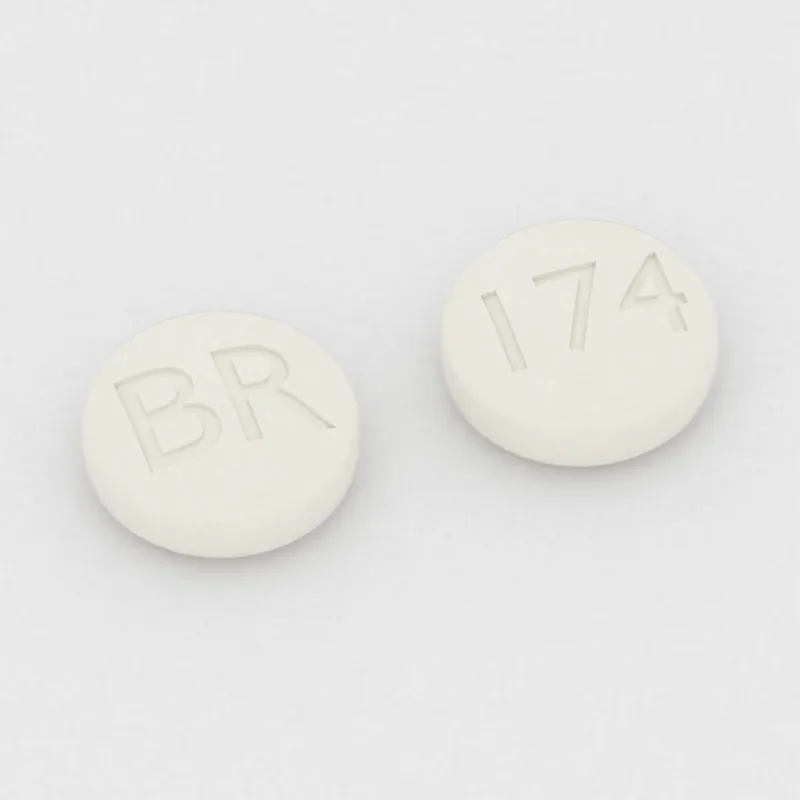
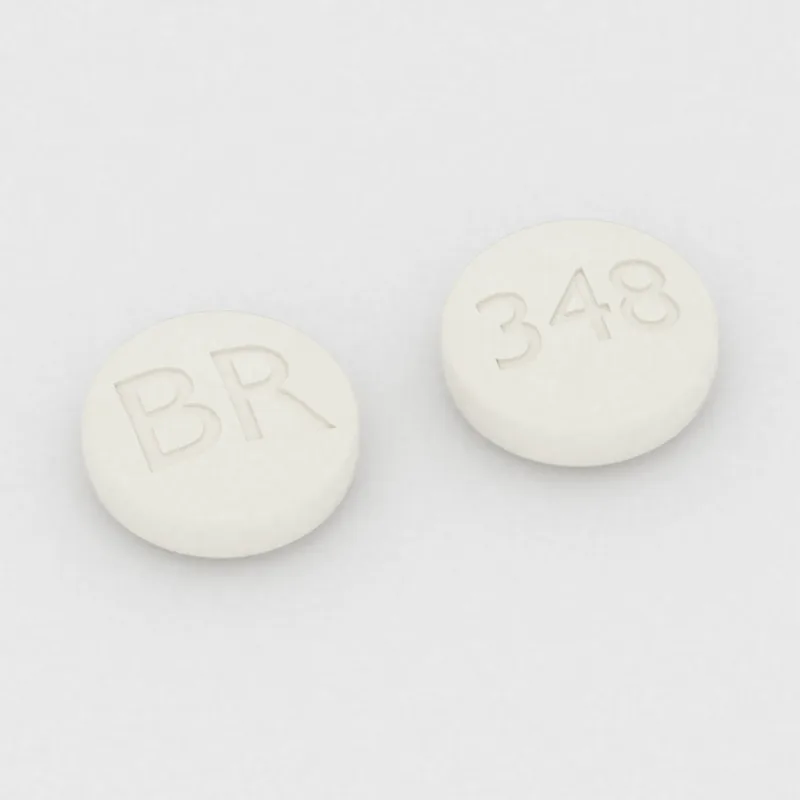
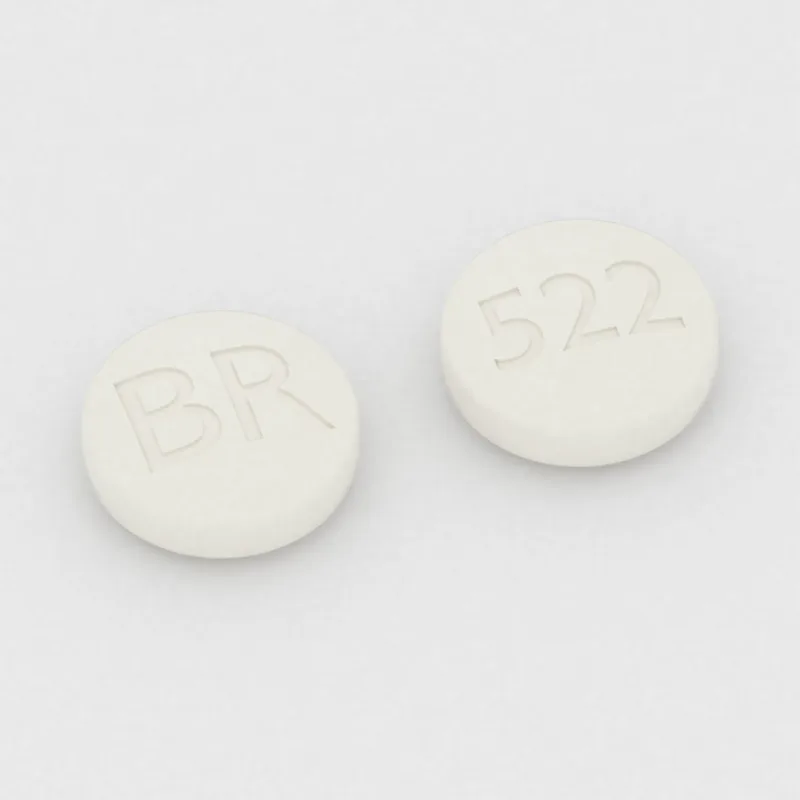

Renderings from the FDA labels' product listings: color, shape, size, and imprint. 57 documented versions from 32 labelers.
Interactions from the label
Major interactions (92)
Interactions with Drugs Affecting Cytochrome P450 Isoenzymes The effects of concomitant use or discontinuation of cytochrome P450 3A4 inducers, 3A4 inhibitors, or 2D6 inhibitors with codeine are complex. (Acetaminophen and codeine label, Boxed warning)
Bupropion hydrochloride extended-release tablets (XL) are contraindicated in patients undergoing abrupt discontinuation of alcohol, benzodiazepines, barbiturates, and antiepileptic drugs [see Warnings and Precautions (5.3) and Drug Interactions (7.3)] . (Bupropion label, Contraindications)
Bupropion hydrochloride extended-release tablets (XL) are contraindicated in patients undergoing abrupt discontinuation of alcohol, benzodiazepines, barbiturates, and antiepileptic drugs [see Warnings and Precautions (5.3) and Drug Interactions (7.3)] . (Bupropion label, Contraindications)
Anyone considering the use of amitriptyline hydrochloride tablets or any other antidepressant in a child, adolescent, or young adult must balance this risk with the clinical need. (Amitriptyline label, Boxed warning)
Anyone considering the use of amoxapine or any other antidepressant in a child, adolescent, or young adult must balance this risk with the clinical need. (Amoxapine label, Boxed warning)
If concomitant use of DYANAVEL XR with other serotonergic drugs or CYP2D6 inhibitors is clinically warranted, initiate DYANAVEL XR with lower doses, monitor patients for the emergence of serotonin syndrome during drug initiation or titration, and inform patients of the increased risk for serotonin syndrome. (Amphetamine label, Warnings and precautions)
If serotonin syndrome occurs, discontinue ADDERALL XR and the CYP2D6 inhibitor [see Warnings and Precautions ( 5.8 ), Overdosage ( 10 )] . (Amphetamine and dextroamphetamine label, Drug interactions)
Bupropion hydrochloride extended-release tablets (XL) are contraindicated in patients undergoing abrupt discontinuation of alcohol, benzodiazepines, barbiturates, and antiepileptic drugs [see Warnings and Precautions (5.3) and Drug Interactions (7.3)] . (Bupropion label, Contraindications)
Bupropion hydrochloride extended-release tablets (XL) are contraindicated in patients undergoing abrupt discontinuation of alcohol, benzodiazepines, barbiturates, and antiepileptic drugs [see Warnings and Precautions (5.3) and Drug Interactions (7.3)] . (Bupropion label, Contraindications)
Bupropion hydrochloride extended-release tablets (XL) are contraindicated in patients undergoing abrupt discontinuation of alcohol, benzodiazepines, barbiturates, and antiepileptic drugs [see Warnings and Precautions (5.3) and Drug Interactions (7.3)] . (Bupropion label, Contraindications)
Bupropion hydrochloride extended-release tablets (XL) are contraindicated in patients undergoing abrupt discontinuation of alcohol, benzodiazepines, barbiturates, and antiepileptic drugs [see Warnings and Precautions (5.3) and Drug Interactions (7.3)] . (Bupropion label, Contraindications)
Bupropion hydrochloride extended-release tablets (XL) are contraindicated in patients undergoing abrupt discontinuation of alcohol, benzodiazepines, barbiturates, and antiepileptic drugs [see Warnings and Precautions (5.3) and Drug Interactions (7.3)] . (Bupropion label, Contraindications)
Bupropion hydrochloride extended-release tablets (XL) are contraindicated in patients undergoing abrupt discontinuation of alcohol, benzodiazepines, barbiturates, and antiepileptic drugs [see Warnings and Precautions (5.3) and Drug Interactions (7.3)] . (Bupropion label, Contraindications)
Bupropion hydrochloride extended-release tablets (XL) are contraindicated in patients undergoing abrupt discontinuation of alcohol, benzodiazepines, barbiturates, and antiepileptic drugs [see Warnings and Precautions (5.3) and Drug Interactions (7.3)] . (Bupropion label, Contraindications)
Bupropion hydrochloride extended-release tablets (XL) are contraindicated in patients undergoing abrupt discontinuation of alcohol, benzodiazepines, barbiturates, and antiepileptic drugs [see Warnings and Precautions (5.3) and Drug Interactions (7.3)] . (Bupropion label, Contraindications)
Bupropion hydrochloride extended-release tablets (XL) are contraindicated in patients undergoing abrupt discontinuation of alcohol, benzodiazepines, barbiturates, and antiepileptic drugs [see Warnings and Precautions (5.3) and Drug Interactions (7.3)] . (Bupropion label, Contraindications)
Bupropion hydrochloride extended-release tablets (XL) are contraindicated in patients undergoing abrupt discontinuation of alcohol, benzodiazepines, barbiturates, and antiepileptic drugs [see Warnings and Precautions (5.3) and Drug Interactions (7.3)] . (Bupropion label, Contraindications)
Bupropion hydrochloride extended-release tablets (XL) are contraindicated in patients undergoing abrupt discontinuation of alcohol, benzodiazepines, barbiturates, and antiepileptic drugs [see Warnings and Precautions (5.3) and Drug Interactions (7.3)] . (Bupropion label, Contraindications)
Bupropion hydrochloride extended-release tablets (XL) are contraindicated in patients undergoing abrupt discontinuation of alcohol, benzodiazepines, barbiturates, and antiepileptic drugs [see Warnings and Precautions (5.3) and Drug Interactions (7.3)] . (Bupropion label, Contraindications)
Anyone considering the use of clomipramine hydrochloride or any other antidepressant in a child, adolescent, or young adult must balance this risk with the clinical need. (Clomipramine label, Boxed warning)
Bupropion hydrochloride extended-release tablets (XL) are contraindicated in patients undergoing abrupt discontinuation of alcohol, benzodiazepines, barbiturates, and antiepileptic drugs [see Warnings and Precautions (5.3) and Drug Interactions (7.3)] . (Bupropion label, Contraindications)
Coadministration of bupropion hydrochloride extended-release tablets (XL) with ticlopidine or clopidogrel is not recommended (7.1). (Bupropion label, Drug interactions)
Bupropion hydrochloride extended-release tablets (XL) are contraindicated in patients undergoing abrupt discontinuation of alcohol, benzodiazepines, barbiturates, and antiepileptic drugs [see Warnings and Precautions (5.3) and Drug Interactions (7.3)] . (Bupropion label, Contraindications)
Interactions with Drugs Affecting Cytochrome P450 Isoenzymes The effects of concomitant use or discontinuation of cytochrome P450 3A4 inducers, 3A4 inhibitors, or 2D6 inhibitors with codeine are complex. (Codeine label, Boxed warning)
Postmarketing cases of serotonin syndrome have been reported with the concomitant use of oral cyclobenzaprine and other drugs, such as SSRIs, SNRIs, TCAs, tramadol, bupropion, meperidine, verapamil, or MAO inhibitors [see Warnings and Precautions (5.2) ] . (Cyclobenzaprine label, Drug interactions)
Anyone considering the use of NORPRAMIN or any other antidepressant in a child, adolescent, or young adult must balance this risk with the clinical need. (Desipramine label, Boxed warning)
If serotonin syndrome occurs, discontinue dextroamphetamine sulfate and the CYP2D6 inhibitor [see Warnings , Overdosage ]. (Dextroamphetamine label, Drug interactions)
Serotonin syndrome: Use of NUEDEXTA with selective serotonin reuptake inhibitor (SSRIs) or tricyclic antidepressants increases the risk. (Dextromethorphan and quinidine label, Warnings and precautions)
Bupropion hydrochloride extended-release tablets (XL) are contraindicated in patients undergoing abrupt discontinuation of alcohol, benzodiazepines, barbiturates, and antiepileptic drugs [see Warnings and Precautions (5.3) and Drug Interactions (7.3)] . (Bupropion label, Contraindications)
Bupropion hydrochloride extended-release tablets (XL) are contraindicated in patients undergoing abrupt discontinuation of alcohol, benzodiazepines, barbiturates, and antiepileptic drugs [see Warnings and Precautions (5.3) and Drug Interactions (7.3)] . (Bupropion label, Contraindications)
…(12.3) ] • Concomitant use of drugs or herbal products that prolong the QT interval and might increase the risk of torsade de pointes, such as phenothiazine antipsychotics, tricyclic antidepressants, certain oral macrolide antibiotics, and Class I and III antiarrhythmics • Liver or lung toxicity related to the previous use of amiodarone • QTc interval >500 ms or… (Dronedarone label, Contraindications)
Bupropion hydrochloride extended-release tablets (XL) are contraindicated in patients undergoing abrupt discontinuation of alcohol, benzodiazepines, barbiturates, and antiepileptic drugs [see Warnings and Precautions (5.3) and Drug Interactions (7.3)] . (Bupropion label, Contraindications)
Bupropion hydrochloride extended-release tablets (XL) are contraindicated in patients undergoing abrupt discontinuation of alcohol, benzodiazepines, barbiturates, and antiepileptic drugs [see Warnings and Precautions (5.3) and Drug Interactions (7.3)] . (Bupropion label, Contraindications)
Bupropion hydrochloride extended-release tablets (XL) are contraindicated in patients undergoing abrupt discontinuation of alcohol, benzodiazepines, barbiturates, and antiepileptic drugs [see Warnings and Precautions (5.3) and Drug Interactions (7.3)] . (Bupropion label, Contraindications)
Bupropion hydrochloride extended-release tablets (XL) are contraindicated in patients undergoing abrupt discontinuation of alcohol, benzodiazepines, barbiturates, and antiepileptic drugs [see Warnings and Precautions (5.3) and Drug Interactions (7.3)] . (Bupropion label, Contraindications)
Bupropion hydrochloride extended-release tablets (XL) are contraindicated in patients undergoing abrupt discontinuation of alcohol, benzodiazepines, barbiturates, and antiepileptic drugs [see Warnings and Precautions (5.3) and Drug Interactions (7.3)] . (Bupropion label, Contraindications)
Anyone considering the use of Fluvoxamine Maleate Tablets or any other antidepressant in a child, adolescent, or young adult must balance this risk with the clinical need. (Fluvoxamine label, Boxed warning)
Bupropion hydrochloride extended-release tablets (XL) are contraindicated in patients undergoing abrupt discontinuation of alcohol, benzodiazepines, barbiturates, and antiepileptic drugs [see Warnings and Precautions (5.3) and Drug Interactions (7.3)] . (Bupropion label, Contraindications)
Bupropion hydrochloride extended-release tablets (XL) are contraindicated in patients undergoing abrupt discontinuation of alcohol, benzodiazepines, barbiturates, and antiepileptic drugs [see Warnings and Precautions (5.3) and Drug Interactions (7.3)] . (Bupropion label, Contraindications)
Avoid the use of Hydrocodone Polistirex and Chlorpheniramine Polistirex while taking a CYP3A4 or CYP2D6 inhibitor. (Hydrocodone and chlorpheniramine label, Drug interactions)
Avoid the use of hydrocodone bitartrate and homatropine methylbromide while taking a CYP3A4 or CYP2D6 inhibitor. (Hydrocodone and homatropine label, Drug interactions)
Anyone considering the use of imipramine hydrochloride or any other antidepressant in a child, adolescent, or young adult must balance this risk with the clinical need. (Imipramine label, Boxed warning)
The use of MAOIs (intended to treat psychiatric disorders) concomitantly with bupropion hydrochloride extended-release tablets (XL) or within 14 days of discontinuing treatment with bupropion hydrochloride extended-release tablets (XL) is contraindicated. (Bupropion label, Contraindications)
Co-administration with eliglustat is contraindicated in poor or intermediate metabolizers of CYP2D6 and in subjects taking strong or moderate CYP2D6 inhibitors. (Itraconazole label, Boxed warning)
Bupropion hydrochloride extended-release tablets (XL) are contraindicated in patients undergoing abrupt discontinuation of alcohol, benzodiazepines, barbiturates, and antiepileptic drugs [see Warnings and Precautions (5.3) and Drug Interactions (7.3)] . (Bupropion label, Contraindications)
Bupropion hydrochloride extended-release tablets (XL) are contraindicated in patients undergoing abrupt discontinuation of alcohol, benzodiazepines, barbiturates, and antiepileptic drugs [see Warnings and Precautions (5.3) and Drug Interactions (7.3)] . (Bupropion label, Contraindications)
Bupropion hydrochloride extended-release tablets (XL) are contraindicated in patients undergoing abrupt discontinuation of alcohol, benzodiazepines, barbiturates, and antiepileptic drugs [see Warnings and Precautions (5.3) and Drug Interactions (7.3)] . (Bupropion label, Contraindications)
Starting bupropion hydrochloride extended-release tablets (XL) in a patient treated with reversible MAOIs such as linezolid or intravenous methylene blue is contraindicated [see Dosage and Administration (2.8), Warnings and Precautions (5.4), and Drug Interactions (7.6)] . (Bupropion label, Contraindications)
If concomitant use of VYVANSE with other serotonergic drugs or CYP2D6 inhibitors is clinically warranted, initiate VYVANSE with lower doses, monitor patients for the emergence of serotonin syndrome during drug initiation or titration, and inform patients of the increased risk for serotonin syndrome. (Lisdexamfetamine label, Warnings and precautions)
Bupropion hydrochloride extended-release tablets (XL) are contraindicated in patients undergoing abrupt discontinuation of alcohol, benzodiazepines, barbiturates, and antiepileptic drugs [see Warnings and Precautions (5.3) and Drug Interactions (7.3)] . (Bupropion label, Contraindications)
Interactions with Drugs Affecting Cytochrome P450 Isoenzymes The concomitant use of METHADOSE with all cytochrome P450 3A4, 2B6, 2C19, 2C9 or 2D6 inhibitors may result in an increase in methadone plasma concentrations, which could cause potentially fatal respiratory depression. (Methadone label, Boxed warning)
If serotonin syndrome occurs, discontinue methamphetamine hydrochloride tablets, USP and the CYP2D6 inhibitor [see Warnings and Precautions 5.8]. (Methamphetamine label, Drug interactions)
Bupropion hydrochloride extended-release tablets (XL) are contraindicated in patients undergoing abrupt discontinuation of alcohol, benzodiazepines, barbiturates, and antiepileptic drugs [see Warnings and Precautions (5.3) and Drug Interactions (7.3)] . (Bupropion label, Contraindications)
Bupropion hydrochloride extended-release tablets (XL) are contraindicated in patients undergoing abrupt discontinuation of alcohol, benzodiazepines, barbiturates, and antiepileptic drugs [see Warnings and Precautions (5.3) and Drug Interactions (7.3)] . (Bupropion label, Contraindications)
Starting bupropion hydrochloride extended-release tablets (XL) in a patient treated with reversible MAOIs such as linezolid or intravenous methylene blue is contraindicated [see Dosage and Administration (2.8), Warnings and Precautions (5.4), and Drug Interactions (7.6)] . (Bupropion label, Contraindications)
CYP2D6 Inhibitors Monitor patients closely when the combination use of CYP2D6 inhibitor and metoprolol cannot be avoided. (Metoprolol label, Drug interactions)
Bupropion hydrochloride extended-release tablets (XL) are contraindicated in patients undergoing abrupt discontinuation of alcohol, benzodiazepines, barbiturates, and antiepileptic drugs [see Warnings and Precautions (5.3) and Drug Interactions (7.3)] . (Bupropion label, Contraindications)
Current use of other bupropion products (4, 5.3) (Bupropion label, Contraindications)
Anyone considering the use of nefazodone hydrochloride tablets or any other antidepressant in a child, adolescent, or young adult must balance this risk with the clinical need. (Nefazodone label, Boxed warning)
Anyone considering the use of nortriptyline hydrochloride or any other antidepressant in a child, adolescent, or young adult must balance this risk with the clinical need. (Nortriptyline label, Boxed warning)
Bupropion hydrochloride extended-release tablets (XL) are contraindicated in patients undergoing abrupt discontinuation of alcohol, benzodiazepines, barbiturates, and antiepileptic drugs [see Warnings and Precautions (5.3) and Drug Interactions (7.3)] . (Bupropion label, Contraindications)
Bupropion hydrochloride extended-release tablets (XL) are contraindicated in patients undergoing abrupt discontinuation of alcohol, benzodiazepines, barbiturates, and antiepileptic drugs [see Warnings and Precautions (5.3) and Drug Interactions (7.3)] . (Bupropion label, Contraindications)
Bupropion hydrochloride extended-release tablets (XL) are contraindicated in patients undergoing abrupt discontinuation of alcohol, benzodiazepines, barbiturates, and antiepileptic drugs [see Warnings and Precautions (5.3) and Drug Interactions (7.3)] . (Bupropion label, Contraindications)
The use of MAOIs (intended to treat psychiatric disorders) concomitantly with bupropion hydrochloride extended-release tablets (XL) or within 14 days of discontinuing treatment with bupropion hydrochloride extended-release tablets (XL) is contraindicated. (Bupropion label, Contraindications)
Bupropion hydrochloride extended-release tablets (XL) are contraindicated in patients undergoing abrupt discontinuation of alcohol, benzodiazepines, barbiturates, and antiepileptic drugs [see Warnings and Precautions (5.3) and Drug Interactions (7.3)] . (Bupropion label, Contraindications)
Bupropion hydrochloride extended-release tablets (XL) are contraindicated in patients undergoing abrupt discontinuation of alcohol, benzodiazepines, barbiturates, and antiepileptic drugs [see Warnings and Precautions (5.3) and Drug Interactions (7.3)] . (Bupropion label, Contraindications)
Bupropion hydrochloride extended-release tablets (XL) are contraindicated in patients undergoing abrupt discontinuation of alcohol, benzodiazepines, barbiturates, and antiepileptic drugs [see Warnings and Precautions (5.3) and Drug Interactions (7.3)] . (Bupropion label, Contraindications)
Bupropion hydrochloride extended-release tablets (XL) are contraindicated in patients undergoing abrupt discontinuation of alcohol, benzodiazepines, barbiturates, and antiepileptic drugs [see Warnings and Precautions (5.3) and Drug Interactions (7.3)] . (Bupropion label, Contraindications)
Concomitant use of pimozide with paroxetine and other strong CYP 2D6 inhibitors is contraindicated (See PRECAUTIONS – DRUG INTERACTIONS ). (Pimozide label, Contraindications)
Bupropion hydrochloride extended-release tablets (XL) are contraindicated in patients undergoing abrupt discontinuation of alcohol, benzodiazepines, barbiturates, and antiepileptic drugs [see Warnings and Precautions (5.3) and Drug Interactions (7.3)] . (Bupropion label, Contraindications)
Bupropion hydrochloride extended-release tablets (XL) are contraindicated in patients undergoing abrupt discontinuation of alcohol, benzodiazepines, barbiturates, and antiepileptic drugs [see Warnings and Precautions (5.3) and Drug Interactions (7.3)] . (Bupropion label, Contraindications)
…prolong, or intensify the sedative action of other central-nervous-system depressants, such as alcohol, sedatives/hypnotics (including barbiturates), narcotics, narcotic analgesics, general anesthetics, tricyclic antidepressants, and tranquilizers; therefore, such agents should be avoided or administered in reduced dosage to patients receiving promethazine HCl. (Promethazine label, Drug interactions)
Interactions with Drugs Affecting Cytochrome P450 Isoenzymes The effects of concomitant use or discontinuation of cytochrome P450 3A4 inducers, 3A4 inhibitors, or 2D6 inhibitors with codeine are complex, requiring careful consideration of the effects on the parent drug, codeine, and the active metabolite, morphine. (Promethazine and codeine label, Boxed warning)
…prolong, or intensify the sedative action of other central-nervous-system depressants, such as alcohol, sedatives/hypnotics (including barbiturates), narcotics, narcotic analgesics, general anesthetics, tricyclic antidepressants, and tranquilizers; therefore, such agents should be avoided or administered in reduced dosage to patients receiving promethazine. (Promethazine and dextromethorphan label, Drug interactions)
Anyone considering the use of protriptyline hydrochloride or any other antidepressant in a child, adolescent, or young adult must balance this risk with the clinical need. (Protriptyline label, Boxed warning)
The use of MAOIs (intended to treat psychiatric disorders) concomitantly with bupropion hydrochloride extended-release tablets (XL) or within 14 days of discontinuing treatment with bupropion hydrochloride extended-release tablets (XL) is contraindicated. (Bupropion label, Contraindications)
Bupropion hydrochloride extended-release tablets (XL) are contraindicated in patients undergoing abrupt discontinuation of alcohol, benzodiazepines, barbiturates, and antiepileptic drugs [see Warnings and Precautions (5.3) and Drug Interactions (7.3)] . (Bupropion label, Contraindications)
The use of MAOIs (intended to treat psychiatric disorders) concomitantly with bupropion hydrochloride extended-release tablets (XL) or within 14 days of discontinuing treatment with bupropion hydrochloride extended-release tablets (XL) is contraindicated. (Bupropion label, Contraindications)
Combining St. John's wort with antidepressants and other serotonergic drugs increases the risk of serotonin syndrome. (NCCIH, St. John's Wort)
Bupropion hydrochloride extended-release tablets (XL) are contraindicated in patients undergoing abrupt discontinuation of alcohol, benzodiazepines, barbiturates, and antiepileptic drugs [see Warnings and Precautions (5.3) and Drug Interactions (7.3)] . (Bupropion label, Contraindications)
Bupropion hydrochloride extended-release tablets (XL) are contraindicated in patients undergoing abrupt discontinuation of alcohol, benzodiazepines, barbiturates, and antiepileptic drugs [see Warnings and Precautions (5.3) and Drug Interactions (7.3)] . (Bupropion label, Contraindications)
Bupropion hydrochloride extended-release tablets (XL) are contraindicated in patients undergoing abrupt discontinuation of alcohol, benzodiazepines, barbiturates, and antiepileptic drugs [see Warnings and Precautions (5.3) and Drug Interactions (7.3)] . (Bupropion label, Contraindications)
The effects of concomitant use or discontinuation of cytochrome P450 3A4 inducers, 3A4 inhibitors, or 2D6 inhibitors with tramadol are complex. (Tramadol label, Boxed warning)
Interactions with Drugs Affecting Cytochrome P450 Isoenzymes The effects of concomitant use or discontinuation of cytochrome P450 3A4 inducers, 3A4 inhibitors, or 2D6 inhibitors with tramadol are complex. (Tramadol and acetaminophen label, Boxed warning)
The use of MAOIs (intended to treat psychiatric disorders) concomitantly with bupropion hydrochloride extended-release tablets (XL) or within 14 days of discontinuing treatment with bupropion hydrochloride extended-release tablets (XL) is contraindicated. (Bupropion label, Contraindications)
Bupropion hydrochloride extended-release tablets (XL) are contraindicated in patients undergoing abrupt discontinuation of alcohol, benzodiazepines, barbiturates, and antiepileptic drugs [see Warnings and Precautions (5.3) and Drug Interactions (7.3)] . (Bupropion label, Contraindications)
Anyone considering the use of trimipramine capsules or any other antidepressant in a child, adolescent, or young adult must balance this risk with the clinical need. (Trimipramine label, Boxed warning)
Bupropion hydrochloride extended-release tablets (XL) are contraindicated in patients undergoing abrupt discontinuation of alcohol, benzodiazepines, barbiturates, and antiepileptic drugs [see Warnings and Precautions (5.3) and Drug Interactions (7.3)] . (Bupropion label, Contraindications)
Anyone considering the use of Venlafaxine Extended Release Tablets or any other antidepressant in a child, adolescent, or young adult must balance this risk with the clinical need. (Venlafaxine label, Boxed warning)
Bupropion hydrochloride extended-release tablets (XL) are contraindicated in patients undergoing abrupt discontinuation of alcohol, benzodiazepines, barbiturates, and antiepileptic drugs [see Warnings and Precautions (5.3) and Drug Interactions (7.3)] . (Bupropion label, Contraindications)
• Risk of serotonin syndrome with concomitant therapy with other serotonergic drugs such as SNRIs, SSRIs, triptans, tricyclic antidepressants, opioids, lithium, tryptophan, buspirone, amphetamines, and St. (Ziprasidone label, Drug interactions)
Bupropion hydrochloride extended-release tablets (XL) are contraindicated in patients undergoing abrupt discontinuation of alcohol, benzodiazepines, barbiturates, and antiepileptic drugs [see Warnings and Precautions (5.3) and Drug Interactions (7.3)] . (Bupropion label, Contraindications)
Moderate interactions (207)
Drugs Metabolized by CYP2D6: Bupropion inhibits CYP2D6 and can increase concentrations of: antidepressants (e.g., venlafaxine, nortriptyline, imipramine, desipramine, paroxetine, fluoxetine, sertraline), antipsychotics (e.g., haloperidol, risperidone, thioridazine), beta-blockers (e.g., metoprolol), and Type 1C antiarrhythmics (e.g., propafenone, flecainide). (Bupropion label, Drug interactions)
Drugs Metabolized by CYP2D6: Bupropion inhibits CYP2D6 and can increase concentrations of: antidepressants (e.g., venlafaxine, nortriptyline, imipramine, desipramine, paroxetine, fluoxetine, sertraline), antipsychotics (e.g., haloperidol, risperidone, thioridazine), beta-blockers (e.g., metoprolol), and Type 1C antiarrhythmics (e.g., propafenone, flecainide). (Bupropion label, Drug interactions)
Monoamine oxidase inhibitors and tricyclic antidepressants: Use with extreme caution. (Albuterol label, Drug interactions)
…also increase the risk of seizure: concomitant use of other medications that lower the seizure threshold (e.g., other bupropion products, antipsychotics, tricyclic antidepressants, theophylline, and systemic corticosteroids), metabolic disorders (e.g., hypoglycemia, hyponatremia, severe hepatic impairment, and hypoxia), or use of illicit drugs (e.g., cocaine)… (Bupropion label, Warnings and precautions)
CNS toxicity has been reported when bupropion was coadministered with levodopa or amantadine. (Bupropion label, Drug interactions)
…also increase the risk of seizure: concomitant use of other medications that lower the seizure threshold (e.g., other bupropion products, antipsychotics, tricyclic antidepressants, theophylline, and systemic corticosteroids), metabolic disorders (e.g., hypoglycemia, hyponatremia, severe hepatic impairment, and hypoxia), or use of illicit drugs (e.g., cocaine)… (Bupropion label, Warnings and precautions)
Drugs Metabolized by CYP2D6: Bupropion inhibits CYP2D6 and can increase concentrations of: antidepressants (e.g., venlafaxine, nortriptyline, imipramine, desipramine, paroxetine, fluoxetine, sertraline), antipsychotics (e.g., haloperidol, risperidone, thioridazine), beta-blockers (e.g., metoprolol), and Type 1C antiarrhythmics (e.g., propafenone, flecainide). (Bupropion label, Drug interactions)
MAO inhibitors, tricyclic antidepressants and drugs that prolong the QTc interval may potentiate effect on the cardiovascular system. (Arformoterol label, Drug interactions)
The following conditions can also increase the risk of seizure: concomitant use of other medications that lower the seizure threshold (e.g., other bupropion products, antipsychotics, tricyclic antidepressants, theophylline, and systemic corticosteroids), metabolic disorders (e.g., hypoglycemia, hyponatremia, severe hepatic impairment, and hypoxia), or use of… (Bupropion label, Warnings and precautions)
…medications that lower the seizure threshold (e.g., other bupropion products, antipsychotics, tricyclic antidepressants, theophylline, and systemic corticosteroids), metabolic disorders (e.g., hypoglycemia, hyponatremia, severe hepatic impairment, and hypoxia), or use of illicit drugs (e.g., cocaine) or abuse or misuse of prescription drugs such as CNS stimulants. (Bupropion label, Warnings and precautions)
The administration of local anesthetic solutions containing epinephrine to patients receiving monoamine oxidase inhibitors, nonselective beta-adrenergic antagonists, or tricyclic antidepressants may produce severe, prolonged hypertension. (Articaine and epinephrine label, Drug interactions)
The following conditions can also increase the risk of seizure: concomitant use of other medications that lower the seizure threshold (e.g., other bupropion products, antipsychotics, tricyclic antidepressants, theophylline, and systemic corticosteroids), metabolic disorders (e.g., hypoglycemia, hyponatremia, severe hepatic impairment, and hypoxia), or use of… (Bupropion label, Warnings and precautions)
Drugs Metabolized by CYP2D6: Bupropion inhibits CYP2D6 and can increase concentrations of: antidepressants (e.g., venlafaxine, nortriptyline, imipramine, desipramine, paroxetine, fluoxetine, sertraline), antipsychotics (e.g., haloperidol, risperidone, thioridazine), beta-blockers (e.g., metoprolol), and Type 1C antiarrhythmics (e.g., propafenone, flecainide). (Bupropion label, Drug interactions)
Drugs Metabolized by CYP2D6: Bupropion inhibits CYP2D6 and can increase concentrations of: antidepressants (e.g., venlafaxine, nortriptyline, imipramine, desipramine, paroxetine, fluoxetine, sertraline), antipsychotics (e.g., haloperidol, risperidone, thioridazine), beta-blockers (e.g., metoprolol), and Type 1C antiarrhythmics (e.g., propafenone, flecainide). (Bupropion label, Drug interactions)
Strong CYP2D6 Inhibitors Prevention or Management With concomitant use of atomoxetine oral solution and a strong CYP2D6 inhibitor 1 , increase the titration interval [see Dosage and Administration (2.5) and Clinical Pharmacology (12.3) ] . (Atomoxetine label, Drug interactions)
…risk of seizure: concomitant use of other medications that lower the seizure threshold (e.g., other bupropion products, antipsychotics, tricyclic antidepressants, theophylline, and systemic corticosteroids), metabolic disorders (e.g., hypoglycemia, hyponatremia, severe hepatic impairment, and hypoxia), or use of illicit drugs (e.g., cocaine) or abuse or misuse… (Bupropion label, Warnings and precautions)
…risk of seizure: concomitant use of other medications that lower the seizure threshold (e.g., other bupropion products, antipsychotics, tricyclic antidepressants, theophylline, and systemic corticosteroids), metabolic disorders (e.g., hypoglycemia, hyponatremia, severe hepatic impairment, and hypoxia), or use of illicit drugs (e.g., cocaine) or abuse or misuse… (Bupropion label, Warnings and precautions)
…medications that lower the seizure threshold (e.g., other bupropion products, antipsychotics, tricyclic antidepressants, theophylline, and systemic corticosteroids), metabolic disorders (e.g., hypoglycemia, hyponatremia, severe hepatic impairment, and hypoxia), or use of illicit drugs (e.g., cocaine) or abuse or misuse of prescription drugs such as CNS stimulants. (Bupropion label, Warnings and precautions)
…risk of seizure: concomitant use of other medications that lower the seizure threshold (e.g., other bupropion products, antipsychotics, tricyclic antidepressants, theophylline, and systemic corticosteroids), metabolic disorders (e.g., hypoglycemia, hyponatremia, severe hepatic impairment, and hypoxia), or use of illicit drugs (e.g., cocaine) or abuse or misuse… (Bupropion label, Warnings and precautions)
Drugs Metabolized by CYP2D6: Bupropion inhibits CYP2D6 and can increase concentrations of: antidepressants (e.g., venlafaxine, nortriptyline, imipramine, desipramine, paroxetine, fluoxetine, sertraline), antipsychotics (e.g., haloperidol, risperidone, thioridazine), beta-blockers (e.g., metoprolol), and Type 1C antiarrhythmics (e.g., propafenone, flecainide). (Bupropion label, Drug interactions)
Drugs Metabolized by CYP2D6: Bupropion inhibits CYP2D6 and can increase concentrations of: antidepressants (e.g., venlafaxine, nortriptyline, imipramine, desipramine, paroxetine, fluoxetine, sertraline), antipsychotics (e.g., haloperidol, risperidone, thioridazine), beta-blockers (e.g., metoprolol), and Type 1C antiarrhythmics (e.g., propafenone, flecainide). (Bupropion label, Drug interactions)
Drugs Metabolized by CYP2D6: Bupropion inhibits CYP2D6 and can increase concentrations of: antidepressants (e.g., venlafaxine, nortriptyline, imipramine, desipramine, paroxetine, fluoxetine, sertraline), antipsychotics (e.g., haloperidol, risperidone, thioridazine), beta-blockers (e.g., metoprolol), and Type 1C antiarrhythmics (e.g., propafenone, flecainide). (Bupropion label, Drug interactions)
The following conditions can also increase the risk of seizure: concomitant use of other medications that lower the seizure threshold (e.g., other bupropion products, antipsychotics, tricyclic antidepressants, theophylline, and systemic corticosteroids), metabolic disorders (e.g., hypoglycemia, hyponatremia, severe hepatic impairment, and hypoxia), or use of… (Bupropion label, Warnings and precautions)
Caution is advised in patients taking tricyclic antidepressants which can affect the metabolism and uptake of circulating amines. (Brimonidine label, Drug interactions)
Drugs Metabolized by CYP2D6: Bupropion inhibits CYP2D6 and can increase concentrations of: antidepressants (e.g., venlafaxine, nortriptyline, imipramine, desipramine, paroxetine, fluoxetine, sertraline), antipsychotics (e.g., haloperidol, risperidone, thioridazine), beta-blockers (e.g., metoprolol), and Type 1C antiarrhythmics (e.g., propafenone, flecainide). (Bupropion label, Drug interactions)
The risk of hypertension is increased if bupropion hydrochloride extended-release tablets (XL) are used concomitantly with MAOIs or other drugs that increase dopaminergic or noradrenergic activity [see Contraindications (4)] . (Bupropion label, Warnings and precautions)
…risk of seizure: concomitant use of other medications that lower the seizure threshold (e.g., other bupropion products, antipsychotics, tricyclic antidepressants, theophylline, and systemic corticosteroids), metabolic disorders (e.g., hypoglycemia, hyponatremia, severe hepatic impairment, and hypoxia), or use of illicit drugs (e.g., cocaine) or abuse or misuse… (Bupropion label, Warnings and precautions)
…risk of seizure: concomitant use of other medications that lower the seizure threshold (e.g., other bupropion products, antipsychotics, tricyclic antidepressants, theophylline, and systemic corticosteroids), metabolic disorders (e.g., hypoglycemia, hyponatremia, severe hepatic impairment, and hypoxia), or use of illicit drugs (e.g., cocaine) or abuse or misuse… (Bupropion label, Warnings and precautions)
…Interactions with MARCAINE WITH EPINEPHRINE Risk of Severe, Persistent Hypertension Due to Drug Interactions Between MARCAINE WITH EPINEPHRINE and Monoamine Oxidase Inhibitors and Tricyclic Antidepressants Administration of MARCAINE WITH EPINEPHRINE (containing a vasoconstrictor) in patients receiving monoamine oxidase inhibitors (MAOI) or tricyclic antidepressants may… (Bupivacaine label, Warnings and precautions)
…Interactions with MARCAINE WITH EPINEPHRINE Risk of Severe, Persistent Hypertension Due to Drug Interactions Between MARCAINE WITH EPINEPHRINE and Monoamine Oxidase Inhibitors and Tricyclic Antidepressants Administration of MARCAINE WITH EPINEPHRINE (containing a vasoconstrictor) in patients receiving monoamine oxidase inhibitors (MAOI) or tricyclic antidepressants may… (Bupivacaine and epinephrine label, Warnings and precautions)
…that affect the serotonergic neurotransmitter system, such as selective serotonin reuptake inhibitors (SSRIs), serotonin and norepinephrine reuptake inhibitors (SNRIs), tricyclic antidepressants (TCAs), triptans, 5-HT3 receptor antagonists, drugs that affect the serotonin neurotransmitter system (e.g., mirtazapine, trazodone, tramadol), certain muscle relaxants… (Butorphanol label, Drug interactions)
The risk of hypertension is increased if bupropion hydrochloride extended-release tablets (XL) are used concomitantly with MAOIs or other drugs that increase dopaminergic or noradrenergic activity [see Contraindications (4)] . (Bupropion label, Warnings and precautions)
CNS toxicity has been reported when bupropion was coadministered with levodopa or amantadine. (Bupropion label, Drug interactions)
CNS toxicity has been reported when bupropion was coadministered with levodopa or amantadine. (Bupropion label, Drug interactions)
The following conditions can also increase the risk of seizure: concomitant use of other medications that lower the seizure threshold (e.g., other bupropion products, antipsychotics, tricyclic antidepressants, theophylline, and systemic corticosteroids), metabolic disorders (e.g., hypoglycemia, hyponatremia, severe hepatic impairment, and hypoxia), or use of… (Bupropion label, Warnings and precautions)
Since the sedative effects of carisoprodol and other CNS depressants (e.g., alcohol, benzodiazepines, opioids, tricyclic antidepressants) may be additive, appropriate caution should be exercised with patients who take more than one of these CNS depressants simultaneously. (Carisoprodol label, Warnings and precautions)
Drugs Metabolized by CYP2D6: Bupropion inhibits CYP2D6 and can increase concentrations of: antidepressants (e.g., venlafaxine, nortriptyline, imipramine, desipramine, paroxetine, fluoxetine, sertraline), antipsychotics (e.g., haloperidol, risperidone, thioridazine), beta-blockers (e.g., metoprolol), and Type 1C antiarrhythmics (e.g., propafenone, flecainide). (Bupropion label, Drug interactions)
Drug Interactions The administration of local anesthetic solutions containing epinephrine or norepinephrine to patients receiving monoamine oxidase inhibitors, tricyclic antidepressants or phenothiazines may produce severe, prolonged hypotension or hypertension. (Chloroprocaine label, Precautions)
The following conditions can also increase the risk of seizure: concomitant use of other medications that lower the seizure threshold (e.g., other bupropion products, antipsychotics, tricyclic antidepressants, theophylline, and systemic corticosteroids), metabolic disorders (e.g., hypoglycemia, hyponatremia, severe hepatic impairment, and hypoxia), or use of… (Bupropion label, Warnings and precautions)
…risk of seizure: concomitant use of other medications that lower the seizure threshold (e.g., other bupropion products, antipsychotics, tricyclic antidepressants, theophylline, and systemic corticosteroids), metabolic disorders (e.g., hypoglycemia, hyponatremia, severe hepatic impairment, and hypoxia), or use of illicit drugs (e.g., cocaine) or abuse or misuse… (Bupropion label, Warnings and precautions)
…apparently through an effect on certain microsomal enzyme systems, has been reported to reduce the hepatic metabolism of warfarin-type anticoagulants, phenytoin, propranolol, nifedipine, chlordiazepoxide, diazepam, certain tricyclic antidepressants, lidocaine, theophylline, and metronidazole, thereby delaying elimination and increasing blood levels of these drugs. (Cimetidine label, Drug interactions)
Dose adjustments may be required for concomitant medications that are predominantly metabolized by CYP2D6 (e.g., desipramine, metoprolol, and carvedilol) and particularly those with a narrow therapeutic index (e.g., flecainide and most tricyclic antidepressants) [see Clinical Pharmacology ( 12.3 )] . (Cinacalcet label, Drug interactions)
…syndrome, uncorrected electrolyte imbalance, such as hypokalemia or hypomagnesemia and cardiac disease, such as heart failure, myocardial infarction, or bradycardia), and patients receiving Class IA antiarrhythmic agents (quinidine, procainamide), or Class III antiarrhythmic agents (amiodarone, sotalol), tricyclic antidepressants, macrolides, and antipsychotics. (Ciprofloxacin label, Warnings and precautions)
…hydrochloride extended-release tablets (XL), concurrent administration of bupropion hydrochloride extended-release tablets (XL) and agents that lower the seizure threshold (e.g., other bupropion products, antipsychotics, antidepressants, theophylline, or systemic corticosteroids) should be undertaken only with extreme caution [see Warnings and Precautions (5.3)] . (Bupropion label, Drug interactions)
…risk of seizure: concomitant use of other medications that lower the seizure threshold (e.g., other bupropion products, antipsychotics, tricyclic antidepressants, theophylline, and systemic corticosteroids), metabolic disorders (e.g., hypoglycemia, hyponatremia, severe hepatic impairment, and hypoxia), or use of illicit drugs (e.g., cocaine) or abuse or misuse… (Bupropion label, Warnings and precautions)
Tricyclic antidepressants Clinical Implication Concomitant use of tricyclic antidepressants with clonidine can increase blood pressure and may counteract the hypotensive effects of clonidine. (Clonidine label, Drug interactions)
The following conditions can also increase the risk of seizure: concomitant use of other medications that lower the seizure threshold (e.g., other bupropion products, antipsychotics, tricyclic antidepressants, theophylline, and systemic corticosteroids), metabolic disorders (e.g., hypoglycemia, hyponatremia, severe hepatic impairment, and hypoxia), or use of… (Bupropion label, Warnings and precautions)
…medications that lower the seizure threshold (e.g., other bupropion products, antipsychotics, tricyclic antidepressants, theophylline, and systemic corticosteroids), metabolic disorders (e.g., hypoglycemia, hyponatremia, severe hepatic impairment, and hypoxia), or use of illicit drugs (e.g., cocaine) or abuse or misuse of prescription drugs such as CNS stimulants. (Bupropion label, Warnings and precautions)
Co-administration with other CNS depressants (e.g., benzodiazepines, opioids, tricyclic antidepressants, alcohol) increases the risk of CNS depression, which can cause daytime impairment. (Daridorexant label, Warnings and precautions)
Caution should be taken when darifenacin extended-release tablets is used concomitantly with medications that are predominantly metabolized by CYP2D6 and which have a narrow therapeutic window, such as flecainide, thioridazine and tricyclic antidepressants ( 7.2 ) (Darifenacin label, Drug interactions)
…risk of seizure: concomitant use of other medications that lower the seizure threshold (e.g., other bupropion products, antipsychotics, tricyclic antidepressants, theophylline, and systemic corticosteroids), metabolic disorders (e.g., hypoglycemia, hyponatremia, severe hepatic impairment, and hypoxia), or use of illicit drugs (e.g., cocaine) or abuse or misuse… (Bupropion label, Warnings and precautions)
- DesmopressinModerate
…that may Increase Risk of Hyponatremia Concomitant administration of DESMODA with other drugs that may increase the risk of water intoxication with hyponatremia, (e.g., tricyclic antidepressants, selective serotonin re-uptake inhibitors, chlorpromazine, opiate analgesics, thiazide diuretics, NSAIDs, lamotrigine, sulfonylureas, particularly chlorpropamide, oxybutynin… (Desmopressin label, Drug interactions)
…risk of seizure: concomitant use of other medications that lower the seizure threshold (e.g., other bupropion products, antipsychotics, tricyclic antidepressants, theophylline, and systemic corticosteroids), metabolic disorders (e.g., hypoglycemia, hyponatremia, severe hepatic impairment, and hypoxia), or use of illicit drugs (e.g., cocaine) or abuse or misuse… (Bupropion label, Warnings and precautions)
…hydrochloride extended-release tablets (XL), concurrent administration of bupropion hydrochloride extended-release tablets (XL) and agents that lower the seizure threshold (e.g., other bupropion products, antipsychotics, antidepressants, theophylline, or systemic corticosteroids) should be undertaken only with extreme caution [see Warnings and Precautions (5.3)] . (Bupropion label, Drug interactions)
Concomitant use of strong CYP2D6 inhibitors: Maximum recommended dose of AUSTEDO XR or AUSTEDO is 36 mg per day ( 2.3 , 7.1 ) (Deutetrabenazine label, Drug interactions)
…risk of seizure: concomitant use of other medications that lower the seizure threshold (e.g., other bupropion products, antipsychotics, tricyclic antidepressants, theophylline, and systemic corticosteroids), metabolic disorders (e.g., hypoglycemia, hyponatremia, severe hepatic impairment, and hypoxia), or use of illicit drugs (e.g., cocaine) or abuse or misuse… (Bupropion label, Warnings and precautions)
…medications that lower the seizure threshold (e.g., other bupropion products, antipsychotics, tricyclic antidepressants, theophylline, and systemic corticosteroids), metabolic disorders (e.g., hypoglycemia, hyponatremia, severe hepatic impairment, and hypoxia), or use of illicit drugs (e.g., cocaine) or abuse or misuse of prescription drugs such as CNS stimulants. (Bupropion label, Warnings and precautions)
…drugs including dicyclomine hydrochloride: amantadine, antiarrhythmic agents of Class I (e.g., quinidine), antihistamines, antipsychotic agents (e.g., phenothiazines), benzodiazepines, MAO inhibitors, narcotic analgesics (e.g., meperidine), nitrates and nitrites, sympathomimetic agents, tricyclic antidepressants, and other drugs having anticholinergic activity. (Dicyclomine label, Drug interactions)
…medications that lower the seizure threshold (e.g., other bupropion products, antipsychotics, tricyclic antidepressants, theophylline, and systemic corticosteroids), metabolic disorders (e.g., hypoglycemia, hyponatremia, severe hepatic impairment, and hypoxia), or use of illicit drugs (e.g., cocaine) or abuse or misuse of prescription drugs such as CNS stimulants. (Bupropion label, Warnings and precautions)
Drugs Metabolized by CYP2D6: Bupropion inhibits CYP2D6 and can increase concentrations of: antidepressants (e.g., venlafaxine, nortriptyline, imipramine, desipramine, paroxetine, fluoxetine, sertraline), antipsychotics (e.g., haloperidol, risperidone, thioridazine), beta-blockers (e.g., metoprolol), and Type 1C antiarrhythmics (e.g., propafenone, flecainide). (Bupropion label, Drug interactions)
Drugs Metabolized by CYP2D6: Bupropion inhibits CYP2D6 and can increase concentrations of: antidepressants (e.g., venlafaxine, nortriptyline, imipramine, desipramine, paroxetine, fluoxetine, sertraline), antipsychotics (e.g., haloperidol, risperidone, thioridazine), beta-blockers (e.g., metoprolol), and Type 1C antiarrhythmics (e.g., propafenone, flecainide). (Bupropion label, Drug interactions)
Drugs Metabolized by CYP2D6: Bupropion inhibits CYP2D6 and can increase concentrations of: antidepressants (e.g., venlafaxine, nortriptyline, imipramine, desipramine, paroxetine, fluoxetine, sertraline), antipsychotics (e.g., haloperidol, risperidone, thioridazine), beta-blockers (e.g., metoprolol), and Type 1C antiarrhythmics (e.g., propafenone, flecainide). (Bupropion label, Drug interactions)
Drugs Metabolized by CYP2D6: Bupropion inhibits CYP2D6 and can increase concentrations of: antidepressants (e.g., venlafaxine, nortriptyline, imipramine, desipramine, paroxetine, fluoxetine, sertraline), antipsychotics (e.g., haloperidol, risperidone, thioridazine), beta-blockers (e.g., metoprolol), and Type 1C antiarrhythmics (e.g., propafenone, flecainide). (Bupropion label, Drug interactions)
Drugs Metabolized by CYP2D6: Bupropion inhibits CYP2D6 and can increase concentrations of: antidepressants (e.g., venlafaxine, nortriptyline, imipramine, desipramine, paroxetine, fluoxetine, sertraline), antipsychotics (e.g., haloperidol, risperidone, thioridazine), beta-blockers (e.g., metoprolol), and Type 1C antiarrhythmics (e.g., propafenone, flecainide). (Bupropion label, Drug interactions)
…following conditions can also increase the risk of seizure: concomitant use of other medications that lower the seizure threshold (e.g., other bupropion products, antipsychotics, tricyclic antidepressants, theophylline, and systemic corticosteroids), metabolic disorders (e.g., hypoglycemia, hyponatremia, severe hepatic impairment, and hypoxia), or use of illicit… (Bupropion label, Warnings and precautions)
Concomitant use of other drugs that cause dizziness, confusion, sedation, or somnolence such as CNS depressants may increase this effect (e.g., barbiturates, benzodiazepines, lithium, opioids, buspirone, scopolamine, antihistamines, tricyclic antidepressants, other anticholinergic agents, and muscle relaxants). (Dronabinol label, Warnings and precautions)
Possible pharmacodynamic interactions can occur between droperidol and potentially arrhythmogenic agents such as class I or III antiarrhythmics, antihistamines that prolong the QT interval, antimalarials, calcium channel blockers, neuroleptics that prolong the QT interval, and antidepressants. (Droperidol label, Drug interactions)
…hydrochloride extended-release tablets (XL), concurrent administration of bupropion hydrochloride extended-release tablets (XL) and agents that lower the seizure threshold (e.g., other bupropion products, antipsychotics, antidepressants, theophylline, or systemic corticosteroids) should be undertaken only with extreme caution [see Warnings and Precautions (5.3)] . (Bupropion label, Drug interactions)
Use caution in combination with moderate CYP3A4 inhibitors (e.g., erythromycin) or strong (e.g., paroxetine) or moderate CYP2D6 inhibitors, a combination of both CYP3A4 and CYP2D6 inhibitors, or known poor metabolizers of CYP2D6. (Dutasteride and tamsulosin label, Warnings and precautions)
CYP2B6 Inducers: Dose increase may be necessary if coadministered with CYP2B6 inducers (e.g., ritonavir, lopinavir, efavirenz, carbamazepine, phenobarbital, and phenytoin) based on clinical exposure, but should not exceed the maximum recommended dose (7.1). (Bupropion label, Drug interactions)
CYP2B6 Inducers: Dose increase may be necessary if coadministered with CYP2B6 inducers (e.g., ritonavir, lopinavir, efavirenz, carbamazepine, phenobarbital, and phenytoin) based on clinical exposure, but should not exceed the maximum recommended dose (7.1). (Bupropion label, Drug interactions)
Antidepressants: Selective Serotonin Reuptake Inhibitors (SSRIs) e.g., paroxetine Tricyclic Antidepressants (TCAs) e.g., amitriptyline desipramine imipramine nortriptyline bupropion trazodone ↑ SSRIs (except sertraline) ↑ TCAs ↑ trazodone Careful dosage titration of the antidepressant and monitoring for antidepressant response are recommended when coadministered… (Elvitegravir, cobicistat, emtricitabine, and tenofovir label, Drug interactions)
• Drugs that potentiate the effects of epinephrine include sympathomimetics, beta blockers, tricyclic antidepressants, MAO inhibitors, COMT inhibitors, clonidine, doxapram, oxytocin, levothyroxine sodium, and certain antihistamines. (Epinephrine label, Drug interactions)
…medications that lower the seizure threshold (e.g., other bupropion products, antipsychotics, tricyclic antidepressants, theophylline, and systemic corticosteroids), metabolic disorders (e.g., hypoglycemia, hyponatremia, severe hepatic impairment, and hypoxia), or use of illicit drugs (e.g., cocaine) or abuse or misuse of prescription drugs such as CNS stimulants. (Bupropion label, Warnings and precautions)
…hydrochloride extended-release tablets (XL), concurrent administration of bupropion hydrochloride extended-release tablets (XL) and agents that lower the seizure threshold (e.g., other bupropion products, antipsychotics, antidepressants, theophylline, or systemic corticosteroids) should be undertaken only with extreme caution [see Warnings and Precautions (5.3)] . (Bupropion label, Drug interactions)
Drugs Metabolized by CYP2D6: Bupropion inhibits CYP2D6 and can increase concentrations of: antidepressants (e.g., venlafaxine, nortriptyline, imipramine, desipramine, paroxetine, fluoxetine, sertraline), antipsychotics (e.g., haloperidol, risperidone, thioridazine), beta-blockers (e.g., metoprolol), and Type 1C antiarrhythmics (e.g., propafenone, flecainide). (Bupropion label, Drug interactions)
Additive effects occur with concomitant use of other CNS depressants (e.g., benzodiazepines, opioids, tricyclic antidepressants, alcohol), including daytime use. (Eszopiclone label, Warnings and precautions)
…also increase the risk of seizure: concomitant use of other medications that lower the seizure threshold (e.g., other bupropion products, antipsychotics, tricyclic antidepressants, theophylline, and systemic corticosteroids), metabolic disorders (e.g., hypoglycemia, hyponatremia, severe hepatic impairment, and hypoxia), or use of illicit drugs (e.g., cocaine)… (Bupropion label, Warnings and precautions)
In poor metabolizers for CYP2D6, representing a maximum CYP2D6 inhibition, C max and AUC of the active metabolite are increased 1.7- and 2-fold, respectively. (Fesoterodine label, Drug interactions)
Drugs Metabolized by CYP2D6: Bupropion inhibits CYP2D6 and can increase concentrations of: antidepressants (e.g., venlafaxine, nortriptyline, imipramine, desipramine, paroxetine, fluoxetine, sertraline), antipsychotics (e.g., haloperidol, risperidone, thioridazine), beta-blockers (e.g., metoprolol), and Type 1C antiarrhythmics (e.g., propafenone, flecainide). (Bupropion label, Drug interactions)
…risk of seizure: concomitant use of other medications that lower the seizure threshold (e.g., other bupropion products, antipsychotics, tricyclic antidepressants, theophylline, and systemic corticosteroids), metabolic disorders (e.g., hypoglycemia, hyponatremia, severe hepatic impairment, and hypoxia), or use of illicit drugs (e.g., cocaine) or abuse or misuse… (Bupropion label, Warnings and precautions)
…risk of seizure: concomitant use of other medications that lower the seizure threshold (e.g., other bupropion products, antipsychotics, tricyclic antidepressants, theophylline, and systemic corticosteroids), metabolic disorders (e.g., hypoglycemia, hyponatremia, severe hepatic impairment, and hypoxia), or use of illicit drugs (e.g., cocaine) or abuse or misuse… (Bupropion label, Warnings and precautions)
…risk of seizure: concomitant use of other medications that lower the seizure threshold (e.g., other bupropion products, antipsychotics, tricyclic antidepressants, theophylline, and systemic corticosteroids), metabolic disorders (e.g., hypoglycemia, hyponatremia, severe hepatic impairment, and hypoxia), or use of illicit drugs (e.g., cocaine) or abuse or misuse… (Bupropion label, Warnings and precautions)
Drugs Metabolized by CYP2D6: Bupropion inhibits CYP2D6 and can increase concentrations of: antidepressants (e.g., venlafaxine, nortriptyline, imipramine, desipramine, paroxetine, fluoxetine, sertraline), antipsychotics (e.g., haloperidol, risperidone, thioridazine), beta-blockers (e.g., metoprolol), and Type 1C antiarrhythmics (e.g., propafenone, flecainide). (Bupropion label, Drug interactions)
The following conditions can also increase the risk of seizure: concomitant use of other medications that lower the seizure threshold (e.g., other bupropion products, antipsychotics, tricyclic antidepressants, theophylline, and systemic corticosteroids), metabolic disorders (e.g., hypoglycemia, hyponatremia, severe hepatic impairment, and hypoxia), or use of… (Bupropion label, Warnings and precautions)
…risk of seizure: concomitant use of other medications that lower the seizure threshold (e.g., other bupropion products, antipsychotics, tricyclic antidepressants, theophylline, and systemic corticosteroids), metabolic disorders (e.g., hypoglycemia, hyponatremia, severe hepatic impairment, and hypoxia), or use of illicit drugs (e.g., cocaine) or abuse or misuse… (Bupropion label, Warnings and precautions)
…risk of seizure: concomitant use of other medications that lower the seizure threshold (e.g., other bupropion products, antipsychotics, tricyclic antidepressants, theophylline, and systemic corticosteroids), metabolic disorders (e.g., hypoglycemia, hyponatremia, severe hepatic impairment, and hypoxia), or use of illicit drugs (e.g., cocaine) or abuse or misuse… (Bupropion label, Warnings and precautions)
• MAO inhibitors, tricyclic antidepressants and drugs that prolong QTc interval may potentiate effect on the cardiovascular system. (Formoterol label, Drug interactions)
…prolongation and the potential for torsades de pointes, the use of FOSCAVIR should be avoided in combination with agents known to prolong the QT interval including Class IA (e.g., quinidine or procainamide) or Class III (e.g., dofetilide, amiodarone, sotalol) antiarrhythmic agents, phenothiazines, tricyclic antidepressants, and certain macrolides and fluoroquinolones. (Foscarnet label, Drug interactions)
Avoid co-administration of CONTEPO with drugs known to prolong the QT interval, such as class IA or class III antiarrhythmic medications, tricyclic antidepressants, macrolides, and antipsychotics [see Warnings and Precautions ( 5.2 )] . (Fosfomycin label, Drug interactions)
- GefitinibModerate
Increase IRESSA to 500 mg daily in patients receiving a strong CYP3A4 inducer (e.g., rifampicin, phenytoin, or tricyclic antidepressant) and resume IRESSA at 250 mg 7 days after discontinuation of the strong inducer [see Dosage and Administration (2.4) , Clinical Pharmacology (12.3) ] . (Gefitinib label, Drug interactions)
Other Anticholinergic Drugs There is potential for an additive interaction between glycopyrrolate and concomitantly used anticholinergic drugs (e.g., tricyclic antidepressants, anti-epileptics, class I antiarrhythmics, anti-spasmodics, amantadine) resulting in increased anticholinergic adverse reactions. (Glycopyrrolate label, Drug interactions)
…risk of seizure: concomitant use of other medications that lower the seizure threshold (e.g., other bupropion products, antipsychotics, tricyclic antidepressants, theophylline, and systemic corticosteroids), metabolic disorders (e.g., hypoglycemia, hyponatremia, severe hepatic impairment, and hypoxia), or use of illicit drugs (e.g., cocaine) or abuse or misuse… (Bupropion label, Warnings and precautions)
The following conditions can also increase the risk of seizure: concomitant use of other medications that lower the seizure threshold (e.g., other bupropion products, antipsychotics, tricyclic antidepressants, theophylline, and systemic corticosteroids), metabolic disorders (e.g., hypoglycemia, hyponatremia, severe hepatic impairment, and hypoxia), or use of… (Bupropion label, Warnings and precautions)
These effects could be more pronounced with concomitant use of hydrocodone bitartrate and acetaminophen tablets and both CYP3A4 and CYP2D6 inhibitors, particularly when an inhibitor is added after a stable dose of hydrocodone bitartrate and acetaminophen tablets is achieved [see WARNINGS ]. (Hydrocodone and acetaminophen label, Drug interactions)
…that affect the serotonergic neurotransmitter system, such as selective serotonin reuptake inhibitors (SSRIs), serotonin and norepinephrine reuptake inhibitors (SNRIs), tricyclic antidepressants (TCAs), triptans, 5-HT3 receptor antagonists, drugs that effect the serotonin neurotransmitter system (e.g., mirtazapine, trazodone, tramadol), certain muscle relaxants… (Hydrocodone and ibuprofen label, Drug interactions)
…risk of seizure: concomitant use of other medications that lower the seizure threshold (e.g., other bupropion products, antipsychotics, tricyclic antidepressants, theophylline, and systemic corticosteroids), metabolic disorders (e.g., hypoglycemia, hyponatremia, severe hepatic impairment, and hypoxia), or use of illicit drugs (e.g., cocaine) or abuse or misuse… (Bupropion label, Warnings and precautions)
Drugs Metabolized by CYP2D6: Bupropion inhibits CYP2D6 and can increase concentrations of: antidepressants (e.g., venlafaxine, nortriptyline, imipramine, desipramine, paroxetine, fluoxetine, sertraline), antipsychotics (e.g., haloperidol, risperidone, thioridazine), beta-blockers (e.g., metoprolol), and Type 1C antiarrhythmics (e.g., propafenone, flecainide). (Bupropion label, Drug interactions)
The following conditions can also increase the risk of seizure: concomitant use of other medications that lower the seizure threshold (e.g., other bupropion products, antipsychotics, tricyclic antidepressants, theophylline, and systemic corticosteroids), metabolic disorders (e.g., hypoglycemia, hyponatremia, severe hepatic impairment, and hypoxia), or use of… (Bupropion label, Warnings and precautions)
Monoamine Oxidase Inhibitors or Tricyclic Antidepressants Ipratropium Bromide and Albuterol Sulfate Inhalation Solution should be administered with extreme caution to patients being treated with monoamine oxidase inhibitors or tricyclic antidepressants, or within 2 weeks of discontinuation of such agents because the action of albuterol sulfate on the cardiovascular… (Ipratropium and albuterol label, Drug interactions)
Drugs that may potentiate clinical response of Isoproterenol Clinical Impact The effects of isoproterenol may be potentiated by tricyclic antidepressants, monoamine oxidase inhibitors, levothyroxine sodium, and certain antihistamines, notably chlorpheniramine, tripelennamine, and diphenhydramine. (Isoproterenol label, Drug interactions)
Drugs Metabolized by CYP2D6: Bupropion inhibits CYP2D6 and can increase concentrations of: antidepressants (e.g., venlafaxine, nortriptyline, imipramine, desipramine, paroxetine, fluoxetine, sertraline), antipsychotics (e.g., haloperidol, risperidone, thioridazine), beta-blockers (e.g., metoprolol), and Type 1C antiarrhythmics (e.g., propafenone, flecainide). (Bupropion label, Drug interactions)
Co-administration with other CNS depressants (e.g., benzodiazepines, opioids, tricyclic antidepressants, alcohol) increases the risk of CNS depression, which can cause daytime impairment. (Lemborexant label, Warnings and precautions)
Monoamine oxidase inhibitors (MAOs) or tricyclic antidepressants : May potentiate effect of albuterol on the cardiovascular system. (Levalbuterol label, Drug interactions)
CNS toxicity has been reported when bupropion was coadministered with levodopa or amantadine. (Bupropion label, Drug interactions)
…hydrochloride extended-release tablets (XL), concurrent administration of bupropion hydrochloride extended-release tablets (XL) and agents that lower the seizure threshold (e.g., other bupropion products, antipsychotics, antidepressants, theophylline, or systemic corticosteroids) should be undertaken only with extreme caution [see Warnings and Precautions (5.3)] . (Bupropion label, Drug interactions)
…that affect the serotonergic neurotransmitter system, such as selective serotonin reuptake inhibitors (SSRIs), serotonin and norepinephrine reuptake inhibitors (SNRIs), tricyclic antidepressants (TCAs), triptans, 5-HT3 receptor antagonists, drugs that affect the serotonin neurotransmitter system (e.g., mirtazapine, trazodone, tramadol), certain muscle relaxants… (Levorphanol label, Drug interactions)
Antidepressant Therapy Concurrent use of tricyclic (e.g., amitriptyline) or tetracyclic (e.g., maprotiline) antidepressants and levothyroxine may increase the therapeutic and toxic effects of both drugs, possibly due to increased receptor sensitivity to catecholamines. (Levothyroxine label, Drug interactions)
Drugs Metabolized by CYP2D6: Bupropion inhibits CYP2D6 and can increase concentrations of: antidepressants (e.g., venlafaxine, nortriptyline, imipramine, desipramine, paroxetine, fluoxetine, sertraline), antipsychotics (e.g., haloperidol, risperidone, thioridazine), beta-blockers (e.g., metoprolol), and Type 1C antiarrhythmics (e.g., propafenone, flecainide). (Bupropion label, Drug interactions)
…Adverse Reactions Due to Drug Interactions with FLAVALTA Risk of Severe, Persistent Hypertension Due to Drug Interactions Between FLAVALTA and Monoamine Oxidase Inhibitors and Tricyclic Antidepressants Administration of FLAVALTA (containing a vasoconstrictor, epinephrine) in patients receiving monoamine oxidase inhibitors (MAOI), or tricyclic antidepressants may result… (Lidocaine and epinephrine label, Warnings and precautions)
Drugs Metabolized by CYP2D6: Bupropion inhibits CYP2D6 and can increase concentrations of: antidepressants (e.g., venlafaxine, nortriptyline, imipramine, desipramine, paroxetine, fluoxetine, sertraline), antipsychotics (e.g., haloperidol, risperidone, thioridazine), beta-blockers (e.g., metoprolol), and Type 1C antiarrhythmics (e.g., propafenone, flecainide). (Bupropion label, Drug interactions)
Antidepressant Therapy Concurrent use of tricyclic (e.g., amitriptyline) or tetracyclic (e.g., maprotiline) antidepressants and liothyronine sodium may increase the therapeutic and toxic effects of both drugs, possibly due to increased receptor sensitivity to catecholamines. (Liothyronine label, Drug interactions)
The risk is increased with concomitant use of other serotonergic drugs (including selective serotonin reuptake inhibitors, serotonin and norepinephrine reuptake inhibitors, triptans, tricyclic antidepressants, fentanyl, tramadol, tryptophan, buspirone, and St. (Lithium label, Warnings and precautions)
CYP2D6 Inhibitors : Concomitant use of paroxetine resulted in increased plasma levels of Lofexidine tablets. (Lofexidine label, Drug interactions)
The following conditions can also increase the risk of seizure: concomitant use of other medications that lower the seizure threshold (e.g., other bupropion products, antipsychotics, tricyclic antidepressants, theophylline, and systemic corticosteroids), metabolic disorders (e.g., hypoglycemia, hyponatremia, severe hepatic impairment, and hypoxia), or use of… (Bupropion label, Warnings and precautions)
The following conditions can also increase the risk of seizure: concomitant use of other medications that lower the seizure threshold (e.g., other bupropion products, antipsychotics, tricyclic antidepressants, theophylline, and systemic corticosteroids), metabolic disorders (e.g., hypoglycemia, hyponatremia, severe hepatic impairment, and hypoxia), or use of… (Bupropion label, Warnings and precautions)
The following conditions can also increase the risk of seizure: concomitant use of other medications that lower the seizure threshold (e.g., other bupropion products, antipsychotics, tricyclic antidepressants, theophylline, and systemic corticosteroids), metabolic disorders (e.g., hypoglycemia, hyponatremia, severe hepatic impairment, and hypoxia), or use of… (Bupropion label, Warnings and precautions)
Other Drugs that Prolong the QTc Interval Coadministration of other drugs known to alter cardiac conduction (e.g., anti-arrhythmic or beta-adrenergic blocking agents, calcium channel blockers, antihistamines or H 1 -blocking agents, tricyclic antidepressants and phenothiazines) might also contribute to a prolongation of the QTc interval. (Mefloquine label, Drug interactions)
Likewise, solutions of mepivacaine containing a vasoconstrictor, such as epinephrine, should be used with extreme caution in patients receiving monoamine oxidase inhibitors (MAOI) or antidepressants of the triptyline or imipramine types, because severe prolonged hypertension may result. (Mepivacaine label, Warnings)
When used concomitantly, the sedative effects of metaxalone and other CNS depressants (e.g., alcohol, benzodiazepines, opioids, tricyclic antidepressants) may be additive [see Drug Interactions (7) ]. (Metaxalone label, Warnings and precautions)
Drug interactions Additive anticholinergic effects may result from concomitant use with antipsychotics, tricyclic antidepressants, and other drugs with anticholinergic effects. (Methscopolamine label, Drug interactions)
…medications that lower the seizure threshold (e.g., other bupropion products, antipsychotics, tricyclic antidepressants, theophylline, and systemic corticosteroids), metabolic disorders (e.g., hypoglycemia, hyponatremia, severe hepatic impairment, and hypoxia), or use of illicit drugs (e.g., cocaine) or abuse or misuse of prescription drugs such as CNS stimulants. (Bupropion label, Warnings and precautions)
…risk of seizure: concomitant use of other medications that lower the seizure threshold (e.g., other bupropion products, antipsychotics, tricyclic antidepressants, theophylline, and systemic corticosteroids), metabolic disorders (e.g., hypoglycemia, hyponatremia, severe hepatic impairment, and hypoxia), or use of illicit drugs (e.g., cocaine) or abuse or misuse… (Bupropion label, Warnings and precautions)
Examples quinidine, bupropion, fluoxetine, and paroxetine Monoamine Oxidase Inhibitors Clinical Impact Increased risk of hypertension [see Warnings and Precautions ( 5.5 )] . (Metoclopramide label, Drug interactions)
Drugs Metabolized by CYP2D6: Bupropion inhibits CYP2D6 and can increase concentrations of: antidepressants (e.g., venlafaxine, nortriptyline, imipramine, desipramine, paroxetine, fluoxetine, sertraline), antipsychotics (e.g., haloperidol, risperidone, thioridazine), beta-blockers (e.g., metoprolol), and Type 1C antiarrhythmics (e.g., propafenone, flecainide). (Bupropion label, Drug interactions)
Drugs Metabolized by CYP2D6: Bupropion inhibits CYP2D6 and can increase concentrations of: antidepressants (e.g., venlafaxine, nortriptyline, imipramine, desipramine, paroxetine, fluoxetine, sertraline), antipsychotics (e.g., haloperidol, risperidone, thioridazine), beta-blockers (e.g., metoprolol), and Type 1C antiarrhythmics (e.g., propafenone, flecainide). (Bupropion label, Drug interactions)
Drugs metabolized by CYP2B6: Use of mifepristone should be done with caution with bupropion and efavirenz ( 7.5 ). (Mifepristone label, Drug interactions)
The risk is increased with concomitant use of other serotonergic drugs (including triptans, tricyclic antidepressants, fentanyl, tramadol, meperidine, methadone, lithium, tryptophan, buspirone, amphetamines, and St. (Milnacipran label, Warnings and precautions)
…hydrochloride extended-release tablets (XL), concurrent administration of bupropion hydrochloride extended-release tablets (XL) and agents that lower the seizure threshold (e.g., other bupropion products, antipsychotics, antidepressants, theophylline, or systemic corticosteroids) should be undertaken only with extreme caution [see Warnings and Precautions (5.3)] . (Bupropion label, Drug interactions)
…medications that lower the seizure threshold (e.g., other bupropion products, antipsychotics, tricyclic antidepressants, theophylline, and systemic corticosteroids), metabolic disorders (e.g., hypoglycemia, hyponatremia, severe hepatic impairment, and hypoxia), or use of illicit drugs (e.g., cocaine) or abuse or misuse of prescription drugs such as CNS stimulants. (Bupropion label, Warnings and precautions)
…risk of seizure: concomitant use of other medications that lower the seizure threshold (e.g., other bupropion products, antipsychotics, tricyclic antidepressants, theophylline, and systemic corticosteroids), metabolic disorders (e.g., hypoglycemia, hyponatremia, severe hepatic impairment, and hypoxia), or use of illicit drugs (e.g., cocaine) or abuse or misuse… (Bupropion label, Warnings and precautions)
Pharmacokinetic studies between moxifloxacin and other drugs that prolong the QT interval such as cisapride, erythromycin, antipsychotics, and tricyclic antidepressants have not been performed. (Moxifloxacin label, Warnings and precautions)
Drugs Metabolized by CYP2D6: Bupropion inhibits CYP2D6 and can increase concentrations of: antidepressants (e.g., venlafaxine, nortriptyline, imipramine, desipramine, paroxetine, fluoxetine, sertraline), antipsychotics (e.g., haloperidol, risperidone, thioridazine), beta-blockers (e.g., metoprolol), and Type 1C antiarrhythmics (e.g., propafenone, flecainide). (Bupropion label, Drug interactions)
…that affect the serotonergic neurotransmitter system, such as selective serotonin reuptake inhibitors (SSRIs), serotonin and norepinephrine reuptake inhibitors (SNRIs), tricyclic antidepressants (TCAs), triptans, 5-HT3 receptor antagonists, drugs that effect the serotonin neurotransmitter system (e.g., mirtazapine, trazodone, tramadol), certain muscle relaxants… (Nalbuphine label, Drug interactions)
Drugs Metabolized by CYP2D6: Bupropion inhibits CYP2D6 and can increase concentrations of: antidepressants (e.g., venlafaxine, nortriptyline, imipramine, desipramine, paroxetine, fluoxetine, sertraline), antipsychotics (e.g., haloperidol, risperidone, thioridazine), beta-blockers (e.g., metoprolol), and Type 1C antiarrhythmics (e.g., propafenone, flecainide). (Bupropion label, Drug interactions)
The following conditions can also increase the risk of seizure: concomitant use of other medications that lower the seizure threshold (e.g., other bupropion products, antipsychotics, tricyclic antidepressants, theophylline, and systemic corticosteroids), metabolic disorders (e.g., hypoglycemia, hyponatremia, severe hepatic impairment, and hypoxia), or use of… (Bupropion label, Warnings and precautions)
The following conditions can also increase the risk of seizure: concomitant use of other medications that lower the seizure threshold (e.g., other bupropion products, antipsychotics, tricyclic antidepressants, theophylline, and systemic corticosteroids), metabolic disorders (e.g., hypoglycemia, hyponatremia, severe hepatic impairment, and hypoxia), or use of… (Bupropion label, Warnings and precautions)
Examples: Paroxetine, fluoxetine, quinidine, bupropion Moderate to Strong Inhibitors of CYP3A4 Clinical Impact: The concomitant administration of moderate to strong CYP3A4 inhibitors can increase the plasma concentration of oliceridine, resulting in increased or prolonged opioid adverse reactions. (Oliceridine label, Drug interactions)
…risk of seizure: concomitant use of other medications that lower the seizure threshold (e.g., other bupropion products, antipsychotics, tricyclic antidepressants, theophylline, and systemic corticosteroids), metabolic disorders (e.g., hypoglycemia, hyponatremia, severe hepatic impairment, and hypoxia), or use of illicit drugs (e.g., cocaine) or abuse or misuse… (Bupropion label, Warnings and precautions)
…medications that lower the seizure threshold (e.g., other bupropion products, antipsychotics, tricyclic antidepressants, theophylline, and systemic corticosteroids), metabolic disorders (e.g., hypoglycemia, hyponatremia, severe hepatic impairment, and hypoxia), or use of illicit drugs (e.g., cocaine) or abuse or misuse of prescription drugs such as CNS stimulants. (Bupropion label, Warnings and precautions)
The following conditions can also increase the risk of seizure: concomitant use of other medications that lower the seizure threshold (e.g., other bupropion products, antipsychotics, tricyclic antidepressants, theophylline, and systemic corticosteroids), metabolic disorders (e.g., hypoglycemia, hyponatremia, severe hepatic impairment, and hypoxia), or use of… (Bupropion label, Warnings and precautions)
Drugs Metabolized by CYP2D6: Bupropion inhibits CYP2D6 and can increase concentrations of: antidepressants (e.g., venlafaxine, nortriptyline, imipramine, desipramine, paroxetine, fluoxetine, sertraline), antipsychotics (e.g., haloperidol, risperidone, thioridazine), beta-blockers (e.g., metoprolol), and Type 1C antiarrhythmics (e.g., propafenone, flecainide). (Bupropion label, Drug interactions)
…that affect the serotonergic neurotransmitter system, such as selective serotonin reuptake inhibitors (SSRIs), serotonin and norepinephrine reuptake inhibitors (SNRIs), tricyclic antidepressants (TCAs), triptans, 5-HT 3 receptor antagonists, drugs that affect the serotonin neurotransmitter system (e.g., mirtazapine, trazodone, tramadol), and monoamine oxidase… (Pentazocine and naloxone label, Drug interactions)
…also increase the risk of seizure: concomitant use of other medications that lower the seizure threshold (e.g., other bupropion products, antipsychotics, tricyclic antidepressants, theophylline, and systemic corticosteroids), metabolic disorders (e.g., hypoglycemia, hyponatremia, severe hepatic impairment, and hypoxia), or use of illicit drugs (e.g., cocaine)… (Bupropion label, Warnings and precautions)
The following conditions can also increase the risk of seizure: concomitant use of other medications that lower the seizure threshold (e.g., other bupropion products, antipsychotics, tricyclic antidepressants, theophylline, and systemic corticosteroids), metabolic disorders (e.g., hypoglycemia, hyponatremia, severe hepatic impairment, and hypoxia), or use of… (Bupropion label, Warnings and precautions)
…medications that lower the seizure threshold (e.g., other bupropion products, antipsychotics, tricyclic antidepressants, theophylline, and systemic corticosteroids), metabolic disorders (e.g., hypoglycemia, hyponatremia, severe hepatic impairment, and hypoxia), or use of illicit drugs (e.g., cocaine) or abuse or misuse of prescription drugs such as CNS stimulants. (Bupropion label, Warnings and precautions)
…medications that lower the seizure threshold (e.g., other bupropion products, antipsychotics, tricyclic antidepressants, theophylline, and systemic corticosteroids), metabolic disorders (e.g., hypoglycemia, hyponatremia, severe hepatic impairment, and hypoxia), or use of illicit drugs (e.g., cocaine) or abuse or misuse of prescription drugs such as CNS stimulants. (Bupropion label, Warnings and precautions)
Agonistic Effects (increase in BIORPHEN blood pressure effect) can occur with monoamine oxidase inhibitors (MAOI), oxytocin and oxytocic drugs, tricyclic antidepressants, angiotensin and aldosterone, atropine, steroids, norepinephrine transporter inhibitors, ergot alkaloids. (Phenylephrine label, Drug interactions)
Acute cardiac arrest may be possible during treatment with tricyclic antidepressants; therefore, Anticholium should only be considered as an antidote for this indication while the patient has continuous ECG monitoring. (Physostigmine label, Warnings and precautions)
The following conditions can also increase the risk of seizure: concomitant use of other medications that lower the seizure threshold (e.g., other bupropion products, antipsychotics, tricyclic antidepressants, theophylline, and systemic corticosteroids), metabolic disorders (e.g., hypoglycemia, hyponatremia, severe hepatic impairment, and hypoxia), or use of… (Bupropion label, Warnings and precautions)
Drugs Metabolized by CYP2D6: Bupropion inhibits CYP2D6 and can increase concentrations of: antidepressants (e.g., venlafaxine, nortriptyline, imipramine, desipramine, paroxetine, fluoxetine, sertraline), antipsychotics (e.g., haloperidol, risperidone, thioridazine), beta-blockers (e.g., metoprolol), and Type 1C antiarrhythmics (e.g., propafenone, flecainide). (Bupropion label, Drug interactions)
Strong CYP2D6 Inhibitors: Increased exposure of WAKIX; reduce the maximum recommended dose of WAKIX by half ( 2.6 , 7.1 ) (Pitolisant label, Drug interactions)
The risk of hypertension is increased if bupropion hydrochloride extended-release tablets (XL) are used concomitantly with MAOIs or other drugs that increase dopaminergic or noradrenergic activity [see Contraindications (4)] . (Bupropion label, Warnings and precautions)
…risk of seizure: concomitant use of other medications that lower the seizure threshold (e.g., other bupropion products, antipsychotics, tricyclic antidepressants, theophylline, and systemic corticosteroids), metabolic disorders (e.g., hypoglycemia, hyponatremia, severe hepatic impairment, and hypoxia), or use of illicit drugs (e.g., cocaine) or abuse or misuse… (Bupropion label, Warnings and precautions)
…risk of seizure: concomitant use of other medications that lower the seizure threshold (e.g., other bupropion products, antipsychotics, tricyclic antidepressants, theophylline, and systemic corticosteroids), metabolic disorders (e.g., hypoglycemia, hyponatremia, severe hepatic impairment, and hypoxia), or use of illicit drugs (e.g., cocaine) or abuse or misuse… (Bupropion label, Warnings and precautions)
…Anticonvulsants phenobarbital, phenytoin, sodium valproate Other drugs acetaminophen, metoclopramide, quinine, sulfasalazine The administration of local anesthetic injections containing epinephrine or norepinephrine to patients receiving monoamine oxidase inhibitors, tricyclic antidepressants or phenothiazines may produce severe, prolonged hypotension or hypertension. (Prilocaine and epinephrine label, Drug interactions)
Effects of Other Drugs on the Pharmacokinetics of Primaquine Strong CYP2D6 Inhibitors Published clinical and non-clinical reports indicate reduced CYP2D6 activity may decrease the formation of active metabolites of primaquine, which may reduce antimalarial efficacy of Primaquine phosphate Tablets (see CLINICAL PHARMACOLOGY, Pharmacogenomics ). (Primaquine label, Drug interactions)
Drugs Metabolized by CYP2D6: Bupropion inhibits CYP2D6 and can increase concentrations of: antidepressants (e.g., venlafaxine, nortriptyline, imipramine, desipramine, paroxetine, fluoxetine, sertraline), antipsychotics (e.g., haloperidol, risperidone, thioridazine), beta-blockers (e.g., metoprolol), and Type 1C antiarrhythmics (e.g., propafenone, flecainide). (Bupropion label, Drug interactions)
The following conditions can also increase the risk of seizure: concomitant use of other medications that lower the seizure threshold (e.g., other bupropion products, antipsychotics, tricyclic antidepressants, theophylline, and systemic corticosteroids), metabolic disorders (e.g., hypoglycemia, hyponatremia, severe hepatic impairment, and hypoxia), or use of… (Bupropion label, Warnings and precautions)
Drugs Metabolized by CYP2D6: Bupropion inhibits CYP2D6 and can increase concentrations of: antidepressants (e.g., venlafaxine, nortriptyline, imipramine, desipramine, paroxetine, fluoxetine, sertraline), antipsychotics (e.g., haloperidol, risperidone, thioridazine), beta-blockers (e.g., metoprolol), and Type 1C antiarrhythmics (e.g., propafenone, flecainide). (Bupropion label, Drug interactions)
Drugs Metabolized by CYP2D6: Bupropion inhibits CYP2D6 and can increase concentrations of: antidepressants (e.g., venlafaxine, nortriptyline, imipramine, desipramine, paroxetine, fluoxetine, sertraline), antipsychotics (e.g., haloperidol, risperidone, thioridazine), beta-blockers (e.g., metoprolol), and Type 1C antiarrhythmics (e.g., propafenone, flecainide). (Bupropion label, Drug interactions)
The following conditions can also increase the risk of seizure: concomitant use of other medications that lower the seizure threshold (e.g., other bupropion products, antipsychotics, tricyclic antidepressants, theophylline, and systemic corticosteroids), metabolic disorders (e.g., hypoglycemia, hyponatremia, severe hepatic impairment, and hypoxia), or use of… (Bupropion label, Warnings and precautions)
Drugs Metabolized by CYP2D6: Bupropion inhibits CYP2D6 and can increase concentrations of: antidepressants (e.g., venlafaxine, nortriptyline, imipramine, desipramine, paroxetine, fluoxetine, sertraline), antipsychotics (e.g., haloperidol, risperidone, thioridazine), beta-blockers (e.g., metoprolol), and Type 1C antiarrhythmics (e.g., propafenone, flecainide). (Bupropion label, Drug interactions)
Drugs transported by P-gp (e.g., digoxin), or drugs metabolized by CYP2D6 (e.g., tricyclic antidepressants) may need reduced doses when used with ASPRUZYO Sprinkle. (Ranolazine label, Drug interactions)
…5-HT 3 Receptor Antagonists Ondansetron Decrease exposure Statins Metabolized by CYP3A4 Simvastatin Decrease exposure Thiazolidinediones Rosiglitazone Decrease AUC by 66% Tricyclic Antidepressants Nortriptyline A tuberculosis treatment regimen including rifampin (600 mg/day), isoniazid (300 mg/day), pyrazinamide (500 mg 3× per day), and pyridoxine (25 mg) was… (Rifampin label, Drug interactions)
…levonorgestrel Immunosuppressants Cyclosporine, tacrolimus Methylxanthines Theophylline Narcotic analgesics Methadone Phosphodiesterase-5 (PDE-5) Inhibitors Sildenafil Thyroid preparations Levothyroxine Tricyclic antidepressants Amitriptyline, nortriptyline 7.5 Other Interactions The conversion of PRIFTIN to 25-desacetyl rifapentine is mediated by an esterase enzyme. (Rifapentine label, Drug interactions)
The following conditions can also increase the risk of seizure: concomitant use of other medications that lower the seizure threshold (e.g., other bupropion products, antipsychotics, tricyclic antidepressants, theophylline, and systemic corticosteroids), metabolic disorders (e.g., hypoglycemia, hyponatremia, severe hepatic impairment, and hypoxia), or use of… (Bupropion label, Warnings and precautions)
The risk of hypertension is increased if bupropion hydrochloride extended-release tablets (XL) are used concomitantly with MAOIs or other drugs that increase dopaminergic or noradrenergic activity [see Contraindications (4)] . (Bupropion label, Warnings and precautions)
• Monoamine oxidase inhibitors and tricyclic antidepressants: Use with extreme caution. (Salmeterol label, Drug interactions)
Concomitant use of other drugs that cause central nervous system (CNS) adverse reactions (e.g., alcohol, sedatives, hypnotics, opiates, and anxiolytics) or have anticholinergic properties (e.g., other belladonna alkaloids, sedating antihistamines, meclizine, tricyclic antidepressants, and muscle relaxants) may increase this effect [see Drug Interactions ( 7.1 )] . (Scopolamine label, Warnings and precautions)
Drugs Metabolized by CYP2D6: Bupropion inhibits CYP2D6 and can increase concentrations of: antidepressants (e.g., venlafaxine, nortriptyline, imipramine, desipramine, paroxetine, fluoxetine, sertraline), antipsychotics (e.g., haloperidol, risperidone, thioridazine), beta-blockers (e.g., metoprolol), and Type 1C antiarrhythmics (e.g., propafenone, flecainide). (Bupropion label, Drug interactions)
The concurrent use of Xyrem with other CNS depressants, including but not limited to opioid analgesics, benzodiazepines, sedating antidepressants or antipsychotics, sedating anti-epileptic drugs, general anesthetics, muscle relaxants, and/or illicit CNS depressants, may increase the risk of respiratory depression, hypotension, profound sedation, syncope, and… (Sodium oxybate label, Warnings and precautions)
…medications that lower the seizure threshold (e.g., other bupropion products, antipsychotics, tricyclic antidepressants, theophylline, and systemic corticosteroids), metabolic disorders (e.g., hypoglycemia, hyponatremia, severe hepatic impairment, and hypoxia), or use of illicit drugs (e.g., cocaine) or abuse or misuse of prescription drugs such as CNS stimulants. (Bupropion label, Warnings and precautions)
Drugs Metabolized by CYP2D6: Bupropion inhibits CYP2D6 and can increase concentrations of: antidepressants (e.g., venlafaxine, nortriptyline, imipramine, desipramine, paroxetine, fluoxetine, sertraline), antipsychotics (e.g., haloperidol, risperidone, thioridazine), beta-blockers (e.g., metoprolol), and Type 1C antiarrhythmics (e.g., propafenone, flecainide). (Bupropion label, Drug interactions)
The efficacy of tricyclic antidepressants can decrease when coadministered with sulfamethoxazole and trimethoprim. (Sulfamethoxazole and trimethoprim label, Drug interactions)
Co-administration with other CNS depressants (e.g., benzodiazepines, opioids, tricyclic antidepressants, alcohol) increases the risk of CNS depression. (Suvorexant label, Warnings and precautions)
Drugs that require metabolic activation by CYP2D6 to be effective (e.g., tamoxifen) theoretically could have reduced efficacy when administered concomitantly with inhibitors of CYP2D6 such as bupropion. (Bupropion label, Drug interactions)
Use with caution in combination with moderate inhibitors of CYP3A4, with strong or moderate inhibitors of CYP2D6, in patients known to be CYP2D6 poor metabolizers, or in combination with other cytochrome P450 inhibitors. (Tamsulosin label, Warnings and precautions)
- TelotristatModerate
CYP3A4 Substrates (e.g., midazolam) and CYP2B6 Substrates (e.g., bupropion, efavirenz): Efficacy of concomitant drugs may be decreased; monitor patients’ response and consider increasing the dosage of the concomitant drug, if necessary. (Telotristat label, Drug interactions)
Monoamine Oxidase Inhibitors and Tricyclic Antidepressants Terbutaline sulfate should be administered with extreme caution to patients being treated with monoamine oxidase inhibitors or tricyclic antidepressants, or within 2 weeks of discontinuation of such agents, since the action of terbutaline sulfate on the vascular system may be potentiated. (Terbutaline label, Precautions)
• Do not exceed 50 mg/day and the maximum single dose should not exceed 25 mg if administered in conjunction with a strong CYP2D6 inhibitor (e.g., fluoxetine, paroxetine). (Tetrabenazine label, Warnings and precautions)
…also increase the risk of seizure: concomitant use of other medications that lower the seizure threshold (e.g., other bupropion products, antipsychotics, tricyclic antidepressants, theophylline, and systemic corticosteroids), metabolic disorders (e.g., hypoglycemia, hyponatremia, severe hepatic impairment, and hypoxia), or use of illicit drugs (e.g., cocaine)… (Bupropion label, Warnings and precautions)
The following conditions can also increase the risk of seizure: concomitant use of other medications that lower the seizure threshold (e.g., other bupropion products, antipsychotics, tricyclic antidepressants, theophylline, and systemic corticosteroids), metabolic disorders (e.g., hypoglycemia, hyponatremia, severe hepatic impairment, and hypoxia), or use of… (Bupropion label, Warnings and precautions)
The following conditions can also increase the risk of seizure: concomitant use of other medications that lower the seizure threshold (e.g., other bupropion products, antipsychotics, tricyclic antidepressants, theophylline, and systemic corticosteroids), metabolic disorders (e.g., hypoglycemia, hyponatremia, severe hepatic impairment, and hypoxia), or use of… (Bupropion label, Warnings and precautions)
Drugs Metabolized by CYP2D6: Bupropion inhibits CYP2D6 and can increase concentrations of: antidepressants (e.g., venlafaxine, nortriptyline, imipramine, desipramine, paroxetine, fluoxetine, sertraline), antipsychotics (e.g., haloperidol, risperidone, thioridazine), beta-blockers (e.g., metoprolol), and Type 1C antiarrhythmics (e.g., propafenone, flecainide). (Bupropion label, Drug interactions)
The CNS depressant effects of Zanaflex with alcohol and other CNS depressants (e.g., benzodiazepines, opioids, tricyclic antidepressants) may be additive [see Drug Interactions ( 7.4 )] . (Tizanidine label, Warnings and precautions)
Monitoring of blood pressure is recommended in patients who receive the combination of bupropion and nicotine replacement. (Bupropion label, Warnings and precautions)
…quinidine, procainamide, disopyramide) and Class III (e.g., amiodarone, sotalol, ibutilide, dofetilide) antiarrhythmics; certain antipsychotics (e.g., thioridazine, haloperidol); certain antidepressants (e.g., venlafaxine, amitriptyline); certain antibiotics (e.g., erythromycin, clarithromycin, levofloxacin, ofloxacin); and certain anti-emetics (e.g., ondansetron, granisetron). (Toremifene label, Drug interactions)
…hydrochloride extended-release tablets (XL), concurrent administration of bupropion hydrochloride extended-release tablets (XL) and agents that lower the seizure threshold (e.g., other bupropion products, antipsychotics, antidepressants, theophylline, or systemic corticosteroids) should be undertaken only with extreme caution [see Warnings and Precautions (5.3)] . (Bupropion label, Drug interactions)
…risk of seizure: concomitant use of other medications that lower the seizure threshold (e.g., other bupropion products, antipsychotics, tricyclic antidepressants, theophylline, and systemic corticosteroids), metabolic disorders (e.g., hypoglycemia, hyponatremia, severe hepatic impairment, and hypoxia), or use of illicit drugs (e.g., cocaine) or abuse or misuse… (Bupropion label, Warnings and precautions)
The following conditions can also increase the risk of seizure: concomitant use of other medications that lower the seizure threshold (e.g., other bupropion products, antipsychotics, tricyclic antidepressants, theophylline, and systemic corticosteroids), metabolic disorders (e.g., hypoglycemia, hyponatremia, severe hepatic impairment, and hypoxia), or use of… (Bupropion label, Warnings and precautions)
• Monoamine oxidase inhibitors and tricyclic antidepressants: Use with extreme caution. (Umeclidinium and vilanterol label, Drug interactions)
For patients who are CYP2D6 poor metabolizers or are taking a strong CYP2D6 inhibitor, dose reduction may be necessary. (Valbenazine label, Warnings and precautions)
- VareniclineModerate
…more events reported in each treatment group compared to the non-psychiatric cohort, and the incidence of events in the composite endpoint was higher for each of the active treatments compared to placebo: Risk Differences (RDs) (95%CI) vs. placebo were 2.7% (-0.05, 5.4) for CHANTIX, 2.2% (-0.5, 4.9) for bupropion, and 0.4% (-2.2, 3.0) for transdermal nicotine. (Varenicline label, Warnings and precautions)
- VasopressinModerate
Drugs Suspected of Causing SIADH Use with drugs suspected of causing SIADH (e.g., SSRIs, tricyclic antidepressants, haloperidol, chlorpropamide, enalapril, methyldopa, pentamidine, vincristine, cyclophosphamide, ifosfamide, felbamate) may increase the pressor effect in addition to the antidiuretic effect of Vasostrict ® . (Vasopressin label, Drug interactions)
Drugs Metabolized by CYP2D6: Bupropion inhibits CYP2D6 and can increase concentrations of: antidepressants (e.g., venlafaxine, nortriptyline, imipramine, desipramine, paroxetine, fluoxetine, sertraline), antipsychotics (e.g., haloperidol, risperidone, thioridazine), beta-blockers (e.g., metoprolol), and Type 1C antiarrhythmics (e.g., propafenone, flecainide). (Bupropion label, Drug interactions)
…hydrochloride extended-release tablets (XL), concurrent administration of bupropion hydrochloride extended-release tablets (XL) and agents that lower the seizure threshold (e.g., other bupropion products, antipsychotics, antidepressants, theophylline, or systemic corticosteroids) should be undertaken only with extreme caution [see Warnings and Precautions (5.3)] . (Bupropion label, Drug interactions)
CYP2D6 Substrates Clinical Impact Viloxazine is a weak inhibitor of CYP2D6, and increases the exposure of CYP2D6 substrates when coadministered [see Clinical Pharmacology (12.3) ] . (Viloxazine label, Drug interactions)
…hydrochloride extended-release tablets (XL), concurrent administration of bupropion hydrochloride extended-release tablets (XL) and agents that lower the seizure threshold (e.g., other bupropion products, antipsychotics, antidepressants, theophylline, or systemic corticosteroids) should be undertaken only with extreme caution [see Warnings and Precautions (5.3)] . (Bupropion label, Drug interactions)
Coadministration with other CNS depressants (e.g., benzodiazepines, opioids, tricyclic antidepressants, alcohol) increases the risk of CNS depression. (Zaleplon label, Warnings)
Additive effects occur with concomitant use of other CNS depressants (e.g., benzodiazepines, opioids, tricyclic antidepressants, alcohol), including daytime use [see Drug Interactions (7.1) ] . (Zolpidem label, Warnings and precautions)
Minor mentions (98)
Additional predisposing conditions include diabetes mellitus treated with oral hypoglycemic drugs or insulin, use of anorectic drugs, excessive use of alcohol, use of benzodiazepines, sedatives/hypnotics, or opiates. (Bupropion label, Warnings and precautions)
Additional predisposing conditions include diabetes mellitus treated with oral hypoglycemic drugs or insulin, use of anorectic drugs, excessive use of alcohol, use of benzodiazepines, sedatives/hypnotics, or opiates. (Bupropion label, Warnings and precautions)
Additional predisposing conditions include diabetes mellitus treated with oral hypoglycemic drugs or insulin, use of anorectic drugs, excessive use of alcohol, use of benzodiazepines, sedatives/hypnotics, or opiates. (Bupropion label, Warnings and precautions)
Additional predisposing conditions include diabetes mellitus treated with oral hypoglycemic drugs or insulin, use of anorectic drugs, excessive use of alcohol, use of benzodiazepines, sedatives/hypnotics, or opiates. (Bupropion label, Warnings and precautions)
Additional predisposing conditions include diabetes mellitus treated with oral hypoglycemic drugs or insulin, use of anorectic drugs, excessive use of alcohol, use of benzodiazepines, sedatives/hypnotics, or opiates. (Bupropion label, Warnings and precautions)
Additional predisposing conditions include diabetes mellitus treated with oral hypoglycemic drugs or insulin, use of anorectic drugs, excessive use of alcohol, use of benzodiazepines, sedatives/hypnotics, or opiates. (Bupropion label, Warnings and precautions)
Paralytic ileus, hyperthermia and heat stroke, all of which have sometimes been fatal, have occurred in patients taking anticholinergic-type antiparkinsonism drugs, including benztropine mesylate, in combination with phenothiazines and/or tricyclic antidepressants. (Benztropine label, Warnings)
Additional predisposing conditions include diabetes mellitus treated with oral hypoglycemic drugs or insulin, use of anorectic drugs, excessive use of alcohol, use of benzodiazepines, sedatives/hypnotics, or opiates. (Bupropion label, Warnings and precautions)
Additional predisposing conditions include diabetes mellitus treated with oral hypoglycemic drugs or insulin, use of anorectic drugs, excessive use of alcohol, use of benzodiazepines, sedatives/hypnotics, or opiates. (Bupropion label, Warnings and precautions)
Additional predisposing conditions include diabetes mellitus treated with oral hypoglycemic drugs or insulin, use of anorectic drugs, excessive use of alcohol, use of benzodiazepines, sedatives/hypnotics, or opiates. (Bupropion label, Warnings and precautions)
Additional predisposing conditions include diabetes mellitus treated with oral hypoglycemic drugs or insulin, use of anorectic drugs, excessive use of alcohol, use of benzodiazepines, sedatives/hypnotics, or opiates. (Bupropion label, Warnings and precautions)
Additional predisposing conditions include diabetes mellitus treated with oral hypoglycemic drugs or insulin, use of anorectic drugs, excessive use of alcohol, use of benzodiazepines, sedatives/hypnotics, or opiates. (Bupropion label, Warnings and precautions)
- CarbidopaMinor
There have been rare reports of adverse reactions, including hypertension and dyskinesia, resulting from the concomitant use of tricyclic antidepressants and carbidopa-levodopa preparations. (Carbidopa label, Drug interactions)
Additional predisposing conditions include diabetes mellitus treated with oral hypoglycemic drugs or insulin, use of anorectic drugs, excessive use of alcohol, use of benzodiazepines, sedatives/hypnotics, or opiates. (Bupropion label, Warnings and precautions)
CYP2D6 substrates Clinical Impact: In vitro studies indicate that celecoxib, although not a substrate, is an inhibitor of CYP2D6. (Celecoxib label, Drug interactions)
Drugs which inhibit CYP2D6 and CYP3A3/4 also inhibit the metabolism of cevimeline. (Cevimeline label, Drug interactions)
Additional predisposing conditions include diabetes mellitus treated with oral hypoglycemic drugs or insulin, use of anorectic drugs, excessive use of alcohol, use of benzodiazepines, sedatives/hypnotics, or opiates. (Bupropion label, Warnings and precautions)
Additional predisposing conditions include diabetes mellitus treated with oral hypoglycemic drugs or insulin, use of anorectic drugs, excessive use of alcohol, use of benzodiazepines, sedatives/hypnotics, or opiates. (Bupropion label, Warnings and precautions)
Additional predisposing conditions include diabetes mellitus treated with oral hypoglycemic drugs or insulin, use of anorectic drugs, excessive use of alcohol, use of benzodiazepines, sedatives/hypnotics, or opiates. (Bupropion label, Warnings and precautions)
Additional predisposing conditions include diabetes mellitus treated with oral hypoglycemic drugs or insulin, use of anorectic drugs, excessive use of alcohol, use of benzodiazepines, sedatives/hypnotics, or opiates. (Bupropion label, Warnings and precautions)
Additional predisposing conditions include diabetes mellitus treated with oral hypoglycemic drugs or insulin, use of anorectic drugs, excessive use of alcohol, use of benzodiazepines, sedatives/hypnotics, or opiates. (Bupropion label, Warnings and precautions)
Additional predisposing conditions include diabetes mellitus treated with oral hypoglycemic drugs or insulin, use of anorectic drugs, excessive use of alcohol, use of benzodiazepines, sedatives/hypnotics, or opiates. (Bupropion label, Warnings and precautions)
Additional predisposing conditions include diabetes mellitus treated with oral hypoglycemic drugs or insulin, use of anorectic drugs, excessive use of alcohol, use of benzodiazepines, sedatives/hypnotics, or opiates. (Bupropion label, Warnings and precautions)
Additional predisposing conditions include diabetes mellitus treated with oral hypoglycemic drugs or insulin, use of anorectic drugs, excessive use of alcohol, use of benzodiazepines, sedatives/hypnotics, or opiates. (Bupropion label, Warnings and precautions)
Additional predisposing conditions include diabetes mellitus treated with oral hypoglycemic drugs or insulin, use of anorectic drugs, excessive use of alcohol, use of benzodiazepines, sedatives/hypnotics, or opiates. (Bupropion label, Warnings and precautions)
Additional predisposing conditions include diabetes mellitus treated with oral hypoglycemic drugs or insulin, use of anorectic drugs, excessive use of alcohol, use of benzodiazepines, sedatives/hypnotics, or opiates. (Bupropion label, Warnings and precautions)
Additional predisposing conditions include diabetes mellitus treated with oral hypoglycemic drugs or insulin, use of anorectic drugs, excessive use of alcohol, use of benzodiazepines, sedatives/hypnotics, or opiates. (Bupropion label, Warnings and precautions)
Additional predisposing conditions include diabetes mellitus treated with oral hypoglycemic drugs or insulin, use of anorectic drugs, excessive use of alcohol, use of benzodiazepines, sedatives/hypnotics, or opiates. (Bupropion label, Warnings and precautions)
Additional predisposing conditions include diabetes mellitus treated with oral hypoglycemic drugs or insulin, use of anorectic drugs, excessive use of alcohol, use of benzodiazepines, sedatives/hypnotics, or opiates. (Bupropion label, Warnings and precautions)
Additional predisposing conditions include diabetes mellitus treated with oral hypoglycemic drugs or insulin, use of anorectic drugs, excessive use of alcohol, use of benzodiazepines, sedatives/hypnotics, or opiates. (Bupropion label, Warnings and precautions)
Additional predisposing conditions include diabetes mellitus treated with oral hypoglycemic drugs or insulin, use of anorectic drugs, excessive use of alcohol, use of benzodiazepines, sedatives/hypnotics, or opiates. (Bupropion label, Warnings and precautions)
Serotonin Syndrome Serotonin syndrome may occur with RELPAX, particularly during co-administration with selective serotonin reuptake inhibitors (SSRIs), serotonin and norepinephrine reuptake inhibitors (SNRIs), tricyclic antidepressants (TCAs), and monoamine oxidase (MAO) inhibitors [see Drug Interactions (7.3) ]. (Eletriptan label, Warnings and precautions)
Additional predisposing conditions include diabetes mellitus treated with oral hypoglycemic drugs or insulin, use of anorectic drugs, excessive use of alcohol, use of benzodiazepines, sedatives/hypnotics, or opiates. (Bupropion label, Warnings and precautions)
Additional predisposing conditions include diabetes mellitus treated with oral hypoglycemic drugs or insulin, use of anorectic drugs, excessive use of alcohol, use of benzodiazepines, sedatives/hypnotics, or opiates. (Bupropion label, Warnings and precautions)
Additional predisposing conditions include diabetes mellitus treated with oral hypoglycemic drugs or insulin, use of anorectic drugs, excessive use of alcohol, use of benzodiazepines, sedatives/hypnotics, or opiates. (Bupropion label, Warnings and precautions)
Additional predisposing conditions include diabetes mellitus treated with oral hypoglycemic drugs or insulin, use of anorectic drugs, excessive use of alcohol, use of benzodiazepines, sedatives/hypnotics, or opiates. (Bupropion label, Warnings and precautions)
Additional predisposing conditions include diabetes mellitus treated with oral hypoglycemic drugs or insulin, use of anorectic drugs, excessive use of alcohol, use of benzodiazepines, sedatives/hypnotics, or opiates. (Bupropion label, Warnings and precautions)
Additional predisposing conditions include diabetes mellitus treated with oral hypoglycemic drugs or insulin, use of anorectic drugs, excessive use of alcohol, use of benzodiazepines, sedatives/hypnotics, or opiates. (Bupropion label, Warnings and precautions)
Additional predisposing conditions include diabetes mellitus treated with oral hypoglycemic drugs or insulin, use of anorectic drugs, excessive use of alcohol, use of benzodiazepines, sedatives/hypnotics, or opiates. (Bupropion label, Warnings and precautions)
Serotonin Syndrome Serotonin syndrome may occur with frovatriptan succinate, particularly during co-administration with selective serotonin reuptake inhibitors (SSRIs), serotonin norepinephrine reuptake inhibitors (SNRIs), tricyclic antidepressants (TCAs), and monoamine oxidase (MAO) inhibitors [ see Drug Interactions (7.3) ]. (Frovatriptan label, Warnings and precautions)
Additional predisposing conditions include diabetes mellitus treated with oral hypoglycemic drugs or insulin, use of anorectic drugs, excessive use of alcohol, use of benzodiazepines, sedatives/hypnotics, or opiates. (Bupropion label, Warnings and precautions)
Additional predisposing conditions include diabetes mellitus treated with oral hypoglycemic drugs or insulin, use of anorectic drugs, excessive use of alcohol, use of benzodiazepines, sedatives/hypnotics, or opiates. (Bupropion label, Warnings and precautions)
Additional predisposing conditions include diabetes mellitus treated with oral hypoglycemic drugs or insulin, use of anorectic drugs, excessive use of alcohol, use of benzodiazepines, sedatives/hypnotics, or opiates. (Bupropion label, Warnings and precautions)
Additional predisposing conditions include diabetes mellitus treated with oral hypoglycemic drugs or insulin, use of anorectic drugs, excessive use of alcohol, use of benzodiazepines, sedatives/hypnotics, or opiates. (Bupropion label, Warnings and precautions)
Additional predisposing conditions include diabetes mellitus treated with oral hypoglycemic drugs or insulin, use of anorectic drugs, excessive use of alcohol, use of benzodiazepines, sedatives/hypnotics, or opiates. (Bupropion label, Warnings and precautions)
Additional predisposing conditions include diabetes mellitus treated with oral hypoglycemic drugs or insulin, use of anorectic drugs, excessive use of alcohol, use of benzodiazepines, sedatives/hypnotics, or opiates. (Bupropion label, Warnings and precautions)
Additional predisposing conditions include diabetes mellitus treated with oral hypoglycemic drugs or insulin, use of anorectic drugs, excessive use of alcohol, use of benzodiazepines, sedatives/hypnotics, or opiates. (Bupropion label, Warnings and precautions)
Additional predisposing conditions include diabetes mellitus treated with oral hypoglycemic drugs or insulin, use of anorectic drugs, excessive use of alcohol, use of benzodiazepines, sedatives/hypnotics, or opiates. (Bupropion label, Warnings and precautions)
Additional predisposing conditions include diabetes mellitus treated with oral hypoglycemic drugs or insulin, use of anorectic drugs, excessive use of alcohol, use of benzodiazepines, sedatives/hypnotics, or opiates. (Bupropion label, Warnings and precautions)
Additional predisposing conditions include diabetes mellitus treated with oral hypoglycemic drugs or insulin, use of anorectic drugs, excessive use of alcohol, use of benzodiazepines, sedatives/hypnotics, or opiates. (Bupropion label, Warnings and precautions)
Additional predisposing conditions include diabetes mellitus treated with oral hypoglycemic drugs or insulin, use of anorectic drugs, excessive use of alcohol, use of benzodiazepines, sedatives/hypnotics, or opiates. (Bupropion label, Warnings and precautions)
Additional predisposing conditions include diabetes mellitus treated with oral hypoglycemic drugs or insulin, use of anorectic drugs, excessive use of alcohol, use of benzodiazepines, sedatives/hypnotics, or opiates. (Bupropion label, Warnings and precautions)
Additional predisposing conditions include diabetes mellitus treated with oral hypoglycemic drugs or insulin, use of anorectic drugs, excessive use of alcohol, use of benzodiazepines, sedatives/hypnotics, or opiates. (Bupropion label, Warnings and precautions)
Additional predisposing conditions include diabetes mellitus treated with oral hypoglycemic drugs or insulin, use of anorectic drugs, excessive use of alcohol, use of benzodiazepines, sedatives/hypnotics, or opiates. (Bupropion label, Warnings and precautions)
Additional predisposing conditions include diabetes mellitus treated with oral hypoglycemic drugs or insulin, use of anorectic drugs, excessive use of alcohol, use of benzodiazepines, sedatives/hypnotics, or opiates. (Bupropion label, Warnings and precautions)
Additional predisposing conditions include diabetes mellitus treated with oral hypoglycemic drugs or insulin, use of anorectic drugs, excessive use of alcohol, use of benzodiazepines, sedatives/hypnotics, or opiates. (Bupropion label, Warnings and precautions)
Additional predisposing conditions include diabetes mellitus treated with oral hypoglycemic drugs or insulin, use of anorectic drugs, excessive use of alcohol, use of benzodiazepines, sedatives/hypnotics, or opiates. (Bupropion label, Warnings and precautions)
- LeuprolideMinor
These included patients with a history of seizures, epilepsy, cerebrovascular disorders, central nervous system anomalies or tumors, and in patients on concomitant medications that have been associated with convulsions such as bupropion and SSRIs. (Leuprolide label, Warnings and precautions)
Additional predisposing conditions include diabetes mellitus treated with oral hypoglycemic drugs or insulin, use of anorectic drugs, excessive use of alcohol, use of benzodiazepines, sedatives/hypnotics, or opiates. (Bupropion label, Warnings and precautions)
Additional predisposing conditions include diabetes mellitus treated with oral hypoglycemic drugs or insulin, use of anorectic drugs, excessive use of alcohol, use of benzodiazepines, sedatives/hypnotics, or opiates. (Bupropion label, Warnings and precautions)
Additional predisposing conditions include diabetes mellitus treated with oral hypoglycemic drugs or insulin, use of anorectic drugs, excessive use of alcohol, use of benzodiazepines, sedatives/hypnotics, or opiates. (Bupropion label, Warnings and precautions)
These include itraconazole, ketoconazole, posaconazole, voriconazole, the macrolide antibiotics erythromycin and clarithromycin, the ketolide antibiotic telithromycin, HIV protease inhibitors, boceprevir, telaprevir, the antidepressant nefazodone, or cobicistat-containing products. (Lovastatin label, Warnings)
Additional predisposing conditions include diabetes mellitus treated with oral hypoglycemic drugs or insulin, use of anorectic drugs, excessive use of alcohol, use of benzodiazepines, sedatives/hypnotics, or opiates. (Bupropion label, Warnings and precautions)
Additional predisposing conditions include diabetes mellitus treated with oral hypoglycemic drugs or insulin, use of anorectic drugs, excessive use of alcohol, use of benzodiazepines, sedatives/hypnotics, or opiates. (Bupropion label, Warnings and precautions)
Additional predisposing conditions include diabetes mellitus treated with oral hypoglycemic drugs or insulin, use of anorectic drugs, excessive use of alcohol, use of benzodiazepines, sedatives/hypnotics, or opiates. (Bupropion label, Warnings and precautions)
Additional predisposing conditions include diabetes mellitus treated with oral hypoglycemic drugs or insulin, use of anorectic drugs, excessive use of alcohol, use of benzodiazepines, sedatives/hypnotics, or opiates. (Bupropion label, Warnings and precautions)
Additional predisposing conditions include diabetes mellitus treated with oral hypoglycemic drugs or insulin, use of anorectic drugs, excessive use of alcohol, use of benzodiazepines, sedatives/hypnotics, or opiates. (Bupropion label, Warnings and precautions)
Additional predisposing conditions include diabetes mellitus treated with oral hypoglycemic drugs or insulin, use of anorectic drugs, excessive use of alcohol, use of benzodiazepines, sedatives/hypnotics, or opiates. (Bupropion label, Warnings and precautions)
Additional predisposing conditions include diabetes mellitus treated with oral hypoglycemic drugs or insulin, use of anorectic drugs, excessive use of alcohol, use of benzodiazepines, sedatives/hypnotics, or opiates. (Bupropion label, Warnings and precautions)
Serotonin Syndrome Serotonin syndrome may occur with naratriptan tablets, particularly during co-administration with selective serotonin reuptake inhibitors (SSRIs), serotonin norepinephrine reuptake inhibitors (SNRIs), tricyclic antidepressants (TCAs), and monoamine oxidase (MAO) inhibitors [see Drug Interactions (7.3)]. (Naratriptan label, Warnings and precautions)
Additional predisposing conditions include diabetes mellitus treated with oral hypoglycemic drugs or insulin, use of anorectic drugs, excessive use of alcohol, use of benzodiazepines, sedatives/hypnotics, or opiates. (Bupropion label, Warnings and precautions)
Additional predisposing conditions include diabetes mellitus treated with oral hypoglycemic drugs or insulin, use of anorectic drugs, excessive use of alcohol, use of benzodiazepines, sedatives/hypnotics, or opiates. (Bupropion label, Warnings and precautions)
Additional predisposing conditions include diabetes mellitus treated with oral hypoglycemic drugs or insulin, use of anorectic drugs, excessive use of alcohol, use of benzodiazepines, sedatives/hypnotics, or opiates. (Bupropion label, Warnings and precautions)
Additional predisposing conditions include diabetes mellitus treated with oral hypoglycemic drugs or insulin, use of anorectic drugs, excessive use of alcohol, use of benzodiazepines, sedatives/hypnotics, or opiates. (Bupropion label, Warnings and precautions)
Additional predisposing conditions include diabetes mellitus treated with oral hypoglycemic drugs or insulin, use of anorectic drugs, excessive use of alcohol, use of benzodiazepines, sedatives/hypnotics, or opiates. (Bupropion label, Warnings and precautions)
Additional predisposing conditions include diabetes mellitus treated with oral hypoglycemic drugs or insulin, use of anorectic drugs, excessive use of alcohol, use of benzodiazepines, sedatives/hypnotics, or opiates. (Bupropion label, Warnings and precautions)
Additional predisposing conditions include diabetes mellitus treated with oral hypoglycemic drugs or insulin, use of anorectic drugs, excessive use of alcohol, use of benzodiazepines, sedatives/hypnotics, or opiates. (Bupropion label, Warnings and precautions)
Additional predisposing conditions include diabetes mellitus treated with oral hypoglycemic drugs or insulin, use of anorectic drugs, excessive use of alcohol, use of benzodiazepines, sedatives/hypnotics, or opiates. (Bupropion label, Warnings and precautions)
Additional predisposing conditions include diabetes mellitus treated with oral hypoglycemic drugs or insulin, use of anorectic drugs, excessive use of alcohol, use of benzodiazepines, sedatives/hypnotics, or opiates. (Bupropion label, Warnings and precautions)
Additional predisposing conditions include diabetes mellitus treated with oral hypoglycemic drugs or insulin, use of anorectic drugs, excessive use of alcohol, use of benzodiazepines, sedatives/hypnotics, or opiates. (Bupropion label, Warnings and precautions)
Additional predisposing conditions include diabetes mellitus treated with oral hypoglycemic drugs or insulin, use of anorectic drugs, excessive use of alcohol, use of benzodiazepines, sedatives/hypnotics, or opiates. (Bupropion label, Warnings and precautions)
Additional predisposing conditions include diabetes mellitus treated with oral hypoglycemic drugs or insulin, use of anorectic drugs, excessive use of alcohol, use of benzodiazepines, sedatives/hypnotics, or opiates. (Bupropion label, Warnings and precautions)
Serotonin Syndrome Serotonin syndrome may occur with triptans, including MAXALT particularly during co-administration with selective serotonin reuptake inhibitors (SSRIs), serotonin norepinephrine reuptake inhibitors (SNRIs), tricyclic antidepressants (TCAs), and MAO inhibitors [see Drug Interactions (7.5) ] . (Rizatriptan label, Warnings and precautions)
Additional predisposing conditions include diabetes mellitus treated with oral hypoglycemic drugs or insulin, use of anorectic drugs, excessive use of alcohol, use of benzodiazepines, sedatives/hypnotics, or opiates. (Bupropion label, Warnings and precautions)
Additional predisposing conditions include diabetes mellitus treated with oral hypoglycemic drugs or insulin, use of anorectic drugs, excessive use of alcohol, use of benzodiazepines, sedatives/hypnotics, or opiates. (Bupropion label, Warnings and precautions)
Additional predisposing conditions include diabetes mellitus treated with oral hypoglycemic drugs or insulin, use of anorectic drugs, excessive use of alcohol, use of benzodiazepines, sedatives/hypnotics, or opiates. (Bupropion label, Warnings and precautions)
Additional predisposing conditions include diabetes mellitus treated with oral hypoglycemic drugs or insulin, use of anorectic drugs, excessive use of alcohol, use of benzodiazepines, sedatives/hypnotics, or opiates. (Bupropion label, Warnings and precautions)
Additional predisposing conditions include diabetes mellitus treated with oral hypoglycemic drugs or insulin, use of anorectic drugs, excessive use of alcohol, use of benzodiazepines, sedatives/hypnotics, or opiates. (Bupropion label, Warnings and precautions)
Additional predisposing conditions include diabetes mellitus treated with oral hypoglycemic drugs or insulin, use of anorectic drugs, excessive use of alcohol, use of benzodiazepines, sedatives/hypnotics, or opiates. (Bupropion label, Warnings and precautions)
Serotonin Syndrome Serotonin syndrome may occur with IMITREX tablets, particularly during coadministration with selective serotonin reuptake inhibitors (SSRIs), serotonin norepinephrine reuptake inhibitors (SNRIs), tricyclic antidepressants (TCAs), and MAO inhibitors [see Drug Interactions (7.4)] . (Sumatriptan label, Warnings and precautions)
Serotonin Syndrome Serotonin syndrome may occur with sumatriptan and naproxen sodium tablets, particularly during coadministration with selective serotonin reuptake inhibitors (SSRIs), serotonin norepinephrine reuptake inhibitors (SNRIs), tricyclic antidepressants (TCAs), and MAO inhibitors [see Contraindications (4) and Drug Interactions (7.1)] . (Sumatriptan and naproxen label, Warnings and precautions)
Additional predisposing conditions include diabetes mellitus treated with oral hypoglycemic drugs or insulin, use of anorectic drugs, excessive use of alcohol, use of benzodiazepines, sedatives/hypnotics, or opiates. (Bupropion label, Warnings and precautions)
Additional predisposing conditions include diabetes mellitus treated with oral hypoglycemic drugs or insulin, use of anorectic drugs, excessive use of alcohol, use of benzodiazepines, sedatives/hypnotics, or opiates. (Bupropion label, Warnings and precautions)
Drugs predominantly metabolized by the CYP450 2D6 isozyme include the following drug classes: tricyclic antidepressants, selective serotonin reuptake inhibitors, beta-blockers, antiarrhythmics class 1C (e.g., flecainide and propafenone) and monoamine oxidase inhibitors Type B. (Terbinafine label, Drug interactions)
Additional predisposing conditions include diabetes mellitus treated with oral hypoglycemic drugs or insulin, use of anorectic drugs, excessive use of alcohol, use of benzodiazepines, sedatives/hypnotics, or opiates. (Bupropion label, Warnings and precautions)
Monoamine oxidase inhibitors and tricyclic antidepressants possessing significant anticholinergic activity may intensify the anticholinergic effects of antidyskinetic agents because of the secondary anticholinergic activities of these medications. (Trihexyphenidyl label, Drug interactions)
Serotonin Syndrome Serotonin syndrome may occur with triptans, including zolmitriptan, particularly during co-administration with selective serotonin reuptake inhibitors (SSRIs), serotonin norepinephrine reuptake inhibitors (SNRIs), tricyclic antidepressants (TCAs), and MAO inhibitors [see Drug Interactions ( 7.5 )] . (Zolmitriptan label, Warnings and precautions)
No significant interaction reported (1)
- EntacaponeNo interaction
No interaction with the tricyclic antidepressant imipramine was shown in a single-dose study with entacapone without coadministered levodopa and dopa-decarboxylase inhibitor. (Entacapone label, Precautions)
Check Bupropion against everything you take. Add your full list; every pair is checked at once.
Open in the checkerNot medical advice. Severity reflects the label's wording, not your circumstances. A "major" flag can be routine under supervision and a "minor" one can matter at high doses. Ask a pharmacist.