
Interacciones de Acamprosato
Acamprosato (Campral) tiene 12 interacciones documentadas en las etiquetas de la FDA y las hojas informativas que indexamos. Graves: 0; moderadas: 0; leves: 1; casos en los que una etiqueta indica que no hay ninguna interacción significativa: 11. Cada entrada de abajo cita la frase que la respalda. Esta página del medicamento es un punto de partida, no un veredicto sobre su situación.
Qué aspecto tiene Acamprosato
Todas las versiones (6)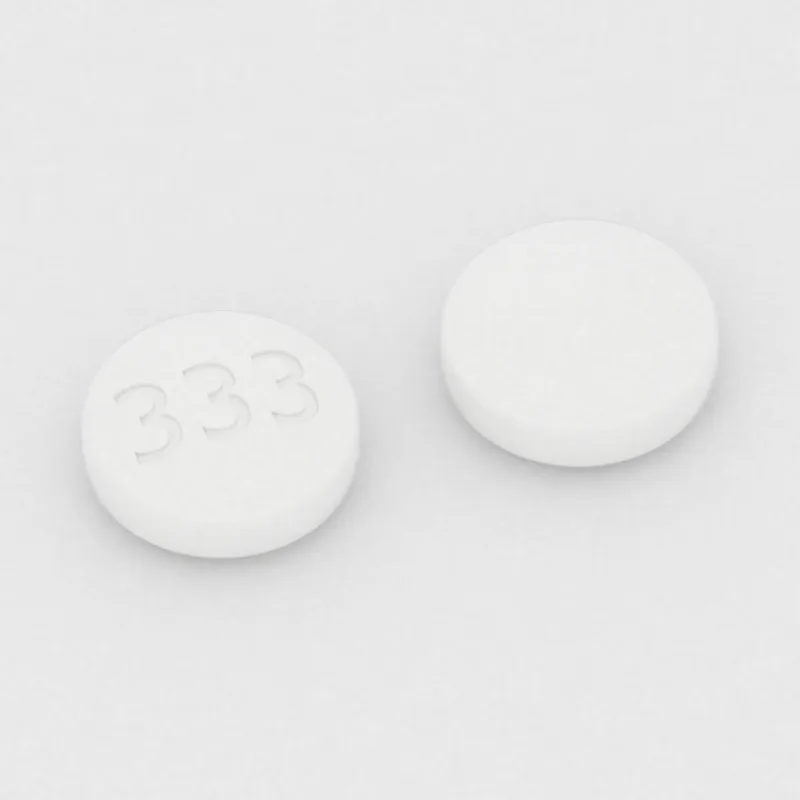
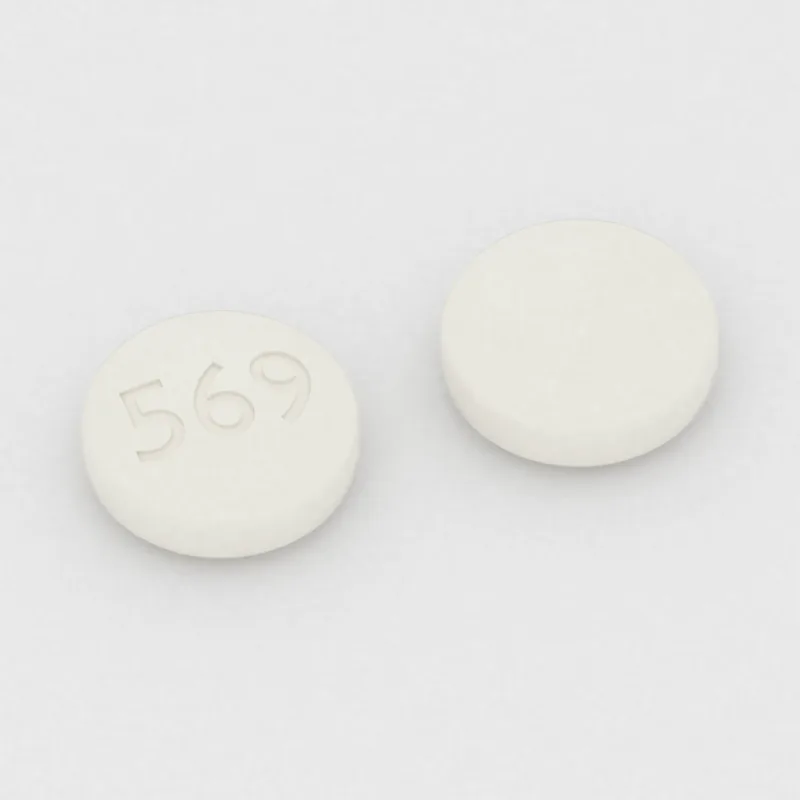
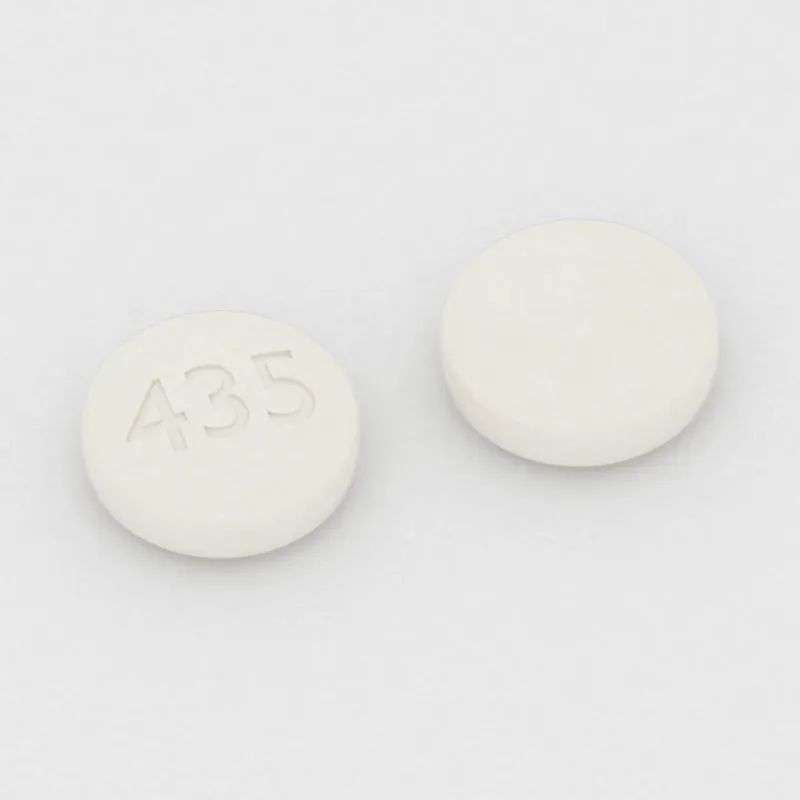
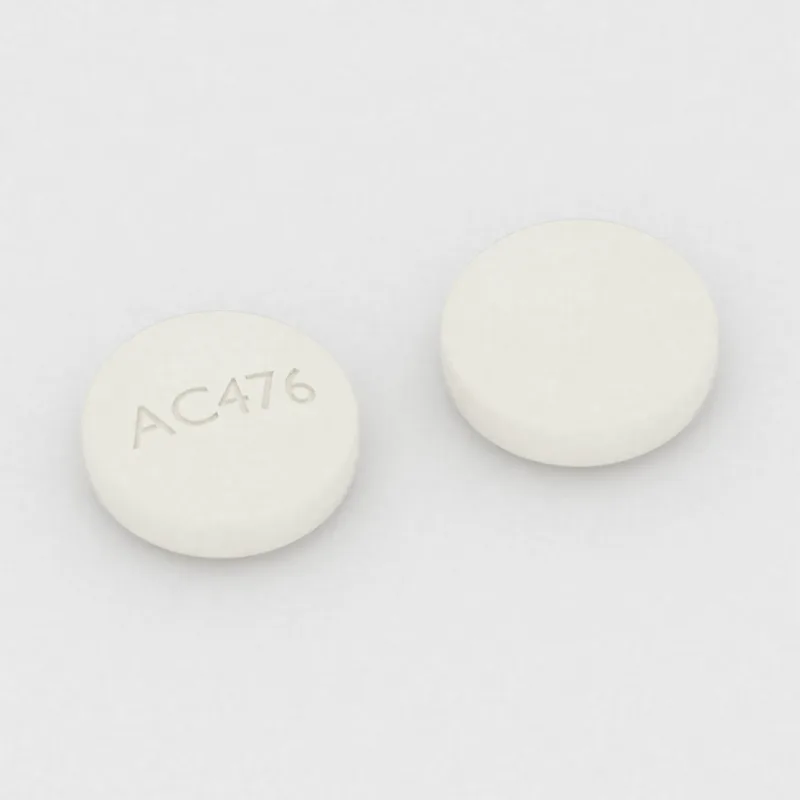
Representaciones generadas a partir de los listados de productos de las etiquetas de la FDA: color, forma, tamaño e inscripción. 6 versiones documentadas de 7 etiquetadores.
Interacciones según la etiqueta
Menciones leves (1)
Alcohol Withdrawal Use of acamprosate calcium does not eliminate or diminish withdrawal symptoms. (etiqueta de Acamprosato, Advertencias y precauciones)
Sin interacción significativa según la etiqueta (11)
The pharmacokinetics of acamprosate are not affected by alcohol, diazepam, or disulfiram, and clinically important interactions between naltrexone and acamprosate were not observed [ see Clinical Pharmacology ( 12.3 ) ]. (etiqueta de Acamprosato, Interacciones medicamentosas)
The pharmacokinetics of acamprosate are not affected by alcohol, diazepam, or disulfiram, and clinically important interactions between naltrexone and acamprosate were not observed [ see Clinical Pharmacology ( 12.3 ) ]. (etiqueta de Acamprosato, Interacciones medicamentosas)
The pharmacokinetics of acamprosate are not affected by alcohol, diazepam, or disulfiram, and clinically important interactions between naltrexone and acamprosate were not observed [ see Clinical Pharmacology ( 12.3 ) ]. (etiqueta de Acamprosato, Interacciones medicamentosas)
The pharmacokinetics of acamprosate are not affected by alcohol, diazepam, or disulfiram, and clinically important interactions between naltrexone and acamprosate were not observed [ see Clinical Pharmacology ( 12.3 ) ]. (etiqueta de Acamprosato, Interacciones medicamentosas)
The pharmacokinetics of acamprosate are not affected by alcohol, diazepam, or disulfiram, and clinically important interactions between naltrexone and acamprosate were not observed [ see Clinical Pharmacology ( 12.3 ) ]. (etiqueta de Acamprosato, Interacciones medicamentosas)
The pharmacokinetics of acamprosate are not affected by alcohol, diazepam, or disulfiram, and clinically important interactions between naltrexone and acamprosate were not observed [ see Clinical Pharmacology ( 12.3 ) ]. (etiqueta de Acamprosato, Interacciones medicamentosas)
The pharmacokinetics of acamprosate are not affected by alcohol, diazepam, or disulfiram, and clinically important interactions between naltrexone and acamprosate were not observed [ see Clinical Pharmacology ( 12.3 ) ]. (etiqueta de Acamprosato, Interacciones medicamentosas)
The pharmacokinetics of acamprosate are not affected by alcohol, diazepam, or disulfiram, and clinically important interactions between naltrexone and acamprosate were not observed [ see Clinical Pharmacology ( 12.3 ) ]. (etiqueta de Acamprosato, Interacciones medicamentosas)
The pharmacokinetics of acamprosate are not affected by alcohol, diazepam, or disulfiram, and clinically important interactions between naltrexone and acamprosate were not observed [ see Clinical Pharmacology ( 12.3 ) ]. (etiqueta de Acamprosato, Interacciones medicamentosas)
The pharmacokinetics of acamprosate are not affected by alcohol, diazepam, or disulfiram, and clinically important interactions between naltrexone and acamprosate were not observed [ see Clinical Pharmacology ( 12.3 ) ]. (etiqueta de Acamprosato, Interacciones medicamentosas)
The pharmacokinetics of acamprosate are not affected by alcohol, diazepam, or disulfiram, and clinically important interactions between naltrexone and acamprosate were not observed [ see Clinical Pharmacology ( 12.3 ) ]. (etiqueta de Acamprosato, Interacciones medicamentosas)
Compruebe Acamprosato frente a todo lo que toma. Añada su lista completa; todos los pares se comprueban a la vez.
Abrir en el verificadorNo es un consejo médico. La gravedad refleja la redacción de la etiqueta, no sus circunstancias. Una señal «grave» puede ser algo habitual bajo supervisión y una «leve» puede ser importante a dosis altas. Consulte a un farmacéutico.