
Paracétamol : interactions médicamenteuses
Paracétamol (Tylenol, Ofirmev, Panadol) présente 63 interactions documentées dans les notices FDA et les fiches d'information que nous indexons : 3 de niveau majeur, 45 de niveau modéré, 8 de niveau mineur et 7 cas où une notice ne signale aucune interaction significative. Chaque entrée ci-dessous cite la phrase sur laquelle elle repose. Cette page consacrée à un médicament est un point de départ, pas un verdict sur votre situation.
À quoi ressemble Paracétamol
Voir les 11 versions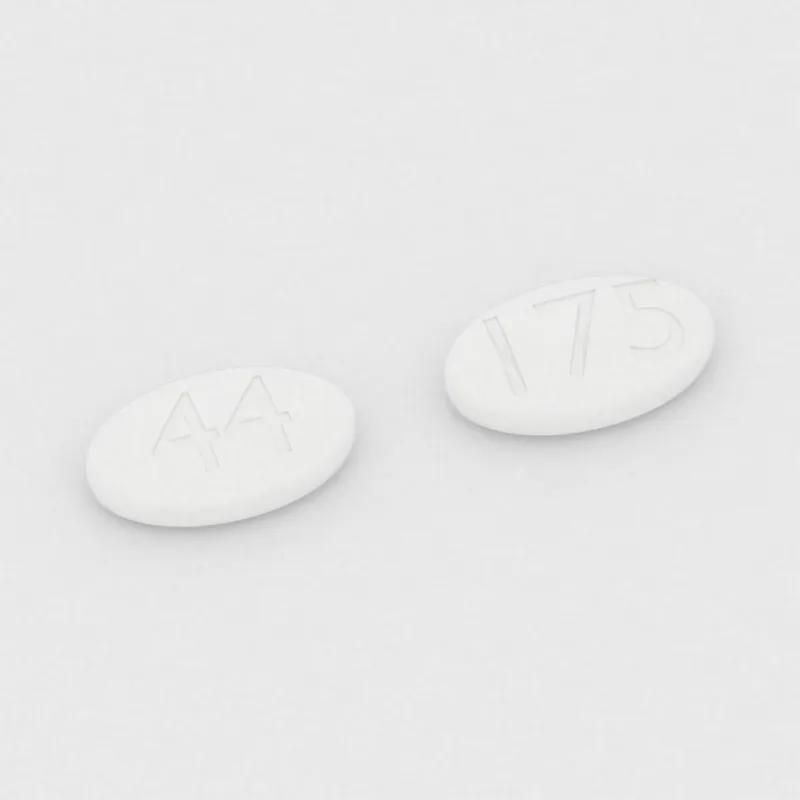
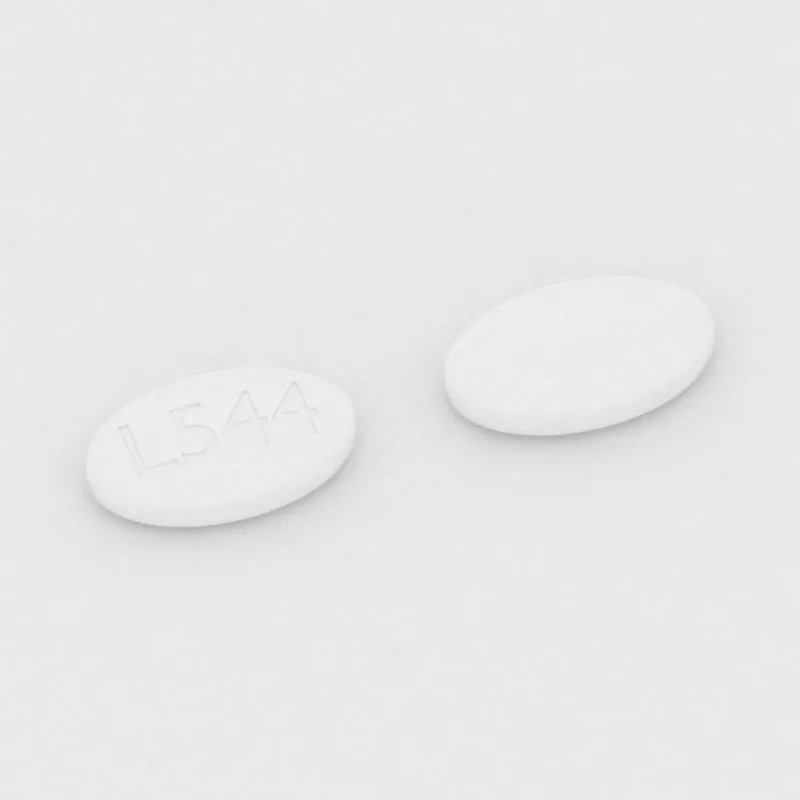
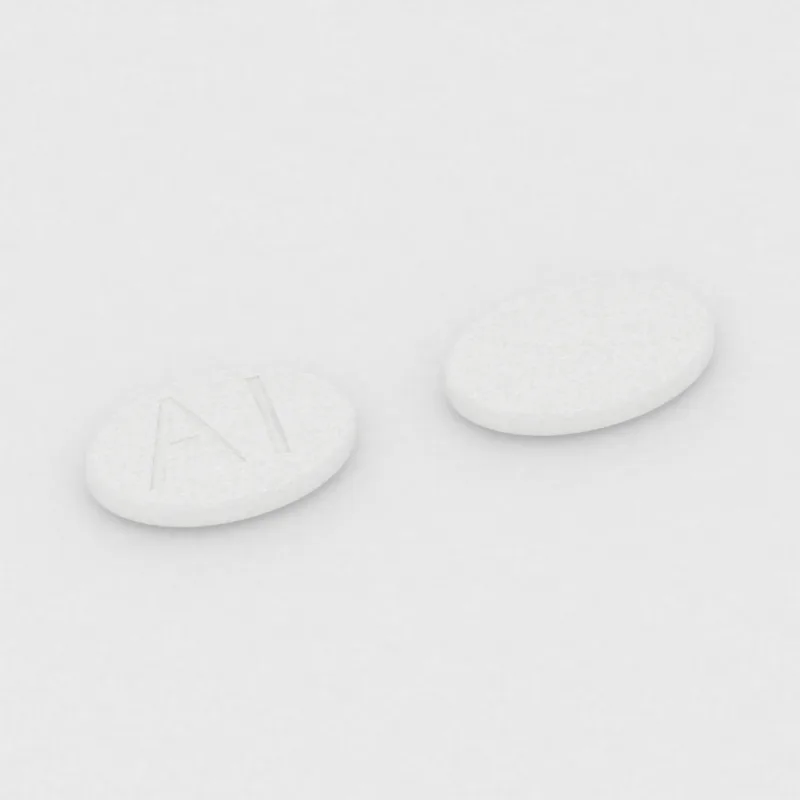
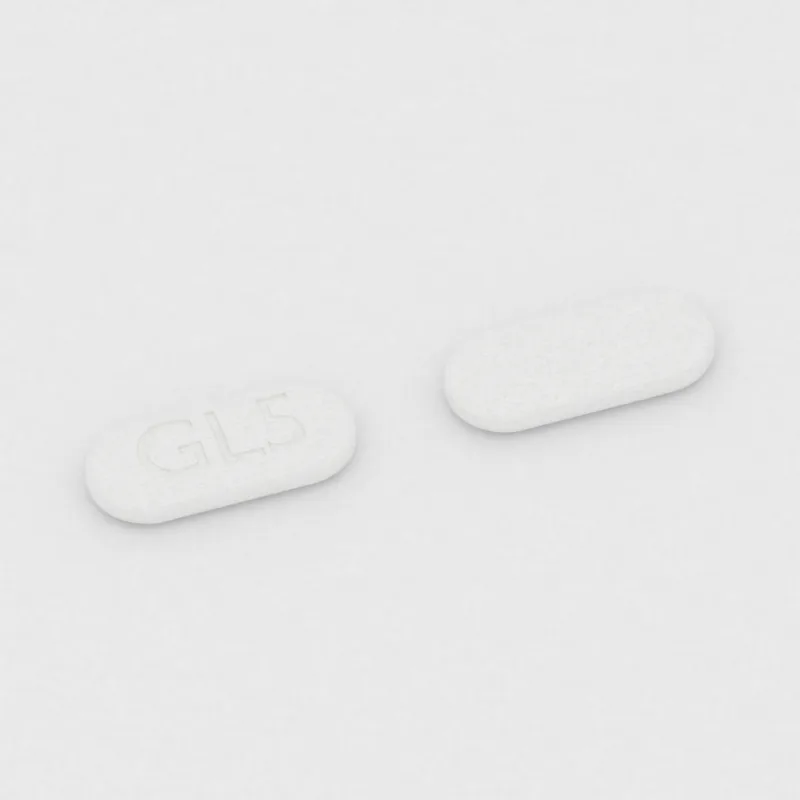
Rendus réalisés à partir des fiches produit des notices FDA : couleur, forme, taille et inscription. 11 versions documentées chez 12 laboratoires.
Paracétamol : l'essentiel
Faits, idées reçues et affirmations en ligneLe paracétamol (appelé acetaminophen aux États-Unis) est un médicament contre la douleur et la fièvre vendu sans ordonnance sous les noms Tylenol, Panadol, Mapap et sous de nombreux génériques, et sur ordonnance en association avec des opioïdes ainsi que sous forme injectable (Ofirmev). Il soulage les douleurs légères à modérées dues aux maux de tête, aux maux de dents, au mal de dos, au rhume et à l'arthrite, et il fait baisser la fièvre. Les comprimés vendus sans ordonnance se prennent généralement toutes les 4 à 6 heures, avec un plafond quotidien indiqué sur la notice. Contrairement à l'ibuprofène, il ne réduit pas l'inflammation.
Interactions d'après la notice
Interactions majeures (3)
- AcétylcystéineMajeure
Hypersensitivity Reactions Serious acute hypersensitivity reactions; including fatal or life-threatening anaphylaxis, rash, hypotension, wheezing, and/or shortness of breath; have been observed in patients receiving intravenous acetylcysteine for acetaminophen overdose and occurred soon after initiation of the infusion [ see Adverse Reactions ( 6 ) ]. (notice Acétylcystéine, Mises en garde et précautions)
- MétyraponeMajeure
Acetaminophen: Avoid concomitant use with Metopirone. (notice Métyrapone, Interactions médicamenteuses)
A baby nursing from an ultra-rapid metabolizer mother taking tramadol hydrochloride and acetaminophen could potentially be exposed to high levels of M1, and experience life-threatening respiratory depression. (notice Tramadol et paracétamol, Mises en garde et précautions)
Interactions modérées (45)
Une consommation d'alcool régulière ou importante augmente le risque de lésions du foie dues au paracétamol. (NIAAA, Harmful Interactions: Mixing Alcohol with Medicines)
Premedicate patients with an antihistamine and acetaminophen prior to each dose. (notice Alemtuzumab, Mises en garde et précautions)
Chronic oral acetaminophen use at a dose of 4,000 mg/day has been shown to cause an increase in international normalized ratio (INR) in some patients who have been stabilized on sodium warfarin as an anticoagulant. (notice Paracétamol, Interactions médicamenteuses)
Chronic oral acetaminophen use at a dose of 4,000 mg/day has been shown to cause an increase in international normalized ratio (INR) in some patients who have been stabilized on sodium warfarin as an anticoagulant. (notice Paracétamol, Interactions médicamenteuses)
…Antibiotics dapsone, nitrofurantoin, para-aminosalicylic acid, sulfonamides Antimalarials chloroquine, primaquine Anticonvulsants phenobarbital, phenytoin, sodium valproate Other drugs acetaminophen, metoclopramide, quinine, sulfasalazine Monoamine Oxidase Inhibitors, Nonselective Beta-Adrenergic Antagonists, or Tricyclic Antidepressants: May produce severe, prolonged… (notice Articaïne et adrénaline, Interactions médicamenteuses)
Chronic oral acetaminophen use at a dose of 4,000 mg/day has been shown to cause an increase in international normalized ratio (INR) in some patients who have been stabilized on sodium warfarin as an anticoagulant. (notice Paracétamol, Interactions médicamenteuses)
…Antibiotics dapsone, nitrofurantoin, para-aminosalicylic acid, sulfonamides Antimalarials chloroquine, primaquine Anticonvulsants phenobarbital, phenytoin, sodium valproate Other drugs acetaminophen, metoclopramide, quinine, sulfasalazine 7.6 Potent Inhalation Anesthetics Serious dose-related cardiac arrhythmias may occur if preparations containing a vasoconstrictor… (notice Bupivacaïne et adrénaline, Interactions médicamenteuses)
Effects of Other Substances on Acetaminophen Substances that induce or regulate hepatic cytochrome enzyme CYP2E1 may alter the metabolism of acetaminophen and increase its hepatotoxic potential. (notice Paracétamol, Interactions médicamenteuses)
Effects of Other Substances on Acetaminophen Substances that induce or regulate hepatic cytochrome enzyme CYP2E1 may alter the metabolism of acetaminophen and increase its hepatotoxic potential. (notice Paracétamol, Interactions médicamenteuses)
Effects of Other Substances on Acetaminophen Substances that induce or regulate hepatic cytochrome enzyme CYP2E1 may alter the metabolism of acetaminophen and increase its hepatotoxic potential. (notice Paracétamol, Interactions médicamenteuses)
…procaine, ropivacaine, tetracaine Antineoplastic agents cyclophosphamide, flutamide, hydroxyurea, ifosfamide, rasburicase Antibiotics dapsone, nitrofurantoin, para-aminosalicylic acid, sulfonamides Antimalarials chloroquine, primaquine Anticonvulsants Phenobarbital, phenytoin, sodium valproate Other drugs acetaminophen, metoclopramide, quinine, sulfasalazine (notice Chloroprocaïne, Précautions)
Chronic oral acetaminophen use at a dose of 4,000 mg/day has been shown to cause an increase in international normalized ratio (INR) in some patients who have been stabilized on sodium warfarin as an anticoagulant. (notice Paracétamol, Interactions médicamenteuses)
Ascorbic acid and acetaminophen may increase plasma EE concentrations, possibly by inhibition of conjugation. (notice Désogestrel et éthinylestradiol, Interactions médicamenteuses)
Exercise caution when prescribing ZIPSOR with concomitant drugs that are known to be potentially hepatotoxic (e.g., acetaminophen, antibiotics, antiepileptics). (notice Diclofénac, Mises en garde et précautions)
Acetaminophen In normal volunteers, concomitant administration of diflunisal and acetaminophen resulted in an approximate 50% increase in plasma levels of acetaminophen. (notice Diflunisal, Interactions médicamenteuses)
Ascorbic acid and acetaminophen may increase plasma EE concentrations, possibly by inhibition of conjugation. (notice Drospirénone et éthinylestradiol, Interactions médicamenteuses)
Chronic oral acetaminophen use at a dose of 4,000 mg/day has been shown to cause an increase in international normalized ratio (INR) in some patients who have been stabilized on sodium warfarin as an anticoagulant. (notice Paracétamol, Interactions médicamenteuses)
Chronic oral acetaminophen use at a dose of 4,000 mg/day has been shown to cause an increase in international normalized ratio (INR) in some patients who have been stabilized on sodium warfarin as an anticoagulant. (notice Paracétamol, Interactions médicamenteuses)
Ascorbic acid and acetaminophen may increase plasma ethinyl estradiol concentrations, possibly by inhibition of conjugation. (notice Étonogestrel et éthinylestradiol, Interactions médicamenteuses)
Chronic oral acetaminophen use at a dose of 4,000 mg/day has been shown to cause an increase in international normalized ratio (INR) in some patients who have been stabilized on sodium warfarin as an anticoagulant. (notice Paracétamol, Interactions médicamenteuses)
Chronic oral acetaminophen use at a dose of 4,000 mg/day has been shown to cause an increase in international normalized ratio (INR) in some patients who have been stabilized on sodium warfarin as an anticoagulant. (notice Paracétamol, Interactions médicamenteuses)
Effects of Other Substances on Acetaminophen Substances that induce or regulate hepatic cytochrome enzyme CYP2E1 may alter the metabolism of acetaminophen and increase its hepatotoxic potential. (notice Paracétamol, Interactions médicamenteuses)
Medications for the treatment of hypersensitivity reactions (e.g., acetaminophen, antihistamines, corticosteroids and/or epinephrine) should be available for immediate use in the event of a reaction [see Dosage and Administration (2.10) and Adverse Reactions (6.1) ] . (notice Infliximab, Mises en garde et précautions)
Acetaminophen A report of severe acetaminophen toxicity was reported in a patient receiving isoniazid. (notice Isoniazide, Interactions médicamenteuses)
Ascorbic acid and acetaminophen may increase systemic exposure of ethinyl estradiol, possibly by inhibition of conjugation. (notice Lévonorgestrel et éthinylestradiol, Interactions médicamenteuses)
…Antibiotics dapsone, nitrofurantoin, para-aminosalicylic acid, sulfonamides Antimalarials chloroquine, primaquine Anticonvulsants phenobarbital, phenytoin, sodium valproate Other drugs acetaminophen, metoclopramide, quinine, sulfasalazine 7.6 Potent Inhalation Anesthetics Serious dose-related cardiac arrhythmias may occur if preparations containing epinephrine are… (notice Lidocaïne et adrénaline, Interactions médicamenteuses)
…prilocaine, procaine, ropivacaine, tetracaine Antineoplastic agents cyclophosphamide, flutamide, hydroxyurea, isofamide, rasburicase Antibiotics dapsone, nitrofurantoin, para-aminosalicylic acid, sufonamides Antimalarials chloroquine, primaquine Anticonvulsants Phenobarbital, phenytoin, sodium valproate Other drugs acetaminophen, metoclopramide, quinine, sulfasalazine (notice Lidocaïne et prilocaïne, Interactions médicamenteuses)
- LomitapideModérée
Caution should be exercised when JUXTAPID is used with other medications known to have potential for hepatotoxicity, such as isotretinoin, amiodarone, acetaminophen (>4 g/day for ≥3 days/week), methotrexate, tetracyclines, and tamoxifen. (notice Lomitapide, Mises en garde et précautions)
…procaine, ropivacaine, tetracaine Antineoplastic agents cyclophosphamide, flutamide, hydroxyurea, ifosfamide, rasburicase Antibiotics dapsone, nitrofurantoin, para-aminosalicylic acid, sulfonamides Antimalarials chloroquine, primaquine Anticonvulsants phenobarbital, phenytoin, sodium valproate Other drugs acetaminophen, metoclopramide, quinine, sulfasalazine (notice Mépivacaïne, Interactions médicamenteuses)
- MotixafortideModérée
Premedicate with an analgesic medication (e.g., acetaminophen) prior to each APHEXDA dose. (notice Motixafortide, Mises en garde et précautions)
Ascorbic acid and acetaminophen may increase plasma EE concentrations, possibly by inhibition of conjugation. (notice Norelgestromine et éthinylestradiol, Interactions médicamenteuses)
Ascorbic acid and acetaminophen may increase plasma ethinyl estradiol levels, possibly by inhibition of conjugation. (notice Noréthistérone et éthinylestradiol, Interactions médicamenteuses)
Ascorbic acid and acetaminophen may increase plasma EE concentrations, possibly by inhibition of conjugation. (notice Norgestimate et éthinylestradiol, Interactions médicamenteuses)
Ascorbic acid and acetaminophen may increase plasma EE concentrations, possibly by inhibition of conjugation. (notice Norgestrel et éthinylestradiol, Interactions médicamenteuses)
The addition of an antipyretic (e.g., acetaminophen) may also be considered [see Dosage and Administration (2.2) ]. (notice Ocrélizumab, Mises en garde et précautions)
Effects of Other Substances on Acetaminophen Substances that induce or regulate hepatic cytochrome enzyme CYP2E1 may alter the metabolism of acetaminophen and increase its hepatotoxic potential. (notice Paracétamol, Interactions médicamenteuses)
Effects of Other Substances on Acetaminophen Substances that induce or regulate hepatic cytochrome enzyme CYP2E1 may alter the metabolism of acetaminophen and increase its hepatotoxic potential. (notice Paracétamol, Interactions médicamenteuses)
Effects of Other Substances on Acetaminophen Substances that induce or regulate hepatic cytochrome enzyme CYP2E1 may alter the metabolism of acetaminophen and increase its hepatotoxic potential. (notice Paracétamol, Interactions médicamenteuses)
…Antibiotics dapsone, nitrofurantoin, para-aminosalicylic acid, sulfonamides Antimalarials chloroquine, primaquine Anticonvulsants phenobarbital, phenytoin, sodium valproate Other drugs acetaminophen, metoclopramide, quinine, sulfasalazine The administration of local anesthetic injections containing epinephrine or norepinephrine to patients receiving monoamine oxidase… (notice Prilocaïne et adrénaline, Interactions médicamenteuses)
- ProbénécideModérée
In patients on probenecid who require a mild analgesic agent the use of acetaminophen rather than small doses of salicylates would be preferred. (notice Probénécide, Mises en garde)
- Probénécide et colchicineModérée
In patients on probenecid and colchicine who require a mild analgesic agent the use of acetaminophen rather than small doses of salicylates would be preferred. (notice Probénécide et colchicine, Mises en garde)
Chronic oral acetaminophen use at a dose of 4,000 mg/day has been shown to cause an increase in international normalized ratio (INR) in some patients who have been stabilized on sodium warfarin as an anticoagulant. (notice Paracétamol, Interactions médicamenteuses)
…Antibiotics dapsone, nitrofurantoin, para-aminosalicylic acid, sulfonamides Antimalarials chloroquine, primaquine Anticonvulsants Phenobarbital, phenytoin, sodium valproate Other drugs acetaminophen, metoclopramide, quinine, sulfasalazine NAROPIN should be used with caution in patients receiving other local anesthetics or agents structurally related to amide- type… (notice Ropivacaïne, Interactions médicamenteuses)
Chronic oral acetaminophen use at a dose of 4,000 mg/day has been shown to cause an increase in international normalized ratio (INR) in some patients who have been stabilized on sodium warfarin as an anticoagulant. (notice Paracétamol, Interactions médicamenteuses)
- ZénocutuzumabModérée
Prior to the first BIZENGRI infusion, premedicate with a corticosteroid, an H1 antihistamine and acetaminophen to reduce the risk of IRRs [see Dosage and Administration (2.4) ]. (notice Zénocutuzumab, Mises en garde et précautions)
Mentions mineures (8)
Drugs metabolized by CYP3A4 or CYP1A2 include the following: Acetaminophen, albendazole, alprazolam, aprepitant, buprenorphone, bupropion, buspirone, citalopram, clobazam, clonazepam, clozapine, cyclosporin, delavirdine, desipramine, diazepam, dicumarol, dihydropyridine calcium channel blockers (e.g., felodipine), doxycycline, ethosuximide, everolimus, felbamate,… (notice Carbamazépine, Interactions médicamenteuses)
Drug Interactions Probenecid Probenecid is known to interact with the metabolism or renal tubular excretion of many drugs (e.g., acetaminophen, acyclovir, angiotensin-converting enzyme inhibitors, aminosalicylic acid, barbiturates, benzodiazepines, bumetanide, clofibrate, methotrexate, famotidine, furosemide, nonsteroidal anti-inflammatory agents, theophylline,… (notice Cidofovir, Interactions médicamenteuses)
Drug Interactions There was no evidence of drug interactions in clinical studies in which dobutamine was administered concurrently with other drugs, including digitalis preparations, furosemide, spironolactone, lidocaine, glyceryl trinitrate, isosorbide dinitrate, morphine, atropine, heparin, protamine, potassium chloride, folic acid, and acetaminophen. (notice Dobutamine, Interactions médicamenteuses)
Orally Administered Drugs (e.g., acetaminophen) Clinical Impact Exenatide slows gastric emptying. (notice Exénatide, Interactions médicamenteuses)
Other Concomitant Therapy Although specific interaction studies were not performed, PROSCAR was concomitantly used in clinical studies with acetaminophen, acetylsalicylic acid, α-blockers, angiotensin-converting enzyme (ACE) inhibitors, analgesics, anti-convulsants, beta-adrenergic blocking agents, diuretics, calcium channel blockers, cardiac nitrates, HMG-CoA… (notice Finastéride, Interactions médicamenteuses)
Premedicate patients with an antihistamine and acetaminophen prior to dosing. (notice Rituximab, Mises en garde et précautions)
Other Drugs: Co-administration of telmisartan did not result in a clinically significant interaction with acetaminophen, amlodipine, glyburide, simvastatin, hydrochlorothiazide, warfarin, or ibuprofen. (notice Telmisartan et amlodipine, Interactions médicamenteuses)
Effect of Other Drugs on Treprostinil Drug interaction studies have been carried out with treprostinil (oral or subcutaneous) co-administered with acetaminophen (4 g/day), warfarin (25 mg/day), and fluconazole (200 mg/day), respectively, in healthy volunteers. (notice Tréprostinil, Interactions médicamenteuses)
Aucune interaction significative signalée (7)
Drugs for which either no interaction or a likely clinically unimportant interaction has been observed Acetaminophen Valproate had no effect on any of the pharmacokinetic parameters of acetaminophen when it was concurrently administered to three epileptic patients. (notice Acide valproïque, Interactions médicamenteuses)
No clinically significant drug interactions have been observed between RPV and the following medications: acetaminophen, atorvastatin, chlorzoxazone, ethinyl estradiol, ledipasvir/sofosbuvir, norethindrone, sildenafil, simeprevir, sofosbuvir, sofosbuvir/velpatasvir, sofosbuvir/velpatasvir/voxilaprevir, or TDF. (notice Emtricitabine, rilpivirine et ténofovir, Interactions médicamenteuses)
Therapeutic concentrations of digoxin, warfarin, ibuprofen, naproxen, piroxicam, acetaminophen, phenytoin and tolbutamide did not alter ketorolac tromethamine protein binding. (notice Kétorolac, Interactions médicamenteuses)
…Clinically Significant Drug Interaction with TAMIFLU No dose adjustments are needed for either oseltamivir or the concomitant drug when coadministering oseltamivir with amoxicillin, acetaminophen, aspirin, cimetidine, antacids (magnesium and aluminum hydroxides and calcium carbonates), rimantadine, amantadine, or warfarin [see Clinical Pharmacology (12.3) ] . (notice Oseltamivir, Interactions médicamenteuses)
…included in Table 6, the interaction between EDURANT and the following drugs was evaluated in clinical studies and no dose adjustment is needed for either drug [see Clinical Pharmacology (12.3) ] : acetaminophen, atorvastatin, chlorzoxazone, cabotegravir, ethinylestradiol, norethindrone, raltegravir, sildenafil, simeprevir and tenofovir disoproxil fumarate. (notice Rilpivirine, Interactions médicamenteuses)
Acetaminophen Acetaminophen had no effect on the plasma levels of sulindac or its sulfide metabolite. (notice Sulindac, Interactions médicamenteuses)
Vérifiez Paracétamol avec tout ce que vous prenez. Ajoutez votre liste complète ; toutes les paires sont vérifiées en une fois.
Ouvrir dans le vérificateurCeci n'est pas un avis médical. Le niveau de gravité reflète la formulation de la notice, pas votre situation. Une alerte « majeure » peut être courante sous surveillance et une alerte « mineure » peut compter à forte dose. Demandez conseil à un pharmacien.