
Wechselwirkungen von Paracetamol
Paracetamol (Tylenol, Ofirmev, Panadol) hat in den von uns erfassten FDA-Fachinformationen und Faktenblättern 63 dokumentierte Wechselwirkungen: 3 schwerwiegende, 45 mittelschwere, 8 geringfügige und 7, bei denen eine Fachinformation keine relevante Wechselwirkung berichtet. Jeder Eintrag unten zitiert den Satz, auf dem er beruht. Diese Medikamentenseite ist ein Ausgangspunkt, kein Urteil über Ihre persönliche Situation.
So sieht Paracetamol aus
Alle 11 Varianten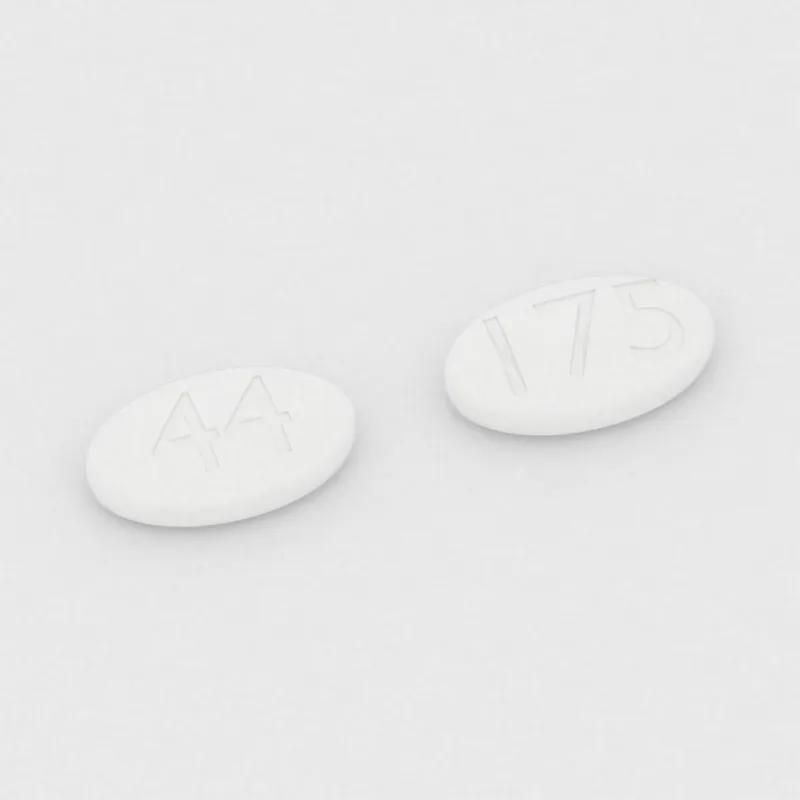
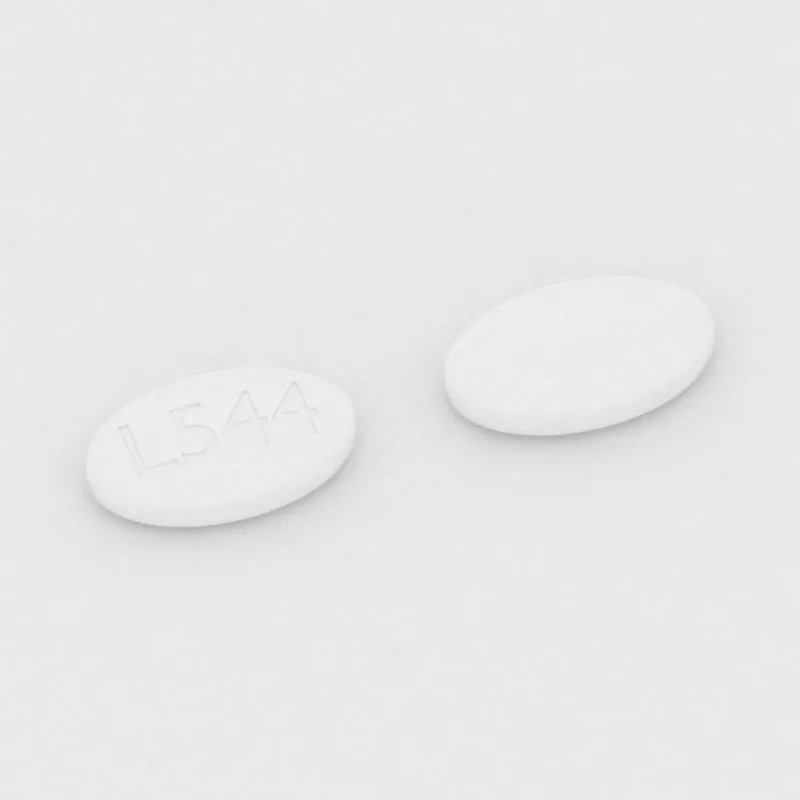
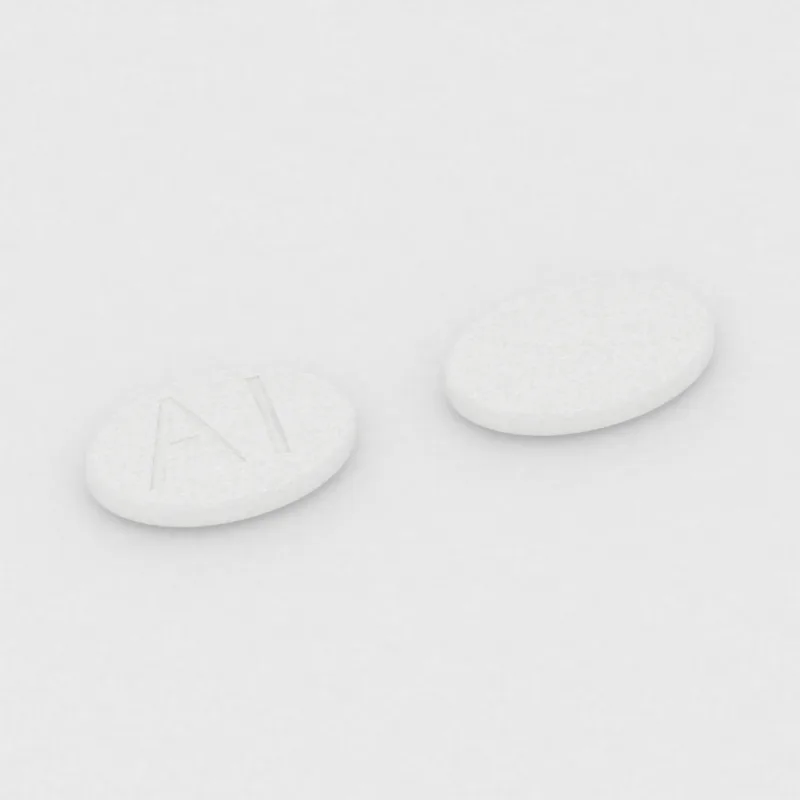
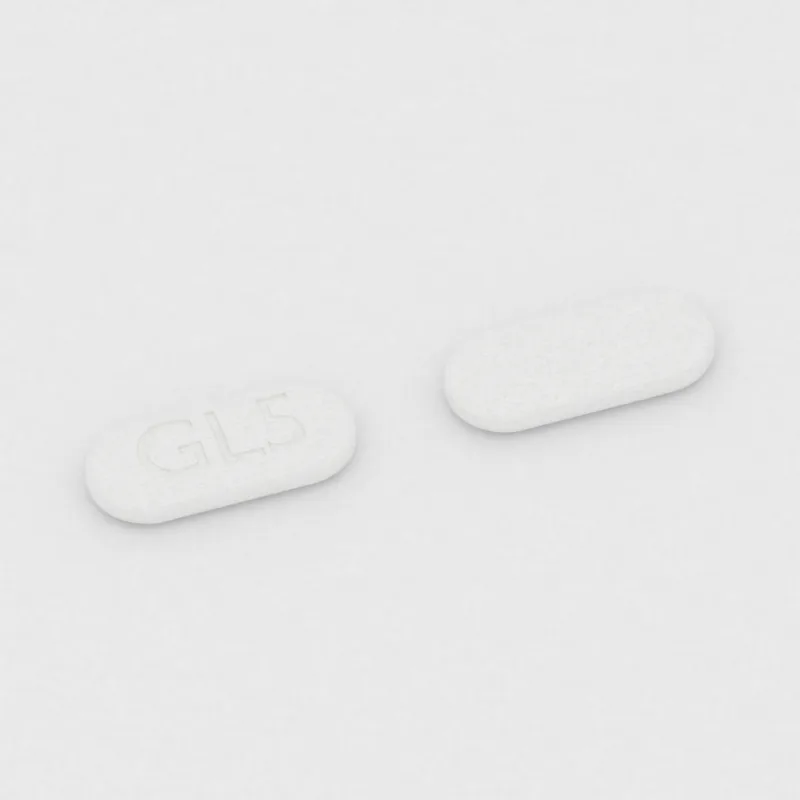
Darstellungen nach den Produktangaben der FDA-Fachinformationen: Farbe, Form, Größe und Prägung. 11 dokumentierte Varianten von 12 Anbietern.
Über Paracetamol
Fakten, Mythen und Behauptungen aus dem NetzParacetamol (in den USA Acetaminophen genannt) ist ein schmerzlinderndes und fiebersenkendes Mittel, das rezeptfrei als Tylenol, Panadol, Mapap und in Form vieler Generika verkauft wird, außerdem auf Rezept in Kombination mit Opioiden und als Injektion Ofirmev. Es lindert leichte bis mäßige Schmerzen bei Kopfschmerzen, Zahnschmerzen, Rückenschmerzen, Erkältungen und Arthritis und senkt Fieber. Rezeptfreie Tabletten werden in der Regel alle 4 bis 6 Stunden eingenommen, mit einer Tageshöchstmenge laut Fachinformation. Anders als Ibuprofen hemmt es keine Entzündungen.
Wechselwirkungen laut Fachinformation
Schwerwiegende Wechselwirkungen (3)
- AcetylcysteinSchwerwiegend
Hypersensitivity Reactions Serious acute hypersensitivity reactions; including fatal or life-threatening anaphylaxis, rash, hypotension, wheezing, and/or shortness of breath; have been observed in patients receiving intravenous acetylcysteine for acetaminophen overdose and occurred soon after initiation of the infusion [ see Adverse Reactions ( 6 ) ]. (Fachinformation zu Acetylcystein, Warnhinweise und Vorsichtsmaßnahmen)
- MetyraponSchwerwiegend
Acetaminophen: Avoid concomitant use with Metopirone. (Fachinformation zu Metyrapon, Arzneimittelwechselwirkungen)
A baby nursing from an ultra-rapid metabolizer mother taking tramadol hydrochloride and acetaminophen could potentially be exposed to high levels of M1, and experience life-threatening respiratory depression. (Fachinformation zu Tramadol und Paracetamol, Warnhinweise und Vorsichtsmaßnahmen)
Mittelschwere Wechselwirkungen (45)
Premedicate patients with an antihistamine and acetaminophen prior to each dose. (Fachinformation zu Alemtuzumab, Warnhinweise und Vorsichtsmaßnahmen)
Regelmäßiger oder starker Alkoholkonsum erhöht das Risiko von Leberschäden durch Paracetamol. (NIAAA, Harmful Interactions: Mixing Alcohol with Medicines)
Chronic oral acetaminophen use at a dose of 4,000 mg/day has been shown to cause an increase in international normalized ratio (INR) in some patients who have been stabilized on sodium warfarin as an anticoagulant. (Fachinformation zu Paracetamol, Arzneimittelwechselwirkungen)
Chronic oral acetaminophen use at a dose of 4,000 mg/day has been shown to cause an increase in international normalized ratio (INR) in some patients who have been stabilized on sodium warfarin as an anticoagulant. (Fachinformation zu Paracetamol, Arzneimittelwechselwirkungen)
…Antibiotics dapsone, nitrofurantoin, para-aminosalicylic acid, sulfonamides Antimalarials chloroquine, primaquine Anticonvulsants phenobarbital, phenytoin, sodium valproate Other drugs acetaminophen, metoclopramide, quinine, sulfasalazine Monoamine Oxidase Inhibitors, Nonselective Beta-Adrenergic Antagonists, or Tricyclic Antidepressants: May produce severe, prolonged… (Fachinformation zu Articain und Adrenalin, Arzneimittelwechselwirkungen)
Chronic oral acetaminophen use at a dose of 4,000 mg/day has been shown to cause an increase in international normalized ratio (INR) in some patients who have been stabilized on sodium warfarin as an anticoagulant. (Fachinformation zu Paracetamol, Arzneimittelwechselwirkungen)
…Antibiotics dapsone, nitrofurantoin, para-aminosalicylic acid, sulfonamides Antimalarials chloroquine, primaquine Anticonvulsants phenobarbital, phenytoin, sodium valproate Other drugs acetaminophen, metoclopramide, quinine, sulfasalazine 7.6 Potent Inhalation Anesthetics Serious dose-related cardiac arrhythmias may occur if preparations containing a vasoconstrictor… (Fachinformation zu Bupivacain und Adrenalin, Arzneimittelwechselwirkungen)
Effects of Other Substances on Acetaminophen Substances that induce or regulate hepatic cytochrome enzyme CYP2E1 may alter the metabolism of acetaminophen and increase its hepatotoxic potential. (Fachinformation zu Paracetamol, Arzneimittelwechselwirkungen)
Effects of Other Substances on Acetaminophen Substances that induce or regulate hepatic cytochrome enzyme CYP2E1 may alter the metabolism of acetaminophen and increase its hepatotoxic potential. (Fachinformation zu Paracetamol, Arzneimittelwechselwirkungen)
Effects of Other Substances on Acetaminophen Substances that induce or regulate hepatic cytochrome enzyme CYP2E1 may alter the metabolism of acetaminophen and increase its hepatotoxic potential. (Fachinformation zu Paracetamol, Arzneimittelwechselwirkungen)
…procaine, ropivacaine, tetracaine Antineoplastic agents cyclophosphamide, flutamide, hydroxyurea, ifosfamide, rasburicase Antibiotics dapsone, nitrofurantoin, para-aminosalicylic acid, sulfonamides Antimalarials chloroquine, primaquine Anticonvulsants Phenobarbital, phenytoin, sodium valproate Other drugs acetaminophen, metoclopramide, quinine, sulfasalazine (Fachinformation zu Chloroprocain, Vorsichtsmaßnahmen)
Chronic oral acetaminophen use at a dose of 4,000 mg/day has been shown to cause an increase in international normalized ratio (INR) in some patients who have been stabilized on sodium warfarin as an anticoagulant. (Fachinformation zu Paracetamol, Arzneimittelwechselwirkungen)
Ascorbic acid and acetaminophen may increase plasma EE concentrations, possibly by inhibition of conjugation. (Fachinformation zu Desogestrel und Ethinylestradiol, Arzneimittelwechselwirkungen)
Exercise caution when prescribing ZIPSOR with concomitant drugs that are known to be potentially hepatotoxic (e.g., acetaminophen, antibiotics, antiepileptics). (Fachinformation zu Diclofenac, Warnhinweise und Vorsichtsmaßnahmen)
Acetaminophen In normal volunteers, concomitant administration of diflunisal and acetaminophen resulted in an approximate 50% increase in plasma levels of acetaminophen. (Fachinformation zu Diflunisal, Arzneimittelwechselwirkungen)
Ascorbic acid and acetaminophen may increase plasma EE concentrations, possibly by inhibition of conjugation. (Fachinformation zu Drospirenon und Ethinylestradiol, Arzneimittelwechselwirkungen)
Chronic oral acetaminophen use at a dose of 4,000 mg/day has been shown to cause an increase in international normalized ratio (INR) in some patients who have been stabilized on sodium warfarin as an anticoagulant. (Fachinformation zu Paracetamol, Arzneimittelwechselwirkungen)
Chronic oral acetaminophen use at a dose of 4,000 mg/day has been shown to cause an increase in international normalized ratio (INR) in some patients who have been stabilized on sodium warfarin as an anticoagulant. (Fachinformation zu Paracetamol, Arzneimittelwechselwirkungen)
Ascorbic acid and acetaminophen may increase plasma ethinyl estradiol concentrations, possibly by inhibition of conjugation. (Fachinformation zu Etonogestrel und Ethinylestradiol, Arzneimittelwechselwirkungen)
Chronic oral acetaminophen use at a dose of 4,000 mg/day has been shown to cause an increase in international normalized ratio (INR) in some patients who have been stabilized on sodium warfarin as an anticoagulant. (Fachinformation zu Paracetamol, Arzneimittelwechselwirkungen)
Chronic oral acetaminophen use at a dose of 4,000 mg/day has been shown to cause an increase in international normalized ratio (INR) in some patients who have been stabilized on sodium warfarin as an anticoagulant. (Fachinformation zu Paracetamol, Arzneimittelwechselwirkungen)
Effects of Other Substances on Acetaminophen Substances that induce or regulate hepatic cytochrome enzyme CYP2E1 may alter the metabolism of acetaminophen and increase its hepatotoxic potential. (Fachinformation zu Paracetamol, Arzneimittelwechselwirkungen)
Medications for the treatment of hypersensitivity reactions (e.g., acetaminophen, antihistamines, corticosteroids and/or epinephrine) should be available for immediate use in the event of a reaction [see Dosage and Administration (2.10) and Adverse Reactions (6.1) ] . (Fachinformation zu Infliximab, Warnhinweise und Vorsichtsmaßnahmen)
Acetaminophen A report of severe acetaminophen toxicity was reported in a patient receiving isoniazid. (Fachinformation zu Isoniazid, Arzneimittelwechselwirkungen)
Ascorbic acid and acetaminophen may increase systemic exposure of ethinyl estradiol, possibly by inhibition of conjugation. (Fachinformation zu Levonorgestrel und Ethinylestradiol, Arzneimittelwechselwirkungen)
…Antibiotics dapsone, nitrofurantoin, para-aminosalicylic acid, sulfonamides Antimalarials chloroquine, primaquine Anticonvulsants phenobarbital, phenytoin, sodium valproate Other drugs acetaminophen, metoclopramide, quinine, sulfasalazine 7.6 Potent Inhalation Anesthetics Serious dose-related cardiac arrhythmias may occur if preparations containing epinephrine are… (Fachinformation zu Lidocain und Adrenalin, Arzneimittelwechselwirkungen)
…prilocaine, procaine, ropivacaine, tetracaine Antineoplastic agents cyclophosphamide, flutamide, hydroxyurea, isofamide, rasburicase Antibiotics dapsone, nitrofurantoin, para-aminosalicylic acid, sufonamides Antimalarials chloroquine, primaquine Anticonvulsants Phenobarbital, phenytoin, sodium valproate Other drugs acetaminophen, metoclopramide, quinine, sulfasalazine (Fachinformation zu Lidocain und Prilocain, Arzneimittelwechselwirkungen)
- LomitapidMittelschwer
Caution should be exercised when JUXTAPID is used with other medications known to have potential for hepatotoxicity, such as isotretinoin, amiodarone, acetaminophen (>4 g/day for ≥3 days/week), methotrexate, tetracyclines, and tamoxifen. (Fachinformation zu Lomitapid, Warnhinweise und Vorsichtsmaßnahmen)
…procaine, ropivacaine, tetracaine Antineoplastic agents cyclophosphamide, flutamide, hydroxyurea, ifosfamide, rasburicase Antibiotics dapsone, nitrofurantoin, para-aminosalicylic acid, sulfonamides Antimalarials chloroquine, primaquine Anticonvulsants phenobarbital, phenytoin, sodium valproate Other drugs acetaminophen, metoclopramide, quinine, sulfasalazine (Fachinformation zu Mepivacain, Arzneimittelwechselwirkungen)
- MotixafortidMittelschwer
Premedicate with an analgesic medication (e.g., acetaminophen) prior to each APHEXDA dose. (Fachinformation zu Motixafortid, Warnhinweise und Vorsichtsmaßnahmen)
Ascorbic acid and acetaminophen may increase plasma EE concentrations, possibly by inhibition of conjugation. (Fachinformation zu Norelgestromin und Ethinylestradiol, Arzneimittelwechselwirkungen)
Ascorbic acid and acetaminophen may increase plasma ethinyl estradiol levels, possibly by inhibition of conjugation. (Fachinformation zu Norethisteron und Ethinylestradiol, Arzneimittelwechselwirkungen)
Ascorbic acid and acetaminophen may increase plasma EE concentrations, possibly by inhibition of conjugation. (Fachinformation zu Norgestimat und Ethinylestradiol, Arzneimittelwechselwirkungen)
Ascorbic acid and acetaminophen may increase plasma EE concentrations, possibly by inhibition of conjugation. (Fachinformation zu Norgestrel und Ethinylestradiol, Arzneimittelwechselwirkungen)
The addition of an antipyretic (e.g., acetaminophen) may also be considered [see Dosage and Administration (2.2) ]. (Fachinformation zu Ocrelizumab, Warnhinweise und Vorsichtsmaßnahmen)
Effects of Other Substances on Acetaminophen Substances that induce or regulate hepatic cytochrome enzyme CYP2E1 may alter the metabolism of acetaminophen and increase its hepatotoxic potential. (Fachinformation zu Paracetamol, Arzneimittelwechselwirkungen)
Effects of Other Substances on Acetaminophen Substances that induce or regulate hepatic cytochrome enzyme CYP2E1 may alter the metabolism of acetaminophen and increase its hepatotoxic potential. (Fachinformation zu Paracetamol, Arzneimittelwechselwirkungen)
Effects of Other Substances on Acetaminophen Substances that induce or regulate hepatic cytochrome enzyme CYP2E1 may alter the metabolism of acetaminophen and increase its hepatotoxic potential. (Fachinformation zu Paracetamol, Arzneimittelwechselwirkungen)
…Antibiotics dapsone, nitrofurantoin, para-aminosalicylic acid, sulfonamides Antimalarials chloroquine, primaquine Anticonvulsants phenobarbital, phenytoin, sodium valproate Other drugs acetaminophen, metoclopramide, quinine, sulfasalazine The administration of local anesthetic injections containing epinephrine or norepinephrine to patients receiving monoamine oxidase… (Fachinformation zu Prilocain und Adrenalin, Arzneimittelwechselwirkungen)
- ProbenecidMittelschwer
In patients on probenecid who require a mild analgesic agent the use of acetaminophen rather than small doses of salicylates would be preferred. (Fachinformation zu Probenecid, Warnhinweise)
- Probenecid und ColchicinMittelschwer
In patients on probenecid and colchicine who require a mild analgesic agent the use of acetaminophen rather than small doses of salicylates would be preferred. (Fachinformation zu Probenecid und Colchicin, Warnhinweise)
Chronic oral acetaminophen use at a dose of 4,000 mg/day has been shown to cause an increase in international normalized ratio (INR) in some patients who have been stabilized on sodium warfarin as an anticoagulant. (Fachinformation zu Paracetamol, Arzneimittelwechselwirkungen)
…Antibiotics dapsone, nitrofurantoin, para-aminosalicylic acid, sulfonamides Antimalarials chloroquine, primaquine Anticonvulsants Phenobarbital, phenytoin, sodium valproate Other drugs acetaminophen, metoclopramide, quinine, sulfasalazine NAROPIN should be used with caution in patients receiving other local anesthetics or agents structurally related to amide- type… (Fachinformation zu Ropivacain, Arzneimittelwechselwirkungen)
Chronic oral acetaminophen use at a dose of 4,000 mg/day has been shown to cause an increase in international normalized ratio (INR) in some patients who have been stabilized on sodium warfarin as an anticoagulant. (Fachinformation zu Paracetamol, Arzneimittelwechselwirkungen)
- ZenocutuzumabMittelschwer
Prior to the first BIZENGRI infusion, premedicate with a corticosteroid, an H1 antihistamine and acetaminophen to reduce the risk of IRRs [see Dosage and Administration (2.4) ]. (Fachinformation zu Zenocutuzumab, Warnhinweise und Vorsichtsmaßnahmen)
Geringfügige Erwähnungen (8)
Drugs metabolized by CYP3A4 or CYP1A2 include the following: Acetaminophen, albendazole, alprazolam, aprepitant, buprenorphone, bupropion, buspirone, citalopram, clobazam, clonazepam, clozapine, cyclosporin, delavirdine, desipramine, diazepam, dicumarol, dihydropyridine calcium channel blockers (e.g., felodipine), doxycycline, ethosuximide, everolimus, felbamate,… (Fachinformation zu Carbamazepin, Arzneimittelwechselwirkungen)
Drug Interactions Probenecid Probenecid is known to interact with the metabolism or renal tubular excretion of many drugs (e.g., acetaminophen, acyclovir, angiotensin-converting enzyme inhibitors, aminosalicylic acid, barbiturates, benzodiazepines, bumetanide, clofibrate, methotrexate, famotidine, furosemide, nonsteroidal anti-inflammatory agents, theophylline,… (Fachinformation zu Cidofovir, Arzneimittelwechselwirkungen)
Drug Interactions There was no evidence of drug interactions in clinical studies in which dobutamine was administered concurrently with other drugs, including digitalis preparations, furosemide, spironolactone, lidocaine, glyceryl trinitrate, isosorbide dinitrate, morphine, atropine, heparin, protamine, potassium chloride, folic acid, and acetaminophen. (Fachinformation zu Dobutamin, Arzneimittelwechselwirkungen)
Orally Administered Drugs (e.g., acetaminophen) Clinical Impact Exenatide slows gastric emptying. (Fachinformation zu Exenatid, Arzneimittelwechselwirkungen)
Other Concomitant Therapy Although specific interaction studies were not performed, PROSCAR was concomitantly used in clinical studies with acetaminophen, acetylsalicylic acid, α-blockers, angiotensin-converting enzyme (ACE) inhibitors, analgesics, anti-convulsants, beta-adrenergic blocking agents, diuretics, calcium channel blockers, cardiac nitrates, HMG-CoA… (Fachinformation zu Finasterid, Arzneimittelwechselwirkungen)
Premedicate patients with an antihistamine and acetaminophen prior to dosing. (Fachinformation zu Rituximab, Warnhinweise und Vorsichtsmaßnahmen)
Other Drugs: Co-administration of telmisartan did not result in a clinically significant interaction with acetaminophen, amlodipine, glyburide, simvastatin, hydrochlorothiazide, warfarin, or ibuprofen. (Fachinformation zu Telmisartan und Amlodipin, Arzneimittelwechselwirkungen)
Effect of Other Drugs on Treprostinil Drug interaction studies have been carried out with treprostinil (oral or subcutaneous) co-administered with acetaminophen (4 g/day), warfarin (25 mg/day), and fluconazole (200 mg/day), respectively, in healthy volunteers. (Fachinformation zu Treprostinil, Arzneimittelwechselwirkungen)
Keine relevante Wechselwirkung berichtet (7)
No clinically significant drug interactions have been observed between RPV and the following medications: acetaminophen, atorvastatin, chlorzoxazone, ethinyl estradiol, ledipasvir/sofosbuvir, norethindrone, sildenafil, simeprevir, sofosbuvir, sofosbuvir/velpatasvir, sofosbuvir/velpatasvir/voxilaprevir, or TDF. (Fachinformation zu Emtricitabin, Rilpivirin und Tenofovir, Arzneimittelwechselwirkungen)
Therapeutic concentrations of digoxin, warfarin, ibuprofen, naproxen, piroxicam, acetaminophen, phenytoin and tolbutamide did not alter ketorolac tromethamine protein binding. (Fachinformation zu Ketorolac, Arzneimittelwechselwirkungen)
…Clinically Significant Drug Interaction with TAMIFLU No dose adjustments are needed for either oseltamivir or the concomitant drug when coadministering oseltamivir with amoxicillin, acetaminophen, aspirin, cimetidine, antacids (magnesium and aluminum hydroxides and calcium carbonates), rimantadine, amantadine, or warfarin [see Clinical Pharmacology (12.3) ] . (Fachinformation zu Oseltamivir, Arzneimittelwechselwirkungen)
…included in Table 6, the interaction between EDURANT and the following drugs was evaluated in clinical studies and no dose adjustment is needed for either drug [see Clinical Pharmacology (12.3) ] : acetaminophen, atorvastatin, chlorzoxazone, cabotegravir, ethinylestradiol, norethindrone, raltegravir, sildenafil, simeprevir and tenofovir disoproxil fumarate. (Fachinformation zu Rilpivirin, Arzneimittelwechselwirkungen)
Acetaminophen Acetaminophen had no effect on the plasma levels of sulindac or its sulfide metabolite. (Fachinformation zu Sulindac, Arzneimittelwechselwirkungen)
Drugs for which either no interaction or a likely clinically unimportant interaction has been observed Acetaminophen Valproate had no effect on any of the pharmacokinetic parameters of acetaminophen when it was concurrently administered to three epileptic patients. (Fachinformation zu Valproinsäure, Arzneimittelwechselwirkungen)
Prüfen Sie Paracetamol gegen alles, was Sie einnehmen. Fügen Sie Ihre gesamte Liste hinzu; alle Paare werden auf einmal geprüft.
Im Wechselwirkungscheck öffnenKeine medizinische Beratung. Der Schweregrad gibt die Formulierung der Fachinformation wieder, nicht Ihre persönlichen Umstände. Eine als „schwerwiegend“ eingestufte Wechselwirkung kann unter Aufsicht Routine sein, und eine „geringfügige“ kann bei hohen Dosen von Bedeutung sein. Fragen Sie in einer Apotheke nach.