
Calcitriol : interactions médicamenteuses
Calcitriol (Rocaltrol), analogue de la vitamine D, présente 84 interactions documentées dans les notices FDA et les fiches d'information que nous indexons : 13 de niveau majeur, 41 de niveau modéré, 30 de niveau mineur et 0 cas où une notice ne signale aucune interaction significative. Chaque entrée ci-dessous cite la phrase sur laquelle elle repose. Cette page consacrée à un médicament est un point de départ, pas un verdict sur votre situation.
À quoi ressemble Calcitriol
Voir les 16 versions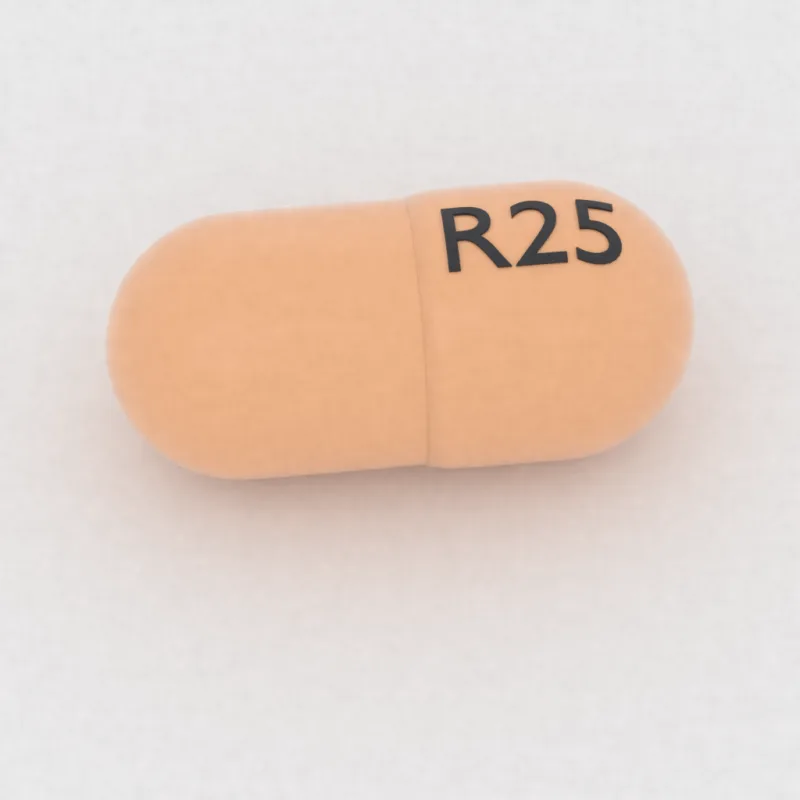
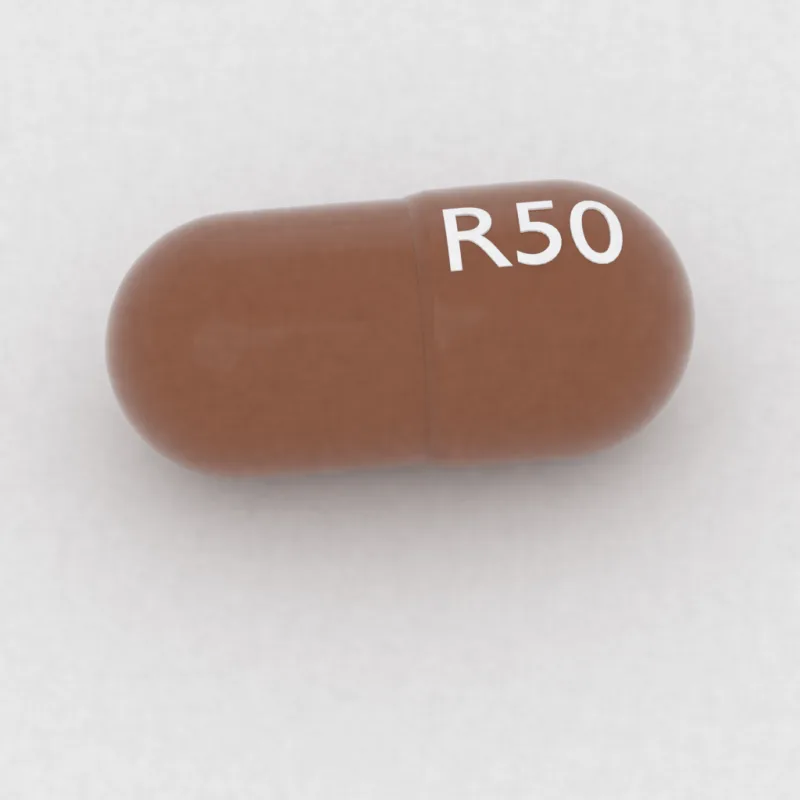
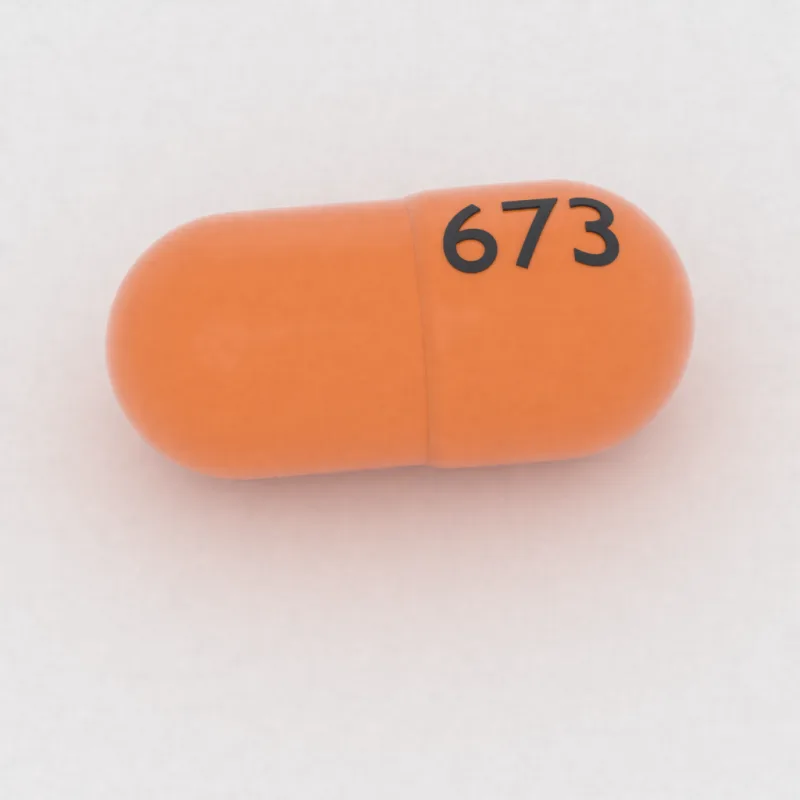
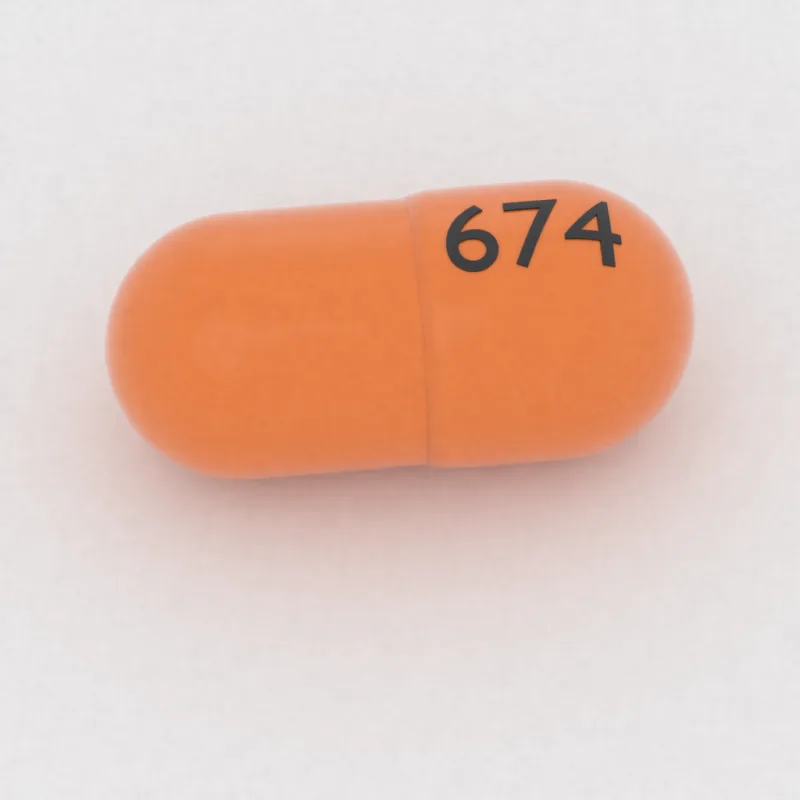
Rendus réalisés à partir des fiches produit des notices FDA : couleur, forme, taille et inscription. 16 versions documentées chez 11 laboratoires.
Interactions d'après la notice
Interactions majeures (13)
Calcium Supplements Uncontrolled intake of additional calcium-containing preparations should be avoided (see PRECAUTIONS: General ). (notice Calcitriol, Interactions médicamenteuses)
Magnesium-containing preparations (e.g., antacids) and calcitriol should not be used concomitantly in patients on chronic renal dialysis because such use may lead to the development of hypermagnesemia. (notice Calcitriol, Mises en garde)
Magnesium-containing preparations (e.g., antacids) and calcitriol should not be used concomitantly in patients on chronic renal dialysis because such use may lead to the development of hypermagnesemia. (notice Calcitriol, Mises en garde)
Calcium Supplements Uncontrolled intake of additional calcium-containing preparations should be avoided (see PRECAUTIONS: General ). (notice Calcitriol, Interactions médicamenteuses)
Table 2: Oral drugs that can be administered concomitantly with Ferric Citrate Tablets Amlodipine Aspirin Atorvastatin Calcitriol Clopidogrel Digoxin Diltiazem Doxercalciferol Enalapril Fluvastatin Glimepiride Levofloxacin Losartan Metoprolol Pravastatin Propranolol Sitagliptin Warfarin Oral drugs that have to be separated from Ferric Citrate Tablets and meals… (notice Citrate ferrique, Interactions médicamenteuses)
Calcium Supplements Uncontrolled intake of additional calcium-containing preparations should be avoided (see PRECAUTIONS: General ). (notice Calcitriol, Interactions médicamenteuses)
Calcium Supplements Uncontrolled intake of additional calcium-containing preparations should be avoided (see PRECAUTIONS: General ). (notice Calcitriol, Interactions médicamenteuses)
Magnesium-containing preparations (e.g., antacids) and calcitriol should not be used concomitantly in patients on chronic renal dialysis because such use may lead to the development of hypermagnesemia. (notice Calcitriol, Mises en garde)
Calcium Supplements Uncontrolled intake of additional calcium-containing preparations should be avoided (see PRECAUTIONS: General ). (notice Calcitriol, Interactions médicamenteuses)
Calcium Supplements Uncontrolled intake of additional calcium-containing preparations should be avoided (see PRECAUTIONS: General ). (notice Calcitriol, Interactions médicamenteuses)
Calcium Supplements Uncontrolled intake of additional calcium-containing preparations should be avoided (see PRECAUTIONS: General ). (notice Calcitriol, Interactions médicamenteuses)
Magnesium-containing preparations (e.g., antacids) and calcitriol should not be used concomitantly in patients on chronic renal dialysis because such use may lead to the development of hypermagnesemia. (notice Calcitriol, Mises en garde)
CONTRAINDICATIONS Calcitriol should not be given to patients with hypercalcemia or evidence of vitamin D toxicity. (notice Calcitriol, Contre-indications)
Interactions modérées (41)
Instruct patients to take supplemental calcium and vitamin D if their dietary intake is inadequate (see Dosage and Administration [2.3] ) . (notice Acide ibandronique, Mises en garde et précautions)
• Electrolyte disorders (e.g., hypophosphatemia, hypokalemia, hypomagnesemia, hypocalcemia): Monitor phosphorus, potassium, magnesium, calcium and vitamin D and adequately supplement as appropriate. (notice Acide pamidronique, Mises en garde et précautions)
Calcium Supplements/Antacids When Risedronate sodium delayed-release was administered following breakfast, the co-administration of a tablet containing 600 mg of elemental calcium and 400 international units vitamin D reduced risedronate bioavailability by approximately 38% [ see Clinical Pharmacology (12.3) ] . (notice Acide risédronique, Interactions médicamenteuses)
All patients should be instructed about the symptoms of hypocalcemia and the importance of calcium and vitamin D supplementation in maintaining serum calcium levels [see Dosage and Administration ( 2.8 ), Adverse Reactions ( 6.1 ), Patient Counseling Information ( 17 )]. (notice Acide zolédronique, Mises en garde et précautions)
Thiazides Thiazides are known to induce hypercalcemia by the reduction of calcium excretion in urine. (notice Calcitriol, Interactions médicamenteuses)
Thiazides Thiazides are known to induce hypercalcemia by the reduction of calcium excretion in urine. (notice Calcitriol, Interactions médicamenteuses)
Thiazides Thiazides are known to induce hypercalcemia by the reduction of calcium excretion in urine. (notice Calcitriol, Interactions médicamenteuses)
- Calcitonine de saumonModérée
Use of Miacalcin injection for the treatment of Paget’s disease or postmenopausal osteoporosis is recommended in conjunction with an adequate intake of calcium and vitamin D [see Dosage and Administration (2.5) ] . (notice Calcitonine de saumon, Mises en garde et précautions)
Thiazides Thiazides are known to induce hypercalcemia by the reduction of calcium excretion in urine. (notice Calcitriol, Interactions médicamenteuses)
Thiazides Thiazides are known to induce hypercalcemia by the reduction of calcium excretion in urine. (notice Calcitriol, Interactions médicamenteuses)
Thiazides Thiazides are known to induce hypercalcemia by the reduction of calcium excretion in urine. (notice Calcitriol, Interactions médicamenteuses)
- Chlorure de calciumModérée
Drugs That Increase the Risk of Hypercalcemia Increase frequency of monitoring of calcium concentrations in patients taking concomitant Calcium Chloride Injection and other drugs that increase the risk of hypercalcemia (e.g., calcipotriene, estrogen, lithium, parathyroid hormone, teriparatide, thiazide diuretics, Vitamin A, and Vitamin D). (notice Chlorure de calcium, Interactions médicamenteuses)
If corrected serum calcium falls below the lower limit of normal or symptoms of hypocalcemia develop, start or increase calcium supplementation (including calcium, calcium-containing phosphate binders, and/or vitamin D sterols or increases in dialysate calcium concentration). (notice Cinacalcet, Mises en garde et précautions)
DRUG INTERACTIONS Cholestyramine Cholestyramine has been reported to reduce intestinal absorption of fat-soluble vitamins; as such it may impair intestinal absorption of calcitriol (see WARNINGS and PRECAUTIONS: General ). (notice Calcitriol, Interactions médicamenteuses)
Danazol can increase the calcemic response to synthetic vitamin D analogs in primary hypoparathyroidism. (notice Danazol, Interactions médicamenteuses)
- DénosumabModérée
Monitor calcium levels during therapy, especially in the first weeks of initiating therapy, and adequately supplement all patients with calcium and vitamin D. (notice Dénosumab, Mises en garde et précautions)
Digitalis Calcitriol dosage must be determined with care in patients undergoing treatment with digitalis, as hypercalcemia in such patients may precipitate cardiac arrhythmias (see PRECAUTIONS: General ). (notice Calcitriol, Interactions médicamenteuses)
Hypercalcemia may be exacerbated by concomitant administration of high doses of calcium-containing preparations, thiazide diuretics, or other vitamin D compounds [see Drug Interactions ( 7 )]. (notice Doxercalciférol, Mises en garde et précautions)
Thiazides Thiazides are known to induce hypercalcemia by the reduction of calcium excretion in urine. (notice Calcitriol, Interactions médicamenteuses)
Thiazides Thiazides are known to induce hypercalcemia by the reduction of calcium excretion in urine. (notice Calcitriol, Interactions médicamenteuses)
Other Corticosteroids, doxycycline, estrogens, furosemide, oral contraceptives, paroxetine, quinidine, rifampin, sertraline, theophylline, and vitamin D Drugs whose level is decreased by phenytoin Anticoagulants Apixaban, dabigatran, edoxaban, rivaroxaban Antiepileptic drugs The effect of phenytoin on phenobarbital, valproic acid and sodium valproate serum levels… (notice Fosphénytoïne, Interactions médicamenteuses)
Thiazides Thiazides are known to induce hypercalcemia by the reduction of calcium excretion in urine. (notice Calcitriol, Interactions médicamenteuses)
Thiazides Thiazides are known to induce hypercalcemia by the reduction of calcium excretion in urine. (notice Calcitriol, Interactions médicamenteuses)
Thiazides Thiazides are known to induce hypercalcemia by the reduction of calcium excretion in urine. (notice Calcitriol, Interactions médicamenteuses)
Reductions in serum endogenous calcitriol concentrations have been observed following the administration of 300 mg/day to 1200 mg/day ketoconazole for a week to healthy men. (notice Calcitriol, Interactions médicamenteuses)
Thiazides Thiazides are known to induce hypercalcemia by the reduction of calcium excretion in urine. (notice Calcitriol, Interactions médicamenteuses)
Thiazides Thiazides are known to induce hypercalcemia by the reduction of calcium excretion in urine. (notice Calcitriol, Interactions médicamenteuses)
Thiazides Thiazides are known to induce hypercalcemia by the reduction of calcium excretion in urine. (notice Calcitriol, Interactions médicamenteuses)
Thiazides Thiazides are known to induce hypercalcemia by the reduction of calcium excretion in urine. (notice Calcitriol, Interactions médicamenteuses)
Thiazides Thiazides are known to induce hypercalcemia by the reduction of calcium excretion in urine. (notice Calcitriol, Interactions médicamenteuses)
- Olmésartan, amlodipine et hydrochlorothiazideantagoniste des récepteurs de l'angiotensine II (ARA II)Modérée
Thiazides Thiazides are known to induce hypercalcemia by the reduction of calcium excretion in urine. (notice Calcitriol, Interactions médicamenteuses)
- OrlistatModérée
The effect of ORLISTAT on the absorption of supplemental vitamin D, vitamin A, and nutritionally-derived vitamin K is not known at this time [see Clinical Pharmacology (12.3) , and Warnings and Precautions (5.1) ] . (notice Orlistat, Interactions médicamenteuses)
Hypercalcemia may be exacerbated by concomitant administration of high doses of calcium-containing preparations, thiazide diuretics, or other vitamin D compounds [see Drug Interactions (7) ] . (notice Paricalcitol, Mises en garde et précautions)
Phenytoin/Phenobarbital The coadministration of phenytoin or phenobarbital will not affect plasma concentrations of calcitriol, but may reduce endogenous plasma levels of 25(OH)D 3 by accelerating metabolism. (notice Calcitriol, Interactions médicamenteuses)
Phenytoin/Phenobarbital The coadministration of phenytoin or phenobarbital will not affect plasma concentrations of calcitriol, but may reduce endogenous plasma levels of 25(OH)D 3 by accelerating metabolism. (notice Calcitriol, Interactions médicamenteuses)
Phenytoin/Phenobarbital The coadministration of phenytoin or phenobarbital will not affect plasma concentrations of calcitriol, but may reduce endogenous plasma levels of 25(OH)D 3 by accelerating metabolism. (notice Calcitriol, Interactions médicamenteuses)
Thiazides Thiazides are known to induce hypercalcemia by the reduction of calcium excretion in urine. (notice Calcitriol, Interactions médicamenteuses)
Thiazides Thiazides are known to induce hypercalcemia by the reduction of calcium excretion in urine. (notice Calcitriol, Interactions médicamenteuses)
Thiazides Thiazides are known to induce hypercalcemia by the reduction of calcium excretion in urine. (notice Calcitriol, Interactions médicamenteuses)
Thiazides Thiazides are known to induce hypercalcemia by the reduction of calcium excretion in urine. (notice Calcitriol, Interactions médicamenteuses)
Thiazides Thiazides are known to induce hypercalcemia by the reduction of calcium excretion in urine. (notice Calcitriol, Interactions médicamenteuses)
Mentions mineures (30)
Other disorders affecting mineral metabolism (such as vitamin D deficiency) should also be effectively treated. (notice Acide alendronique, Mises en garde et précautions)
Corticosteroids A relationship of functional antagonism exists between vitamin D analogues, which promote calcium absorption, and corticosteroids, which inhibit calcium absorption. (notice Calcitriol, Interactions médicamenteuses)
Corticosteroids A relationship of functional antagonism exists between vitamin D analogues, which promote calcium absorption, and corticosteroids, which inhibit calcium absorption. (notice Calcitriol, Interactions médicamenteuses)
Corticosteroids A relationship of functional antagonism exists between vitamin D analogues, which promote calcium absorption, and corticosteroids, which inhibit calcium absorption. (notice Calcitriol, Interactions médicamenteuses)
Corticosteroids A relationship of functional antagonism exists between vitamin D analogues, which promote calcium absorption, and corticosteroids, which inhibit calcium absorption. (notice Calcitriol, Interactions médicamenteuses)
Corticosteroids A relationship of functional antagonism exists between vitamin D analogues, which promote calcium absorption, and corticosteroids, which inhibit calcium absorption. (notice Calcitriol, Interactions médicamenteuses)
Corticosteroids A relationship of functional antagonism exists between vitamin D analogues, which promote calcium absorption, and corticosteroids, which inhibit calcium absorption. (notice Calcitriol, Interactions médicamenteuses)
Corticosteroids A relationship of functional antagonism exists between vitamin D analogues, which promote calcium absorption, and corticosteroids, which inhibit calcium absorption. (notice Calcitriol, Interactions médicamenteuses)
- CystéamineMineure
Other Medications Used for the Management of Fanconi Syndrome PROCYSBI can be administered with other electrolyte and mineral replacements necessary for management of Fanconi syndrome, as well as vitamin D and thyroid hormone. (notice Cystéamine, Interactions médicamenteuses)
Corticosteroids A relationship of functional antagonism exists between vitamin D analogues, which promote calcium absorption, and corticosteroids, which inhibit calcium absorption. (notice Calcitriol, Interactions médicamenteuses)
Corticosteroids A relationship of functional antagonism exists between vitamin D analogues, which promote calcium absorption, and corticosteroids, which inhibit calcium absorption. (notice Calcitriol, Interactions médicamenteuses)
Corticosteroids A relationship of functional antagonism exists between vitamin D analogues, which promote calcium absorption, and corticosteroids, which inhibit calcium absorption. (notice Calcitriol, Interactions médicamenteuses)
Serum parathyroid hormone levels and 1,25 Vitamin D levels were also higher in subjects receiving TDF. (notice Éfavirenz, lamivudine et ténofovir, Mises en garde et précautions)
Serum parathyroid hormone levels and 1,25 Vitamin D levels were also higher in subjects receiving TDF. (notice Emtricitabine, rilpivirine et ténofovir, Mises en garde et précautions)
• Routine assessment of 25-hydroxy vitamin D levels prior to the start of aromatase inhibitor treatment should be performed ( 5.2 ). (notice Exémestane, Mises en garde et précautions)
Corticosteroids A relationship of functional antagonism exists between vitamin D analogues, which promote calcium absorption, and corticosteroids, which inhibit calcium absorption. (notice Calcitriol, Interactions médicamenteuses)
Corticosteroids A relationship of functional antagonism exists between vitamin D analogues, which promote calcium absorption, and corticosteroids, which inhibit calcium absorption. (notice Calcitriol, Interactions médicamenteuses)
Corticosteroids A relationship of functional antagonism exists between vitamin D analogues, which promote calcium absorption, and corticosteroids, which inhibit calcium absorption. (notice Calcitriol, Interactions médicamenteuses)
Corticosteroids A relationship of functional antagonism exists between vitamin D analogues, which promote calcium absorption, and corticosteroids, which inhibit calcium absorption. (notice Calcitriol, Interactions médicamenteuses)
Corticosteroids A relationship of functional antagonism exists between vitamin D analogues, which promote calcium absorption, and corticosteroids, which inhibit calcium absorption. (notice Calcitriol, Interactions médicamenteuses)
- Gluconate de calciumMineure
Drugs that may cause hypercalcemia: Vitamin D, vitamin A, thiazide diuretics, estrogen, calcipotriene and teriparatide administration may cause hypercalcemia. (notice Gluconate de calcium, Interactions médicamenteuses)
Corticosteroids A relationship of functional antagonism exists between vitamin D analogues, which promote calcium absorption, and corticosteroids, which inhibit calcium absorption. (notice Calcitriol, Interactions médicamenteuses)
Corticosteroids A relationship of functional antagonism exists between vitamin D analogues, which promote calcium absorption, and corticosteroids, which inhibit calcium absorption. (notice Calcitriol, Interactions médicamenteuses)
Corticosteroids A relationship of functional antagonism exists between vitamin D analogues, which promote calcium absorption, and corticosteroids, which inhibit calcium absorption. (notice Calcitriol, Interactions médicamenteuses)
Corticosteroids A relationship of functional antagonism exists between vitamin D analogues, which promote calcium absorption, and corticosteroids, which inhibit calcium absorption. (notice Calcitriol, Interactions médicamenteuses)
Corticosteroids A relationship of functional antagonism exists between vitamin D analogues, which promote calcium absorption, and corticosteroids, which inhibit calcium absorption. (notice Calcitriol, Interactions médicamenteuses)
Corticosteroids A relationship of functional antagonism exists between vitamin D analogues, which promote calcium absorption, and corticosteroids, which inhibit calcium absorption. (notice Calcitriol, Interactions médicamenteuses)
Corticosteroids A relationship of functional antagonism exists between vitamin D analogues, which promote calcium absorption, and corticosteroids, which inhibit calcium absorption. (notice Calcitriol, Interactions médicamenteuses)
Serum parathyroid hormone levels and 1,25 Vitamin D levels were also higher in subjects receiving VIREAD. (notice Ténofovir, Mises en garde et précautions)
Corticosteroids A relationship of functional antagonism exists between vitamin D analogues, which promote calcium absorption, and corticosteroids, which inhibit calcium absorption. (notice Calcitriol, Interactions médicamenteuses)
Vérifiez Calcitriol avec tout ce que vous prenez. Ajoutez votre liste complète ; toutes les paires sont vérifiées en une fois.
Ouvrir dans le vérificateurCeci n'est pas un avis médical. Le niveau de gravité reflète la formulation de la notice, pas votre situation. Une alerte « majeure » peut être courante sous surveillance et une alerte « mineure » peut compter à forte dose. Demandez conseil à un pharmacien.