
Calcitriol interactions
Calcitriol (Rocaltrol), a vitamin D analog has 84 documented interactions across the FDA labels and fact sheets we index: 13 major, 41 moderate, 30 minor, and 0 where a label reports no significant interaction. Each entry below quotes the sentence behind it. This drug page is a starting point, not a verdict for your situation.
What Calcitriol looks like
All 16 versions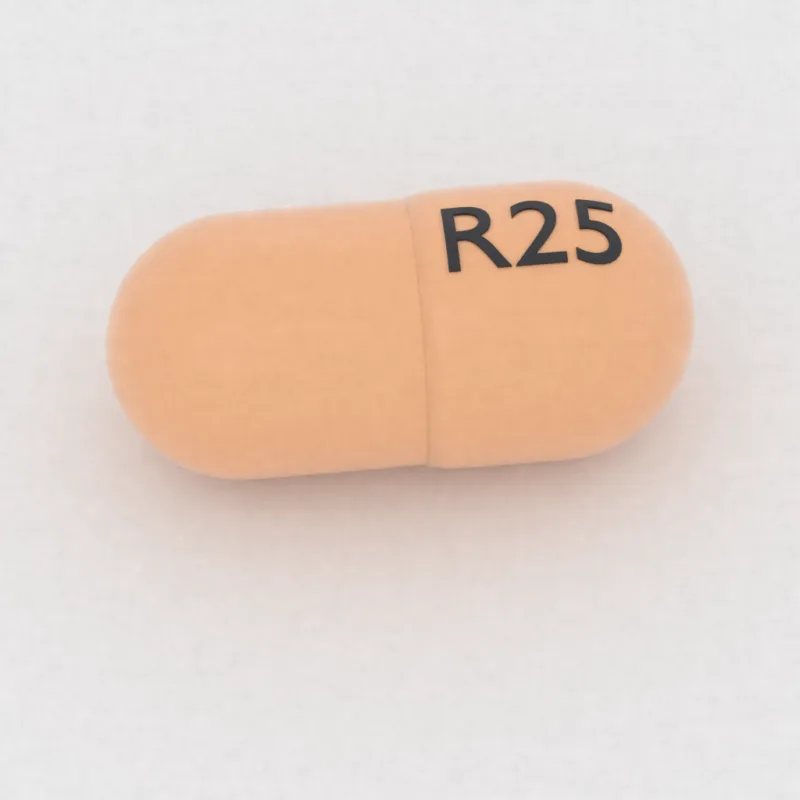
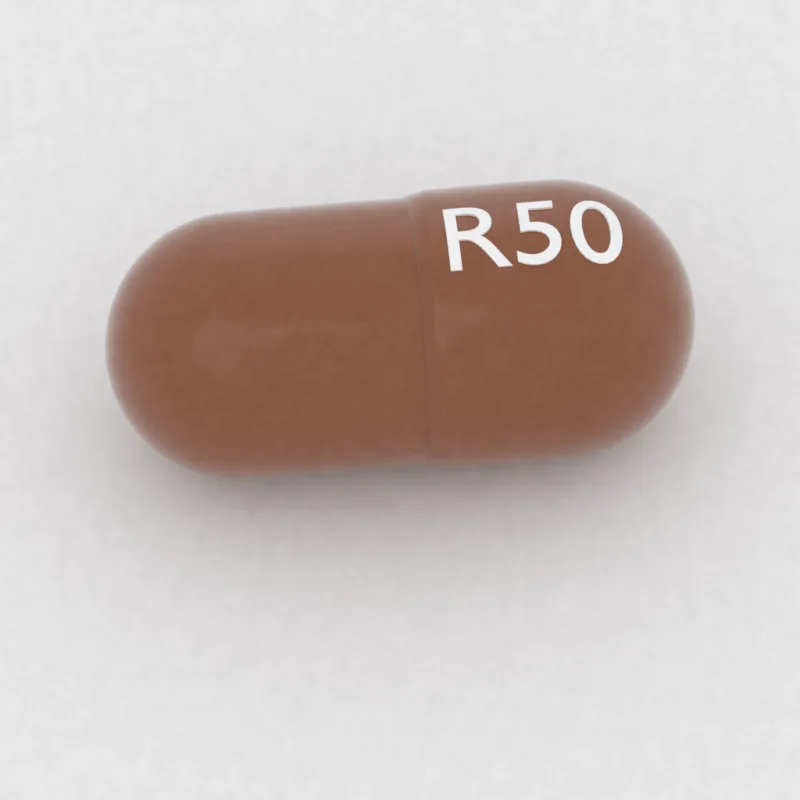
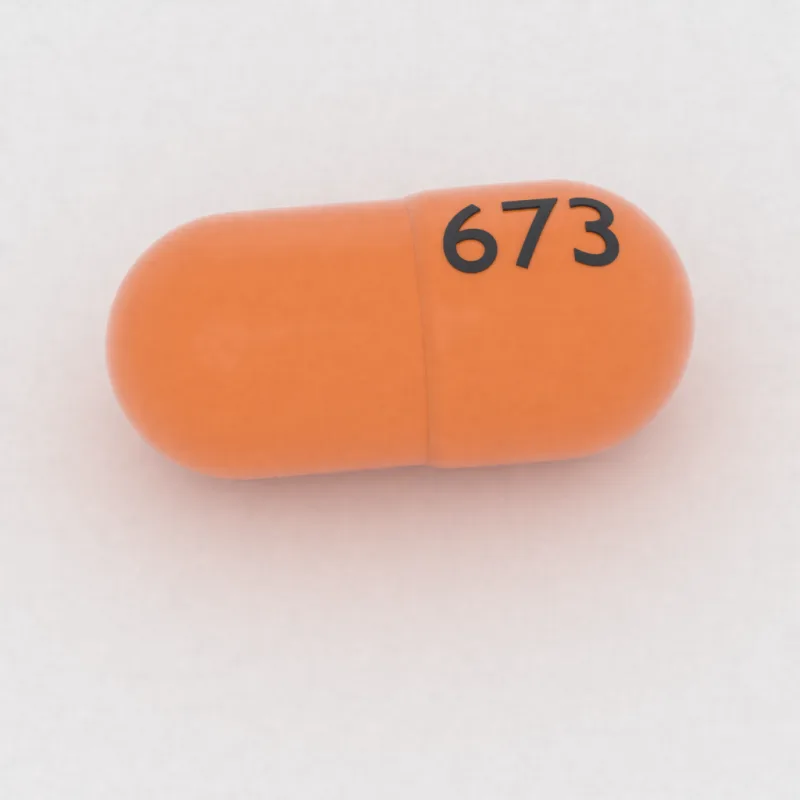
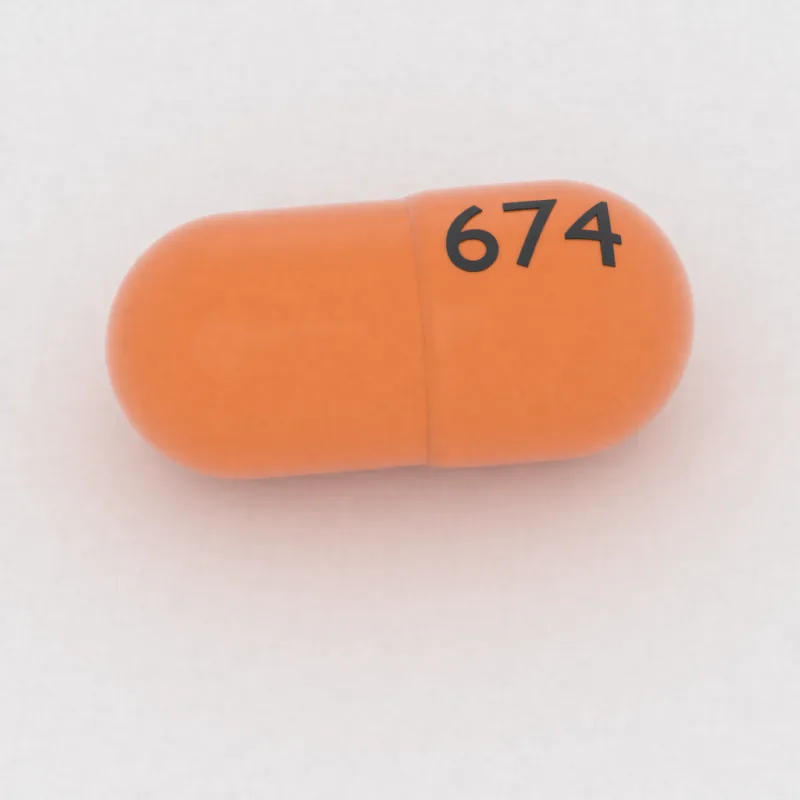
Renderings from the FDA labels' product listings: color, shape, size, and imprint. 16 documented versions from 11 labelers.
Interactions from the label
Major interactions (13)
Magnesium-containing preparations (e.g., antacids) and calcitriol should not be used concomitantly in patients on chronic renal dialysis because such use may lead to the development of hypermagnesemia. (Calcitriol label, Warnings)
Calcium Supplements Uncontrolled intake of additional calcium-containing preparations should be avoided (see PRECAUTIONS: General ). (Calcitriol label, Drug interactions)
Calcium Supplements Uncontrolled intake of additional calcium-containing preparations should be avoided (see PRECAUTIONS: General ). (Calcitriol label, Drug interactions)
Calcium Supplements Uncontrolled intake of additional calcium-containing preparations should be avoided (see PRECAUTIONS: General ). (Calcitriol label, Drug interactions)
Table 2: Oral drugs that can be administered concomitantly with Ferric Citrate Tablets Amlodipine Aspirin Atorvastatin Calcitriol Clopidogrel Digoxin Diltiazem Doxercalciferol Enalapril Fluvastatin Glimepiride Levofloxacin Losartan Metoprolol Pravastatin Propranolol Sitagliptin Warfarin Oral drugs that have to be separated from Ferric Citrate Tablets and meals… (Ferric citrate label, Drug interactions)
Calcium Supplements Uncontrolled intake of additional calcium-containing preparations should be avoided (see PRECAUTIONS: General ). (Calcitriol label, Drug interactions)
Magnesium-containing preparations (e.g., antacids) and calcitriol should not be used concomitantly in patients on chronic renal dialysis because such use may lead to the development of hypermagnesemia. (Calcitriol label, Warnings)
Calcium Supplements Uncontrolled intake of additional calcium-containing preparations should be avoided (see PRECAUTIONS: General ). (Calcitriol label, Drug interactions)
Calcium Supplements Uncontrolled intake of additional calcium-containing preparations should be avoided (see PRECAUTIONS: General ). (Calcitriol label, Drug interactions)
Calcium Supplements Uncontrolled intake of additional calcium-containing preparations should be avoided (see PRECAUTIONS: General ). (Calcitriol label, Drug interactions)
Magnesium-containing preparations (e.g., antacids) and calcitriol should not be used concomitantly in patients on chronic renal dialysis because such use may lead to the development of hypermagnesemia. (Calcitriol label, Warnings)
Magnesium-containing preparations (e.g., antacids) and calcitriol should not be used concomitantly in patients on chronic renal dialysis because such use may lead to the development of hypermagnesemia. (Calcitriol label, Warnings)
CONTRAINDICATIONS Calcitriol should not be given to patients with hypercalcemia or evidence of vitamin D toxicity. (Calcitriol label, Contraindications)
Moderate interactions (41)
Thiazides Thiazides are known to induce hypercalcemia by the reduction of calcium excretion in urine. (Calcitriol label, Drug interactions)
Thiazides Thiazides are known to induce hypercalcemia by the reduction of calcium excretion in urine. (Calcitriol label, Drug interactions)
Thiazides Thiazides are known to induce hypercalcemia by the reduction of calcium excretion in urine. (Calcitriol label, Drug interactions)
- Calcitonin salmonModerate
Use of Miacalcin injection for the treatment of Paget’s disease or postmenopausal osteoporosis is recommended in conjunction with an adequate intake of calcium and vitamin D [see Dosage and Administration (2.5) ] . (Calcitonin salmon label, Warnings and precautions)
- Calcium chlorideModerate
Drugs That Increase the Risk of Hypercalcemia Increase frequency of monitoring of calcium concentrations in patients taking concomitant Calcium Chloride Injection and other drugs that increase the risk of hypercalcemia (e.g., calcipotriene, estrogen, lithium, parathyroid hormone, teriparatide, thiazide diuretics, Vitamin A, and Vitamin D). (Calcium chloride label, Drug interactions)
Thiazides Thiazides are known to induce hypercalcemia by the reduction of calcium excretion in urine. (Calcitriol label, Drug interactions)
Thiazides Thiazides are known to induce hypercalcemia by the reduction of calcium excretion in urine. (Calcitriol label, Drug interactions)
Thiazides Thiazides are known to induce hypercalcemia by the reduction of calcium excretion in urine. (Calcitriol label, Drug interactions)
DRUG INTERACTIONS Cholestyramine Cholestyramine has been reported to reduce intestinal absorption of fat-soluble vitamins; as such it may impair intestinal absorption of calcitriol (see WARNINGS and PRECAUTIONS: General ). (Calcitriol label, Drug interactions)
If corrected serum calcium falls below the lower limit of normal or symptoms of hypocalcemia develop, start or increase calcium supplementation (including calcium, calcium-containing phosphate binders, and/or vitamin D sterols or increases in dialysate calcium concentration). (Cinacalcet label, Warnings and precautions)
Danazol can increase the calcemic response to synthetic vitamin D analogs in primary hypoparathyroidism. (Danazol label, Drug interactions)
- DenosumabModerate
Monitor calcium levels during therapy, especially in the first weeks of initiating therapy, and adequately supplement all patients with calcium and vitamin D. (Denosumab label, Warnings and precautions)
Digitalis Calcitriol dosage must be determined with care in patients undergoing treatment with digitalis, as hypercalcemia in such patients may precipitate cardiac arrhythmias (see PRECAUTIONS: General ). (Calcitriol label, Drug interactions)
Hypercalcemia may be exacerbated by concomitant administration of high doses of calcium-containing preparations, thiazide diuretics, or other vitamin D compounds [see Drug Interactions ( 7 )]. (Doxercalciferol label, Warnings and precautions)
Thiazides Thiazides are known to induce hypercalcemia by the reduction of calcium excretion in urine. (Calcitriol label, Drug interactions)
Thiazides Thiazides are known to induce hypercalcemia by the reduction of calcium excretion in urine. (Calcitriol label, Drug interactions)
Other Corticosteroids, doxycycline, estrogens, furosemide, oral contraceptives, paroxetine, quinidine, rifampin, sertraline, theophylline, and vitamin D Drugs whose level is decreased by phenytoin Anticoagulants Apixaban, dabigatran, edoxaban, rivaroxaban Antiepileptic drugs The effect of phenytoin on phenobarbital, valproic acid and sodium valproate serum levels… (Fosphenytoin label, Drug interactions)
Thiazides Thiazides are known to induce hypercalcemia by the reduction of calcium excretion in urine. (Calcitriol label, Drug interactions)
Instruct patients to take supplemental calcium and vitamin D if their dietary intake is inadequate (see Dosage and Administration [2.3] ) . (Ibandronate label, Warnings and precautions)
Thiazides Thiazides are known to induce hypercalcemia by the reduction of calcium excretion in urine. (Calcitriol label, Drug interactions)
Thiazides Thiazides are known to induce hypercalcemia by the reduction of calcium excretion in urine. (Calcitriol label, Drug interactions)
Reductions in serum endogenous calcitriol concentrations have been observed following the administration of 300 mg/day to 1200 mg/day ketoconazole for a week to healthy men. (Calcitriol label, Drug interactions)
Thiazides Thiazides are known to induce hypercalcemia by the reduction of calcium excretion in urine. (Calcitriol label, Drug interactions)
Thiazides Thiazides are known to induce hypercalcemia by the reduction of calcium excretion in urine. (Calcitriol label, Drug interactions)
Thiazides Thiazides are known to induce hypercalcemia by the reduction of calcium excretion in urine. (Calcitriol label, Drug interactions)
Thiazides Thiazides are known to induce hypercalcemia by the reduction of calcium excretion in urine. (Calcitriol label, Drug interactions)
Thiazides Thiazides are known to induce hypercalcemia by the reduction of calcium excretion in urine. (Calcitriol label, Drug interactions)
Thiazides Thiazides are known to induce hypercalcemia by the reduction of calcium excretion in urine. (Calcitriol label, Drug interactions)
- OrlistatModerate
The effect of ORLISTAT on the absorption of supplemental vitamin D, vitamin A, and nutritionally-derived vitamin K is not known at this time [see Clinical Pharmacology (12.3) , and Warnings and Precautions (5.1) ] . (Orlistat label, Drug interactions)
• Electrolyte disorders (e.g., hypophosphatemia, hypokalemia, hypomagnesemia, hypocalcemia): Monitor phosphorus, potassium, magnesium, calcium and vitamin D and adequately supplement as appropriate. (Pamidronate label, Warnings and precautions)
Hypercalcemia may be exacerbated by concomitant administration of high doses of calcium-containing preparations, thiazide diuretics, or other vitamin D compounds [see Drug Interactions (7) ] . (Paricalcitol label, Warnings and precautions)
Phenytoin/Phenobarbital The coadministration of phenytoin or phenobarbital will not affect plasma concentrations of calcitriol, but may reduce endogenous plasma levels of 25(OH)D 3 by accelerating metabolism. (Calcitriol label, Drug interactions)
Phenytoin/Phenobarbital The coadministration of phenytoin or phenobarbital will not affect plasma concentrations of calcitriol, but may reduce endogenous plasma levels of 25(OH)D 3 by accelerating metabolism. (Calcitriol label, Drug interactions)
Phenytoin/Phenobarbital The coadministration of phenytoin or phenobarbital will not affect plasma concentrations of calcitriol, but may reduce endogenous plasma levels of 25(OH)D 3 by accelerating metabolism. (Calcitriol label, Drug interactions)
Thiazides Thiazides are known to induce hypercalcemia by the reduction of calcium excretion in urine. (Calcitriol label, Drug interactions)
Calcium Supplements/Antacids When Risedronate sodium delayed-release was administered following breakfast, the co-administration of a tablet containing 600 mg of elemental calcium and 400 international units vitamin D reduced risedronate bioavailability by approximately 38% [ see Clinical Pharmacology (12.3) ] . (Risedronate label, Drug interactions)
Thiazides Thiazides are known to induce hypercalcemia by the reduction of calcium excretion in urine. (Calcitriol label, Drug interactions)
Thiazides Thiazides are known to induce hypercalcemia by the reduction of calcium excretion in urine. (Calcitriol label, Drug interactions)
Thiazides Thiazides are known to induce hypercalcemia by the reduction of calcium excretion in urine. (Calcitriol label, Drug interactions)
Thiazides Thiazides are known to induce hypercalcemia by the reduction of calcium excretion in urine. (Calcitriol label, Drug interactions)
All patients should be instructed about the symptoms of hypocalcemia and the importance of calcium and vitamin D supplementation in maintaining serum calcium levels [see Dosage and Administration ( 2.8 ), Adverse Reactions ( 6.1 ), Patient Counseling Information ( 17 )]. (Zoledronic acid label, Warnings and precautions)
Minor mentions (30)
Other disorders affecting mineral metabolism (such as vitamin D deficiency) should also be effectively treated. (Alendronate label, Warnings and precautions)
Corticosteroids A relationship of functional antagonism exists between vitamin D analogues, which promote calcium absorption, and corticosteroids, which inhibit calcium absorption. (Calcitriol label, Drug interactions)
Corticosteroids A relationship of functional antagonism exists between vitamin D analogues, which promote calcium absorption, and corticosteroids, which inhibit calcium absorption. (Calcitriol label, Drug interactions)
Corticosteroids A relationship of functional antagonism exists between vitamin D analogues, which promote calcium absorption, and corticosteroids, which inhibit calcium absorption. (Calcitriol label, Drug interactions)
Corticosteroids A relationship of functional antagonism exists between vitamin D analogues, which promote calcium absorption, and corticosteroids, which inhibit calcium absorption. (Calcitriol label, Drug interactions)
Corticosteroids A relationship of functional antagonism exists between vitamin D analogues, which promote calcium absorption, and corticosteroids, which inhibit calcium absorption. (Calcitriol label, Drug interactions)
- Calcium gluconateMinor
Drugs that may cause hypercalcemia: Vitamin D, vitamin A, thiazide diuretics, estrogen, calcipotriene and teriparatide administration may cause hypercalcemia. (Calcium gluconate label, Drug interactions)
Corticosteroids A relationship of functional antagonism exists between vitamin D analogues, which promote calcium absorption, and corticosteroids, which inhibit calcium absorption. (Calcitriol label, Drug interactions)
Corticosteroids A relationship of functional antagonism exists between vitamin D analogues, which promote calcium absorption, and corticosteroids, which inhibit calcium absorption. (Calcitriol label, Drug interactions)
- CysteamineMinor
Other Medications Used for the Management of Fanconi Syndrome PROCYSBI can be administered with other electrolyte and mineral replacements necessary for management of Fanconi syndrome, as well as vitamin D and thyroid hormone. (Cysteamine label, Drug interactions)
Corticosteroids A relationship of functional antagonism exists between vitamin D analogues, which promote calcium absorption, and corticosteroids, which inhibit calcium absorption. (Calcitriol label, Drug interactions)
Corticosteroids A relationship of functional antagonism exists between vitamin D analogues, which promote calcium absorption, and corticosteroids, which inhibit calcium absorption. (Calcitriol label, Drug interactions)
Corticosteroids A relationship of functional antagonism exists between vitamin D analogues, which promote calcium absorption, and corticosteroids, which inhibit calcium absorption. (Calcitriol label, Drug interactions)
Serum parathyroid hormone levels and 1,25 Vitamin D levels were also higher in subjects receiving TDF. (Efavirenz, lamivudine, and tenofovir label, Warnings and precautions)
Serum parathyroid hormone levels and 1,25 Vitamin D levels were also higher in subjects receiving TDF. (Emtricitabine, rilpivirine, and tenofovir label, Warnings and precautions)
• Routine assessment of 25-hydroxy vitamin D levels prior to the start of aromatase inhibitor treatment should be performed ( 5.2 ). (Exemestane label, Warnings and precautions)
Corticosteroids A relationship of functional antagonism exists between vitamin D analogues, which promote calcium absorption, and corticosteroids, which inhibit calcium absorption. (Calcitriol label, Drug interactions)
Corticosteroids A relationship of functional antagonism exists between vitamin D analogues, which promote calcium absorption, and corticosteroids, which inhibit calcium absorption. (Calcitriol label, Drug interactions)
Corticosteroids A relationship of functional antagonism exists between vitamin D analogues, which promote calcium absorption, and corticosteroids, which inhibit calcium absorption. (Calcitriol label, Drug interactions)
Corticosteroids A relationship of functional antagonism exists between vitamin D analogues, which promote calcium absorption, and corticosteroids, which inhibit calcium absorption. (Calcitriol label, Drug interactions)
Corticosteroids A relationship of functional antagonism exists between vitamin D analogues, which promote calcium absorption, and corticosteroids, which inhibit calcium absorption. (Calcitriol label, Drug interactions)
Corticosteroids A relationship of functional antagonism exists between vitamin D analogues, which promote calcium absorption, and corticosteroids, which inhibit calcium absorption. (Calcitriol label, Drug interactions)
Corticosteroids A relationship of functional antagonism exists between vitamin D analogues, which promote calcium absorption, and corticosteroids, which inhibit calcium absorption. (Calcitriol label, Drug interactions)
Corticosteroids A relationship of functional antagonism exists between vitamin D analogues, which promote calcium absorption, and corticosteroids, which inhibit calcium absorption. (Calcitriol label, Drug interactions)
Corticosteroids A relationship of functional antagonism exists between vitamin D analogues, which promote calcium absorption, and corticosteroids, which inhibit calcium absorption. (Calcitriol label, Drug interactions)
Corticosteroids A relationship of functional antagonism exists between vitamin D analogues, which promote calcium absorption, and corticosteroids, which inhibit calcium absorption. (Calcitriol label, Drug interactions)
Corticosteroids A relationship of functional antagonism exists between vitamin D analogues, which promote calcium absorption, and corticosteroids, which inhibit calcium absorption. (Calcitriol label, Drug interactions)
Corticosteroids A relationship of functional antagonism exists between vitamin D analogues, which promote calcium absorption, and corticosteroids, which inhibit calcium absorption. (Calcitriol label, Drug interactions)
Serum parathyroid hormone levels and 1,25 Vitamin D levels were also higher in subjects receiving VIREAD. (Tenofovir label, Warnings and precautions)
Corticosteroids A relationship of functional antagonism exists between vitamin D analogues, which promote calcium absorption, and corticosteroids, which inhibit calcium absorption. (Calcitriol label, Drug interactions)
Check Calcitriol against everything you take. Add your full list; every pair is checked at once.
Open in the checkerNot medical advice. Severity reflects the label's wording, not your circumstances. A "major" flag can be routine under supervision and a "minor" one can matter at high doses. Ask a pharmacist.