
Amantadin etkileşimleri
antikolinerjik sınıfından Amantadin (Gocovri, Osmolex, Symmetrel) için dizinlediğimiz FDA etiketlerinde ve bilgi sayfalarında 162 belgelenmiş etkileşim var: 16 majör, 94 orta, 50 minör ve bir etiketin anlamlı etkileşim olmadığını bildirdiği 2 çift. Aşağıdaki her kayıt, dayandığı cümleyi alıntılar. Bu ilaç sayfası bir başlangıç noktasıdır; sizin durumunuz için verilmiş bir hüküm değildir.
Amantadin nasıl görünür
21 sürümün tümü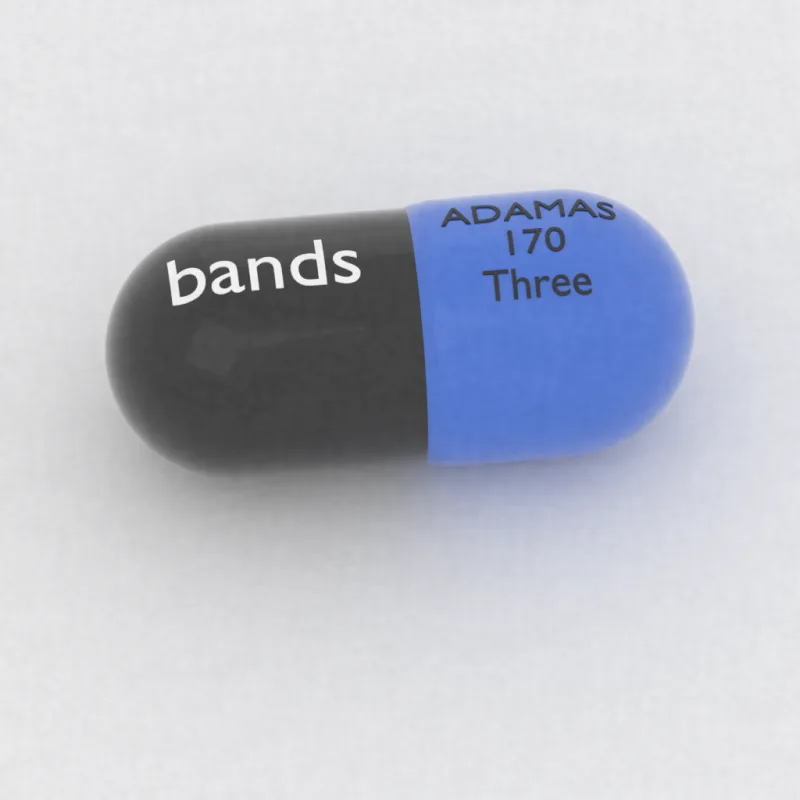

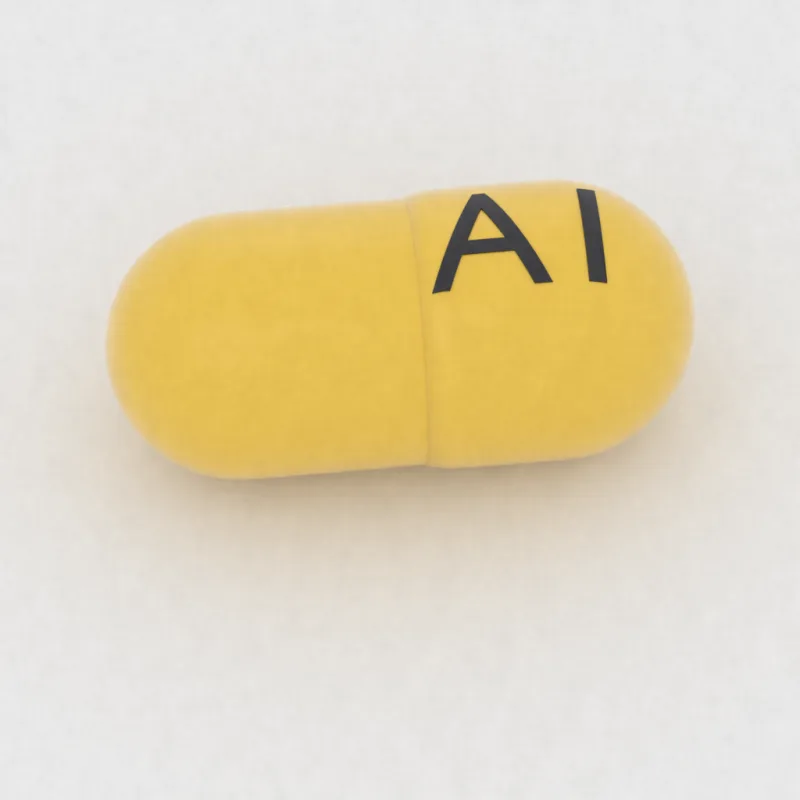
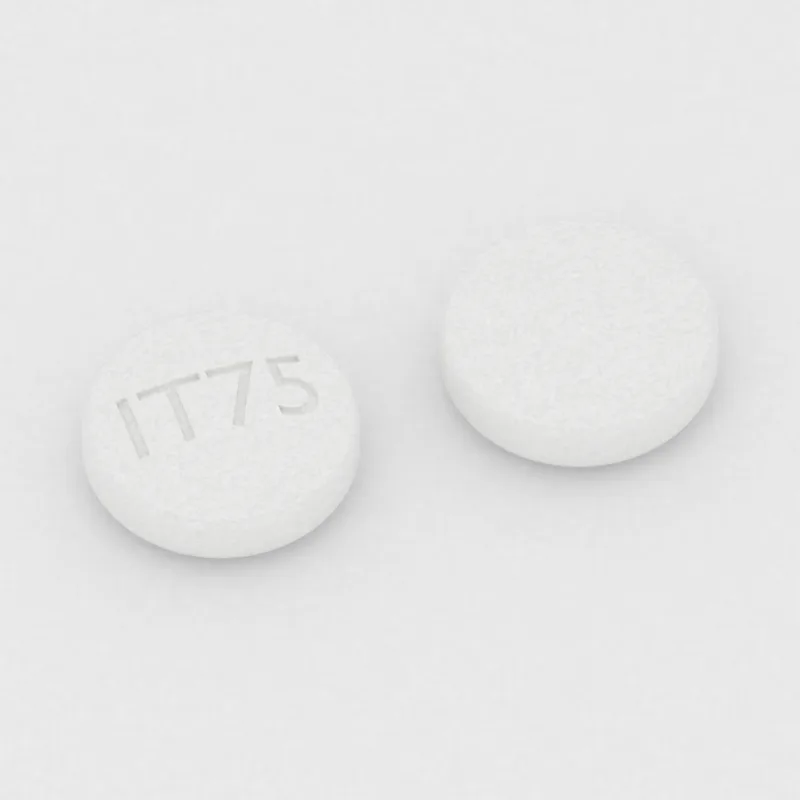
Çizimler, FDA etiketlerindeki ürün bilgilerinden oluşturulmuştur: renk, şekil, boyut ve baskı. 25 firmaya ait 21 belgelenmiş sürüm.
Etikete göre etkileşimler
Majör etkileşimler (16)
Avoid administrations of TUDORZA PRESSAIR with other anticholinergic-containing drugs. (Aklidinyum etiketi, İlaç etkileşimleri)
Usage of MOTOFEN ® in recommended doses is not likely to cause prominent anticholinergic side effects, but MOTOFEN ® should be avoided in patients in whom anticholinergic drugs are contraindicated. (Difenoksin ve atropin etiketi, Uyarılar)
• Other Conditions Exacerbated by Anticholinergic Adverse Reactions : Use is not recommended in patients with autonomic neuropathy, hyperthyroidism, cardiac disease, hiatal hernia, etc. (Glikopironyum (glikopirolat) etiketi, Uyarılar ve önlemler)
- GlukagonMajör
Intervention Concomitant use of anticholinergic drugs with GVOKE VialDx is not recommended. (Glukagon etiketi, İlaç etkileşimleri)
Avoid administration of ATROVENT HFA with other anticholinergic-containing drugs ( 7.1 ) (İpratropium etiketi, İlaç etkileşimleri)
- KarbidopaMajör
Nonselective monoamine oxidase (MAO) inhibitors are contraindicated for use with levodopa or carbidopa-levodopa combination products with or without carbidopa. (Karbidopa etiketi, Kontrendikasyonlar)
Quinidine is also contraindicated in patients who, like those with myasthenia gravis, might be adversely affected by an anticholinergic agent. (Kinidin etiketi, Kontrendikasyonlar)
When possible, avoid concomitant use, with other anticholinergic medications because the risk for anticholinergic toxicity or severe gastrointestinal adverse reactions is increased [see Warnings and Precautions ( 5.7 ), Drug Interactions ( 7.1 )]. (Klozapin etiketi, Uyarılar ve önlemler)
Other important considerations in the differential diagnosis include central anticholinergic toxicity, heat stroke, malignant hyperthermia, drug fever, serotonin syndrome, and primary central nervous system pathology. (Metoklopramid etiketi, Uyarılar ve önlemler)
In patients in whom there is cause for arrest or delay in tablet passage through the gastrointestinal tract, such as those suffering from delayed gastric emptying, esophageal compression, intestinal obstruction or stricture, or those taking anticholinergic medication. (Potasyum sitrat etiketi, Kontrendikasyonlar)
Concomitant use with metoclopramide, beta-blockers, or cholinomimetic and anticholinergic drugs is not recommended ( 7.1 , 7.2 , 7.3 ) (Rivastigmin etiketi, İlaç etkileşimleri)
Avoid administration of SPIRIVA RESPIMAT with other anticholinergic-containing drugs. (Tiotropium etiketi, İlaç etkileşimleri)
- TolkaponMajör
Tolcapone tablets is also contraindicated in patients with a history of nontraumatic rhabdomyolysis or hyperpyrexia and confusion possibly related to medication (see PRECAUTIONS: Events Reported With Dopaminergic Therapy ). (Tolkapon etiketi, Kontrendikasyonlar)
…sympathomimetic herbal medicines or dietary supplements antihistamines (allergy medicines) triptans buspirone carbamazepine dextromethorphan dopamine hydroxytryptophan and tryptophan levodopa and methyldopa meperidine rasagline resperine s-adenosyl-L-methionine (SAM-e) tapentadol tetrabenazin Ask your healthcare provider or pharmacist if you are not sure if you… (Tranilsipromin etiketi, Kutulu uyarı)
Avoid administration of Umeclidinium ELLIPTA with other anticholinergic-containing drugs. (Umeklidinyum etiketi, İlaç etkileşimleri)
Avoid administration of Umeclidinium and Vilanterol ELLIPTA with other anticholinergic-containing drugs. (Umeklidinyum ve vilanterol etiketi, İlaç etkileşimleri)
Orta düzey etkileşimler (94)
Other important considerations in the differential diagnosis include central anticholinergic toxicity, heat stroke, drug fever, and primary central nervous system pathology. (Aripiprazol etiketi, Uyarılar ve önlemler)
Strenuous exercise, exposure to extreme heat, dehydration, and anticholinergic medications may contribute to an elevation in core body temperature; use SAPHRIS with caution in patient who may experience these conditions. (Asenapin etiketi, Uyarılar ve önlemler)
Drugs that alter gastrointestinal motility: The bioavailability of thiazide-type diuretics may be increased by anticholinergic agents (e.g., atropine, biperiden), apparently due to a decrease in gastrointestinal motility and the stomach emptying rate. (Benazepril ve hidroklorotiyazid etiketi, İlaç etkileşimleri)
Aminoglycosides or other agents interfering with neuromuscular transmission Anticholinergic drugs Botulinum neurotoxin products Muscle relaxants Aminoglycoside antibiotics, anticholinergic agents, or any other agents that interfere with neuromuscular transmission may potentiate the effect of DAXXIFY; co-administer only with caution and close observation. (Botulinum toksini tip A etiketi, İlaç etkileşimleri)
Strenuous exercise, exposure to extreme heat, dehydration, and anticholinergic medications may contribute to an elevation in core body temperature; use REXULTI with caution in patients who may experience these conditions. (Brekspiprazol etiketi, Uyarılar ve önlemler)
Impulse Control/Compulsive Behaviors There have been reports of patients experiencing intense urges to gamble, increased sexual urges, intense urges to spend money uncontrollably, and/or other intense urges, and the inability to control these urges while taking one or more of the medications, including bromocriptine, that increase central dopaminergic tone. (Bromokriptin etiketi, Uyarılar ve önlemler)
Anticholinergic Drugs Clinical Impact: The concomitant use of anticholinergic drugs may increase the risk of urinary retention and/or severe constipation, which may lead to paralytic ileus. (Buprenorfin etiketi, İlaç etkileşimleri)
Anticholinergic Drugs Clinical Impact: The concomitant use of anticholinergic drugs may increase the risk of urinary retention and/or severe constipation, which may lead to paralytic ileus. (Buprenorfin ve nalokson etiketi, İlaç etkileşimleri)
CNS toxicity has been reported when bupropion was coadministered with levodopa or amantadine. (Bupropion etiketi, İlaç etkileşimleri)
Anticholinergic Drugs Clinical Impact: The concomitant use of anticholinergic drugs may increase risk of urinary retention and/or severe constipation, which may lead to paralytic ileus. (Butalbital, aspirin, kafein ve kodein etiketi, İlaç etkileşimleri)
Anticholinergic Drugs Clinical Impact: The concomitant use of anticholinergic drugs may increase risk of urinary retention and/or severe constipation, which may lead to paralytic ileus. (Butalbital, parasetamol, kafein ve kodein etiketi, İlaç etkileşimleri)
Darifenacin extended-release tablets, like other anticholinergic drugs, may decrease gastrointestinal motility and should be used with caution in patients with conditions such as severe constipation, ulcerative colitis, and myasthenia gravis. (Darifenasin etiketi, Uyarılar ve önlemler)
The intravenous administration of anticholinergic agents (e.g., glycopyrrolate, atropine) should be considered to modify vagal tone. (Deksmedetomidin etiketi, Uyarılar ve önlemler)
Coadministration of quinine or quinidine with amantadine hydrochloride was shown to reduce the renal clearance of amantadine hydrochloride by about 30%. (Amantadin etiketi, İlaç etkileşimleri)
Clinical presentations vary in terms of which toxicity (anticholinergic vs. opioid) will present first or predominate; non-specific findings have been reported and include symptoms such as drowsiness (see OVERDOSAGE ). (Difenoksilat ve atropin etiketi, Uyarılar)
Anticholinergic agents: may affect the gastrointestinal absorption of various drugs; may also increase certain actions or side effects of other anticholinergic drugs (7) (Disikloverin etiketi, İlaç etkileşimleri)
Neuroleptic Malignant Syndrome (NMS) A potentially fatal symptom complex sometimes referred to as Neuroleptic Malignant Syndrome (NMS) has been reported in association with drugs that reduce dopaminergic transmission. (Dötetrabenazin etiketi, Uyarılar ve önlemler)
Observe patients carefully when the dosage of NORTHERA is changed or when concomitant levodopa is reduced abruptly or discontinued, especially if the patient is receiving neuroleptics. (Droksidopa etiketi, Uyarılar ve önlemler)
Concomitant use of other drugs that cause dizziness, confusion, sedation, or somnolence such as CNS depressants may increase this effect (e.g., barbiturates, benzodiazepines, lithium, opioids, buspirone, scopolamine, antihistamines, tricyclic antidepressants, other anticholinergic agents, and muscle relaxants). (Dronabinol etiketi, Uyarılar ve önlemler)
Examples: alosetron, anticholinergics, opioids Table 3: Established and Other Potentially Clinically Relevant Interactions Affecting Drugs Co-Administered with VIBERZI OATP1B1 and BCRP Substrate Clinical Impact: VIBERZI may increase the exposure of co-administered OATP1B1 and BCRP substrates. (Eluksadolin etiketi, İlaç etkileşimleri)
- EntakaponOrta
…Metabolized By Catechol-O-Methyltransferase (COMT) When a single 400 mg dose of entacapone was given with intravenous isoprenaline (isoproterenol) and epinephrine without coadministered levodopa and dopa decarboxylase inhibitor, the overall mean maximal changes in heart rate during infusion were about 50% and 80% higher than with placebo, for isoprenaline and epinephrine,… (Entakapon etiketi, Uyarılar)
Anticholinergic Drugs Clinical Impact: The concomitant use of anticholinergic drugs may increase risk of urinary retention and/or severe constipation, which may lead to paralytic ileus. (Fentanil etiketi, İlaç etkileşimleri)
Urinary Retention in Adult Patients With Bladder Outlet Obstruction The use of Toviaz, like other antimuscarinic drugs, in patients with clinically significant bladder outlet obstruction, including patients with urinary retention, may result in further urinary retention and kidney injury. (Fesoterodin etiketi, Uyarılar ve önlemler)
Other important considerations in the differential diagnosis include central anticholinergic toxicity, heat stroke, drug fever and primary central nervous system (CNS) pathology. (Flufenazin etiketi, Uyarılar)
Other important considerations in the differential diagnosis include central anticholinergic toxicity, heat stroke, drug fever and primary central nervous system (CNS) pathology. (Haloperidol etiketi, Uyarılar)
Anticholinergic Drugs Clinical Impact: The concomitant use of anticholinergic drugs may increase risk of urinary retention and/or severe constipation, which may lead to paralytic ileus. (Hidrokodon etiketi, İlaç etkileşimleri)
Anticholinergic Drugs The concomitant use of anticholinergic drugs with hydrocodone bitartrate and homatropine methylbromide may increase risk of urinary retention and/or severe constipation, which may lead to paralytic ileus [see Warnings and Precautions (5.9) ] . (Hidrokodon ve homatropin etiketi, İlaç etkileşimleri)
Anticholinergics The concomitant use of anticholinergic drugs may increase risk of urinary retention and/or severe constipation, which may lead to paralytic ileus. (Hidrokodon ve ibuprofen etiketi, İlaç etkileşimleri)
Anticholinergic Drugs The concomitant use of anticholinergic drugs may increase risk of urinary retention and/or severe constipation, which may lead to paralytic ileus. (Hidrokodon ve parasetamol etiketi, İlaç etkileşimleri)
Anticholinergic Drugs Clinical Impact: The concomitant use of anticholinergic drugs may increase risk of urinary retention and/or severe constipation, which may lead to paralytic ileus. (Hidromorfon etiketi, İlaç etkileşimleri)
Strenuous exercise, exposure to extreme heat, dehydration, and anticholinergic medications may contribute to an elevation in core body temperature; use FANAPT with caution in patients who may experience these conditions. (İloperidon etiketi, Uyarılar ve önlemler)
Because of its anticholinergic effects, XEOMIN should be used with caution in patients at risk of developing narrow angle glaucoma. (İnkobotulinumtoksinA etiketi, Uyarılar ve önlemler)
Caution is, therefore, advised in the co-administration of Ipratropium Bromide and Albuterol Sulfate Inhalation Solution with other drugs having anticholinergic properties. β-adrenergic agents Caution is advised in the co-administration of Ipratropium Bromide and Albuterol Sulfate Inhalation Solution and other sympathomimetic agents due to the increased risk… (İpratropium ve salbutamol etiketi, İlaç etkileşimleri)
Patients can experience intense urges to gamble or to spend money, increased sexual urges, binge eating, and/or other intense urges, and the inability to control these urges while taking one or more drugs that increase central dopaminergic tone, including CABERGOLINE. (Kabergolin etiketi, Uyarılar ve önlemler)
Increased Intraocular Pressure Carbamazepine has mild anticholinergic activity. (Karbamazepin etiketi, Uyarılar ve önlemler)
Strenuous exercise, exposure to extreme heat, dehydration, and anticholinergic medications may contribute to an elevation in core body temperature; use VRAYLAR with caution in patient who may experience these conditions. (Kariprazin etiketi, Uyarılar ve önlemler)
• Anticholinergic (antimuscarinic) Effects: Use with caution with other anticholinergic drugs and in patients with urinary retention, prostatic hypertrophy, or constipation (5.20) (Ketiapin etiketi, Uyarılar ve önlemler)
Coadministration of quinine or quinidine with amantadine hydrochloride was shown to reduce the renal clearance of amantadine hydrochloride by about 30%. (Amantadin etiketi, İlaç etkileşimleri)
Anticholinergic Drugs Clinical Impact: The concomitant use of anticholinergic drugs may increase risk of urinary retention and/or severe constipation, which may lead to paralytic ileus. (Kodein etiketi, İlaç etkileşimleri)
Anticholinergic Drugs The concomitant use of anticholinergic drugs may increase risk of urinary retention and/or severe constipation, which may lead to paralytic ileus. (Levorfanol etiketi, İlaç etkileşimleri)
…hypertension, pheochromocytoma, thyrotoxicosis and/or patients taking any of the following types of medications: directly and indirectly acting sympathomimetic agents (e.g., pseudoephedrine), vasopressive agents (e.g., epinephrine, norepinephrine), dopaminergic agents (e.g., dopamine, dobutamine) [ see Drug Interactions (7) and Clinical Pharmacology (12.3) ]. (Linezolid etiketi, Uyarılar ve önlemler)
Other important considerations in the differential diagnosis include central anticholinergic toxicity, heat stroke, drug fever, and primary central nervous system (CNS) pathology. (Loksapin etiketi, Uyarılar)
- MemantinOrta
Use with Other N-methyl-D-aspartate (NMDA) Antagonists The combined use of memantine hydrochloride with other NMDA antagonists (amantadine, ketamine, and dextromethorphan) has not been systematically evaluated and such use should be approached with caution. (Memantin etiketi, İlaç etkileşimleri)
Use of Memantine with Other N-methyl-D-aspartate (NMDA) Antagonists The combined use of memantine hydrochloride with other NMDA antagonists (amantadine, ketamine, and dextromethorphan) has not been systematically evaluated and such use should be approached with caution. (Memantin ve donepezil etiketi, İlaç etkileşimleri)
Anticholinergic Drugs Clinical Impact: The concomitant use of anticholinergic drugs may increase risk of urinary retention and/or severe constipation, which may lead to paralytic ileus. (Metadon etiketi, İlaç etkileşimleri)
• Urinary Retention in Patients With Bladder Outlet Obstruction and in Patients Taking Muscarinic Antagonist Drugs for Overactive Bladder : Administer with caution in these patients because of risk of urinary retention. (Mirabegron etiketi, Uyarılar ve önlemler)
Anticholinergic Drugs Clinical Impact: The concomitant use of anticholinergic drugs may increase risk of urinary retention and/or severe constipation, which may lead to paralytic ileus. (Morfin etiketi, İlaç etkileşimleri)
Anticholinergic Drugs The concomitant use of anticholinergic drugs may increase risk of urinary retention and/or severe constipation, which may lead to paralytic ileus. (Nalbufin etiketi, İlaç etkileşimleri)
CNS toxicity has been reported when bupropion was coadministered with levodopa or amantadine. (Naltrekson ve bupropion etiketi, İlaç etkileşimleri)
An anticholinergic agent, (e.g., atropine sulfate or glycopyrrolate) should be administered prior to Neostigmine Methylsulfate Injection administration to lessen the risk of bradycardia [ see Dosage and Administration ( 2.4 ) ]. (Neostigmin etiketi, Uyarılar ve önlemler)
Close supervision and careful adjustment of the dosage are required when Pamelor is used with other anticholinergic drugs and sympathomimetic drugs. (Nortriptilin etiketi, İlaç etkileşimleri)
Oxybutynin chloride extended-release tablets, like other anticholinergic drugs, may decrease gastrointestinal motility and should be used with caution in patients with conditions such as ulcerative colitis and intestinal atony. (Oksibutinin etiketi, Uyarılar ve önlemler)
Anticholinergic Drugs Clinical Impact: The concomitant use of anticholinergic drugs may increase risk of urinary retention and/or severe constipation, which may lead to paralytic ileus. (Oksikodon etiketi, İlaç etkileşimleri)
Anticholinergic Drugs Clinical Impact: The concomitant use of anticholinergic drugs may result in increased risk of urinary retention and/or severe constipation, which may lead to paralytic ileus. (Oksikodon ve parasetamol etiketi, İlaç etkileşimleri)
Examples: cyclobenzaprine, metaxalone Anticholinergic Drugs Clinical Impact: The concomitant use of anticholinergic drugs may increase risk of urinary retention and/or severe constipation, which may lead to paralytic ileus. (Oksimorfon etiketi, İlaç etkileşimleri)
Anticholinergic (antimuscarinic) Effects: Use with caution with other anticholinergic drugs and in patients with urinary retention, prostatic hypertrophy, constipation, paralytic ileus or related conditions. (Olanzapin etiketi, Uyarılar ve önlemler)
Anticholinergic (antimuscarinic) Effects : Use with caution with other anticholinergic drugs and in patients with urinary retention, prostatic hypertrophy, constipation, history of paralytic ileus or related conditions ( 5.21 ) (Olanzapin ve fluoksetin etiketi, Uyarılar ve önlemler)
Anticholinergic Drugs Clinical Impact: The concomitant use of anticholinergic drugs may increase risk of urinary retention and/or severe constipation, which may lead to paralytic ileus. (Oliseridin etiketi, İlaç etkileşimleri)
Anticholinergic Drugs Use of anticholinergic drugs after administration of BOTOX may potentiate systemic anticholinergic effects. (OnabotulinumtoksinA etiketi, İlaç etkileşimleri)
Anticholinergic Drugs The concomitant use of anticholinergic drugs may increase risk of urinary retention and/or severe constipation, which may lead to paralytic ileus. (Parasetamol ve kodein etiketi, İlaç etkileşimleri)
Monitor patients for signs of diminished diuresis and/or effects on blood pressure and increase the dosage of the diuretic as needed Anticholinergic Drugs The concomitant use of anticholinergic drugs may increase risk of urinary retention and/or severe constipation, which may lead to paralytic ileus. (Pentazosin ve nalokson etiketi, İlaç etkileşimleri)
Other important considerations in the differential diagnosis include central anticholinergic toxicity, heat stroke, drug fever and primary central nervous system (CNS) pathology. (Perfenazin etiketi, Uyarılar)
Anticholinergic Drugs Clinical Impact: The concomitant use of anticholinergic drugs may increase risk of urinary retention and/or severe constipation, which may lead to paralytic ileus. (Petidin etiketi, İlaç etkileşimleri)
These effects should be considered when anticholinergic properties may be contributing to the therapeutic effect of concomitant medication (e.g., atropine, inhaled ipratropium). (Pilokarpin etiketi, İlaç etkileşimleri)
Other important considerations in the differential diagnosis include central anticholinergic toxicity, heat stroke, drug fever and primary central nervous system (CNS) pathology. (Pimozid etiketi, Uyarılar)
Use with caution in persons with increased risk of anticholinergic reactions, such as persons with bronchial asthma, chronic obstructive pulmonary disease, bradycardia, cardiac arrhythmias, beta blocker treatment (increased risk of anticholinergic reactions). (Piridostigmin etiketi, Uyarılar ve önlemler)
For these reasons, both Parkinson’s disease patients and RLS patients being treated with dopaminergic agonists ordinarily require careful monitoring for signs and symptoms of orthostatic hypotension, especially during dose escalation, and should be informed of this risk. (Pramipeksol etiketi, Uyarılar ve önlemler)
Anticholinergic drugs administered concurrently with PA may produce additive antivagal effects on A-V nodal conduction, although this is not as well documented for PA as for quinidine. (Prokainamid etiketi, İlaç etkileşimleri)
The intravenous administration of anticholinergic agents (e.g., atropine or glycopyrrolate) should be considered to modify potential increases in vagal tone due to concomitant agents (e.g., succinylcholine) or surgical stimuli. (Propofol etiketi, Uyarılar ve önlemler)
Decreasing the levodopa dose may lessen or eliminate this side effect ( 5.7 ) (Rasajilin etiketi, Uyarılar ve önlemler)
Decreasing the dose of dopaminergic medications may ameliorate this adverse reaction. (Ropinirol etiketi, Uyarılar ve önlemler)
- SapropterinOrta
Interaction with Levodopa : Seizures, over-stimulation or irritability may occur; monitor patients for a change in neurologic status. (Sapropterin etiketi, Uyarılar ve önlemler)
Dyskinesia ZELAPAR may potentiate dopaminergic side effects of levodopa and may cause dyskinesia or exacerbate preexisting dyskinesia. (Selejilin etiketi, Uyarılar ve önlemler)
- SepiapterinOrta
Interaction with Levodopa : Seizures, over-stimulation or irritability may occur; monitor patients for a change in neurologic status. (Sepiapterin etiketi, Uyarılar ve önlemler)
Consider having an anticholinergic and epinephrine available when administering sevoflurane for induction in this patient population. (Sevofluran etiketi, Uyarılar)
• Gastrointestinal and Urinary Disorders : Consider more frequent monitoring during treatment in patients suspected of having intestinal obstruction; patients with pyloric obstruction, patients with impeded urine flow or receiving other anticholinergic drugs. (Skopolamin etiketi, Uyarılar ve önlemler)
Urinary Retention The use of Solifenacin succinate tablets, like other antimuscarinic drugs, in patients with clinically significant bladder outlet obstruction including patients with urinary retention, may result in further urinary retention and kidney injury. (Solifenasin etiketi, Uyarılar ve önlemler)
Drugs that Increase Blood Pressure and/or Heart Rate and Dopaminergic Drugs : Use caution when co-administering with SUNOSI. (Solriamfetol etiketi, İlaç etkileşimleri)
- SugammadeksOrta
Monitor for hemodynamic changes and administer anticholinergic agents such as atropine if clinically significant bradycardia is observed. (Sugammadeks etiketi, Uyarılar ve önlemler)
Pretreatment with anticholinergic agents (e.g., atropine) may reduce the occurrence of bradyarrhythmias. (Süksinilkolin etiketi, Uyarılar ve önlemler)
Anticholinergic Drugs Clinical Impact: The concomitant use of anticholinergic drugs may increase risk of urinary retention and/or severe constipation, which may lead to paralytic ileus. (Tapentadol etiketi, İlaç etkileşimleri)
Neuroleptic Malignant Syndrome (NMS) A potentially fatal symptom complex sometimes referred to as Neuroleptic Malignant Syndrome (NMS) has been reported in association with tetrabenazine tablets and other drugs that reduce dopaminergic transmission [see Drug Interactions (7.6) ]. (Tetrabenazin etiketi, Uyarılar ve önlemler)
Other important considerations in the differential diagnosis include central anticholinergic toxicity, heat stroke, drug fever and primary central nervous system (CNS) pathology. (Tiotiksen etiketi, Uyarılar)
Caution should be used when topiramate extended-release capsules are prescribed with other drugs that predispose patients to heat-related disorders; these drugs include, but are not limited to, other carbonic anhydrase inhibitors and drugs with anticholinergic activity. (Topiramat etiketi, Uyarılar ve önlemler)
Anticholinergic Drugs Clinical Impact: The concomitant use of anticholinergic drugs may increase risk of urinary retention and/or severe constipation, which may lead to paralytic ileus. (Tramadol etiketi, İlaç etkileşimleri)
Anticholinergic Drugs Clinical Impact: The concomitant use of anticholinergic drugs may increase risk of urinary retention and/or severe constipation, which may lead to paralytic ileus. (Tramadol ve parasetamol etiketi, İlaç etkileşimleri)
Other important considerations in the differential diagnosis include central anticholinergic toxicity, heat stroke, drug fever and primary central nervous system (CNS) pathology. (Trifluoperazin etiketi, Uyarılar)
The usual dose of either trihexyphenidyl or levodopa may need to be reduced during concomitant therapy, since concomitant administration may increase drug-induced involuntary movements (See DOSAGE AND ADMINISTRATION ). (Triheksifenidil etiketi, İlaç etkileşimleri)
- TrimetobenzamidOrta
The recent use of other drugs that cause CNS depression or EPS symptoms (e.g., alcohol, sedatives, hypnotics, opiates, anxiolytics, antipsychotics, and anticholinergics) may also increase the risk for these serious CNS reactions [see Warnings and Precautions ( 5.1 , 5.5 )] . (Trimetobenzamid etiketi, Uyarılar ve önlemler)
Trospium chloride extended-release capsules, like other antimuscarinic agents, may decrease gastrointestinal motility and should be used with caution in patients with conditions such as ulcerative colitis, intestinal atony and myasthenia gravis. (Trospiyum etiketi, Uyarılar ve önlemler)
Neuroleptic Malignant Syndrome (NMS ) A potentially fatal symptom complex referred to as Neuroleptic Malignant Syndrome (NMS) has been reported in association with drugs that reduce dopaminergic transmission. (Valbenazin etiketi, Uyarılar ve önlemler)
Urinary Retention : Monitor for urinary retention, especially in patients with bladder outlet obstruction and also in patients taking muscarinic antagonist medications for OAB, in whom the risk of urinary retention may be greater. (Vibegron etiketi, Uyarılar ve önlemler)
Other important considerations in the differential diagnosis include central anticholinergic toxicity, heat stroke, drug fever, and primary central nervous system (CNS) pathology. (Ziprasidon etiketi, Uyarılar ve önlemler)
Caution should be used when ZONISADE is prescribed with other drugs that predispose patients to heat-related disorders; these drugs include, but are not limited to, carbonic anhydrase inhibitors and drugs with anticholinergic activity. (Zonisamid etiketi, Uyarılar ve önlemler)
Minör değinmeler (50)
Drug Interactions Careful observation is required when amantadine hydrochloride is administered concurrently with central nervous system stimulants. (Amantadin etiketi, İlaç etkileşimleri)
Drug Interactions Careful observation is required when amantadine hydrochloride is administered concurrently with central nervous system stimulants. (Amantadin etiketi, İlaç etkileşimleri)
Drug Interactions Careful observation is required when amantadine hydrochloride is administered concurrently with central nervous system stimulants. (Amantadin etiketi, İlaç etkileşimleri)
Drug Interactions Careful observation is required when amantadine hydrochloride is administered concurrently with central nervous system stimulants. (Amantadin etiketi, İlaç etkileşimleri)
When benztropine mesylate is given concomitantly with phenothiazines, haloperidol, or other drugs with anticholinergic or antidopaminergic activity, patients should be advised to report gastrointestinal complaints, fever or heat intolerance promptly. (Benztropin etiketi, Uyarılar)
Coadministration of 1 Dyazide (triamterene/hydrochlorothiazide) resulted in a higher plasma amantadine hydrochloride concentration in a 61-year old man receiving amantadine hydrochloride 100 mg TID for Parkinson's disease. (Amantadin etiketi, İlaç etkileşimleri)
Drug Interactions Careful observation is required when amantadine hydrochloride is administered concurrently with central nervous system stimulants. (Amantadin etiketi, İlaç etkileşimleri)
Drug Interactions Careful observation is required when amantadine hydrochloride is administered concurrently with central nervous system stimulants. (Amantadin etiketi, İlaç etkileşimleri)
Drug Interactions Careful observation is required when amantadine hydrochloride is administered concurrently with central nervous system stimulants. (Amantadin etiketi, İlaç etkileşimleri)
Drug Interactions Careful observation is required when amantadine hydrochloride is administered concurrently with central nervous system stimulants. (Amantadin etiketi, İlaç etkileşimleri)
Drug Interactions Careful observation is required when amantadine hydrochloride is administered concurrently with central nervous system stimulants. (Amantadin etiketi, İlaç etkileşimleri)
Cholinesterase inhibitors have the potential to interfere with the activity of anticholinergic medications ( 7.1 ) (Donepezil etiketi, İlaç etkileşimleri)
Coadministration of 1 Dyazide (triamterene/hydrochlorothiazide) resulted in a higher plasma amantadine hydrochloride concentration in a 61-year old man receiving amantadine hydrochloride 100 mg TID for Parkinson's disease. (Amantadin etiketi, İlaç etkileşimleri)
Drug Interactions Careful observation is required when amantadine hydrochloride is administered concurrently with central nervous system stimulants. (Amantadin etiketi, İlaç etkileşimleri)
Drug Interactions Careful observation is required when amantadine hydrochloride is administered concurrently with central nervous system stimulants. (Amantadin etiketi, İlaç etkileşimleri)
Drug Interactions Careful observation is required when amantadine hydrochloride is administered concurrently with central nervous system stimulants. (Amantadin etiketi, İlaç etkileşimleri)
Drug Interactions Careful observation is required when amantadine hydrochloride is administered concurrently with central nervous system stimulants. (Amantadin etiketi, İlaç etkileşimleri)
Flumazenil is not recommended in cases of serious cyclic antidepressant poisoning, as manifested by motor abnormalities (twitching, rigidity, focal seizure), dysrhythmia (wide QRS, ventricular dysrhythmia, heart block), anticholinergic signs (mydriasis, dry mucosa, hypoperistalsis), and cardiovascular collapse at presentation. (Flumazenil etiketi, Uyarılar)
Coadministration of 1 Dyazide (triamterene/hydrochlorothiazide) resulted in a higher plasma amantadine hydrochloride concentration in a 61-year old man receiving amantadine hydrochloride 100 mg TID for Parkinson's disease. (Amantadin etiketi, İlaç etkileşimleri)
Potential to interfere with the activity of anticholinergic medications ( 7.1 ) (Galantamin etiketi, İlaç etkileşimleri)
Coadministration of 1 Dyazide (triamterene/hydrochlorothiazide) resulted in a higher plasma amantadine hydrochloride concentration in a 61-year old man receiving amantadine hydrochloride 100 mg TID for Parkinson's disease. (Amantadin etiketi, İlaç etkileşimleri)
Coadministration of 1 Dyazide (triamterene/hydrochlorothiazide) resulted in a higher plasma amantadine hydrochloride concentration in a 61-year old man receiving amantadine hydrochloride 100 mg TID for Parkinson's disease. (Amantadin etiketi, İlaç etkileşimleri)
Coadministration of 1 Dyazide (triamterene/hydrochlorothiazide) resulted in a higher plasma amantadine hydrochloride concentration in a 61-year old man receiving amantadine hydrochloride 100 mg TID for Parkinson's disease. (Amantadin etiketi, İlaç etkileşimleri)
The expected incidence of fibrotic complications is so low that even if entacapone caused these complications at rates similar to those attributable to other dopaminergic therapies, it is unlikely that it would have been detected in a cohort of the size exposed to entacapone during its clinical development. (Karbidopa, levodopa ve entakapon etiketi, Uyarılar ve önlemler)
Coadministration of 1 Dyazide (triamterene/hydrochlorothiazide) resulted in a higher plasma amantadine hydrochloride concentration in a 61-year old man receiving amantadine hydrochloride 100 mg TID for Parkinson's disease. (Amantadin etiketi, İlaç etkileşimleri)
In a study in which the 2 mg clonazepam orally disintegrating tablet was administered with and without propantheline (an anticholinergic agent with multiple effects on the GI tract) to healthy volunteers, the AUC of clonazepam was 10% lower and the C max of clonazepam was 20% lower when the orally disintegrating tablet was given with propantheline compared to… (Klonazepam etiketi, İlaç etkileşimleri)
As with other anticholinergic drugs, clidinium may cause suppression of lactation. (Klordiazepoksit ve klidinyum etiketi, İlaç etkileşimleri)
Drug Interactions Careful observation is required when amantadine hydrochloride is administered concurrently with central nervous system stimulants. (Amantadin etiketi, İlaç etkileşimleri)
Coadministration of 1 Dyazide (triamterene/hydrochlorothiazide) resulted in a higher plasma amantadine hydrochloride concentration in a 61-year old man receiving amantadine hydrochloride 100 mg TID for Parkinson's disease. (Amantadin etiketi, İlaç etkileşimleri)
Coadministration of 1 Dyazide (triamterene/hydrochlorothiazide) resulted in a higher plasma amantadine hydrochloride concentration in a 61-year old man receiving amantadine hydrochloride 100 mg TID for Parkinson's disease. (Amantadin etiketi, İlaç etkileşimleri)
Strenuous exercise, exposure to extreme heat, dehydration, and anticholinergic drugs may contribute to an elevation in core body temperature. (Lumateperon etiketi, Uyarılar ve önlemler)
Appropriate care is advised when prescribing LATUDA for patients who will be experiencing conditions that may contribute to an elevation in core body temperature, e.g., exercising strenuously, exposure to extreme heat, receiving concomitant medication with anticholinergic activity, or being subject to dehydration. (Lurasidon etiketi, Uyarılar ve önlemler)
Drug Interactions Careful observation is required when amantadine hydrochloride is administered concurrently with central nervous system stimulants. (Amantadin etiketi, İlaç etkileşimleri)
Drug Interactions Careful observation is required when amantadine hydrochloride is administered concurrently with central nervous system stimulants. (Amantadin etiketi, İlaç etkileşimleri)
Coadministration of 1 Dyazide (triamterene/hydrochlorothiazide) resulted in a higher plasma amantadine hydrochloride concentration in a 61-year old man receiving amantadine hydrochloride 100 mg TID for Parkinson's disease. (Amantadin etiketi, İlaç etkileşimleri)
Drug Interactions Careful observation is required when amantadine hydrochloride is administered concurrently with central nervous system stimulants. (Amantadin etiketi, İlaç etkileşimleri)
Coadministration of 1 Dyazide (triamterene/hydrochlorothiazide) resulted in a higher plasma amantadine hydrochloride concentration in a 61-year old man receiving amantadine hydrochloride 100 mg TID for Parkinson's disease. (Amantadin etiketi, İlaç etkileşimleri)
Coadministration of 1 Dyazide (triamterene/hydrochlorothiazide) resulted in a higher plasma amantadine hydrochloride concentration in a 61-year old man receiving amantadine hydrochloride 100 mg TID for Parkinson's disease. (Amantadin etiketi, İlaç etkileşimleri)
Drug Interactions Careful observation is required when amantadine hydrochloride is administered concurrently with central nervous system stimulants. (Amantadin etiketi, İlaç etkileşimleri)
Appropriate care is advised when prescribing ERZOFRI to patients who will be experiencing conditions which may contribute to an elevation in core body temperature, e.g., exercising strenuously, exposure to extreme heat, receiving concomitant medication with anticholinergic activity, or being subject to dehydration. (Paliperidon etiketi, Uyarılar ve önlemler)
It is responsive to ephedrine or anticholinergic drugs ( 5.8 ) (Remifentanil etiketi, Uyarılar ve önlemler)
Effects of levodopa and dopamine agonists may be antagonized. (Risperidon etiketi, İlaç etkileşimleri)
Cevimeline might interfere with desirable antimuscarinic effects of drugs used concomitantly. (Sevimelin etiketi, İlaç etkileşimleri)
Coadministration of 1 Dyazide (triamterene/hydrochlorothiazide) resulted in a higher plasma amantadine hydrochloride concentration in a 61-year old man receiving amantadine hydrochloride 100 mg TID for Parkinson's disease. (Amantadin etiketi, İlaç etkileşimleri)
In the literature, a single case of toxic delirium has been reported after concomitant intake of sulfamethoxazole/trimethoprim and amantadine. (Sülfametoksazol ve trimetoprim etiketi, İlaç etkileşimleri)
Coadministration of 1 Dyazide (triamterene/hydrochlorothiazide) resulted in a higher plasma amantadine hydrochloride concentration in a 61-year old man receiving amantadine hydrochloride 100 mg TID for Parkinson's disease. (Amantadin etiketi, İlaç etkileşimleri)
Coadministration of thioridazine has been reported to worsen the tremor in elderly patients with Parkinson's disease, however, it is not known if other phenothiazines produce a similar response. (Amantadin etiketi, İlaç etkileşimleri)
Coadministration of 1 Dyazide (triamterene/hydrochlorothiazide) resulted in a higher plasma amantadine hydrochloride concentration in a 61-year old man receiving amantadine hydrochloride 100 mg TID for Parkinson's disease. (Amantadin etiketi, İlaç etkileşimleri)
Coadministration of 1 Dyazide (triamterene/hydrochlorothiazide) resulted in a higher plasma amantadine hydrochloride concentration in a 61-year old man receiving amantadine hydrochloride 100 mg TID for Parkinson's disease. (Amantadin etiketi, İlaç etkileşimleri)
Coadministration of 1 Dyazide (triamterene/hydrochlorothiazide) resulted in a higher plasma amantadine hydrochloride concentration in a 61-year old man receiving amantadine hydrochloride 100 mg TID for Parkinson's disease. (Amantadin etiketi, İlaç etkileşimleri)
Anlamlı etkileşim olmadığı bildirilenler (2)
…Clinically Significant Drug Interaction with TAMIFLU No dose adjustments are needed for either oseltamivir or the concomitant drug when coadministering oseltamivir with amoxicillin, acetaminophen, aspirin, cimetidine, antacids (magnesium and aluminum hydroxides and calcium carbonates), rimantadine, amantadine, or warfarin [see Clinical Pharmacology (12.3) ] . (Oseltamivir etiketi, İlaç etkileşimleri)
Drugs Having No Clinically Important Interactions with NUPLAZID Based on pharmacokinetic studies, no dosage adjustment of carbidopa/levodopa is required when administered concomitantly with NUPLAZID [see Clinical Pharmacology (12.3) ] . (Pimavanserin etiketi, İlaç etkileşimleri)
Kullandığınız her şeyi Amantadin ile karşılaştırın. Tüm listenizi ekleyin; her çift tek seferde kontrol edilir.
Sorgulama aracında açTıbbi tavsiye değildir. Şiddet derecesi sizin koşullarınızı değil, etiketin ifadesini yansıtır. “Majör” işareti gözetim altında olağan bir uygulama olabilir, “minör” işareti ise yüksek dozlarda önem kazanabilir. Bir eczacıya danışın.