
Interacciones de Amantadina
Amantadina (Gocovri, Osmolex, Symmetrel), anticolinérgico, tiene 162 interacciones documentadas en las etiquetas de la FDA y las hojas informativas que indexamos. Graves: 16; moderadas: 94; leves: 50; casos en los que una etiqueta indica que no hay ninguna interacción significativa: 2. Cada entrada de abajo cita la frase que la respalda. Esta página del medicamento es un punto de partida, no un veredicto sobre su situación.
Qué aspecto tiene Amantadina
Todas las versiones (21)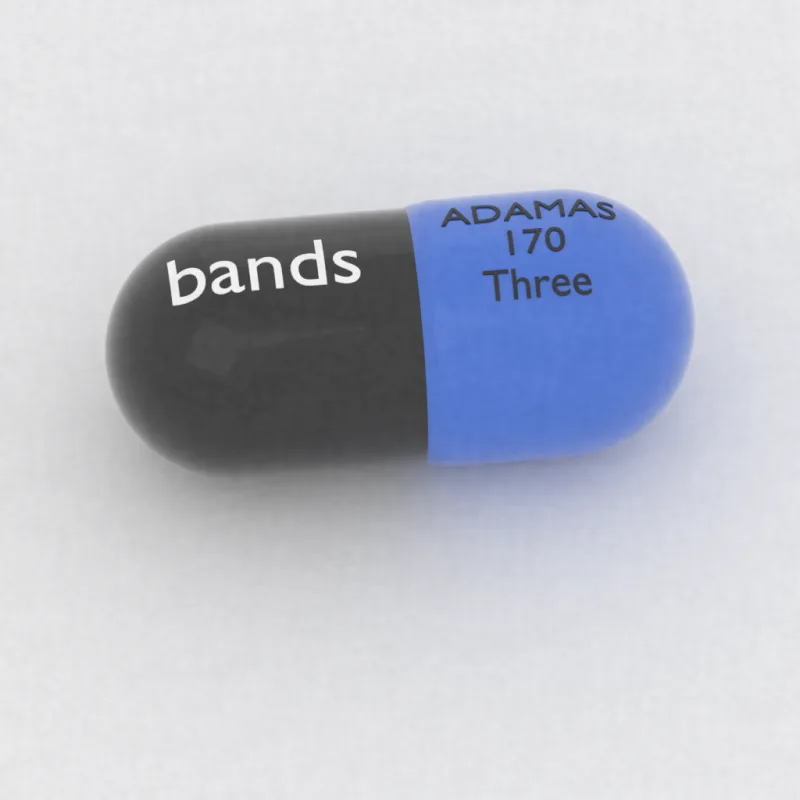

Representaciones generadas a partir de los listados de productos de las etiquetas de la FDA: color, forma, tamaño e inscripción. 21 versiones documentadas de 25 etiquetadores.
Interacciones según la etiqueta
Interacciones graves (16)
Avoid administrations of TUDORZA PRESSAIR with other anticholinergic-containing drugs. (etiqueta de Aclidinio, Interacciones medicamentosas)
- CarbidopaGrave
Nonselective monoamine oxidase (MAO) inhibitors are contraindicated for use with levodopa or carbidopa-levodopa combination products with or without carbidopa. (etiqueta de Carbidopa, Contraindicaciones)
In patients in whom there is cause for arrest or delay in tablet passage through the gastrointestinal tract, such as those suffering from delayed gastric emptying, esophageal compression, intestinal obstruction or stricture, or those taking anticholinergic medication. (etiqueta de Citrato de potasio, Contraindicaciones)
When possible, avoid concomitant use, with other anticholinergic medications because the risk for anticholinergic toxicity or severe gastrointestinal adverse reactions is increased [see Warnings and Precautions ( 5.7 ), Drug Interactions ( 7.1 )]. (etiqueta de Clozapina, Advertencias y precauciones)
Usage of MOTOFEN ® in recommended doses is not likely to cause prominent anticholinergic side effects, but MOTOFEN ® should be avoided in patients in whom anticholinergic drugs are contraindicated. (etiqueta de Difenoxina y atropina, Advertencias)
• Other Conditions Exacerbated by Anticholinergic Adverse Reactions : Use is not recommended in patients with autonomic neuropathy, hyperthyroidism, cardiac disease, hiatal hernia, etc. (etiqueta de Glicopirronio, Advertencias y precauciones)
- GlucagónGrave
Intervention Concomitant use of anticholinergic drugs with GVOKE VialDx is not recommended. (etiqueta de Glucagón, Interacciones medicamentosas)
Avoid administration of ATROVENT HFA with other anticholinergic-containing drugs ( 7.1 ) (etiqueta de Ipratropio, Interacciones medicamentosas)
Other important considerations in the differential diagnosis include central anticholinergic toxicity, heat stroke, malignant hyperthermia, drug fever, serotonin syndrome, and primary central nervous system pathology. (etiqueta de Metoclopramida, Advertencias y precauciones)
Quinidine is also contraindicated in patients who, like those with myasthenia gravis, might be adversely affected by an anticholinergic agent. (etiqueta de Quinidina, Contraindicaciones)
Concomitant use with metoclopramide, beta-blockers, or cholinomimetic and anticholinergic drugs is not recommended ( 7.1 , 7.2 , 7.3 ) (etiqueta de Rivastigmina, Interacciones medicamentosas)
Avoid administration of SPIRIVA RESPIMAT with other anticholinergic-containing drugs. (etiqueta de Tiotropio, Interacciones medicamentosas)
- TolcaponaGrave
Tolcapone tablets is also contraindicated in patients with a history of nontraumatic rhabdomyolysis or hyperpyrexia and confusion possibly related to medication (see PRECAUTIONS: Events Reported With Dopaminergic Therapy ). (etiqueta de Tolcapona, Contraindicaciones)
…sympathomimetic herbal medicines or dietary supplements antihistamines (allergy medicines) triptans buspirone carbamazepine dextromethorphan dopamine hydroxytryptophan and tryptophan levodopa and methyldopa meperidine rasagline resperine s-adenosyl-L-methionine (SAM-e) tapentadol tetrabenazin Ask your healthcare provider or pharmacist if you are not sure if you… (etiqueta de Tranilcipromina, Advertencia en recuadro)
Avoid administration of Umeclidinium ELLIPTA with other anticholinergic-containing drugs. (etiqueta de Umeclidinio, Interacciones medicamentosas)
Avoid administration of Umeclidinium and Vilanterol ELLIPTA with other anticholinergic-containing drugs. (etiqueta de Umeclidinio y vilanterol, Interacciones medicamentosas)
Interacciones moderadas (94)
Other important considerations in the differential diagnosis include central anticholinergic toxicity, heat stroke, drug fever, and primary central nervous system pathology. (etiqueta de Aripiprazol, Advertencias y precauciones)
Strenuous exercise, exposure to extreme heat, dehydration, and anticholinergic medications may contribute to an elevation in core body temperature; use SAPHRIS with caution in patient who may experience these conditions. (etiqueta de Asenapina, Advertencias y precauciones)
Drugs that alter gastrointestinal motility: The bioavailability of thiazide-type diuretics may be increased by anticholinergic agents (e.g., atropine, biperiden), apparently due to a decrease in gastrointestinal motility and the stomach emptying rate. (etiqueta de Benazepril e hidroclorotiazida, Interacciones medicamentosas)
Strenuous exercise, exposure to extreme heat, dehydration, and anticholinergic medications may contribute to an elevation in core body temperature; use REXULTI with caution in patients who may experience these conditions. (etiqueta de Brexpiprazol, Advertencias y precauciones)
Impulse Control/Compulsive Behaviors There have been reports of patients experiencing intense urges to gamble, increased sexual urges, intense urges to spend money uncontrollably, and/or other intense urges, and the inability to control these urges while taking one or more of the medications, including bromocriptine, that increase central dopaminergic tone. (etiqueta de Bromocriptina, Advertencias y precauciones)
Anticholinergic Drugs Clinical Impact: The concomitant use of anticholinergic drugs may increase the risk of urinary retention and/or severe constipation, which may lead to paralytic ileus. (etiqueta de Buprenorfina, Interacciones medicamentosas)
Anticholinergic Drugs Clinical Impact: The concomitant use of anticholinergic drugs may increase the risk of urinary retention and/or severe constipation, which may lead to paralytic ileus. (etiqueta de Buprenorfina y naloxona, Interacciones medicamentosas)
CNS toxicity has been reported when bupropion was coadministered with levodopa or amantadine. (etiqueta de Bupropión, Interacciones medicamentosas)
Anticholinergic Drugs Clinical Impact: The concomitant use of anticholinergic drugs may increase risk of urinary retention and/or severe constipation, which may lead to paralytic ileus. (etiqueta de Butalbital, ácido acetilsalicílico, cafeína y codeína, Interacciones medicamentosas)
Anticholinergic Drugs Clinical Impact: The concomitant use of anticholinergic drugs may increase risk of urinary retention and/or severe constipation, which may lead to paralytic ileus. (etiqueta de Butalbital, paracetamol, cafeína y codeína, Interacciones medicamentosas)
Patients can experience intense urges to gamble or to spend money, increased sexual urges, binge eating, and/or other intense urges, and the inability to control these urges while taking one or more drugs that increase central dopaminergic tone, including CABERGOLINE. (etiqueta de Cabergolina, Advertencias y precauciones)
Increased Intraocular Pressure Carbamazepine has mild anticholinergic activity. (etiqueta de Carbamazepina, Advertencias y precauciones)
Strenuous exercise, exposure to extreme heat, dehydration, and anticholinergic medications may contribute to an elevation in core body temperature; use VRAYLAR with caution in patient who may experience these conditions. (etiqueta de Cariprazina, Advertencias y precauciones)
Anticholinergic Drugs Clinical Impact: The concomitant use of anticholinergic drugs may increase risk of urinary retention and/or severe constipation, which may lead to paralytic ileus. (etiqueta de Codeína, Interacciones medicamentosas)
Darifenacin extended-release tablets, like other anticholinergic drugs, may decrease gastrointestinal motility and should be used with caution in patients with conditions such as severe constipation, ulcerative colitis, and myasthenia gravis. (etiqueta de Darifenacina, Advertencias y precauciones)
Neuroleptic Malignant Syndrome (NMS) A potentially fatal symptom complex sometimes referred to as Neuroleptic Malignant Syndrome (NMS) has been reported in association with drugs that reduce dopaminergic transmission. (etiqueta de Deutetrabenazina, Advertencias y precauciones)
The intravenous administration of anticholinergic agents (e.g., glycopyrrolate, atropine) should be considered to modify vagal tone. (etiqueta de Dexmedetomidina, Advertencias y precauciones)
Coadministration of quinine or quinidine with amantadine hydrochloride was shown to reduce the renal clearance of amantadine hydrochloride by about 30%. (etiqueta de Amantadina, Interacciones medicamentosas)
Anticholinergic agents: may affect the gastrointestinal absorption of various drugs; may also increase certain actions or side effects of other anticholinergic drugs (7) (etiqueta de Dicicloverina, Interacciones medicamentosas)
- Difenoxilato y atropinaModerada
Clinical presentations vary in terms of which toxicity (anticholinergic vs. opioid) will present first or predominate; non-specific findings have been reported and include symptoms such as drowsiness (see OVERDOSAGE ). (etiqueta de Difenoxilato y atropina, Advertencias)
Concomitant use of other drugs that cause dizziness, confusion, sedation, or somnolence such as CNS depressants may increase this effect (e.g., barbiturates, benzodiazepines, lithium, opioids, buspirone, scopolamine, antihistamines, tricyclic antidepressants, other anticholinergic agents, and muscle relaxants). (etiqueta de Dronabinol, Advertencias y precauciones)
Observe patients carefully when the dosage of NORTHERA is changed or when concomitant levodopa is reduced abruptly or discontinued, especially if the patient is receiving neuroleptics. (etiqueta de Droxidopa, Advertencias y precauciones)
Examples: alosetron, anticholinergics, opioids Table 3: Established and Other Potentially Clinically Relevant Interactions Affecting Drugs Co-Administered with VIBERZI OATP1B1 and BCRP Substrate Clinical Impact: VIBERZI may increase the exposure of co-administered OATP1B1 and BCRP substrates. (etiqueta de Eluxadolina, Interacciones medicamentosas)
- EntacaponaModerada
…Metabolized By Catechol-O-Methyltransferase (COMT) When a single 400 mg dose of entacapone was given with intravenous isoprenaline (isoproterenol) and epinephrine without coadministered levodopa and dopa decarboxylase inhibitor, the overall mean maximal changes in heart rate during infusion were about 50% and 80% higher than with placebo, for isoprenaline and epinephrine,… (etiqueta de Entacapona, Advertencias)
• Gastrointestinal and Urinary Disorders : Consider more frequent monitoring during treatment in patients suspected of having intestinal obstruction; patients with pyloric obstruction, patients with impeded urine flow or receiving other anticholinergic drugs. (etiqueta de Escopolamina, Advertencias y precauciones)
Anticholinergic Drugs Clinical Impact: The concomitant use of anticholinergic drugs may increase risk of urinary retention and/or severe constipation, which may lead to paralytic ileus. (etiqueta de Fentanilo, Interacciones medicamentosas)
Urinary Retention in Adult Patients With Bladder Outlet Obstruction The use of Toviaz, like other antimuscarinic drugs, in patients with clinically significant bladder outlet obstruction, including patients with urinary retention, may result in further urinary retention and kidney injury. (etiqueta de Fesoterodina, Advertencias y precauciones)
Other important considerations in the differential diagnosis include central anticholinergic toxicity, heat stroke, drug fever and primary central nervous system (CNS) pathology. (etiqueta de Flufenazina, Advertencias)
Other important considerations in the differential diagnosis include central anticholinergic toxicity, heat stroke, drug fever and primary central nervous system (CNS) pathology. (etiqueta de Haloperidol, Advertencias)
Anticholinergic Drugs Clinical Impact: The concomitant use of anticholinergic drugs may increase risk of urinary retention and/or severe constipation, which may lead to paralytic ileus. (etiqueta de Hidrocodona, Interacciones medicamentosas)
Anticholinergics The concomitant use of anticholinergic drugs may increase risk of urinary retention and/or severe constipation, which may lead to paralytic ileus. (etiqueta de Hidrocodona e ibuprofeno, Interacciones medicamentosas)
Anticholinergic Drugs The concomitant use of anticholinergic drugs with hydrocodone bitartrate and homatropine methylbromide may increase risk of urinary retention and/or severe constipation, which may lead to paralytic ileus [see Warnings and Precautions (5.9) ] . (etiqueta de Hidrocodona y homatropina, Interacciones medicamentosas)
Anticholinergic Drugs The concomitant use of anticholinergic drugs may increase risk of urinary retention and/or severe constipation, which may lead to paralytic ileus. (etiqueta de Hidrocodona y paracetamol, Interacciones medicamentosas)
Anticholinergic Drugs Clinical Impact: The concomitant use of anticholinergic drugs may increase risk of urinary retention and/or severe constipation, which may lead to paralytic ileus. (etiqueta de Hidromorfona, Interacciones medicamentosas)
Strenuous exercise, exposure to extreme heat, dehydration, and anticholinergic medications may contribute to an elevation in core body temperature; use FANAPT with caution in patients who may experience these conditions. (etiqueta de Iloperidona, Advertencias y precauciones)
Caution is, therefore, advised in the co-administration of Ipratropium Bromide and Albuterol Sulfate Inhalation Solution with other drugs having anticholinergic properties. β-adrenergic agents Caution is advised in the co-administration of Ipratropium Bromide and Albuterol Sulfate Inhalation Solution and other sympathomimetic agents due to the increased risk… (etiqueta de Ipratropio y salbutamol, Interacciones medicamentosas)
Anticholinergic Drugs The concomitant use of anticholinergic drugs may increase risk of urinary retention and/or severe constipation, which may lead to paralytic ileus. (etiqueta de Levorfanol, Interacciones medicamentosas)
…hypertension, pheochromocytoma, thyrotoxicosis and/or patients taking any of the following types of medications: directly and indirectly acting sympathomimetic agents (e.g., pseudoephedrine), vasopressive agents (e.g., epinephrine, norepinephrine), dopaminergic agents (e.g., dopamine, dobutamine) [ see Drug Interactions (7) and Clinical Pharmacology (12.3) ]. (etiqueta de Linezolid, Advertencias y precauciones)
Other important considerations in the differential diagnosis include central anticholinergic toxicity, heat stroke, drug fever, and primary central nervous system (CNS) pathology. (etiqueta de Loxapina, Advertencias)
- MemantinaModerada
Use with Other N-methyl-D-aspartate (NMDA) Antagonists The combined use of memantine hydrochloride with other NMDA antagonists (amantadine, ketamine, and dextromethorphan) has not been systematically evaluated and such use should be approached with caution. (etiqueta de Memantina, Interacciones medicamentosas)
Use of Memantine with Other N-methyl-D-aspartate (NMDA) Antagonists The combined use of memantine hydrochloride with other NMDA antagonists (amantadine, ketamine, and dextromethorphan) has not been systematically evaluated and such use should be approached with caution. (etiqueta de Memantina y donepezilo, Interacciones medicamentosas)
Anticholinergic Drugs Clinical Impact: The concomitant use of anticholinergic drugs may increase risk of urinary retention and/or severe constipation, which may lead to paralytic ileus. (etiqueta de Metadona, Interacciones medicamentosas)
• Urinary Retention in Patients With Bladder Outlet Obstruction and in Patients Taking Muscarinic Antagonist Drugs for Overactive Bladder : Administer with caution in these patients because of risk of urinary retention. (etiqueta de Mirabegrón, Advertencias y precauciones)
Anticholinergic Drugs Clinical Impact: The concomitant use of anticholinergic drugs may increase risk of urinary retention and/or severe constipation, which may lead to paralytic ileus. (etiqueta de Morfina, Interacciones medicamentosas)
Anticholinergic Drugs The concomitant use of anticholinergic drugs may increase risk of urinary retention and/or severe constipation, which may lead to paralytic ileus. (etiqueta de Nalbufina, Interacciones medicamentosas)
CNS toxicity has been reported when bupropion was coadministered with levodopa or amantadine. (etiqueta de Naltrexona y bupropión, Interacciones medicamentosas)
An anticholinergic agent, (e.g., atropine sulfate or glycopyrrolate) should be administered prior to Neostigmine Methylsulfate Injection administration to lessen the risk of bradycardia [ see Dosage and Administration ( 2.4 ) ]. (etiqueta de Neostigmina, Advertencias y precauciones)
Close supervision and careful adjustment of the dosage are required when Pamelor is used with other anticholinergic drugs and sympathomimetic drugs. (etiqueta de Nortriptilina, Interacciones medicamentosas)
Anticholinergic (antimuscarinic) Effects: Use with caution with other anticholinergic drugs and in patients with urinary retention, prostatic hypertrophy, constipation, paralytic ileus or related conditions. (etiqueta de Olanzapina, Advertencias y precauciones)
Anticholinergic (antimuscarinic) Effects : Use with caution with other anticholinergic drugs and in patients with urinary retention, prostatic hypertrophy, constipation, history of paralytic ileus or related conditions ( 5.21 ) (etiqueta de Olanzapina y fluoxetina, Advertencias y precauciones)
Anticholinergic Drugs Clinical Impact: The concomitant use of anticholinergic drugs may increase risk of urinary retention and/or severe constipation, which may lead to paralytic ileus. (etiqueta de Oliceridina, Interacciones medicamentosas)
Oxybutynin chloride extended-release tablets, like other anticholinergic drugs, may decrease gastrointestinal motility and should be used with caution in patients with conditions such as ulcerative colitis and intestinal atony. (etiqueta de Oxibutinina, Advertencias y precauciones)
Anticholinergic Drugs Clinical Impact: The concomitant use of anticholinergic drugs may increase risk of urinary retention and/or severe constipation, which may lead to paralytic ileus. (etiqueta de Oxicodona, Interacciones medicamentosas)
Anticholinergic Drugs Clinical Impact: The concomitant use of anticholinergic drugs may result in increased risk of urinary retention and/or severe constipation, which may lead to paralytic ileus. (etiqueta de Oxicodona y paracetamol, Interacciones medicamentosas)
Examples: cyclobenzaprine, metaxalone Anticholinergic Drugs Clinical Impact: The concomitant use of anticholinergic drugs may increase risk of urinary retention and/or severe constipation, which may lead to paralytic ileus. (etiqueta de Oximorfona, Interacciones medicamentosas)
Anticholinergic Drugs The concomitant use of anticholinergic drugs may increase risk of urinary retention and/or severe constipation, which may lead to paralytic ileus. (etiqueta de Paracetamol y codeína, Interacciones medicamentosas)
Monitor patients for signs of diminished diuresis and/or effects on blood pressure and increase the dosage of the diuretic as needed Anticholinergic Drugs The concomitant use of anticholinergic drugs may increase risk of urinary retention and/or severe constipation, which may lead to paralytic ileus. (etiqueta de Pentazocina y naloxona, Interacciones medicamentosas)
Other important considerations in the differential diagnosis include central anticholinergic toxicity, heat stroke, drug fever and primary central nervous system (CNS) pathology. (etiqueta de Perfenazina, Advertencias)
Anticholinergic Drugs Clinical Impact: The concomitant use of anticholinergic drugs may increase risk of urinary retention and/or severe constipation, which may lead to paralytic ileus. (etiqueta de Petidina (meperidina), Interacciones medicamentosas)
These effects should be considered when anticholinergic properties may be contributing to the therapeutic effect of concomitant medication (e.g., atropine, inhaled ipratropium). (etiqueta de Pilocarpina, Interacciones medicamentosas)
Other important considerations in the differential diagnosis include central anticholinergic toxicity, heat stroke, drug fever and primary central nervous system (CNS) pathology. (etiqueta de Pimozida, Advertencias)
Use with caution in persons with increased risk of anticholinergic reactions, such as persons with bronchial asthma, chronic obstructive pulmonary disease, bradycardia, cardiac arrhythmias, beta blocker treatment (increased risk of anticholinergic reactions). (etiqueta de Piridostigmina, Advertencias y precauciones)
For these reasons, both Parkinson’s disease patients and RLS patients being treated with dopaminergic agonists ordinarily require careful monitoring for signs and symptoms of orthostatic hypotension, especially during dose escalation, and should be informed of this risk. (etiqueta de Pramipexol, Advertencias y precauciones)
Anticholinergic drugs administered concurrently with PA may produce additive antivagal effects on A-V nodal conduction, although this is not as well documented for PA as for quinidine. (etiqueta de Procainamida, Interacciones medicamentosas)
The intravenous administration of anticholinergic agents (e.g., atropine or glycopyrrolate) should be considered to modify potential increases in vagal tone due to concomitant agents (e.g., succinylcholine) or surgical stimuli. (etiqueta de Propofol, Advertencias y precauciones)
• Anticholinergic (antimuscarinic) Effects: Use with caution with other anticholinergic drugs and in patients with urinary retention, prostatic hypertrophy, or constipation (5.20) (etiqueta de Quetiapina, Advertencias y precauciones)
Coadministration of quinine or quinidine with amantadine hydrochloride was shown to reduce the renal clearance of amantadine hydrochloride by about 30%. (etiqueta de Amantadina, Interacciones medicamentosas)
Decreasing the levodopa dose may lessen or eliminate this side effect ( 5.7 ) (etiqueta de Rasagilina, Advertencias y precauciones)
Decreasing the dose of dopaminergic medications may ameliorate this adverse reaction. (etiqueta de Ropinirol, Advertencias y precauciones)
- SapropterinaModerada
Interaction with Levodopa : Seizures, over-stimulation or irritability may occur; monitor patients for a change in neurologic status. (etiqueta de Sapropterina, Advertencias y precauciones)
Dyskinesia ZELAPAR may potentiate dopaminergic side effects of levodopa and may cause dyskinesia or exacerbate preexisting dyskinesia. (etiqueta de Selegilina, Advertencias y precauciones)
- SepiapterinaModerada
Interaction with Levodopa : Seizures, over-stimulation or irritability may occur; monitor patients for a change in neurologic status. (etiqueta de Sepiapterina, Advertencias y precauciones)
Consider having an anticholinergic and epinephrine available when administering sevoflurane for induction in this patient population. (etiqueta de Sevoflurano, Advertencias)
Urinary Retention The use of Solifenacin succinate tablets, like other antimuscarinic drugs, in patients with clinically significant bladder outlet obstruction including patients with urinary retention, may result in further urinary retention and kidney injury. (etiqueta de Solifenacina, Advertencias y precauciones)
Drugs that Increase Blood Pressure and/or Heart Rate and Dopaminergic Drugs : Use caution when co-administering with SUNOSI. (etiqueta de Solriamfetol, Interacciones medicamentosas)
- SugammadexModerada
Monitor for hemodynamic changes and administer anticholinergic agents such as atropine if clinically significant bradycardia is observed. (etiqueta de Sugammadex, Advertencias y precauciones)
Pretreatment with anticholinergic agents (e.g., atropine) may reduce the occurrence of bradyarrhythmias. (etiqueta de Suxametonio (succinilcolina), Advertencias y precauciones)
Anticholinergic Drugs Clinical Impact: The concomitant use of anticholinergic drugs may increase risk of urinary retention and/or severe constipation, which may lead to paralytic ileus. (etiqueta de Tapentadol, Interacciones medicamentosas)
Neuroleptic Malignant Syndrome (NMS) A potentially fatal symptom complex sometimes referred to as Neuroleptic Malignant Syndrome (NMS) has been reported in association with tetrabenazine tablets and other drugs that reduce dopaminergic transmission [see Drug Interactions (7.6) ]. (etiqueta de Tetrabenazina, Advertencias y precauciones)
Other important considerations in the differential diagnosis include central anticholinergic toxicity, heat stroke, drug fever and primary central nervous system (CNS) pathology. (etiqueta de Tiotixeno, Advertencias)
Caution should be used when topiramate extended-release capsules are prescribed with other drugs that predispose patients to heat-related disorders; these drugs include, but are not limited to, other carbonic anhydrase inhibitors and drugs with anticholinergic activity. (etiqueta de Topiramato, Advertencias y precauciones)
Aminoglycosides or other agents interfering with neuromuscular transmission Anticholinergic drugs Botulinum neurotoxin products Muscle relaxants Aminoglycoside antibiotics, anticholinergic agents, or any other agents that interfere with neuromuscular transmission may potentiate the effect of DAXXIFY; co-administer only with caution and close observation. (etiqueta de Toxina botulínica tipo A, Interacciones medicamentosas)
Because of its anticholinergic effects, XEOMIN should be used with caution in patients at risk of developing narrow angle glaucoma. (etiqueta de Toxina incobotulínica A, Advertencias y precauciones)
Anticholinergic Drugs Use of anticholinergic drugs after administration of BOTOX may potentiate systemic anticholinergic effects. (etiqueta de Toxina onabotulínica A, Interacciones medicamentosas)
Anticholinergic Drugs Clinical Impact: The concomitant use of anticholinergic drugs may increase risk of urinary retention and/or severe constipation, which may lead to paralytic ileus. (etiqueta de Tramadol, Interacciones medicamentosas)
Anticholinergic Drugs Clinical Impact: The concomitant use of anticholinergic drugs may increase risk of urinary retention and/or severe constipation, which may lead to paralytic ileus. (etiqueta de Tramadol y paracetamol, Interacciones medicamentosas)
Other important considerations in the differential diagnosis include central anticholinergic toxicity, heat stroke, drug fever and primary central nervous system (CNS) pathology. (etiqueta de Trifluoperazina, Advertencias)
The usual dose of either trihexyphenidyl or levodopa may need to be reduced during concomitant therapy, since concomitant administration may increase drug-induced involuntary movements (See DOSAGE AND ADMINISTRATION ). (etiqueta de Trihexifenidilo, Interacciones medicamentosas)
- TrimetobenzamidaModerada
The recent use of other drugs that cause CNS depression or EPS symptoms (e.g., alcohol, sedatives, hypnotics, opiates, anxiolytics, antipsychotics, and anticholinergics) may also increase the risk for these serious CNS reactions [see Warnings and Precautions ( 5.1 , 5.5 )] . (etiqueta de Trimetobenzamida, Advertencias y precauciones)
Trospium chloride extended-release capsules, like other antimuscarinic agents, may decrease gastrointestinal motility and should be used with caution in patients with conditions such as ulcerative colitis, intestinal atony and myasthenia gravis. (etiqueta de Trospio, Advertencias y precauciones)
Neuroleptic Malignant Syndrome (NMS ) A potentially fatal symptom complex referred to as Neuroleptic Malignant Syndrome (NMS) has been reported in association with drugs that reduce dopaminergic transmission. (etiqueta de Valbenazina, Advertencias y precauciones)
Urinary Retention : Monitor for urinary retention, especially in patients with bladder outlet obstruction and also in patients taking muscarinic antagonist medications for OAB, in whom the risk of urinary retention may be greater. (etiqueta de Vibegrón, Advertencias y precauciones)
Other important considerations in the differential diagnosis include central anticholinergic toxicity, heat stroke, drug fever, and primary central nervous system (CNS) pathology. (etiqueta de Ziprasidona, Advertencias y precauciones)
Caution should be used when ZONISADE is prescribed with other drugs that predispose patients to heat-related disorders; these drugs include, but are not limited to, carbonic anhydrase inhibitors and drugs with anticholinergic activity. (etiqueta de Zonisamida, Advertencias y precauciones)
Menciones leves (50)
Drug Interactions Careful observation is required when amantadine hydrochloride is administered concurrently with central nervous system stimulants. (etiqueta de Amantadina, Interacciones medicamentosas)
Drug Interactions Careful observation is required when amantadine hydrochloride is administered concurrently with central nervous system stimulants. (etiqueta de Amantadina, Interacciones medicamentosas)
Drug Interactions Careful observation is required when amantadine hydrochloride is administered concurrently with central nervous system stimulants. (etiqueta de Amantadina, Interacciones medicamentosas)
Drug Interactions Careful observation is required when amantadine hydrochloride is administered concurrently with central nervous system stimulants. (etiqueta de Amantadina, Interacciones medicamentosas)
When benztropine mesylate is given concomitantly with phenothiazines, haloperidol, or other drugs with anticholinergic or antidopaminergic activity, patients should be advised to report gastrointestinal complaints, fever or heat intolerance promptly. (etiqueta de Benzatropina, Advertencias)
Drug Interactions Careful observation is required when amantadine hydrochloride is administered concurrently with central nervous system stimulants. (etiqueta de Amantadina, Interacciones medicamentosas)
Coadministration of 1 Dyazide (triamterene/hydrochlorothiazide) resulted in a higher plasma amantadine hydrochloride concentration in a 61-year old man receiving amantadine hydrochloride 100 mg TID for Parkinson's disease. (etiqueta de Amantadina, Interacciones medicamentosas)
Drug Interactions Careful observation is required when amantadine hydrochloride is administered concurrently with central nervous system stimulants. (etiqueta de Amantadina, Interacciones medicamentosas)
Drug Interactions Careful observation is required when amantadine hydrochloride is administered concurrently with central nervous system stimulants. (etiqueta de Amantadina, Interacciones medicamentosas)
Coadministration of 1 Dyazide (triamterene/hydrochlorothiazide) resulted in a higher plasma amantadine hydrochloride concentration in a 61-year old man receiving amantadine hydrochloride 100 mg TID for Parkinson's disease. (etiqueta de Amantadina, Interacciones medicamentosas)
The expected incidence of fibrotic complications is so low that even if entacapone caused these complications at rates similar to those attributable to other dopaminergic therapies, it is unlikely that it would have been detected in a cohort of the size exposed to entacapone during its clinical development. (etiqueta de Carbidopa, levodopa y entacapona, Advertencias y precauciones)
Cevimeline might interfere with desirable antimuscarinic effects of drugs used concomitantly. (etiqueta de Cevimelina, Interacciones medicamentosas)
In a study in which the 2 mg clonazepam orally disintegrating tablet was administered with and without propantheline (an anticholinergic agent with multiple effects on the GI tract) to healthy volunteers, the AUC of clonazepam was 10% lower and the C max of clonazepam was 20% lower when the orally disintegrating tablet was given with propantheline compared to… (etiqueta de Clonazepam, Interacciones medicamentosas)
As with other anticholinergic drugs, clidinium may cause suppression of lactation. (etiqueta de Clordiazepóxido y clidinio, Interacciones medicamentosas)
Drug Interactions Careful observation is required when amantadine hydrochloride is administered concurrently with central nervous system stimulants. (etiqueta de Amantadina, Interacciones medicamentosas)
Drug Interactions Careful observation is required when amantadine hydrochloride is administered concurrently with central nervous system stimulants. (etiqueta de Amantadina, Interacciones medicamentosas)
Cholinesterase inhibitors have the potential to interfere with the activity of anticholinergic medications ( 7.1 ) (etiqueta de Donepezilo, Interacciones medicamentosas)
Coadministration of 1 Dyazide (triamterene/hydrochlorothiazide) resulted in a higher plasma amantadine hydrochloride concentration in a 61-year old man receiving amantadine hydrochloride 100 mg TID for Parkinson's disease. (etiqueta de Amantadina, Interacciones medicamentosas)
Drug Interactions Careful observation is required when amantadine hydrochloride is administered concurrently with central nervous system stimulants. (etiqueta de Amantadina, Interacciones medicamentosas)
Coadministration of 1 Dyazide (triamterene/hydrochlorothiazide) resulted in a higher plasma amantadine hydrochloride concentration in a 61-year old man receiving amantadine hydrochloride 100 mg TID for Parkinson's disease. (etiqueta de Amantadina, Interacciones medicamentosas)
Drug Interactions Careful observation is required when amantadine hydrochloride is administered concurrently with central nervous system stimulants. (etiqueta de Amantadina, Interacciones medicamentosas)
Drug Interactions Careful observation is required when amantadine hydrochloride is administered concurrently with central nervous system stimulants. (etiqueta de Amantadina, Interacciones medicamentosas)
Drug Interactions Careful observation is required when amantadine hydrochloride is administered concurrently with central nervous system stimulants. (etiqueta de Amantadina, Interacciones medicamentosas)
Flumazenil is not recommended in cases of serious cyclic antidepressant poisoning, as manifested by motor abnormalities (twitching, rigidity, focal seizure), dysrhythmia (wide QRS, ventricular dysrhythmia, heart block), anticholinergic signs (mydriasis, dry mucosa, hypoperistalsis), and cardiovascular collapse at presentation. (etiqueta de Flumazenilo, Advertencias)
Coadministration of 1 Dyazide (triamterene/hydrochlorothiazide) resulted in a higher plasma amantadine hydrochloride concentration in a 61-year old man receiving amantadine hydrochloride 100 mg TID for Parkinson's disease. (etiqueta de Amantadina, Interacciones medicamentosas)
Potential to interfere with the activity of anticholinergic medications ( 7.1 ) (etiqueta de Galantamina, Interacciones medicamentosas)
Coadministration of 1 Dyazide (triamterene/hydrochlorothiazide) resulted in a higher plasma amantadine hydrochloride concentration in a 61-year old man receiving amantadine hydrochloride 100 mg TID for Parkinson's disease. (etiqueta de Amantadina, Interacciones medicamentosas)
Coadministration of 1 Dyazide (triamterene/hydrochlorothiazide) resulted in a higher plasma amantadine hydrochloride concentration in a 61-year old man receiving amantadine hydrochloride 100 mg TID for Parkinson's disease. (etiqueta de Amantadina, Interacciones medicamentosas)
Drug Interactions Careful observation is required when amantadine hydrochloride is administered concurrently with central nervous system stimulants. (etiqueta de Amantadina, Interacciones medicamentosas)
Coadministration of 1 Dyazide (triamterene/hydrochlorothiazide) resulted in a higher plasma amantadine hydrochloride concentration in a 61-year old man receiving amantadine hydrochloride 100 mg TID for Parkinson's disease. (etiqueta de Amantadina, Interacciones medicamentosas)
Coadministration of 1 Dyazide (triamterene/hydrochlorothiazide) resulted in a higher plasma amantadine hydrochloride concentration in a 61-year old man receiving amantadine hydrochloride 100 mg TID for Parkinson's disease. (etiqueta de Amantadina, Interacciones medicamentosas)
Strenuous exercise, exposure to extreme heat, dehydration, and anticholinergic drugs may contribute to an elevation in core body temperature. (etiqueta de Lumateperona, Advertencias y precauciones)
Appropriate care is advised when prescribing LATUDA for patients who will be experiencing conditions that may contribute to an elevation in core body temperature, e.g., exercising strenuously, exposure to extreme heat, receiving concomitant medication with anticholinergic activity, or being subject to dehydration. (etiqueta de Lurasidona, Advertencias y precauciones)
Drug Interactions Careful observation is required when amantadine hydrochloride is administered concurrently with central nervous system stimulants. (etiqueta de Amantadina, Interacciones medicamentosas)
Drug Interactions Careful observation is required when amantadine hydrochloride is administered concurrently with central nervous system stimulants. (etiqueta de Amantadina, Interacciones medicamentosas)
Coadministration of 1 Dyazide (triamterene/hydrochlorothiazide) resulted in a higher plasma amantadine hydrochloride concentration in a 61-year old man receiving amantadine hydrochloride 100 mg TID for Parkinson's disease. (etiqueta de Amantadina, Interacciones medicamentosas)
Drug Interactions Careful observation is required when amantadine hydrochloride is administered concurrently with central nervous system stimulants. (etiqueta de Amantadina, Interacciones medicamentosas)
Coadministration of 1 Dyazide (triamterene/hydrochlorothiazide) resulted in a higher plasma amantadine hydrochloride concentration in a 61-year old man receiving amantadine hydrochloride 100 mg TID for Parkinson's disease. (etiqueta de Amantadina, Interacciones medicamentosas)
- Olmesartán, amlodipino e hidroclorotiazidaantagonista de los receptores de la angiotensina II (ARA-II)Leve
Coadministration of 1 Dyazide (triamterene/hydrochlorothiazide) resulted in a higher plasma amantadine hydrochloride concentration in a 61-year old man receiving amantadine hydrochloride 100 mg TID for Parkinson's disease. (etiqueta de Amantadina, Interacciones medicamentosas)
Drug Interactions Careful observation is required when amantadine hydrochloride is administered concurrently with central nervous system stimulants. (etiqueta de Amantadina, Interacciones medicamentosas)
Appropriate care is advised when prescribing ERZOFRI to patients who will be experiencing conditions which may contribute to an elevation in core body temperature, e.g., exercising strenuously, exposure to extreme heat, receiving concomitant medication with anticholinergic activity, or being subject to dehydration. (etiqueta de Paliperidona, Advertencias y precauciones)
Coadministration of 1 Dyazide (triamterene/hydrochlorothiazide) resulted in a higher plasma amantadine hydrochloride concentration in a 61-year old man receiving amantadine hydrochloride 100 mg TID for Parkinson's disease. (etiqueta de Amantadina, Interacciones medicamentosas)
It is responsive to ephedrine or anticholinergic drugs ( 5.8 ) (etiqueta de Remifentanilo, Advertencias y precauciones)
Effects of levodopa and dopamine agonists may be antagonized. (etiqueta de Risperidona, Interacciones medicamentosas)
In the literature, a single case of toxic delirium has been reported after concomitant intake of sulfamethoxazole/trimethoprim and amantadine. (etiqueta de Sulfametoxazol y trimetoprima, Interacciones medicamentosas)
Coadministration of 1 Dyazide (triamterene/hydrochlorothiazide) resulted in a higher plasma amantadine hydrochloride concentration in a 61-year old man receiving amantadine hydrochloride 100 mg TID for Parkinson's disease. (etiqueta de Amantadina, Interacciones medicamentosas)
Coadministration of thioridazine has been reported to worsen the tremor in elderly patients with Parkinson's disease, however, it is not known if other phenothiazines produce a similar response. (etiqueta de Amantadina, Interacciones medicamentosas)
Coadministration of 1 Dyazide (triamterene/hydrochlorothiazide) resulted in a higher plasma amantadine hydrochloride concentration in a 61-year old man receiving amantadine hydrochloride 100 mg TID for Parkinson's disease. (etiqueta de Amantadina, Interacciones medicamentosas)
Coadministration of 1 Dyazide (triamterene/hydrochlorothiazide) resulted in a higher plasma amantadine hydrochloride concentration in a 61-year old man receiving amantadine hydrochloride 100 mg TID for Parkinson's disease. (etiqueta de Amantadina, Interacciones medicamentosas)
Coadministration of 1 Dyazide (triamterene/hydrochlorothiazide) resulted in a higher plasma amantadine hydrochloride concentration in a 61-year old man receiving amantadine hydrochloride 100 mg TID for Parkinson's disease. (etiqueta de Amantadina, Interacciones medicamentosas)
Sin interacción significativa según la etiqueta (2)
…Clinically Significant Drug Interaction with TAMIFLU No dose adjustments are needed for either oseltamivir or the concomitant drug when coadministering oseltamivir with amoxicillin, acetaminophen, aspirin, cimetidine, antacids (magnesium and aluminum hydroxides and calcium carbonates), rimantadine, amantadine, or warfarin [see Clinical Pharmacology (12.3) ] . (etiqueta de Oseltamivir, Interacciones medicamentosas)
Drugs Having No Clinically Important Interactions with NUPLAZID Based on pharmacokinetic studies, no dosage adjustment of carbidopa/levodopa is required when administered concomitantly with NUPLAZID [see Clinical Pharmacology (12.3) ] . (etiqueta de Pimavanserina, Interacciones medicamentosas)
Compruebe Amantadina frente a todo lo que toma. Añada su lista completa; todos los pares se comprueban a la vez.
Abrir en el verificadorNo es un consejo médico. La gravedad refleja la redacción de la etiqueta, no sus circunstancias. Una señal «grave» puede ser algo habitual bajo supervisión y una «leve» puede ser importante a dosis altas. Consulte a un farmacéutico.