
Wechselwirkungen von Amantadin
Amantadin (Gocovri, Osmolex, Symmetrel), ein Anticholinergikum, hat in den von uns erfassten FDA-Fachinformationen und Faktenblättern 162 dokumentierte Wechselwirkungen: 16 schwerwiegende, 94 mittelschwere, 50 geringfügige und 2, bei denen eine Fachinformation keine relevante Wechselwirkung berichtet. Jeder Eintrag unten zitiert den Satz, auf dem er beruht. Diese Medikamentenseite ist ein Ausgangspunkt, kein Urteil über Ihre persönliche Situation.
So sieht Amantadin aus
Alle 21 Varianten


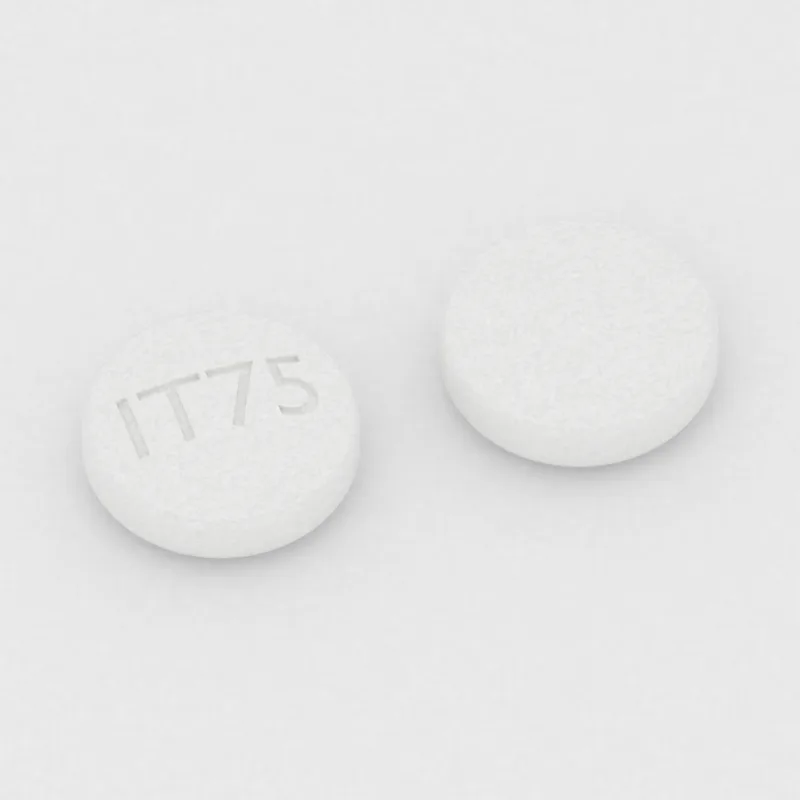
Darstellungen nach den Produktangaben der FDA-Fachinformationen: Farbe, Form, Größe und Prägung. 21 dokumentierte Varianten von 25 Anbietern.
Wechselwirkungen laut Fachinformation
Schwerwiegende Wechselwirkungen (16)
Avoid administrations of TUDORZA PRESSAIR with other anticholinergic-containing drugs. (Fachinformation zu Aclidiniumbromid, Arzneimittelwechselwirkungen)
- CarbidopaSchwerwiegend
Nonselective monoamine oxidase (MAO) inhibitors are contraindicated for use with levodopa or carbidopa-levodopa combination products with or without carbidopa. (Fachinformation zu Carbidopa, Gegenanzeigen)
Quinidine is also contraindicated in patients who, like those with myasthenia gravis, might be adversely affected by an anticholinergic agent. (Fachinformation zu Chinidin, Gegenanzeigen)
When possible, avoid concomitant use, with other anticholinergic medications because the risk for anticholinergic toxicity or severe gastrointestinal adverse reactions is increased [see Warnings and Precautions ( 5.7 ), Drug Interactions ( 7.1 )]. (Fachinformation zu Clozapin, Warnhinweise und Vorsichtsmaßnahmen)
- Difenoxin und AtropinSchwerwiegend
Usage of MOTOFEN ® in recommended doses is not likely to cause prominent anticholinergic side effects, but MOTOFEN ® should be avoided in patients in whom anticholinergic drugs are contraindicated. (Fachinformation zu Difenoxin und Atropin, Warnhinweise)
- GlucagonSchwerwiegend
Intervention Concomitant use of anticholinergic drugs with GVOKE VialDx is not recommended. (Fachinformation zu Glucagon, Arzneimittelwechselwirkungen)
• Other Conditions Exacerbated by Anticholinergic Adverse Reactions : Use is not recommended in patients with autonomic neuropathy, hyperthyroidism, cardiac disease, hiatal hernia, etc. (Fachinformation zu Glycopyrroniumbromid, Warnhinweise und Vorsichtsmaßnahmen)
Avoid administration of ATROVENT HFA with other anticholinergic-containing drugs ( 7.1 ) (Fachinformation zu Ipratropiumbromid, Arzneimittelwechselwirkungen)
In patients in whom there is cause for arrest or delay in tablet passage through the gastrointestinal tract, such as those suffering from delayed gastric emptying, esophageal compression, intestinal obstruction or stricture, or those taking anticholinergic medication. (Fachinformation zu Kaliumcitrat, Gegenanzeigen)
Other important considerations in the differential diagnosis include central anticholinergic toxicity, heat stroke, malignant hyperthermia, drug fever, serotonin syndrome, and primary central nervous system pathology. (Fachinformation zu Metoclopramid, Warnhinweise und Vorsichtsmaßnahmen)
Concomitant use with metoclopramide, beta-blockers, or cholinomimetic and anticholinergic drugs is not recommended ( 7.1 , 7.2 , 7.3 ) (Fachinformation zu Rivastigmin, Arzneimittelwechselwirkungen)
Avoid administration of SPIRIVA RESPIMAT with other anticholinergic-containing drugs. (Fachinformation zu Tiotropiumbromid, Arzneimittelwechselwirkungen)
- TolcaponSchwerwiegend
Tolcapone tablets is also contraindicated in patients with a history of nontraumatic rhabdomyolysis or hyperpyrexia and confusion possibly related to medication (see PRECAUTIONS: Events Reported With Dopaminergic Therapy ). (Fachinformation zu Tolcapon, Gegenanzeigen)
…sympathomimetic herbal medicines or dietary supplements antihistamines (allergy medicines) triptans buspirone carbamazepine dextromethorphan dopamine hydroxytryptophan and tryptophan levodopa and methyldopa meperidine rasagline resperine s-adenosyl-L-methionine (SAM-e) tapentadol tetrabenazin Ask your healthcare provider or pharmacist if you are not sure if you… (Fachinformation zu Tranylcypromin, Boxed Warning (umrahmter Warnhinweis))
Avoid administration of Umeclidinium ELLIPTA with other anticholinergic-containing drugs. (Fachinformation zu Umeclidiniumbromid, Arzneimittelwechselwirkungen)
Avoid administration of Umeclidinium and Vilanterol ELLIPTA with other anticholinergic-containing drugs. (Fachinformation zu Umeclidiniumbromid und Vilanterol, Arzneimittelwechselwirkungen)
Mittelschwere Wechselwirkungen (94)
Other important considerations in the differential diagnosis include central anticholinergic toxicity, heat stroke, drug fever, and primary central nervous system pathology. (Fachinformation zu Aripiprazol, Warnhinweise und Vorsichtsmaßnahmen)
Strenuous exercise, exposure to extreme heat, dehydration, and anticholinergic medications may contribute to an elevation in core body temperature; use SAPHRIS with caution in patient who may experience these conditions. (Fachinformation zu Asenapin, Warnhinweise und Vorsichtsmaßnahmen)
Drugs that alter gastrointestinal motility: The bioavailability of thiazide-type diuretics may be increased by anticholinergic agents (e.g., atropine, biperiden), apparently due to a decrease in gastrointestinal motility and the stomach emptying rate. (Fachinformation zu Benazepril und Hydrochlorothiazid, Arzneimittelwechselwirkungen)
Aminoglycosides or other agents interfering with neuromuscular transmission Anticholinergic drugs Botulinum neurotoxin products Muscle relaxants Aminoglycoside antibiotics, anticholinergic agents, or any other agents that interfere with neuromuscular transmission may potentiate the effect of DAXXIFY; co-administer only with caution and close observation. (Fachinformation zu Botulinumtoxin Typ A, Arzneimittelwechselwirkungen)
Strenuous exercise, exposure to extreme heat, dehydration, and anticholinergic medications may contribute to an elevation in core body temperature; use REXULTI with caution in patients who may experience these conditions. (Fachinformation zu Brexpiprazol, Warnhinweise und Vorsichtsmaßnahmen)
Impulse Control/Compulsive Behaviors There have been reports of patients experiencing intense urges to gamble, increased sexual urges, intense urges to spend money uncontrollably, and/or other intense urges, and the inability to control these urges while taking one or more of the medications, including bromocriptine, that increase central dopaminergic tone. (Fachinformation zu Bromocriptin, Warnhinweise und Vorsichtsmaßnahmen)
Anticholinergic Drugs Clinical Impact: The concomitant use of anticholinergic drugs may increase the risk of urinary retention and/or severe constipation, which may lead to paralytic ileus. (Fachinformation zu Buprenorphin, Arzneimittelwechselwirkungen)
Anticholinergic Drugs Clinical Impact: The concomitant use of anticholinergic drugs may increase the risk of urinary retention and/or severe constipation, which may lead to paralytic ileus. (Fachinformation zu Buprenorphin und Naloxon, Arzneimittelwechselwirkungen)
CNS toxicity has been reported when bupropion was coadministered with levodopa or amantadine. (Fachinformation zu Bupropion, Arzneimittelwechselwirkungen)
Anticholinergic Drugs Clinical Impact: The concomitant use of anticholinergic drugs may increase risk of urinary retention and/or severe constipation, which may lead to paralytic ileus. (Fachinformation zu Butalbital, Acetylsalicylsäure, Koffein und Codein, Arzneimittelwechselwirkungen)
Anticholinergic Drugs Clinical Impact: The concomitant use of anticholinergic drugs may increase risk of urinary retention and/or severe constipation, which may lead to paralytic ileus. (Fachinformation zu Butalbital, Paracetamol, Koffein und Codein, Arzneimittelwechselwirkungen)
Patients can experience intense urges to gamble or to spend money, increased sexual urges, binge eating, and/or other intense urges, and the inability to control these urges while taking one or more drugs that increase central dopaminergic tone, including CABERGOLINE. (Fachinformation zu Cabergolin, Warnhinweise und Vorsichtsmaßnahmen)
Increased Intraocular Pressure Carbamazepine has mild anticholinergic activity. (Fachinformation zu Carbamazepin, Warnhinweise und Vorsichtsmaßnahmen)
Strenuous exercise, exposure to extreme heat, dehydration, and anticholinergic medications may contribute to an elevation in core body temperature; use VRAYLAR with caution in patient who may experience these conditions. (Fachinformation zu Cariprazin, Warnhinweise und Vorsichtsmaßnahmen)
Coadministration of quinine or quinidine with amantadine hydrochloride was shown to reduce the renal clearance of amantadine hydrochloride by about 30%. (Fachinformation zu Amantadin, Arzneimittelwechselwirkungen)
Anticholinergic Drugs Clinical Impact: The concomitant use of anticholinergic drugs may increase risk of urinary retention and/or severe constipation, which may lead to paralytic ileus. (Fachinformation zu Codein, Arzneimittelwechselwirkungen)
Darifenacin extended-release tablets, like other anticholinergic drugs, may decrease gastrointestinal motility and should be used with caution in patients with conditions such as severe constipation, ulcerative colitis, and myasthenia gravis. (Fachinformation zu Darifenacin, Warnhinweise und Vorsichtsmaßnahmen)
Neuroleptic Malignant Syndrome (NMS) A potentially fatal symptom complex sometimes referred to as Neuroleptic Malignant Syndrome (NMS) has been reported in association with drugs that reduce dopaminergic transmission. (Fachinformation zu Deutetrabenazin, Warnhinweise und Vorsichtsmaßnahmen)
The intravenous administration of anticholinergic agents (e.g., glycopyrrolate, atropine) should be considered to modify vagal tone. (Fachinformation zu Dexmedetomidin, Warnhinweise und Vorsichtsmaßnahmen)
Coadministration of quinine or quinidine with amantadine hydrochloride was shown to reduce the renal clearance of amantadine hydrochloride by about 30%. (Fachinformation zu Amantadin, Arzneimittelwechselwirkungen)
Anticholinergic agents: may affect the gastrointestinal absorption of various drugs; may also increase certain actions or side effects of other anticholinergic drugs (7) (Fachinformation zu Dicycloverin, Arzneimittelwechselwirkungen)
- Diphenoxylat und AtropinMittelschwer
Clinical presentations vary in terms of which toxicity (anticholinergic vs. opioid) will present first or predominate; non-specific findings have been reported and include symptoms such as drowsiness (see OVERDOSAGE ). (Fachinformation zu Diphenoxylat und Atropin, Warnhinweise)
Concomitant use of other drugs that cause dizziness, confusion, sedation, or somnolence such as CNS depressants may increase this effect (e.g., barbiturates, benzodiazepines, lithium, opioids, buspirone, scopolamine, antihistamines, tricyclic antidepressants, other anticholinergic agents, and muscle relaxants). (Fachinformation zu Dronabinol, Warnhinweise und Vorsichtsmaßnahmen)
Observe patients carefully when the dosage of NORTHERA is changed or when concomitant levodopa is reduced abruptly or discontinued, especially if the patient is receiving neuroleptics. (Fachinformation zu Droxidopa, Warnhinweise und Vorsichtsmaßnahmen)
Examples: alosetron, anticholinergics, opioids Table 3: Established and Other Potentially Clinically Relevant Interactions Affecting Drugs Co-Administered with VIBERZI OATP1B1 and BCRP Substrate Clinical Impact: VIBERZI may increase the exposure of co-administered OATP1B1 and BCRP substrates. (Fachinformation zu Eluxadolin, Arzneimittelwechselwirkungen)
- EntacaponMittelschwer
…Metabolized By Catechol-O-Methyltransferase (COMT) When a single 400 mg dose of entacapone was given with intravenous isoprenaline (isoproterenol) and epinephrine without coadministered levodopa and dopa decarboxylase inhibitor, the overall mean maximal changes in heart rate during infusion were about 50% and 80% higher than with placebo, for isoprenaline and epinephrine,… (Fachinformation zu Entacapon, Warnhinweise)
Anticholinergic Drugs Clinical Impact: The concomitant use of anticholinergic drugs may increase risk of urinary retention and/or severe constipation, which may lead to paralytic ileus. (Fachinformation zu Fentanyl, Arzneimittelwechselwirkungen)
Urinary Retention in Adult Patients With Bladder Outlet Obstruction The use of Toviaz, like other antimuscarinic drugs, in patients with clinically significant bladder outlet obstruction, including patients with urinary retention, may result in further urinary retention and kidney injury. (Fachinformation zu Fesoterodin, Warnhinweise und Vorsichtsmaßnahmen)
Other important considerations in the differential diagnosis include central anticholinergic toxicity, heat stroke, drug fever and primary central nervous system (CNS) pathology. (Fachinformation zu Fluphenazin, Warnhinweise)
Other important considerations in the differential diagnosis include central anticholinergic toxicity, heat stroke, drug fever and primary central nervous system (CNS) pathology. (Fachinformation zu Haloperidol, Warnhinweise)
Anticholinergic Drugs Clinical Impact: The concomitant use of anticholinergic drugs may increase risk of urinary retention and/or severe constipation, which may lead to paralytic ileus. (Fachinformation zu Hydrocodon, Arzneimittelwechselwirkungen)
Anticholinergic Drugs The concomitant use of anticholinergic drugs with hydrocodone bitartrate and homatropine methylbromide may increase risk of urinary retention and/or severe constipation, which may lead to paralytic ileus [see Warnings and Precautions (5.9) ] . (Fachinformation zu Hydrocodon und Homatropin, Arzneimittelwechselwirkungen)
Anticholinergics The concomitant use of anticholinergic drugs may increase risk of urinary retention and/or severe constipation, which may lead to paralytic ileus. (Fachinformation zu Hydrocodon und Ibuprofen, Arzneimittelwechselwirkungen)
Anticholinergic Drugs The concomitant use of anticholinergic drugs may increase risk of urinary retention and/or severe constipation, which may lead to paralytic ileus. (Fachinformation zu Hydrocodon und Paracetamol, Arzneimittelwechselwirkungen)
Anticholinergic Drugs Clinical Impact: The concomitant use of anticholinergic drugs may increase risk of urinary retention and/or severe constipation, which may lead to paralytic ileus. (Fachinformation zu Hydromorphon, Arzneimittelwechselwirkungen)
Strenuous exercise, exposure to extreme heat, dehydration, and anticholinergic medications may contribute to an elevation in core body temperature; use FANAPT with caution in patients who may experience these conditions. (Fachinformation zu Iloperidon, Warnhinweise und Vorsichtsmaßnahmen)
Because of its anticholinergic effects, XEOMIN should be used with caution in patients at risk of developing narrow angle glaucoma. (Fachinformation zu IncobotulinumtoxinA, Warnhinweise und Vorsichtsmaßnahmen)
Caution is, therefore, advised in the co-administration of Ipratropium Bromide and Albuterol Sulfate Inhalation Solution with other drugs having anticholinergic properties. β-adrenergic agents Caution is advised in the co-administration of Ipratropium Bromide and Albuterol Sulfate Inhalation Solution and other sympathomimetic agents due to the increased risk… (Fachinformation zu Ipratropiumbromid und Salbutamol, Arzneimittelwechselwirkungen)
Anticholinergic Drugs The concomitant use of anticholinergic drugs may increase risk of urinary retention and/or severe constipation, which may lead to paralytic ileus. (Fachinformation zu Levorphanol, Arzneimittelwechselwirkungen)
…hypertension, pheochromocytoma, thyrotoxicosis and/or patients taking any of the following types of medications: directly and indirectly acting sympathomimetic agents (e.g., pseudoephedrine), vasopressive agents (e.g., epinephrine, norepinephrine), dopaminergic agents (e.g., dopamine, dobutamine) [ see Drug Interactions (7) and Clinical Pharmacology (12.3) ]. (Fachinformation zu Linezolid, Warnhinweise und Vorsichtsmaßnahmen)
Other important considerations in the differential diagnosis include central anticholinergic toxicity, heat stroke, drug fever, and primary central nervous system (CNS) pathology. (Fachinformation zu Loxapin, Warnhinweise)
- MemantinMittelschwer
Use with Other N-methyl-D-aspartate (NMDA) Antagonists The combined use of memantine hydrochloride with other NMDA antagonists (amantadine, ketamine, and dextromethorphan) has not been systematically evaluated and such use should be approached with caution. (Fachinformation zu Memantin, Arzneimittelwechselwirkungen)
Use of Memantine with Other N-methyl-D-aspartate (NMDA) Antagonists The combined use of memantine hydrochloride with other NMDA antagonists (amantadine, ketamine, and dextromethorphan) has not been systematically evaluated and such use should be approached with caution. (Fachinformation zu Memantin und Donepezil, Arzneimittelwechselwirkungen)
Anticholinergic Drugs Clinical Impact: The concomitant use of anticholinergic drugs may increase risk of urinary retention and/or severe constipation, which may lead to paralytic ileus. (Fachinformation zu Methadon, Arzneimittelwechselwirkungen)
• Urinary Retention in Patients With Bladder Outlet Obstruction and in Patients Taking Muscarinic Antagonist Drugs for Overactive Bladder : Administer with caution in these patients because of risk of urinary retention. (Fachinformation zu Mirabegron, Warnhinweise und Vorsichtsmaßnahmen)
Anticholinergic Drugs Clinical Impact: The concomitant use of anticholinergic drugs may increase risk of urinary retention and/or severe constipation, which may lead to paralytic ileus. (Fachinformation zu Morphin, Arzneimittelwechselwirkungen)
Anticholinergic Drugs The concomitant use of anticholinergic drugs may increase risk of urinary retention and/or severe constipation, which may lead to paralytic ileus. (Fachinformation zu Nalbuphin, Arzneimittelwechselwirkungen)
CNS toxicity has been reported when bupropion was coadministered with levodopa or amantadine. (Fachinformation zu Naltrexon und Bupropion, Arzneimittelwechselwirkungen)
An anticholinergic agent, (e.g., atropine sulfate or glycopyrrolate) should be administered prior to Neostigmine Methylsulfate Injection administration to lessen the risk of bradycardia [ see Dosage and Administration ( 2.4 ) ]. (Fachinformation zu Neostigmin, Warnhinweise und Vorsichtsmaßnahmen)
Close supervision and careful adjustment of the dosage are required when Pamelor is used with other anticholinergic drugs and sympathomimetic drugs. (Fachinformation zu Nortriptylin, Arzneimittelwechselwirkungen)
Anticholinergic (antimuscarinic) Effects: Use with caution with other anticholinergic drugs and in patients with urinary retention, prostatic hypertrophy, constipation, paralytic ileus or related conditions. (Fachinformation zu Olanzapin, Warnhinweise und Vorsichtsmaßnahmen)
Anticholinergic (antimuscarinic) Effects : Use with caution with other anticholinergic drugs and in patients with urinary retention, prostatic hypertrophy, constipation, history of paralytic ileus or related conditions ( 5.21 ) (Fachinformation zu Olanzapin und Fluoxetin, Warnhinweise und Vorsichtsmaßnahmen)
Anticholinergic Drugs Clinical Impact: The concomitant use of anticholinergic drugs may increase risk of urinary retention and/or severe constipation, which may lead to paralytic ileus. (Fachinformation zu Oliceridin, Arzneimittelwechselwirkungen)
Anticholinergic Drugs Use of anticholinergic drugs after administration of BOTOX may potentiate systemic anticholinergic effects. (Fachinformation zu OnabotulinumtoxinA, Arzneimittelwechselwirkungen)
Oxybutynin chloride extended-release tablets, like other anticholinergic drugs, may decrease gastrointestinal motility and should be used with caution in patients with conditions such as ulcerative colitis and intestinal atony. (Fachinformation zu Oxybutynin, Warnhinweise und Vorsichtsmaßnahmen)
Anticholinergic Drugs Clinical Impact: The concomitant use of anticholinergic drugs may increase risk of urinary retention and/or severe constipation, which may lead to paralytic ileus. (Fachinformation zu Oxycodon, Arzneimittelwechselwirkungen)
Anticholinergic Drugs Clinical Impact: The concomitant use of anticholinergic drugs may result in increased risk of urinary retention and/or severe constipation, which may lead to paralytic ileus. (Fachinformation zu Oxycodon und Paracetamol, Arzneimittelwechselwirkungen)
Examples: cyclobenzaprine, metaxalone Anticholinergic Drugs Clinical Impact: The concomitant use of anticholinergic drugs may increase risk of urinary retention and/or severe constipation, which may lead to paralytic ileus. (Fachinformation zu Oxymorphon, Arzneimittelwechselwirkungen)
Anticholinergic Drugs The concomitant use of anticholinergic drugs may increase risk of urinary retention and/or severe constipation, which may lead to paralytic ileus. (Fachinformation zu Paracetamol und Codein, Arzneimittelwechselwirkungen)
Monitor patients for signs of diminished diuresis and/or effects on blood pressure and increase the dosage of the diuretic as needed Anticholinergic Drugs The concomitant use of anticholinergic drugs may increase risk of urinary retention and/or severe constipation, which may lead to paralytic ileus. (Fachinformation zu Pentazocin und Naloxon, Arzneimittelwechselwirkungen)
Other important considerations in the differential diagnosis include central anticholinergic toxicity, heat stroke, drug fever and primary central nervous system (CNS) pathology. (Fachinformation zu Perphenazin, Warnhinweise)
Anticholinergic Drugs Clinical Impact: The concomitant use of anticholinergic drugs may increase risk of urinary retention and/or severe constipation, which may lead to paralytic ileus. (Fachinformation zu Pethidin, Arzneimittelwechselwirkungen)
These effects should be considered when anticholinergic properties may be contributing to the therapeutic effect of concomitant medication (e.g., atropine, inhaled ipratropium). (Fachinformation zu Pilocarpin, Arzneimittelwechselwirkungen)
Other important considerations in the differential diagnosis include central anticholinergic toxicity, heat stroke, drug fever and primary central nervous system (CNS) pathology. (Fachinformation zu Pimozid, Warnhinweise)
For these reasons, both Parkinson’s disease patients and RLS patients being treated with dopaminergic agonists ordinarily require careful monitoring for signs and symptoms of orthostatic hypotension, especially during dose escalation, and should be informed of this risk. (Fachinformation zu Pramipexol, Warnhinweise und Vorsichtsmaßnahmen)
Anticholinergic drugs administered concurrently with PA may produce additive antivagal effects on A-V nodal conduction, although this is not as well documented for PA as for quinidine. (Fachinformation zu Procainamid, Arzneimittelwechselwirkungen)
The intravenous administration of anticholinergic agents (e.g., atropine or glycopyrrolate) should be considered to modify potential increases in vagal tone due to concomitant agents (e.g., succinylcholine) or surgical stimuli. (Fachinformation zu Propofol, Warnhinweise und Vorsichtsmaßnahmen)
Use with caution in persons with increased risk of anticholinergic reactions, such as persons with bronchial asthma, chronic obstructive pulmonary disease, bradycardia, cardiac arrhythmias, beta blocker treatment (increased risk of anticholinergic reactions). (Fachinformation zu Pyridostigmin, Warnhinweise und Vorsichtsmaßnahmen)
• Anticholinergic (antimuscarinic) Effects: Use with caution with other anticholinergic drugs and in patients with urinary retention, prostatic hypertrophy, or constipation (5.20) (Fachinformation zu Quetiapin, Warnhinweise und Vorsichtsmaßnahmen)
Decreasing the levodopa dose may lessen or eliminate this side effect ( 5.7 ) (Fachinformation zu Rasagilin, Warnhinweise und Vorsichtsmaßnahmen)
Decreasing the dose of dopaminergic medications may ameliorate this adverse reaction. (Fachinformation zu Ropinirol, Warnhinweise und Vorsichtsmaßnahmen)
- SapropterinMittelschwer
Interaction with Levodopa : Seizures, over-stimulation or irritability may occur; monitor patients for a change in neurologic status. (Fachinformation zu Sapropterin, Warnhinweise und Vorsichtsmaßnahmen)
• Gastrointestinal and Urinary Disorders : Consider more frequent monitoring during treatment in patients suspected of having intestinal obstruction; patients with pyloric obstruction, patients with impeded urine flow or receiving other anticholinergic drugs. (Fachinformation zu Scopolamin, Warnhinweise und Vorsichtsmaßnahmen)
Dyskinesia ZELAPAR may potentiate dopaminergic side effects of levodopa and may cause dyskinesia or exacerbate preexisting dyskinesia. (Fachinformation zu Selegilin, Warnhinweise und Vorsichtsmaßnahmen)
- SepiapterinMittelschwer
Interaction with Levodopa : Seizures, over-stimulation or irritability may occur; monitor patients for a change in neurologic status. (Fachinformation zu Sepiapterin, Warnhinweise und Vorsichtsmaßnahmen)
Consider having an anticholinergic and epinephrine available when administering sevoflurane for induction in this patient population. (Fachinformation zu Sevofluran, Warnhinweise)
Urinary Retention The use of Solifenacin succinate tablets, like other antimuscarinic drugs, in patients with clinically significant bladder outlet obstruction including patients with urinary retention, may result in further urinary retention and kidney injury. (Fachinformation zu Solifenacin, Warnhinweise und Vorsichtsmaßnahmen)
Drugs that Increase Blood Pressure and/or Heart Rate and Dopaminergic Drugs : Use caution when co-administering with SUNOSI. (Fachinformation zu Solriamfetol, Arzneimittelwechselwirkungen)
- SugammadexMittelschwer
Monitor for hemodynamic changes and administer anticholinergic agents such as atropine if clinically significant bradycardia is observed. (Fachinformation zu Sugammadex, Warnhinweise und Vorsichtsmaßnahmen)
Pretreatment with anticholinergic agents (e.g., atropine) may reduce the occurrence of bradyarrhythmias. (Fachinformation zu Suxamethonium, Warnhinweise und Vorsichtsmaßnahmen)
Anticholinergic Drugs Clinical Impact: The concomitant use of anticholinergic drugs may increase risk of urinary retention and/or severe constipation, which may lead to paralytic ileus. (Fachinformation zu Tapentadol, Arzneimittelwechselwirkungen)
Neuroleptic Malignant Syndrome (NMS) A potentially fatal symptom complex sometimes referred to as Neuroleptic Malignant Syndrome (NMS) has been reported in association with tetrabenazine tablets and other drugs that reduce dopaminergic transmission [see Drug Interactions (7.6) ]. (Fachinformation zu Tetrabenazin, Warnhinweise und Vorsichtsmaßnahmen)
Other important considerations in the differential diagnosis include central anticholinergic toxicity, heat stroke, drug fever and primary central nervous system (CNS) pathology. (Fachinformation zu Tiotixen, Warnhinweise)
Caution should be used when topiramate extended-release capsules are prescribed with other drugs that predispose patients to heat-related disorders; these drugs include, but are not limited to, other carbonic anhydrase inhibitors and drugs with anticholinergic activity. (Fachinformation zu Topiramat, Warnhinweise und Vorsichtsmaßnahmen)
Anticholinergic Drugs Clinical Impact: The concomitant use of anticholinergic drugs may increase risk of urinary retention and/or severe constipation, which may lead to paralytic ileus. (Fachinformation zu Tramadol, Arzneimittelwechselwirkungen)
Anticholinergic Drugs Clinical Impact: The concomitant use of anticholinergic drugs may increase risk of urinary retention and/or severe constipation, which may lead to paralytic ileus. (Fachinformation zu Tramadol und Paracetamol, Arzneimittelwechselwirkungen)
Other important considerations in the differential diagnosis include central anticholinergic toxicity, heat stroke, drug fever and primary central nervous system (CNS) pathology. (Fachinformation zu Trifluoperazin, Warnhinweise)
The usual dose of either trihexyphenidyl or levodopa may need to be reduced during concomitant therapy, since concomitant administration may increase drug-induced involuntary movements (See DOSAGE AND ADMINISTRATION ). (Fachinformation zu Trihexyphenidyl, Arzneimittelwechselwirkungen)
- TrimethobenzamidMittelschwer
The recent use of other drugs that cause CNS depression or EPS symptoms (e.g., alcohol, sedatives, hypnotics, opiates, anxiolytics, antipsychotics, and anticholinergics) may also increase the risk for these serious CNS reactions [see Warnings and Precautions ( 5.1 , 5.5 )] . (Fachinformation zu Trimethobenzamid, Warnhinweise und Vorsichtsmaßnahmen)
Trospium chloride extended-release capsules, like other antimuscarinic agents, may decrease gastrointestinal motility and should be used with caution in patients with conditions such as ulcerative colitis, intestinal atony and myasthenia gravis. (Fachinformation zu Trospiumchlorid, Warnhinweise und Vorsichtsmaßnahmen)
Neuroleptic Malignant Syndrome (NMS ) A potentially fatal symptom complex referred to as Neuroleptic Malignant Syndrome (NMS) has been reported in association with drugs that reduce dopaminergic transmission. (Fachinformation zu Valbenazin, Warnhinweise und Vorsichtsmaßnahmen)
Urinary Retention : Monitor for urinary retention, especially in patients with bladder outlet obstruction and also in patients taking muscarinic antagonist medications for OAB, in whom the risk of urinary retention may be greater. (Fachinformation zu Vibegron, Warnhinweise und Vorsichtsmaßnahmen)
Other important considerations in the differential diagnosis include central anticholinergic toxicity, heat stroke, drug fever, and primary central nervous system (CNS) pathology. (Fachinformation zu Ziprasidon, Warnhinweise und Vorsichtsmaßnahmen)
Caution should be used when ZONISADE is prescribed with other drugs that predispose patients to heat-related disorders; these drugs include, but are not limited to, carbonic anhydrase inhibitors and drugs with anticholinergic activity. (Fachinformation zu Zonisamid, Warnhinweise und Vorsichtsmaßnahmen)
Geringfügige Erwähnungen (50)
Drug Interactions Careful observation is required when amantadine hydrochloride is administered concurrently with central nervous system stimulants. (Fachinformation zu Amantadin, Arzneimittelwechselwirkungen)
Drug Interactions Careful observation is required when amantadine hydrochloride is administered concurrently with central nervous system stimulants. (Fachinformation zu Amantadin, Arzneimittelwechselwirkungen)
Drug Interactions Careful observation is required when amantadine hydrochloride is administered concurrently with central nervous system stimulants. (Fachinformation zu Amantadin, Arzneimittelwechselwirkungen)
Drug Interactions Careful observation is required when amantadine hydrochloride is administered concurrently with central nervous system stimulants. (Fachinformation zu Amantadin, Arzneimittelwechselwirkungen)
When benztropine mesylate is given concomitantly with phenothiazines, haloperidol, or other drugs with anticholinergic or antidopaminergic activity, patients should be advised to report gastrointestinal complaints, fever or heat intolerance promptly. (Fachinformation zu Benzatropin, Warnhinweise)
Drug Interactions Careful observation is required when amantadine hydrochloride is administered concurrently with central nervous system stimulants. (Fachinformation zu Amantadin, Arzneimittelwechselwirkungen)
Coadministration of 1 Dyazide (triamterene/hydrochlorothiazide) resulted in a higher plasma amantadine hydrochloride concentration in a 61-year old man receiving amantadine hydrochloride 100 mg TID for Parkinson's disease. (Fachinformation zu Amantadin, Arzneimittelwechselwirkungen)
Drug Interactions Careful observation is required when amantadine hydrochloride is administered concurrently with central nervous system stimulants. (Fachinformation zu Amantadin, Arzneimittelwechselwirkungen)
Drug Interactions Careful observation is required when amantadine hydrochloride is administered concurrently with central nervous system stimulants. (Fachinformation zu Amantadin, Arzneimittelwechselwirkungen)
Coadministration of 1 Dyazide (triamterene/hydrochlorothiazide) resulted in a higher plasma amantadine hydrochloride concentration in a 61-year old man receiving amantadine hydrochloride 100 mg TID for Parkinson's disease. (Fachinformation zu Amantadin, Arzneimittelwechselwirkungen)
The expected incidence of fibrotic complications is so low that even if entacapone caused these complications at rates similar to those attributable to other dopaminergic therapies, it is unlikely that it would have been detected in a cohort of the size exposed to entacapone during its clinical development. (Fachinformation zu Carbidopa, Levodopa und Entacapon, Warnhinweise und Vorsichtsmaßnahmen)
Cevimeline might interfere with desirable antimuscarinic effects of drugs used concomitantly. (Fachinformation zu Cevimelin, Arzneimittelwechselwirkungen)
As with other anticholinergic drugs, clidinium may cause suppression of lactation. (Fachinformation zu Chlordiazepoxid und Clidiniumbromid, Arzneimittelwechselwirkungen)
In a study in which the 2 mg clonazepam orally disintegrating tablet was administered with and without propantheline (an anticholinergic agent with multiple effects on the GI tract) to healthy volunteers, the AUC of clonazepam was 10% lower and the C max of clonazepam was 20% lower when the orally disintegrating tablet was given with propantheline compared to… (Fachinformation zu Clonazepam, Arzneimittelwechselwirkungen)
Drug Interactions Careful observation is required when amantadine hydrochloride is administered concurrently with central nervous system stimulants. (Fachinformation zu Amantadin, Arzneimittelwechselwirkungen)
Drug Interactions Careful observation is required when amantadine hydrochloride is administered concurrently with central nervous system stimulants. (Fachinformation zu Amantadin, Arzneimittelwechselwirkungen)
Cholinesterase inhibitors have the potential to interfere with the activity of anticholinergic medications ( 7.1 ) (Fachinformation zu Donepezil, Arzneimittelwechselwirkungen)
Coadministration of 1 Dyazide (triamterene/hydrochlorothiazide) resulted in a higher plasma amantadine hydrochloride concentration in a 61-year old man receiving amantadine hydrochloride 100 mg TID for Parkinson's disease. (Fachinformation zu Amantadin, Arzneimittelwechselwirkungen)
Drug Interactions Careful observation is required when amantadine hydrochloride is administered concurrently with central nervous system stimulants. (Fachinformation zu Amantadin, Arzneimittelwechselwirkungen)
Flumazenil is not recommended in cases of serious cyclic antidepressant poisoning, as manifested by motor abnormalities (twitching, rigidity, focal seizure), dysrhythmia (wide QRS, ventricular dysrhythmia, heart block), anticholinergic signs (mydriasis, dry mucosa, hypoperistalsis), and cardiovascular collapse at presentation. (Fachinformation zu Flumazenil, Warnhinweise)
Coadministration of 1 Dyazide (triamterene/hydrochlorothiazide) resulted in a higher plasma amantadine hydrochloride concentration in a 61-year old man receiving amantadine hydrochloride 100 mg TID for Parkinson's disease. (Fachinformation zu Amantadin, Arzneimittelwechselwirkungen)
Potential to interfere with the activity of anticholinergic medications ( 7.1 ) (Fachinformation zu Galantamin, Arzneimittelwechselwirkungen)
Coadministration of 1 Dyazide (triamterene/hydrochlorothiazide) resulted in a higher plasma amantadine hydrochloride concentration in a 61-year old man receiving amantadine hydrochloride 100 mg TID for Parkinson's disease. (Fachinformation zu Amantadin, Arzneimittelwechselwirkungen)
Coadministration of 1 Dyazide (triamterene/hydrochlorothiazide) resulted in a higher plasma amantadine hydrochloride concentration in a 61-year old man receiving amantadine hydrochloride 100 mg TID for Parkinson's disease. (Fachinformation zu Amantadin, Arzneimittelwechselwirkungen)
Drug Interactions Careful observation is required when amantadine hydrochloride is administered concurrently with central nervous system stimulants. (Fachinformation zu Amantadin, Arzneimittelwechselwirkungen)
Coadministration of 1 Dyazide (triamterene/hydrochlorothiazide) resulted in a higher plasma amantadine hydrochloride concentration in a 61-year old man receiving amantadine hydrochloride 100 mg TID for Parkinson's disease. (Fachinformation zu Amantadin, Arzneimittelwechselwirkungen)
Coadministration of 1 Dyazide (triamterene/hydrochlorothiazide) resulted in a higher plasma amantadine hydrochloride concentration in a 61-year old man receiving amantadine hydrochloride 100 mg TID for Parkinson's disease. (Fachinformation zu Amantadin, Arzneimittelwechselwirkungen)
Strenuous exercise, exposure to extreme heat, dehydration, and anticholinergic drugs may contribute to an elevation in core body temperature. (Fachinformation zu Lumateperon, Warnhinweise und Vorsichtsmaßnahmen)
Appropriate care is advised when prescribing LATUDA for patients who will be experiencing conditions that may contribute to an elevation in core body temperature, e.g., exercising strenuously, exposure to extreme heat, receiving concomitant medication with anticholinergic activity, or being subject to dehydration. (Fachinformation zu Lurasidon, Warnhinweise und Vorsichtsmaßnahmen)
Drug Interactions Careful observation is required when amantadine hydrochloride is administered concurrently with central nervous system stimulants. (Fachinformation zu Amantadin, Arzneimittelwechselwirkungen)
Drug Interactions Careful observation is required when amantadine hydrochloride is administered concurrently with central nervous system stimulants. (Fachinformation zu Amantadin, Arzneimittelwechselwirkungen)
Coadministration of 1 Dyazide (triamterene/hydrochlorothiazide) resulted in a higher plasma amantadine hydrochloride concentration in a 61-year old man receiving amantadine hydrochloride 100 mg TID for Parkinson's disease. (Fachinformation zu Amantadin, Arzneimittelwechselwirkungen)
Drug Interactions Careful observation is required when amantadine hydrochloride is administered concurrently with central nervous system stimulants. (Fachinformation zu Amantadin, Arzneimittelwechselwirkungen)
Coadministration of 1 Dyazide (triamterene/hydrochlorothiazide) resulted in a higher plasma amantadine hydrochloride concentration in a 61-year old man receiving amantadine hydrochloride 100 mg TID for Parkinson's disease. (Fachinformation zu Amantadin, Arzneimittelwechselwirkungen)
Coadministration of 1 Dyazide (triamterene/hydrochlorothiazide) resulted in a higher plasma amantadine hydrochloride concentration in a 61-year old man receiving amantadine hydrochloride 100 mg TID for Parkinson's disease. (Fachinformation zu Amantadin, Arzneimittelwechselwirkungen)
Drug Interactions Careful observation is required when amantadine hydrochloride is administered concurrently with central nervous system stimulants. (Fachinformation zu Amantadin, Arzneimittelwechselwirkungen)
Appropriate care is advised when prescribing ERZOFRI to patients who will be experiencing conditions which may contribute to an elevation in core body temperature, e.g., exercising strenuously, exposure to extreme heat, receiving concomitant medication with anticholinergic activity, or being subject to dehydration. (Fachinformation zu Paliperidon, Warnhinweise und Vorsichtsmaßnahmen)
Drug Interactions Careful observation is required when amantadine hydrochloride is administered concurrently with central nervous system stimulants. (Fachinformation zu Amantadin, Arzneimittelwechselwirkungen)
Drug Interactions Careful observation is required when amantadine hydrochloride is administered concurrently with central nervous system stimulants. (Fachinformation zu Amantadin, Arzneimittelwechselwirkungen)
Drug Interactions Careful observation is required when amantadine hydrochloride is administered concurrently with central nervous system stimulants. (Fachinformation zu Amantadin, Arzneimittelwechselwirkungen)
Coadministration of 1 Dyazide (triamterene/hydrochlorothiazide) resulted in a higher plasma amantadine hydrochloride concentration in a 61-year old man receiving amantadine hydrochloride 100 mg TID for Parkinson's disease. (Fachinformation zu Amantadin, Arzneimittelwechselwirkungen)
It is responsive to ephedrine or anticholinergic drugs ( 5.8 ) (Fachinformation zu Remifentanil, Warnhinweise und Vorsichtsmaßnahmen)
Effects of levodopa and dopamine agonists may be antagonized. (Fachinformation zu Risperidon, Arzneimittelwechselwirkungen)
Coadministration of 1 Dyazide (triamterene/hydrochlorothiazide) resulted in a higher plasma amantadine hydrochloride concentration in a 61-year old man receiving amantadine hydrochloride 100 mg TID for Parkinson's disease. (Fachinformation zu Amantadin, Arzneimittelwechselwirkungen)
In the literature, a single case of toxic delirium has been reported after concomitant intake of sulfamethoxazole/trimethoprim and amantadine. (Fachinformation zu Sulfamethoxazol und Trimethoprim (Cotrimoxazol), Arzneimittelwechselwirkungen)
Coadministration of 1 Dyazide (triamterene/hydrochlorothiazide) resulted in a higher plasma amantadine hydrochloride concentration in a 61-year old man receiving amantadine hydrochloride 100 mg TID for Parkinson's disease. (Fachinformation zu Amantadin, Arzneimittelwechselwirkungen)
Coadministration of thioridazine has been reported to worsen the tremor in elderly patients with Parkinson's disease, however, it is not known if other phenothiazines produce a similar response. (Fachinformation zu Amantadin, Arzneimittelwechselwirkungen)
Coadministration of 1 Dyazide (triamterene/hydrochlorothiazide) resulted in a higher plasma amantadine hydrochloride concentration in a 61-year old man receiving amantadine hydrochloride 100 mg TID for Parkinson's disease. (Fachinformation zu Amantadin, Arzneimittelwechselwirkungen)
Coadministration of 1 Dyazide (triamterene/hydrochlorothiazide) resulted in a higher plasma amantadine hydrochloride concentration in a 61-year old man receiving amantadine hydrochloride 100 mg TID for Parkinson's disease. (Fachinformation zu Amantadin, Arzneimittelwechselwirkungen)
Coadministration of 1 Dyazide (triamterene/hydrochlorothiazide) resulted in a higher plasma amantadine hydrochloride concentration in a 61-year old man receiving amantadine hydrochloride 100 mg TID for Parkinson's disease. (Fachinformation zu Amantadin, Arzneimittelwechselwirkungen)
Keine relevante Wechselwirkung berichtet (2)
…Clinically Significant Drug Interaction with TAMIFLU No dose adjustments are needed for either oseltamivir or the concomitant drug when coadministering oseltamivir with amoxicillin, acetaminophen, aspirin, cimetidine, antacids (magnesium and aluminum hydroxides and calcium carbonates), rimantadine, amantadine, or warfarin [see Clinical Pharmacology (12.3) ] . (Fachinformation zu Oseltamivir, Arzneimittelwechselwirkungen)
Drugs Having No Clinically Important Interactions with NUPLAZID Based on pharmacokinetic studies, no dosage adjustment of carbidopa/levodopa is required when administered concomitantly with NUPLAZID [see Clinical Pharmacology (12.3) ] . (Fachinformation zu Pimavanserin, Arzneimittelwechselwirkungen)
Prüfen Sie Amantadin gegen alles, was Sie einnehmen. Fügen Sie Ihre gesamte Liste hinzu; alle Paare werden auf einmal geprüft.
Im Wechselwirkungscheck öffnenKeine medizinische Beratung. Der Schweregrad gibt die Formulierung der Fachinformation wieder, nicht Ihre persönlichen Umstände. Eine als „schwerwiegend“ eingestufte Wechselwirkung kann unter Aufsicht Routine sein, und eine „geringfügige“ kann bei hohen Dosen von Bedeutung sein. Fragen Sie in einer Apotheke nach.